



Cooking for one gets awkward fast when every recipe assumes a crowd. A pound of pasta. A whole casserole. Six chicken thighs you did not ask for. The funny thing is that simple healthy meals for one high in protein are often easier to build than family-size dinners, because you can stop trying to make everything stretch and start cooking like an adult with a single plate in mind.
Protein matters here for a plain reason: it keeps a meal feeling complete. A bowl built around eggs, chicken, tuna, tofu, Greek yogurt, beans, or fish usually sits better than a pile of carbs that leaves you prowling the kitchen an hour later. When you’re cooking solo, that matters more, not less. Nobody wants to wash three pots for a meal that disappears in ten minutes and leaves no fuel behind.
The recipes below are built for the real rhythm of one-person cooking: fast skillet dinners, no-fuss bowls, smart leftovers, and enough variety that you won’t get trapped eating the same chicken-and-rice box on repeat. Some lean on pantry staples. Some use frozen vegetables on purpose. Some are the kind of dinner that looks like you worked harder than you did. All of them are meant to land on a weeknight plate without drama.
Why These Meals Are Worth Having on Hand
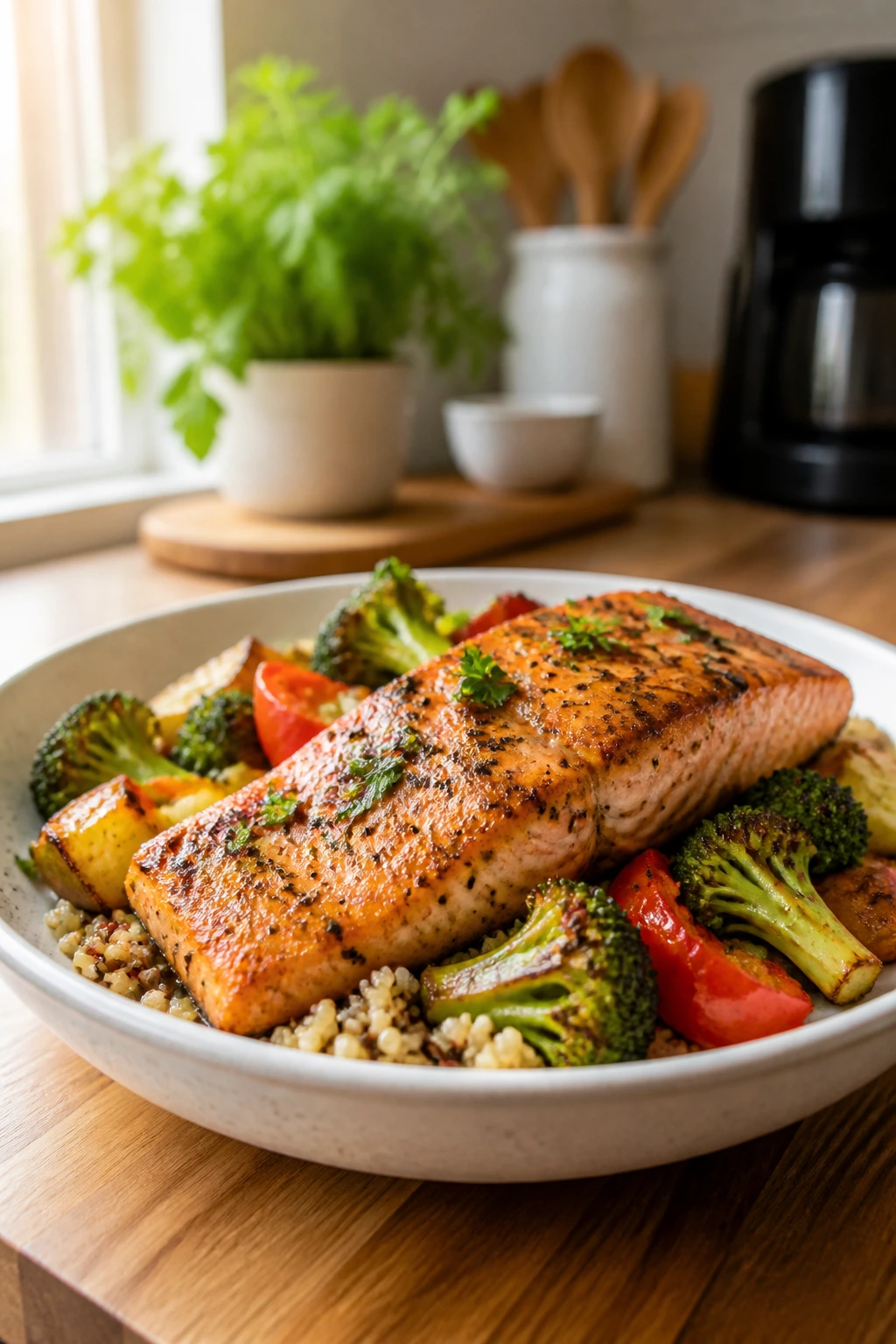
-
They make one-serving cooking feel normal: Every recipe is portioned so you’re not staring at half a can of beans and a lonely chicken breast wondering what comes next.
-
The protein source is the anchor: Eggs, fish, lean meat, tofu, yogurt, and beans do the heavy lifting, which keeps the meal satisfying without needing giant portions.
-
Most of them come together fast: A skillet, a sheet pan, or one saucepan is enough for the majority of these meals, and that keeps cleanup from taking over the night.
-
They’re built for small fridges: You’ll see ingredients that keep well in partial amounts — cabbage, carrots, canned beans, Greek yogurt, frozen edamame, eggs, and tortillas all earn their place here.
-
They leave room for leftovers without forcing them: If you’ve got extra rice, a stray zucchini, or a half-bag of spinach, these meals can absorb it instead of making you throw it out.
-
They taste like actual food: No chalky powders, no sad “health meal” energy, no punishingly dry chicken breast. If a recipe needs olive oil, lemon, garlic, soy sauce, or a spoonful of yogurt to taste right, it gets them.
1. Spinach-Feta Egg White Scramble
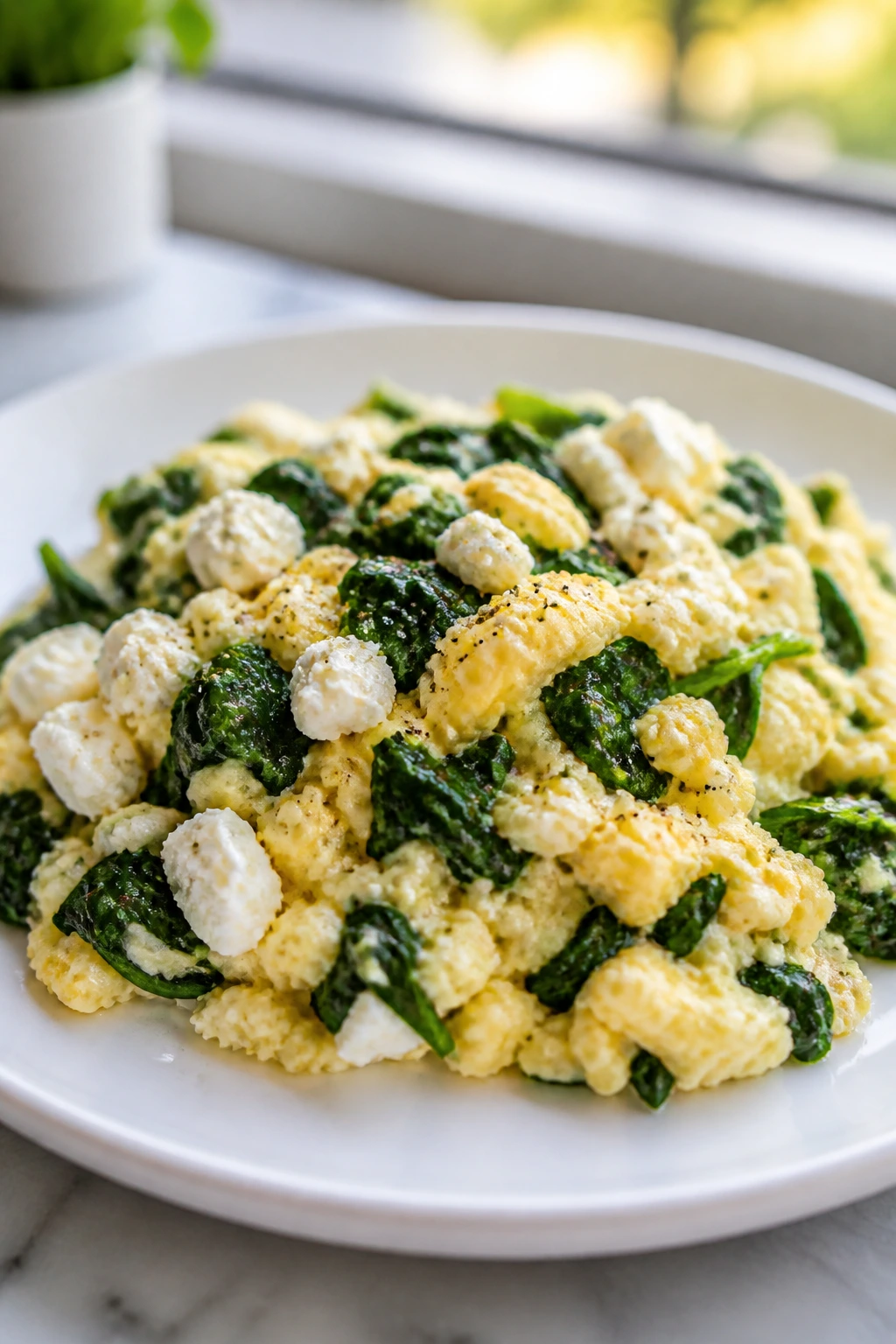
A hot skillet and a small handful of spinach can do more than people give them credit for. The egg whites stay light, the single whole egg keeps the texture from getting chalky, and the feta lands in salty pockets that wake up the whole pan. This is one of those breakfasts that feels fast but still looks intentional on the plate.
Why It Works:
Three egg whites plus one whole egg give you a tidy protein hit without making the scramble heavy. Spinach cooks down in seconds, so the pan stays neat and the eggs don’t have to fight with a lot of moisture. Feta brings enough salt that you can keep the seasoning simple.
Key Ingredients:
- 3 large egg whites
- 1 large egg
- 2 cups baby spinach
- 1 oz feta cheese, crumbled
- 1 teaspoon olive oil
- 1 slice whole-grain toast, toasted
- 1 tablespoon milk or water
- Salt and black pepper
Quick Steps:
- Heat the olive oil in a small nonstick skillet over medium heat.
- Add the spinach and cook for 30 to 45 seconds, just until wilted.
- Whisk the egg whites, egg, milk, salt, and pepper in a bowl.
- Pour the eggs into the skillet and stir slowly with a spatula until soft curds form.
- Sprinkle in the feta, cook for 20 seconds more, then slide it onto the toast.
Equipment for This Recipe:
- Small nonstick skillet
- Small bowl and fork
- Silicone spatula
- Toaster or skillet for bread
How to Serve This Dish:
Pile the scramble over the toast so the bread catches the runny bits. A few tomato slices on the side make the plate look fuller without adding much work.
Pro Tips for This Recipe:
- Keep the heat at medium, not high, or the eggs go rubbery fast.
- If your feta is very salty, use a little less pepper than you think you need.
- A pinch of chopped dill works well here if you like a more brunchy taste.
Variations on This Dish:
- Mushroom Version: Add 1/4 cup sliced mushrooms before the spinach.
- Dairy-Free Swap: Skip the feta and finish with nutritional yeast and chives.
Common Mistakes to Avoid with This Dish:
- Cooking on high heat: The eggs tighten up and lose their soft texture; use medium heat instead.
- Adding too much spinach at once: The pan turns watery, so keep it to a loose two cups.
- Skipping the toast: The scramble tastes fine alone, but the toast gives it structure and makes it feel like a meal.
2. Cottage Cheese Veggie Omelet
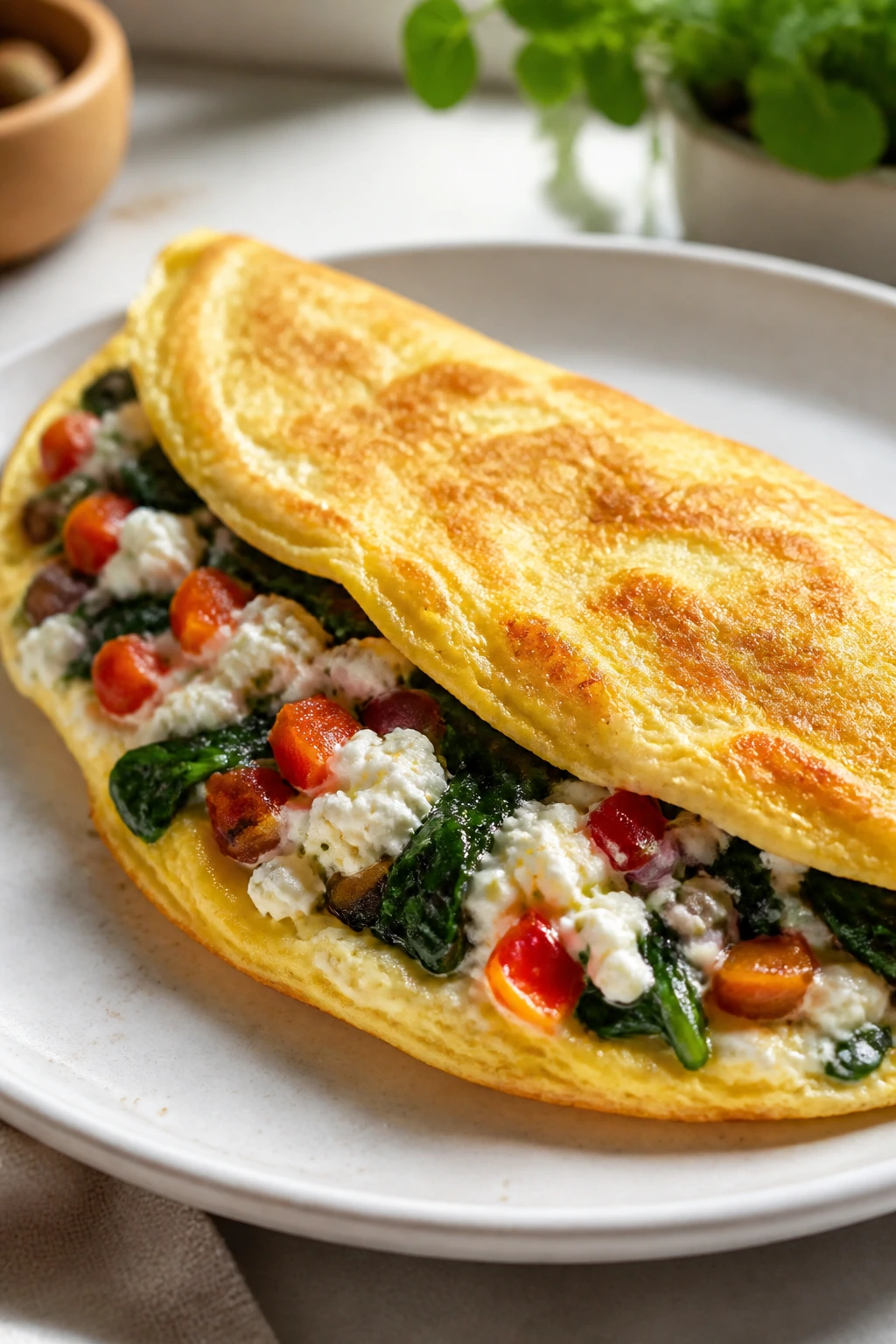
Cottage cheese in an omelet sounds odd until you taste the first creamy bite. The curds soften into the eggs, the mushrooms give the filling a little chew, and the whole thing lands somewhere between breakfast and lunch. I like this one when I want protein without meat and without another smoothie.
Why It Works:
Two eggs plus cottage cheese give the omelet a sturdy protein base and a softer interior than plain eggs alone. Bell pepper and mushrooms add volume without much effort, which helps the omelet feel like more than folded protein. The trick is keeping the pan moderate so the eggs set before the filling leaks out.
Key Ingredients:
- 2 large eggs
- 1/3 cup cottage cheese
- 1/4 cup diced bell pepper
- 1/4 cup sliced mushrooms
- 1 tablespoon chopped scallions
- 1 teaspoon butter or olive oil
- Salt and black pepper
- Hot sauce, optional
Quick Steps:
- Heat the butter in an 8-inch nonstick skillet over medium heat.
- Cook the bell pepper and mushrooms for 3 to 4 minutes until softened.
- Whisk the eggs with salt and pepper, then pour them into the pan.
- When the edges set, spoon the cottage cheese over one half of the omelet.
- Fold, cook for 30 seconds more, and slide it onto a plate with scallions on top.
Equipment for This Recipe:
- 8-inch nonstick skillet
- Small bowl and whisk
- Rubber spatula
- Spoon for filling
How to Serve This Dish:
Eat it with sliced cucumbers or a piece of fruit if you want something fresh next to it. If you’re hungrier, toast another slice of whole-grain bread and drag the omelet over the top.
Pro Tips for This Recipe:
- Drain cottage cheese briefly if it’s very wet.
- Don’t overfill the omelet; one spoonful too many and it tears.
- A tiny splash of hot sauce inside the eggs makes the cottage cheese taste brighter.
Variations on This Dish:
- Garden Omelet: Swap in zucchini and spinach for the peppers and mushrooms.
- Everything Bagel Version: Sprinkle everything bagel seasoning over the filling before folding.
Common Mistakes to Avoid with This Dish:
- Using a pan that’s too big: The eggs spread thin and tear; an 8-inch skillet is better here.
- Adding cottage cheese too early: It can weep into the eggs; wait until the omelet has set.
- Overstuffing the fold: A modest filling makes the omelet cleaner and easier to flip.
3. Greek Yogurt Chicken Salad Lettuce Cups
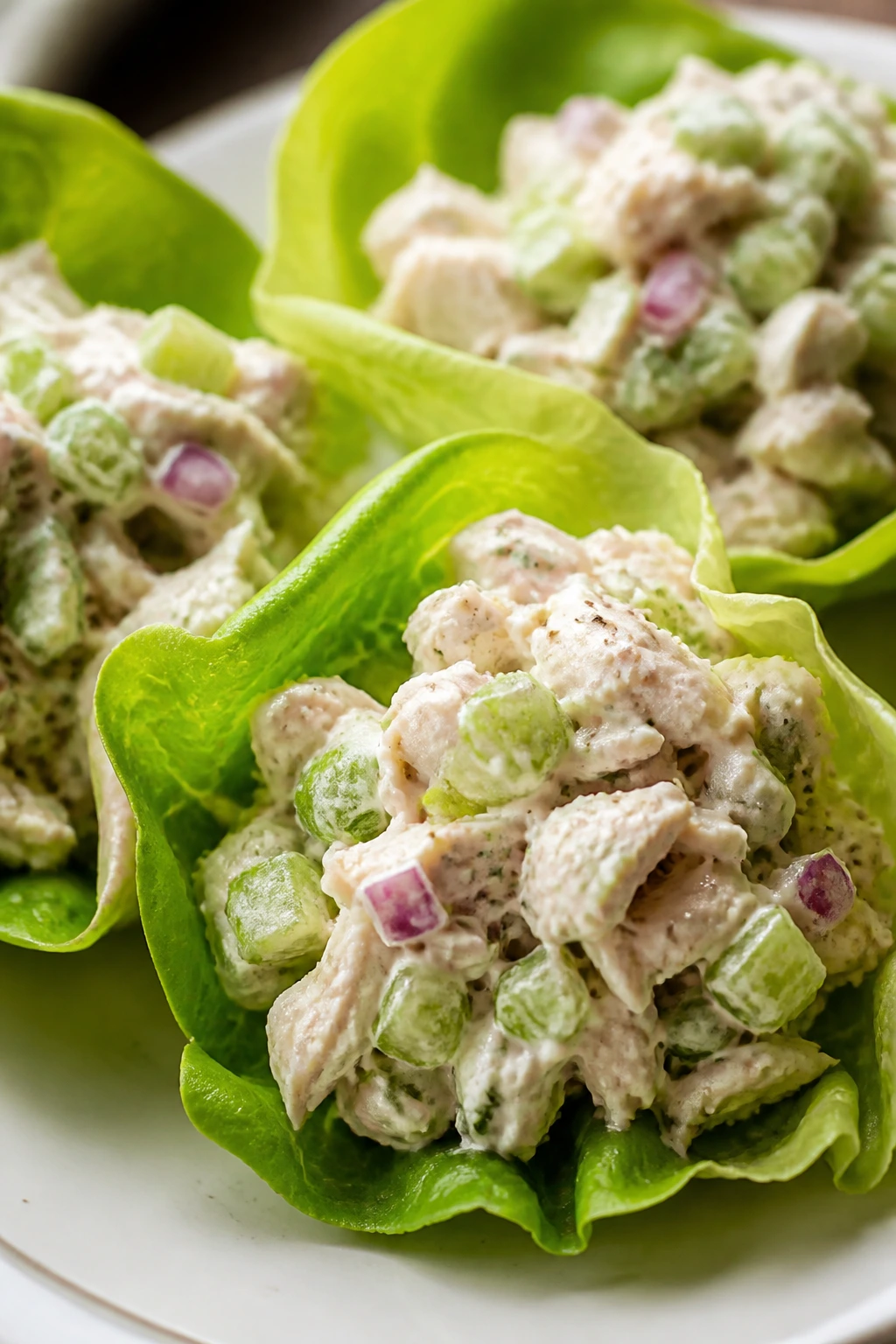
This is chicken salad that actually behaves. Greek yogurt keeps it sharp and creamy without the heavy mayonnaise vibe, celery adds crunch, and the lettuce cups keep the whole thing crisp. It’s cold, bright, and useful, which is more than I can say for a lot of lunch food.
Why It Works:
Cooked chicken breast gives you a strong protein base, and Greek yogurt adds more protein while binding everything together. Celery and onion keep the texture lively so the salad doesn’t turn soft and dull. Lettuce cups make the portion feel clean and easy to eat without bread if you want a lighter meal.
Key Ingredients:
- 1 cup cooked shredded chicken breast
- 1/3 cup plain Greek yogurt
- 1 tablespoon Dijon mustard
- 1 tablespoon finely chopped celery
- 1 tablespoon finely chopped red onion
- 1 teaspoon lemon juice
- Salt and black pepper
- 4 to 6 large lettuce leaves
- 1 tablespoon chopped parsley, optional
Quick Steps:
- Stir the chicken, Greek yogurt, mustard, celery, onion, lemon juice, salt, and pepper in a bowl.
- Taste and adjust the seasoning; it should be tangy, not bland.
- Chill for 10 minutes if you have time, which helps the flavors settle.
- Spoon into lettuce leaves and top with parsley.
Equipment for This Recipe:
- Mixing bowl
- Fork or spoon
- Knife and cutting board
- Lettuce spinner or clean towel
How to Serve This Dish:
Set the cups on a plate with sliced tomatoes or a few olives. If you want a firmer lunch, pile the same mixture onto toast or stuff it into a pita.
Pro Tips for This Recipe:
- Use chicken that isn’t overcooked; dry chicken stays dry no matter what you mix into it.
- Chop the celery small so every bite has crunch.
- A little grated lemon zest makes the filling taste fresher than extra salt ever will.
Variations on This Dish:
- Curry Chicken Cups: Add 1/4 teaspoon curry powder and a few chopped raisins.
- Avocado Swap: Mash in 2 tablespoons avocado for a softer, richer texture.
Common Mistakes to Avoid with This Dish:
- Too much yogurt: The salad turns soupy, so add it gradually.
- Skipping acid: Without lemon or mustard, the chicken tastes flat.
- Using flimsy lettuce: Choose romaine hearts or butter lettuce leaves that can hold a scoop.
4. Tuna White Bean Tomato Bowl
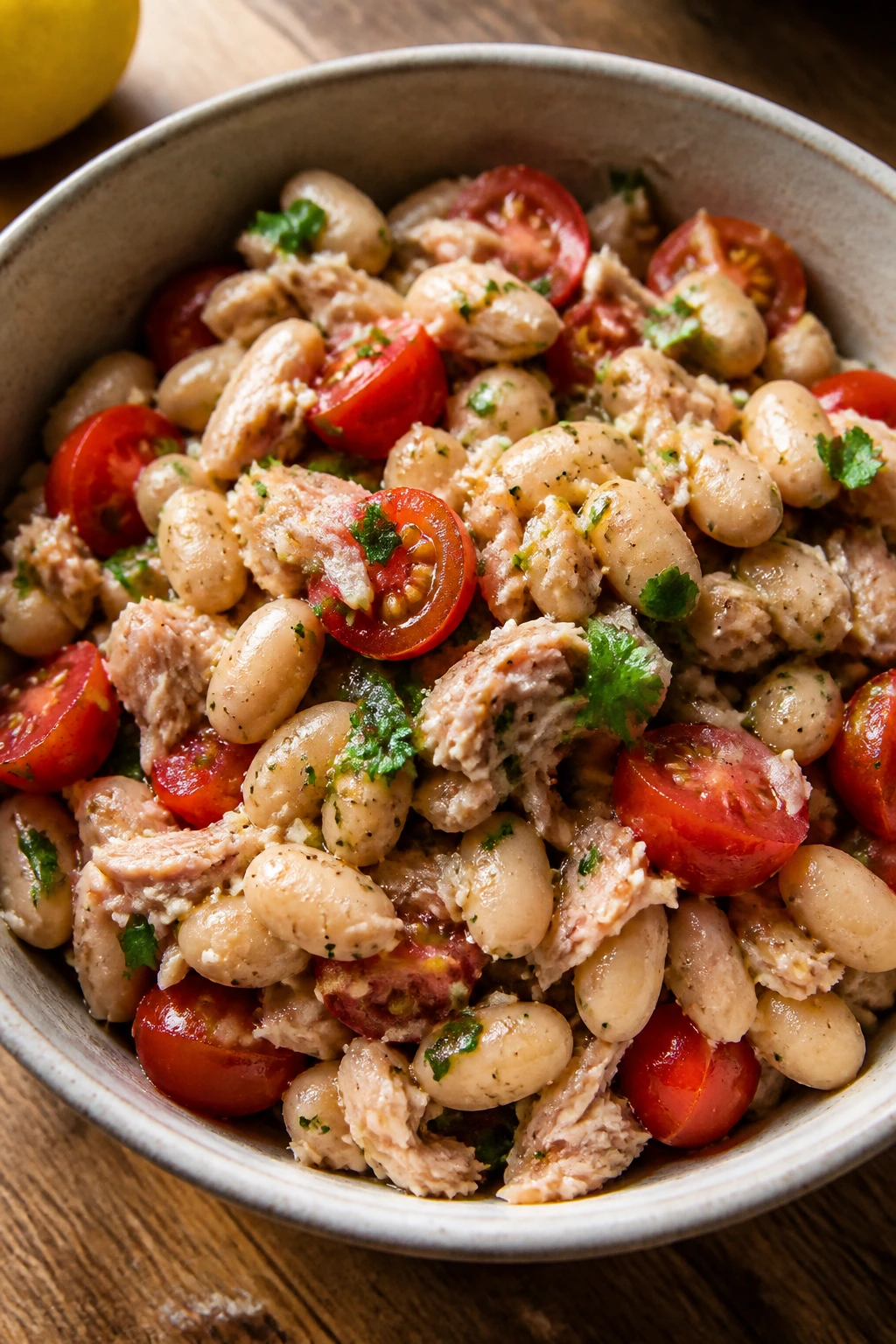
A can of tuna and a half-cup of beans can make a very decent lunch if you treat them with a little respect. The tomatoes burst in the bowl, the beans give the meal some body, and the lemon keeps the whole thing from tasting like pantry food. I like this one because it works cold or room temp, which makes it easy.
Why It Works:
Tuna brings lean protein with almost no prep, and white beans add fiber plus a soft, creamy texture that makes the bowl feel fuller. Olive oil and lemon loosen everything up so the tuna doesn’t eat like dry flakes. Parsley and capers give the bowl a briny edge that keeps it interesting.
Key Ingredients:
- 1 can tuna in water, 5 oz, drained
- 1/2 cup cannellini beans, rinsed
- 1 cup cherry tomatoes, halved
- 1/4 cucumber, diced
- 1 tablespoon olive oil
- 1 tablespoon lemon juice
- 1 tablespoon chopped parsley
- 1 teaspoon capers, optional
- Salt and black pepper
Quick Steps:
- Combine the tuna, beans, tomatoes, cucumber, parsley, capers, olive oil, lemon juice, salt, and pepper in a bowl.
- Toss gently so the beans stay intact.
- Taste and add a pinch more salt if the tuna is very plain.
- Eat right away or let it sit 5 minutes so the tomatoes release a little juice.
Equipment for This Recipe:
- Mixing bowl
- Fork
- Knife and cutting board
- Can opener
How to Serve This Dish:
Eat it with whole-grain crackers, pita chips, or a toasted slice of sourdough. If you want more volume, spoon it over arugula and call it lunch.
Pro Tips for This Recipe:
- Tuna packed in water keeps the bowl lighter, but oil-packed tuna works if you drain it well.
- Add the cucumber last so it stays crisp.
- If you dislike capers, a few chopped green olives do a similar job.
Variations on This Dish:
- Mediterranean Bowl: Add diced red onion and crumbled feta.
- Spicy Version: Stir in a spoonful of harissa or chili crisp.
Common Mistakes to Avoid with This Dish:
- Skipping the rinse on canned beans: The extra starch makes the bowl muddy.
- Overmixing the tuna: Keep some texture instead of mashing it into paste.
- Forgetting acid: Lemon keeps the tuna from tasting flat and metallic.
5. Salmon and Asparagus Sheet Pan Dinner
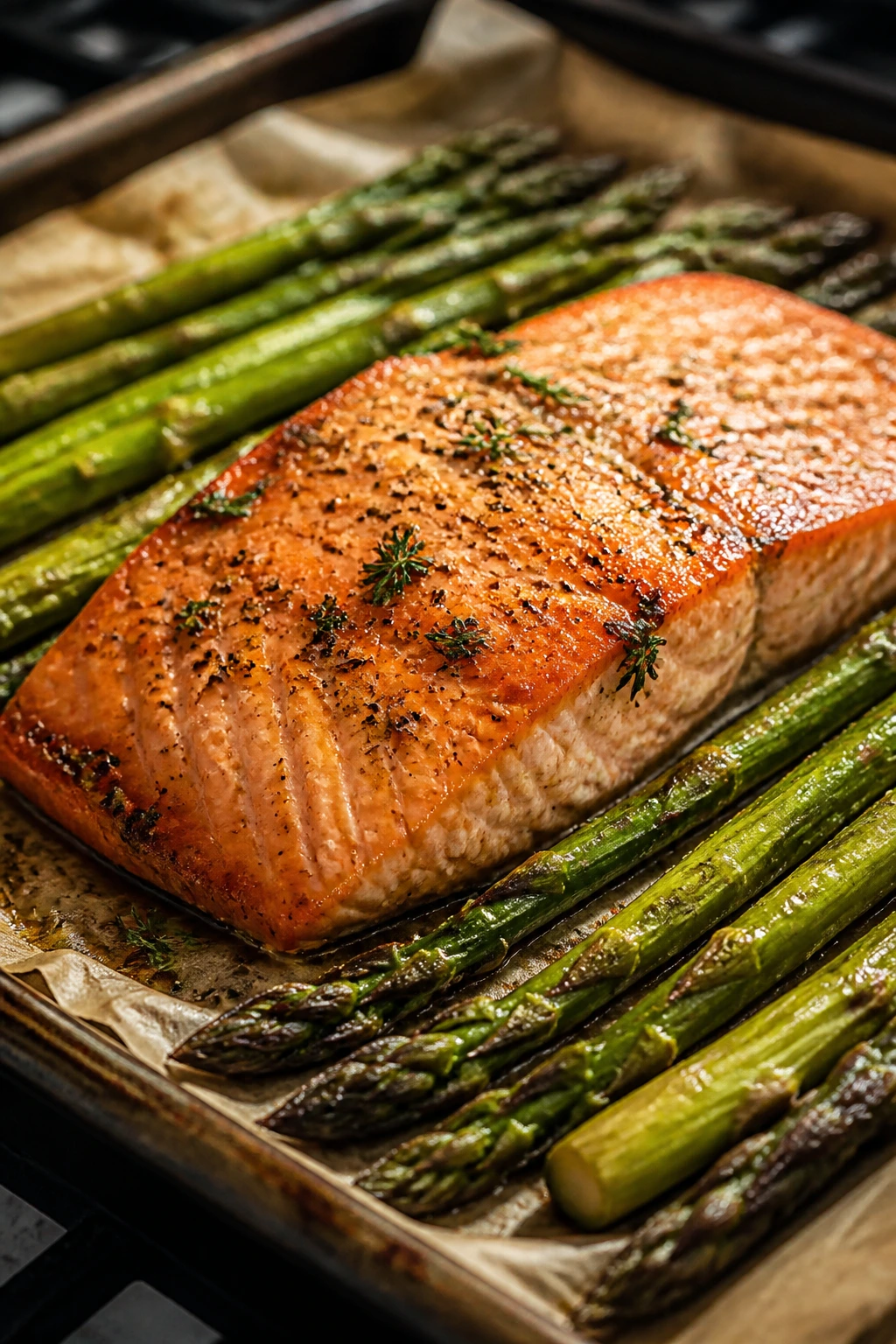
A single salmon fillet with a handful of asparagus is the kind of dinner that feels adult without being fussy. The fish gets silky at the center, the asparagus chars at the tips, and a squeeze of lemon at the end ties it together. Sheet pans are good for solo meals because they make cleanup look like a small act of mercy.
Why It Works:
Salmon gives you a dense hit of protein and fats that keep the meal satisfying. Asparagus roasts in the same time frame, so you can cook both together without babysitting the stove. The high heat browns the edges just enough to give the vegetables some bite.
Key Ingredients:
- 1 salmon fillet, 6 oz
- 8 asparagus spears, trimmed
- 1 teaspoon olive oil
- 1/2 teaspoon garlic powder
- Salt and black pepper
- 1 lemon wedge
- 1/2 cup cooked quinoa, optional
Quick Steps:
- Heat the oven to 400°F and line a small sheet pan with parchment.
- Toss the asparagus with half the olive oil, salt, and pepper.
- Place the salmon on the pan, rub with the remaining oil, garlic powder, salt, and pepper.
- Roast for 10 to 12 minutes until the salmon flakes and the asparagus is tender at the tips.
- Finish with lemon juice and serve over quinoa if you want a bigger meal.
Equipment for This Recipe:
- Small rimmed sheet pan
- Parchment paper
- Tongs or spatula
- Instant-read thermometer, optional
How to Serve This Dish:
Plate the salmon beside the asparagus and spoon any pan juices over the top. A scoop of quinoa under the fish turns it into a fuller dinner without complicating anything.
Pro Tips for This Recipe:
- Keep the salmon fillet about the same thickness as the asparagus bundle so it finishes evenly.
- If your oven runs cool, check at the 12-minute mark and give it another minute or two.
- A few capers on top taste good here if you like a briny finish.
Variations on This Dish:
- Dijon Salmon: Brush the fish with 1 teaspoon Dijon before roasting.
- Herb Version: Add dill or parsley after baking.
Common Mistakes to Avoid with This Dish:
- Overcooking the salmon: Pull it when the center still looks slightly translucent; it keeps cooking off the pan.
- Using asparagus that’s too thick without trimming: Thick stalks need more time and can stay woody.
- Skipping parchment: Fish skin and asparagus both like to stick if the pan is bare.
6. Turkey Taco Skillet Bowl
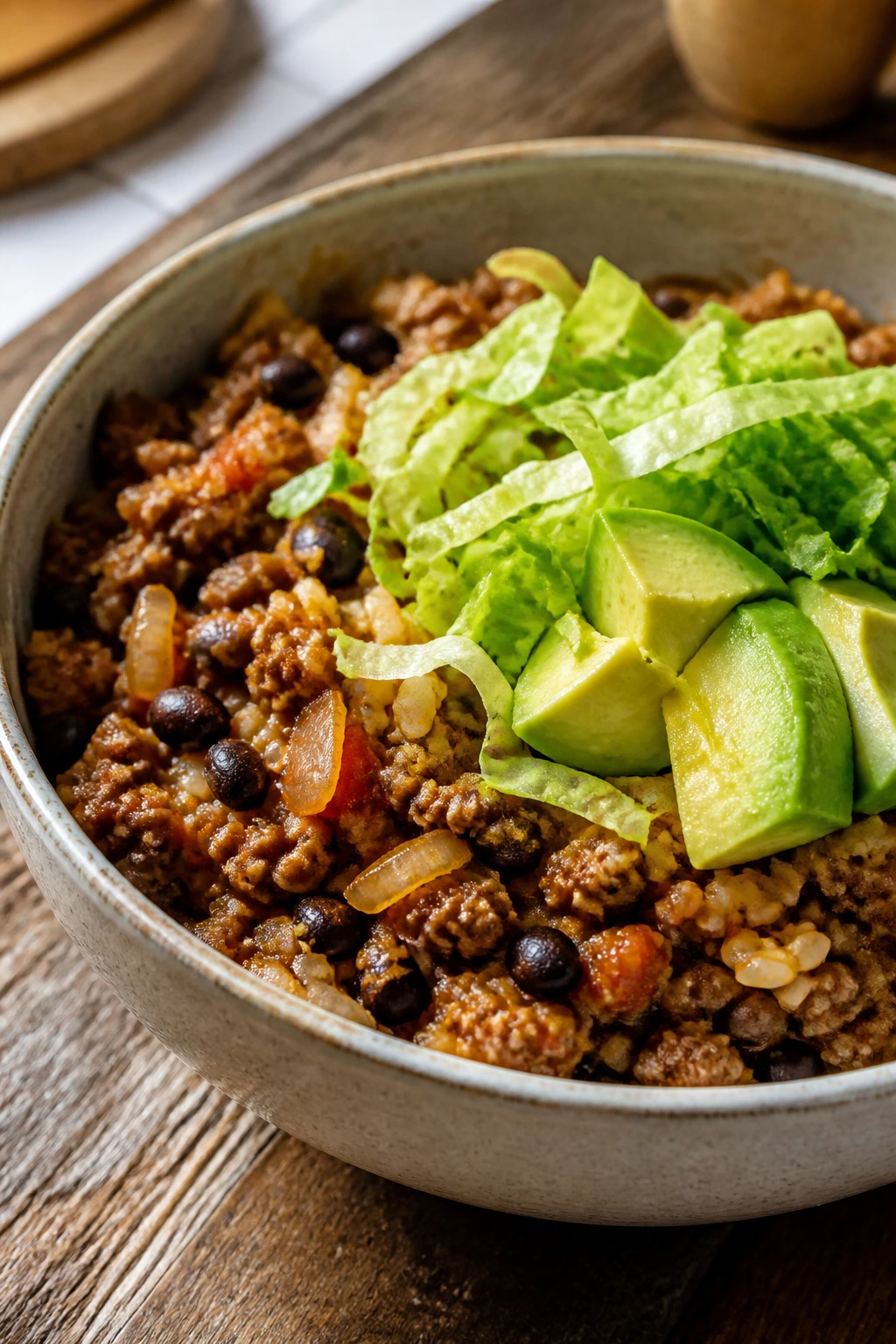
Ground turkey gets a bad reputation from people who cook it like it’s trying to punish them. Give it onion, garlic, salsa, and taco seasoning, and it turns into a tidy, savory bowl that tastes like dinner happened on purpose. This is the kind of meal I reach for when I want warmth without a sink full of dishes.
Why It Works:
Lean turkey cooks quickly, which makes it ideal for one-person portions. Salsa adds moisture so the meat stays tender, and black beans bring extra protein plus a little body. The bowl format lets you decide how much rice, lettuce, or avocado you want without throwing the whole thing off.
Key Ingredients:
- 6 oz lean ground turkey
- 1 teaspoon olive oil
- 1/4 cup diced onion
- 1 garlic clove, minced
- 1 teaspoon taco seasoning
- 2 tablespoons salsa
- 1/2 cup black beans, rinsed
- 1/2 cup cooked brown rice
- Shredded lettuce and avocado, for serving
Quick Steps:
- Heat the oil in a small skillet over medium heat.
- Cook the onion for 2 minutes, then add the turkey and garlic.
- Break up the meat and cook until no pink remains, about 5 to 6 minutes.
- Stir in the taco seasoning, salsa, and beans; cook for 2 minutes until hot.
- Spoon over rice and top with lettuce and avocado.
Equipment for This Recipe:
- Small skillet
- Wooden spoon or spatula
- Knife and cutting board
- Serving bowl
How to Serve This Dish:
Use the lettuce as a cool crunch on top of the hot turkey. A spoonful of plain Greek yogurt stands in nicely for sour cream if you want something creamier.
Pro Tips for This Recipe:
- A splash of water helps if the pan looks dry before the salsa goes in.
- Don’t overcook the turkey; it firms up fast.
- If your seasoning blend is salty, taste before adding more.
Variations on This Dish:
- Beanier Bowl: Add 1/4 cup corn and reduce the rice a little.
- Spicy Version: Stir in chopped jalapeño or hot sauce.
Common Mistakes to Avoid with This Dish:
- Using heat that’s too high: Turkey dries out and sticks; medium heat is enough.
- Skipping the beans: They make the bowl feel fuller and steadier.
- Putting avocado in the hot pan: Add it at the end or it turns mushy fast.
7. Shrimp Garlic Zucchini Noodles
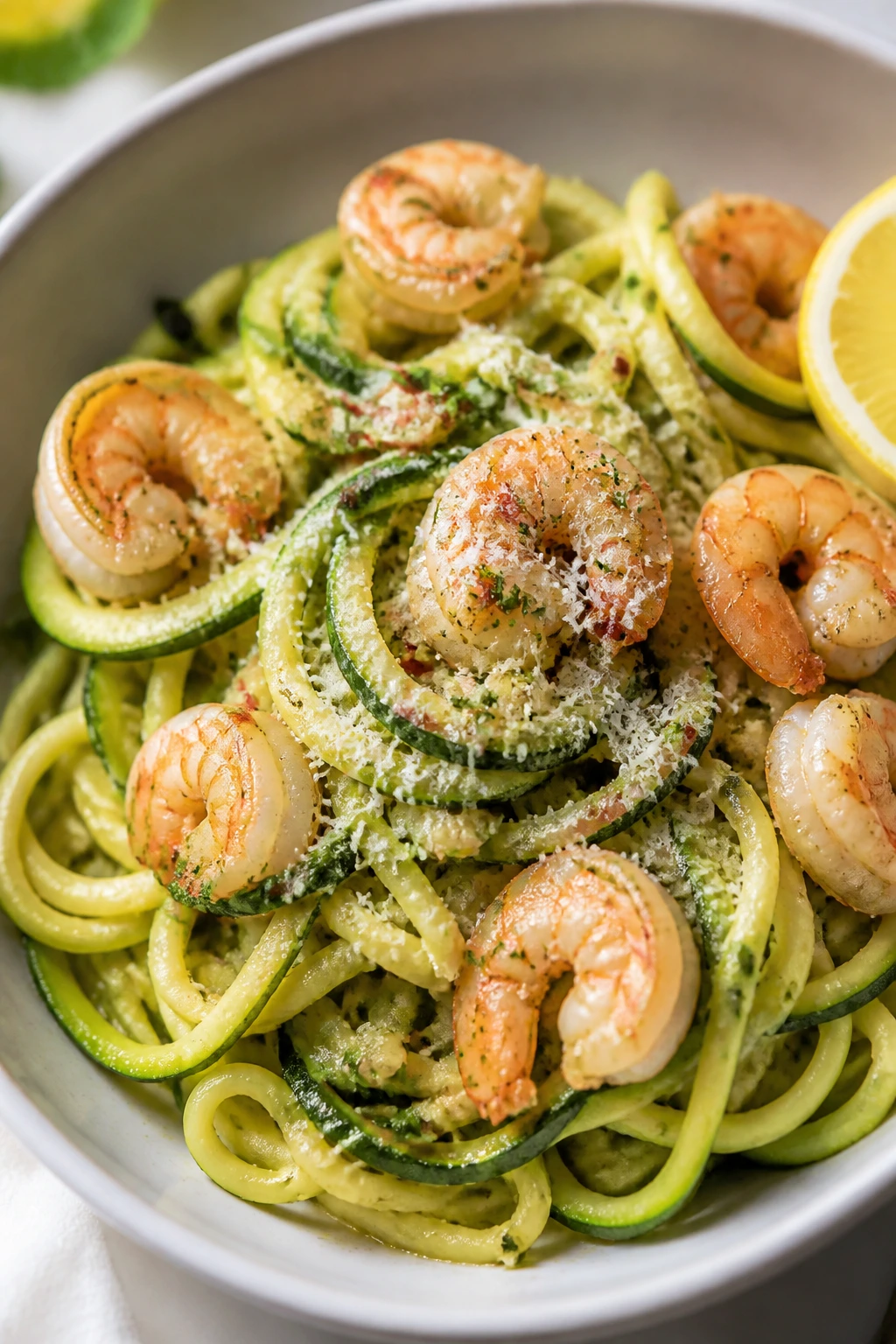
Shrimp and zucchini noodles are one of the few fast meals that still feel bright at the table. The shrimp sear in minutes, the zucchini stays just tender enough, and the garlic smells sweet instead of harsh if you don’t let it scorch. It’s light, but not skimpy.
Why It Works:
Shrimp cooks quickly and brings a lot of protein for the amount of food on the plate. Zucchini noodles give you volume without a heavy starch load, and the quick sauté keeps them from turning soggy. A little parmesan and lemon make the dish feel finished.
Key Ingredients:
- 8 oz raw shrimp, peeled and deveined
- 2 medium zucchini, spiralized
- 2 teaspoons olive oil
- 2 garlic cloves, minced
- 1 tablespoon lemon juice
- 1 tablespoon grated parmesan
- Red pepper flakes, optional
- Salt and black pepper
Quick Steps:
- Pat the shrimp dry and season with salt and pepper.
- Heat 1 teaspoon oil in a skillet over medium-high heat and cook shrimp for 1 to 2 minutes per side.
- Remove the shrimp, add the remaining oil and garlic, and cook 20 seconds.
- Toss in the zucchini noodles and cook for 1 to 2 minutes until just tender.
- Return the shrimp, add lemon juice and parmesan, then serve immediately.
Equipment for This Recipe:
- Large skillet
- Spiralizer or vegetable peeler
- Tongs
- Paper towels
How to Serve This Dish:
Pile the shrimp on top so the heat from the pan keeps everything warm. A little chopped basil makes it look and taste fresher.
Pro Tips for This Recipe:
- Dry shrimp sear better; wet shrimp steam and go bland.
- Don’t cook the zucchini noodles for long or they leak water.
- If you want more substance, toss in a handful of white beans.
Variations on This Dish:
- Pesto Shrimp: Swap lemon and parmesan for 1 tablespoon pesto.
- Tomato Version: Add a handful of cherry tomatoes in the garlic step.
Common Mistakes to Avoid with This Dish:
- Overcooking shrimp: They turn rubbery in a hurry, so pull them as soon as they curl.
- Crowding the pan with zucchini: Cook in a loose layer or the noodles steam.
- Burning the garlic: Twenty seconds is enough; after that, it goes bitter.
8. Tofu Peanut Broccoli Stir-Fry
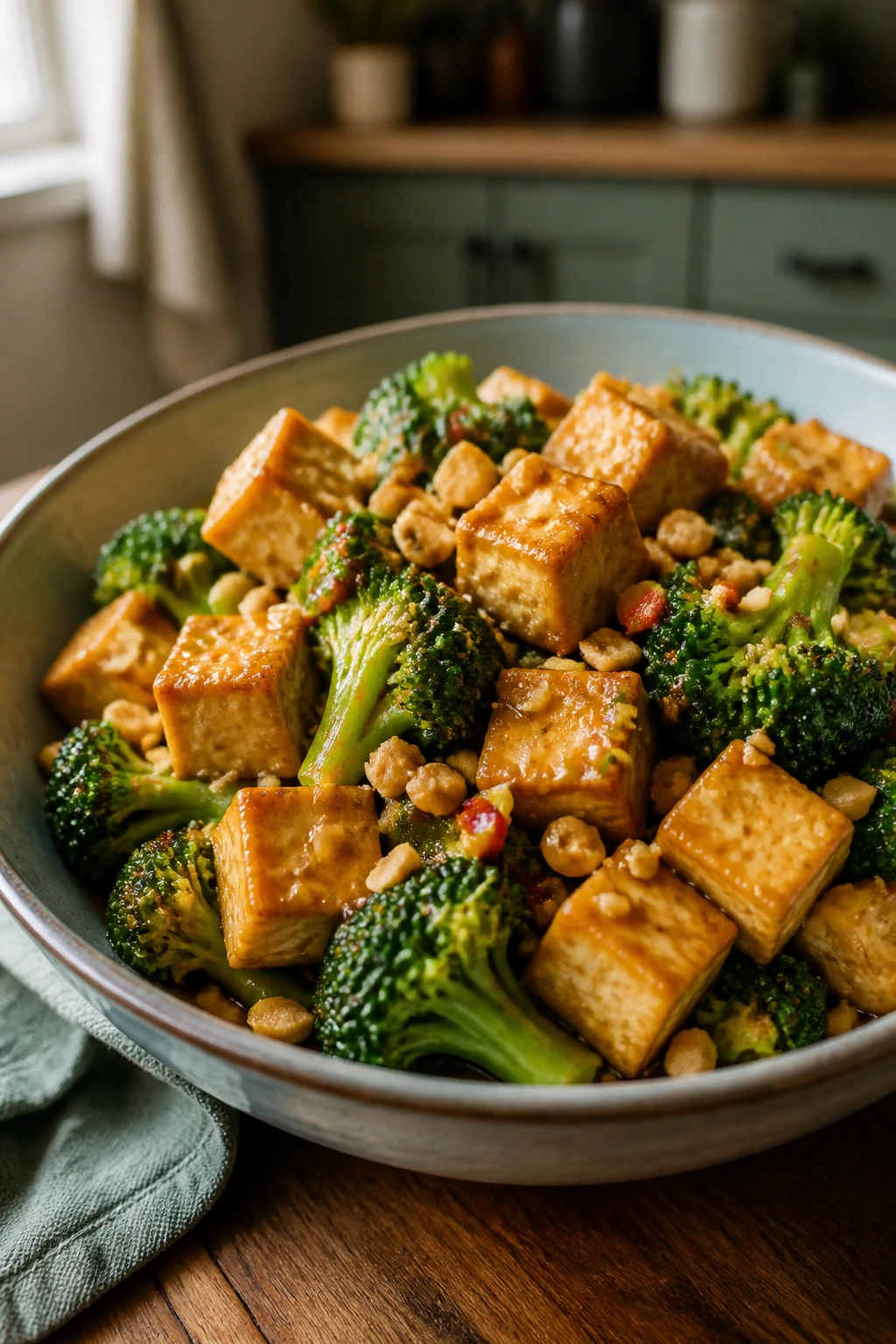
This is the sort of tofu dinner that makes sense even to tofu skeptics. The outside gets crisp, the broccoli stays green and snappy, and the peanut sauce clings to everything in a way that feels richer than the ingredient list looks. It’s fast, cheap, and not remotely boring.
Why It Works:
Extra-firm tofu gives you a solid protein base once it’s pressed and browned. Peanut butter and soy sauce make a sauce that tastes fuller than a simple stir-fry glaze, while broccoli adds crunch and a clean bite. A little honey rounds out the edges so the sauce doesn’t hit too hard.
Key Ingredients:
- 8 oz extra-firm tofu, pressed and cubed
- 1 cup broccoli florets
- 1/2 bell pepper, sliced
- 1 tablespoon peanut butter
- 1 tablespoon soy sauce
- 1 teaspoon sesame oil
- 1 teaspoon honey
- 1/4 cup water
- 1/2 cup cooked rice, optional
Quick Steps:
- Heat a skillet over medium-high heat with a little oil and brown the tofu for 6 to 8 minutes.
- Add the broccoli and bell pepper with a splash of water.
- Cook 3 to 4 minutes until the broccoli turns bright green and slightly tender.
- Stir in peanut butter, soy sauce, sesame oil, honey, and water until glossy.
- Serve over rice if you want the bowl to feel bigger.
Equipment for This Recipe:
- Large skillet or wok
- Spatula
- Small bowl for sauce
- Knife and cutting board
How to Serve This Dish:
A sprinkle of sesame seeds and scallions makes the bowl look done. If you like heat, a few drops of chili oil are enough.
Pro Tips for This Recipe:
- Press the tofu for at least 10 minutes if you can.
- Keep the broccoli pieces small enough to cook in a few minutes.
- If the sauce gets too thick, splash in another tablespoon of water.
Variations on This Dish:
- Sesame-Ginger Version: Add grated ginger and a touch more soy sauce.
- Nut-Free Swap: Use sunflower seed butter instead of peanut butter.
Common Mistakes to Avoid with This Dish:
- Skipping the tofu press: Wet tofu browns badly and stays soft.
- Using too much sauce too early: Add it near the end so it coats instead of disappearing.
- Overcooking the broccoli: You want some bite left, not army-green mush.
9. Lentil Egg Curry
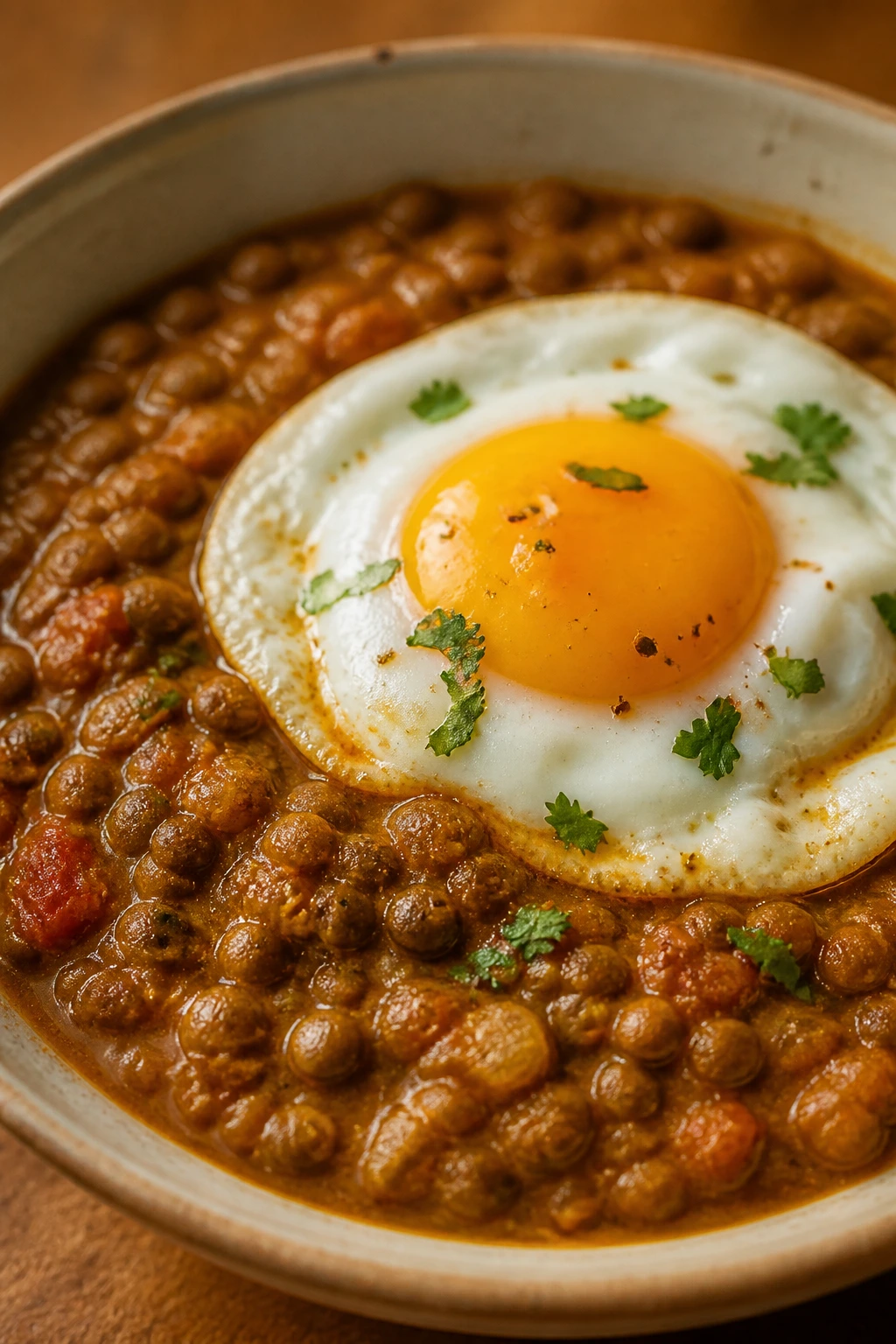
Lentils and eggs are an underrated pairing. The lentils give the curry a thick, stew-like body, the egg adds a rich yolk in the middle, and the spices do most of the work from there. This one is especially good when you want dinner to feel warm without needing meat.
Why It Works:
Cooked lentils are dense with protein and fiber, which makes the meal feel steady instead of snack-like. A quick tomato base plus curry powder gives the bowl depth without a long simmer. Topping it with an egg keeps the whole thing from tasting too soft or one-note.
Key Ingredients:
- 1 cup cooked lentils
- 1 large egg
- 1/4 cup diced onion
- 1 garlic clove, minced
- 1/2 cup crushed tomatoes
- 1 teaspoon curry powder
- 1/4 cup light coconut milk or plain yogurt
- 1 cup spinach
- Salt and black pepper
Quick Steps:
- Cook the onion and garlic in a small saucepan for 2 minutes.
- Stir in curry powder and crushed tomatoes, then simmer for 2 minutes.
- Add the lentils and coconut milk, then cook until hot and thick.
- Stir in spinach until wilted.
- Fry or poach the egg and place it on top before serving.
Equipment for This Recipe:
- Small saucepan
- Skillet for egg
- Spoon
- Knife and cutting board
How to Serve This Dish:
A spoonful of yogurt on top cools the spices and adds creaminess. If you want more structure, serve it with a piece of naan or a scoop of rice.
Pro Tips for This Recipe:
- Brown the onion a little so the curry tastes deeper.
- Use cooked lentils, not raw, or the timing changes completely.
- A squeeze of lemon at the end brightens the whole bowl.
Variations on This Dish:
- Red Lentil Version: Use red lentils and simmer them directly in the sauce.
- Extra-Green Version: Add chopped kale instead of spinach.
Common Mistakes to Avoid with This Dish:
- Making the sauce too thin: It should coat the lentils, not flood the bowl.
- Using too much curry powder at once: Start with 1 teaspoon and adjust after tasting.
- Breaking the egg yolk before serving: The runny yolk is half the point.
10. Sirloin and Mushroom Skillet
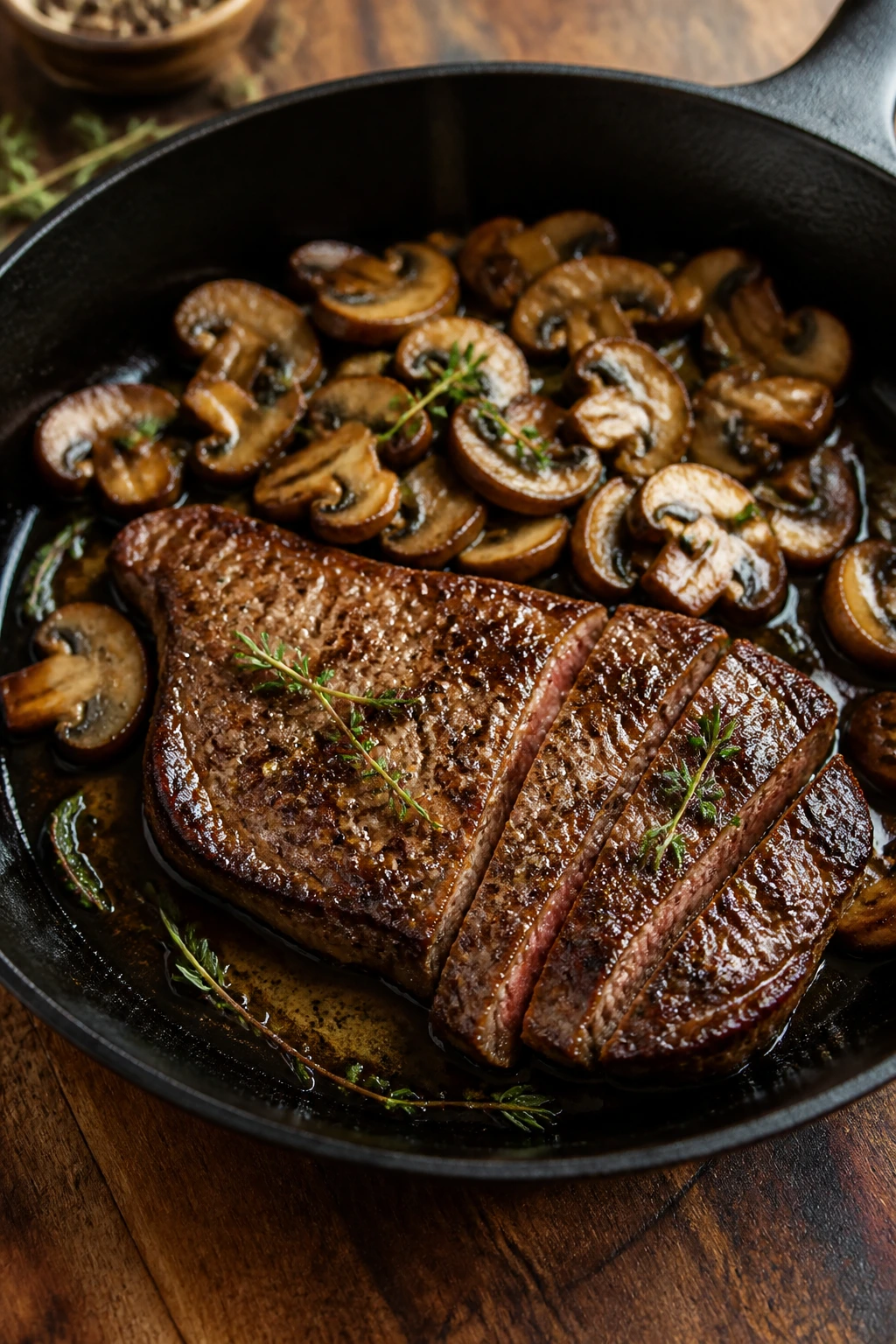
A single strip steak with mushrooms is a small dinner with a lot of payoff. The beef sears hard, the mushrooms soak up the pan drippings, and a bit of thyme gives the whole skillet a steakhouse feel without the bill. This is what I make when I want something that tastes deliberate.
Why It Works:
Sirloin gives you solid protein without the fuss of a giant roast or a giant clean-up. Mushrooms absorb the savory bits left in the pan, which makes a single portion taste fuller than the ingredient list suggests. A quick rest keeps the beef juicy.
Key Ingredients:
- 5 oz sirloin steak
- 1 cup sliced mushrooms
- 1/4 cup sliced onion
- 1 teaspoon olive oil
- 1 teaspoon butter, optional
- Salt and black pepper
- 1/4 teaspoon dried thyme
- Parsley, optional
Quick Steps:
- Pat the steak dry and season both sides with salt and pepper.
- Heat oil in a skillet over medium-high heat and sear the steak 2 to 3 minutes per side.
- Remove the steak and let it rest.
- Add mushrooms and onion to the pan, cooking 4 to 5 minutes until browned.
- Return the steak, add thyme and butter if using, then serve.
Equipment for This Recipe:
- Heavy skillet
- Tongs
- Cutting board
- Sharp knife
How to Serve This Dish:
Serve it with a simple green salad or steamed green beans. Slice the steak against the grain so the single portion stays tender.
Pro Tips for This Recipe:
- Let the steak sit at room temperature for 10 minutes before cooking if you have time.
- Don’t crowd the mushrooms; they need direct contact with the pan.
- Resting the meat for 5 minutes keeps the juices from running all over the board.
Variations on This Dish:
- Garlic Butter Version: Add 1 minced garlic clove in the last minute.
- Balsamic Version: Splash in 1 teaspoon balsamic vinegar with the mushrooms.
Common Mistakes to Avoid with This Dish:
- Moving the steak around too much: You want a proper sear, so leave it alone.
- Slicing immediately: The juices leak out and the steak eats dry.
- Salting the mushrooms too early: They release more water and brown less.
11. Edamame Soba Bowl with Soft-Boiled Egg
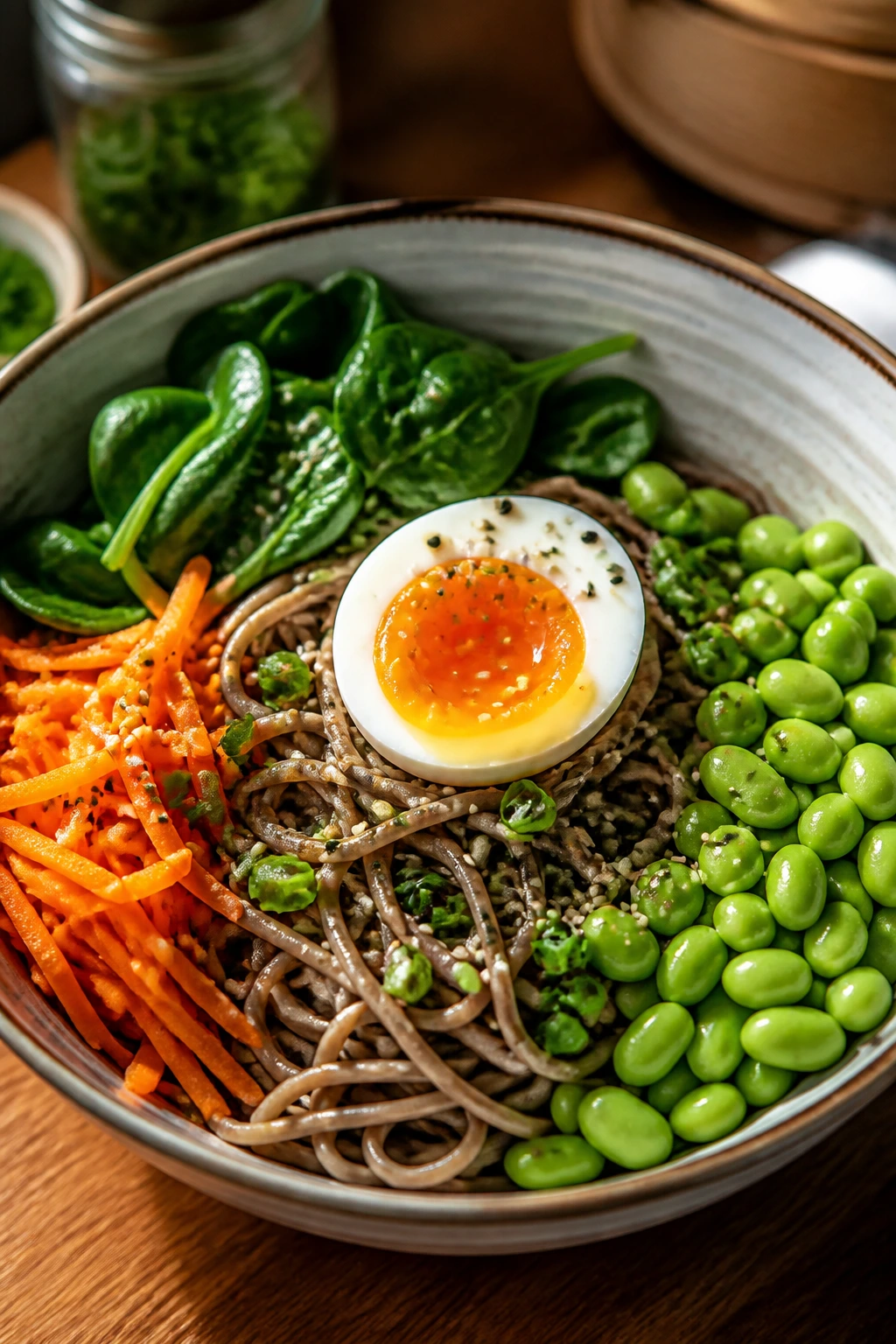
This bowl has the kind of balance I trust on busy days. The soba noodles bring chew, the edamame and egg add protein, and the sesame-soy dressing lands somewhere between light and satisfying. It’s one of the better meals to make when you want something that feels fresh but not flimsy.
Why It Works:
Soba noodles cook quickly and hold up well under a simple dressing. Edamame adds plant protein and a little pop, while the egg gives the bowl a richer center. Raw carrot and spinach keep the texture from going soft.
Key Ingredients:
- 2 oz soba noodles
- 1/2 cup shelled edamame
- 1 large egg
- 1/2 carrot, shredded
- 1 cup baby spinach
- 1 tablespoon soy sauce
- 1 teaspoon sesame oil
- 1 teaspoon rice vinegar
- 1 tablespoon sliced scallions
Quick Steps:
- Cook the soba noodles according to the package and rinse briefly.
- Boil the egg for 7 minutes for a jammy yolk, then peel it.
- Warm the edamame and spinach in the noodle pot for 30 seconds.
- Toss everything with soy sauce, sesame oil, and rice vinegar.
- Top with the egg, carrot, and scallions.
Equipment for This Recipe:
- Small saucepan
- Colander
- Mixing bowl
- Slotted spoon
How to Serve This Dish:
Serve it in a wide bowl so the egg can sit in the center. A little chili crisp works well if you want more heat.
Pro Tips for This Recipe:
- Rinse soba lightly so it doesn’t clump.
- Jammy eggs are the best fit here; runny is messy, hard-boiled is dull.
- Keep the dressing simple or the bowl gets too busy.
Variations on This Dish:
- Tahini Version: Swap sesame oil for 1 teaspoon tahini and a splash of water.
- Cold Lunch Version: Chill the noodles and eat it straight from the fridge.
Common Mistakes to Avoid with This Dish:
- Overcooking soba: It goes gummy fast.
- Skipping the rinse on noodles: The starch makes the bowl gluey.
- Using too much dressing: A light coating is enough.
12. Protein Oatmeal with Peanut Butter and Egg Whites
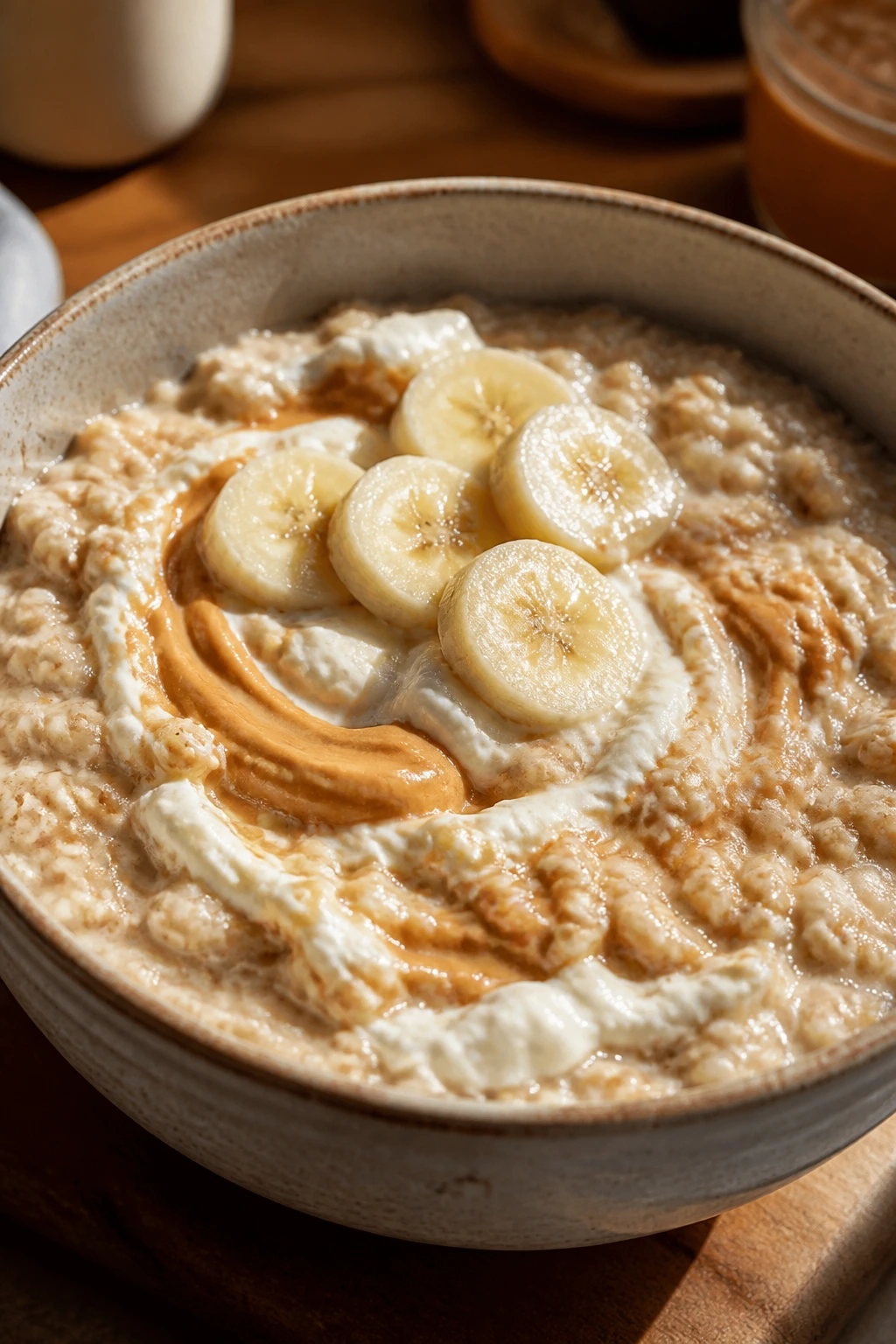
Oatmeal gets much more useful when you stop treating it like a sugar delivery system. Egg whites cook into the oats without making them strange if you add them slowly, peanut butter gives the bowl fat and flavor, and banana brings enough sweetness to keep the whole thing from tasting like diet food. This is breakfast that sticks.
Why It Works:
Rolled oats give you a warm, steady base, and egg whites raise the protein without changing the structure much if you stir them in gradually. Peanut butter and chia seeds add fat and texture, which keeps the bowl from feeling thin. It’s cheap, and that matters in solo cooking.
Key Ingredients:
- 1/2 cup rolled oats
- 3/4 cup milk
- 1/2 cup egg whites
- 1 tablespoon peanut butter
- 1 tablespoon chia seeds
- 1/2 banana, sliced
- 1/4 teaspoon cinnamon
- Pinch of salt
Quick Steps:
- Simmer the oats, milk, cinnamon, and salt in a small saucepan for 3 minutes.
- Lower the heat and slowly stir in the egg whites.
- Cook 1 to 2 minutes more, stirring constantly, until creamy and thick.
- Spoon into a bowl and top with peanut butter, chia seeds, and banana.
Equipment for This Recipe:
- Small saucepan
- Whisk or spoon
- Bowl
- Measuring cups
How to Serve This Dish:
Eat it right away while it’s warm and soft. If you want more texture, add chopped walnuts or a few pumpkin seeds on top.
Pro Tips for This Recipe:
- Pour the egg whites in slowly or they’ll scramble into curds.
- Use a medium-low flame once the oats thicken.
- A pinch more salt makes the banana and peanut butter taste stronger.
Variations on This Dish:
- Berry Bowl: Swap the banana for blueberries.
- Chocolate Version: Add 1 teaspoon cocoa powder and a few cacao nibs.
Common Mistakes to Avoid with This Dish:
- Adding egg whites too fast: They turn into little ribbons instead of blending in.
- Boiling too hard: The oatmeal can scorch on the bottom.
- Skipping salt: The bowl tastes flat without it.
13. Greek Chicken Pita Melt
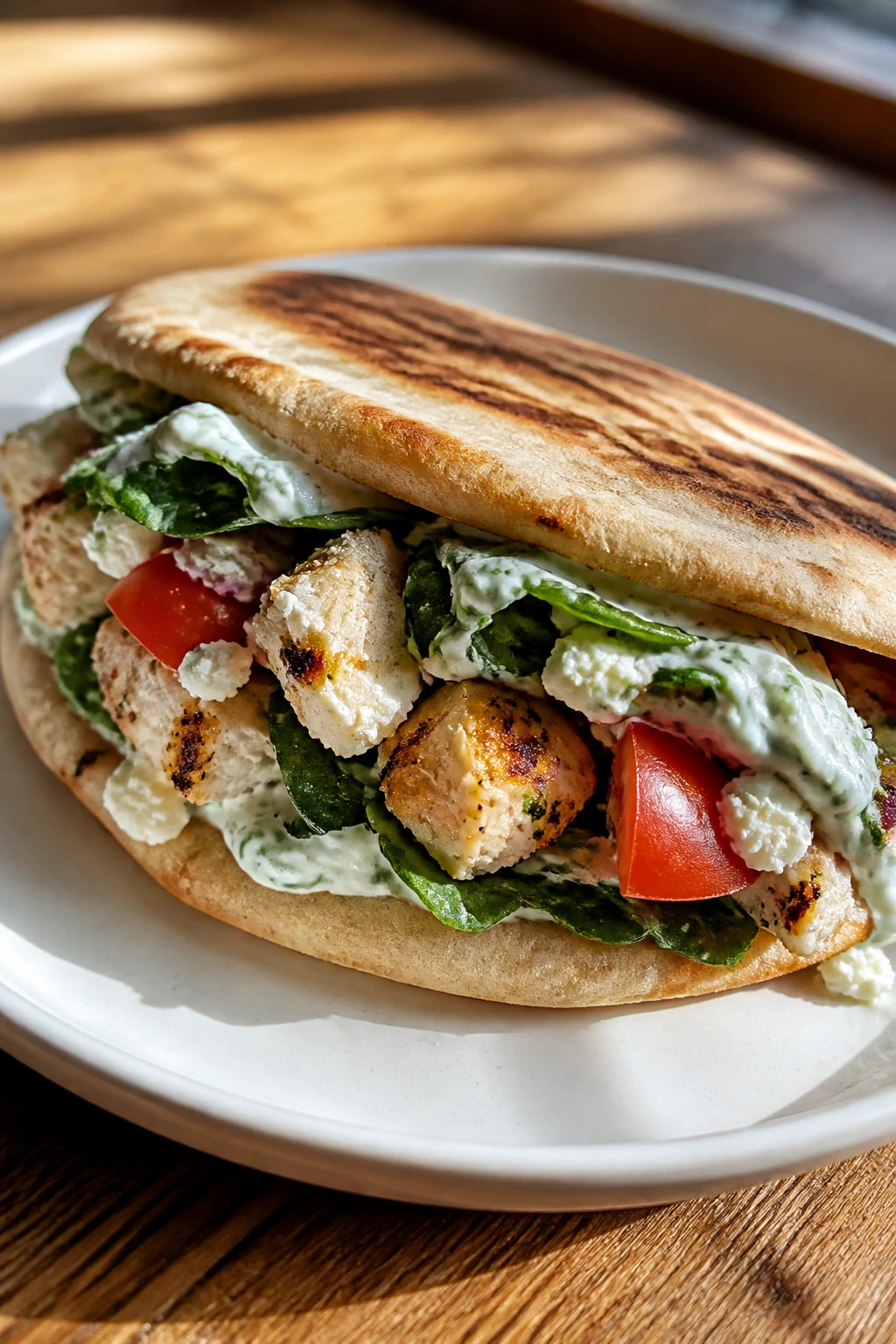
A warm pita stuffed with chicken, tzatziki, tomato, and feta is hard to argue with. It’s messy in the good way, with cool yogurt sauce against hot bread and a little juice from the tomato soaking into the edges. This is lunch that feels built, not assembled by accident.
Why It Works:
Cooked chicken gives the pita a strong protein backbone, and tzatziki adds moisture without making the sandwich soggy. Feta and cucumber push the flavors toward salty and crisp, which keeps every bite from tasting the same. Toasting the pita briefly gives it structure.
Key Ingredients:
- 1 whole-wheat pita
- 4 oz cooked chicken breast, sliced
- 2 tablespoons tzatziki
- 1 slice tomato
- 1/4 cucumber, thinly sliced
- 1 oz feta, crumbled
- Handful spinach
- Salt and pepper, if needed
Quick Steps:
- Warm the pita in a dry skillet for 30 seconds per side.
- Layer the spinach, chicken, tomato, cucumber, feta, and tzatziki inside.
- Fold or slice the pita and toast it in the skillet for 1 minute to seal the edges.
- Serve while the bread is warm.
Equipment for This Recipe:
- Skillet
- Knife and cutting board
- Spoon
- Small plate
How to Serve This Dish:
Pair it with carrot sticks or a small salad if you want something crunchy beside it. A few olives make the plate feel more complete.
Pro Tips for This Recipe:
- Use thick tzatziki so it doesn’t run out the side.
- Warm the pita before filling; cold pita tears too easily.
- Slice the chicken thin so every bite gets some.
Variations on This Dish:
- Turkey Version: Use sliced deli turkey or leftover roast turkey.
- Spicy Version: Add a thin swipe of harissa under the tzatziki.
Common Mistakes to Avoid with This Dish:
- Overstuffing the pita: It splits and leaks.
- Using wet tomatoes straight from the cutting board: Pat them dry first.
- Skipping the warm-up: Cold pita feels dry and brittle.
14. Black Bean and Turkey Chili
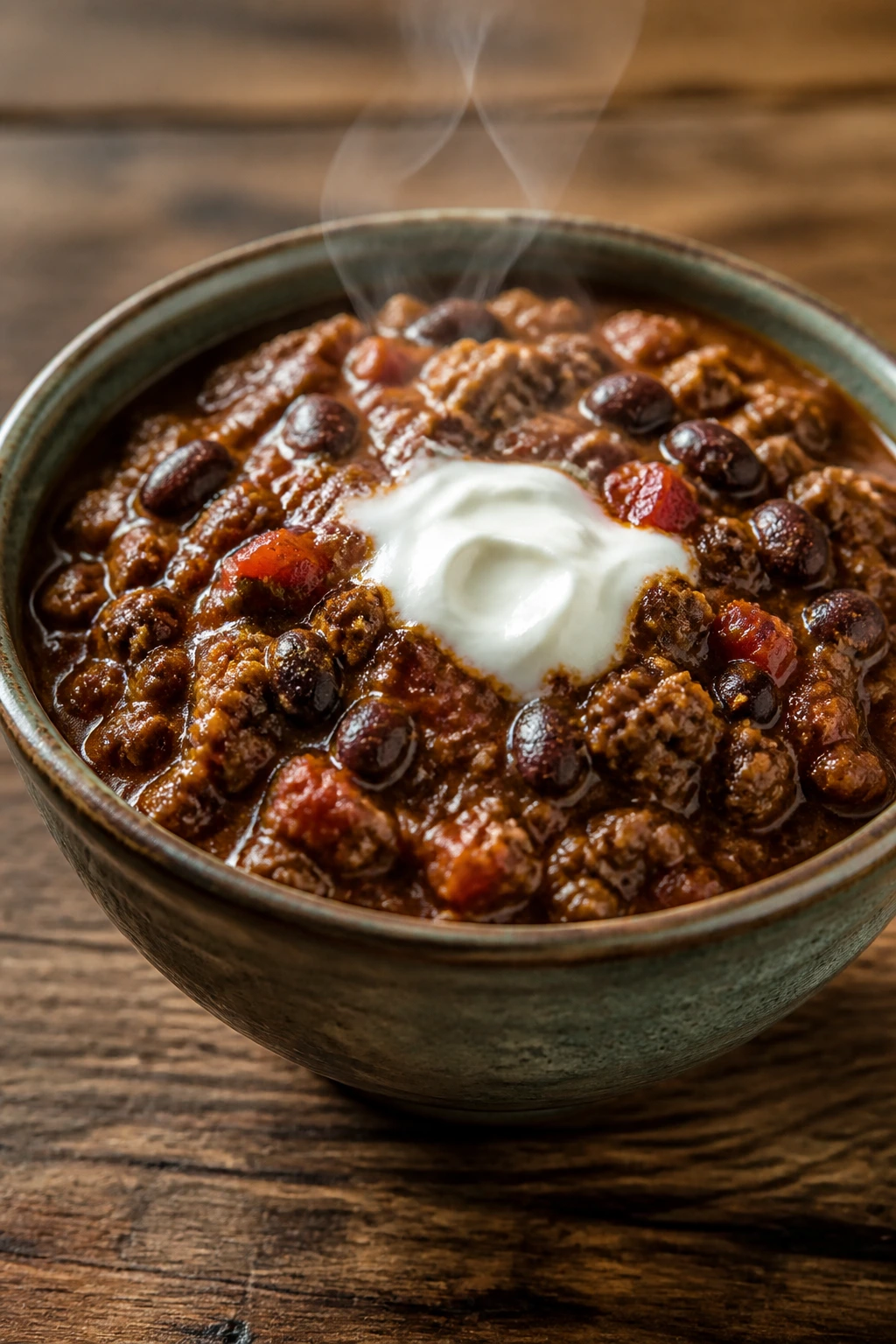
A small pot of chili is one of the best things you can make for one person because it covers a few meals without turning into a fridge problem. Ground turkey, black beans, tomatoes, and chili powder make a thick, honest bowl that tastes better after a short rest. I like this one with yogurt on top because it cuts the heat and adds creaminess.
Why It Works:
Turkey keeps the chili lean but still substantial. Black beans make the texture heartier and raise the protein and fiber at the same time. Simmering everything for 15 to 20 minutes gives the spices time to settle in without asking much from you.
Key Ingredients:
- 6 oz lean ground turkey
- 1 teaspoon olive oil
- 1/4 cup diced onion
- 1 garlic clove, minced
- 1 teaspoon chili powder
- 1/2 cup black beans, rinsed
- 1/2 cup diced tomatoes
- 1/2 cup broth
- Salt and black pepper
Quick Steps:
- Heat the oil in a small saucepan or pot over medium heat.
- Cook the onion and garlic for 2 minutes, then add the turkey.
- Break up the turkey and cook until no pink remains.
- Stir in the chili powder, beans, tomatoes, broth, salt, and pepper.
- Simmer for 15 minutes until thick and spoonable.
Equipment for This Recipe:
- Small saucepan or Dutch oven
- Wooden spoon
- Knife and cutting board
- Ladle
How to Serve This Dish:
A spoonful of Greek yogurt or sour cream on top makes the bowl feel richer. If you have it, a handful of crushed tortilla chips gives it some crunch.
Pro Tips for This Recipe:
- Brown the turkey a little before adding liquid; that’s where the flavor lives.
- Let it sit for 5 minutes off the heat before eating.
- Add a splash more broth if you want it looser.
Variations on This Dish:
- Smoky Version: Add 1/4 teaspoon smoked paprika.
- Beanier Version: Use pinto beans instead of black beans.
Common Mistakes to Avoid with This Dish:
- Rushing the simmer: Chili tastes thin if you stop too early.
- Adding too much liquid: One-person chili should be thick enough to hold a spoon.
- Forgetting to taste after cooking: Chili powder brands vary a lot in salt and heat.
15. Miso Salmon Rice Bowl
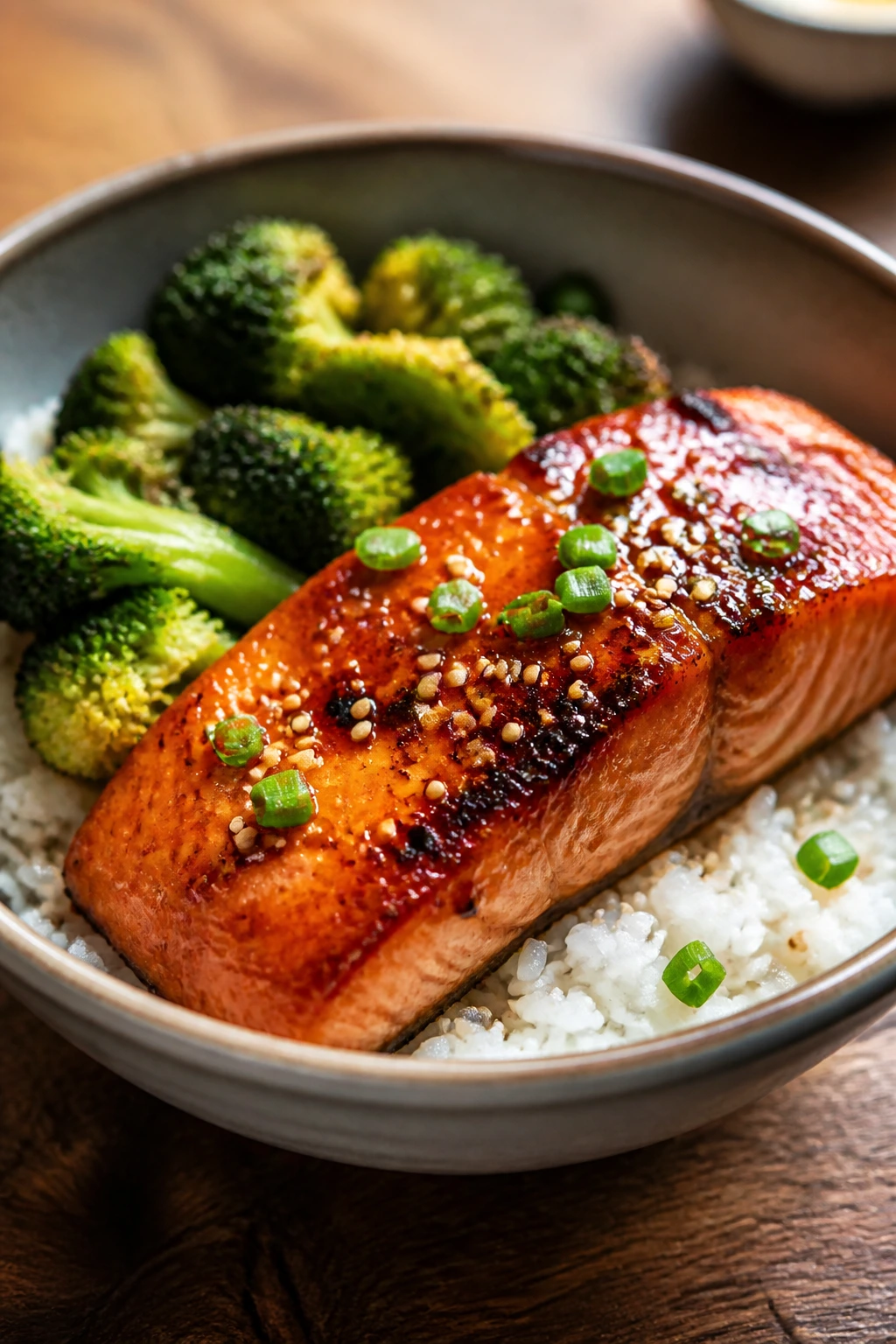
Miso turns salmon into something deeper and saltier than plain roasted fish. The glaze darkens in the oven, the rice catches the sauce, and the broccoli gives the bowl some bite. This is an easy dinner that still feels like you made a choice.
Why It Works:
Salmon is already rich in protein and fat, so a small fillet goes a long way. Miso adds savory depth with very little effort, and rice makes the bowl feel complete. Broccoli keeps the textures balanced and keeps the bowl from getting too soft.
Key Ingredients:
- 6 oz salmon fillet
- 1 tablespoon white miso
- 1 teaspoon honey
- 1 teaspoon soy sauce
- 1 cup broccoli florets
- 1/2 cup cooked rice
- 1 teaspoon sesame oil
- Scallions, optional
Quick Steps:
- Heat the oven to 400°F.
- Stir miso, honey, and soy sauce, then brush it over the salmon.
- Roast the salmon and broccoli on a lined pan for 10 to 12 minutes.
- Spoon rice into a bowl, top with the salmon and broccoli, and drizzle with sesame oil.
- Finish with scallions.
Equipment for This Recipe:
- Small sheet pan
- Parchment paper
- Small bowl and brush
- Serving bowl
How to Serve This Dish:
A few sesame seeds or chopped scallions make the bowl look finished. If you want more acidity, a splash of rice vinegar over the rice helps a lot.
Pro Tips for This Recipe:
- Watch the miso glaze near the end; it can darken quickly.
- Broccoli florets should be bite-size so they roast in the same time.
- A short rest after roasting keeps the salmon juicy.
Variations on This Dish:
- Spicy Miso: Add a little chili paste to the glaze.
- Cauliflower Rice Swap: Use cauliflower rice if you want a lighter base.
Common Mistakes to Avoid with This Dish:
- Using too much miso: It gets salty fast.
- Roasting too long: Salmon dries out quickly past the point of flaking.
- Putting wet broccoli on the pan: Pat it dry so it roasts instead of steams.
16. Crispy Chickpea and Halloumi Salad
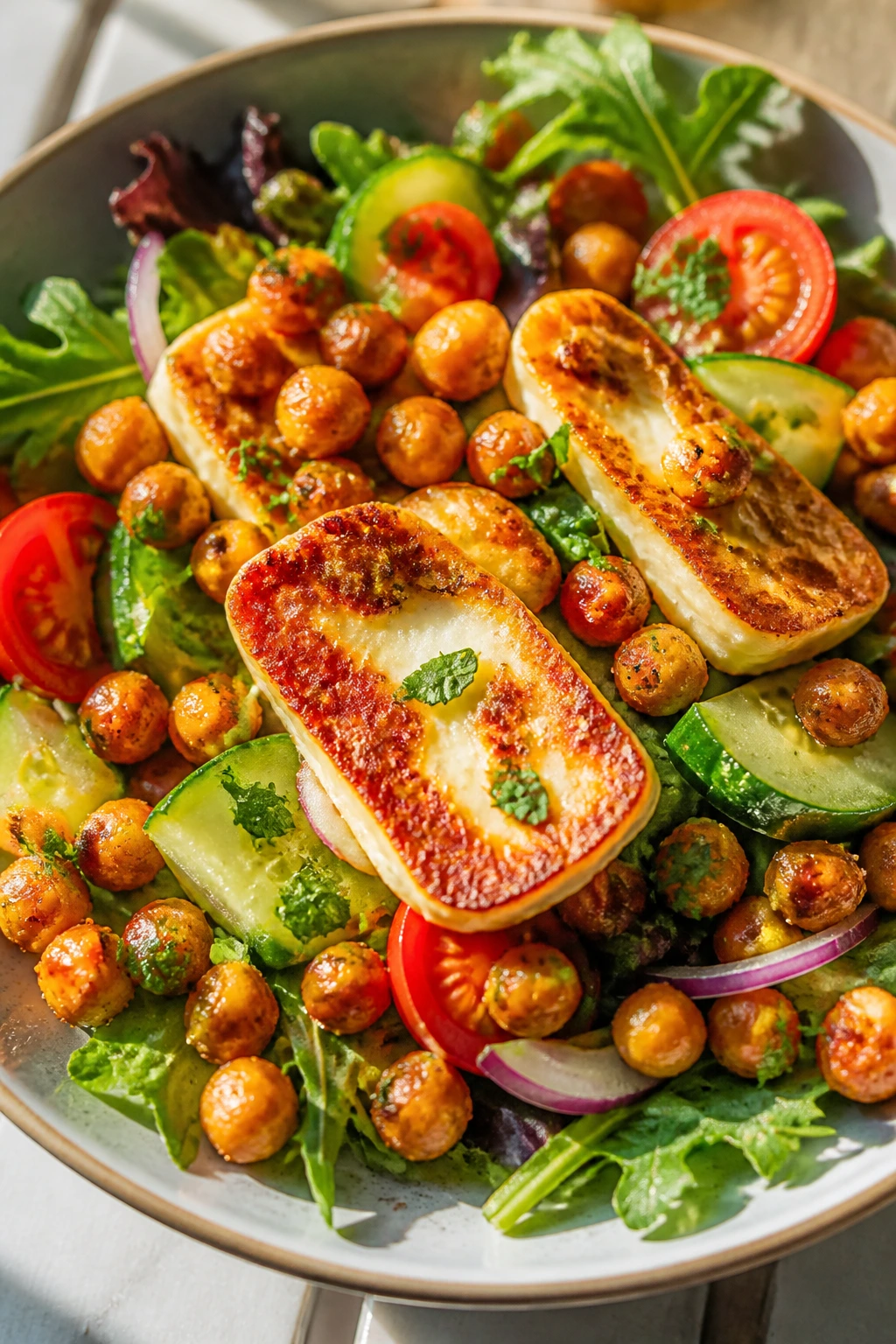
Halloumi is one of those ingredients that feels almost unfair in a salad because it brings salt, chew, and enough protein to make the whole bowl feel anchored. Add crispy chickpeas, cucumber, tomatoes, and lemon, and you get something fresh that still eats like lunch. It’s a little loud, in a good way.
Why It Works:
Chickpeas and halloumi give the salad two different textures and two different sources of protein. Pan-searing the halloumi gives it a crisp edge that holds up against the greens. Lemon and oregano keep the whole thing from tasting heavy.
Key Ingredients:
- 1/2 cup chickpeas, rinsed and drained
- 3 oz halloumi, sliced
- 2 cups mixed greens
- 1/2 cucumber, sliced
- 1 cup cherry tomatoes, halved
- 1 tablespoon olive oil
- 1 tablespoon lemon juice
- 1/4 teaspoon dried oregano
- Black pepper
Quick Steps:
- Heat half the oil in a skillet and cook the chickpeas for 4 to 5 minutes until lightly crisp.
- Add the halloumi and sear 1 to 2 minutes per side.
- Toss greens, cucumber, tomatoes, lemon juice, oregano, and the remaining oil in a bowl.
- Top with the chickpeas and halloumi.
Equipment for This Recipe:
- Skillet
- Salad bowl
- Tongs
- Knife and cutting board
How to Serve This Dish:
Serve it right after cooking so the halloumi stays warm and a little squeaky. If you want a starch, a small piece of flatbread works well alongside it.
Pro Tips for This Recipe:
- Dry the chickpeas well before they hit the pan.
- Don’t add salt until you taste the halloumi; it carries plenty on its own.
- Use a wide bowl so the warm cheese sits on top, not hidden below.
Variations on This Dish:
- Greek Salad Version: Add olives and a few bits of red onion.
- Bean-Heavy Version: Swap some greens for an extra 1/4 cup chickpeas.
Common Mistakes to Avoid with This Dish:
- Salting too early: Halloumi is naturally salty.
- Cooking the cheese on high heat: It burns before it browns.
- Dressing the greens too soon: They wilt before the cheese hits the bowl.
17. Chicken and Cannellini Bean Soup
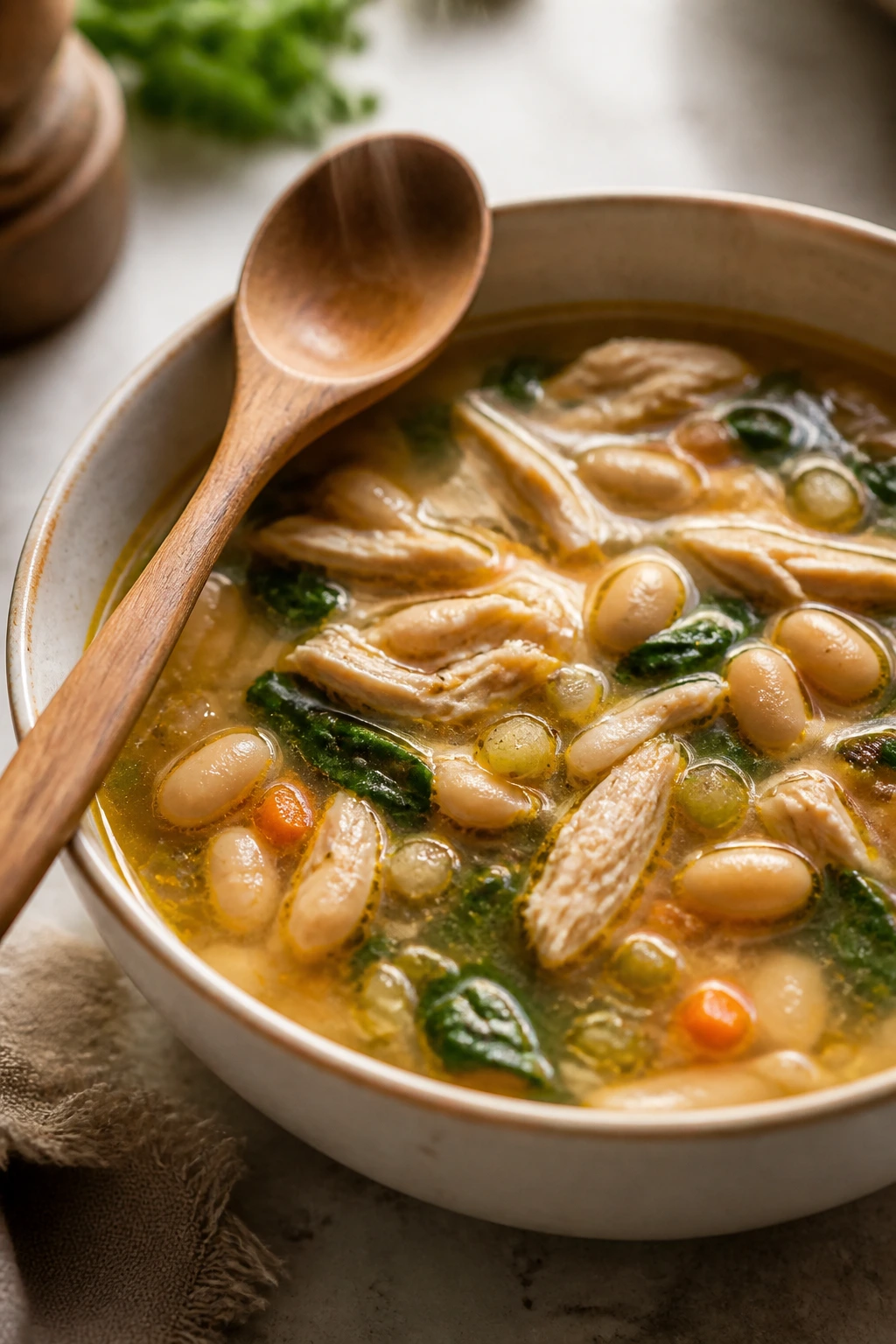
A small pot of chicken soup with beans hits that useful middle ground between light and filling. The broth picks up flavor from onion, carrot, and celery, while the beans make it thicker and the chicken gives it a proper backbone. It’s the kind of meal that makes a quiet night feel put together.
Why It Works:
Chicken breast or thighs cook quickly in broth and shred easily at the end. Cannellini beans add creaminess without any dairy, which gives the soup more body. A handful of spinach at the end keeps the color bright and the flavor clean.
Key Ingredients:
- 4 oz chicken breast or thigh
- 1/2 cup cannellini beans, rinsed
- 1 carrot, diced
- 1 celery stalk, diced
- 1/4 onion, diced
- 2 cups broth
- 1 teaspoon olive oil
- 1 cup spinach
- Thyme, salt, pepper
Quick Steps:
- Cook the onion, carrot, and celery in oil for 4 minutes.
- Add the broth, chicken, beans, thyme, salt, and pepper.
- Simmer for 12 to 15 minutes until the chicken is cooked through.
- Remove the chicken, shred it, and return it to the pot.
- Stir in spinach until wilted and serve hot.
Equipment for This Recipe:
- Small pot
- Cutting board and knife
- Fork for shredding
- Ladle
How to Serve This Dish:
A slice of crusty bread is enough if you want something with it. A squeeze of lemon at the table makes the broth taste fresher.
Pro Tips for This Recipe:
- Dice the vegetables small so they soften at the same pace.
- Thighs stay a little juicier than breasts.
- If the soup tastes flat, add salt before adding more herbs.
Variations on This Dish:
- Lemon Chicken Soup: Add extra lemon juice at the end.
- Rice Version: Stir in 1/4 cup cooked rice for more heft.
Common Mistakes to Avoid with This Dish:
- Boiling hard: The chicken tightens up and the broth turns cloudy.
- Cutting vegetables too large: They stay crunchy when the soup is done.
- Forgetting to season the broth: Bland broth stays bland, no matter what you put in it.
18. Turkey Burger Bowl
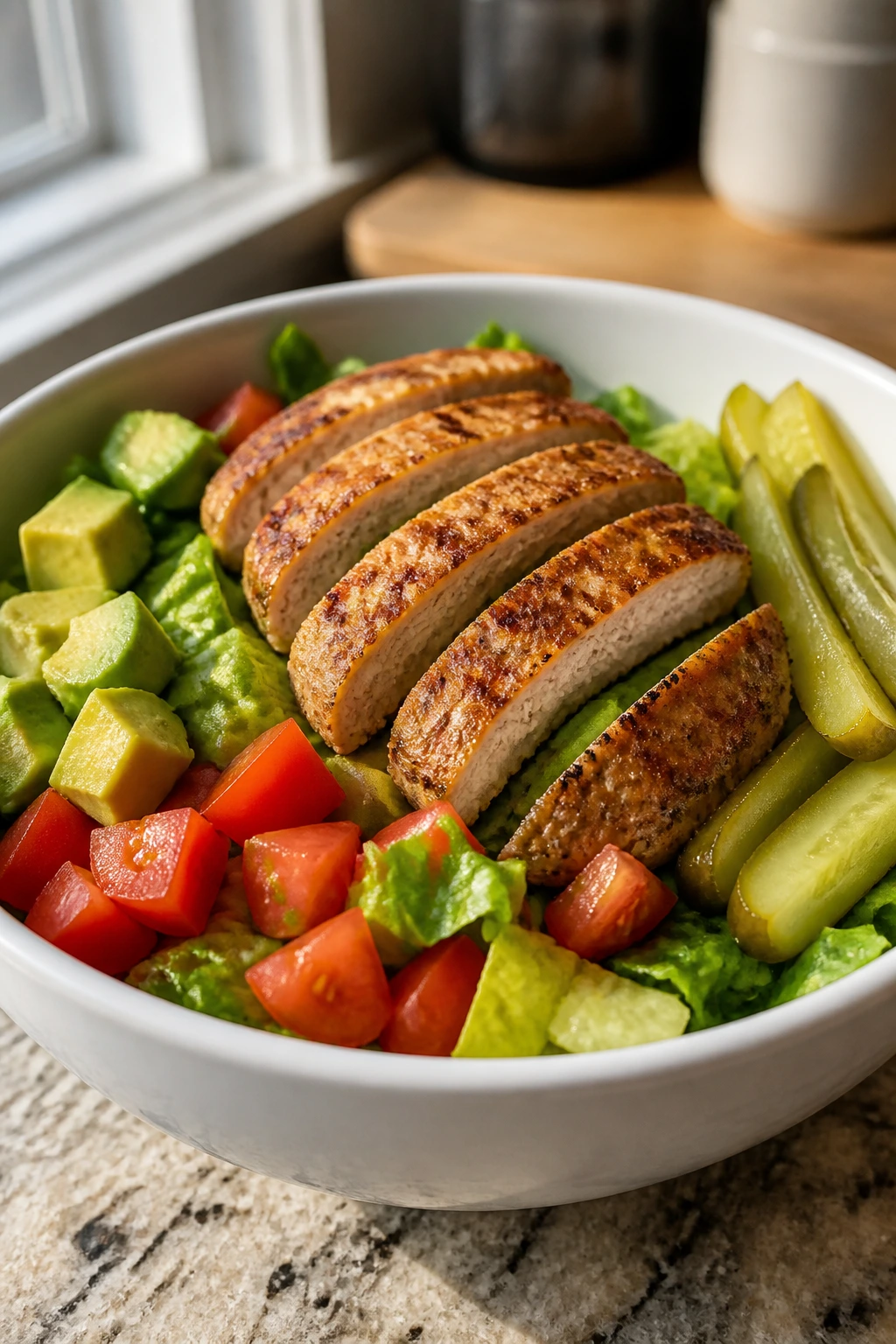
This is what happens when you want a burger without committing to a whole burger setup. The turkey patty gives you the protein, the salad keeps things cool, and the pickles and mustard do the heavy lifting where flavor is concerned. It’s plain in the right way.
Why It Works:
A lean turkey patty is easy to portion for one and cooks in a small skillet with little mess. Turning the burger into a bowl saves you from juggling bread that gets soggy on the first bite. The yogurt dressing adds creaminess without making the whole thing heavy.
Key Ingredients:
- 5 oz lean ground turkey
- 1 teaspoon olive oil
- Salt and black pepper
- 2 cups chopped lettuce
- 1/2 tomato, sliced
- 2 pickle spears, chopped
- 1/4 avocado, sliced
- 1 tablespoon mustard
- 1 tablespoon plain Greek yogurt
Quick Steps:
- Form the turkey into a thin patty and season both sides.
- Heat the oil in a skillet and cook the patty 4 to 5 minutes per side.
- Toss lettuce with mustard and Greek yogurt.
- Top with tomato, pickles, avocado, and the sliced patty.
Equipment for This Recipe:
- Small skillet
- Mixing bowl
- Spatula
- Knife
How to Serve This Dish:
Serve it in a wide bowl so the dressing coats the greens instead of pooling at the bottom. If you want fries energy, add roasted potato wedges on the side.
Pro Tips for This Recipe:
- Make the patty slightly wider than you think; it shrinks.
- Let it rest for 2 minutes before slicing.
- Pickles and mustard do more work here than extra salt.
Variations on This Dish:
- Cheeseburger Version: Add a slice of cheddar on top.
- Spicy Version: Stir a little sriracha into the yogurt dressing.
Common Mistakes to Avoid with This Dish:
- Making the patty too thick: It cooks unevenly.
- Using a dry skillet: A little oil helps browning and prevents sticking.
- Skipping acid: Pickles or tomato keep the bowl from tasting flat.
19. Tofu Tikka Skillet
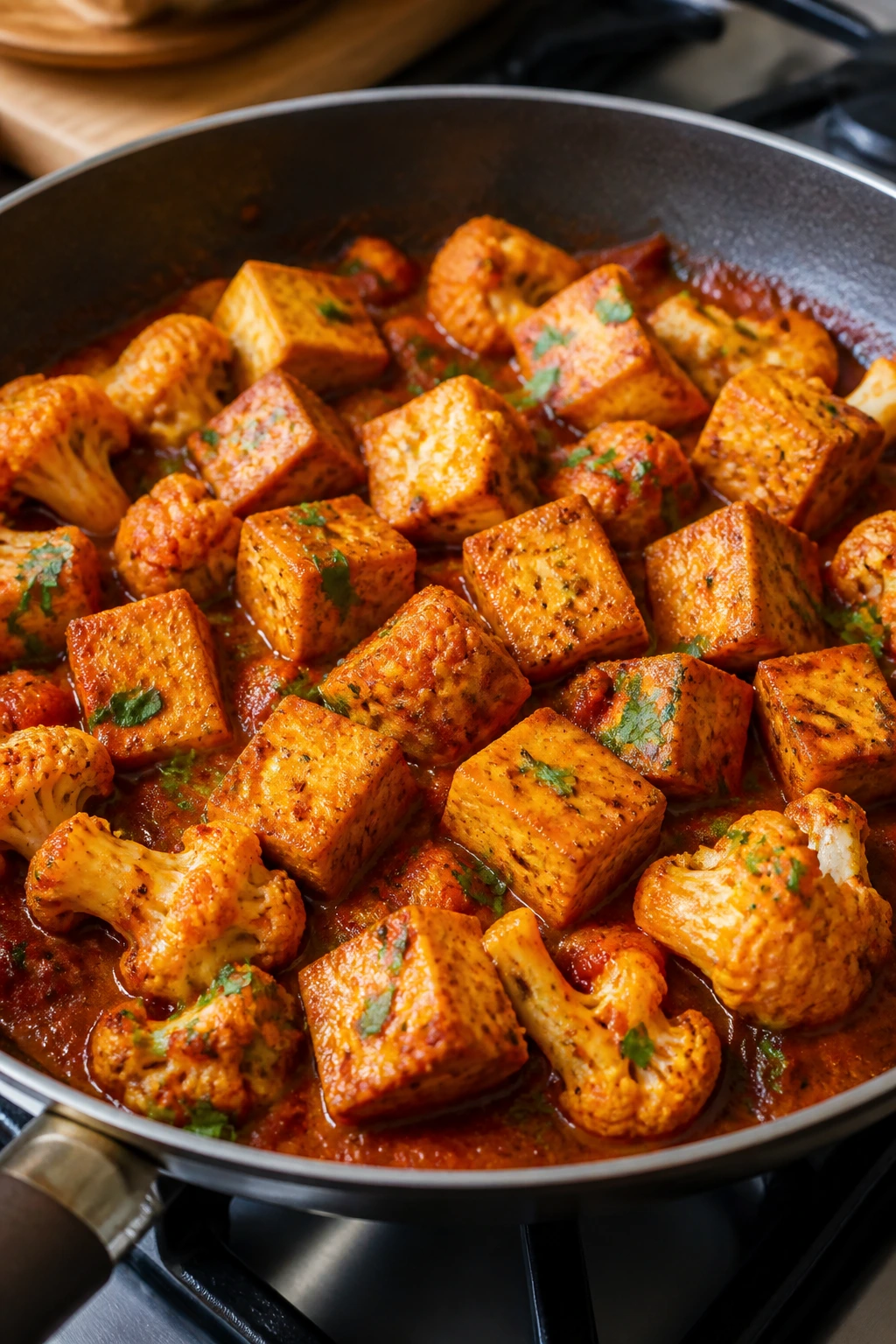
This skillet gives tofu a louder personality. The yogurt-spice coating clings to the cubes, the tomatoes simmer into a red sauce, and the cauliflower softens just enough to scoop up with a fork. It tastes like you spent more time on it than you did.
Why It Works:
Tofu takes on flavor fast once it’s pressed and seared. A yogurt or coconut yogurt marinade gives the cubes a tangy edge, while tomato sauce carries the spices across the pan. Cauliflower keeps the meal from feeling too dense.
Key Ingredients:
- 8 oz extra-firm tofu, pressed and cubed
- 1/3 cup plain yogurt or coconut yogurt
- 1 teaspoon garam masala
- 1/2 cup tomato sauce
- 1/4 cup diced onion
- 1 cup cauliflower florets
- 1 teaspoon olive oil
- Salt and pepper
Quick Steps:
- Toss tofu with yogurt, garam masala, salt, and pepper.
- Brown the tofu in oil over medium heat for 5 minutes.
- Add onion and cauliflower, then cook 3 minutes more.
- Stir in tomato sauce and simmer 5 minutes until glossy.
- Serve hot.
Equipment for This Recipe:
- Large skillet
- Spatula
- Small bowl
- Knife and cutting board
How to Serve This Dish:
Spoon it over rice or eat it with warm flatbread. A little cilantro on top makes the skillet taste brighter.
Pro Tips for This Recipe:
- Press the tofu so it browns instead of steaming.
- Use full-fat yogurt if you want the marinade to cling better.
- Let the tomato sauce cook until it loses its raw edge.
Variations on This Dish:
- Paneer Swap: Use cubed paneer instead of tofu.
- Coconut Version: Use coconut yogurt for a softer flavor.
Common Mistakes to Avoid with This Dish:
- Skipping the press: Wet tofu won’t brown properly.
- Adding too much yogurt: The coating should be thin, not gloopy.
- Not simmering the sauce long enough: Raw tomato flavor can dominate.
20. Sardine Avocado Toast with Tomato
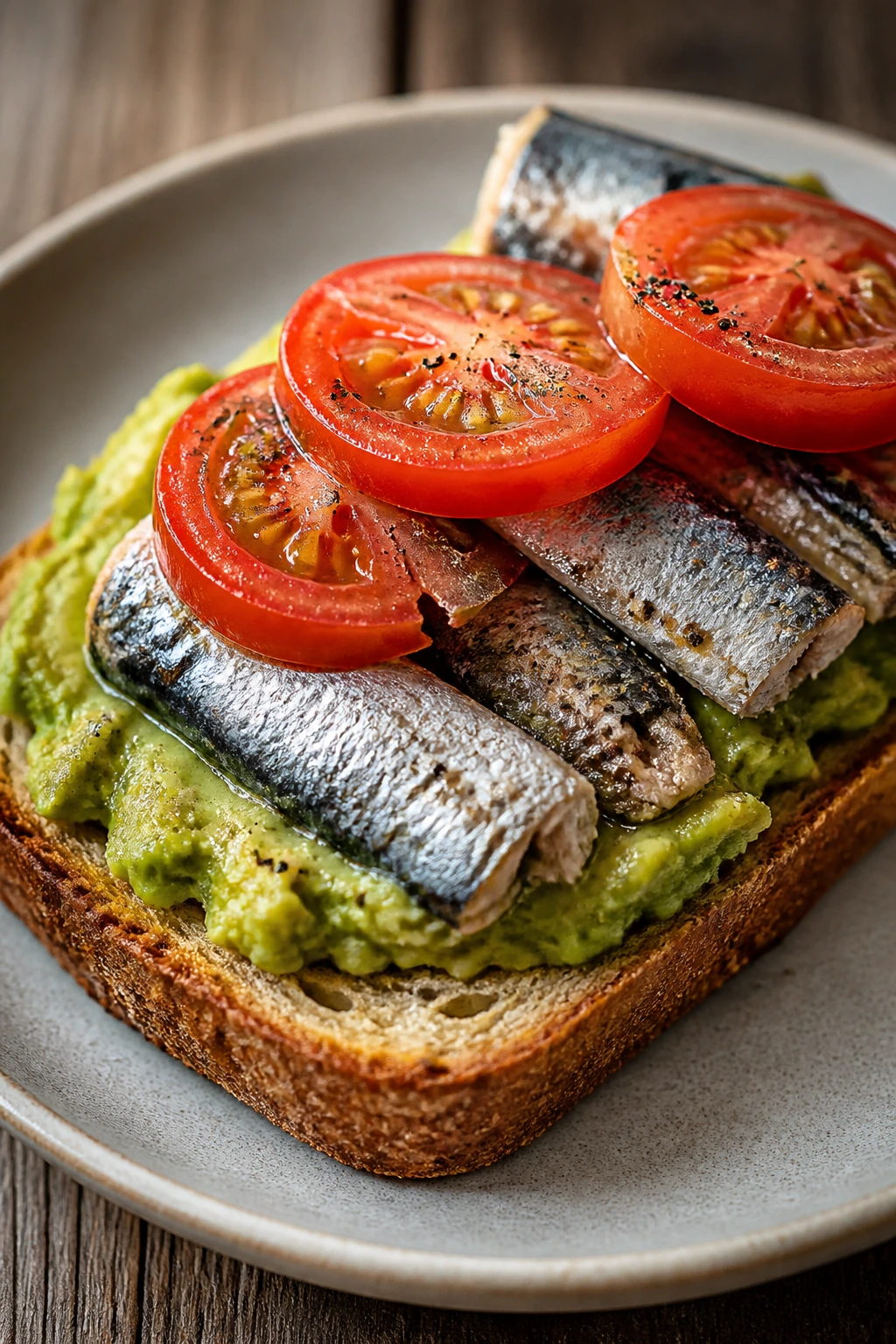
Sardines on toast sound blunt, and that’s part of the appeal. The fish brings a salty, rich flavor, the avocado softens it, and the tomato gives you a little freshness on top. It’s a no-cook meal that still feels like you ate something with substance.
Why It Works:
Sardines are dense in protein and healthy fats, which makes them unusually satisfying for their size. Avocado smooths out the stronger fish flavor, and whole-grain toast gives the meal enough structure to eat like lunch. Lemon and chili flakes wake it up fast.
Key Ingredients:
- 1 can sardines, drained
- 1 slice whole-grain bread, toasted
- 1/2 avocado
- 1 small tomato, sliced
- 1 teaspoon lemon juice
- Chili flakes, optional
- Black pepper
Quick Steps:
- Toast the bread.
- Mash the avocado with lemon juice and pepper.
- Spread the avocado on the toast.
- Top with sardines and tomato slices.
- Finish with chili flakes if you want heat.
Equipment for This Recipe:
- Toaster or skillet
- Knife
- Fork
- Small plate
How to Serve This Dish:
Serve it open-faced so the toast stays crisp. A few cucumber slices or radishes on the side keep the plate from feeling too compact.
Pro Tips for This Recipe:
- Choose sardines packed in olive oil if you want a softer taste.
- Pat the tomato dry if it’s extra juicy.
- A pinch of flaky salt is enough if the sardines are already salty.
Variations on This Dish:
- Mayo Version: Mix the sardines with a teaspoon of yogurt or mayo before topping.
- Herb Version: Add dill or parsley over the avocado.
Common Mistakes to Avoid with This Dish:
- Using weak bread: It gets soggy fast.
- Skipping the acid: Lemon makes the sardines taste cleaner.
- Loading on too many toppings: The toast should still be able to hold itself together.
21. Pesto Chicken Cauliflower Rice Skillet
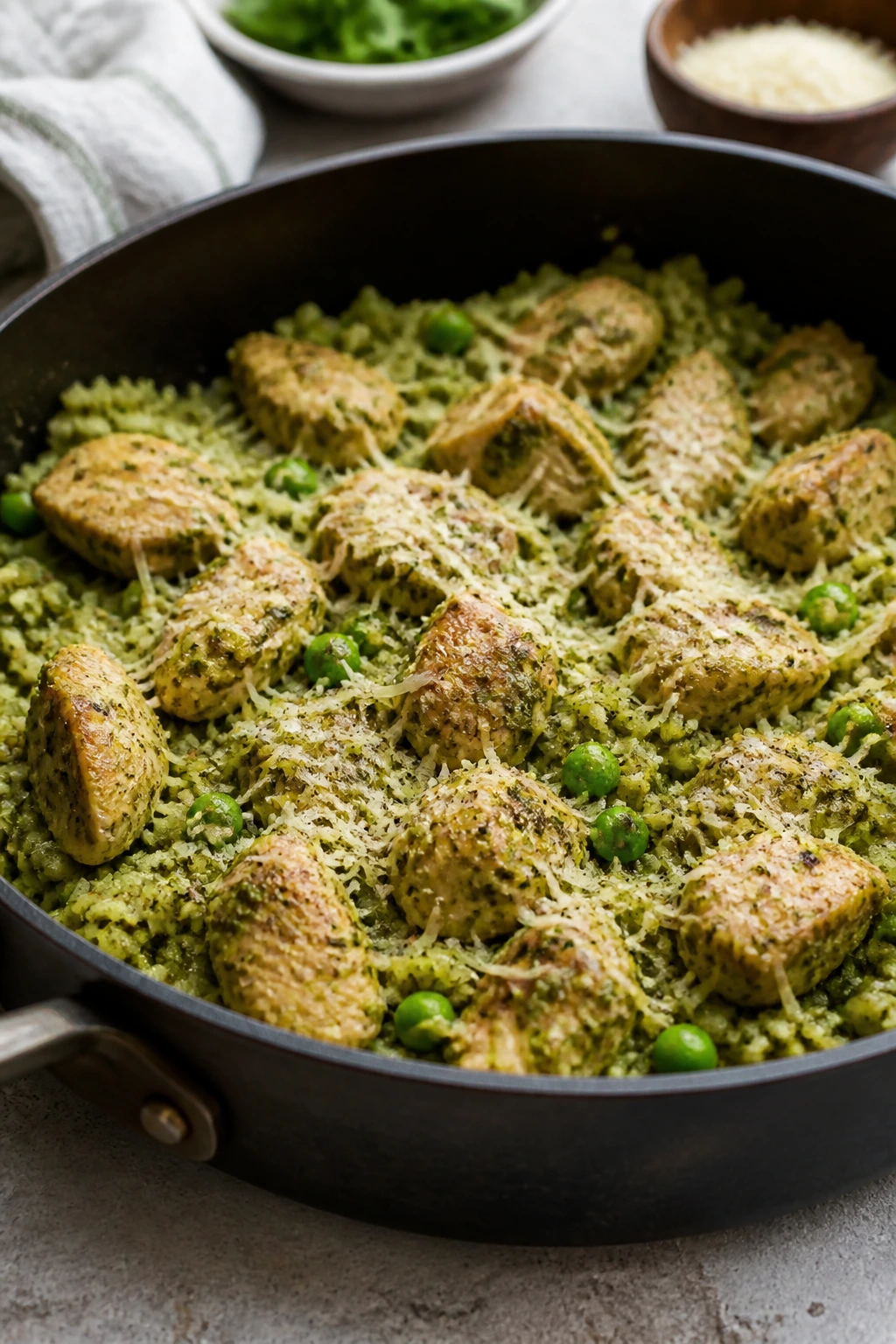
This is one of the easiest ways to make leftover chicken feel new. Cauliflower rice soaks up the pesto, peas add pops of sweetness, and the parmesan gives the whole pan a salty finish. It cooks fast enough that you can pull it together while the chicken warms through.
Why It Works:
Chicken breast gives the skillet a lean protein base. Cauliflower rice keeps the carb count lighter without making the pan feel empty, and pesto brings fat plus flavor in one spoonful. Peas and parmesan add enough interest that the bowl doesn’t taste like a diet compromise.
Key Ingredients:
- 4 oz cooked chicken breast, chopped
- 2 cups cauliflower rice
- 1 tablespoon pesto
- 1/4 cup frozen peas
- 1 tablespoon grated parmesan
- 1 teaspoon olive oil
- 1 teaspoon lemon juice
- Salt and pepper
Quick Steps:
- Heat the oil in a skillet over medium heat.
- Add the cauliflower rice and peas; cook 4 to 5 minutes.
- Stir in the chicken and pesto and cook until hot.
- Finish with parmesan and lemon juice.
Equipment for This Recipe:
- Large skillet
- Spatula
- Measuring spoon
- Small bowl, optional
How to Serve This Dish:
Pile it into a bowl and top with extra parmesan if you like. A handful of arugula on the side gives the meal a peppery snap.
Pro Tips for This Recipe:
- Cook the cauliflower rice until the moisture disappears.
- Use a pesto you actually like; it is the main flavor here.
- Lemon at the end keeps the dish from tasting one-note.
Variations on This Dish:
- Sun-Dried Tomato Version: Stir in chopped sun-dried tomatoes.
- Dairy-Free Swap: Skip parmesan and use nutritional yeast.
Common Mistakes to Avoid with This Dish:
- Leaving the cauliflower rice wet: The skillet turns steamy and dull.
- Using too much pesto: The bowl gets greasy fast.
- Throwing in cold chicken straight from the fridge: Warm it through first so the texture stays pleasant.
22. Cottage Cheese Stuffed Sweet Potato with Turkey
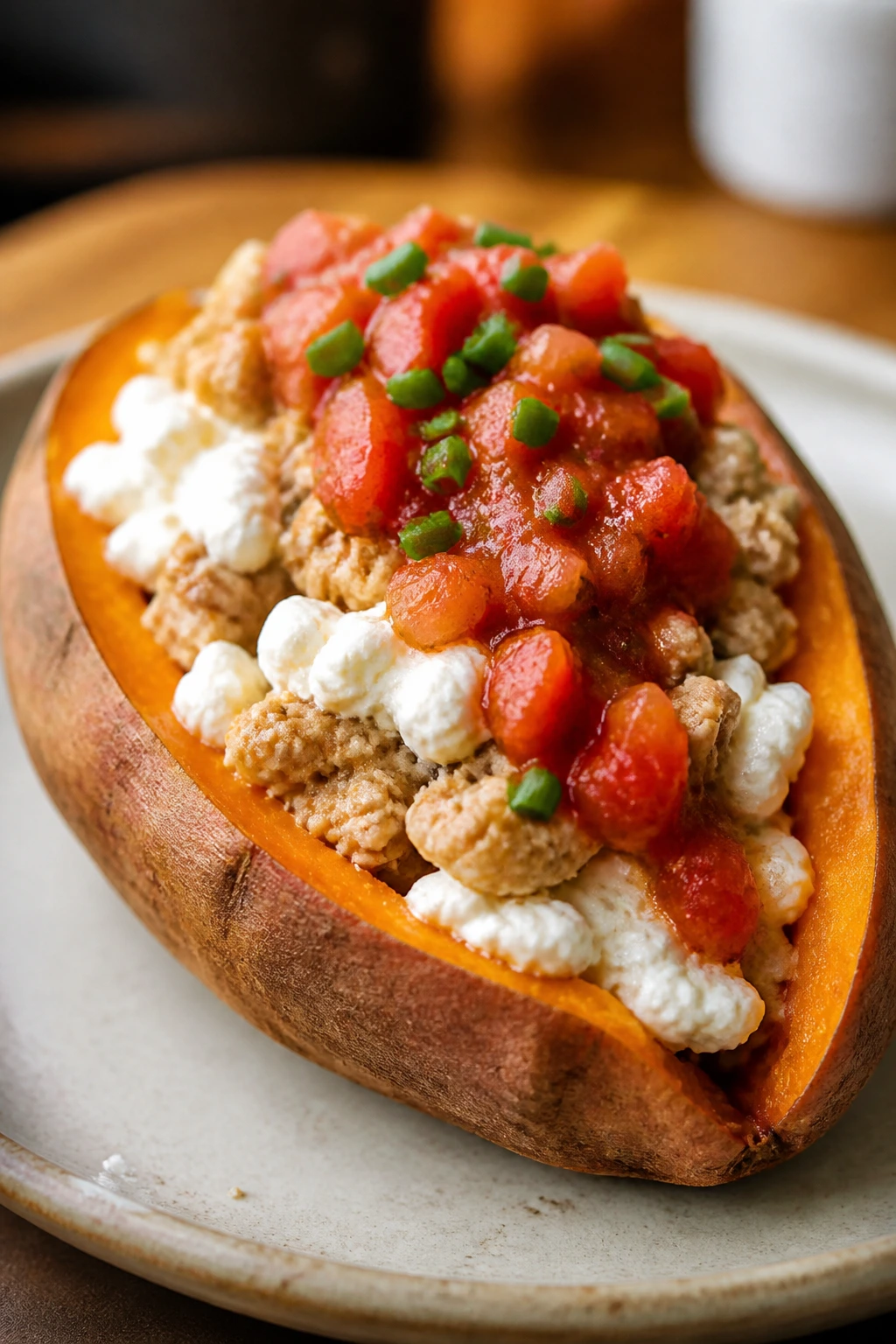
Sweet potatoes and turkey sound like gym-food until you taste them with the right seasoning. The potato turns soft and caramel-like, the turkey gives the filling heft, and the cottage cheese cools everything down with a creamy edge. It’s a sturdy meal that doesn’t need much else.
Why It Works:
A medium sweet potato provides enough bulk to make the meal feel complete, while turkey covers the protein side cleanly. Cottage cheese adds extra protein and a creamy contrast that works better than butter here. Salsa gives the filling the salt and acid it needs.
Key Ingredients:
- 1 medium sweet potato
- 4 oz cooked ground turkey
- 1/2 cup cottage cheese
- 1 tablespoon salsa
- 1 tablespoon chopped chives
- 1/4 teaspoon paprika
- Salt and black pepper
Quick Steps:
- Bake or microwave the sweet potato until soft.
- Warm the turkey with paprika, salt, and pepper.
- Split the potato and fluff the inside with a fork.
- Fill with turkey, cottage cheese, and salsa.
- Top with chives.
Equipment for This Recipe:
- Microwave or oven
- Fork
- Knife
- Small bowl
How to Serve This Dish:
Eat it straight from the split skin with a spoon. A side salad makes sense if you want to lighten it up a little.
Pro Tips for This Recipe:
- Pierce the potato before microwaving so it doesn’t burst.
- Season the turkey well because the sweet potato is naturally mild.
- Use thick cottage cheese, not watery curds.
Variations on This Dish:
- BBQ Version: Swap salsa for a spoonful of barbecue sauce.
- Savory Herb Version: Add parsley and a little garlic powder.
Common Mistakes to Avoid with This Dish:
- Under-cooking the potato: The filling just falls apart.
- Using bland turkey: It needs seasoning to stand up to the sweet potato.
- Skipping the chives or green onion: The dish needs a fresh finish.
23. Beef and Cabbage Stir-Fry
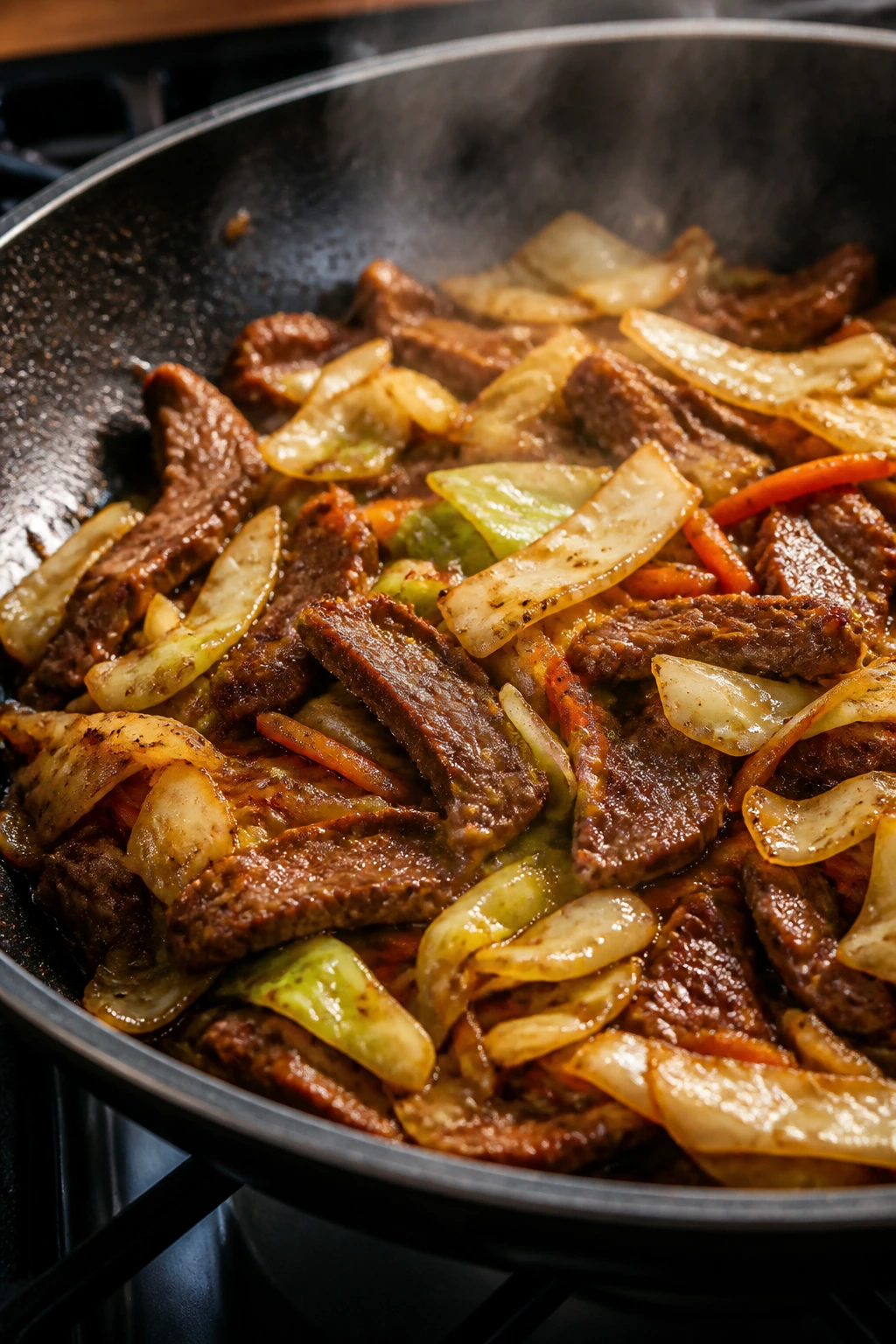
Cabbage is cheap, sturdy, and much better than people expect when it hits a hot skillet. Paired with lean beef strips and a quick soy-ginger sauce, it becomes a proper dinner with crunch and depth. This is the kind of thing I make when the fridge is close to empty but not hopeless.
Why It Works:
Beef cooks quickly in strips, so a single portion is easy to manage. Cabbage and carrots hold their texture under heat, which gives the stir-fry some bite instead of turning it soft. Sesame oil and soy sauce give enough flavor that you don’t need a long marinade.
Key Ingredients:
- 5 oz lean beef strips
- 2 cups shredded cabbage
- 1/2 cup shredded carrot
- 1 tablespoon soy sauce
- 1 teaspoon ginger, grated
- 1 teaspoon sesame oil
- 1 garlic clove, minced
- 1 teaspoon neutral oil
Quick Steps:
- Heat the neutral oil in a skillet over medium-high heat.
- Sear the beef for 2 to 3 minutes, then remove it.
- Add garlic, ginger, cabbage, and carrot; stir-fry 3 to 4 minutes.
- Return the beef, add soy sauce and sesame oil, and toss until coated.
Equipment for This Recipe:
- Large skillet or wok
- Spatula
- Knife and cutting board
- Microplane or grater, optional
How to Serve This Dish:
Serve it over rice or eat it as-is if you want a lighter plate. A few sesame seeds and scallions make it feel finished.
Pro Tips for This Recipe:
- Slice the beef thin so it cooks fast and stays tender.
- Keep the cabbage moving so it softens without going limp.
- Add sesame oil at the end; it tastes better that way.
Variations on This Dish:
- Spicy Version: Add chili garlic paste.
- Noodle Version: Toss in a small nest of cooked soba or rice noodles.
Common Mistakes to Avoid with This Dish:
- Crowding the pan with beef: It steams instead of sears.
- Overcooking the cabbage: You want some crunch left.
- Adding soy sauce too early: It can burn before the vegetables are done.
24. Tempeh Quinoa Bowl
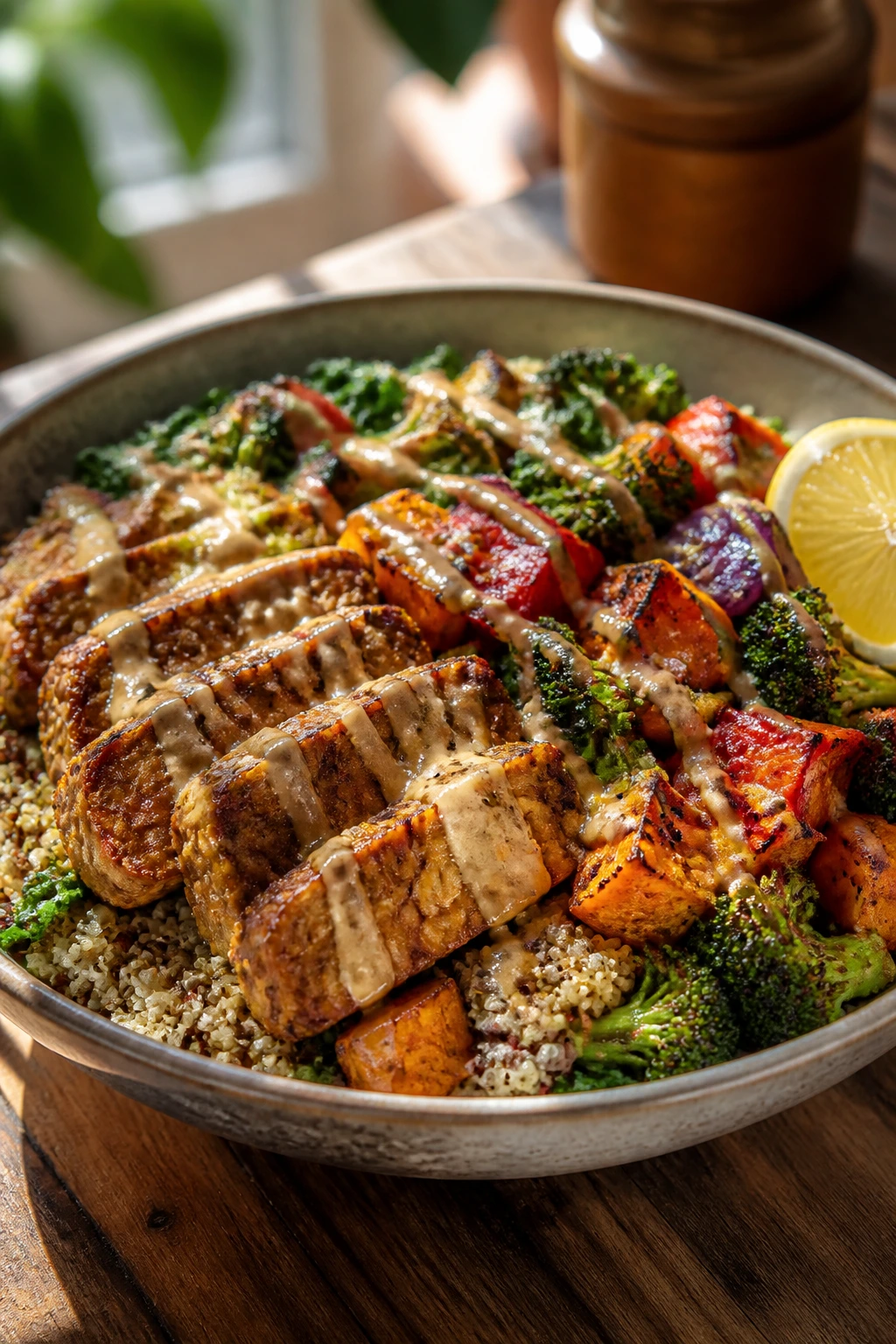
Tempeh has a firm, nutty bite that works well when you want a plant-based dinner with actual chew. Quinoa gives the bowl a little fluff, roasted vegetables bring sweetness, and tahini pulls everything together. This one feels like a real meal, not a compromise.
Why It Works:
Tempeh is dense and protein-rich, and it browns well if you give it a hot pan. Quinoa adds more protein and makes the bowl feel grounded. Tahini and lemon give the whole thing a creamy, sharp finish that keeps it from tasting dry.
Key Ingredients:
- 4 oz tempeh, sliced
- 1/2 cup cooked quinoa
- 1 cup roasted vegetables
- 1 tablespoon tahini
- 1 tablespoon lemon juice
- 1 teaspoon olive oil
- 1 teaspoon maple syrup
- Salt and black pepper
Quick Steps:
- Brown the tempeh in olive oil over medium heat for 3 to 4 minutes per side.
- Stir tahini, lemon juice, maple syrup, salt, and a splash of water into a dressing.
- Warm the quinoa and roasted vegetables.
- Assemble in a bowl and drizzle with the dressing.
Equipment for This Recipe:
- Skillet
- Small bowl
- Spoon
- Serving bowl
How to Serve This Dish:
A few pumpkin seeds or chopped herbs on top add crunch. If you’ve got extra roasted peppers or zucchini, they fit right in.
Pro Tips for This Recipe:
- Steam tempeh for 5 minutes first if you want to soften the flavor.
- Keep the dressing loose enough to drizzle.
- Any roasted vegetable mix works here, which is half the point.
Variations on This Dish:
- Mediterranean Version: Add cucumber and olives.
- Peanut Dressing Version: Swap tahini for peanut butter.
Common Mistakes to Avoid with This Dish:
- Skipping the browning step: Tempeh tastes flatter when it’s pale.
- Using dry quinoa only: Warm quinoa eats better in a bowl.
- Making the dressing too thick: It should coat, not cement the bowl.
25. Egg Roll in a Bowl with Turkey
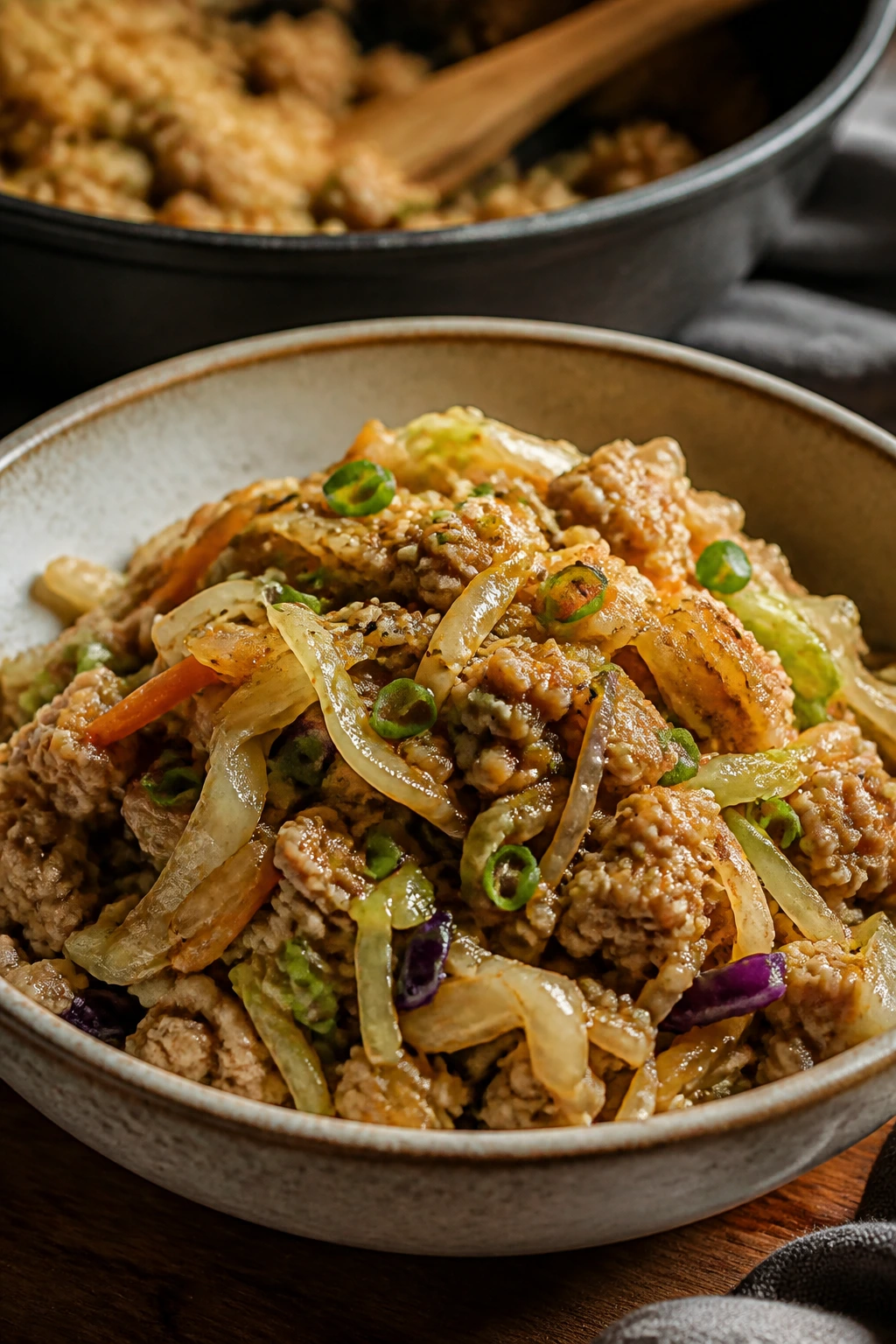
Egg roll in a bowl is one of those meals that sounds like a shortcut and still earns its keep. Turkey cooks into the cabbage mix, ginger and soy give it that takeout feel, and the whole thing stays fast enough to make on a tired night. I like it because there’s no wrapper to fuss over.
Why It Works:
Lean turkey adds protein, and coleslaw mix does the vegetable work in one move. Sesame oil and ginger make the pan taste like more than meat and cabbage. Since everything cooks in one skillet, the texture stays crisp instead of slumping.
Key Ingredients:
- 5 oz lean ground turkey
- 2 cups coleslaw mix
- 1/4 cup diced onion
- 1 teaspoon sesame oil
- 1 tablespoon soy sauce
- 1 teaspoon grated ginger
- 1 garlic clove, minced
- Scallions, optional
Quick Steps:
- Brown the turkey and onion in a skillet over medium heat.
- Add garlic and ginger and cook 30 seconds.
- Stir in the coleslaw mix and cook 3 to 4 minutes until just tender.
- Add soy sauce and sesame oil, toss, and finish with scallions.
Equipment for This Recipe:
- Large skillet
- Spatula
- Knife and cutting board
- Measuring spoons
How to Serve This Dish:
Eat it in a bowl with a drizzle of chili crisp if you want heat. A spoonful of rice on the side works if you want more bulk.
Pro Tips for This Recipe:
- Don’t overcook the coleslaw mix or it turns watery.
- Add sesame oil at the end for better flavor.
- A few toasted sesame seeds give it crunch.
Variations on This Dish:
- Pork Version: Use ground pork instead of turkey.
- Low-Sodium Version: Use low-sodium soy sauce and add more ginger.
Common Mistakes to Avoid with This Dish:
- Cooking the cabbage too long: It gets limp and wet.
- Overloading the skillet: The vegetables need room to steam off moisture.
- Skipping ginger: It keeps the bowl from tasting flat.
26. Tuna Pasta with Greek Yogurt and Peas
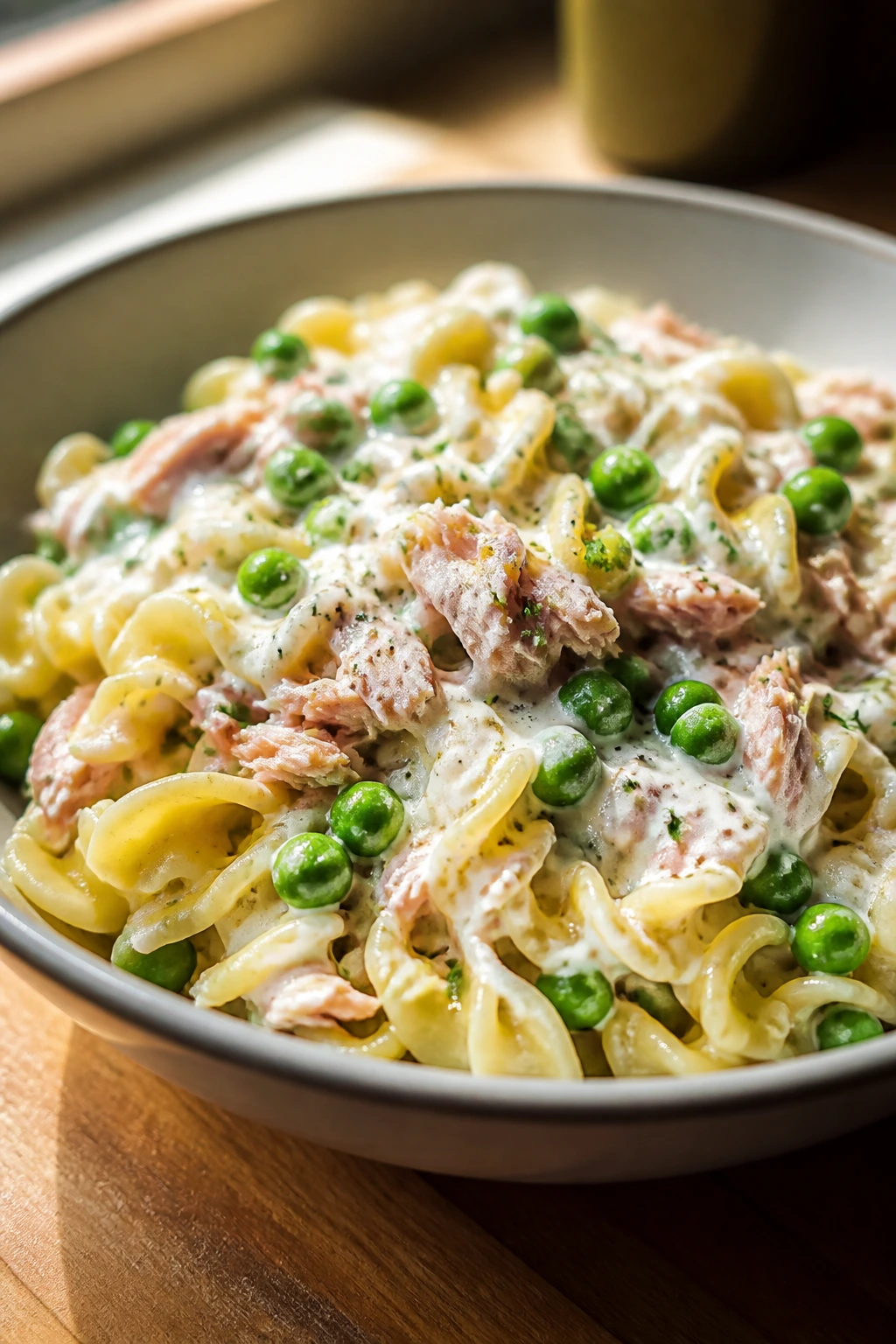
Pasta doesn’t have to be a carb bomb if you keep the portion sensible and build it with protein. Tuna, Greek yogurt, and peas give this dish enough structure to feel like dinner, and the lemon zest cuts through the creaminess. It’s a useful recipe for the nights when you want pantry food that still has some shape.
Why It Works:
A smaller portion of whole-wheat pasta keeps the bowl anchored without taking over. Tuna and Greek yogurt raise the protein quickly, while peas add sweetness and a little color. Dijon and lemon give the sauce a sharper edge so it doesn’t taste heavy.
Key Ingredients:
- 2 oz whole-wheat pasta
- 1 can tuna, drained
- 1/3 cup plain Greek yogurt
- 1/2 cup peas
- 1 teaspoon Dijon mustard
- 1 teaspoon lemon juice
- Lemon zest, optional
- Black pepper
- 1 tablespoon parmesan, optional
Quick Steps:
- Cook the pasta and peas in salted water until the pasta is just tender.
- Drain and return them to the pot.
- Stir in tuna, Greek yogurt, Dijon, lemon juice, pepper, and parmesan.
- Warm gently over low heat for 30 seconds if needed.
Equipment for This Recipe:
- Small saucepan
- Colander
- Spoon
- Grater, optional
How to Serve This Dish:
Finish with extra black pepper and lemon zest. A few arugula leaves on the side keep the plate from feeling too heavy.
Pro Tips for This Recipe:
- Keep the heat low once the yogurt goes in so it doesn’t split.
- Pasta water clinging to the noodles helps the sauce coat them.
- Use peas straight from frozen; they thaw in the pot.
Variations on This Dish:
- Caper Version: Add chopped capers for a briny kick.
- Herby Version: Stir in dill or parsley at the end.
Common Mistakes to Avoid with This Dish:
- Using too much yogurt on high heat: It can curdle.
- Cooking the pasta past al dente: It gets mushy once mixed.
- Skipping lemon: The dish needs acid to wake it up.
27. Chicken Fajita Bowl
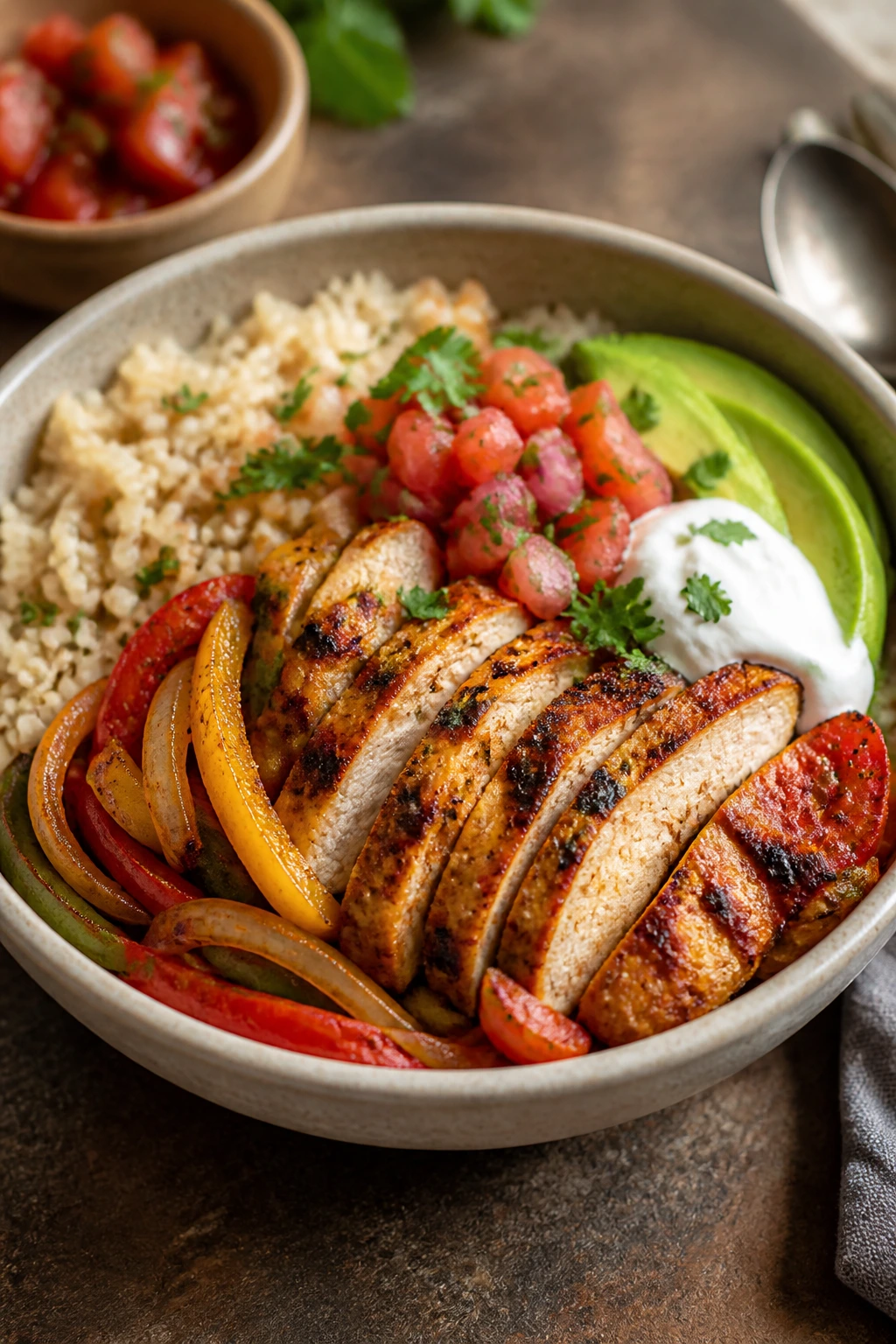
Chicken, peppers, onions, and a spoonful of salsa can make a very convincing dinner in about the time it takes to get bored of takeout apps. The chicken gets a little char, the peppers stay sweet, and the bowl finishes with yogurt or avocado if you want something creamy. It is simple in the best way.
Why It Works:
Chicken breast cooks fast when it’s sliced thin, and peppers plus onions roast or sauté in the same pan without trouble. Salsa adds moisture and seasoning at once, which keeps the bowl from drying out. Rice or cauliflower rice gives you a base depending on how much you want to eat.
Key Ingredients:
- 4 oz chicken breast, sliced
- 1 bell pepper, sliced
- 1/4 onion, sliced
- 1/2 cup cooked rice or cauliflower rice
- 1 tablespoon salsa
- 1 tablespoon Greek yogurt
- 1 teaspoon olive oil
- 1/4 teaspoon cumin
- Salt and black pepper
Quick Steps:
- Heat oil in a skillet over medium-high heat.
- Cook the chicken with cumin, salt, and pepper for 4 to 5 minutes.
- Add peppers and onions; cook 4 minutes until softened and lightly browned.
- Stir in salsa and warm through.
- Serve over rice with Greek yogurt on top.
Equipment for This Recipe:
- Large skillet
- Spatula
- Knife and cutting board
- Serving bowl
How to Serve This Dish:
A squeeze of lime makes the bowl brighter immediately. If you want more crunch, add shredded lettuce or sliced radishes on top.
Pro Tips for This Recipe:
- Slice the chicken evenly so it cooks at the same speed as the peppers.
- Let the pan get hot before the chicken goes in.
- A little cumin goes a long way; don’t dump it in blindly.
Variations on This Dish:
- Black Bean Version: Add 1/4 cup black beans.
- Cheesy Version: Sprinkle on a little shredded cheddar at the end.
Common Mistakes to Avoid with This Dish:
- Cutting chicken too thick: It cooks unevenly.
- Overcrowding the skillet: The vegetables steam instead of browning.
- Adding salsa too early: You want the vegetables cooked first.
28. Smoked Salmon, Egg, and Dill Breakfast Plate
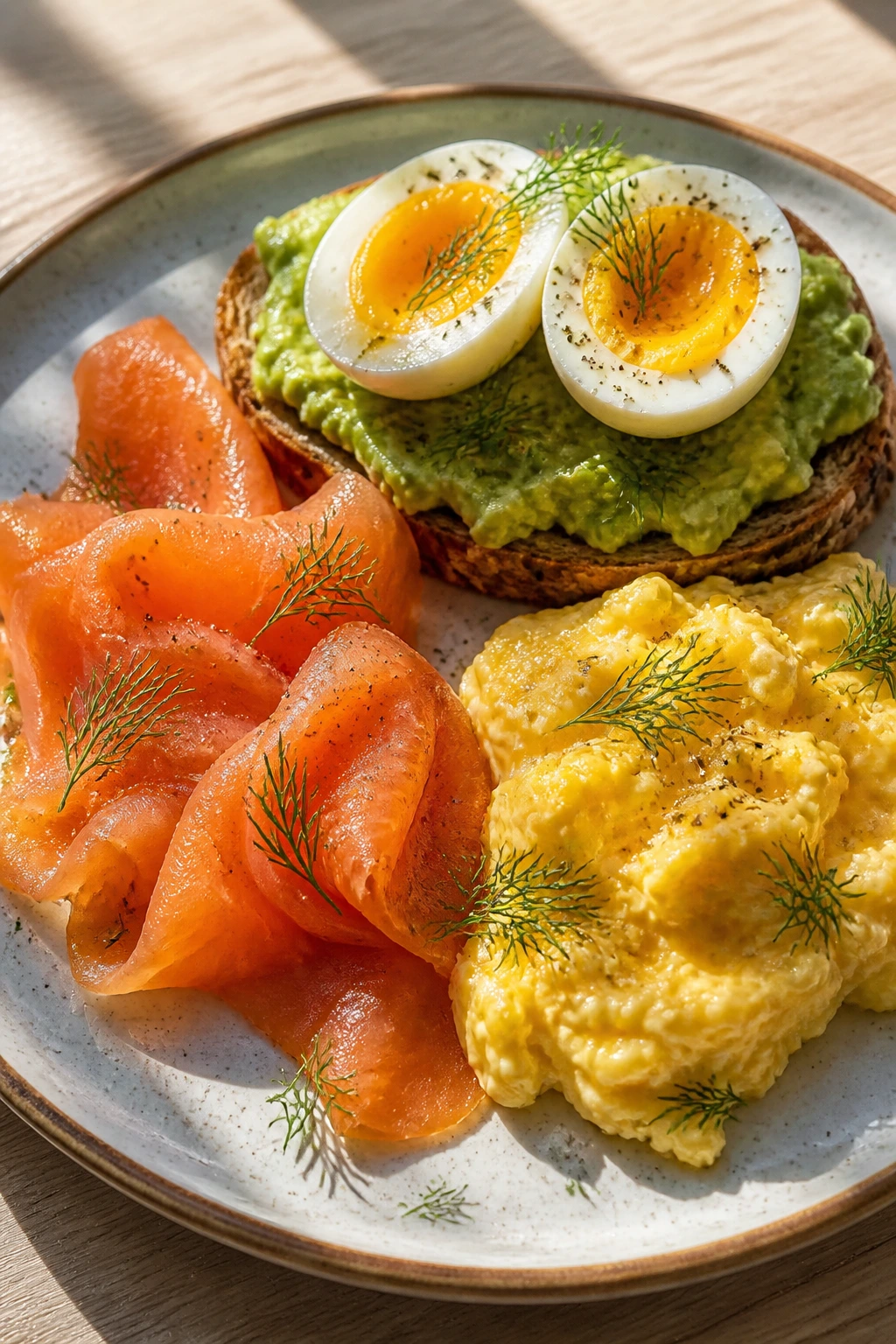
This is the plate I make when I want breakfast to feel calm and expensive without actually being either. Smoked salmon brings salt and richness, the eggs add warmth, and dill plus lemon keep the whole thing sharp and clean. You can eat it with toast or potatoes, but it works either way.
Why It Works:
Smoked salmon is high in protein and needs almost no work. Eggs make the plate feel warm and anchoring, which matters if you’re trying to turn breakfast into a real meal. Avocado or toast adds just enough fat or starch to keep it from feeling too lean.
Key Ingredients:
- 2 large eggs
- 2 oz smoked salmon
- 1 slice whole-grain toast
- 1/2 avocado
- 1 teaspoon lemon juice
- Dill, fresh or dried
- Black pepper
- Capers, optional
Quick Steps:
- Soft-boil, fry, or poach the eggs the way you like them.
- Toast the bread.
- Mash the avocado with lemon juice and pepper.
- Plate the salmon, eggs, avocado toast, and dill.
- Add capers if you want a briny finish.
Equipment for This Recipe:
- Small saucepan or skillet
- Toaster
- Fork
- Small plate
How to Serve This Dish:
Keep everything separated on the plate so the salmon stays neat and the yolks don’t run everywhere too soon. Cucumber slices or tomato wedges make an easy side if you want more volume.
Pro Tips for This Recipe:
- Smoked salmon is already seasoned, so go light on extra salt.
- Soft eggs work best because they echo the texture of the salmon.
- A little fresh dill changes the whole plate.
Variations on This Dish:
- Bagel Plate: Swap toast for half a bagel.
- Herbed Potato Version: Use roasted potato cubes instead of bread.
Common Mistakes to Avoid with This Dish:
- Over-salting: Smoked salmon already brings plenty.
- Overcooking the eggs: The yolk should stay soft enough to mix with the toast.
- Serving the plate cold: Warm eggs make the whole thing feel like breakfast, not leftovers.
Why Single-Serve Protein Meals Work So Well
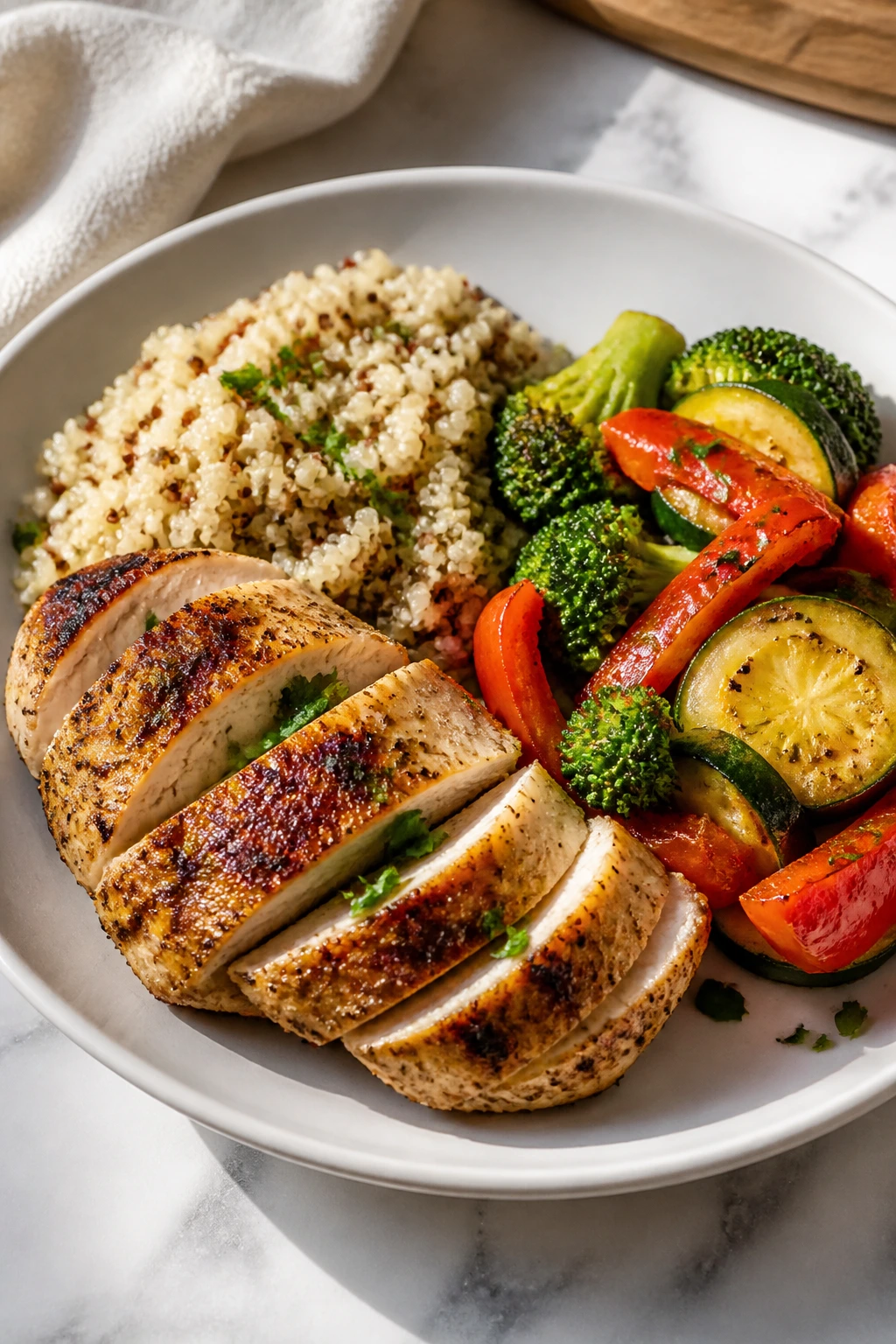
One-person cooking gets easier once you stop pretending every dinner needs to look like a family table. A single serving lets you build around one strong protein source, one vegetable, and one satisfying base without overbuying ingredients that will wilt, dry out, or sit in the fridge until you feel guilty about them. That’s the whole trick.
There’s also a practical angle that gets ignored a lot. Protein-rich solo meals are easier to balance, because you can judge the plate by sight and feel instead of trying to divide everything into perfect equal portions. If the chicken looks a little small, add beans. If the salad feels thin, add eggs or feta. If the bowl needs more staying power, add rice or toast. That kind of flexibility is harder when you’re cooking for four and trying to keep everybody happy at once.
The other win is cleanup. One skillet, one bowl, one sheet pan, one saucepan. That rhythm matters more than people admit, because a meal that leaves the kitchen looking tidy is much more likely to happen again tomorrow.
Essential Equipment for These Recipes
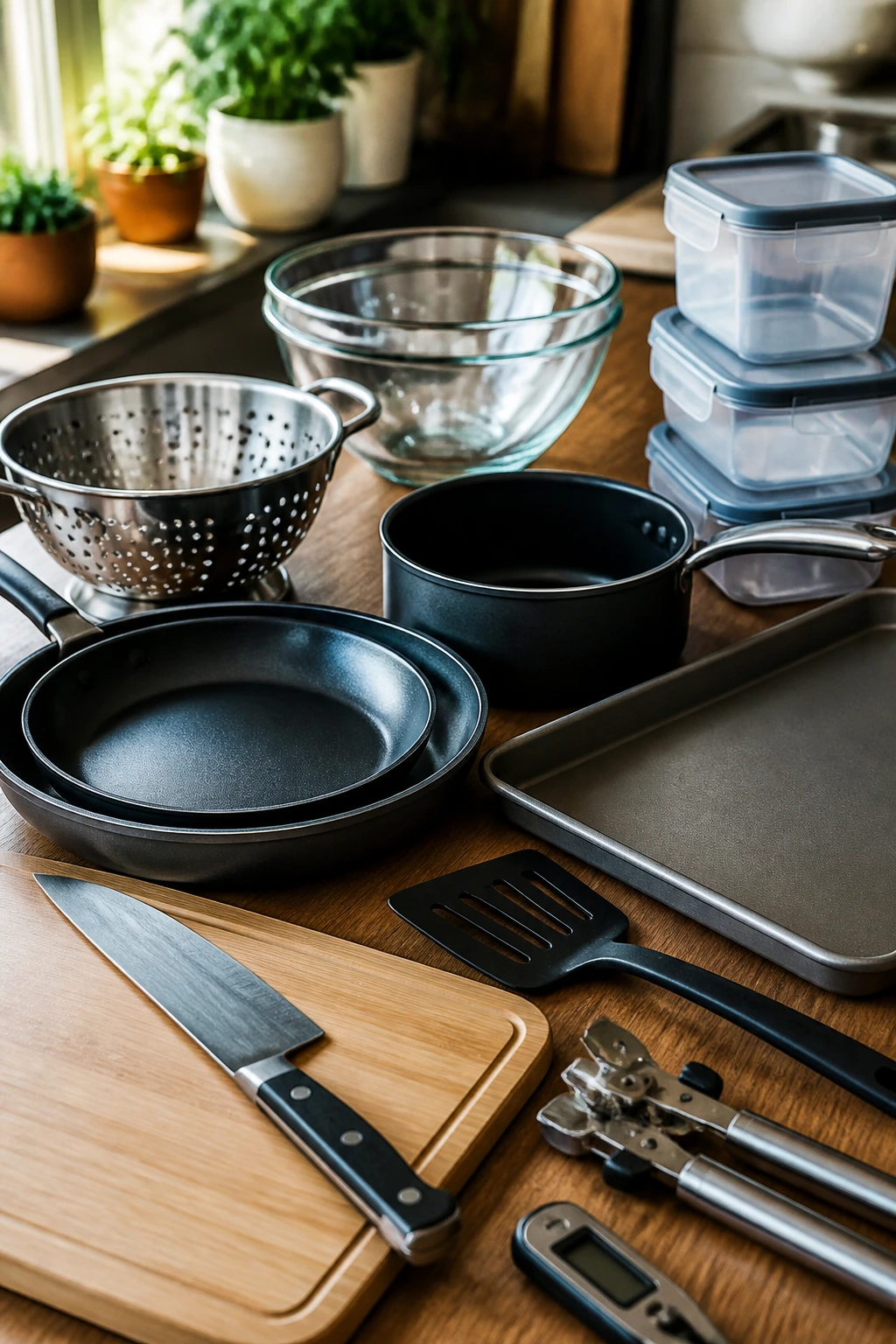
- 8-inch and 10-inch nonstick skillets: Small pans are the sweet spot for eggs, turkey, tofu, and fast sautés.
- A medium rimmed sheet pan: Salmon, vegetables, and chicken cutlets all behave well here.
- Small saucepan: Useful for oats, soups, and quick pasta sauces.
- Chef’s knife: A sharp knife saves time on tiny ingredient lists, which is where solo cooking wins or loses.
- Cutting board: A stable board matters more than people think when you’re chopping onion, cabbage, or herbs.
- Mixing bowls in two sizes: One for sauces, one for the meal itself.
- Spatula or wooden spoon: Good for breaking up turkey and moving eggs without tearing them.
- Colander: Handy for pasta, soba, beans, and quick rinses.
- Can opener: Canned tuna, beans, and sardines show up often in this set for a reason.
- Airtight containers: Leftovers keep better when they’re cooled quickly and sealed cleanly.
- Instant-read thermometer, optional: Especially useful for chicken and salmon if you don’t trust your eye yet.
Smart Shopping and Ingredient Tips
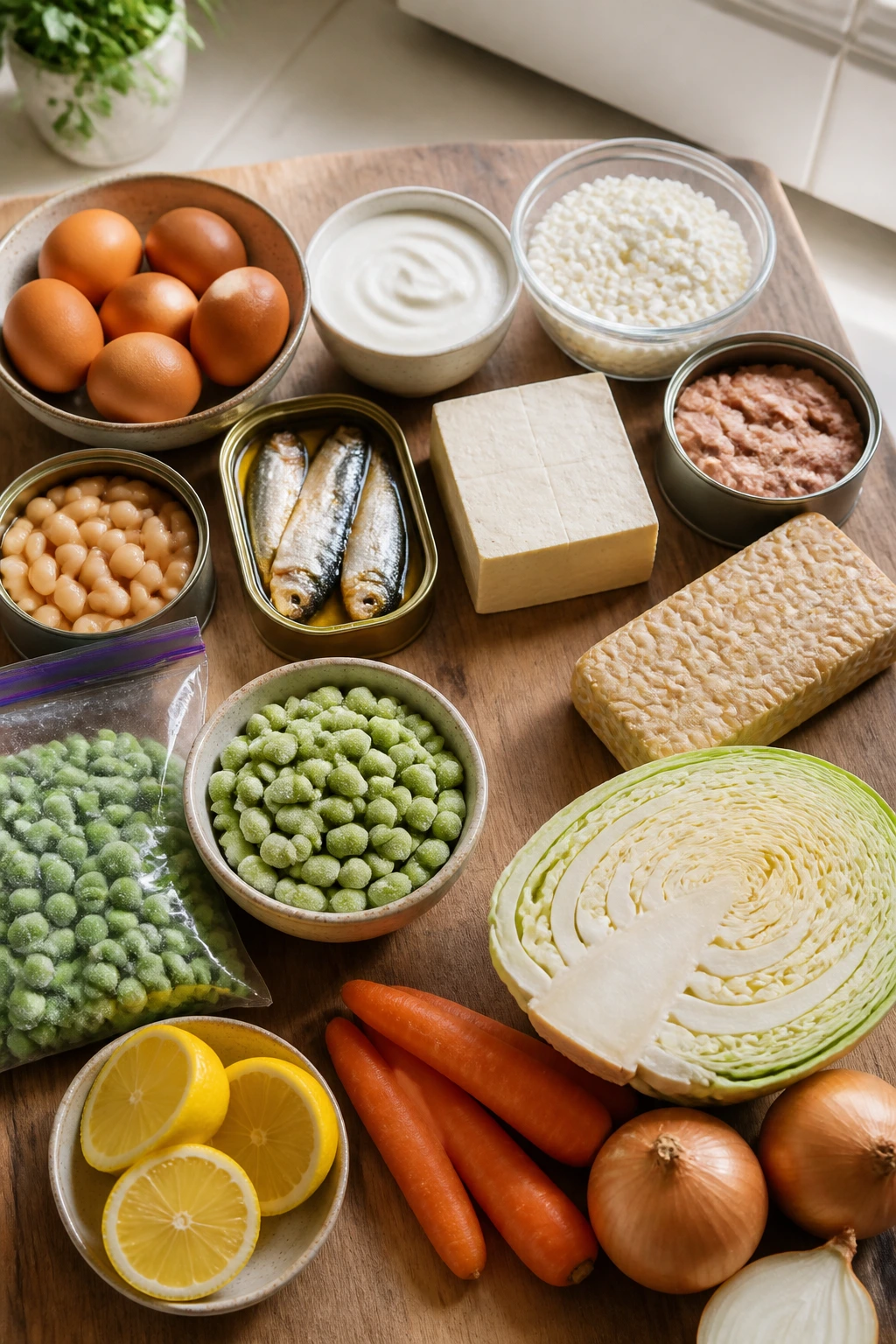
A good solo meal starts with buying ingredients that can handle being half-used or saved for later. Eggs, Greek yogurt, cottage cheese, canned beans, tuna, sardines, tofu, tempeh, frozen peas, frozen edamame, cabbage, carrots, onions, and lemons all earn their place because they don’t collapse after one serving. That matters when your fridge is small or your appetite changes from one day to the next.
For proteins, buy sizes you can portion cleanly. Chicken breasts can be sliced and frozen in meal-size packets. Salmon fillets can be cooked one at a time. Ground turkey and beef freeze well flat in bags, and canned fish is almost unfairly useful for one-person cooking because you can open exactly one can and move on. If you’re choosing Greek yogurt or cottage cheese, go plain and unsweetened; the flavored stuff belongs in another category entirely.
Vegetables should be chosen for durability. A bag of coleslaw mix lasts longer than a box of tender greens. Cabbage, broccoli, asparagus, bell peppers, mushrooms, zucchini, and spinach all rotate nicely through this lineup. Frozen vegetables are fine here — sometimes better, because they’re already trimmed and portioned. Don’t be shy about using them.
How to Serve These Recipes
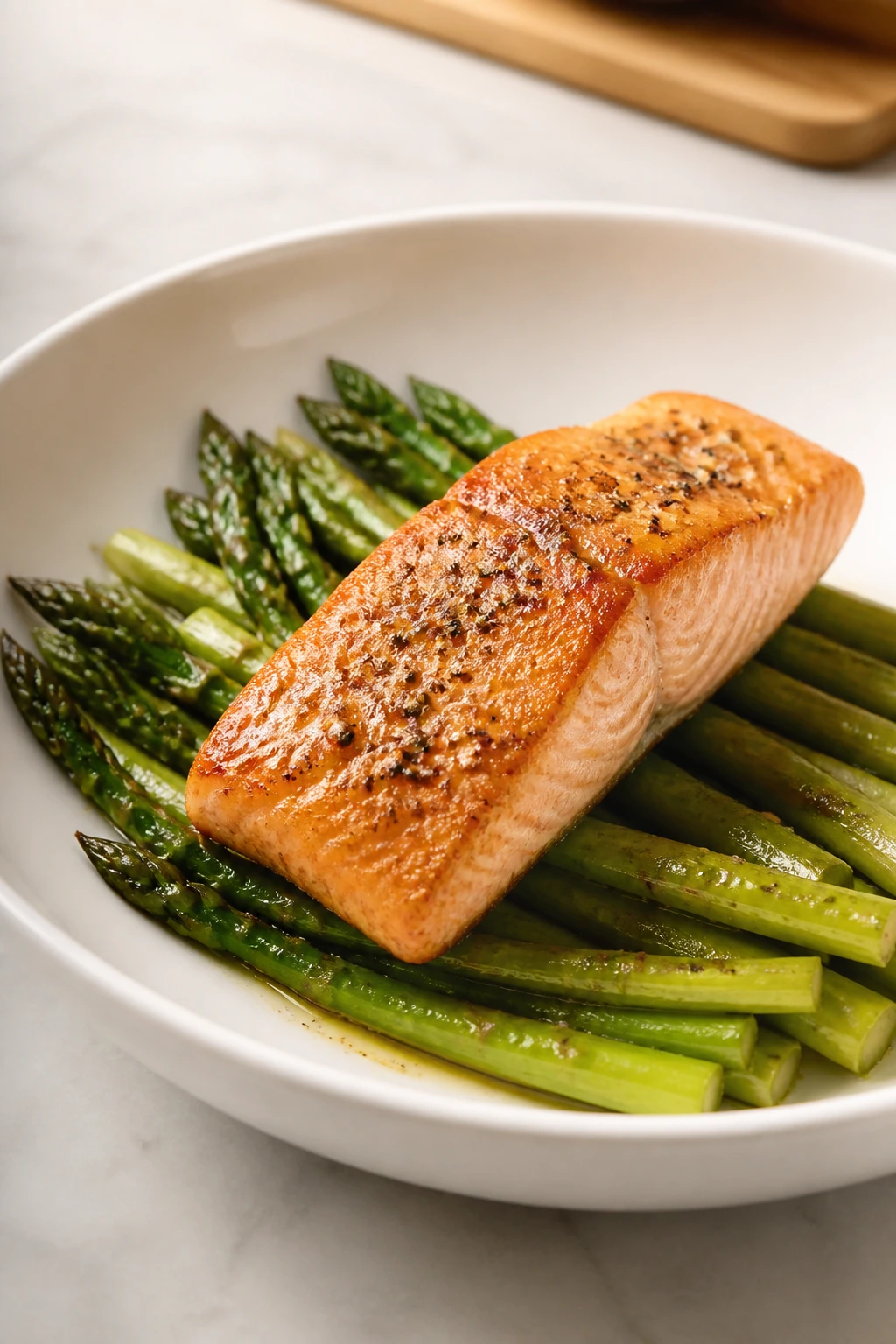
Presentation: Keep the protein visible. A salmon fillet on top of asparagus, a turkey patty sliced across the grain, or eggs perched in the center of a bowl makes the meal look deliberate instead of tossed together. A wide shallow bowl usually beats a deep one for solo meals.
Accompaniments: Use one simple side, not three. Toast, rice, quinoa, fruit, a small salad, or a handful of crackers is usually enough. If the main dish already has beans, noodles, or potatoes, skip the extra starch and add something crisp instead.
Portions: Most of these recipes are built for one generous serving, which means you can stretch them with a little rice, toast, or extra vegetables if you need more food. If your appetite runs smaller, keep the protein the same and trim the starch first rather than shrinking the protein until it disappears.
Beverage Pairing: Sparkling water with lemon works with almost everything here. Unsweetened iced tea, a small glass of milk, or black coffee fits breakfast plates. For dinner bowls with spice or smoke, a cold lager or a dry cider is a good match if you’re pairing a drink at all.
Additional Tips and Flavor Boosters
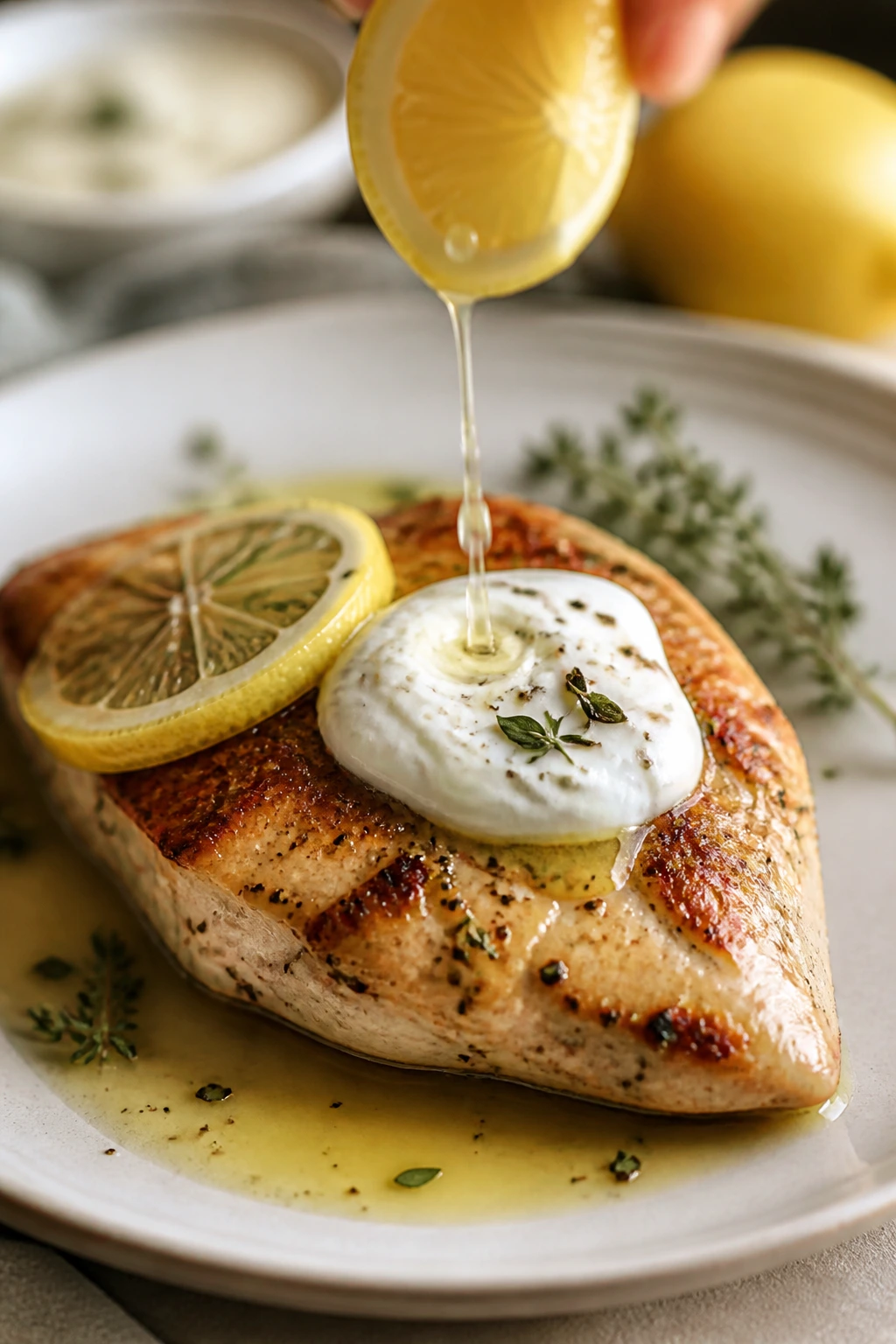
Flavor Enhancement: Acid is the easiest upgrade in this whole set. Lemon juice, lime juice, rice vinegar, mustard, salsa, and a spoonful of yogurt can make a plain protein taste finished in seconds. If a meal feels flat, it usually needs salt plus acid, not another random spice.
Customization: Build from what’s in the fridge. Leftover rice becomes a bowl. Half a bell pepper becomes fajitas. A single roasted potato becomes a stuffed dinner. A bit of feta, capers, olives, or herbs can change a recipe enough that you don’t feel like you’re eating leftovers in disguise.
Serving Suggestions: Fresh herbs are worth the tiny trouble they bring. Parsley, dill, chives, cilantro, and scallions all make one-serving meals look brighter and taste cleaner. A sprinkle of sesame seeds, crushed nuts, or chili flakes adds a final detail that keeps the plate from feeling flat.
Make-It-Yours: For dairy-free meals, use tahini, olive oil, or avocado instead of yogurt, cheese, or cottage cheese. For lower-carb plates, trade rice or toast for extra greens, zucchini noodles, or cauliflower rice. For a bigger training-day meal, add beans, quinoa, or a second egg instead of doubling the meat blindly.
Make-Ahead, Storage, and Reheating Guidance
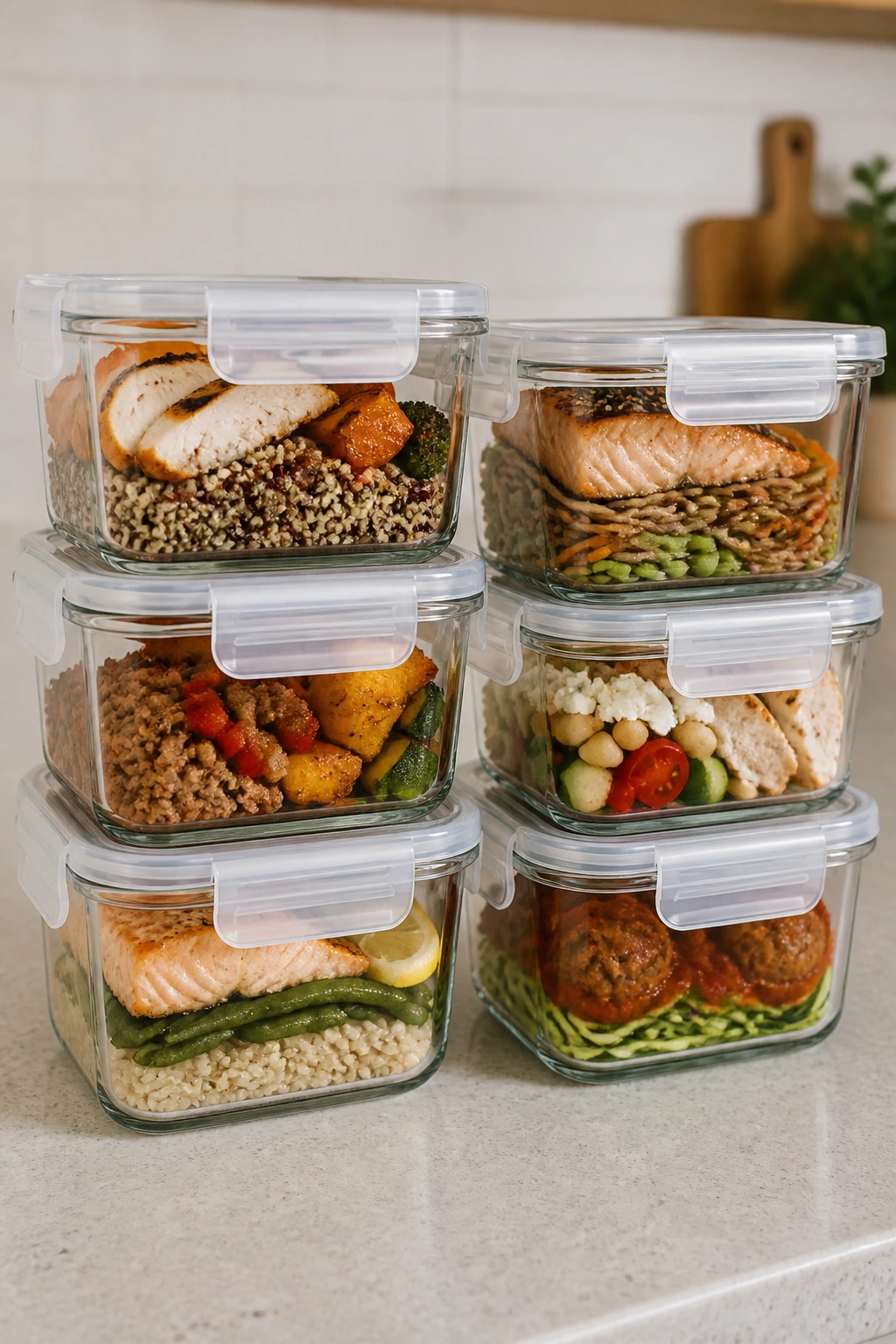
Most of these meals keep best when the wet and crisp parts stay apart until the last minute. Cooked chicken, turkey, beef, tofu, lentil dishes, soups, and rice bowls usually hold well in the fridge for 3 to 4 days in airtight containers. Fish is fussier; salmon and shrimp are best within 2 days, and honestly, they taste nicest the day they’re made. Egg dishes can be reheated, but the texture softens, so I’d treat them as next-morning food rather than a long-game meal.
Freezing works for the sturdier recipes. Chili, soup, cooked ground turkey, cooked chicken, and bean-heavy dishes freeze well for up to 2 months. Cool them fully before freezing, and pack them in flat portions so they thaw faster. Pasta with yogurt sauce, lettuce cups, and avocado-topped dishes do not freeze well. That’s not a flaw. It’s just how they are.
For reheating, the microwave is fine if you use short bursts and stir once halfway through. Skillet reheating is better for stir-fries, turkey bowls, and cabbage dishes because a little heat brings the texture back. Add a teaspoon of water or broth when reheating rice bowls, chili, or pasta so they don’t dry out. If you’re reheating salmon, keep it low and brief or eat it cold over greens instead.
Variations and Adaptations to Try
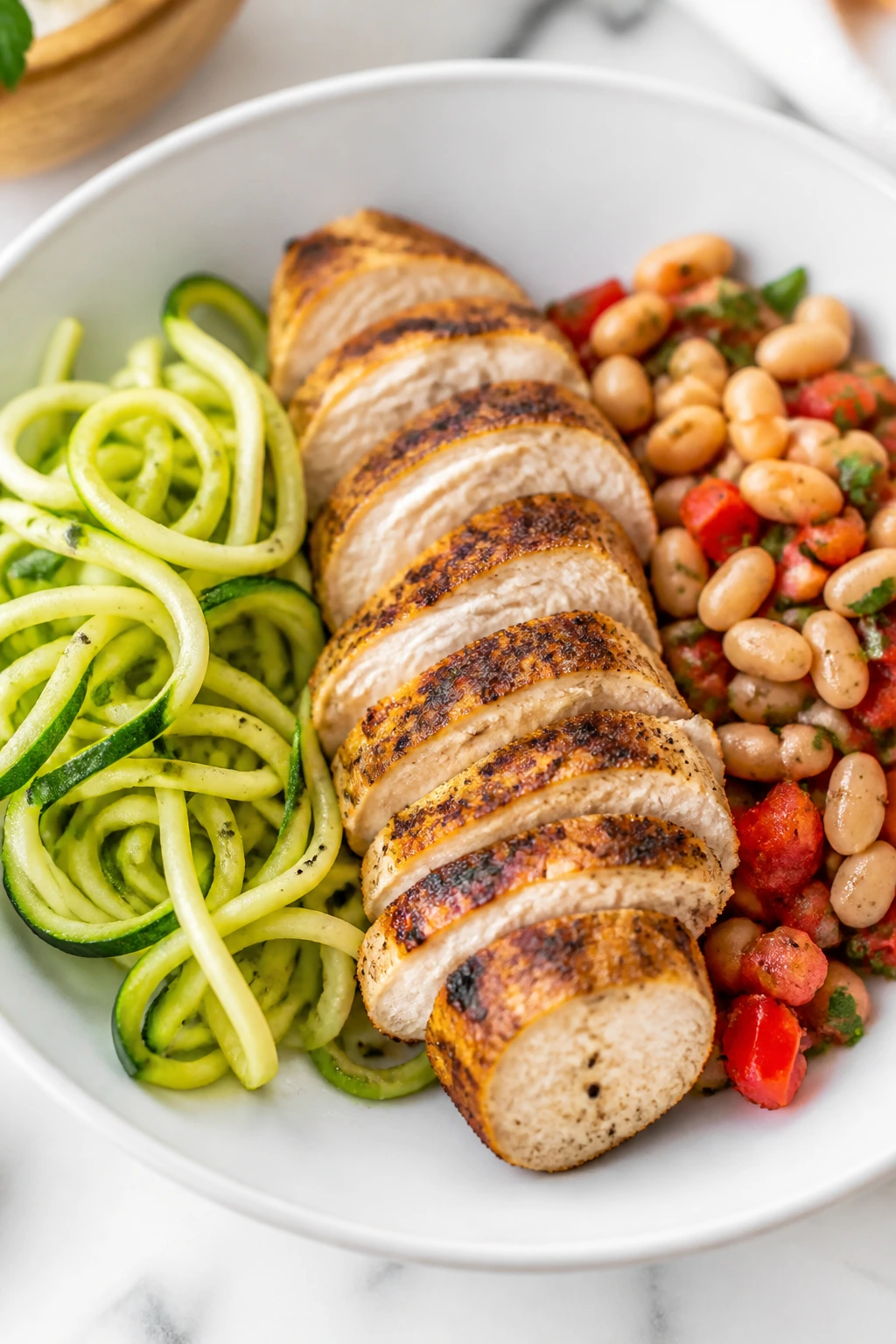
Low-Carb Switch: Build the meal around extra vegetables, eggs, fish, tofu, or chicken, then skip the rice, toast, or pasta. Zucchini noodles, cauliflower rice, cabbage, and big leafy greens all work across this whole set.
Dairy-Free Route: Use olive oil, avocado, tahini, or coconut yogurt in place of Greek yogurt, cottage cheese, feta, parmesan, and halloumi where needed. The flavor shifts, but the protein stays solid if you keep the main protein source intact.
Budget Plate: Lean on eggs, beans, lentils, canned tuna, canned sardines, tofu, and chicken thighs. Those ingredients usually stretch farther than steak or salmon and still land as real meals instead of pantry punishment.
Spice-Forward Version: Add chili crisp, harissa, sriracha, hot sauce, or red pepper flakes at the end rather than dumping heat into the whole pan. That keeps the base flexible and lets you control the burn bite by bite.
Mediterranean Lean: Use lemon, cucumber, tomato, parsley, olive oil, yogurt, feta, and olives across chicken, tuna, eggs, and beans. That set of flavors can turn half the recipes here in a different direction without making shopping more complicated.
Meal-Prep Split: Cook the protein and grains ahead, then keep sauces, greens, and crunchy toppings separate. This works especially well for turkey bowls, chicken salads, grain bowls, and stir-fries, where texture matters more than exact timing.
Common Mistakes to Avoid
One mistake shows up over and over: not using enough protein in the first place. A bowl of vegetables with a few crumbs of chicken is still a bowl of vegetables. If you want the meal to hold you, make the protein the center and let the vegetables support it.
Another problem is overcooking lean proteins. Chicken breast, shrimp, turkey, and salmon all dry out if you walk away for too long. Use a timer, watch the color, and pull them before they look completely done if they’ll carry heat for another minute or two.
People also trip over soggy textures. Lettuce cups get wet when you dress them too early, zucchini noodles collapse if you cook them like pasta, and cauliflower rice turns gray if you drown it. Dry ingredients stay crisp longer. Wet ingredients should show up late.
A quieter mistake is forgetting salt and acid. Protein-heavy meals can taste flat if you don’t add lemon, vinegar, mustard, salsa, tomato, or herbs. The difference is not subtle. It’s the difference between “edible” and “I’d make that again.”
Finally, buying ingredients that don’t match your real energy causes a lot of failed solo meals. If you’re tired, a three-pan recipe with five chopped vegetables is probably a bad bet. Keep a few easy proteins, a few durable vegetables, and one or two good sauces around, and the rest gets much easier.
Frequently Asked Questions
How much protein should a single meal have?
For most people, a meal in the 20 to 35 gram range is a practical target, though bigger appetites and training days may want more. The point is not to chase a perfect number every time; it’s to make the meal sturdy enough that you’re not hungry again right away.
Can I use frozen vegetables in these recipes?
Yes, and in some of them frozen vegetables are the better choice. Frozen broccoli, peas, spinach, edamame, cauliflower rice, and mixed stir-fry vegetables save time and cut waste, especially when you’re cooking for one.
What if I do not eat meat?
Use eggs, Greek yogurt, cottage cheese, tofu, tempeh, lentils, beans, chickpeas, edamame, or halloumi. Several of the recipes here already lean that way, and the meat-based ones are easy to swap if you keep the seasoning path the same.
Can I double these recipes and save the extras?
Yes, but the pan size matters. If you double a skillet recipe in a tiny pan, the food steams instead of browns. Soups, chili, bean bowls, and chicken salad scale well; shrimp, eggs, and sheet-pan fish are better cooked in smaller batches.
How do I keep one-serving cooking from being expensive?
Buy ingredients that work in several meals: eggs, onions, cabbage, carrots, Greek yogurt, canned beans, rice, tofu, and canned fish. Those items show up again and again in this set because they do not strand you with half-used specialty ingredients.
What is the easiest meal here for a complete beginner?
The tuna bowl, salmon sheet pan dinner, egg scramble, and cottage cheese toast-style meals are the least fussy. They use short ingredient lists, low-risk methods, and a lot of forgiveness.
Can I make these meals without a lot of equipment?
Absolutely. A skillet, a pot, one knife, one cutting board, and a bowl cover most of the recipes. You do not need a full kitchen to eat well by yourself.
What if the meal tastes bland after cooking?
Add salt first, then acid, then fresh herbs. That order matters. A squeeze of lemon, a little mustard, a spoonful of salsa, or a dash of soy sauce usually fixes a flat plate faster than piling on more dry seasoning.
Are these good for lunch as well as dinner?
Yes. A few are better cold or room temperature — chicken salad, tuna bowls, and sardine toast — while others hold up best hot, like stir-fries, soups, and egg dishes. Pick based on whether you’ll reheat or eat straight from the container.
Simple Protein Meals That Actually Fit Real Life
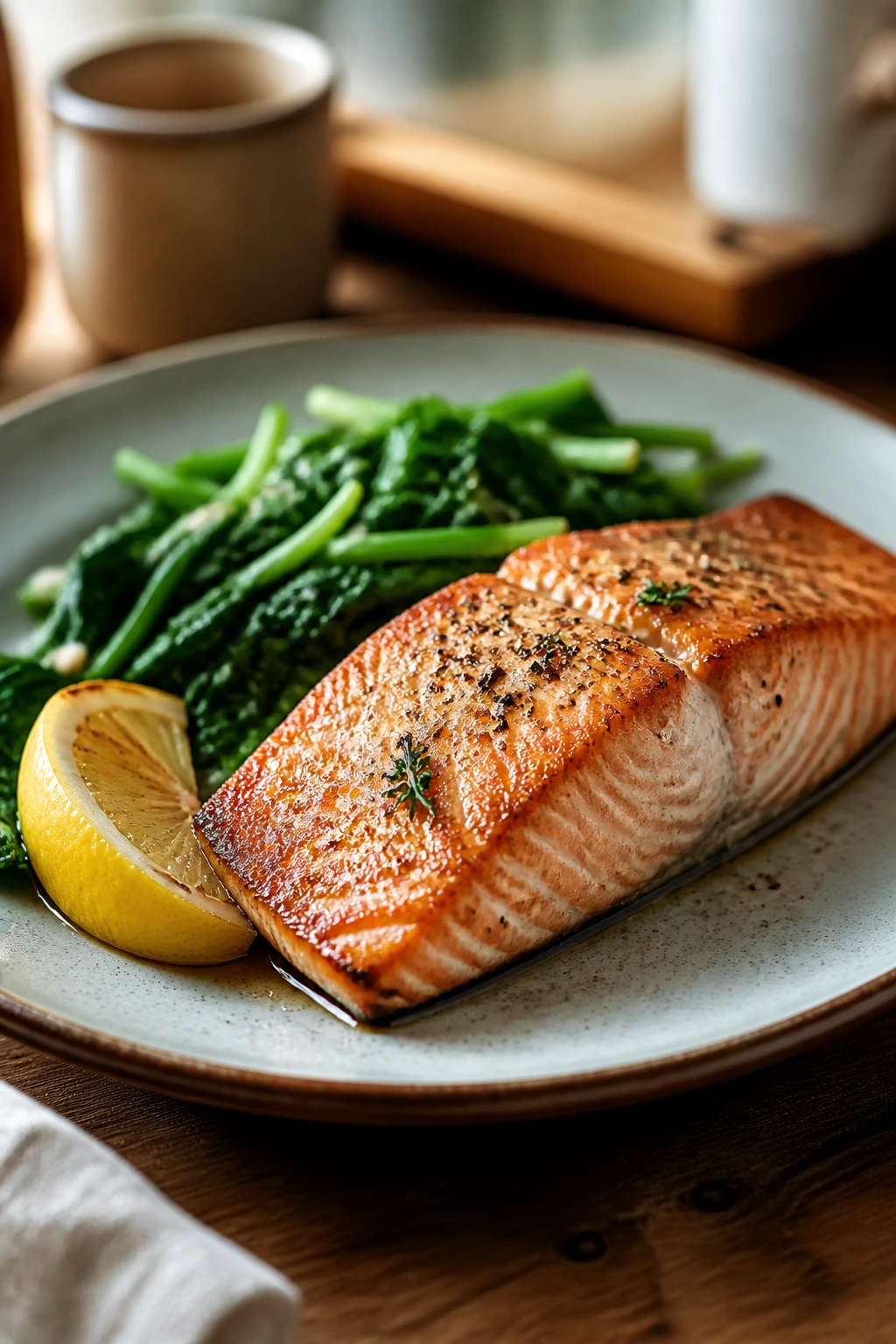
Solo cooking gets a lot easier when the meal is built around one decision: what protein do I want on the plate? Once that’s settled, the rest falls into place with surprising speed. Eggs become breakfast. Tuna becomes lunch. Chicken, tofu, turkey, beans, and salmon become dinner without asking you to run a second grocery list in your head.
The best part is that these meals don’t demand perfection. A half-bag of spinach still counts. So does canned fish, frozen broccoli, leftover rice, and one good lemon. Keep a few of those around, and you can stop treating dinner for one like a problem that needs solving from scratch every night.