



Two hundred calories can vanish in a handful of crackers. Five hundred, used well, can look like a real meal: a hot scramble with greens, a salmon plate with potatoes, or a lunch bowl that gets you through the afternoon without sending you to the snack drawer at 3:17. That’s the real job of healthy eating under 500 calories — not making food tiny, but making each calorie pull its weight.
I’m treating the 500-calorie mark as a per-meal target here, because that’s where it makes sense in a kitchen. A whole day built that way is a different conversation. One meal built that way is enough to get practical, useful, and repeatable. That matters, because most people do not need another lecture about “clean eating.” They need meals that feel like meals.
The trap is easy to spot. A lot of low-calorie plates are just lettuce with a personality problem. No heat. No chew. No protein to hold the center. Then the olive oil gets poured too freely, the cheese gets “a little sprinkle,” and the count climbs while the meal still somehow feels unfinished.
Wholesome food under 500 calories is not about shrinking everything. It’s about choosing the right anchors, the right textures, and the right places to spend your calories so the plate actually works.
Why Healthy Eating Under 500 Calories Works Better as a Meal Target
It gives you a ceiling without turning dinner into a math exam. One meal at 420 calories is easy to build around; a whole day under 500 is a starvation stunt no one should copy from a magazine headline.
Protein has room to do its job. A meal with 25 to 35 grams of protein usually feels steadier than one built from bread, fruit, or crackers alone, and the number is reachable without weird ingredients.
Vegetables stop being garnish. When you treat a meal as a 500-calorie container, you can give broccoli, cabbage, spinach, zucchini, and tomatoes more space instead of hiding them in a tiny side pile.
You can spend calories where you can taste them. One measured teaspoon of olive oil, a spoonful of tahini, or a small square of feta is enough to make the plate feel finished; you do not need a flood of sauce.
The method works across cuisines. A rice bowl, omelet, soup, taco plate, stir-fry, and grain salad can all land under 500 without tasting like the same meal in different clothing.
It saves you from the all-or-nothing trap. A 470-calorie lunch is still a solid lunch. That single fact keeps people from tossing the whole plan after one plate lands a little high.
What 500 Calories Actually Buys on a Real Plate
What does 500 calories look like when it stops being a number on a label and starts being food?
Usually, it is not a mountain of one thing. It is a structure. A few ounces of protein. A real serving of vegetables. A modest carb. One measured fat or sauce. That combination changes everything, because fullness is not only about volume. It’s about chew, protein, heat, and whether the food feels finished when you put the fork down.
The most common mistake is treating calories like they all behave the same. They don’t. One tablespoon of olive oil is about 120 calories. A handful of almonds can be 160 to 180. Two tablespoons of peanut butter can run near 190. Those ingredients are fine — I use them constantly — but they are not invisible. If you free-pour them, a “light” meal can turn into a 700-calorie blur before you even notice.
A plate that stays under 500 usually has one of two shapes. Either it is a bowl with strong volume — soup, salad, stir-fry, grain bowl — or it is a composed plate with a clear anchor: protein in the center, vegetables around it, starch in a measured corner, sauce on top rather than pooled underneath.
Raw and cooked weights matter too, and this trips people up all the time. Four ounces of raw chicken breast is not the same thing as four ounces cooked. Cooked food loses water, so the weight changes. If you track calories closely, pick one method and stick with it. Consistency beats guesswork every time.
Oil is the sneaky one.
The Plate Formula That Keeps You Full
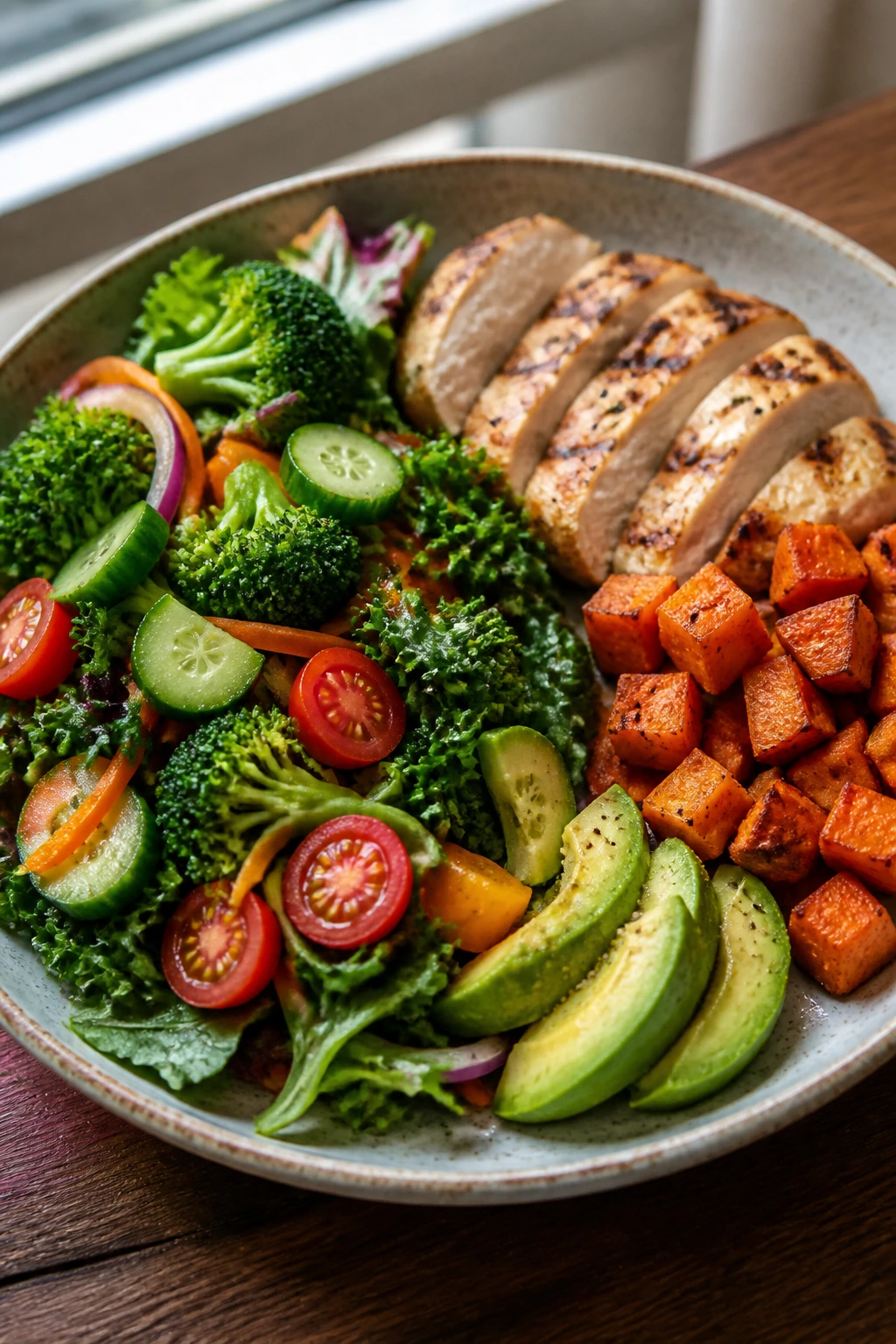
A plate without a shape is where calorie counting gets messy. Give it one.
The simplest structure I’ve found is this: half vegetables, one quarter protein, one quarter smart carbs, plus a measured fat or sauce. It is not a law. It is a starting shape that keeps you from building meals out of starch and good intentions.
The Vegetable Half
Use two loose handfuls of greens, or about 1½ to 2 cups of cooked vegetables. Think broccoli, cauliflower, zucchini, cabbage, spinach, peppers, green beans, mushrooms, or a chopped salad base. These ingredients bring volume without eating up the calorie budget.
The Protein Quarter
A palm-sized serving of protein is usually the right lane for a 500-calorie meal. That might be 4 ounces of chicken or fish, 5 to 6 ounces of tofu, 2 eggs plus egg whites, or 1 cup of Greek yogurt in a breakfast bowl.
The Carb Quarter and the Fat Finish
A cupped hand of rice, potatoes, oats, quinoa, or beans is enough for most meals. Then finish with a small amount of fat or sauce — not a free-for-all. One teaspoon of oil, a spoon of pesto, a dollop of yogurt sauce, or a measured slice of avocado can make the whole plate taste intentional.
Some meals bend the formula. Soup leans harder on broth and vegetables. Breakfast may lean more on protein and fruit. A burrito bowl may swap half the vegetables into salsa, pico, or shredded lettuce. Fine. The shape still helps, because even a loose plan is better than wandering into the kitchen and hoping dinner assembles itself.
Protein Choices That Carry the Meal
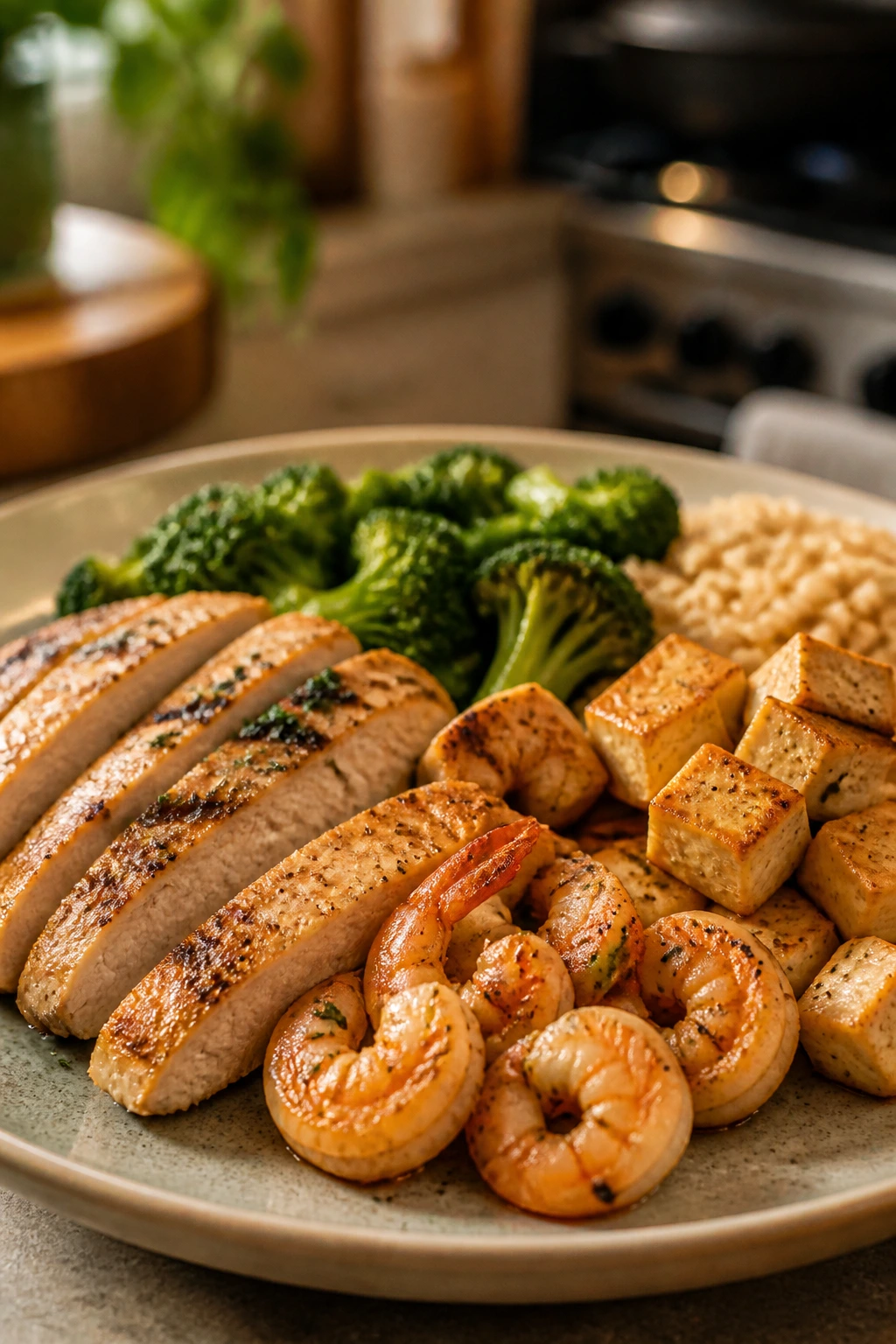
Chicken breast gets a lot of airtime, but it is not the only useful protein in a 500-calorie meal. It is just the easiest one to explain.
Lean proteins work because they give you a lot of chew and staying power for a fairly modest calorie cost. Four ounces of cooked chicken breast lands around 125 to 140 calories and gives you roughly 25 to 30 grams of protein. Four ounces of shrimp is similar in calorie range and cooks in minutes. White fish like cod or tilapia stays light and flakes cleanly. Turkey breast behaves much the same way.
Plant proteins can do the job too, though they ask for stronger seasoning. Extra-firm tofu is about 90 to 100 calories per 3 ounces, and it gets better when you press it, cube it, and roast or sear it hard enough to build edges. Tempeh brings more chew and a nuttier taste. Edamame is one of my favorite quiet weapons: a cup gives you protein, fiber, and a little sweetness that plays well in bowls and salads.
Then there are the “mixed” proteins — the useful middle ground. Greek yogurt and cottage cheese are great when you want a meal to lean cold, creamy, or breakfast-shaped. A cup of plain nonfat Greek yogurt usually sits around 90 to 110 calories and gives you a serious protein base. Cottage cheese does the same thing, especially with tomatoes, cucumbers, or fruit.
Eggs deserve their own mention. Three whole eggs are not light, but they are not outrageous either. They give you flavor and richness that people miss when they strip meals down too far. If you want more protein without blowing the count, pair whole eggs with egg whites. That gives you the yolk flavor and the extra volume.
I’m not loyal to one protein source. I’m loyal to the meal staying useful. Sometimes that means salmon. Sometimes it means tofu that has been pressed, seasoned, and roasted until the edges go bronzy. Sometimes it means a can of tuna and a spoonful of Greek yogurt with mustard and dill. Boring protein is optional. Flavorless protein is not.
Smart Carbs That Earn Their Place
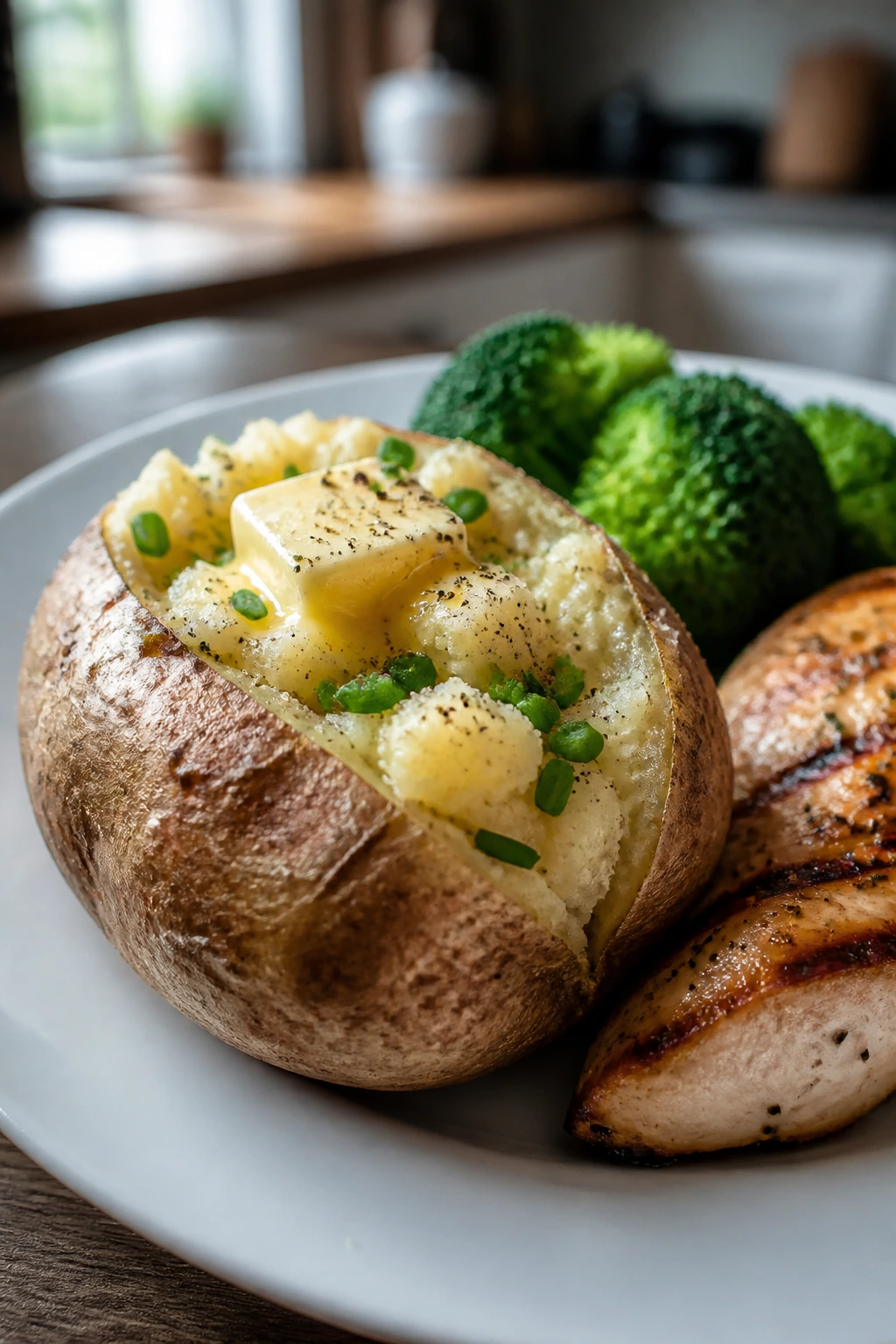
Potatoes are better here than they get credit for.
A medium baked potato is often around 160 calories, and it eats like a real food. That matters. It has skin, chew, and enough body to make a plate feel grounded. If you want something a little softer, rice, oats, quinoa, bread, corn tortillas, and beans all have a place — they just need to be measured like the calorie-dense foods they are.
The trick is choosing carbs that keep their shape and don’t vanish in one bite. One cup of cooked rice is usually around 200 calories. Half a cup of cooked oats sits near 150. A slice of whole-grain bread may be 80 to 100. A small banana can be around 90. None of those numbers are scary on their own. They only become a problem when the portions drift.
Beans deserve a special callout because they pull double duty. A half cup of black beans or chickpeas brings carbs, fiber, and a little protein. They work especially well in bowls, soups, and tacos where you want the meal to feel more substantial without needing a giant pile of starch.
I like potatoes in this kind of eating because they’re honest. A roasted potato wedge tells you what it is. So does a cup of pasta, and so does a warm tortilla. Those foods are fine. What matters is whether you are using them as part of the structure or letting them eat the whole budget.
If you want a meal that stays under 500 without feeling stingy, make the carb the supporting actor, not the whole cast. A salmon plate with 5 ounces of potatoes and a tray of broccoli is a meal. A giant bowl of rice with a few vegetables draped over it is a calorie trap dressed like dinner.
Vegetables That Add Volume Without Fuss
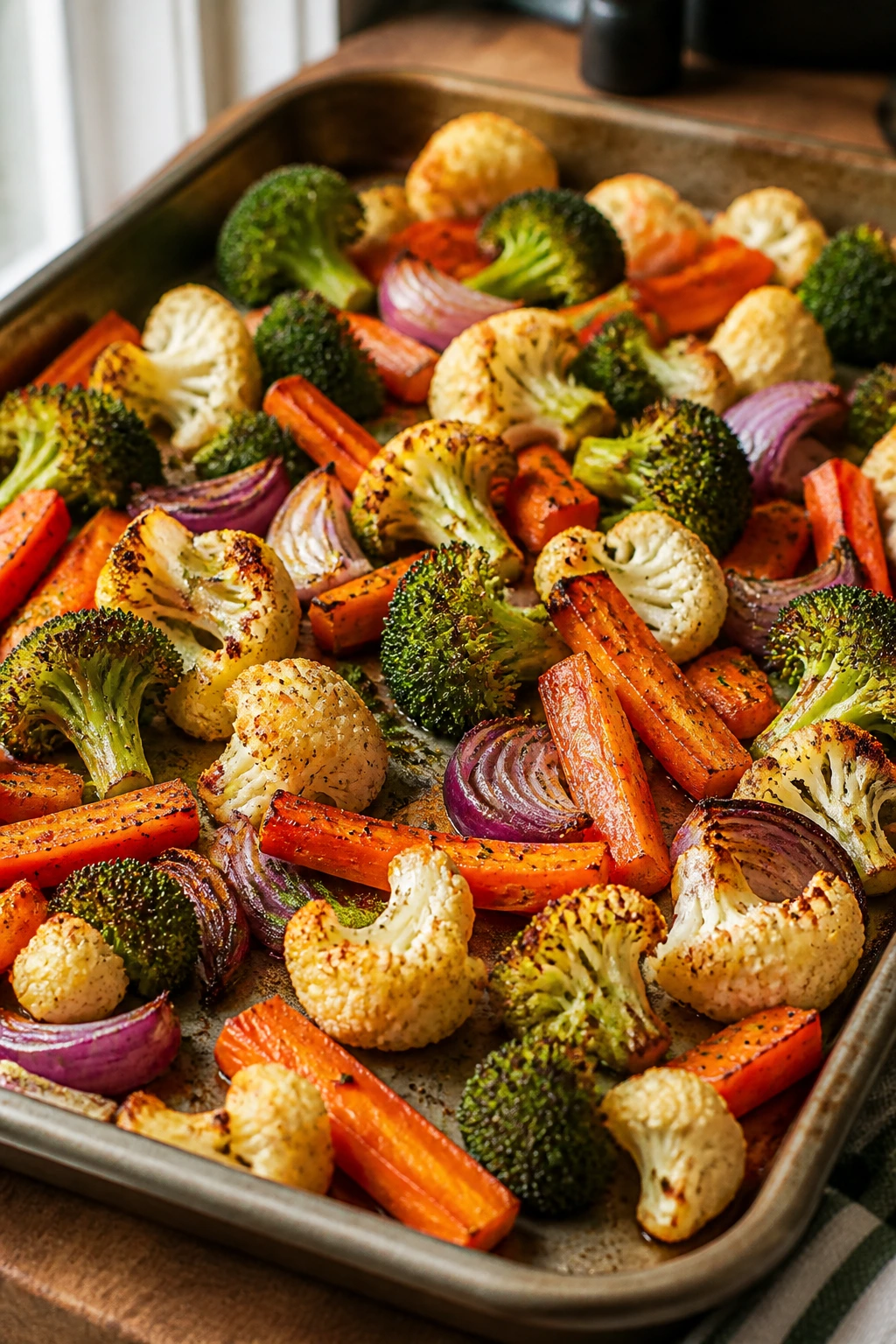
A hot tray of vegetables smells sweeter than people expect. That is one of the pleasures of cooking this way. Cabbage, broccoli, carrots, and onions all mellow in the oven, and the sharp edges disappear into something warmer and more generous.
Frozen vegetables are not a compromise. They are a shortcut that still tastes like food when you cook them properly. Frozen broccoli roasts well if you pat it dry first. Frozen spinach disappears into eggs, soup, and skillet dinners. Cauliflower rice is not glamorous, but it’s useful when you want a bowl to look fuller without adding many calories. I keep all of them around because they make a 20-minute dinner possible on nights when a cutting board feels like too much work.
There’s also a texture point here that matters more than most calorie-counting advice admits. If every bite is soft, the meal feels flat. If every bite is crunchy, the meal feels like a bagged salad. The sweet spot is mixed textures: roasted broccoli, tender chicken, a little rice, a drizzle of yogurt sauce, maybe a few cucumber slices or a handful of herbs on top.
Best Low-Calorie Vegetables for Volume
- Broccoli and cauliflower: Roast at 425°F until the edges brown, or steam and finish with lemon.
- Cabbage: Slice thin and sauté in a hot pan for 6 to 8 minutes; it softens fast and turns a little sweet.
- Zucchini and mushrooms: They give a lot of surface area, so they work well in skillet meals and stir-fries.
- Spinach and greens: They vanish fast, which makes them perfect for omelets, soups, and pasta dishes where you want more bulk without more calories.
- Peppers and onions: They bring color and sweetness, especially when cooked hard enough to pick up a little browning.
Salt and acid matter here. A plate of steamed vegetables with no finishing touch is the fastest route to giving up on the whole idea. Add lemon, vinegar, garlic, pepper flakes, mustard, or fresh herbs, and suddenly the vegetables stop feeling like a side quest.
Fats and Sauces That Make the Meal Taste Finished
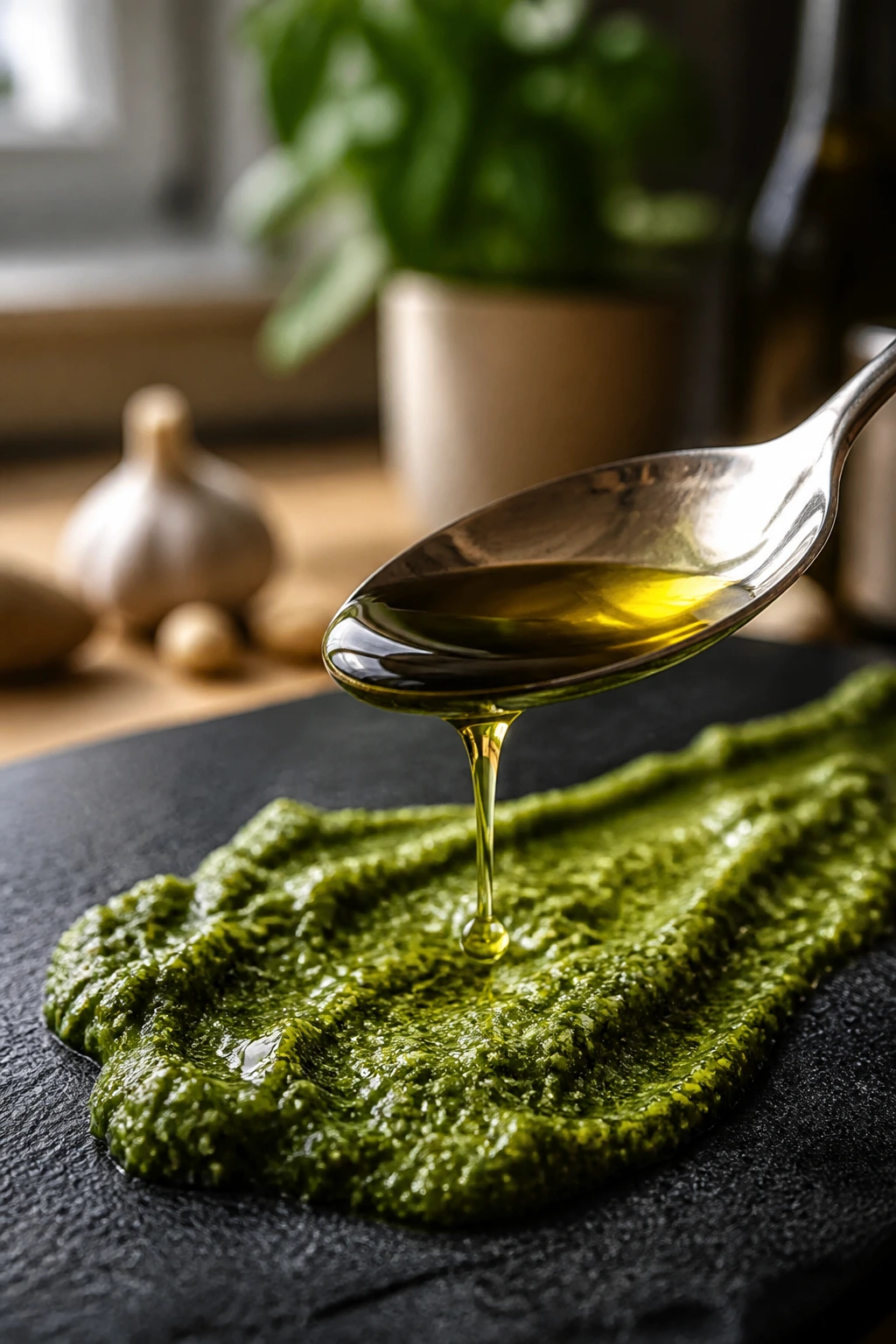
Fat is where healthy meals often go wrong, because people either avoid it entirely or pour it like they’re decorating a cake. Neither approach helps.
A 500-calorie meal can absolutely include fat. It should. But the amount needs to be measured. One teaspoon of olive oil is about 40 calories. One tablespoon is about 120. That difference is not a rounding error. It’s the gap between a tidy bowl and a meal that quietly loses the room.
I like to think of fat as the finish, not the base. Use enough to carry flavor, enough to help the pan cook properly, enough to make the food feel cared for. Then stop. A tablespoon of tahini thinned with water and lemon can coat an entire bowl. A spoonful of pesto can wake up roasted vegetables. A few slices of avocado can give a taco bowl a creamy edge. You do not need all three.
Sauces are the same story. A good sauce can rescue lean protein, but it should also respect the calorie budget.
Sauce Moves That Stay Reasonable
- Greek yogurt + lemon + garlic + dill: Thin it with a little water and it becomes a sharp, cool sauce for bowls, chicken, and potatoes.
- Salsa + lime + hot sauce: Almost absurdly low in calories, and excellent on eggs, tacos, beans, and rice.
- Tahini + water + lemon + salt: Rich and nutty; use a measured spoon and thin it until it drizzles.
- Mustard + vinegar + a touch of honey: Good in salad dressings and slaws, especially when you want brightness instead of creaminess.
- Soy sauce + rice vinegar + ginger: A clean way to finish stir-fries and noodle bowls without much calorie cost.
My rule is simple: if the sauce could be eaten with a spoon, measure it. If it’s mostly vinegar, citrus, herbs, or hot sauce, you’ve got a little more room. And if you want something creamy, use yogurt first. It behaves better than mayo in a low-calorie meal, and it brings protein along for the ride.
Breakfasts That Fit Healthy Eating Under 500 Calories
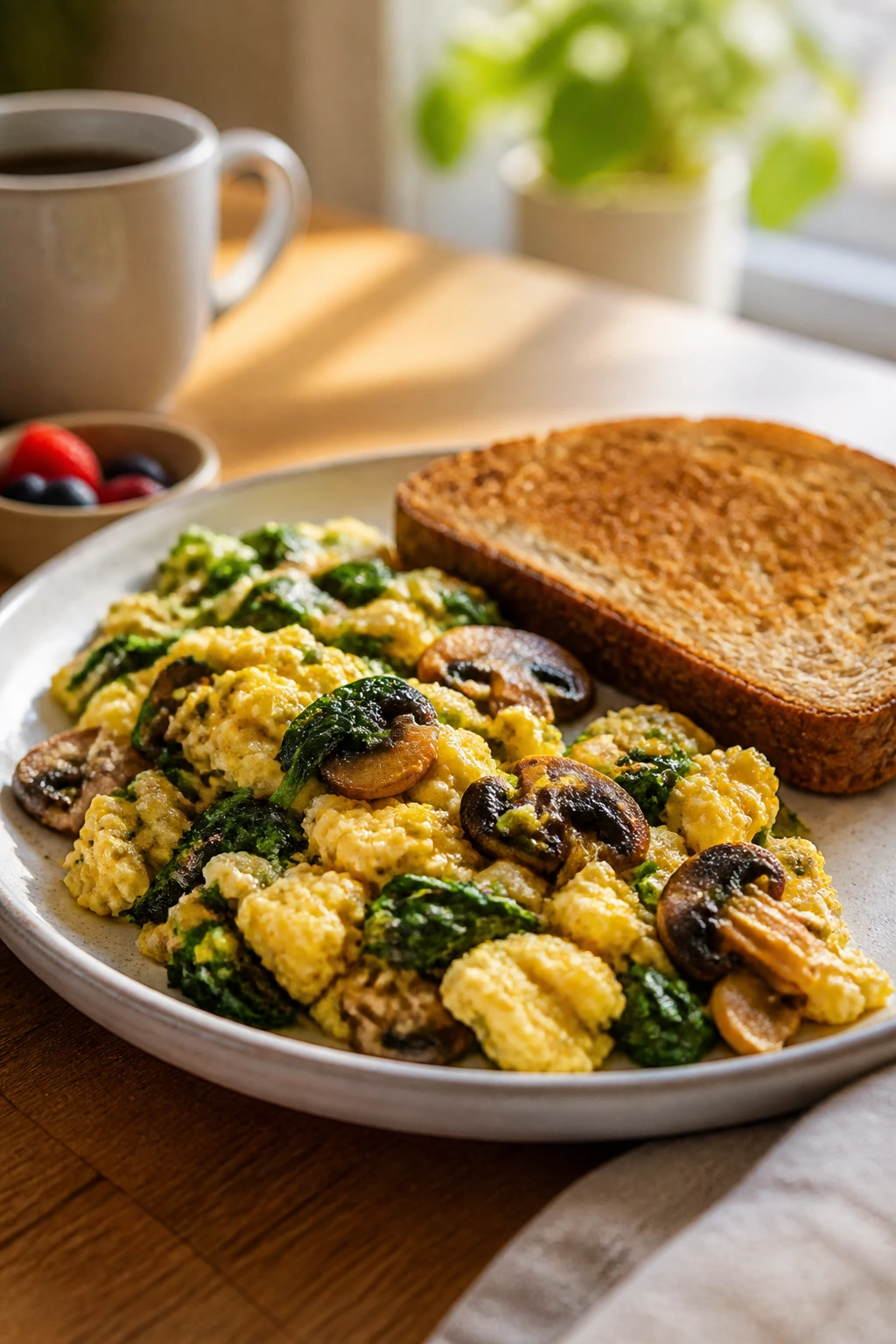
Breakfast gets punished more than it should. People either make it too small and end up hunting for snacks by midmorning, or they turn it into a sugar delivery system and wonder why they’re starving an hour later.
The better move is to build breakfast around protein, one fruit or grain element, and something with texture. That can be hot or cold. I prefer hot when I have the time, because warm food tends to feel more like a meal and less like a compromise. Cold breakfast can work too, but it needs enough protein to stand up to the clock.
Egg-Based Breakfasts
A scramble with 2 eggs, 2 egg whites, spinach, mushrooms, and one slice of whole-grain toast lands comfortably under 400 calories and feels bigger than the number suggests. The trick is to cook the vegetables first so the pan doesn’t flood with water, then add the eggs and finish with salsa or a spoonful of feta if you have room.
An omelet with onions, tomatoes, and a small amount of cheese can fit too, but the cheese needs to stay measured. A single ounce changes the flavor a lot. A big handful changes the math more than people expect.
Yogurt and Oat Bowls
A bowl of plain Greek yogurt, berries, chia seeds, and a small scoop of oats or granola is one of the cleanest ways to build a breakfast that stays under 500 without feeling thin. The yogurt gives you the protein. The berries bring acid and sweetness. The oats or granola add chew.
The pitfall is granola, because it looks innocent and behaves like dessert. If you use it, measure it. A quarter cup is one thing. A casual pour is another.
Make-Ahead Mornings
Hard-boiled eggs, overnight oats, and baked egg muffins are useful because they lower the friction. You can make them on a quiet day and grab them when the morning is loud.
A good make-ahead breakfast should not taste like cardboard on day three. If it does, season it more aggressively. Add salt to the egg mix. Add cinnamon and vanilla to oats. Add fruit after chilling, not before. Small fixes. Big difference.
Lunches That Travel Well
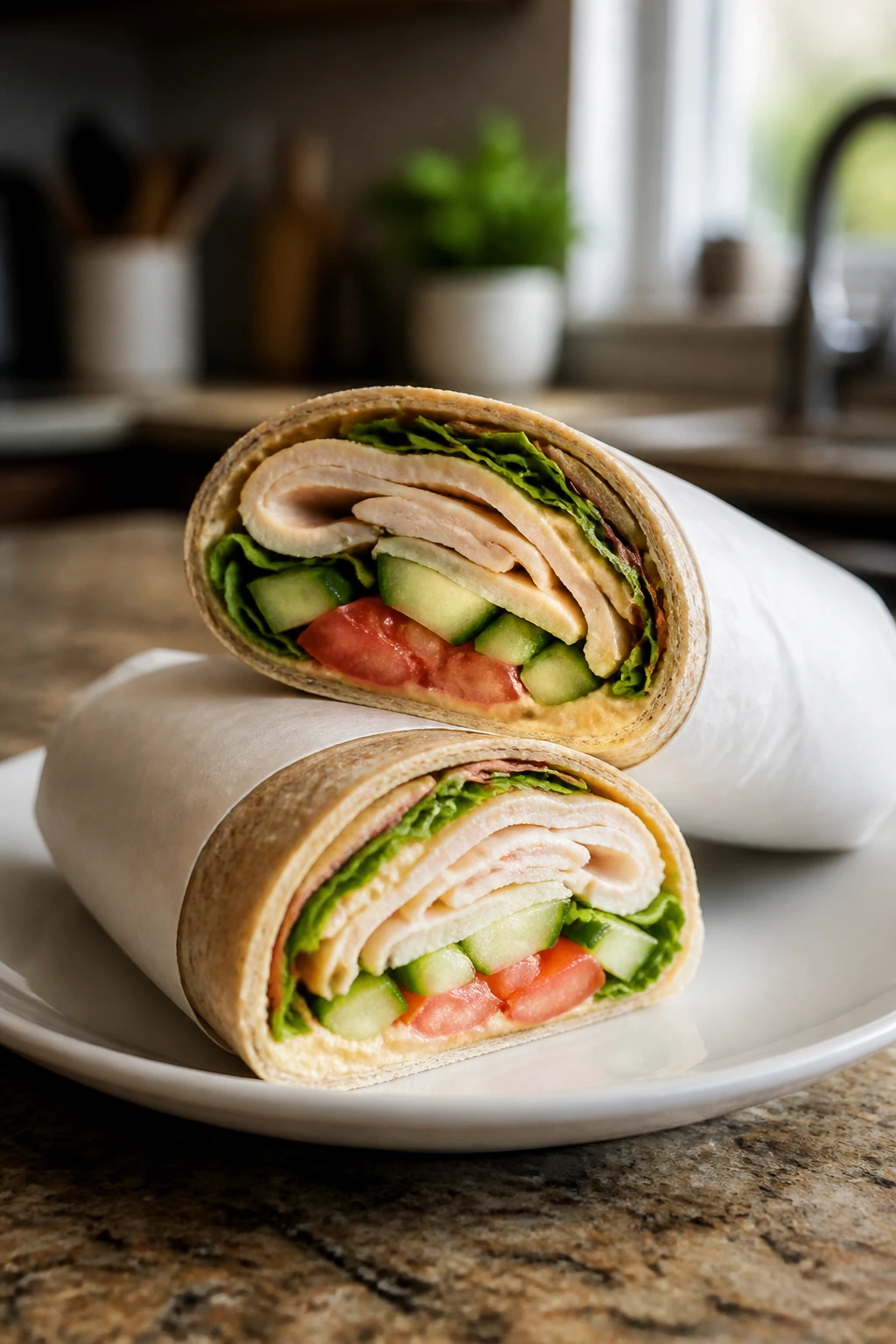
Lunch is where calorie control gets tested. You are hungry, you are busy, and the food has to survive a container without going soggy or sad.
The best lunches under 500 calories are built to hold up for a few hours. That usually means one sturdy protein, one grain or bread component, plenty of vegetables, and a dressing or condiment packed separately if possible. Soft bread plus wet fillings is a bad combination unless you eat it immediately. Grain bowls and wraps are better because they can carry a lot of flavor without turning to mush.
Cold Lunches That Still Taste Good
A turkey wrap with hummus, lettuce, cucumber, and tomato can live comfortably under 450 calories if you keep the tortilla to one normal size and spread the hummus thinly. Add an apple or a few grapes on the side if you need a little more staying power.
A tuna and white bean salad with celery, lemon, parsley, and a spoon of Greek yogurt makes a sharp, high-protein lunch that feels more grown-up than the average desk meal. It also keeps well. I like it more on day two, honestly, because the lemon and herbs settle in.
Reheated Bowls
Leftover chicken, rice, and vegetables are lunch gold. That’s not glamorous, but it works. A 4-ounce portion of chicken, half a cup of rice, and a generous pile of roasted broccoli can stay well under 500 while still looking like a proper lunch bowl instead of a side dish spill.
If you reheat in the microwave, add a teaspoon of water to the rice or grains and cover the bowl loosely. The steam keeps the texture from going cardboard-dry.
Soup-and-Side Lunches
Soup is underrated, but only if it has substance. Lentil soup, chicken vegetable soup, or bean chili can all fit the calorie budget and still feel solid when you add a crisp side salad or a piece of toast.
The one thing soup needs is chew. If it’s only broth and soft carrots, you’ll be looking for a snack in 45 minutes. Beans, chicken, potatoes, or lentils solve that problem fast.
Dinners That Still Feel Like Dinner
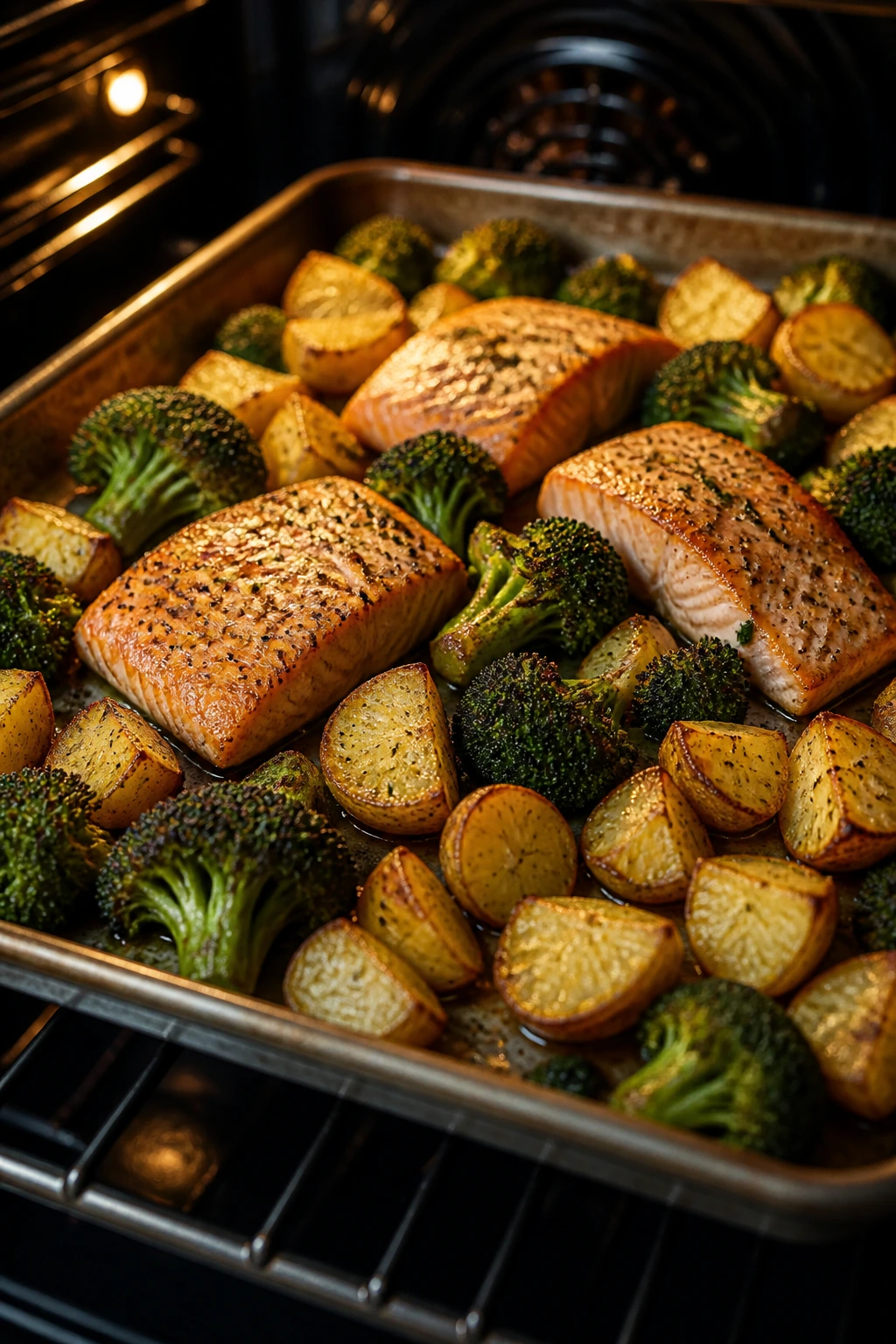
Dinner earns its keep when it feels plated, not assembled.
A lot of low-calorie dinner plans fail because they copy lunch too closely. Dinner wants a little more comfort. Warm food. Browning. Maybe something that came out of the oven and smells like garlic, or citrus, or browned onions. You can keep it under 500 and still make it feel like the end of the day rather than a punishment for having one.
Sheet-Pan Dinners
A sheet-pan dinner is one of the easiest ways to control calories without making the meal boring. Put 4 ounces of salmon or chicken, 2 cups of broccoli or green beans, and 5 to 6 ounces of potatoes on the pan. Use a measured teaspoon of oil, not a free pour, and finish with lemon.
The pan does a lot of the work. High heat browns the edges, which makes the vegetables taste sweeter and the protein more interesting. If your oven runs cool, give it a few extra minutes and let the edges color a little more than you think they should.
Skillet Dinners
A turkey taco skillet, chicken fajita pan, or tofu stir-fry can stay neatly under 500 if you keep the starch modest and the sauce measured. I like these best when the pan includes onions and peppers, because they give the whole thing a cooked, soft sweetness that raw vegetables don’t.
One of my favorite combos is lean ground turkey, taco seasoning, cauliflower rice, black beans, salsa, and shredded lettuce. It tastes like dinner, not diet food, because the seasoning is doing real work.
Soup and Bowl Dinners
If you want a lower-effort dinner, a soup or broth bowl can absolutely get there. Add protein first, then vegetables, then a small starch if you want one. Think chicken and rice soup with a heavier hand on the chicken than the rice, or miso broth with tofu, mushrooms, and a few noodles instead of a full nest of them.
Dinner does not need to be big to be satisfying. It needs to be complete.
Snacks and Mini-Meals for Tight Calorie Budgets
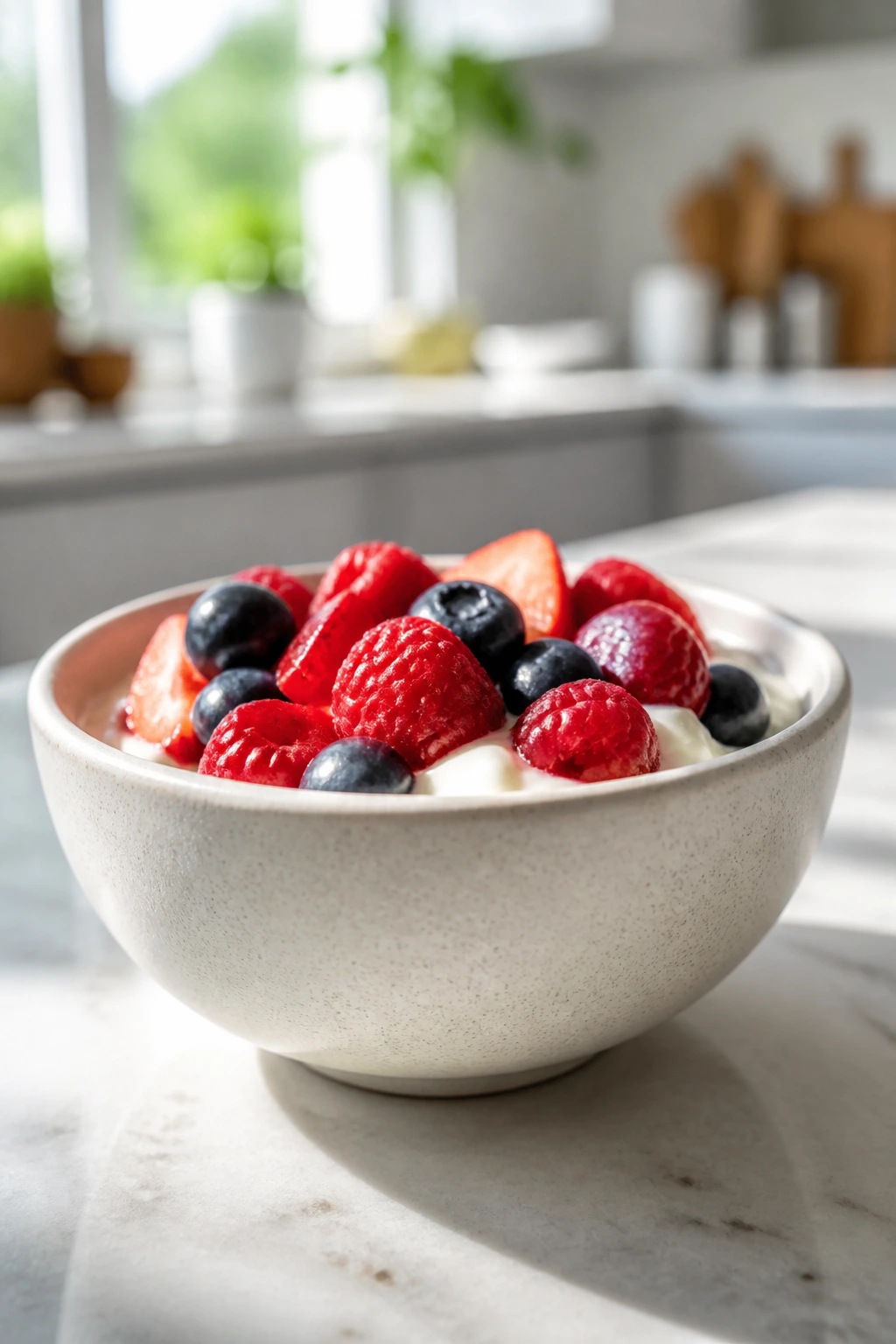
A snack should settle the hunger without pretending to be dinner. That’s the line I use.
If you only need a little something, aim for 100 to 200 calories and keep it protein-forward. If you’re truly hungry, call it a mini-meal and give it 250 to 400 calories with some protein, some fiber, and a bit of texture. There’s no prize for suffering through a sad apple when what you really need is a small bowl of cottage cheese and tomatoes.
Snacks That Actually Hold Up
- Plain Greek yogurt with cinnamon and berries — cool, high in protein, and easy to portion.
- Apple slices with one string cheese — crisp, sweet, and salty in a way that does not spiral out of control.
- Carrots and cucumber with hummus — just measure the hummus, because that’s where the numbers move.
- Hard-boiled eggs and cherry tomatoes — simple, fast, and more filling than dry crackers.
- Edamame with flaky salt — one of the best small snacks if you like a little chew.
Mini-meals can lean a little bigger. A small tuna salad sandwich. A cottage cheese bowl with fruit. A half portion of leftover grain bowl. Those are not failures. They’re useful.
The real mistake is trying to make every hunger feeling go away with tea and determination. Some hunger needs food. Plain and simple.
The Grocery List I’d Actually Buy
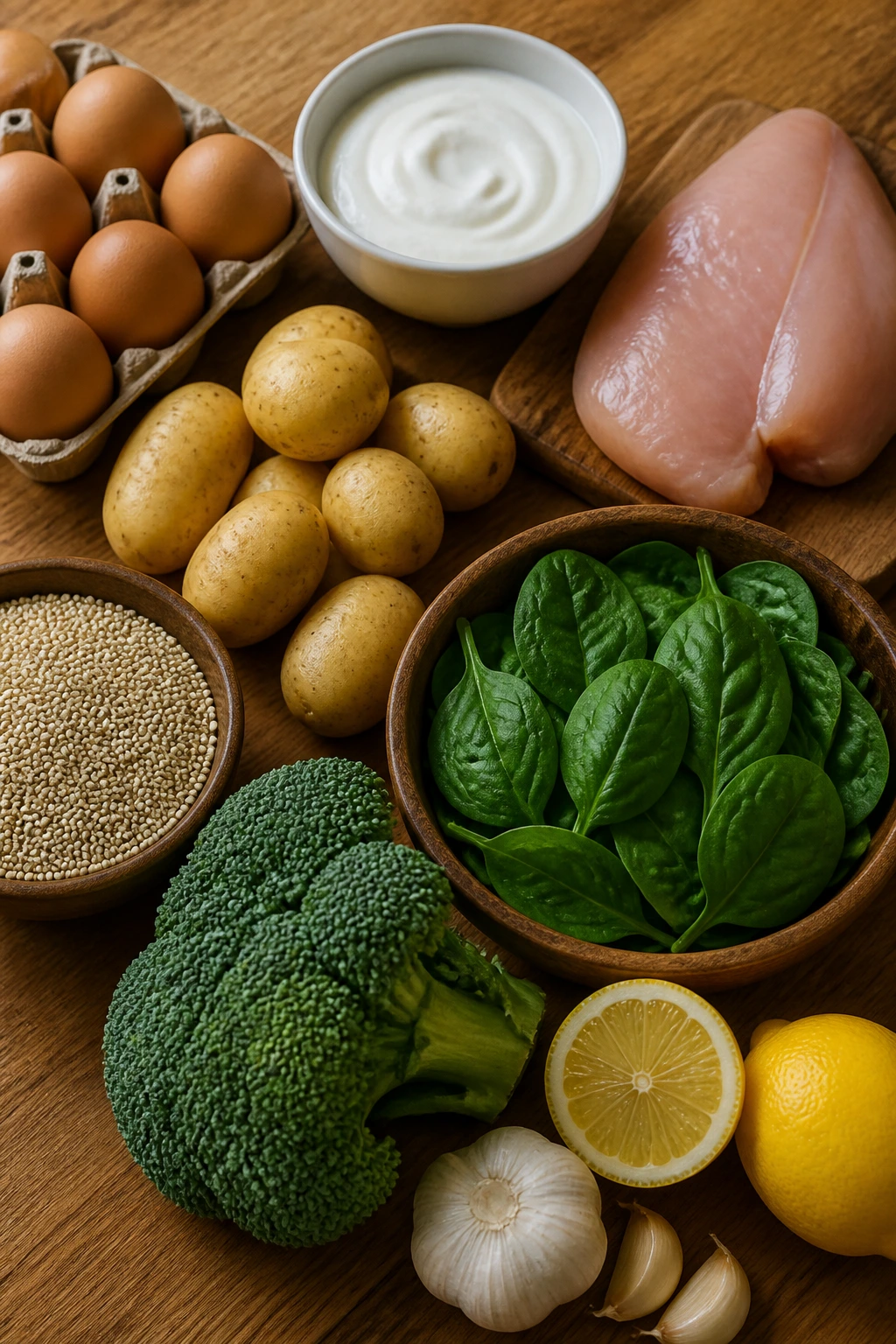
A tight grocery list makes healthy eating under 500 calories easier because it removes the decision fatigue. You do not need 40 ingredients. You need a few reliable ones that can mix and match.
Proteins to Keep Around
- Eggs and egg whites
- Plain Greek yogurt
- Cottage cheese
- Chicken breast or turkey breast
- Tofu or tempeh
- Canned tuna, salmon, or sardines
- Shrimp, fresh or frozen
- Beans and lentils
Carbs That Behave Well
- Old-fashioned oats
- Potatoes and sweet potatoes
- Brown rice or white rice
- Quinoa
- Whole-grain bread
- Corn tortillas
- Fruit like apples, berries, oranges, bananas
Vegetables That Pull Their Weight
- Spinach and mixed greens
- Broccoli and cauliflower, fresh or frozen
- Cabbage
- Peppers and onions
- Zucchini
- Mushrooms
- Cucumbers and tomatoes
- Green beans
Flavor Builders That Keep Meals Interesting
- Lemons and limes
- Mustard
- Vinegars
- Salsa
- Garlic and onion
- Low-sodium broth
- Hot sauce
- Fresh herbs when you can get them
- Soy sauce or tamari
I also keep one “emergency” shelf of food that can become dinner without much thinking: canned beans, tuna, broth, rice, frozen vegetables, and a jar of salsa. That combination can turn into soup, tacos, a bowl, or a quick skillet meal before you’ve finished staring at the fridge.
The Tiny Habits That Keep Portions Honest
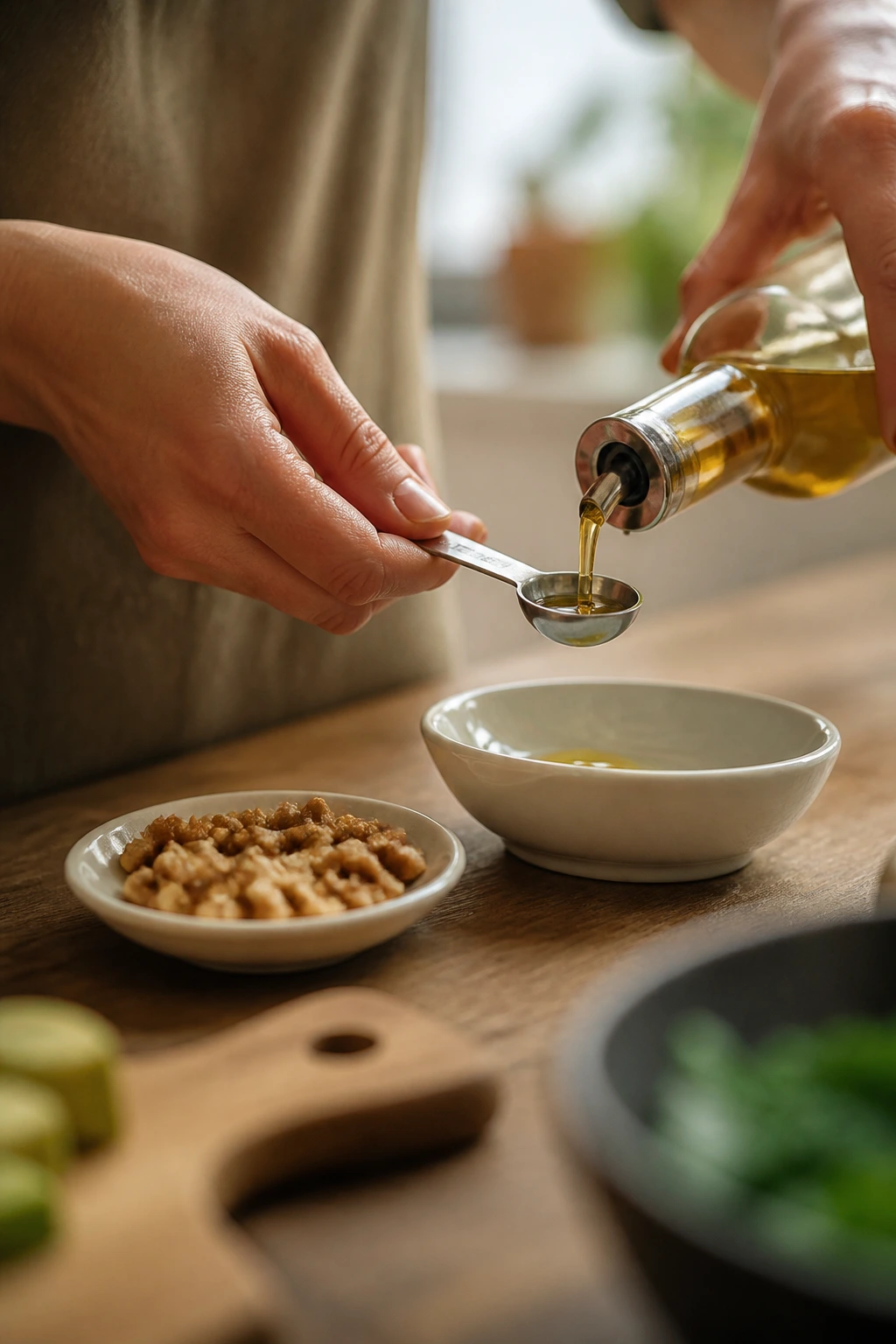
Measure the calorie-dense stuff first. Oil, cheese, nuts, tahini, mayo, peanut butter, and granola are the ingredients that turn an honest meal into a guessing game. Measure them with spoons or a food scale until your eye learns what a teaspoon actually looks like.
Cook once, eat twice. Roast a tray of vegetables, cook a pound of chicken or tofu, and make one grain. Then use those pieces in a bowl, a wrap, and a soup over the next few days. The calories stay easier to manage when the components are already chosen.
Keep one creamy sauce and one sharp sauce ready. Greek yogurt dressing on one side of the fridge, salsa or vinaigrette on the other. That gives you flavor range without raiding the condiment shelf.
Pick one rich ingredient per meal. If dinner has avocado, skip the cheese. If lunch has nuts, go lighter on the oil. If breakfast has granola, keep the nut butter small. One rich thing is a treat. Three rich things is how the number runs away.
Use frozen vegetables on purpose. They are cheaper, faster, and less likely to rot in the drawer. Frozen broccoli, cauliflower rice, green beans, and spinach make the week easier in a very practical way.
Build two or three repeatable meal templates. One breakfast, one lunch, one dinner. Write them down if you need to. Repetition is not boring when the food actually tastes good and the numbers stay where you want them.
Common Mistakes That Make 500 Calories Feel Smaller
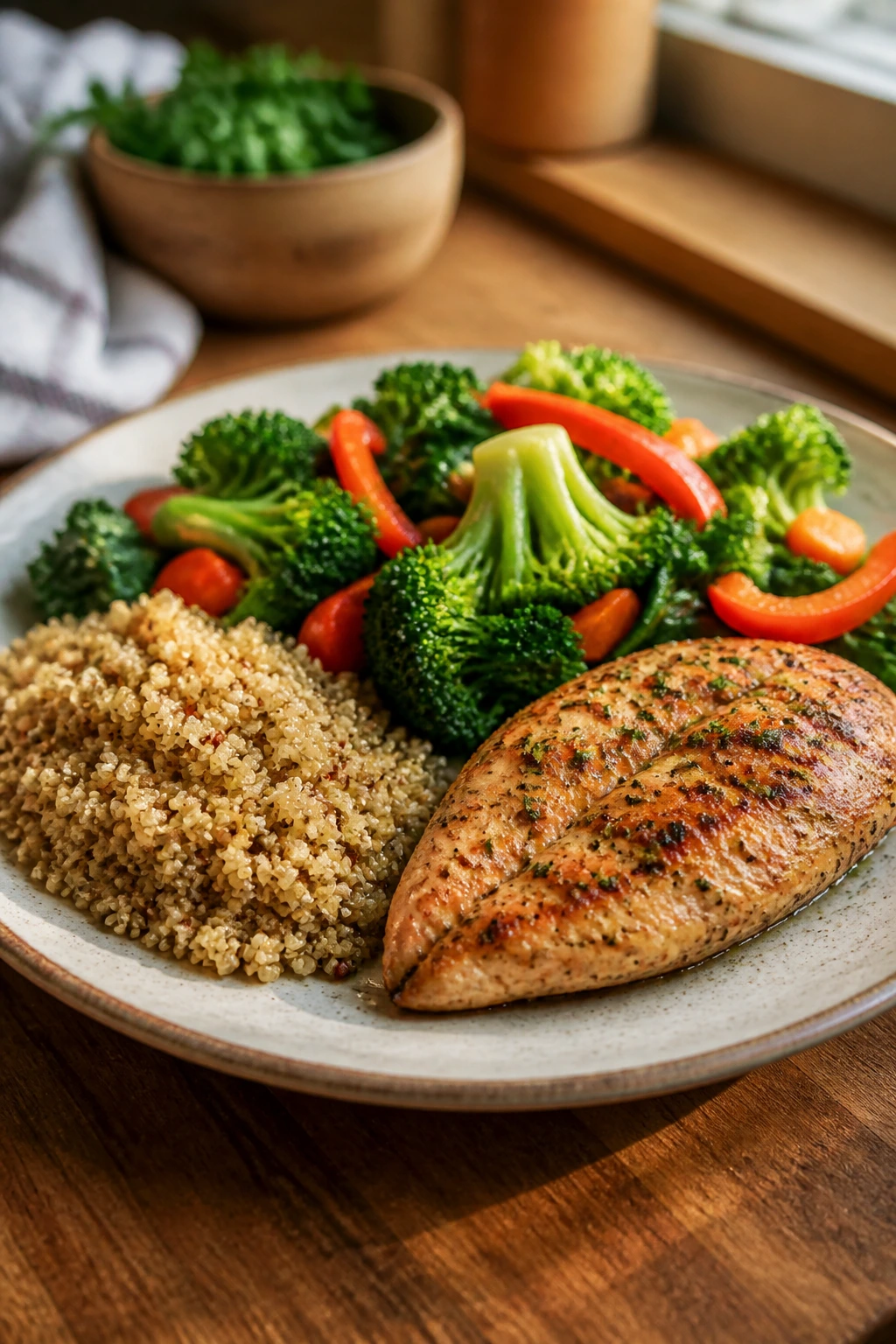
Free-pouring oil. The symptom is simple: the meal tastes good, but the calorie count is suddenly way off. The fix is to measure oil with a teaspoon or brush the pan lightly, then add broth or water if the pan dries out.
Skipping protein to save room. That usually backfires by midafternoon, when hunger gets loud and the snack situation gets messy. Fix it by building around 20 to 30 grams of protein when you can, even if that means trimming a bit of starch.
Turning every meal into a salad. A big bowl of greens can be useful, but only if it has substance. If it’s just leaves with a few vegetables, add chicken, tofu, beans, eggs, or a small grain.
Stacking too many “healthy” extras. Nuts, seeds, avocado, feta, dried fruit, and granola are all fine in small amounts. Put three or four of them in the same bowl without measuring, and the budget disappears fast.
Ignoring drinks and sauces. Sweet coffee drinks, juice, creamy dressings, and fancy bottled sauces can quietly add 100 to 300 calories to a meal. If they matter to you, count them. If not, keep them simple.
Making every meal taste too similar. If lunch, breakfast, and dinner all use the same mild seasoning, the plan gets old fast. Change the flavor profile — lemon and dill one day, taco spices the next, soy-ginger after that — and the routine becomes easier to keep.
Easy Variations for Different Eating Styles
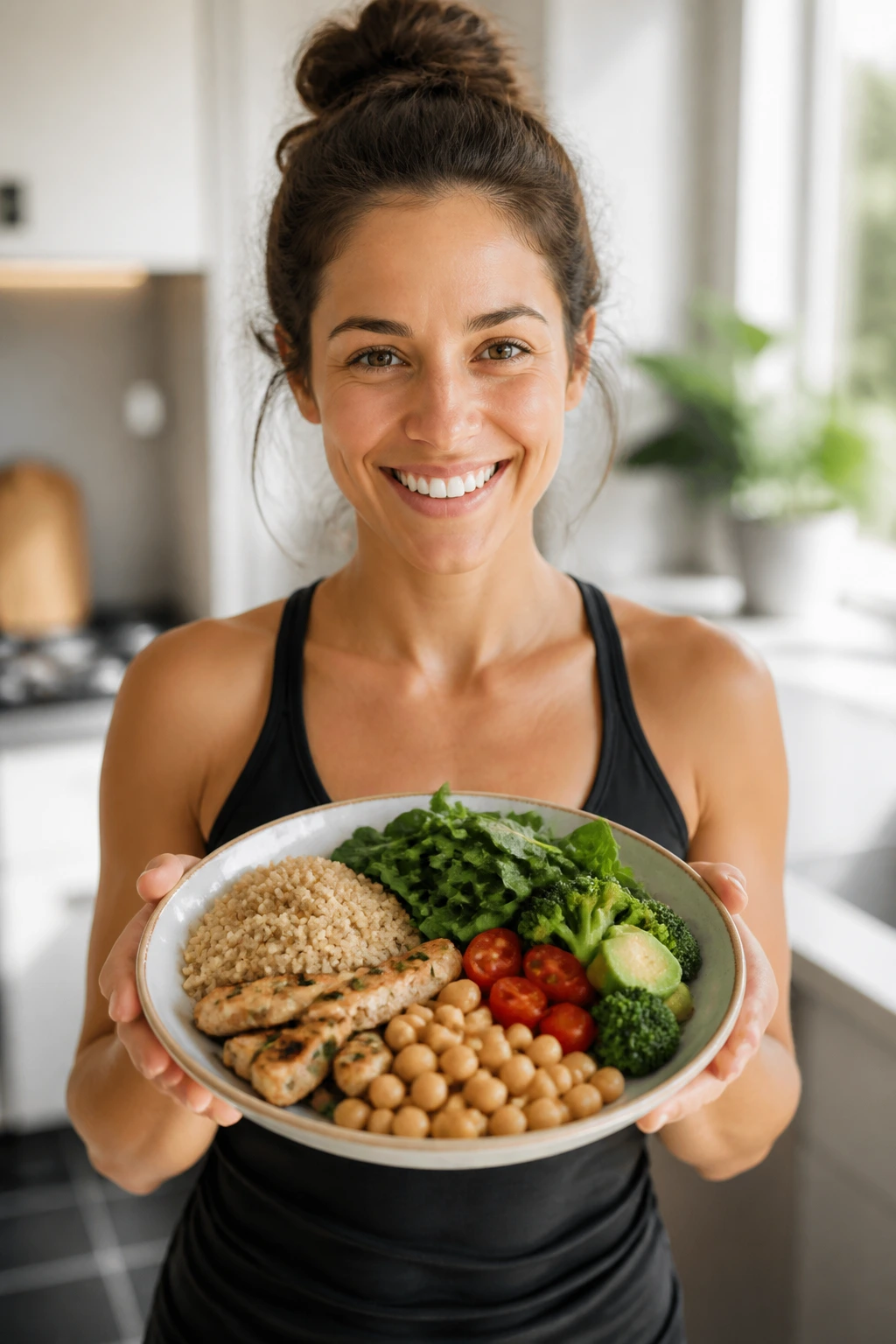
Higher-Protein Reset
Use extra chicken, tofu, Greek yogurt, cottage cheese, or egg whites to push the protein higher while keeping starch modest. This works well for people who get hungry fast or want a meal that keeps them steady for hours.
Vegetarian Pantry Plate
Build meals from beans, lentils, tofu, edamame, yogurt, eggs, and plenty of vegetables. A lentil bowl with roasted cauliflower and yogurt sauce can stay under 500 and still feel solid.
Dairy-Free Comfort Build
Skip yogurt and cheese, then lean on tahini, hummus, avocado in measured amounts, olives, lemon, herbs, and broth. The key is to replace creaminess with something sharp or savory so the meal doesn’t go flat.
Budget-First Version
Rely on eggs, oats, potatoes, cabbage, carrots, canned beans, rice, and frozen vegetables. This is the version I’d send to anyone who wants the food to be inexpensive and still decent enough to repeat.
Lower-Carb Leaning Plate
Cut the starch portion down and replace it with extra vegetables and one larger protein serving. A chicken stir-fry with lots of cabbage, mushrooms, and peppers lands comfortably under 500 without needing much rice.
Mediterranean Shift
Use fish, chickpeas, cucumber, tomato, lemon, olive oil measured by the teaspoon, and herbs like dill or parsley. The flavor stays bright, and the meal feels less like diet food than a lot of generic “healthy” plates.
Tools That Make This Easier
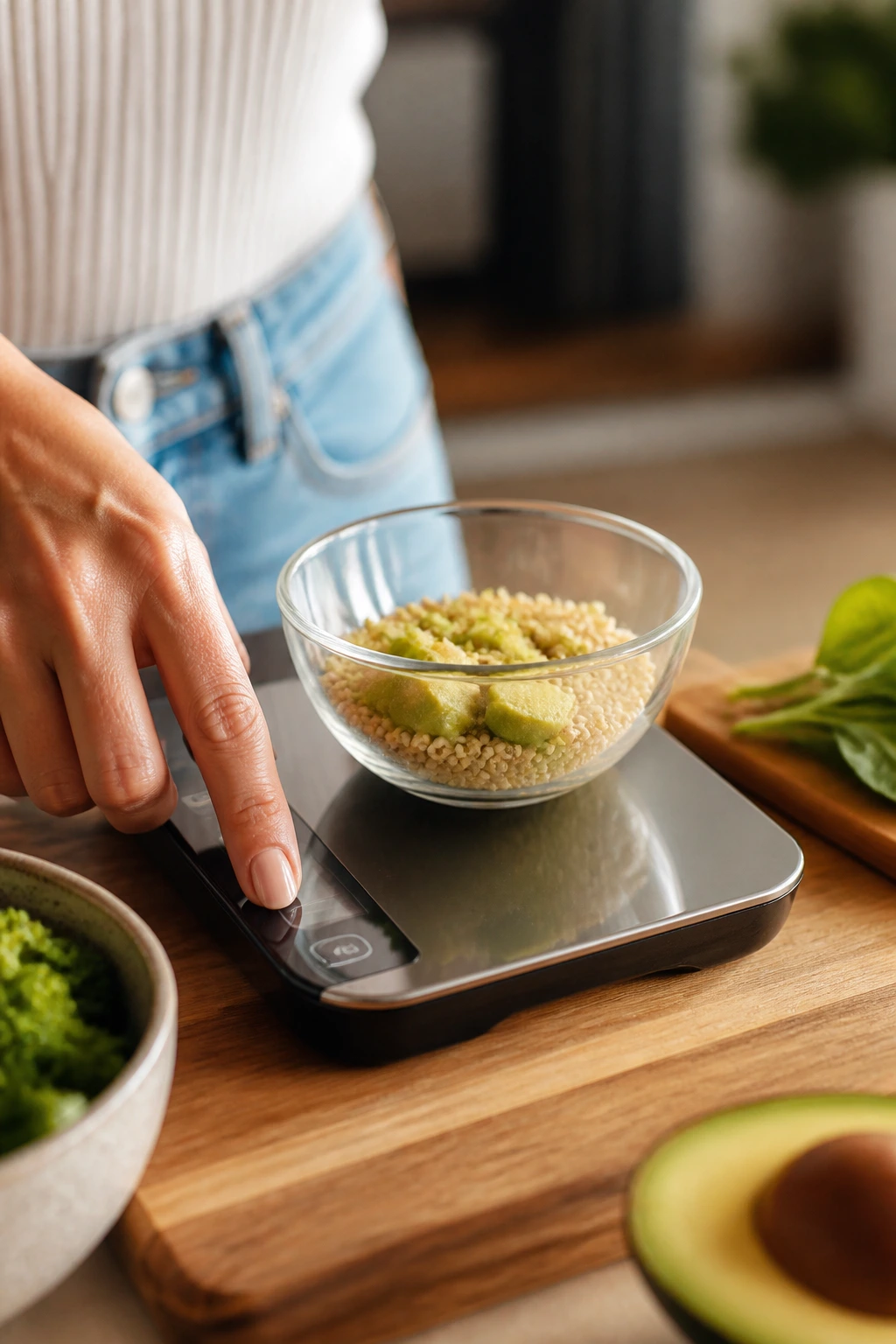
- Digital food scale — Best for oil, cheese, nuts, rice, and protein portions when you want the numbers to stay honest.
- Measuring spoons and cups — Useful even if you do not weigh everything; they keep the dense ingredients in line.
- Half-sheet pan — The workhorse for roasted vegetables, chicken, tofu, and fish.
- 12-inch skillet — Big enough to brown food instead of steaming it in a crowded puddle.
- Saucepan or small pot — Good for grains, soups, oats, and boiled eggs.
- Meal prep containers — Choose a few sturdy ones with tight lids so bowls and leftovers stay usable.
- Chef’s knife and cutting board — A sharp knife saves more time than almost any gadget.
- Blender or immersion blender — Handy for yogurt sauces, soups, and quick dressings.
- Instant-read thermometer — Especially useful for chicken and fish so you do not have to guess.
- Microwave-safe bowls with lids — A small thing, but it makes reheating lunches far less annoying.
Make-Ahead, Storage, and Reheating
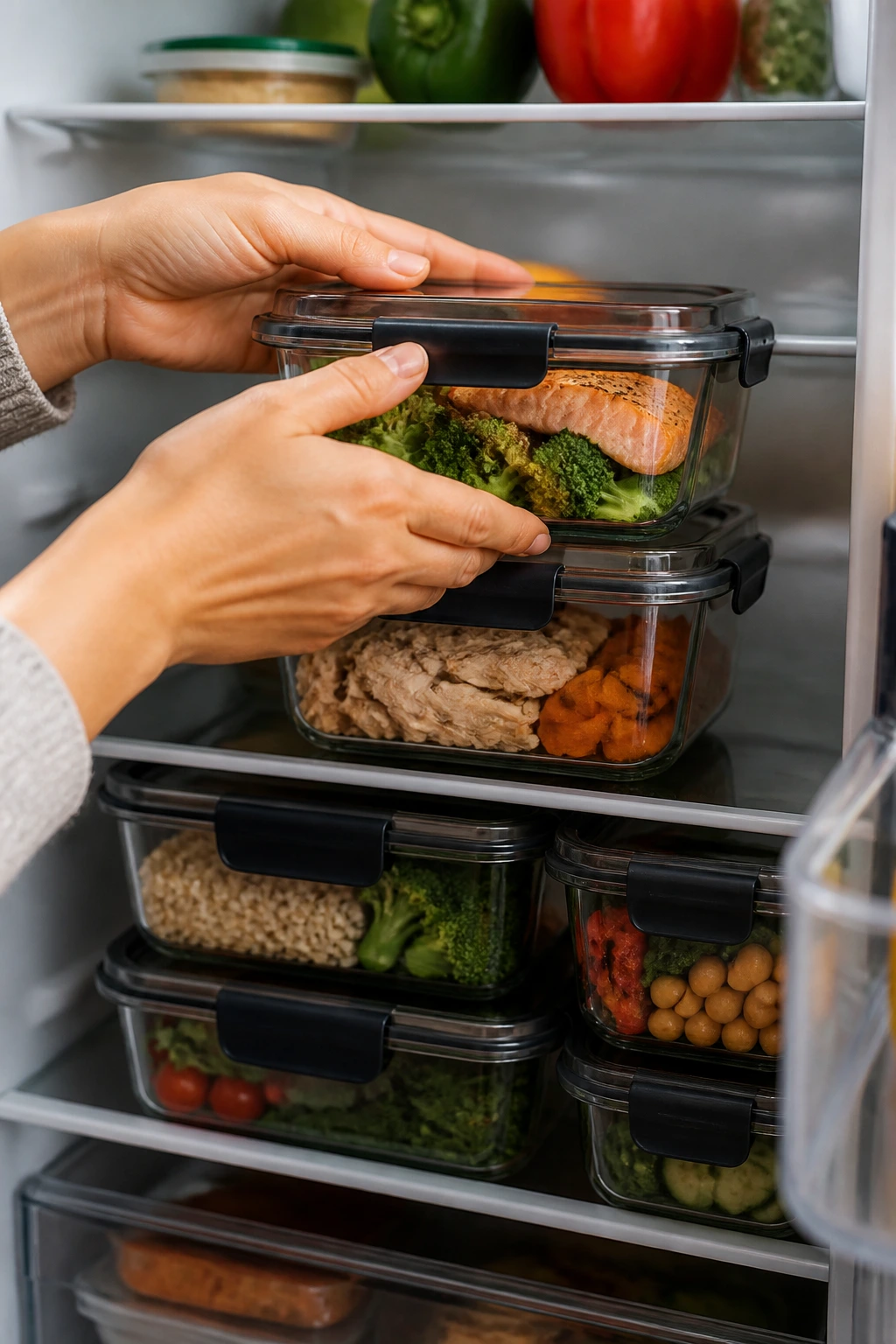
Cooked proteins, grains, and roasted vegetables usually keep 3 to 4 days in the refrigerator if they’re cooled and stored in airtight containers. Fish is shorter-lived; I treat it as a 1 to 2 day food because the texture drops off fast. Soups and bean dishes usually hold well for up to 4 days, and many of them freeze nicely for up to 2 months.
The best make-ahead strategy is component prep. Cook the protein. Roast the vegetables. Make one grain or starch. Keep sauces separate. That way, the food stays fresher and you can mix and match without eating the same bowl four days in a row.
For reheating, use the method that respects the texture. Skillet meals come back best in a pan over medium heat with a splash of water or broth. Sheet-pan dinners do well in a 375°F oven for 8 to 12 minutes. Rice bowls and soups are fine in the microwave, but keep the power moderate and cover them loosely so they don’t dry out.
Salads are the exception. If you know you’re making a lunch salad for later, store the greens dry and keep dressings, avocado, and crunchy toppings separate. Add them at the last minute. A limp salad is nobody’s friend.
Some meals improve overnight. Bean salads, lentil bowls, soups, and yogurt-based dressings often taste better after the flavors settle. Anything crisp, fried, or breaded is the opposite. Eat those fresh if you can.
Frequently Asked Questions
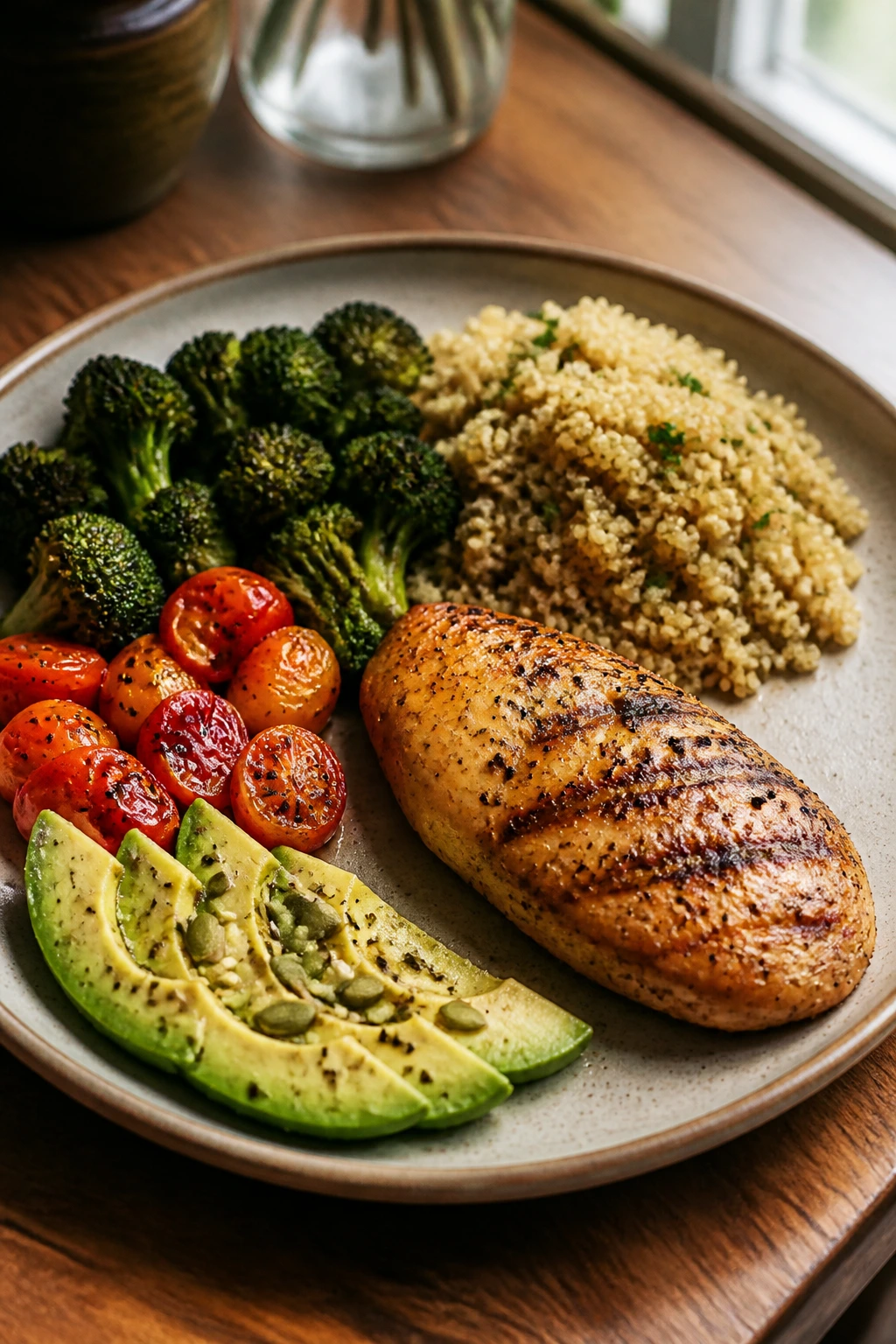
Is 500 calories enough for one meal?
For many people, yes — especially if the meal includes protein, vegetables, and some fat. It is a useful meal size, not a universal rule, and bigger bodies or more active days may need more food.
How do I keep a 500-calorie meal from feeling small?
Use volume where it makes sense: vegetables, broth, salad greens, mushrooms, cabbage, and watery fruits like berries or melon. Then add a protein anchor so the meal has staying power instead of just bulk.
Do I have to count every ingredient?
Not forever, but it helps to count the calorie-dense ones. Oil, nuts, cheese, dressings, peanut butter, tahini, and granola are the usual sources of surprise, while lettuce and cucumber are not the problem.
Are smoothies a good way to stay under 500 calories?
They can be, but they are easier to drink fast than to eat slowly, which means they don’t always keep hunger in check. If you use one, build it with protein and fiber — Greek yogurt, chia, oats, or peanut butter in a measured amount — not just fruit and juice.
What if my meal comes out to 530 calories?
That is not a disaster. The real win is building repeatable meals that stay in the right range most of the time, not policing one plate like it’s a courtroom exhibit.
How do I eat out and still keep things under 500?
Choose grilled or roasted protein, ask for sauce on the side, and treat fries, bread baskets, and creamy drinks as the calorie wild cards they are. Split the entrée if the portion looks oversized; restaurant plates often start well above 500 before you add anything.
Can I do this without a food scale?
Yes, but a scale helps in the beginning. If you use it for oils, nuts, rice, and protein for a few weeks, your eye gets much better at estimating portions later.
What if I’m still hungry after a 450-calorie meal?
Check the protein first, then the vegetables, then the pace you ate at. If the meal was light on protein or you ate quickly, hunger may show up because the structure was wrong, not because you need to abandon the calorie target.
A Calmer Way to Eat Well
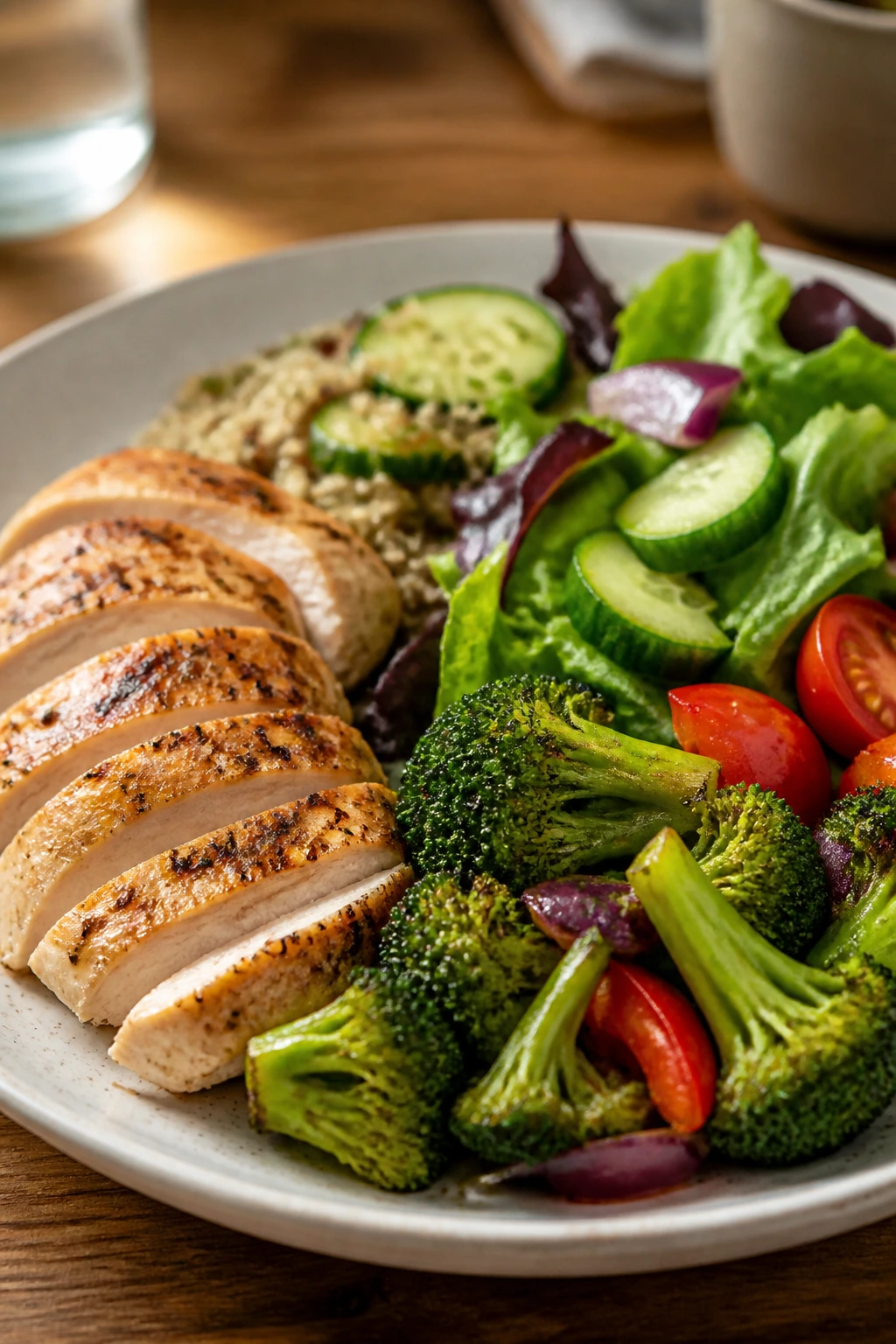
A 500-calorie ceiling works best when it feels like a kitchen rule, not a punishment. Build around protein, keep the vegetables generous, and spend the remaining calories where you can taste them. That’s the whole trick, and it gets easier once you stop chasing perfect numbers and start making the same few plates well.
The meals that last are the ones you can repeat without dread. A hot egg breakfast, a sturdy lunch bowl, a sheet-pan dinner, a snack that actually buys you time — those are the pieces that make healthy eating under 500 calories feel normal instead of fragile. Pick one meal to practice first, make it twice, then adjust the seasoning before you adjust the whole plan.