



A chicken breast, a spoon of olive oil, and a mound of broccoli can look harmless on the cutting board. Then the calories show up. That is the whole reason lean keto meal prep under 500 calories needs a different mindset than standard keto: you’re not just trimming carbs, you’re controlling the fat that sneaks in through cooking oil, cheese, nuts, and sauces.
The sweet spot is a container that feels full when you lift the lid. Not a dainty scoop. A real meal — 4 to 6 ounces of lean protein, two vegetables with different textures, and just enough fat to carry salt and spice across the tongue. When the portions are measured, keto stops feeling like a guessing game and starts behaving like a routine you can repeat for several days without getting bored or blowing past your target.
The part most people miss is what refrigeration does to food. Lettuce turns wet. Zucchini can go limp if you pile it on raw. Chicken breast dries out fast if you blast it in the microwave. Get those details right, though, and the same simple ingredients suddenly taste deliberate instead of sad. That is where the practical payoff sits, and it starts with the numbers under the lid.
Why Lean Keto Meal Prep Under 500 Calories Feels Easier to Stick With
Measured portions make the whole thing calmer. When you know a lunch box has 5 ounces of chicken, 2 cups of broccoli, and 1 teaspoon of oil, there’s no mental math at noon and no surprise after dinner.
Protein does the heavy lifting. A container built around 30 to 40 grams of protein tends to feel like a meal, not a snack with a protein label slapped on it.
The food looks bigger than the calorie count. Broccoli, cabbage, cauliflower rice, mushrooms, and zucchini take up space in a container fast, which matters when you want volume without a pile of calories.
It survives a few days in the fridge. Lean proteins and sturdy vegetables hold their texture better than lettuce-heavy salads or cream-sauce casseroles, so the third box usually looks close to the first.
You can repeat the system without repeating the boredom. Change the seasoning, swap the sauce, or trade chicken for shrimp and the same prep template suddenly tastes new.
It keeps keto from turning into a butter festival. Bacon has a place. So does cheese. But in a meal-prep box under 500 calories, they work better as accents than as the main architecture.
The Calorie Math Behind a Lean Keto Container
The math is boring. It also decides whether your lunch lands at 430 calories or 730.
A lot of people think they’re being careful because they avoid bread and rice. Then they pour oil into a skillet, add cheese until the surface looks pleasant, and finish with a creamy dressing that tastes rich enough to count as dessert. That’s how a supposedly lean box gets heavy in a hurry.
Protein is the anchor
A cooked 5-ounce chicken breast usually lands around 230 calories and 40-plus grams of protein. Six ounces of shrimp can sit near 170 calories, and lean ground turkey can stay remarkably low if you choose 93% or 99% lean. Those are the ingredients that let you build a meal that feels substantial without spending the whole budget on fat.
Fat is where the numbers jump
One tablespoon of olive oil is about 120 calories. Two tablespoons of pesto can run close to 160. A modest handful of walnuts or a casual pour of dressing can erase the calorie cushion before you notice. That’s not a moral problem. It’s just arithmetic.
A real 450-calorie box, not a fantasy one
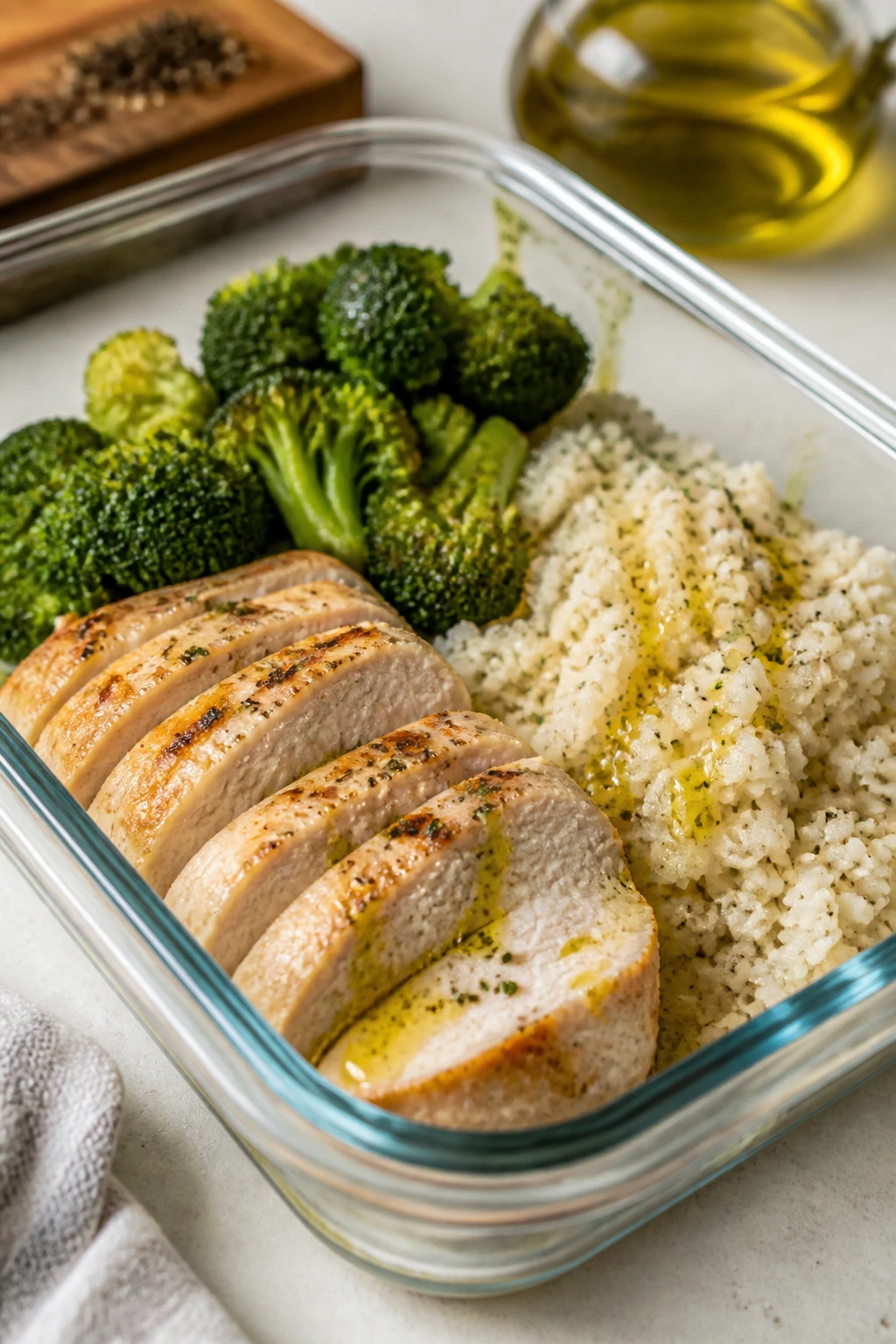
Picture this: 5 ounces of chicken breast, roasted with garlic and paprika; 2 cups of broccoli; 1 cup of cauliflower rice; 1 teaspoon of olive oil; and 2 tablespoons of Greek yogurt dill sauce. You’re roughly in the 380 to 430 calorie range, depending on the exact cut of chicken and how much moisture the vegetables hold.
Add 1/4 avocado or a tablespoon of feta, and you’re still usually under 500. That little bit of fat matters. It makes the meal taste finished.
The trick is not avoiding fat completely. That would be a strange way to do keto, and a miserable one. The trick is knowing which ingredients deserve a spoon and which ones deserve a shrug.
Lean Proteins That Carry the Whole Box
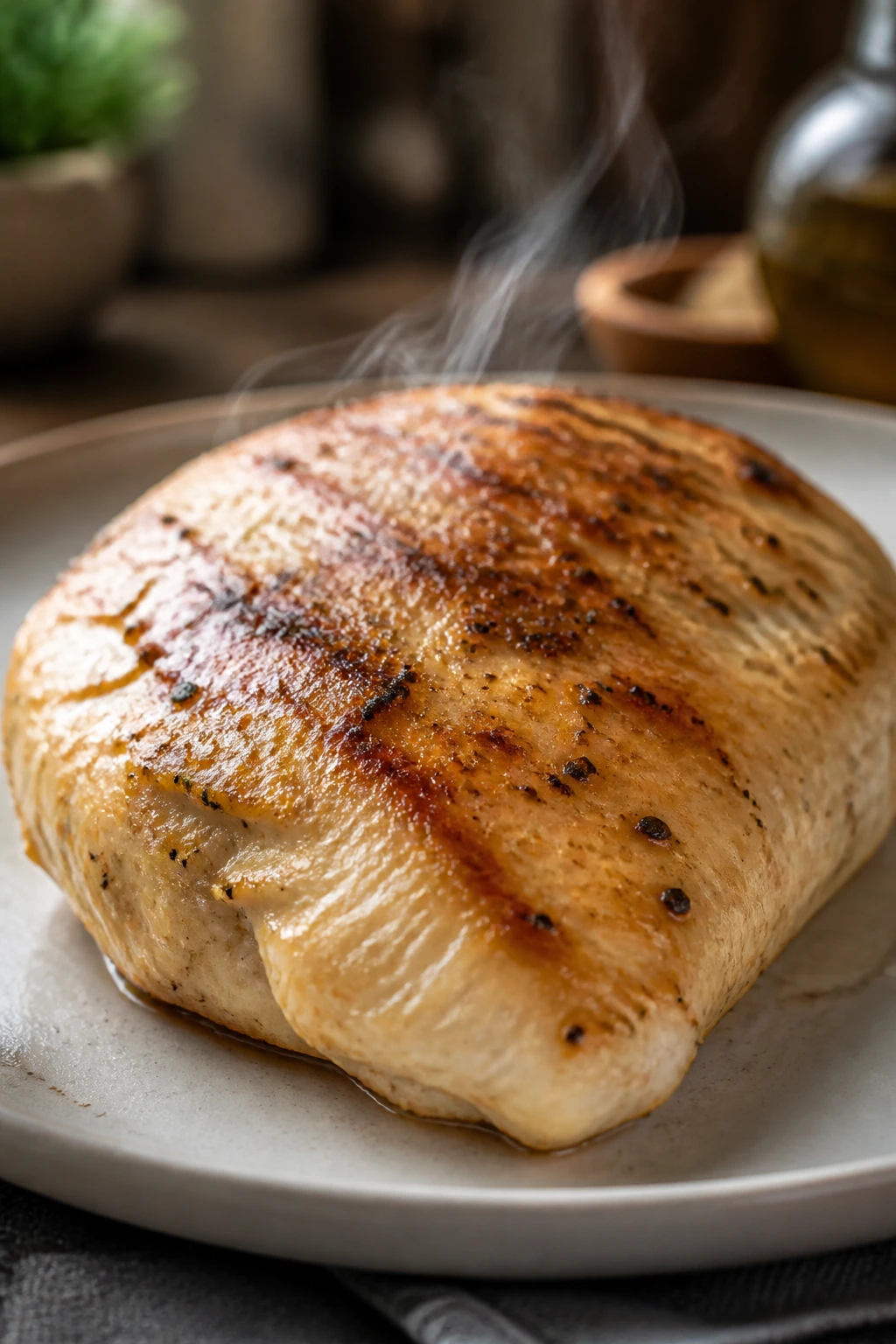
Start with the protein, because everything else is support.
Chicken breast is the obvious choice, and I’m not embarrassed to say it deserves the spot. It takes on spice well, slices neatly, and stays useful across five different flavor profiles if you don’t cook it into leather. Pull it at 160 to 165°F, let it rest, then slice it thin so the meat stays tender in the fridge.
Turkey tenderloin and lean ground turkey are the next two workhorses. Turkey tenderloin roasts cleanly and tastes almost like a milder chicken breast. Ground turkey is better when you want a taco bowl, meatballs, or a skillet situation with peppers and onions. It’s not glamorous. It is efficient.
Shrimp is the sleeper. Six ounces cooks in minutes, reheats gently, and gives you a lot of protein for not many calories. The catch is texture. Shrimp that sits too long in the microwave turns rubbery fast, so I like it best in boxes I’ll eat within two days or in cold salads with a vinaigrette.
White fish — cod, haddock, tilapia — stays lean, but it is a picky guest. Great on the day it’s cooked, less charming after three days unless you keep it moist with a bright sauce. Pork tenderloin works better if you want something a little meatier without tipping into higher-fat territory.
A lot of keto meals lean hard on bacon and sausage. Fine, sometimes. But for meal prep under 500 calories, they’re closer to garnish than foundation. Bacon tastes amazing. It also eats your calorie budget while pretending to be a supporting actor.
Vegetables That Stay Crisp After Three Days
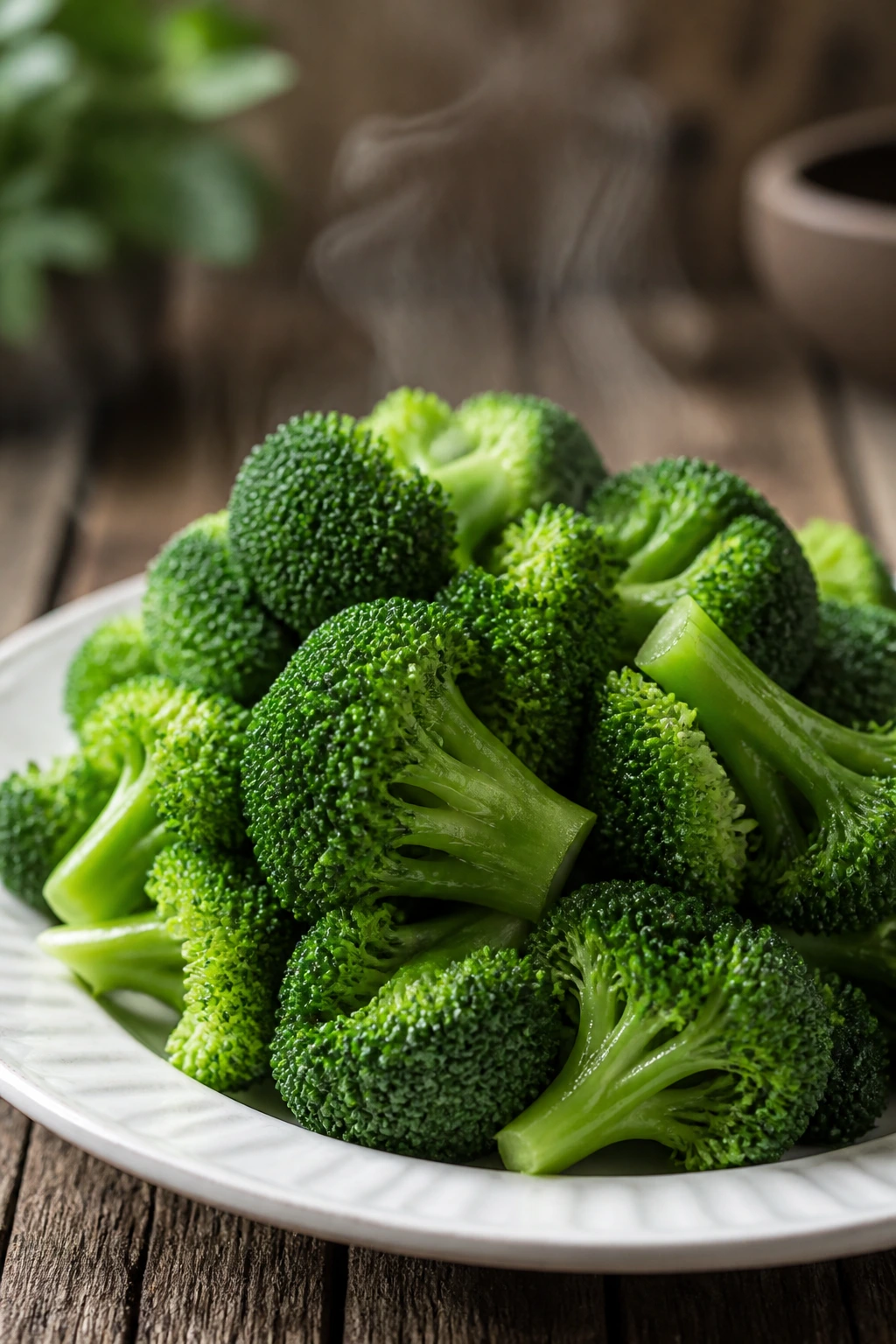
Some vegetables are built for meal prep. Some turn into damp regret.
Broccoli is a star because it roasts well, holds shape in the fridge, and still tastes good after reheating. Cauliflower does the same thing in a softer, more neutral way, which is useful if you want the seasoning to do the talking. Green beans and Brussels sprouts also hold up if you roast them hard enough to get a few browned edges.
Cabbage is the vegetable I trust most when I want bulk. Shredded green cabbage stays crunchy longer than lettuce, doesn’t cry out water the second you touch it, and takes on whatever seasoning you throw at it. If I’m building a cold keto lunch, cabbage is often the base.
The vegetables that behave best in prep boxes
- Broccoli florets: Roast at 425°F until the edges brown, and they’ll stay sturdy for days.
- Shredded cabbage: Use it raw for crunch or quick-sauté it for a softer bowl base.
- Cauliflower rice: Dry it out in a hot pan first so it doesn’t puddle in the container.
- Mushrooms: Cook them long enough for the water to evaporate, or they’ll steam the rest of the box.
- Zucchini: Slice it thick or it goes limp; thin ribbons are better packed raw as a cold salad add-on.
- Green beans: Blanch or roast them, then chill them fast so they don’t dull out.
If a vegetable leaks on the cutting board, assume it will leak harder in the box. That rule saves a lot of lunches.
Lettuce can still work, but it works best when it stays separate from warm protein and wet sauce. I’d never put it on the bottom of a hot container and hope for the best. That’s not a salad. That’s a clean-up problem.
Fat You Measure With a Spoon, Not a Pour
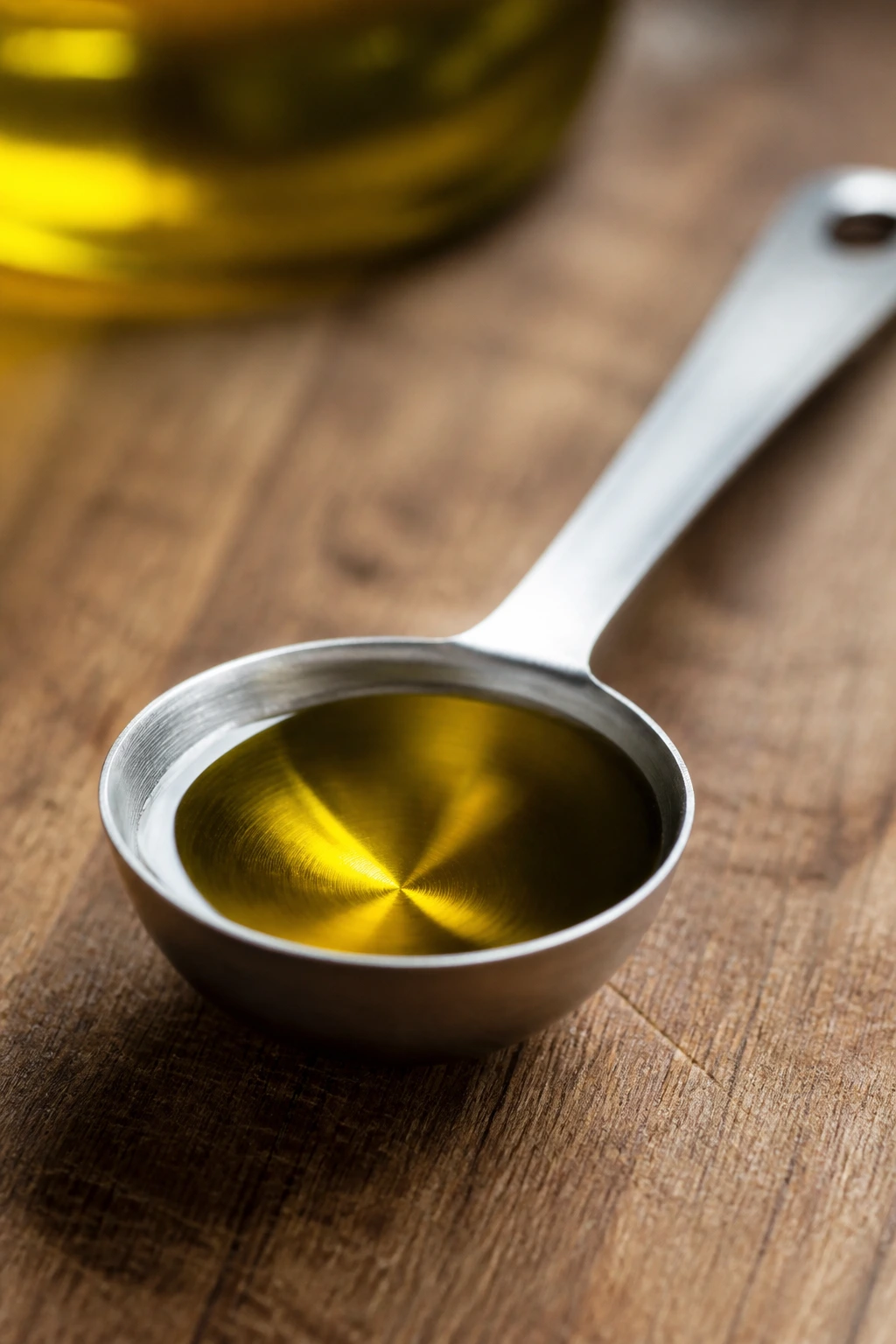
Fat is not the villain. Unmeasured fat is.
A teaspoon of olive oil is enough to coat vegetables and keep seasoning from tasting dusty. A tablespoon is a different animal altogether. That extra spoonful can be the difference between a 430-calorie lunch and a 550-calorie one, especially once cheese or avocado joins the party.
I like to think of fat as a finishing tool in lean keto meal prep. Use it where the mouth notices it most: on roasted broccoli, in a yogurt sauce, brushed lightly over chicken before it hits the oven, or dotted across a bowl in the form of sliced avocado. Don’t treat it like free seasoning.
The fats worth measuring
- Olive oil: 1 teaspoon = about 40 calories; 1 tablespoon = about 120.
- Avocado: 1/4 medium avocado = about 80 calories.
- Feta or goat cheese: 1 ounce usually lands around 75 to 100 calories.
- Mayonnaise: 1 tablespoon is often 90 calories or more.
- Pesto: 1 tablespoon can sit around 80 to 90 calories.
- Olives: A small handful adds salt and texture fast, but the calories climb if you stop counting.
- Sesame oil: 1 teaspoon brings a lot of flavor for about 40 calories.
There’s a reason tiny containers of sauce matter. They stop the whole box from turning into a calorie blur.
A squeeze bottle or a teaspoon measure is boring kitchen gear. It’s also the difference between control and guesswork. And guesswork, in this style of eating, tends to favor the oil bottle every single time.
Sauces and Seasonings That Keep the Box Awake
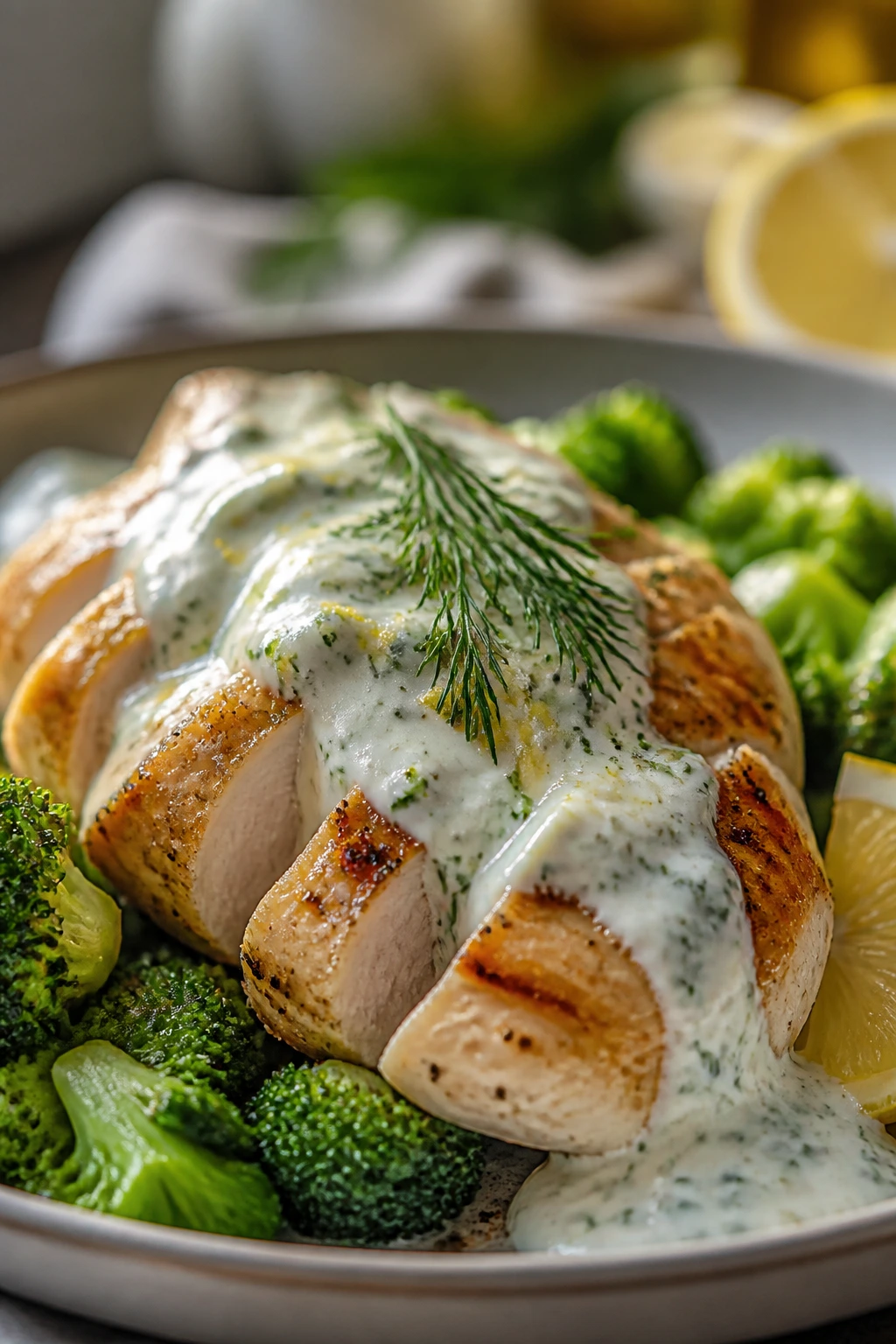
Cold chicken gets boring fast. Bright sauce fixes that.
The best low-carb sauces for lean keto meal prep usually lean on acid, herbs, garlic, mustard, or heat rather than a lot of fat. That’s not because fat is bad. It’s because acid and spice make lean food taste louder without crowding the calorie budget.
Greek yogurt sauces are the easiest win. Mix plain Greek yogurt with lemon juice, garlic, dill, parsley, chives, or a little mustard and you’ve got a sauce that feels creamy without acting like a dairy bomb. A couple tablespoons go a long way.
Flavor formulas I reach for often
- Lemon-dill yogurt: 3 tablespoons plain Greek yogurt, 1 teaspoon lemon zest, 1 tablespoon lemon juice, dill, garlic powder, salt.
- Mustard vinaigrette: 1 tablespoon Dijon, 1 teaspoon olive oil, 1 tablespoon vinegar, a pinch of salt, black pepper.
- Salsa verde finish: Spoon over turkey or chicken with cumin, cilantro, and a little lime.
- Buffalo yogurt: Hot sauce plus Greek yogurt gives you heat and creaminess without a heavy calorie hit.
- Sesame-ginger drizzle: Tamari, grated ginger, garlic, a few drops of sesame oil, and a splash of rice vinegar.
Salt matters more than people want to admit. Refrigerated food goes dull, and lean protein especially can taste flat if you under-season it before cooking. I like to season protein a little more aggressively than I would for same-day dinner, then finish with acid right before eating.
One small warning: creamy sauces belong in a separate cup if you’re packing food that will sit for hours before reheating. Warm sauce on hot protein sounds nice in theory. In a container, it can turn greasy or split.
How to Build a Container That Reheats Well
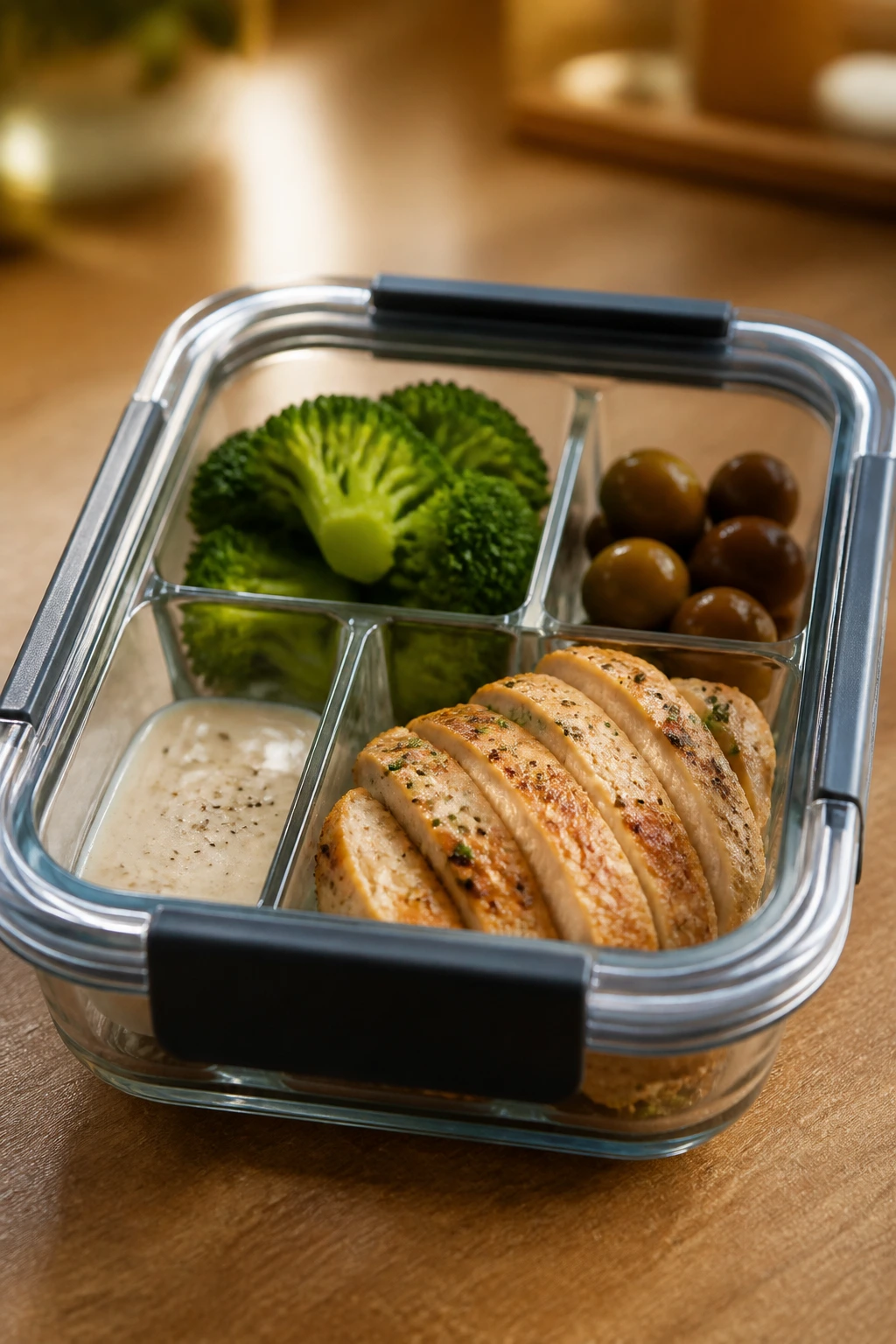
If your lunch needs a nap after the microwave, the problem is probably not the recipe. It’s the assembly.
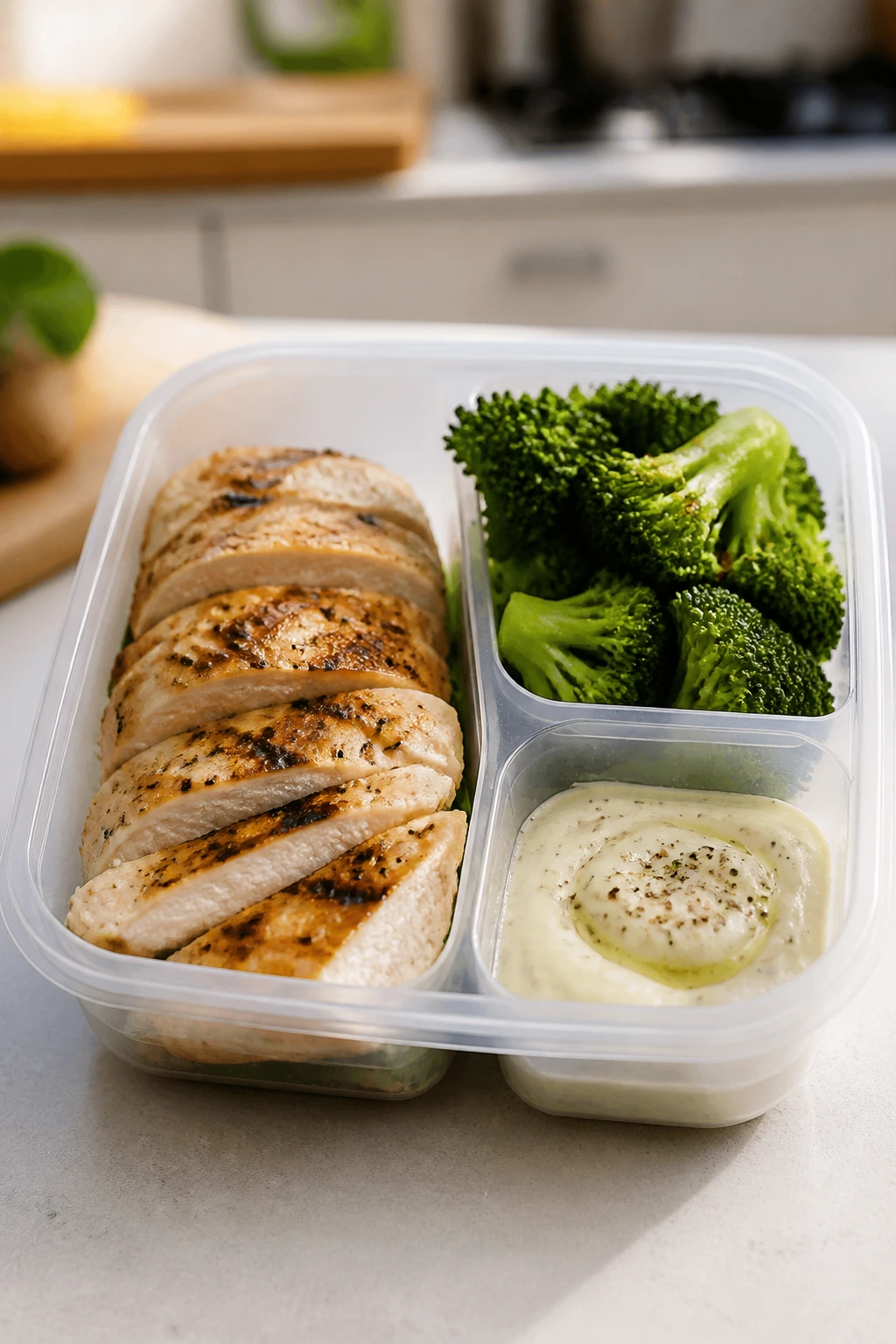
The simplest structure is also the one that holds texture best: cooked protein first, then sturdy vegetables, then sauce either on top or packed separately. The wetter the ingredient, the more it wants its own space. That means cucumbers, lettuce, pickles, and yogurt sauces should usually stay off the hot pile until the last second.
The order that works
Start with a dry base if you’re using one — cauliflower rice or shredded cabbage, not watery zucchini. Add the protein while it’s fully cooled. Put roasted vegetables beside it, not under it, so they don’t get crushed and steamy. Then finish with a measured fat or sauce.
What I’d keep separate
- Dressings and creamy sauces
- Avocado
- Cucumber
- Tomatoes
- Fresh herbs
- Lettuce or baby greens
- Crunchy toppings like seeds
There’s also a temperature issue. Hot food sealed in a container creates steam. Steam turns broccoli dull and makes chicken sweat. Let food cool for 20 to 30 minutes before lidding it, but don’t leave it sitting around so long that food safety becomes a question. Two hours at room temperature is the outer limit I’d respect.
Microwave gently, too. Medium power for a couple of minutes beats blasting the box on high. Lean proteins dry out fast. A short pause halfway through the reheat lets heat spread without turning the edges into shoe leather.
What a Four-Container Prep Session Actually Looks Like
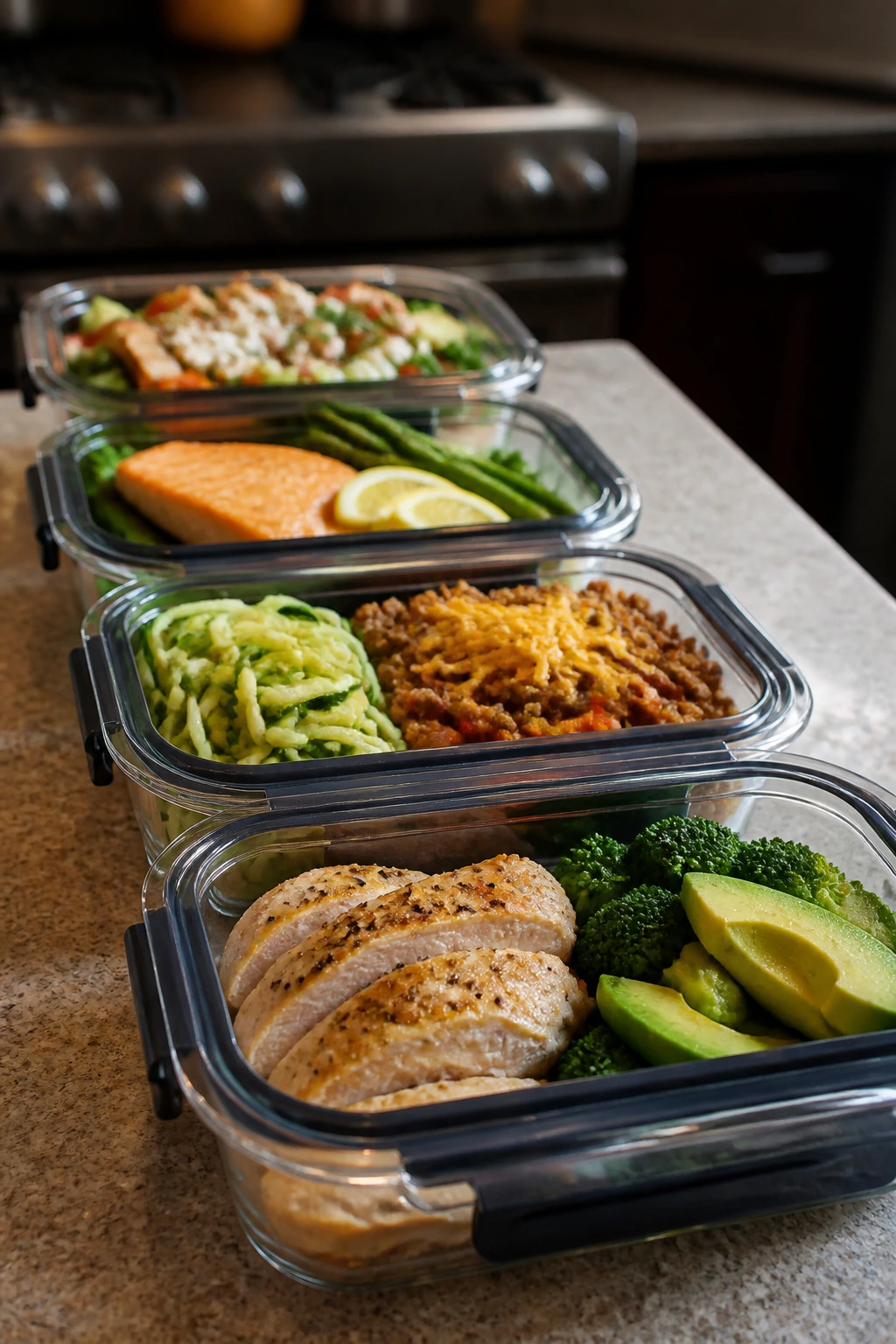
A prep session gets less intimidating when you stop thinking in recipes and start thinking in components.
I like to build four boxes from two proteins, three vegetables, and two sauces. It keeps the ingredient list short, the shopping manageable, and the fridge from turning into a museum of half-used condiments.
A sample prep stack
- Box 1: Garlic chicken breast, broccoli, cauliflower rice, lemon-dill yogurt sauce — about 400 to 430 calories.
- Box 2: Taco turkey, sautéed peppers, shredded cabbage, salsa, and a spoon of sour cream — around 450 to 490 calories.
- Box 3: Shrimp, mushrooms, green beans, tamari-ginger drizzle — usually 340 to 390 calories.
- Box 4: Pork tenderloin, roasted cauliflower, spinach, mustard vinaigrette — around 420 to 460 calories.
That’s one shopping trip, one chopping session, and four lunches or dinners that don’t taste identical. The repetition is in the structure, not the flavor. That’s the part that makes meal prep sustainable instead of annoying.
My usual prep rhythm
I roast one sheet pan of vegetables at 425°F, cook one protein in a skillet or on a second sheet pan, and make one cold sauce while the oven works. If I’m using shrimp, it goes last because shrimp needs almost no time and overcooks if you stare at it too long. If I’m using ground turkey, I season it heavily and let it brown a little before I stir it.
The biggest time saver is reuse. One tray of broccoli can work with lemon chicken, buffalo turkey, or garlic shrimp. One yogurt sauce can wear dill one day and hot sauce the next. That’s how the prep stops feeling like separate meals and starts feeling like a system.
The Tools and Containers That Make the Work Faster
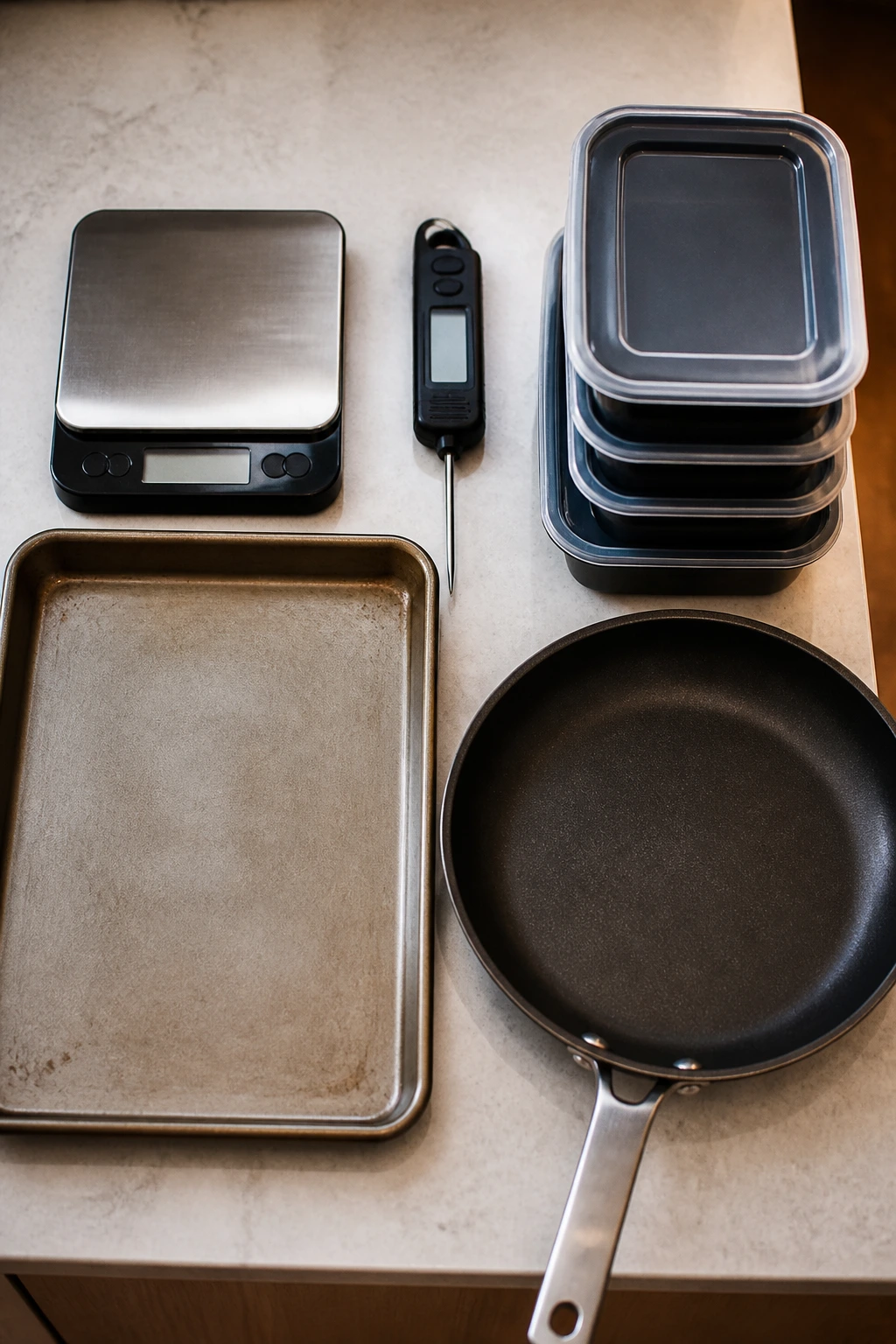
You can make this work with very little gear. Still, a few tools save a lot of swearing.
- Kitchen scale: The fastest way to keep protein portions honest without guessing.
- Instant-read thermometer: The best defense against dry chicken and overcooked turkey.
- Large sheet pan: Roasting vegetables on a crowded small pan invites
- Kitchen scale: The fastest way to keep protein portions honest without guessing.
- Instant-read thermometer: The best defense against dry chicken and overcooked turkey.
- Large sheet pan: Roasting vegetables on a crowded small pan invites steaming, and steaming is how broccoli gets soft and sad.
- 12-inch skillet: Good for ground turkey, shrimp, mushrooms, and quick sauce work.
- Meal-prep containers with tight lids: Pick boxes that seal well, or the fridge will dry out the edges and soak the vegetables with condensation.
- Small sauce cups: A two- or three-ounce cup keeps dressings separate until serving.
- Sharp chef’s knife: Slicing chicken and trimming cabbage goes twice as fast when the blade isn’t fighting you.
- Parchment paper: Not glamorous, but it keeps roasted vegetables from sticking and makes cleanup merciful.
A pair of rubber-tipped tongs also earns its keep. Chicken turns easier. Broccoli stays intact. And you stop chasing slippery pieces around a hot tray with a fork like a raccoon in a hurry.
How to Shop for Lean Keto Ingredients Without Guessing
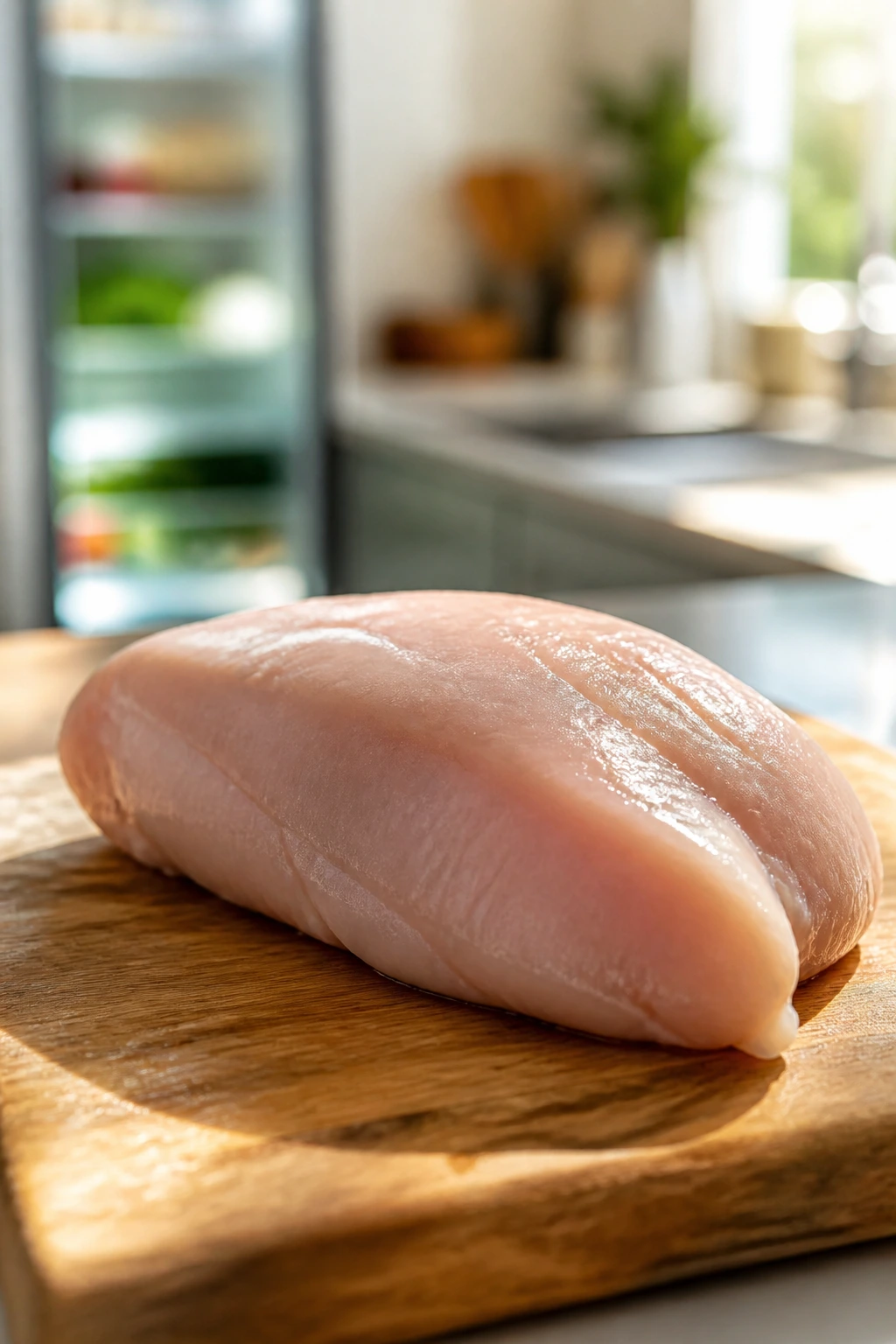
The grocery store can either help this style of eating or quietly wreck it.
Lean keto meal prep works best when the cart is built around a few dependable anchors: one or two lean proteins, two or three sturdy vegetables, and a handful of low-carb flavor add-ons. I like to shop by texture first, because texture decides whether the box still tastes decent after three days in the fridge.
Start with the protein case
Look for chicken breast that’s plump, not waterlogged, and not sitting in a tray full of extra liquid. Turkey tenderloin should feel firm and pale pink, not gray at the edges. For shrimp, buy raw and peeled if you want the prep to stay easy, but skip the tiny cocktail shrimp if you want real bite in a container. They overcook fast.
Ground turkey is one place where the label matters. 93% lean works well for flavor and still stays reasonable on calories. 99% lean keeps calories lower, but it can taste dry if you don’t add onion, spices, or a splash of broth while it cooks.
Pick vegetables that survive reheating
Broccoli, cauliflower, cabbage, green beans, Brussels sprouts, mushrooms, and bell peppers are the groceries I trust most for box meals. If a vegetable seems delicate in the produce aisle, it usually won’t improve in the fridge. Spinach is fine, but it belongs in smaller amounts or tucked under warm food right before eating. It wilts fast. Very fast.
Frozen vegetables are fair game. Frozen broccoli florets, cauliflower rice, and green beans can be better than tired fresh produce that sat too long on a shelf. If you use frozen vegetables, cook off the water first. Otherwise the container gets wet, and wet containers make everything taste flatter.
Watch the sauces
Many bottled dressings are calorie traps disguised as convenience. A serving size may look small enough on paper, then the bottle encourages you to pour twice that amount without noticing. Check the label for sugar, starch, and serving size. If the ingredient list reads like dessert with extra salt, move on.
Greek yogurt, mustard, vinegar, salsa verde, hot sauce, tamari, lemon juice, and herbs do more useful work here than heavy creamy sauces. They wake up lean protein without turning the meal into a fat bomb.
A Better Way to Build the Prep Session
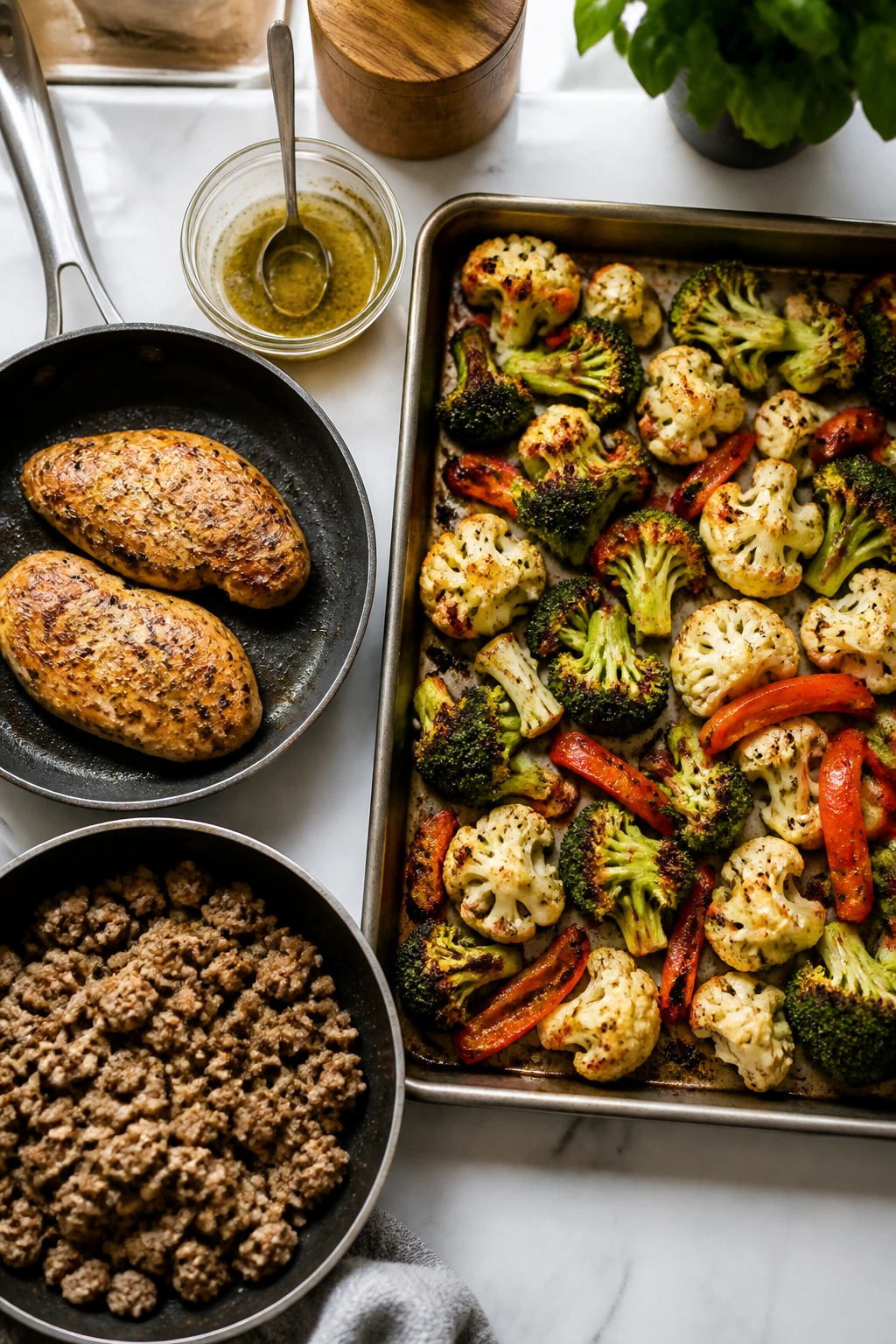
A prep session goes smoother when you stop cooking one box at a time.
The fastest method is batch-and-branch. Cook one protein in a large batch, roast two vegetables on separate trays, and make one sauce that can split into two flavor directions. The boxes come together from the same parts, but they do not have to taste like they came from the same recipe.
My usual order in the kitchen
First, I preheat the oven to 425°F and line the tray. Then I start anything that takes the longest — chicken breasts, turkey tenderloin, Brussels sprouts, broccoli, cauliflower. While those roast, I cook quick items on the stove: shrimp, ground turkey, mushrooms, cauliflower rice. Sauce comes last, once I know what the boxes need.
That order matters because the slower foods can sit for a few minutes while the fast foods catch up. Shrimp can’t wait around. Chicken can. Mushrooms need time to drop their water and brown. Cauliflower rice needs a hot pan and a brief stir, not endless attention.
Split the batch by flavor, not by recipe
One tray of chicken can become lemon-dill boxes, buffalo boxes, and garlic-parmesan boxes if you season and sauce them differently at the end. The vegetables can stay the same. That’s the trick. You’re not cooking three separate dinners. You’re cooking one base and steering it three ways.
Keep the finishing touch out of the oven
Add avocado, fresh herbs, feta, sliced scallions, or a spoon of yogurt sauce after reheating, not before. The flavor stays brighter and the box looks better when you open it. A cooked herb sauce is fine. A buried herb sauce is not.
Common Mistakes That Blow Past 500 Calories
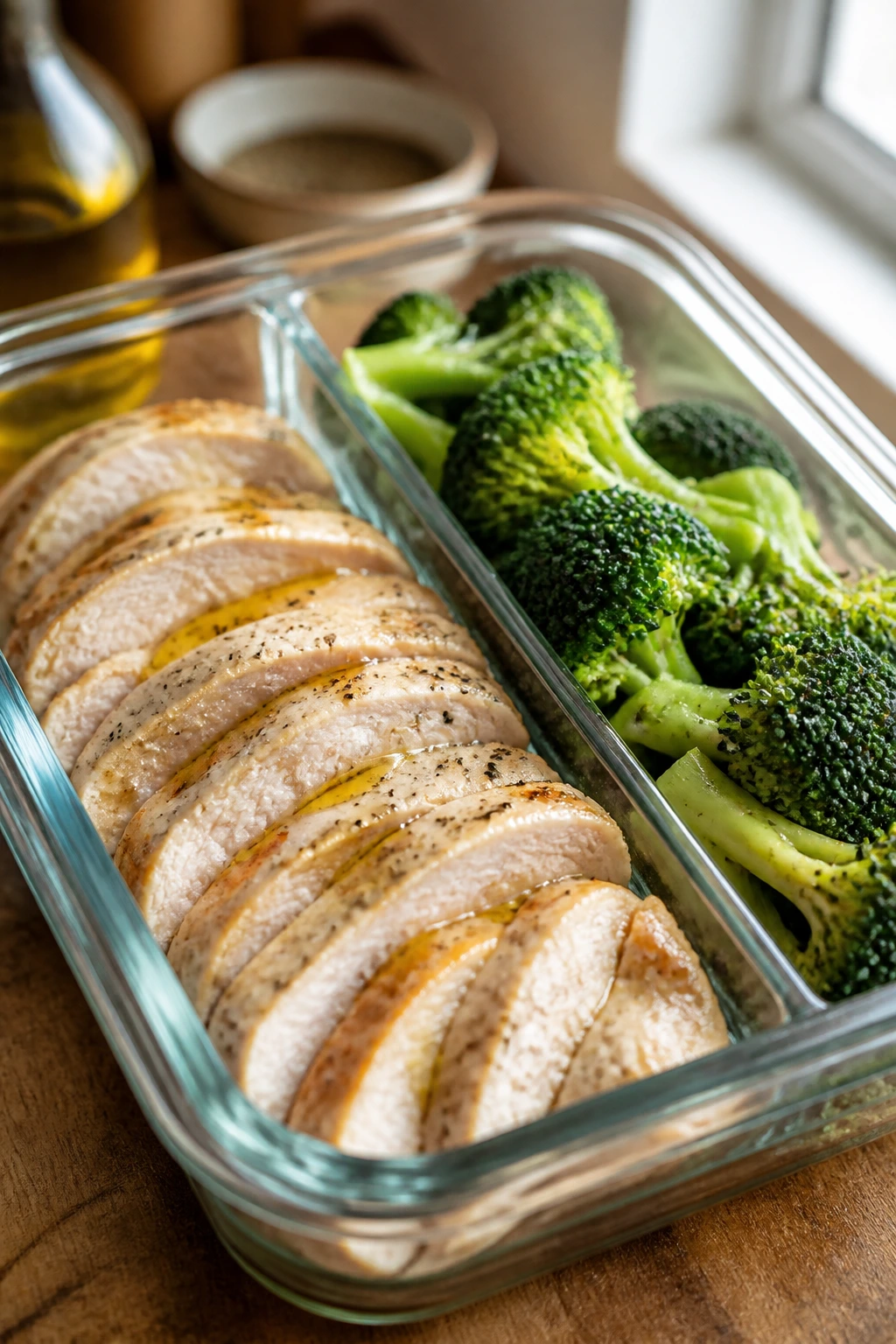
The mistakes here are small. That’s what makes them annoying.
No one ruins a lean keto box by accident with one dramatic move. It’s the teaspoon that becomes a tablespoon. The sauce poured with the heart, not the measuring spoon. The cheese “sprinkled” until it looks right.
Overdoing oil in the pan
A slick pan is not the same thing as a healthy one. If you’re roasting vegetables or searing chicken, measure the oil. One teaspoon per portion is usually enough for vegetables, and even less can work when you use parchment or a nonstick skillet. The symptom of too much oil is simple: everything tastes rich, but the calories have already crept upward before lunch.
Using too much cheese as a crutch
Cheese can rescue a bland bowl, but it can also turn a lean meal into a dense one fast. Feta and goat cheese are better than giant handfuls of cheddar when you want flavor with restraint. If the cheese is doing all the work, the rest of the dish probably needs better seasoning.
Packing watery vegetables with hot food
Tomatoes, cucumbers, lettuce, and raw zucchini are fine if you handle them carefully. Put them next to hot chicken, seal the box too soon, and they turn limp. The fix is basic: keep watery vegetables separate, or add them only after reheating.
Reheating chicken too hard
Microwave chicken on high and it dries out around the edges while the middle stays cooler than the box itself. Medium power, a short burst, and a pause halfway through works better. Cover the container loosely so moisture stays in the food, not all over the microwave wall.
Forgetting salt and acid
A lot of low-carb meal prep tastes dead because the food was cooked plain and expected to wake up later. Salt before cooking. Acid after cooking. Lemon juice, vinegar, pickled onions, and mustard all fix the flat, pale taste that shows up in fridge food.
Building every box from the same texture
Chicken, cauliflower rice, and broccoli in every container will get old, no matter how disciplined you are. Mix cold and hot, crunchy and soft, sauced and dry. Your mouth wants contrast. The fridge is not impressed by repetition.
Flavor Routes That Keep the Boxes Different
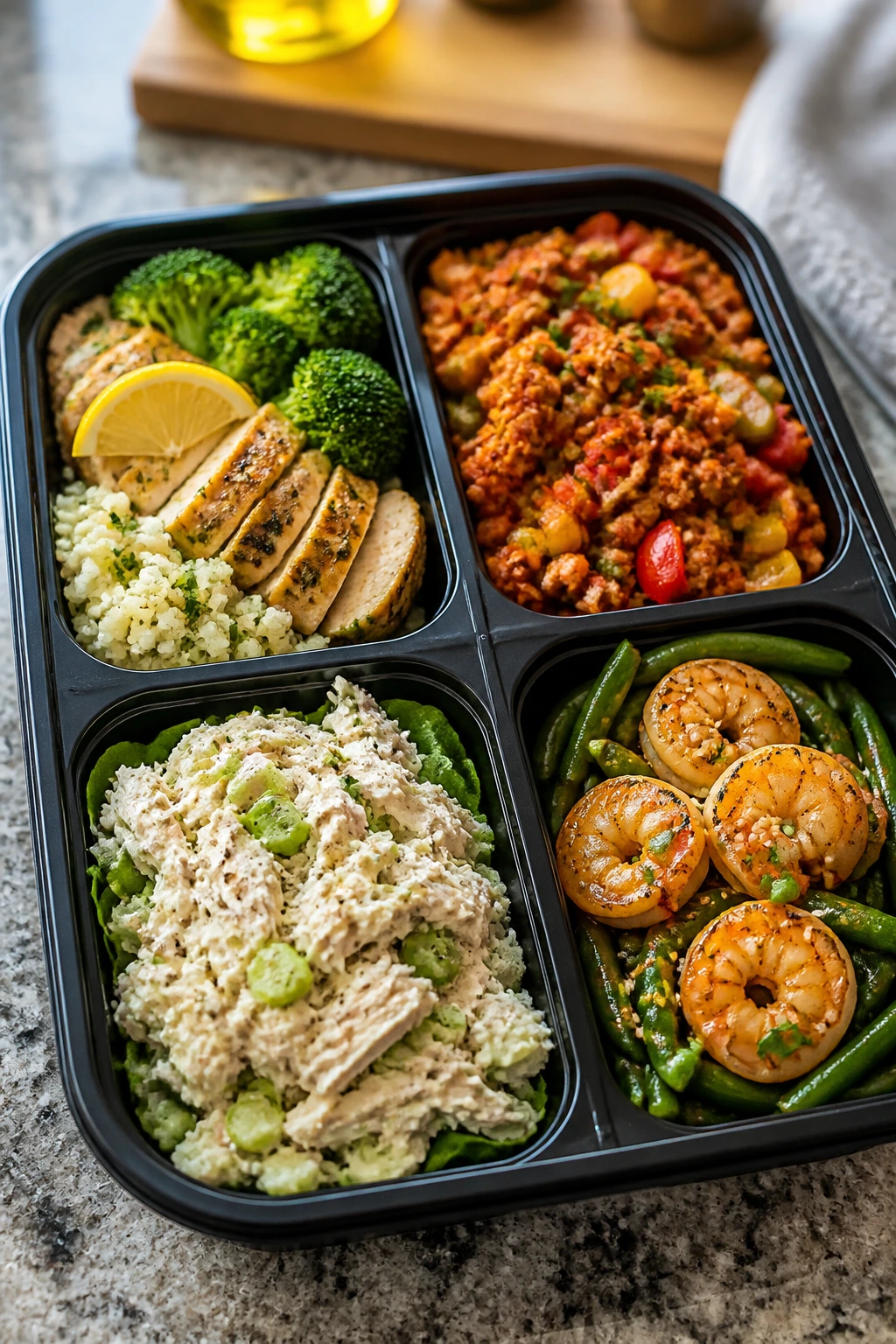
One template gets boring. Two does not.
The nice thing about lean keto meal prep is that the ingredient list can stay short while the flavor wanders all over the map. A few named directions help you keep the week from tasting like leftovers in disguise.
Lemon Herb Boxes
Use chicken breast or white fish, broccoli, cauliflower rice, parsley, dill, lemon zest, and a yogurt-based sauce. This one stays bright and clean, and it feels better when you want lunch to taste lighter than dinner without feeling skimpy.
Taco Skillet Boxes
Ground turkey, peppers, onions, cabbage, cumin, smoked paprika, chili powder, and salsa make a sturdy meal that still lands under 500 calories if you go easy on cheese. A spoon of sour cream or Greek yogurt at the end is enough.
Buffalo Ranch Boxes
Shredded chicken, celery, cauliflower rice, hot sauce, and a measured ranch-style yogurt dressing give you heat without turning the whole container into a calorie sink. This works especially well if you want something bold enough to survive three days in the fridge.
Sesame Ginger Boxes
Shrimp or chicken, green beans, mushrooms, tamari, ginger, garlic, and a few drops of sesame oil give a sharp, savory result that tastes much bigger than the ingredient list. The sesame oil is a finishing note, not a pour.
Mediterranean Lean Boxes
Turkey meatballs, roasted zucchini, cabbage, cucumber on the side, oregano, garlic, lemon, and a small crumble of feta make a cold-friendly box that doesn’t need a heavy sauce. I like this one when I want lunch to feel less like “meal prep” and more like an actual plate.
Change one or two details, not all of them. That keeps the shopping simple and the fridge from turning into a science experiment.
Fridge, Freezer, and Reheat Rules That Protect Texture
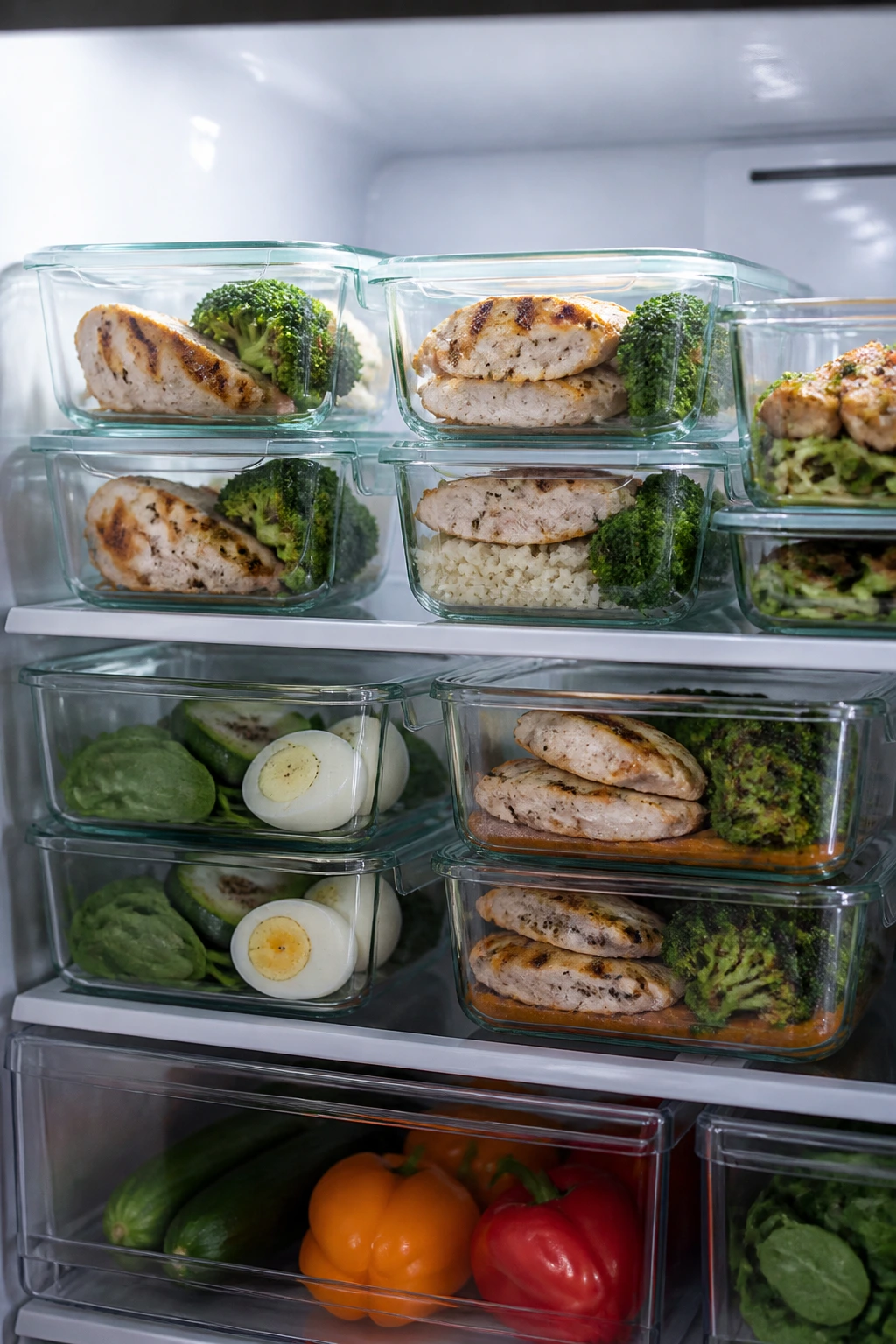
Good prep gets ruined by bad storage faster than most people expect.
Cooked chicken breast, turkey, and roasted vegetables hold up in the refrigerator for about 3 to 4 days if they’re cooled, packed, and sealed properly. Shrimp is tighter; I try to eat it within 2 days for the best texture. Cauliflower rice and cooked cabbage sit nicely for 3 to 4 days if they’re not drowning in sauce.
What freezes well
- Cooked chicken breast: Freeze up to 2 to 3 months if you slice it first and pack it with a little broth or sauce.
- Turkey meatballs or ground turkey: Freezes well for up to 2 months.
- Roasted vegetables: Fine for freezing, though the texture softens a bit.
- Cauliflower rice: Freezes well if it was cooked dry first.
- Sauces: Yogurt sauces do not freeze well. Mustard and oil-based sauces usually do better.
What I would not freeze
Cucumber, lettuce, avocado, and any box built around a cold crunch. They come back mushy and sad. If you want those ingredients, add them fresh on serving day.
Reheating without wrecking the food
Microwave at medium power in 60 to 90 second bursts. Stir cauliflower rice once halfway through. Pull chicken as soon as it’s hot in the center, not sizzling dry. If you’re reheating a full container, leave the sauce off until after heating so it doesn’t separate or get greasy.
The oven works too. A foil-covered dish at 325°F for about 10 to 15 minutes brings roasted vegetables and chicken back to life better than a hard microwave blast. Just don’t leave the container uncovered or you’ll trade one problem for another.
Questions People Actually Ask About Lean Keto Meal Prep
Can you keep every box under 500 calories and still feel full?
Yes, if the box is built around protein and volume vegetables instead of cheese and oil. A 5-ounce lean protein portion plus 2 cups of low-carb vegetables usually lands in a filling range when the fat is measured rather than poured.
What’s the easiest protein for beginners?
Chicken breast is the simplest place to start because it reheats predictably and takes seasoning well. Ground turkey is close behind if you want something that cooks fast in a skillet and doesn’t require slicing.
Do sauces ruin the calorie count?
They can if you pour them freely. A tablespoon or two of yogurt sauce, mustard vinaigrette, or salsa barely moves the needle compared with a heavy creamy dressing, so the answer is not to skip sauce — it’s to measure it.
Can I use frozen vegetables?
Absolutely. Frozen broccoli, cauliflower rice, and green beans are often easier than dealing with soft produce at the back of the crisper drawer. Just cook off the moisture before packing them.
How do I keep chicken from drying out?
Pull it from the heat at 160 to 165°F, rest it, and slice it before storing. A little broth or sauce in the container helps too, especially if you plan to microwave it later.
What if I want more fat but still want the calories low?
Choose one fat source and stop there. A quarter avocado, a sprinkle of feta, or a teaspoon of olive oil is enough to change the texture without taking over the box.
Is cold meal prep okay for keto boxes?
Sure. Cold chicken salad over cabbage, tuna with cucumber on the side, or shrimp with a mustard dressing can work well. Just keep anything watery separate until the moment you eat it.
Can I batch-cook on the stovetop instead of using the oven?
Yes, especially for ground turkey, shrimp, mushrooms, and cauliflower rice. The tradeoff is that you’ll babysit the pans a little more, but the texture can be excellent if you cook in smaller batches.
How do I keep the food from tasting the same by day three?
Change the finishing sauce, not the whole meal. Lemon on Monday, hot sauce on Tuesday, and mustard on Wednesday can make the same chicken-and-broccoli base feel new enough to matter.
A Leaner Lunch Box Makes the Week Easier
The nice thing about lean keto meal prep under 500 calories is that it behaves like a system instead of a stunt. You don’t need exotic ingredients. You need a scale, a sharp knife, a few sauces, and enough discipline to treat oil like a measured ingredient instead of a personality trait.
The boxes that work best are the ones with a little structure and a little brightness. Protein that doesn’t dry out. Vegetables that still have bite. Sauce that wakes the whole thing up right before lunch. That combination keeps the food from feeling punishing, and it keeps the calorie count where you wanted it in the first place.
Once you get the rhythm, the fridge starts looking less like a pile of obligations and more like a row of meals that already know what they’re doing.