



When the windows fog up and the floor feels cold enough to make you hurry from the sink to the stove, soup recipes for cold winter nights stop being a nice idea and start feeling like the most practical dinner in the house.
A pot on the stove does more than feed people. It warms the room, gives you something to stir while the evening settles down, and turns a few humble ingredients — onions, broth, beans, potatoes, herbs — into something that smells like you meant to be home.
The best winter soups do not all chase the same mood. Some are clear and brothy, with lemon or herbs cutting through the steam. Others are thick with potatoes, beans, rice, or noodles that catch the spoon and make the bowl feel like a meal instead of a warm-up act. The collection below leans on that range, because a cold night can ask for different things: sometimes you want brightness, sometimes you want a ladle that stands up on its own.
Why These Bowls Hit the Spot on a Freezing Night
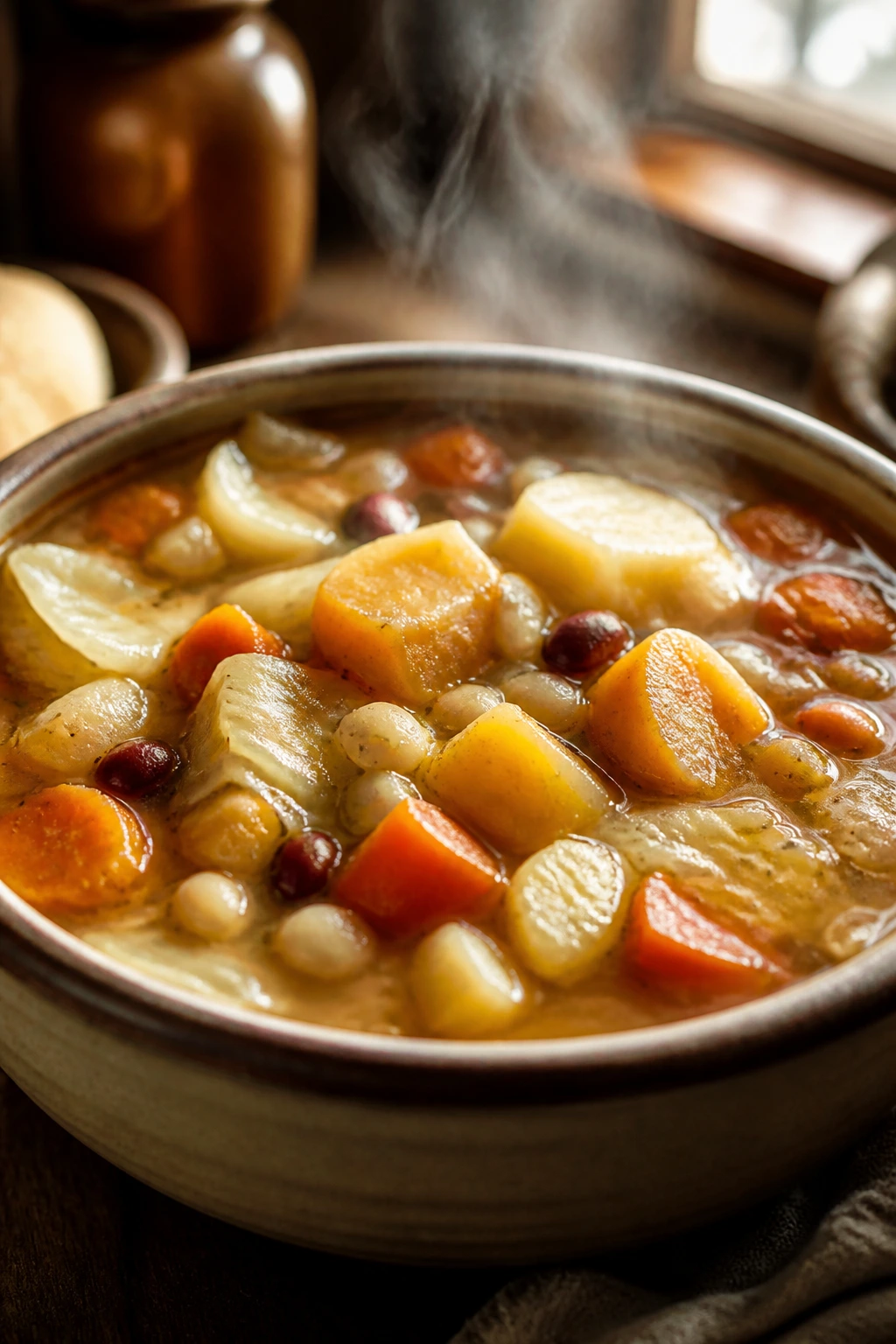
-
They use cold-weather ingredients that earn their keep. Potatoes, beans, cabbage, carrots, and squash are cheap in the best sense: sturdy, forgiving, and willing to taste like whatever you season them with.
-
Most of them are better after a short rest. Broth, salt, herbs, and starch settle together overnight, so leftovers often taste deeper than the first bowl.
-
They give you range without forcing a new shopping trip for every pot. Onion, garlic, broth, carrots, celery, and a few pantry herbs show up again and again, then branch into noodle soups, bean soups, creamy chowders, and tomato-based bowls.
-
They work with real weeknight timing. A few need a longer simmer, but plenty come together in under an hour, especially if you use canned beans, boxed broth, or cooked chicken.
-
They leave room for bread, crackers, or a grilled cheese if you want them. I’m firmly in the camp that soup should be allowed to be dinner without apology, but a good piece of toast beside it is never wasted.
-
They cover both rich and bright. Heavy, creamy, tomatoey, lemony, peppery — there’s enough contrast here that you won’t get bored by the third bowl.
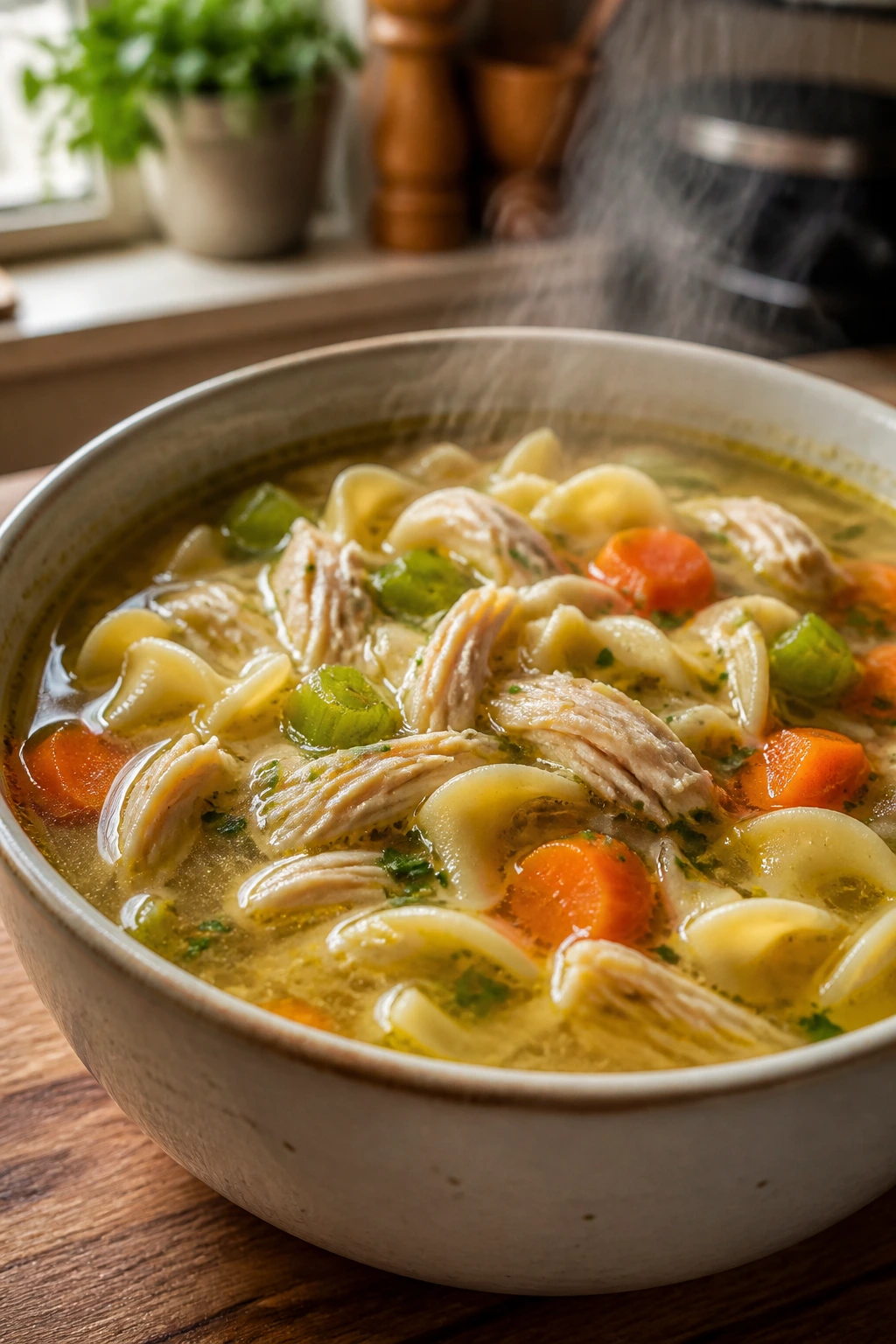
1. Classic Chicken Noodle Soup
Steam is half the point here. The broth should smell like carrots, celery, and thyme before you even get the ladle out, and the noodles ought to feel slippery and soft, not swollen and mushy.
Why It Works:
Chicken noodle soup earns its reputation because the whole pot is built in layers: a quick sauté for the vegetables, a simmer for the broth, and a final noodle cook so the pasta doesn’t fall apart. Using chicken thighs gives you more flavor and a little forgiveness if the soup goes a few minutes long. A squeeze of lemon at the end wakes up the broth without making it taste sharp.
Key Ingredients:
- 1 tablespoon olive oil
- 1 tablespoon unsalted butter
- 1 medium yellow onion, diced
- 3 carrots, sliced into coins
- 3 celery stalks, sliced
- 3 garlic cloves, minced
- 8 cups low-sodium chicken broth
- 1½ pounds boneless, skinless chicken thighs
- 2 cups egg noodles
- 1 bay leaf
- 1 teaspoon dried thyme
- 2 tablespoons chopped parsley
- 1 tablespoon lemon juice
- Salt and black pepper, to taste
Quick Steps:
- Heat the oil and butter in a large Dutch oven over medium heat. Add the onion, carrots, and celery, then cook for 6 to 8 minutes until the onion looks translucent and the carrots start to soften.
- Stir in the garlic, thyme, and bay leaf, and cook for 30 seconds until fragrant.
- Pour in the broth and add the chicken thighs. Bring the pot to a gentle simmer, not a hard boil, then cook for 18 to 22 minutes until the chicken is cooked through and easy to shred.
- Remove the chicken, shred it with two forks, and return it to the pot. Add the egg noodles and simmer for 6 to 8 minutes until tender.
- Stir in the parsley and lemon juice, then season with salt and pepper until the broth tastes clear and full.
Equipment for This Recipe:
- Large Dutch oven or soup pot
- Tongs for handling the chicken
- Cutting board and sharp knife
- Two forks for shredding
How to Serve This Dish:
Ladle it into warmed bowls and make sure each portion gets noodles, broth, and a good bit of chicken. A thick slice of sourdough or a buttered biscuit makes sense here, because a thin soup spoon and a dry kitchen are not the right pairing.
Pro Tips for This Recipe:
- Use thighs if you can. They stay juicy even if the soup simmers a few minutes longer than planned.
- Cook noodles separately if you expect leftovers. Add them to each bowl instead of the pot if you want the texture to survive another day.
- Finish with lemon at the end. Earlier than that, and it disappears into the broth.
- Taste after the chicken goes back in. It pulls salt from the broth, and the pot often needs one last adjustment.
Variations on This Dish:
- Herb-Heavy Version: Add dill and a little extra parsley for a greener, sharper broth.
- Rice Instead of Noodles: Swap in 1½ cups cooked white rice if you want a softer, more brothy bowl.
- Creamy Finish: Stir in ½ cup half-and-half at the end for a gentler, rounder soup.
Common Mistakes to Avoid with This Dish:
- Boiling the soup hard: That makes the chicken tough and can cloud the broth. Keep it at a steady simmer.
- Adding noodles too early: They keep cooking in residual heat. Pull the pot off the burner once they’re just tender.
- Skipping the lemon or another acid: The soup can taste flat without that final brightness.
2. Roasted Tomato Basil Soup
A good tomato soup should taste like tomatoes that were allowed to grow up a little. Roasting gives you that deeper, almost jammy flavor, and basil keeps the whole thing from going dull.
Why It Works:
Tomato soup gets much better when the tomatoes, onion, and garlic get a little caramelization before they hit the pot. That sweetness balances the acidity, so you do not end up with a bowl that tastes like warm canned tomatoes and nothing else. A small amount of cream or coconut milk smooths the edges without burying the tomato flavor.
Key Ingredients:
- 2 cans whole peeled tomatoes, drained slightly
- 1 yellow onion, thickly sliced
- 4 garlic cloves, left in their skins
- 2 tablespoons olive oil
- 2 tablespoons tomato paste
- 2 cups low-sodium vegetable or chicken broth
- 1 teaspoon sugar
- 1 teaspoon kosher salt
- ½ teaspoon black pepper
- ¼ cup chopped basil, plus more for serving
- ¼ to ½ cup heavy cream or coconut milk
Quick Steps:
- Heat the oven to 425°F. Toss the tomatoes, onion, garlic, olive oil, and tomato paste on a sheet pan and roast for 25 to 30 minutes until the edges darken and the onion softens.
- Transfer the roasted mixture to a pot. Squeeze the garlic from its skins and stir it in.
- Add the broth, sugar, salt, and pepper, then simmer for 10 minutes.
- Blend until smooth with an immersion blender or in batches in a countertop blender.
- Stir in the basil and cream, then taste and adjust salt before serving.
Equipment for This Recipe:
- Rimmed sheet pan
- Large saucepan or Dutch oven
- Immersion blender or countertop blender
- Spatula
How to Serve This Dish:
Serve it in shallow bowls with torn basil on top and a grilled cheese on the side if you want the classic move. A small swirl of cream looks nice, but more important, it softens the first spoonful and keeps the soup from reading too sharp.
Pro Tips for This Recipe:
- Roast the tomato paste with the vegetables. It deepens the flavor fast.
- Blend carefully with hot soup. Leave room in the blender and vent the lid.
- Add basil at the end. Long simmering dulls its fresh smell.
- Use whole tomatoes, not diced. They break down with a smoother texture.
Variations on This Dish:
- Smoky Tomato Soup: Add ½ teaspoon smoked paprika and a pinch of cayenne.
- Dairy-Free Bowl: Use coconut milk instead of cream for a softer finish.
- Garlic-Lover’s Version: Roast an extra head of garlic and squeeze it in with the cloves.
Common Mistakes to Avoid with This Dish:
- Under-roasting the vegetables: The soup tastes thin if the tomatoes never brown a little.
- Adding too much cream: The tomato flavor gets buried fast.
- Forgetting to blend thoroughly: Chunky onion pieces can make the texture feel unfinished.
3. French Onion Soup
French onion soup is a lesson in patience. The onions do the work, not the broth, and if you rush them, the whole pot tastes like a shortcut.
Why It Works:
The long caramelization is the whole game. Onions slowly collapse, lose their sharp edge, and turn deep brown and sweet, which is why the broth doesn’t need much besides beef stock, thyme, and a little sherry. The crouton-and-cheese cap is not decoration; it gives you salt, crunch, and that stretchy top layer people fight over.
Key Ingredients:
- 4 large yellow onions, thinly sliced
- 3 tablespoons unsalted butter
- 1 tablespoon olive oil
- 1 teaspoon kosher salt
- 1 tablespoon all-purpose flour
- ½ cup dry sherry or dry white wine
- 6 cups beef broth
- 1 bay leaf
- 2 thyme sprigs or 1 teaspoon dried thyme
- 1 baguette, sliced and toasted
- 2 cups grated Gruyère or Swiss cheese
Quick Steps:
- Melt the butter and oil in a heavy pot over medium-low heat. Add the onions and salt, then cook for 40 to 50 minutes, stirring every few minutes, until they turn a deep golden brown.
- Stir in the flour and cook for 1 minute.
- Pour in the sherry, scraping up the brown bits from the bottom of the pot.
- Add the broth, bay leaf, and thyme, then simmer for 20 minutes.
- Ladle into oven-safe bowls, top with baguette slices and cheese, then broil until the cheese bubbles and turns spotty brown.
Equipment for This Recipe:
- Heavy Dutch oven
- Oven-safe soup bowls or crocks
- Baking sheet
- Box grater
How to Serve This Dish:
Serve immediately after broiling, while the cheese still pulls in long strings and the bread is soaked on the edges but not collapsed. I like a small green salad beside it, mostly because the soup is rich enough to demand a little contrast.
Pro Tips for This Recipe:
- Go low and slow with the onions. Medium heat is usually too hot.
- Use a wide pot. More surface area means faster, better browning.
- Toast the bread first. Softer bread turns to sludge under the cheese.
- Taste the broth before salting. Beef broth and Gruyère already bring a lot of salt.
Variations on This Dish:
- Cider Onion Soup: Swap half the sherry for dry cider.
- Vegetarian Version: Use mushroom broth and a spoonful of soy sauce for depth.
- Extra-Thyme Bowl: Add another thyme sprig right before broiling.
Common Mistakes to Avoid with This Dish:
- Rushing the onions: Pale onions make a pale soup. Wait for the color.
- Using too much cheese: The top should melt, not turn into a dense lid.
- Skipping the deglaze: Those browned bits at the bottom are flavor, not debris.
4. Split Pea Soup with Ham
Split pea soup tastes thriftier than it sounds. It’s what happens when a dried legume, a bit of ham, and enough time in the pot decide to become dinner.
Why It Works:
Split peas break down on their own, which gives this soup its thick, almost velvety body without flour or cream. Ham hock or diced ham adds smoke and salt, and a final splash of vinegar keeps the soup from reading heavy. If you like a spoon that stands up in the bowl, this is your lane.
Key Ingredients:
- 2 cups green split peas, rinsed
- 1 tablespoon olive oil
- 1 yellow onion, diced
- 2 carrots, diced
- 2 celery stalks, diced
- 3 garlic cloves, minced
- 1 ham hock or 2 cups diced ham
- 8 cups low-sodium chicken broth
- 1 bay leaf
- 1 teaspoon dried thyme
- 1 tablespoon apple cider vinegar
- Black pepper, to taste
Quick Steps:
- Warm the oil in a soup pot over medium heat. Add the onion, carrots, and celery, and cook for 6 minutes until softened.
- Stir in the garlic, thyme, and split peas, then add the ham hock, broth, and bay leaf.
- Bring to a boil, then lower to a gentle simmer and cook for 60 to 75 minutes, stirring now and then, until the peas collapse and the soup thickens.
- Remove the ham hock, shred any meat from the bone, and return the meat to the pot.
- Stir in the vinegar and black pepper, then taste for salt before serving.
Equipment for This Recipe:
- Large soup pot or Dutch oven
- Wooden spoon
- Ladle
- Cutting board and knife
How to Serve This Dish:
Serve it with rye bread, cornbread, or just a spoon and a patient appetite. A little chopped parsley on top gives the bowl a green edge that keeps the color from looking too murky.
Pro Tips for This Recipe:
- Rinse the peas well. Dust can make the broth look muddy.
- Stir more often near the end. Split peas can settle and catch on the bottom.
- Add vinegar at the end, not the start. It sharpens the finished soup instead of cooking away.
- Use a ham hock if you want more body. Diced ham is fine, but the bone adds depth.
Variations on This Dish:
- Smokier Version: Add ½ teaspoon smoked paprika.
- Vegetarian Split Pea Soup: Skip the ham and use smoked salt plus a parmesan rind.
- Chunkier Pot: Leave some peas less broken up for more texture.
Common Mistakes to Avoid with This Dish:
- Not stirring enough: Split peas can scorch if the heat is too high.
- Adding too much salt early: Ham often brings more salt than you expect.
- Stopping the simmer too soon: The peas need time to fully collapse.
5. Beef Barley Soup
Beef barley soup is built on browning. If the meat never gets a crust, the broth never gets the deep, beefy flavor that makes the bowl worth waiting for.
Why It Works:
Chuck roast or stew meat gets better when it’s seared in batches and then simmered slowly with broth, tomato paste, and barley. The barley thickens the soup as it cooks, which means you get a broth that feels almost silky without any cream. It tastes like a cold day got cornered.
Key Ingredients:
- 1½ pounds beef chuck, cut into 1-inch cubes
- 2 tablespoons all-purpose flour
- 2 tablespoons olive oil
- 1 yellow onion, diced
- 2 carrots, diced
- 2 celery stalks, diced
- 1 cup sliced mushrooms
- 2 tablespoons tomato paste
- 6 cups beef broth
- ¾ cup pearled barley
- 1 bay leaf
- 1 teaspoon dried thyme
- 1 tablespoon Worcestershire sauce
- 2 tablespoons chopped parsley
Quick Steps:
- Toss the beef with the flour and a pinch of salt. Sear it in the oil over medium-high heat until browned on several sides, then move it to a plate.
- Lower the heat and cook the onion, carrots, celery, and mushrooms for 6 to 8 minutes.
- Stir in the tomato paste, thyme, and Worcestershire sauce, then add the broth, barley, bay leaf, and beef.
- Simmer for 50 to 60 minutes, partly covered, until the beef is tender and the barley is soft.
- Stir in parsley and adjust salt and pepper before serving.
Equipment for This Recipe:
- Heavy Dutch oven
- Slotted spoon
- Wooden spoon
- Sharp knife
How to Serve This Dish:
A bowl of this wants a thick slice of bread, because the barley turns the soup into something you’ll want to chase to the last spoonful. It also sits nicely beside a bitter green salad if you want the plate to feel less heavy.
Pro Tips for This Recipe:
- Brown the beef in batches. Crowding the pot steams the meat instead of searing it.
- Use pearled barley, not hulled, if you want a faster simmer. Hulled barley takes longer and stays chewier.
- Keep the lid cracked. That lets the soup concentrate instead of turning thin.
- Add more broth if the barley drinks too much. It keeps thickening in the bowl.
Variations on This Dish:
- Mushroom-Heavy Version: Add another cup of mushrooms for a deeper, earthier pot.
- Gluten-Free Swap: Replace barley with 1 cup cooked brown rice added near the end.
- Red Wine Beef Soup: Replace 1 cup of broth with dry red wine for extra depth.
Common Mistakes to Avoid with This Dish:
- Skipping the beef sear: The soup loses its backbone.
- Adding barley too late: It needs time to soften and release starch.
- Boiling hard: That can toughen the beef and muddy the broth.
6. Potato Leek Soup
A good potato leek soup should feel velvety, not heavy. If it tastes like boiled potatoes and milk, something went wrong along the way.
Why It Works:
Leeks bring a gentler onion flavor than yellow onions, and Yukon Gold potatoes break down into a creamy texture that doesn’t need much help. A partial blend keeps the soup thick but not gluey. Butter, white pepper, and chives give it a quiet richness that makes sense on a dark evening.
Key Ingredients:
- 3 large leeks, white and light green parts only, cleaned and sliced
- 2 pounds Yukon Gold potatoes, peeled and diced
- 2 tablespoons unsalted butter
- 1 tablespoon olive oil
- 4 cups low-sodium chicken or vegetable broth
- 1 cup whole milk
- ½ cup heavy cream
- 1 bay leaf
- 1 teaspoon kosher salt
- ½ teaspoon white pepper
- 2 tablespoons chopped chives
Quick Steps:
- Melt the butter and oil in a pot over medium heat. Add the leeks and cook for 8 to 10 minutes until soft but not browned.
- Stir in the potatoes, bay leaf, broth, salt, and white pepper.
- Simmer for 20 to 25 minutes until the potatoes fall apart when pressed with a spoon.
- Blend half the soup with an immersion blender, or fully blend for a smoother texture.
- Stir in the milk and cream, warm gently, and finish with chives.
Equipment for This Recipe:
- Large soup pot
- Immersion blender
- Potato peeler
- Sharp knife
How to Serve This Dish:
Serve it in warm bowls with chives and black pepper on top. A slice of toasted sourdough or a sharp cheddar sandwich fits the mild flavor nicely.
Pro Tips for This Recipe:
- Wash leeks carefully. Dirt hides between the layers, and gritty soup is miserable.
- Don’t brown the leeks. Soft is the goal; brown tastes bitter here.
- Use Yukon Gold potatoes. Russets can make the soup more starchy and less silky.
- Warm the dairy gently. A hard boil can split the milk and cream.
Variations on This Dish:
- Vegan Bowl: Use olive oil and oat milk, then finish with olive oil instead of cream.
- Herbed Version: Add thyme or tarragon for a sharper edge.
- Chunkier Style: Skip the blender and leave the potato pieces intact.
Common Mistakes to Avoid with This Dish:
- Not cleaning the leeks well: One gritty bite ruins the whole bowl.
- Overblending: Too much blending can make the soup sticky.
- Boiling after adding dairy: That can curdle the pot.
7. White Bean and Kale Soup
White bean soup earns its keep by being flexible. It can lean rustic, creamy, herb-forward, or smoky, and it still works on a night when you don’t feel like shopping twice.
Why It Works:
Cannellini beans give this soup a soft, almost buttery body, and kale holds up far better than spinach in a long simmer. Mashing a cup of beans against the side of the pot thickens the broth without adding flour. Lemon and parmesan rind keep it from tasting like a stack of pantry staples.
Key Ingredients:
- 2 tablespoons olive oil
- 1 yellow onion, diced
- 2 carrots, diced
- 2 celery stalks, diced
- 4 garlic cloves, minced
- 2 cans cannellini beans, rinsed and drained
- 6 cups vegetable or chicken broth
- 1 parmesan rind
- 1 teaspoon dried rosemary
- 1 bunch kale, stems removed and leaves chopped
- 1 tablespoon lemon juice
- Salt and black pepper, to taste
Quick Steps:
- Heat the oil in a soup pot over medium heat. Add the onion, carrots, and celery, and cook for 6 to 8 minutes.
- Stir in the garlic and rosemary, then add the beans, broth, and parmesan rind.
- Simmer for 20 minutes. Mash some of the beans against the side of the pot to thicken the broth.
- Add the kale and cook for 5 to 7 minutes until tender but still green.
- Stir in lemon juice, remove the parmesan rind, and season to taste.
Equipment for This Recipe:
- Soup pot
- Wooden spoon
- Potato masher or the back of a spoon
- Ladle
How to Serve This Dish:
This soup is good with olive oil toast, but it also sits nicely beside roasted chicken or a simple tomato salad if you want to stretch dinner. A drizzle of olive oil on top gives the bowl a glossy finish that tastes as good as it looks.
Pro Tips for This Recipe:
- Use curly kale if you want more texture. Lacinato kale is softer and a little more delicate.
- Mash some beans, not all. You want body, not paste.
- Keep the parmesan rind in the pot long enough. It gives the broth a savory backbone.
- Lemon at the end matters. It cuts through the starch and wakes up the beans.
Variations on This Dish:
- Sausage Version: Brown ½ pound Italian sausage with the onions.
- Tomato Bean Soup: Add 1 can diced tomatoes for a redder broth.
- Completely Vegan: Skip the parmesan rind and add 1 teaspoon miso paste at the end.
Common Mistakes to Avoid with This Dish:
- Adding kale too early: It can go dull and overly soft.
- Forgetting acid: The soup tastes flat without lemon.
- Using too little seasoning: Beans soak up salt quickly.
8. Butternut Squash Soup
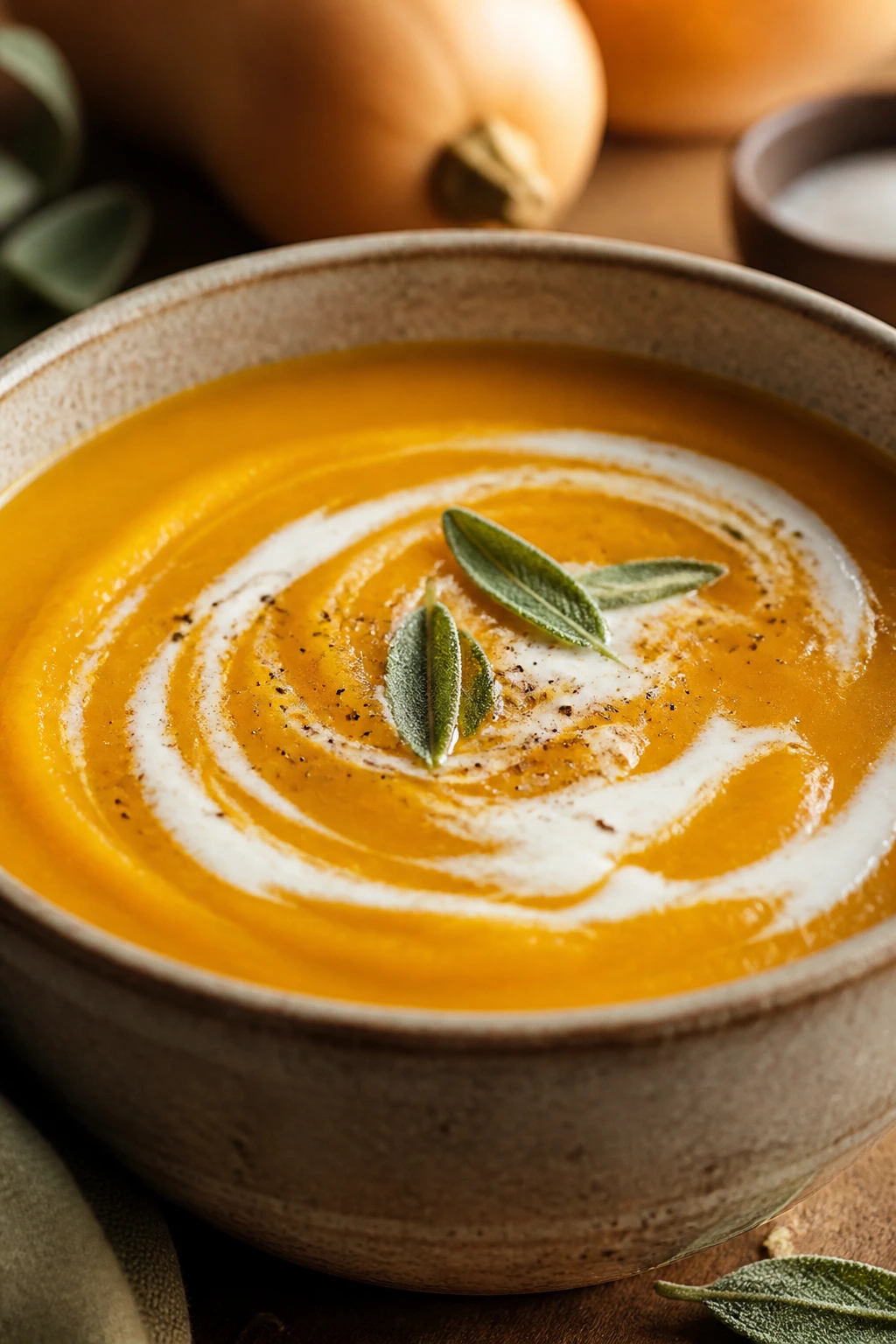
Butternut squash soup needs enough salt and acid to keep it from drifting into baby-food territory. Left alone, squash gets sweet fast; balanced well, it turns silky and calm.
Why It Works:
Roasting the squash brings out caramel notes, while onion, apple, and broth keep the soup grounded. A small amount of coconut milk or cream gives the puree a smooth finish, and sage or nutmeg pulls it toward winter without making it taste like dessert. The trick is balance, not sweetness.
Key Ingredients:
- 1 large butternut squash, peeled, seeded, and cubed
- 1 yellow onion, chopped
- 1 apple, peeled, cored, and chopped
- 2 tablespoons olive oil
- 3 garlic cloves, smashed
- 4 cups vegetable broth
- ½ cup coconut milk or heavy cream
- 1 teaspoon chopped sage
- ¼ teaspoon ground nutmeg
- Salt and black pepper, to taste
- Toasted pepitas, for serving
Quick Steps:
- Heat the oven to 425°F and roast the squash with 1 tablespoon of oil, salt, and pepper for 25 to 30 minutes until browned at the edges.
- In a pot, cook the onion and apple in the remaining oil for 6 minutes, then add the garlic and sage.
- Add the roasted squash and broth, then simmer for 10 minutes.
- Blend until smooth.
- Stir in the coconut milk or cream and nutmeg, then taste for salt before topping with pepitas.
Equipment for This Recipe:
- Sheet pan
- Large pot
- Immersion blender or blender
- Vegetable peeler
How to Serve This Dish:
Serve it in deep bowls with toasted pepitas or a drizzle of cream. A grilled cheese with sharp cheddar keeps the sweetness in check and makes the whole meal feel deliberate, not soft.
Pro Tips for This Recipe:
- Roast the squash cut side down if you’re using halves. You’ll get better browning.
- Don’t skip the apple. It adds body and a little brightness.
- Season twice. Once before roasting, once after blending.
- Use stock with some salt in it. Unsalted broth can leave the soup tasting thin.
Variations on This Dish:
- Curried Squash Soup: Add 1 teaspoon curry powder with the onions.
- Maple-Sage Version: Stir in 1 teaspoon maple syrup at the end.
- Dairy-Free Bowl: Coconut milk gives this soup a softer, rounder finish.
Common Mistakes to Avoid with This Dish:
- Letting the squash dry out in the oven: It needs some color, not just heat.
- Making it too sweet: Too much apple or maple pushes it into dessert territory.
- Skipping the final salt check: Squash soaks up seasoning fast.
9. Broccoli Cheddar Soup
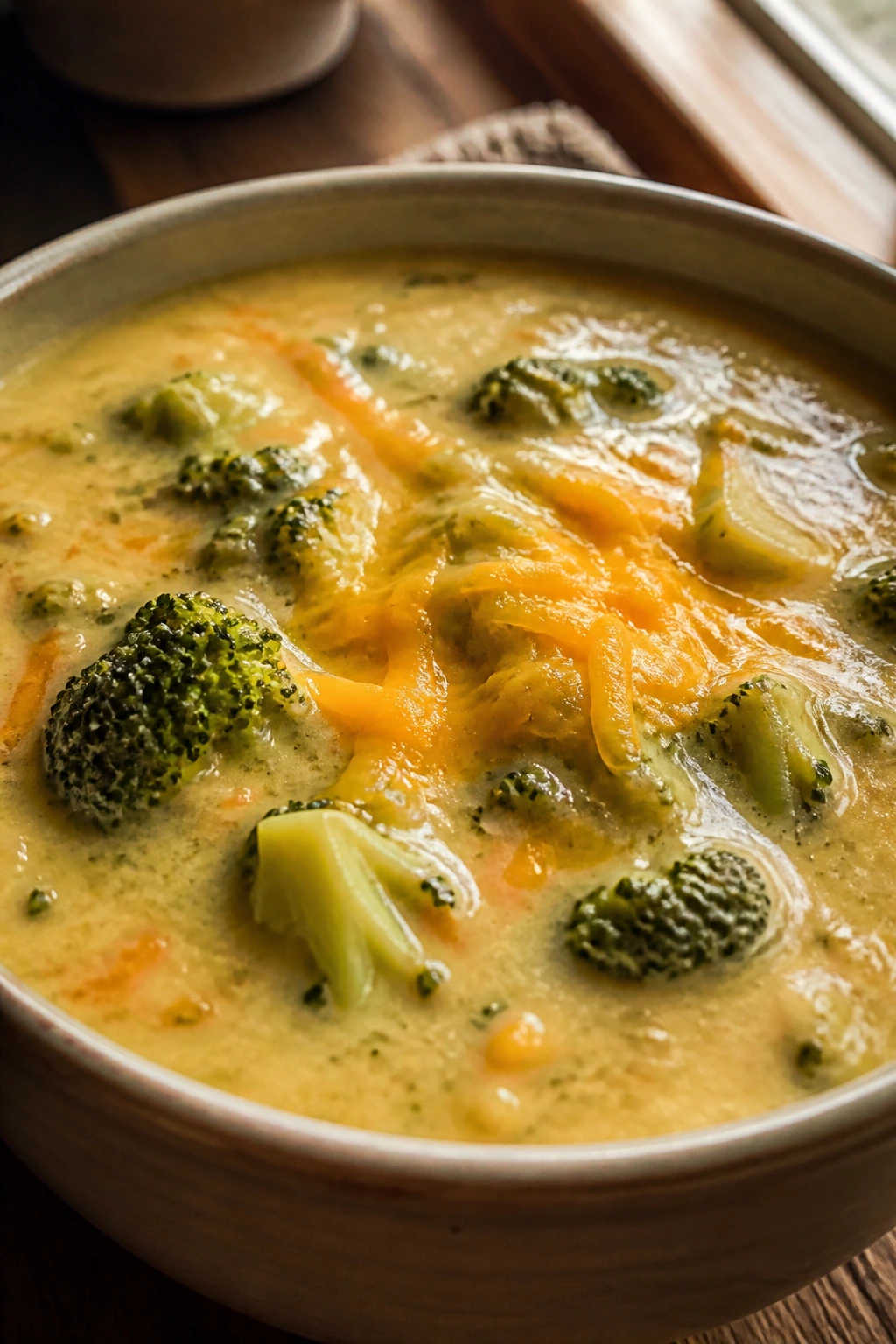
Broccoli cheddar lives or dies by the cheese choice. If the cheddar is bland, the soup turns flat; if you add it too fast, the texture can get grainy and fussy.
Why It Works:
A roux gives the soup its body, while broccoli and carrots soften into the broth without disappearing. Sharp cheddar adds bite, which matters because cream alone makes this style heavy in a hurry. A little mustard powder sharpens the cheese flavor and keeps the bowl from feeling dull.
Key Ingredients:
- 4 tablespoons unsalted butter
- 1 yellow onion, diced
- 2 carrots, grated or finely diced
- ¼ cup all-purpose flour
- 4 cups chicken or vegetable broth
- 2 cups whole milk
- 4 cups broccoli florets, chopped small
- 2 cups shredded sharp cheddar cheese
- ½ teaspoon dry mustard powder
- Salt and black pepper, to taste
Quick Steps:
- Melt the butter in a pot over medium heat. Cook the onion and carrots for 5 minutes, then whisk in the flour and cook for 1 minute.
- Slowly pour in the broth and milk, whisking until smooth.
- Add the broccoli and mustard powder, then simmer for 12 to 15 minutes until the broccoli is tender.
- Lower the heat and stir in the cheese a handful at a time until melted.
- Season with salt and pepper, then serve before it boils again.
Equipment for This Recipe:
- Large saucepan or Dutch oven
- Whisk
- Box grater
- Ladle
How to Serve This Dish:
This one wants a crusty roll or a soft pretzel roll, because the broth clings to bread in a way that’s deeply satisfying. A little extra cheese on top is fine, though I prefer a pinch of black pepper and a few tiny broccoli florets for contrast.
Pro Tips for This Recipe:
- Grate your own cheddar. Pre-shredded cheese has anti-caking agents that can make the soup less smooth.
- Keep the heat low when adding cheese. High heat makes it separate.
- Chop the broccoli small. It cooks more evenly and is easier to eat.
- Don’t overcook the roux. A pale roux keeps the color and flavor cleaner.
Variations on This Dish:
- Cauliflower Blend: Replace half the broccoli with cauliflower.
- Smoky Version: Add a pinch of smoked paprika.
- Beer-Cheddar Soup: Swap 1 cup of broth for a mild lager.
Common Mistakes to Avoid with This Dish:
- Boiling after the cheese goes in: That can make the soup grainy.
- Using too much flour: The pot turns pasty instead of creamy.
- Letting broccoli turn olive-green: That’s past the point where it tastes fresh.
10. Minestrone with Beans and Pasta
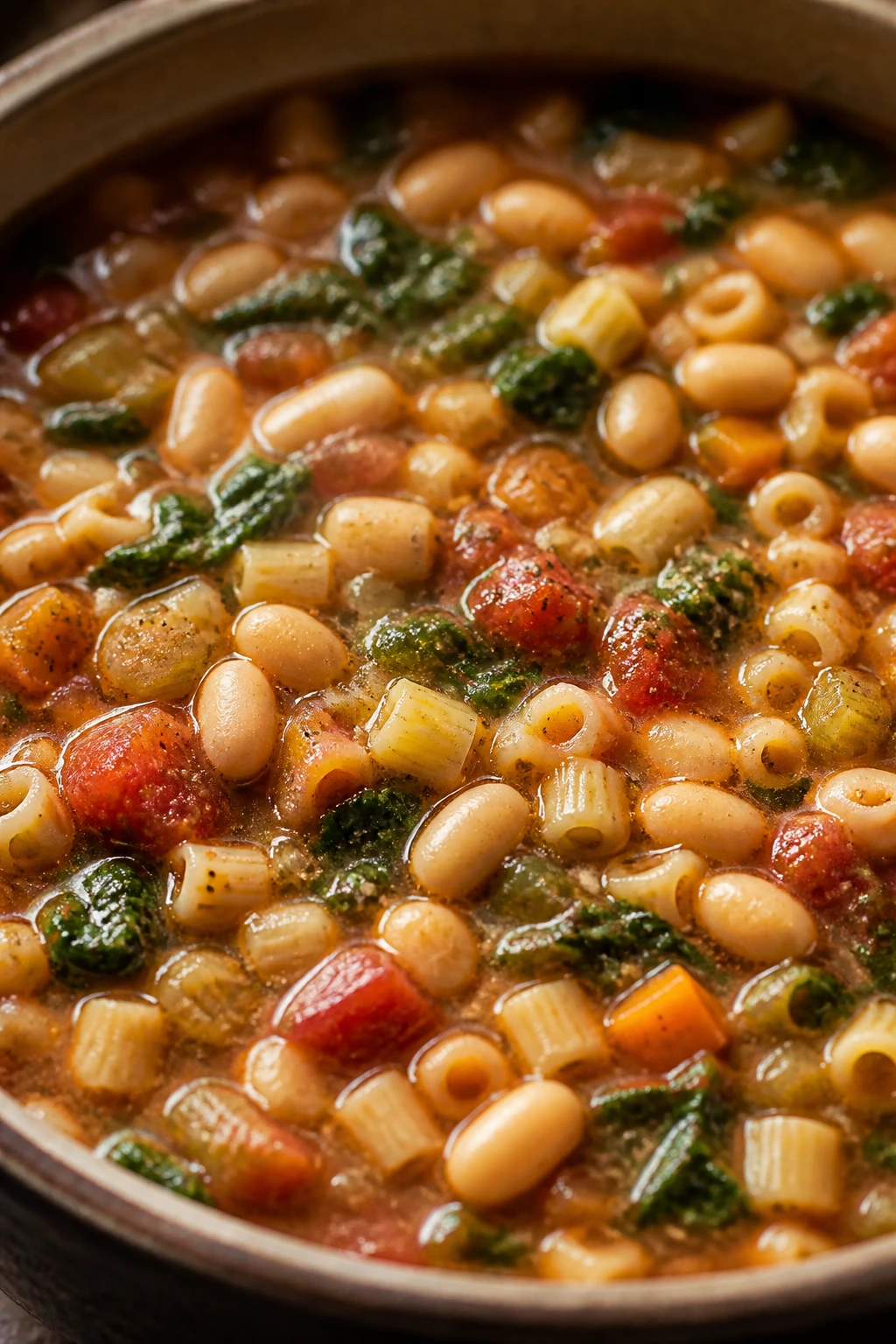
Minestrone is what happens when the pantry gets organized. Tomatoes, beans, pasta, greens, and a handful of vegetables turn into a soup that tastes more deliberate than it should.
Why It Works:
This soup is built in layers, which matters because minestrone can taste watery if everything goes in at once. Aromatics start the pot, beans add heft, pasta gives chew, and greens finish the bowl with some lift. A spoonful of pesto or a parmesan rind takes it from generic to worth repeating.
Key Ingredients:
- 2 tablespoons olive oil
- 1 onion, diced
- 2 carrots, diced
- 2 celery stalks, diced
- 3 garlic cloves, minced
- 1 zucchini, chopped
- 1 can diced tomatoes
- 1 can cannellini beans, rinsed
- 1 can kidney beans, rinsed
- 6 cups vegetable or chicken broth
- 1 cup small pasta, such as ditalini
- 2 cups chopped kale or spinach
- 1 teaspoon Italian seasoning
- 2 tablespoons pesto or grated parmesan, for serving
Quick Steps:
- Heat the oil in a soup pot. Cook the onion, carrots, and celery for 6 minutes until soft.
- Add the garlic and zucchini, and cook for 2 minutes.
- Stir in the tomatoes, beans, broth, and Italian seasoning. Simmer for 15 minutes.
- Add the pasta and cook until tender, usually 8 to 10 minutes.
- Stir in the greens at the end, then finish with pesto or parmesan.
Equipment for This Recipe:
- Large soup pot
- Wooden spoon
- Sharp knife
- Ladle
How to Serve This Dish:
Serve minestrone with a little pesto swirled on top and a hunk of bread nearby. It’s a soup that likes a rustic plate — nothing fussy, just a broad bowl and a good appetite.
Pro Tips for This Recipe:
- Cook the pasta separately if you plan to freeze leftovers. It keeps the texture cleaner.
- Add the greens at the end. They should soften, not vanish.
- Use small pasta. Bigger shapes can overpower the vegetables.
- Finish with parmesan or pesto. The soup needs a last savory push.
Variations on This Dish:
- Sausage Minestrone: Brown ½ pound Italian sausage before the onion.
- Lemon Minestrone: Add a little lemon zest at the end.
- Bean-Heavy Version: Double the beans and skip the pasta for a thicker bowl.
Common Mistakes to Avoid with This Dish:
- Overcooking the pasta: It keeps softening in the broth.
- Using bland tomatoes: The pot depends on that acidic backbone.
- Skipping the final herb or cheese finish: The soup can taste unfinished.
11. Turkey Wild Rice Soup
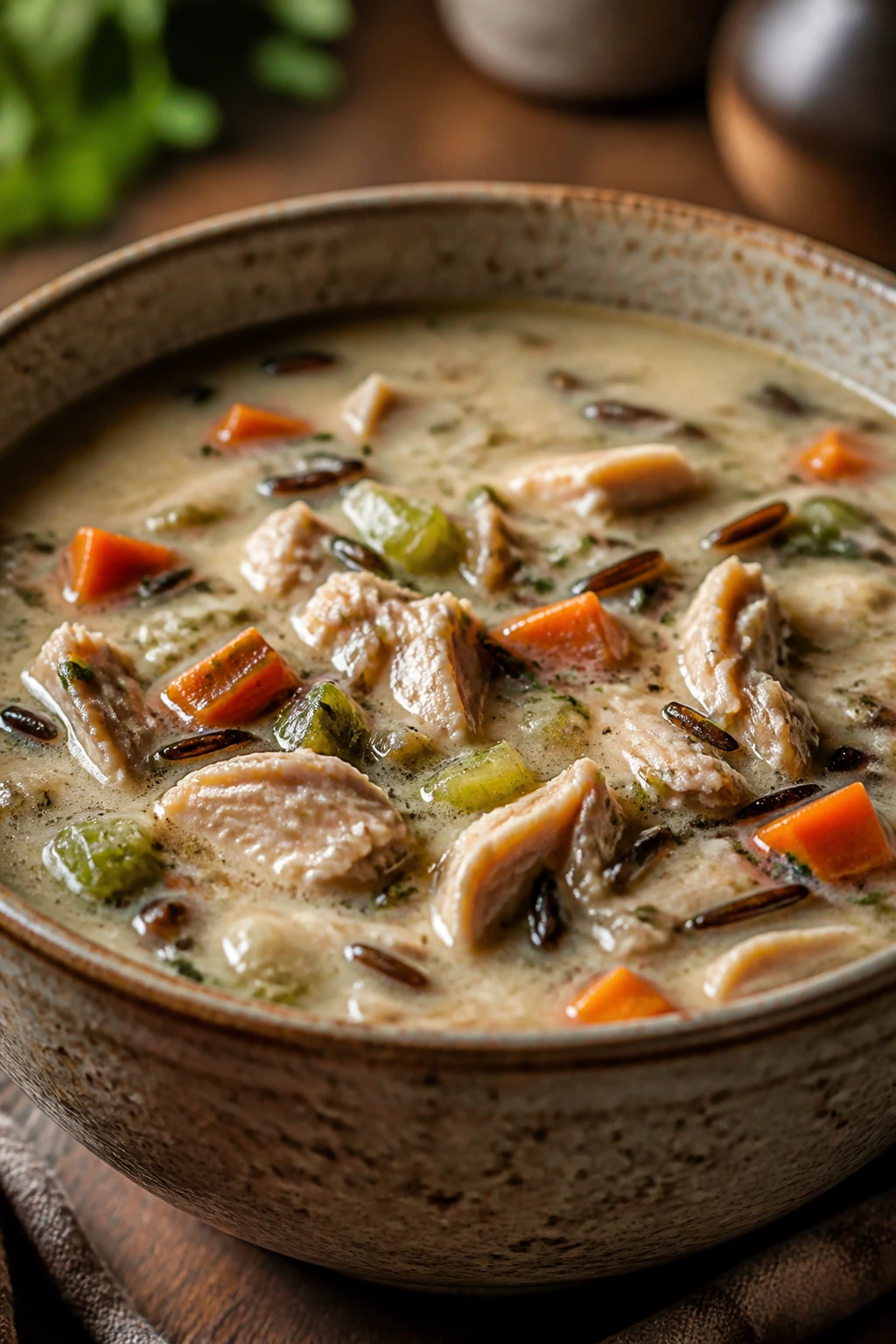
Turkey wild rice soup is the after-party for roast turkey. It makes leftovers feel planned, and the wild rice adds a nutty chew that regular white rice can’t match.
Why It Works:
Wild rice takes longer than standard rice, so it gives the soup a satisfying, toothy texture instead of dissolving into the broth. Turkey holds up well in cream-based soups as long as you don’t overcook it, and mushrooms add a savory note that fits the flavor of cooked poultry. The broth should taste steady and warm, not heavy.
Key Ingredients:
- 2 tablespoons butter
- 1 onion, diced
- 2 carrots, diced
- 2 celery stalks, diced
- 1 cup sliced mushrooms
- ¾ cup wild rice blend, rinsed
- 8 cups turkey or chicken broth
- 3 cups cooked turkey, chopped
- 1 cup half-and-half or heavy cream
- 1 teaspoon dried thyme
- Salt and black pepper, to taste
Quick Steps:
- Melt the butter in a pot and cook the onion, carrots, celery, and mushrooms for 7 minutes.
- Add the wild rice, broth, and thyme, then simmer for 35 to 45 minutes until the rice is tender.
- Stir in the turkey and cook for 5 minutes until heated through.
- Lower the heat and add the half-and-half.
- Season to taste and serve while the soup is hot and creamy.
Equipment for This Recipe:
- Dutch oven or soup pot
- Wooden spoon
- Cutting board
- Ladle
How to Serve This Dish:
Serve it with cracked black pepper and a slice of buttered toast. The soup is filling enough for a meal on its own, though I like a simple salad beside it if the table needs a little crunch.
Pro Tips for This Recipe:
- Use cooked turkey, not raw. This is a leftovers soup.
- Expect the rice to keep drinking liquid. Add broth if the soup thickens too much.
- Keep the cream at the end. Long boiling can make it separate.
- Mushrooms are optional, but I wouldn’t skip them. They deepen the broth.
Variations on This Dish:
- Chicken Wild Rice Soup: Swap in cooked chicken.
- Dairy-Free Version: Use unsweetened oat milk or coconut milk.
- Herbier Pot: Add parsley and a little sage with the thyme.
Common Mistakes to Avoid with This Dish:
- Using plain white rice: It turns soft too fast and loses the appeal.
- Adding turkey too early: It dries out in the long simmer.
- Forgetting broth adjustment: Wild rice can soak up a shocking amount.
12. Clam Chowder
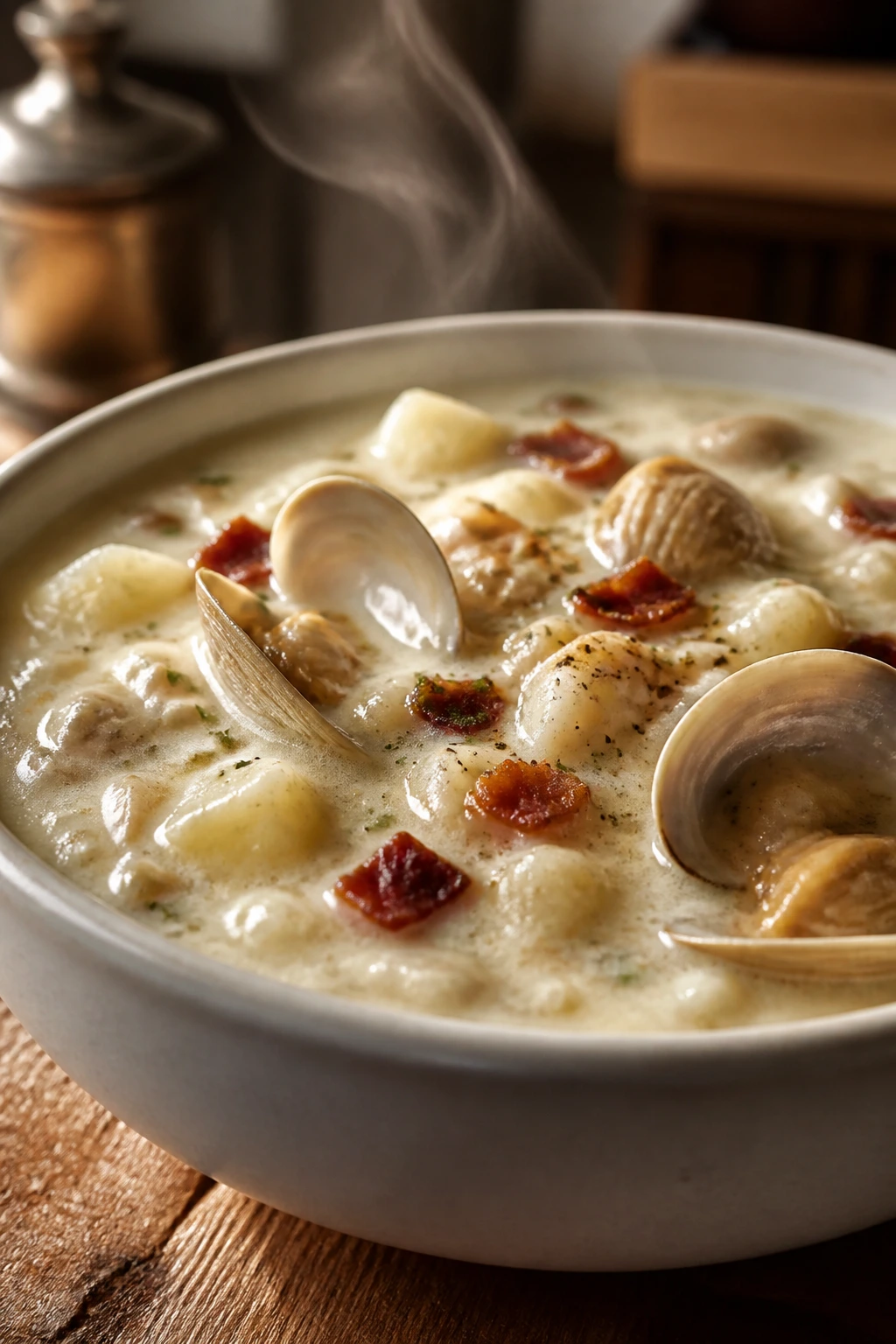
Clam chowder should taste like the sea, butter, and potatoes — not flour paste with shells in it. The best bowls have body, but they still move.
Why It Works:
Bacon or salt pork lays down the first layer of flavor, potatoes thicken the broth naturally, and clam juice keeps the seafood taste sharp. Cream softens the edges, but the soup still needs a little brine and pepper to stay alive. Clams go in late because they get tough if you bully them.
Key Ingredients:
- 4 slices bacon, chopped
- 1 onion, diced
- 2 celery stalks, diced
- 2 tablespoons all-purpose flour
- 2 cups clam juice
- 2 cups chicken broth or water
- 2 cups potatoes, peeled and diced
- 2 cans chopped clams, drained with juice reserved
- 1 bay leaf
- 1 cup whole milk
- ½ cup heavy cream
- 1 teaspoon thyme
- Black pepper, to taste
Quick Steps:
- Cook the bacon in a soup pot until crisp. Remove most of it to a plate, leaving a little fat in the pot.
- Add the onion and celery, and cook for 5 minutes. Stir in the flour and cook for 1 minute.
- Pour in the clam juice and broth, then add the potatoes, bay leaf, and thyme. Simmer for 15 to 20 minutes until the potatoes are tender.
- Stir in the clams, milk, and cream. Heat gently for 3 to 4 minutes.
- Season with black pepper and top with the reserved bacon.
Equipment for This Recipe:
- Soup pot
- Slotted spoon
- Cutting board and knife
- Ladle
How to Serve This Dish:
Serve in a bowl with oyster crackers or a warm roll, and keep the pepper grinder nearby. A little chopped parsley or celery leaf on top makes the bowl look less heavy and more finished.
Pro Tips for This Recipe:
- Use clam juice. It makes the seafood flavor taste intentional.
- Add clams at the very end. They only need to warm through.
- Cut the potatoes small and even. That keeps the texture consistent.
- Don’t let the soup boil after the dairy goes in. It can split.
Variations on This Dish:
- New England Style: Use more cream and less milk for a thicker finish.
- Corn Clam Chowder: Add 1 cup corn kernels with the potatoes.
- Bacon-Free Version: Use butter and a pinch of smoked paprika instead.
Common Mistakes to Avoid with This Dish:
- Overcooking the clams: They turn rubbery fast.
- Using too much flour: The chowder should feel creamy, not stiff.
- Skipping black pepper: It keeps the dairy from tasting flat.
13. Chicken Tortilla Soup
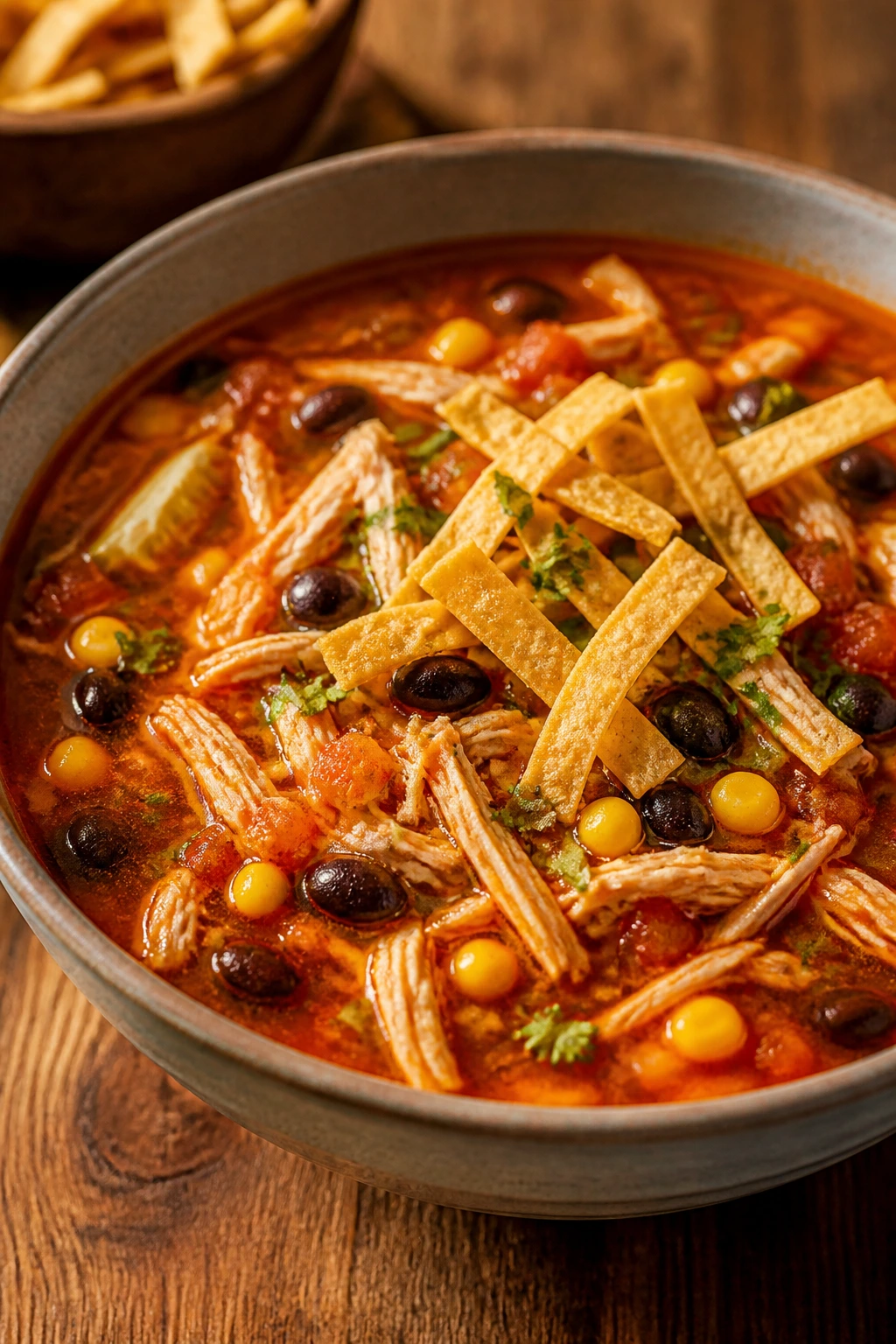
Chicken tortilla soup does not need to be complicated. It just needs a clear tomato broth, a little heat, and crispy tortilla strips that hold up long enough to matter.
Why It Works:
The soup gets its depth from onion, garlic, cumin, and toasted tortillas, not from a long list of extras. Black beans and corn give it body, shredded chicken makes it filling, and lime at the end cuts through all the richness. The toppings are not optional in my book; they are the point.
Key Ingredients:
- 1 tablespoon olive oil
- 1 yellow onion, diced
- 3 garlic cloves, minced
- 1 poblano pepper, diced
- 1 can diced tomatoes
- 6 cups chicken broth
- 2 cups cooked shredded chicken
- 1 can black beans, rinsed
- 1 cup corn kernels
- 1 teaspoon ground cumin
- 1 teaspoon chili powder
- 2 tablespoons lime juice
- Tortilla strips, cilantro, avocado, and cheese for serving
Quick Steps:
- Heat the oil in a soup pot and cook the onion and poblano for 6 minutes.
- Stir in the garlic, cumin, and chili powder, then add the tomatoes and broth.
- Simmer for 15 minutes, then add the chicken, black beans, and corn.
- Cook for 5 more minutes until the soup is hot and the flavors settle together.
- Stir in lime juice and serve with tortilla strips and toppings.
Equipment for This Recipe:
- Soup pot
- Sharp knife
- Wooden spoon
- Sheet pan if you’re baking the tortilla strips
How to Serve This Dish:
Pile the bowl high with tortilla strips, avocado, cilantro, and a little shredded cheese. I like this with lime wedges on the table, because the sharpness changes the whole soup from spoon to spoon.
Pro Tips for This Recipe:
- Bake the tortilla strips. They stay crisp longer than fried chips in the soup.
- Use rotisserie chicken if you want this fast. It’s one of the better shortcuts in the soup world.
- Add lime at the end. It keeps the broth fresh.
- Taste after the toppings are added. Cheese and avocado change how salty the soup seems.
Variations on This Dish:
- Creamy Tortilla Soup: Stir in ½ cup cream or a spoonful of sour cream.
- Extra-Spicy Version: Add chopped jalapeño or a pinch of cayenne.
- Bean-Only Bowl: Double the beans and skip the chicken.
Common Mistakes to Avoid with This Dish:
- Soggy tortilla strips: Add them right before serving.
- Flat broth: Salt and lime matter here more than you might expect.
- Overloading the pot with toppings: Keep the soup visible.
14. Black Bean Soup
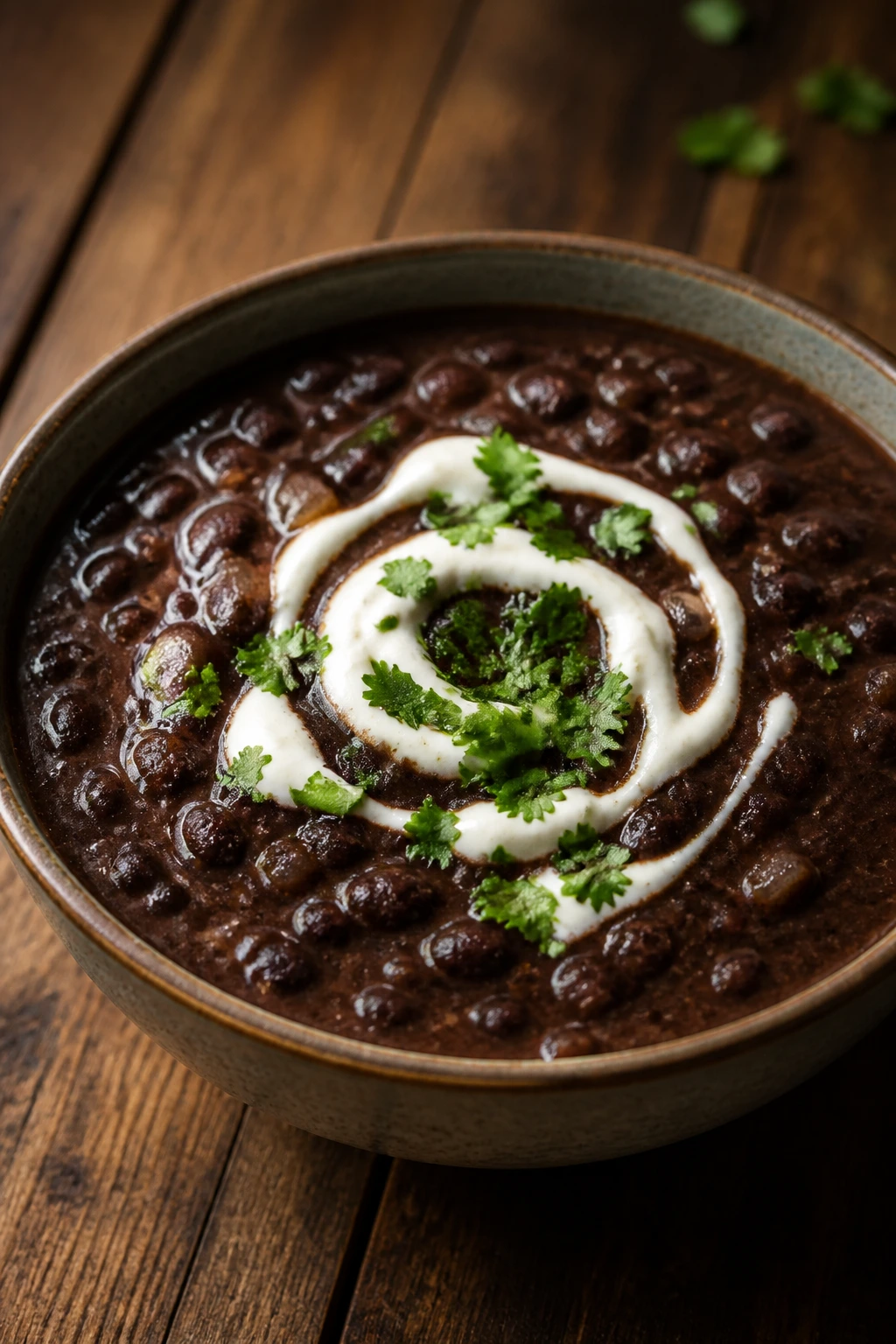
Black bean soup gets its depth from onions and cumin, then keeps building from there. If you taste it and it feels thin, it usually needs salt, acid, or both.
Why It Works:
Canned black beans make this fast, but the flavor still gets better when you cook the onion, carrot, celery, and spices first. Blending part of the pot gives you a thicker, richer texture without losing the whole-bean bite. Lime or vinegar at the end sharpens the earthy beans.
Key Ingredients:
- 2 tablespoons olive oil
- 1 onion, diced
- 1 carrot, diced
- 1 celery stalk, diced
- 4 garlic cloves, minced
- 3 cans black beans, rinsed and drained
- 4 cups vegetable or chicken broth
- 1 teaspoon ground cumin
- 1 teaspoon dried oregano
- 1 chipotle pepper in adobo, minced, optional
- 2 tablespoons lime juice
- Sour cream, cilantro, and avocado for serving
Quick Steps:
- Heat the oil in a pot and cook the onion, carrot, and celery for 6 minutes.
- Add the garlic, cumin, oregano, and chipotle if using, and cook for 30 seconds.
- Stir in the beans and broth, then simmer for 15 minutes.
- Blend about half the soup with an immersion blender.
- Add lime juice and season well before serving.
Equipment for This Recipe:
- Soup pot
- Immersion blender
- Cutting board
- Ladle
How to Serve This Dish:
Top each bowl with sour cream, cilantro, and diced avocado, or keep it lean with a squeeze of lime and chopped onion. It goes well with tortilla chips or rice if you want a bigger dinner.
Pro Tips for This Recipe:
- Blend only part of the soup. Full blending can make it too smooth.
- Use chipotle carefully. One pepper gives smoke; two start to dominate.
- Lime at the end is non-negotiable. Beans need that edge.
- Rinse canned beans well. They taste cleaner and less metallic.
Variations on This Dish:
- Vegetarian Bowl: Use vegetable broth and skip the dairy topping.
- Smokier Version: Add smoked paprika and a little extra chipotle.
- Chunky Bean Soup: Leave all the beans whole and add corn.
Common Mistakes to Avoid with This Dish:
- Underseasoning: Beans absorb salt and can taste blank.
- Skipping acid: The soup falls flat without lime.
- Overblending: The texture can turn pasty fast.
15. Red Lentil Coconut Soup
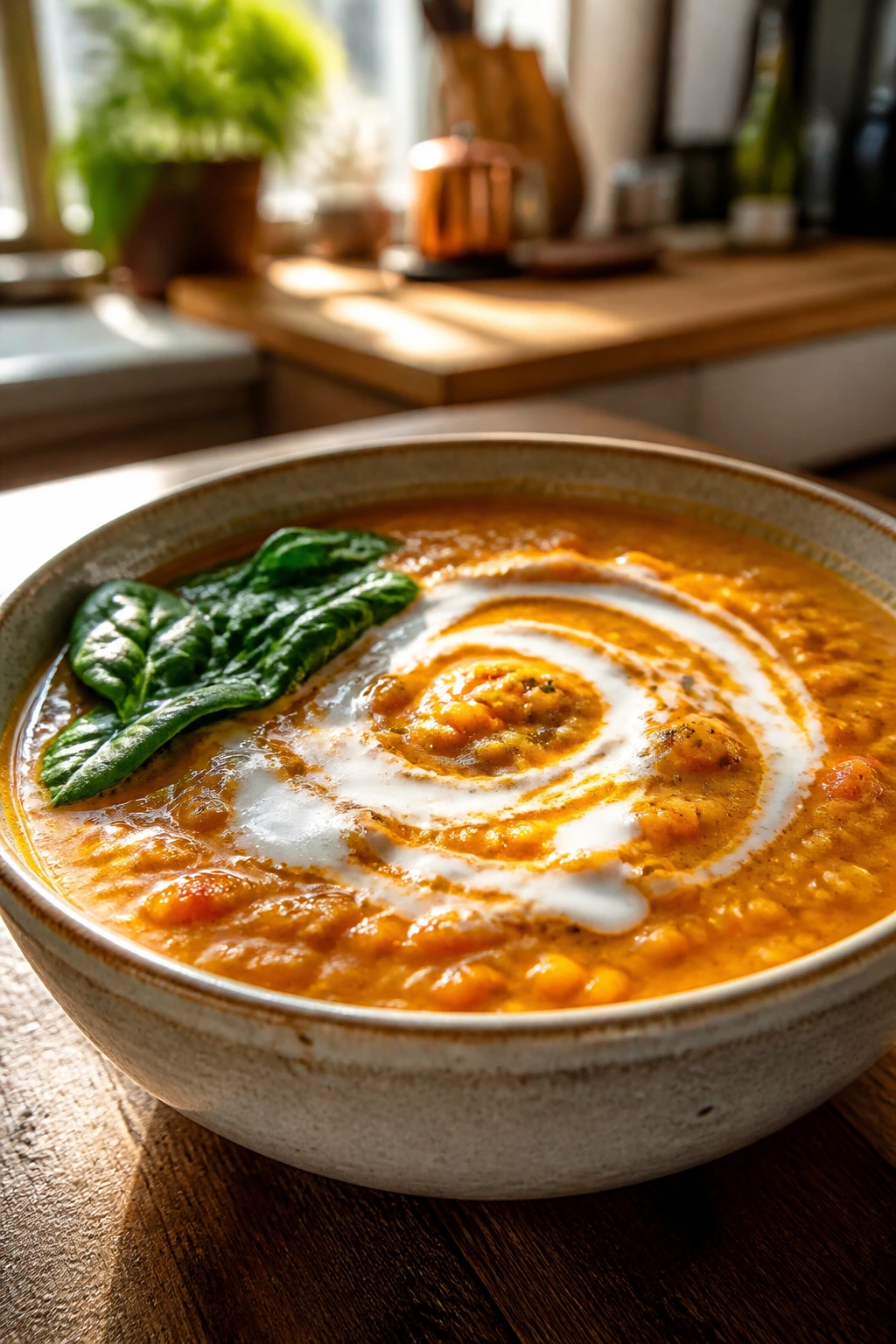
Red lentil coconut soup cooks fast enough for a weeknight and still tastes like you put in more work than you did. The lentils melt down, the coconut milk rounds everything out, and the ginger keeps the bowl awake.
Why It Works:
Red lentils are the reason this soup comes together so quickly. They break down in the pot, which gives the broth a soft, creamy feel without any flour or starch. Coconut milk smooths the edges, while curry powder, ginger, and lime keep the flavor from drifting into blandness.
Key Ingredients:
- 1 tablespoon coconut oil or olive oil
- 1 onion, diced
- 3 garlic cloves, minced
- 1 tablespoon fresh ginger, grated
- 1 tablespoon curry powder
- 1 cup red lentils, rinsed
- 4 cups vegetable broth
- 1 can coconut milk
- 1 carrot, diced
- 2 cups spinach
- 1 tablespoon lime juice
- Salt, to taste
Quick Steps:
- Heat the oil in a pot and cook the onion for 5 minutes until soft.
- Add the garlic, ginger, and curry powder, and cook for 30 seconds.
- Stir in the lentils, broth, and carrot, then simmer for 15 to 18 minutes until the lentils fall apart.
- Add the coconut milk and spinach, and cook for 2 minutes.
- Stir in lime juice and salt, then serve hot.
Equipment for This Recipe:
- Soup pot
- Fine grater for ginger
- Wooden spoon
- Ladle
How to Serve This Dish:
Serve it with flatbread, naan, or a pile of rice if you want more substance. A spoonful of yogurt or a few cilantro leaves on top gives the bowl a little contrast.
Pro Tips for This Recipe:
- Rinse the lentils. It keeps the broth cleaner.
- Don’t cook the spinach for long. It should only wilt.
- Taste after the coconut milk goes in. The soup usually needs more salt at that point.
- Use fresh ginger if you have it. Powder works, but the fresh stuff brings more snap.
Variations on This Dish:
- Tomato-Lentil Version: Add 1 can diced tomatoes with the broth.
- Spicier Bowl: Add cayenne or chili flakes with the curry powder.
- Creamier Finish: Blend the soup completely and top with a little coconut milk.
Common Mistakes to Avoid with This Dish:
- Overcooking the lentils: They turn to paste if you wander off.
- Forgetting lime: The soup needs that final brightness.
- Using too much curry powder: It can overpower the coconut milk fast.
16. Sausage and Tortellini Soup
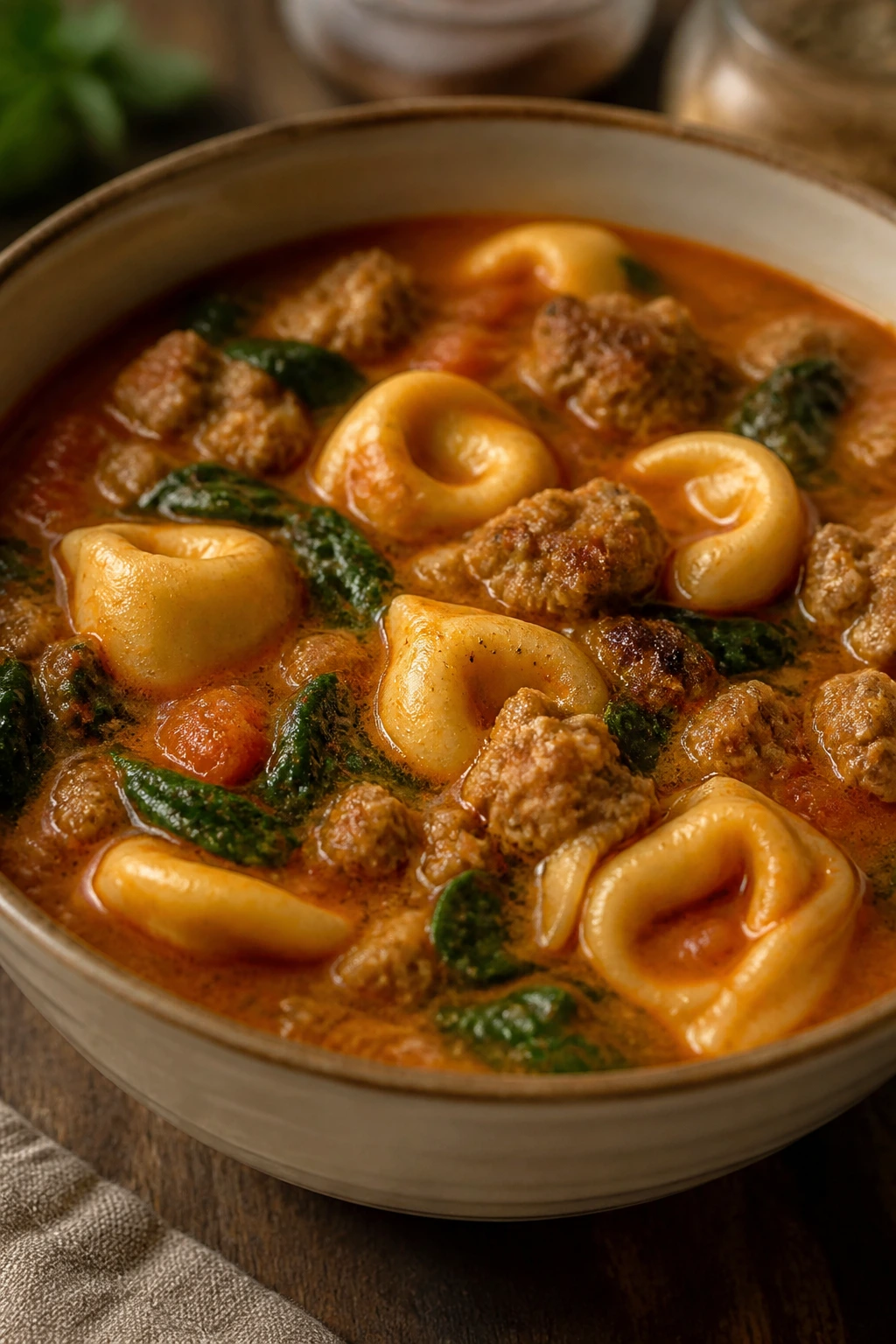
Sausage and tortellini soup leans rich and practical. It feels like the kind of dinner you make when you want something filling without building a separate protein, starch, and vegetable course.
Why It Works:
Italian sausage seasons the whole pot from the start, so you do not need a complicated broth. Tortellini brings built-in heft, spinach disappears into the top layer, and a little cream ties the tomato base together. It’s one of those soups that tastes louder than the effort suggests.
Key Ingredients:
- 1 pound Italian sausage, casings removed
- 1 onion, diced
- 3 garlic cloves, minced
- 1 can crushed tomatoes
- 6 cups chicken broth
- 1 package refrigerated tortellini, about 18 ounces
- 2 cups baby spinach
- ½ cup heavy cream
- ½ teaspoon red pepper flakes
- ¼ cup grated parmesan, plus more for serving
Quick Steps:
- Brown the sausage in a soup pot over medium heat, breaking it into pieces.
- Add the onion and cook for 5 minutes, then stir in the garlic and red pepper flakes.
- Pour in the tomatoes and broth, then simmer for 10 minutes.
- Add the tortellini and cook until tender, usually 4 to 6 minutes.
- Stir in the spinach, cream, and parmesan, then serve right away.
Equipment for This Recipe:
- Large soup pot
- Wooden spoon
- Cutting board
- Ladle
How to Serve This Dish:
Serve with extra parmesan and cracked black pepper, plus a simple green salad if you want the table to feel balanced. The tortellini makes it filling enough that you don’t need much else.
Pro Tips for This Recipe:
- Use refrigerated tortellini. It cooks quickly and stays tender.
- Don’t let the soup boil after the cream goes in. It can separate.
- Brown the sausage well. That flavor is the backbone.
- Add spinach last. It only needs a minute or two.
Variations on This Dish:
- Chicken Sausage Version: Swap in mild chicken sausage for a lighter bowl.
- Rosemary Twist: Add a small sprig while the broth simmers.
- Extra Tomato Bowl: Stir in a spoonful of tomato paste with the onions.
Common Mistakes to Avoid with This Dish:
- Overcooking the tortellini: It gets bloated fast.
- Using too much cream: The tomato base should still show through.
- Skipping the sausage browning: You lose the good browned bits.
17. Hot and Sour Soup
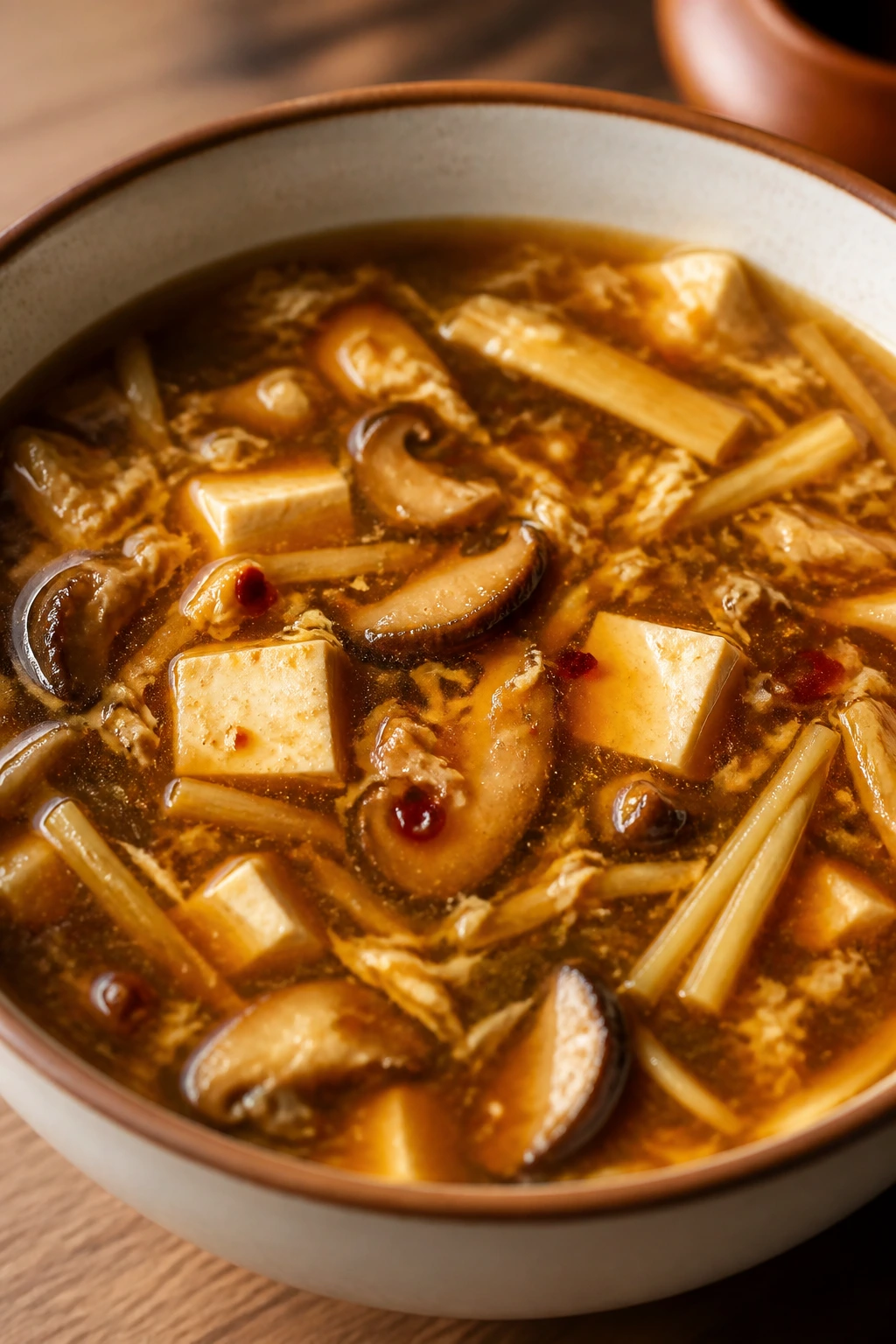
Hot and sour soup should hit sharp, savory, and spicy all at once. If one of those parts is missing, the bowl feels unfinished.
Why It Works:
The broth depends on vinegar for tang, white pepper for heat, soy sauce for salt, and mushrooms for a meaty base. Eggs ribboned into the hot broth make the texture feel silkier, while tofu or pork gives the soup enough body to count as dinner. A little cornstarch gives it that classic glossy finish.
Key Ingredients:
- 6 cups chicken or mushroom broth
- 8 ounces mushrooms, sliced
- 1 cup bamboo shoots, sliced
- 1 block firm tofu, cut into cubes
- 2 tablespoons soy sauce
- 3 tablespoons rice vinegar
- 1 teaspoon white pepper
- 1 tablespoon cornstarch mixed with 2 tablespoons water
- 2 eggs, beaten
- 1 tablespoon sesame oil
- 2 scallions, sliced
Quick Steps:
- Bring the broth to a simmer with the mushrooms and bamboo shoots.
- Stir in the soy sauce, vinegar, and white pepper.
- Add the tofu and simmer for 3 minutes.
- Stir in the cornstarch slurry and cook until lightly thickened.
- Slowly drizzle in the beaten eggs while stirring the broth in one direction, then finish with sesame oil and scallions.
Equipment for This Recipe:
- Soup pot
- Small bowl for the slurry
- Whisk or chopsticks
- Ladle
How to Serve This Dish:
Serve it immediately while the broth is still glossy and the egg ribbons are delicate. A side of steamed rice works if you want to tame the heat, though I usually prefer it on its own.
Pro Tips for This Recipe:
- Add vinegar after the broth is hot. That keeps the flavor bright.
- Stir the broth before adding eggs. It helps the ribbons form instead of clumping.
- Use white pepper, not black. It gives the right sharp heat.
- Taste at the end. Hot and sour soup lives on balance.
Variations on This Dish:
- Pork Version: Add shredded cooked pork for more heft.
- Vegetarian Bowl: Use mushroom broth and skip the eggs if needed.
- Extra-Sour Style: Add another tablespoon of rice vinegar at the end.
Common Mistakes to Avoid with This Dish:
- Boiling vinegar too long: The sour edge fades.
- Adding eggs too fast: You get clumps instead of ribbons.
- Underseasoning the broth: The soup should taste bold, not vague.
18. Mushroom Miso Soup
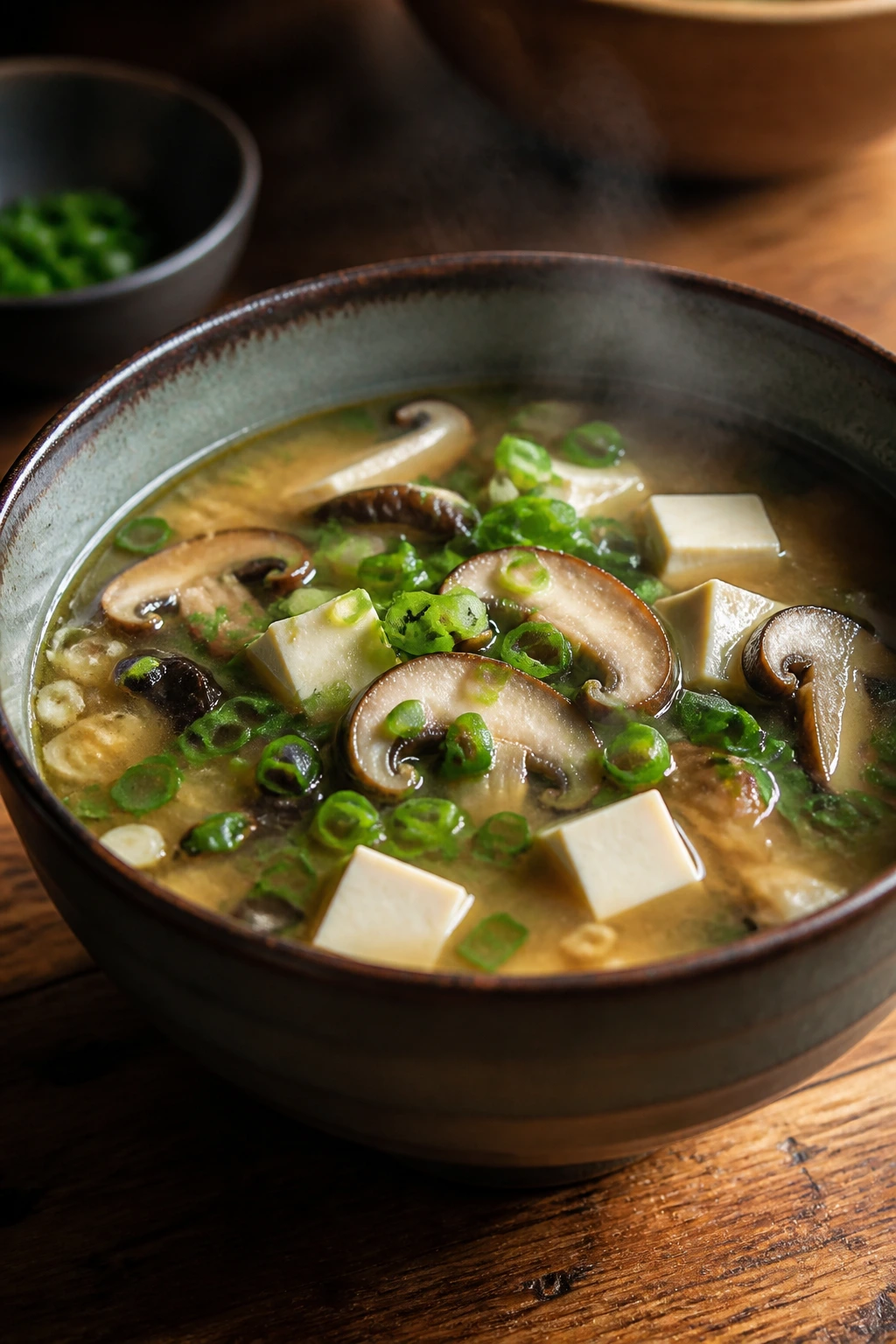
Mushroom miso soup is all about a clean broth. The mushrooms add meatiness, but the final bowl should still taste light, salty, and a little quiet in the best way.
Why It Works:
Miso paste should not be boiled hard, because high heat flattens its flavor. Mushrooms deepen the broth, tofu adds soft texture, and scallions give a fresh bite right at the end. This is a soup that rewards restraint.
Key Ingredients:
- 1 tablespoon neutral oil
- 8 ounces mushrooms, sliced
- 6 cups dashi or vegetable broth
- 3 tablespoons white miso paste
- 1 block firm tofu, cubed
- 2 scallions, thinly sliced
- 1 teaspoon soy sauce
- 1 sheet nori, cut into strips, optional
- 1 teaspoon grated ginger, optional
Quick Steps:
- Heat the oil in a pot and cook the mushrooms for 5 to 6 minutes until browned.
- Add the broth and ginger if using, then warm gently for 5 minutes.
- Turn off the heat. Ladle a little hot broth into a bowl and whisk the miso paste into it until smooth, then stir it back into the pot.
- Add the tofu and soy sauce.
- Top with scallions and nori before serving.
Equipment for This Recipe:
- Soup pot
- Small bowl for dissolving miso
- Knife and cutting board
- Ladle
How to Serve This Dish:
Serve in smaller bowls than you would for a bean soup; this one feels more like a clean, warming start or a light meal. A bowl of rice and a few cucumber slices make a simple side if you want more substance.
Pro Tips for This Recipe:
- Never boil the miso. That’s the one rule worth keeping.
- Use mushrooms with some browning. Raw mushrooms won’t give the broth enough depth.
- Cut the tofu into even cubes. It looks better and eats better.
- Choose a mild miso if you’re new to it. White miso is the easiest place to start.
Variations on This Dish:
- Noodle Bowl: Add cooked soba noodles just before serving.
- Spinach Version: Stir in a handful of spinach after turning off the heat.
- Ginger-Forward Bowl: Use an extra teaspoon of ginger for more lift.
Common Mistakes to Avoid with This Dish:
- Boiling miso: It loses its depth.
- Using too much soy sauce: The soup gets harsh.
- Skipping browned mushrooms: The broth tastes thin without them.
19. Pho-Inspired Beef Soup
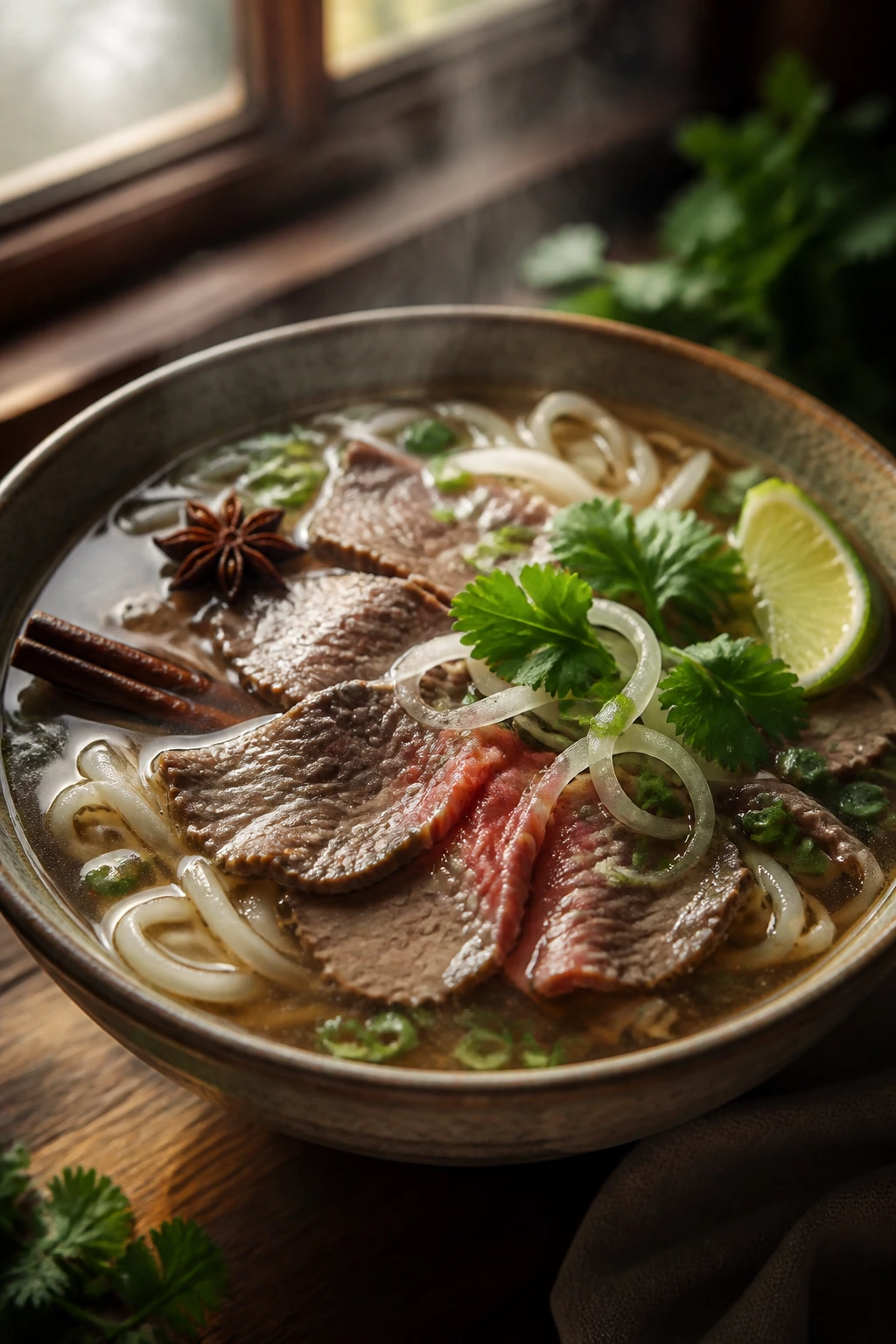
Pho-inspired beef soup needs a long broth and a light hand. The aroma of star anise, ginger, and charred onion should greet you before the bowl even reaches the table.
Why It Works:
Traditional pho is built on a clear, aromatic broth, and this quicker version borrows that idea without demanding an all-day simmer. Charred onion and ginger give the broth depth, star anise and cinnamon bring warmth, and thin-sliced beef cooks from the heat of the broth itself. The herbs and lime at the end are not extras; they’re the finish line.
Key Ingredients:
- 1 tablespoon neutral oil
- 1 onion, halved
- 3-inch piece fresh ginger, halved lengthwise
- 8 cups beef broth
- 2 star anise pods
- 1 cinnamon stick
- 1 tablespoon fish sauce
- 8 ounces rice noodles
- 1 pound thinly sliced sirloin or flank steak
- Bean sprouts, basil, cilantro, lime wedges, and sliced jalapeño for serving
Quick Steps:
- Char the onion and ginger in a dry skillet or under the broiler until the edges blacken a little.
- Add them to the broth with star anise and cinnamon. Simmer for 20 to 30 minutes.
- Strain the broth, then stir in fish sauce.
- Cook the rice noodles separately according to package directions.
- Divide the noodles and raw beef among bowls, then pour the hot broth over the top and finish with herbs, sprouts, lime, and jalapeño.
Equipment for This Recipe:
- Soup pot
- Fine-mesh strainer
- Skillet or broiler pan
- Tongs
How to Serve This Dish:
Serve it immediately so the beef cooks in the bowl and stays tender. The herbs and lime should sit on the side so each person can build their own bowl, which is half the fun.
Pro Tips for This Recipe:
- Slice the beef very thin. It should be almost see-through.
- Do not overdo the spices. Pho broth should smell fragrant, not like potpourri.
- Keep the noodles separate until serving. They soak up broth fast.
- Use plenty of herbs. Basil and cilantro make the bowl feel complete.
Variations on This Dish:
- Chicken Pho-Inspired Soup: Swap beef broth for chicken broth and use shredded chicken.
- Vegetarian Version: Use mushroom broth and extra charred ginger.
- Spicier Bowl: Add sliced serrano or a little chili oil.
Common Mistakes to Avoid with This Dish:
- Overcooking the beef: Thin slices only need the hot broth.
- Skipping the char on the aromatics: That smoky edge matters.
- Using stale herbs: They should smell bright and clean.
20. Corn Chowder
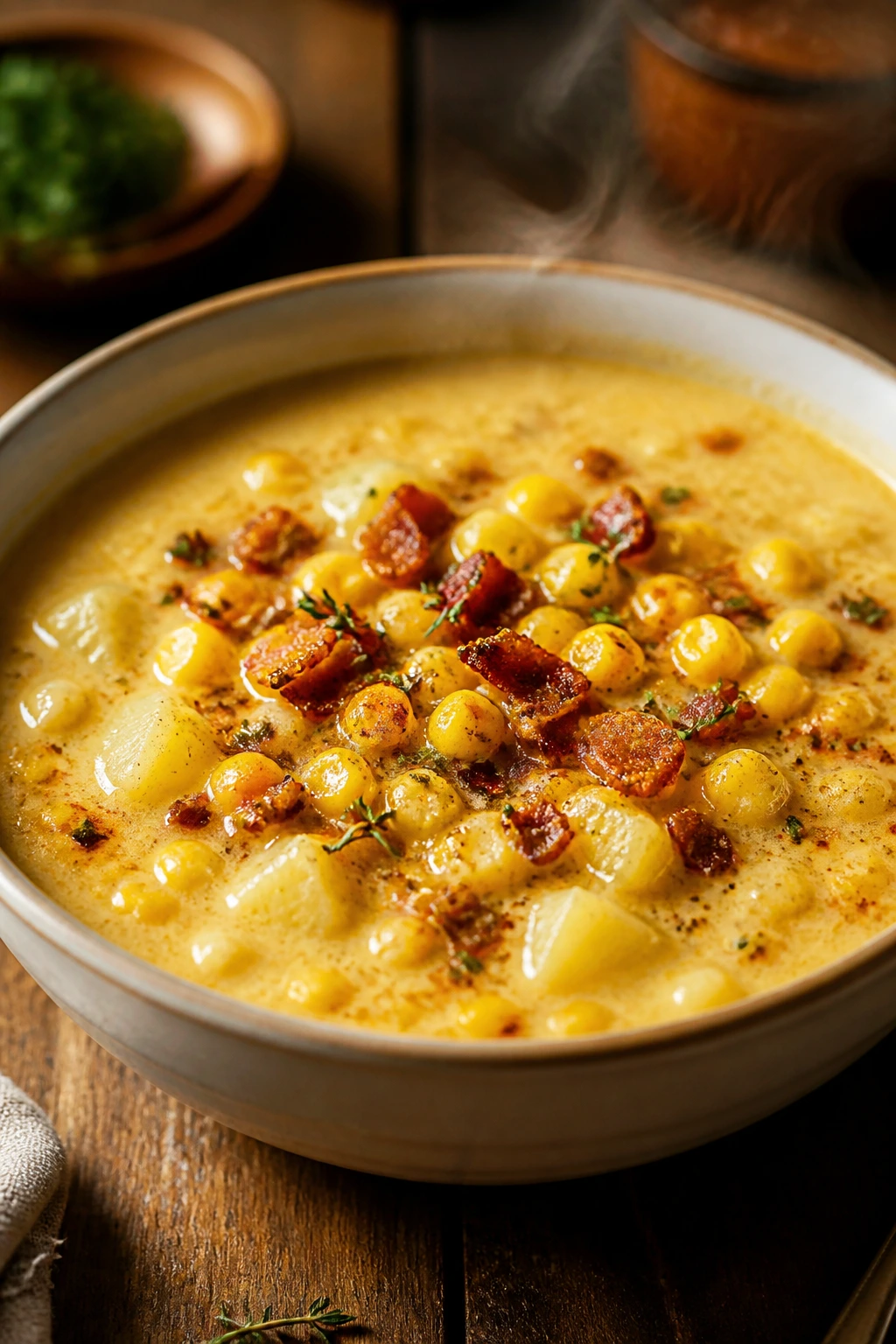
Corn chowder is at its best when half the kernels get blended. You want sweetness, but you also want a few whole kernels to pop against the spoon.
Why It Works:
Potatoes make the chowder thick, corn brings sweetness, and a little bacon or butter gives the pot a savory base. Blending part of the soup creates that classic creamy texture without making it feel gluey. Smoked paprika or thyme gives the bowl some backbone.
Key Ingredients:
- 4 slices bacon, chopped, or 2 tablespoons butter
- 1 onion, diced
- 2 celery stalks, diced
- 2 potatoes, peeled and diced
- 4 cups corn kernels, fresh or frozen
- 4 cups chicken or vegetable broth
- 1 cup whole milk
- ½ cup heavy cream
- 1 teaspoon thyme
- ½ teaspoon smoked paprika
- Salt and pepper, to taste
- Chopped scallions, for serving
Quick Steps:
- Cook the bacon until crisp, or melt the butter if you’re skipping bacon.
- Add the onion and celery, and cook for 5 minutes.
- Stir in the potatoes, corn, broth, thyme, and paprika, then simmer for 15 minutes until the potatoes are tender.
- Blend about one-third to one-half of the soup.
- Stir in milk and cream, then season and top with scallions.
Equipment for This Recipe:
- Soup pot
- Immersion blender
- Ladle
- Cutting board
How to Serve This Dish:
Serve it in wide bowls with crackers, a biscuit, or warm cornbread. A little chopped scallion on top keeps the chowder from looking too pale.
Pro Tips for This Recipe:
- Frozen corn is fine. It often tastes better than tired fresh ears.
- Blend only part of the pot. That’s what gives you body and texture.
- Keep the heat low after adding dairy. It should not boil hard.
- Taste before salting heavily. Bacon and broth may have already done half the work.
Variations on This Dish:
- Smoky Version: Add more smoked paprika and a little chipotle.
- Seafood Chowder Style: Add cooked shrimp at the end.
- Dairy-Free Bowl: Use coconut milk for a softer sweetness.
Common Mistakes to Avoid with This Dish:
- Overblending: The soup becomes thick in a paste-like way.
- Using too much cream: It hides the corn flavor.
- Letting the potatoes fall apart completely: Some texture is good here.
21. Cabbage Roll Soup
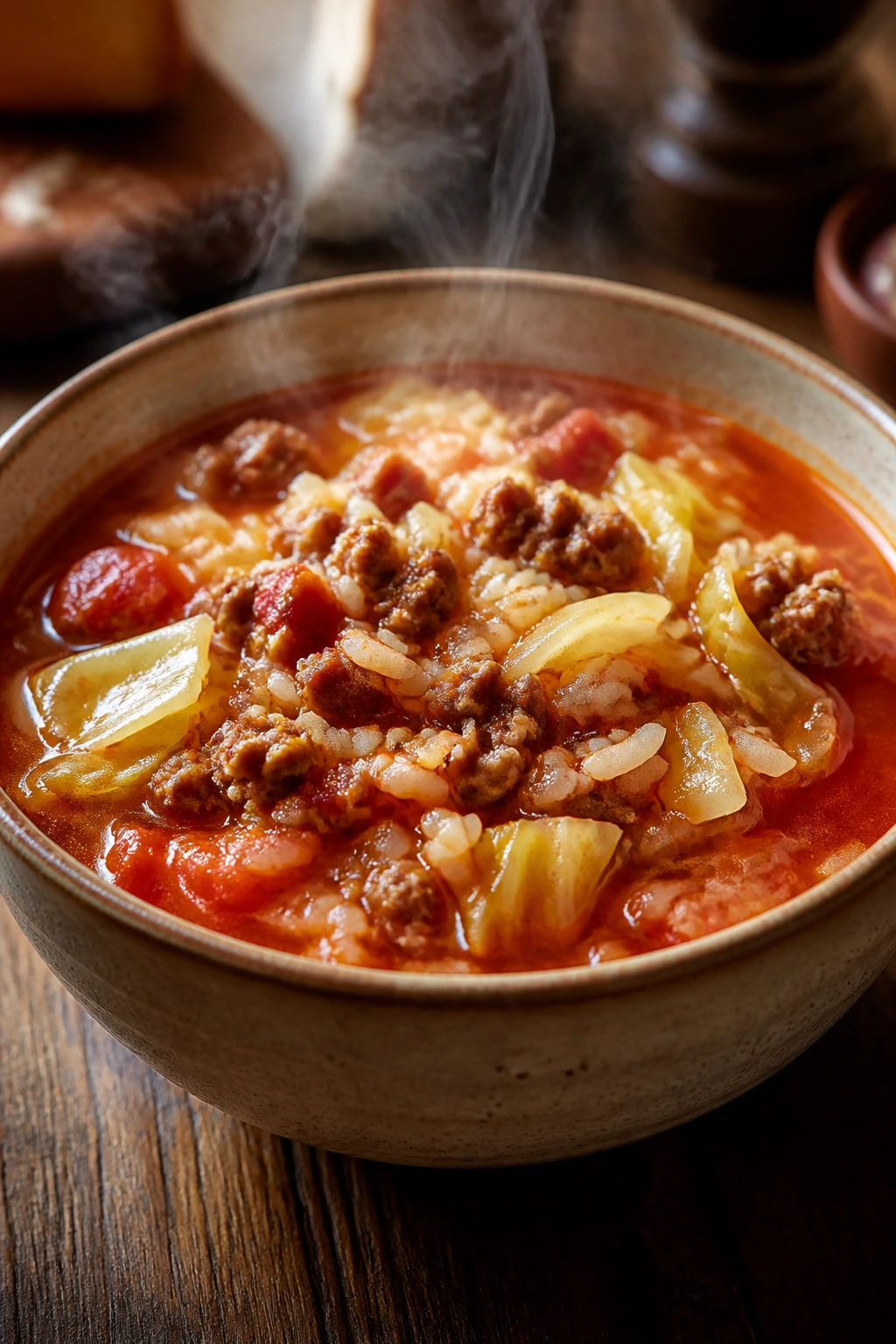
Cabbage roll soup keeps the best part and skips the folding. You still get the tomato, beef, rice, and cabbage combination, just without the fussy assembly.
Why It Works:
Cabbage softens into the broth, rice thickens the pot, and tomatoes carry the flavor of the filling from start to finish. Ground beef gives the soup enough richness to feel like dinner, and paprika adds the low, earthy note cabbage rolls usually get from longer cooking. It’s a tidy shortcut that doesn’t taste like one.
Key Ingredients:
- 1 pound ground beef
- 1 onion, diced
- 3 garlic cloves, minced
- 1 small head green cabbage, chopped
- 1 can crushed tomatoes
- 6 cups beef broth
- 1 cup uncooked white rice
- 1 teaspoon paprika
- 1 bay leaf
- 1 tablespoon Worcestershire sauce
- Salt and black pepper, to taste
- Chopped parsley, for serving
Quick Steps:
- Brown the beef in a soup pot, then add the onion and cook for 5 minutes.
- Stir in the garlic and paprika.
- Add the cabbage, tomatoes, broth, rice, bay leaf, and Worcestershire sauce.
- Simmer for 25 to 30 minutes until the rice is tender and the cabbage is soft.
- Remove the bay leaf, season well, and serve with parsley.
Equipment for This Recipe:
- Large soup pot
- Wooden spoon
- Sharp knife
- Ladle
How to Serve This Dish:
Serve it with a spoonful of sour cream if you want a little richness, or keep it plain and let the tomato broth do the talking. Rye bread or a crusty roll makes sense because the soup’s texture is somewhere between broth and stew.
Pro Tips for This Recipe:
- Chop the cabbage into bite-size pieces. Big strips are awkward in a spoon.
- Use long-grain rice if you want cleaner grains. Short grain can get sticky.
- Season at the end. Beef broth and tomatoes can need a different amount of salt than you expect.
- Let it rest 10 minutes before serving. The broth settles and thickens a little.
Variations on This Dish:
- Turkey Version: Swap in ground turkey for a lighter bowl.
- Low-Carb Style: Replace rice with cauliflower rice added near the end.
- Spicy Cabbage Roll Soup: Add red pepper flakes or hot paprika.
Common Mistakes to Avoid with This Dish:
- Overfilling the pot with rice: It keeps expanding.
- Cooking the cabbage to mush: It should soften, not disappear.
- Forgetting Worcestershire or another savory note: The pot needs that background flavor.
22. Italian Wedding Soup
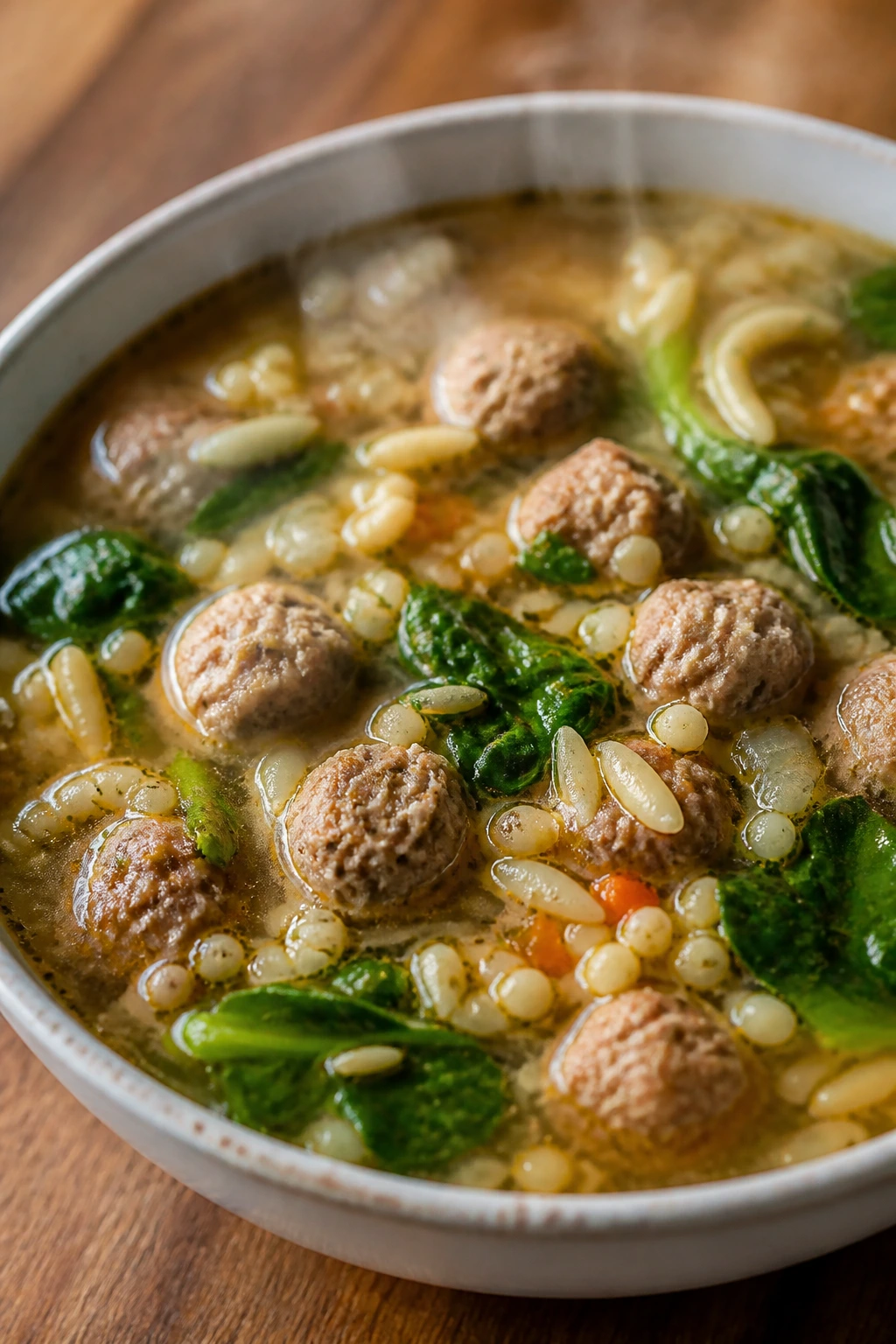
Italian wedding soup is tiny meatballs in a broth that actually tastes like something. The small size matters more than people think; they cook fast and stay tender.
Why It Works:
Mini meatballs give the broth flavor before they even hit the bowl, and escarole or spinach brings a little bitterness to balance the richness. Acini di pepe or orzo adds just enough body without turning the soup into pasta with broth around it. Parmesan in the meatballs and on top ties it together.
Key Ingredients:
-
For the meatballs:
-
½ pound ground beef or pork
-
½ pound ground chicken or turkey
-
½ cup breadcrumbs
-
1 egg
-
¼ cup grated parmesan
-
1 garlic clove, minced
-
Salt and pepper, to taste
-
For the soup:
-
1 tablespoon olive oil
-
1 onion, diced
-
2 carrots, diced
-
2 celery stalks, diced
-
6 cups chicken broth
-
½ cup acini di pepe or orzo
-
4 cups chopped escarole or spinach
-
Extra parmesan, for serving
Quick Steps:
- Mix the meatball ingredients and roll into small balls, about ¾ inch wide.
- Brown the meatballs in a skillet or bake them at 400°F for 12 minutes if you want a cleaner broth.
- Cook the onion, carrots, and celery in the oil for 5 minutes, then add the broth.
- Add the pasta and simmer until nearly tender.
- Stir in the greens and meatballs, and cook just until everything is hot.
Equipment for This Recipe:
- Mixing bowl
- Baking sheet or skillet
- Soup pot
- Small scoop or spoon for meatballs
How to Serve This Dish:
Serve with extra parmesan and a few black pepper cracks on top. The broth should stay visible, so don’t bury the meatballs under too many greens or too much pasta.
Pro Tips for This Recipe:
- Make the meatballs small. That’s the whole point.
- Bake them if you want a clearer broth. Pan-browned meatballs give a darker pot.
- Add greens late. They only need a minute or two.
- Use a light hand with the pasta. Too much turns the soup heavy.
Variations on This Dish:
- All-Turkey Version: Use turkey for every meatball.
- Gluten-Free Soup: Swap breadcrumbs for crushed gluten-free crackers.
- Lemony Finish: Add a squeeze of lemon at the end for brightness.
Common Mistakes to Avoid with This Dish:
- Making the meatballs too large: They take longer and lose the delicate feel.
- Overcooking the greens: They should stay green, not gray.
- Adding pasta too early: It keeps softening as it sits.
23. Ham and Bean Soup
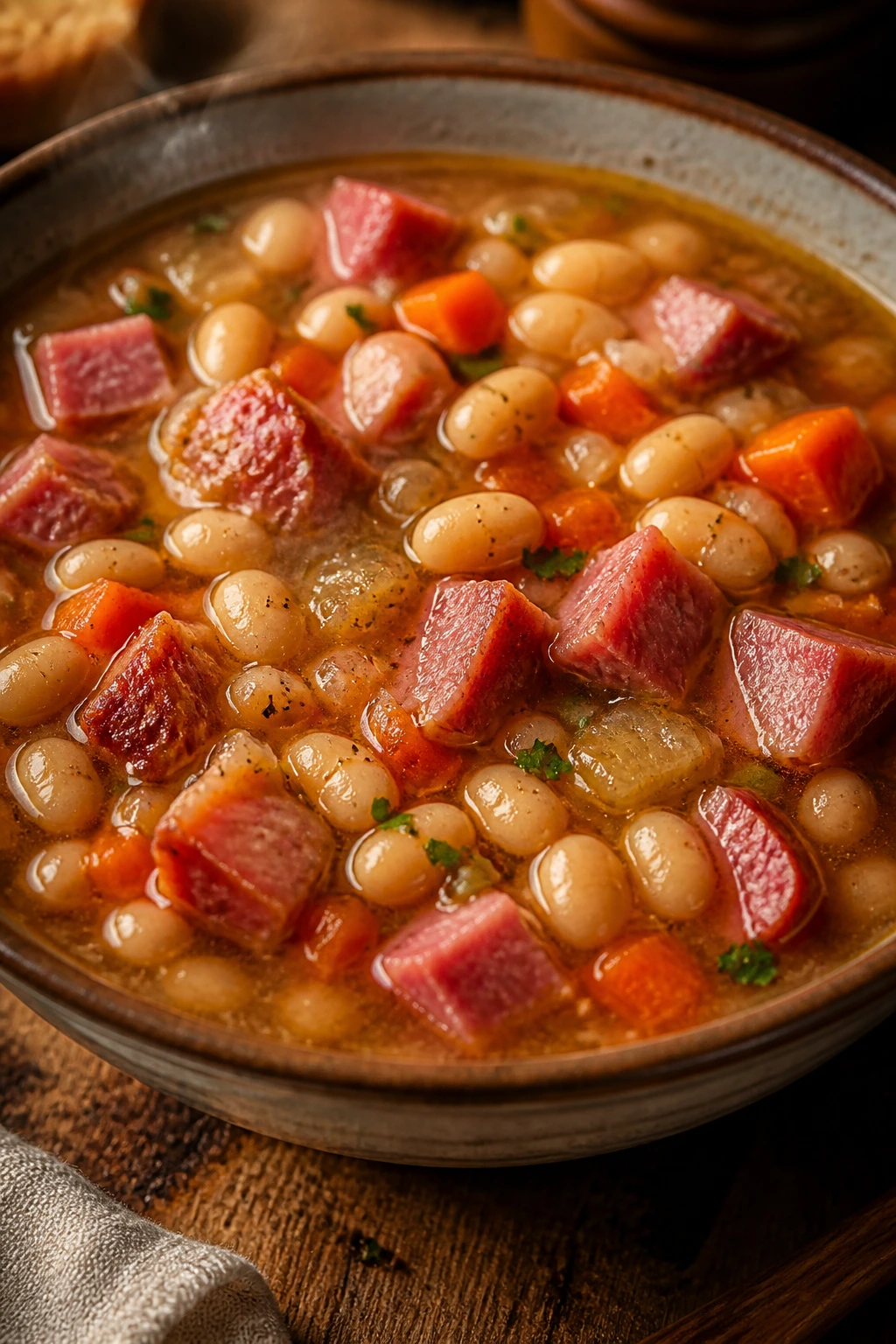
Ham and bean soup is the kind of leftover use that feels smart. It turns a ham bone or a chunk of diced ham into a bowl that tastes steady, salty, and old-fashioned in the best way.
Why It Works:
Beans absorb flavor like they were built for it, and ham brings the salt and smoke that a broth needs. Using a mix of onions, carrots, celery, and bay leaf keeps the soup from leaning too hard on the meat alone. A splash of vinegar at the end keeps the beans from tasting one-note.
Key Ingredients:
- 2 tablespoons olive oil
- 1 onion, diced
- 2 carrots, diced
- 2 celery stalks, diced
- 3 garlic cloves, minced
- 3 cans navy or great northern beans, rinsed
- 6 cups chicken broth
- 2 cups diced ham or 1 ham hock
- 1 bay leaf
- 1 teaspoon thyme
- 1 tablespoon apple cider vinegar
- Black pepper, to taste
Quick Steps:
- Cook the onion, carrots, and celery in oil for 6 minutes.
- Add the garlic and thyme, then stir in the beans, broth, ham, and bay leaf.
- Simmer for 25 to 30 minutes if using canned beans, longer if using a ham hock.
- Mash a cup or two of beans against the side of the pot to thicken the soup.
- Stir in vinegar and pepper before serving.
Equipment for This Recipe:
- Large soup pot
- Potato masher or spoon
- Ladle
- Knife and cutting board
How to Serve This Dish:
Serve it with cornbread or a buttered roll, and keep the pepper grinder nearby. The soup thickens as it sits, so it’s one of those bowls that can go from brothy to spoon-standing in a very short time.
Pro Tips for This Recipe:
- Taste before adding extra salt. Ham can be much saltier than you expect.
- Mash some beans for body. It makes a bigger difference than flour.
- Use a ham bone if you have one. It gives the broth more depth.
- Let the soup rest 10 minutes. The texture gets better as it settles.
Variations on This Dish:
- Smoked Sausage Version: Swap some of the ham for sliced sausage.
- Creamier Bowl: Stir in a splash of cream at the end.
- Vegetable-Heavy Pot: Add cabbage or kale near the end.
Common Mistakes to Avoid with This Dish:
- Over-salting early: Ham and broth can already carry plenty.
- Not mashing enough beans: The soup stays too thin.
- Skipping acid: Vinegar sharpens the whole pot.
24. Loaded Baked Potato Soup

Loaded baked potato soup should taste like a baked potato, not glue. That means real potato flavor, enough salt, and cheese added with some restraint.
Why It Works:
Russet potatoes break down into a thick base, bacon adds smoke, and sour cream gives the soup that familiar baked-potato tang. A little flour helps thicken the broth, but too much turns the whole thing heavy. Chives and cheddar on top make the bowl feel like the promise it’s supposed to keep.
Key Ingredients:
- 4 slices bacon, chopped
- 1 onion, diced
- 3 tablespoons unsalted butter
- ¼ cup all-purpose flour
- 4 cups chicken broth
- 2½ pounds russet potatoes, peeled and diced
- 2 cups whole milk
- 1 cup sour cream
- 2 cups shredded cheddar cheese
- Salt and black pepper, to taste
- Chives, for serving
Quick Steps:
- Cook the bacon until crisp, then set it aside.
- Add the onion to the pot with the butter and cook for 5 minutes. Stir in the flour and cook for 1 minute.
- Slowly whisk in the broth, then add the potatoes. Simmer for 20 to 25 minutes until soft.
- Mash some of the potatoes in the pot, then stir in the milk and sour cream over low heat.
- Add the cheddar and half the bacon, then serve with chives and the rest of the bacon.
Equipment for This Recipe:
- Soup pot
- Potato masher
- Whisk
- Ladle
How to Serve This Dish:
Serve it with extra cheddar, chives, and bacon on top. It’s rich enough that a plain green salad or steamed broccoli on the side can be a useful reset.
Pro Tips for This Recipe:
- Use russets for the right texture. Yukon Golds stay a little too firm here.
- Don’t boil after the sour cream goes in. That can make the soup split.
- Mash, don’t puree, unless you want a smoother bowl. A little texture keeps it from going heavy.
- Taste for salt after the bacon and cheese go in. They bring a lot.
Variations on This Dish:
- Cheddar-Chive Version: Add more chives and less bacon.
- Cauliflower Potato Soup: Replace half the potatoes with cauliflower.
- Lighter Bowl: Use more broth and less sour cream.
Common Mistakes to Avoid with This Dish:
- Adding too much flour: The soup gets paste-like.
- Overcooking the potatoes into absolute mush: You want body, not wallpaper paste.
- Forgetting the final seasoning check: Potatoes absorb more salt than people expect.
25. Cabbage and Sausage Soup

Cabbage and sausage soup is cheap in the best possible way. It smells like onions, paprika, and browned sausage, which is enough to make a cold kitchen feel lived in.
Why It Works:
Smoked sausage brings salt and fat, cabbage softens into the broth, and potatoes give the soup enough heft to stand alone. Tomatoes keep the pot lively, and dill or parsley at the end keeps it from tasting too dense. It is sturdy food, not a delicate one.
Key Ingredients:
- 1 pound smoked sausage, sliced
- 1 tablespoon olive oil
- 1 onion, diced
- 2 carrots, sliced
- 2 potatoes, cubed
- 1 small head green cabbage, chopped
- 1 can diced tomatoes
- 6 cups chicken broth
- 1 teaspoon paprika
- 1 teaspoon dried dill or 2 tablespoons fresh dill
- Salt and black pepper, to taste
Quick Steps:
- Brown the sausage in the oil, then add the onion and carrots and cook for 5 minutes.
- Stir in the potatoes, cabbage, tomatoes, broth, paprika, and dill.
- Simmer for 25 to 30 minutes until the potatoes are tender and the cabbage is soft.
- Season with salt and pepper, then serve hot.
Equipment for This Recipe:
- Large soup pot
- Wooden spoon
- Sharp knife
- Ladle
How to Serve This Dish:
Serve it with rye bread or a sturdy roll that can handle the broth. The sausage already does a lot of the work, so you don’t need much on the plate besides maybe mustard or a sharp pickle if you like contrast.
Pro Tips for This Recipe:
- Brown the sausage well. That color means flavor.
- Cut the cabbage into manageable pieces. Too large, and it gets awkward fast.
- Use paprika, not a heavy spice blend. The soup benefits from a clean base.
- Let it sit 10 minutes before eating. The broth tightens up in a good way.
Variations on This Dish:
- Andouille Version: Use andouille for more heat.
- Bean-Added Bowl: Stir in a can of white beans for more body.
- Tomato-Free Style: Skip the tomatoes and add a splash of vinegar instead.
Common Mistakes to Avoid with This Dish:
- Overcooking the cabbage to mush: It should still have some shape.
- Using a sausage with no seasoning: The soup depends on that flavor.
- Neglecting salt at the end: Potatoes absorb it fast.
26. Coconut Curry Chicken Soup

Coconut curry chicken soup brings heat without making the bowl heavy. It’s rich, fragrant, and fast enough that you can make it after a long day without treating dinner like a project.
Why It Works:
Coconut milk softens the spice from curry paste, and ginger plus garlic keep the broth sharp enough to stay interesting. Chicken thighs hold their texture better than breasts, especially in a soup that simmers with vegetables. Lime at the end stops the coconut from feeling sleepy.
Key Ingredients:
- 1 tablespoon oil
- 1 pound boneless chicken thighs, cut into chunks
- 1 onion, sliced
- 3 garlic cloves, minced
- 1 tablespoon grated ginger
- 2 tablespoons red curry paste
- 4 cups chicken broth
- 1 can coconut milk
- 2 carrots, thinly sliced
- 1 cup sliced mushrooms or bell peppers
- 1 tablespoon fish sauce or soy sauce
- 2 tablespoons lime juice
- Cilantro or basil, for serving
Quick Steps:
- Heat the oil in a pot and brown the chicken lightly on both sides.
- Add the onion, garlic, and ginger, and cook for 2 minutes.
- Stir in the curry paste, then add the broth, coconut milk, carrots, mushrooms, and fish sauce.
- Simmer for 15 to 20 minutes until the chicken is cooked through.
- Stir in lime juice and serve with herbs on top.
Equipment for This Recipe:
- Soup pot or Dutch oven
- Wooden spoon
- Sharp knife
- Ladle
How to Serve This Dish:
Serve it over rice if you want a bigger meal, or leave it in the bowl and let the broth do the work. Cilantro, basil, and lime wedges on the side make the soup taste brighter than it has any right to.
Pro Tips for This Recipe:
- Use red curry paste cautiously. Some brands run hotter than others.
- Don’t boil the coconut milk hard. It can look broken or oily.
- Cut the chicken into even pieces. That keeps the simmer predictable.
- Add lime at the end. The fresh edge is part of the point.
Variations on This Dish:
- Vegetable Curry Soup: Skip the chicken and add extra mushrooms and chickpeas.
- Green Curry Twist: Use green curry paste for a more herbal bowl.
- Rice Noodle Version: Add cooked rice noodles right before serving.
Common Mistakes to Avoid with This Dish:
- Using too much curry paste: The coconut milk gets lost.
- Overcooking the chicken: Thighs forgive more than breasts, but only so much.
- Forgetting the acid: Lime pulls the flavors together.
27. Carrot Ginger Soup
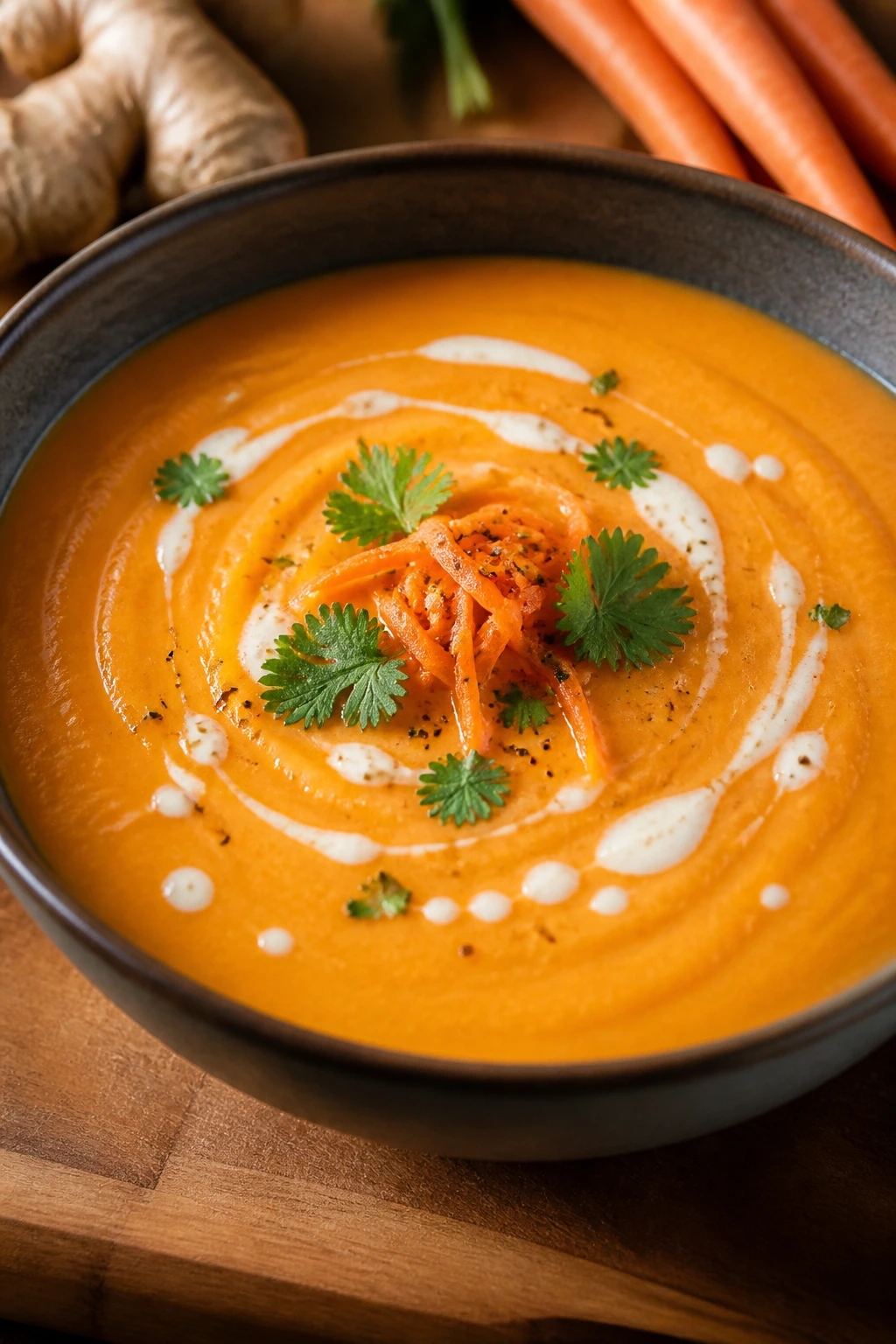
Carrot ginger soup needs brightness to keep it from tasting like baby food. Get the seasoning and acid right, and it turns into a clean, warming bowl with enough snap to stay interesting.
Why It Works:
Carrots bring sweetness and body, ginger brings heat, and a bit of apple or orange juice keeps the flavor from flattening out. This is one of those soups that seems simple until you taste a version with too little salt. Then the difference becomes embarrassingly obvious.
Key Ingredients:
- 2 tablespoons olive oil or butter
- 1 onion, chopped
- 1 tablespoon fresh ginger, grated
- 2 pounds carrots, peeled and sliced
- 1 apple, peeled and chopped
- 4 cups vegetable broth
- ½ cup orange juice or apple juice
- ½ cup coconut milk or plain yogurt
- Salt and black pepper, to taste
- Pumpkin seeds or chopped herbs, for serving
Quick Steps:
- Heat the oil in a pot and cook the onion for 5 minutes until soft.
- Stir in the ginger, then add the carrots, apple, broth, and orange juice.
- Simmer for 20 to 25 minutes until the carrots are very soft.
- Blend until smooth.
- Stir in the coconut milk or yogurt and season well before serving.
Equipment for This Recipe:
- Soup pot
- Blender or immersion blender
- Vegetable peeler
- Ladle
How to Serve This Dish:
Serve it with pumpkin seeds, dill, cilantro, or a spoonful of yogurt on top. I like it with toasted bread or a sharp cheese toast, because the sweetness in the soup likes a salty partner.
Pro Tips for This Recipe:
- Use enough ginger. A timid amount disappears under the carrot sweetness.
- Don’t skip the juice. It brightens the finished soup without turning it sugary.
- Blend fully for a silkier bowl. Chunky carrot soup can feel unfinished.
- Taste after blending. Purees need more salt than broth soups.
Variations on This Dish:
- Curried Carrot Soup: Add curry powder with the ginger.
- Dairy-Free Bowl: Coconut milk gives the softest finish.
- Herby Version: Finish with dill or chives instead of seeds.
Common Mistakes to Avoid with This Dish:
- Underseasoning: Carrots can swallow salt.
- Using too little acid: The soup turns sleepy.
- Cooking the ginger too long before adding liquid: It can turn bitter.
28. Chicken Posole Verde

Chicken posole verde is the pot you want when you need something filling with snap. The hominy gives the bowl chew, the green salsa keeps it lively, and the toppings turn each serving into its own small assembly.
Why It Works:
Salsa verde or tomatillo sauce brings tang and heat without the heavier feel of a red chili base. Hominy gives the soup a chewy, almost popcorn-like bite that’s impossible to confuse with any other starch. Chicken thighs stay juicy in the simmer, and the cabbage, radish, and lime on top keep every spoonful moving.
Key Ingredients:
- 1 tablespoon oil
- 1½ pounds boneless chicken thighs
- 1 onion, diced
- 3 garlic cloves, minced
- 1 jar salsa verde, about 16 ounces
- 6 cups chicken broth
- 2 cans hominy, drained and rinsed
- 1 teaspoon ground cumin
- 1 teaspoon dried oregano
- 1 lime, juiced
- Shredded cabbage, sliced radishes, cilantro, and tortilla chips for serving
Quick Steps:
- Heat the oil in a pot and brown the chicken lightly on both sides.
- Add the onion and cook for 4 minutes, then stir in the garlic, cumin, and oregano.
- Pour in the salsa verde and broth, then simmer for 20 minutes until the chicken is cooked through.
- Shred the chicken, return it to the pot, and add the hominy.
- Simmer for 10 more minutes, then finish with lime and toppings.
Equipment for This Recipe:
- Soup pot
- Tongs
- Two forks for shredding
- Ladle
How to Serve This Dish:
Serve it with a pile of cabbage, radishes, cilantro, and tortilla chips on top. The bowl should look busy in the best way — bright, crunchy, and a little messy once everyone starts eating.
Pro Tips for This Recipe:
- Rinse the hominy well. It tastes cleaner that way.
- Use chicken thighs. They hold up better than breasts in a longer simmer.
- Keep the toppings cold and crisp. That contrast is half the pleasure.
- Add lime right before serving. It sharpens the broth instantly.
Variations on This Dish:
- Pork Posole Verde: Swap in pork shoulder and simmer longer.
- Vegetarian Posole: Use vegetable broth and add white beans.
- Extra-Heat Version: Add jalapeño or serrano to the base.
Common Mistakes to Avoid with This Dish:
- Skipping toppings: The contrast is what makes posole feel complete.
- Using too little lime: The broth should taste bright, not muddy.
- Overcooking the chicken after shredding: It only needs to warm through.
Why Slow Simmering Makes Winter Soup Taste Better
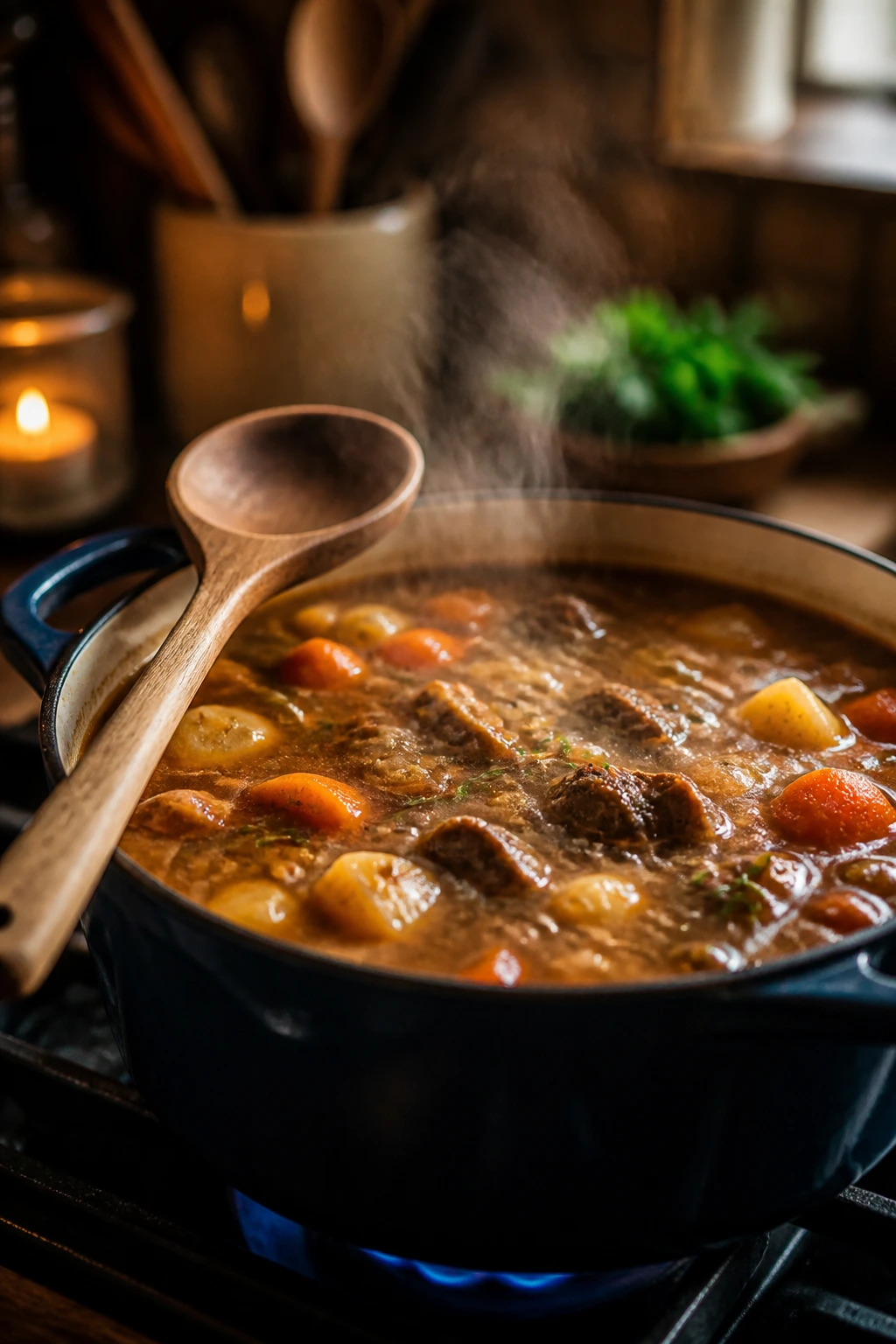
A pot of soup usually improves the moment you stop trying to rush it. That sounds obvious, but it matters more than people want to admit. Heat draws flavor out of onions, carrots, celery, bones, herbs, and spices in a way a quick boil never quite does, and the broth gets rounder when the ingredients have time to trade places.
Starches need that time too. Potatoes soften and thicken the broth, beans lose their hard edges, barley gives up enough starch to turn a clear soup into something silkier, and rice or pasta pull liquid toward themselves while they cook. That’s why a soup that tastes thin at minute 10 can taste settled and complete at minute 35.
Acid is the quiet piece that gets ignored. A squeeze of lemon, a splash of vinegar, or a little lime near the end changes the whole bowl, especially when the base is creamy or bean-heavy. If a soup tastes sleepy, it usually wants salt first and acid second. That’s the order I keep coming back to.
Essential Equipment for These Recipes
-
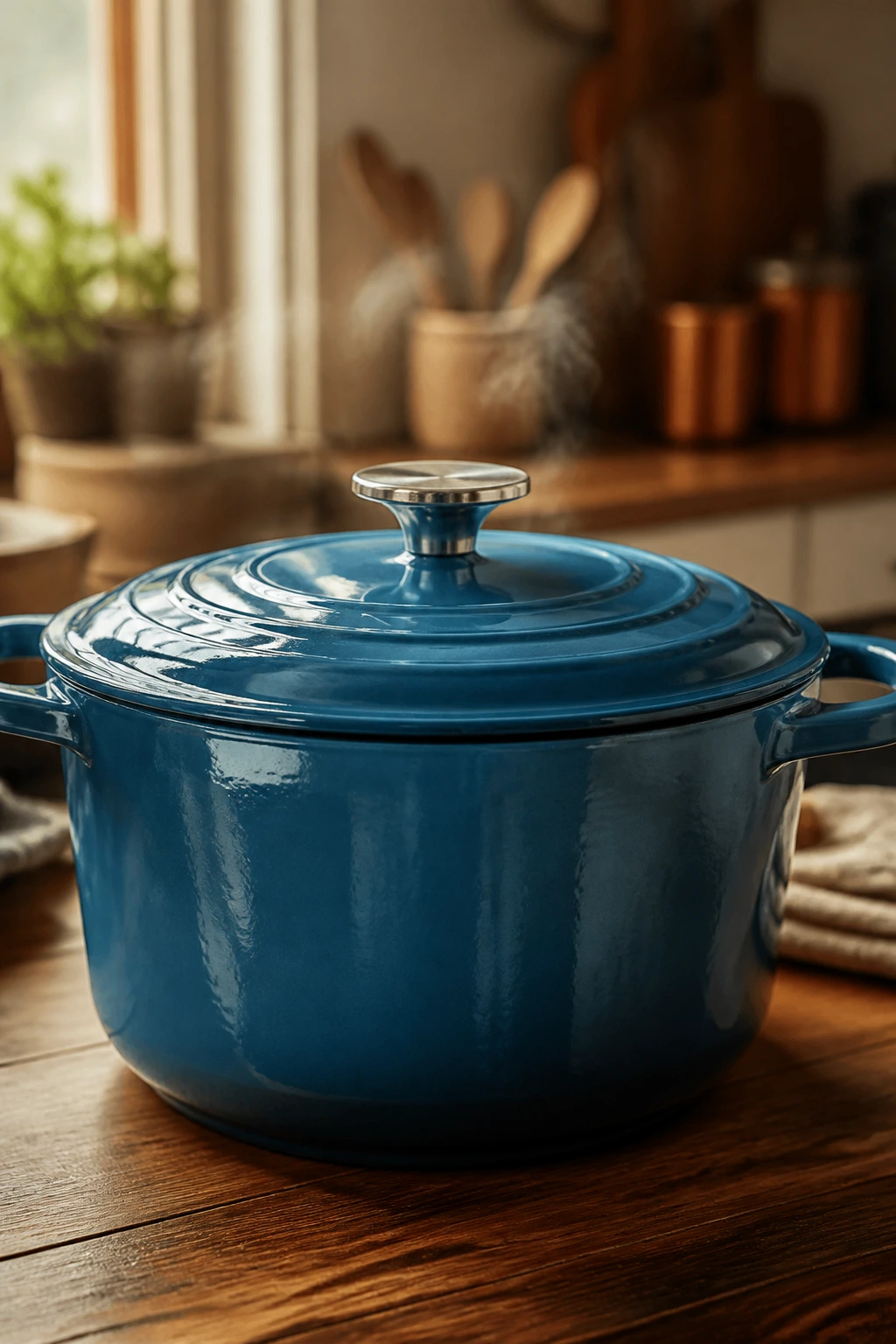
Large Dutch oven or heavy soup pot: Best for browning, simmering, and keeping heat even across the bottom.
-
Ladle: A small thing that makes serving cleaner and easier.
-
Sharp chef’s knife: Soup starts with prep, and uneven chopping shows up in the bowl.
-
Cutting board: A large one gives you room for carrots, onions, herbs, and the occasional emergency pile.
-
Wooden spoon: Good for scraping browned bits off the bottom and stirring without scratching the pot.
-
Immersion blender: Useful for chowders, squash soups, tomato soup, and black bean soup.
-
Countertop blender: Better for the smoothest purees, as long as you vent it carefully.
-
Box grater: Handy for cheddar, carrots, ginger, and the odd leek cleanup job.
-
Tongs: Helpful for chicken thighs, sausage, and anything you need to turn without chasing it around the pot.
-
Fine-mesh strainer: Especially useful for pho-inspired broth or any soup where you want a cleaner finish.
Smart Shopping and Ingredient Tips
Broth matters more than a lot of people want to pay for. If the pot starts with weak broth, the whole soup spends the rest of its life trying to compensate. I usually reach for low-sodium broth or stock so I can control the salt myself, and I keep a carton or two of chicken, beef, and vegetable broth in the pantry because they solve more dinner problems than any fancy ingredient ever will.
Beans and tomatoes deserve a little scrutiny. For beans, rinse canned ones well unless you want the soup to taste metallic or muddy. For tomatoes, whole peeled tomatoes usually beat diced tomatoes in soups because they break down better and bring more body. If you’re making tomato soup, chili-style soup, or minestrone, that difference is not small.
Dairy needs judgment. Cream, milk, and sour cream can make a soup lush, but they also split if you let the pot boil hard after they go in. Use full-fat dairy when you want a stable finish. Low-fat milk works in a pinch, but it is less forgiving, and I’d rather be honest about that than pretend it behaves the same.
For greens, think about how long the soup will simmer. Kale, cabbage, and escarole can stand up to heat. Spinach should go in at the last minute unless you want a dull, threadbare texture. Frozen vegetables are often excellent in soup — corn, peas, and even chopped spinach can make more sense frozen than fresh if the fresh version has spent too long in your fridge drawer.
A final note on aromatics: onions, carrots, celery, garlic, leeks, and ginger are not garnish. They are the foundation. If you rush them, everything else feels thinner. If you give them enough time to soften and smell sweet, the soup tastes like you started with care.
How to Serve These Recipes
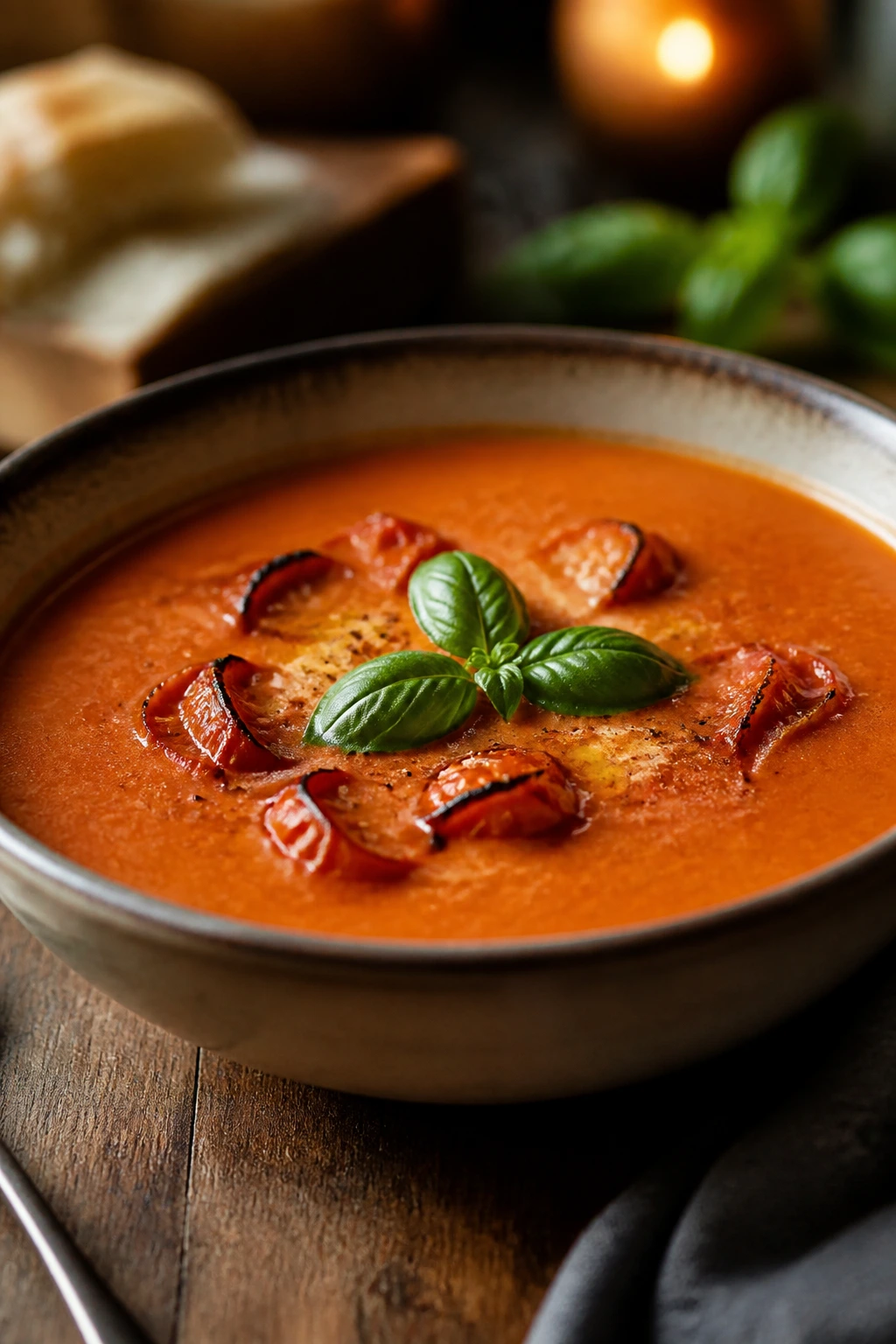
Presentation:
Warm the bowls first if you can. It sounds fussy, but a hot bowl keeps brothy soups from cooling too fast and makes creamy soups look smoother. For a good finish, think in layers: a swipe of cream, a scatter of herbs, black pepper, cheese, or crisp toppings like tortilla strips, bacon, pepitas, or croutons. The top of the soup should tell the story before the spoon gets there.
Accompaniments:
Crusty sourdough, grilled cheese, biscuits, cheddar biscuits, cornbread, rye bread, saltines, and oyster crackers all have a place here. Hearty soups like beef barley, ham and bean, or cabbage roll soup can stand alone, but a slice of bread gives the meal some architecture. Lighter soups, especially tomato, miso, carrot, and pho-inspired broth, benefit from a side that can soak or dip.
Portions:
Plan on about 1½ cups for a starter and 2 cups for a main-course bowl, a little more if the soup is especially brothy and a little less if it’s packed with potatoes, pasta, or tortellini. For a dinner with bread and salad on the side, I usually count 2 cups per person. If the soup is the only thing on the table, make a little extra. People always take more than they think when the broth smells right.
Beverage Pairing:
Dry hard cider works well with onion soup, chowder, and sausage soups. A simple lager or pilsner suits brothier bowls, especially tortilla soup and posole. For nonalcoholic drinks, black tea, sparkling water with lemon, or hot apple cider all make sense without fighting the food.
Additional Tips and Flavor Boosters

Flavor Enhancement:
Keep a parmesan rind in the freezer and drop it into bean soups, minestrone, kale soup, or potato soup. It melts flavor into the broth without making the soup taste cheesy in an obvious way. A splash of sherry, cider vinegar, lime, or lemon right at the end does a similar job for brighter soups.
Customization:
Add cooked rice, orzo, tortellini, shredded chicken, sausage, or white beans when a soup needs more heft. If you want a thicker bowl, mash a cup of beans or potatoes against the pot instead of dumping in more flour. That trick changes the texture without making the soup heavy.
Serving Suggestions:
Top bowls with chopped herbs, scallions, chives, toasted seeds, cracked pepper, or a spoonful of yogurt or sour cream. Crispy toppings matter more than they look on paper; they give a soft soup something to push against. Even a plain ladle of broth feels more complete with one crunchy thing on top.
Make-It-Yours:
For dairy-free bowls, coconut milk, oat milk, or olive oil can stand in depending on the soup. For gluten-free versions, use rice, potatoes, beans, or corn instead of wheat noodles or flour thickeners. For a vegetarian table, smoked paprika, mushrooms, miso, or parmesan rind can make up some of the flavor that meat would otherwise bring.
Make-Ahead, Storage, and Reheating Guidance
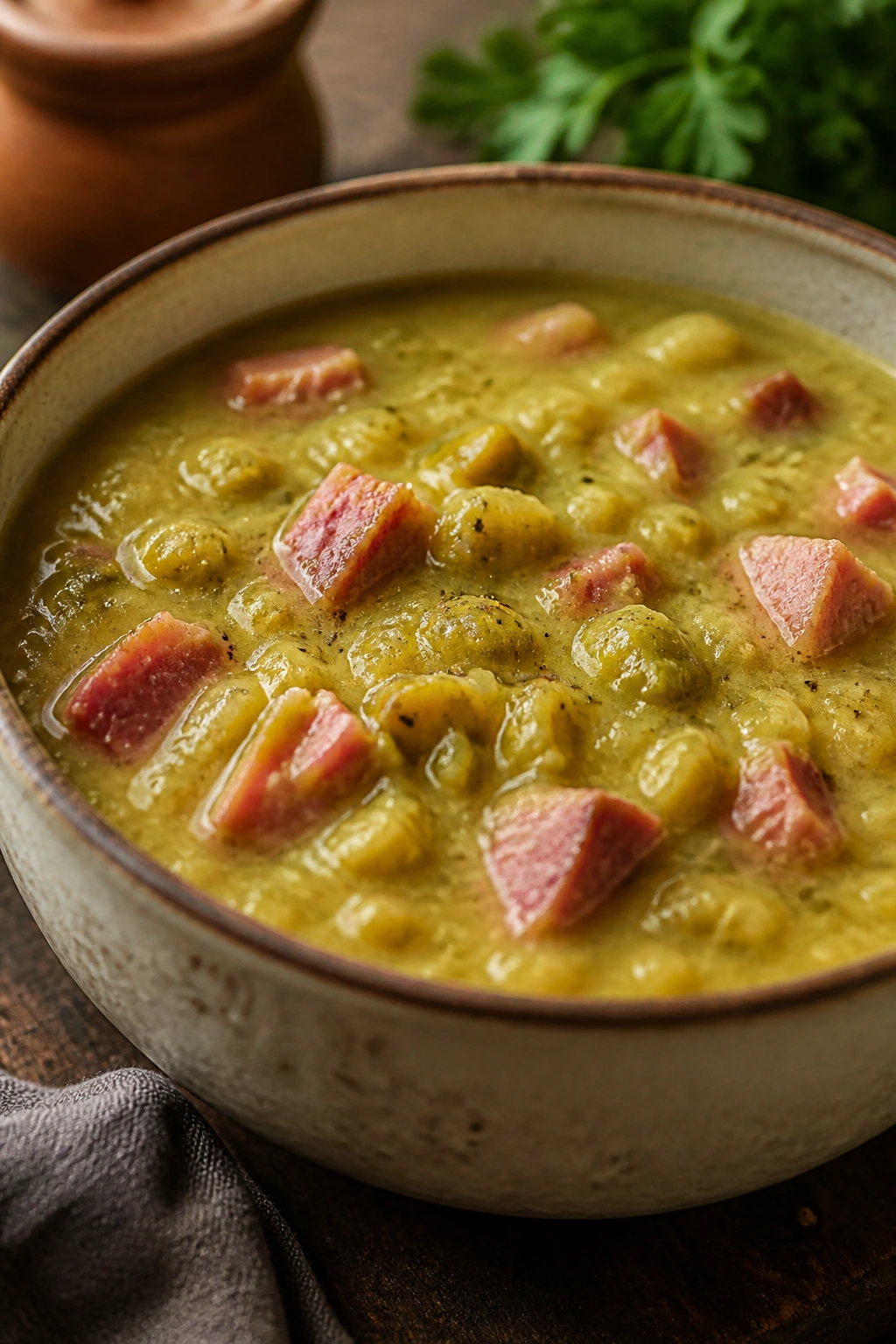
Most broth-based soups keep well in the refrigerator for 3 to 4 days, and bean-heavy soups often stay pleasant for up to 5 days. Creamy soups are a little less forgiving; I’d aim for 3 days on those unless you know the dairy held up cleanly. Let the soup cool before refrigerating, but don’t leave it on the counter for more than 2 hours.
Freezing works best when the soup does not rely on pasta, potatoes, or a lot of dairy. Brothy chicken soup, bean soup, cabbage soup, and many tomato-based soups freeze well for up to 3 months in airtight containers. Cream soups, chowders, and potato soups can be frozen, but the texture may turn grainy when thawed. If you’re freezing one of those, do it in smaller portions and expect to stir a bit more when reheating.
Reheat soup gently on the stovetop over medium-low heat, stirring often and adding a splash of broth or water if the soup thickened in the fridge. For noodle soups, it’s better to store noodles separately and combine them after reheating. For chowders and cream soups, keep the heat low and patient; boiling is what usually causes separation.
A few soups improve overnight. Bean soups, split pea soup, cabbage soups, minestrone, and beef barley all tend to settle into themselves after a night in the fridge. Tomato soup and chicken soup usually reheat beautifully too. Tortellini, rice, and pasta soups are the ones that need the most planning if you want the texture to stay lively.
Variations and Adaptations to Try
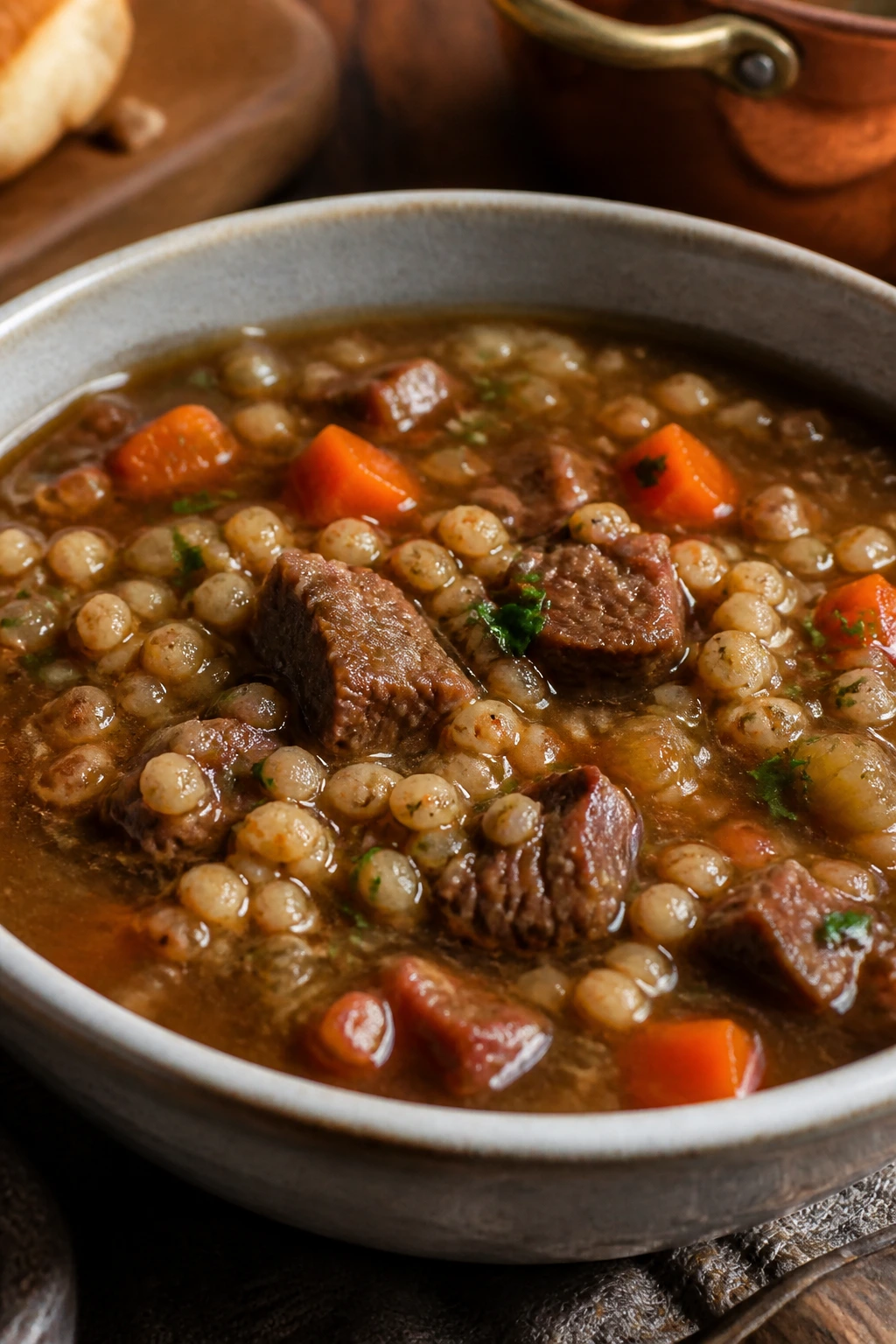
Dairy-Free Swaps That Still Taste Rich:
Coconut milk, olive oil, and blended white beans can replace cream in a surprising number of soups. Butternut squash, carrot ginger, red lentil, and curry soups are the easiest places to start. If you want the soup to stay lush, add a little olive oil or a spoonful of tahini right at the end.
Gluten-Free Bowls Without Grit:
Use rice, potatoes, corn, beans, hominy, or gluten-free pasta instead of wheat noodles and flour thickeners. Chicken soup with rice, posole, black bean soup, and tortilla soup already fit the move naturally. If you need thickening, blend part of the soup instead of reaching for flour.
Protein-Heavy Suppers:
Load the pot with chicken thighs, sausage, beans, ham, meatballs, or beef chuck when soup needs to carry dinner on its own. Beef barley, cabbage roll soup, sausage and tortellini, and Italian wedding soup are already doing that job, but even lighter soups can get there with a few extra ladles of shredded chicken or a can of beans.
Vegetable-Forward Pots:
Lean on kale, cabbage, squash, broccoli, carrots, leeks, mushrooms, and celery when you want the pot to feel lighter but still complete. White bean and kale soup, mushroom miso soup, carrot ginger soup, and minestrone all show how much depth vegetables can bring when they’re given a proper sauté and enough salt.
Heat-Lover’s Version:
Chipotle in adobo, cayenne, jalapeño, serrano, red pepper flakes, or hot curry paste can bring a bigger kick without wrecking the balance. The move is to add heat in small doses, then finish with acid so the spice doesn’t flatten into one note. That matters especially in tomato, bean, and coconut-based soups.
Slow Cooker or Pressure Cooker Adaptation:
Chicken soups, bean soups, beef soups, and ham soups adapt well to either method. Use the slow cooker for long, gentle simmering and the pressure cooker when dried beans or tough beef need speed. Just keep pasta, cream, and fresh greens separate until the end; those ingredients are much better handled on the stove.
Common Mistakes to Avoid
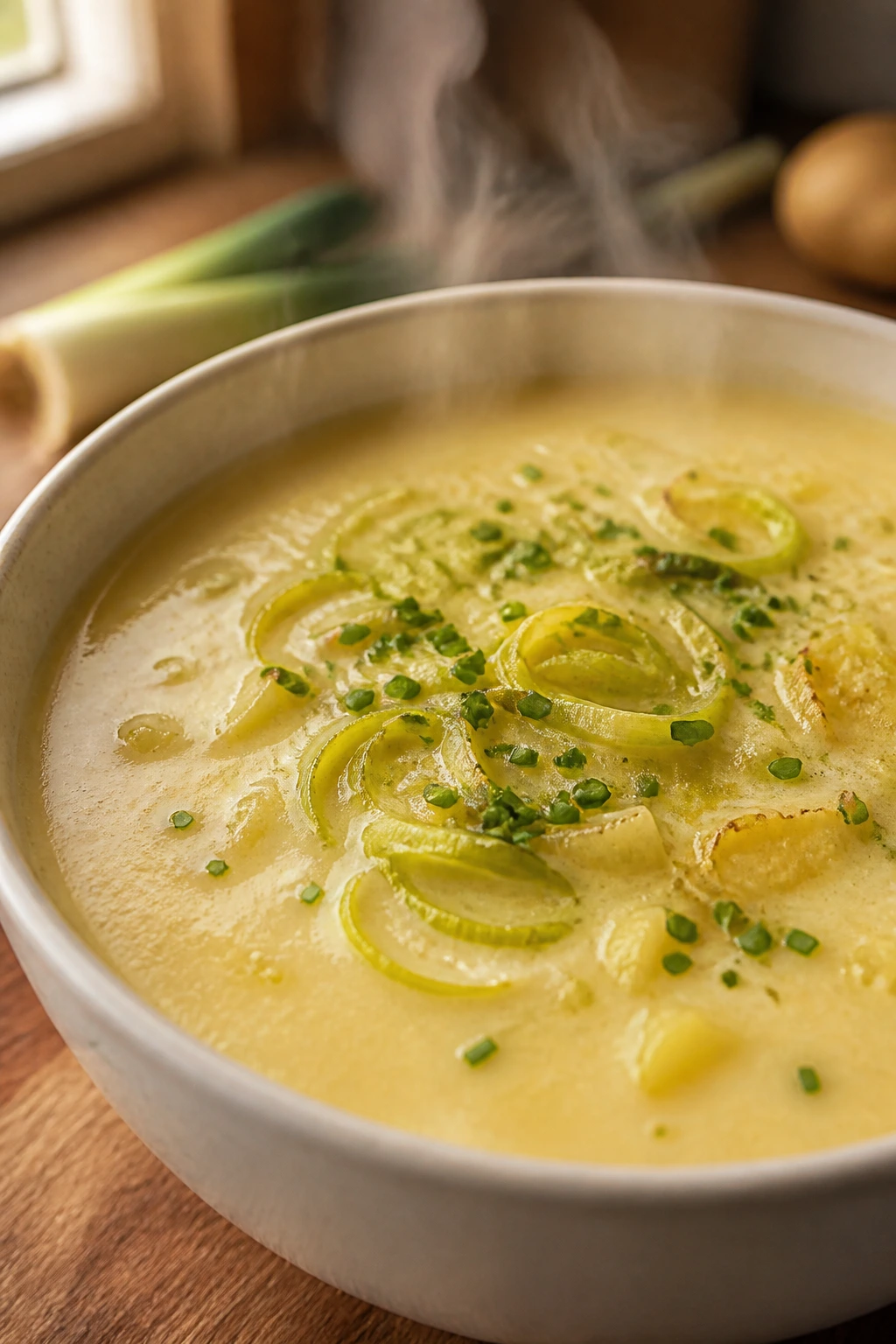
Underseasoning the broth:
Flat soup is usually not a “needs more spice” problem. It usually needs salt, maybe a little more broth concentration, and often a touch of acid. Taste after each major stage, especially after beans, potatoes, or cream go in, because those ingredients dilute the seasoning.
Cooking pasta, rice, or noodles too long in the pot:
They keep drinking liquid after the burner is off. If you want leftovers that still have texture, cook them separately or add them late and stop when they are just tender. Soggy noodles can sink a soup fast.
Boiling after dairy goes in:
Milk, cream, sour cream, and cheese can split or get grainy if the heat is too aggressive. Keep the flame low, stir gently, and pull the pot off the burner if it starts to surge.
Skipping the aromatic base:
Onion, carrot, celery, leek, ginger, and garlic are where soup actually starts. Tossing everything into broth without softening those first is how you end up with a pot that tastes thin, even if you used good ingredients.
Forgetting texture contrast:
A bowl can be delicious and still feel boring if everything has the same softness. Croutons, tortilla strips, bacon, herbs, seeds, and toasted bread give soup something to snap against. I’m biased toward contrast because it makes the spoonful more interesting.
Adding acid too early:
Lemon, lime, vinegar, and sherry usually do their best work at the end. If you add them too soon, the flavor fades during the simmer, and the bowl loses that final lift.
Frequently Asked Questions
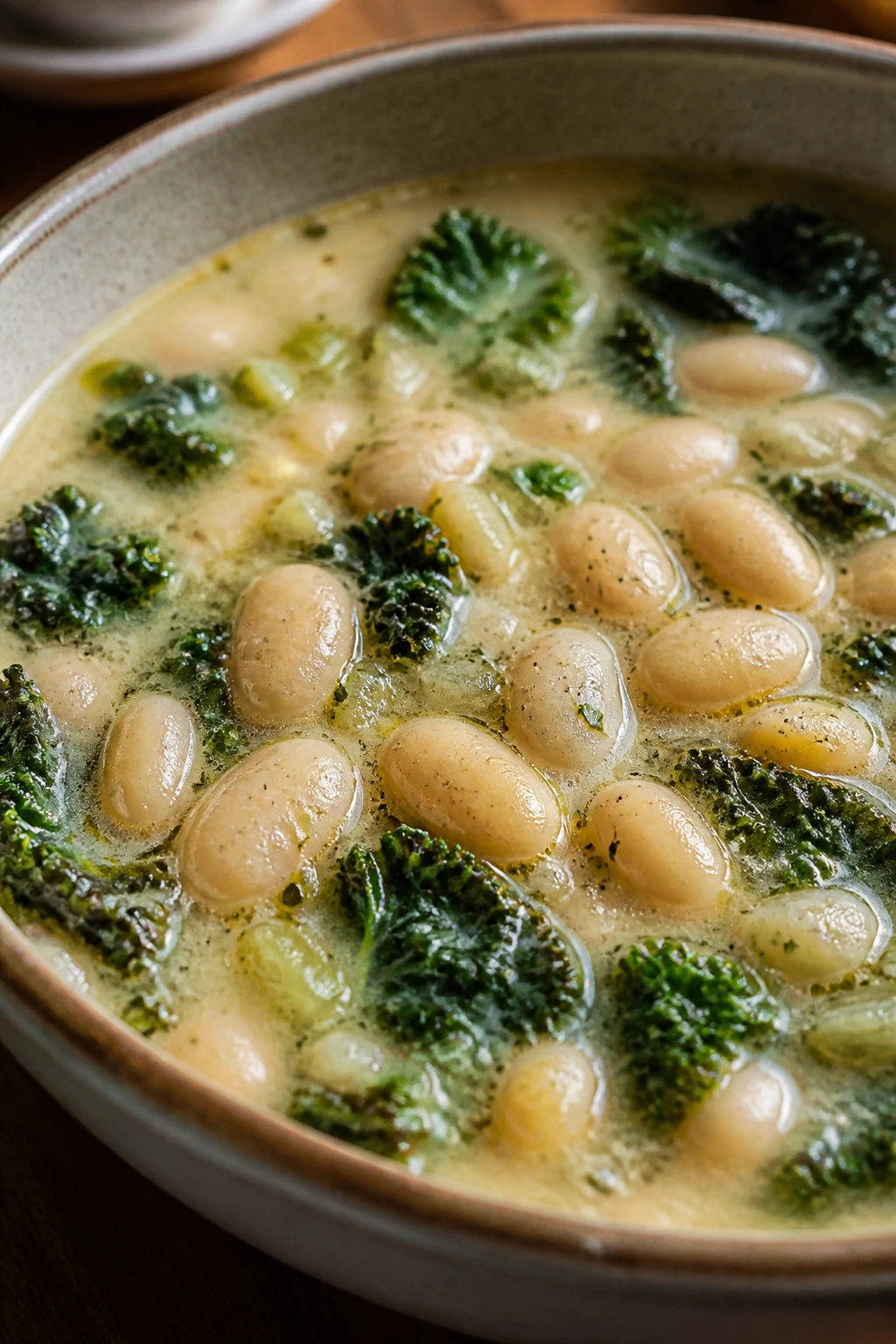
Can I freeze most of these soups?
Yes, especially broth-based soups, bean soups, and tomato soups. Cream soups, chowders, and potato soups freeze less gracefully because the texture can turn grainy, so freeze them only if you’re fine with a little whisking when they reheat.
What soups are best for leftovers?
Split pea, bean soup, minestrone, beef barley, cabbage soup, and ham and bean soup usually improve after a night in the fridge. The flavors settle and the broth thickens in a good way. Noodle soups are the exception; the noodles can soften too much if they sit in the broth.
How do I keep noodles from getting mushy?
Cook them separately and add them to each bowl, or undercook them slightly if they have to sit in the soup. Egg noodles, tortellini, and rice all keep changing texture after the pot comes off the heat, so plan for that drift.
What if my soup tastes flat even after simmering?
Add salt in small increments, then a little acid. Lemon, lime, vinegar, sherry, or even a splash of pickle brine can wake up a broth that tastes sleepy. If it still feels dull, a parmesan rind or a spoonful of miso can add the savory edge it’s missing.
Can I use frozen vegetables instead of fresh?
Absolutely. Frozen corn, peas, chopped spinach, and even mirepoix mixes work well in soup because they go straight into the pot and soften fast. They’re especially useful when you want the soup to be weeknight-friendly and not dependent on produce that wilted in the drawer.
How much soup should I make per person?
Plan on about 2 cups per person for a main-course bowl and 1½ cups if you’re serving bread, salad, or another side. If the soup is brothy, people usually pour larger portions. If it’s thick with beans, pasta, or potatoes, a smaller bowl may be enough.
Can I make these in a slow cooker?
Many of them, yes. Bean soups, beef soups, chicken soups, and ham soups take well to slow cooking, but dairy, pasta, and delicate greens should go in near the end. That keeps the texture from turning tired.
What’s the easiest way to thicken soup without flour?
Blend part of it, mash some beans or potatoes against the side of the pot, or add a handful of cooked rice and let it break down. Those methods thicken the soup without giving it a pasty feel.
How do I keep fresh herbs from disappearing?
Add sturdy herbs like thyme or rosemary early, and softer herbs like parsley, dill, cilantro, basil, or chives at the end. If you cook delicate herbs too long, they lose their smell and turn dark.
Bowls Worth Repeating
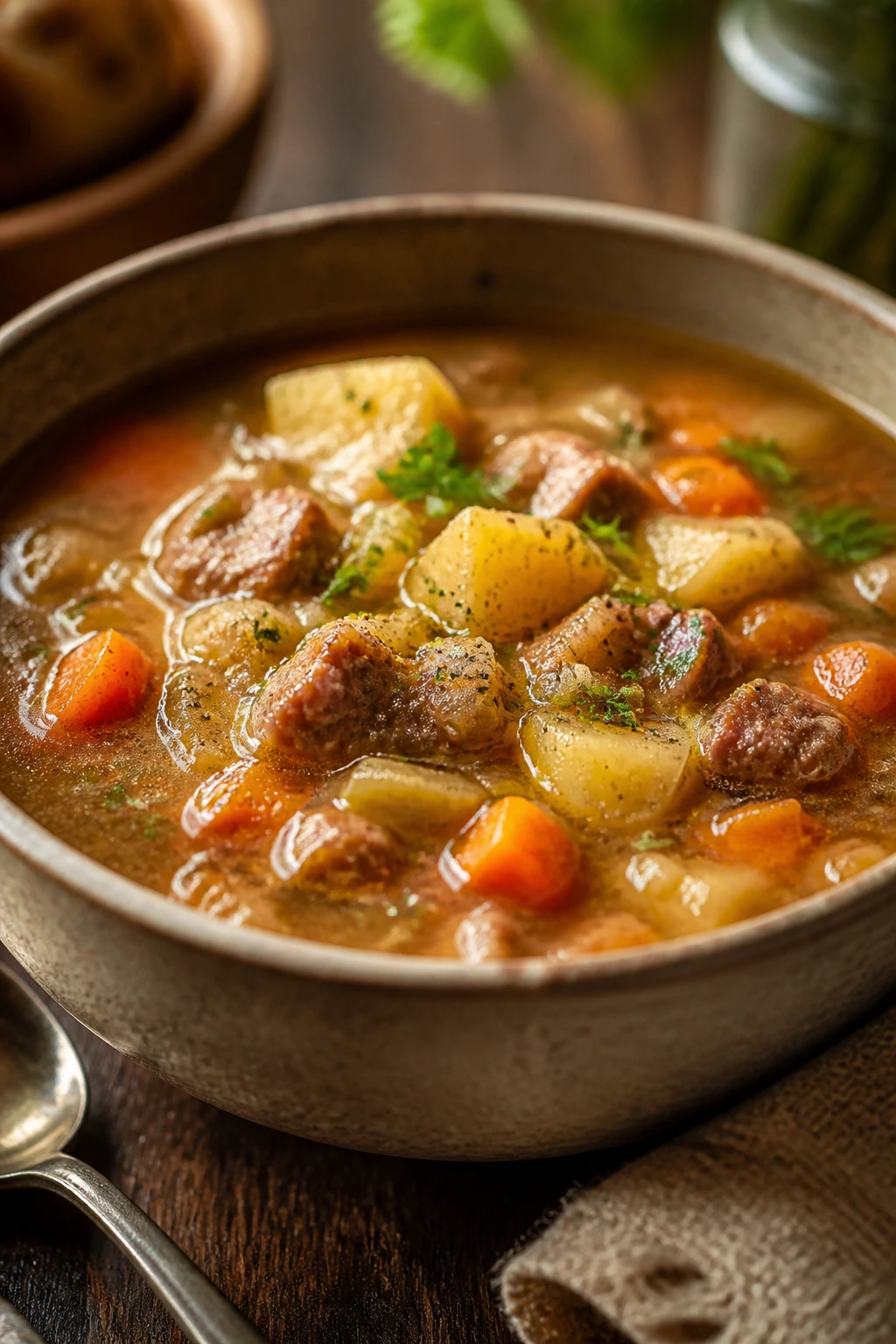
A cold night can make dinner feel bigger than usual, and soup is one of the few things that can meet that mood without turning the kitchen into a project. Some of these bowls are bare and brothy, some are thick enough to stand a spoon in, and some sit right in the middle where the broth is rich but still moving. That range is the point.
Pick the kind of pot that suits the weather and the contents of your fridge. Maybe it’s chicken noodle because you want something familiar, or tomato basil because grilled cheese is calling, or posole verde because you want heat and crunch in the same bowl. The best part is that none of these require you to wait for some perfect moment.
One pot, one ladle, one loaf of bread if you want it. That’s enough to make a freezing night feel manageable.