



A plate that actually keeps you full needs more than a token sprinkle of protein. It needs backbone. That can be a piece of salmon that flakes in big moist chunks, a turkey chili that goes thick and spoon-coating instead of watery, or eggs set softly around spinach and feta so the whole thing feels like a meal, not a compromise.
The best high protein dishes do one thing especially well: they make the protein carry flavor instead of acting like a blank slab in the middle of the plate. Greek yogurt turns into a sharp, cool sauce. Beans hold their shape in chili and salads. Cottage cheese blends into pancakes and creamy pasta sauces without making the whole dish taste like a dairy aisle. That’s the kind of practical food I trust. It’s sturdy, it reheats well, and it doesn’t fall apart an hour after lunch.
There’s also a simple reason these meals keep showing up in real kitchens. They’re flexible enough to move from breakfast to dinner without feeling repetitive, and they work with pantry staples you probably already buy: eggs, tuna, chicken, tofu, lentils, beans, yogurt, and whole grains. Put those together in the right way and you get dinners that feel satisfying, lunches that survive a fridge shelf, and breakfasts that shut down the 10 a.m. snack hunt.
Why High Protein Dishes Earn a Spot in the Weekly Rotation
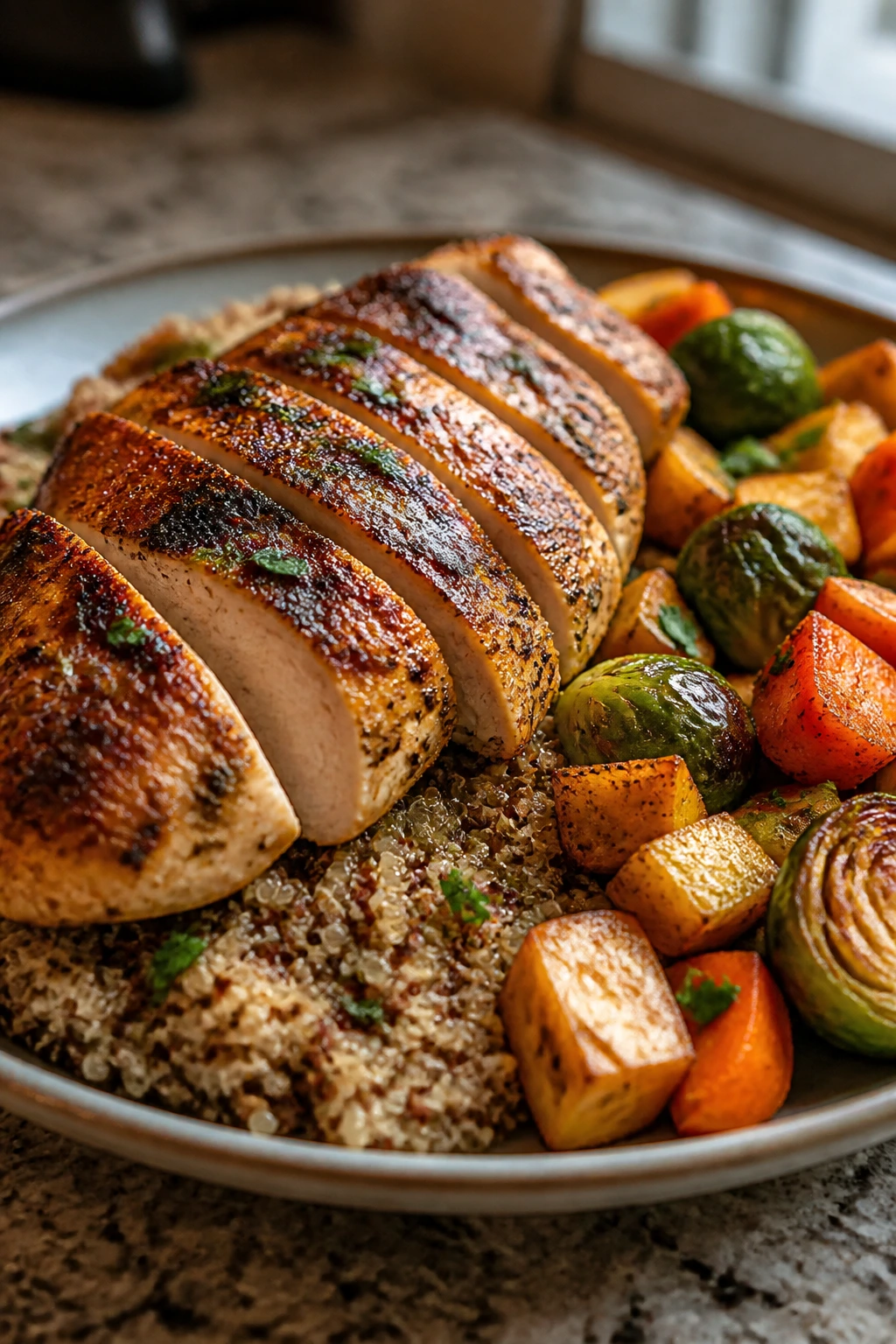
-
Staying Power: A plate built around roughly 25 to 35 grams of protein tends to feel more grounded than one built on pasta or toast alone, especially when there’s a little fat and fiber beside it.
-
Easy to Rework: Chicken, tofu, beans, fish, eggs, and Greek yogurt all take on different flavors fast, so one grocery trip can produce a lot of different meals.
-
Meal Prep Friendly: Chili, stuffed peppers, meatballs, grain bowls, and soups keep their texture for 3 to 4 days if you cool them promptly and store them in shallow containers.
-
Budget Smarts: Eggs, lentils, canned tuna, cottage cheese, beans, and chicken thighs give you a strong protein count without turning the cart into a regret.
-
Flexible for the Whole Day: The same protein logic works at breakfast, lunch, or dinner, which saves you from cooking three separate mental projects.
-
Built for Real Life: These dishes reheat cleanly, pack neatly, and still taste like food, not a punishment.
1. Greek Yogurt Chicken Salad
Cold chicken salad gets a bad reputation when it’s loaded with too much mayo and not enough texture. This version is brighter, sharper, and less heavy, with Greek yogurt doing the creamy work and dill, lemon, and celery keeping it awake.
Why It Works: It lands in that sweet spot where the protein is doing real work, usually around 25 grams per serving, while the apple and almonds keep each bite from going soft and dull. The yogurt also chills the mixture nicely, so it tastes better after 15 minutes in the fridge.
Key Ingredients:
- 2 cups cooked shredded chicken
- 1/2 cup plain Greek yogurt
- 1 tablespoon Dijon mustard
- 1 celery stalk, finely diced
- 1 small apple, diced
- 1 tablespoon lemon juice
- 2 tablespoons chopped dill
- 1/4 cup sliced almonds
- Salt and black pepper
Quick Steps:
- Stir the Greek yogurt, Dijon, lemon juice, salt, and pepper in a bowl.
- Fold in the chicken, celery, apple, and dill until coated.
- Chill for 15 minutes so the flavors settle.
- Spoon onto greens, toast, or a sandwich roll.
Equipment for This Recipe:
- Mixing bowl
- Cutting board and knife
- Spoon or rubber spatula
How to Serve This Dish: Pile it onto toasted sourdough, tuck it into lettuce cups, or spoon it over cucumber slices for a crisp lunch. The almonds should stay crunchy, so add them right before serving if you want more texture.
Pro Tips for This Recipe:
- Use chicken that’s fully cooled before mixing; warm chicken makes the dressing thin.
- A tart apple like Granny Smith keeps the salad from tasting flat.
- If the mixture seems dry after chilling, stir in 1 more tablespoon of yogurt.
Variations on This Dish:
- Curry Apple Twist: Add 1 teaspoon curry powder and a few raisins for a sweeter, warmer flavor.
- Pickle-Dill Version: Swap the apple for chopped dill pickles and add 1 teaspoon pickle brine.
Common Mistakes to Avoid with This Dish:
- Don’t overdo the yogurt or the salad turns loose and watery.
- Don’t skip the acid; without lemon, the chicken tastes blunt and one-note.
2. Turkey Chili with Beans
This is the kind of chili that smells like it means business the minute the onions hit the pot. Ground turkey keeps it lean, but the beans and tomatoes give it enough body that you never miss the fat.
Why It Works: You get protein from two directions here — turkey and beans — so one bowl feels filling without needing a mountain of toppings. A slow simmer of 20 to 25 minutes thickens the broth and pulls the spices into the tomatoes.
Key Ingredients:
- 1 pound ground turkey
- 1 medium onion, diced
- 3 cloves garlic, minced
- 1 can kidney beans, drained and rinsed
- 1 can black beans, drained and rinsed
- 1 can diced tomatoes
- 2 tablespoons tomato paste
- 2 tablespoons chili powder
- 1 teaspoon cumin
- 1 cup chicken broth
- Salt and pepper
Quick Steps:
- Brown the turkey with onion in a pot over medium-high heat.
- Stir in garlic, tomato paste, chili powder, and cumin for 1 minute.
- Add beans, tomatoes, and broth, then bring to a simmer.
- Cook 20 to 25 minutes until thick and spoonable.
Equipment for This Recipe:
- Large Dutch oven or soup pot
- Wooden spoon
- Can opener
How to Serve This Dish: Serve with plain Greek yogurt, chopped scallions, or a handful of crushed tortilla chips. It’s sturdy enough to sit on its own, but a hunk of cornbread never hurts.
Pro Tips for This Recipe:
- Let the turkey get some browning before adding liquid; pale turkey tastes flatter.
- If the chili looks thin after simmering, cook 5 to 10 minutes uncovered.
- A small pinch of cinnamon gives the tomato base more depth.
Variations on This Dish:
- Smoky Chipotle Chili: Add 1 chopped chipotle pepper in adobo for a darker, hotter pot.
- White Bean Turkey Chili: Swap the kidney beans for white beans and use green chiles instead of some tomatoes.
Common Mistakes to Avoid with This Dish:
- Don’t rush the simmer; the flavor stays sharp and separated.
- Don’t forget to rinse canned beans, or the chili can taste muddy.
3. Salmon Rice Bowl
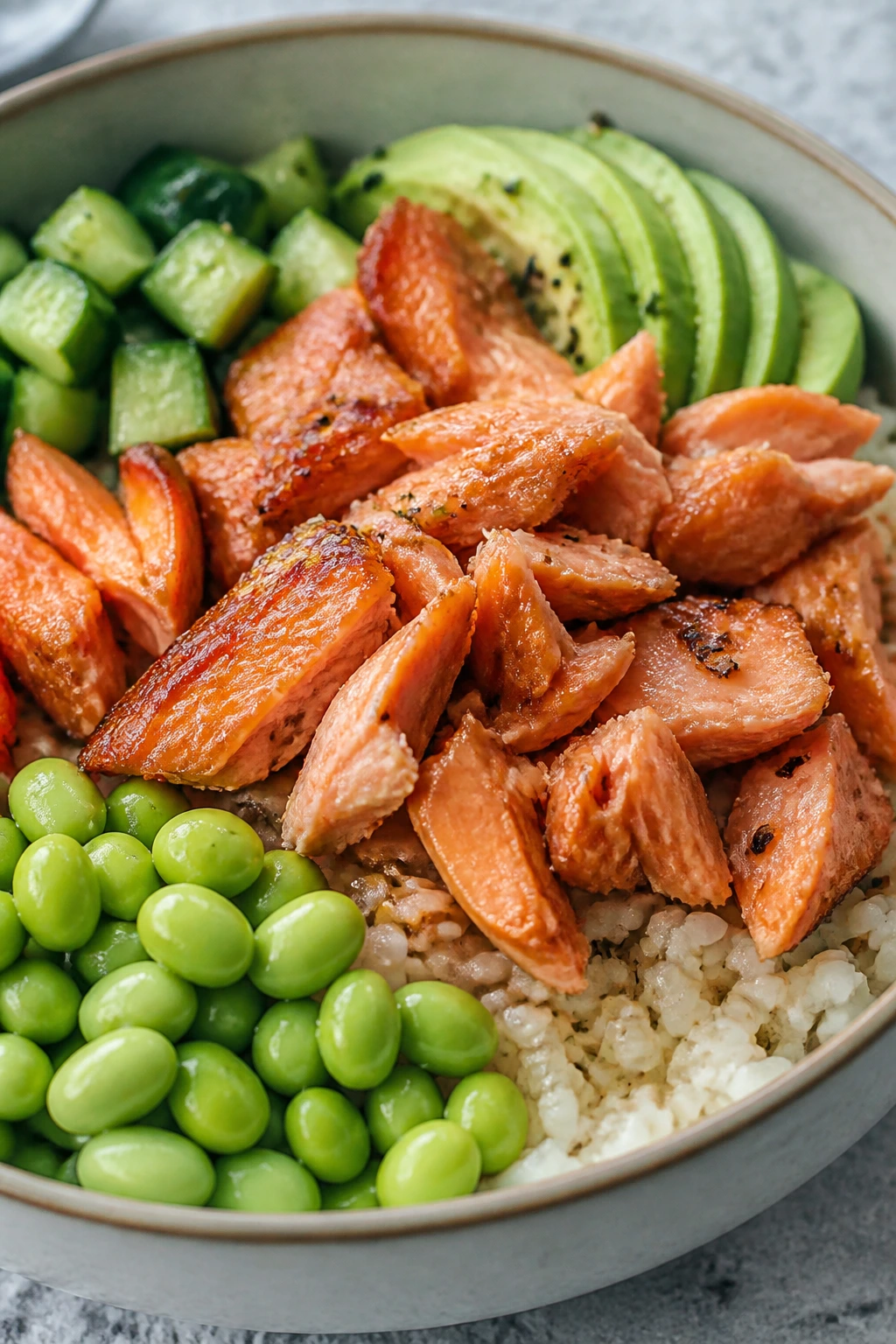
A good salmon bowl should have contrast everywhere: warm rice, cool cucumber, soft avocado, and salmon that flakes in big, glossy pieces. This one hits that balance without needing a complicated sauce.
Why It Works: Salmon brings serious protein and fat, which means the bowl feels complete even before you add edamame or rice. Baking the fillets at 400°F for 10 to 12 minutes keeps them moist and easy to flake.
Key Ingredients:
- 4 salmon fillets, about 5 ounces each
- 2 cups cooked rice
- 1 cup shelled edamame
- 1 cucumber, sliced
- 1 avocado, sliced
- 2 tablespoons soy sauce
- 1 tablespoon rice vinegar
- 1 teaspoon sesame oil
- 1 tablespoon sesame seeds
Quick Steps:
- Heat the oven to 400°F and place salmon on a lined sheet pan.
- Brush with soy sauce, sesame oil, and a little rice vinegar.
- Bake 10 to 12 minutes until the salmon flakes at the thickest part.
- Build bowls with rice, edamame, cucumber, avocado, and sesame seeds.
Equipment for This Recipe:
- Sheet pan
- Parchment paper
- Small bowl for sauce
How to Serve This Dish: Serve it wide and shallow so the salmon stays visible and the toppings don’t sink into the rice. A squeeze of lime right at the table wakes up the whole bowl.
Pro Tips for This Recipe:
- Pull the salmon when the center is still slightly translucent; it finishes from carryover heat.
- Warm rice makes the bowl feel better than cold rice straight from the fridge.
- Add avocado last so it stays clean and green.
Variations on This Dish:
- Spicy Mayo Bowl: Stir 1 tablespoon sriracha into 3 tablespoons Greek yogurt or mayo.
- Teriyaki Bowl: Use a thicker teriyaki glaze instead of soy and vinegar.
Common Mistakes to Avoid with This Dish:
- Don’t overbake the salmon until it turns chalky at the edges.
- Don’t build the bowl with cold rice unless you actually want a cold bowl.
4. Spinach and Feta Egg White Frittata
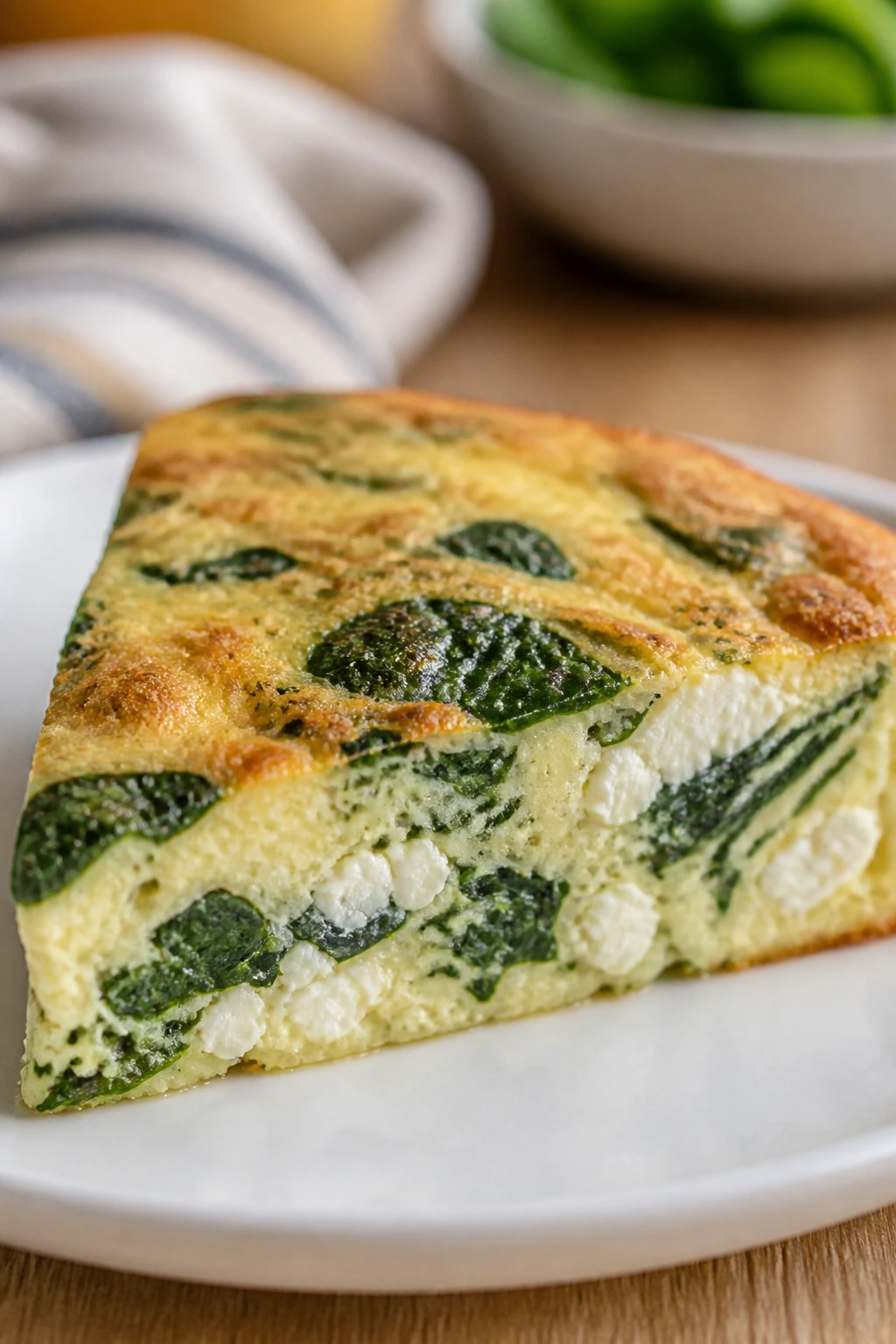
Egg whites get a bad reputation for being bland, but that’s usually because people cook them like punishment. In a frittata, they stay soft, the feta brings salt, and the spinach adds enough green bite to make the whole pan feel alive.
Why It Works: A mix of egg whites and whole eggs gives you more protein without making the texture rubbery. Baking the frittata at 375°F lets the center set gently instead of puffing and drying out.
Key Ingredients:
- 8 egg whites
- 2 whole eggs
- 2 cups fresh spinach
- 1 cup sliced mushrooms
- 1/2 small onion, diced
- 1/2 cup crumbled feta
- 1 tablespoon olive oil
- Salt and black pepper
Quick Steps:
- Sauté onion and mushrooms in olive oil over medium heat until softened.
- Add spinach and cook just until wilted.
- Whisk egg whites, whole eggs, salt, and pepper, then pour into the skillet.
- Scatter feta on top and bake at 375°F for 12 to 15 minutes.
Equipment for This Recipe:
- 10-inch oven-safe skillet
- Whisk
- Oven mitt
How to Serve This Dish: Cut it into wedges and pair it with sliced tomatoes or a few olives. It’s strong enough for breakfast and light enough for lunch, which is part of its charm.
Pro Tips for This Recipe:
- Keep the spinach dry so the frittata doesn’t leak water.
- Use a skillet that fits the egg layer in one even depth.
- Let it sit for 5 minutes before slicing so the center holds together.
Variations on This Dish:
- Tomato Herb Frittata: Add chopped cherry tomatoes and basil.
- Cheddar Version: Swap the feta for sharp cheddar if you want a heavier, more browned top.
Common Mistakes to Avoid with This Dish:
- Don’t overfill the pan with vegetables or the eggs won’t set.
- Don’t slice it the second it leaves the oven, or the pieces will slump.
5. Tuna Stuffed Avocados
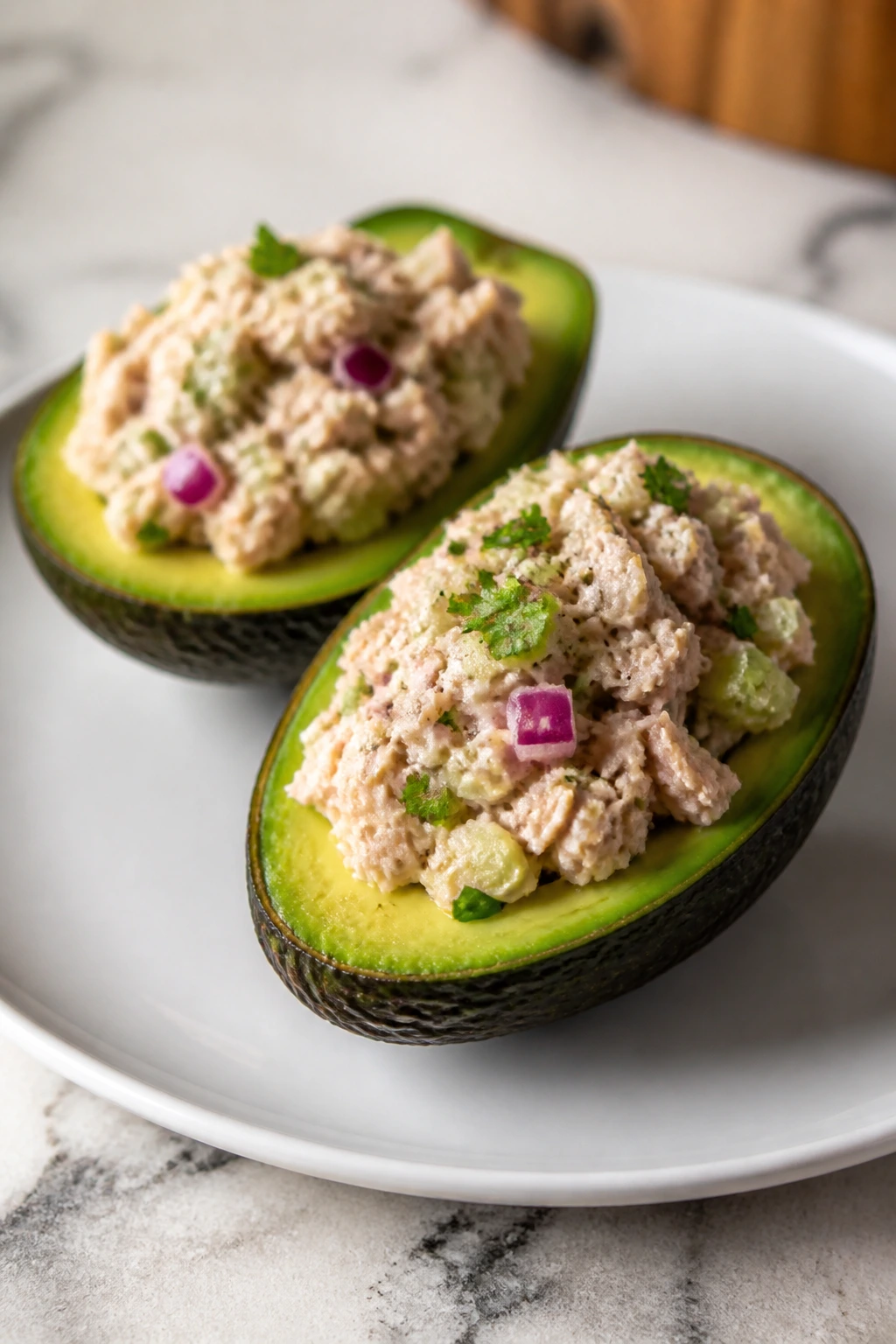
This is the kind of lunch that looks casual but eats like you planned ahead. Creamy avocado, cool tuna salad, a little lemon, a little crunch — it’s all the right textures in one bowl.
Why It Works: Tuna brings a lot of protein for very little effort, and avocado acts as both the serving vessel and the fat that makes the dish feel finished. The whole thing takes under 10 minutes, which matters on days when cooking feels like a nuisance.
Key Ingredients:
- 2 cans tuna, drained
- 1/3 cup plain Greek yogurt
- 1 tablespoon lemon juice
- 1 celery stalk, finely diced
- 1 tablespoon chopped capers
- 1 tablespoon chopped dill
- 2 ripe avocados, halved and pitted
- Salt and black pepper
Quick Steps:
- Mix tuna, yogurt, lemon juice, celery, capers, dill, salt, and pepper.
- Taste and adjust the seasoning.
- Spoon the mixture into avocado halves.
- Serve immediately with a fork and extra lemon.
Equipment for This Recipe:
- Bowl
- Fork
- Knife
How to Serve This Dish: Serve it with sliced tomatoes or a handful of arugula if you want the plate to feel less bare. A seeded cracker on the side gives you something to scoop with.
Pro Tips for This Recipe:
- Use avocados that yield slightly to pressure but are not mushy.
- If the tuna is very dry, add 1 teaspoon olive oil.
- Mix the tuna salad first, then cut the avocados so they don’t brown while you work.
Variations on This Dish:
- Curried Tuna Avocados: Add 1/2 teaspoon curry powder and a few chopped raisins.
- Herby Mediterranean Version: Swap dill for parsley and add chopped cucumber.
Common Mistakes to Avoid with This Dish:
- Don’t make it too far ahead; avocado browns fast once cut.
- Don’t mash the tuna into paste. A little texture helps.
6. Cottage Cheese Pancakes
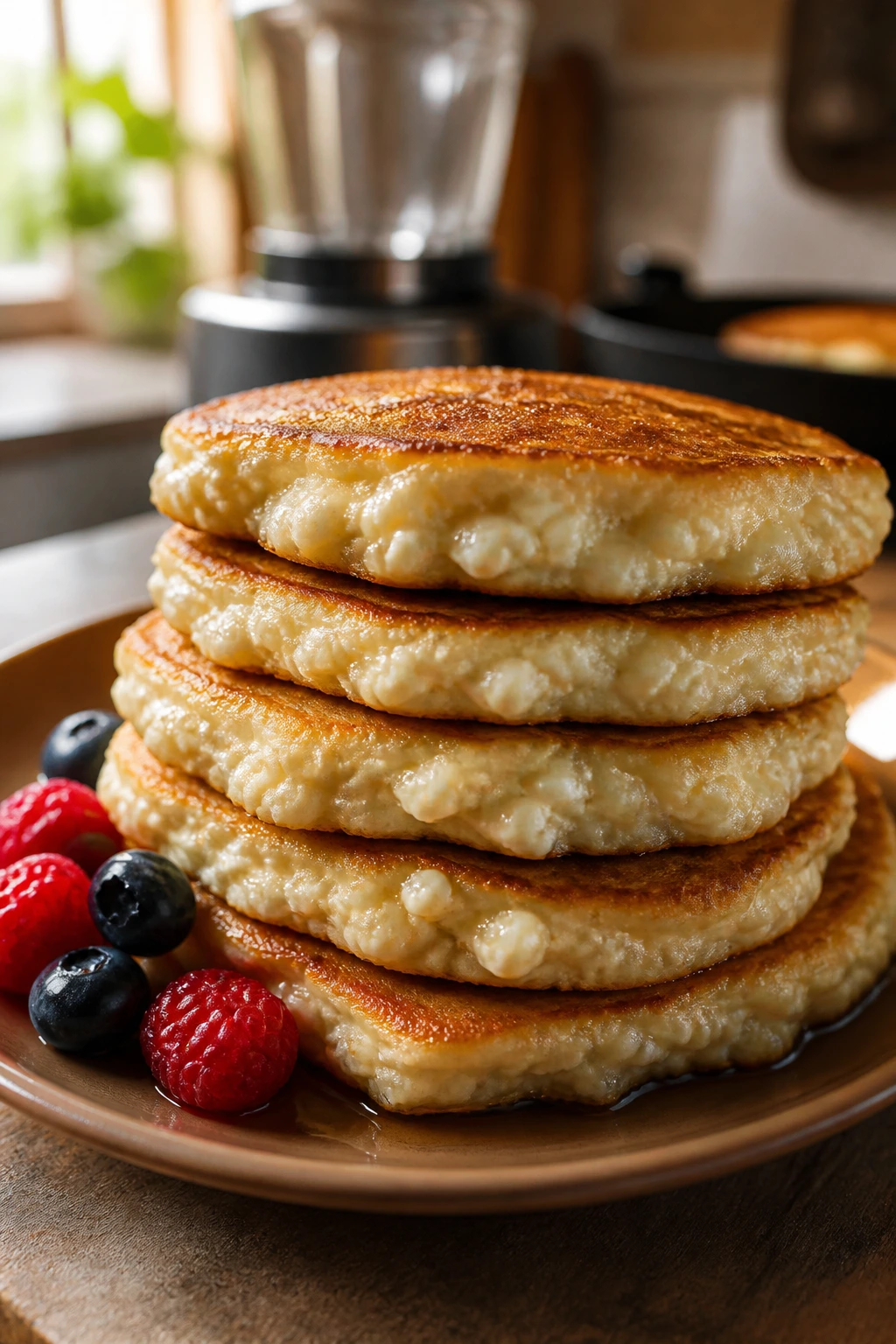
These pancakes are soft in the center, lightly crisp at the edges, and far more satisfying than the usual flour-heavy stack. Cottage cheese melts into the batter and gives the cakes a gentle tang.
Why It Works: Cottage cheese, eggs, and oats bring protein from multiple angles, so the pancakes behave more like breakfast with structure than dessert in disguise. Blending the batter smooth keeps the curds from turning lumpy on the skillet.
Key Ingredients:
- 1 cup cottage cheese
- 1 cup rolled oats
- 3 large eggs
- 1 teaspoon baking powder
- 1 teaspoon vanilla extract
- 1/2 teaspoon cinnamon
- 1 tablespoon butter or oil for the pan
- Berries, for serving
Quick Steps:
- Blend cottage cheese, oats, eggs, baking powder, vanilla, and cinnamon until smooth.
- Rest the batter for 5 minutes so the oats thicken it slightly.
- Cook spoonfuls on a buttered skillet over medium heat for 2 to 3 minutes per side.
- Serve with berries or a thin drizzle of maple syrup.
Equipment for This Recipe:
- Blender or food processor
- Nonstick skillet
- Spatula
How to Serve This Dish: Stack them high and keep the toppings modest so the pancakes stay the point. A spoonful of Greek yogurt and berries works better than drowning them in syrup.
Pro Tips for This Recipe:
- Keep the heat at medium; too hot and the outside burns before the middle sets.
- Let the batter rest or the pancakes can spread too thin.
- Use a small scoop for even cakes.
Variations on This Dish:
- Lemon Blueberry Version: Add lemon zest and blueberries to the batter.
- Chocolate Banana Stack: Stir in 1 tablespoon cocoa powder and top with sliced banana.
Common Mistakes to Avoid with This Dish:
- Don’t skip blending unless you want lumpy pancakes.
- Don’t flip too early; wait until the edges look set and the center loses its shine.
7. Chicken Shawarma Bowls
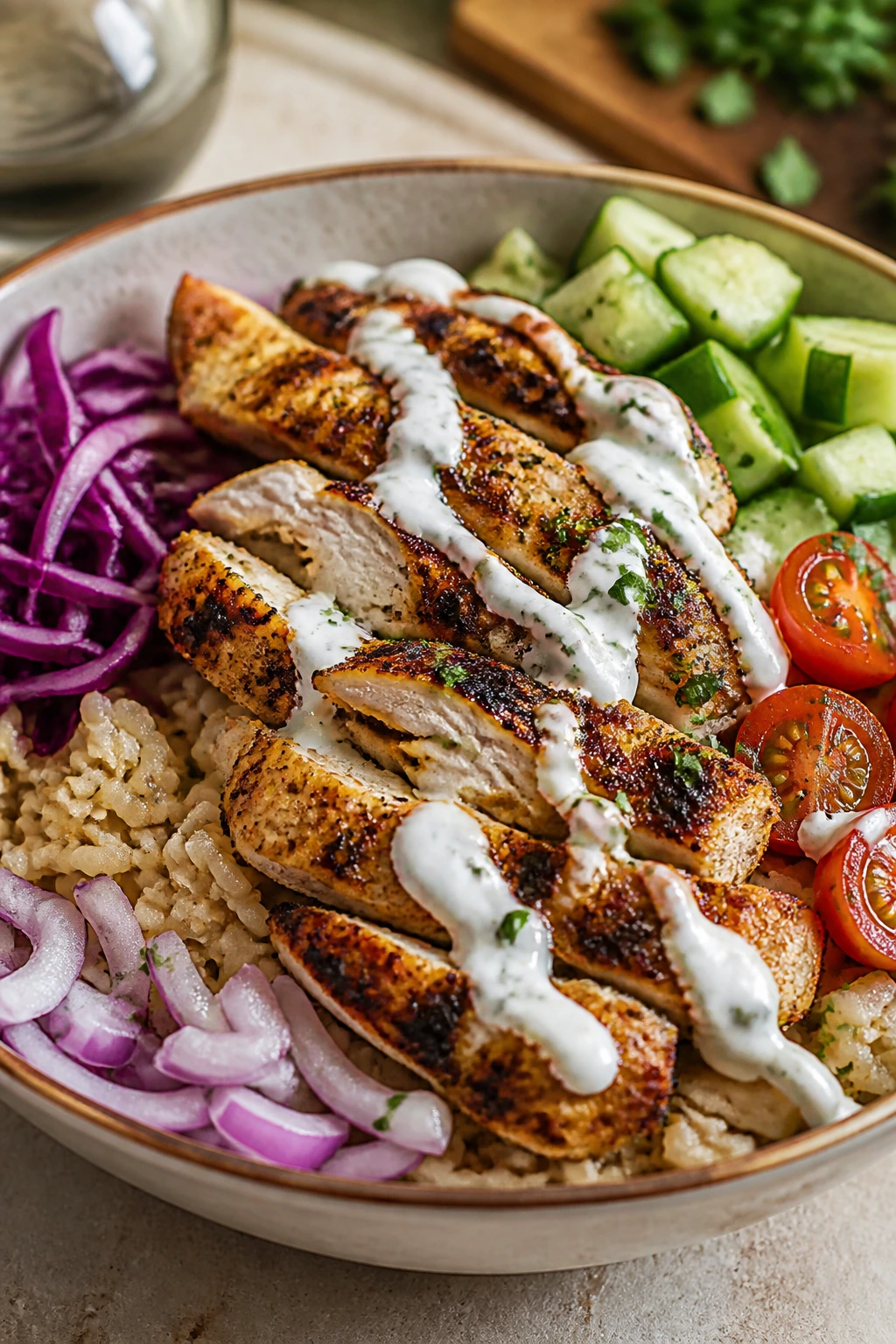
The best shawarma bowls have a little char on the chicken and a lot of contrast in the toppings. Here, warm spices, cool yogurt sauce, and crisp vegetables do the work that a complicated marinade usually tries to fake.
Why It Works: Chicken breast or thighs take well to cumin, paprika, coriander, and garlic, and the yogurt marinade helps keep the meat juicy during roasting. A high oven, around 425°F, gives you browned edges without drying out the center.
Key Ingredients:
- 1 1/2 pounds chicken thighs or breasts
- 1/2 cup plain Greek yogurt
- 2 cloves garlic, minced
- 1 teaspoon cumin
- 1 teaspoon paprika
- 1/2 teaspoon coriander
- 1/2 teaspoon turmeric
- 2 cups cooked rice or quinoa
- 1 cucumber, chopped
- 1 cup cherry tomatoes, halved
- Tahini sauce or extra yogurt, for serving
Quick Steps:
- Mix yogurt, garlic, and spices, then coat the chicken.
- Marinate for 20 minutes or longer if you have time.
- Roast at 425°F for 18 to 22 minutes until browned and cooked through.
- Slice and serve over rice with cucumber, tomatoes, and tahini.
Equipment for This Recipe:
- Sheet pan
- Mixing bowl
- Sharp knife
How to Serve This Dish: Build the bowl in layers so the chicken stays hot and the vegetables stay crisp. A spoon of tahini sauce across the top is enough; don’t drown the whole thing.
Pro Tips for This Recipe:
- If using breasts, cut them into even pieces so they roast at the same pace.
- Let the chicken rest before slicing or the juices run out.
- A little lemon juice at the end sharpens the spices.
Variations on This Dish:
- Cauliflower Rice Bowl: Swap the grain for cauliflower rice if you want a lighter base.
- Pita Wrap Version: Tuck everything into warm pita with lettuce and onion.
Common Mistakes to Avoid with This Dish:
- Don’t use too little salt in the marinade or the spices taste dusty.
- Don’t overcook the chicken until it goes stringy.
8. Beef and Broccoli Stir-Fry
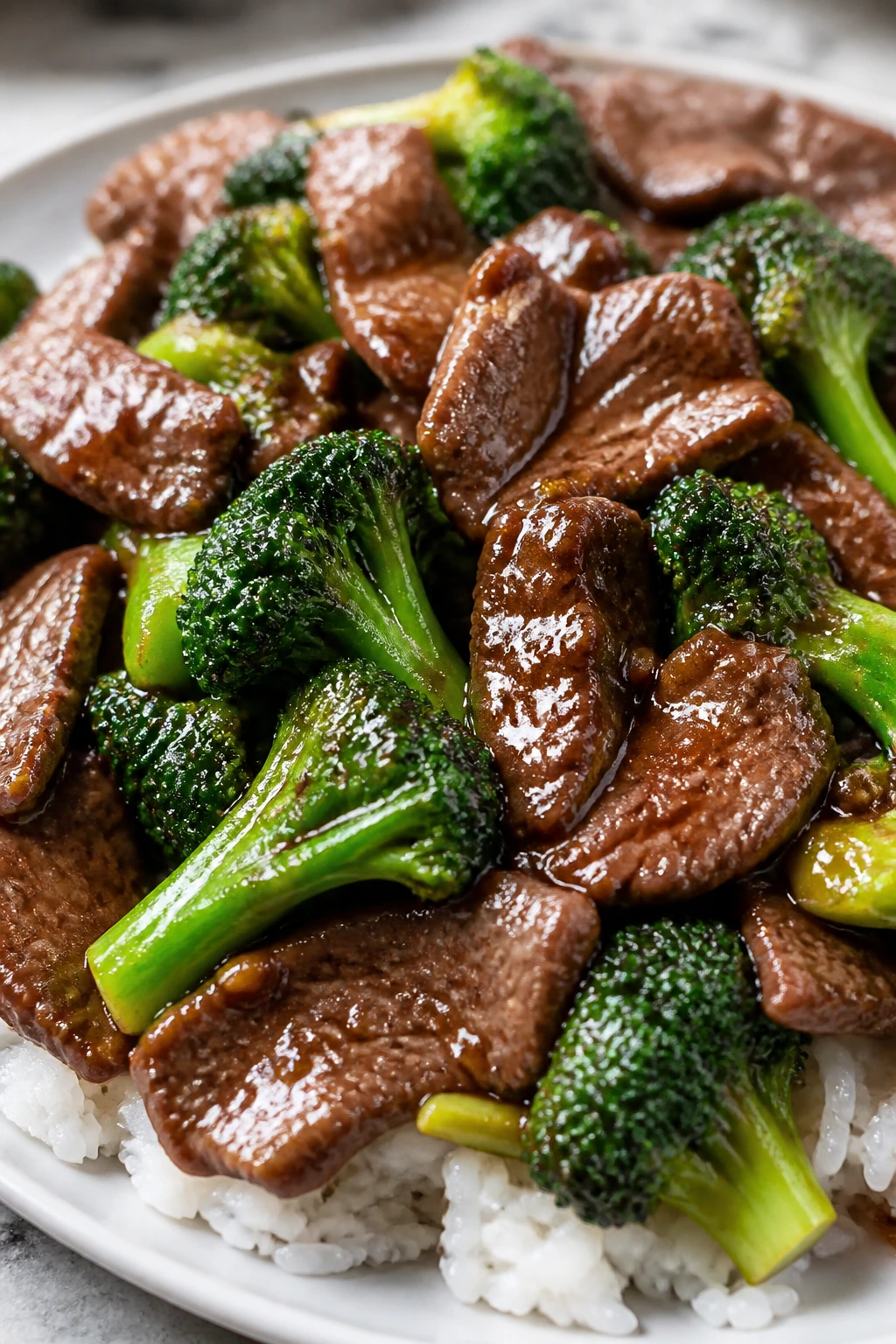
This stir-fry is all about timing. Beef sears fast, broccoli needs a little steam, and the sauce should gloss everything without turning the pan soupy.
Why It Works: Flank steak gives you strong protein and a good bite when sliced thin against the grain. A quick cornstarch slurry thickens the sauce in under a minute, which keeps the broccoli crisp instead of waterlogged.
Key Ingredients:
- 1 pound flank steak, thinly sliced
- 4 cups broccoli florets
- 3 cloves garlic, minced
- 1 tablespoon grated ginger
- 1/4 cup soy sauce
- 1 tablespoon cornstarch
- 1/3 cup beef broth or water
- 1 teaspoon sesame oil
- Cooked rice, for serving
Quick Steps:
- Toss steak with 1 tablespoon soy sauce and cornstarch.
- Sear in a hot skillet for 2 to 3 minutes, then remove.
- Stir-fry broccoli with garlic and ginger, adding a splash of broth to steam.
- Return steak, pour in the rest of the sauce, and cook until glossy.
Equipment for This Recipe:
- Large skillet or wok
- Small bowl
- Tongs
How to Serve This Dish: Spoon it over steamed rice so the sauce has something to soak into. A few sesame seeds or sliced scallions are enough to finish it.
Pro Tips for This Recipe:
- Slice the beef while it’s still slightly firm; it’s cleaner and easier.
- Keep the pan hot so the meat sears instead of stewing.
- Add the broccoli stems first if they’re thick.
Variations on This Dish:
- Garlic-Heavy Version: Double the garlic and add a splash of oyster sauce.
- Spicy Broccoli Beef: Add red pepper flakes or chili crisp at the end.
Common Mistakes to Avoid with This Dish:
- Don’t crowd the pan or the beef turns gray.
- Don’t let the sauce simmer too long after thickening, or it can get sticky and heavy.
9. Lentil Bolognese
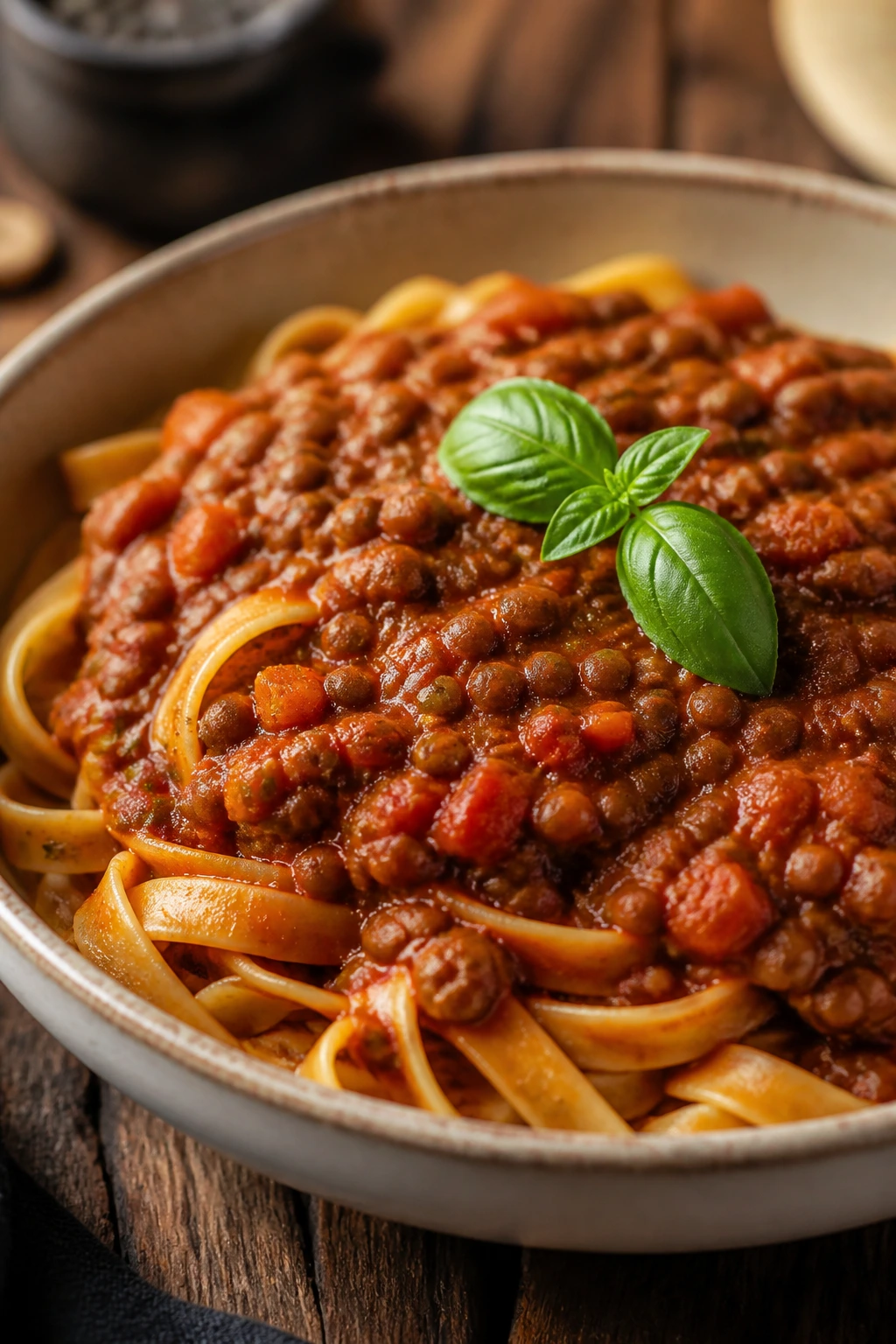
Lentil bolognese has the slow, deep feel of a meat sauce, but with a cleaner finish and a little more grainy texture in the best possible way. It’s one of the few meatless sauces that actually feels built for pasta.
Why It Works: Brown lentils hold their shape while soaking up tomato, garlic, and carrot sweetness. The sauce usually needs 25 to 30 minutes of simmering, which is enough time for the lentils to go tender without collapsing.
Key Ingredients:
- 1 cup dry brown lentils, rinsed
- 1 onion, diced
- 1 carrot, diced
- 1 celery stalk, diced
- 3 cloves garlic, minced
- 2 tablespoons tomato paste
- 1 can crushed tomatoes
- 2 cups vegetable broth
- 1 teaspoon dried oregano
- Cooked pasta, for serving
Quick Steps:
- Sauté onion, carrot, and celery until softened.
- Stir in garlic and tomato paste for 1 minute.
- Add lentils, tomatoes, broth, and oregano, then simmer 25 to 30 minutes.
- Spoon over pasta and finish with parmesan if you want it.
Equipment for This Recipe:
- Saucepan or Dutch oven
- Wooden spoon
- Colander
How to Serve This Dish: Serve it with spaghetti, rigatoni, or even roasted zucchini if you want fewer carbs. A crisp green salad on the side keeps the plate from feeling heavy.
Pro Tips for This Recipe:
- If the sauce gets too thick, loosen it with a splash of pasta water.
- A little butter at the end softens the tomato edge.
- Salt in layers, not all at once.
Variations on This Dish:
- Mushroom Lentil Bolognese: Add finely chopped mushrooms for a darker, meatier taste.
- Spicy Arrabbiata Version: Stir in red pepper flakes and more garlic.
Common Mistakes to Avoid with This Dish:
- Don’t use red lentils; they break down too fast for this style.
- Don’t undercook the carrots and celery, or the sauce tastes rough.
10. Tofu Veggie Stir-Fry
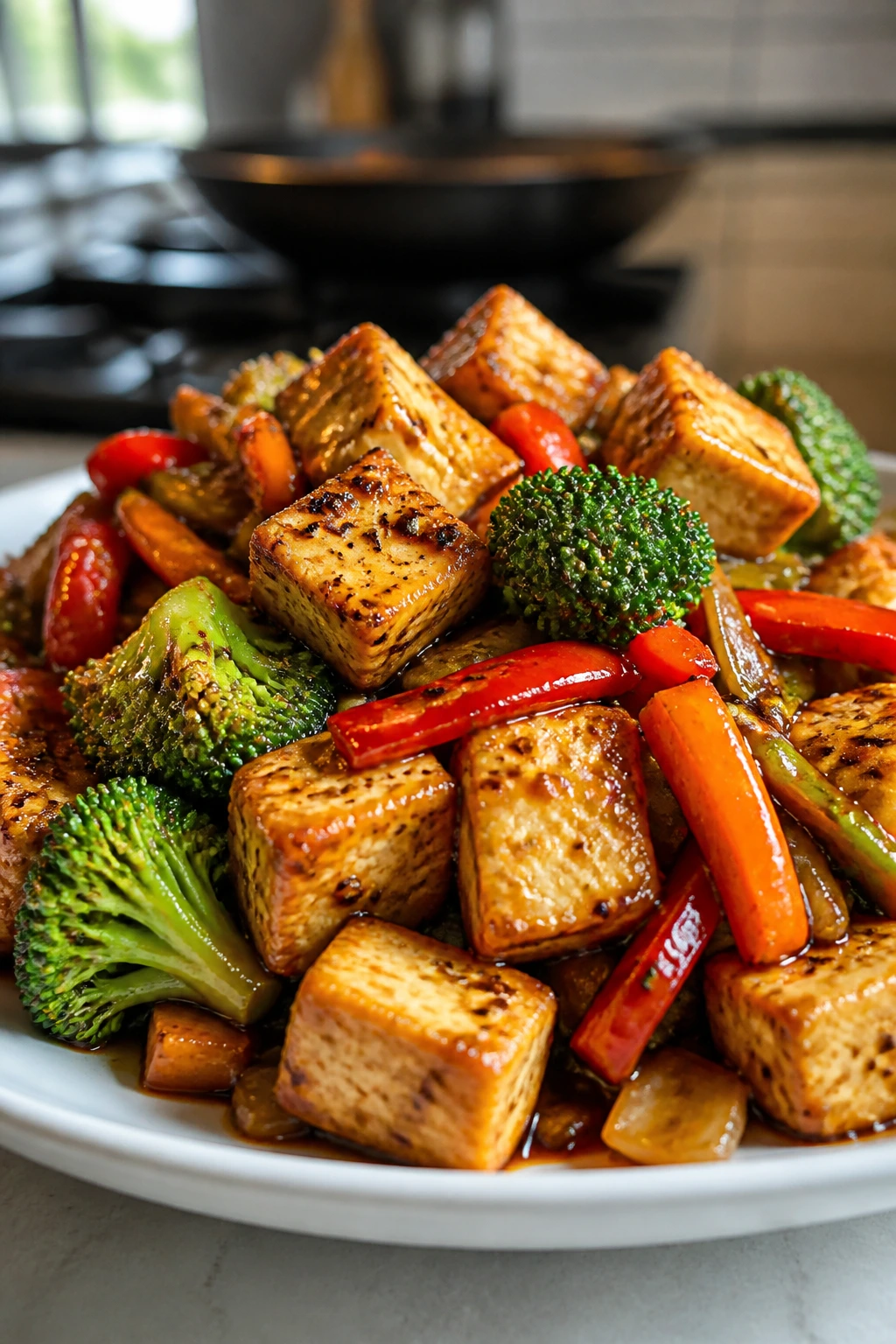
Tofu needs a little respect, and this stir-fry gives it exactly that. Pressed, browned, and tossed with bright vegetables, it becomes crisp at the edges and almost chewy in the middle.
Why It Works: Extra-firm tofu absorbs sauce best after pressing out water, and a hot pan gives you actual color instead of soft cubes. The dish brings protein from the tofu and more from the edamame or rice if you choose to add it.
Key Ingredients:
- 14 ounces extra-firm tofu
- 2 cups broccoli florets
- 1 red bell pepper, sliced
- 1 cup snap peas
- 2 cloves garlic, minced
- 1 tablespoon grated ginger
- 3 tablespoons soy sauce
- 1 teaspoon sesame oil
- 2 cups cooked rice
Quick Steps:
- Press tofu for 15 minutes, then cube it.
- Sear tofu in a hot skillet until golden on 2 sides.
- Add vegetables, garlic, and ginger, and stir-fry until crisp-tender.
- Pour in soy sauce and sesame oil, then serve over rice.
Equipment for This Recipe:
- Skillet or wok
- Tofu press or clean towel
- Spatula
How to Serve This Dish: Keep the rice beneath the stir-fry so the sauce drips down instead of pooling on the plate. A sprinkle of sesame seeds or chopped peanuts adds needed crunch.
Pro Tips for This Recipe:
- Pat the tofu dry after pressing or it won’t brown.
- Use a large pan so the vegetables sear instead of steaming.
- Add the sauce at the end so the tofu keeps some crispness.
Variations on This Dish:
- Peanut Tofu Stir-Fry: Finish with 1 tablespoon peanut butter whisked into the sauce.
- Garlic-Chili Version: Add chili crisp or sliced fresh chilies.
Common Mistakes to Avoid with This Dish:
- Don’t skip the pressing step; wet tofu refuses to brown.
- Don’t overcook the vegetables until they slump.
11. Turkey Meatballs with Zucchini Noodles
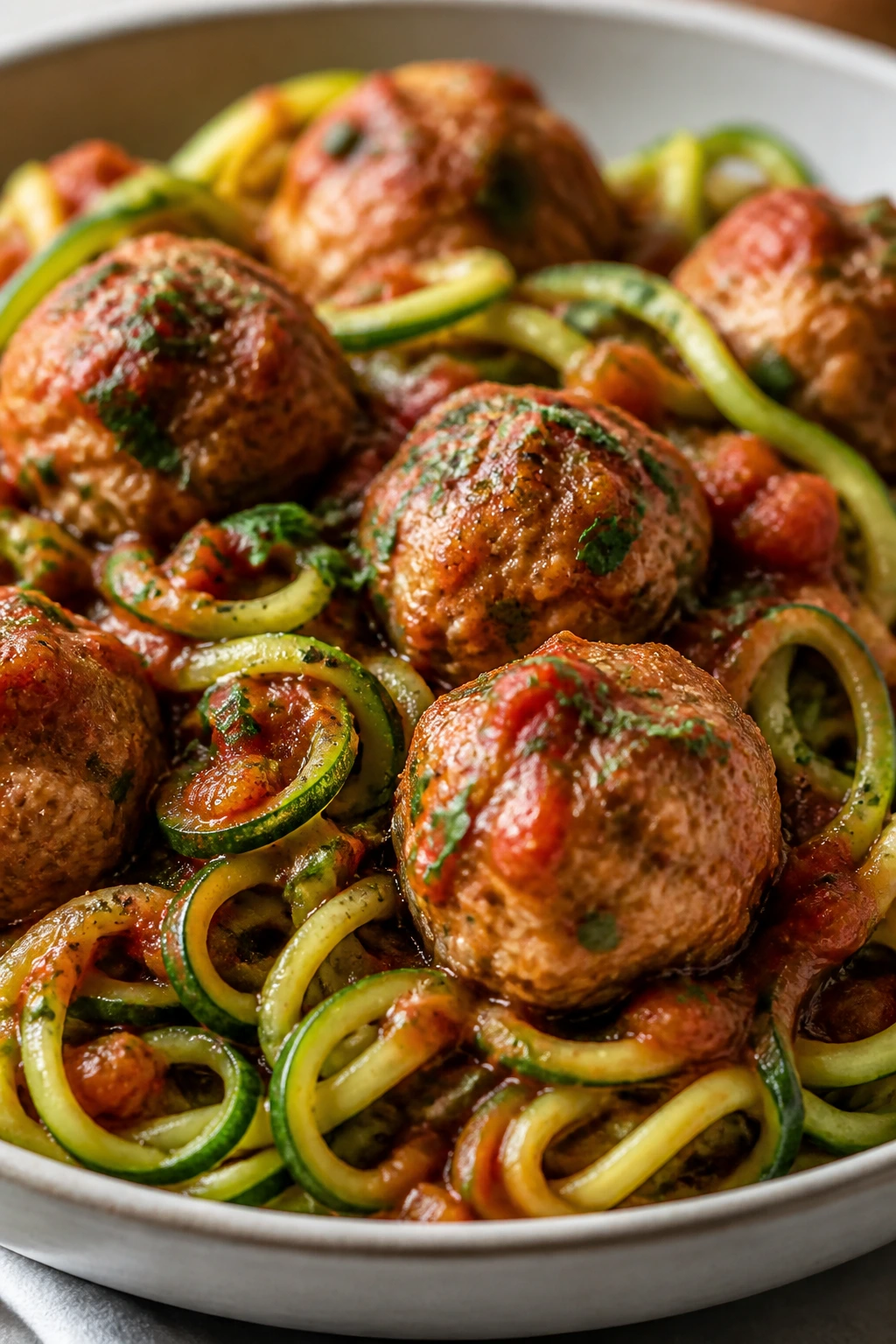
Turkey meatballs are easy to make chewy and dry if you treat them like lean cardboard. The fix is parmesan, egg, and a light hand with the mixing.
Why It Works: Ground turkey brings a lot of protein, while the zucchini noodles keep the plate light and give the marinara something fresh to cling to. Baking the meatballs at 400°F keeps them juicy without turning them greasy.
Key Ingredients:
- 1 pound ground turkey
- 1 egg
- 1/4 cup breadcrumbs or oat crumbs
- 1/4 cup grated parmesan
- 2 cloves garlic, minced
- 1 teaspoon Italian seasoning
- 2 zucchini, spiralized
- 1 1/2 cups marinara sauce
- Salt and pepper
Quick Steps:
- Mix turkey, egg, crumbs, parmesan, garlic, seasoning, salt, and pepper.
- Shape into 16 meatballs and bake at 400°F for 15 to 18 minutes.
- Warm marinara in a skillet and add the meatballs.
- Toss zucchini noodles briefly in the hot sauce until just softened.
Equipment for This Recipe:
- Sheet pan
- Large bowl
- Skillet
How to Serve This Dish: Twirl the zoodles into nests and tuck the meatballs on top. A little extra parmesan and basil gives the plate enough finish to feel complete.
Pro Tips for This Recipe:
- Don’t pack the meatballs too tightly or they turn dense.
- Add the zoodles at the very end; they only need 1 to 2 minutes.
- A spoonful of ricotta on top is a good move if you want a richer plate.
Variations on This Dish:
- Spicy Turkey Meatballs: Add crushed red pepper and a little fennel seed.
- Pasta Bowl Version: Serve over regular spaghetti if you want a more filling meal.
Common Mistakes to Avoid with This Dish:
- Don’t overmix the meat or the texture goes rubbery.
- Don’t simmer the zucchini forever, or it becomes watery.
12. Shrimp and Quinoa Skillet
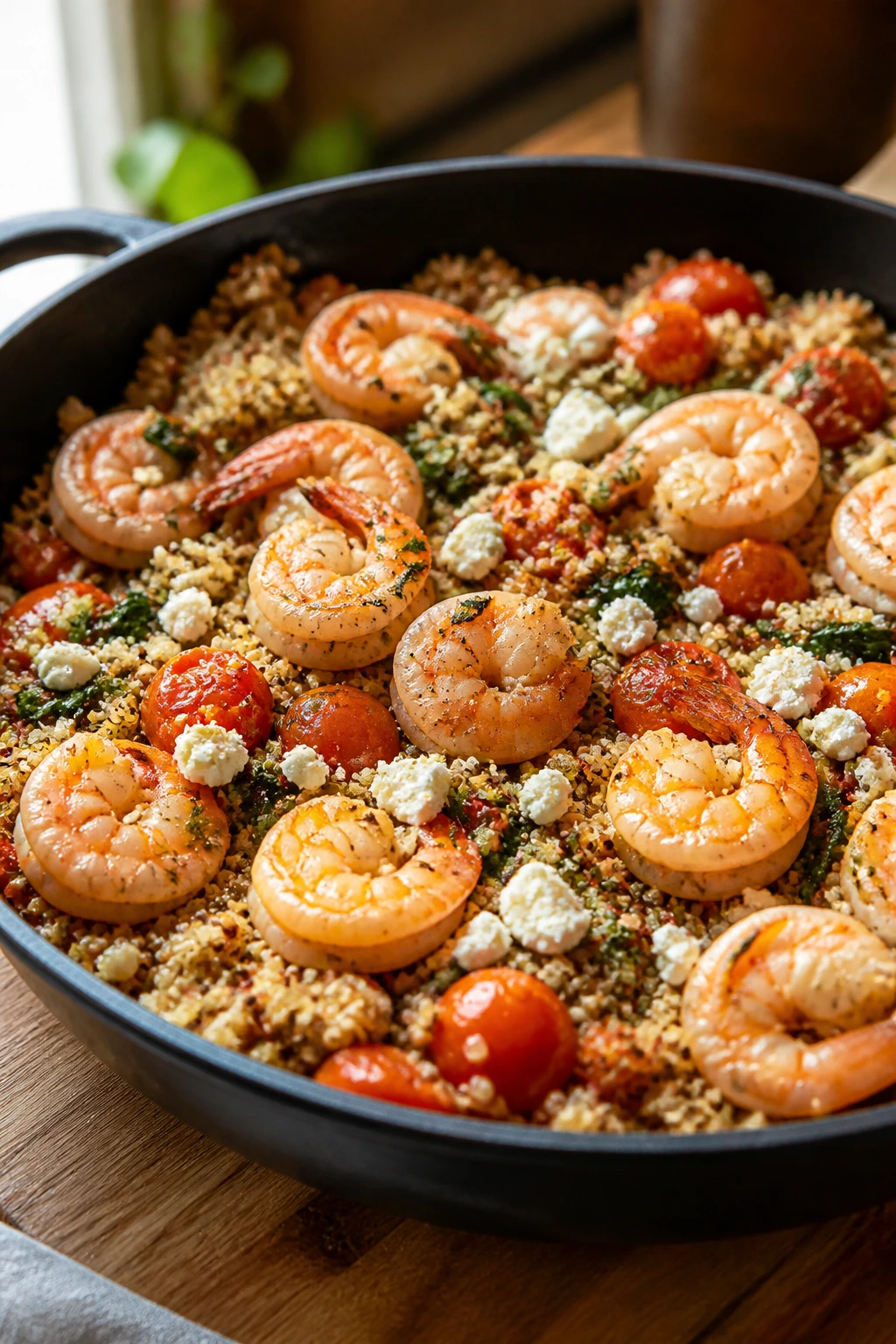
Shrimp cook fast enough to keep a weeknight sane, and quinoa gives this skillet enough heft to count as a real meal. The tomatoes burst, the lemon sharpens everything, and the feta melts just enough to coat the grains.
Why It Works: Shrimp bring a strong protein hit with very little cooking time, and quinoa adds more protein plus a slightly nutty bite. Keeping the heat moderate prevents the shrimp from turning tight and squeaky.
Key Ingredients:
- 1 pound shrimp, peeled and deveined
- 1 cup dry quinoa
- 2 cups water or broth
- 1 cup cherry tomatoes
- 2 cups spinach
- 2 cloves garlic, minced
- 1 lemon, juiced
- 1/2 cup feta
- 1 tablespoon olive oil
Quick Steps:
- Cook quinoa in water or broth until fluffy, about 15 minutes.
- Sauté garlic and tomatoes in olive oil until the tomatoes soften.
- Add shrimp and cook 2 to 3 minutes per side until pink.
- Stir in spinach, quinoa, lemon juice, and feta.
Equipment for This Recipe:
- Skillet
- Small saucepan
- Lid
How to Serve This Dish: Serve it warm with the feta still loose and the tomatoes broken down into the quinoa. A few herbs on top make it look and taste fresher than it took to make.
Pro Tips for This Recipe:
- Do not overcook shrimp; they go from tender to rubbery fast.
- Rinse quinoa well or it can taste bitter.
- Add lemon after heat, not before, to keep the flavor bright.
Variations on This Dish:
- Mediterranean Version: Add olives and cucumber.
- Garlic Butter Version: Finish with 1 tablespoon butter instead of olive oil.
Common Mistakes to Avoid with This Dish:
- Don’t let quinoa sit wet and clumpy; fluff it right after cooking.
- Don’t crowd the shrimp or they steam instead of sear.
13. Baked Cod with White Beans
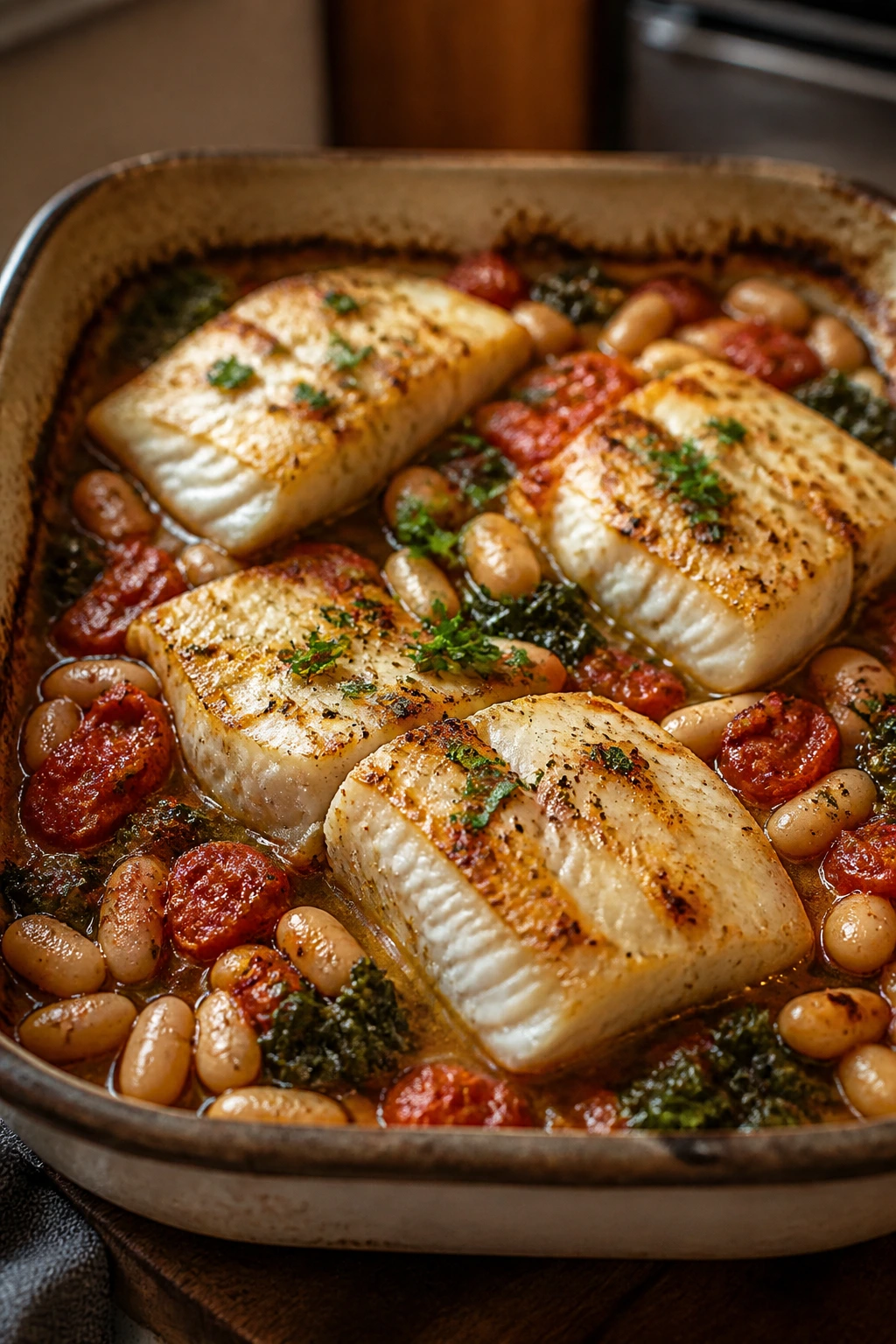
Cod is mild, clean, and easy to ruin if you bake it too long. Put it over white beans and tomatoes, though, and suddenly it has support.
Why It Works: The beans carry both protein and creaminess, while the cod stays delicate and flakes into the sauce. Baking the fish on top of the bean mixture keeps everything moist and saves you from washing two pans.
Key Ingredients:
- 1 1/2 pounds cod fillets
- 2 cans cannellini beans, drained and rinsed
- 1 cup cherry tomatoes
- 2 cloves garlic, minced
- 2 cups chopped kale
- 2 tablespoons olive oil
- 1 teaspoon dried oregano
- 1 lemon, sliced
- Salt and pepper
Quick Steps:
- Stir beans, tomatoes, garlic, kale, olive oil, oregano, salt, and pepper in a baking dish.
- Lay cod on top and season it well.
- Bake at 400°F for 12 to 15 minutes until the cod flakes easily.
- Finish with lemon juice and serve warm.
Equipment for This Recipe:
- Baking dish
- Spoon
- Sharp knife
How to Serve This Dish: Serve it straight from the dish with crusty bread to catch the bean juices. The cod should stay in thick flakes, not dry shards.
Pro Tips for This Recipe:
- Check the cod early; thinner pieces cook faster than you think.
- Add a splash of broth if the beans look dry before baking.
- Let the dish rest 3 minutes so the beans settle.
Variations on This Dish:
- Tomato-Pepper Version: Add sliced roasted red peppers to the bean base.
- Herb Crust Version: Top the cod with parsley and breadcrumbs before baking.
Common Mistakes to Avoid with This Dish:
- Don’t overbake the cod until it loses its flake.
- Don’t use too much lemon before baking or the beans get harsh.
14. Black Bean and Egg Breakfast Tacos
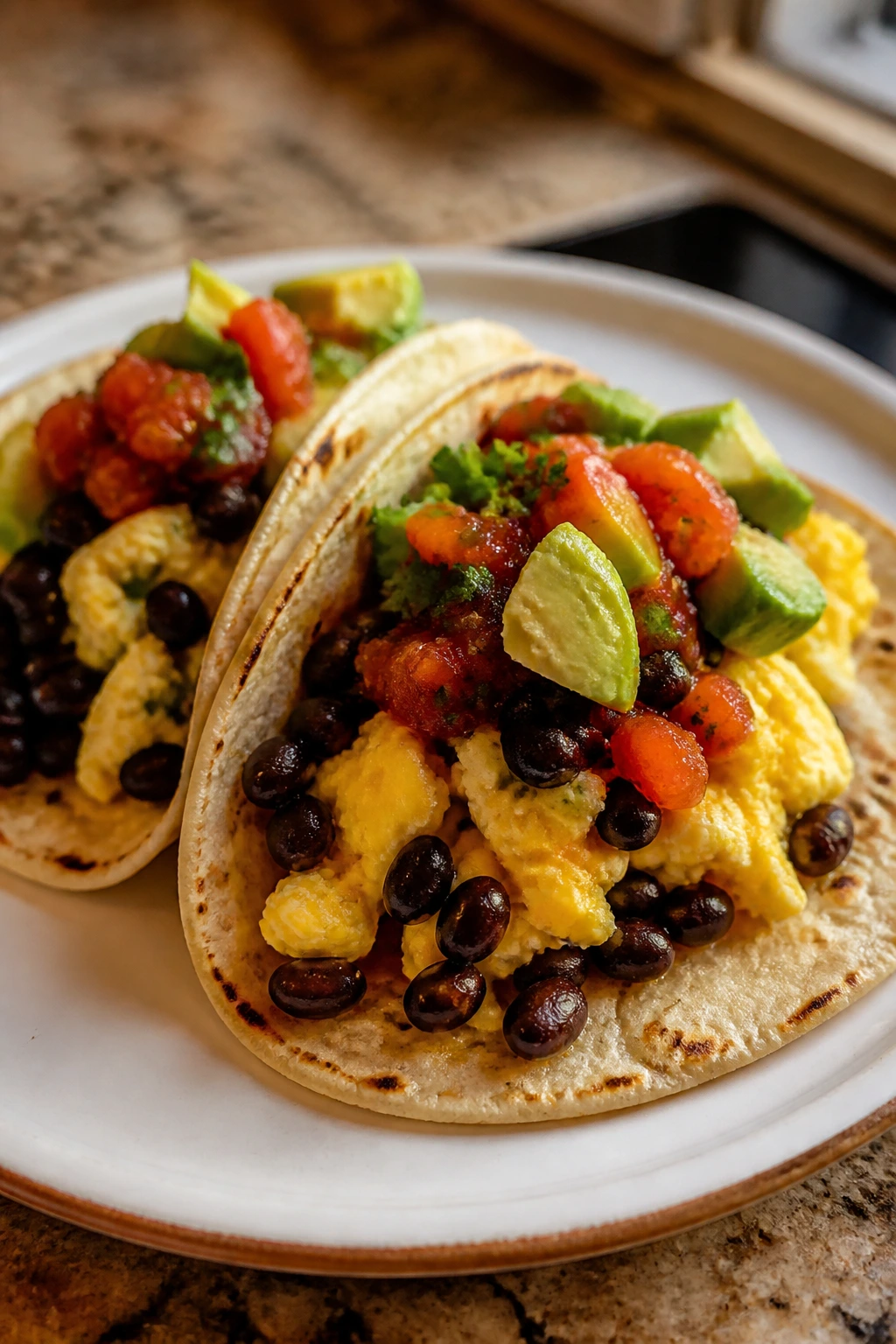
These tacos are fast, filling, and a lot less fussy than a breakfast burrito. Black beans give the eggs some structure, and salsa adds the sharp lift the whole thing needs.
Why It Works: Eggs and black beans together bring protein plus fiber, which makes the tacos feel like real breakfast insurance. Warm tortillas matter here; cold ones crack and drag the whole thing down.
Key Ingredients:
- 4 large eggs
- 1 can black beans, drained and rinsed
- 8 small corn tortillas
- 1/2 teaspoon cumin
- 1/2 cup salsa
- 1 avocado, sliced
- 2 tablespoons chopped cilantro
- Salt and pepper
- 1 tablespoon oil
Quick Steps:
- Warm the beans with cumin and a pinch of salt.
- Scramble the eggs gently in oil until just set.
- Warm the tortillas in a dry skillet.
- Fill tortillas with beans, eggs, salsa, avocado, and cilantro.
Equipment for This Recipe:
- Skillet
- Small saucepan or second pan
- Spatula
How to Serve This Dish: Serve them open-faced if you want a prettier plate and less mess. A squeeze of lime makes the beans taste brighter.
Pro Tips for This Recipe:
- Keep the eggs soft; dry eggs make the tacos feel dusty.
- If you want more protein, add shredded cheese or leftover chicken.
- Warm tortillas one by one so they stay pliable.
Variations on This Dish:
- Pinto Bean Version: Swap black beans for pintos and add hot sauce.
- Veggie-Heavy Version: Add sautéed peppers and onions to the filling.
Common Mistakes to Avoid with This Dish:
- Don’t overfill the tortillas or they split at the fold.
- Don’t use cold beans straight from the can; they need seasoning and heat.
15. Greek Chicken Souvlaki Pita
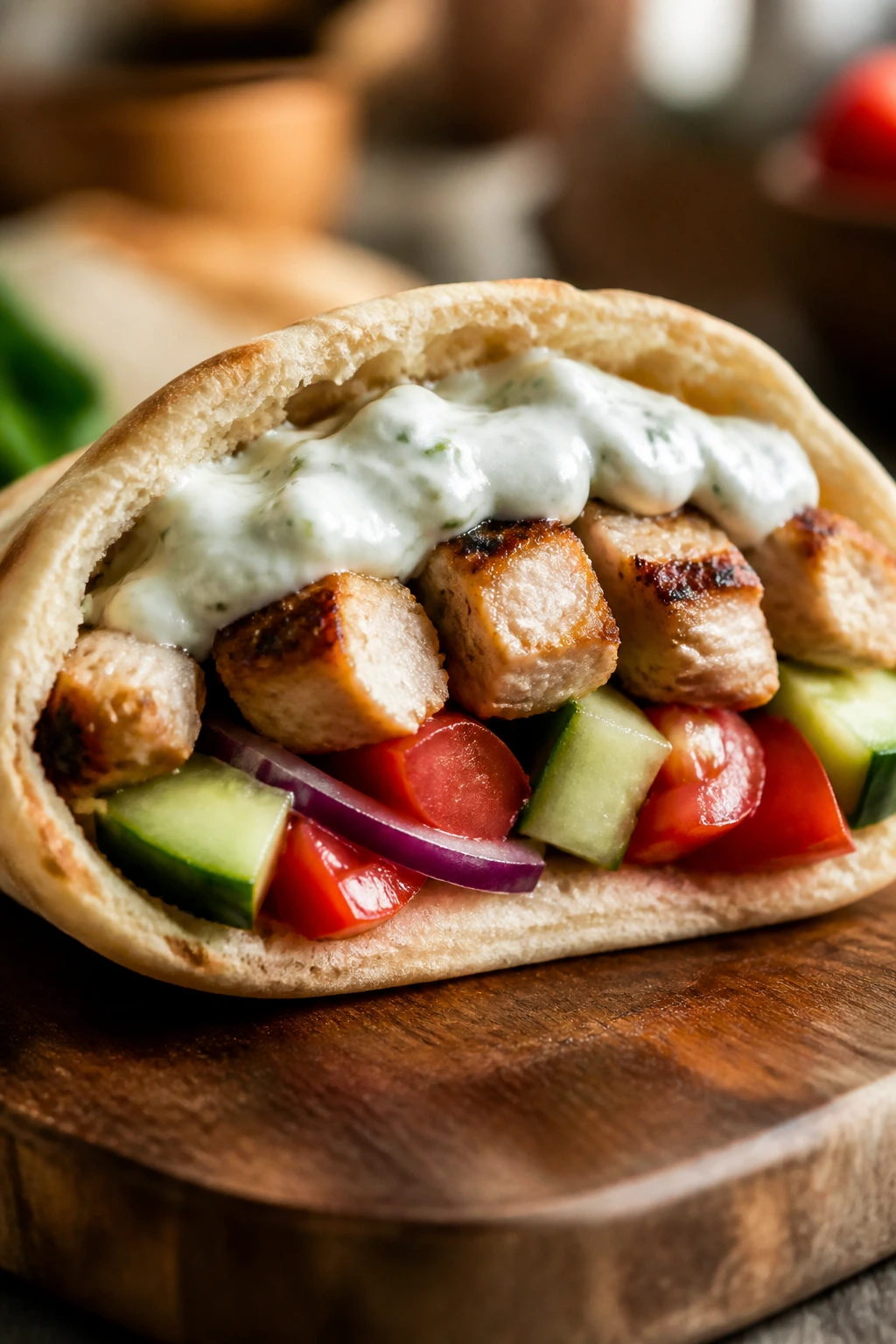
Souvlaki should taste like char, lemon, and garlic, with yogurt sauce soaking into the pita just enough to soften it. This version keeps the meat juicy and the vegetables crisp.
Why It Works: A yogurt-lemon marinade helps the chicken stay tender while giving you strong savory flavor in a short marinating window. The pita becomes part of the meal instead of just a wrapper.
Key Ingredients:
- 1 1/2 pounds chicken breast, cut into chunks
- 1/2 cup plain Greek yogurt
- 2 tablespoons lemon juice
- 2 cloves garlic, minced
- 1 teaspoon dried oregano
- 4 pitas
- 1 cup chopped cucumber
- 1 cup chopped tomato
- 1/2 cup sliced red onion
- Tzatziki, for serving
Quick Steps:
- Mix yogurt, lemon juice, garlic, oregano, salt, and pepper.
- Coat the chicken and marinate for 20 minutes.
- Grill or sauté until browned and cooked through, about 8 to 10 minutes.
- Stuff pitas with chicken, vegetables, and tzatziki.
Equipment for This Recipe:
- Skillet or grill pan
- Mixing bowl
- Tongs
How to Serve This Dish: Serve the pitas wrapped in parchment if you want a cleaner hand-held meal. A few olives and some cucumber on the side keep the plate in the same lane.
Pro Tips for This Recipe:
- Cut the chicken into even pieces so it cooks at the same pace.
- Warm the pita for a few seconds so it bends instead of tearing.
- Use plain yogurt, not flavored stuff.
Variations on This Dish:
- Rice Bowl Version: Skip the pita and serve over lemon rice.
- Spicy Greek Version: Add crushed red pepper to the marinade.
Common Mistakes to Avoid with This Dish:
- Don’t marinate too long in a very acidic mix or the chicken can get chalky.
- Don’t skip the tzatziki or the pita tastes dry.
16. Cottage Cheese Alfredo with Chicken
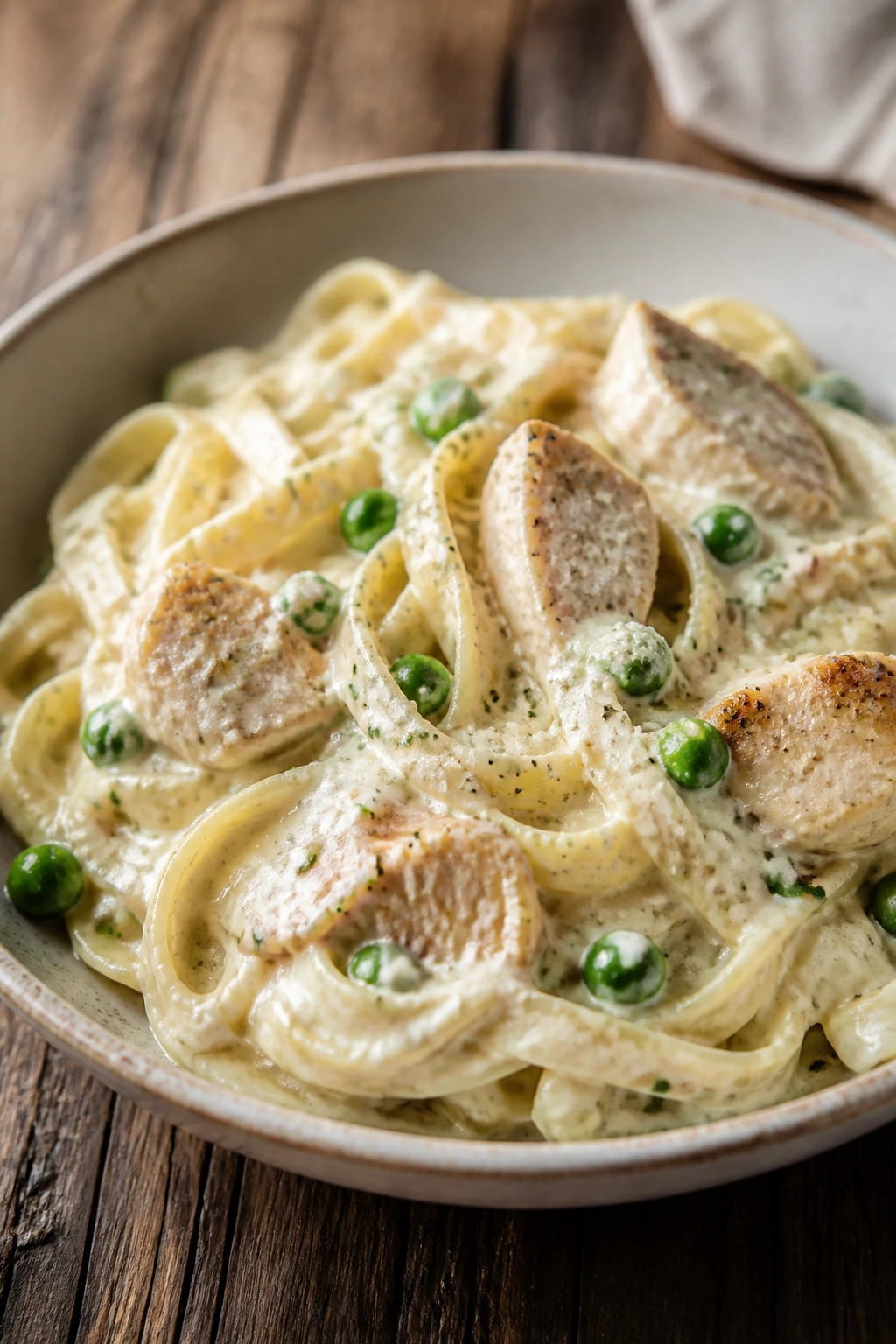
This is the rare creamy pasta that doesn’t feel like a sleep attack afterward. Cottage cheese makes the sauce thick and smooth, and chicken turns the bowl from side dish energy into a full meal.
Why It Works: Blended cottage cheese gives you a protein-heavy sauce without the weight of a traditional cream base. A little parmesan and garlic make it taste like Alfredo instead of a clever trick.
Key Ingredients:
- 1 pound chicken breast, sliced
- 8 ounces fettuccine or penne
- 1 cup cottage cheese
- 1/2 cup milk
- 1/2 cup grated parmesan
- 2 cloves garlic
- 1 cup peas
- 1 tablespoon olive oil
- Salt and pepper
Quick Steps:
- Cook the pasta until al dente.
- Blend cottage cheese, milk, parmesan, garlic, salt, and pepper until smooth.
- Cook the chicken in oil until browned and cooked through.
- Toss pasta, sauce, chicken, and peas together over low heat.
Equipment for This Recipe:
- Blender
- Skillet
- Pot for pasta
How to Serve This Dish: Serve it in shallow bowls so the sauce clings to the pasta instead of sinking. A little black pepper on top matters more here than it sounds like it should.
Pro Tips for This Recipe:
- Keep the heat low when adding the sauce so it stays smooth.
- Reserve a splash of pasta water to loosen the sauce if needed.
- Cut the chicken into thin strips so it cooks quickly and stays tender.
Variations on This Dish:
- Spinach Alfredo: Swap peas for spinach if you want a softer green.
- Mushroom Alfredo: Add sautéed mushrooms for a deeper flavor.
Common Mistakes to Avoid with This Dish:
- Don’t boil the cottage cheese sauce or it can turn grainy.
- Don’t overcook the pasta; it needs to hold the sauce.
17. Tempeh Tacos
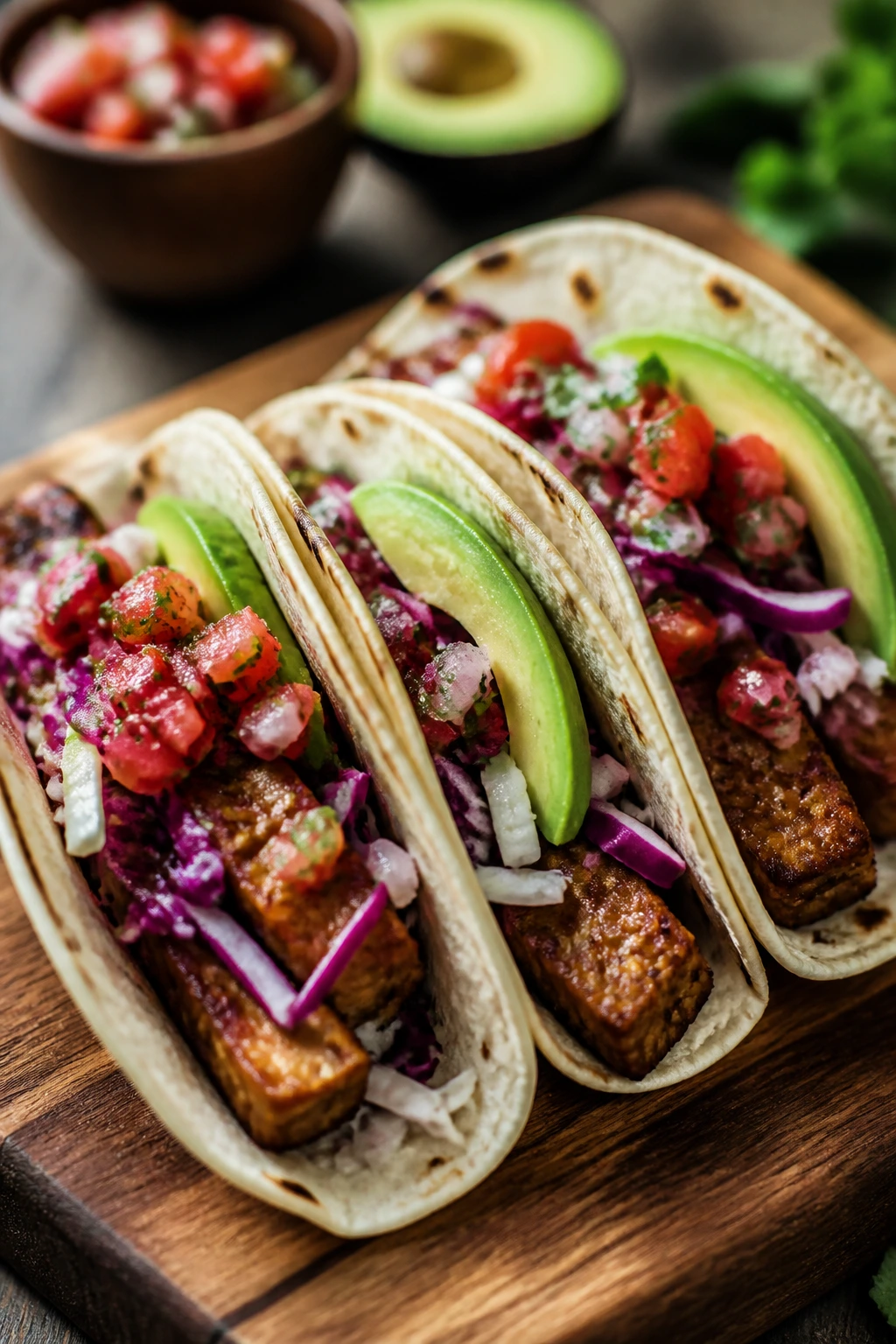
Tempeh has a nutty, dense bite that works well in tacos when you season it hard and sear it properly. It’s one of the few plant proteins that still feels substantial after five minutes in a hot pan.
Why It Works: Tempeh brings a strong protein base and a texture that holds up under salsa, slaw, and avocado. Crumbling or slicing it thin helps the seasoning coat every edge.
Key Ingredients:
- 16 ounces tempeh
- 1 tablespoon taco seasoning
- 1 tablespoon olive oil
- 1 tablespoon lime juice
- 8 small tortillas
- 1 cup shredded cabbage slaw
- 1 avocado, sliced
- Salsa, for serving
Quick Steps:
- Steam tempeh for 5 minutes if you want a milder taste.
- Slice or crumble it, then toss with taco seasoning and lime juice.
- Sear in oil until browned at the edges.
- Fill tortillas with tempeh, slaw, avocado, and salsa.
Equipment for This Recipe:
- Skillet
- Knife
- Bowl
How to Serve This Dish: Keep the slaw bright and dry so the tacos stay crisp. A spoonful of hot salsa is enough; the tempeh already carries the flavor.
Pro Tips for This Recipe:
- Steam tempeh first if you don’t love its fermented edge.
- Let it brown before stirring or you lose the crust.
- Warm the tortillas so they don’t split.
Variations on This Dish:
- Chipotle Tempeh Tacos: Add chipotle powder and a little adobo sauce.
- Breakfast Tempeh Wraps: Scramble tempeh with peppers and eggs.
Common Mistakes to Avoid with This Dish:
- Don’t treat tempeh like soft tofu; it needs browning.
- Don’t overload the tortillas or the filling slides out.
18. Pork Tenderloin with Brussels Sprouts
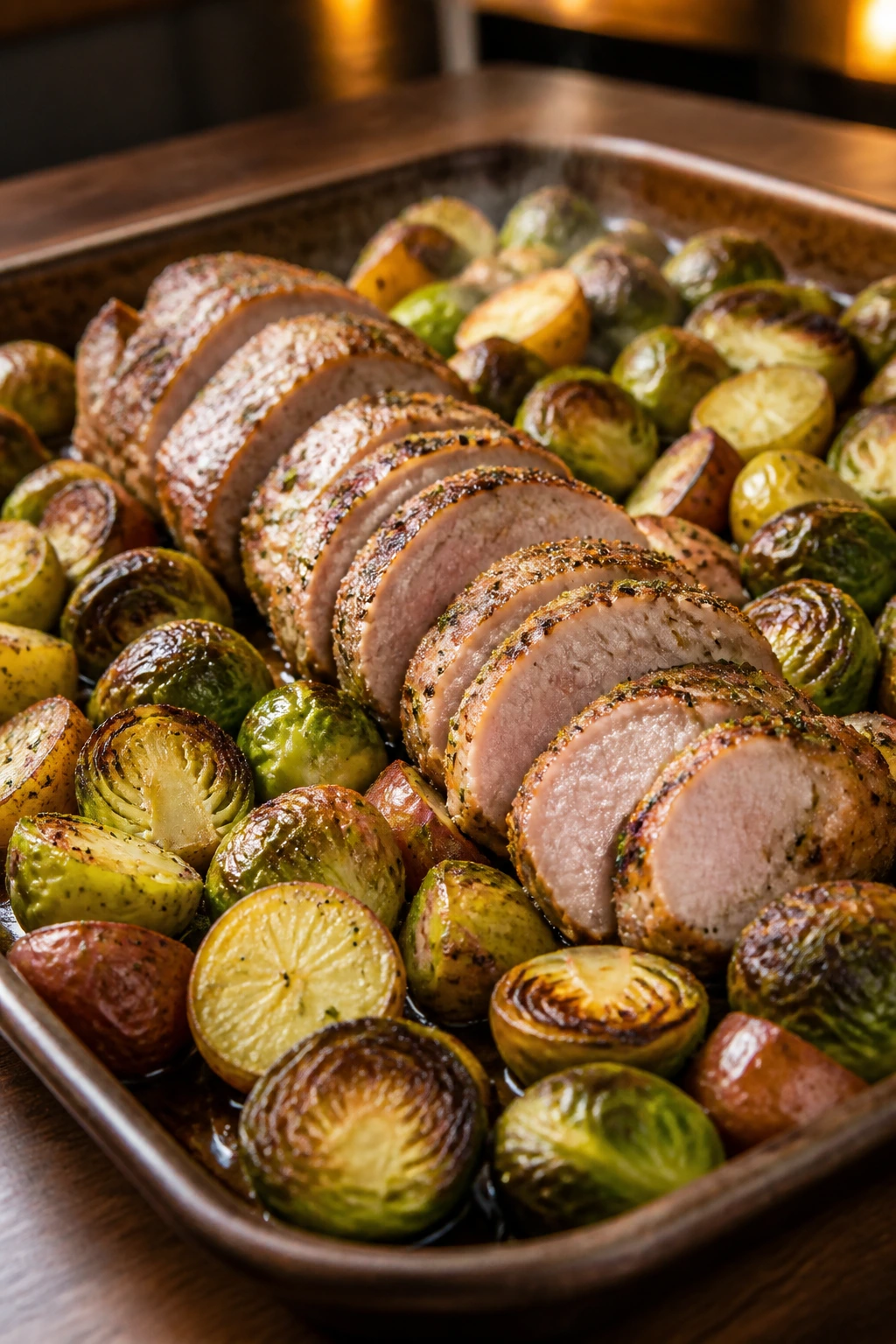
Pork tenderloin is one of those cuts that behaves better than people expect, especially on a sheet pan with Brussels sprouts and potatoes. The edges caramelize, the middle stays tender, and dinner looks more complicated than it is.
Why It Works: Pork tenderloin is lean but still juicy if you pull it at the right moment. Roasting the vegetables on the same pan lets their drippings season each other, which is the easy kind of efficiency I trust.
Key Ingredients:
- 1 1/4 pounds pork tenderloin
- 1 pound Brussels sprouts, halved
- 1 pound baby potatoes, halved
- 2 tablespoons olive oil
- 2 cloves garlic, minced
- 1 teaspoon thyme
- Salt and pepper
Quick Steps:
- Heat oven to 425°F and toss sprouts and potatoes with oil, garlic, thyme, salt, and pepper.
- Roast vegetables for 15 minutes.
- Add pork tenderloin to the pan and roast 18 to 22 minutes more.
- Rest the pork 5 minutes before slicing.
Equipment for This Recipe:
- Sheet pan
- Sharp knife
- Meat thermometer
How to Serve This Dish: Slice the pork into medallions and spoon the roasted sprouts and potatoes around it. A little mustard on the side gives the plate some bite.
Pro Tips for This Recipe:
- Use a thermometer; pork is easy to overdo.
- Resting matters here or the juices spill all over the board.
- If the sprouts are large, give them a quick extra trim so they roast evenly.
Variations on This Dish:
- Mustard Herb Version: Brush the pork with Dijon before roasting.
- Apple Cider Version: Add sliced apples to the sheet pan for a sweeter finish.
Common Mistakes to Avoid with This Dish:
- Don’t let the pork cook past juicy because it dries fast.
- Don’t crowd the pan or the Brussels sprouts steam.
19. Protein Oatmeal with Peanut Butter and Greek Yogurt
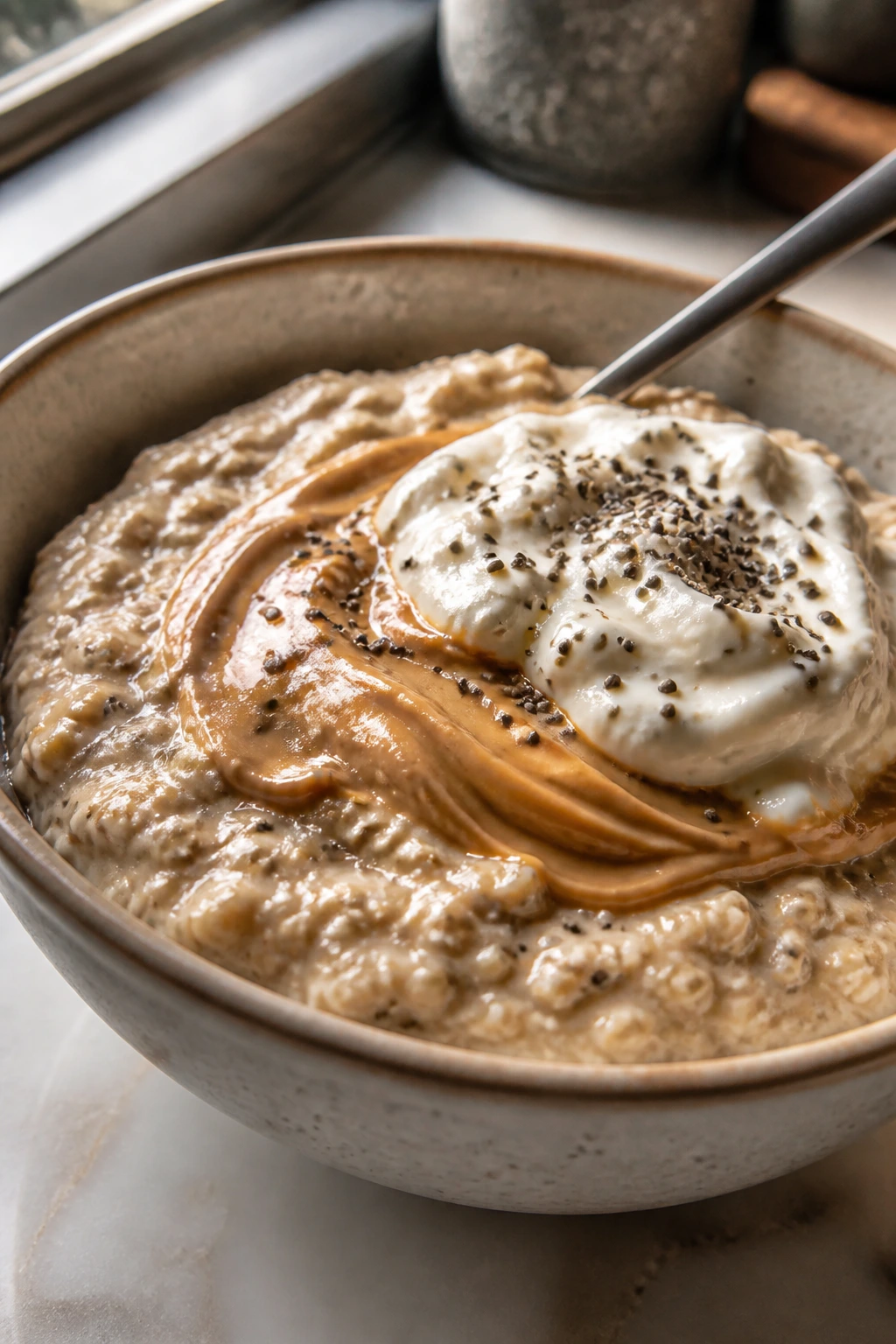
This is oatmeal with enough structure to count as breakfast and not a warm bowl of regret. The Greek yogurt folds in at the end, the peanut butter melts into the steam, and the whole thing gets a thick, spoon-coating finish.
Why It Works: Oats, Greek yogurt, peanut butter, and chia give you protein from several angles, so the bowl stays satisfying longer than plain oats ever could. Adding yogurt after cooking keeps it creamy instead of curdled.
Key Ingredients:
- 1 cup rolled oats
- 2 cups milk or water
- 3/4 cup plain Greek yogurt
- 2 tablespoons peanut butter
- 1 tablespoon chia seeds
- 1 banana, sliced
- 1/2 teaspoon cinnamon
- Pinch of salt
Quick Steps:
- Cook oats with milk or water and salt over medium heat until thick.
- Stir in cinnamon and chia seeds.
- Remove from heat and fold in Greek yogurt.
- Top with peanut butter and banana.
Equipment for This Recipe:
- Small saucepan
- Spoon
- Bowl
How to Serve This Dish: Eat it right away while the peanut butter is still soft on top. If you want more texture, add chopped peanuts or hemp seeds.
Pro Tips for This Recipe:
- Use plain yogurt so the bowl doesn’t turn sweet too fast.
- Stir constantly near the end or oats stick to the pot.
- A pinch of salt matters more than most people think.
Variations on This Dish:
- Chocolate PB Oats: Add 1 teaspoon cocoa powder and extra banana.
- Berry Skyr Bowl: Swap banana for berries and use skyr instead of yogurt.
Common Mistakes to Avoid with This Dish:
- Don’t add yogurt while the oats are boiling hot.
- Don’t leave out the salt; it flattens the peanut flavor.
20. Chicken Sausage and Peppers
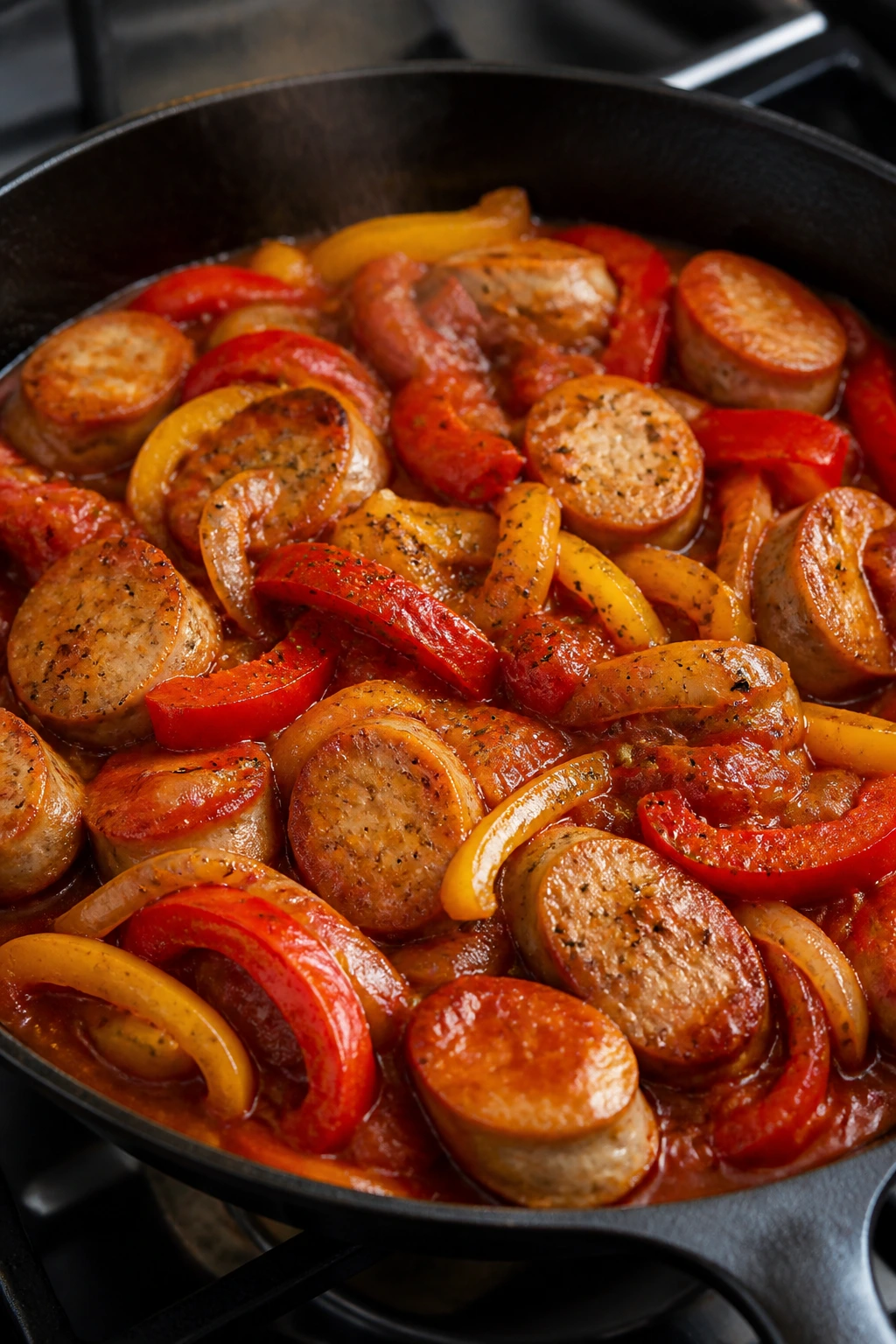
This skillet smells like dinner before you even sit down. Chicken sausage, sweet peppers, onion, and tomato build a saucy pan that works with pasta, rice, or polenta without much fuss.
Why It Works: Chicken sausage usually carries a decent protein count on its own, and peppers plus onions add sweetness that keeps the skillet from tasting heavy. A quick simmer with tomatoes ties everything together.
Key Ingredients:
- 1 pound chicken sausage, sliced
- 3 bell peppers, sliced
- 1 large onion, sliced
- 2 cloves garlic, minced
- 1 cup crushed tomatoes
- 1 tablespoon olive oil
- 1 teaspoon Italian seasoning
- Pasta, polenta, or bread for serving
Quick Steps:
- Brown the sausage slices in olive oil.
- Add peppers and onion and cook until softened.
- Stir in garlic, tomatoes, and seasoning.
- Simmer 10 minutes until saucy.
Equipment for This Recipe:
- Large skillet
- Wooden spoon
- Knife
How to Serve This Dish: Spoon it over soft polenta if you want comfort, or pile it onto toasted bread for a faster plate. It also works well over plain rice when the fridge is bare.
Pro Tips for This Recipe:
- Let the peppers soften some before adding tomatoes.
- A splash of vinegar at the end sharpens the sweetness.
- Use smoked sausage if you want a deeper flavor.
Variations on This Dish:
- Spicy Italian Version: Choose hot chicken sausage and add crushed red pepper.
- Mediterranean Version: Add olives and a little oregano.
Common Mistakes to Avoid with This Dish:
- Don’t rush the onions; they need time to sweeten.
- Don’t drown the skillet in tomatoes or the sausage flavor gets lost.
21. Sardine Toasts with Lemon and Capers
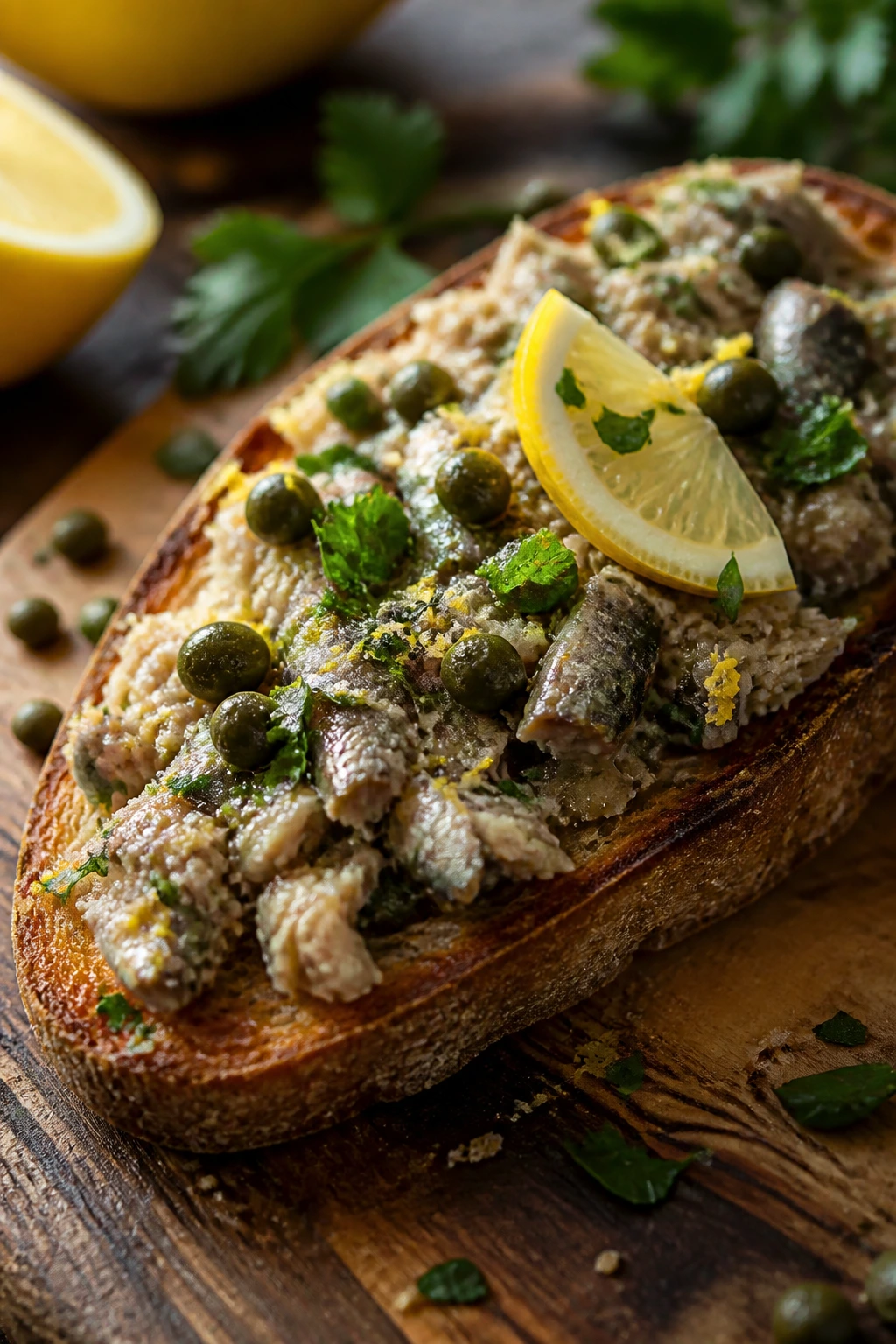
Sardines are one of the most underrated high protein foods around, and on toast they stop tasting like a pantry emergency. Lemon, capers, and parsley cut through the richness and make the whole thing feel deliberate.
Why It Works: Sardines bring protein and healthy fat in one small tin, which makes them useful for lunch or a fast dinner. The toast gives crunch, and capers keep the flavor sharp instead of fishy.
Key Ingredients:
- 2 cans sardines, drained
- 4 slices whole-grain bread
- 1 tablespoon lemon juice
- 1 tablespoon capers
- 1 tablespoon chopped parsley
- 1 tablespoon Greek yogurt or mashed avocado
- Black pepper
Quick Steps:
- Toast the bread until crisp.
- Mash the sardines lightly with lemon juice, capers, parsley, yogurt or avocado, and pepper.
- Spoon the mixture onto the toast.
- Finish with more parsley or lemon zest.
Equipment for This Recipe:
- Toaster or skillet
- Fork
- Small bowl
How to Serve This Dish: Keep the toast on a plate with something crisp and fresh, like sliced cucumber or radish. A second squeeze of lemon at the table is not optional in my kitchen.
Pro Tips for This Recipe:
- Choose sardines packed in olive oil if you want a rounder flavor.
- Drain them well so the toast stays crisp.
- Add sliced tomato only if you’re eating immediately.
Variations on This Dish:
- Spicy Sardine Toasts: Add chili flakes or hot sauce.
- Mediterranean Toasts: Add chopped olives and tomato.
Common Mistakes to Avoid with This Dish:
- Don’t pile on wet toppings or the bread collapses.
- Don’t skip the acid; sardines need brightness.
22. Miso Ginger Salmon
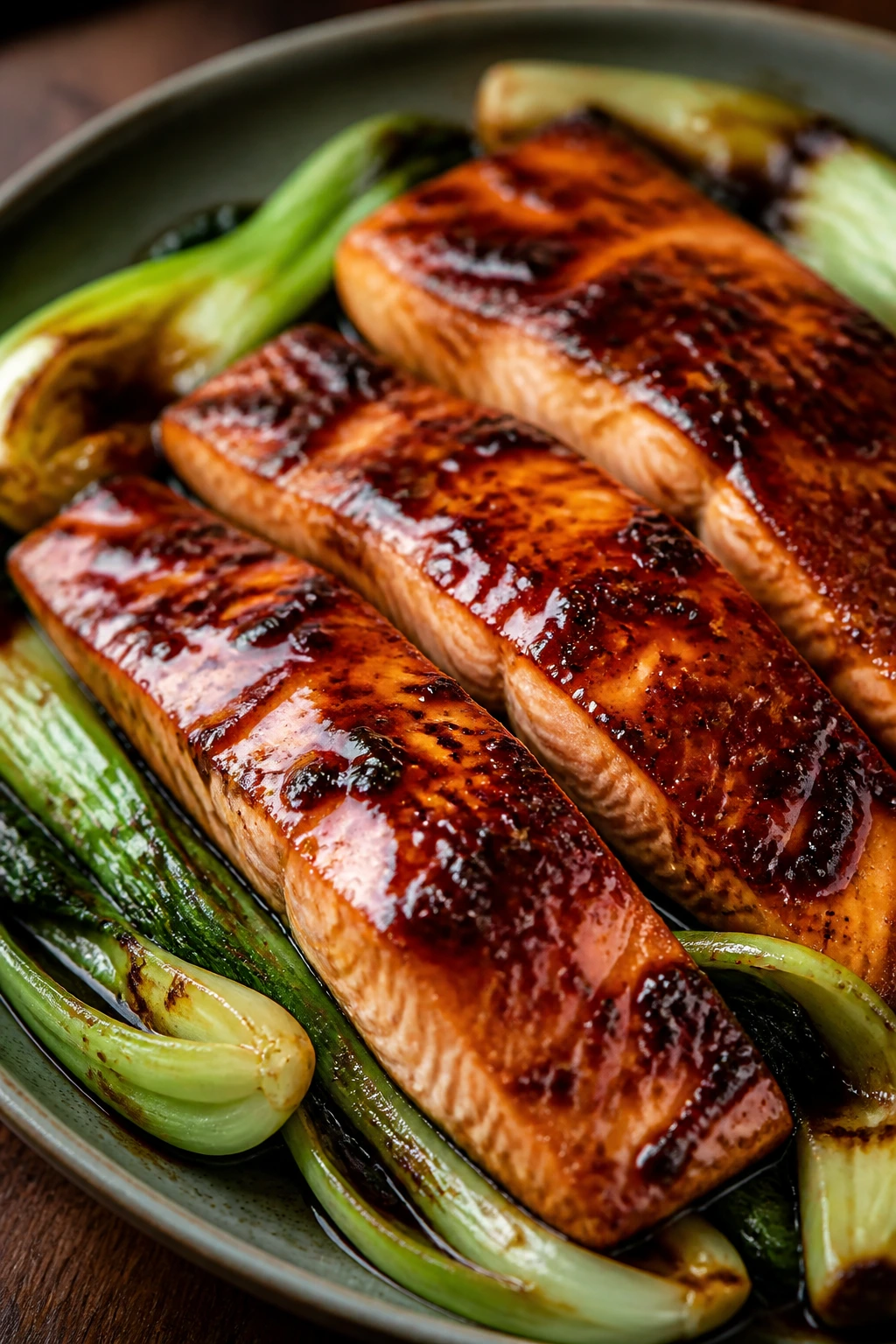
Miso and ginger give salmon a salty-sweet glaze that tastes more expensive than it is. The fish comes out lacquered on top and soft underneath, which is exactly the point.
Why It Works: Miso adds depth, ginger adds heat, and a little honey helps the glaze caramelize at 425°F without burning. Salmon already carries enough fat that it stays moist under a short roast.
Key Ingredients:
- 4 salmon fillets, about 5 ounces each
- 2 tablespoons miso paste
- 1 tablespoon soy sauce
- 1 tablespoon honey
- 1 tablespoon grated ginger
- 1 clove garlic, grated
- 2 cups bok choy or spinach
- Cooked rice, for serving
Quick Steps:
- Mix miso, soy sauce, honey, ginger, and garlic.
- Brush the salmon with the glaze.
- Roast at 425°F for 10 to 12 minutes.
- Serve with rice and quick-cooked greens.
Equipment for This Recipe:
- Sheet pan
- Small bowl
- Brush or spoon
How to Serve This Dish: Plate it with plain rice so the glaze has room to shine. A few scallions or sesame seeds are enough; anything louder starts to fight the miso.
Pro Tips for This Recipe:
- Watch the glaze near the end because honey can darken quickly.
- Put greens on the sheet pan only for the last few minutes if you want them tender.
- Use the thickest part of the fillet to test doneness.
Variations on This Dish:
- Orange Miso Salmon: Swap honey for orange juice and zest.
- Broiled Version: Broil for 2 to 3 minutes at the end for a darker top.
Common Mistakes to Avoid with This Dish:
- Don’t bake until the salmon dries out.
- Don’t use too much miso or the glaze gets salty and blunt.
23. Ground Turkey Stuffed Peppers
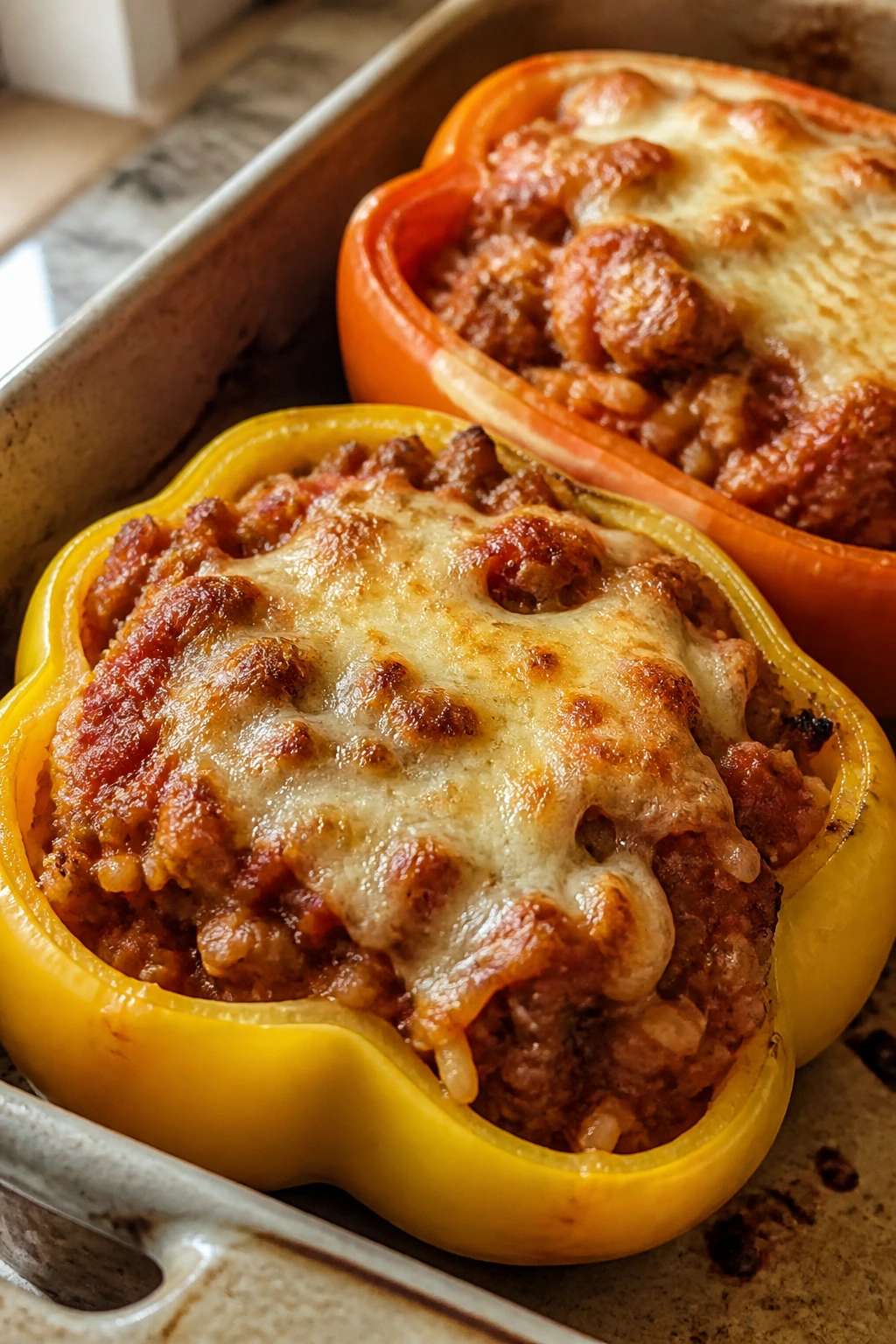
Stuffed peppers can feel old-fashioned in the best way when the filling actually tastes seasoned. Ground turkey, rice, tomato sauce, and melted cheese turn the peppers into their own little dinner bowl.
Why It Works: Peppers hold the filling neatly, and the turkey-rice mix gives you a full plate without a pile of side dishes. Baking them covered first softens the peppers before the cheese browns.
Key Ingredients:
- 4 large bell peppers, halved and seeded
- 1 pound ground turkey
- 1 cup cooked rice
- 1/2 onion, diced
- 2 cloves garlic, minced
- 1 cup tomato sauce
- 1 cup shredded cheese
- 1 teaspoon Italian seasoning
Quick Steps:
- Sauté onion and turkey until the turkey loses its pink color.
- Stir in garlic, rice, tomato sauce, seasoning, salt, and pepper.
- Fill pepper halves and top with cheese.
- Bake at 375°F for 30 to 35 minutes until the peppers soften.
Equipment for This Recipe:
- Baking dish
- Skillet
- Spoon
How to Serve This Dish: Serve two pepper halves per person with a spoonful of the pan sauce over the top. A green salad keeps the meal from feeling too square and heavy.
Pro Tips for This Recipe:
- Parboil the pepper halves for 3 minutes if you want them softer.
- Don’t overfill or the filling spills during baking.
- Use cooked rice, not raw, so the texture stays right.
Variations on This Dish:
- Mexican Version: Use taco seasoning and salsa instead of Italian seasoning.
- Cauliflower Rice Version: Swap the rice for cauliflower rice and bake a few minutes less.
Common Mistakes to Avoid with This Dish:
- Don’t skip seasoning the filling; peppers are mild and need help.
- Don’t undercook the peppers or the skin stays tough.
24. Edamame Soba Salad
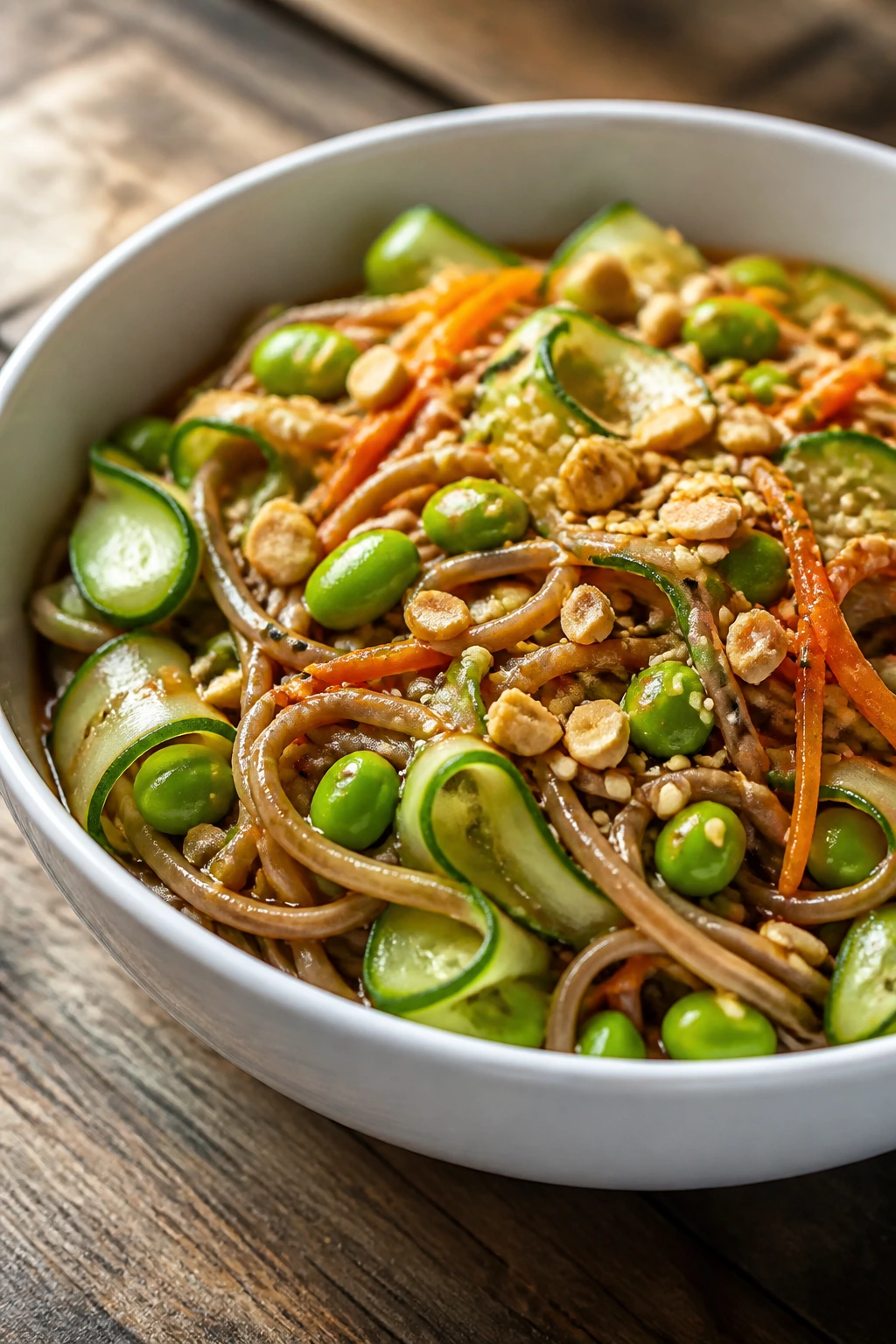
This is the kind of cold noodle salad that holds up in the fridge and still tastes sharp the next day. Edamame, soba, cucumber, and carrots bring protein, crunch, and a clean sesame finish.
Why It Works: Soba noodles and edamame make the bowl feel substantial without needing meat, and the sesame dressing coats the noodles without turning them sticky. It’s one of the better cold lunches because it stays good after sitting.
Key Ingredients:
- 8 ounces soba noodles
- 2 cups shelled edamame
- 1 cucumber, julienned
- 2 carrots, shredded
- 3 scallions, sliced
- 3 tablespoons sesame dressing
- 2 tablespoons chopped peanuts
- 1 teaspoon sesame seeds
Quick Steps:
- Cook soba noodles, rinse under cold water, and drain well.
- Cook or thaw the edamame.
- Toss noodles, edamame, cucumber, carrots, scallions, and dressing.
- Top with peanuts and sesame seeds.
Equipment for This Recipe:
- Pot
- Colander
- Large mixing bowl
How to Serve This Dish: Serve it cold or barely cool, with chopsticks if you want to make lunch feel more interesting than it is. A squeeze of lime can tighten the whole bowl.
Pro Tips for This Recipe:
- Rinse soba thoroughly or it clumps.
- Dry the noodles well before dressing them.
- Add peanuts at the end so they stay crisp.
Variations on This Dish:
- Peanut Soba Salad: Swap sesame dressing for peanut dressing.
- Chicken Version: Add shredded chicken if you want it even more filling.
Common Mistakes to Avoid with This Dish:
- Don’t overcook soba; it turns mushy fast.
- Don’t dress the salad while the noodles are still wet and hot.
25. Peanut Chicken Lettuce Wraps
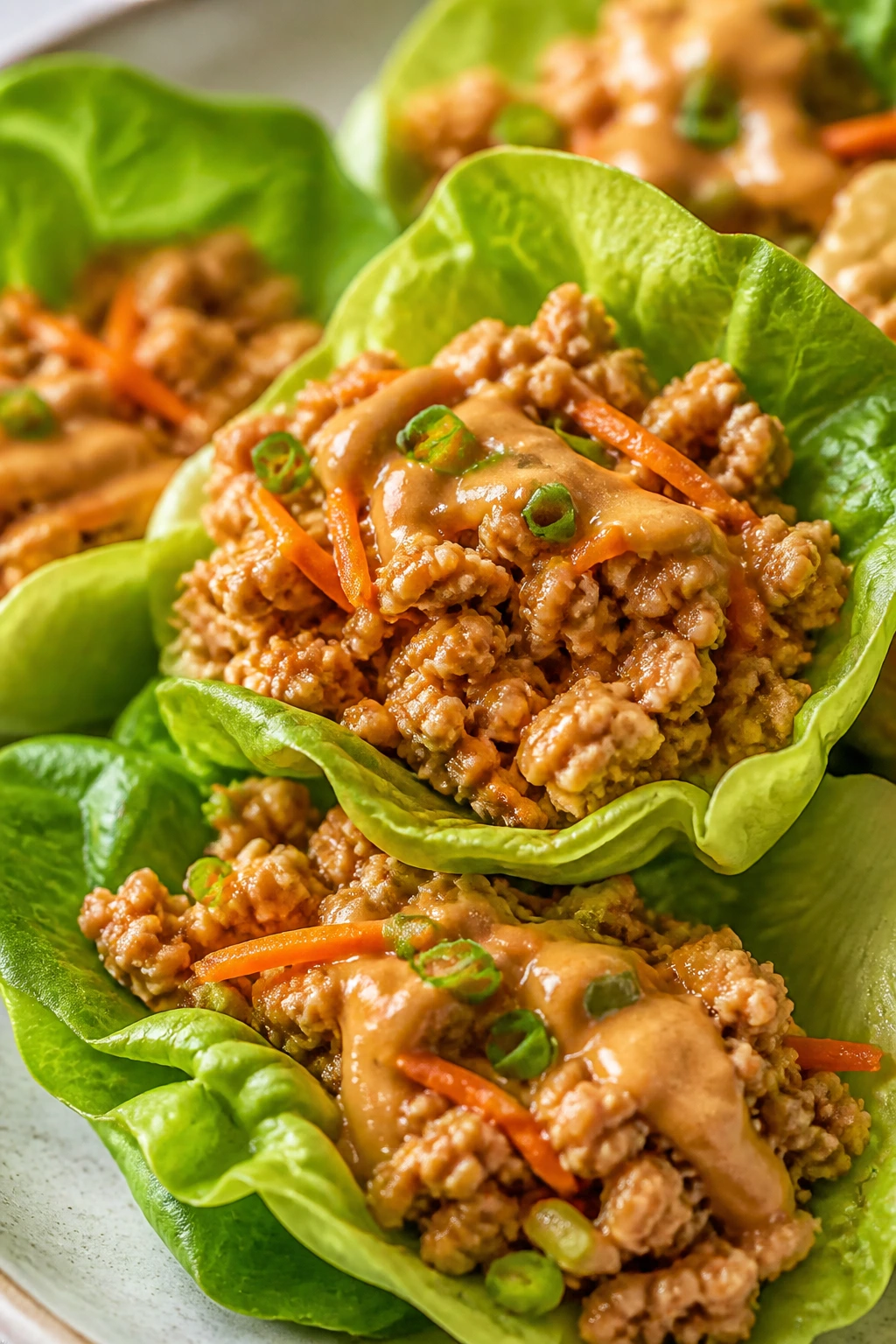
These wraps are messy in the best way, with a sticky peanut sauce and crisp lettuce doing the work of bread. They’re fast, but they still feel like dinner because the filling has real heft.
Why It Works: Chicken gives the wraps enough protein to matter, and peanut butter adds body without requiring cream. Lettuce cups keep things light, while carrots and scallions keep the filling from getting flat.
Key Ingredients:
- 1 pound ground chicken or finely diced chicken
- 3 tablespoons peanut butter
- 2 tablespoons soy sauce
- 1 tablespoon lime juice
- 1 teaspoon grated ginger
- 1 carrot, shredded
- 2 scallions, sliced
- 8 lettuce leaves
- Optional rice noodles
Quick Steps:
- Cook the chicken in a skillet until browned.
- Stir peanut butter, soy sauce, lime juice, and ginger into a sauce.
- Toss the sauce with the chicken, carrot, and scallions.
- Spoon into lettuce leaves and serve.
Equipment for This Recipe:
- Skillet
- Mixing bowl
- Spoon
How to Serve This Dish: Serve the filling in cold lettuce leaves so the contrast stays sharp. If you want more substance, add a little rice or rice noodles under the chicken.
Pro Tips for This Recipe:
- Thin the peanut sauce with a tablespoon of warm water if it’s too thick.
- Use sturdy lettuce like butter or romaine.
- Add chopped peanuts for crunch if you want more texture.
Variations on This Dish:
- Spicy Peanut Wraps: Add sriracha to the sauce.
- Turkey Version: Swap chicken for ground turkey with no other changes.
Common Mistakes to Avoid with This Dish:
- Don’t let the filling get soupy or it tears the lettuce.
- Don’t use delicate greens that collapse under warm filling.
26. Ricotta Spinach Stuffed Shells with Turkey
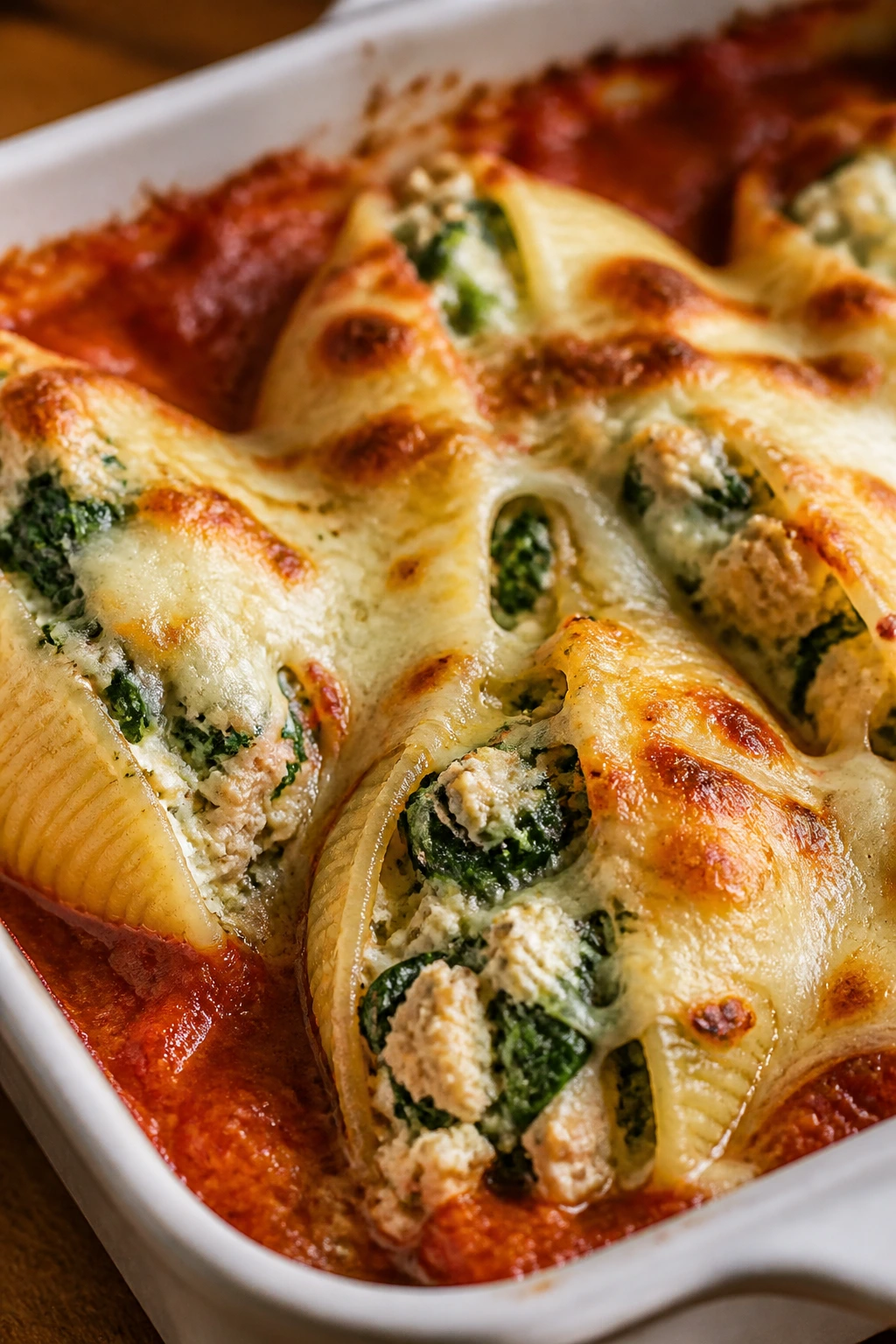
Stuffed shells feel old-school, but this version has enough protein to earn a spot in a modern dinner rotation. Ricotta keeps the filling creamy, turkey gives it structure, and spinach cuts the richness.
Why It Works: Jumbo shells are built to hold filling, which means you can pack in turkey and ricotta without the dish feeling dry. Baked under marinara, the tops brown lightly and the middle stays soft.
Key Ingredients:
- 20 jumbo pasta shells
- 1 pound ground turkey
- 2 cups ricotta
- 3 cups spinach, chopped
- 1 egg
- 2 cups marinara sauce
- 1 cup shredded mozzarella
- 1 teaspoon garlic powder
Quick Steps:
- Cook the shells until just al dente.
- Brown the turkey, then mix it with ricotta, spinach, egg, and garlic powder.
- Fill the shells and set them in marinara.
- Top with mozzarella and bake at 375°F for 25 minutes.
Equipment for This Recipe:
- Baking dish
- Pot for pasta
- Spoon
How to Serve This Dish: Serve three to four shells per person with extra marinara around the edges. A simple salad on the side keeps the meal from feeling too soft.
Pro Tips for This Recipe:
- Cool the shells slightly before stuffing so they don’t tear.
- Drain the turkey well if there’s extra fat or liquid.
- Don’t overcook the pasta; it will finish in the oven.
Variations on This Dish:
- Chicken Spinach Shells: Swap turkey for cooked shredded chicken.
- Vegetable Version: Skip the turkey and add chopped mushrooms.
Common Mistakes to Avoid with This Dish:
- Don’t overfill the shells or they split in the dish.
- Don’t skimp on sauce underneath; dry pasta edges are a bad time.
27. Steak and Egg Breakfast Hash
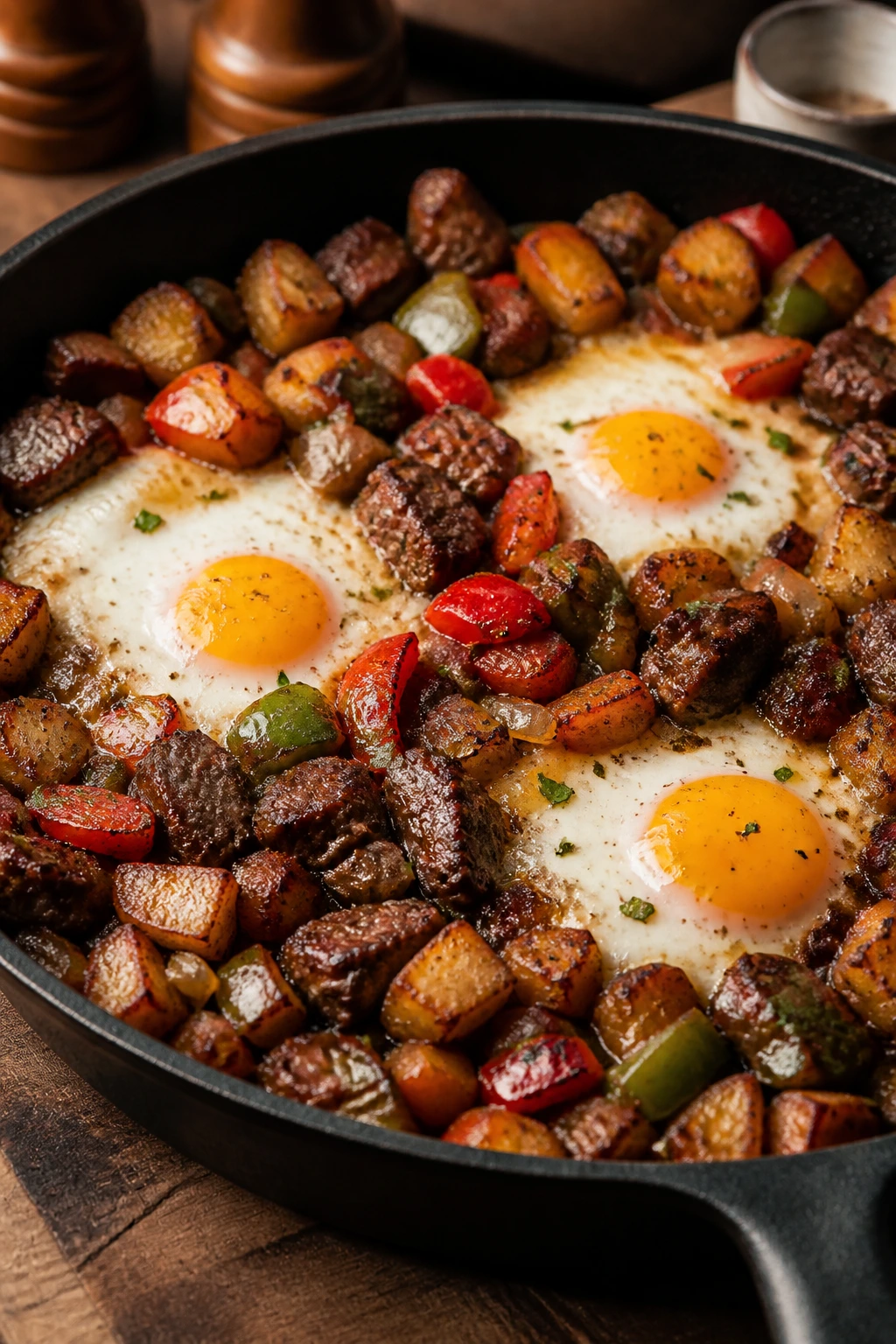
This hash is rugged in the best way: crisp potatoes, browned steak, and eggs cooked just enough that the yolks run into everything. It’s breakfast that doesn’t apologize for being breakfast.
Why It Works: Steak and eggs bring a lot of protein in one skillet, and the potatoes make the meal feel grounded instead of scattered. Cooking the potatoes first gives them a crisp edge before the steak goes in.
Key Ingredients:
- 12 ounces steak, diced
- 1 pound potatoes, diced small
- 4 large eggs
- 1/2 onion, chopped
- 1 bell pepper, chopped
- 1 teaspoon paprika
- 2 tablespoons oil
- Salt and pepper
Quick Steps:
- Cook potatoes in oil over medium heat until browned and tender.
- Add onion, pepper, and steak, and cook until the steak browns.
- Season with paprika, salt, and pepper.
- Fry or crack eggs on top and cook until set to your liking.
Equipment for This Recipe:
- Large skillet
- Spatula
- Lid if you want set whites faster
How to Serve This Dish: Serve straight from the skillet with hot sauce or ketchup if you must. The yolks should run into the potatoes and coat the steak a little.
Pro Tips for This Recipe:
- Cut the potatoes small so they cook through.
- Let the steak sear instead of stirring constantly.
- Cover the pan briefly if you want the egg whites to set faster.
Variations on This Dish:
- Sweet Potato Hash: Swap in sweet potatoes for a sweeter edge.
- Herby Hash: Finish with parsley or chives.
Common Mistakes to Avoid with This Dish:
- Don’t undercook the potatoes and assume they’ll finish later.
- Don’t overcook the eggs unless you actually want them firm.
28. Chickpea Pasta with Chicken Sausage
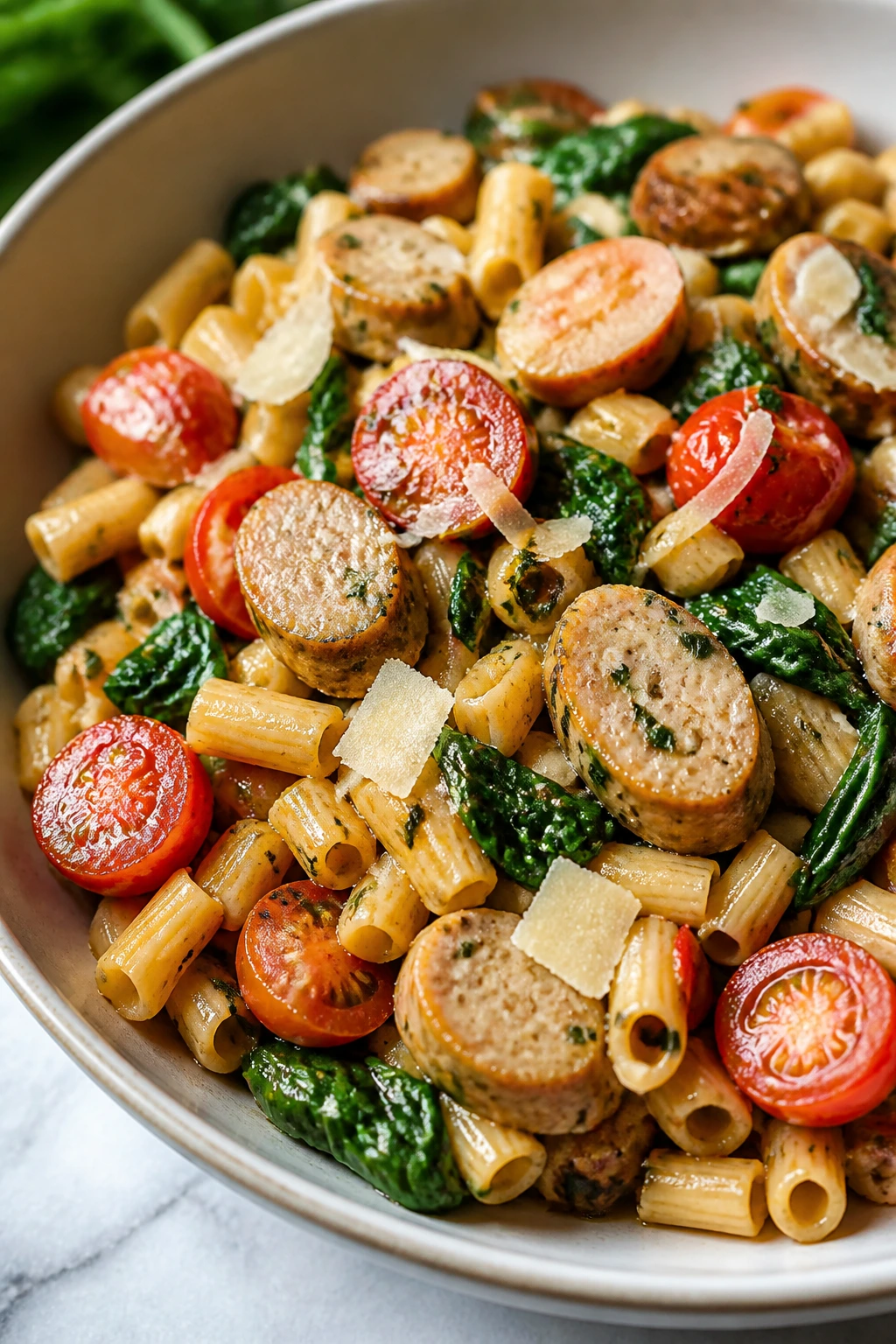
Chickpea pasta gets you a little extra protein before the sauce even hits the pan, and chicken sausage pushes the bowl into full meal territory. The tomatoes and spinach keep it from feeling heavy.
Why It Works: Chickpea pasta is dense enough to hold a sauce without collapsing, and chicken sausage gives you protein plus seasoning in one ingredient. Garlic, tomatoes, and spinach make the pan taste built, not thrown together.
Key Ingredients:
- 12 ounces chickpea pasta
- 1 pound chicken sausage, sliced
- 1 pint cherry tomatoes
- 3 cups spinach
- 3 cloves garlic, minced
- 2 tablespoons olive oil
- 1/4 cup parmesan
- Salt and pepper
Quick Steps:
- Cook pasta until al dente.
- Brown sausage in olive oil.
- Add garlic and tomatoes and cook until the tomatoes burst.
- Toss in spinach, pasta, and parmesan.
Equipment for This Recipe:
- Pot for pasta
- Large skillet
- Colander
How to Serve This Dish: Serve it in a shallow bowl so the tomatoes and parmesan stay visible. A little extra olive oil at the end smooths out the chickpea pasta.
Pro Tips for This Recipe:
- Reserve some pasta water to help the sauce cling.
- Don’t overcook chickpea pasta or it turns chalky.
- Add spinach last so it stays bright green.
Variations on This Dish:
- Creamy Version: Add a spoonful of ricotta at the end.
- Spicy Sausage Version: Use hot sausage and red pepper flakes.
Common Mistakes to Avoid with This Dish:
- Don’t rinse the pasta after cooking; you need the starch.
- Don’t let tomatoes reduce until dry.
29. Buffalo Turkey Cauliflower Bowls
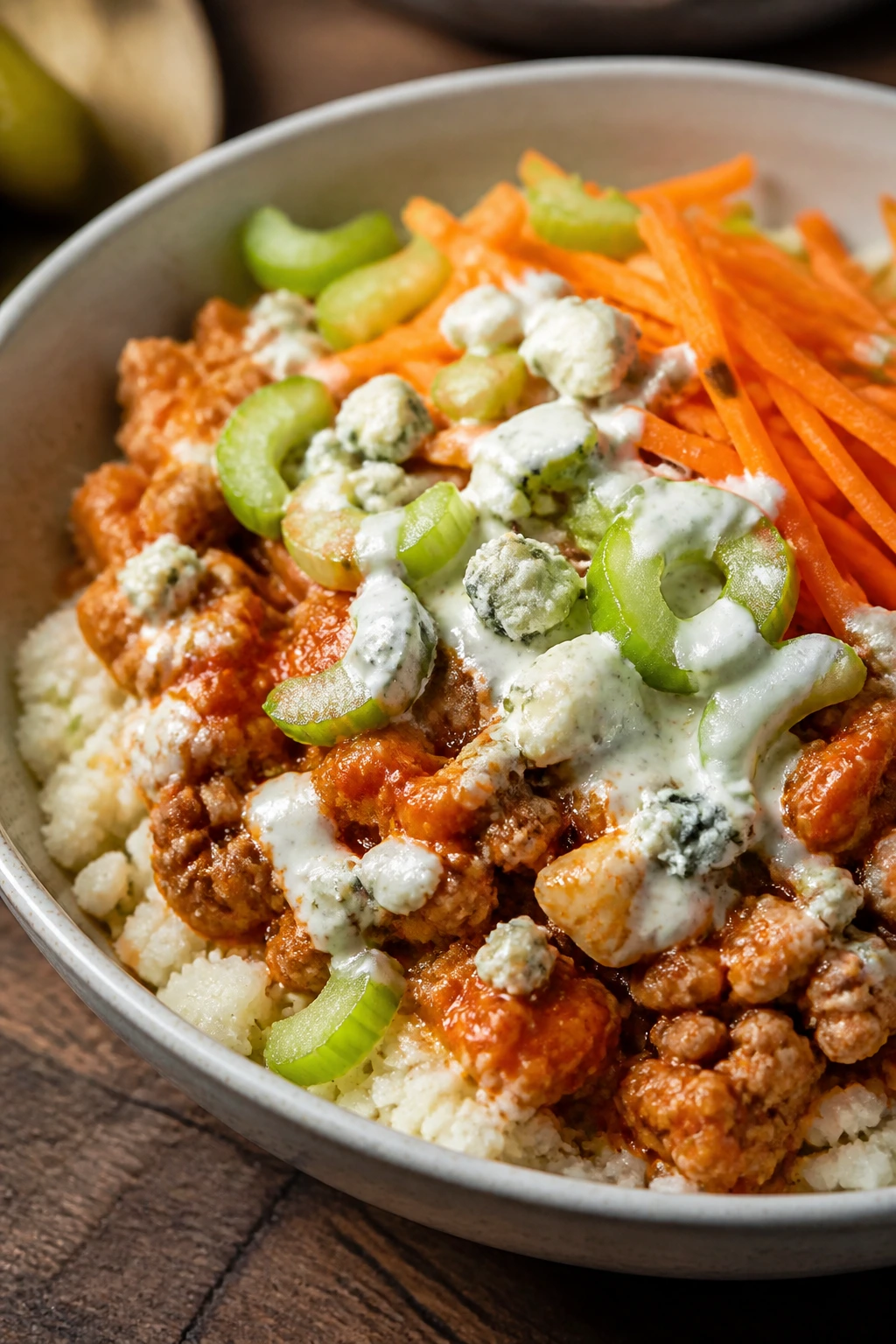
This is what happens when buffalo wings turn into an actual meal. The turkey brings protein, the cauliflower rice keeps the bowl light, and the buffalo sauce gives the whole thing some attitude.
Why It Works: Ground turkey is mild enough to take bold sauce, and cauliflower rice soaks up flavor without turning the dish heavy. Blue cheese or yogurt on top cools the heat and keeps it balanced.
Key Ingredients:
- 1 pound ground turkey
- 4 cups cauliflower rice
- 1/3 cup buffalo sauce
- 1 tablespoon olive oil
- 1 celery stalk, chopped
- 1 carrot, shredded
- 1/4 cup blue cheese or plain Greek yogurt
- Salt and pepper
Quick Steps:
- Cook the turkey in olive oil until browned.
- Stir in buffalo sauce and simmer 2 minutes.
- Warm the cauliflower rice in a second pan.
- Assemble bowls with turkey, cauliflower rice, celery, carrot, and blue cheese or yogurt.
Equipment for This Recipe:
- Skillet
- Second skillet or microwave-safe bowl
- Spoon
How to Serve This Dish: Serve it in a deep bowl with celery and carrot on top for crunch. If you want more substance, add a scoop of rice under the cauliflower.
Pro Tips for This Recipe:
- Use a buffalo sauce you actually like; bad sauce ruins the bowl.
- Don’t overcook cauliflower rice or it gets wet.
- A squeeze of lemon can brighten the heat.
Variations on This Dish:
- Buffalo Chicken Version: Swap turkey for shredded chicken.
- Ranch Bowl: Use ranch yogurt instead of blue cheese.
Common Mistakes to Avoid with This Dish:
- Don’t add too much sauce too soon or the turkey turns soupy.
- Don’t skip the crunchy vegetables.
30. Paneer Tikka Skillet
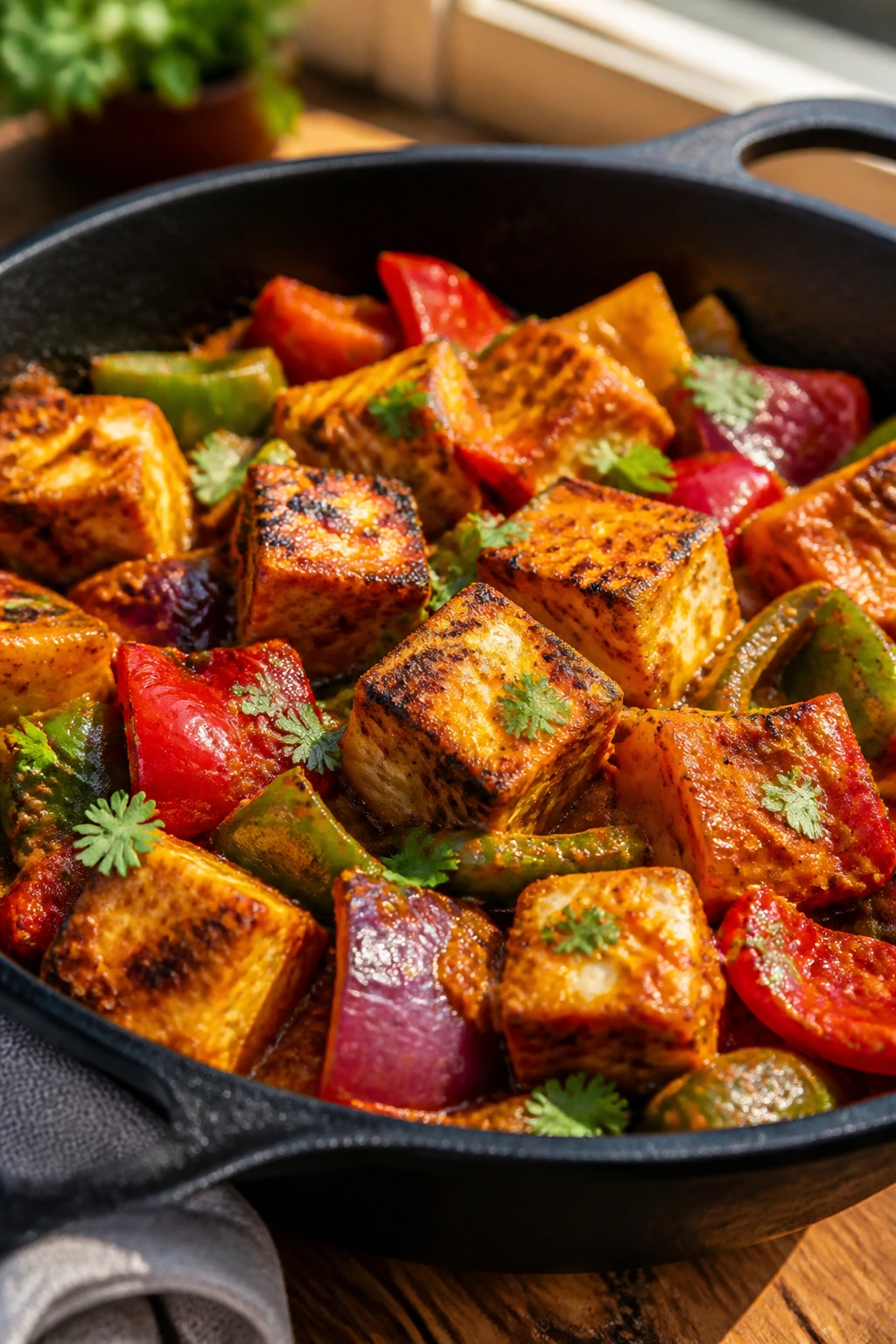
Paneer has a firm, squeaky bite that holds up to spices better than a softer cheese would. In this skillet, the edges brown and the yogurt marinade turns the cubes into something much more interesting than plain cheese.
Why It Works: Paneer is naturally high in protein and keeps its shape under heat, which makes it ideal for a skillet dinner. Bell peppers and onions add sweetness and char, so the pan never tastes one-dimensional.
Key Ingredients:
- 14 ounces paneer, cubed
- 1/2 cup plain yogurt
- 1 teaspoon garam masala
- 1 teaspoon paprika
- 1/2 teaspoon turmeric
- 1 bell pepper, sliced
- 1 onion, sliced
- 1 tablespoon oil
- Rice or naan, for serving
Quick Steps:
- Stir yogurt and spices together.
- Coat the paneer and let it sit 10 to 15 minutes.
- Sear paneer, bell pepper, and onion in oil until browned.
- Serve with rice or naan.
Equipment for This Recipe:
- Skillet
- Mixing bowl
- Spatula
How to Serve This Dish: Serve it with basmati rice and a little cilantro if you have it. A wedge of lime on the side gives the creamy paneer some lift.
Pro Tips for This Recipe:
- Dry the paneer before cooking so it browns instead of steaming.
- Don’t stir constantly; let the cubes sit and take color.
- A few charred spots make the dish taste better.
Variations on This Dish:
- Coconut Version: Add a spoonful of coconut milk to the marinade.
- Sheet Pan Version: Roast everything at 425°F if you want less stovetop work.
Common Mistakes to Avoid with This Dish:
- Don’t use too much yogurt or the coating turns wet.
- Don’t overcook paneer until it gets rubbery.
31. White Chicken Chili
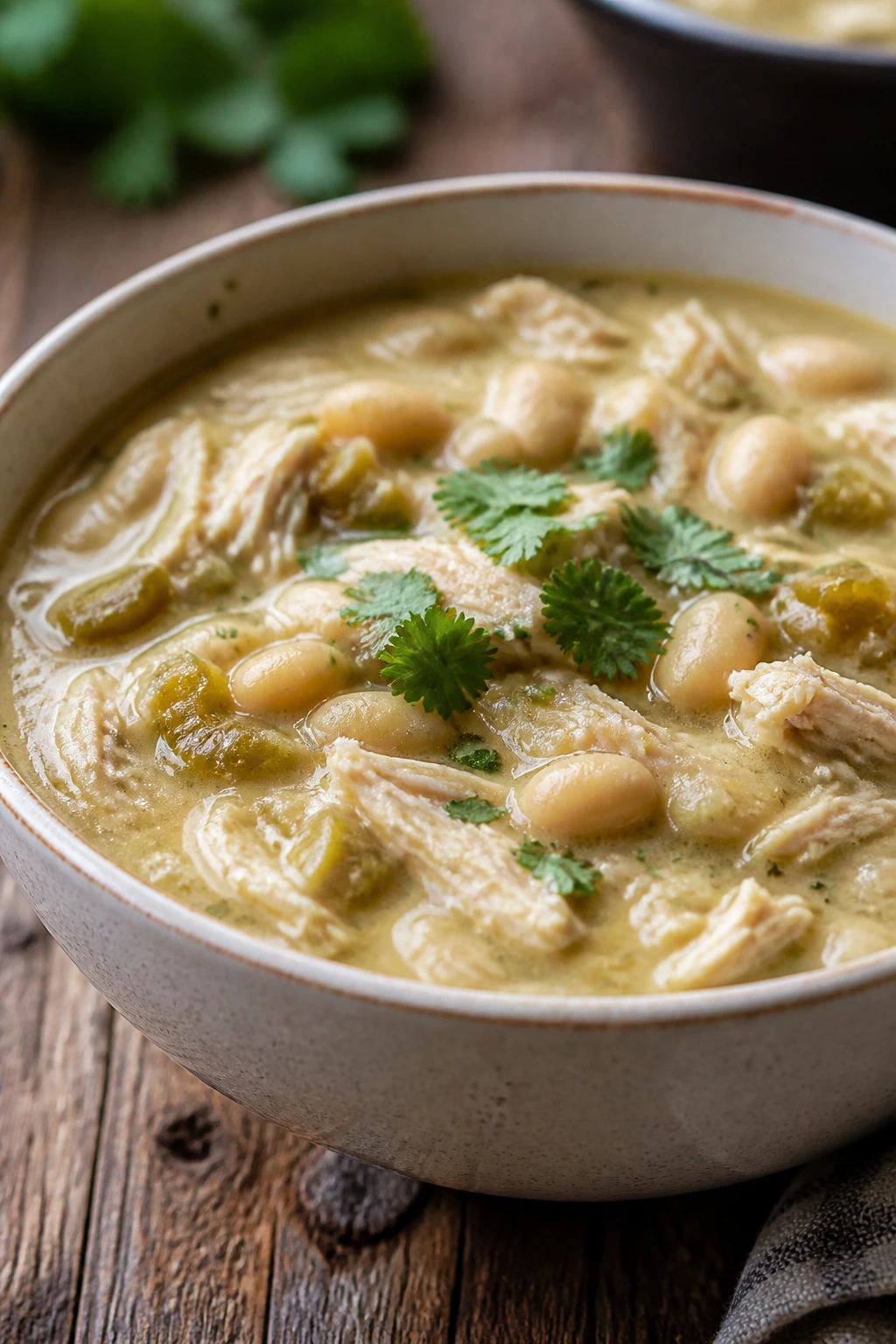
White chicken chili has a softer, creamier feel than the tomato-based version, but it still eats like a proper bowl of dinner. Green chiles and cumin give it enough edge to stay interesting.
Why It Works: Chicken and white beans make this one of the most practical high protein dishes in the lineup. A little Greek yogurt stirred in at the end adds body without needing heavy cream.
Key Ingredients:
- 1 pound chicken breasts
- 2 cans white beans, drained and rinsed
- 1 small onion, diced
- 1 can diced green chiles
- 4 cups chicken broth
- 1 teaspoon cumin
- 1 teaspoon oregano
- 1/2 cup Greek yogurt
- Salt and pepper
Quick Steps:
- Sauté onion, then add broth, chicken, beans, chiles, and spices.
- Simmer 20 minutes until the chicken cooks through.
- Shred the chicken in the pot.
- Stir in Greek yogurt off the heat and serve.
Equipment for This Recipe:
- Soup pot
- Forks for shredding
- Ladle
How to Serve This Dish: Top it with cilantro, lime, or a few crushed tortilla chips. It’s thick enough to eat with a spoon but not so thick that it needs to be called stew.
Pro Tips for This Recipe:
- Shred the chicken while it’s hot so it breaks apart cleanly.
- Don’t boil after adding yogurt or it can curdle.
- A little corn adds sweetness if you want more contrast.
Variations on This Dish:
- Slightly Spicy Version: Add jalapeño or hot sauce.
- Extra Thick Version: Mash a small portion of the beans before serving.
Common Mistakes to Avoid with This Dish:
- Don’t leave the beans whole and unseasoned.
- Don’t let the pot boil hard once the yogurt goes in.
32. Broccoli Cheddar Chicken Soup
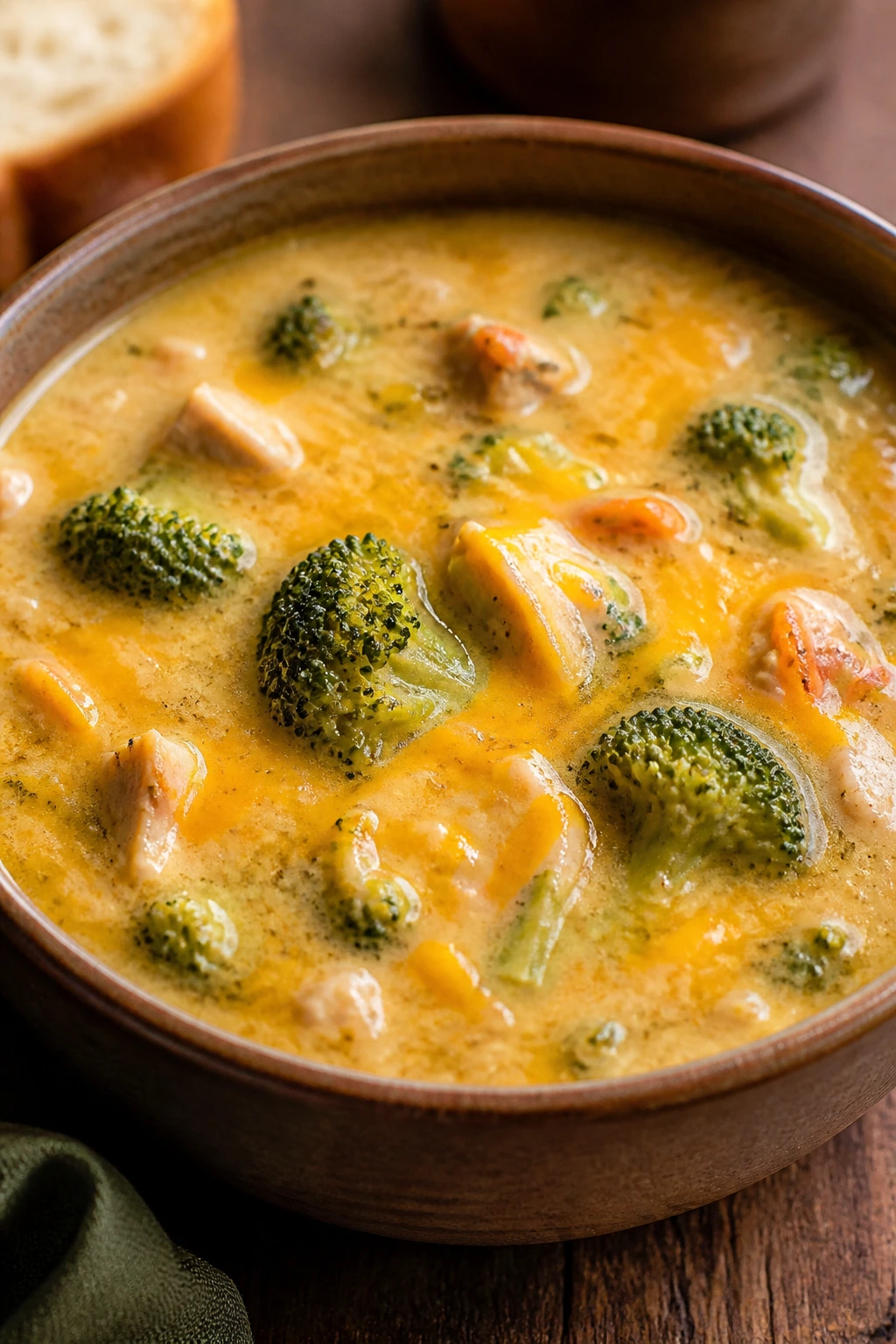
This soup tastes like comfort food that happened to be built with a protein plan. Broccoli, chicken, and cheddar make a thick bowl that feels more substantial than the usual creamy soup.
Why It Works: Chicken gives the soup staying power, and broccoli adds enough texture that the cheese doesn’t turn it into velvet. If you blend only part of the soup, you get creaminess and chunks instead of one flat texture.
Key Ingredients:
- 1 pound chicken breast, diced
- 6 cups broccoli florets
- 1 carrot, shredded
- 1 small onion, diced
- 4 cups chicken broth
- 1 cup milk
- 2 cups shredded cheddar
- 1 tablespoon butter
- Salt and pepper
Quick Steps:
- Sauté onion and carrot in butter.
- Add chicken, broth, and broccoli, then simmer until chicken is cooked and broccoli is tender.
- Stir in milk and cheddar over low heat.
- Blend part of the soup if you want it thicker.
Equipment for This Recipe:
- Soup pot
- Immersion blender or regular blender
- Ladle
How to Serve This Dish: Serve it with toasted bread or a few whole-grain crackers. A small amount of extra cheddar on top is enough; too much and you lose the broccoli.
Pro Tips for This Recipe:
- Keep the heat low after adding cheese.
- Dice the chicken small so it cooks quickly.
- If the soup gets too thick, thin it with broth.
Variations on This Dish:
- Cauliflower Cheddar Version: Swap half the broccoli for cauliflower.
- Smoked Version: Add smoked paprika for a deeper flavor.
Common Mistakes to Avoid with This Dish:
- Don’t let the cheese boil or it turns grainy.
- Don’t undercook the broccoli or the soup tastes raw.
33. Seared Ahi Tuna Salad
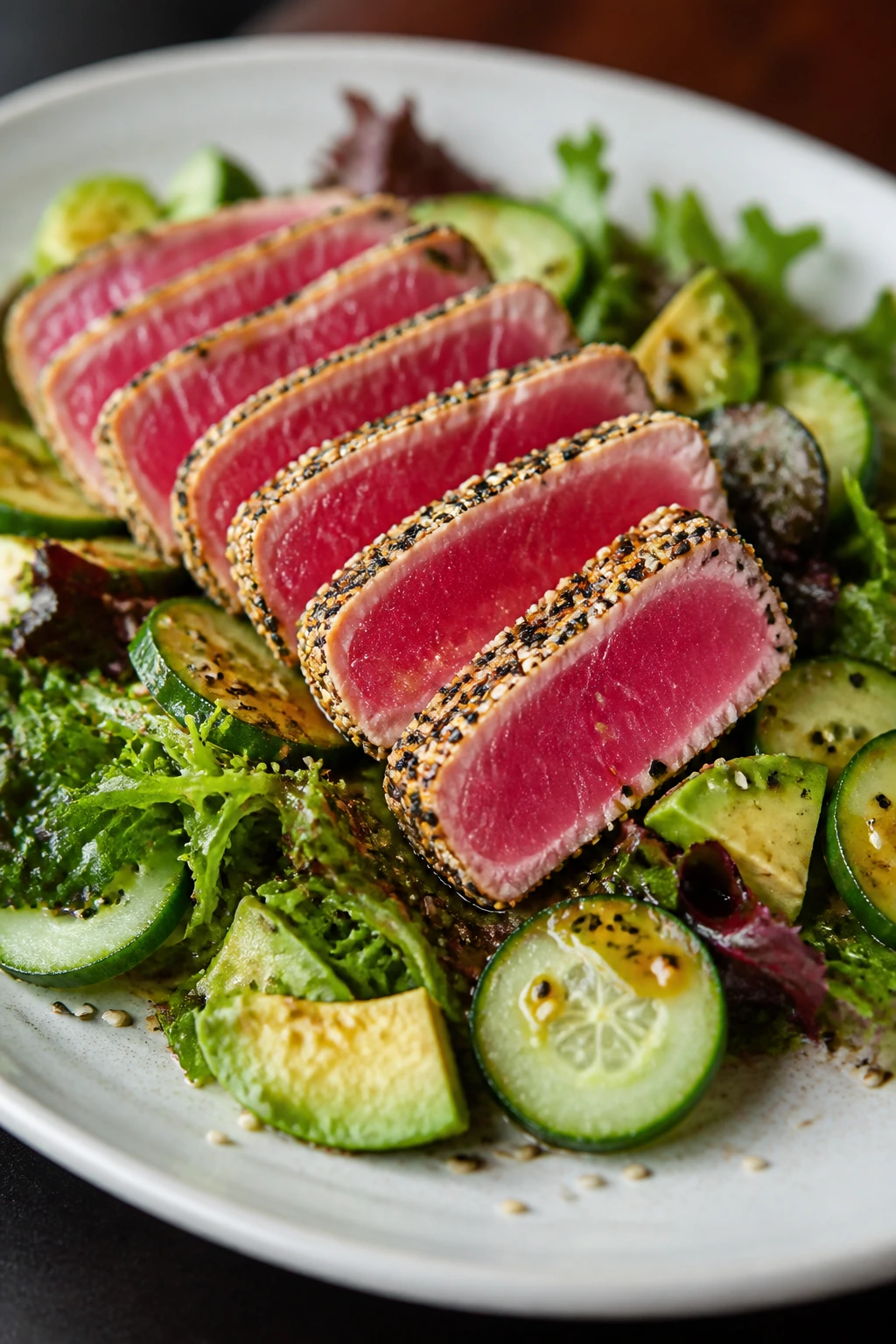
Ahi tuna belongs in a salad when you want something clean, quick, and a little more elegant than chicken on greens. The center stays rare, the outside gets a thin crust, and the sesame dressing brings it all together.
Why It Works: Ahi tuna cooks in under 2 minutes per side, so the protein stays tender and sashimi-like in the middle. Greens, cucumber, and avocado keep the plate cool and crisp around it.
Key Ingredients:
- 2 ahi tuna steaks, about 6 ounces each
- 4 cups mixed greens
- 1 cucumber, sliced
- 1 avocado, sliced
- 2 tablespoons sesame dressing
- 1 tablespoon sesame seeds
- Salt and pepper
Quick Steps:
- Season tuna with salt and pepper.
- Sear in a hot pan for 60 to 90 seconds per side.
- Slice thinly against the grain.
- Serve over greens with cucumber, avocado, dressing, and sesame seeds.
Equipment for This Recipe:
- Heavy skillet
- Sharp knife
- Cutting board
How to Serve This Dish: Serve the tuna sliced on top so you can see the rare center. A little pickled ginger on the side works if you like sharper flavors.
Pro Tips for This Recipe:
- Dry the tuna well before searing or it won’t crust.
- Don’t walk away; ahi cooks fast.
- Slice with a sharp knife so the edges stay clean.
Variations on This Dish:
- Soy-Ginger Version: Toss the tuna in a quick soy-ginger glaze after searing.
- Rice Bowl Version: Serve over rice instead of greens.
Common Mistakes to Avoid with This Dish:
- Don’t overcook the tuna into chalk.
- Don’t use a flimsy pan that loses heat when the fish hits it.
34. Chicken and Bean Enchilada Skillet
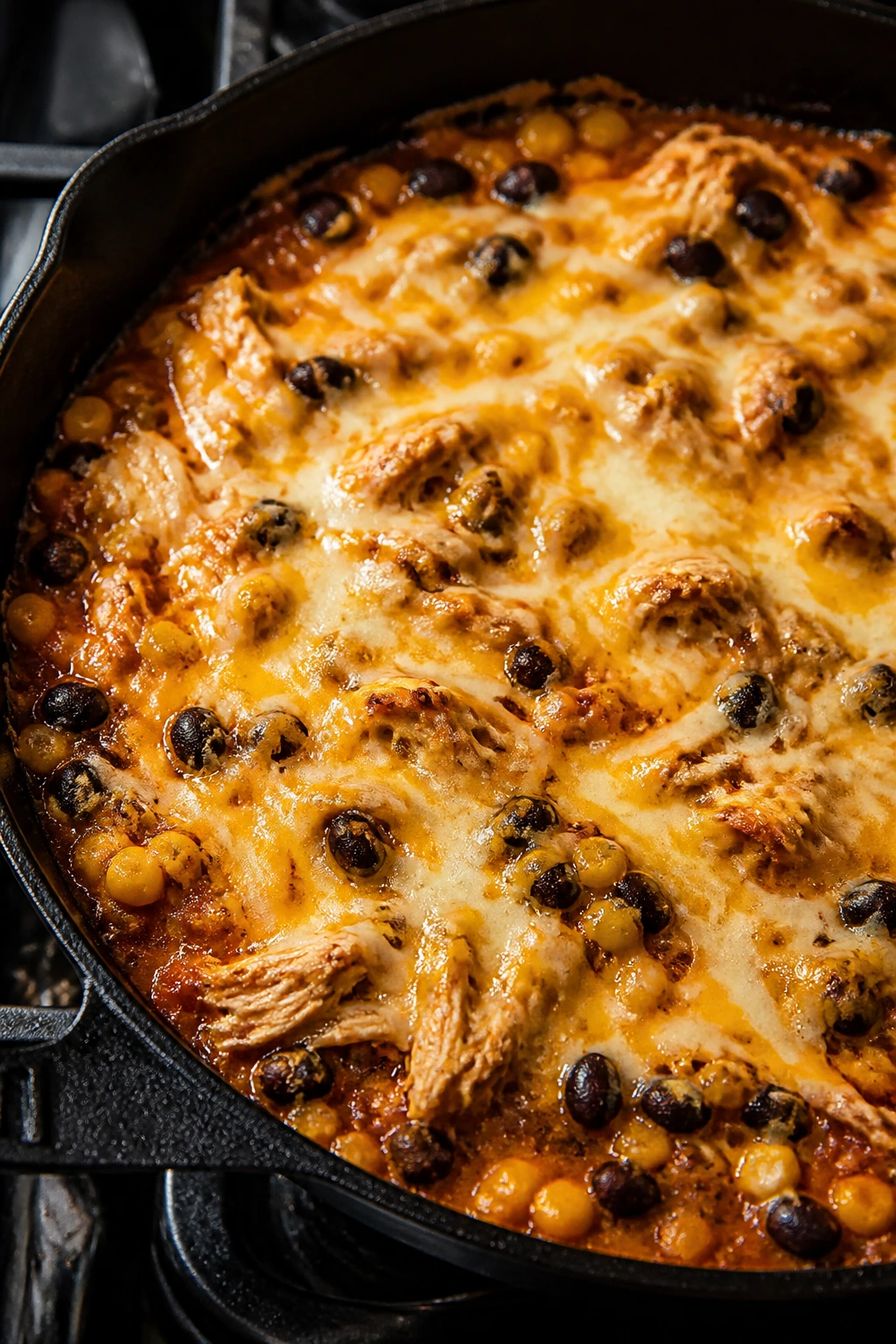
This skillet borrows the flavor of enchiladas without the work of rolling every tortilla. Chicken, beans, sauce, and cheese bake together into something scoopable and messy in the right way.
Why It Works: Chicken and beans make the filling hearty enough to stand up to tortillas and sauce, and the skillet method keeps the layers from drying out. It’s also one of the easiest ways to feed a few people without building individual enchiladas.
Key Ingredients:
- 1 pound cooked chicken, shredded
- 1 can black beans, drained and rinsed
- 1 cup corn
- 6 small tortillas, cut into strips
- 2 cups enchilada sauce
- 1 1/2 cups shredded cheese
- 1 teaspoon cumin
- Cilantro, for serving
Quick Steps:
- Mix chicken, beans, corn, cumin, and a little sauce in a skillet.
- Stir in tortilla strips and more sauce.
- Top with cheese and bake at 375°F for 20 minutes.
- Finish with cilantro and serve hot.
Equipment for This Recipe:
- Oven-safe skillet or baking dish
- Spoon
- Knife
How to Serve This Dish: Scoop it into bowls so the saucy edges stay visible. A spoon of Greek yogurt or sour cream on top cools the heat and rounds the flavor.
Pro Tips for This Recipe:
- Use sturdy tortillas so they don’t dissolve.
- Let the skillet sit 5 minutes before serving so it sets.
- Add diced onions if you want more bite.
Variations on This Dish:
- Green Enchilada Version: Swap in green sauce and shredded chicken.
- Turkey Version: Use ground turkey instead of chicken.
Common Mistakes to Avoid with This Dish:
- Don’t add too much sauce or the texture turns mushy.
- Don’t skip the rest time after baking.
35. Korean Beef Lettuce Cups
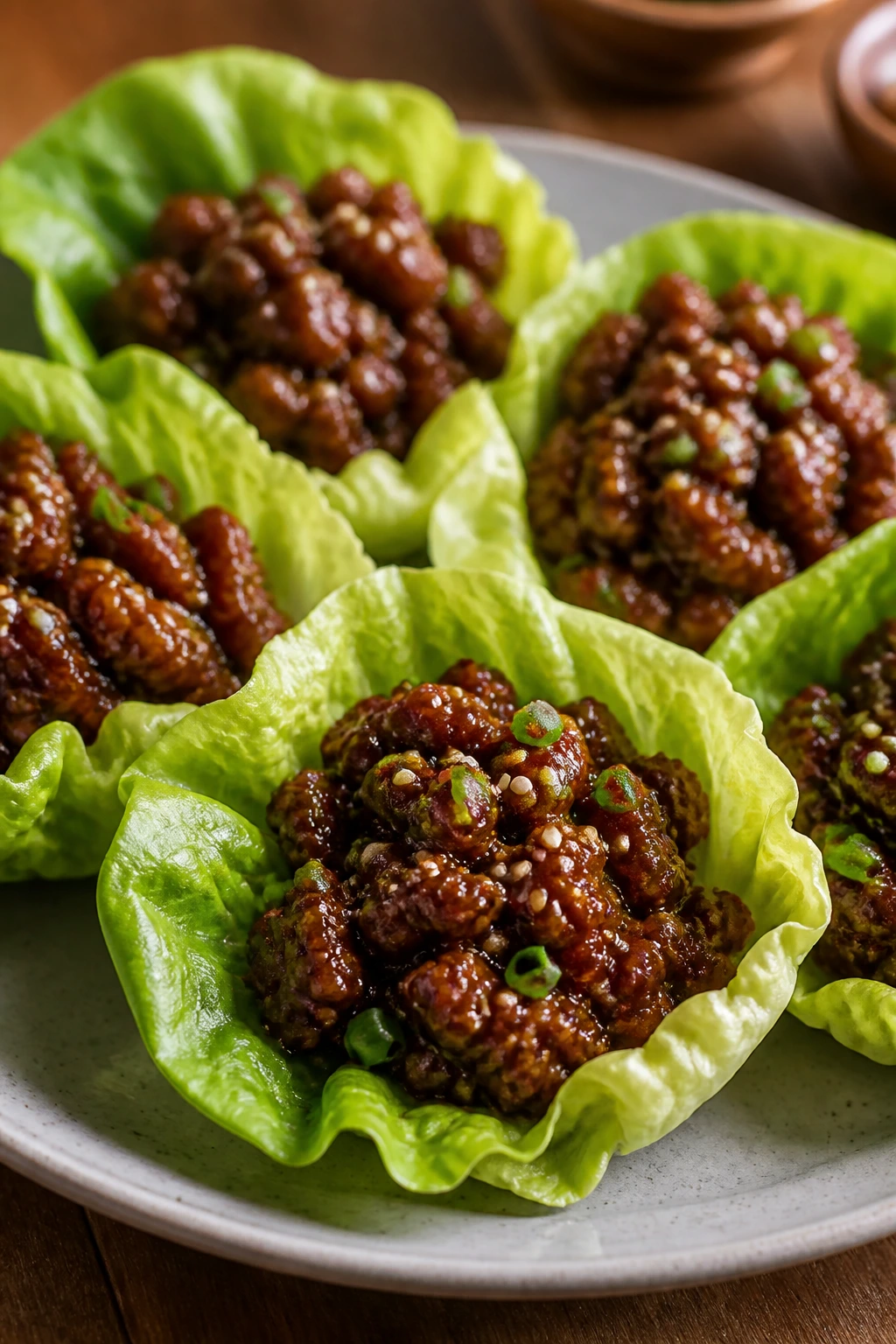
These lettuce cups bring sweet, salty, and spicy in a way that stays light on the plate. The beef cooks fast, the sauce clings to every bite, and the lettuce keeps things crisp.
Why It Works: Lean ground beef gives a lot of protein in a short cook time, and the gochujang-based sauce adds depth without needing a long simmer. Lettuce cups keep the portions manageable and the plate fresh.
Key Ingredients:
- 1 pound lean ground beef
- 2 tablespoons soy sauce
- 1 tablespoon gochujang
- 2 cloves garlic, minced
- 1 teaspoon grated ginger
- 1 carrot, shredded
- 2 scallions, sliced
- 8 lettuce leaves
- Cooked rice, optional
Quick Steps:
- Brown the beef in a skillet.
- Stir in soy sauce, gochujang, garlic, and ginger.
- Cook 2 to 3 minutes until glossy.
- Spoon into lettuce cups with carrot and scallions.
Equipment for This Recipe:
- Skillet
- Spoon
- Knife
How to Serve This Dish: Serve the beef in cool lettuce cups with a little rice on the side if you want more heft. A few sesame seeds make the top look finished.
Pro Tips for This Recipe:
- Use lean beef so there isn’t too much grease in the pan.
- Chop the scallions fine; they should taste fresh, not loud.
- Add a splash of water if the sauce gets too sticky.
Variations on This Dish:
- Turkey Version: Swap beef for ground turkey and keep the sauce.
- Extra-Spicy Version: Add more gochujang or chili crisp.
Common Mistakes to Avoid with This Dish:
- Don’t overload the lettuce leaves.
- Don’t let the sauce burn in the pan.
36. Tofu Scramble Breakfast Wraps
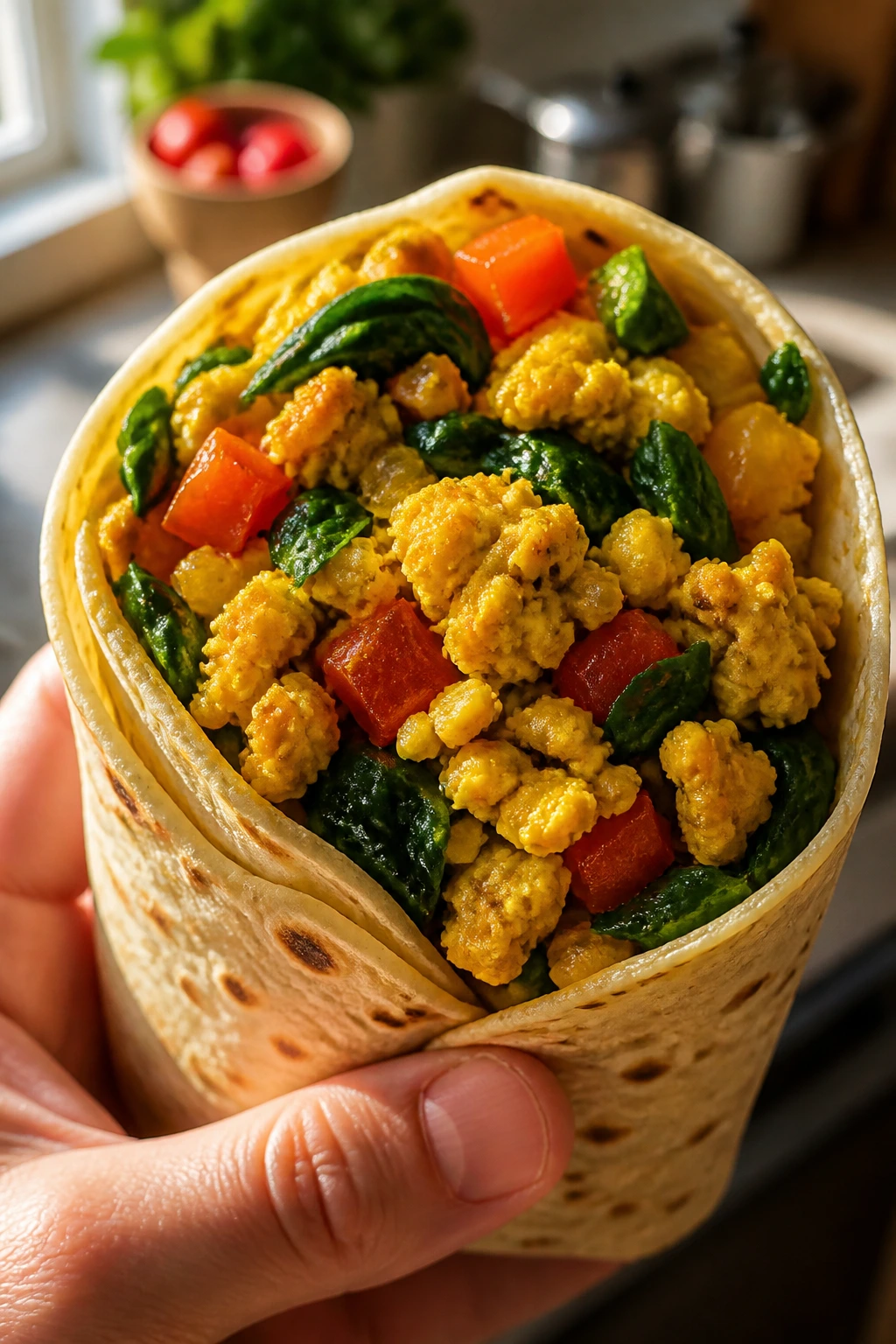
Tofu scramble can be bland if you treat it like soft eggs, but turmeric, cumin, and peppers fix that fast. Wrapped in a tortilla, it becomes a breakfast that travels well and still feels warm.
Why It Works: Crumbled tofu picks up seasoning in every little edge, and the vegetables add color plus a little crunch. A tortilla wraps the whole thing into something portable without stealing the protein.
Key Ingredients:
- 14 ounces extra-firm tofu
- 1/2 teaspoon turmeric
- 1/2 teaspoon cumin
- 1/2 bell pepper, diced
- 1/4 onion, diced
- 2 cups spinach
- 4 tortillas
- Salsa, for serving
- Salt and pepper
Quick Steps:
- Crumble tofu into a skillet.
- Cook with onion, pepper, turmeric, cumin, salt, and pepper until lightly browned.
- Stir in spinach until wilted.
- Fill tortillas with the scramble and salsa.
Equipment for This Recipe:
- Skillet
- Spatula
- Bowl for crumbling tofu
How to Serve This Dish: Wrap them snugly and eat them hot, or slice them in half for easier packing. A little avocado inside the wrap makes the whole thing more satisfying.
Pro Tips for This Recipe:
- Press the tofu for 10 minutes if it seems wet.
- Don’t overcook the spinach; it only needs a moment.
- Add nutritional yeast if you want a more savory edge.
Variations on This Dish:
- Southwest Version: Add black beans and corn.
- Mushroom Version: Swap peppers for chopped mushrooms.
Common Mistakes to Avoid with This Dish:
- Don’t use soft tofu; it turns mushy.
- Don’t forget salt, or the scramble tastes flat.
37. Greek Shrimp Orzo
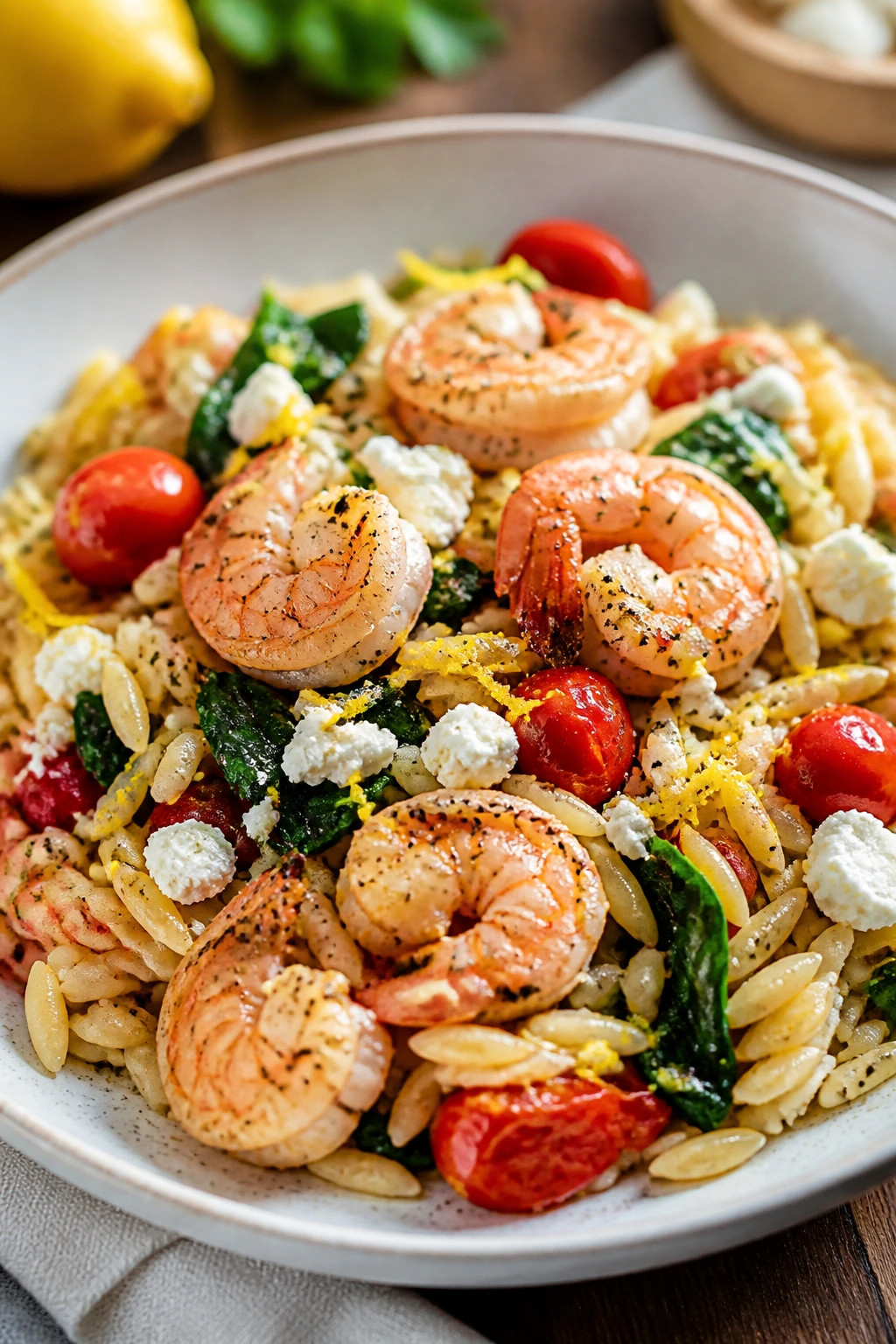
Shrimp and orzo make a fast dinner that still looks like you thought about it. Feta, lemon, spinach, and tomatoes keep the whole skillet bright and savory.
Why It Works: Shrimp cook in minutes, and orzo gives the dish enough structure that it doesn’t eat like plain pasta. Feta adds salt and creaminess without the weight of a cream sauce.
Key Ingredients:
- 1 pound shrimp, peeled and deveined
- 1 1/2 cups dry orzo
- 2 cups broth or water
- 1 cup cherry tomatoes
- 2 cups spinach
- 1/2 cup feta
- 1 lemon, juiced
- 2 tablespoons olive oil
- 2 cloves garlic, minced
Quick Steps:
- Cook the orzo until nearly tender.
- Sauté garlic and tomatoes in olive oil.
- Add shrimp and cook until pink.
- Stir in orzo, spinach, lemon juice, and feta.
Equipment for This Recipe:
- Large skillet
- Pot for orzo
- Colander
How to Serve This Dish: Serve it right away while the feta is still soft on top. A few chopped herbs, especially dill or parsley, make it taste fresher than the method suggests.
Pro Tips for This Recipe:
- Keep shrimp and orzo moving so nothing overcooks.
- Reserve a splash of cooking liquid for a silkier finish.
- Add lemon at the end, not during the sauté.
Variations on This Dish:
- Tomato-Focused Version: Add more tomatoes and less feta.
- Garlic Shrimp Version: Increase the garlic and finish with parsley.
Common Mistakes to Avoid with This Dish:
- Don’t overcook the shrimp.
- Don’t let the orzo sit dry in the pan.
38. Lamb Kofta Bowls
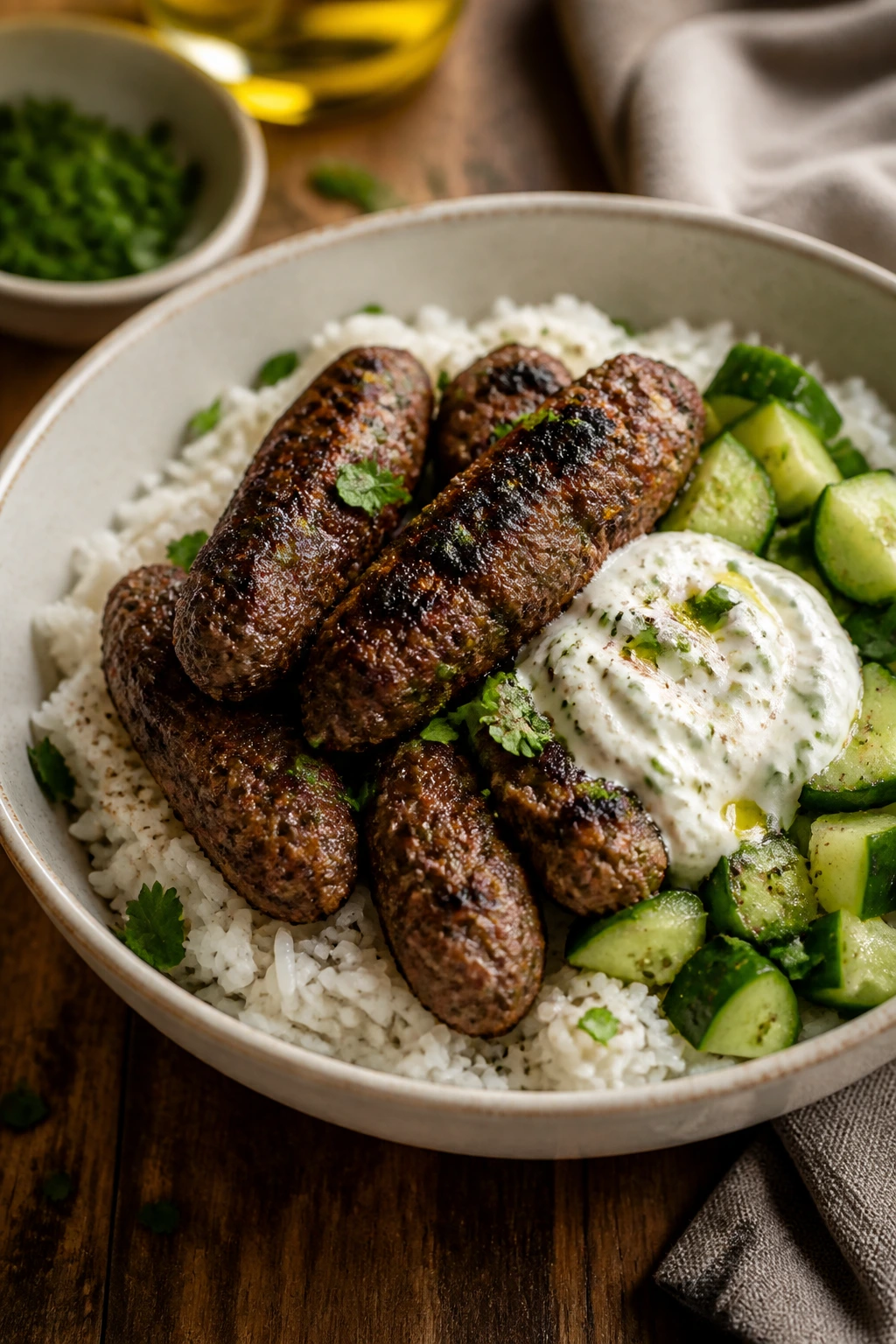
Lamb kofta has a rich, spiced flavor that feels a little special without requiring special equipment. Paired with rice, cucumber, and yogurt sauce, it becomes a balanced bowl with real character.
Why It Works: Ground lamb holds spice exceptionally well, and shaping it into small logs helps it cook fast and stay juicy. The yogurt sauce cools the richness and keeps the bowl from feeling heavy.
Key Ingredients:
- 1 pound ground lamb
- 2 cloves garlic, minced
- 1 teaspoon cumin
- 1 teaspoon coriander
- 1/2 teaspoon cinnamon
- 2 cups cooked rice
- 1 cucumber, chopped
- 1/2 cup plain Greek yogurt
- Salt and pepper
Quick Steps:
- Mix lamb with garlic, spices, salt, and pepper.
- Shape into small logs or patties.
- Pan-sear or broil until browned and cooked through.
- Serve over rice with cucumber and yogurt.
Equipment for This Recipe:
- Skillet or broiler pan
- Mixing bowl
- Spoon
How to Serve This Dish: Serve with rice under the kofta so the juices soak into the grains. A little mint or parsley gives the bowl a cleaner finish.
Pro Tips for This Recipe:
- Don’t compact the meat too tightly.
- Keep the kofta small so they cook evenly.
- A squeeze of lemon on the yogurt sauce helps a lot.
Variations on This Dish:
- Pita Version: Stuff the kofta into pita with tomatoes and onions.
- Spiced Tomato Version: Add a spoon of tomato paste to the meat mix.
Common Mistakes to Avoid with This Dish:
- Don’t overcook lamb until it turns dry.
- Don’t skip the yogurt; it balances the richness.
39. Buffalo Salmon Patties
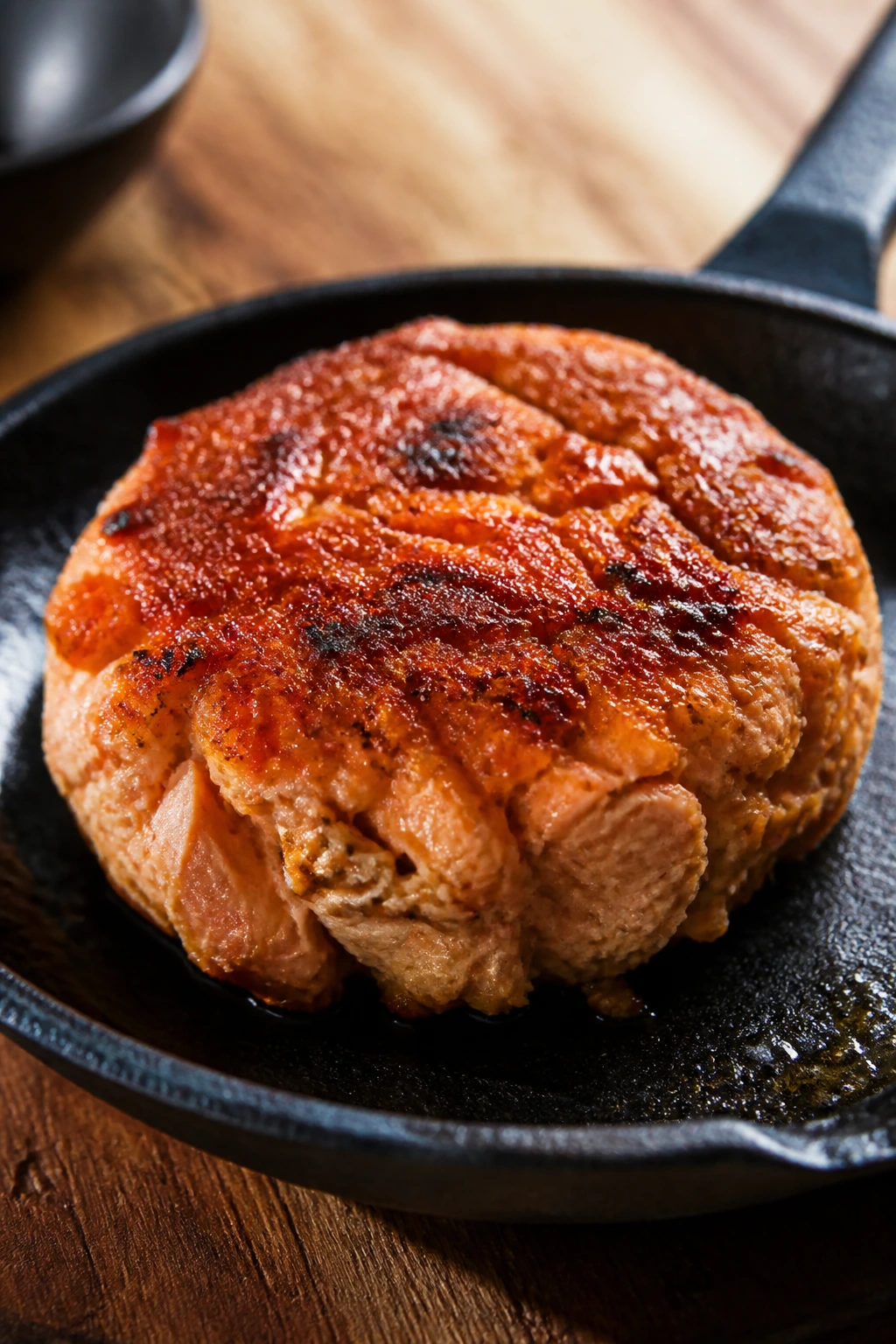
Salmon patties can taste old-fashioned in a good way or dry and disappointing. Buffalo sauce and a crisp pan-sear keep these ones lively, with enough heat to make them interesting.
Why It Works: Canned salmon gives you protein fast, and the egg plus crumbs hold the patties together so they don’t crumble in the pan. Buffalo sauce brings sharpness that cuts through the richness of the fish.
Key Ingredients:
- 2 cans salmon, drained
- 1 egg
- 1/3 cup breadcrumbs or oat crumbs
- 2 tablespoons buffalo sauce
- 1 celery stalk, finely diced
- 1 tablespoon chopped parsley
- 1 tablespoon oil
- Slaw or salad, for serving
Quick Steps:
- Mix salmon, egg, crumbs, buffalo sauce, celery, and parsley.
- Shape into 4 patties.
- Pan-sear in oil for 3 to 4 minutes per side.
- Serve with slaw or a light salad.
Equipment for This Recipe:
- Skillet
- Mixing bowl
- Spatula
How to Serve This Dish: Serve the patties over slaw if you want crunch or with a yogurt dip if you want the heat softened. They also make a decent sandwich tucked into a bun.
Pro Tips for This Recipe:
- Chill the patties for 10 minutes if the mix feels loose.
- Use canned salmon with bones if you want more calcium.
- Let the crust form before flipping.
Variations on This Dish:
- Herb Salmon Cakes: Swap buffalo sauce for dill and lemon.
- Air-Fryer Version: Cook at 390°F until golden, flipping once.
Common Mistakes to Avoid with This Dish:
- Don’t make the mixture too wet.
- Don’t flip too early or the patties break apart.
40. Tuna and White Bean Arugula Salad
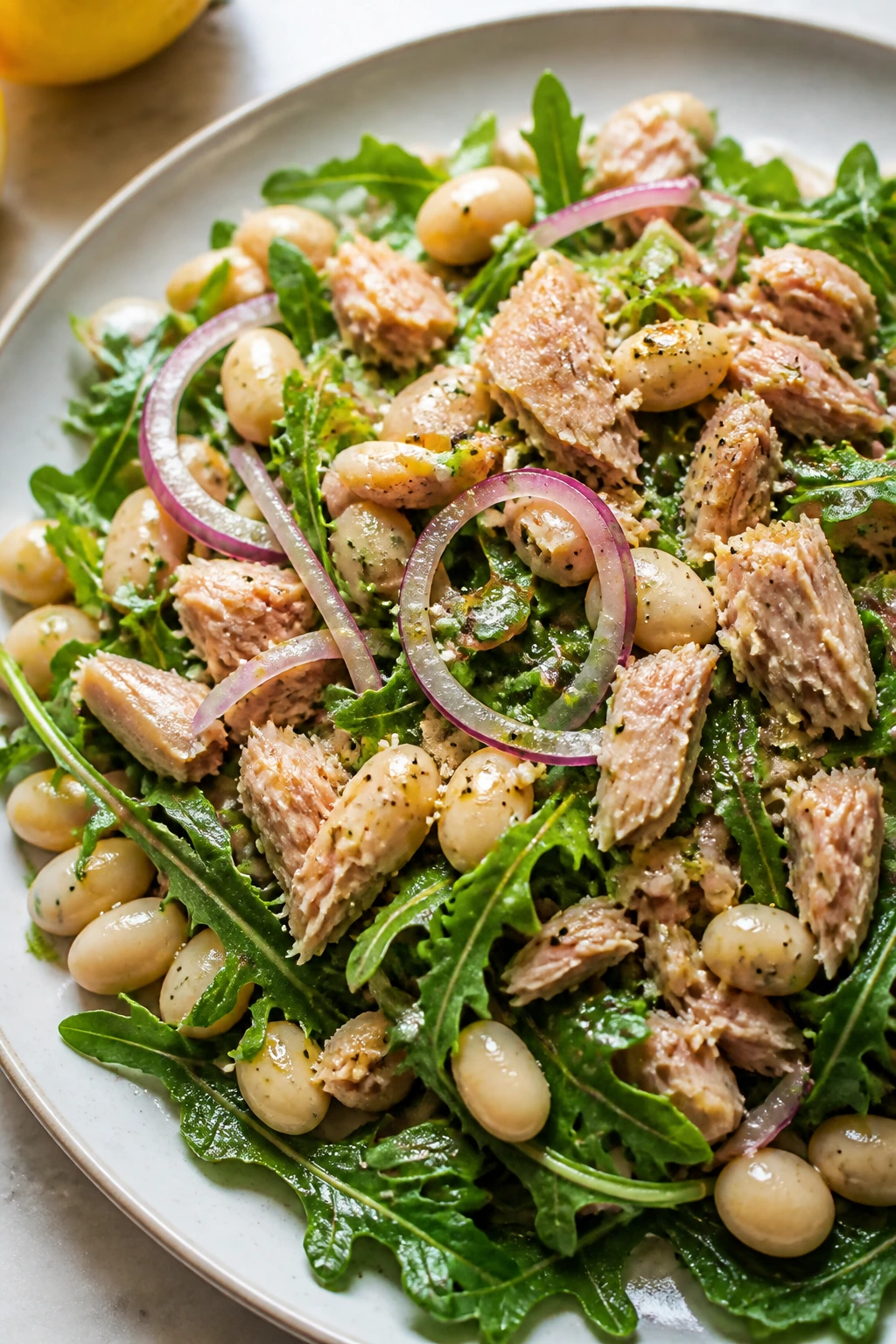
This salad has the rare quality of tasting both fast and finished. Tuna, white beans, arugula, and lemon make it sharp and hearty at the same time, which is a useful thing to have in a lunch rotation.
Why It Works: Tuna and beans stack protein neatly without needing much cooking, and arugula gives the salad a peppery edge that keeps it from tasting canned. Olive oil and lemon are enough dressing for this to feel fresh.
Key Ingredients:
- 2 cans tuna, drained
- 1 can white beans, drained and rinsed
- 4 cups arugula
- 1/2 red onion, thinly sliced
- 1 celery stalk, sliced
- 1 lemon, juiced
- 2 tablespoons olive oil
- Salt and black pepper
- Optional herbs
Quick Steps:
- Whisk lemon juice, olive oil, salt, and pepper.
- Toss tuna, beans, onion, and celery with the dressing.
- Fold in arugula gently.
- Serve right away so the greens stay crisp.
Equipment for This Recipe:
- Large bowl
- Fork
- Knife
How to Serve This Dish: Serve it with toast if you want a more complete lunch, or eat it as-is if you want something light but not flimsy. Fresh herbs, if you have them, are worth tossing in.
Pro Tips for This Recipe:
- Add arugula last so it doesn’t wilt too much.
- Use tuna packed in olive oil if you want a richer result.
- A few capers make the whole salad sharper.
Variations on This Dish:
- Mediterranean Version: Add olives and chopped cucumber.
- Spicy Version: Add chili flakes and a little mustard.
Common Mistakes to Avoid with This Dish:
- Don’t overdress the salad; it should stay green, not soggy.
- Don’t skip seasoning the beans, or they taste like filler.
Why Protein-Dense Plates Keep Hunger Quiet Longer
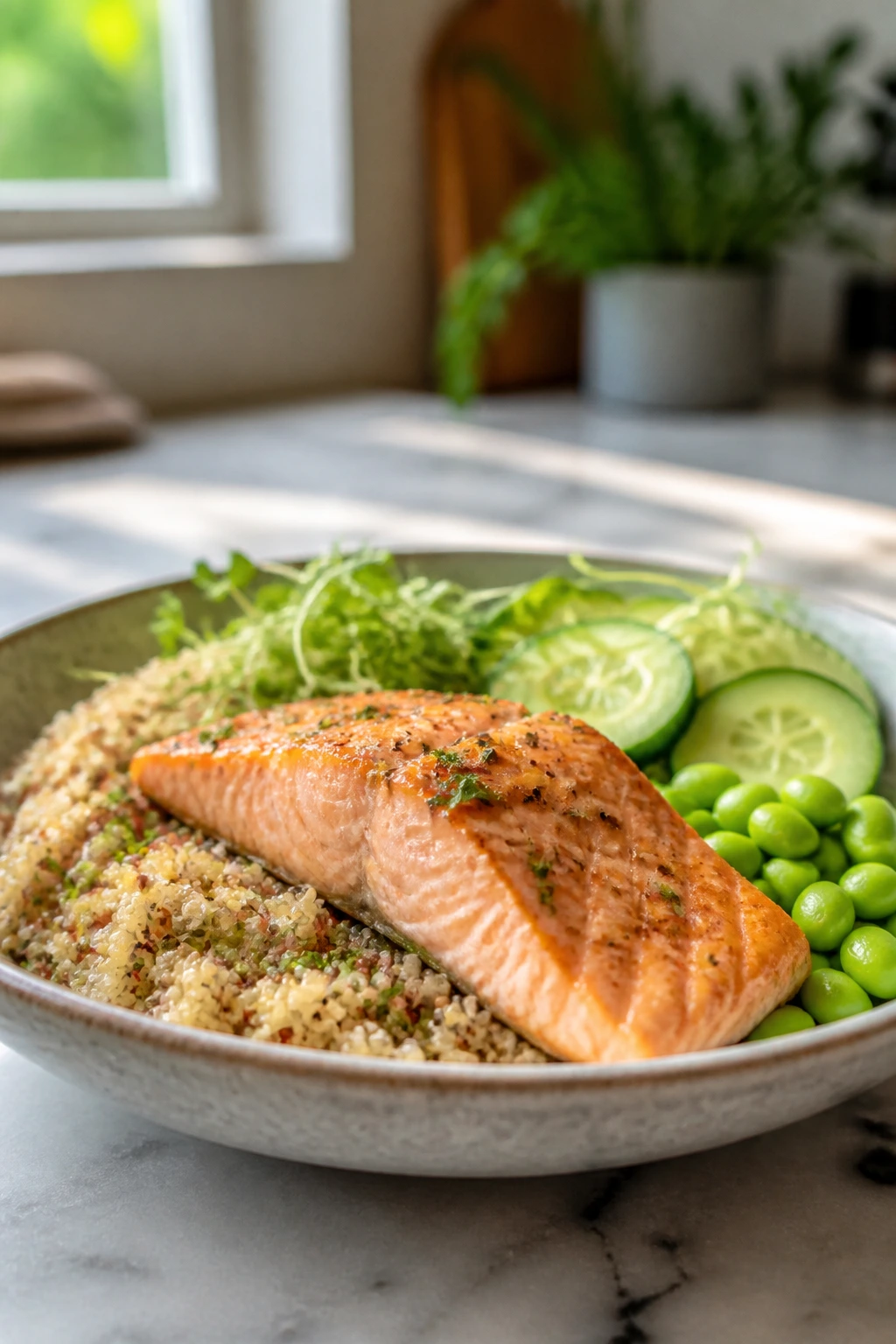
A high protein meal works best when the protein is the anchor, not the decoration. Chicken, fish, tofu, beans, eggs, yogurt, and dairy all behave a little differently, but they share one useful trait: they give your plate shape. That shape matters. A bowl with salmon, rice, cucumber, and edamame eats differently than a bowl of plain rice with something small on top.
Texture matters too. Soft food without crunch tends to feel smaller than it is. That’s why so many of these dishes use something crisp or fresh beside the protein — cabbage in tacos, cucumber in bowls, celery in chicken salad, arugula in tuna salad, Brussels sprouts on a roast tray. It keeps the meal awake. And yes, it keeps you from wandering back to the kitchen half an hour later.
Essential Equipment for These Recipes
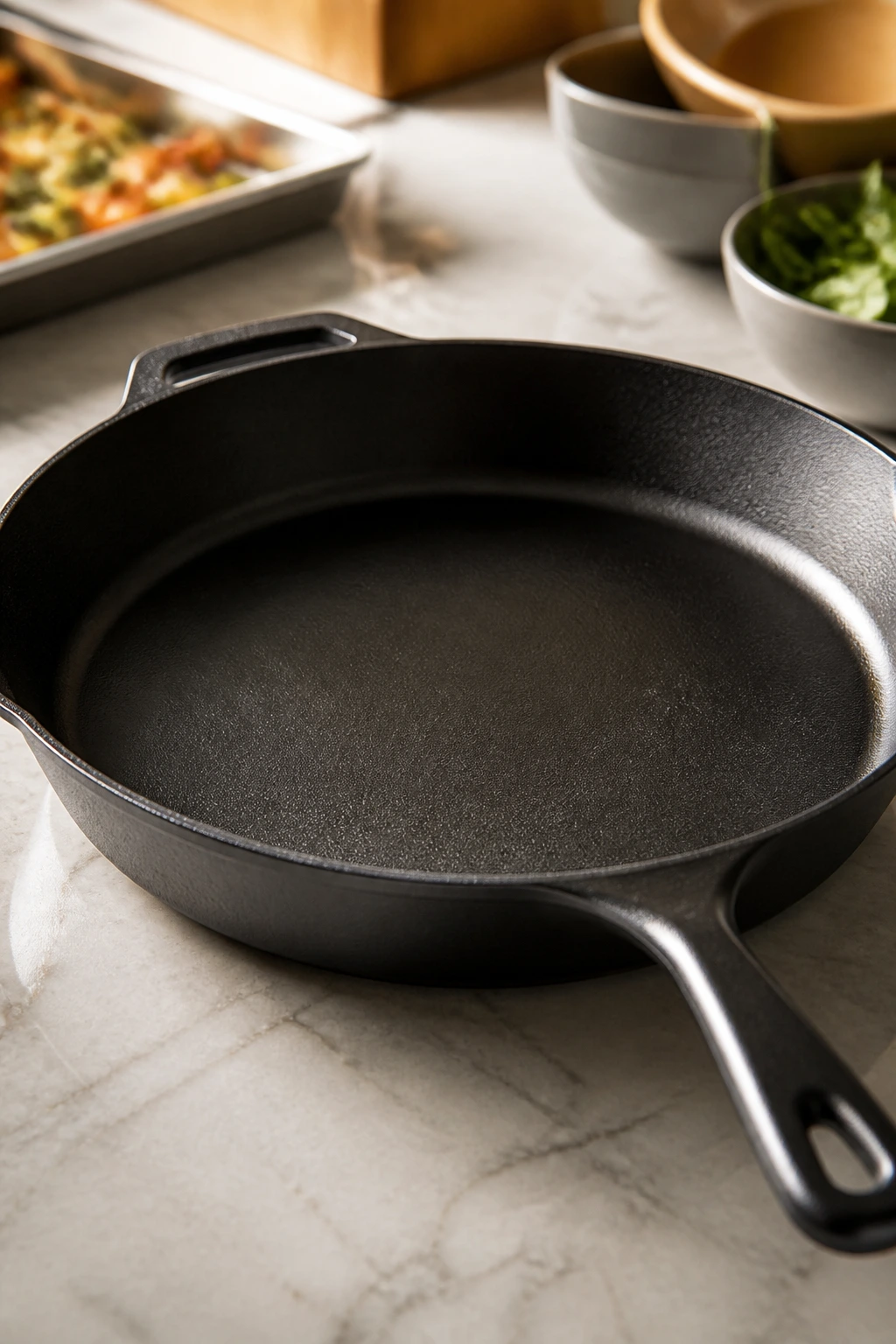
- Large skillet: The workhorse for stir-fries, patties, and skillet dinners.
- Sheet pan: Best for salmon, chicken, pork, and roasted vegetable meals.
- Dutch oven or soup pot: Useful for chili, soups, and saucy bean dishes.
- Mixing bowls: You’ll need at least 2, one for dry mixing and one for sauces or fillings.
- Sharp knife: Slicing chicken, onions, peppers, and herbs becomes much cleaner.
- Cutting board: A sturdy board matters more than people admit.
- Colander: Needed for pasta, quinoa, soba, and rinsing beans.
- Blender or food processor: Handy for cottage cheese sauces, pancakes, and smooth dressings.
- Meat thermometer: Worth it for chicken, pork, and fish; it prevents dry food.
- Tongs and spatula: Makes turning meat and scraping pans easier.
- Airtight containers: Important for lunch prep, especially chili, grains, and salads with separate dressing.
Smart Shopping and Ingredient Tips
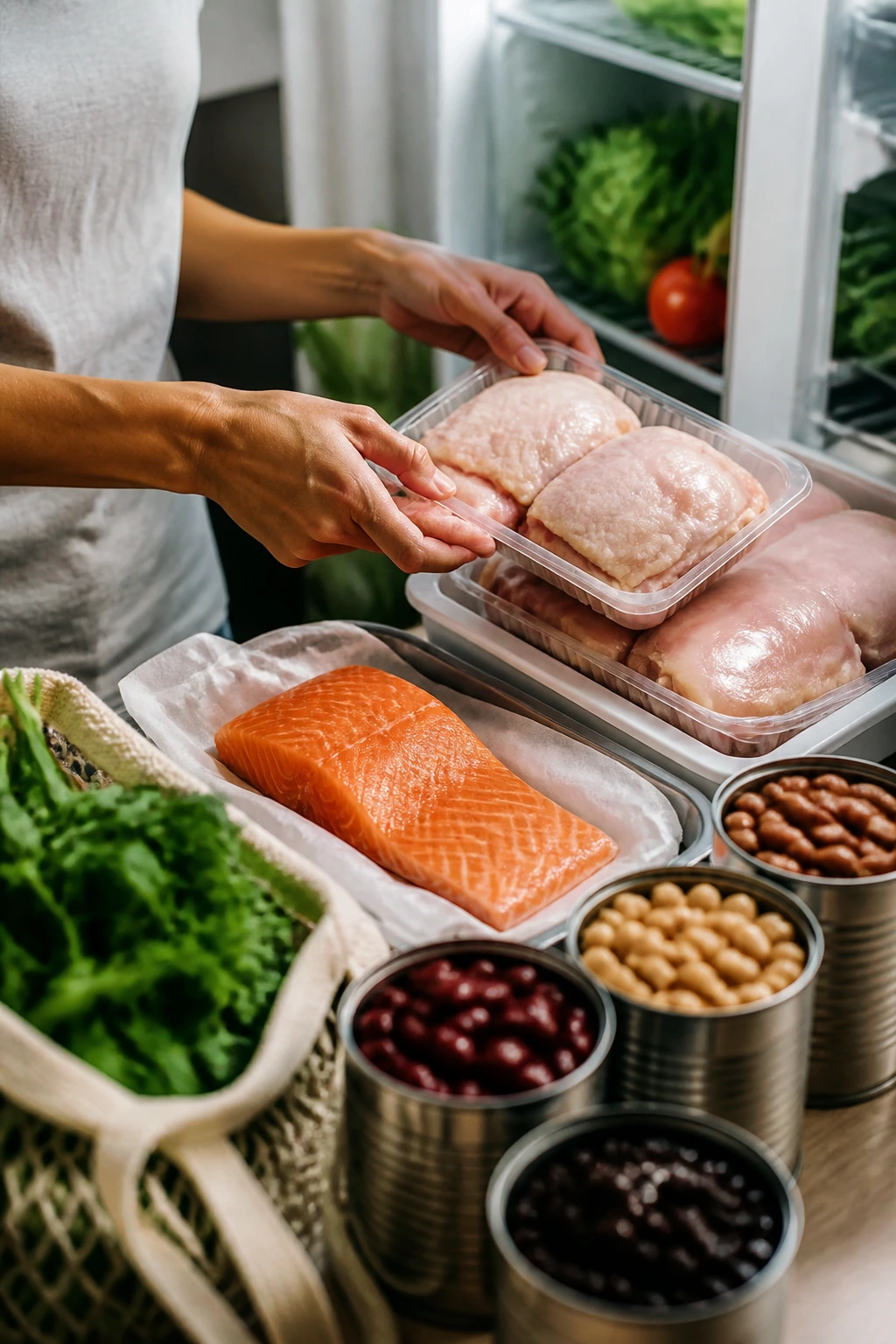
Lean protein gets better when you buy it with the dish in mind. Chicken breast is useful for bowls and salads, but chicken thighs stay juicier in shawarma and skillet meals. Salmon should look firm and smell clean, not fishy. For tuna, canned tuna in olive oil gives a richer result, while water-packed tuna works fine if you dress it well. Ground turkey is useful, but it needs seasoning; by itself it has the personality of plain paper.
Beans and legumes deserve a little attention too. Choose canned beans with lower sodium when you can, then rinse them well. Lentils are cheap and steady, but brown or green lentils hold shape better than red lentils in saucy dishes. Tofu should be extra-firm, and tempeh should feel dense, not dry at the edges.
Greek yogurt and cottage cheese are the quiet heroes in a lot of high protein dishes. Buy plain versions so you can steer the flavor yourself. The same goes for protein-rich pasta made from chickpeas or lentils; it works best with a sauce that has acid and salt, not just cheese. If you keep one eye on protein and the other on texture, the meals stop feeling repetitive.
How to Serve These Recipes
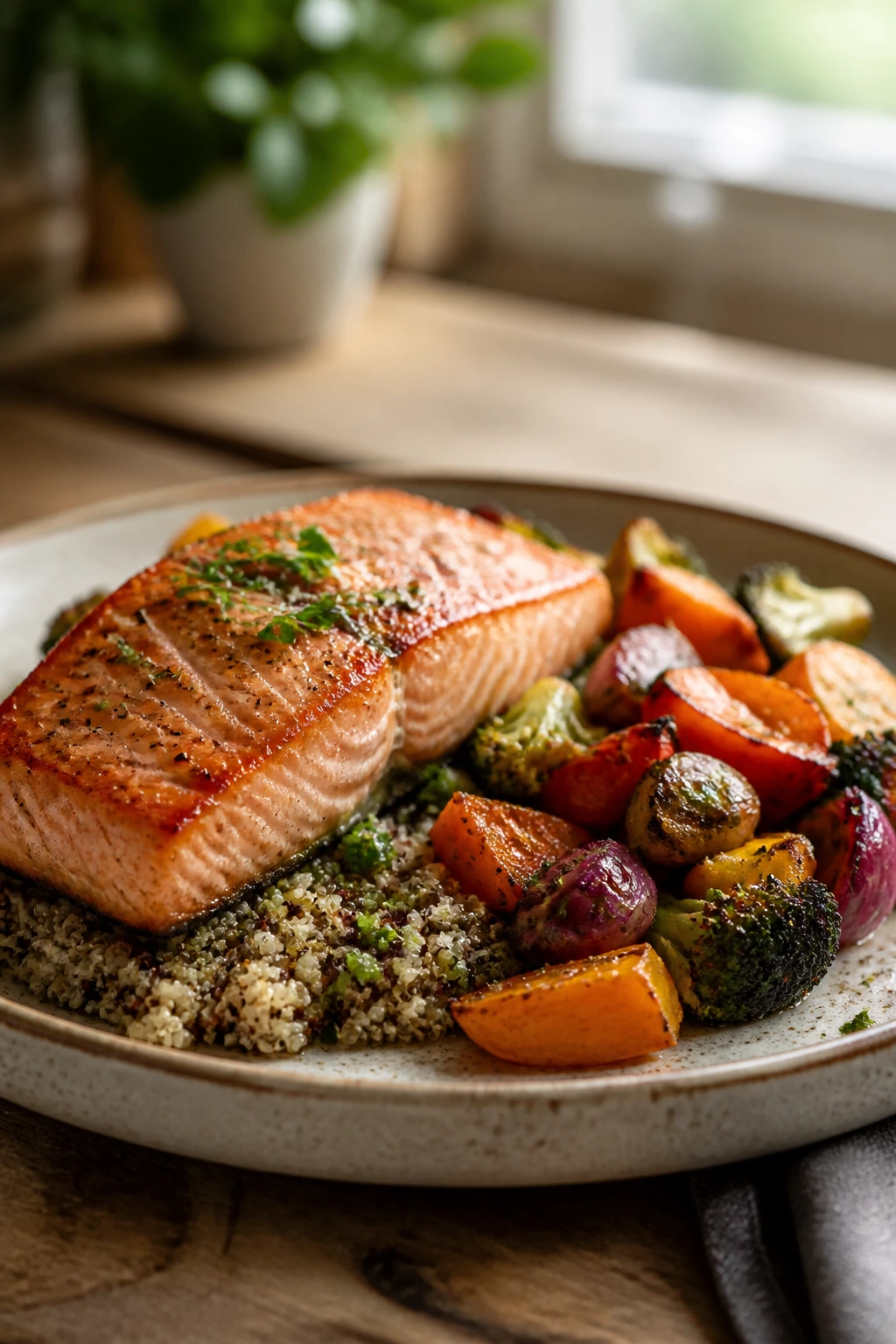
Presentation: Use shallow bowls for grain dishes, wide plates for salmon and steak, and crisp lettuce cups or tortillas for handheld meals. A little contrast on top — herbs, sesame seeds, chopped scallions, or a spoon of yogurt — makes the plate look finished without turning it into a craft project.
Accompaniments: Lean bowls like salmon, shawarma, or turkey chili pair well with cucumber salad, roasted vegetables, or warm flatbread. Creamy dishes such as cottage cheese Alfredo or white chicken chili benefit from something sharp on the side, like lemony greens or sliced tomatoes. For breakfast dishes, fruit is enough if the plate is already protein-heavy.
Portions: Most of these dishes serve well as 1 large meal per person when the protein lands around 25 to 35 grams. If you’re serving a very active crowd, add rice, bread, potatoes, or an extra egg. For lighter meals, keep the protein the same and trim the starch.
Beverage Pairing: Sparkling water with lemon, iced tea without sugar, or plain seltzer with cucumber works across the whole collection. For richer meals, a cold unsweetened green tea is a good fit because it doesn’t fight the food.
Additional Tips and Flavor Boosters
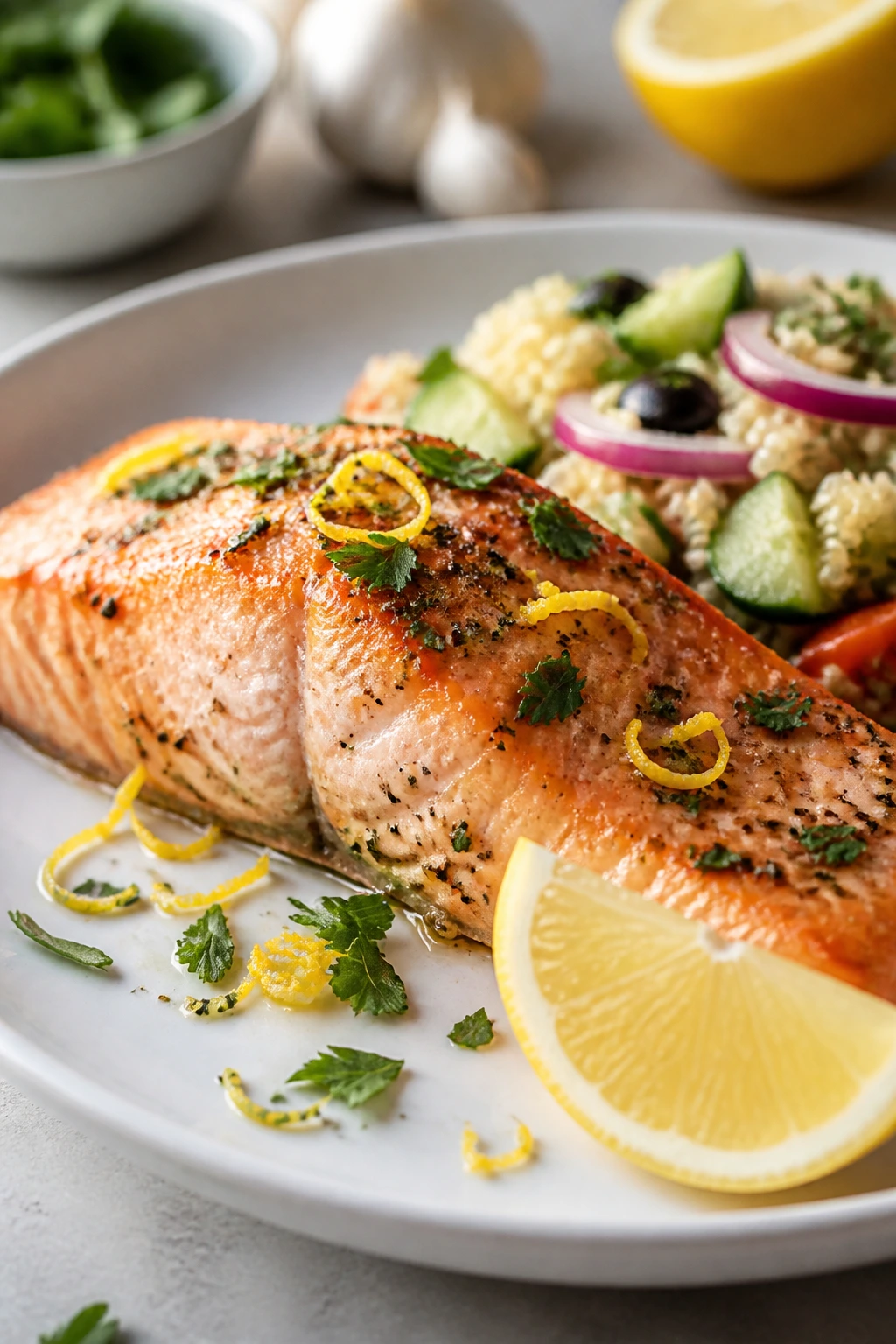
Flavor Enhancement: A hit of acid at the end changes everything. Lemon on salmon, lime on tacos, vinegar in chili, or yogurt on spicy bowls sharpens the whole plate and makes the protein taste more alive.
Customization: If a dish feels too lean, add avocado, olive oil, nuts, seeds, or a little cheese. If it feels too heavy, add arugula, cucumbers, herbs, or pickled onion. Small changes make these meals move in different directions without breaking the recipe.
Serving Suggestions: Keep a jar of chopped herbs in the fridge if you cook this way often. Parsley, dill, cilantro, and scallions can make even plain chicken or beans taste more put together. Toasted sesame seeds, chili crisp, and black pepper also do more than people think.
Make-It-Yours: Dairy-free eaters can lean on tahini, olive oil, and coconut yogurt. Gluten-free cooks can use rice, corn tortillas, quinoa, or zucchini noodles. If you want more plant protein, keep soy, beans, lentils, tempeh, tofu, and edamame in rotation. The meals still taste like dinner.
Make-Ahead, Storage, and Reheating Guidance
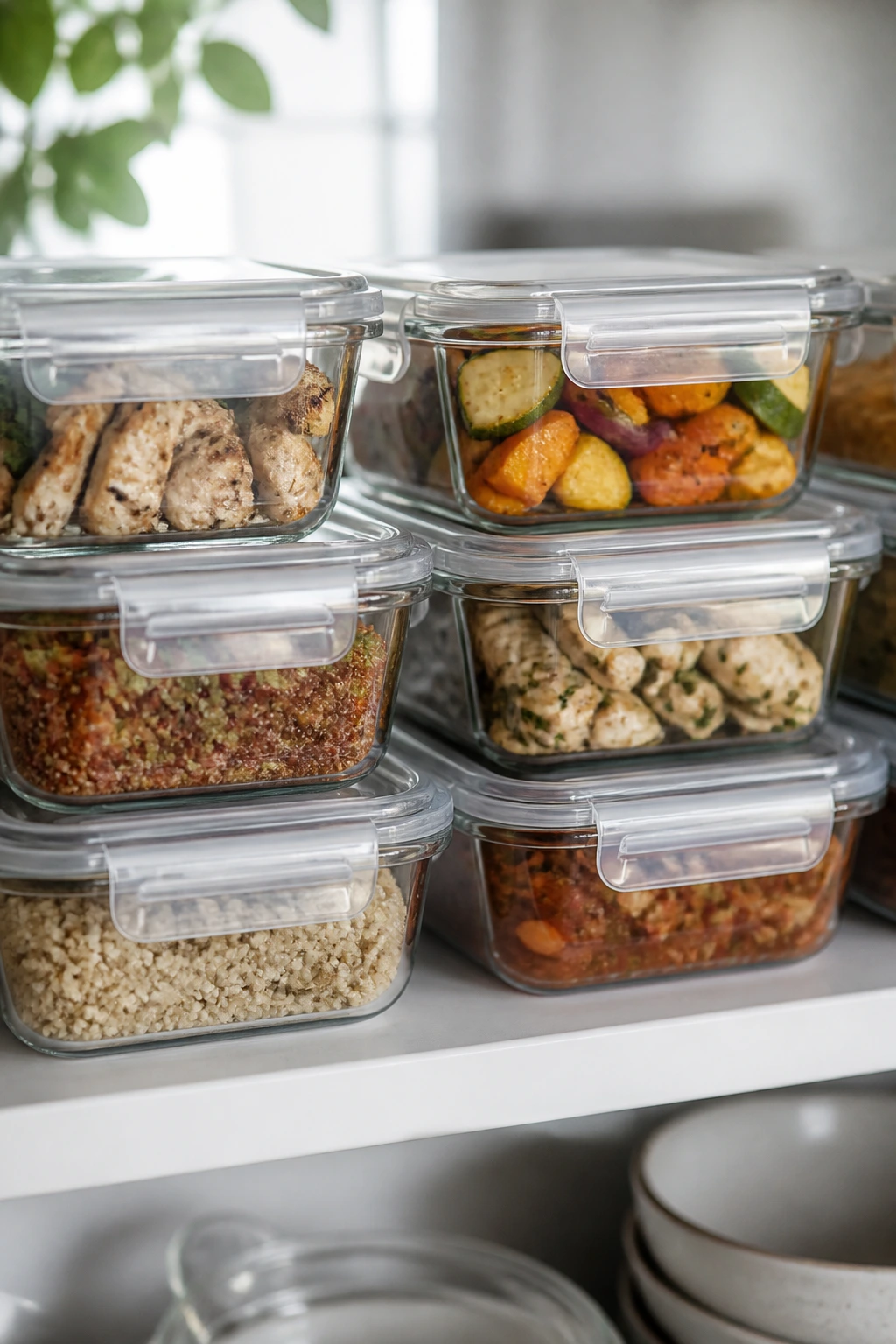
Most cooked chicken, turkey, beef, tofu, bean, and grain dishes keep well in the fridge for 3 to 4 days in airtight containers. Chili, lentil bolognese, stuffed peppers, meatballs, and soup often taste better the next day because the sauce settles and the seasoning spreads out. Seafood dishes are shorter-lived; salmon, shrimp, and tuna bowls are best within 2 to 3 days, and some, like tuna stuffed avocados, should be eaten the same day.
For freezing, the safest bets are chili, meatballs, stuffed peppers, lentil sauces, and many chicken-based skillet dishes. Freeze them for up to 2 months in flat, shallow containers so they thaw evenly. Avoid freezing dishes with lettuce, avocado, cucumber, or yogurt-based fresh toppings; those belong on fresh plates only.
Reheat gently. Chicken and turkey dishes do best covered in the microwave with a splash of broth or water, or in a skillet over low heat. Fish needs lower heat and a shorter time or it dries out fast. Pasta bakes and casseroles should be warmed covered at 350°F until hot in the center. Cold salads and wraps often need nothing more than a stir and a fresh garnish.
Variations and Adaptations to Try
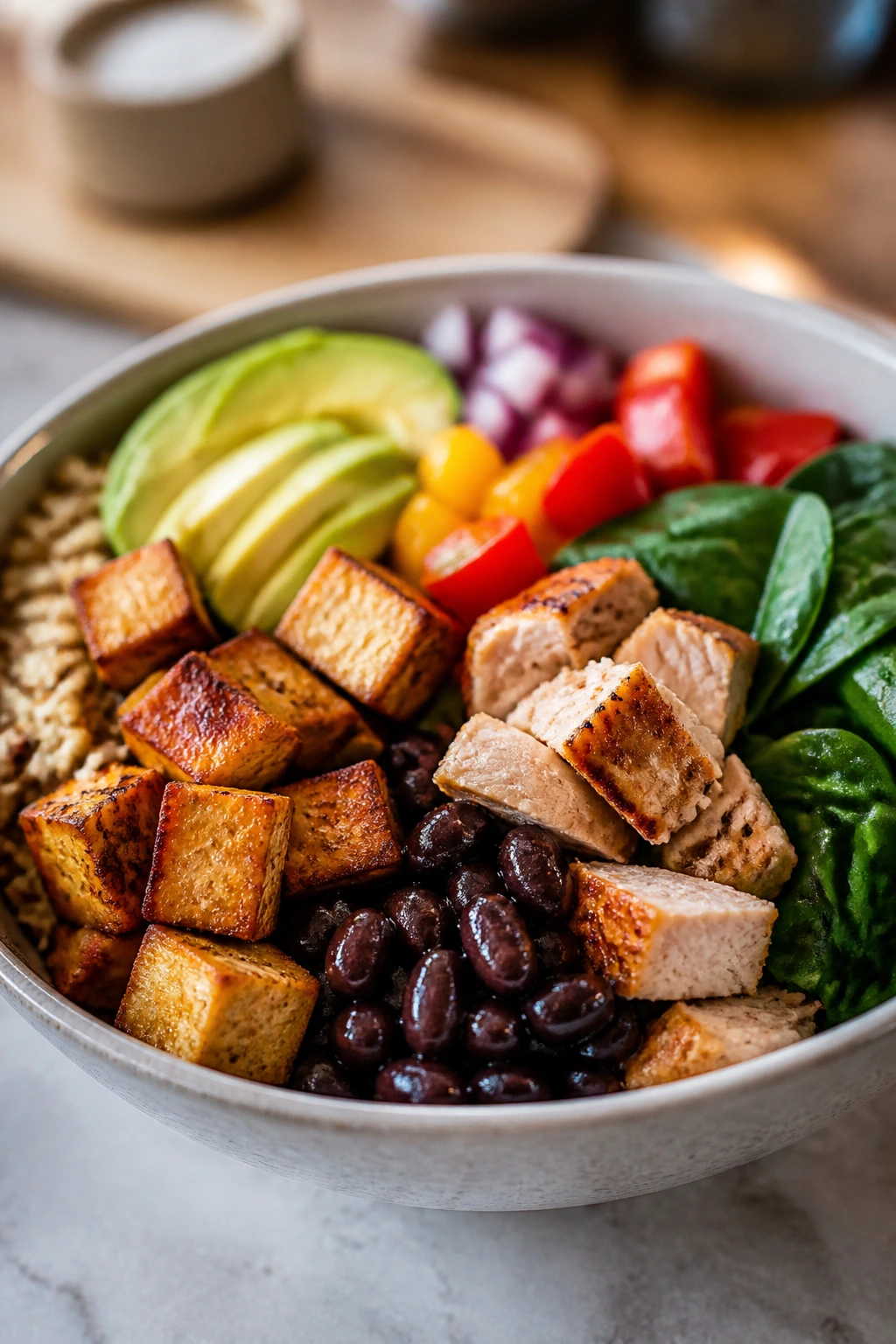
Dairy-Free Protein Swaps: Use tahini, olive oil, or dairy-free yogurt where the recipe depends on creaminess. Chicken bowls, chili, stir-fries, and lettuce wraps adapt cleanly this way, and the flavor still lands if you keep the acid in place.
Gluten-Free Grain Swaps: Rice, quinoa, corn tortillas, polenta, and zucchini noodles can replace wheat pasta or bread in most of these dishes. Keep an eye on sauces and condiments, though, because soy sauce and some spice blends can sneak gluten into an otherwise safe meal.
Vegetarian Protein Build: Tofu, tempeh, paneer, beans, lentils, cottage cheese, eggs, and Greek yogurt cover a lot of ground. If you combine two of them in one dish, like eggs with beans or yogurt with lentils, the meal usually feels more complete.
Lower-Sodium Plate: Rinse canned beans, choose plain yogurt, use unsalted broth, and season with garlic, lemon, vinegar, and herbs instead of leaning on salty sauces alone. Miso, soy, sardines, and cheese can stay in the mix — just use them with a lighter hand.
Spice-Forward Version: Keep a few hot tools ready: gochujang, chili crisp, hot sauce, smoked paprika, cayenne, and red pepper flakes. The easiest way to keep high protein meals interesting is to shift the heat profile from dish to dish.
Family-Style Comfort Version: Turn bowls into bakes, skillets, or wraps when you want less assembly and more eating. Stuffed peppers, enchilada skillets, white chicken chili, and pasta bakes are the easiest path when you’re feeding a table instead of a single lunch box.
Common Mistakes to Avoid
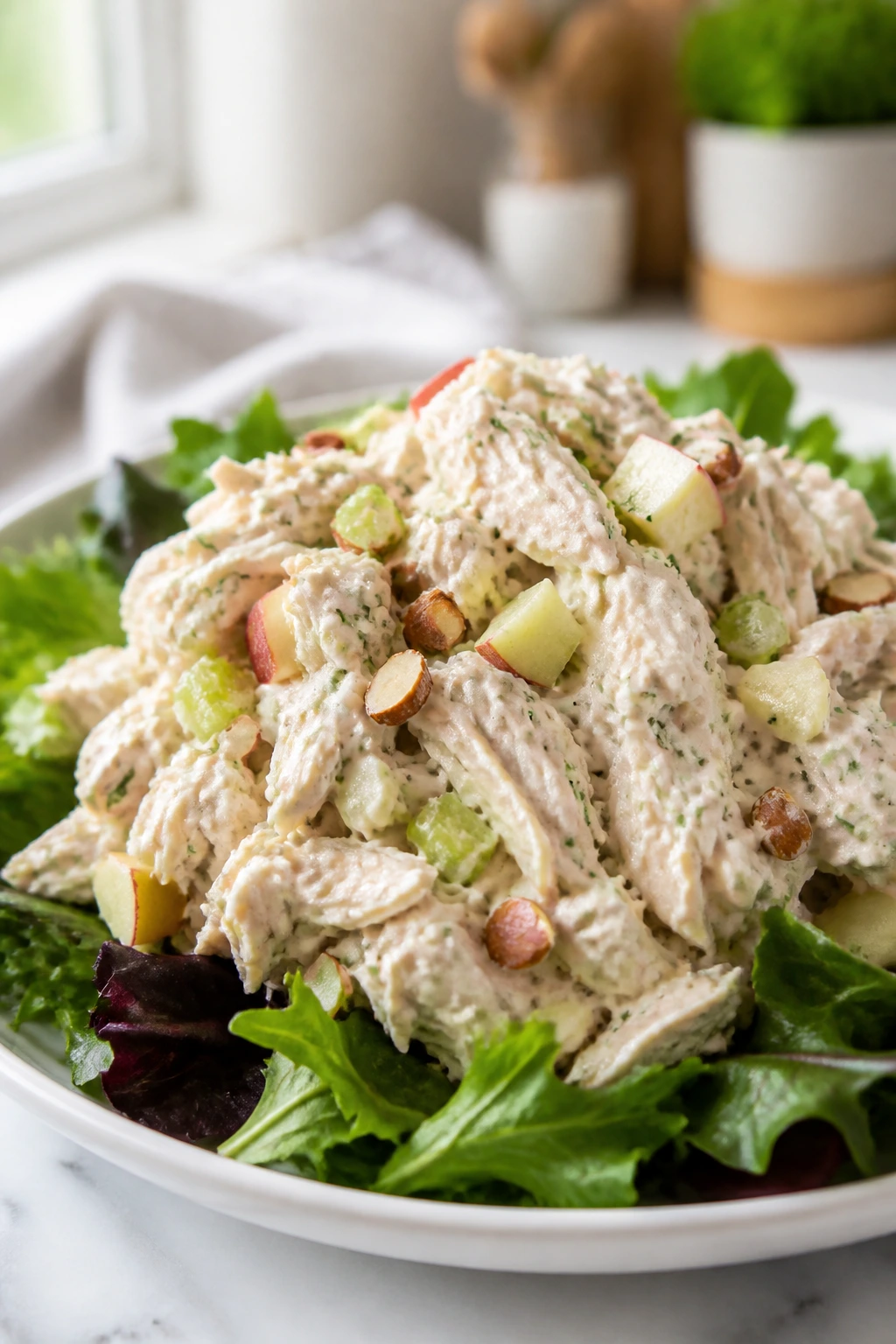
The first mistake is treating protein like the only job on the plate. A dry chicken breast or a naked scoop of tuna doesn’t feel complete no matter how healthy the label sounds. Protein needs help from acid, salt, fat, or crunch.
The second mistake is overcooking lean protein. Chicken breast, shrimp, salmon, cod, and pork tenderloin all move from tender to tough faster than people expect. Thermometers help, but so does pulling the pan a little early and letting carryover heat finish the job.
The third mistake is skipping seasoning on beans, tofu, yogurt sauces, and grains. These ingredients are excellent at absorbing flavor, which means they are also excellent at tasting like nothing if you rush them. Salt, garlic, lemon, cumin, herbs, and a little vinegar keep them honest.
The fourth mistake is making every meal too similar. If every bowl is chicken, rice, and broccoli with a different sauce, the routine gets dull fast. Rotate the base — quinoa one day, potatoes another, lettuce cups the next — and the whole idea stays fresher.
Frequently Asked Questions About High Protein Dishes
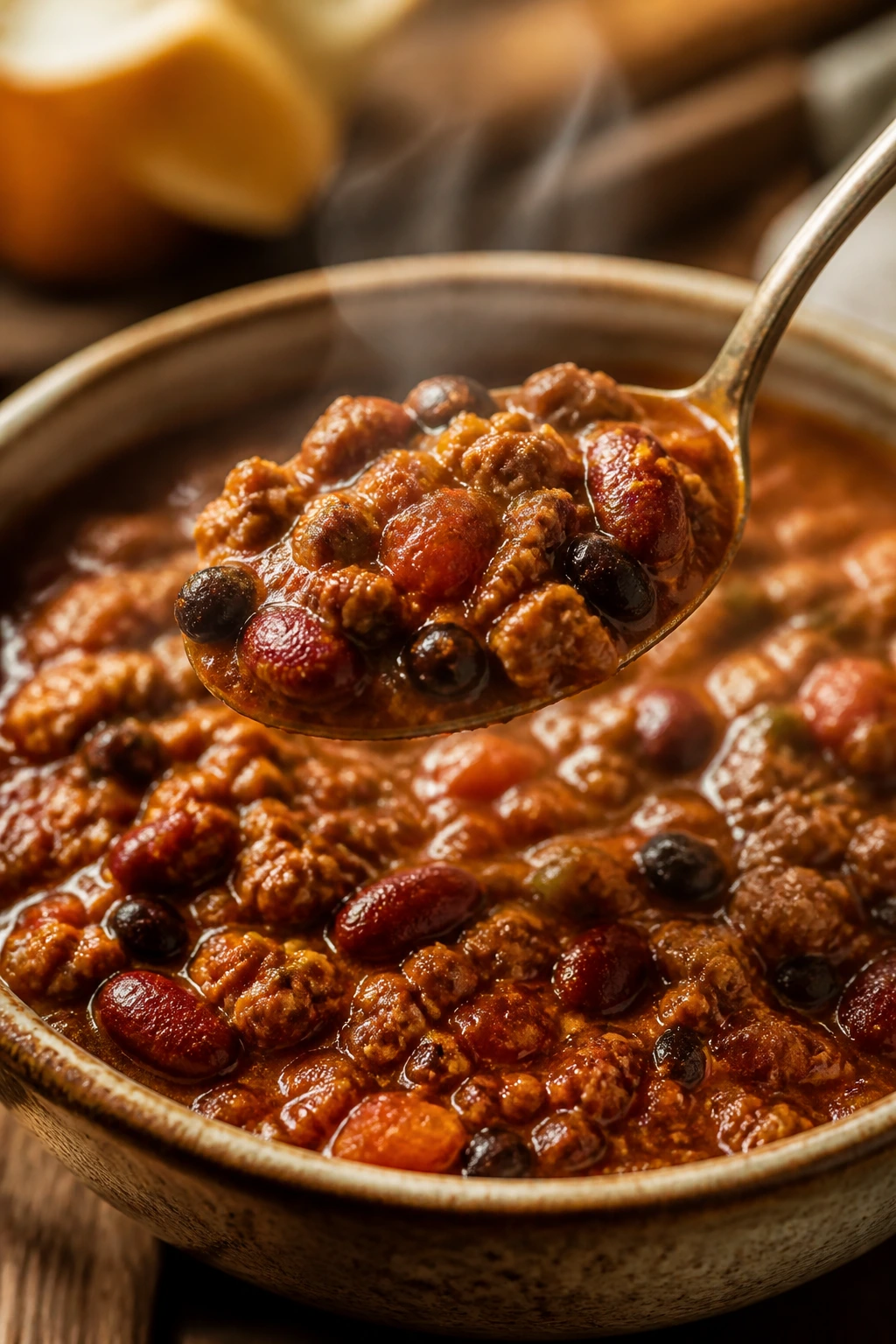
How much protein should a meal have to count as high protein?
A lot of home cooks aim for roughly 25 to 35 grams per meal, though smaller breakfasts can work with a little less. The number matters less than the feeling afterward: you want a plate that keeps you satisfied without needing a second round of snacks an hour later.
Can I make these dishes ahead for lunch?
Yes, and some of them are better that way. Chili, stuffed peppers, grain bowls, chicken salads, meatballs, and pasta dishes hold up well for 3 to 4 days, as long as you store crunchy toppings separately and add them right before eating.
What plant proteins work best in these kinds of meals?
Tofu, tempeh, edamame, lentils, chickpeas, black beans, white beans, paneer, and Greek yogurt all earn their place here. The best results come when you combine one protein source with one textural element, like beans plus rice, tofu plus vegetables, or yogurt plus seeds.
Can I freeze high protein meals?
Many of them, yes. Chili, bolognese, meatballs, stuffed peppers, and soups freeze well for up to 2 months, while salads, avocado dishes, and cucumber-heavy bowls do not. If freezing a creamy dish, reheat it gently so the sauce does not split.
How do I keep chicken breast from drying out?
Use a thermometer and pull it when the thickest part reaches the right internal temperature rather than guessing. Slicing it evenly, marinating it, and resting it before cutting also help a lot. Dry chicken usually means it stayed on the heat too long.
Are canned proteins like tuna and sardines worth using?
Absolutely. They’re fast, shelf-stable, and already portioned, which is part of the appeal. Choose versions packed in olive oil when you want a richer flavor, and brighten them with lemon, herbs, or capers so they don’t taste flat.
What if I don’t eat dairy?
Use tahini, olive oil, avocado, coconut yogurt, or simple vinaigrettes where recipes call for yogurt or cheese. The meal can still have strong protein if the main protein is chicken, fish, tofu, tempeh, beans, or lentils.
How do I make these meals less boring without adding a lot of work?
Change one thing per recipe: the herb, the acid, the crunchy topping, or the sauce. A spoon of pickled onion, a squeeze of lemon, or a different grain changes the meal more than people expect.
Do these dishes still work if I want fewer carbs?
Yes. Many of them already lean that way, and the rest can be shifted toward greens, cauliflower rice, lettuce wraps, zucchini noodles, or extra vegetables. Keep the protein and flavor structure the same, then swap the starch.
Keeping Protein Meals Practical Day After Day
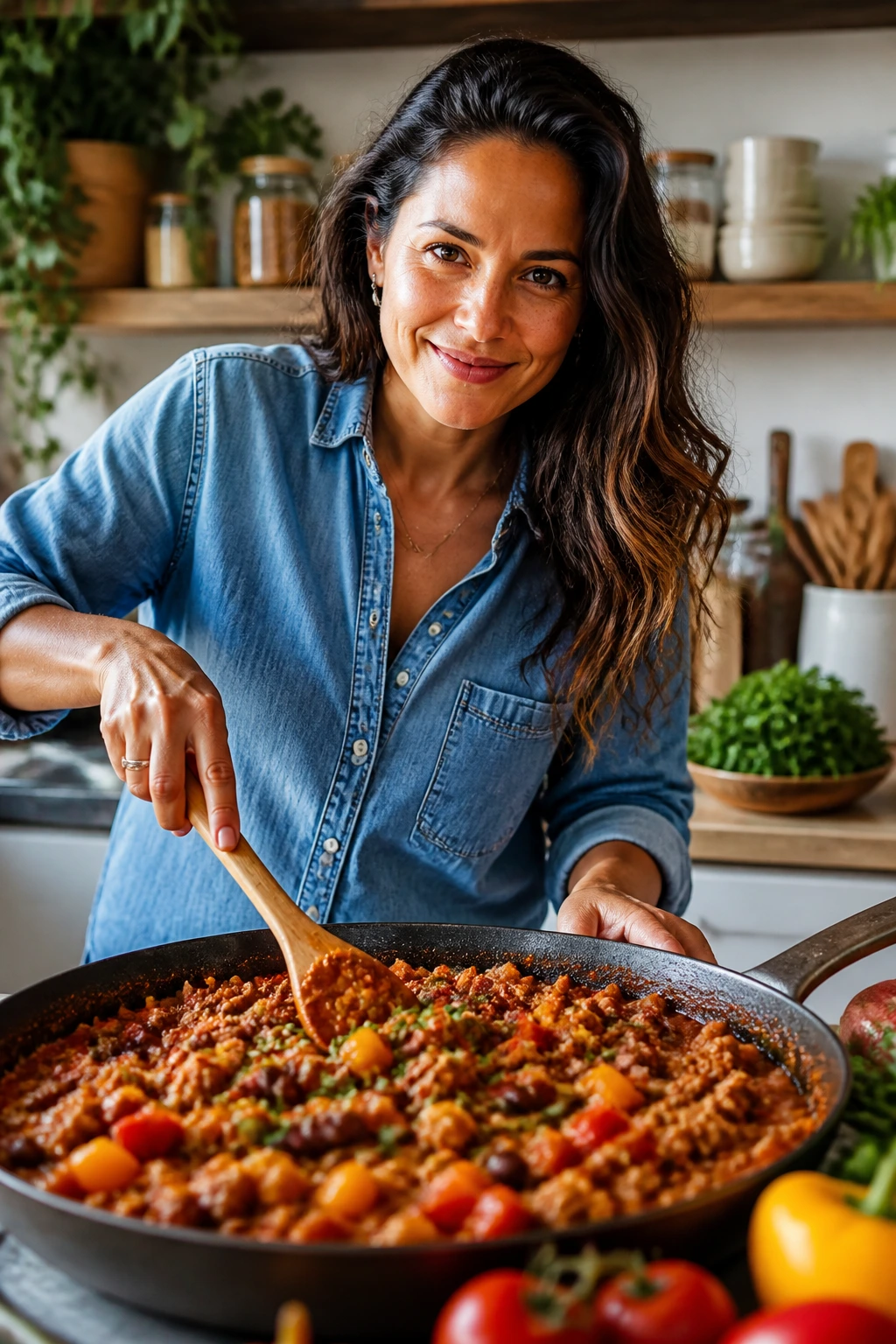
High protein dishes work because they make dinner feel sturdy without making it fussy. A good bowl of turkey chili, a salmon rice bowl, a crisp salad with tuna and beans, or a skillet of chicken and peppers solves the same problem in different clothes: you get a meal that holds together and keeps you fed.
The smart move is not chasing one perfect formula. Rotate the protein, change the texture, and keep a few bright finishes nearby — lemon, herbs, hot sauce, yogurt, sesame, vinegar. That’s enough to keep the whole idea from going stale, which is really the only thing protein can’t fix.