



A high-protein meal prep cottage cheese recipe has one job before it does anything else: it has to survive the fridge. Not just survive, either. It needs to come back out on day three looking like breakfast, not like an emergency science project in a plastic container.
That’s where cottage cheese earns its keep. Blended into eggs, it softens the texture, adds a gentle tang, and sneaks in a lot of protein without making the dish taste like a tub of dairy pretending to be food. The curds melt into the custard instead of sitting there like little pebbles, which is the difference between a bake you dread reheating and one you actually look forward to slicing.
I’ve made enough egg bakes to know the usual failure points. They get dry around the edges, soggy underneath, or bland in a way that makes hot sauce feel mandatory rather than optional. This one avoids that trap by leaning on a few smart moves: cook the vegetables first, blend the cottage cheese smooth, and stop baking the moment the center is set. Small things. They matter.
Why Cottage Cheese Belongs in a Meal-Prep Breakfast
Cottage cheese is one of those ingredients people either keep around all the time or ignore completely, and that’s a shame. In a baked breakfast, it does three jobs at once: it brings moisture, it adds protein, and it keeps the texture from turning stiff after refrigeration. That last part is the real win for meal prep. Plain eggs can go rubbery fast; blended cottage cheese gives the custard a softer finish that holds up better after a night in the fridge.
There’s also the flavor issue. Cottage cheese is mild, but not flat. It has a little tang, and that tang plays nicely with sharp cheddar, smoked paprika, green onion, and savory sausage. You don’t end up with a dish that tastes “healthy” in the tired, sad way people mean it. You end up with something salty, creamy, and filling enough that a second cup of coffee becomes optional.
And yes, the protein matters here. A half-cup of cottage cheese usually brings a solid dose of protein on its own, and once you fold it into eggs and add sausage, you’ve got a breakfast that feels substantial without needing a big pile of bread next to it. That’s what makes this kind of meal prep useful. It keeps the mornings simple without turning them bland.
What This Bake Tastes Like on Day One and Day Four
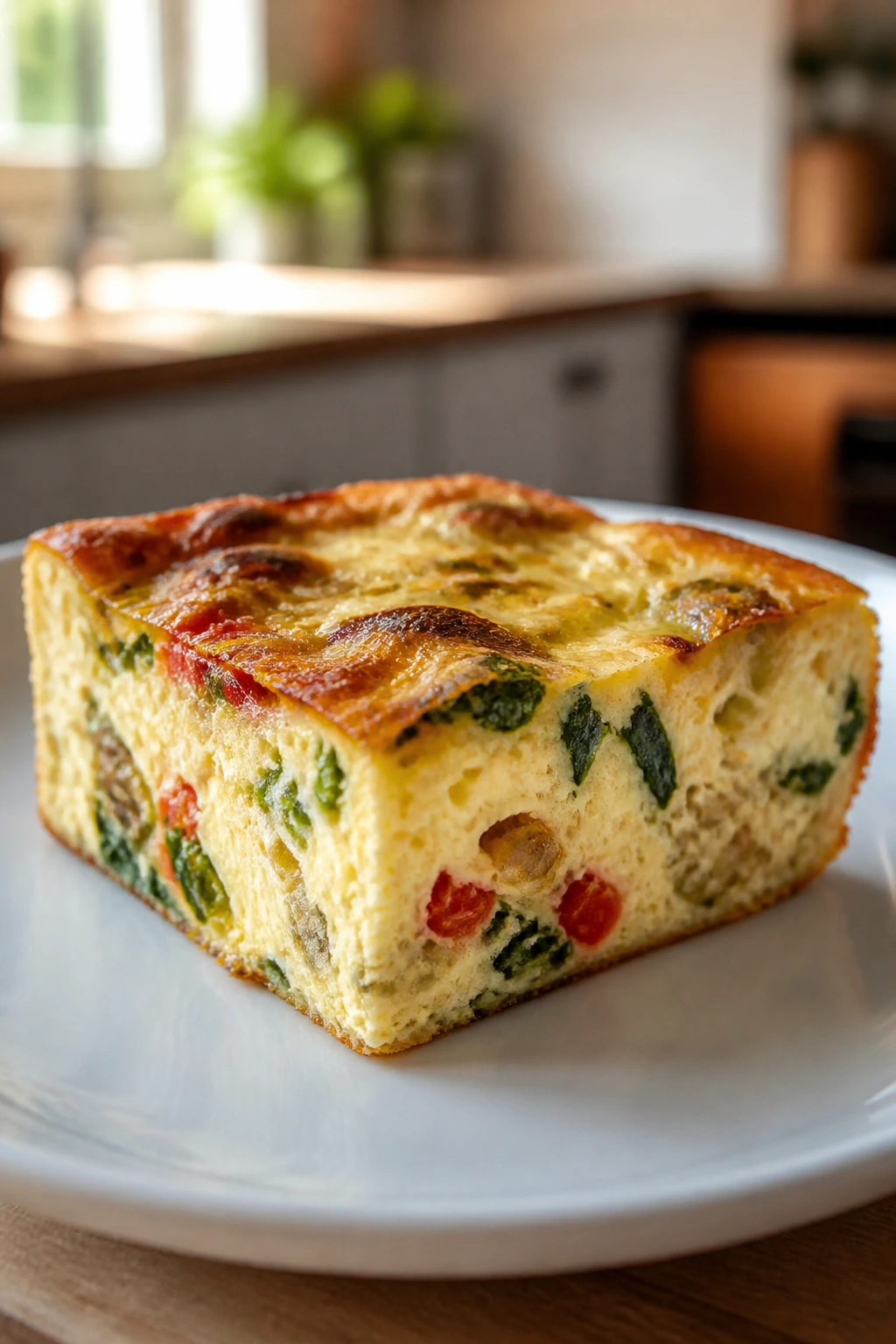
Day one is all about the edges. They’re lightly browned, the top has just enough color from the cheddar, and the center slices cleanly without feeling stiff. If you eat it warm, the cottage cheese disappears into the eggs in the best way. You get a creamy, savory bite with little pops of sausage, sweet onion, and the grassy edge from spinach or chives.
Day two is different, and that’s not a bad thing. Reheated, the bake firms up a little, which makes it easy to pack into a lunch container without it collapsing. The flavor settles in more after a night in the fridge, too. The salt, pepper, and smoked paprika stop tasting like separate ingredients and start tasting like one finished dish.
By day four, you’re not getting a brunch centerpiece anymore. You’re getting a dependable square that still tastes like food you made on purpose, which is better than most meal prep can say. Cold from the fridge, it’s actually decent in a pinch. Warmed through, it regains enough softness to feel fresh. That’s the sweet spot.
Why You’ll Love This Recipe
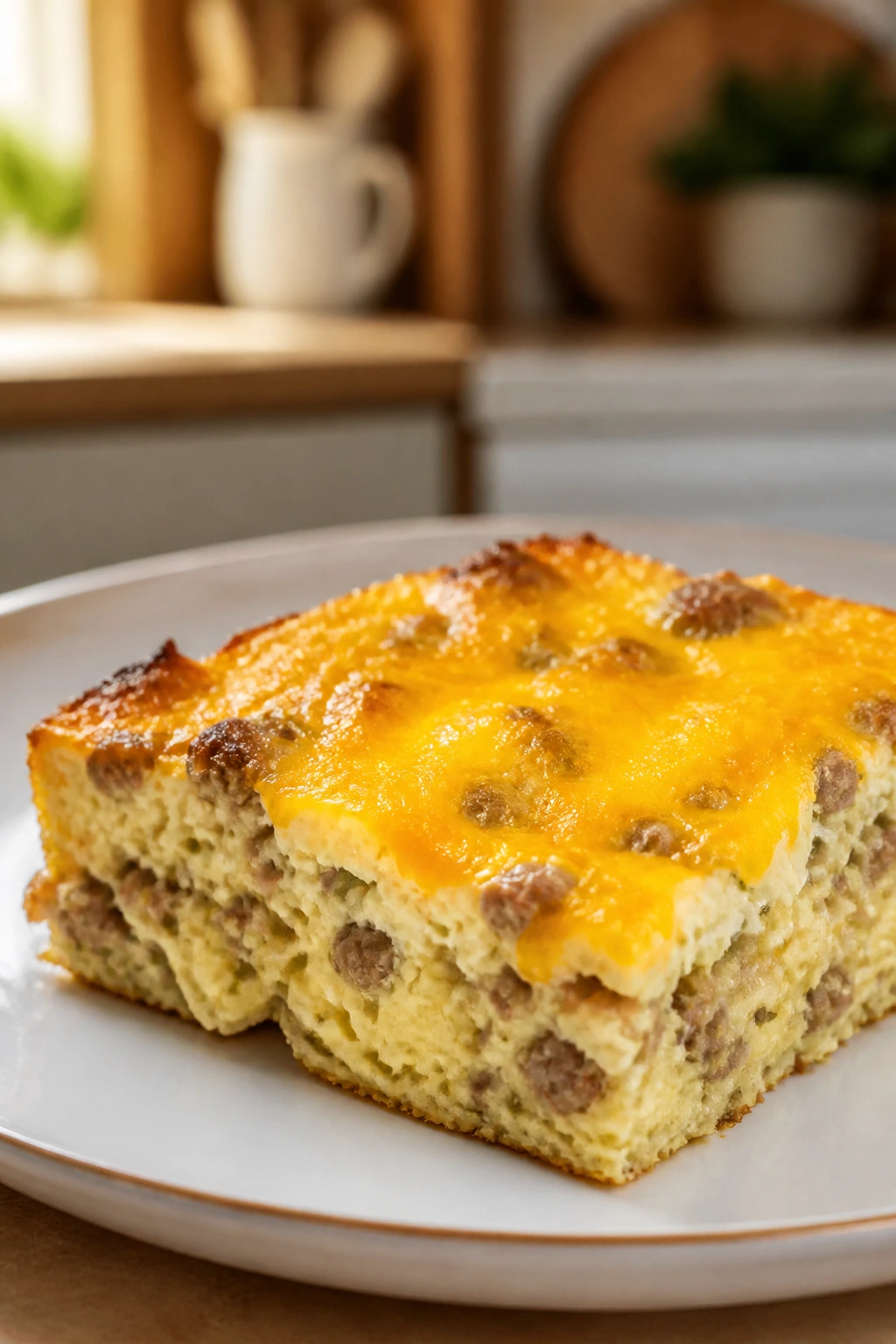
- Protein without powder: Eggs, cottage cheese, and sausage pack the pan with protein, so you’re eating a real breakfast instead of a bar that melts in your car.
- Reheats cleanly: Blended cottage cheese keeps the texture tender, which means the edges don’t go leathery after a microwave round.
- One pan, one skillet, one blender: You can make the whole thing without dirtying half the kitchen before breakfast.
- Works hot or cold: A square tastes good warm from the oven, room temperature in a lunchbox, or chilled straight from the fridge with a little hot sauce.
- Flexible on ingredients: Swap in ham, bacon, mushrooms, broccoli, feta, or pepper jack without rebuilding the whole recipe.
- Actually meal-prep friendly: It slices neatly, stores well, and holds its shape for several days without getting watery if you cook the vegetables first.
Yield, Timing, and Batch Size
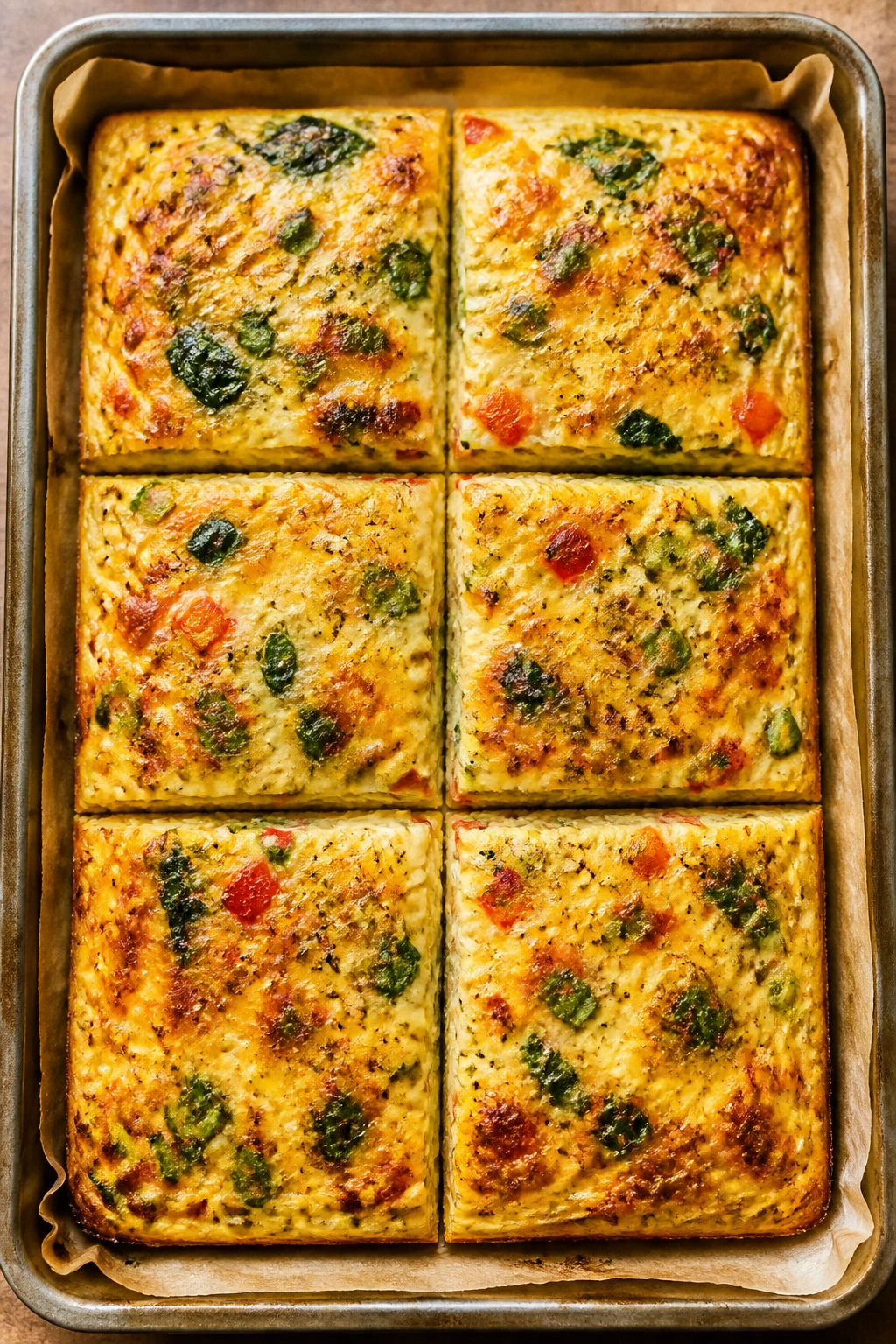
Yield: 6 hearty servings
Prep Time: 20 minutes
Cook Time: 35 to 40 minutes
Total Time: 55 to 60 minutes
Chill/Rest Time: 10 to 15 minutes before slicing
Difficulty: Beginner — the steps are straightforward, and the oven does most of the work.
Best Served: Warm the day it’s baked, then reheated or eaten cold over the next few days
If you want smaller portions for snack boxes, cut the bake into 8 pieces instead of 6. If you want a bigger breakfast, serve each square with fruit and toast, or pair it with roasted potatoes and call it lunch. The casserole itself stays the same; the size of the plate does the adjusting.
The Ingredient List
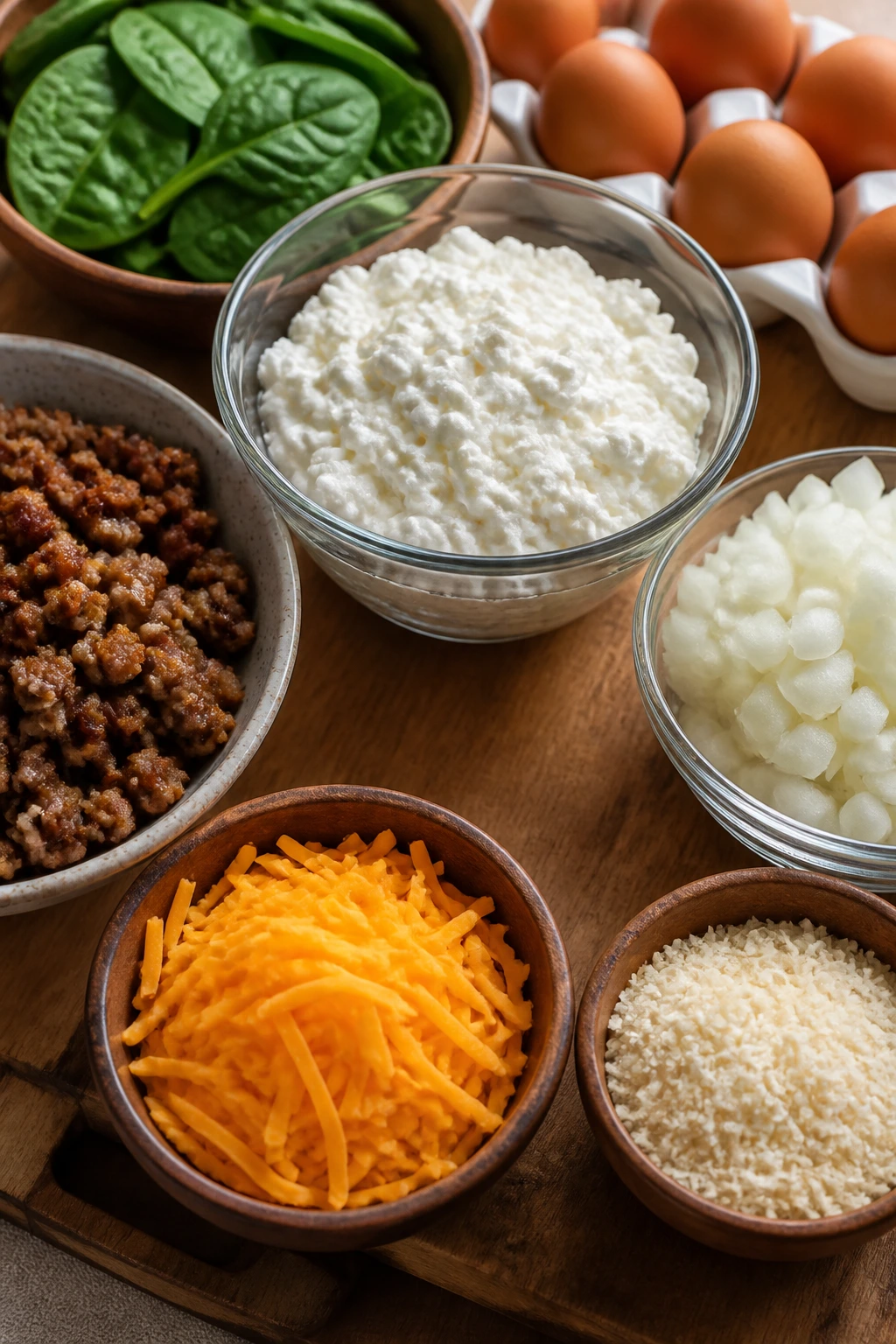
For the Cottage Cheese Breakfast Bake:
- 1 tablespoon olive oil
- 8 ounces turkey breakfast sausage, casings removed if needed
- 1 small yellow onion, finely diced
- 1 red bell pepper, seeded and diced small
- 3 packed cups baby spinach, chopped
- 8 large eggs
- 2 cups cottage cheese, preferably 2% milkfat
- 1/4 cup oat flour or all-purpose flour
- 1 teaspoon kosher salt
- 1/2 teaspoon black pepper
- 1/2 teaspoon garlic powder
- 1/2 teaspoon smoked paprika
- 1 cup shredded sharp cheddar, divided
- 1/4 cup grated Parmesan
- 2 tablespoons chopped chives or green onions
- Hot sauce, for serving, optional
Why Each Ingredient Matters
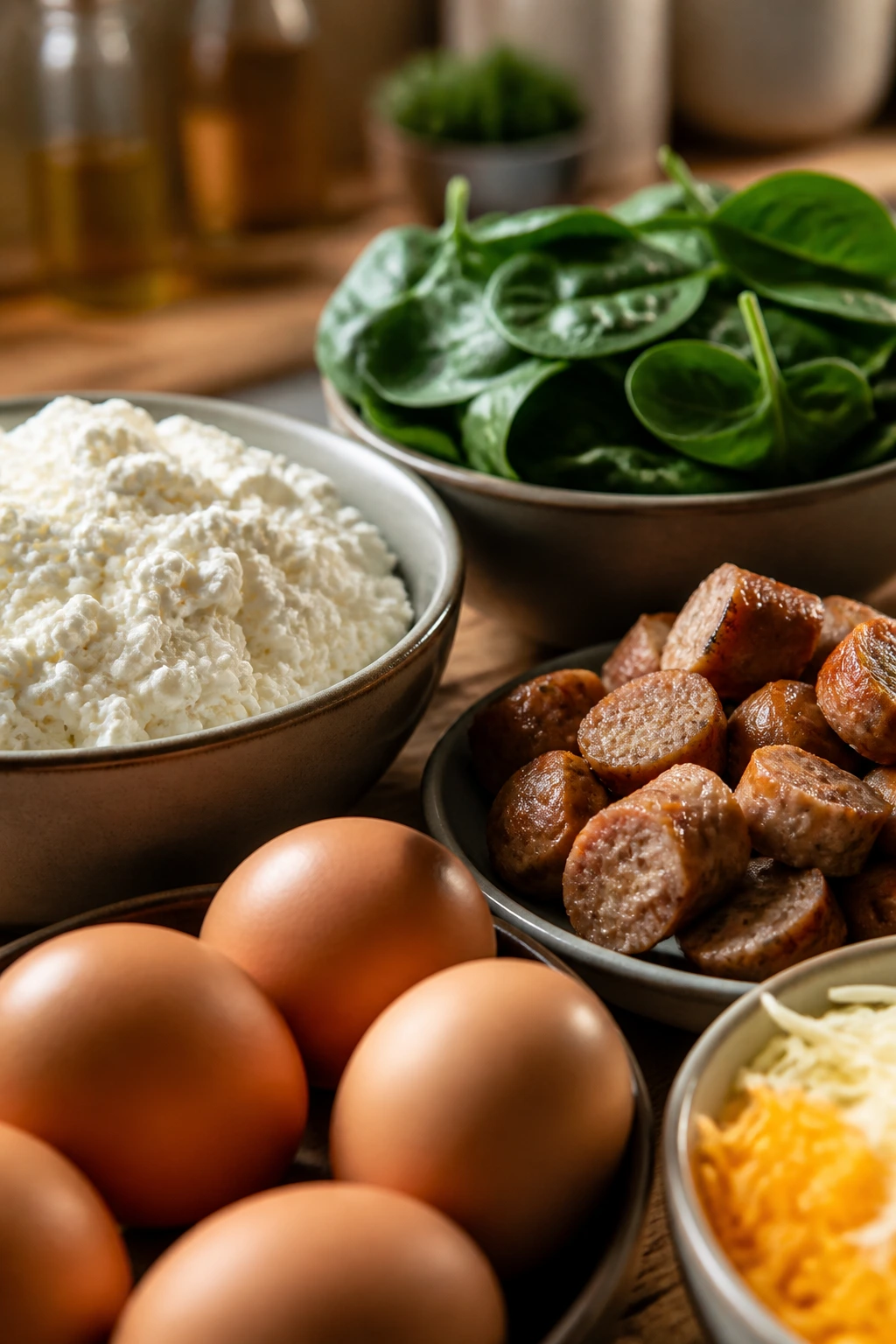
Eggs and Cottage Cheese Base
What to use: 8 large eggs and 2 cups cottage cheese, preferably 2% milkfat.
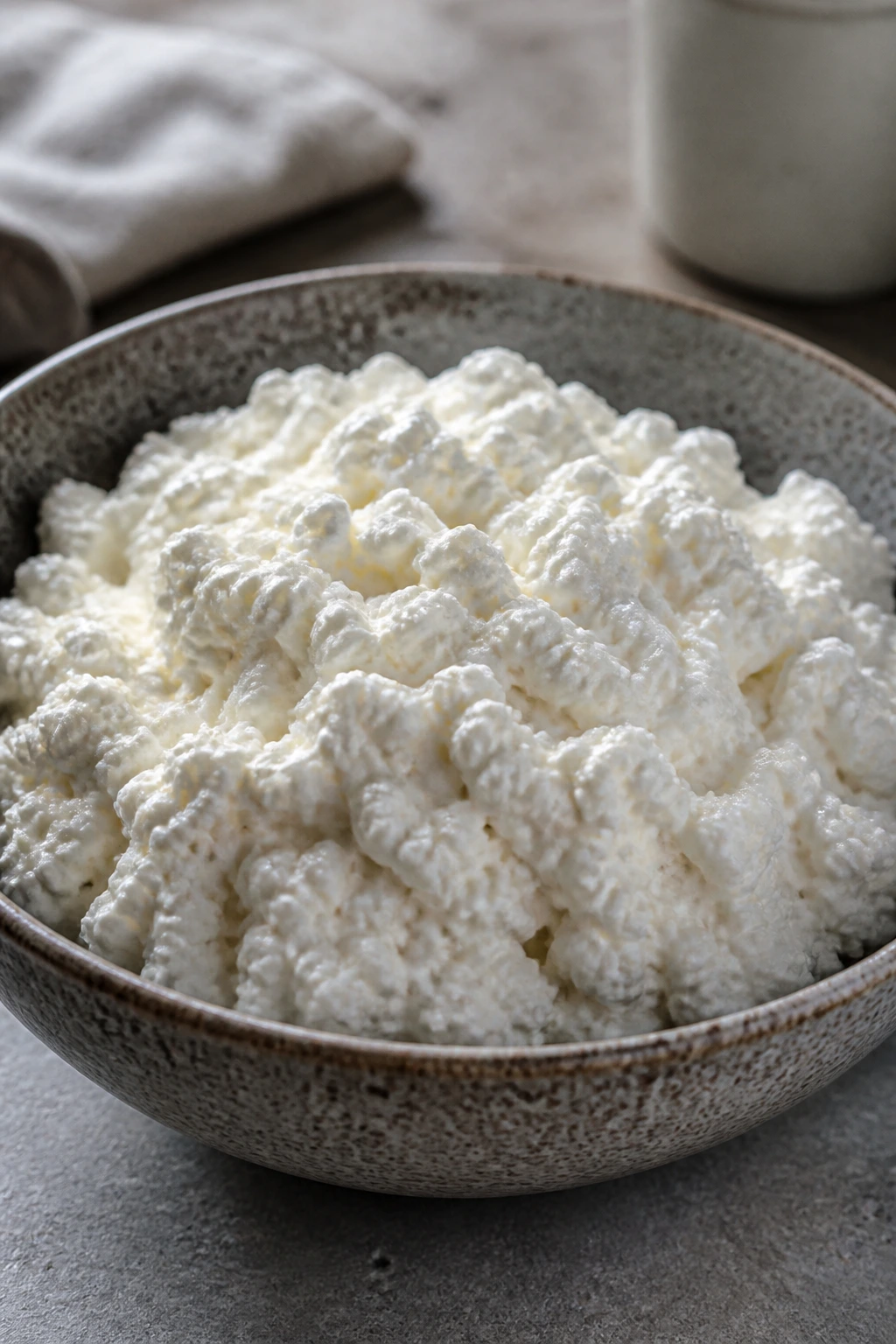
Preparation: Let the eggs sit out for 10 to 15 minutes if you can, then blend them with the cottage cheese until the mixture looks mostly smooth. A few tiny curds are fine; large lumps are what make the finished bake uneven.
Substitutions: Full-fat cottage cheese gives a richer finish, while plain ricotta makes the texture softer and less curdy. If you want a milder result, you can swap half the cottage cheese for plain Greek yogurt, though the final bake will be slightly tangier.
Tips: Skip fat-free cottage cheese unless that’s all you have. It tends to bake up thinner and a little chalky after reheating, which is exactly what you do not want in meal prep.
Protein and Vegetables
What to use: 8 ounces turkey breakfast sausage, 1 small yellow onion, 1 red bell pepper, and 3 packed cups baby spinach.
Preparation: Brown the sausage first, then cook the onion and pepper in the same pan until the onion softens and the pepper loses that raw crunch. Add the spinach last and cook just until it collapses; you’re trying to drive off moisture, not make spinach mush.
Substitutions: Diced ham, crumbled bacon, cooked chicken sausage, or even browned ground turkey all work. For a vegetarian version, use sautéed mushrooms and chopped zucchini, but cook them long enough to release their liquid.
Tips: Let the cooked filling cool for a few minutes before it goes into the egg mixture. Hot filling can start the eggs too early and turn the whole thing grainy.
Binder, Seasoning, and Structure
What to use: 1/4 cup oat flour or all-purpose flour, 1 teaspoon kosher salt, 1/2 teaspoon black pepper, 1/2 teaspoon garlic powder, and 1/2 teaspoon smoked paprika.
Preparation: Blend or whisk the dry ingredients into the eggs and cottage cheese before adding the fillings. That gives the bake a more even texture and helps it slice cleanly once it cools.
Substitutions: Certified gluten-free oat flour works well here. You can also use 2 tablespoons cornstarch if you want a slightly lighter set, though the texture will be a little softer.
Tips: Don’t skip the salt just because the sausage and cheese are salty. Cottage cheese is mild, and the bake can taste flat fast if you hold back too much.
Cheese and Finishing Touches
What to use: 1 cup shredded sharp cheddar, 1/4 cup grated Parmesan, and 2 tablespoons chopped chives or green onions.
Preparation: Reserve half the cheddar for the top so you get a browned surface instead of a cheese-heavy filling that sinks into the custard.
Substitutions: Pepper jack gives heat, feta brings salt and tang, and Swiss makes the whole thing taste softer and rounder. If you like a stronger finish, swap in a little extra Parmesan on top right before baking.
Tips: Shred the cheese yourself if you can. Pre-shredded cheese works in a pinch, but the anti-caking coating can dull the melt a bit.
The Tools That Make the Bake Easier
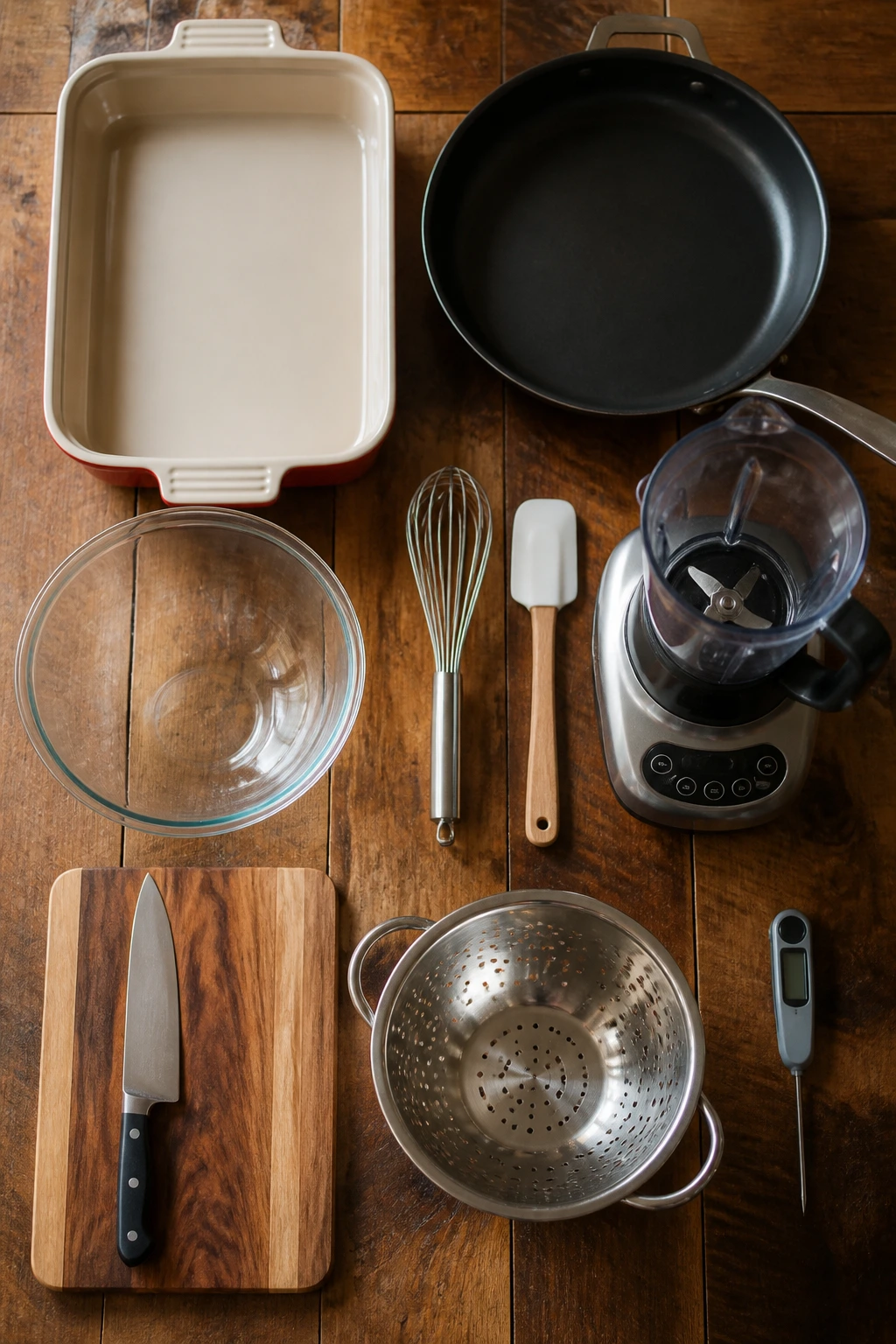
- 9×13-inch baking dish — Wide enough for even baking and easy slicing; a metal pan works a little faster, while glass keeps heat longer.
- Large skillet — You need this for browning the sausage and cooking off the vegetable moisture before the bake.
- Blender or food processor — Best for smoothing the cottage cheese into the egg base; a whisk works if you don’t mind a more rustic texture.
- Large mixing bowl — Useful if you prefer to blend the custard separately before folding in the filling.
- Whisk — Handy for finishing the egg mixture if you skip the blender.
- Rubber spatula — Scrapes every bit of custard and filling into the pan without wasting any of it.
- Sharp chef’s knife and cutting board — For small, even dice on the onion and pepper; uneven pieces cook unevenly.
- Colander or mesh strainer — Optional, but useful if your vegetables release more liquid than expected.
- Instant-read thermometer — Not required, but a good check for doneness; the center should reach about 160°F.
How to Bake It Without a Watery Center
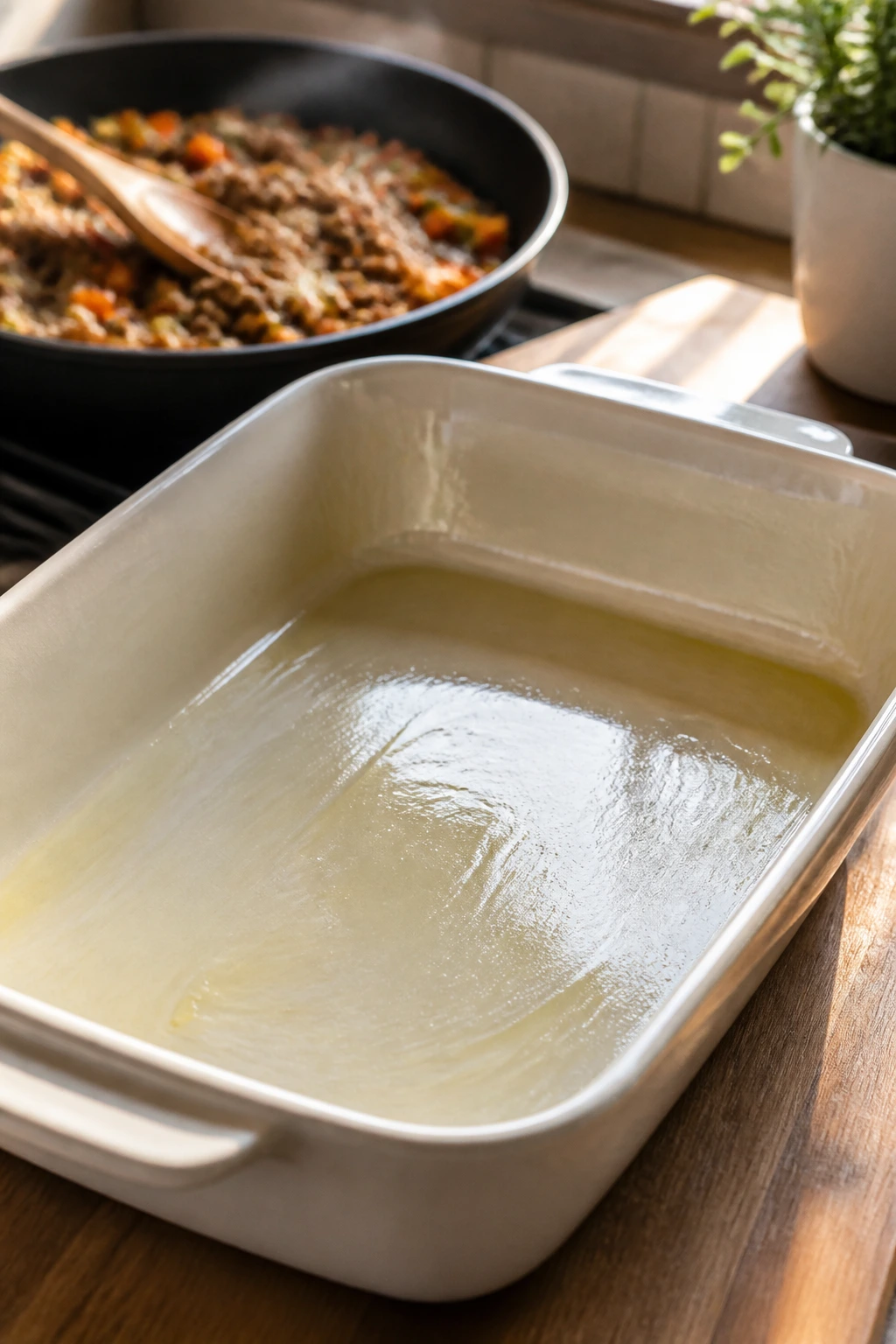
Prep the Pan and Oven:
-
Preheat the oven to 375°F (190°C) and position a rack in the center. Grease a 9×13-inch baking dish with olive oil, butter, or nonstick spray, making sure you get into the corners.
-
Heat 1 tablespoon olive oil in a large skillet over medium heat. Add the turkey sausage and cook for 4 to 5 minutes, breaking it up with a spoon, until it loses its pink color and starts to brown.
-
Add the diced onion and red bell pepper to the skillet and cook for 4 to 6 minutes, stirring often, until the onion turns translucent and the pepper softens. Add the spinach and cook for 1 to 2 minutes more, just until wilted and most of the moisture has evaporated. If the pan looks wet, keep cooking. That liquid will end up in your casserole if you rush this part.
Mix the Custard:
-
In a blender or food processor, combine the eggs, cottage cheese, oat flour, salt, black pepper, garlic powder, and smoked paprika. Blend for 20 to 30 seconds, until the mixture looks smooth and pale with only tiny curds remaining. If you don’t have a blender, whisk very hard in a large bowl until the cottage cheese is as broken down as you can get it.
-
Stir in 1/2 cup of the shredded cheddar and all of the Parmesan. Fold in the cooked sausage and vegetable mixture, then scrape everything into the prepared baking dish. Spread it into an even layer with a spatula and sprinkle the remaining 1/2 cup cheddar over the top.
Bake and Rest:
-
Bake for 35 to 40 minutes, until the edges are lightly browned and the center is just set. A knife inserted in the middle should come out mostly clean, and the center should wobble only a little when you tap the pan. Do not wait until the whole top looks dry. That usually means the eggs have gone too far.
-
Scatter the chives over the top and let the bake rest for 10 to 15 minutes before slicing. This pause matters. The center finishes setting, the edges relax, and the squares hold together instead of slumping when you lift them out.
Pack for Meal Prep:
- Cut the bake into 6 portions, or 8 smaller pieces if you want lighter meal prep servings. Cool completely before sealing in containers, then refrigerate or freeze as needed.
Serving It Warm, Cold, or Reheated
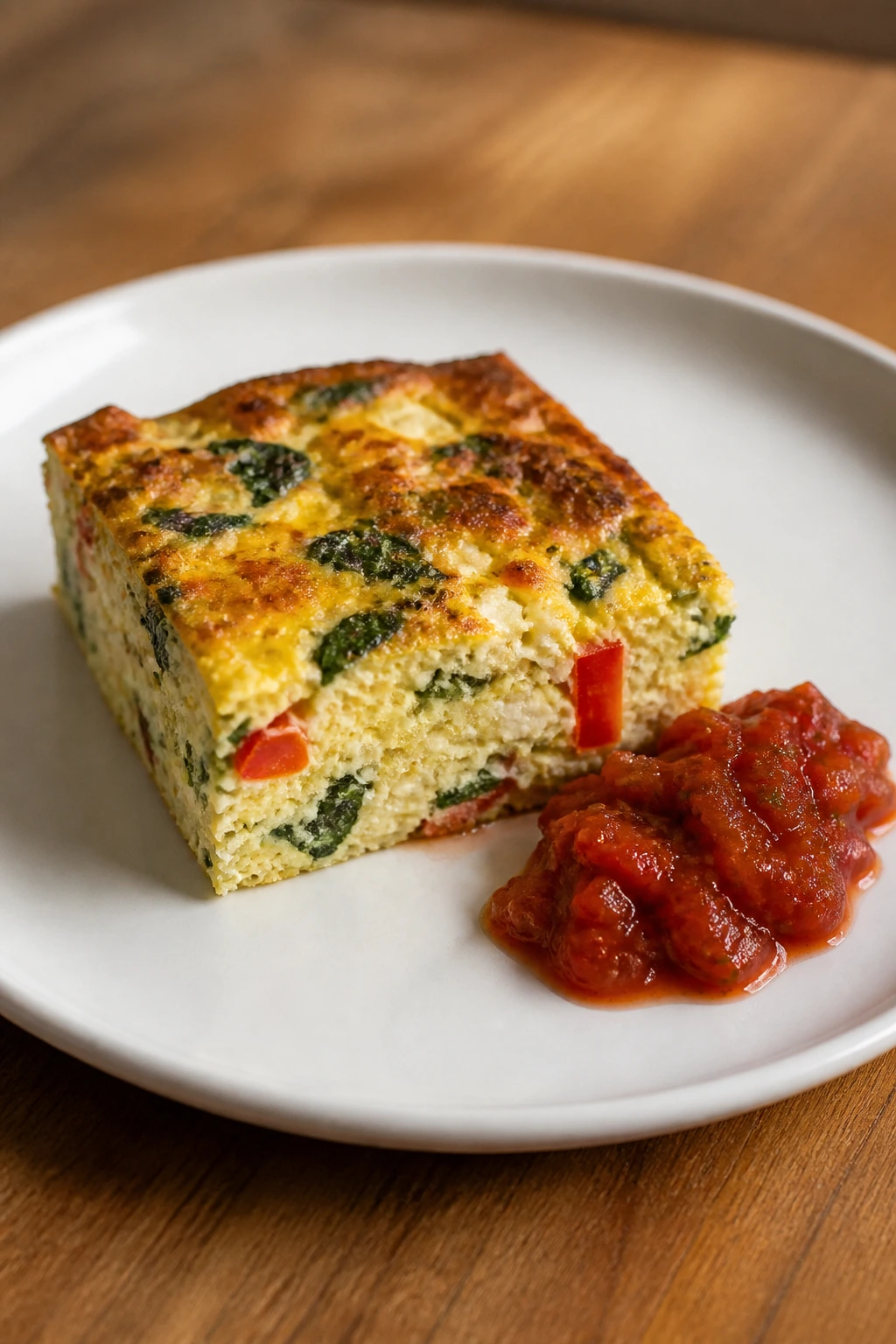
Presentation: Cut the bake into clean rectangles and lift each piece with a thin spatula so the browned top stays intact. A square on a plate with a spoonful of salsa or a few dashes of hot sauce looks more deliberate than the usual “I grabbed a fork and stood at the counter” routine.
Accompaniments: For breakfast, serve it with berries, sliced avocado, or buttered sourdough toast. For lunch, put it next to a green salad with lemon vinaigrette or a heap of roasted potatoes. If you want dinner to happen without much thought, pair it with tomato slices and a simple cucumber salad.
Portions: One square is enough for a lighter meal, especially if you add fruit or toast. Two squares make a bigger breakfast or an easy post-workout meal. If you’re feeding hungrier people, the bake stretches cleanly without turning into a pile of crumbs.
Beverage Pairing: Black coffee is the obvious move, but a strong cup of tea works just as well. If you prefer something cold, sparkling water with lemon cuts through the richness better than juice does.
Small Tweaks That Make It Better
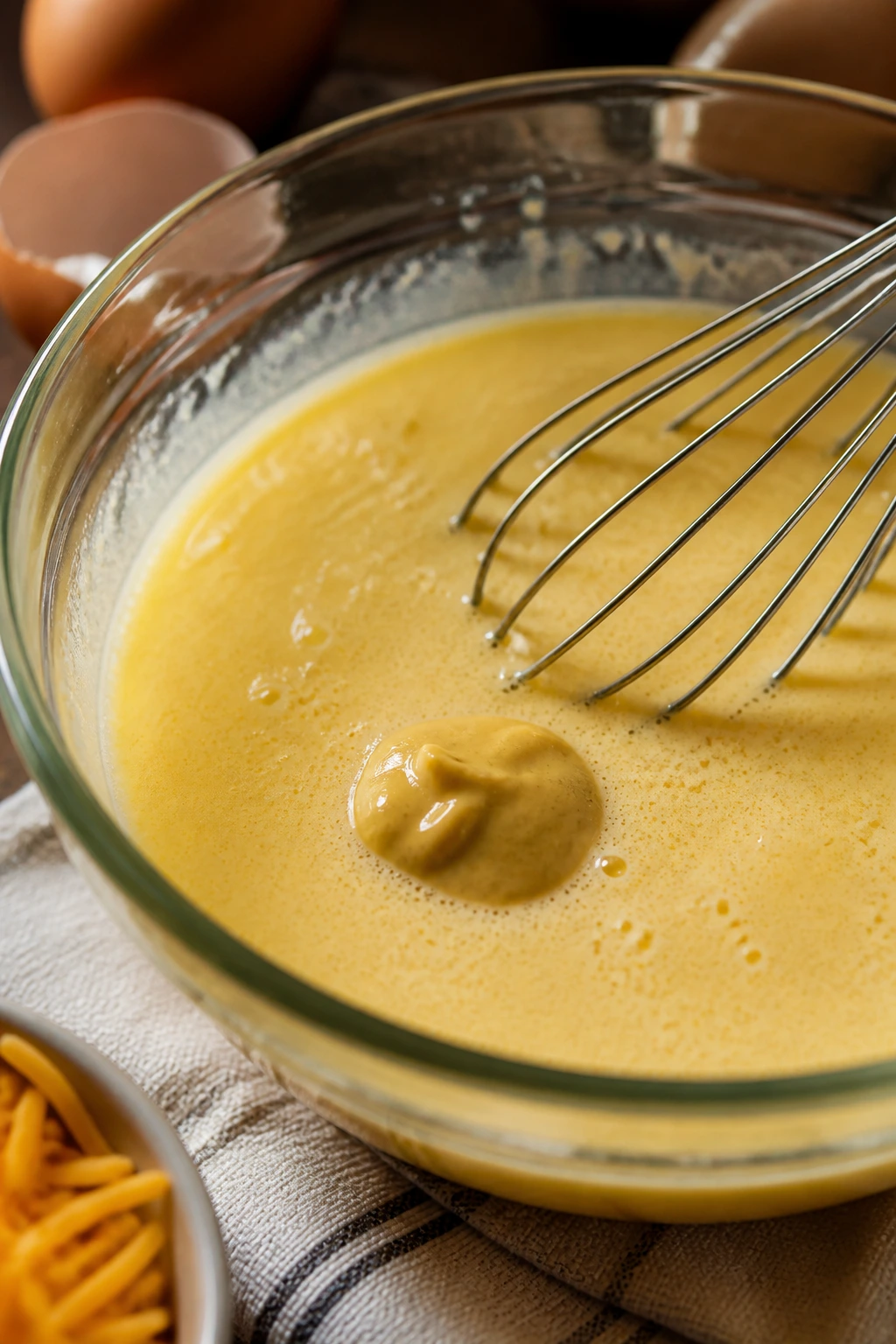
Flavor Enhancement: A teaspoon of Dijon mustard whisked into the egg mixture adds a faint sharpness that wakes up the cottage cheese and cheddar. It doesn’t taste mustardy. It just tastes more finished.
Time-Saver: Cook the sausage, onion, and pepper the night before and chill them separately. In the morning, you only need to blend, fold, pour, and bake. That cuts the active prep almost in half.
Texture Fix: If you like a smoother bake, blend the cottage cheese and eggs for a full 30 seconds and strain the mixture through a mesh sieve before baking. That extra step removes almost all visible curds and gives you a texture closer to a soft crustless quiche.
Cost-Saver: Use whatever firm cheese is already in the fridge. Mild cheddar, Colby Jack, or a mix of odds and ends all work. The sharpness of Parmesan and the seasoning in the custard do most of the flavor lifting anyway.
Make-It-Yours: If you like more heat, add diced jalapeño and swap the cheddar for pepper jack. If you want a fresher flavor, add chopped dill and a little lemon zest right before baking. If you need a lower-carb version, leave out the flour and add another egg for structure.
Common Mistakes That Make Egg Bakes Fall Apart
Leaving moisture in the vegetables: This is the biggest reason the bottom turns soggy. Spinach, peppers, onions, and mushrooms all give off water as they bake, and if you don’t cook that off first, it collects under the custard. The fix is simple: sauté until the pan looks dry, not just until the vegetables look soft.
Overbaking until the center looks rock solid: Eggs keep cooking after they leave the oven. If the middle looks perfectly dry while the pan is still in the oven, you’ve probably gone a little too far. Pull the bake when the center still has a faint jiggle; the rest happens during the rest time.
Using cottage cheese straight from the tub without breaking it down: Tiny curds are fine. Big clumps are not. If the cottage cheese isn’t blended or whisked well, you get pockets of dairy that feel uneven against the eggs, and the texture can seem scrambled instead of creamy.
Skipping the rest before slicing: A hot egg bake is fragile. Cut it too soon and the pieces slump, the filling leaks, and the top tears off in chunks. Let it sit for 10 to 15 minutes, even if you’re hungry enough to stare at the counter.
Underseasoning because the sausage and cheese seem salty enough: They’re not enough on their own. Cottage cheese is mild, eggs are mild, and vegetables need help. Salt, pepper, garlic powder, and smoked paprika give the bake a backbone; without them, the whole pan tastes sleepy.
Packing it into containers while still warm: Steam trapped in a box turns into water, and water is the enemy of a good meal-prep slice. Cool the bake on the counter until it no longer gives off heat, then portion it.
Variations Worth Making
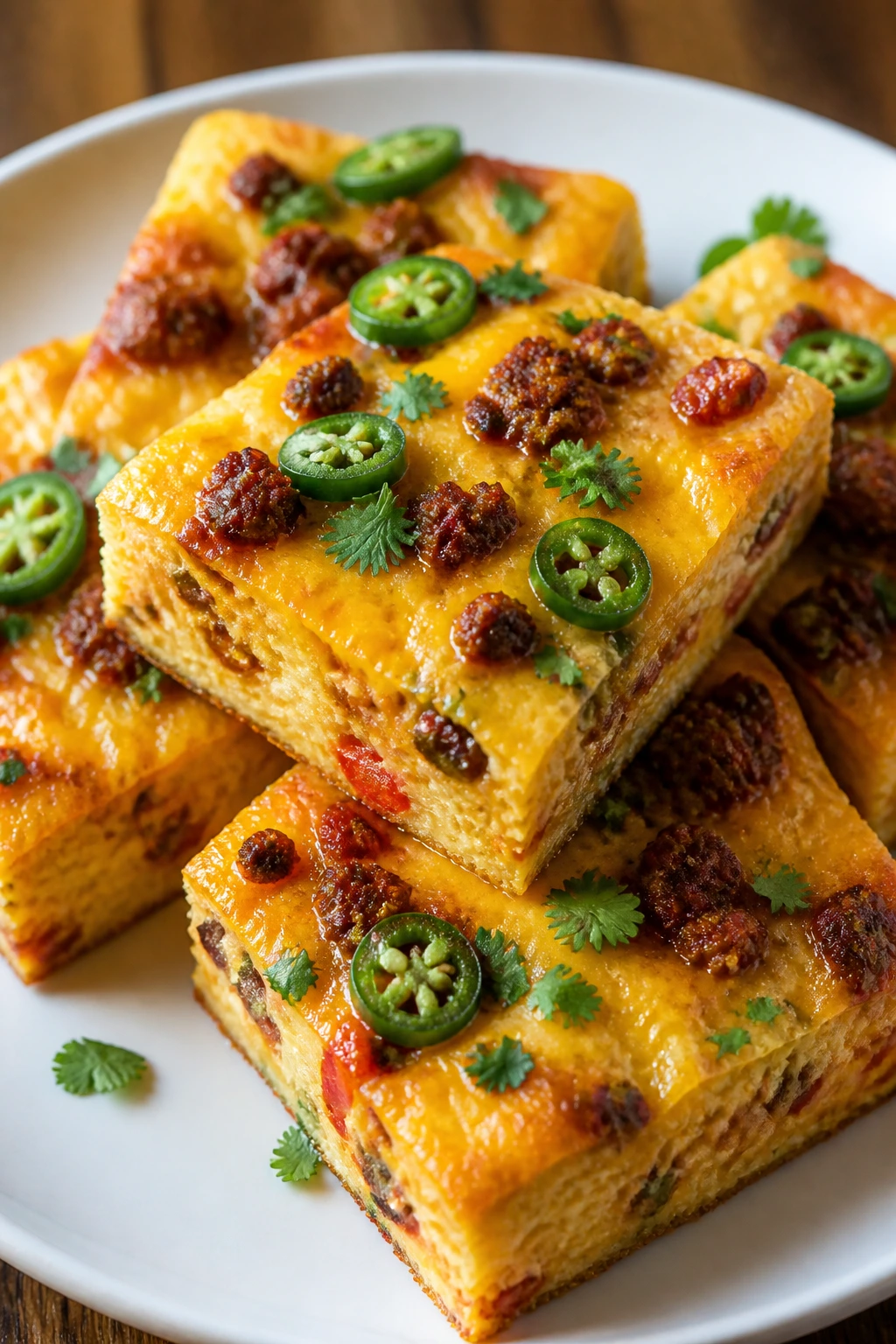
Southwest Skillet Squares
Swap the turkey sausage for 8 ounces of cooked chorizo or seasoned ground turkey. Add 1 diced jalapeño, replace the paprika with 1/2 teaspoon cumin, and use pepper jack instead of cheddar. Finish with chopped cilantro and salsa, and the whole thing shifts from brunchy to bold.
Spinach-Feta Brunch Bake
Leave out the sausage and use 6 ounces of extra spinach, 1/2 cup chopped scallions, and 3/4 cup crumbled feta. A little dill goes a long way here. This version is saltier, brighter, and good cold from the fridge, which makes it one of the better meatless options.
Ham and Swiss Tray Bake
Use 8 ounces diced ham, swap cheddar for Swiss, and add 1 tablespoon Dijon to the egg mixture. The flavor lands somewhere between a deli sandwich and a crustless quiche, and it reheats neatly without losing its shape.
Broccoli-Cheddar Meal Prep Bake
Blanch 2 cups of small broccoli florets for 60 seconds, drain them well, and fold them into the custard with the cheddar. The broccoli adds a firmer bite and a little sweetness, which works especially well if you want something closer to lunch than breakfast.
Everything Bagel Version
Leave the filling the same, but sprinkle the top with everything bagel seasoning before baking. It brings sesame, onion, and poppy seed crunch without changing the structure of the dish. If you keep cream cheese around, a small smear on the plate doesn’t hurt either.
Storing, Freezing, and Reheating
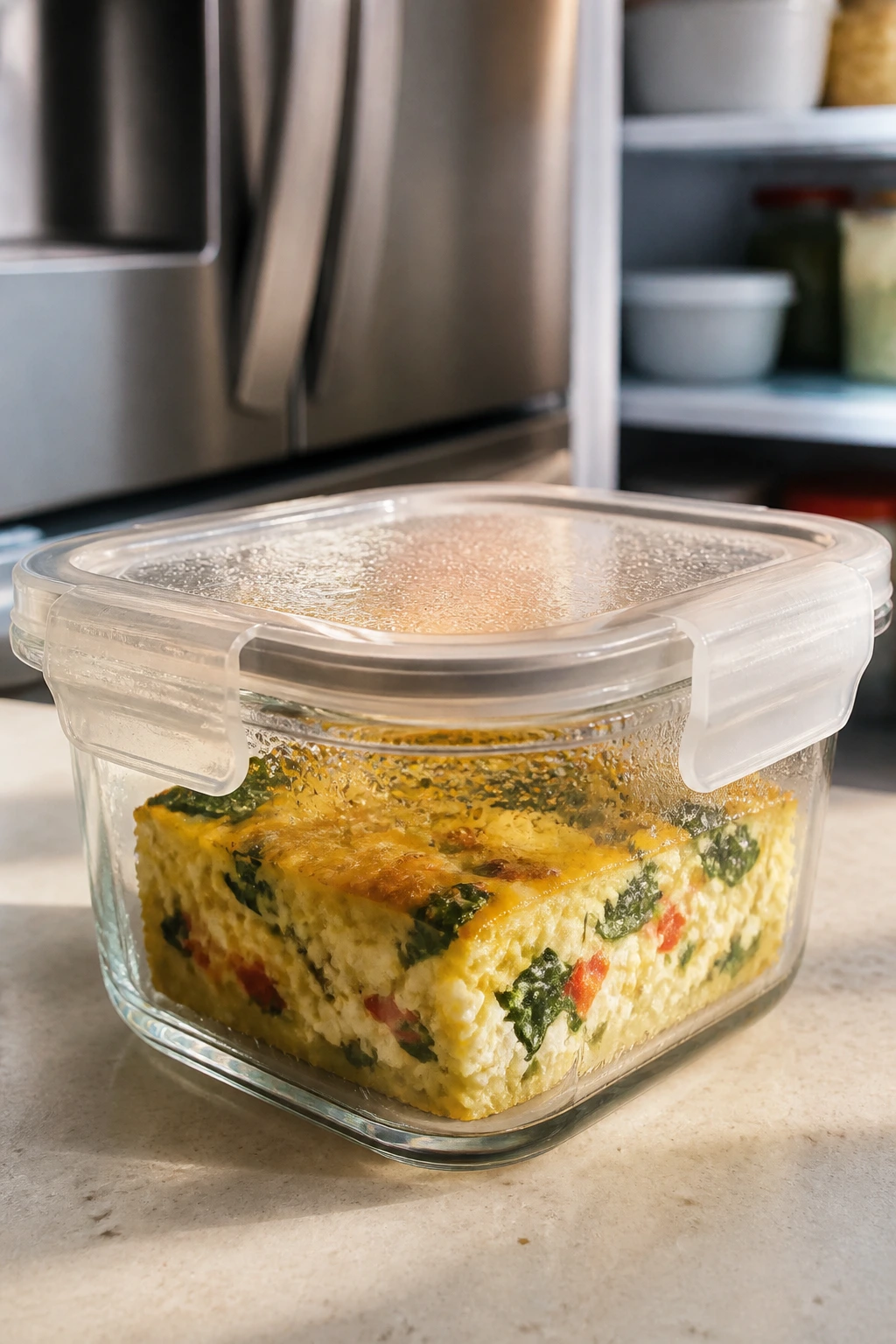
Let the bake cool before it goes into storage containers. Room temperature is fine for up to 2 hours, but after that it needs to go into the fridge. Eggs and dairy do not forgive long, warm sitting times, and a covered pan that’s still steaming is the fastest way to invite condensation.
In the refrigerator, the bake keeps well for 3 to 4 days in airtight containers. If you’re stacking pieces, slip a small square of parchment between layers so the top doesn’t pull apart when you lift one out. The texture is best on day one and two, but it stays surprisingly respectable through day four if the vegetables were cooked down properly.
For freezing, wrap individual squares tightly and place them in a freezer bag or freezer-safe container. They’ll hold for up to 2 months. Thaw overnight in the fridge before reheating so the center doesn’t stay icy while the edges overcook.
The best reheating method depends on what you want from the texture. For the microwave, use 45 to 75 seconds on medium power, covered loosely with a damp paper towel so the eggs don’t dry out. For the oven, reheat at 325°F for about 10 to 12 minutes, loosely covered with foil. If you want firmer edges, an air fryer at 300°F for 4 to 5 minutes works well, but watch it closely.
If you plan ahead, you can cook the sausage and vegetables up to 2 days in advance and keep them chilled separately. You can also blend the egg and cottage cheese mixture a few hours before baking, though I wouldn’t let it sit overnight if you can avoid it. The filling tastes better when it goes into the oven fresh.
Questions People Ask Before They Bake It

Can I use low-fat cottage cheese instead of 2%?
Yes, and it works fine. The bake will be a little lighter and slightly less rich, but the texture stays good if you blend it well and don’t overbake. I would avoid fat-free unless that’s the only option in the fridge.
Do I need a blender for the cottage cheese?
No, but it helps a lot. A blender gives you a smoother, more uniform custard, which is nice if you dislike visible curds. If you only have a whisk, beat the eggs and cottage cheese hard for a full minute or two and accept a more rustic finish.
Can I make this in muffin cups instead of a baking dish?
Absolutely. Grease a 12-cup muffin tin, divide the mixture evenly, and bake at 375°F for about 18 to 22 minutes, until the centers are set. Muffin-sized portions are handy for lunch boxes and freeze well, though the edges brown faster than in a casserole dish.
What if my bake looks watery in the middle?
Give it another 5 minutes, then check again. If the vegetables were cooked down properly and the oven is accurate, the issue is usually just underbaking. Pulling it too soon is the more common mistake, so use a knife or thermometer rather than guessing from the top color alone.
Can I make this without sausage?
Yes. Use mushrooms, broccoli, zucchini, ham, or cooked bacon, depending on what you have. If you go vegetarian, make sure the vegetables are cooked until dry; otherwise the bake can get loose and damp.
Is it okay to eat this cold?
It is, and some people prefer it that way. Cold squares have a firmer texture and make an easy grab-and-go breakfast. Add a little hot sauce or sliced avocado if you want more contrast.
How do I keep the bottom from getting soggy in meal prep containers?
Cool the bake completely before packing it, and don’t tuck it into a container while it’s still releasing steam. A piece of parchment under each square helps if you’re layering. If the vegetables were cooked properly, you shouldn’t see puddles at the bottom of the box.
A Reliable Fridge Staple
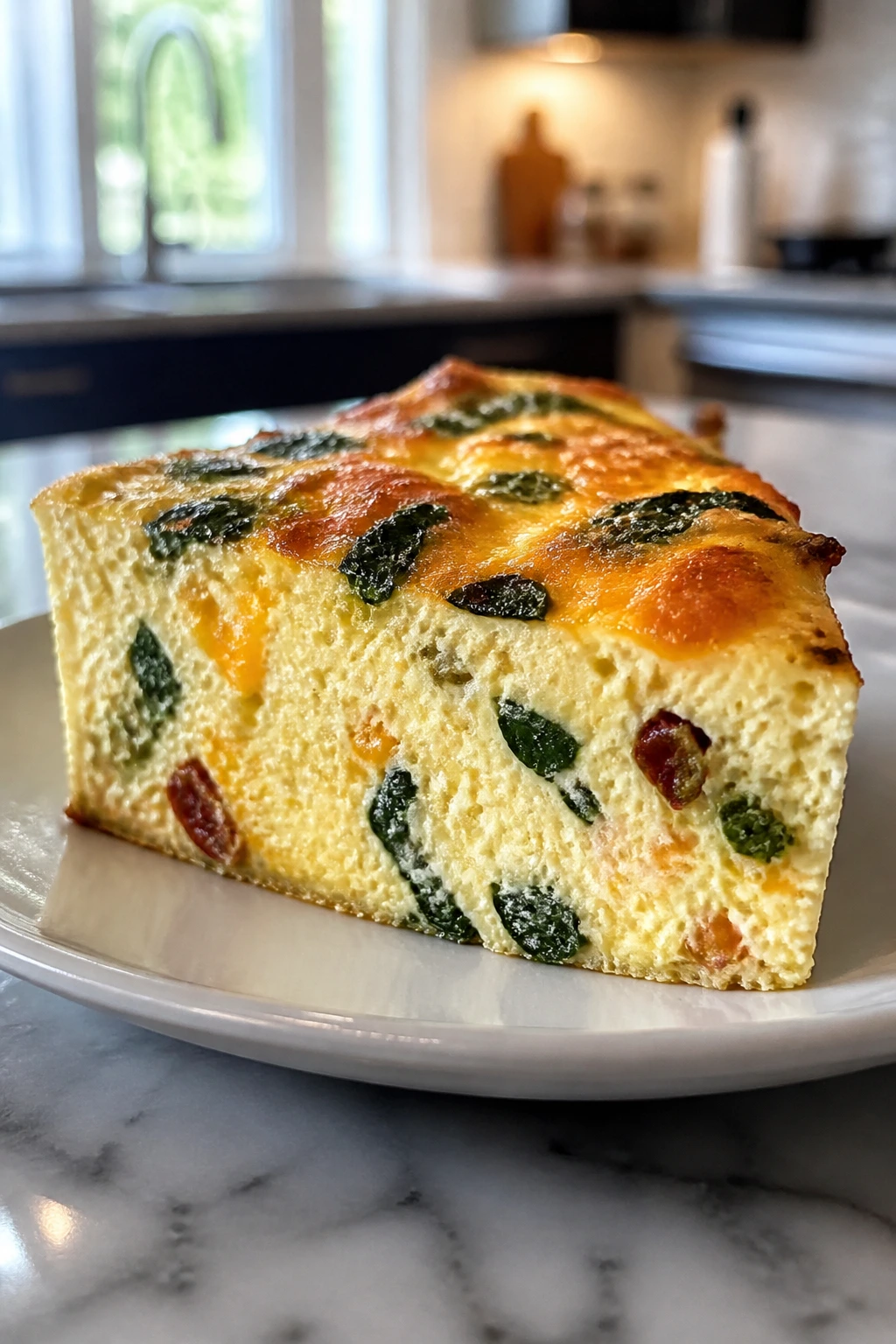
This is the kind of breakfast that quietly earns its place in the rotation. It doesn’t need a sauce boat, a garnish parade, or a heroic level of effort on a weekday morning. It just needs to be baked well, cooled properly, and stored the way eggs and dairy actually like to be treated.
The nice part is how forgiving it becomes once you know the handful of things that matter: cook the vegetables dry, blend the cottage cheese smooth, and stop baking before the center turns stiff. Do that, and you get a protein-heavy meal prep square that tastes good hot, cold, or reheated from a container with one fork and no complaints.
High-Protein Cottage Cheese Egg Bake — Recipe Card
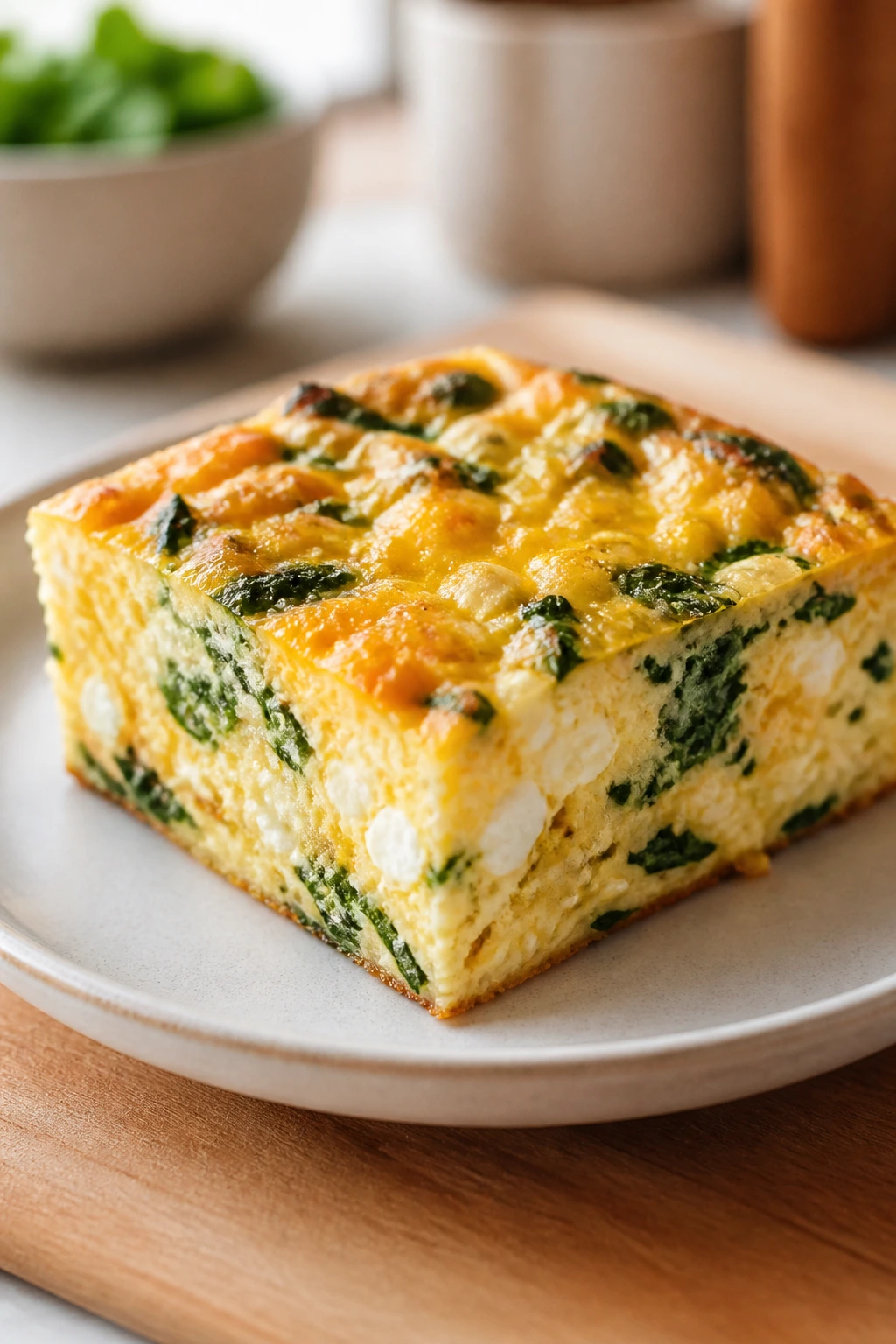
Recipe Name: High-Protein Cottage Cheese Egg Bake
Description: A savory cottage cheese breakfast bake with turkey sausage, spinach, bell pepper, cheddar, and Parmesan. It slices cleanly, reheats well, and works for breakfast, lunch, or a late dinner when you want something filling without a lot of fuss.
Prep Time: 20 minutes
Cook Time: 35 to 40 minutes
Total Time: 55 to 60 minutes
Course: Breakfast, Brunch, Main Course
Cuisine: American
Servings: 6 servings
Calories: About 330 kcal per serving
Best Served: Warm, room temperature, or reheated the next day
Ingredients
For the Bake:
- 1 tablespoon olive oil
- 8 ounces turkey breakfast sausage, casings removed if needed
- 1 small yellow onion, finely diced
- 1 red bell pepper, seeded and diced small
- 3 packed cups baby spinach, chopped
- 8 large eggs
- 2 cups cottage cheese, preferably 2% milkfat
- 1/4 cup oat flour or all-purpose flour
- 1 teaspoon kosher salt
- 1/2 teaspoon black pepper
- 1/2 teaspoon garlic powder
- 1/2 teaspoon smoked paprika
- 1 cup shredded sharp cheddar, divided
- 1/4 cup grated Parmesan
- 2 tablespoons chopped chives or green onions
- Hot sauce, for serving, optional
Instructions
- Preheat the oven to 375°F (190°C) and grease a 9×13-inch baking dish.
- Brown the turkey sausage in olive oil, then cook the onion and bell pepper until soft. Add spinach and cook until the pan is dry.
- Blend the eggs, cottage cheese, flour, salt, pepper, garlic powder, and smoked paprika until mostly smooth.
- Stir in half the cheddar and all the Parmesan, then fold in the sausage and vegetables.
- Pour into the baking dish, top with the remaining cheddar, and bake for 35 to 40 minutes until just set.
- Rest for 10 to 15 minutes, then garnish with chives and slice into 6 portions.
Notes: Cook the vegetables until the skillet looks dry, not just softened. For a smoother texture, blend the cottage cheese and eggs for the full 30 seconds. Refrigerate leftovers for 3 to 4 days, or freeze individual squares for up to 2 months.