



Healthy toddler dinners are rarely defeated by flavor. They’re defeated by shape, temperature, and the mood of a small person who has decided that one green fleck is a personal insult.
The trick is not to cook a separate “kid meal” and a separate adult meal and then pretend that’s sustainable. It’s to make real dinners that hold together on a fork, soften on the tongue, and don’t punish you for using your own pantry. Healthy toddler dinners work best when they lean on mild seasoning, tender textures, and familiar formats—meatballs, quesadilla wedges, rice bowls, soup with tiny pasta, pasta shells stuffed with cheese, things that feel recognizable before they ever feel persuasive.
I’ve always thought the best weeknight dinners for toddlers are the ones that leave room for the room itself: a tired child, a tired cook, and a table that doesn’t need a speech. Cut the food small. Keep the salt gentle. Give the vegetables a job rather than a spotlight. Then let the meal do its job without turning dinner into a negotiation.
Why These Dinners Earn Their Spot in the Rotation
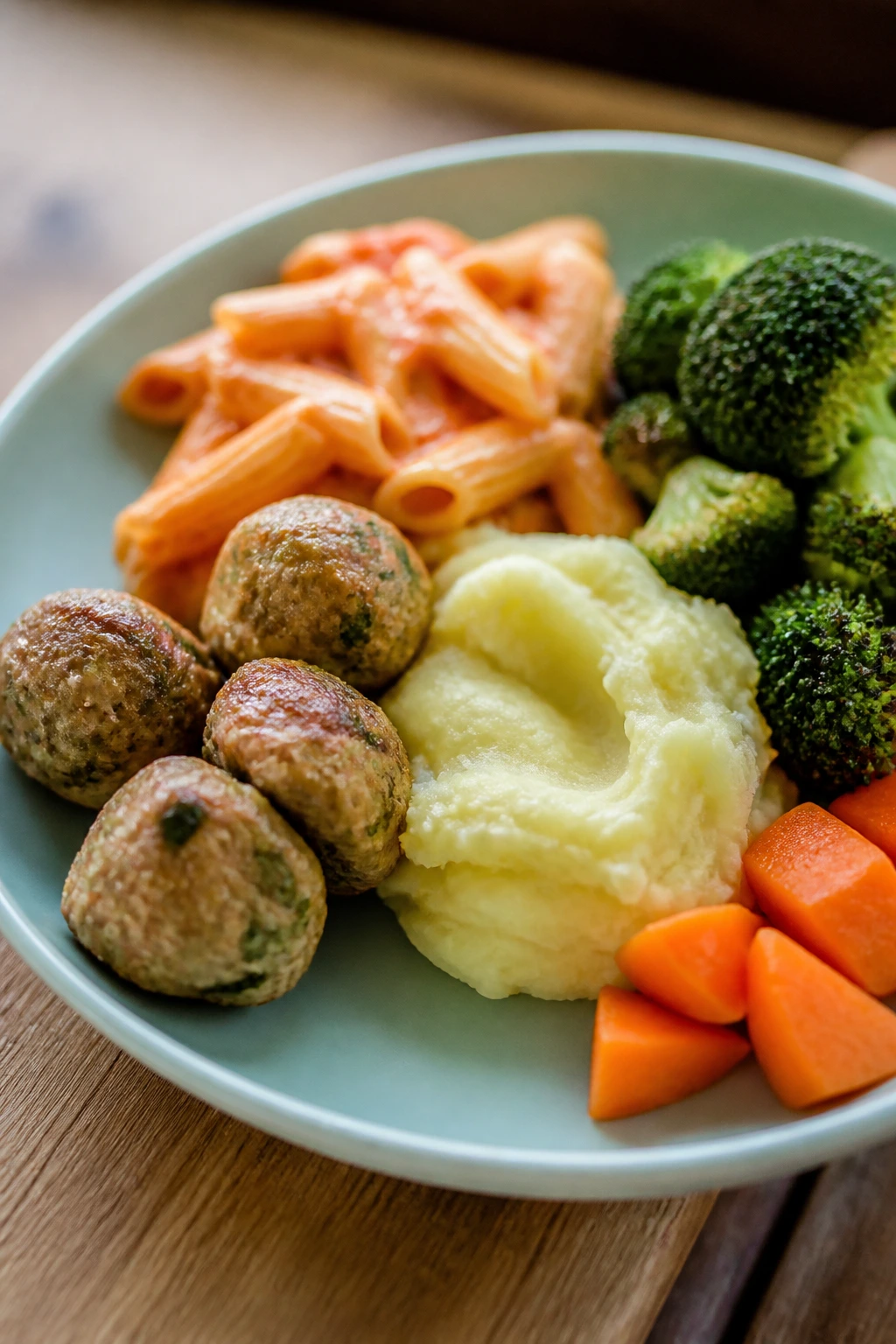
- Soft textures win: Most of these recipes use baked, simmered, roasted, or saucy elements that stay tender instead of turning chewy or brittle.
- Familiar shapes matter: Meatballs, wedges, bowls, muffins, shells, and toast soldiers give toddlers something they can identify fast.
- Vegetables show up without drama: Zucchini disappears into meatballs, spinach melts into pasta, and carrots soften into soup or rice.
- Adults still get a real dinner: A squeeze of lemon, extra herbs, chili flakes, or hot sauce can go on after the toddler plate is served.
- Fast cleanup is built in: Sheet pans, skillets, soups, and casseroles keep the sink from becoming the loudest thing in the kitchen.
- Leftovers actually work: A lot of these meals reheat well, which matters when bedtime arrives with no warning.
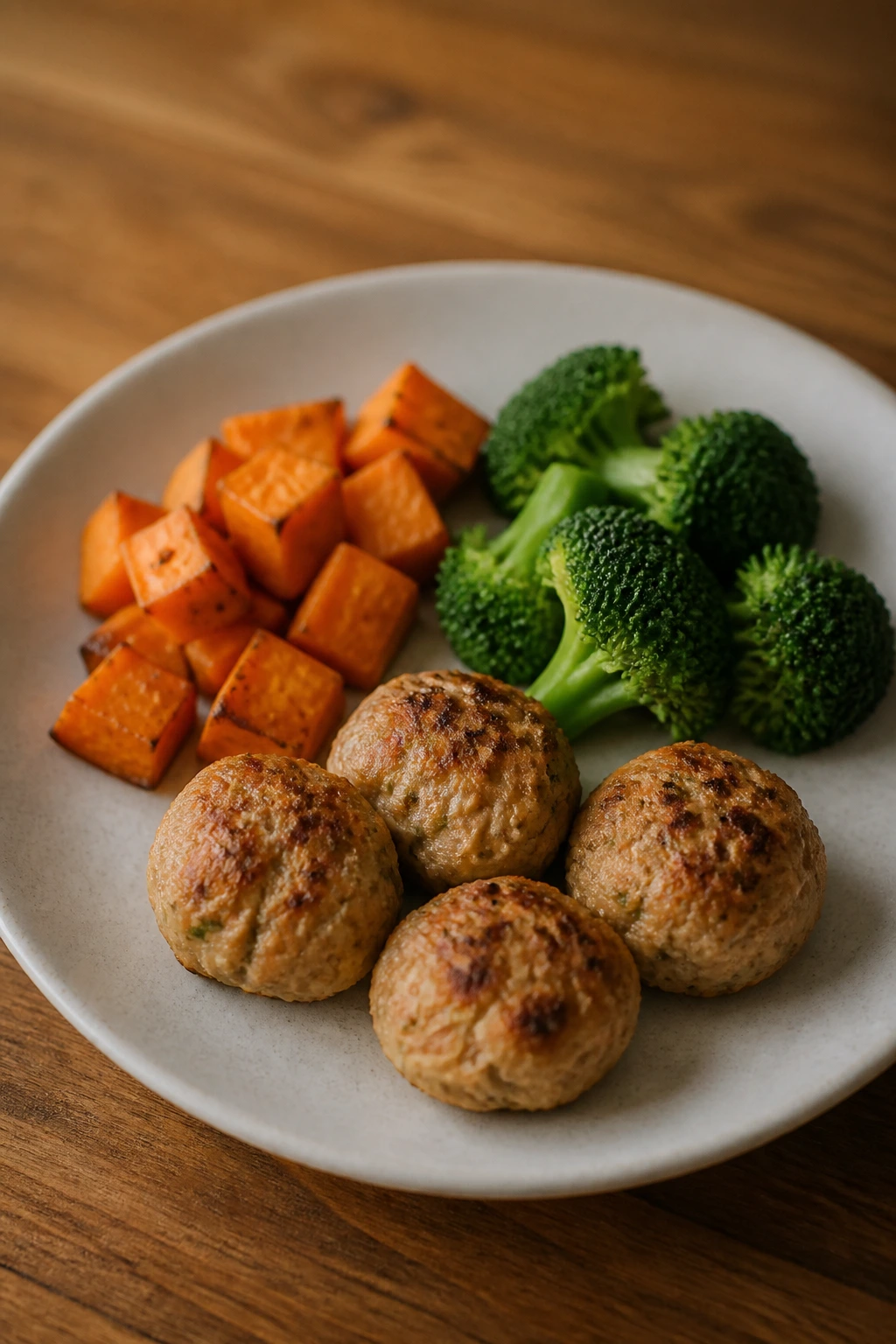
1. Baked Turkey and Sweet Potato Meatballs
A tray of these comes out with browned edges, a soft center, and just enough sweetness from the grated sweet potato to keep the turkey from tasting dry. They’re the kind of meatball that disappears fast because they’re easy to chew, easy to dip, and easy to portion into toddler-sized bites.
Why It Works:
Baking the meatballs instead of frying them keeps the texture even and saves you from standing over a skillet. The sweet potato adds moisture without making the mix loose, and a little marinara gives you a built-in sauce that toddlers usually trust. They hold together well at 1½-inch size, which makes them fork-friendly.
Key Ingredients:
- 1 lb ground turkey — 93/7 works well here; it stays lean without going chalky.
- 1 cup finely grated sweet potato — squeeze out excess moisture so the mixture doesn’t turn soggy.
- 1/2 cup plain breadcrumbs — helps the meatballs stay tender and hold shape.
- 1 large egg — binds everything together.
- 1/2 teaspoon garlic powder — enough flavor without going sharp.
- 1/2 teaspoon onion powder — keeps the seasoning mild.
- 1/2 teaspoon fine salt — light but not flat.
- 1 1/2 cups marinara sauce — warm it gently for serving.
Quick Steps:
- Prep the oven: Preheat to 400°F and line a rimmed sheet pan with parchment paper.
- Mix the meatballs: In a bowl, combine the turkey, sweet potato, breadcrumbs, egg, garlic powder, onion powder, and salt until just mixed.
- Shape them: Roll into 1½-inch balls and place them 1 inch apart on the pan.
- Bake: Roast for 15 to 18 minutes, until the tops are browned and the centers reach 165°F.
- Finish with sauce: Warm the marinara in a small saucepan and spoon it under or over the meatballs right before serving.
Equipment for This Recipe:
- Rimmed sheet pan
- Parchment paper
- Large mixing bowl
- Small saucepan
How to Serve This Dish:
Serve the meatballs with buttered peas, soft rice, or short pasta. For toddlers, cut each meatball in half or quarters and keep the sauce on the side for dipping.
Pro Tips for This Recipe:
- Grate the sweet potato on the fine side of the box grater; big shreds make the meatballs fall apart.
- If the mix feels wet, add 1 to 2 tablespoons more breadcrumbs. It should feel tacky, not loose.
- Bake on parchment, not foil, so the bottoms brown instead of sticking.
Variations on This Dish:
- Hidden-Carrot Version: Swap half the sweet potato for grated carrot if that’s what you have in the crisper.
- Cheesy Center Surprise: Press a tiny cube of mozzarella into the middle of each ball for an extra-soft bite.
- Gluten-Free Swap: Use certified gluten-free breadcrumbs or finely ground oats.
Common Mistakes to Avoid with This Dish:
- Don’t overmix the meatball mixture. It turns dense fast, and toddlers notice that chewiness before you do.
- Don’t make them too large. Bigger meatballs look nice on a platter but are harder for small mouths to manage.
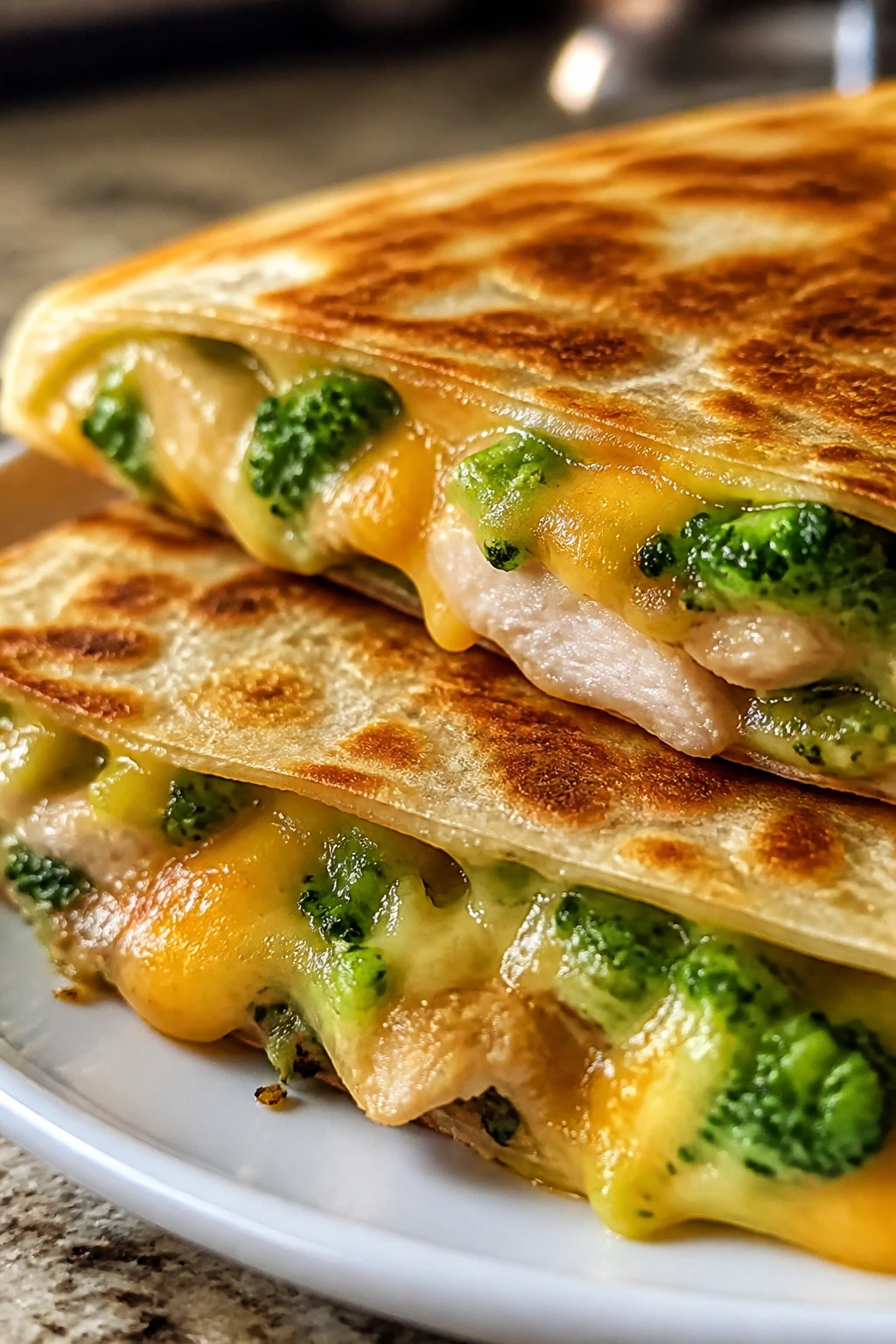
2. Cheesy Broccoli Chicken Quesadillas
These cook into crisp tortillas with a warm, gooey center and little green broccoli bits that disappear into the cheese instead of standing out. I like them because they feel like a treat, but the filling is still doing useful work.
Why It Works:
The broccoli gets chopped small and steamed first, which means it softens enough to blend into the filling. Shredded chicken brings protein, cheddar gives the melt, and a spoonful of Greek yogurt keeps the mixture creamy without turning it heavy. A skillet gives you that browned tortilla edge toddlers tend to grab first.
Key Ingredients:
- 2 cups shredded cooked chicken — rotisserie chicken works if you pull off the skin.
- 1 1/2 cups very finely chopped steamed broccoli — chop smaller than you think.
- 1 1/2 cups shredded mild cheddar — melts easily and tastes familiar.
- 1/2 cup plain Greek yogurt — adds creaminess and a little tang.
- 8 small whole-wheat tortillas — easier for small hands than large burrito wraps.
- 1 tablespoon butter or olive oil — helps the tortillas brown.
- 1/4 teaspoon garlic powder — optional, but it rounds out the filling.
- Mild salsa or extra yogurt for dipping — serve separately.
Quick Steps:
- Mix the filling: Stir together the chicken, broccoli, cheddar, yogurt, and garlic powder in a bowl.
- Heat the skillet: Warm a large skillet over medium heat and add a little butter or oil.
- Build the quesadillas: Spread filling over half of each tortilla, then fold them closed.
- Cook: Toast 2 to 3 minutes per side until the tortillas are golden and the cheese is fully melted.
- Slice: Let them rest for 1 minute, then cut into wedges or strips.
Equipment for This Recipe:
- Large skillet
- Cutting board and knife
- Mixing bowl
- Spatula
How to Serve This Dish:
Offer the wedges with sliced cucumbers, apple slices, or soft black beans. For toddlers, keep the dipping sauce in a small cup so they can control it themselves.
Pro Tips for This Recipe:
- Steam the broccoli until it’s just tender. Crisp broccoli pokes through the tortilla and feels harder to chew.
- Use a medium heat skillet. Too hot, and the tortilla browns before the cheese melts.
- Don’t overfill the tortilla; a thin layer cooks better and stays sealed.
Variations on This Dish:
- Bean Boost: Mash in 1/2 cup white beans for extra creaminess and fiber.
- Turkey Swap: Replace the chicken with finely chopped cooked turkey.
- Mild Pizza Quesadilla: Add 2 tablespoons marinara and swap cheddar for mozzarella.
Common Mistakes to Avoid with This Dish:
- Don’t pile the filling too high. Overflowing quesadillas leak cheese into the pan and get messy fast.
- Don’t skip the rest time after cooking. A minute off the heat helps the cheese settle instead of sliding out.
3. Salmon Cakes with Peas and Yogurt Dip
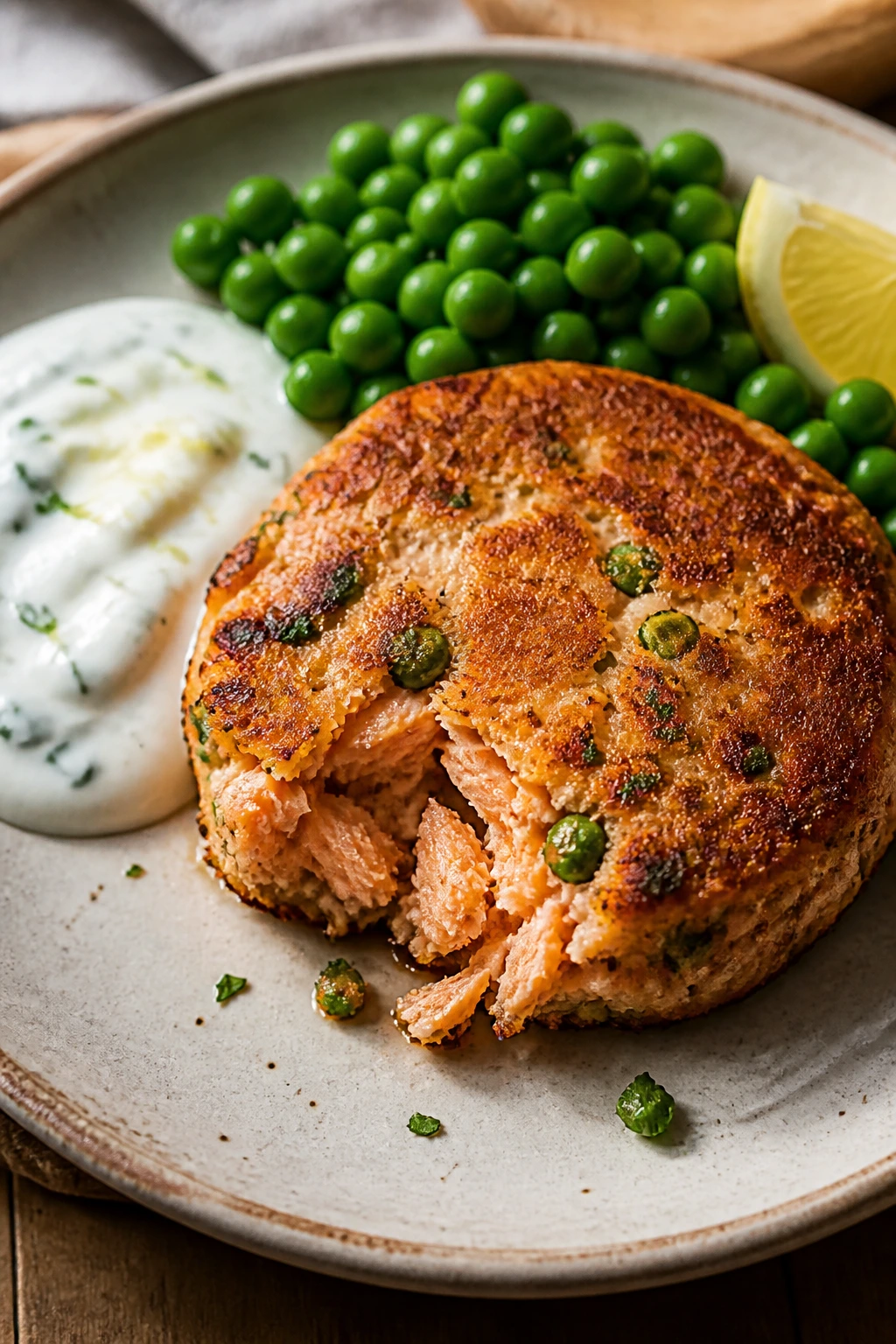
These have a soft, flaky center and a gently crisp outside, which is a nice change from the usual chicken-and-pasta loop. The peas add little pops of sweetness, and the yogurt dip cools everything down without masking the salmon.
Why It Works:
Canned salmon is one of those pantry ingredients that pulls more weight than people give it credit for. Once it’s mixed with potato or breadcrumbs and egg, it becomes easy to shape and pan-sear into tidy little cakes. The lemon yogurt dip keeps the flavor bright and cuts through the richness.
Key Ingredients:
- 1 can salmon, 14.75 oz, drained and flaked — use boneless if you want a smoother texture.
- 1 cup mashed potato or 3/4 cup plain breadcrumbs — both hold the cakes together.
- 1 large egg — binds the mixture.
- 1 cup thawed peas — chop lightly if your toddler prefers a softer bite.
- 2 tablespoons chopped dill or parsley — gentle herb flavor.
- 1 teaspoon lemon zest — lifts the whole dish.
- 1 tablespoon olive oil — for pan-searing.
- 1/2 cup plain Greek yogurt — for the dip.
Quick Steps:
- Mix the cakes: Combine salmon, potato or breadcrumbs, egg, peas, herbs, and lemon zest in a bowl.
- Form patties: Shape into 6 to 8 small cakes, about 2 inches wide.
- Heat the pan: Warm olive oil in a skillet over medium heat.
- Cook: Sear for 3 to 4 minutes per side until golden and heated through.
- Make the dip: Stir yogurt with a little lemon juice and a pinch of salt.
Equipment for This Recipe:
- Skillet
- Mixing bowl
- Spatula
- Small bowl for dip
How to Serve This Dish:
Serve with peas, steamed green beans, or soft cucumber coins. For toddlers, break each cake into bite-size pieces and keep the dip light.
Pro Tips for This Recipe:
- If the mixture feels loose, add a tablespoon or two of breadcrumbs before shaping.
- Let the cakes sit in the fridge for 10 minutes before cooking if they seem fragile.
- Don’t crank the heat. Medium heat gives the outside a little color without drying the salmon.
Variations on This Dish:
- Potato-Crusted Version: Roll the patties in fine breadcrumbs before pan-searing for a little more crunch.
- Herb-Free Version: Skip the dill and parsley if your child prefers plain flavors.
- Baked Option: Bake at 400°F for 12 to 14 minutes, flipping once.
Common Mistakes to Avoid with This Dish:
- Don’t leave too much liquid in the salmon. Drain it well or the cakes will spread.
- Don’t overflip them. One turn is enough if the pan is hot and the patties are small.
4. One-Pan Chicken, Rice, and Carrots
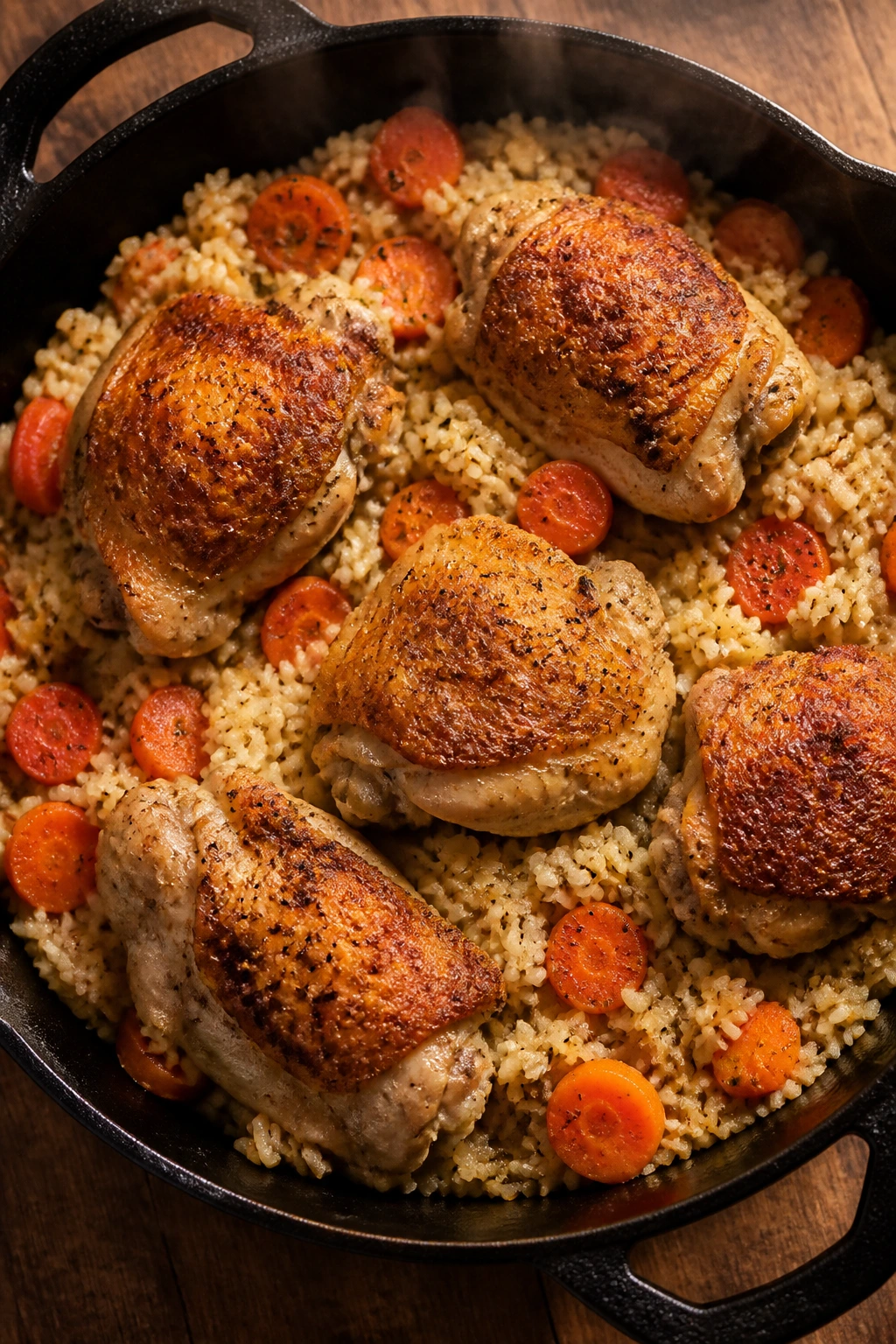
This is the kind of dinner that makes the kitchen smell like someone is taking care of you. The rice absorbs the broth, the carrots go soft at the edges, and the chicken stays tender if you don’t rush the simmer.
Why It Works:
One pan means the rice cooks in the same flavorful liquid as the chicken and vegetables, which gives the whole dish a softer, more unified taste. Carrots add color and sweetness; peas can go in at the end if you want a green vegetable without much fuss. Boneless thighs stay juicier than breasts here.
Key Ingredients:
- 1 1/2 lb boneless, skinless chicken thighs — more forgiving than breast meat.
- 1 cup long-grain rice, rinsed — rinsing helps keep it fluffy.
- 2 medium carrots, sliced thin — thin slices soften faster.
- 1 small yellow onion, diced — adds a mellow base.
- 2 1/2 cups low-sodium chicken broth — enough to cook the rice.
- 1 cup frozen peas — stir in at the end.
- 2 tablespoons olive oil — for browning.
- 1 teaspoon paprika — mild warmth without heat.
Quick Steps:
- Brown the chicken: Heat oil in a deep skillet or Dutch oven over medium-high heat. Sear the thighs for 3 to 4 minutes per side.
- Add the vegetables: Stir in onion and carrots and cook for 2 minutes until the onion softens.
- Build the rice base: Add rice, paprika, broth, and a pinch of salt. Bring to a simmer.
- Cover and cook: Reduce heat to low, cover tightly, and cook for 18 to 20 minutes until the rice is tender and the liquid is absorbed.
- Finish: Stir in peas, cover for 2 minutes, then rest off the heat for 5 minutes before serving.
Equipment for This Recipe:
- Deep skillet or Dutch oven
- Tight-fitting lid
- Wooden spoon
- Cutting board and knife
How to Serve This Dish:
Fluff the rice and spoon it into shallow bowls so the chicken sits on top instead of sinking. Add a few extra peas or soft fruit on the side if your toddler likes picking at separate foods.
Pro Tips for This Recipe:
- Keep the lid tight. A loose lid lets steam escape and leaves the rice undercooked.
- Rinse the rice until the water runs mostly clear; that keeps the grains from clumping.
- If your burner runs hot, drop it lower than you think. Rice wants a gentle simmer, not a hard boil.
Variations on This Dish:
- Lemon Herb Version: Add 1 teaspoon lemon zest and 1 tablespoon chopped parsley at the end.
- Brown Rice Swap: Use brown rice, but add more broth and cook longer until tender.
- Veggie-Heavy Version: Stir in diced zucchini with the carrots for a softer, more vegetable-forward pan.
Common Mistakes to Avoid with This Dish:
- Don’t lift the lid over and over. Each peek releases steam and slows the rice.
- Don’t cut the chicken before it rests. Resting keeps the juices in the meat instead of on the cutting board.
5. Hidden-Veggie Marinara Pasta
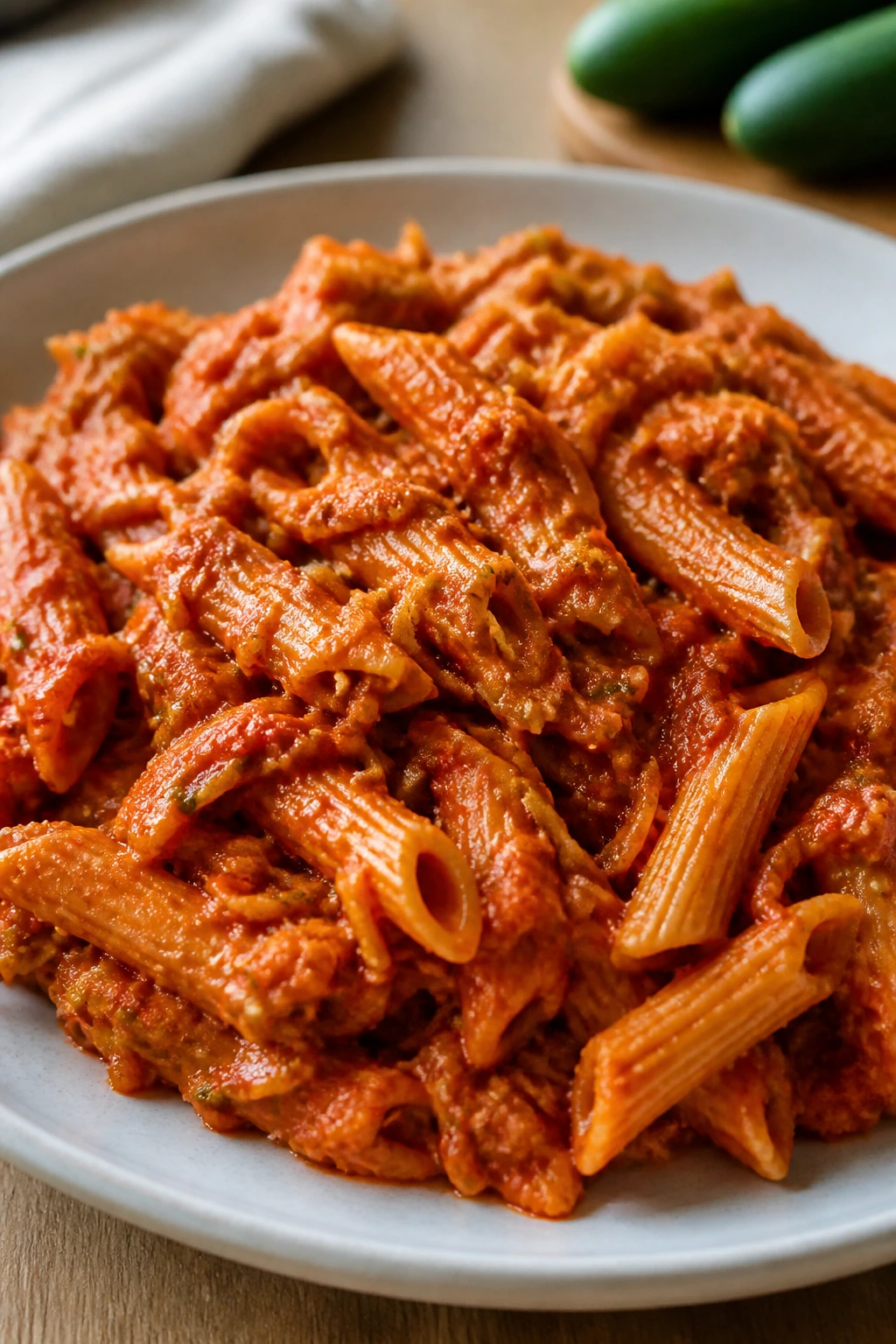
The sauce looks familiar, which is half the battle. Underneath that tomato base, grated zucchini and carrot melt down until they’re basically part of the pasta, not separate objects to be inspected.
Why It Works:
Tomato sauce is one of the easiest places to tuck in vegetables because the flavor already has body. Grating the vegetables small makes them disappear into the sauce instead of turning up as chewy chunks. A spoonful of ricotta or parmesan at the end gives the sauce a rounder, smoother finish.
Key Ingredients:
- 12 oz short pasta — penne, rotini, or shells all work.
- 2 cups marinara sauce — choose one with a short ingredient list.
- 1 medium zucchini, grated — squeeze lightly if it seems watery.
- 1 medium carrot, grated — adds sweetness.
- 1 small onion, finely diced — cooks down into the sauce.
- 2 tablespoons olive oil — for sautéing.
- 1/2 cup ricotta or grated parmesan — for a creamy finish.
- Fresh basil, chopped — optional but bright.
Quick Steps:
- Cook the pasta: Boil in salted water until just tender, then drain.
- Cook the vegetables: Warm olive oil in a skillet and sauté onion, zucchini, and carrot for 5 to 6 minutes until soft.
- Add sauce: Pour in marinara and simmer for 5 minutes so the vegetables disappear into the sauce.
- Toss together: Add the pasta and ricotta or parmesan, stirring until glossy and coated.
- Serve: Finish with basil if you’re using it.
Equipment for This Recipe:
- Large pot
- Colander
- Large skillet
- Box grater
How to Serve This Dish:
Serve in low bowls with extra sauce spooned on top and a few soft peas or steamed broccoli on the side. For toddlers, shells or rotini are easier to spear than long noodles.
Pro Tips for This Recipe:
- Grate the vegetables on the fine side of the grater so they cook down fast.
- Salt the pasta water well; it keeps the whole dish from tasting flat.
- If the sauce looks thin, simmer it a few minutes longer before adding the pasta.
Variations on This Dish:
- Cheesy Red Sauce Version: Add shredded mozzarella right before serving for a melty stretch.
- White Sauce Change-Up: Use a light tomato-cream sauce if your child prefers a softer flavor.
- Protein Boost: Stir in cooked lentils or finely chopped turkey for a more filling bowl.
Common Mistakes to Avoid with This Dish:
- Don’t skip squeezing excess water from the zucchini if it looks very wet. Too much liquid turns the sauce loose.
- Don’t overcook the pasta; it keeps cooking once it hits the sauce.
6. Mild Turkey Taco Bowls
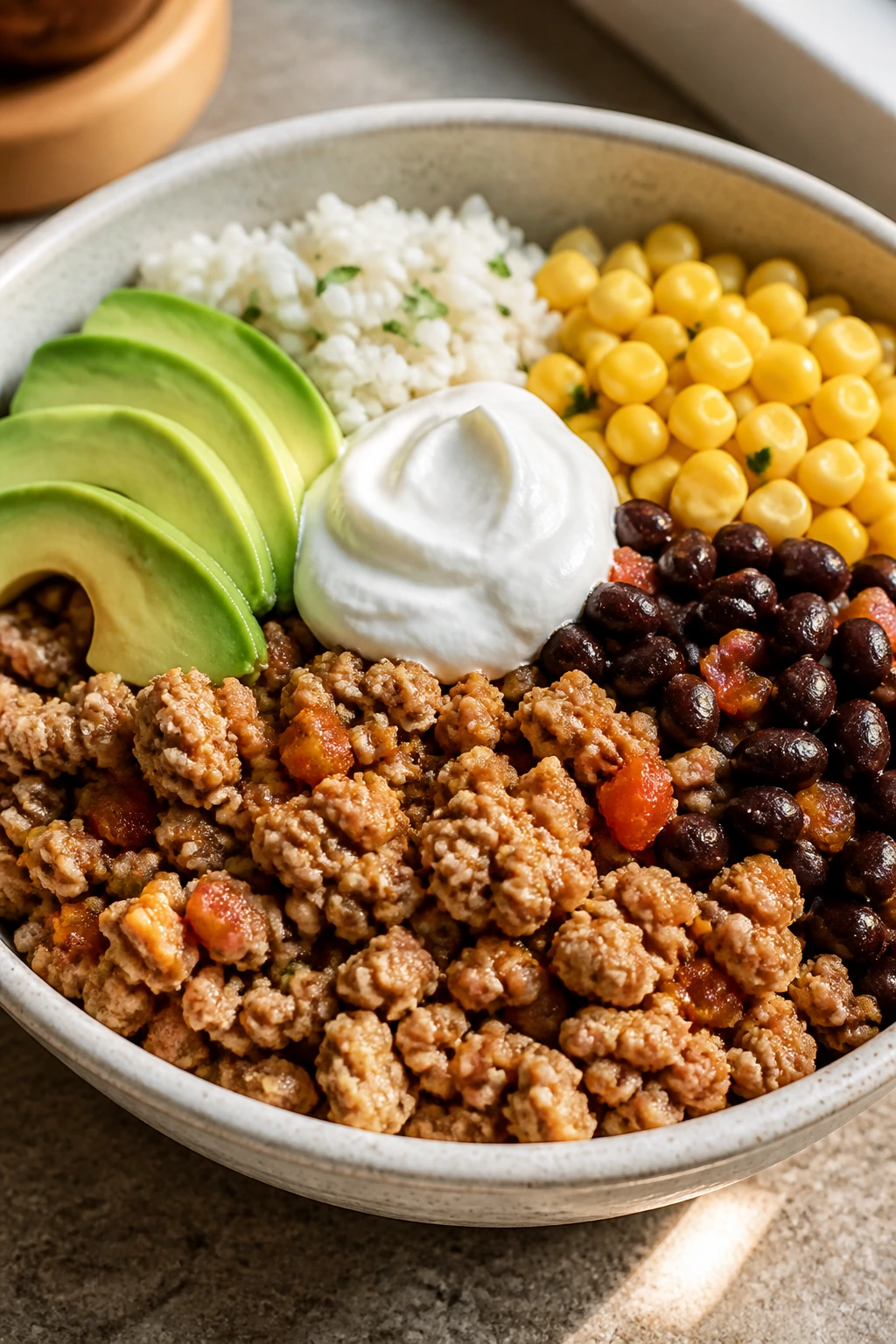
This is the dinner I make when I want something flexible enough for a picky eater and still interesting enough for everyone else. The turkey is seasoned gently, the beans soften the mix, and the rice gives you a neutral base that can be left plain or built up.
Why It Works:
A bowl format is useful because you can separate the parts without making a separate meal. The turkey gives lean protein, black beans add fiber, and avocado or yogurt adds the soft richness toddlers usually accept faster than sharp salsa. Mild seasoning keeps the whole thing from becoming a spice test.
Key Ingredients:
- 1 lb ground turkey — lean but not dry if you don’t overcook it.
- 1 tablespoon olive oil — helps the turkey brown.
- 1 tablespoon mild taco seasoning — use less if your mix is salty.
- 1 can black beans, rinsed and drained — softens the bowl.
- 1 cup corn, frozen or canned — adds sweetness and color.
- 2 cups cooked rice — white or brown both work.
- 1 avocado, sliced or mashed — for creaminess.
- 1/2 cup plain Greek yogurt — a milder topping than sour cream.
Quick Steps:
- Brown the turkey: Heat oil in a skillet over medium heat and cook the turkey until no pink remains, breaking it up as it cooks.
- Season and soften: Stir in taco seasoning, black beans, and corn. Cook for 2 to 3 minutes until hot.
- Build the bowls: Spoon rice into bowls and top with the turkey mixture.
- Finish: Add avocado and a spoon of yogurt on top.
- Serve: Keep salsa or hot sauce off to the side for grown-ups.
Equipment for This Recipe:
- Large skillet
- Spoon or spatula
- Knife and cutting board
- Serving bowls
How to Serve This Dish:
For toddlers, keep each element in a small pile instead of mixing everything together. That gives them control and makes it easier to accept one bite at a time.
Pro Tips for This Recipe:
- Rinse the beans well so the bowl doesn’t taste overly salty.
- If the turkey seems dry, splash in 2 tablespoons of water while it finishes cooking.
- Use ripe avocado; underripe avocado turns the bowl into a texture battle.
Variations on This Dish:
- Sweet Potato Bowl: Swap the corn for roasted sweet potato cubes.
- Rice-Free Version: Serve over cauliflower rice or shredded lettuce for older eaters.
- Bean-Heavy Option: Double the beans and cut the turkey to 3/4 pound.
Common Mistakes to Avoid with This Recipe:
- Don’t overdo the seasoning packet. Toddler food tastes better when it stays mild.
- Don’t serve the avocado cold from the fridge if it’s rock hard; let it soften first.
7. Lentil and Veggie Shepherd’s Pie
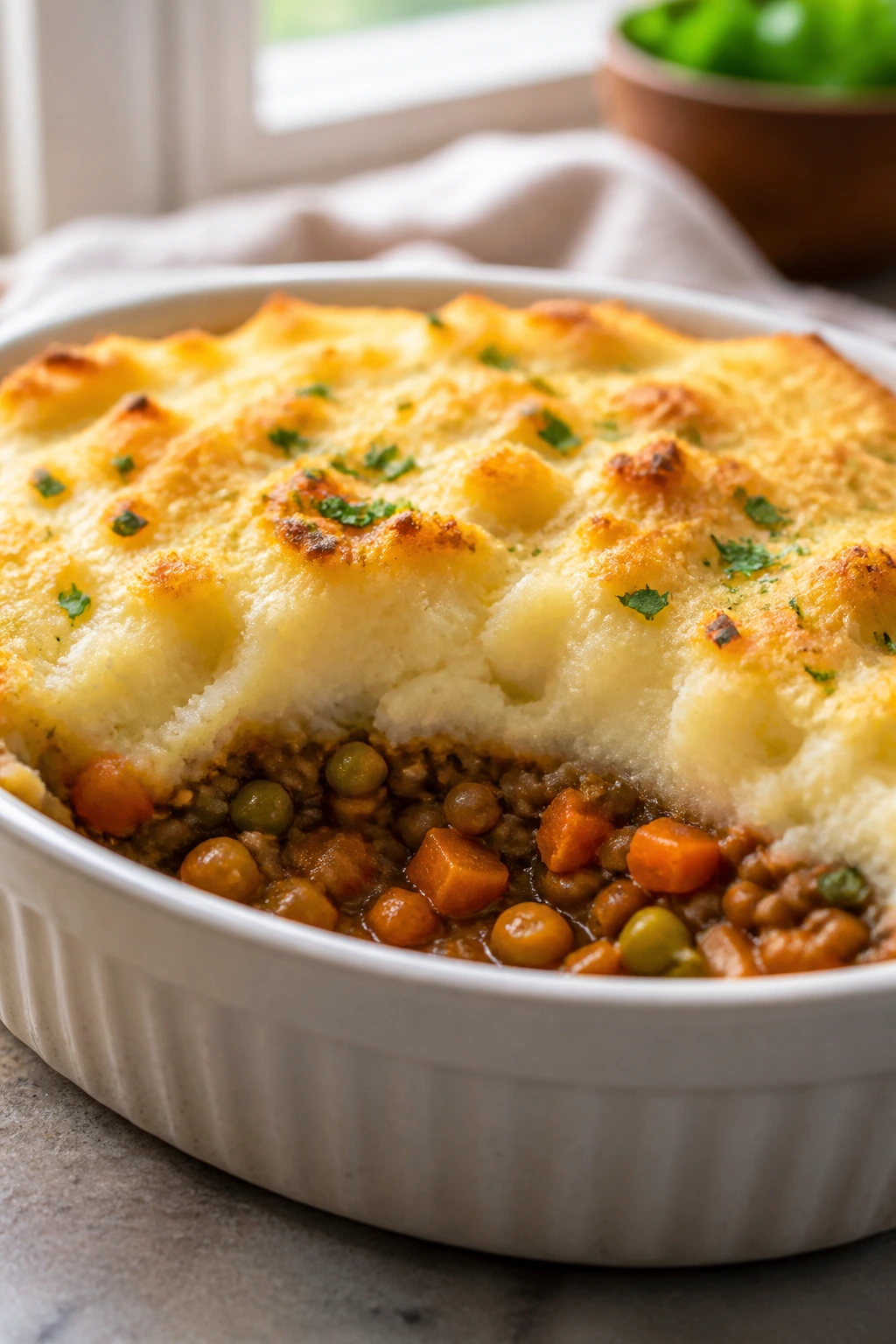
This one has the sort of soft, spoonable texture that makes toddlers less suspicious. The lentils settle under a layer of mashed potatoes, and the whole dish comes out warm, sturdy, and easy to portion.
Why It Works:
Lentils cook quickly compared with beans and give you a meat-like fullness without needing much babysitting. The vegetable base gets soft enough to mash a little with a fork, which helps if your toddler is still learning to handle mixed textures. A potato topping keeps it familiar.
Key Ingredients:
- 1 cup brown or green lentils, rinsed — they hold their shape better than red lentils.
- 1 small onion, diced — the base flavor.
- 2 carrots, diced small — soften into the filling.
- 1 cup frozen peas — stir in at the end.
- 2 tablespoons tomato paste — deepens the filling.
- 3 cups low-sodium vegetable broth — for simmering.
- 2 lb potatoes, peeled and chopped — for the topping.
- 2 tablespoons butter and 1/2 cup milk — for mashed potatoes.
Quick Steps:
- Cook the lentils: Simmer lentils, onion, carrots, tomato paste, and broth for 20 to 25 minutes until the lentils are tender and most of the liquid is absorbed.
- Add peas: Stir in peas and cook for 2 minutes.
- Make the mash: Boil potatoes until soft, then mash with butter and milk until smooth.
- Assemble: Spread lentil filling in a baking dish and top with the mashed potatoes.
- Bake: Bake at 400°F for 20 minutes until the top is lightly golden.
Equipment for This Recipe:
- Large saucepan
- Potato masher
- Baking dish
- Wooden spoon
How to Serve This Dish:
Spoon it into shallow bowls and let it cool a few minutes before serving. It pairs well with soft fruit or a few cucumber sticks on the side.
Pro Tips for This Recipe:
- Chop the carrots small so they soften before the lentils go mushy.
- If the filling looks dry, add 1/4 cup more broth before topping it.
- Smooth mashed potatoes are easier for toddlers than a very stiff, dry mash.
Variations on This Dish:
- Sweet Potato Top: Use half sweet potatoes for a sweeter top layer.
- Cheddar Finish: Stir a little cheddar into the mash before baking.
- Meat Version: Swap some lentils for cooked ground turkey if you want a mixed protein filling.
Common Mistakes to Avoid with This Recipe:
- Don’t leave the lentils soupy before baking. The pie should be thick enough to hold shape.
- Don’t use red lentils here; they collapse into a puree and change the texture completely.
8. Egg Fried Rice with Peas, Carrots, and Edamame
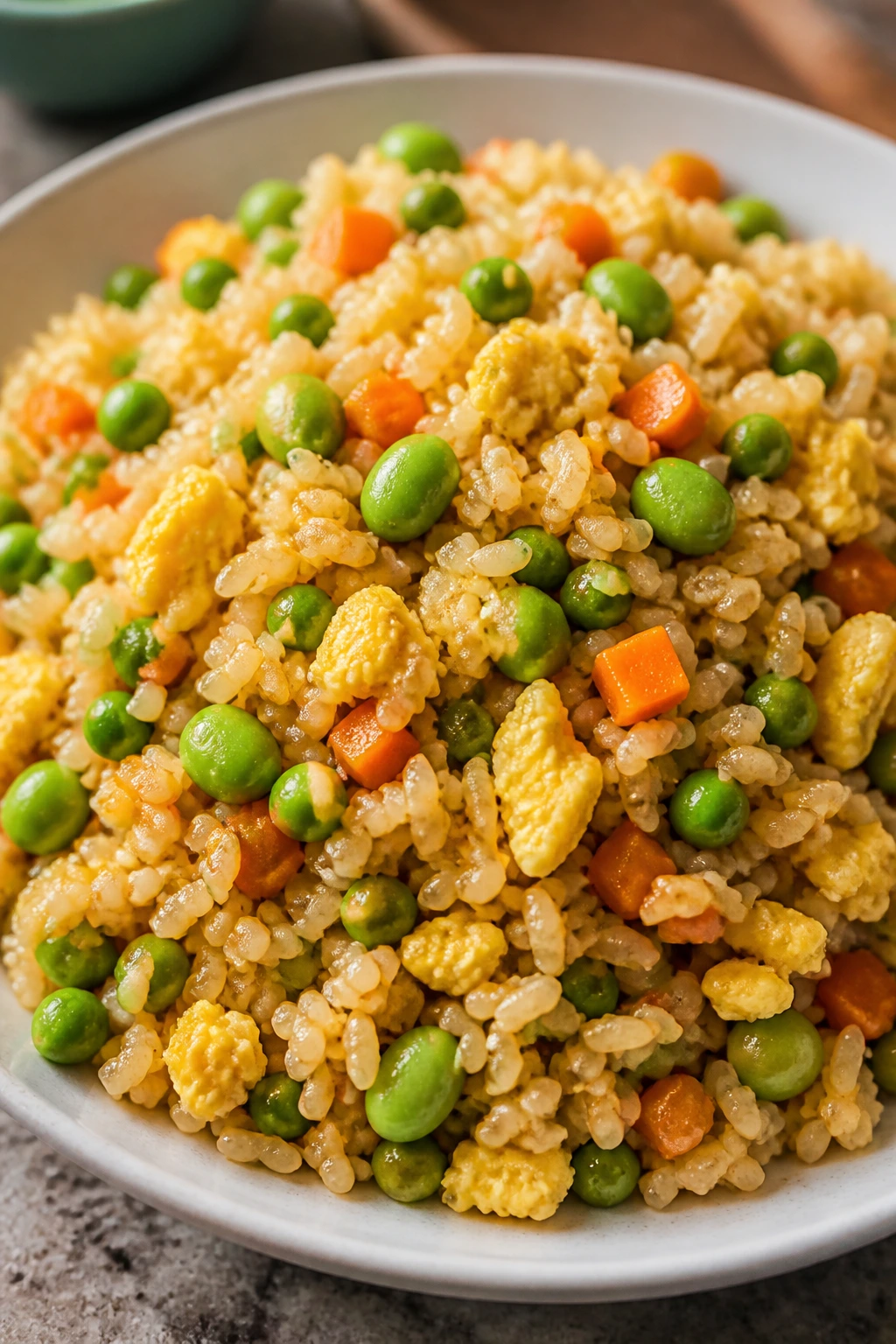
This is the dinner for leftover rice and a crowded fridge. It cooks fast, feels complete, and has enough soft little bits that toddlers can pick up spoonful by spoonful.
Why It Works:
Cold rice fries better because the grains stay separate. Eggs add protein and make the rice feel less bare, while peas, carrots, and edamame bring color and mild sweetness. A small amount of soy sauce gives the dish depth without drowning it in salt.
Key Ingredients:
- 4 cups cold cooked rice — day-old rice works best.
- 3 large eggs — scrambled into soft curds.
- 1 cup frozen peas — thawed lightly.
- 1 cup shelled edamame — chop lightly if you want smaller pieces.
- 1 carrot, very finely diced — softens quickly.
- 2 tablespoons low-sodium soy sauce — enough to season without overpowering.
- 1 tablespoon sesame oil — optional, but a little goes far.
- 2 scallions, sliced thin — optional garnish.
Quick Steps:
- Scramble the eggs: Heat a skillet or wok over medium heat and cook the eggs until just set, then remove them.
- Cook the vegetables: Add a little oil and cook carrots, peas, and edamame for 2 to 3 minutes.
- Add the rice: Stir in the cold rice and break up any clumps with your spoon.
- Season: Add soy sauce and sesame oil, then toss until the rice is evenly coated and hot.
- Finish: Stir the eggs back in and serve right away.
Equipment for This Recipe:
- Large skillet or wok
- Spatula
- Small bowl for eggs
- Knife and cutting board
How to Serve This Dish:
Keep the portions small and pack the rice lightly into bowls so it holds shape. A few cucumber sticks or sliced mango on the side gives the plate a softer landing.
Pro Tips for This Recipe:
- Use rice that has cooled completely; warm rice turns sticky.
- Dice the carrots tiny so they cook before the rice gets overworked.
- Add soy sauce around the edge of the pan, not only in one spot, so it distributes evenly.
Variations on This Dish:
- Chicken Fried Rice: Stir in chopped cooked chicken or turkey.
- Veggie-Only Bowl: Skip the eggs and add extra edamame or peas.
- Mild Ginger Version: Add 1 teaspoon grated fresh ginger if your toddler tolerates it.
Common Mistakes to Avoid with This Recipe:
- Don’t use fresh hot rice. It clumps, steams, and makes fried rice heavy.
- Don’t drown it in soy sauce. Salt should support the dish, not dominate it.
9. Mini Pita Pizzas with Veggie Sauce
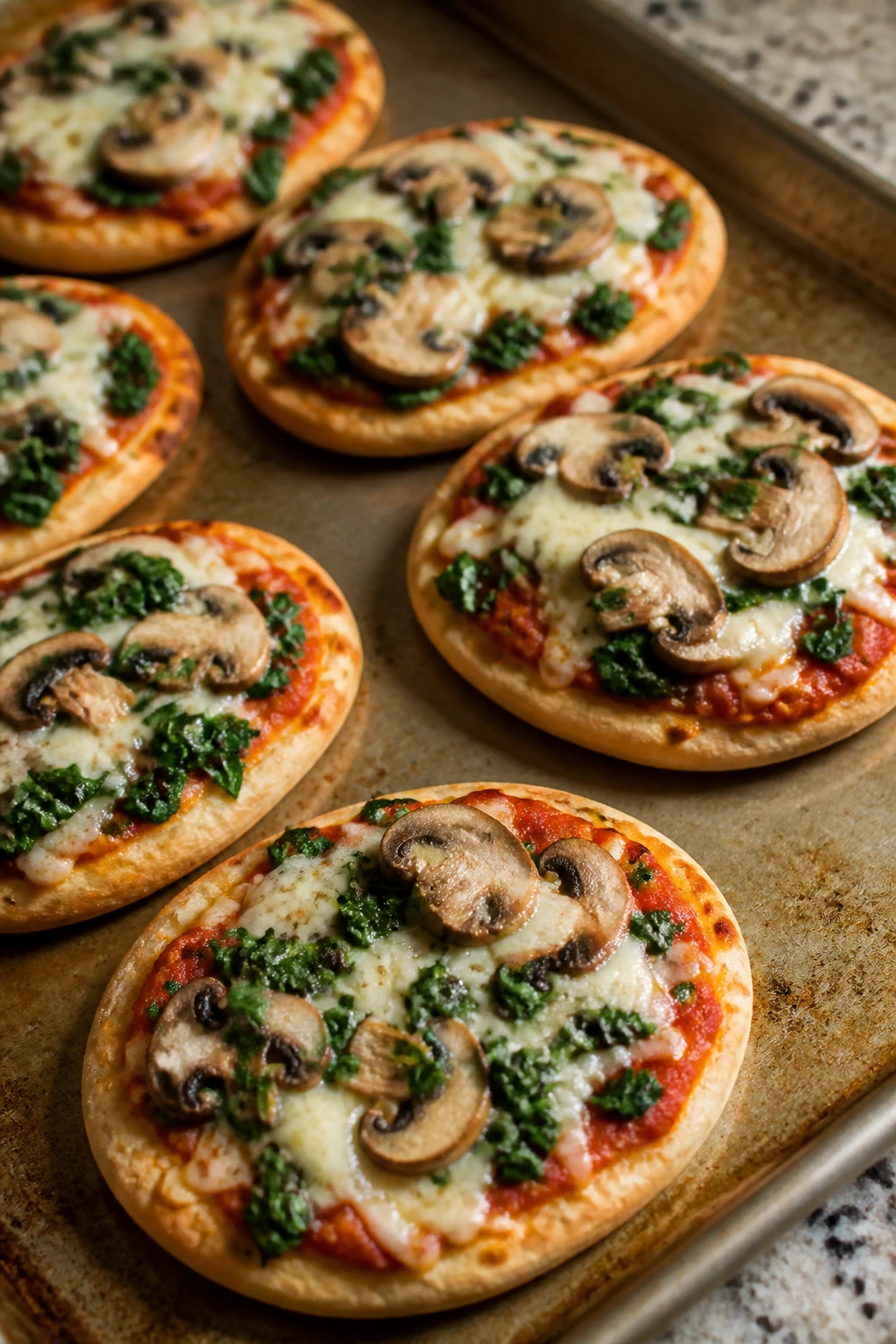
These are what I make when I need dinner to feel cheerful without making a mountain of work. The pita crisps at the edges, the cheese melts into the sauce, and the vegetables soften enough that they don’t announce themselves loudly.
Why It Works:
Pitas are faster than pizza dough and easier for toddlers to hold once sliced. A layer of sauce, cheese, and very small vegetable pieces gives you all the pizza cues without the usual grease load. They also reheat well, which is useful if dinner gets interrupted halfway through.
Key Ingredients:
- 4 whole-wheat pitas — sturdy enough to hold toppings.
- 1 cup marinara sauce — spread thin.
- 1 cup chopped spinach — chop finely so it disappears a little.
- 1 cup very thinly sliced mushrooms — slice small for quicker cooking.
- 1 1/2 cups shredded mozzarella — mild and melty.
- 1/2 cup ricotta — optional, for creamier pockets.
- 1 tablespoon olive oil — to brush the pitas.
- Dried oregano — a small pinch goes a long way.
Quick Steps:
- Prep the oven: Heat to 425°F and line a baking sheet.
- Brush the pitas: Lightly brush each pita with olive oil and set them on the sheet.
- Add toppings: Spread sauce, then add spinach, mushrooms, mozzarella, and small dots of ricotta.
- Bake: Cook for 8 to 10 minutes until the cheese is melted and the edges are crisp.
- Slice: Let rest for 1 minute, then cut into wedges.
Equipment for This Recipe:
- Baking sheet
- Knife
- Spoon for spreading sauce
- Pizza cutter or sharp knife
How to Serve This Dish:
Serve each pita wedge with a soft salad, steamed broccoli, or pear slices. Toddlers usually do better if you cut the wedges in half again.
Pro Tips for This Recipe:
- Keep the sauce layer thin; too much sauce makes the pita limp.
- Chop the spinach smaller than you think you need.
- Put the mushrooms under the cheese if your child notices them too easily.
Variations on This Dish:
- Margherita Style: Use sauce, mozzarella, and a few torn basil leaves.
- Chicken Pizza Pita: Add shredded cooked chicken for more protein.
- Dairy-Light Version: Use a thinner sprinkle of cheese and add extra sauce.
Common Mistakes to Avoid with This Dish:
- Don’t overload the pita. Heavy toppings make the center soggy before the edges crisp.
- Don’t bake on a cold sheet pan if you want crisp bottoms. A preheated pan gives you better texture.
10. Creamy White Bean Mac and Cheese
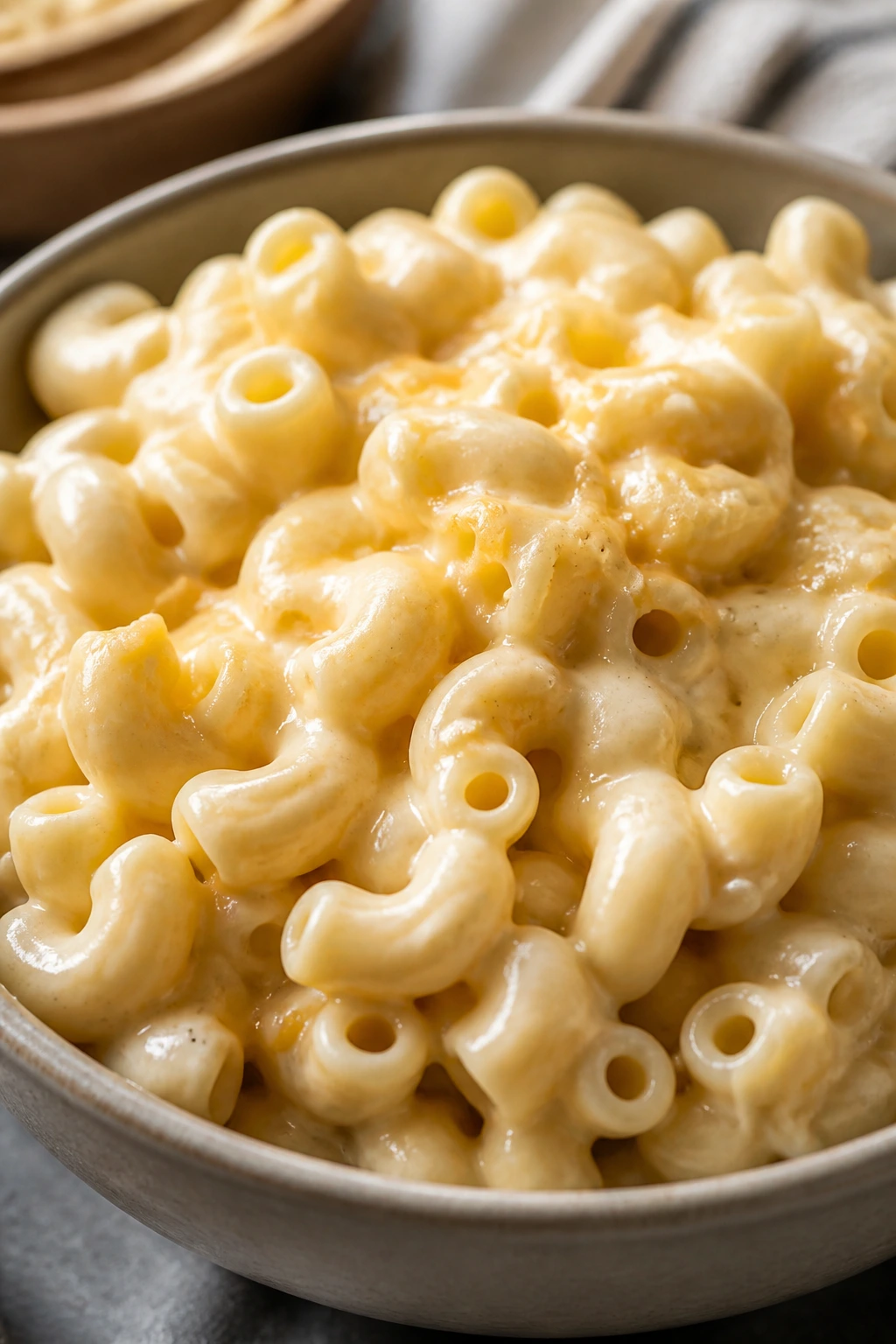
This one tastes like a classic bowl of mac and cheese, but the sauce has more substance than the usual butter-and-cheese version. The white beans blend in so smoothly that most toddlers won’t clock them, which is part of the charm.
Why It Works:
White beans add creaminess and body, so you can use less cheese than a richer baked mac. The sauce stays smooth if you blend it well, and the pasta shape matters here—small elbows or shells catch the sauce in the grooves. It’s a good meal when you want comfort without the heavy finish.
Key Ingredients:
- 12 oz elbow macaroni or small shells — easy for small forks.
- 1 can cannellini beans, rinsed and drained — the creamy base.
- 1 1/2 cups milk — whole milk gives the smoothest sauce.
- 2 cups shredded sharp cheddar — use a block if you can.
- 2 tablespoons butter — helps the sauce feel rounder.
- 1 teaspoon Dijon mustard — optional, but it wakes up the flavor.
- 1/2 teaspoon garlic powder — mild seasoning.
- 1/2 teaspoon salt — add carefully because cheddar can be salty.
Quick Steps:
- Cook the pasta: Boil until just tender, then drain.
- Blend the sauce: Blend beans, milk, mustard, garlic powder, and half the cheddar until very smooth.
- Warm the sauce: Melt butter in a saucepan and add the bean mixture over low heat.
- Add cheese: Stir in the remaining cheddar until melted and glossy.
- Combine: Toss with the pasta and serve warm.
Equipment for This Recipe:
- Pot for pasta
- Blender or food processor
- Saucepan
- Wooden spoon
How to Serve This Dish:
Serve with peas, roasted broccoli, or a soft fruit cup. For toddlers, keep the portion smaller than you would for adults; this dish is rich enough to feel filling fast.
Pro Tips for This Recipe:
- Blend the sauce until completely smooth or the beans can show up as little bits.
- Keep the heat low when adding cheese so it doesn’t seize.
- If the sauce thickens too much, add a splash of milk before serving.
Variations on This Dish:
- Cauliflower Version: Blend in steamed cauliflower with the beans.
- Broccoli Mac: Stir in tiny broccoli florets at the end.
- Baked Top: Transfer to a dish, sprinkle with extra cheese, and broil briefly.
Common Mistakes to Avoid with This Recipe:
- Don’t boil the sauce once the cheese goes in. That’s how you get grainy mac.
- Don’t use too much pasta water unless the sauce is already too thick; it can thin everything out fast.
11. Sheet-Pan Sausage, Apples, and Green Beans
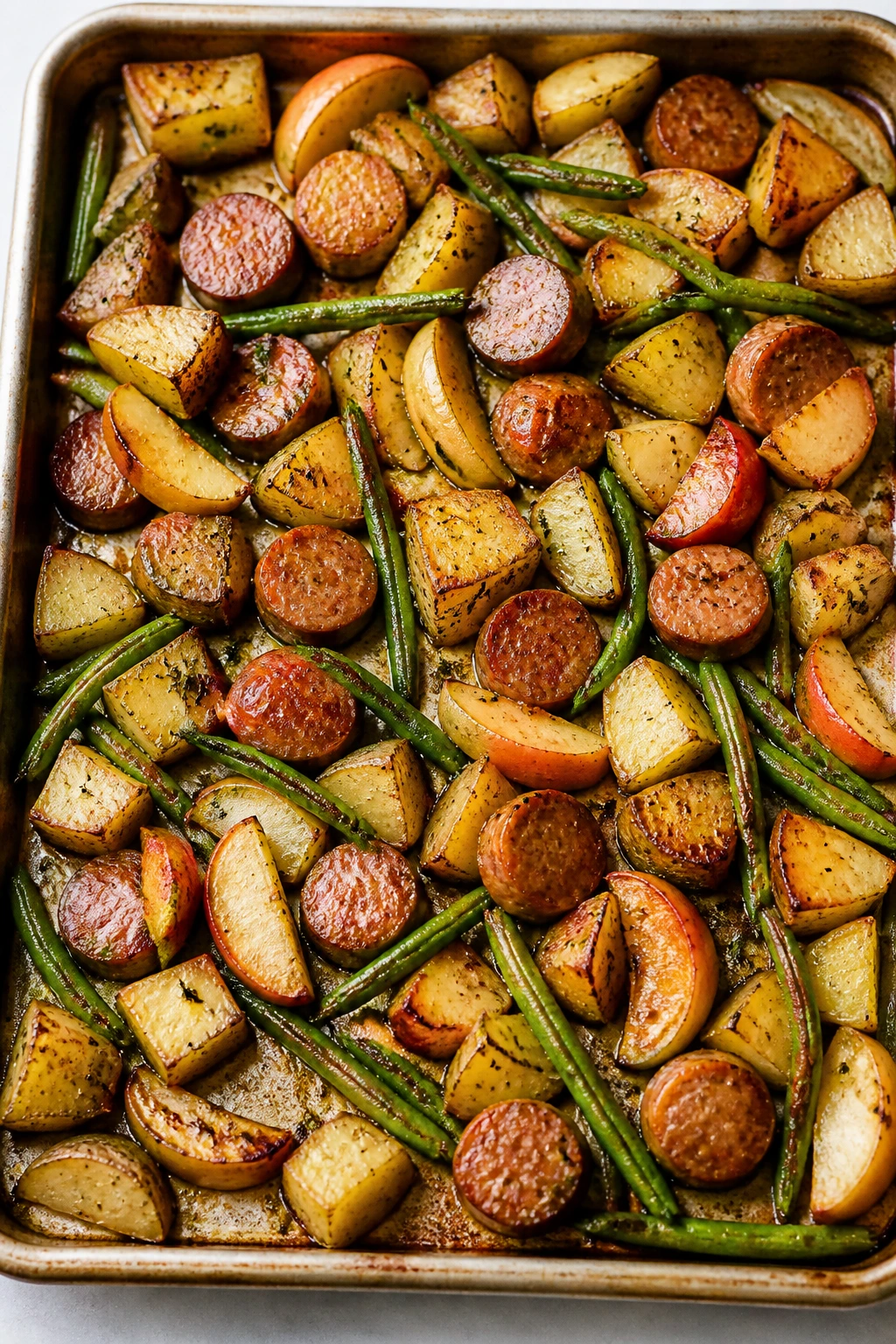
This is one of those dinners that smells like the oven is doing more work than you are. The apples soften and caramelize, the green beans stay tender, and the sausage gives the tray enough savory depth to make it feel complete.
Why It Works:
A sheet pan gives you sweetness, salt, and a vegetable all in one place. Chicken sausage stays lighter than pork sausage, and the apples keep the flavor friendly for toddlers who get suspicious of strong savory notes. It’s also a tidy dinner because everything roasts at the same temperature.
Key Ingredients:
- 12 oz chicken sausage, sliced — mild flavor works best.
- 2 apples, cored and sliced — Fuji or Gala hold up well.
- 12 oz green beans, trimmed — cut longer beans in half if needed.
- 1 lb baby potatoes, halved — they make the tray feel like a meal.
- 2 tablespoons olive oil — helps with browning.
- 1 teaspoon Dijon mustard — a small amount in the oil is enough.
- 1 teaspoon dried thyme — works well with apple and sausage.
- 1/2 teaspoon salt and black pepper — light seasoning.
Quick Steps:
- Start the potatoes: Roast the halved potatoes with oil, salt, pepper, and thyme at 425°F for 15 minutes.
- Add the rest: Toss sausage, apples, and green beans with a little oil and add them to the pan.
- Roast again: Cook for 12 to 15 more minutes until the apples are soft and the beans are tender.
- Finish: Stir everything once and serve hot.
Equipment for This Recipe:
- Rimmed sheet pan
- Cutting board and knife
- Large bowl
- Spatula
How to Serve This Dish:
Spoon the sausage and vegetables onto plates and cut the apple slices into smaller pieces for toddlers. A little plain yogurt or mustard on the side works for adults.
Pro Tips for This Recipe:
- Start the potatoes first; they need more time than the beans or apples.
- Slice the apples thick enough to hold shape in the oven.
- Don’t crowd the pan, or you’ll steam instead of roast.
Variations on This Dish:
- Turkey Sausage Version: Use turkey sausage if you want a leaner tray.
- Butternut Swap: Replace the apples with small cubes of butternut squash.
- Mustard-Herb Finish: Add a teaspoon more Dijon after roasting for adults.
Common Mistakes to Avoid with This Recipe:
- Don’t add the apples too early. They collapse into mush if they roast for the full time.
- Don’t cut the green beans too small. Tiny pieces dry out before the potatoes are done.
12. Chicken and Veggie Soup with Tiny Pasta
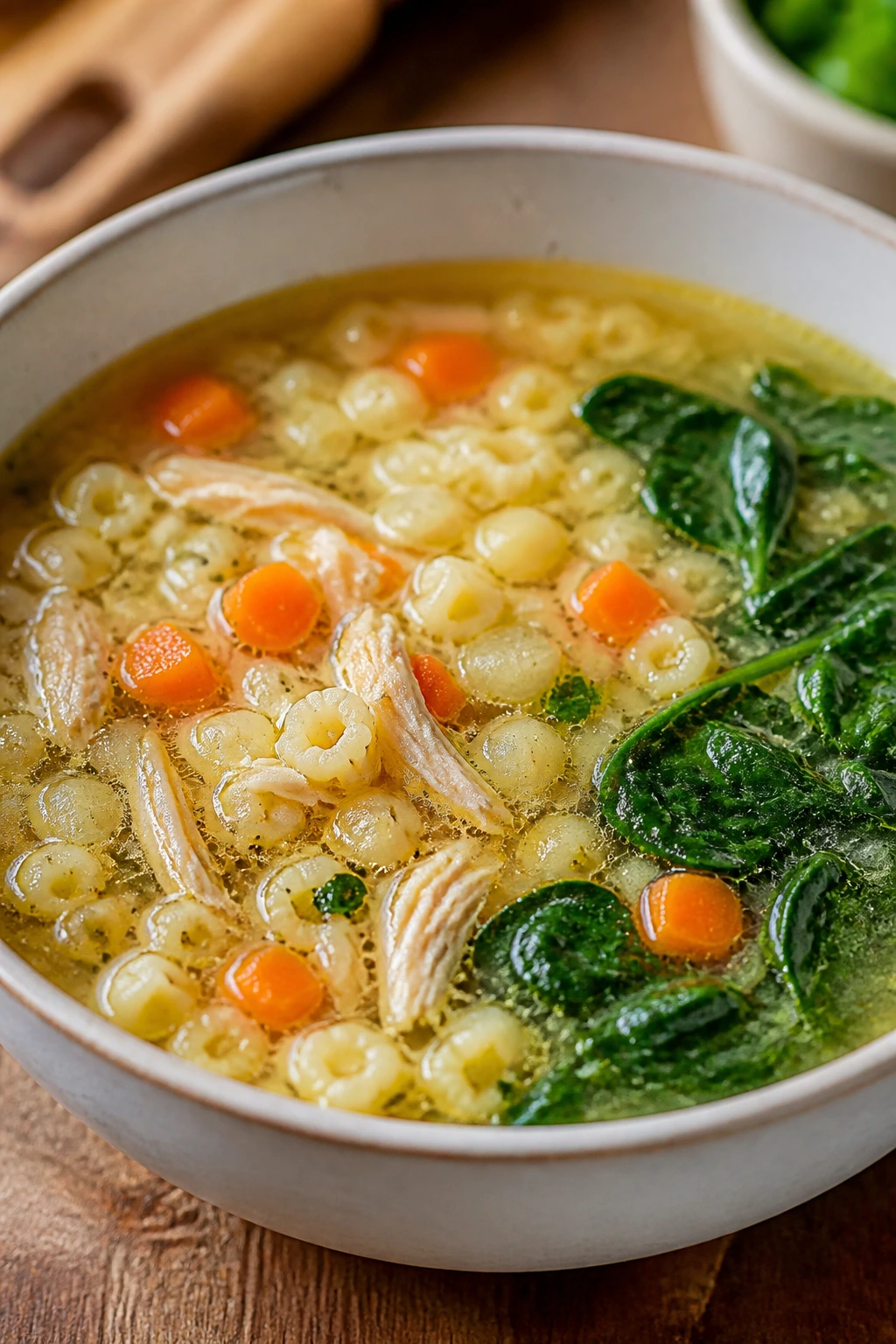
This soup is gentle in a way that makes sense on long days. The broth stays light, the vegetables go soft, and the tiny pasta gives toddlers something they can spoon up without much fuss.
Why It Works:
Soup gives you a soft texture across the board, which is useful when chewing is still a work in progress. Cooking the chicken in the broth adds flavor without making the soup salty, and small pasta shapes are easier to manage than noodles that drape over the spoon. Spinach goes in at the end so it wilts instead of turning dark and bitter.
Key Ingredients:
- 1 lb boneless chicken breast or thighs — thighs stay juicier.
- 1 small onion, diced — for a mild base.
- 2 carrots, diced small — soften quickly.
- 2 celery stalks, diced small — optional but classic.
- 1 zucchini, diced — adds a soft vegetable.
- 6 cups low-sodium chicken broth — enough to simmer the chicken.
- 1 cup ditalini or other tiny pasta — toddler-friendly size.
- 2 cups baby spinach — wilts in seconds.
Quick Steps:
- Build the broth: Combine broth, onion, carrots, celery, and chicken in a pot and bring to a simmer.
- Cook the chicken: Simmer gently for 15 to 20 minutes until the chicken is cooked through.
- Shred: Remove the chicken, shred it, and return it to the pot.
- Add pasta and zucchini: Simmer for 8 to 10 minutes until the pasta is tender.
- Finish: Stir in spinach and let it wilt before serving.
Equipment for This Recipe:
- Large soup pot
- Tongs
- Cutting board and knife
- Ladle
How to Serve This Dish:
Serve in small bowls with soft bread or crackers. For toddlers, make sure the pasta and vegetables are cool enough to eat and not floating in big spoonfuls of broth.
Pro Tips for This Recipe:
- Dice the carrots and celery small so they don’t stay crunchy.
- Keep the broth at a gentle simmer, not a rolling boil.
- Add the spinach at the end or it will turn dull and limp.
Variations on This Dish:
- Lemon Finish: Add a small squeeze of lemon for adults at the table.
- Rice Version: Swap the pasta for cooked rice if that’s what your child likes best.
- Bean Boost: Add a can of white beans for extra body.
Common Mistakes to Avoid with This Dish:
- Don’t overcook the pasta in the soup. It keeps softening in the broth.
- Don’t shred the chicken too finely; tiny dry shreds disappear and make the soup less satisfying.
13. Black Bean and Sweet Potato Enchilada Skillet
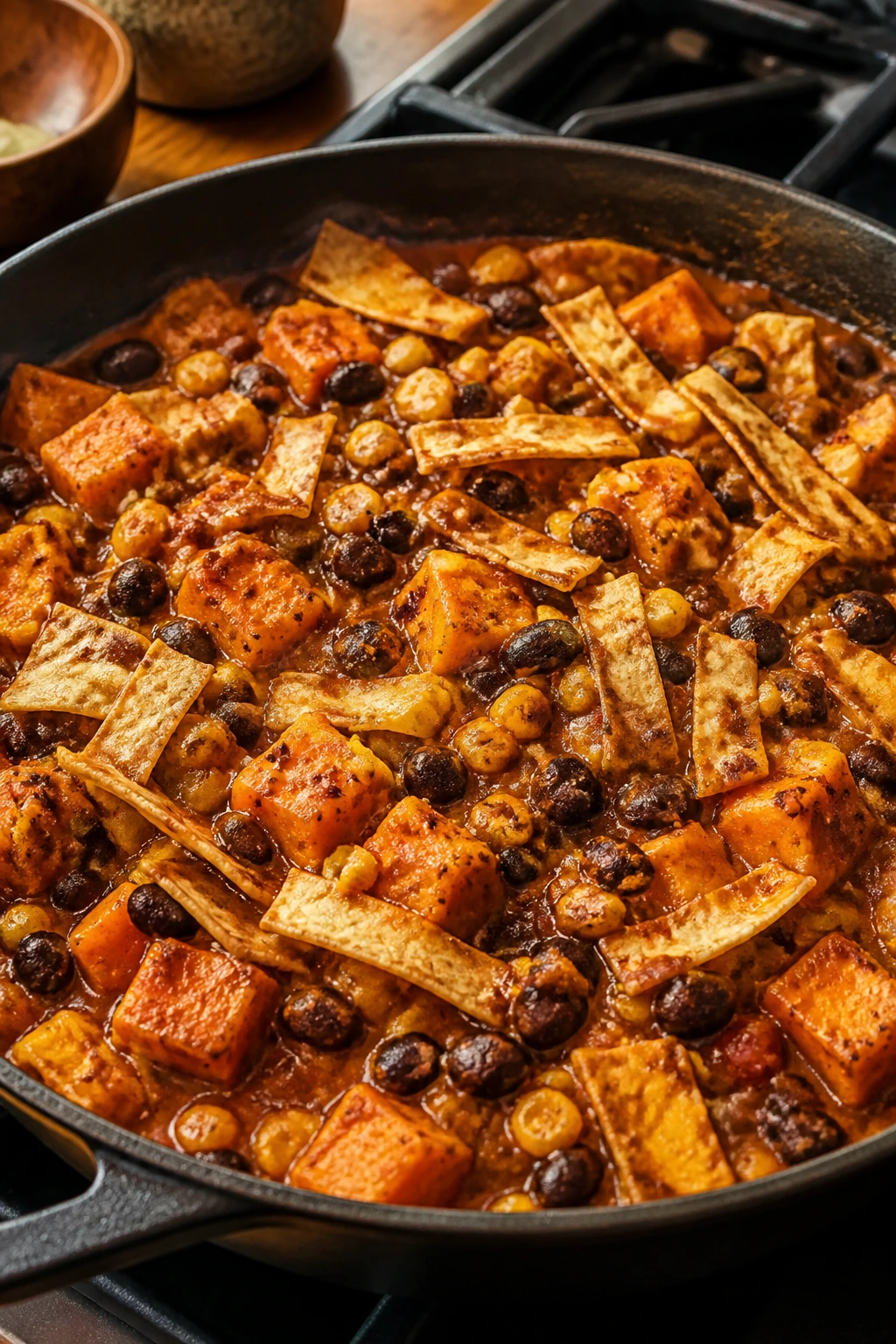
This skillet tastes like enchiladas without the rolling and folding. The sweet potato turns soft and a little creamy, the beans add heft, and the tortilla pieces soak up the sauce without turning into mush right away.
Why It Works:
Sweet potato and black beans are a strong pair because they give you both softness and substance. A skillet meal keeps the layers from getting fussy, and toddlers usually handle tortilla strips better when they’re tucked into a saucy pan instead of wrapped in a folded burrito. Mild enchilada sauce does the heavy lifting.
Key Ingredients:
- 1 large sweet potato, peeled and diced small — small cubes cook faster.
- 1 can black beans, rinsed and drained — soft and filling.
- 1 cup corn — frozen or canned.
- 8 small corn tortillas, cut into strips — they thicken the skillet.
- 2 cups mild enchilada sauce — choose one with gentle heat.
- 1 1/2 cups shredded Monterey Jack or cheddar — melts on top.
- 1 tablespoon olive oil — for the sweet potato.
- 1/4 cup chopped cilantro — optional garnish.
Quick Steps:
- Cook the sweet potato: Sauté it in oil in a large skillet for 8 to 10 minutes until mostly tender.
- Add the filling: Stir in beans, corn, tortilla strips, and enchilada sauce.
- Simmer: Cook for 3 to 4 minutes until the tortillas soften.
- Top with cheese: Sprinkle cheese over the skillet and cover for 2 minutes until melted.
- Serve: Finish with cilantro if you’re using it.
Equipment for This Recipe:
- Large skillet with lid
- Wooden spoon
- Knife and cutting board
- Cheese grater
How to Serve This Dish:
Spoon it into bowls and keep the portions small; the dish is rich enough to feel like a full plate fast. A dollop of yogurt or sour cream on the side works nicely.
Pro Tips for This Recipe:
- Dice the sweet potato small so it softens in time.
- Use mild enchilada sauce, not one with a sharp chile finish.
- If the skillet looks dry, add 1/4 cup water before covering.
Variations on This Dish:
- Turkey Enchilada Skillet: Add browned ground turkey to the pan.
- Cheesy Bean-Only Version: Skip the sweet potato and use extra beans.
- Baked Finish: Transfer to a dish and bake if you want a more casserole-like top.
Common Mistakes to Avoid with This Dish:
- Don’t leave the sweet potato in big cubes. They’ll still be firm when everything else is done.
- Don’t let the tortilla strips sit too long before serving; they keep soaking up sauce.
14. Baked Fish Sticks with Roasted Potatoes
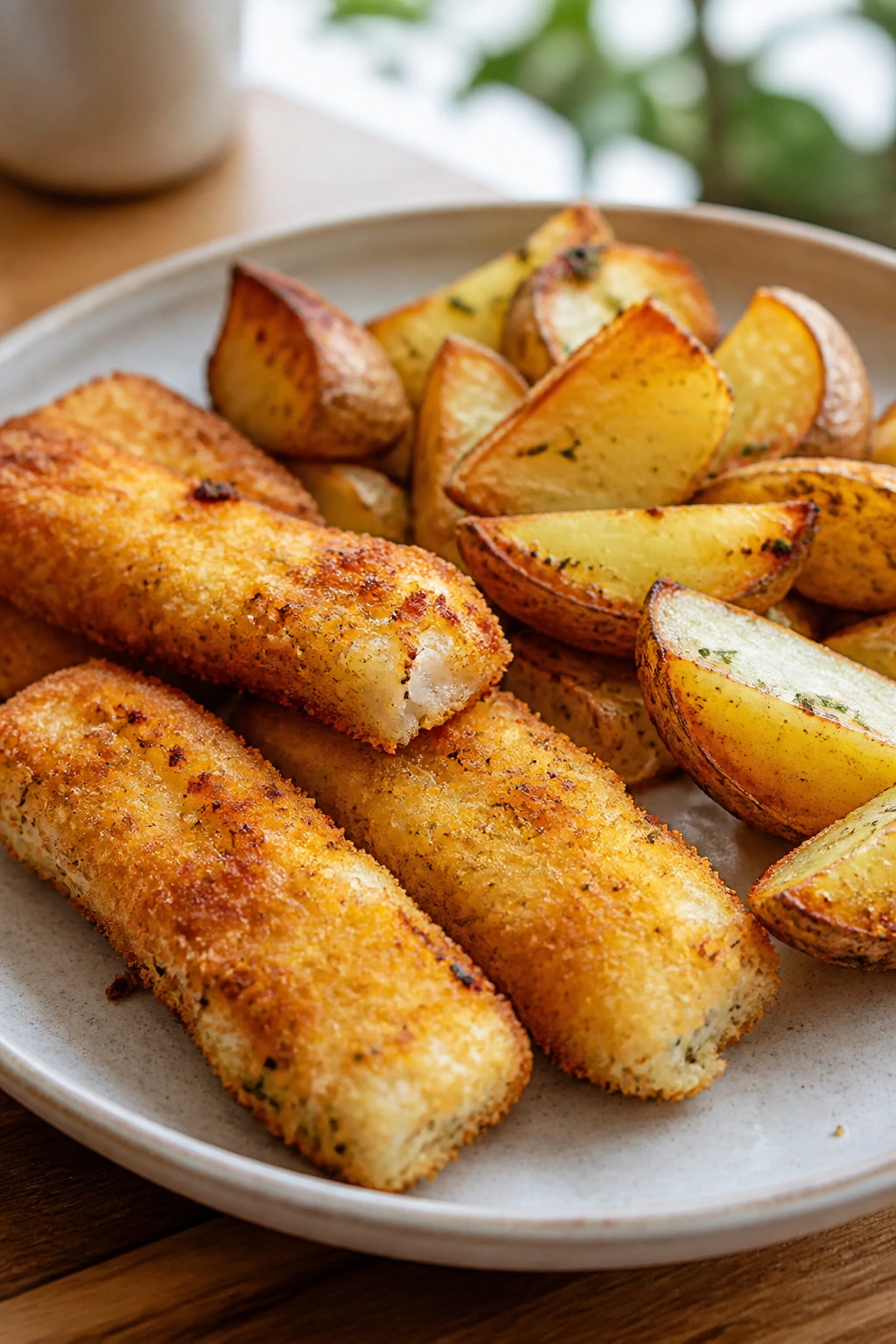
These are fish sticks with a better crust and a better side dish than the frozen-box version. The potatoes roast alongside the fish, so you get a full dinner without a second pan dangling on the stove.
Why It Works:
White fish is mild and flakes easily, which makes it a good fit for toddlers who are still cautious with stronger seafood. Baking the fish with a crisp breadcrumb coating gives you texture without grease. The potatoes turn into soft, golden wedges that feel familiar and filling.
Key Ingredients:
- 1 1/2 lb cod or pollock, cut into sticks — mild fish that flakes well.
- 1 lb Yukon gold potatoes, cut into wedges — softer than russets.
- 1 cup breadcrumbs or panko — for coating.
- 2 large eggs, beaten — helps the coating stick.
- 2 tablespoons olive oil — for the potatoes and fish.
- 1 teaspoon paprika — mild color and flavor.
- 1/2 teaspoon salt — keep it gentle.
- 1/2 cup plain Greek yogurt mixed with lemon — for dipping.
Quick Steps:
- Roast the potatoes: Toss wedges with oil, paprika, and salt and roast at 425°F for 20 minutes.
- Prep the fish: Dip fish sticks in egg, then coat in breadcrumbs.
- Add fish to the pan: Push potatoes aside and add the fish sticks.
- Bake: Cook for 10 to 12 minutes more until the fish flakes and the coating is crisp.
- Serve: Offer with yogurt-lemon dip.
Equipment for This Recipe:
- Rimmed sheet pan
- Shallow bowl for egg
- Shallow bowl for breadcrumbs
- Spatula
How to Serve This Dish:
Cut the fish into smaller pieces for toddlers and serve with peas or steamed carrots. The yogurt dip keeps the bites softer and gives you a good place to hide a little lemon.
Pro Tips for This Recipe:
- Pat the fish dry before coating it so the crumbs stick.
- Don’t overcrowd the pan or the coating steams instead of crisping.
- Use Yukon gold potatoes if you want a softer interior.
Variations on This Dish:
- Parmesan Crumb Version: Mix a little parmesan into the breadcrumbs.
- Oven-Fry Option: Spray the coated fish lightly with oil for extra browning.
- Sweet Potato Side: Swap the potatoes for sweet potato wedges.
Common Mistakes to Avoid with This Dish:
- Don’t overbake the fish. It should flake easily, not turn dry and stringy.
- Don’t skip drying the fish first; wet fish won’t hold the coating well.
15. Spinach and Ricotta Stuffed Shells
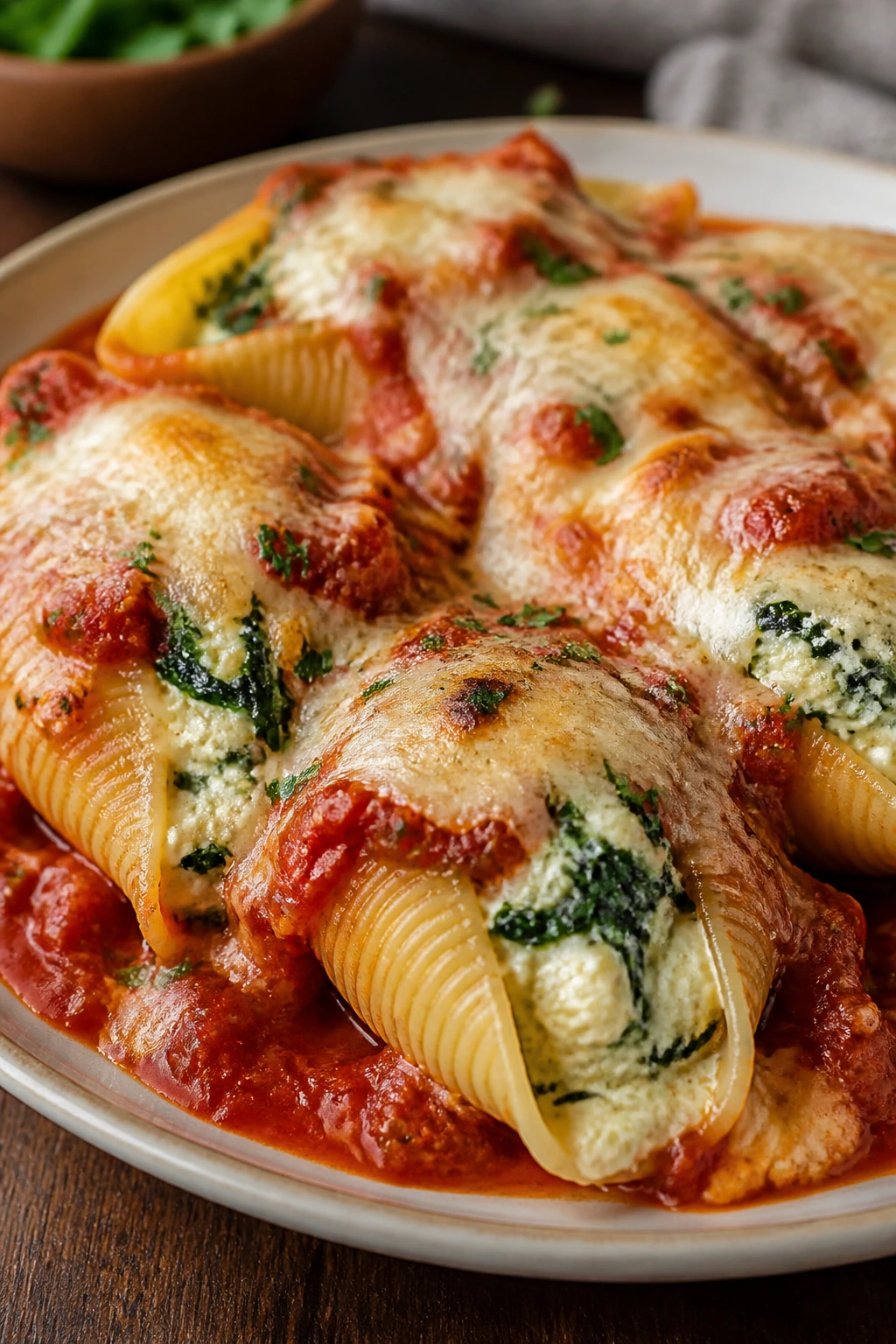
Stuffed shells look a little more work than they are, which I actually like. Once the shells are filled and tucked into sauce, the oven does the rest, and you get soft pasta with a creamy center that toddlers can handle.
Why It Works:
Ricotta keeps the filling soft, spinach gives you a vegetable without a sharp texture, and the shell shape makes each bite controlled. The sauce under and over the shells prevents them from drying out. This is one of the better dinners for nights when you want something comforting but not sloppy.
Key Ingredients:
- 20 jumbo pasta shells — cook a few extra in case some tear.
- 15 oz ricotta — the main filling.
- 1 large egg — helps the filling set.
- 2 cups spinach, chopped and squeezed dry — so the filling stays thick.
- 2 cups marinara sauce — to layer in the dish.
- 1 cup shredded mozzarella — melts on top.
- 1/4 cup grated parmesan — adds a little salt and depth.
- 1 teaspoon Italian seasoning — mild herb flavor.
Quick Steps:
- Cook the shells: Boil until just flexible, then drain and cool slightly.
- Mix the filling: Stir ricotta, egg, spinach, parmesan, and seasoning together.
- Fill the shells: Spoon the filling into each shell and set them in a baking dish over a layer of sauce.
- Top and bake: Cover with more sauce and mozzarella, then bake at 375°F for 25 minutes.
- Rest: Let the shells sit for 5 minutes before serving.
Equipment for This Recipe:
- 9×13-inch baking dish
- Large pot
- Spoon for filling
- Colander
How to Serve This Dish:
Serve two or three shells per adult and one or two for a toddler, depending on appetite. A simple side of steamed peas or soft green beans keeps the plate balanced.
Pro Tips for This Recipe:
- Undercook the shells by 1 minute so they don’t tear while filling.
- Squeeze the spinach dry or the filling turns watery.
- Use a piping bag or zip-top bag with the corner snipped if spooning gets messy.
Variations on This Dish:
- Chicken Spinach Shells: Stir in finely chopped cooked chicken.
- Butternut Filling: Mix roasted squash into the ricotta for a sweeter version.
- No-Egg Version: Skip the egg and use a bit more ricotta; the shells will be softer.
Common Mistakes to Avoid with This Dish:
- Don’t overfill the shells. They split once the sauce and heat expand the filling.
- Don’t bake them uncovered for too long; the edges dry out quickly.
16. Mild Chickpea Curry with Rice
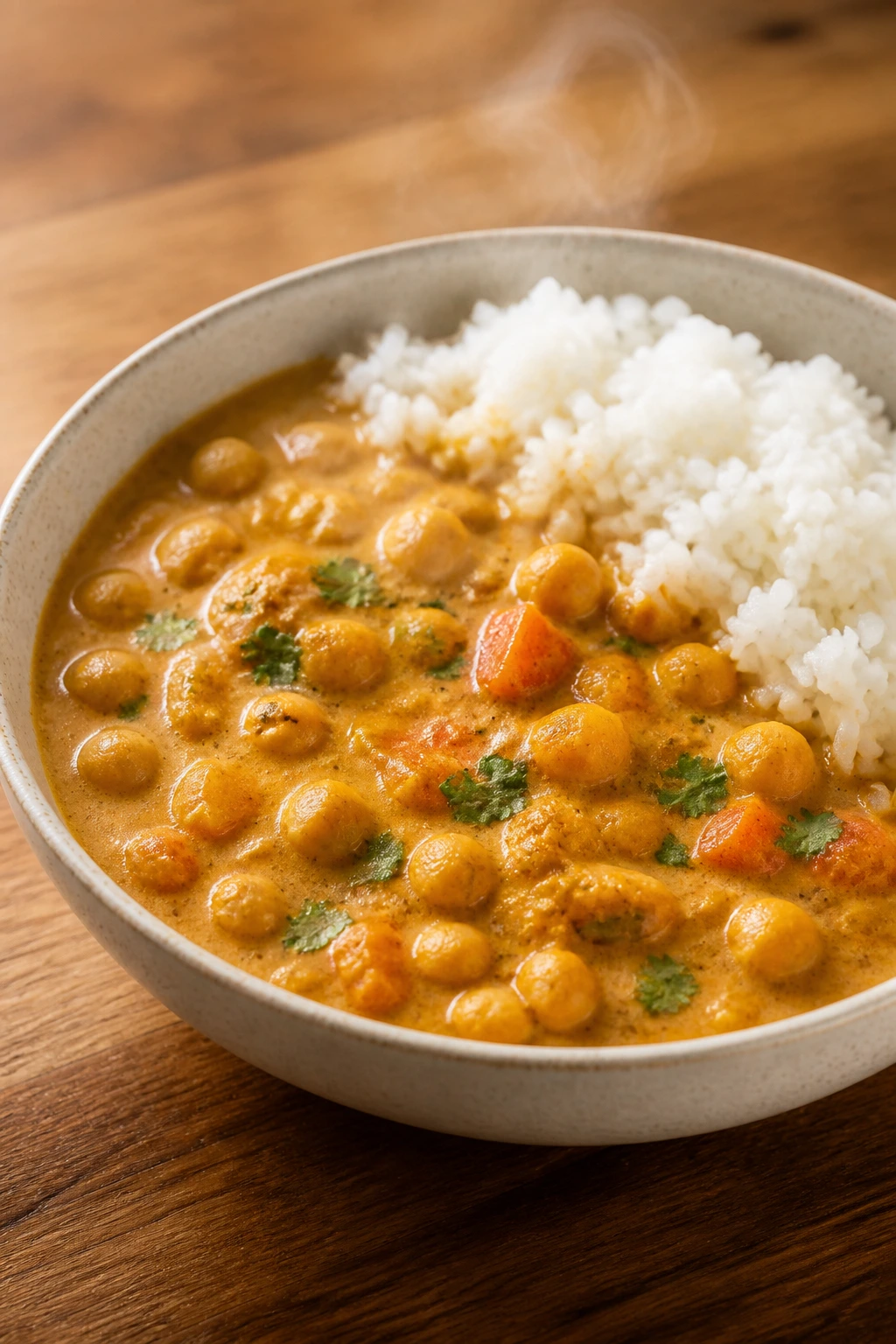
This curry is warm, creamy, and gentle enough for a toddler who likes soft spoonfuls more than loud flavors. The sauce clings to the rice, and the chickpeas give the bowl a little chew without becoming hard or dry.
Why It Works:
Chickpeas hold up in a mild sauce and bring protein and fiber without needing meat. Coconut milk softens the curry powder and gives the dish a smooth texture that’s usually easier for kids than sharper tomato-based stews. Rice turns the whole thing into a complete meal.
Key Ingredients:
- 2 cans chickpeas, rinsed and drained — the main protein.
- 1 small onion, diced — the flavor base.
- 2 carrots, diced small — soften into the sauce.
- 1 tablespoon mild curry powder — keep it gentle.
- 1 can coconut milk, full-fat or light — for a creamy sauce.
- 1 cup frozen peas — stir in at the end.
- 1 cup diced tomatoes or 2 tablespoons tomato paste — for a little color and depth.
- 2 cups cooked rice — to serve.
Quick Steps:
- Sauté the base: Cook onion and carrots in a little oil over medium heat until softened.
- Toast the curry powder: Stir in curry powder and tomatoes or tomato paste for 30 seconds.
- Add chickpeas and coconut milk: Simmer for 10 minutes until the sauce thickens slightly.
- Finish with peas: Stir them in and cook for 2 minutes.
- Serve over rice: Spoon into bowls while warm.
Equipment for This Recipe:
- Medium saucepan
- Wooden spoon
- Knife and cutting board
- Measuring cups
How to Serve This Dish:
Serve the curry beside rice rather than fully mixed if your toddler prefers separate foods. A little yogurt on top cools the spice and softens the texture.
Pro Tips for This Recipe:
- Use mild curry powder, not a hot blend.
- Dice carrots small so they soften in time.
- If the sauce is too thick, add a splash of water or broth.
Variations on This Dish:
- Sweet Potato Curry: Swap carrots for diced sweet potato.
- Spinach Curry: Stir in chopped spinach at the end.
- Chicken Curry: Add shredded cooked chicken if you want more protein.
Common Mistakes to Avoid with This Recipe:
- Don’t use too much curry powder. The point is warmth, not heat.
- Don’t skip the simmer. The sauce needs time to lose its raw spice edge.
17. Turkey and Zucchini Burgers
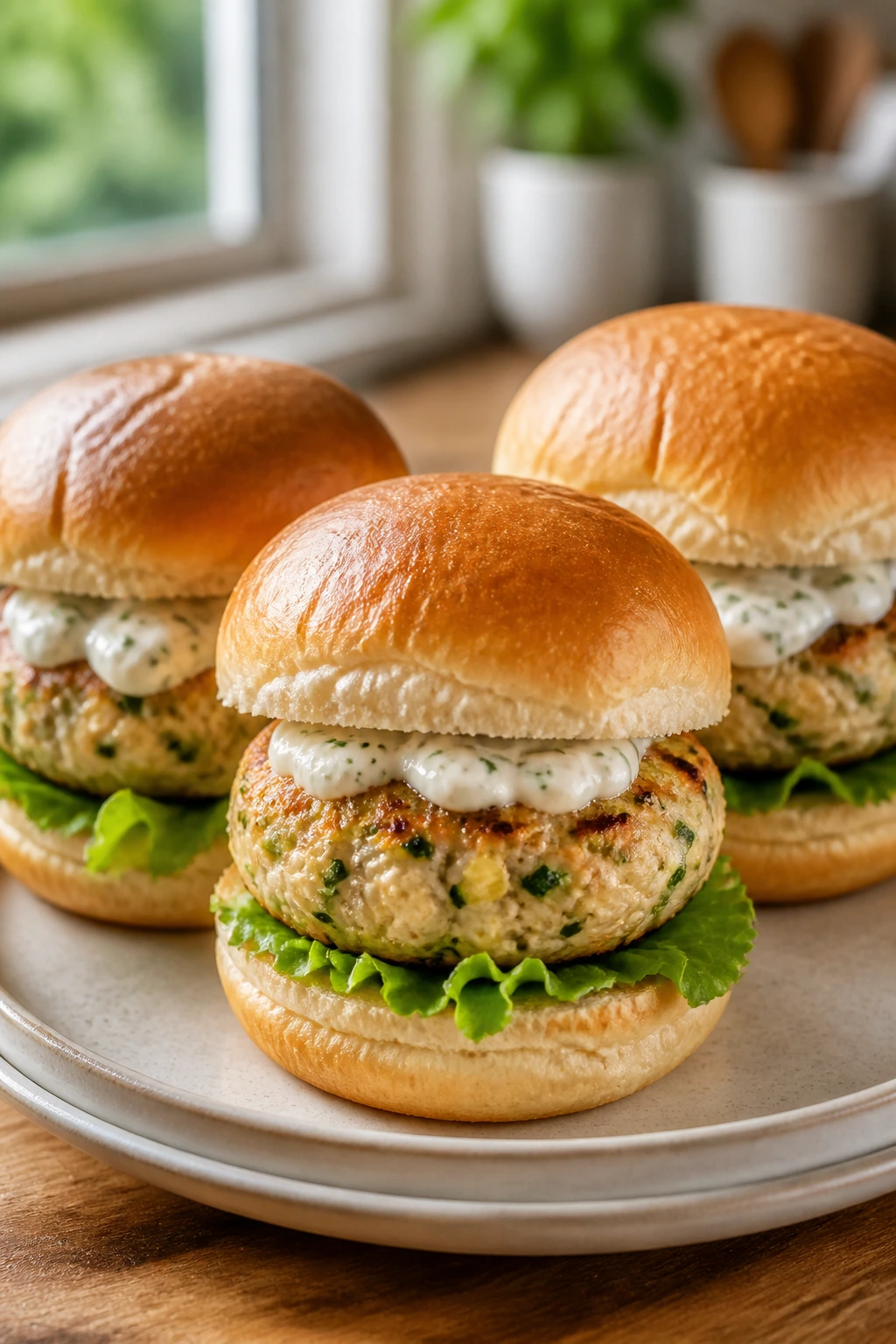
These are soft enough for a toddler bun and sturdy enough to eat with both hands, which is useful on nights when the chair is already a negotiation. Zucchini keeps the patties moist, and the mild turkey flavor takes well to simple toppings.
Why It Works:
Ground turkey can go dry fast, but grated zucchini helps prevent that. Shaping smaller patties means they cook through without needing a long sear, and a yogurt-based sauce gives you a cool, gentle finish. I like these better than standard burgers for small kids because they’re less chewy and less greasy.
Key Ingredients:
- 1 lb ground turkey — lean and mild.
- 1 medium zucchini, grated and squeezed dry — adds moisture.
- 1/3 cup breadcrumbs — binds the patties.
- 1 large egg — helps them hold shape.
- 1/2 teaspoon garlic powder — light seasoning.
- 1/2 teaspoon salt — keep it mild.
- 4 small buns or lettuce leaves — depending on the kid and the night.
- 1/2 cup plain Greek yogurt mixed with lemon — a simple sauce.
Quick Steps:
- Mix the patties: Combine turkey, zucchini, breadcrumbs, egg, garlic powder, and salt.
- Shape: Form 4 to 6 small patties.
- Cook: Pan-cook over medium heat for 5 to 6 minutes per side until cooked through.
- Rest: Let them sit for 2 minutes so the juices settle.
- Serve: Add to buns or serve plain with yogurt sauce.
Equipment for This Recipe:
- Skillet
- Mixing bowl
- Spatula
- Grater
How to Serve This Dish:
Serve with roasted potato wedges, sliced cucumbers, or applesauce. Toddlers usually do better if the burger is cut in half and the bun isn’t overloaded.
Pro Tips for This Recipe:
- Squeeze the zucchini well so the patties don’t fall apart.
- Make them thin; thick patties dry out before they cook through.
- Don’t press them with the spatula while cooking or you’ll squeeze out the juices.
Variations on This Dish:
- Cheesy Turkey Burgers: Fold in a small handful of cheddar.
- Slider Version: Shape tiny patties for mini buns.
- Lettuce Wrap Swap: Skip the bun and serve with avocado slices.
Common Mistakes to Avoid with This Recipe:
- Don’t leave the zucchini watery. That’s the fastest route to floppy burgers.
- Don’t cook over high heat; the outside burns before the center sets.
18. Broccoli Cheddar Orzo
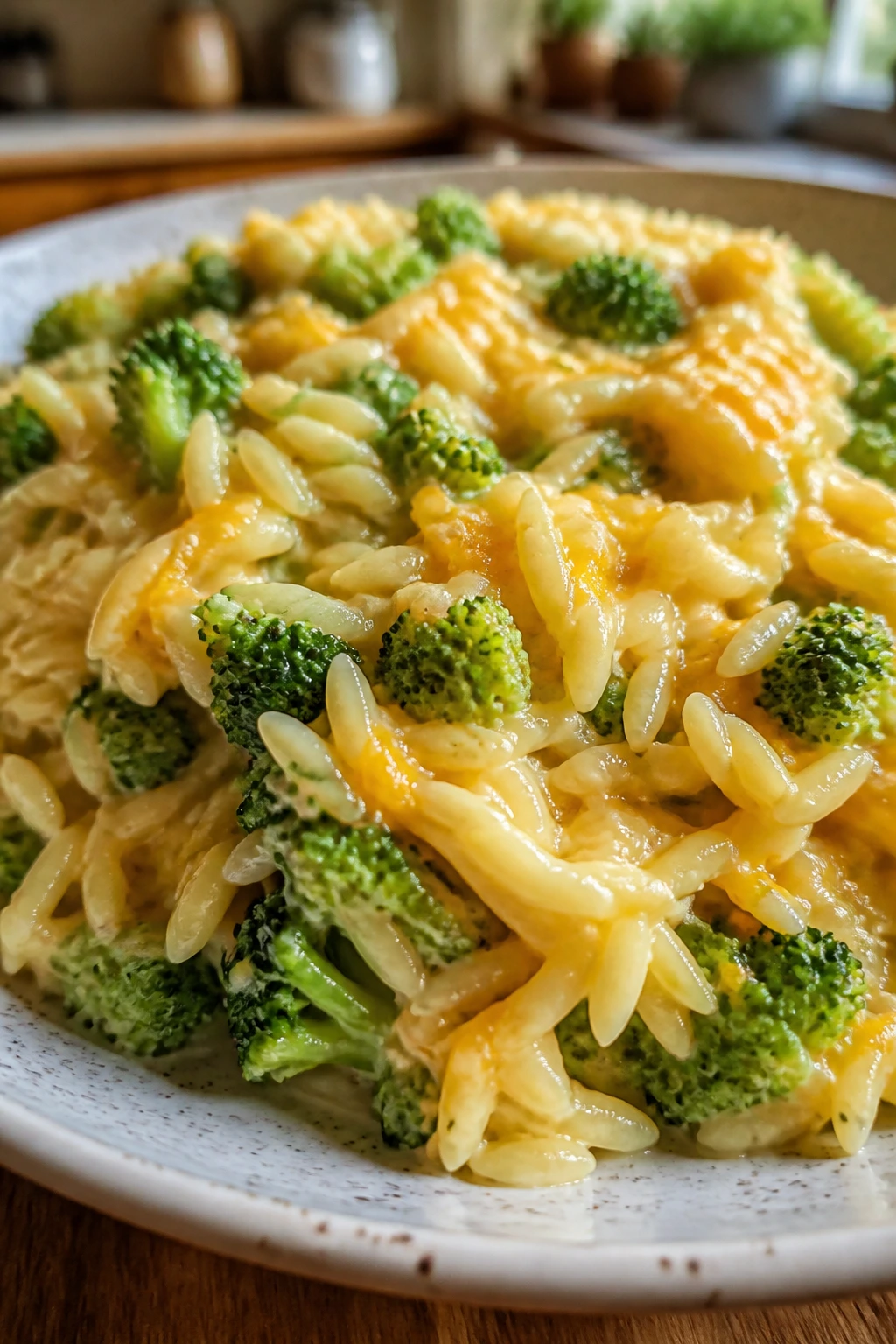
This dish sits somewhere between soup and risotto, which is exactly why it works so well for small kids. The orzo cooks soft, the broccoli gets chopped fine, and the cheddar melts into a sauce that clings to each little grain.
Why It Works:
Orzo is tiny enough for toddler spoons and cooks into a soft, familiar texture. Broccoli becomes much less intimidating when it’s chopped small and simmered right in the pan. A little broth plus milk gives you a creamy finish without needing a heavy roux.
Key Ingredients:
- 1 1/2 cups orzo — small pasta, easy to scoop.
- 3 cups broccoli florets, finely chopped — smaller pieces cook fast.
- 1 small onion, diced — the flavor base.
- 3 cups low-sodium vegetable or chicken broth — for cooking the orzo.
- 1 cup milk — makes the sauce creamy.
- 1 1/2 cups shredded cheddar — melts into the dish.
- 1 tablespoon butter — adds body.
- 1/2 teaspoon garlic powder — keeps it mild.
Quick Steps:
- Sauté onion: Melt butter in a skillet or saucepan and cook the onion until soft.
- Toast the orzo: Stir in orzo and garlic powder for 1 minute.
- Add broth and broccoli: Pour in broth and broccoli, then simmer, stirring often, until the orzo is tender and most liquid is absorbed.
- Make it creamy: Stir in milk and cheddar until glossy.
- Serve: Let it sit for 2 minutes before spooning into bowls.
Equipment for This Recipe:
- Large saucepan or deep skillet
- Wooden spoon
- Cheese grater
- Knife and cutting board
How to Serve This Dish:
Serve with soft fruit or a simple side of peas. For toddlers, the texture is best when it’s fresh and still spoonable, not dry.
Pro Tips for This Recipe:
- Chop broccoli very small so it softens at the same pace as the orzo.
- Stir often to keep the pasta from sticking.
- Add an extra splash of milk if the pan tightens up before serving.
Variations on This Dish:
- Cauliflower Swap: Replace half the broccoli with cauliflower.
- Chicken Addition: Stir in chopped cooked chicken.
- Parmesan Finish: Add a little parmesan on top for adults.
Common Mistakes to Avoid with This Recipe:
- Don’t walk away from the pan. Orzo can go from creamy to sticky fast.
- Don’t use huge broccoli florets; they stay too firm for a toddler-friendly bowl.
19. Teriyaki Tofu and Vegetable Rice Bowls
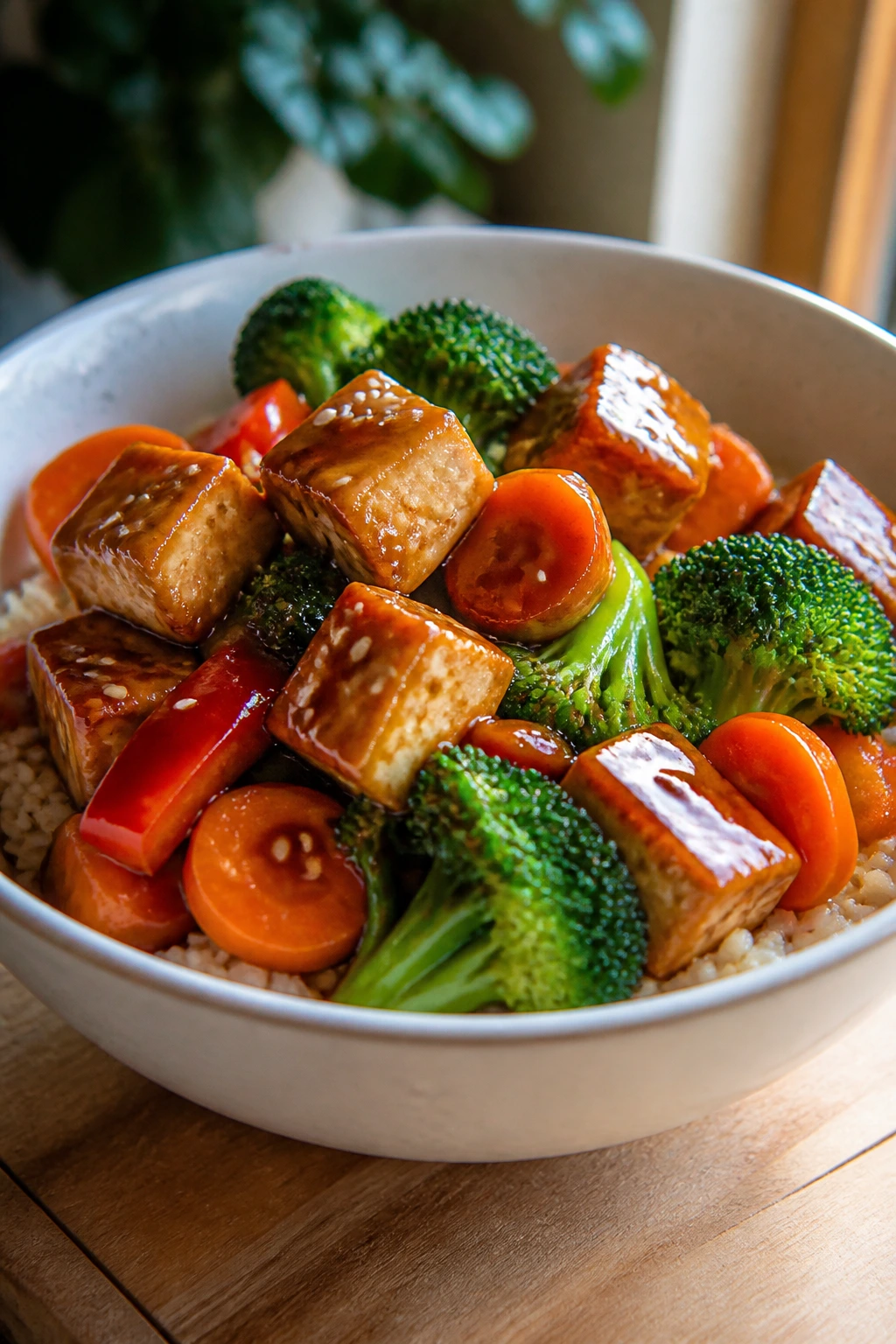
These bowls are mild, glossy, and soft in all the right places. The tofu gives you protein without heaviness, the vegetables roast or sauté until tender, and the teriyaki sauce ties the bowl together.
Why It Works:
Tofu becomes much easier to eat when it’s pressed, cubed, and cooked until the edges set a little. Rice gives the bowl a familiar base, and vegetables like broccoli and carrots soften enough to fit toddler expectations. Teriyaki sauce brings sweetness, which helps a lot with acceptance.
Key Ingredients:
- 1 block extra-firm tofu, pressed and cubed — the main protein.
- 2 cups broccoli florets — cut small.
- 2 carrots, sliced thin — soften quickly.
- 2 cups cooked rice — white, brown, or jasmine.
- 1/3 cup low-sodium teriyaki sauce — enough for coating.
- 1 tablespoon sesame oil or olive oil — for cooking.
- 1 tablespoon cornstarch — optional, for crisping the tofu.
- 1 teaspoon sesame seeds — optional garnish.
Quick Steps:
- Press the tofu: Pat it dry and press out extra moisture for 10 minutes.
- Cook the tofu: Toss with cornstarch if using, then sauté or bake until the edges are golden.
- Cook the vegetables: Sauté or roast broccoli and carrots until tender.
- Add sauce: Toss tofu and vegetables with teriyaki sauce just until coated.
- Serve over rice: Spoon into bowls and finish with sesame seeds.
Equipment for This Recipe:
- Skillet or baking sheet
- Paper towels or clean towel for pressing
- Mixing bowl
- Spatula
How to Serve This Dish:
Keep the components slightly separate on the plate so toddlers can sample each part. A few cucumber slices or orange segments make the bowl feel lighter.
Pro Tips for This Recipe:
- Press the tofu or it will steam instead of browning.
- Cut the carrots thin so they’re soft by the time the tofu finishes.
- Add sauce at the end so the tofu stays a little crisp.
Variations on This Dish:
- Chicken Swap: Use bite-size chicken instead of tofu.
- Peanut-Free Sauce Boost: Add a tiny bit of grated ginger and garlic to the teriyaki.
- Sesame-Light Version: Skip sesame seeds if you want fewer allergens in the bowl.
Common Mistakes to Avoid with This Recipe:
- Don’t skip pressing the tofu. Wet tofu won’t pick up color.
- Don’t drown the bowl in sauce; a light coat keeps the rice from turning soggy.
20. Mini Beef and Veggie Meatloaf Muffins
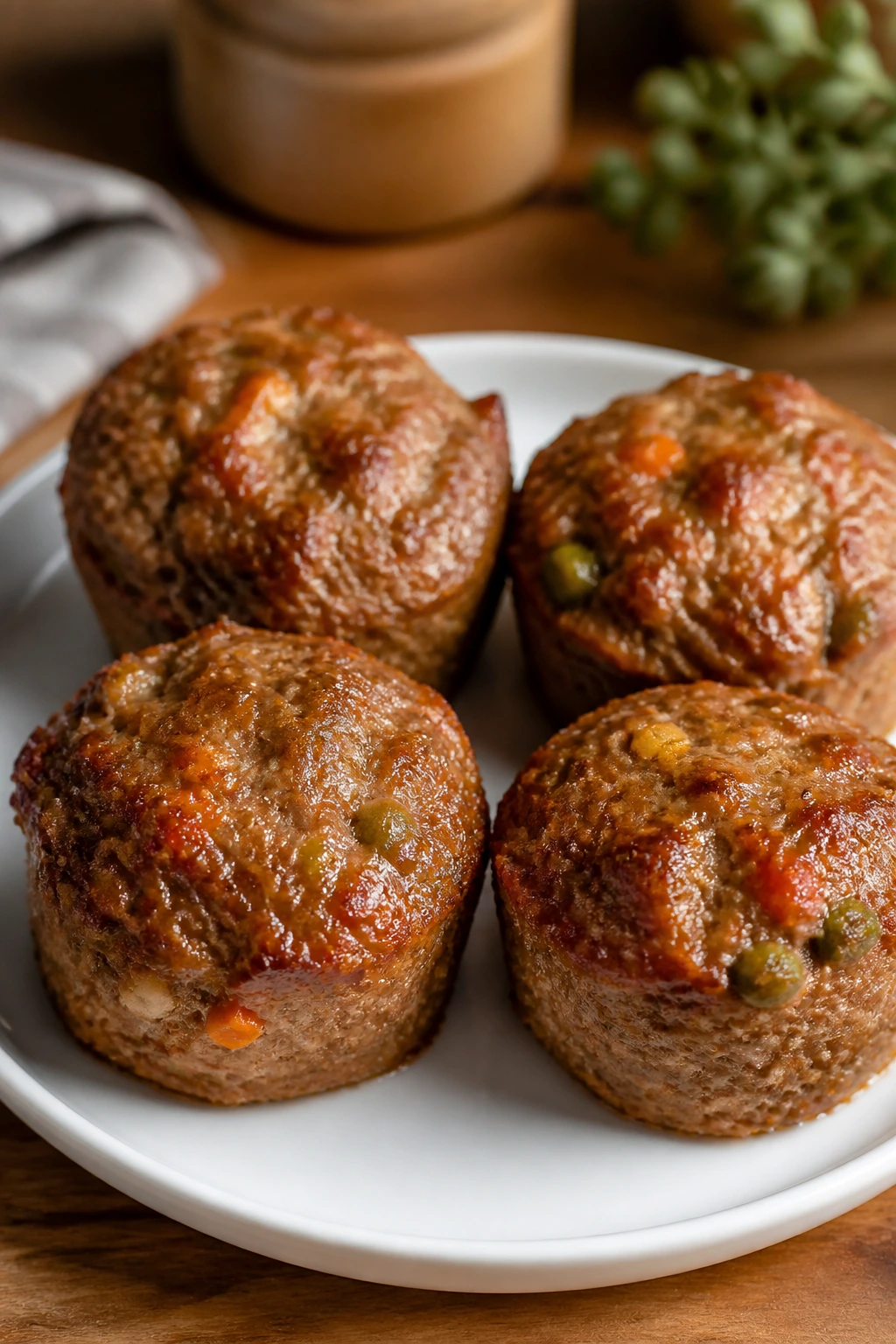
These are little, tidy meatloaves with browned tops and soft centers, which makes them much easier to portion than a big loaf. The muffin shape also helps them cook faster, which is useful when everyone is asking when dinner will be done.
Why It Works:
Ground beef gives these more flavor than leaner meats, and oats hold the mix without making it heavy. Grated carrot and zucchini sneak in moisture and vegetables, while the ketchup glaze gives the top a familiar finish toddlers usually accept quickly. The muffin tin does the portioning for you.
Key Ingredients:
- 1 lb ground beef — 85/15 works well for moisture.
- 1 carrot, grated — adds sweetness and color.
- 1 medium zucchini, grated and squeezed dry — keeps the muffins tender.
- 1/2 cup rolled oats — binder and texture.
- 1 large egg — holds the mixture together.
- 1/3 cup ketchup — for the glaze.
- 1 tablespoon Worcestershire sauce — optional, for depth.
- 1 teaspoon onion powder — gentle seasoning.
Quick Steps:
- Prep the oven: Preheat to 375°F and grease a muffin tin.
- Mix the meatloaf: Stir beef, carrot, zucchini, oats, egg, onion powder, and Worcestershire together.
- Fill the cups: Divide into muffin cups and press lightly.
- Glaze: Spoon ketchup over each top.
- Bake: Cook for 20 to 22 minutes until the tops are set and the centers reach 160°F.
Equipment for This Recipe:
- Muffin tin
- Mixing bowl
- Grater
- Spoon
How to Serve This Dish:
Serve with mashed potatoes or roasted sweet potato wedges and a soft green vegetable. Toddlers usually prefer these cut in half so the glaze doesn’t slide everywhere.
Pro Tips for This Recipe:
- Squeeze the zucchini dry or the muffins will get loose.
- Don’t pack the meat mixture too tightly into the cups.
- Let them rest for 5 minutes before lifting them out.
Variations on This Dish:
- Turkey Muffins: Replace the beef with ground turkey.
- Cheddar Version: Add a handful of shredded cheddar to the mix.
- BBQ Glaze Swap: Use a mild barbecue sauce instead of ketchup.
Common Mistakes to Avoid with This Recipe:
- Don’t overbake them. Meatloaf turns dry fast in muffin form.
- Don’t forget to grease the tin well or the bottoms will stick.
21. Creamy Avocado Pasta with Peas
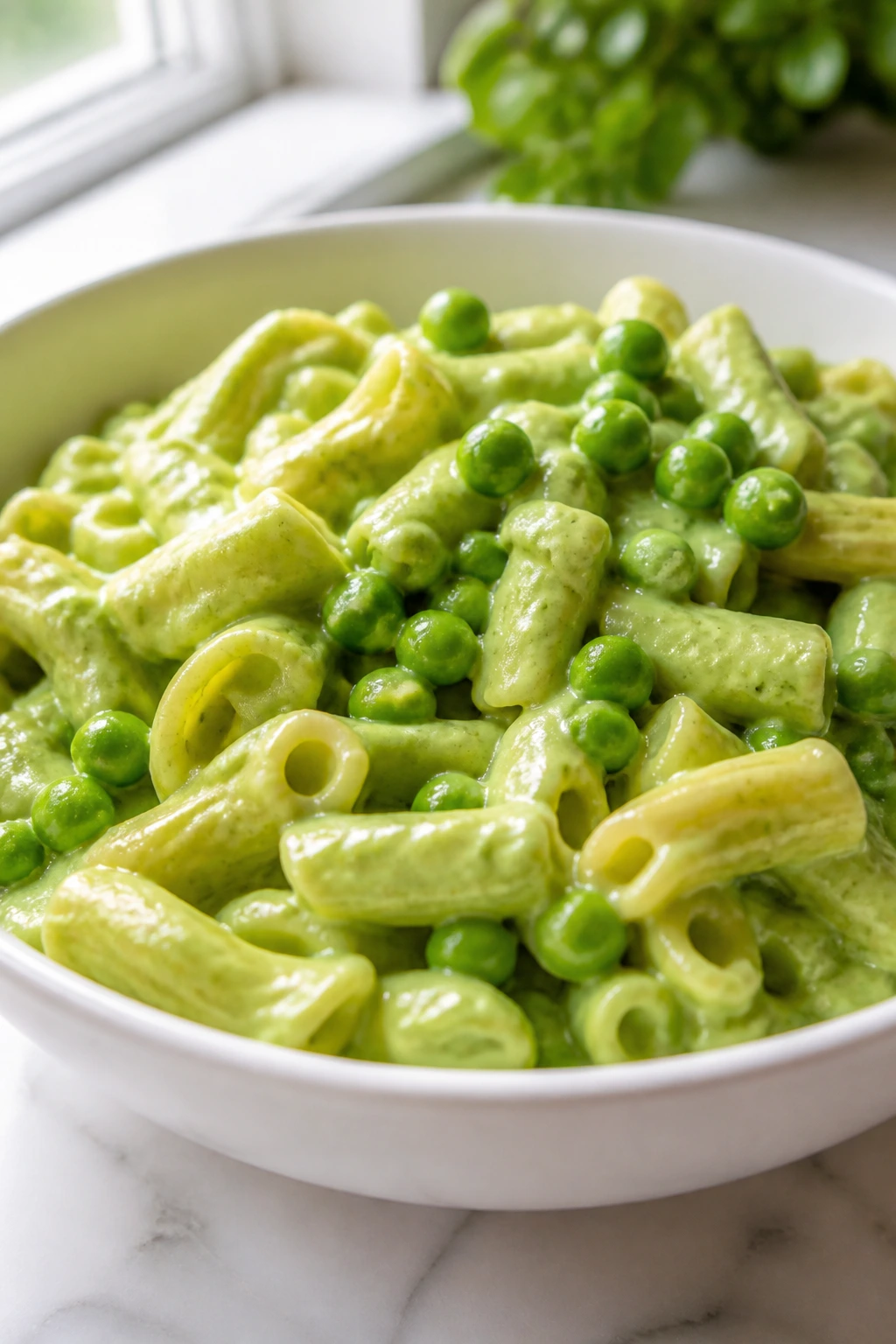
This is one of the fastest dinners in the whole set, and it tastes fresher than the usual red-sauce routine. The avocado makes the sauce silky, the peas add sweetness, and the whole dish comes together in the time it takes to boil pasta.
Why It Works:
Avocado gives you creaminess without needing much heat, which means the sauce stays bright and mild. Peas bring a soft pop and a little sweetness, and the lemon keeps the pasta from tasting dull. It’s a good choice when the fridge is lean and you need something fast that still feels thoughtful.
Key Ingredients:
- 12 oz pasta — shells, rotini, or spaghetti.
- 2 ripe avocados — soft enough to blend smoothly.
- 1 cup frozen peas — thawed or briefly blanched.
- 1/2 cup plain Greek yogurt or olive oil — for creaminess.
- 1 lemon, juiced — keeps the sauce fresh.
- 1/2 cup grated parmesan — optional, but helpful.
- 1 small garlic clove — optional and mild if used sparingly.
- Salt — add lightly.
Quick Steps:
- Cook the pasta: Boil until tender, then reserve a little pasta water.
- Blend the sauce: Blend avocado, peas, yogurt or oil, lemon juice, garlic, and salt until smooth.
- Toss: Mix the sauce with the hot pasta, adding a splash of pasta water if needed.
- Finish: Stir in parmesan if using.
- Serve: Eat right away while the color is still bright.
Equipment for This Recipe:
- Pot
- Blender or food processor
- Colander
- Spoon
How to Serve This Dish:
Serve in small bowls with extra peas on the side or a few soft cherry tomato halves if your toddler handles them well. This pasta is best fresh, not after a long hold.
Pro Tips for This Recipe:
- Use ripe avocados or the sauce can taste grassy.
- Add lemon before blending so the avocado stays green longer.
- Keep the sauce loose enough to coat the noodles, not paste them shut.
Variations on This Dish:
- Spinach Avocado Pasta: Blend in a handful of spinach for extra green.
- Chicken Pasta Bowl: Add shredded chicken to make it more filling.
- Dairy-Free Version: Use olive oil instead of yogurt and skip the parmesan.
Common Mistakes to Avoid with This Recipe:
- Don’t wait too long to serve it. Avocado sauce darkens and thickens as it sits.
- Don’t overdo the garlic; toddlers usually want this mild.
22. Beef and Bean Stuffed Baked Potatoes
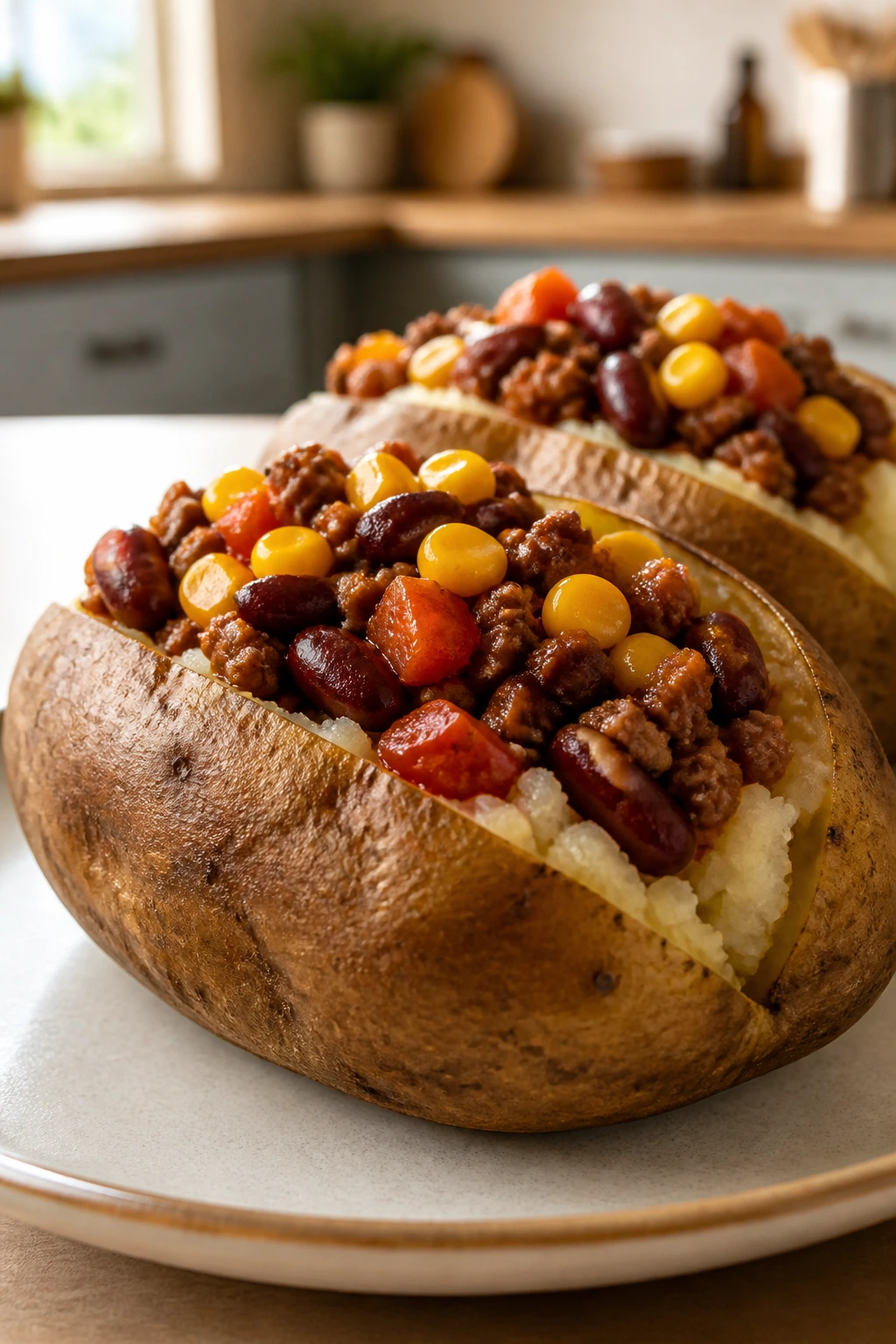
This is the sort of dinner that feels sturdy without being fussy. The potato acts like a bowl, the beef-and-bean filling adds protein and fiber, and the whole thing can be eaten with a fork or spoon depending on the age of the kid.
Why It Works:
Baked potatoes are a useful blank slate because they’re soft inside and simple to fill. Beans stretch the beef so the filling stays balanced, and a little cheese or yogurt on top makes it feel complete without needing a big sauce. It’s also easy to serve the filling separately if your toddler likes deconstructed meals.
Key Ingredients:
- 4 medium russet or sweet potatoes — baked until soft.
- 1 lb ground beef — drain if there’s a lot of fat.
- 1 can pinto or black beans, rinsed — adds fiber.
- 1 cup corn — for sweetness.
- 1 tablespoon mild taco seasoning — enough to flavor the filling.
- 1 cup shredded cheese — cheddar or Monterey Jack.
- 1/2 cup plain Greek yogurt — a cooler topping than sour cream.
- 1 tablespoon olive oil — for the beef.
Quick Steps:
- Bake the potatoes: Roast at 400°F until the centers are soft, about 45 to 60 minutes.
- Cook the filling: Brown the beef in a skillet, then stir in beans, corn, and taco seasoning.
- Split the potatoes: Cut each potato open and fluff the inside with a fork.
- Fill: Spoon in the beef mixture and top with cheese.
- Finish: Add yogurt after the cheese melts.
Equipment for This Recipe:
- Baking sheet
- Skillet
- Fork
- Spoon
How to Serve This Dish:
For toddlers, scoop the filling and potato into a bowl if the skin feels too much like work. A few sliced cucumbers or steamed carrots make a nice side.
Pro Tips for This Recipe:
- Bake the potatoes until they give easily when squeezed with oven mitts.
- Use sweet potatoes if you want a sweeter plate that toddlers often take to faster.
- Warm the filling before stuffing so the cheese melts properly.
Variations on This Dish:
- Turkey Bean Version: Swap in ground turkey.
- Veggie-Only Fill: Use extra beans and mushrooms in place of meat.
- Broccoli Topper: Add tiny steamed broccoli florets before the cheese.
Common Mistakes to Avoid with This Recipe:
- Don’t underbake the potatoes. Hard centers make the whole dinner awkward.
- Don’t use too much seasoning; the filling should be savory, not sharp.
23. Chicken Parmesan Meatball Skillet
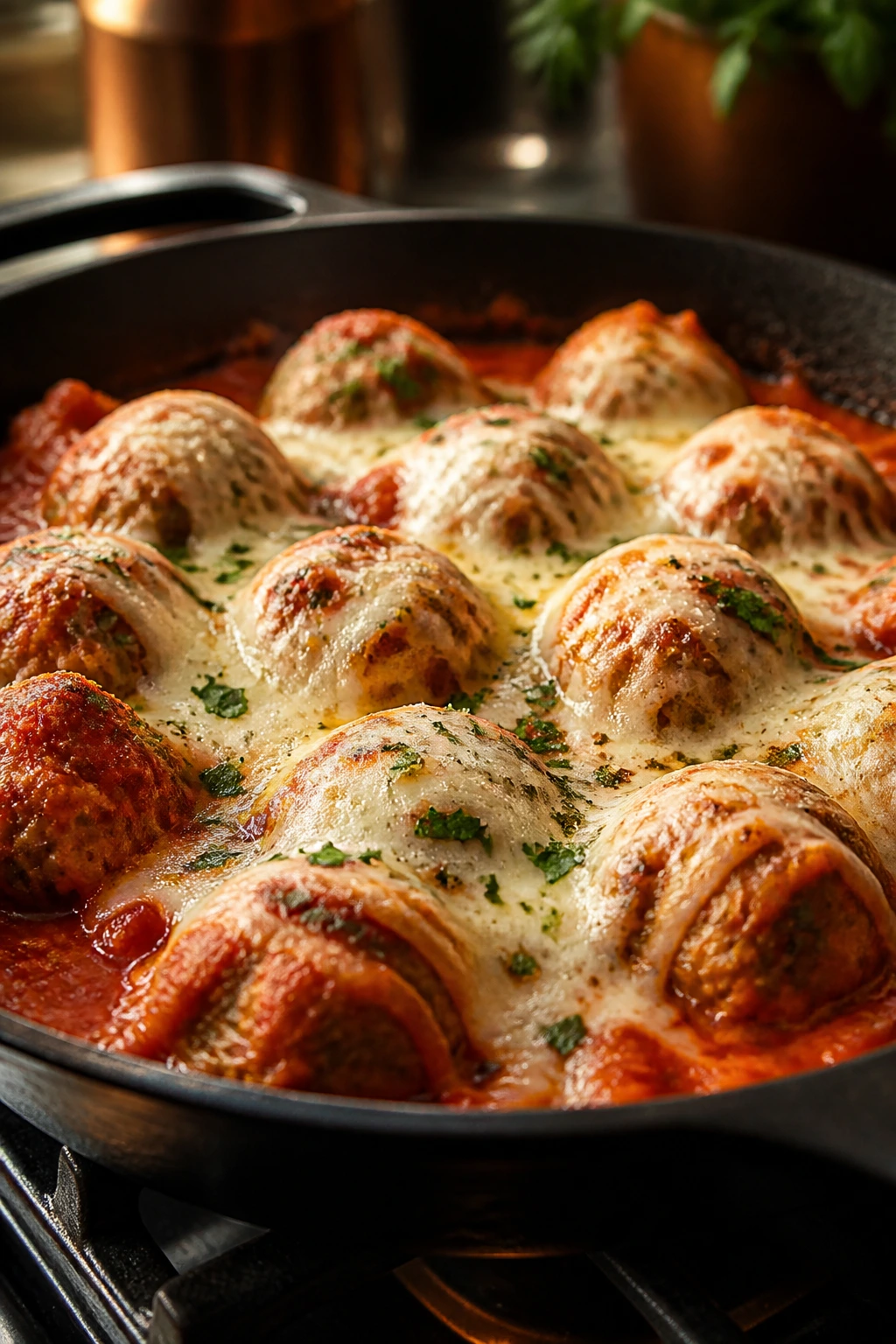
This skillet gives you the comfort of chicken parmesan without breading and frying each piece like it’s a weekend project. The meatballs simmer in sauce, the cheese melts on top, and the whole thing becomes soft enough for toddler forks.
Why It Works:
Ground chicken turns into tender meatballs when you keep the mix moist and don’t overwork it. Simmering them in marinara keeps them juicy, and a little mozzarella makes the skillet feel familiar. Serve it with pasta or zucchini noodles, depending on the mood at your table.
Key Ingredients:
- 1 lb ground chicken — tender and mild.
- 1 large egg — binds the meatballs.
- 1/3 cup breadcrumbs — keeps them soft.
- 1/4 cup grated parmesan — adds salt and flavor.
- 1 teaspoon Italian seasoning — gentle herb note.
- 24 oz marinara sauce — enough to simmer in.
- 8 oz mozzarella, shredded — for the top.
- 1 tablespoon olive oil — for browning.
Quick Steps:
- Mix and shape: Combine the chicken, egg, breadcrumbs, parmesan, and seasoning, then roll into small meatballs.
- Brown: Sear in olive oil over medium heat until lightly golden on the outside.
- Simmer: Pour in marinara and cook gently for 10 minutes until the meatballs are cooked through.
- Add cheese: Sprinkle mozzarella over the top and cover until melted.
- Serve: Spoon over pasta or zucchini noodles.
Equipment for This Recipe:
- Large skillet with lid
- Mixing bowl
- Spatula
- Spoon
How to Serve This Dish:
Serve the meatballs with short pasta for toddlers or with a spoonful of sautéed zucchini for adults. Keep the sauce a little thicker so it clings to the meatballs instead of running everywhere.
Pro Tips for This Recipe:
- Make the meatballs small; they cook more evenly and are easier to chew.
- Don’t boil the sauce hard once the meatballs go in or they can tighten up.
- Grate the parmesan finely so it blends into the mix.
Variations on This Dish:
- Turkey Parmesan Skillet: Use ground turkey instead of chicken.
- Spinach Sauce Version: Stir chopped spinach into the marinara.
- Pasta Bake Finish: Transfer to a dish, add more cheese, and broil briefly.
Common Mistakes to Avoid with This Recipe:
- Don’t overmix the chicken mixture. It turns dense faster than beef.
- Don’t skip browning if you want a little flavor on the outside.
24. Veggie-Loaded Breakfast-for-Dinner Frittata
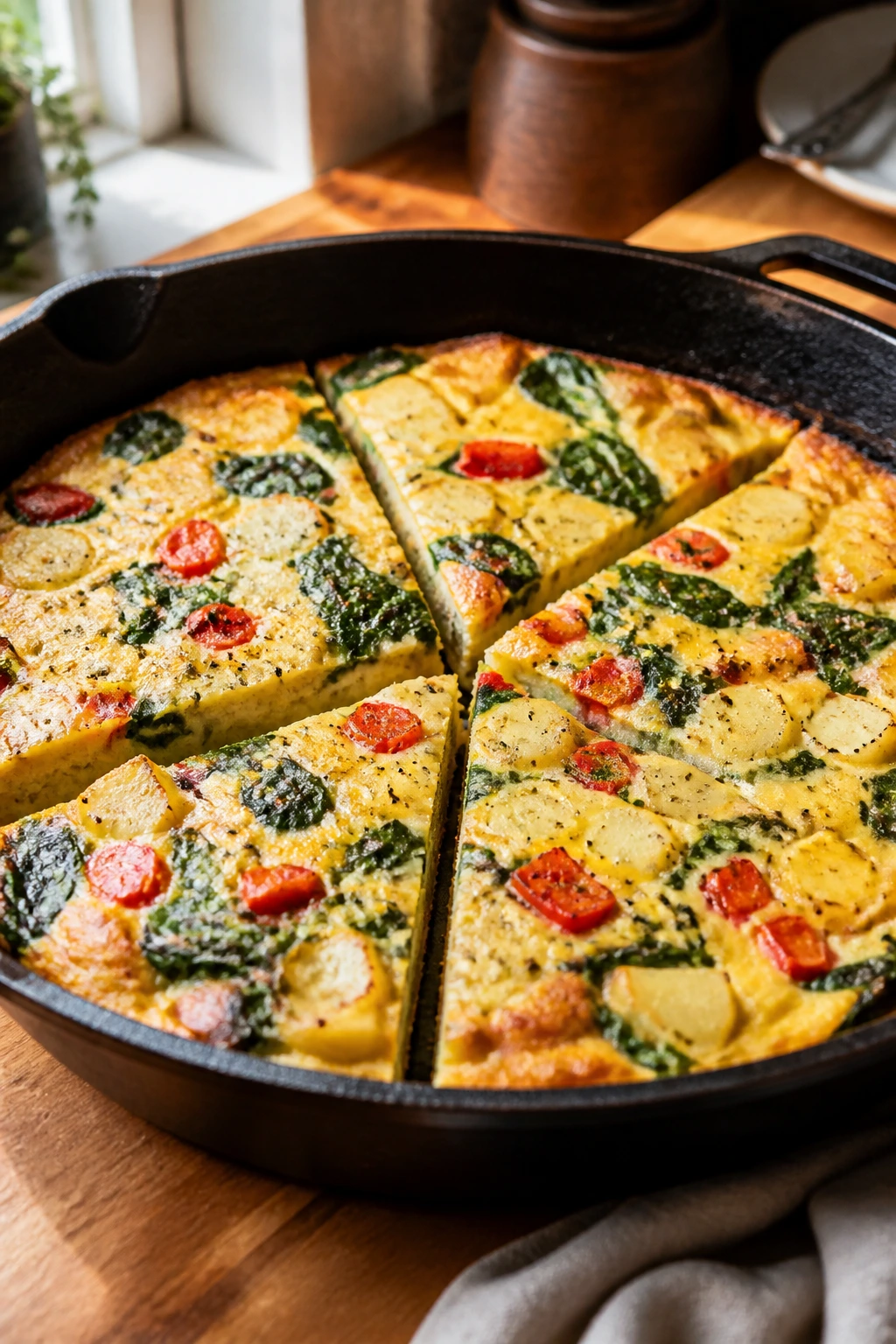
A frittata is one of those dinners that looks casual and still feels like you made a decision. The eggs hold the vegetables together, the cheese softens the edges, and the whole thing slices neatly for little hands.
Why It Works:
Eggs cook quickly, and they’re friendly to whatever vegetables are left in the fridge. Potatoes make the frittata more filling, spinach melts into the eggs, and the bell pepper adds sweetness rather than bite. It’s a good way to finish off random produce without making dinner feel pieced together.
Key Ingredients:
- 8 large eggs — the base.
- 1/2 cup milk — keeps the eggs tender.
- 1 cup cooked diced potatoes — adds heft.
- 1 cup chopped spinach — cooks down quickly.
- 1 red bell pepper, diced small — sweet and soft once cooked.
- 1 cup shredded cheddar — for flavor.
- 1 tablespoon olive oil — for the skillet.
- 1/2 teaspoon salt — keep it light.
Quick Steps:
- Prep the pan: Heat oven to 375°F and oil an oven-safe skillet.
- Cook the vegetables: Sauté potatoes and bell pepper until warmed through, then add spinach to wilt.
- Whisk the eggs: Beat eggs, milk, and salt together.
- Bake: Pour eggs over the vegetables, top with cheese, and bake for 15 to 18 minutes until set.
- Rest and slice: Let it sit for 5 minutes before cutting.
Equipment for This Recipe:
- Oven-safe skillet
- Whisk
- Mixing bowl
- Spatula
How to Serve This Dish:
Serve wedges with toast fingers, fruit, or a small pile of peas. Toddlers usually prefer the slice cut into strips rather than a wedge.
Pro Tips for This Recipe:
- Pre-cook the potatoes or they’ll stay firm.
- Don’t overbake; the eggs should be just set, not dry.
- Let the frittata rest before cutting so it doesn’t fall apart.
Variations on This Dish:
- Cheddar and Pea Version: Swap peppers for peas if that’s what your child likes.
- Broccoli Frittata: Use chopped broccoli instead of spinach.
- Dairy-Light Option: Use a smaller amount of cheese and a splash more milk.
Common Mistakes to Avoid with This Recipe:
- Don’t use a skillet that isn’t oven-safe unless you want a pan transfer at the worst moment.
- Don’t chop the vegetables too large; big pieces make slicing messy.
25. Butternut Squash and Red Lentil Soup with Toast Soldiers
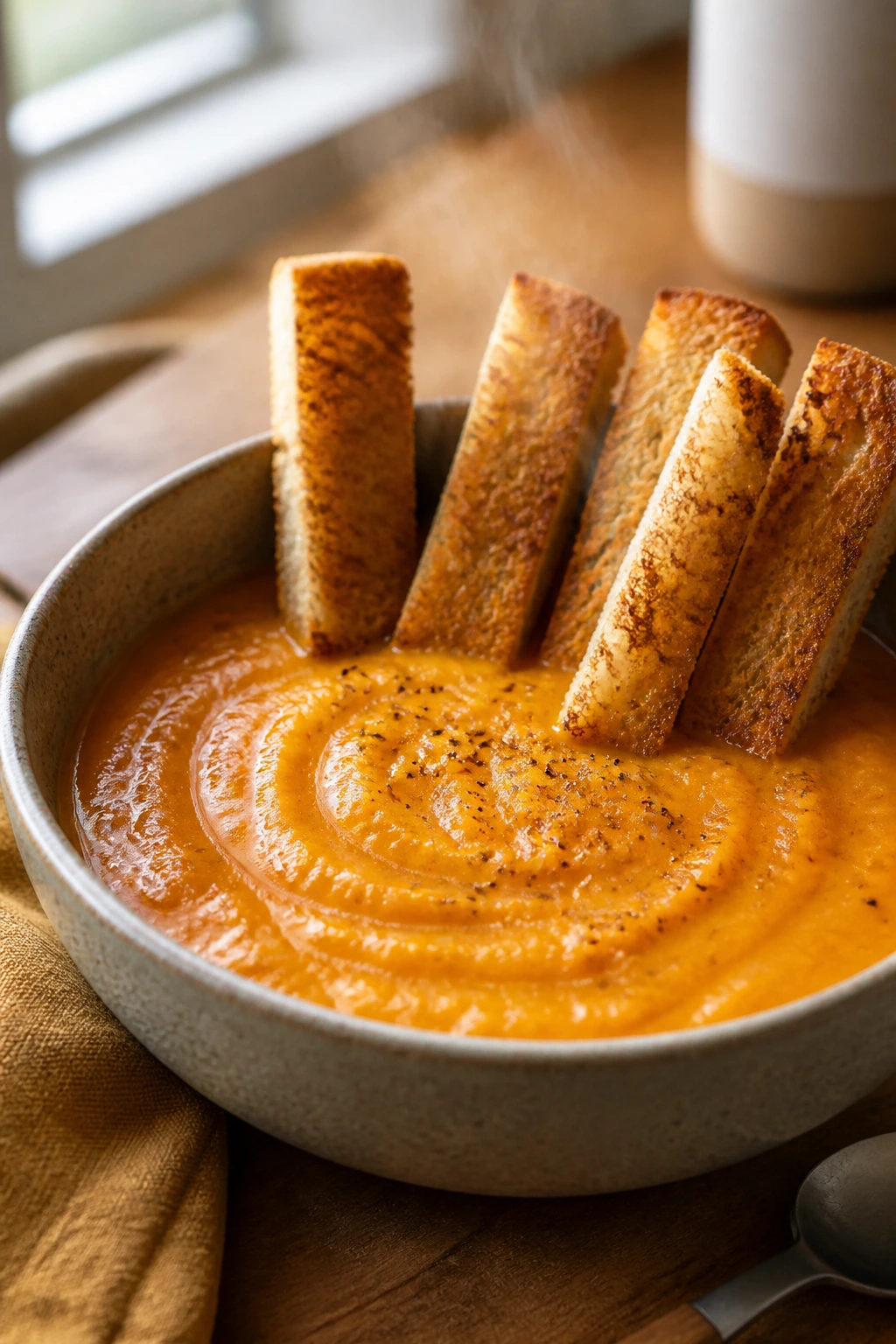
This soup is silky, bright, and soft enough that toddlers can eat it with a spoon and bread without much correction. The lentils melt into the squash, and the toast soldiers give the meal a little structure.
Why It Works:
Red lentils cook fast and break down into a creamy base, which makes them useful in soups for small kids. Butternut squash adds a sweet, mellow flavor and a smooth texture once cooked. Toast soldiers are more than cute; they make dipping easier and keep the meal from feeling too loose.
Key Ingredients:
- 1 medium butternut squash, peeled and cubed, about 6 cups — cut small for speed.
- 1 cup red lentils, rinsed — they cook down fast.
- 1 small onion, diced — the base flavor.
- 2 carrots, diced — adds sweetness.
- 6 cups low-sodium vegetable broth — enough to simmer everything.
- 2 tablespoons olive oil — for sautéing.
- 1 teaspoon mild curry powder or thyme — choose one direction and keep it gentle.
- 4 slices whole-grain bread — for toast soldiers.
Quick Steps:
- Sauté the vegetables: Cook onion and carrots in olive oil until softened.
- Add squash and lentils: Stir in the squash, lentils, broth, and seasoning.
- Simmer: Cook 20 to 25 minutes until the squash is soft and the lentils are falling apart.
- Blend slightly: Puree part of the soup if you want a smoother texture, leaving some pieces.
- Toast the bread: Cut into strips and toast until golden.
Equipment for This Recipe:
- Large soup pot
- Blender or immersion blender
- Knife and cutting board
- Toaster or oven
How to Serve This Dish:
Serve the soup warm, not scorching, with toast soldiers for dipping. A spoonful of yogurt or a drizzle of olive oil on top makes the bowl feel finished.
Pro Tips for This Recipe:
- Cut the squash into small cubes or it will take forever to soften.
- Rinse the lentils well so the broth stays clean-tasting.
- Blend only part of the soup if you want to keep some texture for older toddlers.
Variations on This Dish:
- Apple Squash Version: Add a chopped apple for a sweeter edge.
- Coconut Finish: Stir in a splash of coconut milk for a creamier bowl.
- Tomato Lentil Soup: Replace some broth with canned tomatoes for a deeper flavor.
Common Mistakes to Avoid with This Recipe:
- Don’t leave the squash in huge chunks. They stay firm while the lentils collapse.
- Don’t skip the toast. That little bit of chew makes the meal easier to eat.
Why Mild, Familiar Food Wins the Toddler Table
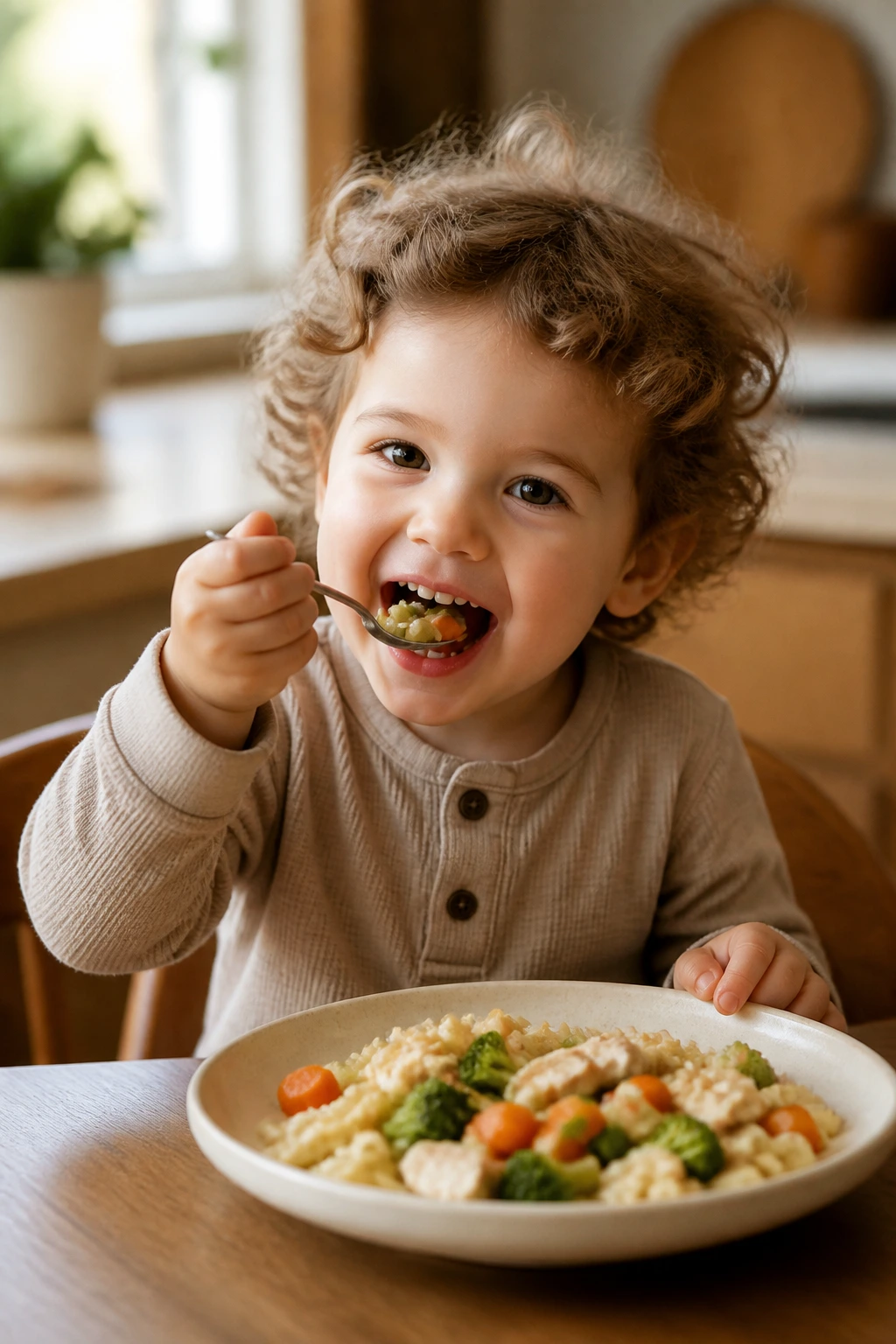
The thread running through these healthy toddler dinners is simple: keep the food recognizable, keep the texture manageable, and keep the flavor calm enough that a child doesn’t need to solve the meal before taking a bite. A soft meatball, a tiny pasta, a bowl of soup, or a skillet dinner with separate pieces gives toddlers room to be cautious without turning dinner into a standoff.
What works best, in practice, is not hiding vegetables so deeply that no one knows they’re there. It’s cooking them until they’re soft, cutting them small, and pairing them with something familiar. Rice, potatoes, pasta, cheese, yogurt, tortilla wedges, toast soldiers—those are the bridges.
Essential Equipment for These Recipes
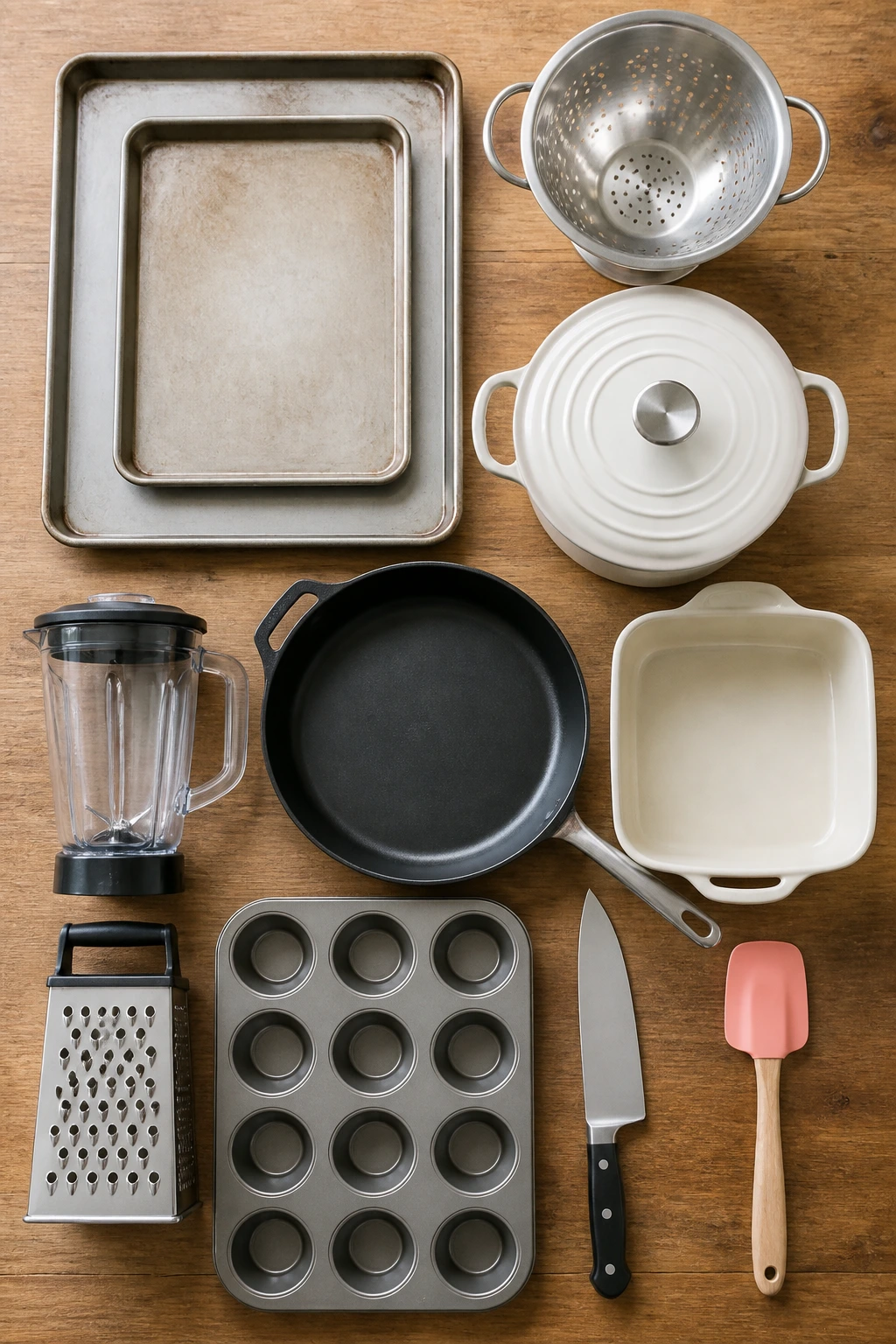
- Rimmed sheet pans: Useful for meatballs, fish sticks, sausage trays, and anything that needs space to brown.
- Large skillet or sauté pan: The workhorse for quesadillas, fried rice, taco bowls, and skillet dinners.
- Dutch oven or soup pot: Best for chicken soup, curry, and the squash-lentil soup.
- 9×13-inch baking dish: Handy for stuffed shells, shepherd’s pie, and baked casseroles.
- Muffin tin: Required for the meatloaf muffins and useful for portioned dinners.
- Blender or food processor: Makes white bean mac and cheese and avocado pasta much smoother.
- Box grater: A small but important tool for sweet potato, carrot, zucchini, and cheese.
- Colander: Needed for pasta, lentils, and rinsing canned beans.
- Sharp chef’s knife: Cutting vegetables small is half the battle with toddler food.
- Silicone spatula or wooden spoon: Better than a hard spoon when you’re stirring thick sauces or scraping pans.
Smart Shopping and Ingredient Tips
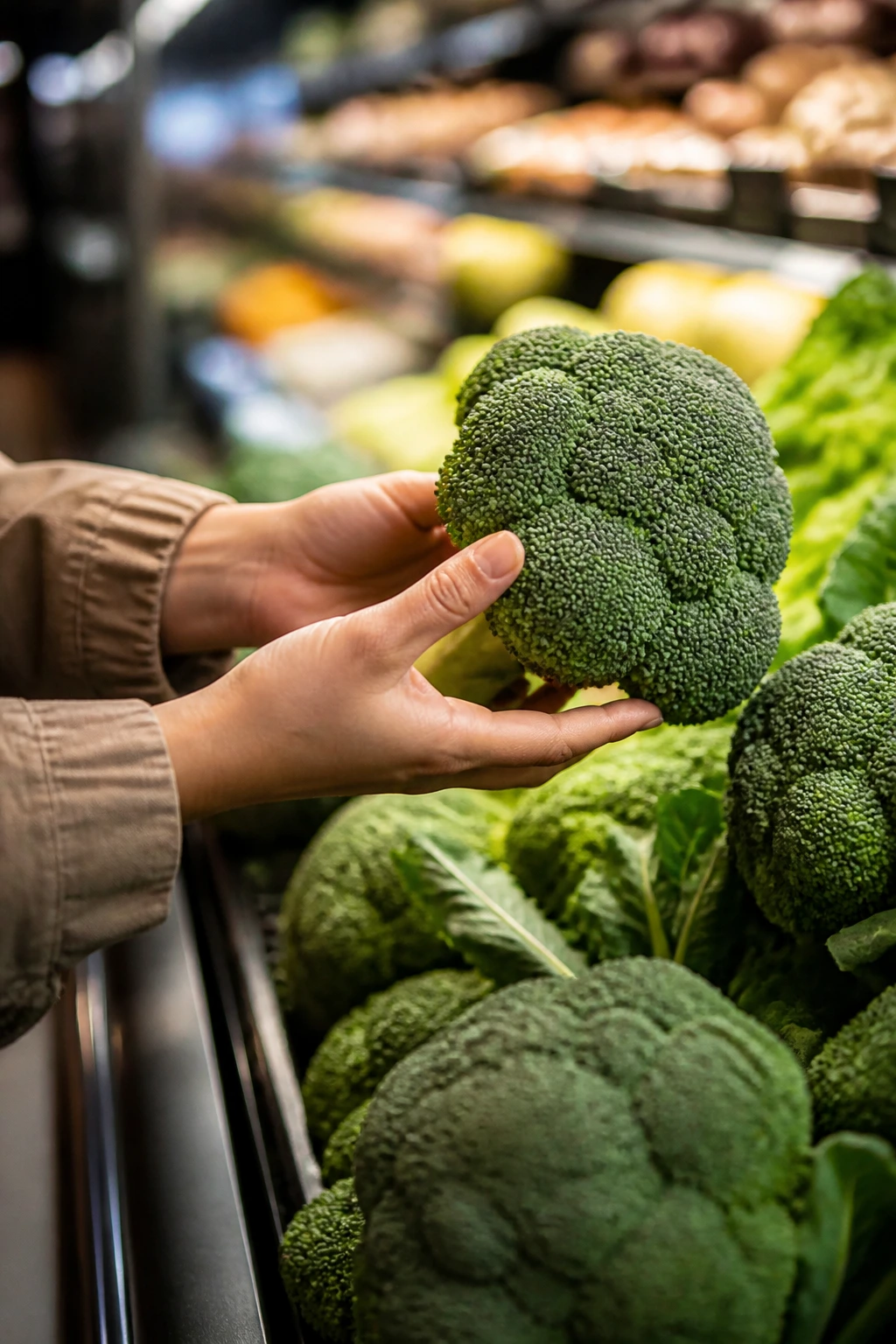
Buy lean ground turkey or chicken that still has some fat—around 90/10 or 93/7—because ultra-lean meat turns dry fast in meatballs and burgers. For chicken thighs and sausages, choose mild seasoning and avoid anything heavily smoked or spicy; toddlers usually notice that first.
Frozen vegetables are your friend here. Peas, corn, spinach, and edamame go straight into pans or soups without any shame, and they often taste better than sad produce that’s been sitting in the crisper for too long. For broccoli, carrots, zucchini, sweet potatoes, and squash, pick firm pieces with no soft spots so they soften evenly instead of collapsing in streaks.
Use low-sodium broth and canned beans when possible. That gives you more room to season gently and keeps the salt level from creeping up before you’ve even tasted the dish. And when a recipe calls for cheese, a block you shred yourself melts more smoothly than pre-shredded bags, which often have anti-caking powder on them.
For pasta, small shapes work better than dramatic ones. Elbows, shells, orzo, rotini, ditalini, and pita rounds are easier for toddler forks and spoons than long noodles that swing off the utensil. The same logic applies to vegetables: smaller pieces cook faster, cool faster, and get accepted faster.
How to Serve These Dinners
Presentation:
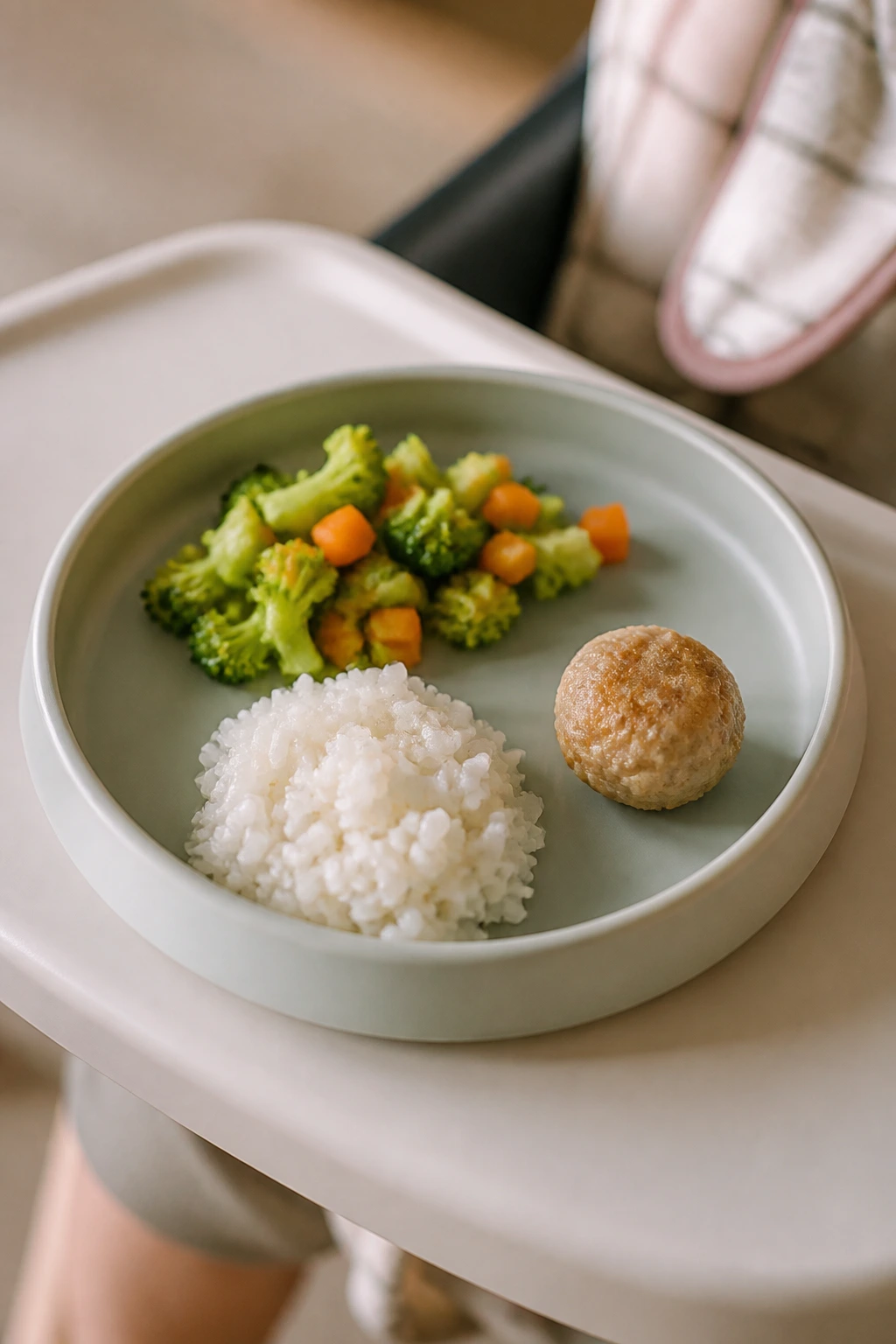
Serve toddlers from shallow bowls or plates with raised edges so food stays where it belongs. A few separate piles on the plate often work better than one mixed mound, especially with rice bowls, taco bowls, and skillet dinners. If a dish is saucy, keep a spoon nearby and let the child scoop.
Accompaniments:
The best sides are soft and familiar: steamed peas, cucumber sticks cut thin, apple slices, toast fingers, fruit cups, or a small portion of plain yogurt. When the main dish already includes vegetables, a simple side of fruit is usually enough.
Portions:
Most toddlers do well with a smaller serving than adults expect—roughly 1/4 to 1/2 cup of a mixed dish, then more if they ask for it. Don’t pile up the whole plate at once. Smaller portions look less intimidating and waste less food if the first round gets ignored.
Beverage Pairing:
Cold water is fine for nearly everything here. Milk works well with pasta, quesadillas, and meatballs. For soups and curries, keep the drink plain so the meal’s texture stays the focus.
Additional Tips and Flavor Boosters
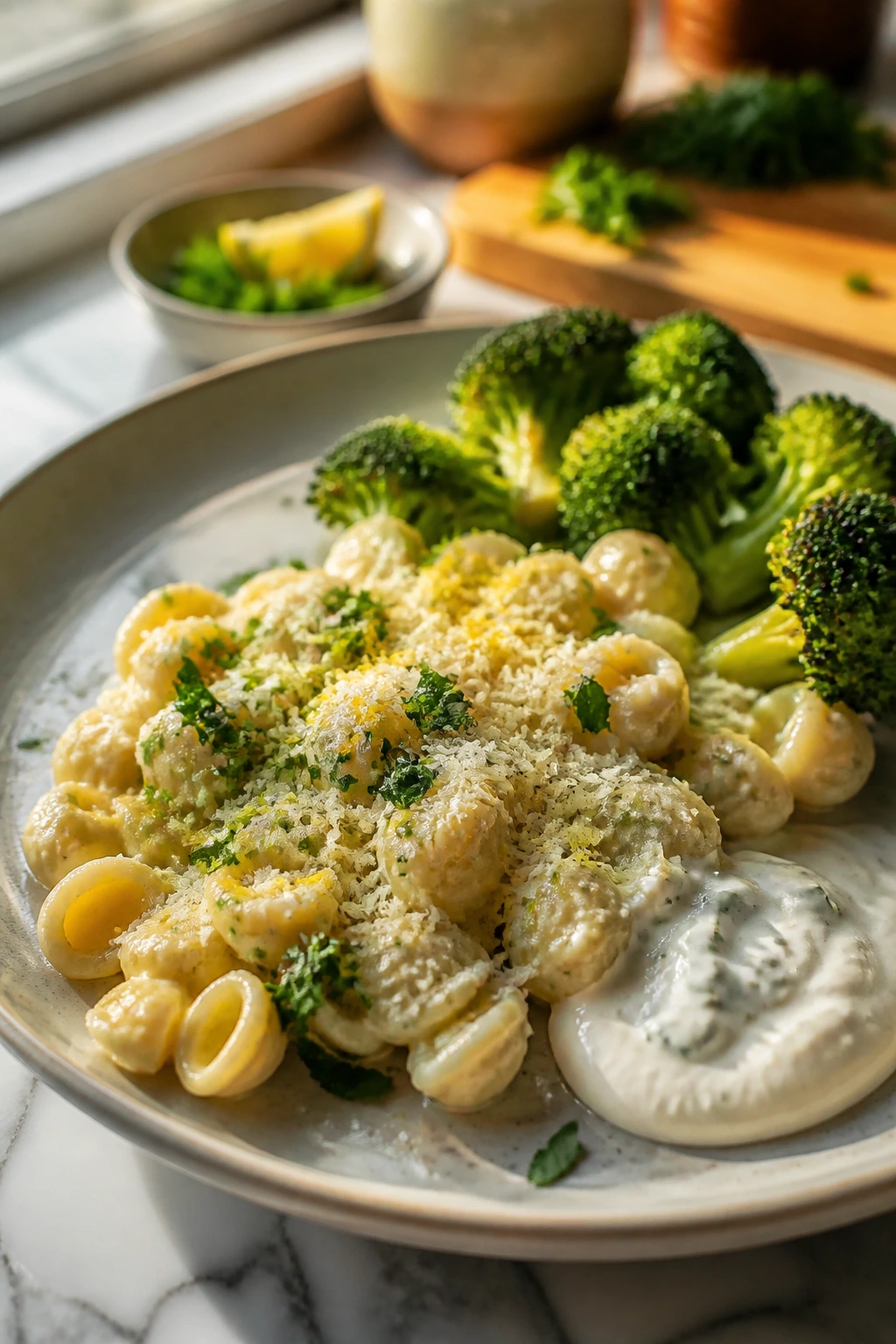
Flavor Enhancement:
A little lemon zest, chopped parsley, or parmesan on the adult portion can wake up a mild dish without changing the toddler plate. I also like a spoon of yogurt stirred into soups and curries right before serving; it softens the edges and cools the temperature fast.
Customization:
Use the same base dinner and swap the starch. Rice can become quinoa or cauliflower rice; pasta can become orzo or shells; tortillas can become pita or flatbread. That keeps your grocery list short while the table still feels different.
Serving Suggestions:
Put dips in tiny cups. Yogurt, hummus, marinara, and mild salsa are often more successful when they’re separate from the food instead of already poured over it. A few fresh herbs or a dusting of cheese on top makes the plate look finished without adding work.
Make-It-Yours:
For dairy-free meals, use olive oil, dairy-free yogurt, or a squeeze of lemon instead of cream. For gluten-free dinners, swap in corn tortillas, gluten-free pasta, rice, and certified GF oats or breadcrumbs. For vegetarian nights, beans, lentils, tofu, eggs, and cheese can carry the whole plate without feeling like a compromise.
Make-Ahead, Storage, and Reheating Guidance
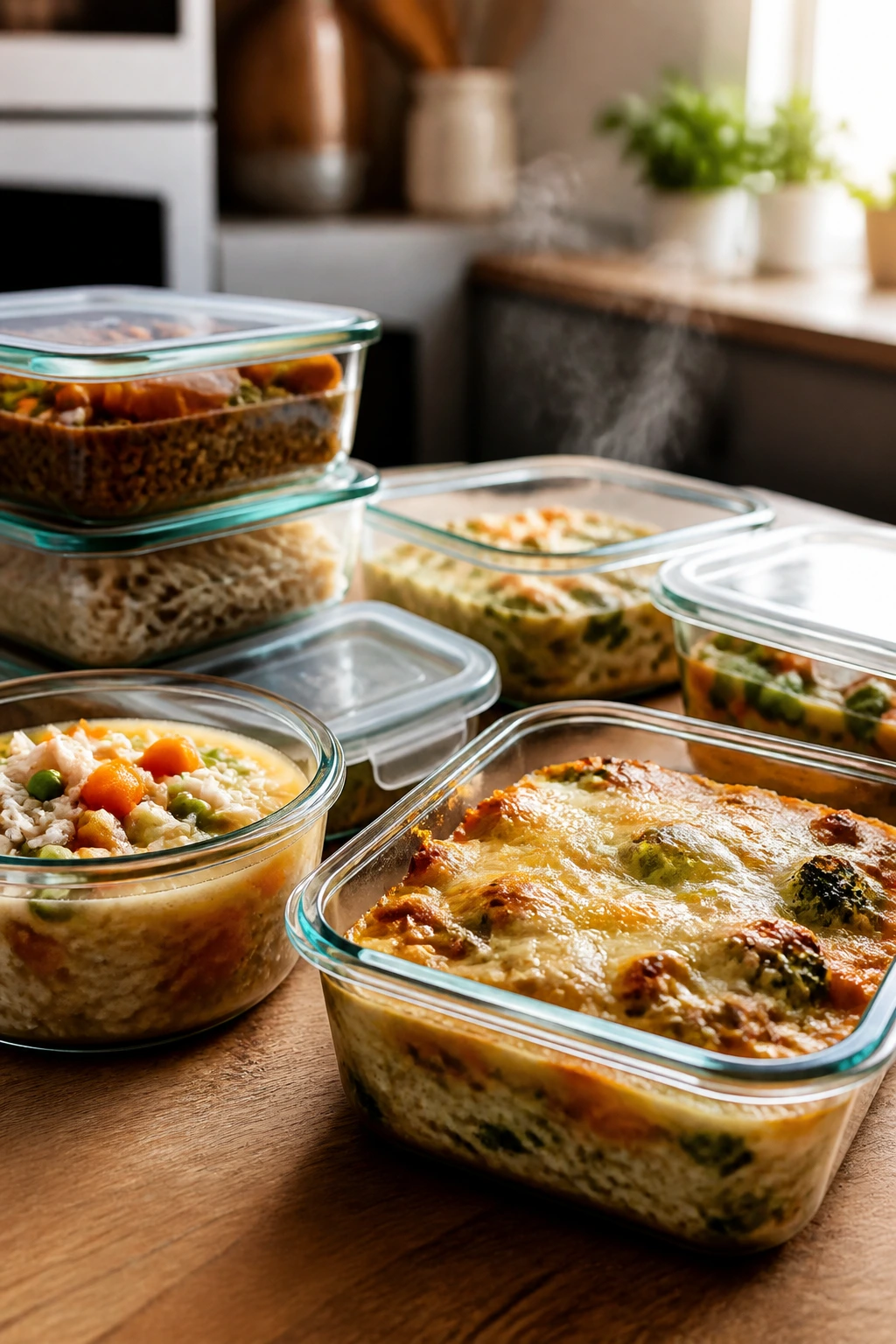
Most of these dinners keep 3 to 4 days in the refrigerator if you cool them quickly and store them in shallow containers. Soups, curries, casseroles, and meatballs usually freeze well for up to 2 to 3 months. Pasta dishes can freeze too, but the texture softens a little, so I prefer freezing the sauce separately when I can.
Meatballs, meatloaf muffins, burgers, salmon cakes, and fish sticks are the easiest things to batch-cook. Freeze them on a sheet pan first, then move them to a freezer bag so they don’t clump together. Reheat in a 350°F oven until hot through, or warm them gently in a skillet with a splash of water or broth if they seem dry.
For soups, curry, and lentil dishes, reheat on the stovetop over low to medium heat until steaming. Stir often, especially near the bottom of the pot. For rice bowls and fried rice, a covered microwave-safe dish with a spoonful of water helps bring back moisture; heat in short bursts and stir between rounds.
Rice deserves one extra note. Cool it fast, store it promptly, and reheat it once. That’s the habit that keeps the texture decent and the handling safe. If a dish has avocado, cream, or yogurt, add those fresh after reheating instead of storing them mixed in.
Variations and Adaptations to Try
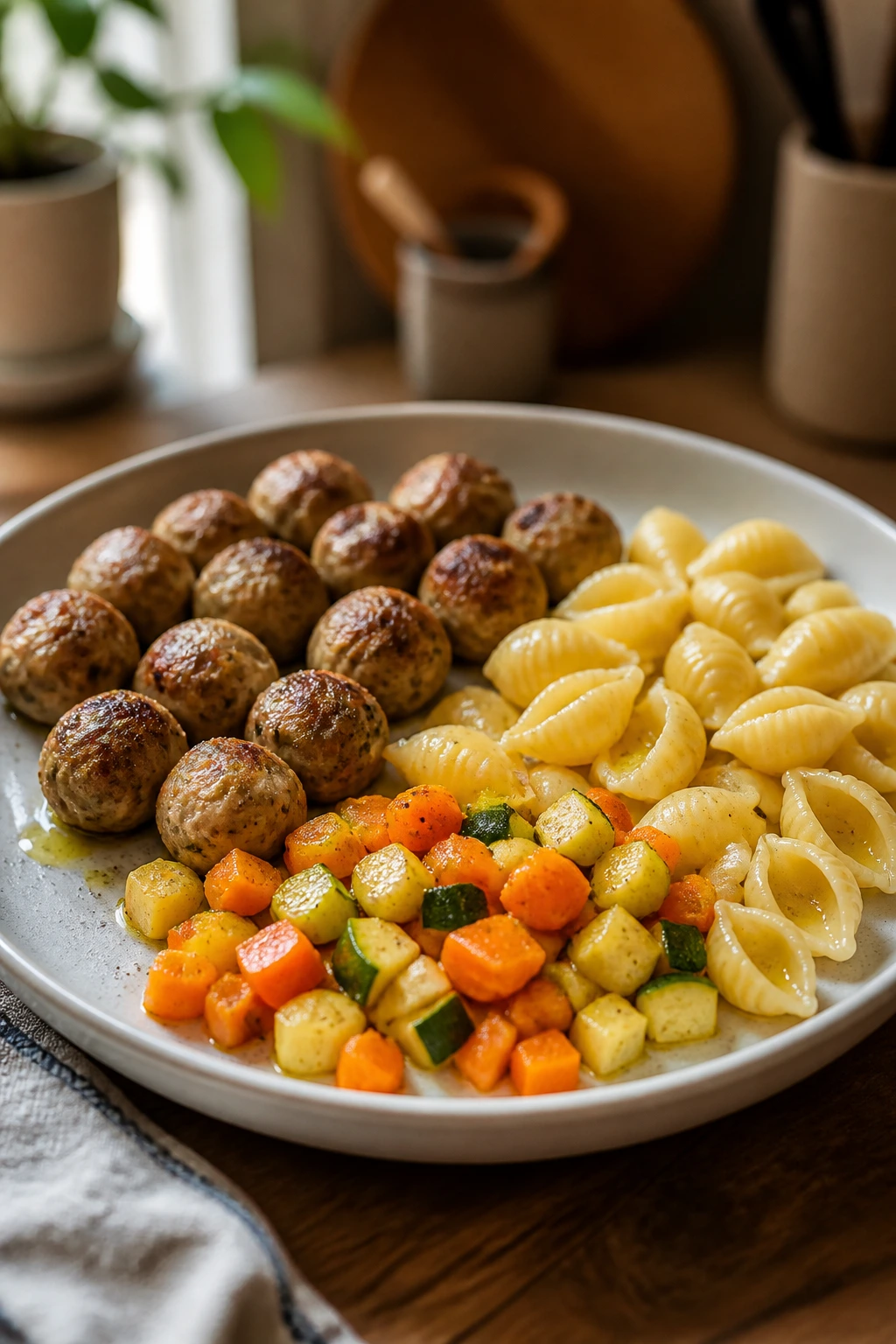
Tiny-Bite Toddler Mode:
Cut everything smaller than you think you need. Meatballs can be halved, pasta can be switched to shells or orzo, and vegetables can be diced tiny so the spoon catches them easily. This version works best when chewing skills are still a work in progress.
Freezer-First Batch Cooking:
Double the meatballs, muffins, soup, and stuffed shells, then freeze half in meal-size portions. That gives you dinner with almost no decision-making on a rough night. I’d freeze sauces and fillings separately when possible, because texture holds up better that way.
Gluten-Free Plate:
Use GF breadcrumbs, certified gluten-free oats, rice, corn tortillas, and gluten-free pasta. Most of the recipes here adapt well with those swaps, and the flavor doesn’t need to change much.
Dairy-Light Switch:
Swap cheese-heavy finishes for olive oil, avocado, lemon, or a smaller amount of cheese. A spoon of plain dairy-free yogurt can fill the same cooling role on bowls and soups. It’s a practical shift, not a sad one.
Vegetarian Night:
Lean on chickpeas, lentils, tofu, eggs, beans, and white bean sauces. The curry, soup, pasta, and rice bowls all handle the switch cleanly. You don’t need to reinvent the whole dinner to make it meatless.
Adult Heat on the Side:
Keep chili flakes, hot sauce, chili crisp, or pickled jalapeños on the table after the kid plate is served. That’s the cleanest way to feed two different heat tolerances without making the main dish more complicated.
Common Mistakes to Avoid
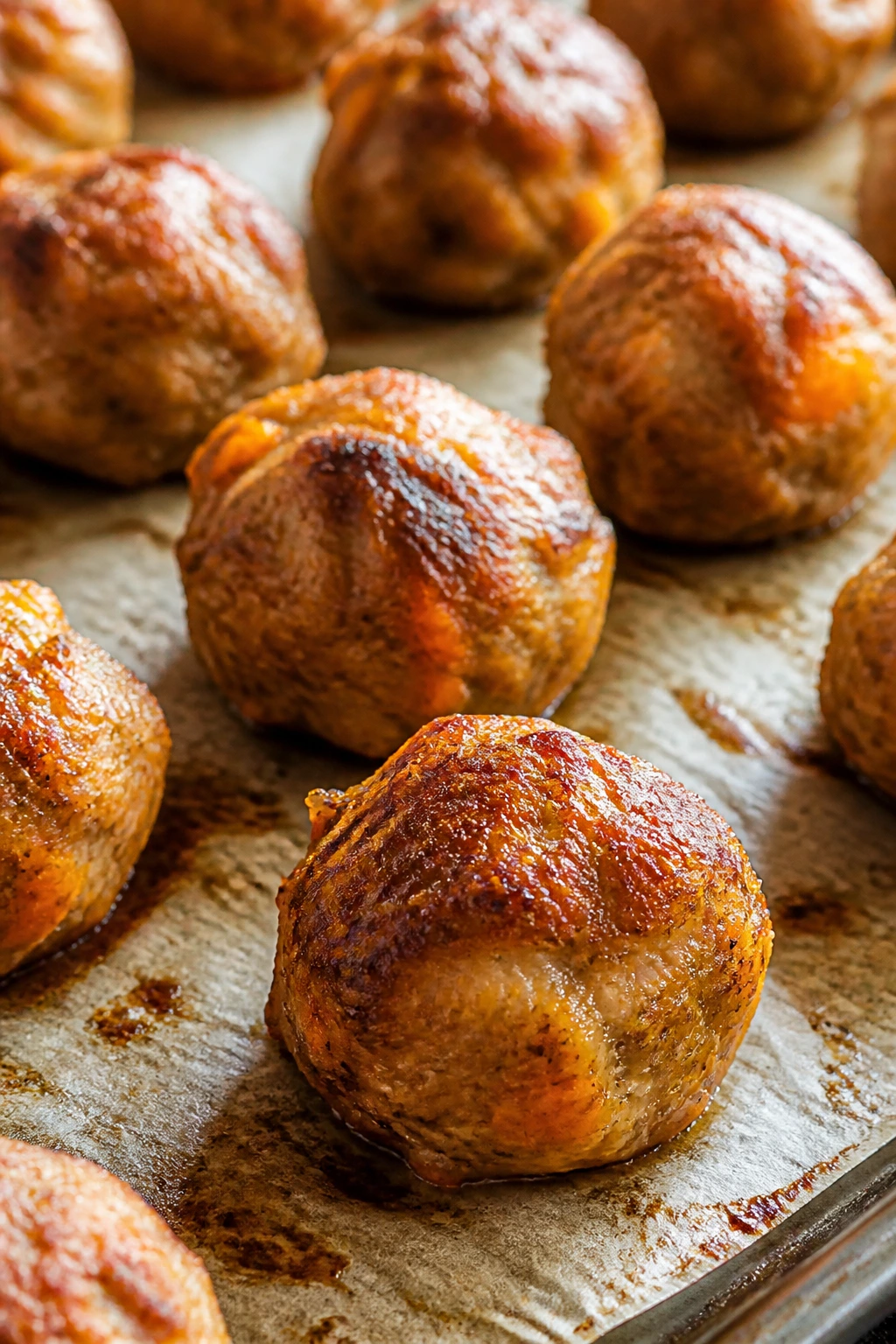
The first mistake is making every dinner the same texture. Toddlers often do better when the plate has one soft thing, one familiar thing, and one small, easy-to-hold thing. A bowl of only mush or only crunch is a fast way to get a rejected dinner.
The second is seasoning for adults before serving the child. Mild food does not mean boring food; it means the salt, spice, and acid stay gentle enough for a kid’s palate. You can always add more heat, parmesan, or hot sauce later. You cannot pull it back.
The third is cutting vegetables too large. Big broccoli florets, thick carrot coins, and chunky squash take longer to soften and are more likely to come back out of the mouth untouched. Smaller pieces cook better and usually disappear more easily into sauces, soups, and rice.
The fourth is overcooking lean proteins. Ground turkey, chicken breast, and white fish dry out fast if you leave them on the heat too long. Pull them as soon as they’re done, let them rest, and keep the sauce nearby.
The last is forgetting how fast starches thicken after cooking. Pasta soaks up sauce, rice tightens as it cools, and soup with tiny pasta can turn thicker than you expected. Keep a splash of broth, milk, or water around for reheating, and you’ll save yourself from serving something gluey.
Frequently Asked Questions
How do I keep one dinner toddler-friendly and adult-friendly at the same time?
Build the meal with a mild base, then add stronger flavors at the table. Lemon, chili flakes, hot sauce, parmesan, pickled onions, and extra herbs can all stay on the adult side without changing the child’s portion.
What vegetables work best in healthy toddler dinners?
Soft-cooking vegetables usually win: carrots, peas, zucchini, sweet potato, squash, spinach, broccoli chopped small, and bell pepper diced fine. They’re easier to chew and easier to hide in sauces, soups, and bakes.
Can I use frozen vegetables instead of fresh?
Yes, and in several of these recipes they’re the better choice. Frozen peas, corn, spinach, and edamame save time and often have a better texture than produce that’s been sitting around for days.
Which of these dinners freeze best?
Meatballs, meatloaf muffins, soup, lentil shepherd’s pie, stuffed shells, and curry freeze very well. Pasta and avocado-heavy dishes are less forgiving, so I’d make those fresh if possible.
What if my toddler refuses mixed foods?
Serve the same dinner deconstructed. Put the rice, protein, vegetables, and sauce in separate little piles so the child can choose what to touch first. That small change often helps more than changing the recipe itself.
How can I make these meals more filling without making them heavy?
Add beans, lentils, eggs, yogurt, or extra vegetables before reaching for more cheese or oil. Those ingredients give you staying power without turning the meal greasy or overly rich.
Are canned beans, jarred sauce, and store-bought broth okay?
Absolutely. They’re part of what makes these dinners practical. Just look for lower-sodium versions and rinse canned beans well so the final dish stays in your control.
How do I avoid choking hazards in toddler dinners?
Cut round foods like grapes or cherry tomatoes into quarters if you serve them, cook vegetables until soft, and keep meatballs, fish, and burgers small enough to squash easily with a fork. If a food feels firm, slippery, or round, cut it down before it reaches the plate.
A Quieter Dinner Hour
A good toddler dinner doesn’t need applause. It needs a soft bite, a sensible shape, and a parent who isn’t trapped at the stove forever while the first spoonful cools. That’s the real promise of this kind of cooking: fewer hard edges at the table, and fewer nights when dinner feels like a test.
Keep a few of these recipes close—one skillet dinner, one soup, one pasta, one freezer-friendly tray of meatballs or muffins—and weeknights start to behave a little better. Not perfect. Better. And sometimes that’s the whole point.