



Clean healthy yet tasty food under 500 calories does not have to taste like punishment.
That’s the part most people get wrong. They trim the oil, shave off the cheese, pile on raw lettuce, and then act surprised when dinner feels thin and forgettable by the second bite. I care a lot less about a plate that looks virtuous than one you’d actually want again tomorrow. A meal should have a reason to exist beyond a number.
The useful shift is simple: spend calories where they change the eating experience. Protein, a measured fat, something sharp, something crisp, and vegetables that were cooked with enough heat to earn their place. That approach lines up with the USDA MyPlate idea of filling half the plate with produce and balancing the rest between protein and grains, and it also matches the plain advice in the Dietary Guidelines: keep added sugar, sodium, and saturated fat from taking over the plate. The rest is details. The good kind.
A 450-calorie meal can be a roasted salmon bowl with potatoes and broccoli, a proper egg breakfast with fruit, or a lentil lunch that doesn’t fall apart halfway through. The difference is not magic. It’s structure, seasoning, and restraint in the right places.
Why This Style of Eating Works in Real Life
It keeps you fed, not merely occupied: A plate built around protein, fiber, and one measured fat tends to hold up far better than a tiny salad that vanishes in ten minutes.
It leaves room for real flavor: Lemon, vinegar, garlic, herbs, chili, and browned edges give low-calorie food a finish instead of a faint apology.
It uses groceries you can actually find: Eggs, Greek yogurt, frozen vegetables, canned beans, rice, tofu, chicken, tuna, and potatoes all belong here.
It works for meal prep without wrecking texture: Cooked grains, roasted vegetables, and sturdy proteins hold up well if you store wet ingredients separately.
It fits more than one eating style: High-protein, vegetarian, dairy-free, gluten-free, and lower-carb plates can all stay under the same ceiling.
It makes leftovers less depressing: The same structure that works hot at dinner usually works cold at lunch, which saves a lot of weeknight guesswork.
What 500 Calories Actually Buys on a Plate
Five hundred calories is not tiny. Not when you spend it with intent.
Used badly, 500 calories disappears into coffee drinks, oil, cheese, and a side of bread that never quite counts as a meal. Used well, it buys a plate with enough protein to matter, enough vegetables to create volume, and enough starch or fat to make the food feel finished. That is the part people forget. Calories are a budget, not a scorecard.
A practical target for a main meal looks something like this: 25 to 35 grams of protein, 1 to 2 cups of vegetables, a measured starch, and a small fat or sauce. That doesn’t need to be exact every time. It’s a compass. If lunch is around 350 calories and breakfast is around 300, that can still be a perfectly sensible day. If dinner is closer to 500 because it’s the meal that gets roasted potatoes and salmon, that’s fine too.
The structure matters more than the number alone.
A bowl of grilled chicken, roasted broccoli, a half cup of rice, and a spoon of yogurt sauce behaves differently than a “light” plate made from plain lettuce, a handful of croutons, and bottled dressing. Same calorie range. Very different result. One of those meals has bones. The other is mostly air.
What “Clean” Means When You Strip Away the Hype
Clean is a messy word. People use it to mean everything from minimally processed to vaguely virtuous to “I want food that doesn’t come out of a neon packet.” I’m using it in the plain-food sense: recognizable ingredients, minimal fuss, and seasonings you chose on purpose.
That means frozen vegetables count. Canned beans count. Plain Greek yogurt absolutely counts. So do oats, rice, tofu, eggs, tuna, chicken, potatoes, fruit, vinegar, mustard, herbs, spices, and olive oil. None of those need a halo. They just need a pantry.
Where I Draw the Line
I get pickier with packaged sauces, flavored yogurts, salad kits, and drinkable calories. Those are the places where a meal can quietly pile on sugar, sodium, and calories without looking like much on the plate. A spoon of tahini is one thing. Three unmeasured spoonfuls in a bowl that also has avocado, nuts, and cheese is another.
What I Stop Worrying About
Frozen broccoli is fine. Canned tuna is fine. Canned beans are not a compromise; they’re a weekday workhorse. If the ingredient list is short and the flavor is doing a job you couldn’t easily do better at home, I stop overthinking it. Perfection is a terrible cook.
The point is not to turn every meal into a purity test. It’s to build food that tastes like food.
Why Flavor Matters More Than a Lower Number
Bland food is where most low-calorie plans go to die.
The mistake is usually the same: people remove enough fat, salt, and cooking time that the plate still looks “healthy,” but every bite feels vague. No browning. No acid. No contrast. No reason to keep chewing. That is not discipline. It’s bad cooking.
Salt Is Not the Enemy
Salt makes vegetables taste like themselves. It makes chicken taste like chicken and not wet paper. I salt protein before it hits the pan, season vegetables before or during cooking, and taste again at the end. One late sprinkle at the table cannot rescue a timid dish.
Acid Does the Work People Give Credit to Fat For
A squeeze of lemon over roasted broccoli. A spoon of vinegar in a dressing. Pickled onions on top of beans. Tomato in a sauce. Acid wakes up food, especially food that’s been trimmed down to keep calories in check. If a bowl tastes flat, it usually needs acid before it needs more salt.
Browning Is Cheap Flavor
Hot pans, hot ovens, and a little patience make vegetables taste deeper. Broccoli at 425°F gets little dark edges that read as savory. Mushrooms need enough heat to lose water before they brown. Chicken breast needs a sear and a rest. That’s the part bottled dressings cannot fake.
Texture Keeps a Meal Interesting
Crunchy cabbage, toasted seeds, chopped herbs, crisp cucumber, sliced radish, a few almonds, a spoonful of pumpkin seeds — one of those little contrasts can change the whole plate. Texture is what keeps a low-calorie meal from feeling like warm mush in a bowl. I’d rather eat one crisp, well-seasoned plate than a mountain of lukewarm softness.
The Protein Choices That Carry a Meal

Protein is the part that stops dinner from feeling like a snack.
If a meal under 500 calories leaves you hungry an hour later, protein is usually the first place to look. Not the only place. But the first. Most of the time, you want the protein to be visible, not hidden in a sauce or sprinkled on as decoration. A real portion changes the whole meal.
Chicken and Turkey
Chicken breast is lean and easy to portion, which makes it useful when the rest of the plate has potatoes, rice, or olive oil. Four to five ounces cooked lands in a solid calorie range while still giving enough substance to matter. Chicken thighs bring more flavor and a little more fat, which I actually like when the rest of the meal is very light — but they need a tighter eye on portions.
Ground turkey is a weeknight friend because it takes on spices well. It’s especially good in taco bowls, chili, lettuce wraps, and quick skillet meals. If it tastes dry, it probably needed either a little fat, a little broth, or just less time on the heat.
Seafood
Shrimp is one of my favorite calorie-friendly proteins because it cooks in minutes and tastes clean with very little work. Salmon is richer, which means it uses more of the calorie budget, but that fat pays back in satisfaction. A 5-ounce piece of salmon with vegetables and a modest starch can still fit comfortably under 500 calories.
Canned tuna and canned salmon are underrated. They’re cheap, steady, and easy to turn into salads, wraps, and bowls. I trust them more than many deli counter “light” options, which often come with sodium and filler.
Eggs, Yogurt, and Cottage Cheese
Eggs are useful in breakfast and dinner plates alike. Two eggs plus a few egg whites can anchor a plate without taking over the budget. Plain Greek yogurt and cottage cheese are even more flexible than people think — they make sauces, dips, breakfast bowls, and toppings that carry protein without much fuss.
Beans, Lentils, Tofu, and Tempeh
Beans and lentils bring both protein and fiber, which is a nice combination when you want staying power. Tofu soaks up sauce and cooks beautifully when you press it and give it enough heat. Tempeh has a firmer bite and a more pronounced flavor, so it works best with bold seasoning. These are not fallback options. They’re dinner options.
Vegetables That Add Volume Without Turning Watery
Vegetables are not there to be decoration.
They’re there to bring color, texture, and enough volume that the plate looks like a meal instead of a child’s portion. The trick is picking vegetables that still taste like themselves after heat, salt, or dressing. Some are better roasted. Some are better raw. Some are better chopped so fine they disappear into a soup or scramble.
The Best Roasting Vegetables
Broccoli, cauliflower, Brussels sprouts, carrots, red onion, and bell peppers all take well to high heat. At 425°F, they caramelize at the edges and taste richer than their raw selves. If you crowd the pan, they steam. If you give them room, they brown. That difference matters more than people think.
The Best Raw Vegetables
Cucumber, radish, shredded cabbage, carrots, lettuce, arugula, celery, and cherry tomatoes add crunch and freshness. They work best when the rest of the plate has something warm or savory to balance them. Raw vegetables can absolutely carry a salad, but they need a dressing with acid and salt, not a flood of bottled sweetness.
The Best Vegetables for Soups and Bowls
Mushrooms, zucchini, spinach, kale, green beans, peas, and cauliflower are useful because they can disappear into the background or stand out depending on how you cook them. Mushrooms need room in the pan. Zucchini needs a quick hand or it turns soft. Spinach shrinks to almost nothing, which is useful in eggs, soups, and skillet meals.
Frozen Vegetables Count
Yes, frozen vegetables count. Frozen broccoli, peas, spinach, cauliflower rice, and mixed stir-fry blends save time and still give you good texture if you cook them properly. I like frozen peas more than fresh ones in many quick dinners because they stay sweet and turn bright green in seconds.
The vegetable job is not to make the plate feel morally improved. It’s to make the plate feel bigger, brighter, and more interesting.
Carbs and Fats: Where the Calories Go
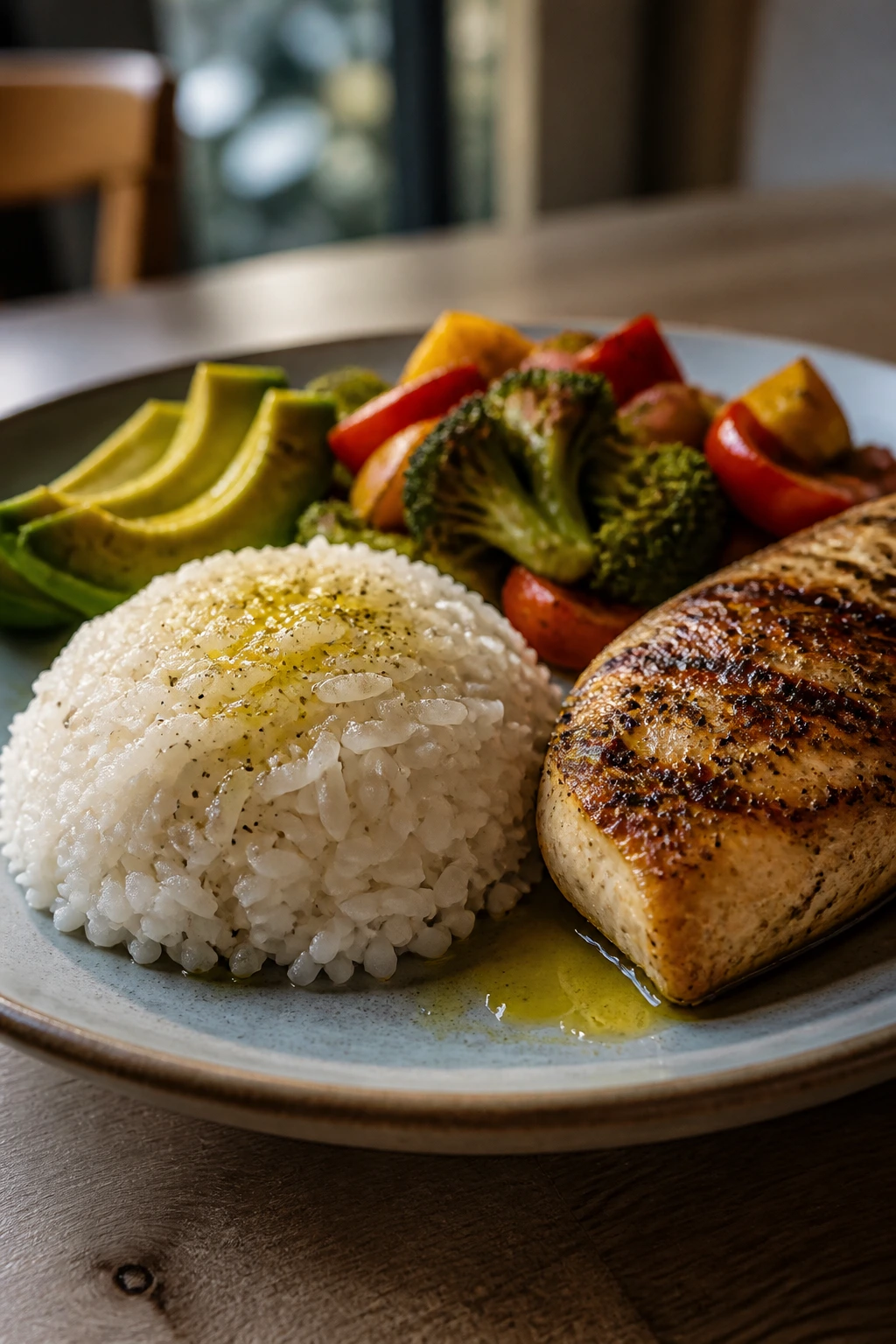
This is where the math gets sneaky.
You can build a meal under 500 calories and still blow the budget with a loose hand on oil, nuts, cheese, avocado, and starchy sides. None of those are bad. I use all of them. But they are the easiest calories to overspend without noticing, especially in bowls and salads.
The Carbs That Earn Their Place
Rice, potatoes, oats, farro, quinoa, whole-grain bread, tortillas, and beans all bring something useful when portions are managed. A half cup of cooked rice is about the size of a small scoop and usually lands around 100 calories. A medium potato can hover around 110 to 130 calories depending on size. One slice of bread is often somewhere near 90 to 120.
The point is not to avoid carbs. The point is to choose one clear starch instead of four. Rice plus avocado plus cheese plus nuts is where a “light bowl” quietly stops being light.
Fat Should Be Measured, Not Guessed
One tablespoon of olive oil is around 120 calories. That is a real amount of energy. A teaspoon of sesame oil can transform a stir-fry. A teaspoon of olive oil can help vegetables roast better. A glug from the bottle does neither your budget nor your lunch any favors.
I’d rather see a teaspoon of good oil, used with purpose, than a greasy plate pretending that a little extra taste doesn’t count. It does count. It should count. That’s the whole game.
Where I Spend Fats First
I spend fat on the finish: a little avocado on a salad, a few shavings of Parmesan on broccoli, a spoon of tahini in a dressing, a measured swirl of pesto over chicken. That way the flavor lands where it matters most, and the plate still stays honest.
Breakfast Ideas for Clean Healthy Yet Tasty Food Under 500 Calories
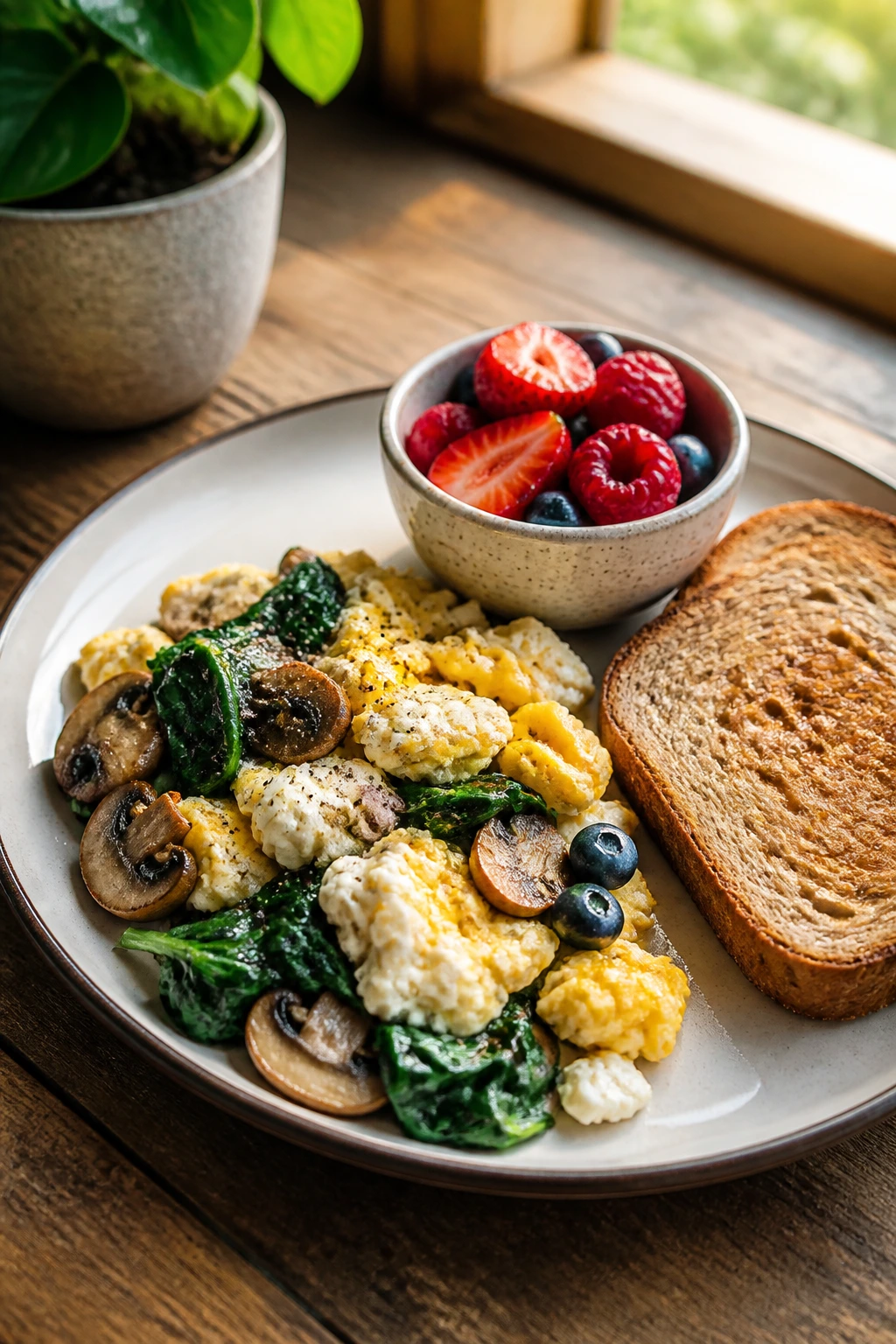
A breakfast under 500 calories has one job: keep you from scavenging by 10 a.m.
That usually means protein first, not sugar first. I like savory breakfasts here because they hold shape better. Sweet breakfasts can work too, but they need protein bolted on so they don’t behave like dessert with a spoon of optimism on top.
-
Spinach-and-mushroom egg plate: 2 eggs, 3 egg whites, a handful of spinach, ½ cup mushrooms, 1 slice whole-grain toast, and a cup of berries. That lands around 350 to 400 calories, depending on how much oil you use. The eggs do the heavy lifting; the berries keep the plate from feeling stern.
-
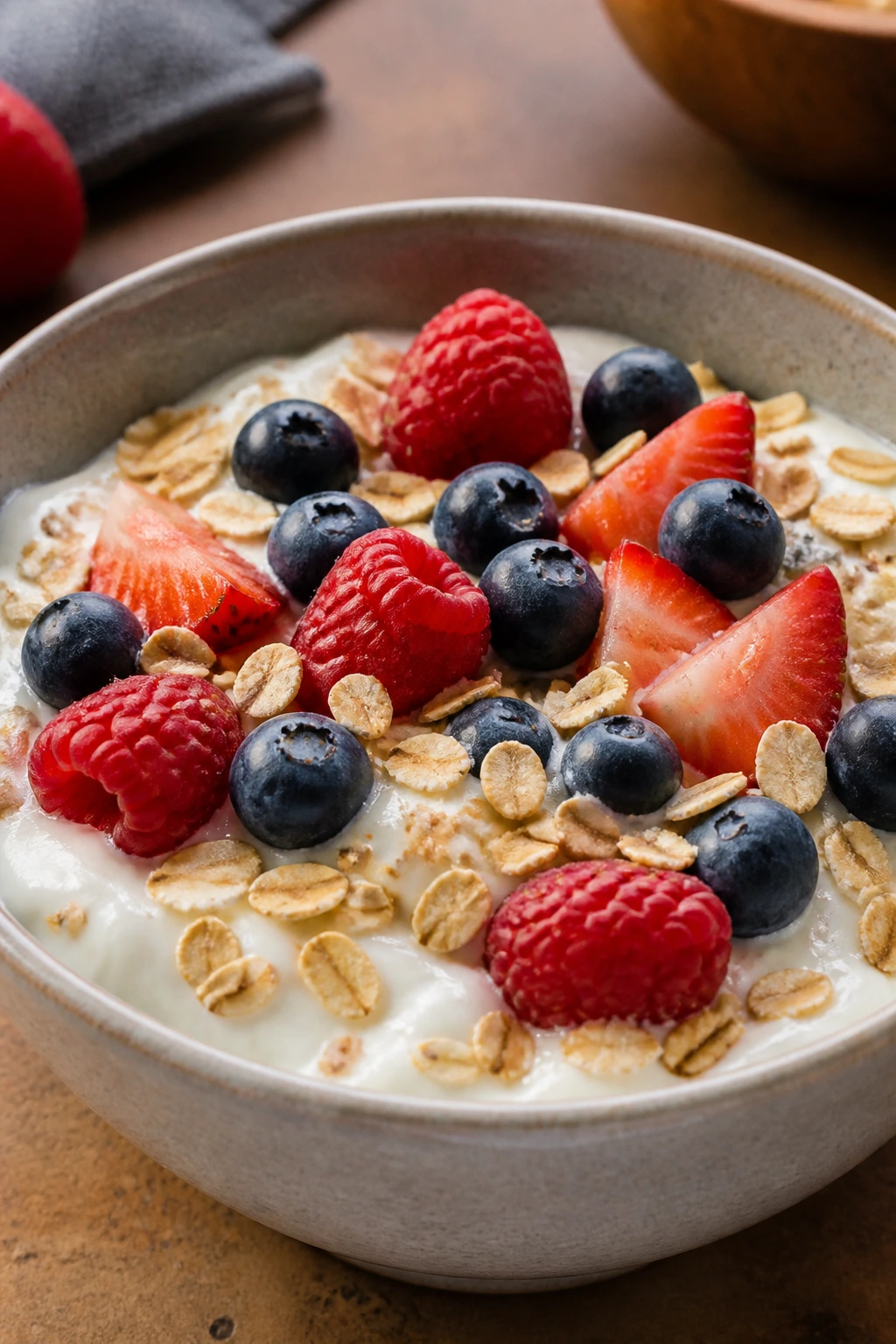
Greek yogurt crunch bowl: 1 cup plain Greek yogurt, ½ cup berries, 1 tablespoon chia seeds, a small handful of high-fiber cereal or granola, and cinnamon. This usually falls somewhere around 300 to 380 calories. I prefer plain yogurt because flavored versions can get sugary fast, and the plain base takes on fruit much better.
-
Savory oats with egg: Cook ½ cup oats in water or broth, then top with a fried or poached egg, scallions, mushrooms, and a little soy sauce or hot sauce. If you keep the oil measured, this stays comfortably under 450 calories and tastes far more interesting than sweet oatmeal half the time.
-
Cottage cheese toast: Two slices of toast, ¾ cup cottage cheese, sliced tomato or cucumber, black pepper, and a piece of fruit on the side. This is the breakfast I reach for when I want cold, salty, and fast. It’s boring in the way a white T-shirt is boring — which is to say, it works.
If coffee is part of breakfast, keep an eye on the add-ins. A flavored latte can swallow 150 calories before food enters the picture. Black coffee, plain milk, or unsweetened tea keep the meal budget intact.
Lunches That Travel Well and Reheat Cleanly
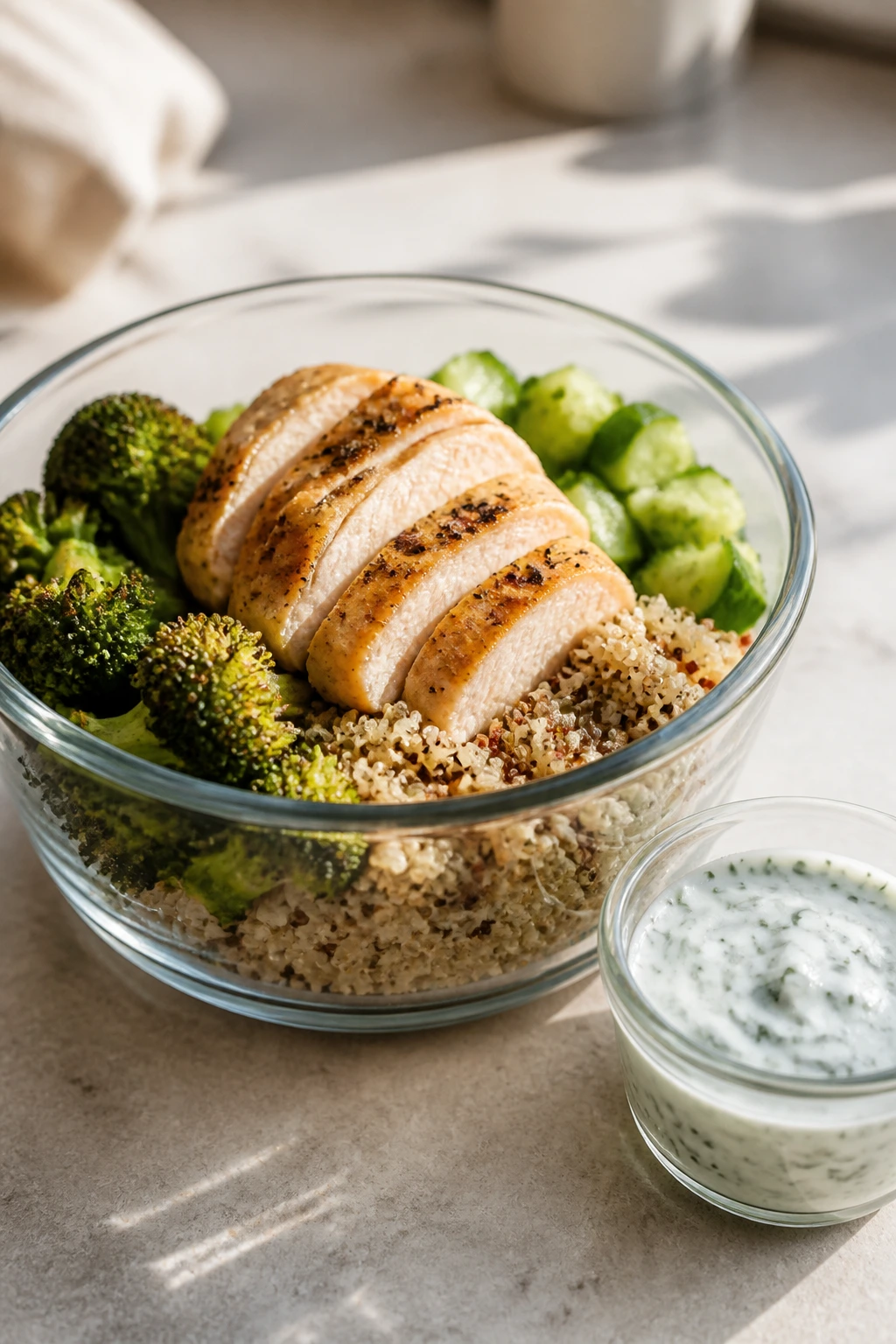
Lunch is where soggy food dies.
It dies in the office fridge, in the bag that sat in the car, or in the container that looked fine at 8 a.m. and turned tragic by noon. If you want lunch under 500 calories, think in layers and separate anything wet from anything crisp until the last second.
Bowls That Hold Up
A chicken quinoa bowl with roasted broccoli, cucumber, and a yogurt-herb sauce is steady, filling, and easy to portion. Keep the sauce in a separate cup if you can. Same with a tuna and white bean salad with celery, parsley, lemon, and a little olive oil — the beans and tuna give it body, and the lemon keeps it awake.
Wraps That Don’t Collapse
Turkey, lettuce, tomato, mustard, and a thin layer of hummus or yogurt spread make a wrap that behaves. I’d rather use one good tortilla and enough filling than two tortillas and a lot of empty air. If you want the wrap to stay intact, dry the vegetables first and avoid overloading it with juicy tomatoes.
Soups Plus Something Crisp
A broth-based lentil soup with a piece of bread or a small side salad is one of the easiest lunches to keep under 500 without feeling skimpy. Soup gives warmth. The crisp side gives contrast. Together they read as a meal instead of an appetizer taking itself seriously.
Cold Lunches I Actually Trust
Chickpea salad with cucumber and herbs. Leftover salmon over greens with mustard vinaigrette. Rice, edamame, shredded carrots, and sliced chicken with sesame-lime dressing. These are the lunches that taste fine cold, which is a bigger compliment than it sounds like.
The best lunch is not the one with the most ingredients. It’s the one that still tastes deliberate at 1 p.m.
Dinner Ideas for Clean Healthy Yet Tasty Food Under 500 Calories
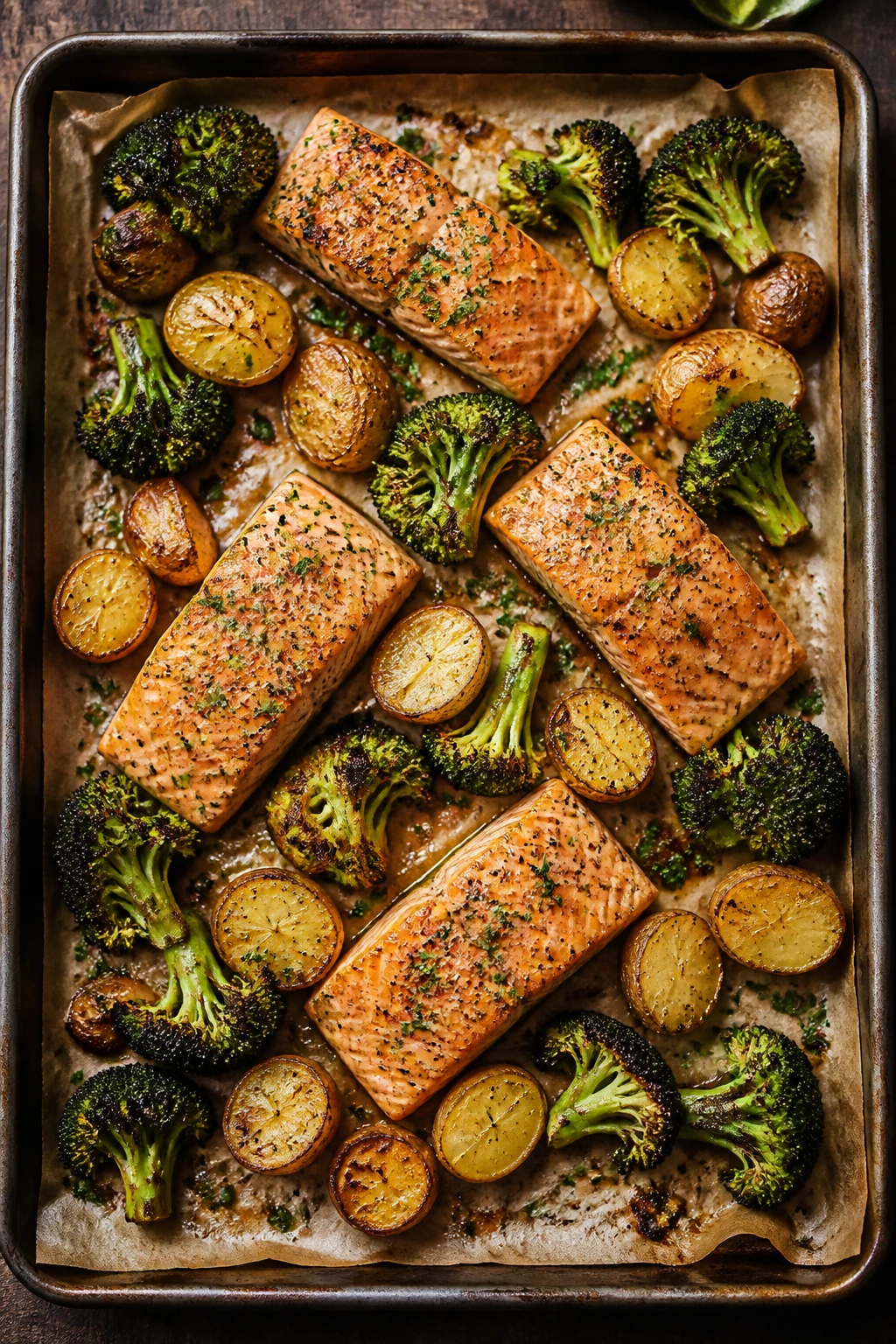
Dinner needs warmth.
It also needs enough presence that nobody is staring into the fridge fifteen minutes later. For a dinner under 500 calories, I want one hot element, one crisp element, and one thing with a little sauce or shine. That combination reads as dinner, not restraint.
Sheet-Pan Dinners
Salmon with broccoli and baby potatoes is one of the cleanest ways to spend a calorie budget. A 5-ounce salmon fillet, a measured drizzle of olive oil over the vegetables, and a moderate potato portion can land around 450 to 500 calories depending on size. The key is roasting hard enough that the broccoli edges brown and the potatoes actually taste roasted.
Chicken breast with cauliflower, carrots, and red onion works in the same way. Use parchment, don’t crowd the pan, and season more aggressively than you think you need. A sheet pan dinner with pale vegetables is a missed opportunity.
Skillet Dinners
A quick chicken-and-pepper stir-fry with snap peas, garlic, ginger, and a small scoop of rice is one of the most useful weeknight plates I know. Shrimp behaves even better because it cooks so fast. Tofu does well if you press it first and brown it before adding sauce.
I like skillet dinners because they force a little discipline. One pan. One starch. One sauce. That is usually enough.
Comfort-Style Dinners That Still Fit
Turkey chili with beans, tomatoes, onion, and chili powder can stay under 500 easily if you keep the toppings measured. A spoon of yogurt or a small avocado slice adds richness without going overboard. Shrimp tacos on corn tortillas with cabbage slaw and lime are another good example — bright, cheap, and much less heavy than a giant cheese-laced wrap.
Dinner under 500 calories does not need to feel small. It needs to feel finished.
Soups, Salads, and Bowls That Work Best Here
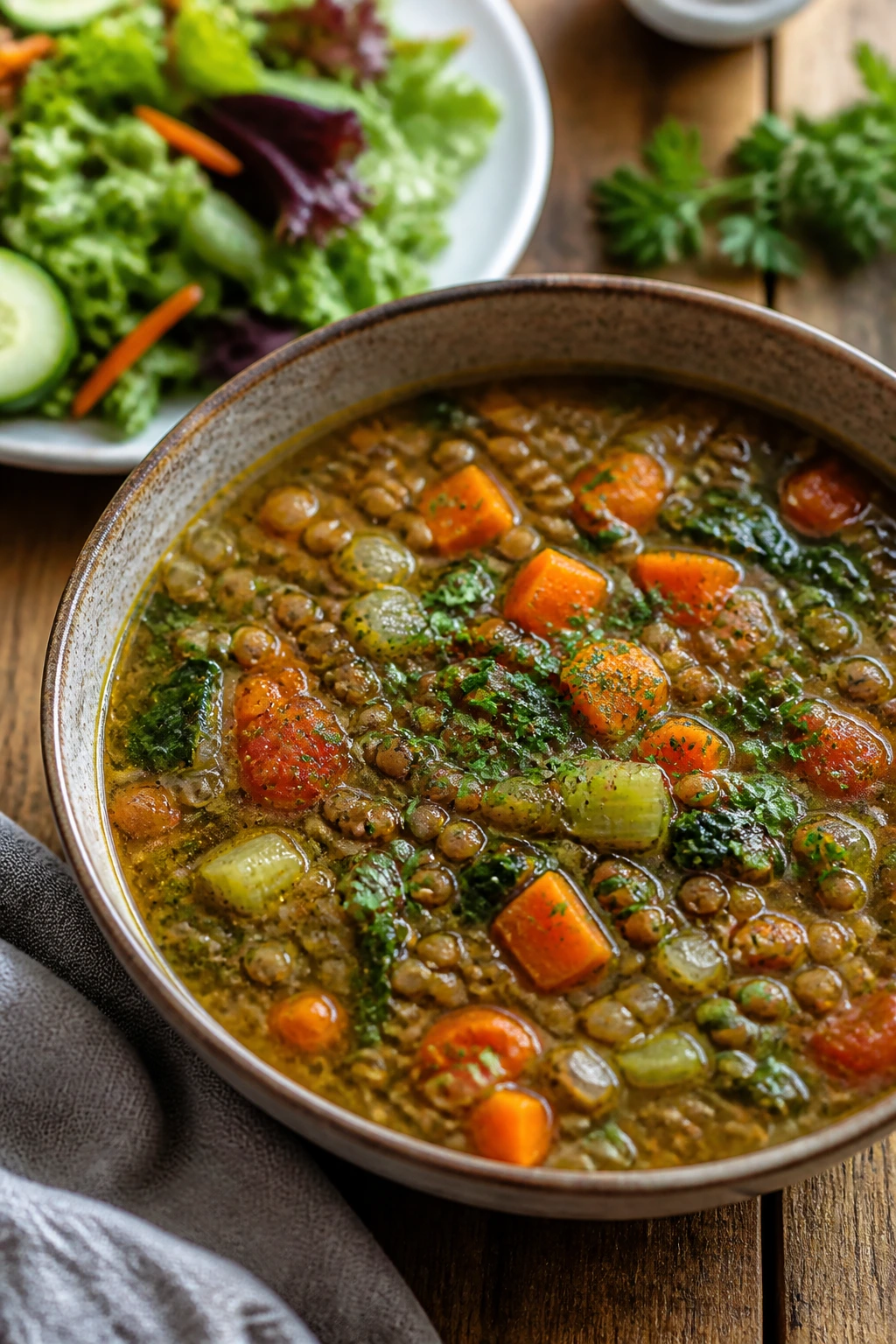
Why do soups, salads, and bowls show up so often in calorie-conscious eating? Because they let you control volume and texture without turning every meal into a math problem.
The catch is that these formats can also go bland and watery fast if you build them carelessly. A bowl without structure is just food in a round container.
Soup Needs Body
Broth-based soup is the easiest version to keep light, but it still needs a backbone. Lentils, white beans, shredded chicken, tofu, or small pasta all give soup some staying power. A soup that tastes thin usually needs one of three things: more vegetables, more protein, or a better finish at the end — lemon, herbs, vinegar, or a spoon of yogurt.
Creamy soups are trickier. They can fit under 500 calories, but the calories disappear into dairy and butter quickly. I save those for when I’m willing to be more deliberate with portions.
Salads Need Contrast
A good salad under 500 calories is never only lettuce. It needs one protein, one crunchy thing, one bright thing, and a dressing that got measured. Think grilled chicken, cucumber, tomato, radish, a few seeds, and a mustard vinaigrette. Or tuna, white beans, celery, herbs, and lemon.
Dress the salad at the last moment. If you do it an hour early, the leaves collapse and the whole thing starts tasting tired.
Bowls Need a Spine
For grain bowls, I like this order: grain, protein, vegetables, sauce, crunch. It can be rice, farro, quinoa, or even cauliflower rice if you want to keep the carbs lighter. The sauce should be strong enough to carry the bowl but not so heavy that it becomes a second meal.
A bowl is the easiest format to overbuild. Stop at one starch, one protein, one or two vegetables, and one sauce. The plate does not need more drama.
The Little Moves That Make This Easier on Busy Weeks
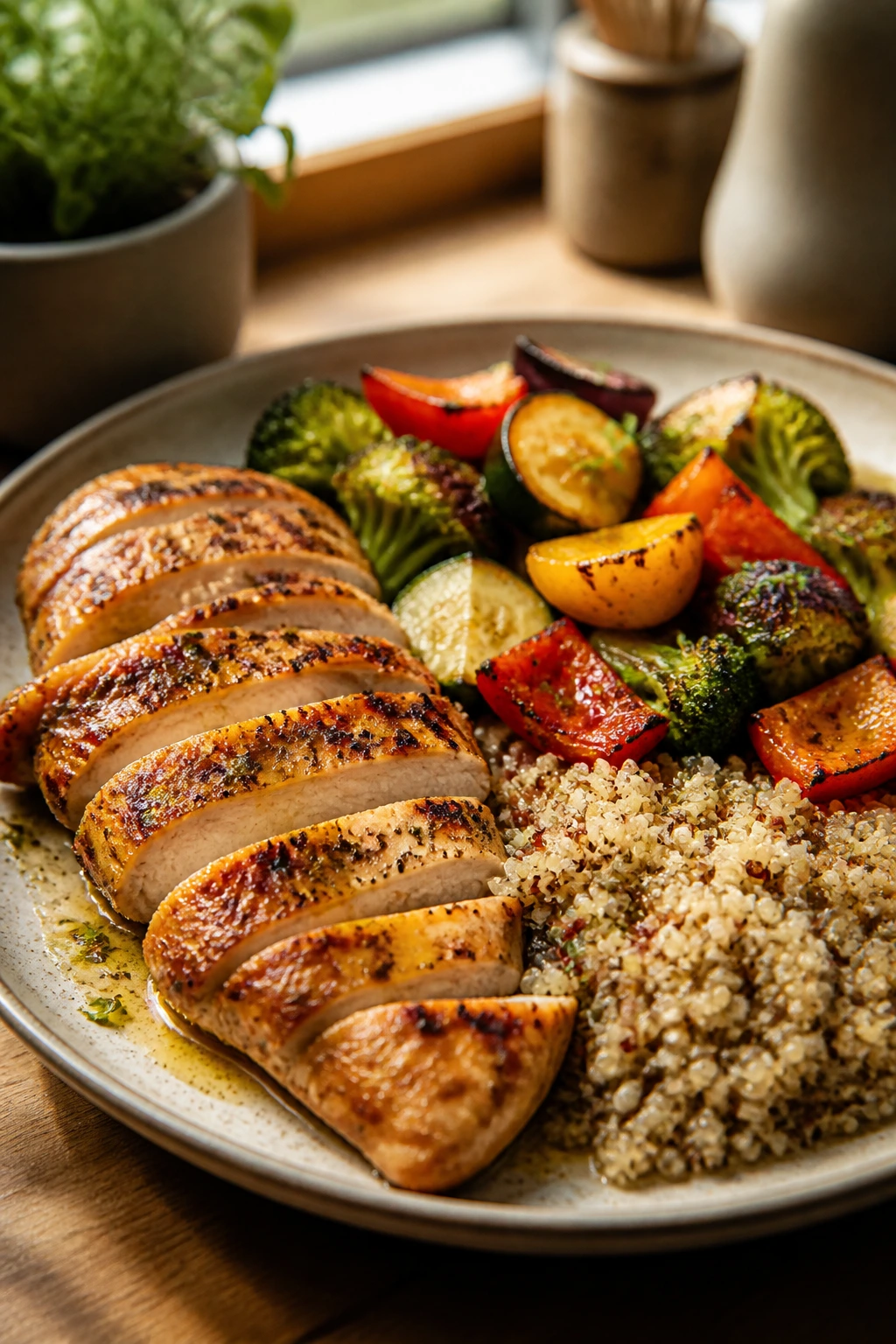
A teaspoon here, a squeeze there. That’s often the difference between a meal you repeat and a meal you tolerate once.
Flavor Enhancement: Keep a jar of quick-pickled onions, a lemon, and a bottle of vinegar in the fridge. A tablespoon of something sharp on top of chicken, beans, or roasted vegetables changes the whole plate more than another spoon of bland sauce.
Time-Saver: Roast two trays of vegetables at once and cook one grain on the side. Those components turn into bowls, wraps, omelets, soups, and lunch boxes all week. It’s a boring habit, which is exactly why it works.
Cost-Saver: Use eggs, canned tuna, canned beans, frozen shrimp, tofu, chicken thighs, and plain yogurt when fresh prices start acting rude. Those foods are flexible, and they let you build a meal without paying for convenience at every turn.
Pro Move: Measure the oil, nuts, cheese, and avocado. Not forever. Just long enough that your eye learns what a teaspoon and a tablespoon actually look like. Those ingredients are the fastest place for a 430-calorie meal to become a 630-calorie meal.
Texture Fix: Keep wet and crisp things separate until serving. A container with hot rice, cucumber, and dressing mixed together is a lunch that has already lost the argument by 11 a.m.
How to Serve These Meals So They Look Intentional
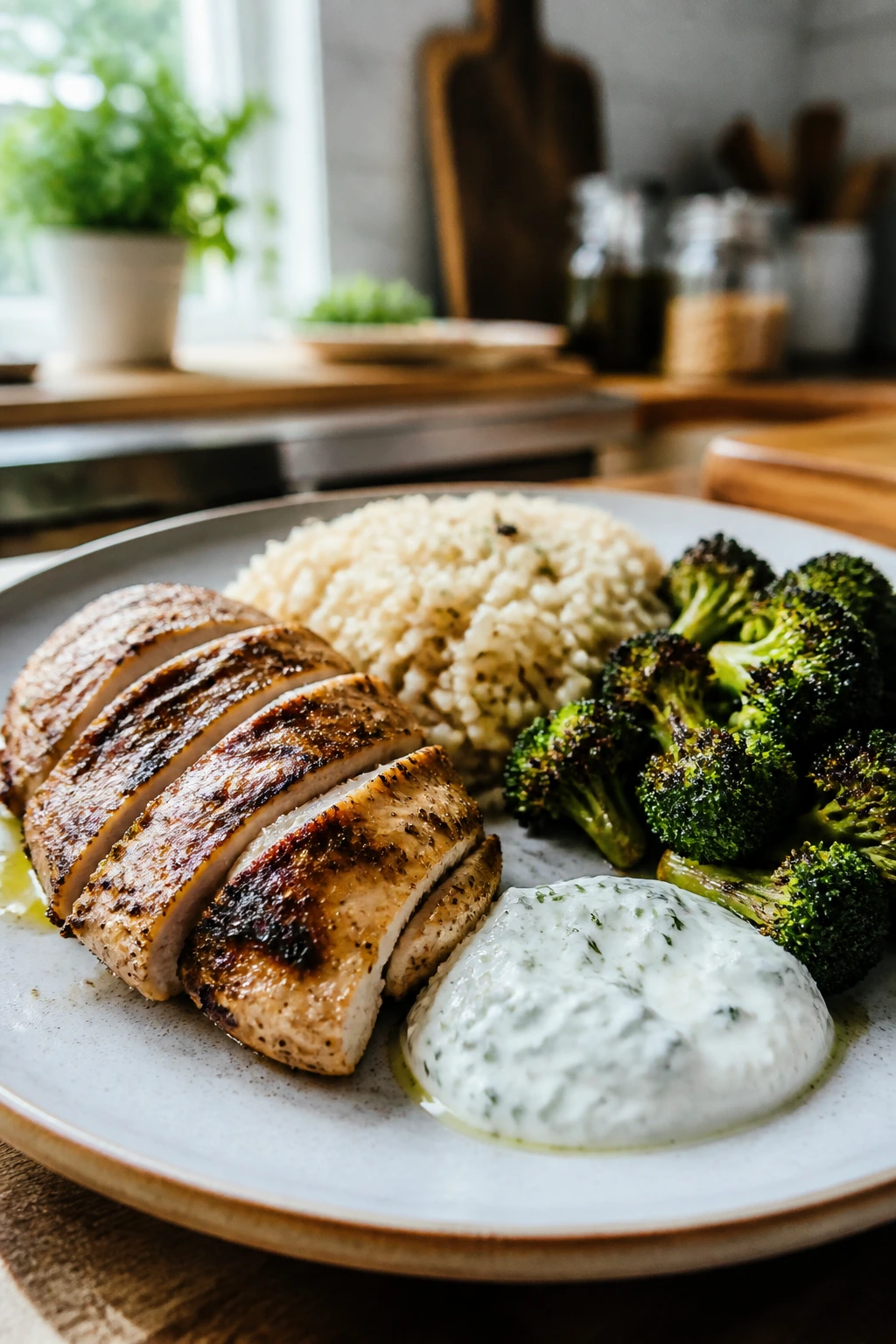
Presentation: Use a 9- or 10-inch plate for plated dinners and a deep bowl for soups and grain bowls. A larger plate makes a 450-calorie dinner look lonely; a sensible plate makes it look composed. Put the protein slightly off-center, tuck the vegetables around it, and finish with herbs, lemon, or a spooned line of sauce.
Accompaniments: Keep the side simple. A crisp salad, a cup of broth, a piece of fruit, or a slice of toast can finish the meal without sending the calorie count sideways. If the main plate already has rice or potatoes, I usually skip an extra starch on the side. That’s where overeating sneaks in.
Portions: For most adults, 4 to 6 ounces of protein, 1 to 2 cups of vegetables, and ½ cup of starch lands in a useful range. If you need more food, add vegetables before you add oil or cheese. More volume, less drift.
Beverage Pairing: Sparkling water with citrus, unsweetened iced tea, black coffee, or mineral water keeps the palate clean. I also like plain tea with lunch because it doesn’t try to steal the show. Harvard’s Healthy Eating Plate gets this right in spirit: water or unsweetened drinks keep the meal from getting accidentally sweeter than the food.
The Few Tools That Make Low-Calorie Cooking Easier

You do not need a fancy kitchen to cook this way. You do need a few tools that keep the calories honest and the texture decent.
- Digital kitchen scale — The fastest way to learn what 1 ounce of cheese, ½ cup of rice, or 1 tablespoon of nuts actually looks like.
- Instant-read thermometer — Especially useful for chicken breast, turkey, and fish so you stop cooking before they dry out.
- 12-inch skillet or sauté pan — Gives vegetables and proteins enough room to brown instead of steam.
- Rimmed sheet pan — Roasting vegetables and proteins on a flat surface is the easiest way to add flavor without extra calories.
- Salad spinner — Wet greens turn a good salad into a limp one. A spinner solves that in seconds.
- Airtight containers — Use a few sizes, not one huge box. Separate sauces from crisp vegetables if you want leftovers to stay edible.
- Sharp chef’s knife — Clean cuts mean cleaner prep and fewer bruised herbs, onions, and greens.
- Blender or jar with a tight lid — Great for quick dressings, yogurt sauces, and vinaigrettes.
- Microplane or fine grater — Citrus zest, garlic, and Parmesan all go further when they’re grated finely.
- Optional air fryer — Nice for re-crisping vegetables, potatoes, and leftover protein, but not required.
Smart Shopping for Clean Healthy Yet Tasty Food Under 500 Calories
The supermarket is where a 500-calorie plan succeeds or fails.
The right cart looks less glamorous than people expect. It’s produce that keeps, proteins that cook quickly, and pantry staples that do more than one job. You want ingredients that can become breakfast, lunch, or dinner without extra drama.
In the Produce Aisle
Buy vegetables that can be roasted, shredded, sautéed, or eaten raw. Cabbage, broccoli, cauliflower, carrots, spinach, bell peppers, cucumbers, tomatoes, citrus, apples, and berries all do more than one thing. If a vegetable only works one way, I usually pass it by unless I know exactly why I’m buying it.
Frozen produce is not a second-class choice. Frozen peas, spinach, broccoli, cauliflower rice, mango, and berries all make sense when speed matters. They’re often picked at peak ripeness and they don’t rot in the crisper drawer.
In the Protein Case
Choose proteins based on the job. Chicken breast and shrimp are lean and quick. Salmon brings richness. Ground turkey handles spices well. Eggs are cheap and flexible. Tofu and tempeh take sauce beautifully. Plain Greek yogurt and cottage cheese are useful for breakfast, sauces, and snacks.
Canned tuna and canned salmon deserve more respect than they get. They’re stable, cheap, and easy to keep on hand for lunches that do not involve sad crackers.
In the Pantry
Keep low-sodium broth, canned beans, lentils, rice, oats, canned tomatoes, mustard, vinegar, soy sauce, salsa, tahini, and a few spice blends around. These are the quiet ingredients that turn a pile of groceries into an actual meal. If you cook a lot, they save time. If you cook a little, they save you from ordering dinner out of boredom.
On the Label
Read the serving size before the front-of-pack promise. A “light” sauce can still be calorie-dense if the serving size is laughably small. Watch added sugar, sodium, and oil, especially in dressings and prepared sauces. Plain yogurt is a better buy than flavored yogurt for this style of eating almost every time.
Make-Ahead, Storage, and Reheating Without Sad Leftovers
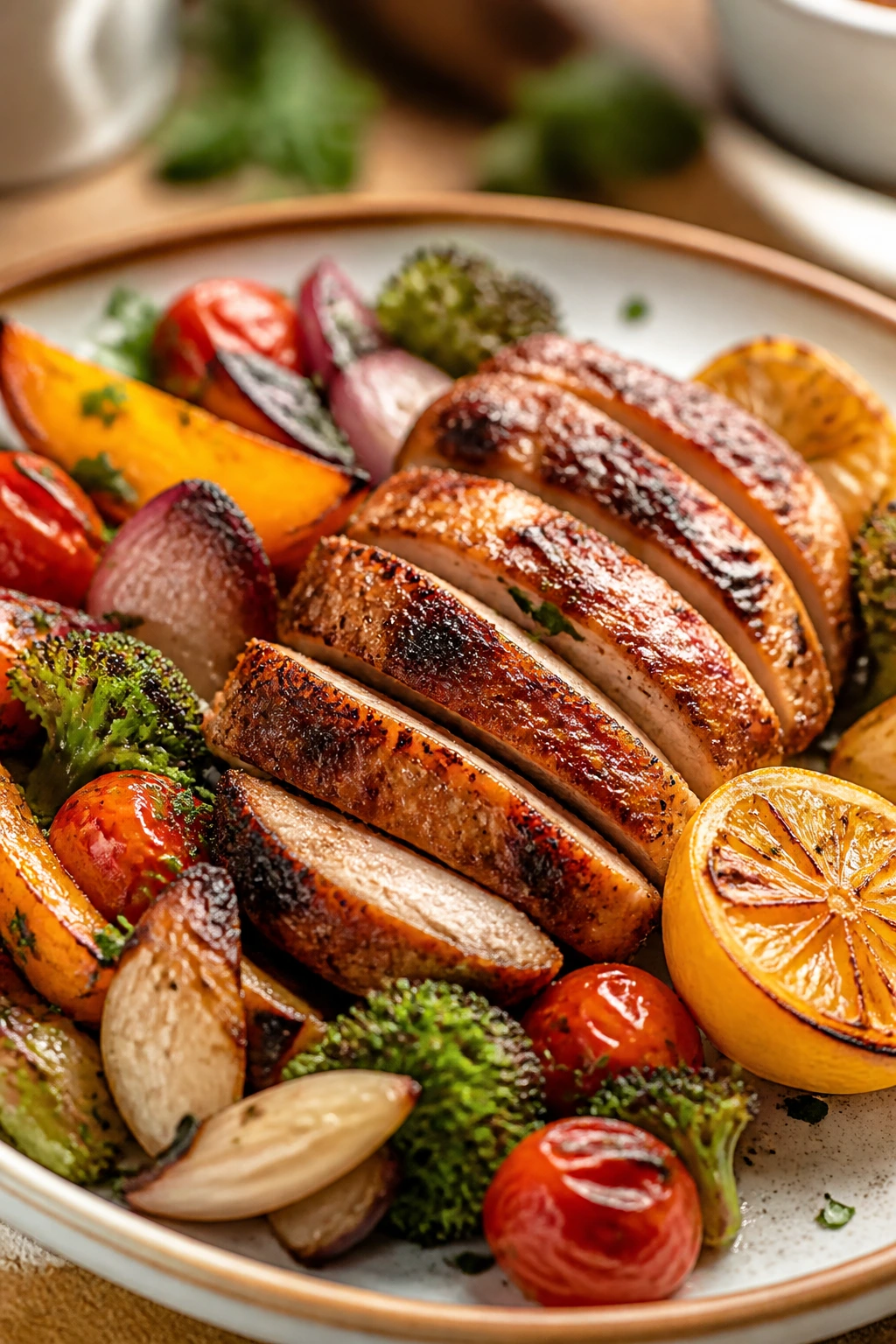
Texture is the first thing to go.
A meal can taste fine on day one and limp along by day three if you store it carelessly. The fix is not complicated. Cool food quickly, keep wet ingredients separate, and reheat gently enough that you don’t cook the life out of it a second time.
What Keeps Well
- Cooked chicken, turkey, tofu, and beans: 3 to 4 days in the fridge.
- Cooked grains like rice, quinoa, and farro: 4 to 5 days refrigerated.
- Roasted vegetables: 3 to 4 days if they’re stored in a dry container.
- Soups and chili: 4 days in the fridge, 2 to 3 months in the freezer.
- Dressings and yogurt sauces: 3 to 7 days depending on the ingredients; yogurt-based sauces usually stay best for about 3 days.
- Cut fruit and raw vegetables: 2 to 3 days if they’re dry and cold.
What Freezes Well
Soups, chili, cooked grains, cooked chicken, and many cooked bean dishes freeze nicely. Flat freezer bags help because they thaw faster. I would not freeze dressed salads, cucumber-heavy bowls, or anything built to be crisp. That’s asking too much.
Reheating Without Ruining Texture
Microwave covered, with a teaspoon or two of water, for rice and vegetables. Reheat chicken gently in a skillet with a splash of broth and a lid. Use the oven or air fryer for roasted vegetables if you want some edge back; 375°F to 400°F for a few minutes usually does it. Fish is the fussiest leftover, so I either eat it cold in a salad or reheat it very gently at a low temperature.
Make-Ahead That Actually Helps
Cook the components, not the whole assembled meal. Roast the vegetables. Cook the grain. Mix the sauce. Keep the greens dry. Assemble just before eating if you want the food to taste fresh instead of pre-chewed by the fridge.
Common Mistakes That Make Light Meals Taste Flat
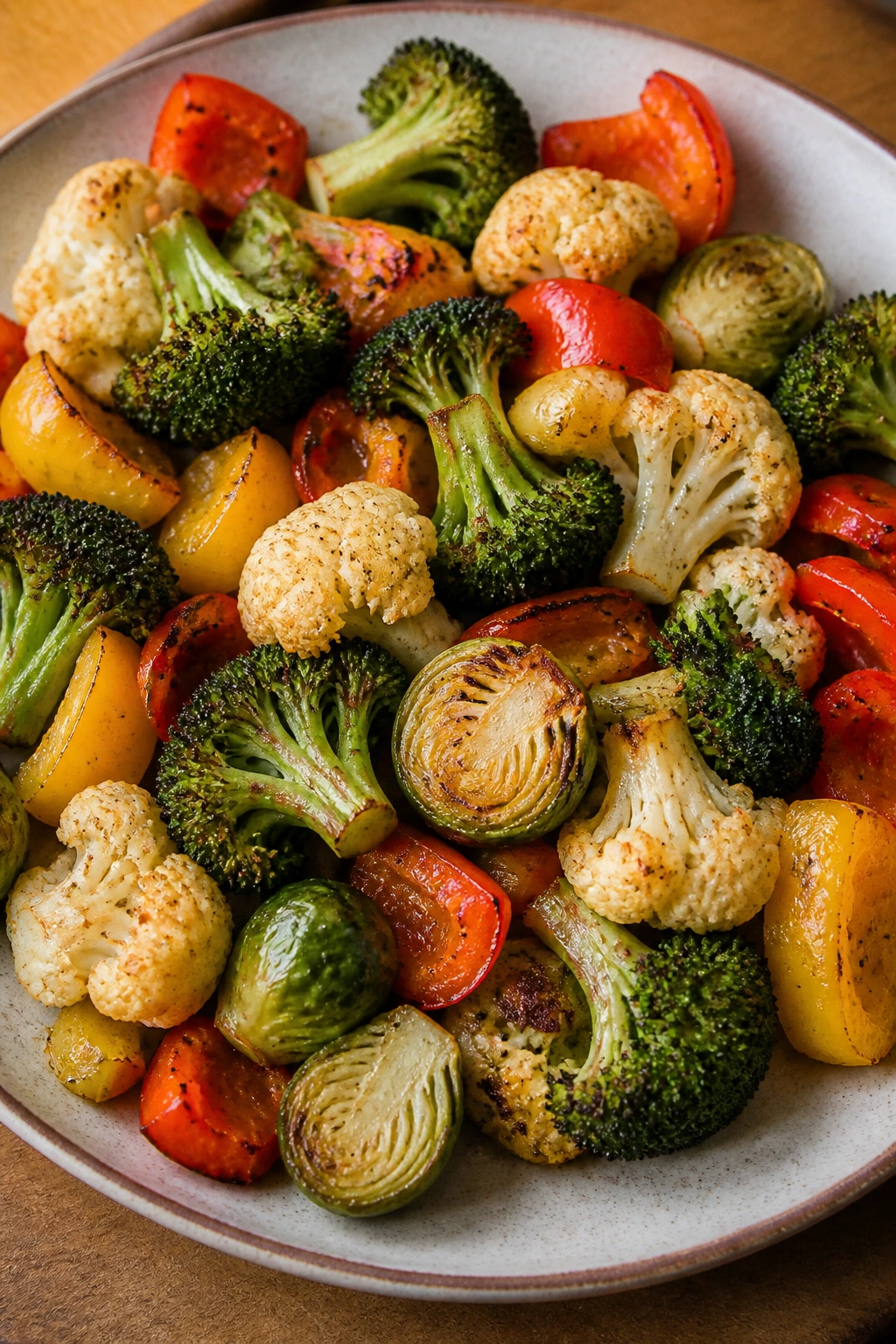
Most mistakes are boring, which is why they keep happening.
-
Using too little protein: The symptom is obvious. You’re hungry again fast, and the meal felt like a warm appetizer. Fix it by building around a real protein portion, not a garnish of it.
-
Free-pouring the calorie-dense extras: Oil, cheese, nuts, avocado, and tahini are the usual suspects. A bowl can look sensible and still go way over the line. Measure those ingredients for a while until your hand learns the difference.
-
Skipping salt and acid: If the food tastes beige, that’s usually the problem. Salt the food in layers and finish with lemon, vinegar, pickles, or herbs.
-
Cooking vegetables into silence: Steamed broccoli, mushy zucchini, and gray mushrooms are what happen when you’re afraid of heat. Roast, sear, or blister them so they still have some personality.
-
Packing wet and crisp ingredients together: A salad turns limp. Wraps tear. Lunch loses its edge. Keep sauces, dressings, and juicy vegetables separate until serving.
-
Assuming low-calorie means tiny: It doesn’t. It means measured. A plate can still be full of vegetables, protein, and one starch without crossing 500 calories.
Variations and Alternative Approaches

Once the structure is in place, the swaps are easy.
Mediterranean Market Plate: Use chicken, salmon, or chickpeas with cucumber, tomato, red onion, olives, lemon, oregano, and a measured spoon of feta or olive oil. Bright, salty, and easy to keep under 500 if you stay honest with the fat.
High-Protein Power Bowl: Double down on protein with chicken, shrimp, tofu, or turkey, then add roasted vegetables, a small grain portion, and a Greek yogurt sauce. This is the route I’d pick when hunger is the main issue.
Vegetarian Bean-and-Grain Build: Lentils, black beans, farro, brown rice, or quinoa can anchor the plate. Add roasted vegetables and a sharp sauce like tahini-lemon or salsa verde, and you won’t miss meat.
Dairy-Free Citrus Plate: Lean on shrimp, fish, chicken, tofu, or tempeh, then use citrus, herbs, avocado in a controlled amount, and plenty of vegetables. It’s bright without leaning on yogurt or cheese.
Lower-Carb Sheet Pan Dinner: Choose chicken, fish, or tofu and load the pan with broccoli, cauliflower, peppers, mushrooms, and onions. Keep the starch small or skip it entirely if the rest of the plate is built well.
Gluten-Free Swap: Rice, potatoes, corn tortillas, oats, quinoa, and beans make this easy. The bigger win is not the swap itself; it’s using those ingredients in measured portions instead of turning every plate into a carb pile.
Questions People Ask Before They Start
Can a meal under 500 calories still keep me full?
Yes, if it has enough protein, fiber, and a measured fat. A plate of chicken, broccoli, and potatoes behaves very differently from a pastry and coffee, even when the calories are similar.
Do I need to weigh every ingredient?
Not forever, but it helps to weigh oils, nuts, rice, cheese, and avocado until your eye improves. Those are the ingredients most likely to drift upward without warning.
Are frozen vegetables good enough for this?
Absolutely. Frozen broccoli, spinach, peas, cauliflower, and berries are often picked at peak and can be faster than fresh. They’re especially good for soups, stir-fries, omelets, and bowls.
Can I still eat bread or rice?
Yes. The trick is to choose one clear starch and keep the portion measured. Bread, rice, and potatoes all fit; combining all three in the same meal is where the count starts creeping.
What if I’m hungry an hour later?
The meal probably needed more protein, more fiber, or both. Add beans, eggs, yogurt, chicken, tofu, or more vegetables before you reach for random snacks.
How do I keep chicken breast from drying out?
Use an instant-read thermometer, pull it from the heat around 160°F, and let it rest. Slice it after a few minutes so the juices stay where they belong.
Can these meals be vegetarian or vegan?
Yes. Beans, lentils, tofu, tempeh, edamame, soy yogurt, and whole grains can carry the plate if you season them properly and give them a little texture.
What’s the easiest place to save calories without losing taste?
Measure the oil and sauce before you start shaving down the protein or vegetables. That is usually the fastest way to keep the meal satisfying and still stay under the limit.
Meals That Leave Room for Real Life
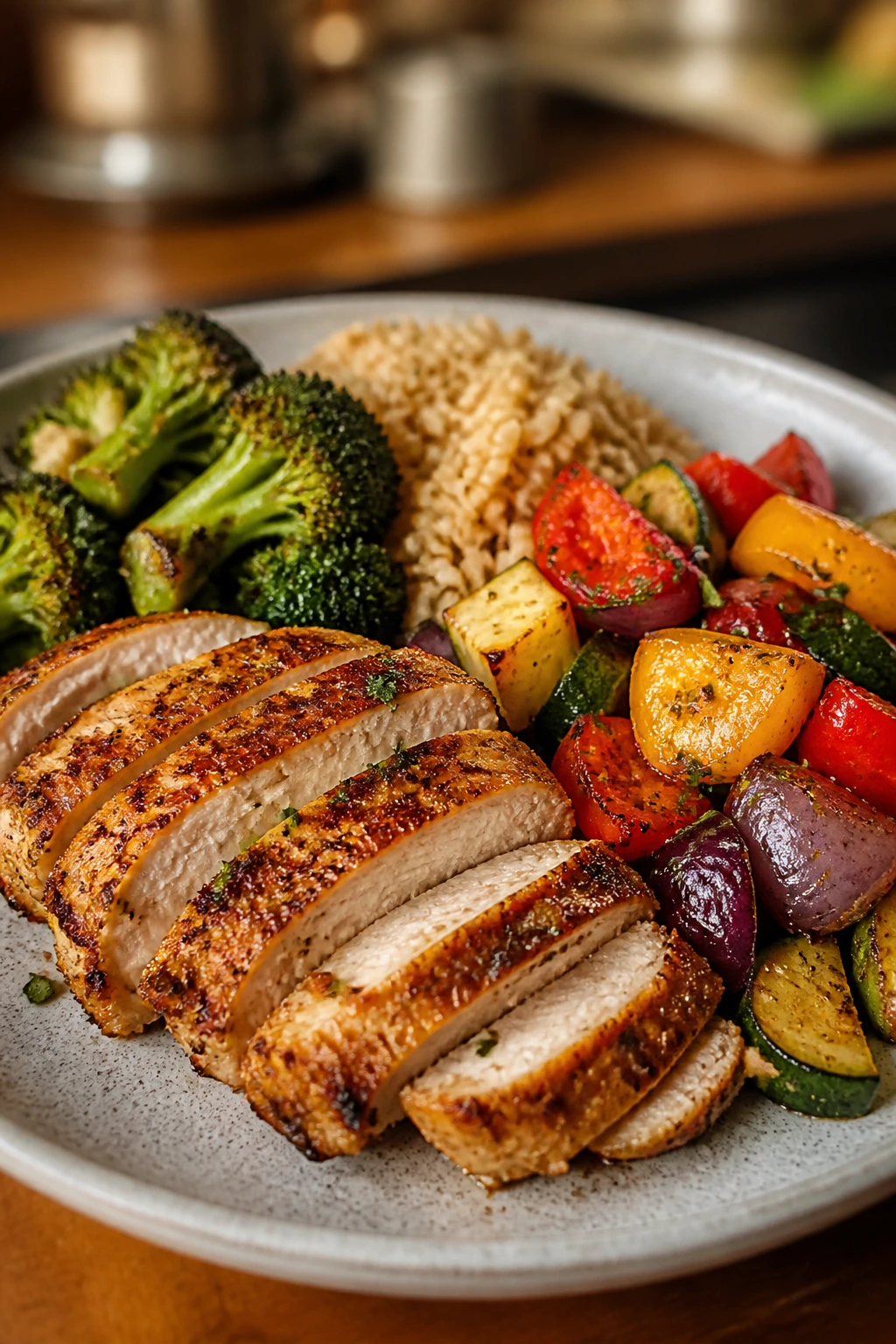
A good meal under 500 calories should still smell good when it hits the table. It should have a little browning, a little crunch, and a finish that makes you want the next bite instead of negotiating with yourself. That’s what makes this style of cooking repeatable. Not virtue. Not restraint theater. Repeatability.
Spend calories where they change the plate. Protein, vegetables with texture, one measured starch, one sharp finish. Do that well and the number stops feeling like a wall. It starts feeling like a useful target.
Build the next plate around those pieces, and the food will take care of the argument for you.