



A tray of chicken with blistered tomatoes, a pot of beans that smells like garlic and rosemary, a skillet of fish with lemon and herbs — that’s the kind of dinner that keeps Mediterranean recipes for family dinners on repeat. The food looks relaxed on the table, but it’s built with enough structure to handle real life: hungry kids, late arrivals, and a sink that is already full.
What makes this style of cooking so dependable is the balance. Olive oil rounds out sharp edges. Tomatoes bring body. Lemon and vinegar keep things awake. Chickpeas, rice, or pasta stretch a meal without making it feel thin. You get flavor in layers, not drama. That matters on a Tuesday.
The best part? Most of these dishes tolerate a little wobble. A sauce can simmer five minutes longer. A tray of vegetables can stay in the oven until the edges go brown. A finishing squeeze of lemon can rescue a plate that tastes flat. That flexibility is the whole point, and it shows up in the recipes below.
Why This Collection Works for Real Family Tables
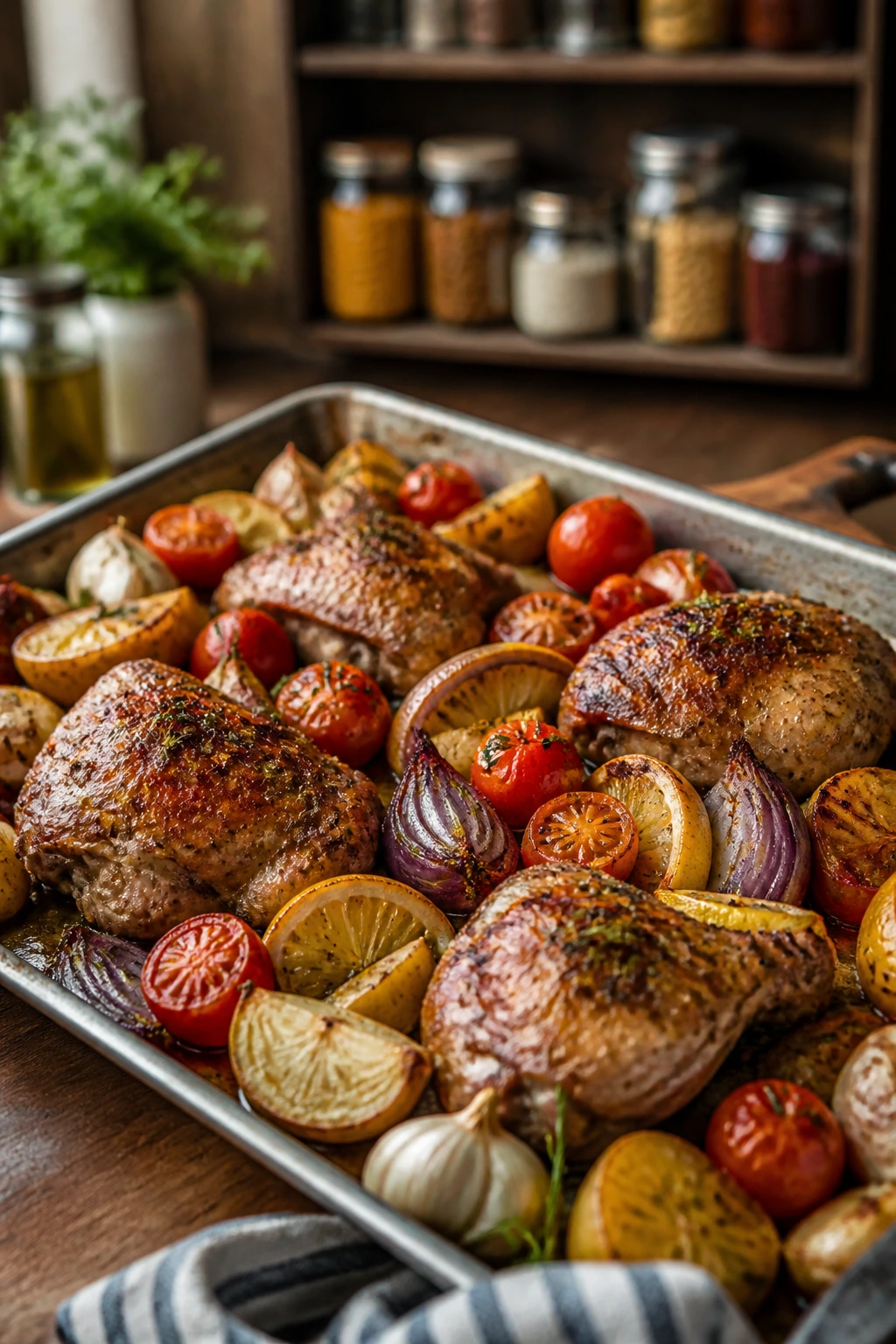
Pantry-first shopping: A lot of these dinners lean on canned tomatoes, chickpeas, rice, pasta, olives, and herbs you can keep on hand for weeks.
Built-in flexibility: Chicken, fish, beans, turkey, sausage, and eggs all show up here, and the seasoning stays in the same flavor lane if you need to swap one protein for another.
Less cleanup: Sheet pans, skillets, and Dutch ovens do most of the work, which matters when dinner has to fit between school bags and homework.
Picky-eater friendly: Briny things like olives, capers, anchovies, and feta usually stay in the sauce or on top, so you can serve a milder portion and keep the flavor where adults want it.
Leftovers that still taste like dinner: Tomato braises, bean soups, meatballs, and baked pasta often taste even better the next day after the flavors settle.
Fresh without being fussy: Lemon, parsley, dill, basil, and oregano give these meals a bright finish without asking you to make three separate sauces.
1. Lemon-Garlic Chicken Tray Bake
The smell alone tells you this one is working: garlic softening in olive oil, lemon zest in the air, and chicken thighs getting those brown edges that make people hover near the oven.
Why It Works: Chicken thighs stay juicy at high heat, while potatoes soak up the juices and the tomatoes burst into a quick pan sauce. You get a full dinner on one tray, and the oven does the part everyone forgets to do by hand.
Key Ingredients:
- 2 lb boneless, skinless chicken thighs
- 1 1/2 lb baby potatoes, halved
- 1 red onion, cut into wedges
- 1 cup cherry tomatoes
- 4 garlic cloves, minced
- 3 tbsp olive oil
- 1 lemon, zested and juiced
- 2 tsp dried oregano
- 1/4 cup chopped parsley
- 1/2 cup crumbled feta, optional
Quick Steps:
- Heat the oven to 425°F and line a rimmed sheet pan.
- Toss the potatoes and onion with half the oil, half the garlic, oregano, salt, and pepper.
- Roast 15 minutes, then add the chicken coated with the rest of the oil, garlic, lemon zest, and seasoning.
- Scatter the tomatoes around the pan and roast 20 to 25 minutes more, until the chicken reaches 165°F.
- Finish with lemon juice, parsley, and feta.
Equipment for This Recipe:
- Rimmed sheet pan
- Large mixing bowl
- Instant-read thermometer
How to Serve This Dish: Spoon the chicken and potatoes onto a wide platter so the juices stay visible. Warm pita or a simple cucumber salad fits right beside it.
Pro Tips for This Recipe:
- Use thighs, not breasts; they forgive a longer roast.
- Don’t crowd the pan or the potatoes will steam.
- Add the lemon juice after roasting so it stays bright.
Variations on This Dish:
- Olive-and-Caper Finish: Add 1/4 cup olives and 2 tbsp capers with the tomatoes.
- Dairy-Free Roast: Skip the feta and finish with extra parsley and lemon.
- Chickpea Tray Bake: Swap half the chicken for 2 cans chickpeas, drained and dried.
Common Mistakes to Avoid with This Dish:
- Cutting the potatoes too large: They’ll lag behind the chicken. Keep them in halves or quarters.
- Adding lemon too early: The flavor dulls in the oven. Save it for the end.
2. Greek Turkey Meatballs with Tomato Rice
These meatballs taste like the kind of dinner you’d make when you want comfort without heaviness: oregano, garlic, and a little lemon zest folded into turkey, then parked over tomato rice that turns silky at the bottom of the pan.
Why It Works: Ground turkey takes on seasoning fast, and baking the meatballs keeps them tender instead of greasy. The rice cooks in tomato broth, which gives it more body than plain water ever could.
Key Ingredients:
- 1 1/2 lb ground turkey
- 1/2 cup breadcrumbs
- 1 egg
- 2 garlic cloves, minced
- 1 tsp dried oregano
- 1 tsp cumin
- 1 cup long-grain rice
- 2 cups chicken broth
- 1 cup tomato sauce
- 1/2 cup crumbled feta
- 2 tbsp chopped parsley
Quick Steps:
- Heat the oven to 400°F and line a baking sheet.
- Mix turkey, breadcrumbs, egg, garlic, oregano, cumin, salt, and pepper; shape into 20 meatballs.
- Bake 15 to 18 minutes, until the meatballs are firm and reach 165°F.
- Simmer rice with broth and tomato sauce in a covered pot until tender, about 18 minutes.
- Nestle the meatballs over the rice, top with feta and parsley, and serve.
Equipment for This Recipe:
- Baking sheet
- Medium saucepan with lid
- Mixing bowl
How to Serve This Dish: Serve it family-style so the rice can catch the tomato juices. A chopped cucumber salad makes the plate feel lighter and adds crunch.
Pro Tips for This Recipe:
- Wet your hands before shaping; turkey sticks less.
- Don’t overmix the meatball mixture or the texture gets tight.
- Let the rice rest 5 minutes off heat before fluffing.
Variations on This Dish:
- Lamb Blend: Use half turkey, half ground lamb for a deeper flavor.
- Spinach Mix-In: Fold 1 cup finely chopped spinach into the meatballs.
- Saucy Skillet Version: Brown the meatballs in a skillet, then simmer them in tomato sauce.
Common Mistakes to Avoid with This Dish:
- Packing the meatballs too tightly: They turn dense. Shape lightly.
- Boiling the rice hard: It can split. Keep it at a gentle simmer.
3. One-Pot Orzo with Spinach and Feta
Orzo is one of those pasta shapes that feels small until it starts soaking up broth and turning glossy. Add spinach, lemon, and feta, and the whole pot suddenly tastes like it took more work than it did.
Why It Works: Orzo cooks quickly and releases starch into the broth, which gives the dish a creamy edge without actual cream. Spinach wilts in the last minute, so it stays green instead of disappearing into nothing.
Key Ingredients:
- 2 tbsp olive oil
- 1 small onion, diced
- 3 garlic cloves, minced
- 1 1/2 cups orzo
- 3 1/2 cups chicken or vegetable broth
- 1 cup cherry tomatoes, halved
- 4 cups baby spinach
- 1 lemon, zested and juiced
- 3/4 cup crumbled feta
Quick Steps:
- Warm the oil in a deep skillet over medium heat and cook the onion until soft.
- Stir in garlic and orzo, then toast for 1 minute.
- Add broth and tomatoes, bring to a simmer, and cook 10 to 12 minutes, stirring often.
- Fold in spinach, lemon juice, and zest until wilted.
- Finish with feta and black pepper.
Equipment for This Recipe:
- Deep skillet or sauté pan
- Wooden spoon
- Microplane or zester
How to Serve This Dish: Spoon it into shallow bowls and keep the feta on top so it stays crumbly. Grilled chicken or roasted chickpeas fit nicely if you want more protein.
Pro Tips for This Recipe:
- Stir often near the end; orzo likes to stick.
- Add extra broth if it tightens before the pasta is tender.
- Save a little feta for the final pass so the top looks fresh.
Variations on This Dish:
- Tomato-Heavy Version: Add 2 tbsp tomato paste with the onion.
- Herb Garden Version: Stir in dill or basil right before serving.
- Protein Boost: Add shredded chicken or white beans at the end.
Common Mistakes to Avoid with This Dish:
- Walking away from the skillet: Orzo can catch fast. Stay nearby.
- Overcooking the spinach: It needs only a few seconds to wilt.
4. Sheet-Pan Salmon with Cherry Tomatoes and Olives
Salmon and tomatoes are one of those pairings that tastes expensive even when it’s not. The tomatoes soften into the olive oil, the olives salt the pan, and the fish stays tender if you don’t overdo it.
Why It Works: Salmon cooks fast, so the tomatoes and onions get a head start. The oven finishes everything at the same pace, and the olives give you seasoning without needing a heavy sauce.
Key Ingredients:
- 4 salmon fillets, about 6 oz each
- 2 cups cherry tomatoes
- 1/2 cup pitted olives
- 1 red onion, thinly sliced
- 3 tbsp olive oil
- 2 garlic cloves, minced
- 1 lemon, sliced and juiced
- 1 tsp dried oregano
Quick Steps:
- Heat the oven to 425°F and toss tomatoes, olives, onion, garlic, oil, oregano, salt, and pepper on a sheet pan.
- Roast 10 minutes to soften the vegetables.
- Nestle the salmon on the pan, season it, and lay lemon slices over the top.
- Roast 8 to 12 minutes more, until the fish flakes and the center is just opaque.
- Finish with lemon juice.
Equipment for This Recipe:
- Rimmed sheet pan
- Fish spatula or thin turner
- Instant-read thermometer
How to Serve This Dish: Put the salmon over couscous, rice, or potatoes so the tomato juices have somewhere to land. A handful of arugula on the side works if you want a peppery bite.
Pro Tips for This Recipe:
- Pull the salmon early; carryover heat finishes the middle.
- Dry the fillets first so they roast, not steam.
- If your olives are very salty, rinse them once.
Variations on This Dish:
- Caper-Brine Finish: Add 2 tbsp capers with the olives.
- Dijon Glaze: Brush the salmon with 1 tbsp Dijon before roasting.
- Cod Swap: Use cod or haddock and reduce the final roast by a few minutes.
Common Mistakes to Avoid with This Dish:
- Overbaking the salmon: It gets dry fast. Check at 8 minutes.
- Skipping the vegetable head start: The tomatoes need time to soften before the fish goes in.
5. Chicken Souvlaki Pita Bowls
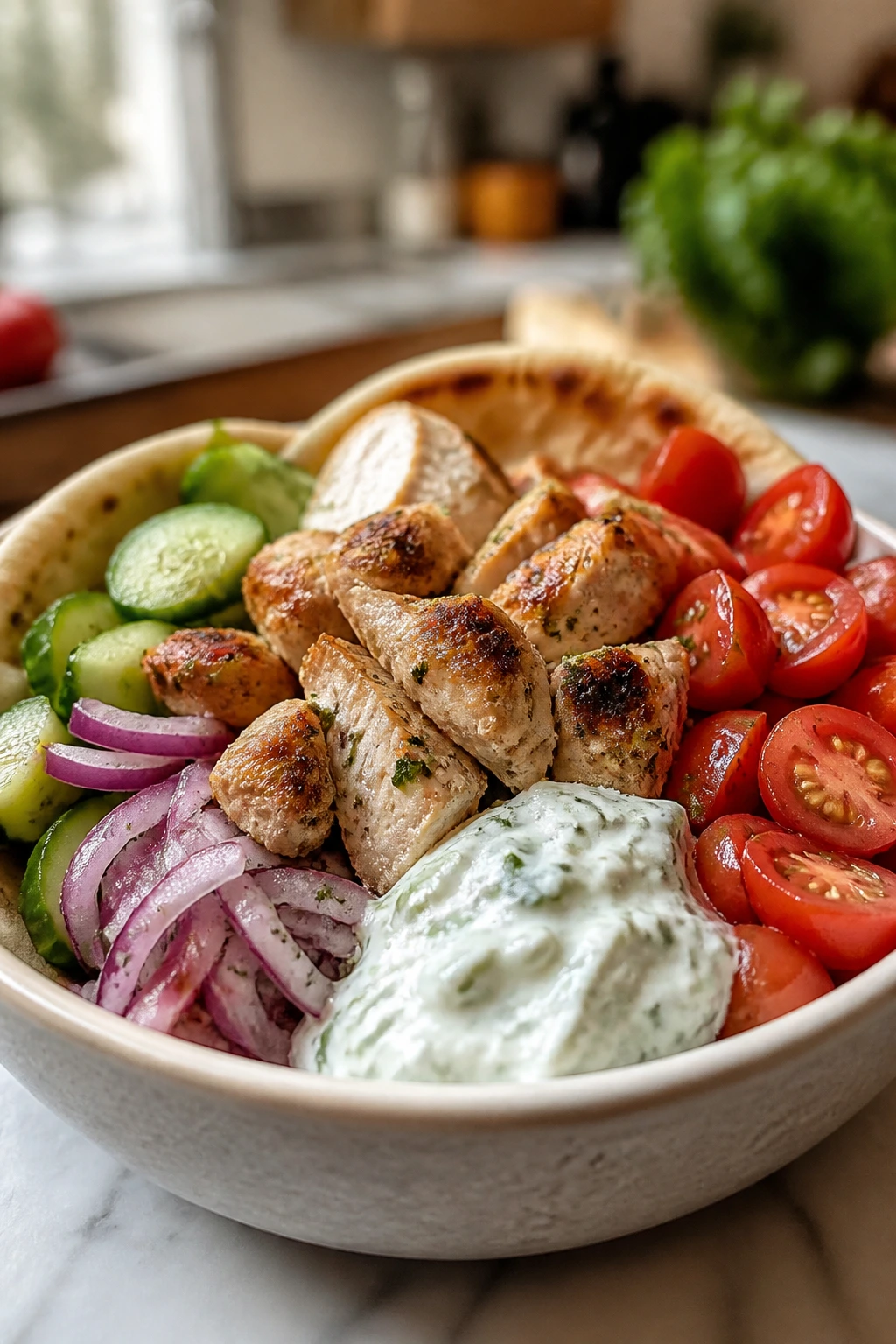
This is the dinner that looks casual but disappears fast. Charred chicken, cool cucumber, tomatoes, and a heavy spoonful of yogurt sauce make a bowl that feels assembled, not forced.
Why It Works: The marinade does the real work here. Lemon, garlic, and oregano cut into the chicken, and a hot skillet gives you browned edges that taste like a grill even if you never leave the stove.
Key Ingredients:
- 2 lb chicken breasts or thighs, cut into chunks
- 1/4 cup olive oil
- 3 tbsp lemon juice
- 3 garlic cloves, minced
- 2 tsp dried oregano
- 4 pita breads
- 1 cucumber, diced
- 2 tomatoes, diced
- 1/2 red onion, thinly sliced
- 1 cup tzatziki
Quick Steps:
- Marinate the chicken with oil, lemon juice, garlic, oregano, salt, and pepper for at least 20 minutes.
- Heat a skillet or grill pan over medium-high heat.
- Cook the chicken in batches for 8 to 10 minutes, until browned and cooked through.
- Warm the pita.
- Build bowls with chicken, cucumber, tomato, onion, and tzatziki.
Equipment for This Recipe:
- Large skillet or grill pan
- Mixing bowl
- Tongs
How to Serve This Dish: Set everything out buffet-style and let people build their own bowls. Rice or roasted potatoes work if you want to turn it into a bigger plate.
Pro Tips for This Recipe:
- Don’t crowd the chicken or it’ll pale instead of brown.
- Cut the chunks evenly so they finish together.
- A little dill in the tzatziki makes the bowl taste colder and fresher.
Variations on This Dish:
- Skewer Version: Thread the chicken onto soaked skewers and grill.
- Lettuce Bowl: Skip the pita and serve over chopped romaine.
- Spice-Forward Version: Add a pinch of smoked paprika to the marinade.
Common Mistakes to Avoid with This Dish:
- Overmarinating in a lot of lemon: Too much acid can make the chicken stringy.
- Serving the pita cold and stiff: Warm it for 30 seconds in a dry skillet.
6. Pasta Puttanesca with Breadcrumbs
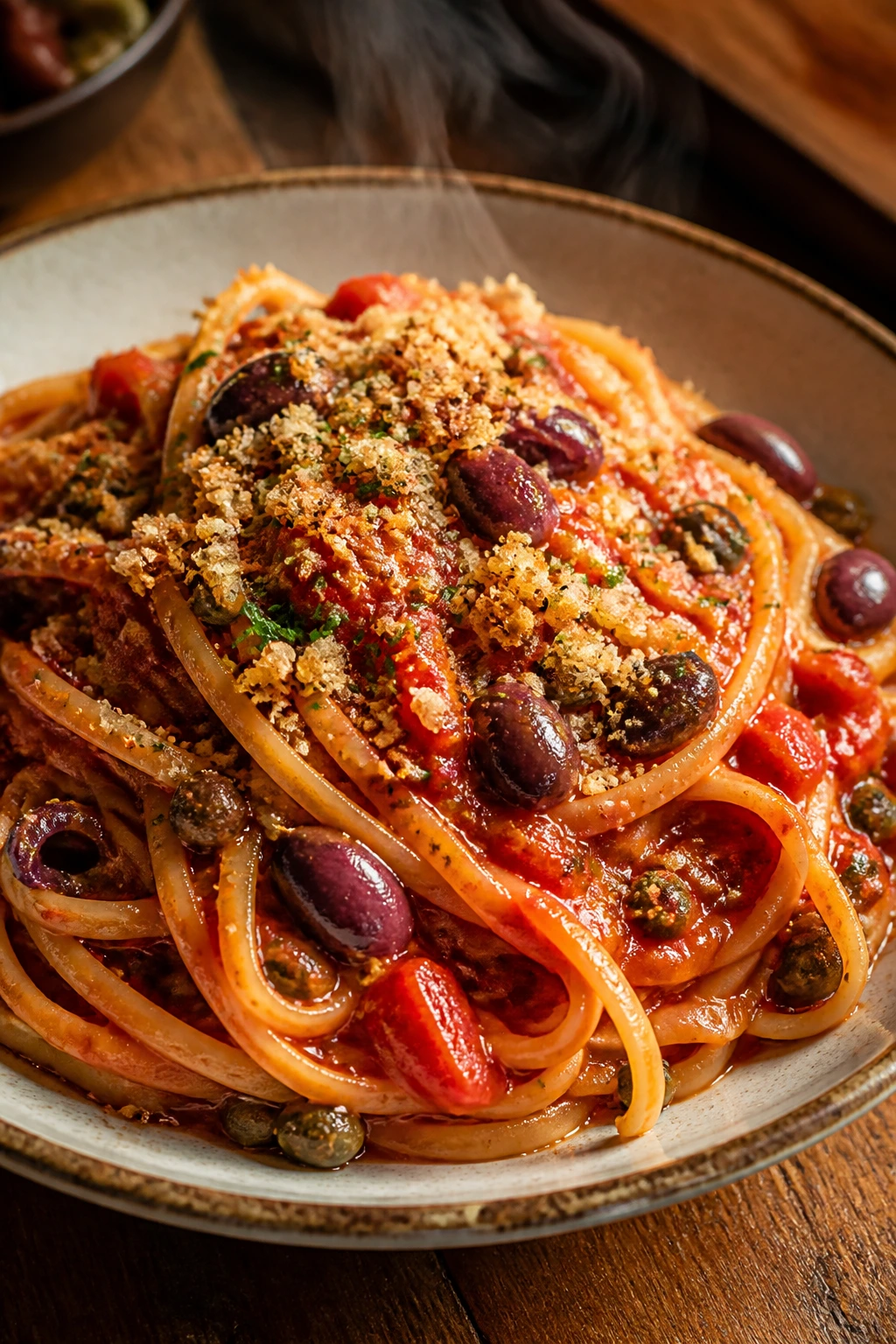
Sharp, salty, and a little loud, this pasta earns its keep fast. Anchovies melt into the oil, capers pop in the sauce, and toasted breadcrumbs give you crunch where most tomato pastas go soft.
Why It Works: The sauce is built from pantry items that bloom in hot oil, so the flavor tastes layered even though the steps are short. The breadcrumbs replace extra cheese and keep the top from feeling flat.
Key Ingredients:
- 1 lb spaghetti
- 3 tbsp olive oil
- 4 garlic cloves, sliced
- 4 anchovy fillets, optional
- 1 can crushed tomatoes, 28 oz
- 2 tbsp capers
- 1/2 cup olives
- 1/4 tsp chili flakes
- 1/2 cup breadcrumbs
- 2 tbsp chopped parsley
Quick Steps:
- Toast the breadcrumbs in 1 tbsp oil until golden; set aside.
- Cook the spaghetti in salted water.
- Heat the remaining oil, garlic, and anchovies until the anchovies melt.
- Add tomatoes, capers, olives, and chili flakes; simmer 10 minutes.
- Toss with pasta, parsley, and breadcrumbs.
Equipment for This Recipe:
- Large pot
- Deep skillet
- Colander
How to Serve This Dish: Serve it in shallow bowls with the breadcrumb topping scattered in the center. A green salad and extra lemon wedges keep the salt in check.
Pro Tips for This Recipe:
- Reserve 1 cup pasta water for loosening the sauce.
- Toast the crumbs before the sauce so they stay crisp.
- If anchovies are too much for the family, skip them and add a little extra salt.
Variations on This Dish:
- No-Anchovy Pantry Pasta: Use extra olive oil and a spoon of tomato paste.
- Whole-Wheat Version: Swap the spaghetti for whole-wheat pasta.
- Tuna Putanesca: Stir in a can of tuna at the end.
Common Mistakes to Avoid with This Dish:
- Over-salting before the olives go in: Taste after the sauce simmers.
- Skipping the breadcrumb toast: Raw crumbs taste dusty, not crunchy.
7. Chickpea, Tomato, and Spinach Stew
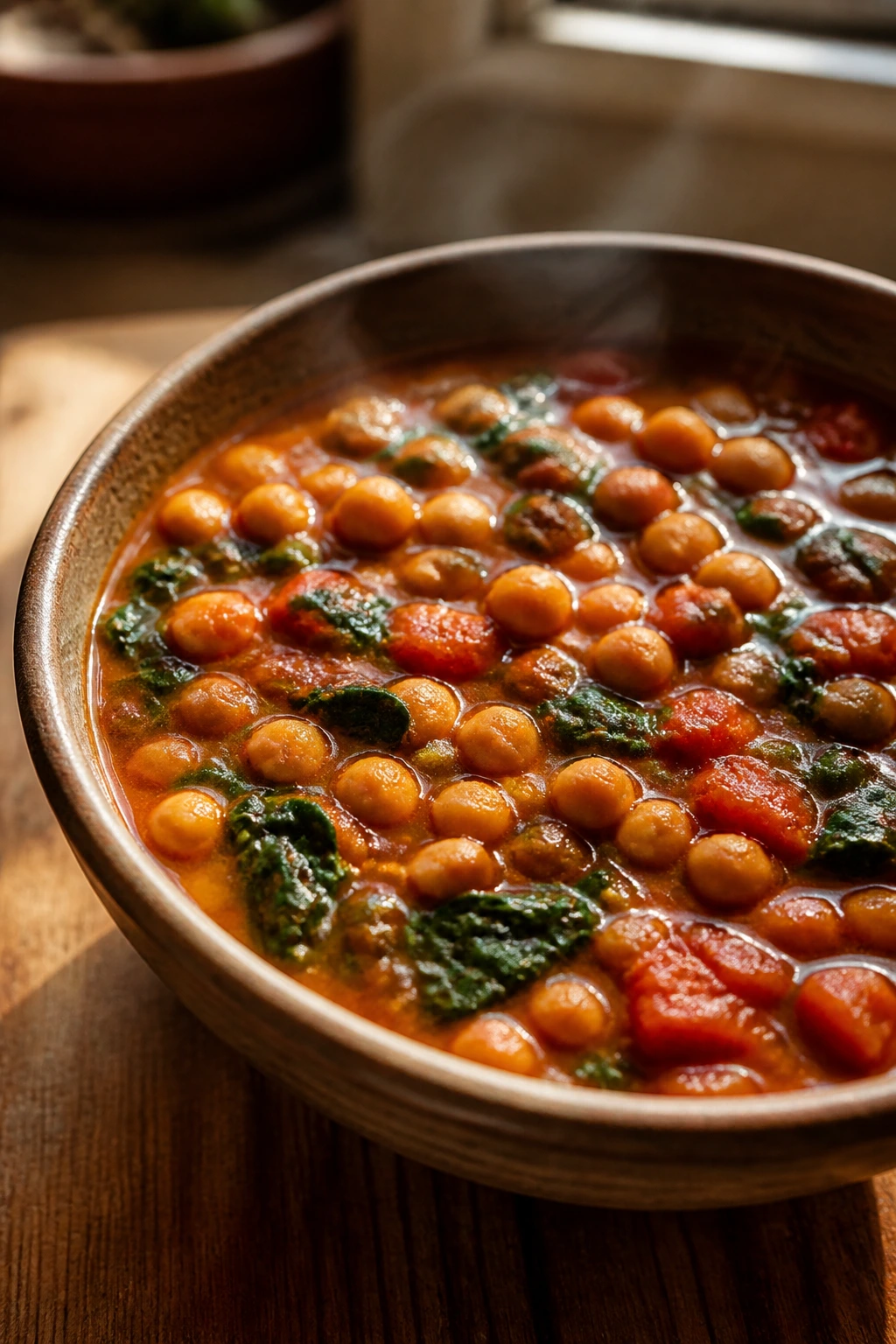
This stew is what I make when I want dinner to feel sturdy without becoming heavy. Chickpeas hold their shape, tomatoes bring the broth together, and spinach goes in at the end so it still looks like a green, not a pile of mush.
Why It Works: Chickpeas carry the meal, and canned tomatoes break down into a sauce that clings to them. A little cumin and paprika make the pot smell deeper than the ingredient list suggests.
Key Ingredients:
- 2 tbsp olive oil
- 1 onion, diced
- 2 carrots, diced
- 4 garlic cloves, minced
- 2 cans chickpeas, drained and rinsed
- 1 can crushed tomatoes, 28 oz
- 3 cups vegetable broth
- 1 tsp cumin
- 1 tsp smoked paprika
- 4 cups spinach
- 1 lemon
Quick Steps:
- Cook onion and carrots in oil until softened.
- Stir in garlic, cumin, and paprika for 30 seconds.
- Add chickpeas, tomatoes, and broth; simmer 20 minutes.
- Stir in spinach until wilted.
- Finish with lemon juice and salt.
Equipment for This Recipe:
- Dutch oven or soup pot
- Wooden spoon
- Ladle
How to Serve This Dish: Ladle it into bowls with toasted bread or rice on the side. A dollop of yogurt gives it a cool edge.
Pro Tips for This Recipe:
- Mash a few chickpeas against the side of the pot to thicken the broth.
- Add lemon at the end, not midway.
- A pinch of chili flakes wakes up the tomatoes if they taste flat.
Variations on This Dish:
- Rosemary Version: Add a sprig of rosemary while it simmers.
- Potato Stretch: Add diced potato if you want a bigger pot.
- Creamier Finish: Stir in a spoonful of tahini off heat.
Common Mistakes to Avoid with This Dish:
- Adding spinach too early: It disappears and turns muddy.
- Not rinsing the chickpeas: The can liquid can taste tinny.
8. Mediterranean Stuffed Peppers
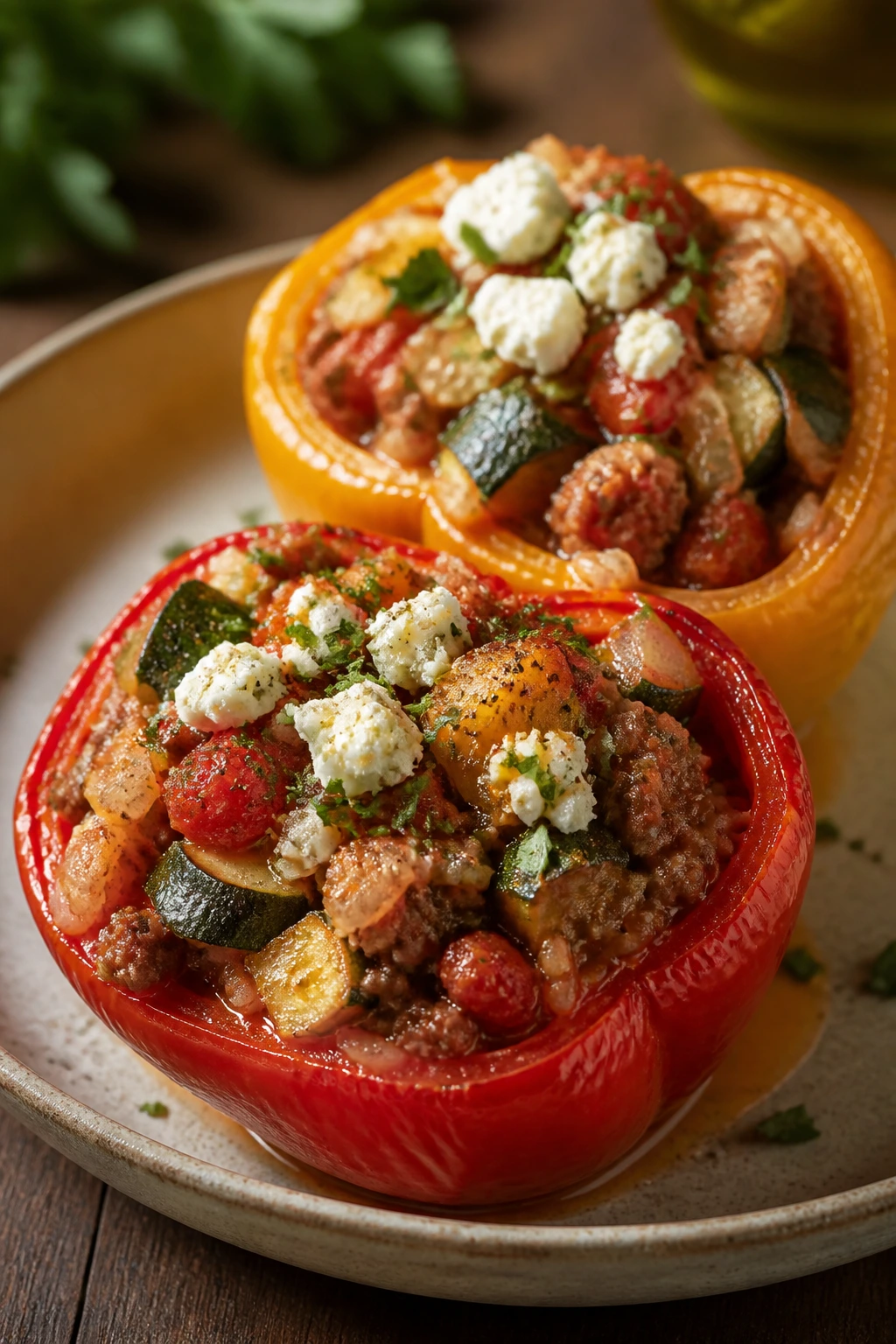
Stuffed peppers can be boring if the filling is dry. This version avoids that by mixing rice, meat, tomatoes, and zucchini so the inside stays juicy and the pepper softens at the edges instead of collapsing.
Why It Works: The pepper acts like a built-in bowl, which keeps the filling from drying out in the oven. Tomato and onion give the rice moisture, while feta adds a salty finish after baking.
Key Ingredients:
- 4 large bell peppers, halved and seeded
- 1 lb ground beef or turkey
- 1 cup cooked rice
- 1 onion, diced
- 1 zucchini, diced
- 1 cup tomato sauce
- 1 tsp oregano
- 1/2 cup crumbled feta
- 2 tbsp chopped parsley
Quick Steps:
- Heat the oven to 375°F and place the pepper halves in a baking dish.
- Cook the onion, meat, and zucchini until browned.
- Stir in rice, tomato sauce, oregano, salt, and pepper.
- Fill the peppers, cover, and bake 30 minutes.
- Uncover, top with feta, and bake 10 minutes more.
Equipment for This Recipe:
- 9×13-inch baking dish
- Large skillet
- Spoon for stuffing
How to Serve This Dish: Serve two pepper halves per adult and one half for smaller eaters. A simple tomato-cucumber salad keeps the plate from feeling too soft.
Pro Tips for This Recipe:
- Pre-bake the peppers if you like them very tender.
- Use already cooked rice so the filling doesn’t dry out.
- Let the dish rest 10 minutes before serving or the filling will spill.
Variations on This Dish:
- Rice-Free Version: Use cauliflower rice, but cook it dry first.
- Lamb Version: Swap the beef for ground lamb and add mint.
- Cheese-Top Finish: Use mozzarella instead of feta for a milder top.
Common Mistakes to Avoid with This Dish:
- Using raw rice in the filling: It won’t cook evenly.
- Overfilling the peppers: The tops slide off and the filling leaks.
9. Shrimp Scampi with Roasted Tomatoes
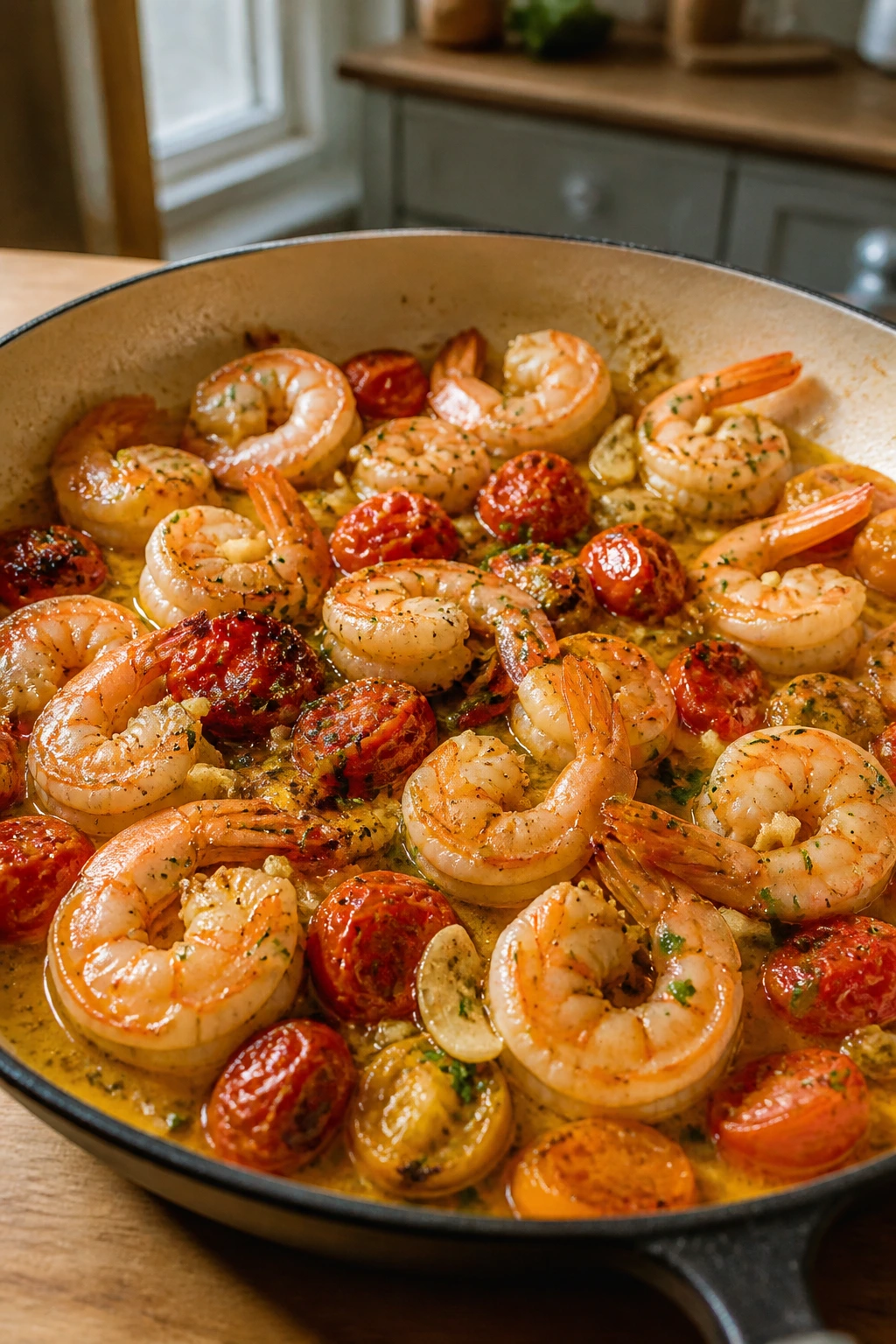
Shrimp scampi gets better when the tomatoes are roasted first. Their juices turn sweet, the garlic softens instead of burning, and the shrimp only need a few minutes to stay snappy.
Why It Works: Shrimp cook fast, so this meal rewards good timing. Roasting the tomatoes first gives the sauce depth, and the lemon at the end keeps the whole pan from tasting buttery in a dull way.
Key Ingredients:
- 1 1/2 lb shrimp, peeled and deveined
- 2 cups cherry tomatoes
- 4 garlic cloves, minced
- 3 tbsp olive oil
- 2 tbsp butter
- 1/4 cup white wine or broth
- 1 lemon, juiced
- 2 tbsp parsley
- 1 lb linguine or crusty bread
Quick Steps:
- Roast tomatoes at 425°F with 1 tbsp oil for 15 minutes.
- Cook pasta if using.
- Sauté garlic in butter and remaining oil for 30 seconds.
- Add shrimp and cook 2 to 3 minutes per side, then pour in wine or broth.
- Toss with tomatoes, lemon, parsley, and pasta.
Equipment for This Recipe:
- Sheet pan
- Large skillet
- Pasta pot
How to Serve This Dish: Serve it immediately with a bowl of bread for sauce-mopping. If you want more vegetables, add a quick arugula salad with lemon.
Pro Tips for This Recipe:
- Dry the shrimp well before they hit the pan.
- Pull them as soon as they curl and turn pink.
- Save a splash of pasta water to help the sauce cling.
Variations on This Dish:
- Spicy Version: Add chili flakes with the garlic.
- No-Wine Version: Use broth plus extra lemon.
- Garlicky Bread Bowl: Skip pasta and serve over thick toast.
Common Mistakes to Avoid with This Dish:
- Overcooking the shrimp: They turn rubbery fast.
- Burning the garlic: Keep the heat at medium, not high.
10. Beef Kofta with Yogurt Sauce
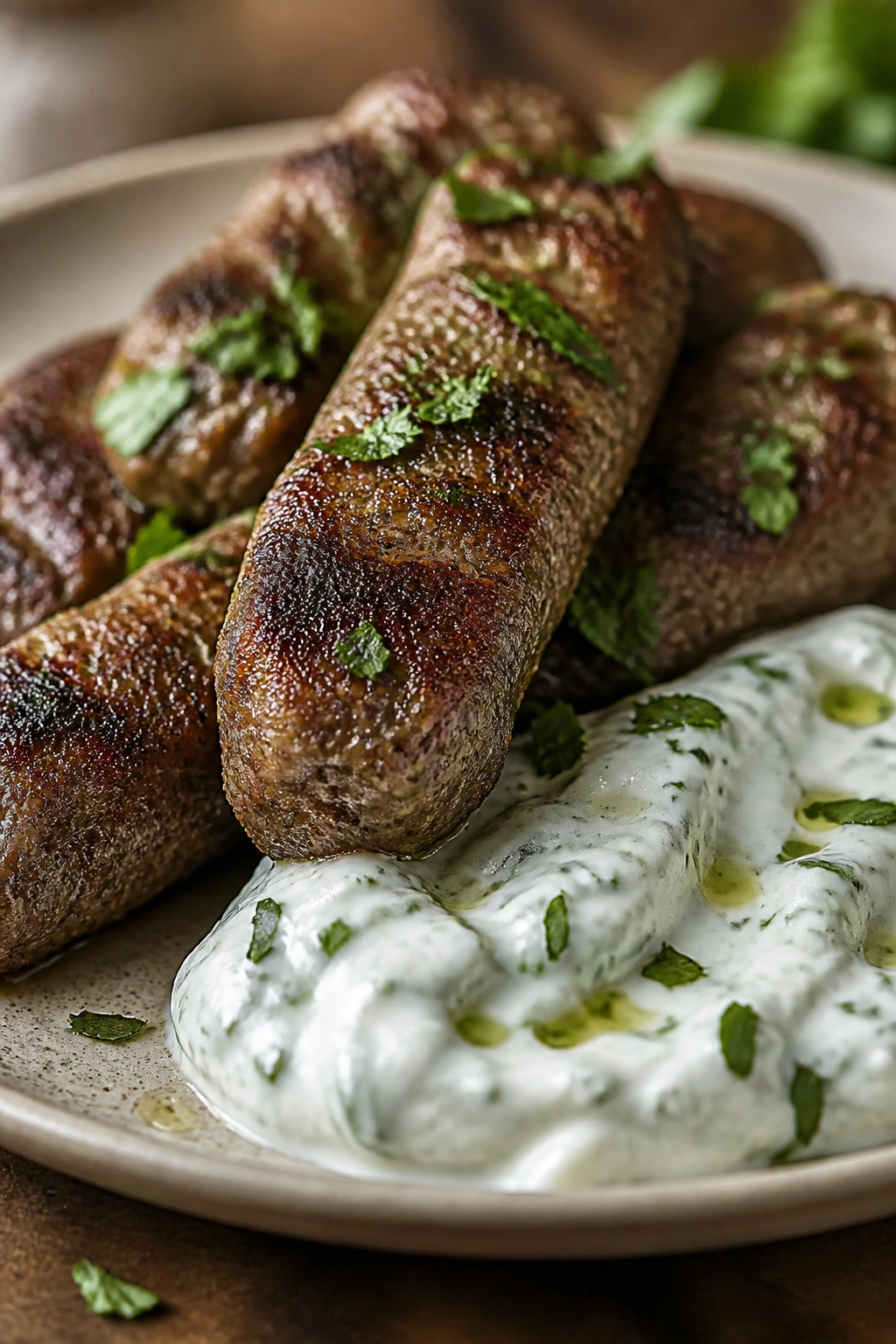
Kofta is one of those dinners that feels restaurant-like without asking for much beyond good spice and a hot pan. The meat gets mixed with onion and herbs, then seared until the edges go crusty.
Why It Works: Ground beef or lamb needs very little help if you keep the mixture loose and the seasonings direct. Yogurt sauce cools the spice and gives the plate a soft, tangy edge.
Key Ingredients:
- 1 1/2 lb ground beef or lamb
- 1 small onion, grated
- 3 garlic cloves, minced
- 1/4 cup parsley, chopped
- 1 tsp cumin
- 1 tsp coriander
- 1 cup plain yogurt
- 1/2 cucumber, grated
- 4 pita breads
Quick Steps:
- Mix meat, onion, garlic, parsley, cumin, coriander, salt, and pepper.
- Shape into 10 oval kofta.
- Cook in a hot skillet 3 to 4 minutes per side, or broil 8 to 10 minutes.
- Stir yogurt with cucumber, salt, and a little lemon.
- Serve with pita and salad.
Equipment for This Recipe:
- Skillet or broiler pan
- Mixing bowl
- Box grater
How to Serve This Dish: Set the kofta on a platter with yogurt sauce in a bowl, not poured over the top. Rice or chopped salad works if you want to stretch the meal.
Pro Tips for This Recipe:
- Grate the onion so it disappears into the meat.
- Oil your hands before shaping to stop sticking.
- Let the meat sit 10 minutes before cooking so it firms up.
Variations on This Dish:
- Minted Kofta: Add chopped mint to the mix.
- Oven-Baked Version: Bake at 425°F for about 12 minutes.
- Tahini Sauce Swap: Use tahini-lemon sauce instead of yogurt.
Common Mistakes to Avoid with This Dish:
- Mixing too hard: The kofta can turn dense.
- Cooking in a cold pan: You want surface browning, not gray meat.
11. Eggplant Parmesan Bake
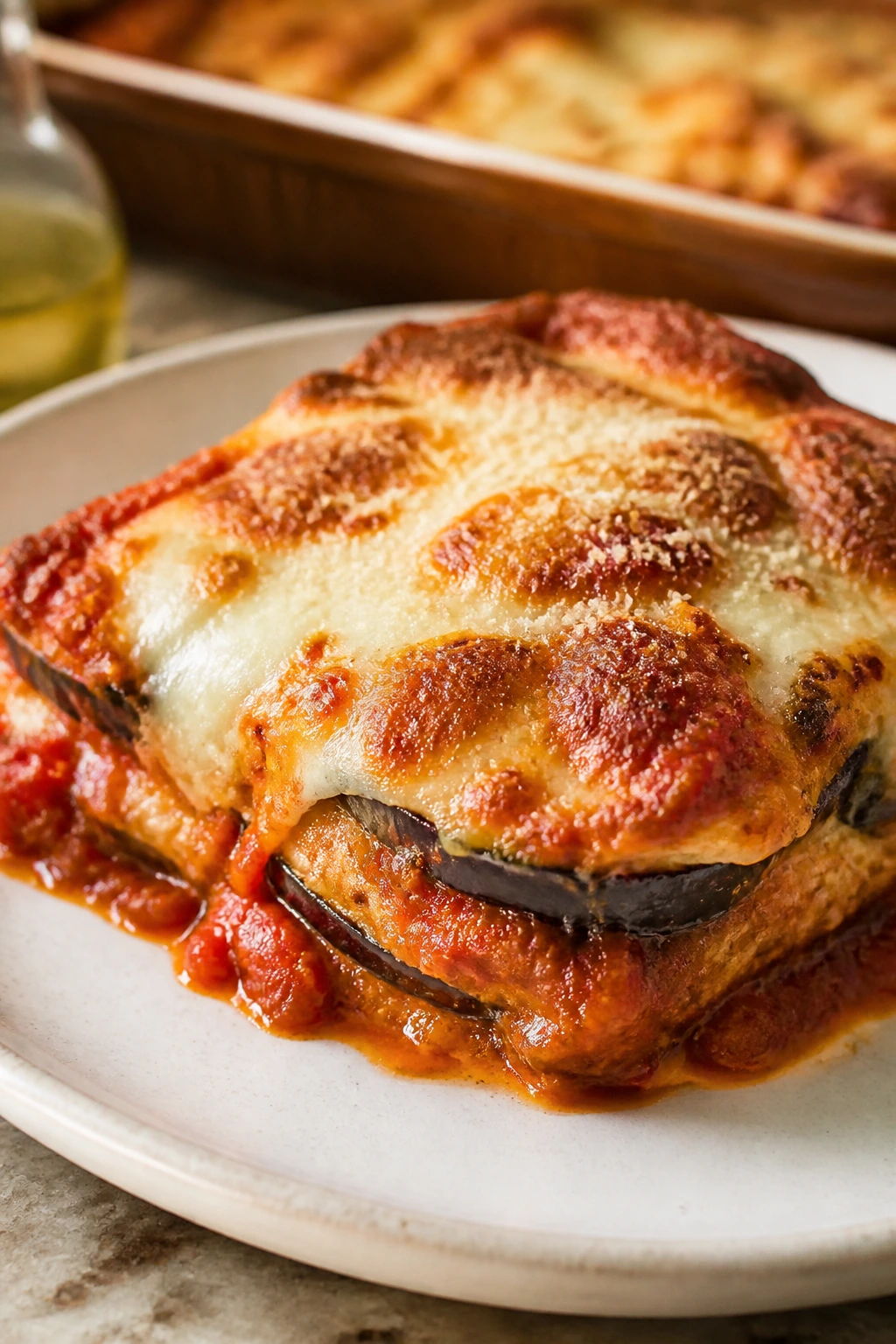
Eggplant Parmesan can be a little fussy if you fry every slice. This bake skips the drama, roasts the eggplant instead, and still gives you soft layers, tomato sauce, and cheese that turns spotty and browned.
Why It Works: Roasting pulls water out of the eggplant before it meets the sauce, which helps the final bake hold together. The mix of mozzarella and Parmesan gives you melt plus salt.
Key Ingredients:
- 2 medium eggplants, sliced
- 2 cups marinara sauce
- 2 cups shredded mozzarella
- 1/2 cup grated Parmesan
- 1/2 cup breadcrumbs
- 2 eggs, beaten
- 2 tbsp olive oil
- 1/4 cup basil
Quick Steps:
- Roast eggplant slices at 425°F with oil until softened, about 20 minutes.
- Layer sauce, eggplant, cheese, and breadcrumbs in a baking dish.
- Repeat the layers and finish with Parmesan.
- Bake at 400°F for 20 minutes until bubbling.
- Rest 10 minutes, then top with basil.
Equipment for This Recipe:
- Sheet pan
- 9×13-inch baking dish
- Sharp knife
How to Serve This Dish: Serve it with garlic bread or spaghetti if you want the classic route. A simple green salad cuts through the cheese.
Pro Tips for This Recipe:
- Salt the eggplant slices if they seem watery.
- Let the bake rest before cutting or the layers slide.
- Use a thick marinara; thin sauce makes soup.
Variations on This Dish:
- Zucchini Blend: Mix in roasted zucchini slices.
- Gluten-Free Version: Use gluten-free breadcrumbs.
- Meat Layer: Add browned ground beef between layers.
Common Mistakes to Avoid with This Dish:
- Skipping the roast on the eggplant: Raw slices go mushy.
- Cutting it too soon: The layers need time to settle.
12. Lemon Herb Rice with Chickpeas and Herbs
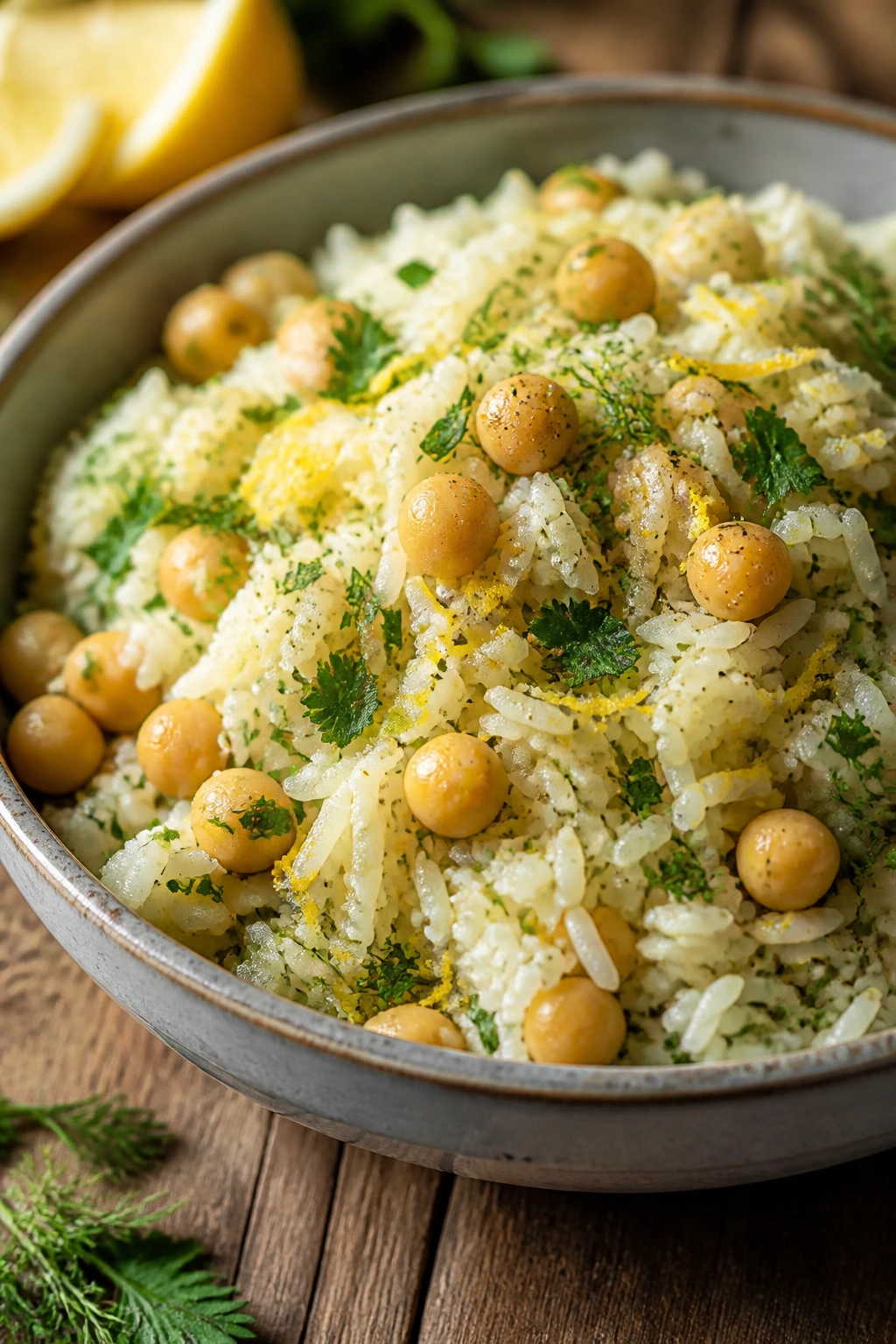
This is the kind of side dish that quietly becomes the main event. The rice stays fluffy, the chickpeas add body, and the herbs make the whole bowl smell clean instead of heavy.
Why It Works: Long-grain rice stays separate when cooked with the right amount of liquid, and chickpeas absorb the lemony broth without falling apart. It works as a side or a base for roasted meat.
Key Ingredients:
- 1 1/2 cups long-grain rice
- 2 cups chickpeas, drained
- 3 cups broth
- 1 small onion, minced
- 2 garlic cloves, minced
- 2 tbsp olive oil
- 1 lemon, zested and juiced
- 1/4 cup parsley
- 2 tbsp dill
Quick Steps:
- Cook onion and garlic in oil until soft.
- Stir in rice and toast for 1 minute.
- Add broth and chickpeas, cover, and simmer 18 minutes.
- Rest off heat 5 minutes, then fluff.
- Fold in lemon, parsley, and dill.
Equipment for This Recipe:
- Saucepan with lid
- Fork for fluffing
- Citrus juicer
How to Serve This Dish: Use it under roasted chicken, fish, or vegetables. A spoonful of yogurt or tahini on top is worth the extra second.
Pro Tips for This Recipe:
- Keep the lid on; lifting it drops the steam.
- Rinse the rice if it’s especially starchy.
- Add herbs after cooking so they stay bright.
Variations on This Dish:
- Turmeric Rice: Add 1/2 tsp turmeric with the broth.
- Tomato Rice: Stir in 1/2 cup tomato sauce.
- Almond Finish: Toast sliced almonds and scatter them on top.
Common Mistakes to Avoid with This Dish:
- Using too much liquid: The rice goes sticky.
- Stirring during the simmer: It can break the grains.
13. Slow-Cooker Chicken Cacciatore
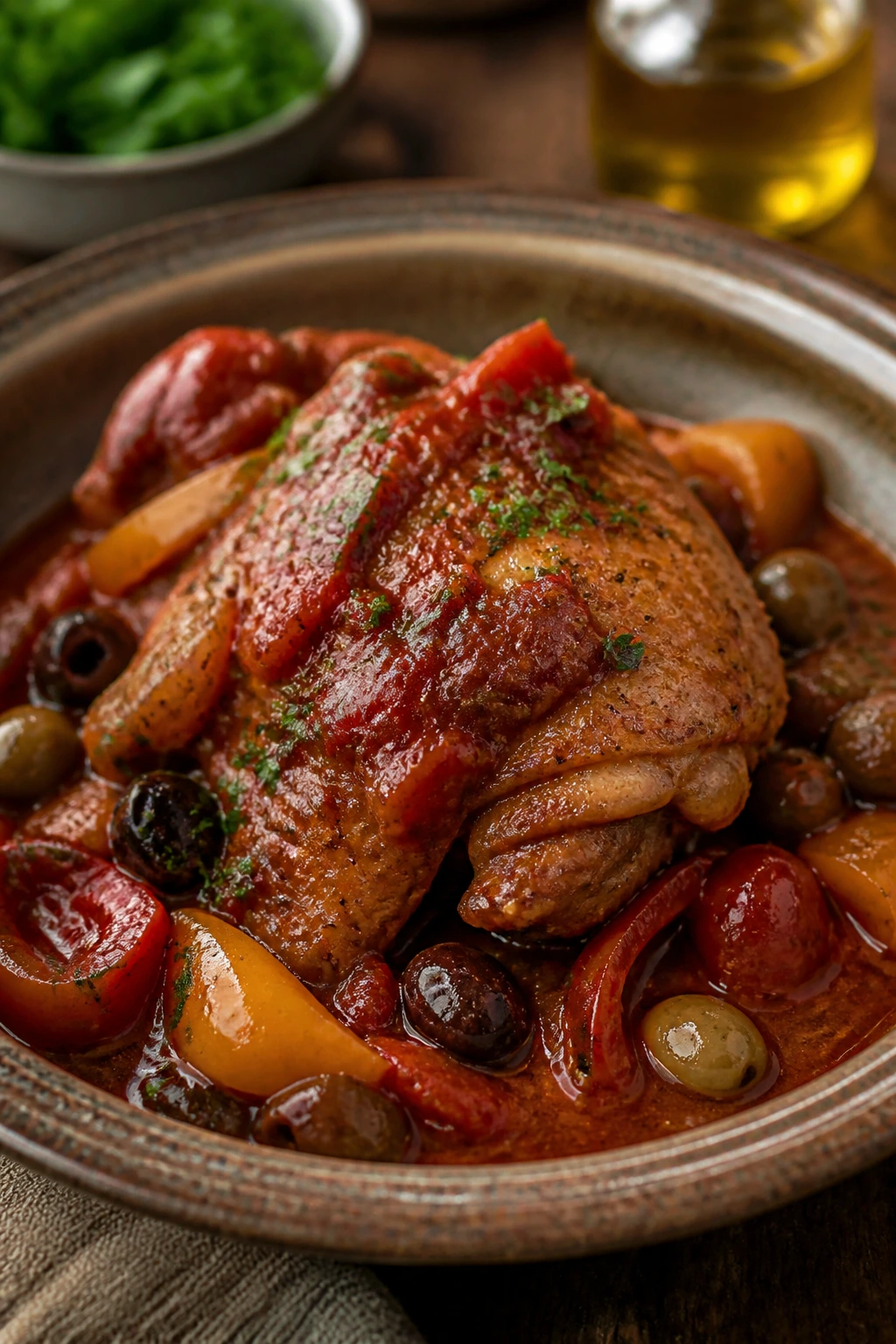
Chicken cacciatore tastes like it took all day because, honestly, it does — but the slow cooker handles most of that work. Bell peppers, tomatoes, garlic, and oregano cook down into a sauce that clings to the chicken.
Why It Works: Chicken thighs hold up better than breasts in long heat, and the vegetables melt into the sauce instead of staying separate. A short browning step gives the final dish a deeper edge, so it doesn’t taste flat.
Key Ingredients:
- 2 lb chicken thighs
- 2 bell peppers, sliced
- 1 onion, sliced
- 4 garlic cloves, minced
- 1 can crushed tomatoes, 28 oz
- 1/2 cup olives
- 1 tsp oregano
- 1 tsp basil
- 2 tbsp olive oil
Quick Steps:
- Brown the chicken briefly in a skillet.
- Layer peppers, onion, garlic, tomatoes, olives, and herbs in the slow cooker.
- Add the chicken and cook on low 6 to 7 hours or high 3 to 4 hours.
- Remove the lid for the last 20 minutes if the sauce needs tightening.
- Serve over pasta, polenta, or bread.
Equipment for This Recipe:
- Slow cooker
- Skillet
- Tongs
How to Serve This Dish: Spoon it over pasta or soft polenta so the sauce has something to soak into. A green salad keeps the plate from feeling too soft.
Pro Tips for This Recipe:
- Brown the chicken first if you have 10 extra minutes.
- Use thighs, not breasts, for the slow cooker.
- Add fresh parsley at the end for a brighter smell.
Variations on This Dish:
- Mushroom Version: Add sliced mushrooms with the peppers.
- White Wine Cacciatore: Splash in 1/2 cup white wine before cooking.
- Mild Family Version: Skip olives and add extra tomatoes.
Common Mistakes to Avoid with This Dish:
- Leaving the sauce too thin: Crack the lid for a bit at the end.
- Using frozen chicken straight in: It throws off the timing and texture.
14. Baked Cod with Potatoes, Fennel, and Herbs
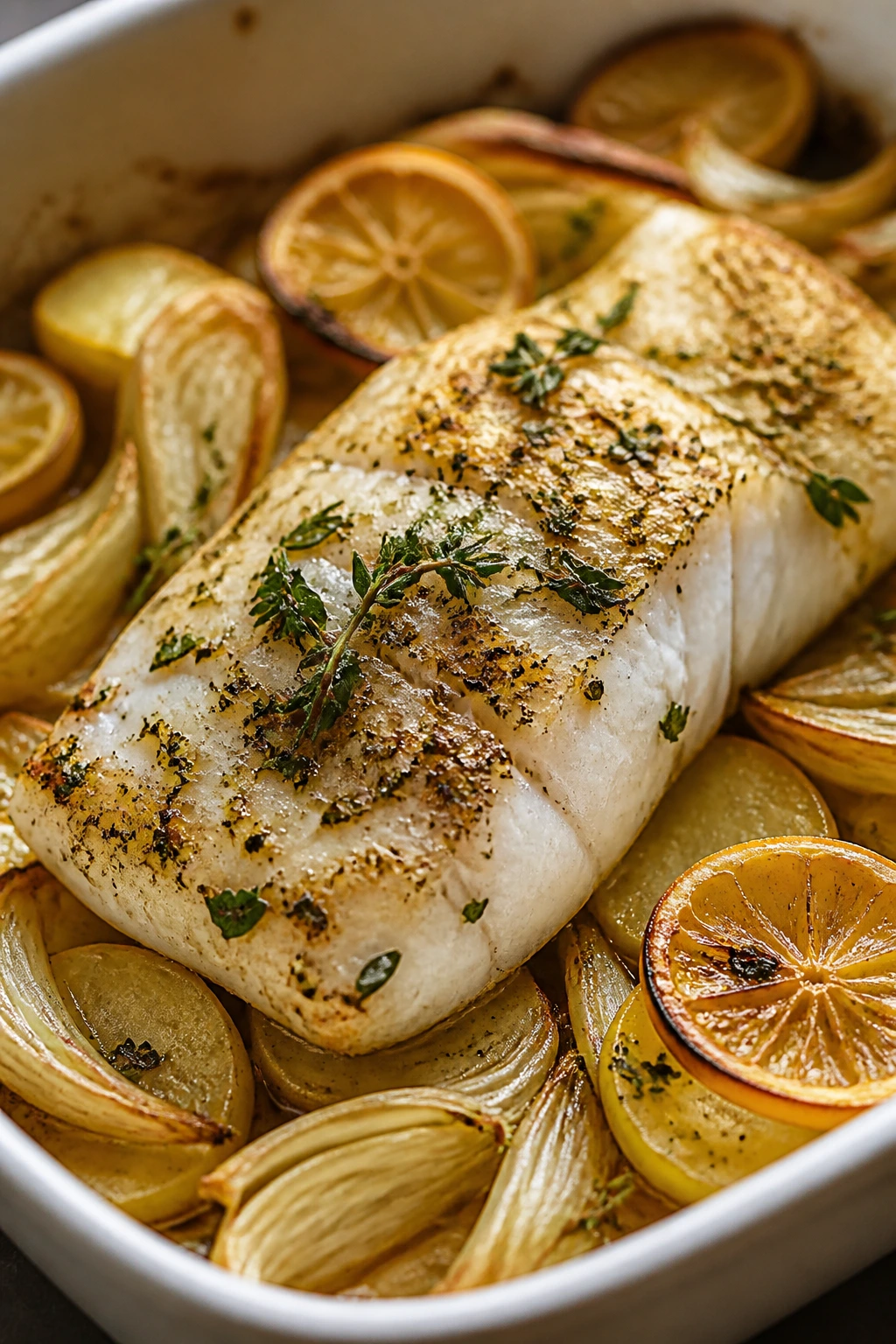
Cod is gentle fish, which is exactly why this kind of bake works. The potatoes and fennel get soft first, then the cod goes in for a short finish that keeps it flaky instead of dry.
Why It Works: The vegetables need more time than the fish, so the bake is staged. Fennel turns sweet in the oven, and lemon keeps the whole dish from tasting heavy.
Key Ingredients:
- 4 cod fillets, about 6 oz each
- 1 1/2 lb baby potatoes, sliced
- 1 fennel bulb, sliced
- 3 tbsp olive oil
- 3 garlic cloves, sliced
- 1 lemon, sliced and juiced
- 2 tsp dill or parsley
- 1/2 cup broth
Quick Steps:
- Roast potatoes, fennel, garlic, oil, broth, and seasoning at 425°F for 20 minutes.
- Nestle the cod on top and add lemon slices.
- Roast 10 to 12 minutes more, until the fish flakes.
- Finish with lemon juice and herbs.
- Serve hot from the pan.
Equipment for This Recipe:
- Baking dish or sheet pan
- Sharp knife
- Fish spatula
How to Serve This Dish: Serve it straight from the pan with the juices spooned over the top. A crusty loaf is useful because the fennel broth is too good to leave behind.
Pro Tips for This Recipe:
- Cut the potatoes small so they finish on time.
- Pat the cod dry before baking.
- Don’t overdo the lemon slices or they can turn bitter.
Variations on This Dish:
- Tomato Version: Add cherry tomatoes with the cod.
- Herby Version: Use dill, parsley, and a little mint.
- Halibut Swap: Use halibut if that’s what the fish counter has.
Common Mistakes to Avoid with This Dish:
- Adding the fish too early: It dries out long before the potatoes finish.
- Cutting the fennel too thick: It stays crunchy.
15. Zucchini and Ricotta Frittata
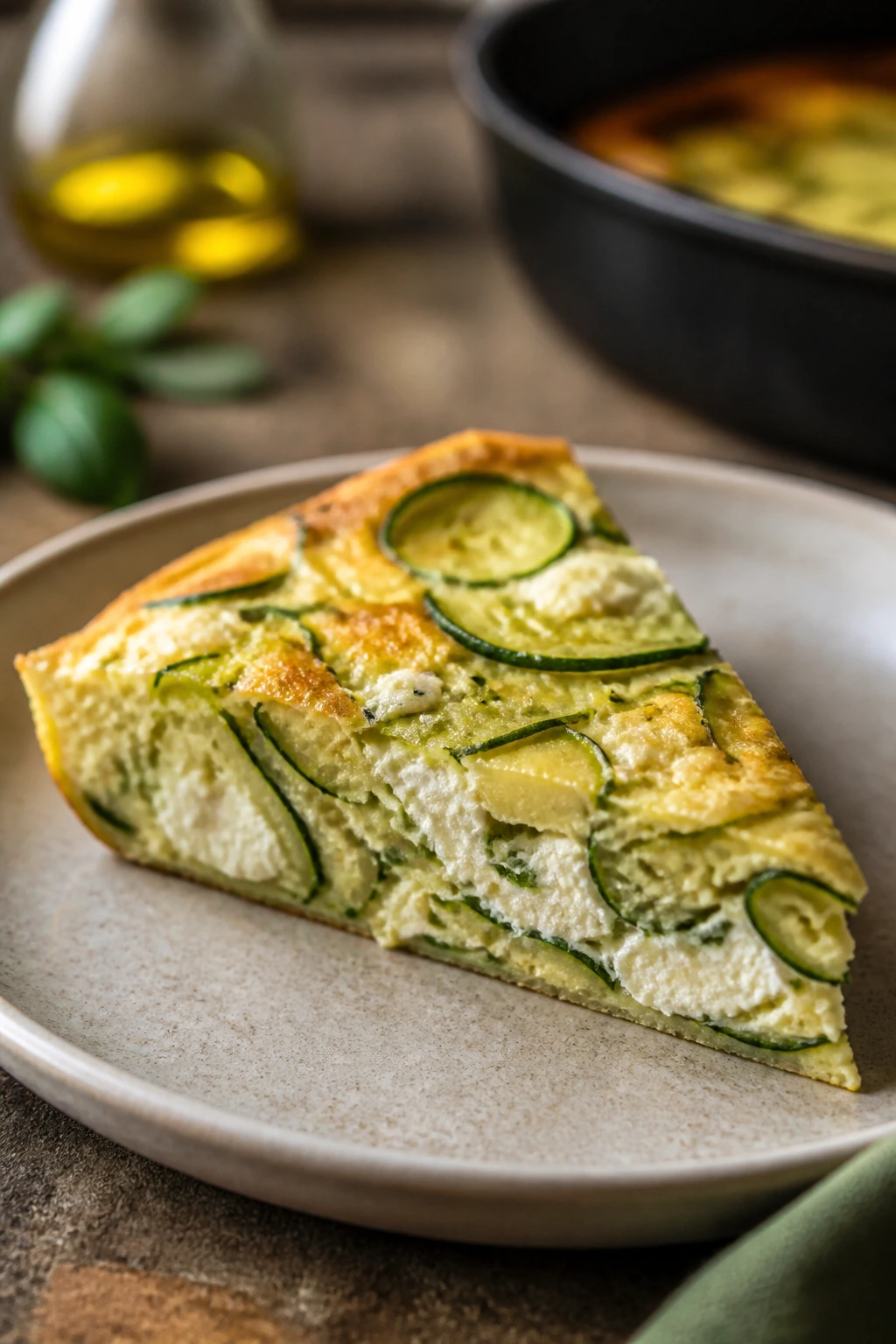
A frittata is what I reach for when the fridge is half full and I still need dinner to feel intentional. Zucchini softens into the eggs, ricotta melts in pockets, and the whole pan slices cleanly if you let it rest.
Why It Works: Eggs set fast in a skillet, and ricotta adds softness without needing a separate sauce. Zucchini has enough moisture to keep the center from turning dry, as long as you cook some of it off first.
Key Ingredients:
- 8 eggs
- 2 medium zucchini, thinly sliced
- 1 cup ricotta
- 1/4 cup Parmesan
- 1 small onion, sliced
- 2 tbsp olive oil
- 2 tbsp basil or parsley
Quick Steps:
- Cook onion and zucchini in oil until the moisture cooks off.
- Whisk eggs with salt, pepper, and Parmesan.
- Pour eggs into the skillet and dot with ricotta.
- Cook on low until the edges set, then finish under the broiler.
- Rest 5 minutes and slice.
Equipment for This Recipe:
- 10-inch oven-safe skillet
- Whisk
- Broiler-safe oven rack
How to Serve This Dish: Serve warm or room temperature with a tomato salad. A piece of bread makes it feel more like dinner than breakfast.
Pro Tips for This Recipe:
- Use an oven-safe skillet so the broiler can finish the top.
- Don’t overload the pan with zucchini or the eggs slide.
- Salt the zucchini lightly while it cooks so the water comes out.
Variations on This Dish:
- Spinach Swap: Replace half the zucchini with spinach.
- Goat Cheese Version: Use goat cheese instead of ricotta.
- Potato Frittata: Add leftover cooked potatoes for more heft.
Common Mistakes to Avoid with This Dish:
- High heat the whole time: The bottom browns before the center sets.
- Skipping the rest: Cutting too early makes it fall apart.
16. Pasta e Ceci
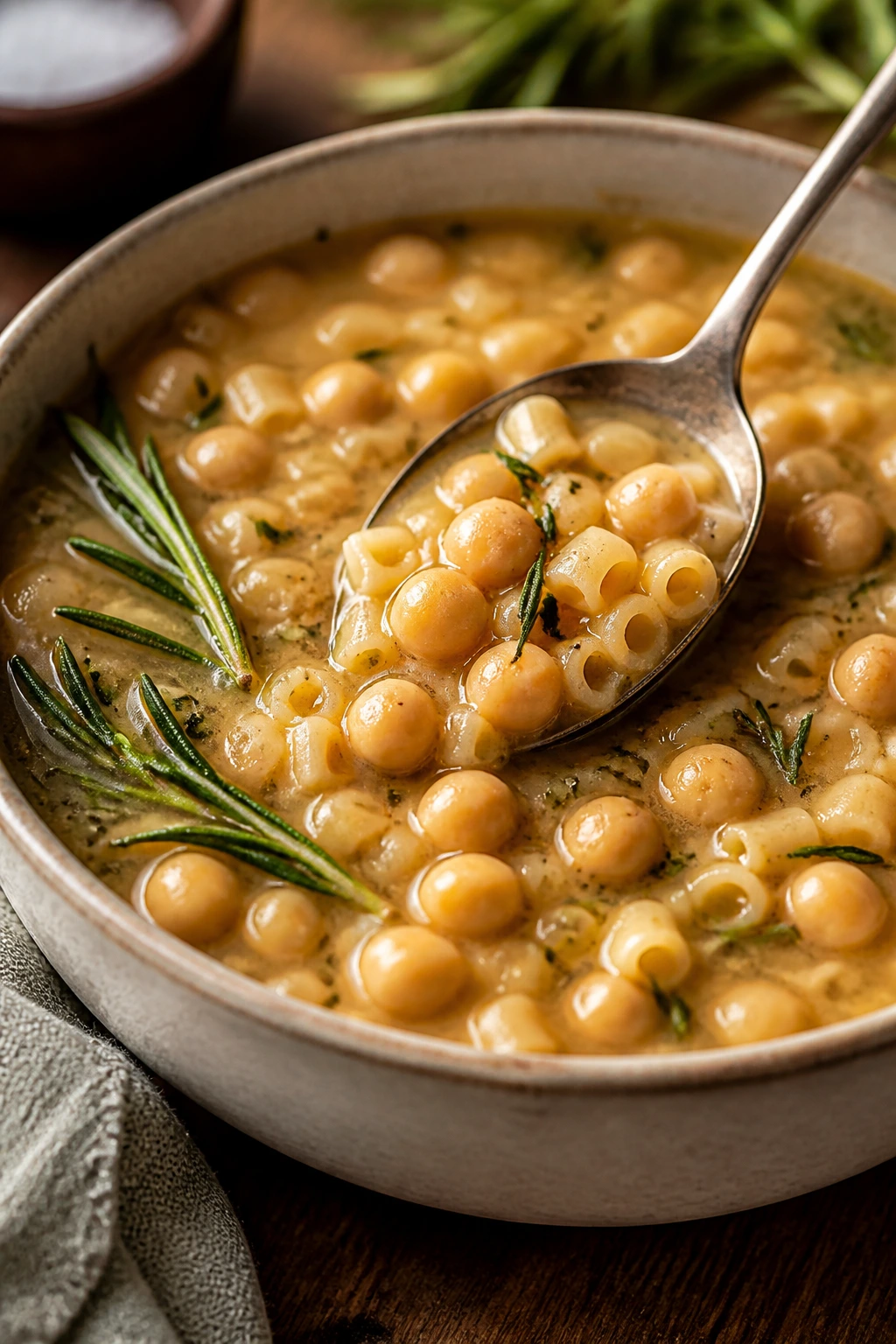
Pasta e ceci sits in that sweet spot between soup and pasta, and that’s why it’s so useful. The chickpeas thicken the broth, the pasta gives it body, and rosemary keeps the pot smelling like dinner instead of starch.
Why It Works: The chickpeas partly break down, which naturally thickens the pot. Ditalini or another small pasta fits the spoon and keeps every bite balanced.
Key Ingredients:
- 2 tbsp olive oil
- 1 onion, diced
- 3 garlic cloves, minced
- 2 tbsp tomato paste
- 2 cans chickpeas, one partly mashed
- 6 cups broth
- 1 sprig rosemary
- 1 1/2 cups ditalini
- Parmesan for serving
Quick Steps:
- Cook onion and garlic in oil until soft.
- Stir in tomato paste and rosemary.
- Add chickpeas and broth; simmer 15 minutes.
- Add pasta and cook until tender.
- Remove rosemary and finish with Parmesan.
Equipment for This Recipe:
- Soup pot
- Potato masher or spoon
- Ladle
How to Serve This Dish: Serve it thick and spoonable with olive oil drizzled on top. A small salad on the side is enough if you want a full meal.
Pro Tips for This Recipe:
- Mash part of the chickpeas for creaminess.
- Add more broth if the pasta drinks too much.
- Finish with pepper and oil, not just cheese.
Variations on This Dish:
- Garlicky Version: Add an extra clove or two.
- Rosemary-Free Version: Use thyme if rosemary feels too strong.
- Spicy Chickpea Pasta: Add chili flakes with the tomato paste.
Common Mistakes to Avoid with This Dish:
- Overcooking the pasta: It keeps softening in the pot.
- Using too little liquid: The texture turns pasty.
17. Mediterranean Tuna Pasta Bake
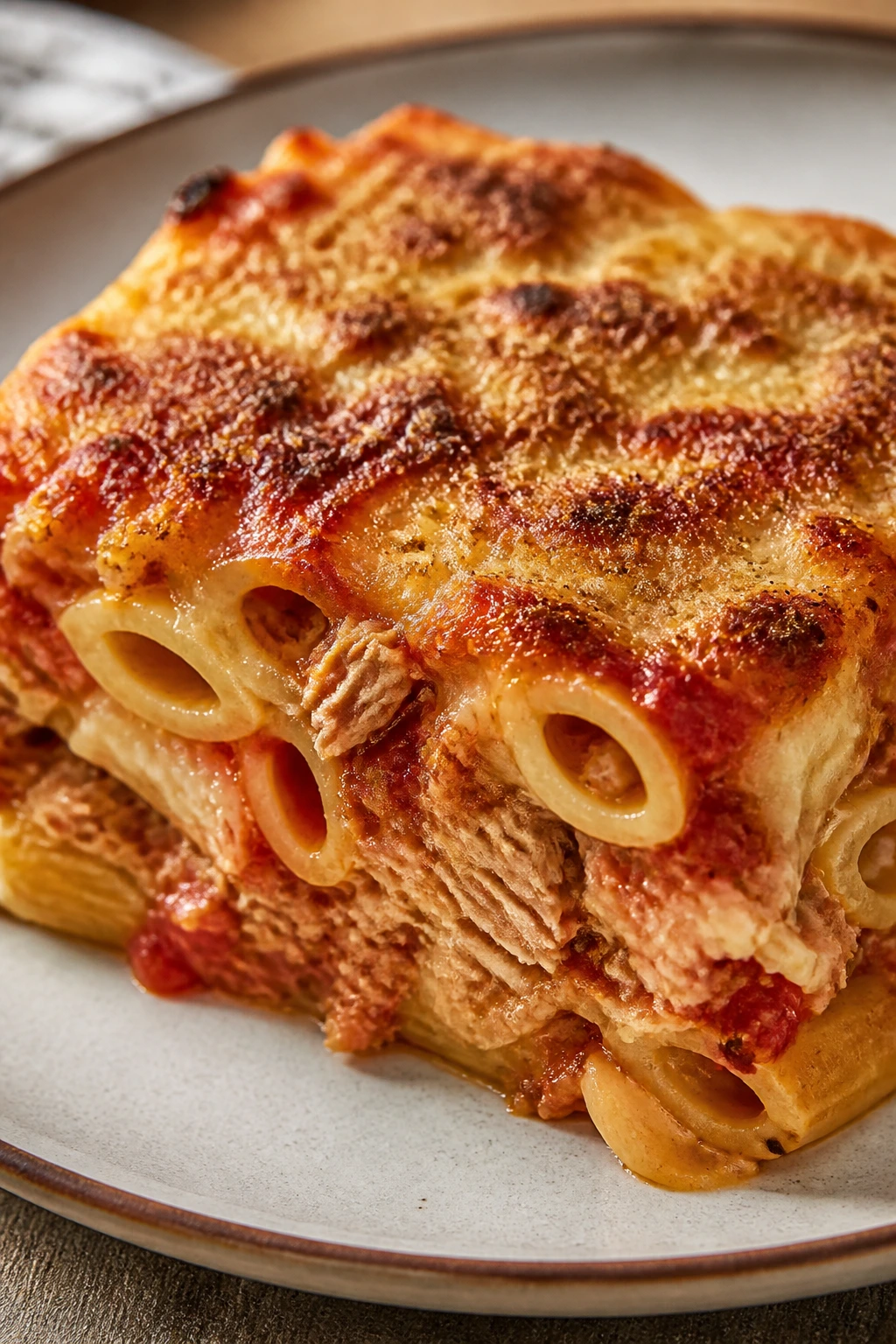
This is pantry cooking dressed up enough to feel like a plan. Tuna, tomatoes, pasta, and a little cheese turn into a bake that tastes less like “what’s left” and more like “someone thought ahead.”
Why It Works: Tuna stands up well to baking, and the pasta soaks up the tomato sauce instead of drying out. A crisp top gives you texture without needing a separate side.
Key Ingredients:
- 12 oz pasta
- 2 cans tuna, drained
- 2 cups tomato sauce
- 1 cup peas or spinach
- 1/2 cup olives, sliced
- 1 cup ricotta or béchamel
- 1 cup shredded mozzarella
- 1/4 cup Parmesan
Quick Steps:
- Cook the pasta until just shy of done.
- Mix with tuna, sauce, peas, olives, and ricotta.
- Spoon into a baking dish and top with mozzarella and Parmesan.
- Bake at 400°F for 20 minutes until bubbling.
- Rest 10 minutes before serving.
Equipment for This Recipe:
- Pot for pasta
- Baking dish
- Mixing bowl
How to Serve This Dish: Serve it in squares with a crisp green salad on the side. A few lemon wedges on the table wake up the tuna in a nice way.
Pro Tips for This Recipe:
- Undercook the pasta by 1 to 2 minutes.
- Use tuna packed in olive oil if you want a richer bake.
- Let it rest or the first serving will be soupy.
Variations on This Dish:
- Artichoke Version: Add chopped artichoke hearts.
- No-Dairy Version: Skip ricotta and use extra tomato sauce.
- Breadcrumb Crust: Add buttered crumbs for a crunchier top.
Common Mistakes to Avoid with This Dish:
- Using too much pasta: The sauce can’t coat it.
- Baking without resting: The filling slides apart.
18. Lamb Meatball Soup
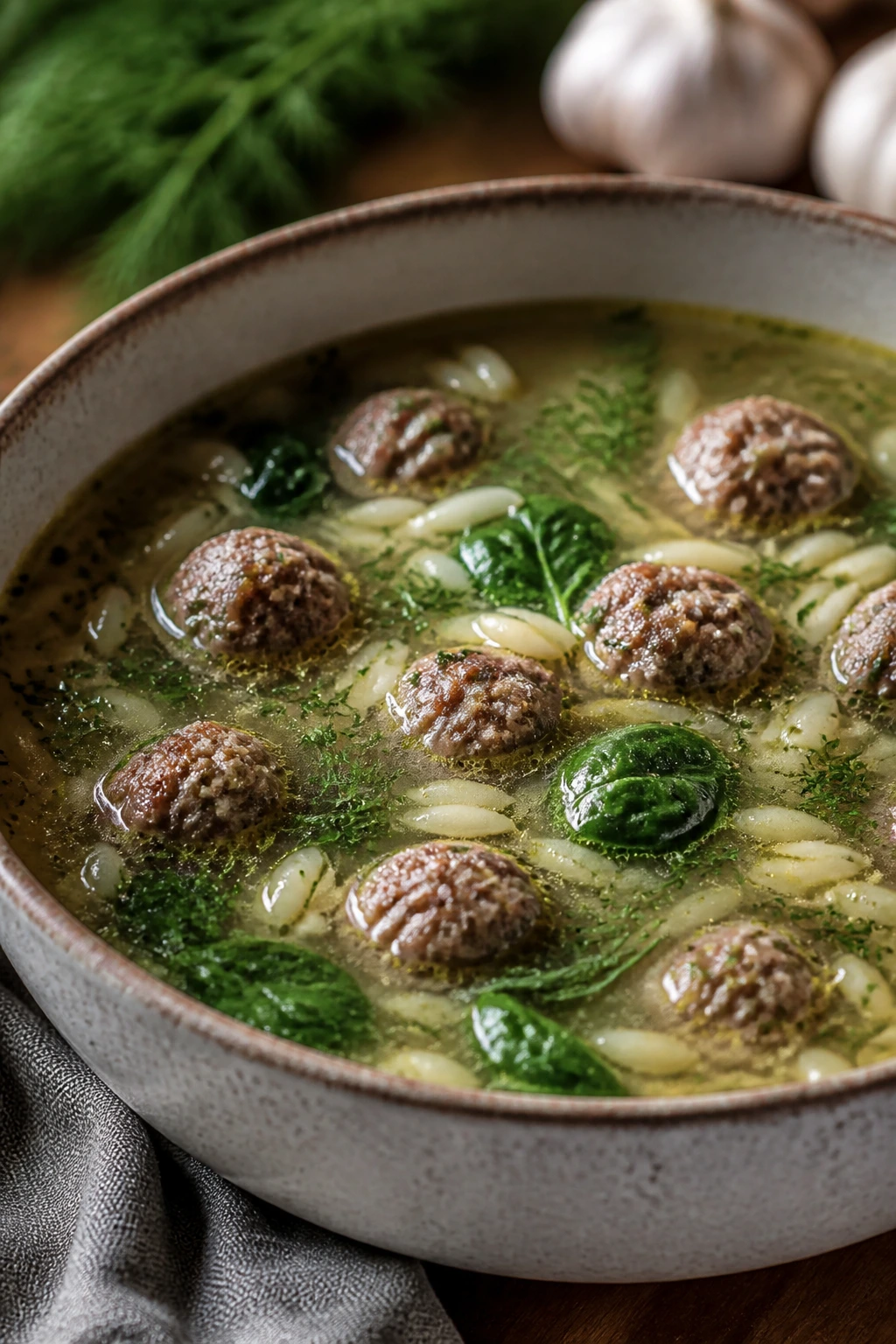
Lamb soup tastes like comfort with sharper edges. The meatballs carry garlic and dill, the broth stays light, and the rice or orzo inside the pot makes it feel complete without turning heavy.
Why It Works: Lamb has enough flavor to season the broth as it simmers. Small meatballs cook quickly and stay tender when you drop them into hot, not boiling, soup.
Key Ingredients:
- 1 lb ground lamb
- 1 egg
- 2 garlic cloves, minced
- 2 tbsp dill
- 1/4 cup breadcrumbs
- 6 cups chicken broth
- 1 cup orzo or rice
- 1 lemon
- 2 cups spinach
Quick Steps:
- Mix lamb, egg, garlic, dill, breadcrumbs, salt, and pepper; shape small meatballs.
- Bring broth to a simmer.
- Add meatballs and cook 8 minutes.
- Add orzo or rice and cook until tender.
- Stir in spinach and lemon juice.
Equipment for This Recipe:
- Soup pot
- Mixing bowl
- Small scoop or spoon
How to Serve This Dish: Ladle it into bowls with lemon wedges on the side. Bread is useful, but a little parsley on top keeps it lighter.
Pro Tips for This Recipe:
- Make the meatballs small so they stay tender.
- Don’t let the broth boil hard after the meatballs go in.
- Stir the soup gently so the meatballs don’t break.
Variations on This Dish:
- Chicken Meatball Version: Swap in ground chicken.
- Tomato Broth Version: Add 1 cup crushed tomatoes.
- Rice-Free Bowl: Use tiny cauliflower florets instead of rice.
Common Mistakes to Avoid with This Dish:
- Big meatballs: They can cook unevenly.
- Adding lemon too early: The broth tastes dull by the end.
19. Halloumi and Vegetable Skillet
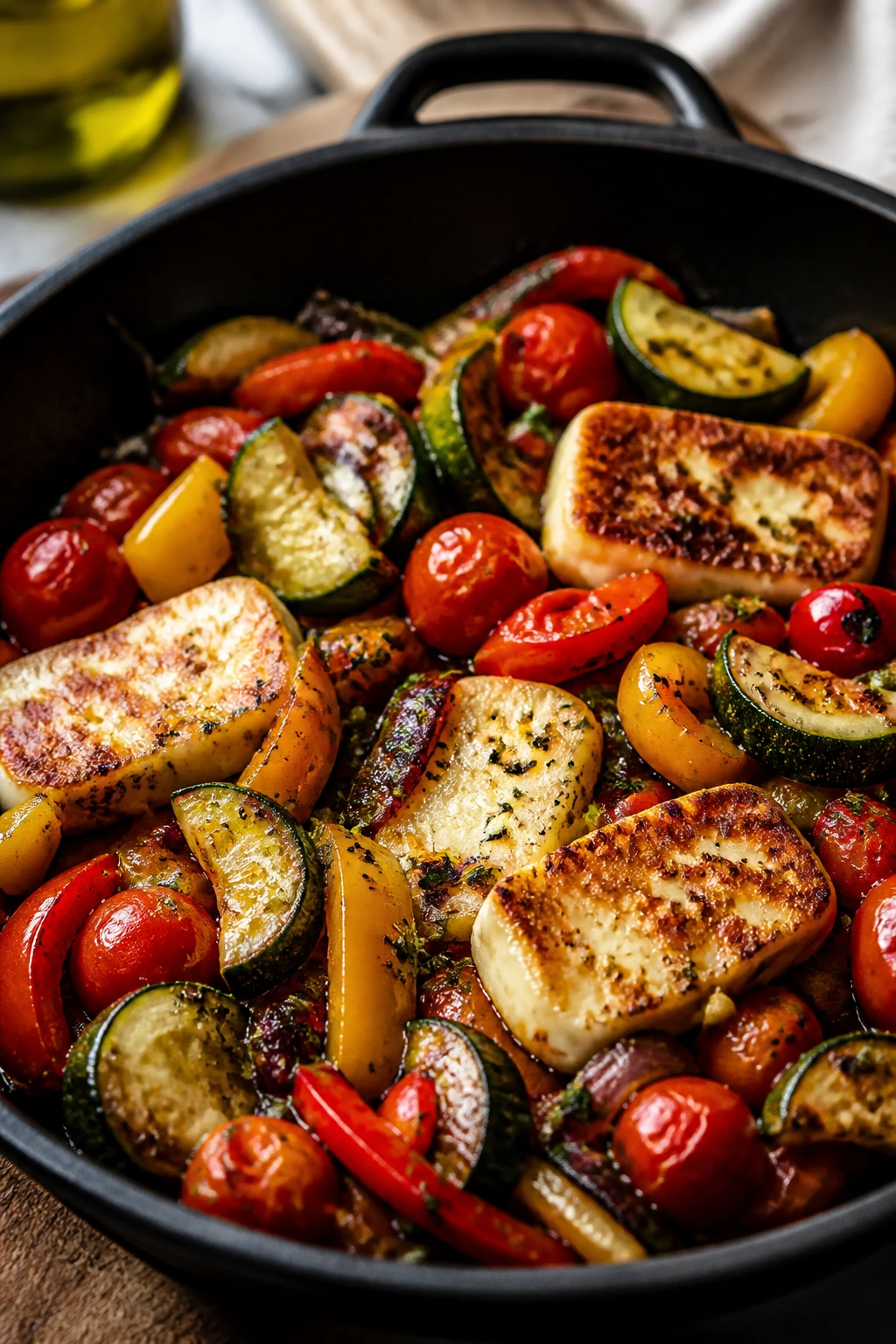
Halloumi is the kind of cheese that rewards a hot pan and a fast hand. It gets browned at the edges, stays chewy inside, and gives the vegetables something salty to lean against.
Why It Works: Halloumi doesn’t melt away, so it can anchor a skillet full of zucchini, peppers, and tomatoes. Chickpeas make it dinner, not side dish territory.
Key Ingredients:
- 8 oz halloumi, sliced
- 1 zucchini, sliced
- 1 bell pepper, sliced
- 1 cup cherry tomatoes
- 1 can chickpeas, drained
- 2 tbsp olive oil
- 1 tsp oregano
- 1 lemon
- 2 tbsp parsley
Quick Steps:
- Brown the halloumi in a hot skillet and set aside.
- Cook the zucchini and pepper in oil until softened.
- Add chickpeas, tomatoes, and oregano; cook until the tomatoes burst.
- Return the halloumi to the pan.
- Finish with lemon juice and parsley.
Equipment for This Recipe:
- Large skillet
- Tongs
- Knife and cutting board
How to Serve This Dish: Serve it with warm pita or couscous so the skillet juices don’t go to waste. A dollop of yogurt makes the salty cheese taste less abrupt.
Pro Tips for This Recipe:
- Dry the halloumi first so it browns.
- Keep the heat fairly high.
- Lemon at the end keeps the cheese bright.
Variations on This Dish:
- Olive Skillet: Add a handful of olives.
- Spicy Skillet: Add chili flakes with the oregano.
- Eggplant Version: Swap in cubes of roasted eggplant.
Common Mistakes to Avoid with This Dish:
- Low heat for halloumi: It goes pale and rubbery.
- Overcooking the vegetables: They should still have some shape.
20. Shakshuka with Feta and Pita
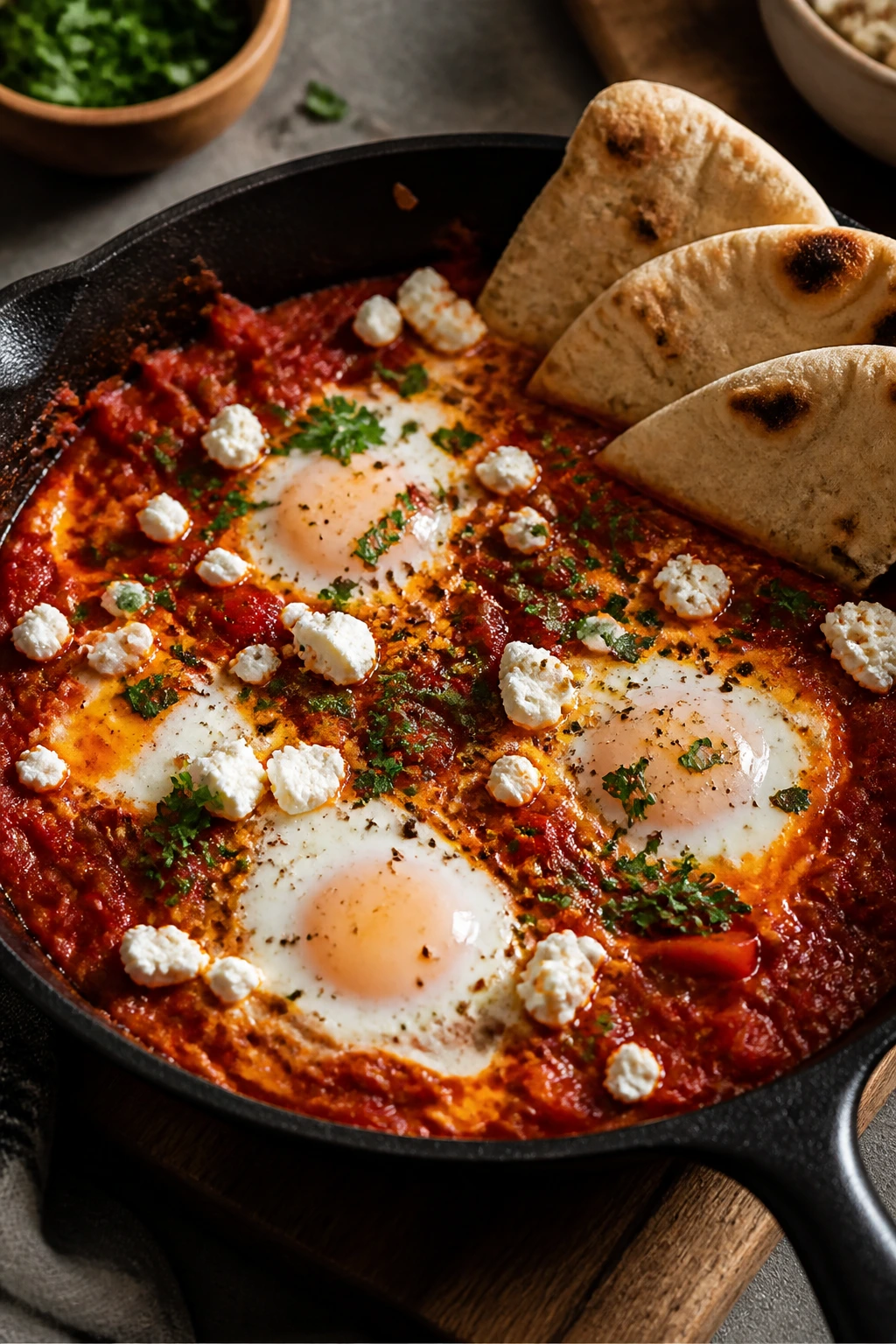
Shakshuka is the dinner equivalent of a skillet that keeps talking to you. The tomatoes bubble, the peppers soften, and the eggs poach right in the sauce until the yolks turn glossy and soft.
Why It Works: The sauce builds first, so the eggs cook in a seasoned base instead of plain tomato. Feta adds salt at the end, which keeps the sauce from becoming too sharp.
Key Ingredients:
- 2 tbsp olive oil
- 1 onion, diced
- 1 red bell pepper, diced
- 3 garlic cloves, minced
- 1 can crushed tomatoes, 28 oz
- 1 tsp cumin
- 1 tsp paprika
- 6 eggs
- 1/2 cup feta
- Pita for serving
Quick Steps:
- Cook onion and pepper in oil until soft.
- Stir in garlic, cumin, and paprika.
- Add tomatoes and simmer 10 minutes.
- Make six little wells, crack in the eggs, cover, and cook 5 to 7 minutes.
- Top with feta and serve with pita.
Equipment for This Recipe:
- Large skillet with lid
- Wooden spoon
- Small bowl for cracking eggs
How to Serve This Dish: Bring the skillet right to the table and let people tear pita straight into the sauce. A cucumber salad or sliced avocado cools the heat if you add chili.
Pro Tips for This Recipe:
- Keep the sauce thick before the eggs go in.
- Cover the pan so the whites set evenly.
- Crack eggs into a small bowl first if you want cleaner yolks.
Variations on This Dish:
- Chickpea Shakshuka: Stir in chickpeas with the tomatoes.
- Harissa Version: Add 1 tsp harissa paste with the spices.
- Spinach Version: Fold in spinach before the eggs.
Common Mistakes to Avoid with This Dish:
- Sauce too thin: The eggs slide around and overcook unevenly.
- Overcooking the yolks: Pull the pan when the whites are set but the centers still wobble.
21. Tomato Basil Risotto
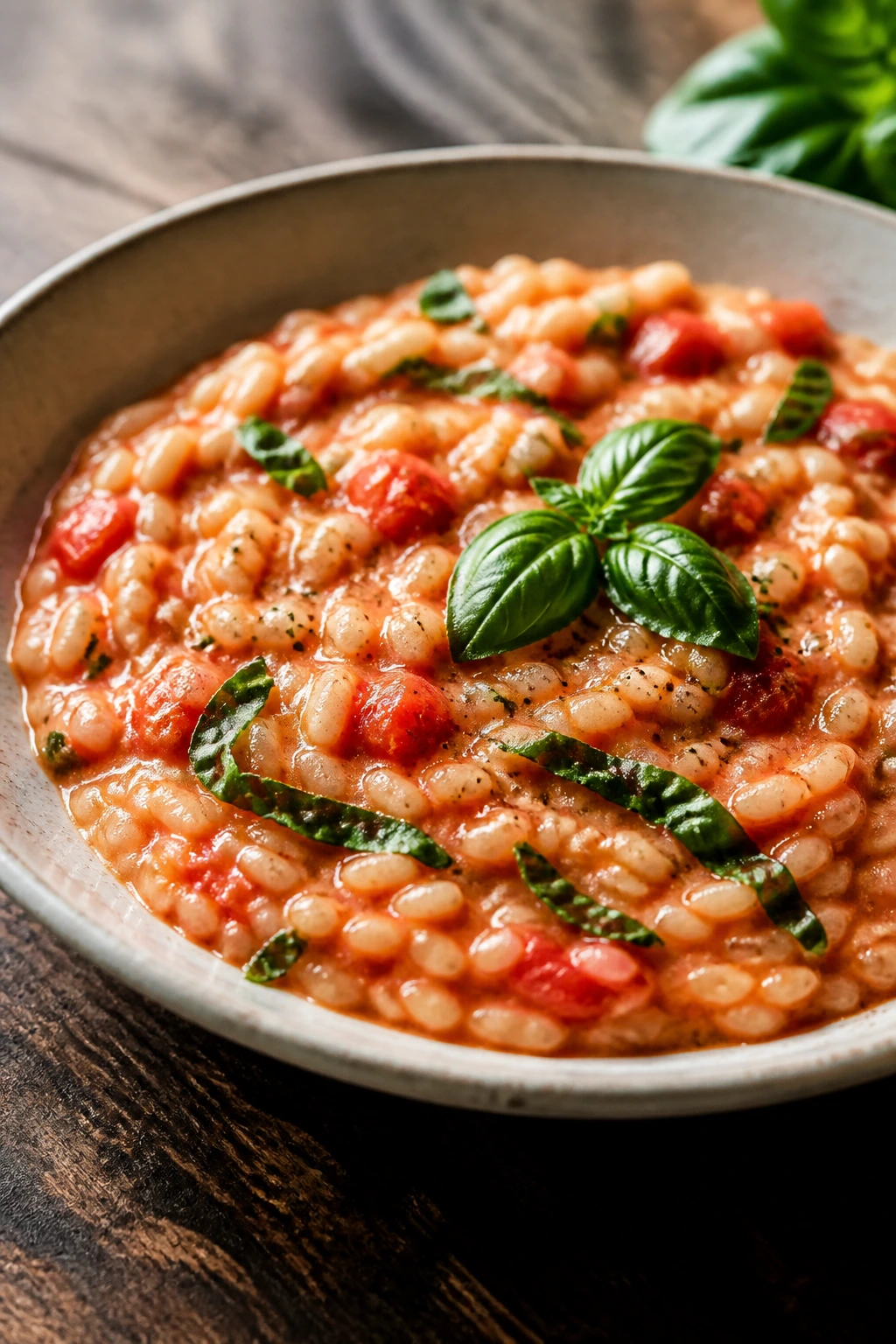
Risotto gets a bad reputation for being fussy, but tomato and basil make it easier to read. The rice should stay loose and creamy, not stiff, and the fresh basil at the end does the part that canned tomato never can.
Why It Works: Arborio rice releases starch as you stir, which gives the dish its creamy texture without cream. Tomato paste and broth give the rice flavor from the inside out.
Key Ingredients:
- 1 1/2 cups arborio rice
- 1 small onion, diced
- 2 tbsp tomato paste
- 5 cups warm broth
- 1 cup crushed tomatoes
- 2 tbsp butter
- 1/2 cup Parmesan
- 1/4 cup basil
Quick Steps:
- Cook onion in butter until soft.
- Stir in rice and toast 1 minute.
- Add tomato paste, then broth a ladle at a time, stirring often.
- Cook 18 to 20 minutes until creamy and tender.
- Finish with Parmesan and basil.
Equipment for This Recipe:
- Wide saucepan or Dutch oven
- Ladle
- Wooden spoon
How to Serve This Dish: Serve it in shallow bowls while it still flows a little. Grilled chicken or roasted vegetables sit well on top if you want a fuller plate.
Pro Tips for This Recipe:
- Keep the broth warm so the rice cooks evenly.
- Stir often, but not like you’re beating it.
- Risotto should spread slowly on the plate, not sit in a mound.
Variations on This Dish:
- Mozzarella Finish: Add torn mozzarella at the end.
- Shrimp Version: Stir in quick-cooked shrimp just before serving.
- Roasted Garlic Version: Blend in roasted garlic for a softer flavor.
Common Mistakes to Avoid with This Dish:
- Adding all the broth at once: The rice loses that creamy texture.
- Using cold broth: It slows the cooking and dulls the texture.
22. Spinach and Ricotta Lasagna Roll-Ups
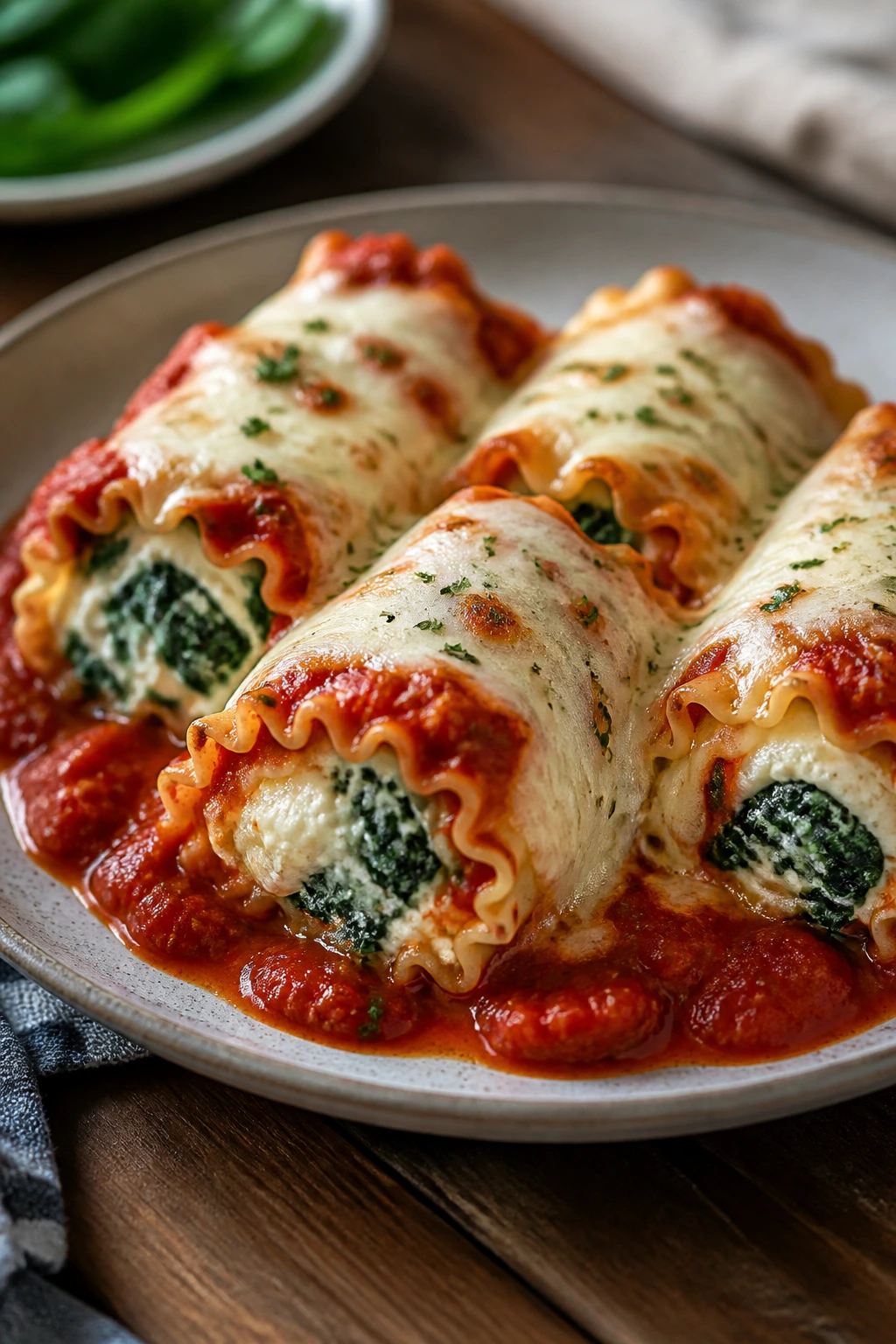
Roll-ups are lasagna with fewer moving parts. You still get the tomato sauce, the cheesy middle, and the baked edges, but each noodle is easier to portion and faster to assemble.
Why It Works: Each noodle carries its own filling, so you don’t get the sliding layers that sometimes happen with a big pan of lasagna. Spinach and ricotta stay soft and balanced under the sauce.
Key Ingredients:
- 12 lasagna noodles
- 2 cups ricotta
- 2 cups spinach, chopped
- 2 cups marinara sauce
- 2 cups shredded mozzarella
- 1/2 cup Parmesan
- 1 egg
- 1 tsp basil
Quick Steps:
- Cook noodles until flexible, then drain.
- Mix ricotta, spinach, egg, basil, salt, and pepper.
- Spread filling on each noodle and roll up.
- Nestle the rolls in marinara and top with mozzarella and Parmesan.
- Bake at 375°F for 25 minutes.
Equipment for This Recipe:
- 9×13-inch baking dish
- Large pot
- Spoon or small spatula
How to Serve This Dish: Serve two or three roll-ups per person with salad and bread. A little extra marinara on the plate keeps it from looking dry.
Pro Tips for This Recipe:
- Underboil the noodles by a minute so they roll cleanly.
- Squeeze moisture from the spinach.
- Rest the bake before serving or the filling runs out.
Variations on This Dish:
- Meat Roll-Ups: Add cooked sausage to the filling.
- Red-Pepper Sauce: Swap some marinara for roasted red pepper sauce.
- Dairy-Lighter Version: Use part-skim ricotta and less mozzarella.
Common Mistakes to Avoid with This Dish:
- Overfilling the noodles: They split.
- Using watery spinach: The casserole turns loose.
23. Harissa Roasted Cauliflower and Chickpeas
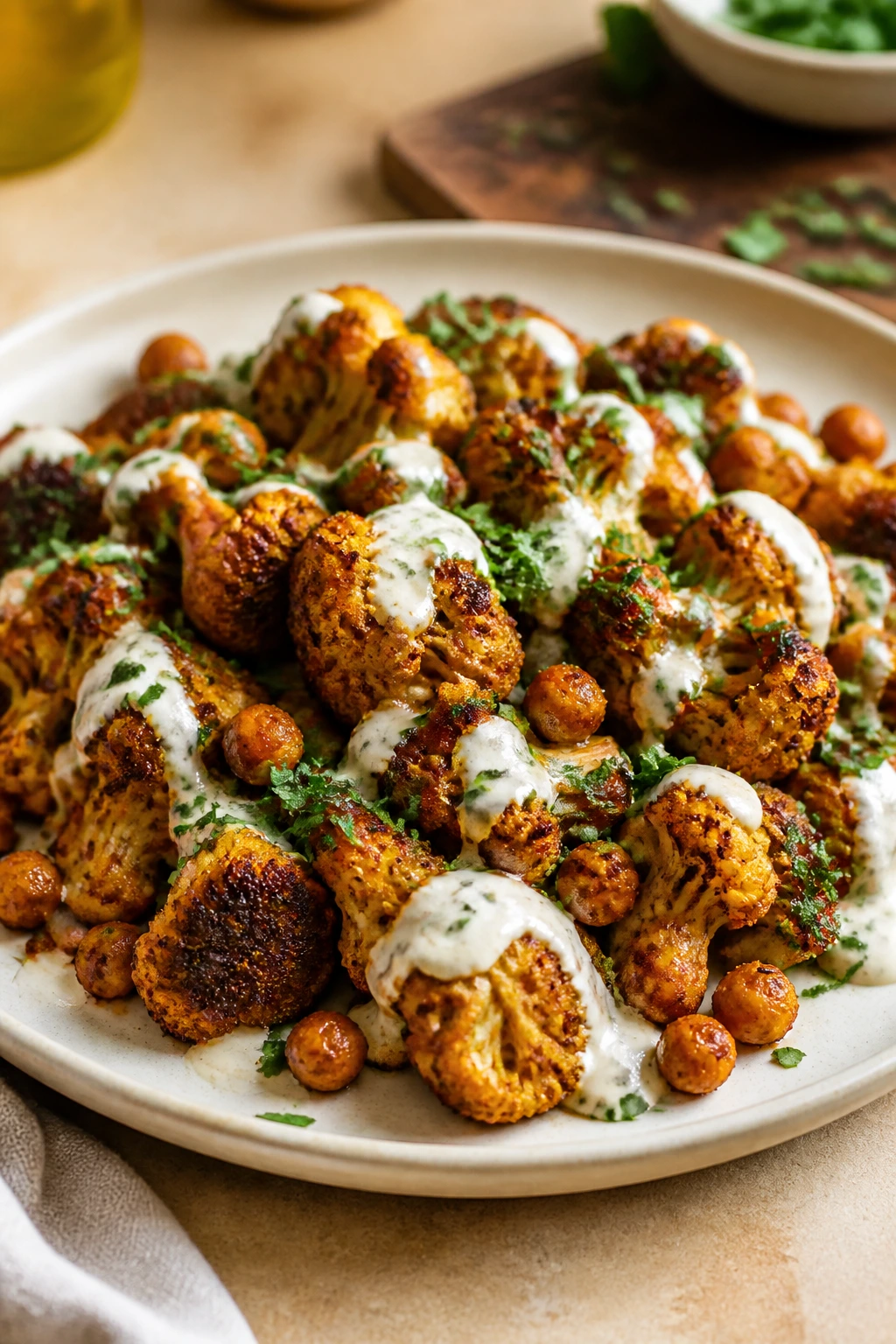
This is the tray that proves vegetables can carry a dinner when they’re treated right. Harissa gives the cauliflower heat and color, while chickpeas crisp at the edges and soak up the spices.
Why It Works: Cauliflower roasts best with space, and chickpeas bring protein and crunch. A cool yogurt sauce or lemon finish keeps the spice from taking over.
Key Ingredients:
- 1 large cauliflower, cut into florets
- 2 cans chickpeas, drained and dried
- 2 tbsp harissa paste
- 3 tbsp olive oil
- 1 tsp cumin
- 1 cup yogurt
- 1 lemon
- 2 tbsp parsley
- Couscous or rice for serving
Quick Steps:
- Toss cauliflower and chickpeas with harissa, oil, cumin, salt, and pepper.
- Roast at 425°F for 25 to 30 minutes, stirring once.
- Mix yogurt with lemon juice and a pinch of salt.
- Spoon the roasted mix over couscous or rice.
- Top with yogurt and parsley.
Equipment for This Recipe:
- Rimmed sheet pan
- Mixing bowl
- Small bowl for sauce
How to Serve This Dish: Serve it over couscous or rice and keep the yogurt sauce on top. Add toasted almonds if you want more crunch.
Pro Tips for This Recipe:
- Dry the chickpeas well so they crisp.
- Don’t use too much harissa at first; you can add heat later.
- Stir once halfway so the florets brown evenly.
Variations on This Dish:
- Sweet Potato Version: Roast cubes of sweet potato with the cauliflower.
- Tahini Drizzle: Swap the yogurt for tahini-lemon sauce.
- Mild Version: Use half harissa and half olive oil.
Common Mistakes to Avoid with This Dish:
- Crowding the pan: The vegetables steam.
- Leaving chickpeas wet: They never crisp.
24. Mussels in Tomato-Garlic Broth
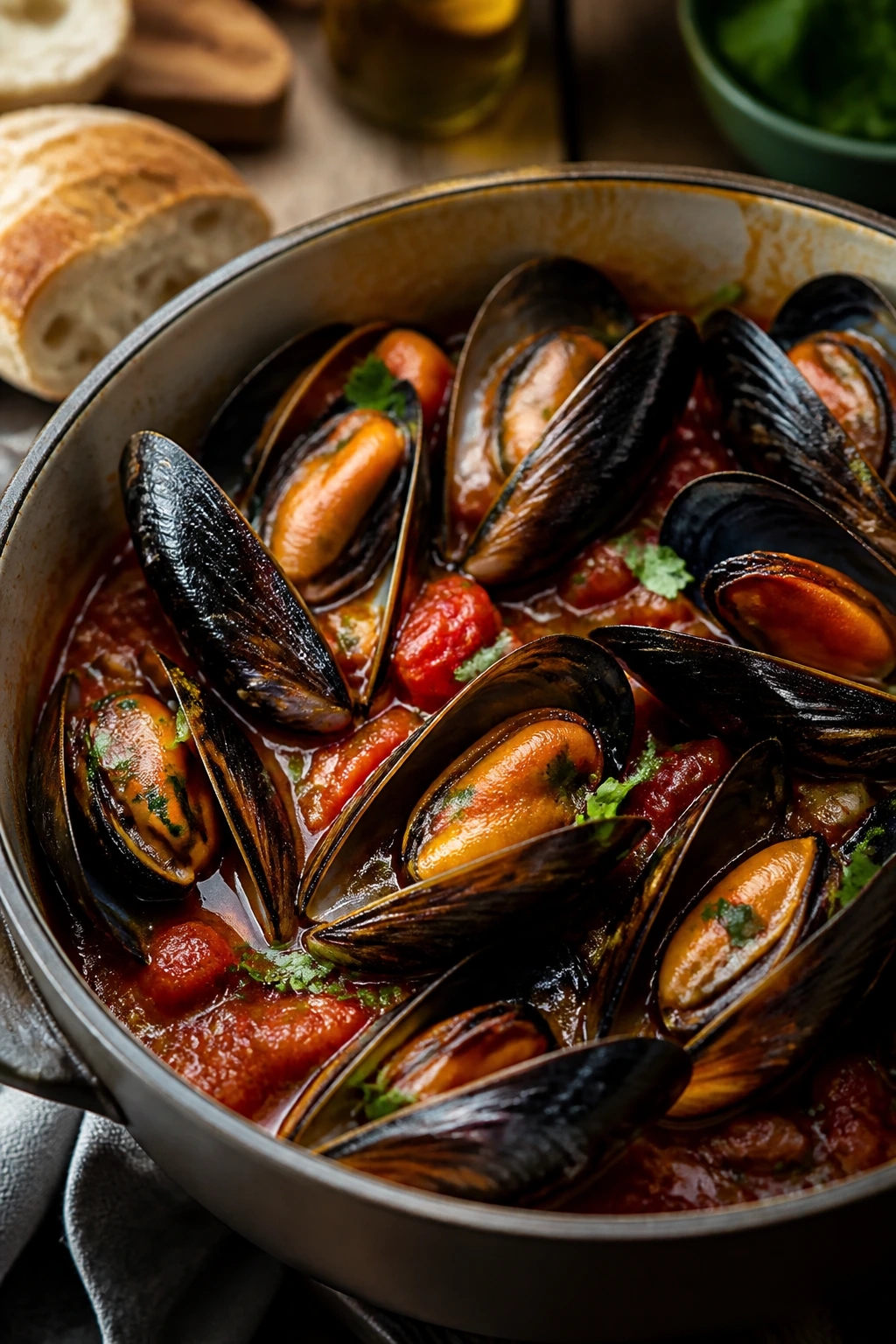
Mussels need very little if you start with good ones. Garlic, tomato, white wine, and parsley make a broth that tastes like it took more skill than it did, and bread is not optional if you enjoy the part where the bowl is empty but the sauce is not.
Why It Works: Mussels cook in minutes, so the broth stays bright and the shellfish stay tender. The tomato gives body, while wine or broth keeps the liquid light enough to sip.
Key Ingredients:
- 2 lb mussels, scrubbed and debearded
- 3 garlic cloves, sliced
- 1 shallot, minced
- 2 tbsp olive oil
- 1 cup white wine or broth
- 1 cup crushed tomatoes
- 2 tbsp parsley
- Crusty bread
Quick Steps:
- Cook shallot and garlic in oil until fragrant.
- Add wine and tomatoes and simmer 5 minutes.
- Add mussels, cover, and cook 5 to 7 minutes until they open.
- Discard any unopened mussels.
- Finish with parsley and bread.
Equipment for This Recipe:
- Large pot with lid
- Scrub brush or clean sponge
- Slotted spoon
How to Serve This Dish: Bring the pot to the table with a bowl for empty shells. Extra bread matters here; the broth is the point.
Pro Tips for This Recipe:
- Buy mussels the day you cook them if possible.
- Tap open shells before cooking; discard any that stay open.
- Keep the heat lively, not raging.
Variations on This Dish:
- Saffron Broth: Add a pinch of saffron.
- Spicy Broth: Add chili flakes with the garlic.
- Creamy Finish: Stir in a splash of cream at the end.
Common Mistakes to Avoid with This Dish:
- Overcooking the mussels: They go chewy fast.
- Not scrubbing the shells: Grit ruins the broth.
25. Greek Lemon Chicken Soup
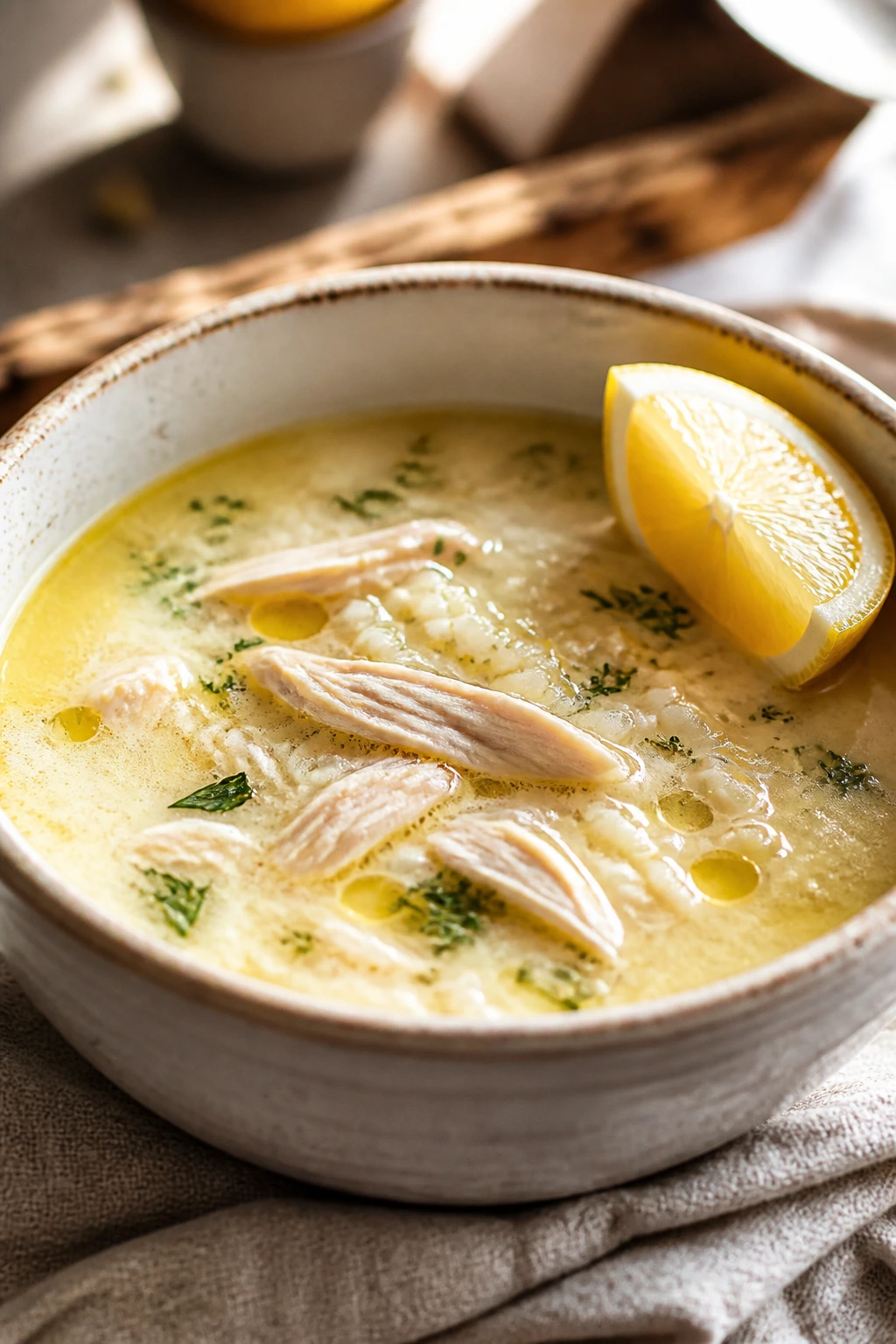
Avgolemono is the kind of soup that surprises people the first time they taste it. It looks simple, then the lemon and egg make the broth velvety and bright in a way plain chicken soup never manages.
Why It Works: Eggs whisked with lemon and tempered with hot broth create a silky finish without cream. Rice gives the soup weight, and chicken keeps it dinner-worthy.
Key Ingredients:
- 1 lb cooked shredded chicken
- 6 cups chicken broth
- 3/4 cup rice
- 3 eggs
- 2 lemons, juiced
- 2 carrots, diced
- 2 celery stalks, diced
- 2 tbsp dill or parsley
Quick Steps:
- Simmer broth, carrots, celery, and rice until the rice is tender.
- Stir in chicken and warm through.
- Whisk eggs and lemon juice in a bowl.
- Slowly whisk in hot broth to temper, then pour back into the pot.
- Warm gently without boiling and finish with herbs.
Equipment for This Recipe:
- Soup pot
- Whisk
- Heatproof bowl
How to Serve This Dish: Serve it in warm bowls with extra lemon on the side. A piece of bread helps if you want a fuller meal.
Pro Tips for This Recipe:
- Temper the eggs slowly so they don’t scramble.
- Don’t let the soup boil after the egg goes in.
- Use fresh lemons; bottled juice tastes flat here.
Variations on This Dish:
- Orzo Version: Use orzo instead of rice.
- Herb-Heavy Version: Add dill and mint together.
- Vegetable Version: Add spinach right before serving.
Common Mistakes to Avoid with This Dish:
- Boiling after tempering: The egg can curdle.
- Adding too much lemon too fast: The broth can taste sharp instead of rounded.
26. Sausage, Peppers, and Potatoes
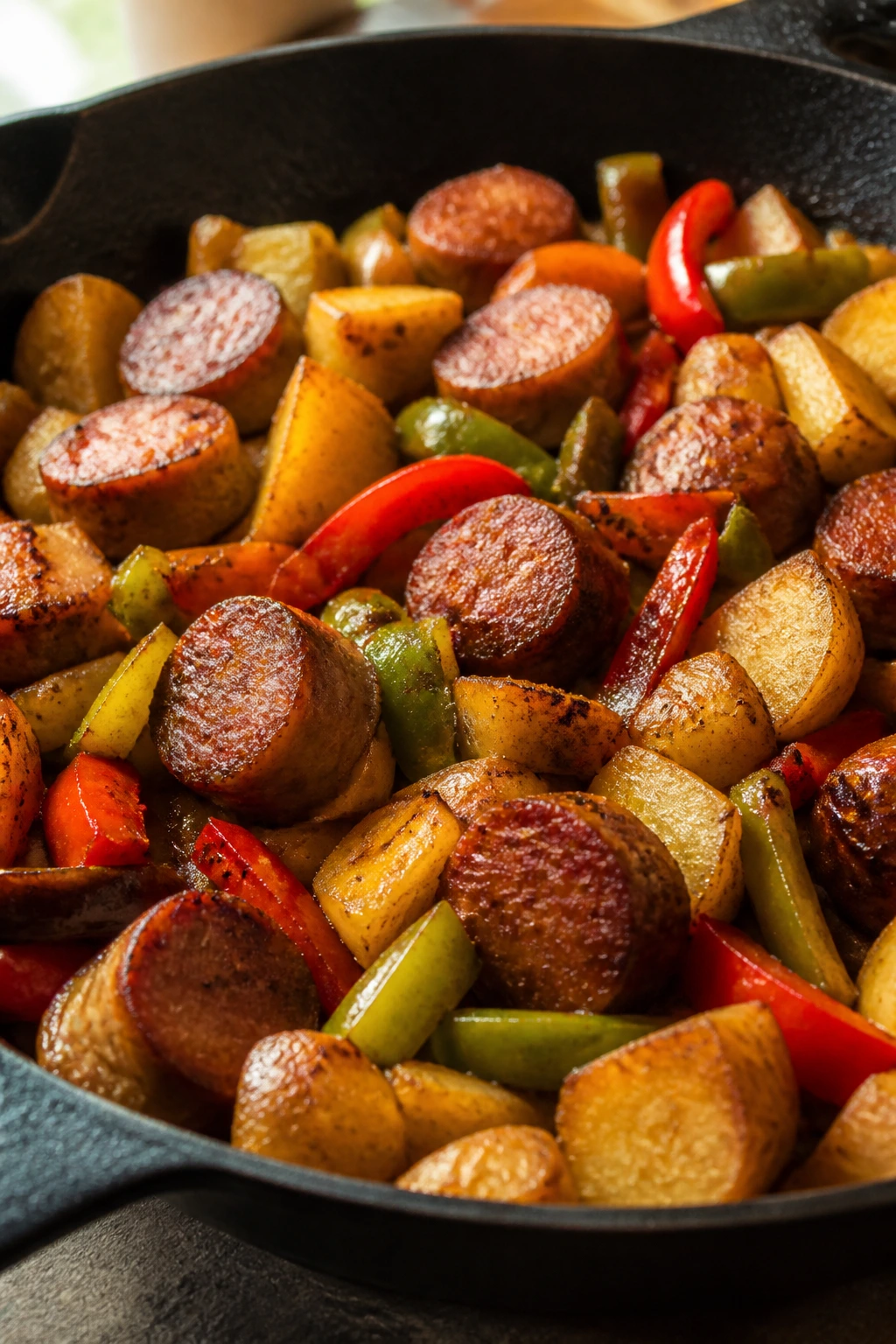
This is the skillet dinner that smells like it should have taken longer. The sausage browns, the peppers soften, the potatoes get crisp edges, and the whole pan turns glossy with paprika and onion.
Why It Works: Sausage brings its own seasoning, which means the vegetables only need salt, pepper, and a little oregano to join the party. Potatoes make it hearty enough for a family table without adding another side.
Key Ingredients:
- 1 1/2 lb Italian sausage
- 1 1/2 lb potatoes, cubed
- 2 bell peppers, sliced
- 1 onion, sliced
- 3 tbsp olive oil
- 1 tsp oregano
- 1/2 tsp fennel seeds, optional
- Parsley for serving
Quick Steps:
- Roast potatoes at 425°F for 15 minutes.
- Add sausage, peppers, onion, oil, oregano, salt, and pepper.
- Roast 20 minutes more until the sausage cooks through.
- Toss once halfway for browning.
- Finish with parsley.
Equipment for This Recipe:
- Rimmed sheet pan
- Large bowl
- Spatula
How to Serve This Dish: Serve it straight from the pan with mustard or warm bread. A green salad gives the plate a sharper edge.
Pro Tips for This Recipe:
- Cut the potatoes small enough to finish with the sausage.
- Use sausage with good fat; lean versions dry out.
- Toss halfway so the peppers don’t burn.
Variations on This Dish:
- Chicken Sausage Version: Use chicken sausage for a lighter plate.
- Fennel-Forward Version: Add sliced fennel with the peppers.
- Spicy Version: Use hot Italian sausage.
Common Mistakes to Avoid with This Dish:
- Huge potato chunks: They stay hard.
- Skipping the toss: The tray browns unevenly.
27. Roasted Vegetable Couscous
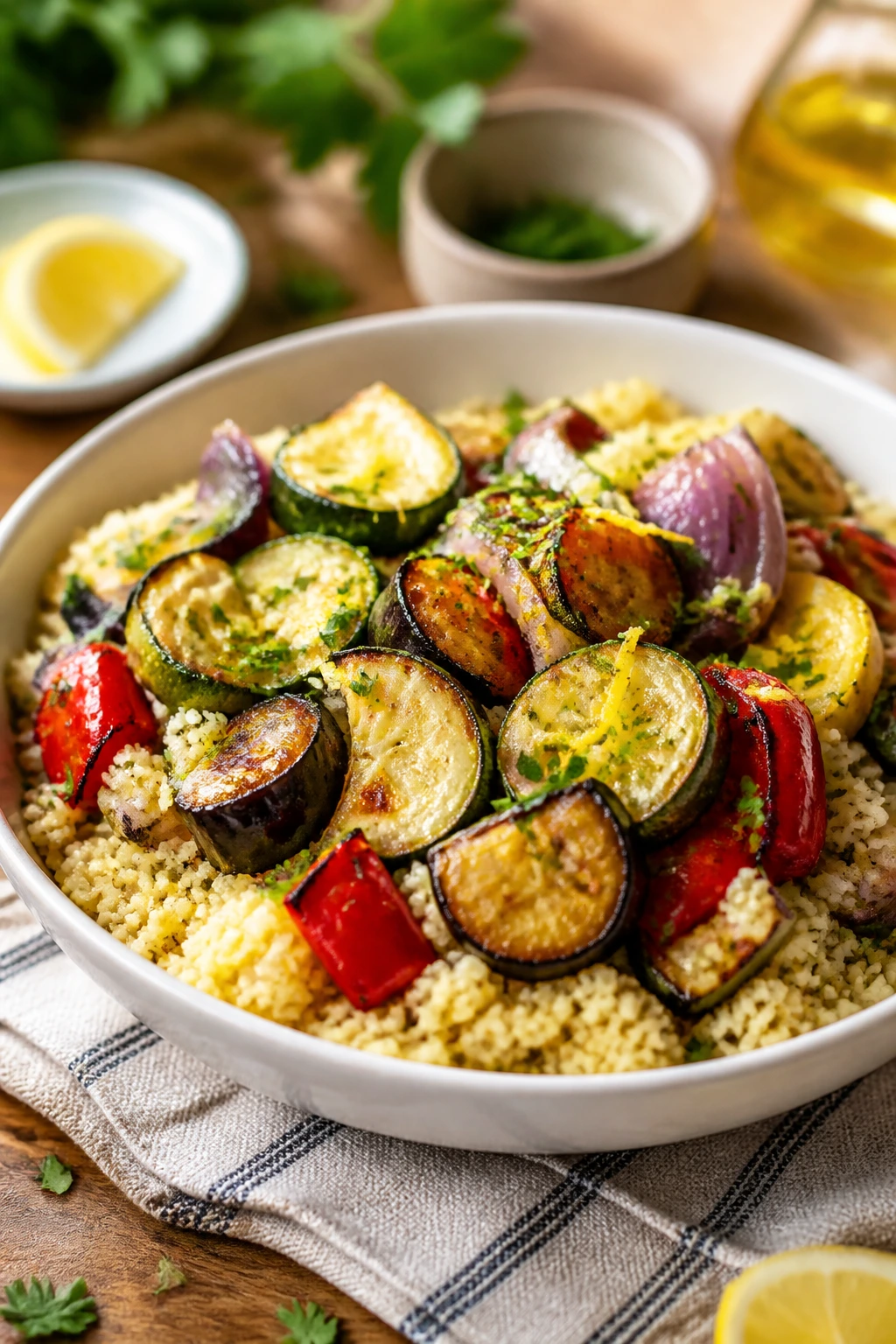
Couscous is fast enough for weeknights and soft enough to carry a tray of roasted vegetables without complaint. Zucchini, eggplant, peppers, and onion bring the color; lemon and herbs keep the bowl from feeling heavy.
Why It Works: The couscous absorbs hot broth in minutes, so it’s ready the moment the vegetables are done. Almonds or pine nuts add crunch, which matters because the rest of the dish is soft.
Key Ingredients:
- 1 1/2 cups couscous
- 2 cups broth
- 1 zucchini, chopped
- 1 eggplant, chopped
- 2 bell peppers, chopped
- 1 onion, chopped
- 3 tbsp olive oil
- 1 lemon
- 1/4 cup parsley
- 1/4 cup almonds
Quick Steps:
- Roast vegetables at 425°F with oil and seasoning for 25 minutes.
- Pour hot broth over couscous, cover, and let stand 5 minutes.
- Fluff the couscous with a fork.
- Fold in vegetables, lemon, herbs, and almonds.
- Taste and adjust salt.
Equipment for This Recipe:
- Sheet pan
- Medium bowl with lid or plate
- Fork
How to Serve This Dish: Serve it warm as a side or add chickpeas for a main. Yogurt or tahini on top makes it feel more complete.
Pro Tips for This Recipe:
- Roast the vegetables until the edges are browned.
- Toast the almonds first for a better crunch.
- Add lemon after fluffing so the couscous stays loose.
Variations on This Dish:
- Cinnamon Version: Add a pinch of cinnamon to the vegetables.
- Chickpea Bowl: Mix in a can of chickpeas.
- Mint Finish: Swap some parsley for mint.
Common Mistakes to Avoid with This Dish:
- Overwetting the couscous: It turns gummy.
- Undercooking eggplant: It tastes spongy instead of rich.
28. Chicken Milanese with Arugula Salad
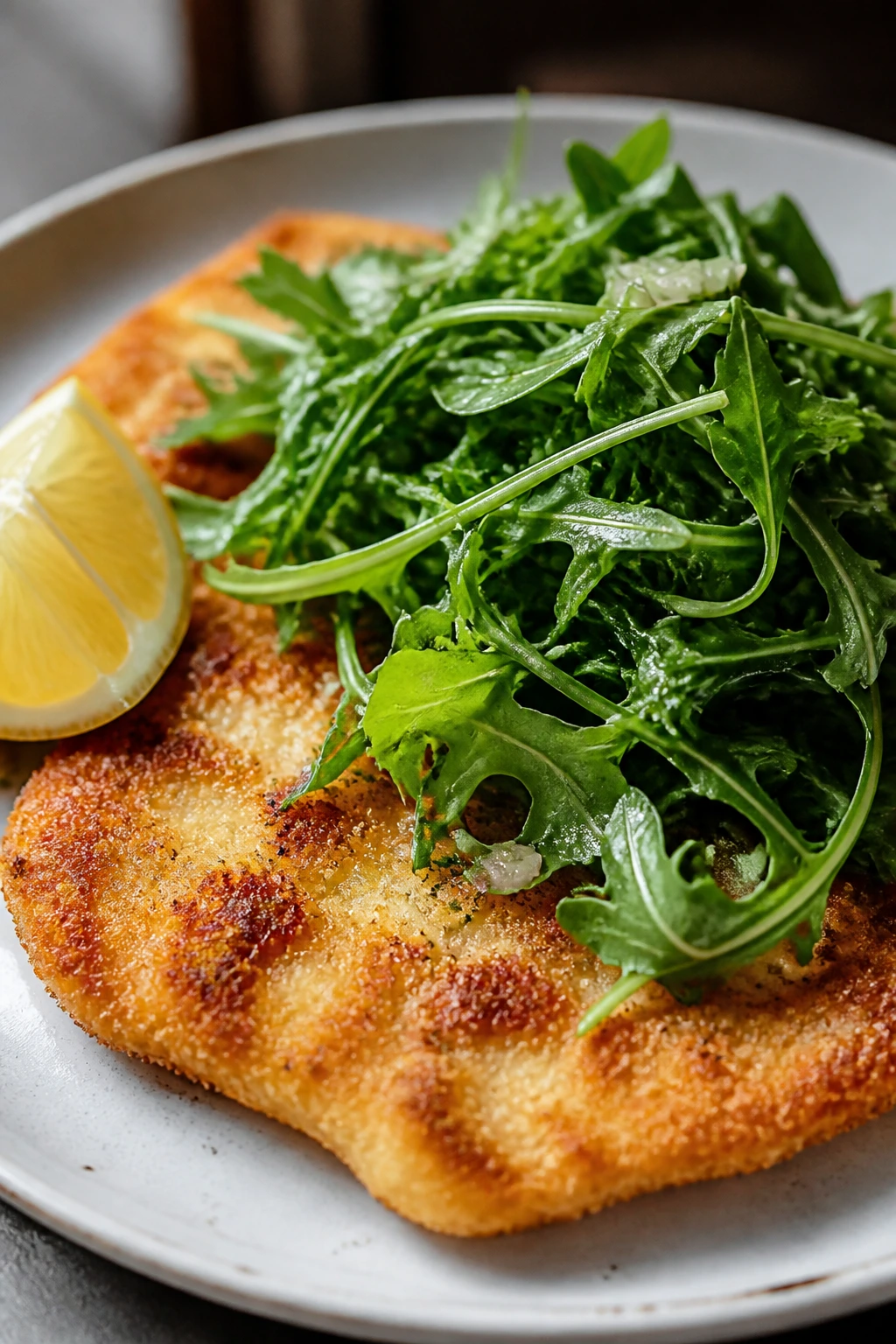
Chicken Milanese is all about contrast: crisp cutlets, peppery greens, lemon, and a little Parmesan. The breading stays delicate if you don’t press it too hard, and the salad goes on top at the last second.
Why It Works: Thin chicken cooks quickly and evenly, while the breadcrumb crust seals in moisture. The arugula salad cuts through the fried edge so the plate doesn’t feel greasy.
Key Ingredients:
- 4 chicken cutlets
- 1/2 cup flour
- 2 eggs, beaten
- 1 1/2 cups breadcrumbs
- 1/4 cup Parmesan
- 3 cups arugula
- 1 lemon
- Olive oil for frying
Quick Steps:
- Dredge chicken in flour, egg, and breadcrumbs mixed with Parmesan.
- Fry in a shallow layer of oil over medium heat for 3 to 4 minutes per side.
- Drain briefly on a rack.
- Toss arugula with lemon juice, olive oil, salt, and pepper.
- Top the cutlets with the salad and serve.
Equipment for This Recipe:
- Large skillet
- Wire rack or paper towels
- Shallow bowls for breading
How to Serve This Dish: Serve the salad on top of the cutlet so the heat wilts the greens slightly. Potatoes or a simple tomato salad make it a full dinner.
Pro Tips for This Recipe:
- Pound the chicken to even thickness.
- Keep one hand dry during breading if you want less mess.
- Salt the cutlets right after frying.
Variations on This Dish:
- Pork Milanese: Use pork cutlets instead of chicken.
- Herb Crust: Add parsley or basil to the breadcrumbs.
- Baked Version: Spray with oil and bake at 425°F until crisp.
Common Mistakes to Avoid with This Dish:
- Crowding the pan: The crust softens.
- Cutlets too thick: They brown before they cook through.
29. Baked Eggplant and Chickpea Tagine
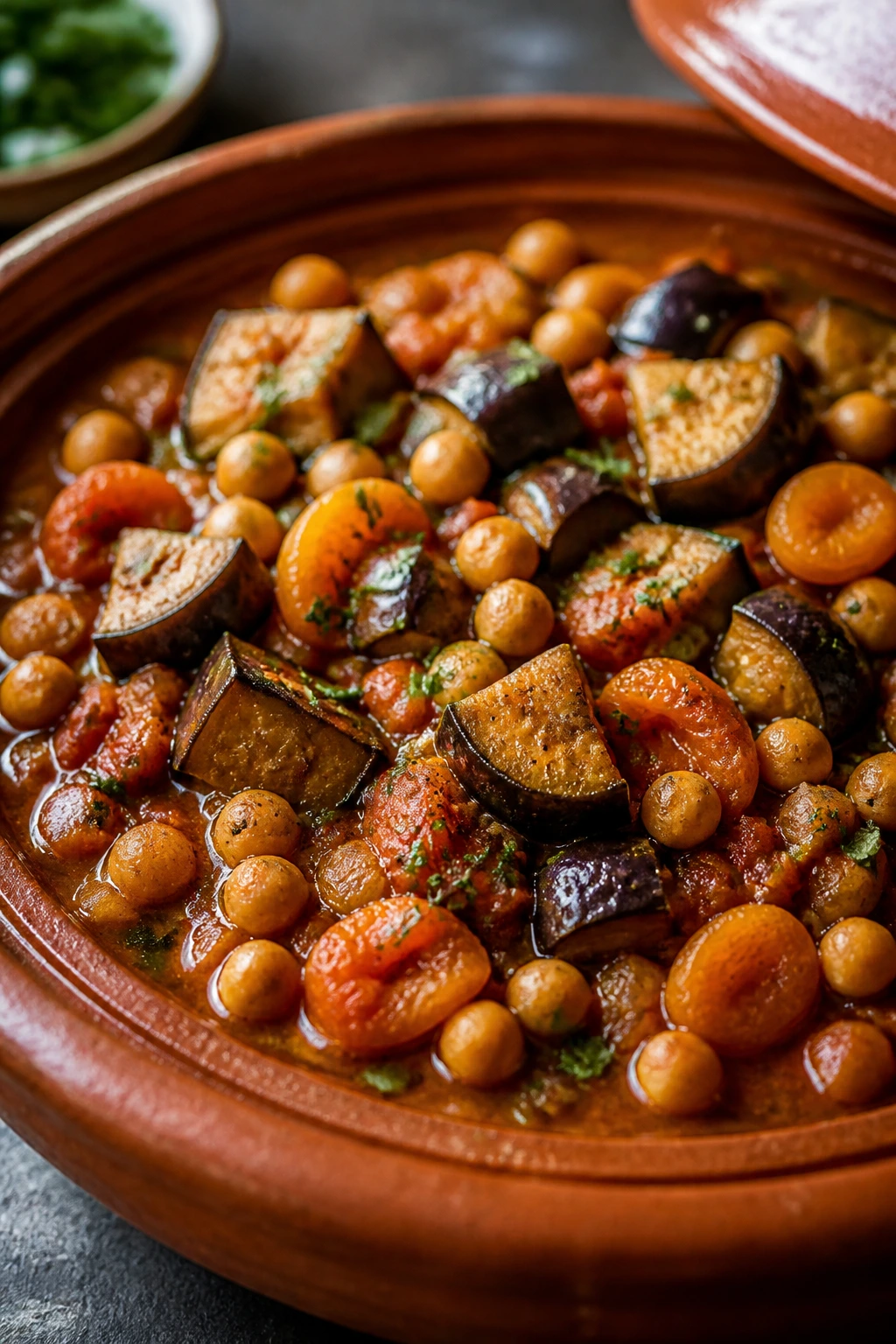
This is a cozy dish with a little sweetness tucked inside. Eggplant turns silky, chickpeas soak up the spices, and a few apricots or golden raisins make the sauce taste round instead of sharp.
Why It Works: Eggplant loves long roasting, and chickpeas hold their shape inside a spiced tomato sauce. Cinnamon and cumin keep the flavor warm without making it taste like dessert.
Key Ingredients:
- 1 large eggplant, cubed
- 2 cans chickpeas, drained
- 1 onion, sliced
- 3 garlic cloves, minced
- 1 can crushed tomatoes, 28 oz
- 1 tsp cumin
- 1/2 tsp cinnamon
- 1/3 cup dried apricots, chopped
- 2 tbsp olive oil
- Couscous for serving
Quick Steps:
- Roast eggplant with oil at 425°F until browned.
- Cook onion and garlic in a skillet.
- Add tomatoes, chickpeas, spices, and apricots; simmer 15 minutes.
- Fold in the roasted eggplant.
- Serve over couscous.
Equipment for This Recipe:
- Sheet pan
- Skillet or Dutch oven
- Spoon
How to Serve This Dish: Spoon it over couscous and add herbs or yogurt on top. A spoonful of preserved lemon is great if you have it.
Pro Tips for This Recipe:
- Roast the eggplant hard enough to brown the edges.
- Cut the apricots small so they melt into the sauce.
- Taste before serving; a little salt often wakes the whole pot up.
Variations on This Dish:
- Date Version: Use chopped dates instead of apricots.
- No-Raisin Version: Skip the dried fruit for a more savory pot.
- Lentil Tagine: Swap half the chickpeas for cooked lentils.
Common Mistakes to Avoid with This Dish:
- Underbrowning the eggplant: The dish tastes flat.
- Too much cinnamon: It can push the sauce into dessert territory.
30. Pan-Seared Trout with Almonds and Herbs
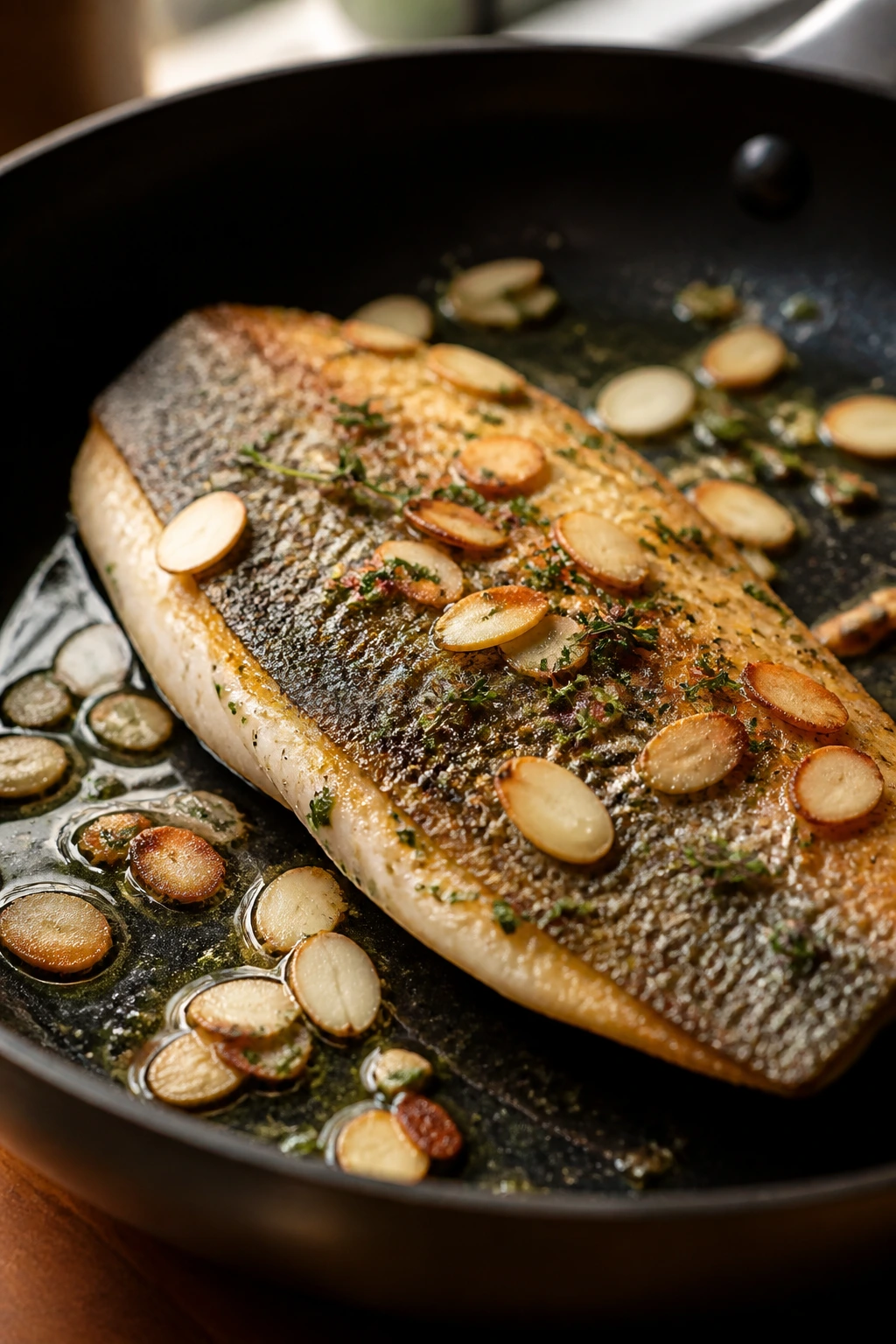
Trout is quick-cooking fish with a mild flavor that holds a buttery pan sauce well. Almonds toast in the same skillet, herbs go on at the end, and the skin gets crisp if you dry the fish first.
Why It Works: Thin fish fillets cook in minutes, so you can build the sauce in the same pan without overthinking it. Almonds bring texture, and lemon keeps the butter from feeling heavy.
Key Ingredients:
- 4 trout fillets
- 2 tbsp flour
- 3 tbsp olive oil
- 2 tbsp butter
- 1/3 cup sliced almonds
- 2 garlic cloves, minced
- 1 lemon
- 2 tbsp parsley or dill
Quick Steps:
- Pat trout dry and dust lightly with flour.
- Sear skin-side down in oil until crisp, about 3 minutes.
- Flip briefly, remove fish, and toast almonds in the same pan.
- Add butter and garlic, then spoon the sauce over the fish.
- Finish with lemon and herbs.
Equipment for This Recipe:
- Large skillet
- Thin fish spatula
- Small bowl for almonds
How to Serve This Dish: Serve the trout with potatoes, rice, or green beans. The almond bits should land right on top where everyone can see them.
Pro Tips for This Recipe:
- Dry fish well or the skin won’t crisp.
- Keep the second side brief.
- Toast the almonds until pale gold, not dark brown.
Variations on This Dish:
- Pecan Version: Use chopped pecans instead of almonds.
- Lemon-Caper Sauce: Add capers with the garlic.
- Herb Butter Trout: Use dill and parsley together.
Common Mistakes to Avoid with This Dish:
- Moving the fish too soon: The skin can stick.
- Overcrowding the skillet: The fish steams instead of searing.
31. Pesto Gnocchi with Green Beans
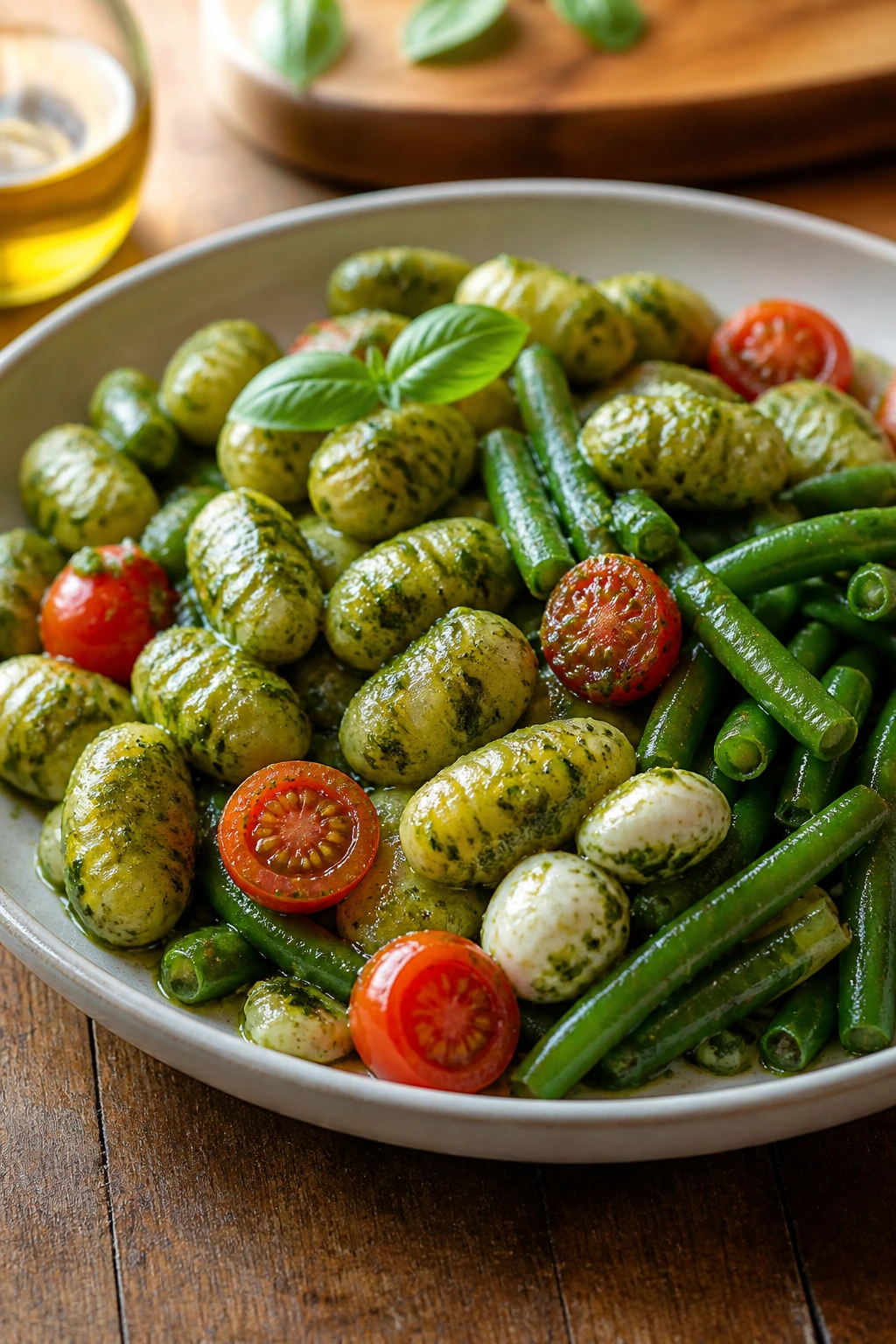
Gnocchi can go from perfect to heavy fast, which is why a short cook and a sharp pesto sauce matter. Green beans add a crisp bite that keeps the bowl from turning into soft-on-soft food.
Why It Works: Store-bought gnocchi cooks in minutes, so it’s ideal for nights when you need dinner moving. Pesto coats the pillows of potato dough without needing a long simmer.
Key Ingredients:
- 1 1/2 lb potato gnocchi
- 2 cups green beans, trimmed
- 1/2 cup pesto
- 1 cup cherry tomatoes, halved
- 1/2 cup mozzarella pearls
- 2 tbsp Parmesan
- 1 tbsp olive oil
Quick Steps:
- Boil the gnocchi until they float, then drain.
- Blanch the green beans until bright and crisp-tender.
- Toss gnocchi with pesto and olive oil.
- Fold in green beans, tomatoes, and mozzarella.
- Finish with Parmesan.
Equipment for This Recipe:
- Pot for boiling
- Colander
- Large bowl
How to Serve This Dish: Serve it warm, not piping hot, so the pesto doesn’t dull. A side salad is plenty if you want a quick dinner.
Pro Tips for This Recipe:
- Don’t overboil the gnocchi; they go mushy fast.
- Save a splash of cooking water if the pesto feels thick.
- Add the tomatoes at the end so they stay fresh.
Variations on This Dish:
- Chicken Pesto Gnocchi: Add shredded rotisserie chicken.
- Basil-Free Version: Use spinach pesto.
- Lemon Version: Add lemon zest for a brighter bowl.
Common Mistakes to Avoid with This Dish:
- Boiling the gnocchi too long: They fall apart.
- Using too much pesto at once: The dish turns greasy.
32. Turkey Meatballs with Orzo
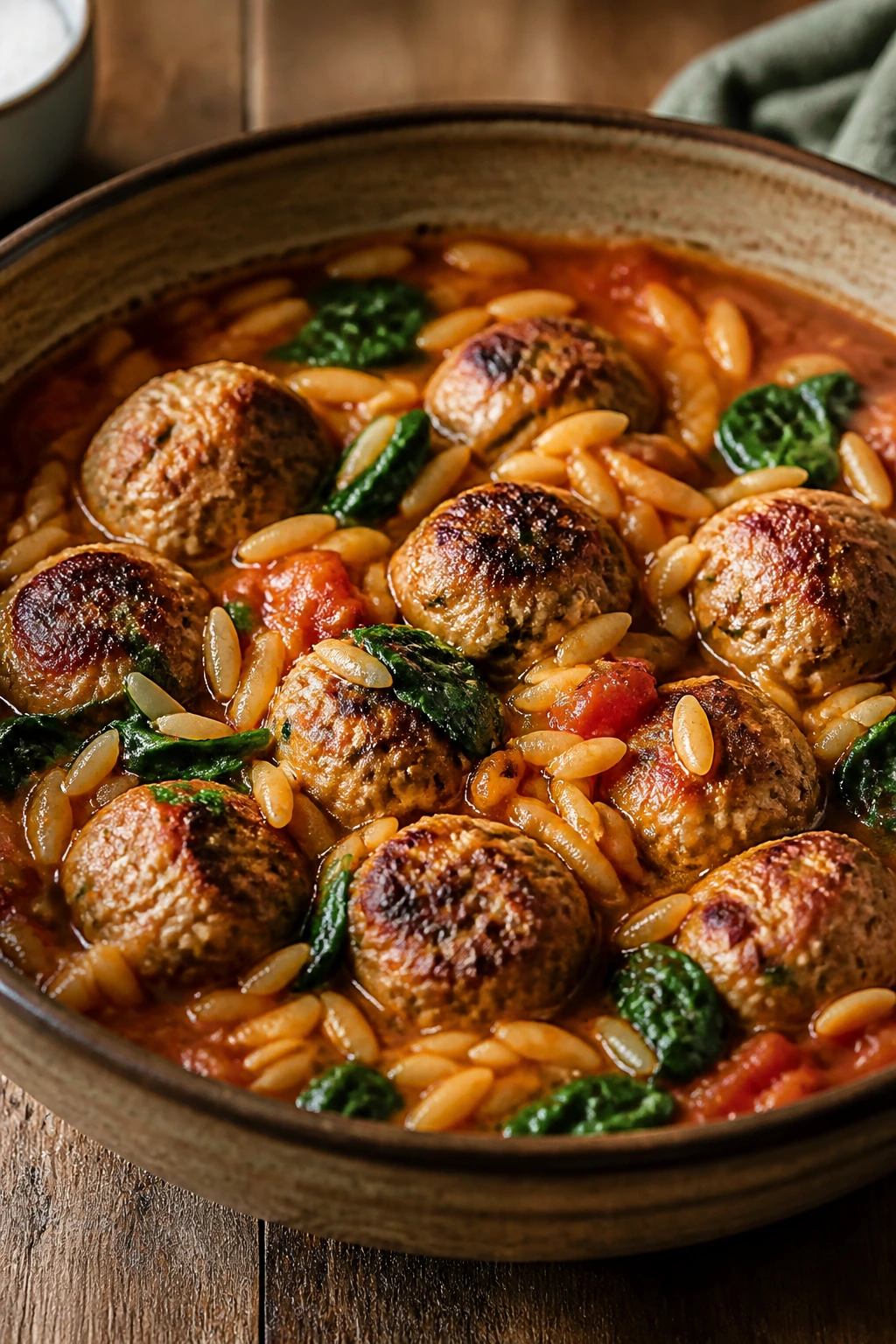
These meatballs sit somewhere between soup and a saucy skillet, which is part of the appeal. Orzo cooks right in the pot and drinks up the tomato broth while the meatballs stay tender.
Why It Works: Turkey meatballs are mild, so the tomato sauce and herbs have room to do the heavy lifting. Orzo turns the pot into a complete meal without needing another starch.
Key Ingredients:
- 1 1/2 lb ground turkey
- 1/2 cup breadcrumbs
- 1 egg
- 2 garlic cloves, minced
- 1 tsp oregano
- 1 cup orzo
- 3 cups chicken broth
- 1 cup tomato sauce
- 2 cups spinach
Quick Steps:
- Mix turkey, breadcrumbs, egg, garlic, oregano, salt, and pepper; shape meatballs.
- Brown them lightly in a skillet.
- Add broth and tomato sauce, then simmer 10 minutes.
- Stir in orzo and cook until tender.
- Fold in spinach and serve.
Equipment for This Recipe:
- Large skillet or Dutch oven
- Mixing bowl
- Wooden spoon
How to Serve This Dish: Serve the meatballs in shallow bowls with sauce over the orzo. A sprinkle of Parmesan or feta both work if you want a sharper top.
Pro Tips for This Recipe:
- Brown the meatballs first for flavor.
- Keep the simmer gentle so the meatballs stay intact.
- Add spinach at the very end.
Variations on This Dish:
- Lemon Meatballs: Add lemon zest to the mix.
- Rice Version: Swap the orzo for cooked rice.
- Beef-Turkey Blend: Use half ground beef for more flavor.
Common Mistakes to Avoid with This Dish:
- Skipping the brown: The meatballs taste boiled.
- Adding orzo too early: It can overcook before the sauce thickens.
33. White Bean and Kale Soup
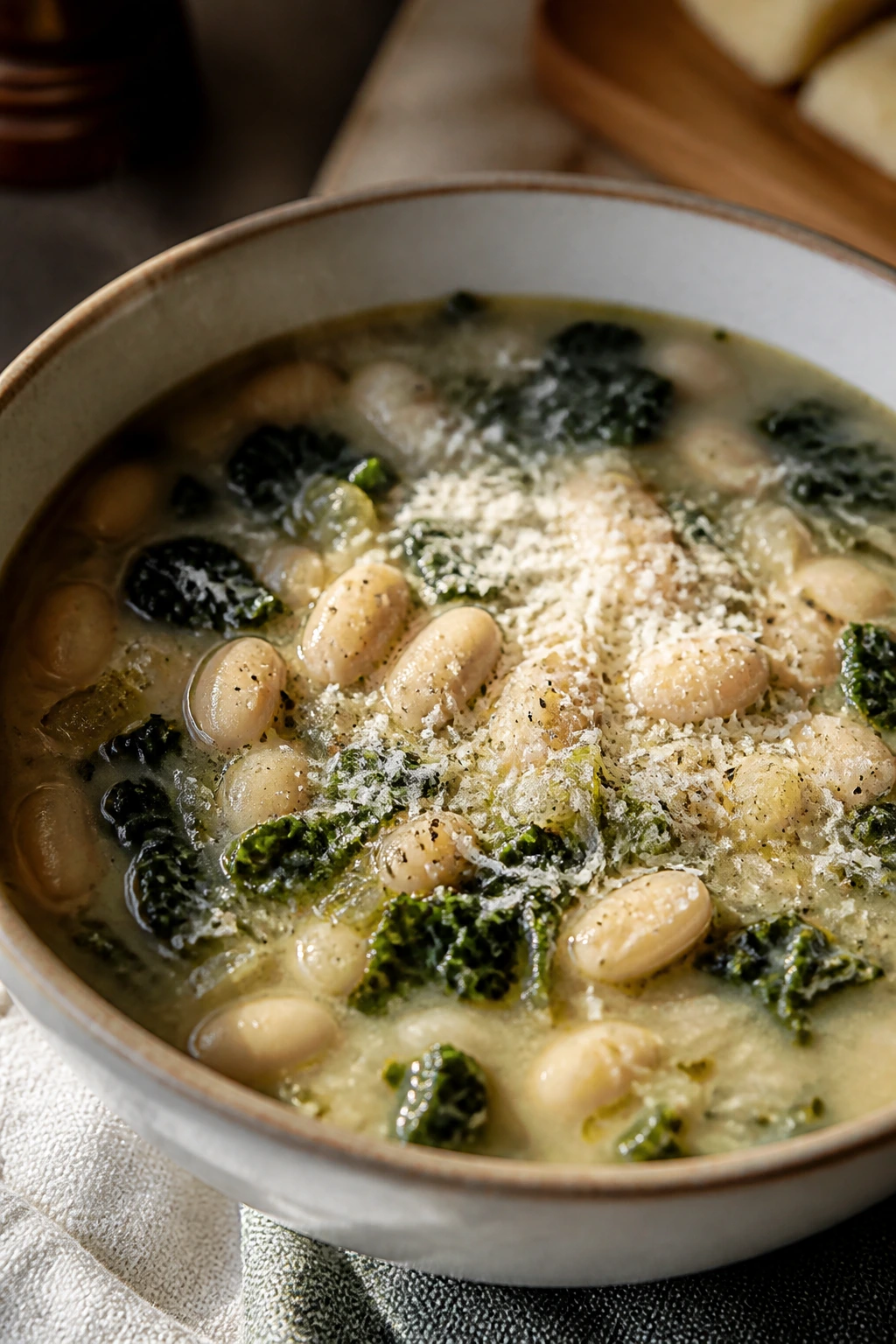
White bean soup has a quiet kind of depth. The beans make the broth creamy, kale keeps some bite, and garlic with Parmesan gives you the savory finish that makes people go back for one more ladle.
Why It Works: Cannellini beans break down enough to thicken the broth without turning it starchy. Kale holds up better than spinach, so the soup tastes good even after reheating.
Key Ingredients:
- 2 tbsp olive oil
- 1 onion, diced
- 2 carrots, diced
- 4 garlic cloves, minced
- 2 cans cannellini beans, drained
- 6 cups broth
- 1 bunch kale, chopped
- 1/2 cup Parmesan
- 1 lemon
Quick Steps:
- Cook onion and carrots in oil until soft.
- Add garlic and beans, then pour in broth.
- Simmer 20 minutes, mashing some beans lightly.
- Add kale and cook until tender.
- Finish with Parmesan and lemon.
Equipment for This Recipe:
- Soup pot
- Potato masher or spoon
- Ladle
How to Serve This Dish: Serve it with crusty bread and a drizzle of olive oil. It works nicely as a light dinner or a starter before pasta.
Pro Tips for This Recipe:
- Mash a few beans for creaminess.
- Strip the kale leaves from the stems; the stems stay tough.
- Lemon at the end keeps the soup awake.
Variations on This Dish:
- Sausage Soup: Add sliced Italian sausage.
- Tomato Bean Soup: Stir in 1 cup crushed tomatoes.
- Rosemary Version: Simmer with a rosemary sprig.
Common Mistakes to Avoid with This Dish:
- Overcooking the kale: It turns drab and soft.
- Leaving the broth flat: Beans need salt and acid to shine.
34. Broiled Swordfish with Caper Butter
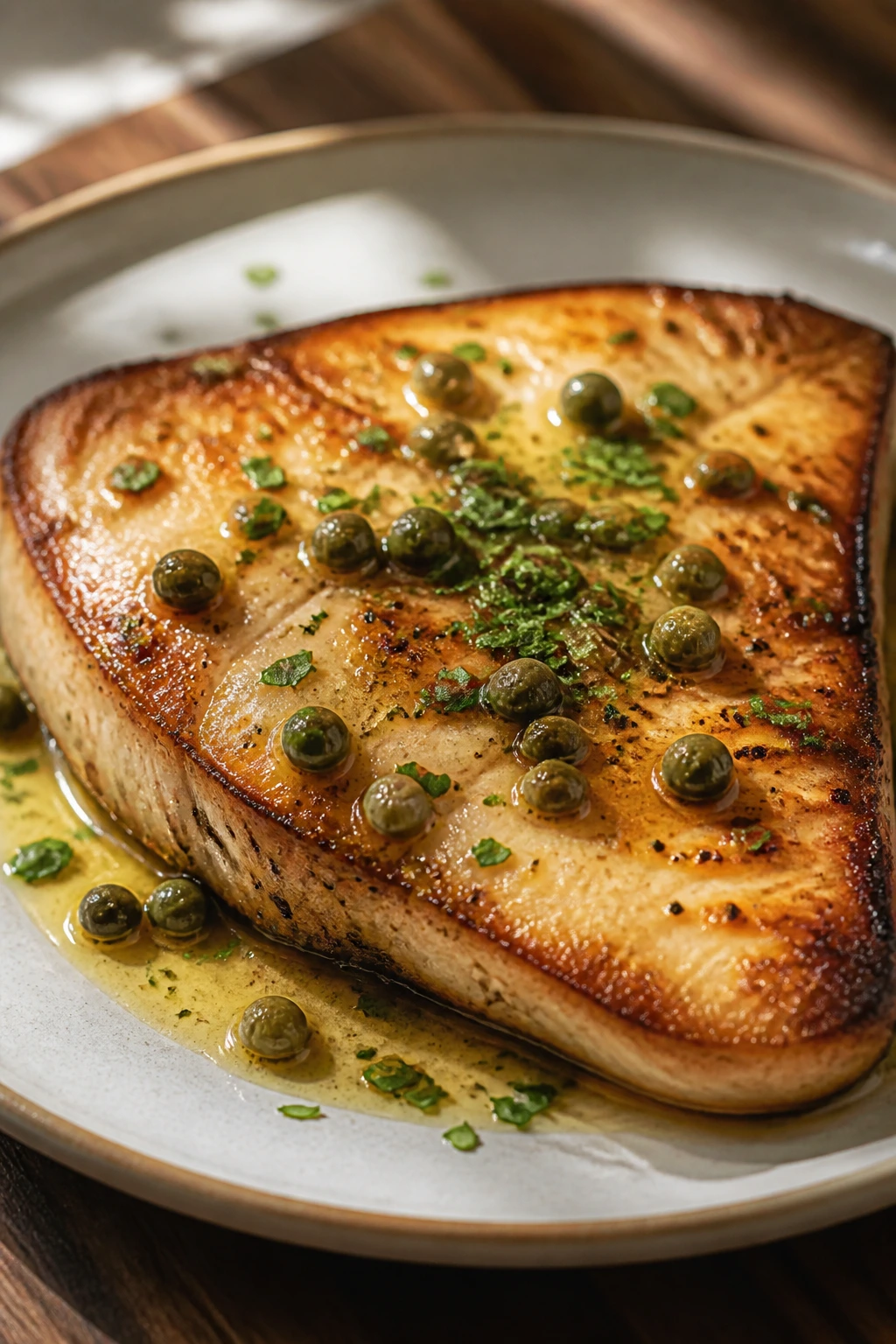
Swordfish takes to a broiler the way potatoes take to salt: willingly. A quick broil gives you a browned top, while caper butter melts into the fish and brings a bright, salty edge.
Why It Works: Swordfish is firm enough to handle strong heat, which means you can get color without falling apart. Caper butter gives the dish a sauce without requiring a separate pan sauce.
Key Ingredients:
- 4 swordfish steaks, about 6 oz each
- 2 tbsp olive oil
- 2 tbsp butter
- 2 tbsp capers
- 1 garlic clove, minced
- 1 lemon
- 2 tbsp parsley
Quick Steps:
- Heat the broiler and brush swordfish with oil, salt, and pepper.
- Broil 4 to 6 inches from the heat for 4 to 5 minutes per side.
- Melt butter with capers and garlic in a small pan.
- Spoon the caper butter over the fish.
- Finish with lemon and parsley.
Equipment for This Recipe:
- Broiler-safe pan
- Small saucepan
- Fish spatula
How to Serve This Dish: Serve with roasted potatoes or a tomato salad. The caper butter should stay visible on the fish, not disappear into the plate.
Pro Tips for This Recipe:
- Don’t walk away from the broiler.
- Swordfish should still be just a little juicy inside.
- Rinse very salty capers once if needed.
Variations on This Dish:
- Lemon-Herb Butter: Add dill or basil to the butter.
- Salmon Swap: Use thick salmon fillets and shorten the broil.
- Garlic-Free Version: Use lemon and parsley only.
Common Mistakes to Avoid with This Dish:
- Overbroiling: Swordfish turns dry and chalky.
- Using cold butter straight from the fridge: It won’t melt evenly.
35. Mediterranean Flatbread Pizza Night
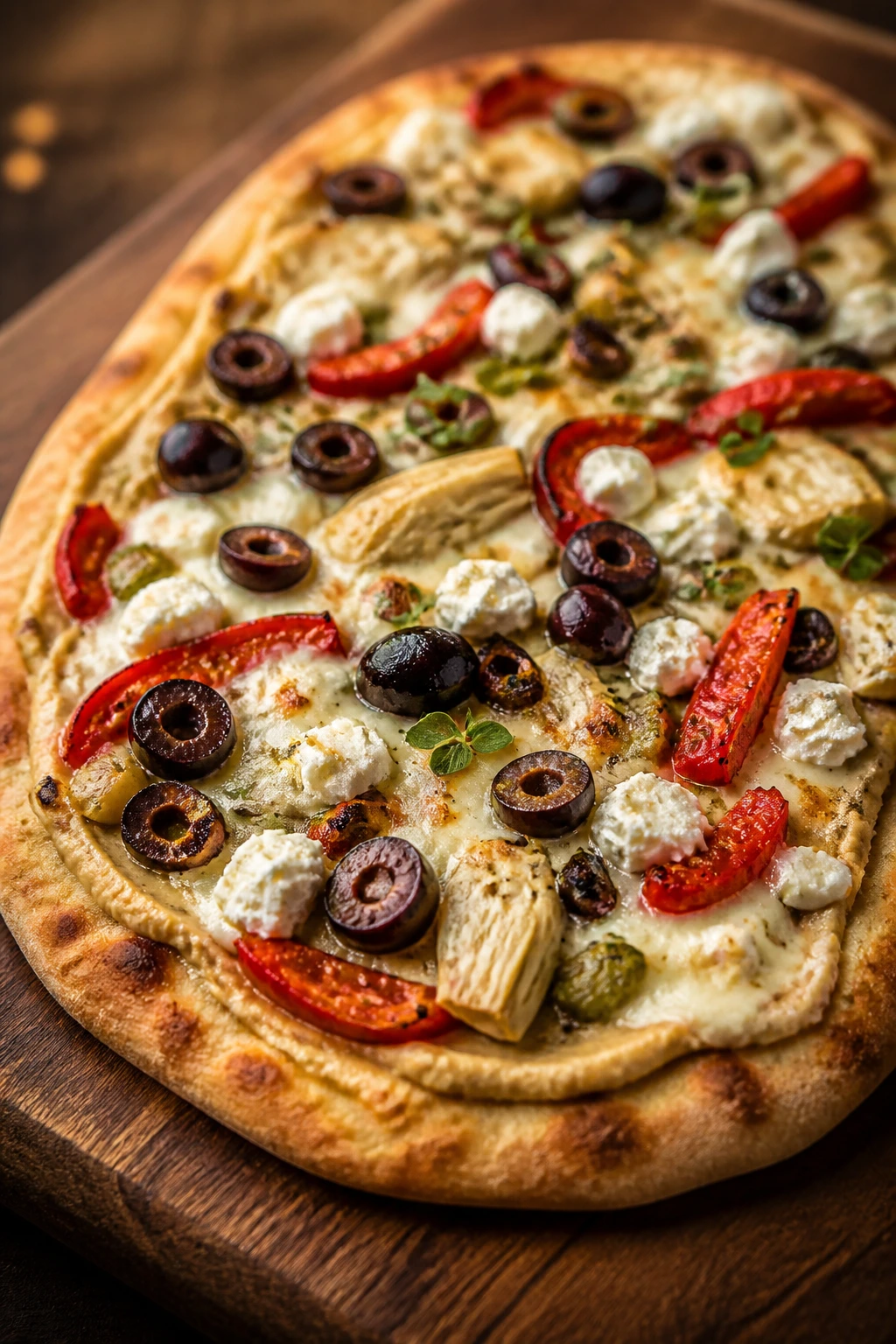
Flatbread pizzas make dinner feel fun without turning it into a project. Hummus or tomato sauce, mozzarella, olives, artichokes, and peppers build layers fast, and everyone can claim a corner of the pan.
Why It Works: Flatbread crisps quickly, which means the toppings don’t have time to go soggy. It’s also one of the easiest ways to use odds and ends from the fridge without making the meal look improvised.
Key Ingredients:
- 4 flatbreads or naan
- 1 cup hummus or tomato sauce
- 2 cups shredded mozzarella
- 1/2 cup olives
- 1/2 cup artichoke hearts
- 1 bell pepper, sliced
- 1/4 cup feta
- 1 tbsp olive oil
- 1 tsp oregano
Quick Steps:
- Heat the oven to 450°F and place the flatbreads on sheet pans.
- Spread with hummus or sauce.
- Add mozzarella, vegetables, oregano, and oil.
- Bake 8 to 10 minutes until crisp and melted.
- Finish with feta.
Equipment for This Recipe:
- Sheet pans
- Spatula
- Sharp knife
How to Serve This Dish: Cut into strips and serve with a salad. Great for a mixed table, because each flatbread can carry a different topping combination.
Pro Tips for This Recipe:
- Don’t overload the flatbread or the center droops.
- Brush the edges with oil for extra browning.
- Add delicate greens after baking.
Variations on This Dish:
- Chicken Flatbread: Add shredded chicken.
- Pesto Flatbread: Swap sauce for pesto.
- White Pizza Style: Use ricotta and spinach instead of hummus.
Common Mistakes to Avoid with This Dish:
- Too many toppings: The crust softens.
- Cold oven: You need the high heat for crisp edges.
36. Baked Ziti with Spinach and Ricotta
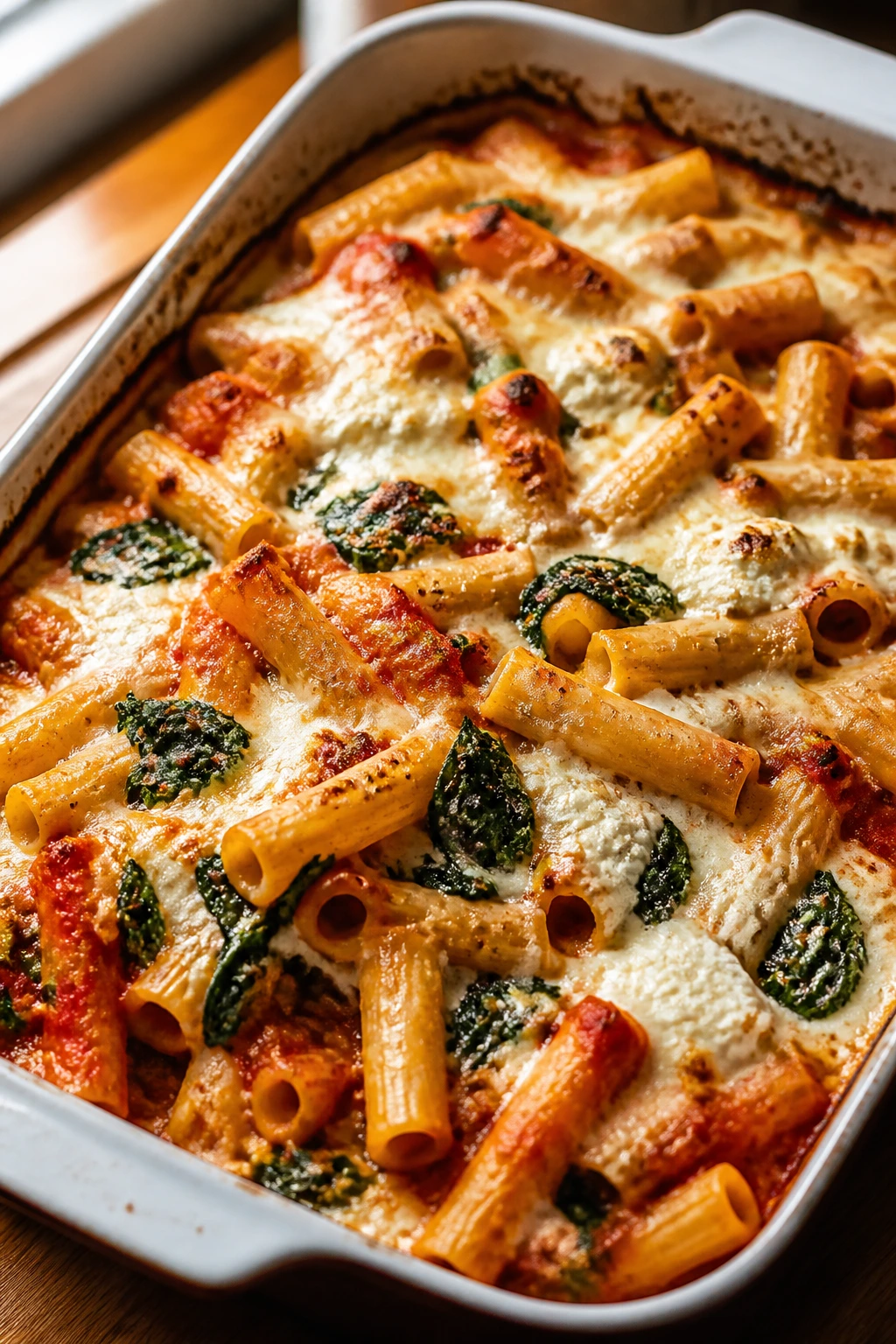
Baked ziti is one of those casseroles that forgives a lot and still tastes good. Spinach folds into the ricotta, tomato sauce soaks the pasta, and the top gets browned and a little chewy in the corners.
Why It Works: Short pasta holds sauce inside the tubes, and ricotta keeps the casserole creamy without needing a separate béchamel. Spinach lightens the middle and gives the dish a little color.
Key Ingredients:
- 1 lb ziti
- 3 cups marinara sauce
- 2 cups ricotta
- 4 cups spinach, chopped
- 2 cups shredded mozzarella
- 1/2 cup Parmesan
- 1 egg
- 1 tsp basil
Quick Steps:
- Cook the ziti until just shy of done.
- Mix ricotta, spinach, egg, basil, salt, and pepper.
- Toss pasta with sauce and half the mozzarella.
- Layer in a baking dish with the ricotta mixture.
- Top with the rest of the cheese and bake at 375°F for 30 minutes.
Equipment for This Recipe:
- Large pot
- 9×13-inch baking dish
- Mixing bowl
How to Serve This Dish: Let it rest before cutting so the squares hold together. Garlic bread and a simple salad are the natural partners.
Pro Tips for This Recipe:
- Cook the pasta a bit short.
- Press spinach dry if it was frozen.
- Rest the casserole or it will slide apart.
Variations on This Dish:
- Sausage Ziti: Add browned sausage to the sauce.
- Roasted Pepper Version: Mix in chopped roasted peppers.
- Extra-Cheesy Top: Add provolone with the mozzarella.
Common Mistakes to Avoid with This Dish:
- Dry pasta straight from the pot: It keeps cooking in the oven.
- Too much sauce on top: The bake can get watery.
37. Tomato-Braised Turkey Cutlets
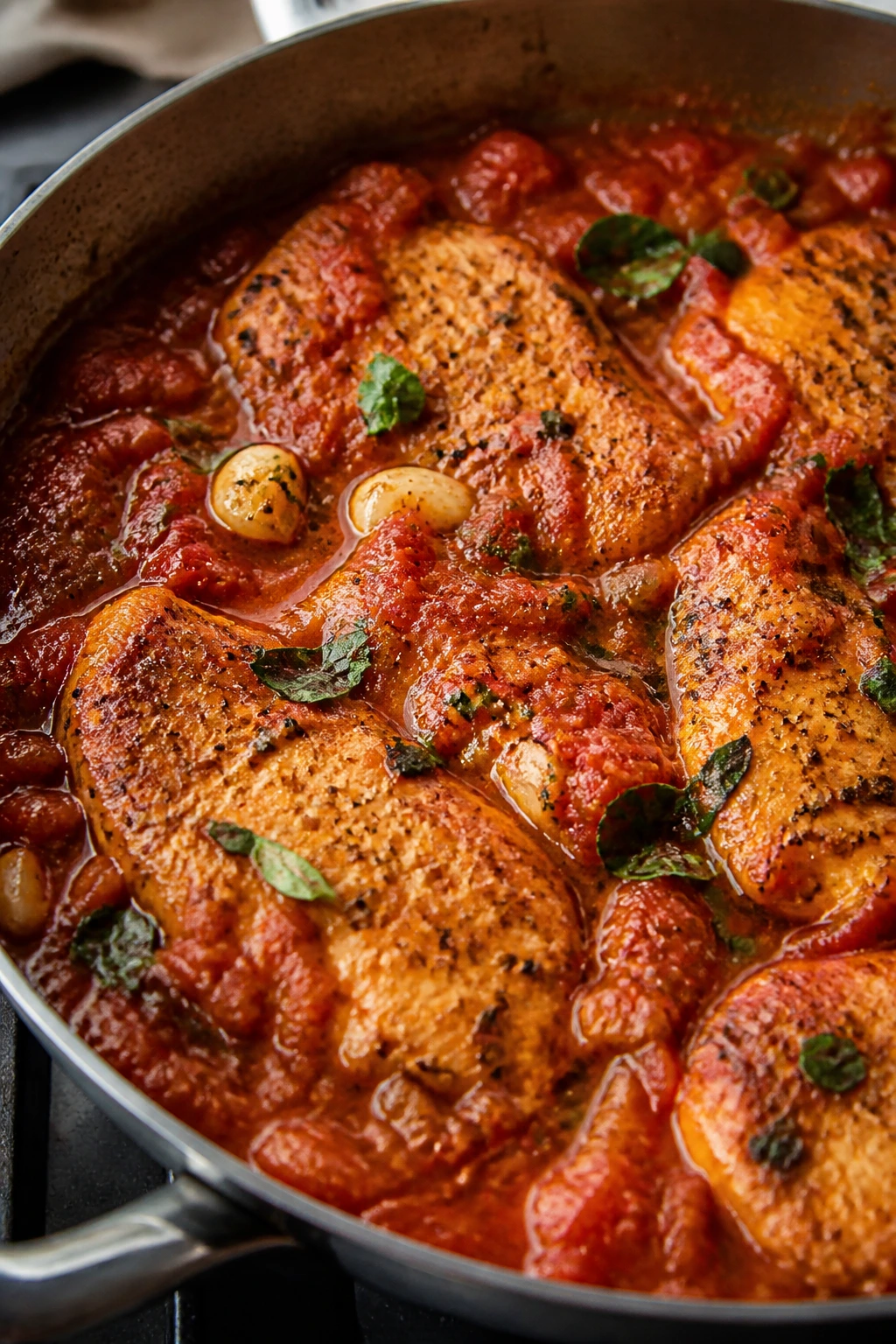
Turkey cutlets cook fast, which makes them useful, but they can dry out if you treat them like a steak. Braising them in tomato, garlic, and herbs fixes that problem and gives you a sauce worth spooning over bread.
Why It Works: The cutlets barely need time in the pan before the sauce takes over. Tomato and broth keep the meat moist, and the braise gives you a meal that feels slower than it is.
Key Ingredients:
- 1 1/2 lb turkey cutlets
- 2 tbsp olive oil
- 1 onion, sliced
- 3 garlic cloves, minced
- 1 can crushed tomatoes, 28 oz
- 1/2 cup broth
- 1 tsp oregano
- 1/4 cup parsley
Quick Steps:
- Lightly brown the cutlets in oil and set aside.
- Cook onion and garlic until soft.
- Add tomatoes, broth, and oregano; simmer 10 minutes.
- Return turkey to the sauce and simmer gently 8 to 10 minutes.
- Finish with parsley.
Equipment for This Recipe:
- Large skillet with lid
- Tongs
- Wooden spoon
How to Serve This Dish: Spoon the sauce over mashed potatoes, polenta, or crusty bread. It also works over rice if you want a cleaner plate.
Pro Tips for This Recipe:
- Don’t overbrown the cutlets at the start.
- Keep the simmer gentle so the turkey stays tender.
- Add parsley right before serving.
Variations on This Dish:
- Olive Braise: Add sliced olives to the sauce.
- Caper Version: Stir in capers near the end.
- Chicken Cutlet Swap: Use thin chicken cutlets the same way.
Common Mistakes to Avoid with This Dish:
- Searing too hard: The cutlets dry out before braising.
- Boiling the sauce hard: The meat tightens.
38. Roasted Chickpea Pitas with Cucumber Sauce
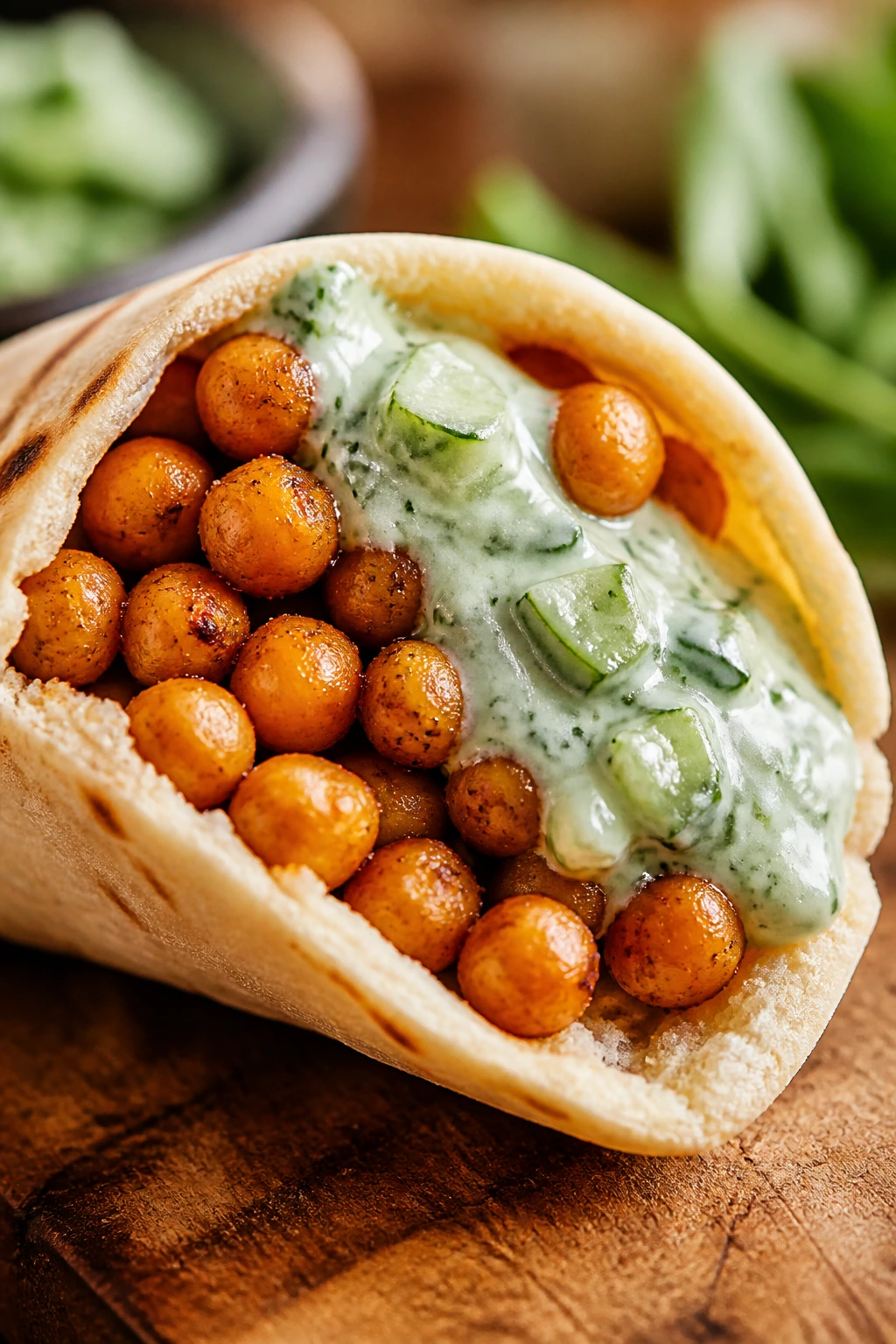
This is the dinner I use when I want handheld food that still feels like a meal. The chickpeas crisp in the oven, the cucumber sauce cools everything down, and the pita keeps it friendly for kids who like to build their own.
Why It Works: Roasting chickpeas drives off moisture and gives them bite. A yogurt-cucumber sauce balances the spice, and pita turns the whole thing into something you can eat with one hand.
Key Ingredients:
- 2 cans chickpeas, drained and dried
- 2 tbsp olive oil
- 1 tsp cumin
- 1 tsp paprika
- 4 pita breads
- 1 cucumber, grated
- 1 cup yogurt
- 1 garlic clove, grated
- Lettuce or chopped tomatoes
Quick Steps:
- Roast chickpeas with oil and spices at 425°F for 25 minutes.
- Mix yogurt, cucumber, garlic, salt, and a little lemon.
- Warm the pita.
- Fill with chickpeas, lettuce, tomatoes, and sauce.
- Serve right away while the chickpeas are still crisp.
Equipment for This Recipe:
- Rimmed sheet pan
- Mixing bowl
- Box grater
How to Serve This Dish: Let people build their own pitas or turn it into bowls. Add hot sauce at the table if some eaters want more bite.
Pro Tips for This Recipe:
- Dry the chickpeas well before roasting.
- Don’t overfill the pita or it tears.
- Keep the sauce thick enough to spread.
Variations on This Dish:
- Tahini Sauce: Swap yogurt for tahini and lemon.
- Spicy Chickpeas: Add chili powder with the paprika.
- Rice Bowl Version: Serve the chickpeas over rice instead of pita.
Common Mistakes to Avoid with This Dish:
- Wet chickpeas: They soften instead of crisping.
- Warm sauce on the chickpeas too early: It kills the crunch.
39. Fish Stew with Fennel and Saffron
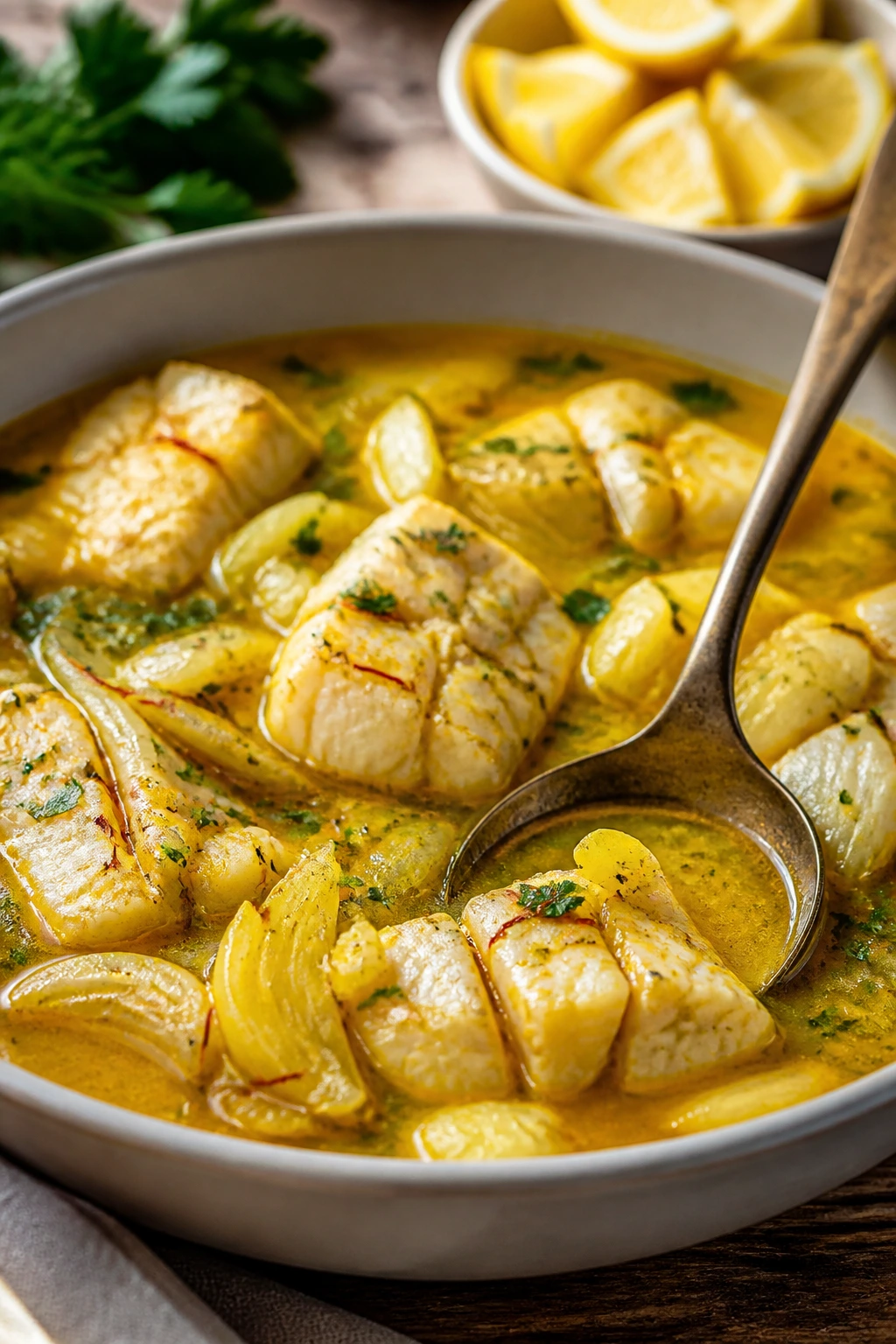
A good fish stew smells expensive before it even tastes expensive. Fennel, saffron, tomatoes, and white fish build a broth that feels delicate, but it still feeds a table without trouble.
Why It Works: Fennel gives the broth a soft sweetness that supports the fish. Saffron adds color and depth, and the fish goes in at the end so it stays in pieces instead of dissolving.
Key Ingredients:
- 2 tbsp olive oil
- 1 onion, sliced
- 1 fennel bulb, sliced
- 3 garlic cloves, minced
- 1 can crushed tomatoes, 28 oz
- 4 cups broth
- Pinch saffron threads
- 1 1/2 lb white fish, cut into chunks
- 2 tbsp parsley
- Lemon wedges
Quick Steps:
- Cook onion, fennel, and garlic in oil until softened.
- Add tomatoes, broth, and saffron; simmer 15 minutes.
- Add the fish and cook gently 5 to 7 minutes.
- Stir in parsley.
- Serve with lemon.
Equipment for This Recipe:
- Dutch oven or soup pot
- Ladle
- Fish spatula
How to Serve This Dish: Serve it in wide bowls with bread for the broth. A little aioli or rouille on the side is nice if you want to lean classic.
Pro Tips for This Recipe:
- Keep the broth at a bare simmer.
- Use a fish that stays firm, like cod or haddock.
- Saffron needs a few minutes in hot liquid to open up.
Variations on This Dish:
- Shrimp Addition: Add shrimp in the last 3 minutes.
- Potato Version: Add diced potatoes to the broth first.
- Spicy Broth: Add a pinch of chili flakes.
Common Mistakes to Avoid with This Dish:
- Boiling the fish hard: It breaks apart.
- Using too little fennel: The broth loses its shape.
40. Stuffed Zucchini Boats with Ground Beef and Rice
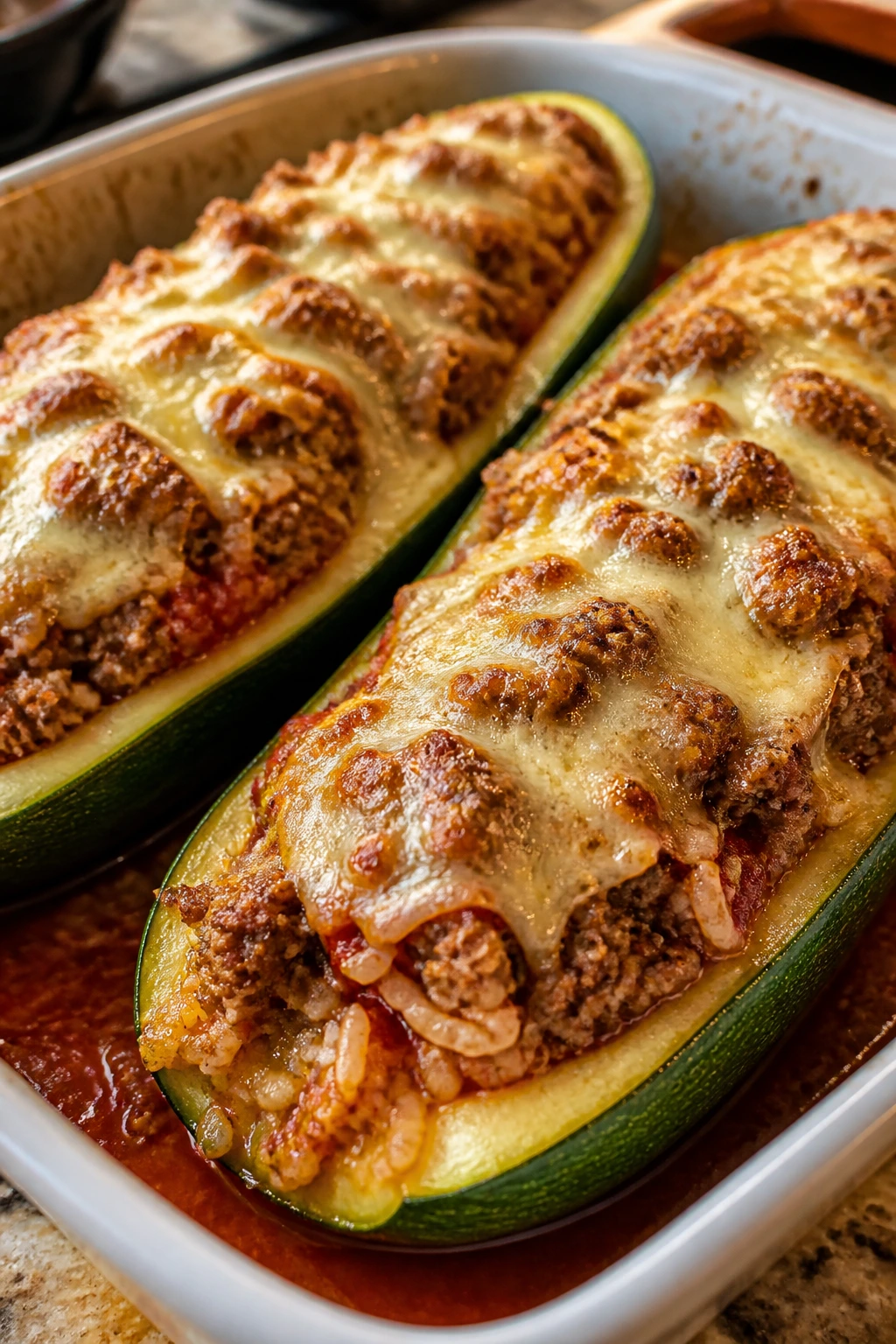
Zucchini boats are one of those meals that quietly solve a lot of dinner problems. The shell softens enough to eat, the beef and rice filling is hearty, and the tomato sauce keeps everything from drying out.
Why It Works: Zucchini halves roast into usable vessels, and the filling carries enough moisture to stay tender. Rice stretches the beef without making the dish feel sparse, and cheese on top gives you a browned finish.
Key Ingredients:
- 4 medium zucchini, halved lengthwise
- 1 lb ground beef
- 1 cup cooked rice
- 1 onion, diced
- 2 garlic cloves, minced
- 1 cup tomato sauce
- 1/2 cup shredded mozzarella
- 2 tbsp parsley
Quick Steps:
- Scoop a little from each zucchini half and place them in a baking dish.
- Cook beef, onion, and garlic until browned.
- Stir in rice, tomato sauce, salt, and pepper.
- Fill the zucchini and top with mozzarella.
- Bake at 375°F for 25 minutes until the zucchini is tender.
Equipment for This Recipe:
- 9×13-inch baking dish
- Skillet
- Spoon for scooping
How to Serve This Dish: Serve two boats per adult and one for smaller eaters. A side salad or roasted potatoes rounds it out without crowding the plate.
Pro Tips for This Recipe:
- Don’t scoop the zucchini too deep or the shells collapse.
- Pre-bake the shells for 10 minutes if you want them softer.
- Let the pan rest before lifting the boats out.
Variations on This Dish:
- Turkey Version: Use ground turkey and add more olive oil.
- Mediterranean Veg Version: Swap beef for lentils and chopped mushrooms.
- Feta Finish: Replace mozzarella with feta for a saltier top.
Common Mistakes to Avoid with This Dish:
- Overstuffing the boats: The filling spills out.
- Using raw rice in the filling: It won’t cook through in time.
Why Mediterranean Dinners Hold Up on Busy Nights
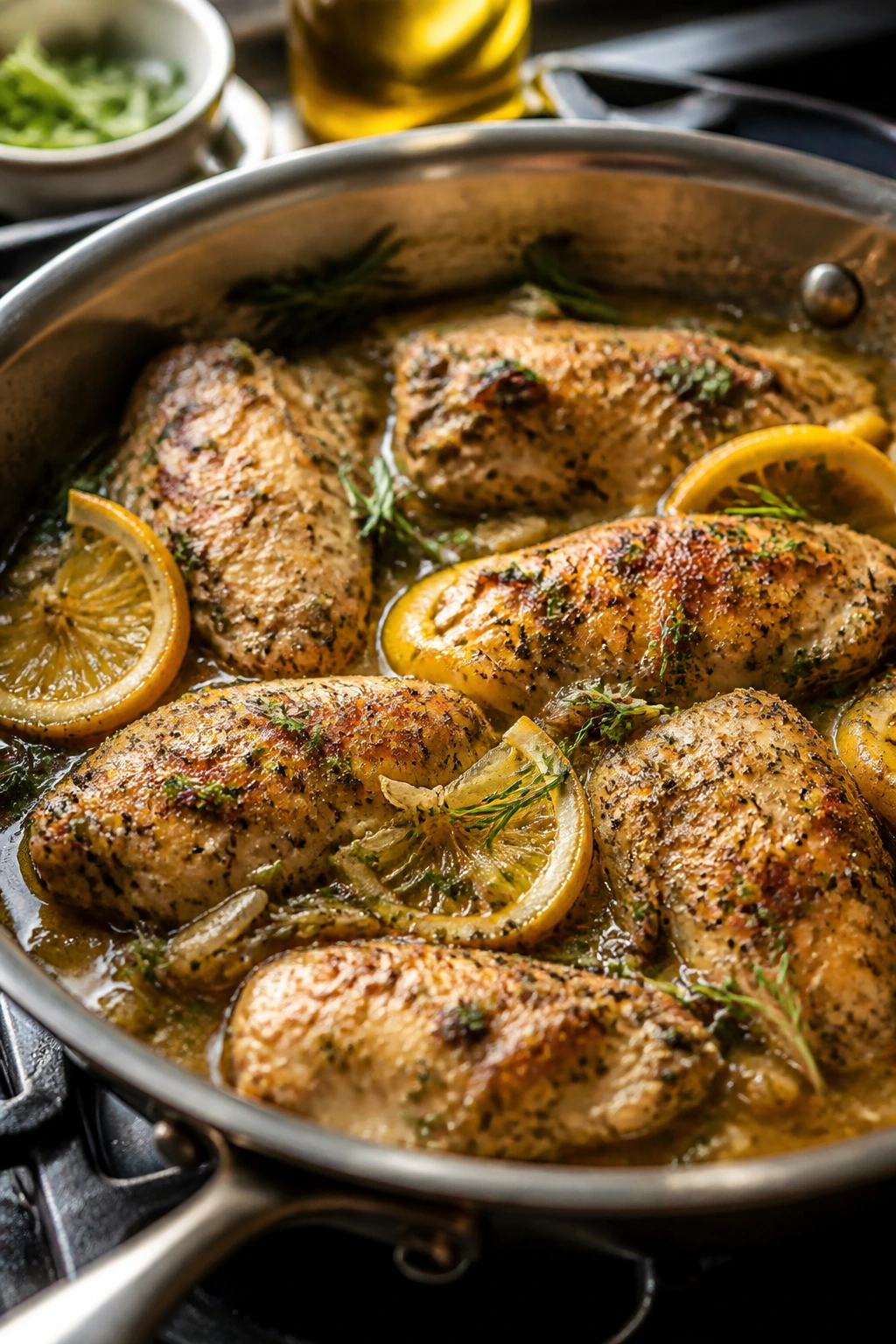
Mediterranean cooking tends to reward timing instead of fuss. A pan of chicken can roast while the potatoes get tender. A pot of beans can sit at a simmer while you get the table set. A fish dish can go from raw to done in less than 15 minutes if you pay attention. That matters because dinner is usually being cooked around something else — a phone call, homework, a late train, a tired kid who wants bread first and questions later.
The flavor profile helps too. Lemon, tomato, garlic, parsley, olive oil, yogurt, and herbs all do a lot with a little. You do not need a heavy sauce to make food feel finished. You need salt in the right places, a little acid at the end, and one or two textures that break up the softness. Crunchy breadcrumbs, toasted nuts, browned chicken skin, crisp pita edges — those little details are what make the table feel cared for.
I also like how forgiving this style of cooking can be. Tomato sauces can wait. Bean soups can thicken. Rice can rest. Even a baked pasta can sit for 10 minutes and still serve cleanly. That gives you room to move around the kitchen like a person, not a stopwatch.
Essential Equipment for These Recipes
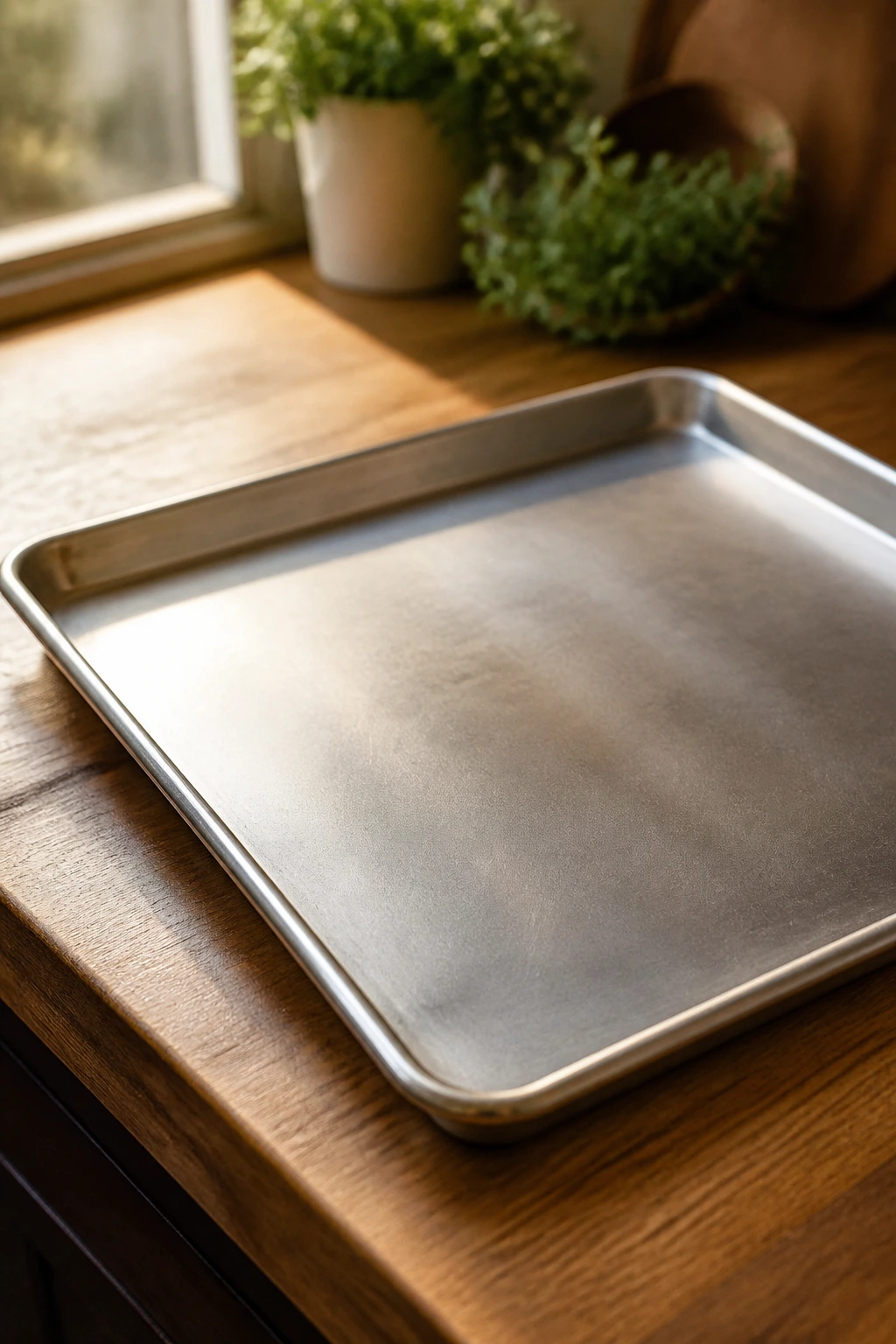
- Rimmed sheet pans: These are the backbone of tray bakes, roasted vegetables, salmon dinners, and chickpea roasts.
- 12-inch skillet: Use this for chicken cutlets, kofta, shakshuka, shrimp, halloumi, and anything that needs browning.
- Dutch oven or heavy soup pot: Best for stews, bean soups, cacciatore, fish stew, and braises that need even heat.
- 9×13-inch baking dish: This is the home for baked pasta, stuffed peppers, roll-ups, and zucchini boats.
- Large saucepan: Needed for rice, couscous, orzo, and risotto-style dishes.
- Instant-read thermometer: Especially useful for chicken, turkey, salmon, and swordfish so you can stop guessing.
- Tongs: Handy for turning chicken cutlets, salmon, sausage, and fish fillets without tearing them.
- Wooden spoon or silicone spatula: Better than a metal spoon for stirring sauce without scratching the pan.
- Colander: A small thing that becomes annoying when it’s missing.
- Microplane or fine grater: Useful for lemon zest, garlic, Parmesan, and onion in meatballs.
- Mixing bowls: You’ll want at least two, and one should be big enough for tossing vegetables without spills.
- Fish spatula: Not required, but it makes fragile fish much easier to move.
Smart Shopping for Tomatoes, Herbs, Fish, and Cheese
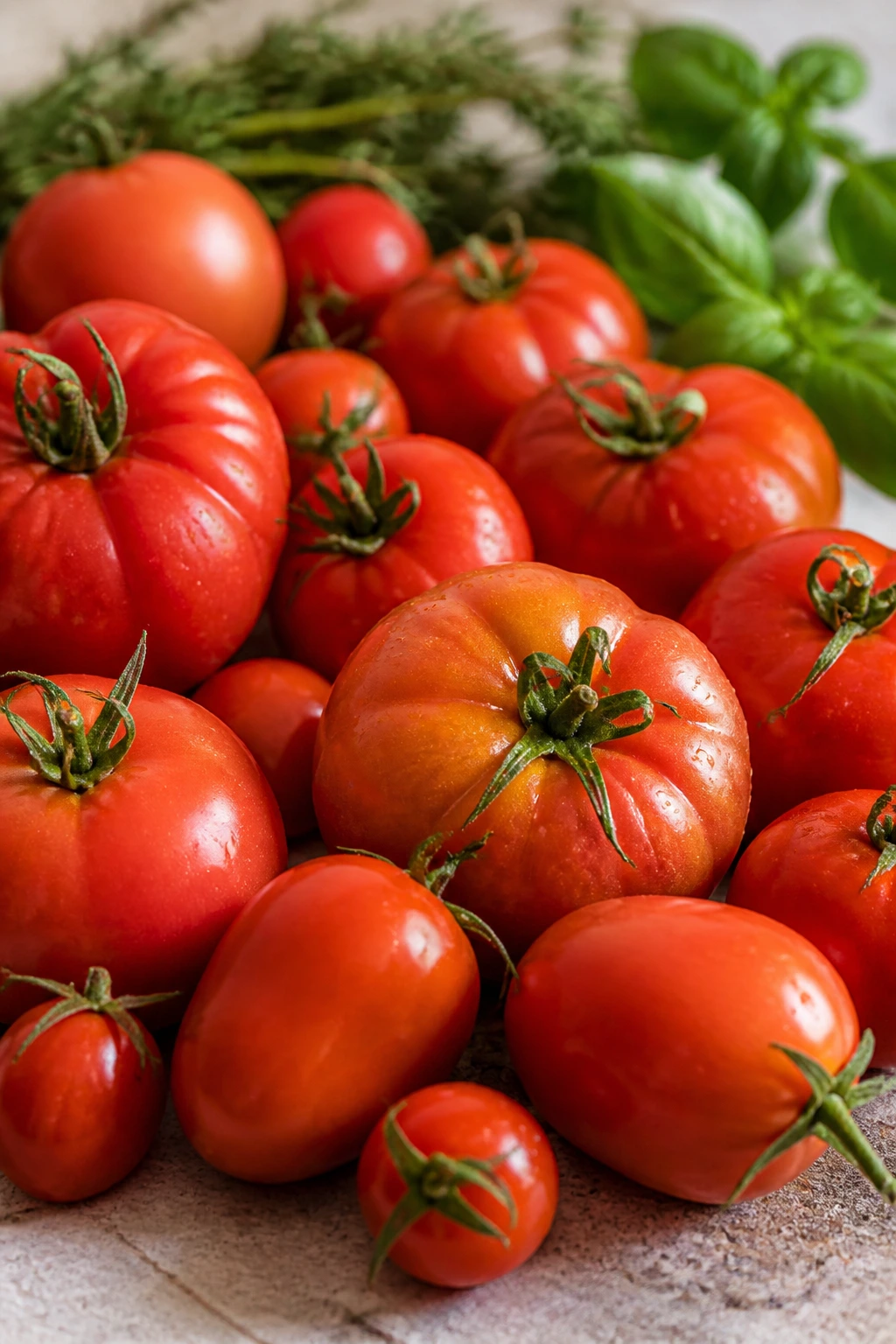
Start with tomatoes. Good canned tomatoes make a larger difference than most people think, especially in pasta, soup, cacciatore, and braises. Whole peeled tomatoes are useful because you can crush them by hand for a chunkier sauce, while crushed tomatoes work when you want speed. If the can smells metallic or the tomatoes taste flat straight from the spoon, the finished dish will not magically fix that. Same goes for tomato sauce. Buy one with a short ingredient list.
For olive oil, choose something you actually like tasting raw. A peppery oil is good on vegetables, soups, and fish, while a milder one suits baking and sautés. You do not need the most expensive bottle on the shelf, but if the oil tastes greasy or stale, it will drag the whole meal down.
Herbs matter more than they seem. Parsley, dill, basil, mint, and oregano all show up across these recipes, and the best trick is to buy a little more than you think you need. Rinse them, dry them, and wrap them in a damp towel in the fridge. They keep longer that way and stay usable for a second dinner later in the week.
For cheese, pick feta packed in brine if you can. It crumbles better and tastes less dusty than the dry pre-crumbled kind. Ricotta should be thick, not watery. Parmesan should smell nutty, not sour. And halloumi should feel firm and springy before it hits the pan.
Fish is where shopping gets more exact. Buy salmon, cod, trout, or swordfish with clean, mild smell — like the ocean, not like a fish counter left open too long. Frozen fish is fine if it was frozen properly and thawed in the fridge. Mussels should be tightly closed or close when tapped. If they stay open and look tired, pass.
Canned beans and chickpeas are the easy win here. Rinse them well so the broth doesn’t taste tinny. If a recipe wants them crisped, dry them in a towel before roasting. That one extra minute changes the texture enough to matter.
How to Serve These Recipes at the Table
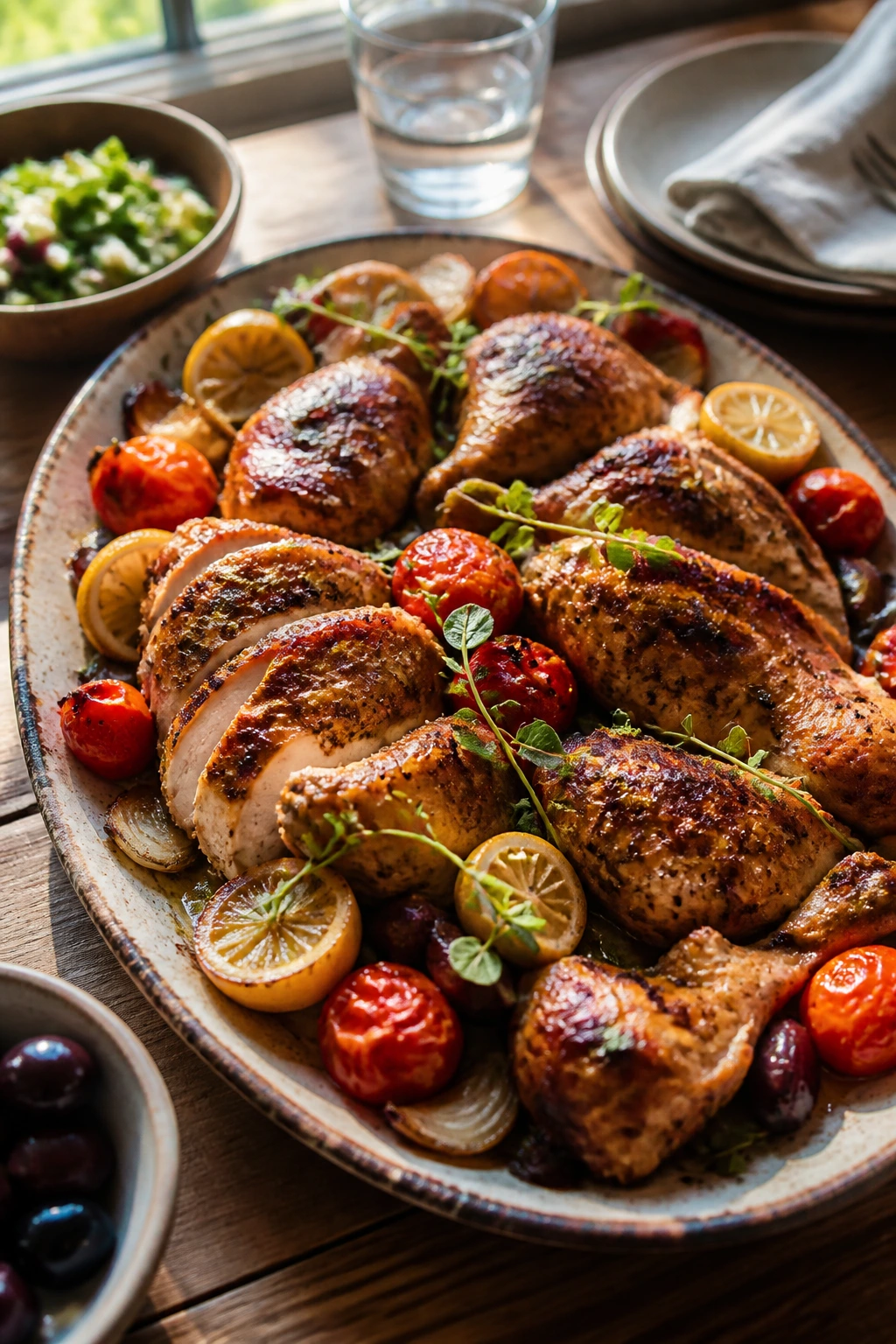
Presentation: Mediterranean family dinners look best when they stay a little loose and generous. Put roasted chicken, fish, or vegetables on a large platter instead of slicing them into tiny portions before they hit the table. Bowls of sauce, lemon wedges, chopped herbs, and crumbled cheese work better than trying to hide everything under one final garnish.
Accompaniments: Keep a few dependable sides in the rotation: warm pita, crusty bread, rice, couscous, orzo, roasted potatoes, cucumber salad, and a plain green salad. These dishes all like something that can catch sauce. If the main dish is rich — baked pasta, kofta, sausage, halloumi — choose a sharper side with lemon or vinegar. If the main is light — fish, soup, or shakshuka — bread and potatoes are the safer move.
Portions: For chicken, fish, or meat-based mains, count on 5 to 6 oz per adult and build the rest of the plate around vegetables or starch. For soups and stews, a generous bowl plus bread is usually enough for a full dinner. Pasta bakes and stuffed vegetables tend to feed more than they look on the first spoon, so don’t overfill the plate right away.
Beverage Pairing: Sparkling water with lemon is the easiest universal pairing. If you want something with more character, try unsweetened iced tea, mint tea, a dry white wine, or a light red with tomato-heavy dishes. Tomato sauces and lemony fish both like drinks that stay crisp, not syrupy.
Flavor Boosters That Fit the Whole Collection
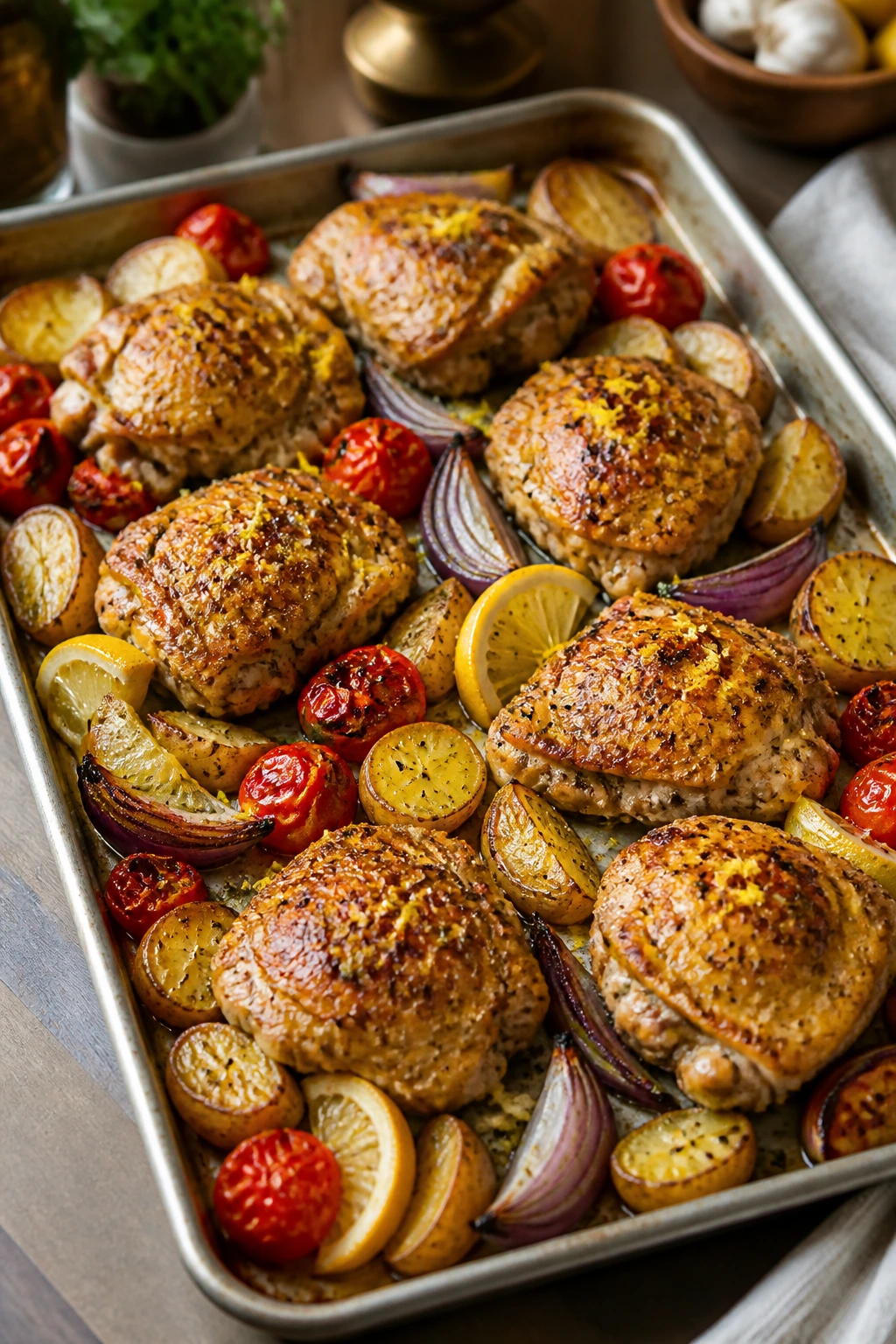
Flavor Enhancement: A finishing squeeze of lemon or a splash of red wine vinegar fixes more flat Mediterranean food than another spoonful of salt ever will. Use it at the end, after the dish is plated, so the acid stays sharp.
Customization: Keep a small bowl of chopped olives, capers, chili flakes, and herbs on the table. One person can add brine and heat; another can skip them. It’s a small move, but it makes family dinners easier when tastes run in different directions.
Serving Suggestions: Toasted breadcrumbs, sliced almonds, pine nuts, or a spoon of yogurt can change a soft dish into something with edges. I like toasted crumbs on pasta and beans, nuts on roasted vegetables, and yogurt on spicy trays or chickpea bowls.
Make-It-Yours: If you want lower dairy, use olive oil, tahini, herbs, and lemon instead of cheese-heavy toppings. If you want more protein, add chickpeas, white beans, shredded chicken, or extra fish. If you need a milder table, keep the briny elements in small bowls and let people add them themselves.
Make-Ahead, Storage, and Reheating Guidance
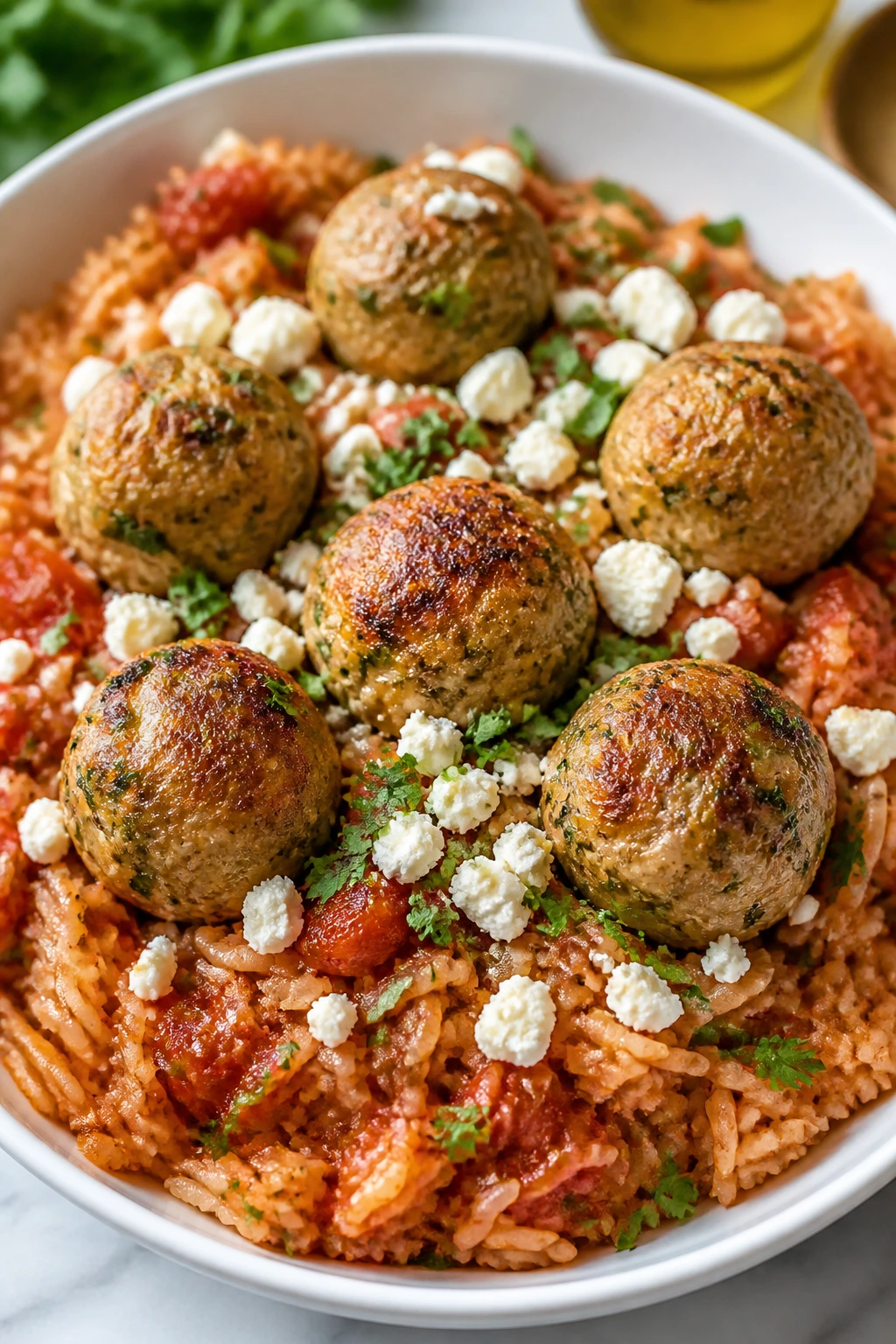
Most of the cooked chicken, meatball, pasta, bean, rice, and vegetable dishes here keep well in the fridge for 3 to 4 days in airtight containers. Fish dishes are the exception; cod, salmon, trout, and swordfish are best within 1 to 2 days. Mussels are a same-night situation. They do not reward delay.
Freezing works best for stews, soups, tomato braises, meatballs, cacciatore, baked ziti, stuffed peppers, and chickpea-based dishes. They usually hold for up to 2 months if cooled completely before freezing. Leave a little space at the top of the container because sauces expand. Pasta bakes freeze well if they are saucy; dry pasta bakes thaw into sad little bricks.
Reheat braises, soups, and bean dishes on the stovetop over medium-low heat with a splash of broth or water. That keeps the sauce loose and stops the edges from drying out. Baked pasta and stuffed peppers reheat best in a 325°F oven, covered with foil for the first half, then uncovered for the last few minutes. Fish is trickier; warm it gently in a low oven or eat it cold over salad if it has already been cooked well. Microwaving fish too hard is a fast way to ruin it.
Make-ahead prep is where these recipes save the most time. You can chop onions and peppers a day ahead, mix meatballs and kofta the night before, marinate chicken overnight, and cook rice or couscous earlier in the day. For vegetable dishes, roast the vegetables ahead and rewarm them just enough to serve. For soups and stews, the flavor often improves after a night in the fridge, which is one of the few chores in cooking that feels generous back.
Food safety still matters. Cool cooked food within about 2 hours, divide big pots into shallow containers so they chill fast, and do not stash a whole Dutch oven in the fridge while it is still steaming.
Easy Swaps and Regional Twists
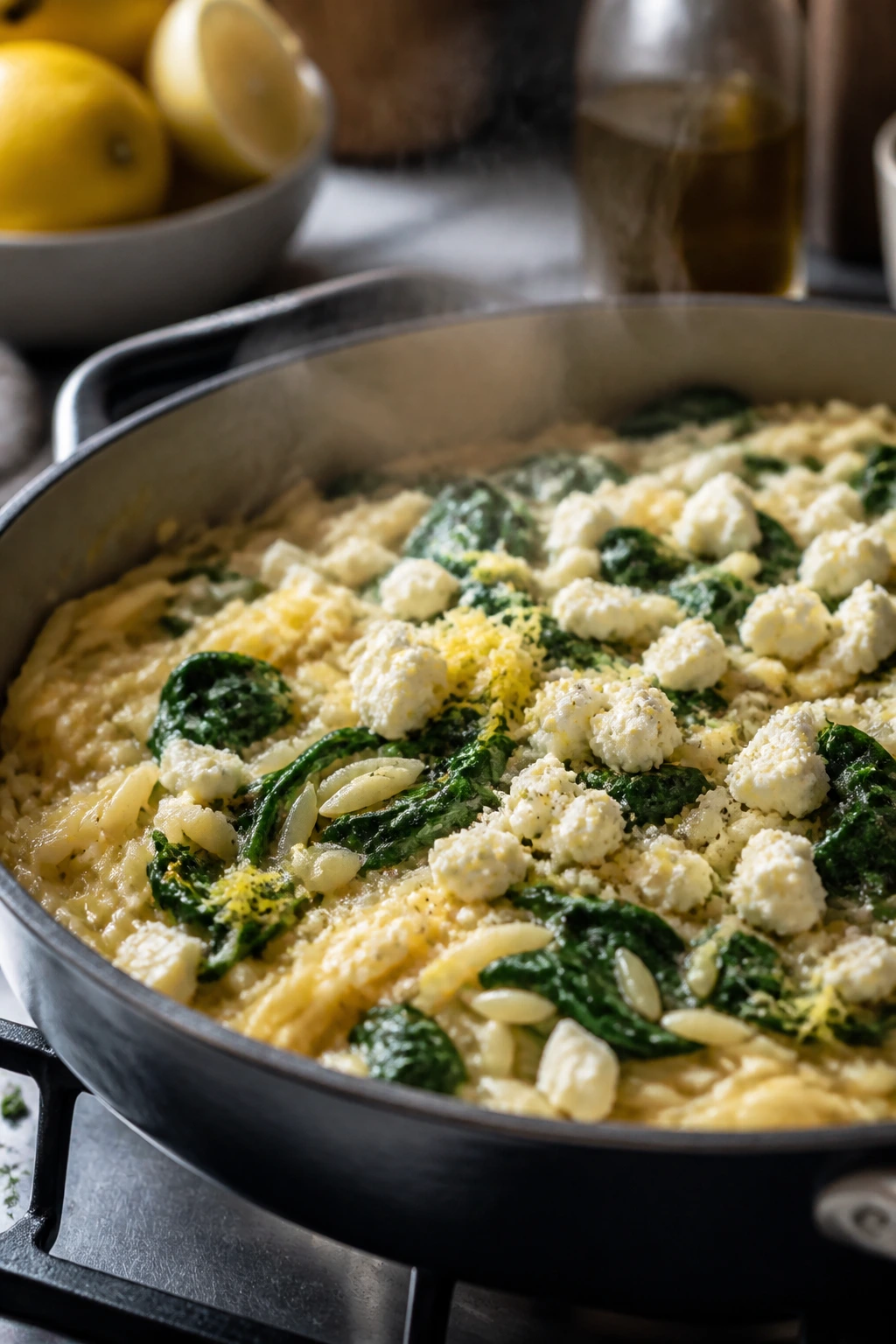
Gluten-Free Pantry Plate: Use rice, potatoes, couscous made from certified gluten-free grains, or gluten-free pasta in place of breaded or wheat-based starches. The flavor stays the same because the herbs, tomatoes, lemon, and olive oil do the heavy lifting.
Dairy-Free Mediterranean: Skip feta, ricotta, yogurt sauces, and butter where needed, then lean on tahini, extra olive oil, herbs, capers, and lemon. The food gets a little leaner on the palate, which works especially well with fish, chickpeas, and roasted vegetables.
Kid-First Mild Version: Keep chili flakes, harissa, capers, and olives on the side instead of built into the base. Kids usually do better when the main dish tastes warm and savory rather than sharp or briny, and adults can add the louder stuff at the table.
Pantry-Only Night: Swap fresh fish or chicken for canned chickpeas, tuna, white beans, or eggs. Tomato sauce, pasta, rice, and canned vegetables can still give you a complete dinner if the fridge is bare.
One-Protein, Many Dinners: Roast a big batch of chicken thighs or brown a tray of meatballs once, then split them across salads, pita bowls, pasta, and soups over the next two nights. That approach saves time without turning dinner into leftovers that feel repetitive.
Regional Bend: Add preserved lemon and cinnamon for a more North African feel, basil and mozzarella for a more Italian one, or dill and yogurt for a Greek lean. The collection holds together because the core flavors are sturdy enough to bend without breaking.
Common Mistakes to Avoid
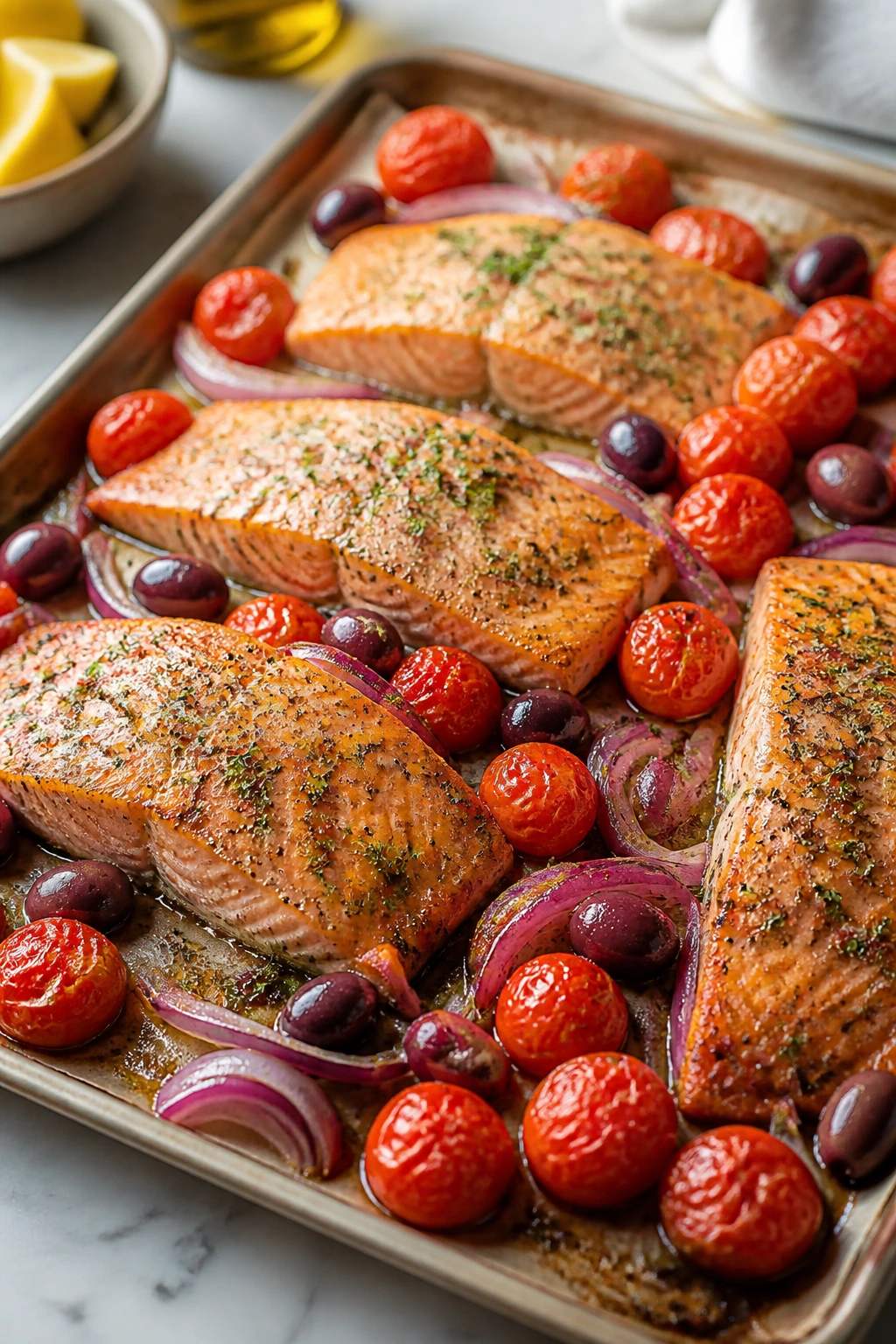
Underseasoning in layers: A lot of home cooks season the final dish and forget the onions, vegetables, pasta water, or meat itself. That’s why the food tastes like it needs “something.” Salt each stage lightly, then correct at the end.
Crowding the pan: This is the fastest way to ruin roasted vegetables, chicken thighs, salmon, and chickpeas. If steam has nowhere to go, you lose browning, and browning is where a lot of the flavor lives. Use two pans if you have to.
Overcooking delicate proteins: Fish, shrimp, turkey cutlets, and chicken breasts dry out before people realize they’re done. Pull them early and let carryover heat finish the job. An instant-read thermometer saves more dinners than most gadgets.
Forgetting the acid: Tomato and olive oil can make a dish taste rich, but they can also make it feel heavy if nothing sharp cuts through. Lemon juice, vinegar, yogurt, or a spoon of capers at the end can bring the whole plate back into focus.
Using watery vegetables without cooking them off: Zucchini, spinach, eggplant, and mushrooms all release a lot of liquid. If you dump them straight into a bake or skillet without some pre-cooking, the whole dish can go soft and loose.
Choosing the wrong vessel: Shallow sheet pans are better for roasting; deep pots are better for soups and braises; baking dishes are better for casseroles. When people use the wrong pan, they usually blame the recipe. The pan was the problem.
Questions Readers Ask Most

Can I make these Mediterranean recipes for family dinners ahead of time?
Yes, and a lot of them benefit from it. Meatballs, braises, soups, baked pasta, and chickpea dishes often taste better after the flavors rest overnight. Fish, shrimp, and crisp cutlets are the least make-ahead-friendly, so plan those for the day you cook them.
What should I keep in the pantry if I want to cook this way often?
Canned tomatoes, chickpeas, white beans, tuna, pasta, rice, couscous, olives, capers, olive oil, broth, and a few jars of tomato paste will get you far. Add garlic, onions, lemons, oregano, cumin, parsley, and Parmesan, and you can turn a bare fridge into dinner fast.
How do I make these recipes work for picky eaters?
Keep bold toppings separate. Put olives, capers, chili flakes, feta, and yogurt sauces on the table in small bowls instead of folding everything into the main pan. That lets you keep the flavor for people who want it without making the whole dish feel aggressive.
Can I swap chicken for fish or beans in most of these recipes?
Often, yes, but the cooking time changes a lot. Fish needs a short roast or sear, chicken needs more time, and beans need little more than warming and seasoning. Keep the sauce or seasoning the same and adjust the heat and timing to the protein.
What if my tomato sauce tastes flat?
Add salt first, then a small squeeze of lemon or a spoon of red wine vinegar. If it still feels flat, cook in a bit more garlic or tomato paste for depth. Most flat tomato sauces need brightness more than more herbs.
Are these recipes okay for gluten-free cooking?
Many are, or can be with a simple swap. Use rice, potatoes, polenta, gluten-free pasta, or gluten-free breadcrumbs where needed. The dishes built on olive oil, tomatoes, herbs, and proteins are already close to the mark.
How do I keep roasted vegetables from turning mushy?
Dry them well, cut them evenly, and give them space on the pan. High heat helps, but so does not piling everything into a heap. If they still seem soft, roast a little longer and wait for browned edges.
Can I use frozen fish or vegetables?
Yes, but thaw and dry fish well before cooking. Frozen vegetables can work in soups, stews, and some bakes, but they need extra time to release their water before they taste properly roasted. For anything where browning matters, fresh usually wins.
Keep This One on Repeat
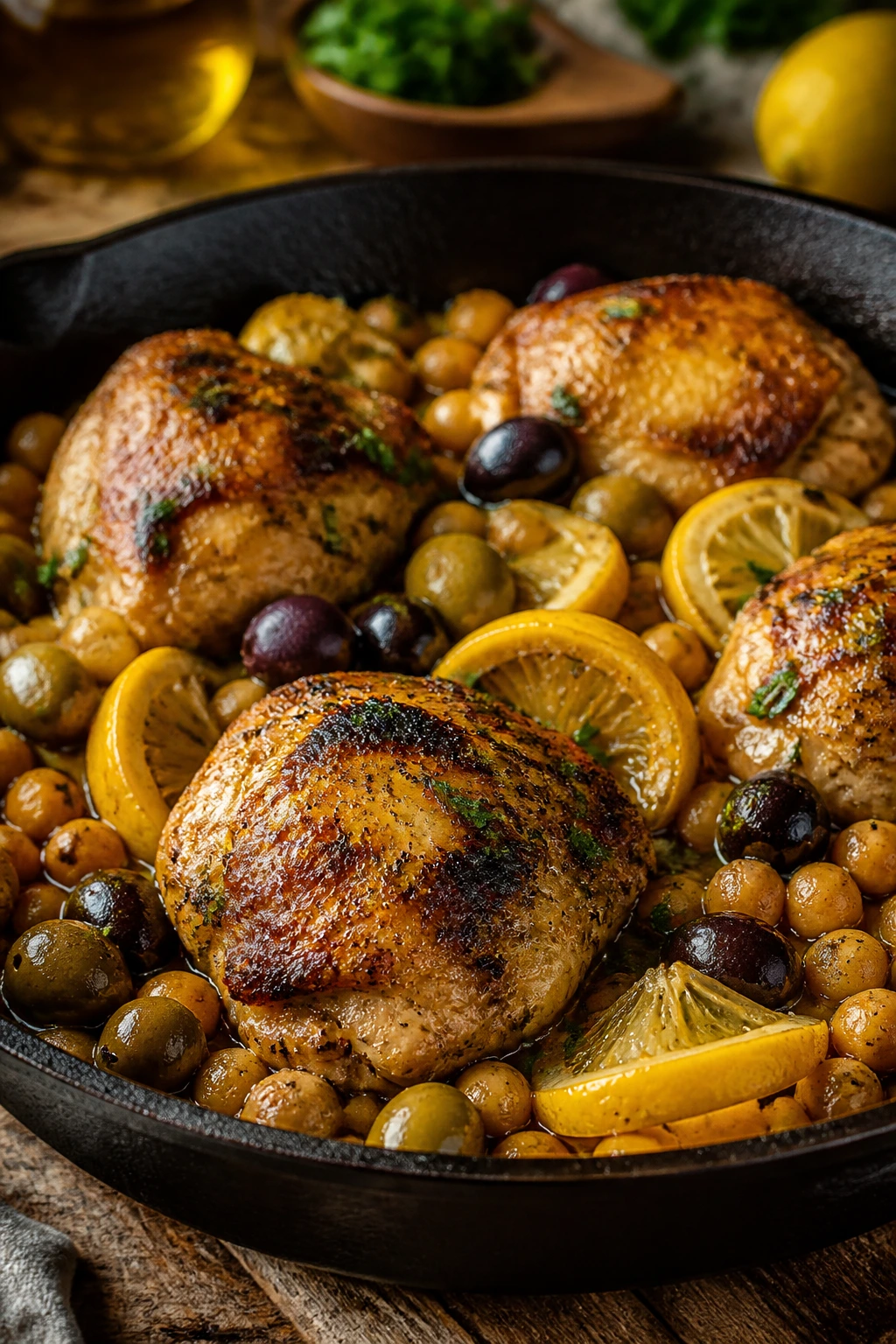
A good family dinner does not need to be dramatic. It needs to be dependable, flavorful, and willing to survive real life. That’s where these recipes earn their place: they use a familiar set of ingredients in a lot of smart ways, and they leave enough room for the kitchen to be a kitchen, not a performance.
Keep a few lemons, a bag of chickpeas, a jar of olives, and a sheet pan within reach, and half of this list becomes weeknight muscle memory. The other half will follow soon enough, which is exactly how a useful dinner routine should work.