



Herbed spicy Italian sausage should hit your nose before it hits the skillet. Garlic first. Then fennel. Then a slow, peppery burn that hangs around long enough to make a bowl of beans or a pile of peppers taste bigger than it is.
What makes the homemade version worth the trouble is not some hidden family spell. It is the fat, the salt, and the way the seasonings stay rough instead of disappearing into a bland paste. Store-bought links often taste too smooth or too salty, as if somebody asked one ingredient to do the work of three. This version keeps the pork front and center, then layers the herbs and heat on top instead of burying them.
Nonna-style sausage is also a texture game. The meat should bind enough to hold a patty or a link, but it should still break into juicy, loose crumbs when you cut into it. That means cold pork, a short mix, and a test patty before you commit the whole batch. Get those three things right and the rest is heat, time, and a skillet that knows how to brown.
Why This Batch Earns Its Keep
-
The pork stays juicy: A 2-pound batch built on ground pork shoulder gives you enough fat for crisp edges and a center that stays plush instead of dry.
-
The heat is adjustable: One tablespoon of red pepper flakes lands in the warm, noticeable range; a smaller spoonful pulls it back without losing the spicy character.
-
The herbs smell like a real kitchen: Fennel, oregano, basil, parsley, and garlic give the sausage its old-house aroma without turning it into tomato sauce in meat form.
-
No grinder is required: You can start with good ground pork from the butcher and still get a sausage texture that feels made, not mashed.
-
It works three ways: Shape it into patties, stuff it into casings, or crumble it into sauce when you want a looser, spoonable version.
-
It freezes cleanly: Raw patties can be frozen flat and cooked later, which means the batch can save you on a night when you don’t want to start from scratch.
What You’re Making and How Long It Takes
Yield: Makes 8 patties or 2 pounds of bulk sausage
Prep Time: 20 minutes
Cook Time: 15 minutes
Total Time: 35 minutes active, plus chilling
Chill/Rest Time: 1 hour minimum, or up to overnight
Difficulty: Intermediate — the steps are simple, but the mixing, resting, and pan heat all need a little attention to get the right texture.
Best Served: Fresh from the skillet after a 5-minute rest
Eight patties is the sweet spot for this batch. It’s enough for a skillet dinner, enough for a sausage sandwich the next day, and enough that a few pieces can disappear into a pan of beans or a pot of red sauce without leaving you short.
The chill time is not decorative. It helps the salt move into the meat and gives the pork a firmer feel so it cooks without falling apart in the pan. If you’ve ever had homemade sausage slump into a sad little puddle, this is one of the reasons.
The Old-School Flavor Behind the Recipe
Italian sausage doesn’t live in one fixed recipe. Some families keep it sweet and fennel-heavy. Some go hot. Some add more garlic than seems reasonable until you cook it and realize the whole kitchen needed that level of confidence. The version here sits in the spicy camp, but it still leaves room for the pork to taste like pork.
The herbs are there for lift, not camouflage. That matters. Too much basil and oregano can make sausage taste like it took a wrong turn into pasta sauce. Too little, and the whole thing leans flat, like seasoned ground meat that got dressed in a hurry. The trick is to keep the herb line clear enough that you can still smell the fennel when the pan gets hot.
This is the sort of sausage that feels at home in a cast-iron skillet, but it also behaves well in a sauce pot, a breakfast plate, or a crusty roll with peppers. That kind of flexibility is part of the charm. It’s one batch. It does a lot.
The Ingredient List I’d Buy
For the Sausage Mixture:
- 2 pounds ground pork shoulder, chilled and not too lean
- 2 teaspoons fine sea salt or 1 tablespoon Diamond Crystal kosher salt
- 2 teaspoons fennel seeds, lightly crushed
- 1 tablespoon crushed red pepper flakes
- 2 teaspoons dried oregano
- 1 teaspoon dried basil
- 1 teaspoon dried parsley
- 1 teaspoon freshly ground black pepper
- 4 garlic cloves, grated or minced to a paste
- 1/4 cup dry white wine, cold
- 2 tablespoons ice-cold water
Optional for Links:
- 4 to 6 feet hog casings, soaked and rinsed
Why Each Ingredient Matters in the Bowl
Pork and Fat
What to use: 2 pounds ground pork shoulder with a visible fat ratio, ideally around 80/20. That fat is what keeps the sausage tender and lets the spices bloom instead of drying out in the pan.
Preparation: Keep the pork cold until the last minute. If your fridge runs warm, set the bowl in the freezer for 10 minutes before mixing and pull the meat out only when you’re ready.
Substitutions: Ground pork leg works if you add a spoonful of olive oil, and ground turkey thigh can stand in for a lighter version if you accept a softer bite. Pork loin is the wrong move here unless you like dry sausage.
Tips: Ask the butcher for a coarser grind if possible. A medium grind gives the sausage a better, nubbier texture than an ultra-fine grind, which can cook up almost paste-like.
Fennel, Red Pepper, and Herbs
What to use: 2 teaspoons fennel seeds, 1 tablespoon red pepper flakes, 2 teaspoons dried oregano, 1 teaspoon dried basil, 1 teaspoon dried parsley, and 1 teaspoon black pepper. That combination gives the sausage its familiar scent and a heat that stays warm instead of harsh.
Preparation: Crush the fennel lightly so the seeds stay broken, not powdered. If you rub the herbs between your fingers before adding them, they release more aroma and distribute more evenly.
Substitutions: Calabrian chile paste can replace part of the red pepper if you want a rounder, fruitier heat. Marjoram can step in for basil if that’s what’s in the cabinet, though it reads a little softer.
Tips: Buy fennel seeds from a jar that still smells sweet and faintly licorice-like. Stale fennel tastes dusty. Fresh crushed fennel tastes alive, and that difference matters more than people think.
Garlic, Wine, and Ice Water
What to use: 4 garlic cloves, 1/4 cup dry white wine, and 2 tablespoons ice-cold water. These ingredients help the seasoning move through the meat and keep the final texture from feeling dry or dense.
Preparation: Grate the garlic on a microplane or smash it to a paste with the side of a knife. You want it to disappear into the sausage, not sit in sharp little bits that char on the surface.
Substitutions: Dry vermouth works if you don’t have white wine, and cold chicken stock is fine if you want to skip alcohol. If you do skip the wine, keep the water cold.
Tips: The cold liquid matters more than it looks. It helps the meat bind without warming the fat too early, which keeps the sausage from turning greasy before it even reaches the pan.
Optional Casings
What to use: 4 to 6 feet of hog casings if you want links instead of patties.
Preparation: Soak the casings in cool water for at least 30 minutes, then rinse inside and out until they feel supple and clean. Keep them in a bowl of fresh water while you work so they don’t dry out.
Substitutions: Collagen casings can work in a pinch, and patties are a perfectly good shortcut. The seasoning is the same either way.
Tips: Natural casings split when they’re overstuffed. Leave a little slack, twist gently, and prick air pockets with a clean needle if you see them.
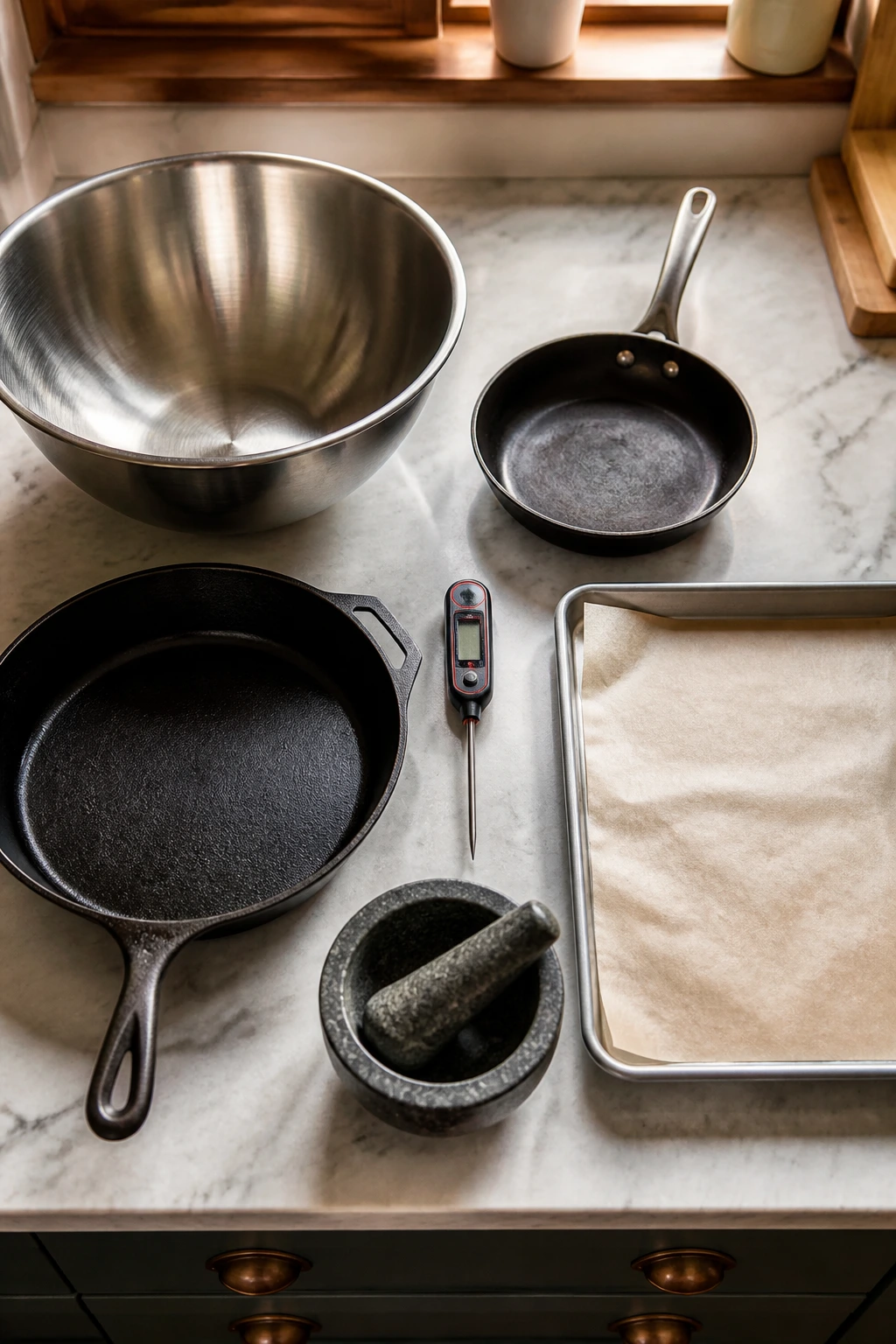
The Tools I Reach For on Sausage Day
-
Large mixing bowl: A chilled bowl helps keep the pork cold while you mix.
-
Small skillet: Useful for the tester patty, so you can taste the seasoning before shaping the whole batch.
-
Cast-iron skillet or heavy stainless skillet: Cast iron gives the deepest crust; a heavy skillet still works if you manage the heat carefully.
-
Instant-read thermometer: This is the easiest way to know when the sausage has reached 160°F in the center.
-
Sheet pan lined with parchment: Handy for resting shaped patties and keeping them from sticking.
-
Mortar and pestle or spice grinder: Either one helps break the fennel enough to release its oils without turning it into dust.
-
Sausage stuffer and meat grinder: Optional, only if you want links and already have the gear.
Crush the Fennel and Make the Seasoning Paste
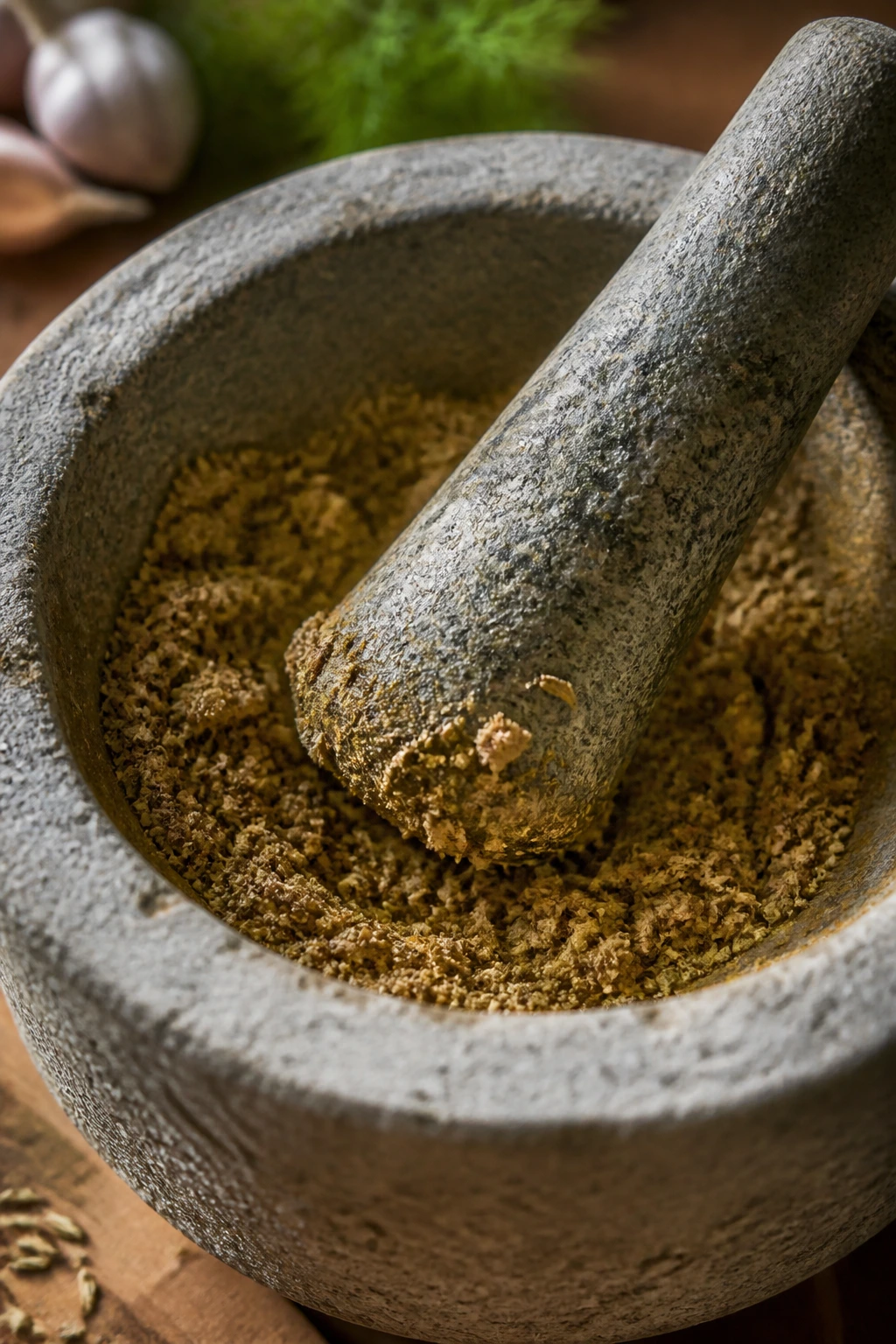
The first smell should be fennel warming in a dry pan. That tiny step wakes it up and gives the final sausage a rounder, sweeter note than raw seeds ever do. It takes less than a minute, but I would not skip it.
Build the spice base:
-
Set a small dry skillet over medium heat. Add the fennel seeds and toast for 30 to 45 seconds, shaking the pan once or twice, until they smell sweet and a shade darker. Do not let them darken to brown-burned; fennel turns bitter fast.
-
Transfer the fennel to a mortar and pestle, or place it on a cutting board and crush it with the bottom of a heavy mug. Stir the crushed fennel, fine sea salt, red pepper flakes, oregano, basil, parsley, and black pepper together in a large bowl.
The bowl should already smell like dinner at this point. Not cooked dinner. Raw, aromatic dinner.
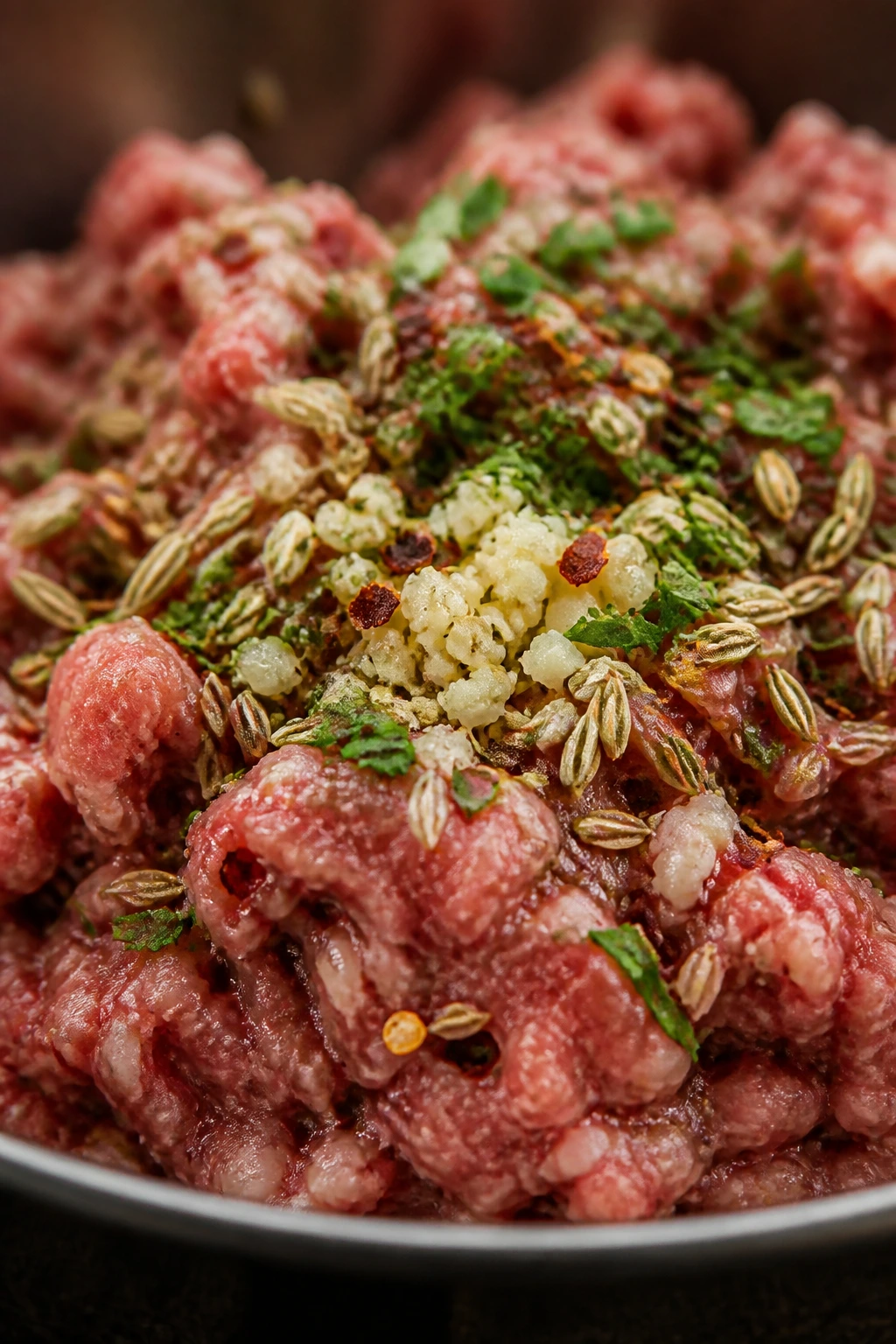
Add the aromatics: 3. Grate the garlic into the bowl, then pour in the white wine and ice-cold water. Stir until the garlic and seasonings form a loose paste that clings to the spoon instead of staying dry and sandy. If it still looks powdery, add another teaspoon of cold water.
- Pause and smell it. The mix should smell sharp but not harsh, spicy but not hot enough to sting your nose. If the garlic dominates everything, that’s fine; it mellows once it sits with the meat.
Mix the Pork Until It Turns Tacky
This is the part where people usually overdo it. They keep mixing because they think smoother means better. It doesn’t. Smooth sausage is how you end up with rubbery links that eat like a meatball with a grudge.
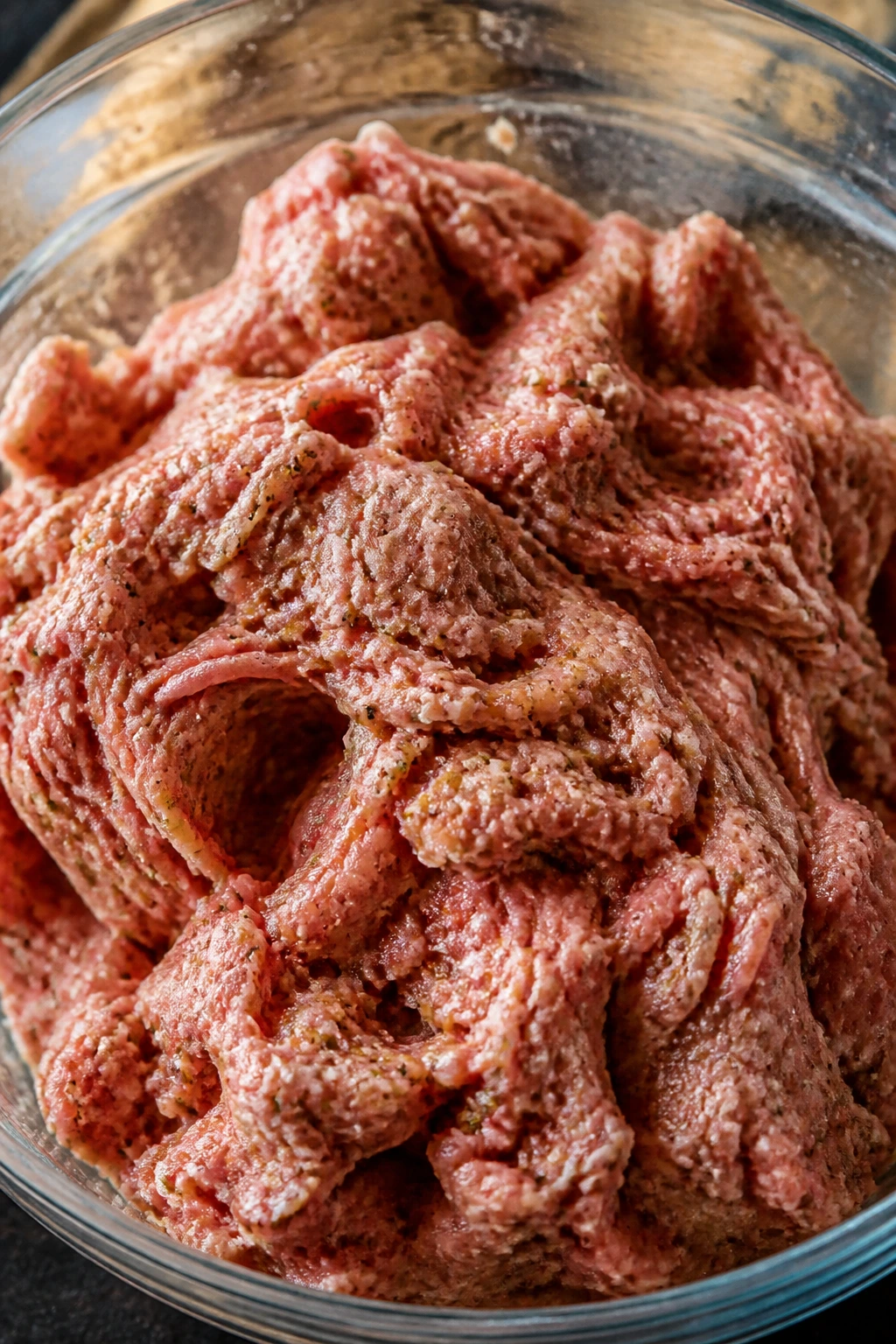
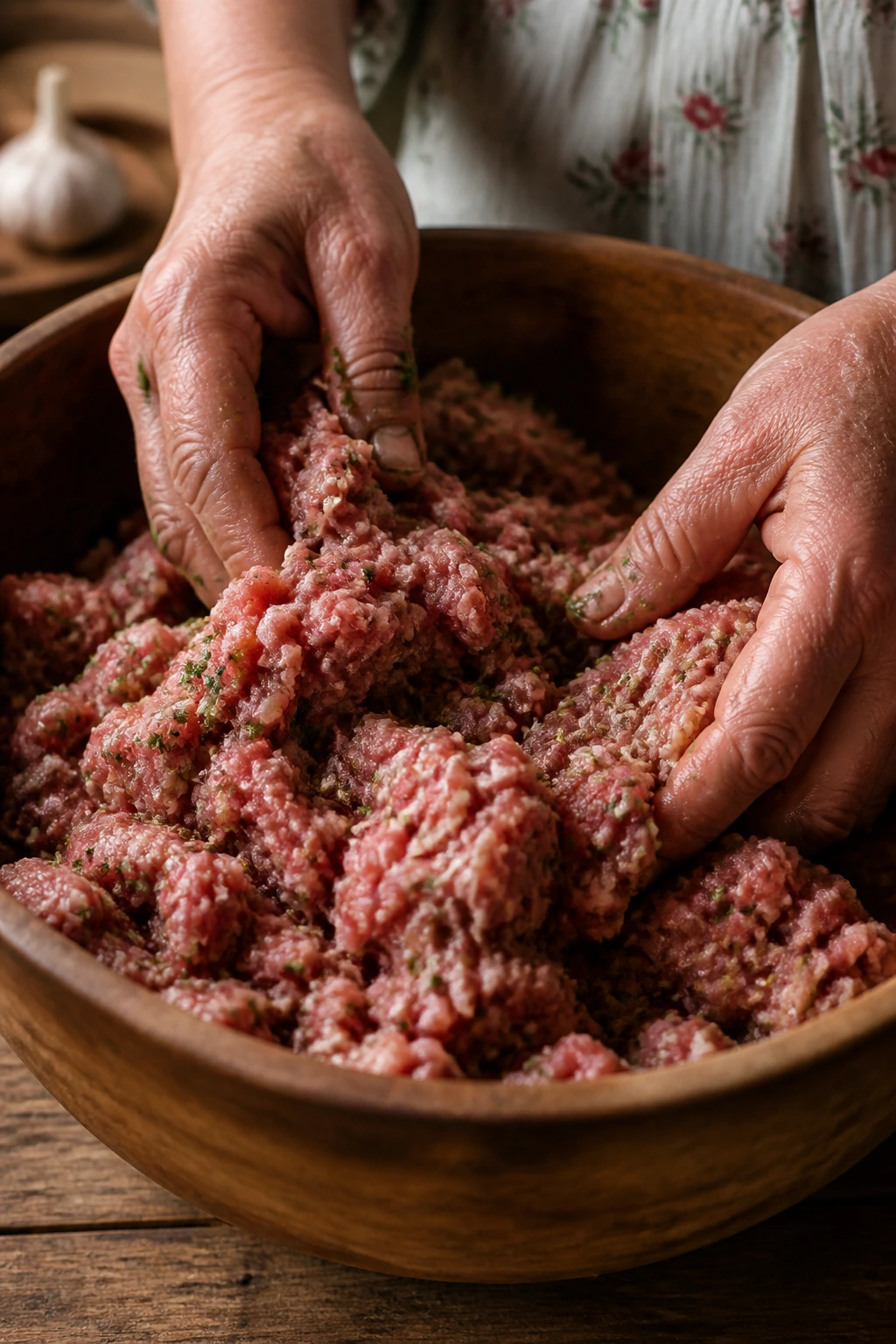
Fold in the pork: 5. Add the cold ground pork to the bowl. Use your fingertips and a folding motion to work the seasoning through the meat for 2 to 3 minutes, just until the pork looks evenly speckled and starts to feel sticky. Stop before it becomes a paste. You want the mixture to cling in shaggy strands when you lift a handful.
That sticky, tacky feel is the cue. Not smooth. Not whipped. Tacky.
Give it time: 6. Cover the bowl and refrigerate the mixture for at least 1 hour, or overnight if you’re planning ahead. The rest lets the salt dissolve into the meat and gives the herbs time to settle into the pork instead of sitting on the surface.
Shape, Test, and Adjust the First Piece
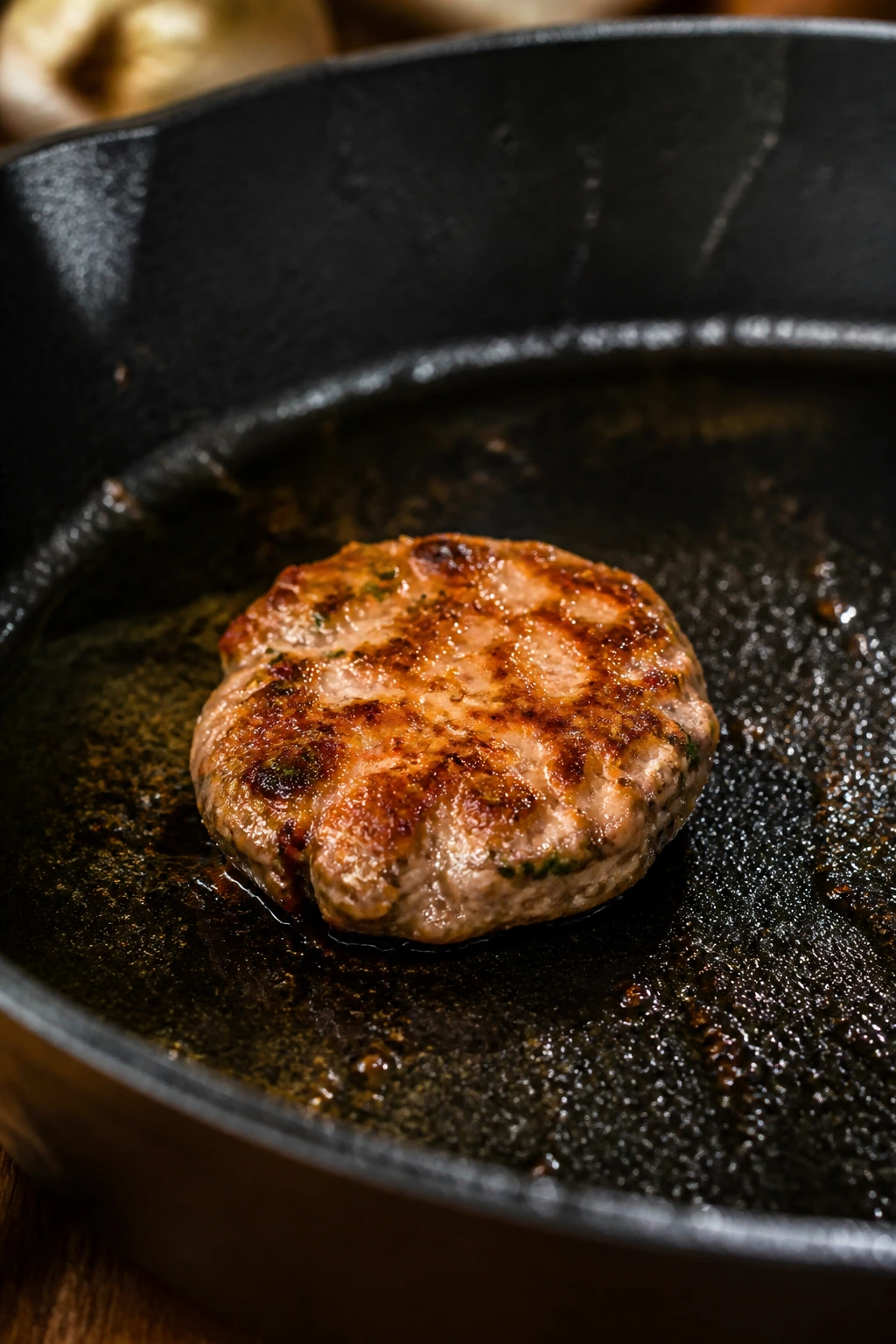
A test patty saves the batch. Every time. It tells you what the raw mix cannot: whether the salt is low, whether the heat hits hard enough, whether the garlic needs to calm down. I make one even when I’m sure the seasoning is right.
Cook a test patty: 7. Pinch off a teaspoon of the mixture and flatten it into a tiny patty. Set a small skillet over medium heat and cook the tester for about 1 minute per side, until browned and cooked through. Taste it carefully, and adjust the remaining mixture with a pinch more salt or red pepper if needed. Do not taste the raw pork mixture.
If the test tastes flat, the fix is usually salt, not more herbs. If it tastes a little sleepy, fennel often wakes it up better than a big hit of pepper.
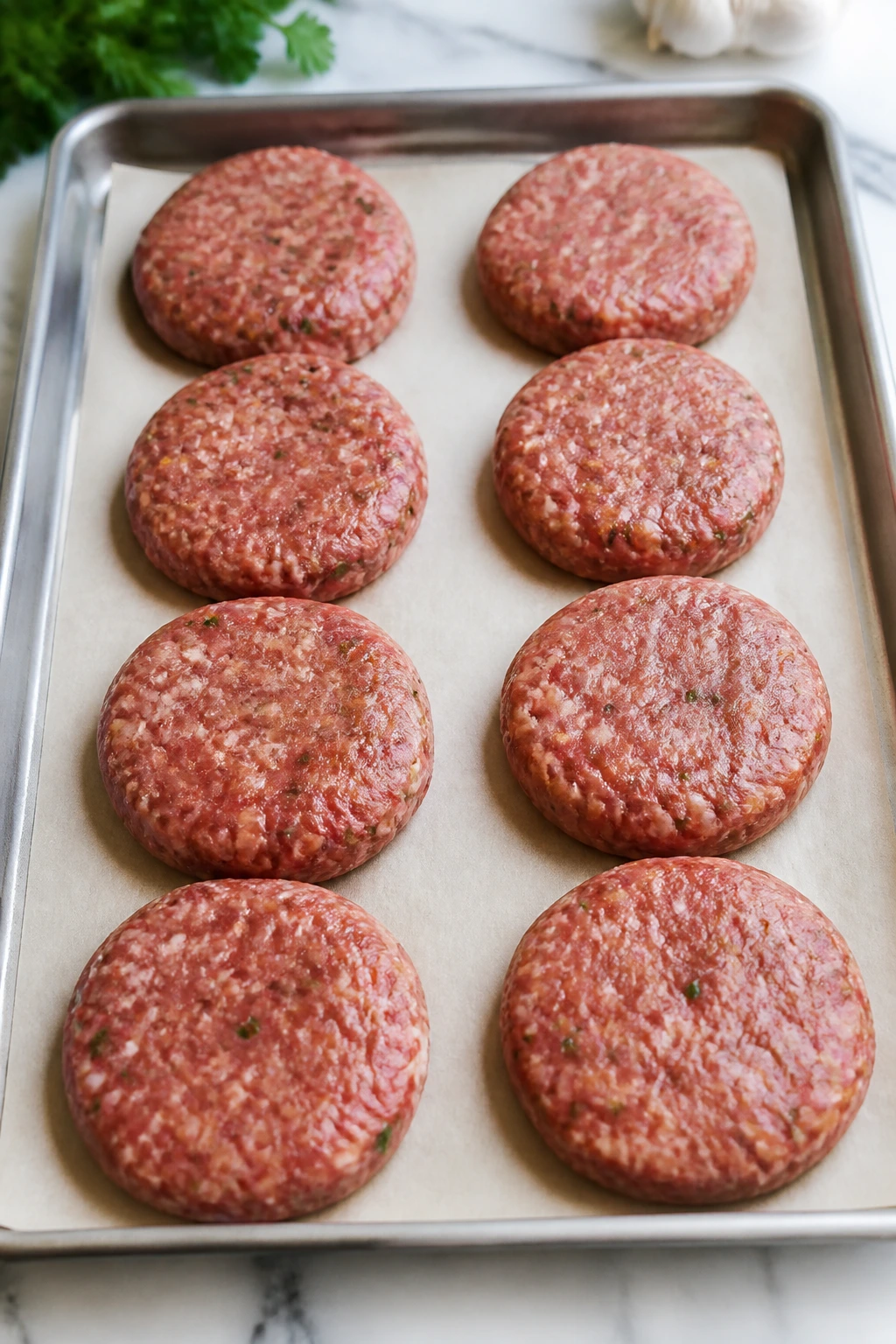
Shape the batch: 8. Divide the remaining sausage into 8 equal portions, about 4 ounces each, and shape them into 3/4-inch-thick patties. If you want links, stuff the mixture into the soaked hog casings instead, twisting every 5 to 6 inches and leaving a little slack so the casings don’t burst. Set the shaped sausage on a parchment-lined sheet pan and chill for 10 minutes before cooking.
That short chill helps the patties hold their edges. It also makes the first side brown more evenly when it hits the pan.
Brown It and Finish at 160°F
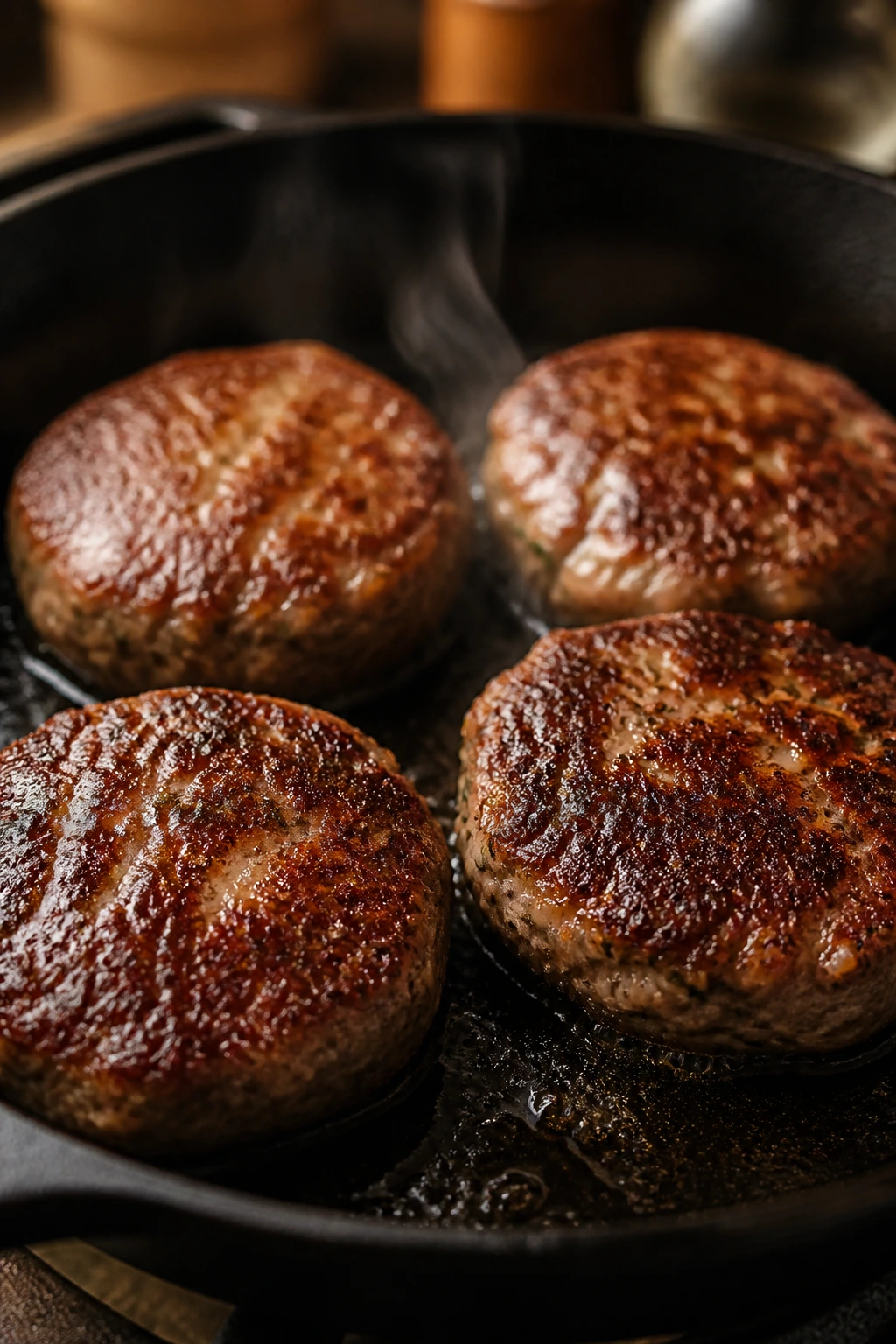
The skillet should be hot enough to sizzle, not scream. That’s the sweet spot. Too hot and the herbs burn before the center cooks. Too cool and the sausage steams, which is how you lose the crust that makes the whole thing worth making.
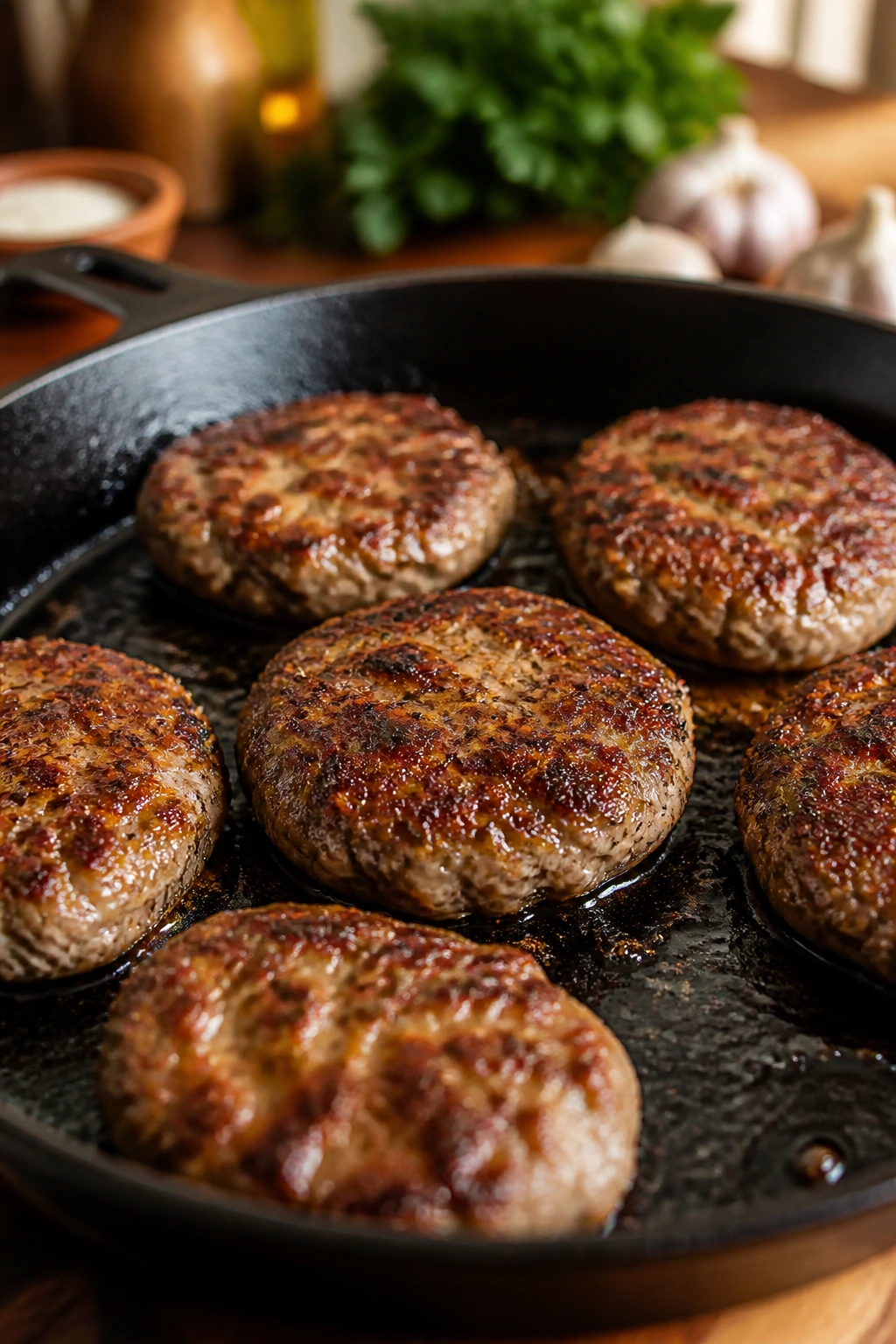
Get the pan ready: 9. Heat a cast-iron skillet or heavy stainless skillet over medium heat for 2 minutes. Add the patties in a single layer, leaving about 1 inch between them. Cook for 3 to 4 minutes without moving them, until the bottom is deeply browned and releases easily from the pan.
That first side should have a real crust. If it sticks, give it another 30 seconds. Moving too soon tears the browned surface, and you’ll lose the best part.
Finish the center: 10. Flip the patties and cook for another 2 to 3 minutes. If they are thick, or if you’re cooking links instead of patties, reduce the heat to medium-low and cover the skillet loosely for 2 minutes, or transfer the skillet to a 375°F oven for 5 to 7 minutes. Use an instant-read thermometer and pull the sausage at 160°F in the center.
Ground pork needs that number. No guessing. The outside can look done while the center still hides a soft pink seam, and a thermometer takes the drama out of it.
Rest before serving: 11. Move the sausage to a plate and let it rest for 5 minutes. Then serve whole, sliced, or tucked into whatever meal you had in mind. A short rest keeps the juices inside the sausage instead of leaving them on the cutting board.
How I Like to Serve It
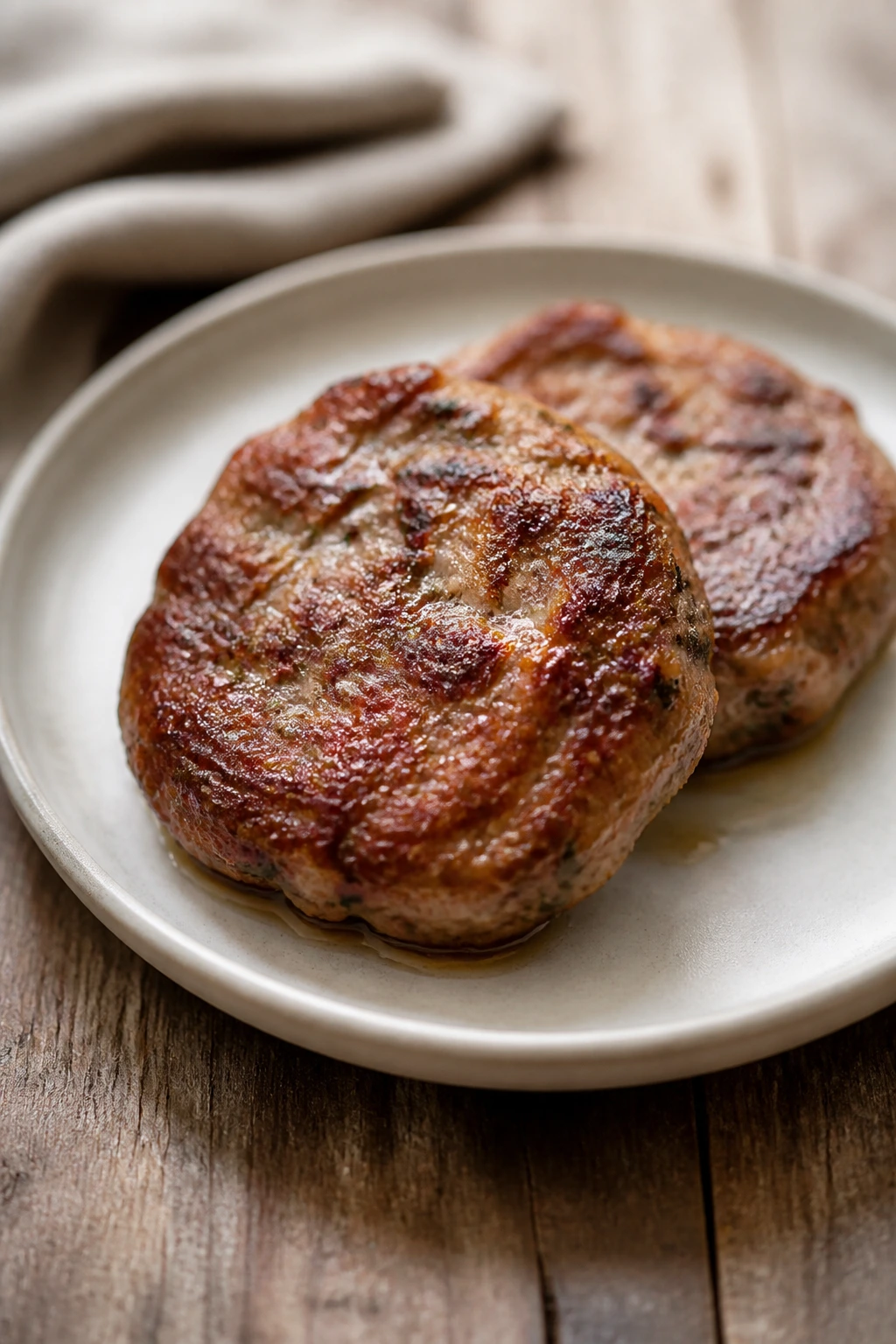
I like these best with sautéed peppers and onions piled into a toasted roll, the kind that softens under the sausage juices but still gives you a little chew. A spoonful of sharp mustard works if you want a bite that cuts through the fat.
For dinner plates, two patties with soft polenta and garlicky greens is the move. White beans are excellent here too, especially if you spoon the sausage over them and let the juices run into the pot. The herbs and fennel make simple sides taste finished.
If breakfast-for-dinner is calling, slice the sausage and put it beside fried eggs, blistered tomatoes, or a pile of potatoes that have been crisped in the same skillet. A dry red with some acidity, or even a cold lager, plays nicely with the pepper heat.
Little Moves That Make a Better Batch
-
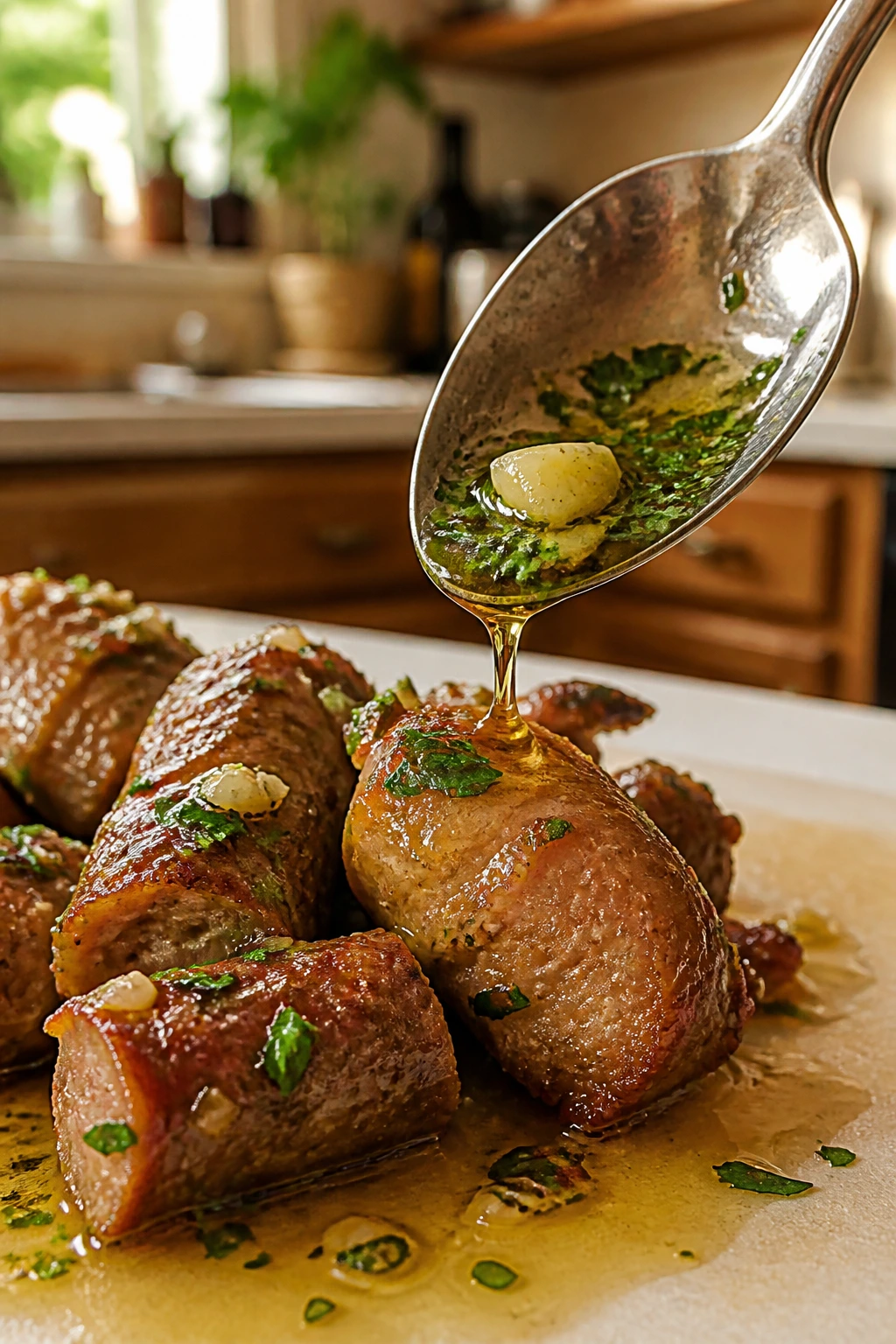
Flavor Enhancement: Warm a tablespoon of olive oil with a smashed garlic clove and a pinch of parsley, then spoon it over the finished sausage right before serving. It gives the crust a glossy finish and brings the herbs back to the front.
-
Customization: Add 1 teaspoon of Calabrian chile paste if you want a deeper, fruitier heat, or a teaspoon of orange zest if you want a brighter Southern Italian edge. Both work because they stay in the background and don’t bulldoze the pork.
-
Serving Suggestions: Slice the sausage on a sharp diagonal and tuck it over creamy polenta, or crumble it into tomato sauce for pasta. The diagonal cut gives you more surface area, which means more browned edges on the plate.
-
Make-It-Yours: If you want a lighter batch, swap half the pork for ground turkey thigh and add 1 tablespoon of olive oil. Skip turkey breast; it’s too lean and the sausage ends up tasting dry before you even get to the herbs.
One more move I love: make the whole mix the day before you cook it. The seasoning settles in, the garlic softens, and the final flavor tastes less assembled and more like it belonged there from the start.
Mistakes That Ruin Homemade Sausage
-
Using pork that is too lean: The sausage cooks up dry, tight, and a little chalky. Fix it by choosing pork shoulder with enough fat to coat the pan as it cooks; if the package looks pale and stripped, it’s the wrong meat for this recipe.
-
Overmixing until the meat goes smooth: The texture turns springy and dense, almost bouncy in a bad way. Stop mixing when the pork turns tacky and clings in strands; if it starts to look like a paste, you’ve gone too far.
-
Skipping the tester patty: The whole batch can end up under-salted or hotter than you meant it to be. A tiny cooked tester tells you what the raw mix cannot, and it takes barely 2 minutes to do.
-
Cooking over heat that’s too high: The outside burns before the center reaches 160°F, and the herbs taste scorched. Keep the pan at medium, not medium-high, and use the oven finish if the sausage is thick.
-
Cutting into it too soon: Juice spills onto the board and the sausage tastes drier than it should. Give it 5 minutes to rest so the juices settle back in.
-
Stuffing casings too tightly: Links split in the pan, which means fat escapes and the texture goes crumbly. Leave a little slack and twist gently; the casing should hold the meat, not strangle it.
Good Variations When You Want a Different Mood
-
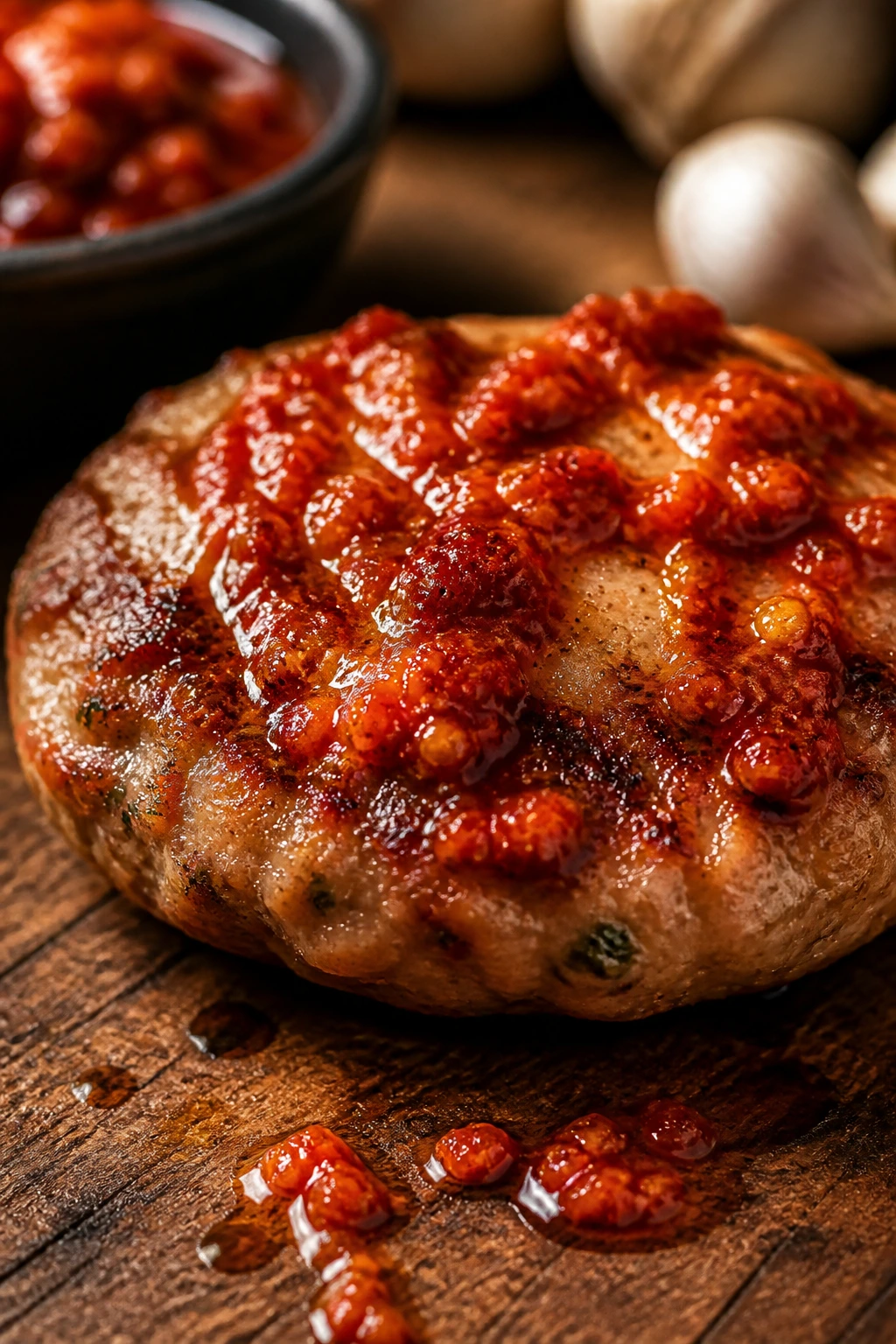
Calabrian Ember: Swap the red pepper flakes for 1 tablespoon of Calabrian chile paste and add a teaspoon of the oil from the jar. The heat is deeper and a little fruitier, which works especially well in pasta sauce or tucked into toasted bread.
-
Sunday Sweet-Hot Mix: Cut the red pepper flakes down to 2 teaspoons and add an extra teaspoon of fennel. This is the version I’d use for peppers and onions, or any meal where you want the sausage to be warm rather than fiery.
-
Pork-and-Turkey Blend: Use 1 pound ground pork shoulder and 1 pound ground turkey thigh, then add 1 tablespoon olive oil to the mix. The texture is lighter, but the pork still carries the fennel and garlic in a way turkey breast never would.
-
Link-Style Classic: Stuff the chilled mixture into 32 to 36 mm hog casings and twist into 6-inch links. This is the closest move to a butcher-counter sausage, and it’s the right choice when you want something that looks old-world on the platter.
-
Bulk Sauce Batch: Skip the patties and cook the sausage loose in a skillet, breaking it into larger crumbles as it browns. That variation is especially useful for red sauce, lasagna, stuffed peppers, or a quick pan of beans.
Keeping It Cold, Safe, and Ready for Another Meal
Raw sausage mixture keeps best when it stays cold and covered. You can hold the seasoned pork in the refrigerator for up to 24 hours before cooking, and I think the flavor actually gets better during that rest. The salt settles in. The garlic softens. The whole bowl stops tasting separate.
If you want to freeze the raw sausage, shape it into patties first and lay them on a parchment-lined sheet pan until firm. Once they’re solid, move them to a freezer bag or airtight container, with parchment between layers if you stack them. They’ll keep for about 2 months without picking up freezer smell.
Cooked sausage keeps in the fridge for 3 to 4 days in a covered container. For longer storage, freeze it for up to 2 months. I prefer freezing cooked patties only if I know I’ll reheat them in a skillet or oven later; the microwave can make the crust rubbery and the herbs smell tired.
Reheat cooked sausage in a skillet over medium-low heat with a tablespoon or two of water, cover briefly, and turn once. The steam warms the center without shredding the crust. A 350°F oven for 8 to 10 minutes also works if you have a full tray.
Room temperature is another matter. Don’t leave cooked pork sitting out for more than 2 hours, and pull it back into the fridge sooner if your kitchen is warm. Safe handling isn’t the glamorous part, but it keeps the rest of the recipe worth eating.
Questions People Ask Before They Start
Can I make this without a grinder or sausage stuffer?
Yes. Buy ground pork shoulder and shape it into patties or bulk crumbles, and you’ll still get the right flavor and texture. The grinder and stuffer help if you want links, but they are not required for a good batch.
What kind of pork should I buy?
Pork shoulder is the sweet spot because it carries enough fat to keep the sausage juicy. If you see a very lean package, skip it and choose one with visible marbling, or ask the butcher for a coarser grind from shoulder.
How spicy is this recipe?
With 1 tablespoon of red pepper flakes, it sits in the warm, noticeable range rather than the blow-your-head-off range. If your crowd likes things milder, cut the pepper back to 2 teaspoons; if you want serious heat, add a little Calabrian paste or an extra pinch of flakes after the test patty.
Can I make it the night before?
Yes, and I prefer it. The salt has time to work through the pork, the garlic stops shouting, and the texture firms up enough to shape cleanly the next day.
What if the sausage falls apart in the pan?
That usually means the meat was too lean, too warm, or not mixed enough to bind. Chill the mixture longer, check that the pork has enough fat, and mix until it feels sticky and clings together in strands.
Can I bake the sausage instead of frying it?
You can. Put the patties on a rack set over a sheet pan and bake at 400°F until they reach 160°F, usually 15 to 18 minutes depending on thickness. You’ll lose a little crust compared with the skillet, but the method is useful when you want less hands-on cooking.
How do I know when it’s done?
An instant-read thermometer is the cleanest answer: 160°F in the center for ground pork. The sausage should feel firm but still springy, and the juices should run clear rather than pink.
A Skillet Worth Coming Back To
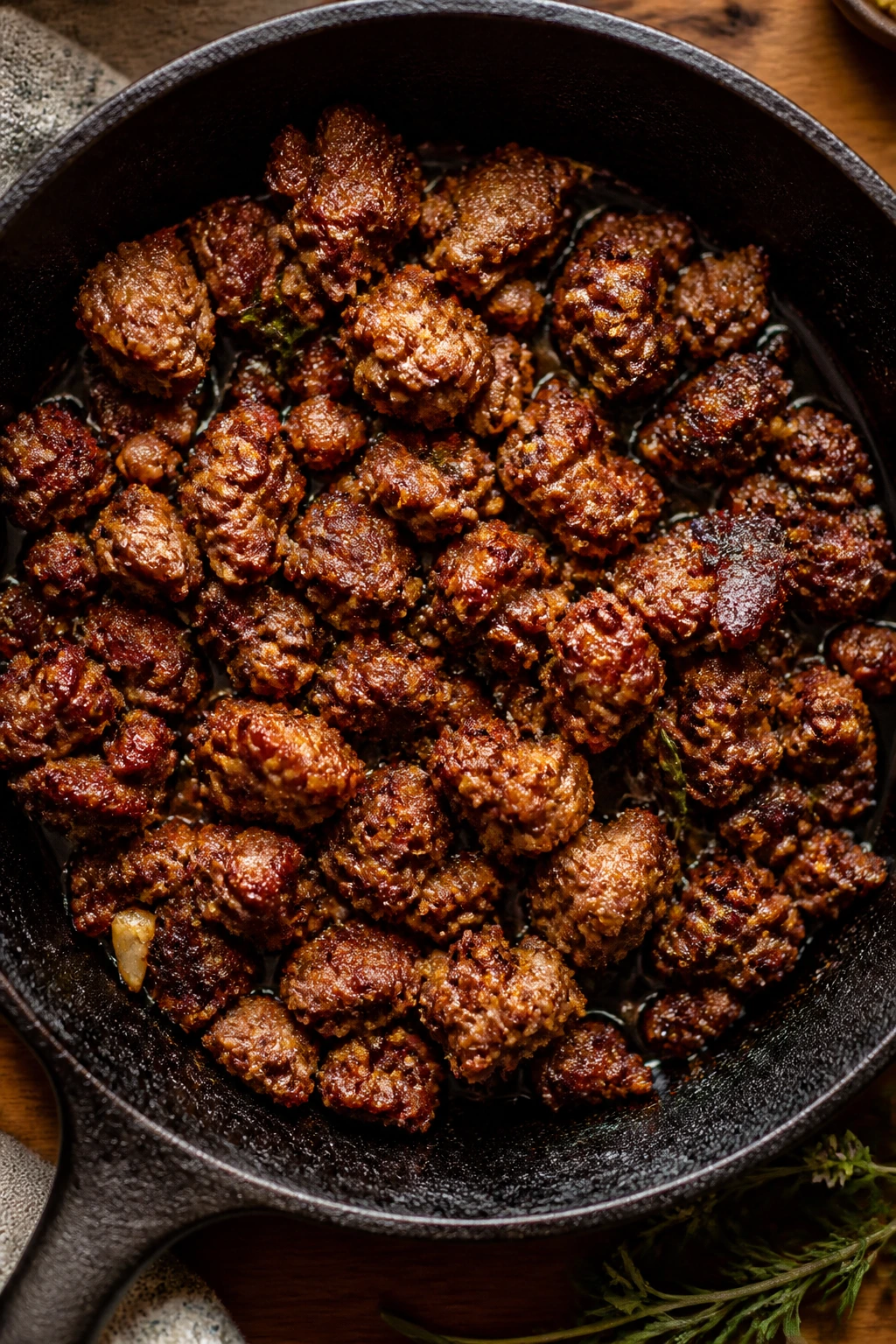
A good sausage batch doesn’t need a long ingredient list. It needs the right fat, the right salt, and enough restraint to let fennel and garlic do what they already know how to do. This one has that balance if you keep the meat cold and trust the test patty.
That’s the part I like most. Once you’ve made it once, the method stops feeling fussy and starts feeling obvious. Cold bowl. Short mix. Hot skillet. Rest. The whole thing turns into muscle memory, and the next time you need dinner to smell like a real kitchen, this is the pan to reach for.
Herbed Spicy Italian Sausage Like Nonna Used to Make — Recipe Card
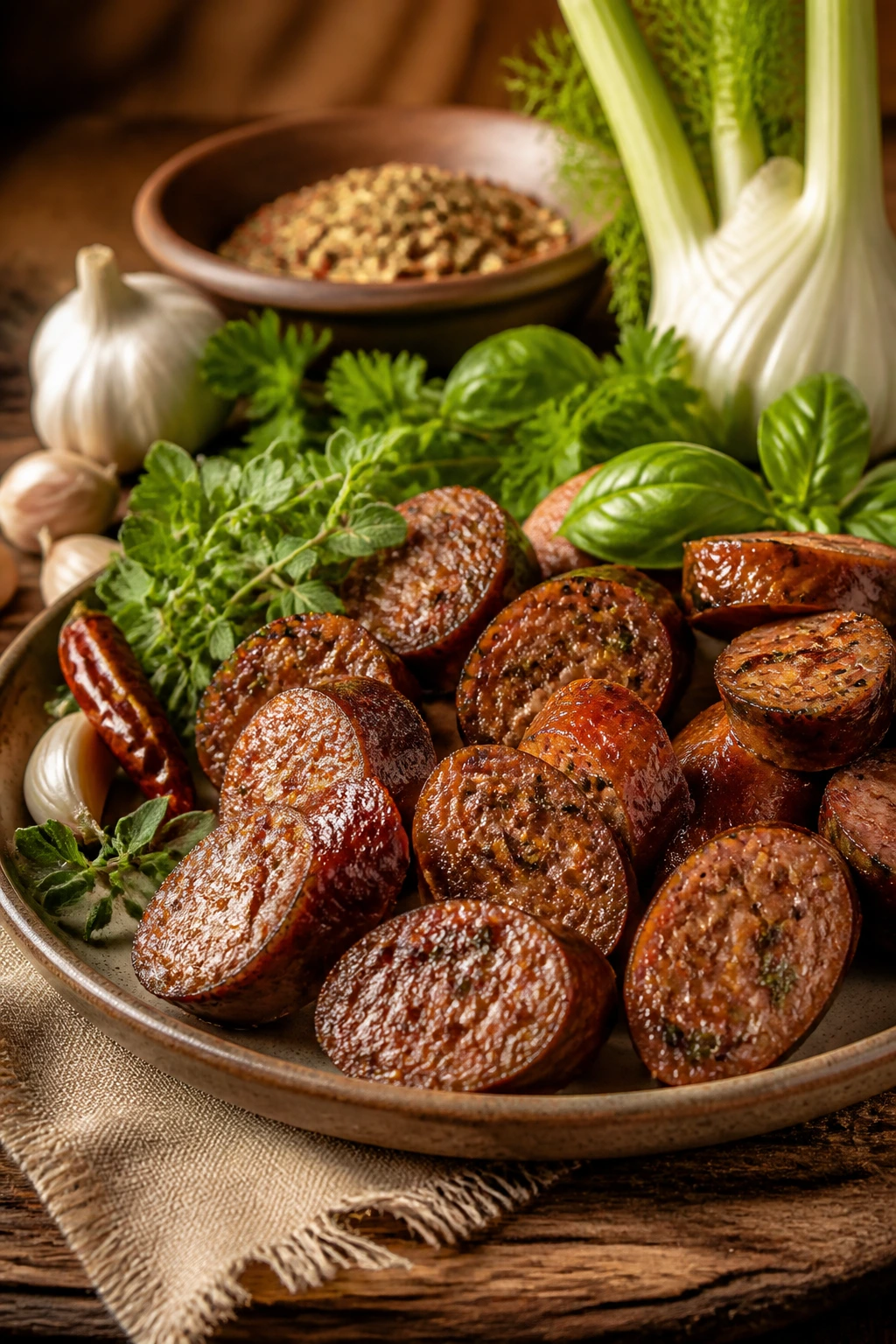
Recipe Name: Herbed Spicy Italian Sausage Like Nonna Used to Make
Description: A pork sausage seasoned with fennel, garlic, oregano, basil, parsley, and red pepper, shaped into patties or links and cooked until deeply browned and juicy.
Prep Time: 20 minutes
Cook Time: 15 minutes
Total Time: 35 minutes active, plus 1 hour chilling
Course: Main Course
Cuisine: Italian-American
Servings: 4 to 6
Calories: about 380 kcal per serving
Ingredients
For the Sausage Mixture:
- 2 pounds ground pork shoulder, chilled
- 2 teaspoons fine sea salt or 1 tablespoon Diamond Crystal kosher salt
- 2 teaspoons fennel seeds, lightly crushed
- 1 tablespoon crushed red pepper flakes
- 2 teaspoons dried oregano
- 1 teaspoon dried basil
- 1 teaspoon dried parsley
- 1 teaspoon freshly ground black pepper
- 4 garlic cloves, grated or minced to a paste
- 1/4 cup dry white wine, cold
- 2 tablespoons ice-cold water
Optional for Links:
- 4 to 6 feet hog casings, soaked and rinsed
Instructions
- Toast the fennel seeds in a dry skillet over medium heat for 30 to 45 seconds, then crush them lightly and mix with the salt, red pepper flakes, oregano, basil, parsley, and black pepper in a large bowl.
- Add the garlic, white wine, and ice-cold water, stirring into a loose paste.
- Add the cold pork and mix with your fingertips for 2 to 3 minutes, just until the meat turns evenly speckled and sticky.
- Cover and chill for at least 1 hour.
- Cook a tiny tester patty, taste, and adjust the seasoning if needed.
- Shape into 8 patties or stuff into casings if making links, then chill briefly on a parchment-lined sheet pan.
- Brown in a skillet over medium heat for 3 to 4 minutes per side, finishing in a 375°F oven if needed, until the center reaches 160°F.
- Rest for 5 minutes before serving.
Notes: Keep the pork cold, do not overmix, and always cook a tester patty before shaping the whole batch. For links, leave a little slack in the casings so they don’t burst.