



A kid who says dinner needs meat is usually saying three different things at once: the plate looks skimpy, the texture feels boring, or the flavor doesn’t give their brain anything to grab onto. That’s why so many meatless dinners miss the mark. They lean too hard on vegetables alone, when what kids usually want is a real meal shape — noodles, rice, cheese pulls, crispy edges, something they can scoop, fold, or dip.
These veggie dinners for kids do a better job because they’re built like actual dinner, not a side dish trying to impersonate one. Beans show up where ground meat usually would. Potatoes, pasta, tortillas, rice, and bread do the heavy lifting. And vegetables get used the way they work best: tucked into sauces, baked under cheese, stirred into a skillet, or roasted until their edges go brown and a little sweet.
I care much less about hiding vegetables than about making them pull their weight. A child who eats broccoli folded into cheesy rice casserole is not being tricked — they’re getting a plate that tastes good, feels filling, and doesn’t collapse into an argument at the table. That’s the standard here. Real dinner. No meat required.
Why These Veggie Dinners Keep Kids Full
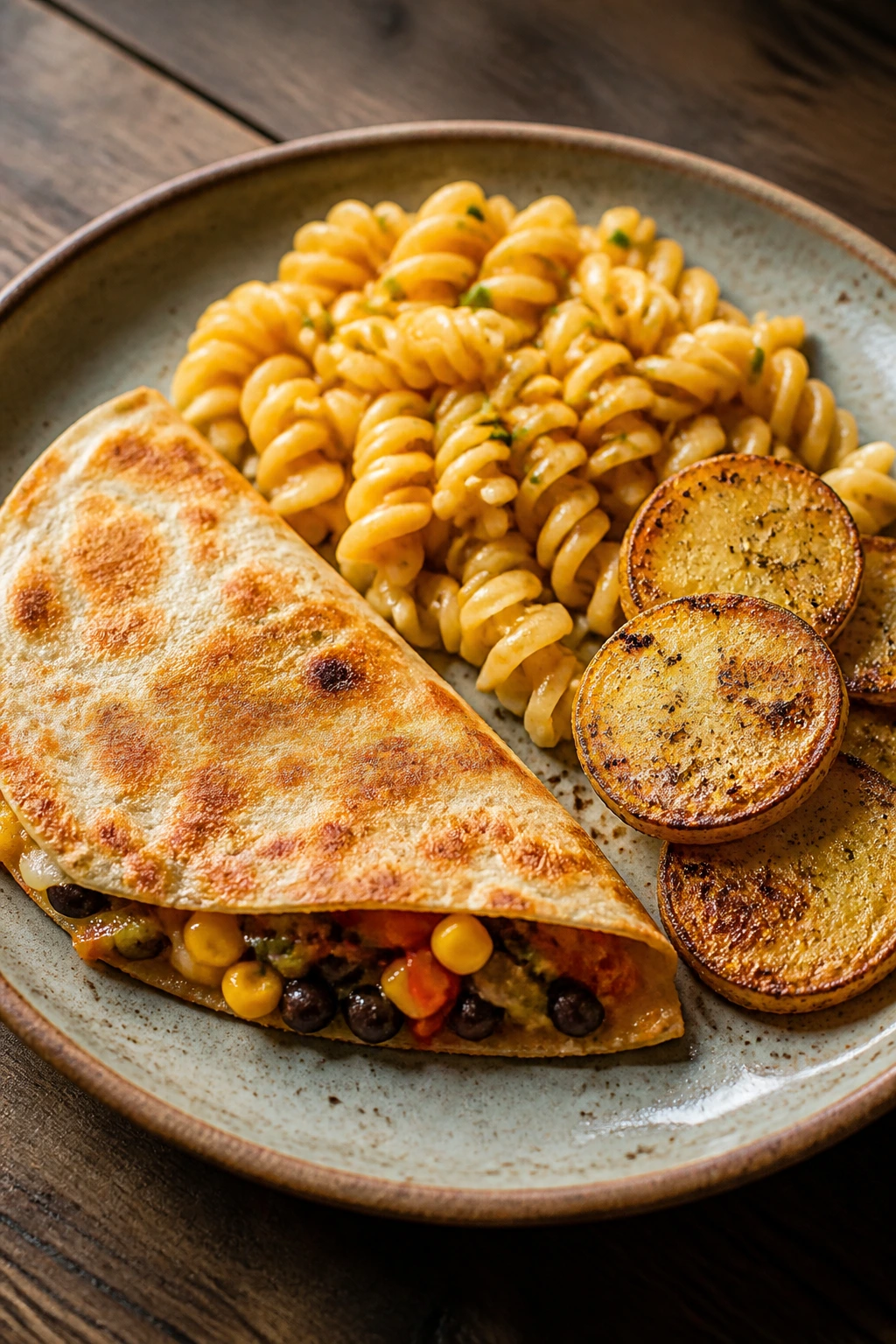
- They use familiar shapes: Quesadillas, pasta bakes, sliders, soup with toast, and potato dinners feel like dinner before a single bite happens.
- They lean on protein-rich staples: Beans, lentils, tofu, eggs, yogurt, and cheese do the filling work that plain vegetables can’t manage on their own.
- They include soft and crisp in the same plate: Kids usually eat better when they get a crunchy edge, a creamy center, and one clear dip or sauce.
- They’re built for leftovers: Saucy or baked vegetable dinners hold up in the fridge, so tomorrow’s lunch doesn’t need a separate plan.
- They stretch expensive produce: A head of broccoli, a couple of sweet potatoes, or one bag of frozen peas can turn into a full family meal when you build around them properly.
1. Cheesy Black Bean Quesadillas with Corn
A hot skillet, a tortilla, and melted cheese can fix a surprising amount of dinner resistance. Add black beans and sweet corn, and you get a filling, hand-held meal that tastes like it was made for small hands and fast appetites.
Why It Works:
The tortilla gives kids a crisp edge, the beans bring enough heft to make this feel like dinner, and the corn adds little sweet pops that keep the filling from tasting flat. This is the kind of meatless dinner that disappears fast because it never announces itself as a compromise.
Key Ingredients:
- 4 medium flour tortillas
- 1 ½ cups canned black beans, rinsed and drained
- 1 cup shredded cheddar cheese
- ¾ cup frozen corn, thawed
- 2 tablespoons salsa
- 1 tablespoon olive oil
Quick Steps:
- Mix the black beans, corn, and salsa in a bowl, mashing a few beans with a fork so the filling holds together.
- Heat a large skillet over medium heat and brush it with ½ tablespoon olive oil.
- Sprinkle cheese over one tortilla half, add the filling, fold, and cook for 2 to 3 minutes per side until golden and the cheese melts.
- Rest for 1 minute, then cut into wedges with a sharp knife or pizza cutter.
Equipment for This Recipe:
- Large nonstick or cast-iron skillet
- Spatula
- Mixing bowl
How to Serve This Dish:
Serve with a spoonful of sour cream or plain Greek yogurt for dipping and a few cucumber sticks on the side. Two wedges is a reasonable child portion; three wedges usually works for hungrier older kids.
Pro Tips for This Recipe:
- Mash about one-third of the beans so the filling stays put instead of sliding out.
- Use medium heat, not high heat — high heat browns the tortilla before the cheese gets a chance to melt.
- Let the quesadilla sit for a minute before slicing or the filling will spill.
Variations on This Dish:
- Pepper Jack Kick: Swap in pepper jack for half the cheddar if your kids like mild heat.
- Bean-Free Backup: Replace the black beans with finely chopped sautéed mushrooms and keep the rest the same.
Common Mistakes to Avoid with This Dish:
- Don’t overfill the tortilla. If the filling spills out before the cheese melts, the skillet turns messy fast.
- Don’t skip the rest time. Cutting immediately makes the filling run everywhere.
2. Hidden-Veggie Mac and Cheese
Mac and cheese does heavy lifting in a kid dinner rotation, and this version sneaks in cauliflower and carrot without turning the sauce grainy or weird. The trick is blending the vegetables until they vanish into the cheese.
Why It Works:
The pasta gives the meal its familiar shape, while the vegetable puree adds body and keeps the sauce from feeling thin. Kids get the same creamy bowl they expect, but with more going on underneath.
Key Ingredients:
- 8 ounces elbow macaroni
- 2 cups cauliflower florets
- 1 medium carrot, sliced
- 2 tablespoons butter
- 2 tablespoons all-purpose flour
- 1 ¾ cups milk
- 2 cups shredded sharp cheddar
Quick Steps:
- Boil the macaroni in salted water until just al dente, then drain.
- Steam the cauliflower and carrot for 8 to 10 minutes until very soft, then blend with ¼ cup of the milk until smooth.
- Make a quick roux with butter and flour in a saucepan, whisk in the rest of the milk, then stir in the vegetable puree and cheddar until creamy.
- Toss with the pasta and warm over low heat for 2 minutes.
Equipment for This Recipe:
- Medium saucepan
- Blender or immersion blender
- Colander
How to Serve This Dish:
Serve in shallow bowls with peas on the side or stirred in at the end if you want a little green in the pan. A handful of toasted breadcrumbs over the top adds crunch without making the dish feel fancy.
Pro Tips for This Recipe:
- Cook the vegetables until they mash with no resistance; undercooked cauliflower leaves tiny lumps.
- Shred the cheese yourself if you can — it melts smoother than many pre-shredded blends.
- Season the sauce with a small pinch of mustard powder or paprika for better cheese flavor.
Variations on This Dish:
- Broccoli Swap: Use steamed broccoli florets instead of cauliflower for a greener, sharper finish.
- Protein Boost: Stir in 1 cup of white beans for a softer, more filling bowl.
Common Mistakes to Avoid with This Dish:
- Don’t boil the cheese sauce hard. It can turn stringy or oily.
- Don’t puree the vegetables with too little liquid; the sauce should be silky, not paste-like.
3. Lentil Sloppy Joes
Messy, saucy, and gloriously useful, lentil sloppy joes give you the same sticky sandwich energy as the classic version, only with lentils doing the filling work. Kids usually accept these faster than they’ll admit, mostly because the sauce does all the talking.
Why It Works:
Brown or green lentils hold enough shape to feel substantial, and the tomato-based sauce clings to them in a way that makes each bite feel complete. The soft bun helps, too — it turns a bowl of lentils into something that feels like a real sandwich.
Key Ingredients:
- 1 cup dried brown lentils, rinsed
- 2 cups water
- 1 tablespoon olive oil
- 1 small onion, finely chopped
- 1 cup tomato sauce
- 2 tablespoons ketchup
- 1 tablespoon brown sugar
- 4 sandwich buns
Quick Steps:
- Simmer the lentils in water for 20 to 25 minutes until tender but not mushy, then drain any excess water.
- Cook onion in olive oil over medium heat for 5 minutes until soft.
- Stir in tomato sauce, ketchup, brown sugar, and lentils; simmer 8 to 10 minutes until thick and glossy.
- Spoon onto toasted buns and serve immediately.
Equipment for This Recipe:
- Medium saucepan
- Large skillet
- Wooden spoon
How to Serve This Dish:
Serve with carrot sticks, cucumber coins, or a simple green salad if your crowd will tolerate it. These are best on toasted buns, because a soft bun turns soggy fast.
Pro Tips for This Recipe:
- Salt the lentils after they’re tender, not at the start, so they cook evenly.
- Chop the onion small enough that it melts into the sauce instead of standing out.
- Toast the buns for 1 to 2 minutes so they hold up to the filling.
Variations on This Dish:
- BBQ Version: Replace the ketchup with barbecue sauce for a smokier, sweeter sandwich.
- Mild Tex-Mex: Add a little cumin and a spoon of mild salsa for a warmer flavor profile.
Common Mistakes to Avoid with This Dish:
- Don’t overcook the lentils into soup. They should hold enough shape to mound on a bun.
- Don’t skip the simmer after mixing. The sauce needs time to thicken or it slides out of the sandwich.
4. Sheet-Pan Halloumi Pitas
Halloumi gives you the salty, squeaky chew that makes a plate feel sturdy without meat. Roast it with peppers and zucchini, tuck it into warm pita, and you’ve got a dinner kids can pick up and eat without a long lecture at the table.
Why It Works:
Halloumi doesn’t melt into nothing, which means it keeps a chewy center and browned edges even after roasting. The pita acts like a soft pocket, so the whole meal feels familiar instead of too vegetable-heavy.
Key Ingredients:
- 8 ounces halloumi cheese, sliced
- 2 medium zucchini, sliced
- 2 bell peppers, sliced
- 2 tablespoons olive oil
- 1 teaspoon dried oregano
- 4 small pitas
- ½ cup plain yogurt
Quick Steps:
- Heat the oven to 425°F (220°C) and line a sheet pan.
- Toss zucchini and peppers with olive oil and oregano, then roast for 12 minutes.
- Add halloumi slices and roast 8 minutes more until browned at the edges.
- Stuff into warm pitas with yogurt drizzled over the top.
Equipment for This Recipe:
- Rimmed sheet pan
- Knife and cutting board
- Small bowl for the yogurt
How to Serve This Dish:
Serve with a little shredded lettuce tucked inside if you want more crunch, or keep it stripped down and let the halloumi do the work. One pita is a solid child portion; adults usually need two.
Pro Tips for This Recipe:
- Dry the halloumi with paper towels before roasting so it browns instead of steaming.
- Cut the vegetables into similar sizes so they soften at the same pace.
- Warm the pitas for 30 seconds in the oven so they don’t split when stuffed.
Variations on This Dish:
- Garlic Yogurt Pitas: Stir grated garlic and lemon zest into the yogurt for a sharper finish.
- No-Halloumi Version: Use cubed extra-firm tofu and roast it 20 minutes for a gentler, dairy-free swap.
Common Mistakes to Avoid with This Dish:
- Don’t crowd the sheet pan. The vegetables need space or they’ll go soft instead of brown.
- Don’t skip the yogurt. It calms the saltiness of the cheese and keeps the pita from tasting dry.
5. Broccoli Cheddar Baked Potatoes
A baked potato with melted cheddar and broccoli is one of those old-school dinners that still works because it feels complete in one skin. The potato brings the bulk, the broccoli keeps it from being only starch and cheese, and the whole thing lands like proper comfort food.
Why It Works:
The fluffy potato inside gives you a soft base, while the broccoli adds small bite-sized pieces kids can manage without thinking about it too much. Melted cheese locks everything together, which is half the reason this dinner gets eaten instead of negotiated.
Key Ingredients:
- 4 medium russet potatoes
- 2 cups broccoli florets, chopped small
- 1 cup shredded cheddar
- 2 tablespoons butter
- ¼ cup milk
- 2 tablespoons sour cream
Quick Steps:
- Bake the potatoes at 400°F (205°C) for 50 to 60 minutes until fork-tender.
- Steam or microwave the broccoli for 3 to 4 minutes until bright green and soft.
- Split the potatoes, fluff the centers with butter, milk, and sour cream, then fold in the broccoli and cheese.
- Return to the oven for 5 minutes until the cheese melts.
Equipment for This Recipe:
- Baking sheet
- Fork
- Small saucepan or microwave-safe bowl
How to Serve This Dish:
Serve with apple slices or a quick tomato salad if you want something fresh beside the potato. One potato is enough for younger kids; bigger appetites may want a second half.
Pro Tips for This Recipe:
- Pierce the potatoes a few times before baking so they don’t split open.
- Chop the broccoli small; long stems make the filling awkward to eat.
- Add a pinch of salt to the potato flesh before stuffing it back into the skins.
Variations on This Dish:
- Loaded Ranch Version: Stir a spoonful of ranch dressing into the filling and top with scallions.
- Beaned-Up Option: Add ½ cup mashed white beans for extra heft without changing the flavor much.
Common Mistakes to Avoid with This Dish:
- Don’t underbake the potatoes. If the center is stiff, the filling turns dense instead of fluffy.
- Don’t leave the broccoli in big florets. Bite-size pieces are much easier for kids.
6. Veggie Fried Rice with Egg
Fried rice is one of the easiest ways to make leftover rice feel like dinner again. Add egg, peas, carrots, and a little soy sauce, and you’ve got a pan of savory, filling food that kids can scoop with a spoon.
Why It Works:
Cold rice fries better than fresh rice because it doesn’t clump into a sticky mass. The egg brings protein, the vegetables add color and sweetness, and the soy sauce gives the whole pan enough flavor to feel finished.
Key Ingredients:
- 3 cups cooked, chilled rice
- 2 eggs, beaten
- 1 cup frozen peas and carrots
- 2 tablespoons oil
- 2 tablespoons soy sauce
- 1 teaspoon sesame oil
- 2 scallions, sliced
Quick Steps:
- Heat 1 tablespoon oil in a large skillet over medium-high heat and scramble the eggs, then set them aside.
- Add the remaining oil and cook the peas and carrots for 2 minutes.
- Stir in the rice and fry for 4 to 5 minutes until hot and slightly crisp.
- Return the egg, add soy sauce and sesame oil, and toss in scallions.
Equipment for This Recipe:
- Large skillet or wok
- Spatula
- Bowl for the beaten eggs
How to Serve This Dish:
Serve in shallow bowls with a few edamame beans or diced cucumber on the side. A tiny drizzle of sriracha on the adult portion works well, but keep the kids’ bowl plain.
Pro Tips for This Recipe:
- Break up the rice with your hands before it hits the skillet so it fries evenly.
- Use a big pan; crowded rice steams and loses its edges.
- Add soy sauce around the edge of the pan so it sizzles before mixing in.
Variations on This Dish:
- Pineapple Fried Rice: Stir in ½ cup pineapple for a sweeter version kids often like.
- Tofu Swap: Replace the eggs with cubed firm tofu for an egg-free bowl.
Common Mistakes to Avoid with This Dish:
- Don’t use hot fresh rice. It turns gummy and clumpy.
- Don’t drown the pan in soy sauce. Too much makes the rice wet instead of savory.
7. Mini Veggie Pizza Bagels
Mini pizza bagels are not subtle, and that’s part of the appeal. They’re small, familiar, and easy to hold, which matters when you want dinner to feel more like a yes than a project.
Why It Works:
The bagel halves give you a crisp, chewy base, while sauce, cheese, and chopped vegetables turn each one into a compact little pizza. Kids usually like being able to assemble their own toppings, which lowers the resistance before the first bite.
Key Ingredients:
- 6 plain mini bagels, split
- ¾ cup pizza sauce
- 1 ½ cups shredded mozzarella
- ½ cup finely chopped bell pepper
- ½ cup sliced mushrooms
- ¼ cup sliced olives
Quick Steps:
- Heat the oven to 425°F (220°C).
- Spread sauce on each bagel half, then add cheese and toppings.
- Bake for 8 to 10 minutes until the cheese bubbles and the edges are golden.
- Cool for 2 minutes before serving so the cheese settles.
Equipment for This Recipe:
- Baking sheet
- Spoon
- Knife and cutting board
How to Serve This Dish:
Serve with carrot sticks or a few grapes if the dinner needs a soft fruit side. Three mini halves usually works for younger kids; older kids may eat four or five.
Pro Tips for This Recipe:
- Chop vegetables very small so they cook through in the short bake time.
- Pat mushrooms dry before topping or they’ll waterlog the bagel.
- Put the cheese on top of the vegetables if you want them to stay put.
Variations on This Dish:
- Margherita Mini: Skip the vegetables and add fresh basil after baking.
- White Pizza Version: Use ricotta and mozzarella instead of red sauce for a creamier finish.
Common Mistakes to Avoid with This Dish:
- Don’t overload the toppings. Mini bagels need restraint or they get soggy.
- Don’t bake too long. The bagels go from crisp to hard faster than you expect.
8. Sweet Potato and Black Bean Tacos
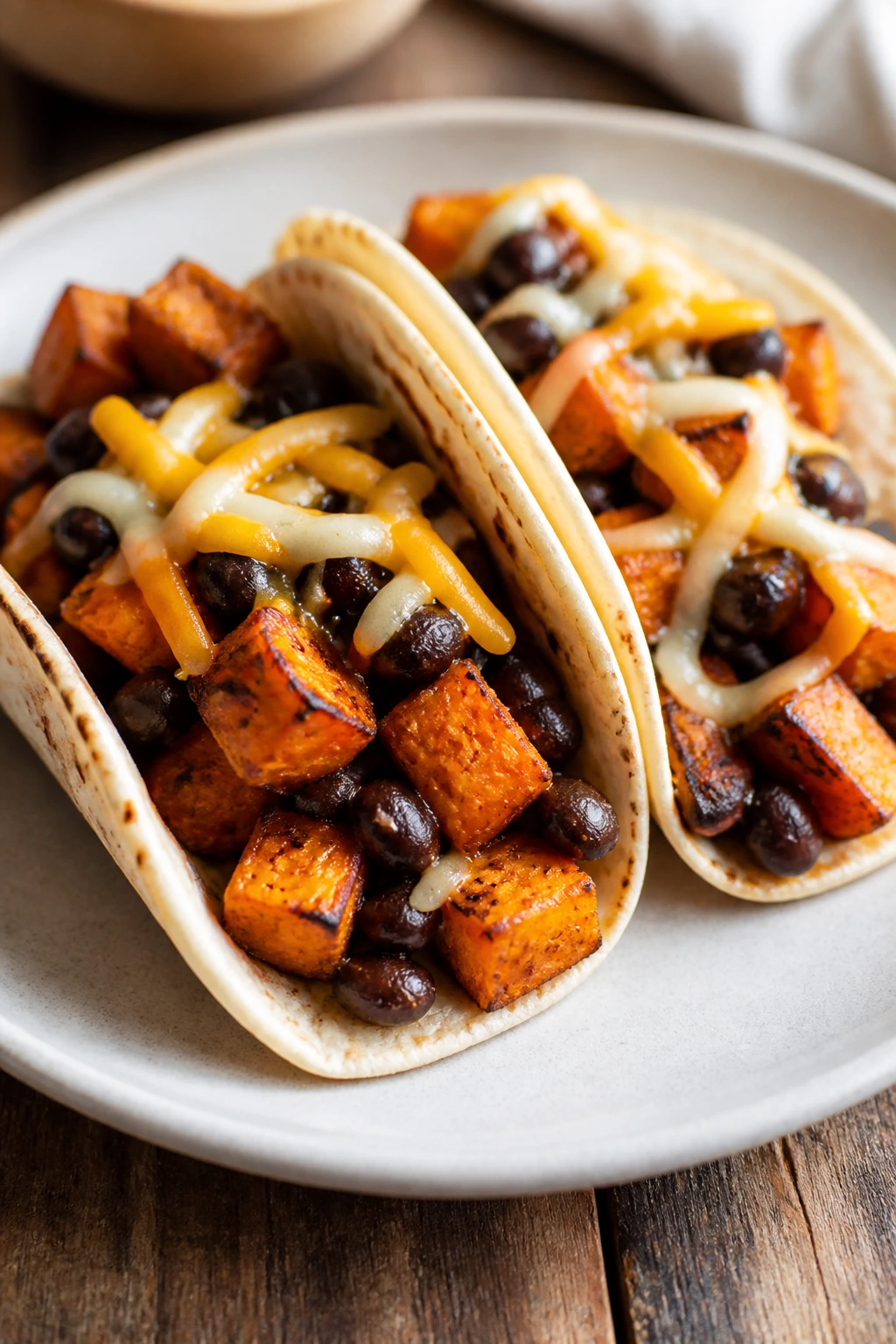
Sweet potatoes and black beans are a strong pair because one brings softness and sweetness while the other brings chew and body. Tucked into tacos, they make a dinner that feels warm, colorful, and sturdy enough to count.
Why It Works:
Roasted sweet potato cubes give a caramelized edge that kids tend to accept more easily than plain steamed vegetables. The beans keep the tacos filling, and a little cheese ties the whole thing together without making it heavy.
Key Ingredients:
- 2 medium sweet potatoes, peeled and cubed
- 1 tablespoon olive oil
- 1 teaspoon chili powder
- 1 cup black beans, rinsed
- 8 small corn or flour tortillas
- 1 cup shredded cheese
- ¼ cup sour cream
Quick Steps:
- Roast the sweet potatoes at 425°F (220°C) for 20 to 25 minutes with oil and chili powder.
- Warm the black beans in a small saucepan until hot.
- Fill tortillas with sweet potato, beans, and cheese.
- Top with sour cream and fold while warm.
Equipment for This Recipe:
- Sheet pan
- Small saucepan
- Spoon
How to Serve This Dish:
Serve with lime wedges and a little shredded lettuce if your kids like a fresh crunch. Two small tacos is a normal child portion; adults often need three or four.
Pro Tips for This Recipe:
- Dice the sweet potato small so it softens quickly and fits inside the tortilla.
- Warm the tortillas in a dry skillet for 20 seconds per side so they bend instead of cracking.
- Add the cheese while the potatoes are still hot so it melts from residual heat.
Variations on This Dish:
- Avocado Cream Tacos: Mash avocado with lime and use it instead of sour cream.
- Refried Bean Swap: Spread refried beans on the tortilla before adding the sweet potato for a thicker filling.
Common Mistakes to Avoid with This Dish:
- Don’t leave the sweet potatoes too large. Big chunks make the taco fall apart.
- Don’t stuff the tortillas cold. Warm fillings help the cheese melt and the tacos fold.
9. Creamy Tomato Tortellini Soup
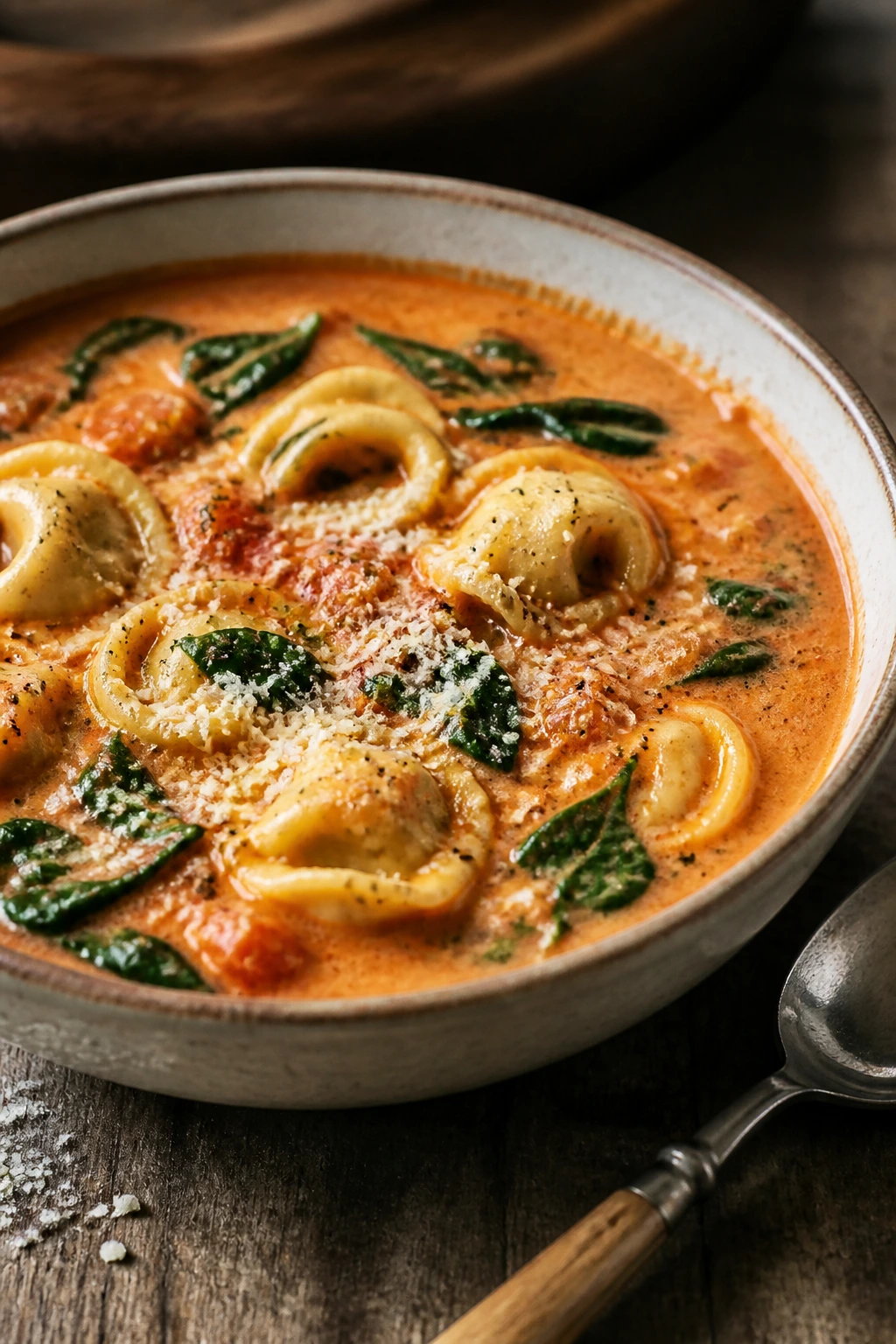
This is the kind of soup that actually counts as dinner because the tortellini does more than float around looking decorative. It turns tomato soup into a bowl that eats like a meal and gives kids something familiar to fish out with a spoon.
Why It Works:
Cheese tortellini adds starch and protein in one move, and the creamy tomato broth stays mild enough for younger palates. It’s also one of those rare soups that gets better as it sits for 10 minutes, which matters when someone’s still tying a shoe.
Key Ingredients:
- 1 tablespoon olive oil
- 1 small onion, chopped
- 2 cups tomato puree
- 3 cups vegetable broth
- 1 cup heavy cream
- 10 ounces cheese tortellini
- 1 cup baby spinach
- ¼ cup grated Parmesan
Quick Steps:
- Cook onion in olive oil over medium heat for 5 minutes until soft.
- Add tomato puree and broth, then simmer for 10 minutes.
- Stir in cream and tortellini; cook 4 to 6 minutes until the pasta is tender.
- Add spinach and Parmesan, then stir until wilted.
Equipment for This Recipe:
- Large saucepan
- Ladle
- Wooden spoon
How to Serve This Dish:
Serve with buttered toast or garlic bread for dipping, because kids almost always want something to dunk in soup. A light sprinkle of Parmesan on top keeps the bowl from looking plain.
Pro Tips for This Recipe:
- Don’t boil the cream hard; keep the soup at a gentle simmer.
- Add the spinach at the very end so it stays bright and soft, not swampy.
- Taste before salting — broth and Parmesan can already bring plenty.
Variations on This Dish:
- Roasted Red Pepper Twist: Blend in 1 cup of roasted red peppers for a sweeter, deeper broth.
- Mini Meatball Add-In: If you’re feeding a mixed table, add vegetarian meatballs for extra heft.
Common Mistakes to Avoid with This Dish:
- Don’t overcook the tortellini. It gets soft fast in hot soup.
- Don’t skip the Parmesan finish. The broth needs that salty edge.
10. Cauliflower Tater Tot Bake
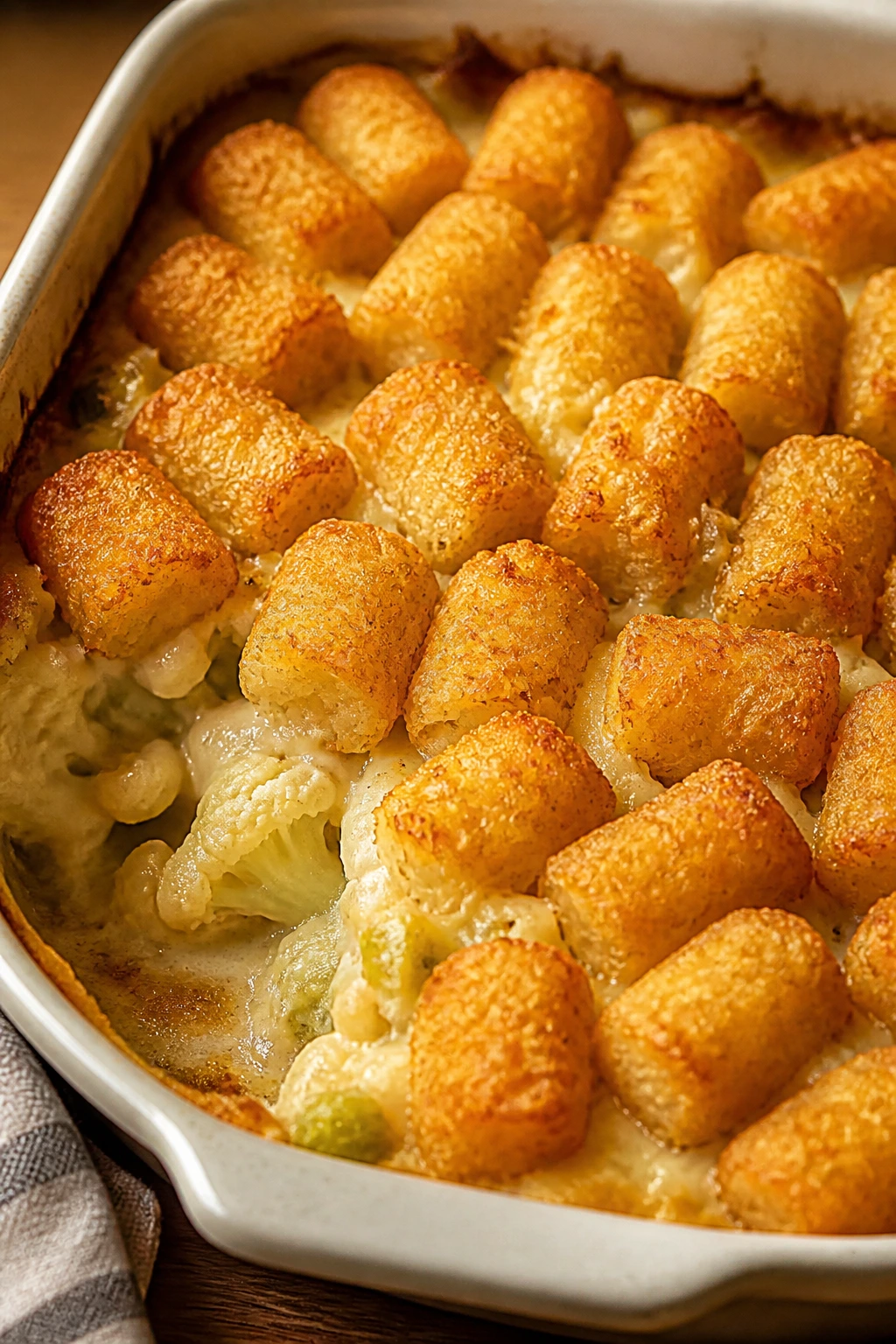
A pan of tater tots can hide a lot, and here they top a creamy cauliflower filling that feels a little like a casserole and a little like a snack. Kids usually go for the crispy tot top first, which is exactly the point.
Why It Works:
The tots give crunch, the cauliflower softens into the sauce, and the whole bake lands somewhere between dinner and comfort food. It’s rich enough to hold attention, but not so heavy that it feels like a brick.
Key Ingredients:
- 4 cups cauliflower florets
- 2 cups shredded cheddar
- 1 cup milk
- 2 tablespoons butter
- 1 tablespoon flour
- 1 bag frozen tater tots, about 32 ounces
- ½ teaspoon garlic powder
Quick Steps:
- Steam cauliflower for 8 minutes until very soft, then chop or mash it a little.
- Make a quick white sauce with butter, flour, and milk; stir in cheddar and garlic powder.
- Fold in cauliflower and spread in a greased baking dish.
- Top with tater tots and bake at 425°F (220°C) for 30 to 35 minutes until crisp.
Equipment for This Recipe:
- 9×13-inch baking dish
- Saucepan
- Potato masher or spoon
How to Serve This Dish:
Serve with apple slices or a simple cucumber salad to give the plate a cold, fresh element. Scoopable casseroles work best when the portions are not too large, so start small.
Pro Tips for This Recipe:
- Steam the cauliflower until it’s almost falling apart; undercooked florets make the bake lumpy.
- Put the tots in a single layer so they crisp properly.
- Let the dish rest 10 minutes before serving so the filling thickens.
Variations on This Dish:
- Broccoli Tot Bake: Swap half the cauliflower for finely chopped broccoli.
- Bacon-Free “Loaded” Version: Add sour cream and scallions on top for a loaded-potato feel.
Common Mistakes to Avoid with This Dish:
- Don’t pour in too much milk. The filling should be thick before the tots go on.
- Don’t serve it straight from the oven; the filling needs a short rest.
11. Spinach Ricotta Stuffed Shells
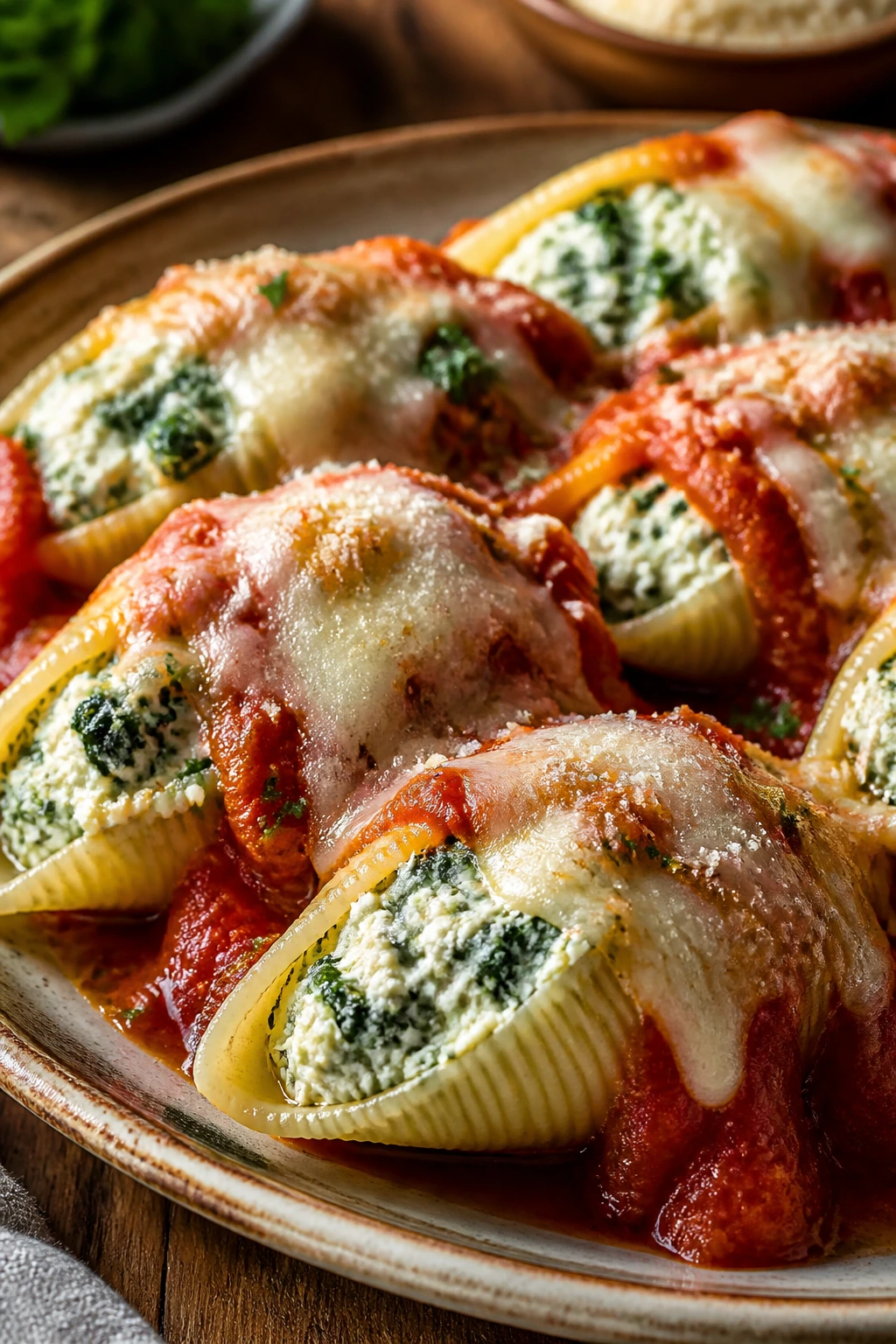
Stuffed shells look like a project, but once you get into the rhythm they’re almost relaxing. The spinach disappears into the ricotta filling, and the baked tomato sauce gives the whole pan that bubbling edge kids seem to trust.
Why It Works:
Large pasta shells hold a creamy filling without falling apart, so each bite feels tidy and substantial. The ricotta keeps the texture soft, while the spinach brings color and a little green without overwhelming the dish.
Key Ingredients:
- 20 jumbo pasta shells
- 2 cups ricotta
- 1 cup chopped spinach, squeezed dry
- 1 cup shredded mozzarella
- 1 egg
- 2 cups marinara sauce
- ¼ cup Parmesan
Quick Steps:
- Boil the shells until just al dente, then drain and cool slightly.
- Mix ricotta, spinach, half the mozzarella, and egg.
- Fill each shell and place in a baking dish with marinara underneath and around them.
- Top with remaining mozzarella and Parmesan, then bake at 375°F (190°C) for 25 minutes.
Equipment for This Recipe:
- 9×13-inch baking dish
- Mixing bowl
- Spoon or piping bag
How to Serve This Dish:
Serve with a garlic bread stick or a small Caesar-style salad if the kids will eat it. Three to four shells usually makes a child-sized dinner, depending on appetite.
Pro Tips for This Recipe:
- Squeeze the spinach dry or the filling turns watery.
- Don’t overcook the shells; they need enough strength to hold filling.
- Use a spoon or piping bag to fill faster and keep the shells neat.
Variations on This Dish:
- Butternut Ricotta Shells: Replace half the ricotta with mashed roasted squash for a sweeter filling.
- Lemon Herb Shells: Add lemon zest and parsley for a brighter, lighter flavor.
Common Mistakes to Avoid with This Dish:
- Don’t pack the shells too tightly in the pan or the sauce won’t bubble around them.
- Don’t forget to cover them loosely with foil if the top browns too quickly.
12. Crispy Chickpea Nuggets
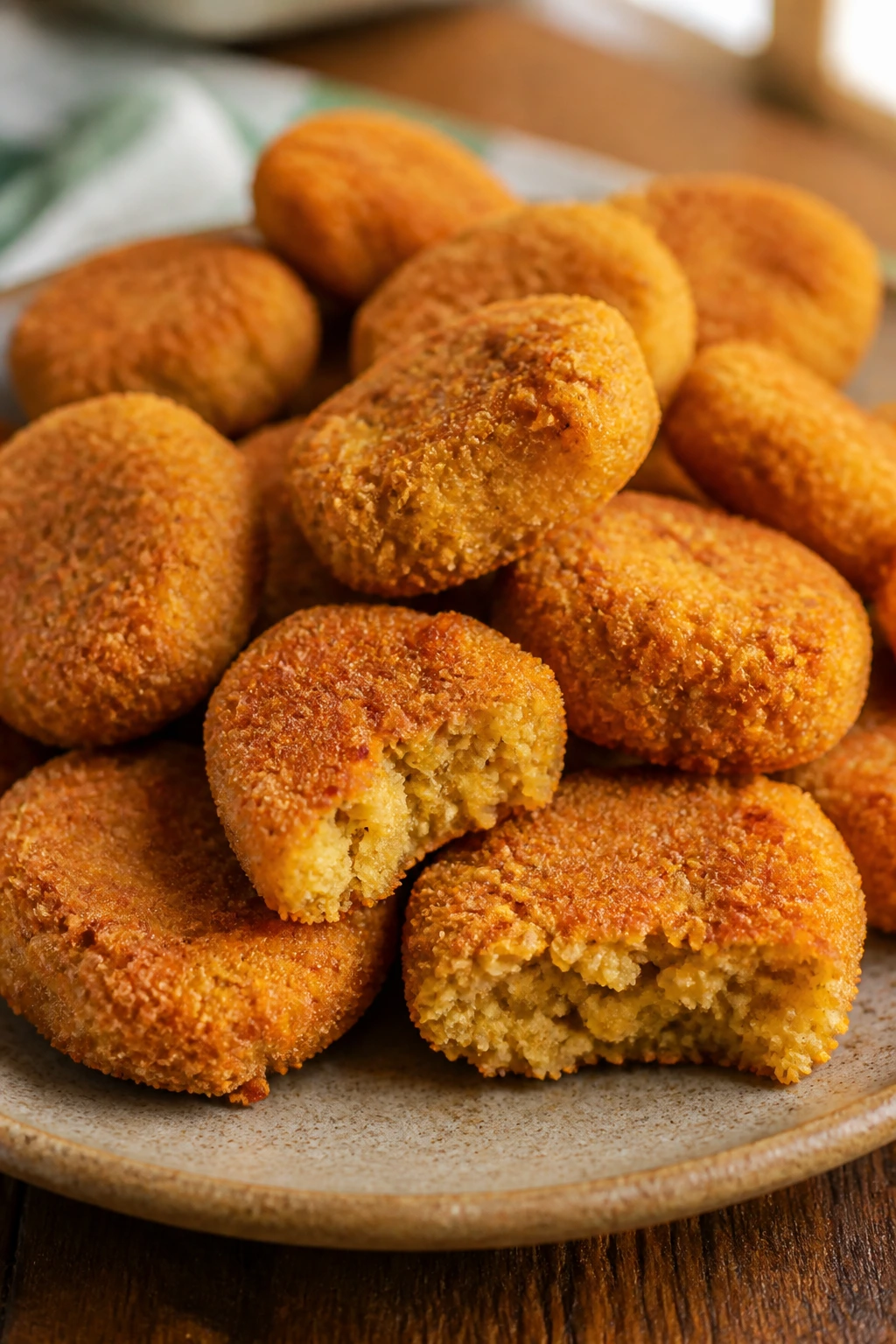
These are not pretending to be chicken, which is part of their charm. Chickpeas, breadcrumbs, and a hot oven turn into little nuggets with enough crunch to satisfy kids who want something they can dunk and call dinner.
Why It Works:
Chickpeas mash well but still keep some texture, and that gives the nuggets a soft center instead of a dry crumb. A breadcrumb coating adds the crispy shell kids tend to love, especially with a dipping sauce.
Key Ingredients:
- 2 cans chickpeas, rinsed and drained
- 1 egg
- ½ cup breadcrumbs
- ¼ cup grated Parmesan
- 1 teaspoon garlic powder
- 2 tablespoons olive oil
- ½ teaspoon salt
Quick Steps:
- Mash chickpeas until mostly broken down, leaving a few pieces for texture.
- Mix in egg, breadcrumbs, Parmesan, garlic powder, and salt.
- Shape into nugget-sized ovals, brush with olive oil, and bake at 425°F (220°C) for 18 to 20 minutes.
- Flip halfway through until the edges are crisp and browned.
Equipment for This Recipe:
- Baking sheet
- Fork or potato masher
- Small bowl for shaping
How to Serve This Dish:
Serve with ketchup, ranch, or yogurt dip and a side of roasted carrots or fries. Four to six nuggets usually works for younger kids; more if you’re serving them as the main protein.
Pro Tips for This Recipe:
- Chill the mixture for 10 minutes if it feels too soft to shape.
- Brush with oil, don’t drown them; too much oil makes them greasy instead of crisp.
- Flip once during baking so both sides brown evenly.
Variations on This Dish:
- Curry Chickpea Nuggets: Add 1 teaspoon mild curry powder for a warmer flavor.
- Egg-Free Batch: Use 2 tablespoons mashed potato instead of egg to help bind.
Common Mistakes to Avoid with This Recipe:
- Don’t leave the chickpeas too whole or the nuggets fall apart.
- Don’t skip the flip; one-sided browning gives you a limp bottom.
13. Pesto Pasta with Peas
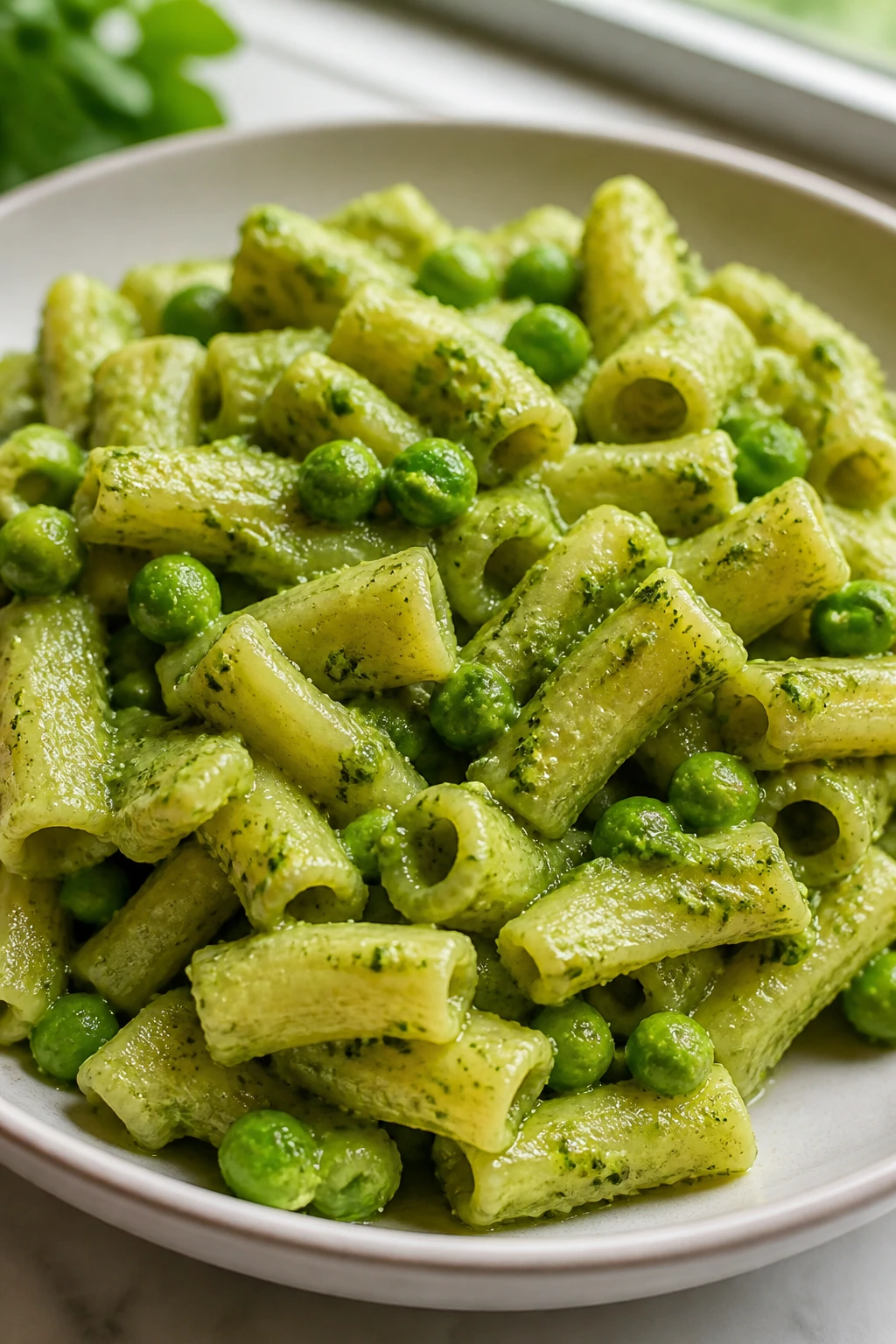
This is the dinner you make when you want green vegetables to show up without starting a debate. Peas are small, sweet, and easy, and pesto coats the pasta so evenly that kids usually notice the color before the vegetables.
Why It Works:
Pasta brings the familiar base, pesto provides strong flavor with very little effort, and peas stay soft enough to blend into the bowl without being fussy. The result tastes like lunchbox-friendly comfort food, which is probably why it gets eaten.
Key Ingredients:
- 12 ounces short pasta
- 1 ½ cups frozen peas
- ½ cup basil pesto
- ½ cup reserved pasta water
- ¼ cup grated Parmesan
- 1 tablespoon butter
Quick Steps:
- Cook pasta in salted water until al dente, adding peas for the last 2 minutes.
- Reserve ½ cup pasta water, then drain.
- Toss pasta and peas with pesto, butter, and a splash of pasta water until glossy.
- Finish with Parmesan and serve warm.
Equipment for This Recipe:
- Large pot
- Colander
- Serving bowl
How to Serve This Dish:
Serve with a sliced tomato salad or a few roasted cherry tomatoes if you want the plate to look brighter. This one holds well in a thermos, which is useful if dinner drifts later than planned.
Pro Tips for This Recipe:
- Use the pasta water to thin the pesto instead of more oil.
- Add peas near the end so they stay bright green.
- Toss with butter before Parmesan; it helps the sauce cling better.
Variations on This Dish:
- Creamier Pesto Pasta: Stir in ¼ cup ricotta for a softer sauce.
- Sunflower Pesto Swap: Use sunflower seed pesto for a nut-free version.
Common Mistakes to Avoid with This Recipe:
- Don’t rinse the pasta. You want starch on the surface for the sauce to grab.
- Don’t overdo the pesto or the dish turns heavy and sharp.
14. Veggie Shepherd’s Pie
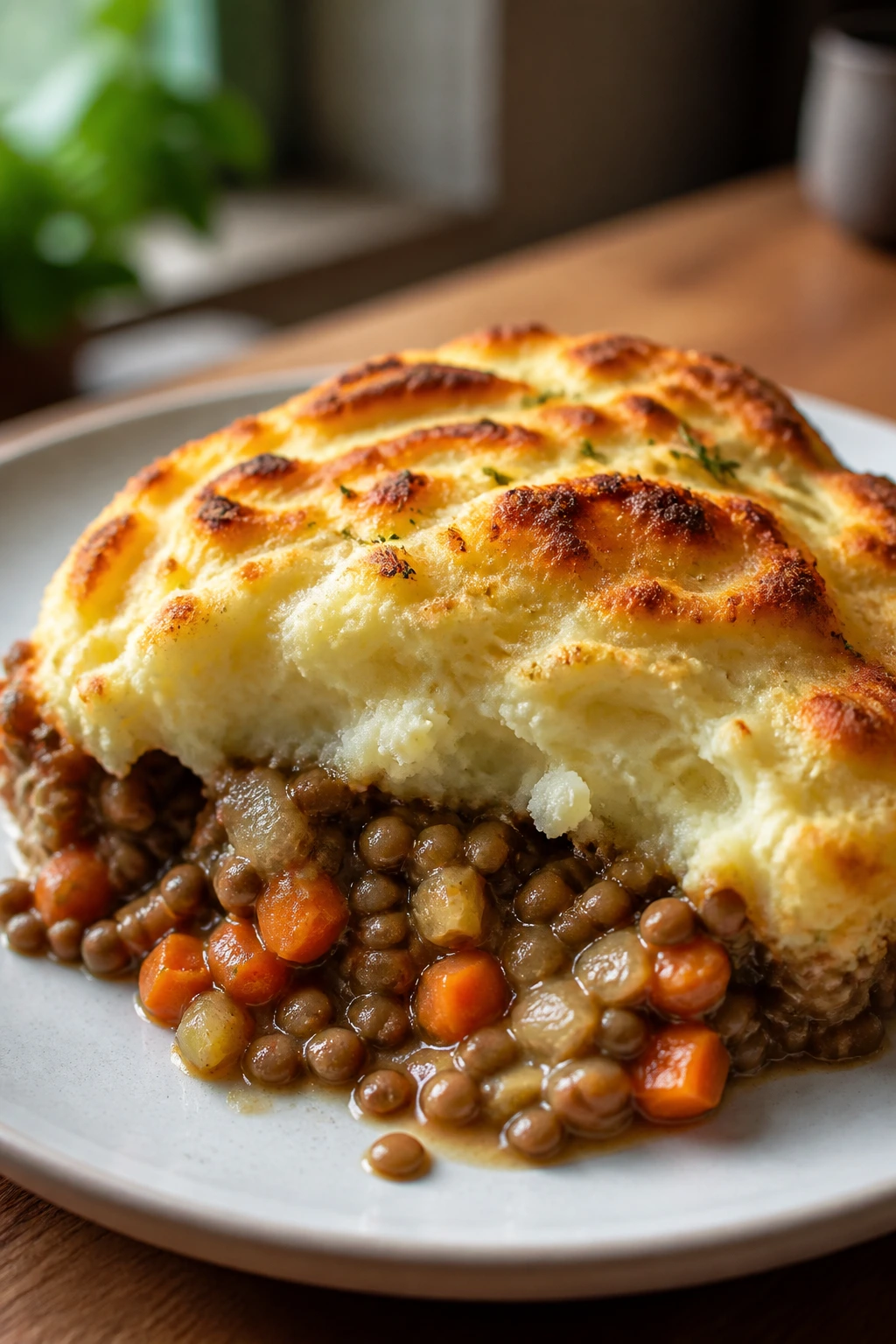
Shepherd’s pie has always been a smart structure: savory filling below, mashed potatoes above, and everything baked until it steadies into one scoopable dish. In the veggie version, lentils and vegetables do the work where lamb usually would.
Why It Works:
Lentils bring body and a little chew, while the mashed potato topping seals in the filling and gives kids the part they always seem happiest to see. A browned top matters here — it makes the whole thing feel finished.
Key Ingredients:
- 1 cup dried brown lentils
- 3 cups vegetable broth
- 1 onion, chopped
- 1 cup diced carrots
- 1 cup peas
- 4 cups mashed potatoes
- 2 tablespoons butter
- 1 tablespoon tomato paste
Quick Steps:
- Simmer lentils in broth for 20 to 25 minutes until tender.
- Cook onion and carrots in a skillet for 8 minutes, then stir in tomato paste and peas.
- Mix in lentils and spread into a baking dish.
- Top with mashed potatoes and bake at 400°F (205°C) for 20 minutes until golden.
Equipment for This Recipe:
- Large skillet
- Baking dish
- Potato masher
How to Serve This Dish:
Serve with a crisp cucumber salad or a few steamed green beans if you want something fresh next to the soft filling. Spoon it into wide bowls so each serving gets both layers.
Pro Tips for This Recipe:
- Keep the lentil filling thick so the potato topping sits on top instead of sinking.
- Rough up the potato surface with a fork for better browning.
- Let it rest 10 minutes before scooping.
Variations on This Dish:
- Mushroom Shepherd’s Pie: Add 8 ounces chopped mushrooms to the skillet for deeper flavor.
- Cheddar-Topped Version: Sprinkle ½ cup cheddar over the potatoes before baking.
Common Mistakes to Avoid with This Dish:
- Don’t make the filling watery; excess liquid turns the pie sloppy.
- Don’t spread cold mashed potatoes in a thick cement-like layer. Warm them slightly first.
15. Bean and Cheese Enchilada Casserole
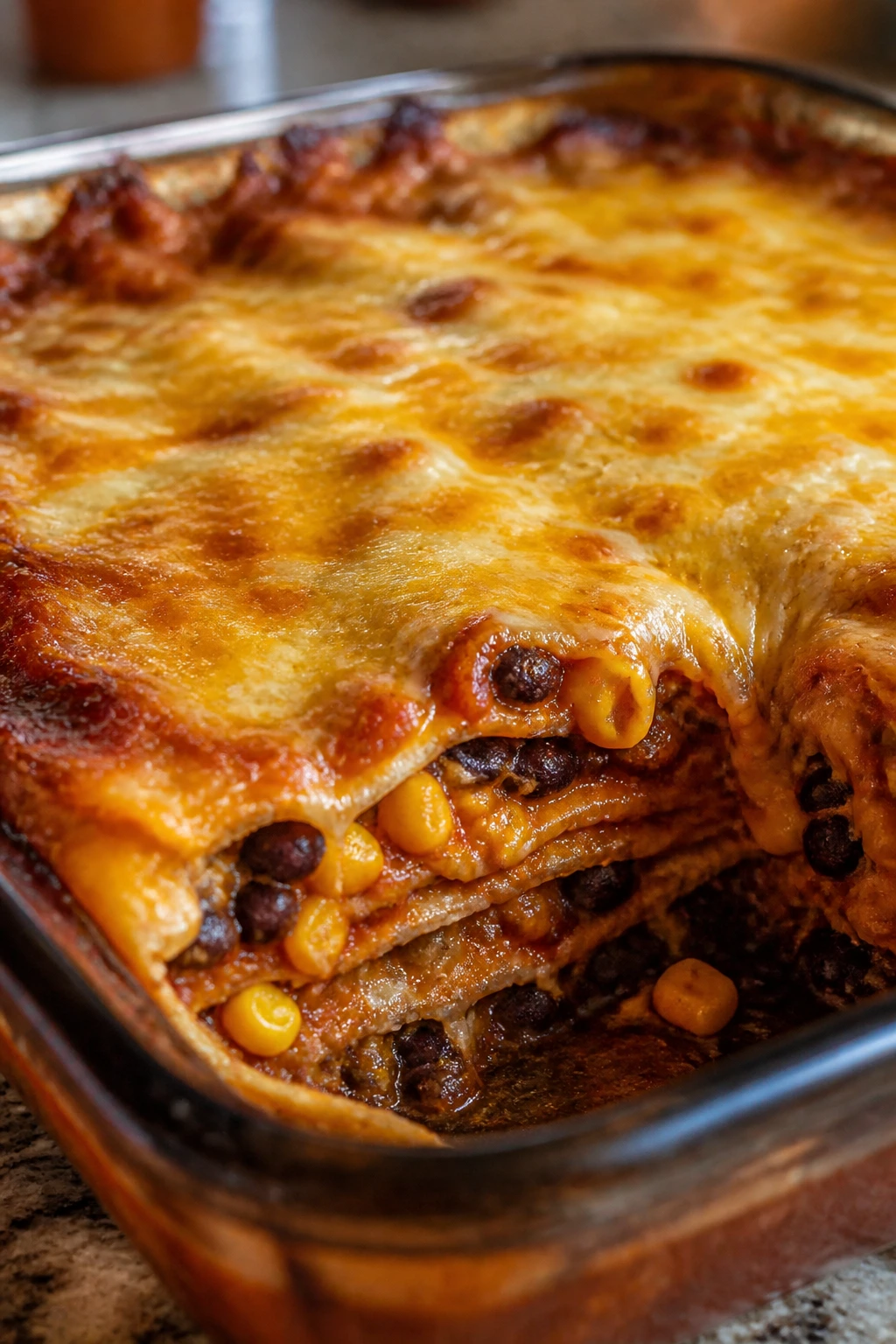
This casserole gives you enchilada flavor without rolling a single tortilla. Beans, sauce, cheese, and soft layers bake together into a pan that slices cleanly and reheat well, which is half the battle with kid dinners.
Why It Works:
Layered casseroles are easier for small mouths than messy individual enchiladas. The tortillas soften into the sauce, the beans stay filling, and the cheese forms those browned corners that people always scrape first.
Key Ingredients:
- 8 small corn tortillas
- 2 cans black or pinto beans, drained
- 2 cups enchilada sauce
- 2 cups shredded Monterey Jack
- 1 cup corn
- 1 teaspoon cumin
Quick Steps:
- Spread a little sauce in a baking dish.
- Layer tortillas, beans, corn, sauce, and cheese three times.
- Finish with cheese on top and bake at 375°F (190°C) for 25 to 30 minutes.
- Rest 10 minutes before slicing.
Equipment for This Recipe:
- 9×13-inch baking dish
- Spoon
- Foil
How to Serve This Dish:
Serve with shredded lettuce, diced tomatoes, or avocado slices if your table wants fresh contrast. A square or two is enough for younger kids, especially with rice on the side.
Pro Tips for This Recipe:
- Warm the tortillas before layering so they bend instead of crack.
- Use a mild red enchilada sauce if you’re cooking for younger kids.
- Let it rest so the slices hold together.
Variations on This Dish:
- Green Enchilada Version: Use salsa verde and white beans for a brighter, tangier pan.
- Bean-and-Pepper Upgrade: Add sautéed peppers for extra color and sweetness.
Common Mistakes to Avoid with This Recipe:
- Don’t use too much sauce or the casserole turns soupy.
- Don’t skip the rest time if you want neat slices.
16. Butternut Squash Mac and Cheese
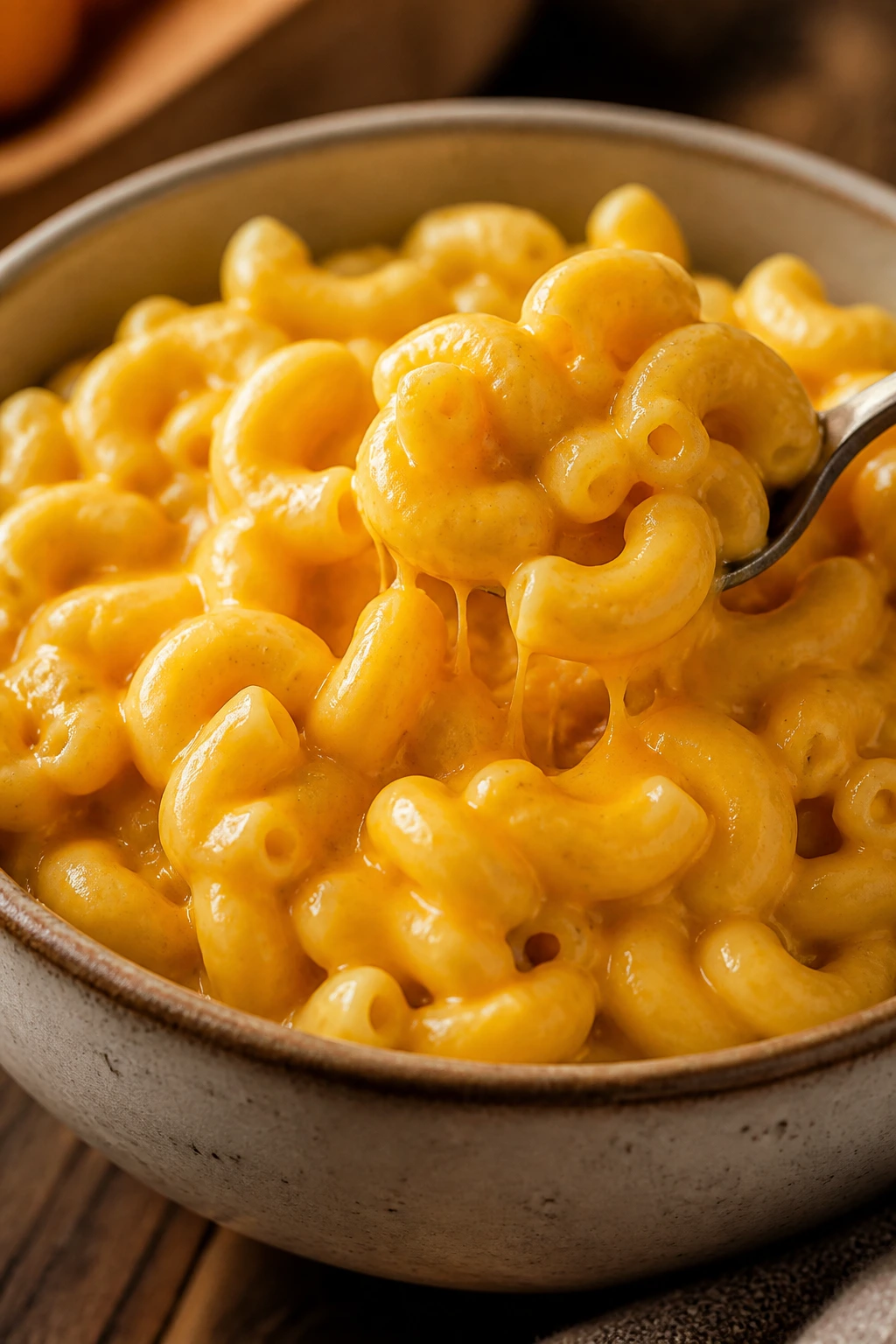
Butternut squash makes mac and cheese feel warmer and a little silkier without changing the basic promise of the dish. Kids usually notice the color before they notice the vegetables, which is how this one sneaks in so easily.
Why It Works:
The squash blends into the cheese sauce and adds body, which means you can use a little less cheese and still get that creamy finish. It’s sweet enough to be friendly, but not so sweet that it turns into dessert.
Key Ingredients:
- 8 ounces elbow macaroni
- 2 cups cubed butternut squash
- 2 tablespoons butter
- 2 tablespoons flour
- 1 ½ cups milk
- 2 cups shredded cheddar
- ¼ teaspoon nutmeg
Quick Steps:
- Cook the macaroni and drain.
- Boil or steam the squash until very soft, then blend with ½ cup milk until smooth.
- Make a roux with butter and flour, whisk in the remaining milk and squash puree, then stir in cheddar and nutmeg.
- Toss with pasta and bake at 375°F (190°C) for 10 minutes if you want a browned top.
Equipment for This Recipe:
- Saucepan
- Blender or immersion blender
- Baking dish if baking
How to Serve This Dish:
Serve with peas or roasted broccoli if you want a second vegetable on the plate. A tiny dusting of breadcrumbs gives the top more crunch, which helps with texture-loving kids.
Pro Tips for This Recipe:
- Cook the squash until it mashes without resistance.
- Blend the squash very smooth so the sauce doesn’t look grainy.
- Keep the nutmeg light; you want warmth, not pumpkin pie.
Variations on This Dish:
- Smoked Paprika Version: Add ½ teaspoon smoked paprika for a deeper, savory note.
- Breadcrumb Top: Mix breadcrumbs with butter and bake until crisp.
Common Mistakes to Avoid with This Recipe:
- Don’t leave squash chunks in the sauce; they read as surprise vegetables.
- Don’t overbake if you want a creamy finish.
17. Mushroom Pea Risotto
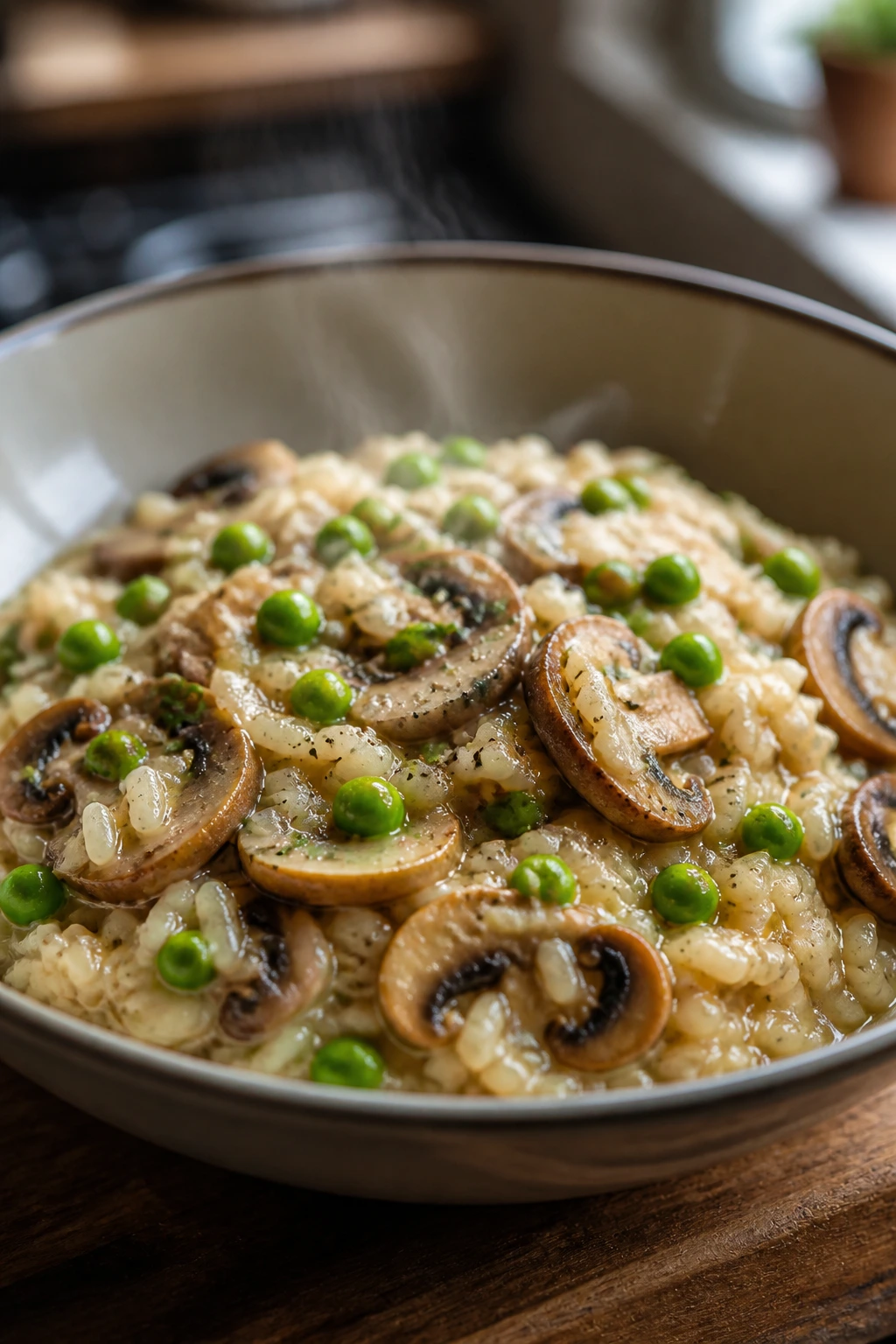
Risotto is one of those dinners that sounds fussy and turns out to be mostly about patience. Mushrooms bring a savory base, peas add sweetness at the end, and the finished bowl feels rich without needing meat.
Why It Works:
Arborio rice releases starch as it cooks, which creates that creamy texture without cream. Mushrooms supply deep flavor, and peas keep the dish from feeling heavy or brown all the way through.
Key Ingredients:
- 1 ½ cups Arborio rice
- 8 ounces mushrooms, sliced
- 1 small onion, chopped
- 4 cups vegetable broth, warm
- 1 cup frozen peas
- 2 tablespoons butter
- ¼ cup Parmesan
Quick Steps:
- Cook mushrooms and onion in butter over medium heat until browned and soft.
- Stir in Arborio rice and toast for 1 minute.
- Add warm broth a ladle at a time, stirring until absorbed each time, for about 20 minutes.
- Stir in peas and Parmesan, then rest 2 minutes before serving.
Equipment for This Recipe:
- Large saucepan or Dutch oven
- Ladle
- Wooden spoon
How to Serve This Dish:
Serve in shallow bowls with extra Parmesan on top and maybe a few toasted breadcrumbs for crunch. Keep portions modest; risotto is rich, even without meat.
Pro Tips for This Recipe:
- Keep the broth warm so the rice cooks evenly.
- Brown the mushrooms well; pale mushrooms make bland risotto.
- Stir enough to release starch, but not so hard that the rice breaks apart.
Variations on This Dish:
- Lemon Herb Risotto: Add lemon zest and parsley at the end for brightness.
- Corn Swap: Replace peas with corn when you want a sweeter bowl.
Common Mistakes to Avoid with This Recipe:
- Don’t rush the broth. Dumping it all in at once gives you regular rice.
- Don’t stop stirring completely; the rice can stick to the pan.
18. Zucchini Corn Fritters with Yogurt Dip
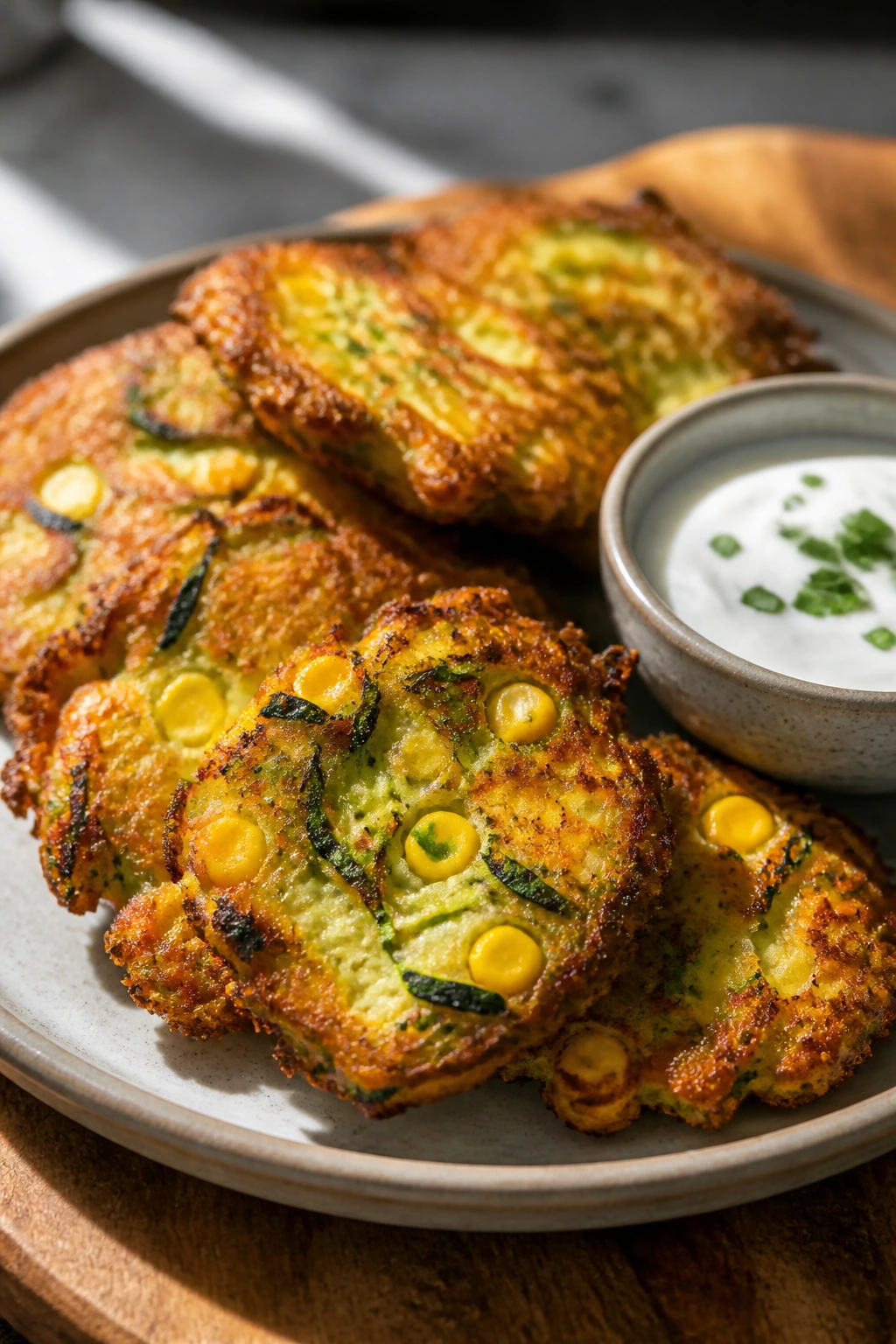
Fritters are a smart move when vegetables need to feel a little fun. Zucchini keeps them tender, corn adds sweetness, and the yogurt dip makes them feel like something kids can grab and dunk without much persuasion.
Why It Works:
Grated zucchini disappears into the batter, so you get vegetable content without a big visible challenge. Corn adds little bursts of texture, and the crisp edges from pan-frying make the whole thing feel snacky enough to become dinner.
Key Ingredients:
- 2 medium zucchini, grated
- 1 cup corn kernels
- 2 eggs
- ½ cup flour
- ½ cup shredded cheddar
- 2 tablespoons oil
- ½ cup plain yogurt
Quick Steps:
- Salt the zucchini lightly, let it sit 10 minutes, then squeeze out as much water as possible.
- Mix zucchini, corn, eggs, flour, and cheddar.
- Drop spoonfuls into hot oil and cook 3 minutes per side until deep golden.
- Stir yogurt with a pinch of salt and serve alongside.
Equipment for This Recipe:
- Box grater
- Large skillet
- Paper towels
How to Serve This Dish:
Serve with yogurt dip and a simple fruit side if you want to keep the meal light but complete. Three fritters can work as a child portion; adults often need five or six.
Pro Tips for This Recipe:
- Squeeze the zucchini hard. Wet fritters fall apart and won’t brown well.
- Keep the fritters small so they cook through before the outside burns.
- Drain on a rack instead of paper towels if you want the bottoms to stay crisp.
Variations on This Dish:
- Herby Version: Add chopped dill or parsley to the batter.
- No-Cheese Batch: Skip the cheddar and add 2 tablespoons nutritional yeast for a savory note.
Common Mistakes to Avoid with This Recipe:
- Don’t skip the zucchini squeeze. That’s the difference between crisp and soggy.
- Don’t crowd the pan; the fritters need room to brown.
19. Veggie Burger Sliders
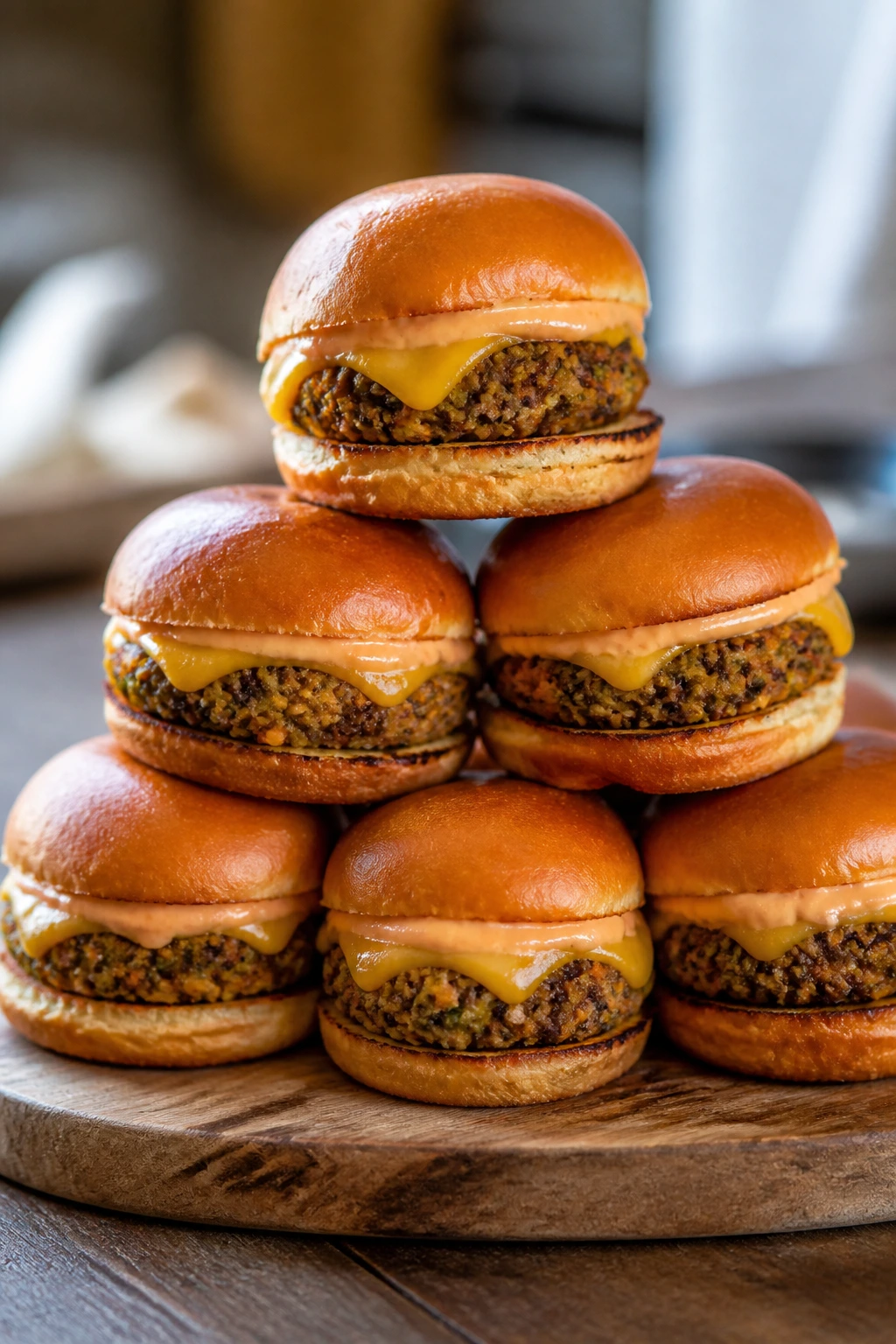
Tiny burgers make a surprisingly strong case for meatless dinner. When they’re small, soft, and stacked with cheese and a little sauce, kids stop comparing them to the “real” thing and just eat them.
Why It Works:
Bean-and-veggie patties bring enough body to hold a bun, and the slider size makes them less intimidating than a full burger. A toasted bun matters here — it keeps the slider from feeling flimsy.
Key Ingredients:
- 1 can black beans, drained
- 1 cup cooked rice
- ½ cup breadcrumbs
- 1 small carrot, grated
- 1 egg
- 1 teaspoon Worcestershire or soy sauce
- 6 slider buns
Quick Steps:
- Mash the beans, then mix with rice, breadcrumbs, carrot, egg, and sauce.
- Shape into 6 small patties and chill 10 minutes.
- Pan-fry in a lightly oiled skillet for 3 to 4 minutes per side until browned.
- Serve on toasted slider buns with cheese and sauce.
Equipment for This Recipe:
- Large bowl
- Skillet
- Spatula
How to Serve This Dish:
Serve with oven fries or cucumber spears, and keep toppings simple if you’re feeding younger kids. One or two sliders usually works better than a full bun piled high.
Pro Tips for This Recipe:
- Chill the patties before cooking so they hold together.
- Use cooked rice that’s a little dry, not sticky.
- Toast the buns for structure and flavor.
Variations on This Dish:
- Mushroom Slider: Add finely chopped sautéed mushrooms for a meatier texture.
- Cheddar Stuffed: Hide a small bit of cheese inside each patty for a melty center.
Common Mistakes to Avoid with This Recipe:
- Don’t make the patties too thick or they’ll brown outside before setting inside.
- Don’t flip too early; a crust needs time to form.
20. Peanut Noodles with Edamame
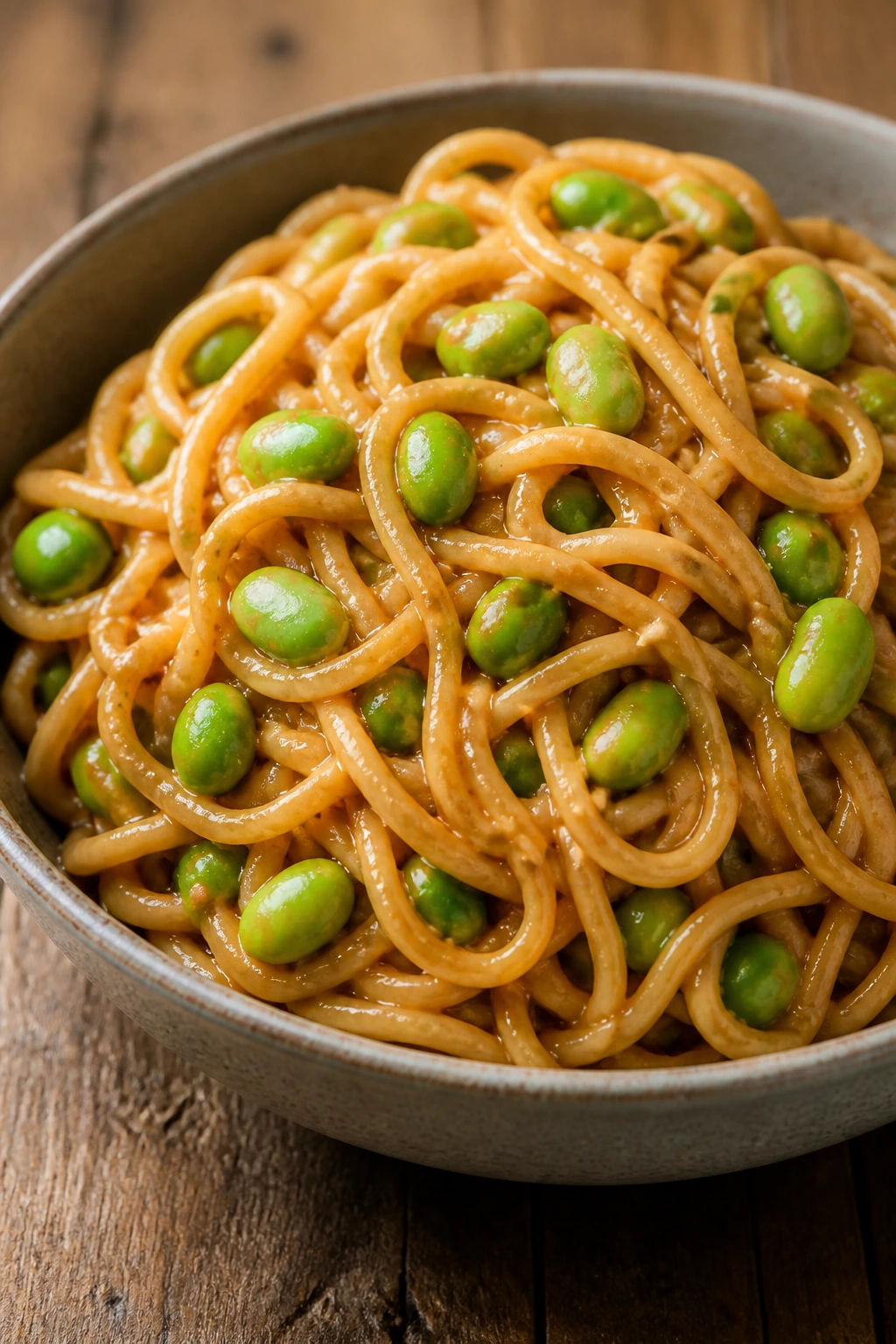
Cold or warm, peanut noodles have the kind of slick, savory sauce kids remember. Edamame gives them a soft pop of protein, and the whole bowl feels filling without needing any obvious trick.
Why It Works:
The peanut sauce clings to noodles in a way that makes every bite taste complete, and edamame adds enough substance that the meal doesn’t feel thin. It’s also one of the easiest dinners on this list to serve at room temperature, which saves you if the evening goes sideways.
Key Ingredients:
- 12 ounces spaghetti or rice noodles
- 1 cup shelled edamame
- ¼ cup peanut butter
- 2 tablespoons soy sauce
- 1 tablespoon honey
- 1 tablespoon rice vinegar
- 1 teaspoon sesame oil
Quick Steps:
- Cook the noodles and edamame in boiling water until tender, then drain.
- Whisk peanut butter, soy sauce, honey, vinegar, sesame oil, and 2 to 3 tablespoons warm water.
- Toss noodles and edamame with the sauce until coated.
- Serve with sliced cucumber or shredded carrots.
Equipment for This Recipe:
- Pot
- Mixing bowl
- Whisk
How to Serve This Dish:
Serve in bowls with a sprinkle of sesame seeds if your kids don’t mind them. This one works well warm or at room temperature, which is handy for late dinners.
Pro Tips for This Recipe:
- Add warm water a spoon at a time until the sauce loosens enough to coat.
- Use smooth peanut butter for the most kid-friendly texture.
- Slice any vegetables very thin so they mix easily with the noodles.
Variations on This Dish:
- Sunflower Sauce: Swap peanut butter for sunflower seed butter in nut-free homes.
- Crunchy Top: Add chopped peanuts only for older kids who like texture.
Common Mistakes to Avoid with This Dish:
- Don’t leave the sauce too thick or it clumps on the noodles.
- Don’t overcook the edamame; it should stay soft, not mushy.
21. Breakfast Veggie Frittata
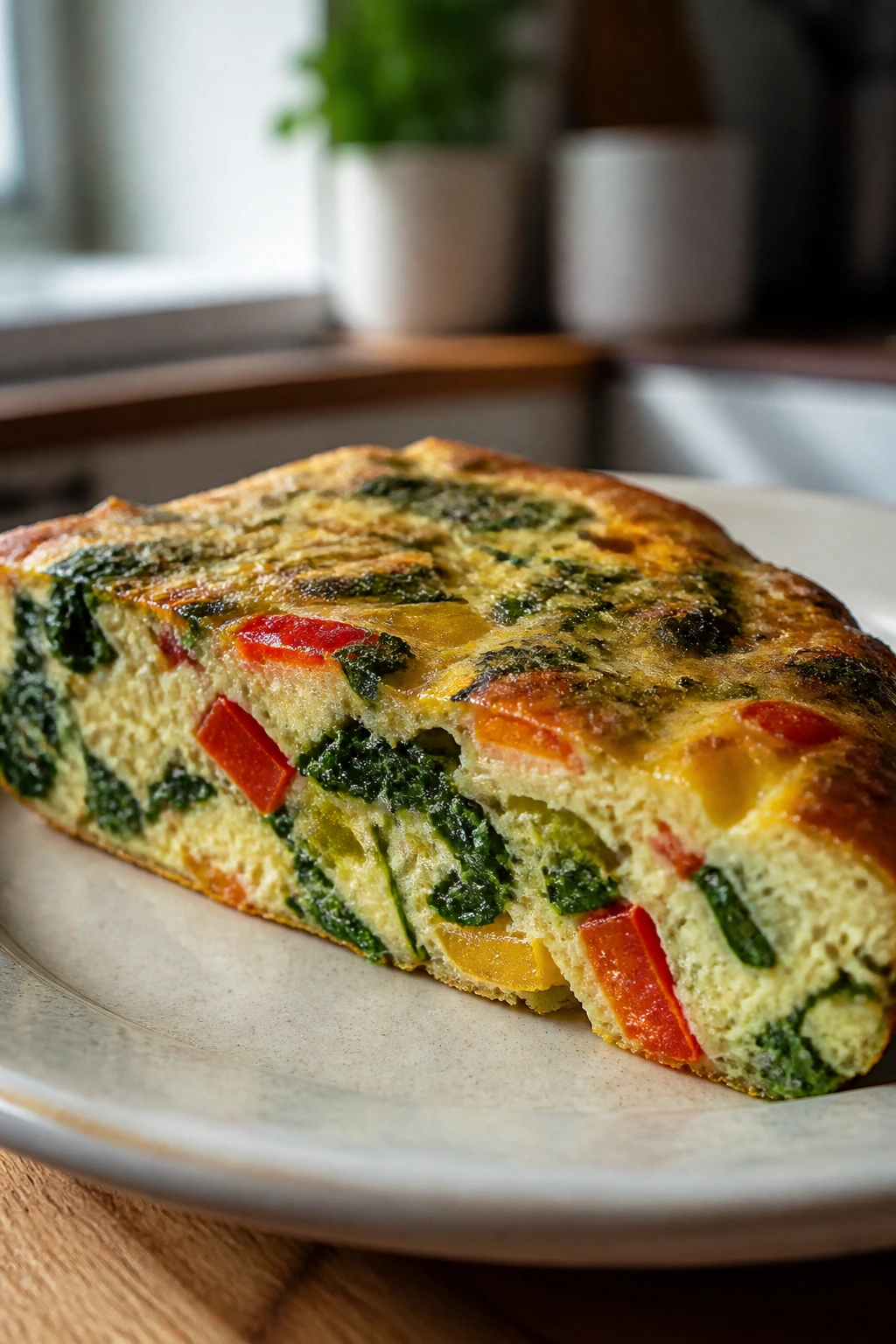
Egg dinners are underrated. A frittata turns a few vegetables and a handful of cheese into a pan that slices cleanly, holds together, and works just as well at dinnertime as it does the next morning.
Why It Works:
Eggs bind the vegetables into one firm slice, while cheese gives the top that browned, slightly puffy finish kids tend to accept. It’s flexible, forgiving, and fast enough for nights when everyone is already tired.
Key Ingredients:
- 8 eggs
- 1 cup milk
- 1 cup chopped spinach
- 1 cup diced bell pepper
- ½ cup shredded cheddar
- 1 tablespoon butter
- ¼ teaspoon salt
Quick Steps:
- Heat the oven to 375°F (190°C).
- Cook peppers in a buttered oven-safe skillet for 4 minutes.
- Whisk eggs, milk, salt, spinach, and cheese, then pour into the skillet.
- Bake 18 to 22 minutes until the center is just set.
Equipment for This Recipe:
- Oven-safe skillet
- Whisk
- Mixing bowl
How to Serve This Dish:
Serve with toast or hash browns if you want the plate to feel more like dinner than brunch. A wedge with fruit on the side is plenty for younger kids.
Pro Tips for This Recipe:
- Don’t overbake; the center should still have a little wobble when it comes out.
- Chop vegetables small so slices cut neatly.
- Let it sit 5 minutes before slicing.
Variations on This Dish:
- Potato Frittata: Add 1 cup of cooked diced potatoes for a heavier version.
- Herb Frittata: Stir in chives or parsley for a fresher taste.
Common Mistakes to Avoid with This Recipe:
- Don’t use too much watery vegetable filling or the eggs go rubbery.
- Don’t slice immediately; it falls apart if it’s still steaming.
22. Mini Minestrone with Pasta
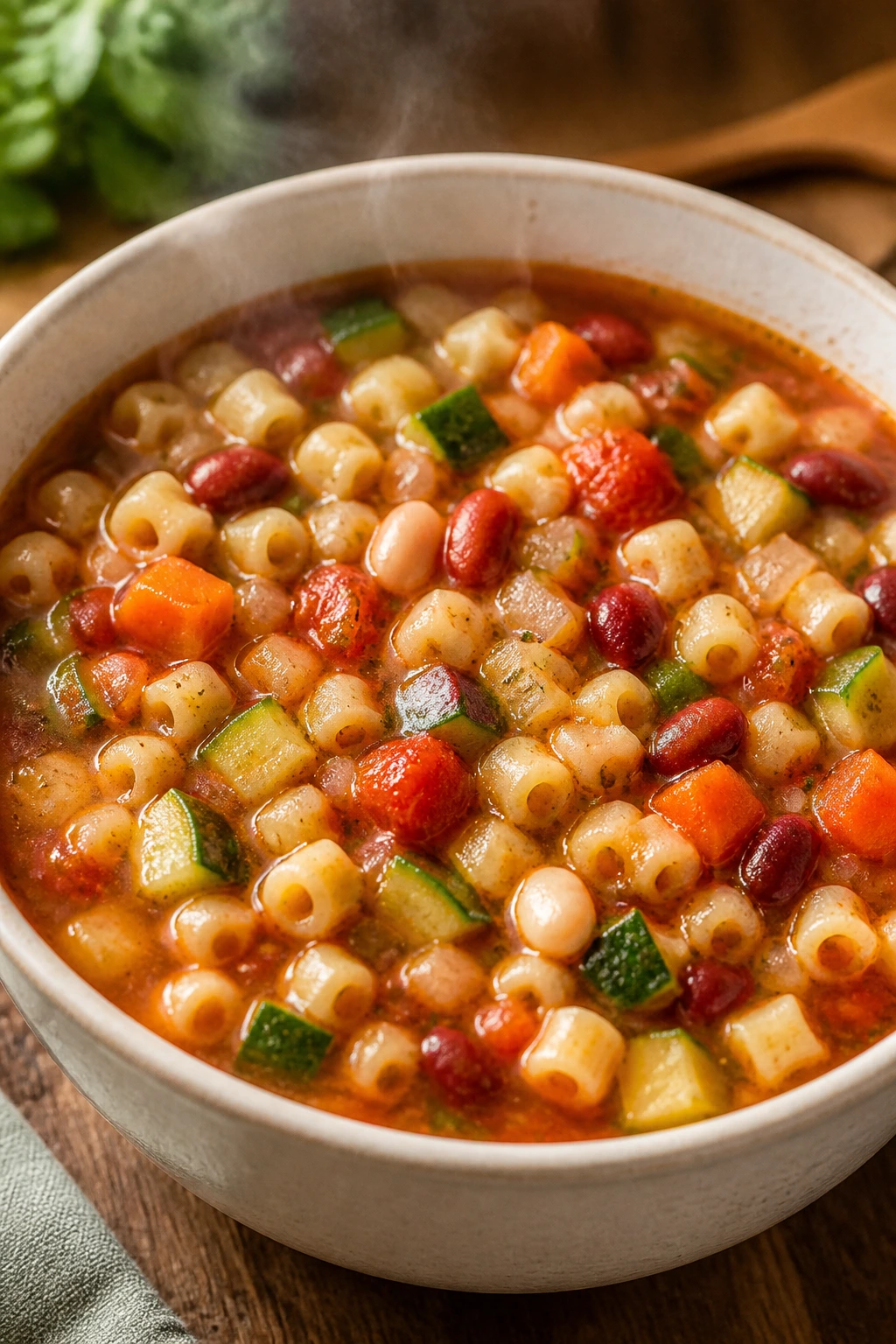
Minestrone is one of the gentlest ways to bring beans, pasta, and vegetables into the same bowl. Keep the pieces small and the broth savory, and kids get a soup that tastes like a meal, not a lecture.
Why It Works:
Beans make the soup filling, pasta makes it familiar, and the broth carries the vegetables without making them the whole story. It’s a good soup for second helpings because it stays balanced instead of turning watery.
Key Ingredients:
- 1 tablespoon olive oil
- 1 small onion, chopped
- 1 cup diced carrots
- 1 can cannellini beans, drained
- 1 cup small pasta
- 4 cups vegetable broth
- 1 cup diced zucchini
- ½ cup Parmesan
Quick Steps:
- Cook onion and carrots in oil for 6 minutes.
- Add broth, zucchini, and beans; simmer 10 minutes.
- Stir in pasta and cook until tender, about 8 minutes.
- Finish with Parmesan and serve hot.
Equipment for This Recipe:
- Large saucepan
- Ladle
- Cutting board
How to Serve This Dish:
Serve with toasted bread or crackers so kids have something to dunk. Small bowls are better than big ones here — soup feels less intimidating that way.
Pro Tips for This Recipe:
- Cut vegetables to match the pasta size.
- Add pasta near the end so it doesn’t go mushy.
- Save the Parmesan for the finish; it sharpens the broth.
Variations on This Dish:
- Tomato Minestrone: Add 1 cup crushed tomatoes for a redder, richer soup.
- Bean Swap: Use kidney beans if that’s what you have in the pantry.
Common Mistakes to Avoid with This Recipe:
- Don’t overcook the pasta in the soup. It keeps cooking off the heat.
- Don’t leave the broth bland. Soup needs more seasoning than people think.
23. Spinach Feta Puff Pockets
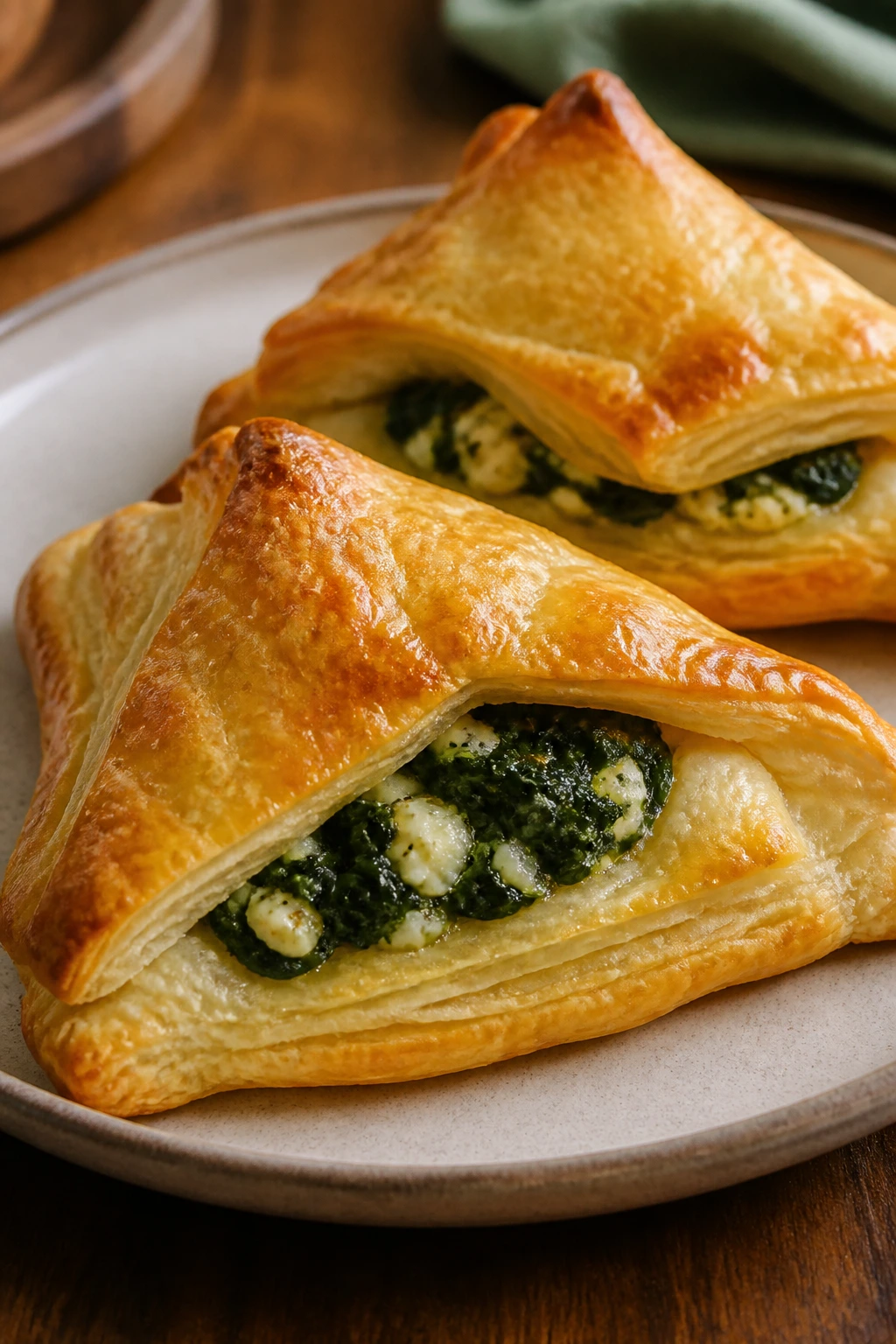
Puff pastry can make vegetables feel a little glamorous without turning the meal into work. Spinach and feta tucked into golden pockets gives you a dinner that looks special but behaves like a hand pie.
Why It Works:
The pastry puffs up into crisp layers, which kids often trust more than a soft casserole. Spinach cooks down to almost nothing, and feta brings enough salt that the filling tastes complete.
Key Ingredients:
- 1 sheet frozen puff pastry, thawed
- 2 cups spinach, chopped
- ¾ cup feta
- 1 egg
- 1 tablespoon cream cheese
- 1 teaspoon olive oil
Quick Steps:
- Cook spinach in olive oil until wilted, then cool slightly.
- Mix spinach, feta, cream cheese, and egg.
- Cut puff pastry into squares, fill, fold, and seal the edges.
- Bake at 400°F (205°C) for 18 to 20 minutes until puffed and golden.
Equipment for This Recipe:
- Baking sheet
- Fork
- Mixing bowl
How to Serve This Dish:
Serve with a simple yogurt dip or sliced tomatoes. Two pockets work as a child dinner portion; three is better for adults.
Pro Tips for This Recipe:
- Keep the filling cool before stuffing so the pastry stays flaky.
- Don’t overfill, or the seams burst open.
- Brush the tops with egg wash for a deeper color.
Variations on This Dish:
- Mushroom Pockets: Replace half the spinach with sautéed mushrooms.
- Dairy-Free Version: Use a dairy-free cream cheese and skip the feta.
Common Mistakes to Avoid with This Recipe:
- Don’t let the puff pastry get warm before baking. Cold pastry puffs better.
- Don’t seal the edges loosely or the filling leaks.
24. Lentil Bolognese Spaghetti
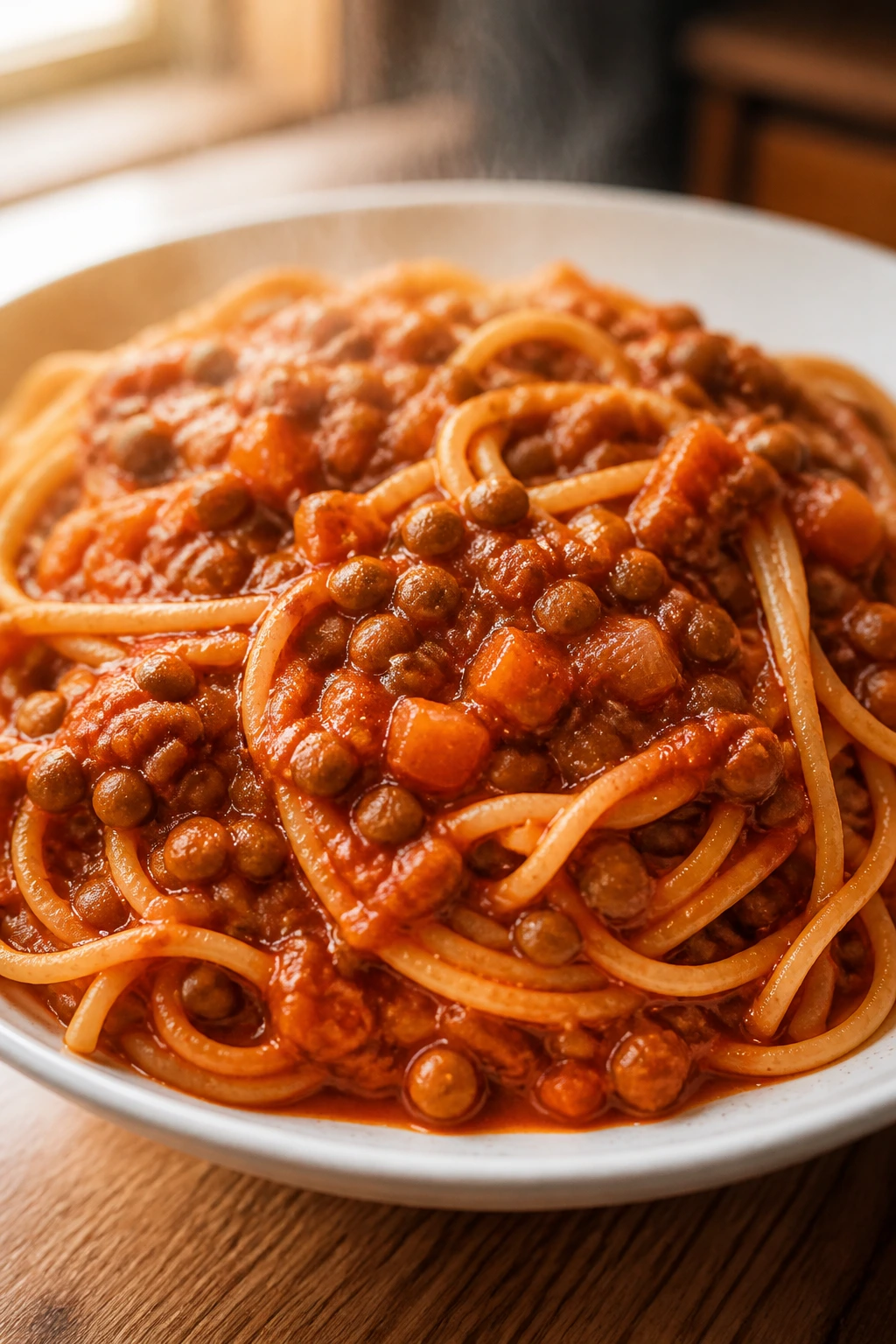
Lentils make a surprisingly convincing stand-in for the chunky part of Bolognese sauce. When they simmer in tomato sauce long enough, they become rich, thick, and good enough to coat every strand of spaghetti.
Why It Works:
This sauce gets its body from lentils instead of meat, but the structure is the same: onion, tomato, garlic, simmer time. That means it lands in familiar territory for kids who already like pasta with red sauce.
Key Ingredients:
- 1 cup dried green or brown lentils
- 1 tablespoon olive oil
- 1 onion, chopped
- 3 cloves garlic, minced
- 2 cups crushed tomatoes
- 3 cups water or broth
- 12 ounces spaghetti
Quick Steps:
- Cook onion and garlic in oil for 4 minutes.
- Add tomatoes, lentils, and water; simmer 30 minutes until thick.
- Cook spaghetti separately until al dente.
- Toss together and serve with Parmesan.
Equipment for This Recipe:
- Large skillet or saucepan
- Pot for pasta
- Wooden spoon
How to Serve This Dish:
Serve with garlic bread or a simple green salad if the kids will tolerate it. A small twirl of spaghetti on the fork tends to be easier for younger eaters than a huge pile.
Pro Tips for This Recipe:
- Keep the sauce thick so it clings to the pasta.
- Stir often toward the end or the lentils can settle and stick.
- Use spaghetti with a little bite, not soft noodles.
Variations on This Dish:
- Herb Bolognese: Add basil and oregano for a more classic sauce.
- Mushroom Bolognese: Chop mushrooms finely and cook them with the onions.
Common Mistakes to Avoid with This Recipe:
- Don’t stop the simmer too early. Lentils need time to soften fully.
- Don’t drown the pasta in sauce; kids usually do better with a lighter coating.
25. Hummus Veggie Wraps with Crispy Veggies
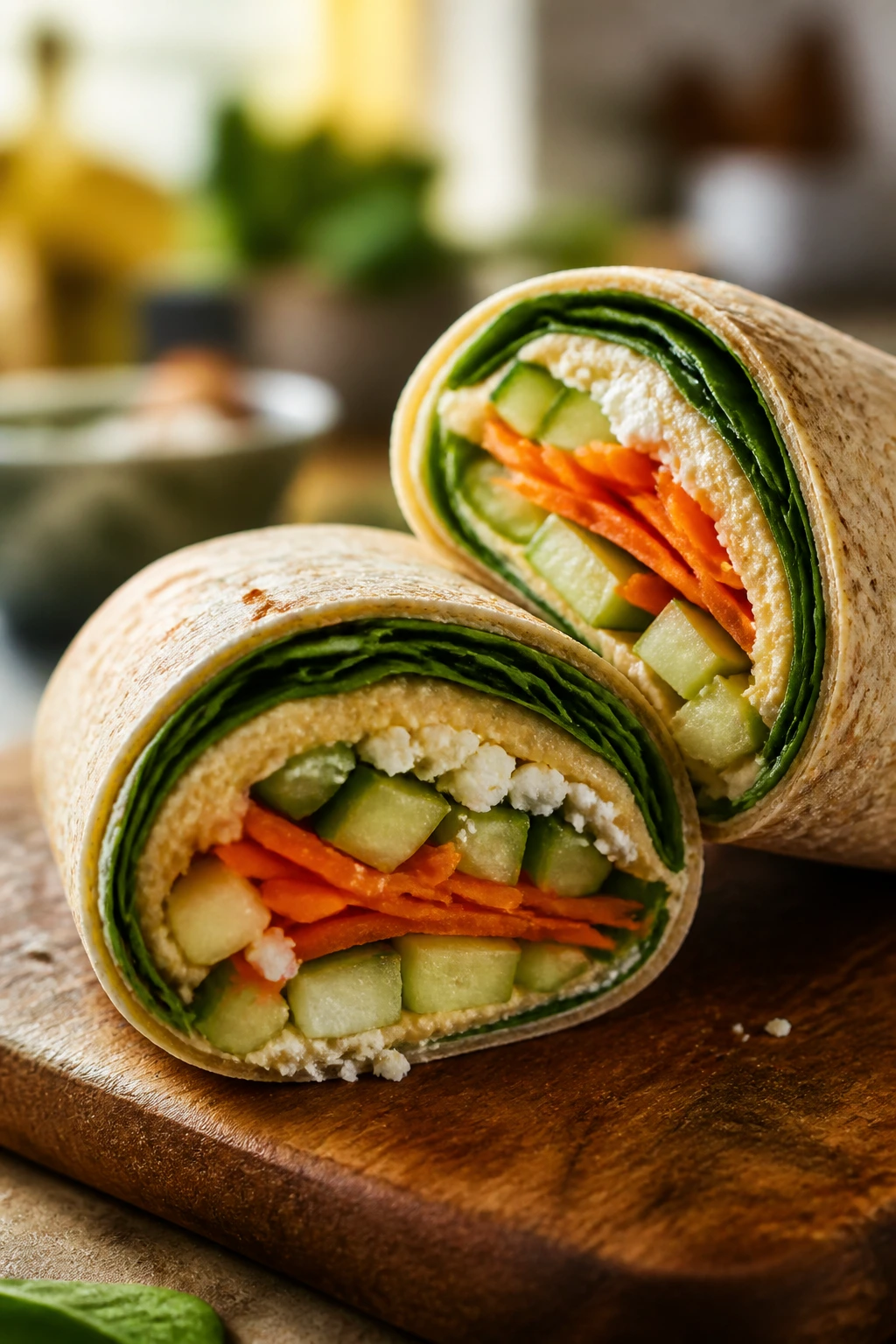
This is the dinner you make when you want something fast, filling, and not cooked to death. Hummus gives the wrap its creamy center, and crisp vegetables keep every bite from turning mushy.
Why It Works:
The hummus acts like a glue, the wrap holds everything together, and the vegetables stay bright and crunchy enough to feel fresh. It’s also a nice “assemble at the table” dinner, which can save a little peace.
Key Ingredients:
- 4 large tortillas
- 1 cup hummus
- 1 cup shredded carrots
- 1 cup cucumber sticks
- 1 cup baby spinach
- 1 roasted red pepper, sliced
- ½ cup crumbled feta
Quick Steps:
- Warm the tortillas for 15 seconds so they bend easily.
- Spread hummus down the center of each tortilla.
- Add vegetables and feta.
- Roll tightly, then slice in half.
Equipment for This Recipe:
- Knife
- Cutting board
- Small bowl for the hummus
How to Serve This Dish:
Serve with a handful of grapes or a cup of soup if you need to round it out. Kids often do better when the wrap is cut into pinwheels or short halves.
Pro Tips for This Recipe:
- Pat wet vegetables dry so the wrap doesn’t turn soggy.
- Keep the filling in a narrow line to make rolling easier.
- Use mild hummus if your kids are sensitive to garlic.
Variations on This Dish:
- Avocado Hummus Wrap: Add sliced avocado for a softer, richer wrap.
- Beany Version: Add ¼ cup mashed chickpeas for extra heft.
Common Mistakes to Avoid with This Recipe:
- Don’t overstuff the tortilla. It tears before you can roll it.
- Don’t leave the vegetables wet or the hummus slides around.
26. Broccoli Rice Casserole
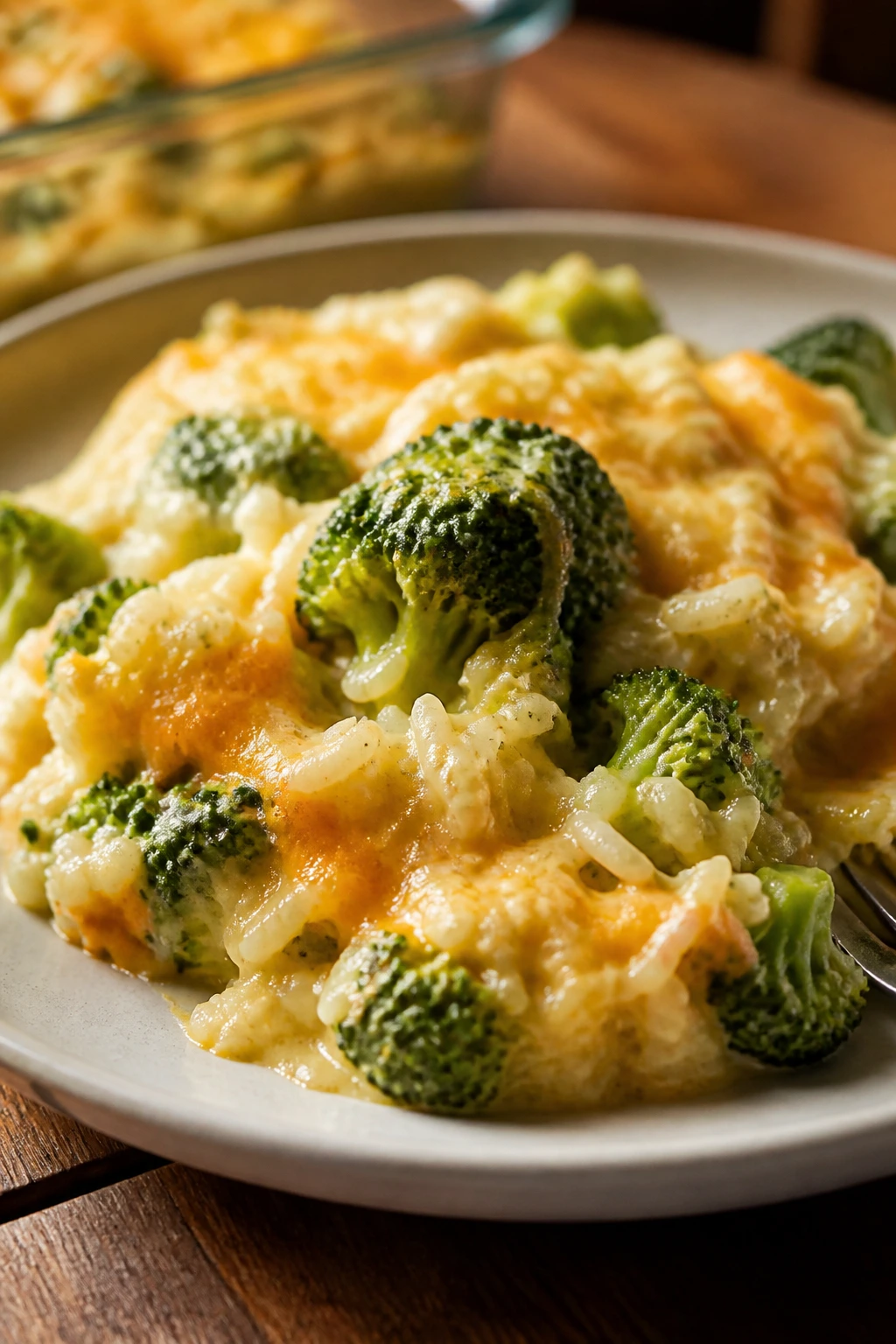
Broccoli rice casserole is old-fashioned in the best way: creamy, cheesy, and dependable. It works because the rice absorbs the sauce, the broccoli gives the dish structure, and the top bakes into something kids can scoop without a fuss.
Why It Works:
Rice makes the casserole feel like a full meal, not a side dish, and broccoli softens enough to stay familiar but still visible. The cheese sauce ties everything together and keeps the texture from going chalky.
Key Ingredients:
- 3 cups cooked rice
- 3 cups broccoli florets, chopped small
- 2 tablespoons butter
- 2 tablespoons flour
- 1 ½ cups milk
- 2 cups shredded cheddar
- ½ cup breadcrumbs
Quick Steps:
- Steam broccoli for 4 minutes until bright green and barely tender.
- Make a quick cheese sauce with butter, flour, milk, and cheddar.
- Stir in rice and broccoli, then spread into a baking dish.
- Top with breadcrumbs and bake at 375°F (190°C) for 20 minutes.
Equipment for This Recipe:
- Saucepan
- Baking dish
- Spoon
How to Serve This Dish:
Serve with sliced tomatoes or a simple fruit cup if you want a lighter side. It’s a good scoopable dinner for younger kids because the pieces stay soft and together.
Pro Tips for This Recipe:
- Chop the broccoli small so it blends into the rice.
- Toast the breadcrumbs in a little butter for better color.
- Let the casserole rest before scooping so it firms up.
Variations on This Dish:
- Ham-Free “Loaded” Version: Add a little extra cheese and scallions on top.
- Cauliflower Rice Swap: Replace half the rice with finely chopped cauliflower.
Common Mistakes to Avoid with This Recipe:
- Don’t oversteam the broccoli or it turns dull and mushy.
- Don’t make the sauce too thin; the casserole should hold its shape.
27. Baked Falafel Pitas
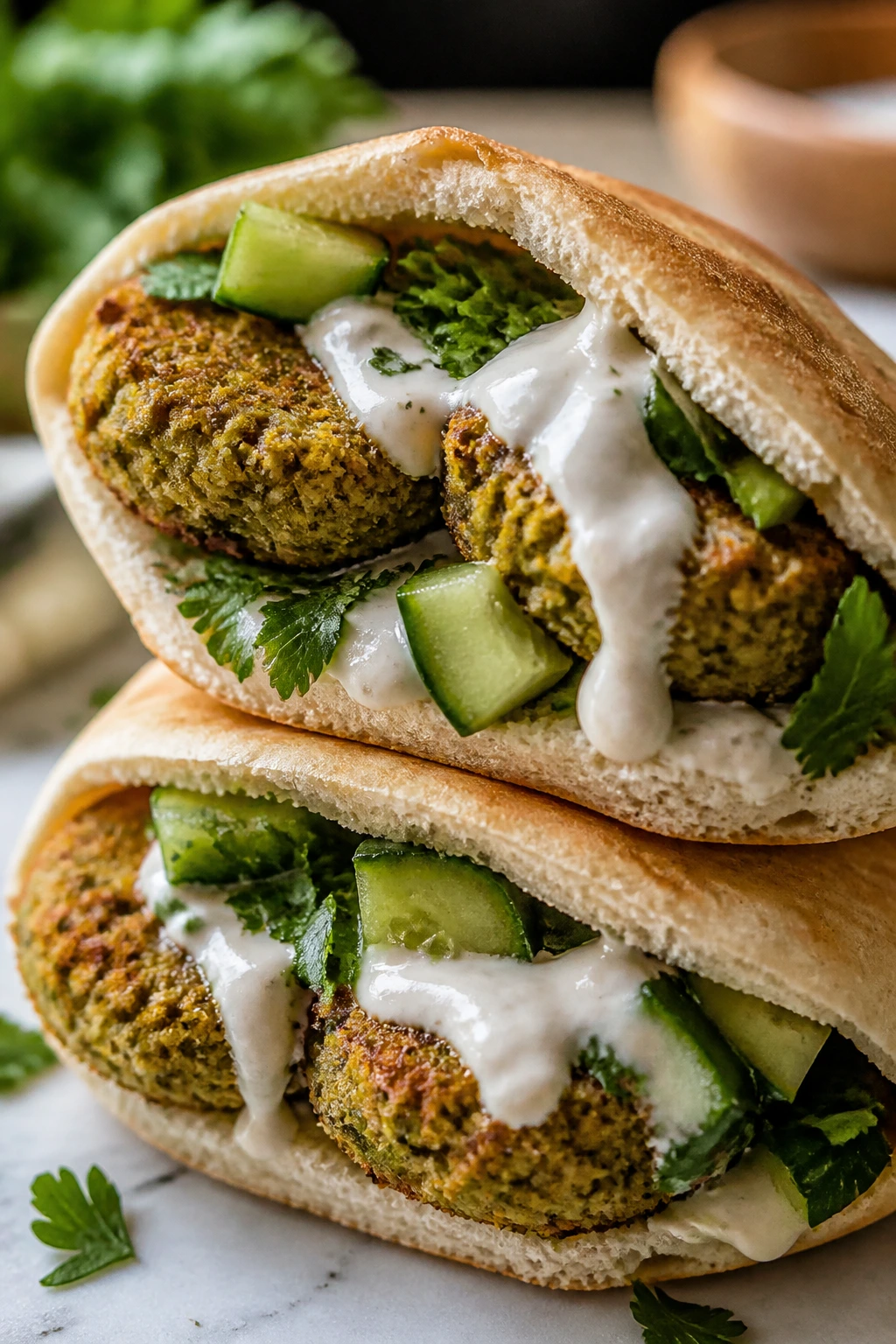
Falafel can be dinner instead of a lunchbox snack if you make enough of it and keep the seasoning friendly. Baking instead of frying keeps the kitchen easier to live with, and pita makes the whole thing feel familiar.
Why It Works:
Chickpeas bring protein and texture, the herbs add color, and the pita gives kids a soft pocket to hold everything. The baked crust is lighter than fried falafel, but still crisp enough to satisfy.
Key Ingredients:
- 2 cans chickpeas, drained
- 1 small onion, chopped
- 2 cloves garlic
- ¼ cup parsley
- ½ cup flour
- 1 teaspoon cumin
- 4 pitas
Quick Steps:
- Pulse chickpeas, onion, garlic, parsley, flour, and cumin until coarse.
- Shape into small balls or patties.
- Bake at 425°F (220°C) for 20 minutes, flipping once.
- Stuff into pitas with yogurt sauce and cucumber.
Equipment for This Recipe:
- Food processor
- Baking sheet
- Spatula
How to Serve This Dish:
Serve with tomato slices, cucumbers, and a yogurt drizzle. Smaller falafel patties are easier for kids to manage than large ones.
Pro Tips for This Recipe:
- Don’t puree the mixture smooth; some texture helps the falafel hold.
- Chill the mixture if it feels sticky.
- Brush lightly with oil for better browning.
Variations on This Dish:
- Carrot Falafel: Add grated carrot for mild sweetness.
- Tahini Pita: Swap yogurt sauce for thin tahini sauce.
Common Mistakes to Avoid with This Recipe:
- Don’t make the balls too big. They dry out before the center sets.
- Don’t skip the flip or one side stays pale.
28. Corn Potato Chowder
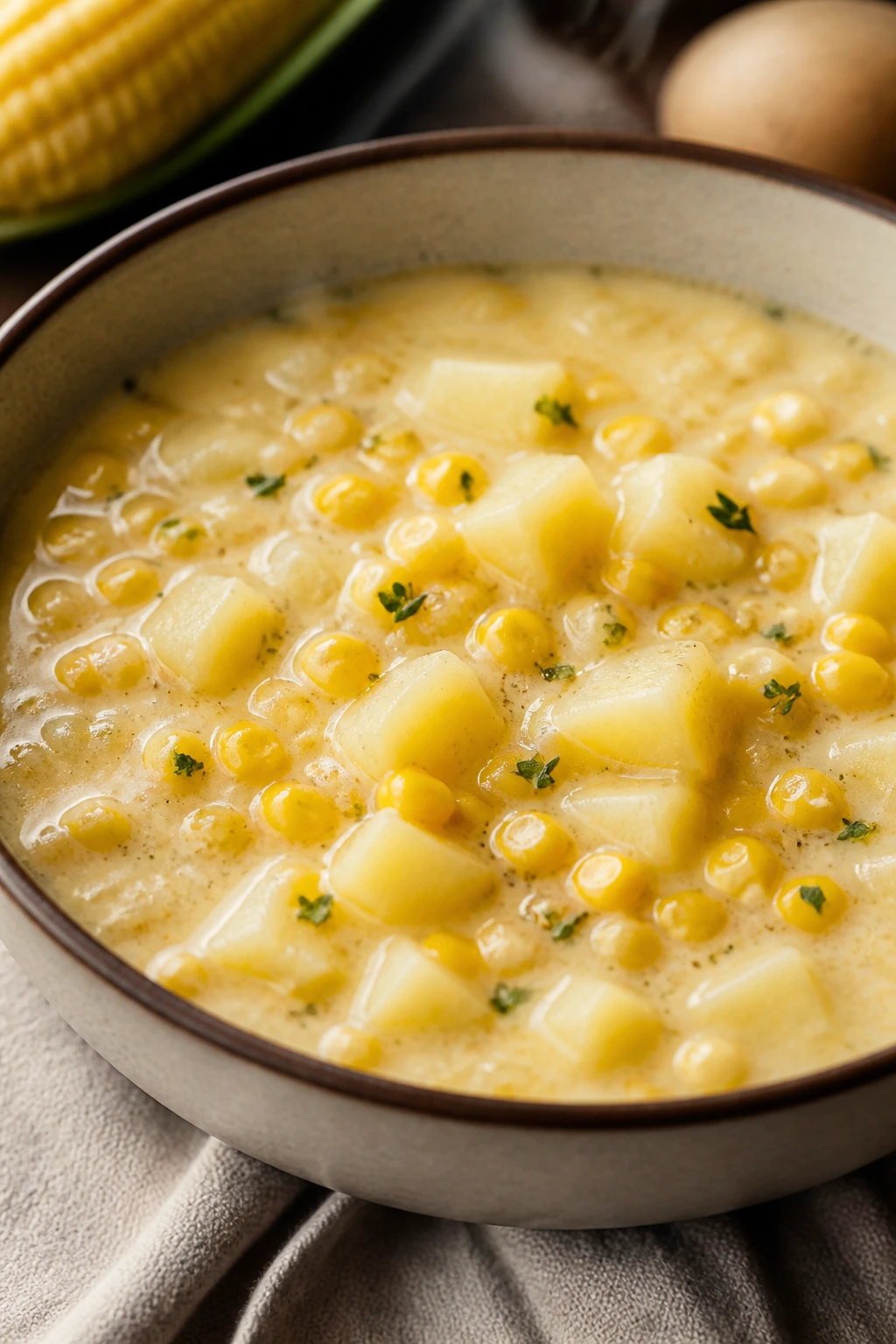
This chowder has the soft, milky comfort of a soup that knows how to fill a bowl. Potatoes bring body, corn adds sweetness, and a little bacon is not needed — honestly, the soup doesn’t miss it.
Why It Works:
Potatoes thicken the broth naturally, which gives you a rich spoonful without a lot of extra effort. Corn keeps the flavor lively, and the creamy base makes it a good cold-weather dinner that children usually accept quickly.
Key Ingredients:
- 2 tablespoons butter
- 1 onion, diced
- 3 medium potatoes, peeled and cubed
- 2 cups corn
- 4 cups vegetable broth
- 1 cup milk
- 1 cup shredded cheddar
Quick Steps:
- Cook onion in butter for 5 minutes.
- Add potatoes and broth, then simmer 15 to 20 minutes until potatoes are tender.
- Stir in corn and milk, then simmer 5 minutes.
- Add cheddar and serve once melted.
Equipment for This Recipe:
- Large pot
- Ladle
- Potato peeler
How to Serve This Dish:
Serve with crackers, biscuits, or toast for dunking. A small bowl with a few spoonfuls of shredded cheese on top makes it feel more finished.
Pro Tips for This Recipe:
- Cut the potatoes evenly so they cook at the same speed.
- Mash a few potato pieces in the pot to thicken the chowder.
- Add cheddar off the heat to keep it smooth.
Variations on This Dish:
- Smoked Paprika Chowder: Add ½ teaspoon smoked paprika for depth.
- Extra Veggie Version: Stir in diced carrots with the onions.
Common Mistakes to Avoid with This Recipe:
- Don’t boil hard after adding milk or the soup can split.
- Don’t leave the potatoes too large or the bowl feels awkward.
29. Veggie Samosa Hand Pies
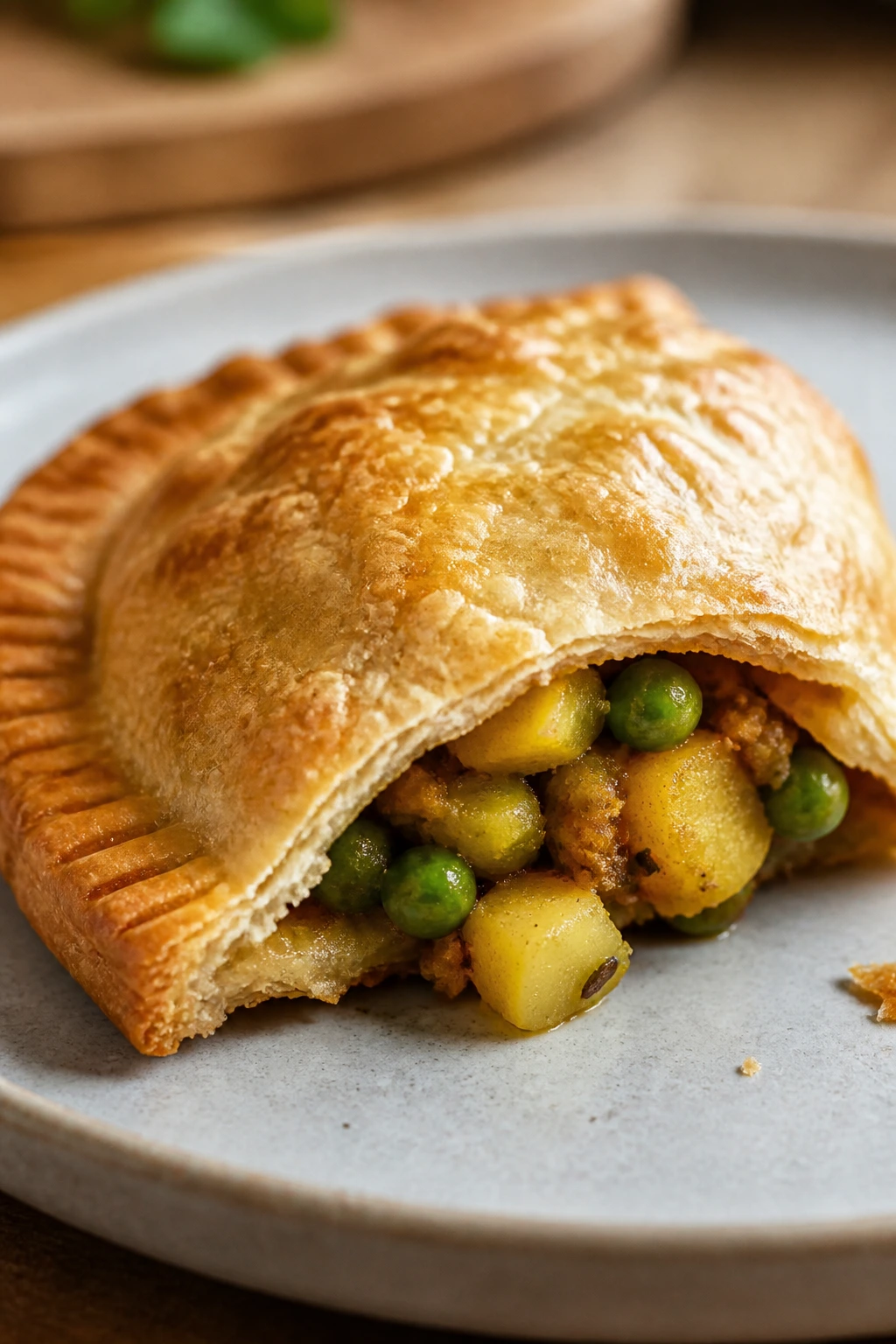
These hand pies borrow the filling from samosas and hide it inside a much easier package. Potatoes, peas, and warm spices tucked into pastry make a dinner kids can hold without needing a fork.
Why It Works:
The filling is soft and familiar, while the pastry gives you that golden shell people often love before they even know what’s inside. Baking instead of frying keeps it weeknight-friendly.
Key Ingredients:
- 2 cups mashed potatoes
- 1 cup peas
- 1 small onion, finely chopped
- 1 teaspoon curry powder
- 1 sheet puff pastry
- 1 egg
- 1 tablespoon oil
Quick Steps:
- Cook onion in oil for 5 minutes, then stir in peas, mashed potatoes, and curry powder.
- Cut puff pastry into squares and spoon filling into the center.
- Fold, seal, and brush with egg wash.
- Bake at 400°F (205°C) for 18 minutes until puffed and golden.
Equipment for This Recipe:
- Baking sheet
- Fork
- Mixing bowl
How to Serve This Dish:
Serve with yogurt dip or a mild chutney on the side. Two hand pies usually make a kid-size dinner, especially with fruit or cucumber on the side.
Pro Tips for This Recipe:
- Cool the filling before assembling so the pastry stays crisp.
- Seal the edges well or the filling leaks.
- Cut a small steam slit in the top if the pockets are thick.
Variations on This Dish:
- Cheddar Potato Pies: Stir a little cheddar into the filling.
- Sweet Potato Swap: Replace half the potatoes with mashed sweet potato.
Common Mistakes to Avoid with This Recipe:
- Don’t overstuff the pastries or they split in the oven.
- Don’t use hot filling; it softens the pastry before baking.
30. Teriyaki Tofu Rice Bowls
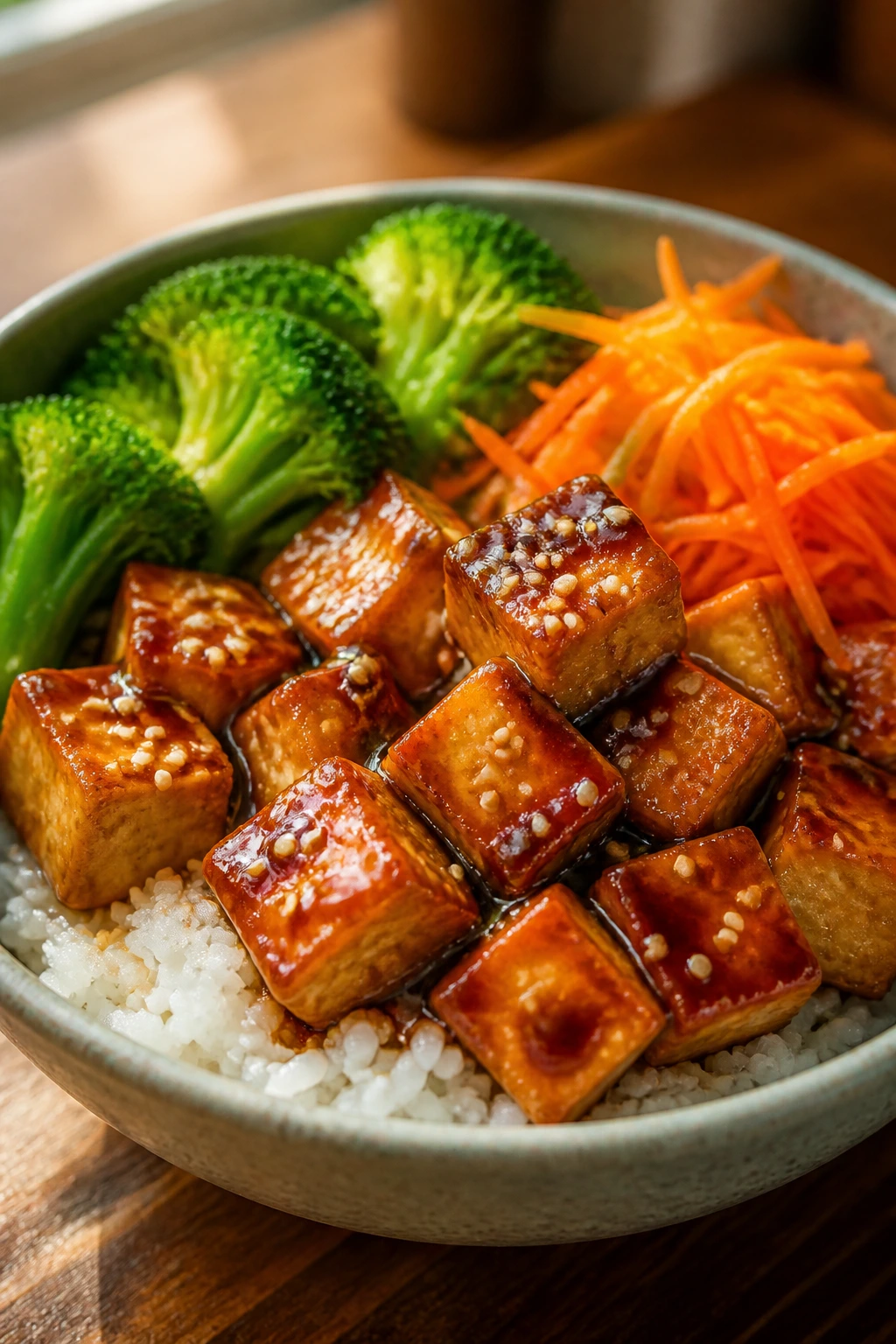
Teriyaki tofu bowls can be a quiet victory for meatless dinner because they bring sweetness, stickiness, and enough color to catch a child’s eye. Rice anchors the bowl, tofu gives it substance, and the sauce does the convincing.
Why It Works:
Firm tofu soaks up flavor and crisps at the edges when seared, which matters more than people think. The teriyaki glaze keeps it from tasting plain, and the rice makes the meal feel complete.
Key Ingredients:
- 14 ounces extra-firm tofu, pressed and cubed
- 2 cups cooked rice
- 1 tablespoon oil
- ¼ cup teriyaki sauce
- 1 cup steamed broccoli
- 1 cup shredded carrots
- 1 teaspoon sesame seeds
Quick Steps:
- Press the tofu for 15 minutes, then cube it.
- Sear in oil over medium-high heat for 8 minutes until golden.
- Add teriyaki sauce and cook 2 minutes until sticky.
- Serve over rice with broccoli, carrots, and sesame seeds.
Equipment for This Recipe:
- Skillet
- Paper towels or tofu press
- Serving bowls
How to Serve This Dish:
Serve with extra sauce on the side if your kids like things wet and glossy. Small bowls work well here so the rice, tofu, and vegetables stay mixed.
Pro Tips for This Recipe:
- Press the tofu well or it won’t brown.
- Don’t move the cubes too early; let a crust form first.
- Use mild teriyaki sauce for younger kids.
Variations on This Dish:
- Peanut Teriyaki Bowl: Stir a spoonful of peanut butter into the sauce.
- Cauliflower Rice Base: Swap some of the rice for cauliflower rice if you want a lighter bowl.
Common Mistakes to Avoid with This Recipe:
- Don’t skip pressing the tofu. Water is the enemy of browning.
- Don’t add the sauce too soon or the tofu steams instead of sears.
31. Tomato Basil Gnocchi Skillet
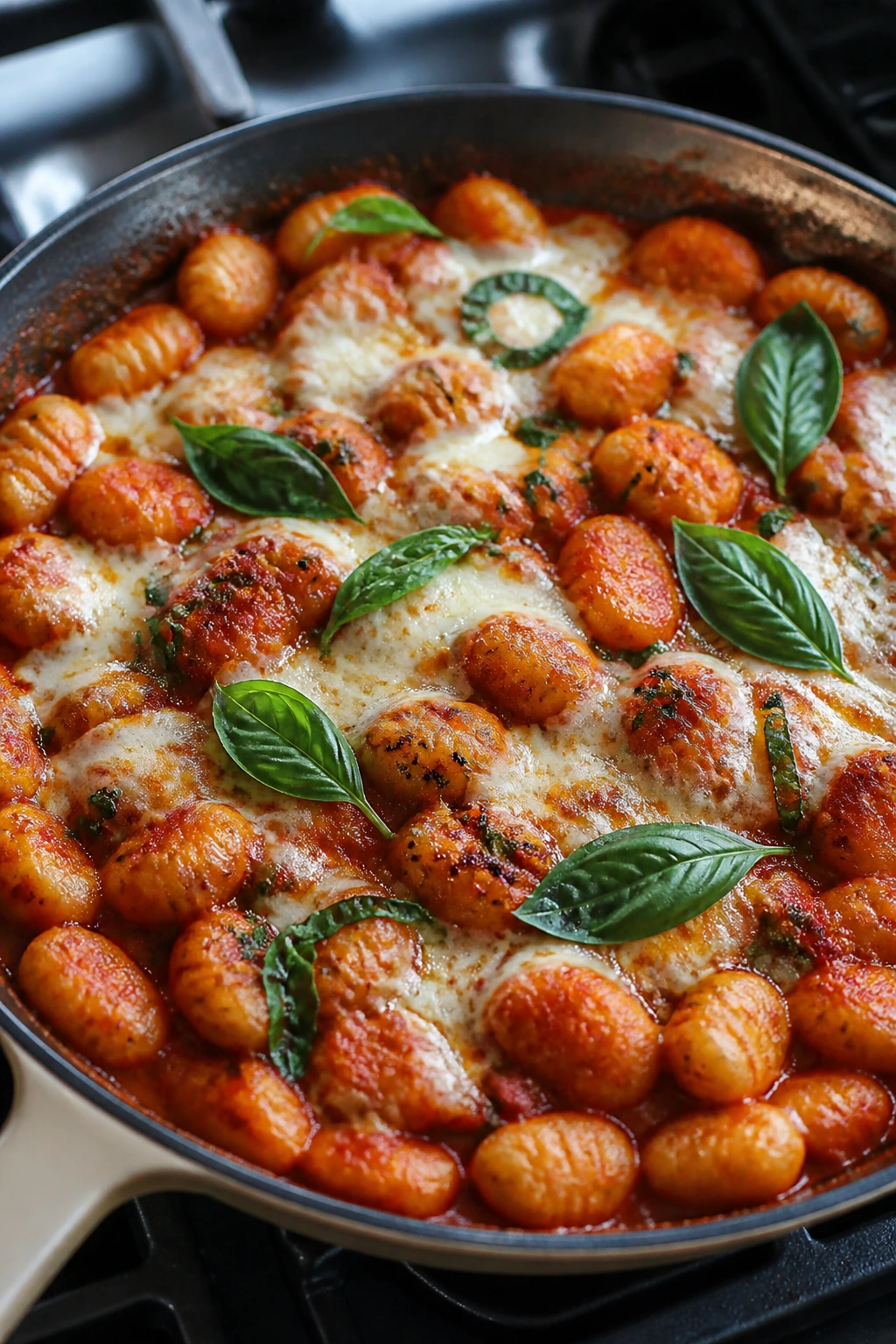
Gnocchi cooks fast, which makes it useful on the nights when patience is in short supply. Tuck it into a tomato basil skillet with a little cheese, and you get soft, pillowy bites that feel richer than the effort required.
Why It Works:
The gnocchi acts like a tender dumpling, so the dish feels substantial without needing meat. Tomato sauce coats everything, and basil keeps the flavor bright enough that the bowl doesn’t taste heavy.
Key Ingredients:
- 1 pound potato gnocchi
- 1 tablespoon olive oil
- 2 cups marinara sauce
- ½ cup water
- 1 cup mozzarella
- ¼ cup basil leaves
- ¼ teaspoon salt
Quick Steps:
- Warm olive oil in a skillet and add the gnocchi; cook 3 to 4 minutes until lightly golden.
- Pour in marinara and water, then simmer 5 minutes.
- Stir in mozzarella until melted.
- Top with basil and serve hot.
Equipment for This Recipe:
- Large skillet with lid
- Wooden spoon
- Knife for basil
How to Serve This Dish:
Serve with a small green salad or sliced cucumbers if you need a fresh side. This skillet is soft and spoonable, so a shallow bowl works better than a plate.
Pro Tips for This Recipe:
- Brown the gnocchi first for better texture.
- Keep the sauce thick enough to cling.
- Add basil at the end so it stays fragrant.
Variations on This Dish:
- Spinach Gnocchi: Stir in baby spinach during the last minute.
- Creamy Version: Add ¼ cup ricotta for a softer sauce.
Common Mistakes to Avoid with This Recipe:
- Don’t overcook the gnocchi or it turns mushy.
- Don’t skip the initial browning if you want texture.
32. Three-Bean Chili with Cornbread
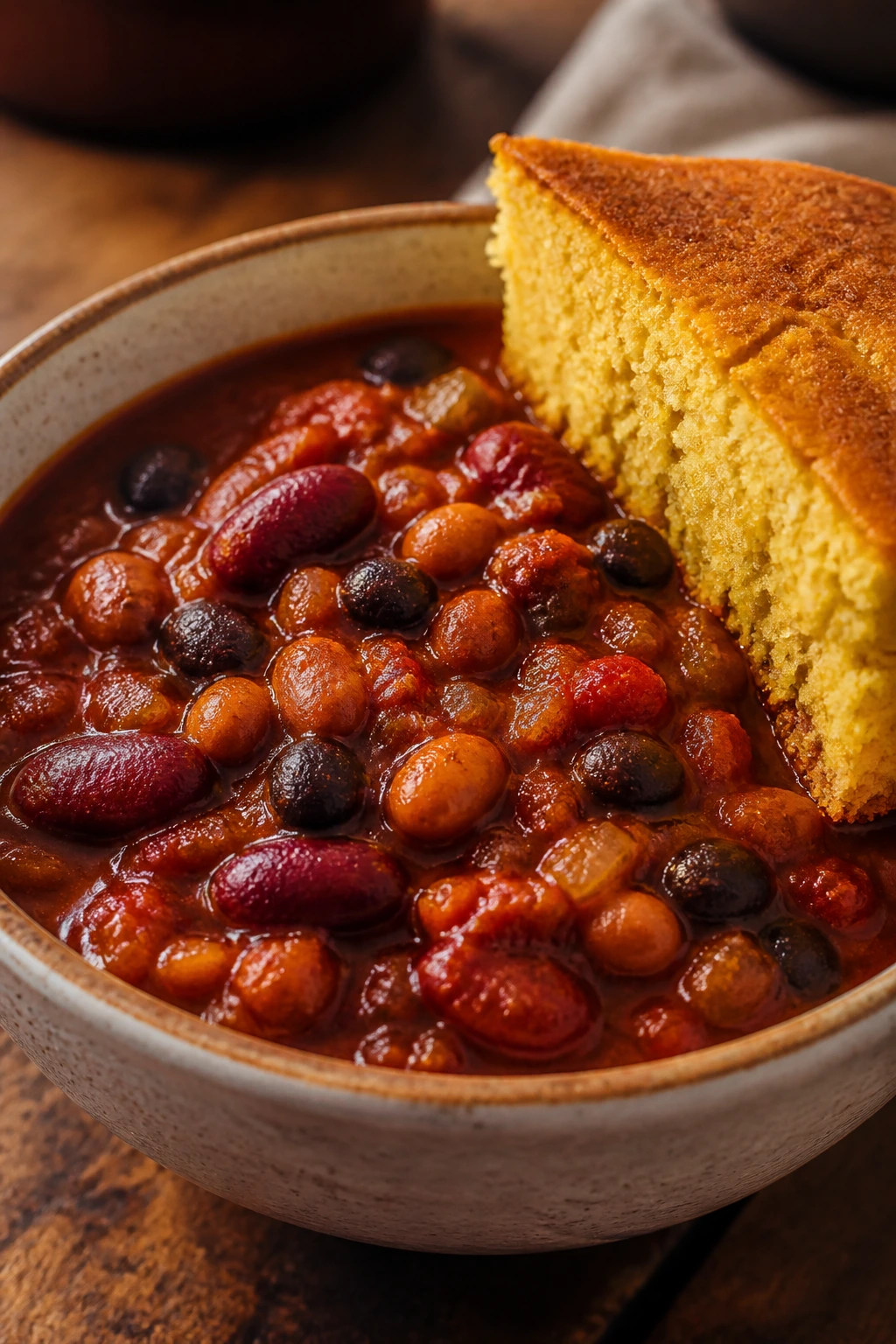
Chili is one of the easiest ways to make a vegetarian dinner feel big enough for hungry kids. Three kinds of beans give it body, while cornbread on the side soaks up the sauce and turns the whole meal into something sturdy.
Why It Works:
Beans provide protein and texture, tomato gives the pot its red base, and the spice can stay mild enough for kids without tasting flat. Cornbread matters here because it makes the dinner feel complete and a little fun.
Key Ingredients:
- 1 can kidney beans
- 1 can black beans
- 1 can pinto beans
- 1 onion, chopped
- 2 cups crushed tomatoes
- 1 tablespoon chili powder
- 1 box cornbread mix or homemade batter
Quick Steps:
- Cook onion in a pot for 5 minutes.
- Add tomatoes, beans, chili powder, and 1 cup water; simmer 20 minutes.
- Bake or prepare cornbread according to package directions.
- Serve chili hot with cornbread on the side.
Equipment for This Recipe:
- Large pot
- Baking dish if making cornbread from scratch
- Ladle
How to Serve This Dish:
Serve with shredded cheese or a spoonful of yogurt on top if the kids like creaminess. Cornbread is the obvious partner, but crackers or rice work too.
Pro Tips for This Recipe:
- Mash a few beans against the pot to thicken the chili.
- Keep the spice mild and let adults add hot sauce at the table.
- Simmer long enough for the tomato flavor to mellow.
Variations on This Dish:
- Sweet Potato Chili: Add diced sweet potato for a sweeter, thicker pot.
- Corn Chili: Stir in frozen corn during the last 5 minutes.
Common Mistakes to Avoid with This Recipe:
- Don’t leave the chili thin and brothy unless that’s the texture you want.
- Don’t over-spice it for kids; heat is easy to add later.
33. Eggplant Parmesan Stacks
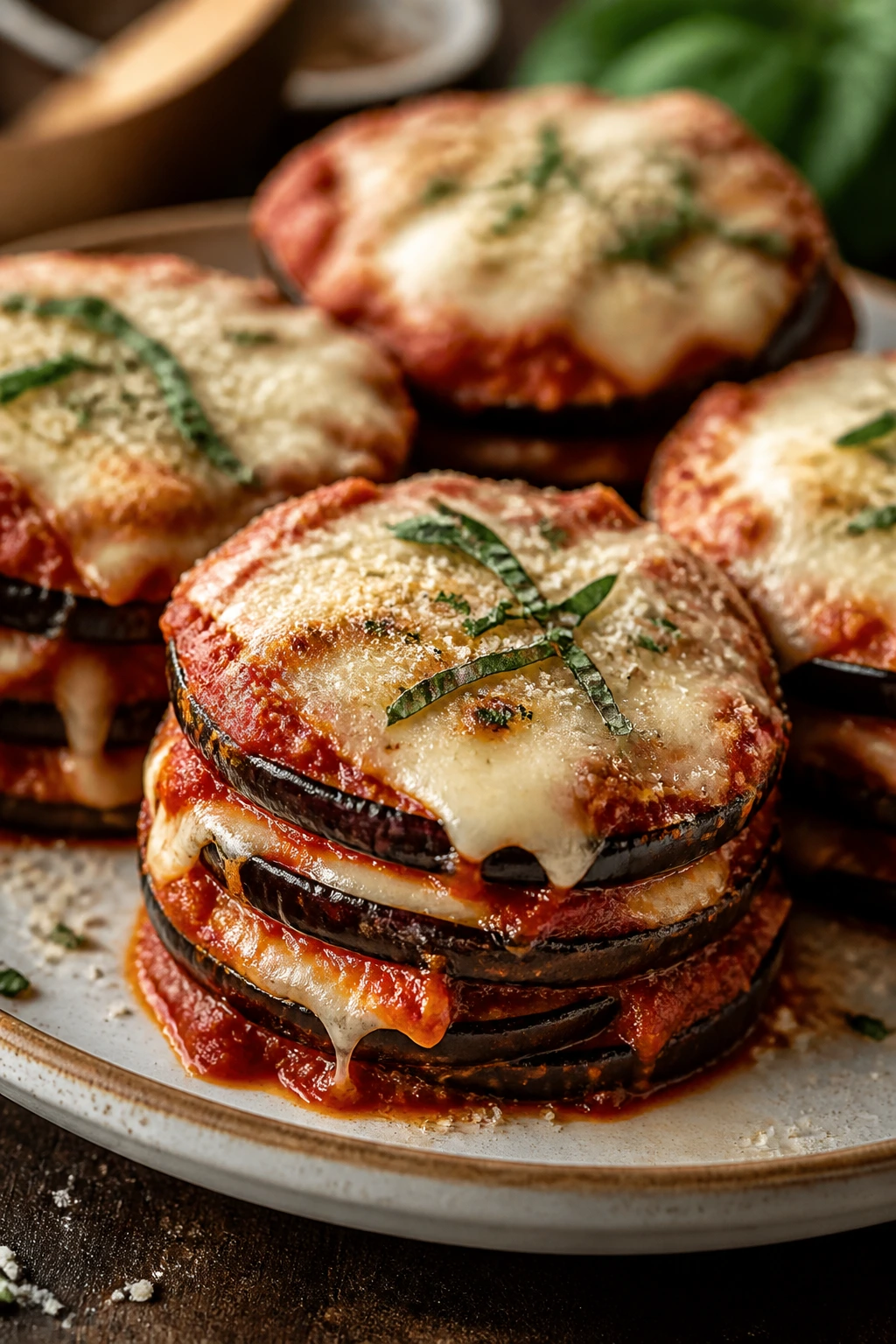
Eggplant parmesan stacks are less messy than the classic casserole and more interesting to kids who like food they can see. Thin eggplant rounds, sauce, and cheese bake into neat little layers that hold together on the plate.
Why It Works:
Roasting the eggplant first keeps it from going watery, and the stacks make portioning simple. Cheese and tomato sauce do the heavy lifting, so the eggplant doesn’t need to win anyone over by itself.
Key Ingredients:
- 1 large eggplant, sliced into rounds
- 2 cups marinara sauce
- 2 cups shredded mozzarella
- ½ cup breadcrumbs
- ¼ cup Parmesan
- 2 tablespoons olive oil
Quick Steps:
- Salt eggplant slices for 15 minutes, then pat dry.
- Brush with oil and roast at 425°F (220°C) for 15 minutes.
- Layer eggplant, sauce, and cheese in small stacks.
- Bake 10 more minutes until bubbly.
Equipment for This Recipe:
- Sheet pan
- Baking dish
- Paper towels
How to Serve This Dish:
Serve with spaghetti, garlic bread, or a side of buttered green beans. Smaller stacks are easier for kids to handle than a giant layered slab.
Pro Tips for This Recipe:
- Salt and dry the eggplant or the stacks go soggy.
- Choose smaller, firm eggplants for fewer seeds and better texture.
- Let the stacks rest before moving them to plates.
Variations on This Dish:
- Zucchini-Parmesan Stacks: Swap half the eggplant for zucchini rounds.
- Panko Crunch: Use panko breadcrumbs for a lighter crisp top.
Common Mistakes to Avoid with This Recipe:
- Don’t skip the salting step if you want good texture.
- Don’t overload the stacks with sauce or they slide apart.
34. Ricotta Pea Ravioli Bake
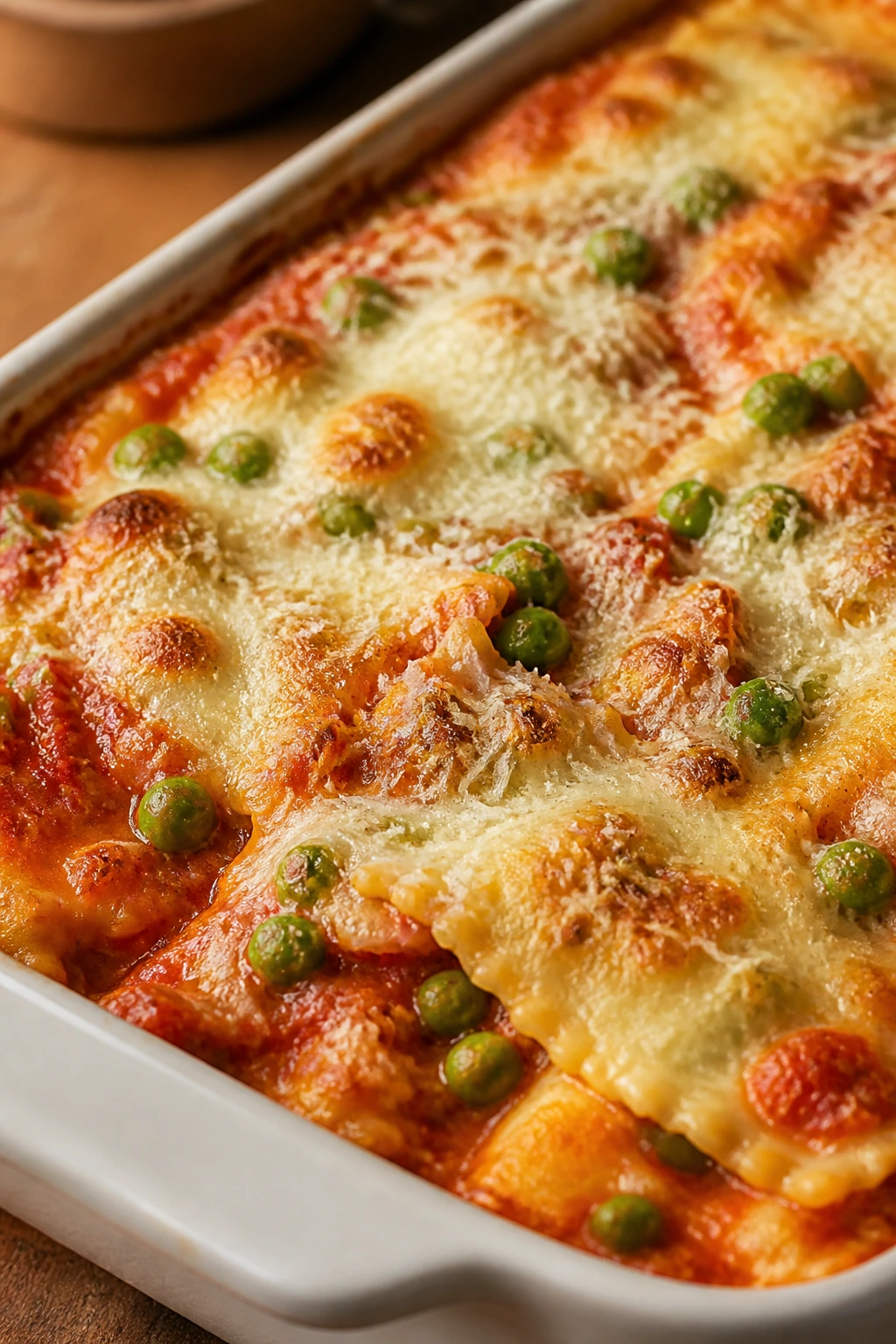
This is what happens when stuffed pasta meets a casserole dish and decides not to be precious about it. Ricotta ravioli, peas, and tomato sauce bake into a pan that feels rich, soft, and easy to serve.
Why It Works:
The ravioli brings a built-in cheese filling, so the dinner already feels substantial before the sauce hits the pan. Peas slide into the cracks and add sweet little bites that keep the dish from turning one-note.
Key Ingredients:
- 1 package refrigerated cheese ravioli
- 2 cups marinara sauce
- 1 cup frozen peas
- 1 cup ricotta
- 1 ½ cups shredded mozzarella
- ¼ cup Parmesan
Quick Steps:
- Spread sauce in a baking dish.
- Layer ravioli, peas, dollops of ricotta, and mozzarella.
- Bake at 375°F (190°C) for 25 minutes.
- Finish with Parmesan and rest 5 minutes.
Equipment for This Recipe:
- Baking dish
- Spoon
- Foil
How to Serve This Dish:
Serve with a simple salad or roasted zucchini if you want something green next to the pasta. The dish scoops well, so a wide spoon makes serving much easier.
Pro Tips for This Recipe:
- Use refrigerated ravioli for faster baking.
- Spread peas evenly so they don’t clump in one corner.
- Keep the top covered if it browns too fast.
Variations on This Dish:
- Spinach Ravioli Bake: Use spinach ricotta ravioli for a greener filling.
- Pesto Version: Swirl pesto into the ricotta for more flavor.
Common Mistakes to Avoid with This Recipe:
- Don’t overbake or the ravioli turns bloated and soft.
- Don’t leave the peas frozen in one pile; they need to be spread out.
35. Veggie Sushi Bowls
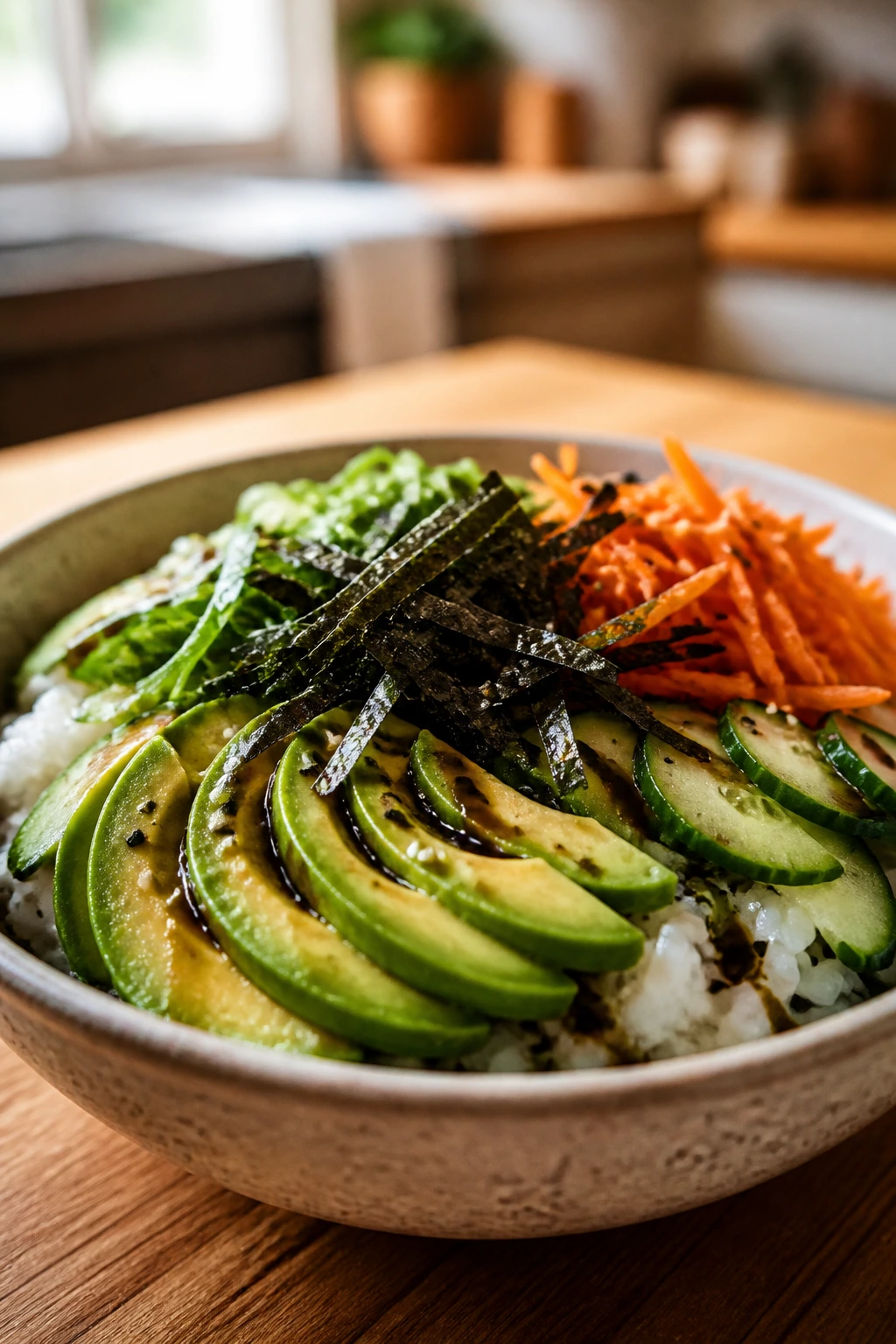
Sushi bowls give you the fun parts of sushi — rice, nori, vegetables, maybe avocado — without the rolling. Kids often like the build-your-own setup, and the bowl format keeps things tidy.
Why It Works:
Rice gives the bowl weight, toppings add color and crunch, and a mild sauce ties everything together. The bowl format also lets picky eaters separate their ingredients, which can be the difference between dinner and a standoff.
Key Ingredients:
- 2 cups cooked sushi rice
- 1 tablespoon rice vinegar
- 1 avocado, sliced
- 1 cucumber, sliced
- 1 carrot, shredded
- 1 sheet nori, cut into strips
- 2 tablespoons soy sauce
Quick Steps:
- Season warm rice with rice vinegar.
- Divide rice into bowls.
- Arrange avocado, cucumber, carrot, and nori on top.
- Drizzle soy sauce and serve.
Equipment for This Recipe:
- Bowl
- Sharp knife
- Small grater or peeler for carrots
How to Serve This Dish:
Serve with edamame or tofu cubes if you want more protein in the bowl. Kids who like finger food often enjoy scooping with seaweed sheets or a spoon.
Pro Tips for This Recipe:
- Keep the rice warm when seasoning so it absorbs the vinegar.
- Slice vegetables thin for easier eating.
- Offer sauce separately for kids who dislike a wet bowl.
Variations on This Dish:
- Tofu Sushi Bowl: Add pan-seared tofu for extra protein.
- Salmon-Free “Spicy” Bowl: Use a tiny amount of sriracha mayo for older kids and adults.
Common Mistakes to Avoid with This Recipe:
- Don’t make the rice too wet. Sushi rice should be sticky, not soupy.
- Don’t cut the vegetables thick or the bowl becomes hard to eat.
36. Crispy Bean Burritos
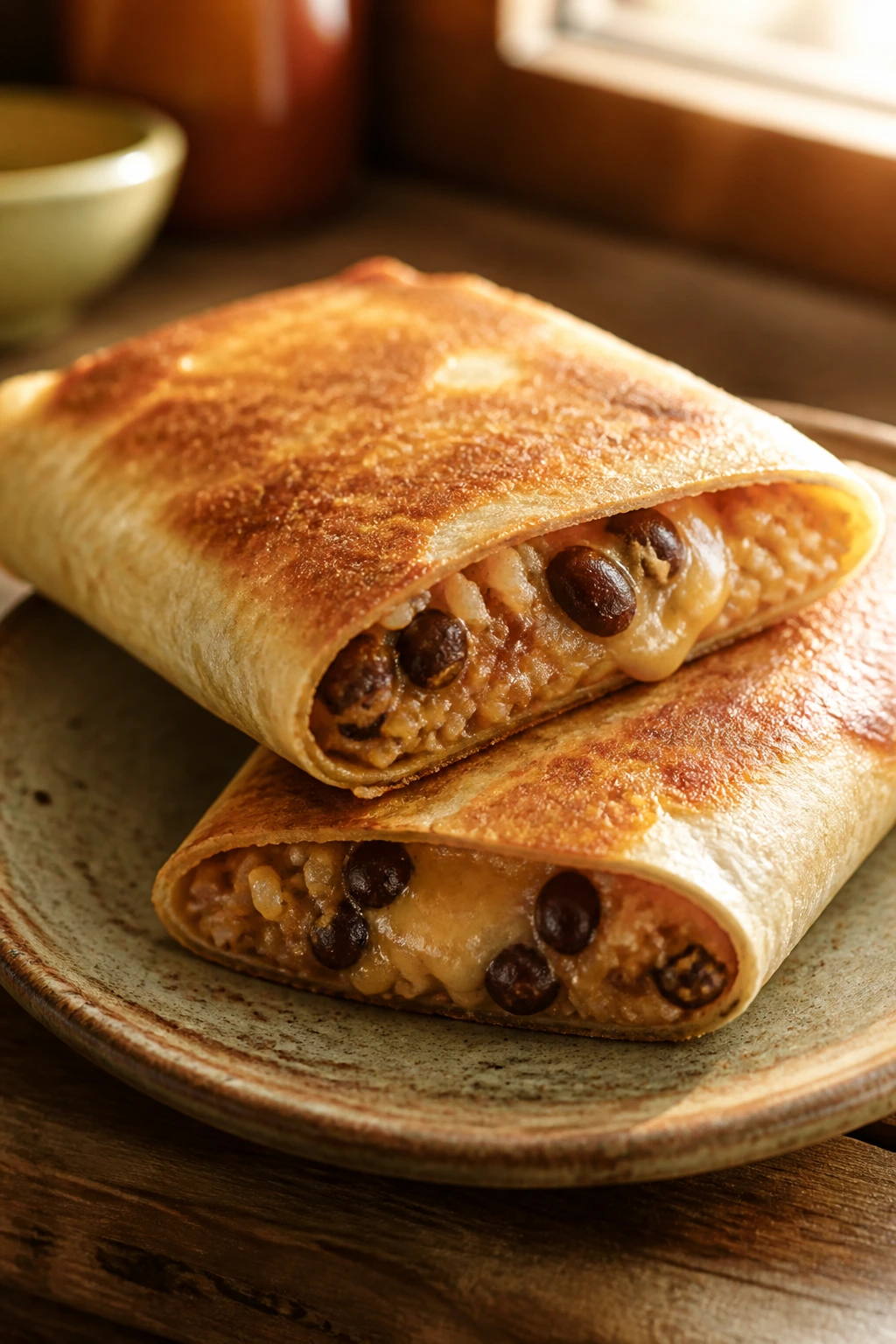
Burritos are a strong answer to the “I need something filling” problem because they can carry a lot inside one tortilla. Beans, rice, cheese, and a little salsa make these feel like proper dinner instead of a quick snack.
Why It Works:
The beans and rice form a dense, filling center, while the tortilla crisps in the skillet and makes the whole thing hold together. Kids usually like burritos because they can eat them with their hands without everything falling apart.
Key Ingredients:
- 4 large flour tortillas
- 1 can refried beans
- 1 ½ cups cooked rice
- 1 cup shredded cheddar
- ½ cup salsa
- 1 tablespoon oil
Quick Steps:
- Warm the beans and rice together in a skillet.
- Fill tortillas with beans, rice, cheese, and salsa.
- Roll tightly, then sear seam-side down in oil for 2 minutes per side.
- Serve once the tortillas are crisp and golden.
Equipment for This Recipe:
- Skillet
- Spatula
- Spoon
How to Serve This Dish:
Serve with guacamole or plain yogurt for dipping and a little shredded lettuce on the side. One burrito is usually enough for younger kids; adults may want two.
Pro Tips for This Recipe:
- Don’t overfill the tortillas or they won’t seal.
- Sear seam-side down first to lock the roll.
- Warm tortillas briefly before filling so they bend cleanly.
Variations on This Dish:
- Breakfast Burrito Dinner: Add scrambled eggs for a morning-style version.
- Veggie Crunch: Add sautéed peppers and onions to the filling.
Common Mistakes to Avoid with This Recipe:
- Don’t use cold beans; they make the filling hard to roll.
- Don’t skip the skillet sear if you want the burrito to hold together.
37. Broccoli Pesto Pizza
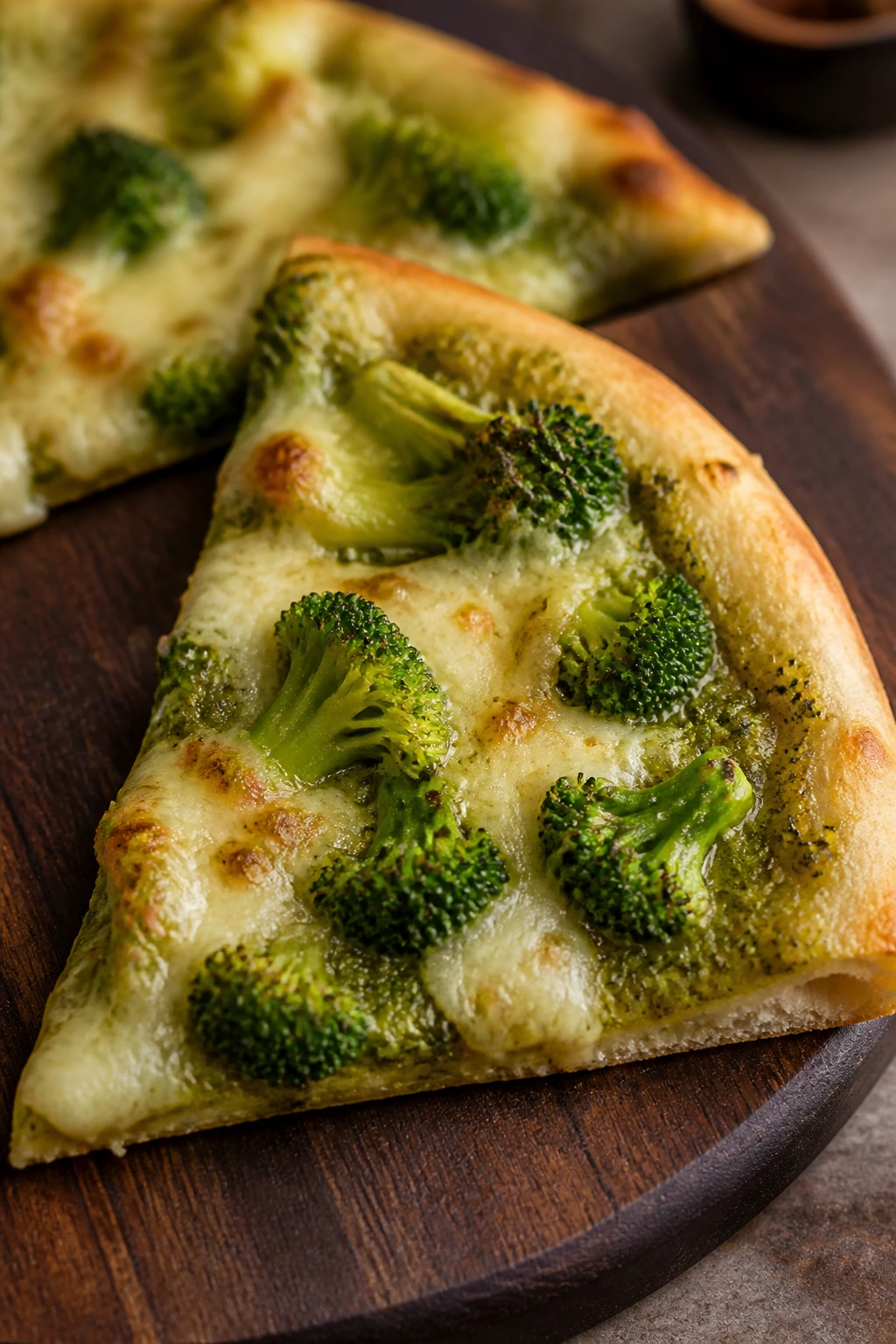
Broccoli on pizza is a lot easier to sell than broccoli on a plate. Pesto gives it a strong savory base, mozzarella melts into the edges, and the broccoli turns slightly crisp in the oven.
Why It Works:
Pizza is already one of the easiest ways to get kids to accept vegetables, and pesto gives the broccoli a better job than “side dish.” The dough, cheese, and roasted bits all work together in one familiar slice.
Key Ingredients:
- 1 pizza dough
- ½ cup pesto
- 1 ½ cups shredded mozzarella
- 1 ½ cups broccoli florets, chopped small
- 1 tablespoon olive oil
- ¼ cup Parmesan
Quick Steps:
- Heat the oven to 475°F (245°C).
- Stretch dough onto a pan, spread pesto, then add cheese and broccoli.
- Drizzle with olive oil and bake 12 to 15 minutes.
- Finish with Parmesan and slice.
Equipment for This Recipe:
- Pizza pan or sheet pan
- Knife
- Pizza cutter
How to Serve This Dish:
Serve with a simple salad or roasted tomatoes if you want to balance the meal. Cut into small squares for younger kids; they handle less mess.
Pro Tips for This Recipe:
- Chop broccoli small so it cooks through.
- Don’t overload the pesto or the crust gets greasy.
- Use high heat for better browning.
Variations on This Dish:
- White Pizza Broccoli: Use ricotta and garlic instead of pesto.
- Cauliflower Broccoli Mix: Add tiny cauliflower florets for a mixed topping.
Common Mistakes to Avoid with This Recipe:
- Don’t leave the broccoli in big florets; they’ll stay hard.
- Don’t bake on a weakly heated oven or the crust turns pale.
38. Sweet Corn Pancakes with Salsa
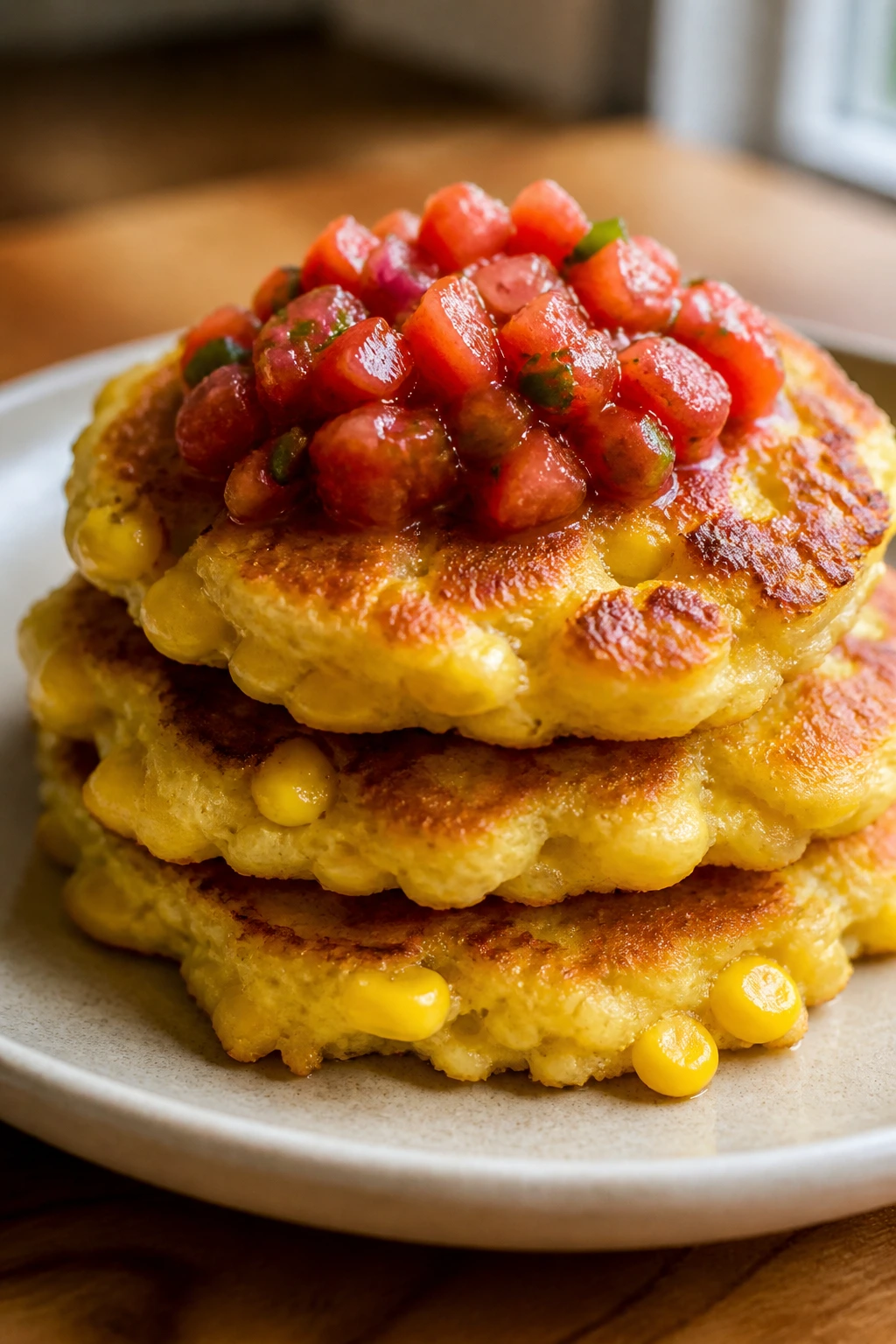
Savory pancakes for dinner sound odd until you try them. Corn gives the batter sweetness, the pancakes cook quickly, and a spoonful of salsa on top pulls the whole plate into dinner territory.
Why It Works:
The pancakes are soft and easy to chew, which makes them useful for younger kids or picky evenings. Corn adds enough texture that the pancakes don’t taste like plain batter, and the salsa keeps the flavor awake.
Key Ingredients:
- 1 cup flour
- 1 teaspoon baking powder
- 1 cup milk
- 1 egg
- 1 cup corn kernels
- ½ cup shredded cheddar
- ½ cup salsa
Quick Steps:
- Whisk flour, baking powder, milk, and egg into a thick batter.
- Fold in corn and cheddar.
- Cook spoonfuls in a greased skillet over medium heat for 2 minutes per side.
- Serve topped with salsa.
Equipment for This Recipe:
- Skillet
- Whisk
- Mixing bowl
How to Serve This Dish:
Serve with avocado slices or a fried egg if you want to build it out. Three small pancakes usually work as a kid dinner portion, especially with fruit on the side.
Pro Tips for This Recipe:
- Keep the batter thick so the corn stays suspended.
- Cook over medium heat or the outside browns before the center sets.
- Warm the salsa slightly if your kids dislike cold toppings.
Variations on This Dish:
- Green Onion Pancakes: Add chopped scallions for a sharper flavor.
- Cheese-Free Batch: Leave out the cheddar and serve with yogurt.
Common Mistakes to Avoid with This Recipe:
- Don’t make the batter too thin or the corn sinks.
- Don’t flip too early; the centers need time to set.
39. Coconut Chickpea Curry with Rice
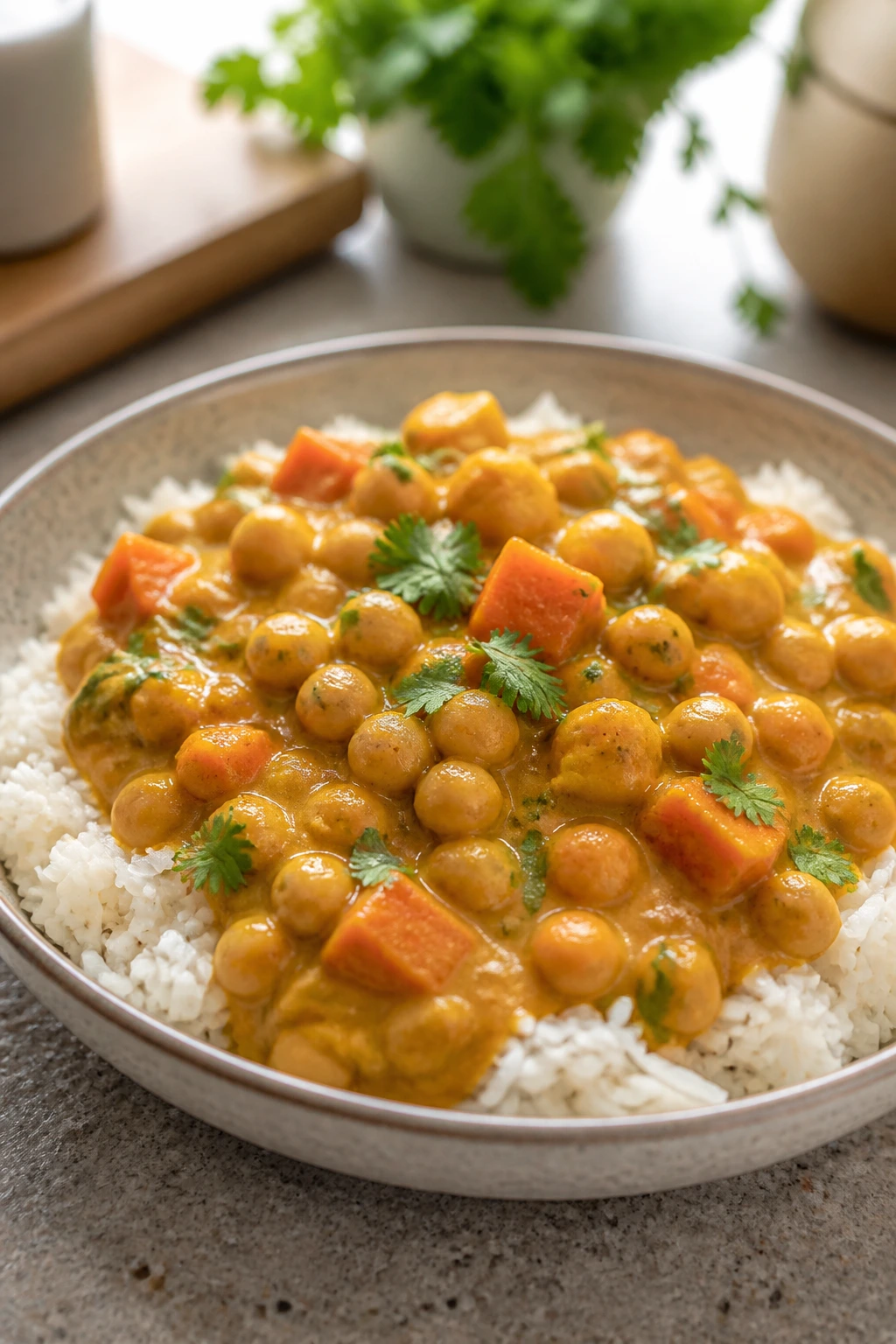
This curry is mild enough to fit kid dinners but still has enough flavor to feel like a real meal. Chickpeas bring body, coconut milk makes the sauce silky, and rice soaks up every bit.
Why It Works:
Chickpeas stay intact in the sauce, so every spoonful has substance. Coconut milk softens the spice and gives the curry a rich texture that often works better for kids than a tomato-heavy sauce.
Key Ingredients:
- 1 tablespoon oil
- 1 small onion, chopped
- 1 tablespoon mild curry powder
- 2 cans chickpeas, drained
- 1 can coconut milk
- 1 cup diced carrots
- 2 cups cooked rice
Quick Steps:
- Cook onion in oil for 5 minutes.
- Stir in curry powder, chickpeas, coconut milk, and carrots.
- Simmer 15 minutes until the carrots soften and the sauce thickens.
- Serve over rice.
Equipment for This Recipe:
- Large skillet or saucepan
- Wooden spoon
- Rice pot
How to Serve This Dish:
Serve with naan or warm flatbread if you want something to scoop with. A small bowl with rice on the bottom and curry spooned over it is easier for kids than a tall pile.
Pro Tips for This Recipe:
- Keep the curry powder mild unless your kids already like spice.
- Simmer uncovered if you want the sauce thicker.
- Add peas at the end if you want more color.
Variations on This Dish:
- Spinach Curry: Stir in handfuls of spinach during the last minute.
- Sweet Potato Curry: Add diced sweet potato with the carrots for more bulk.
Common Mistakes to Avoid with This Recipe:
- Don’t boil coconut milk hard. It can separate.
- Don’t leave the sauce too thin or it runs all over the rice.
40. Rainbow Couscous Skillet
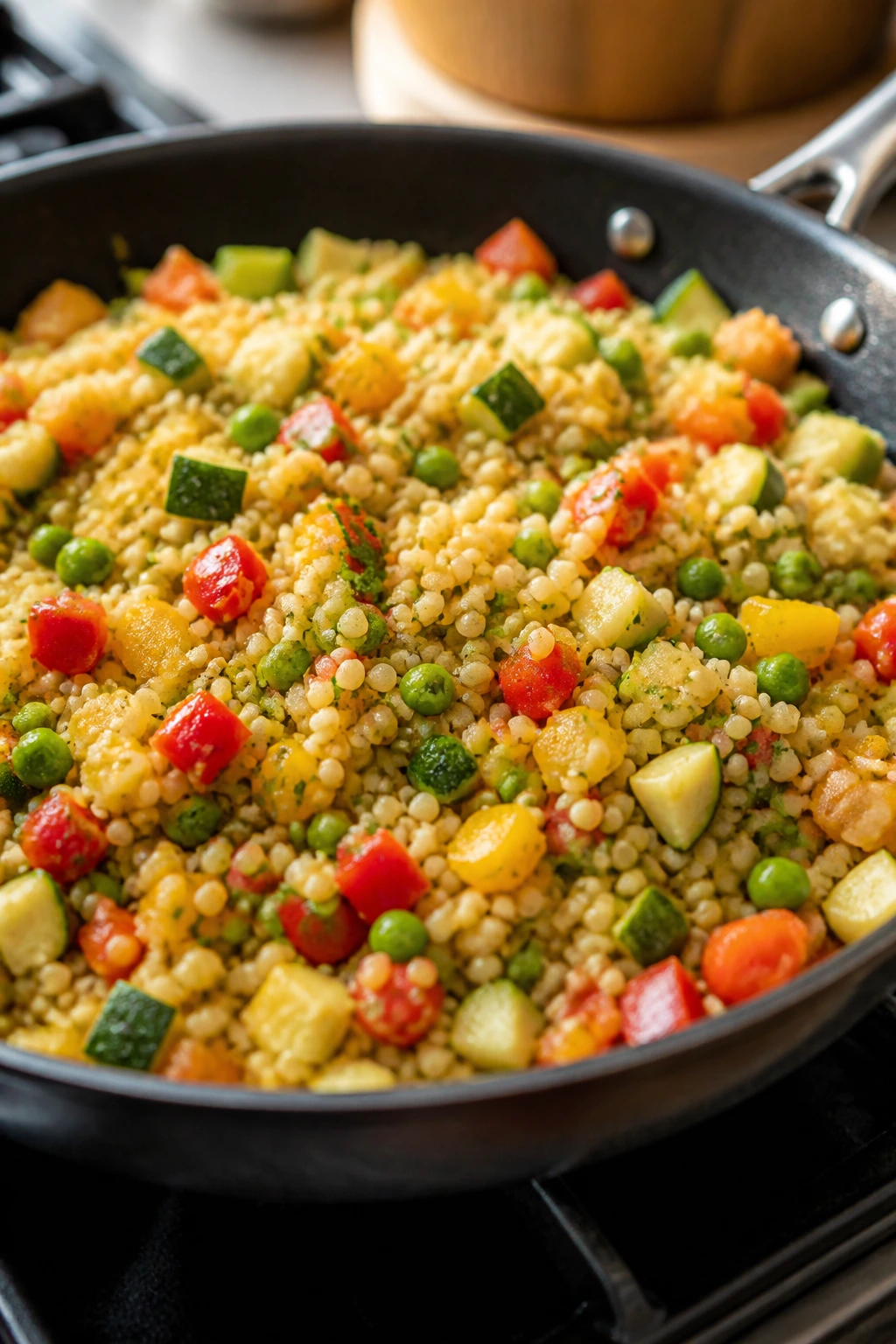
Couscous is quick, gentle, and excellent at taking on flavor. Toss it with vegetables in a skillet and you get a colorful dinner that feels light on effort but still gives kids enough to chew.
Why It Works:
Couscous cooks in minutes and holds the little bits of vegetables so the plate feels full without being heavy. The skillet format also lets you cook the vegetables and grain together, which saves dishes and time.
Key Ingredients:
- 1 ½ cups couscous
- 2 cups vegetable broth
- 1 zucchini, diced
- 1 bell pepper, diced
- 1 cup frozen peas
- 2 tablespoons olive oil
- ¼ cup feta
Quick Steps:
- Sauté zucchini and pepper in oil for 5 minutes.
- Add broth and bring to a simmer.
- Stir in couscous, peas, and cover off heat for 5 minutes.
- Fluff and finish with feta.
Equipment for This Recipe:
- Large skillet with lid
- Fork
- Cutting board
How to Serve This Dish:
Serve with hummus or yogurt on the side if you want more creaminess. This works well as a bowl dinner, especially when you’re feeding a mix of ages.
Pro Tips for This Recipe:
- Use broth instead of plain water for a fuller taste.
- Dice vegetables small so they cook quickly.
- Fluff with a fork, not a spoon, to keep the couscous light.
Variations on This Dish:
- Lemon Couscous: Add lemon zest and juice at the end.
- Bean Version: Stir in 1 cup chickpeas for more heft.
Common Mistakes to Avoid with This Recipe:
- Don’t overcook couscous; it gets pasty fast.
- Don’t cut the vegetables too large or they stay raw.
41. Cheddar Cauliflower Soup with Toast Soldiers
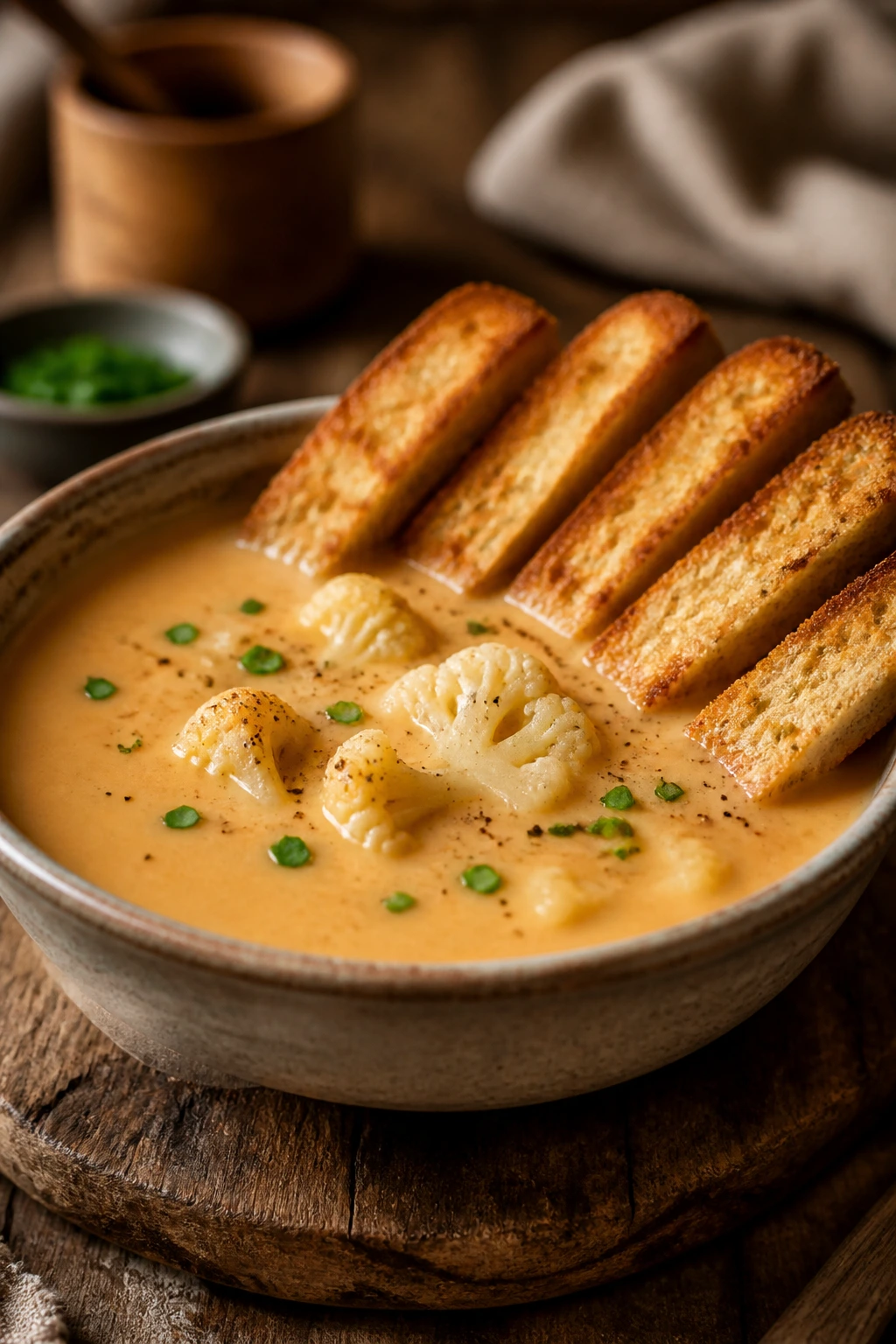
Cauliflower soup earns its keep when it’s blended smooth and sharp with cheddar. Toast soldiers give kids something to dip, and the whole thing feels more substantial than a thin bowl of puree.
Why It Works:
Blending cauliflower creates a thick soup base without cream overload, and cheddar gives the bowl its savory finish. The toast on the side matters because it adds crunch and makes soup feel like dinner, not an appetizer.
Key Ingredients:
- 1 head cauliflower, chopped
- 1 onion, chopped
- 2 tablespoons butter
- 4 cups vegetable broth
- 1 ½ cups shredded cheddar
- 4 slices bread
- 1 cup milk
Quick Steps:
- Cook onion in butter for 5 minutes.
- Add cauliflower and broth, then simmer 20 minutes until soft.
- Blend until smooth, then stir in milk and cheddar.
- Toast bread, cut into strips, and serve.
Equipment for This Recipe:
- Large pot
- Blender or immersion blender
- Toaster or oven
How to Serve This Dish:
Serve in sturdy bowls with toast soldiers for dipping. A little extra cheddar on top keeps the soup from feeling too plain.
Pro Tips for This Recipe:
- Blend fully for a silky texture.
- Add milk after blending to keep the soup smooth.
- Don’t forget salt; cauliflower needs it.
Variations on This Dish:
- Broccoli Cauliflower Soup: Use half broccoli for a greener bowl.
- Garlic Cheddar Version: Add roasted garlic for a deeper finish.
Common Mistakes to Avoid with This Recipe:
- Don’t leave the cauliflower undercooked or the soup tastes grainy.
- Don’t boil after adding cheese or it can turn stringy.
42. Spinach Pesto Quesadillas
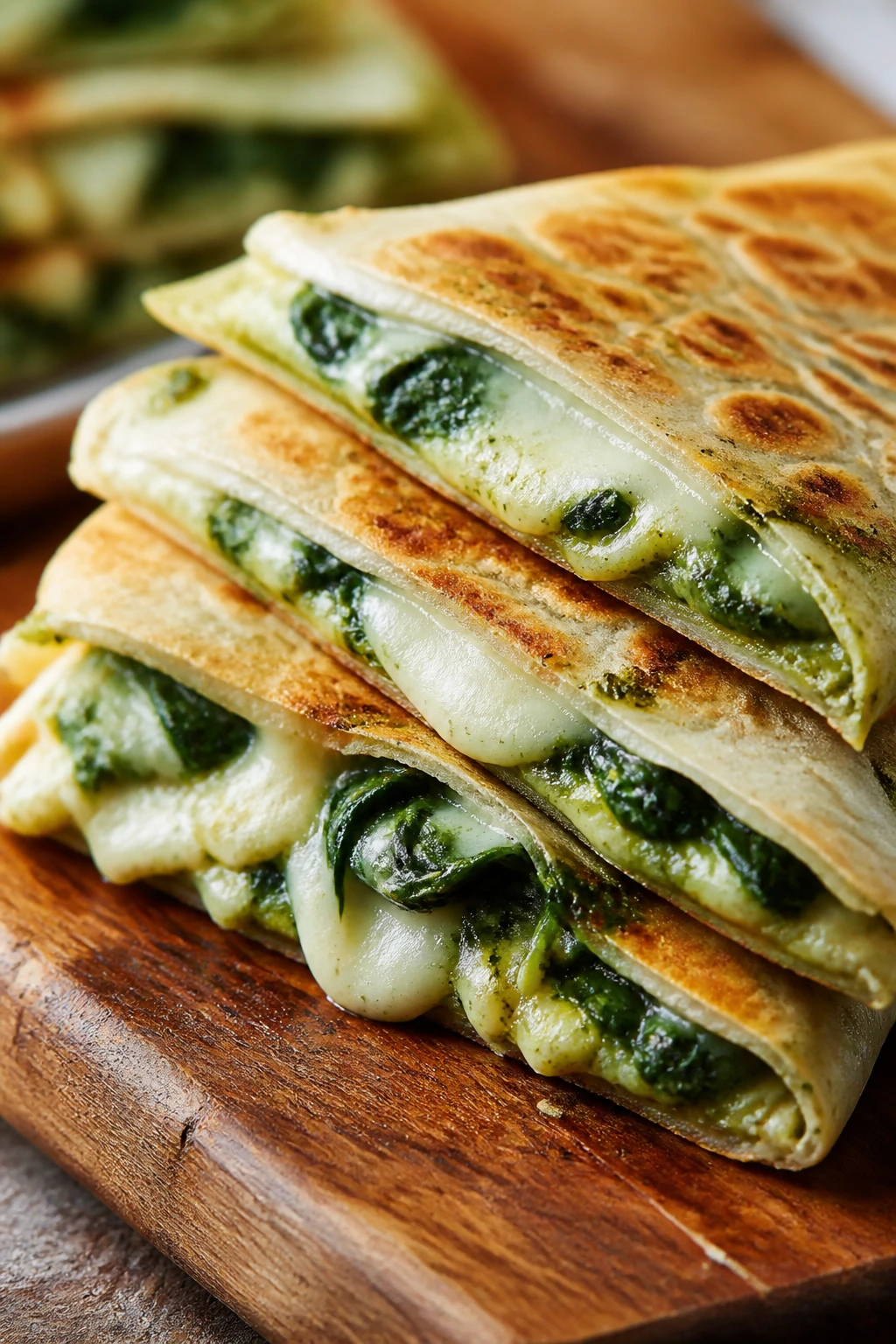
If regular quesadillas are easy, spinach pesto quesadillas are the version that keeps the same speed but adds more flavor. The pesto gives the filling a sharper personality, and the spinach melts down enough that it doesn’t feel like an obstacle.
Why It Works:
Pesto coats the cheese and spinach so the filling tastes cohesive instead of leafy. The tortilla crisps up quickly, which gives the dinner enough texture to compete with the draw of plain cheese alone.
Key Ingredients:
- 4 flour tortillas
- 1 cup shredded mozzarella
- 1 cup spinach
- 3 tablespoons pesto
- 1 tablespoon butter
Quick Steps:
- Toss spinach with pesto.
- Layer cheese and spinach on half the tortillas, then fold.
- Cook in butter over medium heat for 2 to 3 minutes per side.
- Slice into triangles and serve warm.
Equipment for This Recipe:
- Skillet
- Spatula
- Knife or pizza cutter
How to Serve This Dish:
Serve with tomato soup or a few cherry tomatoes for a bright side. Two wedges per child is usually enough when the quesadillas are paired with something else.
Pro Tips for This Recipe:
- Keep the pesto layer thin so it doesn’t leak.
- Use low-moisture mozzarella for better melting.
- Let the quesadilla rest briefly before cutting.
Variations on This Dish:
- Tomato-Pesto Quesadilla: Add sliced roasted tomatoes for a softer filling.
- Ricotta Version: Spread ricotta first for a creamier center.
Common Mistakes to Avoid with This Recipe:
- Don’t overfill with spinach or the tortilla opens up.
- Don’t cook too hot or the outside browns before the cheese melts.
43. Stuffed Zucchini Boats
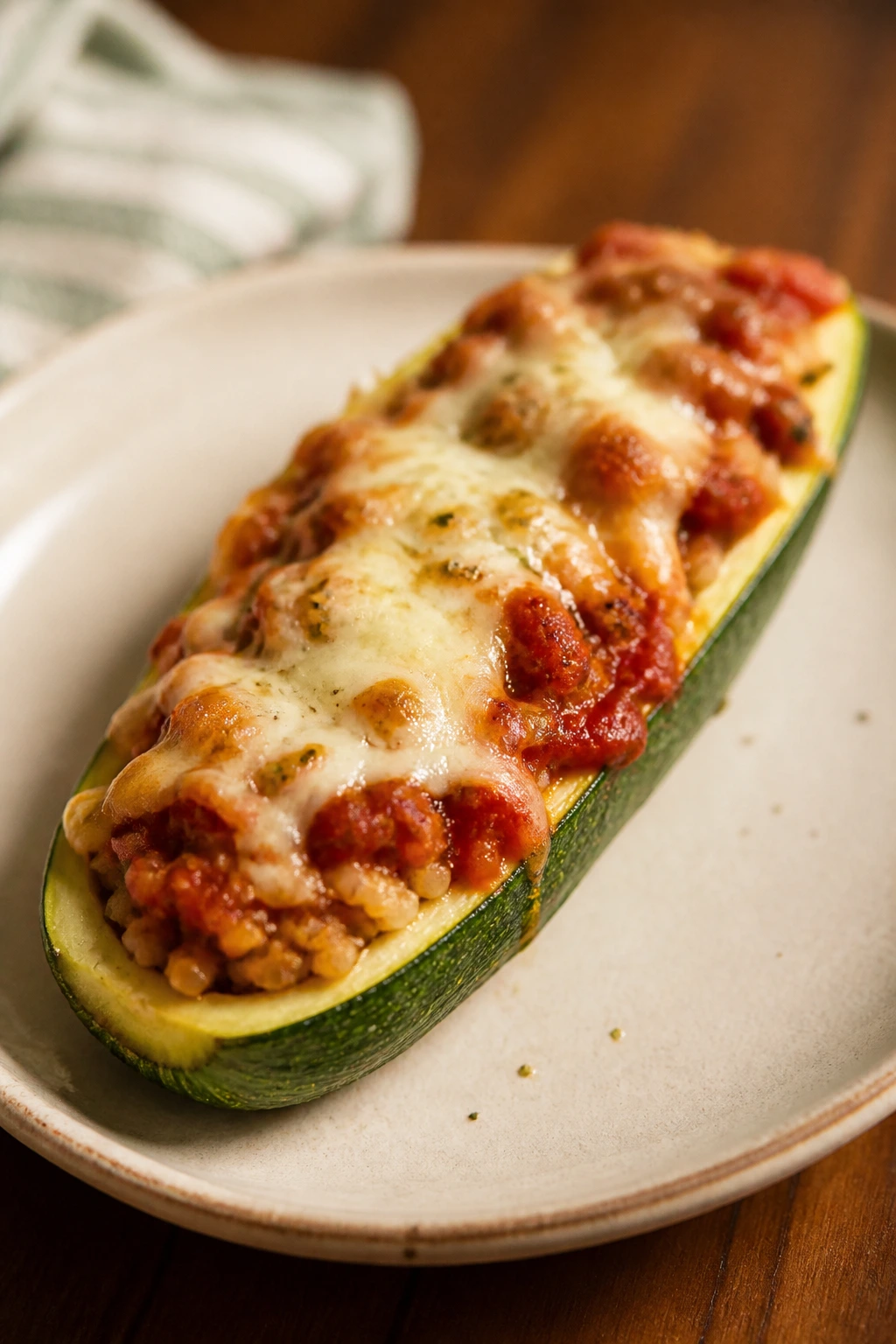
Zucchini boats are a neat way to make vegetables the container and the dinner at the same time. Fill them with sauce, cheese, and a hearty topping, and suddenly they stop feeling like an afterthought.
Why It Works:
The zucchini softens but still keeps enough shape to hold filling, and the tomato-cheese topping gives the dish a familiar pizza-like profile. That combo tends to work better with kids than plain roasted squash ever will.
Key Ingredients:
- 4 medium zucchini
- 1 cup marinara sauce
- 1 cup shredded mozzarella
- 1 cup cooked rice or quinoa
- ½ cup chopped mushrooms
- 2 tablespoons Parmesan
Quick Steps:
- Halve and scoop the zucchini centers.
- Mix the scooped flesh with mushrooms, rice, and marinara.
- Fill the boats, top with mozzarella and Parmesan.
- Bake at 400°F (205°C) for 20 to 25 minutes.
Equipment for This Recipe:
- Baking dish
- Spoon
- Knife
How to Serve This Dish:
Serve with garlic bread or a small scoop of pasta if you need to make it feel more familiar. One boat can work for younger kids; two halves is better for bigger eaters.
Pro Tips for This Recipe:
- Leave a little border so the boats hold their shape.
- Salt the scooped zucchini lightly before mixing if it tastes bland.
- Bake until the cheese browns at the edges.
Variations on This Dish:
- Italian Sausage-Free Version: Add lentils instead of rice for more protein.
- Pizza Boats: Use pizza sauce, pepperoni-style vegetarian toppings, and mozzarella.
Common Mistakes to Avoid with This Recipe:
- Don’t scoop too deeply or the boats collapse.
- Don’t underbake or the zucchini stays watery.
44. Carrot Ginger Noodle Soup
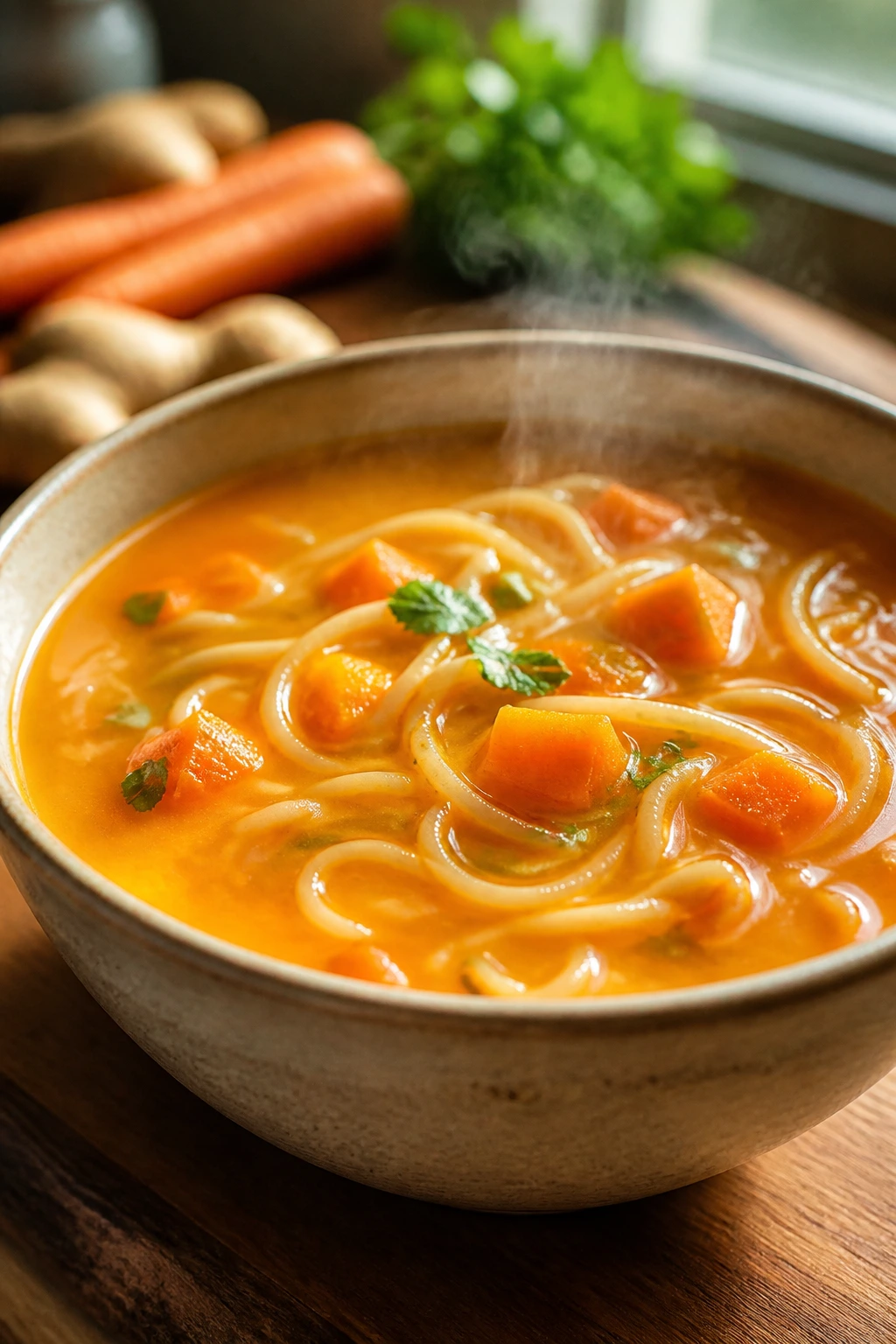
Carrot ginger soup gets more dinner-friendly once noodles join the pot. The carrots bring sweetness, ginger adds a little warmth, and the noodles make it feel filling enough to hold a child’s attention.
Why It Works:
Pureed carrots create a smooth, sweet broth that many kids accept faster than a chunky vegetable soup. Noodles give the soup a familiar chew, and ginger keeps the flavor from turning flat or baby-food bland.
Key Ingredients:
- 1 tablespoon oil
- 1 onion, chopped
- 4 cups sliced carrots
- 1 tablespoon grated ginger
- 4 cups vegetable broth
- 6 ounces noodles
- 1 cup coconut milk
Quick Steps:
- Cook onion in oil for 5 minutes.
- Add carrots, ginger, and broth; simmer 20 minutes until soft.
- Blend until smooth, then stir in noodles and cook until tender.
- Add coconut milk and serve.
Equipment for This Recipe:
- Large pot
- Blender or immersion blender
- Ladle
How to Serve This Dish:
Serve with toast or a grilled cheese half if you want the meal to feel bigger. A few sesame seeds on top are optional but nice for older kids.
Pro Tips for This Recipe:
- Blend carefully and in batches if needed; hot soup splashes.
- Cut carrots small so they cook quickly.
- Add noodles after blending so they don’t disappear in the puree.
Variations on This Dish:
- Mild Curry Version: Add 1 teaspoon curry powder with the ginger.
- Peanut Noodle Soup: Stir in a spoonful of peanut butter for a richer base.
Common Mistakes to Avoid with This Recipe:
- Don’t add the noodles too early or they’ll turn mushy.
- Don’t over-ginger the pot; a little goes a long way for kids.
45. Black Bean Stuffed Sweet Potatoes
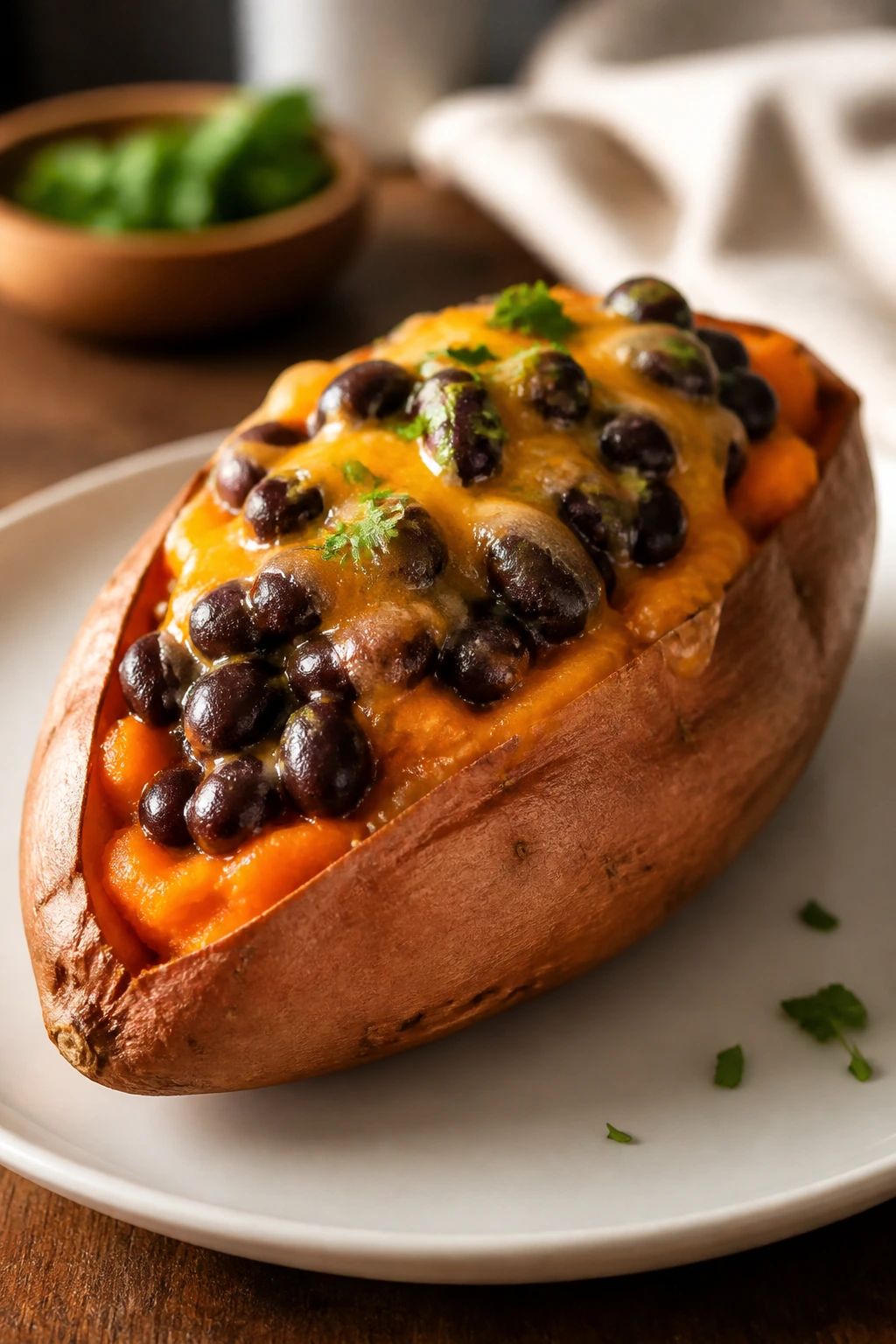
Sweet potatoes become a real dinner when you split them open and pile on black beans, cheese, and a few bright toppings. The contrast between the soft potato and the beans gives the plate enough body to feel complete.
Why It Works:
The sweet potato is the built-in bowl, which makes serving easy and keeps the meal looking tidy. Black beans and cheese add protein and salt, while the sweet flesh underneath keeps kids from feeling like they’re eating only “healthy food.”
Key Ingredients:
- 4 medium sweet potatoes
- 1 can black beans, drained
- 1 cup shredded cheddar
- ½ cup salsa
- 2 tablespoons plain yogurt
- 1 tablespoon olive oil
Quick Steps:
- Bake sweet potatoes at 400°F (205°C) for 45 to 55 minutes until soft.
- Warm black beans in a skillet with olive oil.
- Split the potatoes and fluff the centers.
- Top with beans, cheddar, salsa, and yogurt.
Equipment for This Recipe:
- Baking sheet
- Fork
- Small skillet
How to Serve This Dish:
Serve with a simple cabbage slaw or sliced avocado if you want another fresh component. One stuffed sweet potato is usually enough for a younger child; two halves work for older kids.
Pro Tips for This Recipe:
- Bake until the skin gives easily when squeezed.
- Warm the beans so they don’t cool the potato instantly.
- Add yogurt after the cheese so it stays visible and cool.
Variations on This Dish:
- Corn Salsa Version: Top with corn salsa instead of regular salsa.
- Tahini Drizzle: Use tahini sauce for a nutty, savory finish.
Common Mistakes to Avoid with This Recipe:
- Don’t underbake the potatoes or they stay dense.
- Don’t skip salt in the bean filling; sweet potato needs contrast.
46. Portobello Mushroom Melts
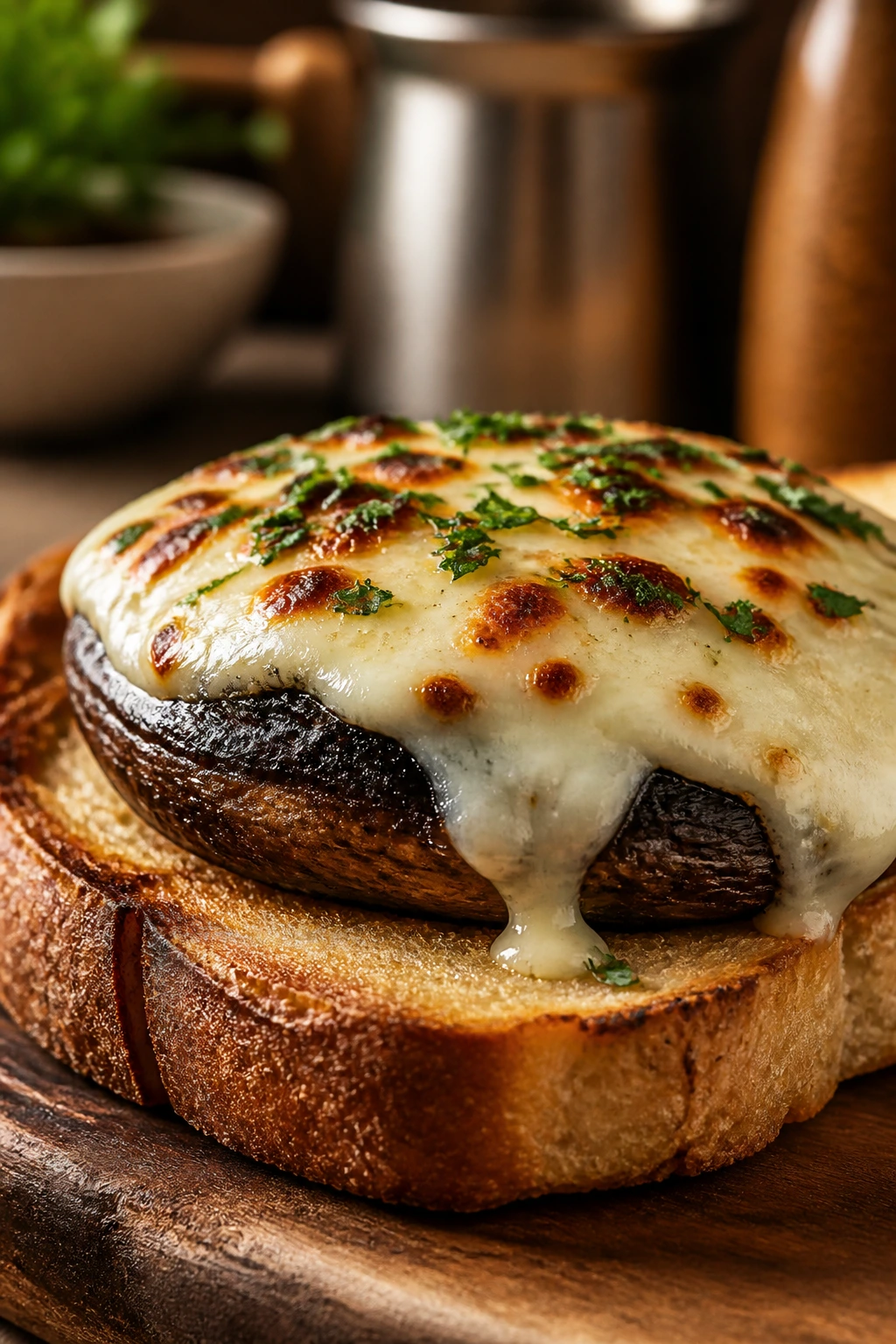
Portobello melts feel hearty in a way that surprises people who think mushrooms are too small a job for dinner. The mushroom caps turn meaty in texture, and melted cheese on top seals the deal.
Why It Works:
Large mushroom caps hold the sandwich ingredients without falling apart, and their savory flavor stands in nicely for a more substantial filling. Toasted bread underneath keeps the sandwich from becoming slippery.
Key Ingredients:
- 4 large Portobello caps
- 1 tablespoon olive oil
- 4 slices bread
- 1 cup shredded mozzarella
- 1 cup marinara sauce
- 1 teaspoon Italian seasoning
Quick Steps:
- Roast or sauté the mushrooms with oil until they release moisture and soften.
- Toast the bread lightly.
- Top each slice with sauce, mushroom, mozzarella, and seasoning.
- Broil 2 to 3 minutes until the cheese bubbles.
Equipment for This Recipe:
- Skillet or sheet pan
- Broiler-safe tray
- Knife
How to Serve This Dish:
Serve with a side salad or tomato soup if you want the plate to feel fuller. Cut the melts into halves or quarters for smaller hands.
Pro Tips for This Recipe:
- Remove the mushroom stems so the caps sit flat.
- Cook out some moisture before assembling or the bread gets soggy.
- Watch the broiler closely; cheese goes from melted to burnt in a minute.
Variations on This Dish:
- Pizza Melt: Add a few slices of pepper or olives.
- Provolone Version: Swap mozzarella for provolone if your kids like a sharper melt.
Common Mistakes to Avoid with This Recipe:
- Don’t leave the mushrooms wet; they’ll soak the bread.
- Don’t step away from the broiler.
47. Vegetable Pot Pie with Biscuit Topping
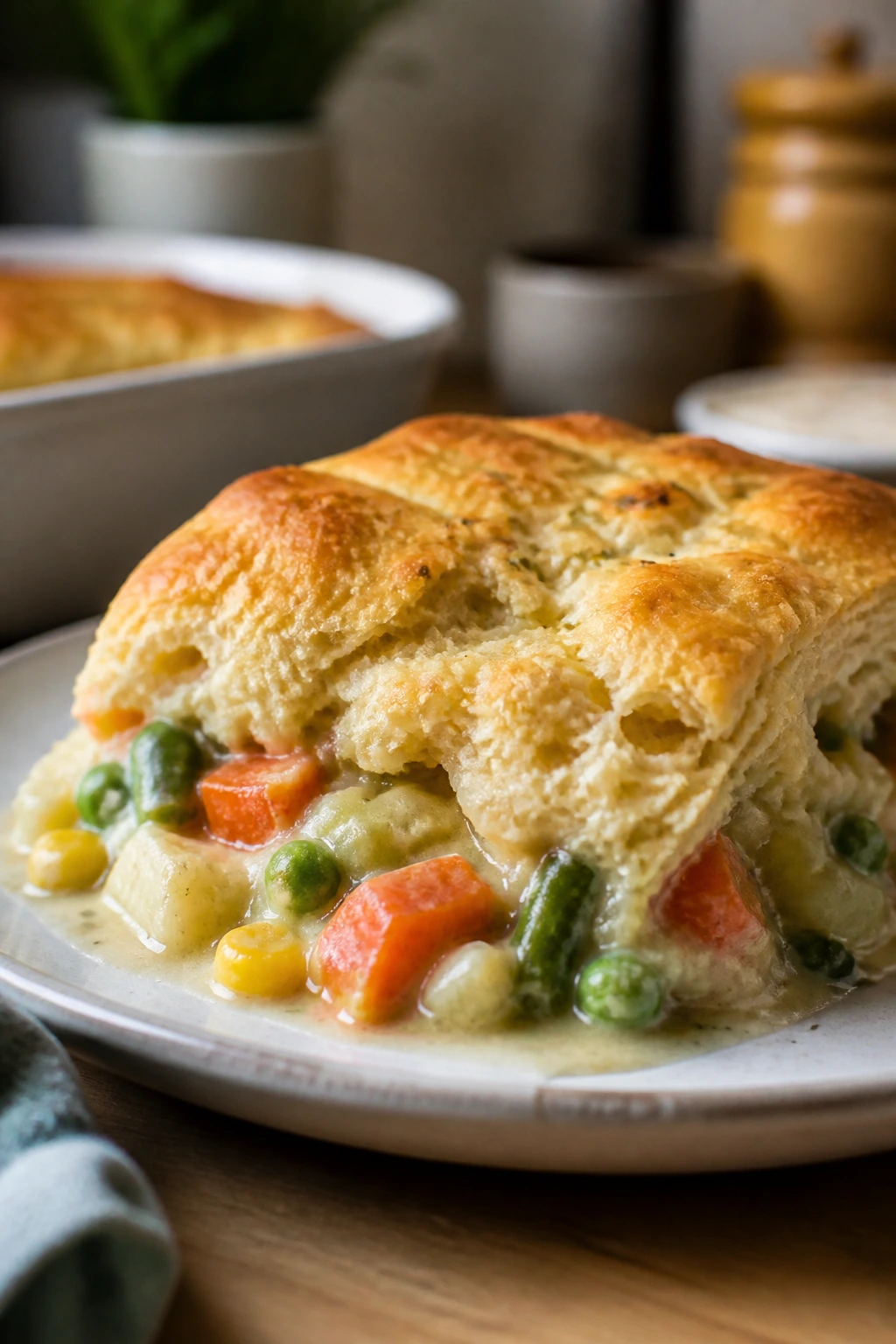
Pot pie is one of those meals that makes vegetables feel protected by a blanket, which sounds goofy but works. The biscuit top gives kids something golden and comforting, while the filling carries enough vegetables to keep the dish grounded.
Why It Works:
Creamy gravy plus biscuit topping is a hard combination to argue with. The vegetables soften in the sauce, so even kids who stare down peas are more likely to eat them once the pot pie is scooped.
Key Ingredients:
- 2 cups mixed vegetables
- 1 onion, chopped
- 2 tablespoons butter
- 2 tablespoons flour
- 1 ½ cups vegetable broth
- 1 cup milk
- 1 can biscuit dough
Quick Steps:
- Cook onion and vegetables in butter for 5 minutes.
- Stir in flour, then broth and milk, until thickened.
- Pour into a baking dish and top with biscuit dough.
- Bake at 400°F (205°C) for 20 to 25 minutes until the biscuits are golden.
Equipment for This Recipe:
- Skillet
- Baking dish
- Spoon
How to Serve This Dish:
Serve in shallow bowls so everyone gets a bit of biscuit and filling in each bite. It doesn’t need much else, though a crisp apple salad works if you want contrast.
Pro Tips for This Recipe:
- Thicken the filling before adding the biscuits or they sink.
- Cut large biscuit pieces so the top bakes through.
- Let it cool slightly so the filling doesn’t run everywhere.
Variations on This Dish:
- Mushroom Pot Pie: Add chopped mushrooms for deeper flavor.
- Sweet Corn Version: Add corn for a sweeter filling kids often like.
Common Mistakes to Avoid with This Recipe:
- Don’t leave the filling thin and watery.
- Don’t underbake the biscuits or the middle stays doughy.
48. Pasta Primavera with Lemon Butter
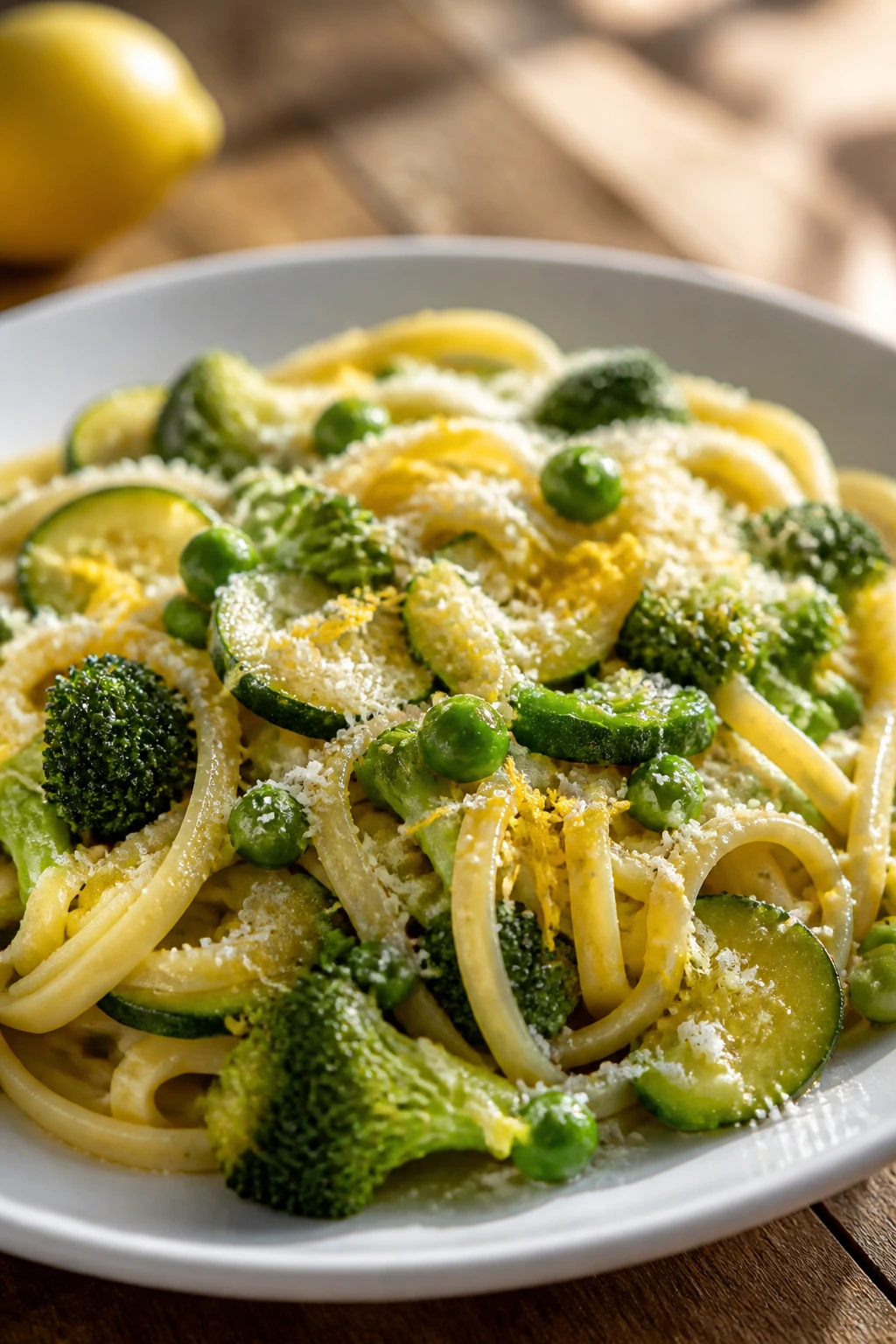
Primavera can be bland if it’s treated like a pile of vegetables with pasta nearby. Here, the lemon butter gives the vegetables a reason to taste bright, and the pasta gives the dinner enough weight to satisfy.
Why It Works:
This works because the sauce is light but not shy — butter, lemon, and cheese give every vegetable a glossy coating. Pasta keeps the dish from feeling too “healthy,” which is often the part that loses kids.
Key Ingredients:
- 12 ounces pasta
- 2 cups broccoli florets
- 1 zucchini, sliced
- 1 cup peas
- 3 tablespoons butter
- 1 lemon, zested and juiced
- ¼ cup Parmesan
Quick Steps:
- Cook pasta and broccoli together until just tender.
- Sauté zucchini briefly in butter.
- Toss pasta, broccoli, peas, lemon zest, juice, and Parmesan with the remaining butter.
- Serve warm with extra cheese.
Equipment for This Recipe:
- Large pot
- Skillet
- Colander
How to Serve This Dish:
Serve with grilled bread or a small salad if you want a little extra structure on the plate. This is one of the better dinners to serve family-style in a big bowl.
Pro Tips for This Recipe:
- Don’t overcook the vegetables; a little bite keeps the dish from turning mushy.
- Use the lemon zest, not just the juice, for a fuller flavor.
- Save some pasta water if the sauce needs loosening.
Variations on This Dish:
- Creamy Primavera: Stir in ¼ cup ricotta for a softer sauce.
- Tomato Primavera: Add halved cherry tomatoes for more sweetness.
Common Mistakes to Avoid with This Recipe:
- Don’t drown the pasta in butter. You want a light sheen, not a puddle.
- Don’t cook the vegetables until floppy.
49. Lentil Meatballs with Marinara
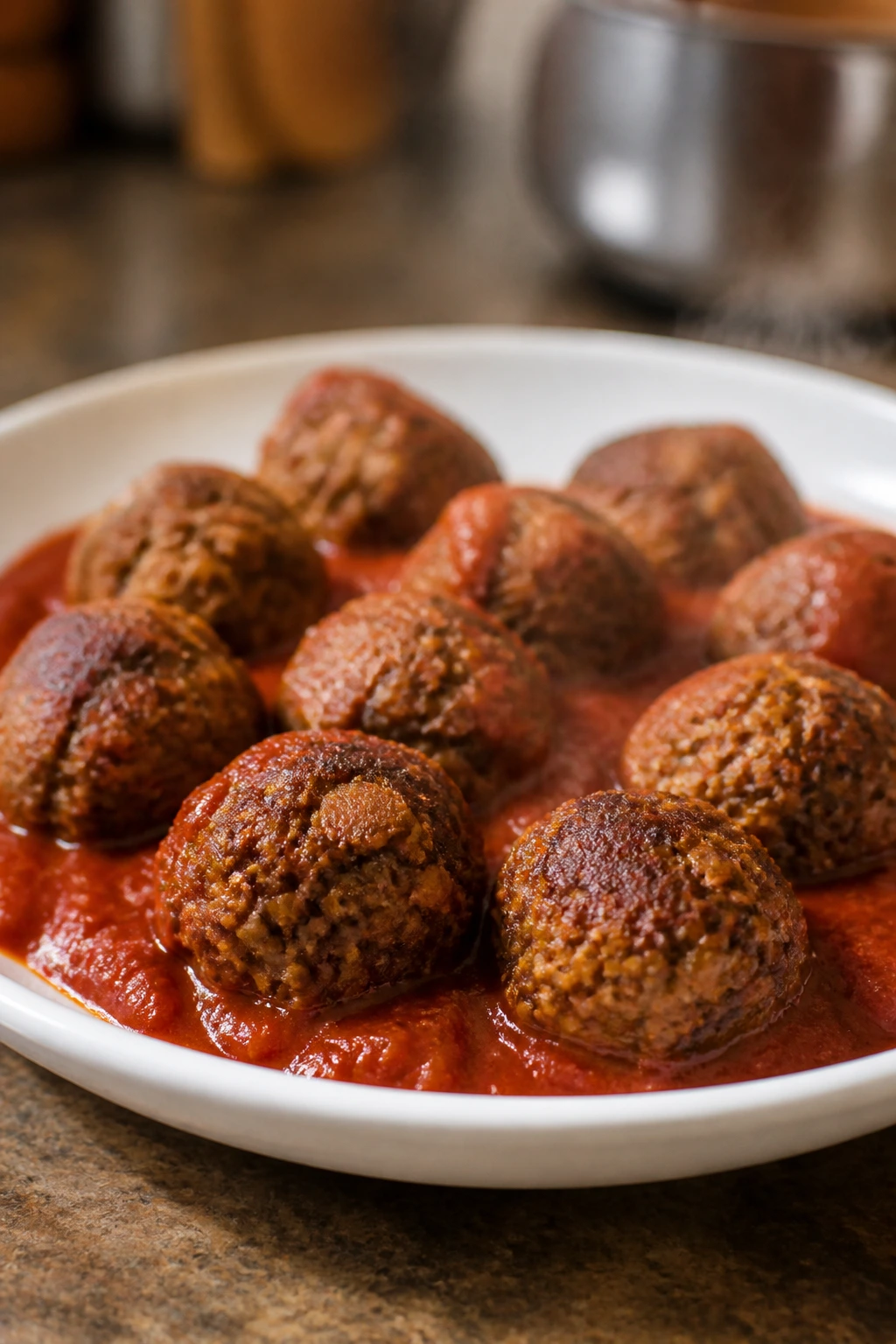
These lentil meatballs are the kind of vegetarian dinner that feels a little clever without being precious. They hold together, they brown, and they give spaghetti or polenta a solid, saucy partner.
Why It Works:
Lentils mash into a paste that can be shaped, but they still keep enough texture to feel substantial once baked. Marinara gives the meatballs a familiar lane, which helps the dish land with kids faster than a more adventurous dinner would.
Key Ingredients:
- 1 cup cooked lentils
- 1 cup breadcrumbs
- 1 egg
- ¼ cup Parmesan
- 1 teaspoon Italian seasoning
- 2 cups marinara sauce
- 1 tablespoon olive oil
Quick Steps:
- Mix lentils, breadcrumbs, egg, Parmesan, and seasoning.
- Shape into golf-ball-size meatballs and chill 10 minutes.
- Bake at 400°F (205°C) for 15 to 18 minutes, turning once.
- Warm in marinara before serving.
Equipment for This Recipe:
- Baking sheet
- Mixing bowl
- Spoon
How to Serve This Dish:
Serve over spaghetti, tucked into rolls, or with mashed potatoes if you want a softer dinner. Kids often do better with smaller meatballs than big ones.
Pro Tips for This Recipe:
- Make sure the lentils are dry enough to shape.
- Chill before baking so the meatballs hold together.
- Simmer gently in sauce after baking so they soak up flavor.
Variations on This Dish:
- Mushroom Lentil Balls: Add finely chopped sautéed mushrooms.
- Zucchini Version: Fold in squeezed grated zucchini for extra moisture.
Common Mistakes to Avoid with This Recipe:
- Don’t make the mixture too wet or the meatballs spread.
- Don’t skip the chill time if you want a clean shape.
50. Loaded Baked Potato Bar
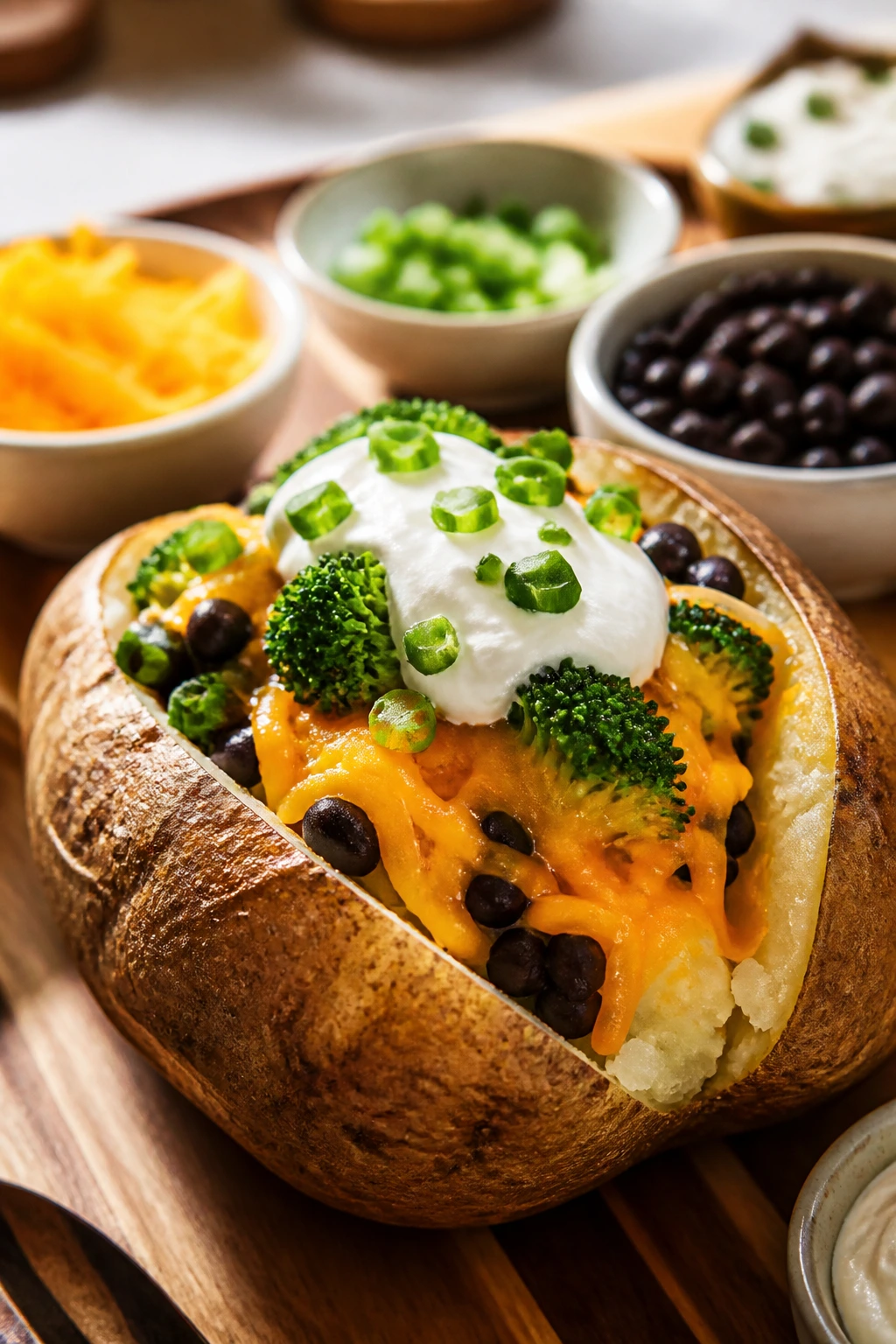
A baked potato bar is the easiest way to turn one vegetable into dinner without apology. Set out toppings, let people build their own, and you’ve got a meal that feels bigger than the ingredients list.
Why It Works:
Potatoes are filling on their own, and the topping bar lets kids choose their own level of adventure. Cheese, beans, broccoli, sour cream, and scallions give enough options that the dinner can please a picky eater and an adult at the same table.
Key Ingredients:
- 4 russet potatoes
- 1 cup shredded cheddar
- 1 cup steamed broccoli
- 1 can black beans, warmed
- ½ cup sour cream or Greek yogurt
- 2 scallions, sliced
- 2 tablespoons butter
Quick Steps:
- Bake potatoes at 400°F (205°C) for 50 to 60 minutes until soft.
- Split and fluff with butter.
- Set out toppings in small bowls.
- Let everyone build their own potato.
Equipment for This Recipe:
- Baking sheet
- Small bowls
- Fork
How to Serve This Dish:
Serve family-style and keep the toppings warm if you can. One potato usually handles a child portion, while adults may want a large potato or two smaller ones.
Pro Tips for This Recipe:
- Use russets for the fluffiest interior.
- Cut broccoli very small so it sits well on the potato.
- Warm the beans before serving so the toppings don’t cool the potato fast.
Variations on This Dish:
- Southwest Bar: Add salsa, corn, and avocado.
- Pizza Potato: Use marinara and mozzarella instead of cheddar and beans.
Common Mistakes to Avoid with This Dish:
- Don’t underbake the potatoes or the bar falls flat.
- Don’t use too many cold toppings at once; the potato goes lukewarm fast.
Why Meatless Dinners Work Better When They’re Built Like Real Meals
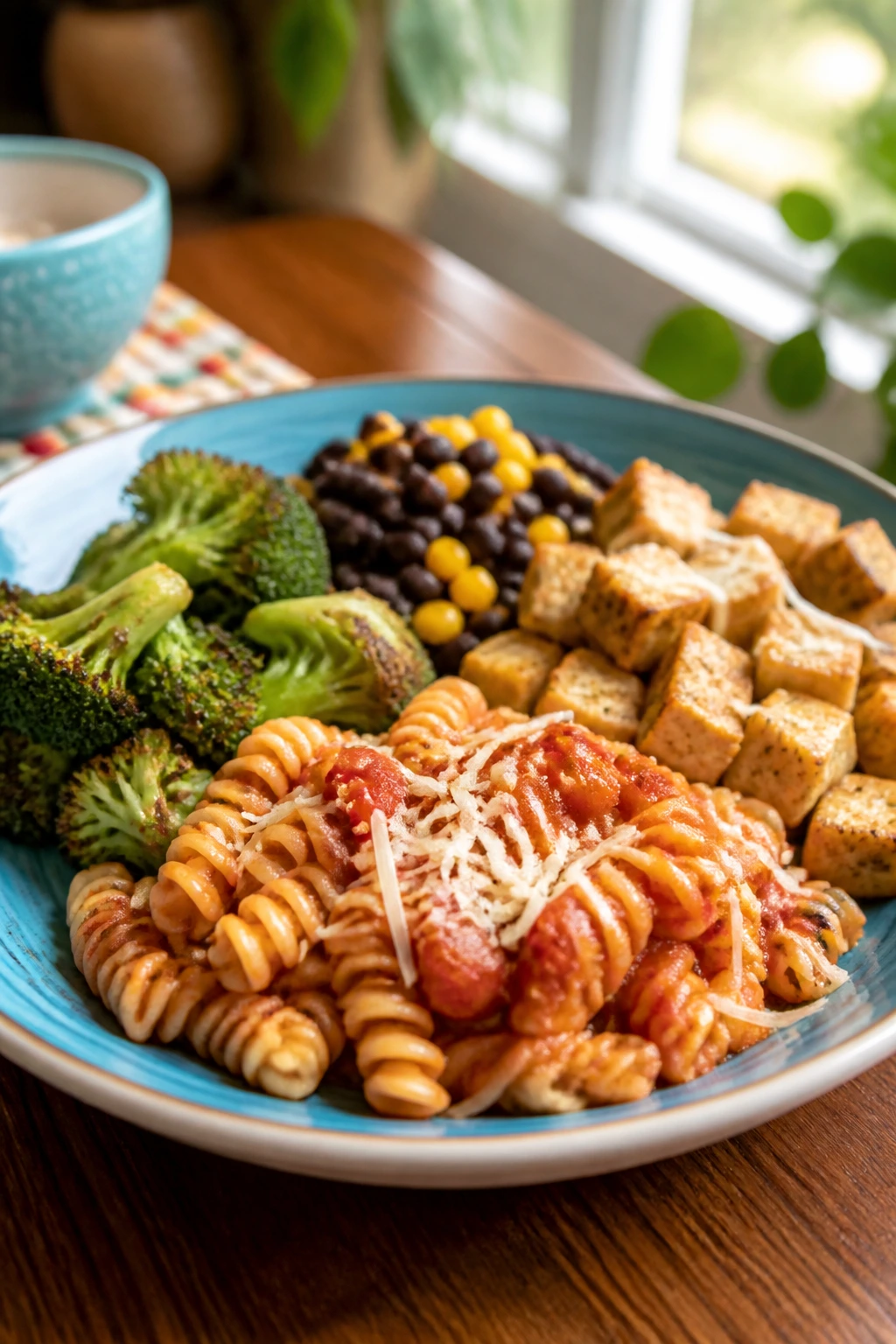
The best vegetarian dinners for kids don’t try to win by being virtuous. They win by being structured. A bowl of vegetables on its own usually feels like a side dish, which is why so many families hit a wall there. Add pasta, rice, tortillas, potatoes, beans, eggs, cheese, or tofu, and the whole thing starts behaving like dinner instead of a test of will.
Texture matters just as much as protein. Kids tend to trust food that gives them at least two contrasts — crisp and soft, creamy and chewy, saucy and browned. That’s why a baked potato bar lands more easily than plain roasted vegetables, and why a quesadilla or casserole often works better than a pile of sautéed broccoli. Familiar shape lowers resistance. Good seasoning keeps the plate from tasting like homework.
I also think leftovers matter more than people admit. A meatless dinner that becomes lunch the next day saves time, money, and the kind of midweek frustration that makes everyone cranky. Beans, pasta bakes, curries, and soups are especially good at this. They don’t dry out the way some meat dishes can, and they usually taste deeper after a night in the fridge.
Essential Equipment for These Recipes
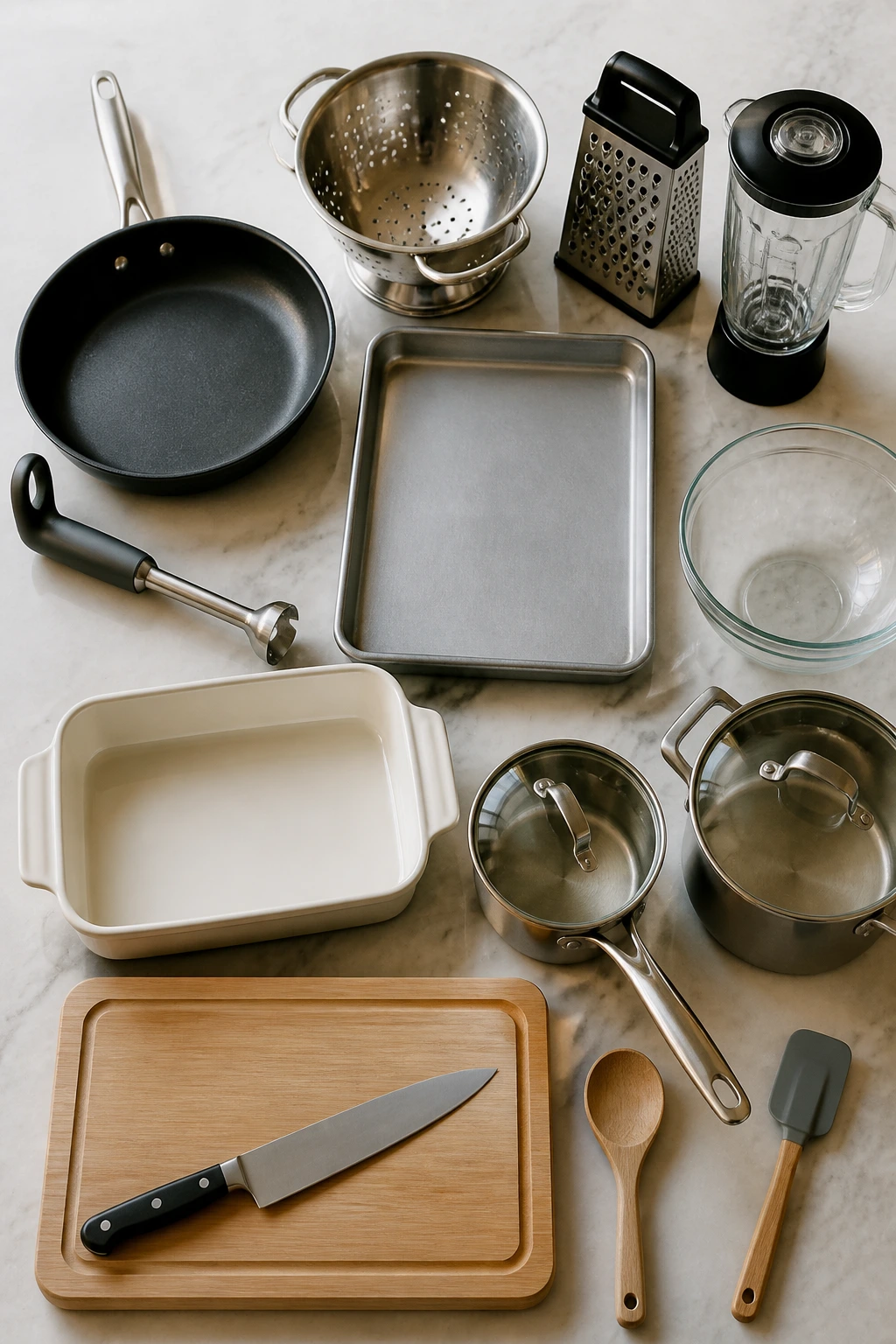
- Large skillet or sauté pan: Useful for quesadillas, fried rice, tofu bowls, and anything that needs quick browning.
- Rimmed sheet pan: The workhorse for roasting vegetables, baking tots, falafel, and sheet-pan dinners.
- 9×13-inch baking dish: Good for casseroles, stuffed shells, pot pie, enchilada bakes, and layered dinners.
- Medium and large saucepans: Handy for soups, sauces, lentils, and anything that needs a steady simmer.
- Colander: Needed for pasta, tortellini, potatoes, and noodles; no substitute really behaves as well.
- Box grater: Useful for cheese, zucchini, carrots, and anything you want to disappear into a batter or sauce.
- Immersion blender or countertop blender: Optional, but valuable for soup and hidden-veggie sauces.
- Mixing bowls: Keep at least two on hand so fillings, batters, and sauces don’t fight for space.
- Spatula and wooden spoon: One for flipping, one for stirring; both get used constantly.
- Sharp knife and cutting board: Small, even pieces make kid dinners easier to eat and faster to cook.
Smart Shopping and Ingredient Tips
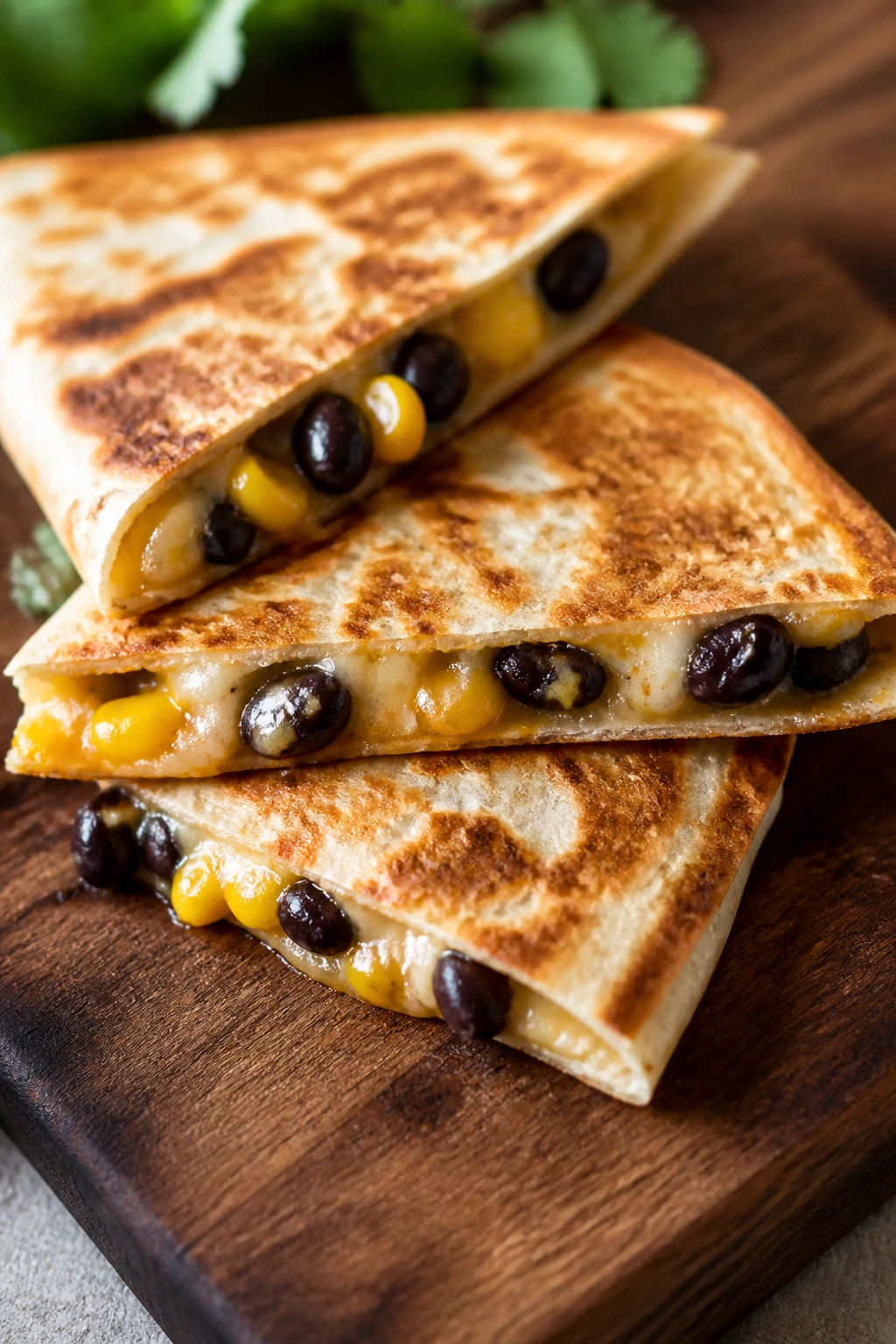
A few shopping choices make meatless dinners for kids taste more like dinner and less like a compromise. Start with vegetables that behave well under heat: broccoli, cauliflower, carrots, zucchini, sweet potatoes, mushrooms, onions, and peppers all soften into something useful without turning to mush. Frozen peas and corn are worth keeping around because they’re sweet, quick, and easy to fold into pasta, rice, soups, and casseroles.
Beans are your quiet power move. Canned black beans, pinto beans, cannellini beans, and chickpeas are all reliable, but rinse them unless the recipe needs the canning liquid. That quick rinse knocks down the metallic edge and gives you a cleaner flavor. For lentils, brown or green hold shape better than red in things like sloppy joes, chili, and meatballs.
Cheese matters more than people want to admit. If you want a smooth melt, block cheese grated at home usually behaves better than pre-shredded bags, which can be coated with starch. Still, if the bagged stuff is what you’ll actually use, use it. Dinner is not a purity contest. For tortillas, smaller ones are easier for kids to hold. For pasta, short shapes like shells, elbows, and rotini trap sauce better than long strands when you’re feeding smaller eaters.
How to Serve These Recipes
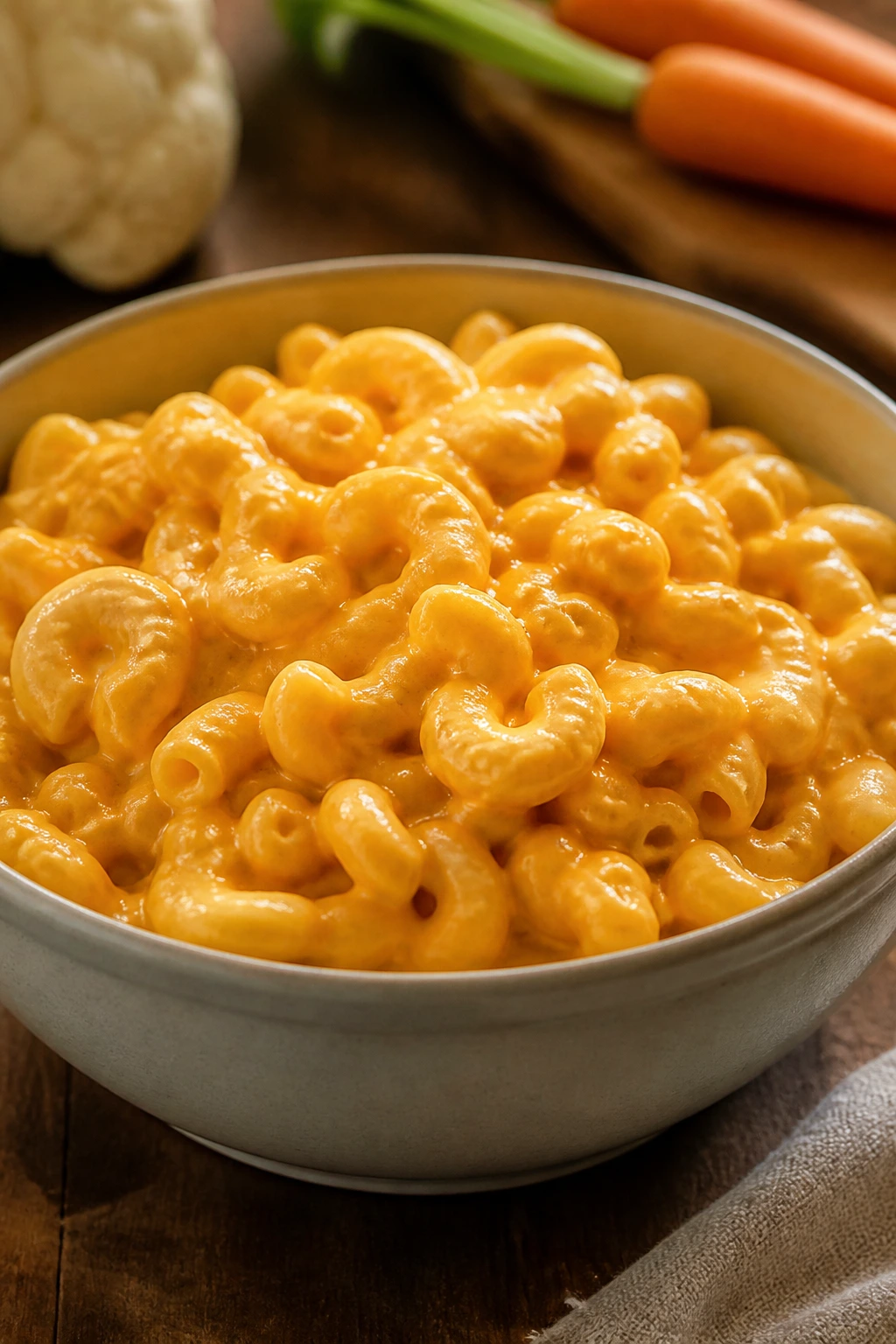
Presentation: Put the food in bowls, on sheet pans, or on plates with defined portions instead of dumping everything in one loose heap. Kids usually eat better when they can see the shape of the meal — a taco, a square of casserole, a handful of pasta, a potato split open and loaded.
Accompaniments: Keep the sides simple and familiar: cucumber sticks, apple slices, grapes, toast, garlic bread, roasted carrots, or a small salad that doesn’t demand much. For richer dishes like mac and cheese or pot pie, a crisp fruit or cold vegetable side helps the plate feel less heavy.
Portions: Younger kids usually do well with one modest serving and the option to ask for more. A quesadilla cut into wedges, a bowl of soup with toast, one stuffed sweet potato, or a small scoop of pasta is often enough if the meal has beans, cheese, or eggs built in.
Beverage Pairing: Cold milk is the classic move for cheesy pasta or baked casseroles. For everything else, water with lemon or a very lightly sweetened iced tea keeps the meal from feeling overly sugary or flat.
Additional Tips and Flavor Boosters
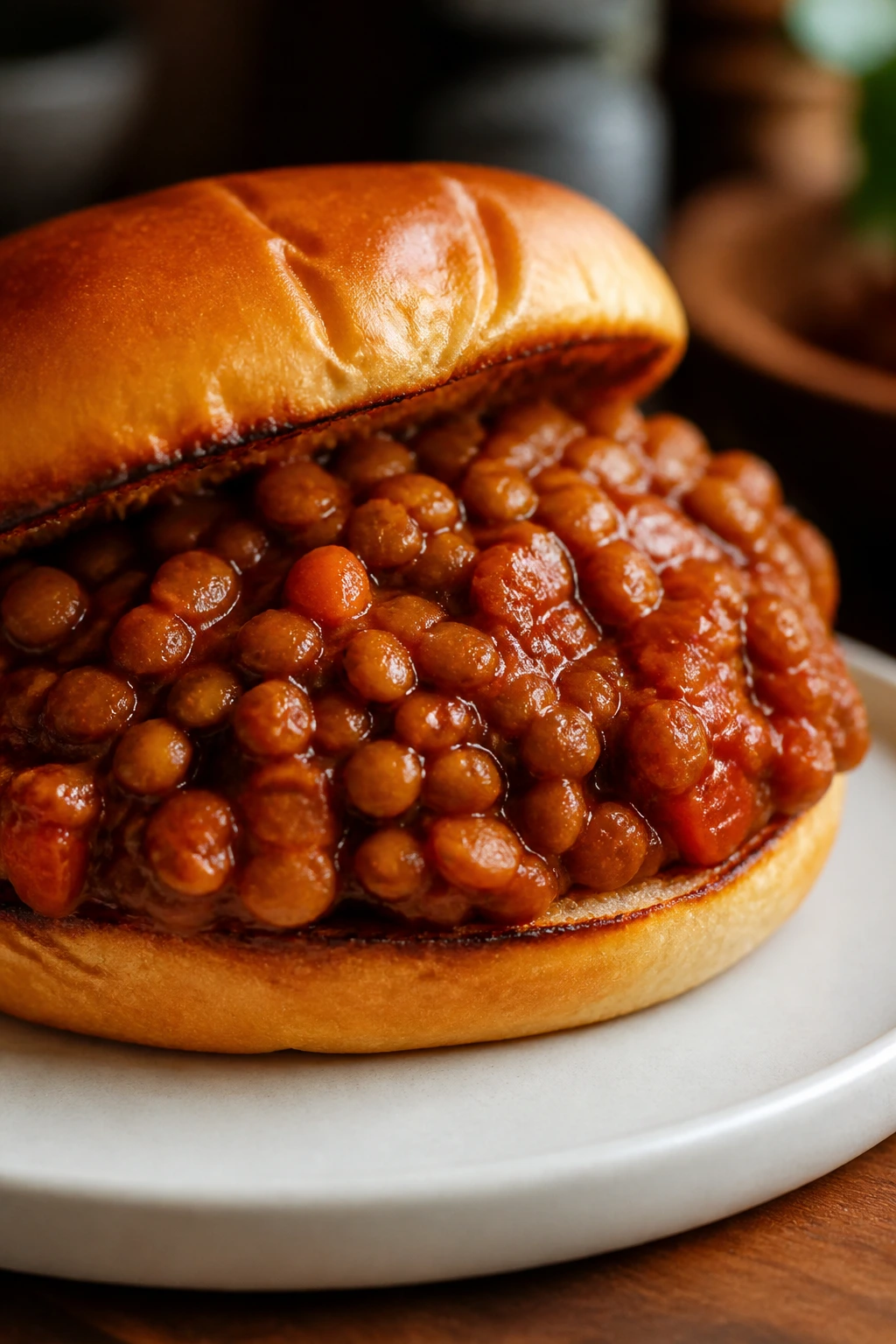
Flavor Enhancement: A small amount of acid makes meatless dinners taste more finished. A squeeze of lemon, a spoon of salsa, a splash of vinegar, or a little yogurt on top can wake up beans, rice, potatoes, and cheese dishes fast.
Customization: Let kids add one topping themselves. Shredded cheese, scallions, crackers, tortilla chips, chopped cucumber, or a dollop of yogurt gives them a tiny job at dinner, and that usually buys you a little more cooperation.
Serving Suggestions: Crisp edges are worth chasing. Broil the top of a casserole, toast the buns, brown the tortillas, or roast the vegetables until you get a few dark spots. Those browned bits carry a lot of the flavor kids remember.
Make-It-Yours: For dairy-free meals, use olive oil, tahini, or dairy-free yogurt in place of cream and cheese where it makes sense. For gluten-free plates, rely on rice, potatoes, corn tortillas, or gluten-free pasta rather than trying to force a bread substitute into every recipe.
Make-Ahead, Storage, and Reheating Guidance
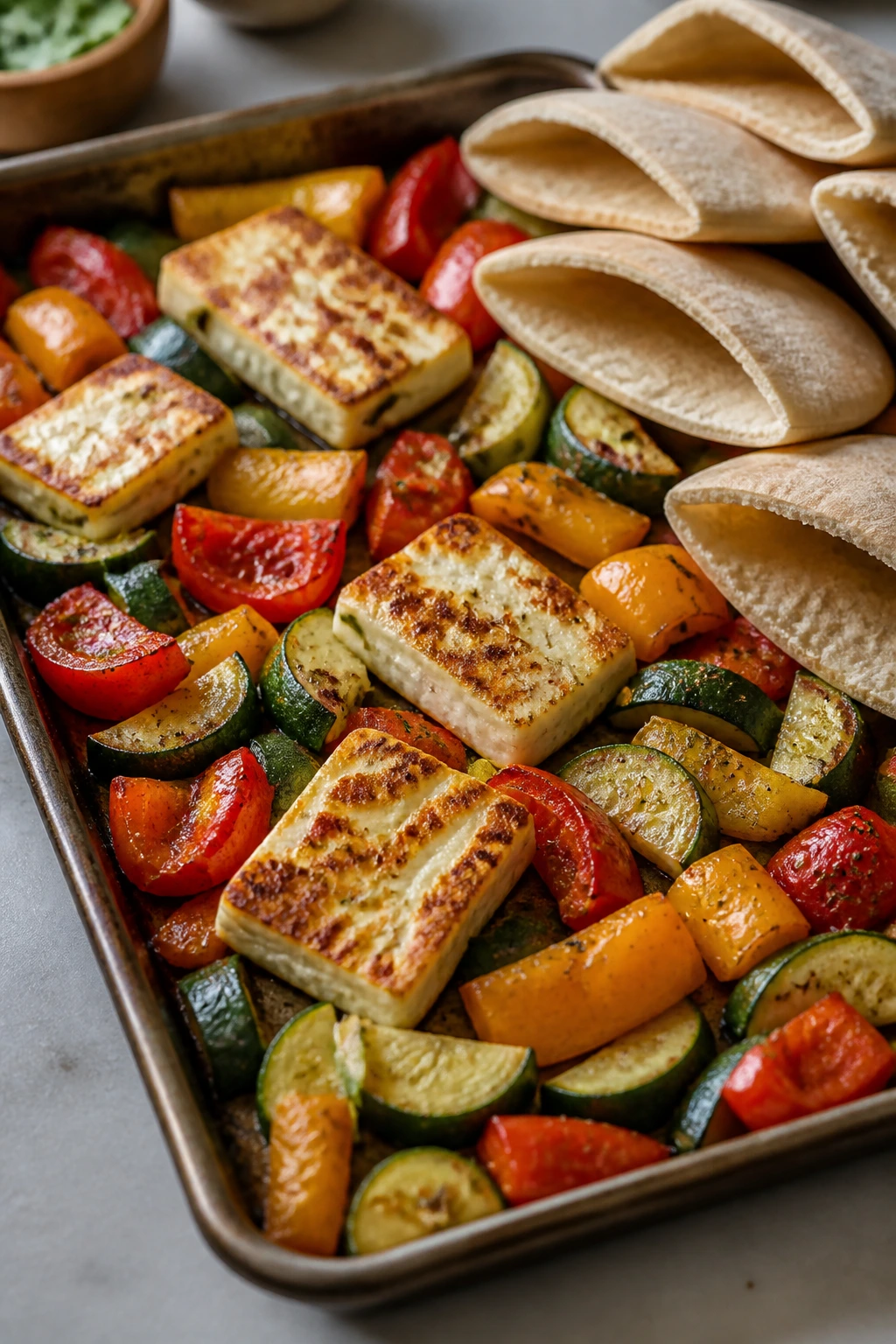
Most saucy vegetarian dinners keep well in the fridge for 3 to 4 days in airtight containers. Casseroles, chili, lentil sauces, and soups often taste even better after a night’s rest because the flavors settle and thicken a bit. Rice dishes and pasta bakes should be cooled quickly and refrigerated within 2 hours of cooking so they stay safe and don’t dry out.
Freezing works well for lentil sloppy joes, chili, shepherd’s pie, enchilada casserole, pasta sauce, and many soups. Pack them in shallow containers for up to 2 months in the freezer; after that, the texture starts to fall off. Quesadillas, fritters, and puff pastry pockets are better fresh, though you can freeze them if you accept that the crispness will be weaker after reheating.
For reheating, use the oven at 350°F (175°C) for casseroles, pot pie, stuffed shells, and baked pasta. Cover loosely with foil so the top doesn’t dry out, then uncover for the last few minutes if you want color. On the stovetop, soups, chili, and sauces should be reheated over medium-low heat with a splash of broth or water if they’ve thickened too much. Microwave works fine for rice bowls, baked potatoes, and burritos, but stop once or twice to stir or rotate the food so it heats evenly.
Variations and Adaptations to Try
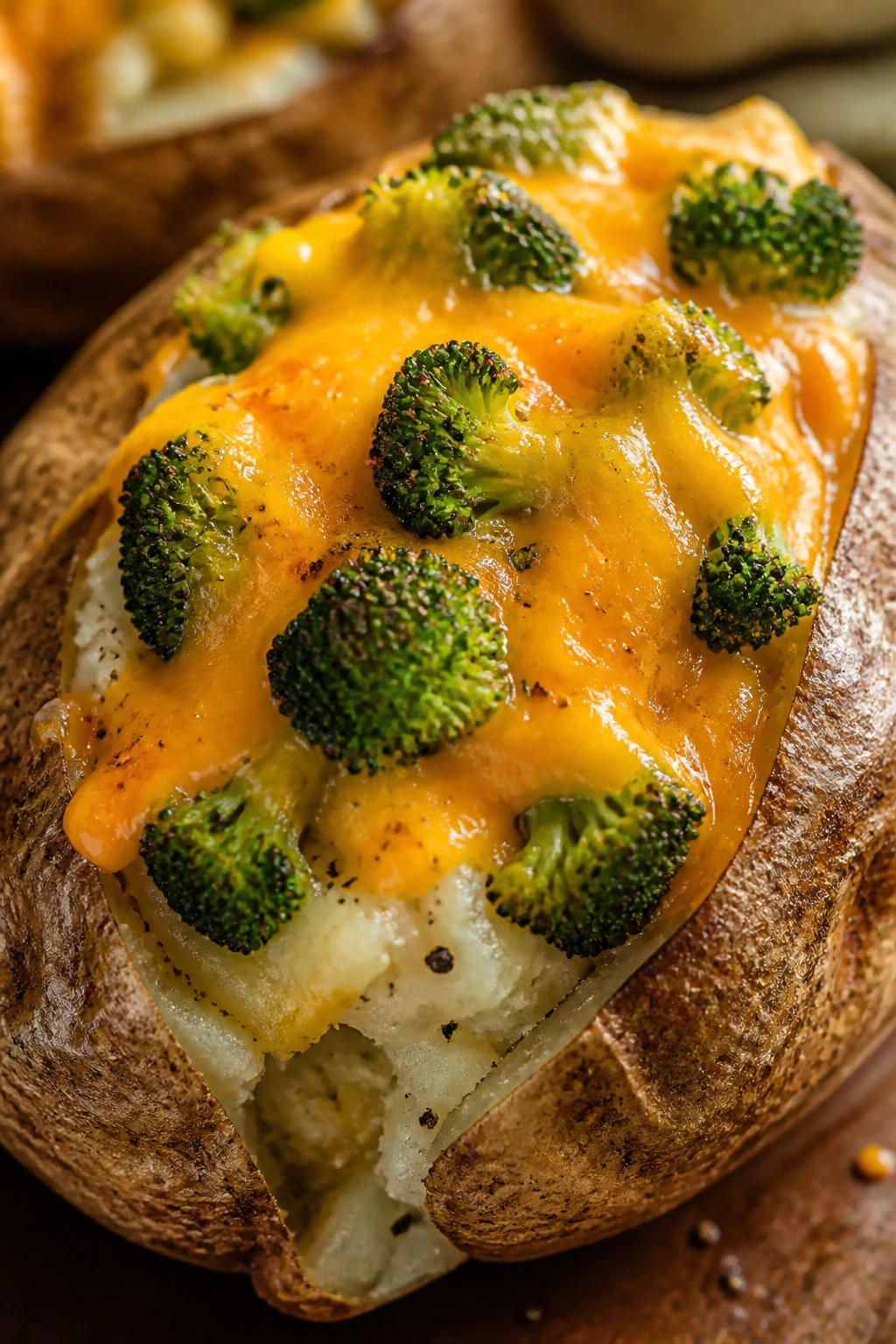
Gluten-Free Switchboard: Corn tortillas, rice, potatoes, polenta, gluten-free pasta, and rice noodles can stand in for wheat-based parts without making dinner feel sparse. Use the same sauces and fillings; the base is what changes.
Dairy-Free Comfort: Coconut milk, olive oil, tahini, and dairy-free yogurt cover a lot of ground here. Coconut curry, lentil chili, rice bowls, and hummus wraps are especially easy to adapt without losing body.
Bean-Forward Protein Boost: If your table likes beans, lean in harder. Add extra chickpeas to curry, more black beans to tacos and burritos, or white beans to soups and casseroles. Beans make the plate feel fuller without changing the flavor much.
Tiny-Kid Mild Mode: Keep spice low, chop vegetables smaller, and offer sauces on the side. Kids are often more open to eating the same dinner when they can control the heat, the dip, or the topping.
Crunch Add-On: Toasted breadcrumbs, crushed crackers, tortilla chips, or a quick broil can fix a soft dinner. Texture is a major reason kids lose interest, and a little crunch changes the whole mood.
Adult-Table Upgrade: Set out hot sauce, pickled onions, chili oil, lemon wedges, or extra herbs separately. That way, the same dinner can stay mild on one plate and sharper on another without making two meals.
Common Mistakes to Avoid
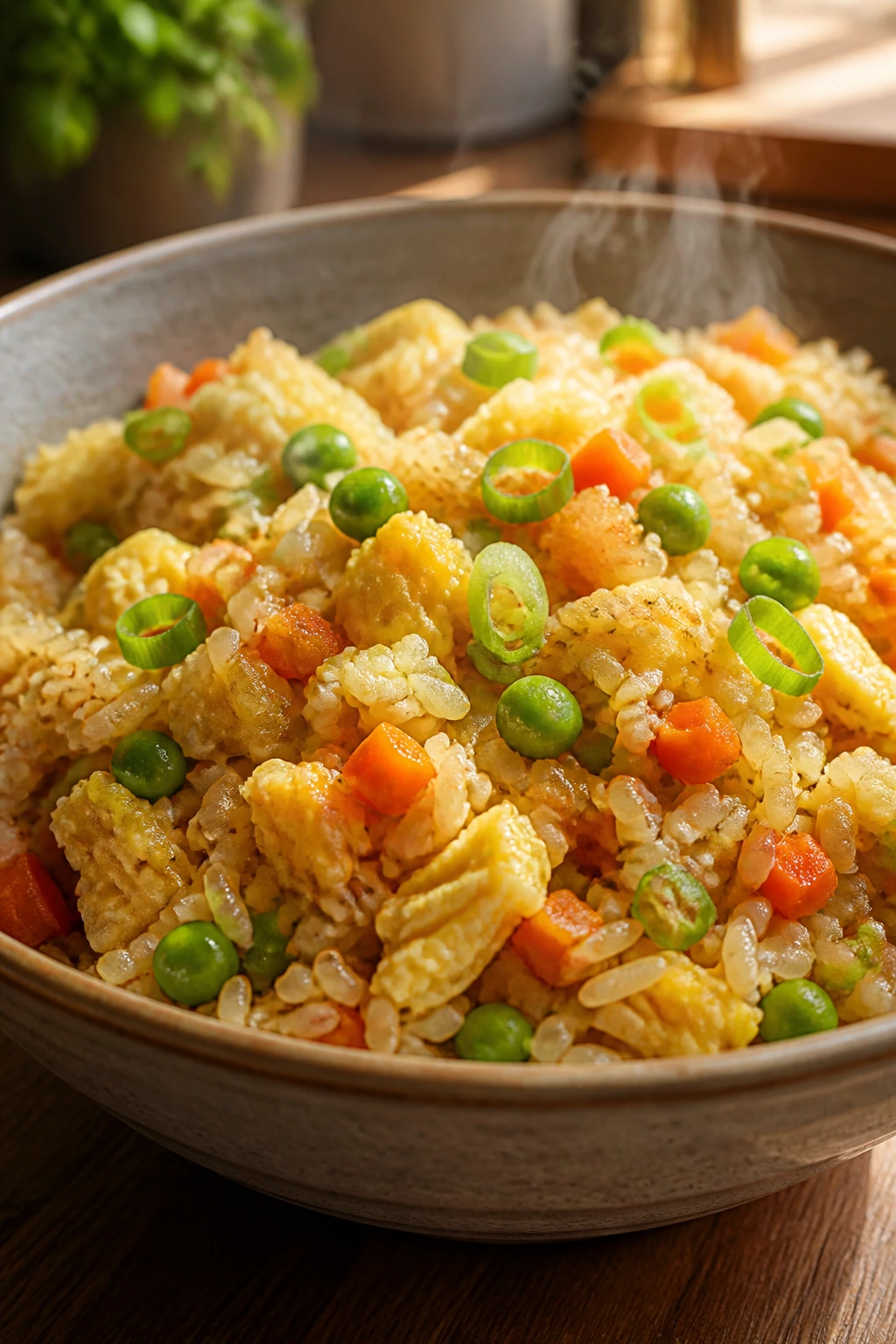
The biggest mistake is building a plate that looks like a side dish. A pile of vegetables, even good ones, usually doesn’t satisfy kids for long. The fix is to anchor every dinner with one familiar base — pasta, rice, bread, potatoes, tortillas, noodles, or a baked crust — and then add vegetables into that structure.
Another common problem is skipping the fat or salt that makes vegetarian food taste finished. Beans, grains, and vegetables need help. Butter, oil, cheese, yogurt, pesto, soy sauce, broth, and even a little lemon or vinegar all make the food read as dinner instead of boiled ingredients. If a dish tastes flat, it usually needs one of those things, not more vegetables.
Texture mistakes cause a lot of dinner battles. If everything is soft, kids tune out. If everything is raw or crunchy, they may reject it. The fix is contrast: crispy tops on casseroles, browned edges on vegetables, creamy sauces under pasta, or a crunchy side next to soup. Good kid dinners usually have at least two textures working at once.
Finally, don’t cut vegetables too large. Big chunks slow cooking, make bites awkward, and turn into little rejection magnets at the table. Small, even pieces disappear into sauces and bakes much more easily. That’s not hiding food. That’s just making it easier to eat.
Frequently Asked Questions
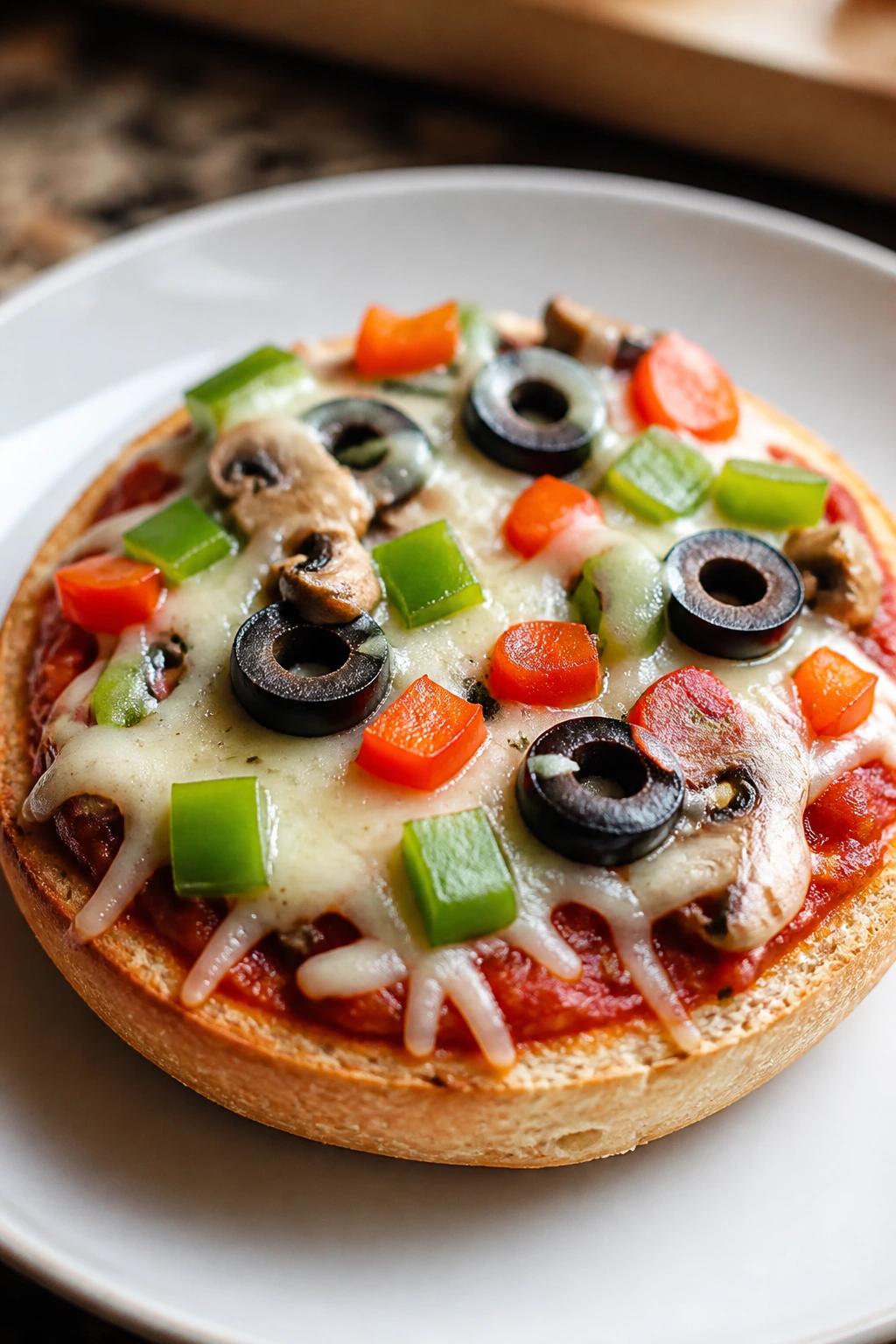
How do I make veggie dinners filling enough for kids without meat?
Use a real base and then build around it. Beans, lentils, eggs, tofu, cheese, potatoes, pasta, and rice all add enough heft that the meal stops feeling thin.
Which of these recipes are best for picky eaters?
Quesadillas, mac and cheese, pizza bagels, loaded potatoes, fried rice, and burritos usually land well because they use familiar shapes. When kids trust the form of the food, they’re more willing to try the filling.
Can I use frozen vegetables in these dinners?
Yes, and in a lot of cases they’re the smarter choice. Frozen peas, corn, spinach, and broccoli hold up well and save time, though you should thaw and drain extra moisture when the recipe needs a crisp or thick result.
What’s the best vegetarian protein if my kids won’t eat beans?
Eggs, cheese, tofu, yogurt, and lentil-based sauces are easier entry points for many kids. If beans are a hard sell, start with dishes where they’re blended into a sauce or tucked inside something familiar.
How do I keep vegetarian casseroles from turning watery?
Cook or drain the vegetables first, keep sauces thick before baking, and don’t overload the dish with raw watery vegetables like zucchini or mushrooms. Letting the casserole rest after baking also helps it firm up.
Can I make these recipes ahead for busy nights?
Absolutely. Casseroles, soups, chili, lentil sauces, and rice bowls are the strongest make-ahead picks. Assemble or cook them a day early, then reheat gently so the texture stays close to fresh.
What if my child hates visible vegetables?
Start with hidden or blended forms like mac and cheese with cauliflower, tomato soup with tortellini, lentil Bolognese, or pureed soups. Then move toward smaller visible pieces inside familiar foods, such as peas in pasta or finely chopped broccoli in rice.
Which recipes freeze best?
Lentil sloppy joes, chili, shepherd’s pie, bean casseroles, and tomato-based sauces freeze well. Fritters, quesadillas, and puff pastry pockets are better fresh because they lose some crispness after thawing.
The Dinners Worth Repeating
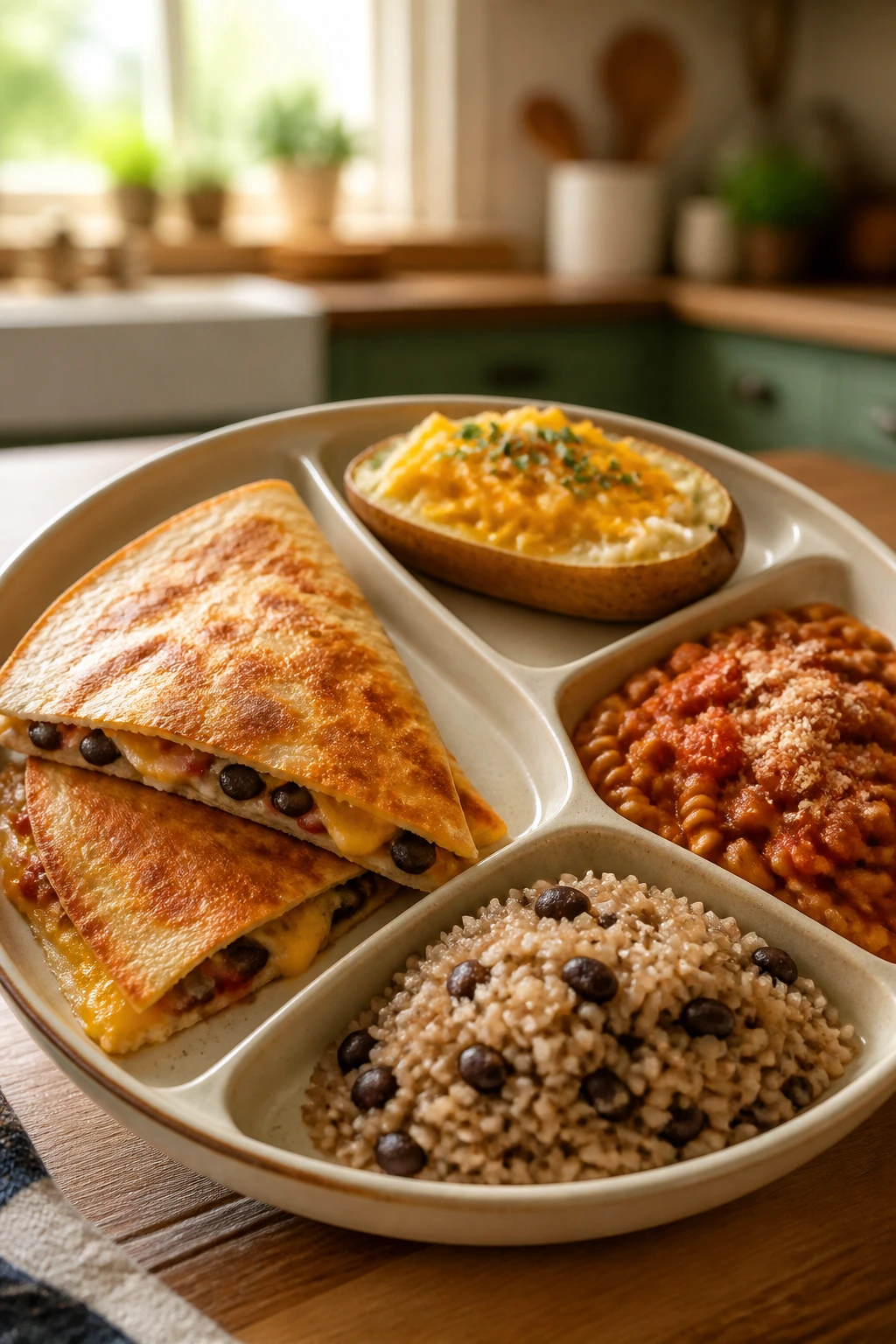
The best part of a meatless kid dinner rotation is that it stops feeling like a workaround once you have enough solid options. A cheesy quesadilla, a baked potato, a lentil pasta, and a rice bowl can all hit the same goal from very different angles. That flexibility matters more than chasing one perfect recipe.
I’d keep a few of these in constant rotation: one pasta bake, one soup, one handheld dinner, one potato dinner, and one rice or bean skillet. That mix covers the moods kids bring to the table — tired, hungry, suspicious, scattered, delighted by cheese, all of it.
And if a dinner gets rejected, don’t read that as a verdict on meatless cooking. Read it as a cue to change the shape, the sauce, or the texture. That’s usually where the win is hiding.