



Crispy vegan BBQ works only when the crust gets there first.
That first bite should give you a thin, browned snap before the sauce hits your tongue. Smoke, vinegar, molasses, black pepper, maybe a little heat if you like it — all of that should sit on top of texture, not erase it. Too many vegan barbecue dinners go soft because the sauce gets dumped on too early, the pan is crowded, and the vegetables steam themselves into submission. Nobody needs that.
What makes this style of dinner worth your time is that it solves a real problem: you want something that feels rich and satisfying, but you do not want a plate that lands heavy and greasy. The smartest version leans on dry heat, a light starch coating, and sauce added at the end, so you get browned edges, a clean bite, and enough vegetables on the plate to make the meal feel balanced instead of bloated.
And yes, it can still taste like barbecue. The trick is treating barbecue as a finish, not a bath.
Why Crisp Matters More Than Sauce
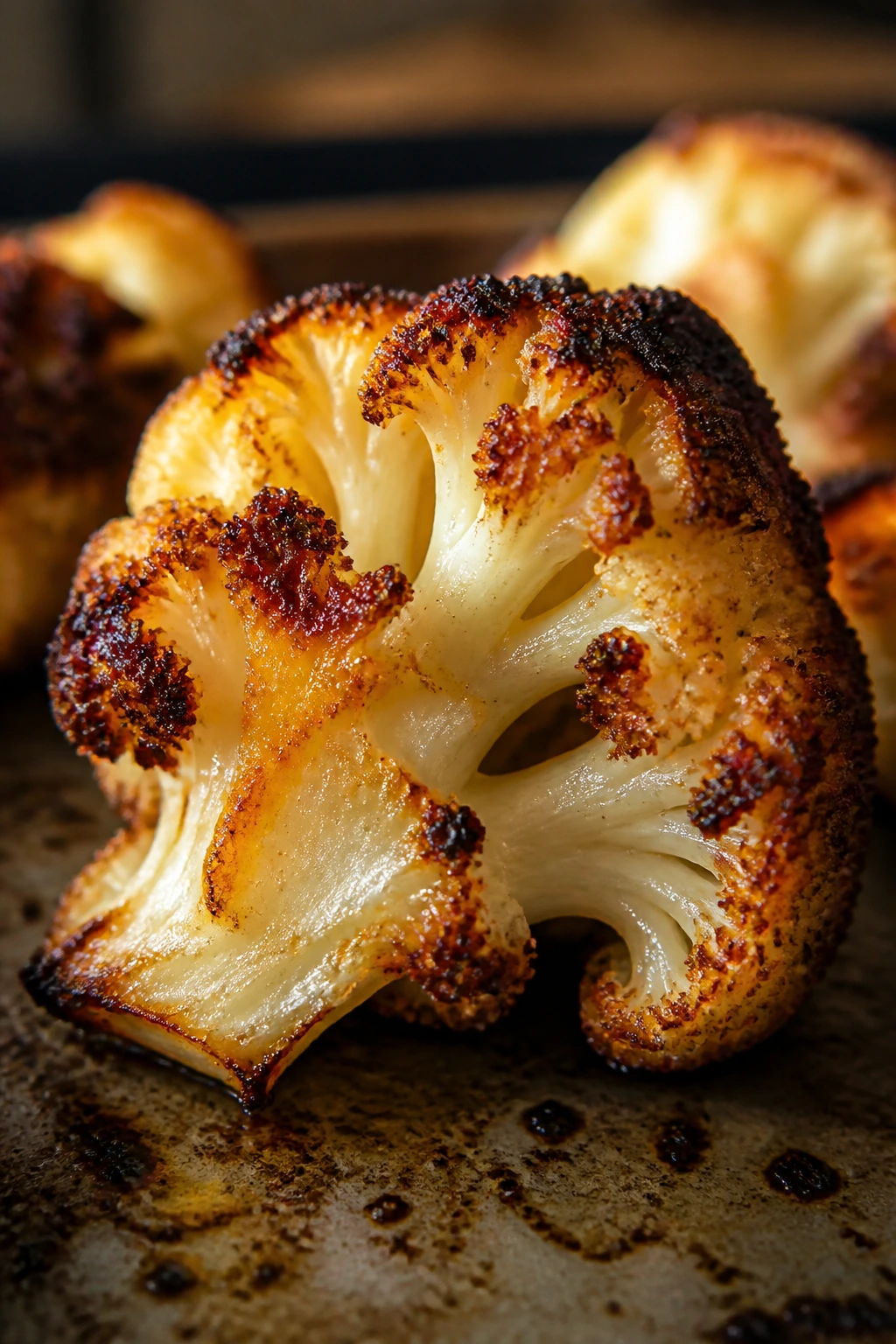
Crisp first, sauce second. That is the whole game here. When a wet glaze hits a raw surface, steam gets trapped and the outside softens before it can brown. When a dry surface goes into a hot oven or air fryer, the moisture evaporates fast enough for the edges to turn gold, a little rough, and deeply savory.
The best crispy vegan BBQ has texture in layers. A block of extra-firm tofu gives you chew. Cauliflower gives you brittle edges and soft centers. Tempeh brings a nutty, almost bouncy bite that stands up to thick sauce. Seitan behaves more like meat in the mouth, which is useful if that is the finish you want. Each one eats differently, and each one needs a slightly different approach.
There is also a small truth people skip over: barbecue sauce is not just flavor. It is water, sugar, acid, and spice. If you pour it on too early, the sugar darkens before the surface crisps, and the acid keeps the outside from drying cleanly. That is why a sticky, glossy tray can taste good and still feel dull.
One clean sentence for the whole method: dry surface, hot oven, sauce at the end. Everything else hangs off that.
What the heat is really doing
A 425°F oven or a 390°F air fryer is not magic. It simply moves moisture off the surface fast enough for browning to happen before the food has time to stew in its own steam. That is why pieces with flat sides, rough torn edges, or a light cornstarch dusting brown better than smooth, wet chunks.
If you ever wondered why the crisp shell disappears under sauce, that is usually the reason. The food was not crisp enough before the glaze went on. Not enough dry heat. Not enough space. Not enough patience for the last five minutes.
The Plant-Based Bases That Brown Instead of Collapse
Extra-firm tofu is the most dependable base. It is cheap, it presses well, and it takes on smoke and spice without falling apart. Press it for 15 to 20 minutes, or blot it hard with towels if you are impatient, then tear it into rough chunks instead of cutting neat cubes. Tearing gives you more ridges, and ridges brown better than smooth edges.
Cauliflower is the showier option. It does not bring much protein, so it needs a partner on the plate, but it gives you those charred tips that catch sauce in little pockets. Keep the florets dry, cut some of them with flat sides so they sit against the pan, and do not drown them in oil. A light coat is enough.
Tempeh is the sleeper hit. It has a firmer bite than tofu, a nutty flavor that works with sweet-smoky sauce, and less water to fight with. Steam it for 8 to 10 minutes before cooking if you want to mellow the faint bitterness some brands carry. That small step makes a bigger difference than people expect.
Seitan is the nearest thing to a barbecue tray you would find at a cookout, only without the meat. It browns fast and takes sauce well, but it can get chewy if you overcook it. Use it when you want slices or strips with a hearty bite, not when you want delicate crispness.
Choosing your base by texture
- For the crispiest edges: tofu and cauliflower.
- For the chewiest bite: tempeh and seitan.
- For the lightest plate: cauliflower.
- For the most filling dinner: tofu plus a starch like roasted sweet potatoes or brown rice.
Jackfruit deserves a quick mention because it shows up in a lot of vegan barbecue talk. It shreds well, sure, but it does not bring much crunch. If crispy is the point, jackfruit is not the first thing I would reach for.
The Sheet-Pan Method I Trust for Crispy Vegan BBQ
A clean sheet pan is still the easiest route to a crispy vegan BBQ dinner. It gives you direct heat, room for the pieces to breathe, and enough surface area to make the food brown instead of sweat. You do not need a deep bake dish. That would trap steam, and steam is the enemy here.
Here is the working formula I like when I want dinner to feel straightforward rather than fussy.
Base ingredients for one pan:
- 1 block extra-firm tofu, about 14 to 16 ounces, pressed and torn into chunks, or 1 medium head cauliflower cut into florets, or 8 to 10 ounces tempeh sliced into slabs
- 1 to 2 tablespoons neutral oil
- 1½ tablespoons cornstarch
- 1 teaspoon smoked paprika
- 1 teaspoon garlic powder
- ½ teaspoon onion powder
- ½ teaspoon fine salt
- ¼ teaspoon black pepper
- ½ to ¾ cup BBQ sauce, depending on how saucy you like it
- 1 to 2 teaspoons vinegar, pickle brine, or lemon juice for finishing
Step 1: Dry the base properly
Press tofu for 15 to 20 minutes. Pat cauliflower completely dry after washing. Steam tempeh for 8 to 10 minutes if the brand tastes bitter. Skip this at your own risk. Moisture is the reason crisp coatings fail, and this one detail matters more than a fancy spice mix.
Step 2: Coat lightly, not heavily
Toss the tofu, cauliflower, or tempeh with oil, cornstarch, smoked paprika, garlic powder, onion powder, salt, and pepper. You want a thin, dusty film, not a paste. If it looks wet, it will not crisp cleanly.
Step 3: Heat the oven hot
Set the oven to 425°F and line a rimmed sheet pan with parchment. If your parchment curls, tack it down with a tiny swipe of oil first. Spread the pieces in a single layer with space between them. Crowding is a bad deal here; it traps steam and softens the coating before it can brown.
Step 4: Roast until the edges tighten
Roast for 15 minutes, then flip or shake the pan. Roast another 10 to 12 minutes until the edges look dry, the corners are browned, and the pieces feel firmer when nudged with tongs. Cauliflower may need a couple more minutes. Tofu should look mottled and a little wrinkled.
Step 5: Sauce near the end
Brush or toss the food with a thin layer of BBQ sauce during the last 5 minutes. Do not dump on a thick coat and hope for the best. If the sauce is especially sugary, wait until the final 2 to 3 minutes or even glaze after roasting. That keeps the sugars from scorching before the food finishes.
Step 6: Finish with acid and something fresh
A tiny splash of vinegar, pickle brine, or lemon juice brightens the whole tray and cuts the sweetness. Add sliced scallions, chopped parsley, or a handful of shredded cabbage right before serving. That fresh bite matters. Without it, the plate can taste sticky in the wrong way.
Oven, Air Fryer, and Skillet: Which One Fits Your Kitchen
The oven gives you the easiest balance of crisp and scale. You can make enough for dinner without babysitting every piece. For tofu and cauliflower, 425°F is the sweet spot because it browns quickly without drying the center to nothing. If you are cooking for more than two people, this is usually the cleanest method.
Air fryer: the sharpest crunch
An air fryer wins if you want the most aggressive crisp in the shortest time. Set it to 390°F and cook tofu or cauliflower for 12 to 16 minutes, shaking the basket halfway through. Keep the batch small. Overfilling the basket turns the whole thing soft, and then you are just making warm food in a noisy box.
I like the air fryer for tempeh strips and tofu nuggets, especially when I want to eat fast and do not feel like turning on the oven. It is less good for saucy finishing unless you brush the sauce on during the final two minutes or use it as a dipping sauce at the table.
Skillet: strong flavor, more attention
A skillet gives you the deepest browning on tofu and seitan. Use 2 to 3 tablespoons of oil, heat it over medium-high, and cook in batches so the pan stays hot. Turn the pieces only when the first side has gone deeply golden and releases on its own. If they stick, they are not ready.
The skillet is the method I reach for when I want a dinner with a little edge to it — the kind of browned bits that cling to the pan and pick up sauce later. It is not the easiest method, but it can be the tastiest when handled well.
My blunt take
If you want one method that works most of the time, use the oven. If you want the crunchiest result with the least waiting, use the air fryer. If you want flavor that tastes a little more cooked-in and do not mind standing there, use the skillet. Simple.
Buying BBQ Sauce, Tofu, and Cauliflower Without Guessing
Good barbecue sauce should smell smoky before you even heat it. You want tomato, vinegar, molasses, paprika, garlic, and a little pepper in the mix. If the first thing you taste is sugar, the sauce may be fine for dipping but not ideal for glazing at high heat. Sugar-heavy sauces burn faster, especially on cauliflower.
Look at the texture too. A sauce that is thin enough to run off a spoon will not cling well. One that is thick enough to leave a slow trail when stirred is easier to brush on in a thin layer. If it tastes good cold but seems too sweet, stir in a teaspoon or two of apple cider vinegar. That shift helps more than you think.
For tofu, buy extra-firm or super-firm, not soft or silken. Silken tofu belongs in dressings, puddings, and blended sauces. It will collapse under heat and give you a sad tray. If you can find vacuum-packed or pre-pressed tofu, that is a time-saver, but standard tofu works fine if you press it first.
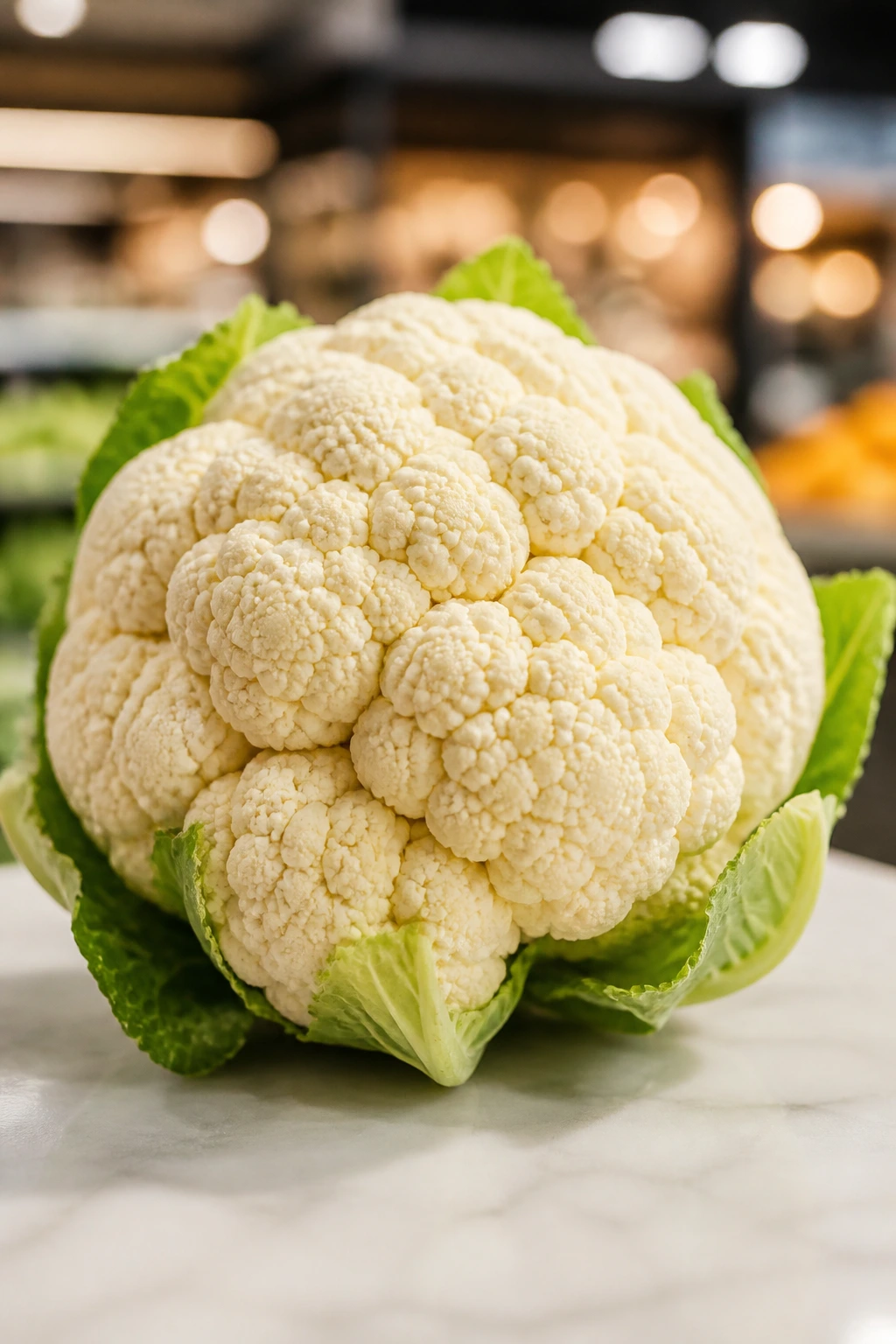
Cauliflower should feel dense in the hand, with tight florets and no soft brown spots near the stem. The leaves can be a little wilted; that does not matter much. What matters is dryness. If you rinse the head, let it sit for a few minutes and shake off every drop before you cut it.
Tempeh should smell nutty, not sharply sour. A faint fermented scent is normal. If it smells like ammonia, skip it. That is the kind of detail nobody likes hearing, but it saves dinner.
Smart pantry choices
- Cornstarch: the easiest way to give tofu and cauliflower a drier, crisper shell.
- Smoked paprika: brings smoke without needing liquid smoke.
- Apple cider vinegar or pickle brine: sharpens sweet sauce and keeps the finish from feeling heavy.
- Neutral oil: avocado, canola, or sunflower all work; strong olive oil can fight with the barbecue flavor.
- Panko or crushed rice cereal: useful if you want a louder, more shattering crust on tofu or cauliflower.
Tools That Make the Job Easier
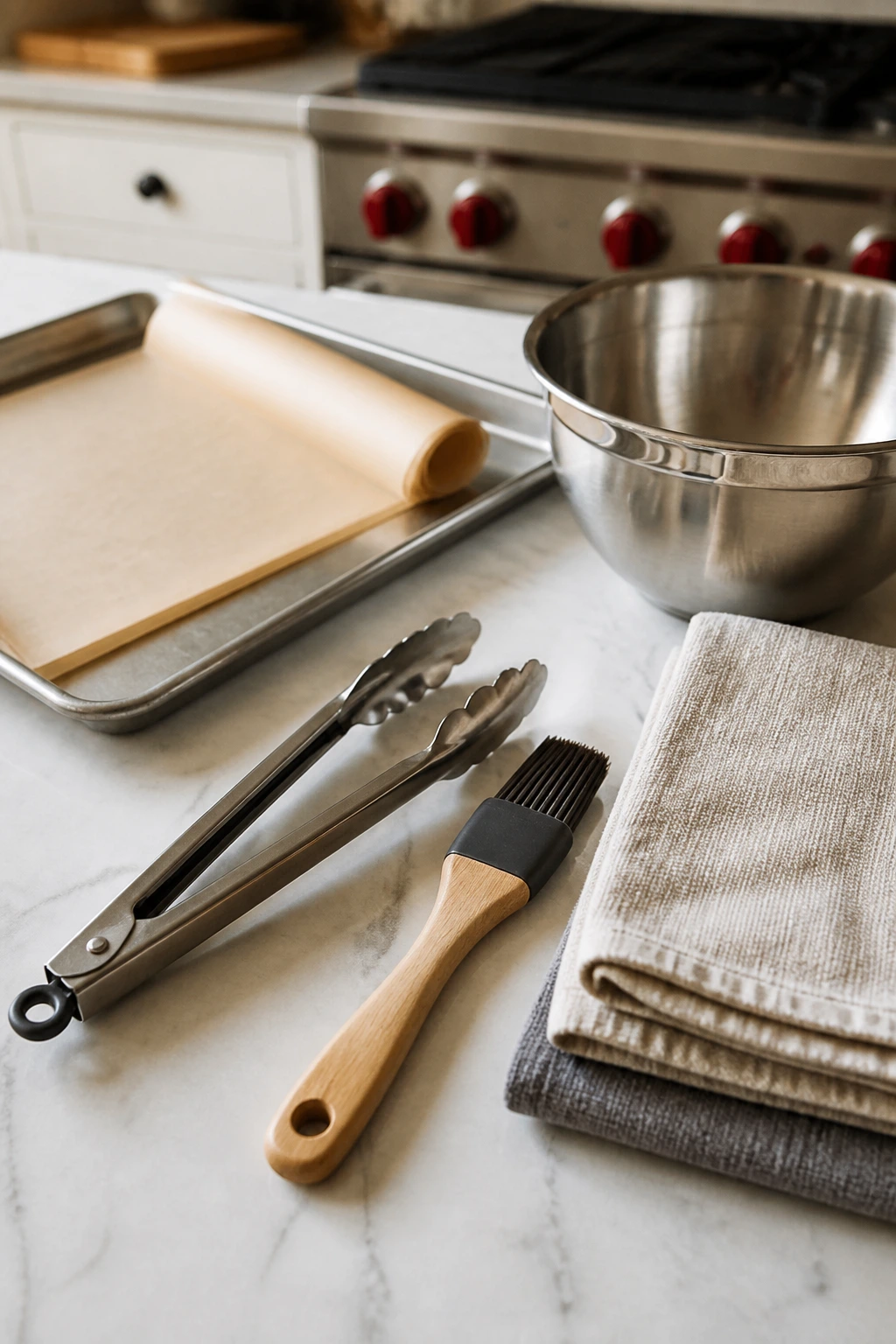
You do not need a crowded gadget drawer for this dinner. A few solid tools make the process smoother and keep the coating intact.
- Rimmed sheet pan: gives the food space and catches sauce drips.
- Parchment paper or silicone mat: helps keep the coating from gluing itself to the pan.
- Mixing bowl: large enough to toss without flinging cornstarch across the counter.
- Tongs or a thin spatula: useful for flipping tofu chunks and cauliflower without scraping off the crust.
- Pastry brush: ideal for adding sauce in a thin, even layer near the end.
- Tofu press or clean kitchen towels: press moisture out before cooking.
- Air fryer basket: optional, but useful if you want the fastest crisp.
- Small saucepan: handy if you want to warm and thin barbecue sauce before brushing it on.
A wire rack set over the sheet pan can help too. It is not required, but it lifts the food off the pan surface and lets hot air move underneath. That can make a difference with tofu, especially if you like a drier crust.
How to Plate a Dinner That Still Has Texture
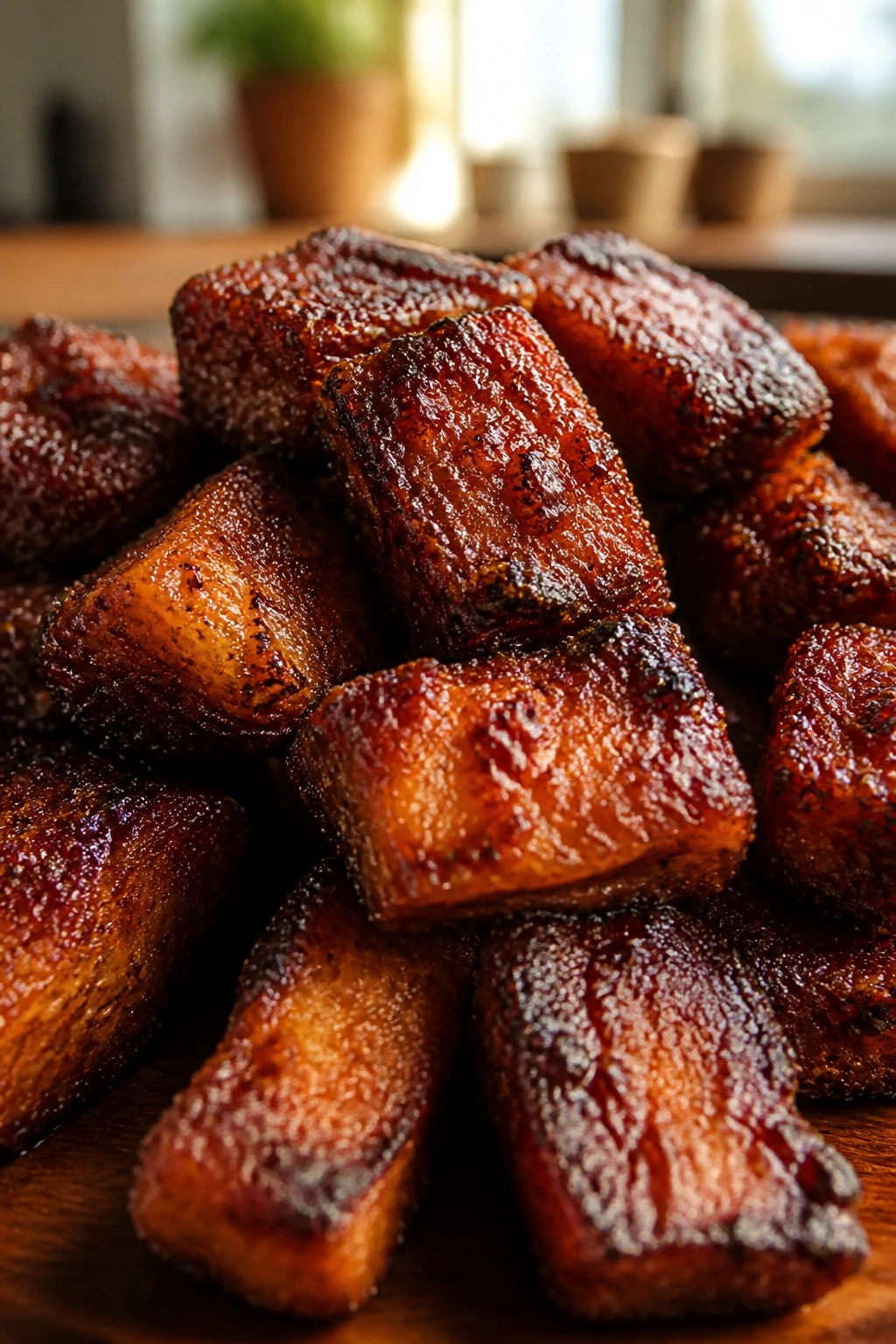
Presentation: Put the crispy vegan BBQ on the plate first, then spoon or brush a little extra sauce over the top only after the pieces are plated. Leave some browned edges exposed. A fully buried tray looks heavy; a partly glazed plate looks deliberate and keeps the crunch visible.
Accompaniments: I like a shredded cabbage slaw with a sharp dressing, a roasted sweet potato, and one green thing — collards, garlicky broccoli, or a quick cucumber salad. If you want a starch, brown rice, cornbread, or baked potatoes all work. Do not stack on three starchy sides unless you want the meal to feel sleepy by halfway through.
Portions: For tofu, figure on about 4 to 6 ounces per person before sides. For cauliflower, a medium head usually serves two as a main and four as a side. Tempeh and seitan land somewhere in the middle, depending on what else is on the plate. If you are feeding very hungry people, pair the barbecue base with beans or a grain so the meal does not disappear too fast.
Beverage Pairing: Unsweetened iced tea with lemon is the easy win. A dry sparkling cider also works well because its bite cuts through the sauce. If you want something with no alcohol and more snap, ginger beer diluted with a little soda water keeps the meal lively without adding more sweetness.
One small plating habit I like: serve the slaw on the side, not under the barbecue. Once wet vegetables sit under hot sauce, they go limp fast. Keep the crisp things apart until the last second.
Small Tweaks That Push the Flavor Further
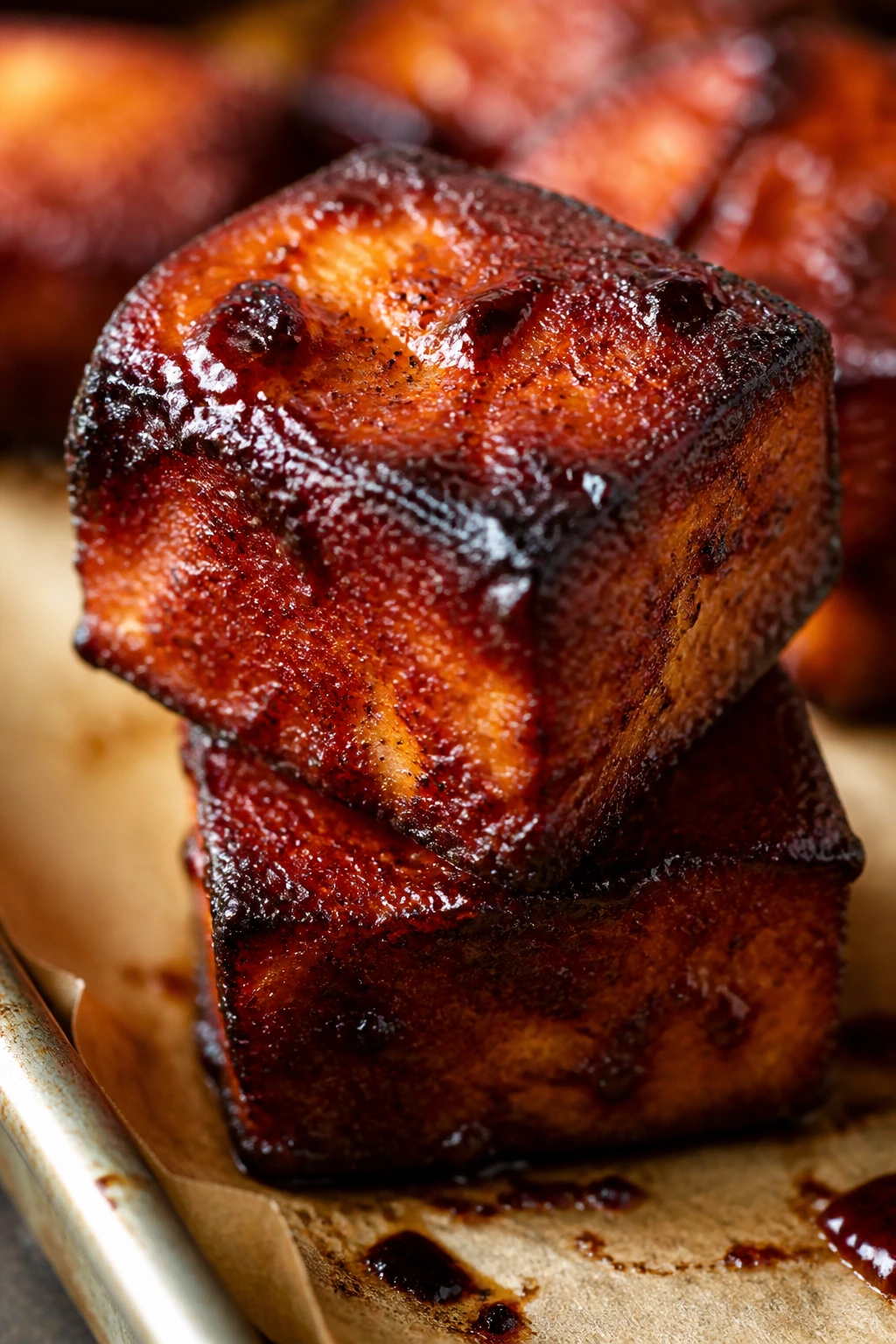
Flavor Enhancement: Stir a teaspoon of apple cider vinegar, pickle brine, or lime juice into the barbecue sauce right before serving. That sharp edge keeps the sweetness from flattening the whole plate. If the sauce tastes one-note, this is the fix I reach for first.
Time-Saver: Use pre-pressed tofu or buy cauliflower already cut into florets if you trust the store’s freshness. You still need to dry them well, but you save the most annoying part of prep. That matters on weeknights when the goal is dinner, not a ritual.
Cost-Saver: Tofu, cabbage, carrots, brown rice, and a decent bottle of sauce make a very cheap meal with enough substance to feel complete. Tempeh and seitan can cost more, so I save them for nights when I want a different texture or I already have them in the fridge.
Heat Boost: Add cayenne, chipotle powder, or finely chopped pickled jalapeños to the sauce instead of dumping on a generic hot sauce at the table. That gives the heat a place to live inside the glaze, not just on top of it.
Make-It-Yours: For a richer plate, finish with toasted sesame seeds and scallions. For a fresher one, add chopped cilantro and a squeeze of lime. For a more Southern-leaning version, serve with mustard slaw and roasted okra. Small changes, big shift.
Common Mistakes That Turn Crisp Edges Limp
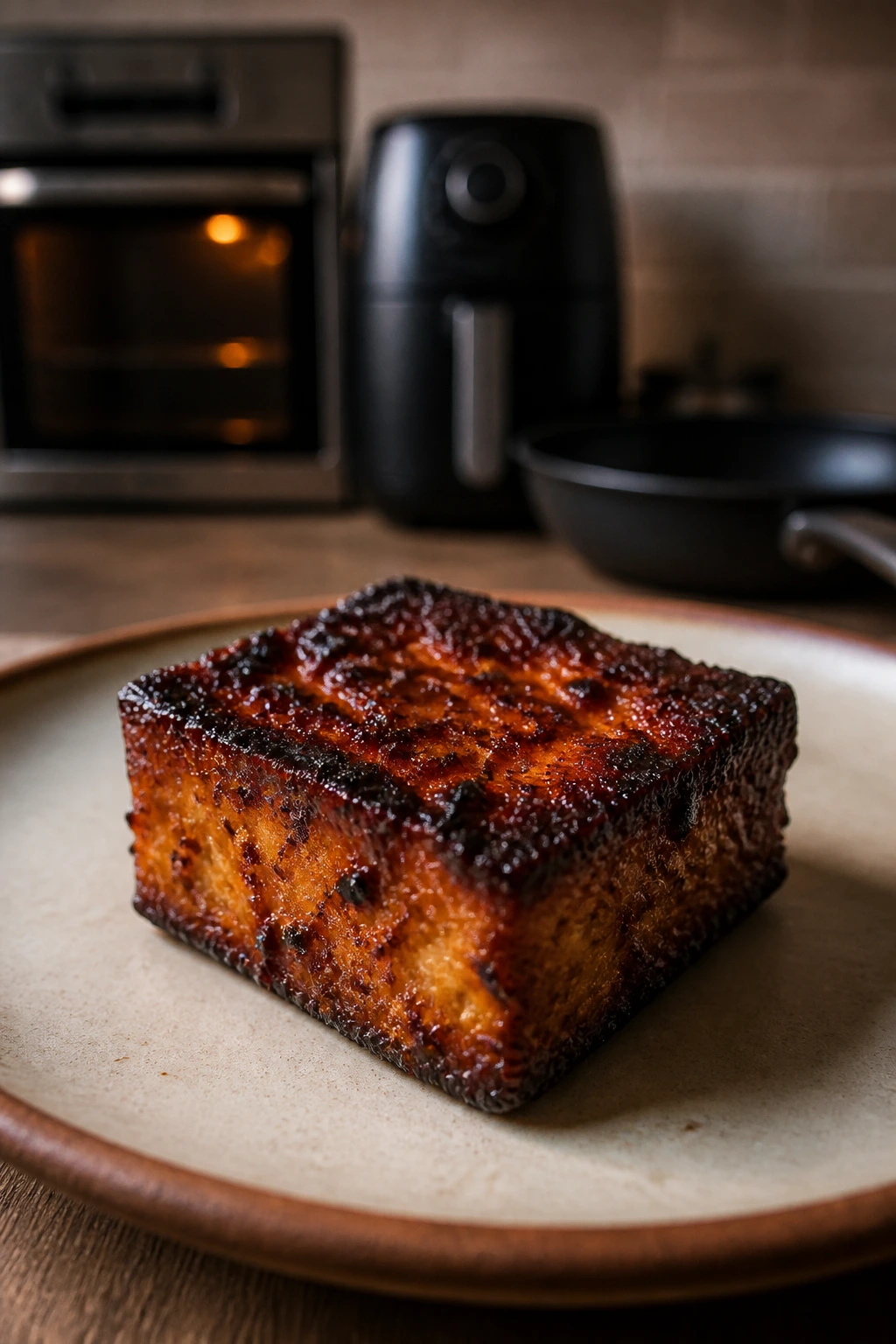
Saucing too early: This is the classic mistake. The food goes into the oven glossy, looks promising for two minutes, then comes out soft and sticky instead of crisp. Fix it by roasting or air-frying first and glazing only near the end.
Crowding the pan: If the pieces touch, they steam. You will see pale sides, soft bottoms, and sauce that slips off instead of clinging. Use two pans if needed. I would rather wash an extra pan than eat a tray of mush.
Skipping the dry coat: Tofu and cauliflower without a little cornstarch or flour can still taste good, but they will not have that fine, craggy surface that holds barbecue sauce. A thin dusting is enough. Do not pile it on; too much turns chalky.
Using the wrong tofu: Soft tofu and silken tofu are the wrong texture for this job. They break before they brown, and the result is frustration dressed as dinner. Extra-firm or super-firm solves that problem before it starts.
Burning the sauce: Some barbecue sauces blacken fast because they carry more sugar than expected. If your tray darkens too quickly, lower the heat by 25°F, move the pan to a middle rack, or glaze in the last two minutes only. A little darkening is fine. Blackened sugar tastes bitter.
Covering the tray after cooking: A lid traps steam, and steam kills crunch. If you need to hold the food for a few minutes, leave it uncovered on a wire rack or spread it out on the pan. Do not tuck it into a sealed container until it cools a bit.
Variations for Tofu, Cauliflower, Tempeh, and Seitan
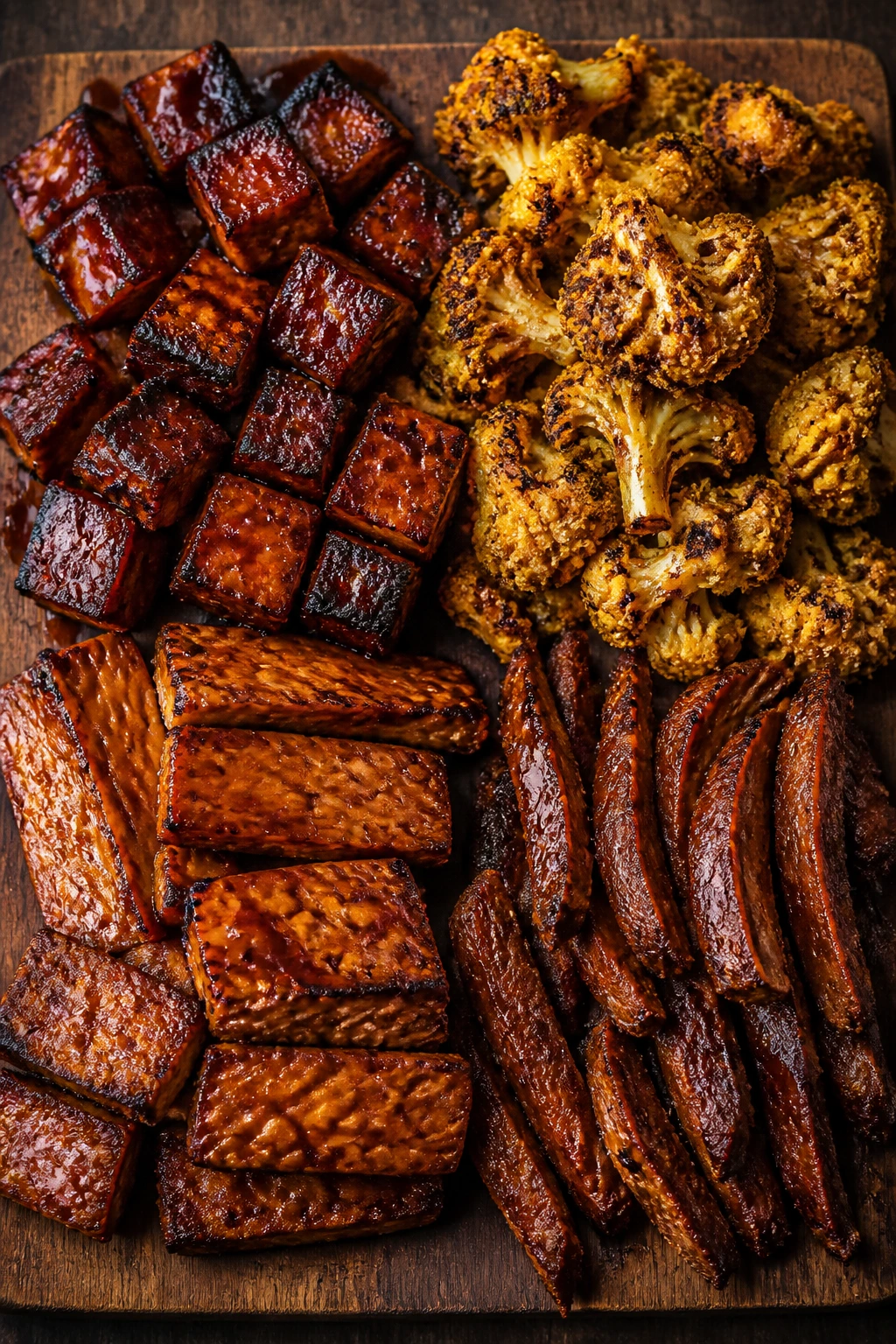
Smoky Tofu Burnt Ends: Cut extra-firm tofu into chunky cubes, tear a few corners by hand, and roast them a little longer so the edges go dark. Toss with a thicker sauce and a pinch of brown sugar only at the end. This version feels the most like a cookout tray and works well with baked beans.
Cornmeal-Crust Cauliflower: Toss dry cauliflower in a light coating of cornstarch, then a dusting of fine cornmeal before roasting. The cornmeal gives a rough, sandy crunch that works especially well with mustardy sauce. It is not delicate, and that is the point.
Tempeh Rib Plate: Slice tempeh into long planks, score the surface with shallow cuts, steam for 8 minutes, then brush with oil and roast. The scoring helps the sauce settle into the surface instead of slipping off. This version is sturdy enough to hold up next to potato salad and slaw.
Seitan Sizzle Strips: Cut seitan into strips, sear them in a hot skillet for color, then brush with barbecue sauce during the last minute of cooking. Seitan does not need much help, so keep the seasoning simple. It works best when you want the chew to carry the meal.
Gluten-Free Crunch Bowl: Use tofu or cauliflower, coat with cornstarch, and serve over rice with a cabbage slaw. If you want a harder crust, mix in a little rice flour with the cornstarch. That gives you a more brittle finish than flour alone.
Make-Ahead, Storage, and Reheating Without Soggy Leftovers
Crispy vegan BBQ is best the day it is made, but that does not mean leftovers are useless. You just need to store the components with a little common sense.
Cooked tofu and tempeh keep well in the fridge for 3 to 4 days in an airtight container. Cauliflower holds for about 2 to 3 days, though it softens faster and loses its edge. BBQ sauce keeps for 1 to 2 weeks in the fridge if you made it yourself or opened a bottle and kept it clean. Sauce stored separately is always the smarter move.
Freezing works better for tofu and tempeh than for cauliflower. Tofu can freeze for up to 2 months, though the texture turns a little spongier after thawing, which some people actually like because it soaks up sauce. Cauliflower is not my first freezer choice; it usually comes back a little watery.
Best reheating methods
- Oven: 400°F for 8 to 12 minutes on a sheet pan, uncovered, until the edges re-crisp.
- Air fryer: 375°F for 5 to 7 minutes, shaken once halfway through.
- Skillet: a thin film of oil over medium heat for 3 to 5 minutes, turning once.
If the food already has sauce on it, reheat it uncovered. If you can keep the sauce separate, even better. Warm the base first, then add the sauce at the end so the texture has a chance to come back. Microwaving is fine if you care more about speed than crunch, but it will not give you the same result. No surprise there.
Crispy Vegan BBQ Questions People Actually Ask
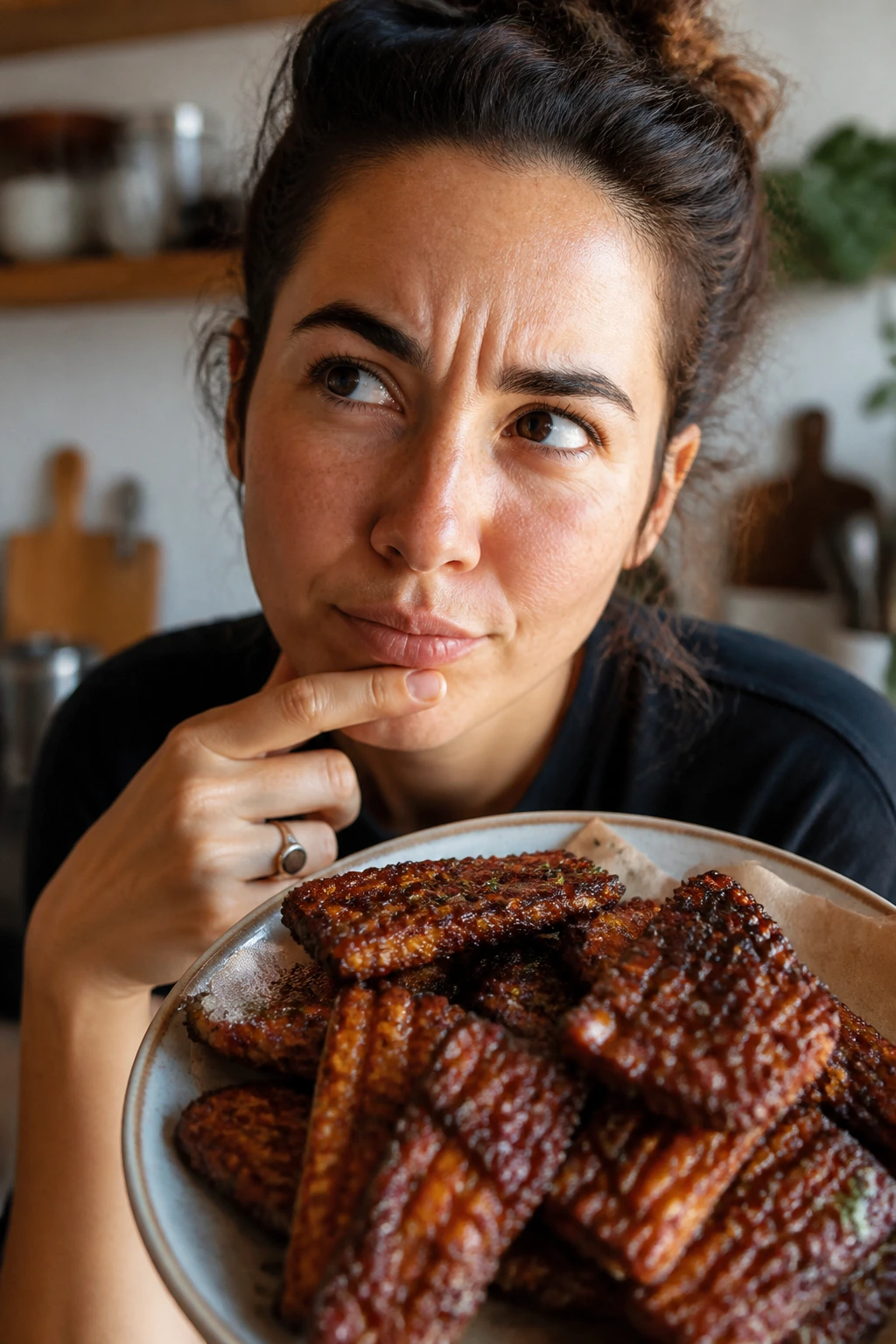
Can I make crispy vegan BBQ without tofu?
Yes. Cauliflower and tempeh both work well, and seitan is a good choice if you want more chew. If you want something that feels filling, pair the crispy base with beans, rice, or roasted potatoes so the plate still eats like dinner.
What’s the best BBQ sauce for a vegan version?
Look for one without honey or Worcestershire that contains anchovy. A sauce built on tomato, vinegar, molasses, onion, and smoke is usually the easiest place to start. If the bottle tastes too sweet, thin it with a little vinegar and a spoon of tomato paste.
Why does my cauliflower always go soft?
Usually because it was damp, crowded, or sauced too soon. Dry the florets well, give them space, and wait until the last few minutes to glaze them. If you skip any of those, you get steam instead of browning.
Can I use the air fryer for the whole meal?
Absolutely. The air fryer is excellent for tofu, tempeh, and small cauliflower batches. Just keep the pieces in a single layer and work in batches if needed. A packed basket is the fast road to limp food.
How do I keep the sauce from burning?
Use a thicker, less sugary sauce if possible, and glaze late in the cook. You can also brush on a very thin layer first, then add a second layer after the food comes out of the oven. That second coat gives you shine without turning bitter.
Is this good for meal prep?
It can be, if you store the crispy base and sauce separately. Reheat the base in the oven or air fryer, then add sauce right before eating. If you mix everything together on day one, the texture gets soft by the next day.
What sides make the meal feel balanced?
A crunchy slaw, a green vegetable, and one starch is the formula I like. Think cabbage slaw, roasted broccoli, and sweet potato, or collards, corn, and brown rice. That mix gives you freshness, fiber, and enough substance to keep the barbecue from feeling heavy.
Can I make it oil-free?
Yes, but the texture will be different. Use a parchment-lined pan, an extra-dry coating of cornstarch or rice flour, and watch the pieces closely so they do not stick. You lose a little sheen and richness, but the crunch can still be good if the heat is high enough.
The Last Bite
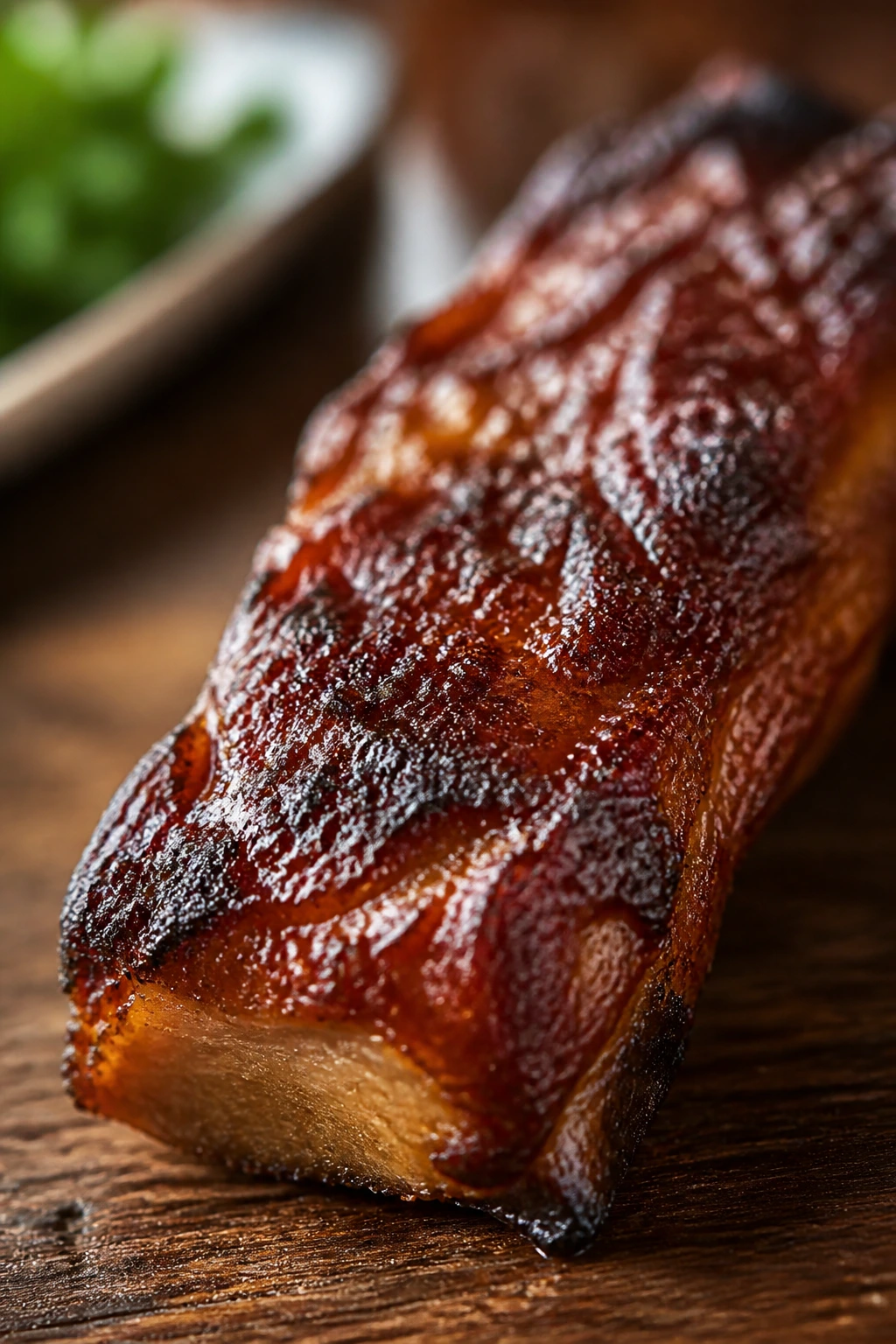
A crispy vegan BBQ dinner works because it respects texture. The sauce matters, sure, but it is the browned edge under the sauce that makes the whole thing feel worth sitting down for. Once you stop treating barbecue as a wet coating and start treating it like a finish, the meal changes fast.
That’s the part I like most: it doesn’t need a complicated shopping list or a fake-meat shortcut to feel complete. Press the moisture out, give the pieces room, glaze late, and put something fresh and sharp on the plate beside them. Do that a few times, and the whole dinner stops being a gamble.