



A bowl of limp broccoli and a sad chicken breast is not dinner; it’s a warning. Fresh vegetables for dinner can go one of two ways: either they disappear into the background like garnish, or they take over the plate and make the whole meal feel sharper, brighter, and more awake. The difference is almost never the vegetable itself. It’s heat, salt, acid, and a little respect.
That last part matters more than people admit. A carrot roasted until its edges darken and its sugars concentrate tastes like a different ingredient from a carrot that was steamed into silence. Cabbage cooked hard in a skillet has bite and sweetness; cabbage boiled until it slouches has all the charm of wet paper. Same plant. Very different supper.
The good news is that a healthy dinner does not need to be austere. You do not need a wok full of obscure ingredients, a pantry of superfoods, or a spreadsheet of nutrition goals. You need a few fresh vegetables that cook well, a plan for how they’ll be seasoned, and a willingness to treat dinner like something worth building, not just assembling.
Why Fresh Vegetables Deserve the Center of Dinner
-
They bring volume without the heaviness. Fresh vegetables carry water and fiber, so a plate can look generous without leaning on huge portions of pasta, rice, or bread.
-
They keep a healthy dinner from feeling empty. When vegetables are browned, salted, and finished with acid, they taste like a full part of the meal instead of a side note waiting for rescue.
-
They adapt to whatever’s in the crisper drawer. Broccoli, zucchini, cabbage, carrots, peppers, and greens all behave differently, which is exactly why dinner never gets boring if you know how to treat each one.
-
They’re fast when you choose the right method. A skillet of asparagus, mushrooms, and scallions can be on the table in 10 minutes. A sheet pan of cauliflower and onions only needs the oven and a little patience.
-
They make leftovers easier to love. Roasted vegetables turn into grain bowls, omelets, wraps, soups, and pasta the next day without much coaxing.
-
They work with meat, beans, eggs, tofu, or nothing at all. That flexibility is the quiet reason vegetable-forward dinners survive real life.
What a Filling Vegetable Dinner Actually Needs
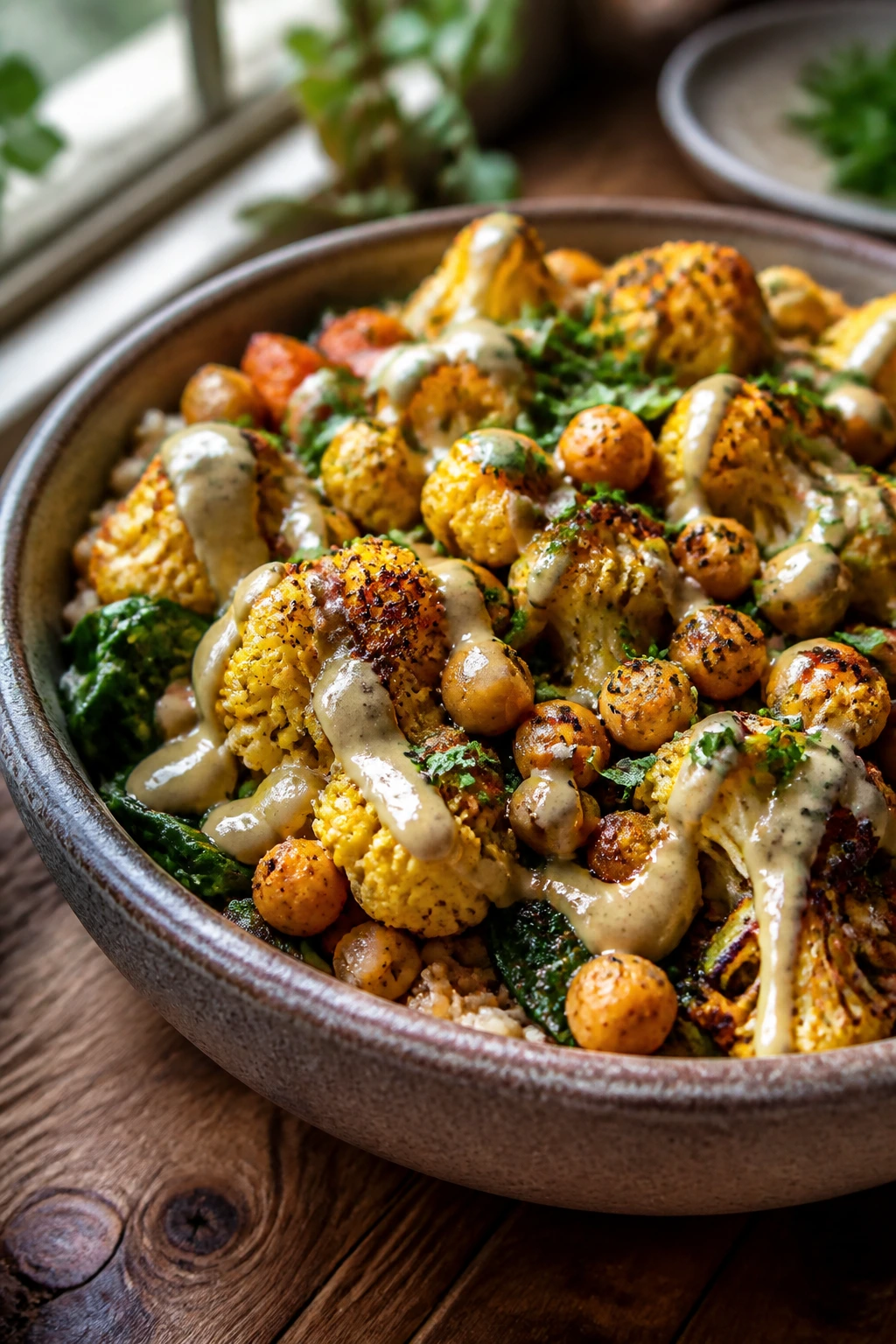
A plate of vegetables can be healthy and still leave you prowling the kitchen an hour later. That happens when the meal is built like a garnish platter instead of dinner. Fresh vegetables need structure around them: something with protein, something with chew, and usually something that carries fat or starch so the whole plate feels anchored.
USDA-style plate models keep returning to the same idea for a reason: half the plate belongs to vegetables and fruit, not because the rest of the meal disappears, but because the vegetables bring bulk, color, and fiber that help dinner feel complete. That model works best when you don’t treat the vegetables as an afterthought. Put them at the center, then build around them.
Think in layers. A roasted cauliflower bowl with chickpeas and tahini tastes finished because the cauliflower brings sweetness, the chickpeas bring chew, and the tahini carries the seasoning across your tongue. A skillet of broccoli, tofu, and rice works for the same reason. You get crunch, salt, and something that stays with you.
The four pieces I look for
- Volume: enough vegetables that the plate looks full without piling food into a mountain.
- Chew: roasted edges, crisp stalks, tender beans, or grainy starch. Soft-only dinners fade fast.
- Fat: olive oil, tahini, avocado, nuts, seeds, cheese, or a little butter. Without it, vegetables can taste thin.
- Acid: lemon, vinegar, tomatoes, yogurt, or pickles. This is the bright line that keeps the meal from tasting flat.
A healthy dinner built this way feels generous. That is the point.
The Fresh Vegetables That Do the Heavy Lifting
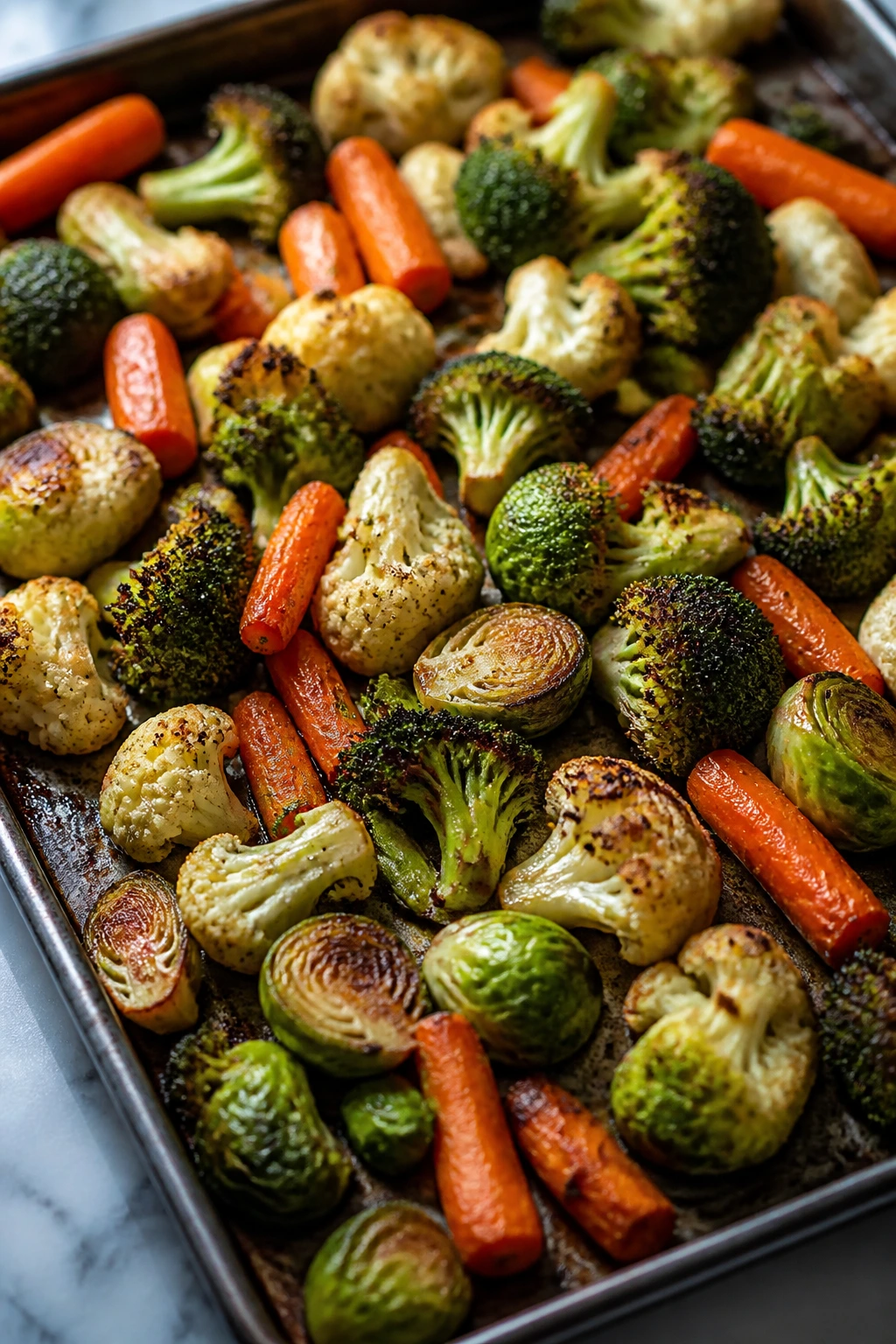
Not every vegetable is equally useful at dinner. Some are built for high heat, some need a quick kiss from the pan, and some are best left raw because cooking flattens their charm. Once you know the difference, the crisper drawer stops looking random and starts looking strategic.
Sturdy vegetables that love heat
Broccoli, cauliflower, Brussels sprouts, cabbage, carrots, beets, onions, fennel, and radishes all hold their shape long enough to pick up browning. These are the vegetables I trust when I want dinner to taste like I tried harder than I did. They tolerate a hot oven, and many of them taste sweeter after 20 to 35 minutes at 425°F to 450°F.
Fast vegetables that need a short window
Zucchini, yellow squash, asparagus, green beans, snap peas, mushrooms, bell peppers, and scallions are the weeknight speed demons. They can go from crisp-tender to dull in a blink, so they need a hot pan and your full attention. Let them sit long enough to brown, then get them off the heat before they go soft and watery.
Leafy vegetables that disappear fast
Spinach, kale, Swiss chard, bok choy, beet greens, and mustard greens all shrink fast. That is useful. A big bag of greens can look absurd in the bowl and then melt into a sensible dinner portion with a little garlic, oil, and salt. The trick is not to bully them; it’s to keep the pan hot and add them in stages.
Watery vegetables that need judgment
Tomatoes, cucumbers, zucchini, mushrooms, and eggplant all carry a lot of moisture. That makes them useful, but also tricky. If you crowd them, they steam. If you salt them too late, they can taste washed out. If you cook them with enough heat and a little patience, they become the vegetables people remember.
A good rule: if the vegetable feels firm, dense, or heavy for its size, it probably belongs on the stove or in the oven. If it feels tender, fragile, or already delicate, keep the heat brief.
Roasting Vegetables for Brown Edges and Sweet Flavor
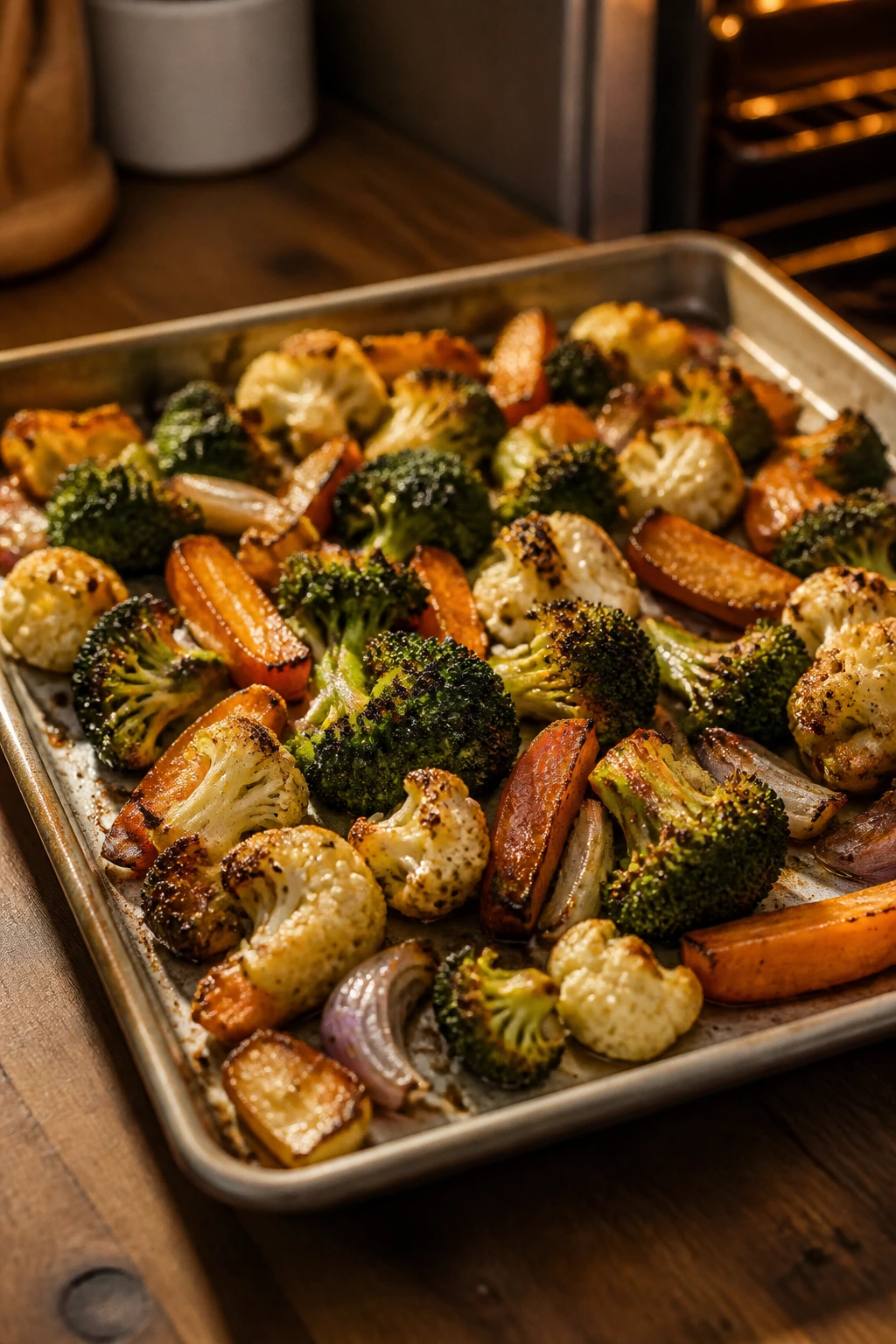
Roasting is the method that makes people trust vegetables again. It is also the method most home cooks underuse. Put chopped vegetables on a hot sheet pan, give them enough oil to glisten, and let the oven do the one thing a skillet cannot do as easily: expose every side to dry heat long enough to brown.
Broccoli florets at 425°F usually need about 18 to 22 minutes, depending on size. Cauliflower and Brussels sprouts often take 25 to 35 minutes. Carrots and beets can take longer, especially if you cut them thick. The cue you want is not “soft.” It’s browned edges, a little shrinkage, and a fork that slips in without resistance.
What roasting does that steaming can’t
Roasting pushes moisture out of the vegetable surface. That exposed surface browns, and browned food tastes deeper, sweeter, and more savory. A tray of cauliflower tossed with olive oil, salt, pepper, and a little cumin can smell nutty and caramel-like before it ever leaves the oven. That smell is the whole story.
The details that matter
Cut vegetables to similar sizes so one tray finishes together. Keep the pan uncrowded; if pieces overlap, they steam and go pale. Use a real sheet pan, not a shallow baking dish jammed full of food. And don’t be stingy with salt. A good pinch before roasting does more than a drizzle of sauce after the fact.
If you want crisp edges, roast on a bare metal pan. If cleanup matters more, parchment paper is fine, but expect slightly softer bottoms. Both work. I prefer bare metal for vegetables that should come out bronzed rather than polite.
Best vegetables for roasting
- Broccoli
- Cauliflower
- Brussels sprouts
- Carrots
- Beets
- Red onions
- Fennel
- Cabbage wedges
- Sweet potatoes
- Radishes
That list is not fancy. It’s reliable. Reliable matters at dinner.
Sautéing and Stir-Frying When Dinner Needs Speed
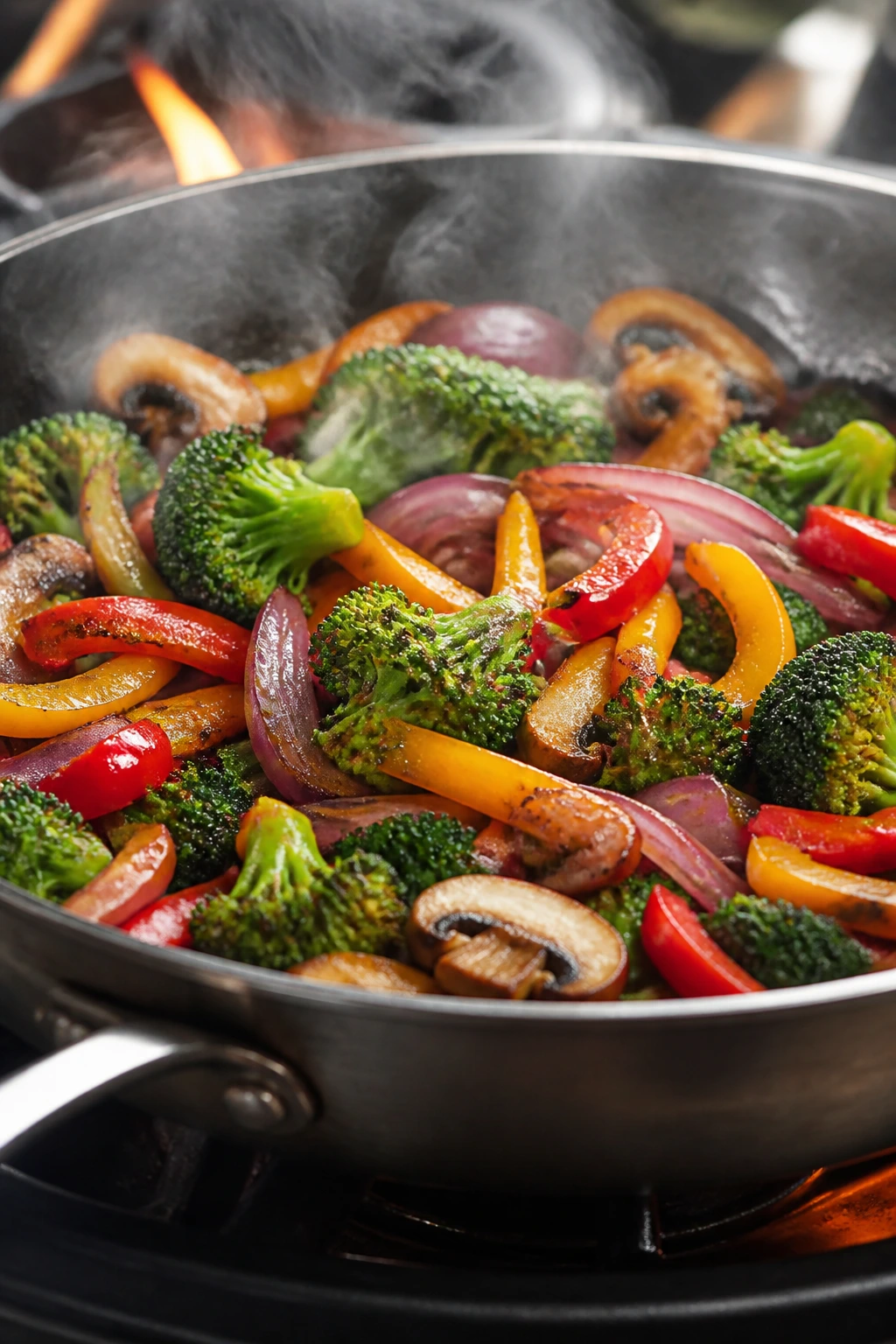
A hot skillet is the fastest way to turn fresh vegetables into dinner, and it’s also the easiest way to ruin them if you rush the order. The pan has to be hot before the vegetables go in. Not warm. Hot. If the oil barely shivers, the vegetables will soften before they brown, which leaves you with a panful of limp good intentions.
For a simple sauté, start with onions, garlic, leeks, or scallions. They need a head start because they’re the flavor base. After that, add firmer vegetables like carrots or broccoli stems, then faster ones like peppers, mushrooms, zucchini, or greens. Keep the heat at medium-high or high, and stir just enough to prevent burning. Constant stirring is not a virtue here. It cools the pan.
What a good sauté looks like
Onions should go translucent and start to take on gold edges. Mushrooms should lose their raw sponginess and shrink into something meaty and browned. Green beans should stay bright, not army-green and floppy. If there’s a puddle of liquid in the pan, the heat is too low or the pan is too crowded.
Stir-fry rules that actually help
Use a wide skillet or wok. Dry the vegetables after washing them. Cut everything small enough to cook quickly, but not so small that it collapses into mush. A rough 1-inch piece is about right for broccoli, peppers, and zucchini; mushrooms can be sliced thicker so they don’t disappear. A splash of soy sauce, tamari, or broth near the end helps pull the seasoning together.
A quick skillet dinner works best when you accept that the vegetables should still have some shape. That little bit of bite is not a mistake. It’s what keeps the plate lively.
Steaming, Blanching, and Braising for Tender Plates
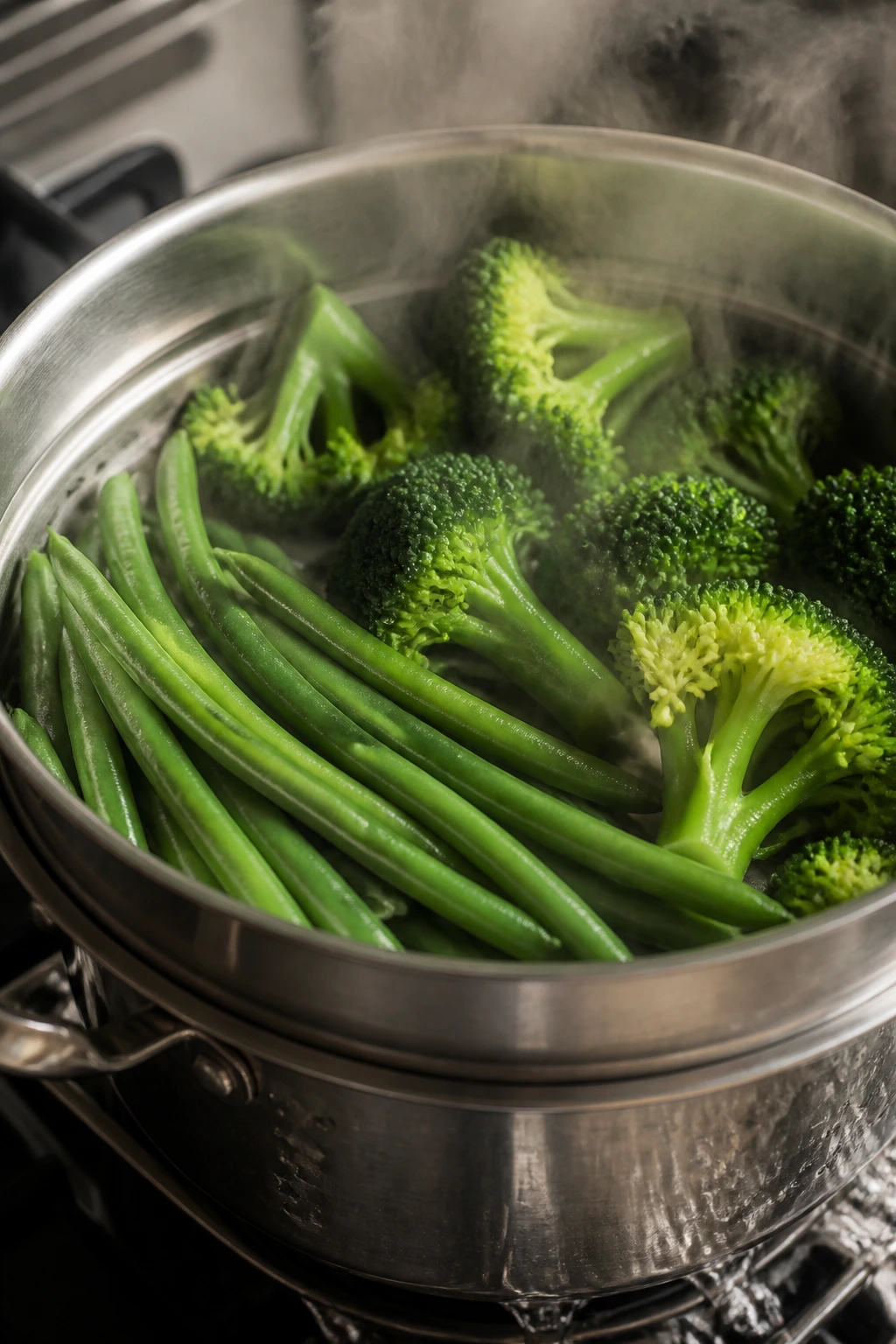
Not every dinner needs browned edges. Sometimes you want softer vegetables, cleaner flavor, and a plate that leans gentle instead of smoky. That is where steaming, blanching, and braising step in.
Steaming is useful for green beans, broccoli, asparagus, and cauliflower when you want them bright and crisp-tender. A steamer basket over simmering water gives you control without waterlogging the vegetables. Watch the color. Bright green or vivid orange means you’re close. Dull and swampy means you waited too long.
Blanching is the same idea with a colder finish. Drop vegetables into salted boiling water for a short time, then shock them in ice water. It’s a smart move for green beans, peas, and asparagus when you want them vivid for a salad or a quick toss with butter, lemon, or olive oil. Keep the salt in the water; it does more than people think.
Braising is the slow cousin, and it’s perfect for cabbage, leeks, fennel, kale, and Brussels sprouts. Start them with a little oil, then add stock, tomatoes, or even water and cover the pan partway through. The vegetables soften and absorb whatever you’ve seasoned them with. A braised cabbage wedge with garlic, vinegar, and a spoonful of tomato paste can taste like dinner on purpose, not like a compromise.
The point of gentler cooking is not to make vegetables meek. It’s to give them a different voice.
Raw Vegetable Dinners That Still Feel Substantial
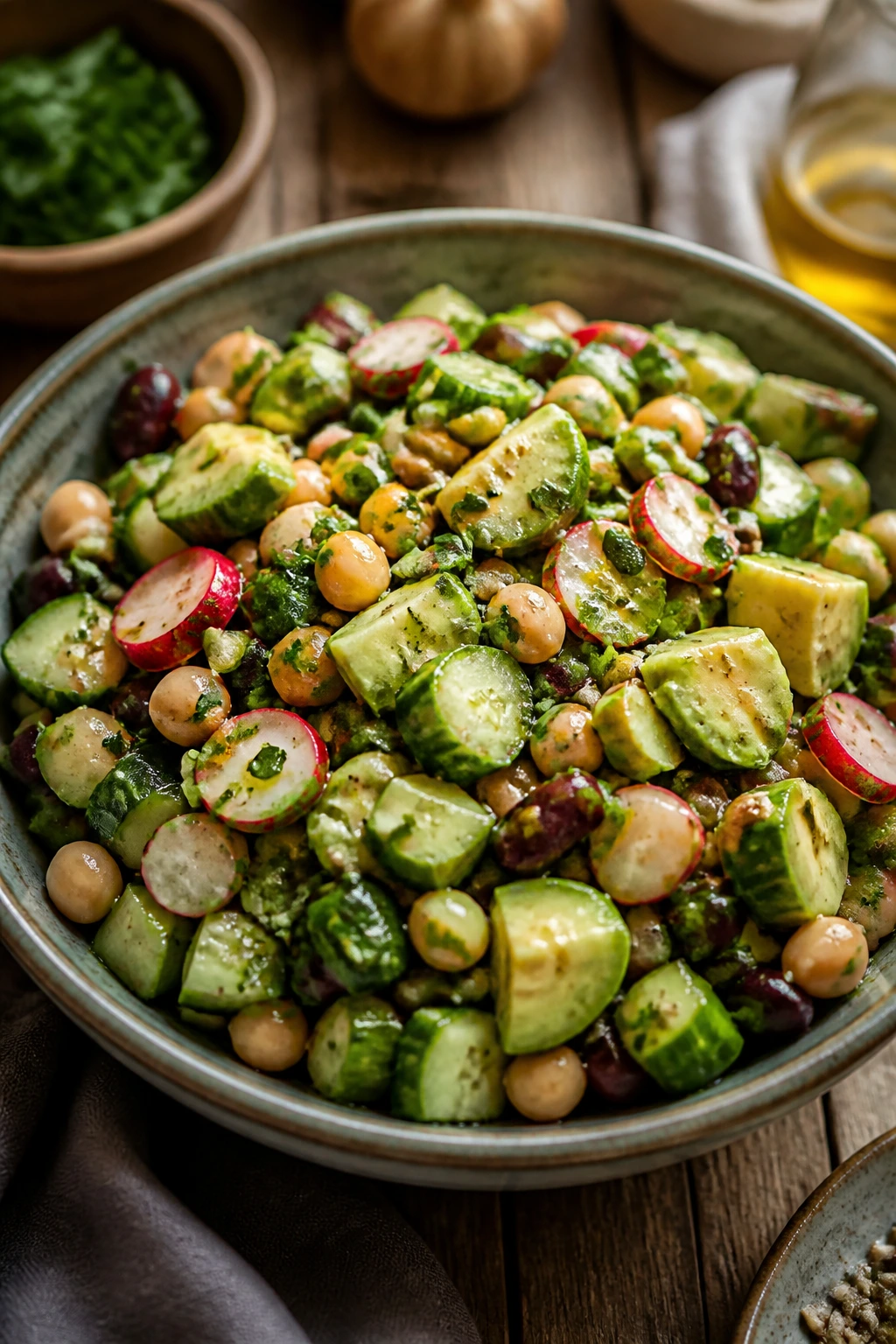
Raw vegetables can absolutely carry a dinner plate, but only when they’re cut and seasoned with some thought. A giant bowl of lettuce and shredded carrots is not enough. A chopped salad with cucumber, radish, herbs, avocado, beans, seeds, and a sharp dressing? That’s dinner with teeth.
Cabbage is one of the best raw vegetables for supper because it stays crisp for hours. Thinly sliced red cabbage with lime, salt, sesame oil, and scallions tastes cleaner and more complex than many warm salads. Fennel does the same thing, though it brings a faint anise note that some people love and others need a minute to warm up to.
What makes a raw dinner work
The vegetable has to be sturdy enough to hold seasoning. The dressing should be bold enough to matter. And the plate needs contrast. Creamy avocado next to crunchy cucumber. Sharp onion next to sweet tomato. Toasted seeds or nuts beside soft chickpeas. If every bite feels the same, the meal goes flat fast.
Salt raw vegetables lightly before dressing them. That small pause helps cucumbers, tomatoes, and cabbage lose their excess water and taste fuller. Give them 10 minutes. Then dress and serve.
A raw dinner is also where herbs pull their weight. Parsley, dill, mint, basil, cilantro, and chives can make a bowl feel fresher without forcing you into complicated cooking. Use them generously. The stems matter too, especially in parsley and cilantro. Chop them fine and don’t waste the parts that carry the most flavor.
How to Build Protein, Starch, and Fat Around Vegetables
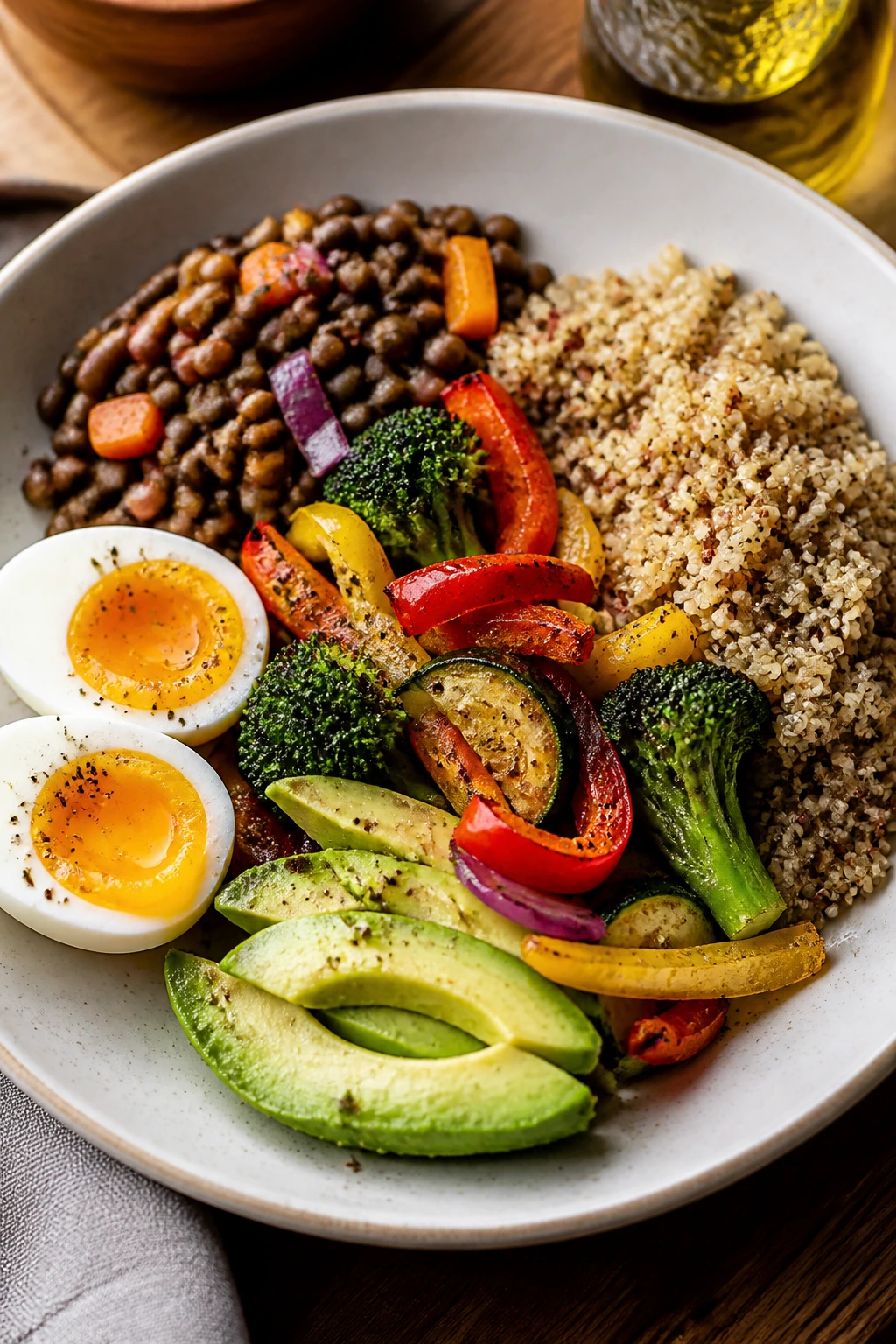
Vegetables do a lot, but they are not magicians. A plate still needs protein, starch, and fat if you want it to carry you past dinner and into the evening without a snack raid. That’s the real structure of a healthy dinner: not restriction, but balance.
For protein, think eggs, tofu, tempeh, beans, lentils, Greek yogurt, cottage cheese, fish, chicken, or shrimp. For starch, use rice, potatoes, farro, quinoa, bread, noodles, or corn tortillas. For fat, reach for olive oil, tahini, avocado, nuts, seeds, cheese, pesto, or a small knob of butter. You do not need all of them in heavy amounts. You need enough for the meal to feel complete.
A roasted vegetable bowl with lentils and tahini tastes finished because the lentils give weight and the tahini carries seasoning. A skillet of greens with eggs and toast works because the egg yolk coats the greens and the bread gives the whole thing a base. Even a plain tray of carrots and broccoli gets better with a spoonful of hummus or a handful of feta.
A simple plate formula that works
- Half the plate: fresh vegetables, cooked or raw
- One quarter: protein, usually 20 to 30 grams if you want the meal to last
- One quarter: starch or legumes, depending on your mood
- Finish: oil, acid, herbs, or a sauce that ties it all together
That’s not a rule carved in stone. It’s a sane starting point. If you are hungrier, push the starch up. If you want a lighter plate, keep the starch small and let the vegetables do more work.
Flavor Builders That Keep the Plate Interesting
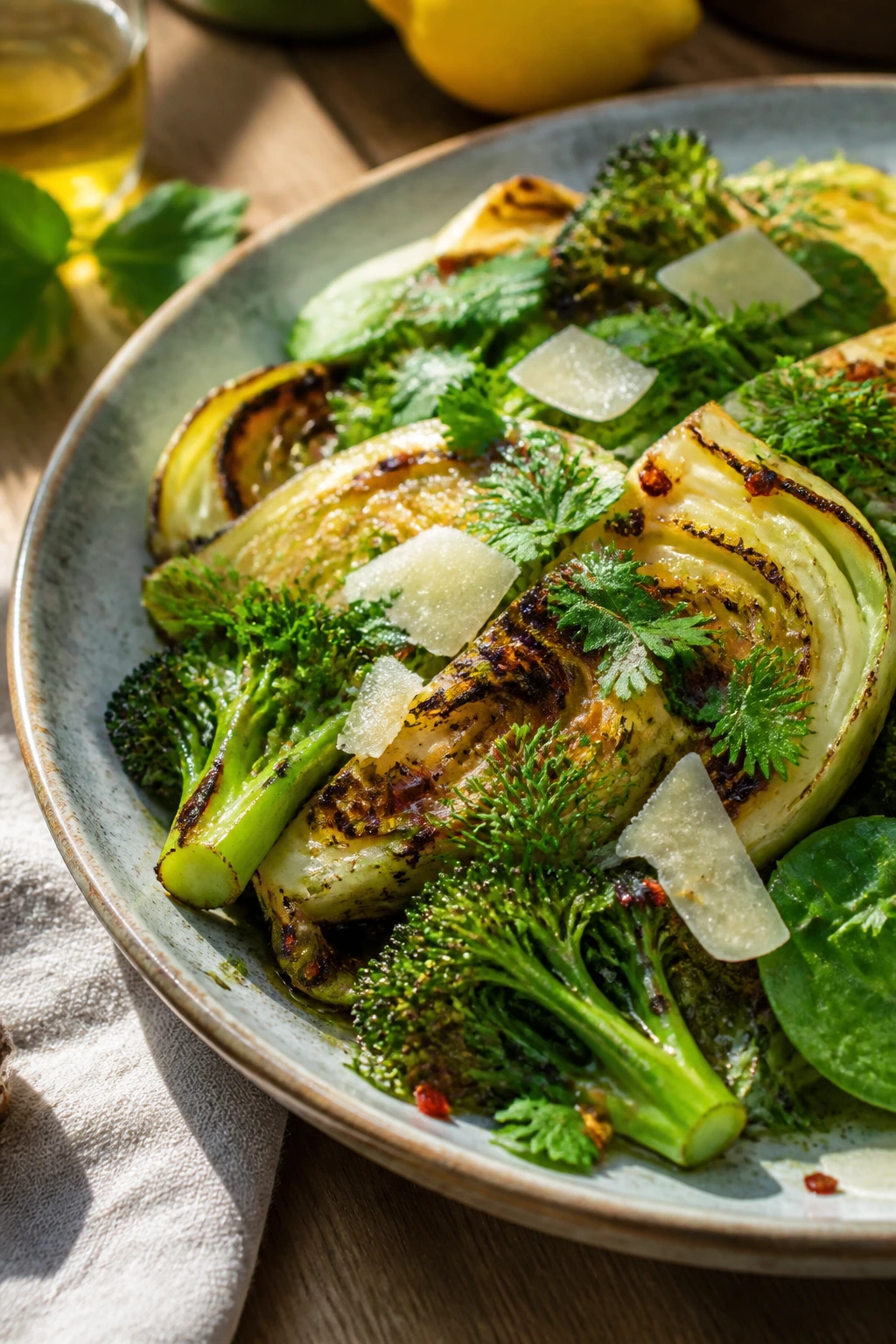
Plain vegetables fail because they’re underseasoned, not because they’re vegetables. If you’ve ever wondered why restaurant greens taste deeper than homemade ones, the answer is usually a mix of salt, fat, acid, and one or two ingredients that bring umami. Nothing mystical. Just layering.
Salt: Season early and finish later. Vegetables need more than a final sprinkle. Salt them while they cook so the flavor gets inside the bite, not just onto the surface.
Acid: Lemon juice, lime juice, vinegar, pickle brine, and even a spoonful of yogurt can wake up a bland pan in seconds. Add acid at the end for the cleanest taste. If you cook it too long, it fades.
Umami: Miso, soy sauce, Parmesan, nutritional yeast, capers, anchovy, tomato paste, and mushrooms all push vegetables toward something deeper and more savory. A teaspoon of miso in a dressing can make roasted cabbage taste like it belongs on a restaurant plate.
Herbs and alliums: Garlic, scallions, dill, parsley, cilantro, basil, thyme, and rosemary each do different things. Garlic likes heat. Soft herbs usually like the finish. Rosemary belongs with roots and brassicas. Dill wakes up cucumbers, potatoes, and beets. That little bit of matching matters.
Crunch: Toasted pumpkin seeds, almonds, sesame seeds, walnuts, or crisp breadcrumbs give the meal another texture. Soft food gets old fast. Crunch resets the bite.
I’m biased here: a little acid at the end matters more than most sauces. It’s the move that makes vegetables taste awake.
Shopping, Washing, and Storing Produce the Right Way
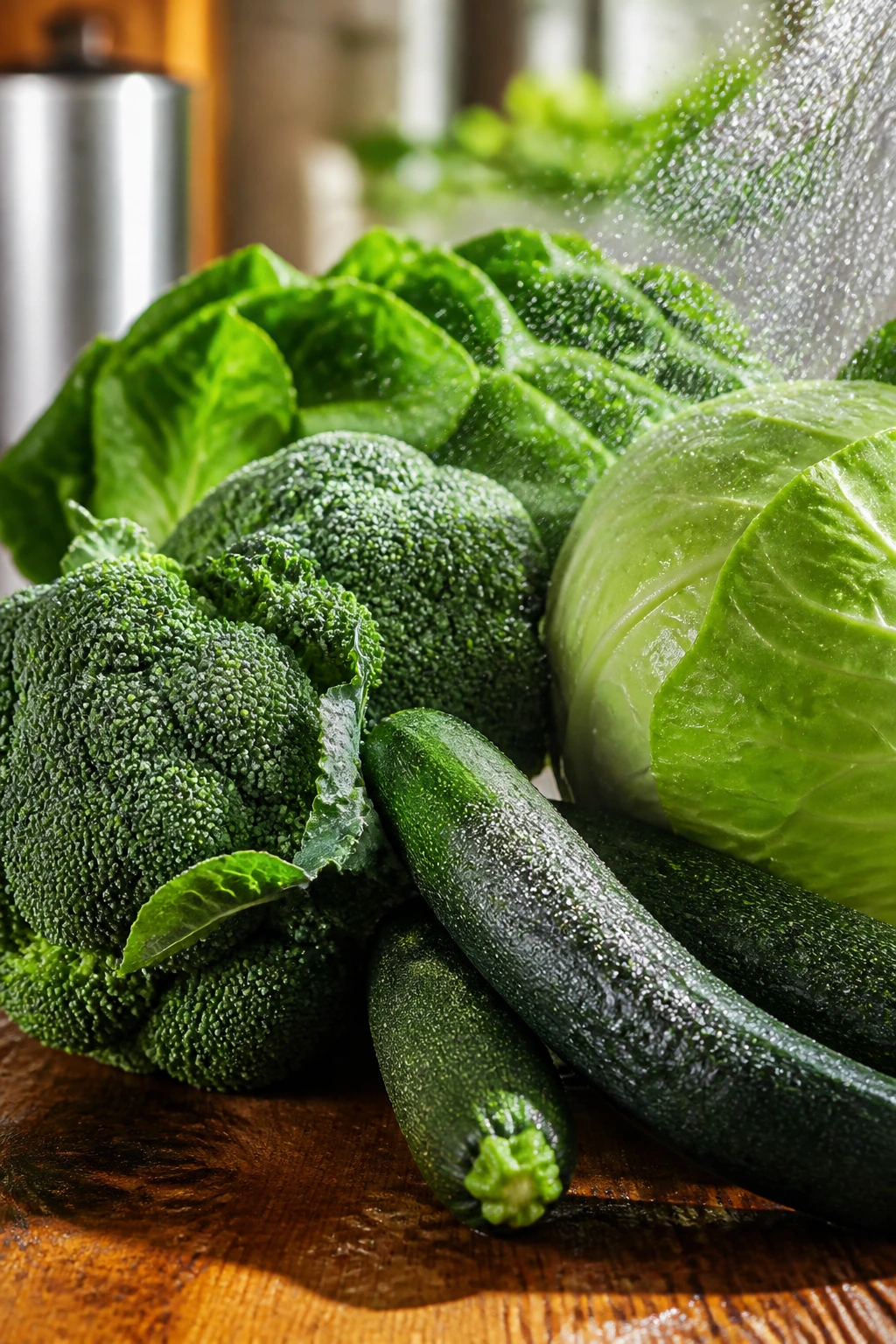
The store is where a lot of vegetable dinners are won or lost. Pick produce that feels firm, heavy, and alive. Broccoli should have tight florets, not open yellowing flowers. Zucchini should be smooth and glossy, not dull and soft around the stem. Cabbage should feel dense in the hand. Mushrooms should be dry and springy, not slick.
Leafy greens are the most fragile. Buy them only if they look perky and do not sit in a wet puddle in the bag. Spinach that feels slimy at the bottom is already sliding downhill. Herbs should smell like themselves when you tear a leaf. If they smell faint or muddy, keep looking.
A few storage habits save a lot of food
- Greens: wash, dry thoroughly, and store with a paper towel in a sealed container or bag.
- Broccoli and cauliflower: keep unwashed in the crisper drawer and use within a few days if possible.
- Carrots, beets, and radishes: trim the greens if they’re attached; the roots last much longer without them.
- Mushrooms: store in a paper bag or a loose container so they can breathe.
- Herbs: stand stems in a glass with a little water, then cover loosely and refrigerate.
Wash vegetables only when you’re ready to dry and store them well. Wet produce spoils faster. That sounds obvious until you rush a bundle of herbs into the fridge with water still clinging to the leaves and wonder why they go limp overnight.
If you buy one thing too much, make it cabbage or carrots. Both are forgiving. A bag of delicate greens is not.
Kitchen Tools That Make Vegetable Dinners Easier
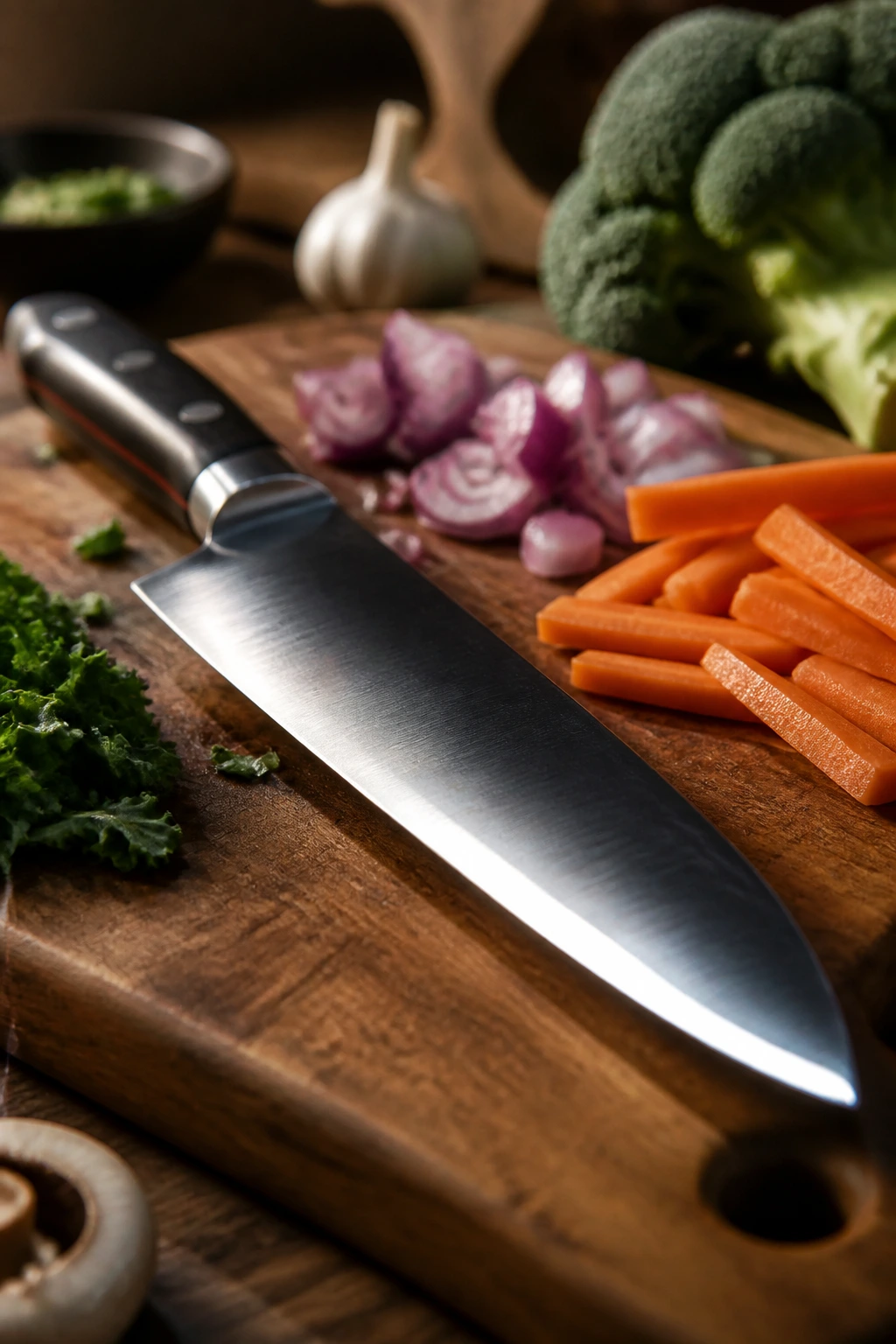
The right tools do not make you a better cook, but they remove annoying friction. And friction is what makes people order takeout while half a head of broccoli dies in the crisper.
- Chef’s knife: the workhorse for chopping onions, carrots, cabbage, and squash without hacking at the board.
- Large cutting board: gives you room to cut vegetables without chasing them across the counter.
- Rimmed sheet pan: the best tool for roasting because it keeps oil and juices from sliding off.
- 12-inch skillet or wok: ideal for fast sautéing and stir-frying; the wider surface helps moisture evaporate.
- Dutch oven or deep sauté pan: useful for braising cabbage, leeks, and greens.
- Steamer basket: simple, cheap, and much better than guessing with a pot lid.
- Salad spinner: worth it if you cook a lot of greens; dry leaves dress better and keep longer.
- Tongs and a wide spatula: make turning vegetables easier without tearing them.
- Mixing bowls: one for tossing vegetables with oil and seasoning, one for sauces, one for leftovers.
- Airtight containers: keep chopped vegetables and cooked leftovers from getting stale too fast.
An instant-read thermometer is not essential for vegetables, but it helps if you cook protein alongside them. That matters because dinner usually lives or dies as a whole plate, not as a single pan.
Practical Tips for Better Weeknight Vegetable Dinners
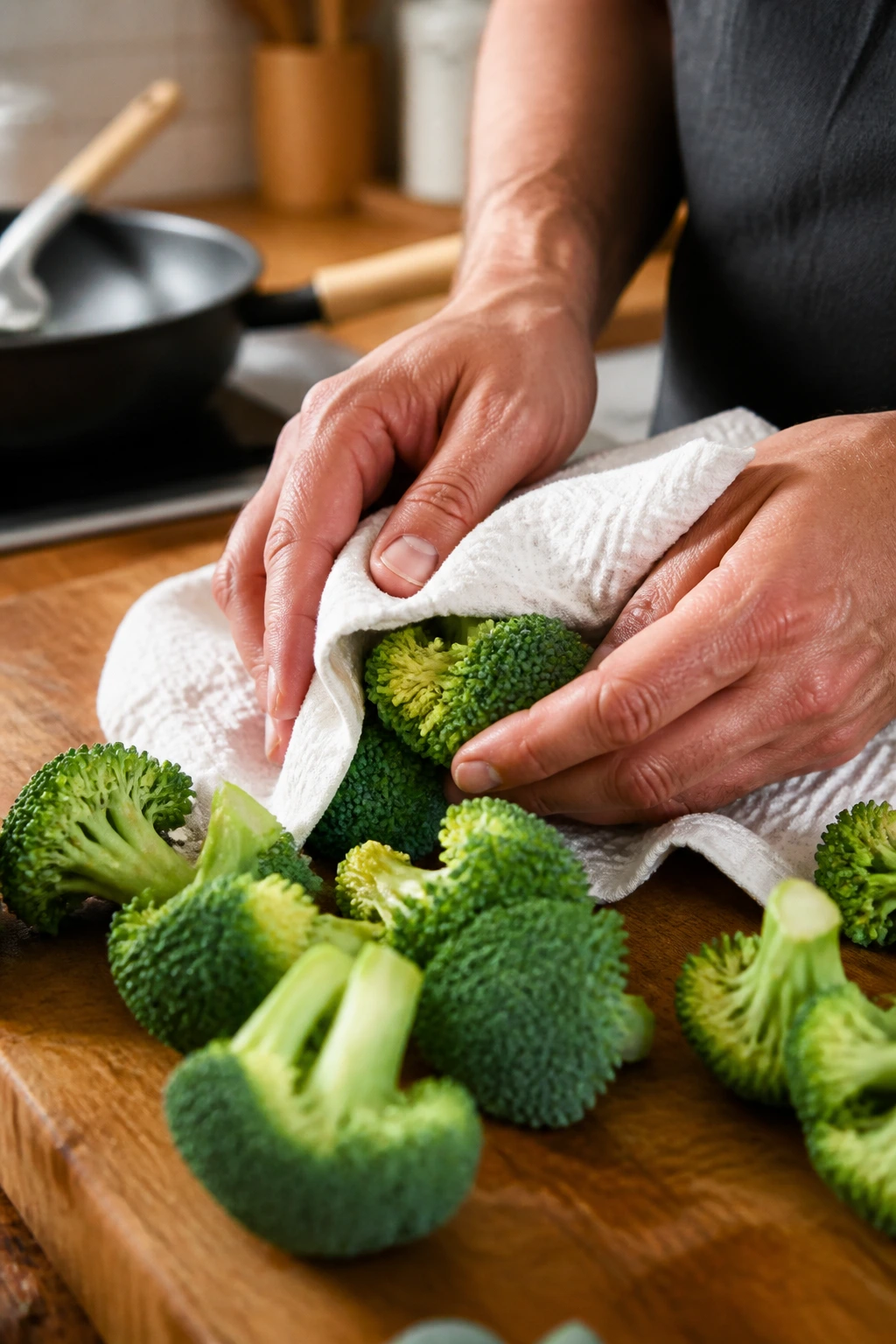
Dry the surface before cooking. Moisture is the enemy of browning. Pat broccoli, mushrooms, eggplant, and greens dry after washing, or they’ll steam before they color.
Salt in stages. A pinch before cooking, a pinch after, then taste again with any sauce. Vegetables absorb seasoning unevenly, and the second taste is where you correct the plate.
Cut for the clock you have. Thin carrots roast faster than thick spears. Cabbage wedges cook slower than shredded cabbage. If you’re in a hurry, cut smaller. If you want texture, leave more structure.
Use hotter heat than you think. A medium pan is often too timid for vegetables. High heat gives you browning before the vegetables collapse.
Finish with something sharp. Lemon, vinegar, yogurt, pickled onions, or capers can rescue a plate that tastes flat. I reach for acid almost automatically with roasted vegetables.
Keep one sauce on standby. Tahini-lemon, yogurt-herb, miso-ginger, or vinaigrette can be made in five minutes and used all week. A good sauce makes leftovers feel like a new dinner instead of reheated fragments.
There’s also a tiny time-saver people ignore: buy one bag of salad greens and one sturdy vegetable that roasts well. Those two things can cover more dinners than a refrigerator full of random produce.
Common Mistakes That Leave Vegetables Limp or Bland
Crowding the pan. If the vegetables are piled on top of each other, they steam. The symptom is pale color and a wet bottom layer. Fix it by splitting them across two pans or cooking in batches.
Skipping the drying step. Wet vegetables shed water into the pan, which kills browning and makes the food taste boiled. The fix is simple: towel them dry or let them air-dry before cooking.
Underseasoning at the beginning. A final sprinkle of salt can’t do all the work. If the vegetables taste flat even after saucing, you probably seasoned too late. Salt earlier, taste at the end, then adjust.
Cutting every vegetable the same size. Carrots and cauliflower do not need the same treatment. Dense vegetables should be smaller; tender ones can stay larger. If one vegetable is mushy and another is raw, the cut size was the problem.
Cooking greens until they turn drab. Spinach and chard go from tender to watery and dark in a hurry. The fix is to add them last and stop when they’ve just wilted.
Using too little fat. Vegetables without enough oil, butter, tahini, or another fat often taste dry and scratchy. A tablespoon or two across a pan is often enough to carry the seasoning.
None of these are moral failings. They’re cooking mistakes. Good news. Cooking mistakes can be fixed.
Variations and Dinner Styles to Try
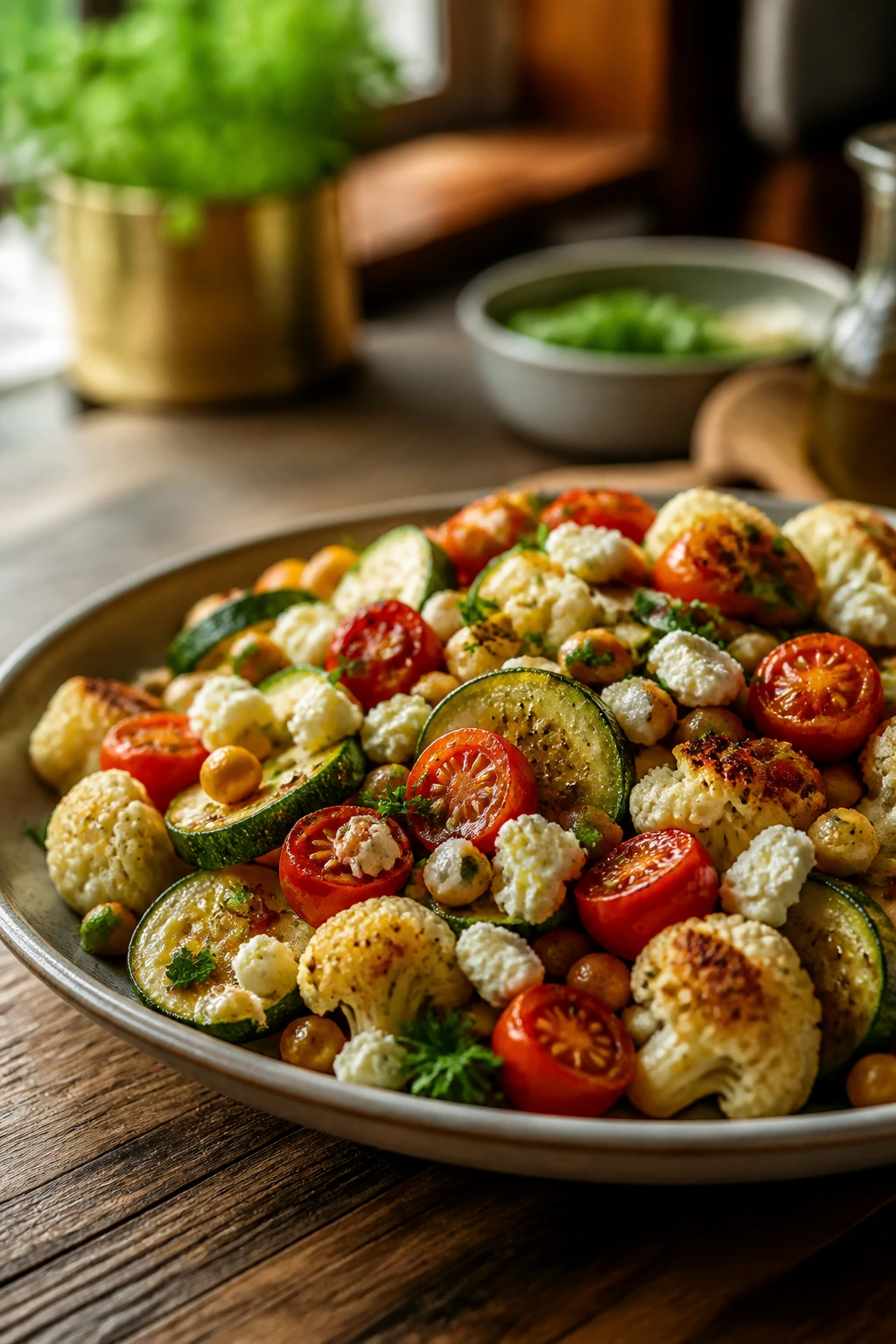
Mediterranean Sheet-Pan Night
Toss zucchini, red onion, cherry tomatoes, cauliflower, and chickpeas with olive oil, oregano, garlic, and lemon zest. Finish with feta and parsley. This version works when you want something bright and savory without leaning on a heavy sauce.
Ginger-Soy Skillet Dinner
Use bok choy, mushrooms, snap peas, carrots, and scallions with garlic, ginger, soy sauce, and sesame oil. Add tofu or scrambled eggs if you want more staying power. It’s the kind of dinner that tastes fast in a good way, not a rushed way.
Cozy Brassica Bowl
Roast broccoli, cauliflower, and Brussels sprouts until the edges are dark. Serve over farro or brown rice with tahini, roasted seeds, and a spoonful of yogurt. This is the version I’d make when the fridge looks plain but still holds enough for a real meal.
Green-First Dinner
Build the plate around asparagus, green beans, kale, and peas, then add eggs or white beans and a few herbs. A little parmesan or goat cheese gives it enough richness to keep the meal grounded. Light does not have to mean thin.
Cabbage and Root Vegetable Skillet
Shred cabbage, slice carrots and onions thin, then cook them hard with paprika, mustard seeds, and a splash of vinegar. Add potatoes if you want a sturdier base. This one feels old-fashioned in the best way, with plenty of bite and sweetness.
Each variation changes the mood without changing the basic rule: vegetables need heat, salt, and a finish that keeps them from tasting naked.
Make-Ahead, Storage, and Leftover Use
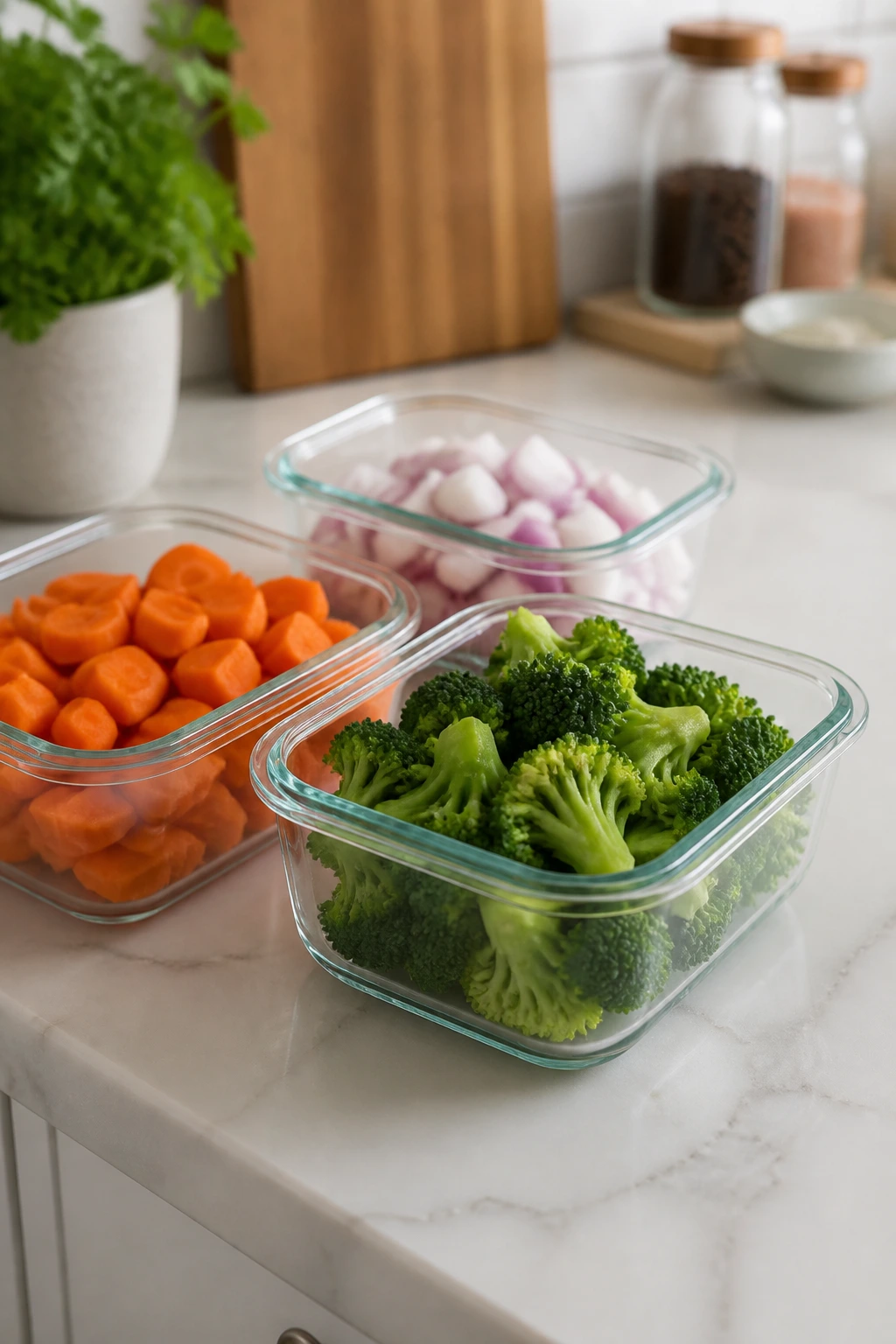
Fresh vegetables are easiest to use when they’re already prepped. Chop carrots, wash greens, trim broccoli, and slice onions the day you buy them if you know the week will be hectic. Store cut vegetables in airtight containers with a dry paper towel to catch moisture. Most chopped sturdy vegetables keep 3 to 4 days this way in the refrigerator; delicate greens do better within 2 to 3 days.
Whole root vegetables, cabbage, and squash usually last longer than leafy greens. Carrots and beets can keep 1 to 2 weeks if they stay dry and chilled. Cabbage is often good for a week or more. Mushrooms need breathing room, so a paper bag or loose container usually works better than plastic.
Cooked vegetables have their own rules. Roasted carrots, broccoli, cauliflower, and Brussels sprouts usually keep 3 to 4 days in the fridge. They can be frozen for up to 2 months, though the texture softens after thawing. Zucchini, cucumber, and lettuce are poor freezer candidates. They come back limp and watery, which is not what you want.
Reheat roasted vegetables in a 400°F oven or a hot skillet if you want to bring back some edge. A microwave is fine for speed, but it softens everything. For sautéed vegetables, reheat quickly in a pan with a teaspoon of oil. For soups or braises, a low simmer is better than a hard boil.
Some dishes improve overnight. Cabbage slaw, marinated cucumbers, and roasted vegetable grain bowls often taste deeper the next day because the seasoning settles in. Others, like crisp salads, are best assembled right before eating. Keep dressing separate until the last moment if you want the vegetables to stay awake.
Can a Vegetable Dinner Actually Keep You Full?
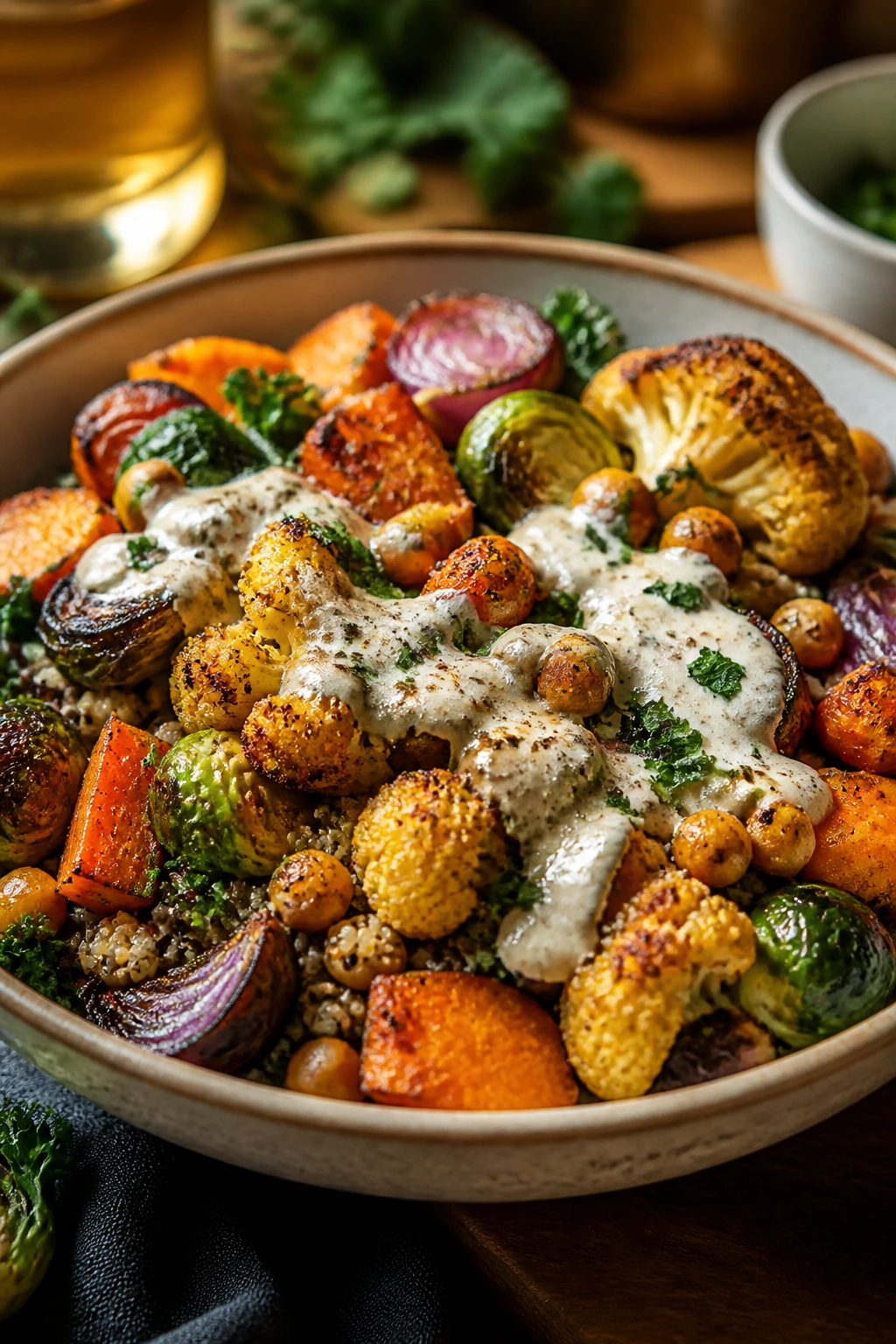
Yes, if it’s built with enough structure. A plate of plain greens won’t do the job, but a meal built around roasted vegetables, beans, eggs, grains, or tofu usually will. The fiber helps, the volume helps, and the protein and fat keep the meal from evaporating an hour later.
What people usually mistake for “not filling” is underbuilding. They made vegetables the whole meal without giving them a backbone. A roasted cauliflower bowl with lentils, olive oil, and herbs is not the same thing as a bowl of naked cauliflower. The first one can hold you. The second one is a side dish pretending to be dinner.
Which Fresh Vegetables Are Best for Dinner When Time Is Short?
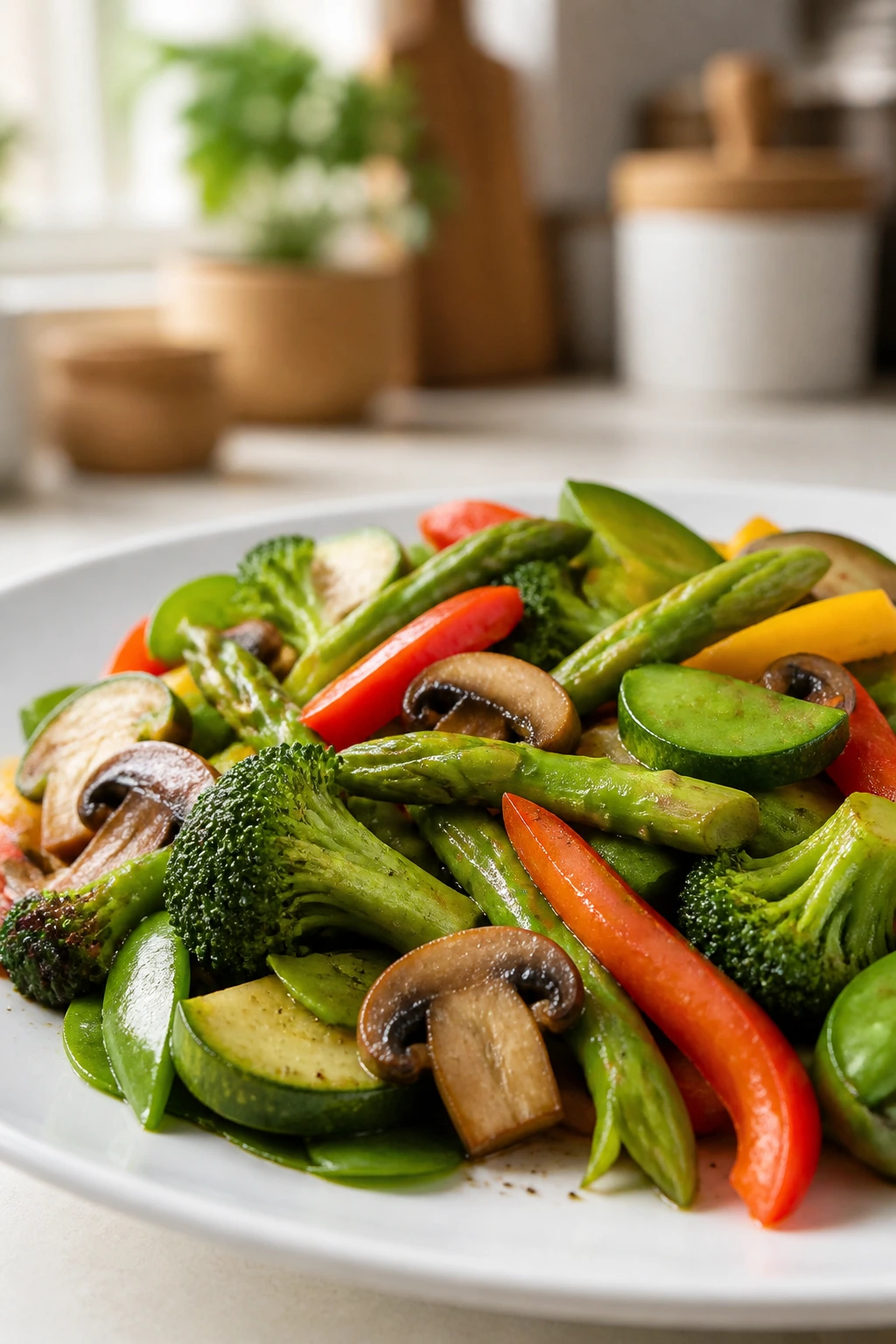
Choose vegetables that cook fast or can be cut into fast-cooking shapes. Broccoli florets, asparagus, mushrooms, snap peas, zucchini, spinach, and bell peppers are the usual winners. Cabbage is also fast if you shred it thin, and it’s one of the best emergency vegetables because it keeps so well.
If time is tight, avoid vegetables that need a long roast unless you cut them very small. Big beets, thick carrots, and dense squash are worth making, but not when dinner needs to be on the table in 15 minutes. That’s when a skillet earns its keep.
How Do You Keep Vegetables From Getting Soggy?
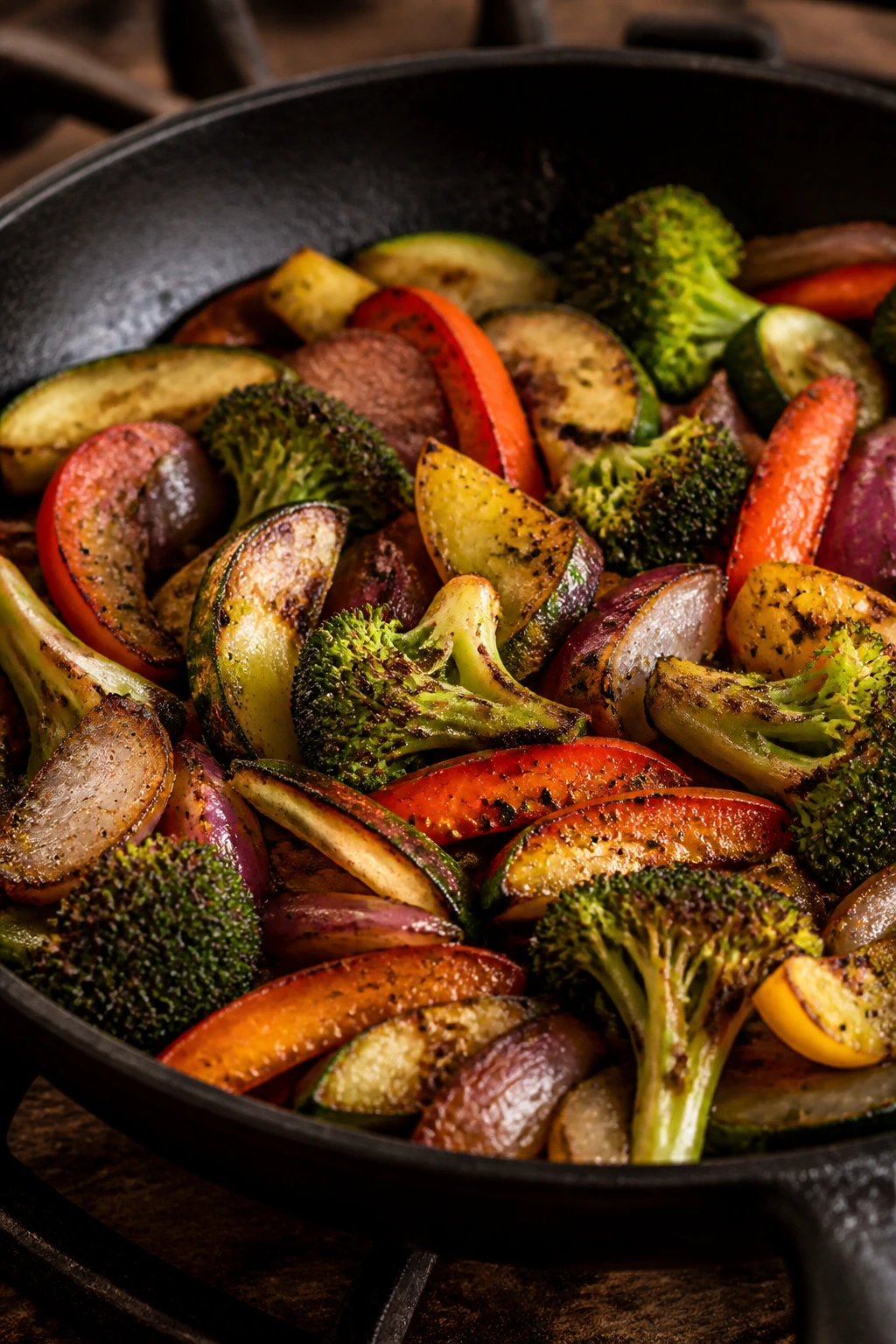
Give moisture nowhere to hide. Dry the vegetables after washing, use enough heat, and keep the pan uncrowded. Most soggy vegetable problems start before cooking even begins.
For mushrooms, zucchini, and eggplant, salt lightly and let them sit briefly if you want to draw out some water before cooking. For broccoli and cauliflower, a hot oven or pan is usually enough. For greens, cook them in stages so they wilt instead of collapsing into a wet pile.
What Can You Add If You Want More Protein?
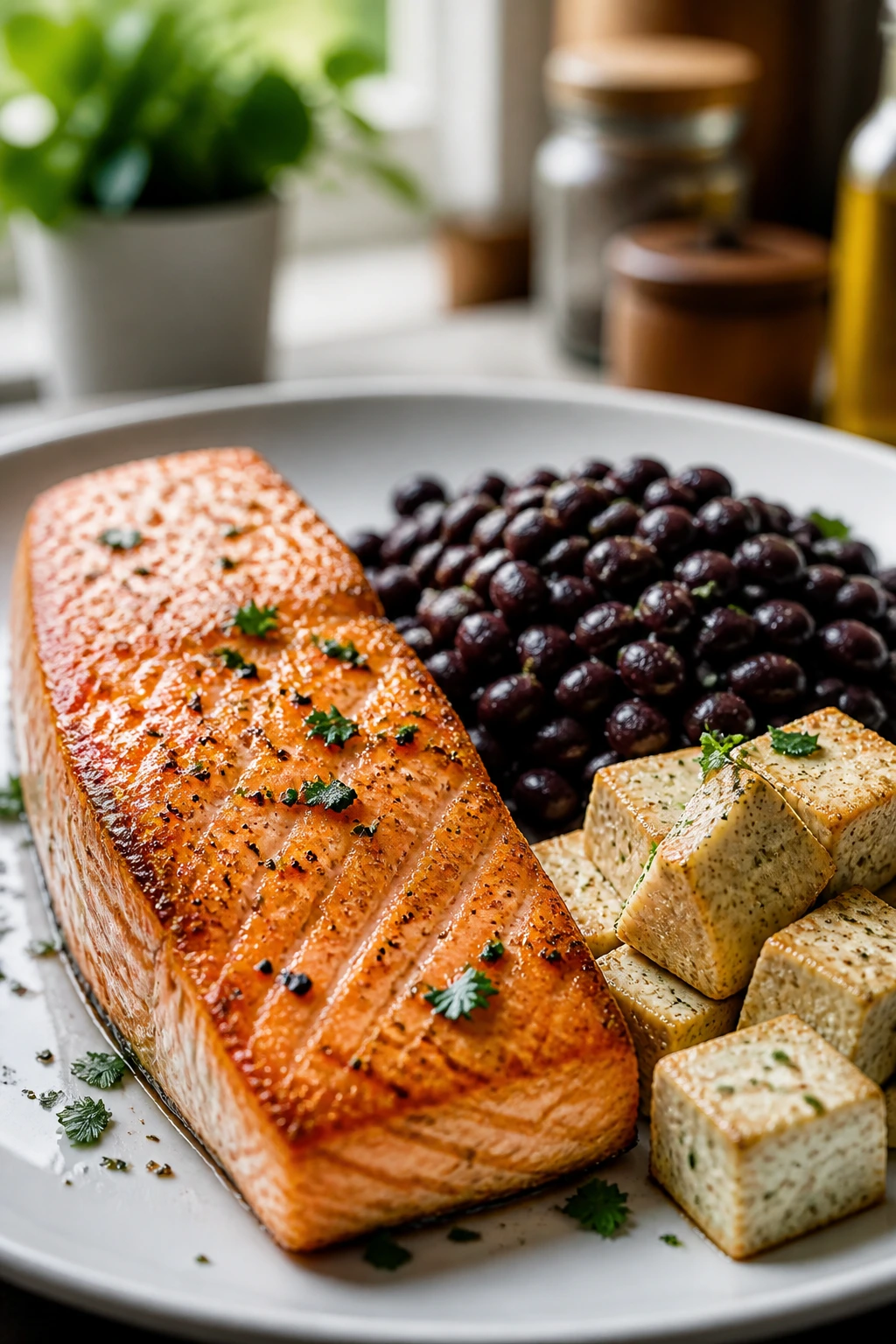
Eggs are the easiest answer. So are beans, lentils, tofu, tempeh, Greek yogurt, and a little cheese. If you eat fish or meat, salmon, chicken, shrimp, and turkey all pair well with vegetable-heavy dinners.
The key is to match the protein to the cooking method. Beans and lentils fit bowls, soups, and braises. Eggs fit skillets and greens. Tofu can take high heat if it’s patted dry first. A baked salmon fillet beside roasted broccoli and carrots is about as straightforward as dinner gets.
Is It Better to Use Fresh or Frozen Vegetables?
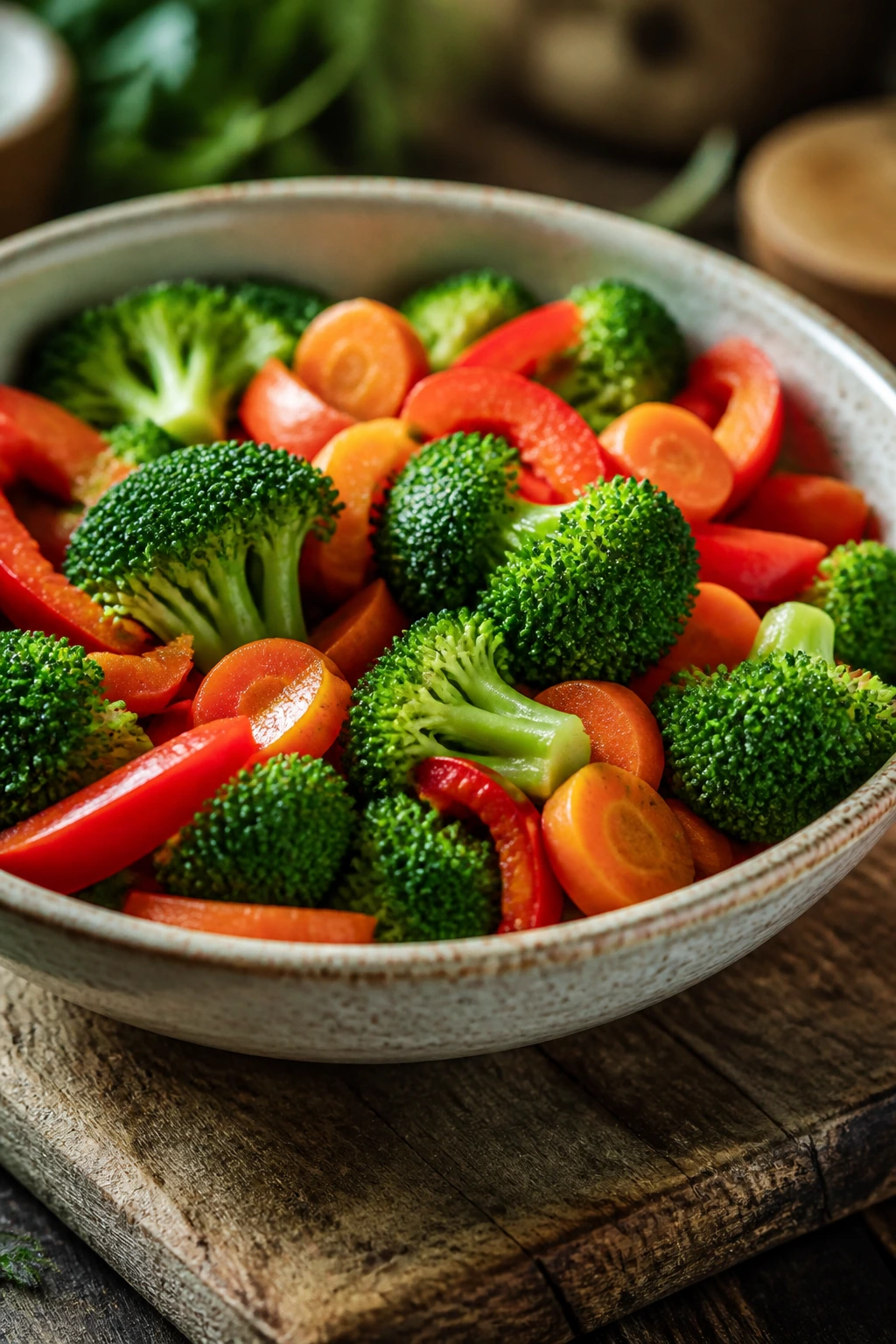
Fresh and frozen both have a place. Fresh vegetables usually win when you want crisp texture, browning, or a raw salad. Frozen vegetables are handy when the fresh version looks tired, overpriced, or awkward to prep.
Frozen peas, spinach, broccoli, cauliflower, and green beans can be excellent in soups, stir-fries, and casseroles. They are already washed, cut, and packed at a decent stage of ripeness. The downside is texture. If you want caramelized edges or a salad that crunches, fresh is the better choice.
How Far Ahead Can You Prep Vegetables for Dinner?
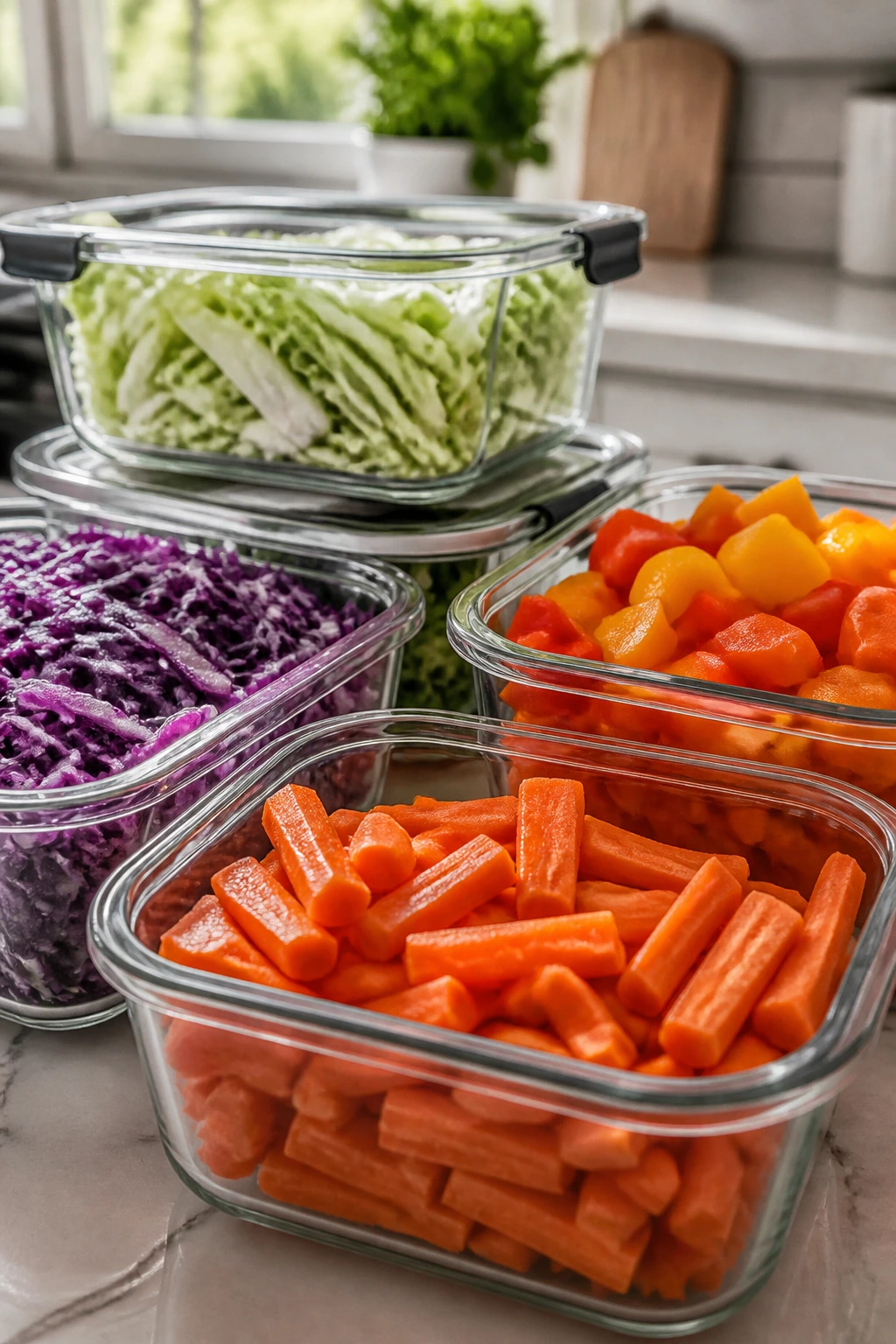
Most sturdy vegetables can be chopped 2 to 4 days ahead if you store them dry in the fridge. Leafy greens are best washed and dried the same day or the night before use. Herbs last longer if you treat them like flowers: stems in a little water, leaves loosely covered.
If you prep too far ahead, taste starts to slip. Cabbage keeps better than zucchini. Carrots keep better than spinach. Mushrooms are the fussiest of the bunch and should be used quickly after slicing. Prep with the week in mind, not the month.
A Calmer Way to Think About Dinner
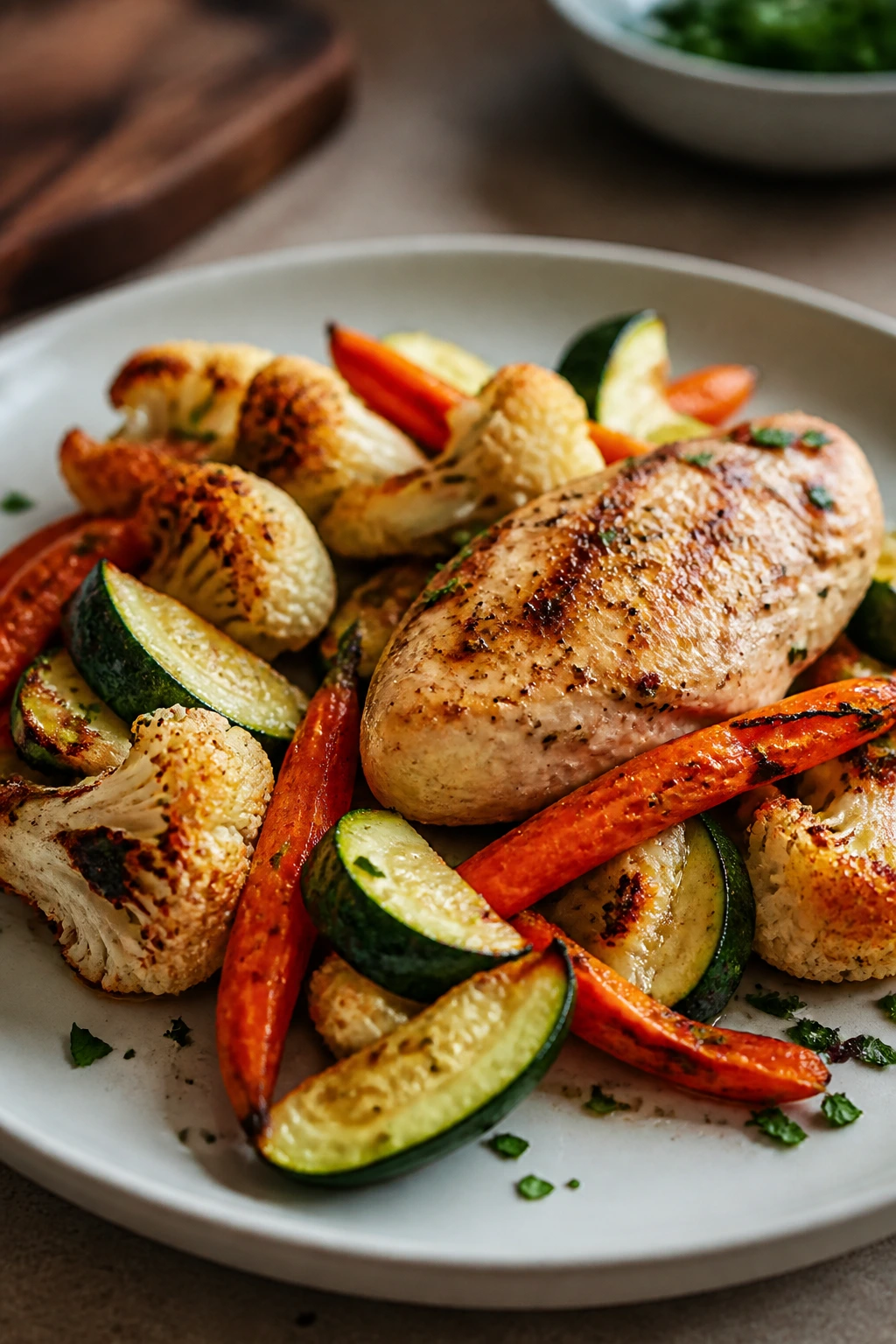
Fresh vegetables do not need to be the side dish you’re trying to get through. They can be the part of dinner that makes the whole plate feel intentional. Once you know how to roast hard, sauté fast, steam gently, or serve raw with enough seasoning, the crisper drawer gets a lot more useful.
The biggest shift is a simple one: stop asking vegetables to behave like bland filler. Give them heat. Give them salt. Give them acid. Then build the rest of dinner around what they already do well.
Start with one vegetable you already like, cook it a little harder than seems necessary, and finish it with something sharp. That small move changes dinner more than most complicated recipes ever do.