



Ten-minute dinners are what save a night when the stove feels too far away and everyone is already asking when food is coming.
That’s the real appeal here. Not some fantasy of making a three-course meal faster than a pizza arrives. Just a hot, sensible dinner with enough flavor to feel like you meant to cook, using ingredients that behave on a bad day: shrimp that cooks before you’ve found the tongs, rotisserie chicken that’s already done the hard part, gnocchi that crisps in a skillet, canned beans that turn into something sturdier than a backup plan.
The best fast dinners are a little ruthless about what they ask from you. They do not need a long simmer, a mountain of chopping, or a sink full of pans. They need a hot skillet, a short ingredient list, and at least one smart shortcut that doesn’t taste like a shortcut. Acid helps. Salt helps. A little heat on the surface of food helps more than people think. So does choosing ingredients that already know how to cook fast.
These eight ten minute dinners for hectic nights lean hard into that idea. They’re quick, but they’re not flimsy. And on the kind of night where patience is thin and hunger is loud, that matters more than a perfect plan.
1. Lemon-Garlic Shrimp and Spinach Couscous
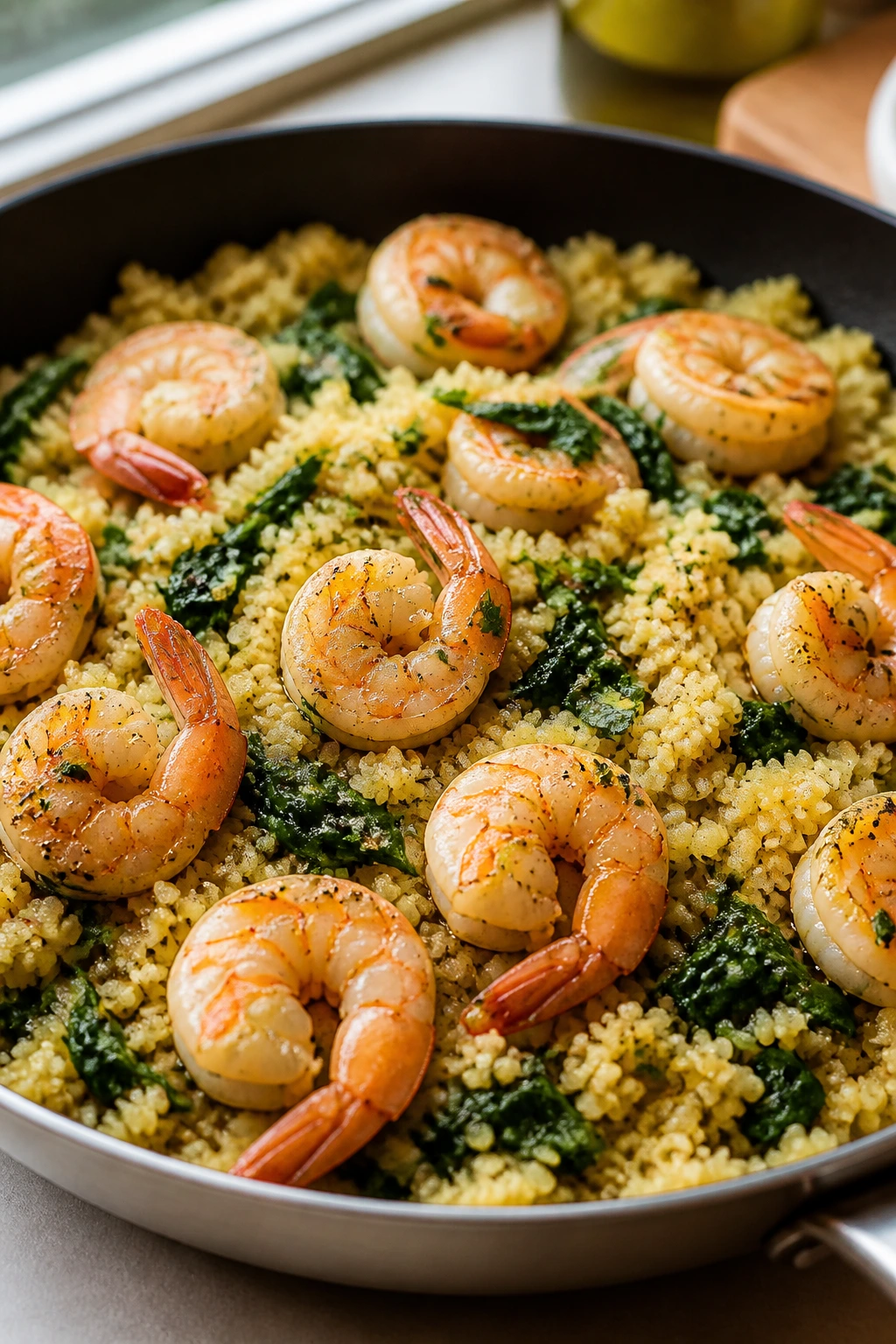
Shrimp is one of those rare ingredients that can make dinner feel calm even when the rest of the evening is a mess. The moment it hits a hot pan, you get color, garlic, butter, and that clean ocean smell that says food is actually happening. Add couscous and spinach, and the whole thing turns into a bright, fast skillet meal with real shape.
This version stays lively because it leans on contrast. The couscous is soft and fluffy, the shrimp is springy, and the spinach collapses into the sauce just enough to feel like part of the dish instead of a garnish that wandered in late. The lemon keeps it from feeling heavy. Good thing, too. Nobody wants a sleepy dinner on a night like this.
Why It Works
Shrimp is the speed demon here. It cooks in about 4 minutes total, which is why you can build the rest of the meal around it instead of the other way around. Couscous is another quiet genius move: pour over hot liquid, cover, wait a few minutes, and it’s done. There’s no pot of water to watch, no draining, no drama.
The dish also gets its depth from a handful of basic ingredients that do a lot of work. Butter or olive oil carries the garlic. Lemon juice wakes up the whole pan. Spinach wilts fast enough to count as part of the finish, not a separate task. That’s what makes this a real ten-minute dinner instead of a “quick” recipe that quietly takes half an hour.
Key Ingredients
- 1 cup couscous
- 1 cup boiling water or low-sodium chicken broth
- 1 pound peeled and deveined shrimp, thawed and patted dry
- 2 tablespoons unsalted butter or olive oil
- 3 garlic cloves, minced
- 3 cups baby spinach
- 1 lemon, zested and juiced
- 1/4 teaspoon red pepper flakes
- 2 tablespoons chopped parsley
- Salt and black pepper, to taste
Quick Steps
-
Put the couscous in a heatproof bowl with a pinch of salt, then pour in the boiling water or broth. Cover tightly and let it sit for 5 minutes until the grains are fluffy and the liquid is absorbed.
-
Pat the shrimp dry and season them with salt and black pepper. Dry shrimp sear better; wet shrimp steam. That little detail changes the whole skillet.
-
Heat the butter or oil in a large skillet over medium-high heat. Add the garlic and cook for about 20 seconds, just until it smells sweet and not harsh.
-
Add the shrimp in a single layer and cook for 1 to 2 minutes per side, until pink, opaque, and lightly curled. Stir in the red pepper flakes, lemon zest, lemon juice, and spinach.
-
Toss until the spinach wilts and the pan looks glossy. Fluff the couscous with a fork, spoon the shrimp mixture over it, and finish with parsley.
Tips and Variations
- Use frozen shrimp if that’s what you keep around; just thaw it under cold running water and dry it well.
- Swap the spinach for baby arugula at the very end if you want a peppery edge.
- If you like a little more body, stir in halved cherry tomatoes with the shrimp and let them blister for a minute.
2. Rotisserie Chicken Caesar Pita Pockets
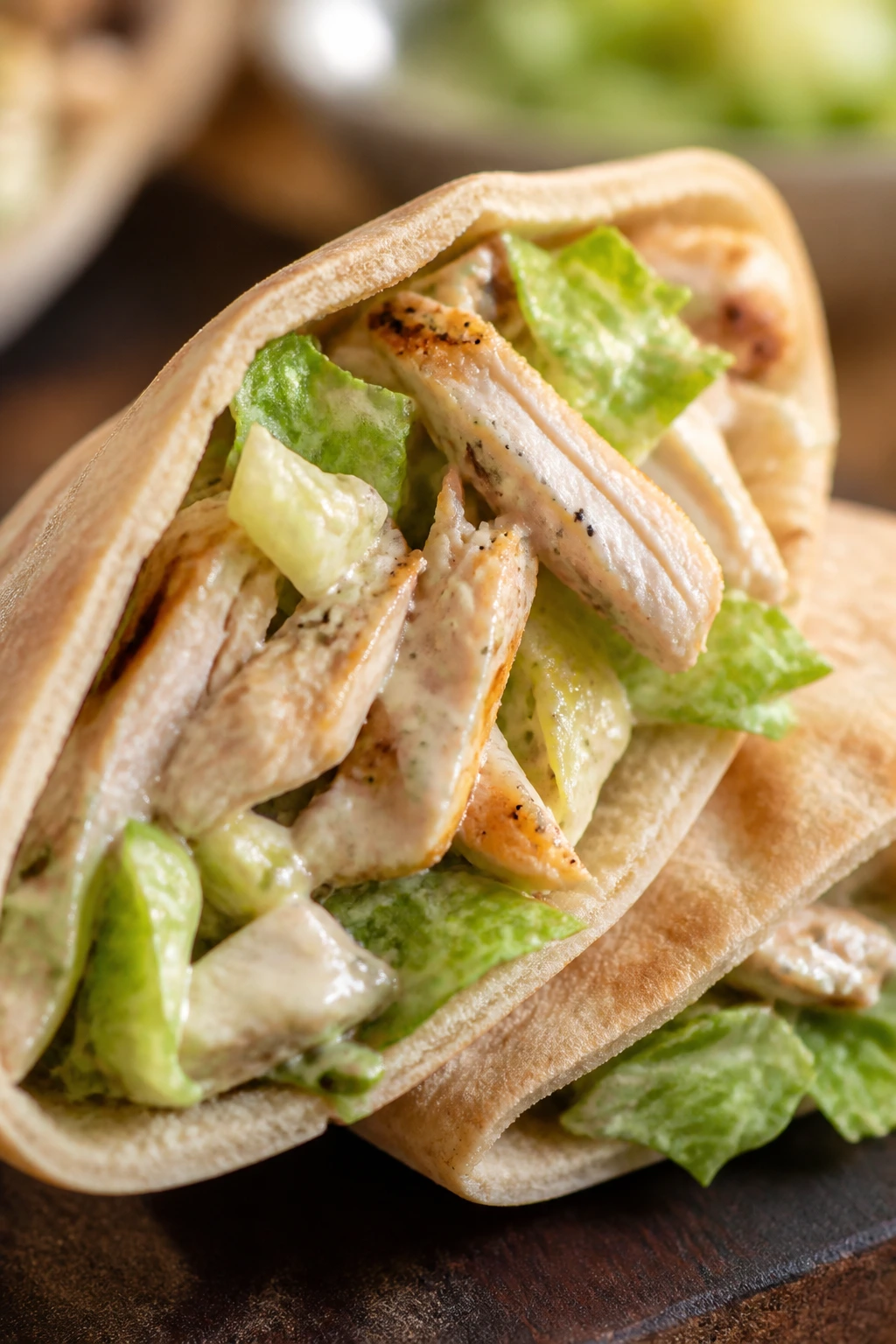
Cold, crunchy, creamy, savory. That’s the mood here. This is the kind of dinner that feels almost suspiciously easy while you’re making it, then disappears fast because the combination of salty chicken, romaine, and Caesar dressing hits like a proper meal.
Rotisserie chicken is doing a lot of heavy lifting, and I have no shame about that. It should. Dinner on a hectic night is no place for unnecessary heroics. The pita gives you a tidy pocket to hold everything together, which matters more than people admit. Nobody wants shredded chicken rolling off a cutting board while they’re trying to answer a text and find a fork.
Why This One Stays Fast
The cooked chicken is the shortcut that makes the whole thing possible. You’re not seasoning, searing, roasting, or checking for doneness. You’re just pulling meat off the bones and turning it into dinner with a few cold ingredients. Caesar dressing brings salt, creaminess, and enough punch to make the chicken taste more intentional than it already does.
Greek yogurt is a smart little addition here because it lightens the dressing without making the filling dry. Warmed pita rounds out the dish and makes it feel finished. If you skip the warm bread step, the whole thing gets a little flat. Five extra seconds in a skillet solves that.
Key Ingredients
- 2 cups shredded rotisserie chicken
- 1/3 cup Caesar dressing
- 2 tablespoons plain Greek yogurt
- 4 whole-wheat pita rounds, halved
- 2 cups chopped romaine
- 1 cup cherry tomatoes, halved
- 1/4 cup finely grated Parmesan
- 2 tablespoons crushed croutons
- Black pepper, to taste
- 1 lemon wedge, for serving
Quick Steps
-
In a medium bowl, combine the shredded chicken, Caesar dressing, and Greek yogurt. Stir until the chicken is evenly coated and glossy.
-
Warm the pita rounds in a dry skillet over medium heat for about 30 seconds per side, just until soft and flexible. Do not overheat them, or they’ll crack when you open them.
-
Fill each pita half with chopped romaine, a scoop of the chicken mixture, cherry tomatoes, and Parmesan.
-
Sprinkle crushed croutons on top for crunch and finish with black pepper. If you like a brighter flavor, squeeze a little lemon over the filling.
-
Serve right away while the pita is still soft and the lettuce still has some bite.
Tips and Variations
- Use naan or tortillas if your pita tears easily; the filling works in either.
- Make the chicken mixture up to 2 days ahead and keep the lettuce separate until serving.
- Add shaved cucumber if you want more crunch and a colder, fresher finish.
3. Black Bean and Cheddar Quesadillas with Pico
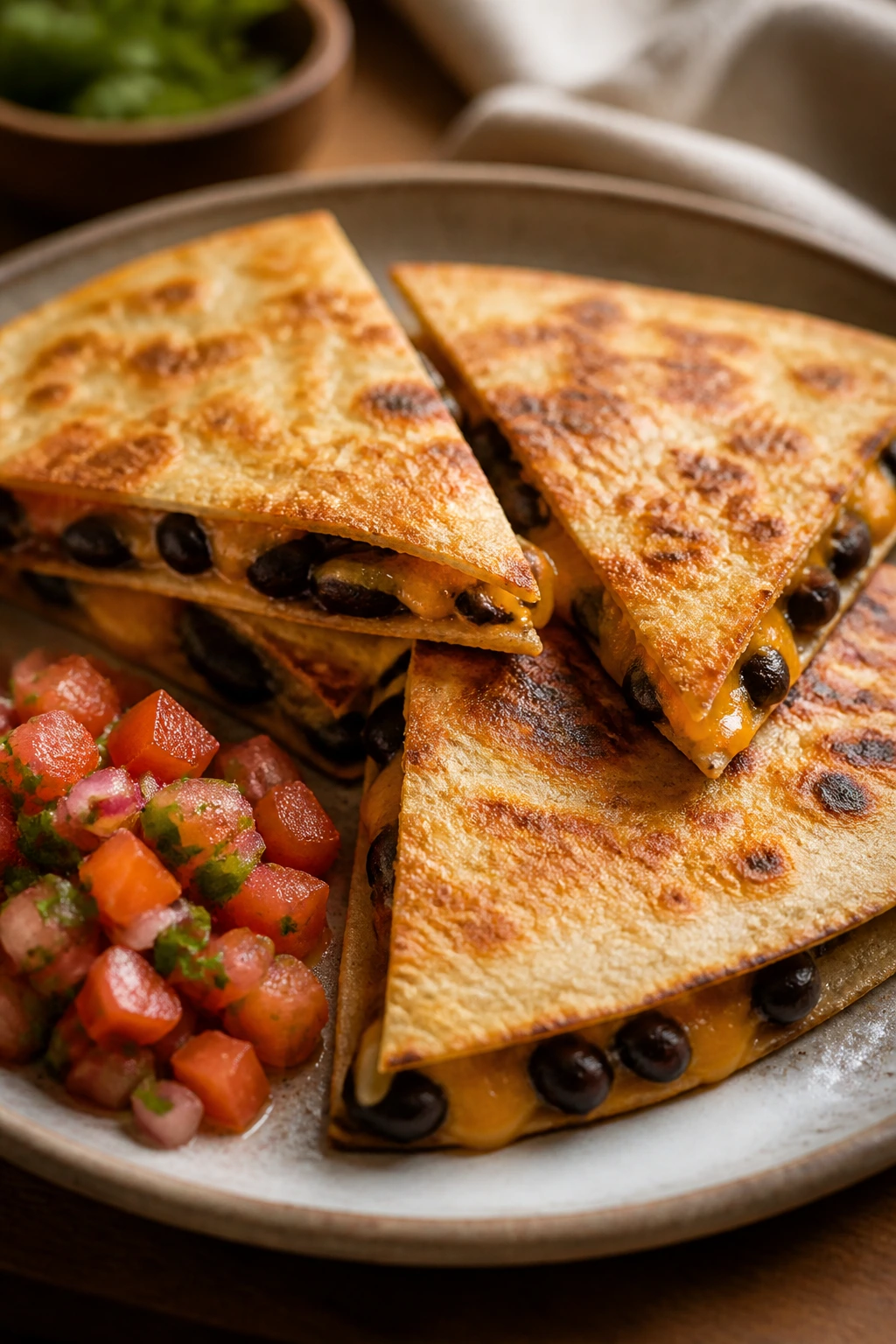
A skillet full of sizzling tortillas has a way of making a tired kitchen feel more alive. These quesadillas come together with pantry food, but they don’t eat like pantry food. The beans give them heft, the cheddar melts into the folds, and the pico cuts through the richness so the whole thing stays sharp instead of heavy.
This is one of those dinners that rescues you when the fridge looks empty but the pantry says otherwise. There’s enough texture to keep it interesting and enough cheese to keep people quiet for a few minutes. Honestly, that’s a gift.
The Short Path to Dinner
Beans and tortillas are the backbone here. Black beans bring protein and a creamy interior once you mash some of them, which helps the filling stay put. Cheese melts fast and binds everything together. You can have a crisp, golden quesadilla on the table in the time it takes to decide whether you were going to make something else.
A small spoonful of salsa or pico inside the quesadilla does more than add flavor. It also keeps the beans from tasting flat and gives the filling a little moisture so you don’t end up with a dry, chalky center. That’s the mistake with a lot of rushed quesadillas. They look fine and taste dull. These don’t.
Key Ingredients
- 4 flour tortillas
- 1 can black beans, drained and rinsed
- 1 cup shredded cheddar or Monterey Jack
- 1/2 cup salsa or pico de gallo
- 1/2 cup frozen corn, thawed
- 1 tablespoon olive oil or unsalted butter
- 1/4 teaspoon ground cumin
- 1 avocado, sliced
- 2 tablespoons chopped cilantro
- Lime wedges, for serving
Quick Steps
-
In a bowl, mash about half the black beans with the salsa and cumin. Leave the rest whole so the filling has some texture.
-
Lay two tortillas on a clean surface and divide the bean mixture, cheese, and corn between them. Top with the remaining tortillas.
-
Heat the oil or butter in a large skillet over medium heat. Add one quesadilla and cook for 2 to 3 minutes, until the underside is golden and the cheese begins to melt.
-
Flip carefully and cook the second side for another 2 minutes, until crisp and deeply spotted with brown.
-
Let the quesadilla rest for 30 seconds before slicing. Serve with avocado, cilantro, and lime.
Tips and Variations
- If the tortillas brown too fast, lower the heat. Cheese needs a little time to melt.
- Add a spoonful of canned green chiles if you want more bite.
- Leftover cooked chicken or steak slides in easily without changing the method.
4. Pan-Seared Pesto Gnocchi with Tomatoes and Mozzarella
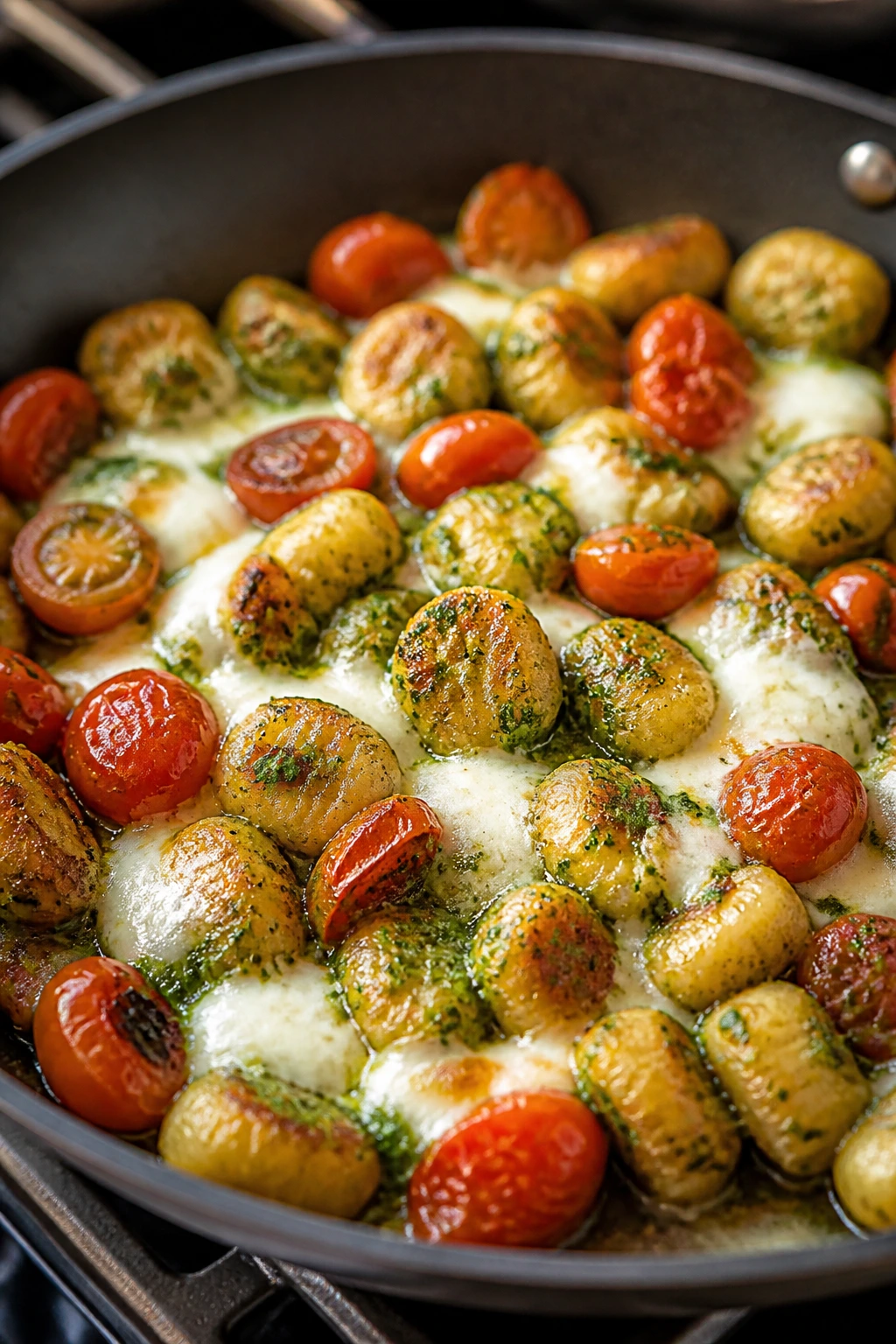
This is the kind of dinner that feels more expensive than it is. Shelf-stable gnocchi goes into a pan, picks up a golden crust, and suddenly the whole thing tastes like someone paid attention. Pesto brings the basil and garlic, cherry tomatoes burst into little sweet pockets, and mozzarella melts just enough to soften the edges.
There’s no boiling water here, which is part of why I like this version better than the usual gnocchi treatment on a frantic night. Boiling pasta is fine. Boiling pasta while the rest of your evening is melting down is not. Searing gnocchi straight from the package is faster, cleaner, and honestly more fun.
What Keeps It Under Ten
Shelf-stable gnocchi is the trick. It cooks directly in the skillet, so you skip the whole pot-of-water step and still get texture. The outside gets crisp, the inside stays tender, and the pan drippings soak up the pesto in a way that feels much richer than it should.
The tomatoes matter too. They soften quickly, release a little juice, and help loosen the pesto just enough to coat every piece. Off the heat, the mozzarella melts into soft pockets instead of disappearing. That’s the part that makes this feel like dinner rather than a side dish pretending to be one.
Key Ingredients
- 1 pound shelf-stable potato gnocchi
- 2 tablespoons olive oil
- 1 cup cherry tomatoes, halved
- 1/3 cup basil pesto
- 1 cup mini mozzarella balls, drained
- 2 cups baby arugula or torn basil leaves
- 2 tablespoons toasted pine nuts
- Salt and black pepper, to taste
- Pinch of red pepper flakes
Quick Steps
-
Heat the olive oil in a large skillet over medium-high heat. Add the gnocchi in a single layer and cook for 5 to 6 minutes, stirring every minute, until the outsides are golden and lightly crisp.
-
Add the cherry tomatoes and cook for 1 to 2 minutes, just until they start to blister and soften.
-
Turn the heat to low and stir in the pesto with 1 to 2 tablespoons of water, enough to loosen the sauce and coat the gnocchi evenly.
-
Remove the skillet from the heat. Fold in the mozzarella and arugula so the greens wilt and the cheese softens.
-
Season with black pepper and a pinch of red pepper flakes, then scatter the pine nuts over the top.
Tips and Variations
- Use baby spinach if arugula feels too sharp for your crowd.
- Crisped prosciutto or chopped cooked bacon can go in at the end.
- A spoonful of ricotta on top makes this feel a little more indulgent without adding much time.
5. Beef and Broccoli Stir-Fry with Microwave Rice
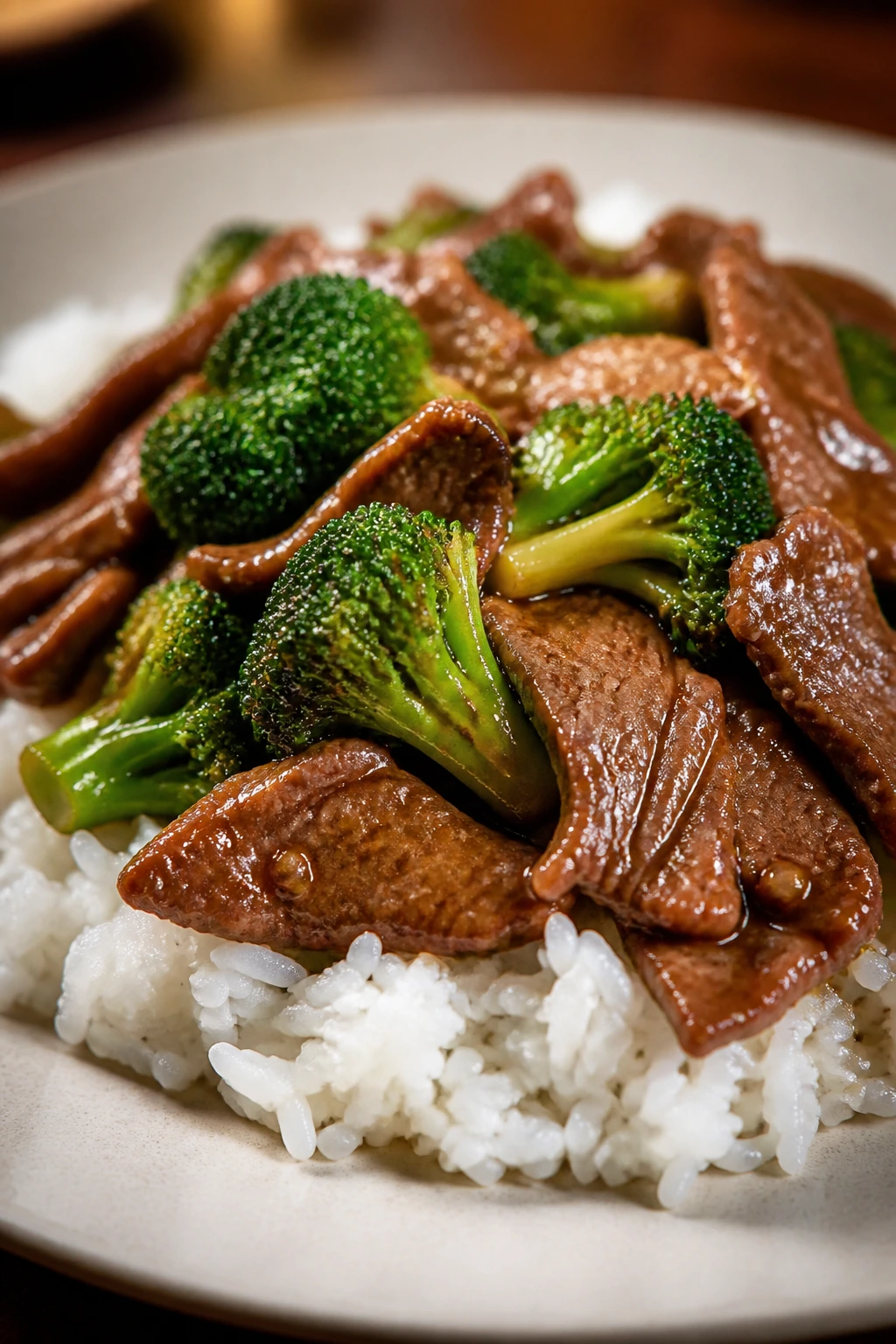
The best fast stir-fry is all about preparation, and this one rewards the right shortcuts. Shaved beef cooks fast enough to keep pace with a hot skillet, broccoli softens quickly with a splash of water, and microwave rice removes the slowest part of the meal from the equation. That’s why this works on a night when you’re one minor inconvenience away from giving up.
The sauce is simple on purpose: soy sauce, hoisin or oyster sauce, a little honey, garlic, and maybe ginger if you have it. It clings to the beef and broccoli, turns glossy in the pan, and gives you that takeout-style flavor without the wait. I like this one because it feels sturdy. Not elaborate. Just sturdy.
Why It Earns a Spot in the Rotation
Thin beef is the whole game here. Shaved beef or very thin flank steak cooks in a couple of minutes, which is what makes the timing realistic. Broccoli florets need to be small so they can soften fast. If they’re too chunky, the pan will force you into extra minutes you do not have.
Microwave rice sounds boring until you’re standing over a hot skillet and realize it saved the dinner. Don’t romanticize every step. Some nights need rice from a pouch. That’s fine. The important part is that the beef stays tender, the broccoli keeps a little bite, and the sauce tastes like it had more time than it did.
Key Ingredients
- 1 pound shaved beef or very thinly sliced flank steak
- 2 cups small broccoli florets
- 2 tablespoons soy sauce
- 1 tablespoon hoisin sauce or oyster sauce
- 1 teaspoon honey or brown sugar
- 2 garlic cloves, minced
- 1 teaspoon grated fresh ginger, optional
- 2 tablespoons neutral oil
- 1 package microwave jasmine rice, about 8.5 ounces
- 1 teaspoon sesame seeds and 2 sliced scallions, for finishing
Quick Steps
-
Heat the rice according to the package directions so it’s ready when the stir-fry is done.
-
Stir together the soy sauce, hoisin or oyster sauce, honey, garlic, and ginger in a small bowl.
-
Heat the oil in a large skillet or wok over high heat. Add the beef and cook for 1 to 2 minutes, stirring once or twice, until browned but still tender.
-
Add the broccoli and 2 tablespoons of water. Cover the pan for 2 minutes so the broccoli steams and turns bright green.
-
Uncover, pour in the sauce, and toss for 30 to 60 seconds until everything is shiny and lightly glazed.
-
Serve over the rice and finish with sesame seeds and scallions.
Tips and Variations
- Freeze the beef for 10 to 15 minutes before slicing if your knife keeps slipping.
- Add a handful of snap peas if you want more crunch.
- Use tamari instead of soy sauce if you need a gluten-free version.
6. Warm Tuna and White Bean Toasts with Lemon
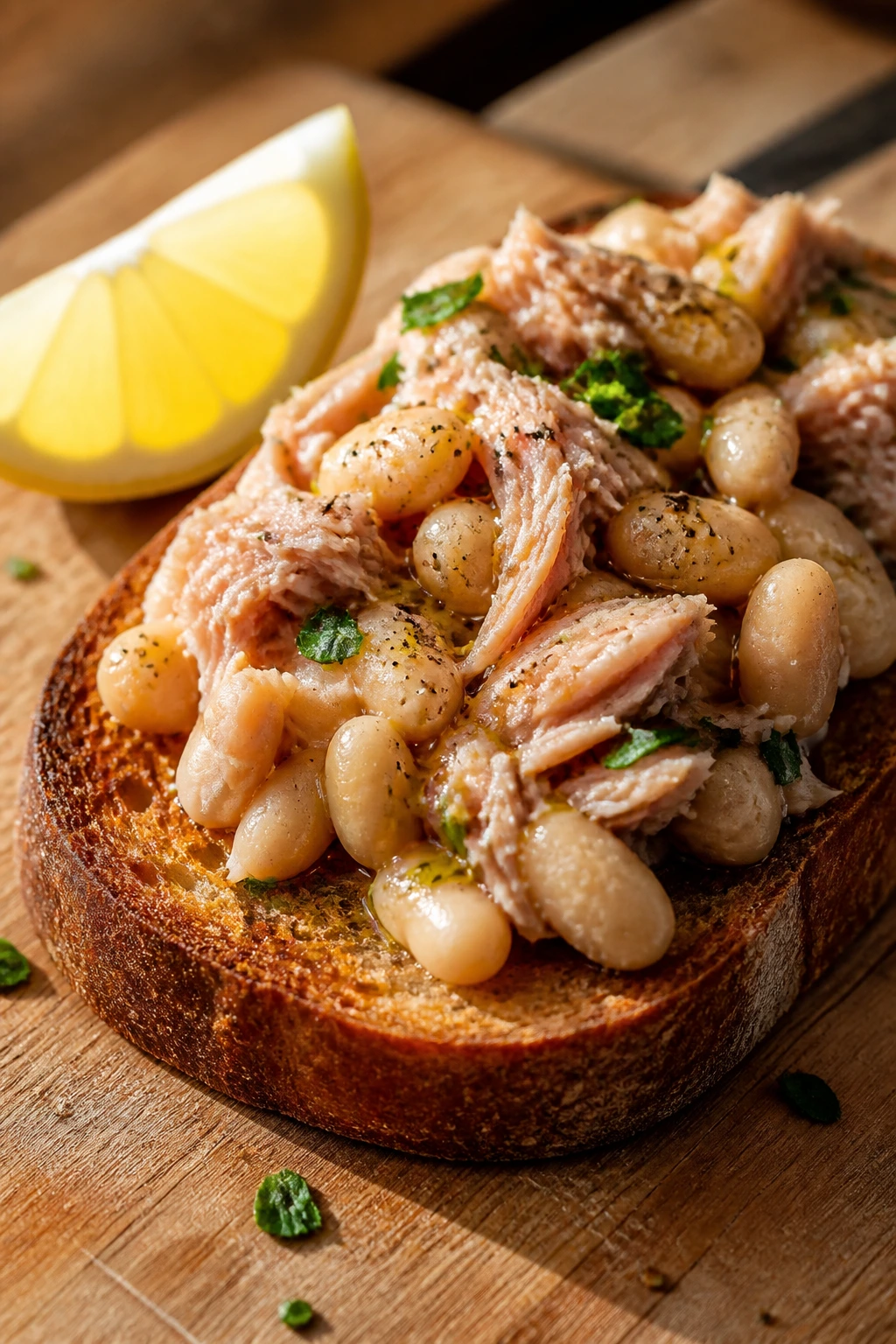
This one is for the nights when the fridge is thin and the pantry starts looking like the only honest option. Tuna and white beans are not flashy ingredients, but they’re dependable, cheap, and fast, which is more useful on a chaotic evening than a lot of food that looks more exciting on paper. Toast gives the dish structure. Lemon gives it lift.
The flavor is clean and briny and a little sharp from the capers. If you use tuna packed in olive oil, the whole thing turns richer without needing much help. It’s not a “look what I made” dinner. It’s a “thank goodness there was something here” dinner. Those are different things, and this one is better than it sounds.
What Makes It Reliable
Canned food can make a good dinner when you treat it with a little respect. Warm the beans in olive oil and garlic, and they stop tasting like filler. Fold in tuna at the end so it stays flaky instead of turning into paste. Lemon and parsley make the whole bowl taste awake.
Toasts matter because they hold the mixture and keep the texture varied. Soft filling on crunchy bread is a better dinner than soft filling alone. That’s the whole equation, really. Nothing fancy, just contrast and heat.
Key Ingredients
- 2 cans tuna, 5 ounces each, drained
- 1 can cannellini beans, drained and rinsed
- 2 tablespoons olive oil
- 1 garlic clove, minced
- 1 lemon, zested and juiced
- 1 tablespoon capers, drained
- 2 tablespoons chopped parsley
- 4 slices sourdough or country bread
- 2 cups arugula
- Black pepper, to taste
- Pinch of red pepper flakes, optional
Quick Steps
-
Toast the bread until the edges are crisp and the centers still have some chew.
-
Heat the olive oil in a skillet over medium heat. Add the garlic and cook for about 20 seconds, just until fragrant.
-
Add the cannellini beans and warm them for 1 to 2 minutes, stirring gently so they stay mostly intact.
-
Fold in the tuna, capers, lemon zest, lemon juice, and parsley. Warm just until the tuna is heated through and the mixture smells bright and briny.
-
Pile the mixture onto the toast, add a handful of arugula, and finish with black pepper and red pepper flakes if you want heat.
Tips and Variations
- Tuna packed in olive oil gives the best texture, but water-packed tuna works if you add a little extra olive oil.
- Swap cannellini beans for chickpeas if that’s what you have.
- This filling also works inside warm pita or over rice if you’re out of bread.
7. Smoked Sausage, Kale, and Cannellini Skillet
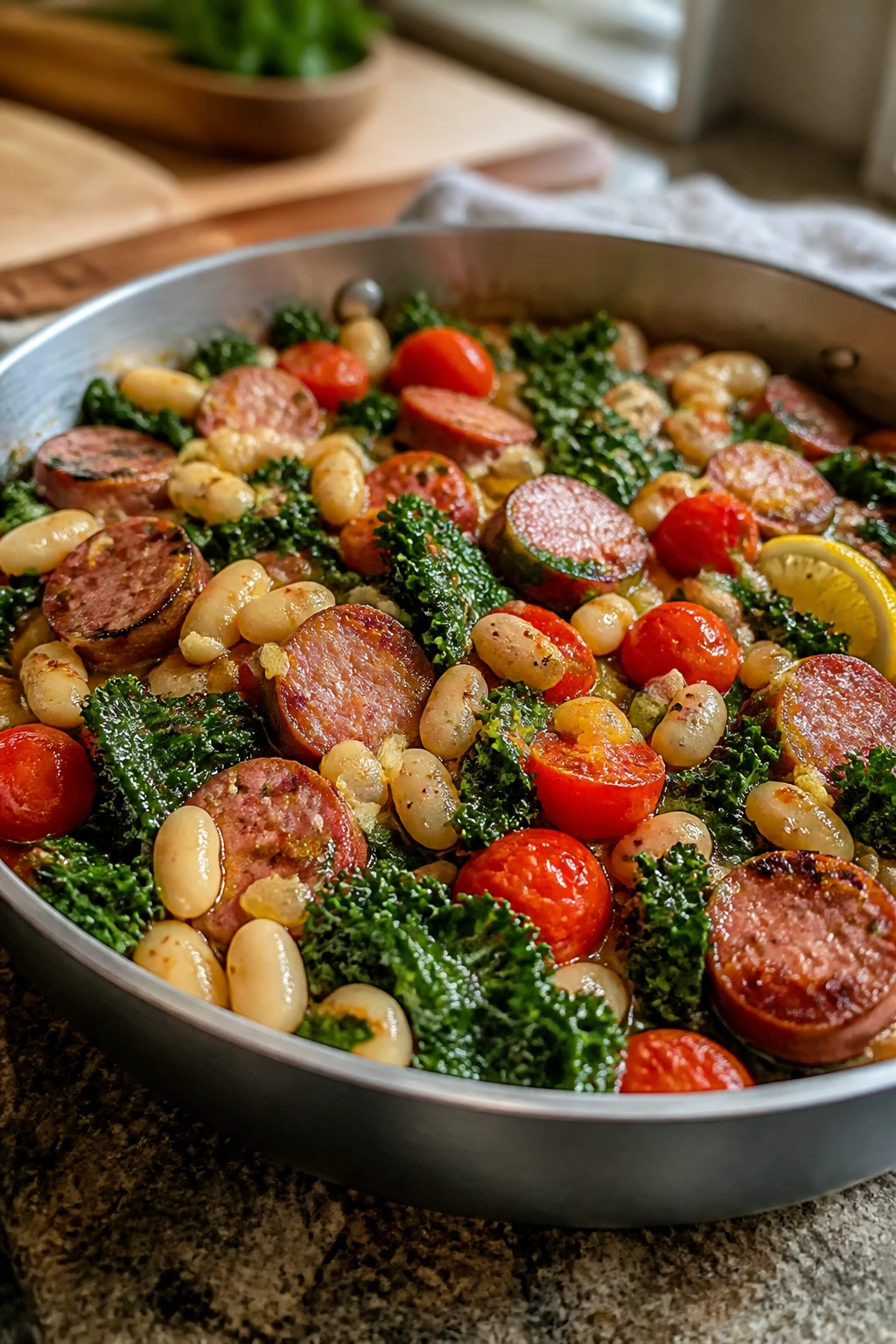
This is the skillet dinner I reach for when I want something hearty with almost no fuss. Smoked sausage is already cooked, which is why it can earn a place in a ten-minute lineup without cheating. Kale softens quickly, cannellini beans make the dish feel full, and cherry tomatoes melt into the pan just enough to add juiciness.
The flavor lands squarely in savory territory. Smoky, garlicky, a little bitter from the greens, and bright at the end from lemon juice. It’s the kind of dinner that tastes like you spent longer on it than you did, which is a nice little victory when the night has been chewing up your attention.
The Reason It Buys You Time
Pre-cooked sausage changes the math. You’re browning, not cooking from raw, so the skillet only has to build flavor and heat the ingredients through. Kale is faster than people think once it hits steam and a covered pan. Beans stretch the meal without adding work.
A splash of broth or water keeps everything from sticking and helps the kale soften without going limp. That little bit of moisture matters. It turns the skillet into a fast braise for about three minutes, which is all this dinner needs. Finish with lemon, and the whole thing wakes up.
Key Ingredients
- 12 ounces fully cooked smoked sausage, sliced into half-moons
- 1 can cannellini beans, drained and rinsed
- 3 cups chopped kale, tough stems removed
- 1 cup cherry tomatoes
- 2 garlic cloves, minced
- 2 tablespoons olive oil
- 1/4 cup chicken broth or water
- 1 tablespoon lemon juice
- 1/4 teaspoon red pepper flakes
- Black pepper, to taste
- Crusty bread, for serving
Quick Steps
-
Heat the olive oil in a large skillet over medium-high heat. Add the sausage and cook for about 2 minutes, until lightly browned on the edges.
-
Stir in the garlic and cherry tomatoes and cook for 1 minute, until the tomatoes start to soften.
-
Add the cannellini beans, kale, broth or water, and red pepper flakes. Cover the skillet for 2 to 3 minutes, until the kale wilts and turns dark green.
-
Uncover, stir everything together, and cook for another 30 seconds so the liquid reduces slightly.
-
Finish with lemon juice and black pepper, then serve with bread for scooping.
Tips and Variations
- Turkey sausage works well if you want something a little lighter.
- Stir in a spoonful of Dijon mustard at the end for sharper flavor.
- If you need more starch, spoon the skillet over instant polenta or leftover rice.
8. Crispy Breakfast Hash with Eggs and Salsa
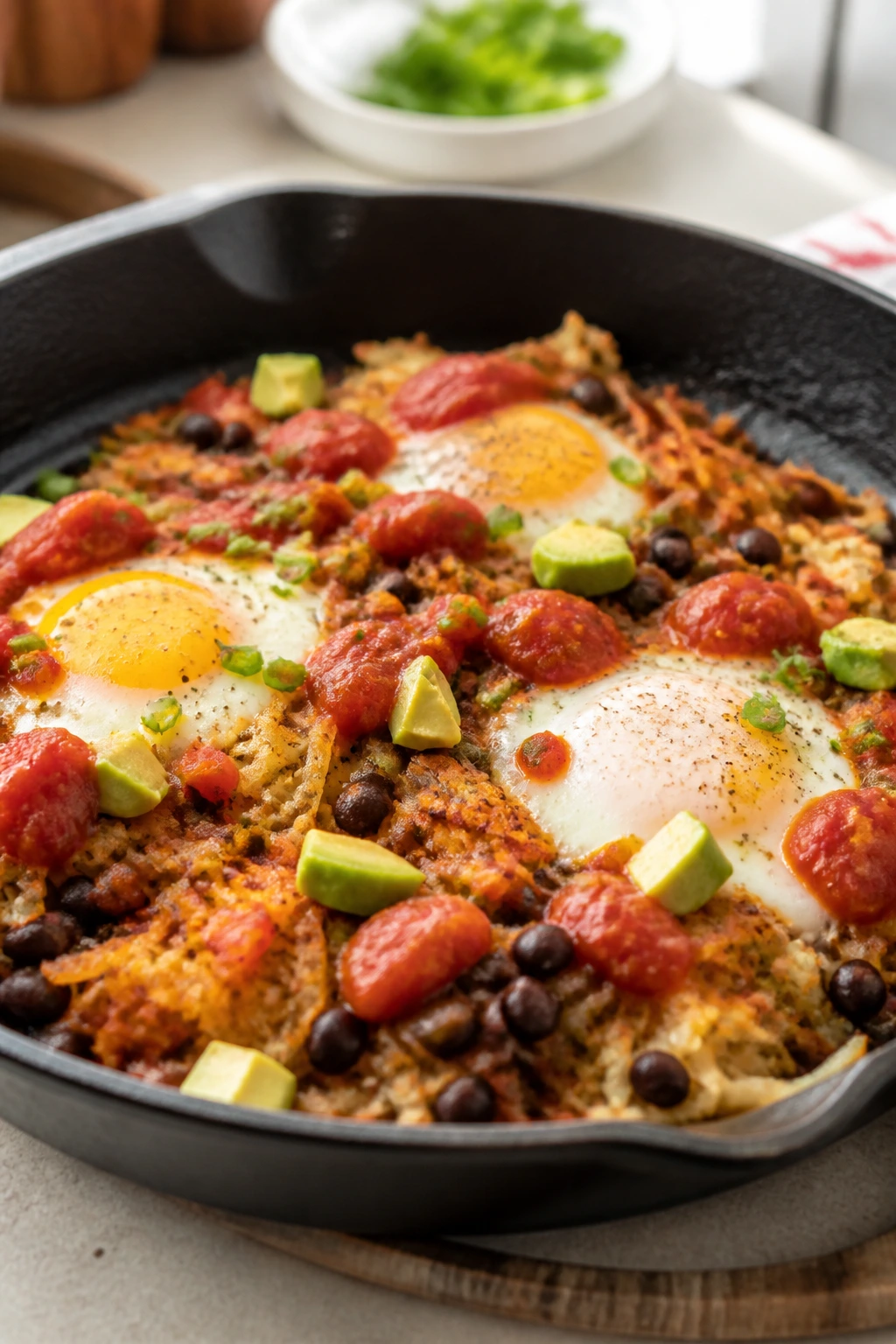
Breakfast for dinner can be a cop-out, or it can be the smartest move in the room. This version leans toward the second option. Frozen hash browns crisp up in a hot pan, black beans make the skillet more filling, and eggs cook right on top so you don’t need another pan for the main event. Salsa and avocado keep it lively.
It’s a satisfying mess, in the best way. The potatoes get golden in spots, the eggs stay soft if you cover the pan at the right moment, and the salsa slides into the crevices like it was meant to be there. On nights when the fridge is giving you attitude, this one gives it right back.
Why It Works on the Busiest Nights
Frozen hash browns are the secret weapon. They’re already cut small, which means they cook fast, and they’re dry enough to crisp instead of steaming if you give them a hot skillet and enough oil. Black beans bring bulk. Eggs bring richness and make the whole thing feel like a complete dinner rather than a side dish with ambition.
The timing is forgiving if you keep the heat at medium. Too hot, and the potatoes scorch before the eggs set. Too low, and everything turns soft and dull. The sweet spot is a pan that sizzles when the potatoes land but doesn’t smoke.
Key Ingredients
- 2 cups frozen shredded or diced hash browns
- 1 can black beans, drained and rinsed
- 4 large eggs
- 1/2 cup shredded cheddar
- 1/2 cup salsa
- 1 avocado, sliced
- 2 green onions, sliced
- 2 tablespoons neutral oil
- Salt and black pepper, to taste
- Hot sauce, optional
Quick Steps
-
Heat the oil in a large nonstick or well-seasoned skillet over medium heat. Add the hash browns in an even layer and cook for 4 to 5 minutes, pressing them down lightly and letting the bottom turn golden.
-
Stir in the black beans and spread the mixture back out into a rough layer.
-
Make 4 small wells in the hash and crack an egg into each one. Season the eggs with salt and black pepper.
-
Cover the skillet and cook for 2 to 3 minutes, until the whites are set and the yolks still look a little soft.
-
Scatter the cheddar over the top, let it melt for 30 seconds, then finish with salsa, avocado, green onions, and hot sauce.
Tips and Variations
- Use pre-cooked bacon or sausage crumbles if you want more salt and smoke.
- If you like firmer yolks, cook the eggs uncovered for another minute.
- Corn kernels or chopped peppers can go in with the beans without slowing things down much.
Why Ten-Minute Dinners Work on Hectic Nights
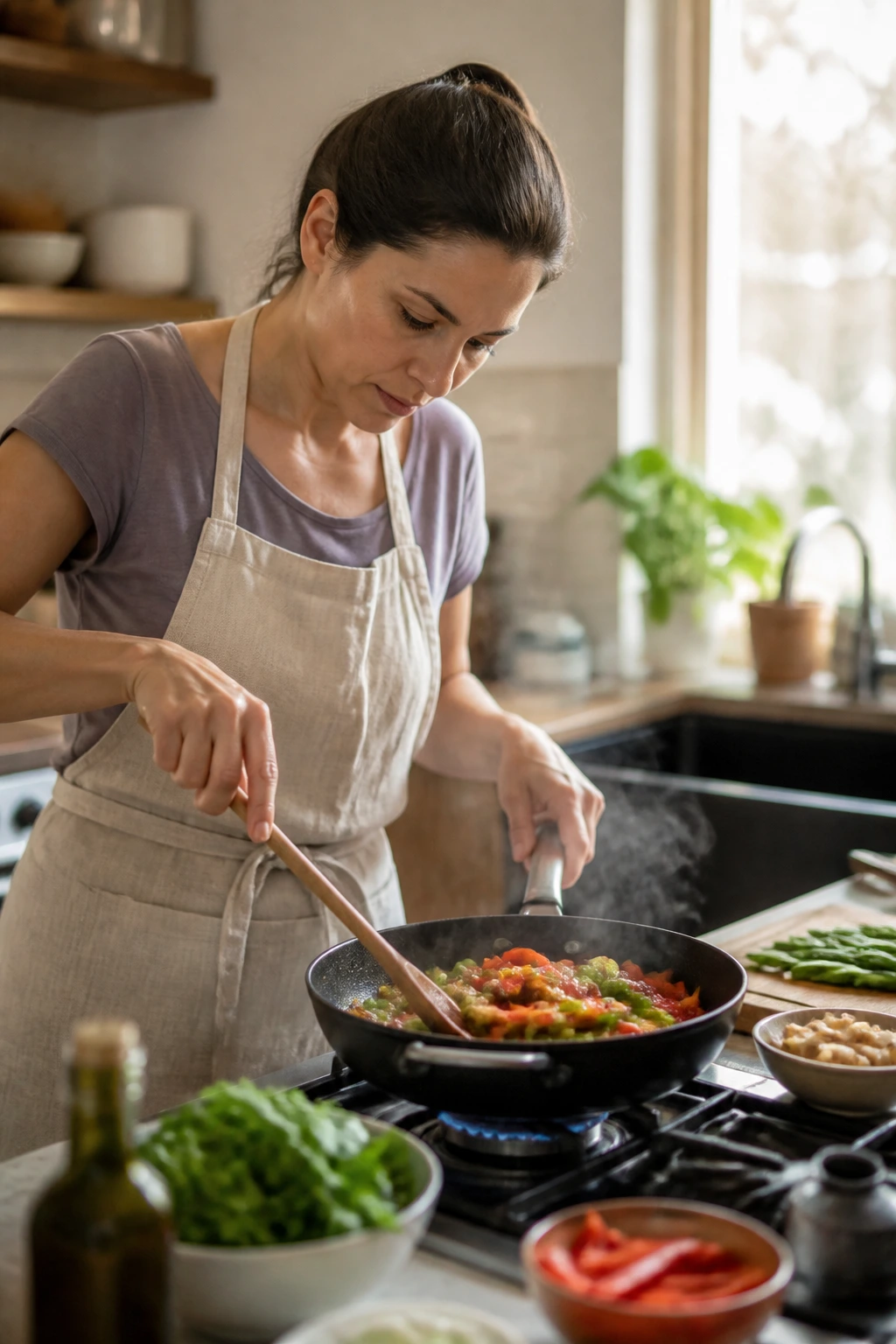
A ten-minute dinner succeeds when the ingredients already know their job. Shrimp cooks fast, beans can be heated without turning to mush, rotisserie chicken is already done, and shelf-stable gnocchi doesn’t need a pot of boiling water to become dinner. That’s the real pattern running through every recipe here. You are not fighting time. You are choosing food that respects it.
Flavor comes from small, fast decisions: a hot pan, enough salt, a squeeze of lemon, a spoonful of pesto, a splash of soy sauce. Those little finishing moves matter more than fancy technique on a tired night. They keep the dish from tasting bare or rushed, which is often the difference between “we ate” and “that was actually good.”
And the best part is simple. Once you stock the right kind of ingredients, the whole week gets easier. Not effortless. Just easier, which is a much more useful promise.
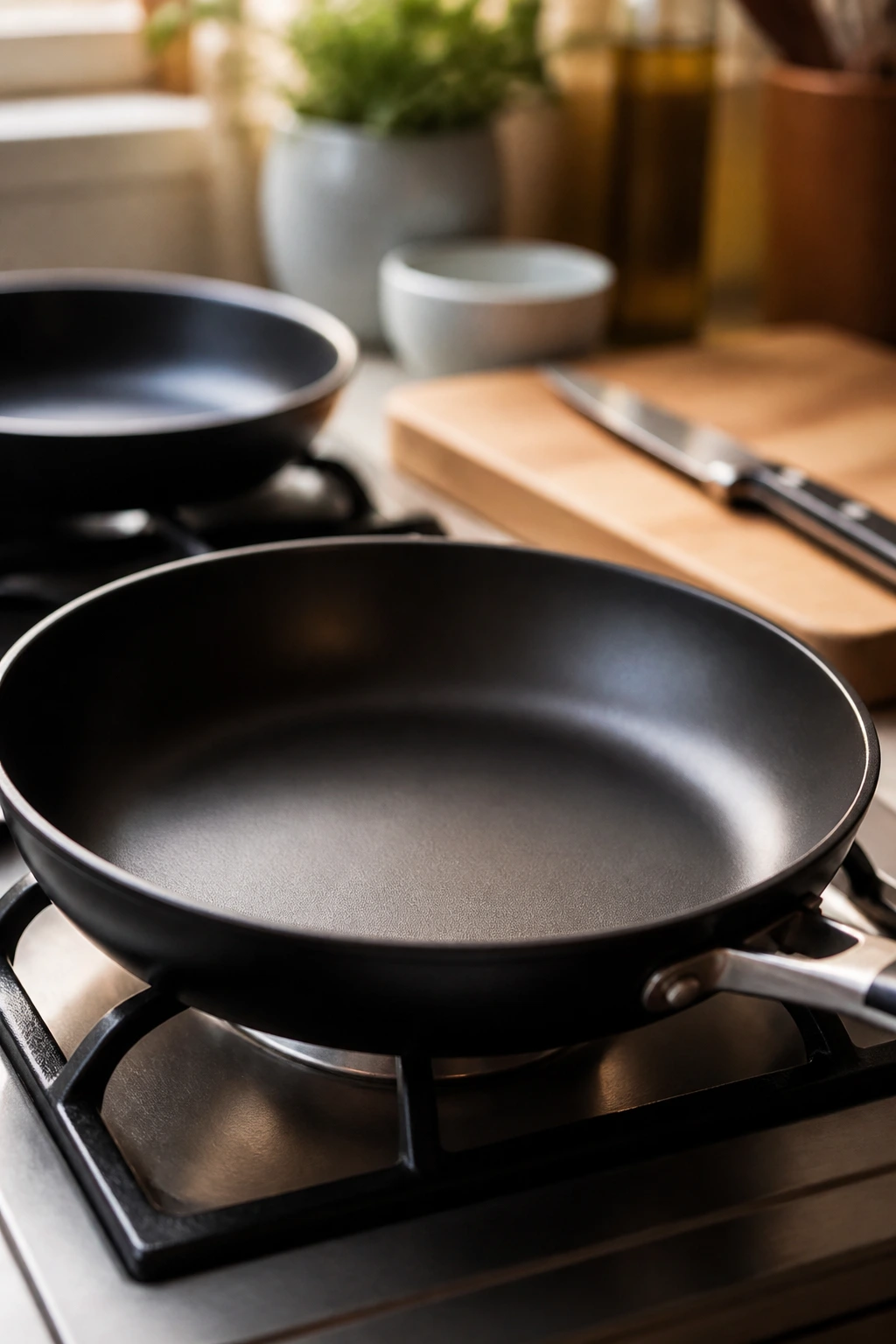
Essential Equipment for These Recipes
-
Large skillet: The workhorse for shrimp, sausage, gnocchi, eggs, and stir-fries. A 10- to 12-inch pan gives you enough surface area to brown food instead of steaming it.
-
Nonstick skillet or well-seasoned cast-iron pan: Best for quesadillas and the breakfast hash. It helps the tortillas and potatoes release cleanly.
-
Medium mixing bowls: Handy for tossing chicken salad, mashing beans, and mixing sauces before they hit the heat.
-
Sharp chef’s knife: Saves time on the little jobs that can wreck a fast dinner, like slicing scallions, tomatoes, or kale.
-
Cutting board: A sturdy one matters. A wobbly board slows everything down and makes the whole process feel messier than it is.
-
Can opener: Not glamorous. Absolutely necessary for beans, tuna, and sometimes corn.
-
Measuring cups and spoons: Fast cooking still needs accurate sauce ratios, especially with soy sauce, pesto, and dressing.
-
Tongs: Very useful for shrimp, sausage, and flipping quesadillas without tearing the tortillas.
-
Wooden spoon or heatproof spatula: Better than a fork for stirring gnocchi, beans, and skillet fillings.
-
Kettle or small saucepan: Useful for the couscous recipe and any other dish that needs boiling water fast.
-
Microwave-safe bowl or rice pouch scissors: The rice bowl recipe gets much easier if you can heat the rice without another pan.
-
Citrus juicer or fork: Optional, but a lemon pressed cleanly over a finished skillet is one of the fastest ways to improve dinner.
Smart Shopping and Ingredient Tips
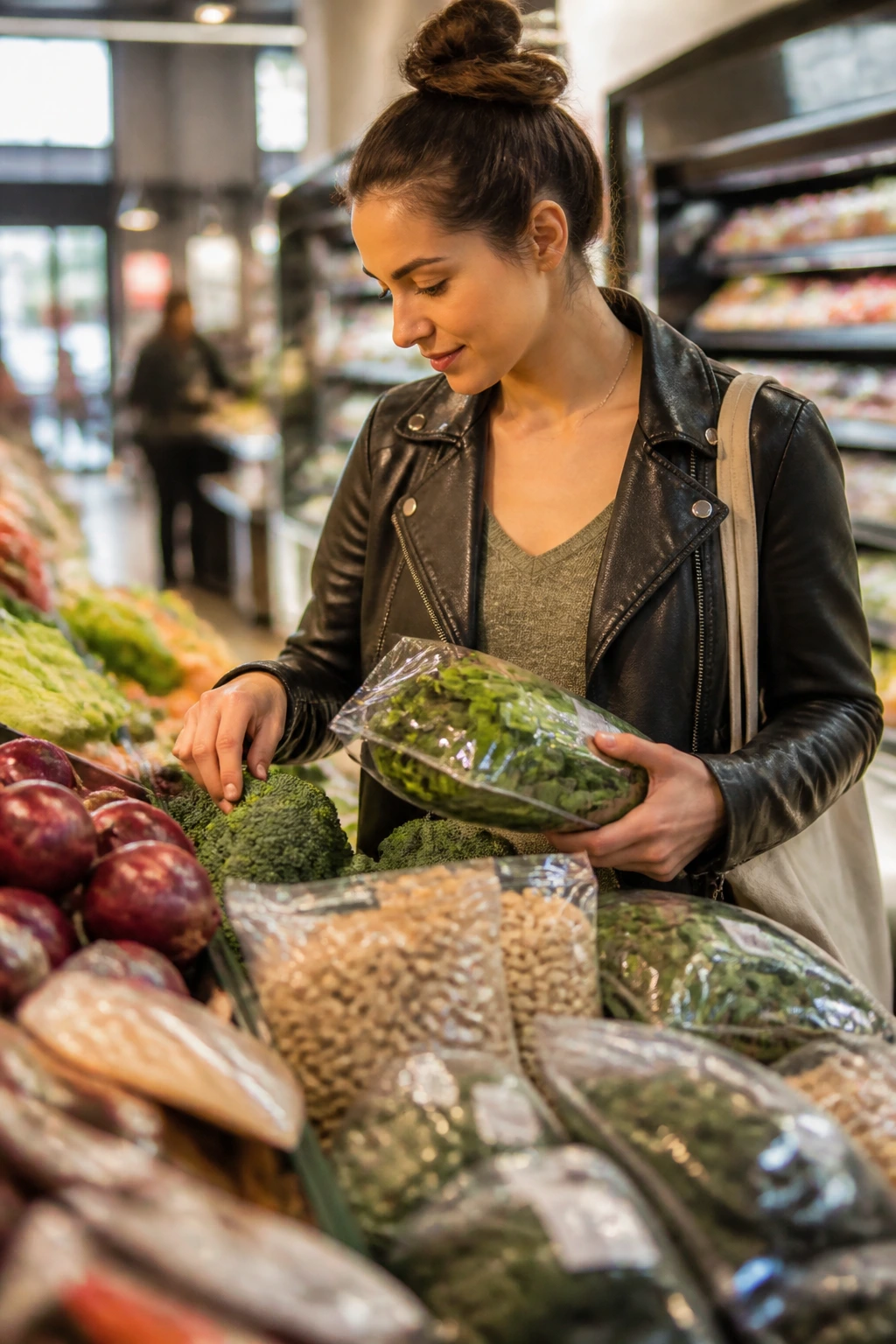
Ten-minute dinners only work if the shopping list is honest. Pick ingredients that need little more than a rinse, a chop, or a fast trip through heat. That means peeled and deveined shrimp instead of shrimp that still needs shelling, pre-cooked sausage instead of raw links, rotisserie chicken instead of a whole bird you still have to roast, and shelf-stable gnocchi or microwave rice instead of dry pasta that asks for a boil-and-drain routine. The clock matters before you ever turn on the stove.
Canned beans are one of the best purchases for this kind of cooking, but rinse them well. That cloudy liquid in the can is useful for packaging, not for flavor. A quick rinse trims some sodium and keeps the sauce from tasting flat. Low-sodium beans and broth give you even more control, which matters because fast food gets salty in a hurry.
For produce, buy the cut that saves you the most annoyance. Baby spinach beats bunch spinach on a hectic night. Cherry tomatoes beat slicing full-size tomatoes. Bagged romaine or arugula saves time for the pita pockets and tuna toasts. If you use kale, look for bunches with smaller leaves and trim the thick stems before they hit the skillet. And keep a few brighteners around: lemons, limes, parsley, scallions, capers, salsa. Those are the little items that turn a decent fast dinner into something worth repeating.
Make-Ahead, Storage, and Reheating Guidance
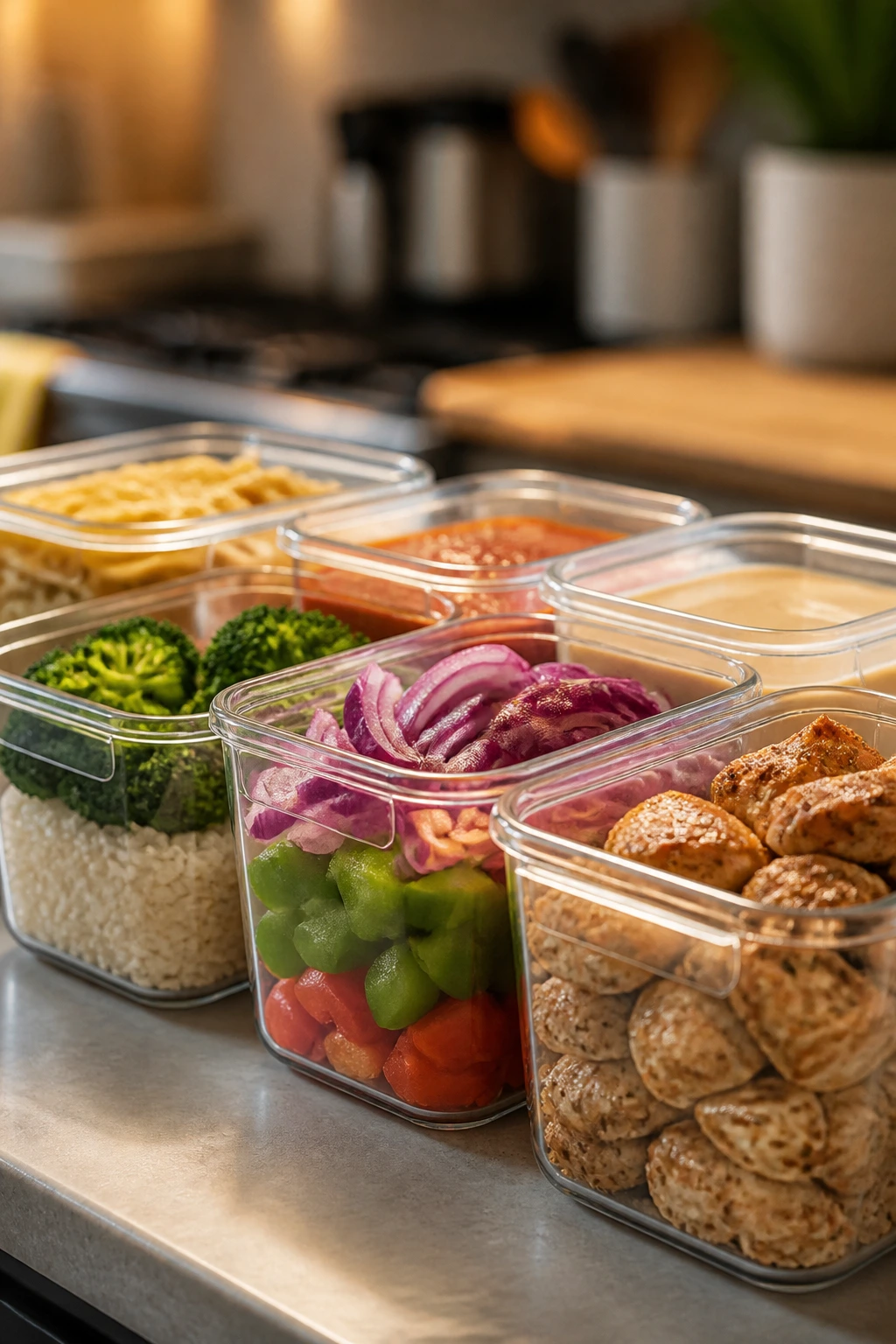
These dinners are best when the components are ready to go, not fully assembled too early. Most cooked skillet meals keep well in the refrigerator for 3 to 4 days in airtight containers. Shrimp and fish are a little pickier and are best eaten within 2 days, since the texture goes from springy to tired faster than chicken or sausage. Bean-and-sausage mixtures, cooked chicken filling, and stir-fry leftovers all reheat well if you keep the heat gentle.
The freezer is useful for a few of the sturdier pieces. Cooked sausage and bean mixtures freeze for up to 2 months. Rotisserie chicken can also be frozen in shredded portions for about 2 months, though the texture is best if you tuck it into a saucy filling rather than serving it plain after thawing. Quesadilla fillings freeze better than cooked tortillas, so freeze the bean-and-cheese mixture separately and assemble fresh when you want crisp edges.
Reheating needs a little care. Skillet meals do best in a pan over medium heat with 1 to 2 tablespoons of water or broth so the sauce loosens again. Microwave rice should be covered with a damp paper towel so it steams instead of drying out. Quesadillas and toast are usually best made fresh, because crisp bread loses its edge in storage and never quite comes back. If you want to get ahead, prep the ingredients, not the final texture. Chop the kale, mix the sauce, shred the chicken, rinse the beans, and keep the actual cooking for the last ten minutes before you eat.
Variations and Adaptations to Try
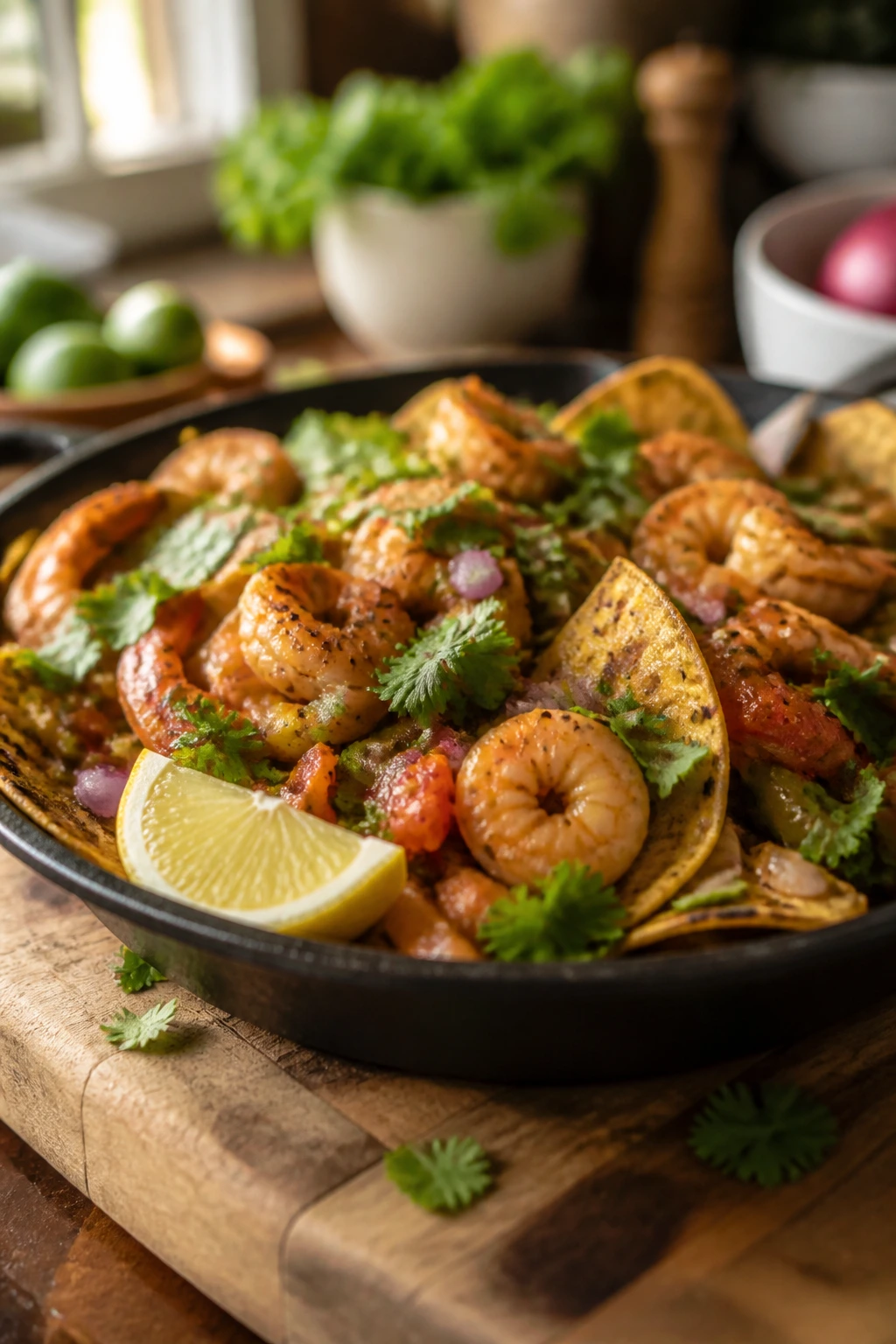
Gluten-Free Swaps: Use corn tortillas for the quesadillas, microwave rice instead of couscous or bread, and tamari instead of soy sauce in the beef stir-fry. The rest of the dishes already lean naturally gluten-free if you check the labels on pesto, sausage, and dressing.
Dairy-Free Tweaks: Skip the butter and use olive oil in the shrimp and couscous, choose dairy-free pesto, and leave off the Parmesan or cheddar where they don’t matter structurally. A little extra lemon, capers, or herbs makes up for the missing richness.
Extra-Protein Add-Ons: Stir leftover chicken into the sausage skillet, add a fried egg to the tuna toasts, or pile a little extra shrimp into the couscous. These dinners take kindly to leftovers, which is one reason they work on nights when no one wants another round of planning.
Lower-Sodium Versions: Use low-sodium beans, reduced-sodium broth, and less-salty dressing or soy sauce. Then lean harder on lemon juice, garlic, black pepper, and herbs so the flavor stays bright without needing a heavy hand with salt.
Kid-Friendly Soft Edges: Leave out the red pepper flakes, keep the salsa on the side, and use mild cheddar in the quesadillas and hash. Kids tend to like these recipes better when the sharp toppings are offered separately instead of mixed in from the start.
Common Mistakes to Avoid
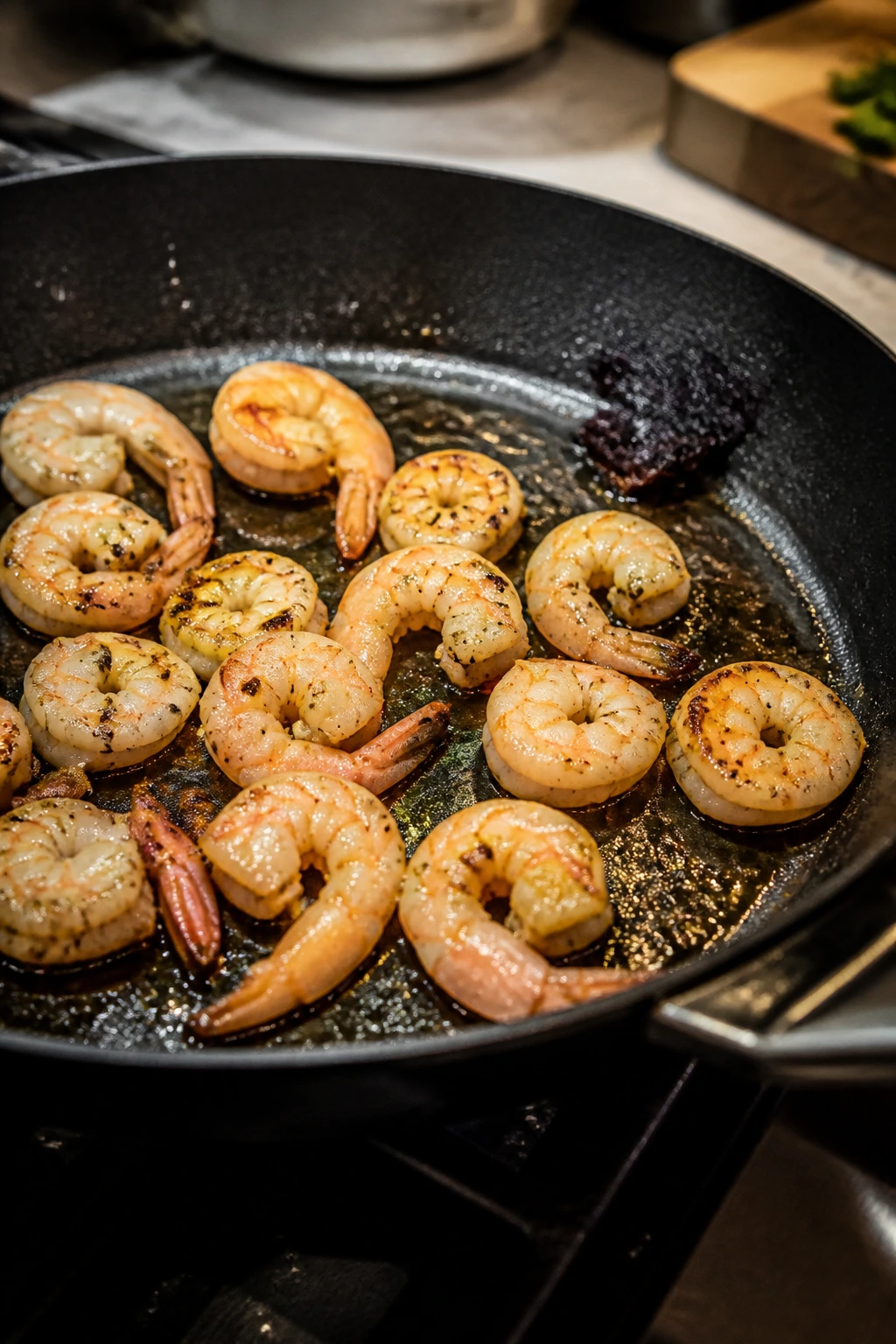
The biggest mistake is starting with ingredients that still need too much prep. If the dinner idea depends on peeling shrimp, blanching broccoli, boiling dry pasta, or cooking raw sausage, the ten-minute promise falls apart fast. Pick ingredients that are already close to finished, or the clock will win before you do.
Another common problem is using too little heat. Quesadillas need a medium skillet so the cheese melts before the tortilla burns. Shrimp and shaved beef need a hot pan so they sear instead of going pale and dry. Gnocchi needs enough space to brown. If the pan is crowded or timid, the food steams and the whole dish tastes sleepy.
People also under-season fast dinners. That’s a shame, because quick food needs help from salt, acid, and a little fat. Lemon on shrimp, black pepper on toast, lime on quesadillas, soy sauce in the stir-fry, parsley on tuna, all of that matters. Skip those finishing touches and the meal can taste like it was assembled in a hurry, which isn’t the goal.
And one more thing: do not overcook the eggs, shrimp, or greens. They keep cooking after the heat turns off. Shrimp should be just opaque, eggs should still look a little soft when you pull the pan from the stove, and spinach or kale should stay green instead of collapsing into a dull heap.
Frequently Asked Questions

Can I make these ten-minute dinners with mostly pantry ingredients?
Yes. The tuna toasts, black bean quesadillas, and sausage skillet are the strongest pantry-friendly options. If you keep bread, tortillas, canned beans, canned tuna, and a jar of pesto on hand, you’re already most of the way there.
What protein works best for fast dinners?
Rotisserie chicken, peeled shrimp, canned tuna, shaved beef, and fully cooked sausage all move fast because they need little or no real cooking. Eggs are another strong option, especially when you want something filling without handling raw meat for long.
How do I keep shrimp or beef from turning tough?
Use high heat, a dry surface, and short cooking times. Shrimp should turn pink and opaque in just a few minutes, and shaved beef only needs enough time to brown. If you leave either one in the pan too long, the texture turns chewy fast.
Can I double these recipes for more people?
Usually, yes, but use a larger skillet or cook in two batches so the food still browns. Quesadillas and shrimp in particular suffer when the pan is overcrowded. A doubled sauce is easy; a crowded skillet is not.
Which of these works best without a stove?
The rotisserie chicken pita pockets and the tuna white bean toasts need almost no cooking beyond warming the bread. If you have a microwave, the breakfast hash can also be adapted by using pre-cooked potatoes and heating the beans before adding the eggs.
Can I swap gluten-free ingredients without changing the whole recipe?
You can. Corn tortillas, gluten-free bread, tamari, and rice cover most of the swaps here. Gnocchi is the one recipe that needs a label check, since some brands use wheat flour.
What should I prep ahead to make these even faster?
Wash greens, chop scallions, mince garlic, and shred leftover chicken before the week gets busy. If you keep lemon wedges, grated cheese, and a container of cooked rice ready, several of these dinners become almost automatic.
Keep This List Handy
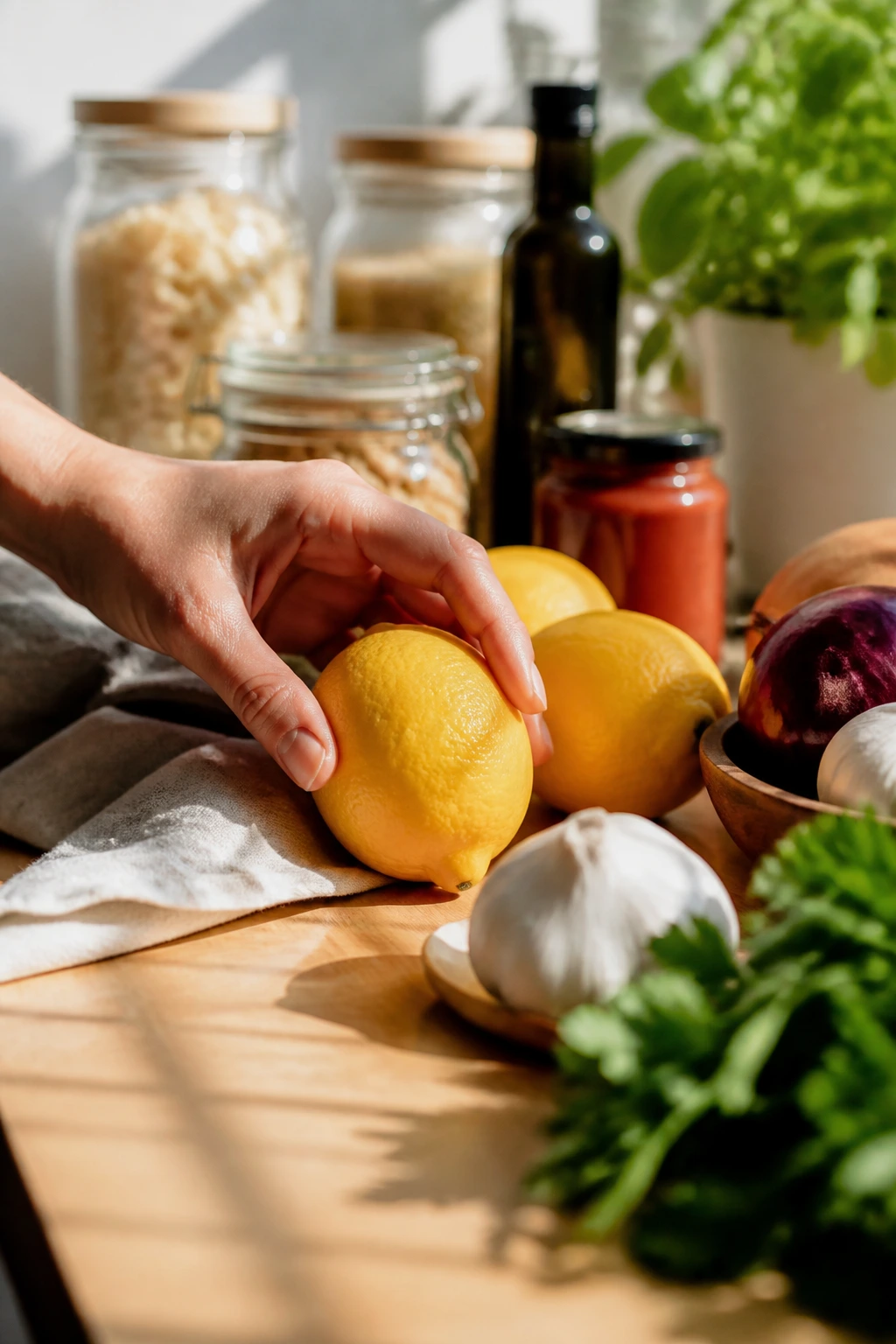
Fast dinners work best when they’re built from ingredients that don’t fight back. That’s the real pattern here. Shrimp cooks in minutes, beans warm through without much fuss, tortilllas and pita carry fillings neatly, and pantry food can taste surprisingly lively when you give it lemon, garlic, a hot pan, or a sharp sauce.
The point is not to cook like a show-off on a rough night. The point is to get a real dinner on the table before everyone starts negotiating with snacks. A few of these recipes in your rotation can make that happen with less stress and fewer dishes, which is about as close to magic as weeknight cooking gets.
Keep a lemon in the fridge, a can of beans in the cupboard, and one pan within reach. Tomorrow night might ask for exactly that.