



A pound of ground beef can rescue a rough evening faster than almost anything in the pantry. Give it a hot pan, a little salt, and the right cheap partners—rice, pasta, potatoes, cabbage, beans—and it turns into dinner instead of a grocery-store sigh. That’s the whole charm of ground beef dinners under $10: they feel bigger than the bill.
I like budget meals that still eat like real meals, not apologetic filler. These recipes lean on tomato, onion, garlic, tortillas, noodles, and frozen vegetables because those ingredients do the heavy lifting without asking for much in return. Some are one-pan and saucy, some are baked and cheesy, and a few are the kind of skillet dinners that leave the stove a little messy but the table happy.
There’s a trick to keeping ground beef cheap without making dinner taste thin: build flavor in layers, then let starch or beans carry the volume. A splash of vinegar, a handful of cheese, or a spoonful of tomato paste can make a humble pot taste like it simmered longer than it did. That’s where this collection gets useful.
Why You’ll Love This Budget Beef Collection
-
Pantry Staples Do the Heavy Lifting: Rice, pasta, beans, potatoes, cabbage, and tortillas stretch a pound of beef into full dinners that feed four to six people.
-
Fast Enough for Weeknights: Most of these recipes land in the 30-to-40-minute range, with a few that move even faster once the chopping is done.
-
Familiar Flavors, Not Fussy Food: Taco, spaghetti, chili, cheeseburger, and enchilada flavors keep dinner friendly for picky eaters and tired cooks alike.
-
Flexible on the Cheap: Store-brand swaps, leftover rice, extra vegetables, or a slightly smaller amount of meat won’t wreck these dishes.
-
Leftovers Matter Here: Several of these taste even better the next day, which means one pot can quietly cover two dinners.
-
Cheap Doesn’t Mean Dry: The best recipes in this set use sauce, broth, or cheese to keep the finished dish moist, hearty, and worth going back for.
1. Beef and Rice Skillet with Corn and Salsa
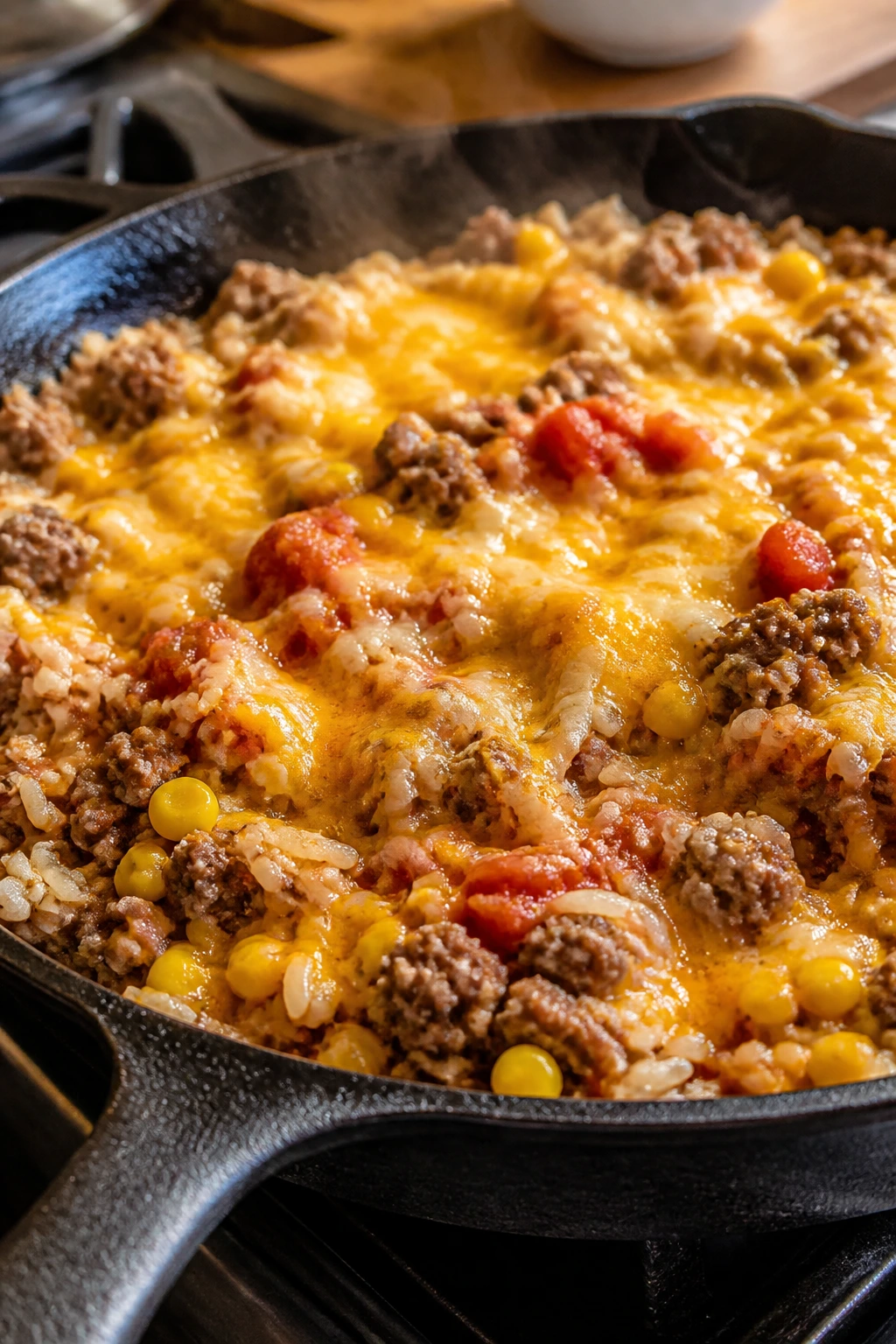
A skillet that smells like taco night but costs less than delivery always wins in my book. This one is warm, saucy, and a little smoky, with rice soaking up the beefy broth so every bite tastes seasoned all the way through. The corn brings sweetness, the salsa brings brightness, and the cheddar on top makes the whole thing feel like more than the sum of its parts.
Why It Works
This recipe stretches a pound of beef by using rice as both a filler and a flavor sponge. Browning the meat first gives the pan a deep savory base, and the salsa adds tomato, onion, and vinegar in one shot, which keeps the dish lively instead of flat. It’s cheap because it leans on one can, one cup, and one skillet instead of a long shopping list.
Key Ingredients
For the Skillet
- 1 pound ground beef
- 1 small yellow onion, diced
- 2 cloves garlic, minced
- 1 cup long-grain white rice, rinsed
- 1 1/2 cups low-sodium beef broth
- 1 cup salsa
- 1 cup frozen corn
- 1 teaspoon chili powder
- 1 teaspoon ground cumin
- 1 cup shredded cheddar cheese
- Salt and black pepper, to taste
Quick Steps
-
Brown the beef and onion: Heat a large skillet over medium-high heat. Add the ground beef and onion and cook for 6 to 8 minutes, breaking the meat into small crumbles, until the beef is no longer pink and the onion looks translucent at the edges.
-
Add the garlic and spices: Stir in the garlic, chili powder, cumin, 1 teaspoon salt, and 1/2 teaspoon black pepper. Cook for 30 seconds, just until the garlic smells sweet.
-
Build the rice base: Add the rinsed rice, broth, and salsa. Stir once, scrape up any browned bits from the bottom, and bring the mixture to a gentle boil.
-
Simmer covered: Reduce the heat to low, cover, and cook for 18 to 20 minutes, until the rice is tender and the liquid is mostly absorbed. You should see little steam holes across the surface.
-
Finish with corn and cheese: Stir in the frozen corn and cook uncovered for 2 minutes. Sprinkle the cheddar over the top, cover again, and let it melt for 2 minutes.
-
Rest before serving: Turn off the heat and let the skillet sit for 5 minutes. That short rest keeps the rice fluffy instead of gummy.
Tips and Variations
- Make-it-melier: Stir in a drained can of black beans during the last 5 minutes for extra bulk.
- Flavor lift: A squeeze of lime at the end wakes up the whole pan.
- Common mistake to avoid: Don’t crank the heat once the rice goes in; a hard boil can scorch the bottom before the rice softens.
2. Sloppy Joe Pasta
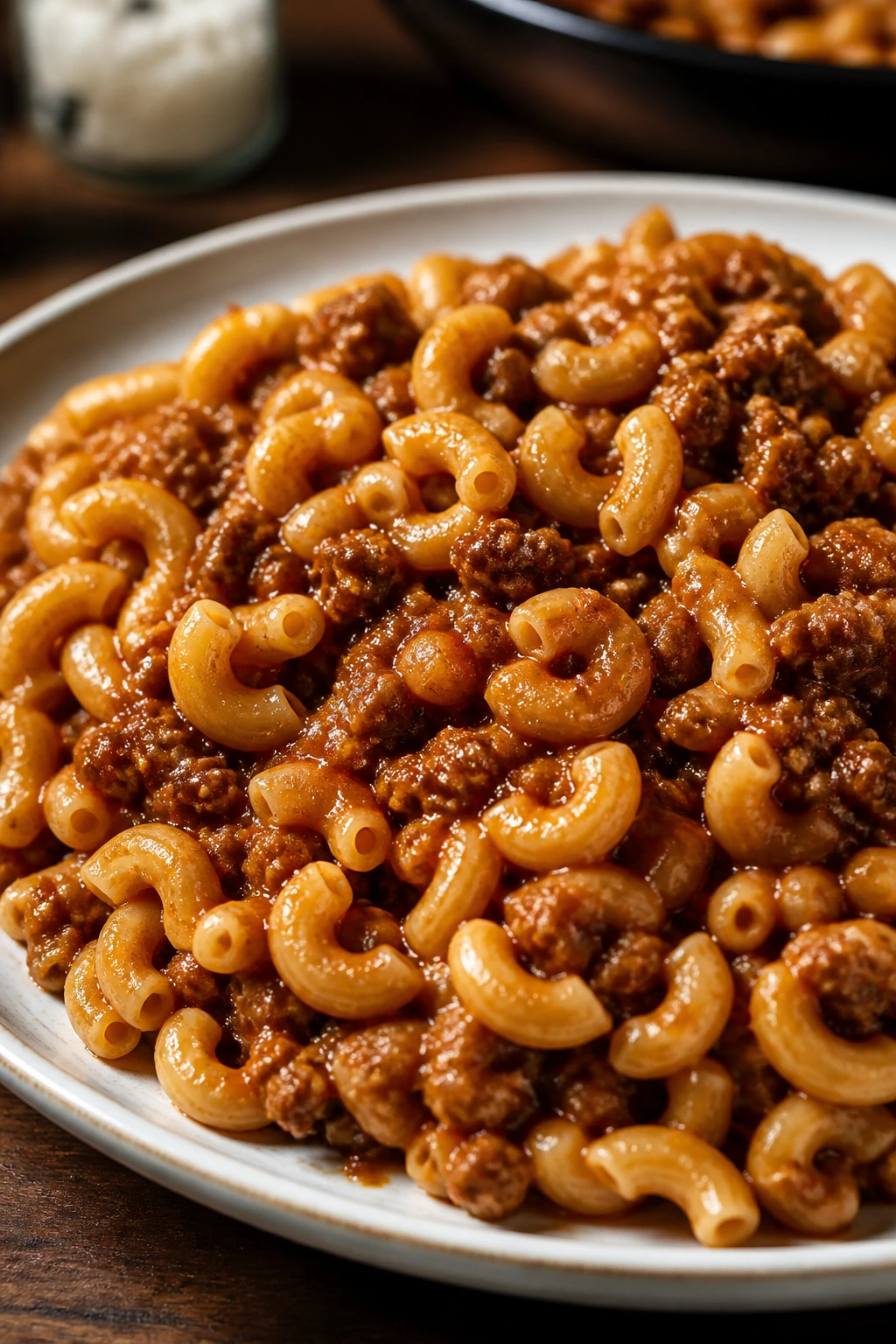
What happens when sloppy joes meet pasta? You get a saucy, sweet-savory dinner that tastes like childhood memories in a skillet. The sauce clings to the noodles instead of sliding off, and that alone makes this feel more filling than the price tag suggests. It’s the kind of dinner that looks a little messy and disappears fast.
Why It Works
Sloppy joe flavor is built on cheap, sturdy ingredients: ketchup, tomato sauce, onion, and a little Worcestershire for depth. Pasta turns that loose sauce into a full meal, and elbow macaroni is especially good because all those little curves trap the meat. This is one of those recipes where the pantry does most of the work and the beef plays the loudest note.
Key Ingredients
For the Pasta
- 12 ounces elbow macaroni
- 1 pound ground beef
- 1 small onion, finely diced
- 2 cloves garlic, minced
- 1 cup ketchup
- 1 cup tomato sauce
- 1 tablespoon Worcestershire sauce
- 1 tablespoon yellow mustard
- 1/2 cup water
- 1 cup shredded cheddar, optional
- Salt and black pepper, to taste
Quick Steps
-
Boil the pasta: Bring a large pot of salted water to a boil and cook the macaroni until just al dente, about 7 to 8 minutes. Drain it and set it aside.
-
Cook the beef base: In the same pot or a deep skillet, brown the beef and onion over medium heat for 6 to 8 minutes. Break the meat into fine crumbles so the sauce coats it evenly.
-
Season the pan: Add the garlic and cook for 30 seconds. Stir in the ketchup, tomato sauce, Worcestershire, mustard, water, 1 teaspoon salt, and 1/2 teaspoon black pepper.
-
Simmer until glossy: Let the sauce bubble gently for 5 to 7 minutes, stirring often, until it thickens and turns shiny rather than watery.
-
Fold in the pasta: Add the drained macaroni and toss until every piece is coated. If the sauce looks tight, splash in 2 to 3 tablespoons of water.
-
Top and serve: Sprinkle cheddar over the top if you want a meltier finish. Serve while hot and saucy.
Tips and Variations
- Kid-friendly move: Leave out the mustard and reduce the Worcestershire a touch if your crowd likes a sweeter sauce.
- Texture fix: Don’t overcook the pasta; it keeps softening in the sauce.
- Serving idea: A handful of chopped pickles on top sounds odd and works better than it should.
3. Taco Rice Bowls with Black Beans and Corn
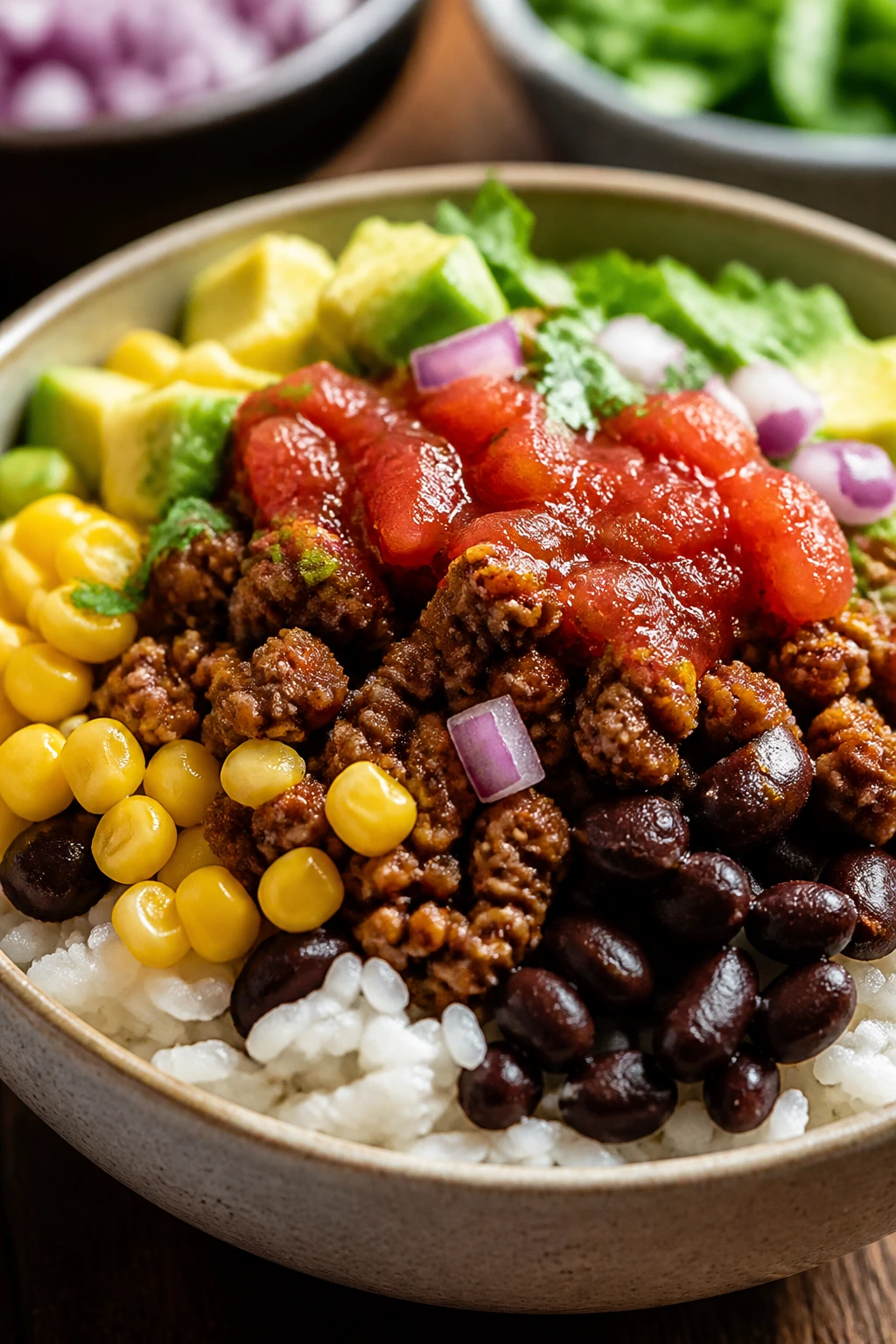
This is the dinner I make when I want taco flavor without juggling shells, lettuce, and a pile of toppings. The bowl comes out colorful, filling, and cheap in that satisfying way that makes you feel like you beat the system a little. Rice, beans, and corn do the stretching; beef and salsa bring the personality.
Why It Works
Rice and black beans are budget gold because they add bulk, protein, and texture without asking for much money. Taco seasoning gives the beef a finished flavor in minutes, and the salsa pulls the whole bowl together with acid and spice. You can keep the toppings simple or let everyone build their own, which is a nice way to make a pound of beef behave like more.
Key Ingredients
For the Bowls
- 1 cup long-grain white rice
- 1 pound ground beef
- 1 small onion, diced
- 2 tablespoons taco seasoning
- 1 can black beans, drained and rinsed
- 1 cup frozen corn
- 1 cup salsa
- 2 cups shredded lettuce or chopped cabbage
- 1 cup shredded cheese
- Lime wedges, for serving
Quick Steps
-
Cook the rice: Prepare the rice according to the package directions. Fluff it with a fork and keep it covered so it stays hot.
-
Brown the beef: Heat a skillet over medium-high heat. Add the beef and onion and cook for 6 to 8 minutes, until the meat is browned and the onion is soft.
-
Season the filling: Stir in the taco seasoning and 1/4 cup water. Cook for 1 minute, then add the black beans and corn.
-
Warm everything through: Cook for 3 to 4 minutes, stirring often, until the beans and corn are hot and the seasoning smells toasted.
-
Build the bowls: Spoon rice into each bowl, top with the beef mixture, then add salsa, lettuce or cabbage, and cheese.
-
Finish with lime: Squeeze lime over the top right before eating. That bright hit cuts through the beef and keeps the bowl from tasting heavy.
Tips and Variations
- Stretch trick: Use half rice and half chopped cabbage if you want more volume without much extra cost.
- Flavor boost: A spoonful of sour cream softens the heat and makes the bowl taste richer.
- Best move for leftovers: Pack rice and beef separately so the rice doesn’t turn soggy overnight.
4. Spaghetti with Meat Sauce
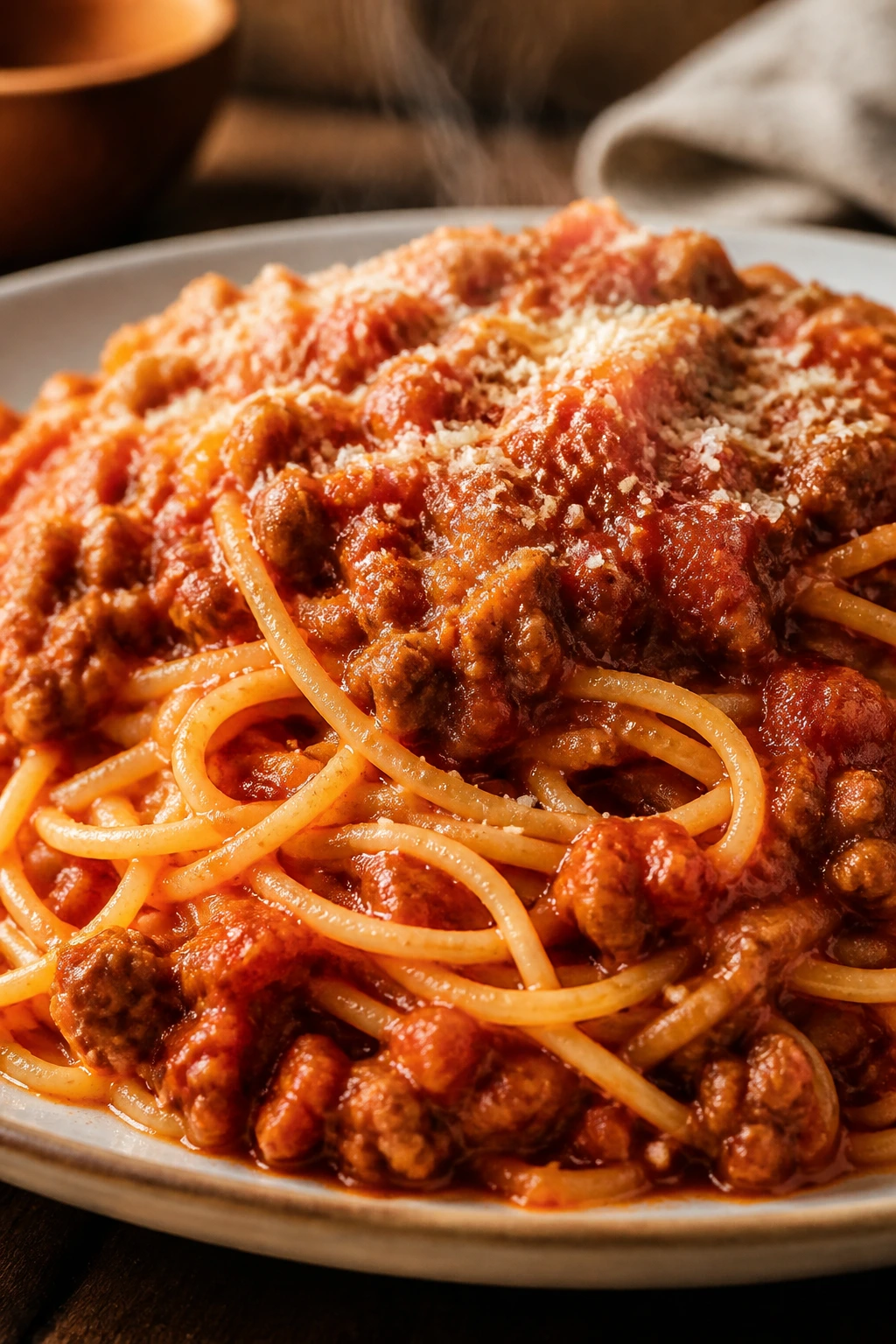
A good spaghetti night doesn’t need a long ingredient list. It needs a sauce that tastes like it paid attention, and ground beef is perfect for that job. The tomatoes go sweet, the onion melts into the background, and the whole pot feels sturdy enough to feed a tired table without drama.
Why It Works
Crushed tomatoes and tomato paste make a sauce that tastes deeper than its cost, especially after a short simmer. The beef adds richness, but the onions and garlic carry the flavor so the dish stays balanced instead of greasy. Pasta is the cheap anchor here, and it turns a modest pot of sauce into a dinner that feeds six if you’re sensible with portions.
Key Ingredients
For the Pasta and Sauce
- 12 ounces spaghetti
- 1 pound ground beef
- 1 small onion, finely chopped
- 3 cloves garlic, minced
- 1 can crushed tomatoes
- 2 tablespoons tomato paste
- 1 teaspoon dried Italian seasoning
- 1/2 teaspoon red pepper flakes, optional
- 1 tablespoon olive oil
- 1/4 cup grated Parmesan, optional
- Salt and black pepper, to taste
Quick Steps
-
Cook the spaghetti: Boil the pasta in salted water until al dente, then reserve 1/2 cup of the cooking water before draining.
-
Brown the beef: Heat the olive oil in a skillet or saucepan over medium heat. Add the beef and onion and cook for 7 minutes, until the meat is browned and the onion is soft.
-
Build the sauce: Stir in the garlic, tomato paste, Italian seasoning, red pepper flakes, 1 teaspoon salt, and 1/2 teaspoon black pepper. Cook for 1 minute.
-
Simmer gently: Pour in the crushed tomatoes and reduce the heat to low. Let the sauce bubble softly for 15 minutes, stirring now and then, until it looks thick and glossy.
-
Toss with pasta: Add the spaghetti and a splash of reserved pasta water. Toss until the sauce coats every strand.
-
Finish and serve: Top with Parmesan if you like. If the sauce looks too thick, another tablespoon or two of pasta water will loosen it without watering it down.
Tips and Variations
- Flavor note: A pinch of sugar can calm acidic tomatoes, but use it only if the sauce tastes sharp.
- Money saver: Skip the Parmesan and finish with a little olive oil instead.
- Common slip: Don’t rinse the pasta; that washes off the starch that helps the sauce cling.
5. Cheeseburger Macaroni Skillet
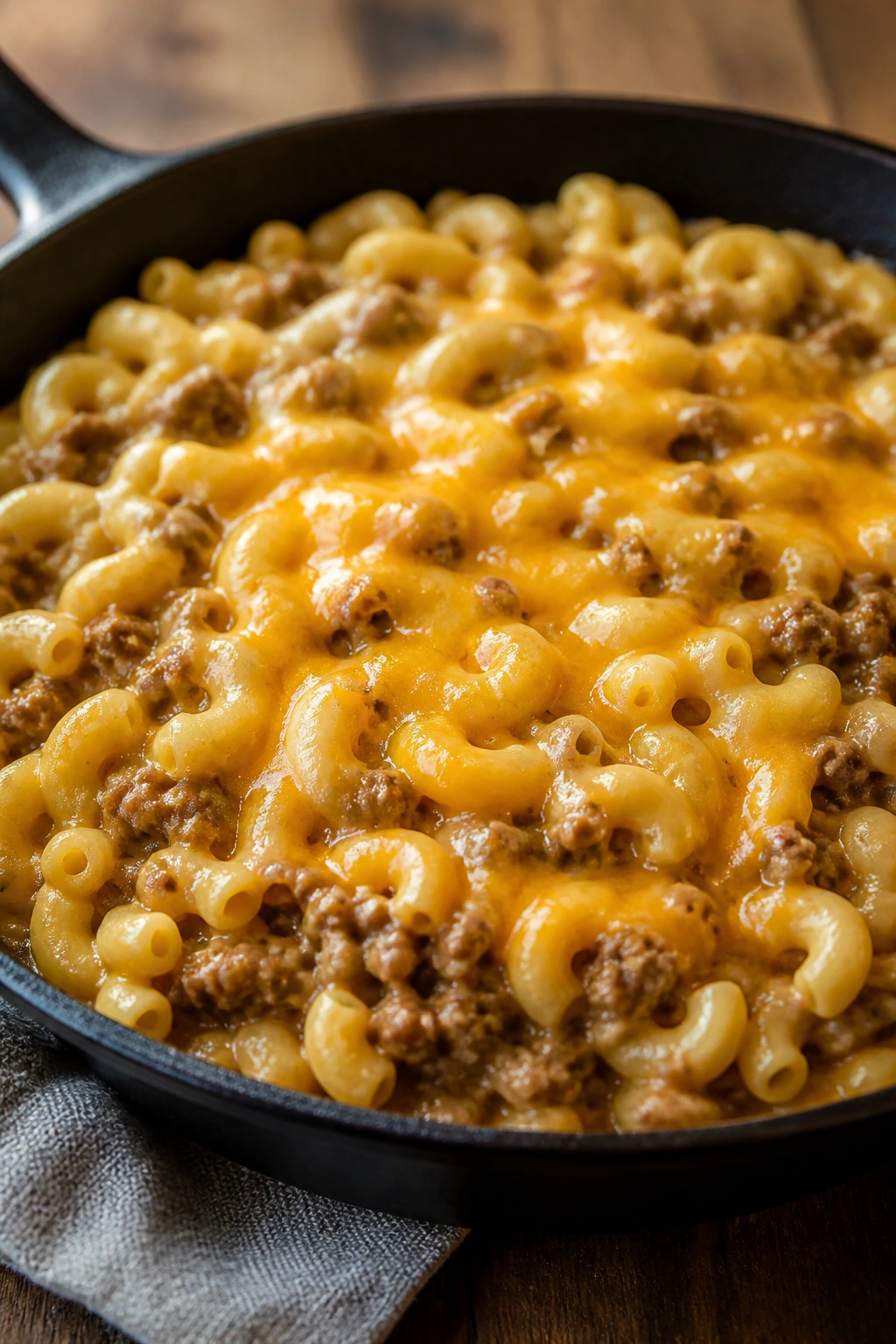
Boxed macaroni dinners exist for a reason, but the homemade version tastes fuller and usually costs less than you’d expect. This one is creamy, beefy, and a little nostalgic, with mustard and cheddar pushing it toward cheeseburger territory. It’s rich enough to feel indulgent without being fussy.
Why It Works
Cheeseburger flavor is built from ingredients that already like each other: beef, onion, cheddar, mustard, and a little tomato. The pasta cooks in broth, which gives it flavor from the inside instead of making you boil and drain a separate pot. That keeps cleanup low and helps the dinner stay in the budget lane.
Key Ingredients
For the Skillet
- 1 pound ground beef
- 1 small onion, diced
- 2 cups elbow macaroni
- 2 1/2 cups low-sodium beef broth
- 1 cup milk
- 2 cups shredded sharp cheddar
- 1 tablespoon yellow mustard
- 1 tablespoon ketchup
- 1/2 teaspoon paprika
- Salt and black pepper, to taste
Quick Steps
-
Brown the beef and onion: Cook them in a deep skillet over medium-high heat for 6 to 8 minutes, until the beef is browned and the onion is soft.
-
Add the pasta and broth: Stir in the macaroni and broth. Bring the pan to a boil, then reduce the heat to medium-low.
-
Simmer until tender: Cook uncovered for 8 to 10 minutes, stirring often, until the pasta is tender and most of the broth is absorbed.
-
Stir in the dairy: Add the milk, mustard, ketchup, paprika, 1 teaspoon salt, and 1/2 teaspoon black pepper. Cook for 2 minutes.
-
Melt the cheese: Turn the heat to low and add the cheddar a handful at a time, stirring until the sauce is smooth and creamy.
-
Serve right away: This one thickens as it sits, so get it to the table while it’s still loose and glossy.
Tips and Variations
- Sharper flavor: A spoonful of pickle relish gives the dish a real cheeseburger edge.
- Texture caution: Once the cheese goes in, keep the heat low. A hard boil can make the sauce grainy.
- If you need more bulk: Stir in a cup of frozen peas or diced cooked carrots.
6. Beef and Cabbage Skillet
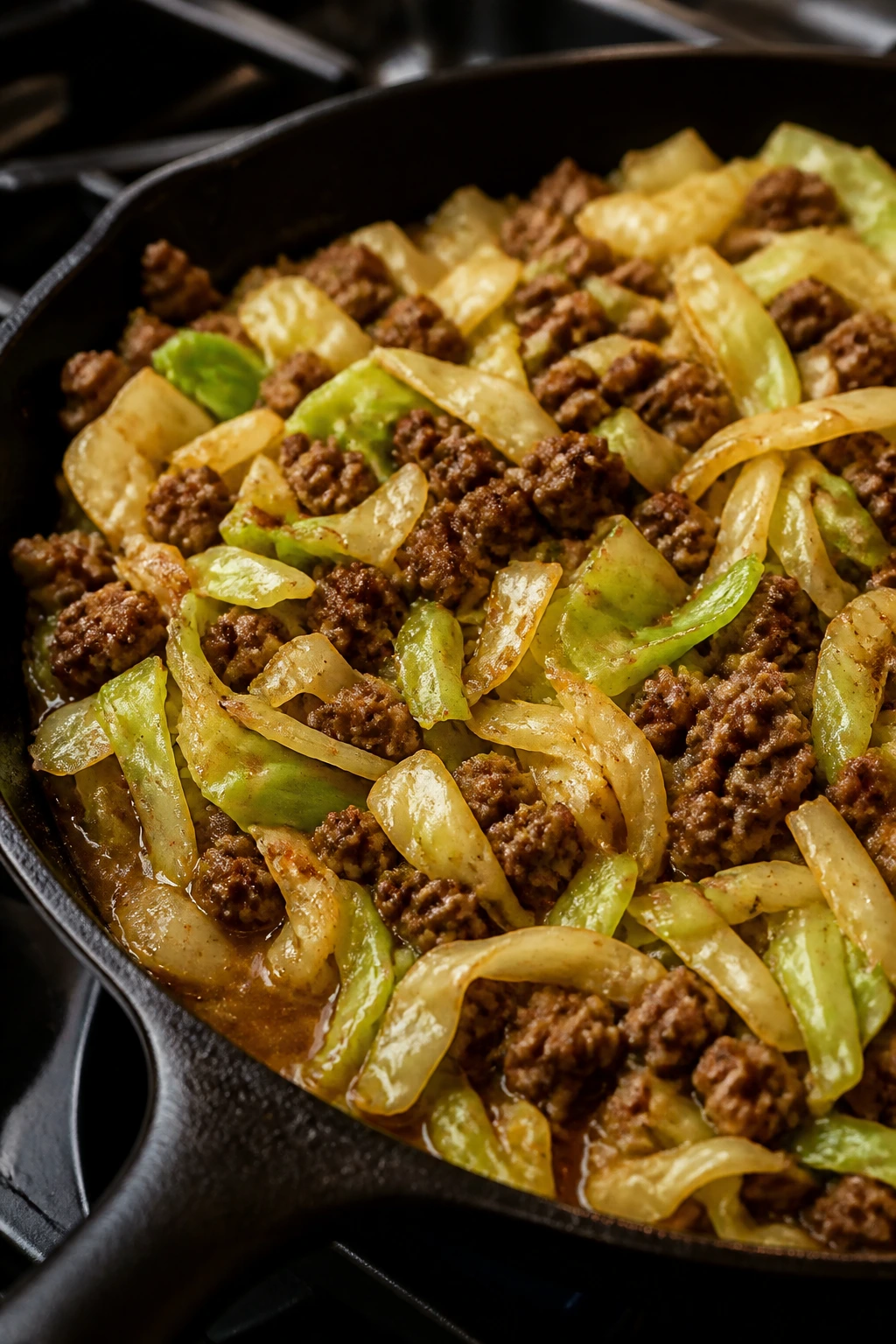
Cabbage is the quiet hero of budget dinners, and people who ignore it are leaving money on the table. It gets sweet when it cooks, takes on garlic and soy sauce without complaining, and turns a modest amount of beef into a pan that eats like a full meal. This one is savory, a little glossy, and much better than it has any right to be.
Why It Works
Cabbage is cheap because it’s dense, sturdy, and often sold in large heads that last for days. That matters here because it gives the pan volume and a pleasant, soft-crisp texture once it wilts. The soy sauce and vinegar provide the salty-bright balance that keeps the beef from tasting one-note.
Key Ingredients
For the Skillet
- 1 pound ground beef
- 1/2 head green cabbage, thinly sliced
- 1 small onion, sliced
- 1 carrot, julienned or shredded
- 2 cloves garlic, minced
- 2 tablespoons soy sauce
- 1 tablespoon apple cider vinegar
- 1 teaspoon brown sugar
- 1 tablespoon neutral oil
- Cooked rice or noodles, for serving
Quick Steps
-
Brown the beef: Heat the oil in a large skillet over medium-high heat. Add the beef and cook for 5 to 6 minutes, breaking it into crumbles and letting some edges brown.
-
Add the onion and carrot: Stir them in and cook for 3 minutes, until the onion starts to soften and the carrot loses its raw bite.
-
Pile in the cabbage: Add the sliced cabbage and garlic. Cook for 4 to 5 minutes, stirring often, until the cabbage begins to wilt and the pan looks crowded but manageable.
-
Season the skillet: Stir in the soy sauce, vinegar, brown sugar, 1/2 teaspoon salt, and 1/2 teaspoon black pepper. Cook for 2 more minutes.
-
Let it finish softening: Cover the pan and lower the heat for 3 minutes so the cabbage goes tender but still has a little chew.
-
Serve over a base: Spoon the mixture over rice or noodles while hot.
Tips and Variations
- Heat option: A small drizzle of chili oil at the end makes this dinner wake up fast.
- Best cut for the cabbage: Slice it thin enough that it softens in the pan, not in 20 minutes of waiting.
- Budget note: A half head of cabbage stretches farther than people expect, so this recipe usually has leftovers.
7. Stuffed Pepper Soup
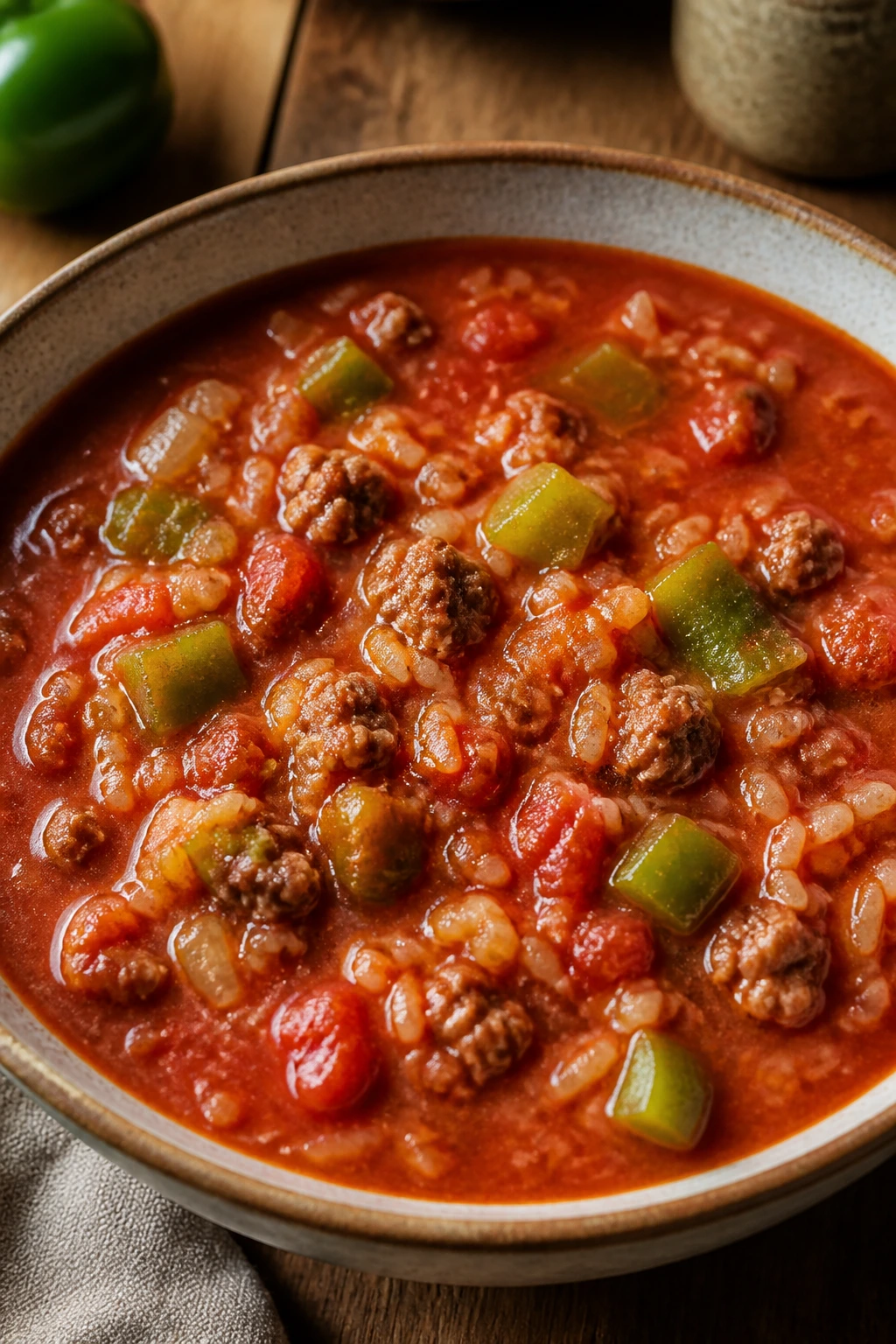
Stuffed peppers are lovely, but they can feel a little fussy on a weeknight. This soup keeps the same sweet-pepper, beef, and tomato flavor and strips away the part where you have to stand there stuffing vegetables like a tiny factory line. It’s cozy, spoonable, and practical in a way that makes sense after a long day.
Why It Works
This soup is built from inexpensive, familiar ingredients that taste bigger once they simmer together. The peppers soften into the broth, the rice gives the soup body, and the tomato base adds enough acidity to keep the beef from feeling heavy. If you cook the rice separately and add it at the end, the soup stays better for leftovers too.
Key Ingredients
For the Soup
- 1 pound ground beef
- 1 small onion, diced
- 2 green bell peppers, chopped
- 2 cloves garlic, minced
- 1 can diced tomatoes
- 1 can tomato sauce
- 4 cups low-sodium beef broth
- 2 cups cooked white rice
- 1 teaspoon dried Italian seasoning
- Salt and black pepper, to taste
Quick Steps
-
Brown the beef: Cook the beef in a large pot over medium heat for 6 to 7 minutes, until browned. Drain off excess fat if there’s more than a tablespoon in the pot.
-
Soften the vegetables: Add the onion and peppers and cook for 5 minutes, until the onion turns translucent and the peppers look glossy.
-
Add garlic and tomato: Stir in the garlic, diced tomatoes, tomato sauce, broth, Italian seasoning, 1 teaspoon salt, and 1/2 teaspoon black pepper.
-
Simmer the soup: Bring it to a gentle boil, then lower the heat and simmer for 15 minutes. The peppers should be soft but not collapsed into mush.
-
Stir in rice: Add the cooked rice and simmer for 2 more minutes until heated through.
-
Taste and serve: Adjust salt and pepper, then ladle into bowls. A little sour cream on top is optional, but I like what it does here.
Tips and Variations
- Freezer note: If you plan to freeze it, keep the rice separate and add it after reheating.
- Color trick: Green peppers are usually cheaper than red or yellow and still taste right here.
- Serving idea: Crushed crackers on top give the soup a nice salty crunch.
8. Hamburger Goulash
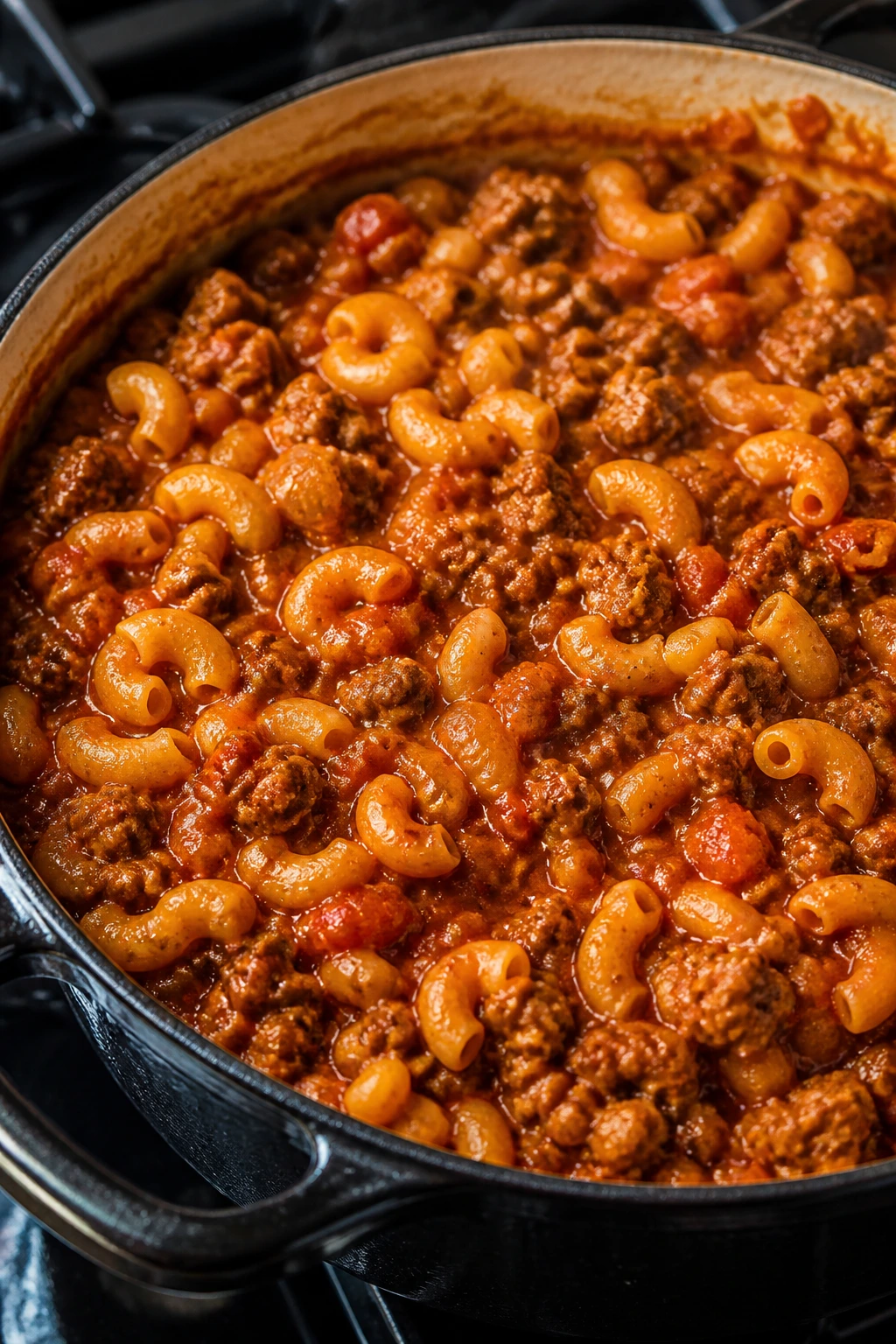
Hamburger goulash is one of those old-school dinners that refuses to leave because it works. It’s tomatoey, paprika-scented, and built on macaroni, which is exactly the kind of pasta that makes a saucy pot feel substantial without asking for much money. You can make it in one pot, which is always a small victory.
Why It Works
The sauce and the pasta cook together, so the noodles absorb flavor instead of getting boiled plain and dressed later. Beef, onion, tomato, and paprika create a warm, familiar taste that sits somewhere between casserole and soup. The end result is hearty without becoming heavy, and that balance is the reason people keep making it.
Key Ingredients
For the Goulash
- 1 pound ground beef
- 1 small onion, chopped
- 2 cloves garlic, minced
- 2 cups elbow macaroni, uncooked
- 1 can diced tomatoes
- 1 can tomato sauce
- 2 cups low-sodium beef broth
- 1 teaspoon paprika
- 1 teaspoon Worcestershire sauce
- 1 cup shredded cheddar, optional
- Salt and black pepper, to taste
Quick Steps
-
Brown the beef and onion: Heat a Dutch oven or deep skillet over medium-high heat and cook the beef with the onion for 6 to 8 minutes.
-
Add the garlic and spices: Stir in the garlic, paprika, Worcestershire, 1 teaspoon salt, and 1/2 teaspoon black pepper. Cook for 30 seconds.
-
Pour in the liquids: Add the diced tomatoes, tomato sauce, and broth. Bring the pot to a gentle boil.
-
Cook the macaroni in the sauce: Stir in the uncooked macaroni, reduce the heat to medium-low, and simmer uncovered for 10 to 12 minutes, stirring often, until the pasta is tender and the sauce is thick.
-
Adjust the texture: If the pot looks too tight, add a splash of broth. If it looks loose, keep simmering for another minute or two.
-
Finish with cheese if you want: Stir in cheddar or scatter it over the top right before serving.
Tips and Variations
- Smokier version: A pinch of smoked paprika changes the whole pot in a good way.
- Don’t skip stirring: Macaroni likes to cling to the bottom if you leave it alone.
- Make it stretch: Frozen peas or corn fold in easily at the end.
9. Beef Chili with Beans
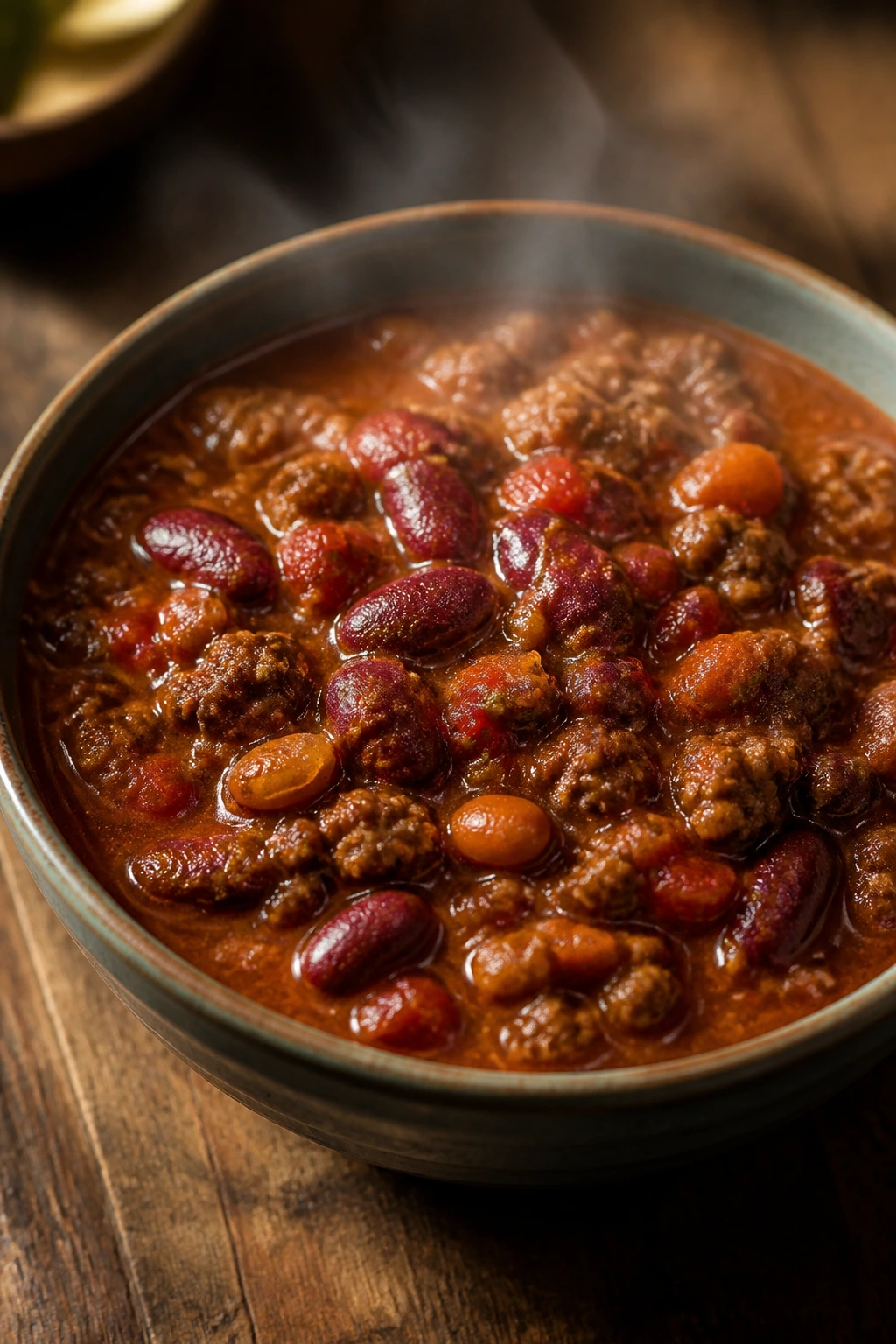
Chili is where the budget cooks like to show off a little, and for good reason. Beans make the pot bigger, tomatoes keep it lively, and a pound of ground beef turns the whole thing into something that feels deliberate instead of thrift-store desperate. This is the one I want when the weather is lousy, but it works any time a person needs dinner to behave.
Why It Works
Beans are the backbone here. They add protein, texture, and volume, which means the beef can act like a seasoning as much as a main ingredient. A slow simmer helps the spices bloom and gives the tomato base time to mellow, so the finished bowl tastes deeper than the ingredient list looks.
Key Ingredients
For the Chili
- 1 pound ground beef
- 1 small onion, diced
- 2 cloves garlic, minced
- 1 can kidney beans, drained and rinsed
- 1 can pinto beans, drained and rinsed
- 1 can diced tomatoes
- 1 can tomato sauce
- 2 tablespoons chili powder
- 1 teaspoon ground cumin
- 1/2 teaspoon smoked paprika
- 2 cups water or broth
- Salt and black pepper, to taste
Quick Steps
-
Brown the beef and onion: Cook them in a heavy pot over medium heat for 7 minutes, until the beef browns and the onion softens.
-
Wake up the spices: Stir in the garlic, chili powder, cumin, smoked paprika, 1 teaspoon salt, and 1/2 teaspoon black pepper. Cook for 30 seconds.
-
Add the beans and tomatoes: Pour in the kidney beans, pinto beans, diced tomatoes, tomato sauce, and water or broth.
-
Simmer low and slow: Bring the pot to a boil, then drop the heat to low and simmer uncovered for 25 to 30 minutes, stirring now and then, until the chili thickens and smells rounded rather than sharp.
-
Adjust the body: If you want a thicker chili, mash a few beans against the side of the pot with a spoon.
-
Serve hot: Let it sit for 5 minutes before ladling so it doesn’t burn your tongue and so the flavors settle.
Tips and Variations
- Flavor trick: A teaspoon of cocoa powder adds depth without making the chili taste like dessert.
- Budget stretch: Add a cup of frozen corn if you want more spoonfuls from the same pot.
- Best topping: A little onion or shredded cheese on top goes a long way.
10. Enchilada Beef and Bean Bake
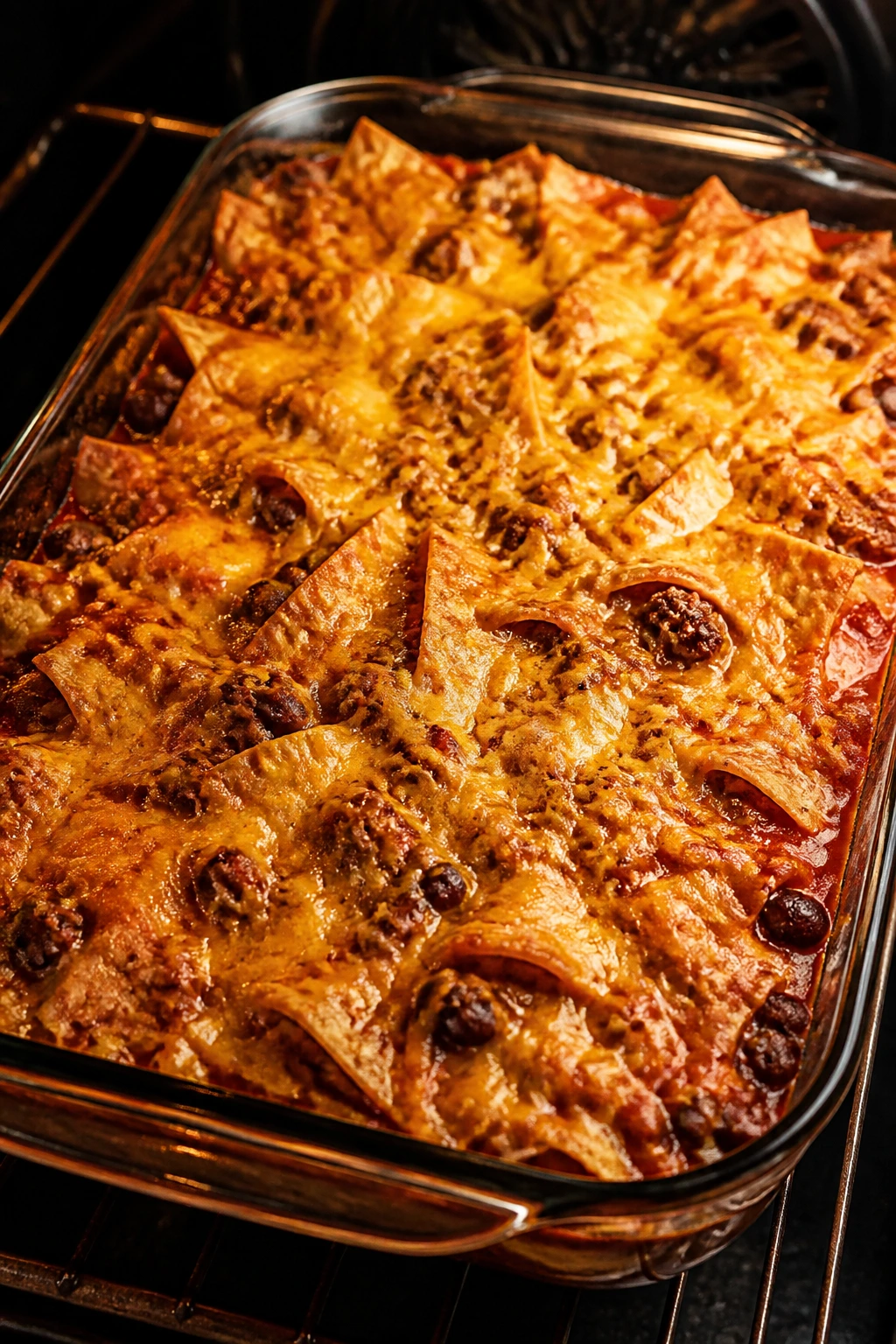
This is the casserole I make when I want the table to go quiet for a minute. Soft tortillas, saucy beef, beans, and melted cheese hit all the right notes, and the oven does most of the work. It tastes like enchiladas, but you never have to roll a single one, which is the part I never miss.
Why It Works
The bean-and-tortilla structure keeps the recipe cheap and filling. Enchilada sauce does the seasoning job in one jar, and the cheese creates the kind of browned top that makes a casserole feel complete. If you’re buying store-brand tortillas and a can of beans, the whole pan stays friendly to the wallet.
Key Ingredients
For the Bake
- 1 pound ground beef
- 1 small onion, diced
- 1 can black beans, drained and rinsed
- 1 cup frozen corn
- 2 cups red enchilada sauce
- 6 to 8 corn tortillas, cut into strips
- 2 cups shredded cheddar or Monterey Jack
- 1 teaspoon ground cumin
- Salt and black pepper, to taste
Quick Steps
-
Preheat the oven: Heat it to 375°F and grease a 9×13-inch baking dish.
-
Cook the beef mixture: Brown the beef and onion in a skillet over medium heat for 6 to 8 minutes. Stir in the cumin, 1 teaspoon salt, and 1/2 teaspoon black pepper.
-
Add the beans and corn: Stir them into the skillet and cook for 2 minutes, just long enough to warm them through.
-
Layer the casserole: Spread a thin layer of enchilada sauce in the baking dish. Add half the tortilla strips, half the beef mixture, and a third of the cheese. Repeat once more, then pour the remaining sauce over the top and finish with the rest of the cheese.
-
Bake until bubbling: Bake for 20 to 25 minutes, until the cheese is melted and the edges are bubbling.
-
Rest before slicing: Let it sit for 10 minutes so the layers hold together when you cut it.
Tips and Variations
- Texture tip: Corn tortillas hold up better than flour tortillas in a saucy bake.
- Heat control: Use mild enchilada sauce if the table likes dinner calm.
- Topping idea: Chopped cilantro and sliced green onions make it look finished with almost no cost.
11. Ground Beef Stir-Fry with Frozen Vegetables
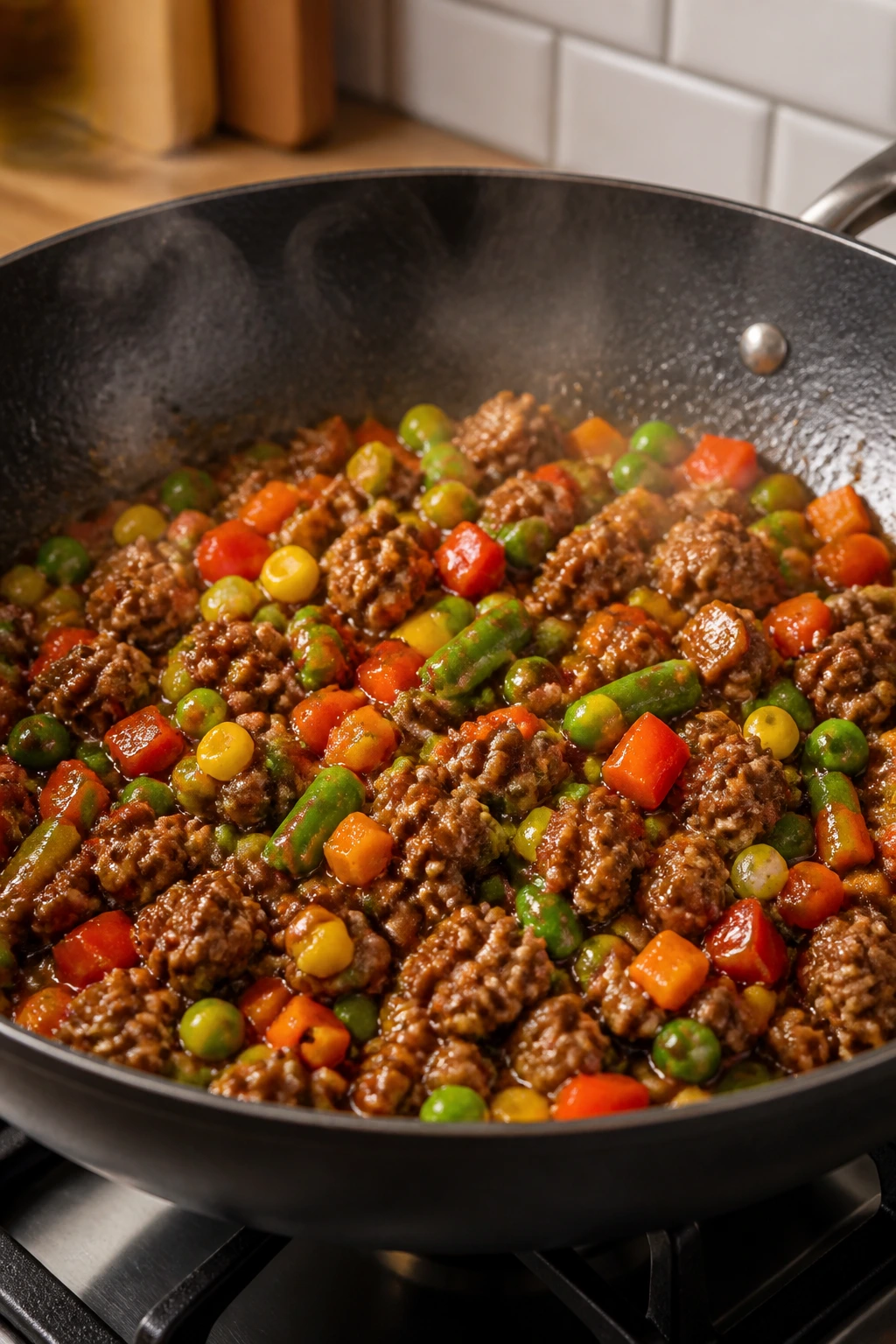
This one is pure practicality, and I mean that as a compliment. Frozen vegetables, beef, soy sauce, and rice can get a hot dinner on the table before the mood at home has time to sour. It’s savory, quick, and more flexible than most takeout.
Why It Works
Frozen vegetables are one of the best budget moves in the freezer aisle because they skip the chopping and cook fast without turning to mush if your pan is hot enough. Ground beef carries the flavor, while soy sauce and garlic make the whole bowl taste built, not patched together. Serve it over rice and you’ve got the cheapest sort of dinner that still feels complete.
Key Ingredients
For the Stir-Fry
- 1 pound ground beef
- 4 cups frozen stir-fry vegetables
- 1 cup uncooked white rice
- 2 cloves garlic, minced
- 1 teaspoon grated fresh ginger or 1/2 teaspoon ground ginger
- 3 tablespoons soy sauce
- 1 teaspoon brown sugar
- 1 tablespoon neutral oil
- 1 teaspoon cornstarch mixed with 2 tablespoons water, optional
- Sesame seeds, optional
Quick Steps
-
Cook the rice: Prepare the rice according to the package directions and keep it warm.
-
Brown the beef: Heat the oil in a large skillet or wok over medium-high heat. Add the beef and cook for 5 to 6 minutes, until browned.
-
Add aromatics: Stir in the garlic and ginger. Cook for 30 seconds, just until fragrant.
-
Stir-fry the vegetables: Add the frozen vegetables straight from the bag. Cook for 4 to 5 minutes, stirring often, until they’re hot and bright but still a little crisp.
-
Sauce the pan: Add the soy sauce, brown sugar, and cornstarch slurry if you want a thicker glaze. Cook for 1 to 2 minutes until the sauce clings to the beef and vegetables.
-
Serve over rice: Spoon the stir-fry over hot rice and sprinkle with sesame seeds if you have them.
Tips and Variations
- Pan heat matters: A hot skillet keeps the vegetables from going limp.
- Flavor boost: A few drops of sesame oil at the end go a long way.
- Shortcut: Leftover rice works fine here and often tastes even better.
12. Shepherd’s Pie with Ground Beef
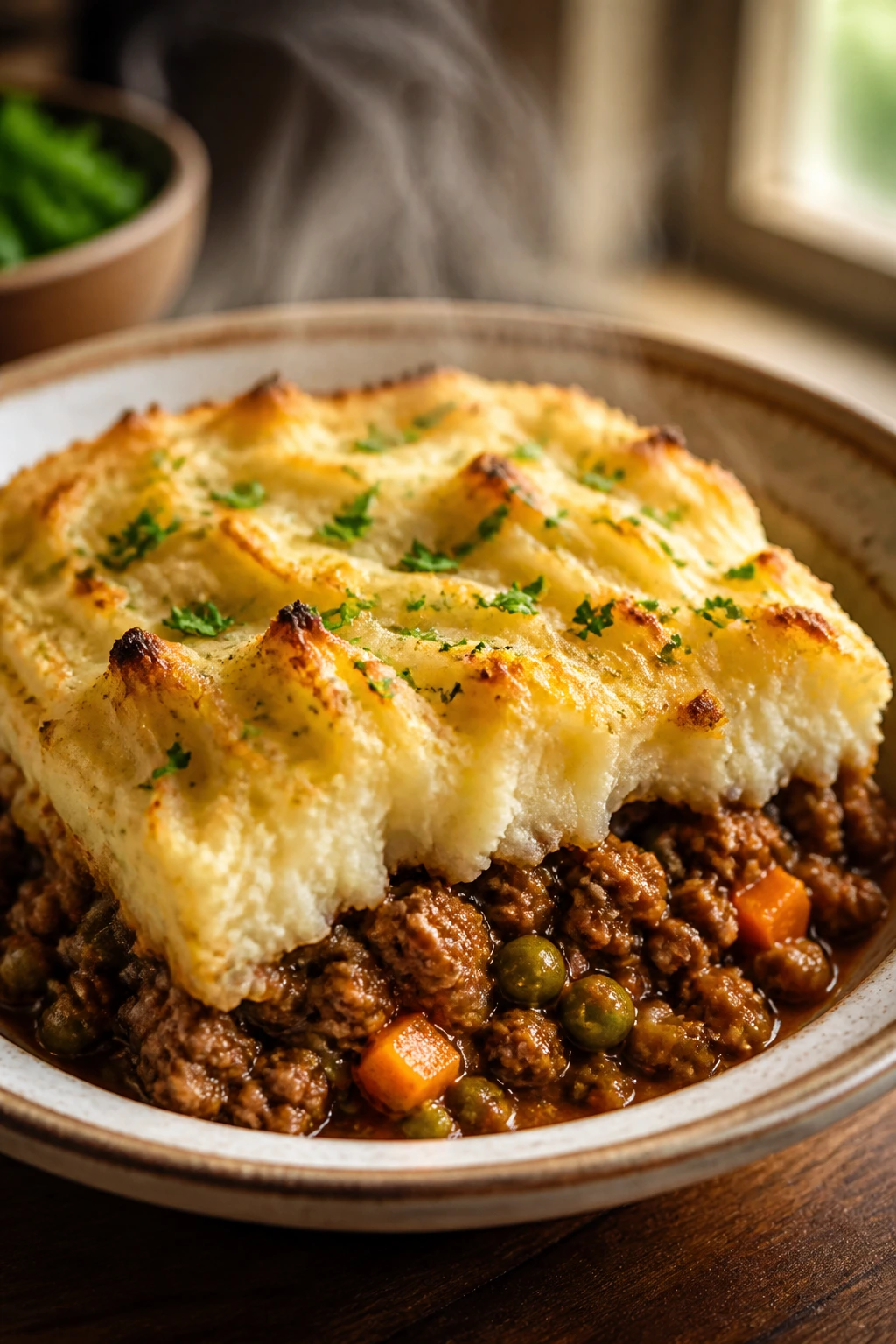
Shepherd’s pie is what happens when thrift meets comfort and decides to stay awhile. The mashed potato top makes the whole thing feel generous, while the beef filling stays savory and soft underneath. It’s not fancy. It doesn’t have to be.
Why It Works
Potatoes are one of the cheapest ways to make dinner feel substantial, and they pair naturally with beef gravy. The vegetable layer can be built from carrots, peas, and onion, all of which cook into the sauce without much fuss. Once baked, the top turns lightly golden and the filling underneath stays warm and spoonable.
Key Ingredients
For the Filling
- 1 pound ground beef
- 1 small onion, diced
- 1 carrot, diced
- 1 cup frozen peas
- 2 tablespoons tomato paste
- 2 tablespoons flour
- 1 1/2 cups beef broth
- 1 teaspoon Worcestershire sauce
- Salt and black pepper, to taste
For the Topping
- 2 pounds potatoes, peeled and cubed
- 1/4 cup milk
- 2 tablespoons butter
- 1/2 cup shredded cheddar, optional
Quick Steps
-
Boil the potatoes: Start them in salted water and cook for 15 to 18 minutes, until they fall apart when poked with a fork.
-
Make the filling: Brown the beef and onion in a skillet over medium heat for 6 to 8 minutes. Add the carrot and cook for 3 minutes.
-
Thicken the gravy: Stir in the tomato paste and flour, then pour in the broth and Worcestershire sauce. Simmer for 5 minutes until the sauce coats a spoon.
-
Finish the vegetables: Stir in the peas and cook for 1 minute. Taste and adjust the seasoning.
-
Mash and top: Drain the potatoes, mash with milk and butter, and season well with salt. Spread the mash over the beef filling in a baking dish.
-
Bake until golden: Bake at 400°F for 20 minutes, until the edges bubble and the top gets a little color. Add cheddar for the last 5 minutes if you want a cheesy crust.
Tips and Variations
- Best texture: Don’t make the filling too wet or the bottom can turn soupy.
- Cheaper finish: A fork dragged across the mashed potatoes makes ridges that brown nicely without extra cheese.
- Make-ahead note: Assemble it ahead and bake later; the flavors settle in overnight.
13. Beef Quesadilla Dinner
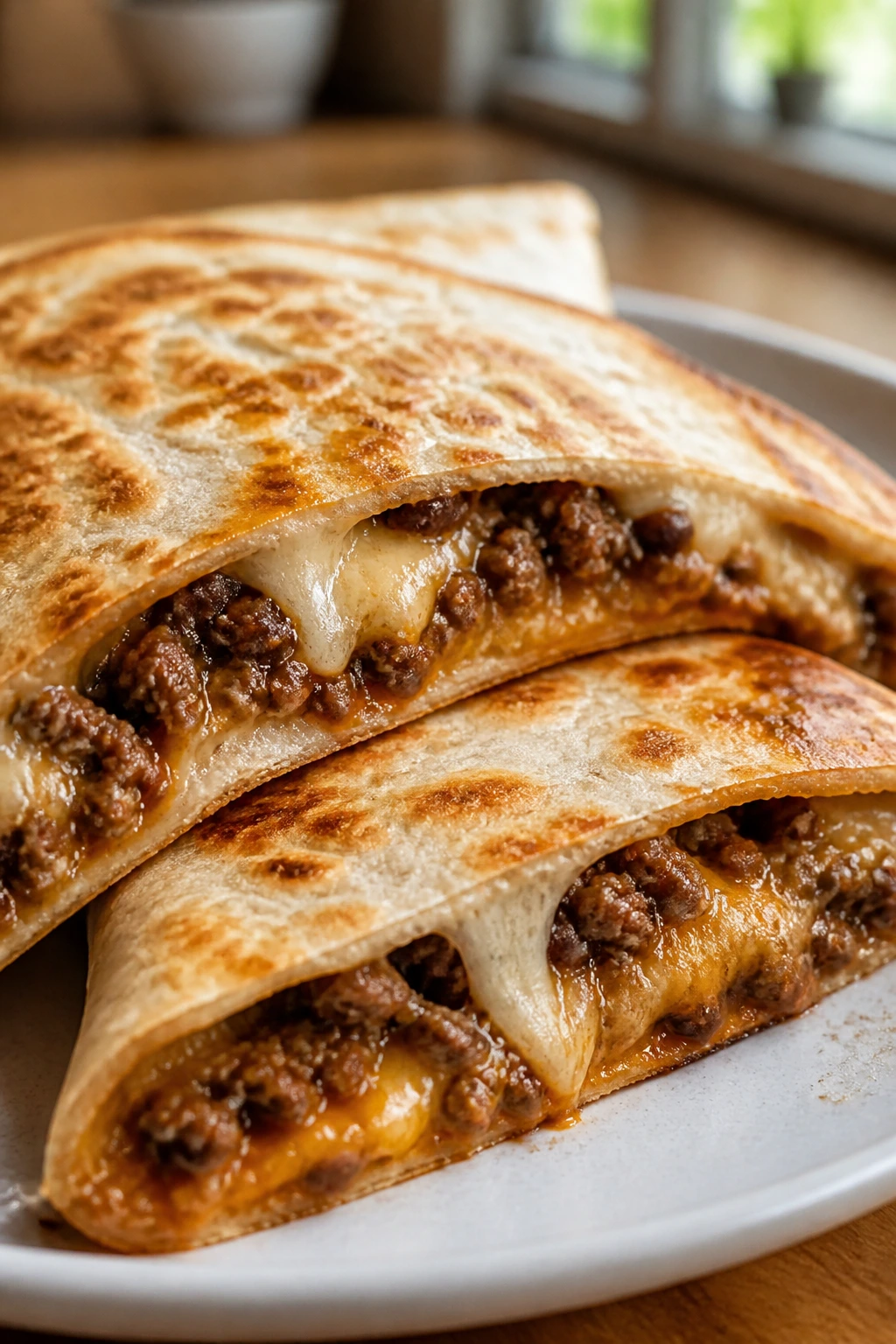
Quesadillas are usually thought of as a snack, which is a shame. Loaded with beef, beans, and cheese, they become a real dinner that cooks fast and costs less than most takeout boxes. Crisp tortillas, melted centers, and a side of salsa do a lot of work here.
Why It Works
A small amount of seasoned beef can go far once it’s tucked into tortillas with beans and cheese. The tortillas get crisp in a skillet, so you get a hot, crunchy shell without deep-frying anything. This is a smart dinner for nights when everyone wants something handheld and you want the grocery bill to stay reasonable.
Key Ingredients
For the Quesadillas
- 1 pound ground beef
- 1 small onion, diced
- 1 tablespoon taco seasoning
- 1/2 cup canned refried beans
- 8 flour tortillas
- 2 cups shredded cheddar or Mexican blend
- 1 cup salsa
- Shredded lettuce or cabbage, for serving
Quick Steps
-
Cook the beef filling: Brown the beef and onion in a skillet over medium heat for 6 to 8 minutes. Stir in the taco seasoning and 2 tablespoons water.
-
Warm the beans: Add the refried beans and stir until the mixture is thick and spreadable. It should look moist, not soupy.
-
Assemble the quesadillas: Lay out the tortillas and spread a thin layer of beef mixture on half of each one. Add cheese, then fold them over.
-
Crisp in a skillet: Heat a dry skillet over medium heat. Cook each quesadilla for 2 to 3 minutes per side, until the tortillas are golden and the cheese is melted.
-
Cut and serve: Let them rest for a minute, then slice into wedges. Serve with salsa and shredded lettuce or cabbage.
-
Keep them from getting soggy: Don’t overfill. That’s how the filling leaks before the tortilla has time to brown.
Tips and Variations
- Bean swap: Black beans mashed lightly with a fork work fine if you don’t have refried beans.
- Better browning: A tiny bit of oil in the skillet helps if your pan is dry.
- Make it a plate dinner: Add a simple cabbage slaw on the side and call it done.
14. Cabbage Roll Skillet
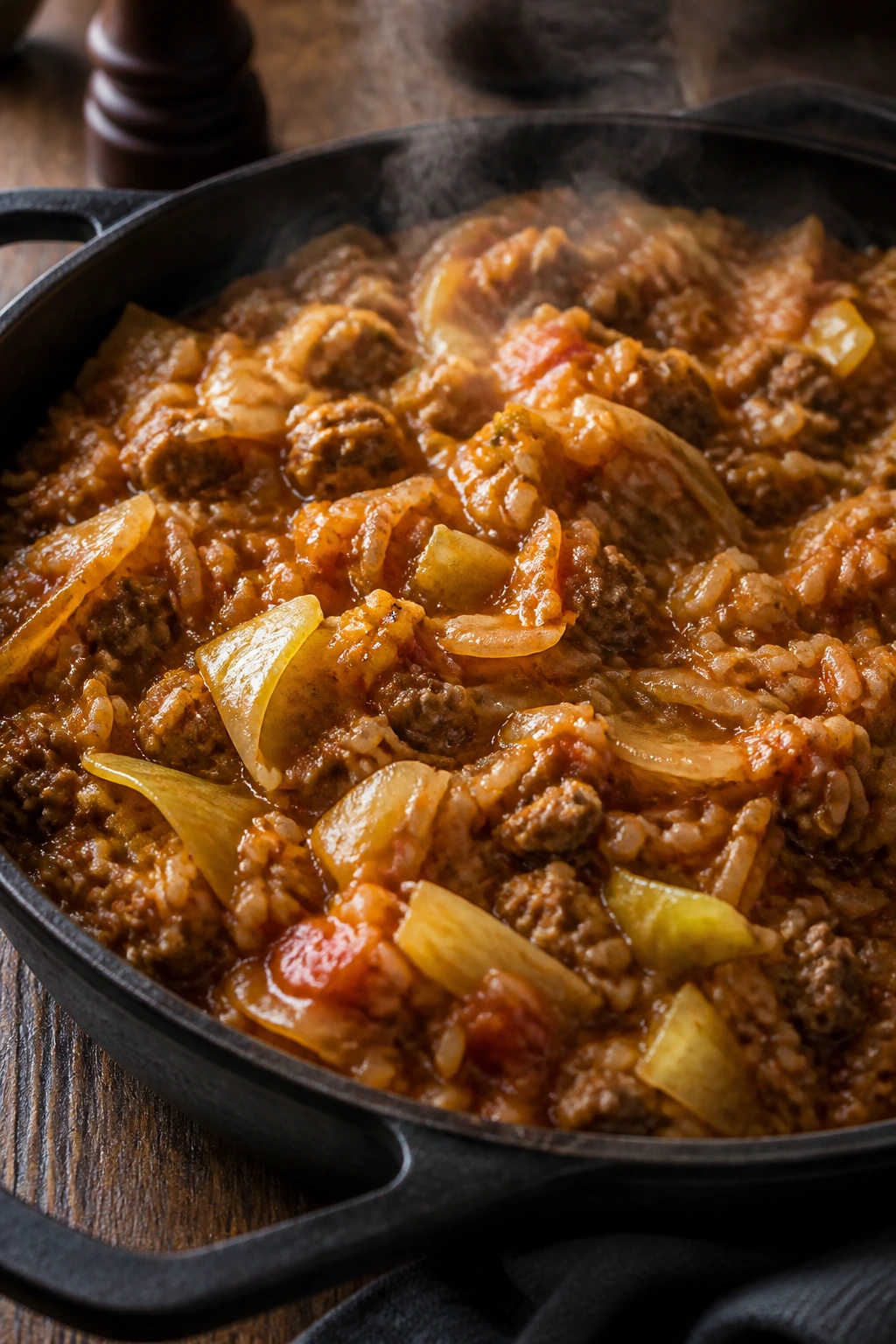
Cabbage rolls are delicious, and rolling them is where the patience starts to leave the room. This skillet version keeps the sweet tomato, beef, rice, and cabbage combination but turns it into something you can make without turning your counter into a workshop. It’s rustic in the best possible way.
Why It Works
This recipe uses the same ingredients as cabbage rolls, only the cabbage is chopped instead of rolled, which saves time and keeps the cost low. The rice thickens the skillet as it cooks, and the tomato sauce gives the whole pan that familiar sweet-savory flavor. It’s a strong choice when you want comfort food without the extra labor.
Key Ingredients
For the Skillet
- 1 pound ground beef
- 1 small onion, diced
- 4 cups chopped green cabbage
- 1 cup uncooked white rice, rinsed
- 1 can diced tomatoes
- 1 can tomato sauce
- 2 cups beef broth
- 2 cloves garlic, minced
- 1 teaspoon paprika
- 1 teaspoon Worcestershire sauce
- Salt and black pepper, to taste
Quick Steps
-
Brown the beef and onion: Cook them in a large deep skillet over medium heat for 6 to 8 minutes, until the beef is no longer pink.
-
Add the cabbage: Stir in the cabbage and cook for 4 to 5 minutes, until it starts to wilt and the pan smells sweet.
-
Season and build: Add the garlic, paprika, Worcestershire, 1 teaspoon salt, and 1/2 teaspoon black pepper. Stir in the rice, diced tomatoes, tomato sauce, and broth.
-
Simmer covered: Bring the skillet to a boil, then lower the heat and cover. Cook for 20 to 25 minutes, until the rice is tender and the cabbage is soft.
-
Check the moisture: If the pan looks dry before the rice is done, splash in 1/4 cup water or broth and keep going.
-
Rest and serve: Let it sit for 5 minutes before scooping so the rice settles and the liquid thickens.
Tips and Variations
- Flavor option: A spoonful of sour cream on top gives it a softer, richer finish.
- Veggie stretch: Add shredded carrot if you want more color and sweetness.
- Do not rush the cabbage: It needs a little time to soften or the skillet tastes rough.
15. Loaded Beef and Potato Skillet
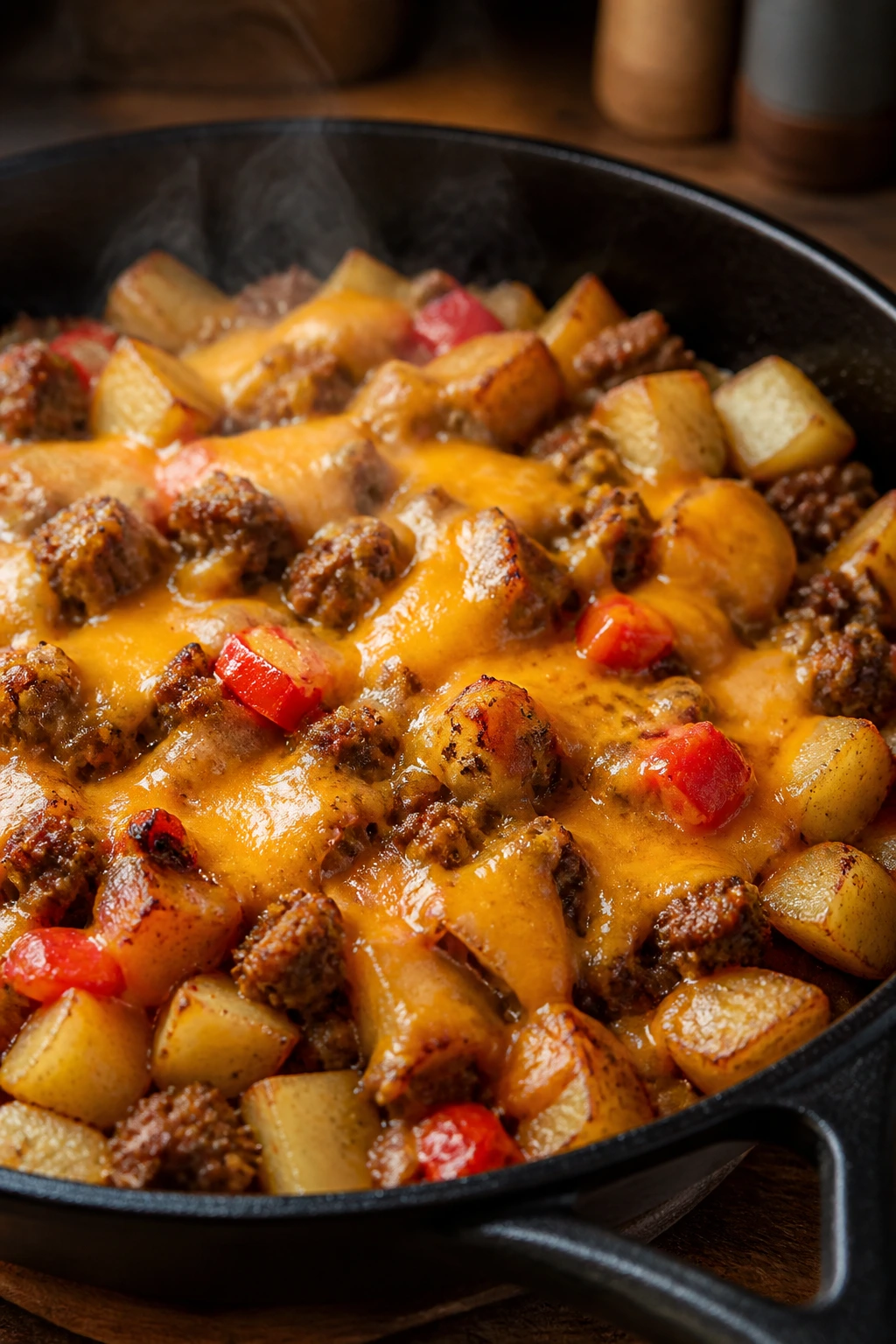
Potatoes are the budget anchor here, and they do exactly what you want them to do: fill the pan, hold seasoning, and make the meal feel bigger than the price. This skillet is browned, tender, and finished with melted cheese, which is really all the argument most families need. It has the honesty of diner food without the diner bill.
Why It Works
Potatoes are cheap, filling, and forgiving. Once they’re par-cooked, they soak up beef drippings and seasoning from the skillet, which means the whole pan tastes richer than the ingredient list suggests. If you cut the potatoes small and give them enough heat, they get crisp on the outside and soft inside, which is exactly the texture this dinner needs.
Key Ingredients
For the Skillet
- 1 pound ground beef
- 2 large russet potatoes, diced small
- 1 small onion, chopped
- 1 small bell pepper, chopped
- 2 cloves garlic, minced
- 1 teaspoon paprika
- 1/2 teaspoon smoked paprika
- 1 cup shredded cheddar
- 1 tablespoon oil
- Salt and black pepper, to taste
- Chopped parsley or green onions, optional
Quick Steps
-
Par-cook the potatoes: Boil the diced potatoes in salted water for 6 to 7 minutes, just until the outside starts to soften. Drain well.
-
Brown the beef: Heat the oil in a large skillet over medium-high heat. Add the beef and cook for 5 to 6 minutes, until browned.
-
Add the vegetables: Stir in the onion, bell pepper, and garlic. Cook for 4 minutes, until the onion looks translucent and the pepper softens.
-
Season and crisp: Add the potatoes, paprika, smoked paprika, 1 teaspoon salt, and 1/2 teaspoon black pepper. Cook for 8 to 10 minutes, stirring occasionally, until the potatoes pick up browned edges.
-
Melt the cheese: Sprinkle the cheddar over the top, cover the skillet, and cook on low for 2 minutes until the cheese melts.
-
Finish and serve: Scatter parsley or green onions on top if you like. Serve straight from the skillet while the potatoes are still crisp in spots.
Tips and Variations
- Crispier result: Leave the potatoes alone for a minute between stirs so they can brown.
- Saucy option: A spoonful of sour cream or hot sauce on top works well.
- Shortcut: Frozen diced potatoes can save time if you’re in a hurry.
How Ground Beef Stretches Further Than You Think
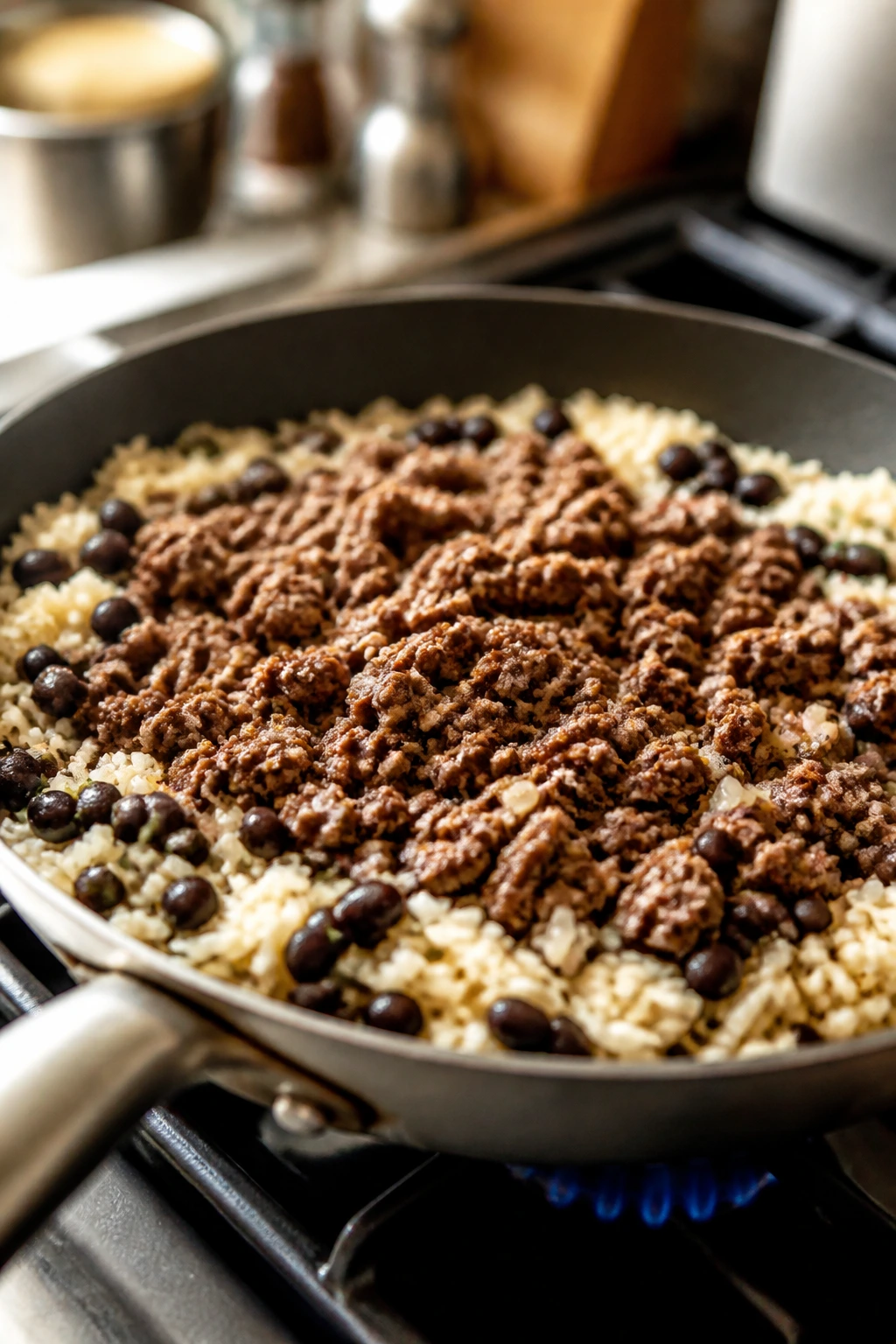
A pound of ground beef looks small in the package and generous in the pan, which is exactly why it shows up in budget cooking so often. The meat itself brings fat, salt-friendly protein, and a lot of surface area for browning, but it does not need to be the whole meal. That’s where beans, rice, pasta, potatoes, and cabbage step in and make the plate look fuller without making the dinner feel thin.
Use the Beef as the Flavor Base
I’ve always thought ground beef works best when it acts like a foundation instead of a trophy. Brown it hard enough to get some crust, then season it early so the juices pick up garlic, onion, chili powder, paprika, or soy sauce. Once that happens, you can hand off the volume work to rice or noodles and nobody feels shortchanged.
Pick the Right Cheap Partners
Rice and pasta are the obvious choices, but cabbage and potatoes are the sneaky good ones. Cabbage softens, sweetens, and takes on the sauce; potatoes hold their shape and swallow seasoning; beans add body and protein without much cost. One or two of those ingredients can turn a modest skillet into a dinner that feeds a crowd.
Fat, Drainage, and Balance
If you buy 80/20 beef, you’ll get more flavor and more rendered fat. That can be a good thing, but spoon off the excess if the pan looks greasy. If you buy 90/10, add a little oil at the start so the beef browns instead of drying out, because lean beef can go from neatly browned to chalky faster than people expect.
Essential Equipment for Budget Beef Dinners
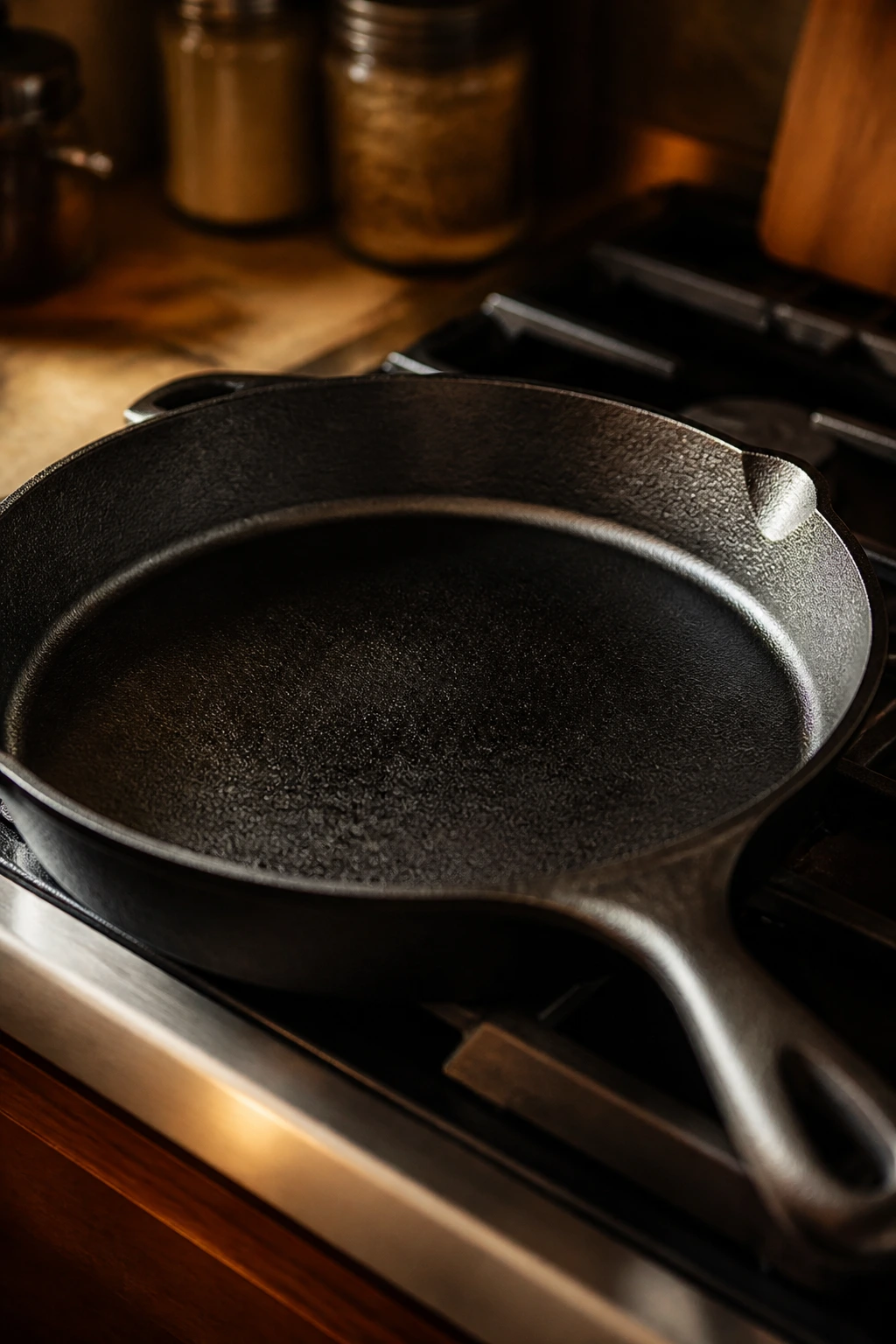
-
Large skillet or sauté pan: Best for one-pan dinners, quick browning, and anything saucy that needs room to move.
-
Dutch oven or deep pot: The safest bet for chili, soup, and goulash because it holds heat evenly and gives you enough depth to stir without sloshing.
-
9×13-inch baking dish: Useful for casseroles like enchilada bake and shepherd’s pie, where a good crust on top matters.
-
Medium saucepan with lid: Handy for cooking rice or for smaller sauce jobs when you don’t want to drag out a giant pot.
-
Sharp chef’s knife: Makes cheap ingredients easier to handle; onions, cabbage, peppers, and potatoes all cook better when cut evenly.
-
Cutting board: A sturdy board keeps prep moving and makes it easier to chop in a rhythm.
-
Wooden spoon or spatula: Better than a flimsy spoon when you’re scraping browned bits off the bottom of the pan.
-
Measuring cups and spoons: These recipes rely on exact liquid and seasoning amounts, especially with rice and pasta.
-
Colander: Needed for draining pasta, rinsing beans, and getting potatoes or rice bases ready without a mess.
-
Airtight containers: Worth having if you want leftovers to stay useful instead of turning limp in the fridge.
Smart Shopping and Ingredient Picks
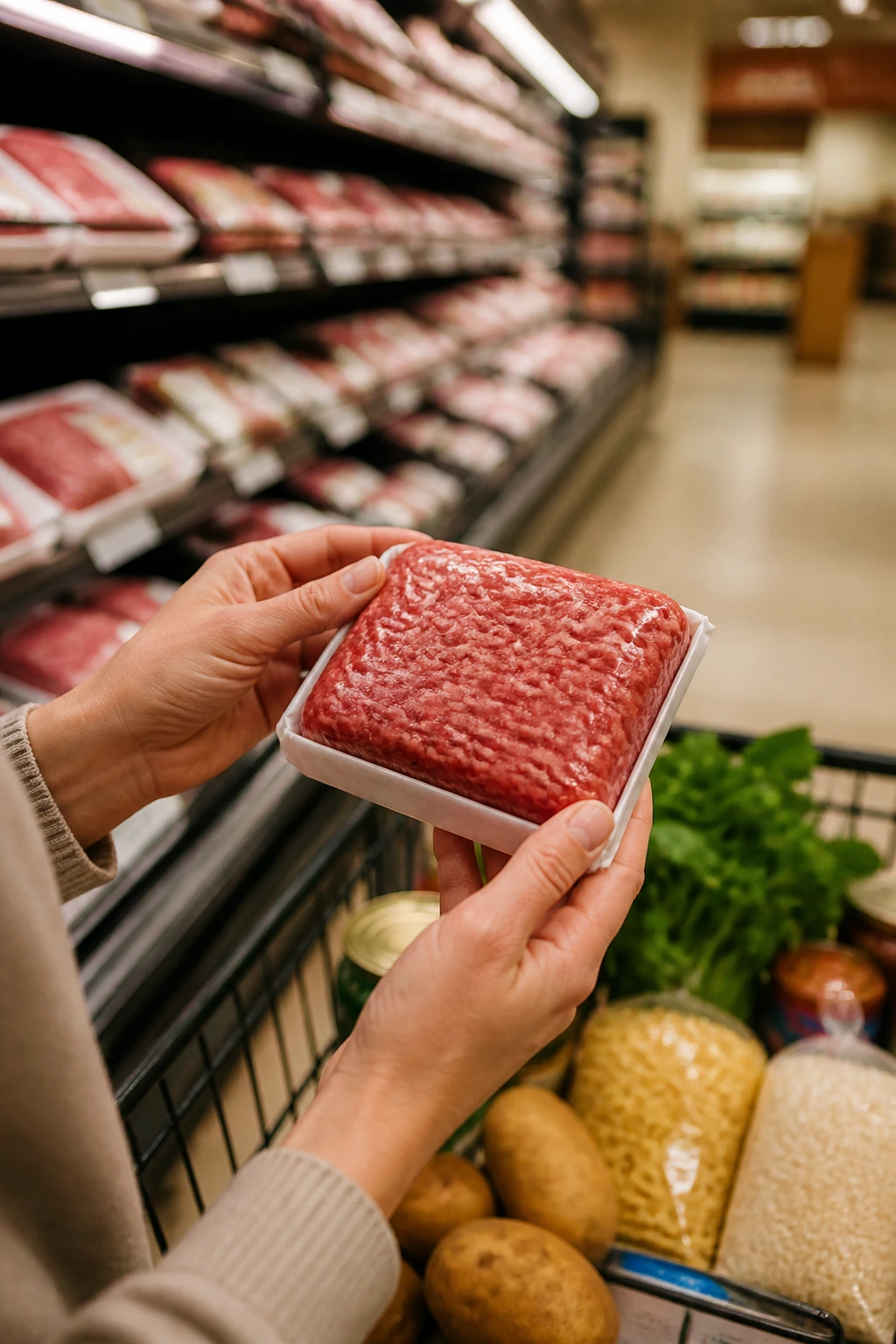
Store-brand shopping is the difference between a meal that merely sounds cheap and one that actually lands under budget. Ground beef is usually the biggest line item, so look at the per-pound price, then decide whether the meal needs a richer 80/20 blend or can get by with a leaner pack. For skillet dinners and casseroles, I usually like 85/15 because it gives you enough fat for flavor without leaving the pan slick.
Pantry staples matter more than people think. Canned tomatoes, tomato sauce, beans, rice, pasta, broth, and tortillas are the quiet budget heroes here, and the cheapest version is often good enough if you season well. I also recommend buying a block of cheese when a recipe needs a topping; it usually melts better than pre-shredded cheese and often costs less per ounce.
Frozen vegetables deserve more respect than they get. Corn, mixed vegetables, peas, and stir-fry blends are handy because they’re already washed and chopped, and they don’t go soft in the fridge before you get to them. Fresh vegetables are lovely, but if the goal is dinner under $10, frozen often wins by a mile.
One more thing. Cabbage, onions, potatoes, and carrots are the sort of ingredients that stretch across several dinners, not just one. Buy them with a plan, and you’ll stop making emergency grocery trips for one lonely bell pepper.
How to Serve These Dinner Ideas
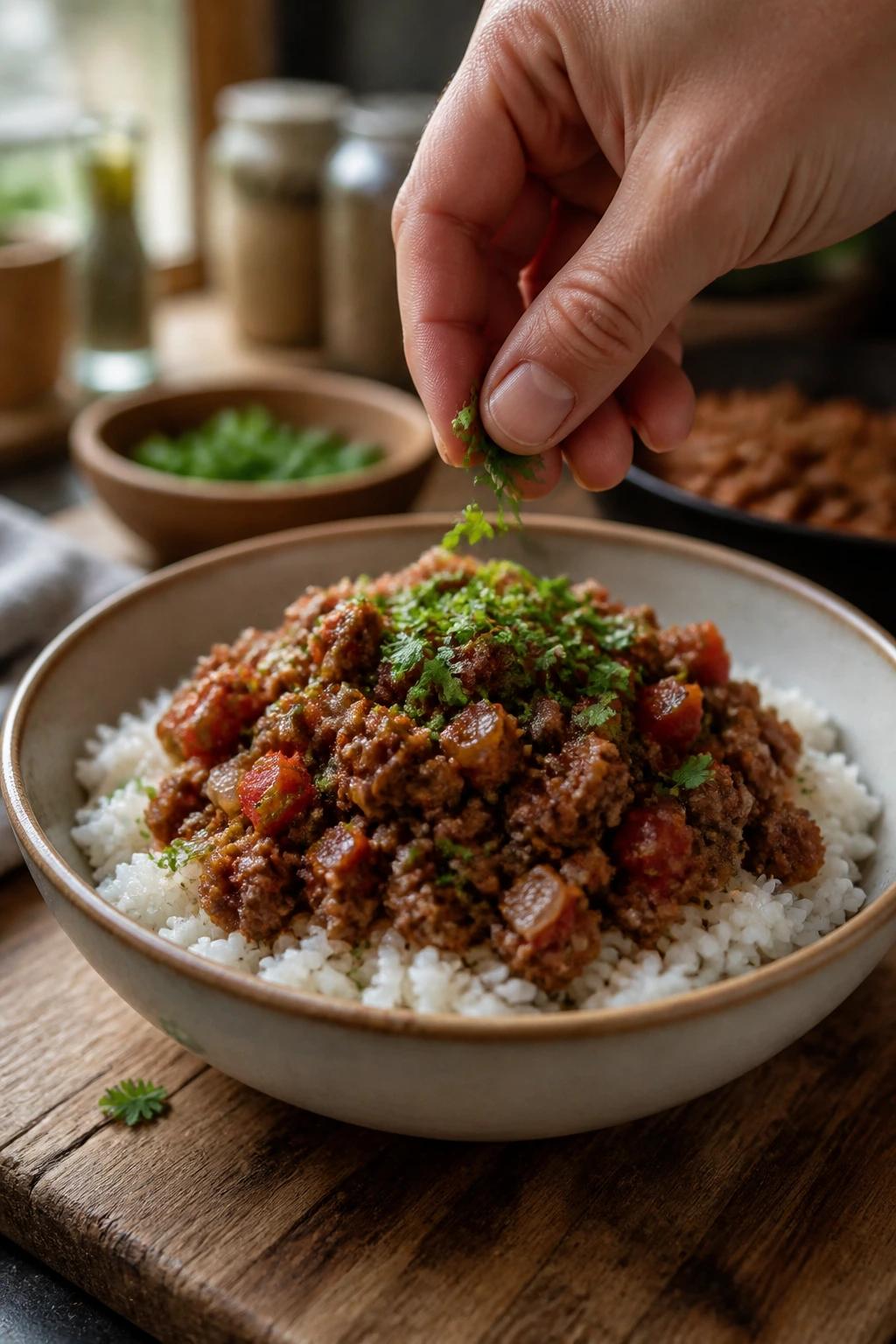
Presentation: Keep the plating simple and generous. Bowls work well for the rice, chili, soup, and stir-fry dinners, while skillet dishes look best when you bring the pan to the table and finish with cheese, herbs, or a squeeze of lime right before serving.
Accompaniments: A green salad, garlic toast, tortilla chips, coleslaw, or steamed vegetables can round out most of these dinners without forcing you into another expensive recipe. For the chili and soups, crackers or warm cornbread are the easy answer. For the tacos, quesadillas, and enchilada bake, salsa and sour cream do plenty of heavy lifting.
Portions: Most of these recipes feed 4 to 6 people if you’re using a pound of beef and one starch or bean partner. If the table is full of big eaters, add a side dish instead of trying to cram another half pound of meat into the pan. That usually gives you better value and better texture.
Beverage Pairing: I like iced tea, sparkling water with lime, or a cold lager with these dinners because they cut through beef, cheese, and tomato without fighting them. For kid-heavy tables, a simple lemonade or water with lemon keeps things easy.
Extra Flavor Moves That Cost Almost Nothing
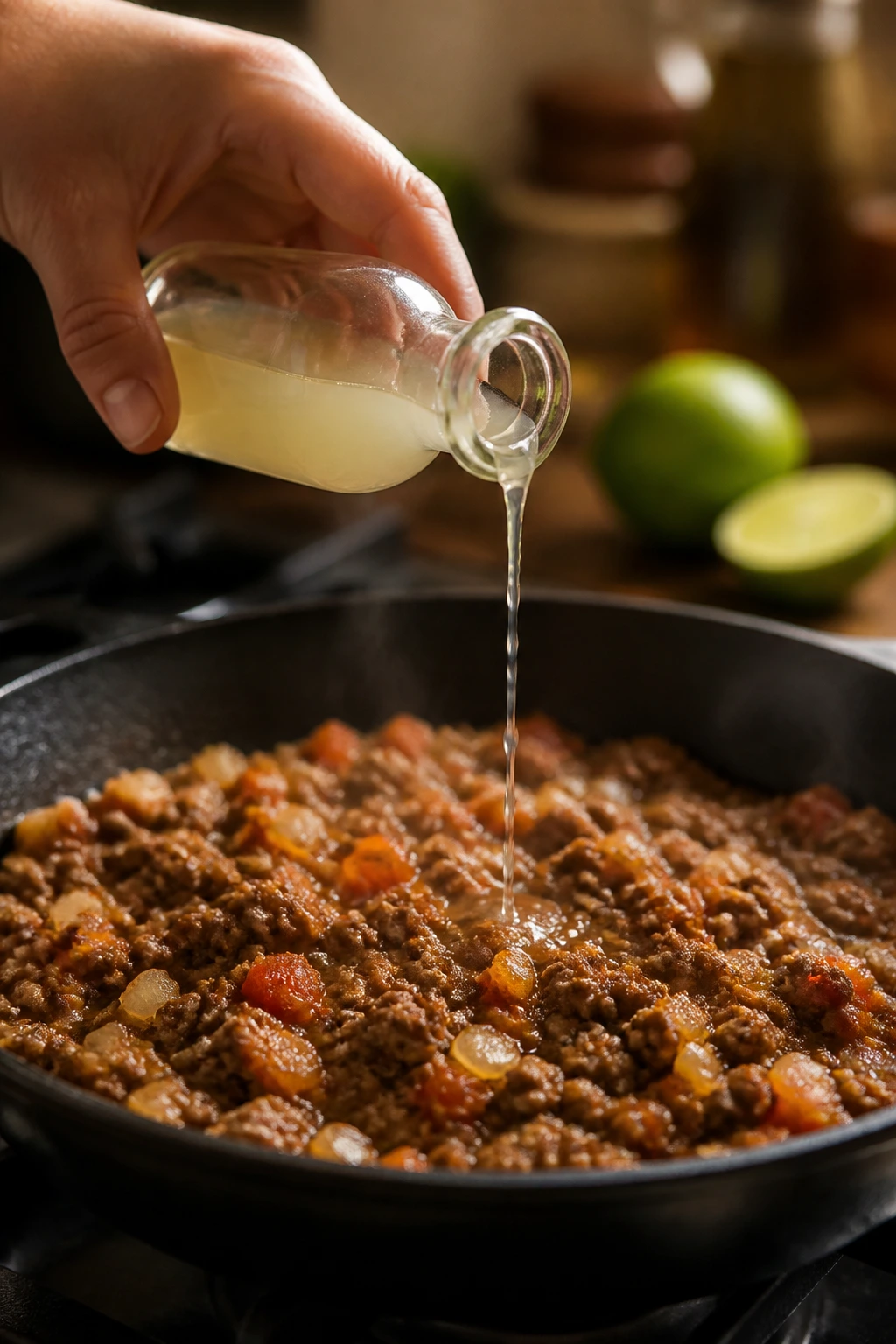
Flavor Enhancement: A splash of vinegar, lime juice, or pickle brine at the end can make a heavy beef dinner taste brighter without adding much cost. Tomato-based dishes especially benefit from a little acid right before serving, because it keeps the sauce from sitting flat on the tongue.
Customization: If your family likes heat, add chili flakes, hot sauce, or diced jalapeños to the pan while the beef browns. If you want a softer, milder result, lean on onion, garlic, and a bit of cheese instead. The base recipes are sturdy enough to take either direction.
Serving Suggestions: Fresh herbs are nice, but don’t overcomplicate the garnish. Chopped green onions, parsley, cilantro, or shredded lettuce can make a skillet look finished with almost no extra spend. A spoonful of sour cream also helps when a dish feels a little too bold or too salty.
Make-It-Yours: For a lighter version, use a leaner beef and add an extra vegetable. For a dairy-free plate, skip the cheese and finish with olive oil, salsa, or avocado if the budget allows. For gluten-free cooking, rice bowls, chili, cabbage skillets, and potato bakes are the easiest wins.
Make-Ahead, Storage, and Reheating Notes
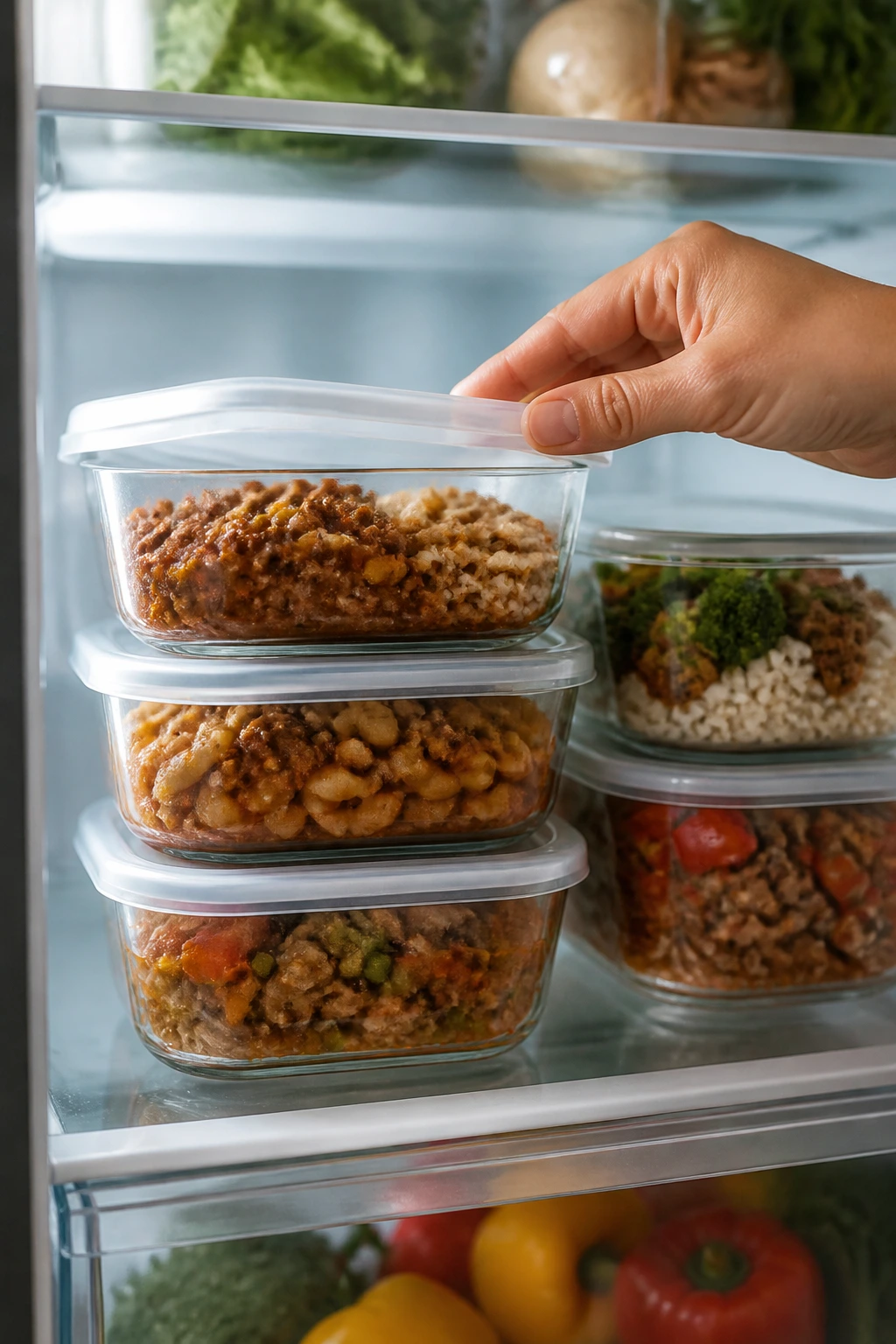
Most of these dinners keep well for 3 to 4 days in the refrigerator if you cool them quickly and store them in shallow containers. Chili, goulash, and soups are the best leftovers because the flavors settle overnight and the broth or sauce keeps everything moist. Pasta and rice dishes need a little more care, but they still hold up fine if you reheat them with a splash of water or broth.
Freezing works best for chili, soup, shepherd’s pie, cabbage skillet, and enchilada bake. Those dishes can stay frozen for up to 2 to 3 months without losing much quality. Pasta with a creamy sauce can be frozen, but it may separate a bit when thawed, so I prefer to freeze the beef portion and cook fresh pasta later if I know a recipe will sit awhile.
For reheating, the method matters. Skillet dinners do best in a covered pan over low heat with a tablespoon or two of water or broth stirred in. Casseroles reheat nicely in a 350°F oven for 15 to 20 minutes, covered with foil for the first half so the top does not dry out. Microwave leftovers work fine for lunch, but stop and stir halfway through so the beef heats evenly and the center doesn’t stay cold while the edges cook out.
A few of these recipes can be made ahead in pieces. Chop the onion, cabbage, peppers, and potatoes the day before. Cook rice early. Brown the beef and refrigerate it separately if you want dinner to come together fast later. That kind of prep saves time without forcing you to eat leftovers twice in a row.
Budget-Friendly Variations and Swaps to Try
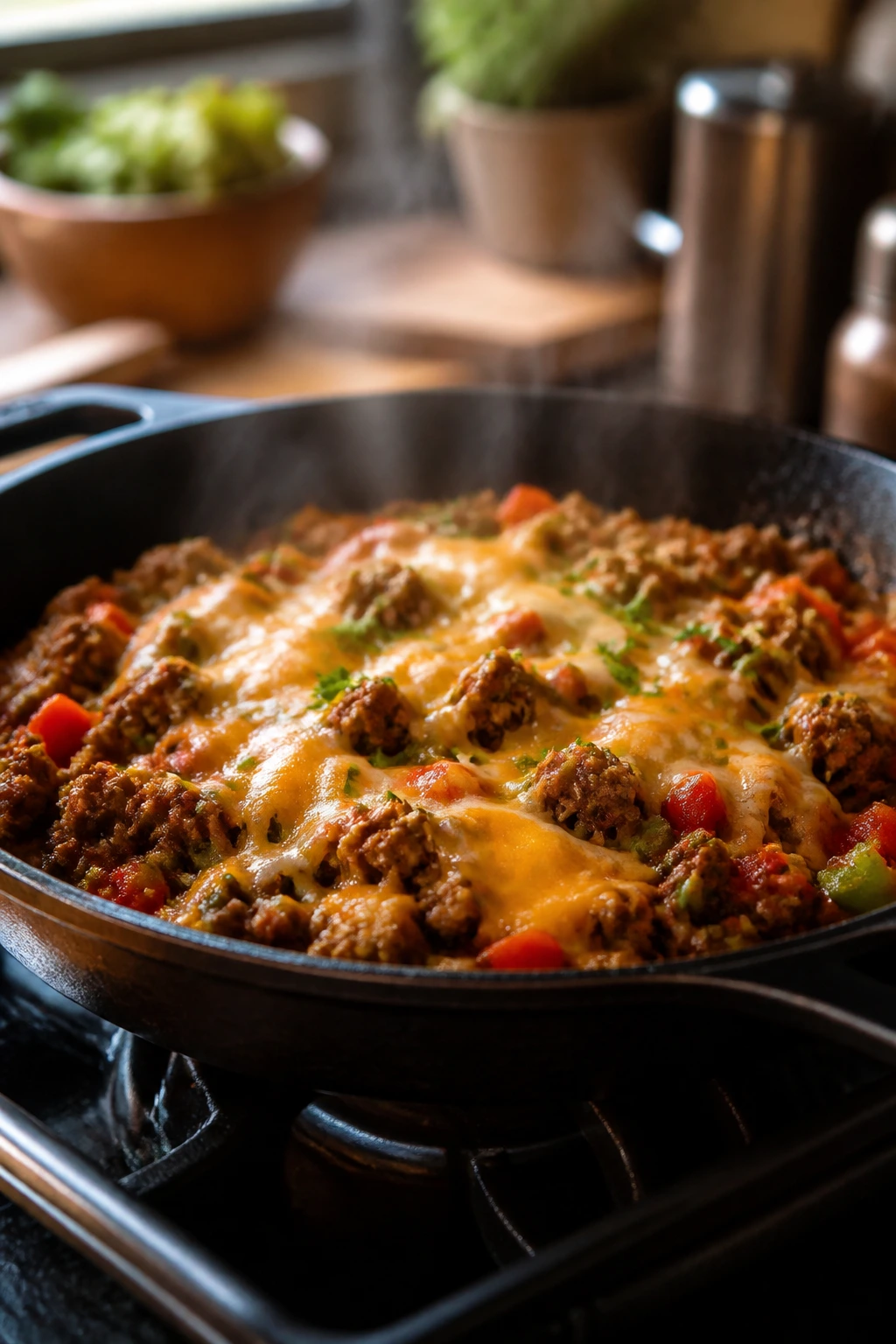
Pantry Saver Bowl: Swap the rice or pasta in any of these recipes for whatever starch you already have on hand. Couscous, egg noodles, or even leftover baked potatoes can take the place of a planned grain when the cupboard is thin.
Dairy-Light Dinner: Skip the cheese-heavy finish and use broth, salsa, or tomato sauce to keep the dish moist. The taco rice bowls, chili, cabbage skillet, and stir-fry all work well without dairy, and they don’t feel like they lost anything important.
Extra-Veg Stretch: Add shredded carrots, chopped cabbage, frozen peas, corn, or diced zucchini to nearly any skillet. Vegetables cost less than meat, and they also keep the dish from feeling too dense.
Mild Family Night: Reduce chili powder, pepper flakes, and hot sauce, then let everyone add heat at the table. That keeps one pot friendly for mixed tastes without making the whole dinner bland.
Smoky Tomato Swap: Add smoked paprika or a tiny bit of chipotle powder to chili, goulash, spaghetti sauce, or enchilada bake. That single change gives the meal a deeper, slower-cooked feel even when you only had half an hour.
Fridge-Cleanout Version: Use the same beef base but change the vegetables based on what needs using up. Onion, cabbage, carrots, peppers, and frozen vegetables all fit comfortably into these recipes without much adjustment.
Common Mistakes to Avoid
Using beef that is too lean: Very lean ground beef can taste dry if you don’t add enough moisture or fat. If you buy 90/10, add a teaspoon or two of oil at the start and stop cooking as soon as the meat is browned.
Skipping seasoning until the end: Ground beef needs seasoning while it cooks, not just after it hits the plate. Salt, onion, garlic, chili powder, paprika, or soy sauce should go in early so the flavor settles into the pan.
Overcrowding rice or pasta dishes with liquid: A sloppy rice skillet or mushy pasta bake usually starts with too much broth or too much simmering time. Measure carefully, then check the pot early rather than waiting until the starch has broken down.
Ignoring the browned bits: Those little dark spots at the bottom of the pan are flavor, not damage. A splash of broth, tomato sauce, or water can lift them into the dish and make the whole thing taste deeper.
Forgetting to drain excess fat when needed: Some beef renders more grease than others. If the pan looks shiny in a way that feels greasy, spoon off a little before adding the liquid ingredients.
Serving too soon: Rice, casseroles, and skillet dinners often need a short rest so the liquid settles and the texture firms up. Five minutes is usually enough, and it can make the difference between a nice scoop and a runny mess.
Frequently Asked Questions

Can I use ground turkey instead of ground beef?
Yes, though you’ll want to add a little oil and season more assertively because turkey is leaner and milder. The chili, taco bowls, spaghetti sauce, and casserole recipes adapt especially well.
What’s the cheapest cut of ground beef to buy for these dinners?
The answer usually depends on local prices, but 85/15 or 80/20 is often the sweet spot for flavor and cost. If you buy something leaner, plan to add moisture with broth, sauce, or a little oil.
How do I keep ground beef dinners from tasting bland?
Season the meat while it browns, not after everything is already in the pot. Onion, garlic, tomato paste, soy sauce, Worcestershire, chili powder, cumin, or paprika each add a different kind of depth.
Can I freeze these meals after cooking?
Yes, especially chili, soup, shepherd’s pie, enchilada bake, cabbage skillet, and goulash. Pasta dishes freeze less gracefully, but they still work if you expect a slightly softer texture after reheating.
What if my skillet dinner turns out watery?
Keep cooking it uncovered for a few minutes so the liquid can reduce, and stir often so nothing sticks. For rice dishes, a short rest off the heat usually helps more than you’d expect.
How can I make these recipes stretch for six or more people?
Add a side like salad, garlic bread, roasted vegetables, or extra rice instead of trying to force more beef into the pan. Beans, cabbage, potatoes, and pasta are the cheapest ways to increase servings without losing flavor.
Is 80/20 beef better than 90/10 for budget dinners?
Often, yes, because the extra fat carries flavor and keeps skillet dishes from tasting dry. You can still use 90/10, but you’ll usually need a touch of oil and a careful hand with cooking time.
Can I make the rice, pasta, or potatoes ahead of time?
Absolutely. Cooked rice and boiled potatoes can be made a day ahead, and pasta can be drained, lightly oiled, and chilled for a short time before it goes into the skillet or casserole.
A Habit Worth Keeping
Cheap dinner doesn’t have to mean thin dinner. A pound of ground beef, handled well, can become a skillet, a casserole, a bowl of chili, or a pan of pasta that nobody complains about when the plates are cleared. That’s the real win here: these meals stay affordable without looking like they gave up.
I’d keep a few of these in regular rotation and build from there. Once you know how to stretch beef with rice, cabbage, pasta, or potatoes, the rest gets easier fast. And honestly, that’s the kind of kitchen trick that saves money without making dinner feel smaller.