



Chicken thigh dinners for families earn their place on the table for one plain reason: they make a weeknight feel manageable. A pack of thighs can turn into something juicy, bronzed, and filling without asking for much more than salt, heat, and a little attention. That’s a rare thing on a night when one kid is already asking for bread, someone else wants “not green stuff,” and the timer on the oven is beeping while you’re still looking for the garlic.
They’re forgiving in a way chicken breasts often aren’t. Leave thighs in the oven a few minutes too long and they still eat well. Sear them hard in a skillet and the edges turn crisp while the meat stays tender. Braise them, roast them, slow-cook them, glaze them with soy and honey, tuck them into rice bowls, pile them over noodles — they can handle a lot of direction without turning fussy.
That’s why I keep coming back to them when family dinner needs to be practical and still taste like dinner. Not cafeteria dinner. Real dinner. The kind that smells good the second you open the oven and makes people drift into the kitchen before you call them.
Why Chicken Thigh Dinners for Families Keep Winning Weeknights
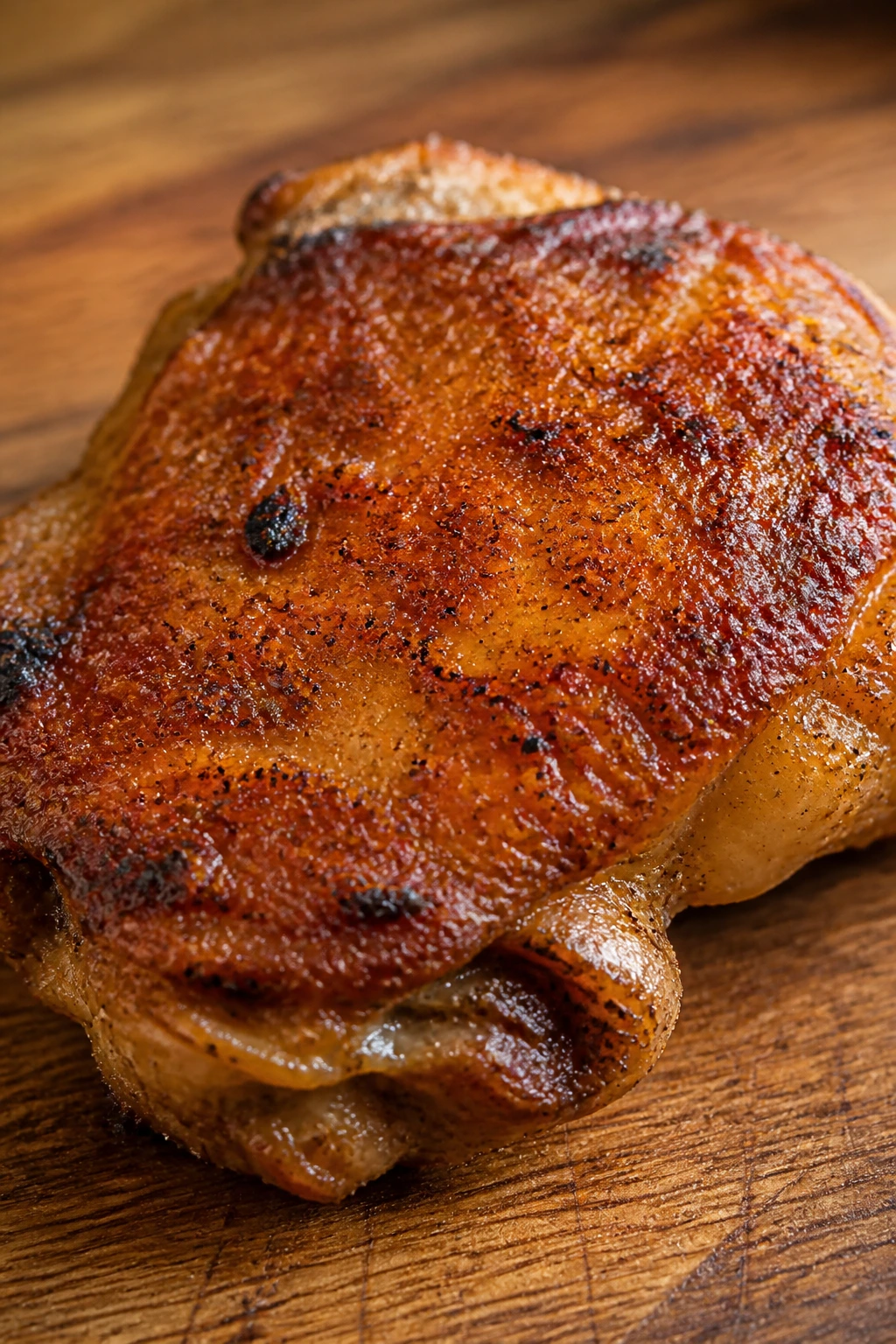
Forgiving texture: Chicken thighs stay juicy even when dinner runs a few minutes late, which matters more than any glossy food photo ever will.
Budget stretch: A pack of thighs usually goes farther than people expect once you add potatoes, rice, pasta, or a pan of roasted vegetables.
Flavor sponge: Dark meat takes on garlic, citrus, barbecue, curry, soy, mustard, and herbs without acting stubborn about it.
Kid-friendly in plain sight: The meat is tender enough to shred, slice, or serve whole, and you can keep the seasoning mild without making the plate boring.
Leftover-friendly: Cold chicken thighs hold up in wraps, salads, quesadillas, grain bowls, and fried rice better than a lot of leaner cuts.
One-pan potential: A good chicken thigh dinner can carry the whole evening with one skillet or sheet pan and a side dish that doesn’t ask much from you.
That’s the real appeal. Not drama. Not novelty. Just a cut of chicken that can stand up to heat, sauce, and a family’s appetite without becoming dry or bland in the process.
Bone-In or Boneless Chicken Thighs: Picking the Right Cut
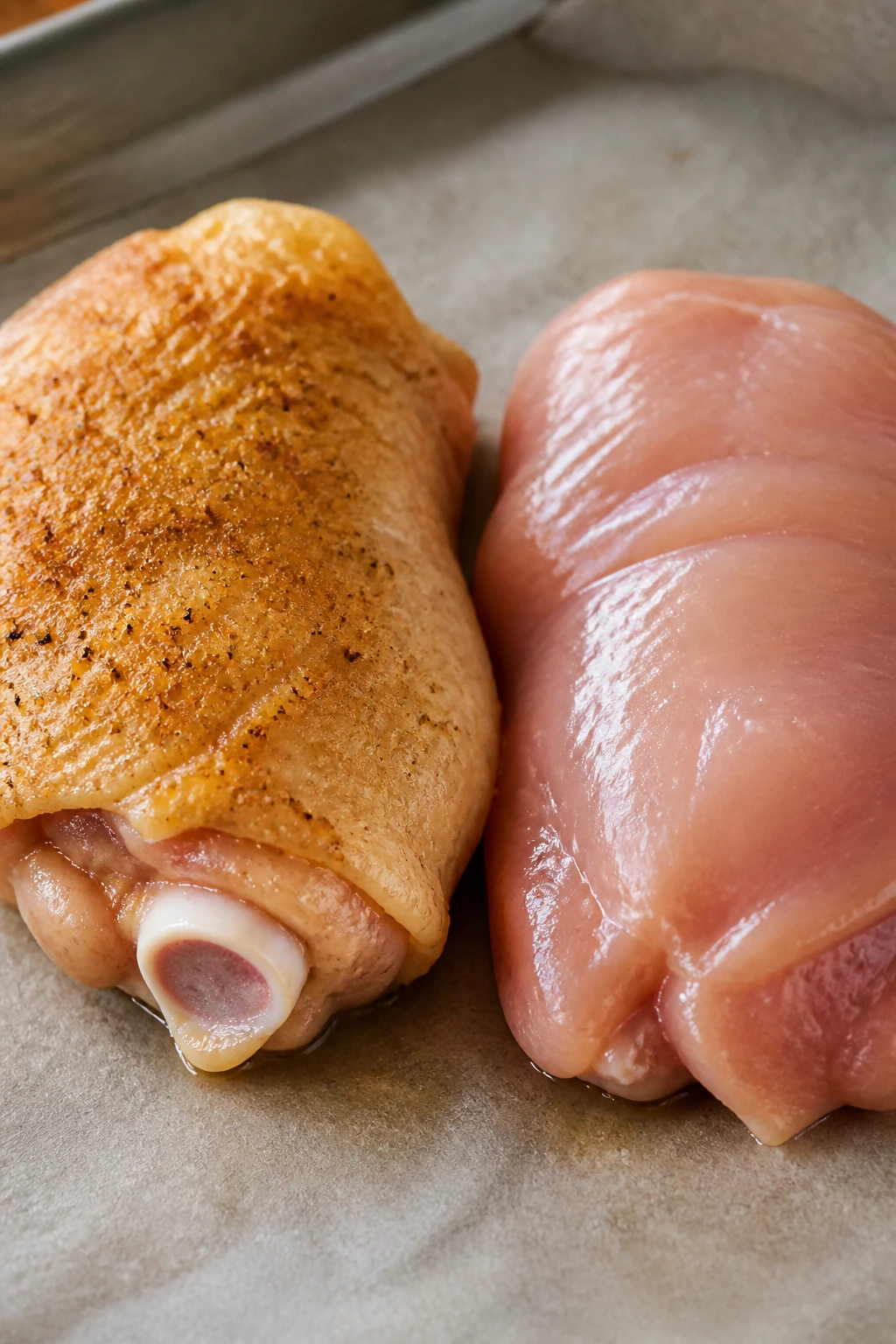
Bone-in thighs and boneless thighs are not the same job, and that’s a blessing. Bone-in, skin-on thighs are the flavor-heavy choice. They roast beautifully, the skin crisps up if you give it dry heat, and the bone helps the meat stay succulent. Boneless, skinless thighs move faster and fit better into skillet dinners, stir-fries, rice bowls, and saucy meals where you want easy bites for kids and less carving at the table.
If your evening is already full of small interruptions, boneless thighs are the calmer option. They cook fast, usually in about 20 to 25 minutes in the oven or a little less in a hot skillet, and they’re easy to cut into bite-size pieces after resting. Bone-in thighs usually need more like 35 to 45 minutes in the oven, depending on size, and they reward you with a deeper roasted flavor and better skin.
There’s another detail that gets overlooked: size. Thighs can be wildly uneven in the package. Some are compact and tidy. Some are huge, almost like a small chicken breast with better manners. Sort by size before cooking if you can. The larger pieces go near the edges of a sheet pan or into the hotter side of the skillet first, and that tiny bit of care keeps you from serving one dry thigh and one underdone one.
USDA safe temperature guidance still applies here: poultry should reach 165°F in the thickest part. For braised or roasted bone-in thighs, though, many cooks prefer to let them go a little farther — around 175°F to 185°F — because the connective tissue softens and the meat turns silkier. That’s one of those practical kitchen truths that matters more than a neat number on paper.
The Flavor Map: What to Season Chicken Thighs With
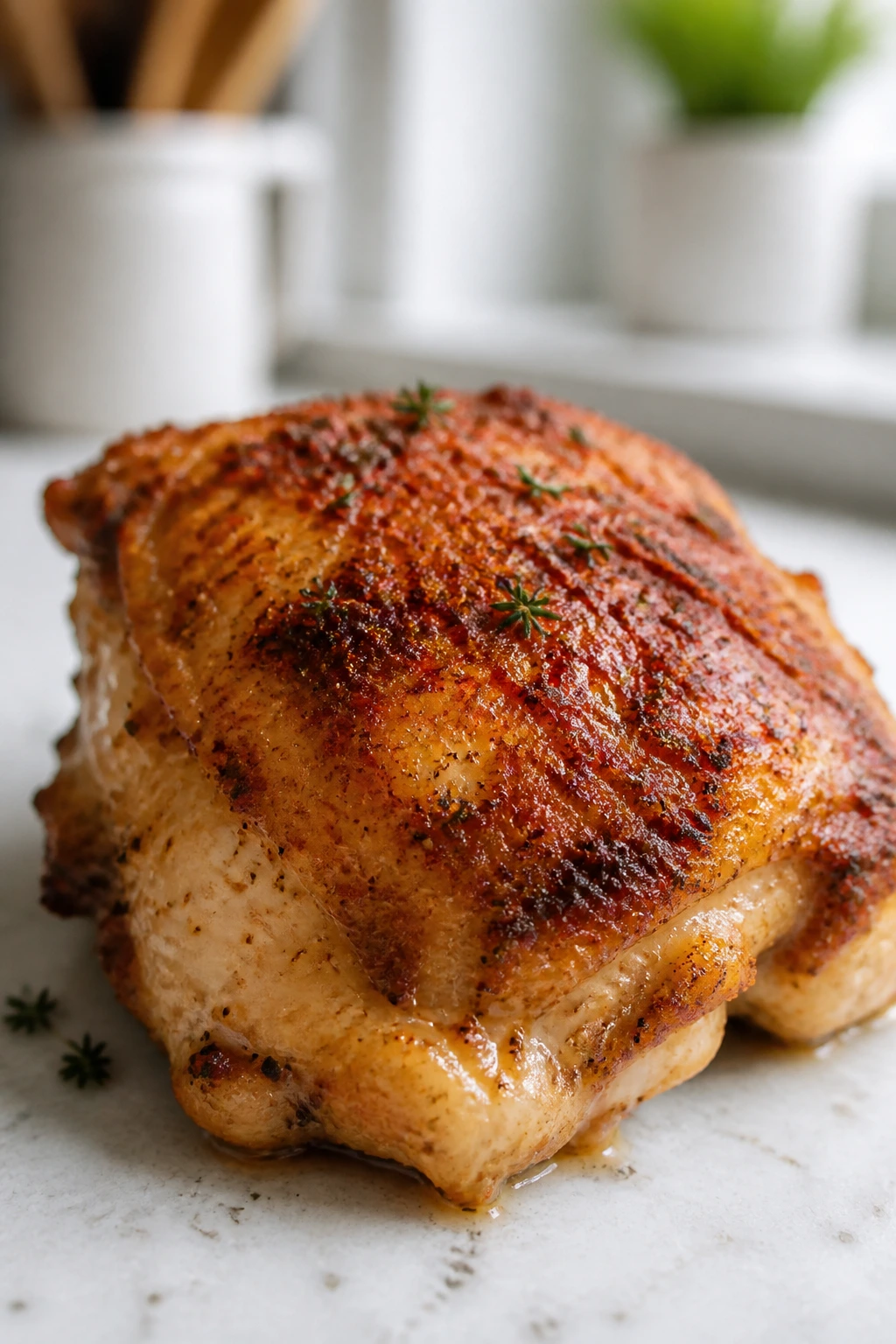
Chicken thighs love a strong hand, but not a messy one. The best family dinners tend to pick one flavor lane and stay there. Too many ideas on one pan and dinner starts to taste busy instead of appealing.
Bright and Tangy
Lemon, lime, white wine vinegar, Dijon, and fresh herbs keep thighs tasting clean and lively. This lane works especially well when the side dish is starchy — roasted potatoes, rice, couscous, or buttered noodles — because the acid cuts through all that richness and keeps the plate from feeling heavy.
Smoky and Savory
Paprika, garlic, onion powder, cumin, black pepper, and a little tomato paste build the kind of dinner that smells like you actually planned ahead. Smoked paprika is one of my favorite short cuts here. It gives depth fast, especially on sheet-pan dinners with carrots, onions, or sweet potatoes.
Creamy and Mild
Mushrooms, cream, broth, mustard, Parmesan, and thyme give you the cozy, spoonable dinners that a lot of families quietly prefer. These are the meals that want mashed potatoes, egg noodles, or toasted bread to soak up the sauce. Nothing fancy. Just comforting.
Sticky and Sweet-Salty
Soy sauce, honey, ginger, garlic, sesame oil, and a splash of rice vinegar make thighs taste like takeout in the best possible way. Kids who love a glaze tend to warm up to this style fast, and adults like it because it’s satisfying without feeling heavy. The trick is balance — sweet enough to please, salty enough to keep it from tasting like dessert.
Pick one lane and give it room to breathe. That’s usually the move.
Sheet-Pan Chicken Thigh Dinners That Finish in One Oven Round
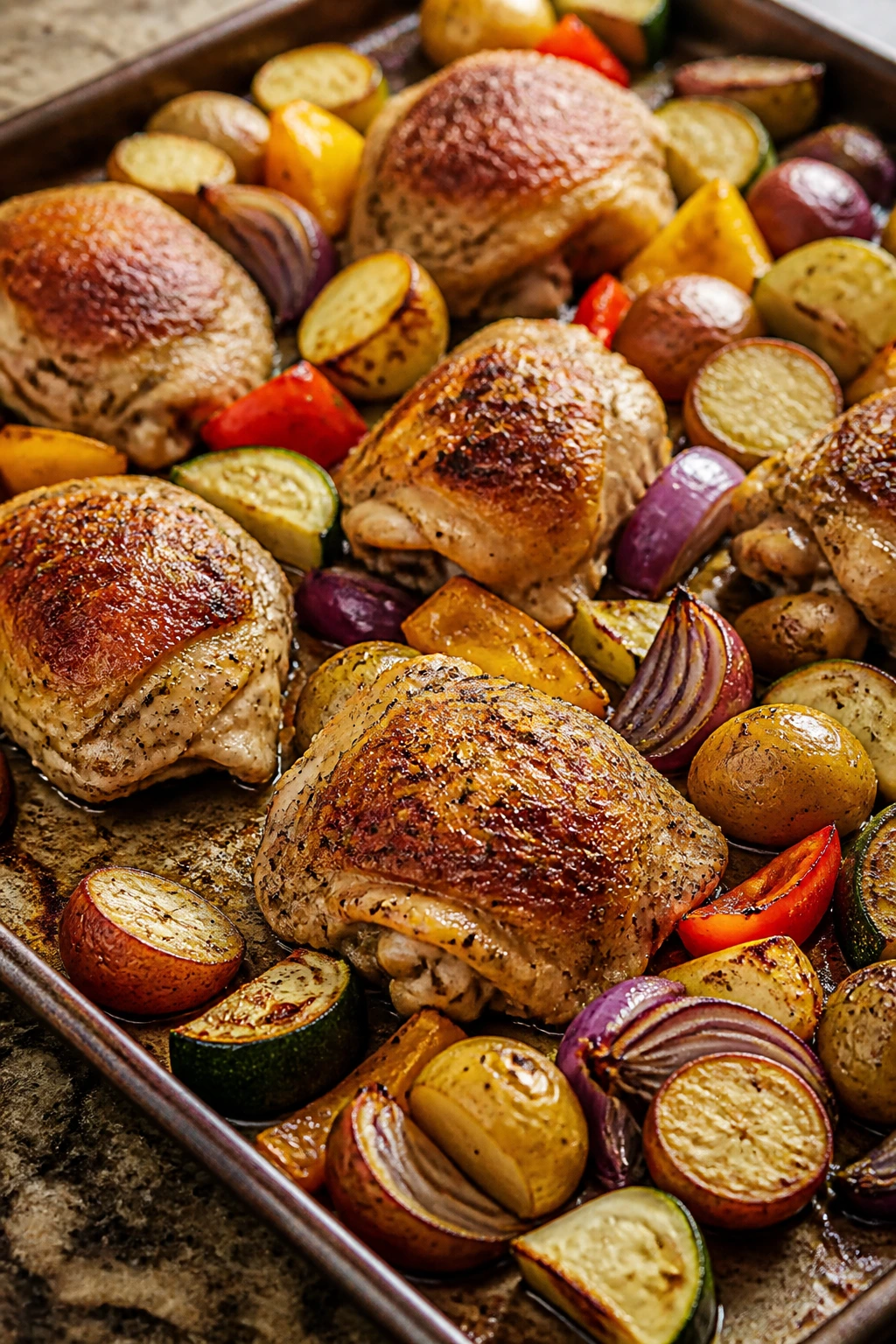
Sheet-pan dinners are the weeknight answer to “I need dinner and I need it to not dirty every dish I own.” Chicken thighs fit them especially well because the fat renders, the skin crisps if there’s enough space, and the vegetables roast in the drippings instead of drying out.
The best sheet-pan formula is simple: thighs on one side, vegetables that can handle high heat on the other, and a little space between everything. Potatoes, carrots, broccoli, onions, cauliflower, green beans, Brussels sprouts, and bell peppers all behave nicely if you cut them to similar sizes. If the pan is overcrowded, they steam. If they’re spread out, they caramelize at the edges and taste twice as good.
One detail makes a bigger difference than people expect: 425°F is a sweet spot for many sheet-pan chicken thigh dinners. Hot enough to brown. Not so hot that the outside burns before the vegetables catch up. If you’re using bone-in thighs, start checking around the 30-minute mark. Boneless thighs can be done sooner, sometimes in 20 to 25 minutes, depending on thickness.
A couple of combinations never seem to get old:
- Lemon-garlic thighs with potatoes and green beans
- Paprika thighs with carrots, onions, and broccoli
- Soy-glazed thighs with cabbage, mushrooms, and snap peas
- Barbecue thighs with sweet potatoes and red onion
I like to add sauce or glaze near the end, not at the beginning. Sugary sauces can burn if they sit in high heat too long. A quick brush during the final 5 to 10 minutes gives you color without the bitter edge that can ruin a tray of otherwise good chicken.
Skillet Chicken Thigh Dinners with Pan Sauce and Fast Vegetables
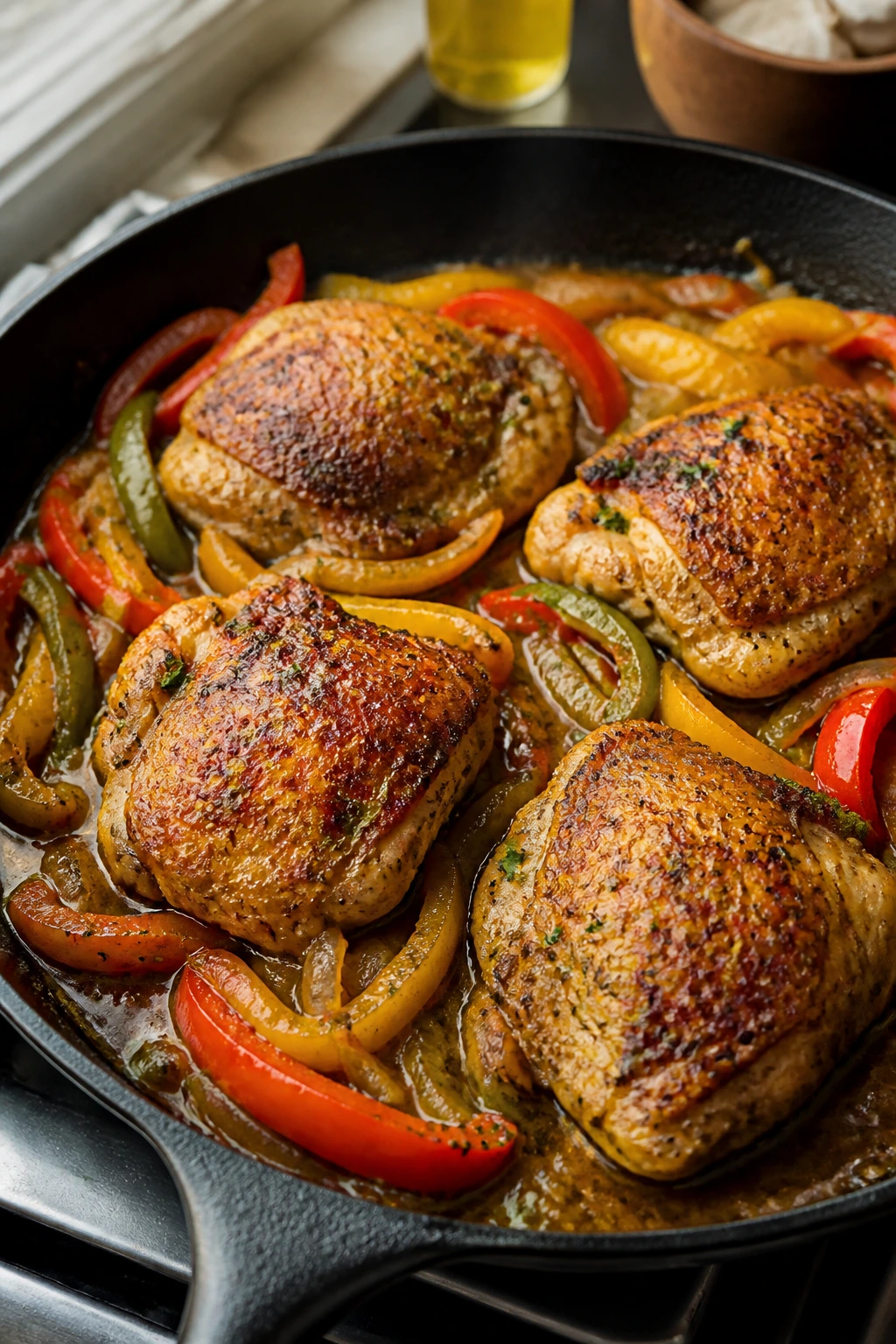
A hot skillet gives chicken thighs a little swagger. Skin side down, they sizzle and tighten. The pan fills with fond — those browned bits that cling to the metal — and fond is where dinner gets its depth. Ignore it at your own risk.
Cast iron is the classic choice, but a heavy stainless skillet works too. Start with a dry surface if you want crisp skin. Salt the thighs ahead of time if you can, pat them dry before they hit the pan, and resist the urge to move them around every 30 seconds. That’s how you end up with pale skin and no crust. Let them sit. They’ll release when they’re ready.
Once the chicken is browned, pull it out and use the same pan for onions, garlic, shallots, mushrooms, or sliced peppers. Then deglaze with broth, cider, wine, or even a little water, scraping the bottom with a wooden spoon. That’s your sauce base. Add mustard, cream, herbs, or a knob of butter, and you’ve got a pan sauce that makes the whole dinner feel more finished than the effort suggests.
Skillet dinners are especially good when you want to serve bread, egg noodles, or rice. The sauce has somewhere to go. Without a starch, a great pan sauce can feel a little lonely on the plate.
A few skillet-friendly directions work over and over:
- Mushroom-thyme thighs with creamy pan sauce
- Mustard and rosemary thighs with onions
- Apple cider thighs with Brussels sprouts
- Garlic butter thighs with spinach and couscous
It’s a straightforward style, but not a dull one. Done well, it tastes like you spent a lot longer at the stove than you actually did.
Braised and Casserole-Style Chicken Thigh Dinners for Extra Comfort
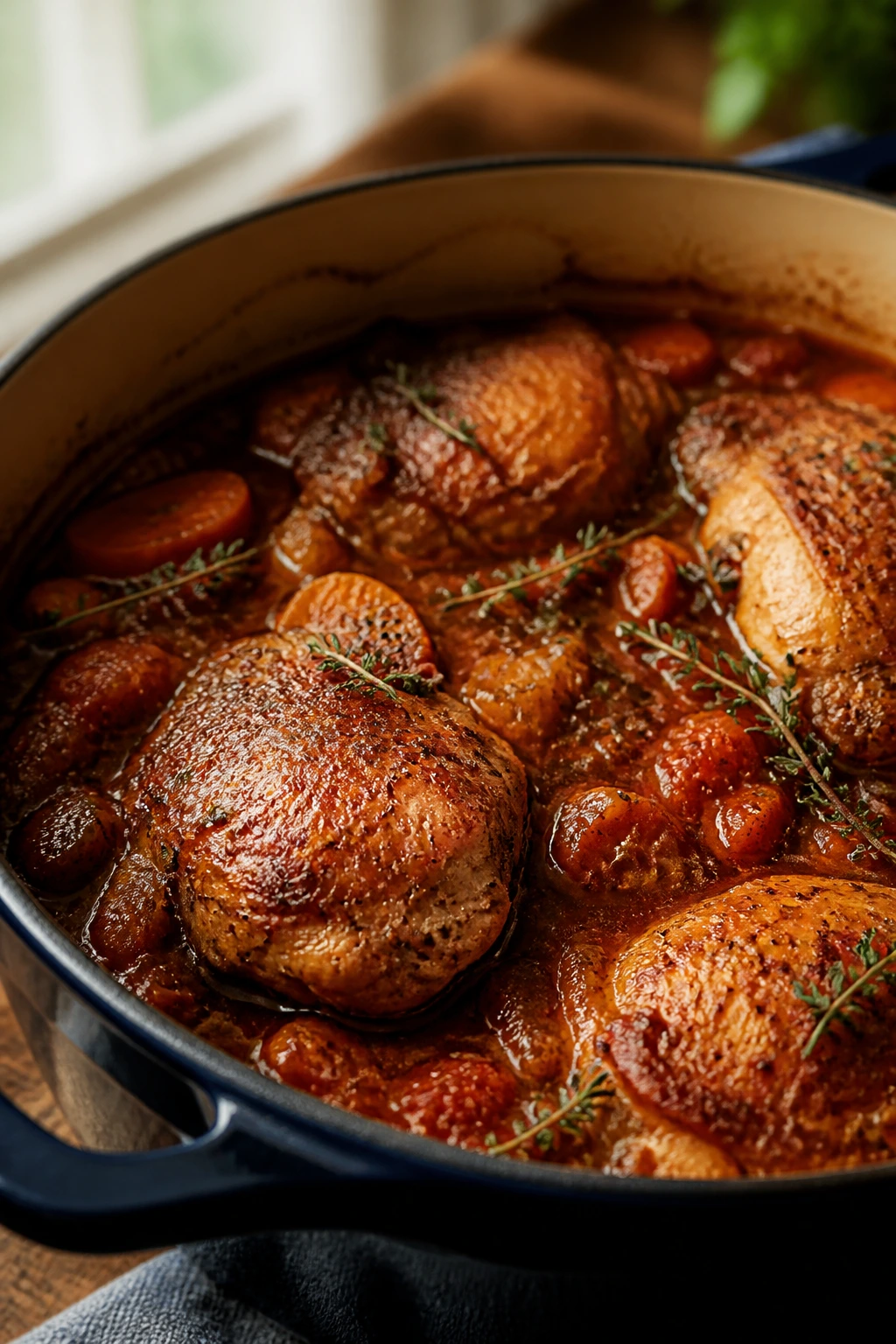
Braised chicken thighs are what I reach for when dinner needs to feel like a blanket. Slow simmering softens the meat, turns the sauce silky, and gives you something spoonable that can sit in the middle of the table without asking for much ceremony.
This style works best with a little liquid and a low, steady heat. A covered Dutch oven or casserole dish lets the thighs cook gently in tomatoes, broth, coconut milk, cream, or a mix of all three if you know what you’re doing. Onions, garlic, carrots, celery, mushrooms, beans, chickpeas, and olives all fit neatly into the same pot. So do potatoes, though I prefer smaller ones that can stay whole and soak up the sauce.
The oven temperature usually lives around 325°F to 350°F for braises. That slower heat matters. It gives the fat time to render and the connective tissue time to soften, which is why braised thighs often taste richer the next day. The sauce thickens a little as it sits, and the whole dish settles into itself.
Tomato-based braises are especially family-friendly because they feel familiar. Think chicken thighs with tomatoes, garlic, onions, and a handful of herbs. Creamy braises have their own charm, especially with mushrooms and egg noodles. Coconut milk braises lean gentler and work well with curry paste, ginger, and lime. None of these need a pile of ingredients. They need a pot, patience, and a lid that fits.
Braised dinners are also good for households that eat in waves. Somebody can come back for second helpings later and the food still tastes like it belongs together. That’s a quiet kind of victory.
Slow Cooker Chicken Thigh Dinners for Low-Attention Nights
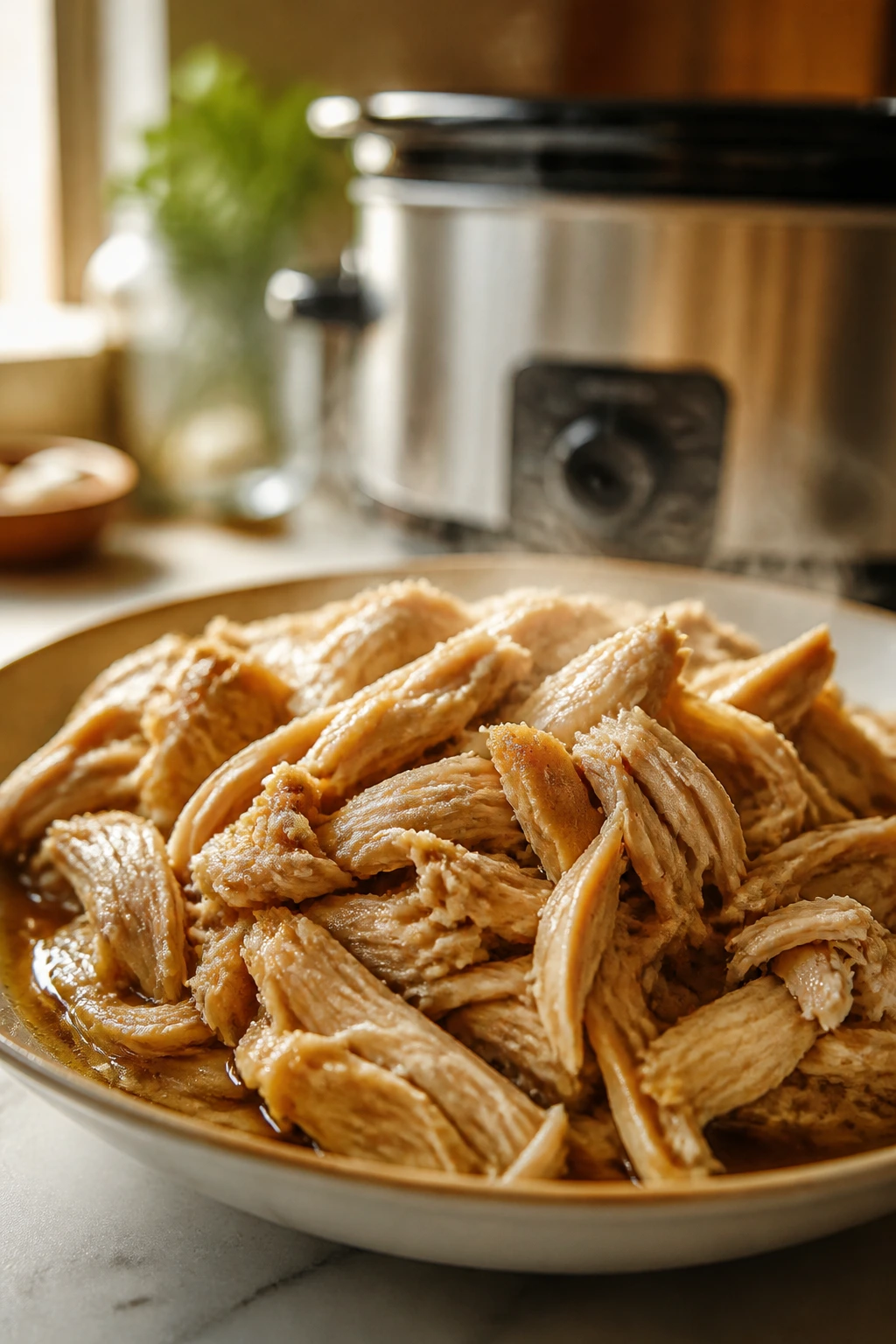
Some nights need dinner to happen without becoming the main event. Slow cooker chicken thigh dinners exist for exactly that kind of evening.
Boneless thighs usually do best here, especially if you want shred-able meat for tacos, sandwiches, bowls, or over rice. Bone-in thighs can work too, but the texture is less tidy and the skin won’t crisp in the slow cooker. That isn’t a flaw so much as a trade-off. If you want browning, you finish the chicken under the broiler for a few minutes at the end or sear it first in a skillet.
Low heat usually runs around 5 to 6 hours; high heat about 2½ to 3½ hours, depending on the cooker and the size of the thighs. Chicken is done when it reaches 165°F, but in slow-cooked dishes the meat often gets more pleasant a little later, once it pulls easily apart.
The trick with slow cooker dinners is not drowning the chicken in liquid. A shallow layer of sauce is enough. Salsa, barbecue sauce, tomato sauce, coconut curry sauce, or a broth-based mix with onions and garlic can all work. Too much liquid and you end up with bland, washed-out chicken. Too little and the edges can dry before the middle cooks through. Balance matters.
A broiler finish changes everything. Five minutes under high heat can give you some caramelized edges, a little color, and the feeling that dinner has a finish line instead of a slow drift.
Rice, Pasta, and Grain Bowls Built Around Chicken Thighs
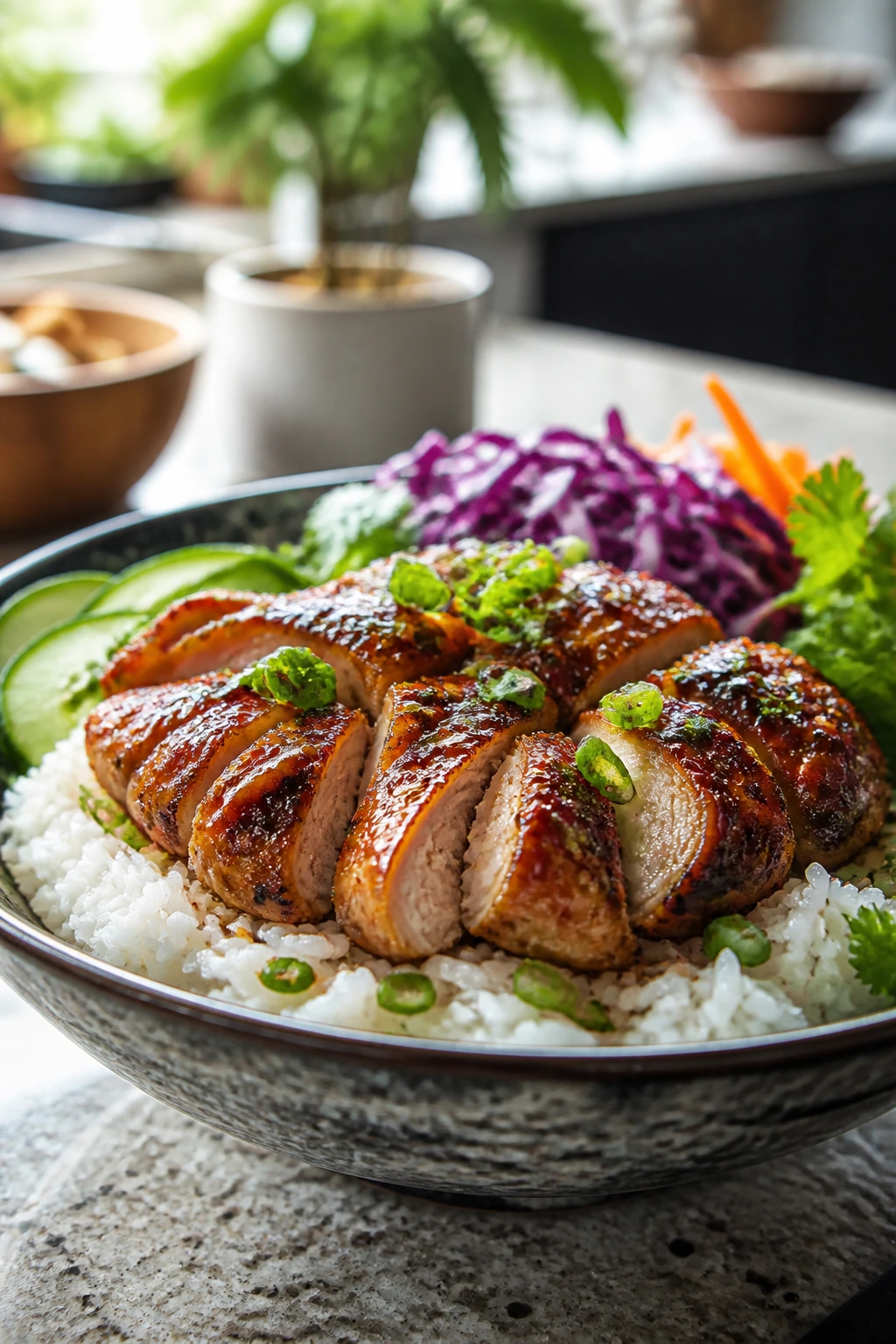
Chicken thighs are excellent at feeding more people when you put them on top of something. Rice, pasta, farro, quinoa, couscous, barley, and orzo all make sense here. They catch the sauce. They stretch the chicken. They stop dinner from feeling too small.
A bowl dinner also solves the family problem of mixed appetites. The hungry ones get more rice. The lighter eaters get more vegetables. Everyone gets the same chicken. It’s a tidy setup, and sometimes tidy is enough to save your evening.
Rice bowls are the easiest place to start. Sticky soy-glazed thighs over jasmine rice. Curry thighs over basmati. Lemon-thyme thighs over rice with peas and herbs. Each version gives you a different mood without asking you to learn a new cooking style. Pasta works the same way, especially with creamy mushroom sauce, garlic butter, or tomato braises. Egg noodles are a sweet fit for braised chicken because they soak up sauce without falling apart.
Grain bowls feel a little more adult, but they’re still family-friendly if you keep the sauce bright. Farro with roasted chicken thighs, cucumbers, and lemon yogurt works. Quinoa with cumin-rubbed thighs, corn, and avocado works. Couscous with paprika chicken, toasted almonds, and parsley works. The grain gives you chew. The chicken gives you richness. The sauce decides the direction.
If you’re feeding kids, keep garnishes separate. A bowl can look intimidating when it’s piled too high with herbs, onions, and seeds. Let people add their own. That one small move tends to get better results than trying to build a “perfect” bowl for everyone.
How to Put a Chicken Thigh Dinner on the Table
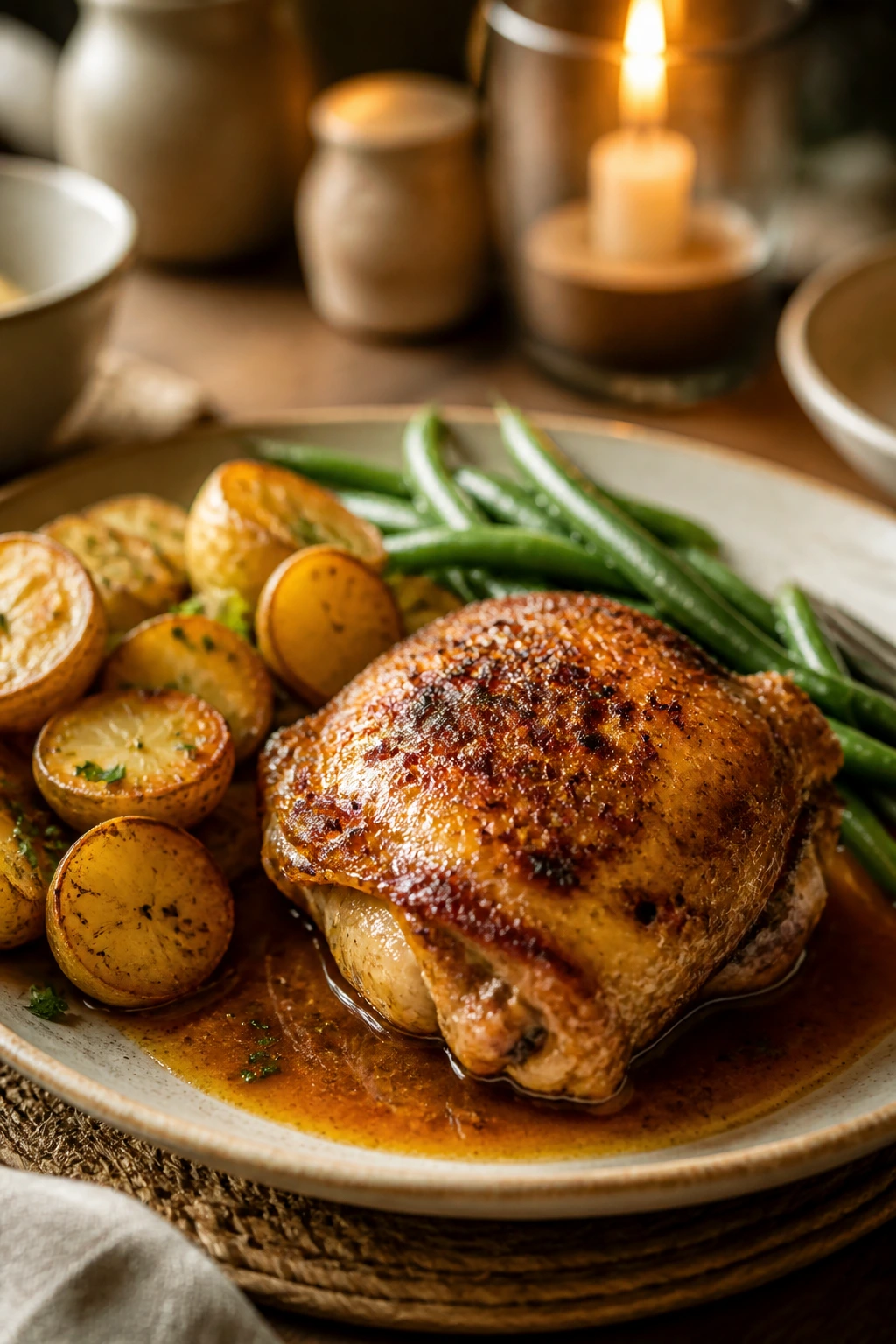
Presentation matters more than people admit, especially with family dinners that might otherwise feel routine. A good chicken thigh dinner doesn’t need restaurant plating. It needs warmth, clear portions, and a little contrast on the plate.
Presentation: Put the thighs on a warm platter or a shallow serving dish, then spoon sauce around them instead of over crisp skin. If the chicken is braised, a wide bowl works better than a flat plate because the sauce stays where it belongs.
Accompaniments: Roast potatoes, green beans, carrots, broccoli, salad, bread, rice, noodles, couscous, or mashed potatoes all work. The smartest sides do one of two things: they absorb sauce, or they bring freshness and crunch to break up the richness.
Portions: Plan on 1 bone-in thigh per child and 1 to 2 bone-in thighs per adult, depending on size and appetite. For boneless thighs, a sensible serving is usually 4 to 6 ounces cooked per adult and less for younger kids. If you’re serving heavier sides, the chicken can stay modest. If the sides are light, increase the protein.
Beverage Pairing: Sparkling water with lemon is easy and clean. Iced tea fits almost every version of chicken thighs for family dinners. If the meal leans smoky or barbecue-heavy, dry cider or a light beer can work well for adults.
A warm tray, a pile of greens, and a sauce that gets wiped up with bread — that’s a table people remember.
How to Keep Picky Eaters Happy Without Cooking Two Meals
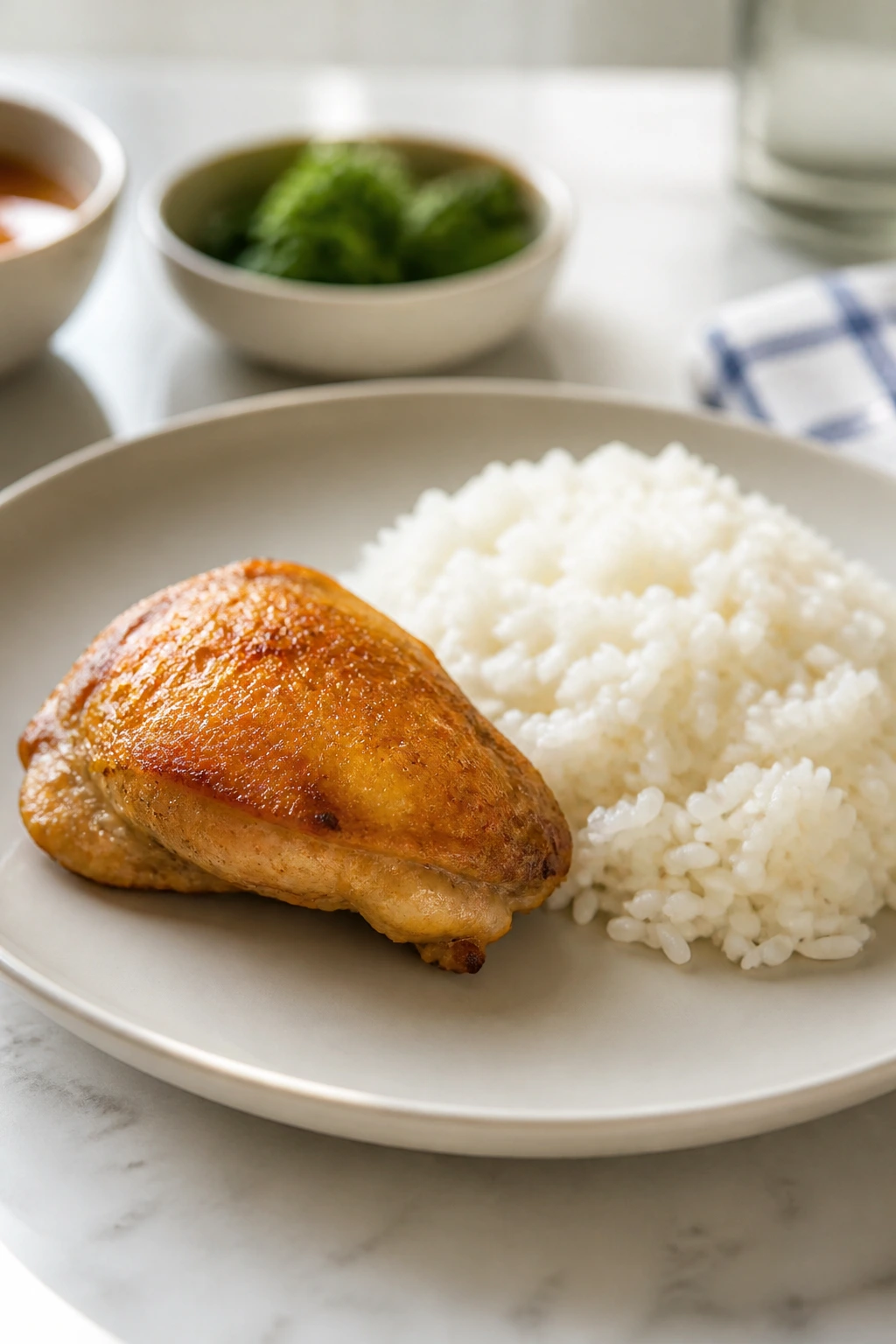
Picky eaters do not need a separate dinner. They need a path into the same dinner.
The smartest move is to keep the base familiar. Salt, pepper, garlic, and maybe one soft herb can carry a chicken thigh farther than a heavily spiced rub. Serve sauce on the side if the table includes kids who dislike “wet food” touching “dry food.” Slice the meat off the bone before serving if the bone itself is a problem. That small bit of extra work often saves a long argument.
You can also break dinner into parts. Put plain rice, plain roasted potatoes, or buttered noodles on the plate, then add chicken and let everyone choose how much sauce to use. Vegetables can sit in a separate bowl instead of touching the chicken. It sounds fussy. It isn’t. It’s just practical.
A couple of gentle habits help more than clever tricks:
- Keep one portion of the chicken lightly seasoned, not bland but not aggressive.
- Use familiar side dishes first, then add one new element.
- Offer sliced lemon, chopped herbs, or grated cheese at the table so people can build their own plate.
- Don’t hide vegetables so completely that kids feel ambushed when they take a bite.
There’s a line between accommodating preferences and running a short-order kitchen. Chicken thighs make it easier to stay on the right side of that line because they work with plain food and bold food on the same table.
Practical Ways to Make Chicken Thigh Nights Easier
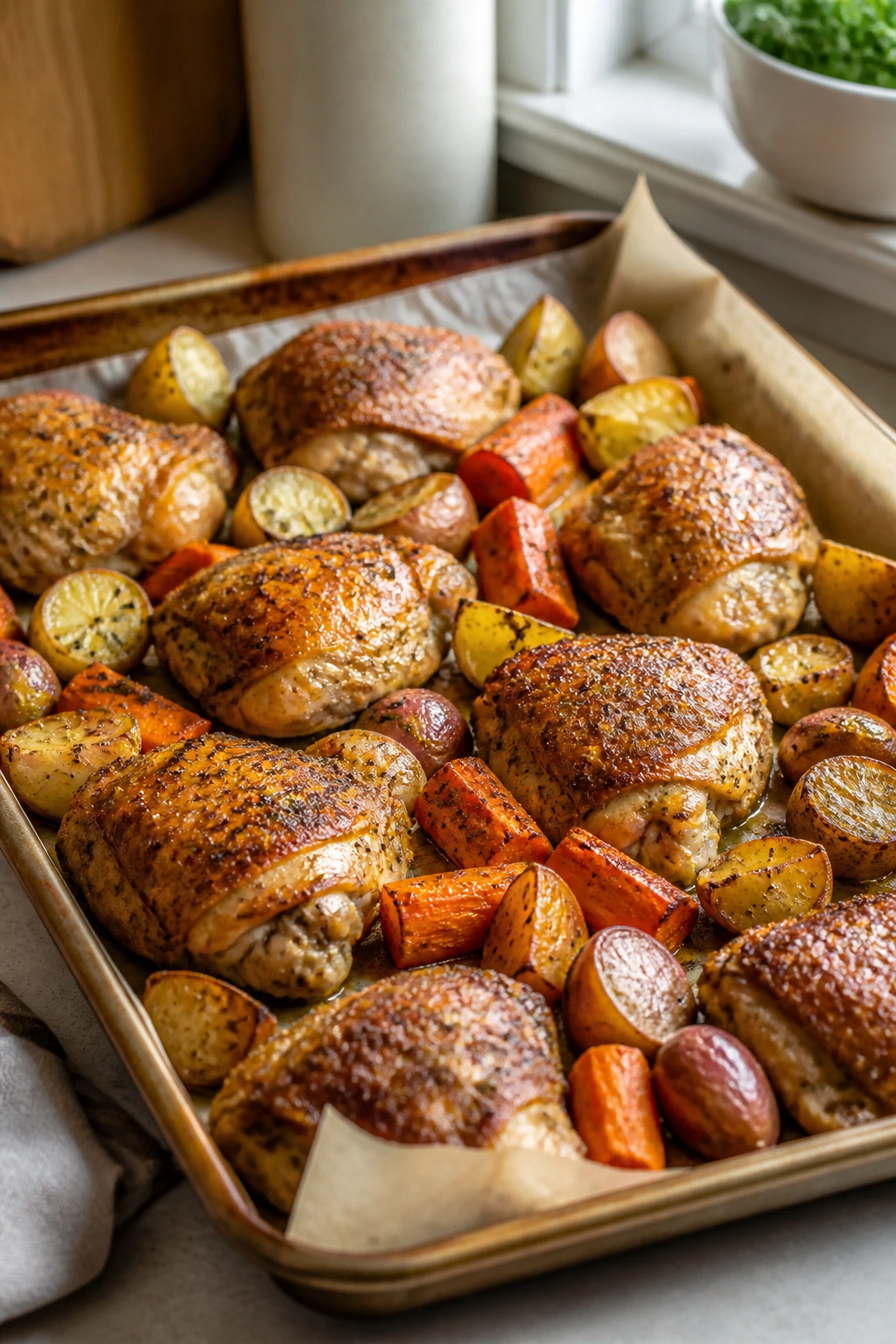
A few small habits save more time than a fancy recipe ever will.
Time-Saver: Season the thighs the night before and leave them uncovered in the fridge on a plate or tray. That little dry-brine effect gives you better flavor and better browning the next day. If you only have 30 minutes, that still helps.
Flavor Booster: Salt matters more than most people think. A well-salted thigh tastes richer before you even add herbs, and a final splash of lemon juice, vinegar, or hot sauce at the end wakes up a sauce that feels sleepy.
Cleanup Trick: Line sheet pans with parchment when you’re roasting saucy chicken or vegetables. For skin-on thighs, a lightly oiled pan can brown better than parchment, so choose based on the result you want. No rule says you must love scrubbing baked-on sugar from a pan.
Thermometer Habit: Check the thickest part of the largest thigh, not the edge of a skinny one. That one habit prevents both undercooked middles and dried-out edges. A simple instant-read thermometer is the difference between guessing and knowing.
Make-Ahead Move: Chop onions, carrots, celery, and potatoes ahead of time. Store them in separate containers so the potatoes don’t soak up onion smell and the vegetables stay ready for the pan. If you’re making a braise, you can also mix the sauce base a day ahead.
One more thing. If a dinner style looks like it needs perfect timing, it probably doesn’t. Chicken thighs are more forgiving than that. Use the breathing room.
Common Mistakes That Make Chicken Thighs Less Good Than They Should Be
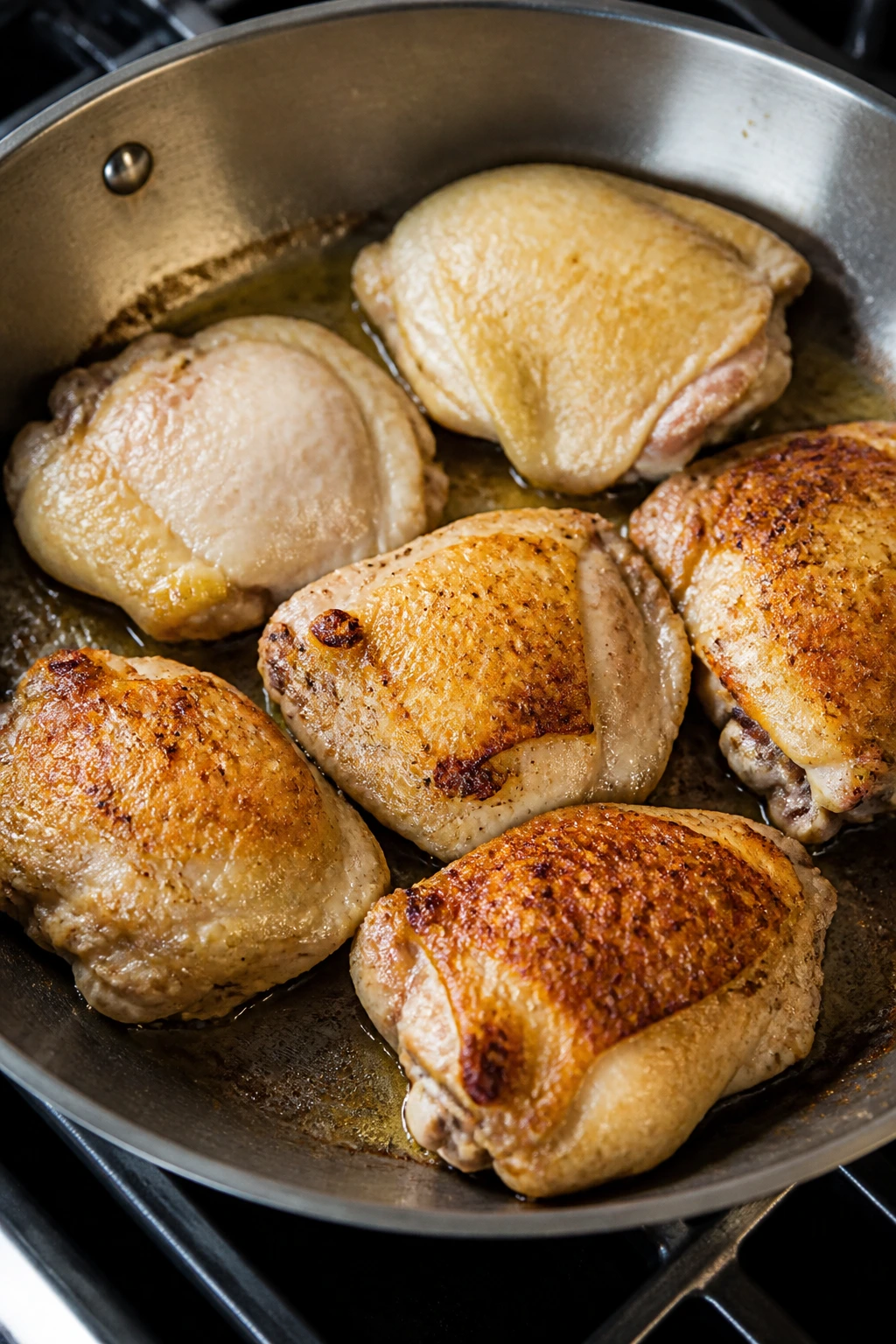
The most common problem is overcrowding. Cram too many thighs or too many vegetables onto one pan and the food steams instead of browns. The symptom is pale skin, soft vegetables, and a tray that smells cooked but doesn’t taste roasted. The fix is easy: use two pans or cook in batches.
Skipping salt is another one. Chicken thighs can take more seasoning than lean chicken because they have more richness to balance. If the meat tastes flat after cooking, the issue usually started before the pan ever heated up. Salt early, season the vegetables too, and finish with something bright.
Saucing too early causes trouble as well. Sugary sauces burn, sticky glazes darken too fast, and skin that started crisp turns soft. If the sauce contains honey, brown sugar, barbecue sauce, or maple syrup, brush it on near the end or serve it at the table.
People also forget that thighs come in different sizes. One huge thigh and one smaller one will not finish together unless you account for it. Put the larger pieces toward the hotter part of the pan, or pull the smaller ones first if the batch is mixed.
Then there’s the dull, heavy dinner problem. A plate of chicken thighs with potatoes and no acid can taste muddy. Add lemon, vinegar, pickles, a green salad, or even sliced tomatoes and the whole meal feels sharper and more alive.
Last, don’t judge doneness by color alone. Chicken can look done and still be under. USDA guidance is the safest line here: 165°F in the thickest part. Use the thermometer. Guessing is how dinner gets ruined or, worse, becomes a food safety problem.
Flavor Swaps and Family-Friendly Variations
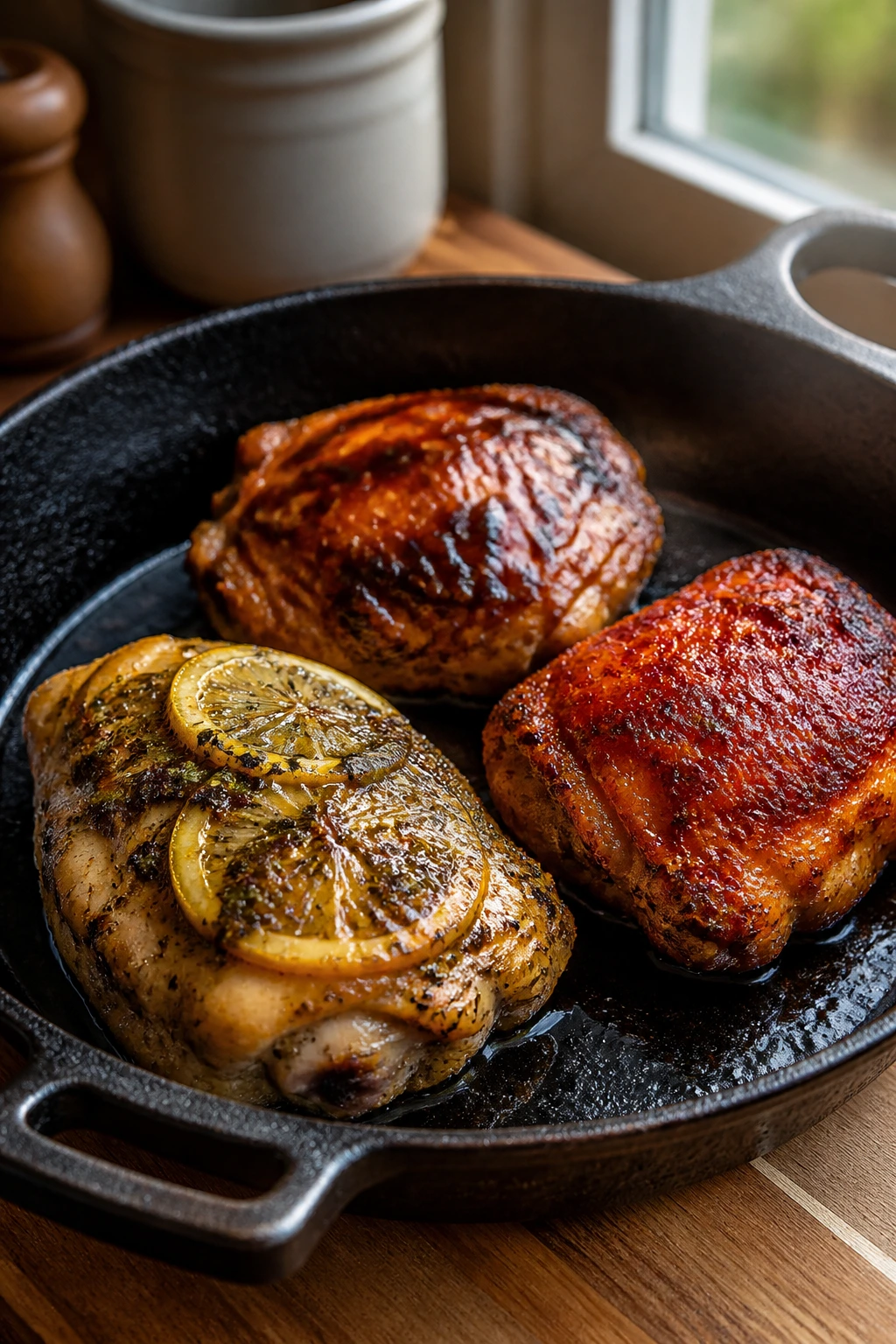
A good chicken thigh dinner can change clothes without losing its shape. These variations keep the same practical base but move the flavor in different directions.
Lemon-Herb Tray Bake: Swap in lemon zest, garlic, thyme, and rosemary, then roast the chicken with potatoes and green beans. This version feels bright and clean, and it works especially well when you want something lighter without giving up the roasted edges.
Sticky Honey-Soy Skillet: Use soy sauce or tamari, honey, garlic, ginger, and a splash of rice vinegar. It’s a strong family choice because the sweetness softens the savory edge, and boneless thighs absorb the glaze fast.
Smoky Paprika Bake: Rub the thighs with paprika, garlic powder, onion powder, black pepper, and a little brown sugar if you like a caramelized finish. Add sweet potatoes, onions, and peppers to the pan for a dinner that tastes earthy and warm.
Creamy Mushroom Comfort Dinner: Cook thighs in a skillet or Dutch oven with mushrooms, shallots, broth, and a little cream or coconut milk. Serve it over noodles or mashed potatoes. That one tends to vanish fast because the sauce does a lot of the work.
Dairy-Free Coconut Curry: Use curry paste, coconut milk, ginger, garlic, and lime. Bell peppers, spinach, or peas fit neatly into the pot, and the result tastes rich without any cream.
If you need gluten-free, use tamari instead of soy sauce and thicken pan sauces with cornstarch rather than flour. If you need lower sodium, lean on citrus, herbs, and garlic instead of bottled sauces. Those swaps are boring only if you let them be boring.
Tools That Make Chicken Thigh Dinners Easier to Pull Off
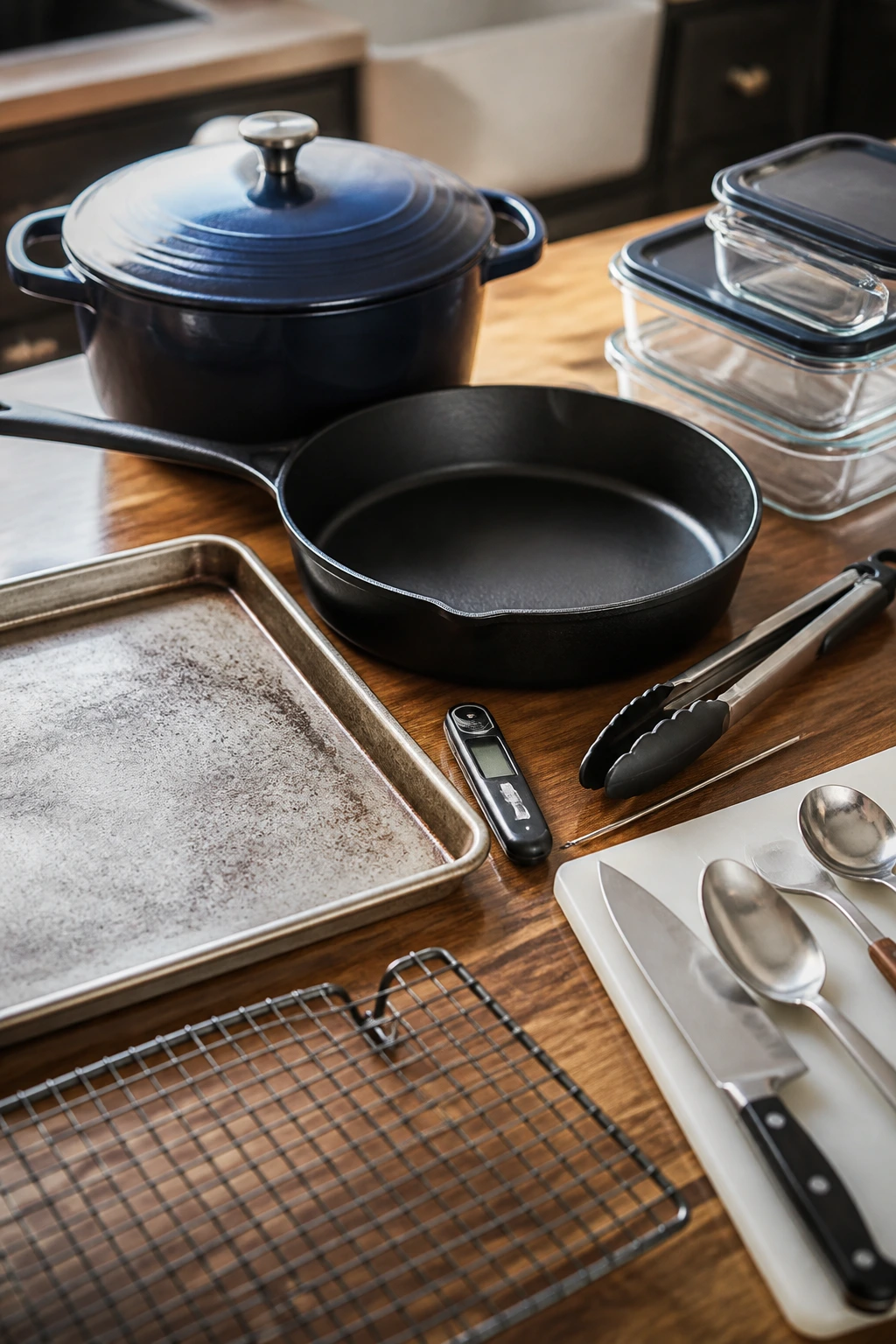
A few pieces of kitchen gear carry most of the load here.
- Rimmed sheet pan: Keeps juices from spilling and gives vegetables room to brown; use two if the pan looks crowded.
- Large skillet, preferably cast iron or heavy stainless steel: Holds heat well for searing thighs and building pan sauce.
- Dutch oven or deep oven-safe pot: Best for braises, casseroles, and one-pot chicken thigh dinners with sauce.
- Instant-read thermometer: The simplest way to know when the thickest part of the chicken is done.
- Tongs: Easier than a fork for turning chicken without tearing the skin or losing juices.
- Sharp chef’s knife: Makes prep faster and safer, especially when trimming fat or cutting vegetables to similar sizes.
- Cutting board: A sturdy board with a towel or damp cloth underneath helps it stay put.
- Wooden spoon or spatula: Good for scraping up fond in a skillet and stirring sauces without scratching cookware.
- Measuring cups and spoons: Helpful when you’re balancing glazes, braising liquid, or seasoning a pan sauce.
- Airtight storage containers: Worth having for leftovers, marinated chicken, and chopped vegetables.
A wire rack for sheet-pan roasting is optional. Nice, yes. Necessary, no. If you don’t have one, dry the chicken well and give it plenty of space on the pan.
Leftovers, Make-Ahead, and Reheating Without Drying Out the Meat
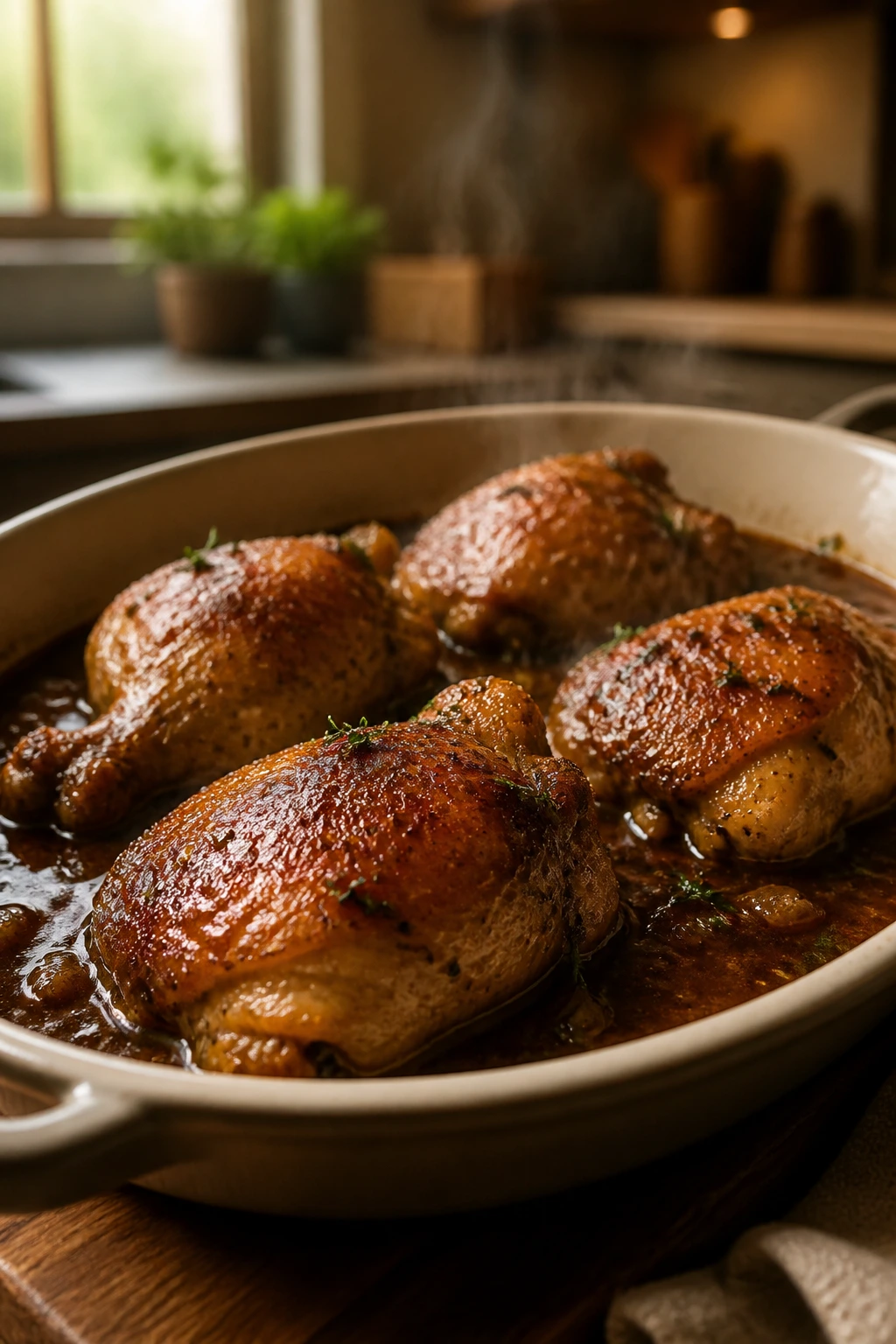
Cooked chicken thighs keep well if you treat them right. Refrigerate leftovers within 2 hours of cooking; that’s the food-safety line worth respecting. In the fridge, they hold for 3 to 4 days in a covered container. Frozen, they stay good for about 2 to 3 months, though sauced thighs usually taste best if you eat them sooner rather than later.
If you know you’ll have leftovers, keep sauce separate when you can. Crisp skin softens in the fridge anyway, so there’s no reason to drown it before storage. Braised thighs and skillet thighs with sauce are easier to reheat than bare roasted thighs because the sauce protects the meat from drying out.
For reheating, the oven is my first choice. Put the thighs in a covered dish with a tablespoon or two of broth, water, or sauce, then warm them at 325°F until heated through, usually 15 to 20 minutes depending on size. On the stovetop, use low heat and a lid, adding a splash of liquid if the pan looks dry. In the microwave, cover the food and use shorter bursts at half power so the edges don’t turn leathery.
If you want crisp skin back, an air fryer or hot oven helps. A few minutes at 375°F to 400°F can bring the outside back to life, though it won’t be as crackly as it was fresh from the pan. That’s fine. Not every leftover needs to pretend it just left the oven.
For make-ahead meal prep, boneless thighs are easy to marinate overnight. Bone-in thighs can be salted and seasoned up to a day ahead, then roasted when you’re ready. That kind of advance work makes family dinner feel less like a scramble and more like a plan.
Questions Parents Ask Most About Chicken Thigh Dinners

Are chicken thighs better than chicken breasts for family dinners?
For many family meals, yes. Thighs have more fat and connective tissue, which means they stay juicy under high heat and taste richer in sauces, braises, and roasts. Breasts can work, but they ask for more careful timing.
What temperature should chicken thighs reach?
The safe internal temperature is 165°F in the thickest part, according to USDA food safety guidance. For roasted or braised bone-in thighs, many cooks let them go to 175°F to 185°F because the texture gets softer and less stringy.
Can I cook chicken thighs from frozen?
You can, but I don’t recommend it for family dinner unless you have no other choice. Thawing gives you better browning, more even cooking, and a much easier time seasoning the meat. Frozen thighs are fine for a soup or stew where browning doesn’t matter as much.
How do I keep chicken thighs from tasting greasy?
Trim large pockets of fat before cooking, pat the skin dry, and don’t drown the pan in extra oil. A bright finish — lemon, vinegar, herbs, or mustard — cuts through the richness and keeps the plate from feeling heavy.
What if my family likes mild food but I want more flavor?
Season the chicken gently and put the stronger sauce, hot sauce, pickles, chili oil, or herbs on the table. That way the base dinner stays kid-friendly, and adults can build a sharper plate without splitting the kitchen into two meals.
How many chicken thighs should I plan per person?
For bone-in thighs, plan on 1 to 2 per adult depending on size and sides, and usually 1 per child. Boneless thighs often work out to about 4 to 6 ounces cooked per adult. If you’re serving lots of vegetables and starch, you can stay on the lower end.
Can I make chicken thigh dinners in the air fryer?
Yes, especially boneless thighs or smaller bone-in pieces. Air fryers are good for quick browning and crisp skin, but they’re less suited to saucy or crowded family meals. Think of the air fryer as a fast tool for smaller batches, not a whole-table solution.
What do I do if the sauce tastes flat?
Add salt first, then acid. A squeeze of lemon, a splash of vinegar, or a spoonful of mustard can wake up a sauce that feels dull. If it’s still thin and dull, reduce it a few minutes longer until the flavor concentrates.
A Dinner Habit Worth Keeping
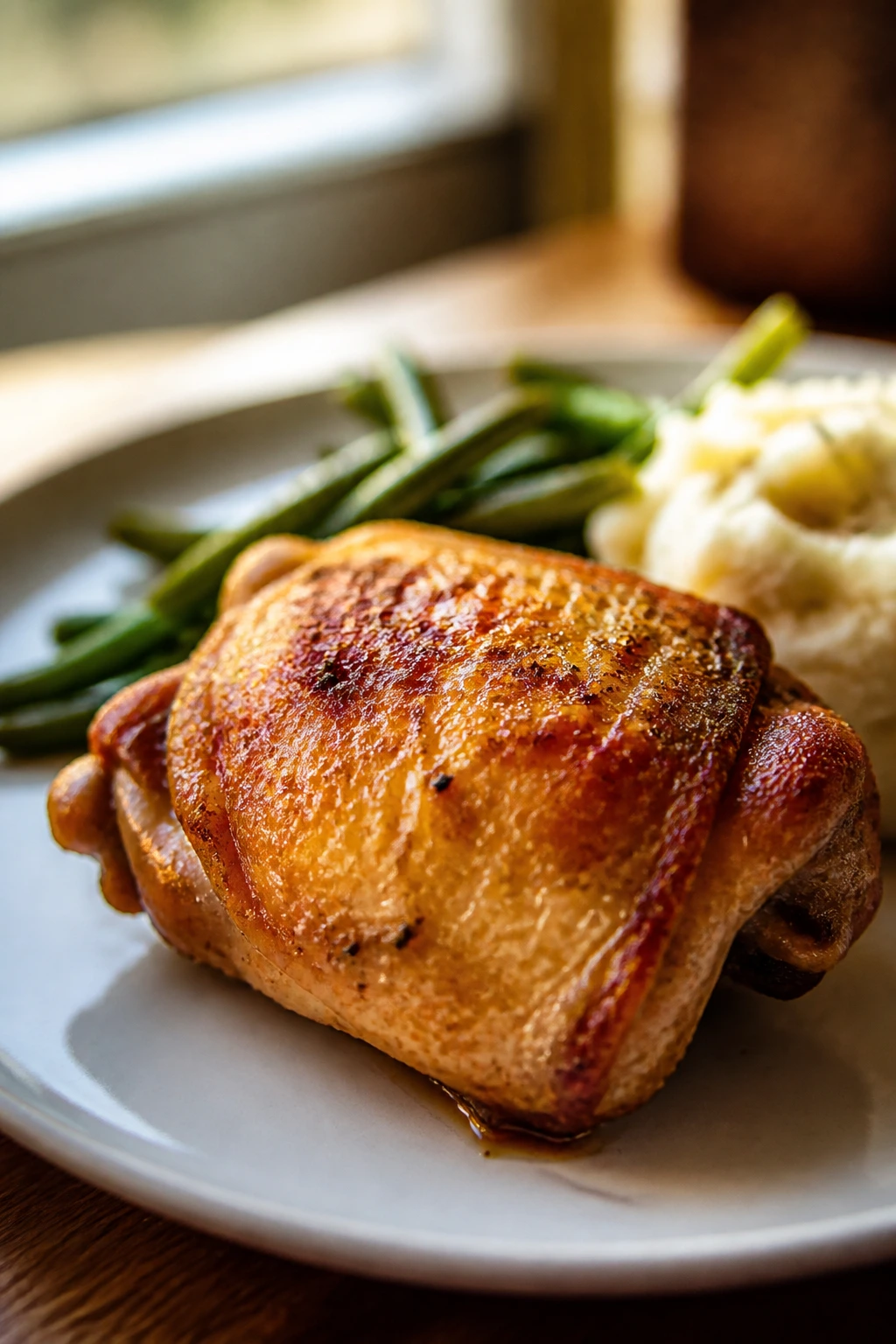
Chicken thighs earn their place because they make dinner more forgiving without making it boring. That’s the part I trust most. They roast well, braise well, sear well, and hold up in leftovers, which is more than you can say for a lot of other cuts that look neat on paper and fall apart in a real kitchen.
If family dinner has been feeling too complicated, thighs are a good place to simplify. Pick one flavor lane, give the pan some space, use a thermometer, and let the chicken do what it’s good at. The rest of the meal can be potatoes, rice, noodles, salad, bread — whatever gets people seated and fed.
A pack of chicken thighs won’t solve every dinner problem. It does, however, solve enough of them to stay on the shopping list.