



Teriyaki chicken dinners for families solve a very specific problem: everyone wants something comforting, but nobody wants a dinner that asks for five separate pans and a quiet kitchen. When the glaze turns shiny and the chicken edges pick up a little char, even the pickiest eater usually leans in. Sticky, savory, slightly sweet food has that effect.
What I like about teriyaki is how well it behaves across different cooking methods. You can bake it, broil it, stir-fry it, slow-cook it, skewer it, or fold it into rice and noodles, and it still tastes like dinner with a clear point of view. Chicken thighs stay juicy and forgiving. Chicken breasts work too, as long as you don’t wander off and leave them in the heat too long.
There’s one thing worth getting right from the start: teriyaki should taste balanced, not syrupy. The best versions have salt from soy sauce, sweetness from honey or brown sugar, a little acid from rice vinegar, and enough ginger or garlic to keep the glaze from tasting flat. Get that part right, and the rest is just choosing the shape you want on the plate.
Why These Teriyaki Chicken Dinners Work So Well for Families
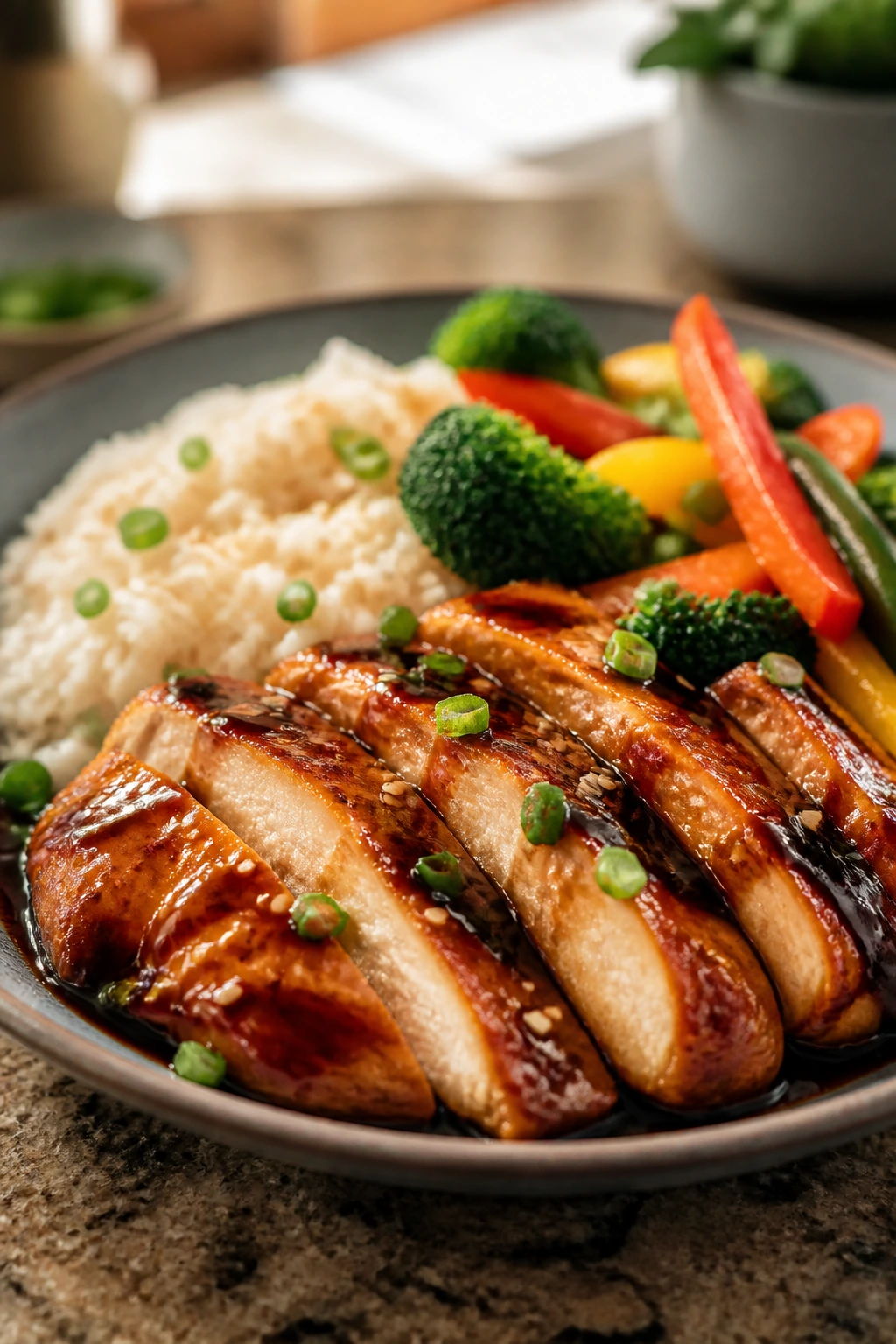
-
Sticky-Sweet, Not Fussy: The flavor lands in that sweet spot between familiar and special, which is exactly why teriyaki tends to get eaten without a long negotiation at the table.
-
Built for Busy Nights: Most of these dinners lean on simple steps, one main pan, or make-ahead sauces, so you can get food on the table without turning the kitchen into a war zone.
-
Easy to Stretch: Rice, noodles, vegetables, and extra toppings all help teriyaki chicken feed more people without feeling sparse, which is handy when appetites are all over the place.
-
Kid-Friendly Without Being Bland: The sauce is gentle enough for younger eaters, but you can add chili crisp, scallions, sesame seeds, or vinegar at the table for the people who want more edge.
-
Flexible With What’s in the Fridge: Broccoli, snap peas, peppers, carrots, cabbage, pineapple, cucumber, and frozen edamame all make sense here. That kind of flexibility matters more than fancy technique.
-
Cleanup Stays Manageable: Sheet pans, skillets, rice bowls, and casseroles keep the mess contained, and that’s half the reason a dinner becomes part of your repeat rotation.
1. Sheet-Pan Teriyaki Chicken and Broccoli
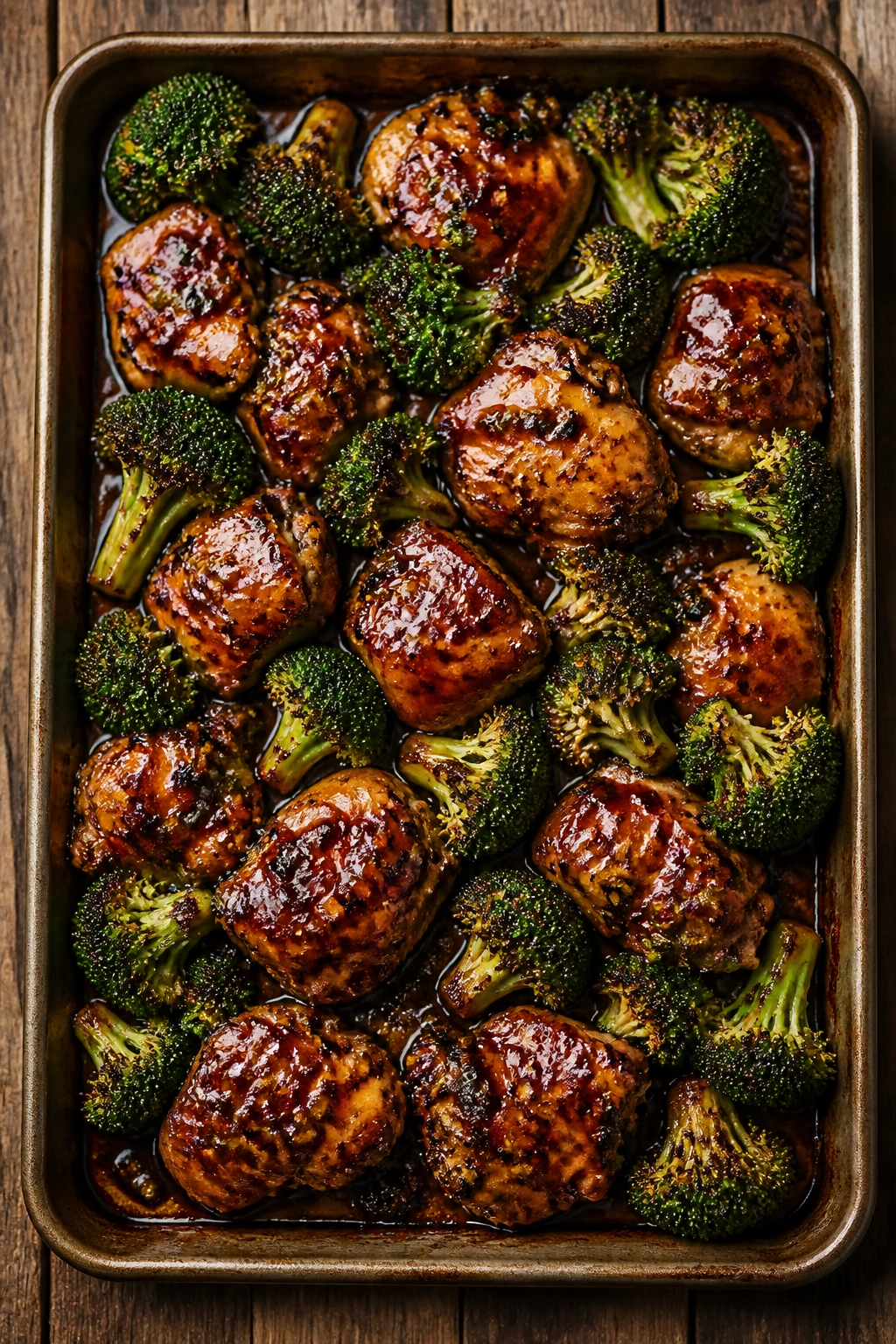
The smell that comes off this pan is the one that makes people wander into the kitchen asking, “Is it ready yet?” The chicken gets glossy, the broccoli picks up roasted edges, and the bell pepper softens just enough to soak up the sauce without collapsing. It’s the kind of dinner that looks like you spent more time on it than you did.
I like this version because it has a little crunch, a little char, and almost no cleanup. That matters on a weeknight. If you keep the sauce separate until the end, you get caramelized flavor instead of burnt sugar, which is the whole game with sheet-pan teriyaki.
Why It Works:
High heat does two jobs here: it cooks the chicken fast and gives the broccoli those browned edges that taste deeper than plain steamed vegetables. Chicken thighs are the smart choice because they stay tender even if the pan sits in the oven for a few extra minutes, and the sauce reduces into a sticky glaze instead of running all over the tray. The trick is to keep most of the sweet part of the sauce off the pan until the chicken is nearly done. That’s what keeps the honey from scorching before the meat reaches 165°F.
Key Ingredients:
- 1½ lbs boneless, skinless chicken thighs, cut into 1½-inch pieces — small pieces cook evenly and catch more glaze.
- 4 cups broccoli florets — choose tight, firm heads so the stems don’t dry out.
- 1 red bell pepper, sliced into ½-inch strips — a little sweetness and color go a long way.
- 2 tbsp neutral oil — helps the vegetables roast instead of steam.
- ½ cup low-sodium soy sauce — keeps the sauce from turning too salty once it reduces.
- 3 tbsp honey — gives the glaze its shine and familiar teriyaki sweetness.
- 2 tbsp rice vinegar — the acid keeps the sauce from tasting heavy.
- 3 cloves garlic, minced — use fresh if you can; jarred garlic gets dull in a hot oven.
- 1 tsp fresh ginger, grated — a small amount wakes everything up.
- 1 tbsp cornstarch mixed with 2 tbsp cold water — thickens the sauce cleanly.
- 1 tbsp toasted sesame seeds — a simple finish that adds a little nuttiness.
- 2 scallions, thinly sliced — for freshness at the end.
Quick Steps:
- Preheat the oven to 425°F (220°C) and line a rimmed sheet pan with parchment. That keeps the honey from welding itself to the pan.
- Whisk the soy sauce, honey, rice vinegar, garlic, ginger, and cornstarch slurry in a small saucepan. Simmer over medium heat for 2 to 3 minutes, until it turns glossy and lightly thickened.
- Toss the chicken, broccoli, and bell pepper with the oil and about 2 tablespoons of the sauce. Spread everything in a single layer on the sheet pan.
- Roast for 12 minutes, then turn the chicken pieces and stir the vegetables so the exposed sides brown evenly.
- Brush the remaining sauce over the chicken and vegetables, then roast for 6 to 8 minutes more, until the chicken reaches 165°F and the edges look caramelized.
- Rest for 5 minutes, then finish with sesame seeds and scallions. Serve over hot jasmine rice if you want the sauce to go a little further.
Tips and Variations:
- Swap in cauliflower florets or snap peas if broccoli isn’t the family favorite.
- If you use chicken breasts, cut them a little larger and check them a few minutes earlier.
- A squeeze of lime at the table gives the glaze a cleaner finish.
2. Teriyaki Chicken Meatballs with Sesame Rice
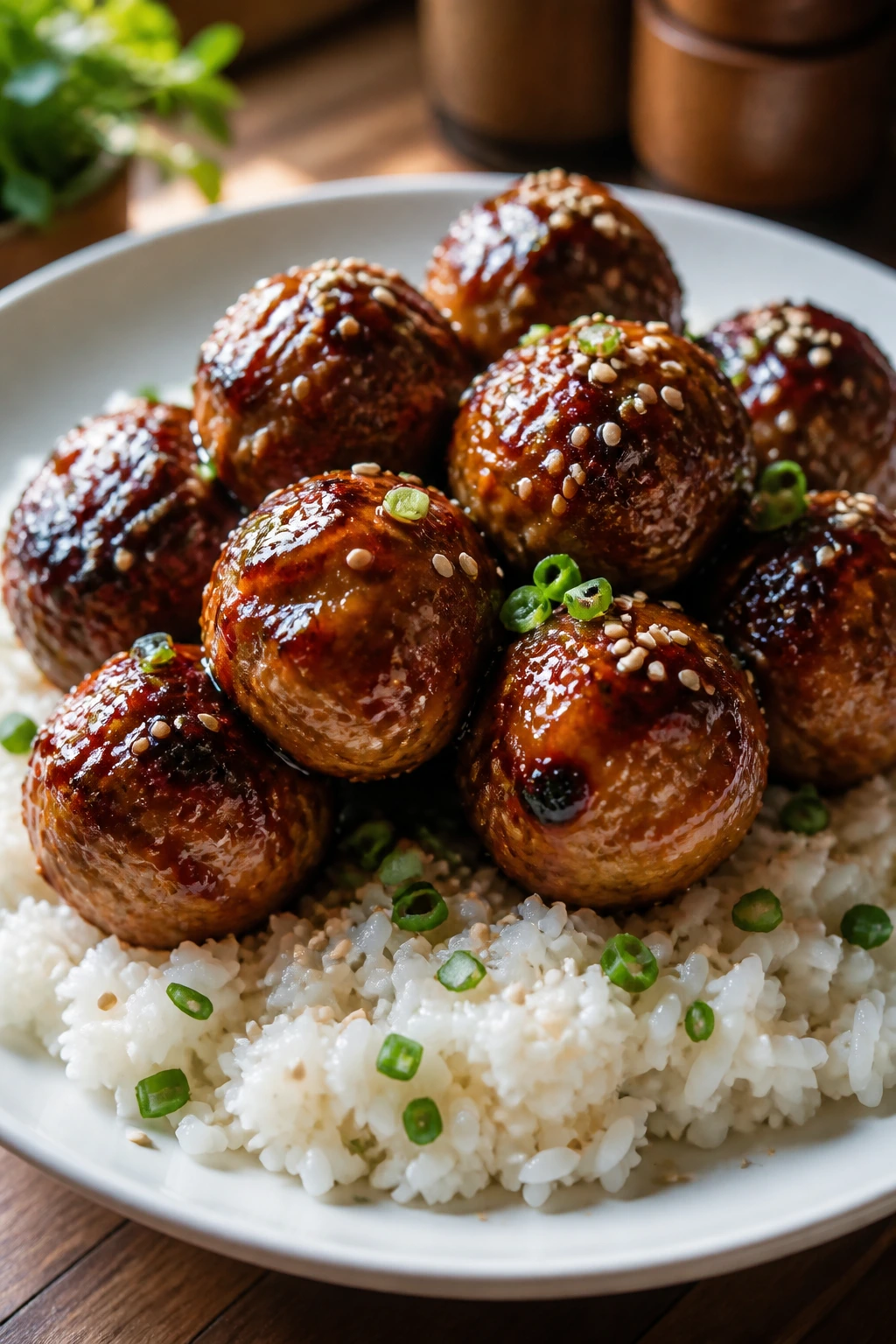
If you want a dinner that looks more involved than it is, meatballs are the move. These little ones bake into neat, browned rounds that hold sauce instead of sliding around in it. They’re easy to portion, easy to serve, and oddly satisfying to eat with chopsticks or a fork.
The texture matters here. Ground chicken can get dry if you treat it like beef, so the egg, panko, and scallions pull real weight. Once the meatballs hit that sticky teriyaki glaze, they feel like the kind of thing people request again the next week.
Why It Works:
Baking the meatballs keeps them tender and saves you from standing over a skillet in batches. Panko gives the mixture a lighter crumb than standard breadcrumbs, while the egg helps the balls hold together without turning dense. The sauce goes on after baking, which keeps the sugars from burning and lets each meatball take on a lacquered finish instead of a crusty one. That makes the whole dish feel a little more polished without asking for more work.
Key Ingredients:
- 1½ lbs ground chicken — choose a package with some fat in it; ultra-lean meat can taste chalky.
- ½ cup panko breadcrumbs — these help the meatballs stay soft.
- 1 large egg — the binder that keeps the mixture together.
- 3 scallions, finely minced — they add freshness and a mild onion bite.
- 2 cloves garlic, minced — enough to give the meatballs a backbone.
- 1 tsp fresh ginger, grated — just enough to echo the sauce.
- 2 tbsp low-sodium soy sauce — seasons the meat from the inside.
- 1 tbsp sesame oil — gives the meatballs a nutty aroma.
- ⅓ cup honey — for the glaze.
- ¼ cup soy sauce — for the glaze.
- 2 tbsp rice vinegar — cuts the sweetness.
- 1 tbsp cornstarch mixed with 2 tbsp water — thickens the sauce so it clings.
- 3 cups cooked jasmine or brown rice — the simplest base for serving.
- 1 tbsp toasted sesame seeds — a finish that makes the bowl feel finished.
Quick Steps:
- Preheat the oven to 400°F (205°C) and line a baking sheet with parchment.
- Mix the ground chicken, panko, egg, scallions, garlic, ginger, soy sauce, and sesame oil in a bowl until just combined. Stop as soon as the mixture holds together; overmixing makes the meatballs tight.
- Shape into 1½-inch meatballs and place them a few inches apart on the sheet. If the mixture sticks, wet your hands lightly.
- Bake for 14 to 16 minutes, until the meatballs are lightly browned and reach 165°F in the center.
- Simmer the honey, soy sauce, rice vinegar, and cornstarch slurry in a small saucepan over medium heat for 2 to 3 minutes, until the glaze turns thick and shiny.
- Toss the baked meatballs in the glaze or brush it over them if you want a lighter coating. Serve over rice with sesame seeds and a few extra scallions.
Tips and Variations:
- Make the meatballs a day ahead and chill them raw on a tray if you want dinner to move faster later.
- Swap ground turkey in without changing the method.
- Add steamed broccoli or cucumber slices for crunch on the side.
3. Slow Cooker Teriyaki Chicken Thighs
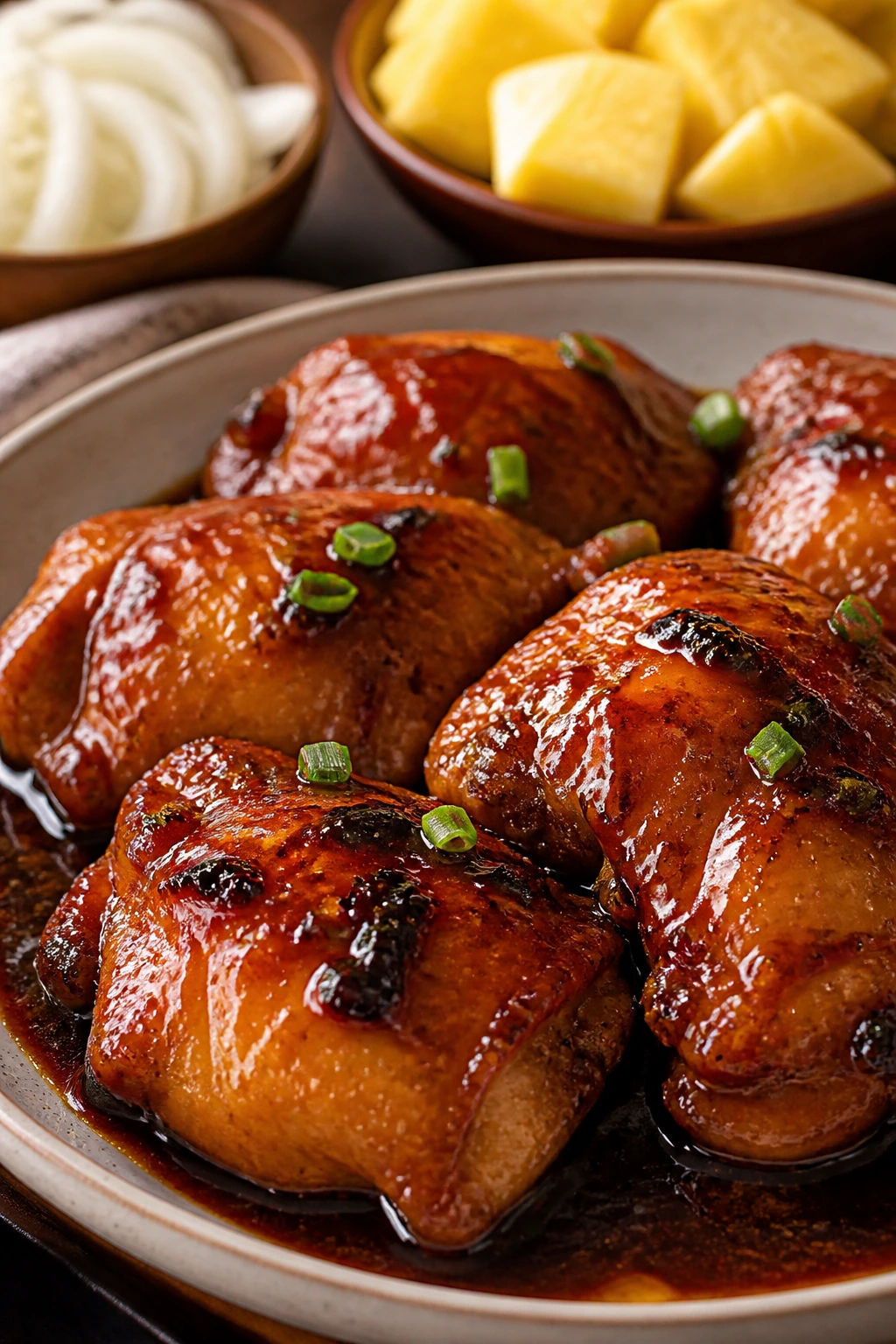
A slow cooker is the right move when the evening gets loud before the stove has even warmed up. You put the chicken in, walk away, and come back to something fragrant and deeply sauced that tastes like you did more than you actually did. That’s not laziness. That’s good scheduling.
This version leans into the slow cooker’s strengths: tenderness and ease. The chicken thighs soak up the sauce without drying out, and the onion and pineapple round things out so the finished dish doesn’t taste one-note. If you thicken the sauce at the end, it comes out glossy instead of watery.
Why It Works:
Chicken thighs are built for long, gentle heat. They hold their shape better than breasts and keep a softer bite after hours in a moist environment, which is exactly what you want here. The slow cooker also lets the soy, ginger, garlic, and honey mingle until the sauce tastes fuller than the sum of its parts. The one step you cannot skip is reducing the sauce after cooking; otherwise, you end up with flavorful broth instead of teriyaki glaze.
Key Ingredients:
- 2 lbs boneless, skinless chicken thighs — the best cut for slow, moist cooking.
- ½ cup low-sodium soy sauce — enough salt and umami without overdoing it.
- ⅓ cup honey — sweetens the sauce and helps it thicken.
- ¼ cup pineapple juice or water — pineapple juice adds brightness; water keeps it simpler.
- 2 tbsp rice vinegar — keeps the sauce from tasting flat.
- 1 tbsp sesame oil — a little goes far.
- 3 cloves garlic, minced — a solid base note.
- 1 tbsp fresh ginger, grated — brightens the whole pot.
- 1 small onion, thinly sliced — melts into the sauce as it cooks.
- 1 cup pineapple chunks, optional — for a sweeter, family-friendly finish.
- 2 tbsp cornstarch mixed with 2 tbsp water — for thickening at the end.
- Cooked rice, for serving — white rice is classic, brown rice works too.
Quick Steps:
- Whisk the soy sauce, honey, pineapple juice, rice vinegar, sesame oil, garlic, and ginger in the slow cooker insert.
- Add the sliced onion, chicken thighs, and pineapple chunks, then turn everything to coat. The chicken does not need to be fully submerged.
- Cook on low for 4 to 5 hours or high for 2½ to 3 hours, until the chicken reaches 165°F and shreds easily with a fork.
- Transfer the chicken to a plate and pour the sauce into a saucepan. Simmer it over medium heat with the cornstarch slurry for 2 to 4 minutes until it looks thick enough to coat a spoon.
- Return the chicken to the thickened sauce and spoon it over rice. If you like the chicken shredded, break it apart with two forks before serving.
- Finish with sesame seeds and scallions, and add steamed broccoli or green beans if you want a vegetable on the plate.
Tips and Variations:
- Keep the lid on. Lifting it too often slows the cook more than people expect.
- Use thighs rather than breasts unless you’re checking early for doneness.
- Frozen pineapple works fine here if you let it thaw a bit first.
4. Teriyaki Chicken Stir-Fry Noodles
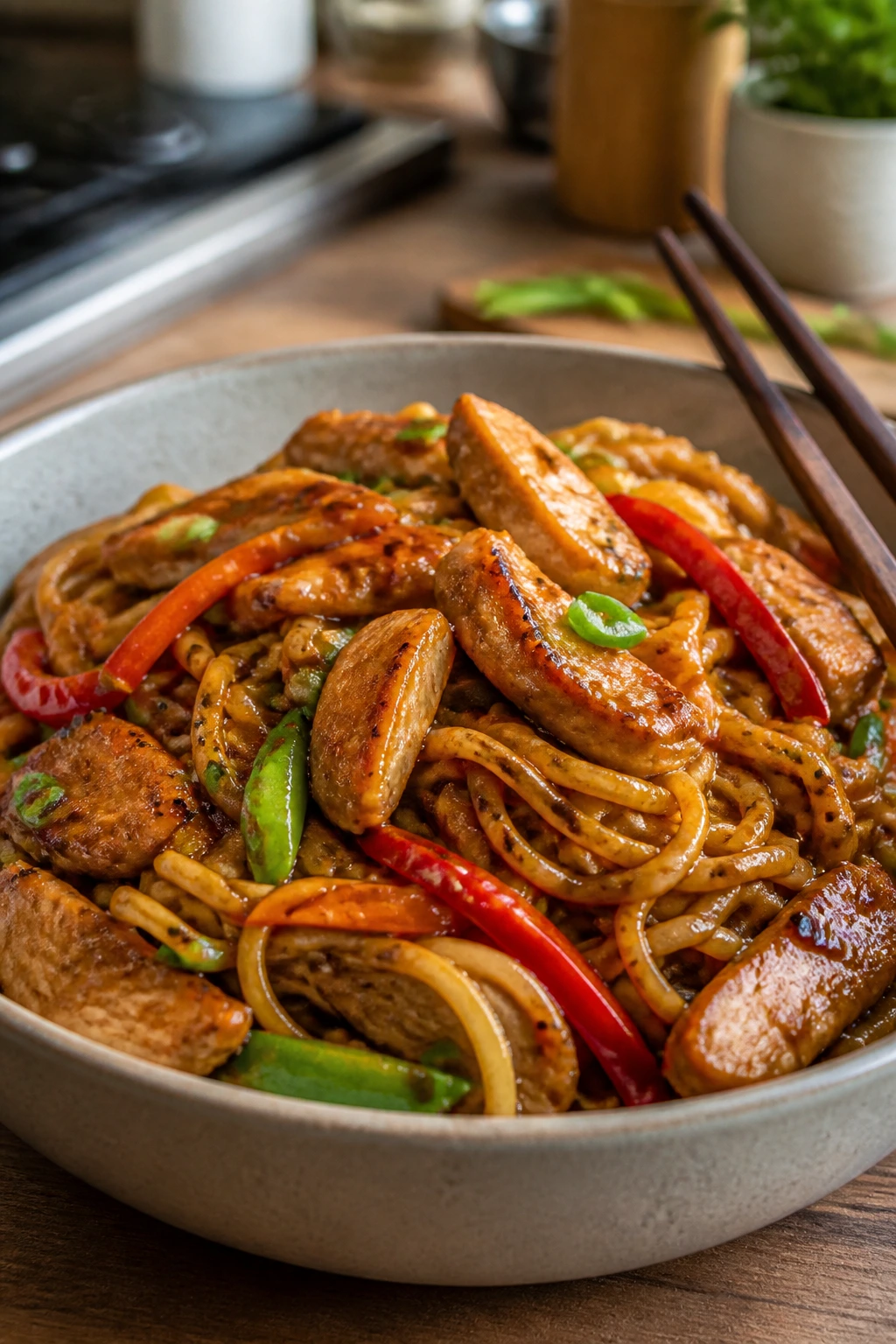
Why do teriyaki noodles taste better than plain stir-fry? Because the sauce gets into every strand. The noodles catch the glaze, the vegetables stay crisp, and the chicken gives the whole dish enough heft to pass for a full dinner instead of a side dish wearing a disguise.
This is the one I make when I want dinner to feel active and fast. You keep the heat high, you move quickly, and you get a pan that smells like garlic, ginger, and toasted sesame oil. It’s not complicated. It just wants your attention for a few minutes.
Why It Works:
Stir-frying works best when the pan is hot enough to sear the chicken before the vegetables start leaking water. That quick high heat keeps the meat browned and the vegetables crisp-tender, which gives the noodles some texture to bounce against. A thin teriyaki-style sauce clings better than a thick one at first, then tightens up when the noodles hit the pan. The result is glossy, not soupy.
Key Ingredients:
- 1 lb boneless chicken thighs or breasts, sliced thinly — thin slices cook fast and stay tender.
- 8 oz lo mein noodles or spaghetti — whichever shape you have works fine here.
- 2 cups broccoli florets — a sturdy vegetable that stays crisp.
- 1 red bell pepper, sliced — for sweetness and color.
- 1 cup snap peas — their snap keeps the dish lively.
- 1 carrot, julienned — adds a little sweetness and crunch.
- 2 tbsp neutral oil — for stir-frying.
- ¼ cup low-sodium soy sauce — the salty backbone of the sauce.
- 3 tbsp honey — helps the glaze cling.
- 2 tbsp water — keeps the sauce from getting too thick too early.
- 1 tbsp rice vinegar — keeps the sauce bright.
- 1 tsp sesame oil — finish flavor, not cooking fat.
- 2 cloves garlic, minced — pungent in the best way.
- 1 tsp ginger, grated — a clean, peppery note.
- 1 tbsp cornstarch mixed with 2 tbsp water — for the sauce.
- 2 scallions, sliced — the final fresh layer.
Quick Steps:
- Cook the noodles in salted water until 1 minute shy of the package directions, then drain and rinse briefly so they don’t clump.
- Whisk the soy sauce, honey, water, rice vinegar, sesame oil, garlic, ginger, and cornstarch slurry in a small bowl.
- Heat the oil in a large skillet or wok over medium-high heat, then add the chicken in a single layer. Cook for 4 to 5 minutes, stirring once or twice, until browned and cooked through.
- Stir-fry the broccoli, bell pepper, snap peas, and carrot for 3 to 4 minutes, until the vegetables are bright and crisp-tender.
- Add the noodles and sauce, then toss for 1 to 2 minutes until the noodles are coated and the sauce turns glossy. If the pan looks dry, splash in 1 to 2 tablespoons of water.
- Finish with scallions and a pinch of sesame seeds. Serve immediately while the noodles are still slippery and hot.
Tips and Variations:
- Slice the chicken across the grain so every bite stays tender.
- If the sauce gets too thick, a spoonful of hot water loosens it fast.
- Udon noodles make this richer and chewier if you want a different texture.
5. Teriyaki Chicken Fried Rice
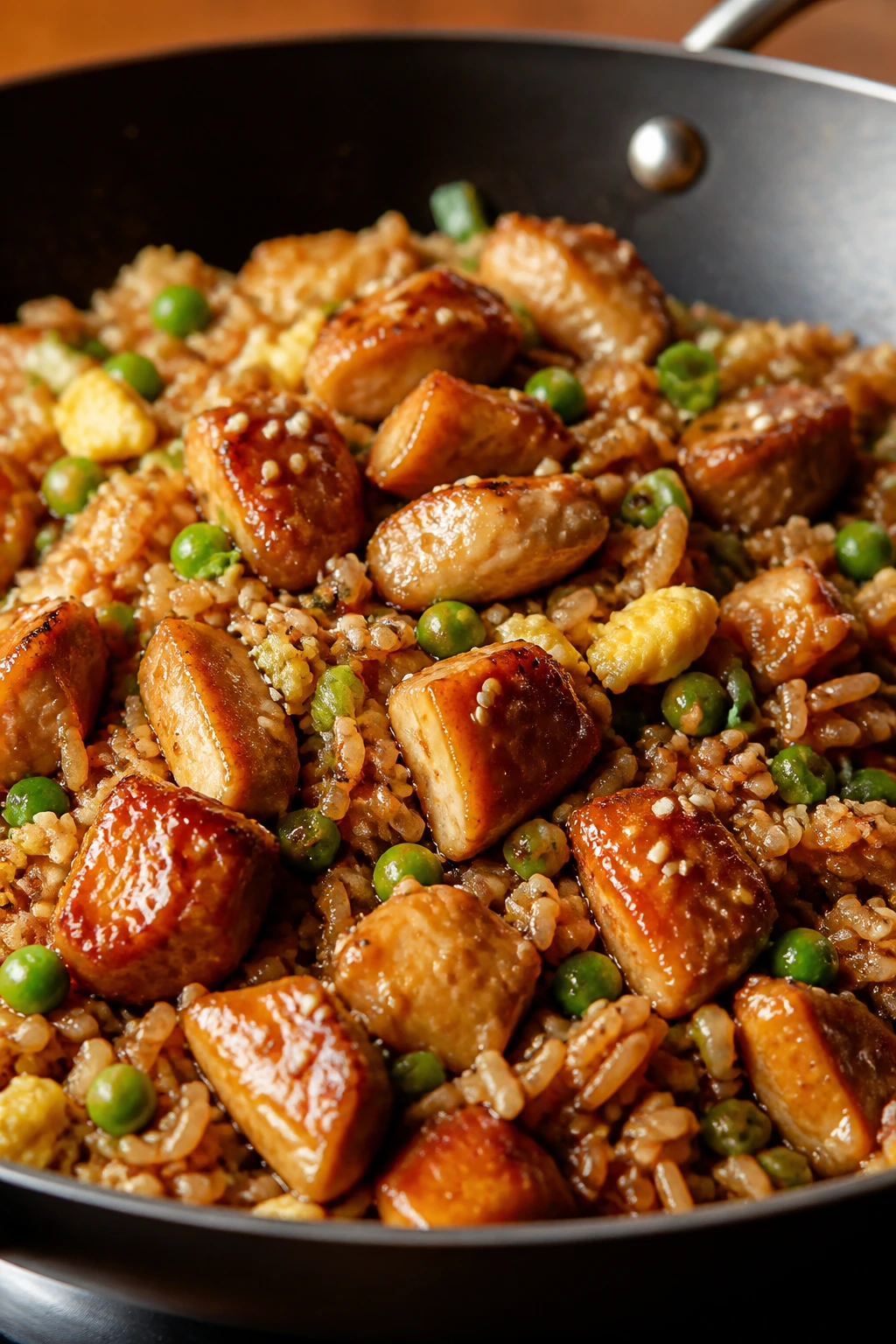
Cold rice is not a problem here. It’s the point. Fried rice wants dry grains, a hot pan, and ingredients that know how to share space. Once you add teriyaki, the whole skillet takes on that savory-sweet smell that makes dinner feel more substantial than the ingredient list suggests.
This is also a smart leftovers dinner. If you have cooked rice sitting in the fridge and a few vegetables that need using, you’re halfway there already. The main mistake is adding the sauce too early or too much at once, which turns fried rice into a sticky mash. Don’t do that.
Why It Works:
Day-old rice has less surface moisture, so the grains stay separate when they hit the hot pan. That matters because each grain can pick up sauce without turning soft. Cooking the eggs and chicken first also builds layers of flavor, and the teriyaki sauce goes in near the end so it glazes the rice instead of soaking it. A little sesame oil at the finish gives the dish that unmistakable teriyaki aroma.
Key Ingredients:
- 4 cups cold cooked rice — jasmine or long-grain rice works especially well.
- 1 lb boneless chicken thighs, diced small — small pieces cook quickly and mix well with rice.
- 3 large eggs, beaten — for soft curds throughout the rice.
- 1 cup frozen peas and carrots — the easiest vegetable mix for this dish.
- 1 small onion, diced — builds flavor at the start.
- 2 cloves garlic, minced — adds warmth and depth.
- 3 tbsp low-sodium soy sauce — seasons the rice.
- 2 tbsp teriyaki sauce — gives the rice the signature glaze.
- 1 tbsp neutral oil — keeps things moving in the pan.
- 1 tbsp sesame oil — finish flavor only.
- 2 scallions, sliced — for freshness.
- 1 tsp toasted sesame seeds — optional, but I like the texture.
Quick Steps:
- Heat the neutral oil in a large skillet or wok over medium-high heat. Add the diced chicken and cook for 4 to 5 minutes, until browned and cooked through.
- Push the chicken to one side and pour in the beaten eggs. Scramble them gently for 30 to 60 seconds, then break them into soft pieces.
- Add the onion, peas and carrots, and garlic. Stir for 2 minutes, until the onion loses its raw edge and the vegetables are hot.
- Stir in the cold rice, breaking up clumps with a spatula. Let it sit in the pan for a minute at a time so some grains toast instead of steaming.
- Drizzle in the soy sauce and teriyaki sauce, then toss for 2 to 3 minutes until everything looks evenly colored and the rice smells lightly toasted.
- Finish with sesame oil, scallions, and sesame seeds. Serve right away so the rice keeps its slightly chewy texture.
Tips and Variations:
- Warm rice makes soggy fried rice. Cold rice gives you the texture you want.
- Leftover rotisserie chicken works well if you want to skip the first step.
- A handful of chopped cabbage adds crunch without changing the flavor much.
6. Teriyaki Chicken Stuffed Peppers
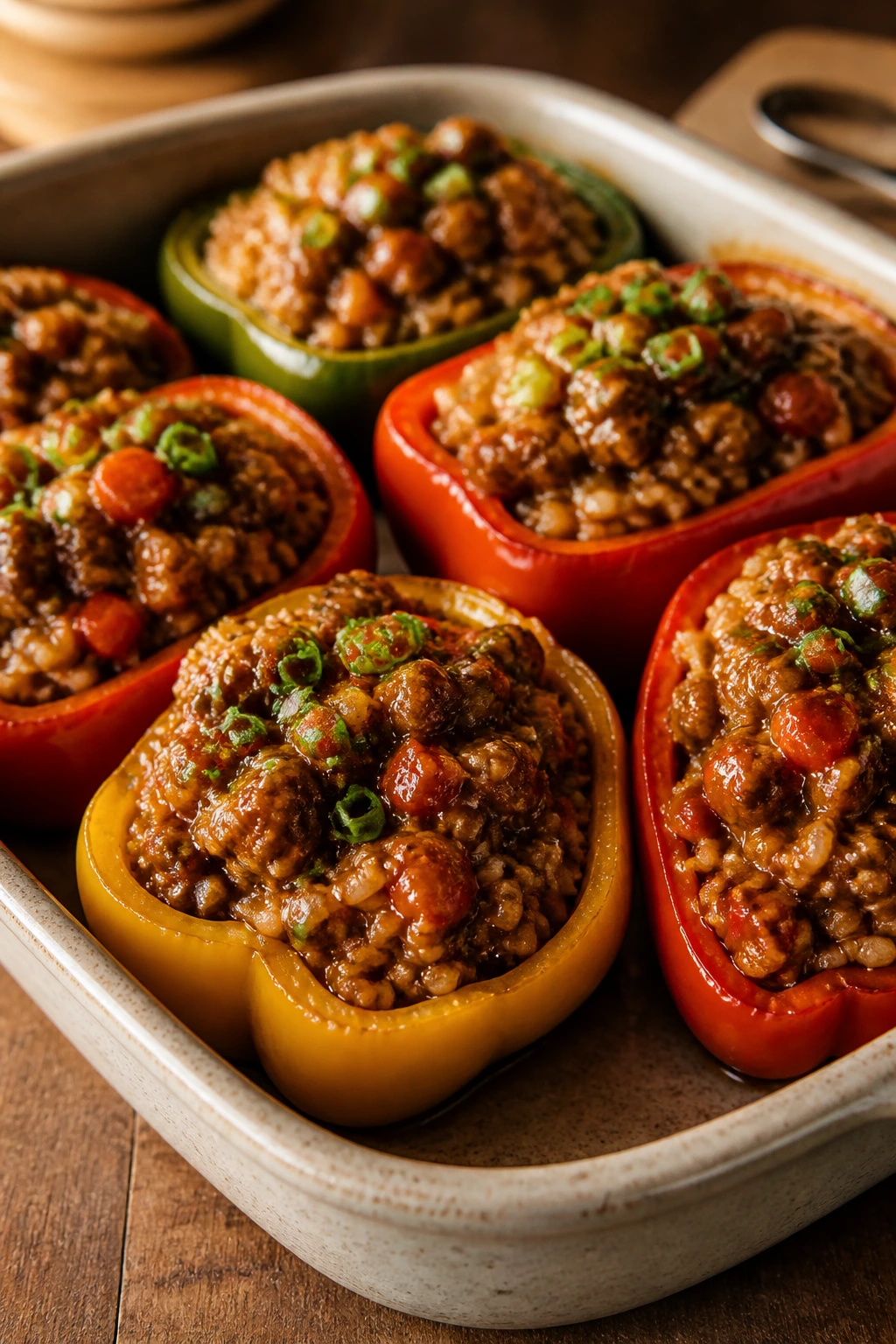
Bell peppers get a little sweeter in the oven, which makes them a good match for teriyaki’s sticky glaze. Once they soften, they turn into little edible bowls that hold rice, chicken, and sauce without falling apart. That’s useful, but more than that, it makes dinner look cheerful in a way casserole dishes rarely manage.
This version is especially handy if you want to tuck more vegetables into the meal without a side conversation about it. The filling is balanced, the peppers are obvious and colorful, and the whole pan feels organized. Kids often accept stuffed peppers more easily than a mixed skillet because everything is visible.
Why It Works:
Ground chicken cooks quickly and takes on flavor well, which makes it a good partner for rice and teriyaki sauce. The peppers soften enough in the oven to become tender but not watery, and the rice absorbs the extra sauce so the filling tastes cohesive instead of loose. If you pre-soften the peppers a little before stuffing them, the final texture gets silkier without turning mushy. That small move can make a big difference.
Key Ingredients:
- 4 large bell peppers, halved and seeded — choose peppers with flat bottoms so they sit neatly in the dish.
- 1 lb ground chicken — lean enough for a clean flavor, rich enough to stay moist.
- 1 small onion, diced — starts the filling with sweetness.
- 2 cloves garlic, minced — a little goes far in a baked dish.
- 1 tsp fresh ginger, grated — keeps the filling from tasting flat.
- 1½ cups cooked rice — gives the stuffing enough body.
- ⅓ cup teriyaki sauce — the main seasoning for the filling.
- ½ cup diced pineapple or well-drained crushed pineapple — adds a bright note.
- 1 cup shredded carrots — blends in easily and adds sweetness.
- ½ cup shredded mozzarella or Monterey Jack, optional — use it only if your family likes a melty top.
- 1 tbsp sesame seeds — for a little finish.
- 2 scallions, sliced — fresh contrast at the end.
Quick Steps:
- Preheat the oven to 375°F (190°C) and lightly oil a baking dish. Arrange the pepper halves cut-side up.
- Cook the ground chicken and onion in a skillet over medium heat for 6 to 7 minutes, breaking the meat into small crumbles, until no pink remains.
- Stir in the garlic, ginger, shredded carrots, pineapple, cooked rice, and teriyaki sauce. Cook for 1 to 2 minutes until everything is hot and evenly coated.
- Spoon the filling into the pepper halves, pressing it down gently so it sits level. Top with cheese if you’re using it.
- Bake for 25 to 30 minutes, until the peppers are tender and the filling is bubbling at the edges.
- Broil for 1 to 2 minutes if you want the tops a little more browned, then finish with sesame seeds and scallions.
Tips and Variations:
- Pre-bake the pepper halves for 8 minutes if you like them softer.
- Use brown rice if you want a nuttier, sturdier filling.
- A few chopped water chestnuts add crunch if you like contrast.
7. Pineapple Teriyaki Chicken Skewers
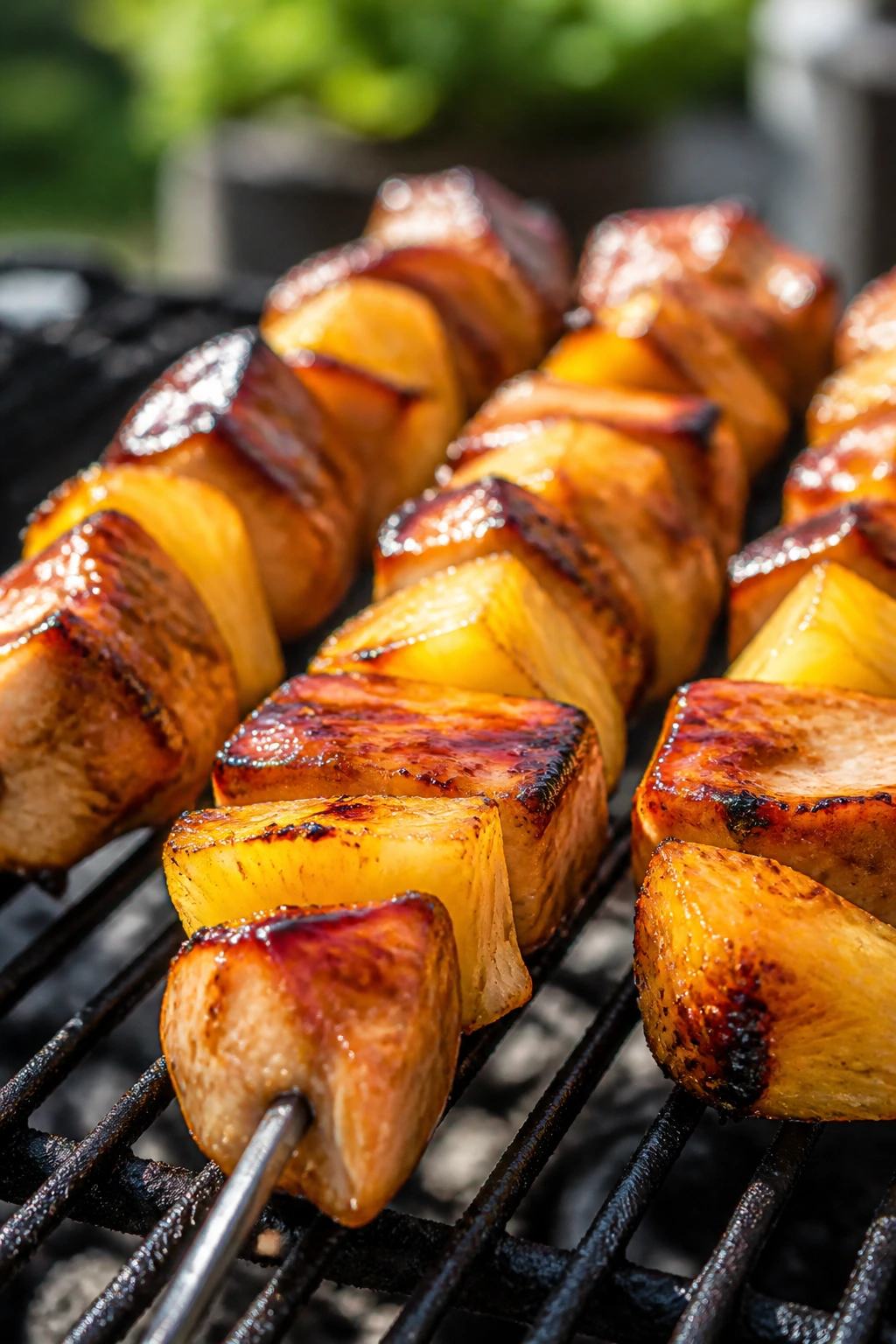
Pineapple on skewers can go mushy if you overdo it, but when you get the timing right, the edges caramelize and the whole skewer tastes bright and smoky. That’s the joy of this version. The chicken gets a little char, the fruit turns jammy, and the onion softens just enough to balance the sweetness.
I like these for family dinners because they feel fun without being a project. You can grill them or broil them, and either way they bring enough color to make the plate look lively. If you serve them with rice and a simple cucumber salad, you’ve got a complete meal without much fuss.
Why It Works:
Chicken thighs are ideal for skewers because they stay juicy over direct heat, and the pineapple helps keep the overall flavor fresh instead of heavy. The marinade brings salt, sweetness, and acid together before the chicken even hits the grill, which means the first bite tastes seasoned all the way through. Brushing on a little glaze near the end adds shine without letting the sugars burn on the grate. That’s the sweet spot.
Key Ingredients:
- 1½ lbs boneless, skinless chicken thighs, cut into 1½-inch cubes — a size that cooks evenly on skewers.
- 2 cups pineapple chunks — fresh or canned, as long as the pieces are firm.
- 1 red bell pepper, cut into 1½-inch pieces — adds color and sweetness.
- 1 red onion, cut into wedges — softens and sweetens on the grill.
- ¼ cup low-sodium soy sauce — the base of the marinade.
- 3 tbsp honey — helps with browning.
- 2 tbsp pineapple juice — echoes the fruit without making the marinade too sweet.
- 1 tbsp rice vinegar — keeps the flavor bright.
- 1 tbsp sesame oil — a little nutty depth.
- 2 cloves garlic, minced — the savory note.
- 1 tsp fresh ginger, grated — keeps the skewers lively.
- 1 tbsp cornstarch mixed with 2 tbsp water, optional — if you want a quick glaze for brushing.
- Wooden or metal skewers — soak wooden skewers for at least 30 minutes.
Quick Steps:
- Whisk the soy sauce, honey, pineapple juice, rice vinegar, sesame oil, garlic, and ginger in a bowl. Toss the chicken pieces in the marinade and let them sit for 30 minutes to 2 hours.
- Thread the chicken, pineapple, bell pepper, and onion onto skewers, alternating ingredients so the heat reaches each piece evenly.
- Preheat a grill to medium-high or set the oven broiler with a rack about 6 inches from the heat source.
- Cook the skewers for 10 to 12 minutes, turning every few minutes and brushing with the remaining marinade or the optional quick glaze during the last half of cooking.
- Check that the chicken reaches 165°F and the edges have a little char. The pineapple should look bronzed, not collapsed.
- Rest for 3 minutes before serving with rice or a crisp salad.
Tips and Variations:
- Keep the pineapple pieces the same size as the chicken so they finish together.
- Metal skewers save time if you make these often.
- If you want extra color, tuck in chunks of zucchini or mushrooms.
8. Teriyaki Chicken Rice Bowls with Cucumber and Edamame
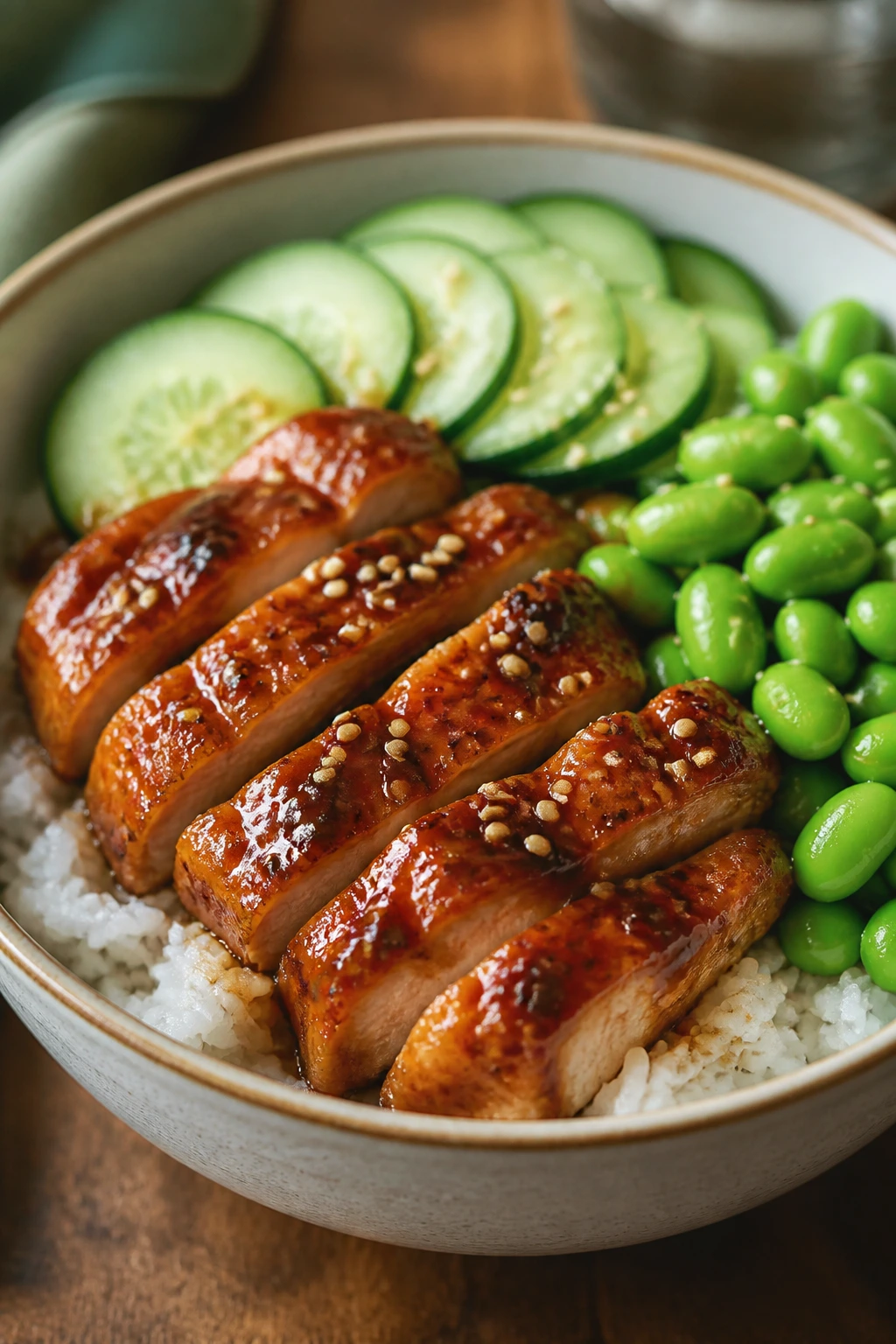
Lettuce can wait. A real rice bowl gives you warmth, crunch, and enough flexibility to keep everybody happy. The cucumber cools things down, the edamame adds a soft bite, and the chicken carries the whole bowl with that salty-sweet glaze people keep coming back for.
This is the cleanest dinner in the bunch, which is handy when the day has already been messy. Everyone can build their own bowl, and that alone reduces half the table tension. Picky eaters can keep the carrots on the side. The rest of us can pile it high.
Why It Works:
Bowls let you separate temperatures and textures in a way that keeps every bite interesting. Hot rice underneath, warm glazed chicken in the middle, and cool vegetables on top means you get contrast instead of a muddy pile of ingredients. The sauce also works as both marinade and finishing glaze, so the chicken tastes seasoned without drowning the rice. A bowl needs that kind of balance or it becomes just another plate of rice.
Key Ingredients:
- 1½ lbs boneless chicken thighs or breasts, cut into bite-size pieces — thighs are juicier, breasts cook a little faster.
- 4 cups cooked rice — jasmine, sushi rice, or brown rice all work.
- 1 cucumber, sliced thin — cool, crisp contrast.
- 1 cup shelled edamame, thawed if frozen — adds protein and color.
- 1 cup shredded carrots — sweet and easy to pile on.
- 1 avocado, sliced — optional, but it makes the bowl feel fuller.
- ½ cup teriyaki sauce — enough to coat the chicken without drowning the bowl.
- 1 tbsp neutral oil — for searing.
- 2 scallions, sliced — fresh finish.
- 1 tbsp toasted sesame seeds — for texture.
- Nori strips or pickled ginger, optional — if your family likes sushi-style bowls.
Quick Steps:
- Cook the rice and set it aside covered so it stays warm.
- Heat the oil in a skillet over medium-high heat, then add the chicken in a single layer. Cook for 5 to 7 minutes, turning once or twice, until browned and cooked through.
- Pour the teriyaki sauce over the chicken and cook for 1 to 2 minutes until the sauce bubbles and turns sticky around the edges.
- Prep the cucumber, edamame, carrots, and avocado while the chicken finishes. Keeping the toppings cold gives the bowl a better contrast.
- Assemble the bowls with rice on the bottom, chicken in the center, and vegetables around the sides.
- Finish with scallions, sesame seeds, and a little extra sauce if needed.
Tips and Variations:
- If you want a lighter bowl, use half rice and half shredded cabbage.
- Leftover roasted broccoli or snap peas fit right in.
- A squeeze of rice vinegar over the vegetables sharpens the whole bowl.
9. Teriyaki Chicken Casserole with Rice and Vegetables
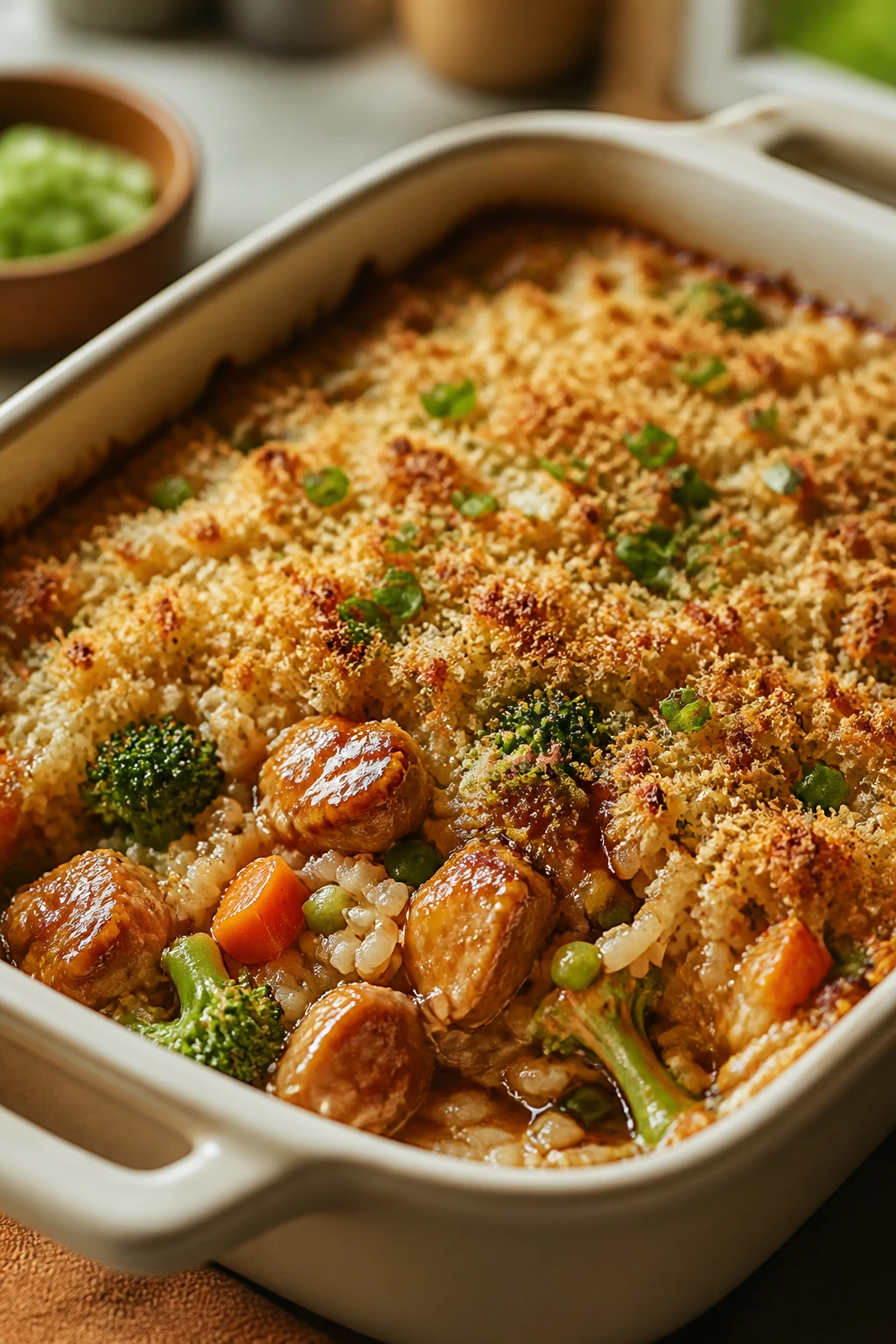
Casserole is not the glamorous word here. It is, however, the word that gets dinner into the oven with almost no drama. This version bakes together chicken, rice, vegetables, and sauce until the edges bubble and the top picks up a little texture. It feels like a practical answer, which is often the best kind.
This is also the dish that makes use of odds and ends from the fridge. A few cups of cooked chicken, leftover rice, and some vegetables turn into something that eats like a planned meal. I like a light panko topping for contrast; without it, the casserole can feel a bit soft, which is not the goal.
Why It Works:
Baked rice casseroles work when the rice is already cooked and the liquid level is controlled. That keeps the texture from turning gummy. The chicken and vegetables absorb the teriyaki sauce as the dish heats, and the top layer of panko gives you a little crunch against the soft filling. If you’ve ever had a casserole that tasted flat, the usual problem was too little seasoning or not enough acid; the vinegar in the sauce fixes that.
Key Ingredients:
- 3 cups cooked shredded or diced chicken — rotisserie chicken works very well here.
- 3 cups cooked rice — cooled rice is easier to mix.
- 3 cups broccoli florets — small florets distribute best.
- 1 cup shredded carrots — they disappear into the casserole without losing color.
- 1½ cups teriyaki sauce — enough to coat the rice and chicken.
- ½ cup low-sodium chicken broth — loosens the mixture just enough for baking.
- 2 cups sliced mushrooms, optional — a good earthy addition if your family likes them.
- 1 cup panko breadcrumbs — the crunchy top.
- 1 tbsp sesame oil — toss it with the panko for better browning.
- 1 tbsp sesame seeds — adds a toasty finish.
- 2 scallions, sliced — for serving.
Quick Steps:
- Preheat the oven to 375°F (190°C) and grease a 9×13-inch baking dish.
- Mix the chicken, rice, broccoli, carrots, mushrooms if using, teriyaki sauce, and broth in a large bowl until everything looks evenly coated.
- Spread the mixture into the baking dish and smooth the top with a spoon.
- Combine the panko with sesame oil and sesame seeds, then sprinkle it evenly over the casserole.
- Bake for 25 to 30 minutes, until the center is hot and the sauce is bubbling around the edges.
- Broil for 1 to 2 minutes if you want a deeper golden top, then rest for 5 minutes before serving.
Tips and Variations:
- Use cooked rice, not raw, or the casserole will come out uneven.
- Steam the broccoli for 2 minutes first if you like it softer.
- A spoonful of chili crisp on individual servings gives this casserole a sharper finish.
10. Teriyaki Chicken Lettuce Wraps with Crunchy Slaw
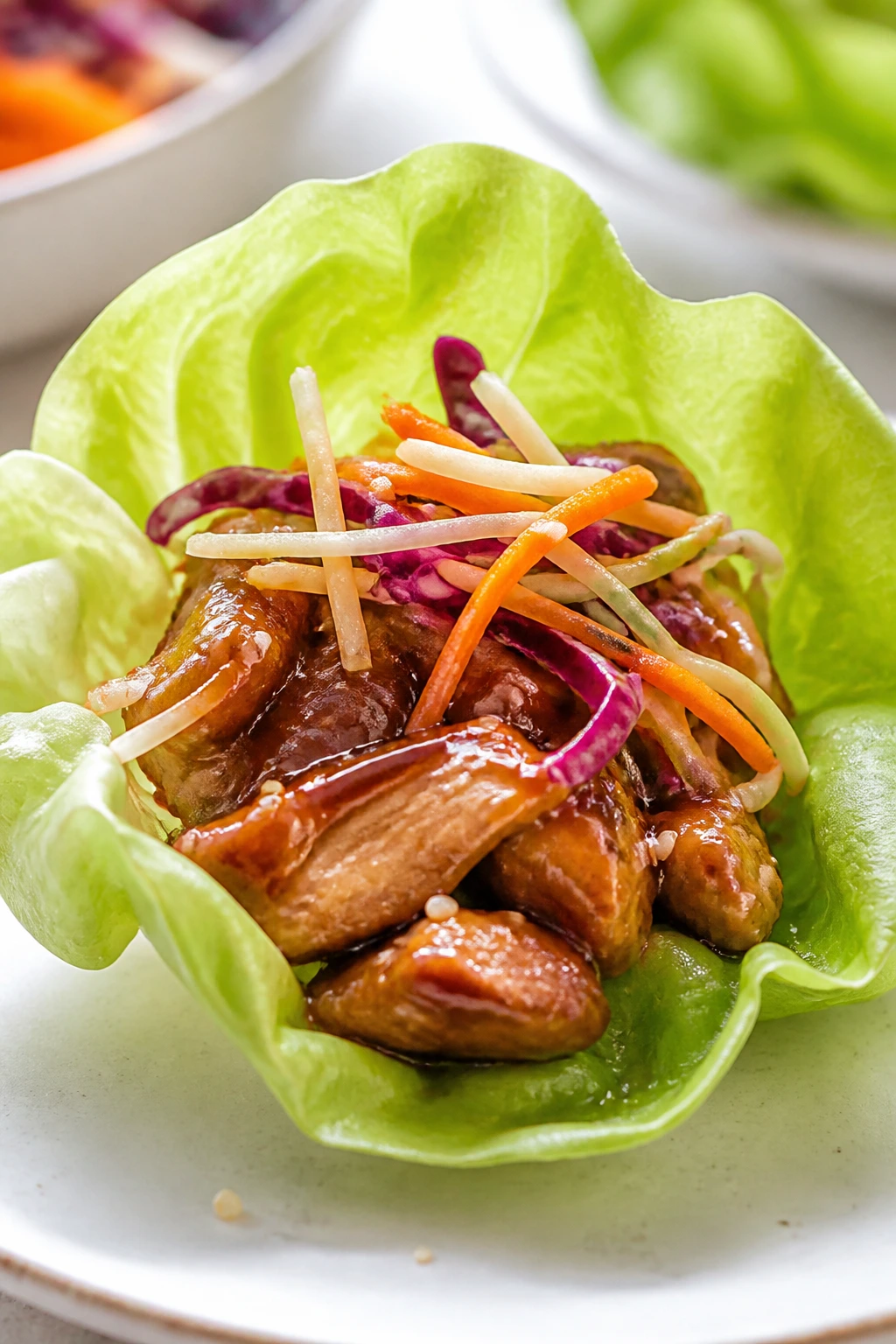
Lettuce wraps can feel like a lunch move, but with enough chicken and a side of rice, they turn into a proper dinner. The filling is warm and glossy, the lettuce stays cold and crisp, and the slaw brings a little crunch that keeps the whole thing from tasting soft all the way through. That contrast is the reason this dinner works.
This is the most hands-on of the ten, but only in a small, pleasant way. Everyone can assemble their own wraps, which tends to keep kids engaged and adults from complaining that their food touched something they didn’t want it to touch. Also, if you serve extra rice on the side, nobody leaves hungry.
Why It Works:
Ground chicken gives you fast cooking and a texture that sits neatly inside lettuce leaves. The teriyaki sauce reduces quickly in the pan, coating the chicken without making the wraps soggy. Cabbage, carrots, and water chestnuts add the crunch that lettuce alone cannot carry, and the cold leaves make the warm filling feel sharper and cleaner. That hot-cold contrast is the whole reason the wraps stay interesting from first bite to last.
Key Ingredients:
- 1½ lbs ground chicken — quick-cooking and easy to season.
- 1 tbsp neutral oil — keeps the chicken from sticking.
- 2 cloves garlic, minced — a basic but necessary start.
- 1 tsp fresh ginger, grated — gives the filling life.
- ⅓ cup teriyaki sauce — the main glaze for the filling.
- 2 tbsp low-sodium soy sauce — boosts the savory edge.
- 1 tbsp rice vinegar — cuts through the sweetness.
- 1 cup shredded cabbage or coleslaw mix — for crunch.
- ½ cup shredded carrots — for color and sweetness.
- 1 cup chopped water chestnuts, optional — if you like a louder crunch.
- 1 head butter lettuce or romaine leaves — for wrapping.
- 2 scallions, sliced — a fresh finish.
- Sesame seeds, for garnish — small detail, big payoff.
Quick Steps:
- Stir together the cabbage, carrots, and a splash of rice vinegar in a small bowl. Set it aside so it softens just a little.
- Heat the oil in a large skillet over medium-high heat, then add the ground chicken. Cook for 5 to 6 minutes, breaking it up as it browns.
- Add the garlic and ginger, and cook for 30 seconds until fragrant.
- Pour in the teriyaki sauce, soy sauce, and rice vinegar, then simmer for 2 to 3 minutes until the sauce coats the chicken and looks glossy.
- Stir in the cabbage mix and water chestnuts, just long enough to warm them through while they keep some bite.
- Spoon the filling into lettuce leaves, top with the slaw, scallions, and sesame seeds, and serve with rice on the side if you want a fuller meal.
Tips and Variations:
- Keep the lettuce leaves dry and chilled until the last minute.
- If you want less mess, serve the filling in small bowls with lettuce on the side.
- Rice noodles turn the wraps into a more filling dinner if you need to stretch the pan.
Why Teriyaki Chicken Keeps Winning on Family Tables
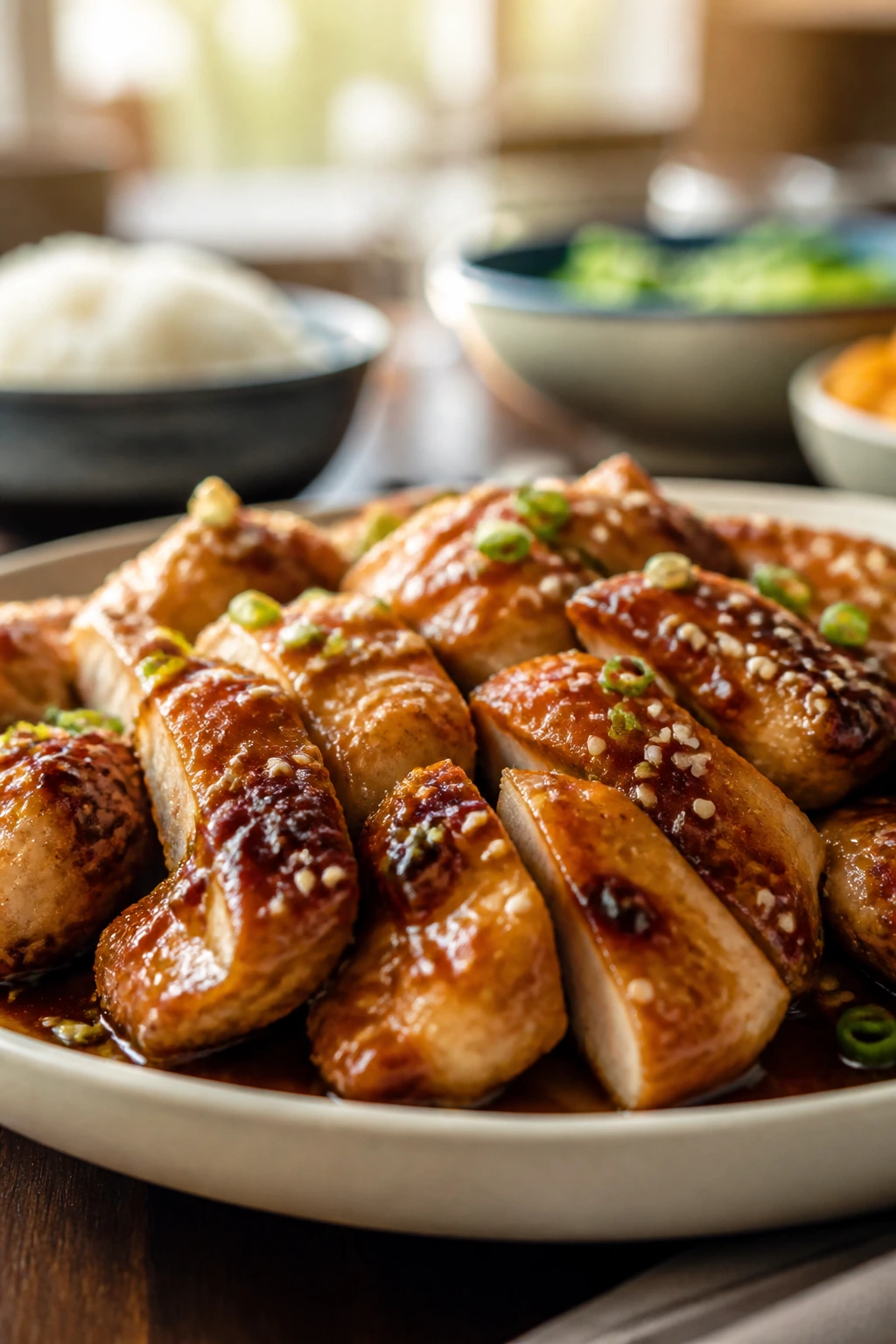
There’s a reason teriyaki shows up so often in family dinners: it gives you a clear flavor map without demanding a complicated technique. You need salt, sweet, acid, and a little heat control. That’s it. Once you understand those four pieces, you can move the same basic flavor across a sheet pan, a skillet, a slow cooker, or a casserole dish without the meal feeling repetitive.
The sauce matters more than people think. Bottled teriyaki can be useful, but the best results usually come from giving it a little help with fresh ginger, garlic, rice vinegar, and a cornstarch slurry if you want that glossy finish. If the sauce is too thin, it disappears. Too thick, and it burns. That’s why timing and texture matter here more than a fancy garnish ever will.
Chicken thighs tend to be the most forgiving cut for teriyaki because they stay juicy under higher heat and longer cooking times. Breasts can work well too, especially in stir-fries and bowls, but they need tighter timing and a little more attention. That’s not a flaw. It’s just the shape of the job.
Essential Equipment for These Recipes
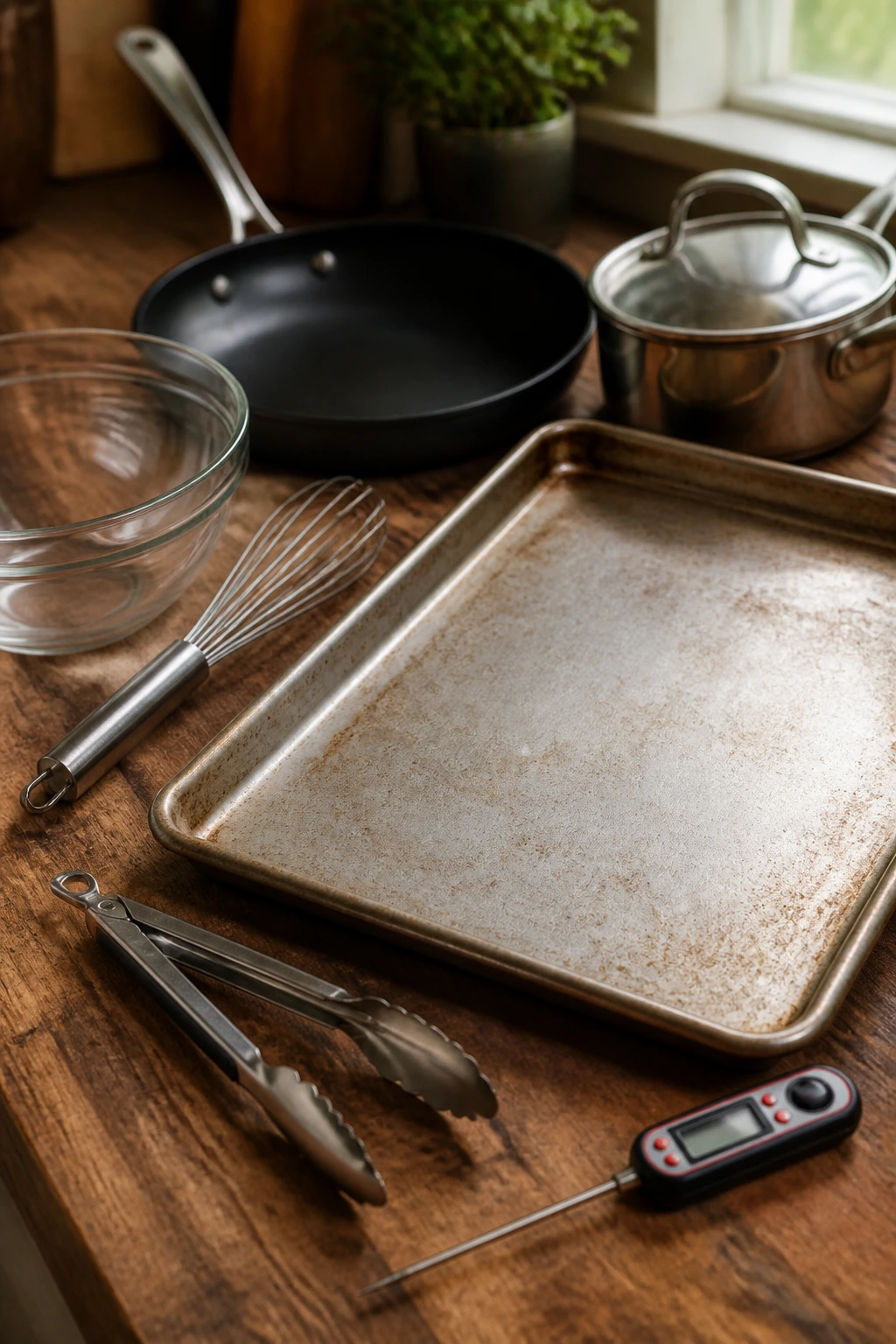
- Rimmed sheet pan — needed for the sheet-pan dinner and helpful for cooling meatballs or skewers.
- Large skillet or wok — the workhorse for stir-fries, fried rice, lettuce wraps, and bowls.
- Saucepan — useful for reducing teriyaki glaze so it clings instead of running.
- Slow cooker — best for the hands-off chicken thigh dinner.
- 9×13-inch baking dish — the casserole and stuffed peppers both benefit from a dish with enough depth.
- Mixing bowls — one for sauce, one for chicken, one for toppings keeps the process tidy.
- Instant-read thermometer — the easiest way to know the chicken is cooked to 165°F without guessing.
- Tongs and a silicone spatula — tongs for turning chicken, spatulas for frying rice and noodles.
- Measuring cups and spoons — teriyaki balances depend on exact amounts more than people expect.
- Microplane or fine grater — makes ginger and garlic disappear into the sauce instead of leaving sharp bits.
- Wooden or metal skewers — essential for the pineapple skewers; metal saves soaking time.
- Airtight containers — for leftovers, sauce, and make-ahead prep.
Smart Shopping and Ingredient Tips
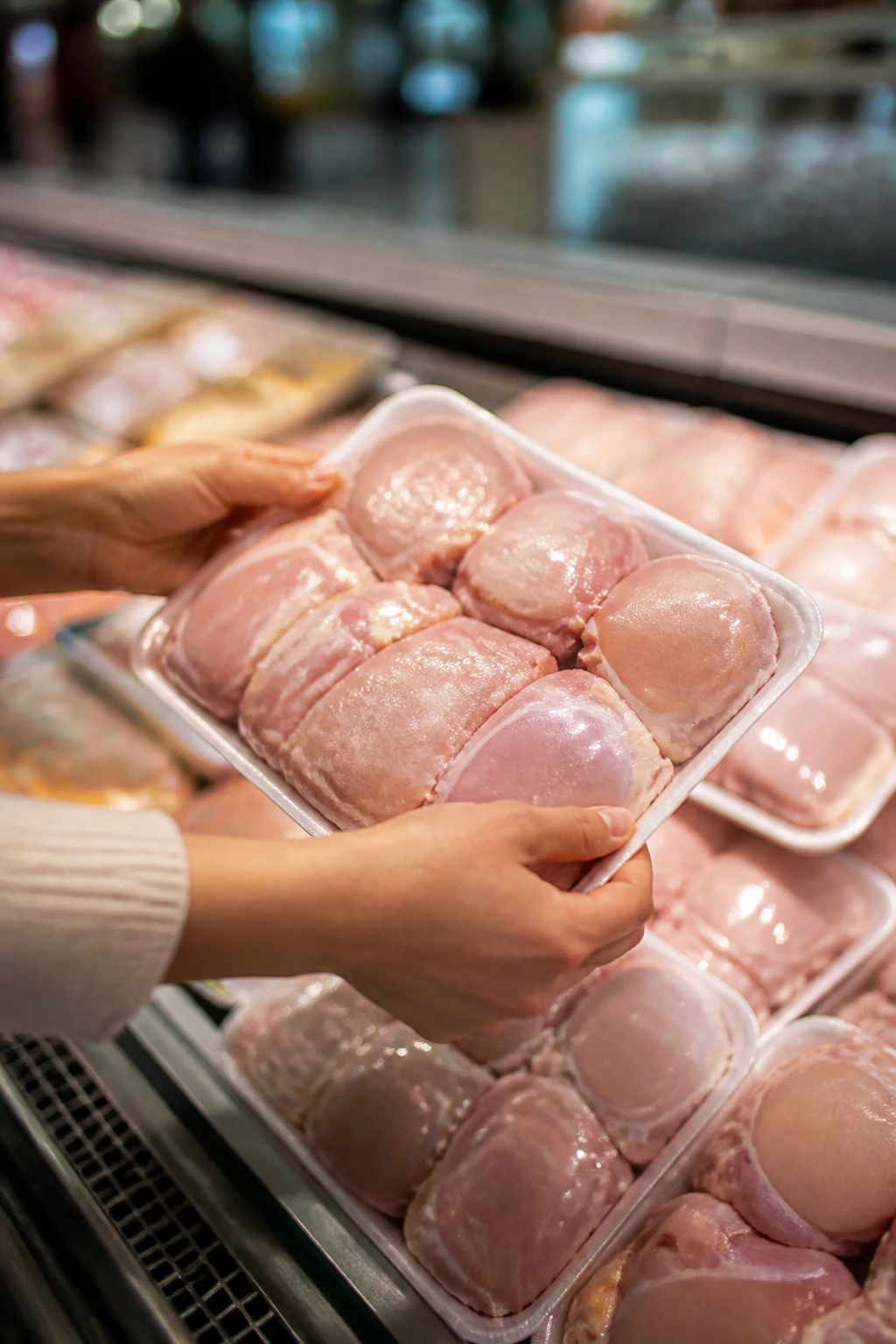
The chicken cut you buy changes the whole dinner. Boneless, skinless thighs are the easiest place to start because they handle high heat, long braises, and sticky sauce without drying out. Breasts are leaner and fine for quick stir-fries or bowls, but slice them evenly and keep a thermometer nearby. If you want one shopping habit that pays off every time, make that the one.
For sauce, low-sodium soy sauce gives you room to reduce the glaze without turning the dish salty. Regular soy can still work, but the flavor gets concentrated fast once you add honey and let the sauce simmer. If you need gluten-free options, tamari is the cleanest swap and usually tastes close enough that nobody misses a beat. Bottled teriyaki is fine in a hurry; choose one that lists soy sauce, sugar, garlic, and ginger near the top rather than a bottle that tastes mostly like corn syrup.
Vegetables should be firm and dry, not soft and watery. Broccoli, bell peppers, snap peas, carrots, cabbage, and onions all hold up well because they keep some bite after cooking. Frozen broccoli and edamame are absolutely fine in fried rice, bowls, and casseroles. Frozen vegetables are less useful on a hot sheet pan unless you dry them first, because extra moisture fights browning.
Rice is another place where a little attention helps. Jasmine rice gives you soft, fragrant grains for bowls and sheet-pan dinners. Day-old rice is the right answer for fried rice because it fries instead of turning mushy. If you like brown rice, use it where chew is welcome, like bowls or casseroles, and keep an eye on the sauce level so the dish doesn’t turn heavy.
How to Serve These Recipes
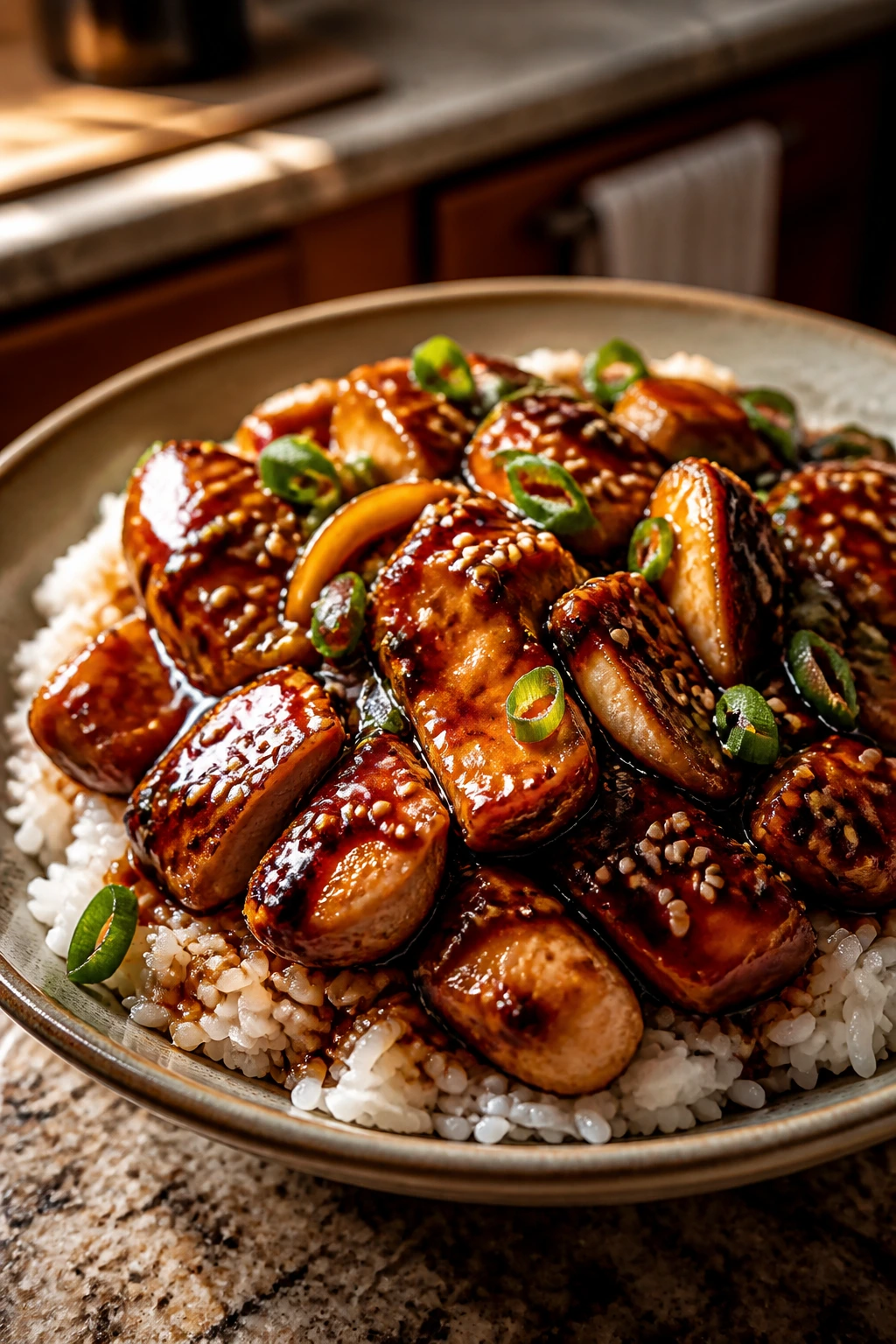
Presentation: Stack the chicken over rice in shallow bowls, or spread sheet-pan chicken on a wide platter and finish with sesame seeds and scallions so the glaze looks intentional. For skewers, a long tray lined with rice or greens keeps the plate from feeling empty.
Accompaniments: Steamed jasmine rice, brown rice, cucumber salad, sesame slaw, roasted green beans, edamame, and simple miso soup all fit the theme. If you want a little extra comfort, add dinner rolls or buttery noodles on the side, though the noodles are already doing a lot in their own recipe.
Portions: Most of these dinners serve 4 to 6 people depending on appetite and sides. For bigger eaters, lean on rice, noodles, or extra vegetables to stretch the meal; for lighter eaters, the bowls, lettuce wraps, and skewers can go a little further than they first appear.
Beverage Pairing: Cold green tea, sparkling water with lime, or ginger ale keeps the sweet-savory flavor from feeling heavy. If you want something sharper, unsweetened iced tea with lemon is a clean match.
Additional Tips and Flavor Boosters
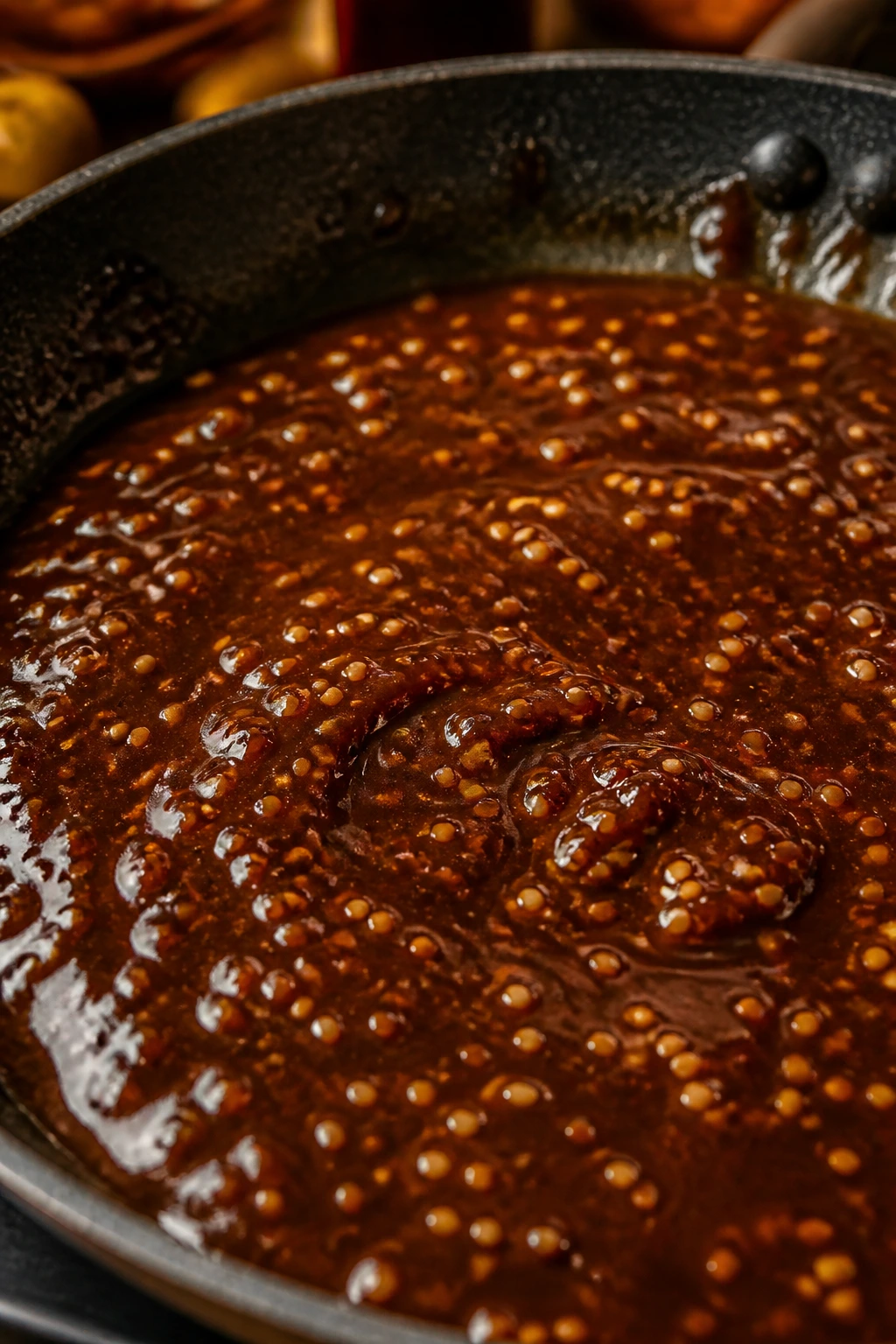
Flavor Enhancement: A small splash of rice vinegar or lime juice at the end makes teriyaki taste brighter without changing the core flavor. It’s one of those tiny moves that wakes up the whole pan.
Customization: Add mushrooms for earthiness, pineapple for extra sweetness, or chili crisp for a little heat. If your family likes crunch, toss in shredded cabbage, water chestnuts, or snapped snow peas right before serving.
Serving Suggestions: Finish with toasted sesame seeds, sliced scallions, and a drizzle of sesame oil only after the heat is off. Furikake works well too if you want a salty, ocean-leaning finish.
Make-It-Yours: Use tamari for gluten-free cooking, swap chicken breasts for thighs when you want something leaner, or pull back the honey by a tablespoon if you prefer a less sweet glaze. For kid-friendly plates, keep the sauce a little lighter and pass extra glaze at the table.
Make-Ahead, Storage, and Reheating Guidance
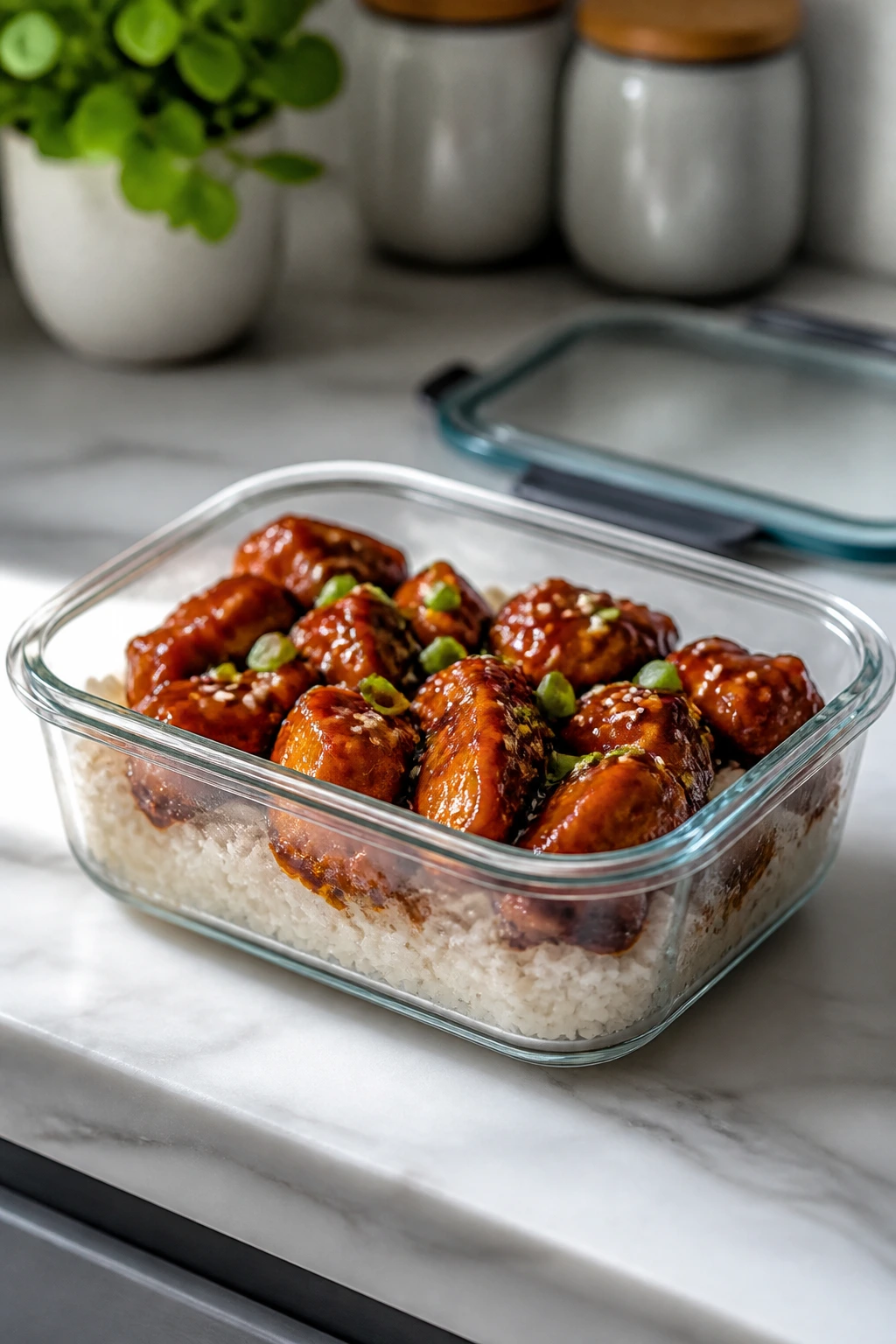
Most cooked teriyaki chicken dinners keep 3 to 4 days in the refrigerator in airtight containers. The best way to protect texture is to cool the food quickly, then store the sauce, rice, and toppings separately when you can. Lettuce wrap filling, fried rice, meatballs, sheet-pan chicken, and casseroles all reheat well, but crisp vegetables and lettuce leaves should be kept apart until serving.
Freezing depends on the format. Meatballs, slow cooker chicken, fried rice, and casserole freeze well for up to 2 months, sometimes a little longer if the container is airtight and you press out excess air. Bowls and sheet-pan chicken are fine in the freezer too, though the vegetables soften a bit when thawed. Lettuce wraps and cucumber-heavy bowls are not freezer-friendly; their fresh toppings lose the one thing they contribute, which is crunch.
For reheating, a skillet over medium-low heat works best when you want to keep the chicken from drying out. Add 1 to 2 tablespoons of water or broth, cover loosely, and warm until the center is hot. The microwave is fine for quick lunches, but use short bursts and stir between them so the sauce doesn’t separate. Casseroles and sheet-pan dinners reheat nicely in a 350°F oven for 10 to 15 minutes, covered for most of that time. Skewers are best reheated gently so the pineapple doesn’t collapse into mush.
If you want to make ahead, the teriyaki sauce itself can be mixed 3 to 5 days ahead and stored in the refrigerator. Meatball mixtures can be shaped and chilled a day ahead. Chicken for skewers or stir-fry can marinate overnight, though I’d keep pineapple chunks out of the marinade until cooking time so they stay intact.
Family-Friendly Swaps and Flavor Twists
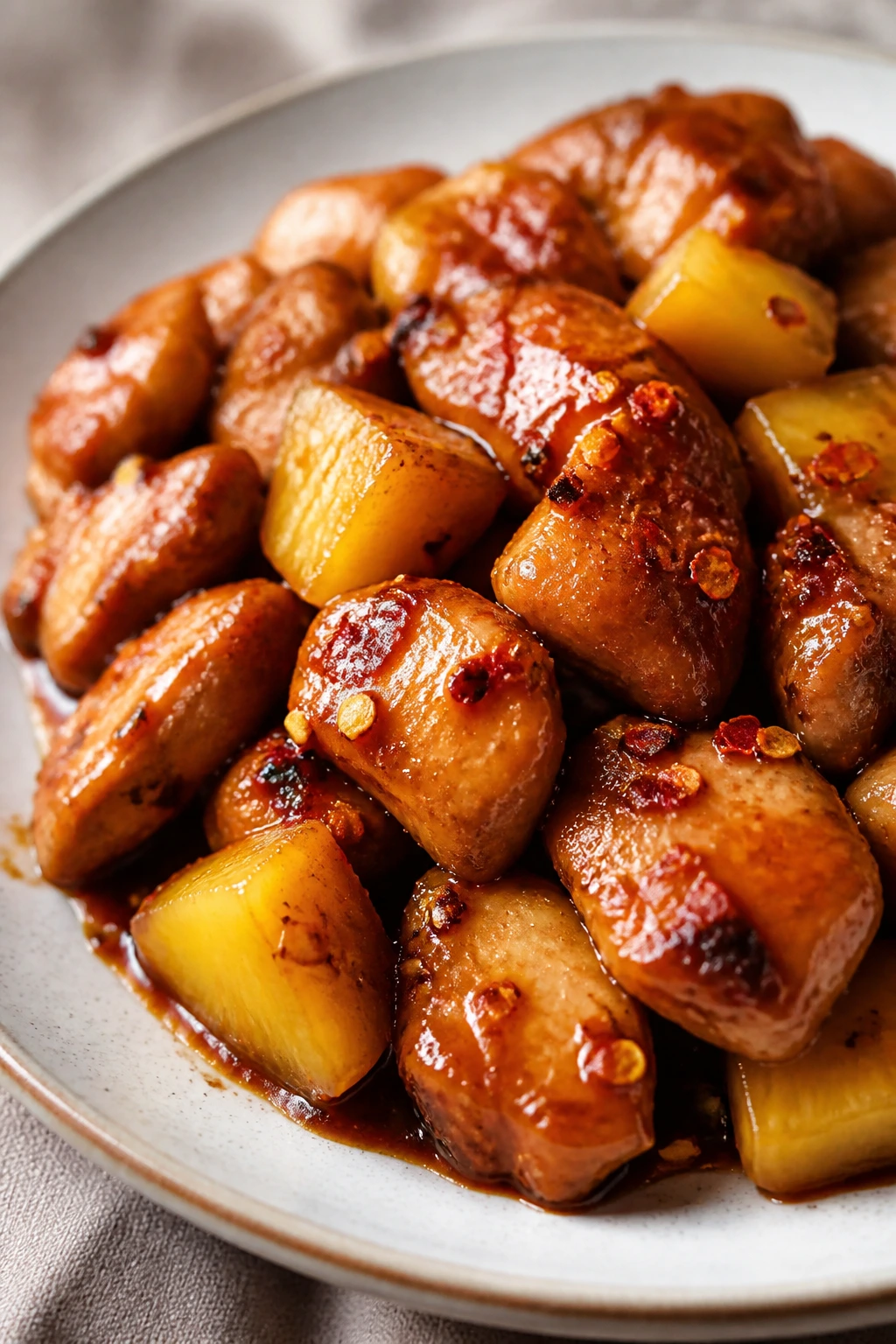
Gluten-Free Teriyaki Night: Use tamari instead of soy sauce and make sure your cornstarch is certified gluten-free if that matters for your kitchen. Rice, rice noodles, potatoes, and lettuce wraps all fit neatly into this version.
Lower-Sugar Gloss: Cut the honey by about one-third and add a splash of pineapple juice or unsweetened apple juice to keep the sauce smooth. You’ll still get shine, just with less sweetness crowding the salt.
Spicy-Sesame Finish: Stir a teaspoon or two of chili garlic sauce, gochujang, or sriracha into the glaze. It gives the chicken a warmer finish that older kids and adults usually appreciate more than the plain version.
Extra-Veggie Family Pan: Double the broccoli, peppers, cabbage, or snap peas and reduce the chicken slightly. The sauce is strong enough to season the extra vegetables, and the plate still feels complete.
Brown Rice and Grain Bowls: Swap in brown rice, quinoa, or a half-and-half mix for the bowls and lettuce wrap fillings. The nuttier grains make the sweet-savory sauce feel less heavy.
Build-Your-Own Dinner Bar: Serve chicken, rice, vegetables, cucumber, sesame seeds, and extra sauce in separate bowls. People can assemble their own plate, and the dinner gets calmer in a hurry because the picky eater problem solves itself.
Common Mistakes to Avoid
-
Using too much sugar too early: If you pour a very sweet sauce over chicken at the start of a hot cook, the sugars darken before the meat finishes. The fix is simple: reduce the sauce near the end, or brush it on in the last few minutes.
-
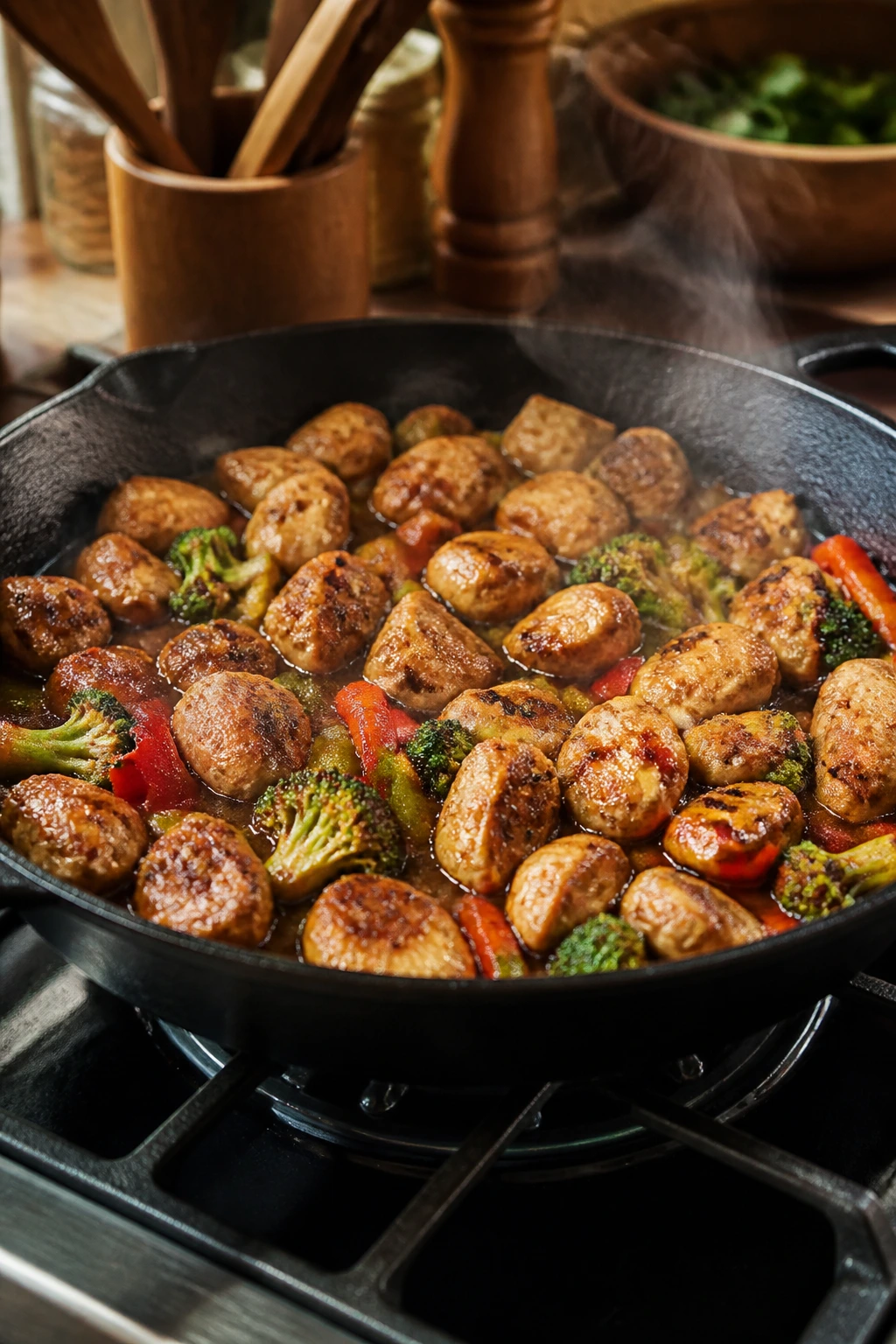
Crowding the pan: When the chicken and vegetables are packed together, they steam instead of browning. Give everything a little space, or cook in two batches if needed.
-
Skipping the thermometer: Teriyaki chicken can look done before it is, especially in the center of thicker thighs or breast pieces. Check for 165°F so you don’t serve dry chicken or undercooked bits hidden under sauce.
-
Making the sauce too salty: Soy sauce concentrates when it reduces, and a full-salt bottle can turn the whole dish sharp. Use low-sodium soy when possible, then adjust at the table.
-
Adding sauce to fried rice too soon: Rice that gets wet before it has a chance to fry turns sticky and clumpy. Let the grains toast for a minute first, then add sauce near the end.
-
Cooking lettuce wraps like a stew: The filling should be sticky, not watery, or the lettuce tears and everything slips out. Reduce the sauce until it coats the chicken, then serve immediately.
Frequently Asked Questions

Can I use chicken breasts instead of thighs?
Yes, and they work well in stir-fries, bowls, and sheet-pan dinners. Slice them evenly or cut them into smaller pieces so they cook quickly, and watch the thermometer closely because breasts dry out faster than thighs.
What’s the easiest way to use bottled teriyaki sauce?
Use it as a base, then add fresh ginger, garlic, and a splash of rice vinegar so the flavor tastes brighter. If the bottle is very thick and sweet, thin it with a tablespoon or two of water before reducing it.
Which vegetables hold up best with teriyaki chicken?
Broccoli, bell peppers, snap peas, carrots, cabbage, onions, mushrooms, and edamame all work well. They stay firm enough to give the dinner some shape, which matters when the sauce is sticky and rich.
How do I keep teriyaki sauce from burning?
Add most of the sauce late in the cook and keep the heat moderate once the sugar goes in. On a sheet pan or grill, brushing it on near the end gives you the glaze without the scorched edges.
Can I make these dinners ahead of time?
Yes. Meatballs, slow cooker chicken, fried rice, casserole, and stir-fry all hold up well for meal prep. Keep fresh garnishes like scallions, cucumber, lettuce, and sesame seeds separate until serving.
How do I make teriyaki chicken gluten-free?
Swap tamari for soy sauce and make sure any bottled teriyaki sauce is labeled gluten-free. Use rice, rice noodles, potatoes, or lettuce as the base, and you’re set.
What if my sauce tastes too salty?
Add a little water, a squeeze of lime, or a tablespoon of honey to round it out. A handful of unsalted vegetables or extra rice also helps distribute the seasoning.
Can these recipes be doubled for a crowd?
Most of them can, but sheet-pan and stir-fry recipes need more surface area, not just more ingredients. If you double those, use two pans or cook in batches so you still get browning instead of steam.
A Dinner Rotation With Some Staying Power
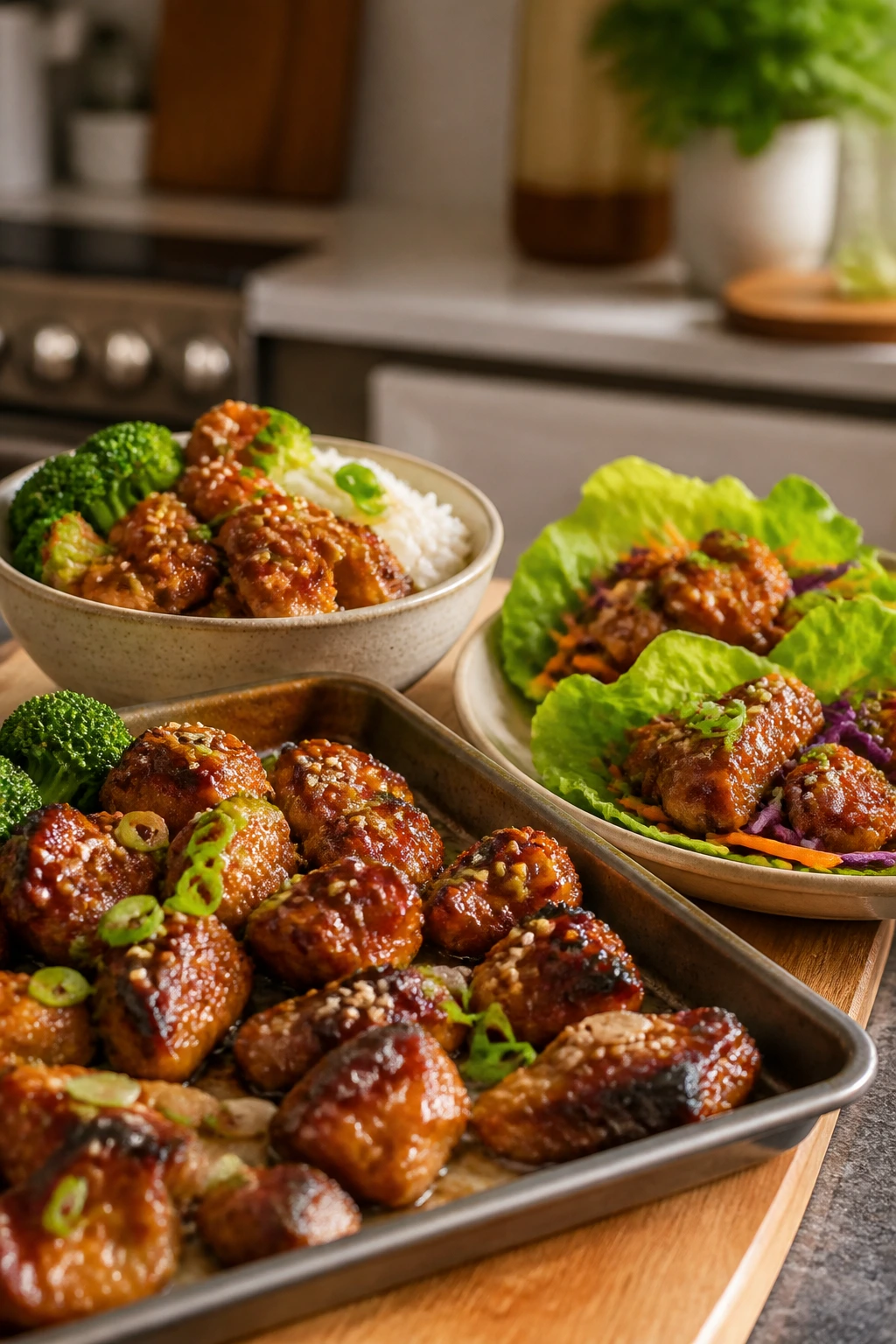
The nicest thing about teriyaki chicken is that it doesn’t get old as fast as people expect. Change the cut, change the cooking method, change the base, and the same sweet-savory idea shows up in a new outfit. That makes it useful, but it also makes it resilient. A family dinner that can survive picky eaters, busy evenings, and a half-empty vegetable drawer is worth keeping around.
Start with one or two of these and build from there. The sheet-pan version is where I’d send a tired cook. The meatballs are the one kids usually notice first. The bowls and lettuce wraps give you room to play. And once you’ve got a sauce you trust, the rest starts to feel less like planning and more like a habit you’re glad to have.