



Kids can spot a bland vegetarian dinner fast. They don’t need a lecture; they need a forkful that tastes familiar on the first bite and a little sweeter on the second.
A caramelized easy vegetarian dinner for kids works when the pan does the persuading. Bronze-colored onions, tiny carrots, tomato paste that’s cooked until it smells almost roasted, and enough melted cheese to stitch the whole thing together — that’s the path. Not a trick. Just good cooking.
I like meals like this because they behave. You can chop the vegetables small, let the onions take their time, and bring everything together with short pasta that catches the sauce in its ridges and curves. The result tastes like the kitchen stayed calm, even if dinner time did not.
Why This Pasta Pan Gets Eaten Without a Lecture
-
Browned vegetables taste sweet without getting sugary: The onions, carrots, and tomato paste cook long enough to lose their sharp edges, which gives the sauce that soft, rounded flavor kids usually accept faster than a plain tomato base.
-
Short pasta does the heavy lifting: Rotini, shells, and penne trap sauce in the grooves, so every bite gets a little cheese, a little tomato, and a little vegetable instead of a slippery pile of noodles.
-
Beans make the pan more filling: Cannellini beans add body and a creamy feel without changing the flavor much, which matters when you want dinner to satisfy without adding another separate main dish.
-
The vegetables stay familiar: Small dice, soft textures, and mild flavors keep the broccoli-free, mushroom-free path open for picky eaters who notice every suspicious green thing on the plate.
-
Cleanup stays sane: You only need one pot for the pasta and one deep skillet for the sauce, which is about as much dishwashing as a weeknight should demand.
The Clock, the Portion, and the Difficulty Level
This pasta settles into that useful middle ground between “fast enough for a school-night” and “tastes like someone paid attention.” The vegetables need a few minutes to soften and caramelize, and that time is not wasted. It’s what makes the sauce taste cooked instead of assembled.
The pace matters. If you rush the onions, the whole dish tastes flatter. If you let the pan do its job, the carrots turn soft at the edges, the tomato paste darkens, and the sauce starts smelling like a mix of pizza night and roasted vegetables.
Yield: Serves 6
Prep Time: 20 minutes
Cook Time: 25 minutes
Total Time: 45 minutes
Difficulty: Beginner — the steps are straightforward, and the only real skill is giving the vegetables enough time to brown.
Chill/Rest Time: None
Best Served: Warm from the skillet, while the mozzarella is soft and the sauce still clings to the pasta.
The Ingredient List, Exactly as It Goes Into the Pan
For the Pasta:
- 12 ounces short pasta, such as rotini, shells, or penne
- Kosher salt for the pasta water
For the Caramelized Vegetable Sauce:
- 2 tablespoons extra-virgin olive oil
- 1 large yellow onion, thinly sliced
- 2 medium carrots, peeled and finely diced
- 1 medium red bell pepper, diced small
- 1 medium zucchini, diced small
- 1 teaspoon kosher salt, divided
- 3 cloves garlic, minced
- 2 tablespoons tomato paste
- 1 teaspoon maple syrup
- 1 teaspoon dried oregano
- 1/2 teaspoon dried basil
- 1/4 teaspoon black pepper
- 1 1/2 cups low-sodium vegetable broth
- 1 (15-ounce) can crushed tomatoes
- 1 (15-ounce) can cannellini beans, drained and rinsed
- 2 cups baby spinach, lightly packed
For the Finish:
- 1 1/2 cups shredded low-moisture mozzarella
- 1/4 cup grated Parmesan
- 1 tablespoon fresh lemon juice
- 2 tablespoons chopped fresh basil or parsley
What Each Ingredient Does Before You Taste a Bite
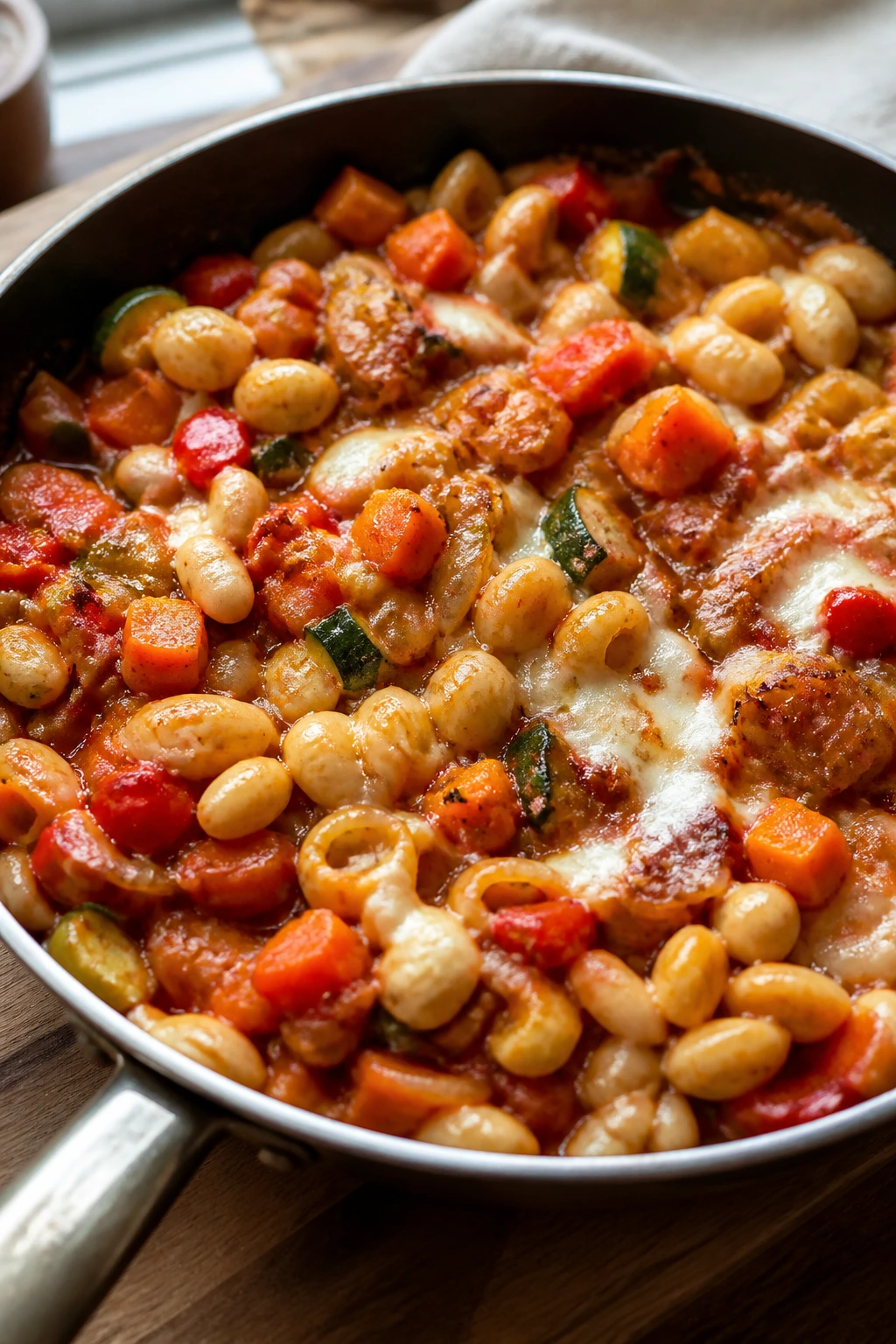
Short Pasta
- What to use: 12 ounces of rotini, shells, or penne.
- Preparation: Cook it in well-salted water until it’s one minute shy of the package directions so it can finish in the sauce without turning limp.
- Substitutions: Gluten-free short pasta works, though some brands soften faster and need a closer watch.
- Tips: I would not use spaghetti here; short shapes catch the sauce, the beans, and the little bits of caramelized onion much better.
The Vegetables That Build Sweetness
- What to use: 1 large yellow onion, 2 medium carrots, 1 red bell pepper, and 1 zucchini.
- Preparation: Slice the onion thin, and keep the carrots, pepper, and zucchini in a small dice so they cook at the same pace.
- Substitutions: Sweet onions can replace yellow onions, and you can swap the bell pepper for diced celery or finely chopped broccoli stems if that’s what’s in the crisper drawer.
- Tips: Even pieces matter here. A big hunk of carrot stays stubborn while the rest of the pan softens, and that uneven bite can throw off the whole skillet.
The Sauce Base
- What to use: Tomato paste, maple syrup, oregano, dried basil, black pepper, vegetable broth, and crushed tomatoes.
- Preparation: Measure everything before the heat goes on, because tomato paste browns fast once it hits the pan.
- Substitutions: Passata can replace crushed tomatoes, and a pinch of thyme can stand in for basil if that’s what you have.
- Tips: The maple syrup is not there to make the sauce sweet like dessert. It rounds out the tomato and helps the paste caramelize without tasting sharp.
The Creamy Finish
- What to use: Cannellini beans, baby spinach, mozzarella, Parmesan, lemon juice, and fresh basil or parsley.
- Preparation: Rinse the beans well so the sauce stays clean-tasting, and shred the mozzarella yourself if you want a smoother melt.
- Substitutions: Great northern beans work in place of cannellini, and chopped kale can replace spinach if you want a sturdier green.
- Tips: Use low-moisture mozzarella, not fresh mozzarella packed in water. Fresh mozzarella can leak too much liquid and leave the sauce loose instead of silky.
The Tools That Keep the Skillet Moving Smoothly
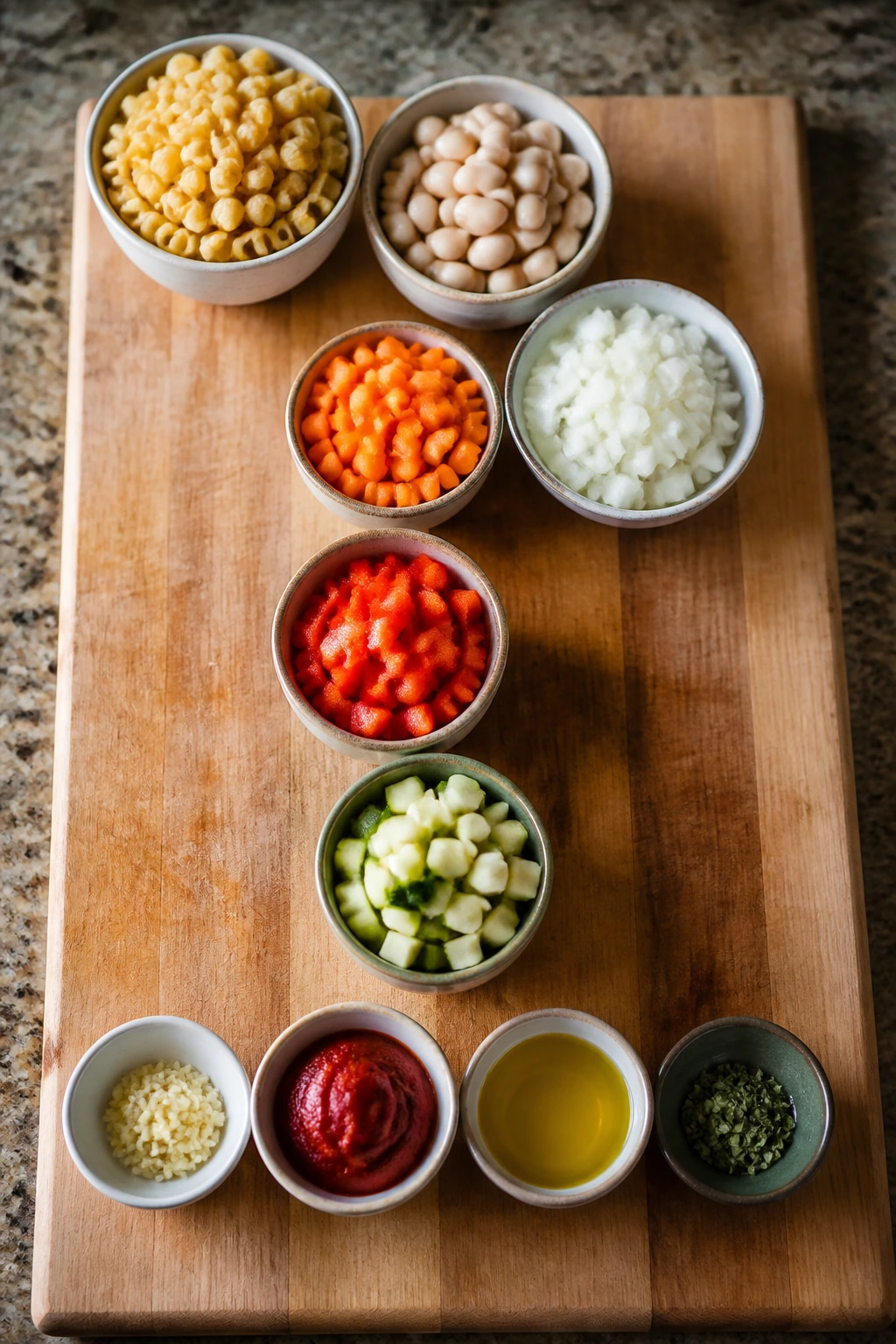
- Large pot for the pasta: A roomy pot keeps the noodles moving and reduces sticking.
- Deep 12-inch skillet or Dutch oven: You need enough surface area to brown the vegetables without crowding them.
- Colander: For draining the pasta, plus one quick shake to help it stop cooking.
- Wooden spoon or heatproof spatula: Better than a whisk here; you want to scrape browned bits off the pan, not beat the vegetables.
- Chef’s knife and cutting board: Small, even vegetable pieces are the difference between a smooth sauce and a chunky one that takes forever to soften.
- Measuring cups and spoons: Tomato paste and maple syrup are small amounts, but they change the flavor more than you’d think.
- Box grater or microplane: Handy for Parmesan, and the fine side works if you want to make carrots almost disappear for extra picky eaters.
- Lid for the skillet: Not strictly required, but useful for melting the cheese at the end.
Turning Raw Vegetables into a Sauce the Kids Accept
Boil the Pasta
- Bring a large pot of water to a boil and salt it well. It should taste like the sea, not like a polite bath.
- Add the pasta and cook it until it is one minute shy of al dente, usually 1 to 2 minutes less than the package suggests.
- Scoop out 1 cup of the pasta water before draining. Drain the pasta and set it aside.
Start the Caramelization
- Heat the olive oil in a deep skillet over medium heat. Add the onion, carrots, and 1/2 teaspoon of the salt.
- Cook for 6 to 8 minutes, stirring every so often, until the onions turn soft and the edges pick up gold. The carrots should look glossy and just a little browned in spots.
- If the pan starts looking dry before the vegetables color, splash in 1 to 2 tablespoons of water. That keeps the sugars from scorching while the onions keep browning.
Build the Sweet-Savory Base
- Add the red bell pepper and zucchini, along with the remaining 1/2 teaspoon salt. Cook for 4 to 5 minutes, until the zucchini releases its moisture and that liquid mostly cooks away.
- Stir in the garlic, tomato paste, maple syrup, oregano, dried basil, and black pepper. Cook for 1 to 2 minutes, pressing the tomato paste into the pan with the spoon. It should darken from bright red to a deeper brick color and smell warm, not raw. Do not let the garlic sit on the bottom long enough to burn.
Make the Sauce
- Pour in the vegetable broth and crushed tomatoes, scraping up the browned bits from the bottom of the skillet. Add the cannellini beans.
- Bring the sauce to a gentle simmer and cook for 6 to 8 minutes, stirring now and then, until it thickens enough to coat a spoon and the beans feel hot all the way through.
- Stir in the spinach and cook for 30 to 45 seconds, just until it wilts into the sauce. It should look folded in, not disintegrated.
Finish the Pasta
- Add the drained pasta and 1/2 cup of the reserved pasta water to the skillet. Toss until the noodles look glossy and the sauce starts clinging to the ridges.
- Sprinkle in the mozzarella and Parmesan. Lower the heat, cover the skillet for 1 to 2 minutes, then stir gently until the cheese melts through the sauce. If the pasta looks tight, add a few tablespoons more pasta water.
- Taste and adjust with a little more salt if needed, then finish with lemon juice and fresh basil or parsley. The lemon should brighten the sauce, not make it sharp.
The Best Way to Plate It for Small Hands
Presentation: Spoon the pasta into shallow bowls rather than deep ones. Kids do better when the food sits in a low mound instead of disappearing under its own steam, and you’ll see the caramelized bits of onion and pepper more clearly that way. A little extra mozzarella on top, left to melt in patches, makes the bowl look more inviting without any real effort.
Accompaniments: I like this with cucumber sticks, apple slices, or a plain green salad for adults who want something crisp next to the soft pasta. Warm bread is a good move too, especially if someone at the table likes to swipe the last streaks of sauce from the bowl. Garlic bread can work, though I think plain toasted bread is less likely to fight the dish.
Portions: Plan on about 1 1/2 cups per adult and 1 cup for younger kids, then scale up if the eaters are past the “tiny appetite” stage. If your family eats big portions, double the pasta water reserve and keep a little extra broth nearby in case the skillet tightens up on the second pass. This reheats nicely, so serving a smaller first round is fine.
Beverage Pairing: Cold milk suits the cheese and the soft tomato flavor well, especially for kids who like familiar pairings. Sparkling water with a squeeze of lemon keeps the meal from feeling heavy. If you’re sitting down with adults too, a dry white wine or an unsweetened iced tea works without stealing the spotlight.
Small Tweaks That Make the Pan Taste Deeper
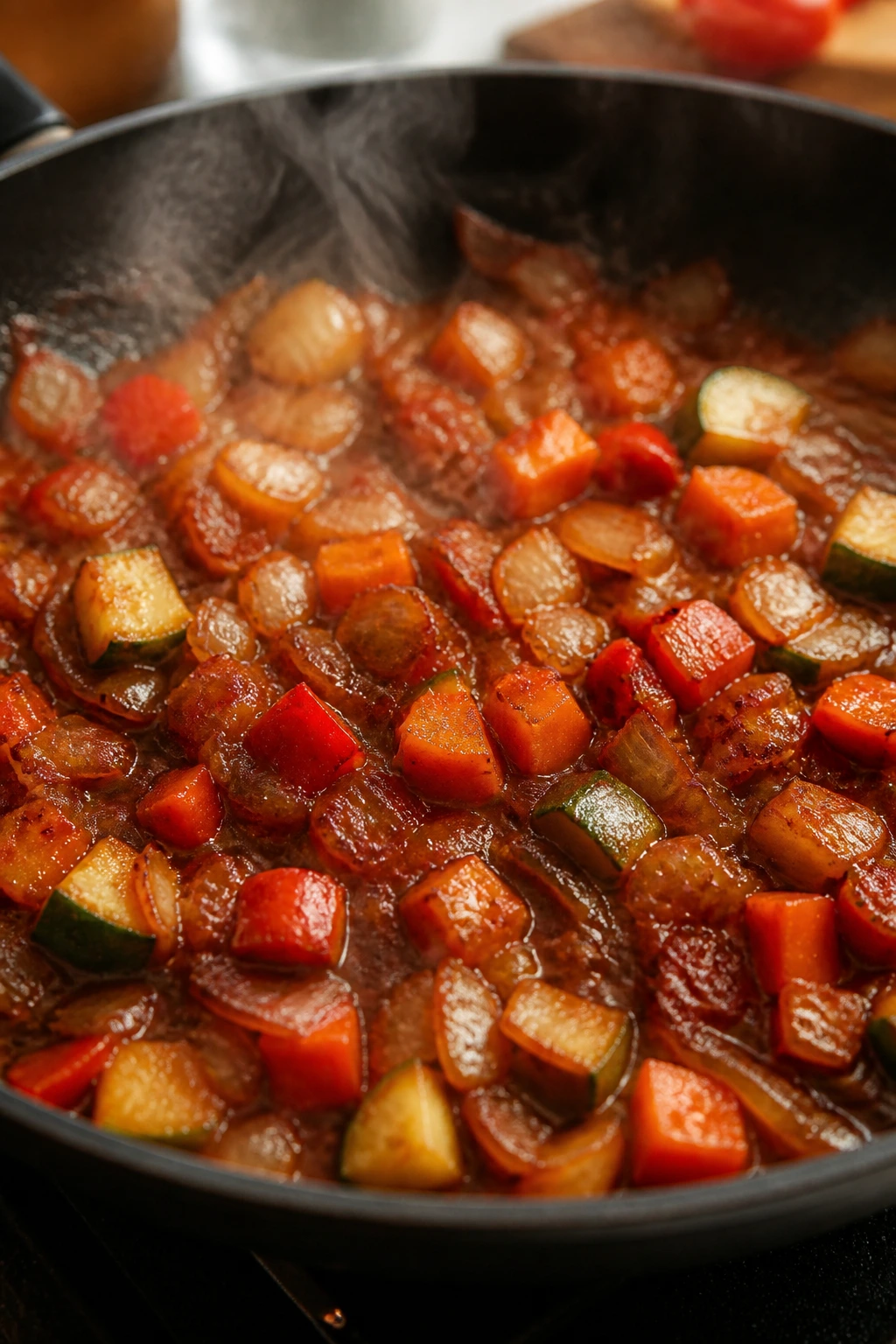
Flavor Enhancement: A spoonful of pesto stirred in at the very end gives the sauce a basil hit without changing the kid-friendly shape of the dish. If pesto feels too assertive, another tablespoon of Parmesan and a small knob of butter make the sauce taste fuller and a little silkier.
Time-Saver: Chop the onion, carrots, pepper, and zucchini the night before and keep them in a lidded container in the fridge. The sauce comes together much faster when the cutting board has already done its work, and you’re less likely to rush the browning just because dinner needs to happen.
Kid-Friendly Move: If your child treats visible vegetables like evidence, grate the carrots on the fine side of a box grater and dice the zucchini very small. The vegetables will almost melt into the sauce, but the pan still gets that sweet, browned base that makes the whole thing taste cooked and settled.
Make-It-Yours: For a firmer, more filling version, stir in 1 cup of frozen peas right before the cheese goes in. For a softer, more sauce-heavy plate, add an extra 1/4 cup broth and let the sauce simmer for another minute before tossing in the pasta. If you need more protein, a second can of beans can go in without making the dish feel heavy.
The Mistakes That Leave the Dinner Flat or Mushy
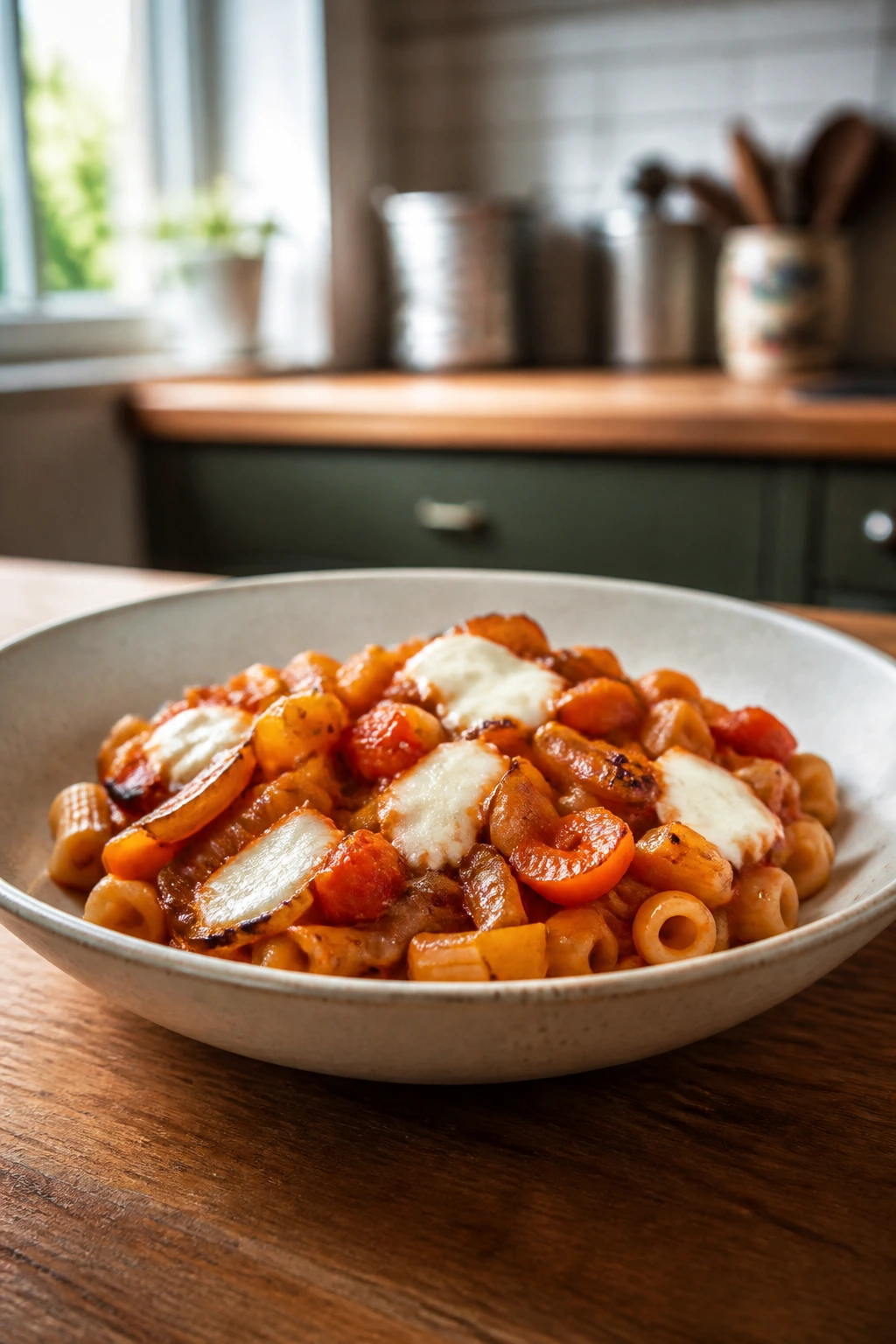
- Rushing the onions: If the onions stay pale and soft instead of picking up gold, the sauce tastes thinner and a little raw. Keep the heat at medium and give them 6 to 8 minutes with occasional stirring.
- Crowding the skillet: When the vegetables pile up, they steam instead of browning, and the sauce loses that caramelized edge. Use a deep 12-inch skillet or Dutch oven so the vegetables sit in a loose layer.
- Skipping the pasta water: Without that starchy liquid, the sauce can sit on the noodles instead of clinging to them. Reserve at least 1 cup before draining, then add it a little at a time until the pan looks glossy.
- Adding cheese over high heat: If the skillet is boiling when the mozzarella goes in, the cheese can tighten and clump. Lower the heat first, cover the pan for a minute, and let the steam melt the cheese gently.
- Under-salting the vegetables: Sweet carrots and onions still need salt. If the pan tastes flat at the end, the fix is usually a small pinch of salt, not more sugar or more cheese.
Easy Variations for Picky Eaters and Dietary Swaps
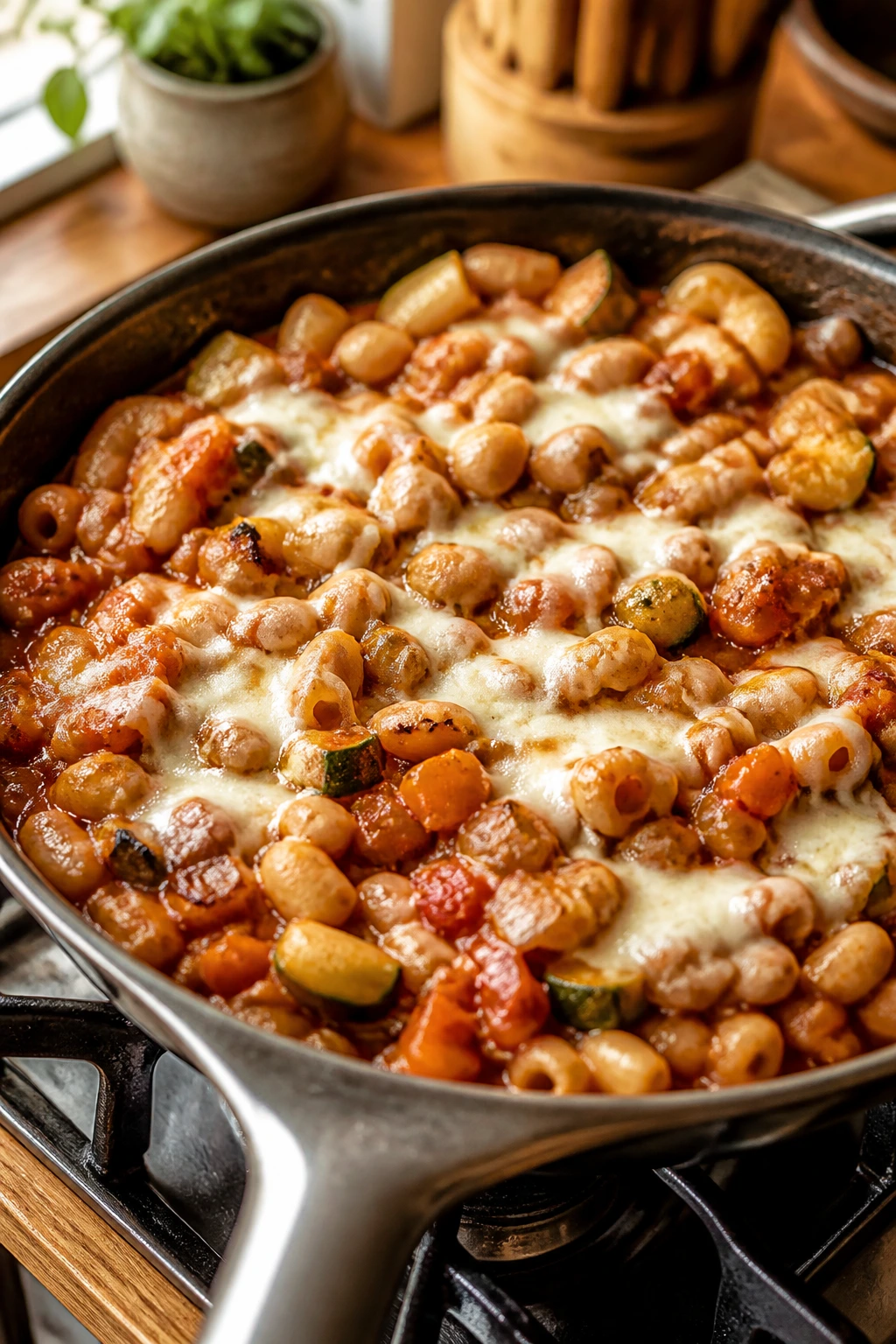
Broccoli-and-Pea Backup: Swap the zucchini for small broccoli florets and add 1 cup of frozen peas at the end. Broccoli softens into the sauce with a little steam, and the peas add sweetness without changing the shape of the dish too much.
Hidden-Bean Cream Version: Blend half of the cannellini beans with a splash of broth, then stir the purée back into the sauce. The pan turns thicker and creamier, which is useful if your family likes sauce that coats every noodle instead of sitting underneath it.
Baked Mozzarella Top: Transfer the finished pasta to an oven-safe baking dish, top with the cheese, and bake at 425°F for 8 to 10 minutes until the top bubbles and turns spotty gold. This version feels a little more like pasta bake night and works well if you want crispy edges.
Corn-and-Cheddar Switch: Replace the mozzarella with mild cheddar and add 1 cup of thawed frozen corn. The corn gives little sweet pops that kids tend to like, and the cheddar makes the dish read more like comfort food than tomato pasta.
Dairy-Free Pantry Pan: Skip the mozzarella and Parmesan, then finish with 2 tablespoons nutritional yeast and 1/4 cup toasted breadcrumbs. The sauce still tastes rich, and the breadcrumbs give you a little crunch on top so the dish does not feel like it lost something important.
Storage, Reheating, and Make-Ahead Notes
This pasta keeps well in the fridge for 3 to 4 days in a sealed container. The sauce thickens as it sits, and the onions mellow a little more, which is one reason I don’t mind leftovers here. The pasta does keep absorbing liquid, though, so expect it to look tighter on day two.
If you want to freeze it, you can freeze the finished pasta for up to 2 months, but the texture will soften a bit after thawing. For the best result, freeze the sauce without the pasta, then cook a fresh batch of noodles later and combine them in the skillet. That takes a little planning, but it keeps the pasta from turning heavy and swollen.
For reheating, the stovetop is best. Put the pasta in a skillet with 2 to 4 tablespoons of water or broth, cover it, and warm it over medium-low heat until hot, stirring once or twice so the bottom doesn’t stick. The microwave works too; use a covered bowl, add a spoonful of water, and stop halfway through to stir.
If you’re making it ahead for a busy night, cook the sauce up through the bean simmer stage and refrigerate it for up to 2 days. Boil the pasta fresh, warm the sauce in the skillet, and finish with the cheese right before serving. That gives you the same good texture without making the pasta sit around and soak up all the liquid.
Questions Parents Ask About This Skillet
Can I make this without beans?
Yes, though the sauce will feel looser and less filling. If you leave the beans out, add an extra cup of vegetables or a handful of peas so the skillet still has enough body to feel like dinner.
What pasta shape works best for kids?
Rotini, shells, and penne are the easiest shapes here because they trap the sauce in their curves and ridges. Long noodles can be used, but they’re messier for small hands and do a poorer job of catching the caramelized bits from the pan.
Can I use frozen vegetables?
Frozen peas and frozen spinach work well, but I’d avoid frozen zucchini if you can help it because it can get watery and soft fast. If you use frozen broccoli, let the extra moisture cook off before adding the tomatoes.
How do I keep the sauce from getting watery?
Cook the vegetables long enough for the pan moisture to evaporate, and do not skip the tomato paste browning step. Also use low-moisture mozzarella, because watery cheese is one of the fastest ways to thin the whole skillet.
Can this be made dairy-free?
Yes. Leave out the mozzarella and Parmesan, then finish with nutritional yeast or toasted breadcrumbs for a little savory depth. If you want a creamier texture, stir in a spoonful of olive oil at the end rather than reaching for a dairy substitute that melts poorly.
Can I prep the vegetables ahead of time?
Absolutely. Dice the onion, carrots, pepper, and zucchini up to 2 days ahead and keep them cold in separate containers or one mixed container. The skillet comes together much faster when the chopping is already done.
Why does the sauce taste flat even when I followed the steps?
Usually it needs salt, not more sweetness. Add a small pinch of salt, stir, and taste again; if it still feels dull, a teaspoon of lemon juice or a little more Parmesan can wake it up without changing the character of the dish.
A Cozy Pan Worth Making Again
Some dinners ask for patience and a loud kitchen. This one asks for a few solid minutes at the stove, a deep skillet, and enough attention to let the onions turn bronze before you move on. That’s the part that makes the rest of it work.
I like recipes that make vegetarian cooking feel practical instead of precious. Keep the dice small, let the tomato paste darken, and you get a pan that tastes like it took more effort than it did. That’s a useful kind of dinner, and once you’ve made it once, the whole thing starts to feel like a habit worth keeping.
Caramelized Veggie Pasta Skillet — Recipe Card
Recipe Name: Caramelized Veggie Pasta Skillet
Description: A kid-friendly vegetarian pasta skillet with browned onions, soft carrots, white beans, and melted mozzarella in a mild tomato sauce. The vegetables cook down until sweet and tender, then get tossed with short pasta that holds onto every bit of sauce.
Prep Time: 20 minutes
Cook Time: 25 minutes
Total Time: 45 minutes
Course: Dinner, Main Course
Cuisine: American-style Vegetarian
Servings: 6 servings
Calories: About 430 kcal per serving
Ingredients
For the Pasta:
- 12 ounces short pasta, such as rotini, shells, or penne
- Kosher salt for the pasta water
For the Caramelized Vegetable Sauce:
- 2 tablespoons extra-virgin olive oil
- 1 large yellow onion, thinly sliced
- 2 medium carrots, peeled and finely diced
- 1 medium red bell pepper, diced small
- 1 medium zucchini, diced small
- 1 teaspoon kosher salt, divided
- 3 cloves garlic, minced
- 2 tablespoons tomato paste
- 1 teaspoon maple syrup
- 1 teaspoon dried oregano
- 1/2 teaspoon dried basil
- 1/4 teaspoon black pepper
- 1 1/2 cups low-sodium vegetable broth
- 1 (15-ounce) can crushed tomatoes
- 1 (15-ounce) can cannellini beans, drained and rinsed
- 2 cups baby spinach, lightly packed
For the Finish:
- 1 1/2 cups shredded low-moisture mozzarella
- 1/4 cup grated Parmesan
- 1 tablespoon fresh lemon juice
- 2 tablespoons chopped fresh basil or parsley
Instructions
-
Bring a large pot of salted water to a boil. Cook the pasta until it is one minute shy of al dente, then reserve 1 cup of pasta water and drain.
-
Heat the olive oil in a deep skillet over medium heat. Add the onion, carrots, and 1/2 teaspoon of the salt, then cook for 6 to 8 minutes until the onions soften and the vegetables pick up color.
-
Add the bell pepper, zucchini, and remaining 1/2 teaspoon salt. Cook for 4 to 5 minutes until the vegetables soften and the moisture mostly cooks off.
-
Stir in the garlic, tomato paste, maple syrup, oregano, dried basil, and black pepper. Cook for 1 to 2 minutes until the tomato paste darkens and smells toasted.
-
Pour in the vegetable broth and crushed tomatoes, scraping up any browned bits from the skillet. Add the cannellini beans and simmer for 6 to 8 minutes until the sauce thickens.
-
Stir in the spinach and cook just until wilted. Add the drained pasta and 1/2 cup of the reserved pasta water, then toss until the noodles are glossy and coated.
-
Sprinkle in the mozzarella and Parmesan. Lower the heat, cover for 1 to 2 minutes, then stir gently until the cheese melts into the sauce.
-
Taste and adjust with a little more salt if needed. Finish with lemon juice and chopped basil or parsley, then serve warm.
Notes: Use low-moisture mozzarella for the best melt. If the sauce tightens after reheating, add a splash of water or broth. For a baked version, transfer to an oven-safe dish, top with the cheese, and bake at 425°F for 8 to 10 minutes.