



Caramelized vegetarian dinners have a way of making a kitchen smell like you worked harder than you did. A hot pan, a few onions, some carrots or cauliflower, and a little patience can turn plain vegetables into something browned at the edges, sweet in the middle, and savory enough to carry a whole plate.
The mistake people make is thinking a healthy dinner has to taste restrained. It doesn’t. A good meatless plate can be deep, savory, and filling without relying on heavy sauces or a giant pile of cheese. What matters is heat, space, and timing: dry the vegetables, give them room, let color happen, then finish with acid, salt, and something crisp or creamy to keep the sweetness in check.
That’s the heart of it. No steam bath. No pale vegetables pretending to be dinner. Just real browning, real texture, and the kind of flavor that makes a bowl of cabbage or cauliflower feel much more deliberate than it sounds on paper.
Why Caramelized Vegetables Earn a Spot at Dinner
Deeper flavor without meat: Browning pulls nutty, savory notes out of onions, carrots, mushrooms, and brassicas, so the plate tastes finished before you even add a sauce.
Budget vegetables do more work: Cabbage, onions, carrots, fennel, and cauliflower all get better with heat, which means a cheap market haul can turn into a proper dinner instead of a side dish.
The meal feels fuller: When you pair caramelized vegetables with lentils, tofu, beans, yogurt, or whole grains, the plate has enough texture and protein to keep it from feeling thin.
It fits a lot of cuisines: A tray of browned cauliflower can go lemony and Mediterranean, smoky and cumin-heavy, or sesame-ginger and East Asian with almost no structural changes.
Leftovers don’t fall apart as fast: Roasted or skillet-browned vegetables usually reheat better than boiled or steamed ones, especially if you keep sauces and crunchy toppings separate.
You can make it fast or slow: Some vegetables need 15 minutes in a screaming-hot skillet. Others want 35 minutes in the oven. Either way, the same idea holds: dry, brown, finish.
What Happens When Vegetables Hit High Heat
The browned bits are not decoration. They are the point. Once a vegetable’s surface dries out, the sugars concentrate and the flavor gets louder. That’s why roasted carrots taste deeper than boiled carrots, and why a pan of onions that have gone from pale to amber feels like it has a backbone.
Sugar, water, and the first minute
Vegetables are mostly water, and water is the enemy of browning. If the pan is crowded or the veg are damp, you get a hissy cloud of steam instead of color. That’s why a dry towel and a wide pan matter so much; they’re not fussy details, they’re the difference between soft and brown.
Onions, carrots, fennel, and sweet potatoes are friendly here because they carry more natural sugar. They do not need help from a spoonful of brown sugar. They need heat long enough for their own sugars to show up.
Maillard is the other half of the story
Caramelization gets most of the attention, but Maillard browning is a big part of what makes vegetarian food taste savory. That reaction happens when amino acids and sugars meet heat on the surface of protein-rich foods like mushrooms, tofu, tempeh, paneer, and even the browned skins on roasted chickpeas.
That’s useful because a vegetarian dinner doesn’t have to rely on sugar-heavy ingredients to taste deep. A good sear on tofu or mushrooms gives you a darker, more complex edge that plays nicely with sweeter vegetables. It’s a quieter kind of richness.
Heat that’s hot enough, but not reckless
Medium-low heat won’t get you there. You’ll coax vegetables into softness, maybe, but not the dark edges that make them interesting. Medium-high on the stove and 400°F to 425°F in the oven are the reliable zones for most vegetables, with a short blast under the broiler if you want more freckles on top.
Too much heat can burn the outside before the inside gets tender. Too little heat leaves you with something limp and damp. The sweet spot is a surface that browns while the interior softens on schedule. Nothing dramatic. Just good timing.
The Vegetables That Brown Best Without Turning to Mush
An onion will forgive you. Zucchini will not.
That’s the simplest way to think about it. Some vegetables are built for long heat and dark edges. Others need a fast touch or a separate treatment, because they give up water the second they get nervous.
The safest bets
Onions and leeks are the obvious starters. Slice them evenly, keep the heat medium to medium-low if you want true caramelization, and give them 20 to 35 minutes depending on the pan size. They collapse into sweetness and make the rest of dinner taste deliberate.
Carrots and parsnips brown well because they’re sturdy and naturally sweet. Cut them on a bias or into half-moons so more surface hits the pan. Thick rounds stay pale in the center for too long.
Cauliflower and Brussels sprouts are the vegetables I reach for when I want a hearty, almost meaty feel without meat. Their edges crisp, their centers stay tender, and they handle both oven roasting and skillet finishing.
Cabbage is underrated. Cut it into wedges or thick strips, keep enough oil on the pan, and let the cut surfaces meet real heat. It turns sweet, a little smoky, and far more interesting than most people expect.
Fennel gets better with browning in a way that feels almost unfair. The sharp licorice edge softens, the ribs go silky, and a squeeze of lemon at the end makes the whole thing snap into place.
The ones that need more care
Mushrooms need a dry pan first. If you add oil too early or crowd them, they release liquid and stew in it. Give them space, let the water cook off, then add fat once the pan is hot and the mushrooms are shrinking.
Eggplant soaks up oil fast, so cut it into pieces that can brown without becoming greasy. Salt it lightly if the eggplant is especially spongy, then blot before cooking. The result should be creamy inside, not oil-logged.
Sweet potatoes are easy to overdo. They brown nicely, but because they’re so sweet already, they need acid or something bitter next to them. Otherwise the whole plate starts tasting like dessert that got lost on the way to dinner.
Zucchini and summer squash are fine, but they want speed. Thin slices or spears, high heat, and a crowded pan will ruin them. Use them as a supporting character, not the entire show.
Skillet, Oven, or Sheet Pan?
Which heat source gives you the best caramelized vegetables? The one that matches the ingredient.
The skillet for fast, concentrated browning
A wide skillet is the right tool when you want control. Onions, mushrooms, tofu, and thin-sliced cabbage all respond well to a 12-inch cast-iron or heavy stainless skillet, because the heat lands hard and the browning happens in one place. You can watch the edges go from pale gold to amber without waiting for an oven to catch up.
Use a little more oil than you think you need, but not enough to make the food swim. The pan should shimmer. That’s the cue. If the oil smokes immediately, the heat is too high or the oil choice is wrong for the job.
This method asks for attention. Worth it.
The oven for vegetables that need space
For cauliflower, Brussels sprouts, carrots, fennel, and sweet potatoes, the oven is easier on the nerves and often better for even browning. A temperature between 400°F and 425°F gives you a good balance of color and tenderness. Toss once halfway through, then leave it alone long enough for the cut sides to do their job.
Crowding a sheet pan is the fastest way to lose the whole point. If the vegetables sit in a single damp layer, they steam. Give them room, and they’ll brown in patches instead of sulking in a pale puddle.
A dark metal pan browns better than a shiny one. Parchment makes cleanup easier, but bare metal gives a stronger crust. I use parchment when I’m dealing with sticky glazes or garlic-heavy marinades, and bare pans when I want more aggressive color.
When the broiler earns its keep
The broiler is not a substitute for proper cooking. It’s a finishing move.
Use it for the last 1 to 3 minutes when you want the top to blister a little, or when a tray of vegetables needs a final push of color. Watch closely. Walk away and you’ll get black spots where you wanted bronze edges.
Building a Plate That Feels Complete
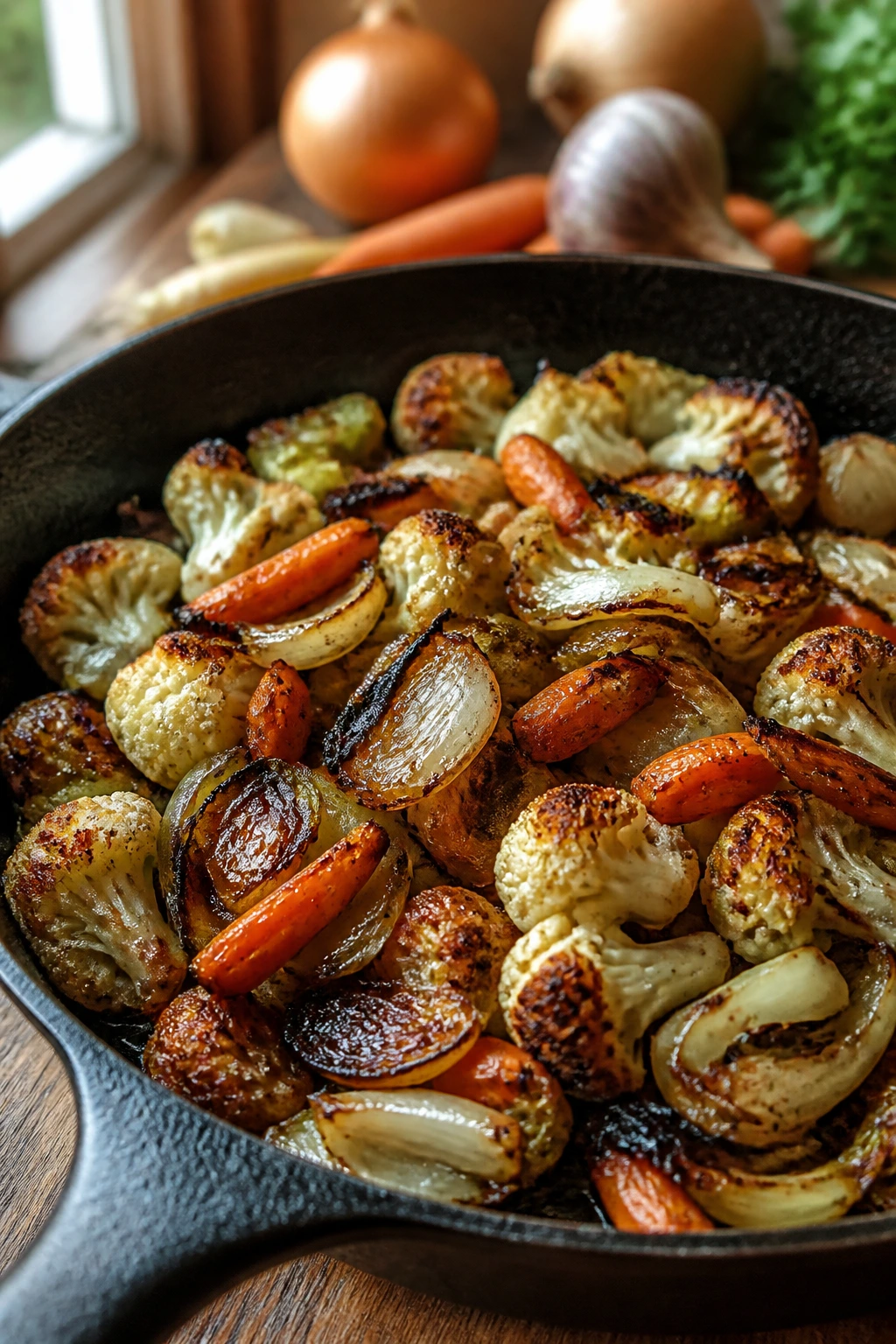
Caramelization solves flavor. It does not solve dinner.
A healthy vegetarian dinner needs more than brown vegetables and good intentions. It needs enough protein to keep hunger from roaring back, enough texture to keep each bite interesting, and enough acid or salt to stop the sweetness from taking over.
A useful plate formula looks like this:
- 2 cups caramelized vegetables: usually one sweet vegetable and one brassica or allium.
- 3/4 to 1 cup cooked grain or starch: farro, brown rice, quinoa, polenta, or roasted potatoes.
- 3/4 to 1 cup protein: chickpeas, lentils, tofu, tempeh, paneer, or eggs if you eat them.
- 1 to 2 tablespoons sauce or acid: yogurt sauce, tahini, vinaigrette, lemon, vinegar, or salsa verde.
- 1 crunchy finish: nuts, seeds, toasted breadcrumbs, pickled onions, or fresh herbs.
That’s the structure.
A dinner built this way feels finished because every bite has a job. The vegetables bring depth. The protein brings staying power. The grain or starch catches all the good juices. The acid keeps the plate from tasting flat.
If you’re cooking for a mixed table, that formula is forgiving. A bowl of caramelized carrots, chickpeas, and farro can be dressed with tahini for one person, yogurt for another, and hot sauce for the person who always wants more heat than seems reasonable.
The Flavor Partners That Finish the Job
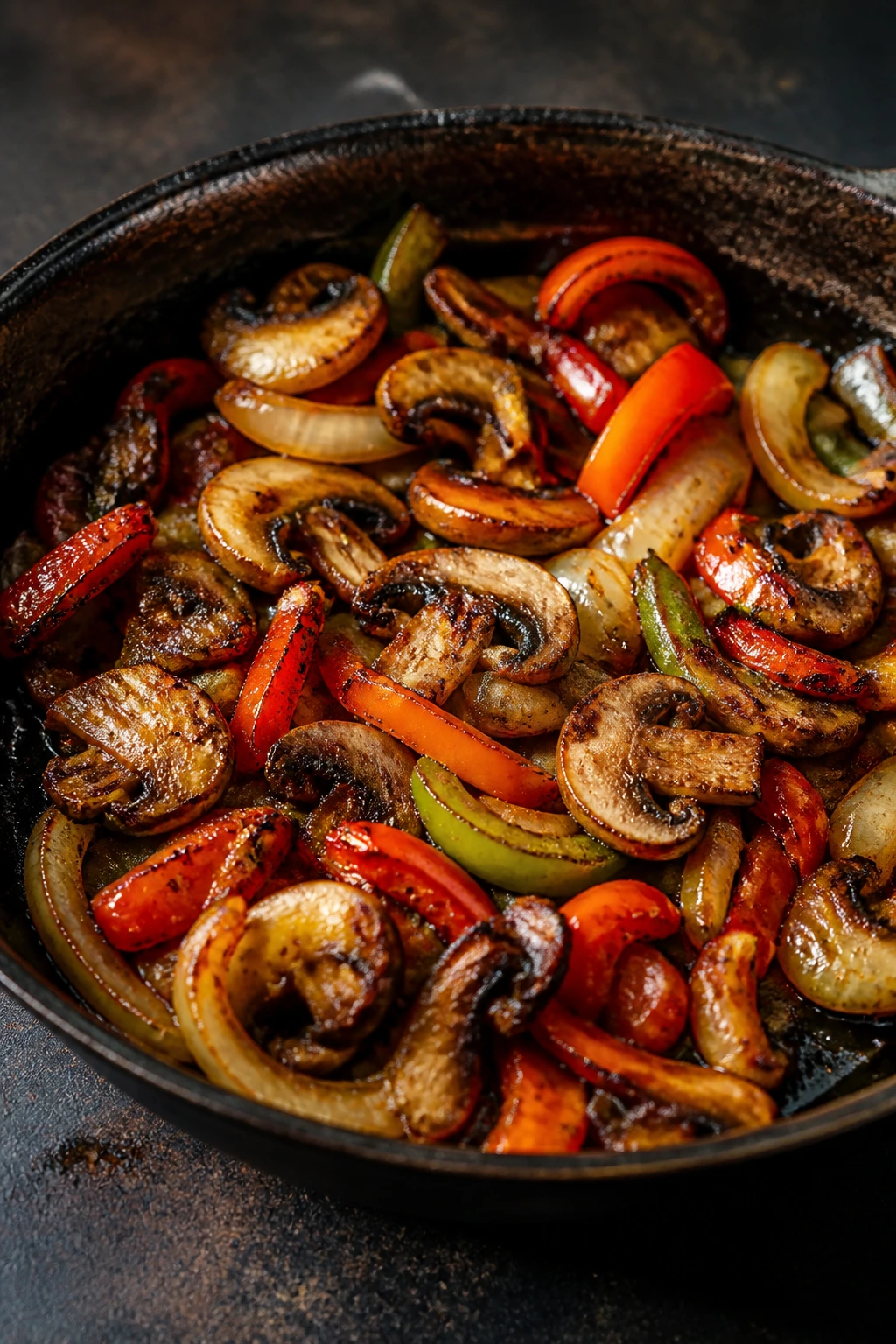
The best caramelized plate tastes sweet for a moment, then sharp, salty, and a little green.
That contrast is not optional. Once vegetables have browned, they want a finish that wakes them up. Without it, everything tilts too far toward softness and sugar.
Acid keeps the sweetness honest
Lemon juice, red wine vinegar, sherry vinegar, rice vinegar, and tamarind all do the same basic job: they cut through the roasted edges and make the flavor pop. Add them at the end, not during the browning stage, or you’ll slow the color down.
A teaspoon can change the whole dish. Two tablespoons can rescue a tray that tastes too mellow.
Herbs and fresh alliums
Parsley, dill, cilantro, chives, scallions, and basil all work because they bring brightness the heat can’t fake. Add them after cooking, while the vegetables are still warm enough to release the aroma but not so hot that the herbs collapse into dull green strings.
Garlic is trickier. Fresh minced garlic burns fast, so I like to add it late in the pan or mix it into a sauce instead of throwing it into high heat at the start. Garlic powder can handle heat better if you’re seasoning the vegetables before roasting.
Sauces that know their place
Tahini, yogurt, miso, chimichurri, pesto, peanut sauce, and a loose sesame dressing all work here, but they need to be drizzled, not drowned. A heavy sauce flattens the edges you worked to create. A thin, glossy spoonful gives the vegetables something to lean against.
My favorite move is still the simplest one: Greek yogurt, lemon zest, salt, pepper, and a little grated garlic. It takes thirty seconds and makes browned cauliflower or carrots feel much more awake.
Crunch and salt finish the deal
Toasted pumpkin seeds, chopped almonds, sesame seeds, crispy breadcrumbs, fried shallots, or pickled red onions give the plate something to push against. Soft food gets boring fast. One crunchy thing fixes that.
A pinch of flaky salt at the end can be worth more than another tablespoon of sauce. Taste first, salt last. That’s the order that saves a lot of dinner.
Plant Proteins That Belong Next to Browning
A plate of caramelized vegetables is nice. Add a properly handled protein, and it becomes dinner.
Tofu with a dry surface
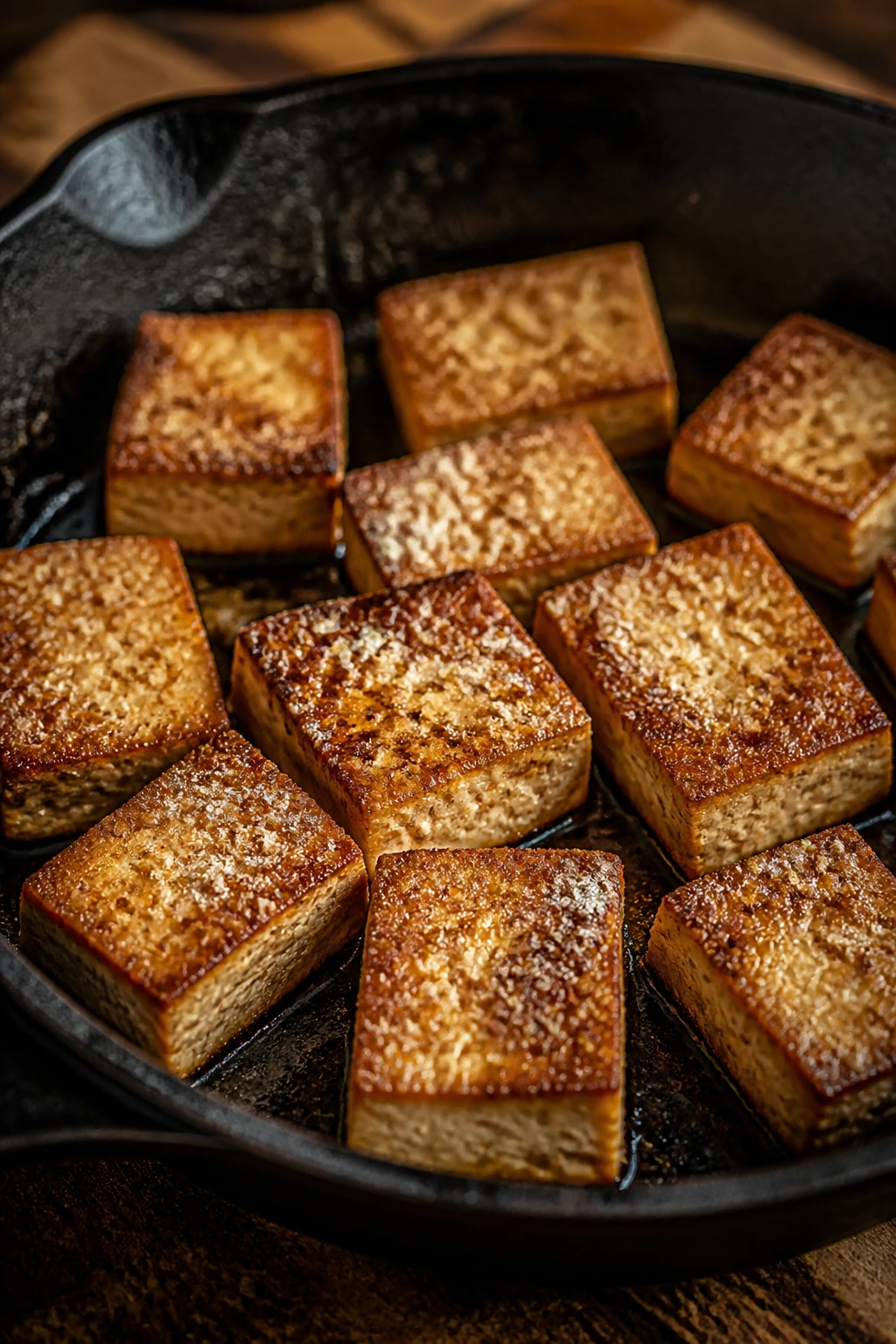
Tofu loves browning when you treat it like it deserves a little patience. Press it for 15 to 20 minutes, tear or cube it, then dry it again before it hits the pan. A light dusting of cornstarch gives the edges a little grit, which helps them crisp instead of staying rubbery.
Extra-firm tofu is the safest choice. Silken tofu belongs elsewhere.
Tempeh and its deeper, nuttier flavor
Tempeh can read bitter if you rush it. Steaming it for 5 to 10 minutes before searing softens the edge and makes the flavor cleaner. Then you can glaze it with miso, soy, maple, or a quick garlic sauce without fighting that raw fermentation note.
Cut it thin if you want more browning. Thick slabs are fine, but they take longer to become interesting.
Chickpeas and lentils, the pantry backbone
Canned chickpeas roast well if you dry them thoroughly and give them enough oil to blister. Toss them with salt, paprika, cumin, or curry powder before roasting at 425°F. They should come out a little wrinkled and crisp, not leathery.
Lentils are different. They do not brown in the same dramatic way, and that’s okay. Use them as a soft, earthy base under roasted vegetables, then finish with onions or herbs so the texture doesn’t go flat.
Paneer, halloumi, and eggs for vegetarian tables that allow them
Paneer sears beautifully because it holds its shape and browns without melting away. Halloumi does the same, though it brings a salty chew that can dominate a dish if you’re careless. Both want a hot pan and not much extra seasoning.
Eggs are a cheap answer to dinner, and a fried or jammy egg on top of caramelized vegetables can do more work than a fancy sauce. The yolk spreads across the vegetables and ties everything together. Simple. Effective.
Practical Tips for Better Browning and Faster Dinner
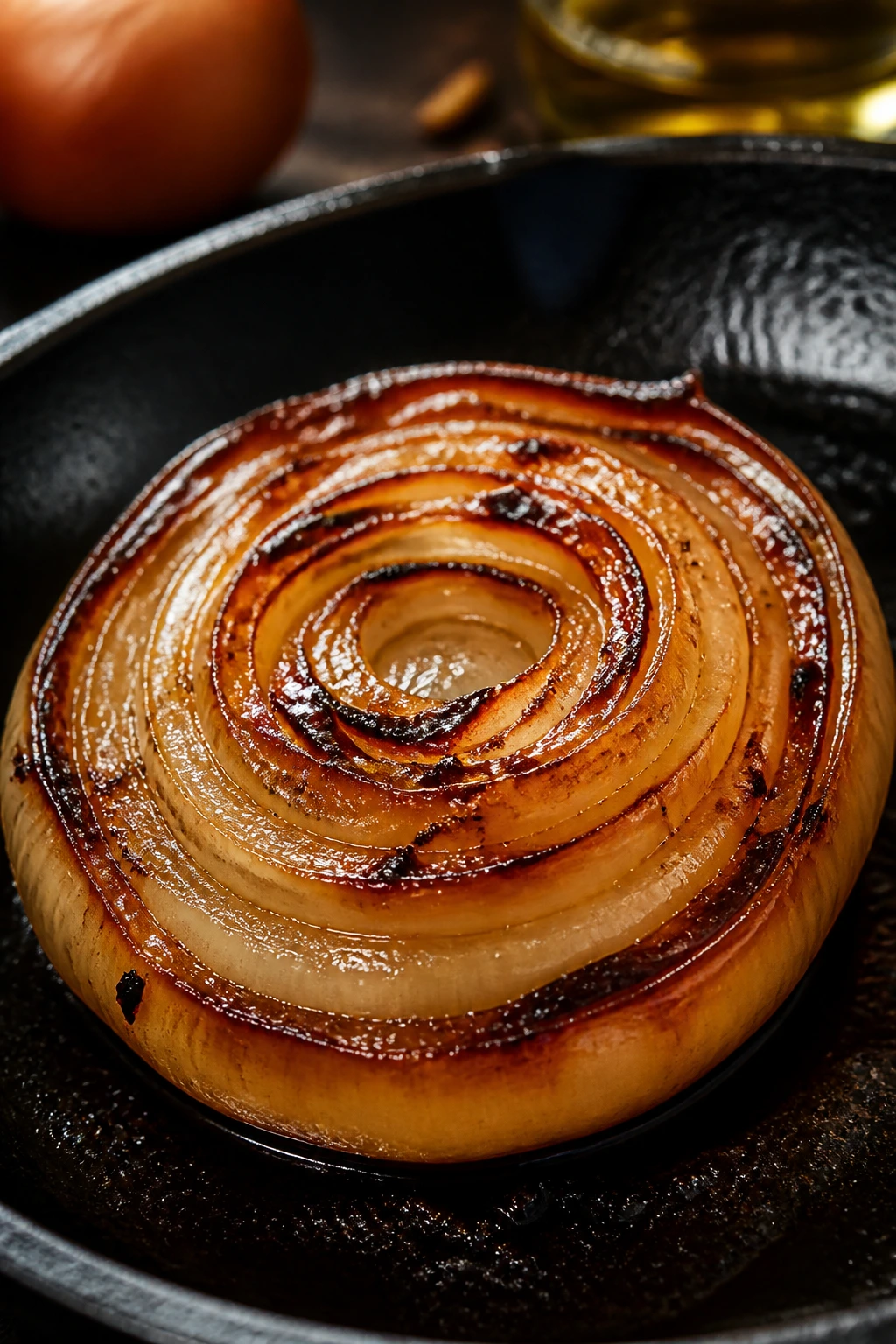
Dry the vegetables first: Mushrooms, cauliflower, and Brussels sprouts carry more surface moisture than they look like they do. Pat them dry with a towel before they hit the pan, because that one move usually saves five minutes of frustration later.
Use more surface area than you think: Thick piles steam. A single layer with room between pieces browns. If the pan looks crowded, split the batch. I’d rather wash one extra sheet pan than eat steamed cauliflower pretending to be roasted.
Salt in stages: A little salt before cooking helps vegetables season from the inside, but the finishing salt matters too. Taste after browning and add the second round only once the natural sweetness and the char have shown themselves.
Keep acidic finishes out of the heat: Lemon juice, vinegar, and pickled things belong at the end. If they go into the pan too early, they slow browning and flatten the flavor.
Choose the fat for the job: Olive oil gives a round, familiar flavor. Avocado oil handles higher heat without complaint. Butter tastes great, but it burns faster, so I use it as a finish or in a short sauté, not as the main browning fat for a long roast.
Build one crunchy thing on purpose: Toasted seeds, nuts, breadcrumbs, or even a few crumbled crackers can rescue a soft meal. One crunchy topping changes the whole experience.
Common Mistakes That Ruin Browning
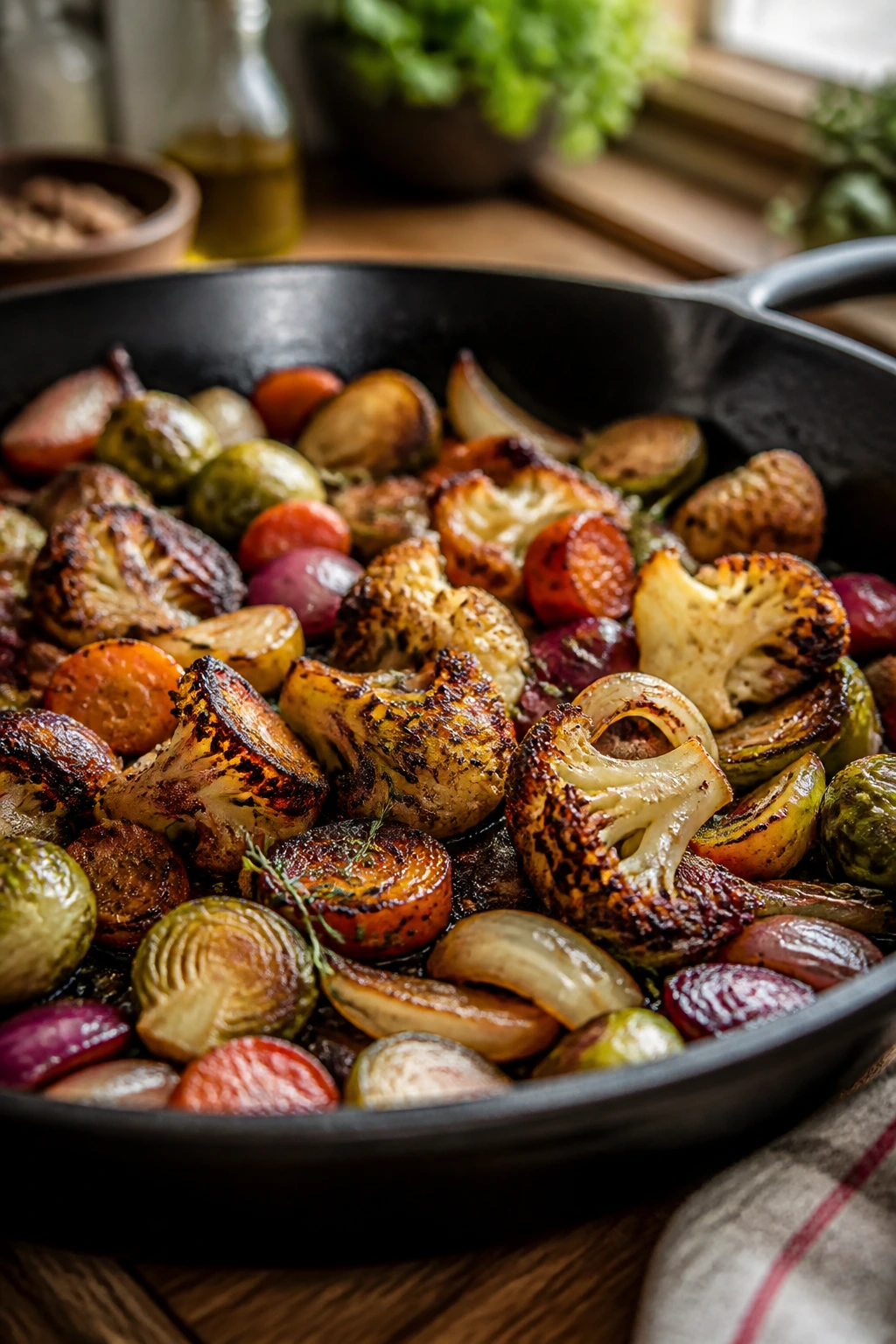
Most bad caramelized vegetables taste steamed, pale, or oddly sweet.
Crowding the pan
The symptom is easy to spot: wet vegetables, no color, and a pan full of liquid. The fix is to spread them out or use two pans. If you want browning, each piece needs direct contact with hot metal or hot air.
Starting with wet vegetables
If the food goes into the pan damp, the surface temperature falls and the water has to cook off before browning can begin. That’s fine if you have time. It’s a waste if you don’t. Dry the vegetables, and for watery vegetables like zucchini, salt and blot them first.
Adding sauce too soon
A glaze or sauce poured on before the vegetables color will turn the whole thing soft. Brown first, sauce second. If you want a sticky finish, give the vegetables enough time to develop edges before anything sweet or wet goes in.
Cutting everything the same size
Uniform size matters, but matching the wrong ingredients is still a mistake. Carrots and potatoes need more time than mushrooms or bell peppers. If you toss them all together without thinking about cook time, one group goes mushy while the other stays stubborn.
Forgetting acid and fresh herbs
A plate built only from browned vegetables can taste heavy, even if it isn’t actually heavy. Lemon, vinegar, herbs, and pickles keep the sweetness from overwhelming the meal. Don’t skip that final bright note.
Cooking every ingredient at the same time
Chickpeas, onions, tofu, and spinach do not all want the same treatment. Staging matters. Start with the ingredients that need color, then add the delicate ones later so the final plate has some life left in it.
Flavor Variations Worth Trying
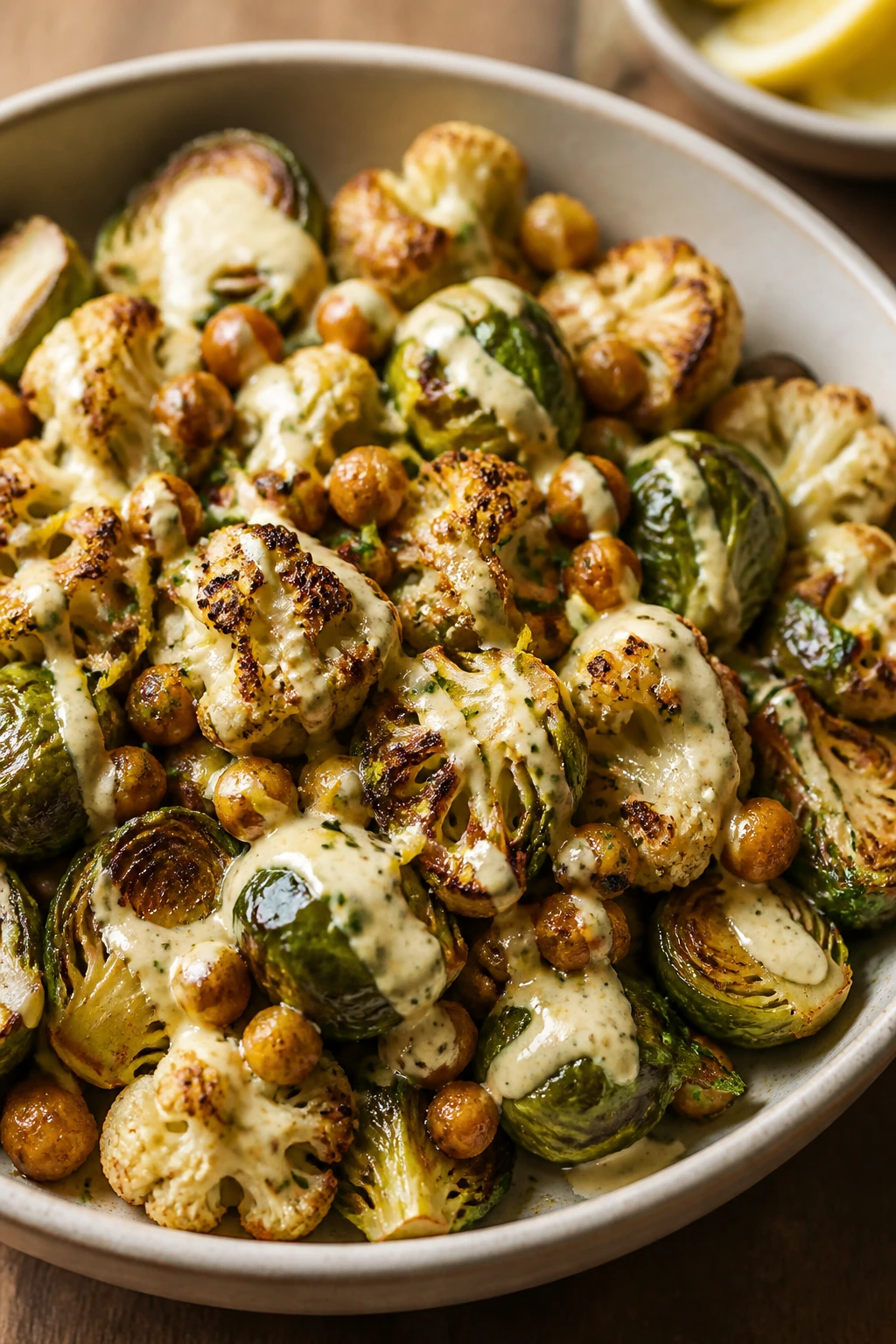
Lemon-Tahini Brassica Bowl
Roast cauliflower, Brussels sprouts, and chickpeas at 425°F until the edges go dark gold, then finish with a lemon-tahini sauce and chopped parsley. This version feels sharp and nutty, and it’s the one I make when I want dinner to taste clean but not bland.
Smoky Pantry Skillet
Cook onions, peppers, and mushrooms with cumin, smoked paprika, and a spoonful of tomato paste until the paste darkens and smells sweet. Stir in black beans near the end and serve with rice or warm tortillas. It’s a pantry meal, but it doesn’t taste like a compromise.
Miso-Sesame Mushroom Plate
Brown mixed mushrooms hard in a hot skillet, then add a thin miso-ginger glaze and a handful of shredded cabbage. Spoon the mixture over rice and finish with sesame seeds and scallions. The miso gives the mushrooms a deep savory edge that feels much bigger than the ingredient list.
Coconut Curry Roast
Toss sweet potatoes, cauliflower, and chickpeas with curry paste and oil, roast until the edges brown, then finish with a small drizzle of coconut milk and lime. The coconut softens the spice and turns the vegetables into something more lush than your average tray roast.
Paneer, Fennel, and Greens
Sear paneer in a dry skillet, roast fennel and onions until the cut edges go amber, then toss everything with lemon, spinach, and black pepper. This one lands somewhere between hearty and light, which is a useful place for dinner to live.
Tools and Equipment That Make the Work Easier
-
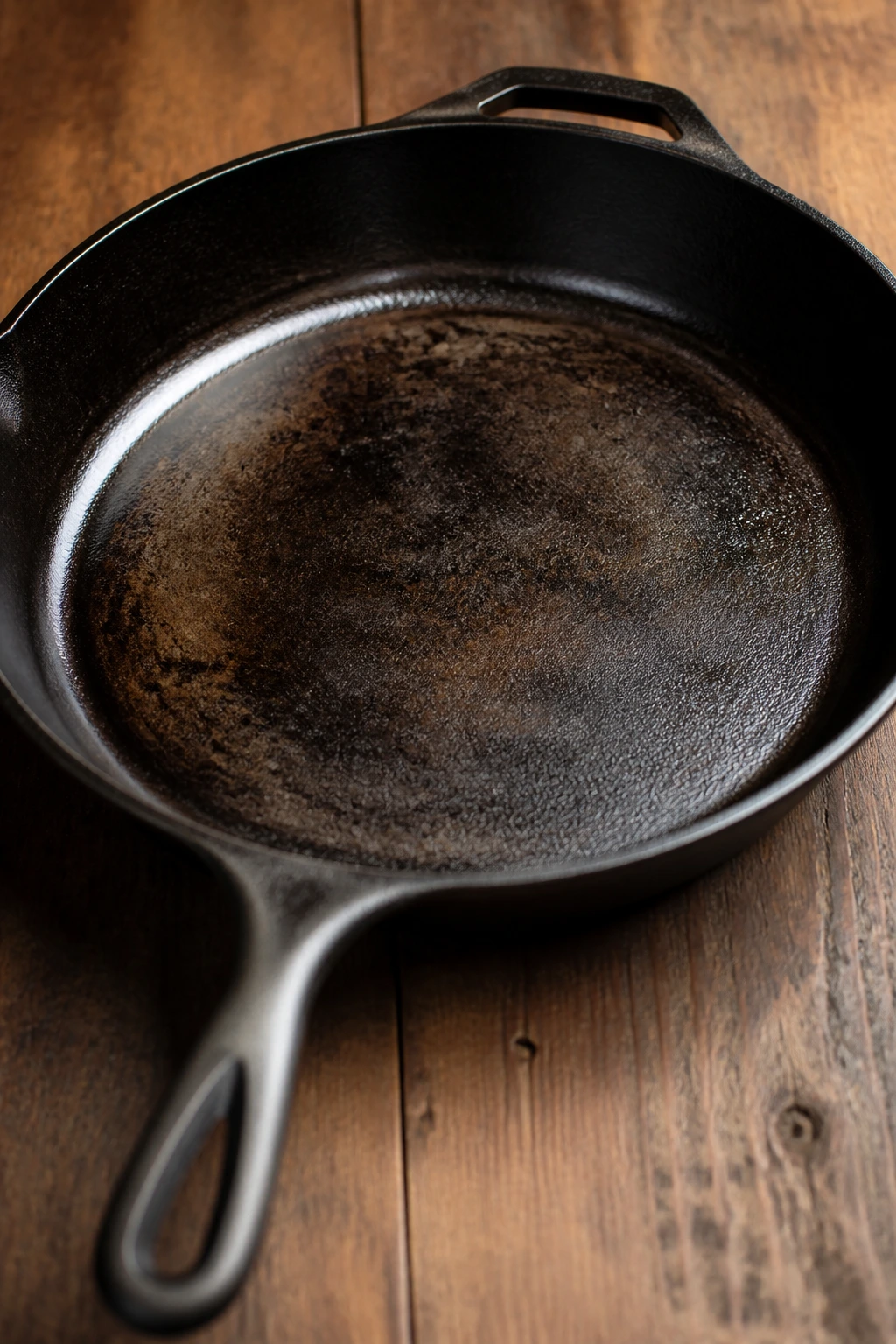
12-inch cast-iron skillet: Best for onions, mushrooms, tofu, and small-batch browning because it holds heat without flinching.
-
Heavy rimmed sheet pan: A sturdy pan browns more evenly and won’t warp when the oven runs hot.
-
Large metal spatula: Better than a flimsy spoon when you need to flip vegetables without tearing the crust off.
-
Tongs: Useful for turning wedges, brassicas, and seared tofu without chasing pieces around the pan.
-
Large mixing bowl: Makes it easier to toss vegetables with oil and seasoning before they hit the pan.
-
Kitchen towel or paper towels: Drying matters more than people think, especially for mushrooms and cauliflower.
-
Microplane or fine grater: Great for lemon zest, garlic, and fresh ginger when you want a brighter finish.
-
Small whisk or jar with lid: Handy for tahini sauces, yogurt dressings, and quick vinaigrettes.
-
Parchment paper: Convenient for cleanup, though bare metal gives a stronger crust if you want more color.
Make-Ahead, Storage, and Reheating Guidance
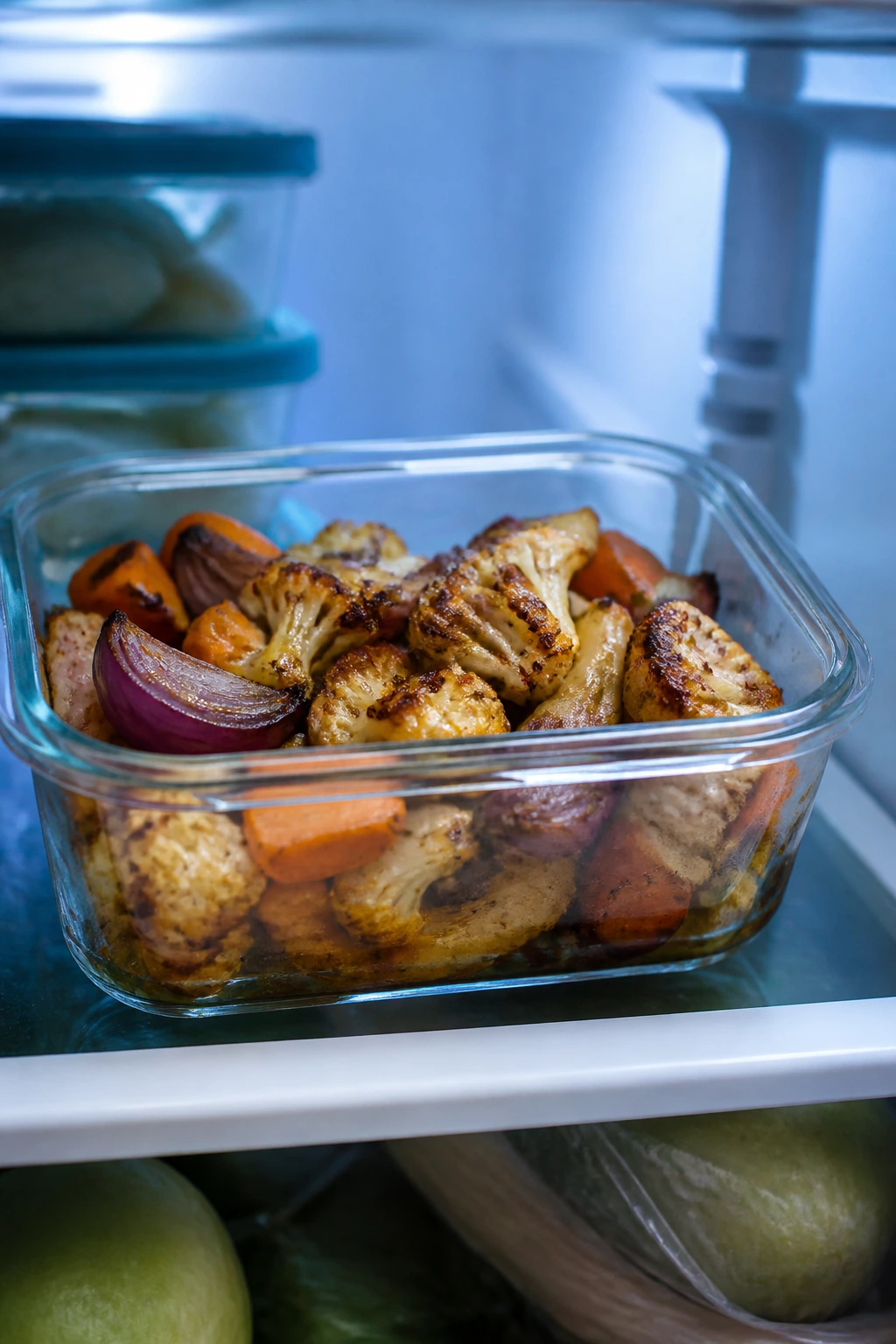
Caramelized vegetarian dinners hold up well if you store the pieces with a little care. Cooked vegetables usually keep in the refrigerator for 3 to 4 days, while cooked grains and beans often last the same span when stored in airtight containers. If a dish includes a sauce, keep it separate when you can; that alone keeps the texture from turning soggy by the second day.
Freezing works best for sturdier components. Roasted cauliflower, chickpeas, lentils, tofu, and cooked onions can be frozen for up to 2 months, though the texture softens a little after thawing. Watery vegetables like zucchini, tomatoes, and greens do not freeze as kindly. They come back limp, and there’s no real way around that.
For reheating, the skillet is usually the best answer. A few minutes over medium heat with a teaspoon of oil brings back the edges faster than the microwave, especially for roasted brassicas or tofu. If you’re reheating a whole tray, use a 375°F oven for 10 to 15 minutes until the vegetables are hot and the surfaces wake back up.
Microwaves are fine for saucy bowls and grain-based plates. Use a loose lid or damp paper towel so the food heats without drying out, then finish with fresh herbs, lemon, or a spoonful of yogurt after it’s hot. That last step matters more than people admit.
If you’re meal prepping, chop sturdy vegetables like onions, carrots, cauliflower, cabbage, and fennel 1 to 2 days ahead and keep them dry in the fridge. Mix sauces 3 to 4 days ahead. Cook grains and beans in bulk, but store crunchy toppings separately so they still have something to say when dinner is served.
Frequently Asked Questions
Do caramelized vegetarian dinners need sugar to taste sweet?
No. Most of the sweetness should come from the vegetables themselves, especially onions, carrots, fennel, and sweet potatoes. A teaspoon of maple syrup or honey can help in a glaze, but if you need more than that, the issue is usually heat or seasoning, not sugar.
What’s the best oil for browning vegetables?
Olive oil is fine for most moderate-heat roasting, while avocado oil and other neutral high-heat oils handle hotter ovens and longer skillet work better. Butter tastes great but burns faster, so it’s better as a finishing touch or for a quick sauté. Pick the fat that matches the heat you’re using.
Can I use frozen vegetables for this kind of dinner?
Yes, but only for some vegetables. Frozen cauliflower, Brussels sprouts, and spinach can work if you thaw them fully and dry them well first. Frozen zucchini and eggplant are another story; they usually come back too soft and watery to caramelize properly.
How do I keep vegetables from burning before they turn tender?
Cut them into pieces that match the ingredient’s density, lower the heat a notch, and add a small splash of water if the edges are getting too dark too fast. A sheet pan with a little more spacing also helps because the hot air can move around instead of scorching one corner.
What vegetarian protein works best with caramelized vegetables?
Tofu, tempeh, chickpeas, lentils, paneer, and eggs all work, but they play different roles. Tofu and tempeh add chew, chickpeas add a crisp bite, lentils add softness, paneer adds browning, and eggs bring richness. I tend to choose one protein and one crunchy topping rather than trying to do everything at once.
Can I make a healthy dinner like this without dairy?
Absolutely. Tahini sauce, olive oil, lemon, herbs, toasted nuts, and beans can carry the whole plate without cheese or yogurt. Tofu and tempeh also help a lot because they give the meal enough substance that you don’t miss the dairy.
Is this a good way to feed picky eaters?
Usually, yes, if you keep the seasoning straightforward. Caramelized carrots, roasted cauliflower, and crispy chickpeas tend to land better than mixed vegetable medleys that taste crowded. Serve sauces on the side so people can choose how much flavor they want on the plate.
What if my vegetables come out soft instead of browned?
The pan was probably crowded, the vegetables were wet, or the oven heat was too low. Spread them out, dry them better, and use a hotter pan or oven next time. You can still rescue a soft batch by finishing it under the broiler for a minute or tossing it in a hot skillet with a little oil.
Keep Browning
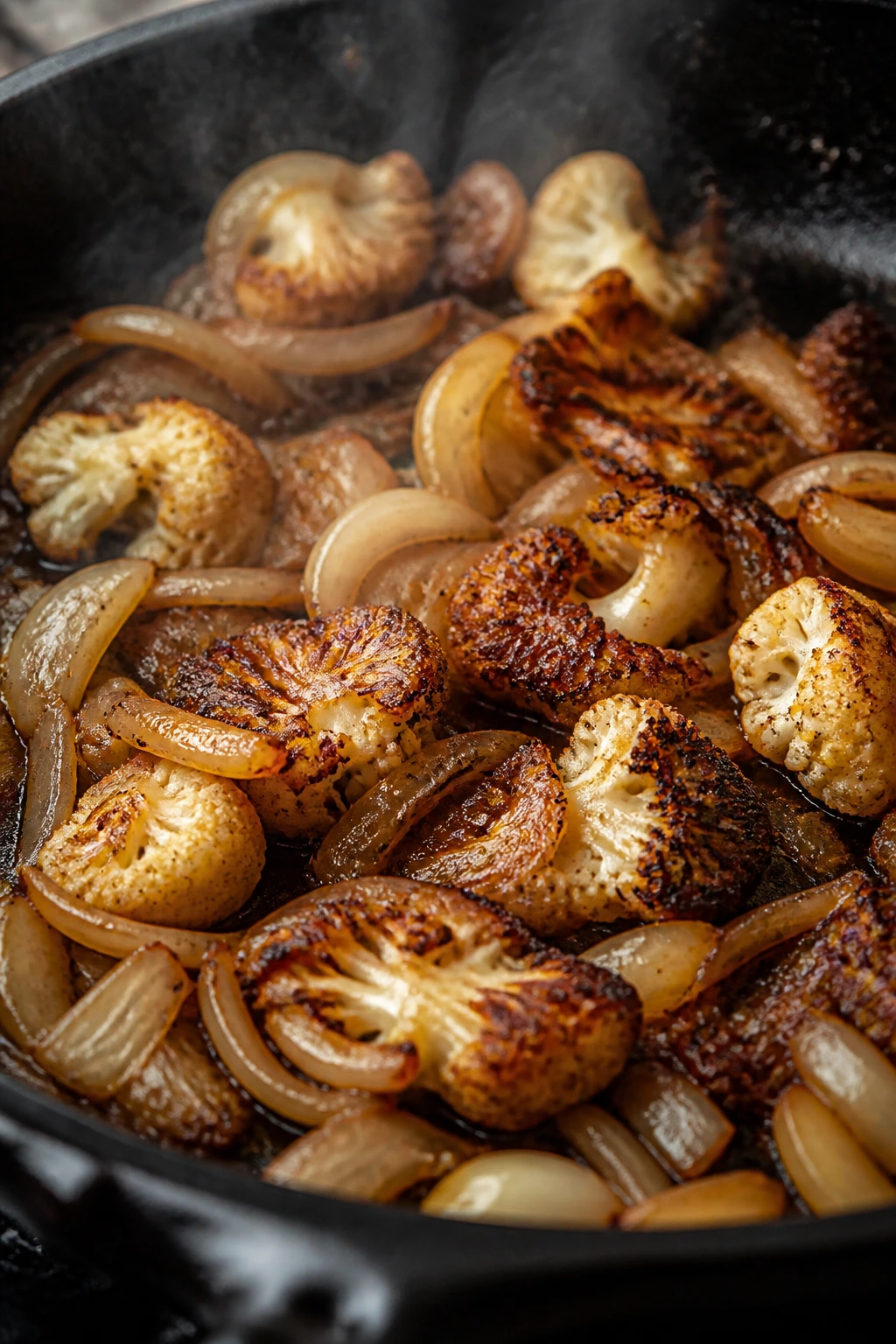
A healthy vegetarian dinner does not need to look restrained. Give the vegetables heat, leave room in the pan, and finish with something sharp enough to wake up the sweetness. That’s the whole trick, and it’s a good one.
Once you start getting real color on onions, cauliflower, mushrooms, or cabbage, plain steamed vegetables feel like a missed opportunity. Keep a lemon on the counter, keep the pan hot, and trust the edges when they tell you they’re ready.