



Browned carrots, onions, mushrooms, and broccoli over rice look humble in the pan. Then the smell hits—the sweet onion, the faint tang of balsamic, the nutty steam from brown basmati—and the whole dinner suddenly feels bigger than the parts.
This caramelized vegetables and rice dinner works because the vegetables get real heat, not a timid sauté, and the rice is cooked separately so it stays distinct instead of collapsing into a soft heap. The sauce is thin on purpose. It coats the vegetables and leaves the grains with a glossy edge rather than burying everything under a heavy coat.
I like brown basmati here because it has a little chew and a little nuttiness; white rice is softer and can disappear under juicy vegetables faster than you’d expect. Roasting also solves a problem that ruins a lot of vegetable dinners: too many vegetables are cooked at once, so they steam themselves into submission.
Give the vegetables room, keep the heat honest, and stop when the edges go deep gold. That is the difference between a bowl that feels like a side dish and one that earns dinner.
Why This Bowl Earns Its Keep
- Deep browning: The vegetables roast long enough to pick up those dark, sweet edges that make onions and carrots taste more like themselves.
- Measured oil: Two tablespoons spread across a full tray keeps the bowl lighter without starving the vegetables of the fat they need to brown.
- Real texture contrast: Brown basmati brings a firm, nutty base, while mushrooms, broccoli, and zucchini each land with a different bite.
- Pantry sauce: Soy sauce, balsamic, maple, lemon, and garlic do the work of a much more complicated dressing.
- Leftovers that hold up: The vegetables stay good after reheating because the glaze is thin and the rice is sturdy.
How Caramelization Gives the Vegetables Their Backbone
Roasting changes vegetables in a way a quick sauté never quite manages. The high heat dries the surface first, then the sugars and proteins start building those browned bits that taste deeper and sweeter than anything you get from a soft steam. That’s the whole trick here. You are not trying to make the vegetables taste sugary. You are trying to make them taste cooked in a way that actually developed.
Brown edges are sweeter edges
Onions are the easiest place to see this happen. Their layers soften, then the thin edges pick up color and turn almost jammy. Carrots need a little more time, and that wait pays off because their natural sweetness gets louder once the surface browns. Mushrooms bring something different: they shed water first, then tighten up and go meaty and concentrated.
Rice is the quiet anchor
Brown basmati does something the vegetables cannot do on their own. It gives the bowl a dry, steady base that catches the glaze and stops everything from sliding into the same texture. White rice can work, but it softens faster and blurs into the vegetables; brown rice keeps each grain a little separate, which is exactly what you want when the toppings are glossy and juicy.
Acid keeps the bowl awake
A lot of vegetable-and-rice dinners fall flat because they stop at salt and oil. The balsamic and lemon in this one cut through the sweetness from roasting and keep the bowl from tasting sleepy. You get browning, but you also get lift. That tiny bit of brightness matters more than most home cooks think.
Timing, Yield, and What the Finished Bowl Looks Like
This dish feeds four with enough substance to count as dinner, not a side you forgot to pair with something else. The rice cooks while the vegetables roast, so the active work stays manageable even though the final bowl tastes layered.
Yield: Serves 4
Prep Time: 20 minutes
Cook Time: 45 minutes
Total Time: 1 hour 5 minutes
Difficulty: Intermediate — the steps are simple, but the rice, the oven heat, and the vegetable timing each need a little attention.
Rest Time: 10 minutes for the rice
Best Served: Warm, right after tossing, while the rice is still fluffy and the vegetables are glossy
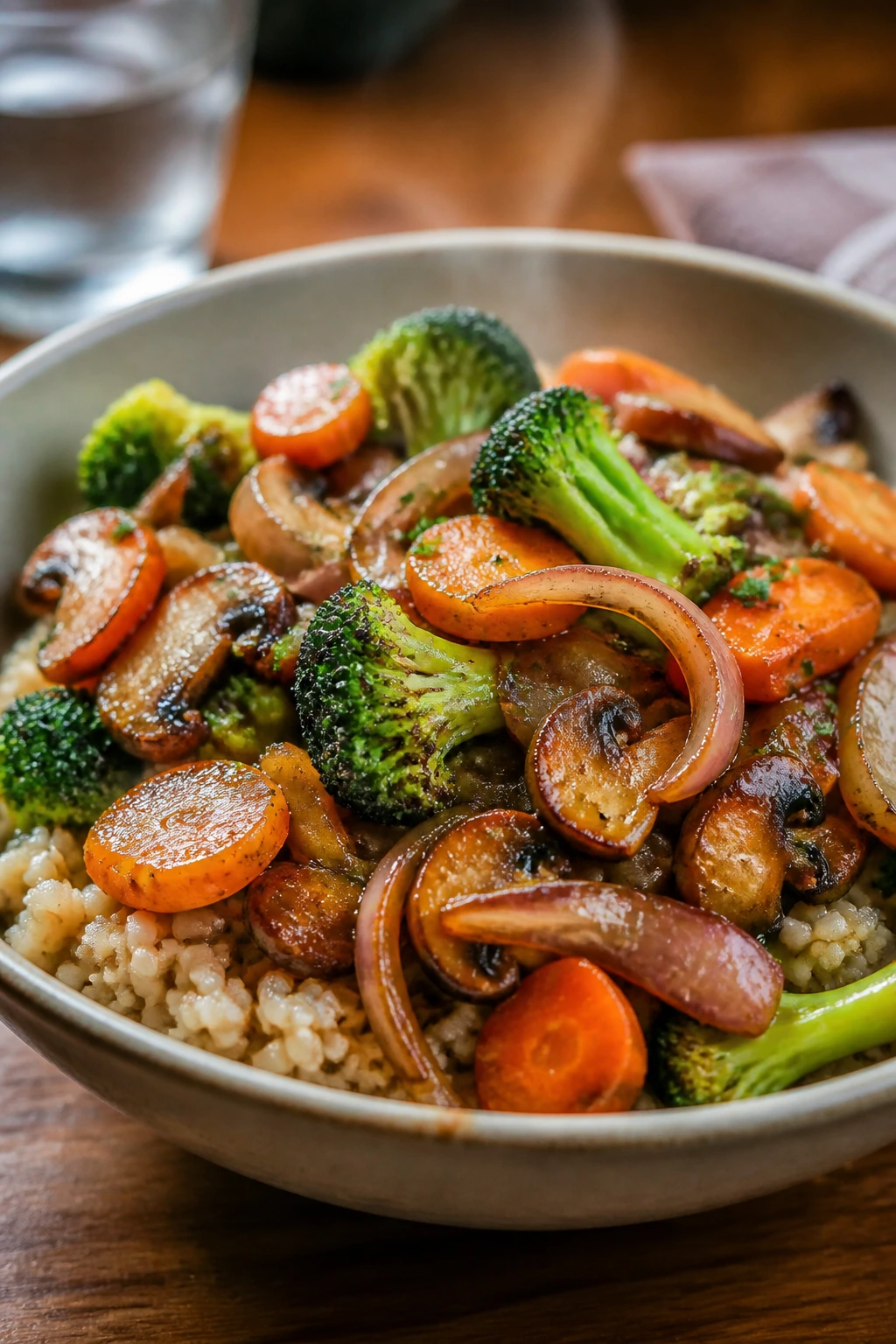
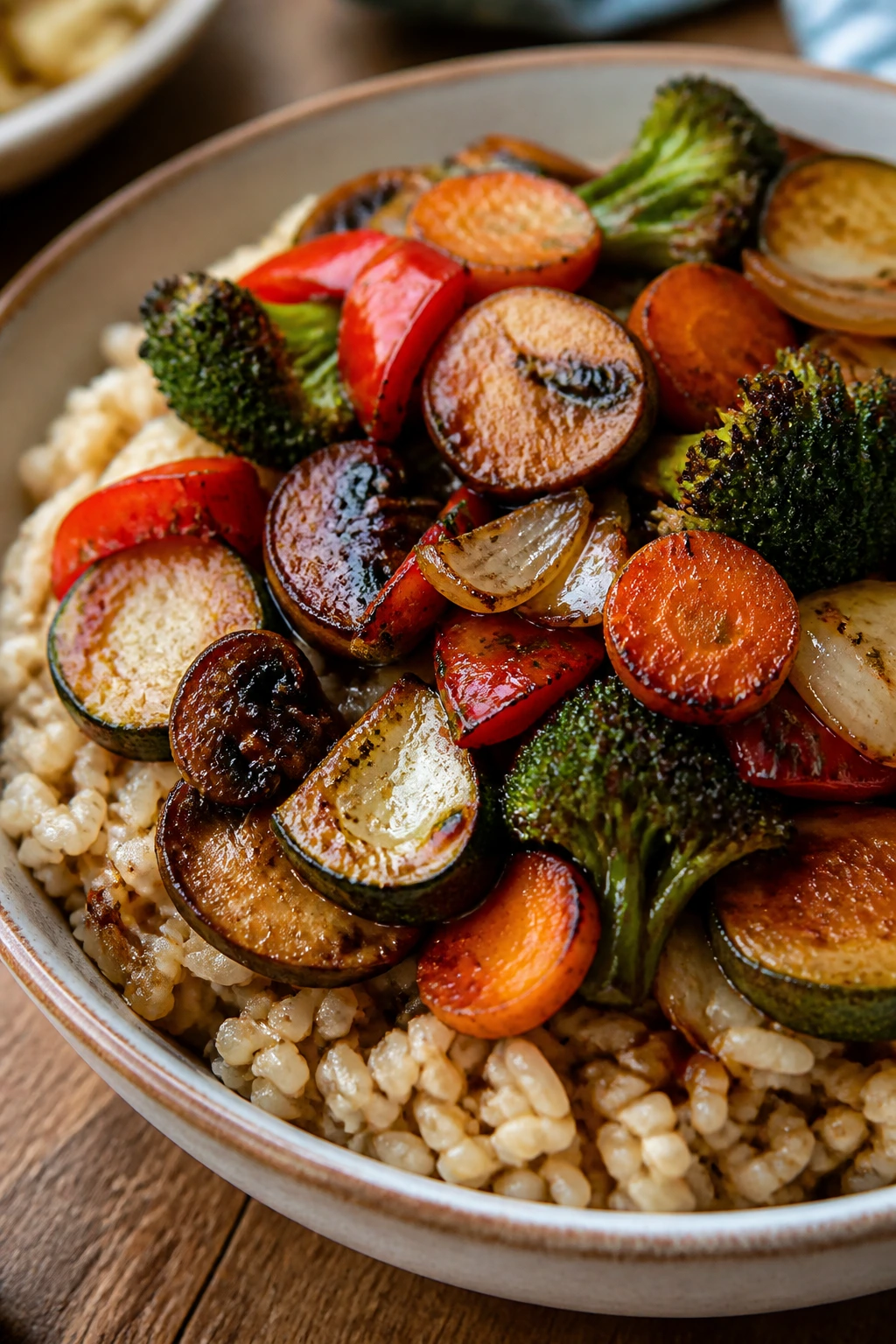
The finished plate should look colorful without trying too hard: golden onions, browned mushroom edges, orange carrots, green broccoli, and a few glossy streaks of glaze clinging to the rice. If it looks wet, it probably needs a minute of steam release or a little more tossing. If it looks dry, it needs the final squeeze of lemon and a spoonful of olive oil.
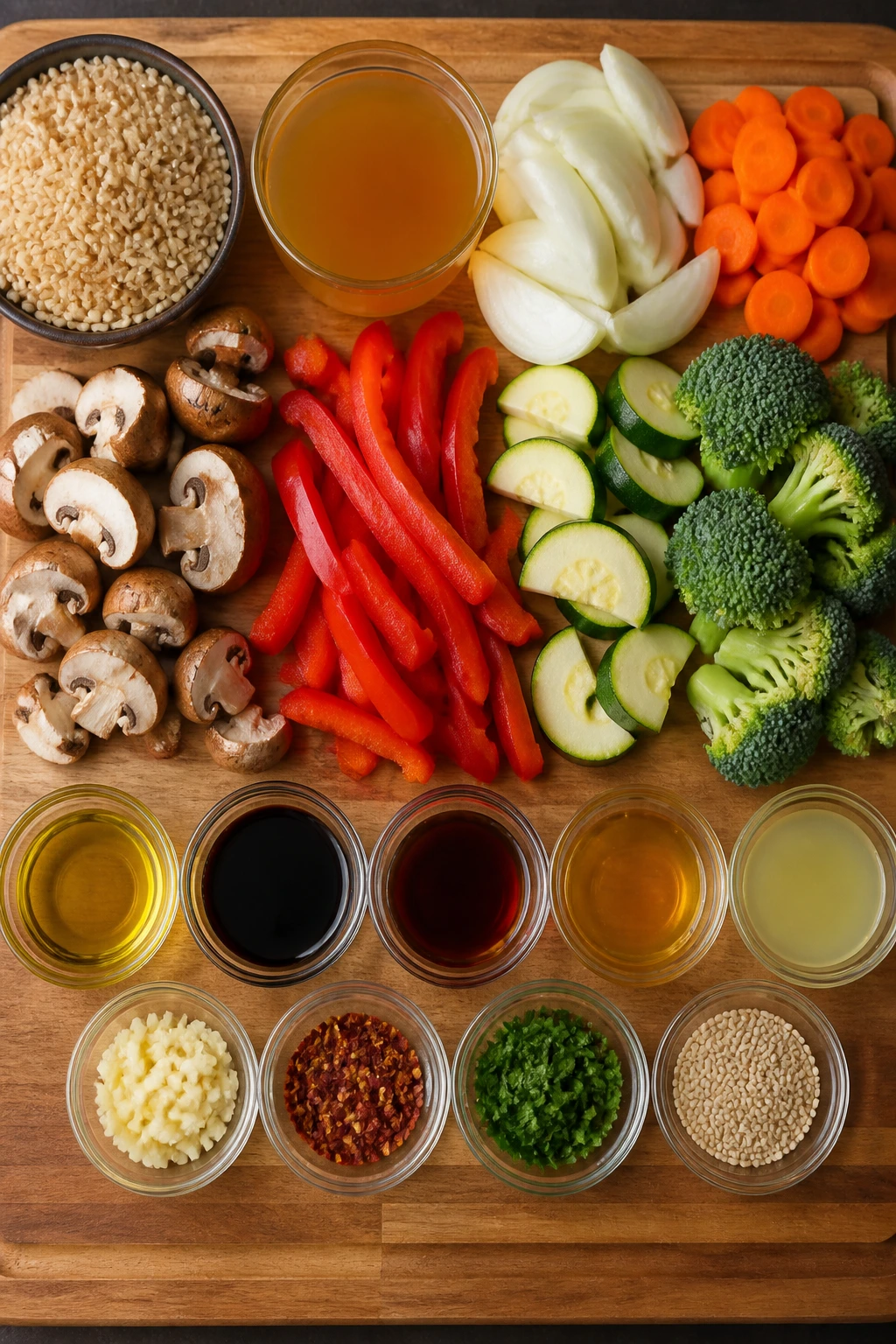
The Caramelized Vegetables and Rice Ingredient List
For the Rice
- 1 1/2 cups brown basmati rice, rinsed until the water runs mostly clear
- 3 cups low-sodium vegetable broth or water
- 1/2 teaspoon fine sea salt
- 1 bay leaf, optional
For the Vegetables
- 1 large yellow onion, cut into 1/2-inch wedges
- 3 medium carrots, sliced on the bias into 1/4-inch pieces
- 8 ounces cremini mushrooms, wiped clean and halved
- 1 red bell pepper, cut into 1-inch strips
- 1 medium zucchini, cut into thick half-moons
- 2 cups broccoli florets, cut small enough to brown through
- 2 tablespoons olive oil, divided
- 3/4 teaspoon kosher salt, plus more to taste
- 1/2 teaspoon black pepper
For the Glaze and Finish
- 2 tablespoons low-sodium soy sauce or tamari
- 1 tablespoon balsamic vinegar
- 1 teaspoon maple syrup
- 1 tablespoon lemon juice
- 1 tablespoon water
- 2 cloves garlic, finely minced or grated
- 1/4 teaspoon red pepper flakes, optional
- 2 tablespoons chopped parsley or cilantro
- 2 tablespoons toasted sesame seeds or sliced almonds
Brown Rice and the Grain That Holds the Bowl Together
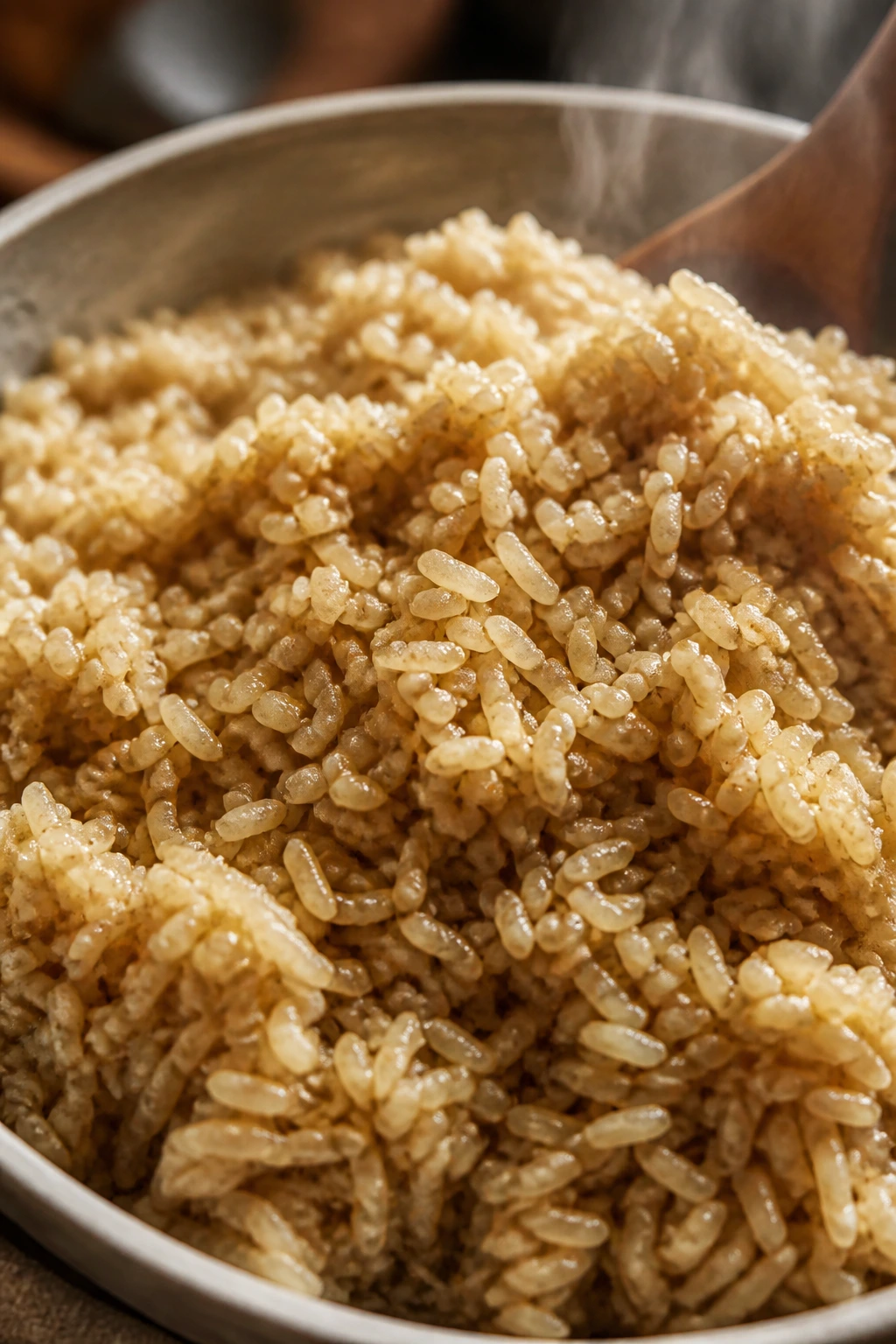
Brown basmati is my first pick here because it behaves. The grains stay separate, the flavor has a light nutty edge, and it doesn’t turn into paste when you fold in juicy vegetables. If you only have standard long-grain brown rice, use it. The result is a touch firmer and less fragrant, but still excellent.
What to use: 1 1/2 cups brown basmati rice, 3 cups liquid, 1/2 teaspoon fine sea salt, and 1 bay leaf if you like a faint herbal note.
Preparation: Rinse the rice in a fine-mesh strainer until the water is mostly clear, then drain well before it goes into the pot.
Substitutions: White basmati works if you want a softer bowl; use 2 1/4 cups liquid and shorten the simmer to about 18 minutes. Quinoa can step in too, though it makes the dish feel drier and less grounded.
Tips: Don’t stir the pot once the lid goes on. Every time you lift that lid, you let out steam that the rice needs to finish properly.
A bay leaf is optional, but I like the faint herbal note because it keeps the rice from tasting plain. If you don’t have one, skip it. Don’t invent a problem where none exists.
Which Vegetables Brown Best in the Oven
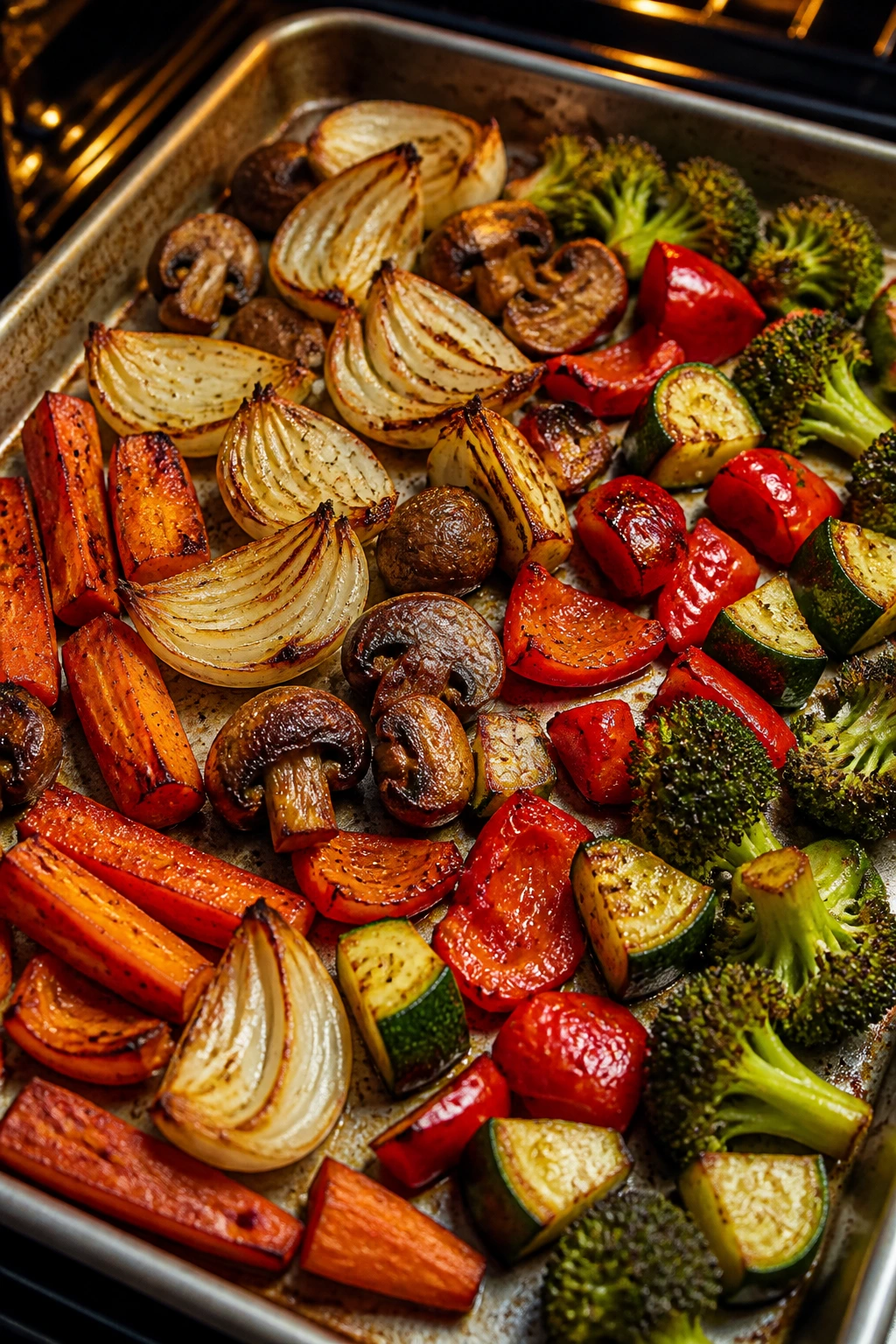
The vegetable mix here is built for contrast. Onions and carrots handle the first stretch of heat. Mushrooms bring deep savoriness. Bell pepper, zucchini, and broccoli add color and different kinds of softness, but only if they’re cut with some care.
What to use: 1 large onion, 3 medium carrots, 8 ounces cremini mushrooms, 1 red bell pepper, 1 medium zucchini, 2 cups broccoli florets, 2 tablespoons olive oil, 3/4 teaspoon kosher salt, and 1/2 teaspoon black pepper.
Preparation: Cut the carrots a little smaller than the zucchini, since carrots need more time to soften; wipe the mushrooms dry rather than washing them under running water.
Substitutions: Cauliflower, Brussels sprouts, green beans, or small chunks of sweet potato all work, but they need their own timing. Swap the red bell pepper for yellow or orange if that’s what’s in the fridge.
Tips: Dry vegetables brown better than wet ones. If the mushrooms come out of the package damp, pat them with a towel before they hit the tray.
Cut size matters more than most recipes admit. If the zucchini is shaved thin, it will collapse before the carrots are ready. If the broccoli florets are huge, the stems stay hard while the tips overcolor. Keep the pieces close to the sizes listed and the tray takes care of itself.
The Sauce That Makes the Bowl Taste Finished
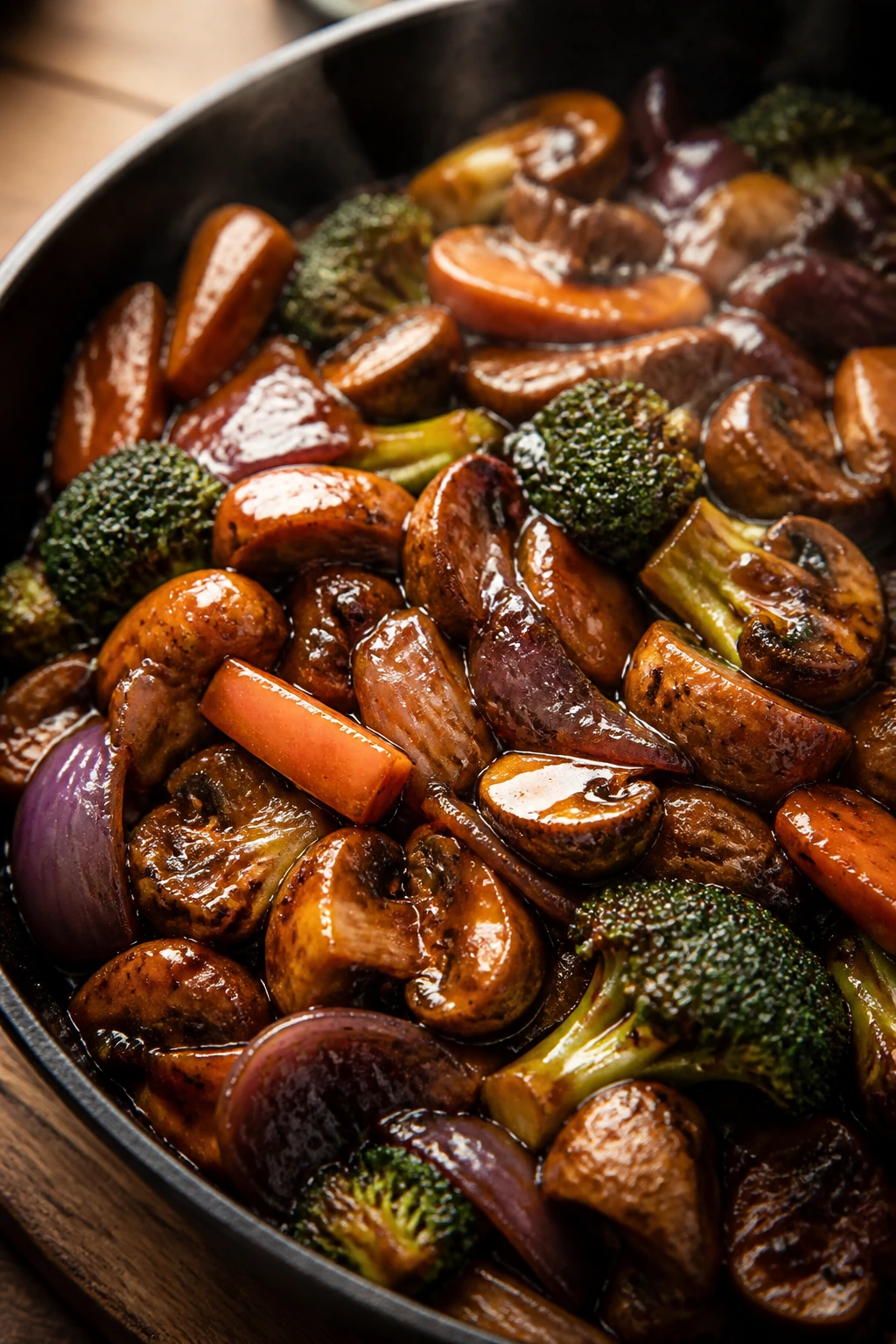
The glaze is small, but it pulls the entire bowl into place. Soy sauce brings salt and depth. Balsamic gives you dark fruitiness. Maple syrup softens the sharp edges, and lemon keeps the whole thing from tasting too heavy.
What to use: 2 tablespoons low-sodium soy sauce or tamari, 1 tablespoon balsamic vinegar, 1 teaspoon maple syrup, 1 tablespoon lemon juice, 1 tablespoon water, 2 cloves garlic, and red pepper flakes if you want heat.
Preparation: Whisk until the maple syrup disappears into the liquid and the garlic is evenly spread through the glaze.
Substitutions: Tamari makes the dish gluten-free. Coconut aminos can replace soy sauce if you want a gentler, sweeter flavor, though the bowl will be a little softer in taste.
Tips: Taste the glaze before it hits the vegetables. It should seem a shade sharper than you want in the final bowl, because the rice will dilute it slightly once everything is mixed.
If balsamic feels too dark for your taste, use half balsamic and half rice vinegar. The rice vinegar keeps the finish brighter and a little less sticky. That’s a nice fix when you want the vegetables to stay the lead character.
Garnishes That Add Crunch and Freshness
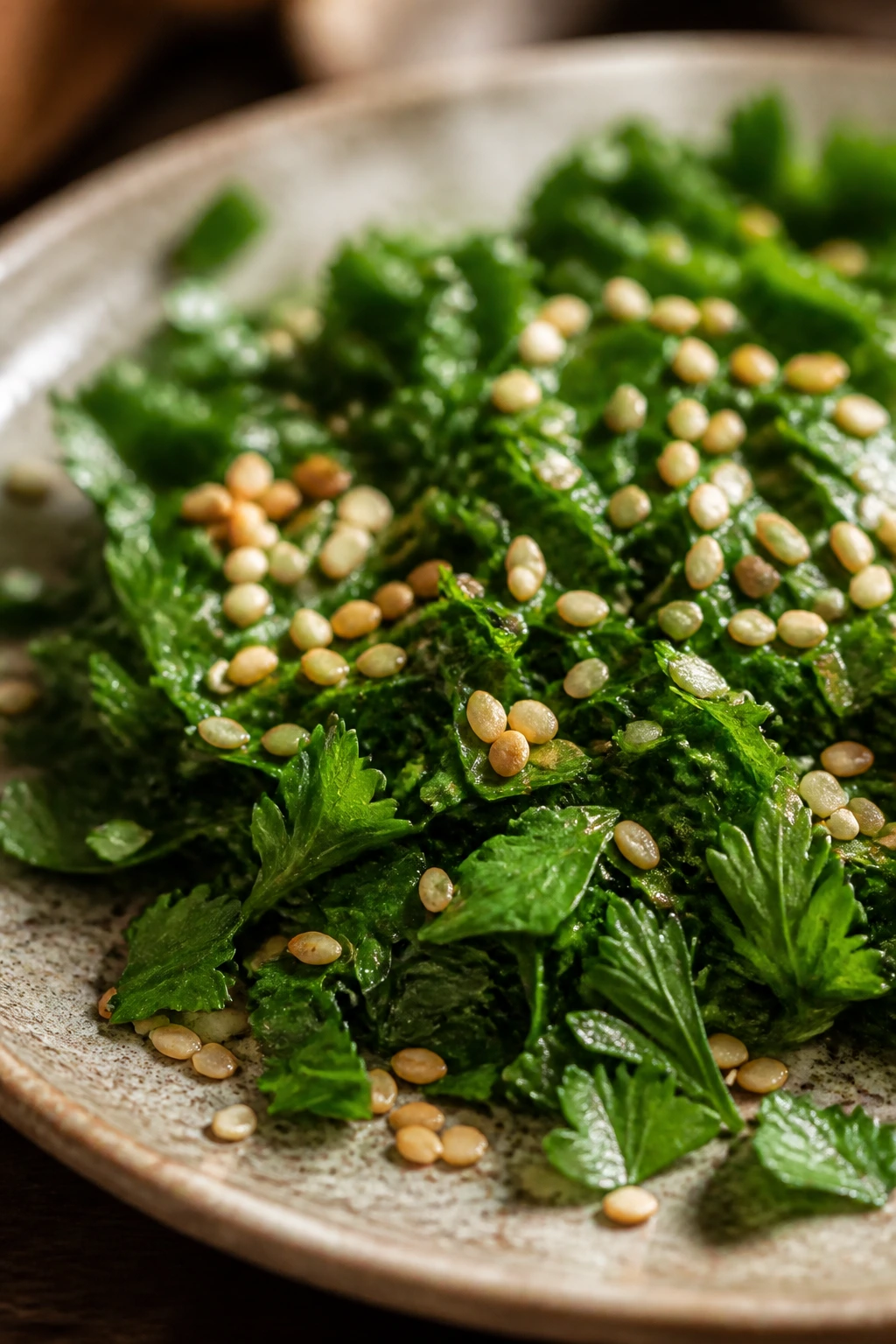
A bowl like this benefits from one fresh thing at the end. Not a lot. One. Fresh herbs, a crunchy seed, maybe a little extra acid. That’s enough.
What to use: 2 tablespoons chopped parsley or cilantro, plus 2 tablespoons toasted sesame seeds or sliced almonds.
Preparation: Chop the herbs right before serving so they stay bright and don’t bruise into a wet heap. If your seeds or almonds aren’t already toasted, give them a quick turn in a dry skillet for 2 to 3 minutes until fragrant.
Substitutions: Scallions, chopped mint, dill, hemp seeds, or pumpkin seeds all work, depending on the flavor direction you want.
Tips: Add the garnish at the end, after the bowl is plated. If you mix it into the rice too early, the herbs lose their snap and the nuts stop crunching.
I’m partial to parsley here because it doesn’t fight the glaze. Cilantro pushes the bowl in a brighter direction, which can be great if you like a more assertive finish. Use what you actually enjoy eating, not what the internet tells you to worship.
Tools That Make the Job Easier
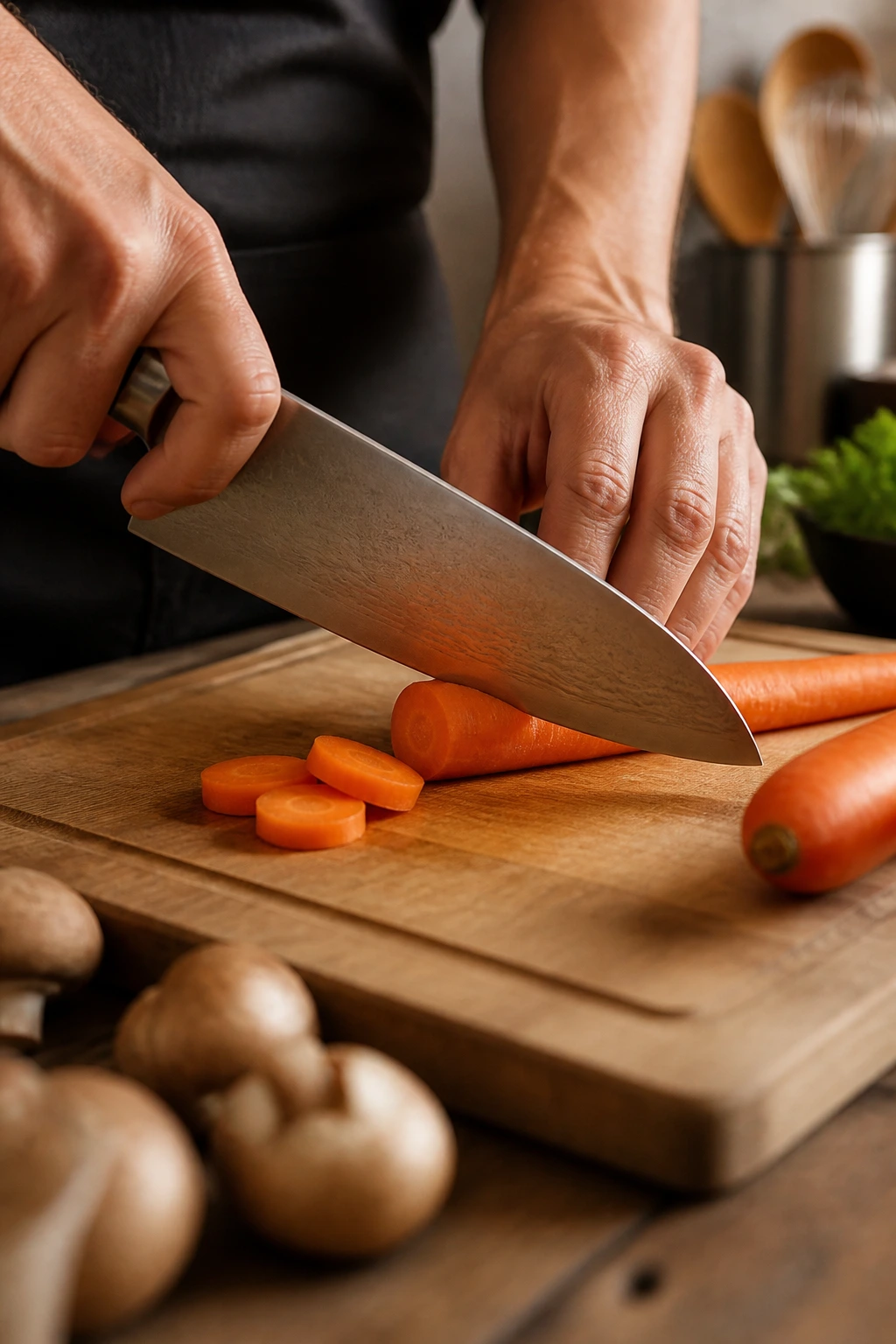
- 2 rimmed baking sheets: You need the surface area so the vegetables roast instead of steam.
- Parchment paper or silicone mats: Helpful for cleanup; bare pans brown a little more deeply if you don’t mind washing them.
- 3-quart saucepan with a tight lid: Brown rice needs steady steam and a lid that seals properly.
- Fine-mesh strainer: The easiest way to rinse the rice without losing grains down the drain.
- Large mixing bowl: Useful for tossing the roasted vegetables with the glaze and rice without breaking them apart.
- Small bowl or measuring cup: For whisking the glaze together before it touches the hot vegetables.
- Wooden spoon or silicone spatula: Gentle enough for the rice and sturdy enough for the tray.
- Chef’s knife and cutting board: This recipe lives or dies on even vegetable cuts.
Cooking the Rice Without Letting It Turn Sticky
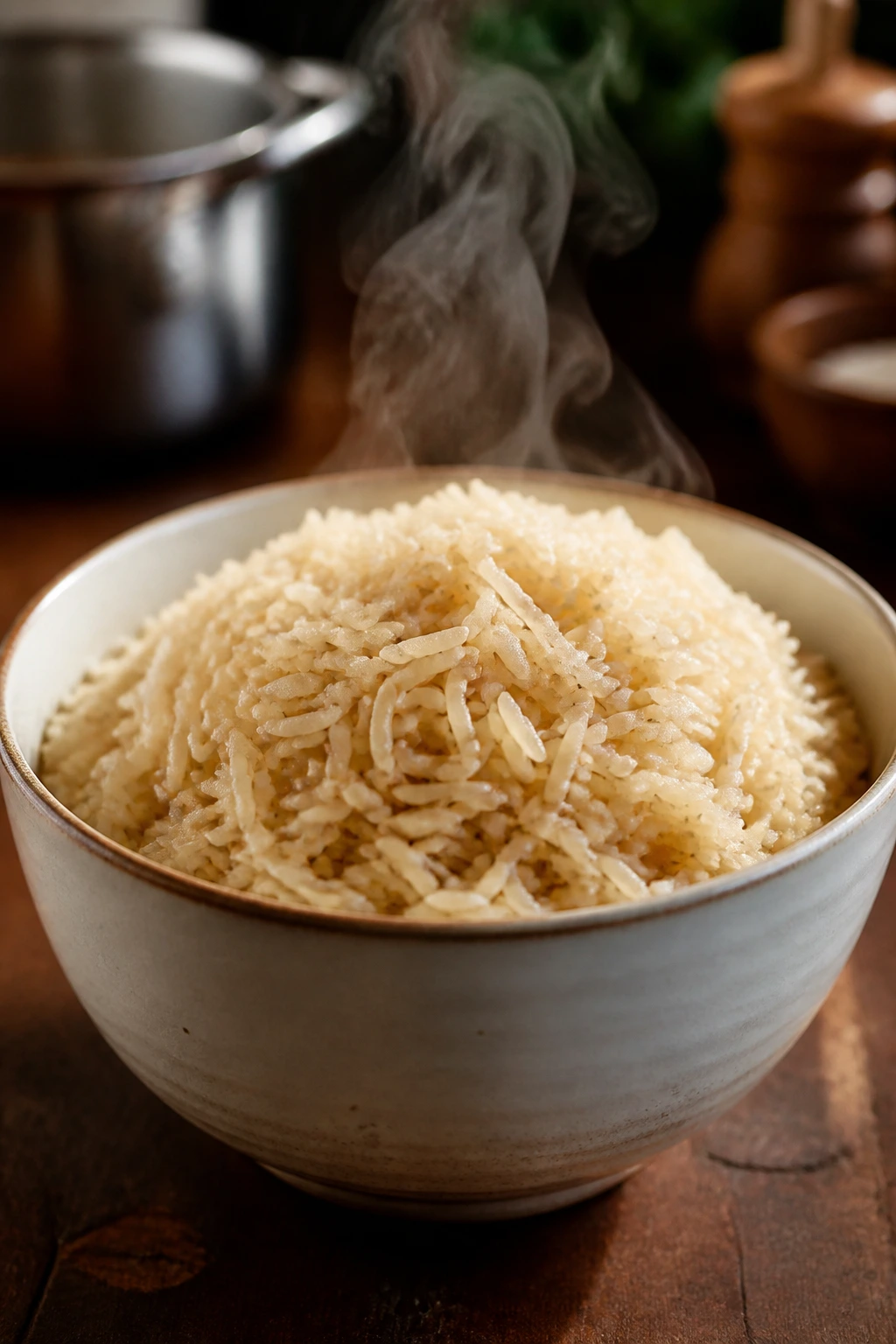
Cook the Rice:
-
Rinse the grains: Put the brown basmati in a fine-mesh strainer and rinse under cool running water until the water runs mostly clear. That simple step keeps surface starch from turning the rice gummy.
-
Start the simmer: Combine the rice, water or broth, salt, and bay leaf in a medium saucepan. Bring it to a boil over high heat, then immediately lower the heat to the smallest steady simmer and cover the pot tightly.
-
Hold the lid in place: Cook for 35 to 40 minutes, without stirring, until the liquid is absorbed and the grains are tender with a little chew in the center. If the pot is bubbling hard, the bottom may scorch before the top finishes.
-
Let it rest: Take the pot off the heat and leave it covered for 10 minutes. Then fluff with a fork and discard the bay leaf. The rice should look loose, not compressed.
If the rice finishes a touch early, that’s fine. Keep it covered and let the residual steam do the work. Brown rice forgives a short wait. It does not forgive aggressive stirring.
Roasting the Vegetables Until the Edges Go Deep Gold
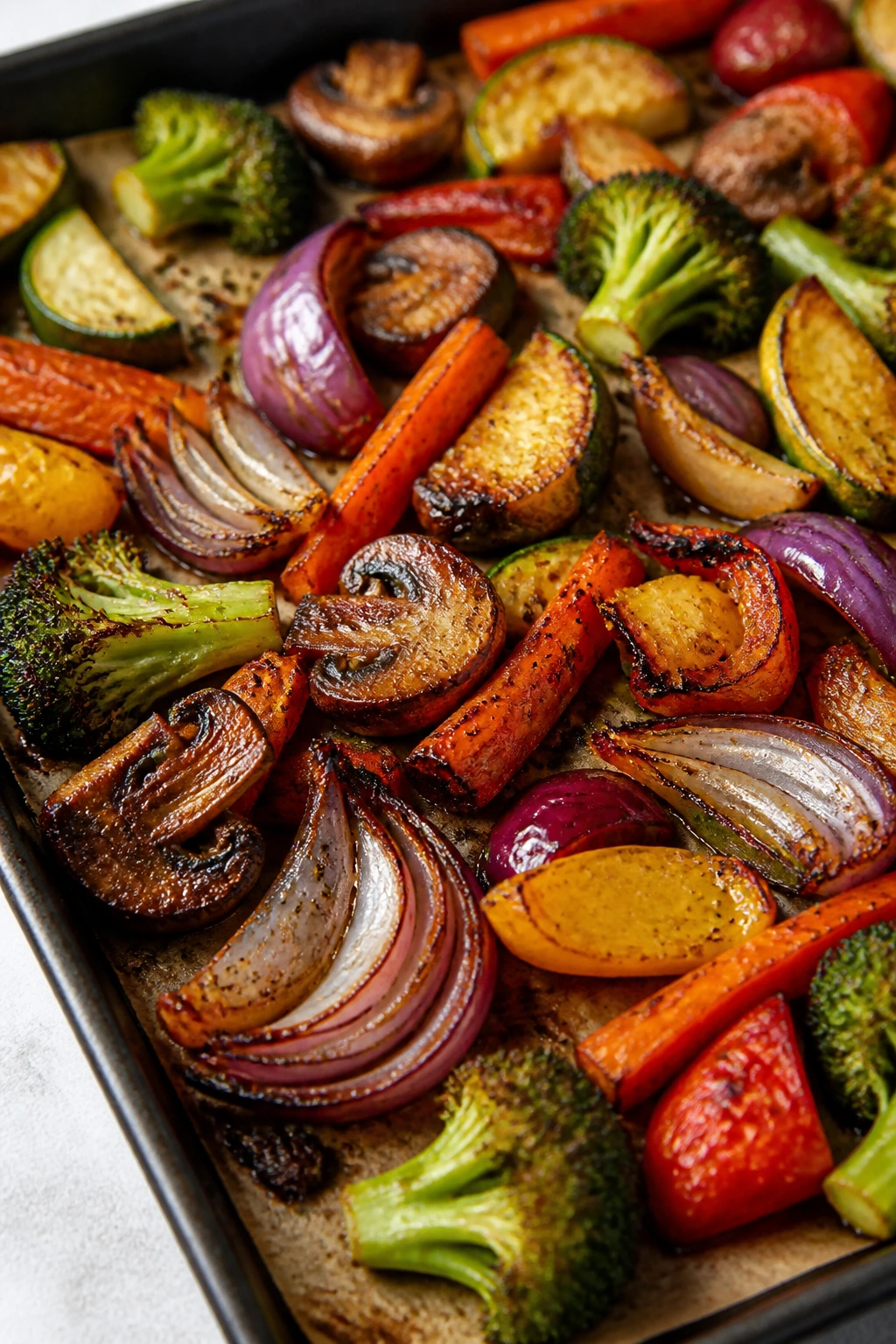
Roast the Vegetables:
-
Heat the oven and prep the pans: Set the oven to 425°F (220°C) and position two racks in the upper and lower thirds. Line two rimmed baking sheets with parchment if you want easier cleanup.
-
Load the first tray: Toss the onion, carrots, and mushrooms with 1 tablespoon of the olive oil, half the kosher salt, and a few turns of black pepper. Spread them in a single layer on one sheet pan with space around each piece. Crowding here means steaming, and steaming kills browning.
-
Load the second tray: Toss the bell pepper, zucchini, and broccoli with the remaining tablespoon of olive oil, the rest of the salt, and the remaining black pepper. Spread them on the second pan. Keep the broccoli florets cut small enough that the stems roast through at the same pace as the rest.
-
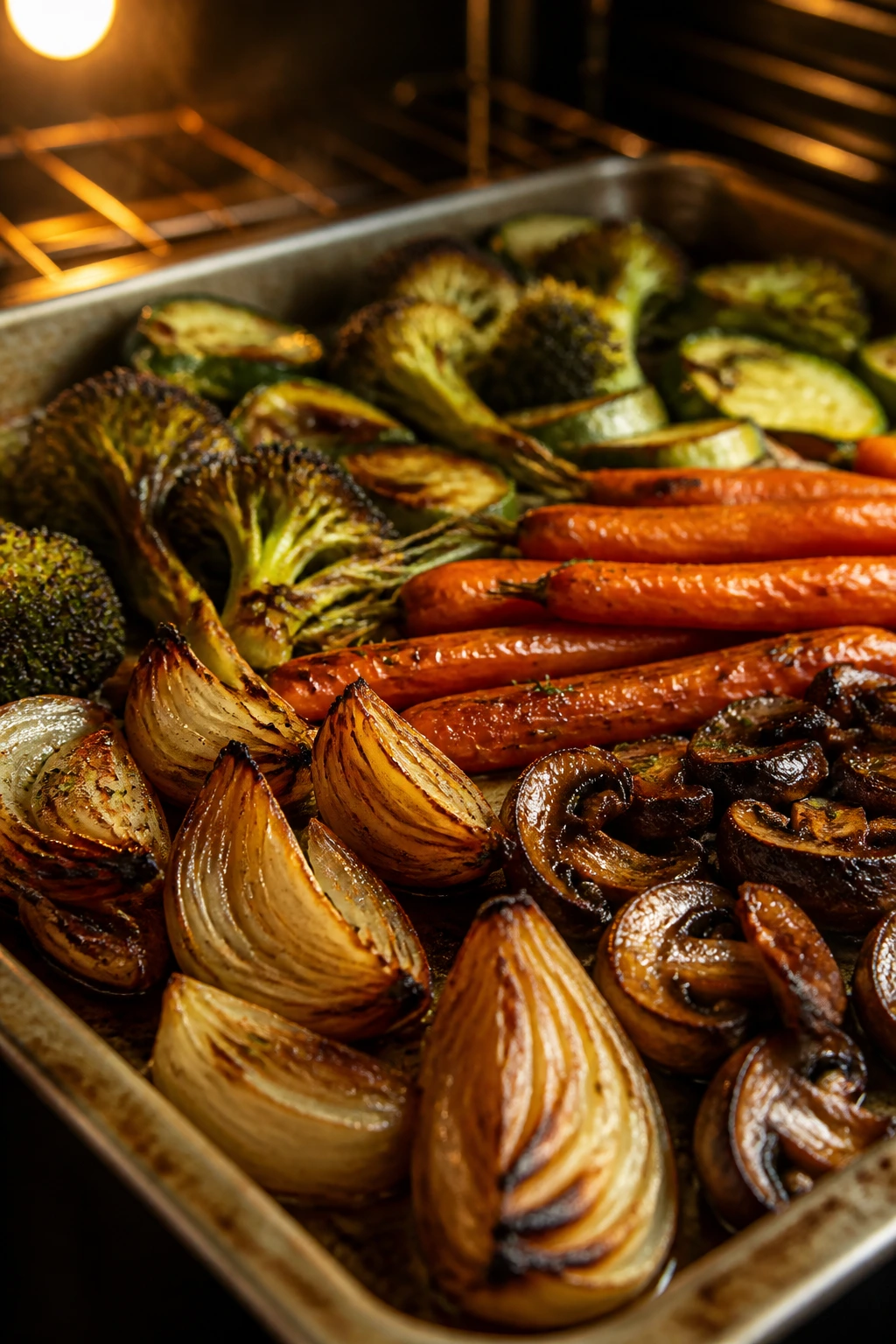
Roast in staggered waves: Put the onion-carrot-mushroom tray in first and roast for 12 minutes. Add the second tray, then roast both pans for 12 to 15 minutes more, switching rack positions halfway through and giving each tray a good stir. The vegetables are ready when the onions are browned at the edges, the mushrooms have collapsed and gone glossy, and the broccoli has toasted tips.
-
Watch the zucchini closely: If the zucchini starts to soften before the broccoli has color, pull that tray early and let it sit on the counter while the sturdier vegetables finish. Zucchini goes from tender to floppy fast.
The trays should smell sweet and a little savory by the end. If they still smell wet, keep roasting. Wet vegetables look soft and taste thin. Browned vegetables sound almost quiet when you stir them around the pan.
Glazing, Tossing, and Balancing the Salt
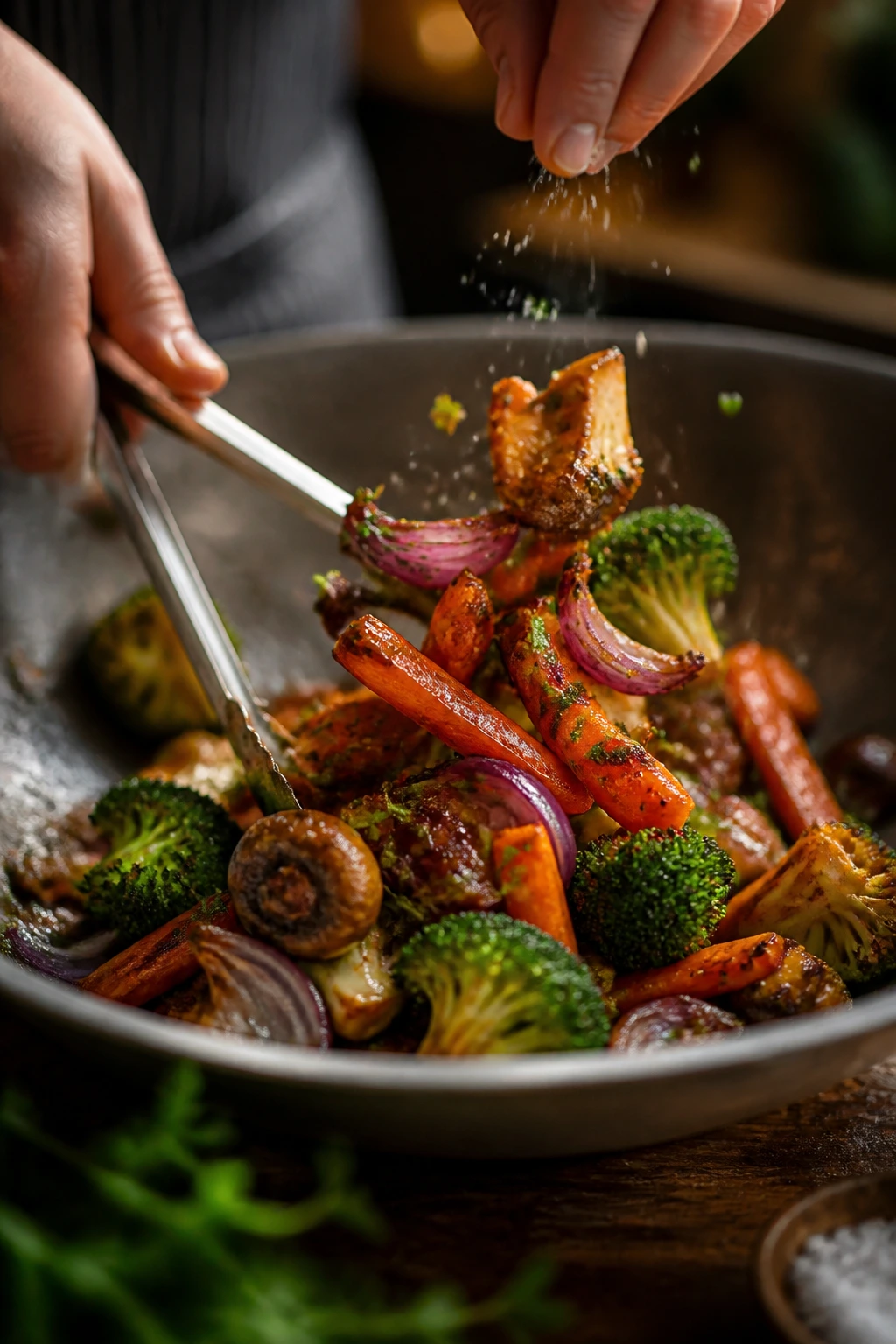
Make the Glaze and Finish:
-
Whisk the glaze: Stir together the soy sauce, balsamic vinegar, maple syrup, lemon juice, water, garlic, and red pepper flakes in a small bowl. It should smell sharp and sweet, with the garlic spread evenly through the liquid.
-
Dress the hot vegetables: Transfer the roasted vegetables to a large bowl and pour the glaze over them while they’re still hot. Toss until every piece is lightly coated and glossy. Let them sit for 1 minute so the garlic softens and the glaze clings.
-
Fold in the rice and finish to taste: Add the fluffed rice and toss gently until the grains pick up the glaze and the vegetables are distributed through the bowl. Taste for salt, lemon, and heat. Add a pinch more salt or another squeeze of lemon if the bowl feels flat, then scatter the parsley and toasted sesame seeds or almonds over the top.
The rice should not be swimming. The vegetables should not be wet. You want a bowl where the grains are separate but lightly stained, with the glaze caught in the folds of the rice instead of pooling at the bottom.
How to Serve It at the Table
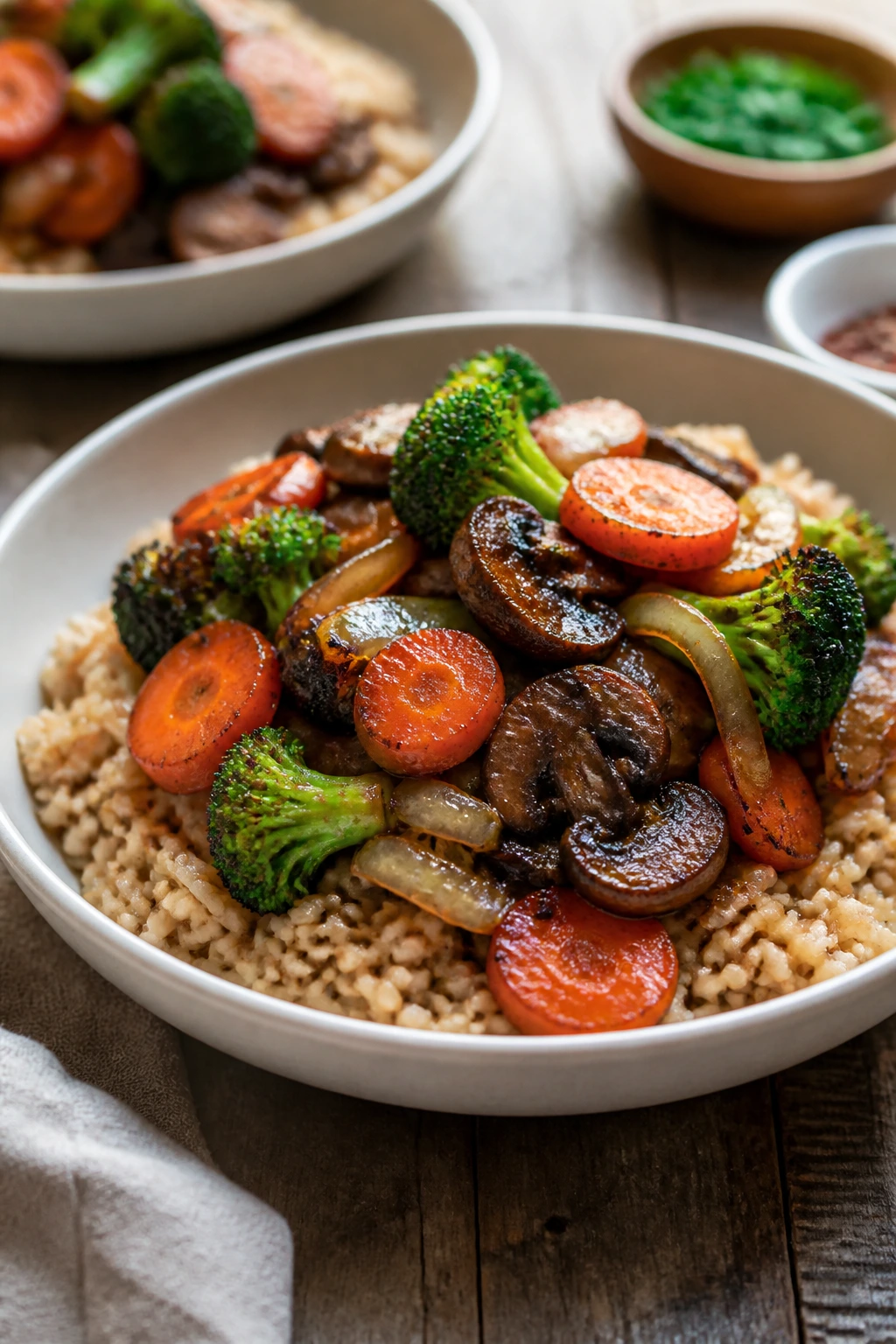
Presentation: Spoon the rice into shallow bowls so the vegetables can sit on top instead of disappearing underneath. Leave some of the browned edges visible. The point is to show off the color contrast: orange carrots, dark mushrooms, green broccoli, and the glossy glaze on the rice.
Accompaniments: A crisp cucumber salad with lemon and dill makes a good side if you want more freshness. Warm pita, flatbread, or a slice of toasted sourdough turns the bowl into a bigger meal without making it heavier. If you want a second vegetable, choose something raw and crunchy, not another soft roasted thing.
Portions: Four generous portions are the natural yield here. For smaller appetites, the dish stretches to 5 if you add a side salad. For bigger eaters, serve with a fried egg, a scoop of plain yogurt, or a can of chickpeas roasted alongside the vegetables in one of the named variations below.
Beverage Pairing: Sparkling water with lemon keeps the meal clean and bright. If you want something with more character, a dry Sauvignon Blanc or an unsweetened green tea works well because neither one fights the balsamic and lemon.
A little extra olive oil on top is fine if you want a richer finish. A squeeze of lemon right before eating is even better. The bowl should taste alive when it reaches the table.
Practical Tips for Better Caramelization
Heat control
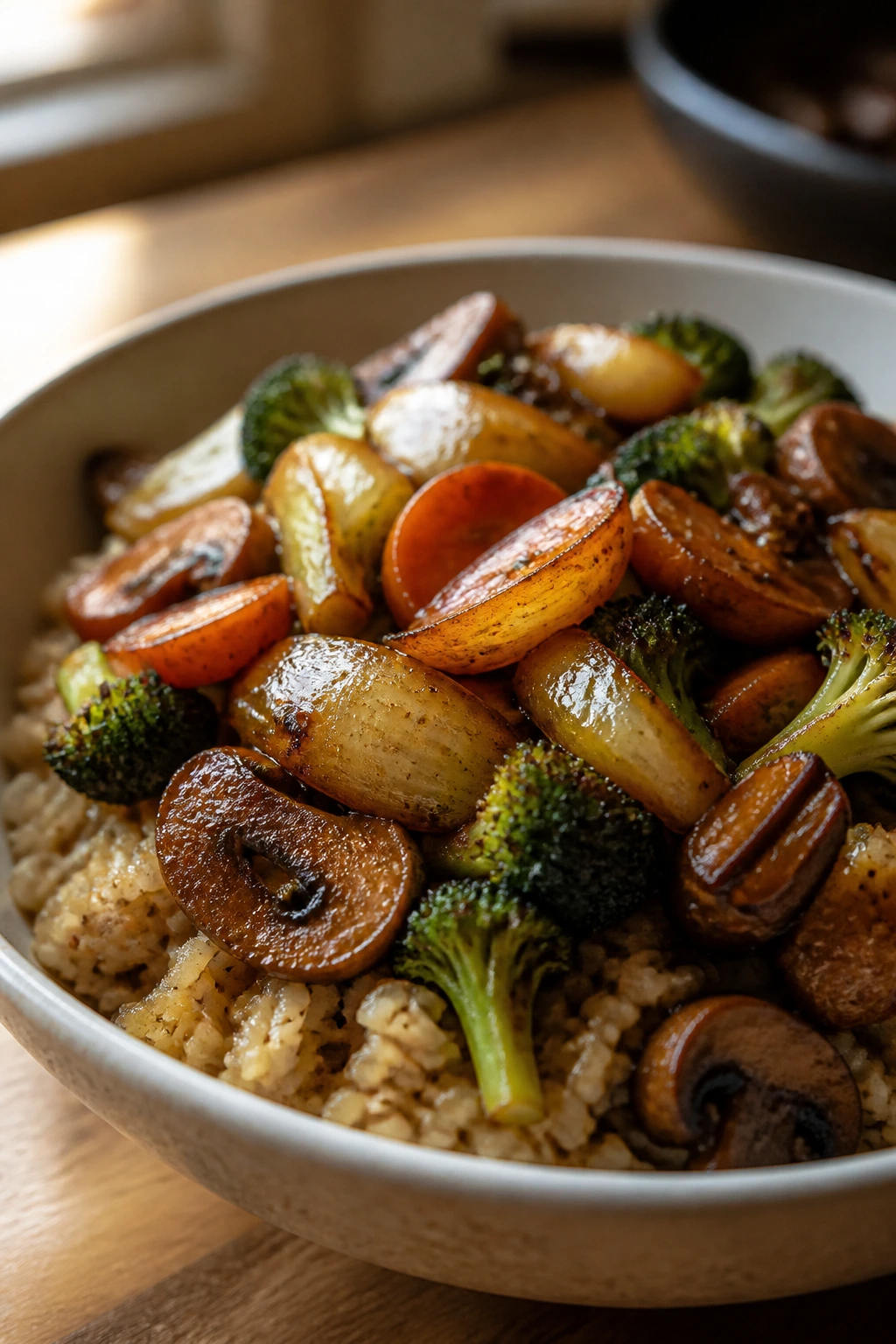
Hot oven, full stop. If your oven runs cool, give it another 5 minutes before the vegetables go in. The first few minutes matter more than people think, because that’s when the surface moisture starts clearing off and the browning begins.
Knife work
Keep the onions in wedges and the carrots in slices that are close to the same thickness. Randomly chopped vegetables make random cooking times. That means burnt edges on one piece and undercooked centers on the next.
Flavor control
A tiny drizzle of toasted sesame oil at the very end adds a nutty aroma without forcing the whole bowl into sesame territory. Use a teaspoon, not a pour. The flavor should sit in the background and quietly improve the vegetables.
Time-saver
Cut the vegetables earlier in the day and store them dry in sealed containers with a paper towel lined inside. Dry vegetables brown better than freshly washed, damp ones, and you’ll save yourself the most annoying part of the evening scramble.
I also like to keep one empty bowl close by for the roasted vegetables. If you toss the hot tray into the rice too early, the steam collects and softens everything. A separate bowl buys you a little control.
Common Mistakes That Flatten the Flavor
-
Crowding the sheet pans: If the vegetables are piled on top of one another, they release water and steam instead of browning. The symptom is pale, soft vegetables with no crisp edges. The fix is simple: use two pans, or roast in batches.
-
Adding the glaze too early: Maple syrup and balsamic can darken too fast if they go onto raw vegetables at the start. You end up with sticky spots and burnt sweetness. Roast first, glaze at the end.
-
Cutting everything the same size: Zucchini, carrots, and broccoli do not cook at the same pace. If you cut them all the same way, some pieces collapse while others stay hard. Match the cut to the vegetable: smaller for carrots, larger for zucchini, medium for broccoli.
-
Forgetting to season the rice: The vegetables carry the loud flavor, so the rice needs salt in its cooking liquid or it tastes blank. Bland rice makes the whole bowl feel unfinished. Salt the pot from the start.
-
Using wet mushrooms: Mushrooms that go onto the tray damp from rinsing or storage create a puddle. That puddle blocks browning. Wipe them dry and give them room.
-
Stopping at “tender” instead of “browned”: Tender is not the goal. Tender with color is the goal. If the vegetables are soft but still pale, they’ll taste flat next to the glaze.
Variations and Adaptations
Sesame-Ginger Night
Swap the balsamic for 1 tablespoon rice vinegar and add 1 tablespoon grated fresh ginger to the glaze. Finish the bowl with an extra teaspoon of toasted sesame oil and a pile of scallions. The result tastes cleaner and a little brighter, with more of a takeout-style snap.
Chickpea Power Bowl
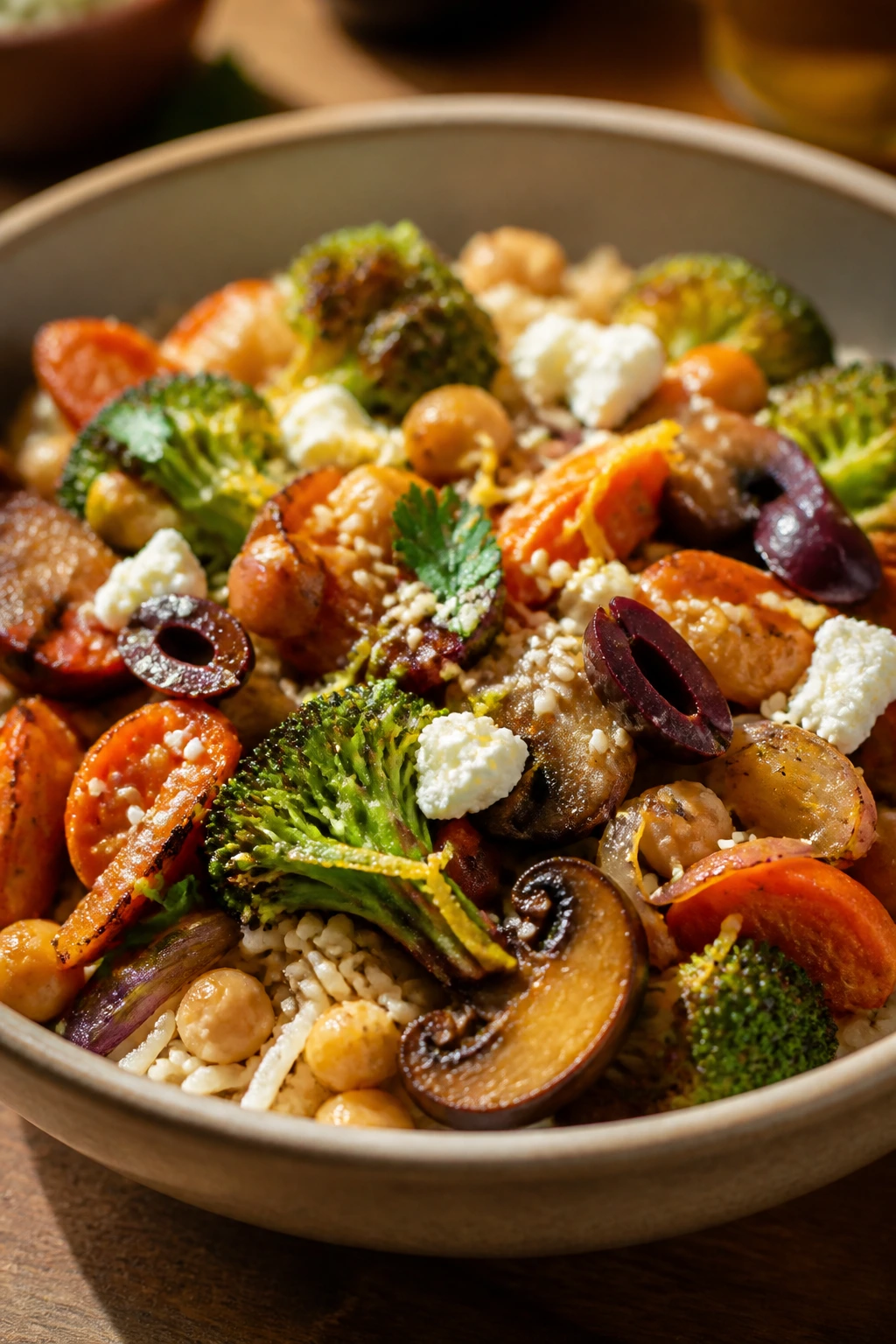
Add one 15-ounce can of chickpeas, drained and rinsed, to the broccoli tray for the last 15 minutes of roasting. They pick up crisp edges and make the bowl much more filling. This version is the one I reach for when I want the dish to hold me longer without changing its personality.
Mediterranean Lemon-Herb Bowl
Replace the soy sauce with 1 tablespoon tamari plus 1 tablespoon lemon juice, then add chopped oregano or dill at the end. Toss in a handful of olives and a little crumbled feta if you want a saltier finish. The vegetables keep their browning, but the flavor shifts toward sunny and sharp.
Smoky Chili-Lime Bowl
Swap the balsamic for lime juice and add 1 teaspoon smoked paprika to the vegetables before roasting. A pinch of cumin also fits here if you like the flavor to lean warmer. Finish with cilantro and a little extra lime right before serving.
Lower-Sodium Pantry Bowl
Use water instead of broth for the rice, tamari instead of soy sauce, and let lemon juice and herbs do more of the lifting at the end. The bowl still tastes full because the roasting does the heavy lifting. You lose a little salt depth, but you gain brightness.
Storing Caramelized Vegetables and Rice
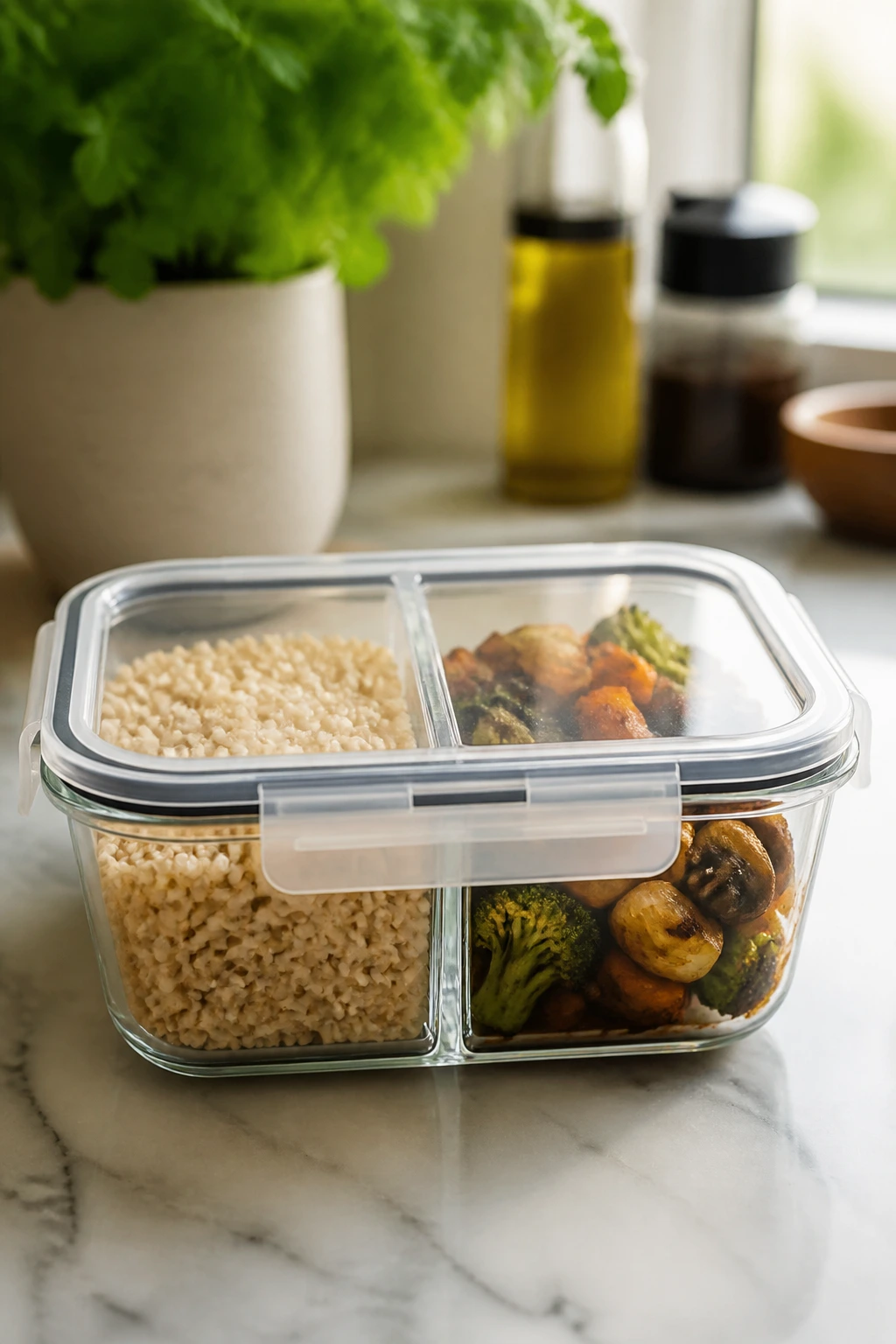
Cool the rice and vegetables before packing them away. If you close them up while they’re still steamy, the trapped moisture softens the roasted edges and turns the rice sticky. Give the bowl about 20 to 30 minutes on the counter, then move it to containers.
If you can, store the rice and vegetables separately. The rice keeps well for up to 4 days in the fridge, while the vegetables are best within 3 to 4 days. Stored together, the bowl is still good for 3 days, but the vegetables soften faster because the glaze keeps migrating into the rice.
For the freezer, rice behaves better than the vegetables. Freeze the rice for up to 2 months in flat bags or airtight containers. The vegetables can be frozen for about 1 month, but zucchini and broccoli lose some texture, so I’d use those thawed leftovers in a quick stir-fry, soup, or scramble instead of trying to recreate the original bowl.
Reheat the rice with 1 to 2 tablespoons of water in the microwave, covered, or in a skillet over medium-low heat with a lid on. The vegetables reheat best in a hot skillet for 4 to 5 minutes or in a 400°F oven for about 8 to 10 minutes. Add the herbs and seeds after reheating so they stay bright and crunchy.
Questions People Ask About Caramelized Vegetables and Rice
Can I use white rice instead of brown rice?
Yes. White basmati or jasmine both work, but the bowl gets softer and a little more blended. If you use white rice, shorten the cook time and use less liquid so the grains stay separate.
What if my vegetables are steaming instead of browning?
You probably crowded the pan or used vegetables that were still wet. Move them to two trays, spread them out more, and keep roasting until the moisture disappears and the edges turn dark gold.
Can I make this without soy sauce?
You can. Coconut aminos make a sweeter, gentler glaze, and tamari gives you the same flavor if the issue is gluten. If you skip soy sauce entirely, add a little more salt and lemon so the bowl doesn’t taste thin.
Can I roast everything on one sheet pan?
You can if the pan is large enough and the vegetables aren’t piled up. Realistically, two pans are easier and give better browning. One pan works best when you reduce the quantity a bit.
How do I make the bowl more filling?
Add chickpeas, a fried egg, baked tofu, or even a spoonful of plain yogurt on top. The rice and vegetables already carry the structure; you’re just adding another layer of substance.
Are frozen vegetables okay here?
They can work, but they won’t brown as cleanly because they release more water. Roast them from frozen on a very hot tray and expect a softer finish. I’d use frozen broccoli or cauliflower before I’d use frozen zucchini.
Can I cook the rice ahead of time?
Yes, and it’s often easier that way. Cook it a day ahead, cool it fully, and refrigerate it in a covered container. When you reheat it, sprinkle in a little water so the grains loosen instead of clumping.
What should I do if the glaze tastes too sweet?
Add another squeeze of lemon and a pinch more salt. If it still tastes syrupy, a teaspoon of rice vinegar cuts the sweetness faster than anything else. The rice will absorb some of the sugar, so the first taste should stay a little sharp.
A Bowl Worth Keeping Around
Some dinners ask for a long list of ingredients and still manage to taste vague. This one does the opposite. A handful of vegetables, a measured pot of rice, and a light glaze give you something that feels calm in the kitchen and complete on the plate.
The key is treating browning as the main event instead of an accident. Once you do that, the bowl stops tasting like “vegetables over rice” and starts tasting like a proper meal with edges, contrast, and enough flavor to make the second serving disappear fast.
Caramelized Vegetables and Rice — Recipe Card
Recipe Name: Caramelized Vegetables and Rice
Description: Brown basmati rice topped with roasted vegetables and a light soy-balsamic glaze. The vegetables get deep golden edges in the oven, then the rice catches the glaze without turning heavy.
Prep Time: 20 minutes
Cook Time: 45 minutes
Total Time: 1 hour 5 minutes
Course: Dinner / Main Course
Cuisine: Vegetarian, American-inspired
Servings: 4
Calories: About 410 kcal per serving
Ingredients
For the Rice
- 1 1/2 cups brown basmati rice, rinsed until the water runs mostly clear
- 3 cups low-sodium vegetable broth or water
- 1/2 teaspoon fine sea salt
- 1 bay leaf, optional
For the Vegetables
- 1 large yellow onion, cut into 1/2-inch wedges
- 3 medium carrots, sliced on the bias into 1/4-inch pieces
- 8 ounces cremini mushrooms, wiped clean and halved
- 1 red bell pepper, cut into 1-inch strips
- 1 medium zucchini, cut into thick half-moons
- 2 cups broccoli florets, cut small enough to brown through
- 2 tablespoons olive oil, divided
- 3/4 teaspoon kosher salt, plus more to taste
- 1/2 teaspoon black pepper
For the Glaze and Finish
- 2 tablespoons low-sodium soy sauce or tamari
- 1 tablespoon balsamic vinegar
- 1 teaspoon maple syrup
- 1 tablespoon lemon juice
- 1 tablespoon water
- 2 cloves garlic, finely minced or grated
- 1/4 teaspoon red pepper flakes, optional
- 2 tablespoons chopped parsley or cilantro
- 2 tablespoons toasted sesame seeds or sliced almonds
Instructions
- Rinse the rice in a fine-mesh strainer until the water runs mostly clear.
- Combine the rice, broth or water, salt, and bay leaf in a saucepan. Bring to a boil, reduce to low, cover, and simmer for 35 to 40 minutes until the liquid is absorbed and the rice is tender.
- Remove the pot from the heat and let it rest, covered, for 10 minutes. Fluff with a fork.
- Preheat the oven to 425°F (220°C) and line 2 rimmed baking sheets.
- Toss the onion, carrots, and mushrooms with 1 tablespoon olive oil, half the salt, and some black pepper. Spread on one pan in a single layer.
- Toss the bell pepper, zucchini, and broccoli with the remaining olive oil, the rest of the salt, and the remaining pepper. Spread on the second pan.
- Roast the first tray for 12 minutes. Add the second tray and roast both trays for 12 to 15 minutes more, switching rack positions halfway through.
- Whisk together the soy sauce, balsamic vinegar, maple syrup, lemon juice, water, garlic, and red pepper flakes.
- Transfer the hot vegetables to a large bowl and toss with the glaze until glossy.
- Fold in the rice, taste for salt and lemon, then finish with parsley and toasted sesame seeds or sliced almonds.
- Serve warm.
Notes: For deeper browning, use bare sheet pans instead of parchment. Store rice and vegetables separately if you can; they reheat better that way.