



High protein meal prep under 500 calories has a bad reputation for a reason: too many people build it like punishment. Dry chicken. Sad broccoli. A scoop of rice that looks lonely in a big plastic container. Then they wonder why the food gets ignored by Thursday.
The trick is not cutting harder. It’s building smarter.
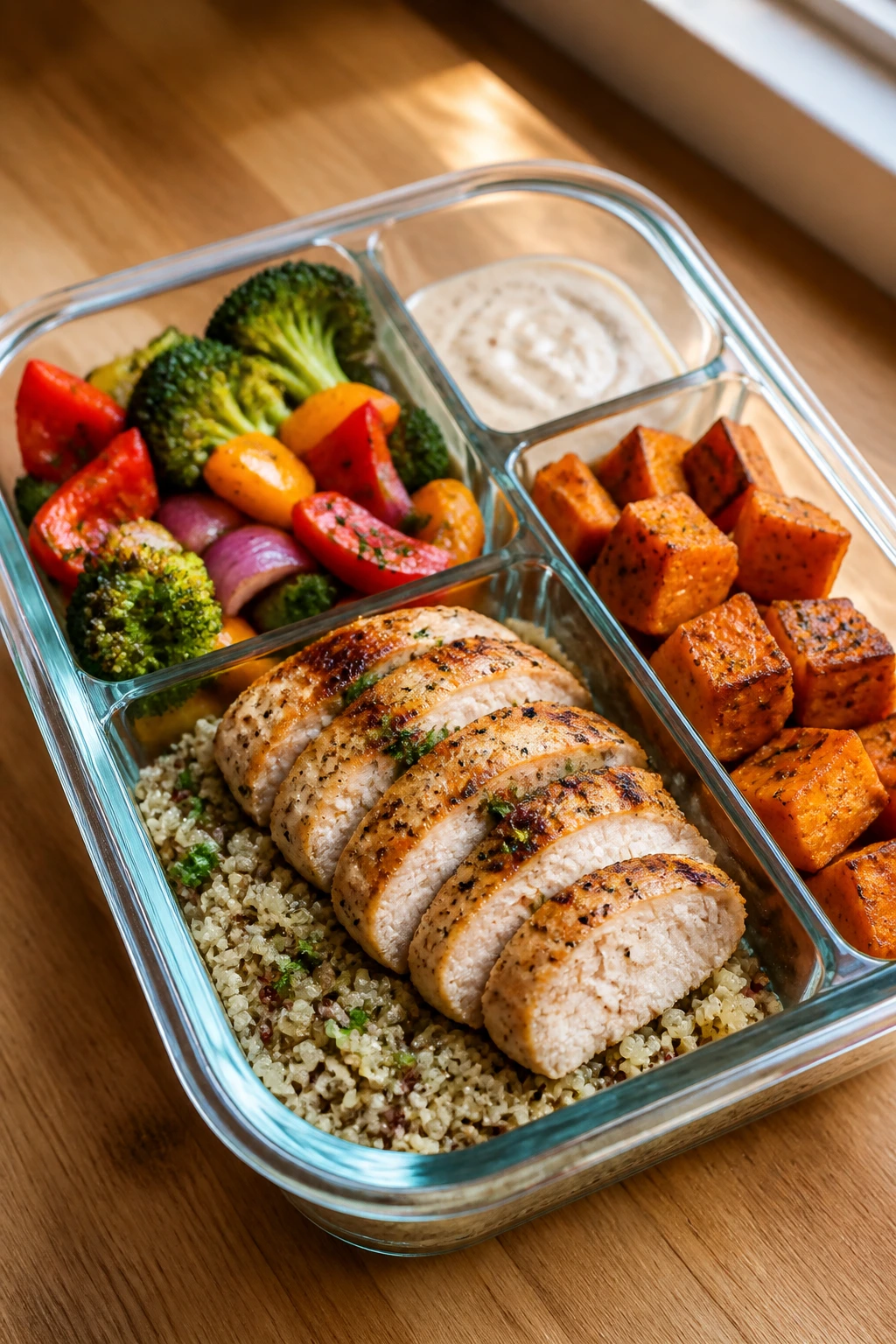
A meal prep box can stay under 500 calories and still feel like a real lunch if you give protein the biggest seat at the table, keep the starch portion honest, and stop pouring oil like it’s free. A container built around 5 ounces of cooked chicken breast, 3/4 cup rice, a couple cups of roasted vegetables, and a measured spoonful of sauce can land around 430 to 470 calories with 35 to 45 grams of protein. That’s the sweet spot for a lot of people: enough food to feel like lunch, not so much that you end up sleepy and annoyed by midafternoon.
Wholesome, in this context, means recognizable food that you can actually name without squinting at the label. Chicken, beans, yogurt, potatoes, rice, shrimp, tofu, herbs, vegetables, citrus. Not a shelf of powder pretending to be dinner. And yes, under 500 calories gives you room for flavor if you’re willing to measure the sneaky stuff. That’s where the whole system gets easier.
Why This Meal Prep Method Works
-
Protein does the heavy lifting: A box with 30 to 40 grams of protein tends to hold up better through a long afternoon than one built mostly on rice and vegetables, because protein slows the speed at which the meal feels “gone.”
-
The calorie cap keeps portions honest: Under 500 calories leaves room for a real lunch without wandering into the heavy, nap-inducing zone that happens when oil, cheese, and starch get loose together.
-
Pre-portioned meals beat guesswork: If the lunch box is already packed, you do not need to negotiate with yourself at 12:30 p.m. while hungry and distracted.
-
Whole-food ingredients reheat better than trendy meal-prep hacks: Roasted vegetables, cooked grains, lean proteins, and measured sauces stay pleasant after a few days; delicate greens and soggy wraps usually do not.
-
The routine saves money in a quiet way: Buying 2 pounds of chicken, a bag of rice, a tub of Greek yogurt, and a pile of vegetables is usually cheaper per meal than random grab-and-go lunches.
-
You can repeat the formula without hating it: Once the portions are dialed in, you can change the seasoning and sauce and make the same box taste like a different lunch.
What a 450-Calorie Container Really Looks Like
A lot of people picture a small, miserable box when they hear “under 500 calories.” That image is outdated. A good meal prep container has volume, color, and a little contrast. It looks full because vegetables take up space without eating the calorie budget, and it feels satisfying because the protein portion is large enough to register as the main event.
The numbers matter more than the vibe here. A useful target for many lunch boxes is 30 to 40 grams of protein, 25 to 45 grams of carbs, and 10 to 15 grams of fat, with the rest made up by vegetables and sauce. That combination usually lands in the 400-to-500-calorie range without turning the meal into a pile of steamed leaves.
Protein First, Always
If you start with protein, everything else gets easier. A 5-ounce cooked chicken breast can give you roughly 40 grams of protein for about 230 to 250 calories, depending on the cut and how much moisture it loses in cooking. A 4-ounce portion of 93% lean ground turkey lands closer to 22 to 24 grams of protein for around 170 to 190 calories. Shrimp is even leaner; 5 ounces cooked can bring 30 grams of protein for roughly 140 calories.
That is why a high-protein meal prep box can stay under 500 and still feel complete. Protein is expensive in the calorie sense, but it earns its place.
Carbs Are Not the Enemy
Carbs are what keep the box from feeling like a weirdly fancy snack. A 1/2 cup cooked rice sits around 100 to 110 calories. A 3/4 cup serving of roasted baby potatoes usually lands close to 120 to 140 calories. Quinoa brings a little extra protein, which is nice, but it’s also denser than rice, so the portion needs to be intentional.
If you work out, walk a lot, or get hungry fast, a controlled carb portion usually makes the meal more useful, not less. Skip the giant carb mound. Keep the useful one.
Fat Needs a Job
Fat is where calorie creep hides. One tablespoon of olive oil adds about 120 calories before you’ve even seasoned the food. A loose pour in the pan can turn a lean meal into a 650-calorie situation before the sauce arrives. That does not mean fat is bad. It means fat needs a job: a teaspoon of sesame oil in a stir-fry, a measured sprinkle of feta, a few avocado slices, or a tablespoon of pesto spread thinly across a whole container.
Measure the oil. Seriously.
Protein Picks That Pack the Most Value
The best protein for meal prep under 500 calories is the one that stays edible after reheating, takes seasoning well, and doesn’t eat your calorie budget in one bite. Not every protein checks those boxes. Some are delicious fresh and disappointing on day three. Others are plain-looking but make a beautiful lunch once you add acid, herbs, or a sharp sauce.
Lean Animal Proteins That Reheat Cleanly
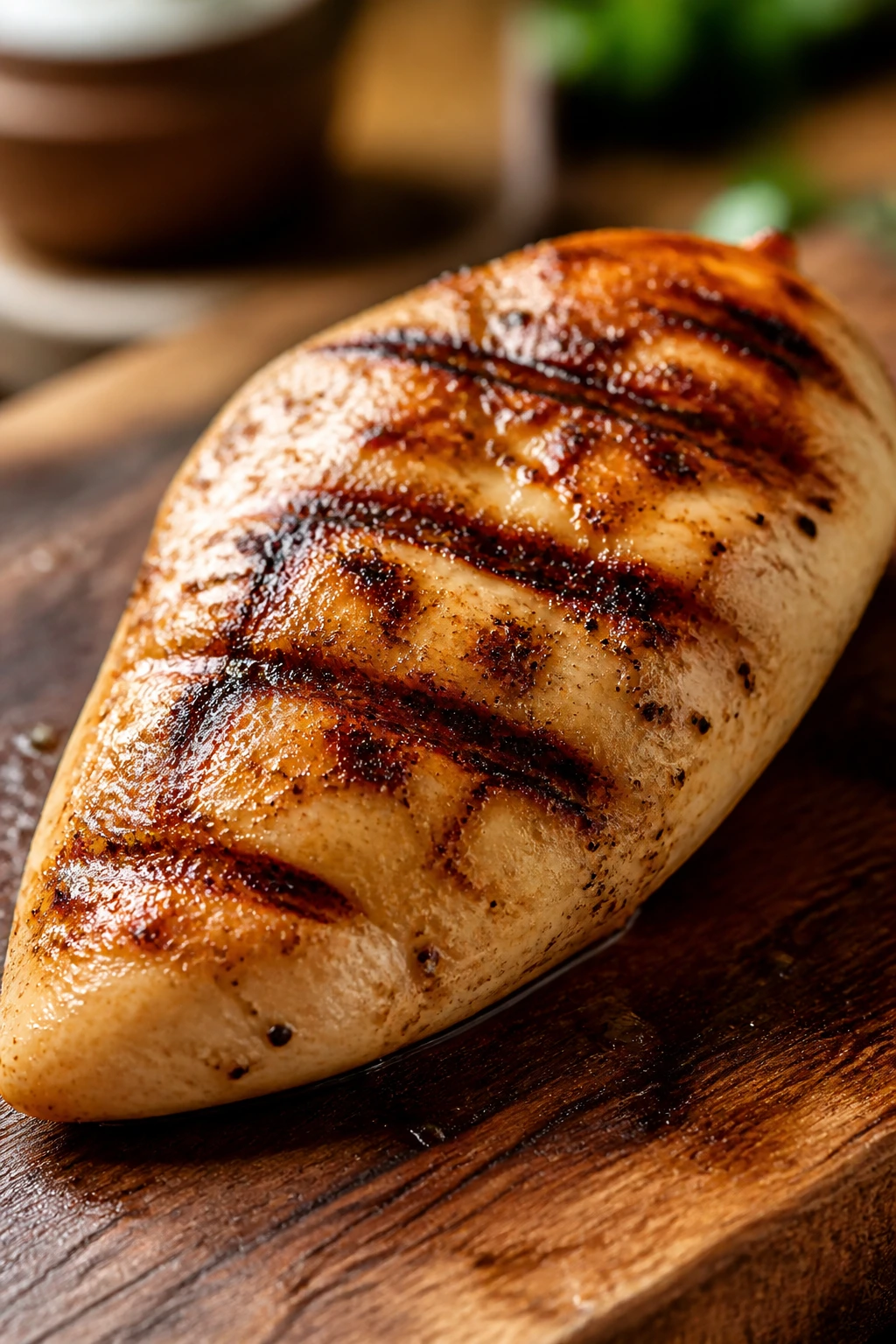
Chicken breast is still the workhorse. It’s not glamorous, and that’s part of the appeal. Slice it across the grain, cook it to just-done, and it holds up in bowls, salads, wraps, and rice containers.
Ground turkey is underrated when it’s seasoned properly. The 93% lean version is usually my pick because it gives you enough fat for flavor without making the calorie count wander. Taco seasoning, garlic, smoked paprika, cumin, and a squeeze of lime wake it up fast.
Shrimp reheats faster than almost anything else on this list. That sounds obvious until you’ve overcooked a tray of it into rubber. If you cook shrimp properly and stop the heat the second it turns opaque and curls into a loose C shape, you can build very clean lunch boxes around it.
Tuna is the lazy hero. Canned tuna in water, drained well, can go into rice bowls, lettuce cups, pasta salads, or yogurt-based tuna salads. It’s not fancy. It works.
Plant Proteins That Don’t Collapse
Extra-firm tofu takes on flavor better than people give it credit for. Press it, cube it, and roast or pan-sear it until the edges brown. It’s dense enough to stay intact in the fridge, which is half the battle.
Tempeh has more chew and a deeper flavor. If tofu feels too soft for you, tempeh can hold its own in soy-ginger bowls and peanut sauces without disappearing.
Edamame is a nice bridge ingredient because it adds protein and texture to grain bowls. A half-cup brings a useful bump in protein without taking over the box.
Seitan is worth using if gluten is fine for you. It’s one of the most protein-dense plant options around and tends to reheat well, especially in saucy dishes.
Dairy and Eggs for Fast Assembly
Nonfat Greek yogurt and low-fat cottage cheese are useful in more places than breakfast. Greek yogurt can turn into a ranch-style sauce, a dill sauce, or a lemon-herb drizzle. Cottage cheese works in savory bowls, especially with tomatoes, cucumbers, herbs, or a spoon of salsa.
Eggs and egg whites are useful when you want a breakfast-for-lunch box or a frittata-style meal. They’re not the highest-protein option by calorie, but they move fast and can be paired with potatoes and vegetables for a very workable prep box.
Carbs and Fiber Without Blowing the Budget
A container can technically be under 500 calories and still feel thin if it has no fiber and the carb portion is too tiny to matter. That’s the mistake I see most often: people act as though a smart lunch means stripping out everything pleasant. Then the meal becomes a protein brick with two broccoli florets and a teaspoon of rice. No one wants that, not for long.
What you want instead is a carb that helps with satisfaction and a fiber source that slows the whole meal down a little. The good ones are cheap, stable, and easy to portion.
Starches That Keep Their Shape
Rice is the obvious choice because it behaves. White rice reheats well and takes on sauce nicely, which is underrated. Brown rice brings more chew and a little more fiber, but it can dry out if you overcook it or leave it uncovered in the fridge.
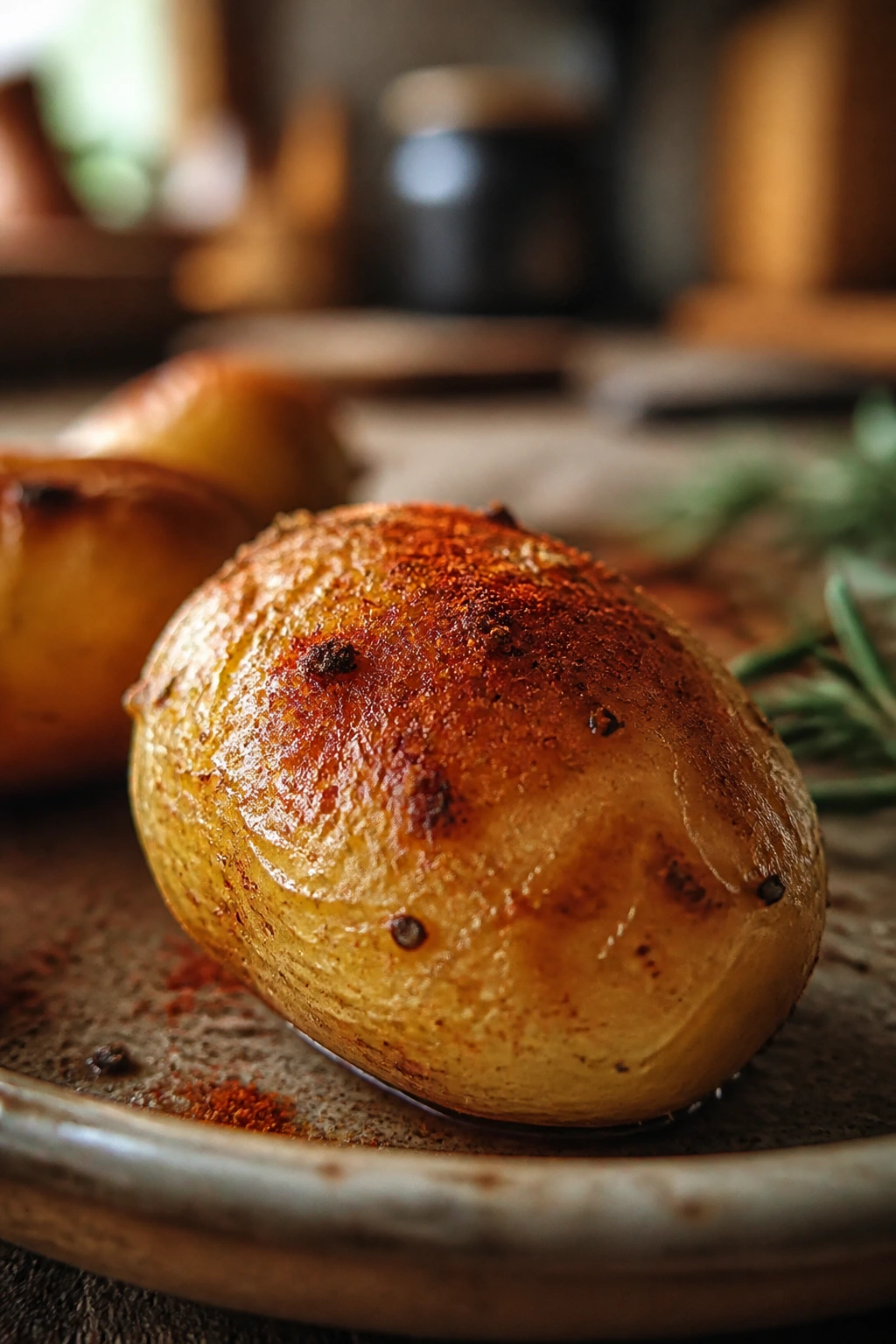
Potatoes are a strong pick because they make a meal feel bigger than their calories suggest. A tray of roasted baby potatoes with paprika and garlic tastes like more food than a same-calorie scoop of pasta, mostly because the texture is better and the skin keeps things interesting.
Quinoa gives you a little protein bonus and a fluffy texture, though it needs good seasoning. Plain quinoa is not doing anyone favors. Salt it, cook it in broth if you want, and finish with lemon or herbs.
Whole-grain pasta can work too, especially in cold pasta salads or pasta bowls with lean turkey and vegetables. Just keep the portion honest. Pasta grows on you fast.
Vegetables That Stay Worth Eating on Day Three
Broccoli, cauliflower, green beans, Brussels sprouts, peppers, zucchini, and carrots all hold up better than watery vegetables. Roast them at 425°F until the edges turn brown, not gray. A little color is what keeps them from tasting like punishment.
Cabbage slaw deserves more credit. Shredded cabbage stays crunchy longer than lettuce, makes bowls feel fresh, and doesn’t wilt the moment sauce lands on it.
Spinach and romaine are fine, but they work best when stored separately from hot foods and dressed at the last minute. Mixed too early, they go limp. Fast.
Beans deserve a place in this conversation because they bring fiber, protein, and substance in the same scoop. Black beans, chickpeas, and lentils all do a better job of making a meal feel finished than a naked pile of chicken ever will.
Fats and Sauces: Where Calories Hide
Oil is the sneaky one. Cheese is the loud one. Nuts and avocado sit somewhere in the middle, acting innocent while the calorie total climbs.
That’s not a reason to avoid them. It’s a reason to measure them like an adult with a lunch plan.
The Oil Problem
A pan that “just got a little olive oil” can easily absorb 2 tablespoons if you’re not paying attention, and that is 240 calories before the food gets plated. Use a teaspoon when you can, or brush oil onto vegetables and proteins instead of pouring from the bottle. On sheet pans, parchment paper helps too. Less sticking. Less panic.
I also like finishing oil more than cooking oil. A teaspoon drizzled over the cooked food has more flavor impact than a sloppy pour used at the beginning.
Sauces That Taste Rich Without Trashing the Budget
A lot of healthy meal prep falls apart because the food is technically fine but emotionally dead. A measured sauce fixes that.
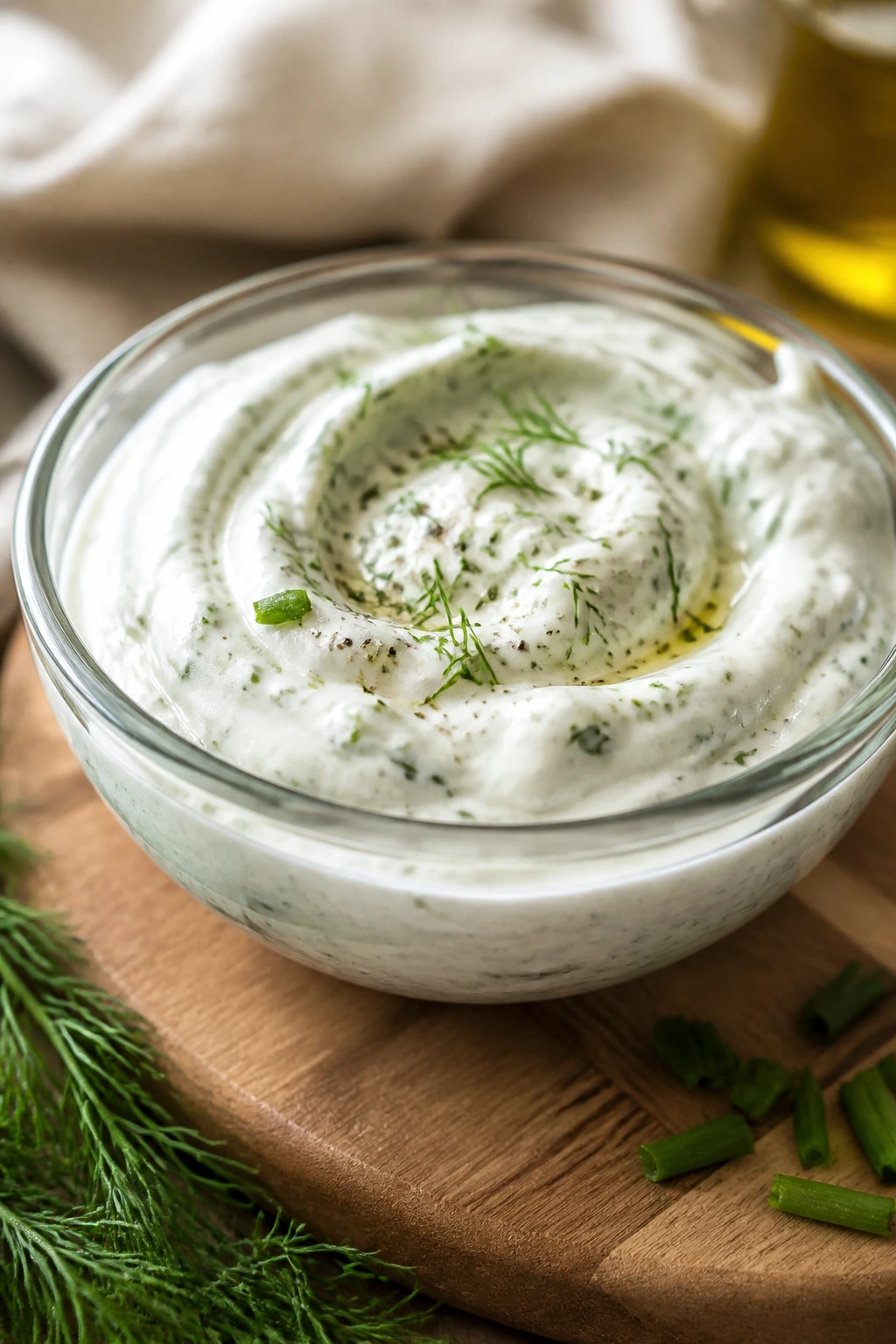
Greek yogurt sauces are one of the best tricks in the box. Mix yogurt with garlic, lemon, dill, salt, and pepper, and you get a sauce that tastes creamy for a fraction of the calories of mayo-based dressings. It works on chicken, potatoes, salmon, and roasted vegetables.
Salsa and pico de gallo are almost unfair in how well they stretch flavor. They add acidity, salt, and moisture with very few calories, which is why taco bowls stay popular for meal prep.
Mustard, vinegar, hot sauce, chimichurri made with a measured spoon of oil, and soy-ginger sauces all punch above their weight. The goal isn’t to drown the meal. It’s to make every bite feel seasoned.
Cheese, Nuts, and Avocado Need Boundaries
A little feta on a Greek chicken bowl? Good. A quarter-pound of cheese dumped over the top? That’s a different lunch.
Use cheese and nuts as accents. A 1-ounce sprinkle of feta is enough for a whole container. A tablespoon of pumpkin seeds adds crunch without wrecking the total. 1/4 avocado is often the right amount in a bowl if you’re keeping the rest lean.
The Build-a-Container Formula I Trust
The cleanest way to make high protein meal prep under 500 calories is to stop treating every lunch like a custom project. Use a formula. Once you know the shape, you can swap ingredients and keep the calories where you want them.
The 4-Part Template
For most lunch boxes, I start here:
- 4 to 6 ounces cooked lean protein
- 1/2 to 1 cup cooked starch
- 1.5 to 2 cups vegetables
- 1 to 2 tablespoons sauce or dressing
That usually lands between 400 and 500 calories, depending on the protein and sauce.
If you want a lower-calorie box, cut the starch down and add more vegetables. If you want the meal to carry you through a long afternoon, keep the protein at the higher end and don’t be stingy with the carbs. Under-eating at lunch often looks disciplined on paper and annoying in real life.
A Calorie Math Example
Take a box made with 5 ounces cooked chicken breast (about 235 calories), 3/4 cup cooked rice (about 150 calories), 2 cups roasted broccoli (about 60 calories), and 2 tablespoons Greek yogurt sauce (about 35 to 40 calories). You’re sitting around 480 to 485 calories with roughly 40 grams of protein.
That is a useful lunch.
Not a punishment. Not a carb coma. Just enough food to keep you moving.
When to Bend the Formula
If you’re packing a box for a day when you’ll sit at a desk all afternoon, the protein and fiber matter more than the carb load. If you’re packing lunch for a day with a workout or a long commute, shift the starch up a little and keep the fats measured.
And if you’re meal prepping dinner instead of lunch, the same structure works. Dinner just tends to get a little more room for roasted vegetables or a heartier side. The calories do not need to all be spent at noon.
Five Meal Prep Boxes I’d Actually Pack
The best test for any meal prep setup is not whether it looks impressive on a Sunday counter. It’s whether you still want it on Wednesday. These boxes are built to reheat cleanly, stay under 500 calories, and keep their shape after a few days in the fridge.
Lemon Chicken, Rice, and Broccoli
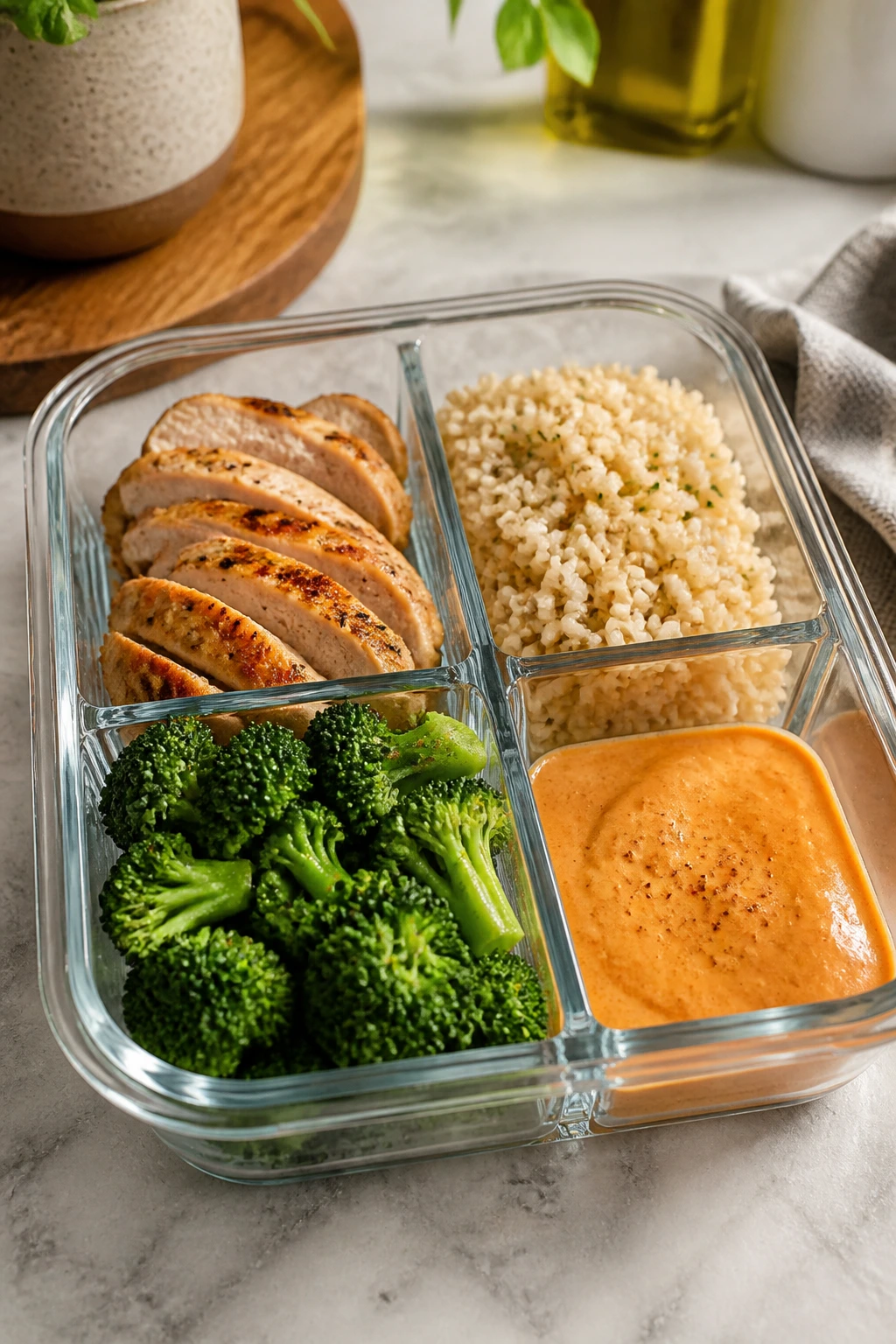
A container with 5 ounces chicken breast, 3/4 cup rice, 2 cups roasted broccoli, and a lemon-yogurt sauce lands around 440 to 470 calories and usually clears 40 grams of protein. The lemon does a lot of heavy lifting here. Chicken and rice can taste flat after chilling, and acid wakes both of them up fast.
This is the box I reach for when I want something straightforward but not boring. The broccoli gets good brown edges in the oven, the rice soaks up the sauce, and the chicken tastes better sliced than left in a whole breast.
Turkey Taco Bowl
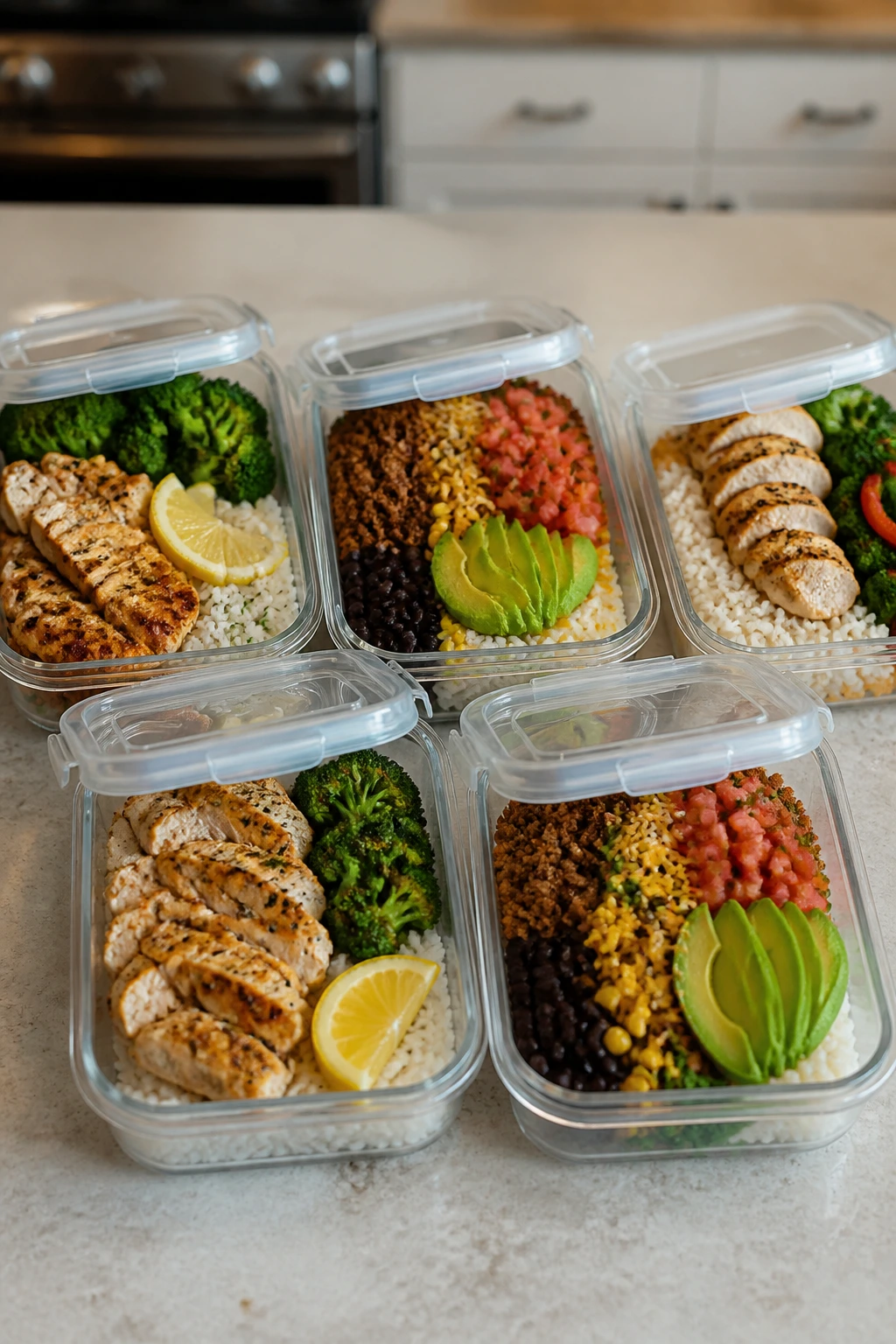
Use 4 ounces cooked 93% lean ground turkey, 1/2 cup black beans, 1/2 cup rice, peppers and onions, salsa, and a spoon of light shredded cheddar. You’ll usually end up around 460 to 490 calories with 35 grams of protein or a bit more.
This one works because the seasoning does the lifting. Cumin, chili powder, garlic, and smoked paprika make the turkey feel bigger than it is. Salsa keeps the bowl wet enough to reheat well, and the beans bring fiber without making the meal heavy.
Shrimp Stir-Fry Box
A good version looks like 5 ounces shrimp, 1 cup cooked jasmine rice, 2 cups stir-fried snap peas, carrots, and peppers, plus a measured ginger-soy sauce. That usually lands around 400 to 430 calories with about 30 grams of protein.
Shrimp is a little delicate, so it’s best when you cook it just until opaque and stop there. Overcooked shrimp turns mealy in the fridge. Fresh ginger, garlic, and a squeeze of lime make this box taste much brighter than its calorie count suggests.
Tofu and Edamame Sesame Bowl
For a plant-based container, use 7 ounces extra-firm tofu, 1/2 cup edamame, 1/2 cup cooked soba or rice, shredded cabbage, and a sesame-lime sauce made with tahini, soy sauce, and water. That can land around 460 to 490 calories with 28 to 32 grams of protein, depending on the exact tofu and sauce amounts.
This bowl needs texture. Press the tofu well, roast it until the edges brown, and keep the cabbage crisp. It’s the contrast that makes the container feel complete, not just the calories.
Chicken Caesar-ish Salad Box
A lower-carb option can be built with 5 ounces chicken breast, romaine, cherry tomatoes kept separate, shaved Parmesan, a Greek yogurt Caesar dressing, and a small side of chickpeas or croutons if you want them. Depending on the starch, you’re usually around 380 to 480 calories with 40 grams of protein.
I like this one on days when I want lunch to feel lighter without becoming flimsy. The trick is keeping the greens dry and the dressing separate until serving. If you pack wet and dry together too soon, you get a limp salad and that is nobody’s idea of lunch.
A Prep-Day Rhythm That Saves Time and Sanity
Meal prep gets easier the moment you stop cooking things in a random order. The kitchen punishes chaos. A plan, even a rough one, keeps you out of the weeds.
Start With the Longest-Cooking Items
Grains and potatoes usually need the first slot. If rice or quinoa is going on the stove, start it before you even chop vegetables. If you’re roasting potatoes, they should go in early too because they take longer than a pile of broccoli or zucchini.
For sheet-pan meals, I like 425°F because it gives vegetables enough heat to brown instead of steam. Broccoli, peppers, and green beans do well there. Chicken breast can ride along, but keep an eye on it so it doesn’t dry out while the vegetables finish.
Build Around Parallel Jobs
While the oven works, make the sauce. While the sauce sits, cut the cold vegetables or portion fruit. While the protein rests, wash containers or line up labels. Meal prep feels long when you stare at one task at a time. It feels short when you stack them.
I keep a small bowl next to the cutting board for scraps, because a clean counter makes the next step faster. That sounds minor. It isn’t.
Cool Before You Seal
Hot food in a sealed container creates steam, and steam turns roasted vegetables mushy and leaves rice sticky in the wrong way. Let the food cool for 15 to 20 minutes before snapping lids shut. If you’re working with a large batch, spread it out in shallow containers so it cools faster.
Food safety matters here too. Get cooked food into the fridge within 2 hours. If your kitchen is warm and the batch is huge, divide it into smaller portions so it drops temperature faster. That’s not overcautious; it’s just smart.
Kitchen Tools and Containers Worth Using
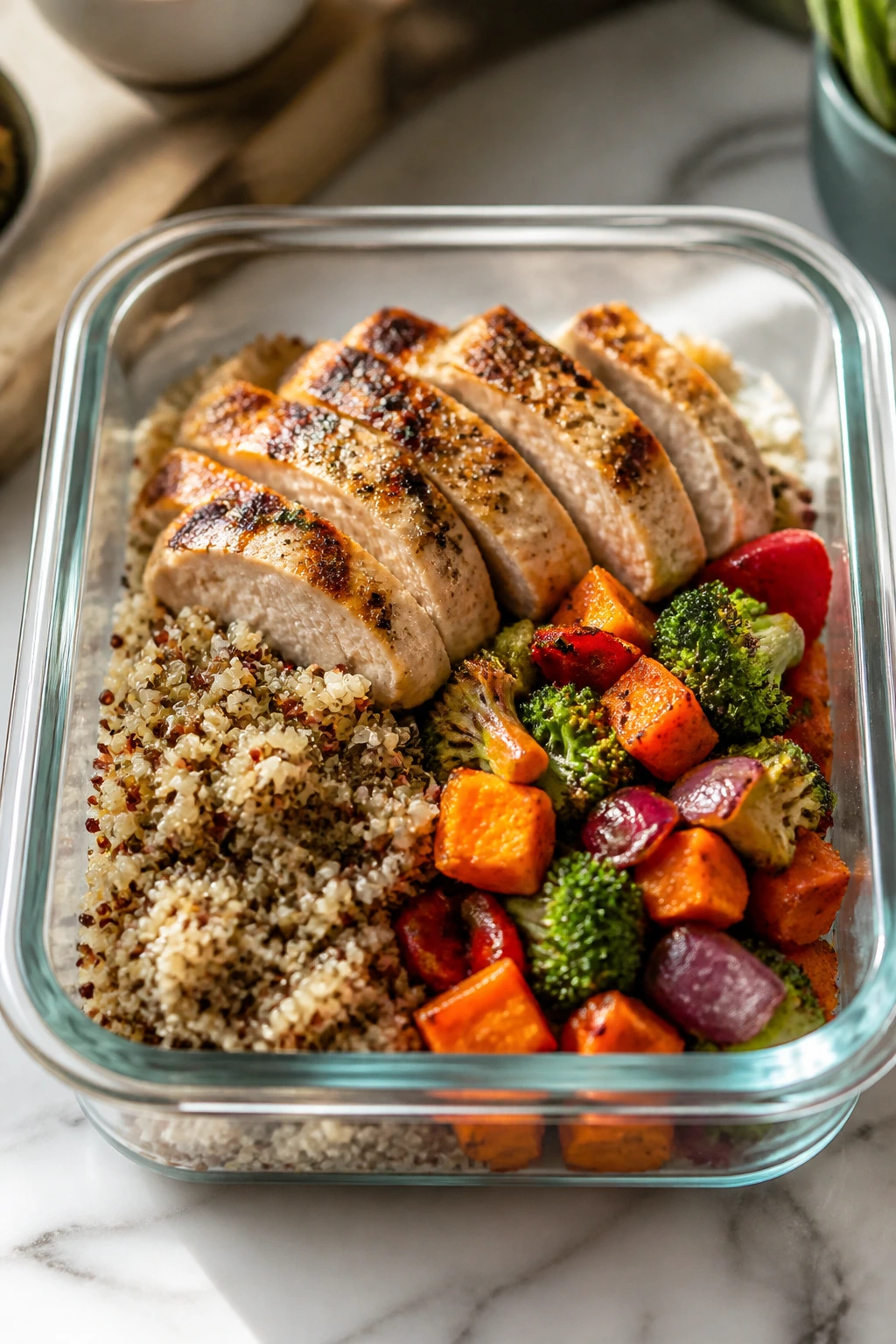
You do not need a designer kitchen to make this work. You need a few things that cut down on guesswork and keep the food from turning into a science experiment.
-
Digital kitchen scale — The best tool for learning portions accurately, especially for protein and rice.
-
Instant-read thermometer — Useful for chicken, turkey, and reheated leftovers; it keeps lean proteins from drying out.
-
2 rimmed sheet pans — One for vegetables and one for protein, or one for a second batch while the first cooks.
-
Large skillet or sauté pan — Handy for ground turkey, tofu, shrimp, and quick sauces.
-
Medium saucepan with a tight lid — Good for rice, quinoa, lentils, and beans.
-
Meal prep containers with secure lids — Compartments help keep textures separate; 3-compartment boxes work well for bowls.
-
Small sauce cups — Essential if you want dressings, yogurt sauces, salsa, or vinaigrettes to stay separate until eating.
-
Sharp chef’s knife and sturdy cutting board — A dull knife makes prep feel like labor instead of a routine.
-
Parchment paper or silicone baking mats — Helpful for sheet-pan cooking and easier cleanup.
-
Labels and a marker — Date the containers. Future you will appreciate it.
Small Tweaks That Keep the Boxes Interesting
The fastest way to ruin a good meal prep system is to make every container taste identical. The point is not variety for the sake of variety. It’s keeping the same core formula from becoming a chore.
Flavor Enhancement: Add acid at the end. Lemon juice, lime, red wine vinegar, rice vinegar, or a spoon of pickle brine can wake up a container in one move. Acid is the difference between “healthy lunch” and “this was seasoned by a machine.”
Time-Saver: Cook two proteins at once if the oven can handle it. Put chicken on one sheet pan and vegetables on another. Or brown ground turkey while rice cooks. Parallel work saves more time than trying to shave seconds off one task.
Cost-Saver: Rotate in cheaper protein anchors like eggs, tuna, tofu, cottage cheese, beans, and 93% lean turkey. A bowl doesn’t need filet mignon to be useful. It needs enough protein and a sauce with some personality.
Texture Fix: Keep crunchy things separate. Cucumber, cucumber, pickles, toasted seeds, and nuts belong in a side cup if they’re going on top of something hot. A lot of meal prep fails because the cook mixes every texture together and expects it to stay lively for four days. It won’t.
Make-It-Yours: If you eat dairy, add a little feta, Parmesan, or yogurt sauce. If you don’t, use tahini, salsa, or a vinaigrette with mustard and herbs. If you like heat, keep a tiny container of chili crisp, hot sauce, or sliced jalapeños next to the box. One extra garnish can make the same bowl feel different three days in a row.
Storage, Reheating, and Make-Ahead Rules That Save the Texture
Meal prep lives or dies in the fridge. Good food can be made strange by bad storage, and the fix is usually simple.
Refrigerator Life
Most cooked chicken, turkey, rice, potatoes, beans, and roasted vegetables hold well for 3 to 4 days in the refrigerator. Seafood is a little more fragile; 2 to 3 days is the safer window for cooked shrimp, salmon, or tuna-based meals. Tofu and tempeh usually sit comfortably in that same 3 to 4 day range.
If you’re packing salad boxes, keep the dressing separate and use the greens earlier in the week. Romaine and cabbage hold up better than spinach. Soft lettuce gets tired faster.
Freezer Life
A lot of high protein meal prep under 500 calories freezes well, especially bowls built around chicken, turkey, rice, beans, or cooked sauces. Most of those pieces are fine for 2 to 3 months in the freezer if stored tightly. Texture changes over time, though, so I like to freeze in portions I know I’ll use within a couple of months.
What does not freeze well? Lettuce. Cucumbers. Yogurt sauces. Anything that depends on crunch.
Reheating Without Ruining It
For the microwave, cover the container loosely and heat in 60-second bursts, stirring once if the food can be stirred. Add 1 to 2 tablespoons of water or broth if rice or chicken looks dry. For a skillet, medium heat with a splash of water works well for rice bowls and stir-fries. For an oven, 350°F for 10 to 15 minutes under foil will rewarm larger portions more gently.
Chicken, turkey, and other leftovers should be reheated to 165°F or until steaming hot all the way through. That’s the number to trust.
Make-Ahead Timing
You can chop vegetables 2 to 3 days ahead, make sauces 4 to 5 days ahead, and cook grains 3 to 4 days ahead. Proteins are best cooked and portioned in the same prep block unless you’re freezing them right away. If you’re doing multiple days at once, store wet components apart and combine them only when the lunch is meant to be eaten.
Common Mistakes That Push Good Meal Prep Off Track
A lot of meal prep problems are not recipe problems. They’re portion problems, storage problems, and seasoning problems. The food was probably fine at the stove. It got weakened somewhere between the pan and the container.
-
Under-portioning protein: The lunch looks tidy, but you’re hungry an hour later. The fix is simple: weigh or measure the cooked protein the first few times and aim for 4 to 6 ounces per box.
-
Pouring oil without measuring: This is the fastest way to blow past 500 calories without realizing it. Use a teaspoon, a brush, or a measured spoon for pan cooking and finishing.
-
Packing wet and dry ingredients together too early: Lettuce wilts, tortillas get soggy, and roasted vegetables turn soft. Keep sauces, pickles, and crisp toppings separate until eating.
-
Overcooking lean proteins: Chicken breast turns cottony, shrimp turns rubbery, and turkey dries out. Pull chicken as soon as it reaches 165°F, or a touch before if it’s resting, and stop cooking shrimp the moment it turns opaque.
-
Forgetting salt and acid: A lot of “healthy” meal prep tastes flat because it’s underseasoned, not because the ingredients are boring. Salt the protein, season the vegetables, and finish with lemon, vinegar, salsa, or herbs.
-
Trying to prep five different meals at once: That sounds ambitious and usually ends in a messy counter and three half-finished pans. Pick two or three base combinations and repeat them.
Flavor Variations for Different Eating Styles
You can keep the same calorie range and change the personality of the meal completely. That’s the real advantage of this system. The structure stays steady; the flavors move.
Mediterranean Lunch Boxes: Use chicken, chickpeas, cucumber, tomato, olives, lemon, and a yogurt-dill sauce. Keep the olive oil measured and rely on herbs, garlic, and acid for the big flavor. These boxes taste even better when the lemon has had a day to settle in.
Tex-Mex Prep Bowls: Ground turkey, black beans, peppers, rice, salsa, and a little shredded cheddar make a bowl that feels substantial without needing much oil. Swap sour cream for Greek yogurt if you want the same creaminess with more protein.
Dairy-Free Sesame Boxes: Use tofu or shrimp with broccoli, cabbage, rice, and a sesame-ginger sauce made with tahini, soy sauce, rice vinegar, and water. A little goes a long way here. Too much sesame oil can push the calories up fast, so keep it to a teaspoon or less.
Low-Carb Crunch Containers: Build these around chicken, tuna, shrimp, or tofu, then add cabbage, cucumber, peppers, avocado in a small amount, and a sharp dressing. These work best when the crunch stays separate until the last minute.
Vegetarian Power Prep: Tempeh, seitan, edamame, quinoa, roasted vegetables, and a measured tahini or yogurt sauce make a box that lands squarely in the high-protein lane without meat. The key is seasoning each component instead of treating the bowl like one blended mass.
Questions People Ask Before They Pack the Fridge
How much protein should a meal prep box have?
For most people, 25 to 40 grams of protein per meal is a solid target, and 30 to 35 grams is a sweet spot for lunch. If you’re very active or the meal has to carry you for a long stretch, move toward the higher end.
Do I need a food scale to make this work?
Not forever, but it helps a lot at the start. A scale teaches your eye what 4 ounces of chicken or 3/4 cup rice actually looks like, and that knowledge makes calorie control much easier later.
Can I build a filling box under 500 calories without eating chicken every day?
Yes. Shrimp, tuna, tofu, tempeh, turkey, egg-white scrambles, Greek yogurt bowls, and cottage cheese-based lunches all fit the same calorie range when portions are measured well.
What’s the easiest way to stop salads from getting soggy?
Keep dressing separate, use sturdier greens like romaine or cabbage, and pack watery vegetables like tomatoes or cucumbers in their own section or small container. If you’re making a layered salad, put the dressing at the bottom and the greens at the top.
Is it safe to meal prep rice?
Yes, if you cool it quickly and refrigerate it within 2 hours. Spread it out a bit so steam escapes, store it in shallow containers, and reheat it until steaming hot.
Can I freeze these meals?
Most chicken, turkey, rice, bean, and sauce combinations freeze well for 2 to 3 months. Skip freezing fresh greens, cucumbers, and yogurt-based dressings because the texture gets unpleasant.
What if my lunch tastes bland after three days in the fridge?
Add acid and freshness at the end: lemon, lime, vinegar, herbs, chopped scallions, pickles, or a spoon of salsa. Cold food needs more seasoning than warm food, so a fridge box often needs a bigger hit of salt and acid than you expected.
Can I use rotisserie chicken?
Yes, and it can save a lot of time. Pull the skin off, measure the meat, and keep the seasoning in mind because some store-bought chickens are saltier than others. Pair it with plain grains and vegetables so the lunch doesn’t get too salty.
How do I keep the calorie count under 500 if I want cheese or avocado?
Use them like finishing ingredients, not base ingredients. A 1-ounce sprinkle of cheese or 1/4 avocado can fit easily if the protein and starch portions stay measured.
Can these boxes work for breakfast too?
They can. Egg whites, whole eggs, turkey, potatoes, cottage cheese, spinach, and salsa make a breakfast box that stays under 500 calories and doesn’t feel like dessert in disguise.
The Fridge That Does Its Job
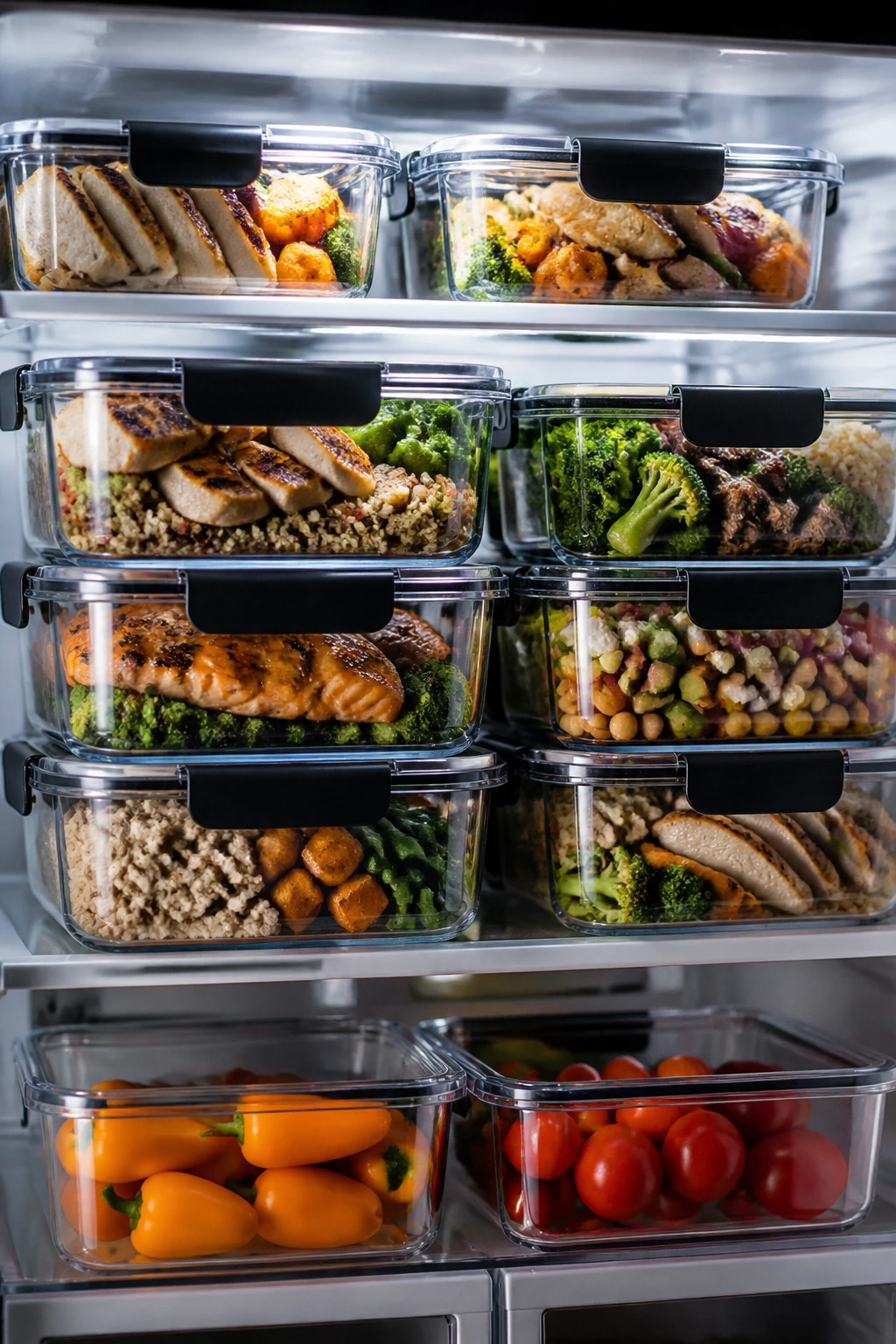
A good meal prep system doesn’t need to be dramatic. It needs to be reliable. The best high protein meal prep under 500 calories is the kind you can build on a Sunday without cursing the chopping board on Tuesday.
That’s why the formula matters more than any single recipe. Once you know how to pair a lean protein, a sensible carb portion, vegetables with texture, and a measured sauce, the fridge stops feeling like a punishment zone. It starts handing you lunch without a fight.
And that small shift changes the week more than people expect.