



You know the dinner I mean. The one where you set down a plate of perfectly decent food — roasted chicken, broccoli with crisp edges, a pile of rice — and a child stares at it like you’ve offered drywall. The ingredients are fine. The mood is not.
A crowd-pleasing family fun dinner kids will actually eat is usually not about making the food more childish. It’s about making dinner feel manageable. Separate pieces. Mild flavors that can be built up at the table. A little crunch. A little sauce. One safe thing everybody recognizes, plus one thing that feels like an invitation instead of a command.
That’s the trick adults sometimes miss. Kids often do better with dinner that arrives in parts, not one mixed-up heap. A soft tortilla next to shredded chicken. Pasta with sauce on the side. Rice, cut vegetables, a little cheese, a dip that smells like something they’ve already liked three times before. It’s less “special occasion” and more “food they can touch, choose, and trust.” Which is why the best family dinners usually look slightly casual, even a little scattered. Good. They should.
Why a Build-Your-Own Family Dinner Works So Well
-
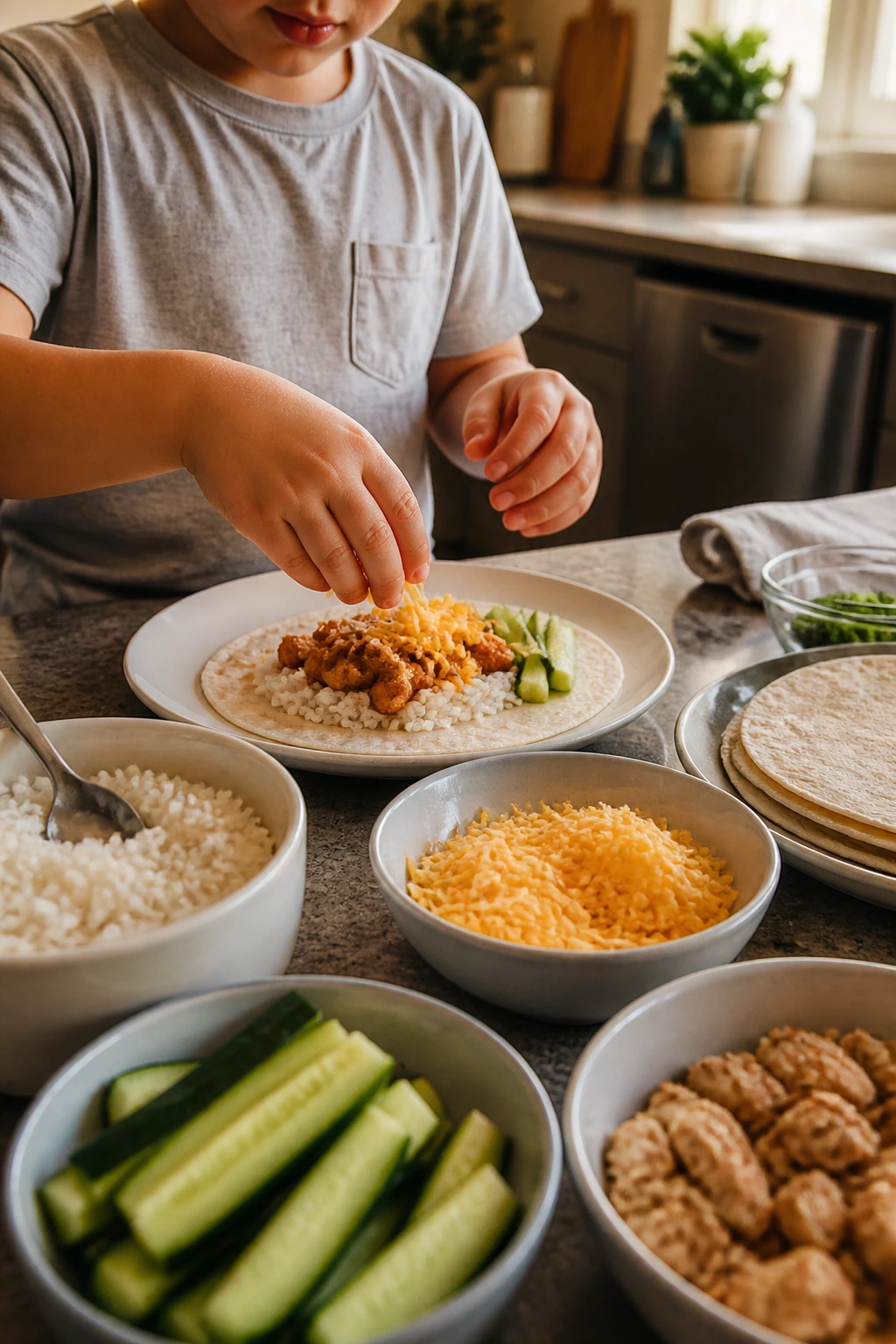
Built-in control: Kids are far more likely to eat a dinner they assembled themselves, even if the choices are tiny — one scoop of rice, two cucumber sticks, a sprinkle of cheese, done.
-
Familiar first, adventurous second: A safe base like pasta, tortillas, or slider buns lowers the stress level, and that makes a new sauce or vegetable easier to accept.
-
Less food waste on the plate: When components stay separate, a child can eat the chicken and skip the peas without turning dinner into a battlefield.
-
Textural variety does the convincing: Warm, soft, crunchy, and creamy food on one table gives kids more entry points than a single casserole ever will.
-
One menu, different appetites: Adults can load up on salsa, pickled onions, or chili oil while younger eaters stick to cheese, bread, and plain protein.
-
It scales cleanly: A dinner bar is easier to stretch for guests, siblings, or a hungry grown-up who “wasn’t that hungry” until the food smelled good.
The Plate Formula That Keeps Kids Interested
The easiest family-style dinner starts with a shape, not a recipe. That sounds annoyingly simple, but it matters. A plate with a clear structure is easier for kids to read, and when dinner is easy to read, they waste less time negotiating with it.
I like to think in five parts: one base, one protein, one mild vegetable, one sauce, and one crunchy finish. That’s it. Not a parade of choices. Not twelve little bowls that make the table look like a cafeteria. Just enough variety to let a child build something that feels like “their” dinner.
The base is the anchor. Tortillas, rice, pasta, buns, flatbread, potatoes — any of those can do the job. Pick one that stays soft and warm long enough for people to serve themselves. If you choose rice, keep it covered with a lid or a clean towel so it doesn’t dry into a sad crust. If you choose tortillas, wrap them in foil or a kitchen towel and tuck them into a low oven for ten minutes.
The protein should be easy to bite and not too chewy. Shredded chicken, little meatballs, taco beef, salmon flakes, black beans, white beans, or scrambled eggs all work because they don’t require a heroic bite. Kids hate wrestling dinner. Adults do too, if we’re honest.
Then comes the part that makes this dinner work in real homes: one sauce, one fresh topping, one crunchy thing. Sauces glue the meal together. Fresh toppings wake it up. Crunch gives the plate a little life. A spoonful of yogurt ranch over chicken changes the whole bite. A few diced tomatoes next to warm rice matter more than people think. So does a handful of crushed tortilla chips, toasted breadcrumbs, or sliced cucumbers with salt.
Keep the Pieces Separate
Separate serving bowls are not a fussy detail. They’re the entire point. A child who hates onions can simply leave the onions in the bowl. A child who loves cheese can add more. That tiny bit of choice does more for family dinner than a dozen lectures about trying new foods.
Think in Safe Foods and Stretch Foods
I always want one obvious safe food on the table — plain pasta, rice, bread, or fruit — and one stretch food that’s close enough to feel low-risk. Maybe that’s roasted carrots cut into matchsticks instead of coins. Maybe it’s mild salsa instead of hot sauce. Maybe it’s a little shredded cabbage tucked under a taco so it disappears into the background. Tiny steps count.
Use MyPlate as a Loose Map, Not a Bossy Rule
The MyPlate model is useful because it gives you a basic frame: grains, protein, vegetables, fruit, and dairy. I use it as a map, then loosen it up for real life. Kids don’t need a perfect diagram on the first pass. They need a plate that looks familiar enough to eat and flexible enough to repeat tomorrow.
Choosing the Main Without Starting a Side Drama
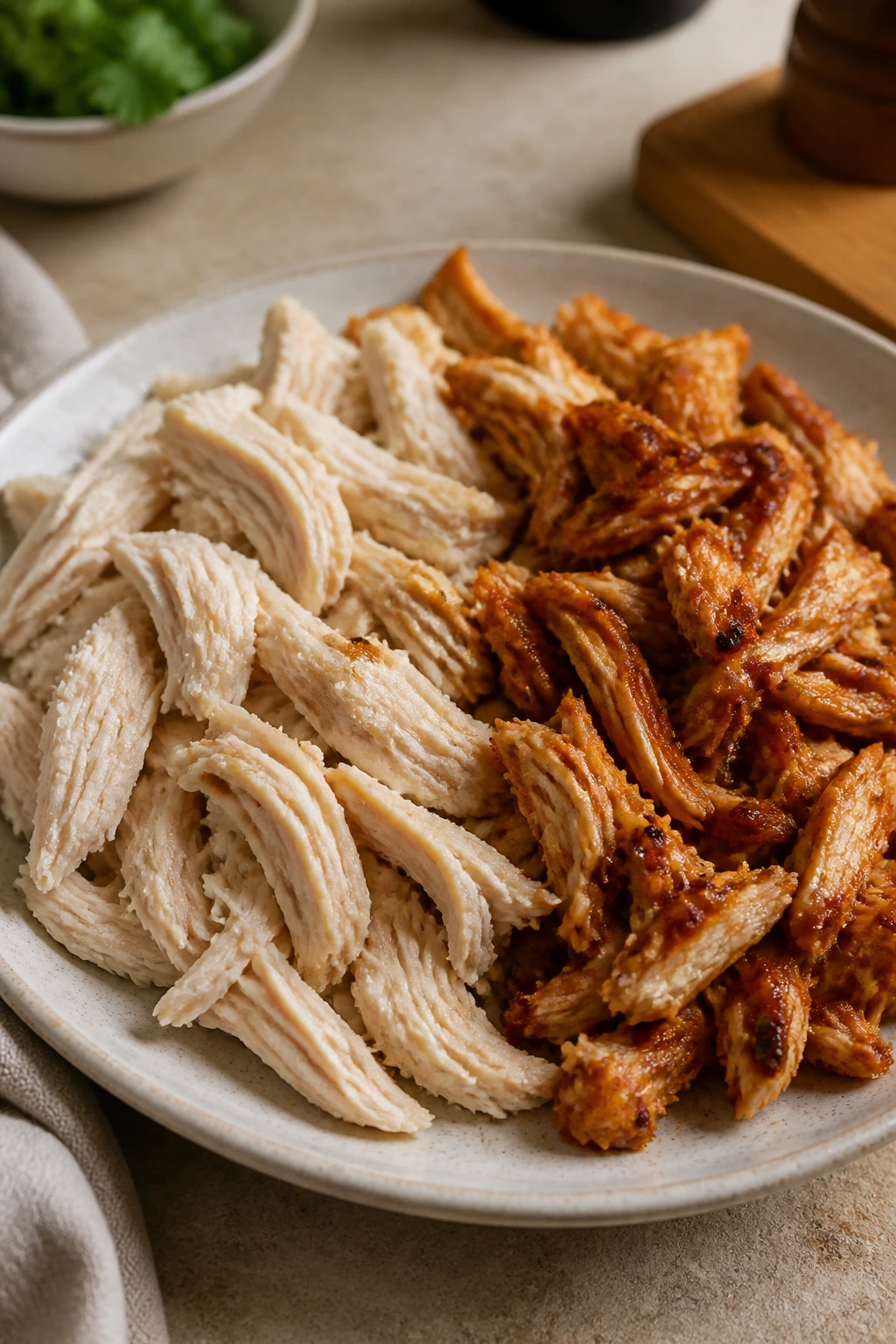
The main course is where most family dinners wobble. Too dry, and kids complain. Too spicy, and adults start hunting for yogurt. Too fancy, and the table goes quiet in the worst way. The sweet spot is food that tastes like food, not a performance.
If I’m feeding a mixed-age table, I like mains that hold their shape and reheat well. Shredded rotisserie chicken is one of the best shortcuts around because it’s already tender, already savory, and easy to season in two directions. Half the pan can stay plain; the other half can get cumin, garlic, or a splash of hot sauce for the grown-ups. Meatballs are another good one. They’re compact, easy to portion, and their browned exterior gives kids something to hold onto with a fork or a toothpick. Ground turkey, beef, or even lentil versions all work if they’re not overloaded with filler.
Beans deserve more credit than they get. Black beans warmed with a little onion and salt can hold a dinner bar together without any drama. So can white beans mashed lightly with olive oil and lemon. They’re soft, dependable, and they don’t fight the tortilla, the rice, or the bun. That matters.
The Best Main Proteins for Kid-Friendly Dinner Bars
-
Shredded chicken thighs: Juicier than breast meat and harder to overcook. They stay tender even if dinner gets delayed.
-
Mini meatballs: Easy to portion, easy to dip, and less intimidating than a big slab of meat. They also freeze well.
-
Mild taco beef: Browned ground beef with a little onion and tomato paste gives a savory base without complicated seasoning.
-
Black beans or pinto beans: Cheap, forgiving, and good with rice, tortillas, cheese, or corn.
-
Salmon flakes: Not the first thing people think of, which is exactly why they can work. Served with rice, cucumber, and a mild sauce, they become less “fish dinner” and more “build-a-bowl.”
-
Scrambled eggs or egg bites: Best for breakfast-for-dinner nights, especially when nobody has the patience for a long cook.
A main should be cooked enough to taste complete, but not so complex that every bite brings a new argument. If you’re adding a sauce to the meat, keep some of it plain. Always. The plain portion is what rescues the picky eater, and the seasoned portion is what keeps the adults from feeling like they’re eating from a kindergarten menu.
Don’t Hide Everything
Kids usually notice when food has been disguised. And if they don’t notice the first time, they’ll notice the second. Better to put the chicken in a bowl, the cheese in another bowl, and the diced tomatoes in a third. Honest food goes further than “surprise” food.
Sauces and Dips That Pull the Whole Plate Together
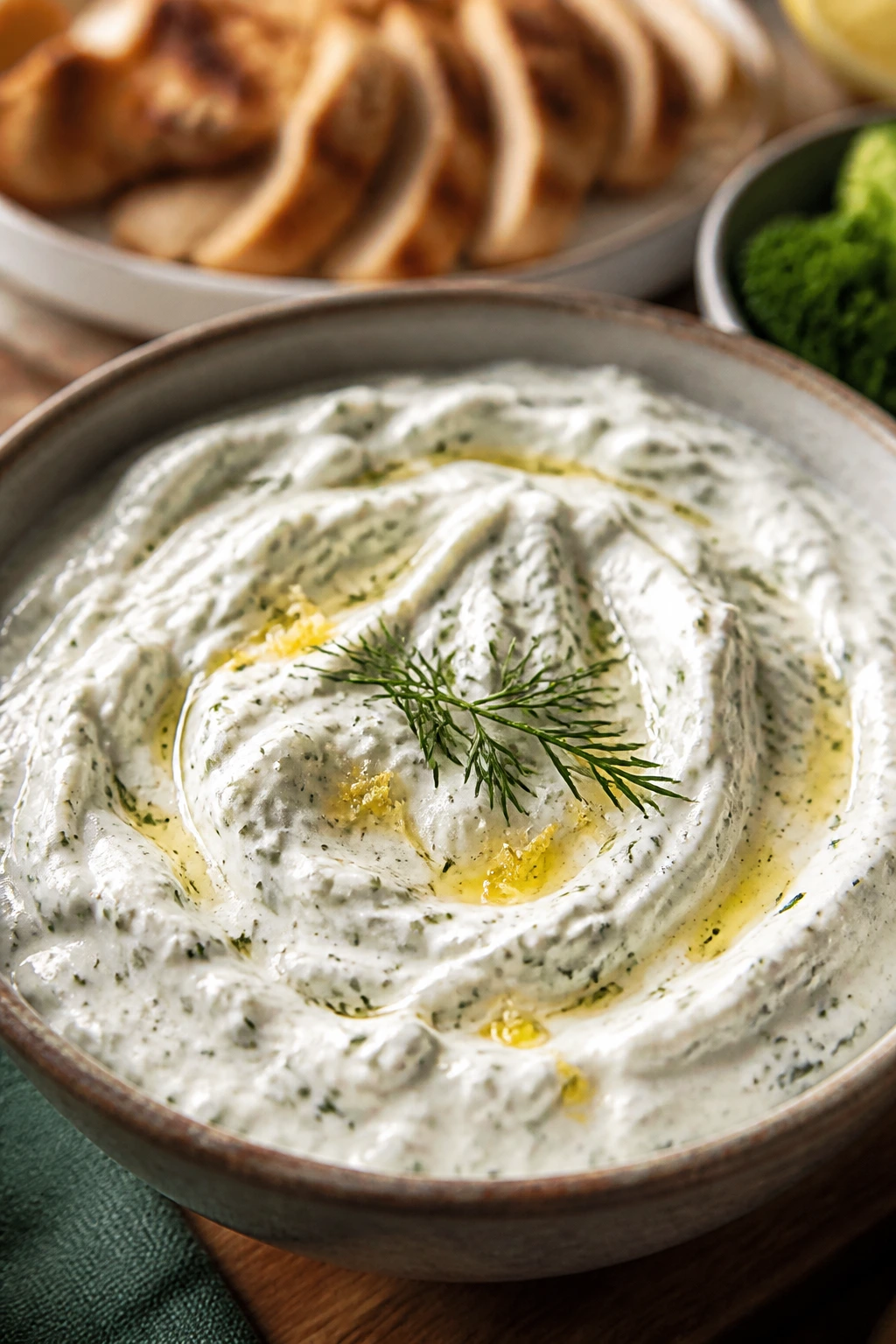
Sauce is the bridge. Without it, a dinner bar can feel like a tray of unrelated parts. With it, the whole table starts making sense.
For kids, the best sauce is usually mild, creamy, or slightly sweet. Plain yogurt mixed with a little lemon and garlic becomes a clean-tasting dip for chicken, potatoes, or vegetables. Mild salsa works for children who like tomato flavor but not fire. A thin cheese sauce can turn broccoli from a hard sell into something they at least poke with a fork. Marinara, ranch, hummus, honey mustard — all of these can be dinner glue if you keep the flavors familiar and don’t drown the plate.
I’m not fond of serving one aggressive sauce and calling it dinner. That’s how you end up with two bites eaten and a lot of negotiation. Better to set out one safe sauce and one bolder sauce. Adults can reach for chili crisp, harissa yogurt, or chimichurri. Kids can stay on the creamy side. Nobody loses.
Texture matters here more than people admit. Thick sauces cling to food, which helps when the child is suspicious of the meal. Thin sauces are easier for rice bowls and pasta, but they can make a plate sloppy if you overdo them. If the sauce is very runny, serve it in a small cup and let people dip instead of pour.
Sauce Pairings That Rarely Miss
-
Chicken + ranch or yogurt dip: The cool, creamy bite softens seasoned chicken and calms down roasted vegetables.
-
Meatballs + marinara: Familiar, simple, and good with bread, pasta, or a little parmesan.
-
Rice bowls + salsa verde or mild tomato salsa: Bright enough for adults, not scary for kids if you keep the heat low.
-
Beans + cheese sauce: Rich, soft, and easy to scoop with tortillas or chips.
-
Potatoes + sour cream or herbed yogurt: A little salt, a little tang, and a lot less complaint.
One thing I’ve learned: kids often like sauce better when they dip into it themselves. A spoonful poured on top can feel like a decision made for them. A little cup on the side feels like control. Same food. Different reaction.
Vegetables Kids Will Actually Pick Up
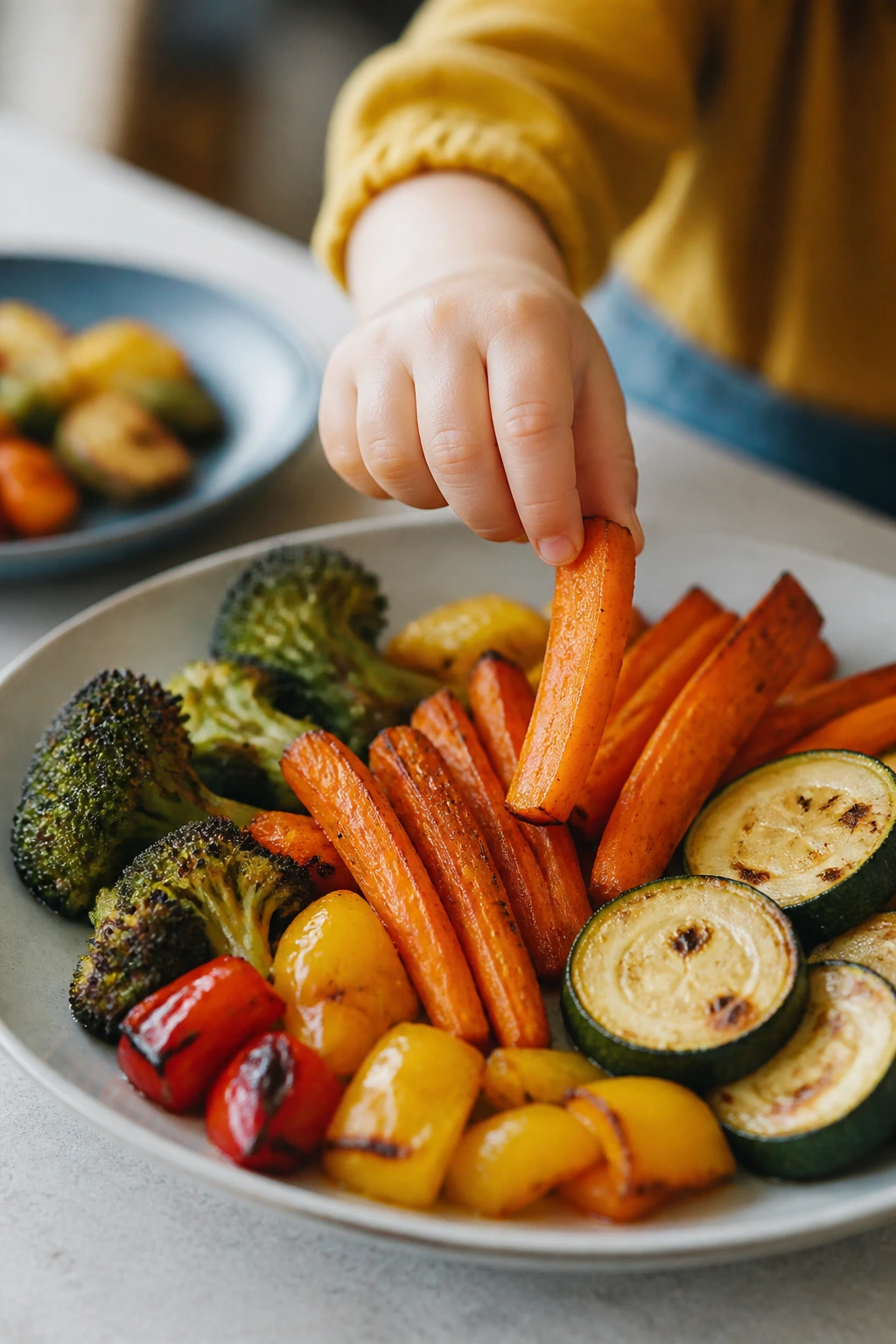
Vegetables can work at a family dinner. They just need to look like something a small hand can manage. The mistake most people make is treating vegetables like a moral requirement. That approach has terrible results and, frankly, an annoying tone.
Think shape first. Carrot sticks are more inviting than carrot coins. Cucumber rounds are fine, but half-moons are easier for tiny fingers to grab. Broccoli florets with roasted edges beat steamed florets that look pale and collapsible. Snap peas, cherry tomatoes cut in half for younger kids, corn kernels, bell pepper strips, and tender green beans all have a place if you prepare them with a little care.
Heat helps. So does salt. A vegetable straight from a hot pan smells different from one that came out of a microwave dish and sat for ten minutes. Roasted broccoli at 425°F for 18 to 22 minutes, tossed with oil and salt, gets browned edges that taste sweeter than the plain version. Carrots roasted with butter or olive oil get less “vegetable,” more “side dish.” That shift matters at a table with kids.
Better Vegetable Moves for Family Dinners
-
Roast instead of steam when you can: A little browning makes vegetables taste sweeter and more structured.
-
Cut for grabbing, not for aesthetics: Long strips and bite-size pieces are easier than perfect slices.
-
Serve one raw vegetable and one cooked one: Texture choice helps. A child who won’t touch peas may gladly eat cucumber.
-
Use salt on purpose: Underseasoned vegetables are where good intentions go to die. They need enough salt to taste like food.
-
Keep the sauce nearby: A dip turns raw carrots or broccoli into something closer to a game.
I’d also put fruit on the table sometimes. It sounds too simple to matter, which is exactly why it works. Grapes cut lengthwise for younger children, orange segments, apple slices with peanut butter, or strawberries in a plain bowl can give the plate a little relief. Not every “vegetable success” has to be a vegetable. Food is food.
Turning Dinner Into a Hands-On Table Ritual
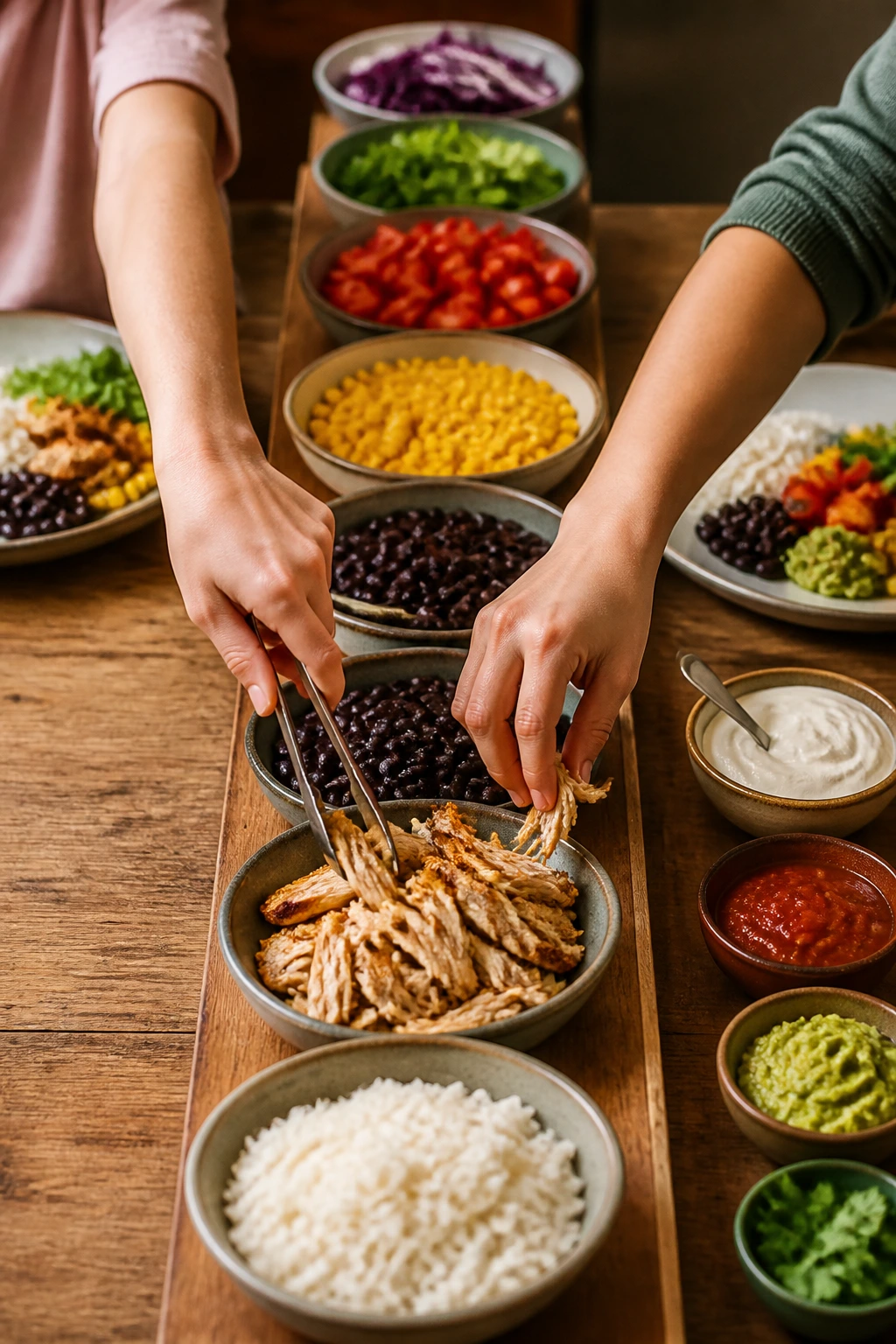
A family fun dinner gets more traction when the table itself does some of the work. You do not need a full-on build-your-own station with labels and decorations. Honestly, that’s too much. You need a few bowls, some serving spoons, and enough space that nobody feels like they’re assembling a puzzle in a moving car.
Start by lining up the food in the order people will use it. Base first. Protein second. Vegetables and toppings next. Sauces last. If you’re serving hot and cold components together, keep the hot ones in covered dishes and the cold ones in smaller bowls or a tray with ice underneath if the meal is sitting out for a while. Food safety matters here. Cooked foods should not linger at room temperature beyond two hours, and less if the room is hot.
I also like to pre-fill a few plates for younger kids before the main line opens. Not every child wants to stand there making a choice while a sibling reaches in for the cheese. Sometimes the simplest move is to give them a small plate with the safe food already on it, then let them add one thing themselves. One choice is enough.
A Good Dinner Bar Has a Rhythm
People move faster when the setup is obvious. The worst family-style table is the one where nobody knows where to start. The best one has a quiet order to it. First the rice. Then the chicken. Then the cucumbers. Then the sauce. Done.
A damp kitchen towel under the cutting board keeps it from sliding when you’re slicing vegetables or bread. That little detail sounds boring until the board shifts and a stack of tomatoes goes skidding across the counter. I keep a second towel nearby for wiping drips from spoons and bowls, because dinner bars get messy fast. They should. That’s part of the charm.
If you have one child who likes to “help” and another who wants nothing to do with the process, assign tiny jobs. One can carry napkins. One can sprinkle cheese. One can set out the forks. The task does not need to be useful in the grand sense. It just needs to make the child feel like dinner belongs to them.
How to Make It Work for Toddlers, Picky Eaters, and Big Appetites
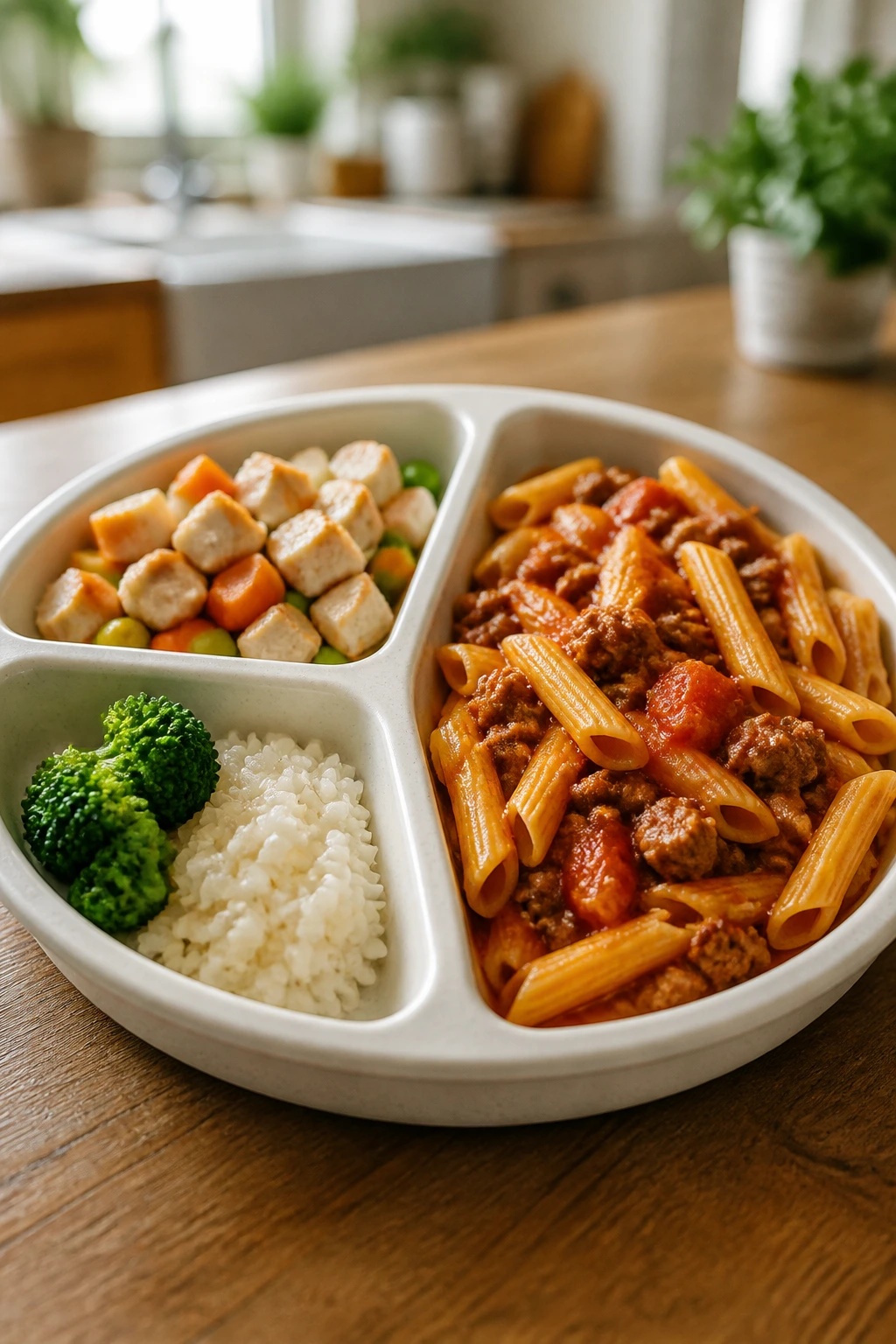
Toddler plates and teenage plates are not the same problem, and treating them like the same problem is how family dinners get weird. The food can be shared. The portion sizes cannot.
For toddlers, the main job is safety and simplicity. Cut grapes, cherry tomatoes, and other round foods lengthwise. Keep chunks small. Avoid very hard raw vegetables unless they’re cut thin enough to bend. Toddlers do better with food they can spear or pick up easily, and they usually prefer one or two items repeated across the plate rather than a busy spread. A little rice, a few beans, a soft vegetable, maybe some shredded chicken — that’s enough.
Picky eaters need a safe base and a non-threatening “stretch” food. Not a full new dish. Not three new dishes. One stretch item is enough to keep the plate interesting without creating friction. If they always eat pasta, give them pasta plus one spoon of sauce on the side and one carrot stick. That is progress, even if it looks small from across the room.
Big appetites need volume and fat. A plate can look generous without being complicated. Add bread, extra rice, an extra handful of beans, a second serving of protein, or a drizzle of olive oil over vegetables. Adults who are eating after a long day need more than “a few bites and a smile.” They need food that fills the gap between lunch and bedtime.
Toddler Rules That Save You Trouble
- Keep food soft or easy to chew.
- Offer one item per category, not five.
- Serve small portions first; people can always ask for more.
- Use dips sparingly so the plate doesn’t become slippery.
Picky-Eater Rules That Actually Help
- Put at least one known favorite on the plate.
- Offer new items in tiny amounts.
- Don’t hide the new food so well that the child feels tricked.
- Repeat calm exposure. Once is not a verdict.
For Bigger Appetites
- Double the starch or protein, not just the vegetables.
- Add a crunchy side like toast, chips, or roasted potatoes.
- Keep seconds visible. If people see the extra pan, they relax.
And yes, the grown-ups matter too. A family dinner that only satisfies children will not last. The adults need enough salt, enough texture, and enough actual flavor to feel like they ate a meal instead of supervising one.
Practical Tips for Getting the Most Out of the Dinner
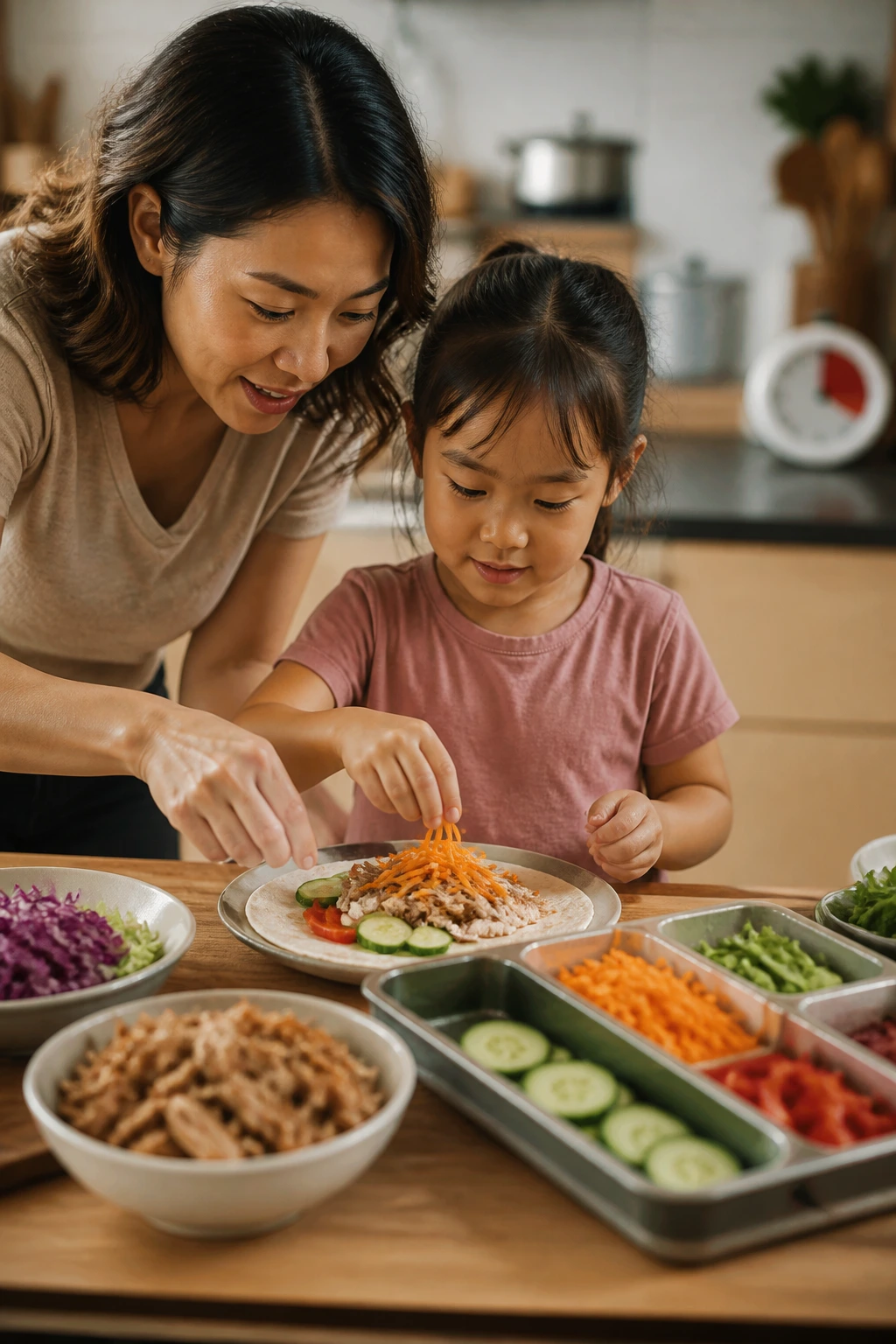
Flavor Enhancement: Finish the protein with a sharp, salty thing — grated parmesan, a squeeze of lime, chopped herbs, or a splash of vinegar — right before serving. That last small hit wakes up plain rice, beans, or chicken in a way kids often tolerate better than heavy seasoning in the cook stage.
Time-Saver: Cook one component that can be reused across the week. A tray of roasted chicken thighs or a pot of seasoned ground beef can become tacos one night, rice bowls the next, and quesadillas after that. Same work, three dinners.
Cost-Saver: Build the meal around one inexpensive starch and one cheap protein. Rice, pasta, potatoes, beans, and eggs all stretch well. The expensive part can be the fresh toppings, and even those can stay modest if you use one or two instead of five.
Cleanup Trick: Serve from shallow bowls and rimmed trays. Deep bowls look neat in theory, but they become drip zones fast once little hands start scooping. Shallow dishes make serving easier and wiping the table faster.
Make-It-Their-Own: Put one topping out that lets kids customize without changing the whole meal — shredded cheese, crushed crackers, tiny cucumber cubes, or a mild dip. That one tiny choice often makes the whole plate feel less imposed.
A small extra note: if you know a child loves a single ingredient, use it with intention. Don’t leave the favorite food hidden in the back of the fridge as some kind of reward for later. Put it on the table first. Trust is built at the first serving, not after dessert.
Common Mistakes That Make Kid-Friendly Dinners Fail
-
Too many choices on the table: A spread with nine bowls can feel exciting to adults and exhausting to children. The symptom is frozen, undecided kids standing at the counter. The fix is to keep the spread tight: one base, one protein, two vegetables, two sauces, done.
-
Wet food touching dry food too soon: If you pour sauce over everything before serving, the crisp parts go limp and the meal turns muddy. The fix is to keep sauces on the side or add them at the last minute.
-
Serving vegetables with no texture: Pale broccoli or mushy carrots have almost no defense at a child’s table. The fix is roasting, salting, or giving them a raw crunchy shape that feels more like something to grab than something to endure.
-
Expecting a new food to win on first contact: A child who refuses roasted zucchini is not being dramatic for sport. The fix is repetition without pressure. Put a small piece on the plate again next week, prepared a little differently.
-
Forgetting a truly safe food: If every item on the plate is a negotiation, dinner gets loud fast. The fix is to anchor the meal with one food you know will be eaten, even if it’s plain bread, rice, pasta, or fruit.
-
Letting hot food sit while everything else gets arranged: Rice dries, chicken cools, fries lose their skin, and then nobody is happy. The fix is to stage the table before the food finishes cooking and cover the hot parts as soon as they’re done.
The pattern here is simple. Most failed family dinners are not bad recipes. They’re bad setups.
Smart Variations for Different Nights and Different Families
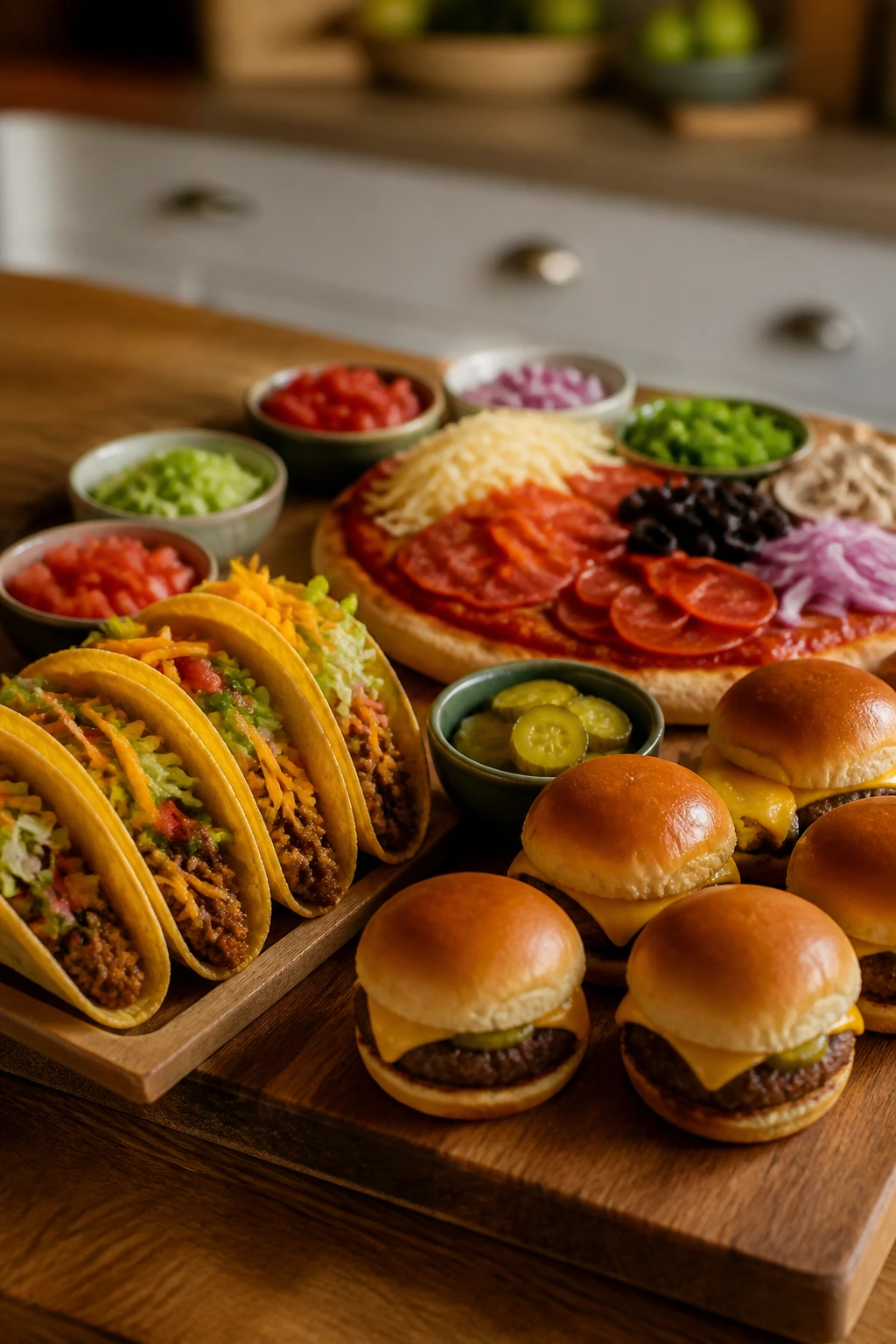
Taco-Table Night: Use soft tortillas, seasoned beef or chicken, shredded lettuce, cheese, and mild salsa. Keep the heat optional and the toppings separate. If your kids are skeptical, turn it into a taco bowl with rice first and a tortilla on the side second.
Pizza-Board Supper: Start with naan, flatbread, or pita, then set out marinara, mozzarella, and a few toppings. Keep the toppings limited — pepperoni, mushrooms, olives, and peppers are enough — because too many choices slow the whole thing down. Broil until the cheese bubbles and the edges crisp.
Slider Stack Dinner: Mini buns, small burger patties or pulled chicken, sliced pickles, cheese, and a soft side like roasted potatoes. Sliders feel fun without asking anyone to wrestle a giant sandwich. They also reheat better than full-size burgers.
Pasta Bowl Night: Offer short pasta, one red sauce, one creamy option, and a simple vegetable like peas or spinach. Pasta bowls are one of the easiest ways to feed mixed ages because the base stays familiar, and the toppings can shift for each person. Adults can add chili flakes or herbs; kids can keep theirs plain.
Breakfast-for-Dinner Spread: Scrambled eggs, toast, fruit, cheese, and maybe crispy potatoes or pancakes. This one is less about novelty than speed. The food is soft, warm, and predictable, which is exactly why it lands.
If you want a little more personality, lean into one region’s flavor profile without making the meal complex. Mild Mediterranean bowls with rice, cucumber, chicken, and yogurt. A simple teriyaki night with rice, broccoli, and sesame. A baked potato bar with cheese, beans, and chopped scallions. The family fun part comes from the format, not from overcomplicating the seasoning.
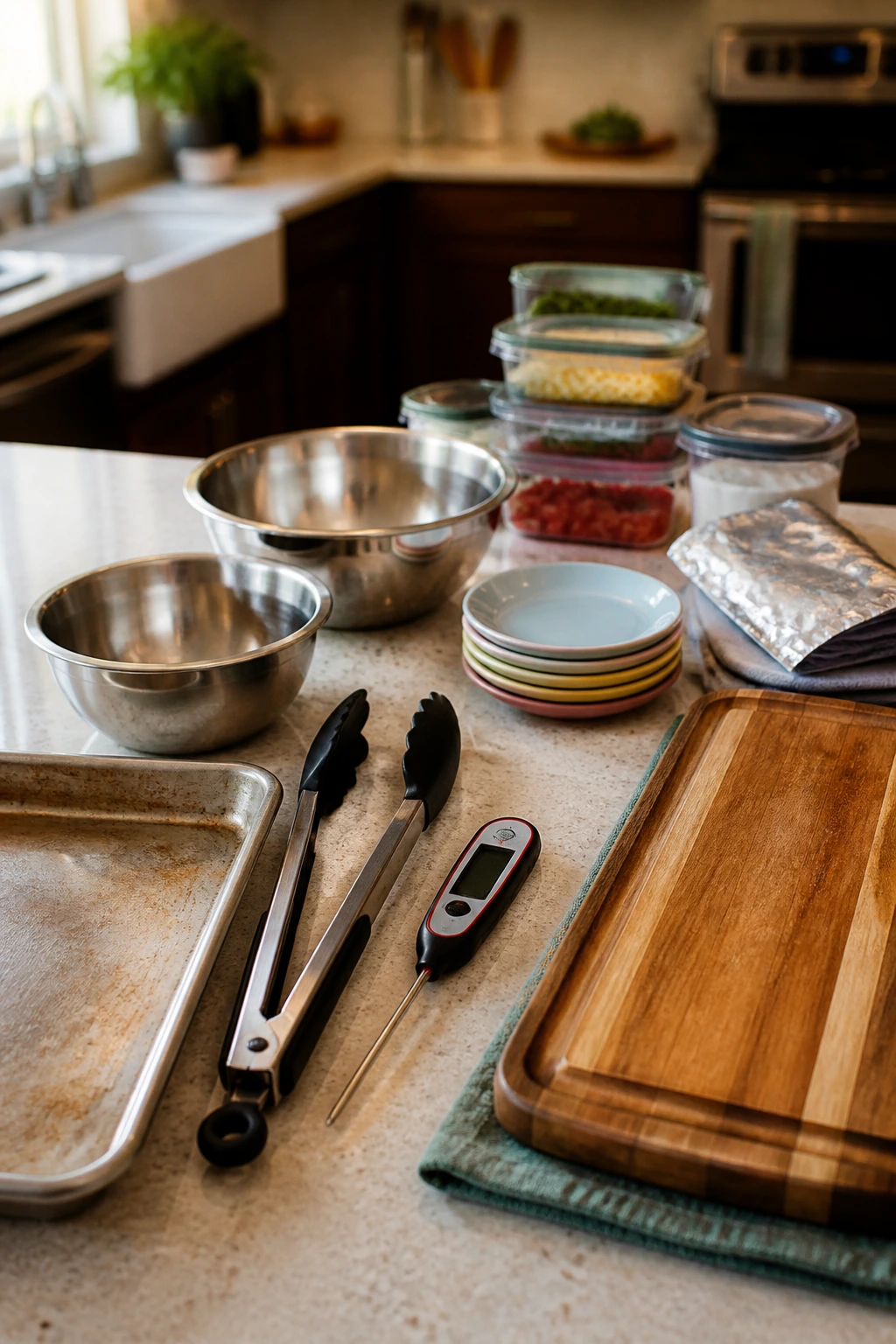
Tools and Supplies That Make Assembly Easier
-
Rimmed sheet pans: Best for roasting proteins and vegetables without spills, and the edges keep juices where they belong.
-
Medium serving bowls: Use them for toppings, sauces, and shredded ingredients so the table stays organized.
-
Kitchen tongs: Better than spoons for tortillas, chicken, roasted vegetables, and anything that needs a quick grab.
-
Instant-read thermometer: The easiest way to know chicken, turkey, and reheated leftovers have reached a safe temperature.
-
Cutting board with a damp towel underneath: Keeps the board from sliding while you chop vegetables or carve meat.
-
Small kid-sized plates and forks: Tiny plates help control portions and make the meal less overwhelming.
-
Foil or kitchen towels: Useful for keeping tortillas, rolls, or cooked starches warm before serving.
-
Lidded containers: Necessary if you’re making components ahead or storing leftovers by part instead of mixing everything together.
-
Fine-mesh strainer: Handy for rinsing beans, thawing frozen vegetables, or draining pasta without losing half the food down the sink.
-
Slow cooker or rice cooker: Not mandatory, but both are useful when the base or protein needs to stay warm while the rest of dinner comes together.
Leftovers, Storage, and Reheating Without the Sadness
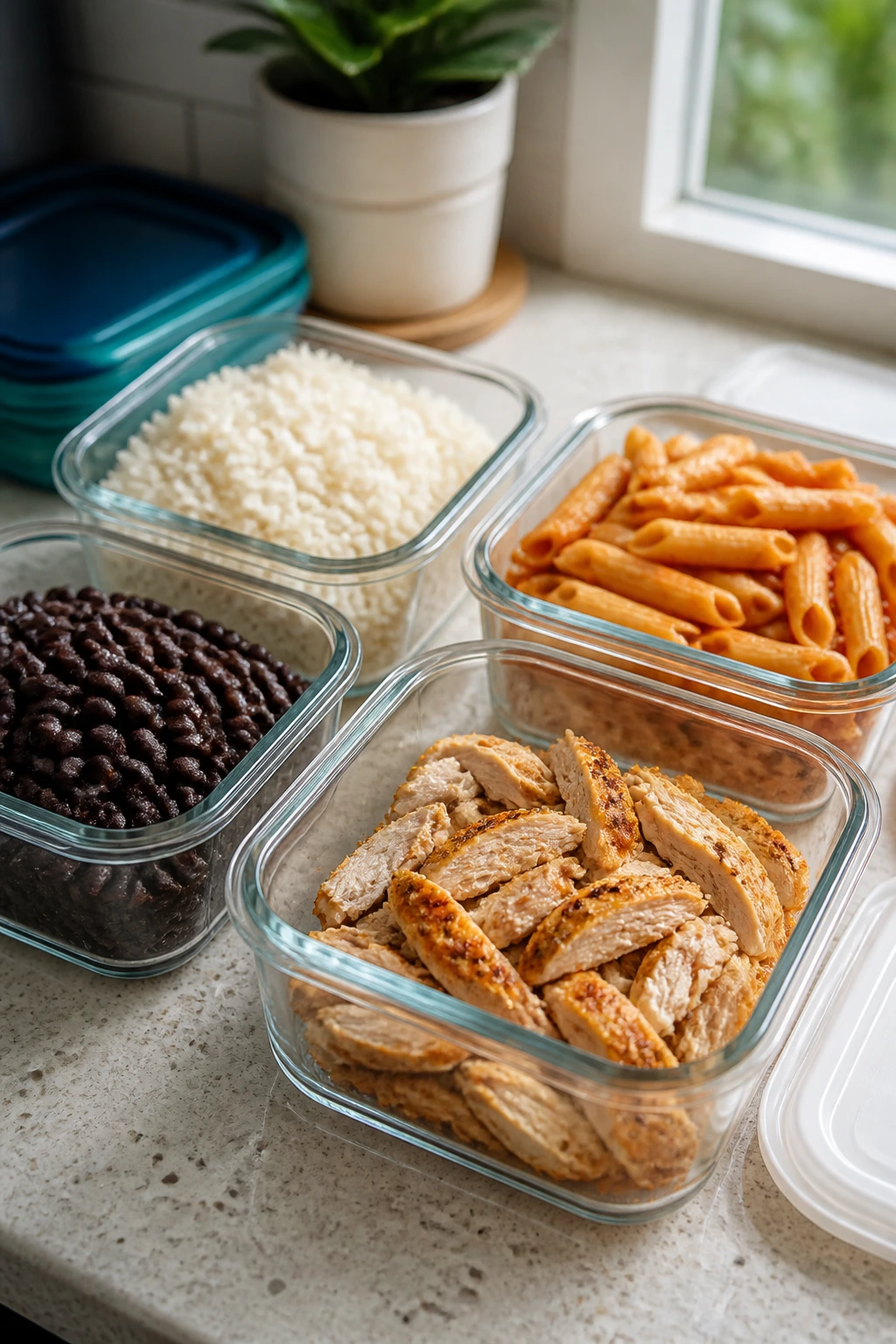
Family fun dinners are one of the easiest meals to stretch into leftovers, if you store the parts correctly. The key is separation. Hot components and cold toppings should not be shoved together in one container unless you enjoy limp lettuce and soggy tortillas.
Cooked chicken, beef, meatballs, beans, rice, and pasta usually keep well in the refrigerator for 3 to 4 days in airtight containers. If you know you won’t use them by then, freeze the cooked protein and starch separately for up to 2 months. Sauces vary more. Creamy sauces are usually best within a few days; tomato-based sauces tend to hold a bit longer if chilled promptly.
Cool leftovers within 2 hours of cooking, and faster if the room is warm. Spread the food into shallow containers so it loses heat quickly. A big pot of rice packed into a deep bowl stays warm in the middle for too long, which is not what you want.
For reheating, use the method that protects texture. Chicken, meatballs, and beans do best in a covered skillet over medium-low heat with a spoonful of water or broth. Rice likes a splash of water and a lid, either on the stovetop or in the microwave with a damp paper towel on top. Roasted vegetables are better in the oven or toaster oven at 375°F until they warm through and get their edges back. Microwaving them works in a pinch, but they’ll soften.
If you’re planning ahead, cook the proteins and grains the day before, then store the sauces and cold toppings separately. Chop vegetables the same day if you want them crisp, or roast them ahead if crispness is less important than speed. Tortillas and buns are best warmed right before serving. If you warm them too early, they lose the soft, inviting texture that makes the meal feel friendly.
One more thing: leftovers from a dinner bar are often better recombined the next day than eaten as-is. Rice, chicken, and vegetables become a bowl. Meatballs go into a sandwich. Pasta gets a little extra sauce and parmesan. Same ingredients, less boredom.
Frequently Asked Questions About Family Fun Dinners
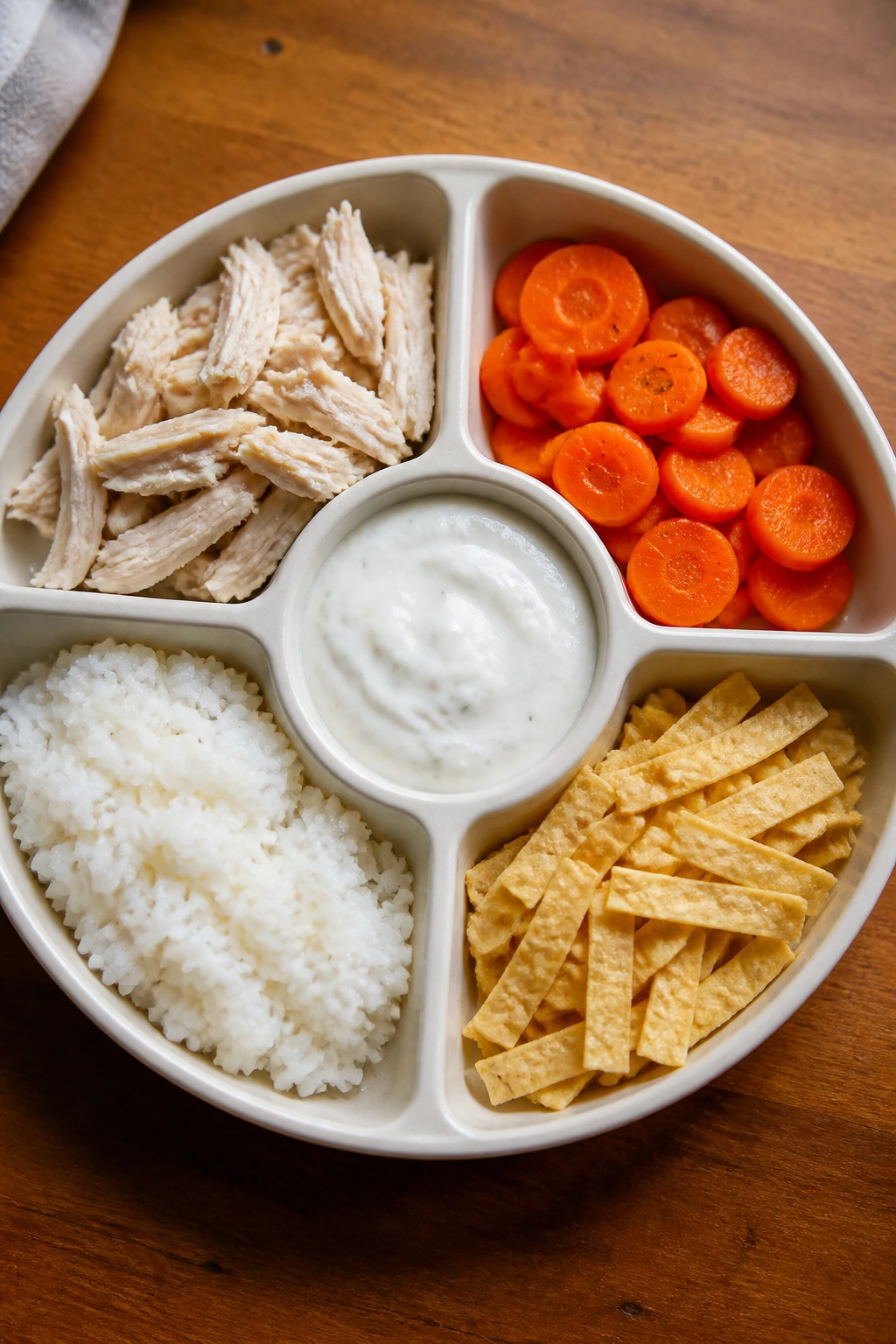
What is the easiest main to start with if my kids are very picky?
Shredded chicken, plain pasta, or mini meatballs are usually the safest entry points because they’re familiar and easy to portion. The goal is not to wow anyone. The goal is to get food eaten without a negotiation that takes longer than the meal.
How do I get vegetables on the table without a fight?
Use one cooked vegetable and one raw one, then make the texture different from the main. Roasted carrots, cucumbers, snap peas, and broccoli with browned edges tend to do better than soft steamed vegetables. A dip helps too, but the dip should support the vegetable, not bury it.
Can I make this kind of dinner ahead of time?
Yes, and that’s one of its best features. Cook the protein, starch, and any roasted vegetables earlier in the day, then store sauces and fresh toppings separately. Reheat the hot parts just before serving and the meal will still feel fresh.
What if one child hates sauce and another wants everything drenched?
Serve the sauce on the side and let people add their own. That solves a ridiculous number of dinner problems. It also keeps the main food from turning mushy while the first child is still deciding whether to eat three bites or four.
How do I feed both adults and kids from the same spread?
Use one mild base and one sharper finish. Adults can pile on herbs, hot sauce, pickles, or extra vegetables; kids can stay with cheese, plain protein, or fruit. The dinner should have a low floor and a higher ceiling.
What if my child only eats beige food?
Start there. Bread, rice, pasta, potatoes, chicken, cheese — these are fine starting points. Add one tiny color next to the safe food and let the table do some slow work over repeated meals.
How do I keep food warm while everyone serves themselves?
Use covered dishes, warm tortillas in a towel, and a low oven for holding cooked items. A slow cooker can keep beans or shredded meat warm, and a rice cooker can hold rice without drying it out. Just don’t leave anything sitting uncovered for long; the texture falls apart fast.
Is it okay to use frozen vegetables?
Absolutely. Frozen peas, corn, and chopped spinach are easy, affordable, and often better than limp vegetables that have been hanging around in the fridge. Roast or sauté them quickly so they lose the watery taste that turns kids off.
What’s the fastest way to make the dinner feel fun without turning it into a project?
Give kids one job and one choice. They can choose their own sauce, sprinkle cheese, or build their own plate from two or three bowls. That small bit of control is usually enough.
The Clean-Plate Test
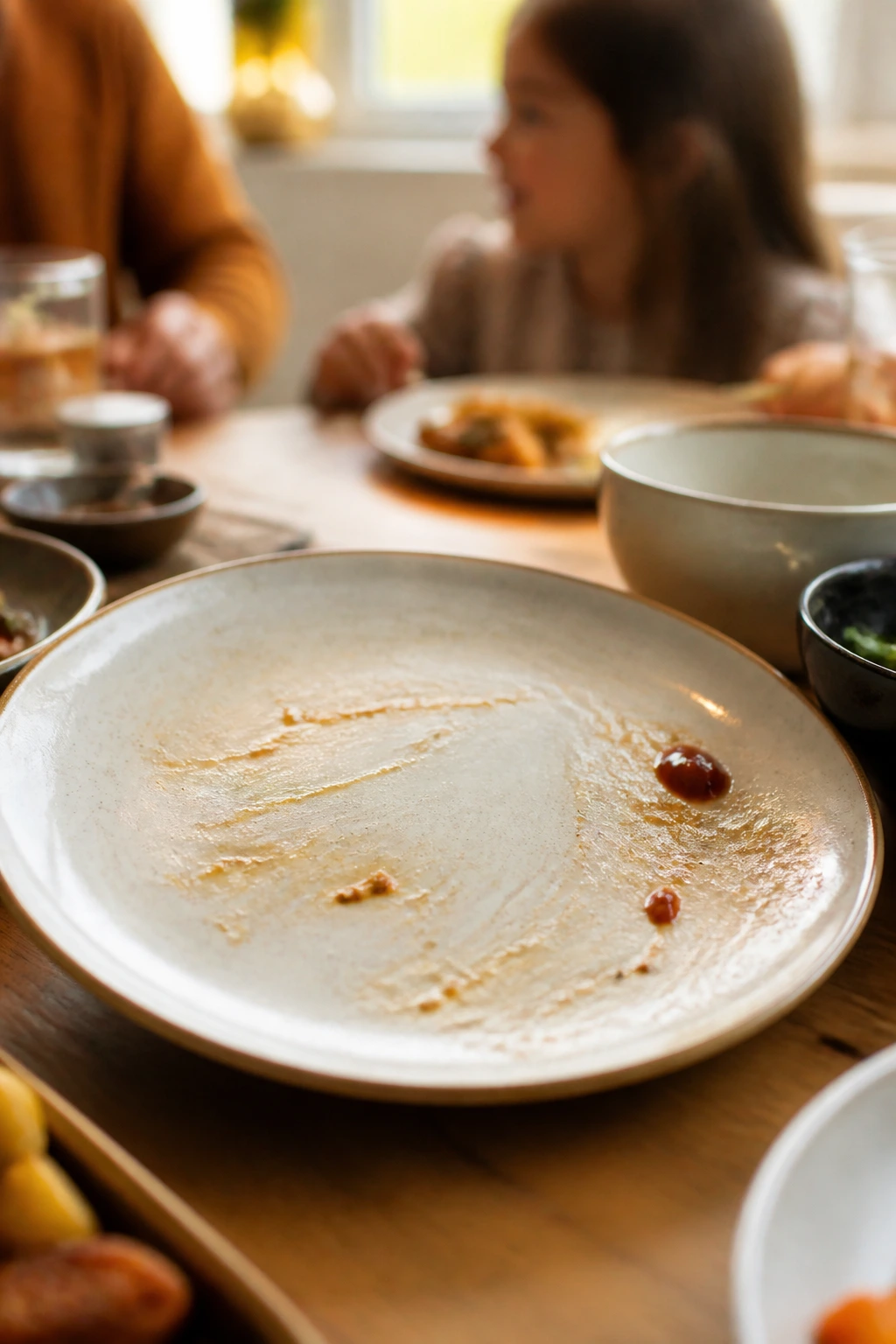
The best family dinner is the one that feels calm while it’s happening and useful the next day. Not flashy. Not theatrical. Just food that moves across the table without a fight and leaves enough room for a second serving if somebody wants it.
If you keep the format simple — one base, one protein, a couple of vegetables, and sauces on the side — you get something better than a “kid meal.” You get a dinner that can change shape with the people eating it. That’s what makes it worth repeating. And once you find the combination that disappears fastest at your table, you’ll stop calling it a backup plan and start calling it dinner.