



The fastest way to waste a Sunday afternoon is to fill the fridge with six containers of food that look healthy on paper and get ignored by Tuesday lunch. Kids do not care that you used organic broccoli and a clever sauce. They care whether the chicken is dry, the rice is gummy, and the whole thing tastes like it was assembled by a person who has never met a picky seven-year-old.
Crowd-pleasing meal prep for families works when you stop trying to impress the refrigerator and start building food that still feels familiar after it’s been chilled, stacked, and reheated. That means recognizable shapes, mild seasoning, and enough separation between wet and crisp parts that the lunchbox doesn’t become a swamp. It also means respecting texture more than most recipe blogs do. A tender meatball beats a clever grain salad every single time in a house where people want the food to disappear without a speech.
The good news is that family meal prep does not need to be elaborate to work. A tray of roasted chicken thighs, a pot of rice, a pan of carrots, and one dip you actually like can carry several meals if you pack them in the right order and keep the saucy stuff where it belongs. The trick is building a system that adults won’t resent and kids won’t reject on sight. The first thing to get right is why that kind of food gets eaten at all.
Why Familiar Food Beats Fancy Food at the Fridge Door
Kids usually decide in the first three seconds whether a meal prep box feels safe. That’s faster than most adults decide what coffee to order. Shapes matter. A chicken breast that’s been sliced into tidy strips looks like lunch. The same chicken chopped into loose bits and buried under quinoa looks like “mystery protein,” which is culinary code for no thank you.
Familiar food also wins because it reduces the number of surprises. Meatballs, rice, pasta, roasted potatoes, tortilla wedges, and carrot coins are plain enough to be trusted but flexible enough to carry a little seasoning. A kid who refuses “mixed” food may still eat every part if the parts are visible and the sauce stays in a separate cup.
I trust a lunch container more when I can still identify everything inside it. That’s not nostalgia. It’s practical. A meal prep box that still looks like dinner after a night in the fridge gets eaten far more often than a clever mashup of five textures that turns wet by noon.
There’s also a quiet psychological piece here. When food looks familiar, kids don’t spend energy figuring it out. They spend energy eating it. That is the whole game. Save the adventurous sauces, the chili oil, the chopped herbs, and the pickled onions for the adults at the table. The base should be calm enough for a tired child to recognize at a glance.
The Texture Rule Kids Notice Before They Notice the Flavor
Texture ruins more kid meals than seasoning ever will. A child may forgive a mild sauce. They will not forgive mush.
The usual suspects are easy to spot. Soggy bread, limp cucumber, dry chicken breast, overcooked broccoli, and pasta that sat in too much sauce all land badly. So does anything that started crisp and then got trapped under a lid while still warm. Steam is the enemy here. Steam is what turns a good roasted carrot into a tired orange strip.
The fix is simple, though not fancy. Keep wet and dry separate until the last possible moment. Put sauces in small leakproof cups. Pack crunchy add-ons like tortilla chips, toasted seeds, crackers, or apple slices on the side. If you want vegetables to keep their shape, roast them in a single layer at a hot oven temperature, then cool them uncovered before sealing them into containers.
What Kids Actually Notice
They notice whether the food feels soft, chewy, crisp, or slippery before they notice whether you used cumin or garlic powder.
They also notice temperature. A lunch that tastes best cold should be packed cold, not “warm enough to steam under the lid.” A dinner that’s meant to be reheated should be cooled fast, then reheated in controlled bursts so it stays tender instead of turning chalky.
The Rule I Use
If a food is supposed to be crisp, keep it crisp. If a food is supposed to be creamy, keep it creamy. If a food is supposed to be saucy, keep the sauce separate until serving.
That sounds obvious. It isn’t, because a lot of home meal prep gets built as though all textures can live together peacefully. They can’t. Not for long.
The Meal Prep Formula That Actually Gets Eaten
The best family meal prep is built like a small kit, not a casserole. One safe protein, one dependable starch, one vegetable that behaves, one sauce, and one optional crunch. That’s the whole structure. Fancy gets in the way fast.
I like to think of it as a “box with choices” rather than a bowl with rules. Kids can eat the parts separately. Adults can mix everything together. Nobody has to negotiate with a pile of mush.
Start With One Safe Food
Every meal prep box should include one thing you are fairly sure will get eaten without a battle. For some kids that’s rice. For others it’s pasta shells, roasted potatoes, plain chicken strips, or apple slices. Put that food in the container first. It gives the meal a foothold.
Add One Protein That Stays Tender
Chicken thighs, turkey meatballs, shredded pork, eggs, and beans all hold up better than lean chicken breast cooked to the edge of dryness. Texture matters more than the exact protein choice. A little fat is your friend here.
Build Around One Starch
Rice, pasta, potatoes, tortillas, and couscous each behave differently once chilled. Pick the one that fits your family’s habits. A child who never touches brown rice may happily eat rice pilaf or buttered noodles.
Leave Room for One Fresh Bite
This is the part many home cooks skip. Add a crisp thing, a bright thing, or a cool thing. Cucumber coins, grapes, bell pepper strips, a handful of snap peas, or even a few cherry tomatoes on the side can wake up the whole box.
Keep One Sauce on Standby
Sauce changes the mood of leftovers. Marinara makes meatballs feel like dinner again. Yogurt ranch makes roasted vegetables easier to eat. Teriyaki, pesto, hummus, peanut sauce, mild salsa, and tahini all do the same job in different directions.
That formula sounds almost too plain. It isn’t. Plain is what gets eaten.
Proteins That Reheat Without Turning Dry
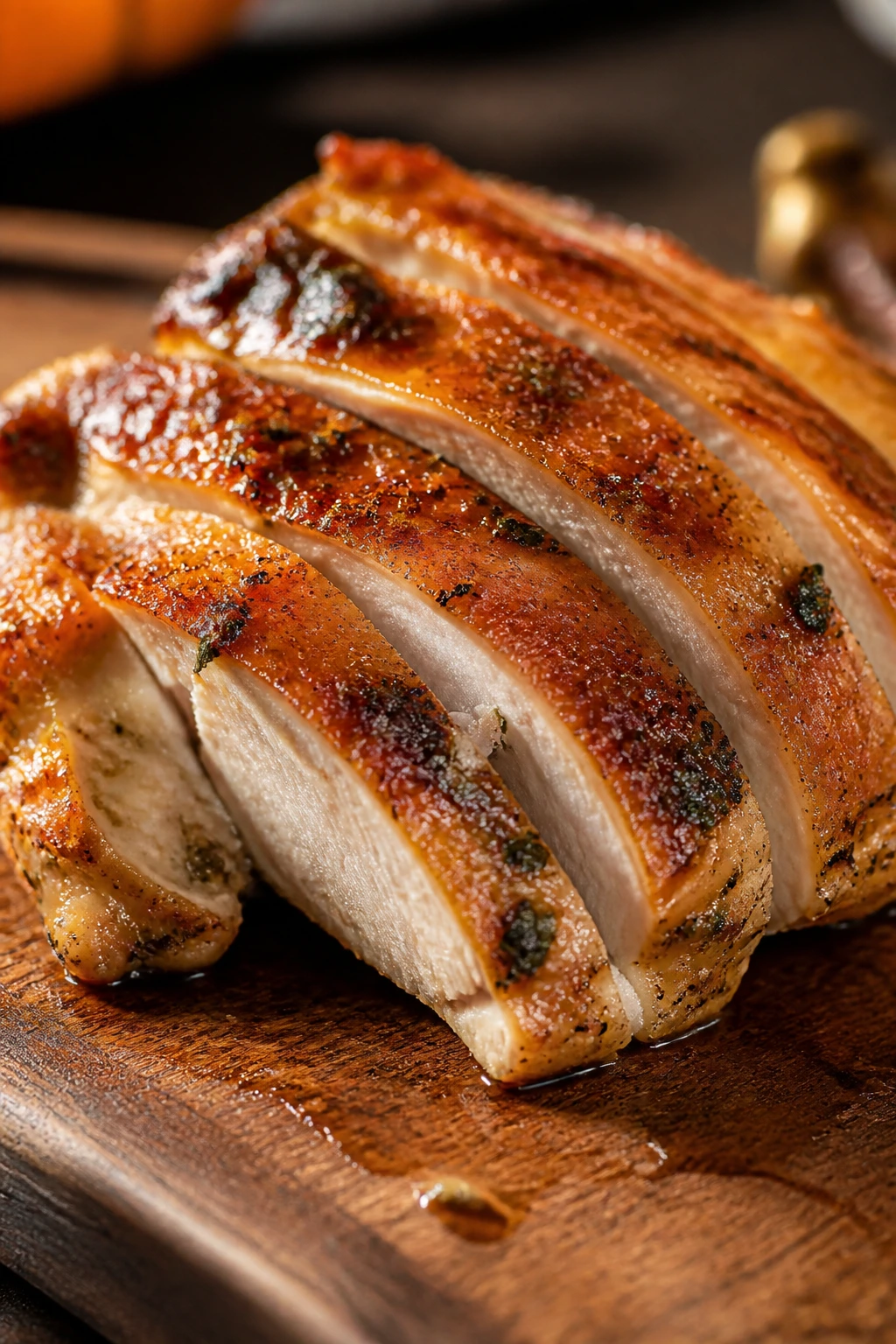
Chicken breast gets a lot of praise it does not deserve in meal prep. It can work, but it takes more care and forgiveness than most busy families want to give it. If you’re feeding kids, choose proteins that stay soft after a day or two in the fridge.
Chicken thighs are the easy winner. They stay juicy, hold seasoning well, and forgive a minute too much in the oven. Roast them at 425°F until they reach 165°F in the thickest part, then rest them before slicing. If you cut too early, the juices run out and the meat tastes flatter than it should.
Ground meat is your second reliable lane. Turkey, beef, or chicken meatballs reheat cleanly and keep their shape. Bake them on a sheet pan at 400°F until the centers hit 165°F, then toss them with sauce only when you’re ready to pack or serve. Sauce hides a lot of little sins, and I mean that as a compliment.
Eggs work too, especially in muffin form or as hard-boiled halves. They are cheap, quick, and easy to portion. The catch is smell and texture. Hard-boiled eggs are not for every lunchbox, and overbaked egg muffins turn rubbery in a hurry. Pull them as soon as the centers are set and no longer wet.
Beans and lentils belong here as well. Black beans, chickpeas, and lentils bring volume and fiber, and they hold up in rice bowls, tacos, and wraps. Just season them with a little salt, garlic, and fat. Plain beans straight from a can are a punishment, not a meal.
Best Bets by Family Mood
- Chicken thighs for calm, saucy dinners
- Turkey meatballs for pasta nights and lunchboxes
- Ground beef taco meat for build-your-own meals
- Egg muffins for breakfast prep or light lunches
- Black beans or chickpeas for budget-friendly bowls
If you only make one adjustment to your protein choices, make it this: stop asking lean meat to behave like juicy meat. It won’t.
Carbs That Stay Good on Day Three
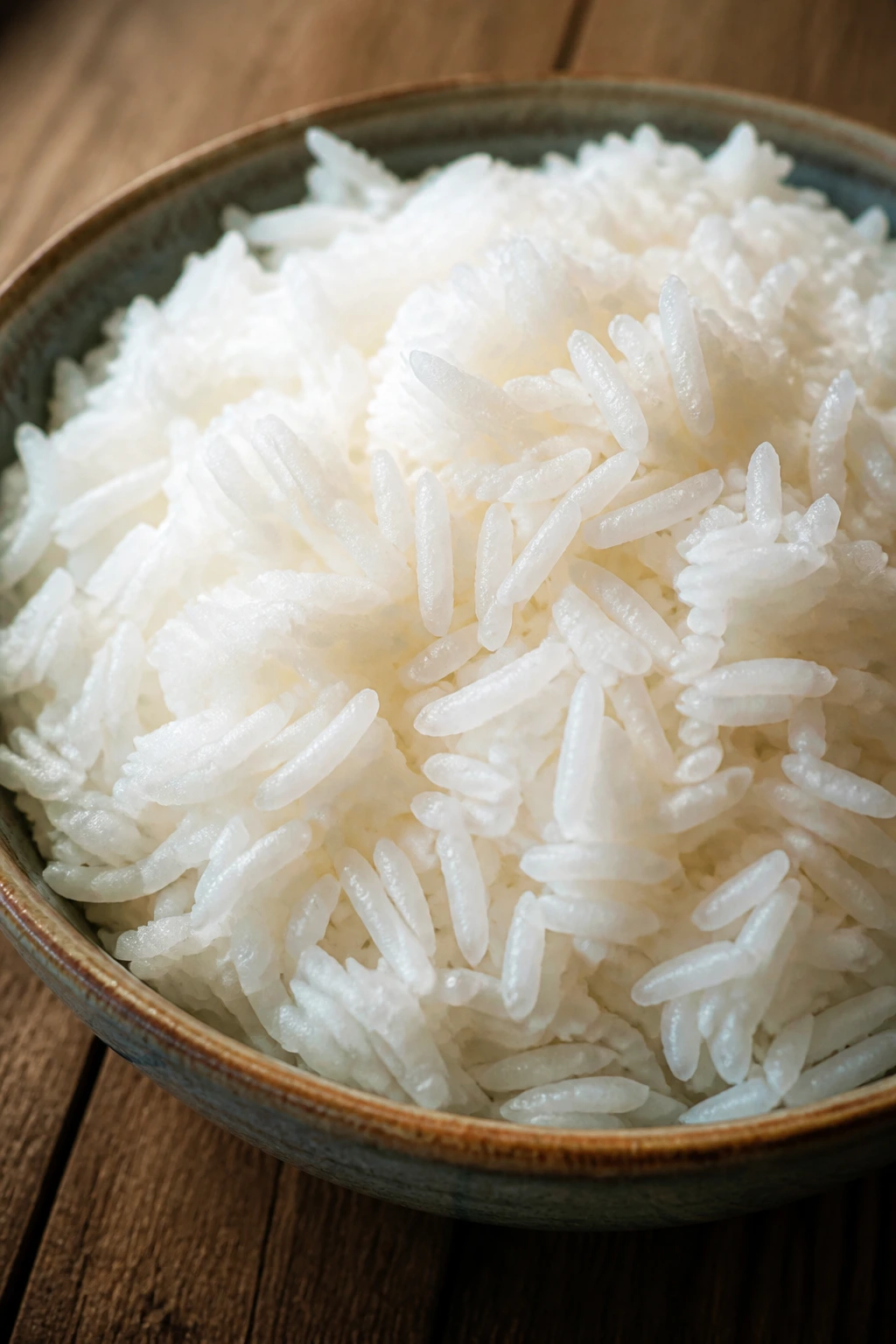
Carbs are what make meal prep feel like a meal instead of a pile of protein with ambition. They also decide whether leftovers still have structure after a couple of days in the fridge.
Rice is the most dependable base. Jasmine rice, basmati, and even plain long-grain white rice all reheat better than a lot of trendy grains because they stay loose. Cook it, fluff it, and cool it fast on a tray if you can. If you pack rice while it’s still hot, it steams itself into clumps.
Pasta can work beautifully, but the shape matters. Short shapes like rotini, penne, shells, and bowties hold sauce better than long noodles, which mat down and tangle. Undercook pasta by a minute or two if you know it’s going into containers with sauce. That tiny bite of firmness disappears by the time it’s reheated.
Potatoes are underrated. Roasted cubes, wedges, and smashed potatoes keep their character better than mashed potatoes, though both can work. Roasted potatoes reheat best in a hot skillet or air fryer, where the edges can crisp back up. Microwaved potatoes are fine in a pinch, but they lose their charm fast.
Tortillas and wraps belong in this section too, because they carry everything. Burritos, quesadillas, and rolled lunch wraps freeze well if you keep watery fillings out of them. A wrap filled with salsa-heavy beans and lettuce becomes wet paper by lunch. A wrap with eggs, cheese, and potatoes behaves much better.
Smart Carb Choices
- Rice: best for bowls, teriyaki plates, and saucy chicken
- Short pasta: best for meatballs, baked pasta, and cold pasta salads
- Roasted potatoes: best for breakfast prep, sausage trays, and snacky dinners
- Tortillas: best for burritos, quesadillas, and build-your-own meals
A little undercooking often helps. That feels backwards until you see the reheated result.
Vegetables That Survive the Fridge and Still Get Eaten
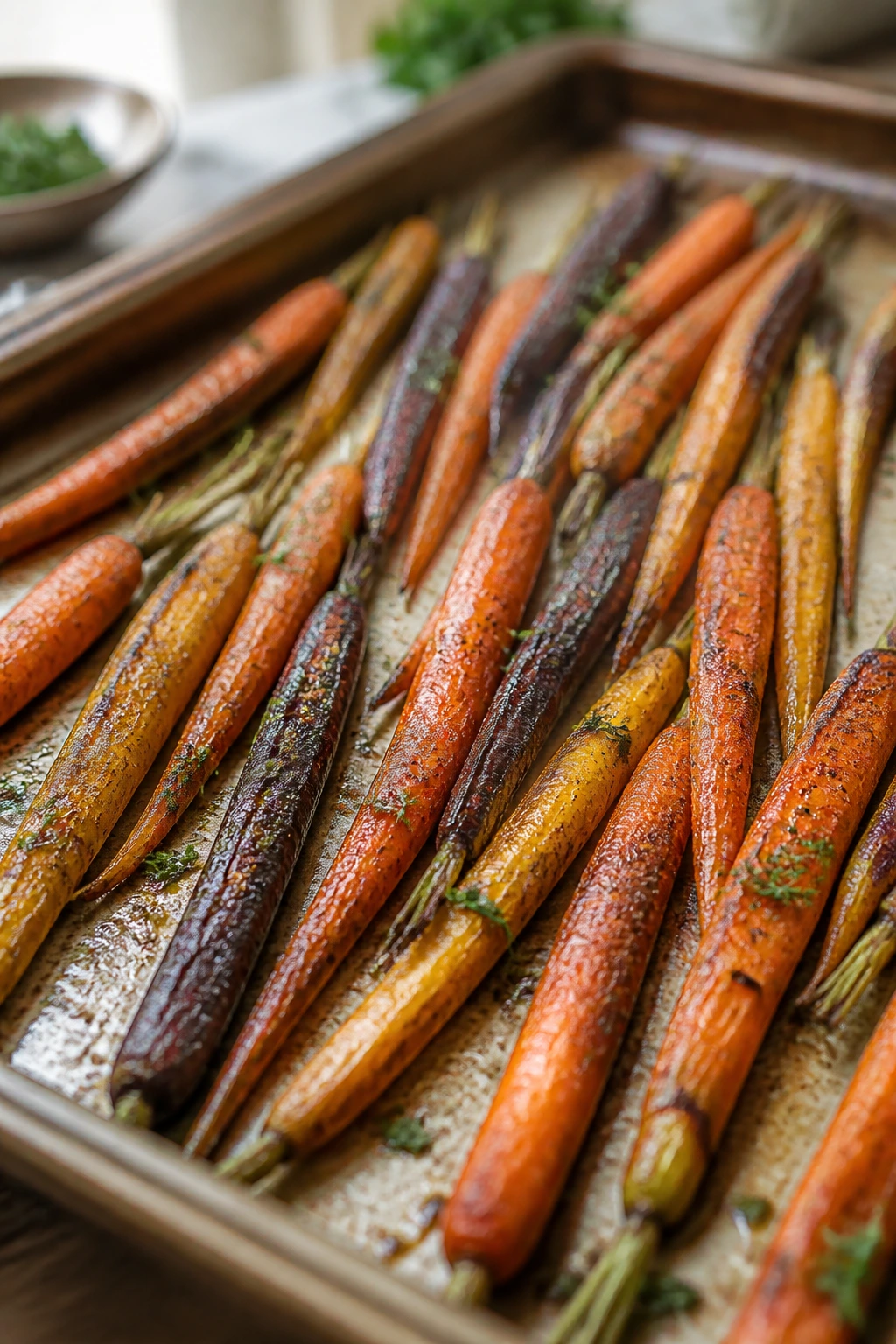
Not every vegetable deserves a place in meal prep. There, I said it.
Raw cucumber can be fine if it stays separate. Raw lettuce inside a closed container usually becomes a wilted apology. Tomatoes leak. Zucchini can collapse if it’s sliced too thin. So the winning move is to choose vegetables that either keep their bite or become sweeter when roasted.
Carrots are one of the safest bets because they hold shape and get sweeter in the oven. Broccoli also works if you roast it hard enough to brown the edges. Green beans, bell peppers, snap peas, corn, and peas behave well too. Frozen peas and corn are not a compromise in meal prep. They are often better than limp fresh produce that has sat around too long.
The Vegetable Rule That Matters Most
Hot oven. Single layer. Space between pieces.
That keeps vegetables from steaming in their own moisture. If the tray is packed tight, the vegetables soften before they brown, and the result tastes tired. A little browning gives you flavor that kids can tolerate because it tastes slightly sweet, not aggressively vegetal.
Best Kid-Friendly Vegetables for Meal Prep
- Carrots: roast at 425°F until the edges darken a little
- Broccoli: use small florets and roast until the tips crisp
- Bell peppers: slice thick so they stay juicy, not floppy
- Snap peas: keep them raw or barely cooked for crunch
- Peas and corn: add frozen, then reheat gently
I also like vegetables that look distinct in the container. A bright orange carrot, a yellow corn kernel, a green bean. Kids often eat what they can identify without effort.
Sauces, Dips, and Finishing Bits That Make Leftovers Feel Intentional
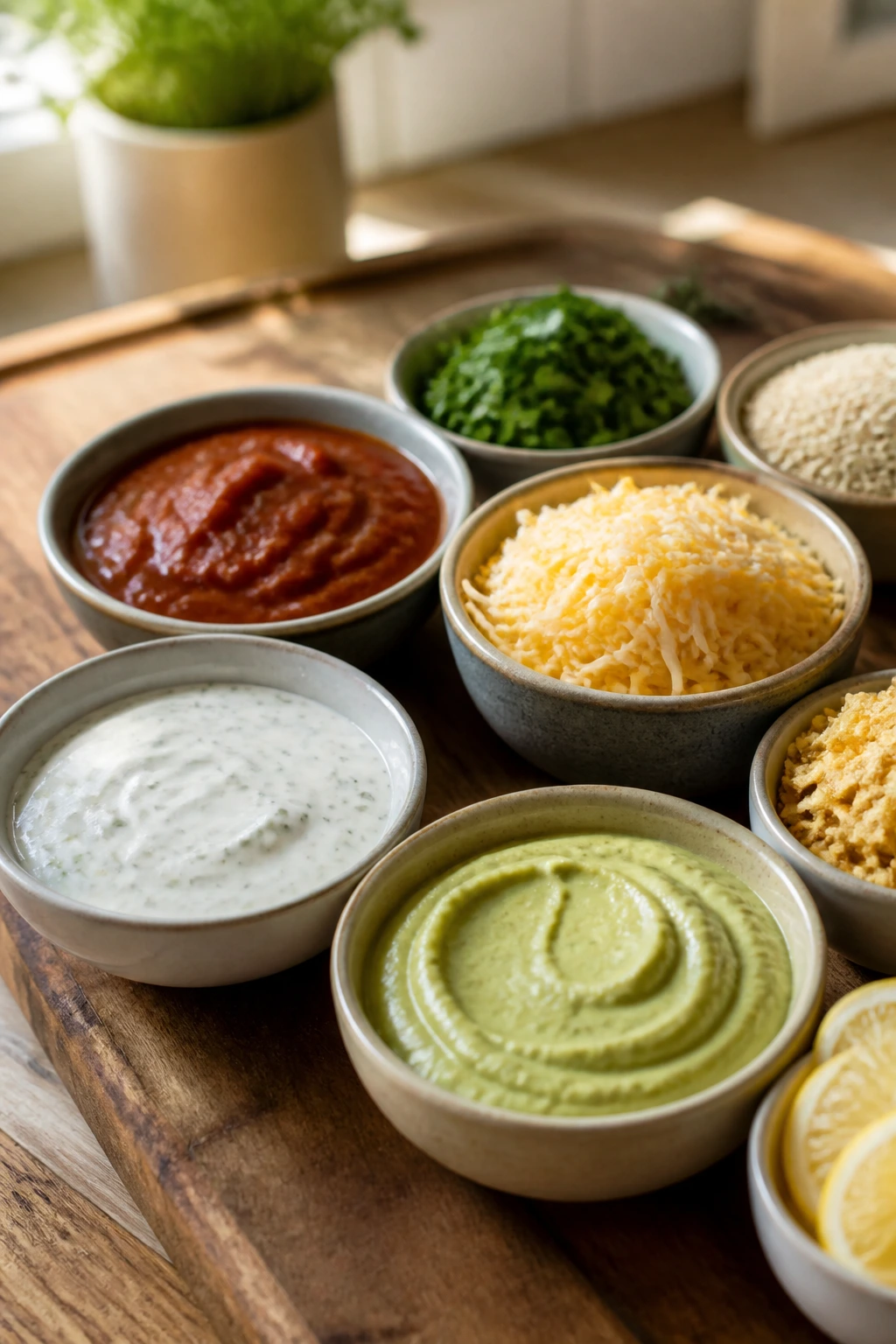
Plain food gets ignored faster than seasoned food, but too much sauce turns everything soggy. So the real answer is not “more sauce.” It’s smarter sauce.
A good meal prep sauce has two jobs: it keeps the food from tasting dry and it gives the eater control. Some kids want a little dip. Some want a drizzle. Some want nothing on the main container and sauce tucked into a separate cup. That small amount of choice goes a long way.
Creamy sauces are easiest for many families. Ranch, yogurt ranch, garlic yogurt, avocado crema, hummus thinned with lemon and water, or a mild tahini dressing all cling well without flooding the food. Tomato-based sauces do the same thing for pasta, meatballs, and rice bowls. Sweet-savory sauces like teriyaki or honey soy work especially well with chicken and broccoli.
Finishing Bits Worth Keeping Around
- Shredded cheese: melts over warm rice, potatoes, or taco meat
- Chopped herbs: parsley, cilantro, or chives for grown-up portions
- Toasted sesame seeds: small crunch for rice bowls and chicken
- Crushed tortilla chips: best added at the table, not packed ahead
- Lemon wedges: one squeeze can wake up roasted vegetables
I keep coming back to the same point because it matters: sauces should improve the food, not drown it. A teaspoon or two at the right moment is often enough.
The Prep Session That Won’t Eat Your Whole Afternoon
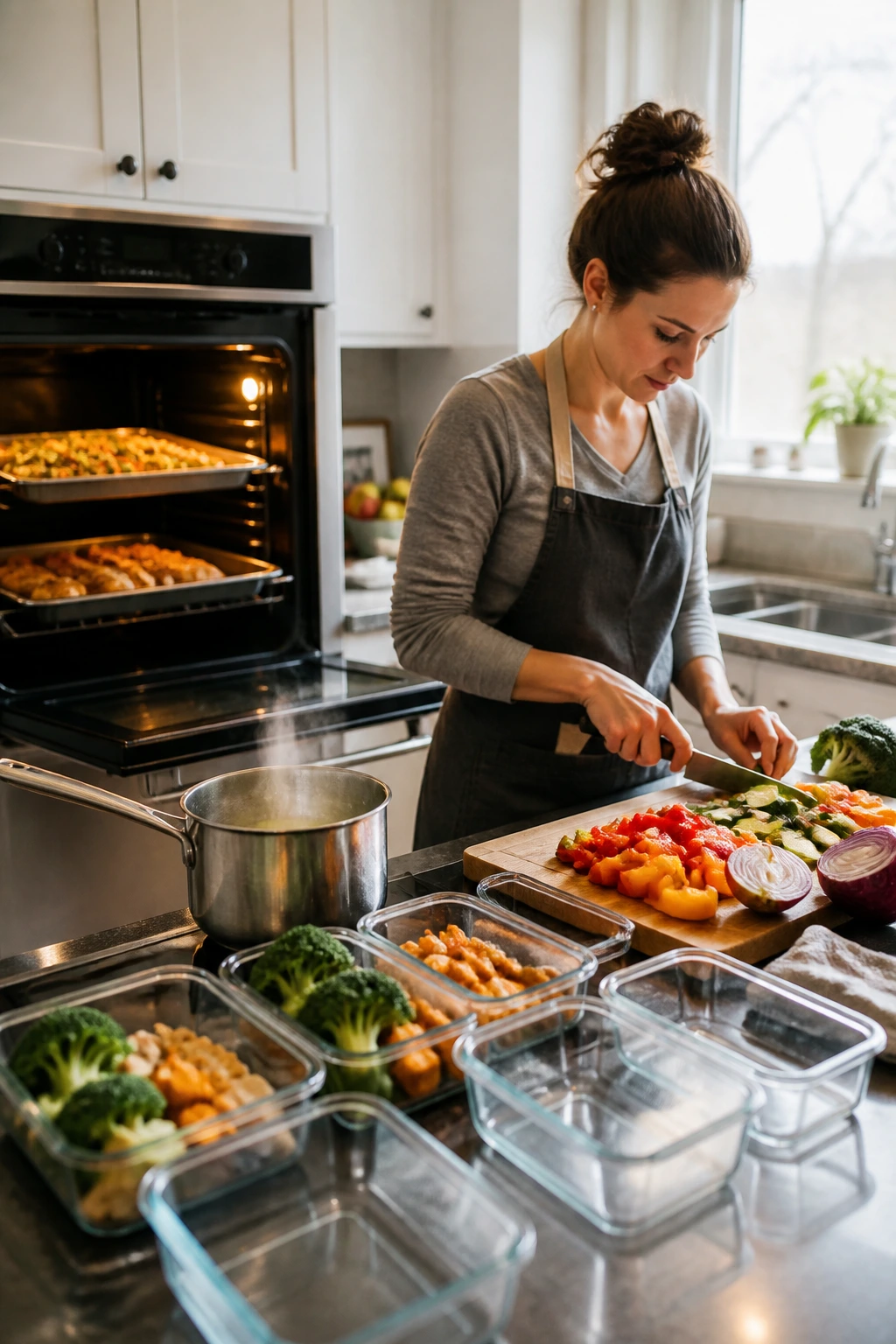
Meal prep starts to feel doable once you stop cooking one container at a time. Batch the work. That’s the whole trick. A sheet pan, a pot, a cutting board, and a few containers can make several family meals if you work in the right order.
I like a 75- to 90-minute rhythm for a normal batch. First, pull out containers, labels, a trash bowl, and every ingredient before the stove comes on. Then start the longest-cooking item first: rice, potatoes, roasted chicken, or a sauce that needs simmering. While that cooks, chop the vegetables and portion the rest. It sounds almost too simple, but order is what saves time here.
A Clean Prep Flow
- Preheat the oven to 425°F and line two sheet pans with parchment.
- Start the starch first if it needs boiling or simmering.
- Roast the protein on one pan and the vegetables on the other, keeping space between pieces.
- Mix sauces and dips while the oven does the work.
- Cool everything on racks or clean pans before lidding the containers.
A lot of people skip the cooling step because they’re tired. That’s where the lunchbox gets ruined. Steam trapped under a lid softens everything. Let hot food sit spread out for a few minutes so it sheds heat before it goes into storage.
Three good containers beat eight mediocre ones. Every time.
Five Family Meal Prep Boxes I’d Make Again
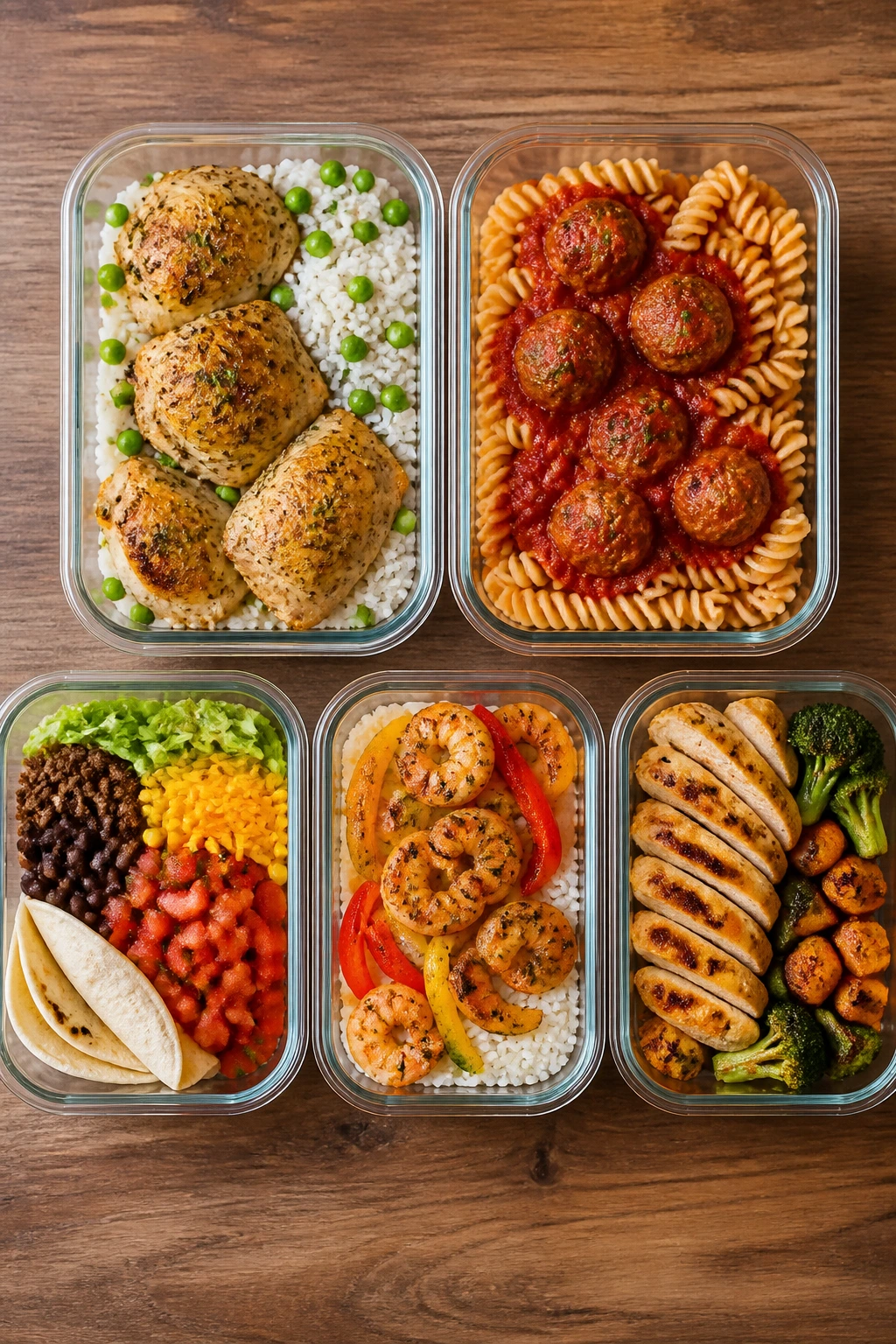
Chicken, Rice, and Peas With Ranch on the Side
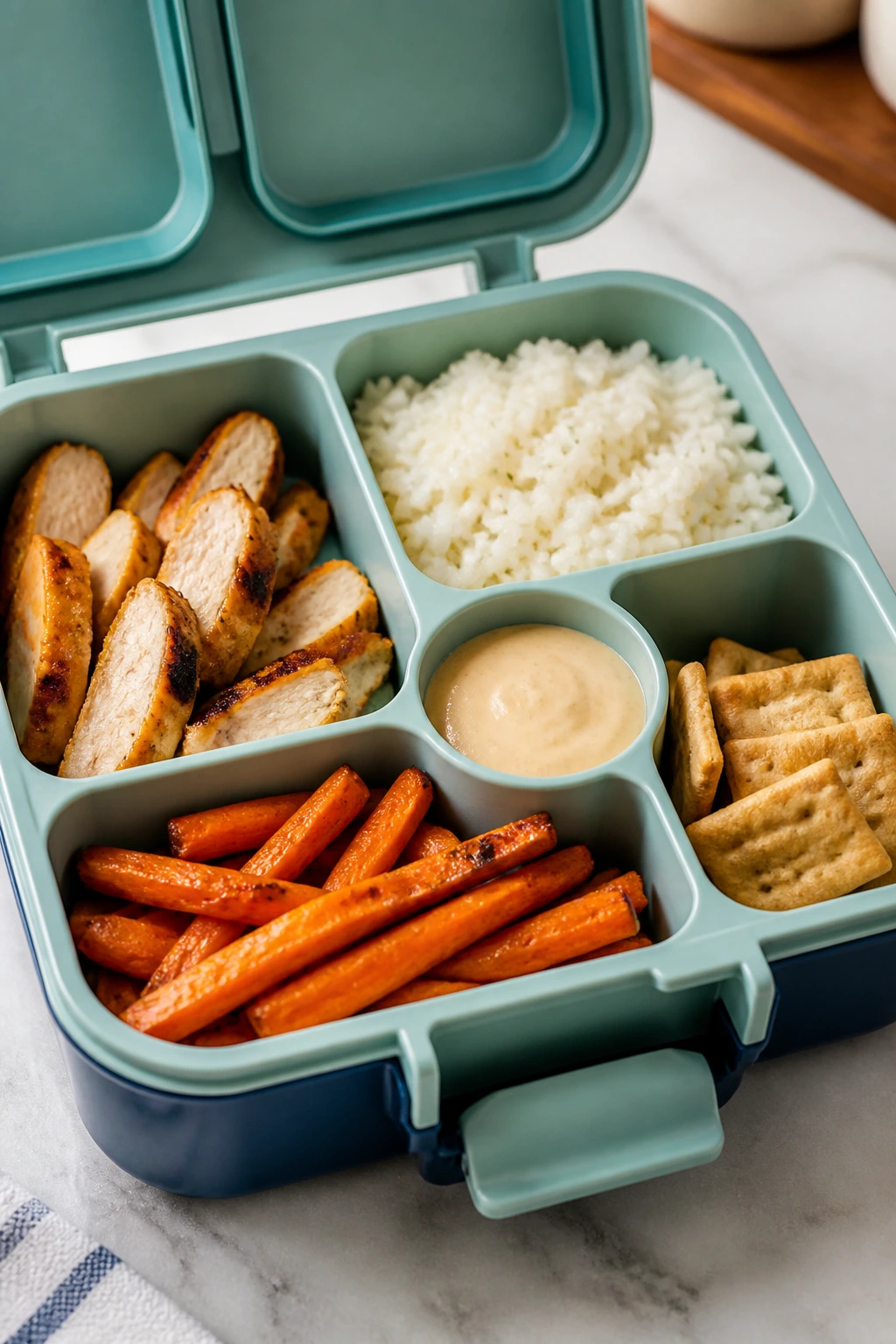
This is the plainest box and often the one that disappears first. Roast chicken thighs with garlic powder, salt, and a little paprika, then slice them into strips. Pack them beside jasmine rice and buttered peas, with ranch in a separate cup.
Why it works: the chicken stays tender, the rice absorbs any extra juices, and the peas give enough sweetness to keep the box from feeling flat. For kids who distrust mixed foods, this is a safe landing zone. For adults, add black pepper or hot sauce at the table and move on.
Turkey Meatballs, Rotini, and Marinara
Turkey meatballs hold up better than a lot of leftover ground turkey because the shape protects the texture. Bake them until they’re browned and just cooked through, then pack them with rotini and a spoonful of marinara on the side or underneath.
The short pasta catches sauce in the spirals, which means less dry chewing at lunch. I like this box because it behaves almost like a miniature dinner, not a sad office lunch. A little grated Parmesan on the top helps too, but only after reheating.
Taco Beef Bowls With Corn and Tortillas
Brown ground beef with mild taco seasoning, then split it between rice, corn, and shredded cheese. Keep lettuce, salsa, and crushed tortilla chips separate until serving. That one move saves the whole bowl from turning soggy.
Kids often do better with taco fillings when they can build their own bites. Adults can add jalapeños, pickled onions, or extra hot sauce. Nobody needs to know the base stayed simple on purpose.
Teriyaki Chicken With Broccoli and Rice
Teriyaki is one of those sauces that makes leftovers feel like a plan. Toss roasted chicken thigh pieces or cubed chicken breast with a glossy teriyaki sauce, then serve with broccoli and rice. Keep sesame seeds or sliced green onions for the top.
This box works because the sweetness softens broccoli’s edge and the sauce clings to the rice instead of running everywhere. It’s a strong choice for kids who like slightly sweet food and for adults who want a clean, tidy lunch.
Breakfast-for-Dinner Egg Muffin Packs
Egg muffins do double duty. Bake them with cheese, chopped spinach, tiny bits of ham, or diced peppers, then pack them with roasted potatoes and fruit. They reheat well, travel well, and do not require a fork if you don’t want them to.
I like this idea for evenings when dinner needs to feel easy but not pointless. It also solves breakfast on busy mornings. A batch on the weekend can cover two meals without much drama.
Packing Lunches So They Still Look Good at Noon
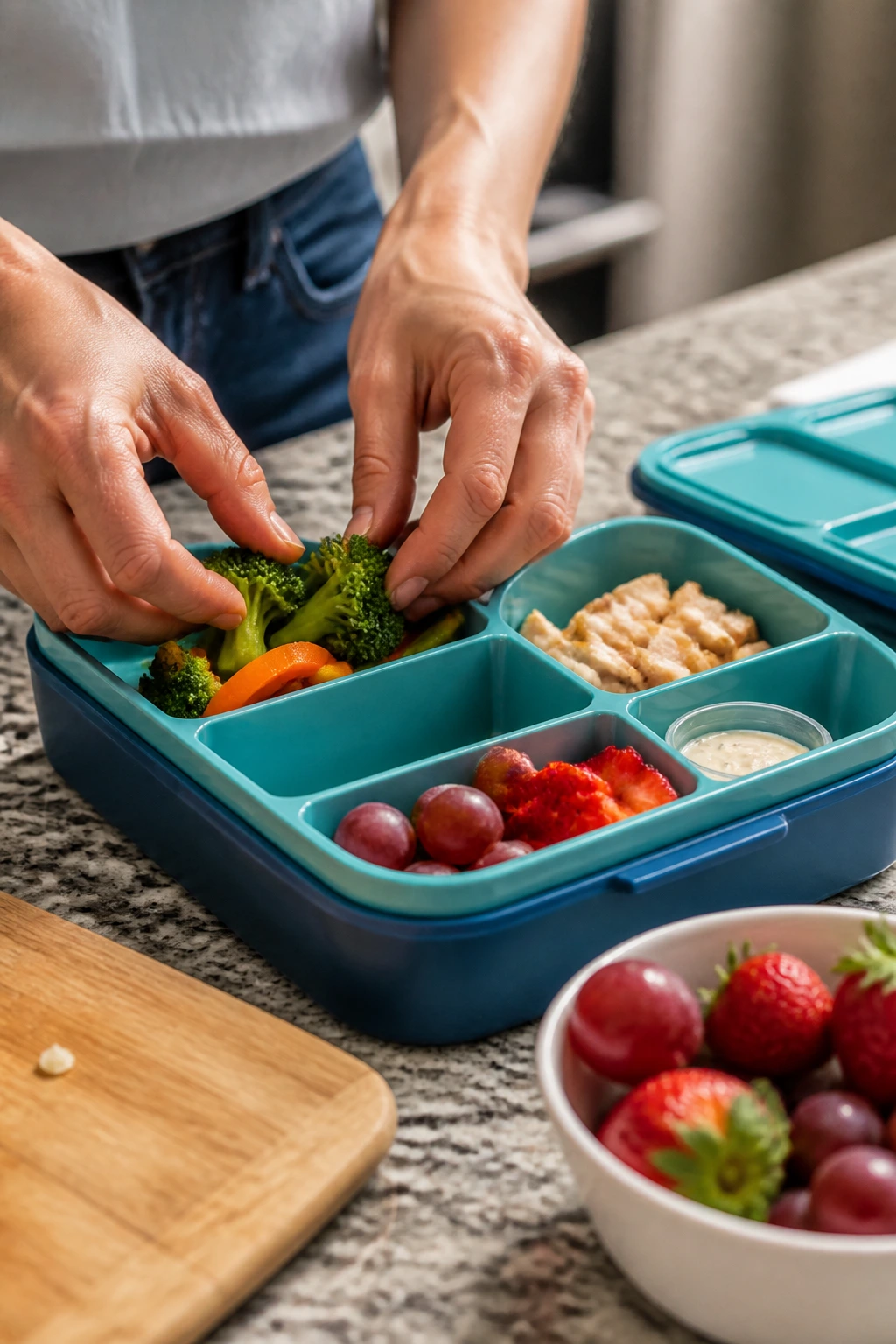
A meal can taste fine and still get rejected because it looks soggy, collapsed, or too mixed together. Lunch is a visual sport. Containers matter.
Compartment containers are worth the drawer space if you pack lunch more than once a week. They keep carrots away from ranch, chips away from steam, and fruit from the main meal. If you use single-compartment containers, keep sauces in tiny side cups and pack the wettest items lowest in the box.
Cooling matters too. Hot food should never go straight into a sealed lunch container. It traps steam, which breaks down texture and can create a food safety problem if the container sits warm for too long. Spread food on a sheet pan or shallow dish for a few minutes so the heat drops faster, then refrigerate.
Packing Rules That Save Texture
- Put dry foods first and sauce last.
- Keep crunchy add-ins in separate bags or cups.
- Pack fruit separately if it leaks juice.
- Use paper towels under greens or sliced cucumbers if they must travel together.
- Label containers so older food gets eaten first.
For reheating, aim for short bursts. A microwave set for 60 to 90 seconds, then stirred or flipped, usually keeps food moister than one long blast. Chicken and rice often need a spoonful of water or extra sauce before reheating. If you’re using an oven, cover the container loosely with foil and heat at 350°F until the center reaches 165°F.
Practical Tips and Flavor Boosters for Family Meal Prep
Flavor Enhancement: A squeeze of lemon over roasted carrots or broccoli right before packing sharpens the taste without making the food feel “adult.” A little grated Parmesan on rice or potatoes works the same way. Tiny amount. Big difference.
Time-Saver: Cook two proteins at once if your oven is already on. One tray of chicken thighs and one tray of meatballs can share the same temperature, and that gives you two meal paths from one heat-up. Less waiting. Less hovering.
Cost-Saver: Buy family packs of thighs, ground meat, rice, and frozen vegetables. The freezer aisle is not the enemy here. Frozen peas, corn, broccoli, and berries often beat sad fresh produce that has been sitting in a crisper drawer for too long.
Kid Buy-In: Let kids choose one dip, one fruit, or one topping for the week. That tiny choice makes the meal feel like theirs. I have seen a container of plain rice get eaten happily because there was a side of ranch involved. Not glamorous. Effective.
Adult Upgrade: Keep hot sauce, chili crisp, pickled onions, or extra herbs at the table. The base stays mild for kids, and grown-ups get a sharper plate without cooking a second dinner.
If your family has one recurring complaint, solve that complaint first. Too dry? Add sauce. Too boring? Add acid or crunch. Too mixed? Separate the parts. The fix is usually mechanical, not emotional.
The Mistakes That Make Good Meal Prep Go Uneaten
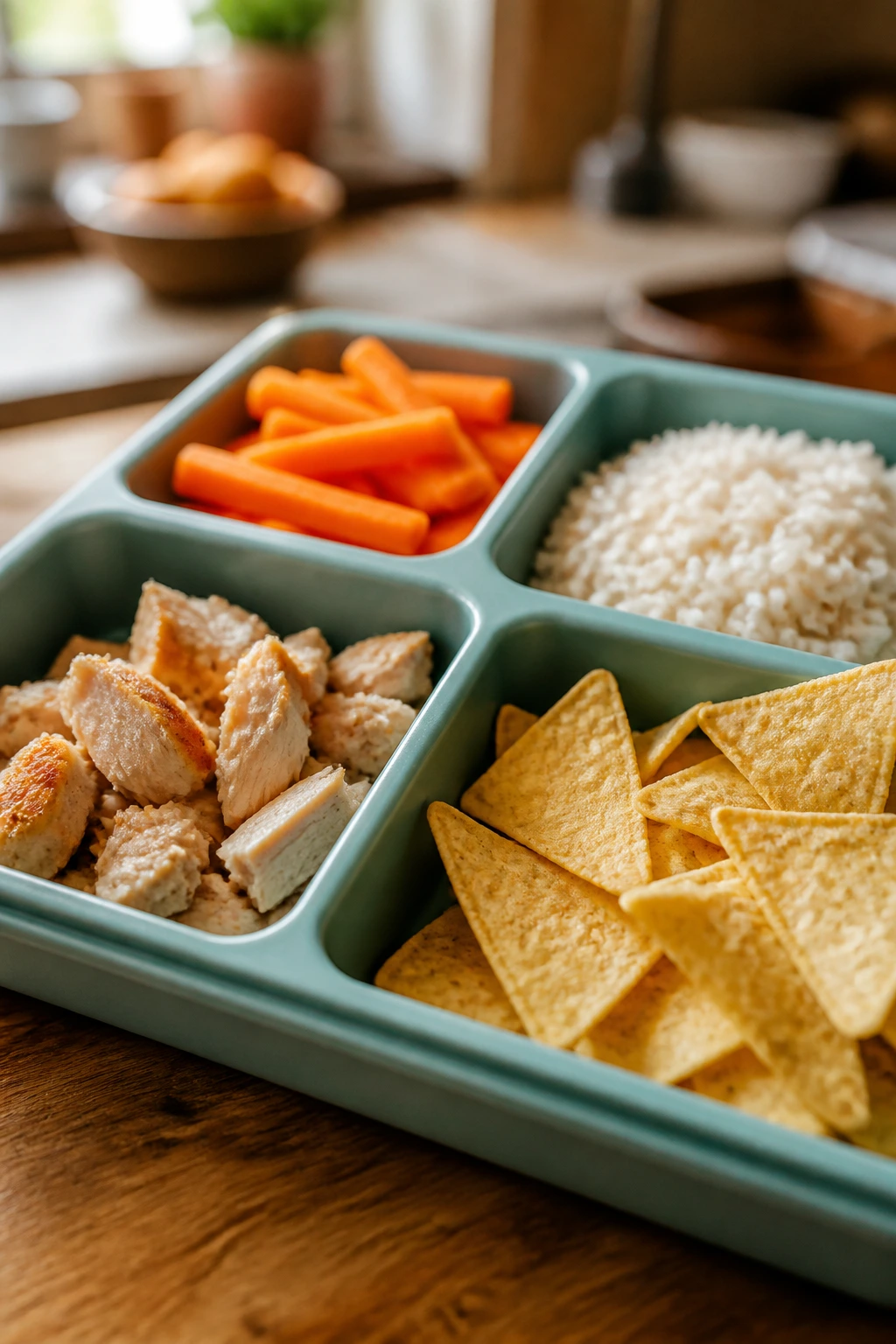
The first mistake is mixing everything together too early. That’s how crisp edges disappear and lunch becomes a wet mound. The fix is to pack wet and dry components separately and combine them only when the food is being eaten.
The second mistake is seasoning the whole batch for an adult palate and expecting children to “adjust.” They won’t, and they shouldn’t have to. If you want heat or sharp spice, add it at the table. Keep the base mild, savory, and balanced.
The third mistake is using lean proteins that dry out in the fridge. Chicken breast, turkey breast, and some fish can work, but they punish overcooking. If leftovers matter, choose thighs, meatballs, shredded meat, or beans more often than not.
The fourth mistake is sealing hot food in airtight containers. Steam builds, texture softens, and the lid turns into a drip tray. Let food cool first. Not all the way to cold on the counter, just enough to stop fogging the lid.
The fifth mistake is making portions too large for younger kids. A box stuffed to the brim can feel like a chore before anyone tastes it. Smaller portions with a built-in second helping work better than one giant mound of food.
The sixth mistake is forgetting acid and salt after the food chills. Cold food can taste flatter than the same food fresh from the pan. A squeeze of lemon, a spoon of salsa, a sprinkle of flaky salt, or a dab of yogurt can wake it up fast.
Variations for Different Ages, Appetites, and Dietary Needs
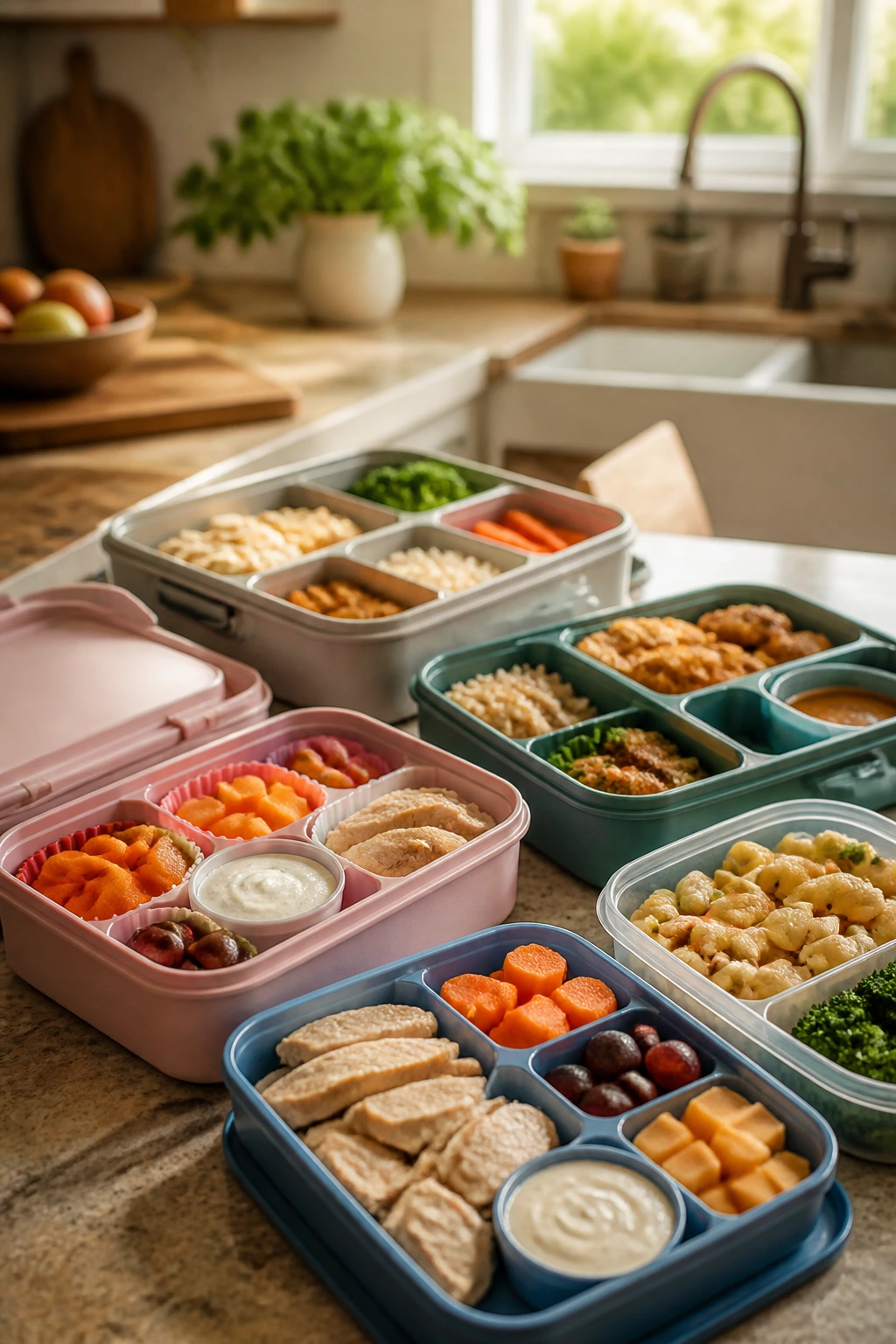
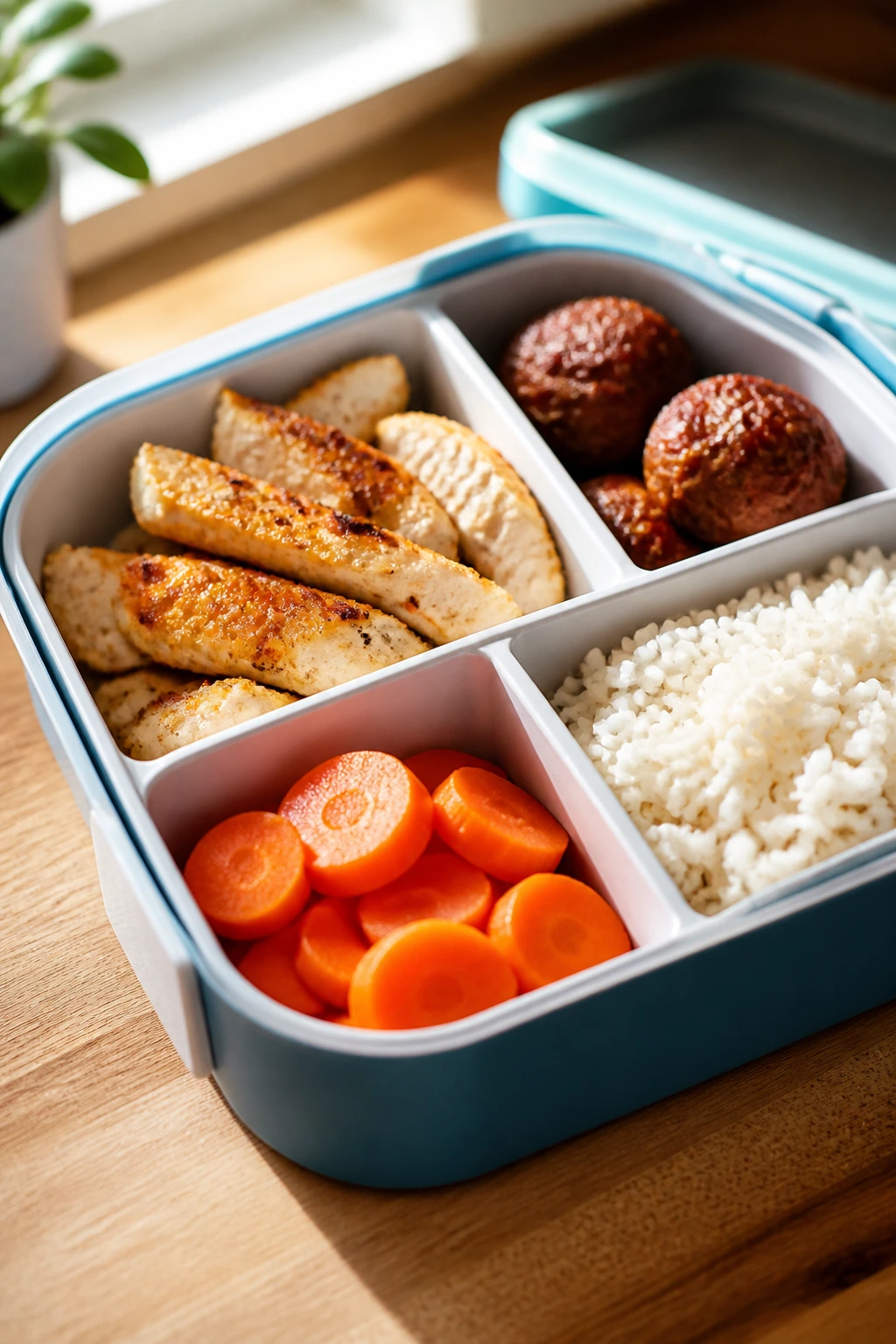
Tiny-Hand Bento Boxes: Cut everything into easy shapes: chicken strips, carrot coins, cheese cubes, grapes halved lengthwise, pasta shells, and a dip cup. This version is made for younger kids who eat better when the food is finger-friendly and not piled high.
Teen-Size Protein Boxes: Double the protein, add a bigger carb portion, and keep a hot sauce or extra seasoning packet nearby. Teens often want more volume than little kids, and a single chicken thigh rarely cuts it.
Dairy-Free Dinner Rotations: Use olive oil dressings, salsa, hummus, tahini, or avocado instead of creamy sauces. Roasted vegetables and chicken don’t need cheese to work, though a squeeze of lemon does a lot of the same lifting.
Gluten-Free Lunch Fix: Build around rice, potatoes, corn tortillas, or gluten-free pasta. Tamari can replace soy sauce if you’re making teriyaki-style food. Keep crumbs and crackers separate if cross-contact matters in your kitchen.
Freezer-First Backup Meals: Meatballs, burritos, shredded chicken, and rice-based bowls freeze well in flat containers or freezer bags. This is the batch-cooking version I use when I want a backup dinner that feels like a rescue, not a compromise.
Mild Base, Bold Table: Season the main batch gently, then put strong flavors on the table. Chili flakes, hot sauce, pickled jalapeños, pesto, and extra herbs let adults build a sharper plate without turning kids away before the first bite.
Tools and Equipment That Make the Job Easier
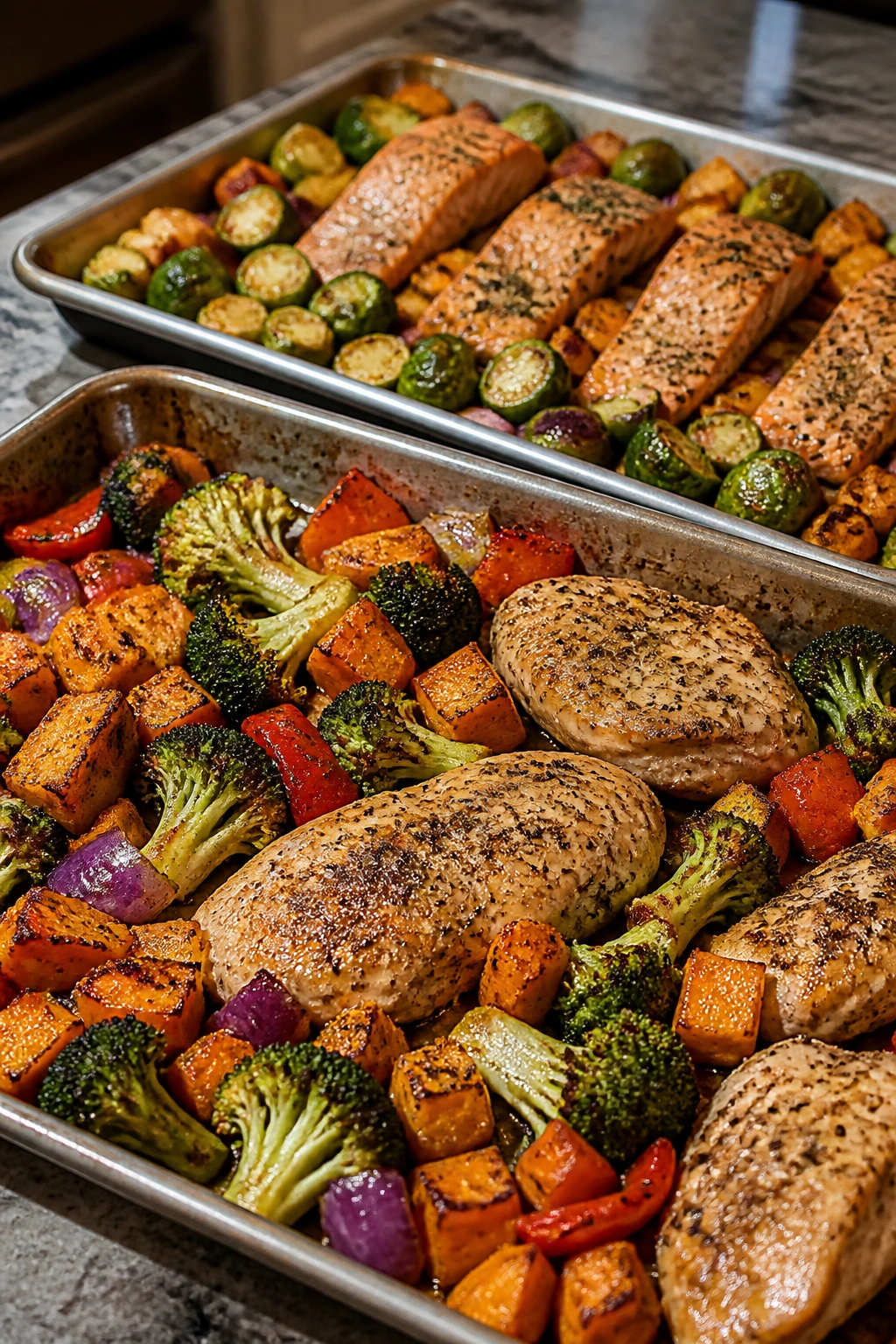
- Two rimmed sheet pans: Roasting protein and vegetables separately keeps everything from steaming.
- Large pot with a lid or rice cooker: Best for rice, pasta, potatoes, or beans in volume.
- Instant-read thermometer: The cleanest way to keep chicken and meatballs from drying out.
- Compartment meal prep containers: Helpful when wet and dry foods need to stay apart.
- Small leakproof sauce cups: Worth it if your family uses dips, dressings, or salsa.
- Sharp chef’s knife: Cuts clean strips and keeps prep moving without smashing vegetables.
- Cutting board with a damp towel underneath: Stops sliding while you slice chicken, peppers, or fruit.
- Silicone spatula or spoon: Better than a fork for stirring rice, sauces, and eggs.
- Cooling rack: Helps hot food shed steam before it gets sealed.
- Labels or masking tape: Handy for marking dates, especially if the fridge holds multiple batches.
You do not need a giant collection of gadgets. You need a few tools that make batch cooking less annoying.
Make-Ahead, Storage, and Reheating Rules That Protect Texture
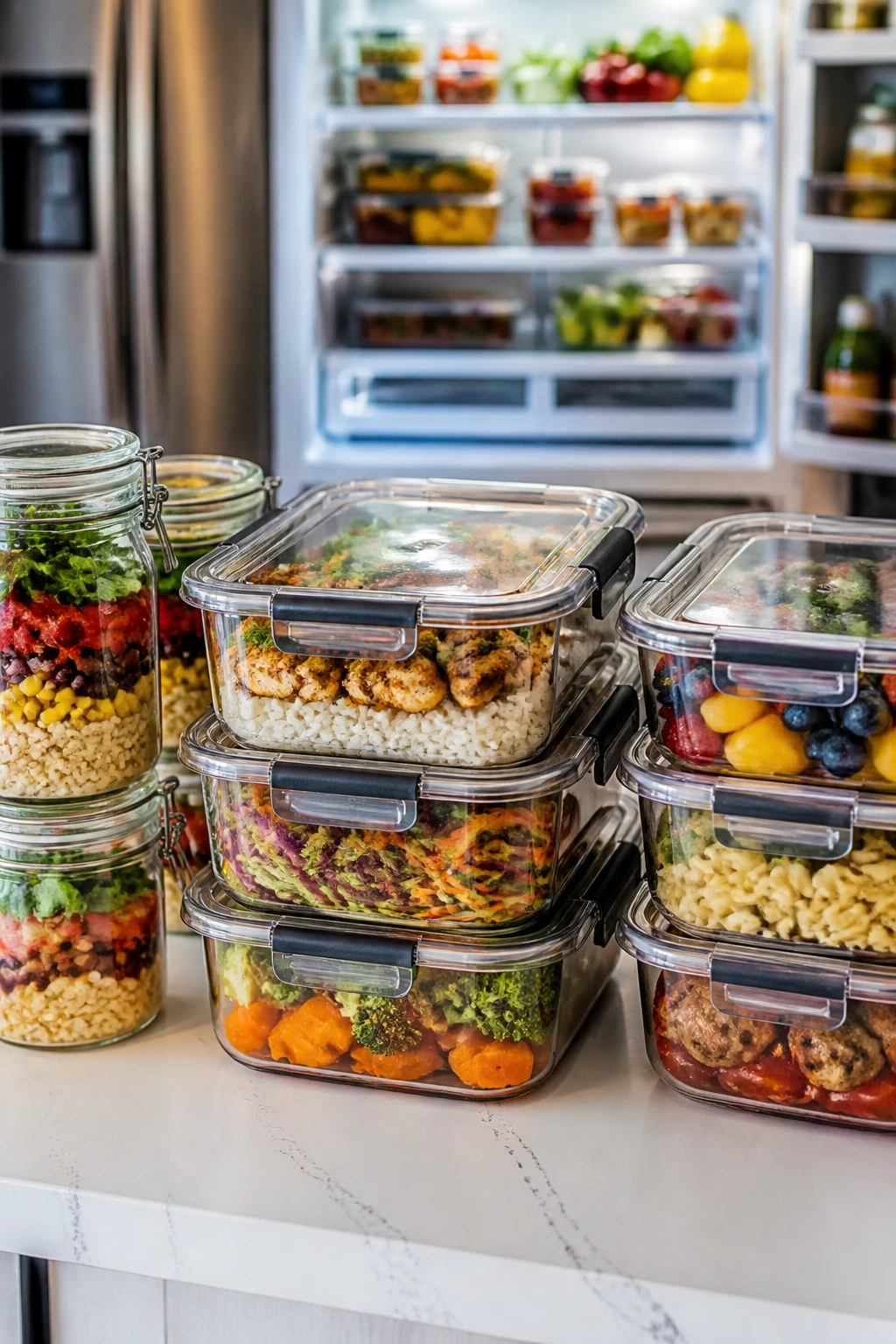
Most cooked family meal prep holds best for 3 to 4 days in the refrigerator if it’s cooled quickly and stored in sealed containers. That lines up with standard leftover safety advice and keeps you out of the “mystery container” zone at the back of the fridge. If something smells off or looks wet in a bad way, throw it out. Food safety beats thrift every time.
Freeze the parts that freeze well. Cooked chicken, meatballs, burritos, rice, and many bean-based fillings can stay frozen for up to 2 to 3 months without falling apart too badly. Roasted vegetables are less lovable after freezing unless they’re headed into soup or a casserole, so I usually keep those fresh.
For the fridge, shallow containers are better than deep ones because they cool faster. Spread hot food out before sealing it. If you’re packing rice, get it into the fridge while it’s still warm but no longer steaming. That keeps the grains from clumping into one cold brick.
Reheating depends on the food. Chicken and rice do well in the microwave with a spoonful of water and a lid slightly ajar, heated in 60-second bursts until the center reaches 165°F. Meatballs in sauce reheat nicely on the stovetop or in a covered dish in the oven at 350°F. Roasted vegetables are better in a hot skillet or air fryer, where the edges can re-crisp.
Some foods actually improve overnight. Meatballs in marinara, taco beef, shredded chicken with sauce, and rice bowls often taste more integrated after a day in the fridge. Crispy things do not. Keep chips, toast, and lettuce separate and add them at the end.
Frequently Asked Questions
What should I prep first if my kids hate mixed foods?
Start with one or two familiar foods they already eat without fuss: rice, pasta, chicken strips, plain meatballs, or fruit. Then build around that with one small new item and one sauce on the side. Deconstructed meals usually work better than fully assembled bowls for picky eaters.
Can I make family meal prep if I only have about an hour?
Yes, if you keep the menu simple. Pick one protein, one starch, and one vegetable, and cook them on parallel timers: rice on the stove, chicken on a sheet pan, vegetables on another pan. Three good meals made efficiently beat six half-finished ones every time.
Which foods reheat best without getting rubbery?
Chicken thighs, turkey meatballs, rice, roasted potatoes, and sauced pasta usually reheat more gracefully than lean chicken breast or delicate vegetables. The key is not just the food itself but how it’s cooked the first time. Slightly undercook pasta, avoid overbaking poultry, and add a little moisture before reheating.
How do I keep lunchbox food from getting soggy?
Use separate containers for sauce, fruit, and crunchy add-ons. Pack hot food only after it has cooled enough to stop steaming, and keep greens or crackers away from moist ingredients. A paper towel under cut cucumbers or greens can help if they have to travel together.
Is it worth freezing these meals?
Definitely, if you freeze the right pieces. Meatballs, shredded chicken, burritos, taco meat, beans, and rice freeze well in flat bags or shallow containers. Skip freezing lettuce, cucumbers, and anything you want to stay crisp.
What if my child only eats three foods?
Then start with those three foods and make them the anchor of the plan. Pair a known favorite with one tiny new food on the side, not mixed in. Kids are more willing to try a bite when the rest of the meal already feels safe.
How do I season food so adults don’t get bored?
Season the base food gently, then put the sharper stuff on the table. Chili crisp, hot sauce, pickled onions, grated Parmesan, chopped herbs, lemon wedges, and extra black pepper are easy fixes. That keeps the kids’ portion mild while giving adults a way to build more flavor.
What if the food turns dry after reheating?
Add moisture before heating, not after. A spoonful of water, broth, sauce, or even salsa helps chicken, rice, and pasta stay softer in the microwave. Cover the dish loosely and heat in short bursts so the edges do not overcook.
Can I use the air fryer for meal prep leftovers?
Yes, and it’s one of the better tools for anything you want to crisp back up. Roasted potatoes, breaded chicken, meatballs, and some vegetables do well at moderate heat for a few minutes. It’s not the best choice for saucy rice bowls, but for texture repair, it works.
The Quiet Win of a Full Fridge
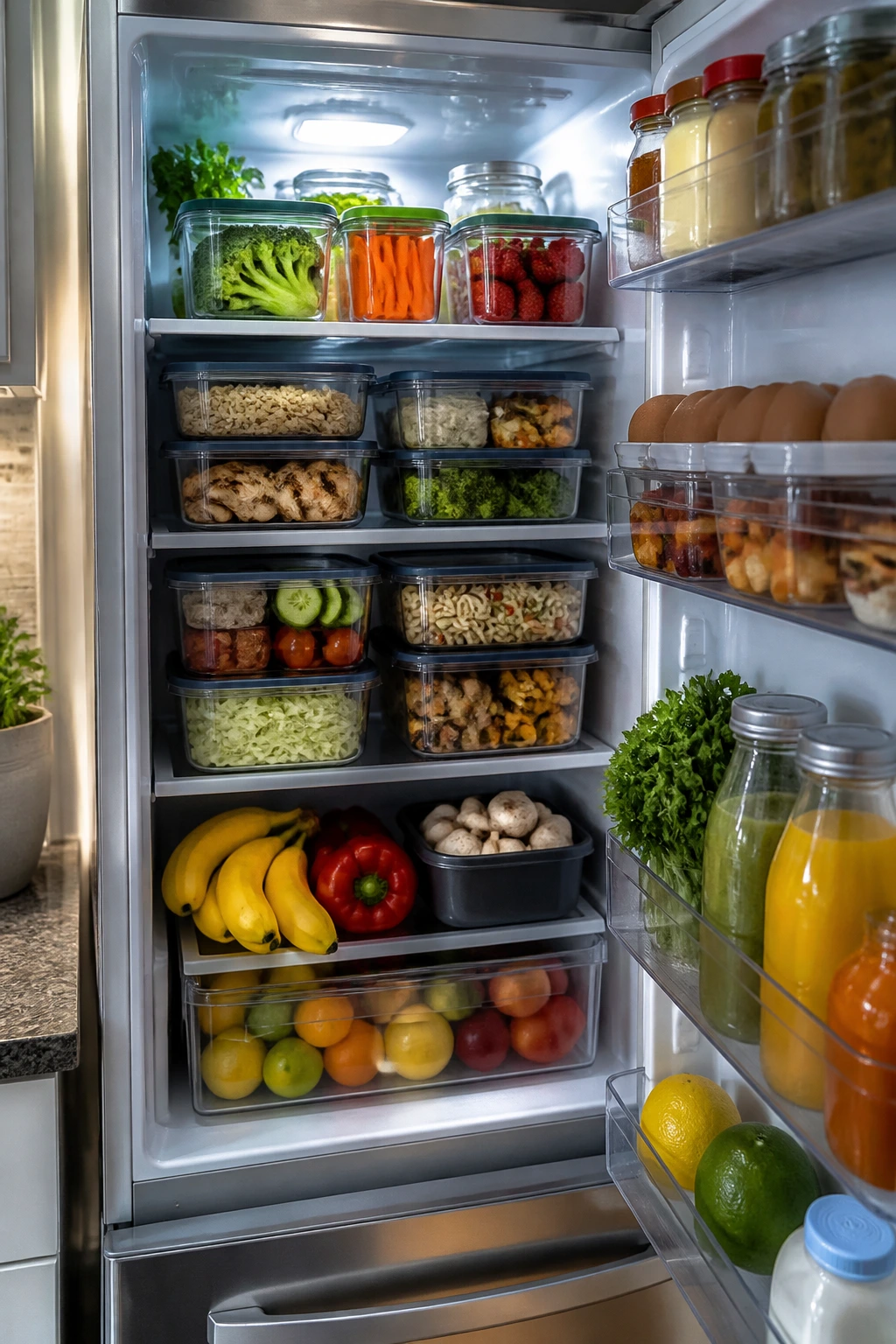
A family fridge full of food is not the same thing as a family fridge full of meals. The meals are the ones with structure: a protein that stayed tender, a starch that still tastes like itself, vegetables that didn’t collapse, and one sauce that makes the whole thing feel chosen rather than random.
That’s the real point of crowd-pleasing meal prep. Not perfection. Not a color-coded container system. Just food that survives the week without becoming a negotiation. When the base is solid, kids eat more, adults stop scavenging at 7 p.m., and the leftover containers actually leave the fridge.
Start with one safe food, one reliable protein, one sauce, and one crisp side. That combination has a habit of turning an ordinary Sunday into a calmer week, and the fridge feels a little less like a problem after that.