



The phrase easy picky eaters kids will actually eat sounds almost too hopeful the first time you say it out loud. Then dinner lands on the table, one child picks the cheese off a quesadilla, another stares at the carrots like they’re a dare, and the whole room starts negotiating over a single green speck. Been there. The trick is not making food look fancy or sneaking in a vegetable so hard nobody notices. The trick is building plates that feel familiar before they feel adventurous.
Picky eating has a way of making capable parents feel oddly powerless. A child who happily eats a plain buttered noodle one night can reject the same noodle if the sauce looks slightly different or the shape changed from shells to spirals. Texture matters. Smell matters. Control matters even more. A smooth mashed potato can be a miracle for one child and a hard no for another, while a crunchy apple slice can save the evening because it behaves predictably when bitten.
The useful meals are rarely the dramatic ones. They’re the calm ones with one safe food, one small stretch, and no speech about “taking one bite for Mommy.” That’s the kind of food that earns repeat appearances, and repeat appearances are where picky eaters begin to relax. So the goal here isn’t perfect nutrition theater. It’s dinner that gets eaten, breakfasts that don’t start a fight, and a few smart moves that make food feel less like a test.
Why Easy Picky-Eater Meals Work Better Than Fancy Kid Food
The easiest meals for picky eaters usually share the same bones, even when the foods look different on the surface.
- One Safe Food Lowers the Temperature: A familiar starch, fruit, or protein gives a child something they can eat without thinking, which makes the rest of the plate feel less risky.
- Tiny Portions Beat Big Piles: Two carrot coins are easier to face than a mound of carrots, and one broccoli floret is less threatening than a whole cup.
- Separate Foods Matter More Than Mixed Foods: Kids who avoid casseroles and stews often do better when each item sits on its own side of the plate.
- Dips Give Control: Ketchup, ranch, hummus, yogurt dip, and peanut butter turn each bite into a choice, which lowers resistance fast.
- Repeated Exposure Works Quietly: A child may need to see the same food many times before they touch it, and pressure usually slows that process down.
- Plain Foods Aren’t a Failure: Buttered noodles, plain rice, and toast can be bridge foods, not surrender, especially when they keep the meal calm enough for everyone to stay at the table.
The other reason this approach works is that it respects how kids actually eat. They do not eat like adults with a menu in front of them. They eat by mood, shape, smell, and memory. A plate that looks safe earns a better first reaction than a plate that looks clever.
And that first reaction matters more than people admit. If the kid feels trapped, dinner turns into a standoff. If the kid feels in control, you at least have a chance.
What Picky Eating Usually Looks Like at the Table
Picky eating is not one thing. It can look like tiny issues that pile up, and the pile is often bigger than it seems from across the table.
Texture Comes Before Taste
Some kids do not care whether the food is “healthy” or “fun.” They care whether it is mushy, crunchy, sticky, slimy, or mixed. A child who hates soft tomatoes may love raw cucumber. Another child who rejects creamy soup may happily eat yogurt because the texture feels smooth and predictable.
That is why so many parents get blindsided by the same ingredient landing one day and failing the next. The child is not being difficult in a grand, moral sense. They are reacting to texture with the same intensity adults reserve for spoiled milk or undercooked pasta. Sensory comfort is part of the story.
Control Changes Everything
A lot of meal resistance is about control, not hunger. Kids want foods to look like themselves. They want the cheese separate from the rice, the sauce on the side, the broccoli not touching the chicken, and the grapes cut into a shape they trust.
That is not a sign that your child is doomed to eat beige food forever. It’s a sign that the meal needs less mixing and fewer surprises. One safe food can lower the tension enough for a new bite to happen.
Appetite Swings Are Normal
Children do not eat with adult consistency. Some mornings they act like they’ve never seen food before. Some nights they nibble three bites and declare themselves done. Growth patterns, activity, fatigue, and even constipation can change appetite from day to day.
If your child’s intake swings a bit but they keep growing, sleeping, and acting like themselves, that usually points to normal picky eating rather than a bigger issue. The red flags are more serious: weight loss, pain while chewing, gagging that happens often, choking episodes, a sharply shrinking food list, or mealtime stress that makes the whole house tense. That is the point to talk with a pediatrician or feeding therapist.
Mild picky eating is common. Severe restriction is different. Those two things do not get the same response.
Easy Picky-Eater Breakfasts Kids Will Actually Eat
Breakfast is often the easiest meal to win because kids wake up with a fairly empty stomach and a short tolerance for drama. They also tend to like breakfast foods that have a clear shape. A waffle is a waffle. Toast is toast. A scrambled egg is not trying to impersonate something else.
The Breakfast Shapes That Usually Land
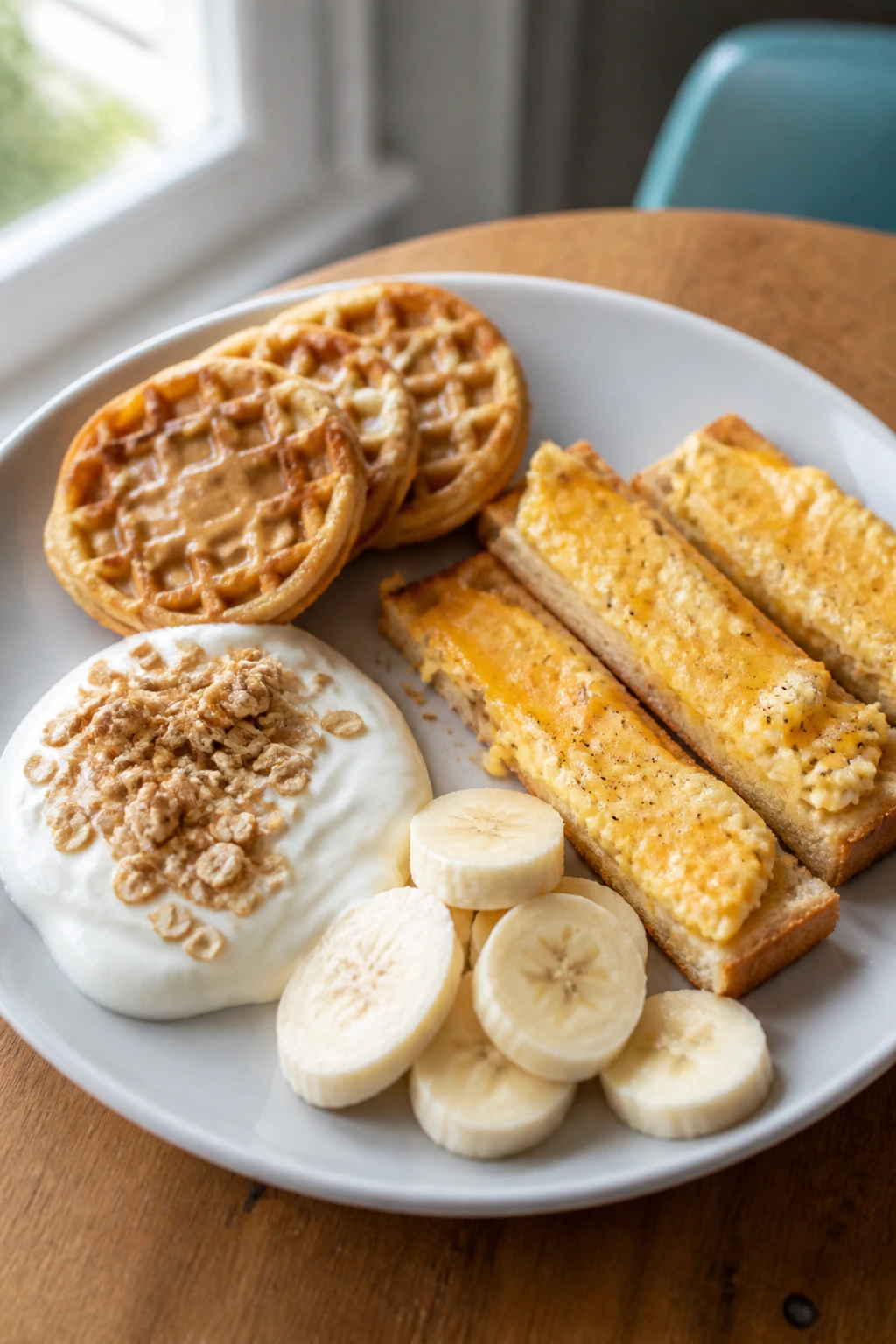
- Mini waffles with peanut butter or sunflower seed butter: The square pockets catch a thin smear of topping, and the shape feels familiar enough to a lot of kids.
- Egg and cheese toast soldiers: Toast cut into strips, with soft scrambled eggs on the side, keeps texture separate and easy to manage.
- Plain Greek yogurt with granola on the side: Some kids eat the yogurt straight; others sprinkle the granola themselves, which helps with control.
- Oatmeal with cinnamon and banana slices: Keep the banana separate at first if your child dislikes mixed textures.
- Egg muffins baked in a muffin tin: These work well when made with cheese and a mild add-in like finely chopped ham.
- Breakfast quesadillas: Melted cheese inside a tortilla, cut into wedges, usually feels less strange than a full omelet.
The best breakfast plates keep one piece of predictability front and center. If your child loves toast, let toast be the anchor. If they trust yogurt, start there and add one small fruit. If they like eggs only when they are soft and plain, don’t turn them into a brunch experiment.
A quiet truth: breakfast can hold more nutrition than it gets credit for. A child who refuses vegetables at night may happily eat berries in yogurt, a spoon of peanut butter on toast, or an egg with cheese in the morning. That counts. You do not need every meal to carry the whole nutritional load.
How to Keep Breakfast from Getting Soggy
The biggest mistake at breakfast is trying to make it “complete” in a way that ruins the texture. Fruit sitting on toast makes bread limp. Syrup pouring over pancakes too early turns them into a soft heap. If your child cares about texture, assemble the plate so the wet part stays separate until the last second.
Warm foods help too. Scrambled eggs, toasted bread, and microwaved oatmeal are often easier wins than cold leftovers, especially for kids who dislike surprise textures first thing in the morning.
Lunches That Hold Up Past the First Bite
Lunch has one job: it needs to survive long enough to be eaten. That sounds obvious, but a lot of lunch ideas fail because they look cute and collapse into a wet mess by noon.
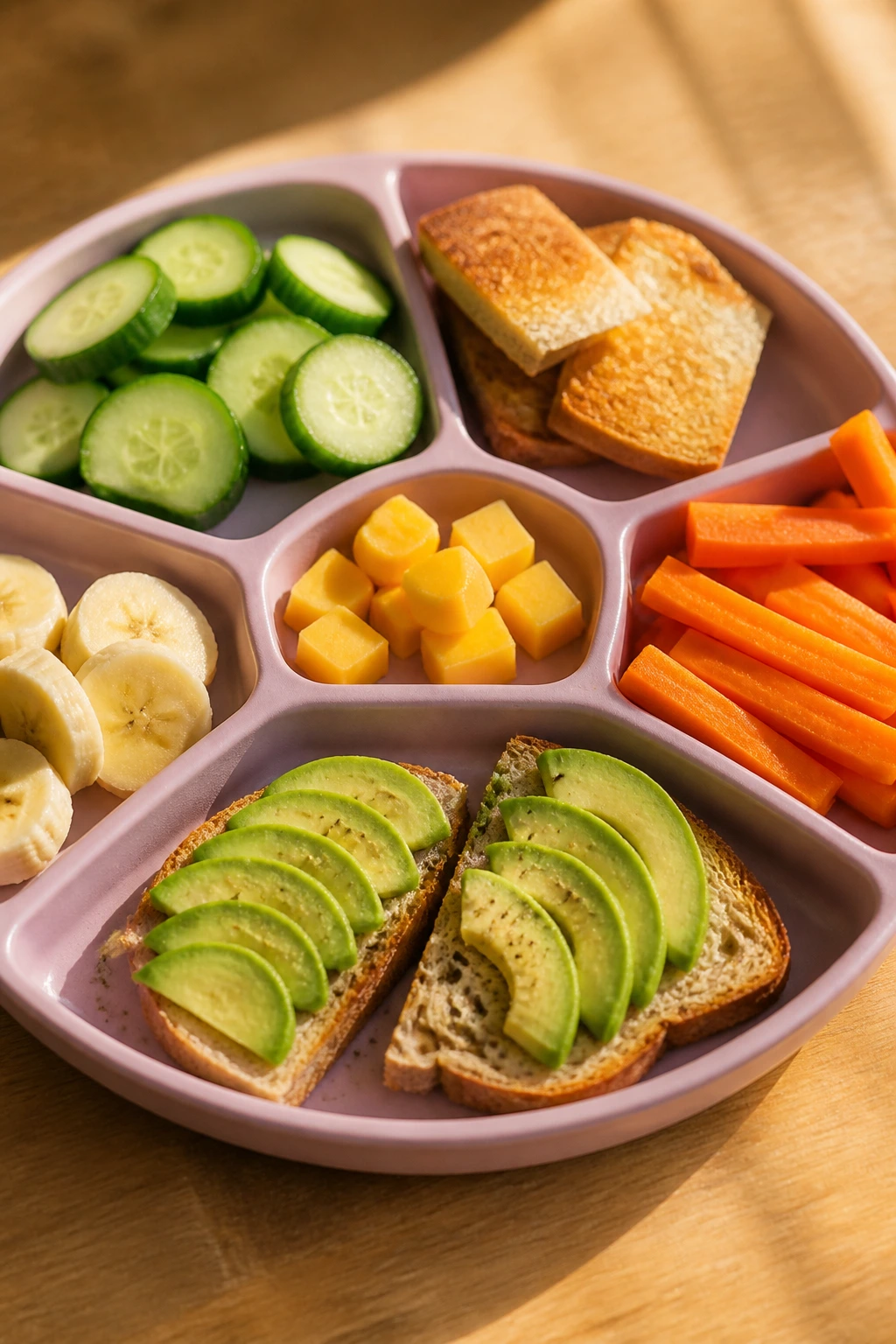
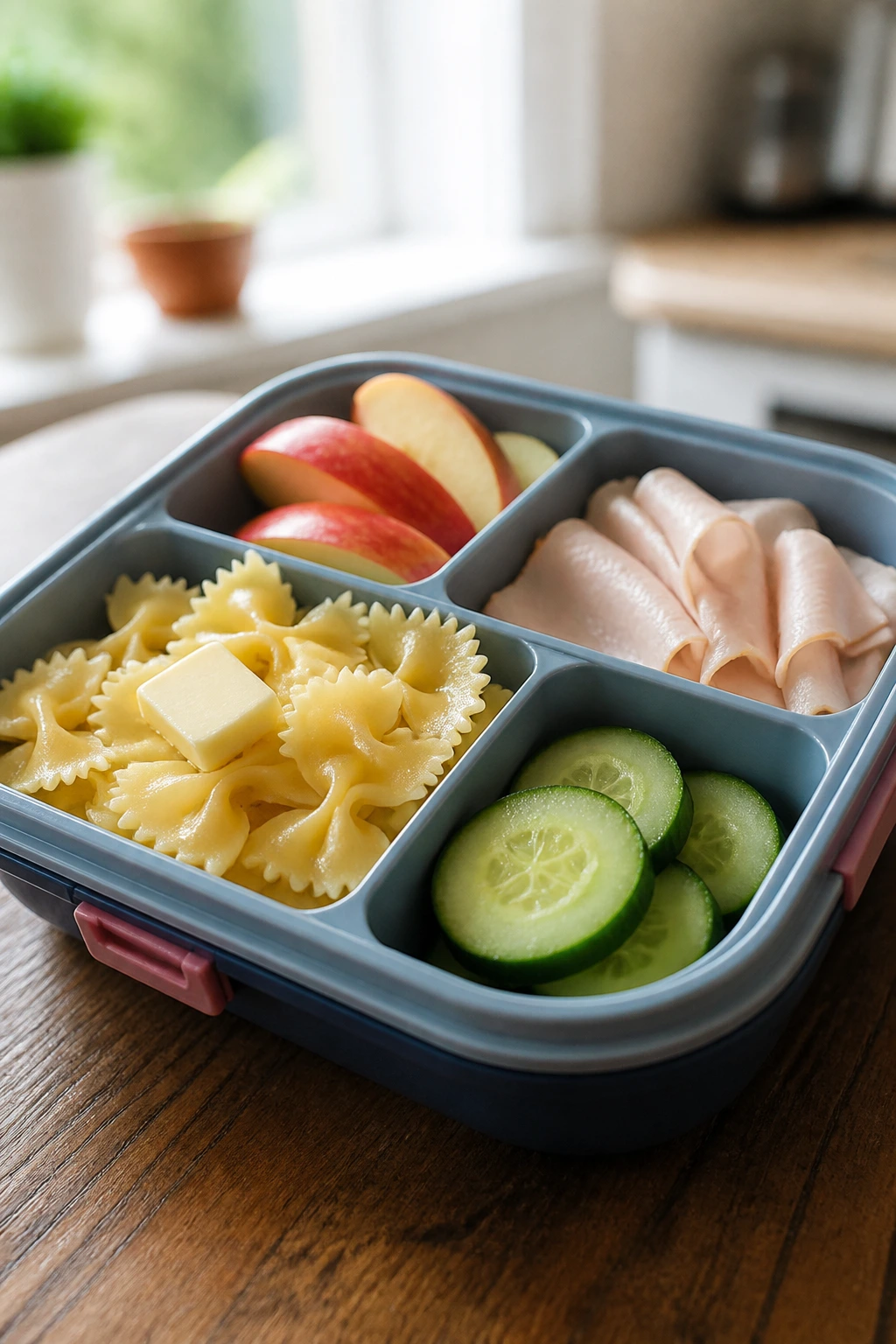
A cold, sectioned lunch often works better than a mixed one. Kids who reject sauces and “touching foods” usually do better when the lunchbox looks orderly. A few compartments. A few known items. No soggy surprises.
The Lunchbox Formula That Saves a Lot of Arguments
Think in small pieces:
- one safe starch
- one protein
- one fruit
- one crunchy item
- one dip, if your child likes dips
That can become turkey and cheese roll-ups, apple slices, crackers, and cucumber coins. Or pasta with butter and parmesan, grapes, and a few baby carrots with ranch. The lunch does not have to be fancy. It has to stay recognizable.
Good Lunch Ideas for Picky Eaters
- Quesadilla wedges: Mild cheese in a tortilla, cooked until the outside is lightly golden. Cut into triangles and pack with salsa only if your child actually wants it.
- Turkey and cheese roll-ups: A slice of turkey wrapped around cheese sticks or thin slices of cheddar; keep the shape tight so it feels tidy.
- Butter pasta with parmesan: Short pasta shapes often work better than long noodles because they are easier to fork and less slippery.
- Snack boxes: Cheese cubes, crackers, fruit, and a few cucumber coins can look more inviting than one blended lunch item.
- Mini bagels with cream cheese: A familiar bread shape goes a long way, especially when the filling stays mild.
- Thermos mac and cheese: Some kids love it hot, others prefer it cooled a bit so it feels less aggressive in the mouth.
Lunch is also where leftovers can shine if you keep expectations reasonable. Cold chicken nuggets may sound absurd to an adult and perfect to a child. Leftover rice can work if it stays plain. A slice of pizza cut into strips is not a crime. If it fills the lunchbox and gets eaten, it did its job.
One thing I like to say, because it saves a lot of wasted effort: if your child does not like sandwiches, stop forcing sandwiches. A lunch does not need two slices of bread to count as lunch.
Easy Picky-Eater Dinners Built Around One Safe Food
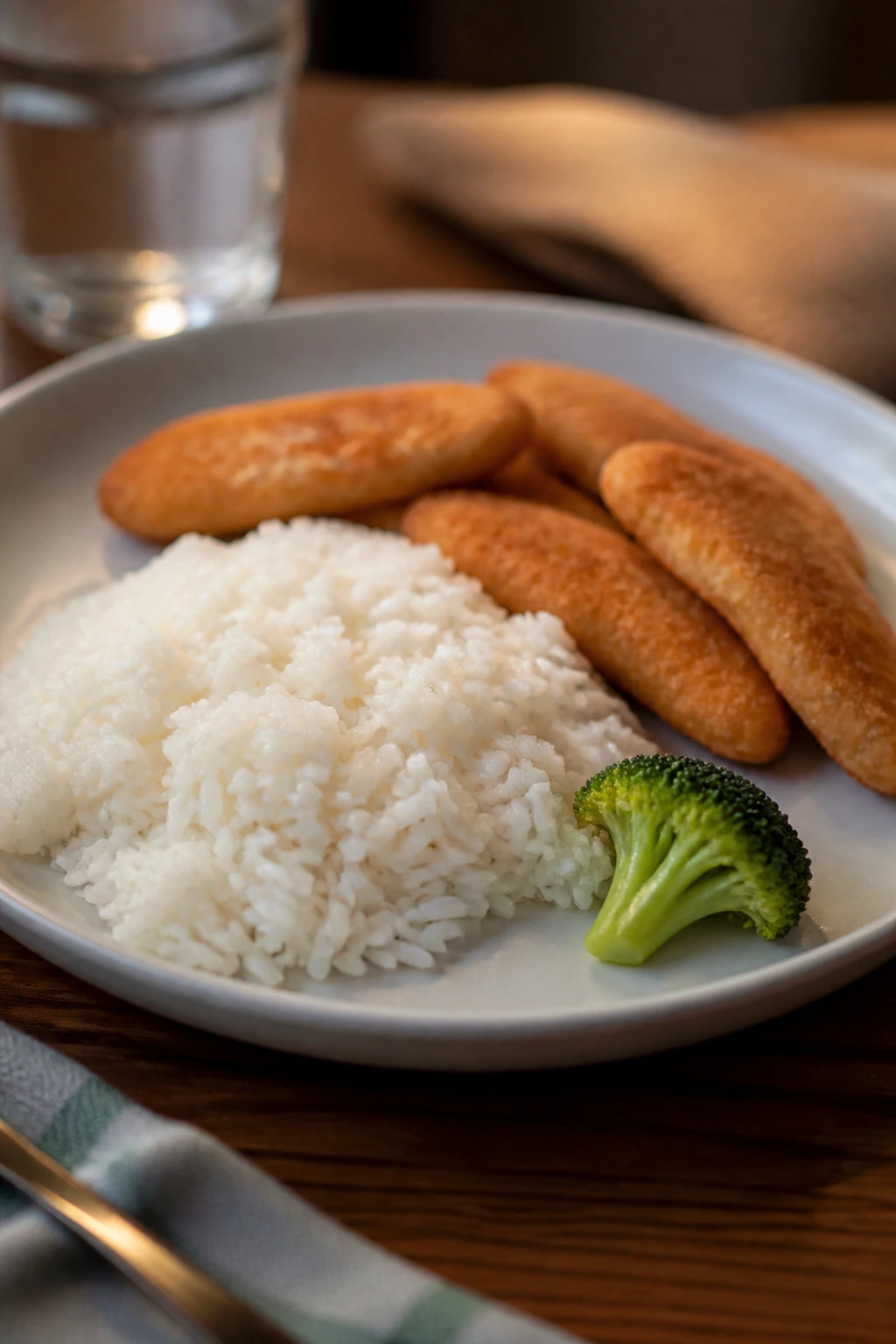
Dinner is where picky eating often turns theatrical. Everyone is tired. The table is louder. The food smells stronger. And one child who happily ate at lunch suddenly acts as though dinner arrived from another planet.
The answer is not to build a gourmet kid menu from scratch. It’s to design dinner plates with a safe food in the lead role.
The One-Safe-Food Plate
A good picky-eater dinner usually has three pieces:
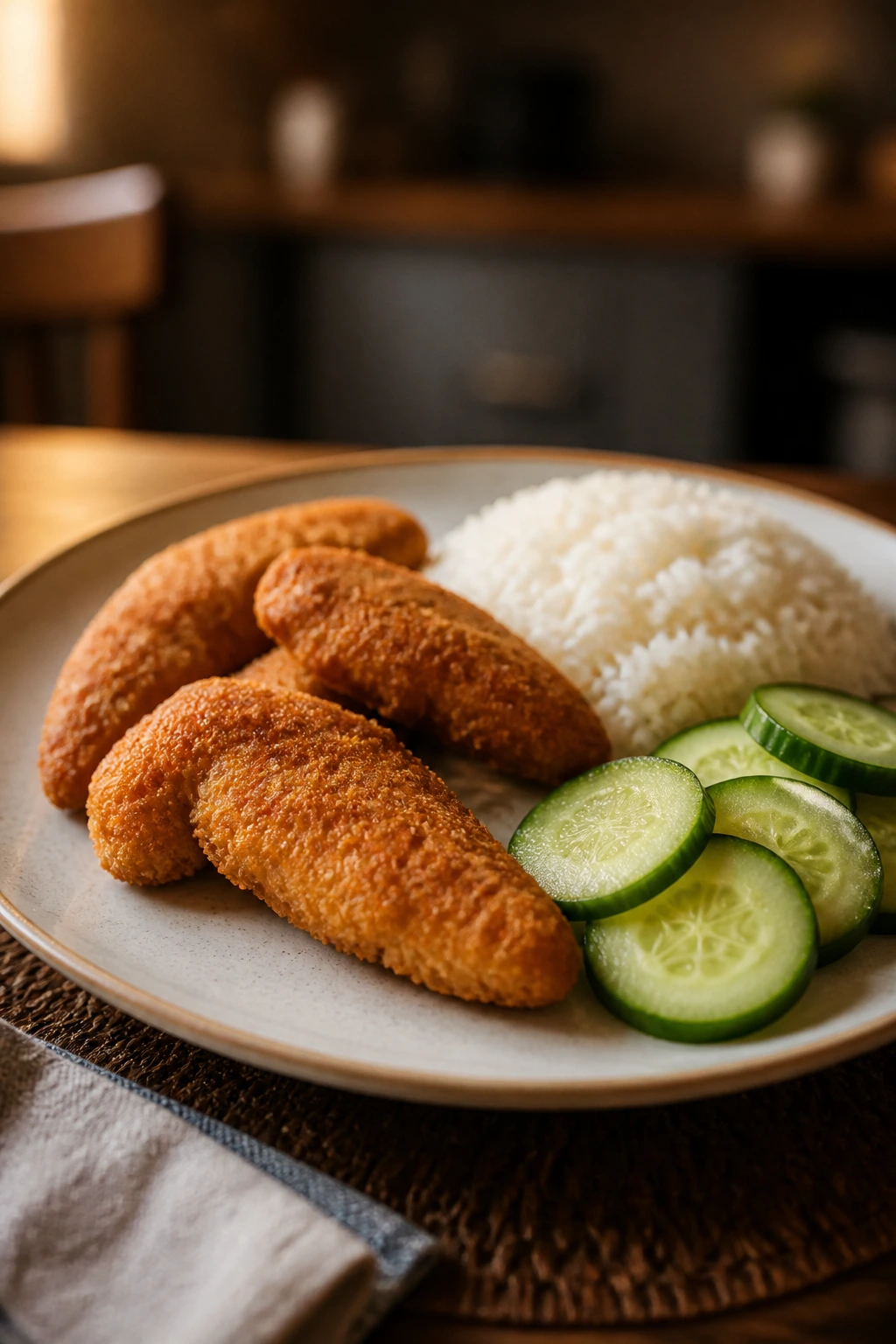
- One safe food: plain rice, noodles, potatoes, bread, cheese, or a fruit the child likes.
- One known protein: chicken tenders, meatballs, eggs, fish sticks, tofu cubes, or beans.
- One tiny stretch food: one floret of broccoli, a few peas, a carrot coin, a spoon of corn.
That third item should be small enough not to feel like a dare. If your child eats it, great. If they lick it, smell it, or move it around with a fork, that still counts as contact.
Dinners That Usually Get a Better Response
- Chicken tenders, roasted potato wedges, and cucumber slices
- Butter noodles, meatballs, and peas served beside the pasta
- Taco night with everything separated: tortillas on one plate, meat in a bowl, cheese in a pile, lettuce in a separate dish
- Rice, scrambled egg, and steamed edamame or corn
- Grilled cheese with tomato soup on the side
- Baked ziti where the sauce stays mild and the cheese stays familiar
The separation matters. A deconstructed dinner may look less polished to an adult, but it gives a picky eater more room to succeed. Nobody needs to scrape onions out of sauce or guess whether a noodle touched a pepper.
Why Deconstructed Dinners Work
Mixed casseroles can be a trap for sensory-sensitive kids. The flavors blur, the textures collapse into one another, and the whole dish becomes hard to read. Separate components keep the meal legible.
That legibility is calming. A child can decide where to start, how much to take, and whether to ignore the green thing for tonight without feeling cornered. You are building trust, not scoring points.
One Quiet Opinion
Plain buttered pasta is not a failure meal. It is a bridge meal.
If you want a child to accept a new sauce later, it helps to begin with a noodle they already trust. Then the next time, you add a spoon of parmesan. Later, maybe a little garlic butter. Then a soft tomato sauce. Moving by inches works better than throwing a whole new bowl at the table and hoping for the best.
Snacks That Feel Like Real Food, Not a Bribe
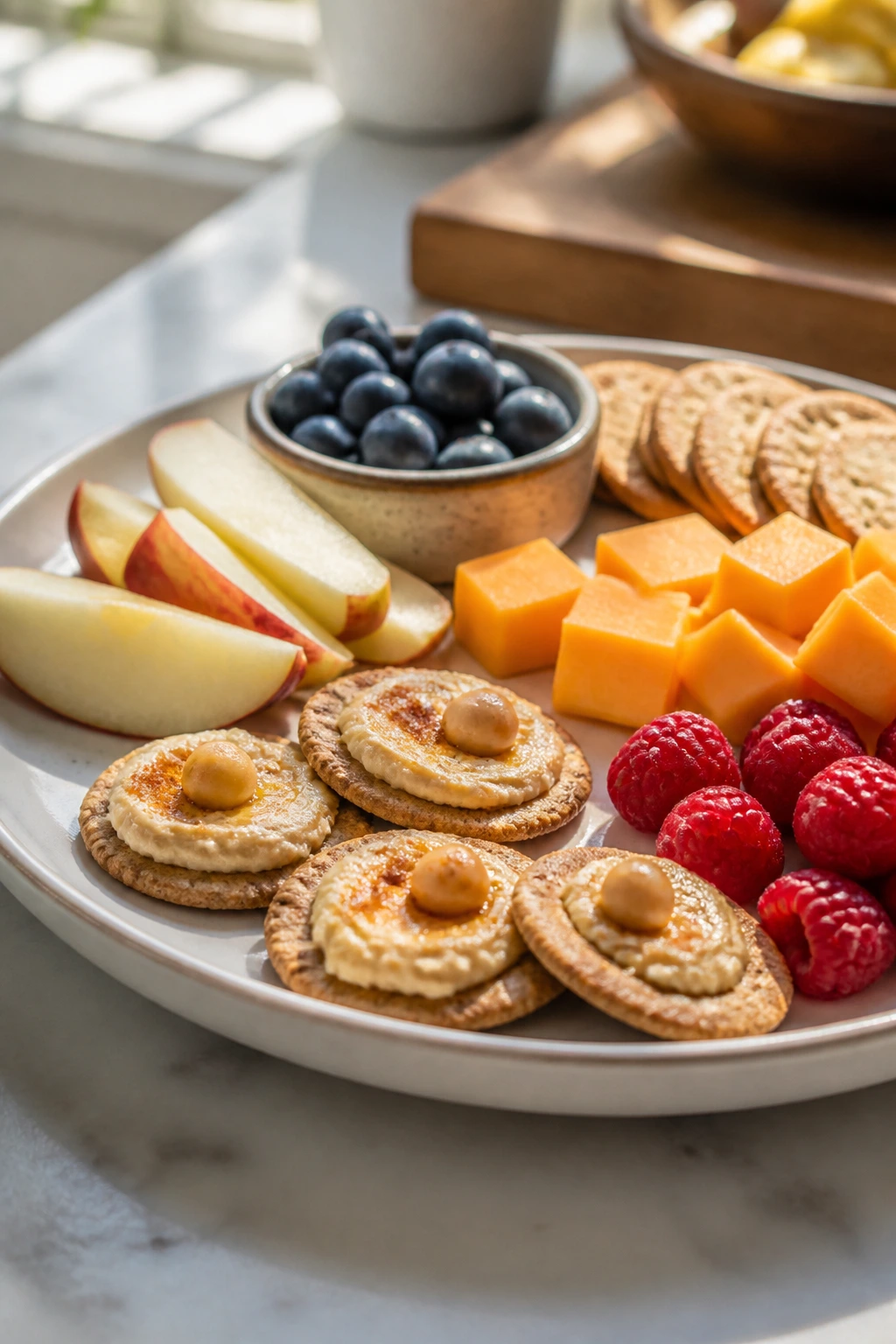
Snack time can rescue a late afternoon, or it can ruin dinner if it gets treated like a free-for-all. The trick is to make snacks useful. They should bridge the gap between meals, not replace the whole dinner plan.
A good snack has a shape a child recognizes and enough substance to take the edge off. Chips alone disappear fast. A snack with protein, fruit, or fat tends to hold better.
Snack Ideas That Usually Work Better Than Candy-Like Food
- Cheese cubes and apple slices
- Crackers with hummus or cream cheese
- Yogurt with a few berries on the side
- Hard-boiled eggs with toast fingers
- Banana with peanut butter or sunflower seed butter
- Mini muffins and milk
- Pretzels with a dip cup of yogurt or nut butter
- Cucumber rounds with ranch
- String cheese and grapes cut lengthwise
Some kids love crunchy snacks. Others want cold and smooth. Paying attention to the preferred texture makes snack time easier than trying to force a healthy-sounding idea that never lands.
A smoothie can work too, but only if your child accepts the texture. Keep it fruit-forward at first. Banana, yogurt, berries, milk or a mild milk substitute. If you add spinach, add a tiny amount and do not pretend the color hasn’t changed. Kids have good eyes.
The Snack Rule I Trust Most
If the snack is too big, dinner gets messy. If it’s too small, the child gets cranky and the whole evening slides sideways.
A middle ground works best: enough food to take the edge off, not enough to kill interest in the next meal. That middle ground looks different at different ages, which is why tiny bowls and small portions matter more than people think.
How to Serve Vegetables Without Starting a War
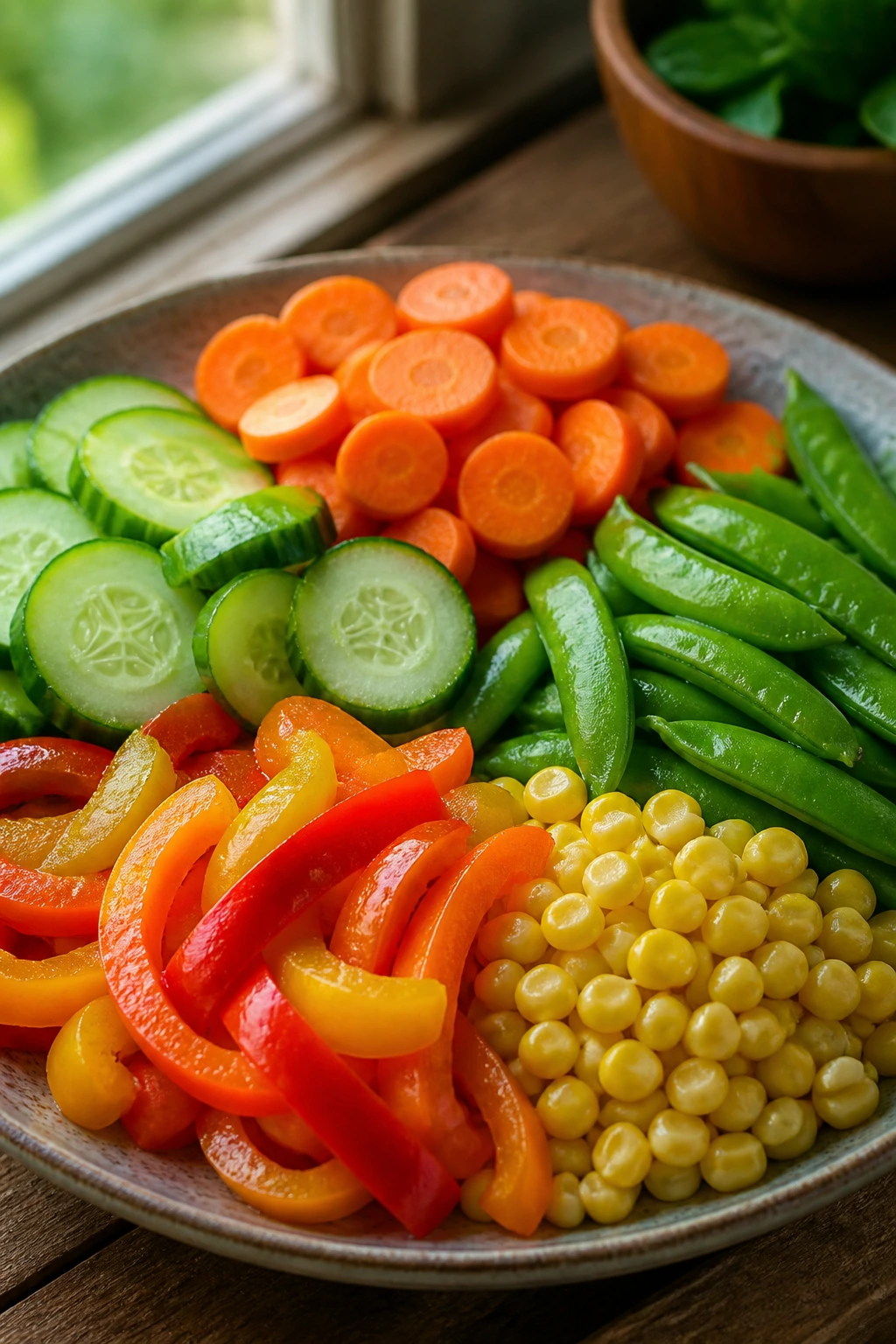
Vegetables do not need to arrive like a surprise ambush. That is where a lot of dinner battles begin.
The first vegetables most picky eaters accept are usually sweet, mild, or crunchy. Carrots, corn, peas, cucumber, bell peppers, and sugar snap peas often get a better response than bitter greens or mixed vegetable medleys. The shape matters too. A raw cucumber coin is a different emotional event from a steaming pile of cabbage.
Start With the Vegetable Your Child Can Read
If crunch is the draw, serve raw cucumber, snap peas, or bell pepper strips. If sweetness wins, roast carrots at 425°F until the edges brown a little and the centers go soft. That caramelized edge changes the whole flavor.
A child who hates mushy vegetables may do fine with raw ones. A child who hates raw vegetables may do fine with roasted ones. The lesson is not “vegetables are bad.” The lesson is that vegetable texture matters as much as vegetable type.
Better First Vegetables Than People Expect
- Roasted carrots with a little olive oil and salt
- Corn kernels either cold or lightly warmed
- Cucumber coins with dip on the side
- Sugar snap peas for kids who like crunch
- Soft peas stirred into buttered rice or served plain
- Bell pepper strips if your child likes crisp, juicy foods
Dips Help, But They Are Not Magic
Ketchup, ranch, yogurt dip, hummus, and mild salsa can lower the wall enough for a first bite. They are not there to trick anyone. They are there to make the food feel safer.
That matters. A child who dips a carrot once and licks ranch off the corner has still interacted with the carrot. That is a step. Tiny steps matter more than dramatic speeches.
The Thing I Would Not Do
I would not hide vegetables in every single dinner forever. A little spinach in sauce can be fine. A hidden-loaf strategy that keeps turning meals into a mystery tends to backfire when the child notices. Trust is fragile around food. If you want a child to get curious later, let them see what they are eating now.
The Flavor Ladder: From Plain to Seasoned
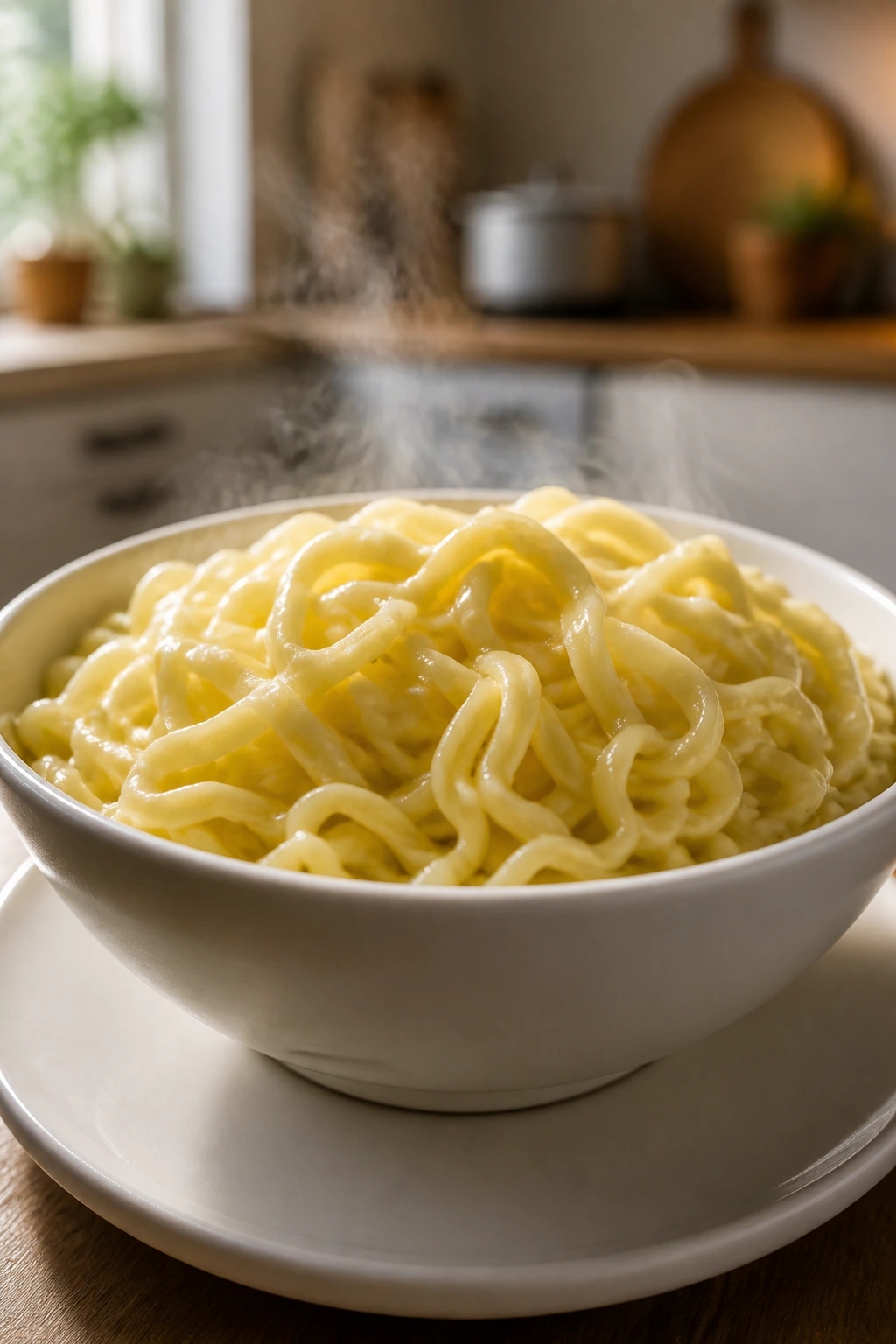
Seasoning a picky eater’s food is a ladder, not a leap.
If you go from plain pasta to a heavy, garlicky, peppery sauce, the dish can feel like an entirely different object. That’s too big a jump for many kids. The better move is to change one thing at a time so the food stays recognizable.
Level 1: Plain and Predictable
Start with foods that need no explanation. Buttered noodles. Toast. Plain rice. Simple eggs. Roasted potatoes with salt. These are not empty meals. They are the starting point.
A child who trusts plain food can take a small step forward later. A child who feels overwhelmed at the first bite may shut down for the whole week.
Level 2: Butter, Salt, and Cheese
This is where a lot of progress happens. A little parmesan on pasta. Melted cheese over eggs. Butter on rice. Salt on roasted carrots. These flavors are mild, familiar, and usually less threatening than herbs or spice.
Level 3: Mild Savory Flavor
Garlic powder, onion powder, a tiny bit of paprika, and dried herbs can deepen food without changing it into something weird. A child who accepts buttered noodles may accept buttered noodles with parmesan next, then garlic butter, then a soft tomato sauce.
That is the ladder in action.
Level 4: Spice and Stronger Flavor, Only if the Child Wants It
Hot sauce, chili flakes, cumin, curry, and smoky rubs can wait. Some kids grow into them quickly. Others do not. There is no prize for forcing a child to eat food that feels too loud in the mouth.
A useful habit: season the adult portion a little more, then let the child choose whether to add more later. That keeps the meal from becoming a battlefield and lets the adult plate taste like food, not a compromise.
How to Make These Meals Work on a Busy Weeknight
The best picky-eater food often comes from repetition, not inspiration. That’s good news, because repetition is easier to manage than nightly reinvention.
A Few Moves That Save Time Without Making Dinner Worse
Portion Trick: Put one bite of the new food on the plate, not a serving bowl’s worth. Two peas can be enough. One carrot coin can be enough. If the food is accepted, you can increase it later.
Timing Trick: Feed the child before the crash point. A hungry child is one thing. An exhausted, over-hungry child is another. A small after-school snack at the right time can rescue dinner from a total breakdown.
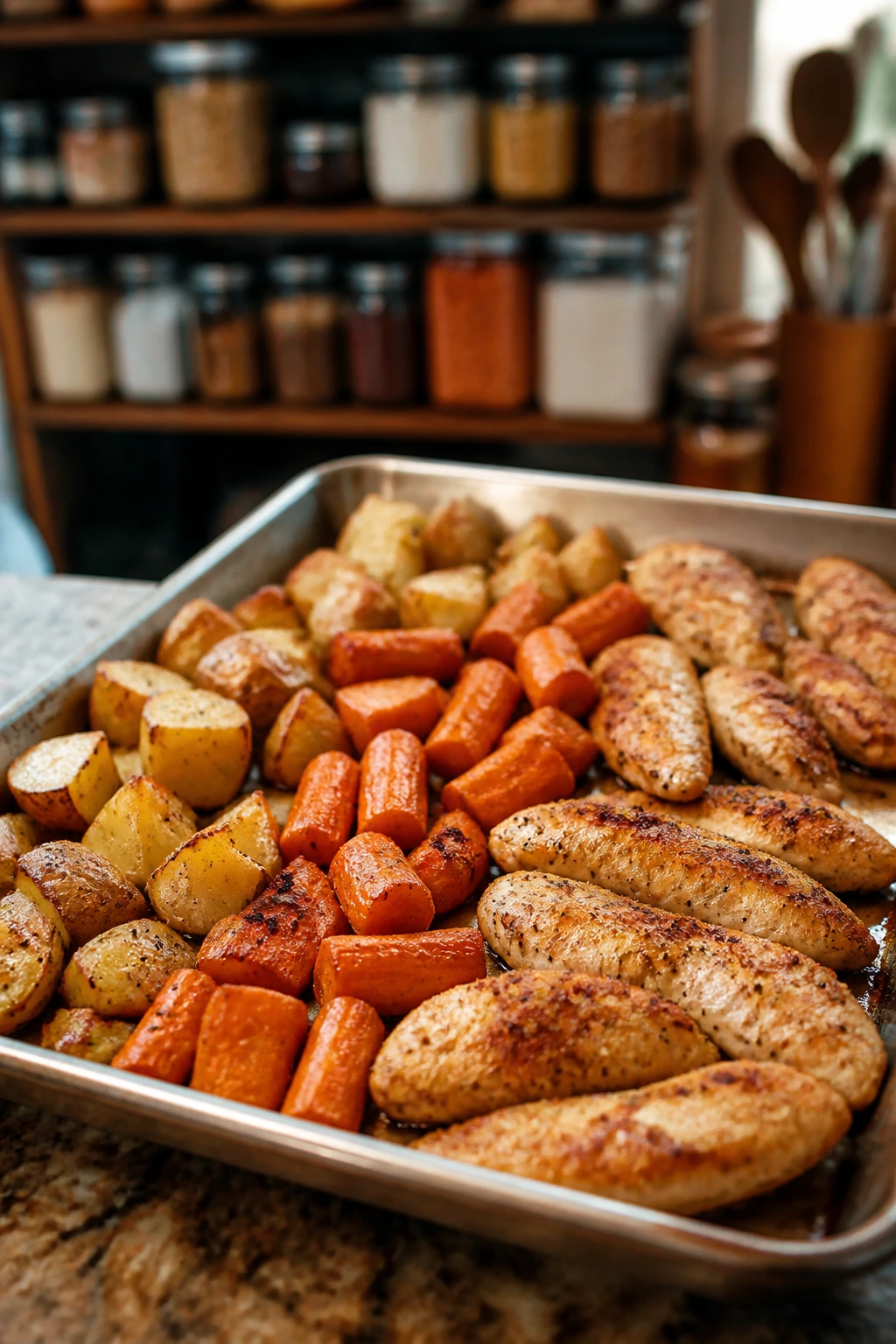
Batch Trick: Keep plain ingredients ready to assemble. Cook a tray of chicken tenders, a pot of rice, a few potatoes, and a container of cucumbers. Then mix and match through the week instead of starting from zero every night.
Bridge Trick: Pair new foods with known foods. A child who eats cheese sticks may tolerate cheese on a quesadilla. A child who likes apples may try apple slices beside peanut butter. A child who trusts pasta may take one bite of sauce on the side.
Adult Trick: Make the family meal look like one meal, not two competing menus. You can season your own portion more aggressively at the table. You do not need a separate children’s dinner and a separate grown-up dinner unless that truly saves your sanity.
The Real Shortcut
Keep a mental list of three foods your child accepts on a decent day, three foods they sometimes accept, and three foods they almost always refuse. That tiny map is more useful than a fridge full of random groceries. Once you know the map, you stop guessing.
And yes, some nights the answer is grilled cheese and fruit. Fine. A calm dinner with a safe food beats a grand meal nobody touches.
Common Mistakes That Make Picky Eating Worse
A lot of well-meant feeding advice backfires because it creates pressure, confusion, or mistrust. Here are the mistakes that show up most often.
- Too Many New Foods at Once: A plate with five unfamiliar items is not an invitation; it’s a traffic jam. Fix it by offering one small stretch food next to two or three safe foods.
- Turning Dinner Into a Performance: Counting bites, bargaining, and praising every mouthful can make food feel like a job. Fix it by keeping the table calm and letting the meal speak for itself.
- Hiding Vegetables So Well They Become Suspicious: If every sauce tastes slightly different and every muffin tastes oddly green, a child may stop trusting the kitchen. Fix it by using small, honest additions and naming the ingredients plainly.
- Serving Food Too Late: A starving child is not more cooperative. They are more likely to melt down. Fix it by offering a small snack or moving dinner a little earlier.
- Making Texture Harder Than It Needs to Be: Mixed casseroles, soggy bread, and overcooked vegetables can push a sensory-sensitive child past the edge. Fix it by keeping components separate and cooking vegetables to the texture your child handles best.
- Forcing the “Clean Plate” Idea: Empty plates are not the goal. A calm meal is the goal. Fix it by letting the child decide how much to eat from the options you put out.
One more mistake deserves its own line: expecting dinner to solve the whole nutrition picture. It won’t. A picky eater who eats a decent breakfast and a workable snack often does better than one who is pushed hard at dinner and shuts down for the rest of the day. Food trust grows over time. Fast pressure breaks it.
Smart Variations for Toddlers, Big Kids, and Special Diets
Different ages and households need different versions of the same idea. The structure stays the same. The details shift.
Tiny-Bite Plates
For toddlers, keep portions tiny and shapes simple. Cut grapes lengthwise, slice sandwiches into narrow strips, and keep vegetables in pea-sized amounts. A toddler plate that looks almost comically small often works better than a full-sized one because it does not overwhelm the child before the first bite.
Crunch-First Dinners
Some kids want crisp edges and audible crunch. Lean into that instead of fighting it. Use toasted bread, roasted potatoes, raw cucumber, crisp chicken tenders, and apples with the peel on if they tolerate it. Crunchy foods often feel safer because the texture tells the child exactly what to expect.
No-Dairy Comfort Plates
Dairy-free meals can still feel familiar. Think olive oil on pasta, avocado with toast, hummus with pita, baked potatoes with a little salt, and chicken or tofu with roasted vegetables on the side. If your child likes creamy textures, dairy-free yogurt or a tahini dip can take the place of cheese sauce without changing the whole mood of the meal.
Gluten-Free Handheld Nights
Corn tortillas, rice bowls, potato wedges, gluten-free pasta, and lettuce cups can give a child the same hand-held, shape-based comfort without wheat. Keep the fillings familiar and avoid piling on too many extras. A child who likes a plain taco may not need a whole taco bar to feel successful.
Budget Pantry Plates
Beans, rice, eggs, frozen peas, frozen corn, oats, pasta, peanut butter, canned fruit, and tortillas can build a long week of calm meals without a lot of cost. Budget food works well for picky eaters when the flavors stay simple and the shapes stay familiar. Fancy ingredients are not the point.
Sauce-On-the-Side Nights
Some kids love sauce. Others resent it. Serving sauce on the side is a variation, not a compromise. It lets the child control the amount and keeps the main food from getting soggy before the first bite.
Tools and Pantry Staples That Save Dinner
A few tools make picky-eater meals easier because they keep food visible, separate, and easy to reheat.
- Sectioned plates or bento boxes: These stop foods from touching unless your child wants that.
- Small cookie scoop or measuring spoon: Useful for tiny portions that do not look overwhelming.
- Sheet pan with a rim: Good for roasting potatoes, carrots, chicken tenders, and other kid-friendly basics in one batch.
- Nonstick skillet: Handy for quesadillas, eggs, grilled cheese, and reheating foods without sticking.
- Toaster oven or air fryer: Brings crunch back to nuggets, toast, fries, and pizza slices far better than a microwave.
- Food thermos: Keeps pasta, rice, and mac and cheese hot enough to stay appealing at lunch.
- Airtight containers: Keep fruit, cheese, crackers, and veggie sticks from drying out or going soggy.
- Sharp knife and small cutting board: A lot of picky-eater success is really about slicing foods into the right shape.
- Ice cube tray or small ramekins: Great for tiny dip portions, which help kids control each bite.
Pantry staples matter too. Keep pasta, rice, tortillas, bread, crackers, frozen peas, frozen corn, applesauce, yogurt, cereal, cheese, and a few mild condiments on hand. That mix gives you a fallback plate on nights when nobody has the energy for anything complicated.
Make-Ahead, Storage, and Reheating That Actually Helps
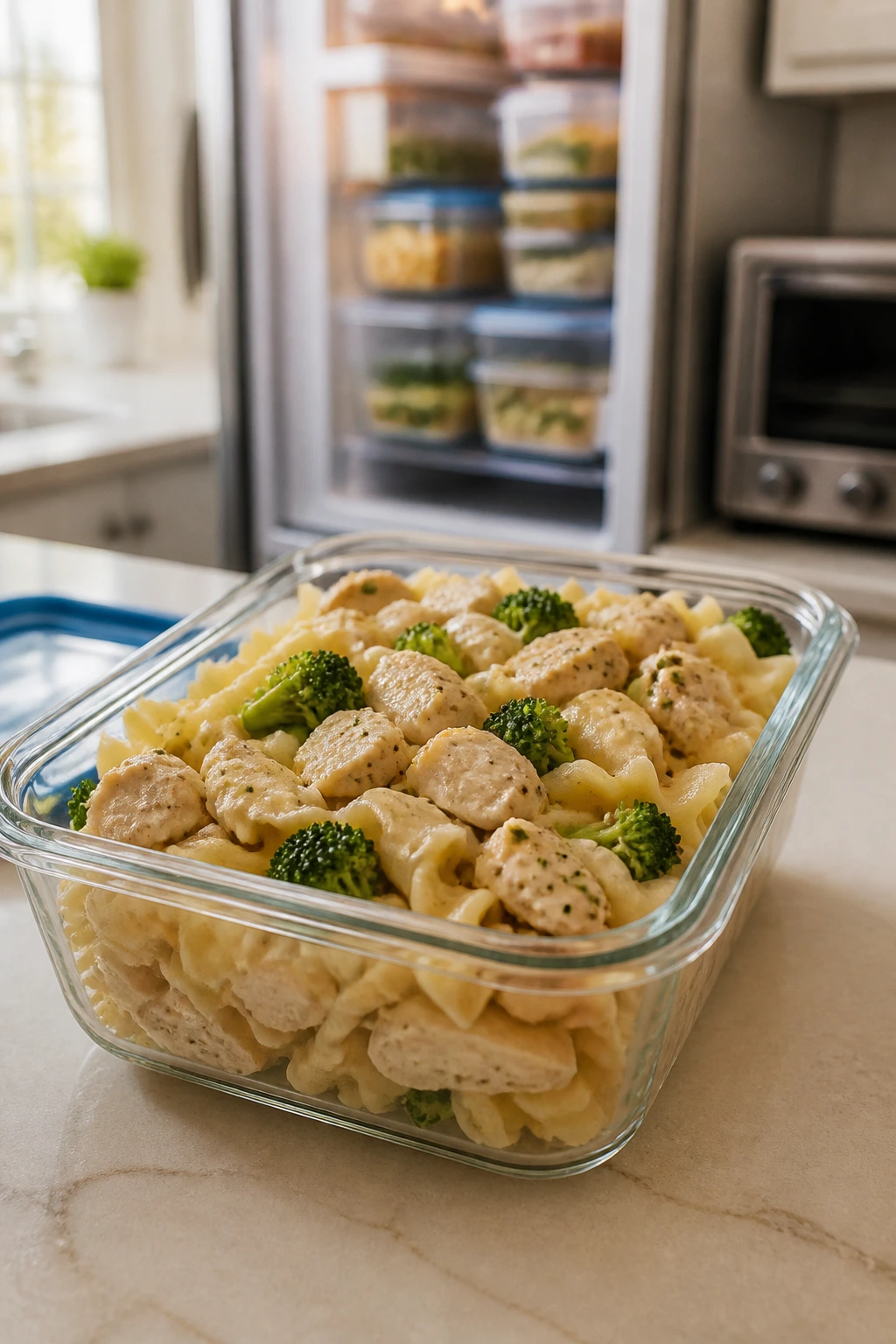
Picky-eater food tends to lose its charm when the texture breaks down, so storage matters more than people think.
Cooked chicken tenders, meatballs, pasta, rice, quesadillas, waffles, and muffins usually keep well in the fridge for 3 to 4 days. Freeze the sturdier items, like waffles, pancakes, meatballs, and baked chicken pieces, for up to 2 months. Soft fruit and cut vegetables do better in the fridge for 2 to 3 days, though crisp vegetables often stay nicest when kept in a container lined with a dry paper towel.
The freezer is most useful for foods that can regain texture later. A pancake that gets warmed in a toaster or toaster oven will feel more like breakfast than one shoved through the microwave. Breaded chicken does better in an air fryer or toaster oven at 375°F for 6 to 8 minutes, depending on thickness. Quesadillas reheat well in a dry skillet over medium heat for 1 to 2 minutes per side.
Soft foods need gentler treatment. Mac and cheese, oatmeal, mashed potatoes, and rice usually need a splash of milk, water, or broth when reheated. Cover them while warming so they do not dry into a crust around the edges. A microwave works fine for these, but stir halfway through so you do not get a hot center and cold corners.
One safety line: cooked meat, dairy-heavy dishes, and leftovers should not sit out for more than 2 hours. If the room is warm, move faster. Pack lunchbox foods with an ice pack if they need to stay cold, and keep wet items separate from bread or crackers until the moment of eating.
Make-ahead works best when you prep components, not complete bowls. Cook a batch of rice, a tray of chicken, a container of carrots, and a jar of dip. Then build the plate later. That’s easier on texture and easier on your evening.
Frequently Asked Questions About Feeding Picky Eaters
How many times should I offer a new food before I give up?
More than once, and often more than parents expect. A child may need to see a food ten times or more before they touch it without complaint, and those exposures work best when they stay calm and low-pressure. You are building familiarity, not forcing success on a deadline.
Is it okay to make a separate meal for my picky eater?
Sometimes, yes. If the “separate meal” is still built from a few family foods—say, plain pasta, chicken, and fruit—it can keep the whole evening peaceful. The trap is making two totally different dinners every night, because that can turn you into a short-order cook very fast.
Should I hide vegetables in food?
A little hidden vegetable in a sauce or muffin is not the end of the world, but it should not be the only strategy. Many kids notice when food tastes oddly different, and repeated surprise can chip away at trust. Use hidden vegetables sparingly and keep visible vegetables in the rotation too.
What if my child only eats beige foods?
That pattern usually points to texture and predictability, not a personal flaw. Keep the beige safe foods on the plate, then add one tiny food with a different color or texture beside them. A single cucumber coin or carrot stick is more useful than a whole plate of rejected vegetables.
Do dips help or create bad habits?
Dips help when they lower fear and give the child some control. They become a problem only when the dip is the only reason the food enters the mouth or when the food itself never gets a fair chance. A dip is a bridge, not a requirement.
What if my child gags at certain textures?
That can be a sensory issue, and it deserves respect. Start with textures the child already accepts, then change one thing at a time—shape, temperature, or seasoning—not all three at once. If gagging is frequent, severe, or tied to choking fears, bring it up with a pediatrician or feeding specialist.
How do I handle school lunches if my child barely eats at home?
Pack foods that stay familiar even when they cool down. Cold pasta, cheese cubes, crackers, fruit, and simple roll-ups often travel better than foods that go limp. Keep the lunchbox boring in a good way. Predictable beats cute.
When should picky eating become a medical concern?
If the food list keeps shrinking, growth seems off, meals are causing distress most days, or your child has pain, vomiting, choking, or frequent gagging, it’s time to ask for help. A pediatrician can check for constipation, reflux, allergies, oral-motor issues, or other things that make eating harder than it should be. That step is not overreacting. It is care.
Should I worry if my child eats the same foods every day?
A short food jag is common. A long list of only a few foods, especially if they cover several food groups and the child is growing well, may simply be a phase. The key is to keep offering small, pressure-free chances to branch out without turning the current favorites into a battleground.
A Calmer Table Starts Small
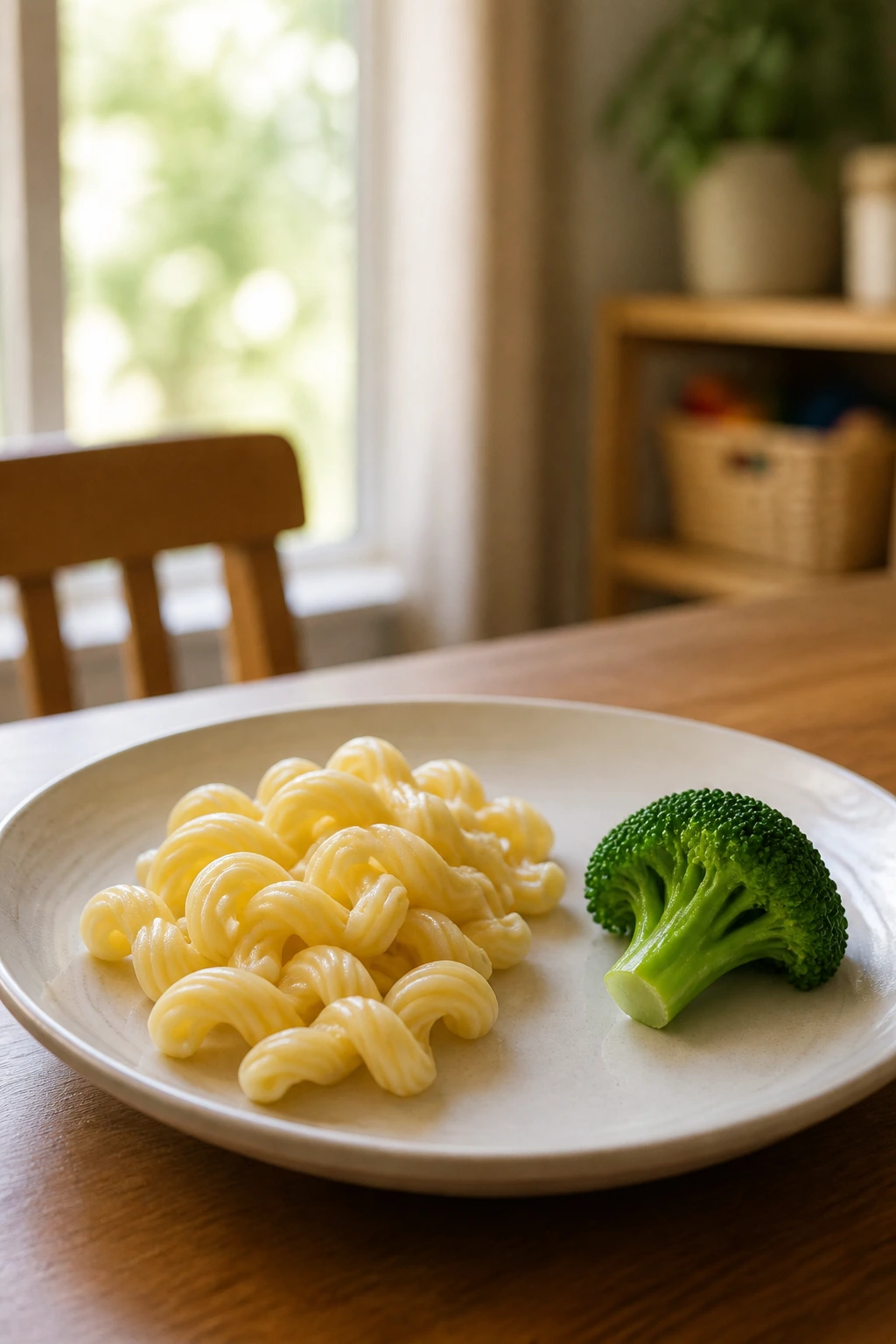
The most useful shift is often the smallest one: one safe food on the plate, one tiny stretch food beside it, and a parent who does not turn dinner into a referendum on childhood. That sounds modest because it is modest. Modest works. A child who feels safe at the table is far more likely to take another bite next week than a child who feels watched tonight.
A lot of feeding stress comes from aiming too high. You do not need a perfect menu. You need a plate that makes sense to a tired kid with a short list of acceptable foods. Start there, keep the portions small, and let repetition do the heavy lifting. Tomorrow’s dinner does not have to solve the whole problem. It only has to be the next calm try.