



An easy simple meal for family night kids will actually eat is rarely the dish with the longest ingredient list. It’s the one that gives every person at the table a way in.
A bowl of food can smell terrific and still get pushed around with a fork if the pieces are too mixed, too spicy, or too soft all at once. Kids notice texture before they notice nuance. They notice whether the chicken is dry, whether the rice is clumpy, whether the sauce is sneaking into places it doesn’t belong.
That’s why I keep coming back to a build-your-own dinner, especially one built around mild taco-bowl ingredients: warm rice, tender chicken, cheese, a vegetable that stays crisp, and a sauce you can add in drops instead of floods. It sounds almost too plain, which is exactly why it works. Familiar foods, separated on the plate, give kids control without turning dinner into a custom-order circus.
Separately is better.
Why This Dinner Works on a Loud Night
A family-night dinner doesn’t need to impress anyone at the table. It needs to get eaten, and there’s a difference.
- Familiar shapes win first bites: Rice, shredded chicken, cheese, and tortilla chips are easy for kids to recognize at a glance, which cuts down on the “what is that?” problem before it starts.
- Small choices feel safer: Letting kids pick from 3 or 4 toppings gives them control without handing them a whole buffet line that turns into decision fatigue.
- Mild flavor travels farther than heat: Salt, a little butter, a squeeze of lime, and cheese usually do more than a heavy hand with chili powder or hot sauce.
- Leftovers don’t feel like leftovers: Chicken from taco bowls becomes quesadillas, wraps, burrito filling, or lunch boxes the next day with almost no extra work.
- The cleanup stays sane: One skillet, one pot, a cutting board, and a few small bowls is a far better trade than stacking pans after a casserole nobody finished.
The meal also has one big advantage that gets overlooked: it lets you protect the plain eaters without punishing everyone else. The adults can pile on salsa, jalapeños, pickled onions, or extra cilantro. The child who wants rice, chicken, and cheese on the same plate can have that too. No one has to eat a “kid meal” that looks like a sad compromise.
The Four Pieces Kids Notice Before They Taste Anything
A lot of family dinners fail because they answer the wrong question. The cook is asking, “What tastes exciting?” Kids are asking, “Can I see what’s in it, and will it feel okay in my mouth?”
The anchor on the plate
The anchor is the food that makes the meal feel like a meal, not a snack tray. For this kind of dinner, that usually means rice, tortillas, or small pasta. The texture should be soft, warm, and familiar. If the base is too dry or too chewy, kids start the meal already suspicious.
The protein in plain sight
Protein does best when it looks intentional and doesn’t feel stringy or chalky. Shredded chicken, mild ground turkey, or beans work because they hold shape and stay readable. A kid can point to the chicken. A kid can also refuse the chicken. Both are useful forms of feedback.
The one vegetable that isn’t trying too hard
This matters more than people admit. A single vegetable with a soft or crisp-but-gentle texture does better than a medley of four. Corn, cucumber, steamed carrots, or thin shredded lettuce are easier wins than a pile of roasted vegetables that taste too bitter or smell too strong.
The sauce or dip
Sauce is the glue. Not a flood. A glue.
A spoonful of mild salsa, a little sour cream, plain Greek yogurt, or a drizzle of queso can connect the whole plate without taking over. Kids often eat better when the sauce stays on the side. They can dip, dab, or ignore it entirely. That choice matters.
Choosing a Protein That Stays Mild and Tender
If I had to pick the single most common dinner mistake in kid-friendly cooking, it would be overdoing the protein. Too much spice. Too much dryness. Too much “I thought they’d like it if I made it interesting.”
They usually want it simpler than that.
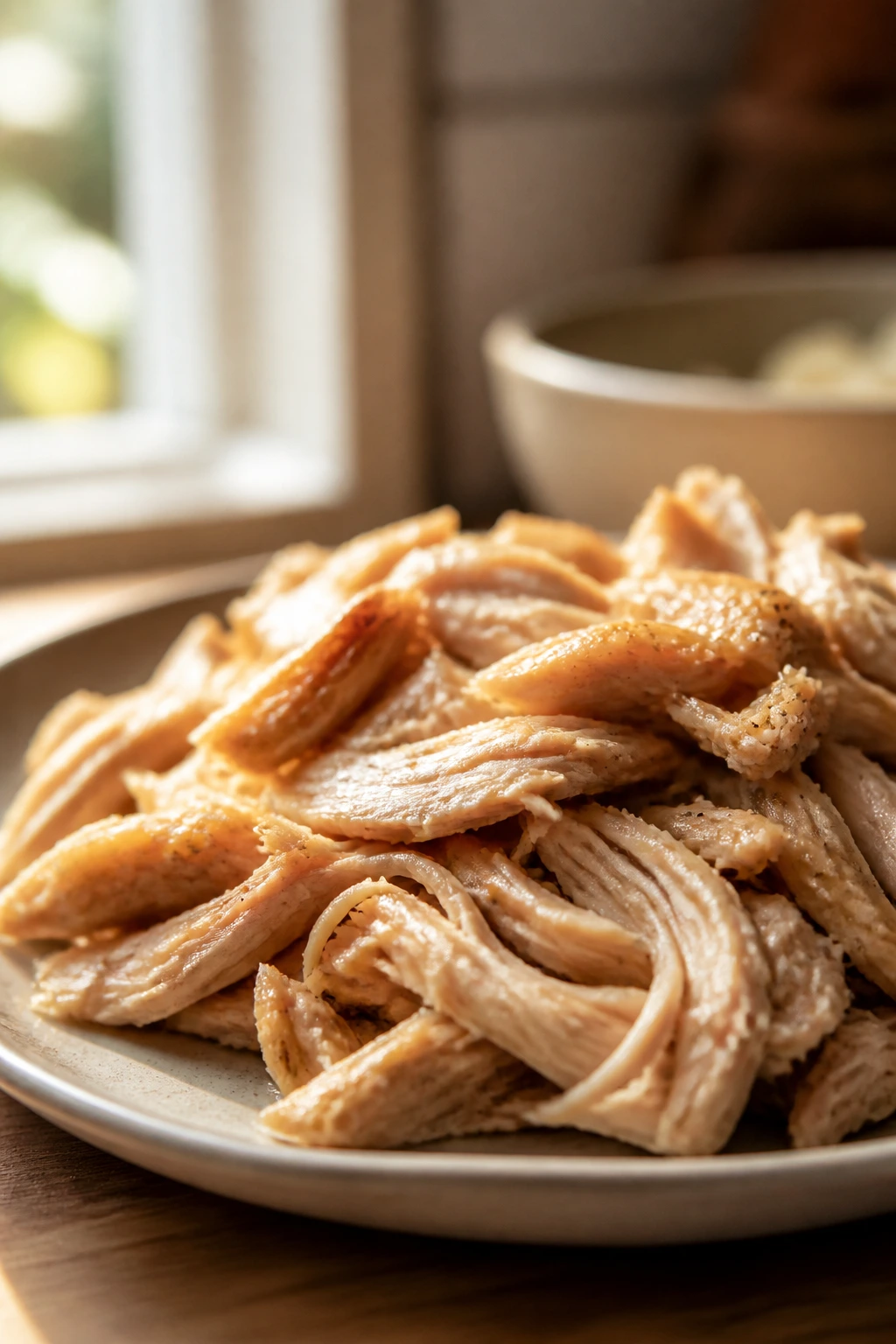
Rotisserie chicken is the obvious shortcut, and I’m not going to pretend it’s somehow less worthy because it came from the grocery store. Pull the meat while it’s still warm, discard the skin if you want a cleaner texture, and warm the shredded chicken gently with a few tablespoons of salsa or broth. That keeps it from drying out into stringy little fibers that kids notice immediately.
If you cook chicken from raw, chicken thighs are more forgiving than breasts. Thighs stay tender even if you leave them in the skillet a minute too long. Breasts can work, but they need more attention—slice them thin, cook to 165°F, and let them rest before shredding or chopping. Cut too early and the juices run out on the board instead of staying in the meat where they belong.
Ground turkey is fine, too, if you season it lightly. Use salt, garlic powder, a little cumin, and maybe smoked paprika. That’s enough. You do not need a pantry parade. Brown it over medium heat until it’s no longer pink, then stop before it turns crumbly and dry. If it starts to look dusty in the pan, it probably tastes dusty too.
Beans deserve a mention here because they solve a different problem. They’re a protein backup, a texture alternative, and a cheap way to make the meal feel fuller without adding another pan of meat. Black beans or pinto beans, rinsed and warmed with a pinch of salt, work especially well when one child wants a meatless plate and the rest of the family wants chicken.
Picking the Carb That Makes the Plate Feel Familiar
The carb is what makes this dinner feel grounded instead of scattered. If the protein is the thing kids notice first, the base is the thing they trust enough to keep eating.
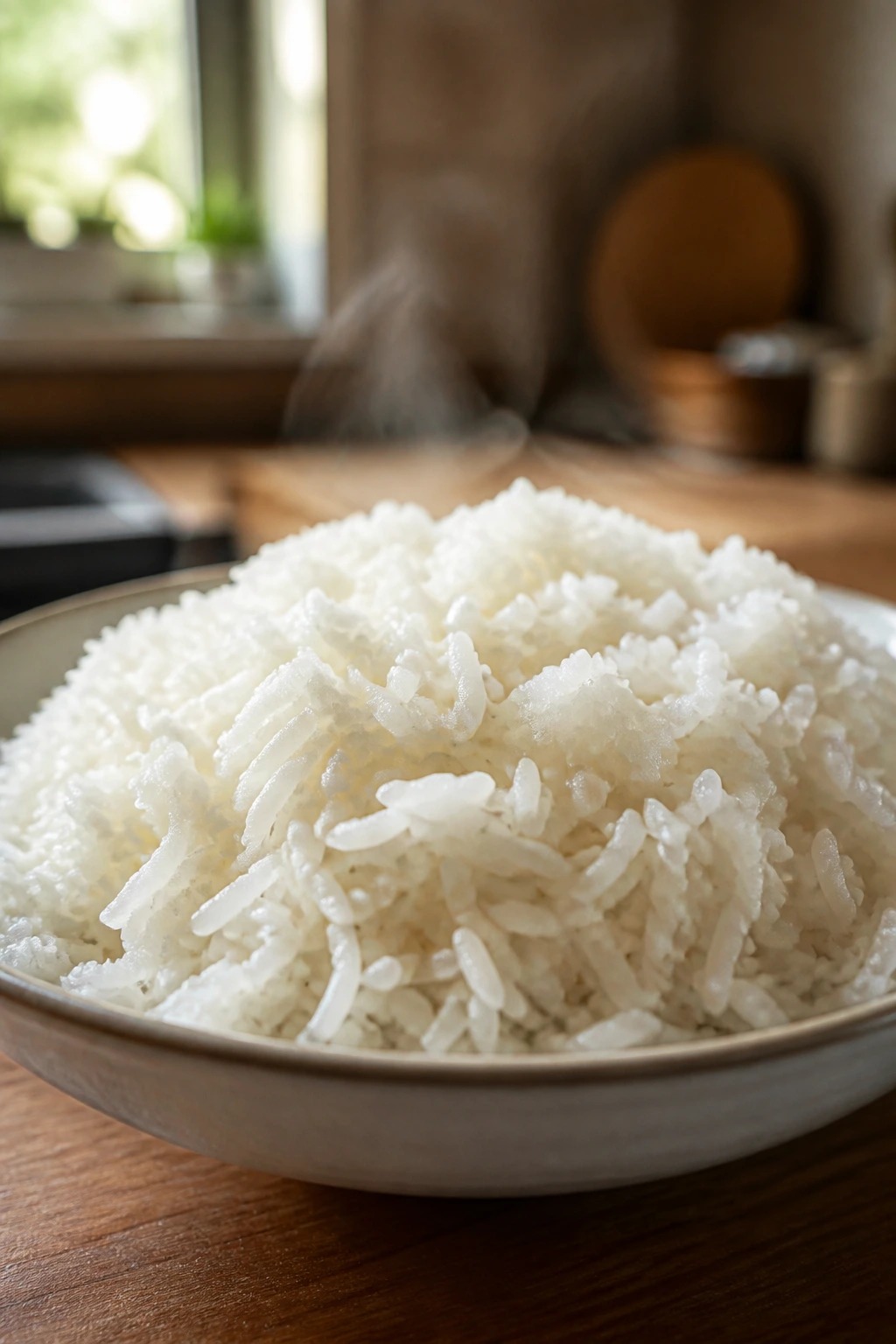
Rice is the safest choice for a lot of families. White rice has a soft, plain texture that catches sauce without fighting it. Jasmine rice gives you a little fragrance; short-grain rice gets clingier; long-grain rice stays a bit fluffier. If your kids hate sticky grains, skip the short-grain rice and keep the pot looser with a bit more water and a proper rest after cooking.
Tortillas are the next obvious option. Small flour tortillas are easy for tiny hands, and corn tortillas bring a little more flavor. Warm them in a dry skillet for 20 to 30 seconds per side so they stay pliable instead of cracking. Cold tortillas are a fast way to lose a child’s confidence in dinner.
Small pasta works when your house is more buttered-noodles than rice-bowl. Rotini, shells, or elbow macaroni all hold mild sauce well. I’ve seen more than one picky eater accept chicken and cheese over pasta even when the same filling inside a tortilla got side-eyed for being “mixed.” Strange, but real.
Potatoes can also carry the whole thing. Roasted potato chunks or mashed potatoes turn the meal into more of a comfort plate than a taco night, but the same logic applies. One soft base. One protein. One topping. Nothing too fancy. Nothing too wet.
Vegetables and Toppings Kids Accept Without a Fight
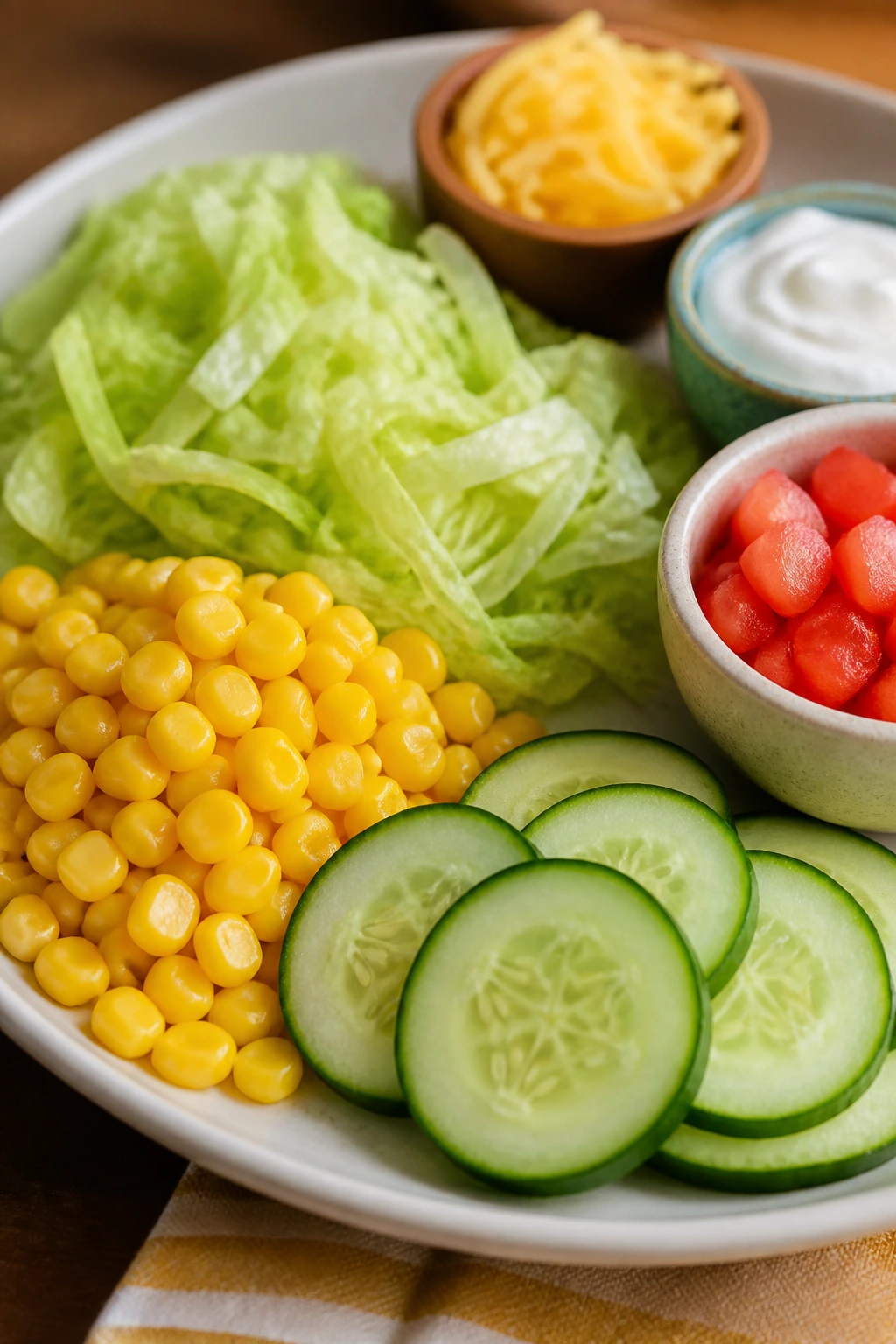
The vegetables that work best for this kind of dinner tend to be the ones with a clean flavor and a texture kids can understand in one bite.
Corn is the stealth vegetable of family-night food. It’s sweet, bright, and easy to scatter over rice or tuck into a tortilla. Frozen corn works fine; just warm it with a splash of water and a pinch of salt so it tastes like food instead of freezer air. Canned corn is fine too, though I rinse it if the liquid tastes tinny.
Cucumber slices, shredded lettuce, and thin bell pepper strips bring crunch without much attitude. Keep the cuts small. Kids don’t need architectural produce. They need pieces they can stab once and eat in two bites. Thick pepper strips tend to come back to the kitchen untouched.
Avocado is a nice bridge ingredient if your family likes it. It softens sharp salsa and gives the plate a cool, creamy bite. But use ripe avocado. Half-ripe avocado tastes like a mistake and makes a dinner look harder than it is.
Then there are the things that make the meal feel connected: shredded cheddar, a little Monterey Jack, sour cream, plain Greek yogurt, and mild salsa. I like to think of these as the supporting cast. They’re not the star, but they’re often what gets the chicken and rice from “fine” to “one more bite.”
Keep the toppings in separate bowls. That’s not just a style choice. It helps kids see the options, and it keeps the plate from turning into a sludgy mix before anyone has decided what they like.
The 20-Minute Taco-Bowl Assembly Line
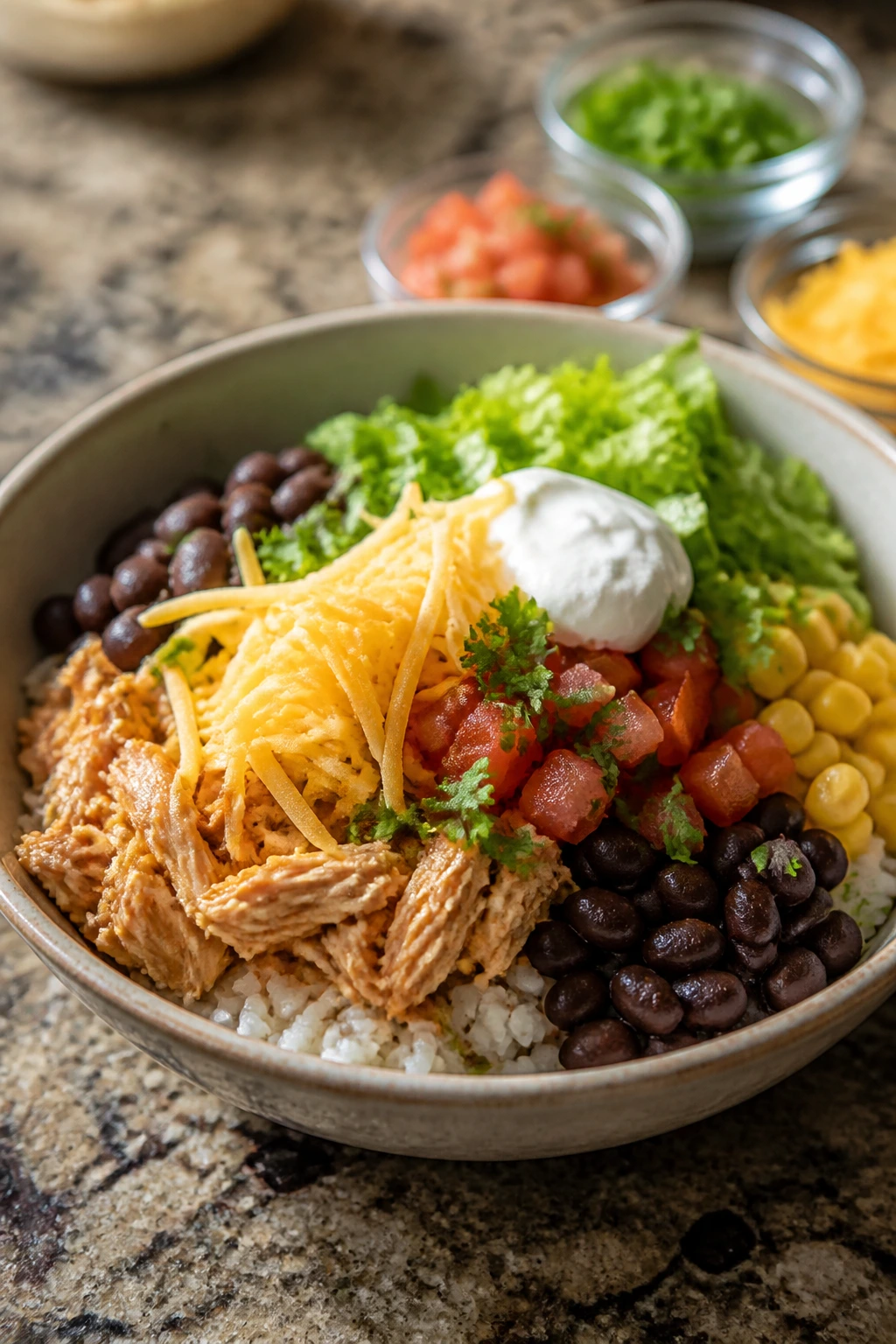
If you want a real answer for a family night dinner that kids will actually eat, this is the move I trust most: a mild taco-bowl setup with chicken, rice, beans, corn, cheese, and a few small toppings on the side. It’s fast, flexible, and far less fussy than it looks.
-
Warm the rice first.
Start with about 3 to 4 cups of cooked rice. If it’s leftover rice, sprinkle it with 1 to 2 tablespoons of water and cover it while you reheat it in the microwave for 1 to 2 minutes, or warm it in a saucepan over low heat. You want it fluffy and steaming, not dry around the edges. -
Heat the chicken gently.
Add 3 cups of shredded cooked chicken to a skillet with 1/4 to 1/3 cup mild salsa and 2 tablespoons water or broth. Stir over medium heat for 3 to 5 minutes, just until it’s hot all the way through. If you’re starting with raw chicken, cook it separately first and bring it to 165°F. -
Warm the beans and corn.
Put 1 can of black beans, rinsed and drained, and 1 cup of corn into a small pan or microwave-safe bowl. Heat them for 2 minutes, then season with a pinch of salt. They should taste warm and soft, not boiled into paste. -
Set out the toppings before you call everyone to the table.
Put shredded cheese, lettuce, avocado, sour cream or yogurt, and a mild salsa in little bowls. If you have tortilla chips, tuck them into a separate bowl so they stay crisp. -
Build the plates in the safest order.
Start with rice, then add chicken, beans, and corn. Put the toppings around the edges instead of burying them on top. That way a child can eat around the parts they’re unsure about and still finish most of the plate. -
Leave the heat at the table, not in the bowl.
Hot sauce, jalapeños, extra salsa, pickled onions, and crushed red pepper can sit out for adults. Kids do better when the base dinner stays mild and the heat comes as an option instead of a surprise.
If you want dinner on the table with almost no resistance, this assembly line does the trick. It also keeps you from standing over one pan while the rest of the meal cools off on the counter. I’ve made that mistake. It’s annoying.
How to Plate It So Nobody Picks at the Wrong Thing
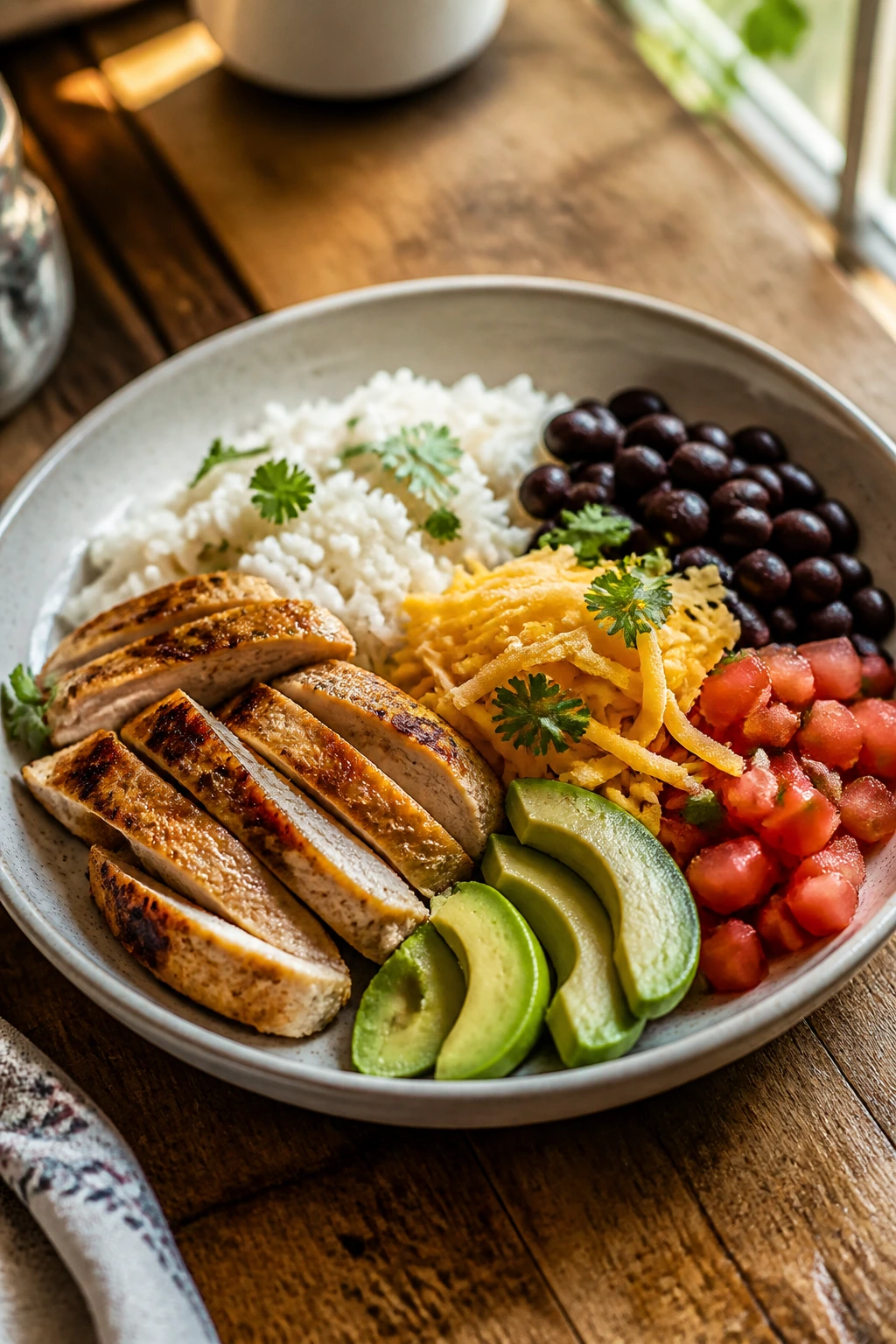
The plate matters more than most people think. A good family-night meal can look chaotic and still eat well, but a good plate makes the first bite easier.
Presentation: Use shallow bowls or wide dinner plates instead of deep soup bowls. A kid can see the rice, chicken, and toppings at once, which matters more than it sounds. If you’re serving taco-bowl style, keep the warm items in separate mounds or zones so the cheese melts a little without disappearing into everything else.
Accompaniments: Add one simple side that feels familiar: sliced fruit, cucumber spears, tortilla chips, or a tiny pile of crackers. I like fruit here because it gives the plate a clean ending, and kids often finish a meal more willingly when they know there’s something sweet and cold waiting after the main bite. A plain side salad can work for adults, but I wouldn’t force it onto a child who’s already being diplomatic.
Portions: For younger kids, start with 1/2 cup rice, 2 to 3 ounces chicken, and a small spoonful of toppings. Older kids and adults usually want 3/4 to 1 cup rice and 3 to 5 ounces protein. Keep extra servings in the kitchen, not all on the table, or the meal starts looking bigger and more intimidating than it is.
Beverage Pairing: Milk is a solid fit if your kids want the dinner to feel gentle. Sparkling water with lime works well for everyone else, especially with salty cheese and rice. If you serve juice, dilute it a little. A full glass of sweet juice next to a mild dinner can make the whole plate feel oddly flat.
Small Tweaks That Save Family Night
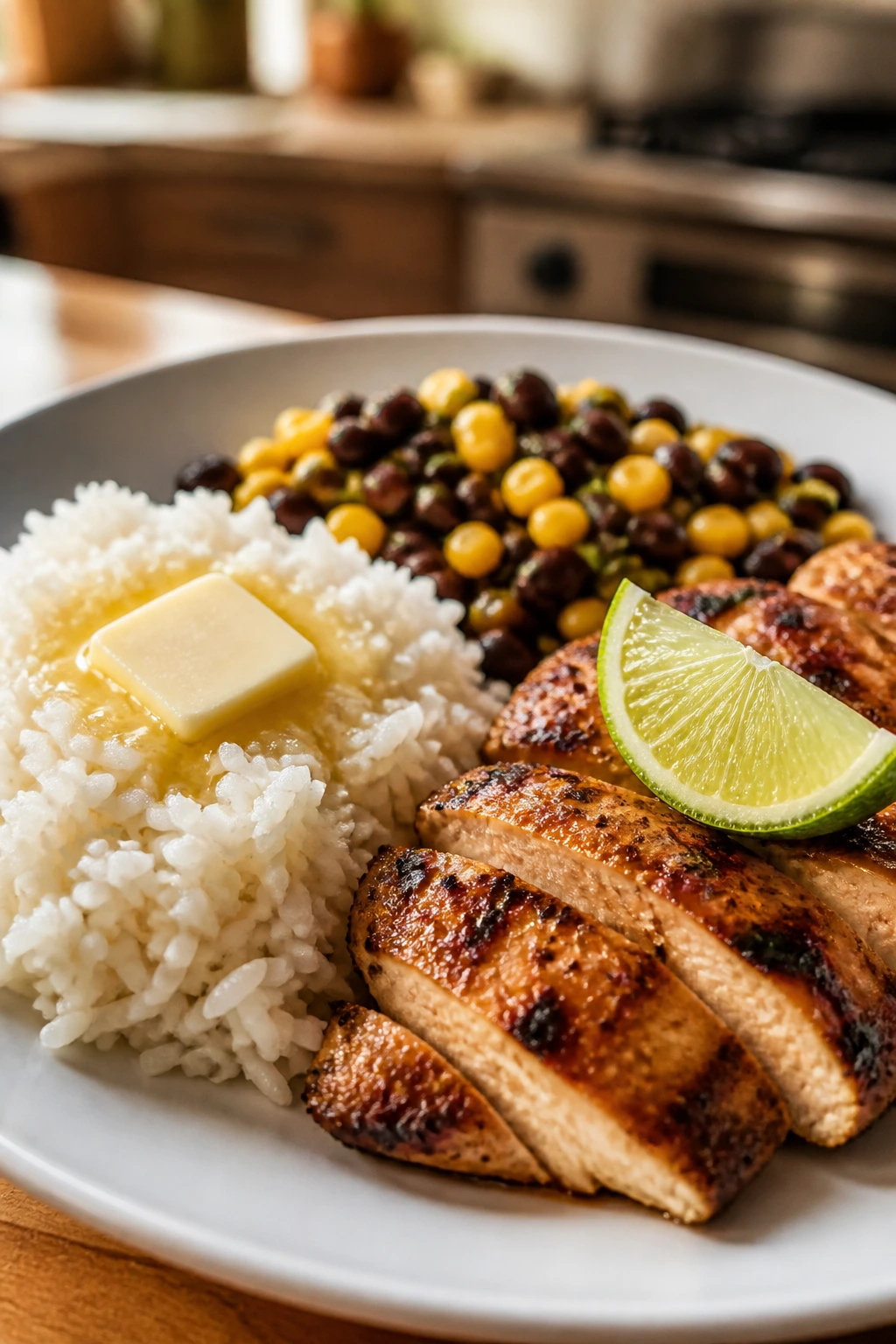
The little moves are where this meal becomes repeatable instead of merely possible.
Flavor Enhancement: Stir 1 tablespoon of butter into the rice after cooking, or finish the chicken with a squeeze of lime right before serving. That one bright note keeps the meal from tasting like plain cafeteria food. A small pinch of salt in the beans and corn matters too; kids don’t need a spice bomb, but they do need the food to taste awake.
Time-Saver: Use one rotisserie chicken, frozen corn, canned beans, and leftover rice. That combination can cut the active cooking to under 20 minutes if your rice is already done. I keep a bag of frozen corn in the freezer for this exact reason. It’s the kind of ingredient that seems boring until it saves your evening.
Pro Move: Warm the serving bowls or plates for the hot parts of the meal. Ten seconds in a low oven or a quick rinse with hot water makes the rice and chicken hold heat longer, which helps the plate stay appetizing while everyone gets seated. Cold plates drain heat from the food faster than people expect.
Cost-Saver: Stretch the protein with beans. If you’ve got 2 cups chicken and 1 can of beans, most families won’t miss the extra meat once the cheese and toppings go on. That’s not about being cheap for the sake of it. It’s about making a meal that holds together without turning the grocery bill into a grumble.
Tools That Make the Whole Dinner Easier
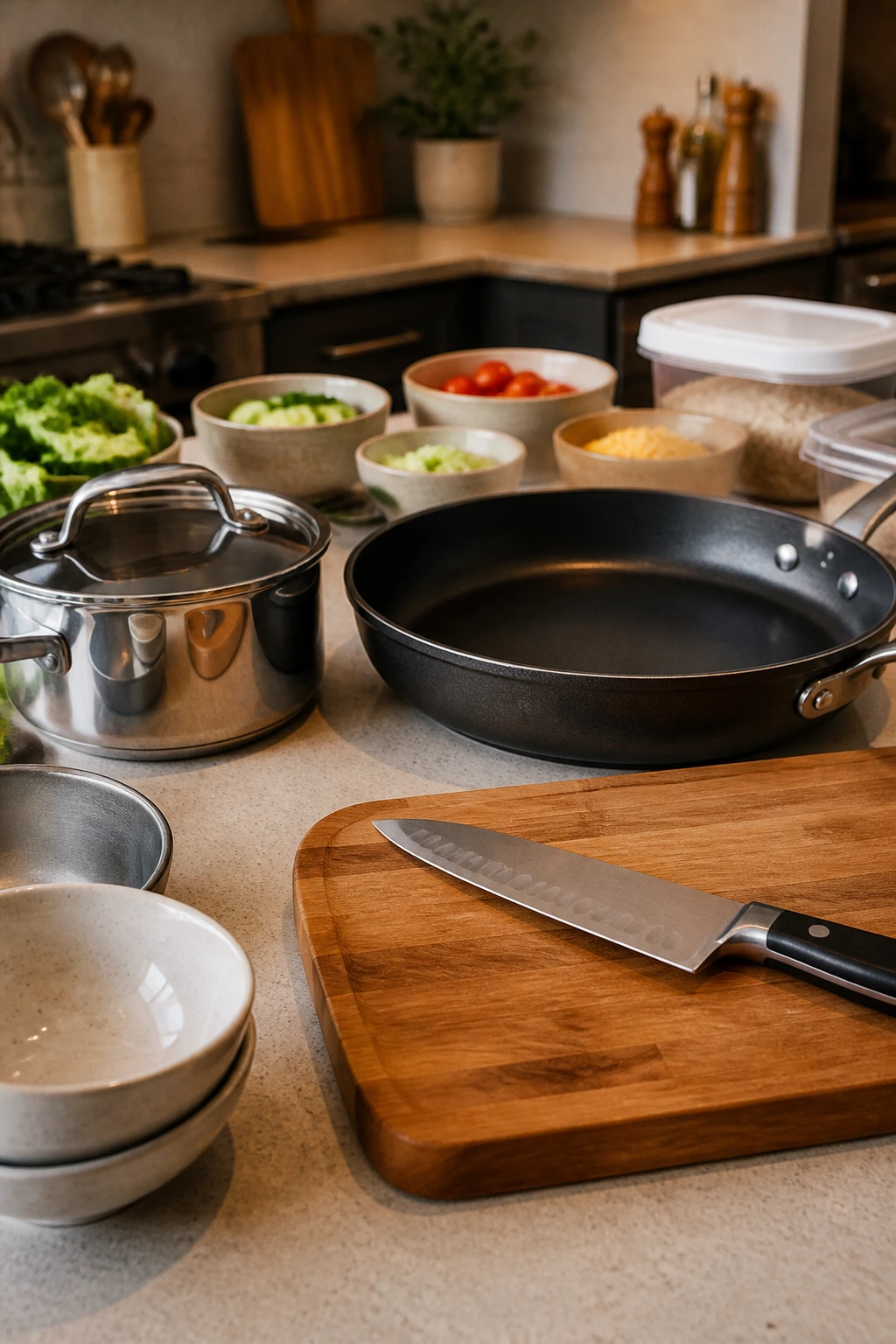
You don’t need fancy gear for a meal like this. You do need a few things that keep the kitchen from turning into a bottleneck.
- 12-inch skillet: Big enough for warming shredded chicken, beans, or corn without crowding the pan.
- Medium saucepan with lid: Useful for fresh rice or reheating leftovers with a little extra steam.
- Sharp chef’s knife: For fruit, avocado, lettuce, cucumbers, and quick topping prep.
- Cutting board: A stable one matters more than a pretty one. A wobbly board is how tomatoes end up on the floor.
- Several small bowls: These keep toppings separate and help kids pick what they want without dragging serving spoons through everything.
- Rice cooker or microwave-safe container: Either one can save you if rice is the anchor of the meal.
- Instant-read thermometer: Not required if you’re using fully cooked rotisserie chicken, but very useful if you cook raw chicken often. Poultry should hit 165°F.
- Airtight storage containers: Leftovers keep better when the chicken, rice, and toppings are separated instead of packed into one soggy bowl.
Mistakes That Turn a Good Idea Into a Plateful of Complaints
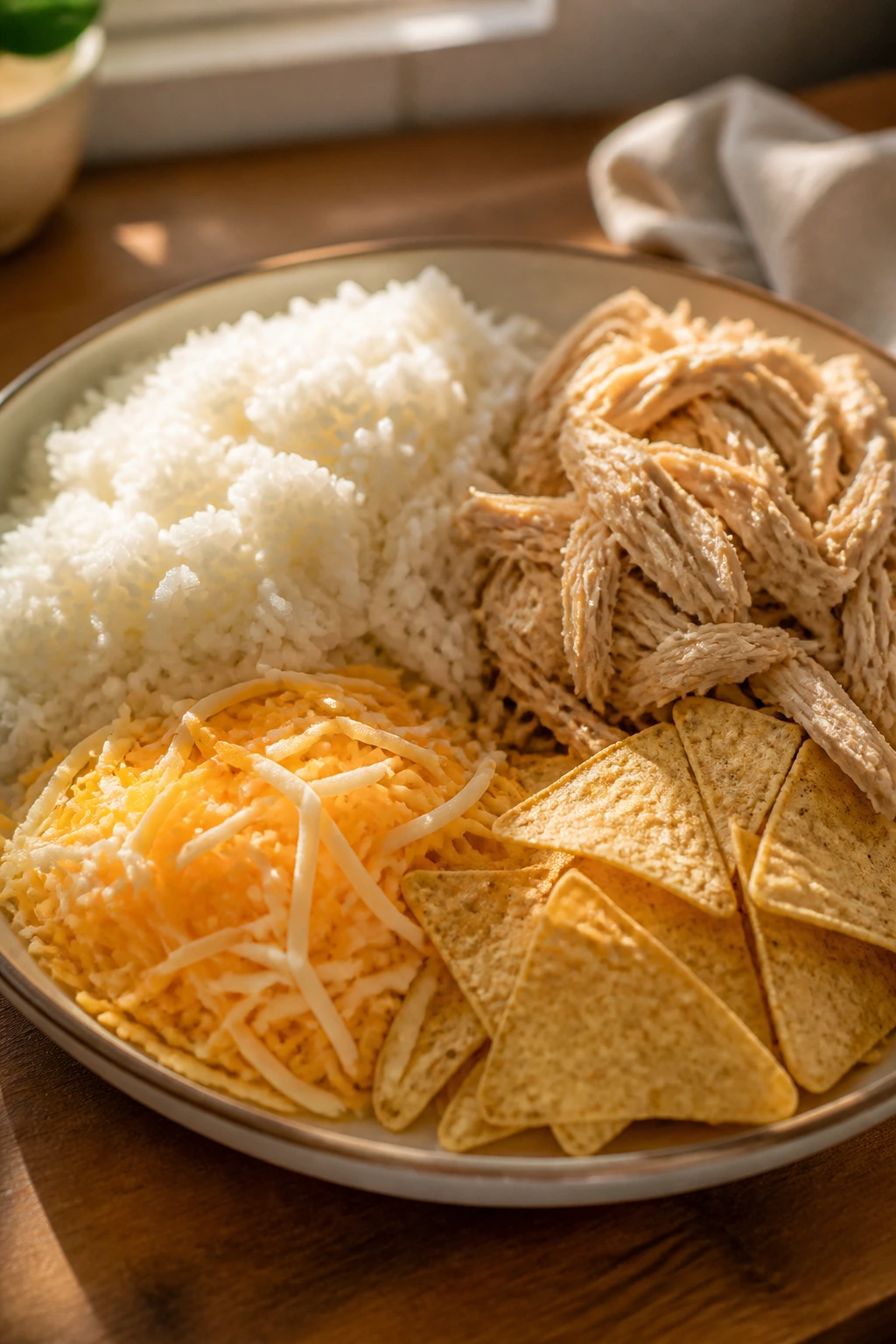
A kid-friendly dinner can fall apart fast if you give it too many jobs.
-
Making it too spicy too soon:
The symptom is simple: the child eats the rice, ignores the chicken, and asks for milk. Fix it by keeping the base mild and serving heat separately. Adults can add salsa, hot sauce, or jalapeños after the plate is built. -
Mixing everything together before anyone sits down:
This is the fastest way to lose picky eaters. When chicken, rice, sauce, and vegetables all blend together, the plate stops being readable. Keep the components separate until each person has decided what they want. -
Serving dry protein:
Dry chicken feels like work in the mouth. It gets chewed, chewed, and then politely abandoned. Warm shredded chicken with a little salsa, broth, or pan juices so it stays moist and easy to bite. -
Choosing too many toppings:
A row of 10 bowls looks generous but can overwhelm kids. Stick to 3 to 5 toppings and make sure at least two of them are familiar. Too many choices can turn a simple dinner into a negotiation. -
Skipping salt on the base:
Plain rice, unsalted beans, and bland chicken taste like three separate chores on one plate. Salt the water for the rice, season the protein lightly, and taste the beans before they hit the table. The goal is not to make everything salty. It’s to make everything taste finished.
Variations and Adaptations for Different Homes
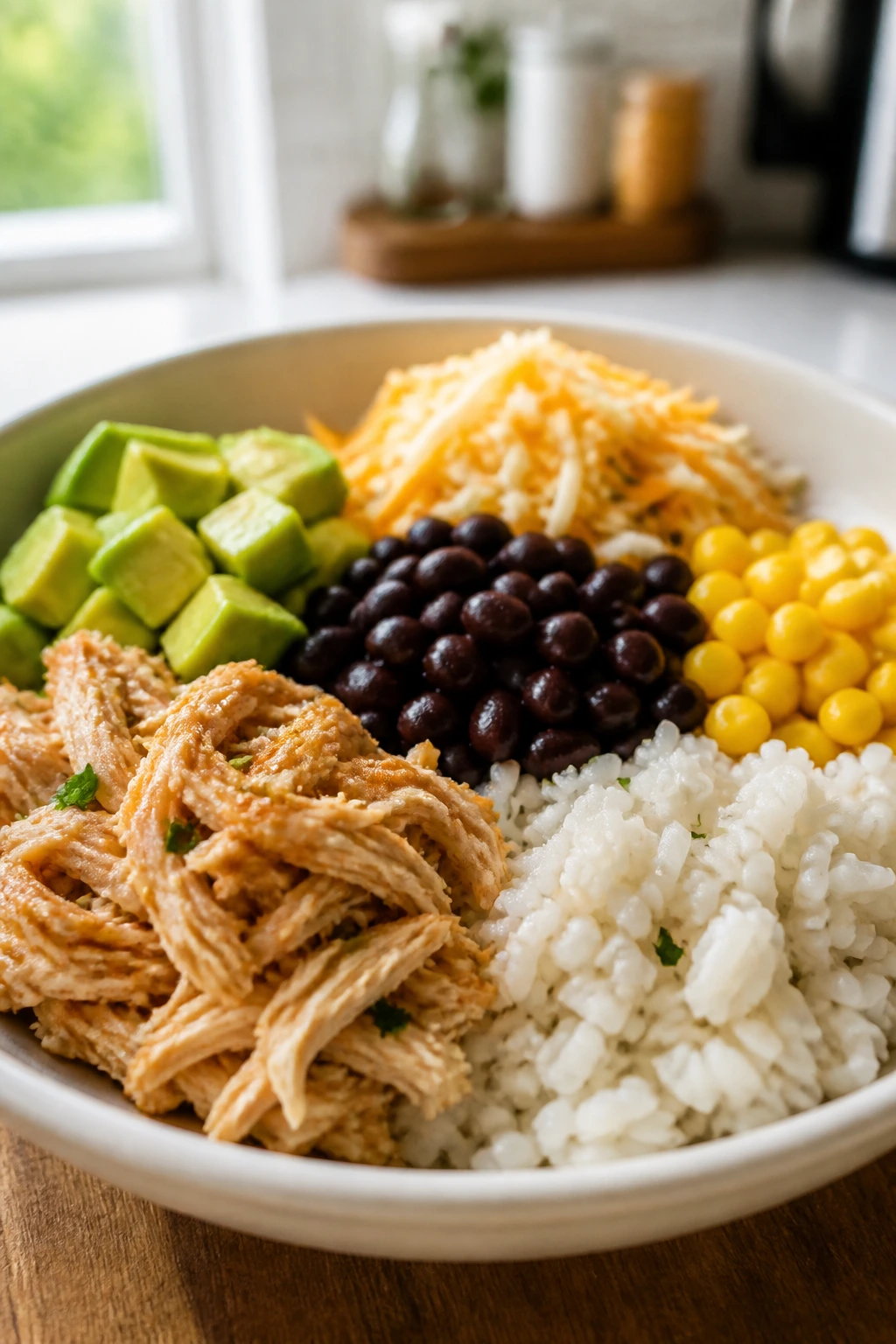
One of the reasons this meal works is that it can change shape without losing the plot.
Butter-Noodle Backup Night
If rice gets the same reaction as a dentist appointment, swap in rotini or buttered egg noodles. Keep the chicken plain or very lightly sauced, and serve cheese on the side. Kids who fight taco bowls sometimes accept the same flavors over pasta without blinking.
Bean-and-Cheese Bowl Night
Skip the meat and build the bowls around warm beans, rice, cheese, avocado, and corn. If you want more heft, add sautéed onions or a fried egg on top for the adults. It’s cheap, filling, and still feels like dinner rather than a compromise.
Sheet-Pan Quesadilla Night
Spread shredded chicken and cheese between tortillas, press them lightly on a sheet pan, and bake at 425°F until the tortillas are golden and the edges crisp, usually 10 to 12 minutes. Serve with fruit and mild salsa. The structure is different, but the same family-night logic still works.
Breakfast-for-Dinner Plate
Scrambled eggs, potatoes, cheese, and fruit can save the evening when nobody wants “dinner food.” The key is to keep the eggs soft and the potatoes seasoned simply with salt and butter. A lot of kids who refuse a complicated plate will happily eat breakfast at night.
Dairy-Free Build
Use olive oil rice, chicken, beans, salsa, avocado, and lime, then skip the cheese and sour cream. A creamy dairy-free sauce can come from mashed avocado blended with a little lime juice and salt. The meal stays familiar without leaning on dairy as the flavor bridge.
Gluten-Free Taco Night
Corn tortillas, rice bowls, and beans all fit neatly here. Just check the salsa and seasoning blend for hidden gluten if you use packaged versions. This version needs almost no special handling, which is one reason I like it.
Make-Ahead, Storage, and Reheating That Actually Work
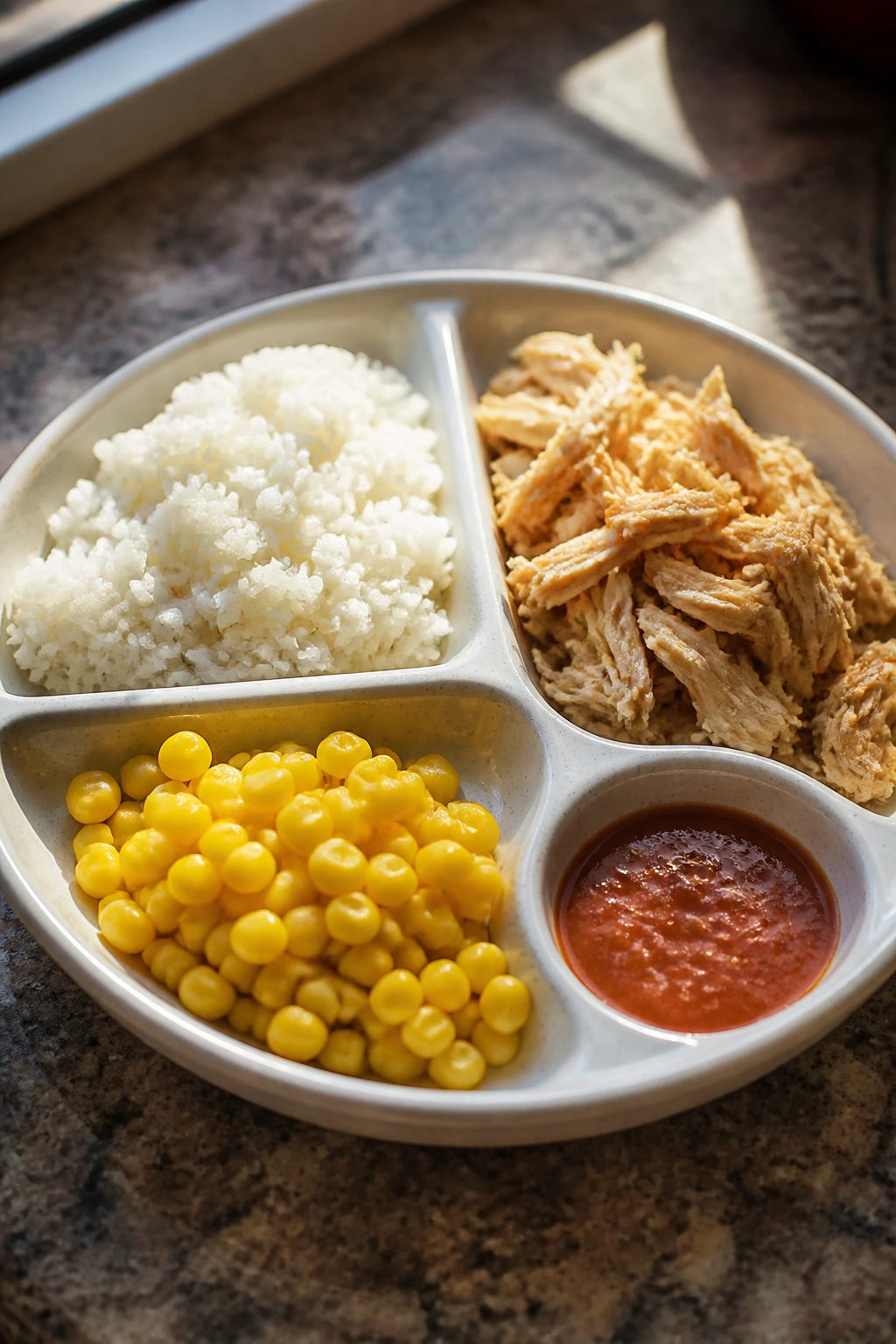
This dinner is one of those rare family meals that benefits from a little advance work without punishing you for forgetting.
Cooked chicken, rice, beans, and corn will keep in the refrigerator for 3 to 4 days if they’re cooled and stored in airtight containers. Cool hot food within about 2 hours of cooking, then get it into the fridge in shallow containers so it loses heat quickly. That’s the boring part. It also matters.
Shredded chicken freezes well for up to 2 months. Rice can be frozen too, though the texture is a little softer when it comes back, so I usually freeze rice only if I know it will be turned into a bowl with sauce or broth. Beans hold up well in the fridge and can be frozen, but I’m pickier about freezing the vegetables and toppings. Lettuce, cucumber, and avocado are best fresh. They don’t come back with grace.
For reheating, use the stovetop if you want the best texture. Warm the chicken in a skillet with 1 to 2 tablespoons water or salsa over medium-low heat until it’s steaming hot. For rice, sprinkle on a spoonful of water, cover loosely, and microwave in short bursts or warm it gently on the stove. The goal is to bring everything back to hot without turning it stiff.
If you’re building this meal ahead, prep the components separately. Shred the chicken, cook the rice, rinse the beans, and grate the cheese. Cut the avocado only when you’re ready to eat, or toss it with a little lime juice if it has to sit for a few minutes. A meal like this does not need to be made at the last second. It does need to be assembled with some common sense.
Questions Parents Ask Before They Put This on the Table
Can I use rotisserie chicken without making it taste like leftovers?
Yes. Warm it gently with a little salsa, broth, or even a spoonful of butter so it doesn’t dry out. Rotisserie chicken is one of the best shortcuts in family cooking because it gives you a cooked protein with actual flavor, not just convenience.
What if my kids hate tacos?
Skip the shell and serve the same ingredients as a rice bowl, noodle bowl, or potato plate. A lot of kids aren’t rejecting the flavor—they’re rejecting the format. Change the shape of the meal and you often change the response.
How spicy should the chicken be?
Mild enough that the base tastes pleasant on its own. If an adult wants heat, let them add it at the table. Kids usually do better when the dinner itself stays calm and the spice lives in a separate bowl.
Can I make this ahead for a busy evening?
Yes, and it handles advance prep well. Cook the rice and protein earlier in the day, then reheat them separately before dinner. Keep crunchy toppings and sauces cold until the last minute so the plate doesn’t go limp.
What if one child only eats plain rice?
Serve the plain rice first and let that be a real part of dinner, not a side-eye compromise. You can still place small portions of chicken, beans, or cheese nearby. Kids often become more adventurous when they know the safe food is already on the plate.
Can I make this without dairy?
Absolutely. Use beans, avocado, salsa, and olive oil rice, then skip cheese and sour cream. If you want a creamy finish, mash avocado with lime and salt or use a dairy-free yogurt-style sauce.
What’s the best way to reheat leftovers without ruining them?
Reheat chicken and rice separately with a splash of water so they steam instead of drying out. Keep lettuce, cucumber, and avocado out of the reheating process entirely. Once those hit heat, they stop behaving like food you’d want to eat.
How do I make the meal filling without making it heavier?
Add beans, corn, and a modest amount of avocado rather than doubling the cheese. That gives the plate more bulk and more texture, which helps kids stay interested all the way through. A second scoop of rice usually works better than piling on more sauce.
A Dinner Worth Putting Back on Repeat
The best family-night meals aren’t the ones that ask for applause. They’re the ones that clear the table without drama, survive picky appetites, and still taste like you meant to feed people well.
A mild taco-bowl style dinner does that because it gives you control where you need it and flexibility where you don’t. Keep the parts separate, keep the seasoning sane, and keep one or two safe foods in the mix. That’s enough for a night when everyone wants dinner fast and nobody wants to argue about what counts as a vegetable.
If you’ve been looking for an easy simple meal for family night kids will actually eat, start with this structure once, then adjust the pieces until it fits your house. The version that works best is the one your people keep asking for again.