



The real test of an easy family dinner kids will actually eat is not whether it looks cute on a plate. It’s whether the room goes quiet for a minute or two because everybody is busy chewing instead of negotiating. That’s the whole game. Not perfect nutrition. Not restaurant polish. Just a table where the noodles, chicken, rice, tortillas, or whatever you put down actually make it from plate to mouth without a whole courtroom scene.
A lot of parents get trapped in the same loop: they try to make dinner “balanced,” then they pile on three foods kids distrust in the same bowl, and then they’re shocked when the carrots are exiled to the edge of the plate like they’re under suspicion. Kids tend to trust meals that are familiar in shape, mild in flavor, and separate enough that they can see what’s what. A saucy casserole can work. So can a taco bar. So can a plain skillet of buttered noodles with chicken and peas on the side. The common thread is control.
And that’s where most dinner advice misses the mark. It talks about nutrition as if the problem were knowledge. Usually it isn’t. The problem is texture, temperature, and the tiny emotional politics of a weeknight table. If you’ve ever watched a child accept the exact same food when it’s cut into triangles instead of squares, you already know dinner is part cooking and part psychology. The good news is that both are learnable.
What Makes These Dinners Work on Real Busy Nights
Familiar flavors first: Cheese, tomato, mild chicken, rice, tortillas, pasta, and potatoes earn trust fast because they taste like food kids already know how to read.
Textures stay separate: A crispy edge next to a soft center usually goes over better than one mixed-up mound where everything is wet at once.
Kids get some control: Letting them choose a topping, a sauce, or a scoop of rice cuts down on the “I don’t like that” reflex before it starts.
One safe food saves the plate: Put one dependable item on every plate, even if it’s a plain roll, a few apple slices, or a scoop of buttered rice.
Fast cleanup keeps the meal repeatable: If dinner only uses one skillet, a sheet pan, or a Dutch oven, you’re far more likely to cook it again next Tuesday.
Leftovers should have a second life: The best family dinners morph easily — roast chicken becomes tacos, pasta becomes a baked casserole, and rice turns into fried rice or burrito filling.
Why Kids Push Back at Dinner Before They’ve Even Tasted It
The most stubborn dinner battles usually start before the first bite. A child looks at a plate and makes a judgment in about the same time it takes you to set down the serving spoon. That judgment is often based on texture, color, and whether the food is mixed together. Bright green bits in a creamy sauce can be enough to trigger a hard no, even when the flavor is mild. Strange, yes. Predictable, also yes.
The texture problem is real
Soft food inside soft food can feel safer than a plate with five competing textures. Think of mashed potatoes beside tender chicken, not inside a soup of mystery. Crunchy toppings work when they stay on top. They fail when they turn soggy in the sauce and lose their shape. Kids notice that. They may not have the language for it, but they notice.
The control problem is louder than the vegetable problem
A child who feels trapped at the table will reject a meal that looks fine on paper. A child who gets to choose between rice and noodles, or salsa and sour cream, usually settles faster. That’s why build-your-own dinners work so well. The food doesn’t feel forced. It feels selected.
Hot food can backfire
Soup and casserole sound cozy to adults, but kids often hate getting hit with a burst of heat from the center of the bite. Let baked pasta rest for 5 to 10 minutes before serving. Spoon soup into bowls and let it sit until the steam backs off. Food that feels gentle in the mouth gets a better review than food that burns the tongue.
Repeated exposure matters more than a speech
The same broccoli florets or green beans may need to appear 8, 10, or even more times before they stop feeling suspicious. That does not mean you have to force a bite every time. It means you keep serving a tiny portion beside a safe food, quietly, without making it the center of the evening. The goal is familiarity, not a grand announcement.
The Flavor Formula That Wins More Bites
There is a pretty reliable formula behind kid-friendly family dinners, and it is not complicated. Start with one familiar starch. Add one mild protein. Keep the seasoning straightforward. Finish with either cheese, butter, a light sauce, or a crunchy topping. That combination gives a child enough comfort to try the food without feeling like they’ve been ambushed by spices or mystery ingredients.
Mild doesn’t mean bland. Salt, butter, garlic, roasted onions, and a little cheese can do a lot. So can a tomato sauce that has been cooked long enough to lose its sharp edge. What usually gets rejected is not flavor itself. It’s flavor that arrives too loudly. A heavy hand with chili flakes, black pepper, or a dozen herbs can turn dinner into a dare.
A better move is to make the base gentle and leave the bolder pieces optional. Put red pepper flakes on the table, not in the whole pot. Offer pesto or salsa on the side. Keep one portion plain, then dress the grown-up plates after the kids are served. That tiny extra step saves a ton of friction.
The plate formula I trust
- 1 safe starch: pasta, rice, potatoes, tortillas, or bread
- 1 familiar protein: chicken, turkey, ground beef, beans, eggs, or fish sticks if that’s where your house is
- 1 mild vegetable: peas, corn, carrots, cucumbers, green beans, or roasted broccoli with the edges browned
- 1 finish: cheese, butter, a gentle sauce, or a crunchy topping
The plate does not need to look fancy. It needs to make sense.
The Dinner Bases That Make Weeknights Easier
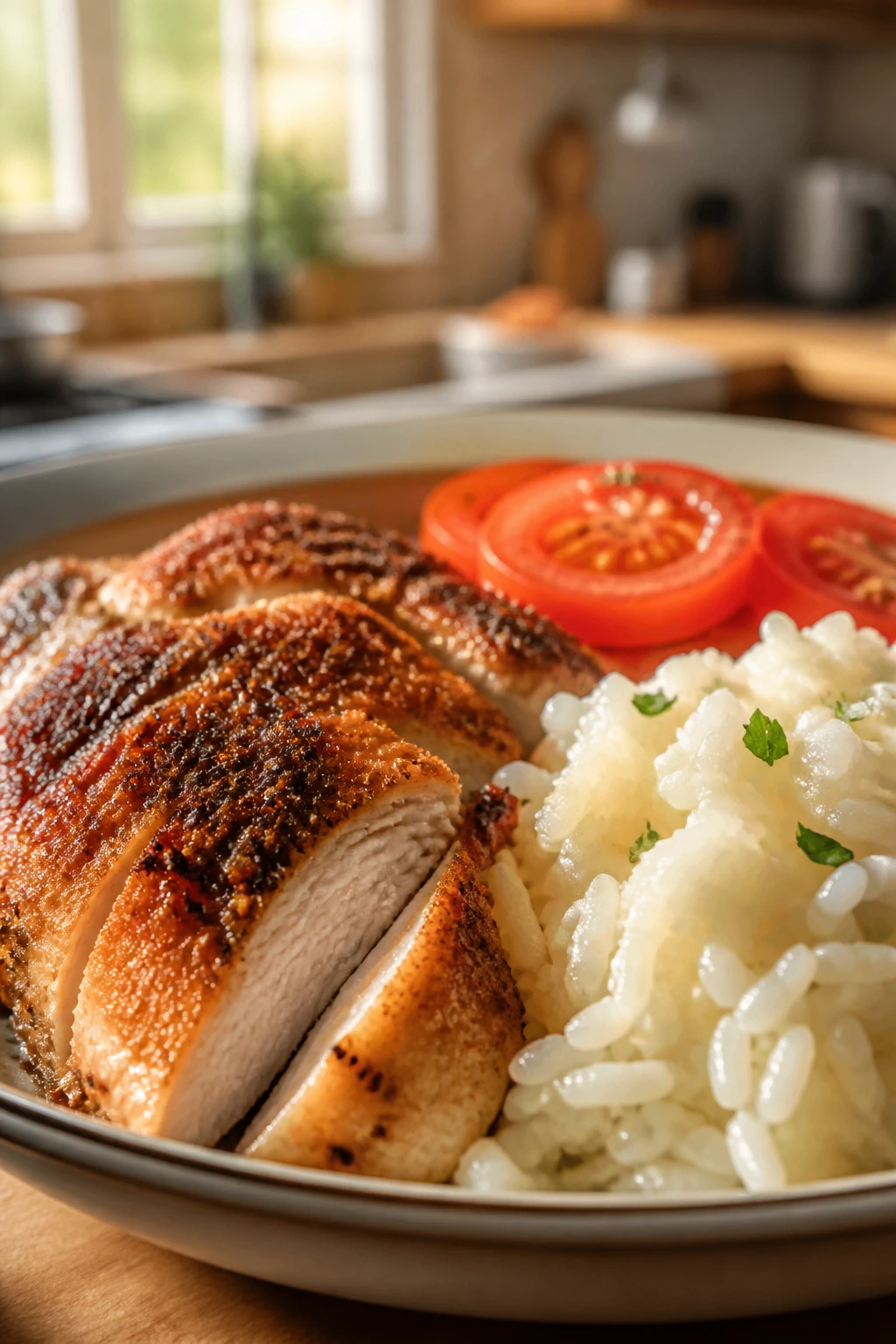
Not every family dinner has to be a whole new invention. The smartest weeknight cooking leans on bases that can change shape without making you start over. A container of cooked rice can become chicken bowls, egg fried rice, or a side for teriyaki meatballs. A pound of pasta can become a baked dish tomorrow if tonight’s sauce runs low. One roast chicken stretches in ways that feel almost rude, in the best way.
Rotisserie chicken is not cheating. It’s a shortcut with decent skin and cooked meat already done. Pull it apart, then use it in quesadillas, pasta, rice bowls, or chicken and rice soup. If you strip the meat while it’s still warm, it comes off cleaner and yields more usable pieces. Save the bones for broth if you like a second round of value.
Ground meat behaves like a weeknight workhorse because it cooks fast and takes on mild seasoning well. Ground turkey, ground beef, and even ground chicken all handle taco seasoning, pasta sauce, and skillet rice without much drama. Brown it hard enough to get some color at the bottom of the pan. That brown stuff is flavor. Don’t rush past it.
Pasta and rice are the two starches I’d keep in the house even when the fridge is looking bare. They accept leftovers, they stretch a protein, and they help a meal feel like dinner instead of a snack that wandered too far from home. Add butter, Parmesan, a spoonful of pasta water, or a little broth, and they stop reading as plain.
Cheesy Pasta Bakes That Stay Creamy Instead of Dry
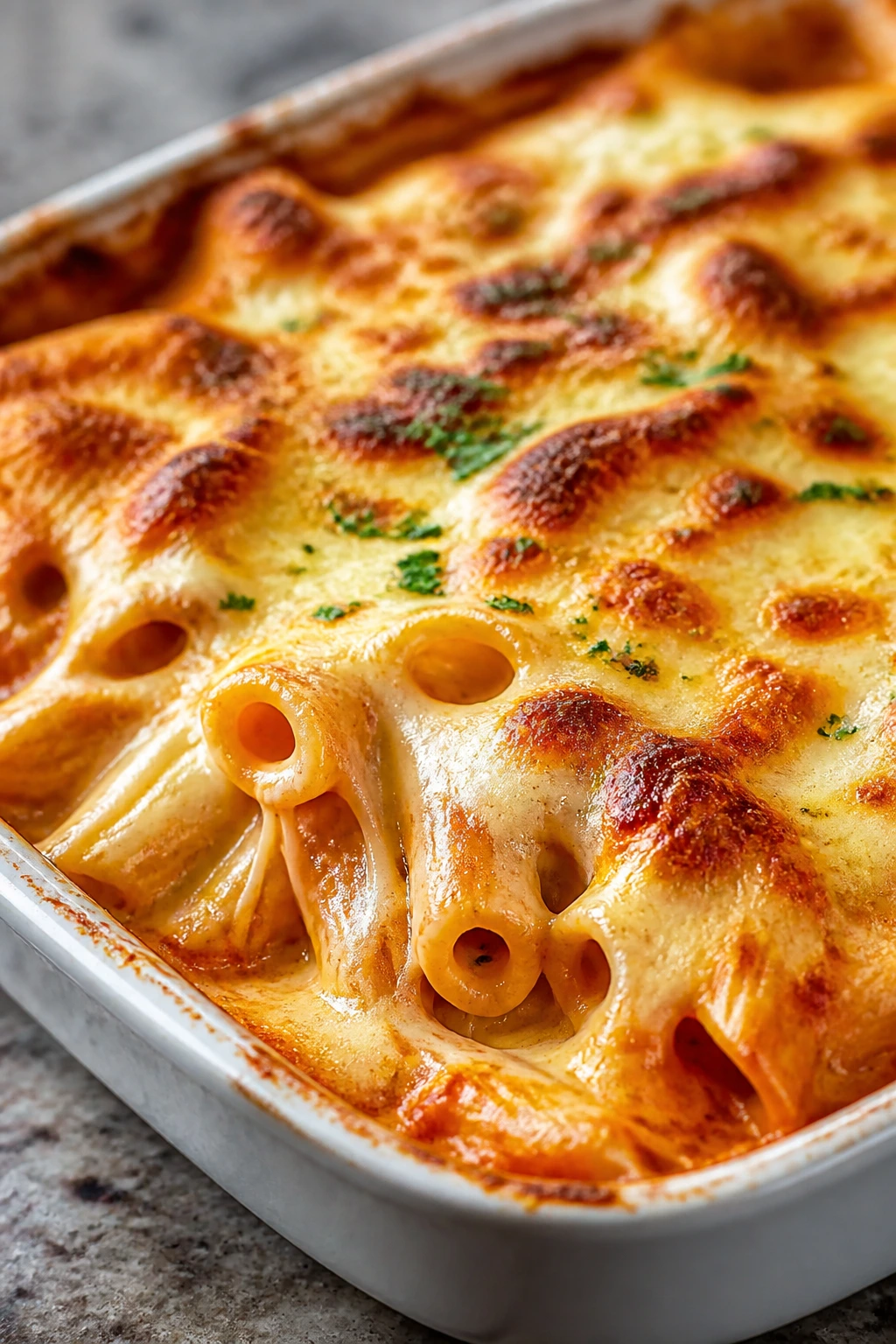
Pasta bakes are one of the easiest family dinners to make kids actually eat, but they go wrong in a very specific way: the noodles dry out, the sauce disappears, and the top turns into a crusty lid nobody asked for. The fix is not mysterious. Use enough sauce, undercook the pasta a little before baking, and cover the dish for part of the bake if the surface is drying too fast.
A good baked pasta should taste like soft noodles tucked under a layer of melted cheese with enough sauce to coat each bite. Think baked ziti, chicken Alfredo bake, or a simple tomato-and-mozzarella situation. Kids usually like these because the ingredients are legible. Pasta. Cheese. Sauce. Maybe chicken. No surprises.
A baked pasta dinner succeeds when
- the pasta is cooked to just shy of done before it goes into the oven
- the sauce looks loose in the bowl, not thick like paste
- the cheese is layered, not buried in one clump
- the baking dish is not packed all the way to the rim
- the finished casserole rests for 10 minutes before serving so the sauce settles
I prefer a 9×13-inch dish for most family-size pasta bakes because the surface area gives you better browning without turning the middle into glue. If you want a crisp top, finish under the broiler for 1 to 2 minutes, but stand there and watch it. Cheese goes from golden to scorched with annoying speed.
For picky eaters, keep the add-ins modest. Small broccoli florets, diced chicken, or finely chopped spinach can work if they are tucked into a sauce kids already trust. Big chunks of vegetable are a different story. They read as interruption, not dinner.
Sheet Pan Suppers With Crisp Edges and Fewer Dishes
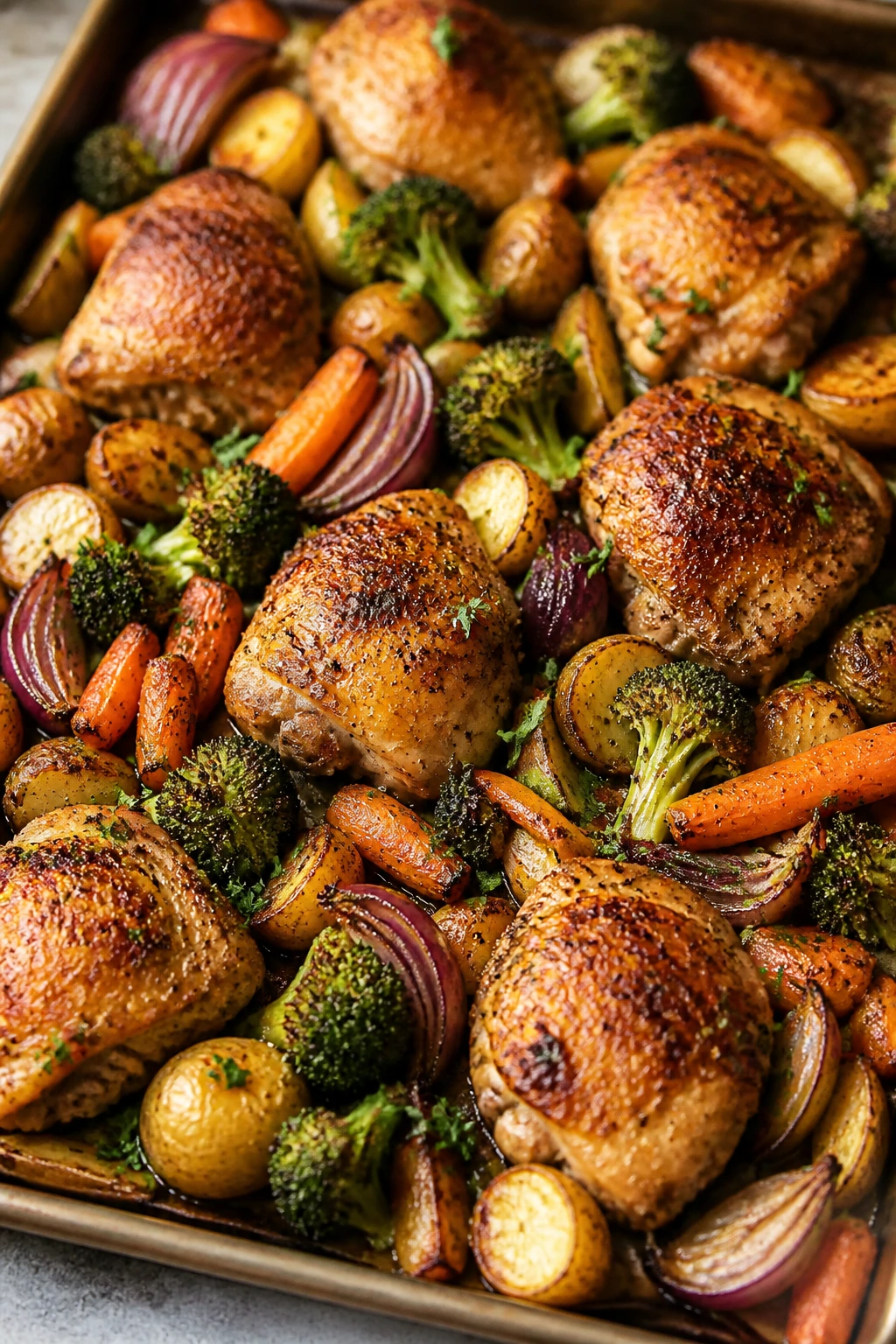
A sheet pan dinner is one of the few kinds of family meals that can feel orderly without looking fussy. Everything roasts together at 425°F, the edges brown, and the cleanup stays mercifully simple. That matters on nights when the sink already looks like it lost a fight.
Chicken thighs, sausage, salmon, or meatballs all work well on a sheet pan if you pair them with vegetables that cook at roughly the same speed. Carrots, potatoes, broccoli, Brussels sprouts, green beans, and zucchini all have their place, but they need to be cut with the heat in mind. Potatoes want to be smaller. Zucchini wants to be cut bigger so it doesn’t turn to a puddle. That kind of detail decides whether dinner feels crisp and composed or soft and tired.
The best sheet pan dinners share a few habits
Everything is cut to a similar size: Tiny potato cubes and huge broccoli florets do not finish at the same time.
Oil is thin, not heavy: A light coating helps browning. Too much oil makes the vegetables steam.
Crowding is the enemy: If the pan looks full, the food will steam instead of roast. Use two pans if needed.
Sauce comes after roasting: A drizzle of honey mustard, teriyaki, garlic butter, or yogurt sauce at the end keeps flavors clean.
Kids often like sheet pan dinners because the ingredients look individual. A roasted carrot is still a carrot. A sausage coin is still a sausage coin. Nothing has hidden itself inside a casserole where it can’t be inspected.
Taco Night, Quesadillas, and Other Build-Your-Own Dinners
Build-your-own dinners are the closest thing weeknight cooking has to a truce. Nobody has to agree on the same toppings. Nobody has to pretend they love cilantro. One person piles on black beans and salsa; another sticks to cheese and chicken; a third eats the tortilla with maybe one bite of filling and calls it a win. Fair enough.
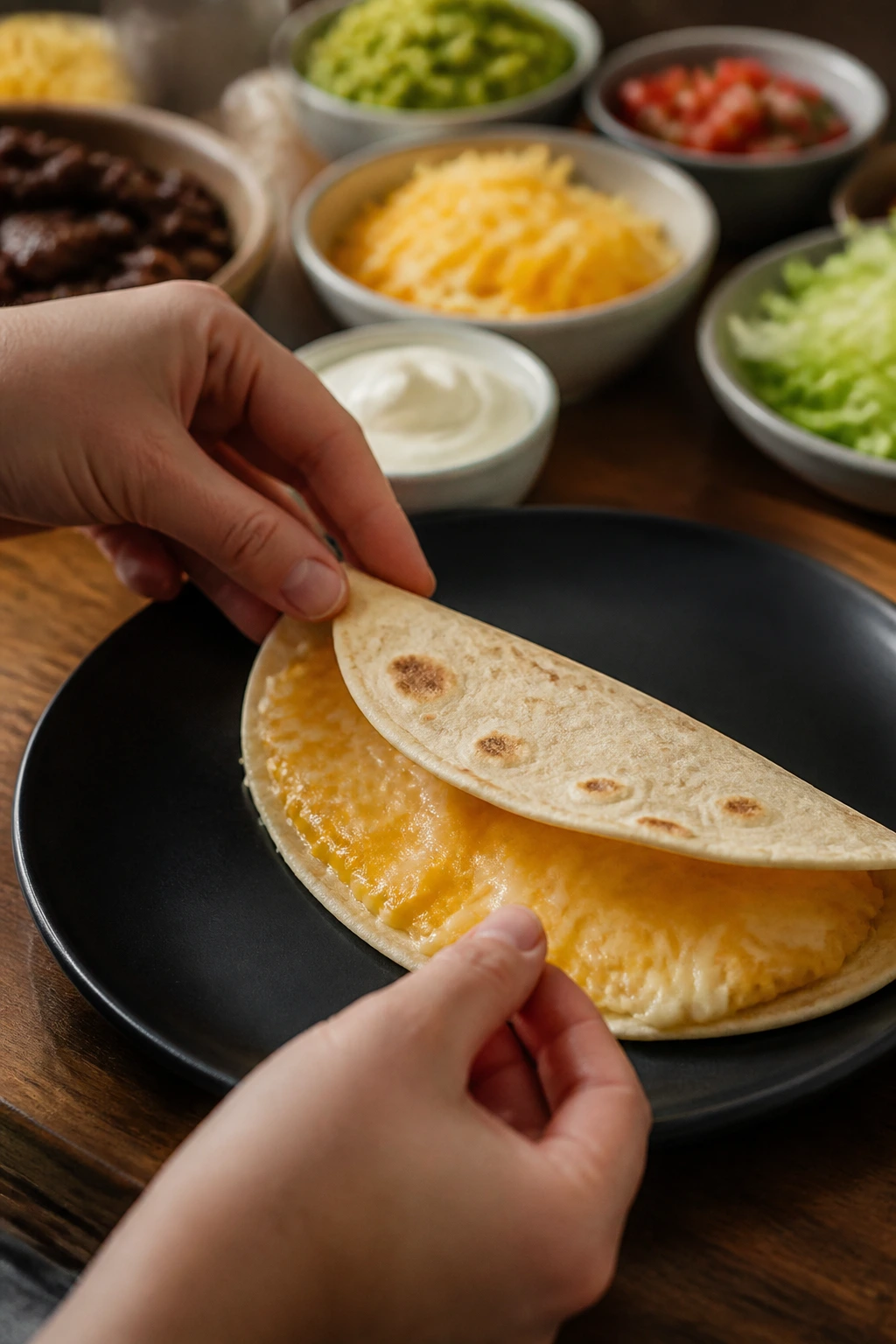
Taco night works because the components are easy to separate. Warm tortillas. Seasoned meat or beans. Cheese. Lettuce. Tomato. Sour cream. Avocado if you have it. If one child wants a plain cheese quesadilla instead of the whole taco setup, I would not treat that as a defeat. A warm tortilla folded around melted cheese is still dinner. A good one, too.
Keep the fillings mild, then build out
Start with a simple seasoned protein. Ground beef with taco seasoning, shredded chicken with a little cumin and garlic, or black beans simmered with onion and a spoonful of tomato sauce all work. Then put the toppings in small bowls, not one giant heap. Small bowls feel more manageable. Giant bowls feel like too much choice, which sounds backwards until you watch a kid stare at one.
Softer tacos often get eaten better than overloaded crispy shells. A warm flour tortilla gives a softer bite and holds together more easily for younger kids. If you want crunch, offer the shells on the side and let older kids handle the mess. It is less glamorous. It also keeps dinner on the plate instead of in somebody’s lap.
One-Pan Skillet Meals for Busy Evenings
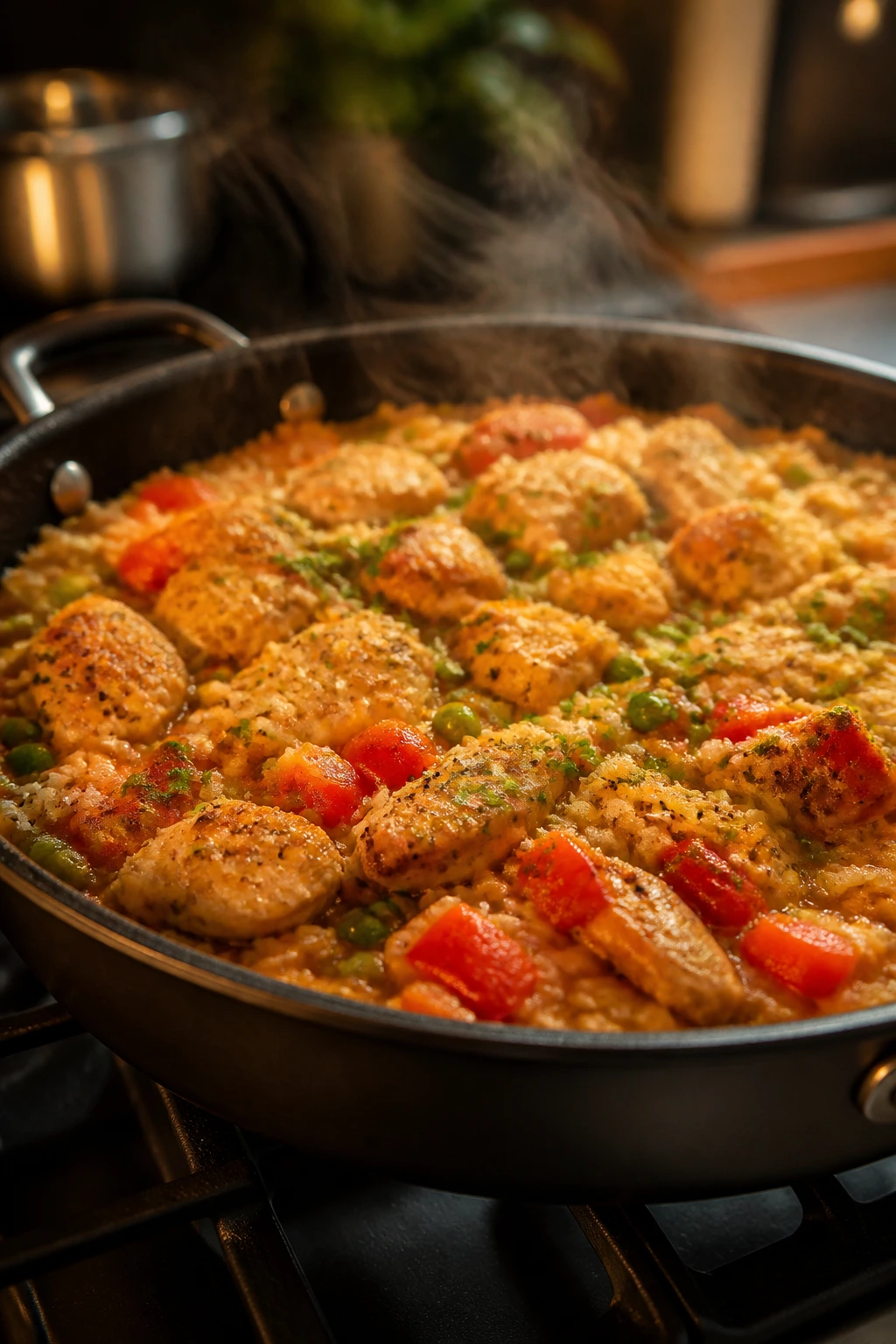
Skillet dinners live in the sweet spot between “I have energy” and “I can’t do dishes tonight.” A large sauté pan or deep skillet can handle chicken and rice, ground beef with pasta, or sausage with peppers and potatoes if you time the ingredients in the right order. That order matters. Throw everything in at once and you get a gray pile. Build it in stages and you get dinner.
The best skillet meals for kids are usually saucy enough to coat the food, but not so wet that the plate becomes soup. Think buttered rice with peas and chicken. Think hamburger helper’s smarter cousin. Think mild stir-fry with the soy sauce dialed way down and the vegetables cut small enough to disappear between bites.
A skillet dinner gets eaten when it has
- one browned protein
- one starch that actually finishes cooking in the pan
- one or two vegetables cut small
- a sauce that ties the pan together without drowning everything
- a finishing sprinkle of cheese or herbs if the family likes that sort of thing
Use a lid if the rice or potatoes need help finishing. Use heat high enough to get color on the meat before you add liquid. And don’t stir so often that the food never gets a chance to brown. Browned bits taste like dinner. Pale, damp food tastes like compromise.
Soup, Chili, and Bread Dinners That Feel Like a Real Meal
Soup can be a tough sell if it’s thin and full of floating things nobody recognizes. But a thick soup or chili served with bread is a different animal. It feels substantial. It holds heat. It can be eaten slowly. And it gives kids a bread handle, which is often half the battle.
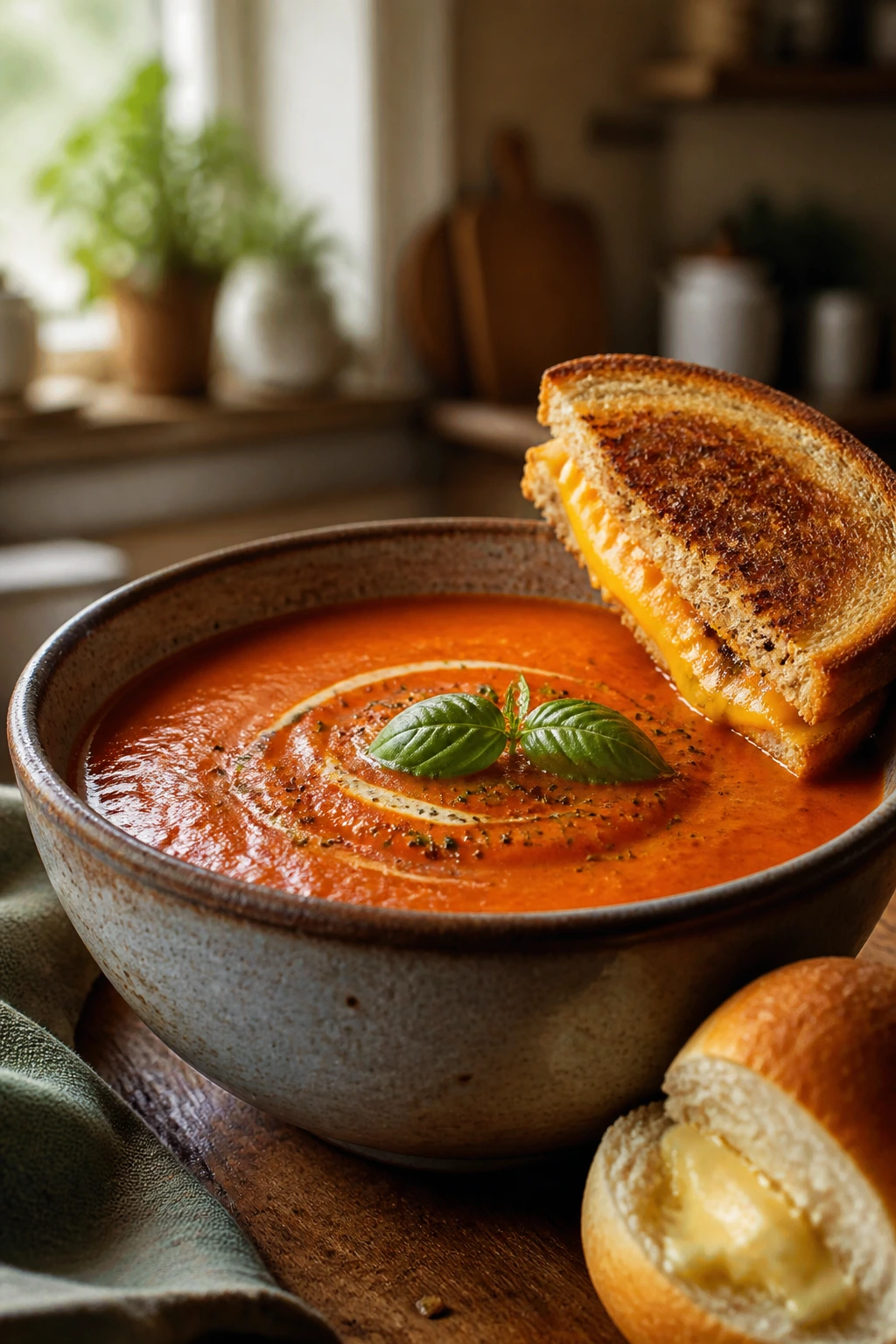
Tomato soup with grilled cheese is the obvious example, and there’s a reason it keeps showing up. The flavors are familiar and the textures are separate. Chili with cornbread works for the same reason. Chicken noodle soup becomes easier if the noodles are cut short and the broth is not too salty. Minestrone can work, but only if the vegetables are soft, the pasta is small, and the beans are not playing a starring role all by themselves.
A good soup dinner is built on comfort, not surprise
Thicken the base a little. Add beans, lentils, potatoes, or shredded chicken so it eats like dinner rather than a starter. Serve it with buttered toast, garlic bread, saltines, or a warm roll. If a child is cautious about soup, offer a few dry components beside it — crackers, cheese cubes, fruit slices — so the meal feels less like one giant bowl of uncertainty.
Hot soup also needs a brief pause. Five minutes on the counter can turn “too hot” into “pleasantly warm” faster than you’d think. That small wait saves a lot of spitting and grimacing.
Sides That Turn a Small Plate Into Dinner
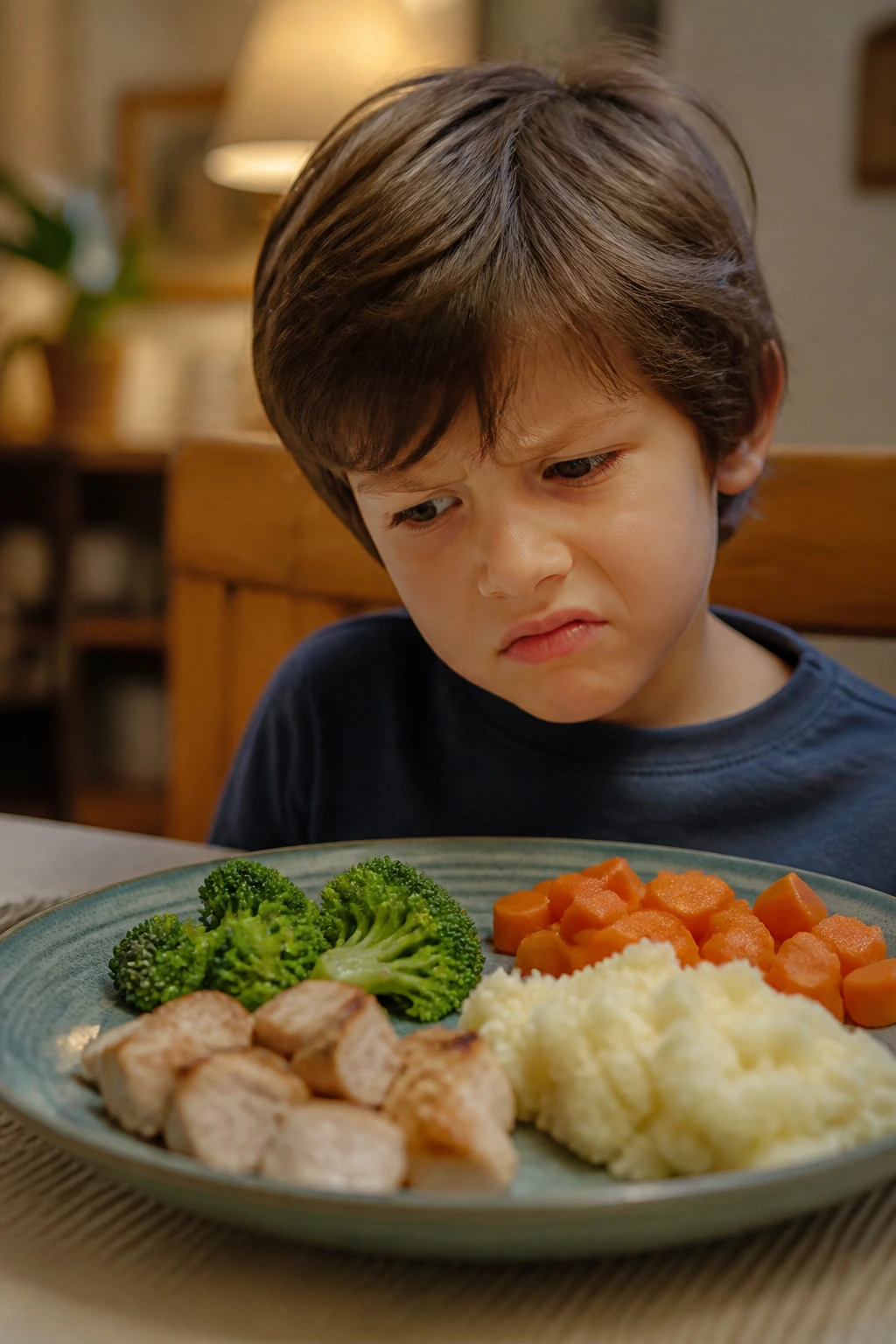
A weak side dish can sabotage an otherwise decent meal. A good one can rescue it. That’s why I think of sides as part of the main event, not decorative extras. If dinner is roasted chicken, the side might be buttered rice, roasted potatoes, or dinner rolls. If dinner is pasta, the side could be cucumber slices, apple wedges, or a simple salad with dressing on the side.
Kids often eat a meal better when there is at least one plain item on the plate that is not trying too hard. Bread helps. Fruit helps. Rice helps. Corn on the cob helps because it’s fun and familiar. A bowl of peas with butter can work better than a fancy vegetable medley with six ingredients and a vinaigrette nobody asked for.
Useful sides that behave well with picky eaters
- buttered rice
- roasted potato wedges
- dinner rolls or garlic toast
- corn on the cob or frozen corn warmed with butter
- cucumber slices with a pinch of salt
- apple slices or melon chunks
- peas tossed with a little butter
- simple green beans with salt and a squeeze of lemon
Keep one or two sides very plain. Then let adults season theirs at the table if they want more punch. That split approach prevents the meal from turning into a fight over salt, pepper, or herbs.
How to Serve Picky Eaters Without Turning Dinner Into a Debate
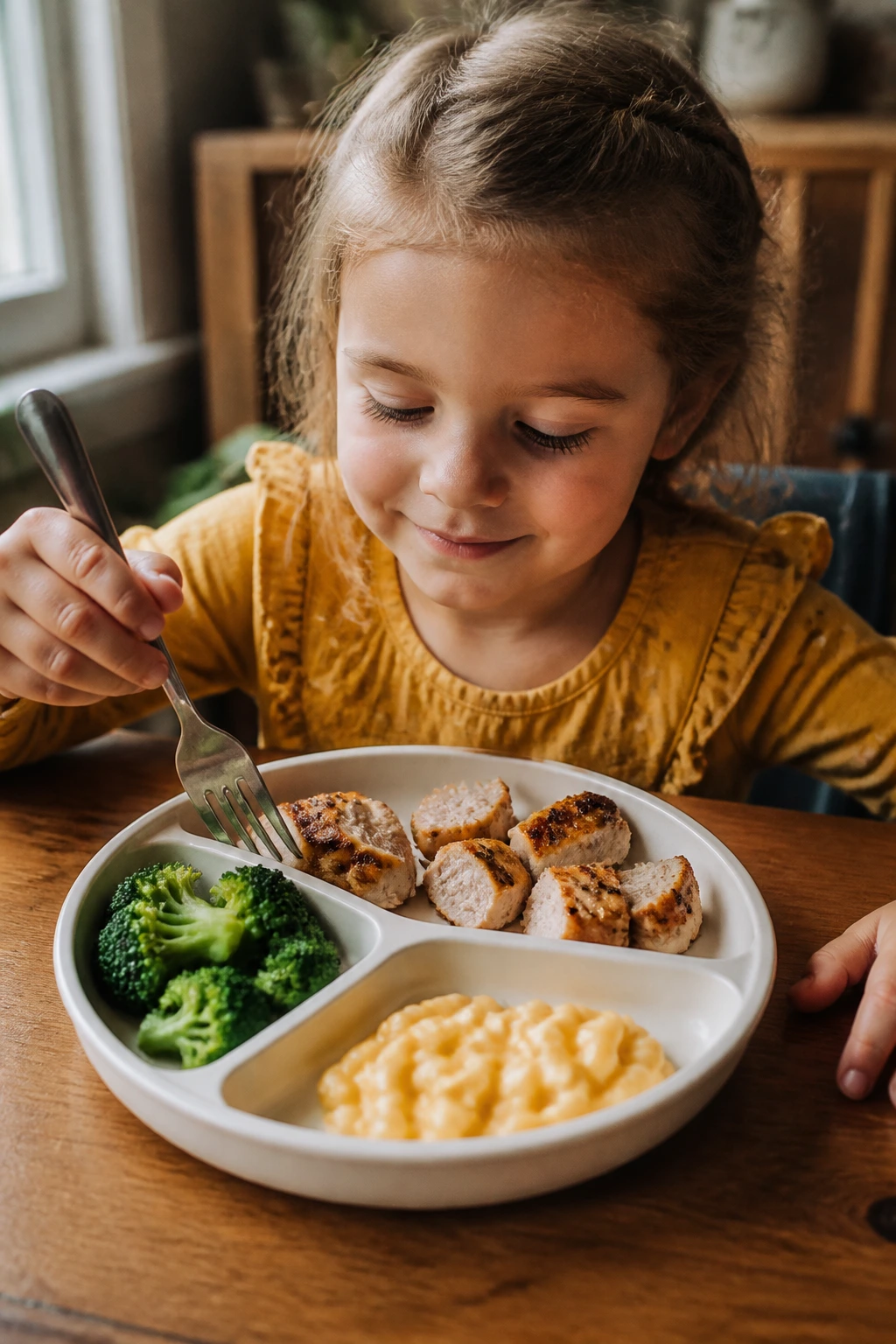
A lot of family dinner tension comes from how food is served, not what’s cooked. Piled-together food tends to raise the stakes. Separated food lowers them. That is one reason bento-style plates, divided plates, or even a simple wide dinner plate with clear zones can help. A child can see the landscape. They can decide where to start.
The parent move that helps most is also the most boring: serve a small, calm plate first. Not tiny — just not overwhelming. A huge plate with four scoops of food can look like a challenge. A modest plate with one safe food, one protein, and one vegetable looks possible. Possible matters.
A table rule that saves energy
You choose what’s on the table. The child chooses whether and how much to eat.
That does not mean a kid gets to demand a separate meal every night. It means you stop turning dinner into a performance. Offer a reasonable plate, stay neutral, and let appetite do its work. If they only eat rice and chicken tonight, fine. Tomorrow the green beans may get a look. Maybe not. The point is to keep the table calm enough that food can do its job.
I also like serving sauces on the side for skeptical eaters. Ketchup, ranch, yogurt dip, salsa, marinara, or a simple garlic butter sauce gives kids a handle. Some will dip everything. Some will ignore the sauce entirely. The point is the option exists. Children love a choice they can control without being asked twenty questions.
Common Mistakes That Make Dinner Harder Than It Needs to Be
The first mistake is trying to hide everything. Hidden vegetables sound clever, but if the texture changes too much, kids notice anyway. A blended carrot sauce can help in a pasta bake, sure. A giant puree under a mountain of noodles can also trigger suspicion if the color is off. Better to use small, visible amounts of vegetables in a meal the child already trusts.
The second mistake is overcomplicating the plate. Three sauces, two vegetables, a new protein, and an experimental side dish is a lot. Too much choice can feel like pressure. Too many flavors can make a mild eater shut down. Keep the dinner short and legible.
The third mistake is cooking everything to the same soft texture. A dinner where the chicken is soft, the broccoli is soft, the noodles are soft, and the sauce is soft can feel mushy. Add one crisp thing — toasted breadcrumbs, roasted edges, fresh cucumber, or a warm roll with crust — and the meal gets shape.
The fourth mistake is serving food that is too hot or too cold for kids to handle. Soup straight off the stove, baked pasta fresh from the oven, or chicken left under a lamp until it dries out all make the bite harder. Let hot dishes rest. Keep chilled items cold. Temperature is not a small detail. It is often the whole battle.
The fifth mistake is giving up after one refusal. A child who rejects broccoli tonight might accept it chopped smaller next week, or roasted until sweet, or served next to ranch. That is not a grand developmental breakthrough. It is just how familiarity works.
Easy Swaps for Different Ages, Diets, and Spice Levels
The nicest thing about kid-friendly family dinners is how easily they bend. You do not need an entirely separate menu for every person at the table. You need a few smart substitutions and the confidence to keep the base meal steady.
The Toddler-Friendly Turn
Cut everything small. Shred chicken instead of serving chunks. Use short pasta like shells, elbows, or rotini. Keep sauces light and avoid slippery, oversized bites that fall apart in small hands. A toddler often does better with a few distinct foods on a divided plate than with a mixed casserole.
The Dairy-Free Path
Skip heavy cheese sauces and use olive oil, broth, tomato sauce, or dairy-free alternatives that melt and behave well in heat. Quesadilla night can become taco bowls or bean-and-rice bowls with avocado. Pasta still works — just build around tomato, garlic, and herbs instead of cream.
The Gluten-Free Turn
Rice bowls, corn tortillas, roasted potatoes, and gluten-free pasta all make easy swaps. Watch sauces and seasoning packets for hidden flour. Breaded chicken can be replaced with roasted or pan-seared chicken thighs, which usually keep their texture better anyway.
The Vegetables-Without-the-Drama Version
Choose vegetables with a mild flavor and a little sweetness: carrots, peas, corn, green beans, and roasted broccoli. Toss them with butter, a pinch of salt, and maybe a tiny amount of Parmesan. A vegetable that tastes like it belongs in dinner has a better chance than one that tastes like a lecture.
The Spice-On-The-Side Plan
Cook the whole meal mild, then add heat at the table. Hot sauce, chili crisp, red pepper flakes, jalapeños, or pepper jack can live in a small dish for adults. That way the kids get dinner, and the grown-ups get something with teeth.
Kitchen Tools That Make Family Dinner Faster
You do not need a giant pile of gadgets to make easy family dinner ideas work. You need a few sturdy tools that can handle the same jobs over and over without fuss.
- 12-inch skillet or sauté pan: Big enough for ground meat, skillet sauces, and one-pan meals without crowding.
- Sheet pan with rimmed edges: Essential for roast chicken, vegetables, sausage, and any dinner that needs browning.
- 9×13-inch baking dish: The workhorse for pasta bakes, casseroles, and make-ahead dinners.
- Dutch oven or soup pot: Best for chili, soup, rice-based one-pot meals, and anything that simmers.
- Chef’s knife: A sharp knife makes short work of onions, carrots, potatoes, and chicken trimming.
- Cutting board with a damp towel underneath: Keeps the board from sliding when you are chopping in a hurry.
- Instant-read thermometer: Especially useful for chicken, meatballs, and casseroles where guessing leads to dry food.
- Silicone spatula or wooden spoon: Good for scraping the bottom of the pan and keeping sauces from sticking.
- Measuring cups and spoons: Useful even if you cook by eye; family dinner gets more consistent when the seasoning stays consistent.
- A few airtight containers: Critical for leftovers, lunchbox portions, and cooked rice that needs fast chilling.
A slow cooker and air fryer can help too, but they are not required. Good pans and a sharp knife solve more weeknight problems than most people admit.
Make-Ahead, Leftovers, and Reheating Without Drying Things Out
Family dinners get easier when part of the work happens earlier. Cooked rice keeps well for 3 to 4 days in the fridge if it’s cooled quickly and stored in a shallow container. Cooked chicken, ground meat, soup, and chili also hold for about 3 to 4 days refrigerated. Most of these freeze well for up to 2 to 3 months if you pack them tightly and leave a little room for expansion.
Pasta is the tricky one. Plain cooked pasta gets soft if it sits too long in sauce, and creamy sauces can turn grainy if reheated too hard. If you know you want leftovers, keep a little extra sauce aside. Reheat gently on the stove with a splash of water, milk, or broth, stirring until the noodles loosen back up. The microwave works too, but use short bursts and cover the bowl so the edges do not dry out.
Sheet pan dinners reheat best in the oven or air fryer at 350°F until hot. That keeps roasted vegetables from turning limp. Soups and chilis like a low simmer on the stove. Add a splash of water or broth if they thicken overnight. Baked pasta can be reheated covered with foil at 325°F until the center is hot, then uncovered for a few minutes if you want the top to crisp again.
A simple planning move saves time later: double the protein when you make tacos, pasta sauce, or roasted chicken. Tonight’s dinner becomes tomorrow’s quesadillas, rice bowls, or soup without asking you to cook from scratch again.
Questions Parents Ask About Kid-Friendly Family Dinners
How do I get my child to try new foods without a fight?
Keep the new food tiny and familiar. Put one small portion on the plate beside a safe food, and do not turn it into a contest. If the shape, color, or texture is too different, move it closer to something they already accept — that “food chaining” idea works better than dramatic reinvention.
What if my kid only eats pasta, chicken nuggets, and bread?
Start with the foods they already trust, then shift one piece at a time. Try pasta with a little butter and Parmesan, then add finely chopped chicken, then a small spoon of tomato sauce, then a few peas. Small steps count. Big leaps often do not.
Are casseroles bad for picky eaters because everything is mixed together?
Some are, yes. A baked pasta or casserole works better when the ingredients are still visible and the sauce is mild. If your child hates mixed food, keep part of the meal separate on the plate and let the casserole stay on the side rather than pretending separation does not matter.
What can I make on nights when I only have 20 minutes?
Quesadillas, rotisserie chicken bowls, pasta with jar sauce, scrambled egg fried rice, and sheet pan sausage with quick-cooking vegetables all fit the bill if the chopping stays minimal. Use pre-washed greens, frozen vegetables, and pantry starches. Speed comes from the grocery list as much as the pan.
Should I make a separate meal for a picky eater?
Usually, no. A separate meal turns dinner into a power struggle and doubles your work. A better move is one family meal with at least one safe item on the plate, plus a few components served separately so the child can approach them in their own way.
How do I stop dinner from getting cold while slow eaters finish?
Serve in smaller portions and keep extra food warm in the oven on low, around 200°F, or in a covered dish. For plates that cool fast, put hot food on warmed plates and hold sauces in a small saucepan so they can be added fresh. A lid does more than people think.
What if my child hates vegetables in any form?
Use the ones with the mildest flavor first: peas, corn, carrots, cucumbers, and sweet roasted broccoli. Serve them in very small portions next to something neutral. Sometimes dipping in ranch, butter, or hummus helps. Sometimes the vegetable just needs to appear many more times before it stops feeling strange.
Can these dinners work for adults who want more flavor?
Absolutely. Cook the base meal mild, then finish adult plates with hot sauce, chili crisp, extra herbs, pickled onions, or a sharper cheese. That keeps the family meal unified without forcing everyone to eat the same level of spice or salt.
The Dinner That Actually Gets Eaten
A good family dinner does not need to win points for complexity. It needs to land on the table with enough familiarity that kids trust it, enough flexibility that adults do not get bored, and enough speed that you can face the idea again tomorrow. That’s the real sweet spot: meals built from simple parts, served with a little control, and repeated often enough that they stop feeling like a gamble.
The easiest wins are usually the quiet ones. Pasta with sauce on the side. Taco bowls with separate toppings. Roasted chicken with rice and peas. Soup with bread. Nothing flashy. Nothing fussy. Just food that respects how kids actually eat, not how a menu planner imagines they should.
Start with one of those. Keep it calm. And if the dinner gets eaten without a long argument, that counts as a very good night.