



Fresh vegan fast food is what I reach for when dinner needs to arrive hot, crisp, and satisfying without turning the kitchen into a wreck. A bowl of limp lettuce and a sad drizzle of dressing will not do it. Neither will a giant faux-burger stack that takes an hour, three pans, and a prayer.
The sweet spot is much simpler than people think. You want food with a little crunch, a little char, a sharp sauce, and enough plant protein to stop the late-night snack hunt an hour later. That can be a burger with cabbage slaw, tofu tucked into warm pita, roasted potatoes with smoky beans, or a rice bowl that smells like sesame and lime the second you lift the lid.
The trick is not pretending takeout never existed. The trick is stealing the parts that make fast food feel exciting — salt, smoke, acid, crunch, and a warm center — while keeping the ingredients fresh enough that you still feel good after dinner. That balance is real, and once you get it, weeknight cooking gets quieter in the best way.
Why This Kind of Dinner Works on Busy Nights
-
Hot food beats polished food: A tray of tofu, broccoli, and potatoes can hit the table in 25 to 30 minutes, which is faster than most delivery orders and far more satisfying than a cold dinner bowl.
-
You get texture instead of mush: Crisp cabbage, toasted buns, browned tofu, and a sharp sauce give every bite some bite; that matters more than elaborate seasoning when you’re tired.
-
The plate balances itself: You can follow the easy half-vegetables, quarter-protein, quarter-starch shape without measuring every spoonful, which is why this style feels so natural.
-
It keeps the fridge useful: One sauce, one protein, and one crunchy vegetable can become burgers one night, bowls the next, and wraps after that. Waste goes down. Decision fatigue goes down too.
-
It costs less per serving: Beans, cabbage, rice, potatoes, tortillas, and tofu do not behave like luxury items. They behave like dinner insurance.
-
It still tastes like a treat: The food is fresh, yes, but it is not meek. A little char, a little salt, and a bright finishing squeeze are enough to make plant-based dinner feel intentional instead of apologetic.
What a Fresh Vegan Fast-Food Plate Should Look Like
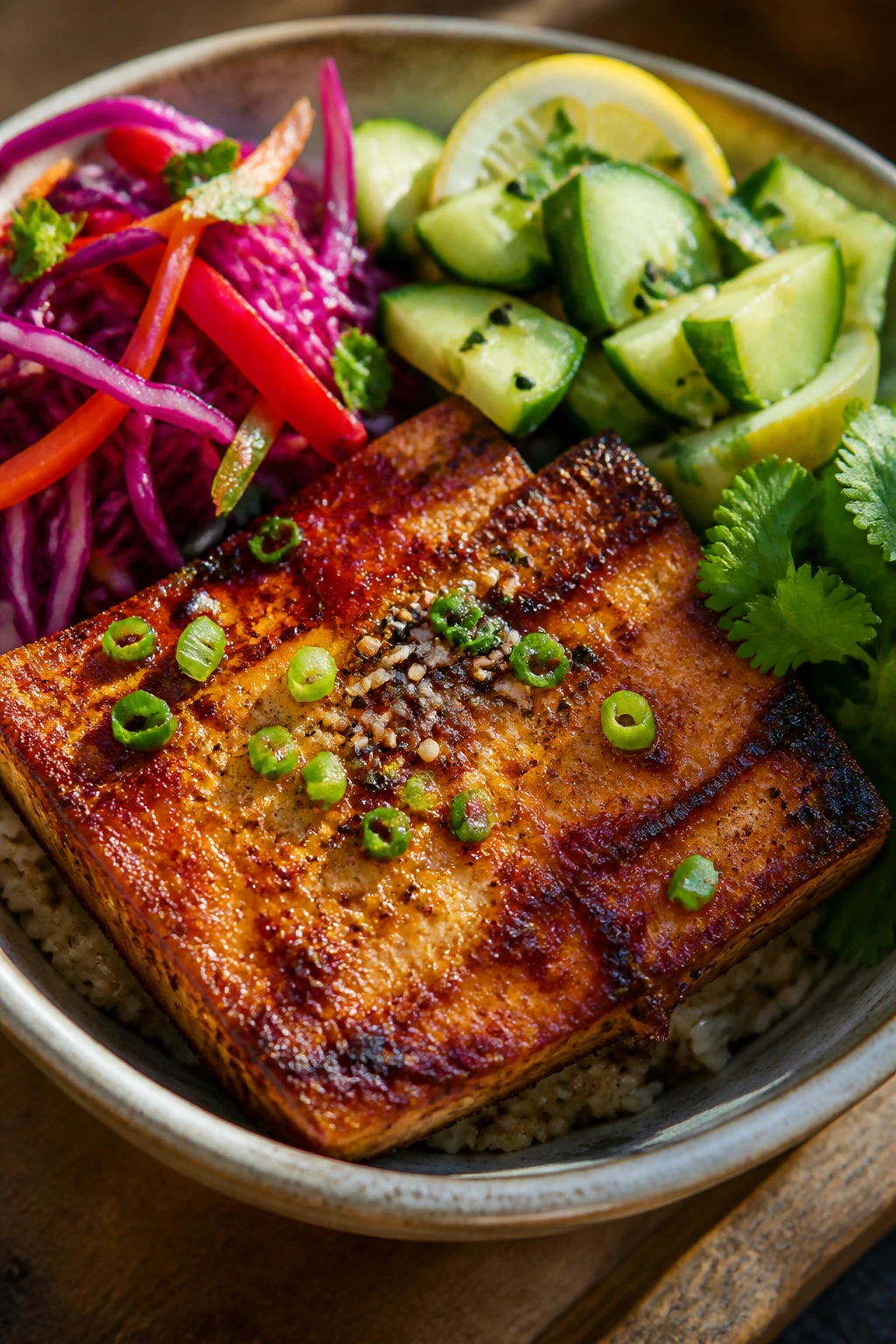
A good plate has contrast. That’s the whole game. If everything is soft, beige, and warm, dinner gets sleepy fast. If every bite is cold and raw, it feels like a side dish with ambition. The plate wants a hot center, a crisp edge, and one bright thing to cut through the richness.
Hot Meets Cold
The best fast-food-style vegan dinners usually have one element that comes out of the pan or oven still steaming, and one element that stays cool and snappy. Think tofu straight from a hot skillet with cabbage slaw on top, or roasted sweet potatoes against a cucumber salad with lemon. That temperature contrast does more work than a lot of seasoning ever will.
I like to keep the cold part truly cold and the hot part truly hot. Lukewarm slaw is a missed opportunity. So is a tepid burger. If you’ve ever wondered why restaurant sandwiches feel more alive than homemade ones, that’s often why. The kitchen is not only cooking; it’s managing temperature.
One Crisp Thing
Every plate needs one crisp thing. One. Not five. One is enough to wake everything up.
That might be toasted bun edges, air-fried chickpeas, blistered tortillas, shredded cabbage, or potatoes roasted until the corners go tawny and brittle. Even a creamy bowl benefits from a crisp top or a crunchy garnish. A spoonful of chopped peanuts, pumpkin seeds, or fried onions can keep the bowl from collapsing into one texture.
Wet toppings can still play a role, but they should not be the only story. A burger with avocado, tomato, and sauce needs pickles or slaw to keep it from feeling flat. A bowl with creamy dressing needs roasted mushrooms or crisp tofu for some edge. You can hear the difference before you taste it.
The Final Acid Hit
Acid is the thing most home cooks underuse. Pickles, lemon juice, lime juice, vinegar, salsa verde, sauerkraut, and even a splash of pickle brine can turn a decent dinner into one that feels finished. Without it, vegan fast food can slide into one-note richness fast.
I add acid at the end almost every time. Not much. A teaspoon here, a squeeze there. Enough to make the salt wake up and the vegetables taste green again. If dinner feels heavy but not in a satisfying way, it usually needs acid before it needs anything else.
The Four-Part Dinner Formula I Trust
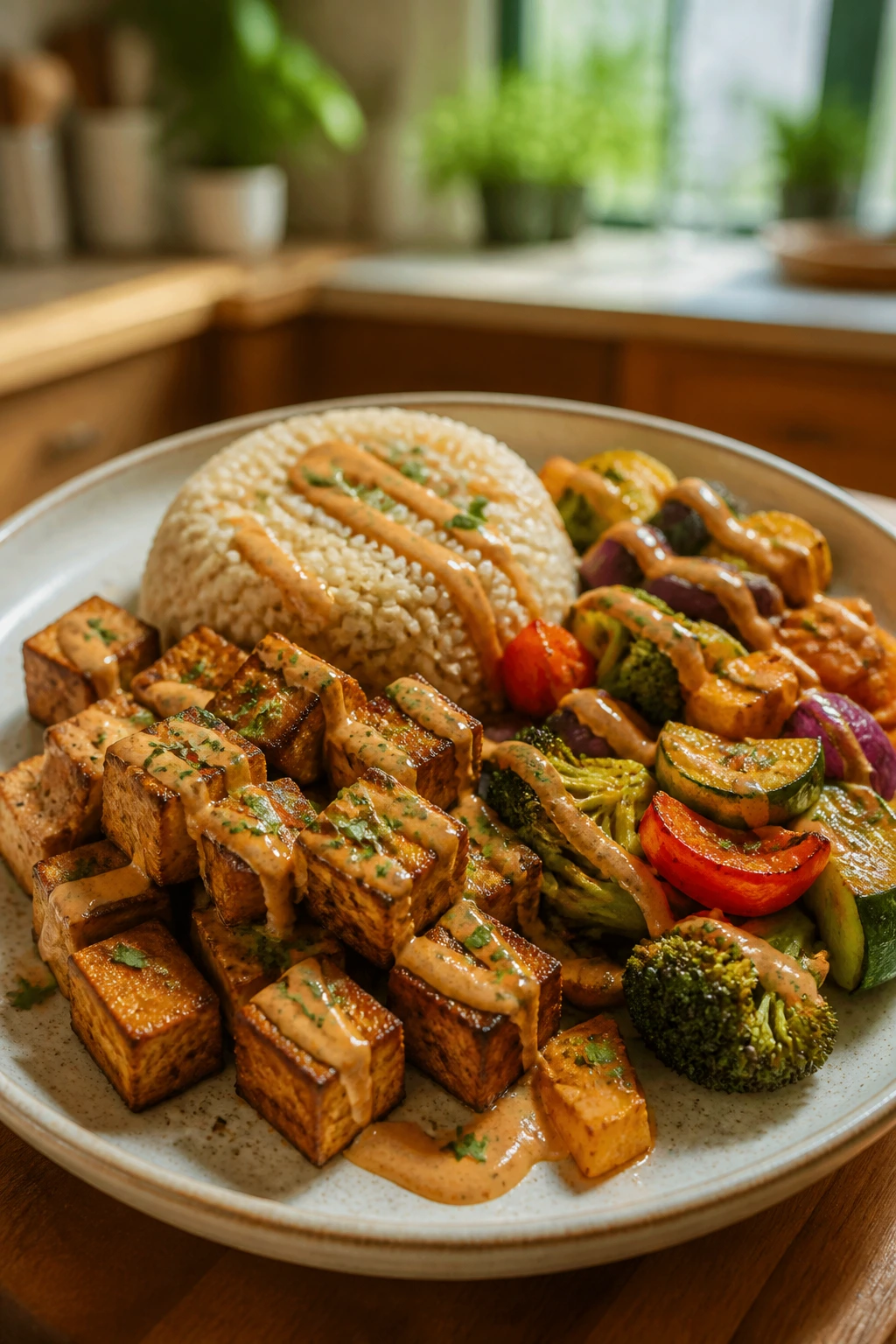
What actually makes a vegan dinner feel complete instead of assembled? Four parts. That’s it. A protein anchor, a carb that can hold sauce, a big vegetable presence, and a final flavor layer that keeps the whole thing from tasting bland.
The Anchor
The anchor is the thing with the most chew. Tofu, tempeh, beans, seitan, chickpeas, or lentils all work here, but they need to be cooked with enough color that they feel deliberate. Pale protein tastes timid. Browned protein tastes like dinner.
I usually aim for about 4 to 6 ounces of protein per person if the meal is built around one main piece, or around 1 cup if the protein is mixed into a bowl or taco filling. That gives the meal substance without making it heavy.
The Carb That Carries Sauce
A bun, wrap, tortilla, bowl of rice, pita, or pile of potatoes gives the meal a place to land. The starch should not dominate the plate, but it should be sturdy enough to hold sauce and moisture without folding in on itself halfway through dinner.
That means toasting the bread, warming the tortilla, or roasting the potatoes until the edges are firm. Cold starch is where texture goes to die.
The Vegetable Volume
This is where freshness lives. Cabbage, lettuce, arugula, tomato, cucumber, onions, broccoli, peppers, herbs, zucchini, or grated carrot can all do the job. I like one raw or lightly cooked vegetable and one cooked vegetable whenever possible, because that gives the plate some stretch.
USDA MyPlate and Harvard’s Healthy Eating Plate both land on a similar shape for a reason: vegetables do the heavy lifting when you want a meal to feel balanced. In this kind of dinner, that usually means more than a sprinkle of greens on top. It means a real pile.
The Finish
The finish is the sauce, pickle, herb oil, hot sauce, or squeeze of citrus that makes the plate feel decided. Keep it sharp. Keep it intentional. If the rest of the meal is mild, the finish can be bold. If the protein is spicy, the finish can be creamy and cool.
A useful rule: if you can remove the sauce and the meal still tastes complete, you probably used too much sauce. Sauce should support the dish, not flood it.
The Plant Proteins That Brown Well and Stay Satisfying
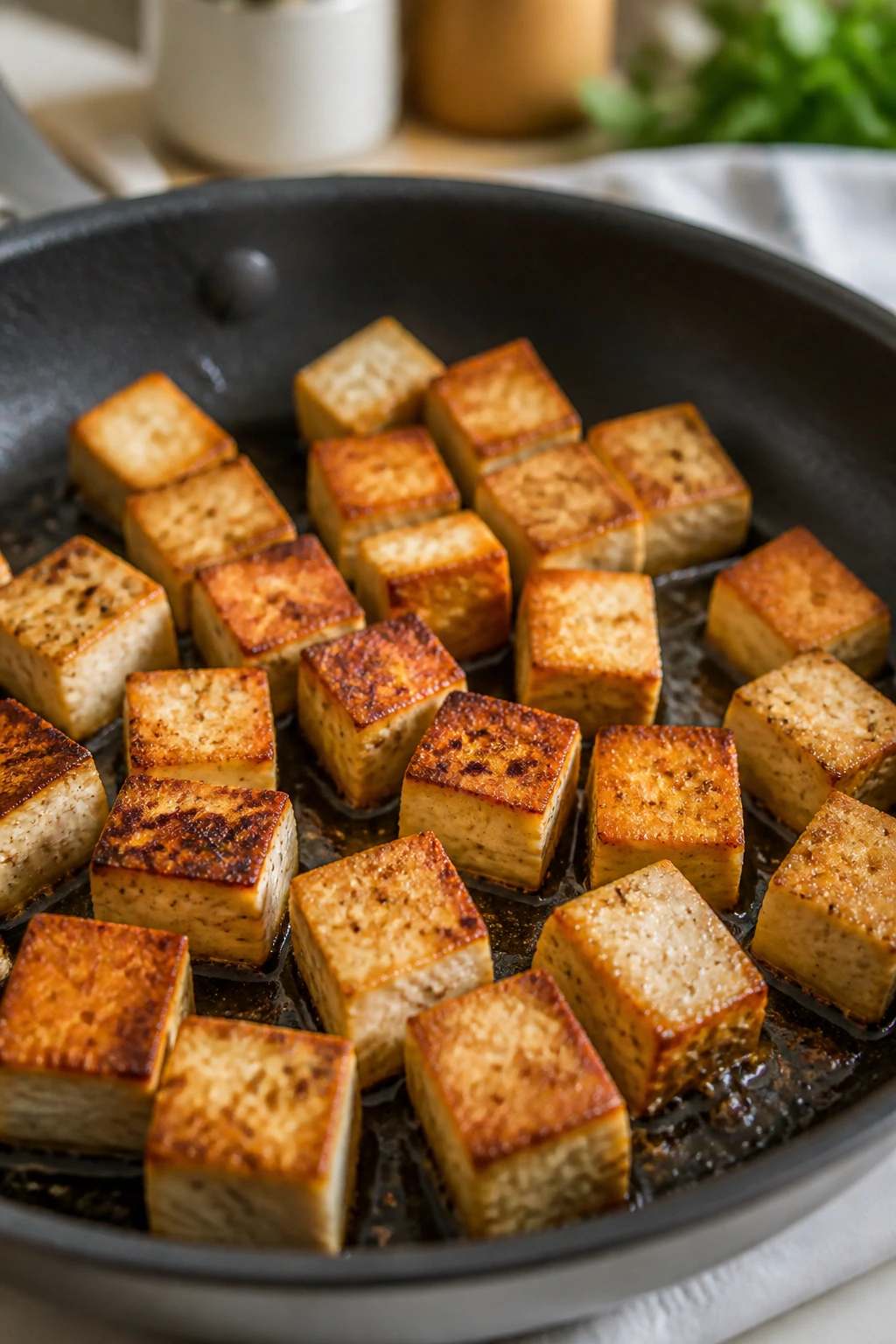
A block of tofu can be dinner or disappointment. The difference is almost always in how it’s handled. The same goes for tempeh, beans, and seitan. Plant protein is not hard to work with, but it is honest. Wet tofu tastes wet. Dry beans taste like a can. Browned, seasoned protein tastes like effort.
Extra-Firm Tofu
Extra-firm tofu is the easiest place to start because it acts like a sponge and a crisp shell at the same time. Press it for 10 to 15 minutes if it’s packed in water, then tear or cube it and toss it with a little soy sauce, garlic powder, and 1 to 2 tablespoons of cornstarch. That last bit is the difference between soft and craggy.
I like to sear tofu in a hot skillet with a thin film of oil, or air-fry it at 400°F until the edges tighten and brown. If you want bigger surface area, tearing the tofu by hand makes more irregular edges than cubes, which means more crunchy bits. Those crunchy bits are usually the first thing gone.
Tempeh
Tempeh has a nutty, firm bite that works especially well in sandwiches, bowls, and skewers. It can taste a little bitter if it goes straight from package to pan, so a quick steam for 5 minutes softens that edge. After that, slice it thin, marinate it, and brown it.
The key with tempeh is not drowning it. A marinade with soy sauce, lime, maple, and a little oil is enough. Then give it time in a hot skillet so the outside picks up color. If tofu is about texture contrast, tempeh is about chew.
Chickpeas and Black Beans
Beans do a lot of work in fast-food-style vegan dinners. Chickpeas roast beautifully at 425°F until they go crisp at the edges. Black beans smash well into burgers, taco filling, or a thick bowl base. If you want more texture, use half mashed and half whole. That mix keeps the filling from turning into paste.
Canned beans are fine. Rinse them for 20 to 30 seconds under cold water and let them drain well so the flavor tastes cleaner. A damp bean never browns properly, and browning is what keeps beans from tasting like a pantry emergency.
Seitan and Soy Curls
Seitan is the closest thing to the chew people miss in takeout sandwiches. It sears fast, absorbs sauce well, and slices cleanly. Soy curls are different — lighter, a little bouncier, and excellent once rehydrated and seasoned properly.
Both work well when you want something that behaves like strips or chunks rather than a mash. That makes them great for wraps, hoagies, and rice bowls. If speed matters more than everything else, these two are hard to beat.
Edamame and Lentils
Edamame is the sleeper hit. Frozen shelled edamame cooks fast, brings a clean green flavor, and gives bowls and salads a more substantial bite. Lentils, especially brown or green ones, are useful when you want a filling base without a lot of fuss.
Neither one needs much ceremony. They need seasoning, a little salt, and something bright afterward. That’s the part people forget.
The Carbs That Carry the Rest Without Turning Soggy
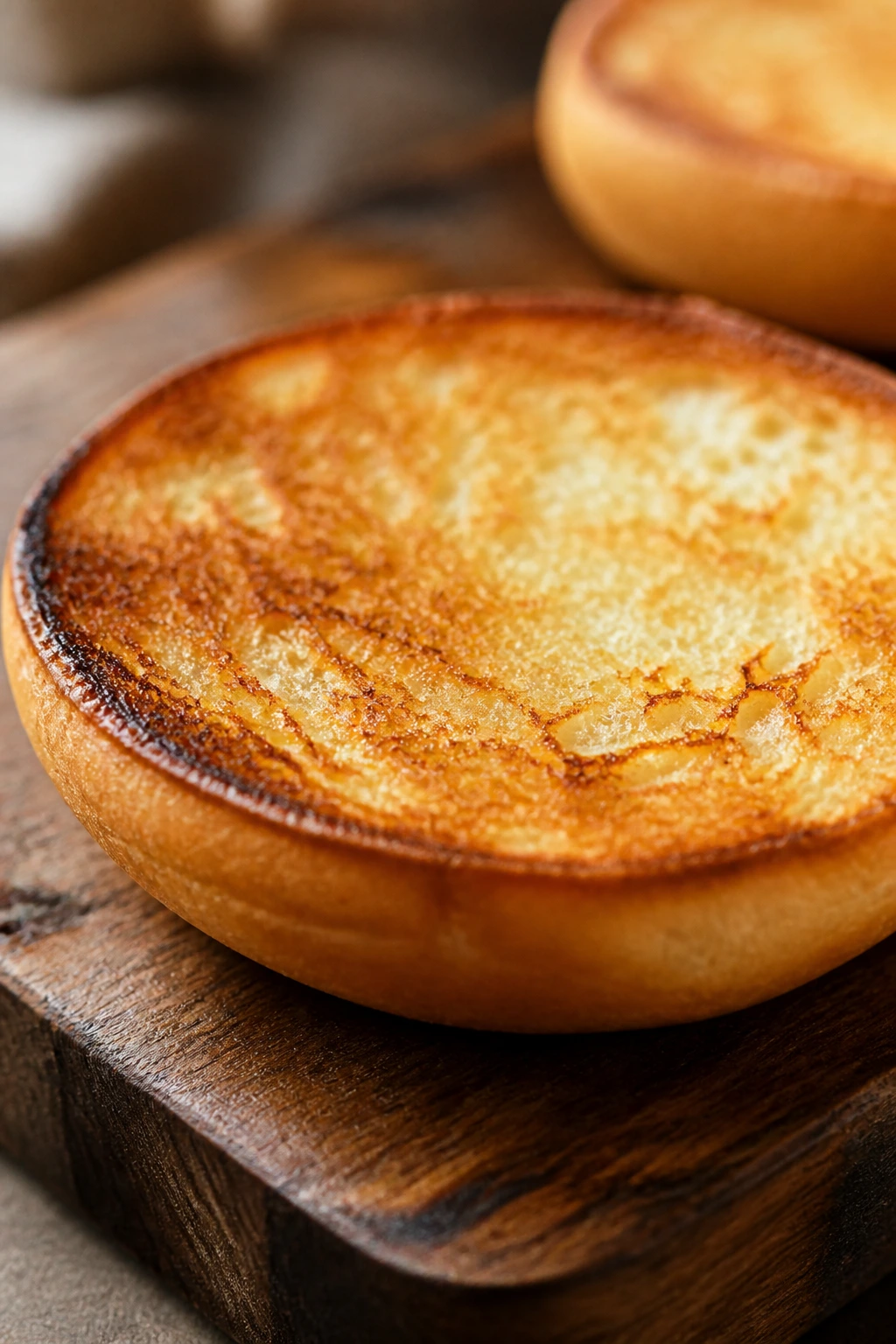
The bread, wrap, bowl grain, or potato on the plate matters more than people admit. A good carb is not filler. It is the thing that catches sauce, makes the meal feel finished, and keeps the protein from sitting there alone like a garnish with bills to pay.
Buns and Rolls
If you are making burgers, toast the cut sides. Every time. A dry skillet over medium heat for 60 to 90 seconds per side does enough to keep tomato juice and sauce from soaking through in the first two bites. Potato buns are soft and slightly sweet; whole-grain buns bring more chew. Both work if they’re toasted.
I’m not precious about buns, but I am picky about structure. A burger bun that collapses the second you pick it up is a design failure. If the filling is juicy, toast harder. If the filling is dry, toast less. That’s the adjustment that keeps the bite clean.
Tortillas, Pitas, and Flatbreads
Tortillas and pita pockets want heat before they want filling. A dry skillet for 15 to 20 seconds per side is enough for a tortilla to soften and stop cracking. Pita benefits from a quick warm-up too, especially if you plan to stuff it with tofu, slaw, and sauce.
Flatbreads can take more moisture than wraps if you want a pizza-style dinner. Keep the toppings thin and the oven hot. A soft flatbread with a wet pile of vegetables on top will give up halfway through the meal. Thin layers survive better.
Rice, Quinoa, and Noodles
A bowl dinner needs a grain that can still taste good after sauce hits it. Rice is the most forgiving. Quinoa adds a little nutty bite. Noodles bring slurpy comfort, which is useful when you want the meal to feel closer to takeout.
Day-old rice is better than fresh if you’re doing any kind of pan-frying, because the grains separate instead of mushing together. If you’re using fresh rice in a bowl, fluff it and let it breathe for a few minutes before you build on it. Hot starch traps steam, and steam is the enemy of texture.
Potatoes and Wedges
Potatoes are the easiest way to make dinner feel indulgent without going heavy-handed. Wedges, oven fries, smashed potatoes, and air-fried cubes all fit this style. The trick is surface area. Cut them small enough to brown and give them enough room on the pan so they roast instead of steam.
I like a little cornstarch on potato wedges if I want them crisp, plus salt and smoked paprika. Not a lot. A teaspoon or so of cornstarch per pound is enough to tighten the edges. If you pile them on the tray, they turn soft. If you spread them out, they behave.
Sauces That Make Plant-Based Dinner Taste Finished
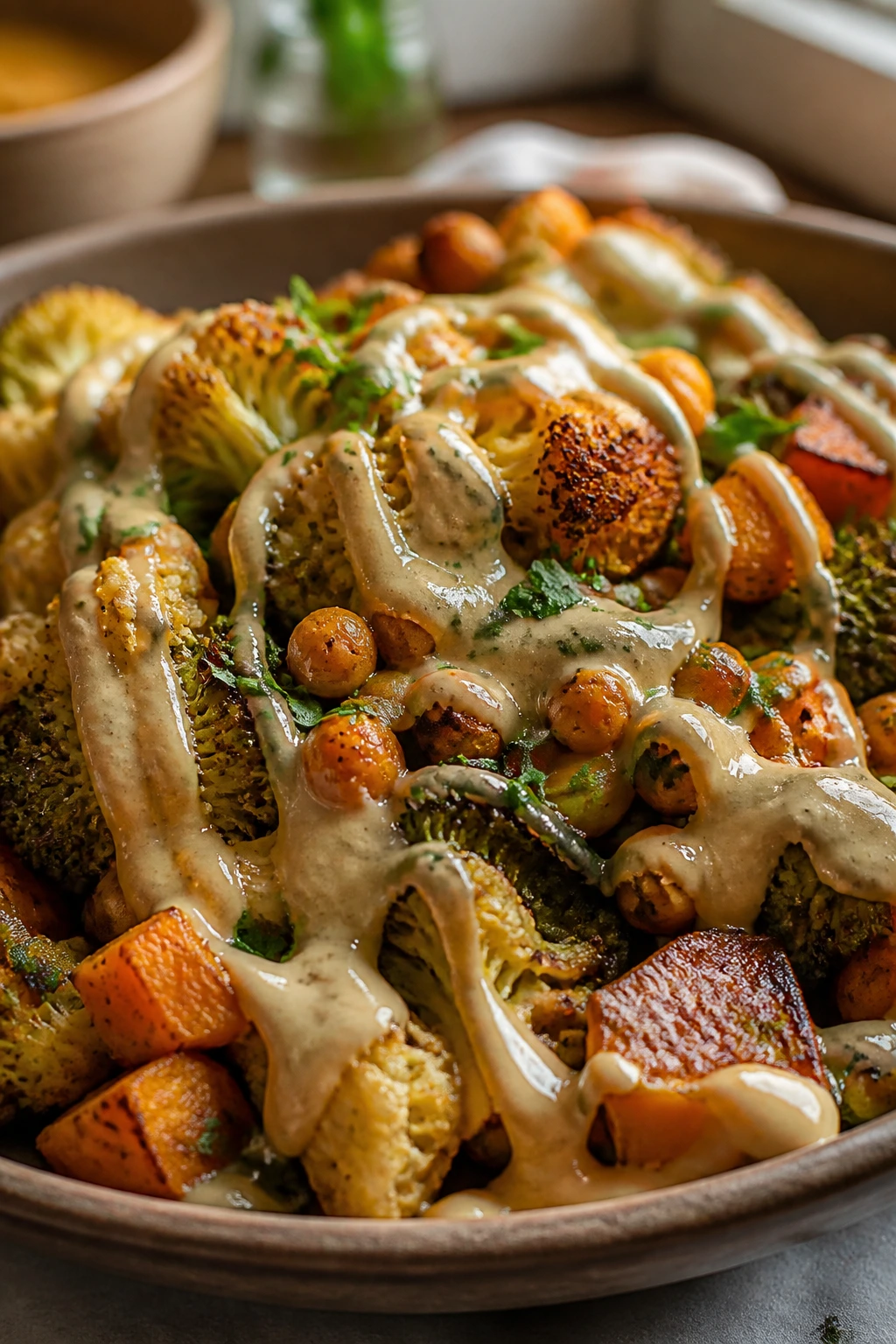
Sauce is not decoration. Sauce is the thing that tells the rest of the plate what to do. A good vegan fast-food dinner often lives or dies by the sauce because the base ingredients are clean and decent, which is exactly why they need a little push.
Creamy Sauces
A creamy sauce gives you the burger-shop or taco-truck feeling without needing dairy. Vegan mayo, cashew cream, tahini, silken tofu, or coconut yogurt can all do the job. The best versions are not thick enough to sit there like frosting. They should spread and cling.
A fast burger sauce can be as simple as 3 tablespoons vegan mayo, 1 tablespoon ketchup, 1 teaspoon pickle brine, and a pinch of smoked paprika. A tahini sauce can go 2 tablespoons tahini, 1 tablespoon lemon juice, 1 small grated garlic clove, and 1 to 2 tablespoons water to thin it. The lemon keeps the tahini from feeling pasty.
Bright Sauces
Bright sauces are what keep a bowl or wrap from tasting heavy. Lemon-herb dressings, salsa verde, chimichurri, lime-tahini, and green goddess-style sauces all wake up roasted vegetables in a way salt alone cannot. They also make leftovers taste more alive the next day.
A bright sauce should taste a little too sharp on its own. That’s not a mistake. Once it hits warm rice or tofu, it settles into the right place. If it tastes mellow in the bowl, it will taste flat on the plate.
Spicy Sauces
Spice is useful, but only if it has a base. Hot sauce with nothing under it can flatten a meal. Chili crisp, chipotle sauce, harissa, gochujang, or sriracha mixed with something creamy all give better results because they coat the food and stick.
I like to add heat at the end rather than cooking everything with it. That keeps the rest of the plate open and lets different eaters dial up their own bite. One person can go heavy. Another can keep it mild. That matters on a mixed table.
Fresh Sauces
Fresh sauces are the ones with herbs, scallions, citrus, cucumber, or blended greens in them. They make the plate taste like it was made from ingredients, not built from pantry sameness. A rough herb sauce with parsley, cilantro, lemon, olive oil, garlic, and salt can rescue roasted vegetables that need a lift.
Store-bought sauce is fine, too. The fix is often tiny: a squeeze of lemon, a spoon of pickle brine, or chopped herbs stirred in at the end. That single move can turn a jar into something that tastes like it belongs on the plate.
Burger Night, Bowl Night, Wrap Night, and Taco Night
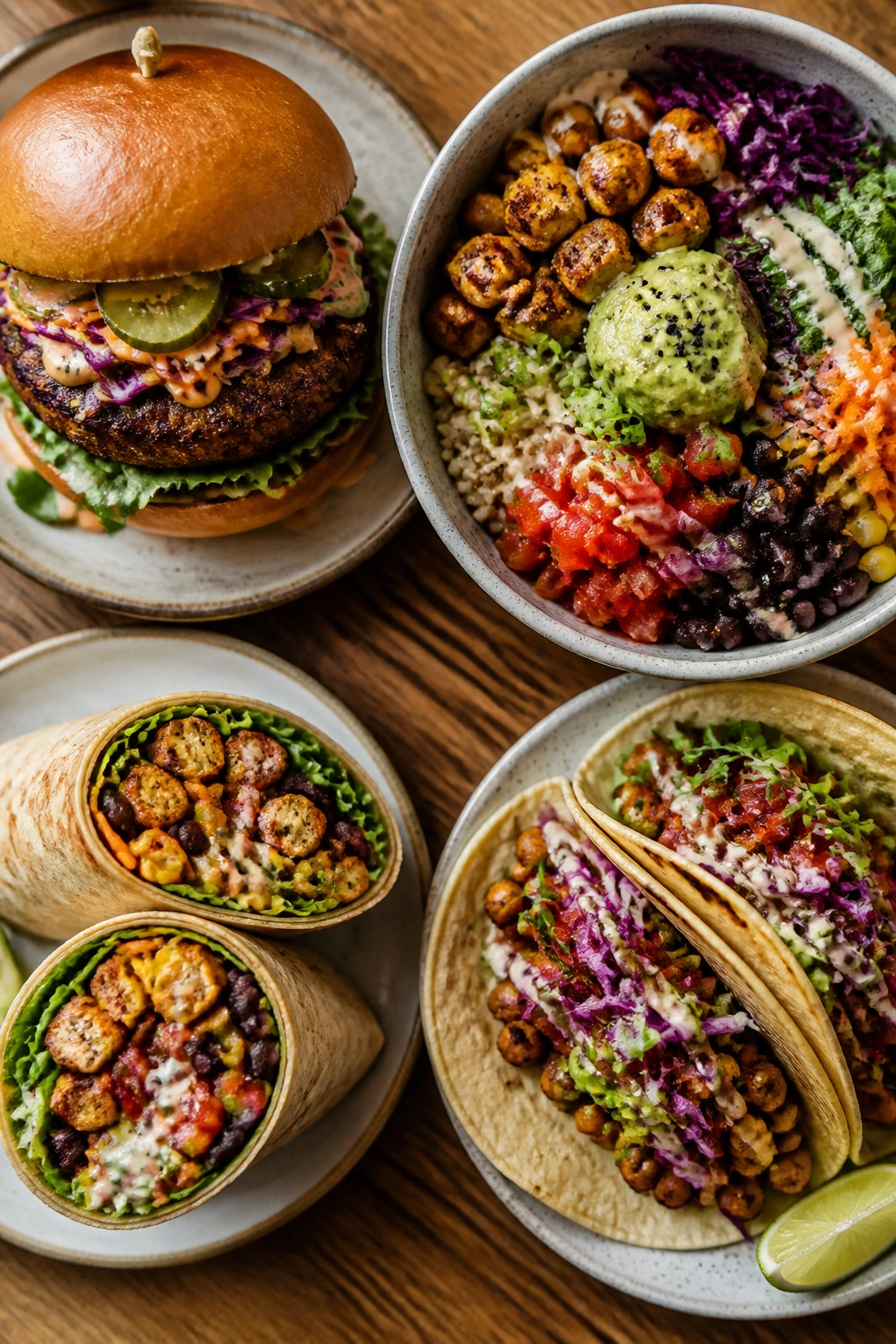
A weeknight dinner does not need to be a blank page every time. Some formats work because they already know how to hold flavors together. Burger night, bowl night, wrap night, and taco night are the ones I keep coming back to because they let you use the same ingredients in different shapes.
Burger Night
A vegan burger night works best when the patty is not trying to be a fake version of something else. Black bean-mushroom patties, chickpea patties, or a sturdy store-bought plant burger all work, as long as the bun is toasted and the toppings bring crunch. I like shredded cabbage or slaw more than iceberg lettuce because it stays crisp and has more body.
Serve the burger with oven wedges or a quick cucumber salad. If you want it to feel like drive-thru food, give it pickles, mustard, and a burger sauce. If you want it to feel lighter, swap the bun for lettuce cups and keep the potatoes on the side. Same flavor family. Different mood.
Bowl Night
A bowl is the cleanest way to use leftovers without looking like leftovers. Start with rice, quinoa, or greens, add roasted vegetables, fold in protein, then finish with something sharp: pickled onions, citrus, salsa, or a tangy sauce. The bowl should look layered, not crowded.
The trick is to avoid one giant mixed heap. Layering matters because it gives you hot, warm, and cool bites inside the same bowl. A spoonful of avocado or tahini on top helps, but it should not drown the rest. If the sauce hits every inch, you lose the contrast that makes the bowl interesting.
Wrap Night
Wraps are excellent when you want dinner to travel from plate to hand without falling apart. Warm the tortilla first, then add a thin layer of sauce or hummus before the sturdy fillings. That little adhesive layer helps keep the wrap from unraveling at the seam.
I like wraps with tofu strips, shredded cabbage, cucumber, pickled onions, and a chili-lime sauce. The cool crunch matters because wraps can turn soft fast. Keep the wettest ingredients in the middle, not against the tortilla, and you’ll get a cleaner bite.
Taco Night
Tacos are almost unfairly useful here. You can use beans, mushrooms, jackfruit if you like it, roasted cauliflower, or a mix of all three. Warm corn tortillas are better than cold ones, and a quick char over a gas flame or dry skillet makes a big difference.
Taco night wants color. Cabbage, cilantro, onion, lime, salsa, and avocado keep the meal bright even when the filling is smoky. If the filling is soft, add pepitas or a crunchy slaw. If the filling is crisp, keep the topping cool and juicy. The plate will sort itself out.
How to Keep It Healthy Without Making It Dry
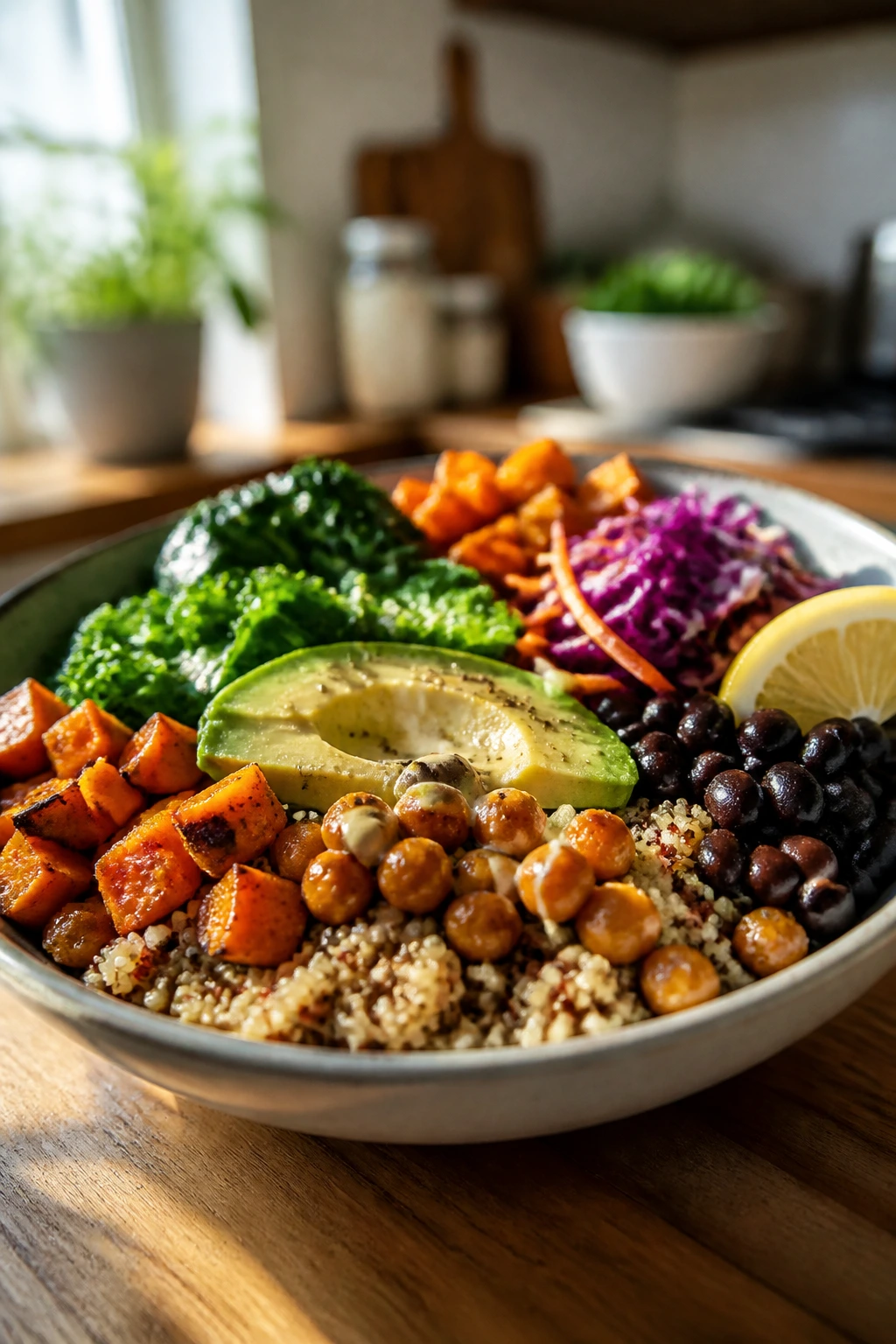
Healthy dinners fail when they get stripped down to the point of being dull. That’s the trap. People remove oil, salt, texture, and sauce at the same time, then wonder why they’re hungry again in an hour. Fresh vegan fast food should be lighter than deep-fried takeout, but it still needs enough richness to feel like dinner.
USDA MyPlate and Harvard’s Healthy Eating Plate both point toward a shape that works nicely here: a big vegetable share, a visible protein, and a sensible starch. That pattern is useful because it gives you structure without forcing you to count every bite. The vegetables do not need to be plain. A bowl of cabbage with lime and salt counts. So does roasted broccoli with sesame oil and garlic.
The easiest health move is to keep the vegetables in play without turning them into a side note. A burger with slaw, tomato, and onions has a different nutritional profile than a burger with one lonely leaf of lettuce. A bowl with roasted carrots, greens, and beans is not the same thing as rice with sauce on top. The ingredient list matters less than the amount and the way you use it.
Sodium is worth paying attention to, especially if you lean on vegan mayo, plant burgers, pickles, soy sauce, and packaged sauces. That does not mean avoiding those foods. It means balancing them. If your protein is salty, let the slaw be plain and crunchy. If your sauce is rich, let the vegetables be bright. Rinsing canned beans for 20 to 30 seconds under cold water helps too. Small moves. Big difference.
Oil is another place people swing too hard. You do not need much to get browning. One tablespoon in a hot skillet often does the job for a good-size batch of tofu or vegetables, and sheet-pan meals usually need even less if the pieces are cut evenly. Enough oil for color is useful. Enough oil to soak the plate is not.
The Fastest Ways to Cook: Sheet Pan, Skillet, Air Fryer, and Broiler
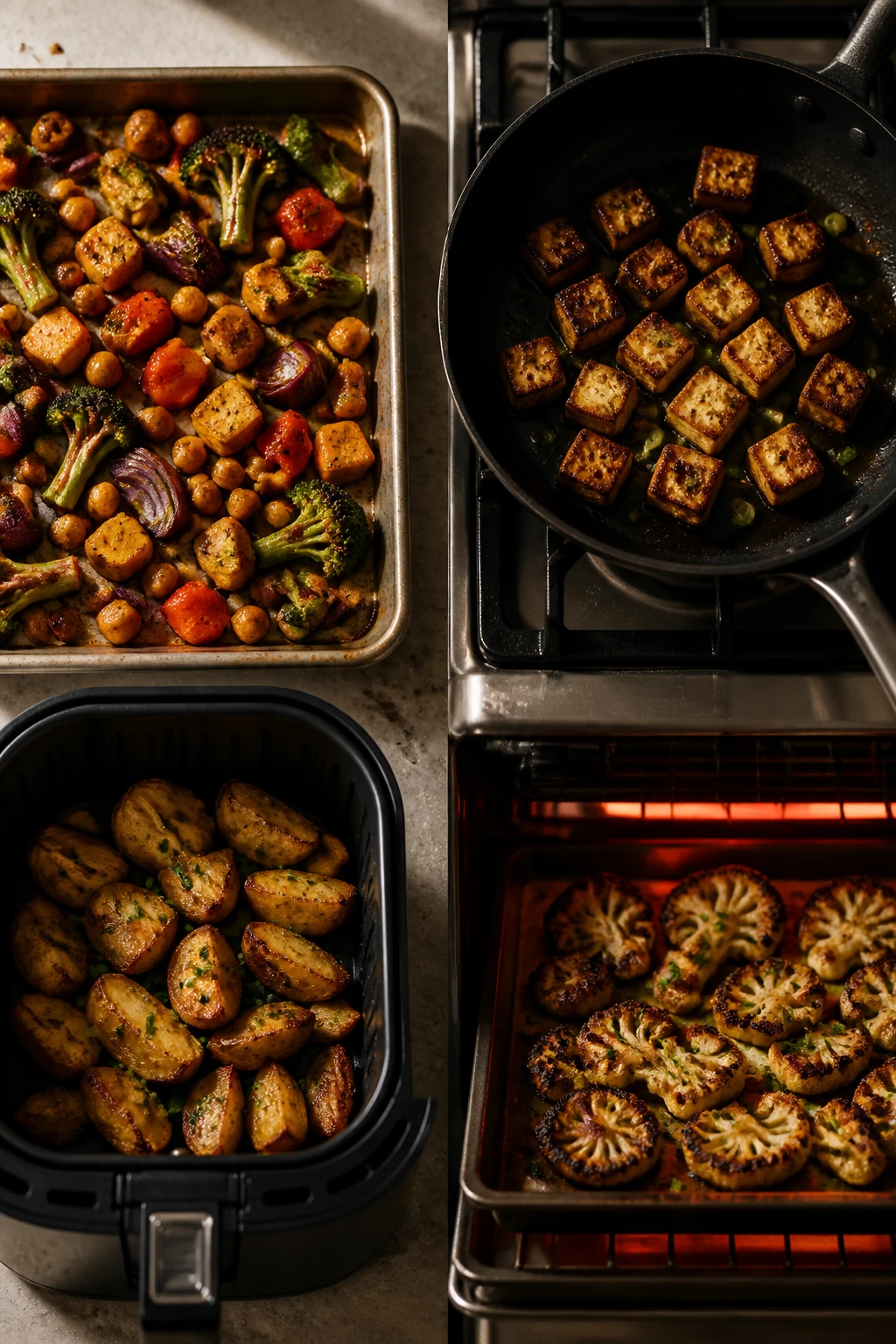
Sheet pan cooking buys you time because the oven keeps working while you do literally anything else. Skillet cooking gives you the best browning in the shortest stretch. Air fryers are useful when you want crisp edges without much oil. The broiler is the wild one — fast, dramatic, and best watched closely.
Sheet Pan
Use the sheet pan when you want roasted vegetables, tofu, potatoes, or chickpeas to finish together. A 425°F oven is a good default. Give the pan enough space, toss once halfway through, and expect most things to be done in 20 to 30 minutes depending on size.
The pan works best when the pieces are cut evenly. Tiny florets roast faster than big ones. Tofu cubes crisp better when they are not packed in. If the vegetables are steaming instead of browning, the tray is too crowded.
Skillet
The skillet is the fastest route to color. Medium-high heat, a little oil, and a dry surface are the basics. Tofu, tempeh, mushrooms, seitan, and burger patties all benefit from a hot pan because that is where you get the browned edges that make fast food taste cooked instead of assembled.
Don’t keep poking the food. Let the crust form. If you move tofu too early, it sticks and tears. If you flip mushrooms too often, they release liquid and steam themselves. Patience for 2 minutes is usually enough.
Air Fryer
The air fryer is useful for little things that need crisping: tofu bites, fries, cauliflower florets, chickpeas, and breaded plant cutlets. It can run hot and dry, so a light coat of oil is usually enough. I like 375°F to 400°F depending on what’s inside the basket.
The basket should not be jammed. Air needs room to move. Give it a shake halfway through so the food browns evenly. If you overfill it, the food cooks, but it won’t crisp, and that’s the whole reason you used it.
Broiler
The broiler is the finishing tool. It works for melting vegan cheese, blistering tortilla edges, charring peppers, and browning the tops of bowls or flatbreads. It is fast enough to burn things in under a minute, so you cannot wander off.
Use it when you want a little drama at the end. Keep the rack a sensible distance from the element and watch the food like it owes you money. The broiler is not the place for multitasking.
Smart Tips for Better Flavor and Faster Assembly
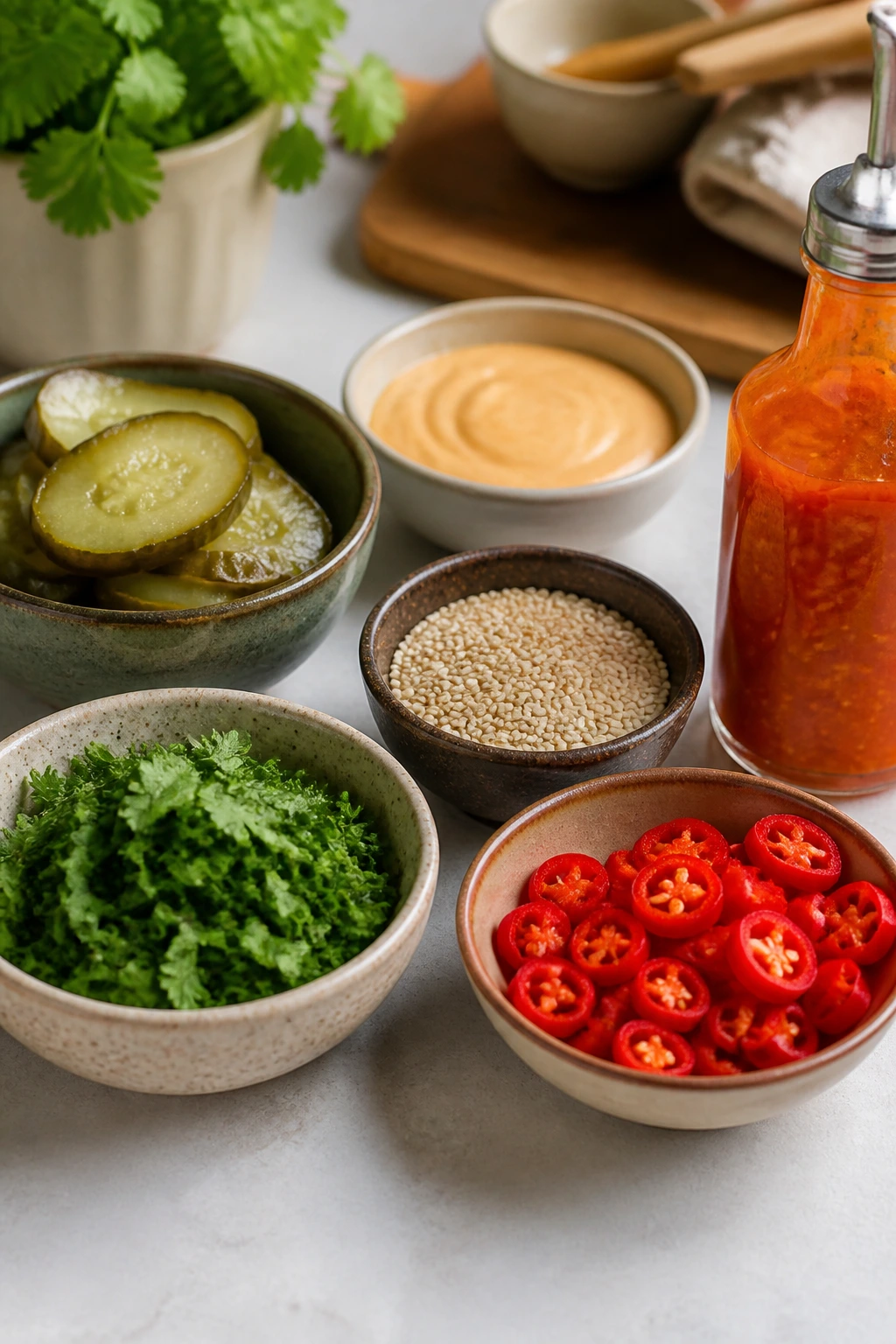
Flavor Enhancement: Add acid at the end instead of relying on salt alone. A squeeze of lime over beans, a spoon of pickle brine in burger sauce, or lemon over roasted broccoli can change the whole dinner in ten seconds.
Time-Saver: Keep one crunchy vegetable ready in the fridge. Shredded cabbage holds up for days, sliced cucumbers stay useful for wraps, and washed greens make bowls and tacos come together without extra knife work.
Cost-Saver: Build around beans, potatoes, rice, tofu, and cabbage. Those ingredients can carry a whole dinner, and they do not need much help. Spend your money on one strong sauce or one good herb if you want a little polish.
Pro Move: Toast the starch before you fill it. That means buns, tortillas, pita, and even cooked rice if you’re stir-frying. Heat creates structure. Structure keeps the meal from collapsing.
Make-It-Yours: Set up a toppings tray. Pickles, chopped herbs, sliced chilies, sesame seeds, green onion, and hot sauce let everyone steer their own plate. It also solves the “I want mine plain” problem without making a separate dinner.
Another thing that helps: cook one element a little darker than you think you should. The browned edge on tofu, the dark tip on a roasted onion, the char on a tortilla — that’s the part that tastes like fast food in the best sense.
Common Mistakes That Drain the Flavor Out of Vegan Fast Food
-
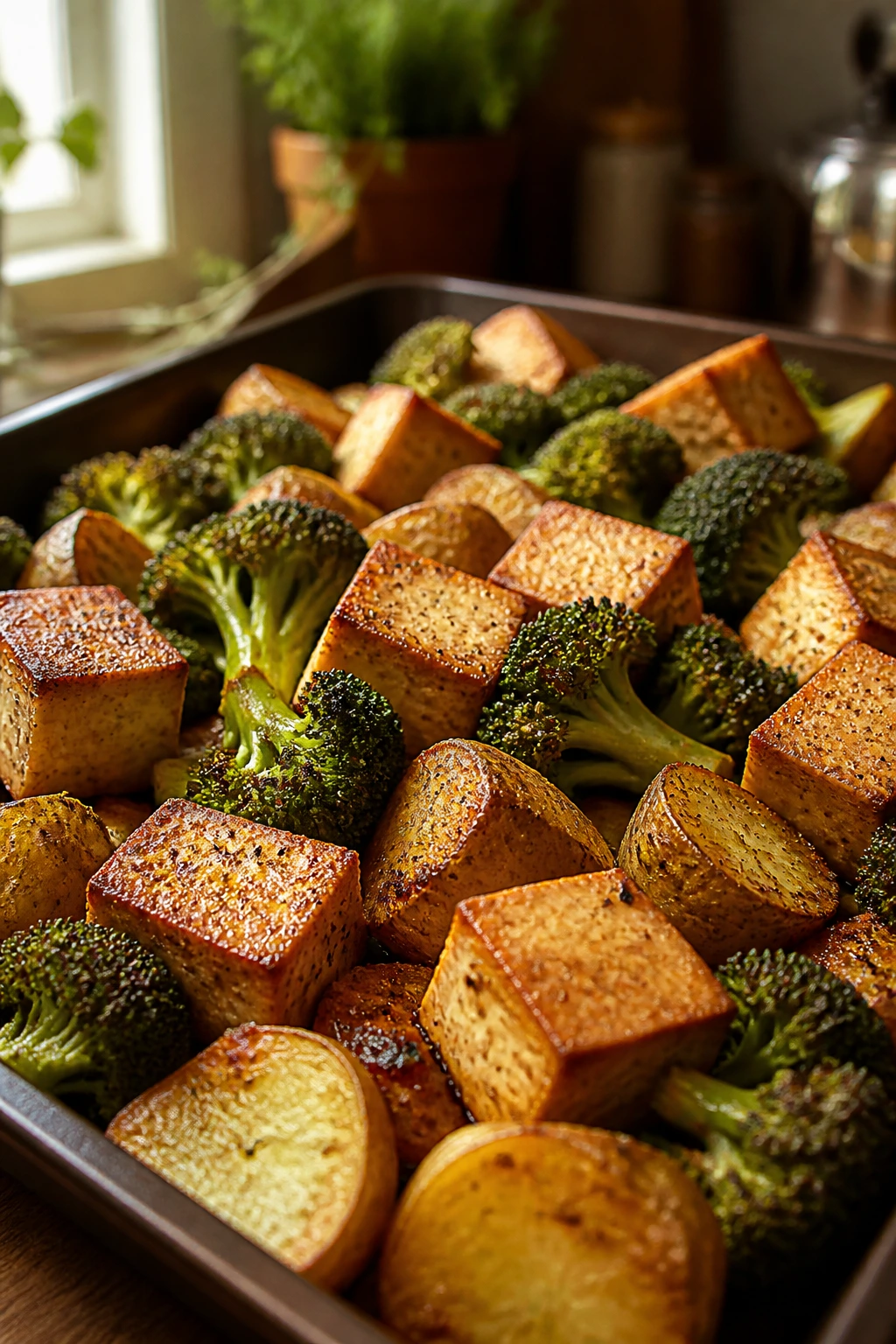
Skipping browning: Pale tofu, soft mushrooms, and under-roasted potatoes all taste flat. The fix is heat and space — hot pan, hot oven, or hot air fryer, with room around the pieces so they can color instead of steam.
-
Overloading the plate with soft textures: If the bun, patty, sauce, avocado, and beans are all soft, dinner turns into a mush pile fast. Add cabbage, pickles, toasted bread, nuts, or something crisp to break that up.
-
Saucing too early: Wet sauce on hot fries or a wrap that sits for 15 minutes will collapse the texture. Keep sauce separate until the last moment if crispness matters. Drizzle, don’t flood.
-
Under-seasoning the protein: People often season the final plate and forget the tofu or beans underneath. Salt the protein before cooking, then taste the finished plate and adjust at the end. The middle should not be blank.
-
Crowding the pan: Too much food in one skillet or on one tray means steam, not browning. Use a second sheet pan if you need to. It costs one more dish, not one more disaster.
-
Forgetting acid and crunch: A meal can be filling and still feel dull. Pickles, lemon, lime, slaw, herbs, and crunchy seeds keep the last bite from tasting like the first one repeated six times.
Fresh Twists and Swaps for Different Cravings
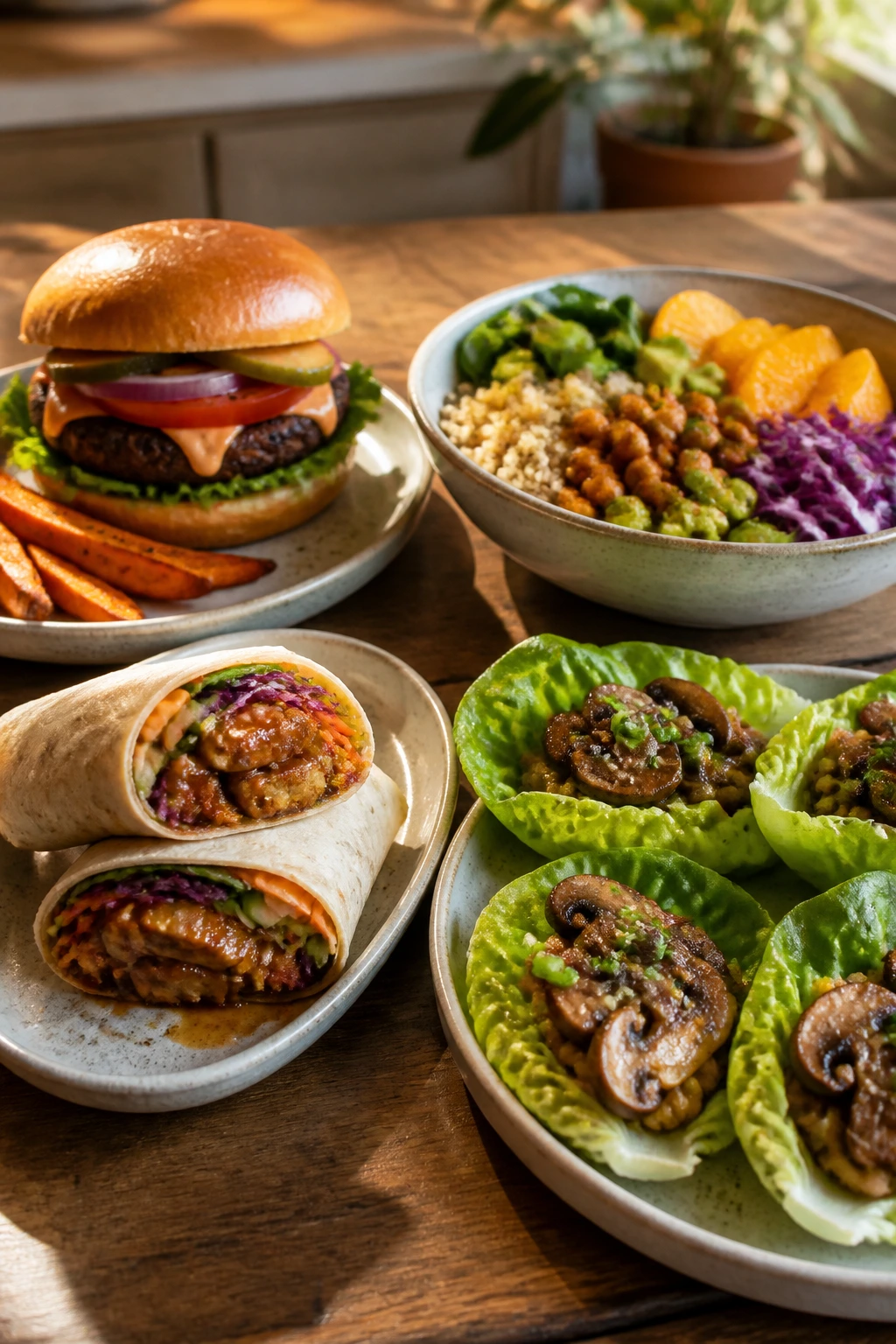
Smoky Burger Shop Night: Use a black bean and mushroom patty, add pickles, mustard, shredded cabbage, and a smoky burger sauce. Serve it with wedges dusted in paprika. It scratches the greasy-spoon itch without needing a deep fryer.
Bright Citrus Bowl: Start with quinoa or rice, add roasted cauliflower, chickpeas, cucumber, avocado, and a lemon-herb dressing. This version feels lighter and cleaner, but it still needs enough salt to taste like dinner, not a salad bar accident.
Sticky Sesame Wrap: Fill warm tortillas with tofu, shredded carrot, cucumber, cabbage, and a sesame-ginger sauce. The sweetness should stay restrained. What you want is glossy, not sugary.
Low-Carb Crunch Plate: Use lettuce cups, roasted mushrooms, avocado, and a handful of seeds or chopped peanuts. This works best when the protein is aggressively seasoned and the herbs are generous. The plate needs bite, not just space.
Budget Pantry Dinner: Lean on canned beans, rice, cabbage, salsa, and a simple vegan mayo or tahini sauce. This is the version I keep in my back pocket when the fridge is half-empty. It is cheap, fast, and still tastes like a plan.
Kid-Friendly Version: Keep the spice low, toast the bun or tortilla, and offer toppings on the side. Kids often eat more willingly when the parts are separate and the sauce is mild. The same dinner can be yours with hot sauce after the plates hit the table.
Tools and Pantry Basics That Make Weeknight Assembly Easier
-
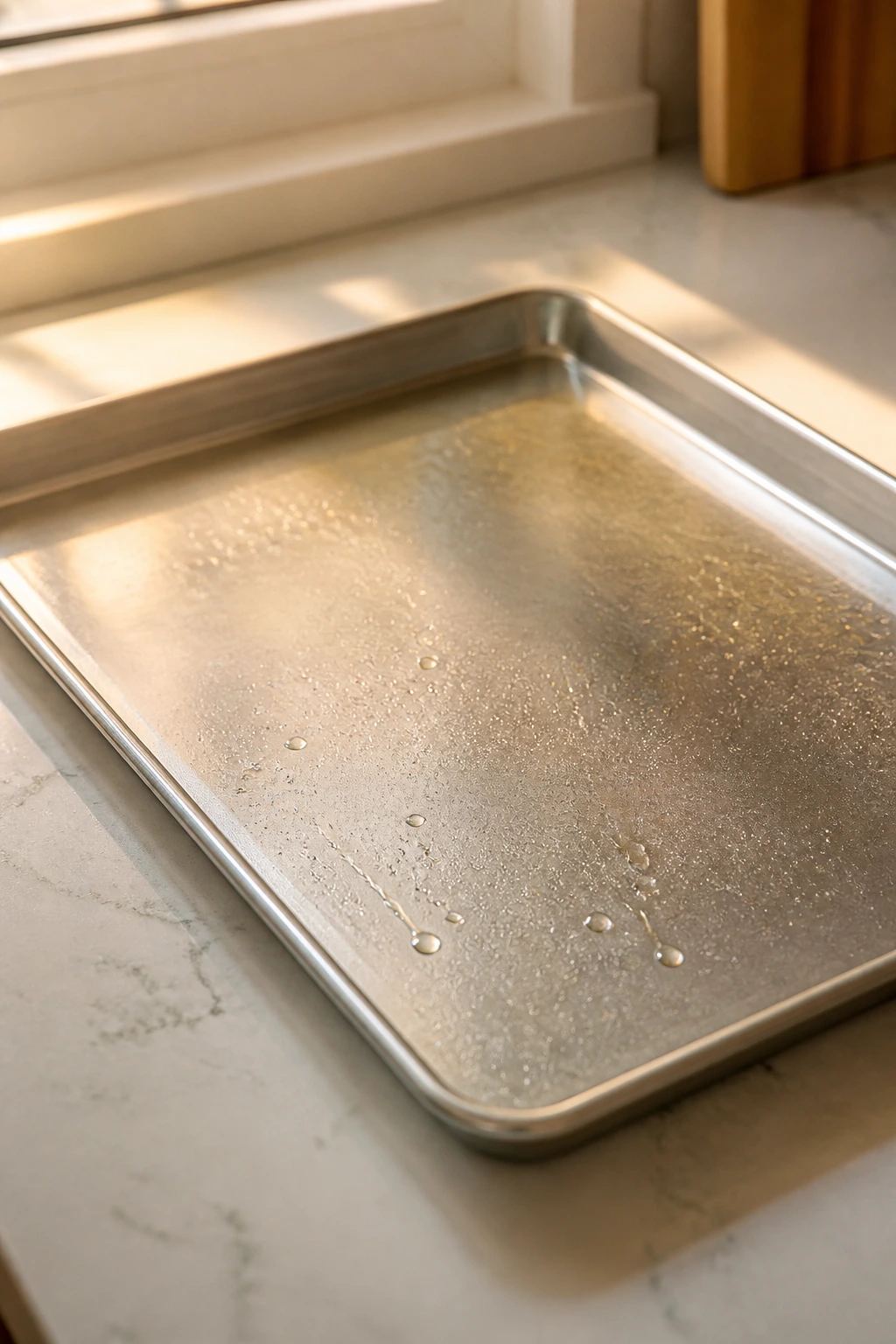
Rimmed sheet pan: Essential for roasting vegetables, tofu, and potatoes without spills; the rim catches oil and keeps the oven cleaner.
-
Cast-iron or heavy skillet: Best for browning tofu, searing burgers, and getting color on mushrooms; a thin pan cools too fast.
-
Air fryer: Optional, but excellent for crisp tofu, fries, and chickpeas with less oil and a shorter cook time.
-
Chef’s knife: A sharp knife speeds up cabbage, onions, herbs, and vegetables, and it makes the prep feel less like a chore.
-
Cutting board with a towel under it: Simple, but it keeps the board from skating around when you’re chopping fast.
-
Tongs: Useful for turning tofu, tossing roasted vegetables, and handling hot tortillas without tearing them.
-
Blender or immersion blender: Handy for smooth sauces like cashew crema, tahini dressing, or herb sauce; an immersion blender saves on cleanup.
-
Microplane or fine grater: Good for garlic, citrus zest, ginger, and onion when you want flavor to disappear into a sauce.
-
Small bowls: Worth it for prepped toppings, sauces, and spices; once everything is divided, dinner moves faster.
-
Storage containers with tight lids: Keep cooked components separate so the lettuce, sauce, and protein each hold their shape.
-
Canned beans, rice, tortillas, pickles, tahini, vegan mayo, soy sauce, lemons, and cabbage: Not tools, exactly, but they are the pantry backbone of this style. Keep them around and dinner gets easier overnight.
Make-Ahead, Storage, and Reheating That Preserve Texture
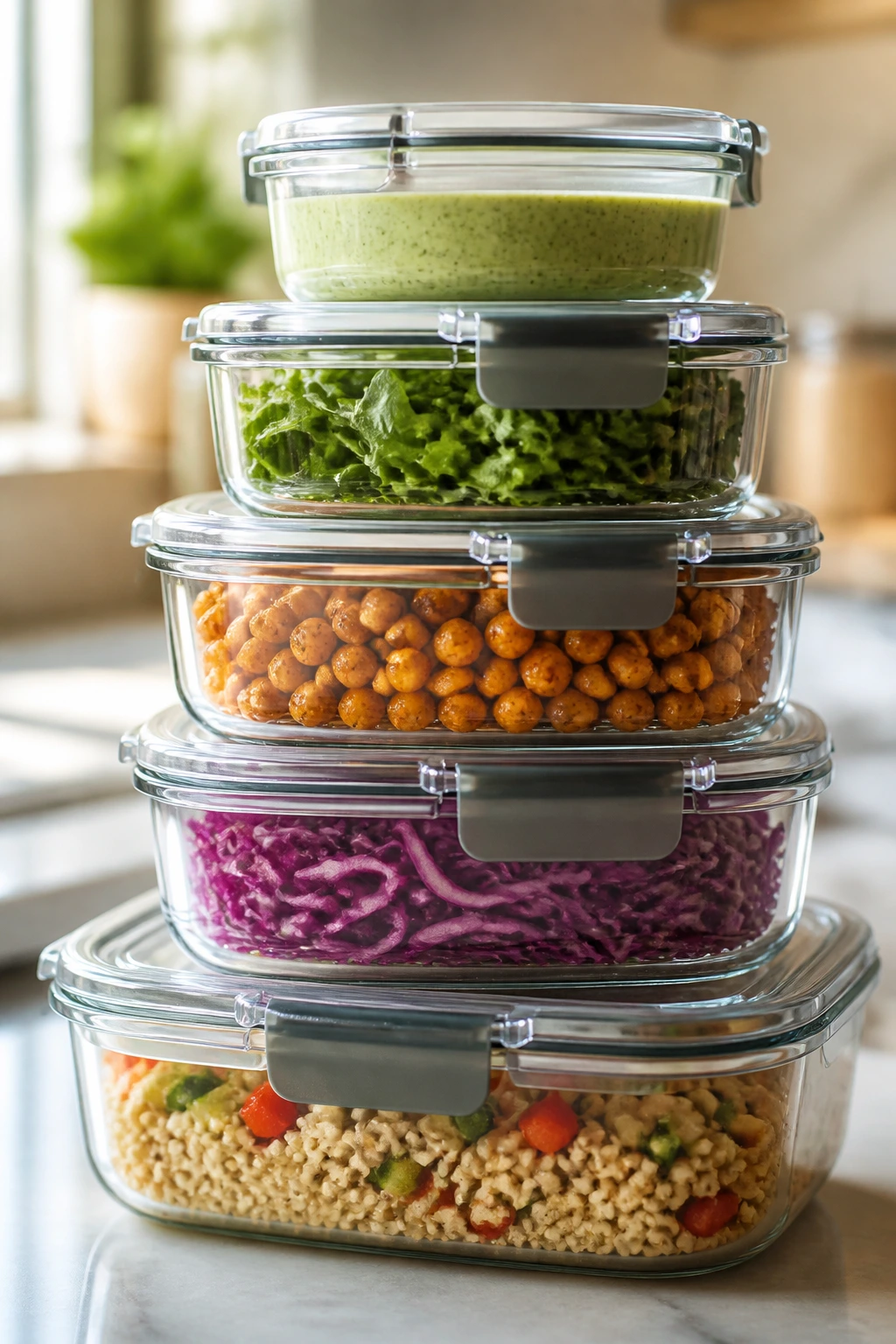
The best part about this style of cooking is that the parts hold up separately, even if the full assembled meal does not. Cooked tofu, tempeh, beans, grains, and sauces can all live in the fridge for a few days, which means tomorrow’s dinner is already halfway done. The key is to keep wet things away from dry things until the last minute.
Cooked tofu, tempeh, chickpeas, and black beans usually keep well for 3 to 4 days refrigerated in airtight containers. Roasted vegetables are in the same range, though very delicate ones like zucchini can soften faster. Cooked rice, quinoa, or noodles usually hold for up to 4 days if cooled quickly and stored properly. If you want to freeze beans, tofu, or grains, up to 2 months is a sensible ceiling for good texture.
Sauces need a little judgment. Creamy sauces based on tahini, vegan mayo, or cashews usually stay useful for 4 to 5 days in the fridge. Herb-heavy sauces are brightest in the first 2 to 3 days because the greens can darken and the garlic gets sharper. If a sauce separates, whisk in a teaspoon of water or lemon juice and it usually comes back together.
Reheating should match the texture you want to save. Crisp tofu, wedges, and roasted vegetables are best in a 400°F oven for 8 to 12 minutes or in the air fryer for 3 to 6 minutes. A skillet over medium heat works too, especially for patties or mushrooms. Microwaves are fine for grains and beans, but they soften crispy things fast, so keep them for the parts that are already soft.
Assembled wraps and burgers do not love the fridge. Their components do. Store the filling, bread, and sauce separately, then assemble right before eating. Slaw is best undressed if you want it to stay crunchy for more than a day. If it’s already dressed, plan to eat it within 1 to 2 days. Cold potato wedges are the least forgiving piece, so if those matter, make them last or re-crisp them aggressively.
Answers to the Questions People Actually Ask

Can fresh vegan fast food really be filling enough for dinner?
Yes, if you build it with a real protein and a real starch, not just vegetables with dressing. Beans, tofu, tempeh, or seitan give the meal staying power, and the carbs keep it from feeling stingy.
What’s the best plant protein if I only have 15 minutes?
Frozen edamame, canned beans, and pre-pressed tofu are the fastest. Tempeh is quick once sliced thin, and store-bought seitan can go from package to pan in minutes. The winner depends on what’s already in your fridge.
Do I need an air fryer to make this style work?
No. A hot skillet and a sheet pan cover almost everything. The air fryer is useful because it gives crisp edges with less oil, but it is a convenience tool, not a requirement.
How do I keep wraps and burgers from getting soggy?
Toast the bread or tortilla, keep wet sauces modest, and layer the lettuce or cabbage between the sauce and the bread when you can. Also, assemble at the last minute. Waiting is what usually ruins the texture.
Can I use frozen vegetables?
Absolutely. Frozen broccoli, cauliflower, edamame, and corn all work well, especially in bowls and sheet-pan dinners. Just dry them a little if they’re icy, and give them enough heat to drive off moisture.
What store-bought items are worth keeping around?
Vegan mayo, pickles, tortillas, canned beans, salsa, tahini, mustard, and a decent hot sauce earn their shelf space. They make the difference between “I have ingredients” and “I have dinner.”
How do I make this work for picky eaters?
Keep the components separate. Let people choose between a mild sauce and a spicy one, or a bun and a bowl, without turning the table into a negotiation. Familiar shapes help too — burgers, tacos, and wraps usually land better than a mystery bowl.
What if everything tastes flat even after seasoning?
You probably need acid, not more salt. Try lemon, lime, pickle brine, vinegar, salsa verde, or chopped pickles. If the food is already rich, a bright finish will wake it up faster than another pinch of salt.
Can I prep the parts ahead without losing freshness?
Yes, as long as you keep the wet and dry components apart. Cook the protein, grain, and vegetables ahead, chill them fast, and store sauces in separate containers. Assemble just before eating and the meal will feel fresher than most leftovers do.
A Dinner Pattern Worth Keeping
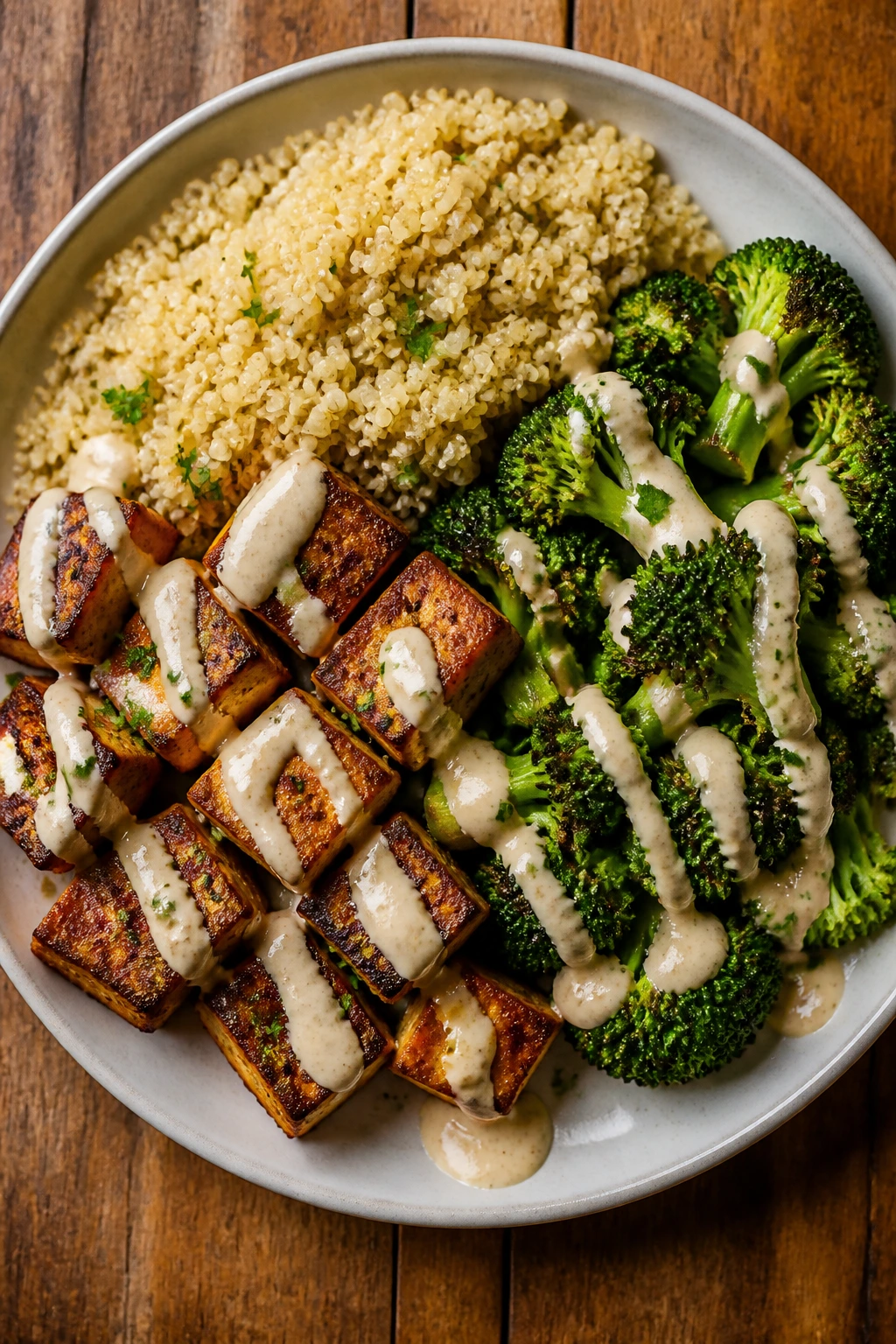
The best thing about fresh vegan fast food is not that it copies takeout. It doesn’t need to. The best thing is that it gives you a repeatable pattern: one browned protein, one sturdy carb, one crisp vegetable, one sharp sauce. Once those parts are in place, dinner stops feeling like a puzzle.
That pattern also gives you room to be lazy in the right places. Use canned beans. Buy the tortillas. Keep a jar of pickles in the fridge. Toast the bun, splash on the lemon, and let the hot pan do more of the work than your hands do. That is not cutting corners. That is cooking with a spine.
Keep the parts ready, and the whole thing gets easier the next time around. And the next.