



A cozy bowl of soup for cold winter nights is less a recipe than a small rescue mission. The good kind arrives steaming, smells like onion and broth before the spoon even touches it, and makes the whole room feel a little less sharp around the edges. The bowl matters. So does the temperature. So does the way the first sip hits your tongue with salt, fat, and a little sweetness from the vegetables.
The best winter soup is rarely the fanciest one. It is the one that tastes like it was built on purpose: a base with real backbone, vegetables cut to the right size, a starch or bean that gives the spoon something to chase, and a finish that wakes everything up with acid or herbs. A thin, vague pot can be hot and still feel disappointing. A good one feels thick enough to cling, but not so heavy that you need a nap afterward.
And yes, timing matters more than most people think. Garlic burns fast. Pasta turns soft if it sits too long. Greens need only a few minutes, not a dramatic monologue in the pot. Get those parts right, and a plain weeknight soup suddenly starts acting like dinner with a point of view.
Why a Cozy Bowl of Soup for Cold Winter Nights Feels So Satisfying
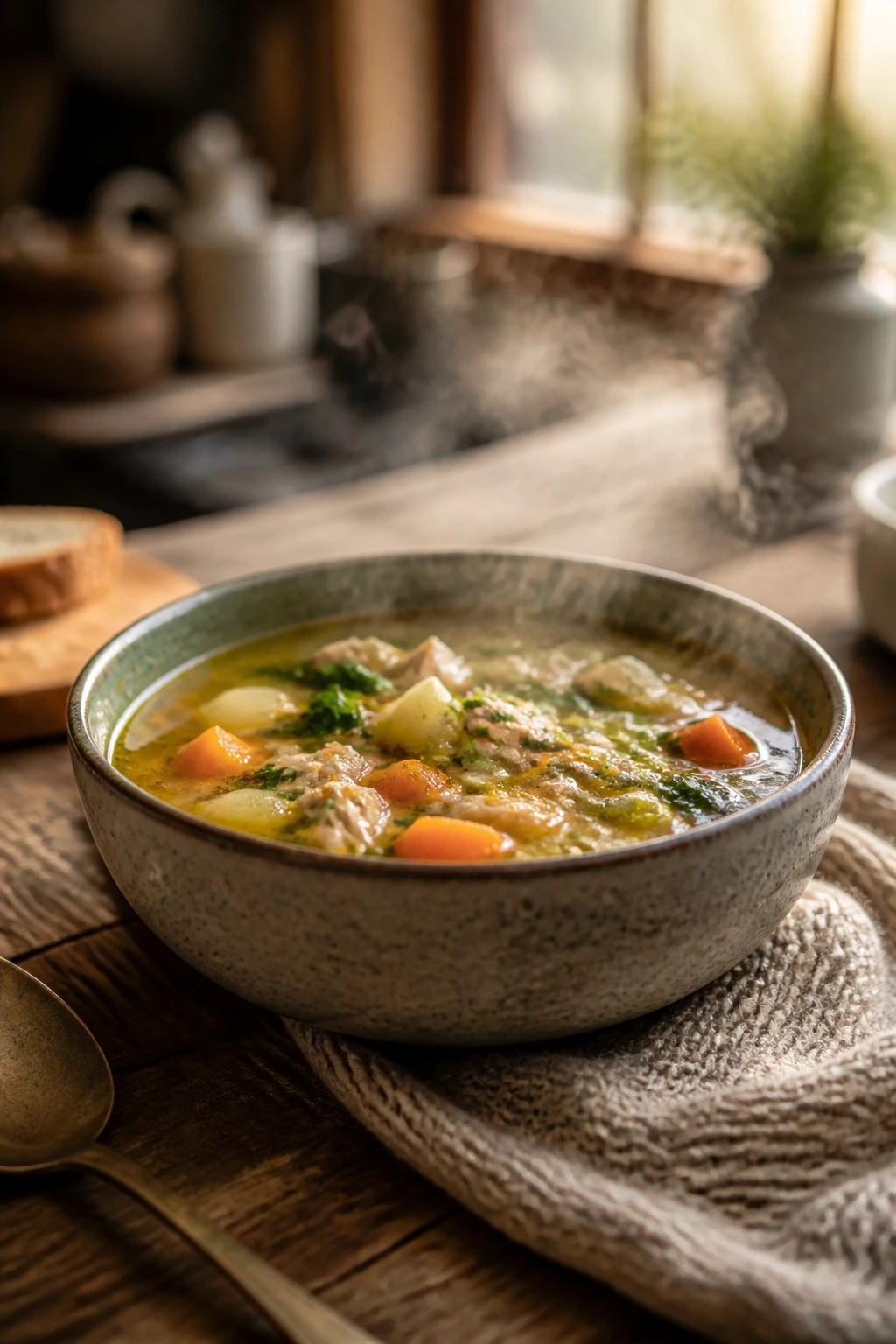
Fast warmth: A bowl of soup lands hot, aromatic, and easy to eat, which is a much faster comfort hit than anything that needs a knife and fork.
Built-in flexibility: You can make it lean with broth and vegetables, or turn it into a fuller meal with beans, chicken, potatoes, or noodles without changing the whole mood.
Leftovers that behave: Many winter soups taste deeper after a night in the fridge because the salt, starch, and aromatics settle into each other.
Budget-friendly backbone: Onion, carrot, celery, cabbage, potatoes, lentils, and beans all bring real body for very little money if you season them properly.
Texture control: You can keep the bowl brothy, mash a few potatoes or beans for thickness, or blend part of the pot if you want a silkier finish.
Easy to finish at the table: Bread, cheese, herbs, chili oil, or a squeeze of lemon can change the last spoonful without forcing you to start over.
Why a Cozy Bowl of Soup for Cold Winter Nights Hits Harder Than a Regular Dinner
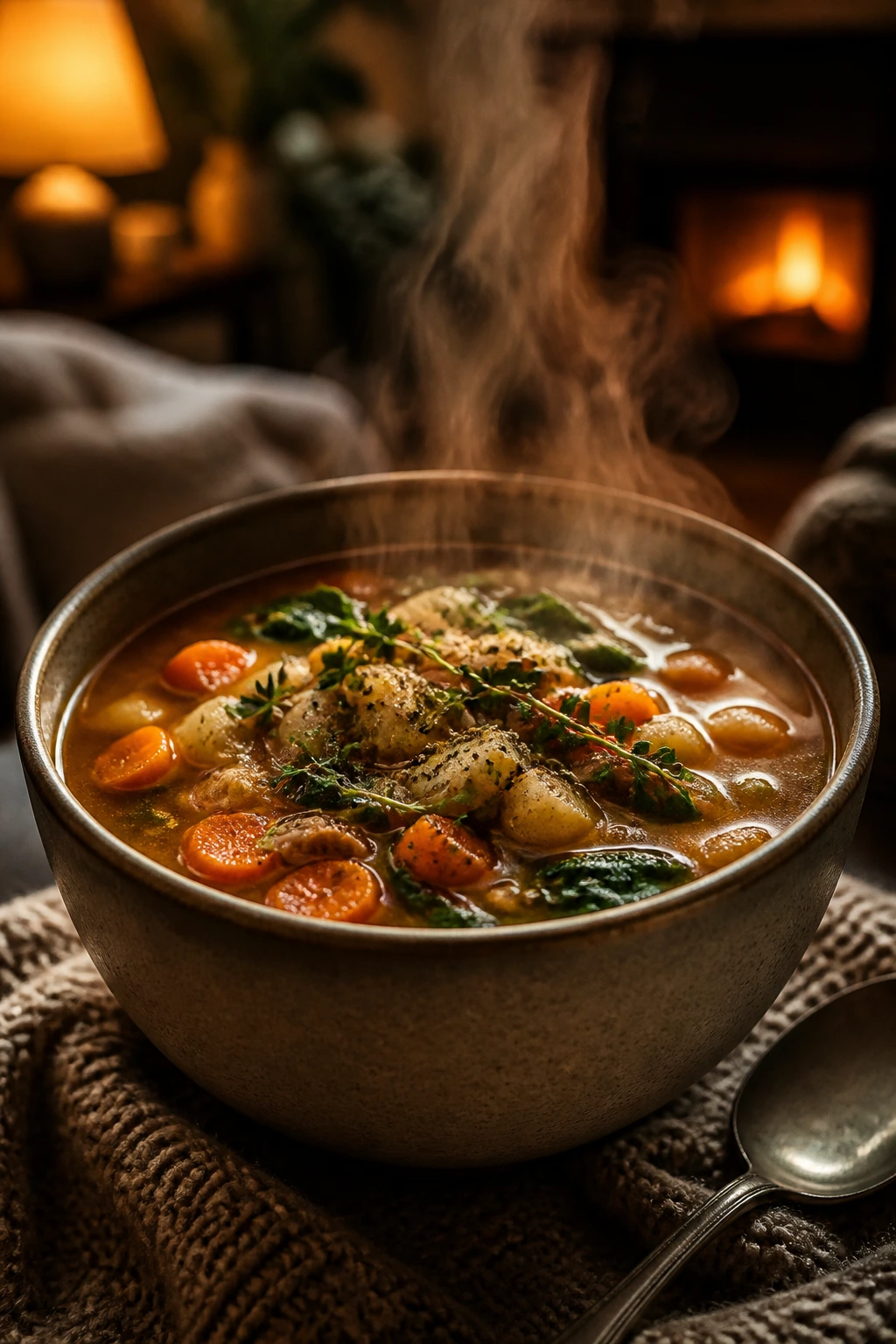
A hot bowl changes the room before it changes your appetite. Steam rises. The spoon warms in your hand. The first sip reaches your nose before it reaches your mouth, which is part of why soup feels more satisfying than it has any right to be. The smell matters almost as much as the flavor, and a good pot keeps sending up waves of onion, herbs, and broth while you eat.
There is also the matter of pace. Soup asks you to slow down in a way roasted chicken or pasta rarely does. You take a spoonful, then another, and the bowl stays hot long enough for the meal to feel calm instead of rushed. That matters on cold nights, when dinner should not feel like one more thing to power through.
A useful bowl of soup also solves the “what else is there?” problem. A loaf of bread, a spoonful of yogurt, a handful of herbs, or a grating of cheese can turn the same base into five different dinners. I like that a lot. Soup is one of the few meals where modest ingredients can still feel deliberate if the broth tastes like something and the texture has a little contrast.
Broth, Stock, and Water: The Liquid That Carries the Whole Pot
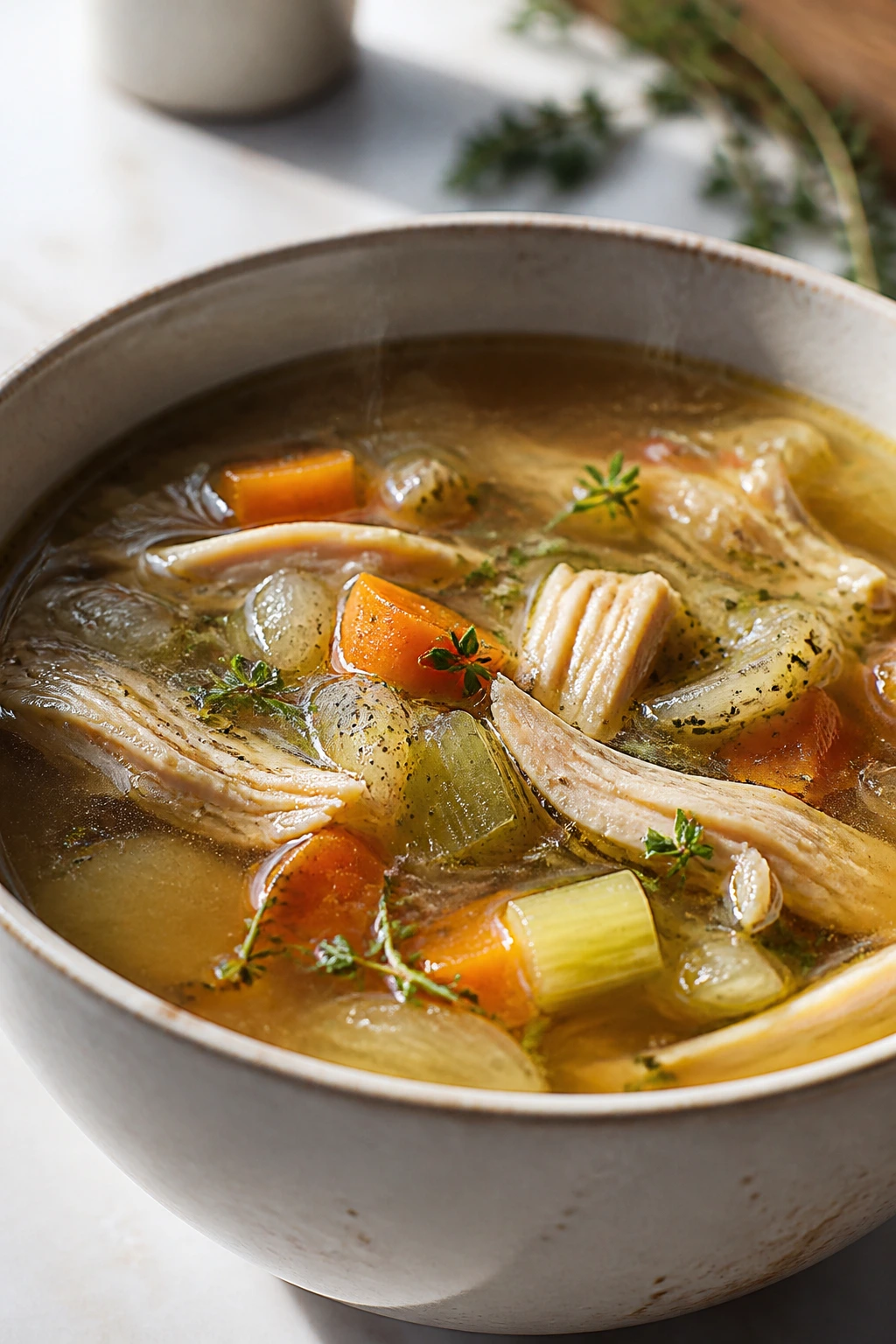
The liquid is the skeleton of the bowl. Get it right, and the rest has something to stand on. Get it wrong, and even a pile of good vegetables will taste vague.
Stock Has Body
Stock, especially one made from bones, brings more gelatin and a rounder mouthfeel. That extra body is why stock-based soup can feel satisfying even when the ingredient list is short. If you’ve ever noticed a broth that slightly coats the back of a spoon, that is the kind of texture you want for winter cooking.
Broth Stays Clean and Bright
Broth is lighter, clearer, and a little more direct. It works beautifully in chicken noodle soup, vegetable soup, and anything where you want the vegetables to stay in the foreground. Broth is also easier to nudge with small boosts: a spoonful of tomato paste, a Parmesan rind, a strip of kombu, or a splash of soy sauce can make it taste fuller without making it heavy.
Water Is Fine, If You Give It Something To Hold Onto
Water gets a bad reputation it does not always deserve. If your pot has enough onion, garlic, herbs, mushroom stems, tomato paste, beans, or bones, water can still become a respectable soup base. The trick is to build in depth early. A bare pot of water and chopped vegetables will taste like hot vegetables. A pot of water with browned onion, salt, and a little umami starts to feel intentional.
Hard boiling is the enemy here. Keep the pot at a lazy simmer, with a few bubbles breaking the surface every few seconds. A hard boil pushes fat into tiny droplets, clouds a clear broth, and can make chicken go stringy. A gentle simmer gives the liquid time to gather itself.
Aromatics That Make the Kitchen Smell Like Dinner
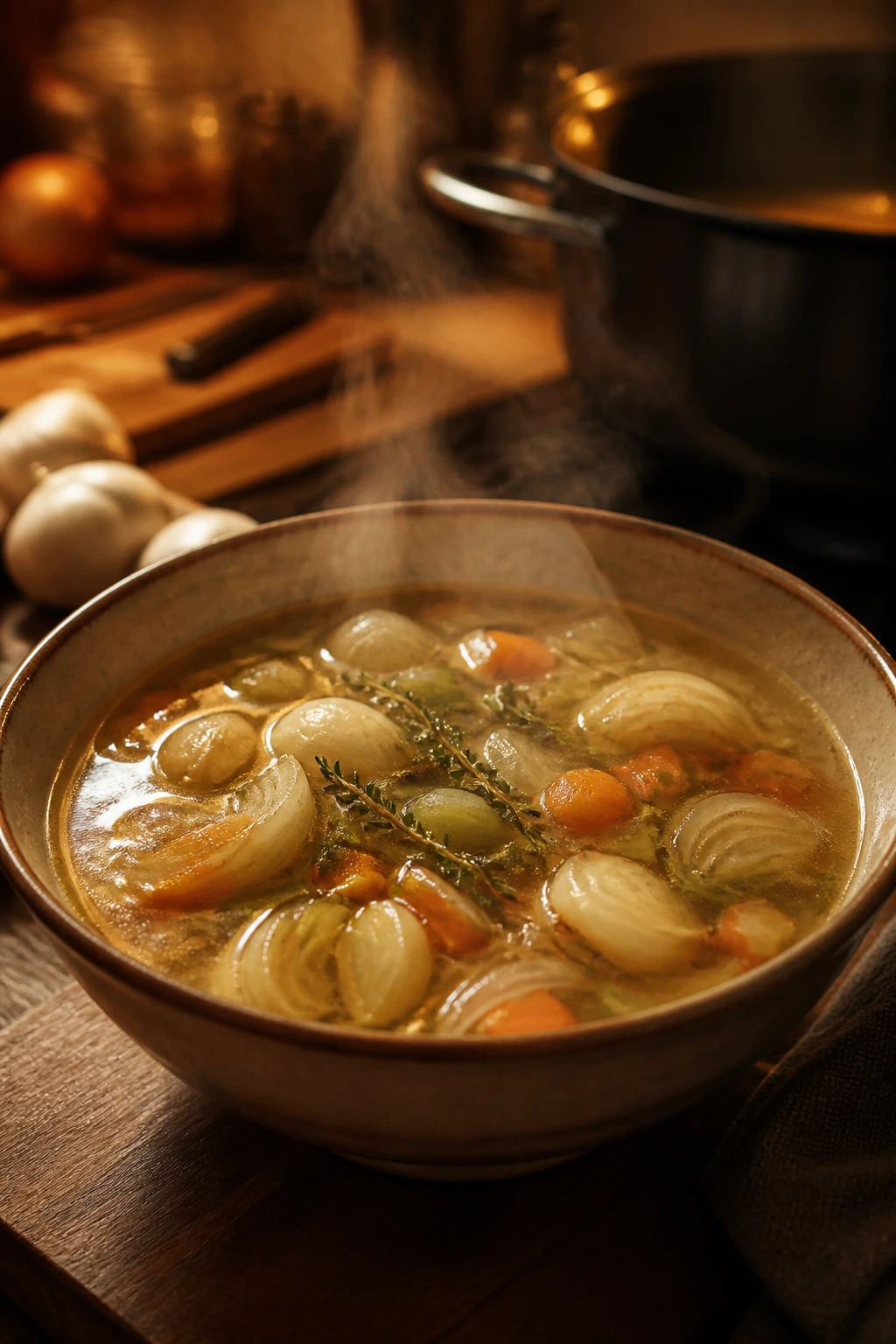
The first ten minutes decide a lot more than people admit. If the onion smells sweet and the garlic smells warm instead of harsh, you are already halfway to a bowl worth eating. If those aromatics burn, the whole pot carries the mistake.
Onion is the workhorse. Yellow onions bring sweetness when they soften; shallots lean a little more delicate; leeks taste softer and greener, but they need to be washed well because sand hides between the layers. Celery and carrot are the old standby pair for a reason. They do not shout, but they steady the broth and round out the smell.
Garlic needs a shorter leash. Add it after the onion has started to turn translucent, and keep the heat moderate. You want it fragrant, not brown. Brown garlic can taste bitter fast, and once that happens, there is no magic trick that fully hides it.
A lot of cooks rush this stage because it feels like nothing is happening. Something is happening. The onions are losing raw edge and picking up sweetness. The celery is softening and giving up its snap. The carrot is tinting the oil a little orange. That is the flavor foundation. Skip it, and the soup often tastes like the ingredients were all introduced at the same time.
Choosing the Main Body: Beans, Lentils, Chicken, Potatoes, or Pasta
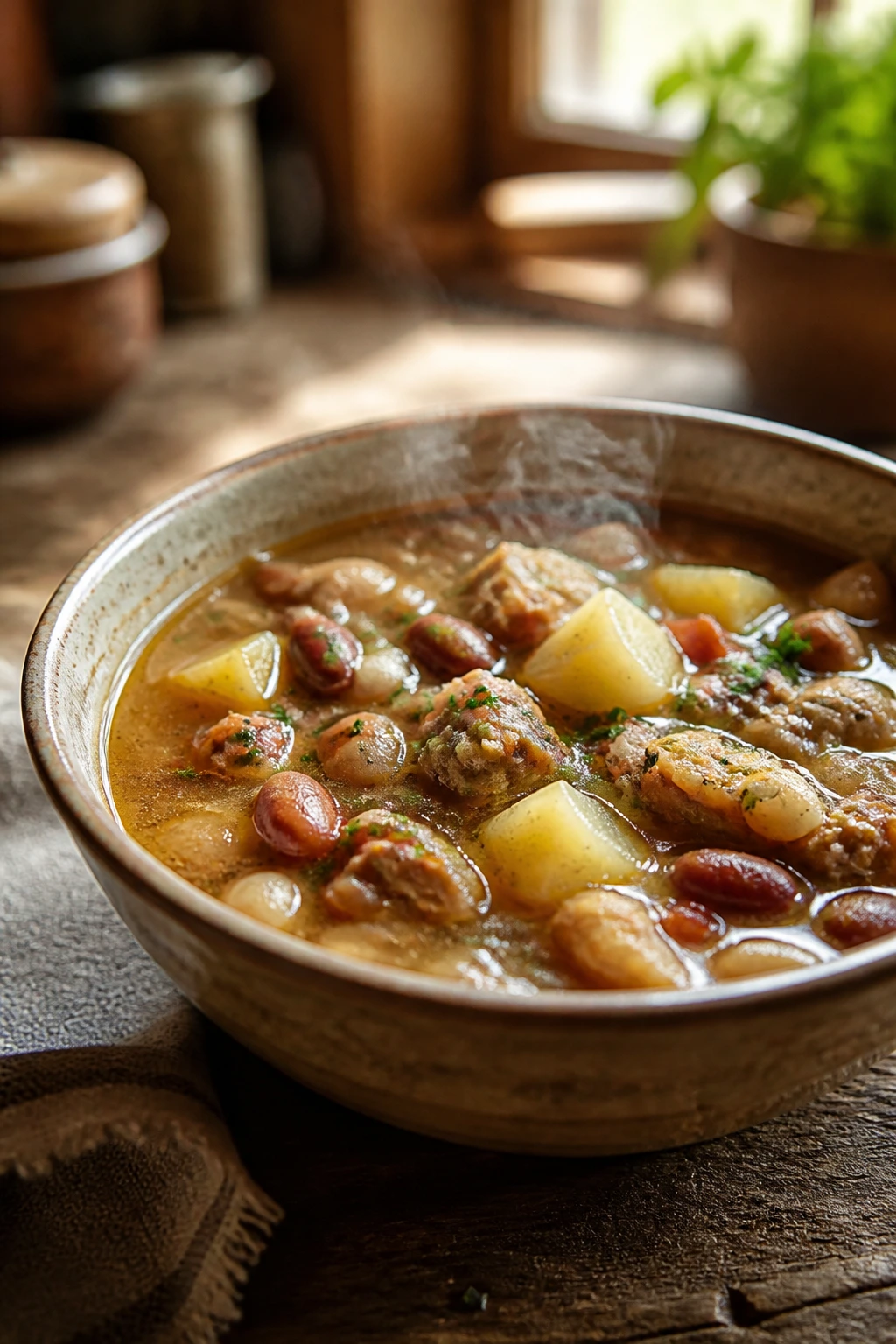
A cozy bowl needs something substantial in it. Not just as a garnish. A real core.
Beans and Lentils for Weight That Sticks With You
Beans are the easiest way to make soup feel steady. Cannellini, navy beans, black beans, chickpeas, and great northern beans all bring creaminess without dairy. Red lentils break down fast and thicken the pot in 15 to 20 minutes. Green or brown lentils hold their shape better, which is useful when you want texture instead of puree.
If you use canned beans, rinse them unless the recipe leans on their canning liquid for body. If you use dried beans, cook them until they are tender but not collapsing, because they will keep softening in the soup. A pot of bean soup can be deep and cheap at the same time. That is not a compromise. It is a smart move.
Chicken, Turkey, and Sausage for a Broth With Backbone
Shredded chicken, leftover turkey, and browned sausage each pull the soup in a different direction. Chicken is the cleanest, especially in noodle soup or chicken-and-rice bowls. Turkey behaves similarly but can taste a little leaner, so a little extra fat or a Parmesan rind helps. Sausage brings seasoning and fat right away, which is why it plays so well with cabbage, lentils, and white beans.
Rotisserie chicken is one of the most practical shortcuts in this category. Pull the meat, but do not shred it too fine; small chunks stay juicier. If you brown raw sausage first, leave the browned bits in the pot. Those bits matter. Deglaze with broth or a splash of water and scrape them loose.
Potatoes, Squash, Rice, and Pasta for Soft Comfort
Potatoes are a quiet luxury in soup. Yukon Golds break down slightly and make the broth feel richer; russets fall apart more and thicken the pot quickly. Squash, especially butternut, gives sweetness and a soft spoonful that feels almost creamy on its own. Rice and pasta both soak up broth, which is excellent until they sit too long. Then they keep drinking.
That is why rice and pasta are best added late, or cooked separately if you plan on leftovers. If you want a bowl that eats like a meal, these are your tools. If you want soup that stays brothy tomorrow, they are the trickiest pieces in the whole pot.
Vegetables That Keep Their Shape Instead of Turning to Mush
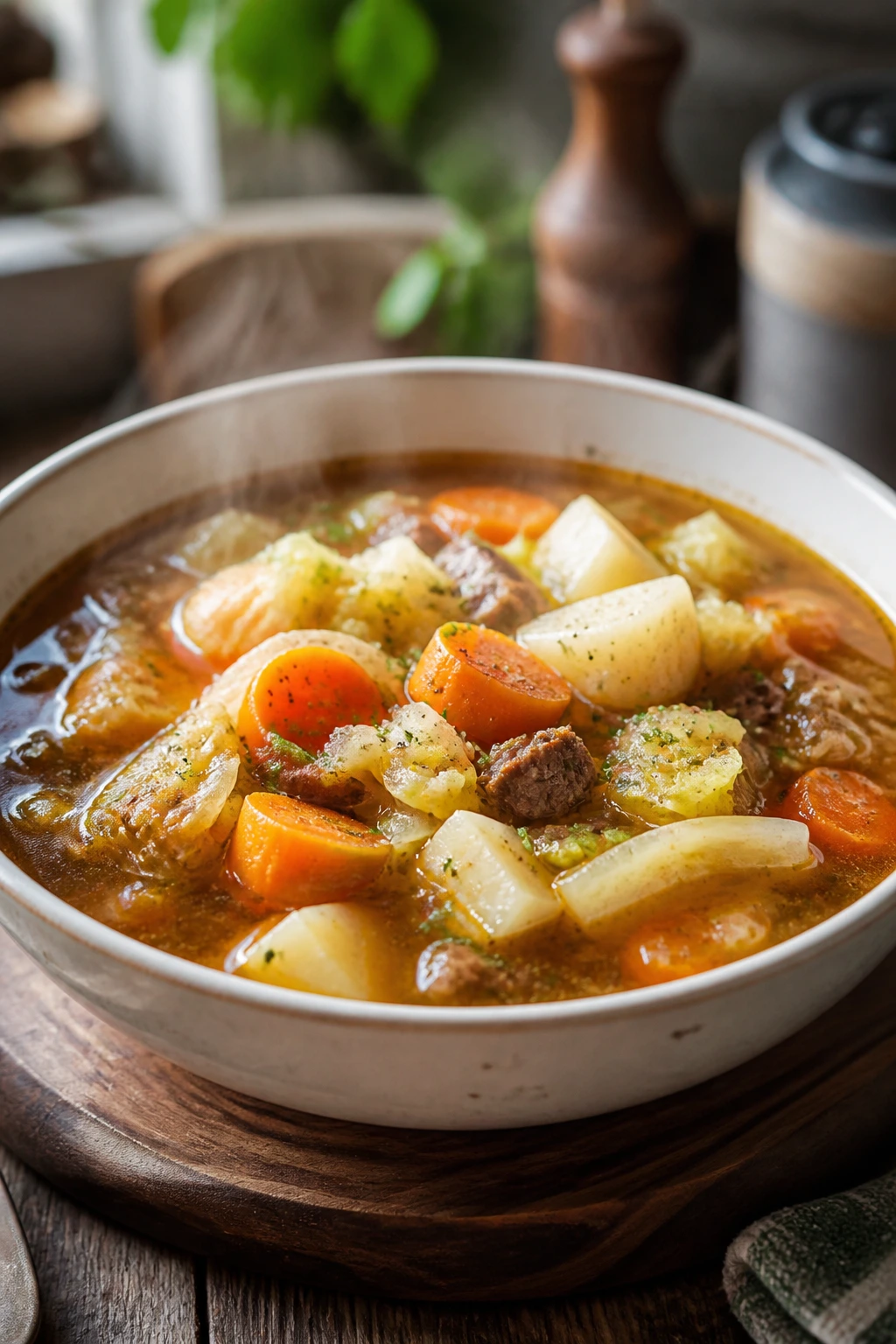
Not every vegetable belongs in the pot at the same time. Some need minutes. Some need almost the full simmer. Some should not meet the broth until the end.
Root vegetables are the safest bet for cold-night soup. Carrots, parsnips, turnips, rutabaga, and celery root stand up well to long cooking if you cut them into even pieces. I like pieces around 1/2 inch for a soup that simmers 25 to 35 minutes. Smaller than that, and they start to vanish. Bigger than that, and they may not soften in time.
Cabbage is one of the most underrated soup vegetables on the planet. It turns sweet, keeps texture, and makes a broth feel fuller without needing cream. Kale likes about 5 to 7 minutes in the pot. Spinach needs even less, usually 1 to 2 minutes, or it will turn limp and dark. Frozen spinach is fine here, by the way. It melts right in.
Mushrooms deserve a separate thought. If you toss raw mushrooms into broth, they often release water and taste damp. Brown them first in a dry or lightly oiled pan until their edges darken and the liquid cooks off. Then add them back to the pot. That one step changes the whole mood from watery to deep.
Salt, Acid, Fat, and Heat: The Four Knobs That Matter Most
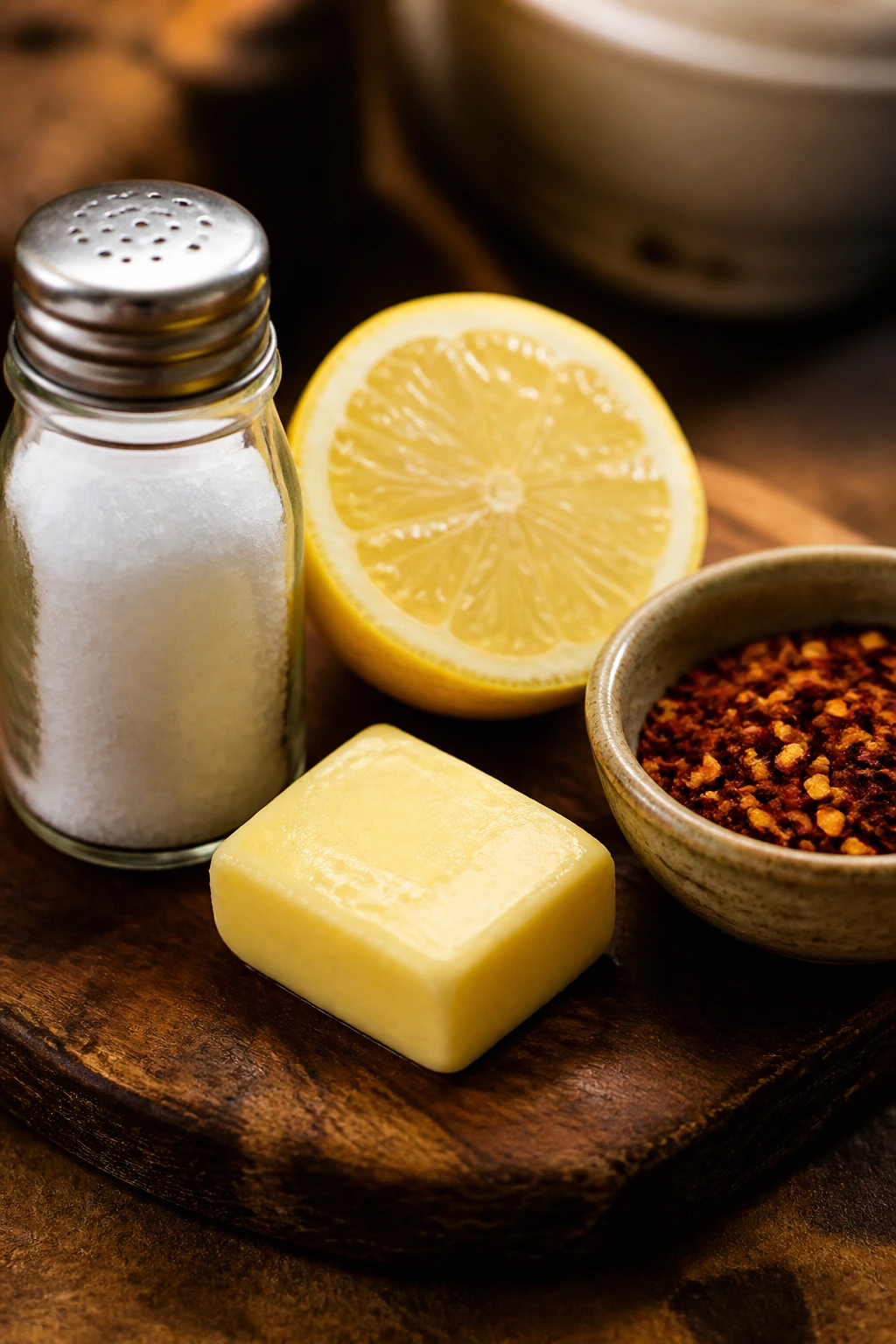
A lot of soup problems are seasoning problems wearing a fake mustache. If the bowl tastes flat, the fix is rarely “more stuff.” It is usually one of four things: salt, acid, fat, or heat.
Salt
Salt should show up early, but not all at once. Add enough to season the vegetables while they sweat, then taste again halfway through simmering, because reduction changes everything. A pot that starts on the edge of bland can end up too salty if you keep reducing without checking.
Acid
Acid is the part people leave out and then wonder why the soup feels sleepy. A teaspoon of vinegar, lemon juice, or even a little tomato can wake up a dull broth fast. I reach for acid at the end because heat can blunt it. You want the bowl to taste bright, not sour.
Fat
Fat carries flavor and softens sharp edges. That can be butter, olive oil, bacon drippings, sausage fat, cream, coconut milk, or the little bit of chicken fat floating on a good broth. A lean soup can still be excellent, but it needs a finish that gives the tongue something to hold onto.
Heat
Heat is not only chili flakes. Black pepper, cayenne, ginger, horseradish, mustard, and even a few drops of chili oil change how warm the bowl feels. Use it with a light hand. The aim is not punishment. It is that pleasant little tingle that makes the next spoonful taste even better.
If you remember one thing here, remember this: acid usually fixes what more salt cannot. Not always. But often enough that it deserves a spot by the stove.
When Soup Starts Acting Like Stew or Chili
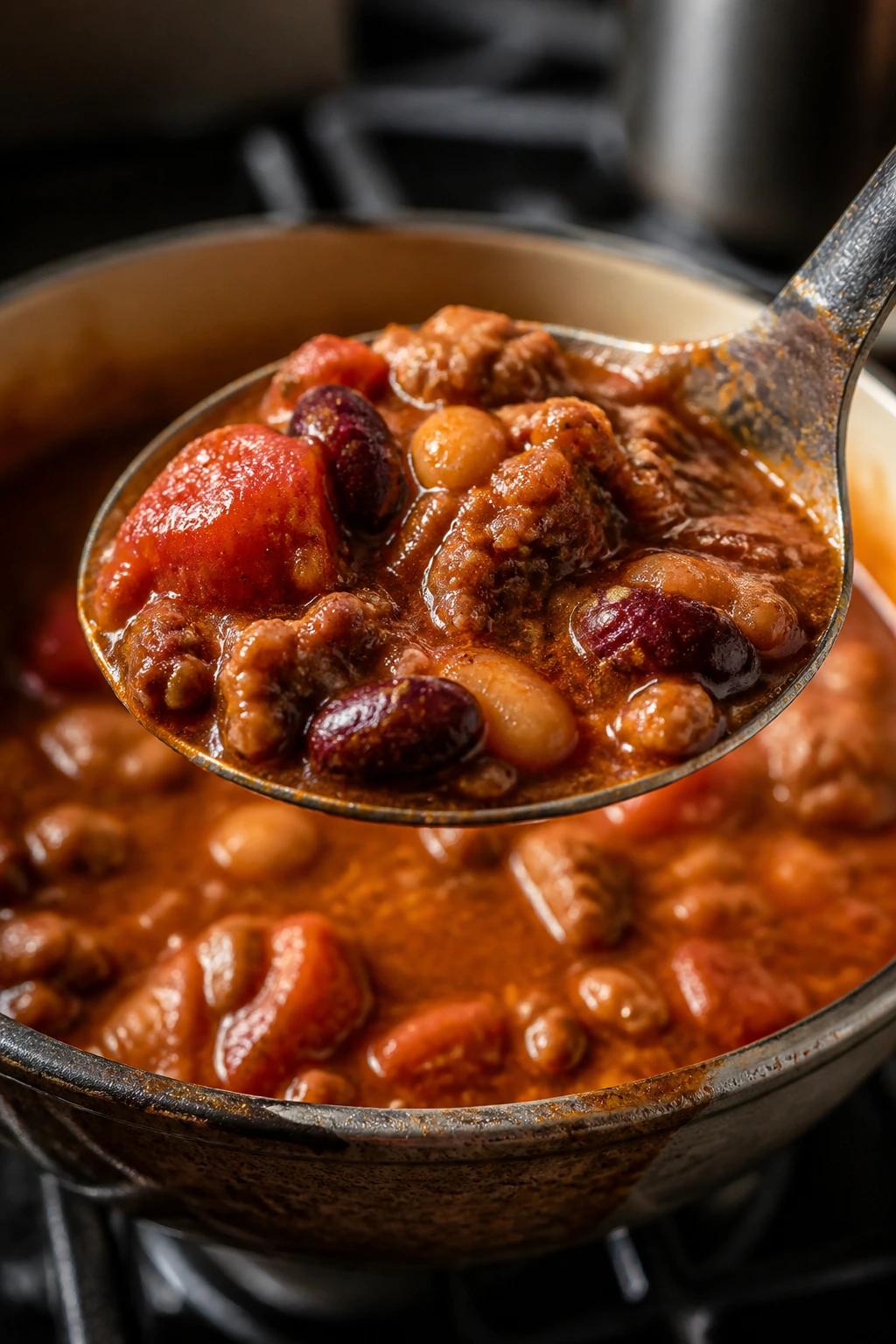
There is a line, and it is useful to know where it lives. Soup is pourable. Stew is spoonable with resistance. Chili sits somewhere in the middle, thick enough to mound a little before spreading.
That difference is not just semantics. It changes how you build the pot. A soup usually wants more liquid, smaller pieces, and a cleaner finish. A stew wants larger chunks, longer cooking, and often a more concentrated base. Chili likes less broth, more spice, and a thicker body from beans, meat, tomatoes, or a long simmer uncovered.
If you want to move soup toward stew, simmer it a little longer with the lid off so some liquid evaporates. Mash a few potatoes or beans against the side of the pot. Blend one cup and stir it back in. Use a cornstarch slurry only if you need a fast fix; I prefer starch from the ingredients themselves because it tastes more natural in the bowl.
The spoon test is better than any exact rule. If the liquid runs off the spoon immediately, you are still in soup territory. If it clings and leaves a trail, you are closer to stew. If it sits there looking bold and textured, you are flirting with chili. None of those are wrong. You just want to know which one you’re making before the pot surprises you.
The Finishing Touches That Make the Bowl Feel Complete
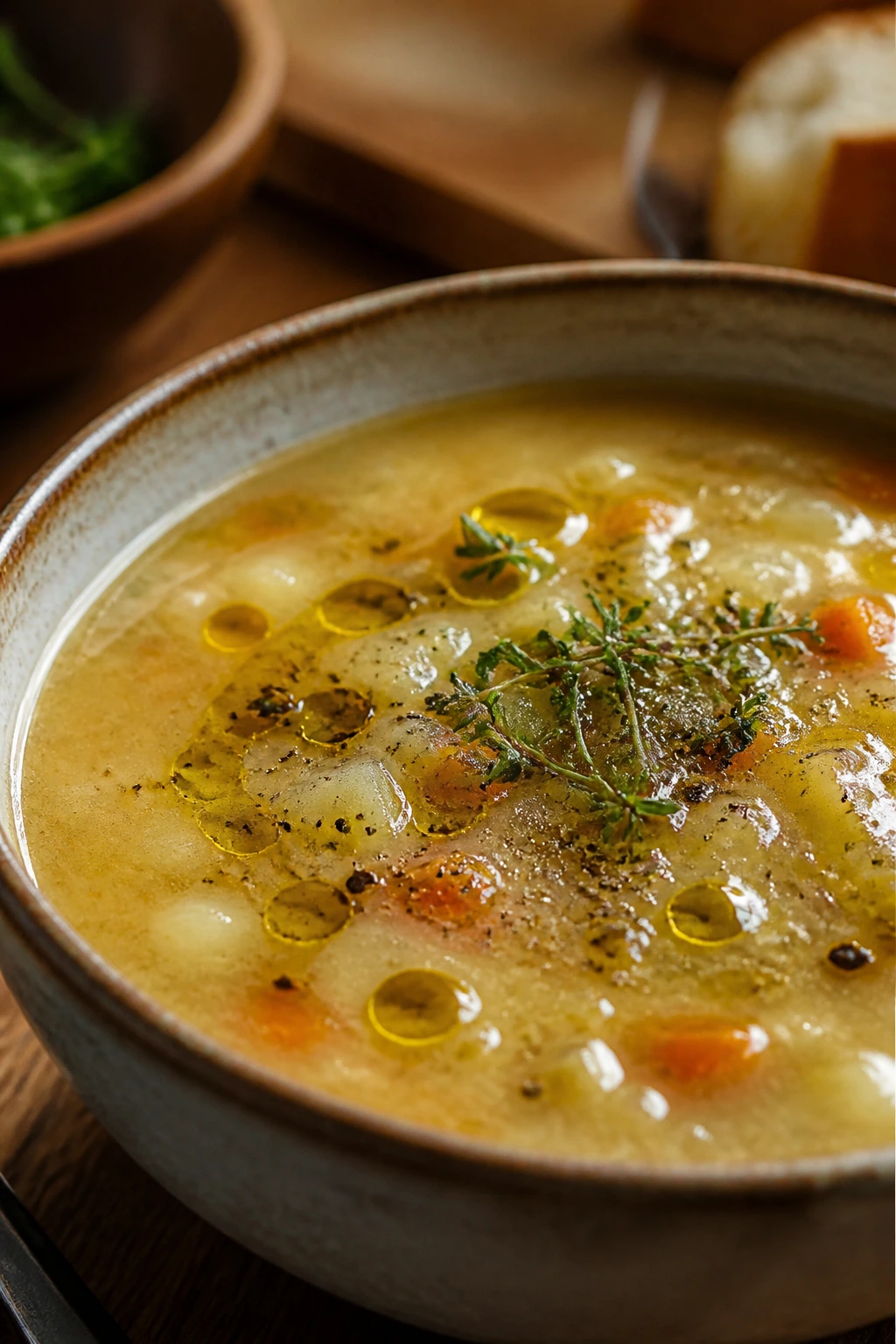
A soup can be technically done and still feel unfinished. Usually that means the base is fine, but the top is blank.
Presentation: Ladle the soup into warmed bowls and leave a little room at the rim so it does not spill the second you move it. A drizzle of olive oil, a few herbs, or a crack of black pepper gives the surface a finished look without turning it fussy. Wide, shallow bowls show off chunky soups; deeper bowls keep brothy ones hotter longer.
Accompaniments: Crusty bread is the obvious answer, and for once the obvious answer is right. Grilled cheese, cheddar toast, a simple green salad with sharp vinaigrette, buttered crackers, or a hunk of sourdough all make sense here. If the soup is rich, pick something crisp or acidic on the side. If the soup is lean, pick bread with enough chew to feel substantial.
Portions: For a starter, 1 1/2 to 2 cups is plenty. For dinner, 2 1/2 to 3 cups is a comfortable range, especially if bread is involved. If the soup is packed with beans, chicken, or noodles, you can serve a little less than that and still have a full meal. If it is brothy with vegetables, people will usually want a larger bowl.
Beverage Pairing: Black tea, sparkling water with lemon, dry cider, or a light lager all sit nicely next to a warm bowl. For tomato-based or spicy soups, a crisp beer or cold water with citrus keeps the palate awake. For creamy potato or mushroom soups, tea or cider works better than anything sweet.
The main trick is contrast. Crunch against soft. Bright against rich. Bread against broth. That contrast is what makes the second spoonful taste as good as the first.
How to Keep the Bowl Hot After It Leaves the Pot
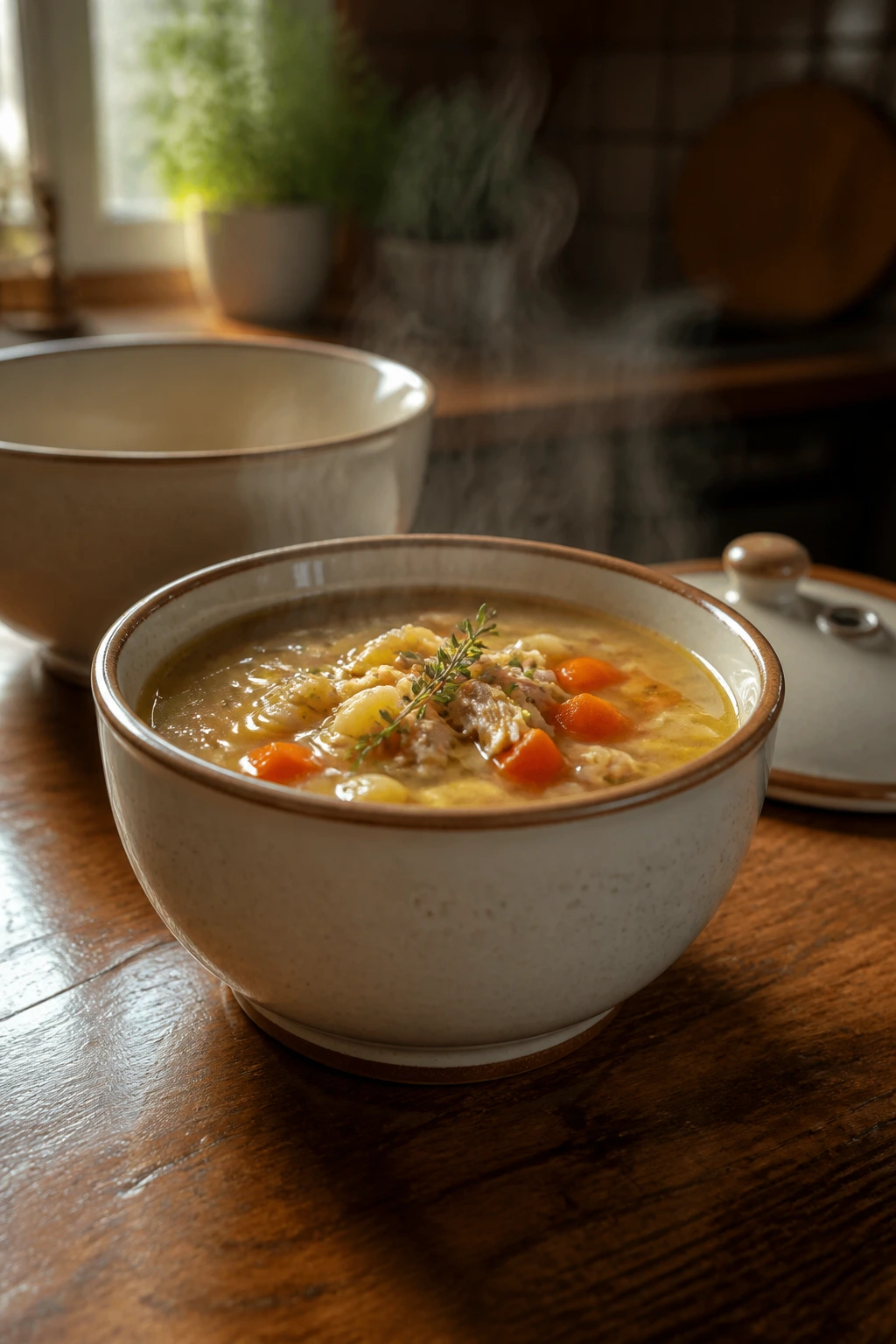
Soup loses its magic fastest when it cools too quickly. A lukewarm bowl is a sad thing. And avoidable.
Warm the bowls if you can. A minute or two of hot tap water in each bowl, then a quick dry, makes a noticeable difference. If the kitchen runs cold, a ceramic bowl from a cool shelf can pull heat out of the soup faster than you’d expect. A metal ladle doesn’t help much. A warm bowl does.
If you are serving over time, keep the pot at the barest simmer, not a rolling boil. Too much heat keeps cooking the vegetables and can push the broth past the point where it tastes fresh. Too little heat, and the soup drops into that dull middle zone where it tastes less alive. For food safety, keep hot soup above 140°F if it is sitting out.
A lid helps more than people think. Even a partial lid traps enough steam to preserve temperature while you go back and forth to the table. If you are bringing soup to a potluck or a porch dinner, an insulated carrier or a preheated thermos can keep a broth-based soup in decent shape for hours. Creamy soups and noodle soups are less forgiving, so those deserve shorter holding times and a fresh stir before serving.
Small Moves That Make Winter Soup Better
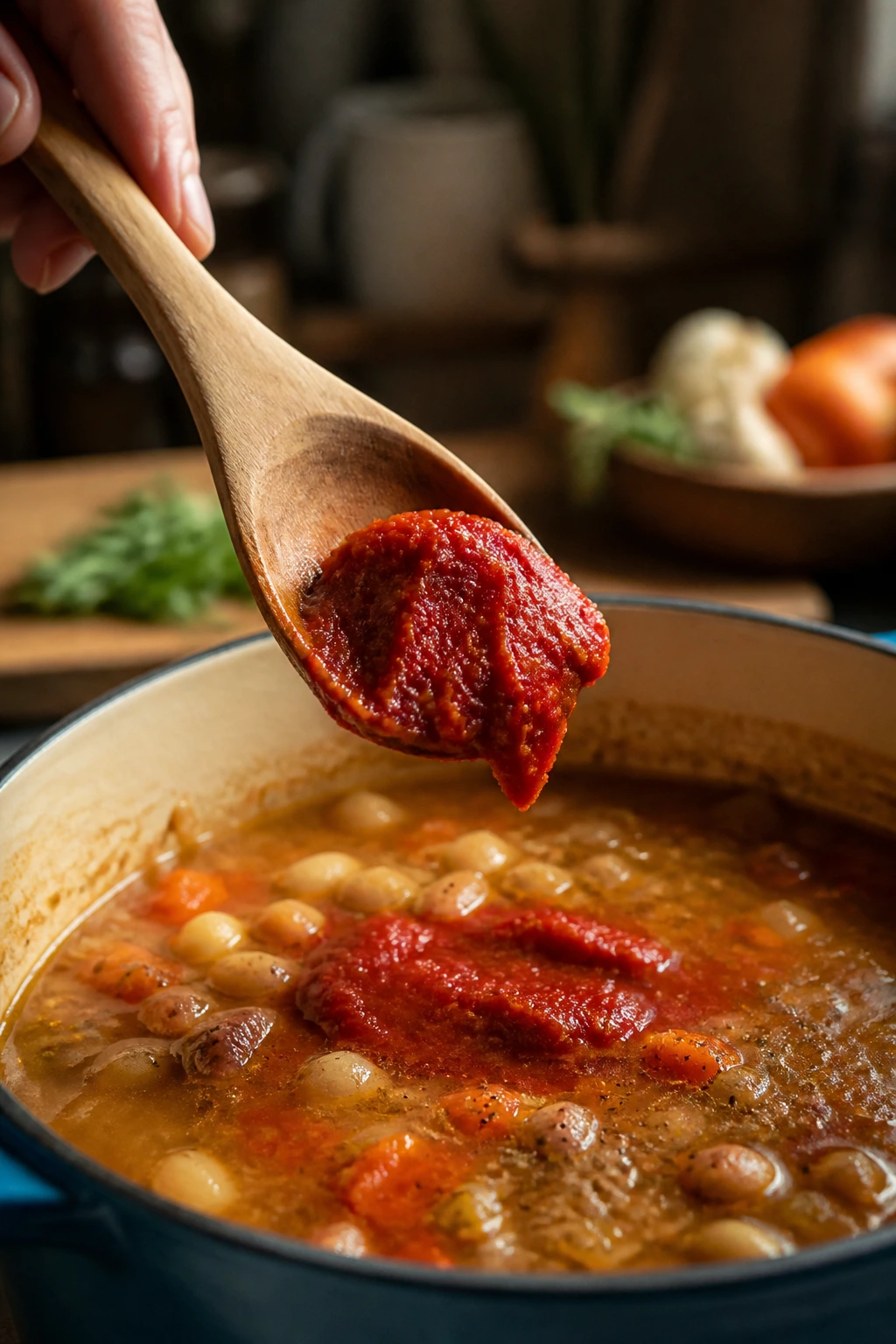
Flavor Enhancement: Brown a tablespoon of tomato paste with the aromatics until it turns brick-red and smells a little sweet. That one step adds depth to vegetable soup, bean soup, chicken soup, and chili without making the pot taste like tomato sauce.
Time-Saver: Frozen mirepoix, chopped onions, and frozen spinach are not cheating when the goal is dinner that happens on a weeknight. They shave off prep without wrecking the pot, especially if you still take the time to sauté the base for a few minutes.
Pro Move: Keep a Parmesan rind in the freezer. Drop it into simmering broth, and it gives the soup a savory edge that tastes far more expensive than it is. Remove it before serving, unless you enjoy fishing.
Cost-Saver: Save bones, herb stems, carrot peels, celery leaves, mushroom stems, and onion ends in a freezer bag for stock. A pot built from scraps can still taste polished if you simmer it slowly and strain it well.
Texture Fix: If the soup tastes thin, blend one cup of it and stir it back in. That works especially well with bean soups, potato soups, and anything with cooked carrots. You get thickness without adding flour or cream.
Serving Suggestions: A spoonful of yogurt, a swirl of chili oil, chopped dill, parsley, scallions, or a squeeze of lemon can wake up the bowl in the last second. Keep those toppings nearby. The soup changes once they land.
Mistakes That Make a Cozy Bowl Taste Flat, Thin, or Muddy
-
Boiling the pot instead of simmering it: A hard boil clouds broth, toughens meat, and breaks some vegetables apart faster than they can soften. The fix is simple: bring the soup up to heat, then drop it to a lazy simmer with only a few bubbles showing.
-
Adding pasta or rice too early: Noodles and rice keep absorbing liquid after the pot leaves the stove. The symptom is a thick, pasty bowl that was brothy an hour earlier. Cook them separately when you can, or add them near the end and plan to eat the soup soon.
-
Skipping the final acid check: A soup can be salted correctly and still taste dead. If the broth feels dull, add a teaspoon of lemon juice or vinegar and taste again before touching the salt.
-
Crowding the pot with too many flavors: Too many vegetables, herbs, and spices can make the broth taste muddy. Pick one direction: chicken and dill, tomato and basil, bean and rosemary, sausage and kale. The bowl gets cleaner and stronger when it has a point of view.
-
Under-cooking the aromatics: Raw onion or garlic smell can hang around in the finished soup if the base never had enough time in the fat. Cook the onions until translucent and slightly sweet, and give garlic only a short minute or two.
-
Forgetting that leftovers thicken: Beans swell, noodles soak up broth, and potatoes keep softening. If the soup will be saved, leave it a little looser than you want it to be on the first night.
Soup Styles That Fit a Cold Night Best
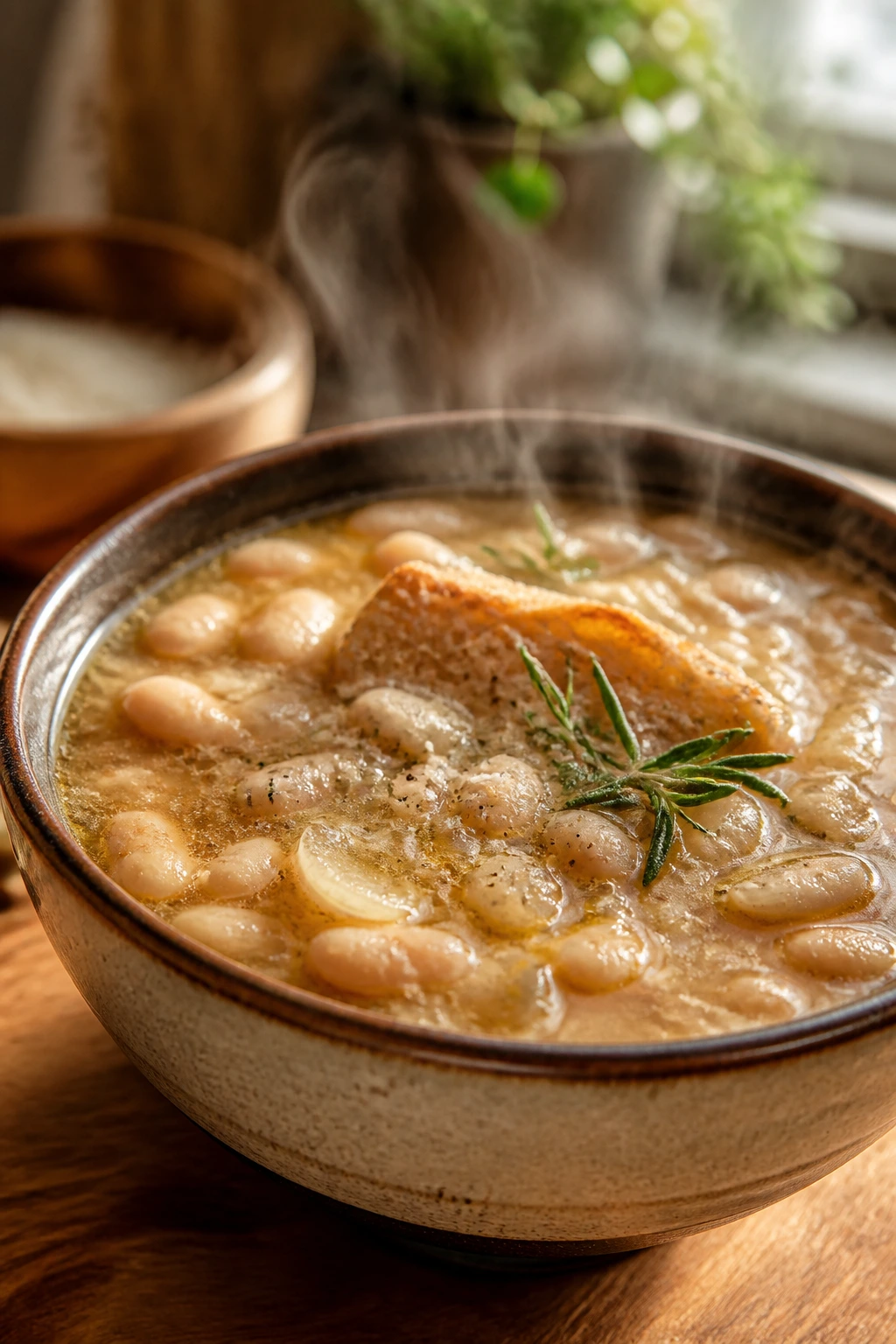
The Pantry Bean Pot: Cannellini beans, onion, garlic, rosemary, and a Parmesan rind make a bowl that tastes fuller than the ingredient list suggests. Mash a few beans against the side of the pot for body, then finish with olive oil and black pepper.
Creamy Potato-Leek Bowl: Leeks, Yukon Gold potatoes, broth, and a little cream or milk turn into a soft, pale soup that feels almost plush. I like to leave a few potato chunks intact and blend only half the pot so the texture stays interesting.
Chicken Noodle With Lemon: This is the cleanest winter soup in the bunch. Shredded chicken, celery, carrot, egg noodles, and a squeeze of lemon at the end keep it bright, not sleepy.
Smoky Lentil Chili Soup: Red lentils cook quickly and pick up smoke from paprika, cumin, and a little chipotle. Add tomatoes, onion, and a handful of corn if you want sweetness to cut the heat.
Greens-and-Sausage Bowl: Browned sausage, cabbage, kale, and white beans make a soup that leans more rustic and less delicate. It is the kind of pot that wants a sturdy slice of bread and a heavy spoon.
Tomato and Toast Night: Roasted tomatoes or good canned tomatoes, garlic, onion, and basil make a soup that benefits from a grilled cheese on the side or croutons right in the bowl. The tomato needs a little sugar or carrot if it tastes sharp.
Tools That Make Soup Night Easier
- A heavy-bottomed stockpot or Dutch oven — Helps the soup heat evenly and lowers the risk of scorching the bottom.
- A sharp chef’s knife — Clean cuts matter more than people think when you are chopping onions, carrots, potatoes, and herbs.
- A sturdy cutting board — A damp kitchen towel under the board keeps it from slipping while you work.
- A wooden spoon or heatproof spatula — Useful for scraping browned bits from the bottom of the pot and stirring without scratching enamel.
- A ladle with a deep bowl — Makes serving easier, especially with brothy soup or chunky chili.
- An immersion blender — Handy if you like to blend part of the soup for body without moving hot liquid to a countertop blender.
- A fine-mesh strainer — Good for stock, broth, or any soup where you want a cleaner finish.
- A microplane or box grater — Useful for finishing with cheese, citrus zest, or garlic without leaving big raw bits.
- Airtight containers — Better for leftovers than the soup pot itself, and they cool faster in the fridge.
Make-Ahead, Storage, and Reheating Without Losing Texture
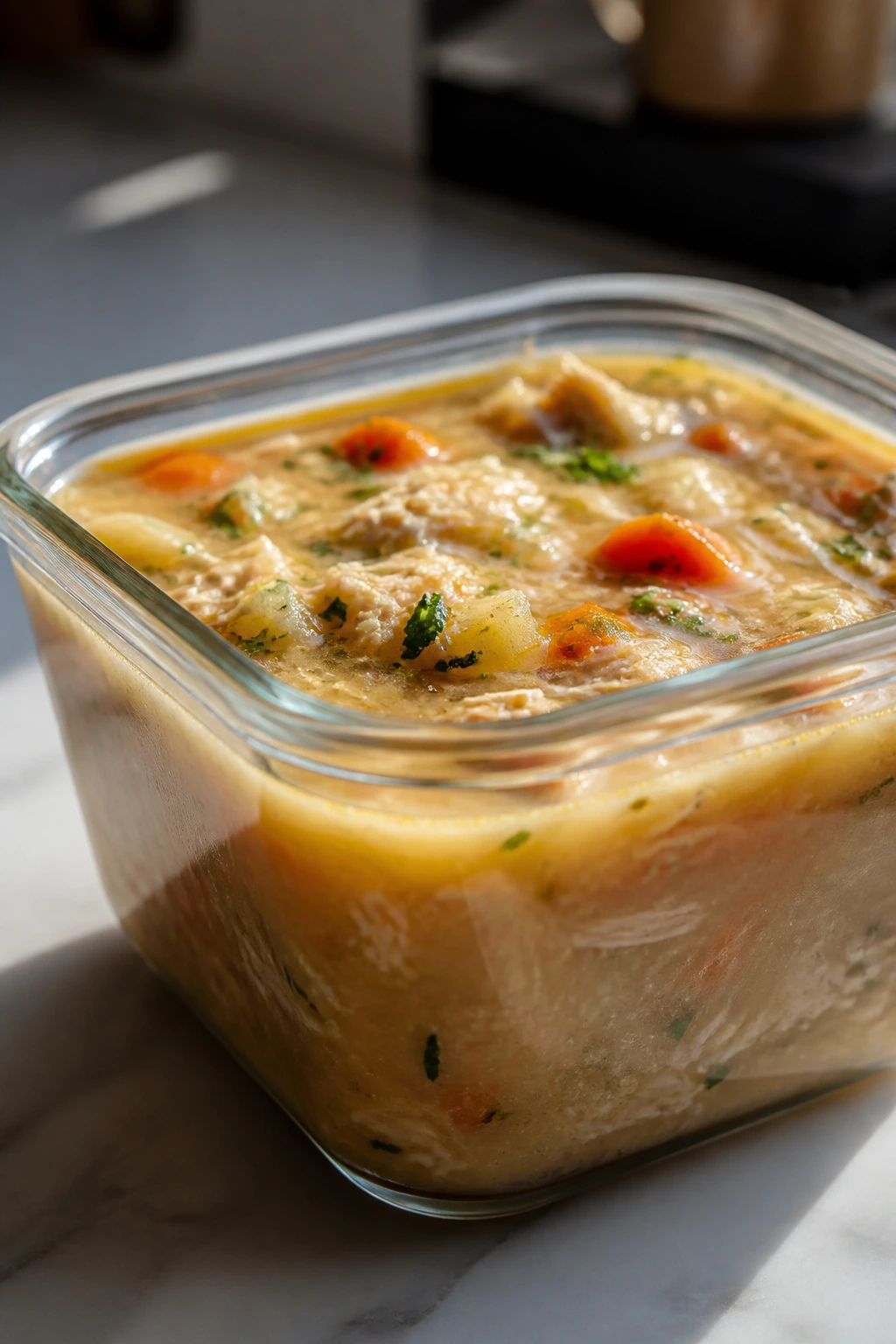
Most winter soups hold well for 3 to 4 days in the refrigerator if they are cooled promptly and stored in shallow containers. Beans, vegetable soups, and broth-based chicken soups tend to improve after one night because the flavors settle. Noodle soups and rice soups are the odd ones out. They keep their flavor, but the starch keeps pulling liquid from the pot, so the texture changes faster.
For the freezer, 2 to 3 months is a good target. Broth-heavy soups, bean soups, lentil soups, and many chili-style soups freeze well. Potato soups and cream soups can freeze too, but the texture may turn grainy or a little split when reheated. If that bothers you, freeze the base before adding dairy, then stir in cream or milk after reheating.
Cool soup quickly before storing it. Shallow containers help a lot. If the pot is large, divide the soup into smaller containers so it sheds heat faster. Do not leave it sitting out for hours just because it is still warm; that is how the middle stays in the danger zone far too long. If you want to keep soup warm for serving, hold it above 140°F and stir now and then.
Reheat broth-based soup over medium-low heat until it steams and just begins to ripple at the edges. Stir occasionally so the bottom does not overheat. For thick soups, a splash of water or broth helps loosen the texture before serving. If the soup includes noodles or rice, expect to add a little extra liquid every time you reheat. That is not failure. That is starch being starch.
If you plan ahead, make the base a day early and add delicate things later. Leafy greens, fresh herbs, cream, and noodles all benefit from being added close to serving. You get better texture, and the leftovers stay more usable.
Questions People Ask When They Want Soup to Taste Better

What makes a soup feel cozy instead of just hot?
Cozy soup has body, not just temperature. That usually means a broth with enough salt and fat to carry flavor, plus one ingredient that gives the spoon something substantial to find — beans, potatoes, chicken, noodles, or squash all work.
Can I make a winter soup without cream and still keep it rich?
Yes, and I usually prefer it that way. Pureed beans, potatoes, squash, or a little rice can thicken a soup without making it heavy, and a finishing drizzle of olive oil or a spoonful of yogurt gives the bowl enough roundness to feel complete.
Why does my soup taste flat even when I salted it?
Flat soup often needs acid, not more salt. Try a teaspoon of lemon juice, vinegar, or tomato paste, then taste again. If the pot is still sleepy, a little fat or fresh herbs may be missing too.
Should I cook noodles in the soup or separately?
If you expect leftovers, cook them separately. Noodles soak up broth fast and can turn soft overnight. If you want them in the pot, add them near the end and serve the soup soon after.
Can I freeze soup with potatoes in it?
You can, but the texture may turn a little grainy or break down after thawing. If you want cleaner results, freeze the soup base and add fresh potatoes when you reheat it, or blend the potatoes into the base before freezing so texture matters less.
How do I thicken soup without flour or cornstarch?
Blend part of the soup and stir it back in, mash some beans or potatoes, or simmer uncovered until the liquid reduces. Those methods taste more natural than a starchy slurry and work well in bean soups, lentil soups, and vegetable soups.
What bread goes best with winter soup?
Crusty sourdough, a chewy country loaf, or toasted whole-grain bread all hold up well. For creamy soups, I like bread with a rough crust. For spicy soups or chili, cornbread or a buttered roll can be better because it softens the heat.
How do I fix soup that got too salty?
Add more unsalted liquid, then build the flavor back up with vegetables, a little acid, or a potato. If the soup is already thick, a splash of water or broth is usually the cleanest fix. A raw potato does not magically “remove” salt, but it can help if the pot also needs more body.
The Bowl Worth Reaching For Twice
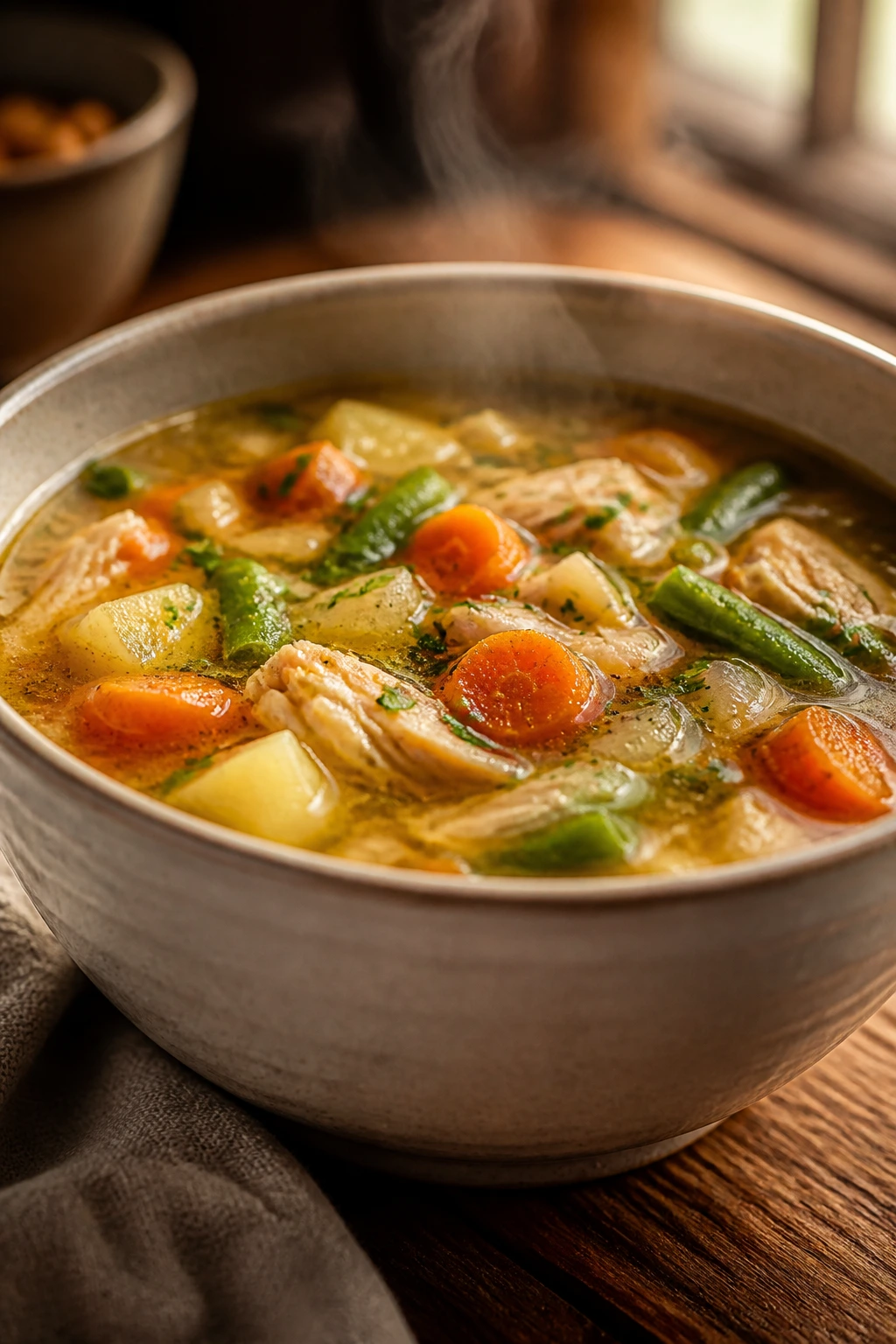
A good winter soup does not need a dramatic list of ingredients. It needs a broth that tastes like something, vegetables cooked with a little restraint, and a finish that gives the bowl one last spark before you set the spoon down. That is the part people miss when they treat soup like a dump-and-wait dinner.
Once you start paying attention to the liquid, the aromatics, and the final seasoning, the whole category opens up. Bean soup stops feeling frugal and starts feeling smart. Chicken soup gets brighter. Potato soup gets silkier. Chili gets deeper. Same cold night. Better bowl.
Keep a pot, a loaf of bread, and a few good basics in the kitchen, and the temperature outside stops having the final word.