



Cold nights make a liar out of elaborate dinners. A proper grilled cheese and tomato soup doesn’t need theater; it needs sturdy bread, a clean melt, and a soup that tastes cooked, not dumped from a can and warmed in a rush.
The best version has contrast everywhere. The bread shatters at the edge, the cheese stretches in soft ribbons, and the soup lands with that sweet-acid tomato flavor that only shows up after onion, garlic, and a little butter have had time to do their work. Skip the weak stuff and the meal feels thin. Get the balance right and it feels like the kitchen is doing exactly what it should.
I keep coming back to this pairing because it solves a real problem without pretending to be fancy. Tomato soup brings heat and brightness; grilled cheese brings salt, fat, and crunch. Together they make a meal that feels complete before you’ve even sat down, which is part of the charm.
The trick is treating both halves with the same care. The soup needs enough simmer time to lose that raw canned edge, and the sandwich needs medium-low heat so the bread goes deep gold before the cheese scorches. That rhythm matters more than expensive ingredients, and it’s the difference between an ordinary lunch and a dinner you’ll make again the next time the weather feels mean.
Why This Pairing Works So Well
Acid Meets Fat: Tomato soup brings acidity, and grilled cheese brings butter and cheese fat, which is why the spoonful after the bite tastes brighter instead of flatter.
Crisp Meets Creamy: The bread gives a brittle, toasted crust while the cheese turns soft and molten inside; that contrast is doing a lot of the heavy lifting here.
Fast, But Not Rushed: The soup simmers while the sandwiches brown, so the whole meal lands in about an hour without feeling frantic.
Tomatoes Need a Little Help: A spoonful of tomato paste, a short simmer, and a splash of cream take canned tomatoes from “fine” to “this tastes like somebody cared.”
The Cheese Choice Matters: Sharp cheddar gives the backbone, while Gruyère or fontina melts into the gaps and keeps the filling from turning grainy.
It Feeds Real Hunger: One bowl and one sandwich are enough for a normal dinner, but the recipe scales neatly if you’re feeding a table of four or six.
Timing, Yield, and Difficulty at a Glance
Yield: Serves 4
Prep Time: 20 minutes
Cook Time: 35 minutes
Total Time: 55 minutes
Difficulty: Beginner to Intermediate — the steps are straightforward, but you do need to keep an eye on the soup and the skillet at the same time.
Best Served: Right away, while the soup is hot and the sandwich crust is still crisp.
The Ingredient Lineup That Gives You Real Soup-and-Sandwich Payoff
For the Tomato Soup:
- 2 tablespoons unsalted butter
- 1 tablespoon olive oil
- 1 medium yellow onion, diced small
- 1 medium carrot, peeled and diced small
- 3 garlic cloves, minced
- 2 tablespoons tomato paste
- 2 (28-ounce) cans whole peeled tomatoes, with juices
- 2 cups low-sodium vegetable broth or chicken broth
- 1 teaspoon granulated sugar
- 1 teaspoon kosher salt, plus more to taste
- 1/2 teaspoon freshly ground black pepper
- 1/2 teaspoon dried basil
- Pinch of red pepper flakes
- 1/2 cup heavy cream or half-and-half
- 1 tablespoon balsamic vinegar
- 2 tablespoons chopped fresh basil, for serving
For the Grilled Cheese Sandwiches:
- 8 slices sourdough or country-style bread, 1/2 to 3/4 inch thick
- 4 tablespoons unsalted butter, softened
- 1 tablespoon mayonnaise, optional, for the outer side of the bread
- 8 ounces sharp cheddar cheese, shredded
- 4 ounces Gruyère or fontina cheese, shredded
- Flaky salt, for the finished sandwiches
What Each Ingredient Is Doing in the Pot and Pan
Tomato Soup Base
What to use: Two 28-ounce cans of whole peeled tomatoes, one medium onion, one medium carrot, three garlic cloves, two tablespoons of tomato paste, and two cups of broth give the soup enough body to taste layered, not thin.
Preparation: Dice the onion and carrot small so they soften at the same pace, and crush the tomatoes by hand or with a spoon once they hit the pot. That lets them break down into a smoother soup without any long, annoying chunks left behind.
Substitutions: Crushed tomatoes work if that’s what you have, and fire-roasted canned tomatoes bring a smoky edge that fits the cozy mood well. Fresh tomatoes can work in peak season, but they need more simmering and usually taste less reliable than a good can.
Tips: Don’t drain the tomato juices. They carry a lot of the flavor, and the whole peeled tomatoes usually give a cleaner, rounder soup than diced tomatoes, which can stay oddly sharp and watery.
Bread and Cheese
What to use: Eight slices of sturdy bread and 12 ounces of cheese total — sharp cheddar for flavor, Gruyère or fontina for melt — create the structure that holds up when you dunk the sandwich.
Preparation: Shred the cheese yourself if you can. It melts into a smoother layer than thick pre-shredded cheese, which often carries a little starch coating and can make the filling less silky.
Substitutions: White country bread, Texas toast, or a well-made sandwich loaf can all work if they’re thick enough to stand up to the soup. If Gruyère is out of reach, fontina, Monterey Jack, or provolone will still melt well.
Tips: Bread sliced between 1/2 and 3/4 inch thick is the sweet spot. Too thin and it collapses; too thick and the outside burns before the middle gives up its cheese.
Cream, Acidity, and Finish
What to use: Half a cup of heavy cream or half-and-half, one tablespoon of balsamic vinegar, and a little fresh basil finish the soup with a softer edge and a deeper tomato note.
Preparation: Stir the cream in after blending and keep the pot below a simmer. Balsamic goes in at the end, not early, so its sweetness stays lively instead of cooking off.
Substitutions: Coconut cream can stand in for the dairy if you want a dairy-free soup, though it brings its own flavor. A spoonful of cashew cream works too if you want something neutral.
Tips: Taste the soup after the cheese sandwich is built, not before. Cheese is salty, butter is salty, and that changes how much salt the soup actually needs at the table.
Special Equipment You’ll Want Nearby
- Large Dutch oven or heavy soup pot: The weight helps the onions cook evenly and keeps the tomato base from scorching on the bottom.
- Immersion blender: The easiest way to turn the soup smooth without extra cleanup. A standard blender works too, but you’ll need to work in batches.
- Large skillet or cast-iron griddle: A wide, even cooking surface gives the sandwiches a deep brown crust without cold spots.
- Box grater: For shredding the cheese into pieces that melt faster and more evenly.
- Wooden spoon or heatproof spatula: Useful for stirring the soup and pressing the sandwiches without tearing the bread.
- Ladle: Small detail, big difference. It keeps the soup portion clean and controlled.
- Cutting board and serrated knife: The serrated knife slices the sandwich without crushing the crust.
- Measuring cups and spoons: Tomato soup looks forgiving until it’s too salty or too thin; measuring keeps the balance honest.
Building the Tomato Soup, From Sautéed Onion to Silky Finish
The soup starts with a little patience, and that patience pays rent. Onion and carrot need time in butter and olive oil before the tomatoes arrive, because raw aromatics make the soup feel sharp in a way that no amount of cream can hide.
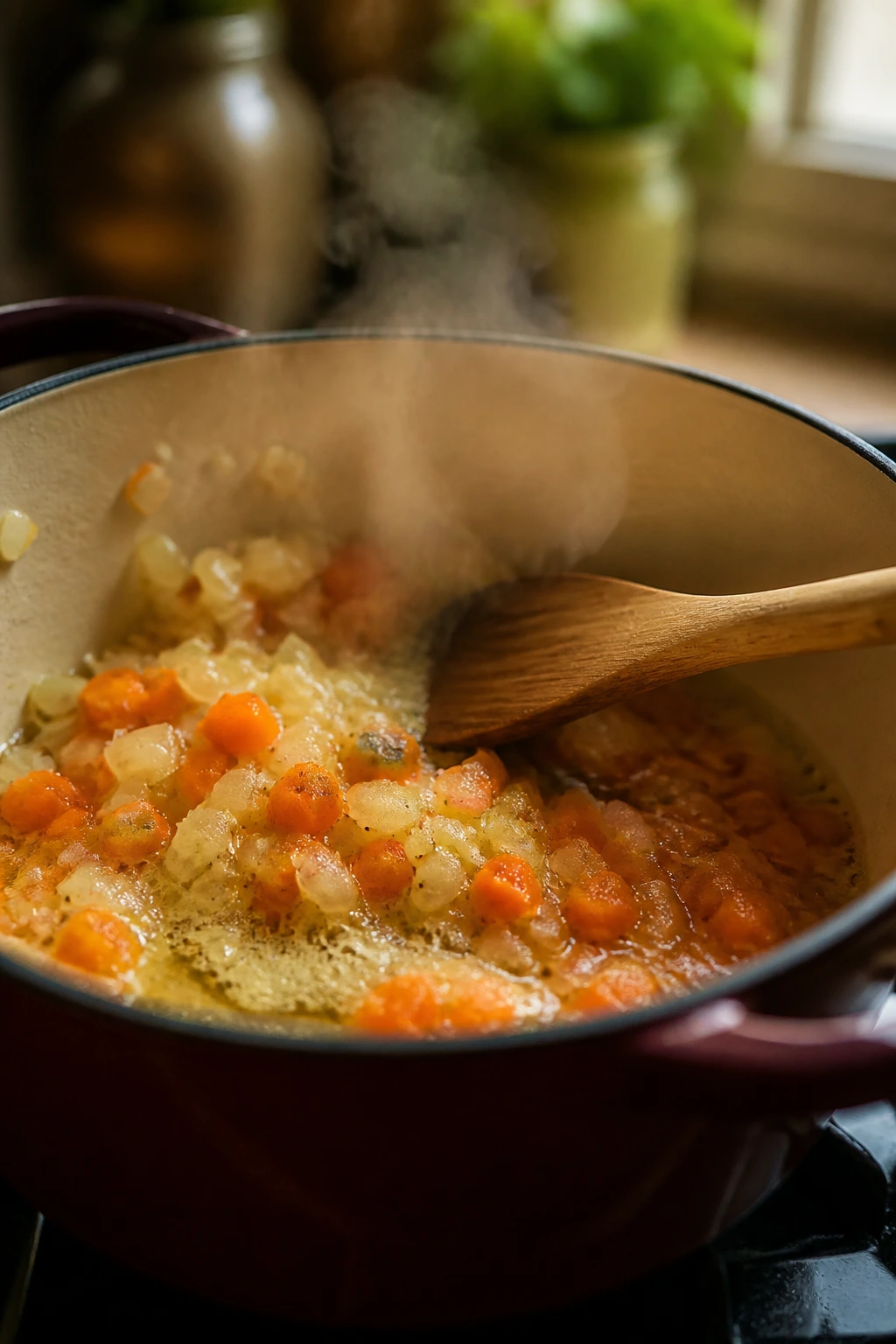
You want the onion soft, translucent, and just turning golden at the edges. The carrot should give up its crunch, but not disintegrate. That’s the point where the kitchen starts smelling sweet instead of raw.
The Soup Method
-
Warm the pot: Set a large Dutch oven over medium heat and add the butter and olive oil. When the butter foams, add the diced onion and carrot.
-
Cook the aromatics: Stir occasionally for 6 to 8 minutes, until the onion turns translucent and the carrot softens. If the pot looks dry, lower the heat rather than adding more fat.
-
Add the garlic: Stir in the minced garlic and cook for 30 seconds, just until it smells sweet and no longer sharp. Do not let the garlic brown or it will taste bitter in the finished soup.
-
Toast the tomato paste: Add the tomato paste and cook for 1 to 2 minutes, stirring constantly, until it darkens into a brick-red color and starts to stick lightly to the bottom of the pot. That tiny step is where a lot of the depth comes from.
-
Add the tomatoes and broth: Pour in the canned tomatoes with their juices, the broth, sugar, salt, pepper, dried basil, and red pepper flakes. Break up the tomatoes with a spoon so they start collapsing into the liquid.
-
Simmer until the flavors settle: Bring the pot to a gentle boil, then reduce the heat to low and simmer uncovered for 20 to 25 minutes. Stir every few minutes and keep an eye on the heat; the soup should bubble lazily, not pound the bottom of the pot.
-
Blend the soup smooth: Remove the pot from the heat and blend with an immersion blender until smooth or mostly smooth, depending on how much texture you want. If using a standard blender, let the soup cool for 5 minutes first, blend in batches no more than halfway full, and hold the lid with a folded towel.
-
Finish with cream and vinegar: Stir in the cream and balsamic vinegar, then warm the soup over low heat for 2 minutes. Taste it now, not later, and adjust with more salt if the tomatoes still taste flat.
-
Keep it hot, not boiling: Set the soup on the lowest burner while you make the sandwiches. You want it steaming and ready, not boiling hard and reducing into something thicker than you planned.
Making the Grilled Cheese Sandwiches With a Crisp, Even Crust
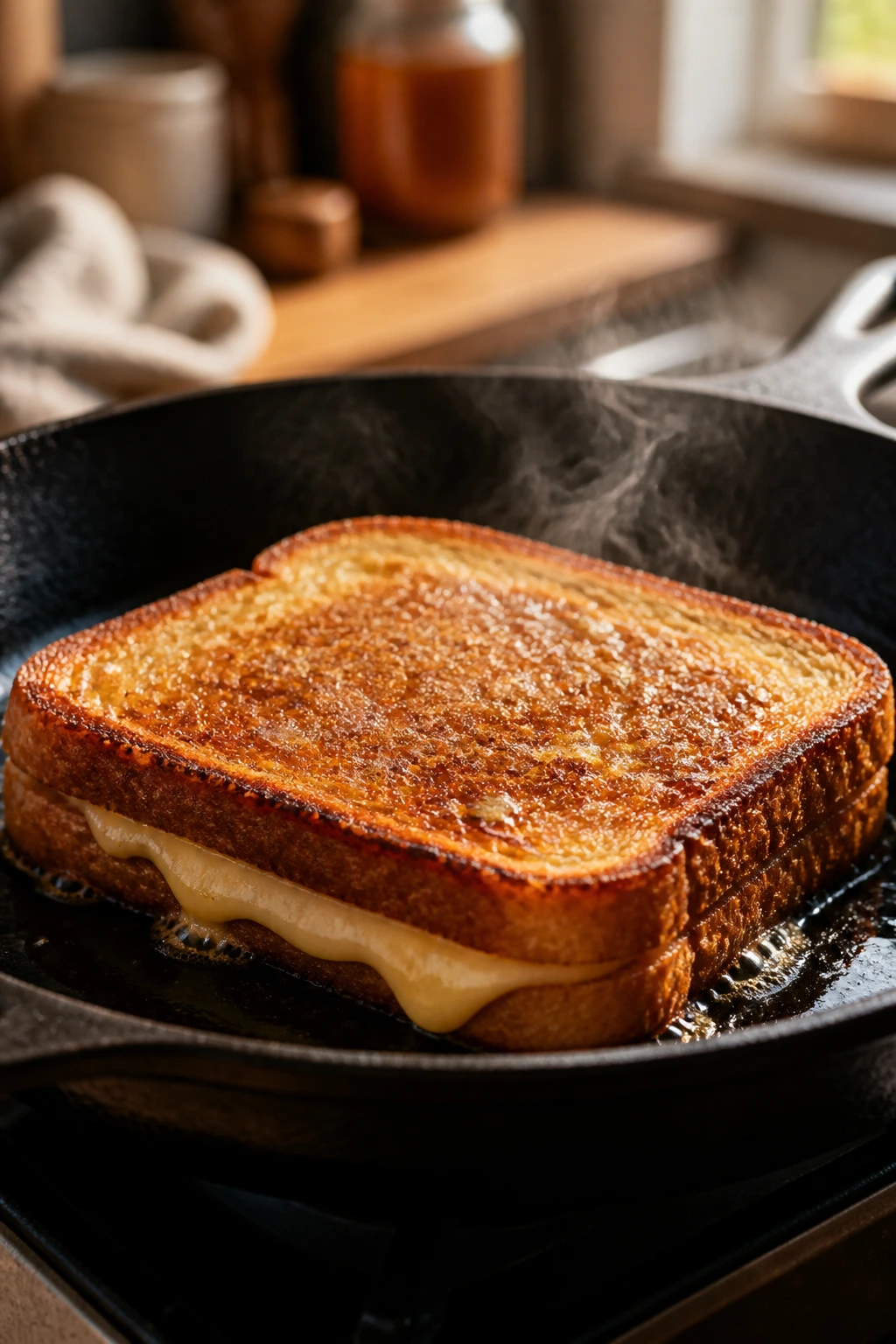
A grilled cheese goes wrong faster than people admit. The bread browns before the center melts, the cheese leaks out the sides, or the whole thing gets shoved around in a pan that’s too hot because impatience won the argument.
The fix is boring, and boring is useful here. Medium-low heat, even butter, and enough cheese to make the sandwich feel substantial without bursting open like a melted suitcase.
The Sandwich Method
-
Prepare the bread: Spread the softened butter on one side of each bread slice. If you want a darker crust, spread a thin layer of mayonnaise on top of the butter on the outside faces only.
-
Build the filling: Flip half the slices over and divide the cheddar and Gruyère evenly among them. Keep the cheese away from the edges by about 1/4 inch so it doesn’t ooze out immediately in the skillet.
-
Close the sandwiches: Top with the remaining bread slices, buttered side facing out. Press lightly with your palm so the layers settle and the sandwich holds together.
-
Heat the skillet: Set a large skillet or griddle over medium-low heat. Give it a minute or two to warm evenly. If the pan is hot enough to smoke the butter immediately, it’s too hot.
-
Grill the first side: Place the sandwiches in the skillet and cook for 3 to 4 minutes without moving them. Lift one edge and check for a deep golden color before flipping.
-
Flip carefully: Turn the sandwiches with a spatula and cook for another 3 to 4 minutes. If the bread darkens too fast, lower the heat immediately. Burnt bread and unmelted cheese is the classic failure here.
-
Finish the melt: If the cheese still needs another minute, lower the heat and cover the skillet loosely for 30 to 60 seconds. That traps enough heat to finish the center without hardening the crust.
-
Rest briefly and slice: Move the sandwiches to a cutting board and let them sit for 1 minute before cutting. Slice diagonally with a serrated knife and finish with a pinch of flaky salt if you like a little sparkle on the crust.
How to Serve It Without Making the Plate Clumsy
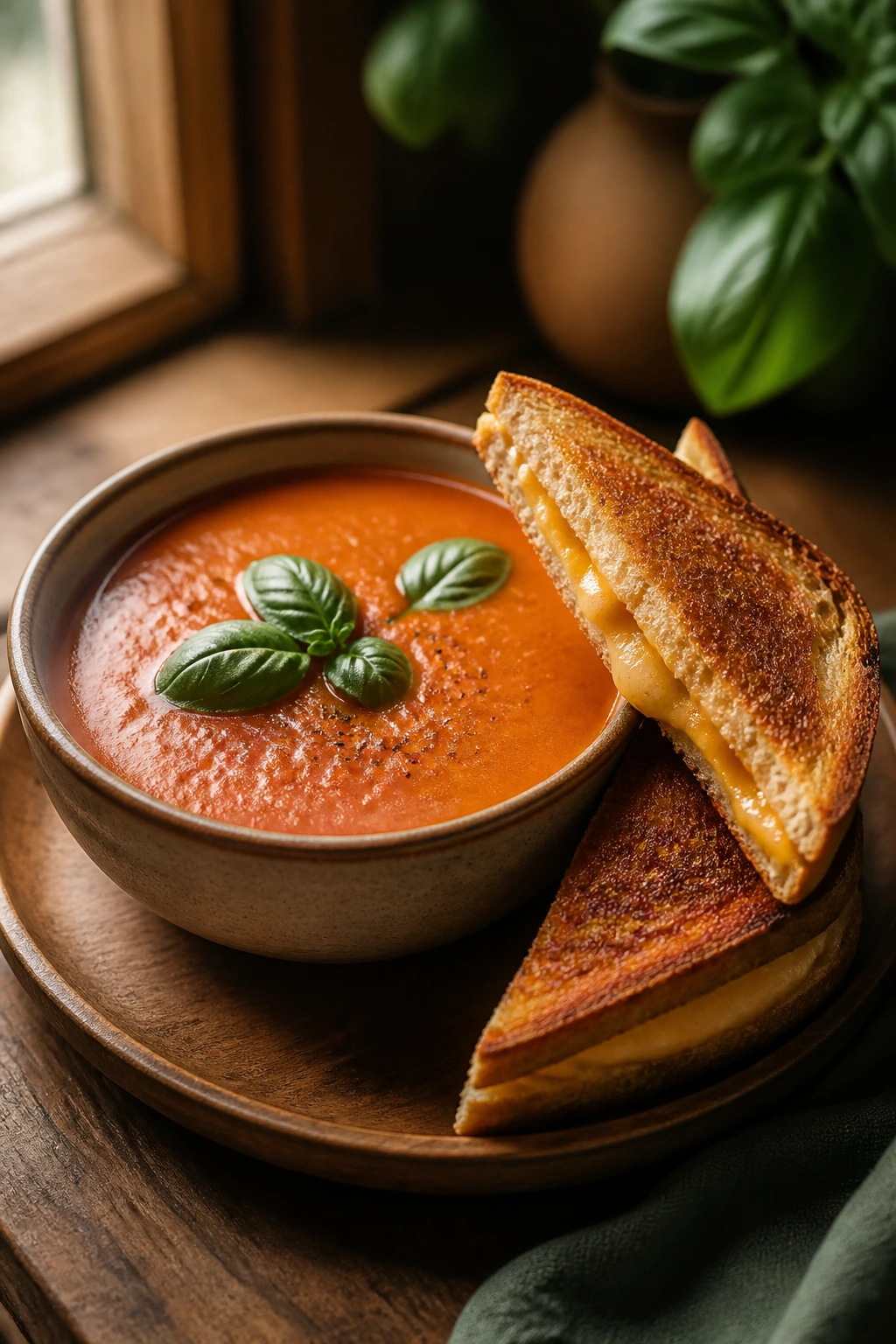
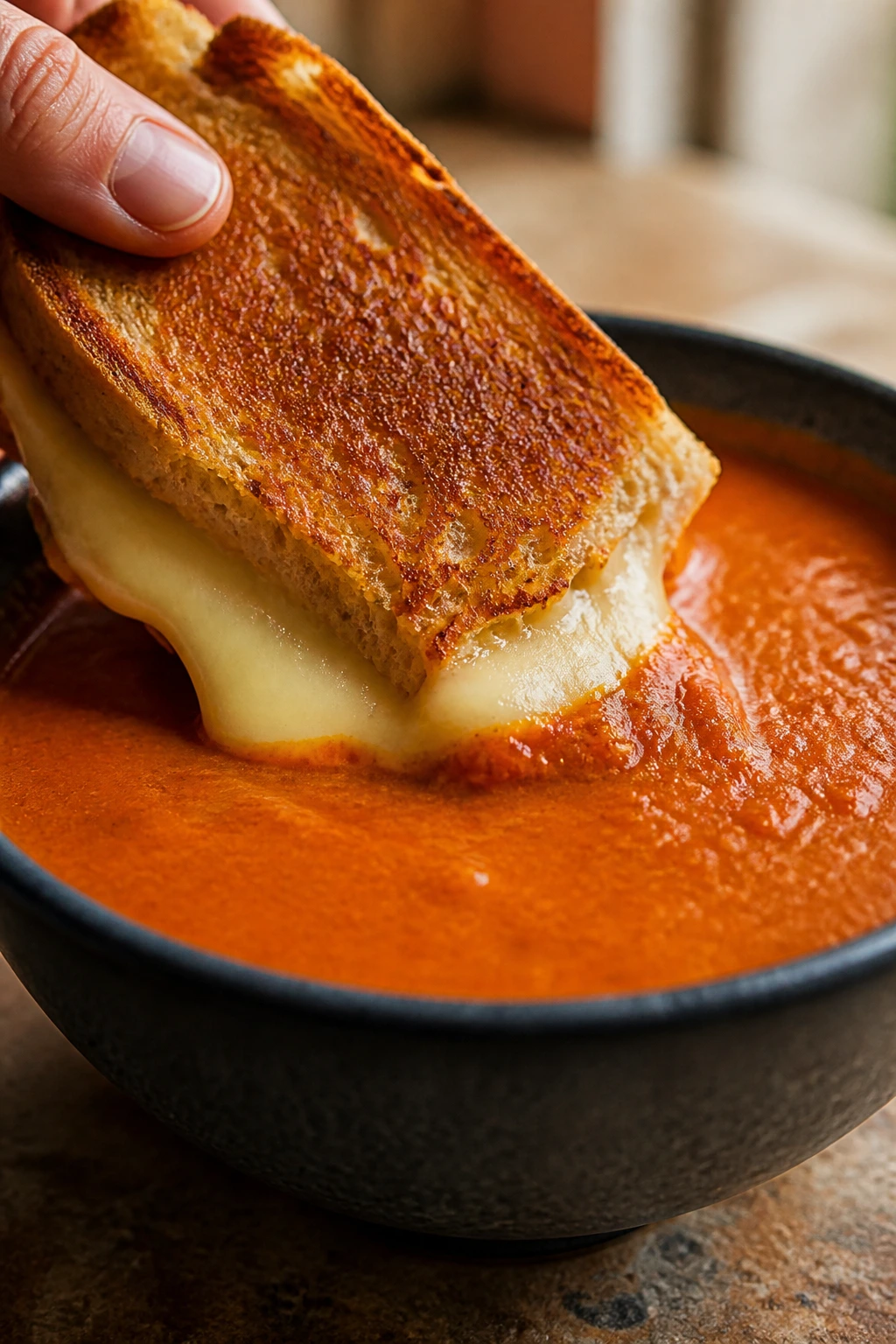
Presentation: Ladle the tomato soup into warmed bowls so it stays hot through the first few bites. I like to set the grilled cheese on the side, cut into triangles, with one point leaning toward the bowl rather than floating in it. A scatter of chopped basil and a quick grind of black pepper make the bowl look finished without fuss.
Accompaniments: Keep the sides crisp and sharp. A few dill pickles, a simple green salad with lemon vinaigrette, or roasted broccoli cut with garlic and olive oil all do their job without competing for attention. If you want something starchy, potato chips are more honest than they sound here; their salt and crunch fit the meal.
Portions: One sandwich and about 1 1/2 cups of soup is a solid dinner for most adults. If the appetite at the table is larger, the recipe scales cleanly to 6 or 8 servings without changing the method. For kids, half a sandwich and a smaller bowl of soup usually lands better than piling everything high and hoping for the best.
Beverage Pairing: A dry hard cider, a light lager, or a strong cup of black tea all work nicely because they cut through the richness instead of adding more weight. If you’re keeping it nonalcoholic, sparkling water with a squeeze of lemon does the same job in a quieter way.
Practical Tips for Better Flavor, Better Texture, Better Timing
Flavor Boost: Stir a Parmesan rind into the soup while it simmers, then remove it before blending. It gives the tomatoes a savory edge that reads as depth, not salt.
Time Saver: Dice the onion and carrot ahead of time and keep them covered in the fridge for a day. Grate the cheese the same way. That’s the kind of prep that turns dinner into a 20-minute assembly job instead of a 40-minute cleanup of your own making.
Texture Control: If the soup feels too thick after blending, loosen it with hot broth a few tablespoons at a time. If it feels too thin, simmer it uncovered for another 5 minutes before the cream goes in. A small adjustment goes a long way here.
Cheese Melt Move: Shred the cheeses and toss them together before building the sandwiches. A mixed pile melts more evenly than two separate layers, and it keeps the cheddar from becoming a solid orange slab at the center.
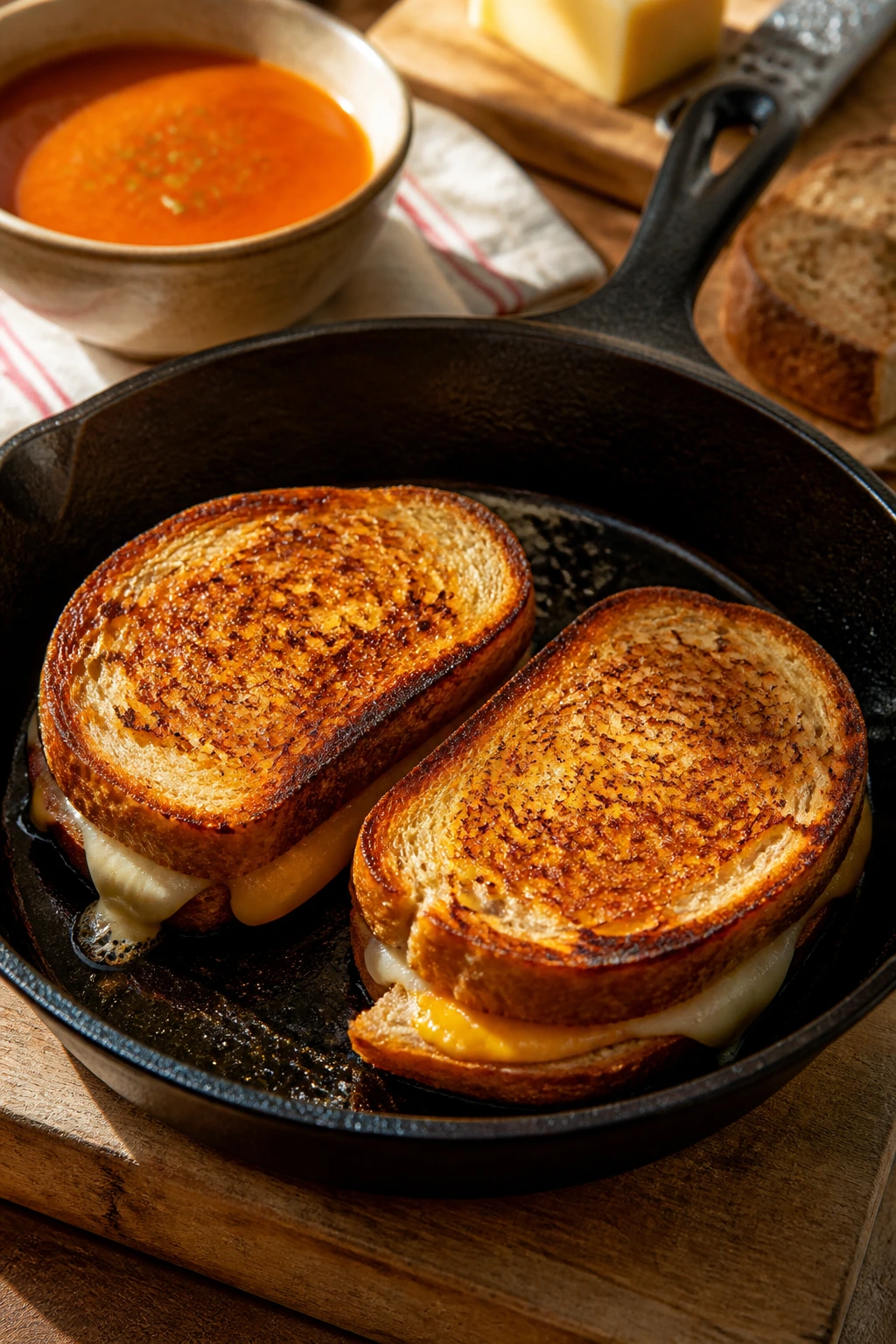
Better Browning: A tiny smear of mayonnaise on the outside of the bread darkens the crust faster than butter alone. I don’t use it for every grilled cheese, but for thick country bread it gives a cleaner, more even bronze finish.
Common Mistakes That Make This Meal Feel Heavy or Dull
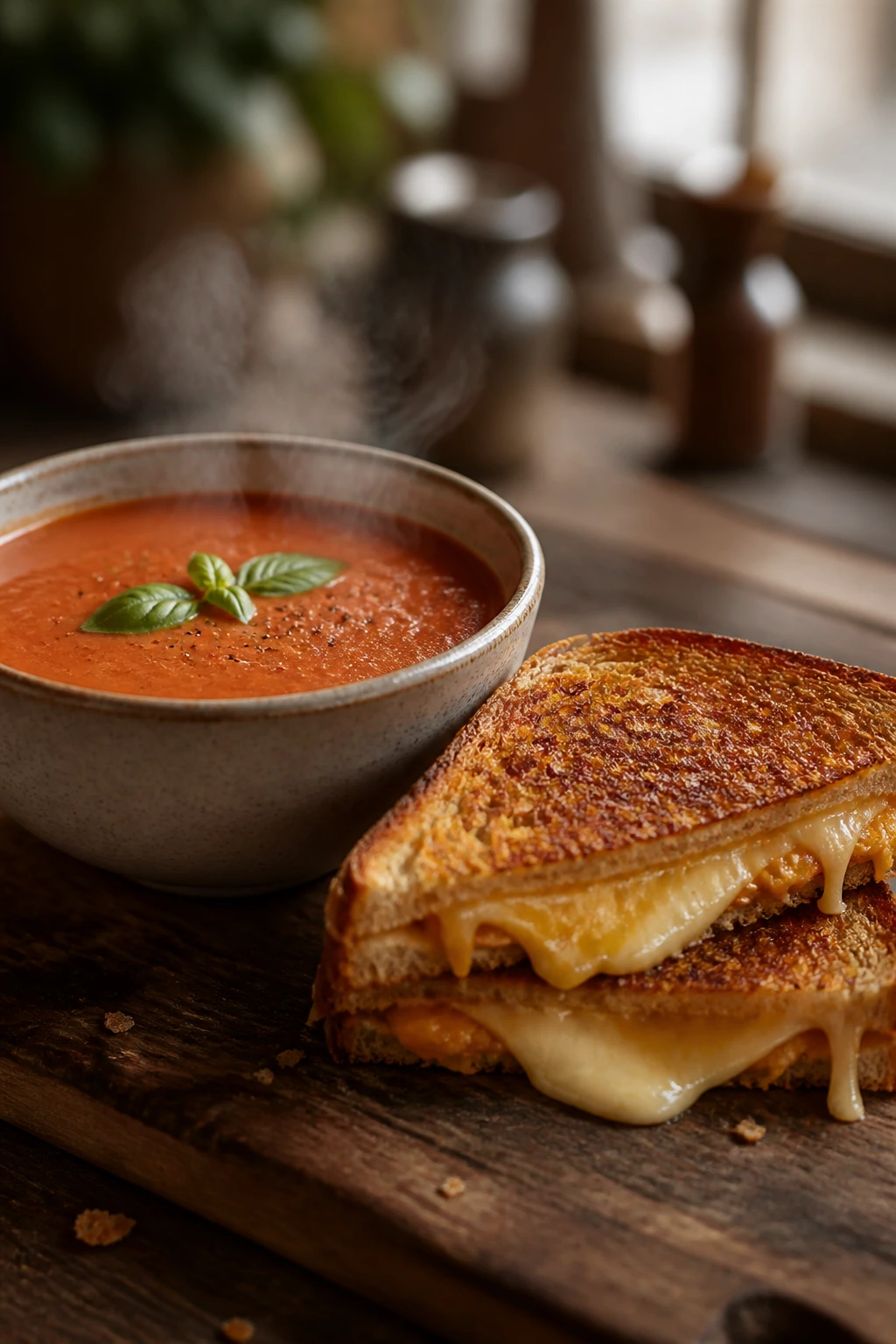
Skipping the tomato paste step. The soup may still taste fine, but it will miss the cooked, rounded flavor that makes the difference between “tomato liquid” and actual soup. Cook the paste until it darkens and smells sweet before adding the tomatoes.
Turning the heat up to hurry the sandwich. The outside goes brown before the cheese has time to melt, which leaves you with a hot crust and a cold center. Medium-low heat looks slow, but it is the correct speed for grilled cheese.
Adding cream to a boiling pot. The soup can separate slightly or taste blunt if it gets hammered at high heat after the dairy goes in. Take the pot down to low, stir in the cream, and warm it gently.
Using soft bread that slumps under the soup. Thin sandwich bread can taste nice for toast, but it falls apart too quickly here. Use sourdough or another bread with enough structure to stay crisp after slicing.
Under-seasoning after blending. Tomatoes and cheese both absorb salt differently once they’re cooked, so the soup often needs one more adjustment at the end. Taste it after the cream goes in and add salt in small pinches until the flavor wakes up.
Letting the soup over-reduce while you grill. If it sits uncovered on a hot burner too long, it can turn past cozy and into paste. Keep it on the lowest heat and stir once or twice so the bottom doesn’t catch.
Variations Worth Trying When You Want a Different Mood
Roasted Garlic and White Cheddar: Roast a head of garlic until soft and caramel-colored, then squeeze the cloves into the soup before blending. Swap the cheddar for white cheddar and the result is a little sweeter, a little quieter, and good when you want the meal to lean mellow rather than sharp.
Smoky Chipotle Version: Stir 1 chopped chipotle pepper in adobo into the soup with the tomatoes and use pepper jack in place of Gruyère. It brings heat without turning the bowl into a dare, and it’s the one I’d make when I want the room to smell bold.
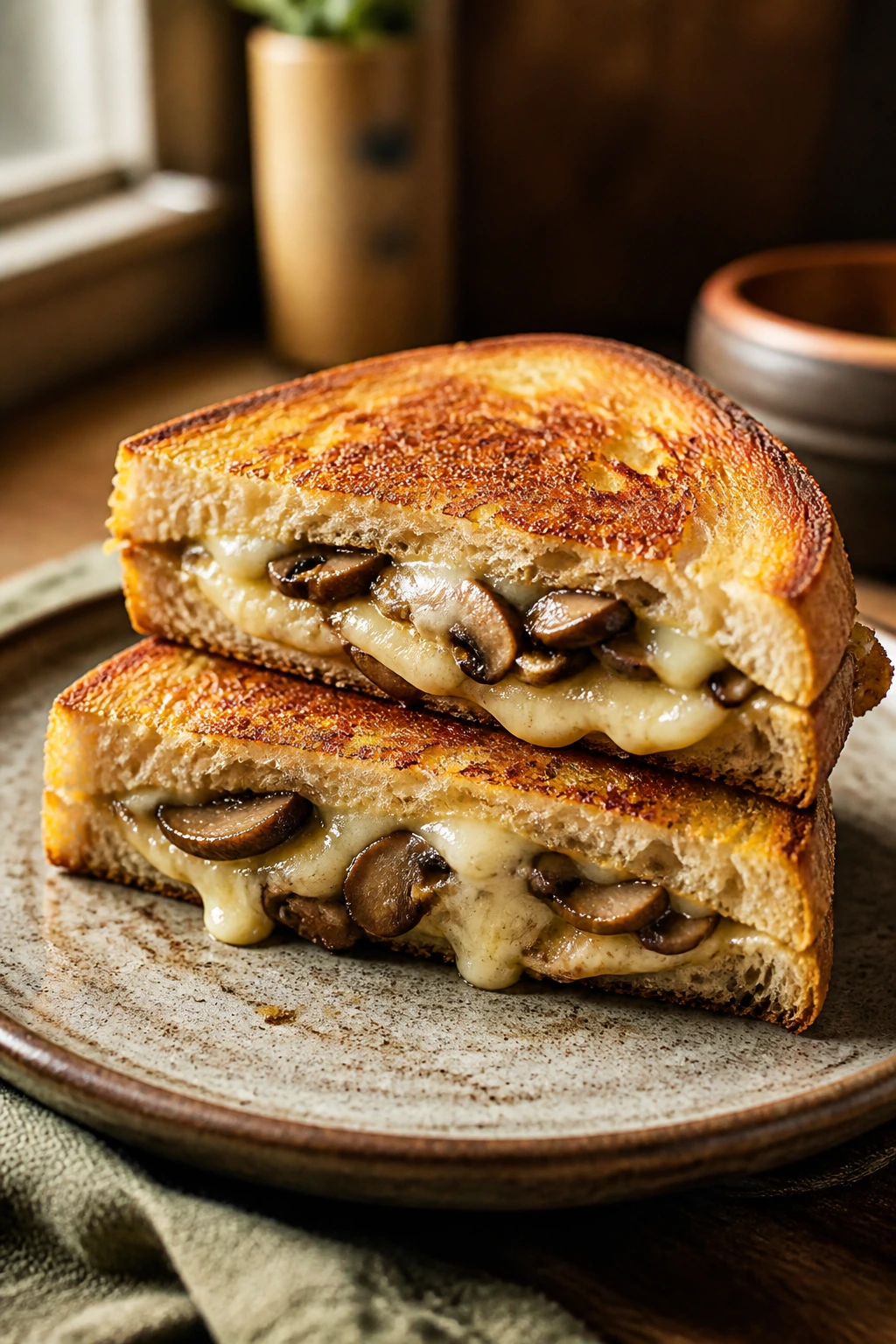
Mushroom and Swiss Sandwich Swap: Add a few sautéed mushrooms to the grilled cheese filling and use Swiss cheese with the cheddar. The mushrooms bring a browned, earthy note that makes the sandwich taste more like a diner special in the best sense.
Dairy-Free Pantry Version: Use olive oil instead of butter in the soup, swap in coconut cream or cashew cream, and grill the sandwiches with plant butter or mayo. Pick a dairy-free cheese that melts, not one that just softens; the texture matters more than the label here.
Pesto Finish: Spoon a little basil pesto onto the soup just before serving and skip the fresh basil garnish. The herbal note pops against the tomato and makes the whole plate taste a bit brighter.
Make-Ahead, Storage, and Reheating Without Soggy Bread
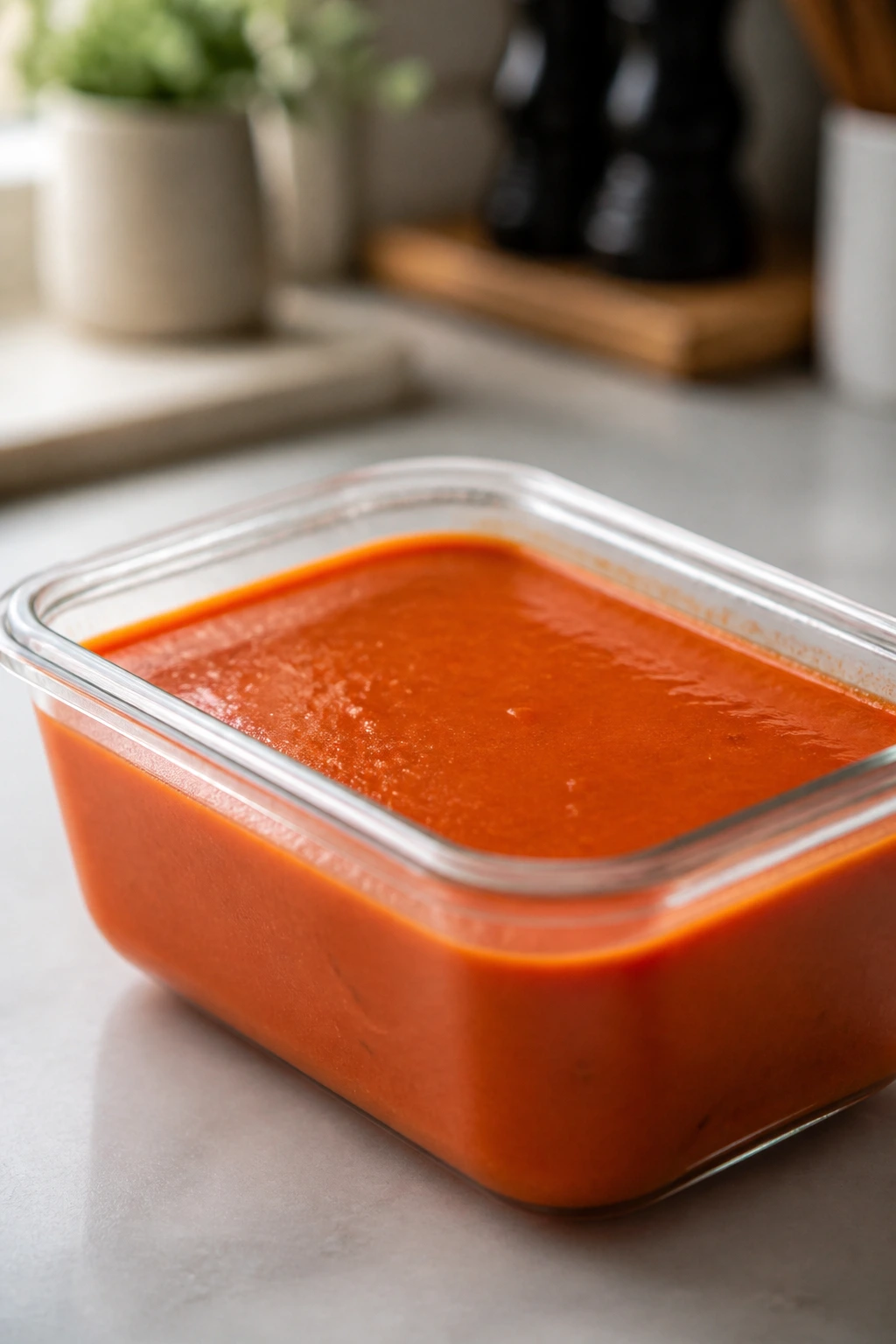
The soup is the part that likes to be made ahead. The sandwiches are not.
Soup keeps well in an airtight container in the refrigerator for 4 days. If you want to freeze it, freeze the soup base before adding the cream, and it will hold for up to 3 months. That keeps the texture cleaner when you reheat it later. Thaw overnight in the fridge, warm it gently on the stove, and stir in the cream at the end.
If the soup already has cream in it, it still keeps for about 4 days refrigerated, but the texture can become a little less polished after freezing. It won’t be ruined, but it’s not the version I’d freeze if I had the choice. A slow rewarm over low heat and a quick whisk usually bring it back together.
Grilled cheese sandwiches are best fresh from the skillet, full stop. Leftovers can be wrapped and refrigerated for 1 day, then reheated in a skillet over medium-low heat or in a toaster oven at 350°F (175°C) for 5 to 8 minutes. The microwave turns the crust limp, which is the opposite of what you want.
For make-ahead work, shred the cheese, dice the onion and carrot, and measure the soup seasonings a day ahead. You can also cook the soup base through the blending step and stop there, then finish with cream just before serving. For the sandwiches, butter the bread no more than an hour ahead; any longer and the bread can start to soak up the fat and lose some of its crisping power.
Questions People Ask About Grilled Cheese and Tomato Soup
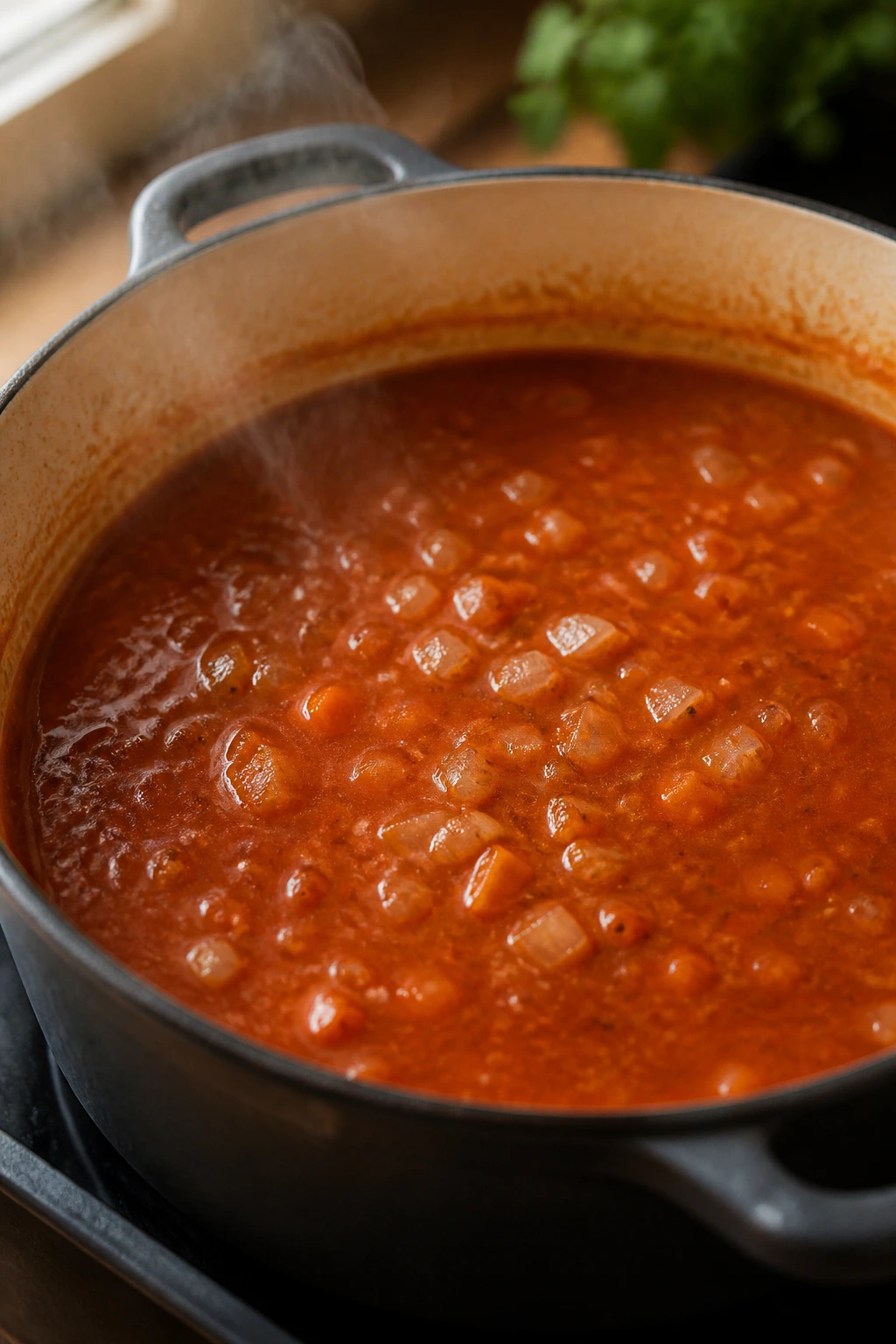
Can I use fresh tomatoes instead of canned?
Yes, but the result changes a lot. Fresh tomatoes need more time to cook down, and unless they’re very ripe they can taste sharper and less concentrated than good canned whole tomatoes. If you do use fresh, roast them first or simmer them longer so the soup doesn’t taste watery.
What bread makes the best grilled cheese for this meal?
Sourdough is my first choice because it browns evenly and stands up to dipping without collapsing. Country bread and thick sandwich bread also work, as long as the slices are sturdy enough to hold the cheese and still crisp in the pan. Thin white bread turns too fragile for this job.
Can I make the soup without cream?
Absolutely. The soup will be a little brighter and a little less plush, but it still works if you finish with olive oil instead of cream or leave it out completely. If you want some richness without dairy, a spoonful of cashew cream does a good job.
How do I keep grilled cheese crisp for a crowd?
Cook the sandwiches, slice them, and set them on a wire rack in a low oven at about 200°F (95°C) for short stretches while you finish the rest. Don’t stack them on a plate or the steam will soften the crust in a hurry. If you need to feed a group, it’s often smarter to keep the soup hot and make the sandwiches in batches.
Why does my tomato soup taste too acidic?
Usually it needs either a little more simmer time, a pinch more sugar, or a bit more fat. The cream softens the sharp edges, and the tomato paste helps round things out too. Add these in small amounts and taste after each one instead of dumping in a lot at once.
Can I make this recipe dairy-free?
Yes. Use olive oil in the soup, finish with coconut cream or cashew cream, and grill the sandwiches with a plant butter or mayonnaise that doesn’t contain dairy. Choose a dairy-free cheese that actually melts, because some of them soften but never turn properly gooey.
Can I blend the soup in a regular blender if I don’t have an immersion blender?
You can, and it works fine if you’re careful. Let the soup cool for a few minutes first, blend only halfway full, and vent the lid with a towel so steam can escape safely. The texture is usually just as smooth, but the cleanup is less pleasant.
What if the cheese leaks out while grilling?
That usually means the heat was too high or the cheese was piled too close to the edge. Keep the filling tucked in from the crust, and turn the heat down if you see butter smoking or cheese bubbling out fast. A short covered finish can melt the center without forcing the filling to escape.
A Bowl Worth Repeating
There’s a reason this pairing never really leaves the table. It doesn’t ask for rare ingredients, and it doesn’t need a complicated plan. It just rewards a few small decisions done well: letting the onion soften, toasting the tomato paste, and giving the sandwich enough time to brown instead of rushing the crust.
A meal like this has a kind of old-school honesty to it. The soup should be hot and smooth, the bread should crack when you cut it, and the cheese should stretch a little before it gives up. Keep a loaf of sturdy bread and a couple of cans of whole tomatoes around, and the whole thing stays close enough for the next cold night that shows up uninvited.
Grilled Cheese and Tomato Soup — Recipe Card
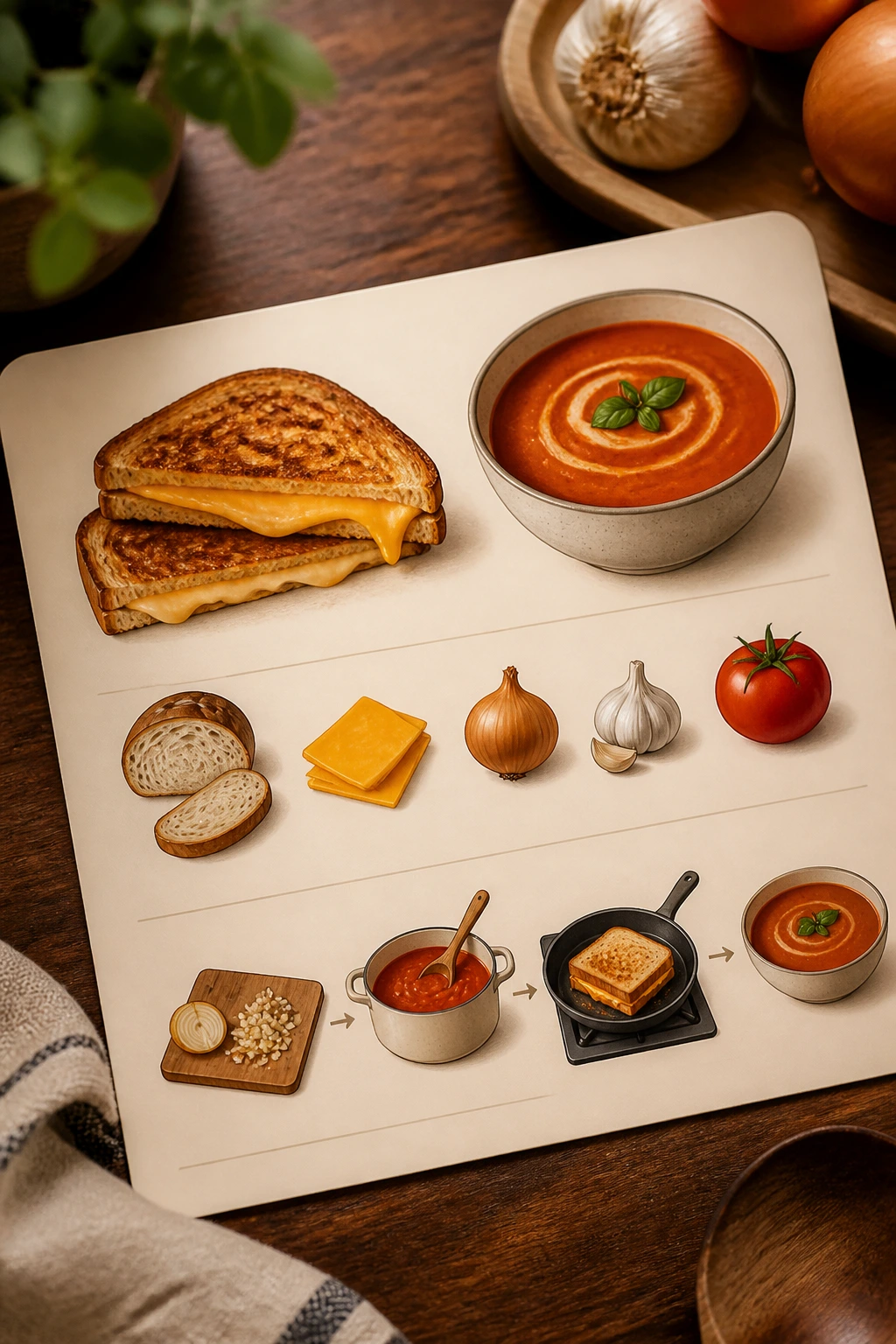
Recipe Name: Cozy Grilled Cheese and Tomato Soup
Description: A silky tomato soup with onion, garlic, and cream served alongside crisp, buttery grilled cheese sandwiches made with sharp cheddar and Gruyère. The soup is bright and savory; the sandwich brings crunch, salt, and a slow cheese pull.
Prep Time: 20 minutes
Cook Time: 35 minutes
Total Time: 55 minutes
Course: Dinner, Main Course
Cuisine: American
Servings: 4 servings
Calories: About 720 kcal per serving
Ingredients
For the Tomato Soup:
- 2 tablespoons unsalted butter
- 1 tablespoon olive oil
- 1 medium yellow onion, diced small
- 1 medium carrot, peeled and diced small
- 3 garlic cloves, minced
- 2 tablespoons tomato paste
- 2 (28-ounce) cans whole peeled tomatoes, with juices
- 2 cups low-sodium vegetable broth or chicken broth
- 1 teaspoon granulated sugar
- 1 teaspoon kosher salt, plus more to taste
- 1/2 teaspoon freshly ground black pepper
- 1/2 teaspoon dried basil
- Pinch of red pepper flakes
- 1/2 cup heavy cream or half-and-half
- 1 tablespoon balsamic vinegar
- 2 tablespoons chopped fresh basil, for serving
For the Grilled Cheese Sandwiches:
- 8 slices sourdough or country-style bread, 1/2 to 3/4 inch thick
- 4 tablespoons unsalted butter, softened
- 1 tablespoon mayonnaise, optional, for the outer side of the bread
- 8 ounces sharp cheddar cheese, shredded
- 4 ounces Gruyère or fontina cheese, shredded
- Flaky salt, for the finished sandwiches
Instructions
-
Cook the aromatics: Warm the butter and olive oil in a large Dutch oven over medium heat. Add the onion and carrot and cook for 6 to 8 minutes, until softened and lightly golden at the edges.
-
Add garlic and tomato paste: Stir in the garlic for 30 seconds, then add the tomato paste and cook for 1 to 2 minutes, until darker and fragrant.
-
Simmer the soup: Add the tomatoes with juices, broth, sugar, salt, black pepper, dried basil, and red pepper flakes. Crush the tomatoes with a spoon, bring to a gentle boil, then reduce to low and simmer uncovered for 20 to 25 minutes.
-
Blend and finish the soup: Blend the soup until smooth with an immersion blender, or carefully in batches with a regular blender. Stir in the cream and balsamic vinegar, then warm gently for 2 minutes. Taste and adjust the seasoning.
-
Build the sandwiches: Butter one side of each bread slice. Mix the cheddar and Gruyère together, divide between 4 slices, and top with the remaining bread, buttered side facing out. Add mayonnaise to the outside of the bread first if using.
-
Grill the sandwiches: Heat a skillet or griddle over medium-low heat. Cook the sandwiches for 3 to 4 minutes per side, until deep golden and the cheese is fully melted. Lower the heat if the bread browns too quickly.
-
Serve: Rest the sandwiches for 1 minute, slice diagonally, and season lightly with flaky salt. Ladle the soup into bowls and finish with fresh basil.
Notes: For deeper flavor, add a Parmesan rind to the soup while it simmers and remove it before blending. The soup freezes best before the cream goes in. Grilled cheese is best eaten fresh, while the crust is still crisp.