



A ground beef dinner can save the evening, or it can land on the table looking tired and tasting like nothing much. The difference is usually one hot pan, one smart choice at the butcher case, and a little patience before you start poking at the meat with a spoon.
Hearty cooking with ground beef works because the ingredient has range. It browns fast, takes seasoning well, and can move in three very different directions without acting up: skillet supper, casserole, or slow-simmered pot of chili. But it does have rules. Use the wrong fat ratio, crowd the pan, or drown it in liquid too soon, and you get gray crumbles with no flavor backbone. Treat it well, and it turns into dinner that smells rich before anyone has even set the table.
What I like most about ground beef is how honest it is. It doesn’t pretend to be delicate. It wants heat, salt, a little fat, and something beside it that can soak up the juices — potatoes, rice, pasta, beans, bread, cabbage, noodles, corn tortillas. Give it that structure and the whole meal suddenly feels sturdier.
Why Ground Beef Keeps Showing Up in Hearty Dinners
-
It browns quickly enough for real weeknights. A pound of ground beef in a wide skillet can be cooked through in about 8 to 10 minutes, which means you can build dinner without babysitting a roast or waiting on a long braise.
-
It carries flavor instead of fighting it. Garlic, onion, tomato, cumin, Worcestershire, thyme, soy sauce, paprika — ground beef accepts all of them and still tastes like beef.
-
The fat works for you if you choose it well. An 80/20 blend gives you drippings for onions and sauce; a 90/10 blend keeps things cleaner when the dish already has cheese, cream, or broth.
-
It stretches cleanly. Mushrooms, lentils, beans, diced carrots, rice, potatoes, and pasta all play well here. That matters when you want a dinner that feeds more than one hungry person.
-
It turns one pan into an actual meal. Beef alone is dinner’s beginning. Beef with onions, vegetables, sauce, and starch is dinner.
-
It’s forgiving, but not careless-proof. You can recover from a slightly dry pan or a sauce that needs salt. You cannot recover from meat that never browned in the first place.
Choosing the Right Fat Ratio for the Pan
What fat percentage should you buy when the goal is a hearty ground beef dinner? The short answer is: not the leanest package on the shelf, and not the fattiest one unless you know exactly why you’re buying it.
80/20: The Reliable All-Rounder
An 80/20 blend is the one I reach for most often. It has enough fat to brown well and enough rendered juice to help onions, garlic, and tomato paste get going. In a skillet meal or a chili, that extra flavor matters more than shaving off a little grease later.
For a fast dinner, 80/20 is the sweet spot. It gives you a little cushion if the pan runs hot or the sauce simmers a bit longer than planned.
85/15: The Cleanest Middle Ground
If you want the beef to taste full but don’t want to drain a big puddle of fat, 85/15 is a good middle path. It works especially well in casseroles, stuffed peppers, baked pasta, and meat sauces where there are already other rich ingredients on the plate.
I use this ratio when cheese is involved. It keeps the final dish from feeling slick.
90/10 and Leaner: Good for Saucy, Moist Dishes
Lean ground beef can work, but it needs support. Tomato sauce, broth, onions, mushrooms, or a little olive oil should be part of the plan. If you brown 90/10 beef in a dry pan and then expect miracles, you’ll get a firm, pale crumble that needs help.
That doesn’t mean lean beef is a bad buy. It just means it is better in soups, chilis, and saucy pasta than in a dry skillet hash.
What to Look for in the Package
Buy meat that looks cold and tightly packed, with a clean smell once opened. A little color variation is fine. Ground beef can darken at the center or near the edges because of oxygen exposure, and that does not automatically mean it’s bad.
One thing I skip: packages with a lot of liquid at the bottom and a sour smell. That’s not a “cook it and hope” situation. That’s a “put it back” situation.
Browning Ground Beef Until It Smells Nutty, Not Gray
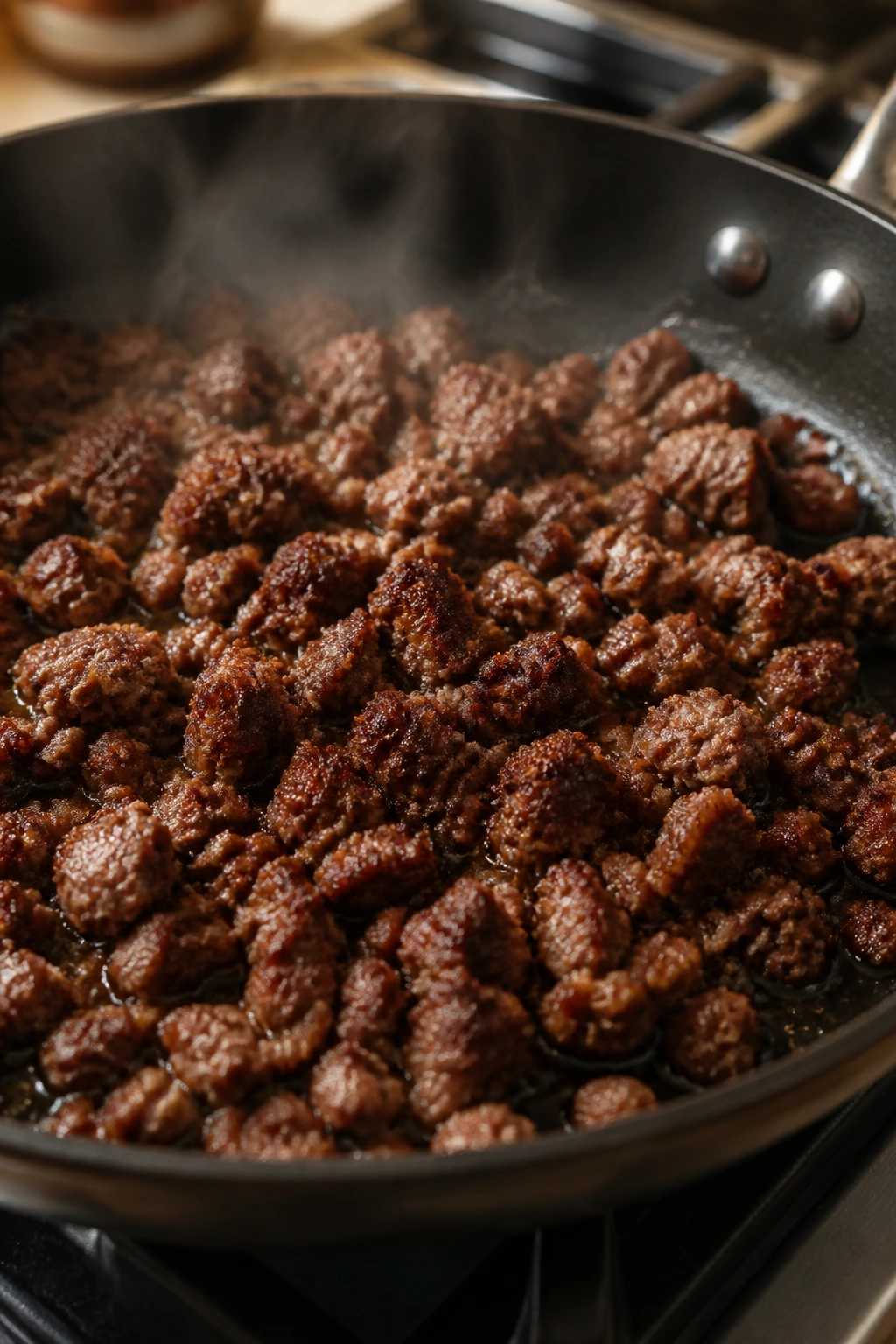
A lot of people think they’re cooking ground beef, but they’re actually steaming it in a crowded skillet. That’s how you end up with meat that tastes dull and looks washed out.
Start with a large skillet or Dutch oven, because ground beef needs room. A pound fits comfortably in a 12-inch skillet. If you cram it into an 8-inch pan, moisture has nowhere to go, and the meat stews in its own liquid before it ever browns.
The sound matters
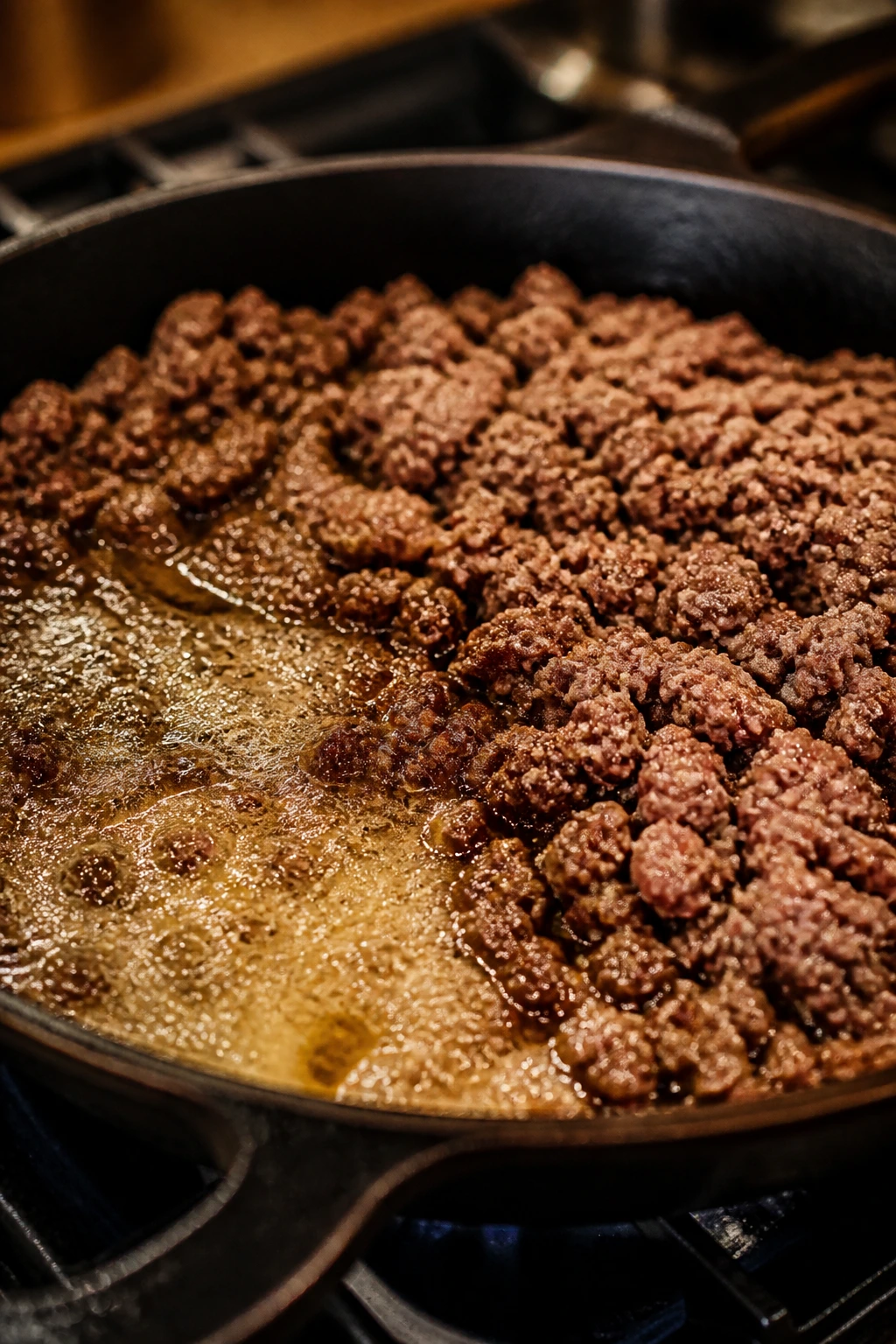
When the meat hits the pan, you want a real sizzle. Not a whisper. A proper sizzle. That sound tells you the surface is hot enough to start browning instead of slowly leaking moisture into the pan.
Break the meat into large pieces at first, then leave it alone for a minute or two. That little pause matters. The underside needs contact with the pan to develop the browned bits that make the whole dinner taste deeper.
Don’t rush the stirring
I like to break the meat into walnut-size chunks first, then into smaller crumbles once the first side has color. If you keep stirring every ten seconds, you never give the meat a chance to develop those darker edges.
A good batch of browned ground beef smells a little sweet, a little savory, and not at all metallic. The color should be brown with some toasted spots, not dull beige.
Drain with judgment
If the pan has more than a couple tablespoons of fat, drain some of it. Not all of it. That’s the part people get wrong. A thin layer of fat helps onions and garlic bloom in the same pan, and it carries the seasoning into the rest of the dish.
If the meat looks dry, stop draining early. A little richness is useful. A greasy puddle is not.
A splash to scrape the pan
Once the beef is browned, a small splash of water, broth, wine, or tomato juice can loosen the fond stuck to the bottom. That browned layer is where the dinner gets its depth. Scrape it up and let it dissolve into the sauce instead of leaving it behind as burnt residue.
Seasoning Ground Beef Without Making It Taste Like Taco Night Every Time
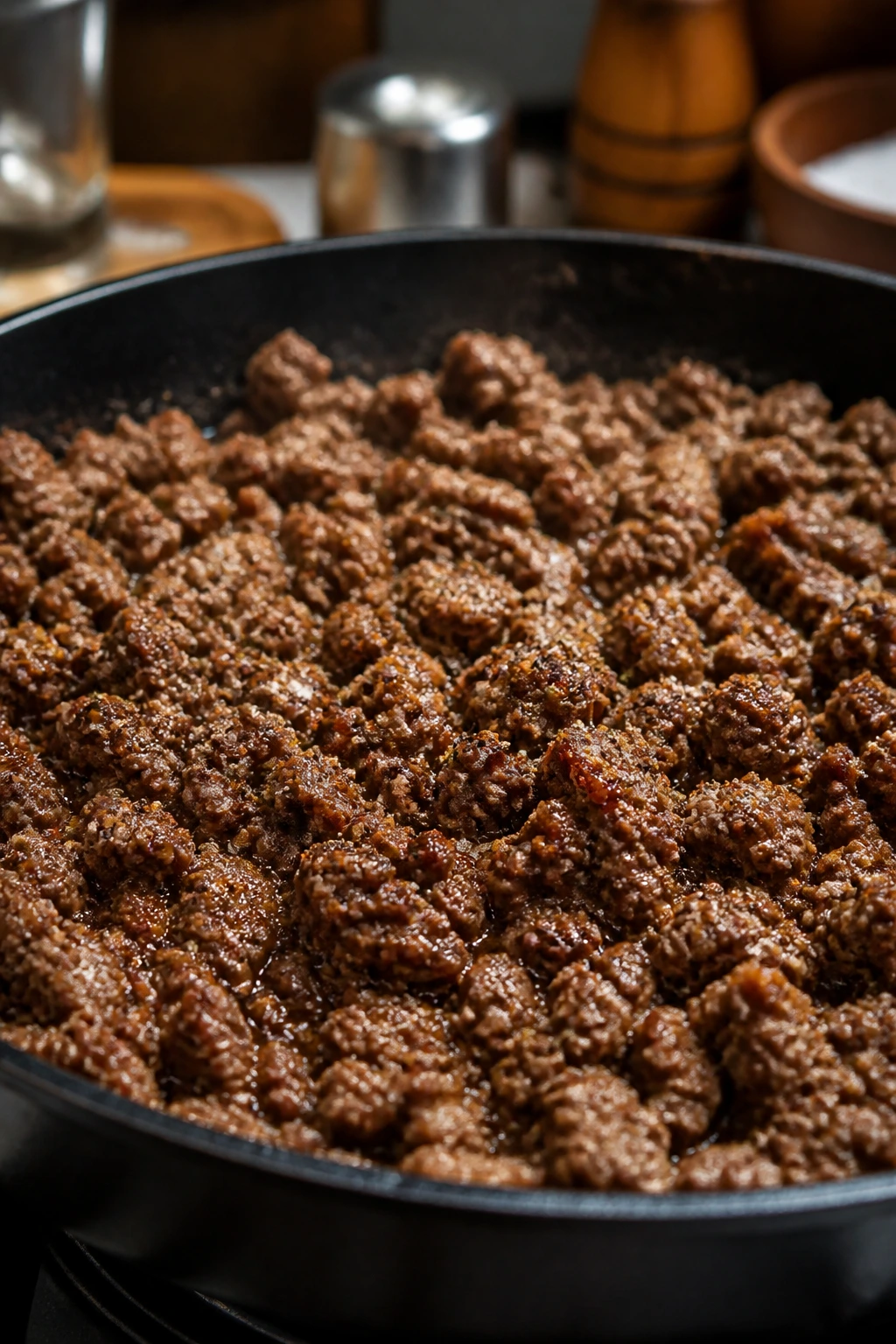
Ground beef gets trapped in a taco loop far too often. That seasoning profile works, sure, but it is not the only path. If every pound of beef tastes like cumin and chili powder, dinner gets repetitive fast.
The trick is to think in flavor families, not just “seasoning.” Beef can go earthy, tomato-rich, herbal, smoky, or sharp with very little effort. Small changes make a big difference.
Salt first, but not too early
I salt browned beef once the meat has started to change color. That keeps the pan from getting watery at the start. For a pound, roughly 1 to 1½ teaspoons kosher salt is a sensible starting point, then adjust once sauce or vegetables are added.
Salt is not the only seasoning, but it’s the one that makes the others show up.
Tomato paste is a sleeper move
A spoonful of tomato paste cooked in the pan for 30 to 60 seconds adds a dark, almost meaty note. It works in pasta sauce, chili, sloppy joe filling, and any casserole that leans red and savory.
Cook it briefly in the fat before adding liquid. Raw tomato paste tastes flat. Toasted tomato paste tastes like you meant it.
Three directions that work
Herb-forward: onion, garlic, thyme, rosemary, parsley, a splash of broth, and maybe a little butter at the end. This is the route for shepherd’s pie, meat sauce, and beef with potatoes.
Smoky and warm: paprika, cumin, black pepper, a pinch of chili flakes, and Worcestershire. Good for skillet dinners, stuffed peppers, and rice bowls.
Deep and savory: soy sauce, garlic, ginger, scallions, and a little sesame oil. This one is especially useful when you want beef to sit on rice with vegetables and not feel heavy in the wrong way.
Finish with something bright
A little acid at the end — vinegar, lemon juice, a spoonful of pickles, a squeeze of lime, a splash of hot sauce — wakes the beef up. Fat likes a counterpoint. So does your tongue.
Building a Hearty Plate Around One Pound of Beef
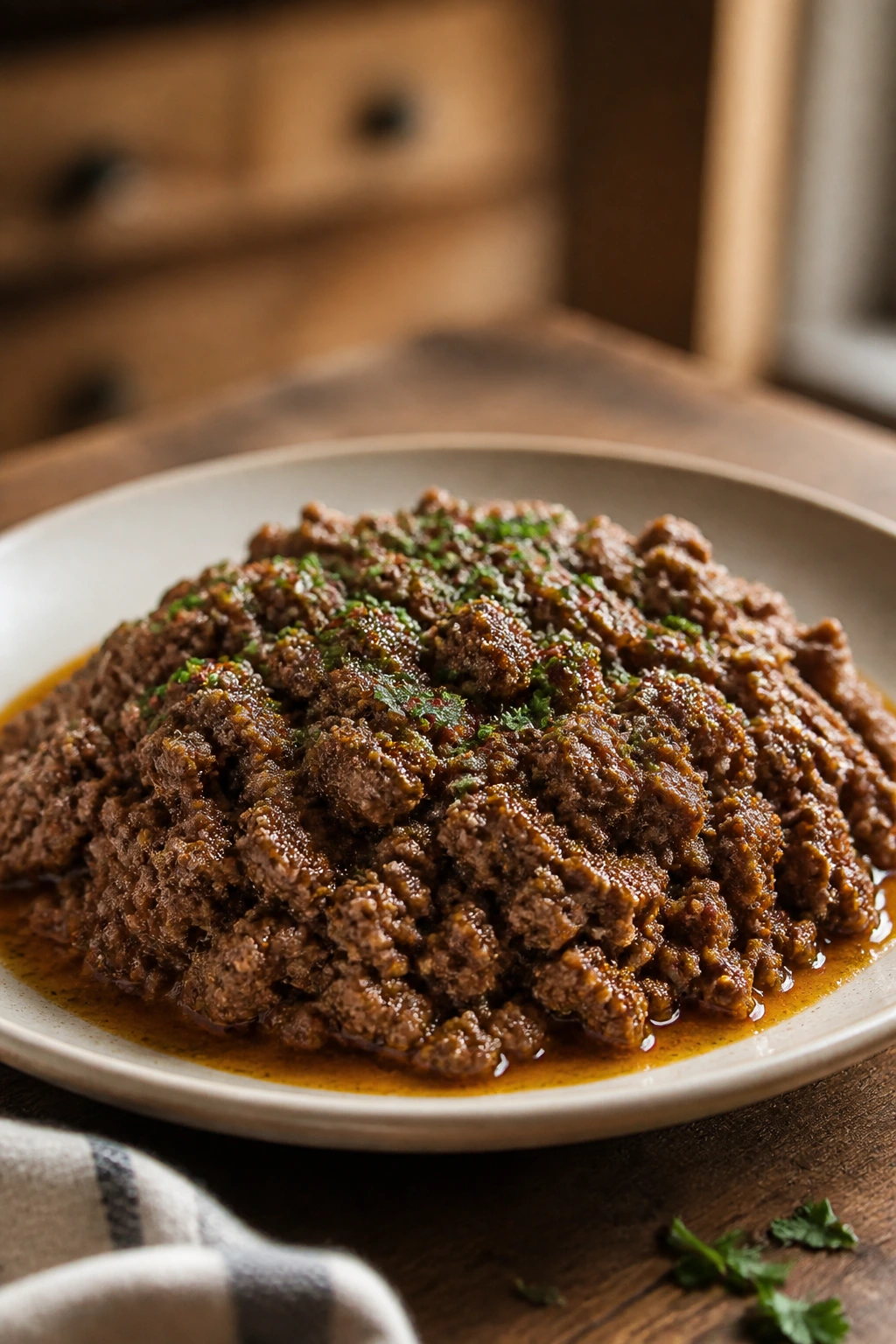
A pound of ground beef by itself feeds something like two very hungry adults or three average portions. A proper dinner uses that pound as the center, not the whole show.
Presentation: I like ground beef dishes in shallow bowls or wide plates rather than deep soup bowls. You see the sauce, the vegetables, and the starch all at once. A few herbs on top — parsley, cilantro, sliced scallions — make the plate look finished without making it fussy.
Accompaniments: Mashed potatoes, buttered egg noodles, rice, roasted carrots, crusty bread, cabbage, or a crisp green salad all work. If the beef is saucy, give it something that can catch the sauce. If the beef is in a casserole, add something fresh and crunchy on the side.
Portions: Plan on 4 servings from 1 pound of beef when you add vegetables or starch. If the beef is the main event with only a couple of sides, 3 people may eat more comfortably. For stretchier dinners, 1 pound can serve 5 or 6 if you add beans, mushrooms, rice, or pasta.
Beverage Pairing: Cold lager works with smoky beef, sparkling water with lime keeps rich casseroles from feeling too heavy, and a simple red wine with decent acidity holds up to tomato-based dishes. Sweet soda is not my pick here. It flattens the savory edge.
One detail I always notice: a hearty ground beef dinner feels more complete when there is something green and crisp on the plate. Even a basic side salad with sharp vinaigrette keeps the whole meal from sinking into brown-on-brown territory.
Stretching One Pound Without Making Dinner Feel Thin
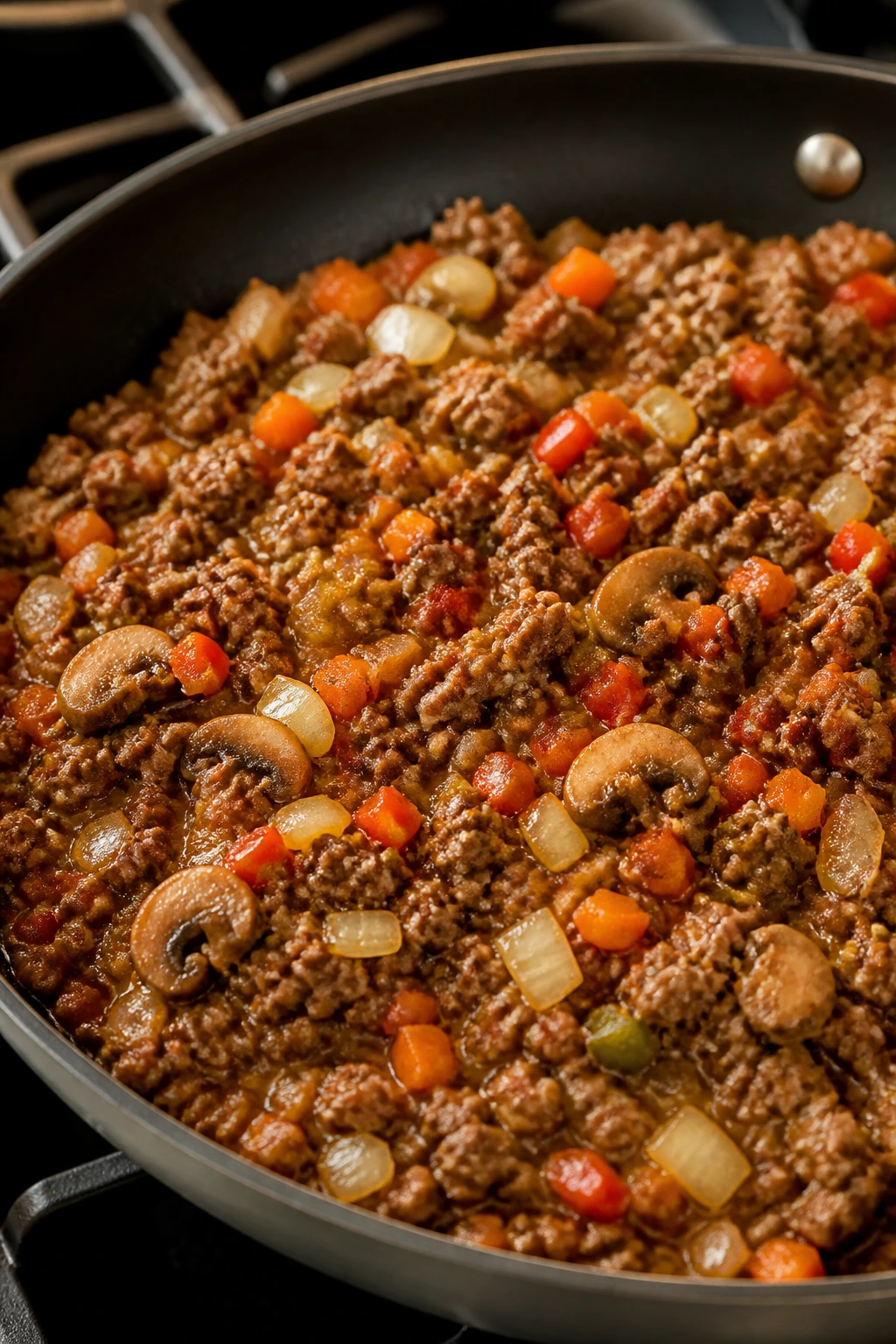
A lot of people hear “stretch the meat” and imagine the sad kind of budget cooking where the beef disappears. That is not the goal. The goal is to make the beef taste fuller because it has good company.
A finely chopped onion is the easiest stretch. So is a cup of mushrooms chopped small enough to disappear into the crumbles. Carrots, celery, zucchini, cabbage, and bell peppers all work too, but they need to be cut small and cooked until they soften. Big chunks of vegetable don’t stretch meat. They just sit beside it.
Beans and lentils are the other obvious move, and they are not a compromise if you season them well. Black beans, kidney beans, and brown lentils each bring a different texture. Lentils especially can make a beef chili feel bigger without turning it mushy.
My favorite stretches
-
Mushrooms: Chop them finely and cook them with the beef so their moisture evaporates. They soak up Worcestershire, garlic, and salt like little sponges.
-
Potatoes: Dice them small and let them brown in the same pan. They add chew and make the dish feel sturdier.
-
Rice or pasta: These don’t hide the beef; they frame it. Ground beef tossed with pasta and sauce tastes richer than the same meat served alone.
-
Beans: They are especially useful in tomato-based dishes and chili. Just make sure the seasoning is strong enough to stand up to them.
There’s a trick here. The added ingredients should match the size of the beef crumbles, or at least feel like part of the same texture family. Giant cubes of squash next to tiny beef bits make the dinner feel confused.
Skillet Suppers That Finish in One Pan
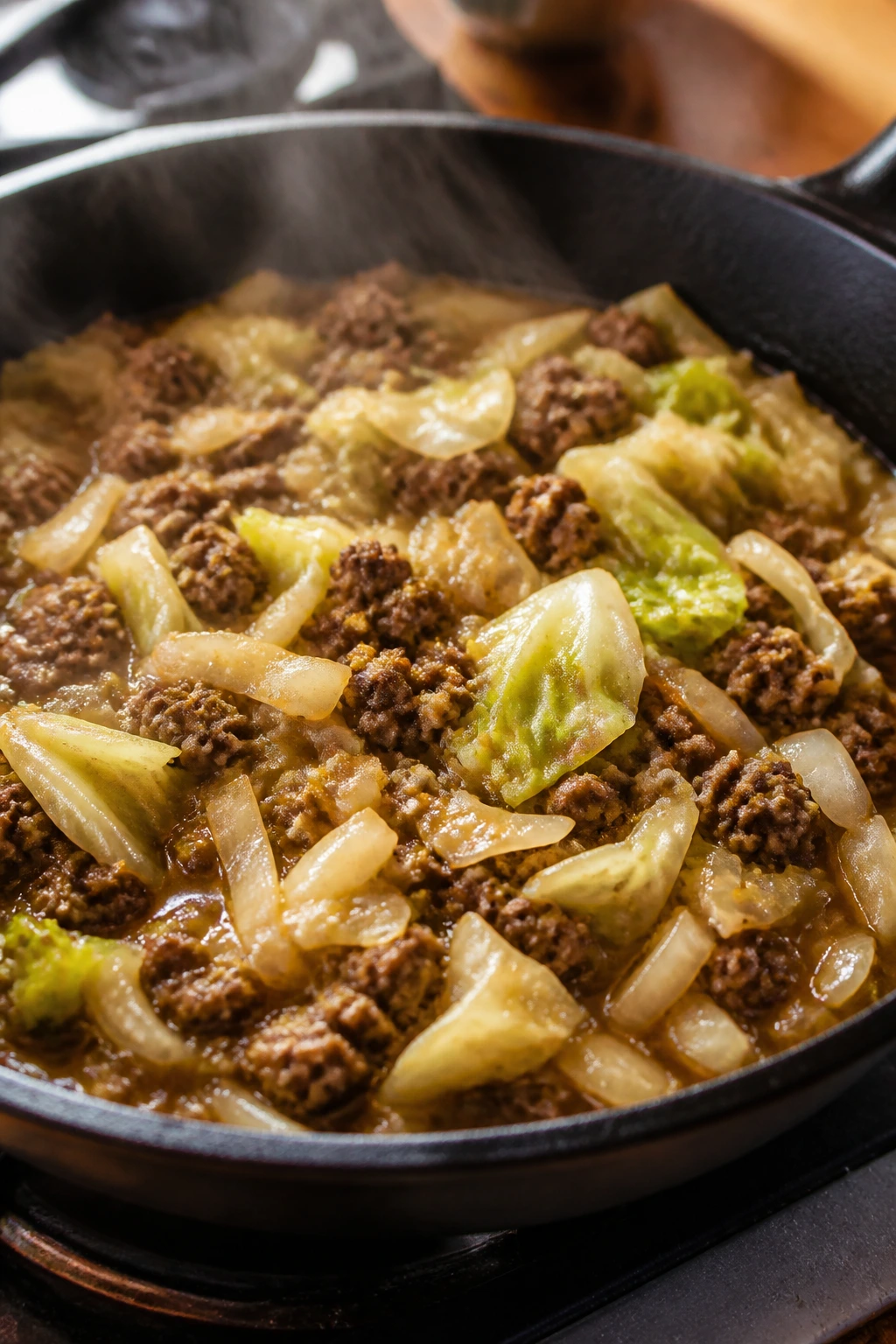
A good skillet dinner is one of the cleanest ways to cook ground beef for a hearty dinner. You brown the meat, add the aromatics, fold in vegetables or starch, and finish with a sauce right in the pan. Fewer dishes. More flavor. No drama.
What a skillet meal needs
The pan has to be wide enough for browning and deep enough to hold liquid later. A 12-inch skillet or a shallow Dutch oven is ideal. Once the beef is browned, you can build almost any direction you want.
A few paths I keep coming back to:
-
Beef and cabbage: Brown beef with onion and garlic, add shredded cabbage, splash in broth or soy sauce, cover briefly, then finish with pepper and vinegar. It turns soft at the edges and tastes better than its grocery list.
-
Beef and potatoes: Small diced potatoes need time, so parboil them or give them a head start in the skillet before the beef goes back in. A little smoked paprika helps tie the whole thing together.
-
Beef and rice: Cook the rice separately or use a quick-cooking method in the pan with broth. Add peas, carrots, or corn for color and a bit of sweetness.
-
Beef and peppers: Bell peppers, onion, tomato sauce, and rice make a dish that feels dense and familiar without being heavy in a bad way.
The skillet works because every ingredient gets coated with the same pan flavor. That fond on the bottom — the browned stuff — is the invisible engine of the dish. Scrape it up. Always.
Casseroles and Bakes That Hold Their Shape
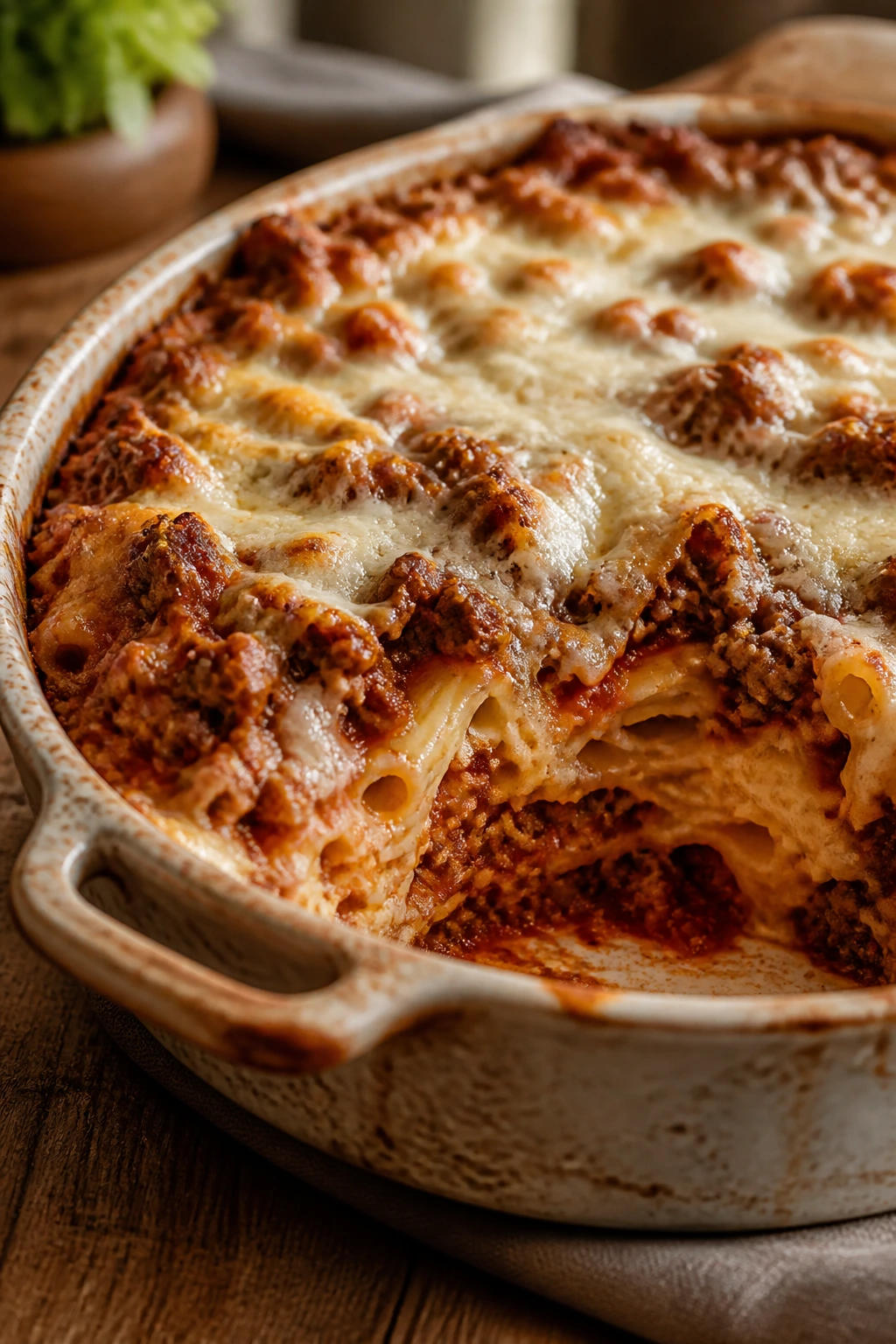
Why do some beef casseroles come out glossy and structured while others collapse into a sloppy heap? Moisture control. That’s the whole game.
Baked ground beef dishes need the filling to be a little looser before they go into the oven, because pasta, potatoes, and rice keep absorbing liquid while they cook. If the mixture looks thick in the bowl, it often turns dry after baking. If it looks soup-like, it may never set.
Pasta bakes and baked ziti
Ground beef, tomato sauce, onions, garlic, and pasta are old friends. The important part is undercooking the pasta by a minute or two before baking, because it keeps cooking in the oven. If you use fully cooked pasta, it tends to go soft around the edges.
A layer of cheese on top is useful, but cheese alone does not make the dish hearty. The filling still needs enough seasoning and enough sauce to move through the pasta.
Shepherd’s pie and potato bakes
This is one of my favorite ways to use ground beef on a colder night. The meat filling underneath should be rich, slightly saucy, and thick enough that the mashed potatoes sit on top without sliding off. Peas and carrots make sense here because they fit into the comfort-food rhythm, not because tradition demands it.
Let the casserole rest for 10 to 15 minutes after baking. If you cut it too soon, the filling runs and the whole thing looks tired.
When the oven helps most
Use the oven when you want even heat and a crisp top. It’s not the fastest method, but it handles leftovers well, feeds a crowd, and makes the house smell like dinner has been working for you all afternoon.
Soups, Stews, and Chili for Slow-Built Flavor
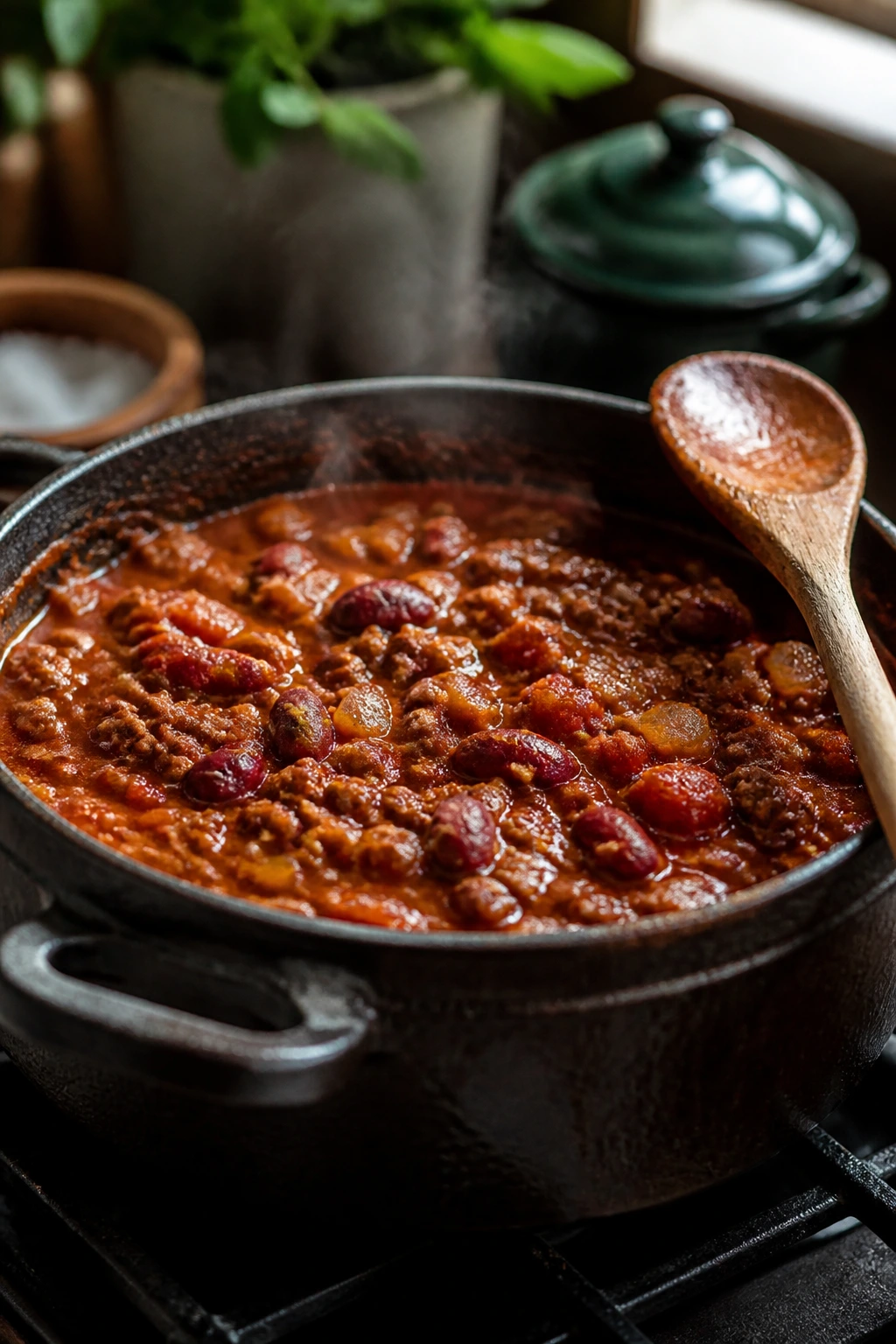
Ground beef soup can be muddy if you rush it. Chili can taste flat if you don’t brown the meat first. Stew can turn grainy if it boils hard. The fix for all three is the same: steady heat and enough seasoning to survive the broth.
A pot of ground beef chili needs the meat browned before the liquid goes in. That browning creates the base note that carries through the beans, tomatoes, and spices. If you dump raw beef into broth, the result is flatter and more one-note.
Chili wants body
Tomatoes, beans, onion, garlic, chili powder, cumin, and stock form the usual backbone. A spoonful of cocoa, a splash of beer, or a bit of masa harina can change the texture in a good way. I’m not precious about chili, but I do care that it tastes rounded and not thin.
Let it simmer gently. Not boil. Boiling shakes the beef apart and makes the texture coarse.
Soups need structure
For beef-and-vegetable soup, keep the beef in small crumbles and cut the vegetables to a size that makes sense on the spoon. Carrots, celery, potatoes, green beans, and cabbage all work. A little tomato paste or Worcestershire deepens the broth without turning it into chili.
Stew benefits from patience
Ground beef stew is not the same thing as a beef chuck stew, and it shouldn’t pretend to be. It’s lighter, faster, and usually built around ground beef, potatoes, peas, carrots, and a thickened broth. A cornstarch slurry or a flour-based roux can help if you want a denser finish.
One small thing: ground beef soups and chilis taste better the next day. The seasoning settles. The broth thickens a touch. That overnight rest is not magic. It’s just time doing useful work.
Practical Tips for Better Ground Beef Dinner Nights
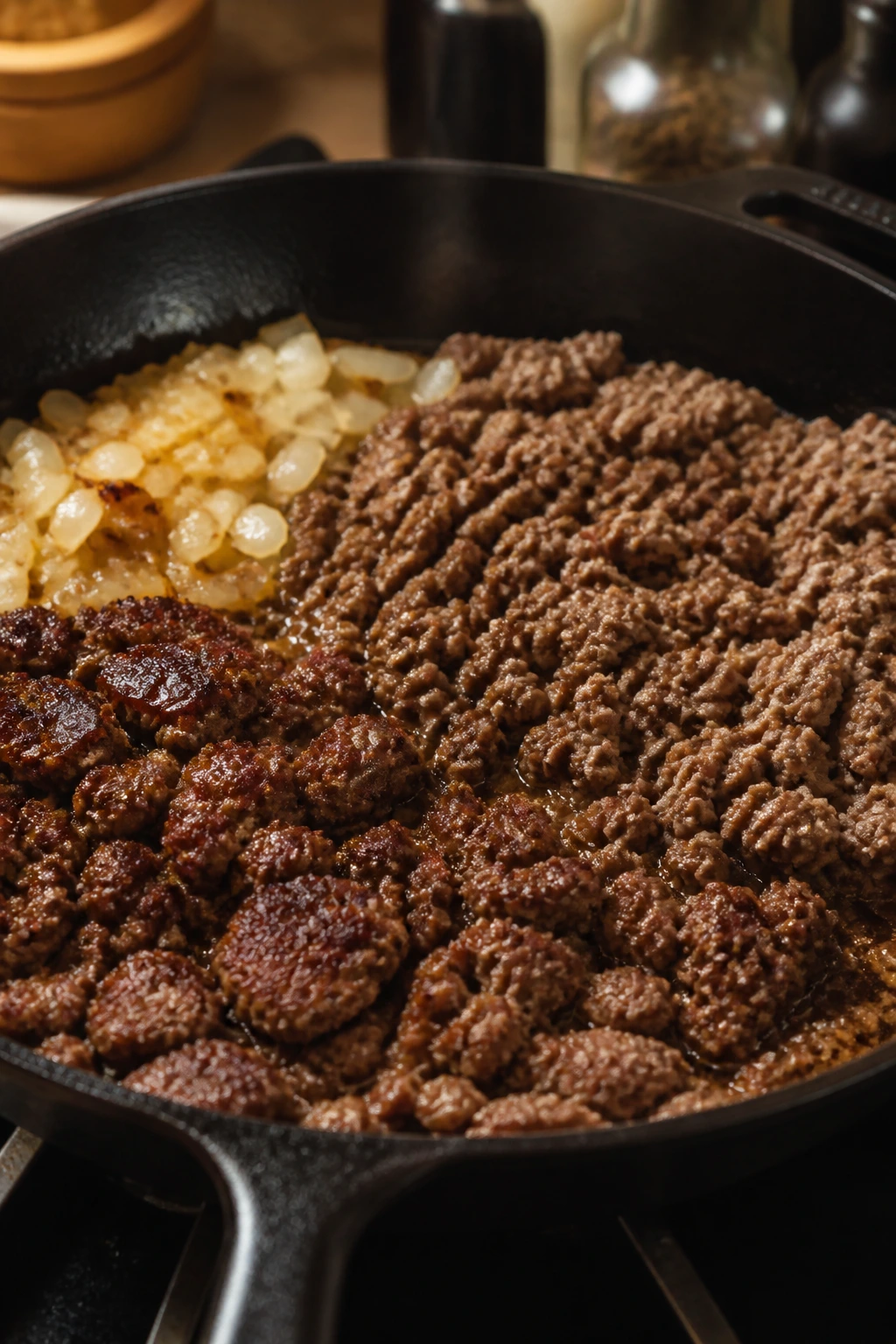
A few habits make ground beef dinner much easier, and none of them are glamorous.
-
Brown in batches when you have more than a pound. If you need 2 or 3 pounds for meal prep or a crowd, cook it in two rounds. The extra 8 minutes is worth it. Crowding a giant batch into one pan makes a wet, pale mess.
-
Keep a tablespoon of fat only when it earns its keep. That fat is flavor in a skillet meal with onions and spices. It is excess in a dish with lots of cheese or cream. Drain with intent, not panic.
-
Use a small spatula or meat chopper to control the crumble size. Bigger chunks work in chili and sloppy joes. Fine crumbles work in pasta sauce and casseroles. Don’t make every dish look the same.
-
Add garlic near the end of browning. Garlic burns fast in hot fat. If the beef still needs time, let the meat get most of the color first, then stir the garlic in for the last minute.
-
Taste after the sauce goes in, not before. Ground beef can hide seasoning at first. Once the tomato, broth, or cream joins the pan, the salt level reads differently.
-
Use acid at the finish. A teaspoon of vinegar or lemon juice can pull a heavy dish back into focus. It does not make the meal sour. It makes the beef taste more like itself.
Tools I’d Keep Next to the Stove
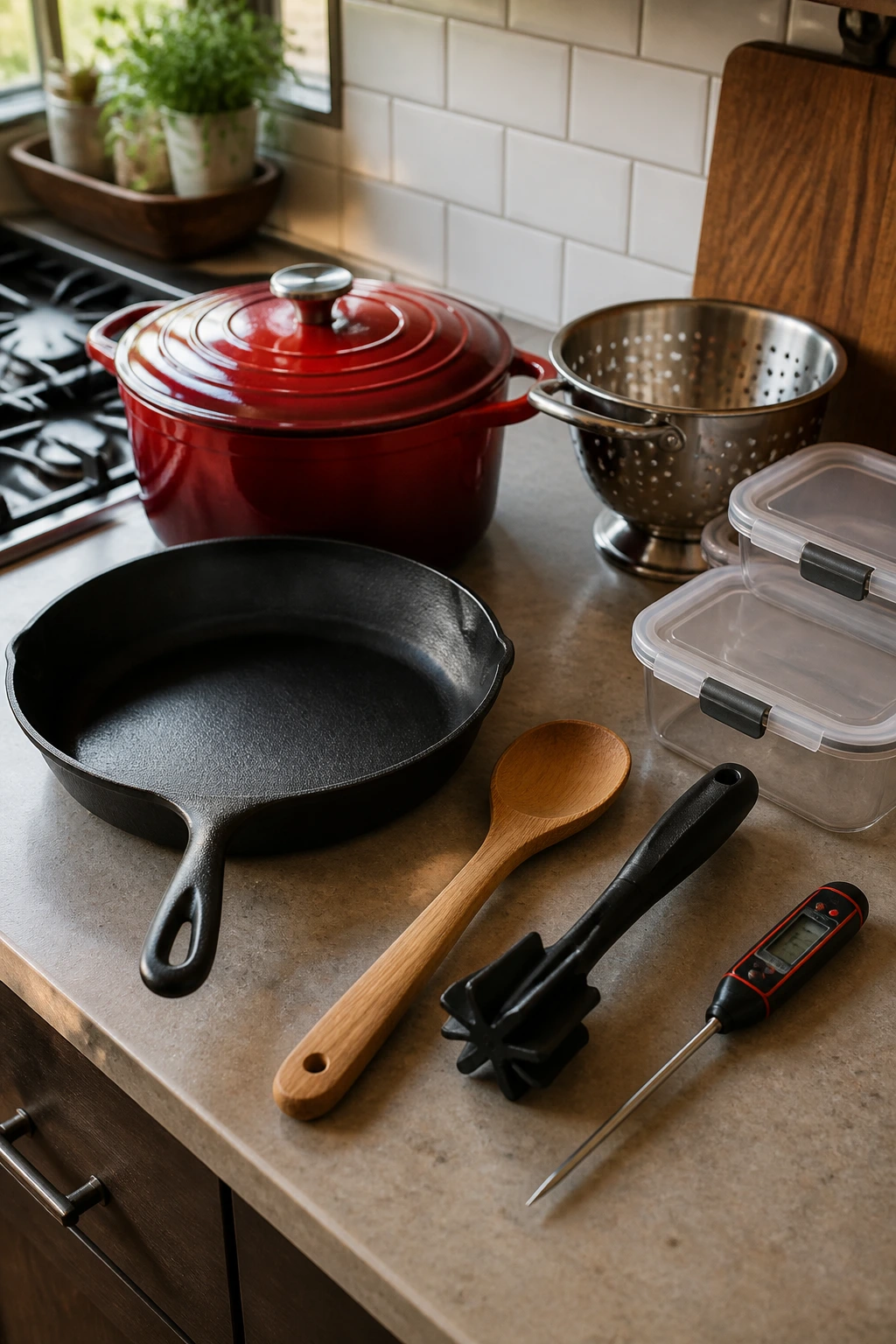
You do not need fancy gear for a good ground beef dinner, but a few tools make the work cleaner and faster.
-
12-inch skillet or sauté pan: Wide enough for browning without steaming; this is the most useful pan for skillet dinners.
-
Dutch oven: Best when the beef will become chili, soup, stew, or a casserole filling.
-
Wooden spoon or heat-safe spatula: Good for breaking up meat and scraping the browned bits off the bottom.
-
Meat chopper or potato masher: Useful if you want very fine crumbles fast. Not mandatory, but handy.
-
Instant-read thermometer: The easiest way to check doneness and keep leftovers safe. Ground beef should reach 160°F.
-
Cutting board and sharp knife: Small dice cooks more evenly and stretches better.
-
Colander or slotted spoon: Helps you drain fat without dumping half the flavor with it.
-
Airtight storage containers: Needed if you’re making extra for lunch or freezing a batch for later.
One non-obvious item I like: a sheet pan for cooling cooked beef before freezing. Spread it thin, let it cool faster, then package it. It freezes in flatter, easier-to-use portions.
Storage, Reheating, and Make-Ahead Planning
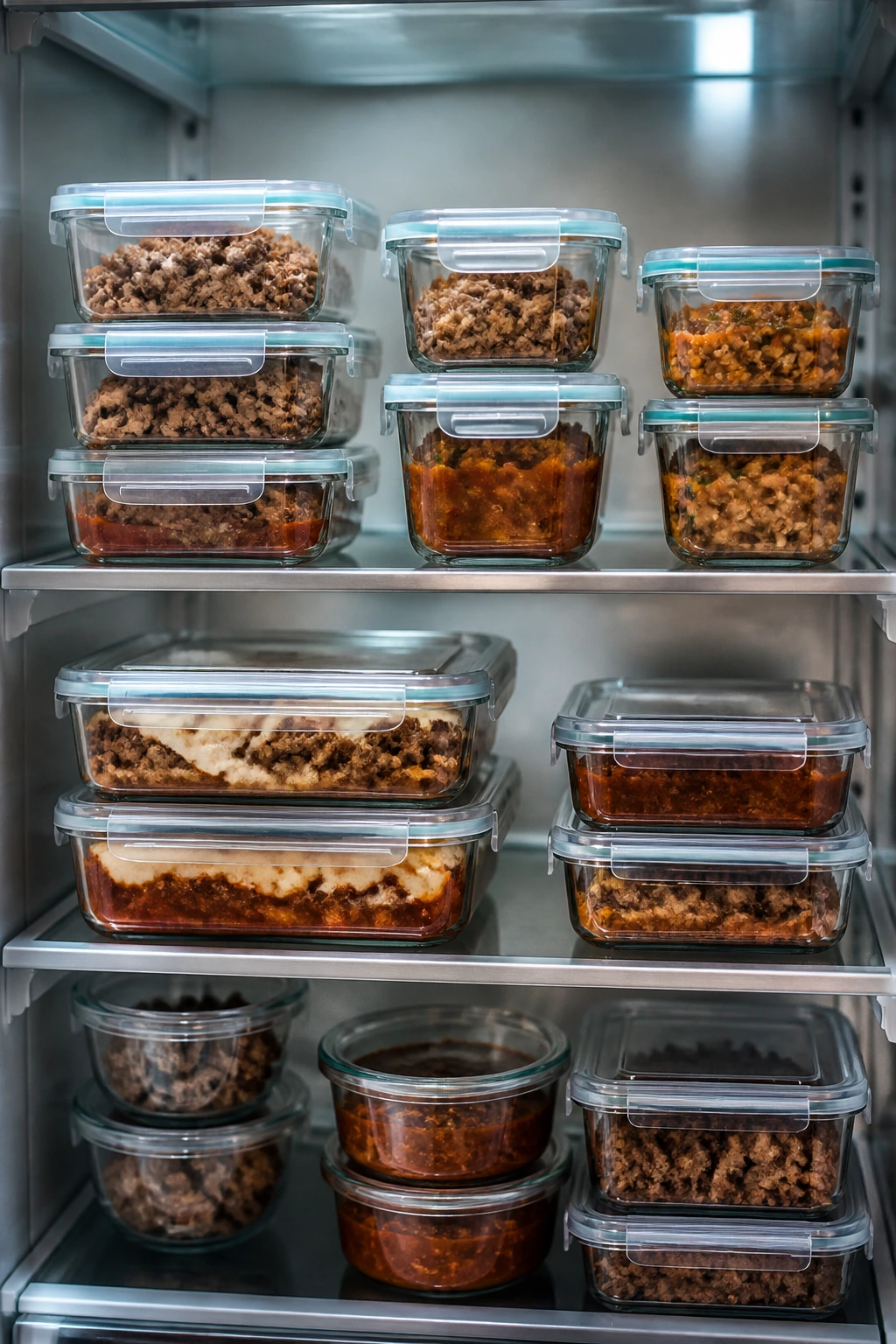
Ground beef is one of those ingredients that rewards planning, but only if you respect the timeline.
Raw ground beef keeps in the refrigerator for 1 to 2 days. Cooked ground beef lasts 3 to 4 days in the fridge if it’s cooled promptly and stored in a sealed container. For the freezer, raw beef keeps for about 3 to 4 months for best quality, while cooked beef or mixed beef dishes do well for 2 to 3 months before the texture starts to lose some of its snap.
The food safety part matters. The USDA recommends cooking ground beef to 160°F, because the grinding process moves bacteria from the outside of the meat through the whole batch. Leftovers should be refrigerated within 2 hours of cooking, or within 1 hour if the room is hot enough to make you sweat while standing there. That isn’t fussy. That is basic protection.
Reheating without wrecking the texture
For skillet meals and casseroles, reheat gently on the stove over low heat with a splash of broth or water. In the oven, cover the dish with foil and warm it at 325°F until hot through. In the microwave, use medium power and stir halfway so the edges don’t dry out while the center stays cold.
Chili and saucy beef dishes reheat well because the moisture protects the meat. Plain crumbles need a little help. Stir in a spoonful of broth, tomato sauce, or even water before reheating.
Make-ahead moves that actually help
Brown the beef a day or two ahead and store it plain, or with only onion and garlic, if you want flexibility later. You can also freeze browned beef in 1-pound bags so dinner starts halfway finished. I keep a few portions like that for nights when the thought of chopping anything feels ambitious.
Some dishes improve overnight. Chili, meat sauce, and beef soup usually do. Casseroles are more mixed; they taste fine the next day, but the noodles or potatoes can soften. For those, undercook the starch slightly if you know you’ll reheat the dish later.
Common Ground Beef Mistakes and the Fixes
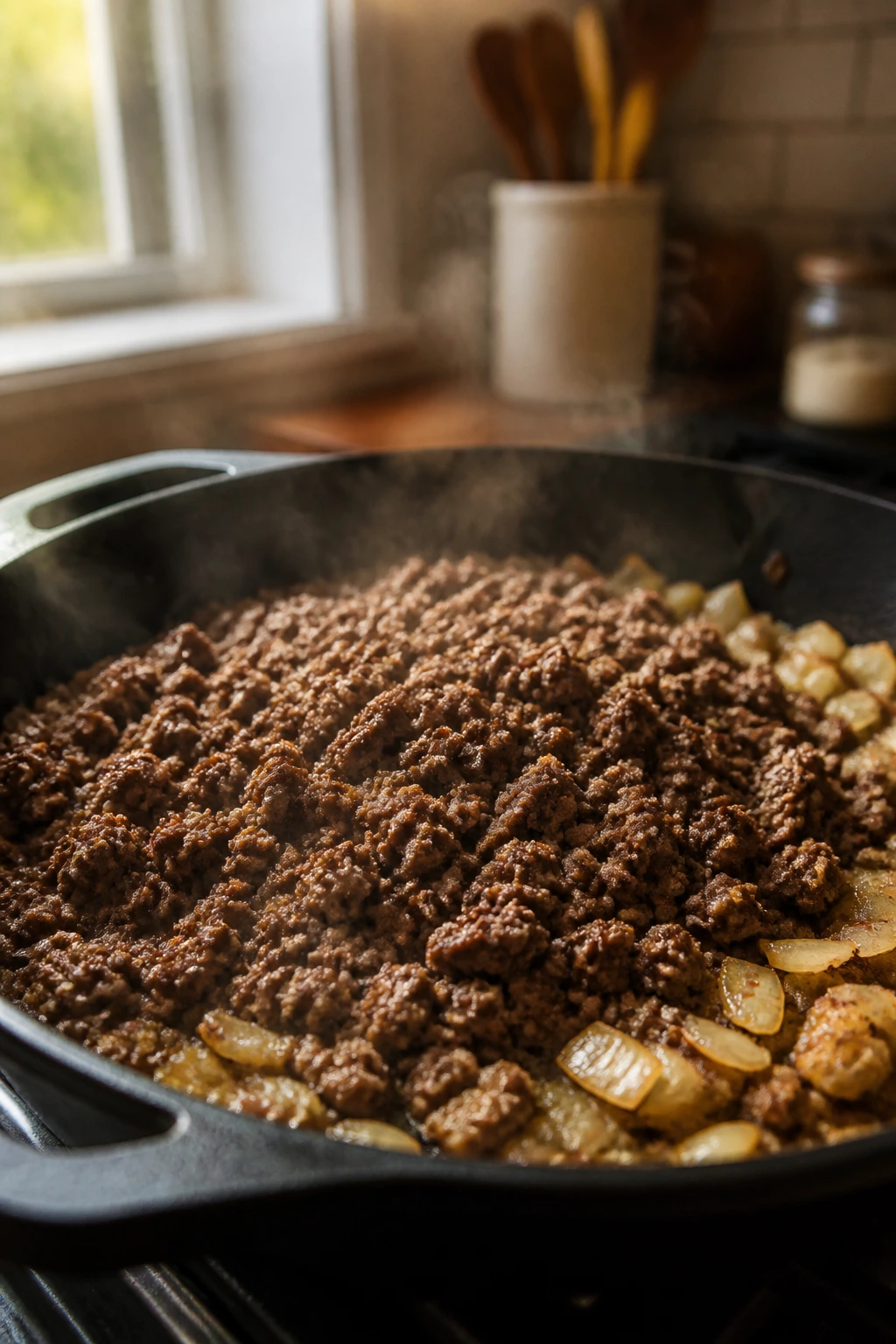
Ground beef is forgiving, but it does punish laziness in a few predictable ways.
-
Crowding the pan. The meat turns gray and wet instead of browned. The fix is simple: use a wider pan or cook in batches.
-
Starting with a pan that is too cool. If the beef leaks liquid before it sears, you’re steaming it. Preheat the skillet first and wait for a real sizzle.
-
Draining every drop of fat. The dish ends up dry and flat. Leave a little fat behind unless the recipe already has plenty of richness from cream, cheese, or oil.
-
Under-seasoning the meat and the sauce. Ground beef can taste bland if only one layer gets salt. Season the beef, then taste the finished sauce or filling and adjust again.
-
Boiling sauces too hard after the beef goes in. That can make the texture coarse. A gentle simmer is enough.
-
Skipping the rest after baking. Casseroles and baked pasta need 10 to 15 minutes to settle. Cut too soon and they slosh apart.
There’s one more mistake worth calling out. People often buy the leanest beef they can find and then wonder why the dinner tastes dry. Lean is fine. Lean without added moisture or fat is a setup for disappointment.
Named Variations for Different Kinds of Nights
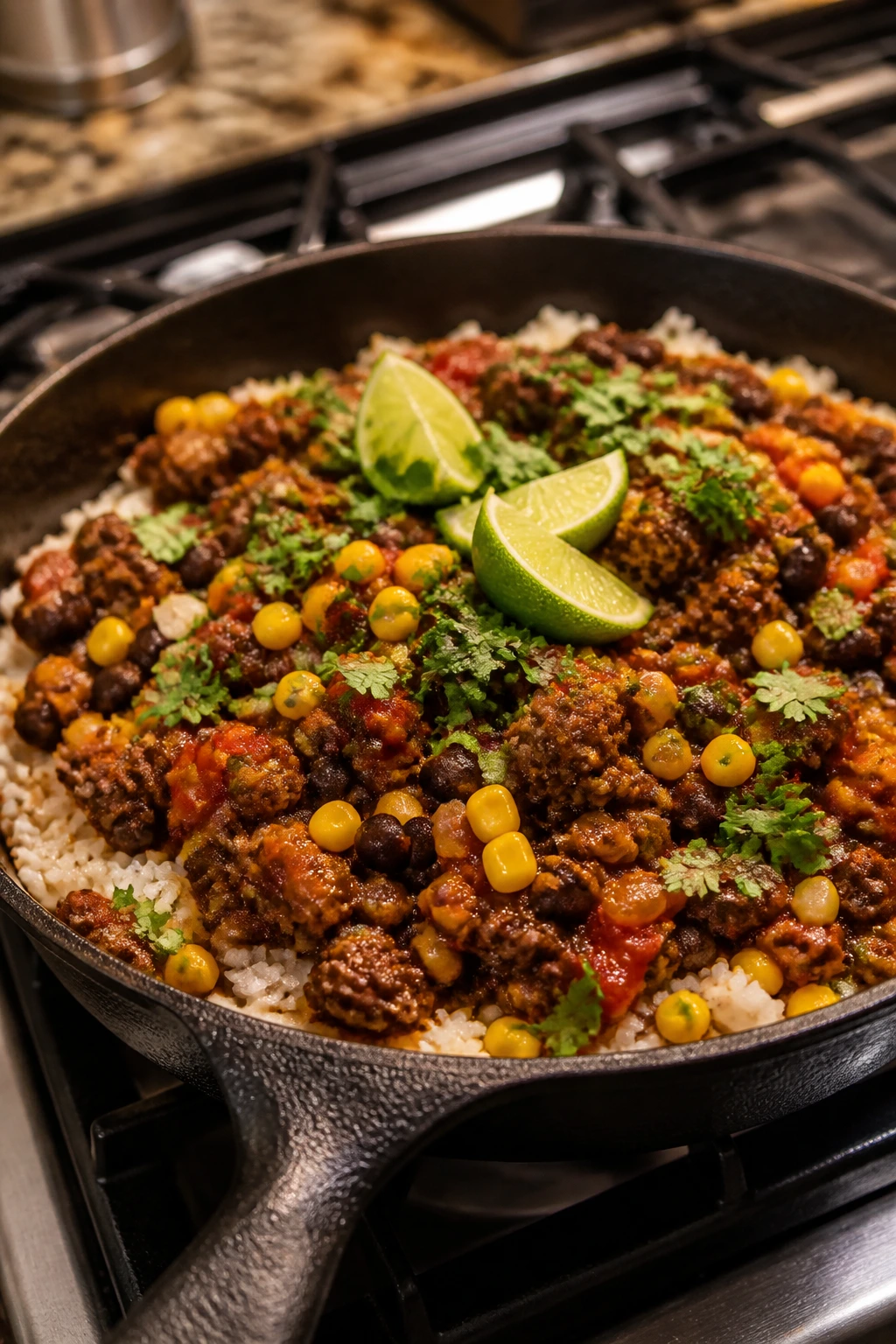
Ground beef can move in a few directions without turning into a new personality. These are the versions I’d keep in rotation.
The Tex-Mex Skillet
Use cumin, chili powder, onion, garlic, black beans, corn, and a little tomato sauce. Finish with lime and chopped cilantro. This one wants rice, tortillas, or crushed tortilla chips on top. It’s the easiest route when you want something bold and fast.
The Red-Sauce Route
Brown the beef with onion and garlic, then build with tomato paste, crushed tomatoes, oregano, basil, and a splash of wine or broth. Serve it over pasta, stuff it into peppers, or bake it with noodles and cheese. It’s the most obvious direction, which is part of why it works so well.
The Cottage-Pie Turn
This version leans into beef, carrots, peas, onion, gravy, and mashed potatoes. It’s less about speed and more about a soft, dense, spoonable dinner. If you want something that eats like a full plate in a single scoop, this is it.
The Mushroom Stretch
Use half ground beef and half finely chopped mushrooms. Cook the mushrooms until they lose their water and start to brown. The beef still tastes like beef, but the whole dish feels bigger and more affordable.
The Low-Carb Bowl
Serve the beef over sautéed cabbage, roasted broccoli, cauliflower rice, or zucchini noodles. Keep the sauce strong — soy, garlic, tomato, or a little cream — so the bowl doesn’t feel like an apology for skipping starch.
Questions People Ask About Ground Beef Dinners
What fat percentage is best for a hearty ground beef dinner?
For most skillet dinners and casseroles, 80/20 or 85/15 is the safest choice. You get enough fat for flavor and browning without ending up with a greasy pan. Leaner beef can work, but it needs more help from sauce, broth, or oil.
Do I have to drain the fat after browning?
Not always. If there’s just a thin sheen in the pan, leave it alone. If there’s a puddle, drain some of it off, but keep a little behind so onions and seasonings have something to work with.
Can I brown ground beef from frozen?
Yes, but it’s awkward and slower. The center thaws while the outside cooks, which makes even browning harder. If you can, thaw it in the refrigerator first. If you’re in a hurry, break it into chunks in a hot pan and keep moving.
Why does my ground beef turn gray instead of brown?
Usually the pan is crowded or not hot enough. The meat releases moisture, then steams in that moisture before the surface has a chance to color. Use a wider pan and let the first side sit untouched for a minute or two.
How much ground beef should I plan per person?
For a dinner where ground beef is the main part of the meal, 4 to 6 ounces per person is a good range. If the dish includes pasta, rice, beans, or potatoes, 3 to 4 ounces per person is often enough.
Can I use ground turkey or chicken in these kinds of dinners?
Yes, but the flavor changes. Those meats are leaner and less rich, so they need more help from oil, onions, broth, and seasoning. They work best in saucy dishes where the beef’s fat would not be missed as much.
Is it okay to season ground beef before it hits the pan?
You can, but I don’t do it for every dish. Salt can pull moisture out early, which slows browning. I usually wait until the meat has started to color, then season it once the surface is no longer raw.
What if my beef tastes flat even after I add sauce?
Add salt in small pinches, then add acid. A teaspoon of vinegar, a squeeze of lemon, or a spoonful of tomato paste cooked in the pan can wake the whole dish up. Flat beef usually needs sharpness as much as it needs more salt.
A Dinner Worth Repeating
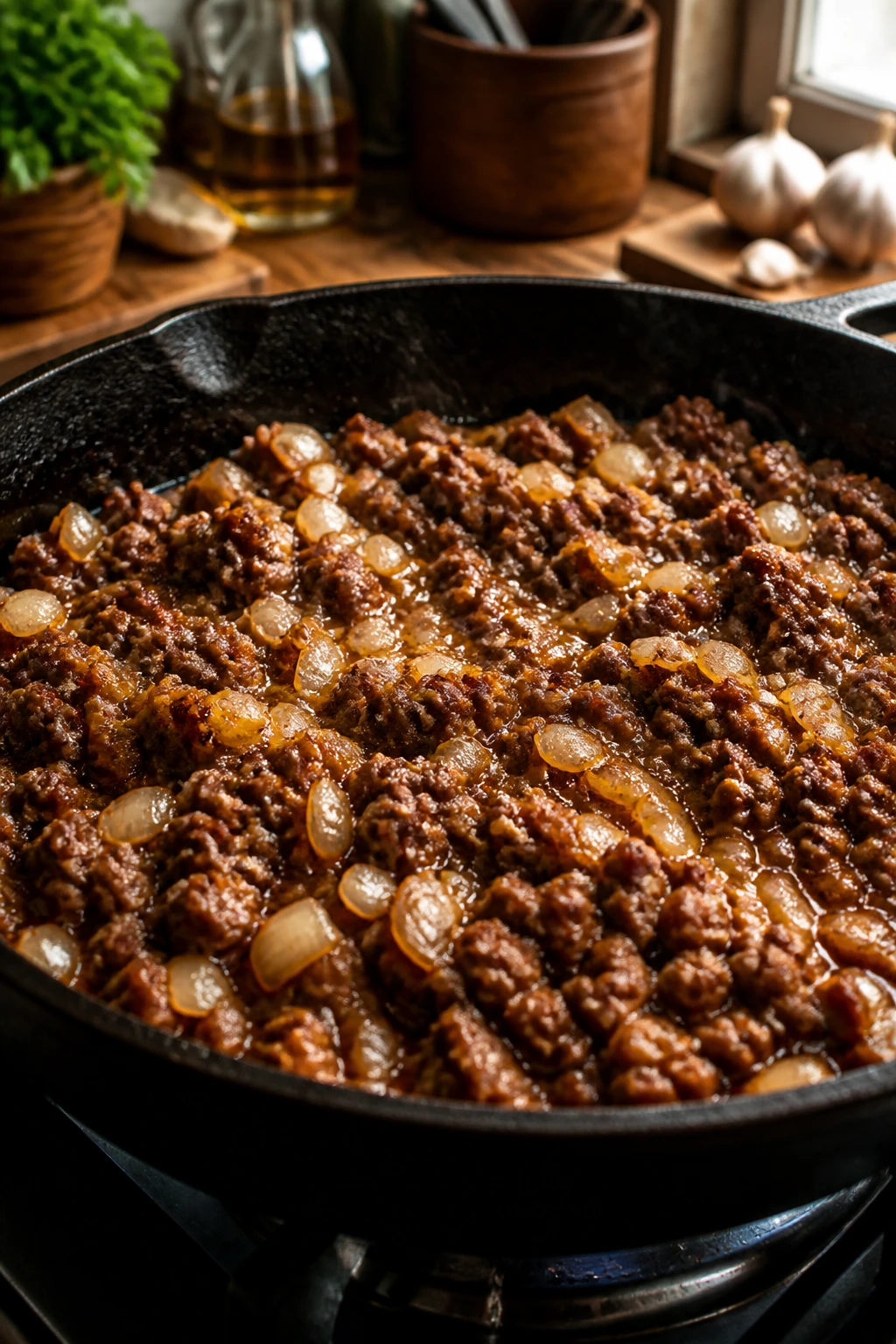
The best ground beef dinners don’t feel clever. They feel solid. A hot pan, a browned edge, onions going soft in the fat, and a sauce that tastes deeper than the ingredient list would suggest — that’s the kind of cooking people remember because it gets dinner onto the table without making a mess of the evening.
Keep a few smart packages of ground beef around, choose the fat ratio with a purpose, and don’t rush the browning step. That alone changes the whole feel of the meal. The rest is just choosing whether tonight wants pasta, potatoes, rice, beans, or a casserole dish that comes out of the oven smelling like everyone should sit down right now.
And once you’ve got that rhythm, dinner gets easier to trust.