



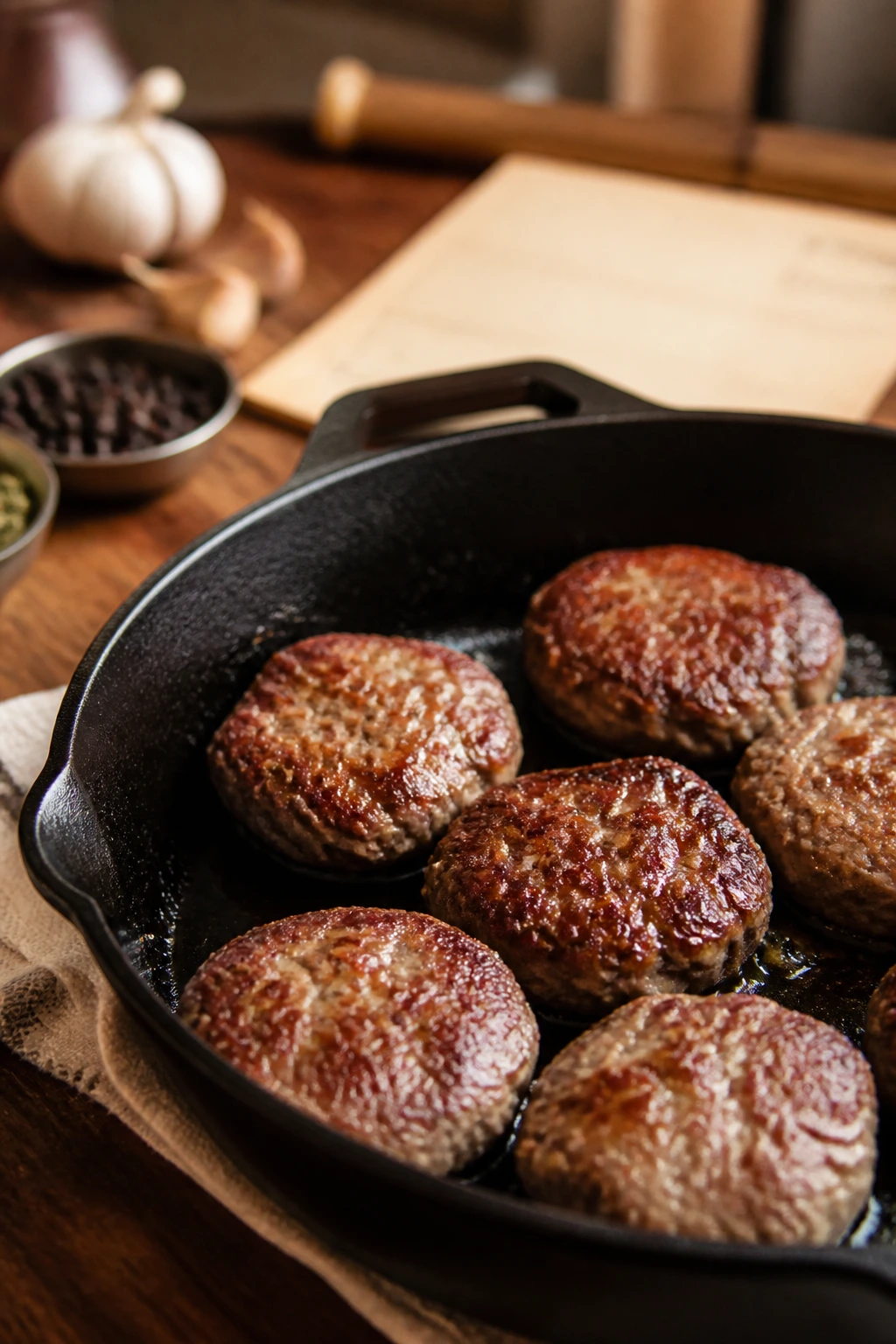
The first good sign is the sound: a soft hiss when the patties hit the pan, then that deeper, nutty sizzle when the beef fat starts rendering and the edges turn brown. Beef sausage has a way of smelling like dinner before it even looks finished. Garlic goes sweet. Fennel goes warm. Black pepper wakes everything up.
That’s what makes a good beef sausage different from a sad one. The bad versions are dry, gray, and oddly flat, like someone forgot salt and assumed smoke flavor could do all the work. The better ones have a coarse, juicy bite and a savory finish that sticks around after the plate is empty. When you get the balance right, you don’t miss pork at all.
This version leans into beef’s strengths instead of pretending it’s something else. It uses enough fat to stay tender, enough onion to keep the texture loose, and enough fennel and sage to read unmistakably as sausage rather than “seasoned ground meat in a different shape.” That distinction matters. Shape is the easy part. Flavor is where the trouble usually starts.
Why You’ll Love This Recipe
-
Deep beef flavor: The 80/20 ground beef brings a fuller, meatier taste than lean blends, and the seasoning is built to match that richness instead of fighting it.
-
No casing required: You get all the sausage flavor with far less fuss, which means a skillet, a bowl, and a spoon are enough to get dinner moving.
-
Tender, not crumbly: Grated onion, a small amount of breadcrumb, and a cold rest before cooking help the patties hold together without turning dense.
-
Works for dinner, not just breakfast: Serve it with mashed potatoes, roasted carrots, cabbage, or beans and it reads like a proper evening meal.
-
Good for make-ahead cooking: The patties can be mixed and shaped ahead of time, then cooked straight from the fridge with no drama.
-
Easy to scale: Double the batch, freeze half, and you’ve got a strong backup meal for a night when the fridge looks bare.
What Gives This Beef Sausage Its Hearty, Savory Flavor
A lot of beef sausage recipes miss the point by leaning too hard on lean meat and sweet seasoning. That gives you something that looks like sausage but eats like dry hamburger. A proper hearty version needs structure, fat, salt, and a few old-school spice notes that can stand up to beef’s stronger flavor.
Fennel is the first key. It’s the note that makes people think “sausage” before they can explain why. Sage follows behind it with that dry, almost woodsy note that feels right in cold weather, though this recipe works any time you want a dinner that tastes grounded and filling. Black pepper and paprika keep it from feeling soft or one-note.
The other part is texture. Ground beef alone can turn heavy if you work it too much, but a grated onion melts into the meat and gives you moisture without leaving obvious chunks. Breadcrumbs don’t make it bready; they give the patties a little internal spring, the same way a good meatball keeps its shape without becoming tight.
Then there’s the fat. Don’t skip it. If you start with ultra-lean beef, the sausage will cook up dry no matter how carefully you season it. The extra richness in 80/20 beef gives you a better crust in the pan and a more forgiving bite in the middle. That’s the tradeoff worth making.
Timing and Yield at a Glance
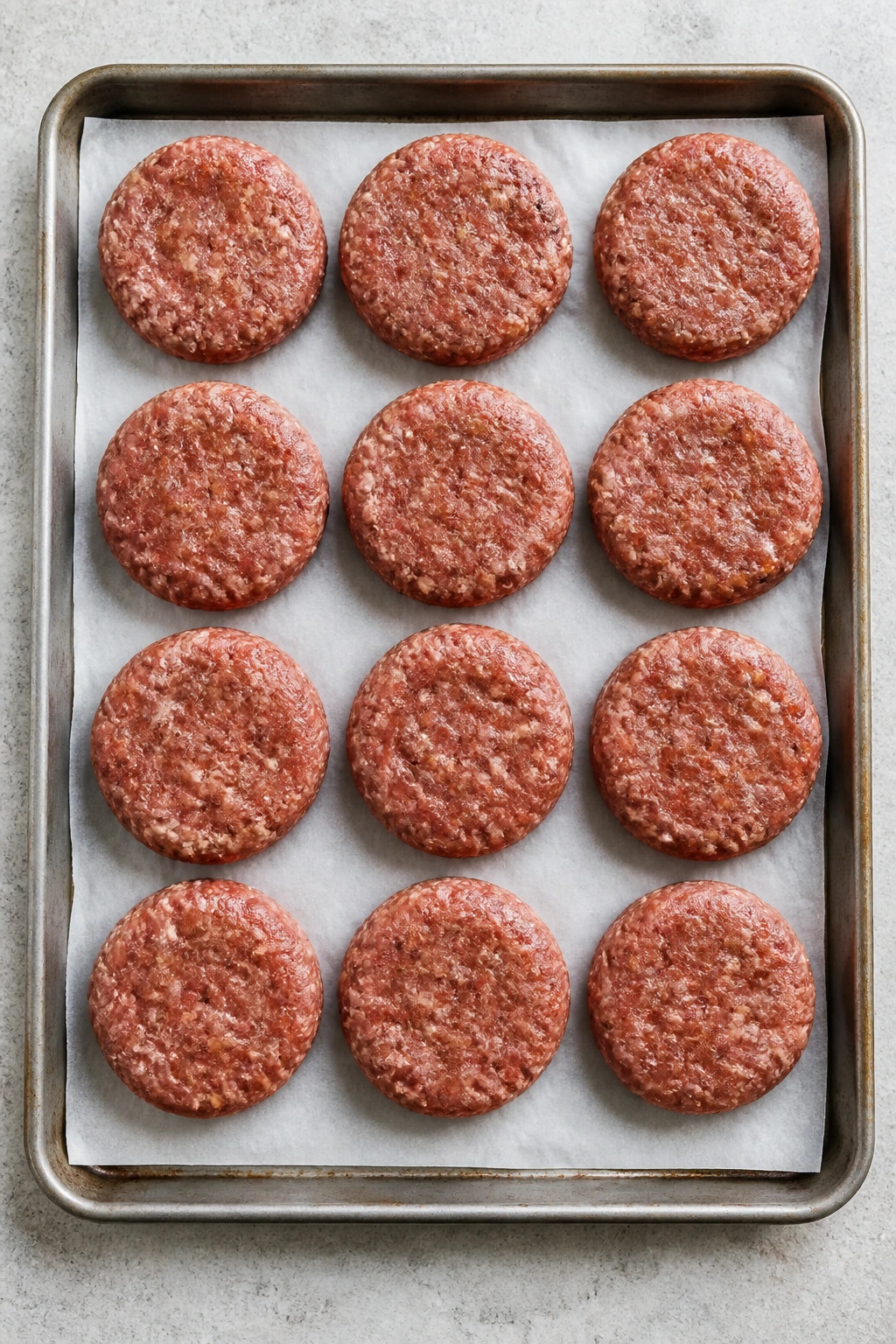
Yield: 12 patties, serving 6
Prep Time: 20 minutes
Cook Time: 15 to 18 minutes
Total Time: 35 to 40 minutes
Difficulty: Beginner — the steps are simple, but the thermometer and the chill time matter.
Chill/Rest Time: 20 minutes after mixing, plus 3 minutes after cooking
Best Served: Hot from the skillet with a starch and something sharp or green on the side
The Clean Ingredient List
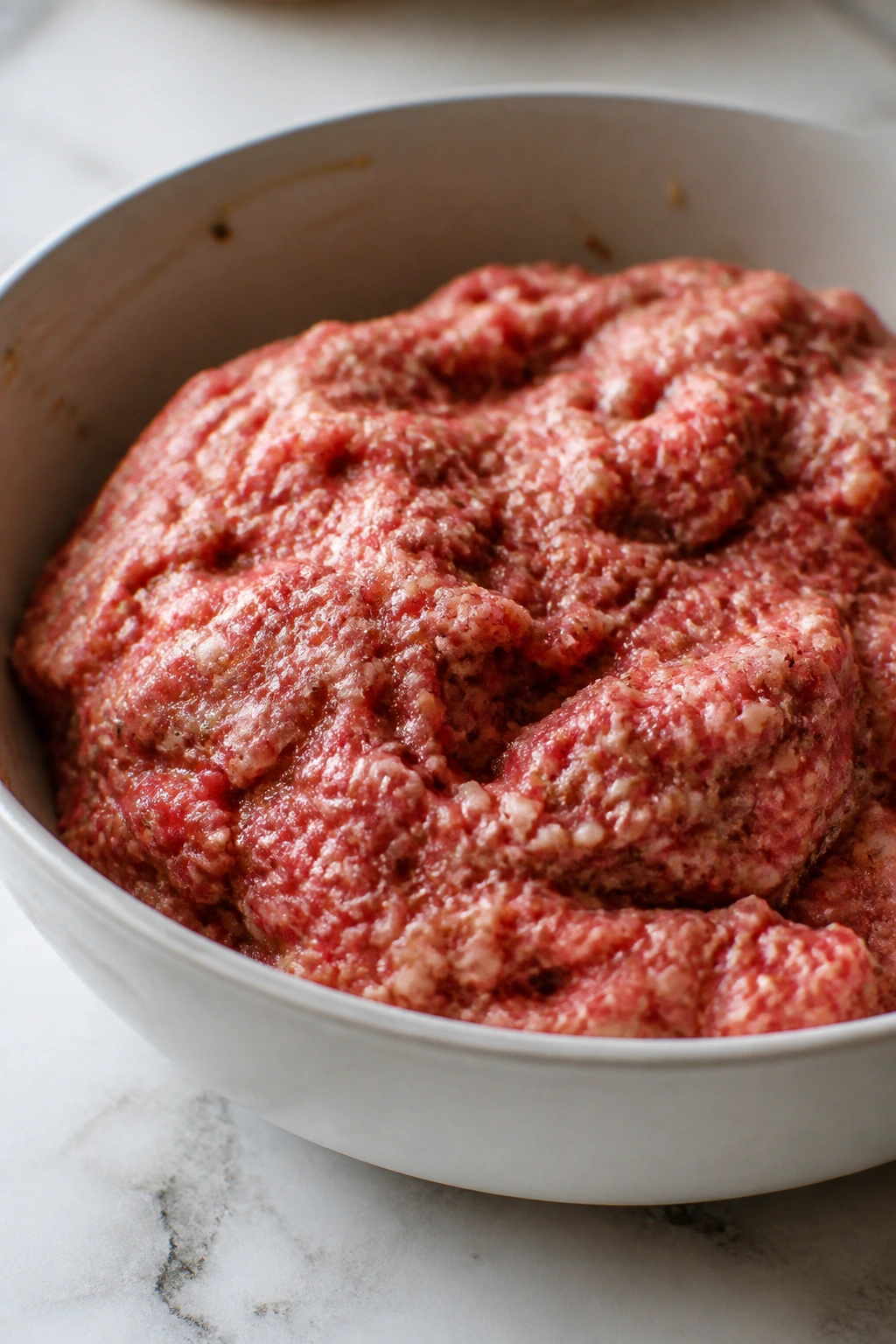
For the Beef Sausage Patties:
- 2 pounds ground beef, 80/20 and well chilled
- 1 small yellow onion, finely grated or minced to a paste
- 2 cloves garlic, minced or grated
- 1 large egg
- 1/4 cup plain breadcrumbs
- 2 tablespoons cold beef broth or ice water
- 1 tablespoon Worcestershire sauce
- 1 teaspoon Dijon mustard
- 1 1/2 teaspoons kosher salt
- 1 teaspoon freshly ground black pepper
- 1 teaspoon fennel seeds, lightly crushed
- 1 teaspoon smoked paprika
- 1/2 teaspoon dried sage
- 1/2 teaspoon dried thyme
- 1/4 teaspoon crushed red pepper flakes
For the Skillet:
- 2 tablespoons neutral oil, divided if needed
Why Each Ingredient Matters
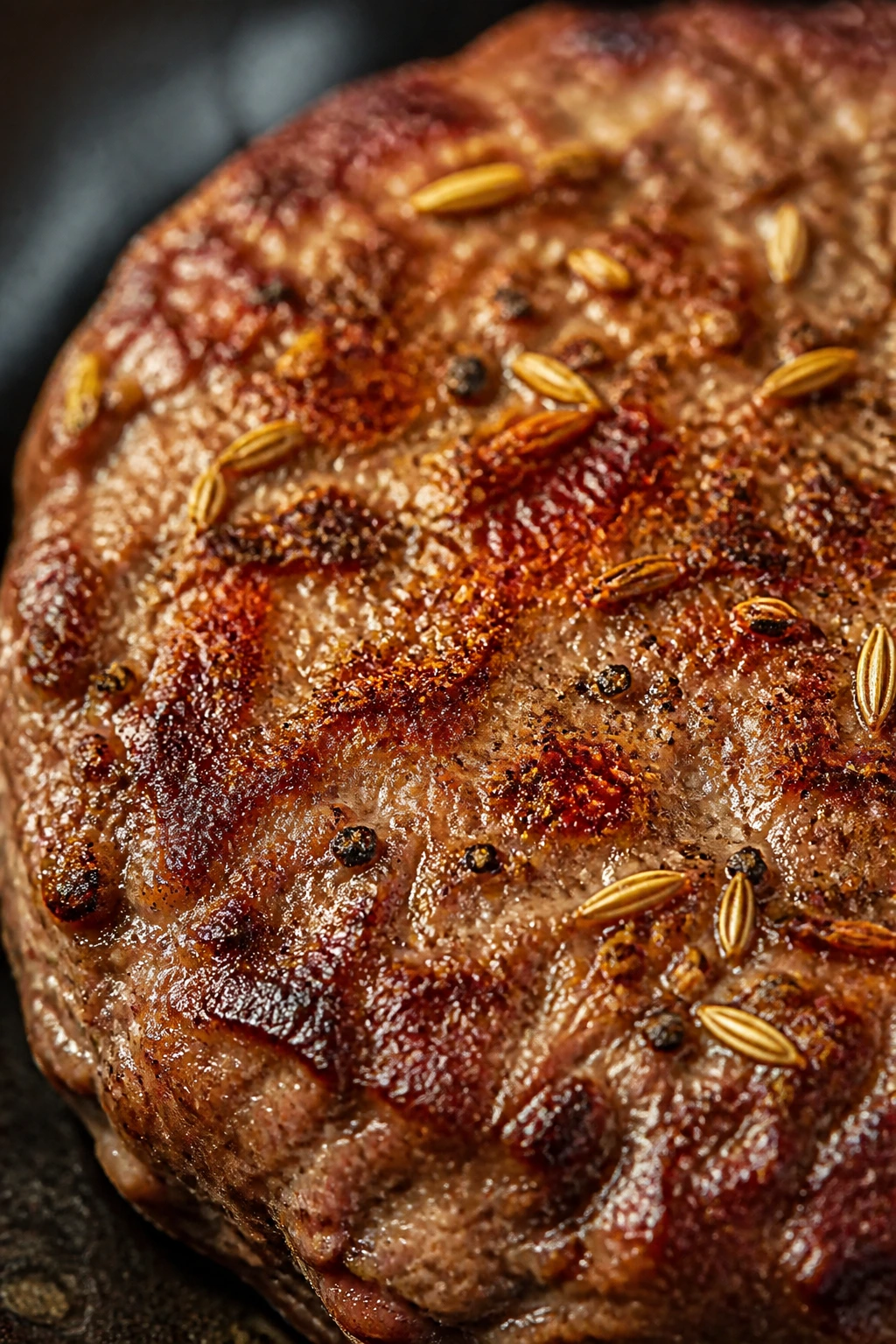
Ground Beef
What to use: 2 pounds of 80/20 ground beef. That ratio gives you enough fat to keep the patties juicy and enough structure to brown properly.
Preparation: Keep the beef cold until the moment you mix it. If it sits on the counter while you prep the onions and spices, the fat softens and the mix gets sticky faster than you want.
Substitutions: An 85/15 blend works if that’s what you can get, but add the full amount of broth and don’t overcook it. Leaner than that needs help from extra moisture, or you’ll taste the difference.
Tips: If the beef smells very metallic or looks gray at the edges before you start, stop and use a fresher pack. With a simple recipe like this, the meat quality shows.
Aromatics
What to use: 1 small yellow onion and 2 cloves garlic. The onion should be grated or minced very fine so it disappears into the meat.
Preparation: Grating the onion on a box grater or pulsing it briefly in a processor turns it into a wet paste. That keeps the texture smooth and saves you from crunchy bits in the finished sausage.
Substitutions: Shallots work if you want a softer, slightly sweeter flavor. Garlic powder can replace fresh garlic in a pinch, but the taste lands flatter.
Tips: Don’t skip the onion because you’re in a rush. It helps with moisture, flavor, and texture all at once, which is a rare kind of efficiency in a kitchen.
Seasonings and Spices
What to use: Salt, black pepper, fennel seeds, smoked paprika, sage, thyme, red pepper flakes, Worcestershire, and Dijon. That lineup gives the beef a sausage profile instead of a plain savory patty.
Preparation: Lightly crush the fennel seeds with the side of a knife or a mortar and pestle so they release more aroma in the pan. Mix the dry seasonings evenly before they go in.
Substitutions: If fennel is not your thing, use caraway seeds for a different old-fashioned note. If you want less smoke, swap the smoked paprika for sweet paprika.
Tips: Taste won’t fully register until the patties are cooked, but the raw mix should already smell balanced—peppery, garlicky, and faintly sweet from the onion.
Binder and Moisture
What to use: 1 egg, 1/4 cup plain breadcrumbs, and 2 tablespoons cold broth or ice water.
Preparation: Beat the egg lightly before adding it so it blends fast. Keep the liquid cold; warm liquid softens the fat too early.
Substitutions: Crushed saltines, panko, or gluten-free breadcrumbs all work. If you skip breadcrumbs entirely, shape the patties a little thicker and handle them gently.
Tips: The binder is there to keep the sausage tender, not heavy. If you can press the mix into a ball and it holds without feeling wet, you’re in the right zone.
The Pan and Finishing Fat
What to use: 2 tablespoons neutral oil for the skillet. A cast-iron pan or heavy stainless skillet is the best match because it keeps heat steady.
Preparation: Measure the oil before you start cooking so you don’t guess and accidentally flood the pan. You only need a thin film for good browning.
Substitutions: Butter can replace some of the oil if you want a richer crust, but butter alone burns too fast over medium heat. Use it only if you’re watching the pan closely.
Tips: If the patties are browning too fast before the center warms up, lower the heat. Sausage should brown with patience, not desperation.
Tools That Make the Work Easier
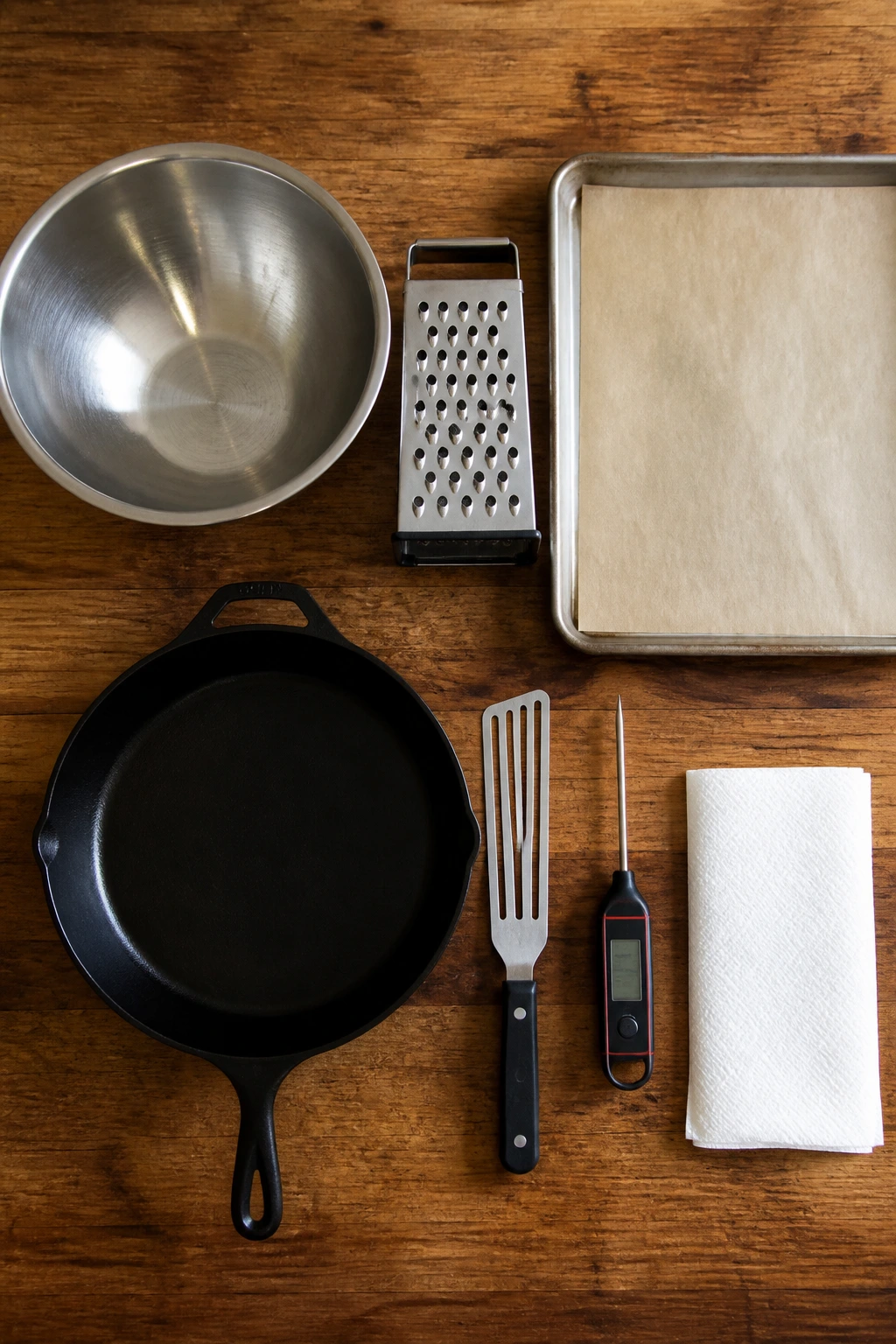
-
Large mixing bowl: Gives you enough room to combine the meat without mashing it against the sides.
-
Box grater or food processor: The onion needs to disappear into the mixture, and this is the easiest way to do it.
-
Rimmed baking sheet lined with parchment: Useful for shaping the patties and chilling them before they hit the skillet.
-
12-inch cast-iron or heavy stainless skillet: A thin pan can work, but it won’t hold heat as steadily when the cold patties go in.
-
Thin spatula or fish spatula: Helps you turn the patties without tearing the crust.
-
Instant-read thermometer: Non-negotiable if you want juicy beef sausage that’s cooked safely to 160°F.
-
Paper towels: For draining the patties for a minute before serving if the pan leaves them with a lot of surface fat.
Mixing, Shaping, and Cooking the Patties
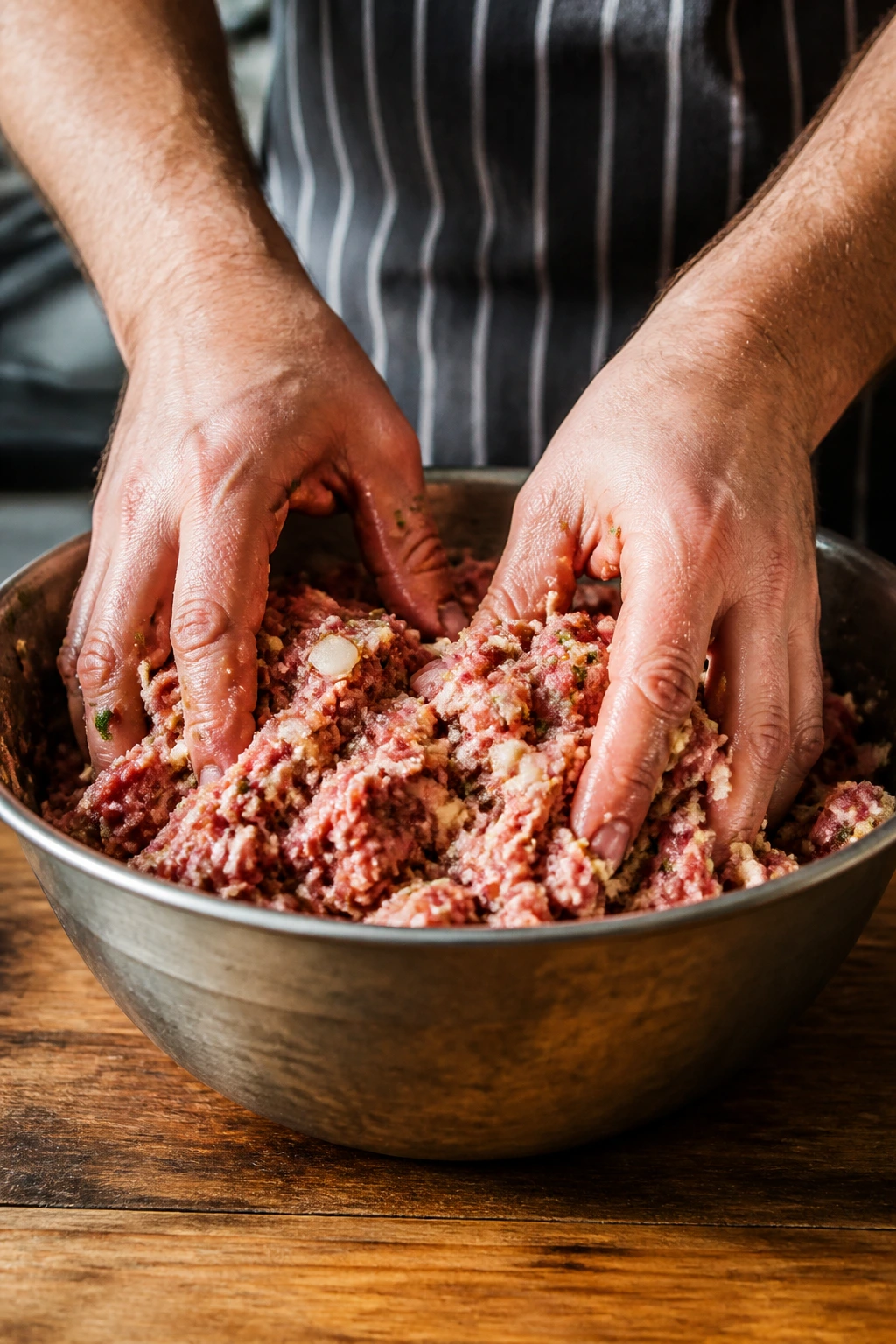
There’s a simple truth here: the more you fuss with ground meat, the tighter it gets. Sausage is one of those recipes that rewards a light hand and a bit of patience. The flavors need time to settle, and the fat needs to stay cold long enough to brown instead of disappearing into the bowl.
A thermometer matters more than heroics. You can guess a steak by feel if you’ve cooked a lot of them. Ground beef is different. You want proof, not vibes.
Make the Sausage Mixture:
-
Put the ground beef, grated onion, garlic, egg, breadcrumbs, broth, Worcestershire sauce, Dijon mustard, salt, black pepper, fennel, paprika, sage, thyme, and red pepper flakes in a large bowl.
-
Use clean hands or a fork to mix gently for 30 to 45 seconds, just until the seasonings look evenly distributed. Do not knead the mixture like bread dough; that’s how you get dense patties.
-
The mix should feel tacky but still pliable. If it looks wet enough to slump, sprinkle in 1 more tablespoon of breadcrumbs and mix once more.
Shape and Chill:
-
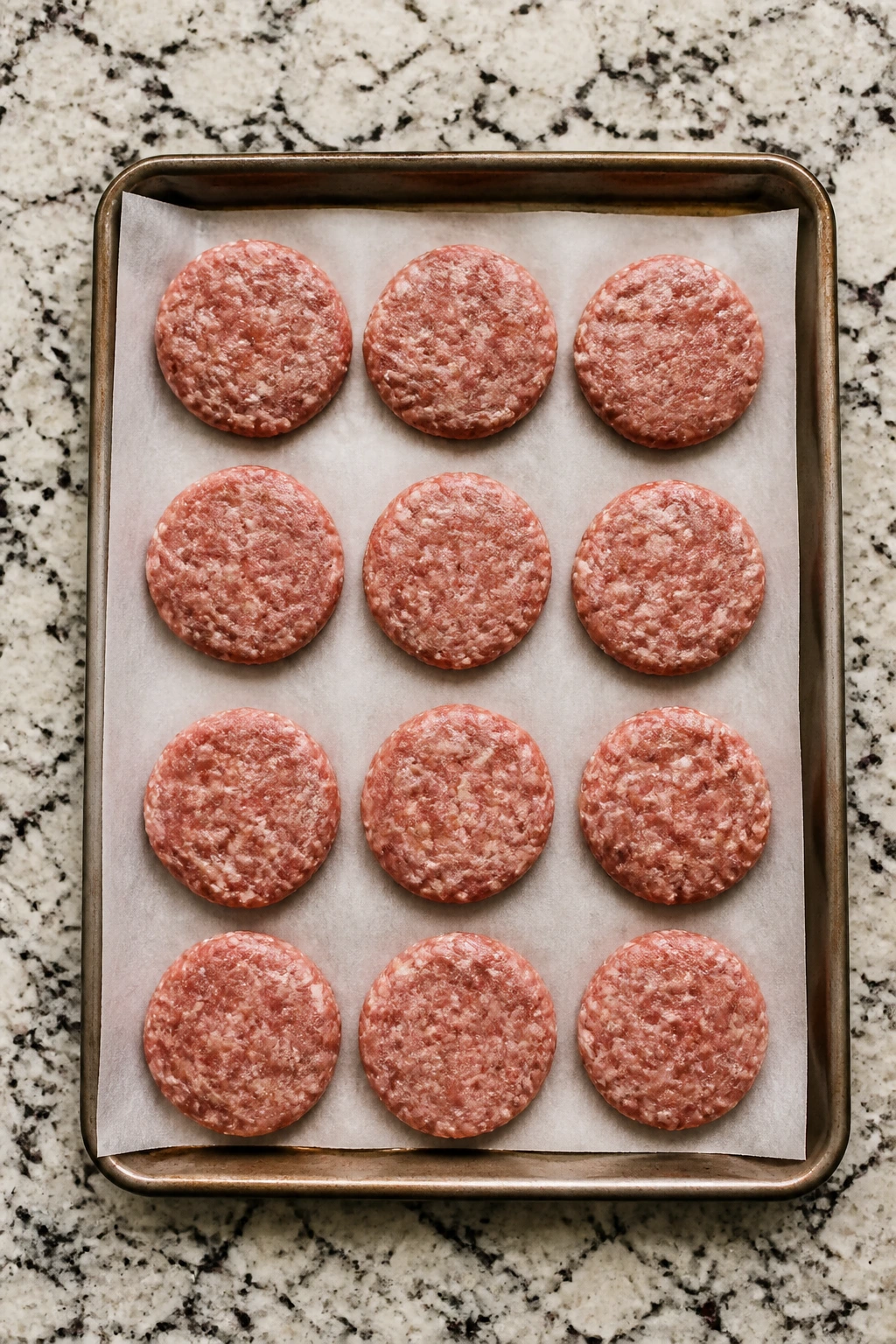
Divide the mixture into 12 equal portions, about 2 to 2 1/4 ounces each. Shape each portion into a patty about 3 inches wide and 3/4 inch thick.
-
Press a shallow dimple into the center of each patty with your thumb. That tiny dent helps the middle stay flat instead of bulging into a dome in the pan.
-
Set the patties on a parchment-lined baking sheet and chill them for 20 minutes. This step helps them hold their shape and brown better.
Cook the Patties:
-
Heat 1 tablespoon of the oil in a large skillet over medium heat until it shimmers, then add half the patties in a single layer. Leave space between them; crowding traps steam.
-
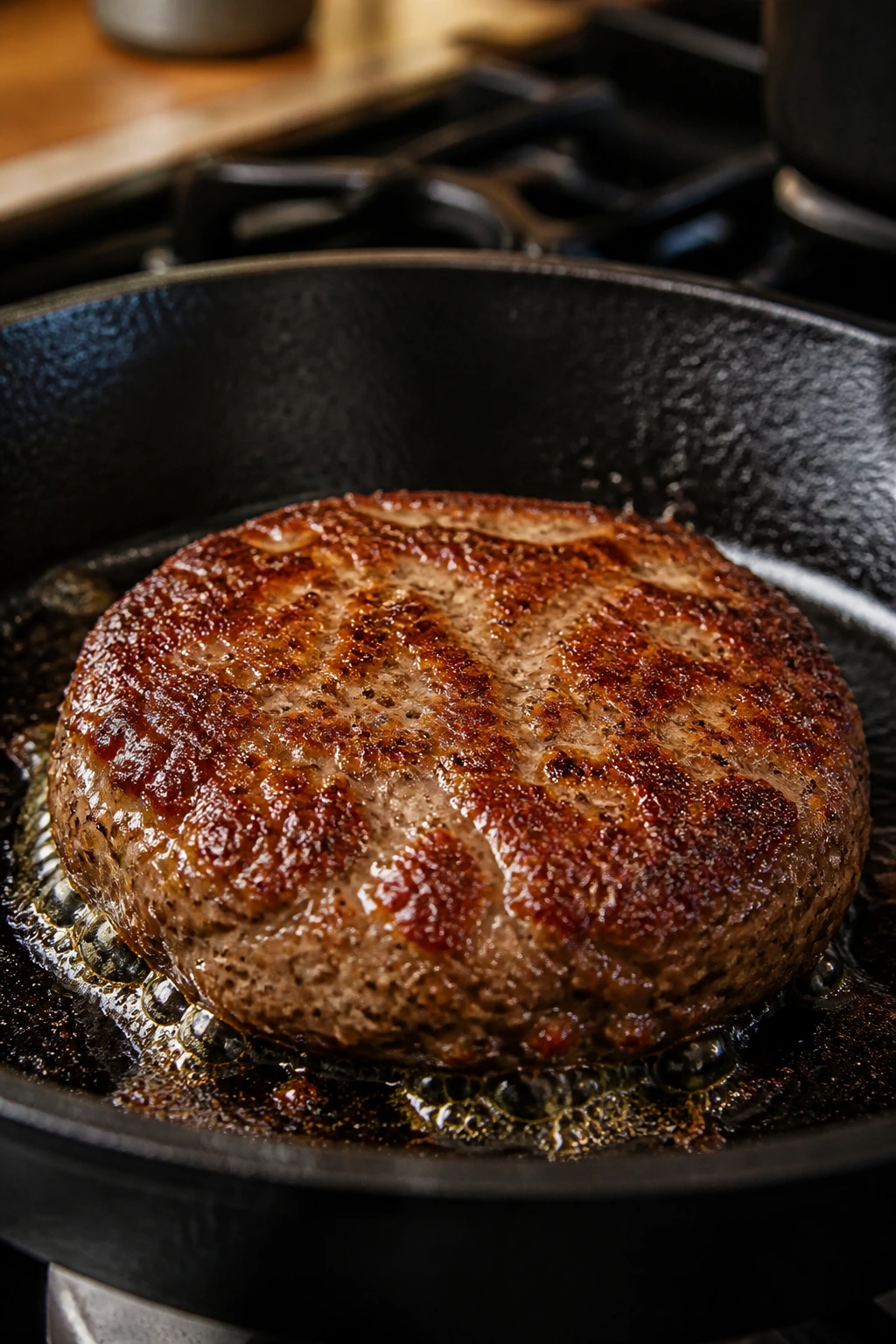
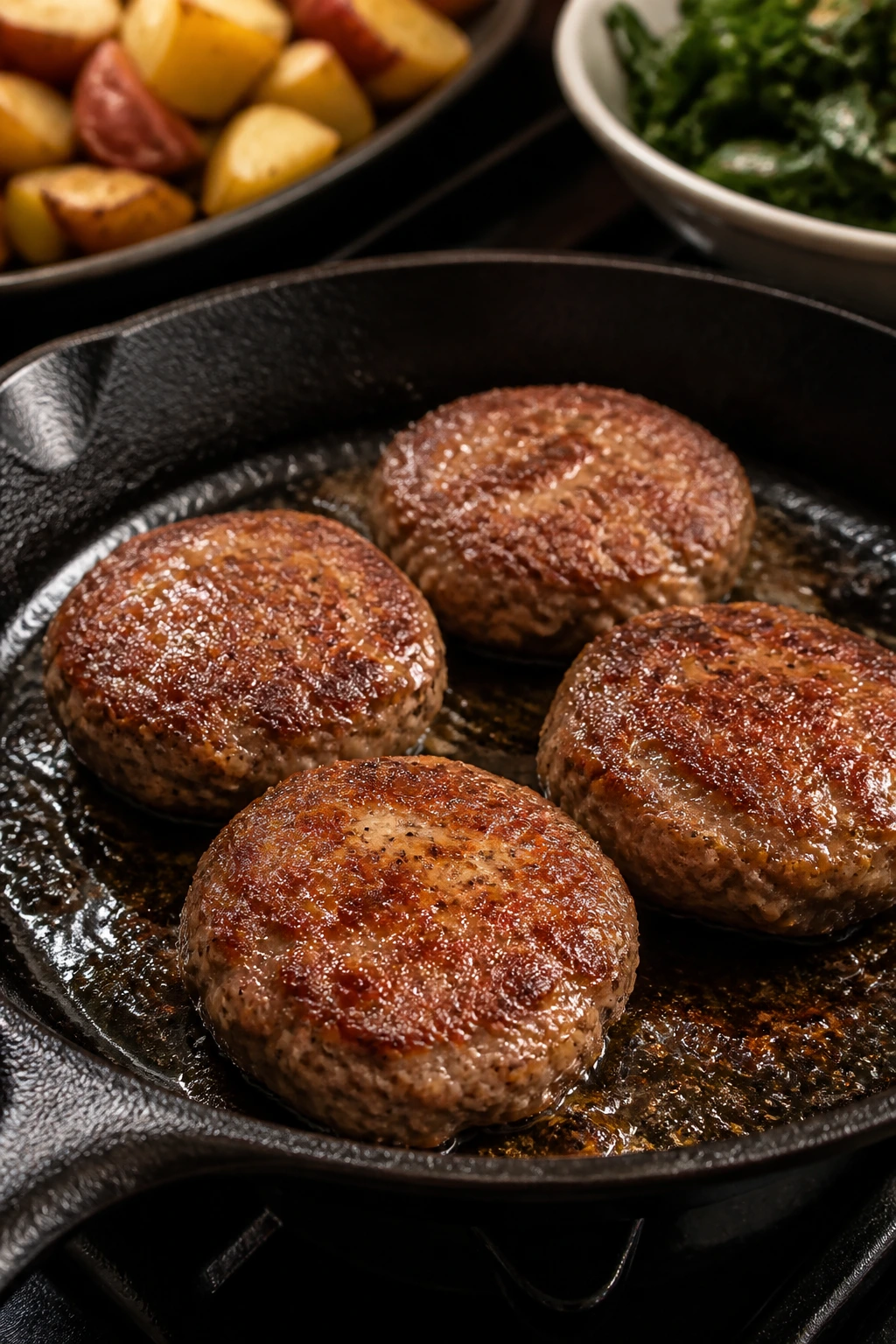
Cook for 4 to 5 minutes on the first side, until the bottoms are deep brown and release easily from the pan. Flip carefully and cook for another 3 to 4 minutes, until the center reaches 160°F on an instant-read thermometer.
-
Transfer the patties to a plate and let them rest for 3 minutes. Repeat with the remaining oil and patties. Serve them hot, while the crust is still crisp at the edges.
How to Serve It
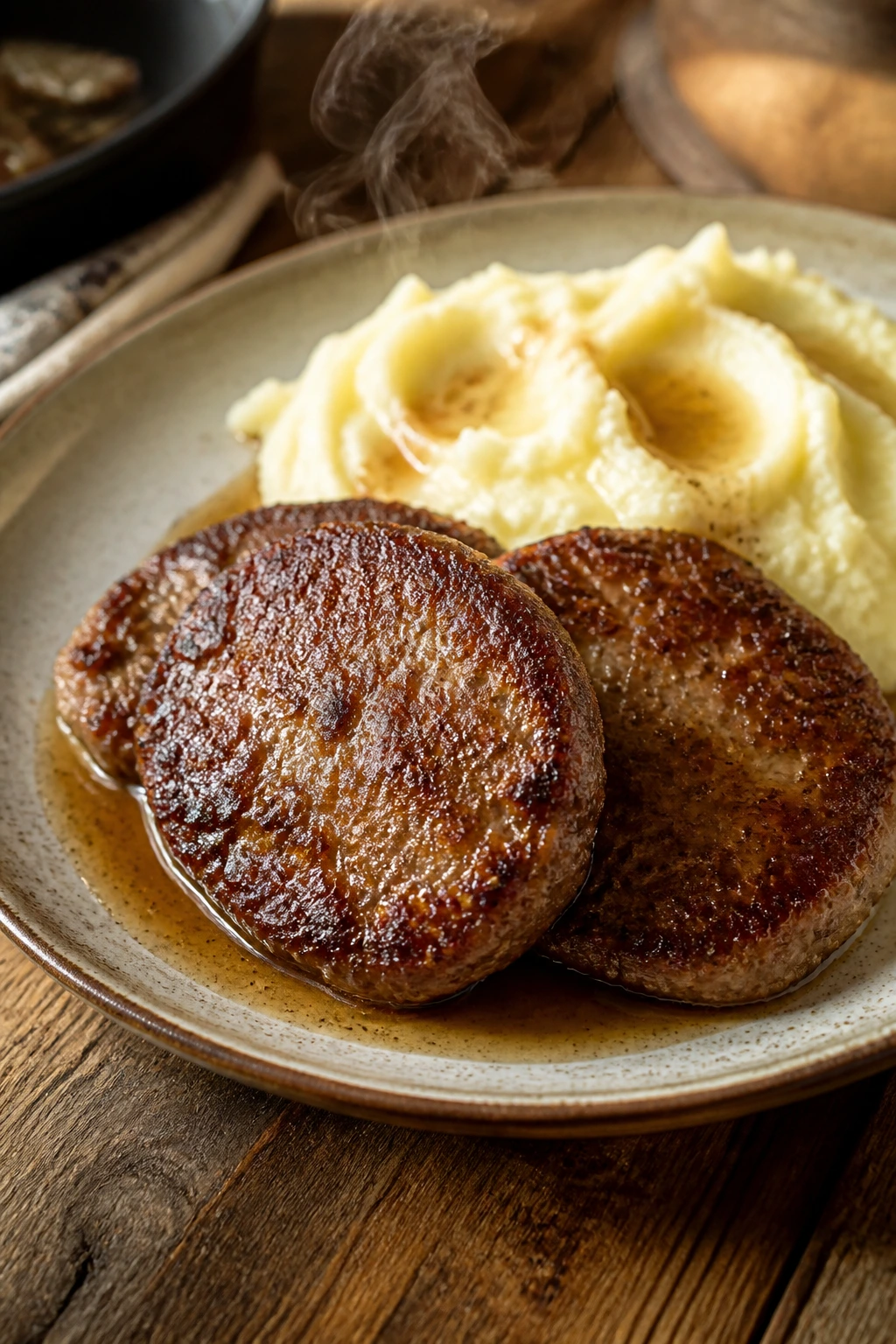
Presentation: Stack two patties slightly overlapped on a warm plate so the browned edges show. If you like a rustic look, tuck them against a spoonful of mashed potatoes and let the juices run into the potatoes a little. That’s not a flaw. That’s dinner doing its job.
Accompaniments: Buttered cabbage, roasted carrots, mashed potatoes, skillet green beans, or braised beans fit this sausage better than a fussy salad. A sharp mustard on the side helps cut the richness. Pickled onions or sauerkraut are especially good if you want something bright and a little punchy.
Portions: Two patties make a solid serving for most adults if you’ve got sides. If the sausage is the center of the plate with only bread or a light vegetable, plan on three patties per person. For a bigger gathering, the recipe doubles cleanly; just cook in batches and keep the first batch warm in a low oven.
Beverage Pairing: A dry cider, a malty amber beer, or a bold black tea all work. If you want wine, reach for something with enough structure to stand up to the pepper and fennel—nothing too delicate.
Additional Tips and Flavor Boosters
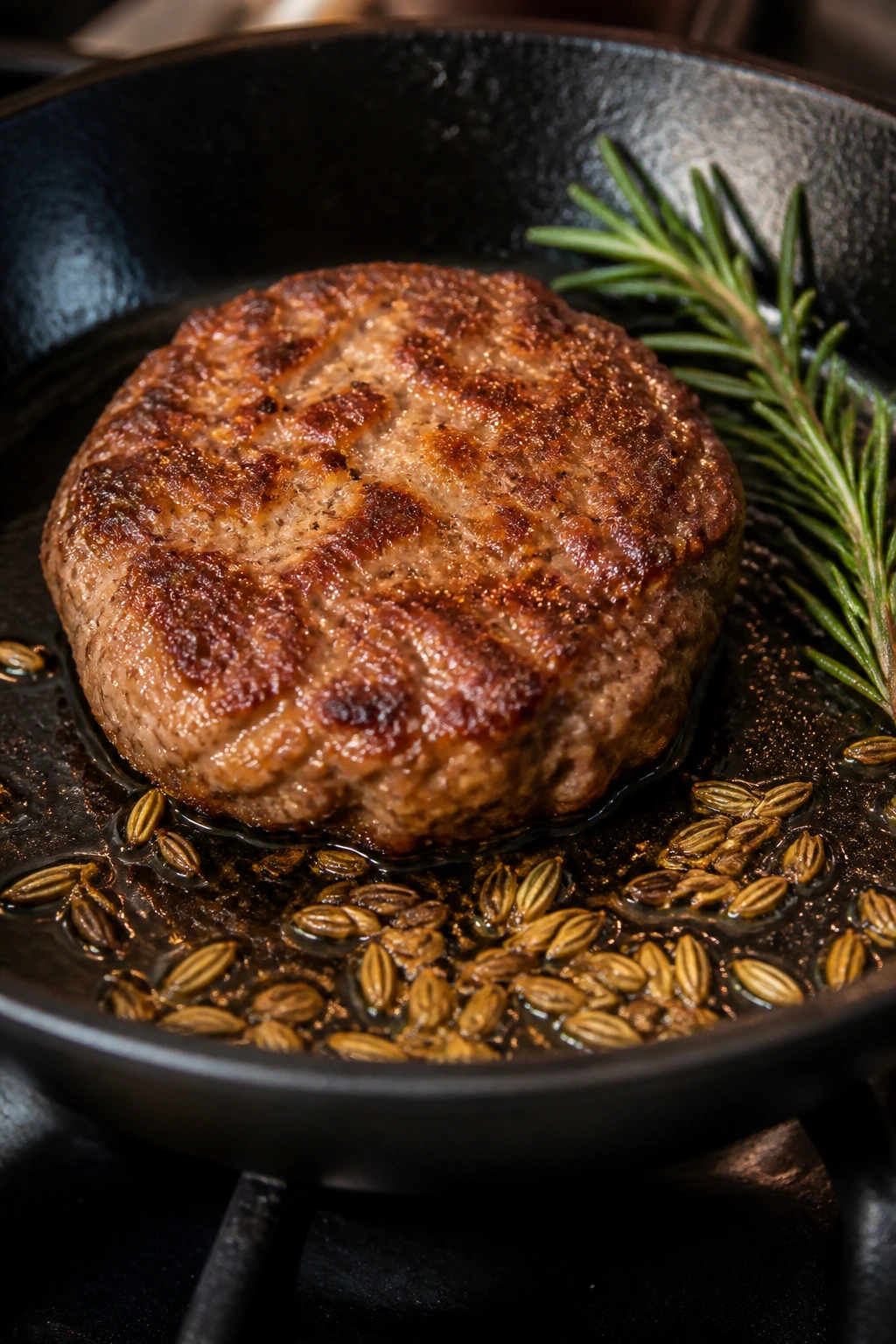
Flavor Enhancement: Toast the fennel seeds in a dry skillet for 30 seconds before crushing them. The smell changes fast, and that tiny step gives the sausage a rounder, warmer note. If you want a deeper savory finish, add 1 teaspoon of finely chopped rosemary to the mix, but keep it modest or it takes over.
Time-Saver: Shape the patties on the parchment-lined baking sheet you’ll use for chilling. One tray, one cleanup, less mess on your hands. You can also grate the onion straight into the bowl if you don’t mind a little extra moisture.
Cost-Saver: If 80/20 beef is the price point you want, use it. If you find a sale on 85/15, buy it and add the full 2 tablespoons of cold broth. The texture won’t be exactly the same, but it still makes a respectable sausage patty.
Pro Move: Weigh the patties. I know, it sounds fussy, but it keeps the batch even so nothing overcooks while you’re waiting on one thick piece to finish. A small scale saves more dinners than most gadgets.
Serving Suggestions: Finish the plated sausage with a little grainy mustard, a spoonful of caramelized onions, or chopped parsley for color. A spoon of pan fat over mashed potatoes is worth keeping. It tastes like you knew exactly what you were doing.
Common Mistakes to Avoid
Overmixing the Meat
The texture turns tight and springy, almost like rubber, when the mixture gets worked too hard. That usually happens when people keep folding and pressing until it looks “smooth.” Stop earlier. Once the spices disappear into the meat, you’re done.
Using Beef That’s Too Lean
Dry patties are the usual giveaway. If you start with 90/10 or leaner beef, the sausage can taste hollow even when the seasoning is strong. Use 80/20 if you can, or add a little extra broth and watch the pan temperature.
Skipping the Chill
Warm patties spread faster in the pan, which means flatter edges and less juicy centers. The 20-minute chill isn’t decorative. It firms the fat, helps the shape hold, and gives the seasoning a chance to settle into the meat.
Cooking Over High Heat
A hot pan can look productive, but sausage needs time. If the outside turns dark before the middle reaches 160°F, your heat is too high. Stay at medium and let the crust build slowly.
Crowding the Skillet
When the patties touch, they steam instead of brown. That leaves the bottom pale and soft. Cook in batches if you need to. The extra few minutes are worth the better crust.
Cutting or Serving Too Soon
If you slice or bite into the patties the second they leave the pan, the juices run out onto the plate. Give them the 3-minute rest. It’s short, and it makes a real difference.
Variations and Swaps
Smoky Chipotle Beef Sausage: Swap the smoked paprika for 1 teaspoon chipotle powder and add 1 minced chipotle in adobo. The heat stays steady and smoky rather than sharp, which is nice with roasted sweet potatoes.
Sage-and-Onion Dinner Style: Double the grated onion and add an extra 1/2 teaspoon sage. This version leans into a classic country-sausage profile and works especially well with mashed potatoes and green beans.
Gluten-Free Version: Replace the breadcrumbs with 1/4 cup gluten-free breadcrumbs or finely crushed rice crackers. The texture stays close to the original, and the patties still hold together well after the chill.
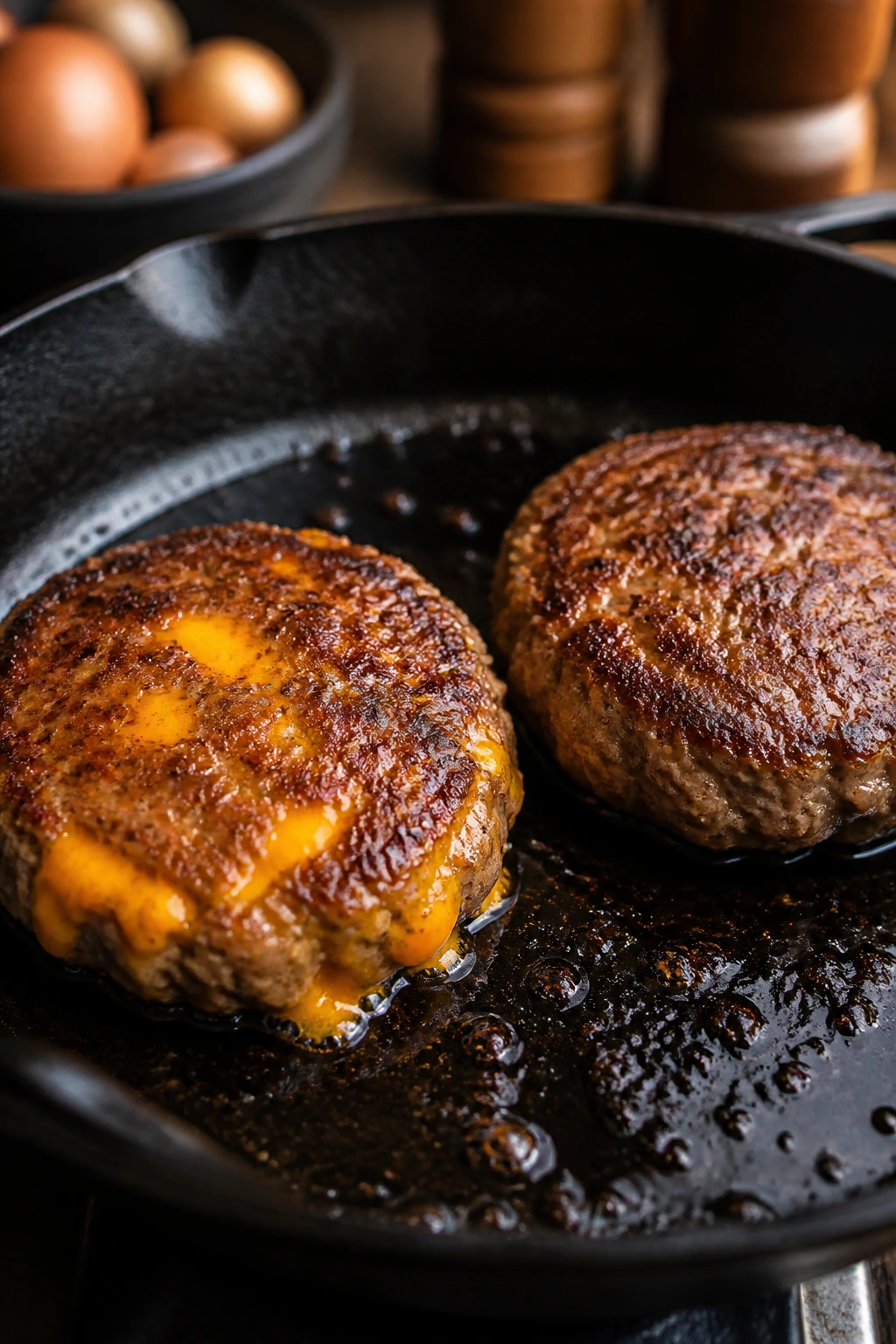
Cheddar-Flecked Patties: Fold in 1/2 cup finely shredded sharp cheddar right before shaping. The cheese melts into little pockets in the middle and gives you a richer bite, though you’ll want to keep the patties slightly thicker so they don’t leak.
Herb-Garlic Pan Version: Add 1 tablespoon chopped parsley and 1 extra clove of garlic, then serve the patties with sautéed onions on top. It feels a little brighter and less winter-heavy, which is handy if you want the same recipe to move through different sides.
Storage, Reheating, and Make-Ahead
Cooked beef sausage keeps well for 3 to 4 days in the refrigerator if you store it in an airtight container once it cools. Let the patties come down to room temperature for no more than 2 hours before refrigerating; meat left out longer than that is not worth the gamble.
For the freezer, wrap the cooked patties tightly or layer them between parchment in a sealed container. They’ll hold for up to 2 months without losing much quality. Raw shaped patties also freeze well. Lay them on a tray until firm, then transfer them to a freezer bag. Cook them from thawed for the best browning.
Reheating in a skillet is the best route. Use low heat, add a teaspoon or two of water, and cover the pan for a minute so the center warms before the crust dries out. If you’re reheating several patties, a 325°F oven for about 10 minutes works well. The microwave will do in a pinch, but it softens the crust and makes the texture a little dull.
For make-ahead cooking, you can mix and shape the patties up to 24 hours ahead and keep them covered in the fridge. In fact, they often taste a touch better after the spices have had time to settle. Don’t push that much longer with raw meat unless you know your fridge runs cold and steady. Better safe than sorry.
Frequently Asked Questions
Can I make this with leaner ground beef?
Yes, but leaner beef changes the whole feel of the sausage. If you use 85/15 or 90/10, keep the broth in the mix and watch the cooking time closely so the patties don’t dry out. The flavor stays strong; the bite gets less juicy.
Do I have to use fennel seeds?
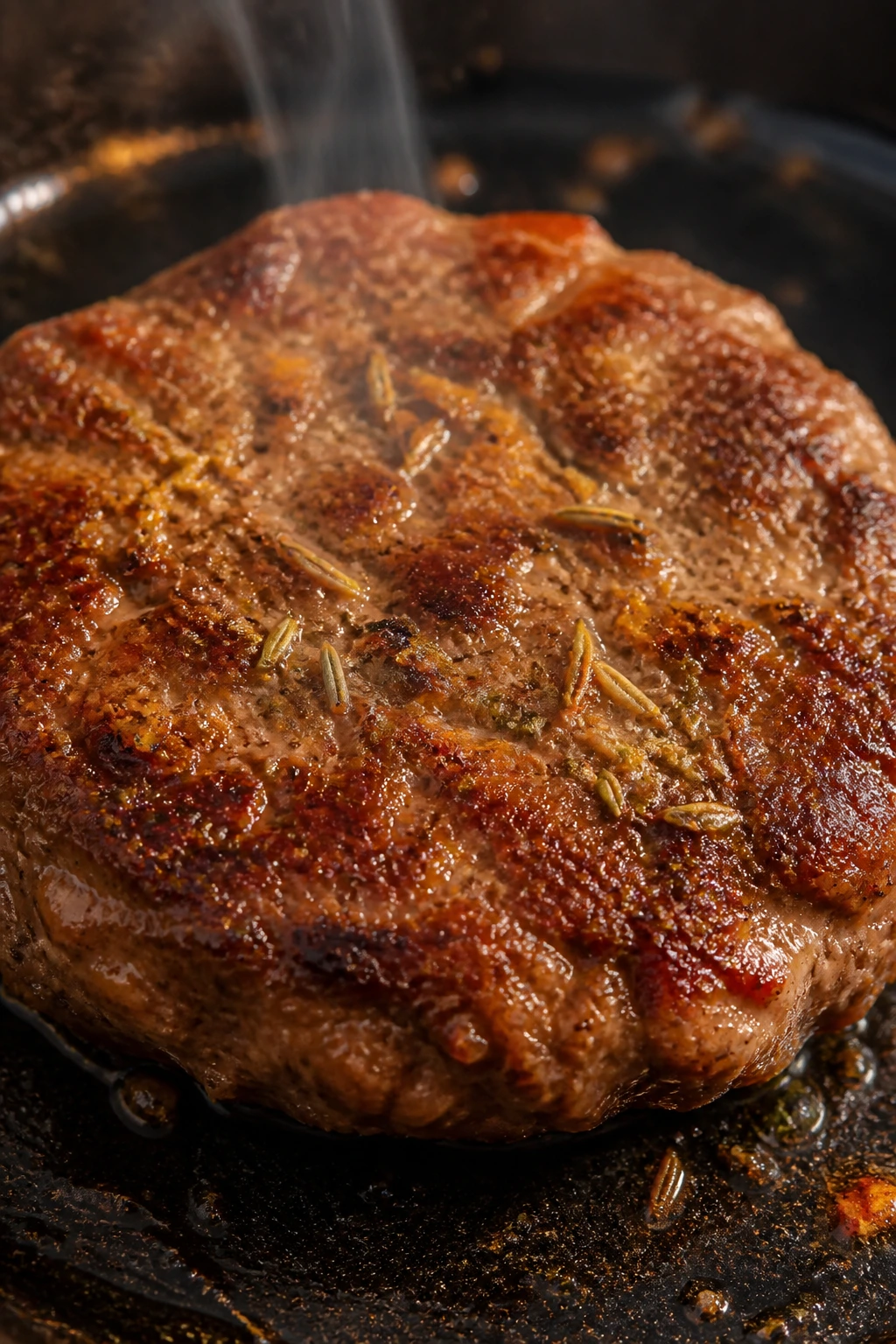
No, but they do most of the heavy lifting when it comes to that classic sausage flavor. If you leave them out, the patties will still taste good, just more like seasoned beef than sausage. Caraway is the closest replacement if you want a similar warm note.
Can I bake these instead of frying them?
You can. Bake on a parchment-lined sheet at 400°F for about 15 to 18 minutes, flipping once halfway through, until the centers hit 160°F. The crust won’t be as deep as skillet-seared patties, but it’s a useful option when you’re cooking a larger batch.
What if my patties fall apart in the pan?
Usually that means the mix was too warm, too wet, or under-mixed with the binder. Chill them longer, add a spoonful more breadcrumbs next time, and make sure the skillet has enough time to preheat before the patties go in.
Can I freeze the patties before cooking?
Yes, and it’s one of the best make-ahead moves for this recipe. Freeze the shaped patties on a tray until firm, then pack them in a freezer bag with parchment between layers. Thaw in the refrigerator before cooking for the most even browning.
How do I know when the sausage is done without cutting it open?
Use an instant-read thermometer and aim for 160°F in the center. That’s the cleanest answer. If you don’t have one, the patties should feel firm with no soft, squishy middle when pressed gently, but that’s still less reliable than a thermometer.
What sides make this feel like a full dinner?
Mashed potatoes, buttered cabbage, roasted carrots, or a simple bean dish all do the job. If you want a sharper contrast, add something pickled or mustardy on the side. Beef sausage likes contrast; it doesn’t need a lot of decoration.
Keep It in Rotation
There’s a reason a good skillet sausage recipe keeps coming back around. It’s sturdy without being dull, straightforward without tasting plain, and flexible enough to carry a lot of different sides. Once you’ve made it a couple of times, you stop thinking of it as “just another ground beef dinner” and start seeing it as a reliable answer for nights when you want something hot, savory, and worth sitting down for.
The trick is respecting the little things: cold meat, gentle mixing, enough fat, and a thermometer. That’s the whole game. Get those right, and you end up with beef sausage that tastes like someone spent a lot more time on it than you actually did.
Hearty Beef Sausage — Recipe Card
Recipe Name: Hearty Beef Sausage
Description: Savory beef sausage patties seasoned with fennel, sage, garlic, and smoked paprika, then pan-seared until browned and juicy. Serve them with potatoes, cabbage, beans, or anything that likes a rich skillet finish.
Prep Time: 20 minutes
Cook Time: 15 to 18 minutes
Total Time: 35 to 40 minutes
Course: Dinner, Main Course
Cuisine: American
Servings: 6 servings
Calories: About 500 kcal per serving
Ingredients
For the Beef Sausage Patties:
- 2 pounds ground beef, 80/20 and well chilled
- 1 small yellow onion, finely grated or minced to a paste
- 2 cloves garlic, minced or grated
- 1 large egg
- 1/4 cup plain breadcrumbs
- 2 tablespoons cold beef broth or ice water
- 1 tablespoon Worcestershire sauce
- 1 teaspoon Dijon mustard
- 1 1/2 teaspoons kosher salt
- 1 teaspoon freshly ground black pepper
- 1 teaspoon fennel seeds, lightly crushed
- 1 teaspoon smoked paprika
- 1/2 teaspoon dried sage
- 1/2 teaspoon dried thyme
- 1/4 teaspoon crushed red pepper flakes
For the Skillet:
- 2 tablespoons neutral oil, divided if needed
Instructions
Make the Sausage Mixture
- Combine the beef, onion, garlic, egg, breadcrumbs, broth, Worcestershire sauce, Dijon, salt, pepper, fennel, paprika, sage, thyme, and red pepper flakes in a large bowl.
- Mix gently until just combined. Do not overwork the meat.
Shape and Chill 3. Divide into 12 patties, about 2 to 2 1/4 ounces each. 4. Shape into 3-inch patties, press a shallow dimple in the center, and chill on a parchment-lined tray for 20 minutes.
Cook the Patties 5. Heat 1 tablespoon oil in a large skillet over medium heat. 6. Cook half the patties for 4 to 5 minutes per side, until browned and the center reaches 160°F. 7. Transfer to a plate and rest for 3 minutes. Repeat with the remaining oil and patties.
Notes: Keep the mix cold, use a thermometer, and don’t crowd the pan. For a sharper serving, add mustard or pickles on the side.