



Juicy easy chicken for weeknight dinners is one of those promises that sounds almost too modest until you need it on a tired Tuesday. Nobody wants a fussy project at 6:40 p.m. You want chicken that browns fast, stays tender when sliced, and tastes like somebody paid attention for more than ten minutes.
The problem is that chicken punishes tiny mistakes. A breast left in the pan for two extra minutes turns from supple to chalky. A thigh tossed into a cold skillet gives up before it crisps. And the sauce you meant to rescue dinner can end up thin and flat if the chicken never browned well in the first place.
I’ve come to trust a small set of moves: salt early, cook to the right temperature, and stop pretending every cut should be treated the same. That is the whole trick. Not glamour. Not secret technique. Just the difference between dry chicken that needs apologizing for and juicy chicken you can put on rice, tortillas, roasted potatoes, or a bare plate with confidence.
Why This Method Works So Well on Busy Nights
-
It forgives a real-life schedule: Boneless thighs can go from fridge to table in about 20 minutes, and they keep their texture even if the side dish runs a little late.
-
It saves lean breasts from themselves: A quick dry brine and even thickness do more for juicy chicken breasts than a complicated marinade ever will.
-
It relies on a thermometer, not guesswork: Hitting 160°F to 165°F in the thickest part is the difference between moist chicken and the sad, cottony version nobody wants.
-
It turns one pan into dinner: Browned bits left in the skillet become sauce with a splash of broth, lemon, mustard, or wine, which means the chicken carries flavor without extra effort.
-
It scales cleanly: Double the seasoning, keep the cut size even, and you can feed four or six without changing the method or washing a mountain of dishes.
-
It works with pantry food: Garlic powder, paprika, soy sauce, Dijon, dried oregano, and a lemon can carry a lot farther than people think when the chicken itself is cooked well.
Why Chicken Gets Dry So Easily
Chicken doesn’t usually fail because you can’t cook. It fails because the meat itself gives you very little margin. Breast meat is lean, which is nice on paper and unforgiving in a hot pan. Once the proteins tighten and squeeze out their juices, there is no fat cushion waiting to fix the damage.
Lean Meat Has Less Room for Error
Chicken breast is mostly muscle, with not much fat threaded through it. That means a tiny temperature jump matters. A piece pulled at the right moment feels juicy and slices cleanly; the same piece left behind for a few more minutes starts to look pale, shrunken, and dry around the edges.
Thighs behave differently. They have more fat and more connective tissue, so they’re less likely to dry out before they finish cooking. That is why I trust thighs more when the evening is noisy, the phone keeps buzzing, and dinner needs to survive a little chaos.
Thickness Matters More Than You Think
A chicken breast that looks normal from the top can hide a thick hump on one side and a thin tail on the other. If you cook that piece as-is, the thin end overcooks while the thick part catches up. That’s not a seasoning problem. That’s geometry.
Pounding, butterflying, or slicing a breast into cutlets fixes the shape before heat ever touches it. Suddenly the chicken cooks at the same pace across the whole piece. That’s the kind of boring little adjustment that saves dinner.
Carryover Heat Does Sneaky Work
Chicken keeps cooking after you pull it from the heat. That carryover can add 3 to 5 degrees, sometimes more if the pan is blazing hot or the piece is thick. Pull a breast at 160°F, let it rest, and it should land safely at 165°F without going stringy. Pull it at 165°F and keep it on the burner too long, and you’ve already crossed into dry territory.
The USDA’s 165°F guidance for poultry matters here. It is not a suggestion you can “feel out.” It is the line that keeps dinner safe and gives you a clear target instead of a guessing game.
The Best Cuts for Juicy Easy Chicken
Breasts and thighs are not interchangeable, no matter how many recipes pretend otherwise. They need different handling, different timing, and a different level of babysitting. Once you stop asking them to behave the same way, weeknight chicken gets easier.
Boneless, Skinless Thighs: The Forgiving Choice
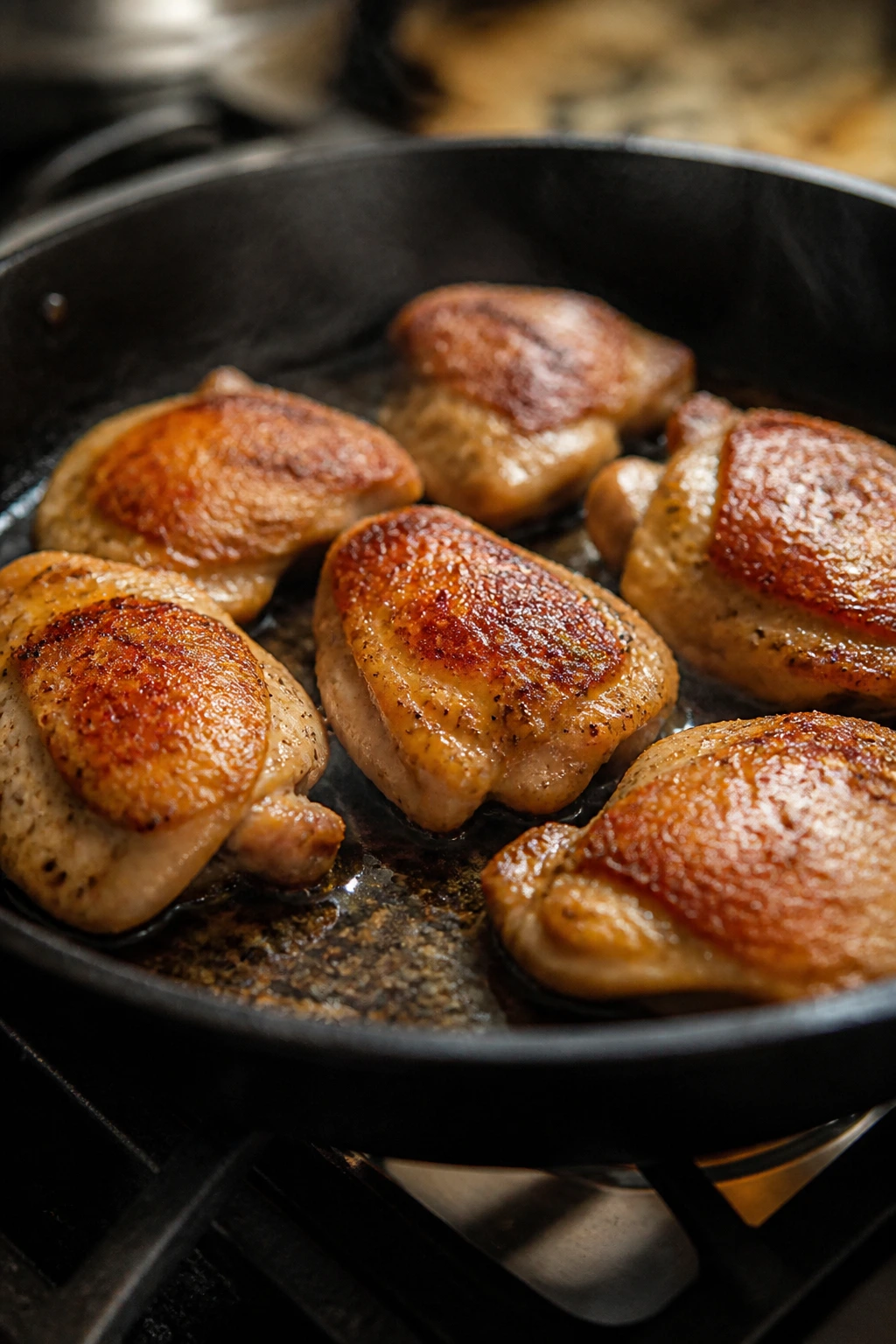
Boneless skinless thighs are the cut I reach for when I want a low-drama dinner. They stay juicy through a slightly too-long sear, they take sauce well, and they taste richer without needing much help. A batch of thighs can go into a skillet, oven, or air fryer and still come out tender enough to slice or shred.
Look for thighs that are fairly even in thickness and not swimming in excess liquid in the package. More liquid usually means more water to steam off before browning, and steam is not what you want if you’re chasing good color.
Boneless, Skinless Breasts: Best When You Shape Them First
Chicken breasts get a bad reputation because people treat them like thighs. They are not thighs. But they can be excellent for weeknight dinners if you flatten them to an even thickness or slice them into cutlets. Then they cook quickly and cleanly.
I like breasts when I want a mild base for sauces: lemon butter, Dijon cream, tomato pan sauce, or a quick garlic broth. They take on flavor, but they need that flavor built around them instead of dumped on top at the last second.
Tenderloins: Fast, But Finicky
Tenderloins cook fast enough to feel convenient, and they’re nice for kids or sliced salads. The downside is their short window. Leave them alone too long and they go stringy before you notice.
If you use tenderloins, keep the heat moderate and check early. They often need less time than you think, especially in a hot air fryer or thin skillet sauce.
Bone-In Pieces: Slower, But Worth It When You Have the Time
Bone-in thighs or drumsticks bring better flavor and a little more insurance against dryness. The tradeoff is time. They need longer in the oven or a longer covered simmer in a skillet, which makes them less of a grab-and-go weeknight move and more of a planned one.
Still, if you’re making one pan for the family and want leftovers, bone-in pieces are hard to beat. The bones hold heat, the skin browns nicely, and the meat often tastes fuller than boneless versions.
What I Buy When I’m Rushing
If I’m in and out of the store with no patience, I buy boneless skinless thighs first. If the sale is better on breasts, I buy those only if they’re not enormous. Giant breasts are usually more trouble than they’re worth. I’d rather split them in half lengthwise and make cutlets than cook one bulky piece and hope for the best.
Salt, Brine, and Marinade: The Fastest Way to Better Chicken
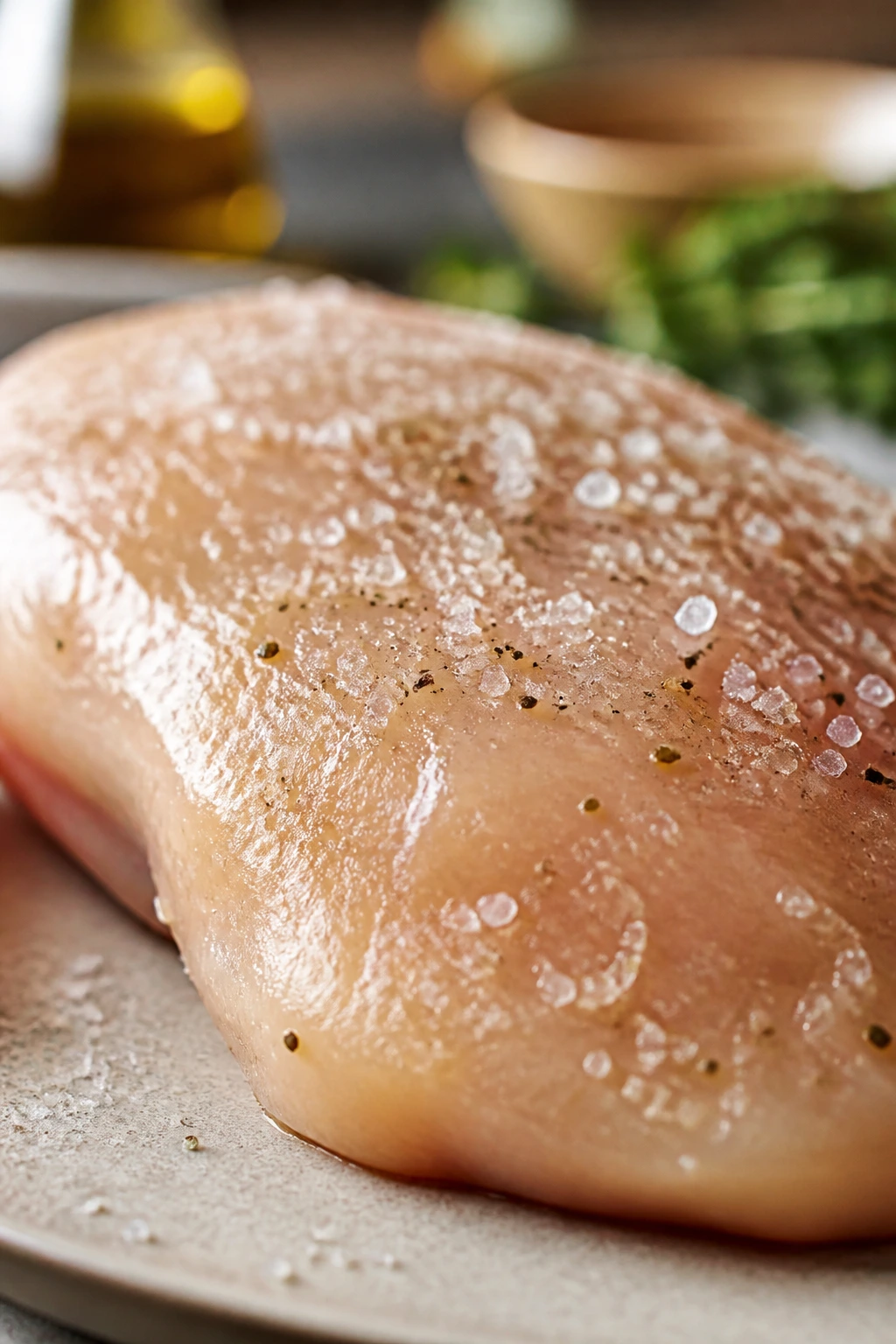
Twenty minutes of salt can do more than a fancy marinade that sat in the fridge all day. That is not a romantic answer, but it is the right one. Salt changes how the meat holds onto water, and it seasons the chicken all the way through instead of leaving flavor stranded on the surface.
The Dry Brine I Use Most Often
For boneless chicken, I usually dry-brine with kosher salt before cooking. A practical starting point is about 3/4 teaspoon Diamond Crystal kosher salt per pound or about 1/2 teaspoon fine salt per pound. If that sounds oddly specific, it’s because salt brands vary a lot in density.
Let the salted chicken sit for 20 to 45 minutes in the fridge, uncovered if you want a slightly drier surface for browning. If you’re short on time, even 15 minutes helps. If you have more time, you can go longer, but for weeknight cooking I like the simple version: salt, rest, cook.
Quick Brines Have Their Place
A wet brine can rescue thicker breasts or especially lean pieces when you know in advance that the pan will be hot and the timing tight. A basic quick brine is cold water with enough salt that it tastes pleasantly salty, not ocean-salty. For most home cooks, that means something like 1/4 cup kosher salt per quart of water for a short soak of 30 minutes to 2 hours.
Use this when you have a little runway. It works, but it is more hassle than dry brining when you’re trying to get dinner moving.
Marinades Add Flavor More Than Moisture
A lot of marinade advice is magical thinking. Acid does not soak deep into chicken and turn it into something entirely different. What it really does is season the surface, carry aromatics, and help browning if you keep the sugar low and the oil ratio sensible.
For weeknight chicken, I keep marinades short and focused: oil, garlic, herbs, a touch of acid, and maybe soy sauce or Dijon. Lemon juice, vinegar, or yogurt can work well, but don’t leave acid-heavy marinades on breasts for too long. A few hours is plenty. Overnight in strong acid can make the outer layer a little mealy and strange.
When to Skip the Marinade Entirely
If I’m making cutlets or thighs and I know I’ll finish with a pan sauce, I often skip the marinade and dry-brine instead. That gives me better browning, which matters more than people admit. Flavor layered on top of good browning tastes deeper than flavor soaked into pale chicken.
And yes, the pan sauce can carry the whole meal. More on that in a minute.
Skillet, Oven, or Air Fryer: Picking the Right Method for Weeknight Dinners
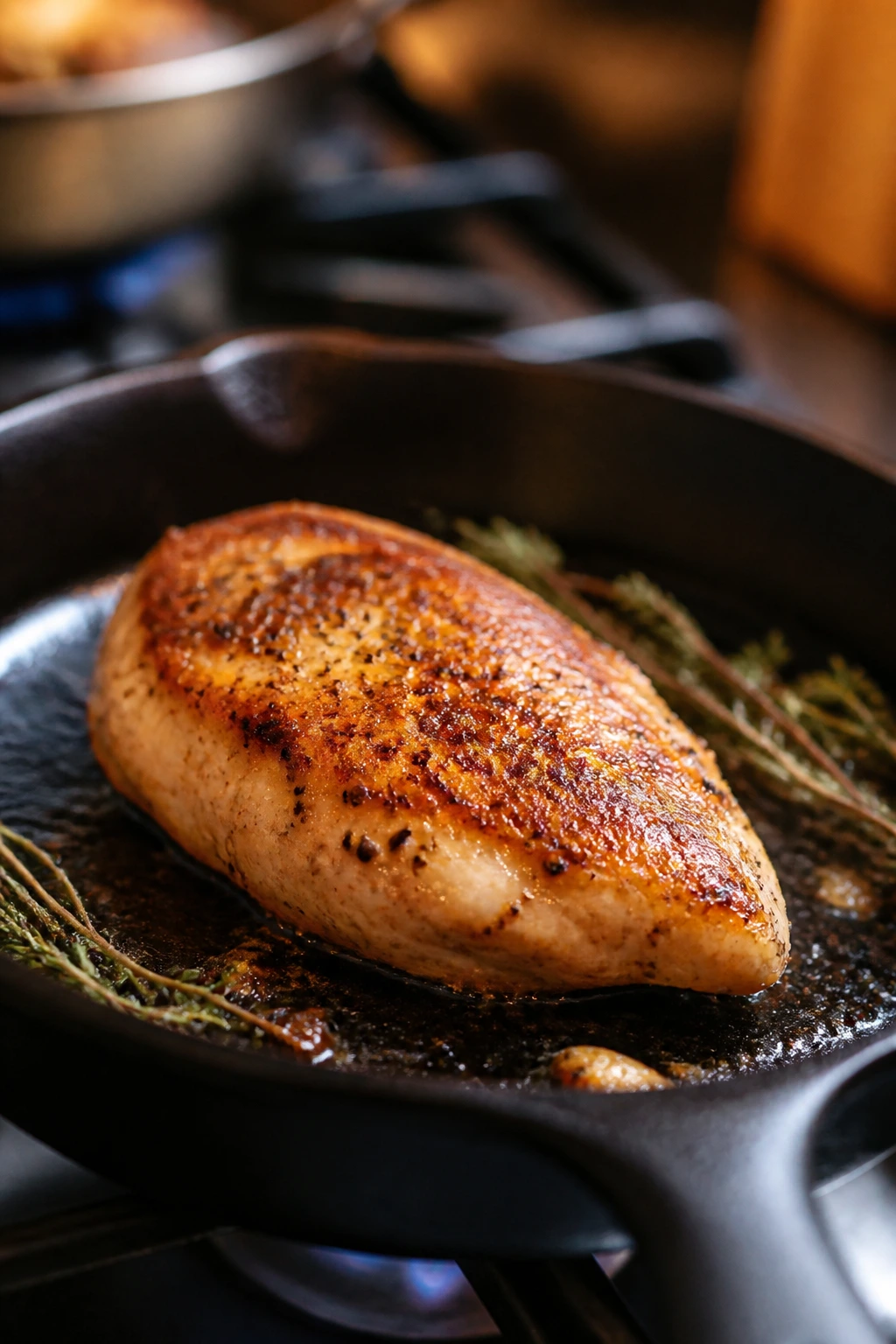
The vessel matters less than the heat. A hot skillet, a properly preheated oven, and an air fryer all work; what changes is the texture you get and how much attention the chicken demands.
The Skillet Route: Fast Browning, Fast Sauce
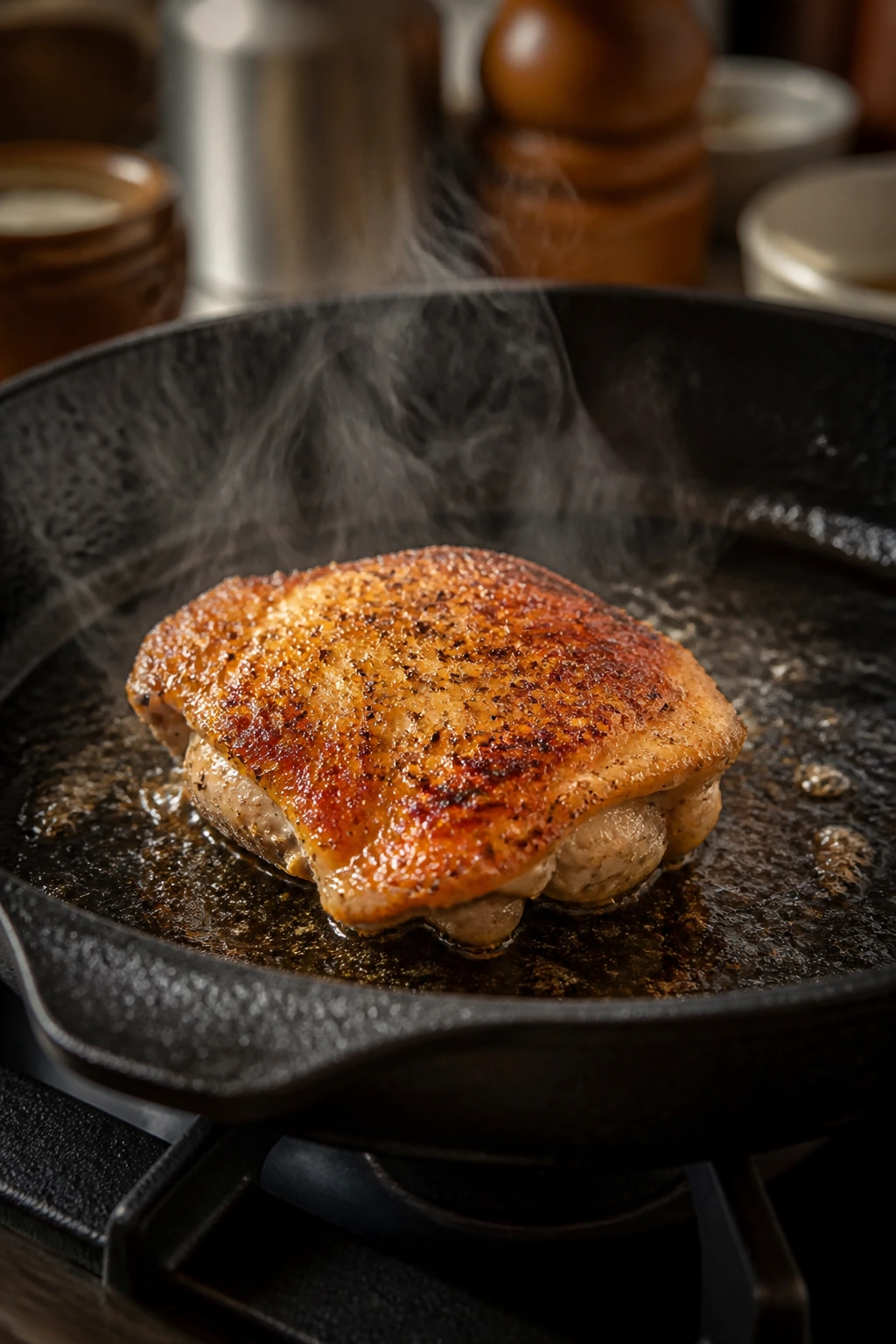
A skillet is my favorite move for thin breasts, cutlets, and boneless thighs. Use a 12-inch stainless steel or cast-iron skillet and let it preheat for 3 to 4 minutes over medium-high heat before the chicken goes in. A drop of water should dance and disappear quickly, not sit there looking confused.
Add a thin layer of oil with a decent smoke point. I like avocado oil or a light olive oil here. Sear the chicken without crowding the pan. Crowding drops the temperature and turns browning into steaming, which is the opposite of what you want.
For boneless thighs, you’re often looking at 4 to 6 minutes per side, depending on size. For cut breasts, it might be closer to 3 to 5 minutes per side. Thick breasts can need a short finish in a 400°F oven if the outside is getting ahead of the center.
The Oven Route: Hands-Off and Good for Batches
The oven is ideal when you want the chicken to cook while you deal with rice, vegetables, or a salad. Set it to 425°F (220°C) and use a rimmed sheet pan so juices don’t run all over the stove. A light coating of oil helps the surface color instead of drying out.
Boneless thighs often take 18 to 22 minutes. Boneless breasts usually land in the 16 to 20 minute range if they’ve been pounded to even thickness. Bone-in thighs need longer, often 25 to 35 minutes, depending on size. If you’re cooking several pieces, give them space. Tight packing keeps the chicken pale and soft on the bottom.
A wire rack on the sheet pan helps even more because hot air can move underneath the chicken. That’s an optional extra, not a requirement. I use it when I want cleaner browning and less sticking.
The Air Fryer Route: Crisp Edges, Short Timers
Air fryers are useful when you want speed and a little texture without heating the whole kitchen. Set the basket to 375°F (190°C) and don’t crowd it. Give the pieces some space so the circulating air can do its job.
Boneless breasts often take 10 to 14 minutes depending on thickness. Thighs usually need 12 to 16 minutes. Flip halfway through if your machine doesn’t brown evenly. If the top is already dark and the center still needs time, lower the temperature a touch instead of blasting it harder. Too much heat just dries the outside before the inside catches up.
Which Method I’d Choose If I Were Rushed
If I had exactly one pan and twenty minutes, I’d use the skillet for cutlets or thighs. If I wanted to make enough chicken for leftovers, I’d use the oven. If I wanted crispy edges without much cleanup, I’d use the air fryer.
That’s the practical answer. No drama.
How to Tell When Chicken Is Done Without Guessing
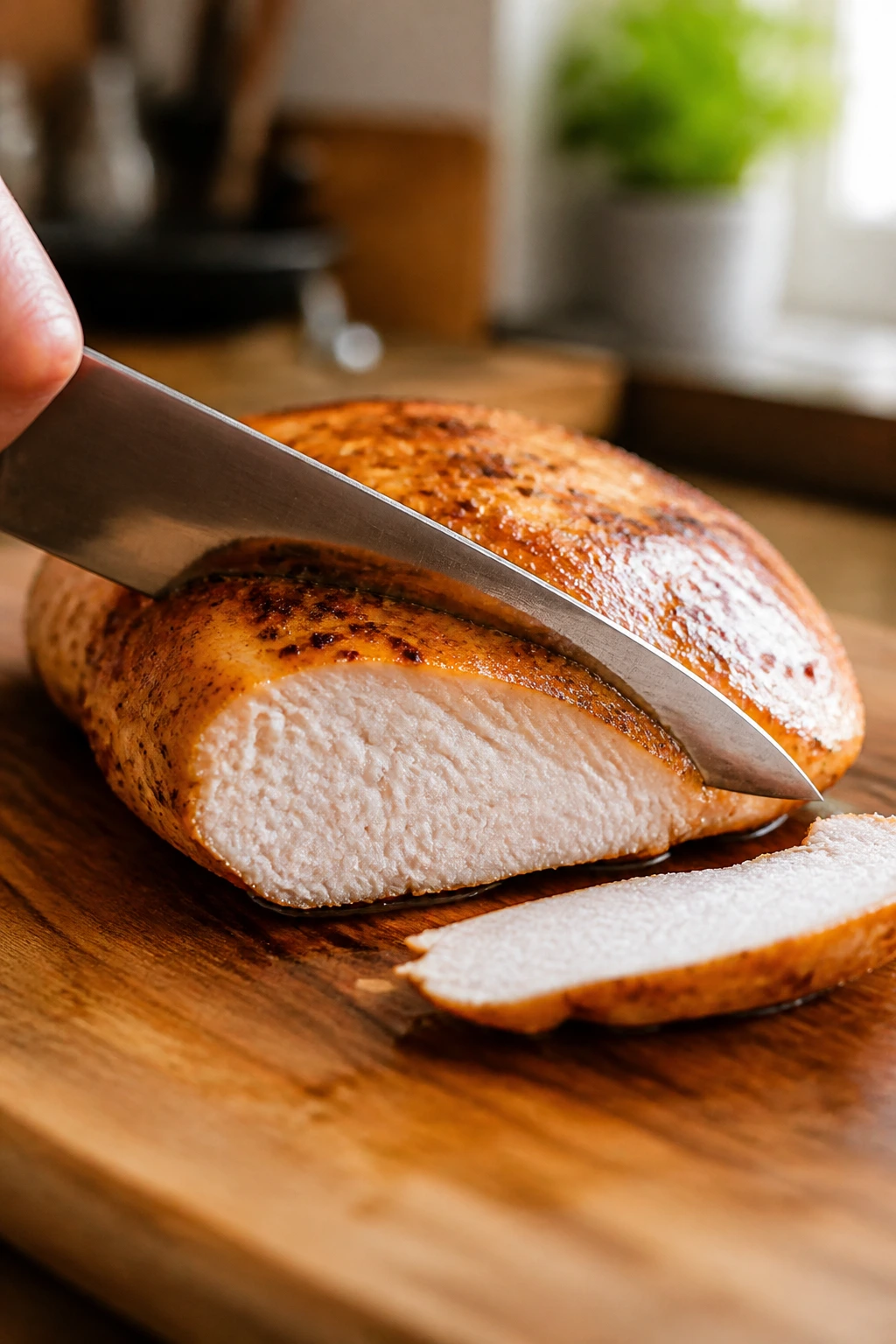
Is it done because the juices run clear? Maybe. Is it done because the outside looks brown? Not necessarily. Color can fool you, and so can the clock. The only tool that ends the argument cleanly is an instant-read thermometer.
The Temperature I Trust
For poultry, the USDA’s safe target is 165°F (74°C) in the thickest part. That is the line for chicken breast, cutlets, thighs, and tenderloins. Stick the probe into the thickest point without touching bone or the pan.
For breasts, I often pull them at 160°F to 162°F and let them rest for a few minutes. Carryover heat usually brings them up to 165°F while the juices settle back into the meat. For thighs, I care less about barely meeting the minimum and more about texture. Thighs can taste better at 175°F to 185°F because the connective tissue softens and the meat turns silkier instead of bouncy.
What the Meat Looks Like
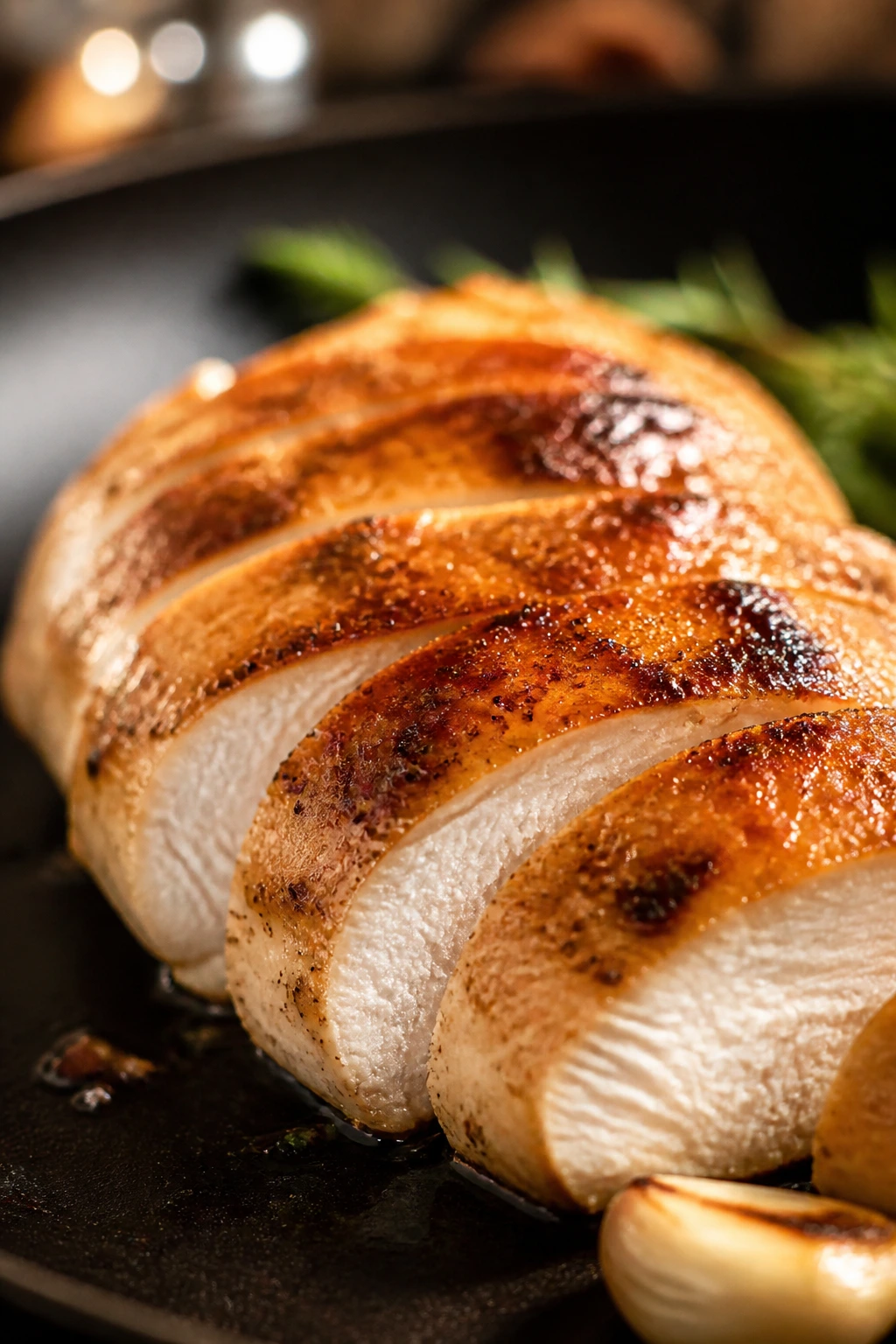
A properly cooked breast looks opaque all the way through and feels springy when pressed lightly, not hard. If you cut into it, the fibers should look moist rather than dry and chalky. Thigh meat can still look a little darker and richer even when fully cooked.
Don’t chase clear juice alone. Juice can run clear before the meat is actually at temperature, and a slightly pink tint in a very thick piece can still be fine if the thermometer says the center is safe. The probe wins. Every time.
Resting Matters More Than People Want to Admit
Once the chicken is off the heat, leave it alone for 5 to 10 minutes. Resting gives the juices time to settle instead of rushing straight onto the cutting board and onto your counter. Cover it loosely with foil if you want, but don’t wrap it tight or steam will soften the browned crust you just worked for.
That small pause is where a lot of “why is my chicken dry?” problems quietly disappear.
Fast Flavor Systems That Keep Dinner Interesting
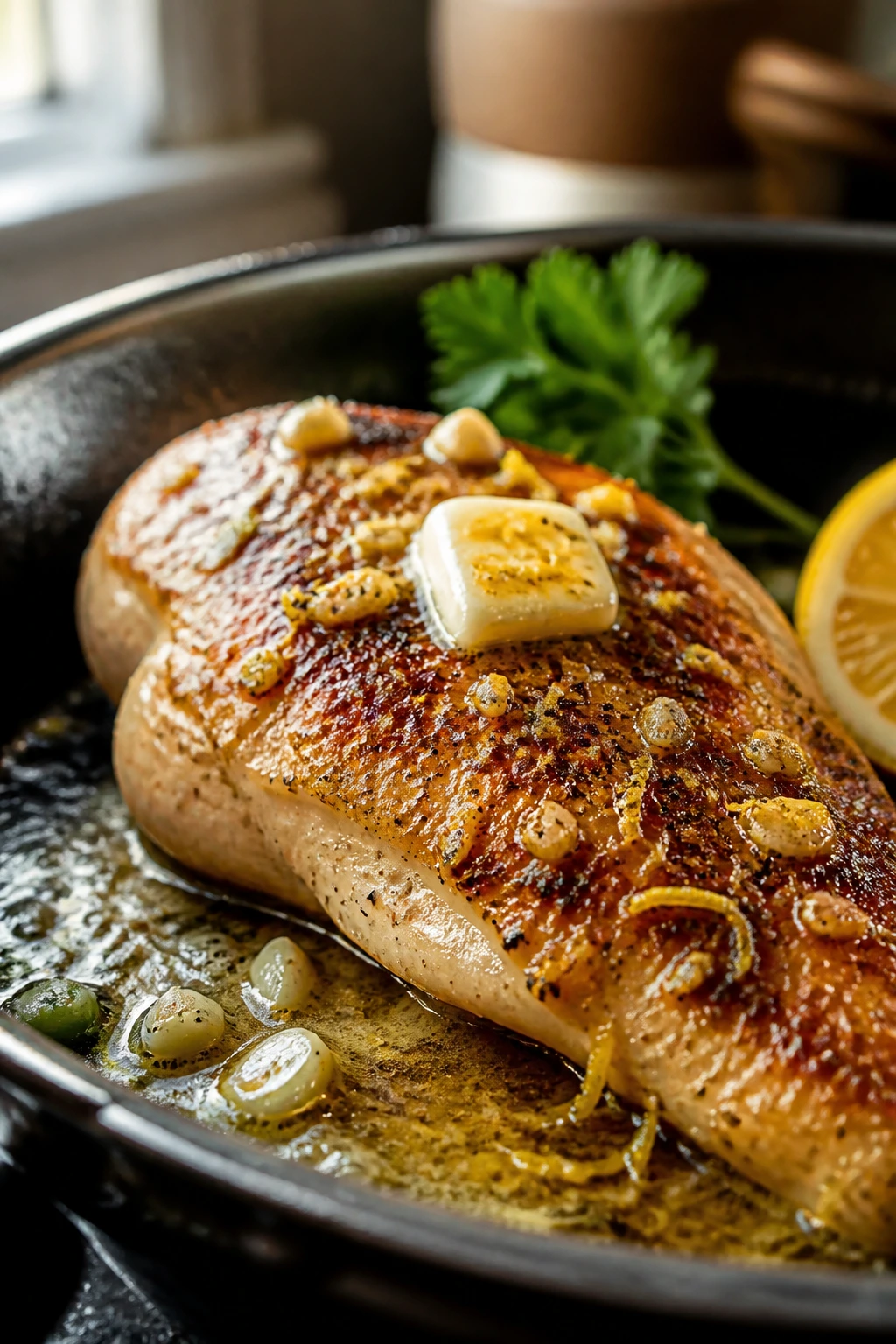
Plain chicken is not a moral failure. It’s just unfinished. The trick is to build a flavor pattern you can repeat with whatever is in the fridge and pantry, so dinner doesn’t taste like the same pan of salt every week.
Lemon, Garlic, and Butter
This is the classic for a reason. Lemon wakes up chicken breast, garlic gives the pan something to smell like, and a small pat of butter at the end rounds off the edges. I like this with parsley or dill if I have it, but a little zest does a lot of work on its own.
Use it when you’re serving rice, potatoes, or a simple green salad. It’s the one I make when I want dinner to feel clean and bright without being fussy.
Soy, Ginger, and Sesame
A quick mix of soy sauce, grated ginger, garlic, and a touch of honey turns chicken into something that wants rice and cucumbers. The soy deepens the color, ginger cuts through richness, and sesame oil — used sparingly — makes the whole pan smell finished.
This is a strong fit for thighs or sliced cutlets. It’s also one of the better ways to turn leftover chicken into lunch the next day, because the flavor holds up after reheating.
Smoked Paprika, Cumin, and Lime
If you want a deeper, warmer flavor, this trio carries a lot. Smoked paprika gives color and a little fire-kissed taste even when the chicken is cooked indoors. Cumin adds earthiness. Lime at the end keeps the chicken from tasting heavy.
I reach for this when I’m serving tortillas, black beans, corn, or roasted vegetables. It’s fast, cheap, and doesn’t require fresh herbs to feel complete.
Dijon, Herb, and Pan Drippings
A spoonful of Dijon stirred into the drippings after the chicken comes out can turn a plain skillet into dinner sauce in under two minutes. Add a splash of broth, scrape up the browned bits, and finish with tarragon, thyme, or parsley if you have them.
This is the flavor path I use when I want the chicken to taste a little grown-up without becoming complicated. It’s especially good with breasts, because the sauce gives lean meat the extra richness it lacks on its own.
Tomato, Olive, and Capers
A handful of chopped olives and capers in a quick tomato sauce gives you a salty, briny edge that works beautifully with chicken thighs. It tastes like more effort than it takes. That’s a good thing.
If you’ve got canned tomatoes, garlic, and a few olives in the fridge, dinner is already halfway built. This is one of those combinations that makes leftovers feel deliberate instead of accidental.
Practical Tips That Make Weeknight Chicken Easier
A few small habits do more for juicy chicken than a dozen complicated tricks. None of them are glamorous. All of them help.
Buy pieces that match each other. If one breast is twice the size of the other, slice the larger one in half lengthwise or pound both to a similar thickness. Uniform pieces cook evenly. Odd shapes don’t.
Salt before you start the rest of dinner. Five minutes of sitting time is enough to make a difference, and twenty minutes is better. Season the chicken, then go chop vegetables or start rice. That little head start pays back in flavor and texture.
Use the freezer as a helper, not just storage. If you need to slice chicken thinly, put it in the freezer for 15 to 20 minutes first. It firms up just enough to cut cleanly without slipping all over the board. That’s a small thing, but it matters when you’re trying to make cutlets fast.
Save the pan drippings. After the chicken is out, add 1/4 cup broth, stock, or water to the hot skillet and scrape up the browned bits. Stir in mustard, lemon, herbs, or a splash of cream if the mood calls for it. That sauce makes the whole plate look intentional.
Double the batch when you can. A second portion of chicken is not more work if the pan and seasoning are already out. Leftovers slide into wraps, grain bowls, salads, fried rice, and quesadillas. I’d rather cook a little too much chicken once than stand in the kitchen again at 8:15 p.m.
Keep the heat honest. If the pan starts smoking hard before the chicken goes in, it’s too hot. If the chicken sits there pale and wet for too long, the pan is too cool. Browning needs a steady, medium-high heat, not a dramatic blaze.
Common Mistakes That Turn Good Chicken Dry
Starting with pieces that cook at different speeds is the classic mistake. One end of the breast is already done while the thick middle is still catching up, so you either undercook the center or overcook the edges. Fix it by butterflying, pounding, or buying cutlets that are already even.
Crowding the pan is another easy way to lose dinner. The chicken releases moisture, the skillet cools, and instead of browning you get pale meat with steamed edges. Cook in batches if you need to. Batches beat soggy shortcuts.
Seasoning only at the last second gives you surface flavor and not much else. Chicken needs salt time, especially breasts. A short dry brine changes the meat in a way that a sprinkling right before cooking simply cannot.
Guessing instead of checking temperature causes more dry chicken than any other mistake. If you’re cutting into the meat to see if it’s done, you’ve already let some of the moisture escape. A cheap instant-read thermometer solves that problem for good.
Skipping the rest makes the cutting board do the work your pan should have done. If you slice chicken the second it comes off the heat, the juices run out fast and the texture gets drier by the minute. Rest it for a few minutes and the difference is obvious.
Treating tenderloins like breasts is a recipe for stringy meat. Tenderloins cook fast. Faster than you think. Pull them early and check often, especially in an air fryer or under a broiler.
Simple Variations for Different Cravings
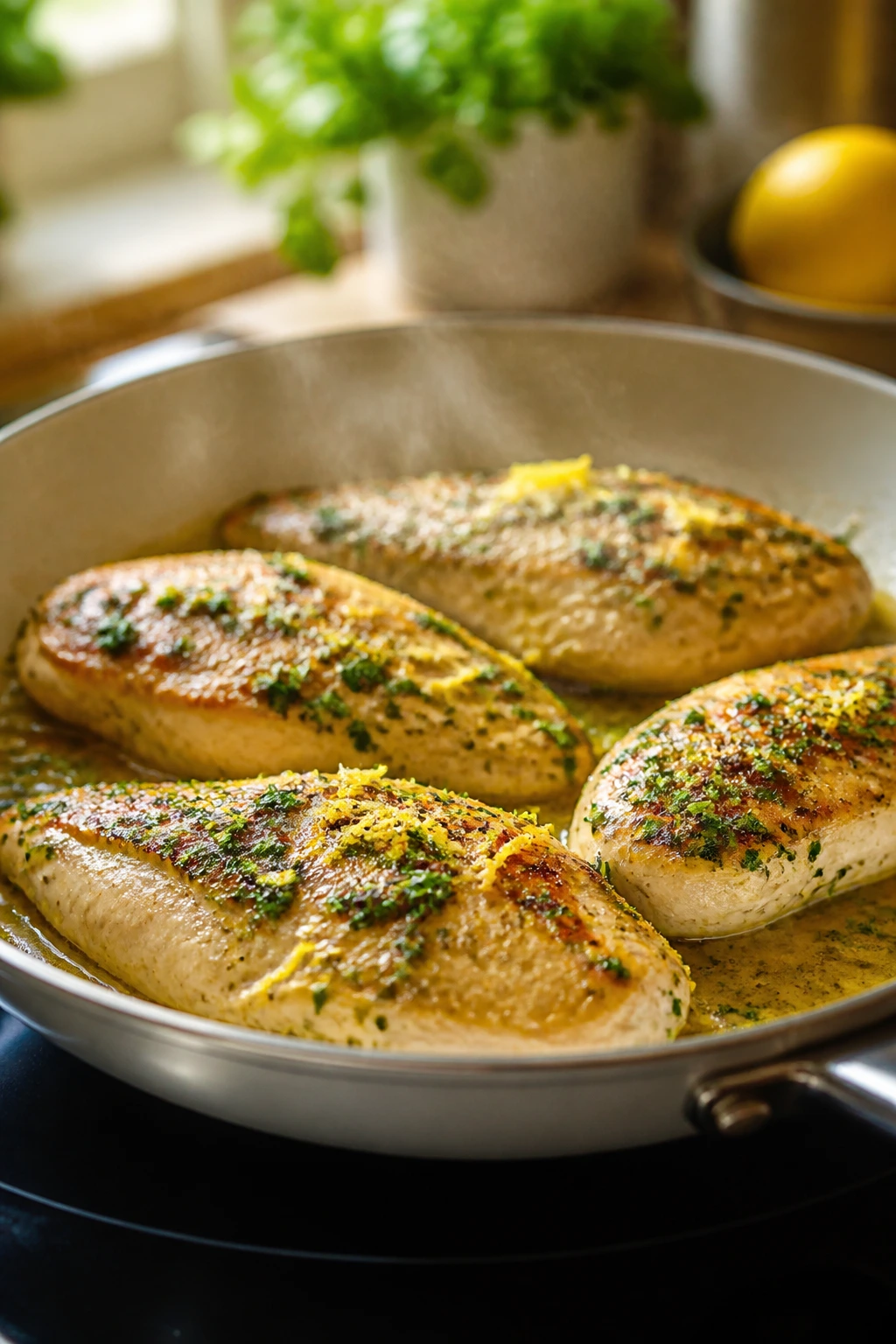
Lemon-Herb Skillet Chicken
Use boneless breasts or thighs, salt them ahead, and finish the pan with lemon zest, a knob of butter, and chopped parsley. It’s bright, clean, and works with almost any side dish. I like this one when the rest of dinner is plain rice or roasted potatoes.
Smoky Paprika Sheet-Pan Chicken
Rub chicken with smoked paprika, garlic powder, cumin, salt, pepper, and oil, then roast it on a hot sheet pan with onions or peppers. The edges brown nicely, and the spice mix gives you a deep red color without needing a long marinade. This is my move when I want dinner to feel a little more cooked without adding work.
Soy-Ginger Glazed Chicken
Whisk soy sauce, grated ginger, garlic, a little honey, and sesame oil, then brush it onto thighs or sliced breasts near the end of cooking. The glaze turns glossy and sticky in the pan. Serve it with rice and something crisp on the side, like cucumber slices or shredded cabbage.
Yogurt-Marinated Chicken
Coat the chicken in plain yogurt, garlic, salt, and a pinch of paprika for a few hours before cooking. Yogurt clings well and helps the surface stay tender, especially if you’re baking or air-frying. This is a good option when you want flavor and softness without relying on a lot of oil.
Dairy-Free Coconut-Lime Chicken
Use coconut milk, lime zest, garlic, and a pinch of chili flakes as the base for a quick sauce or marinade. It gives chicken a softer, rounder flavor and works nicely with rice or sautéed greens. If you want a weeknight dinner that tastes a little different without asking for strange ingredients, this one delivers.
Tools and Equipment I Reach For
-
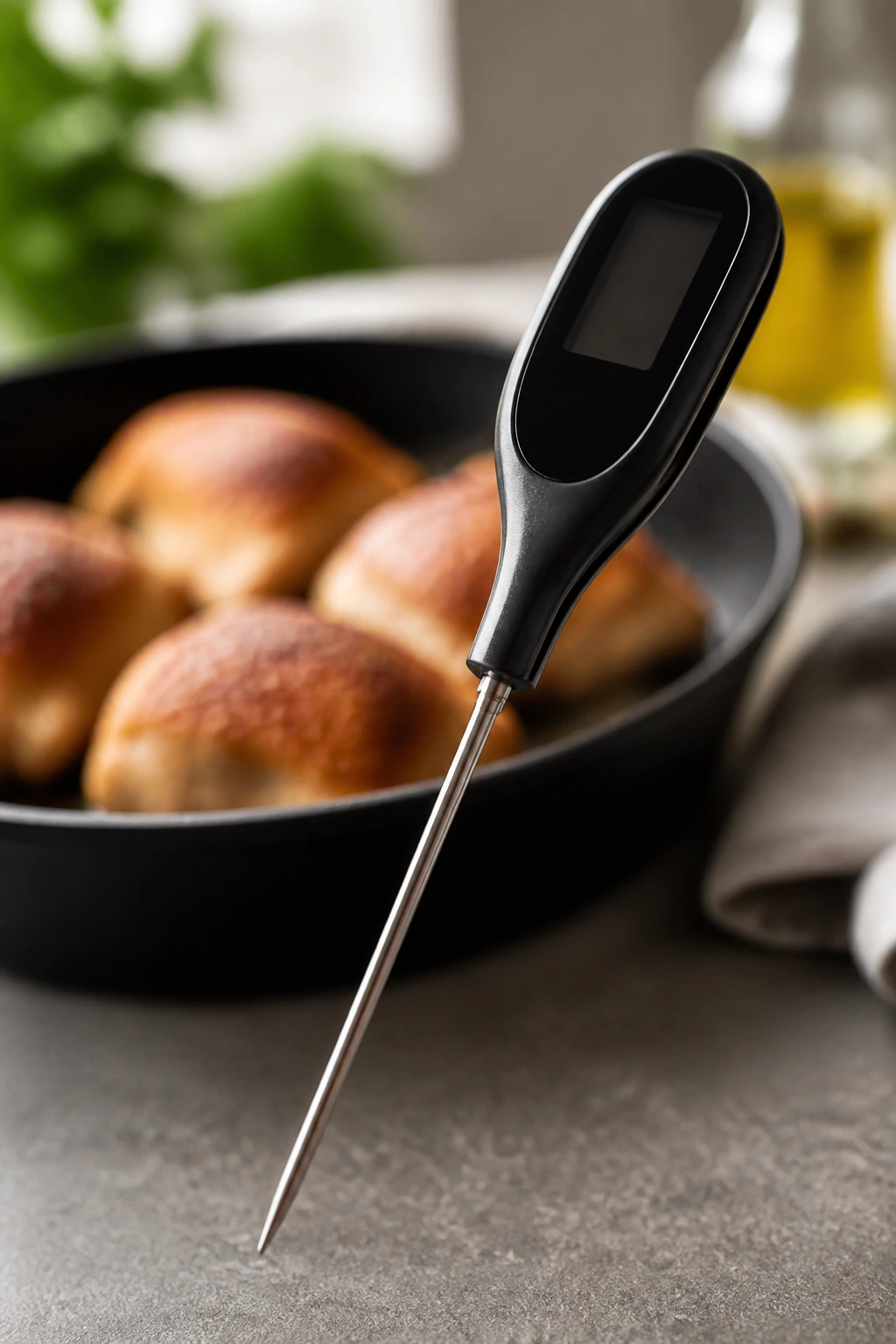
Instant-read thermometer — The single most useful tool for chicken; it ends the guesswork and keeps breasts from going over the edge.
-
12-inch skillet — Cast iron or stainless steel both work well for browning and pan sauces; choose the one you trust to hold heat.
-
Rimmed sheet pan — Best for oven-roasted chicken and for keeping juices from running all over the oven floor.
-
Tongs — They let you turn chicken without stabbing it, which keeps juices where they belong.
-
Cutting board with a groove — The groove catches resting juices so they don’t flood your counter.
-
Meat mallet or rolling pin — Useful for pounding breasts to even thickness; a heavy skillet works in a pinch.
-
Small bowl and whisk — Handy for quick marinades, dry seasoning mixes, and pan sauces.
-
Microplane or fine grater — Great for lemon zest, garlic, and ginger, all of which wake up chicken fast.
-
Airtight storage containers — Leftover chicken keeps its texture better when it’s stored flat and sealed, not crammed into an open bowl.
Storage, Reheating, and Make-Ahead Planning
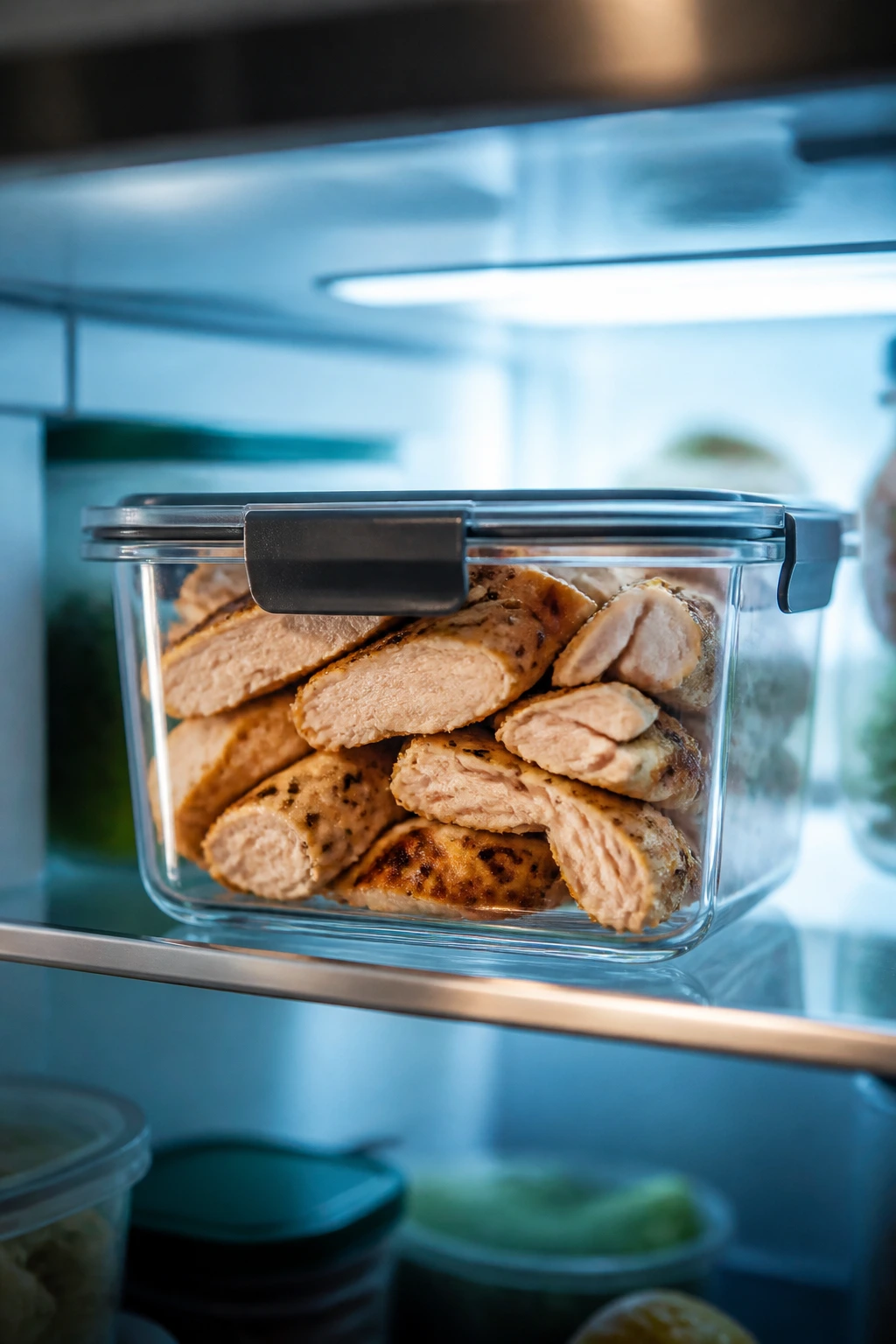
Cooked chicken keeps well if you don’t rough it up. Let it cool for a short while, then refrigerate it within 2 hours of cooking. The USDA is firm about that kind of food safety boundary, and it’s worth respecting. Raw chicken belongs in the fridge at 40°F or below, and you don’t want it sitting on the counter while you hunt for a better knife.
For cooked chicken, I plan on 3 to 4 days in the refrigerator. If you want to freeze it, seal it tightly and freeze for up to 2 to 3 months for the best texture. Sliced or shredded chicken freezes better than whole thick pieces, because it reheats more evenly and loses less moisture.
Reheating matters. A microwave on full blast will turn lean chicken into rubber. Use low heat in a skillet with 1 to 2 tablespoons of broth or water, cover it, and warm it gently until it’s just heated through. In the oven, set it to 300°F (150°C), cover the chicken with foil, and heat it for 10 to 15 minutes, depending on thickness. If the chicken is already in sauce, reheat it in that sauce. That is the easiest path by far.
For make-ahead work, dry-brine chicken up to 24 hours ahead. You can also mix marinades the night before and keep them ready in the fridge. If you’re doing weeknight meal prep, cook a batch of chicken plain or lightly seasoned, then change the sauce or seasoning later so you don’t eat the same dinner three nights in a row. The chicken will not complain. You might.
Frequently Asked Questions About Easy Chicken for Weeknight Dinners
What cut is best if I want the juiciest chicken with the least effort?
Boneless, skinless thighs win that contest more often than not. They stay tender through a slightly longer cook and still taste good sliced, chopped, or left whole. If you prefer breasts, cutlets are the easiest way to keep them from drying out.
Can I cook chicken straight from the fridge?
Yes. You do not need to let it sit out for long. A short 10- to 15-minute rest after seasoning can help the meat cook a bit more evenly, but cooking it straight from the fridge is fine as long as you use the right heat and check the temperature.
Do I really need a thermometer?
If you make chicken more than once in a while, yes. It costs far less than the chicken you’ll waste by guessing, and it solves the one problem that ruins dinner most often. The texture difference between 160°F and 170°F is not small.
Is it okay to rinse raw chicken?
No. Rinsing raw chicken spreads droplets around the sink and counter, which is the opposite of clean. Pat it dry with paper towels instead if you want better browning. Dry skin and dry surfaces sear better anyway.
What if my chicken is already dry?
Slice it thin and put it in sauce, broth, or a pan gravy. Dry chicken is easier to hide when it’s chopped and coated than when it’s served as a plain cutlet. I’d use it in quesadillas, soups, fried rice, or a chopped salad with plenty of dressing.
How do I keep chicken juicy when reheating leftovers?
Reheat gently, not aggressively. A skillet with a spoonful of water or broth, a covered pan, and low heat will treat the meat much better than a high microwave setting. If the chicken was cooked in sauce, reheat it in that sauce and it will hold together better.
Can I use the oven instead of the skillet every time?
Absolutely. The oven is especially good for batch cooking and bone-in pieces. You’ll lose some of the deep pan browning, but you gain consistency and less babysitting, which matters when dinner has to happen around real life.
What’s the best way to make chicken taste different without buying a bunch of ingredients?
Change the finish, not the whole process. Lemon and butter, soy and ginger, Dijon and herbs, or smoked paprika and cumin all make the same chicken taste like a different meal. One bottle of acid, one herb, one spice, and a good pan can get you a long way.
The Weeknight Chicken Habit Worth Keeping
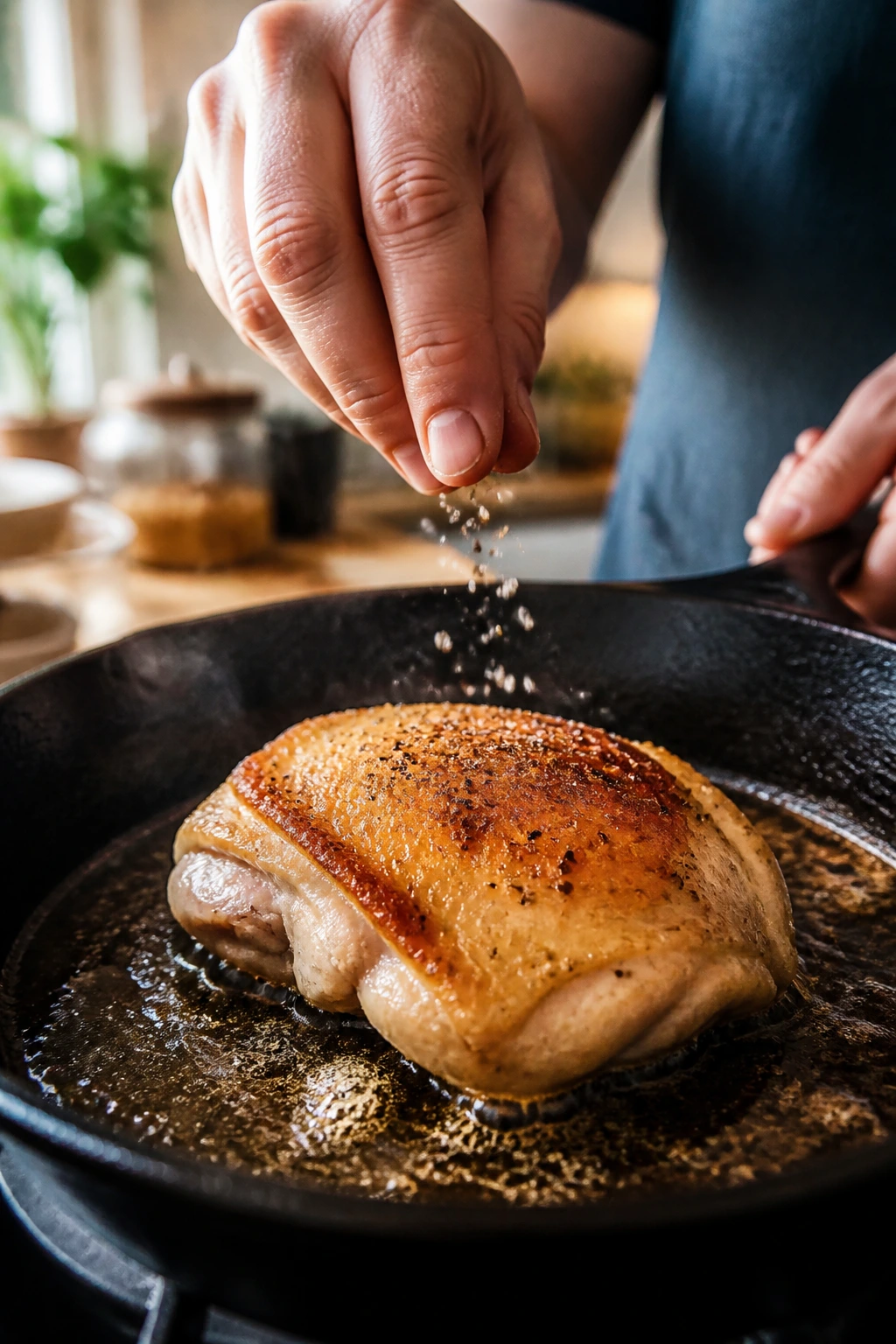
Juicy chicken does not need to be mysterious. It needs salt at the right time, even thickness, enough heat to brown, and a hard line at the correct temperature. Once those pieces are in place, the whole weeknight dinner problem gets smaller.
I like that kind of cooking. It is calm, practical, and a little stubborn. You can keep it plain, dress it up with pan sauce, or turn it into leftovers that feel intentional the next day. That’s a useful habit, and it pays off fast.
Keep a thermometer in the drawer, buy thighs when you want forgiveness, and stop letting chicken guess the schedule for the rest of your dinner. A pan, a little salt, and five quiet minutes are enough to make Tuesday behave.