



Leftover rotisserie chicken can be dinner insurance or fridge clutter. The difference is what you do in the first few hours. Pull it apart while the meat is still warm enough to release from the bone, tuck it into shallow containers, and that grocery-store bird stops being a one-night convenience and starts acting like a weeknight shortcut with real range.
The meat changes fast once it cools. Breast meat goes chalky if you hammer it with heat, dark meat stays forgiving, and the skin loses its snap the moment steam gets trapped around it. That is why the smartest leftover chicken dinners lean on broth, sauce, acid, and fast cooking instead of more heat for the sake of heat.
A rotisserie chicken already brings roasted flavor, salt, and rendered fat. It also gives you bones for stock if you want to be practical about it, and I do, because there is no sense paying for a carcass and throwing away the part that can become soup. The best weeknight dinners are not the ones that ask you to start from scratch. They’re the ones that know when to stop cooking.
Why Leftover Rotisserie Chicken Makes Weeknight Dinners Easier
Built-in flavor saves time: A rotisserie bird has already been salted and browned, so you are starting with meat that tastes cooked, not merely heated.
Different cuts can do different jobs: Breast meat disappears nicely into soups and creamy skillet sauces, while darker pieces hold up better in tacos, fried rice, and cold salads.
Shredded chicken grabs sauce fast: Once the meat is pulled into smaller pieces, it soaks up salsa, broth, pesto, or mayo in minutes instead of sitting there tasting dry and polite.
There’s less waste when you plan for it: The bones can become stock, the skin can be crisped separately, and the drippings can help a sauce taste rounder without much work.
One bird can cover several meals: If you portion it smartly, a single chicken usually gives enough meat for 3 to 4 dinners, especially when some of those dinners use rice, noodles, tortillas, or bread to carry the rest.
Why Rotisserie Chicken Still Tastes Good the Next Day
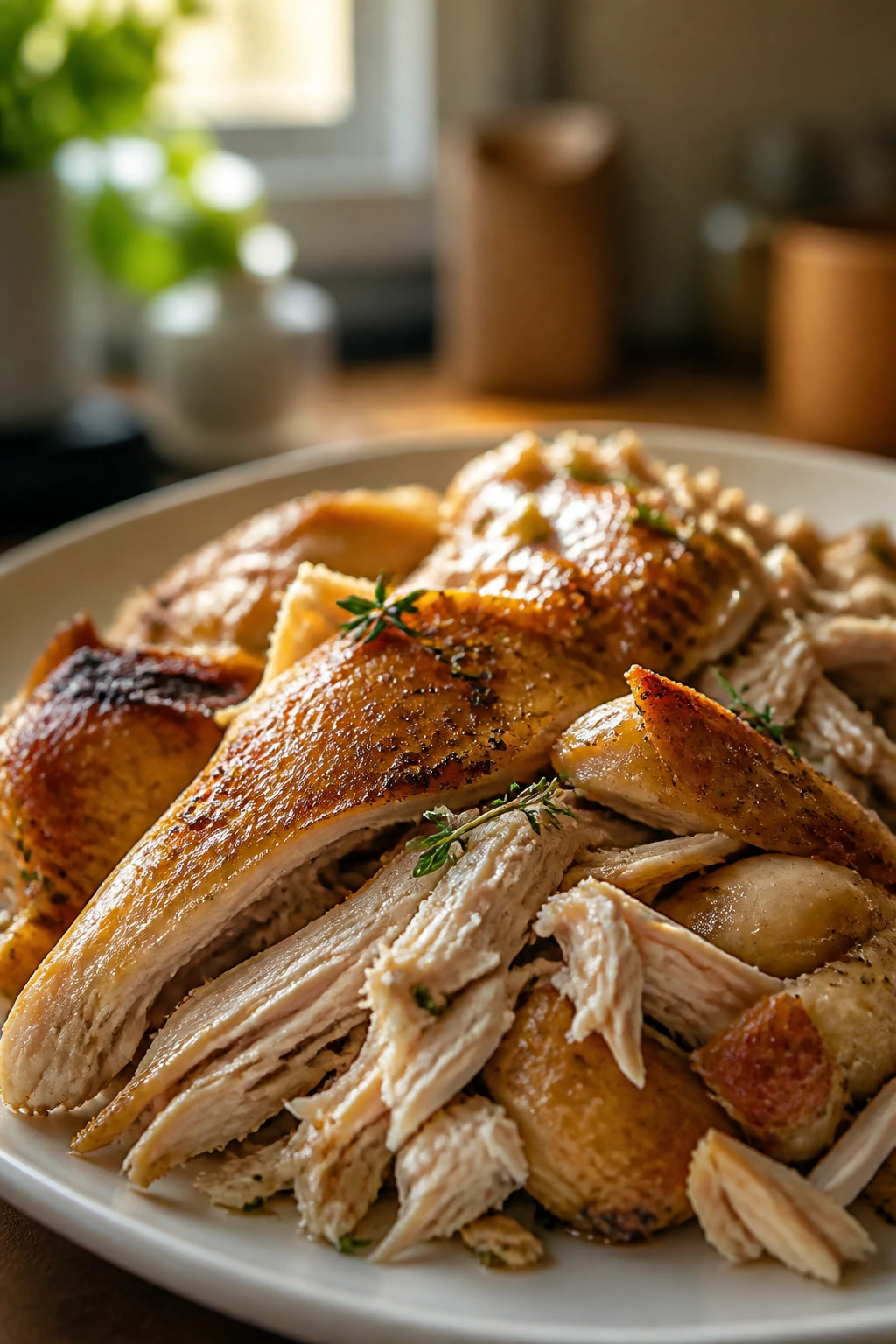
Cold roasted chicken has a split personality. The outside dries a little, the inside firms up, and the surface fat goes waxy in the fridge. None of that means the meat is ruined. It means the chicken wants a different kind of treatment.
The biggest mistake people make is assuming leftover chicken should behave like fresh chicken. It won’t. Freshly carved chicken can get away with a quick reheat and a sprinkle of salt. Leftover chicken needs moisture and restraint. Once you understand that, it becomes far easier to use.
I also like that rotisserie chicken comes with built-in seasoning, which matters more than people think. A plain poached chicken breast needs a lot of help. A rotisserie bird already has roasted edges, pepper, herbs, maybe garlic, maybe smoke. Even the vague supermarket versions have more depth than a lot of people give them credit for. That base flavor means your job is not to create chicken flavor from scratch. Your job is to keep it from drying out while you change the costume.
Shred, Chop, or Slice: Picking the Right Shape for the Meal
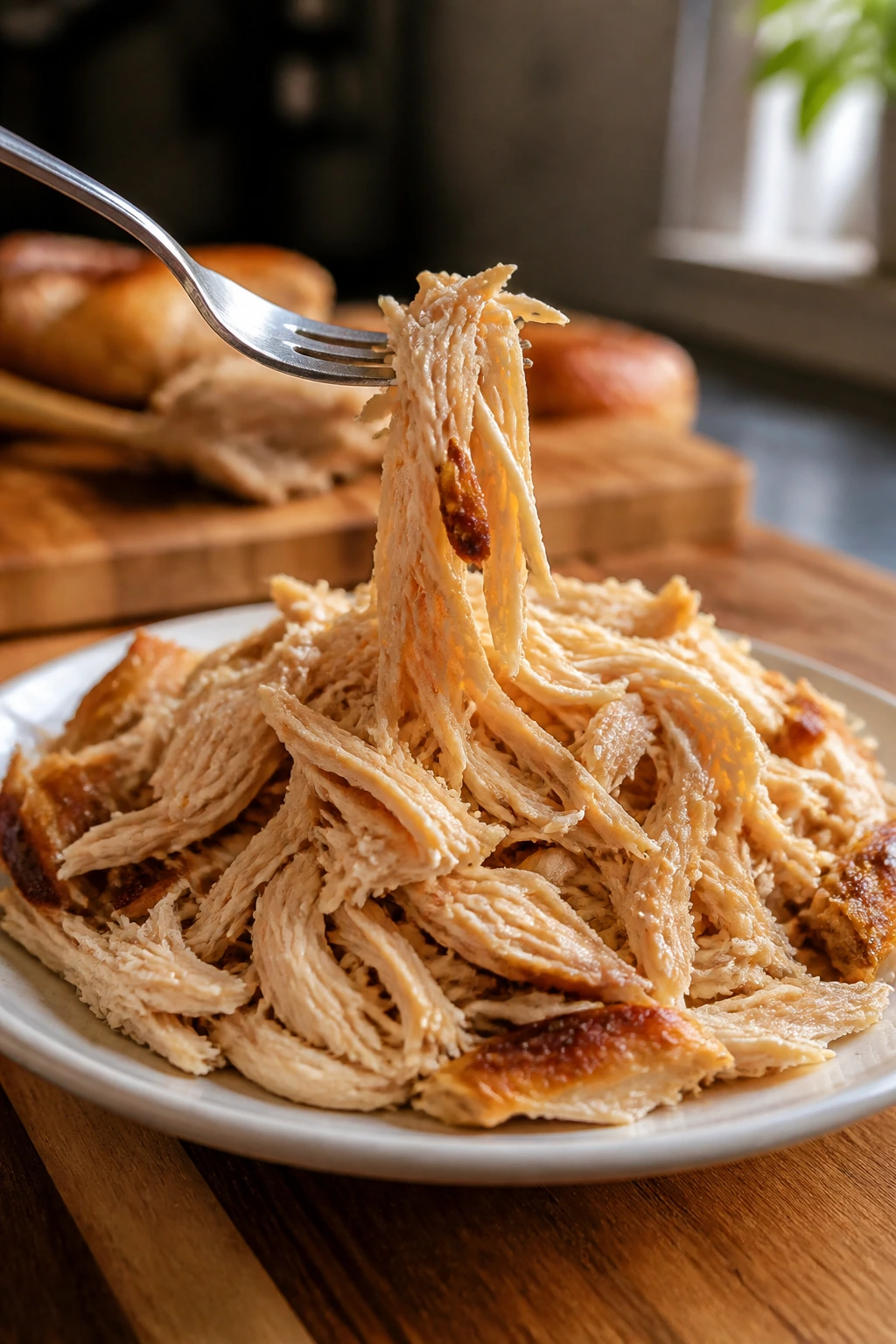
The cut matters. A lot. Same chicken, different result.
Shred it when the sauce is doing the heavy lifting. Tacos, enchiladas, soup, creamy pasta, and casserole-style dinners all benefit from shredded meat because it mixes into the rest of the dish instead of sitting on top like an afterthought. Use your fingers or two forks and pull the breast meat into larger strands rather than dust-fine shreds; the bigger pieces hold texture better.
Chop it when you want bite and contrast. Chicken salad, grain bowls, fried rice, skillet dinners with vegetables, and chopped salads usually want little cubes or rough pieces. Chopped meat gives you little pockets of chew and keeps the texture from turning soft and stringy.
Slice it when the chicken is the main feature. Sandwiches, wraps, and warm melts need larger slices or torn shards. Slicing also works if the chicken breast is still intact and you want it to look like a real piece of meat instead of leftovers in disguise.
My rule of thumb
If the dinner has a creamy sauce, shred.
If the dinner has crunch, chop.
If the dinner is built around bread, slice.
That’s a crude rule, but it works. And it keeps you from turning every leftover bird into the same soft pile of chicken confetti.
The Fifteen-Minute Routine That Keeps It From Drying Out
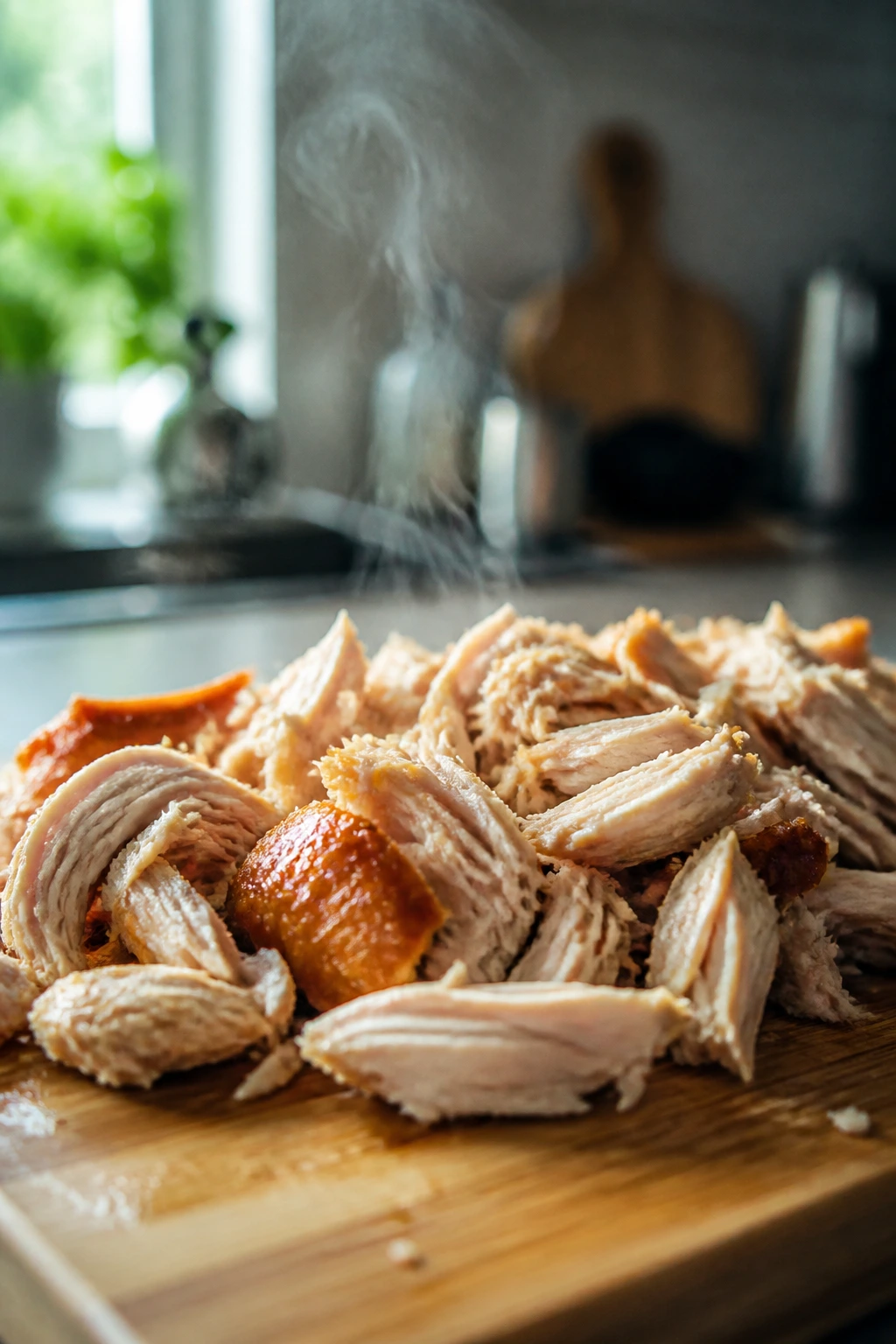
The first 15 minutes after the chicken comes home matter more than most people want to admit. Steam trapped in a takeout container is not your friend. It softens the skin, pushes extra moisture around the meat, and creates the kind of fridge texture that makes leftovers feel tired before you even cook them.
Step 1: Let the steam escape.
Open the container or remove the chicken from the grocery bag and let it sit on the counter for 10 to 15 minutes, just until the worst of the steam is gone. Do not leave it out for hours. You’re trying to cool it slightly, not stage a picnic.
Step 2: Pull the meat off the bone.
Use clean hands or kitchen shears and work while the chicken is still warm enough to release easily. The breast meat should come off in larger sections, then you can break it into chunks or strands. Dark meat can go into a second container because it tolerates longer cooking better.
Step 3: Separate by use.
Put about half the chicken into a “wet dinner” container for soup, skillet meals, and pasta. Keep the rest in a “cold or quick dinner” container for salads, wraps, and tacos. That split saves you from digging through one giant box and forgetting what you had.
Step 4: Add a spoonful of moisture if needed.
If the meat looks dry, toss in 1 to 2 tablespoons of broth, pan juices, or even plain water per cup of chicken before chilling. The goal is not to soak it. You just want the meat to stay supple instead of leathering in the fridge.
Step 5: Store it shallow and flat.
A shallow container cools faster and reheats more evenly. A packed-up mountain of shredded chicken stays hot in the middle and dries at the edges. Flat wins. Every time.
What to Keep in the Pantry So One Bird Becomes Five Dinners
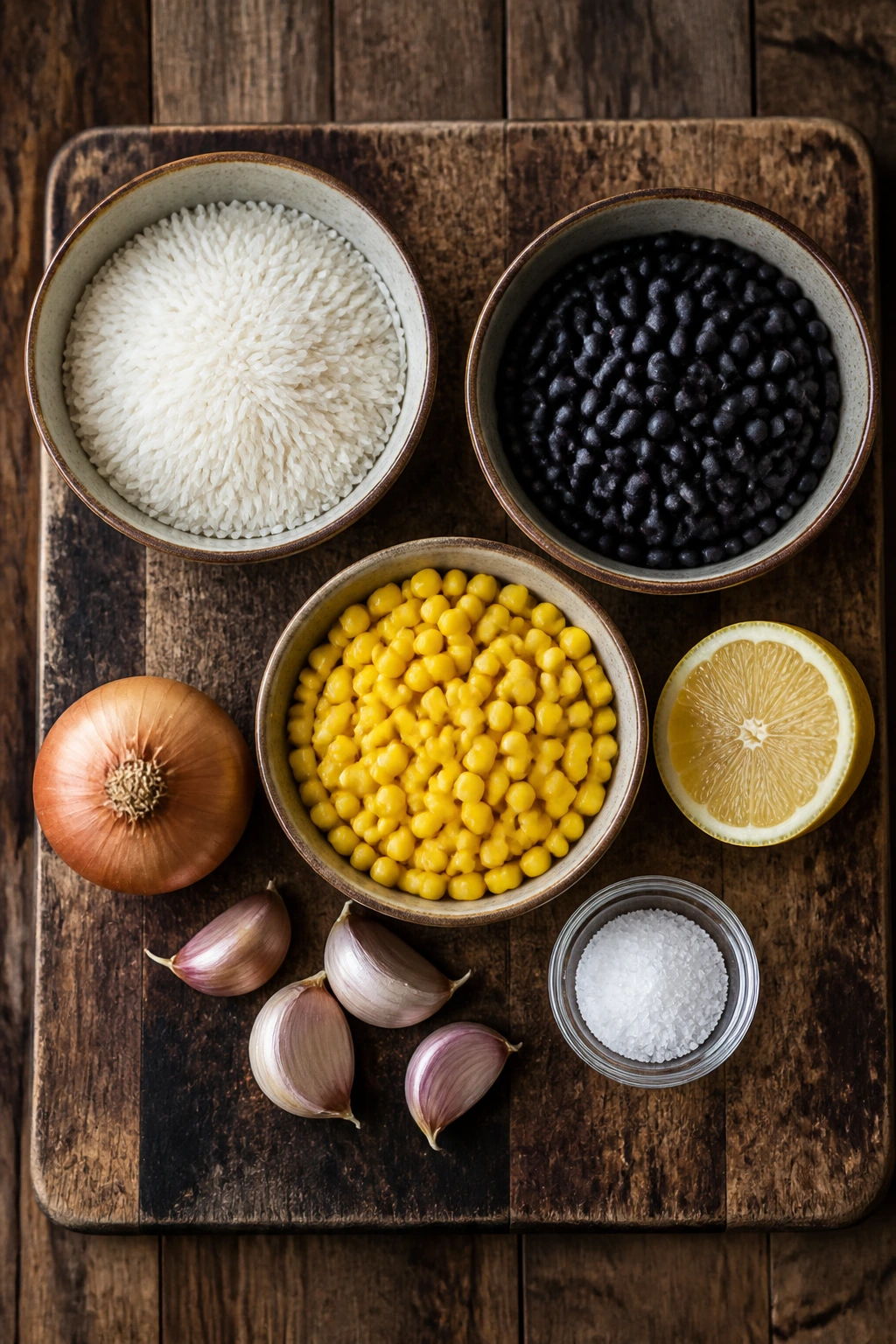
A rotisserie chicken is only as useful as the rest of your kitchen. If the pantry is empty and the fridge has one lonely lemon, you are still cooking from scratch. If the pantry is stocked with a few smart staples, dinner starts to feel almost unfair.
- Low-sodium chicken broth: This is the first thing I reach for when the meat looks a little dry. It gives you moisture without making the chicken taste boiled.
- Tortillas: Flour tortillas make quesadillas and wraps. Corn tortillas make tacos with a little more chew and better flavor.
- Rice or microwave rice cups: Chicken plus rice is a fast path to a real dinner, especially when there’s a sauce involved.
- Pasta: Short shapes like rotini, shells, and penne cling to chicken and sauce better than long noodles.
- Canned beans: Black beans, cannellini beans, and chickpeas turn a little chicken into a full bowl or skillet meal.
- Frozen corn and peas: They thaw fast in a hot pan and bring sweetness and color without any chopping.
- Aromatics: Onions, garlic, scallions, and celery carry a lot of the work in leftover chicken dishes.
- Acid: Lemons, limes, vinegars, pickled onions, and salsa wake up bland chicken in a way extra salt never quite does.
- Creamy stuff: Greek yogurt, sour cream, mayo, or a little cream cheese can pull together a filling fast.
- Cheese: Cheddar, Monterey Jack, mozzarella, or Parmesan each push the chicken in a different direction with almost no effort.
Keep those around and the chicken stops being a problem to solve. It becomes the thing you build around.
Skillet Dinners That Come Together Fast
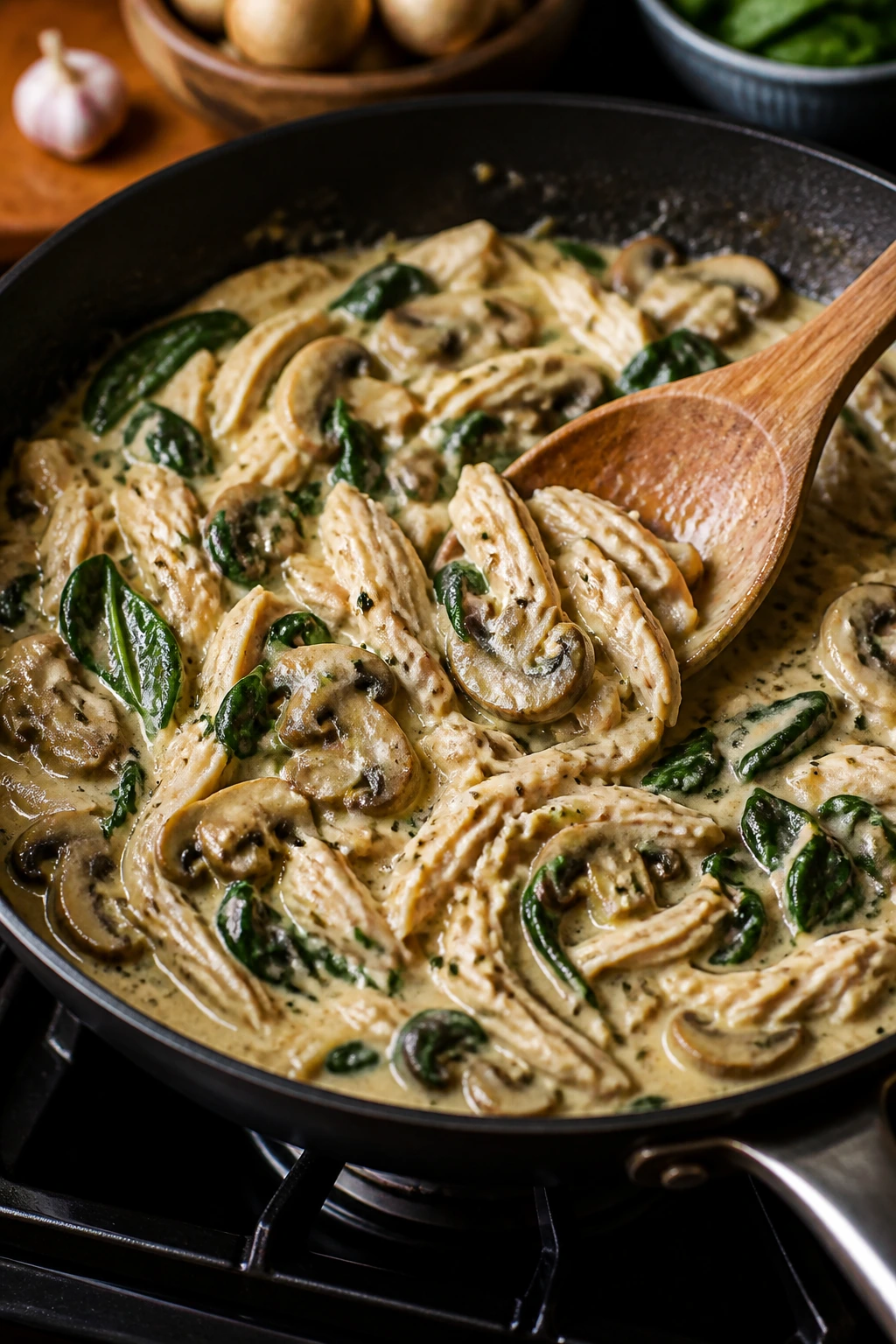
The skillet is where leftover chicken earns its keep. Heat a little oil, soften an onion, add a vegetable or two, then bring in the chicken near the end with a sauce that matches whatever you have in the fridge. That’s the whole trick.
A creamy skillet is the easiest path when the chicken feels dry. Think mushrooms, spinach, garlic, a splash of broth, and a spoonful of cream cheese or sour cream to pull the sauce together. Shredded breast meat loves this treatment because the sauce slips into every strand. It tastes like the chicken had a much better day than it did.
Tomato-based skillet dinners work too, especially if you have peppers, zucchini, or canned tomatoes hanging around. A little oregano, smoked paprika, or chili flakes gives the chicken a new accent. Add the chicken at the very end, just long enough to warm through. If you boil it in the sauce for ten minutes, you’re taking back the moisture you just paid for.
Fried rice is the wild card. Chopped chicken, cold rice, soy sauce, scallions, peas, and a scrambled egg can turn into dinner in about 15 minutes if your pan is hot enough. The chicken only needs to get hot through; the rice is doing the real work. I like dark meat for this because it stays a little richer after it hits the heat.
Three skillet directions that never feel lazy
- Creamy mushroom and spinach: Best when the chicken is breast-heavy and needs sauce.
- Southwest skillet: Good with black beans, corn, cumin, salsa, and a handful of cheddar.
- Soy-ginger stir-fry: Best with chopped dark meat, frozen vegetables, sesame oil, and rice.
The point is not to memorize recipes. It’s to see the pattern. Hot pan, a little fat, something acidic or salty, then chicken at the end. That pattern works more often than people expect.
Soups and Brothy Bowls That Treat Chicken Kindly
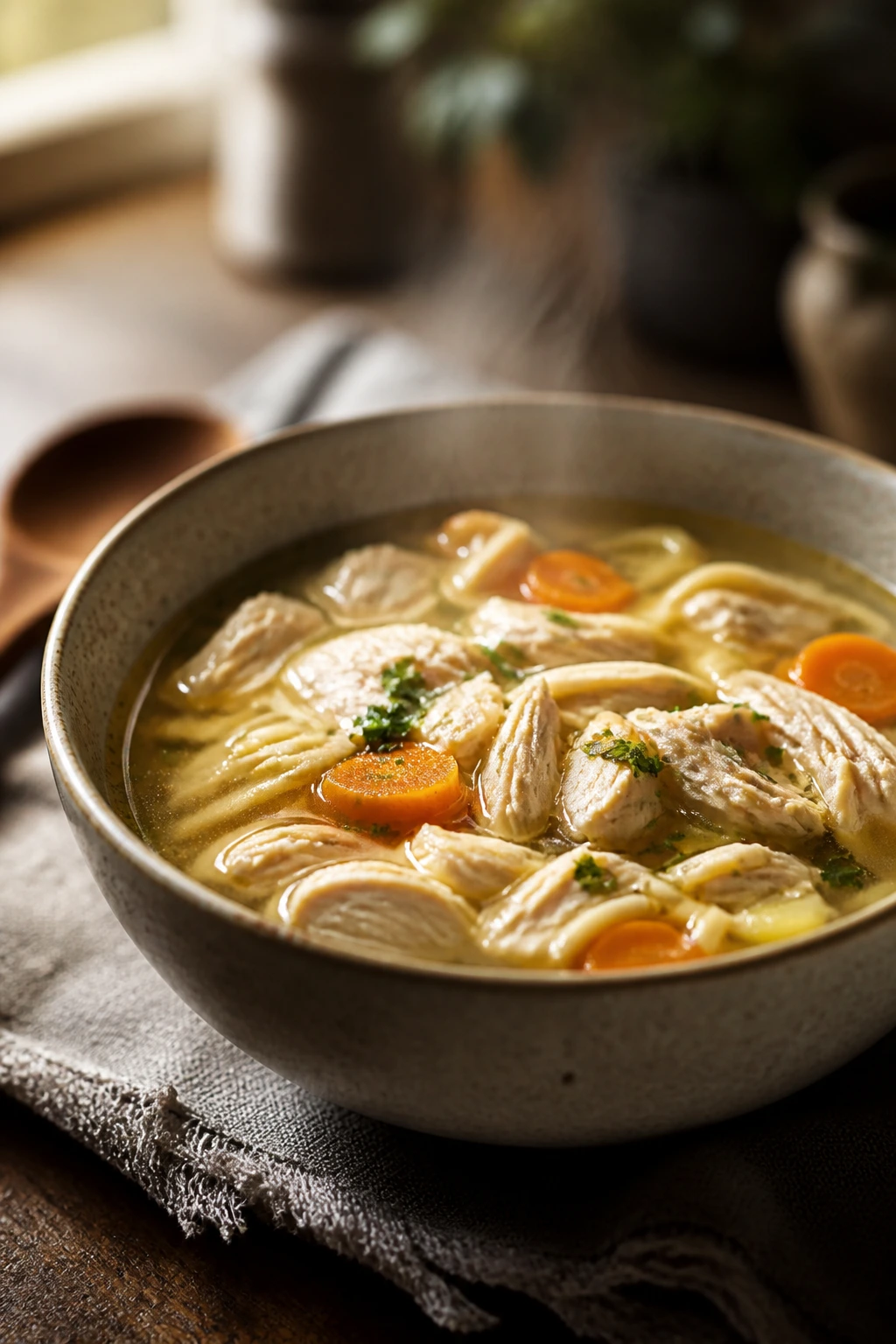
Soup is the safest place to put leftover chicken if you’re worried about dryness. Broth covers a lot of sins. It also forgives a chicken that has spent a couple of days in the fridge and lost a little of its swagger.
Chicken noodle soup is the obvious example, but it’s not the only one worth making. Tortilla soup, lemon rice soup, ginger chicken soup, and even a quick ramen bowl can all take leftover chicken without turning it into mush. The rule is simple: let the broth get hot, but keep the chicken out of the pot until the end.
If you boil the chicken hard for 20 minutes, the breast meat tightens and starts to shred into dry strings. If you stir it in during the last 3 to 5 minutes, it warms gently and keeps its texture. That matters a lot in broth-based dishes because your mouth notices bad chicken faster in soup than it does in almost anything else.
Bones are worth saving too. Simmer the carcass with onion, carrot, celery, peppercorns, and a bay leaf for 45 to 60 minutes and you’ll get a light homemade stock that tastes cleaner than a lot of boxed broth. Don’t boil it like crazy. A lazy simmer is enough. Boiling turns the stock cloudy and can make it taste blunt.
A brothy bowl also solves the “not enough chicken” problem. Add rice, noodles, potatoes, dumplings, or beans and the dinner grows up around the meat instead of expecting the meat to carry everything.
Pasta, Rice, and Noodle Dinners That Soak Up Sauce
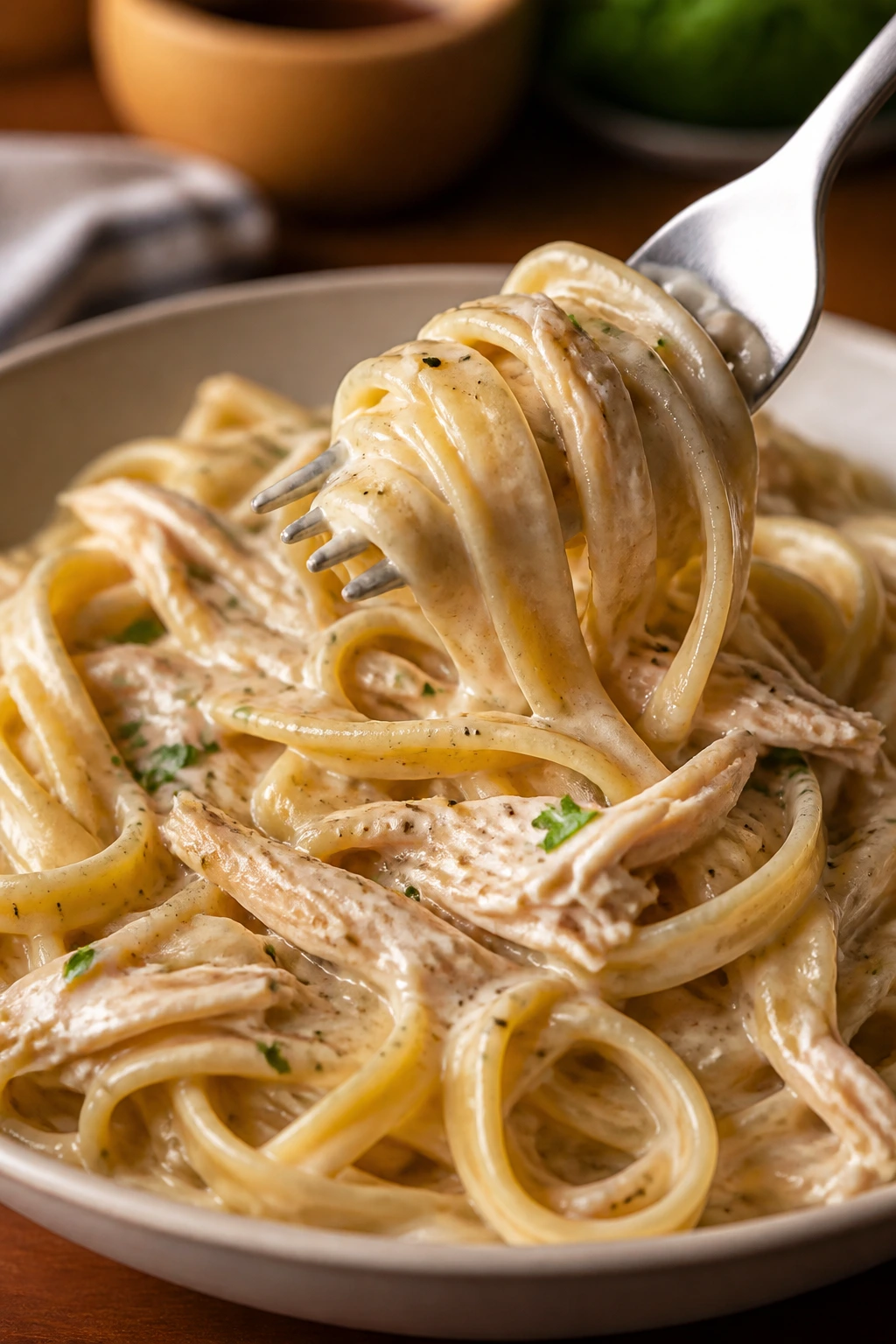
Pasta and rice are where leftover chicken feels most normal. Maybe too normal. But that is the point. A little chicken, a slick sauce, and a starch that knows how to catch it — dinner. Done.
Cream sauces are the most forgiving. A simple Alfredo-style sauce, a light cream and Parmesan sauce, or even a quick ricotta mix can hide slightly dry chicken breast and make it feel rich again. Toss the chicken in at the end so it only warms. If you add it too early, the meat spends the whole sauce-making process overcooking while you’re busy with the noodles.
Pesto works for the same reason, though in a different way. The oil in pesto coats the meat, the herbs lift the chicken’s mildness, and a squeeze of lemon keeps everything from tasting heavy. I prefer shredded chicken here because it clings to the noodles and doesn’t slide off every forkful.
Rice and noodle bowls like a stronger hand. Think soy sauce, sesame oil, chili crisp, garlic, ginger, or a little peanut sauce. Leftover chicken can take on those flavors fast, which means you don’t need a long sauce simmer. Use a hot pan, toss quickly, and stop as soon as the chicken is hot.
What works best by base
- Pasta: Creamy sauces, pesto, lemon-garlic, tomato cream.
- Rice: Soy, teriyaki-style glaze, curry sauce, butter and herbs.
- Noodles: Sesame, peanut, chili oil, broth-based ramen toppers.
The one thing I would not do is drown the chicken in sauce and then bake it for half an hour. Pasta and rice dinners need heat, sure, but they do not need punishment.
Tacos, Quesadillas, Wraps, and Enchiladas
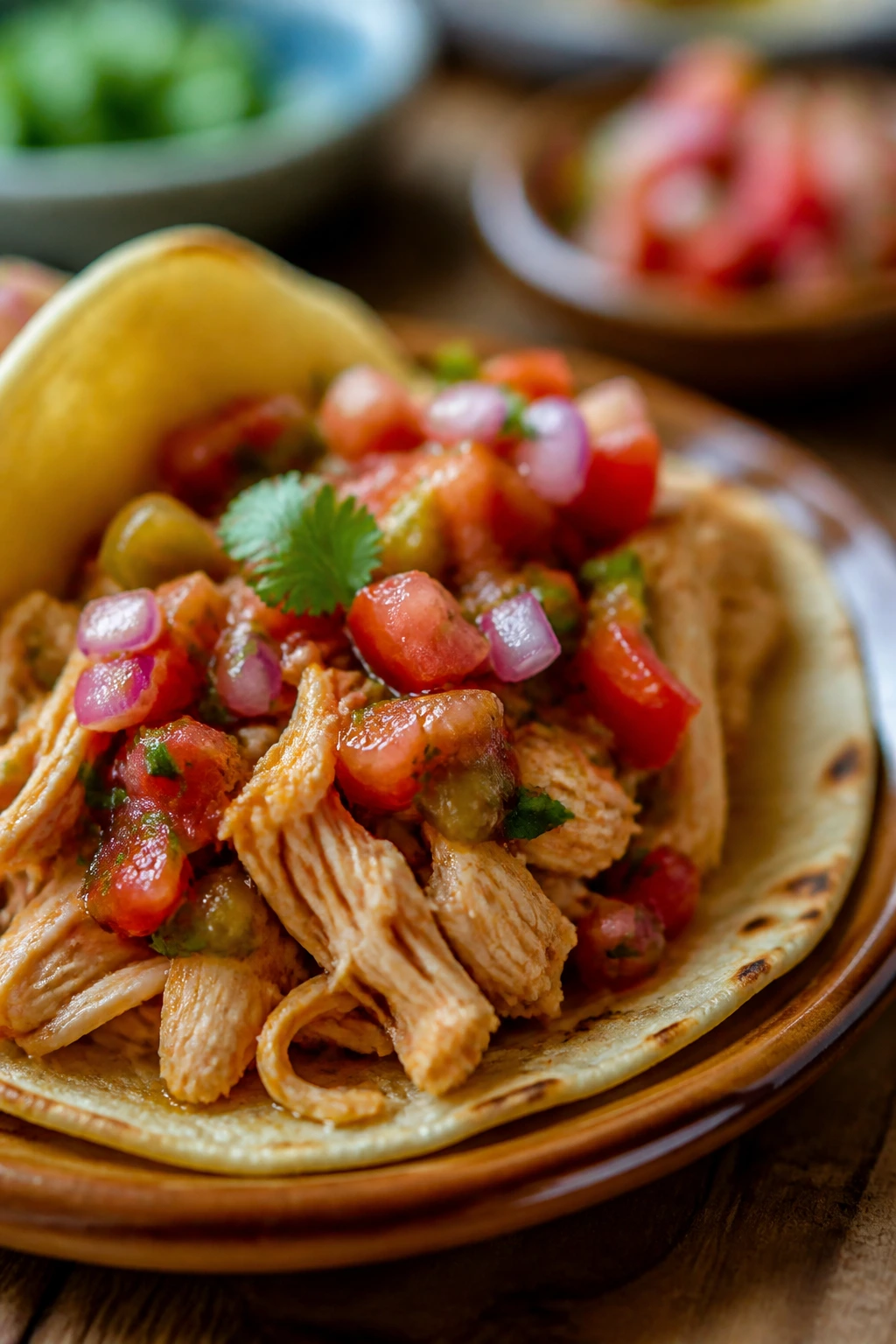
Tortillas are a very kind home for leftover chicken. They hide uneven pieces, carry sauce, and make even a small amount of meat feel generous. If you have chicken in the fridge and tortillas in the pantry, you are not far from dinner.
Tacos are the fastest option. Warm the chicken in a skillet with a spoonful of salsa, a squeeze of lime, or a splash of broth if it’s dry. That little bit of moisture matters. Cold chicken in a hot tortilla feels separate and awkward; warm chicken with a little sauce tastes like you planned the meal.
Quesadillas do something different. They reward small chopped chicken, because the cheese and tortilla matter just as much as the filling. Use medium heat so the tortilla turns brown without the cheese spilling out before it melts. A dry skillet gives you the best crust, then you can finish with a dab of sour cream or salsa.
Enchiladas and wraps sit somewhere in the middle. Enchiladas want chicken that is already seasoned and can handle sauce plus baking. Wraps want chicken that has been chopped small and mixed with a creamy component — mayo, yogurt, avocado, hummus — so it doesn’t fall out the bottom after two bites. That little bit of texture control saves a lot of annoyance.
The add-ons that wake up chicken in tortillas
- Pickled onions: Sharp, crunchy, and cheap.
- Lime juice: One squeeze makes the chicken taste fresher.
- Cilantro: Use it if you like it; skip it if you don’t.
- Salsa verde or roja: Good for keeping breast meat moist.
- Shredded cabbage: Gives tacos and wraps a crunch that lettuce can’t always match.
The blunt truth: tortillas are often the easiest dinner in the room. They are also the fastest way to make leftover chicken disappear.
Cold Dinners: Salads, Grain Bowls, and Sandwiches
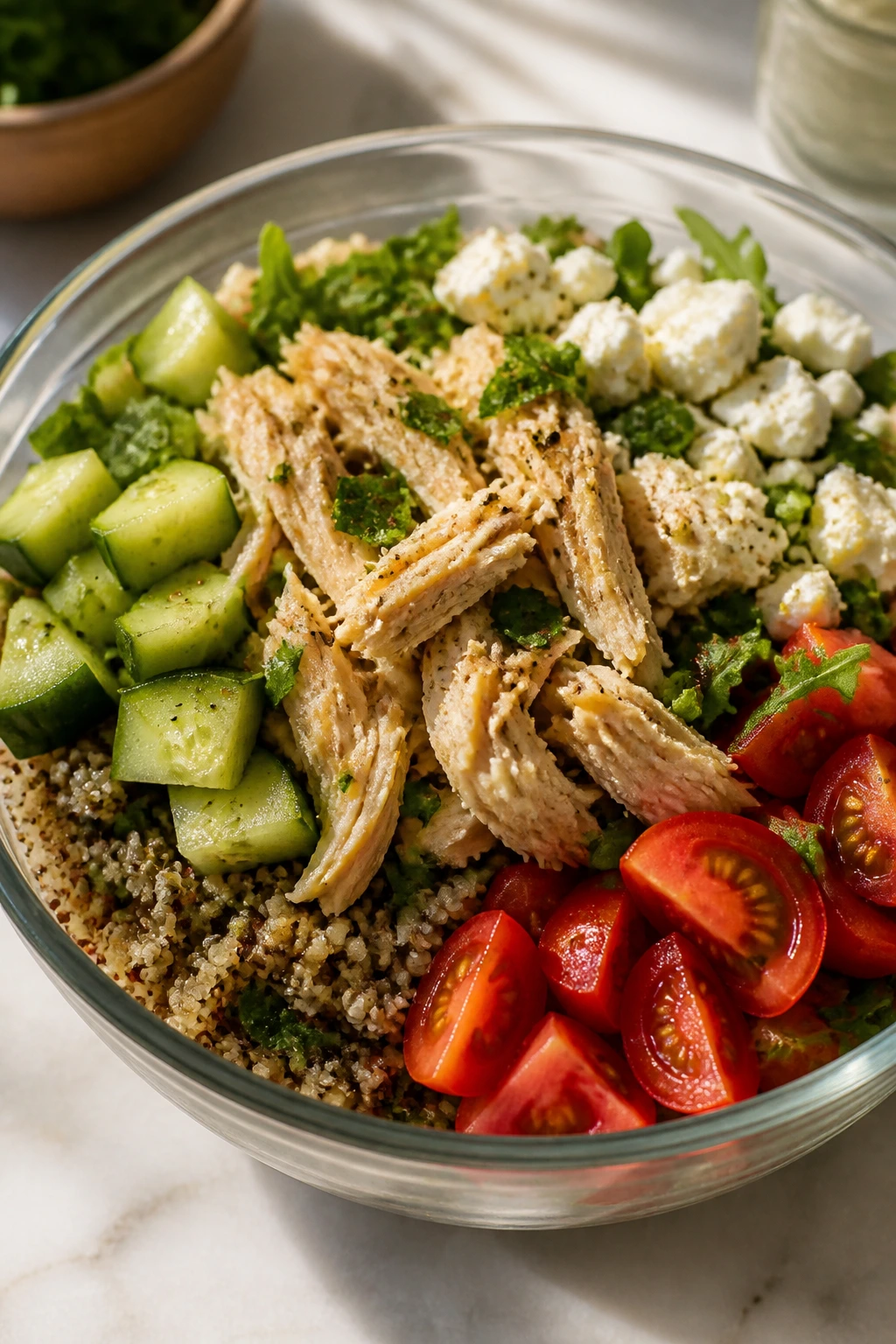
Not every leftover chicken dinner needs heat. In fact, some of the best ones work better cold, especially when the chicken is breast-heavy and you want to avoid one more round of stove time.
Chicken salad is the classic move, and it gets better when you stop treating it like filler. Chop the meat into small pieces, then add enough mayo or Greek yogurt to bind it, plus celery, scallions, herbs, or a little Dijon mustard. If the chicken tastes flat, a teaspoon of lemon juice or pickle brine goes a long way. Cold food mutes salt, so don’t be shy with seasoning.
Grain bowls are another easy win. Put chicken over rice, farro, quinoa, or barley with cucumbers, tomatoes, shredded carrots, beans, or roasted vegetables. A dressing with acid — vinaigrette, tahini lemon sauce, green goddess, soy-lime — keeps the bowl from feeling like a pile of separate leftovers. I like these bowls for dark meat because the richer flavor holds up when everything is chilled.
Sandwiches and melts work when the chicken is sliced or torn into bigger pieces. Add cheese, pickles, slaw, or a sharp sauce and you get contrast instead of monotony. If you’re making a hot sandwich, toast the bread separately if you can. Soggy bread is a small tragedy, and there’s no reason to invite it.
The best cold chicken textures
- Fine chop: For chicken salad and stuffed wraps.
- Medium dice: For grain bowls and chopped salads.
- Larger shards: For sandwiches where the chicken should still look like chicken.
Cold dinners are not a compromise. They’re what you make when the fridge is doing its job and you’d rather not fire up another burner.
How to Stretch One Rotisserie Chicken Across Several Nights
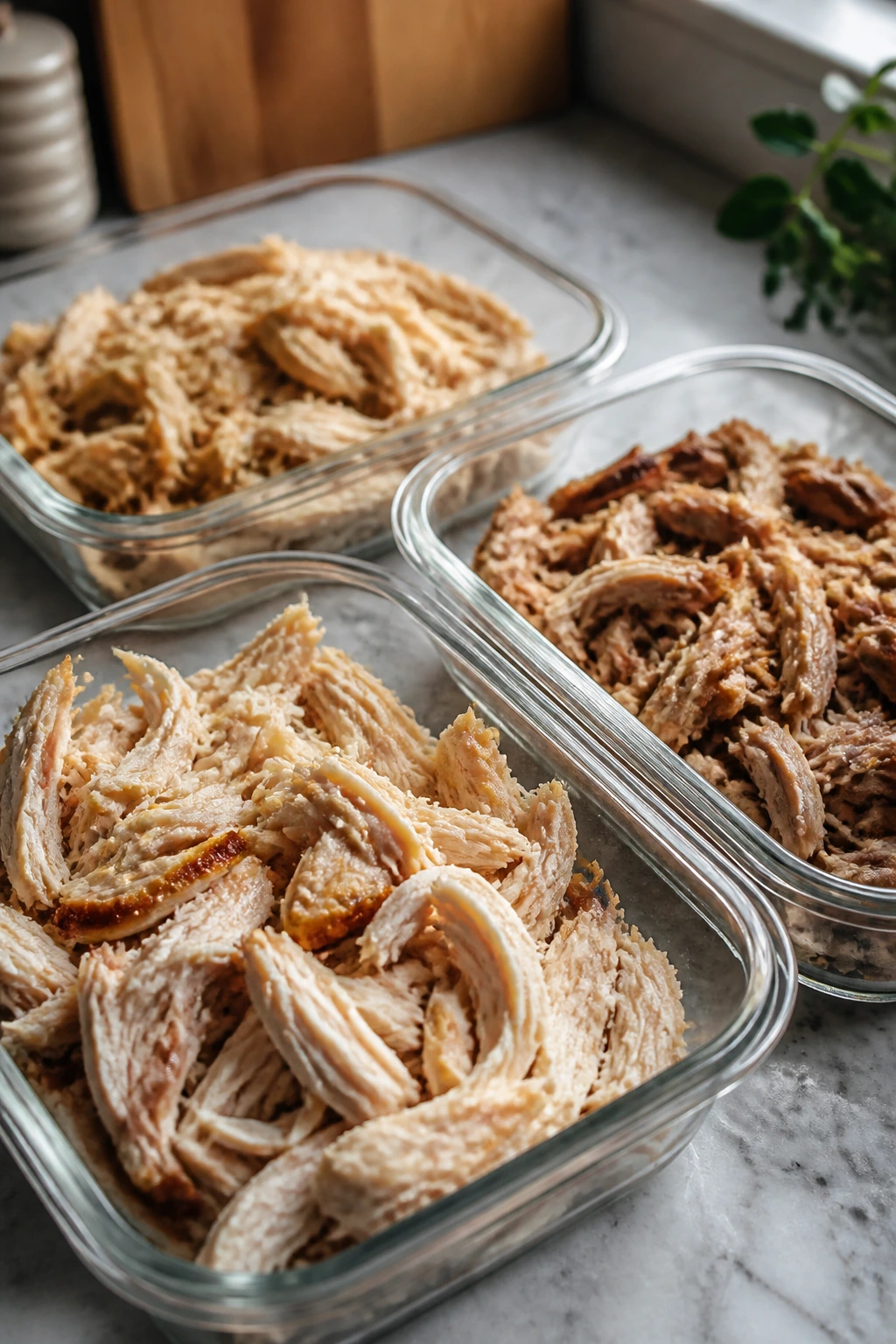
The easiest way to stretch a chicken is to stop thinking of it as one ingredient. Think of it as three: breast meat, dark meat, and bones. Each part behaves differently, and each part deserves a different dinner.
I like to split the bird the day it comes home. Breast meat goes into one container for saucy or cold dishes. Dark meat goes into another container for tacos, fried rice, and soups. The bones go into the freezer if I’m not making stock that day. That simple habit keeps the chicken from becoming a mystery pile in the back of the fridge.
Here’s a very plain three-night plan that works:
- Night 1: Tacos or wraps with the best-looking pieces and whatever fresh toppings you already have.
- Night 2: A skillet dinner or pasta, where the chicken can mingle with sauce.
- Night 3: Soup, grain bowls, or chicken salad, depending on whether you want heat or not.
- Later: Stock from the bones, or a freezer bag of chopped chicken for a future emergency dinner.
The other trick is portion size. Don’t stuff every container full. A cup and a half of shredded chicken goes farther than you think when you put it over rice, into noodles, or inside tortillas. People tend to overestimate how much chicken a dinner needs and underestimate how much starch or vegetable support it can get.
If you want the leftover chicken to feel useful all week, give it a plan before you put the lid on.
Essential Equipment for Better Leftover Chicken Dinners
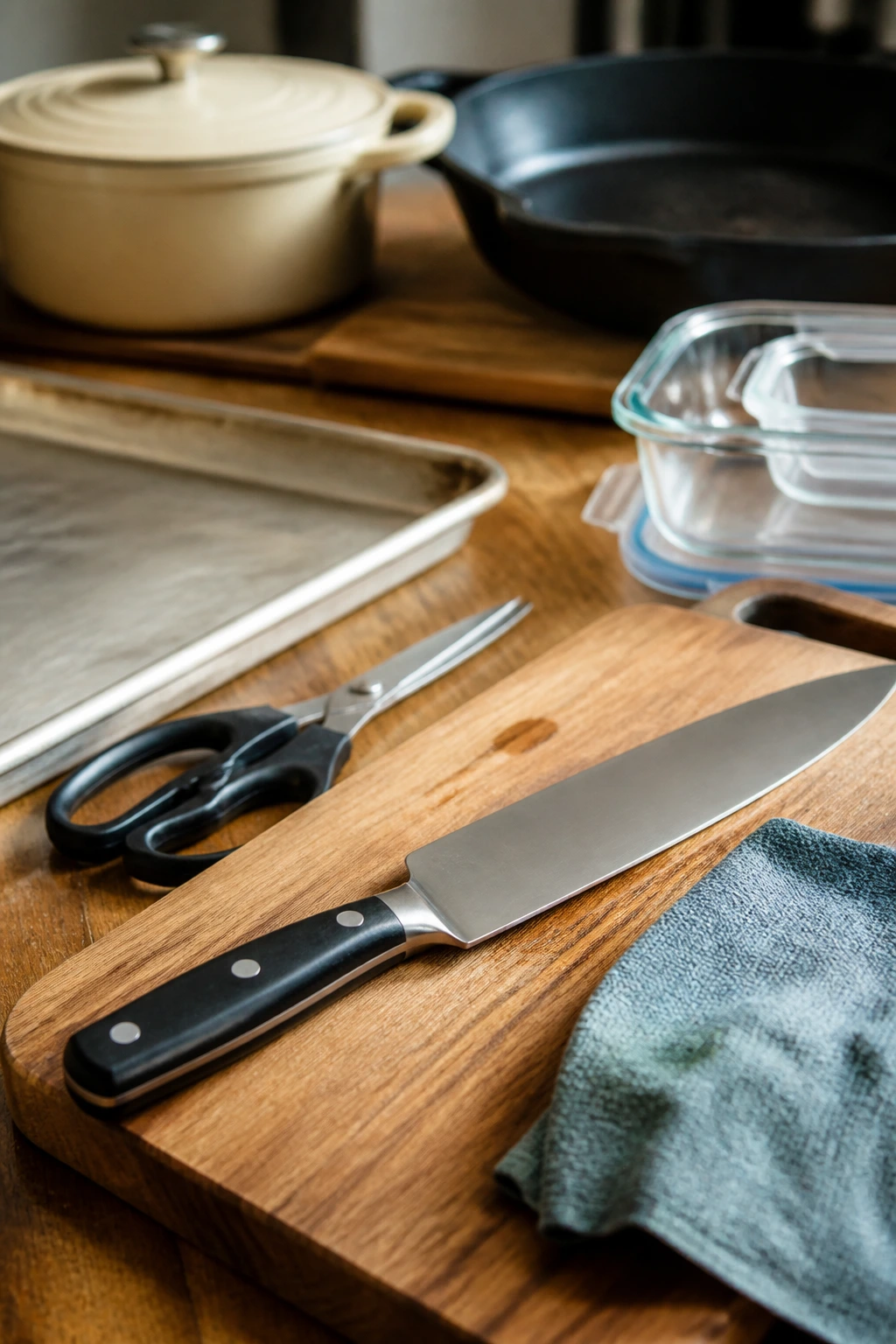
- Chef’s knife: A sharp knife makes chopping breast meat and slicing the bird far less annoying.
- Kitchen shears: Faster than a knife for cutting through skin, joints, and packaging.
- Cutting board with a damp towel underneath: Keeps the board from sliding while you pull meat apart.
- Shallow airtight containers: These cool leftovers faster and reheat more evenly than one deep tub.
- 12-inch skillet: Big enough for fried rice, skillet sauces, and warming chicken without crowding.
- Dutch oven or soup pot: Useful for broth-based meals and quick stock.
- Sheet pan with a rim: Good for cooling chicken quickly or roasting vegetables to pair with it.
- Instant-read thermometer: The easiest way to know whether reheated chicken has reached 165°F.
- Fine-mesh strainer: Handy if you make stock from the bones.
- Freezer bags or vacuum-seal bags: Better than loose wrapping if you plan to freeze portions.
A lot of this is basic gear. Still, the shallow containers and the thermometer matter more than people think. They save you from dry meat and guesswork.
Common Mistakes That Dry Out Leftover Chicken
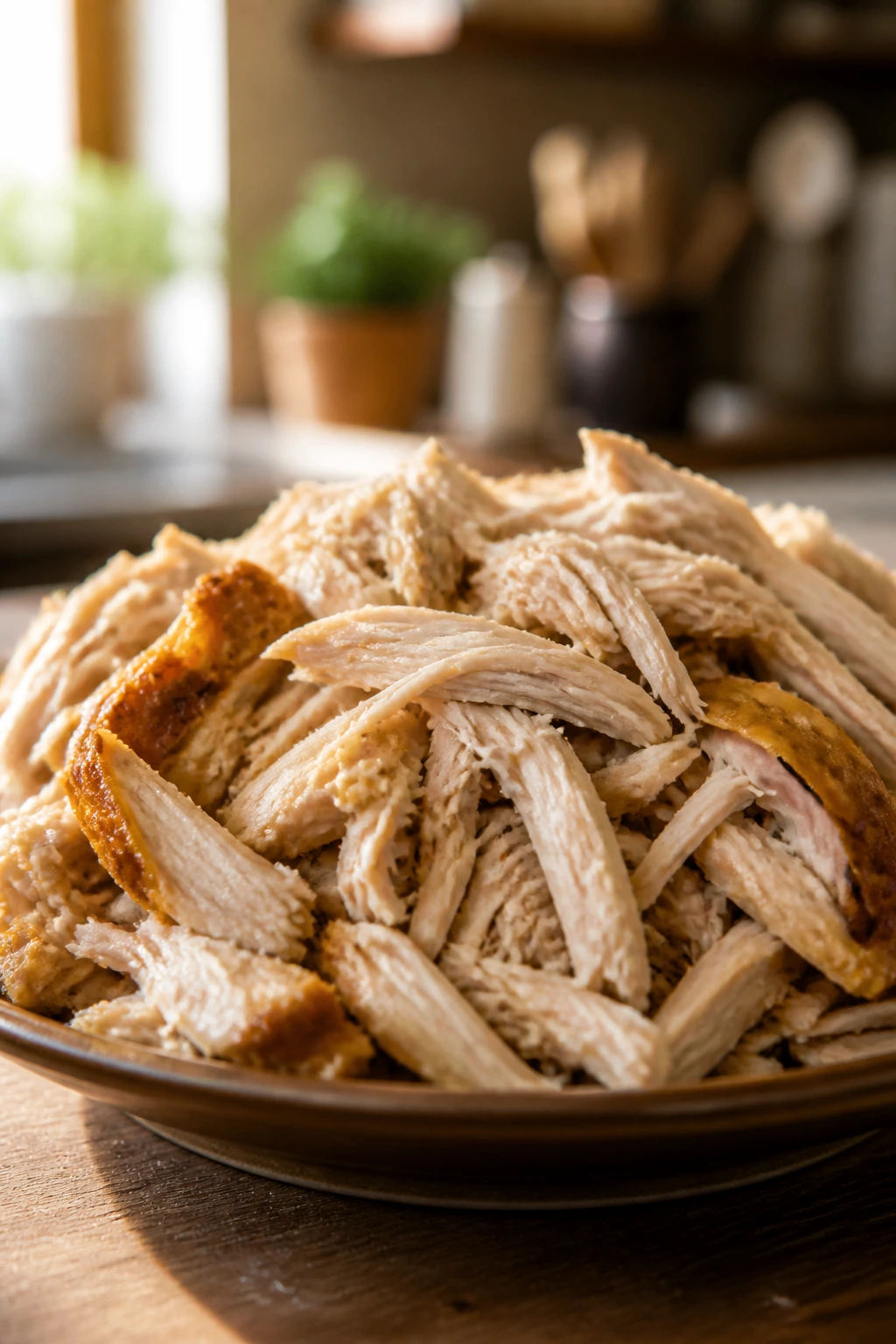
Reheating the whole pile at once: A huge container of chicken heats unevenly, so the edges dry out before the center gets hot. Split it into smaller portions and warm only what you need.
Boiling the chicken in sauce for too long: Leftover breast meat will turn stringy if it simmers forever. Add it at the end and heat just until it’s hot through.
Ignoring the seasoning level of the original bird: Some rotisserie chickens are salty, peppery, or garlicky enough on their own. Taste before adding more salt, especially if you’re using broth, cheese, or packaged sauce.
Using only breast meat in every dish: Breast meat can handle some jobs, but dark meat is more forgiving in fried rice, soup, and tacos. If you mix the cuts wisely, the meal tastes more balanced.
Storing it in a deep container: Thick stacks cool slowly and reheat badly. Shallow storage keeps the texture better and lowers the chance of weird warm spots.
Forgetting acid: A little lemon juice, lime, vinegar, or pickles sharpens the whole dish. Without it, leftover chicken can taste flat even if the seasoning is fine.
The symptom is usually the same: dry edges, bland center, and a meal that feels heavier than it should. The fix is gentler heat, smaller portions, and one bright ingredient to cut through the fat.
Flavor Twists and Alternate Approaches
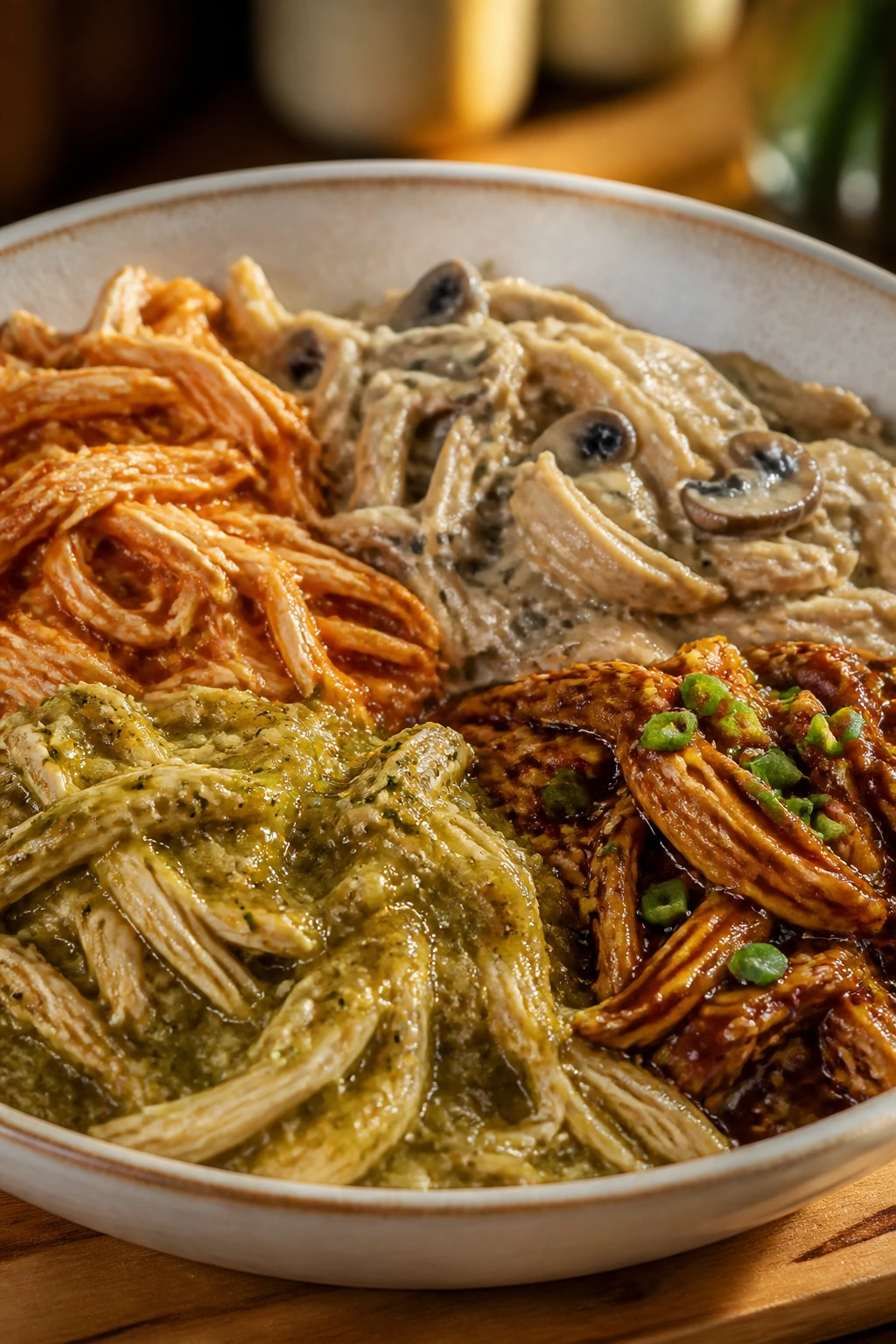
Salsa Verde Rescue:
Toss shredded chicken with salsa verde, cumin, and a squeeze of lime, then fold it into tacos, rice bowls, or enchiladas. The tang in the salsa does half the work for you, and the chicken tastes fresher almost instantly.
Creamy Mushroom Night:
Sauté mushrooms in butter, add a splash of broth and a spoonful of cream or cream cheese, then warm the chicken in the sauce and serve it over toast, noodles, or mashed potatoes. This is the move when the breast meat needs a soft landing.
Miso-Ginger Bowl:
Mix soy sauce, grated ginger, a little sesame oil, and a dab of miso or peanut butter for a quick savory glaze. It works especially well with chopped dark meat over rice, cucumbers, and scallions.
Smoky Chili Skillet:
Use chili powder, smoked paprika, black beans, corn, and diced tomatoes to turn the chicken into a Tex-Mex skillet. A handful of cheddar or Monterey Jack at the end gives it enough body for tortillas or chips.
Lemon-Herb Chicken Salad:
Blend chicken with Greek yogurt or mayo, chopped celery, parsley, dill, lemon zest, and black pepper. That mix tastes cleaner and brighter than the heavy lunch-counter version, and it’s good in sandwiches or on crackers.
These are not big reinventions. They’re small, reliable changes that stop the leftovers from feeling repetitive.
Storage, Freezing, and Reheating Rules That Matter
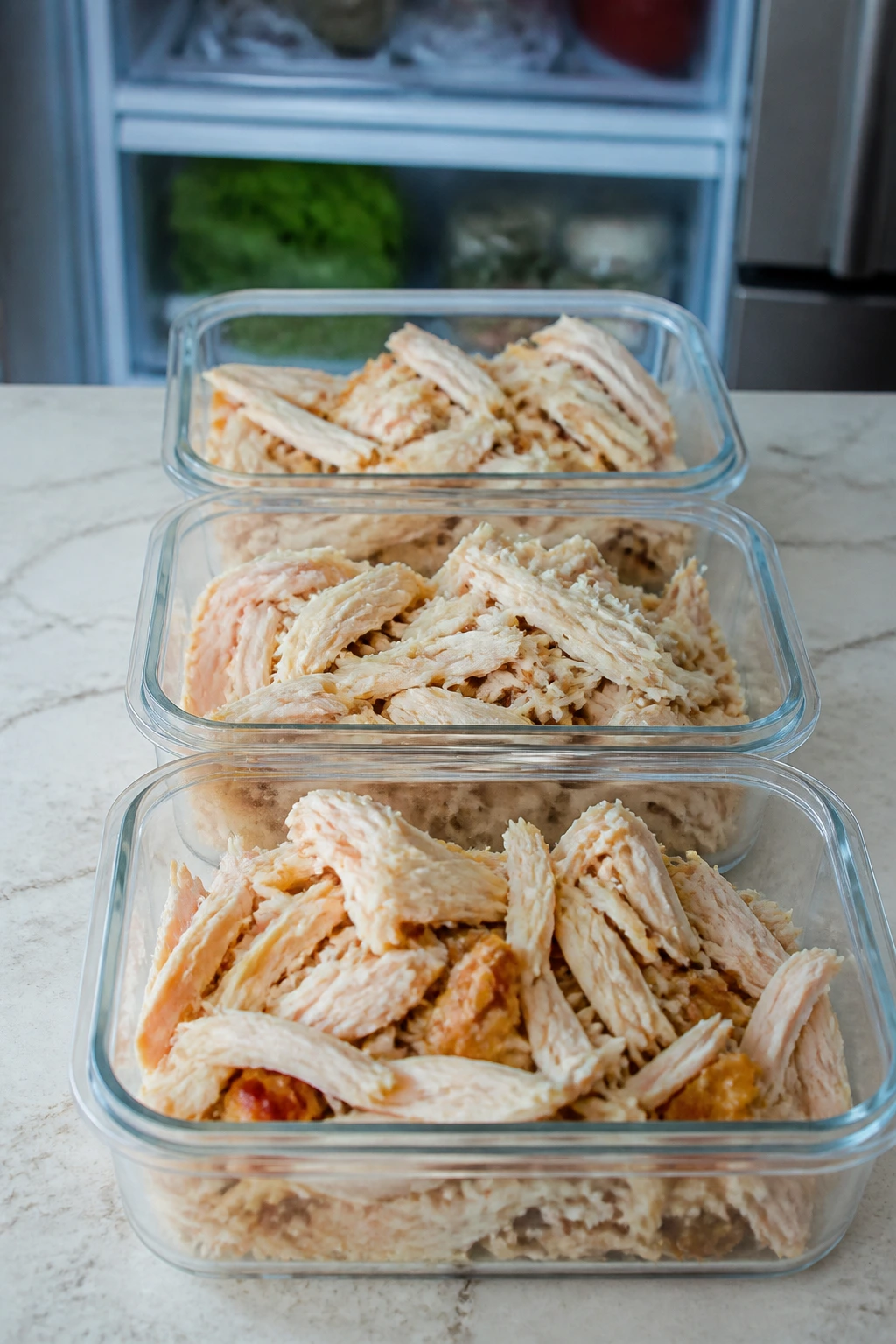
Rotisserie chicken keeps 3 to 4 days in the refrigerator if it’s cooled and stored properly. I would not push it past that just because it still looks fine. Cooked poultry is one of those foods where the fridge clock matters more than optimism.
Freezing buys you more time. Portion the meat into freezer bags or airtight containers and freeze it for up to 2 to 3 months for best texture. It’ll stay safe longer than that if frozen continuously, but the meat gets drier and flatter with time, especially the breast meat. Label the bags by shape if you can: shredded, chopped, or sliced. That makes future dinner decisions faster.
For reheating, the rule is simple: bring the chicken to 165°F. That’s the safe target for reheated poultry, and an instant-read thermometer saves a lot of guessing. If you’re using the stovetop, add 1 to 2 tablespoons of broth per cup of chicken, cover the pan, and warm it over medium-low until the meat is hot through. In the microwave, cover the chicken with a damp paper towel and heat in 30-second bursts, stirring or turning between rounds. In the oven, use foil or a lid, add a little broth, and keep the heat modest — around 325°F — so the chicken warms without picking up a dry crust.
If you plan to make stock, freeze the bones separately in a bag. Once you have two or three carcasses, the pot is worth it.
Leftover Rotisserie Chicken Questions Answered
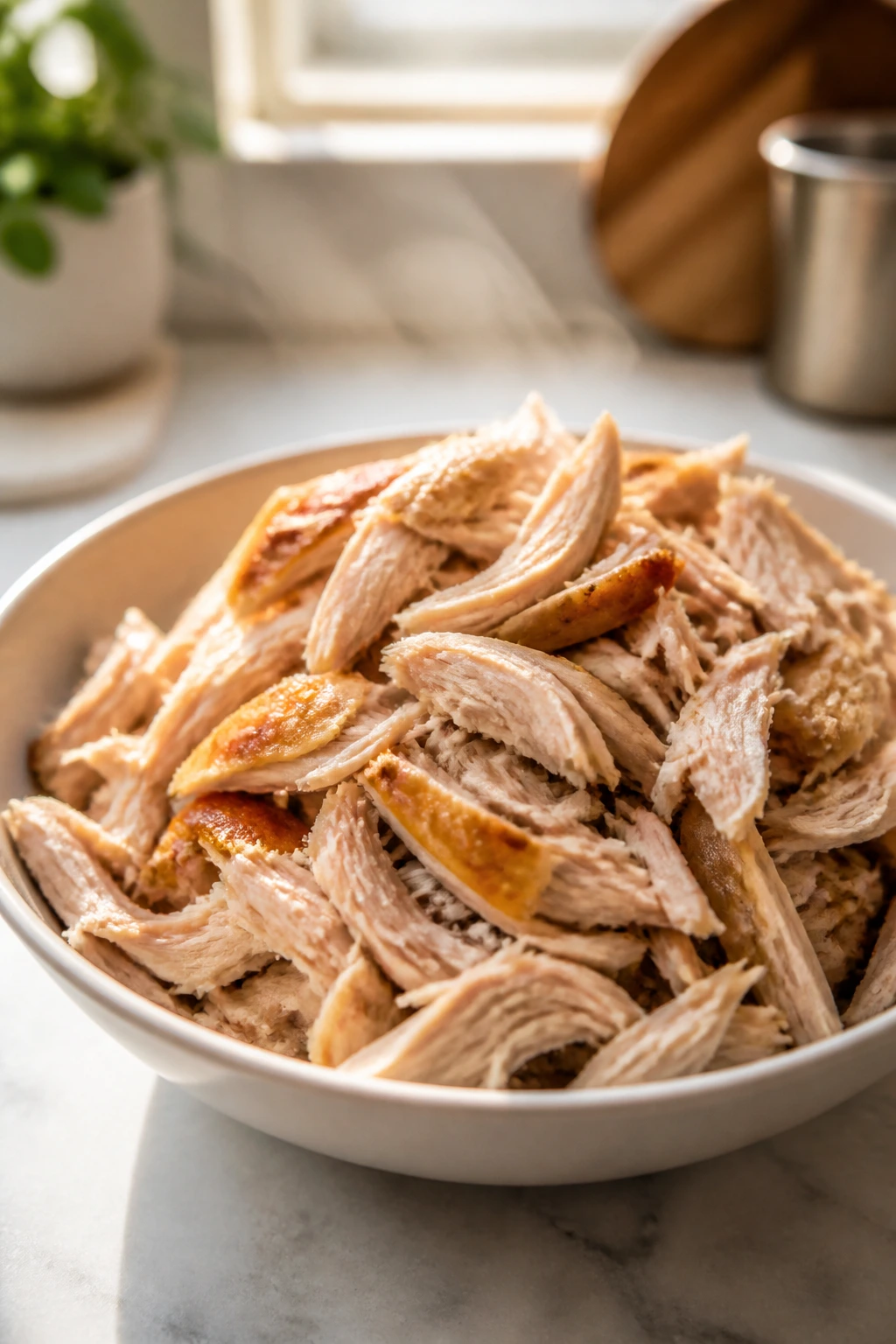
How soon should I take the meat off the bones?
As soon as the steam has settled enough that you can handle the chicken without burning your hands, usually within 10 to 15 minutes. Pulling it early makes storage easier and keeps the meat from sitting in a wet pile.
Can I freeze leftover rotisserie chicken after it’s already been in the fridge for a couple of days?
Yes, as long as it has been stored safely and is still within the refrigerator window. Freeze it in portions that you would actually use later, because thawed chicken works best when it goes straight into soup, tacos, pasta, or a skillet.
What’s the best way to keep breast meat juicy?
Use moisture and stop cooking early. A spoonful of broth, sauce, or even the juices from the chicken tray helps, and the chicken should go into the dish near the end rather than simmering the whole time.
Is it okay to eat leftover rotisserie chicken cold?
Absolutely, if it’s been cooled and refrigerated properly. Cold chicken works best in salads, sandwiches, and grain bowls, where a dressing or sauce can carry the flavor.
What should I do if the chicken tastes too salty?
Pair it with unsalted ingredients: plain rice, potatoes, noodles, beans, greens, or a creamy sauce with no added salt. Acid helps too. Lemon juice, vinegar, and tomatoes can cut the sharpness of heavy seasoning.
Should I use the skin or throw it away?
Use it if you like texture, but don’t expect it to stay crisp once stored. I usually separate it and either crisp it in a dry skillet for a salad topping or toss it into stock for extra flavor.
What if the chicken smells a little off but still looks fine?
Trust the smell. Cooked poultry should smell like cooked poultry, not sour, funky, or sweet in the wrong way. If the odor is strange, toss it. Food safety is not the place to gamble.
Can I reheat the chicken more than once?
I wouldn’t. Each extra round of heating strips away moisture and makes the texture worse. Warm only the portion you plan to eat.
The Bird That Pays for Itself
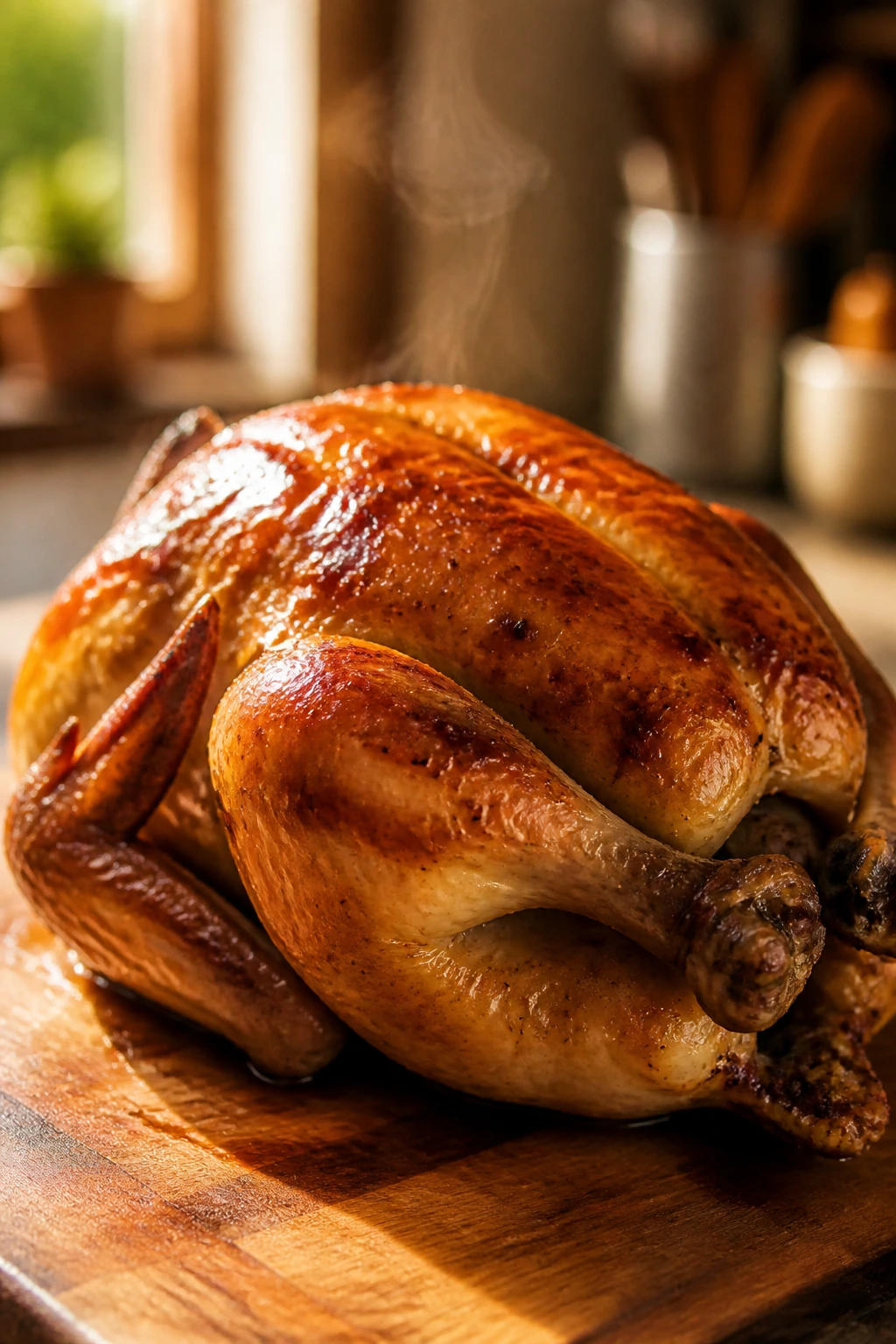
Leftover rotisserie chicken works because it gives you a head start, not because it does magic on its own. Treat it gently, give it a little moisture, and choose the right shape for the right meal. That’s usually the difference between chicken that feels tired and chicken that feels like dinner with a plan.
Keep a few sharp pantry staples around, split the meat into small portions, and stop reheating more than you need. A bird handled well can cover tacos, soup, pasta, bowls, and sandwiches without ever tasting like the same meal twice.
And if there’s one habit worth keeping, it’s this: pull the meat while the chicken is still warm, stash the bones, and make the next dinner easier before you’ve even washed the cutting board.