



A turkey cutlet can go from tender to chalky in under a minute, and that’s why so many home cooks give up on turkey as a weeknight protein after one bad panful. The meat isn’t the problem. The way it gets cooked is.
That mistake usually looks the same: a thick piece goes into a screaming-hot skillet, the outside turns golden before the center catches up, and by the time the thermometer would finally register safe, the juices have already crowded themselves out. Turkey is not difficult. It is unforgiving when you treat it like a giant roast on a Tuesday.
Handled with a little care, though, turkey earns its place in the regular dinner rotation. Cutlets sear fast, tenderloins roast in a blink, ground turkey takes on sauce like it was built for it, and boneless thighs stay forgiving even when the evening gets noisy. The trick is to stop cooking by guesswork and start cooking by shape, temperature, and rest. That’s the whole game.
Why Weeknight Turkey Deserves a Spot on the Stove
-
Fast Cuts: A pound of turkey cutlets or a small tenderloin can be on the table in about 15 to 20 minutes if you prep the pieces evenly and keep the pan hot but not smoking.
-
Built for Leftovers: Sliced turkey turns into wraps, grain bowls, chopped salads, and fried rice the next day without needing a second sauce rescue mission.
-
Less Fuss Than a Whole Roast: Smaller pieces give you control over doneness, and control is what keeps turkey tender when there’s no room for trial and error.
-
Sauce Loves Turkey: Lemon, Dijon, mustard, mushroom gravy, salsa verde, curry, soy-ginger glaze — turkey takes all of them well because its flavor is clean and mild enough to carry whatever you put with it.
-
Easy to Scale: One pack feeds a small dinner, two packs feed a bigger one, and boneless pieces freeze flat so you can thaw exactly what you need.
Choosing the Right Cut for Tender Turkey Dinners
Start with the cut, not the recipe. That sounds obvious, but it’s the mistake that sends a lot of turkey dinners sideways. A turkey breast cutlet wants a fast, hot sear. A boneless thigh wants a little more time and a little more patience. Ground turkey wants moisture and seasoning from the beginning, not after it has already dried out.
Turkey Breast Cutlets: The Speed Option
Turkey breast cutlets are the weeknight cheat code. They’re thin, they cook in a few minutes per side, and they’re easy to dress up with a pan sauce or a quick herb butter. If the pieces come from the store a bit uneven, slice them horizontally or pound them lightly between two sheets of parchment until they’re about 1/2 inch thick.
That thickness matters. Thin enough to cook fast, thick enough to stay juicy. Too thin and they go stringy. Too thick and they need more time than a Tuesday dinner usually wants to give them.
Turkey Tenderloins: The Quiet Winner
Tenderloins are the cut I reach for when I want dinner to feel calm. They’re small, evenly shaped, and forgiving if you roast them at a steady 400°F to 425°F or sear them and finish in the oven. A 1- to 1 1/2-pound tenderloin can feed a family with a couple of simple sides, and the center stays plush if you pull it at the right moment.
They also slice cleanly. That sounds minor until you try to serve turkey that shreds into dry little threads on the cutting board.
Boneless Thighs and Drumsticks: The Forgiveness Cut
Dark meat has more fat and more connective tissue, which sounds like kitchen jargon until you taste the difference. It’s the cut that stays juicy even if the clock wanders. Boneless thighs are especially useful on a busy night because they can take high heat, a braise, or a quick bake without turning into sawdust.
Bone-in thighs and drumsticks need a little more time, but they give you deeper flavor and a more forgiving texture. If tenderness is your first priority and you can spare an extra 15 or 20 minutes, dark meat is a smart move.
Ground Turkey: Good When Sauce Is Part of Dinner
Ground turkey is a different animal. It isn’t a slice-and-serve cut. It’s a base. Use it for skillet pasta, taco filling, sloppy-style sandwiches, or a quick rice bowl. The leaner it gets, the more careful you need to be; 93% lean usually behaves better than 99% lean because there’s enough fat left to keep the texture soft.
I would not use ultra-lean ground turkey for a bare-bones skillet unless sauce is going to show up right away. It dries fast. Fast.
Why Turkey Turns Dry Before It Turns Brown
Why does turkey dry out so fast? Because the protein tightens as it heats, and turkey breast has less fat to cushion that tightening than a lot of other meats. Once the fibers squeeze too hard, moisture leaves the meat and ends up in the pan instead of on the plate.
That problem gets worse when the heat is too aggressive. The outside can look done while the inside is still catching up, which is exactly how people end up overcooking the whole piece in the chase for “safe” meat. Safe is non-negotiable. Overcooked is the part we’re trying to avoid.
The other trap is visual confidence. Golden edges, browned skin, clear juices — all of that can still hide a center that’s hotter than it looks or cooler than you think. A thermometer cuts through the guesswork. So does rest. Turkey keeps cooking after it leaves the pan, and that carryover heat is part of the process, not a side note.
What Dry Turkey Actually Feels Like
Dry turkey doesn’t always taste dry in the first bite. Sometimes it starts out mildly moist, then turns mealy as you chew. The fibers feel a little tight and the slice won’t bend cleanly when you press it with a fork.
That texture usually comes from one of three places: too much heat, too much time, or too little seasoning before the cooking starts. Sometimes all three show up together. Charming little mess.
Salt and Seasoning That Reach the Middle
Salt is the cheapest insurance policy in the kitchen, and turkey is one of the places where it pays off fast. Salt doesn’t just make the surface taste better. Given even a little time, it seasons the meat deeper and helps it hold onto moisture while it cooks.
For cutlets and tenderloins, a short dry brine goes a long way. Sprinkle about 3/4 teaspoon kosher salt per pound of boneless turkey and let it sit for 15 to 30 minutes if you’re rushed. If you have more time, go closer to an hour or overnight in the fridge. Bone-in pieces can take a longer salting window — 8 to 24 hours — because the seasoning has farther to travel.
Don’t drown the meat in spice just to make up for missing salt. That’s how you get a noisy crust and a bland center. Salt first. Then season with black pepper, garlic powder, smoked paprika, thyme, rosemary, lemon zest, or mustard powder depending on the mood of the dinner.
Dry Brine, Wet Brine, or Straight to the Pan?
A dry brine is the easiest weeknight move. It uses almost no extra dishes, and it doesn’t require a cooler full of water or a bucket in the fridge. If you want the quickest payoff, dry-brine cutlets on a tray while you prep the rest of dinner.
Wet brines are useful for larger turkey breasts or bone-in pieces, but they ask for more space and more planning. That’s fine when the evening gives you room. On a Tuesday, a dry brine is usually the cleaner answer.
What to Add With the Salt
A plain salt-only brine works. I tend to add black pepper and a little garlic powder right alongside it because those seasonings cling better when they meet the meat early. For a brighter profile, add lemon zest or finely grated orange zest. For a deeper one, use smoked paprika and a pinch of thyme.
Keep the sweet stuff light. A teaspoon of sugar per pound can help browning, but too much turns the surface sticky and weird before the meat is actually done.
The Fast Skillet Method for Turkey Cutlets
A hot skillet and a thin cutlet are a very good pair. They give you crisp edges, fast cooking, and enough fond in the pan to build a sauce without making dinner feel fussy.
Prep the Cutlets Evenly
If the cutlets are thicker at one end, slice or pound them so the whole piece is close to the same thickness. That stops the thin edge from drying out while the thicker center finishes. Pat the meat dry with paper towels after salting; damp turkey steams before it sears, and steaming is the enemy here.
Use a 12-inch skillet if you’re cooking for four. Smaller pans crowd the meat, and crowded meat gives off too much moisture. You want a sizzle, not a simmer.
Sear, Don’t Hover
Heat 1 tablespoon of neutral oil over medium-high heat until it shimmers. Lay the cutlets in a single layer and leave them alone for about 2 minutes. Flip when the underside is golden and the turkey releases easily. The second side usually needs another 1 to 2 minutes, depending on thickness.
Pull the cutlets around 160°F in the thickest part. They’ll climb the last few degrees while resting. If you wait for a full 165°F in the pan and then let them sit, you’ve taken away your margin for error.
Make a Quick Pan Sauce
Take the cutlets out and pour off excess fat if needed, leaving the browned bits in the skillet. Add 1/3 cup chicken or turkey stock, a squeeze of lemon, and a teaspoon of Dijon mustard. Scrape the pan with a wooden spoon, let it bubble for a minute, and finish with a tablespoon of butter.
That sauce is not fancy. It’s better than fancy. It tastes like dinner landed in the right hands.
Sheet-Pan Turkey Dinners That Stay Juicy
The oven is calmer than the skillet — but only if the pieces are arranged like they belong there. A sheet-pan dinner works best with turkey tenderloin, boneless thighs, or cutlets that can ride alongside vegetables without overcooking.
Use a rimmed metal baking sheet. Bare metal browns better than parchment, though parchment is still useful when cleanup matters more than edge color. If you’re roasting potatoes or carrots with the turkey, give the vegetables a head start because they need more time than the meat.
Best Vegetables for the Same Pan
Broccoli florets, green beans, sliced onions, zucchini, bell peppers, thin carrot coins, and Brussels sprouts cut in half all behave well with turkey. Harder vegetables like potatoes and whole carrots should be cut small, tossed in oil, and started first.
A good rule: if a vegetable would still feel raw after 15 minutes in a hot oven, it probably needs a head start or a smaller cut.
Timing That Works
For turkey tenderloin, 425°F usually lands in the 18- to 22-minute range depending on size. Boneless thighs need a bit longer, often 25 to 30 minutes. Bone-in thighs and drumsticks need a real roast, often 35 to 45 minutes, and you should check them with a thermometer rather than trusting the clock.
If the vegetables are browning too fast, move the turkey to a different section of the pan or add the turkey partway through. Sheet-pan dinners fail when every ingredient is treated like it cooks at the same speed. They don’t.
Ground Turkey Needs Moisture, Not More Heat
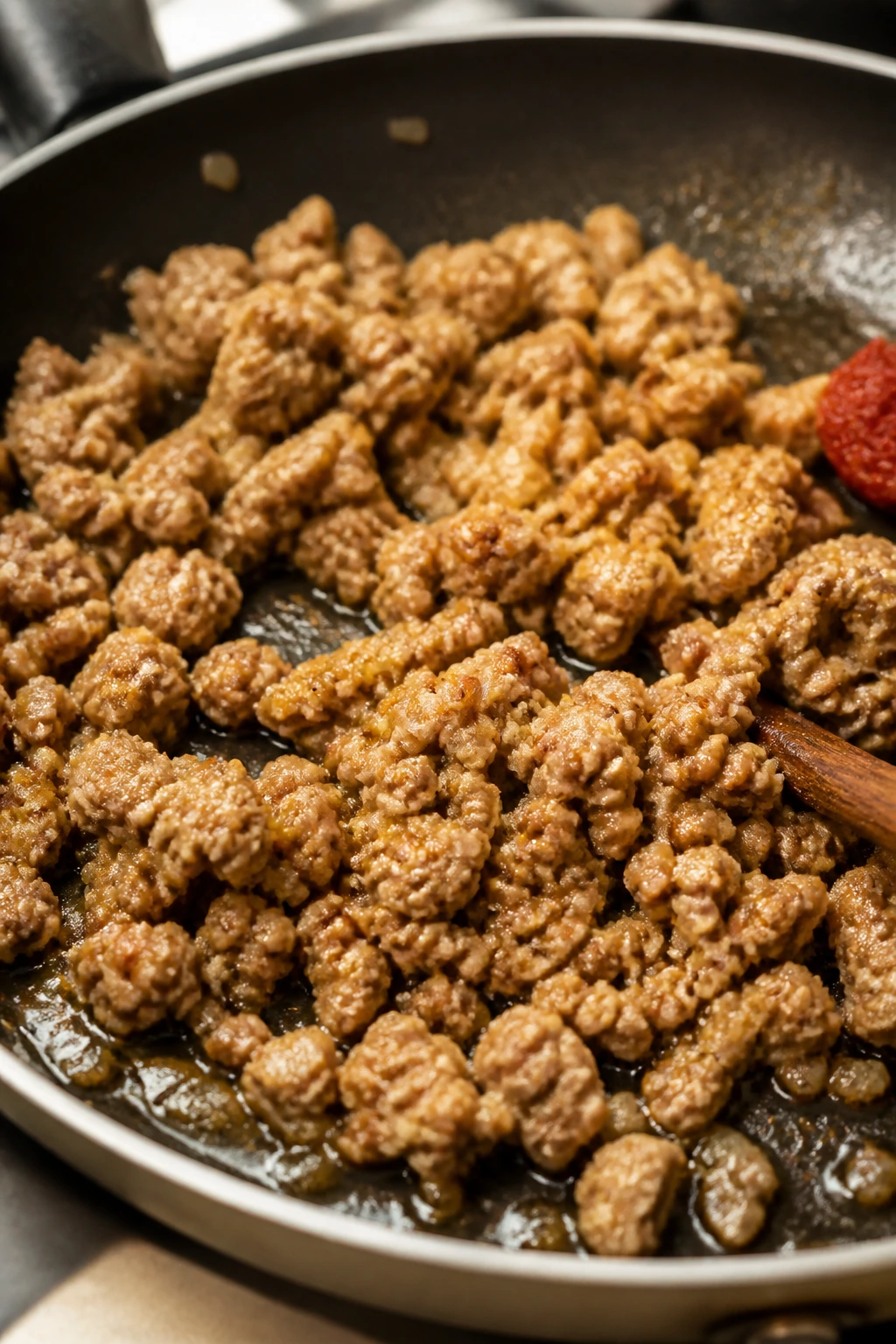
Ground turkey asks for a different kind of attention. It cooks fast, breaks apart easily, and dries out the moment you get greedy with the heat. If you want soft, flavorful ground turkey, the secret is not a longer sear. It’s a little fat, a little moisture, and no habit of over-stirring.
Use 93% lean if you can find it. That extra bit of fat keeps the texture from turning chalky, especially in skillet meals. If you only have 99% lean, add 1 tablespoon of olive oil to the pan before the meat goes in and think seriously about building a sauce right away.
Brown the turkey in a single layer and let it sit long enough to take on color before you break it up completely. Stirring every few seconds turns it gray and soft in the wrong way. Once the meat loses its raw pink, add onions, garlic, tomato paste, salsa, broth, soy sauce, or whatever sauce is carrying dinner.
How to Keep Ground Turkey Soft
A few moves change everything:
- Add 1 to 2 tablespoons of oil if the pan looks dry.
- Break the meat into walnut-size pieces instead of tiny crumbs.
- Season early with salt and pepper.
- Add a splash of stock, water, or canned tomatoes once the meat is mostly cooked.
- Stop as soon as the thermometer or visual cue says it’s done.
Ground turkey can feel boring only when it’s treated like a blank page. Give it moisture and a direction, and it wakes up fast.
When a Braise Beats a Quick Sear
If the evening has a little more room, braising is the path to the softest turkey on the table. You don’t need a half-day project. You need a covered pan, some liquid, and a cut that likes gentler heat.
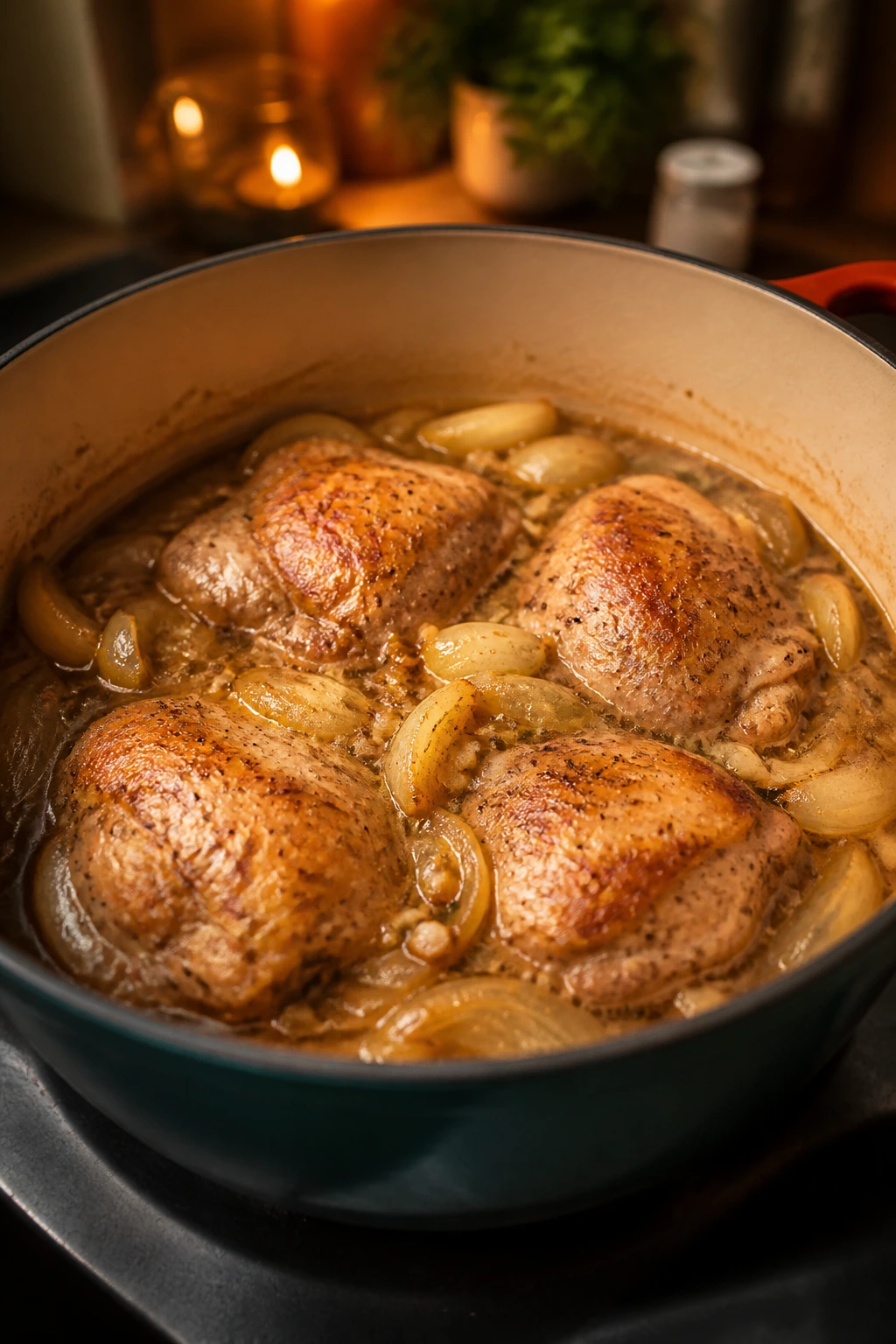
Boneless thighs are the sweet spot. They stay supple in broth or tomato sauce and don’t require the obsessive watching that breast meat does. A small Dutch oven or deep skillet works well: brown the meat for flavor, add onions and garlic, pour in enough stock to come partway up the sides, cover, and cook at 325°F until the turkey is tender. Boneless thighs usually finish in 30 to 40 minutes. Bone-in pieces need longer.
Slow cookers can work too, but they favor dark meat more than breast. If you use breast meat in a slow cooker, keep the sauce generous and stop early. Breast meat in a slow cooker has a much narrower tenderness window than thighs do.
A Braise That Tastes Like More Than a Backup Plan
A good braise doesn’t taste like compromise. It tastes layered. Onion, garlic, thyme, a bay leaf, a splash of white wine or cider, and 1 to 2 cups of stock give turkey enough support to stay juicy while the sauce picks up depth from the browned bits on the bottom of the pan.
You can serve that over rice, mashed potatoes, polenta, or noodles. The point is not the starch. The point is that the sauce has somewhere to go.
Temperature Targets That Keep Turkey Tender on Weeknights
Temperature is not a suggestion. It’s the whole story.
The USDA safe target for poultry is 165°F in the thickest part, and that number matters for both white meat and ground turkey. Where people go wrong is pretending that every cut wants the same exact finish point. It doesn’t. Breast meat gets dry fast if you cook past safe by too much. Thighs get better as they move into a higher range.
The Numbers That Actually Matter
- Turkey breast cutlets: Pull at 160°F and let the temperature rise to 165°F during rest.
- Turkey tenderloin: Same idea. Pull at 160°F if the pieces are even and thin enough to carry over cleanly.
- Ground turkey: Cook to 165°F and break it up thoroughly so the center is not hiding behind browned edges.
- Boneless thighs and drumsticks: 175°F to 180°F gives a softer, more relaxed bite because the connective tissue has time to loosen.
Where to Put the Thermometer
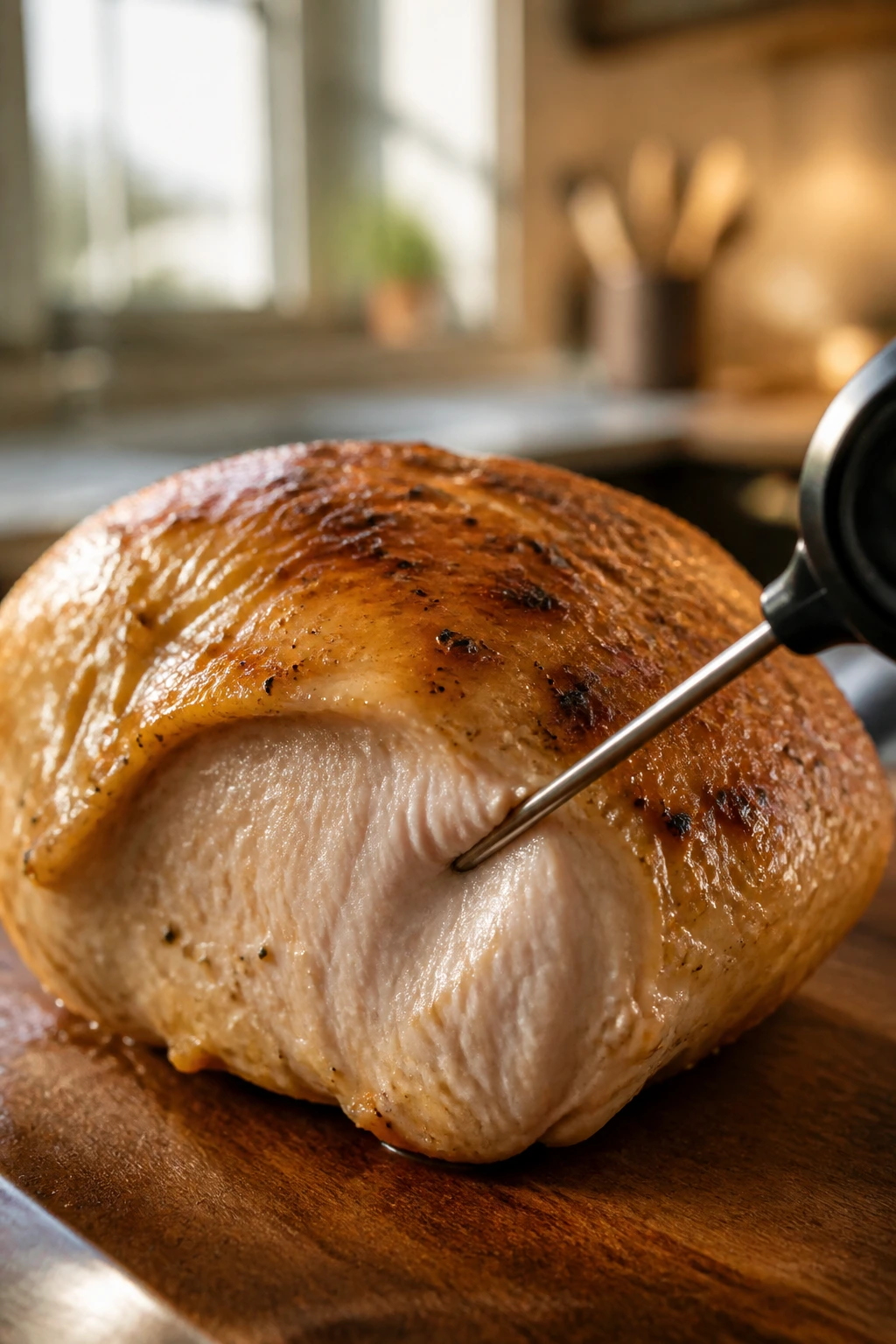
Slide the probe into the thickest part from the side, not straight down through the top. That helps you read the actual center instead of the top layer. Don’t let the probe touch the pan, and don’t let it sit in a pocket of sauce or fat where the temperature is misleading.
A cheap instant-read thermometer saves more dinners than any clever seasoning trick. Mine has done more work than half the utensils in the drawer.
Resting Is Not Optional
Let cutlets and tenderloins rest for 5 minutes. Let larger pieces rest for 8 to 10. Cover loosely with foil, not tightly, or you’ll trap steam and soften the browning you worked for. Resting lets the juices settle back into the meat instead of spilling onto the cutting board the second you slice.
What to Put Next to the Turkey on a Busy Night
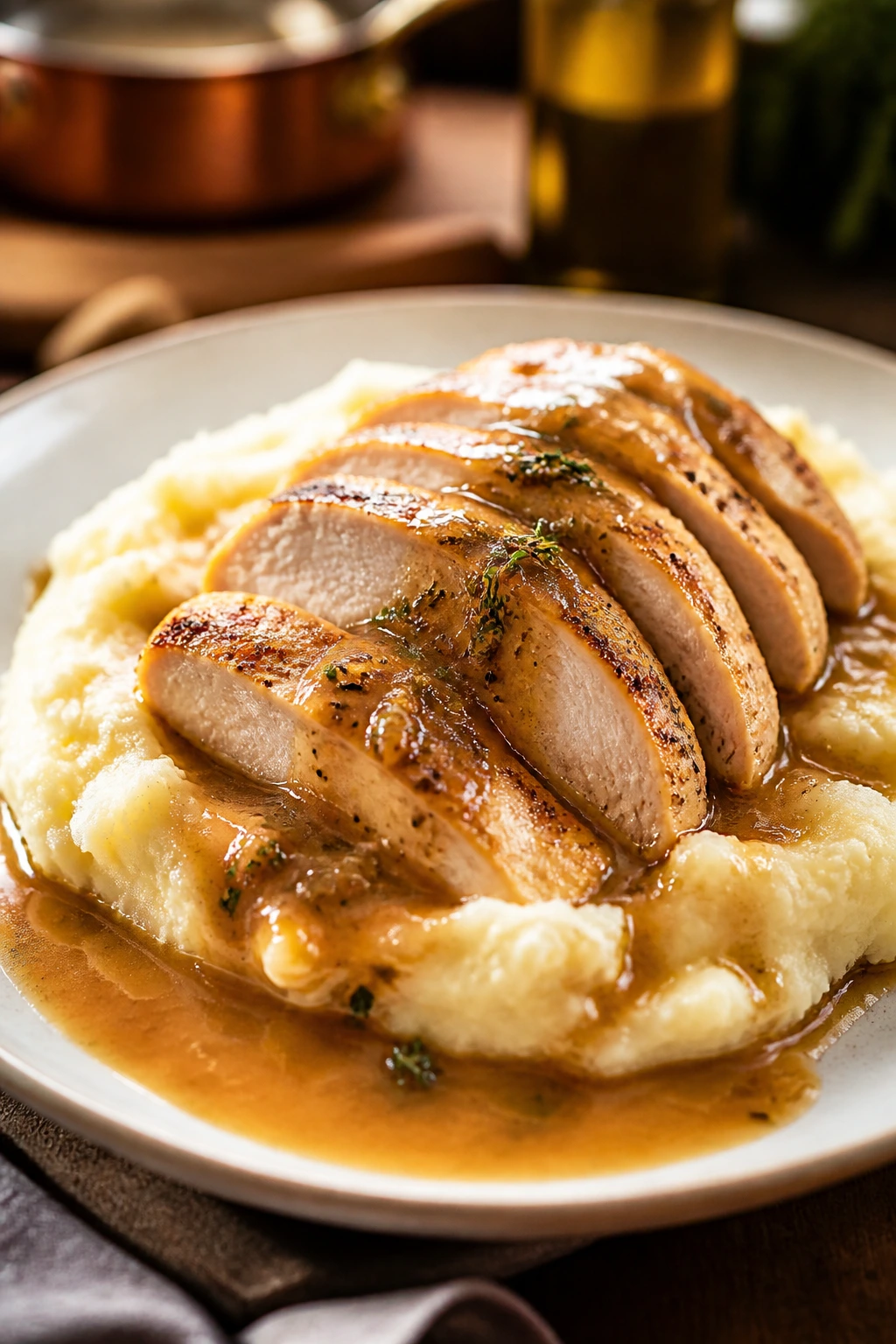
What goes next to the turkey matters more than people think. Turkey likes food that catches sauce. That means mashed potatoes, rice, buttered noodles, soft polenta, or a crusty piece of bread are better partners than a dry pile of steamed broccoli alone.
Presentation: Slice the turkey against the grain and fan it over the starch, then spoon the sauce around the meat rather than flooding it. A shallow bowl works better than a flat plate when pan sauce is involved. The sauce stays where it should, and the meal looks like you meant it.
Accompaniments: Roasted carrots, garlicky green beans, cabbage slaw, sautéed spinach, broccoli, cucumber-dill salad, or a lemony chopped salad all work across cuts and methods. If the turkey is rich with butter or gravy, keep the vegetable side crisp and bright. If the turkey is plain and seared, let the side dish carry a little more flavor.
Portions: Plan on 4 to 5 ounces of cooked turkey per adult when the plate has sturdy sides. Go closer to 6 or 7 ounces when the vegetables are light and the turkey is doing most of the work. Kids usually eat less, but sliced turkey is easier to portion than a roast, so don’t overthink it.
Beverage Pairing: Dry cider, a crisp Sauvignon Blanc, unsweetened iced tea with lemon, or sparkling water with lime all fit cleanly. If the turkey has a mustard sauce or pan gravy, cider is the one I reach for first.
Practical Tips for Better Weeknight Turkey
A few small habits make turkey easier than people expect.
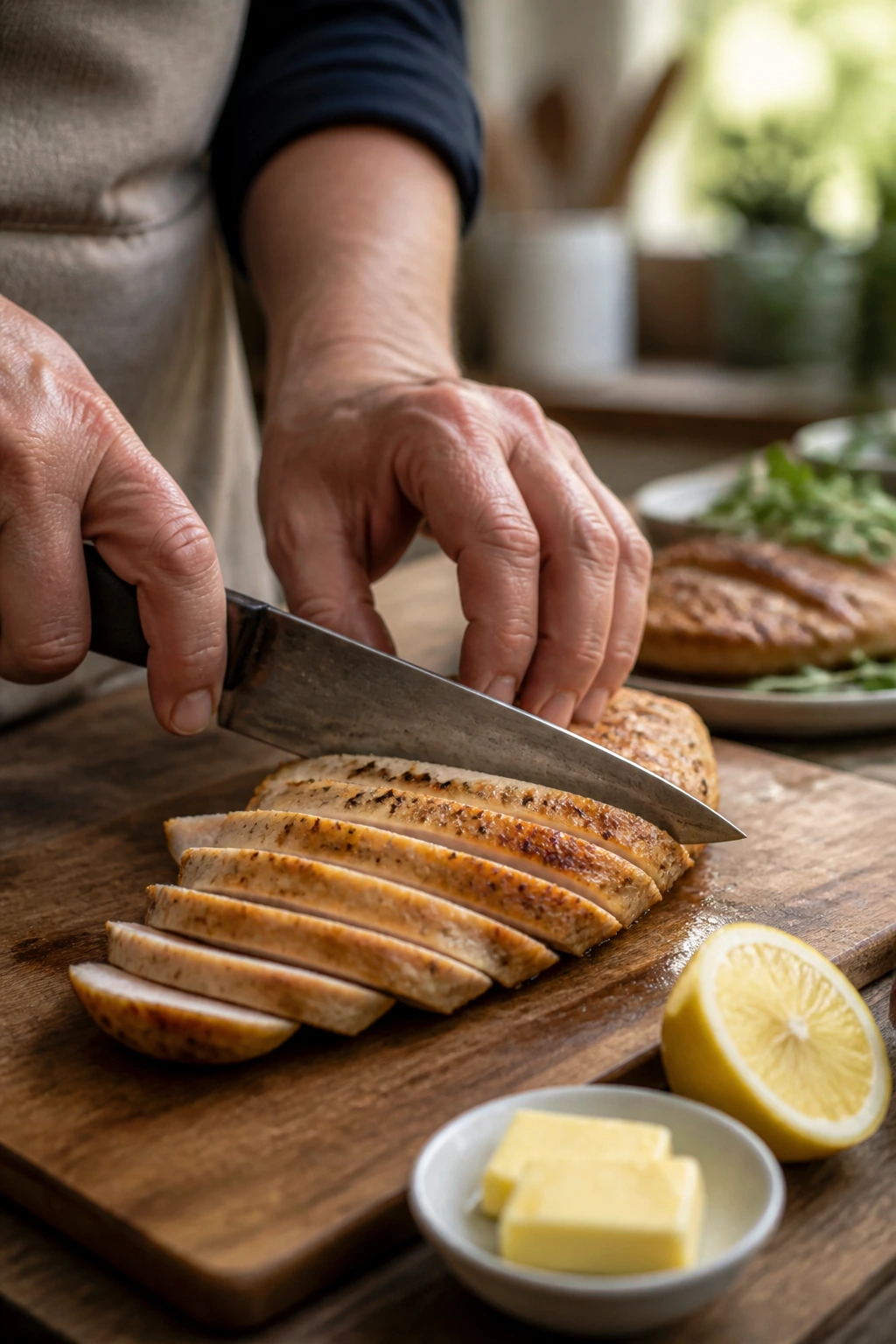
Time-Saver: Buy cutlets or tenderloins when you know the week will be crowded. If the store only has whole turkey breast, slice it at home while it’s still slightly firm from the fridge. A sharp knife and a short rest on the counter — 10 minutes, not 30 — make the cuts cleaner.
Flavor Enhancement: Finish with a small amount of butter, lemon juice, or Dijon mustard at the end of cooking. The dairy adds a soft shine, the acid keeps the meat from tasting flat, and the mustard gives the sauce a little backbone without turning it heavy.
Cost-Saver: Buy family packs, portion them into dinner-sized bags, and freeze them flat. A flat package thaws faster than a thick brick, which means a half-planned dinner becomes an actual dinner instead of a rescue operation.
Pro Move: Warm the serving bowl or plate before plating the turkey. Food cools faster than people think, and a hot plate keeps the outside from stiffening while you carry it to the table. That tiny detail matters more with cutlets and sliced tenderloin than with anything saucy, because the meat has no extra liquid to protect it.
If you only remember one habit, make it this: dry the meat, salt the meat, and stop cooking at the right temperature. Fancy spice rubs are optional. Those three steps are not.
The Mistakes That Dry Turkey Out
The same few errors show up again and again, and every one of them can be fixed.
-
Cooking thick pieces straight from the fridge: The outside overcooks before the center warms through. Slice, pound, or at least give the turkey a short, safe rest while you prep the pan.
-
Using heat that’s too high for too long: The surface browns hard while the inside stays behind. Medium-high is usually enough for cutlets; finish in the oven if the pieces are thick.
-
Crowding the skillet: The meat steams instead of searing, and the texture turns rubbery. Cook in batches if needed. Two properly browned batches beat one sad, wet pile.
-
Trusting color instead of temperature: Clear juices and golden edges can fool you. Use an instant-read thermometer and aim for the temperature that matches the cut.
-
Skipping the rest: Slice too early and the juice runs onto the board. Rest the meat under loose foil for a few minutes before cutting.
-
Choosing ultra-lean ground turkey for everything: 99% lean is fine in a sauce-heavy dish, but it can go dry and crumbly fast. A little fat makes the difference between a skillet meal and a pile of seasoned dust.
One more that deserves a callout: rinsing raw turkey. Don’t do it. Pat it dry with paper towels instead. Rinsing spreads raw juices around the sink, which gives you a cleanup problem without improving the meat one bit.
Variations That Keep the Same Weeknight Rhythm
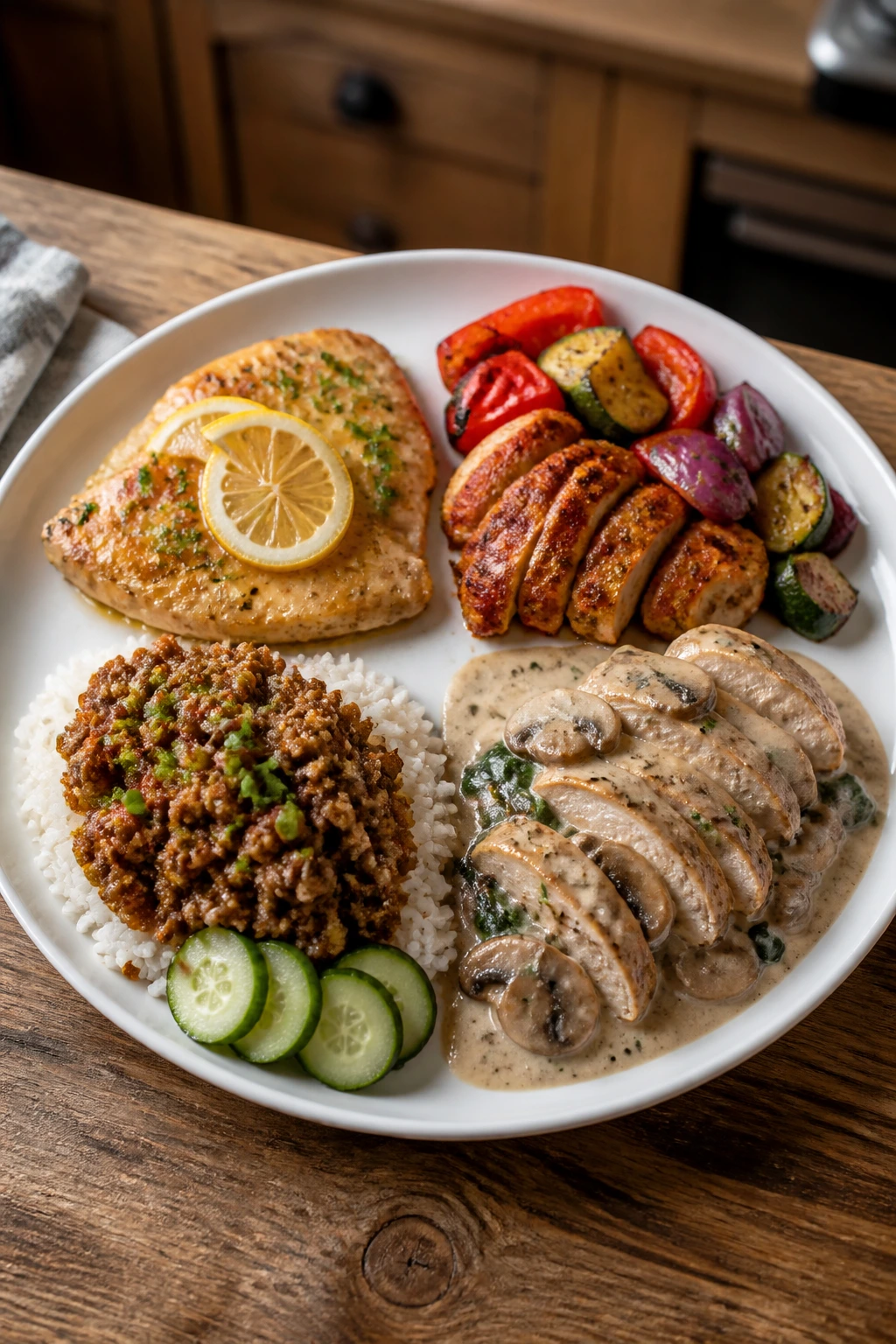
Lemon-Dijon Cutlets
This is the version I make when I want the dinner to feel bright without turning into a project. Sear the cutlets, pull them out, and build the sauce with stock, lemon juice, and a spoonful of Dijon. Butter at the end rounds out the sharp edges.
Smoky Paprika Sheet-Pan Turkey
Rub tenderloin or boneless thighs with oil, smoked paprika, garlic powder, black pepper, and salt, then roast them with broccoli, onions, or carrots. The paprika brings a little warmth without heat, and the vegetables pick up the drippings on the pan.
Ginger-Soy Ground Turkey Bowls
Ground turkey loves this direction because the sauce gives it a second life. Cook it with garlic, fresh ginger, soy sauce, a touch of sesame oil, and sliced scallions, then pile it over rice with cucumber or steamed snap peas. Fast. Clean. Done.
Creamy Mushroom Turkey Skillet
Brown cutlets or thighs, sauté mushrooms and shallots in the same pan, then add broth and a splash of cream or plain yogurt off the heat. The sauce turns silky and coats the meat without making it heavy. This one is good with noodles.
Turkey and White Bean Braise
If you have a little more time, braise boneless thighs with white beans, onion, garlic, and rosemary. The beans soak up the sauce and make the whole pan feel fuller, which is useful when dinner needs to stretch.
The Tools That Earn Their Space in the Drawer
-
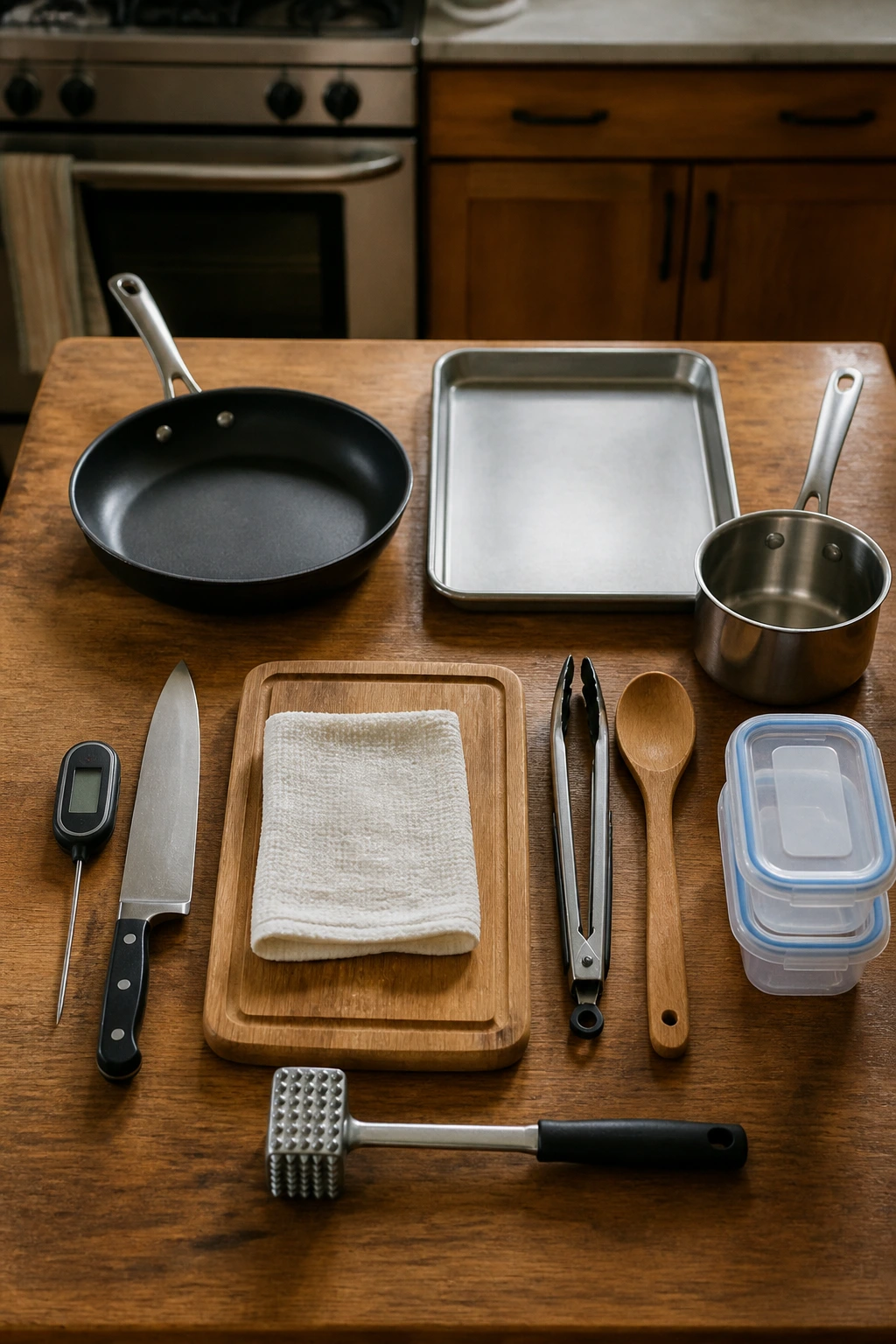
Instant-read meat thermometer: The single most useful tool for turkey. It removes guesswork and keeps breast meat from turning dry.
-
12-inch skillet: Big enough to sear several cutlets without crowding. Stainless steel or cast iron both work; nonstick is fine if that’s what you have.
-
Rimmed sheet pan: Needed for oven dinners and anything with vegetables that might leak oil or juice.
-
Sharp chef’s knife: Helps you slice breast meat into even cutlets and cut cooked turkey against the grain.
-
Cutting board with a damp towel underneath: Stops the board from skating around when you’re slicing raw or cooked meat.
-
Tongs: Better than a fork for flipping. Forks poke holes and leak juices.
-
Wooden spoon or fish spatula: Ideal for scraping browned bits into a pan sauce without shredding the meat.
-
Small saucepan: Useful when you want to make sauce separately instead of in the pan you used for the turkey.
-
Airtight storage containers: Keep leftovers from drying out in the fridge. Shallow containers work better than one deep one.
-
Meat mallet or rolling pin, optional: Handy for cutlets that need to be evened out quickly.
Storing and Reheating Turkey Without Losing Moisture
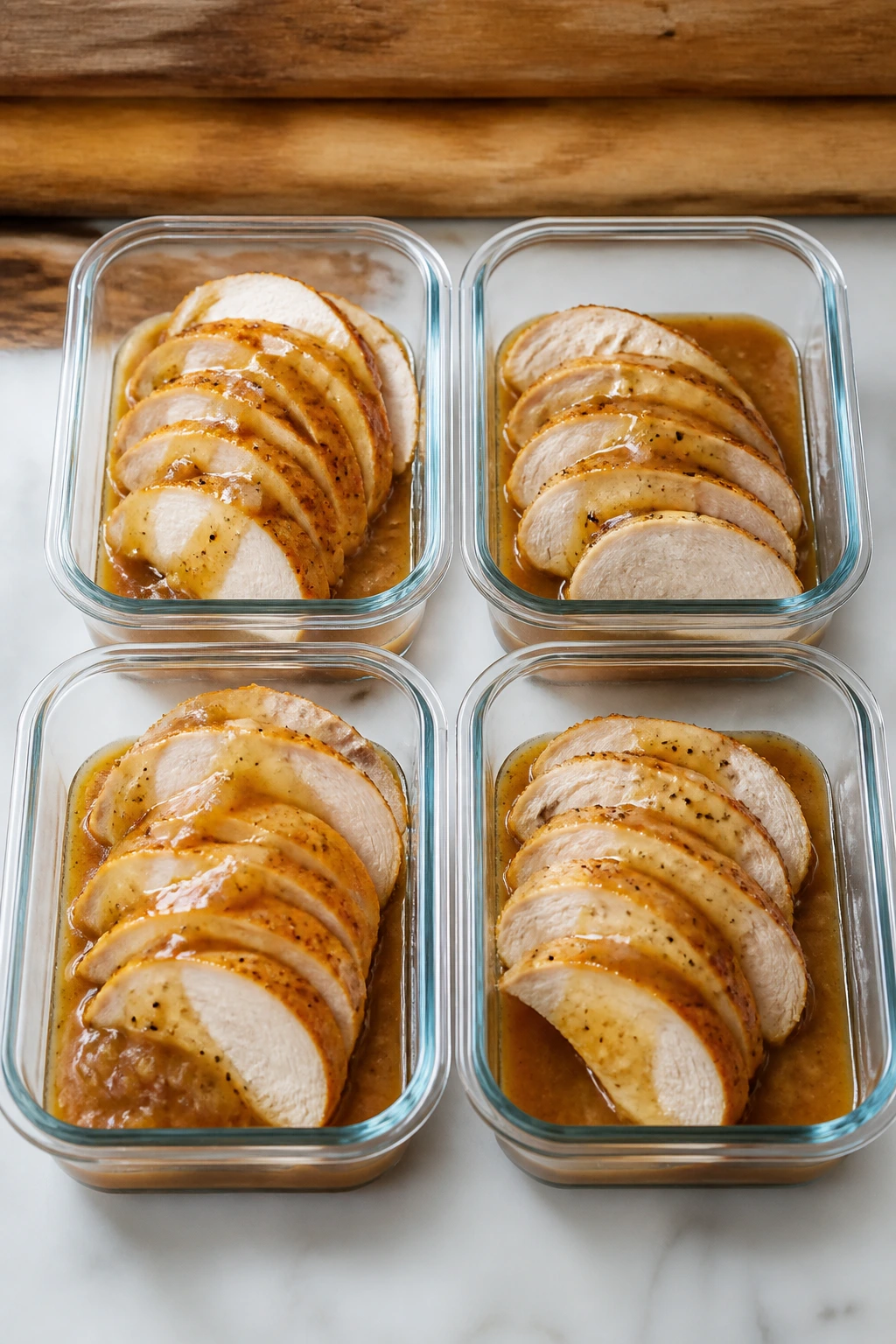
Cooked turkey keeps well if you don’t leave it naked and forgotten in the fridge. Slide leftovers into shallow airtight containers within 2 hours of cooking. If the room is warm, faster is better. Turkey left out too long loses both texture and safety.
Fridge
Cooked turkey holds for 3 to 4 days in the refrigerator. If it’s in sauce or gravy, it usually reheats better than plain slices because the liquid protects the surface from drying out. Store the sauce with the meat whenever you can.
Raw turkey should be cooked within 1 to 2 days of thawing in the fridge. If you don’t plan to cook it in that window, freeze it before it crosses into the sad, forgotten corner of the meat drawer.
Freezer
Cooked turkey freezes for about 2 months with the best texture, though sauced turkey can hold a bit longer if it’s wrapped well. Slice larger pieces before freezing so you can thaw only what you need. Flat freezer bags beat bulky containers for speed and space.
For ground turkey dishes, freeze them in meal-size portions. They reheat more evenly than one big brick of meat and sauce.
Reheating
For cutlets or tenderloin, reheat gently in a skillet over low heat with a splash of stock, broth, or water. Cover for a few minutes so the steam softens the surface, then uncover for the last minute if you want the exterior to stay firm.
For oven reheating, use 300°F and cover the turkey loosely with foil. Ten to 15 minutes usually does the job for slices; larger pieces may need 20 minutes or a little more. Check the center before serving.
For ground turkey, the microwave is fine if you use short bursts and stir between them. Add a spoonful of sauce or water before heating so the edges don’t harden.
Make-Ahead Moves
Dry-brine cutlets or tenderloin up to 24 hours ahead. Chop onions, garlic, herbs, and vegetables 1 to 2 days in advance. If you know dinner will need to move fast, make the pan sauce base earlier in the day and warm it back up when the turkey is ready.
Frequently Asked Questions About Weeknight Turkey
Can I make turkey tender without brining it?
Yes, if you use the right cut and don’t overcook it. A short salt rest of 15 to 30 minutes gives cutlets and tenderloin a noticeable edge even when you skip a full brine. If you’re cooking bone-in pieces, a longer salt window helps more.
What’s the best cut of turkey for a fast dinner?
Turkey cutlets are the quickest. Turkey tenderloin is the easiest to keep tidy. Boneless thighs are the most forgiving if you want the meat to stay soft even when the timing gets messy.
Should turkey breast be cooked to 165°F exactly?
For food safety, 165°F is the target in the thickest part. For breast cutlets and tenderloin, pulling at about 160°F and letting carryover heat finish the job is a safer way to protect the texture. That small difference matters.
Why does ground turkey turn dry and crumbly?
It usually gets too hot, too lean, or both. Use 93% lean if you can, add moisture from sauce or vegetables, and stop cooking once it reaches 165°F. If it looks dry in the pan, a spoonful of stock or salsa can pull it back.
Can I cook turkey from frozen on a weeknight?
Not well, not if you want tenderness. Quick-thaw it in cold water if you must, then cook it as soon as it’s thawed. For best texture, thaw it in the fridge first and season it before it hits the pan.
What should I do if my turkey came out dry anyway?
Slice it thin and put it back into warm sauce, broth, or gravy for a few minutes. Serve it over rice, mashed potatoes, or noodles so the starch carries the moisture. It won’t be the same as perfectly cooked turkey, but it can still be a decent dinner.
Is the skillet better than the oven?
For cutlets and ground turkey, yes, because you get speed and a sauce base in one pan. For tenderloin and boneless thighs, the oven gives you steadier heat and less babysitting. I use the skillet when I want flavor fast, and the oven when I want fewer hands-on minutes.
Do I need to rinse turkey before cooking?
No. Pat it dry with paper towels. Rinsing doesn’t make it cleaner in any useful kitchen sense, and it spreads raw juices around the sink.
A Better Tuesday Night Habit
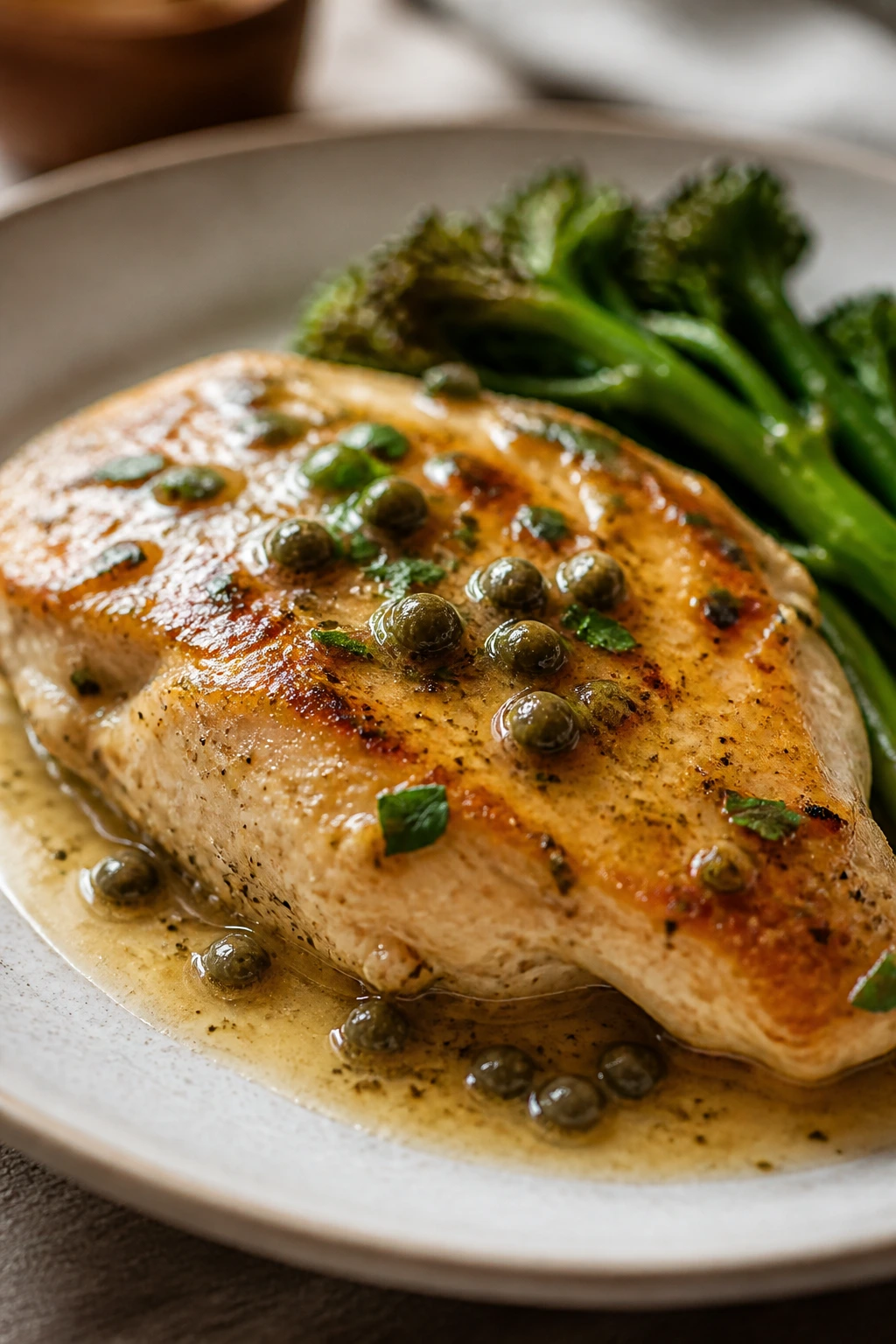
Turkey gets a bad reputation because too many people cook it like a holiday centerpiece on an ordinary evening. That’s the wrong job. On a weeknight, turkey works best when the cut fits the clock, the salt has time to do its small magic, and the thermometer gets the final say.
Once you stop chasing color and start watching temperature, the whole thing calms down. Cutlets stay supple. Tenderloins slice cleanly. Ground turkey can actually taste like dinner instead of filler. And when the fridge holds a few good pieces and the pantry has stock, mustard, or soy sauce waiting, a Tuesday no longer feels like a test.
Keep one pack of cutlets or tenderloin around, and the next time 6:15 rolls in with no plan attached, dinner is already halfway made.