



A light healthy picnic under 500 calories works best when you stop thinking like a dieter and start thinking like a very picky packer. One good meal outdoors is not about skimping; it’s about choosing foods that stay crisp, taste good cold, and give you enough protein and fiber that you don’t spend the rest of the afternoon rummaging through the snack cupboard when you get home.
I’ve seen too many picnic lunches go wrong in the same dreary way: limp bread, wet tomatoes, a handful of baby carrots with nothing to anchor them, then a granola bar that was supposed to “balance things out.” No thanks. A proper picnic can still be light, and it can still feel like a spread rather than a punishment.
The trick is embarrassingly simple once you see it: build around one solid protein, add produce that carries volume, keep the crunchy pieces measured, and treat sauces like a finishing touch instead of a flood. Done well, a picnic lunch under 500 calories looks generous on the blanket and eats even better than it looks in the container.
Why a Light Picnic Under 500 Calories Still Feels Like a Real Meal
A 500-calorie picnic does not have to feel tiny. It feels tiny when the calories are spent on the wrong things.
-
Protein does the heavy lifting: A lunch with 20 to 30 grams of protein from chicken, turkey, eggs, tofu, tuna, or Greek yogurt tends to feel like a meal instead of a snack box, and that matters more than shaving every last calorie off the plate.
-
Water-rich produce adds actual volume: Two cups of cucumbers, berries, melon, snap peas, or greens can fill a container for a fraction of the calories you’d spend on a second sandwich.
-
A measured crunch keeps the meal interesting: Six crackers, one small pita, or a 1-ounce scoop of roasted chickpeas gives you a real bite without turning the whole spread into a carb pile.
-
Cold food packs cleaner than saucy food: Picnic food under 500 calories works best when it holds texture at room temperature for a short stretch, because soggy mayo salads and greasy wraps waste both calories and appetite.
-
One small indulgence keeps the lunch from feeling grim: A square of dark chocolate, a few olives, or a spoonful of hummus makes the whole thing feel intentional. Not austere. That difference matters.
-
The numbers stay easier to control when you build by component: A turkey wrap plus berries plus carrots is simple math; a large deli sandwich with mystery sauce is where the calorie count starts slipping sideways.
The Calorie Budget That Actually Works
The smartest way to build a picnic under 500 calories is to stop aiming for “small” and aim for balance. Small can be unsatisfying. Balanced usually isn’t.
A good outdoor lunch usually lands in four buckets. Protein gets the biggest share, because it keeps you full and gives the meal structure. Produce comes next, because it adds volume, crunch, and juice without much calorie cost. Carbs or starch give you something to chew that feels like lunch. Fat and sauce should be measured, not poured, because they creep up fast.
Here’s the rough split I like when I’m packing a light picnic lunch:
- 150 to 220 calories from protein
- 80 to 140 calories from fruit or vegetables
- 80 to 120 calories from bread, crackers, a pita, or grains
- 30 to 70 calories from sauce, cheese, nuts, or another finishing touch
That framework gets you close to the 400 to 500 range without making the meal feel like a spreadsheet. It also gives you room to adjust. If you want a bigger bread portion, trim the cheese. If you want avocado, cut back on crackers. If you want a more filling lunch for a longer walk, push the protein up and keep the creamy extras tight.
Three things trip people up here. First, they count “healthy” foods loosely, which is how a half-cup of nuts mysteriously becomes two hundred calories. Second, they treat dressing as free because it’s a liquid. It isn’t. Third, they forget that fruit is not garnish when you’re outdoors and moving around. A peach or an apple changes the whole lunch.
A picnic box with 4 ounces of chicken, a cup of berries, a small whole-grain wrap, and a measured spoonful of hummus can sit right around 450 calories. That’s not deprivation. That’s a lunch with shape.
Three Picnic Menus That Land Under 500 Calories
The easiest way to make a picnic under 500 calories feel effortless is to use a menu template instead of inventing something from scratch every time. I keep coming back to templates because they stop you from overpacking the basket.
Turkey Crunch Wrap + Fruit
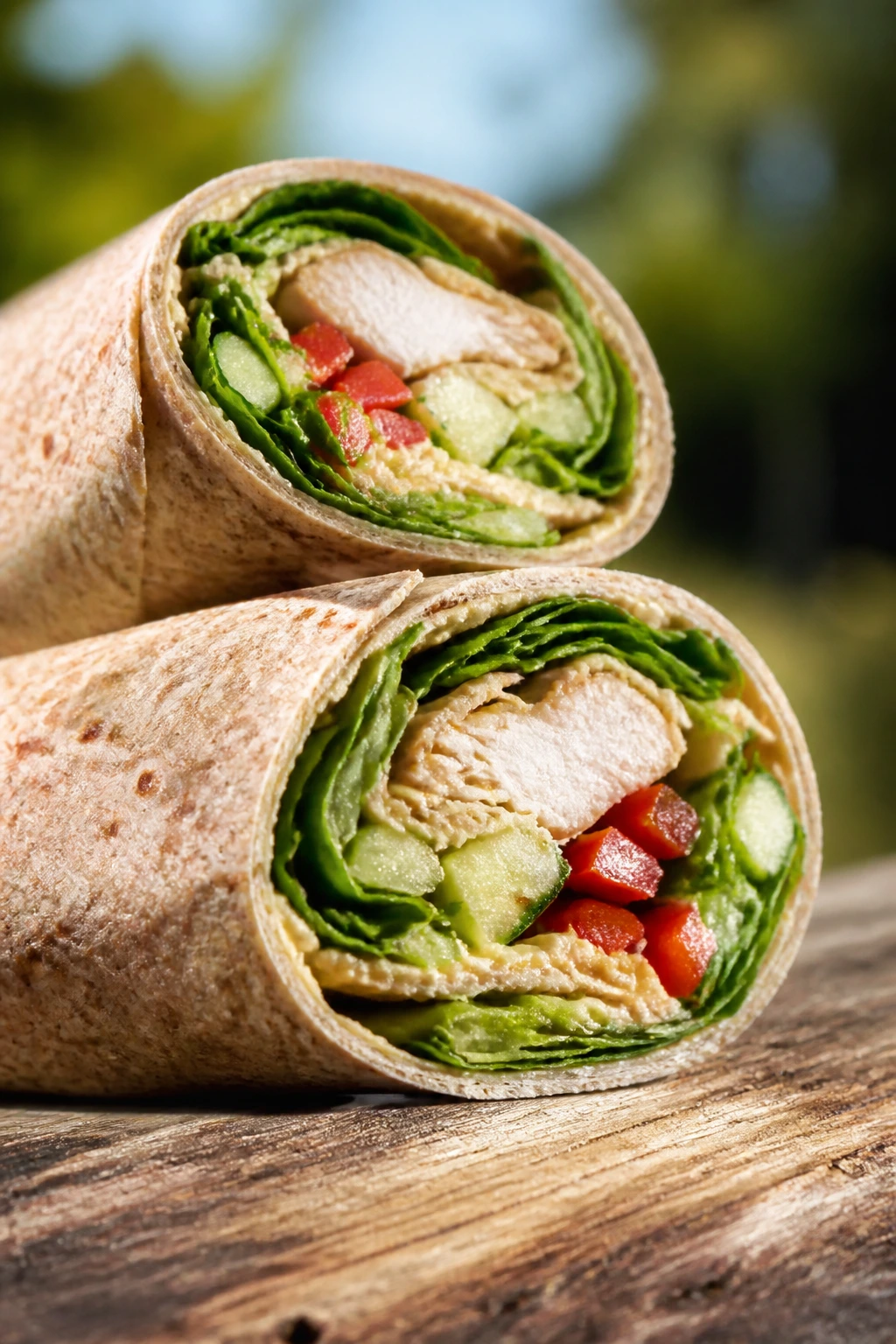
A whole-wheat tortilla, 3 ounces of roasted turkey breast, a slice of reduced-fat cheese, mustard, shredded lettuce, cucumber ribbons, one small apple, and a cup of strawberries lands around 430 to 460 calories depending on the tortilla and cheese. It’s crisp, portable, and much more satisfying than a naked turkey roll-up.
What makes this one work is the dry-to-wet balance. The lettuce and cucumber sit against the tortilla, so the wrap doesn’t puddle. The apple and berries give you the sweet finish that people usually try to solve with a cookie. You don’t need the cookie if the fruit is good and cold.
Chicken Salad Box with Crackers
Four ounces of grilled chicken breast, two cups of greens, sliced cucumber, cherry tomatoes, a quarter of an avocado, six whole-grain crackers, and two tablespoons of tzatziki usually lands around 390 to 470 calories. If you want to sit closer to 500, add a pear or a clementine.
This is the picnic I pack when I want the meal to feel orderly. The chicken gives it backbone. The avocado adds richness without taking over. The crackers keep it from feeling like a salad punishment lunch, which is a thing I have no patience for.
Mediterranean Egg-and-Pita Box
Two hard-boiled eggs, one small whole-wheat pita, two tablespoons of hummus, one ounce of feta, cucumber, tomatoes, and a peach typically come in around 440 to 490 calories. It tastes like a picnic that knows what it’s doing.
The eggs bring protein, the pita gives you something to tear and scoop, and the hummus carries enough flavor that you don’t miss a heavy dressing. If you want extra brightness, tuck in lemon wedges and a few olives. Go light on the olives if sodium is a concern; they’re easy to overdo.
Chickpea Picnic Box for a Meatless Day
Three-quarters of a cup of chickpeas, a small whole-grain pita, two tablespoons of hummus, carrot sticks, cucumber spears, a cup of grapes, and one square of dark chocolate can still fit under 500 calories if you keep the portions honest. This one is more filling than people expect, mostly because chickpeas and hummus give you both fiber and texture.
I like this option when the day calls for something unfussy. It travels well, eats at room temperature, and doesn’t need any last-minute rescue with a fork.
Protein Anchors That Travel Well in a Cooler
Protein is the difference between “light picnic” and “I’m hungry again in forty minutes.” If you only remember one part of this article, remember that.
Chicken, Turkey, and Lean Deli Slices
Cooked chicken breast is the cleanest option here: about 4 ounces gives you roughly 180 calories and around 25 to 30 grams of protein depending on how it was cooked. Turkey breast is even leaner, and a 3-ounce portion of roasted turkey often lands around 90 to 120 calories.
I prefer plain, sliced pieces over chopped chicken salad because chopped fillings tend to get slippery once chilled. If you’re buying deli meat, go for thick slices and look at the sodium. Deli turkey can be a sneaky salt bomb. Also, skip anything glossy with sugar-heavy glaze if the goal is a lighter lunch.
Eggs, Tuna, and Other Cold-Safe Favorites
Two hard-boiled eggs bring you about 140 calories and a solid dose of protein and fat, which makes them feel more substantial than their size suggests. Tuna packets are handy too; a standard water-packed pouch is often around 70 to 110 calories before you add anything to it.
A lot of guides treat tuna like an afterthought. I don’t. A well-drained tuna pouch mixed with a spoon of Greek yogurt, chopped celery, and lemon juice can anchor a small picnic beautifully. The smell is a little stronger than chicken, so seal it tight and keep it at the bottom of the cooler. No one wants tuna perfume leaking into strawberries.
Tofu, Edamame, and Chickpeas for Plant-Based Boxes
Firm tofu, especially when pressed and sliced, holds texture better than most people expect in a chilled lunch. A half-cup to three-quarter-cup portion can keep calories moderate while giving you enough protein to matter. Edamame is even easier; a cup of shelled edamame often sits around 120 to 190 calories depending on the portion.
Chickpeas deserve a mention because they are cheap, sturdy, and easy to season. Roasted chickpeas carry well in a container, though they lose some crunch after a few hours. If you want the crunch to survive, pack them separately and add them right before eating.
Greek Yogurt and Cottage Cheese When You Have Cold Space
Plain Greek yogurt and cottage cheese can work in a picnic under 500 calories, but only if you have real cold storage. They are not the things to toss into a warm tote and hope for the best.
Greek yogurt is especially useful as a dip base. Stir in dill, lemon, and black pepper, and you’ve got something that tastes deliberate instead of diet-ish. Cottage cheese works better with fruit and cracked pepper than it does as a sad side dish. I’ll take it with cucumber and chives every time.
Fresh Produce That Carries the Volume
Produce is where a light picnic gets its shape. Not the calorie count. The shape.
Crisp Vegetables That Behave in a Lunch Box
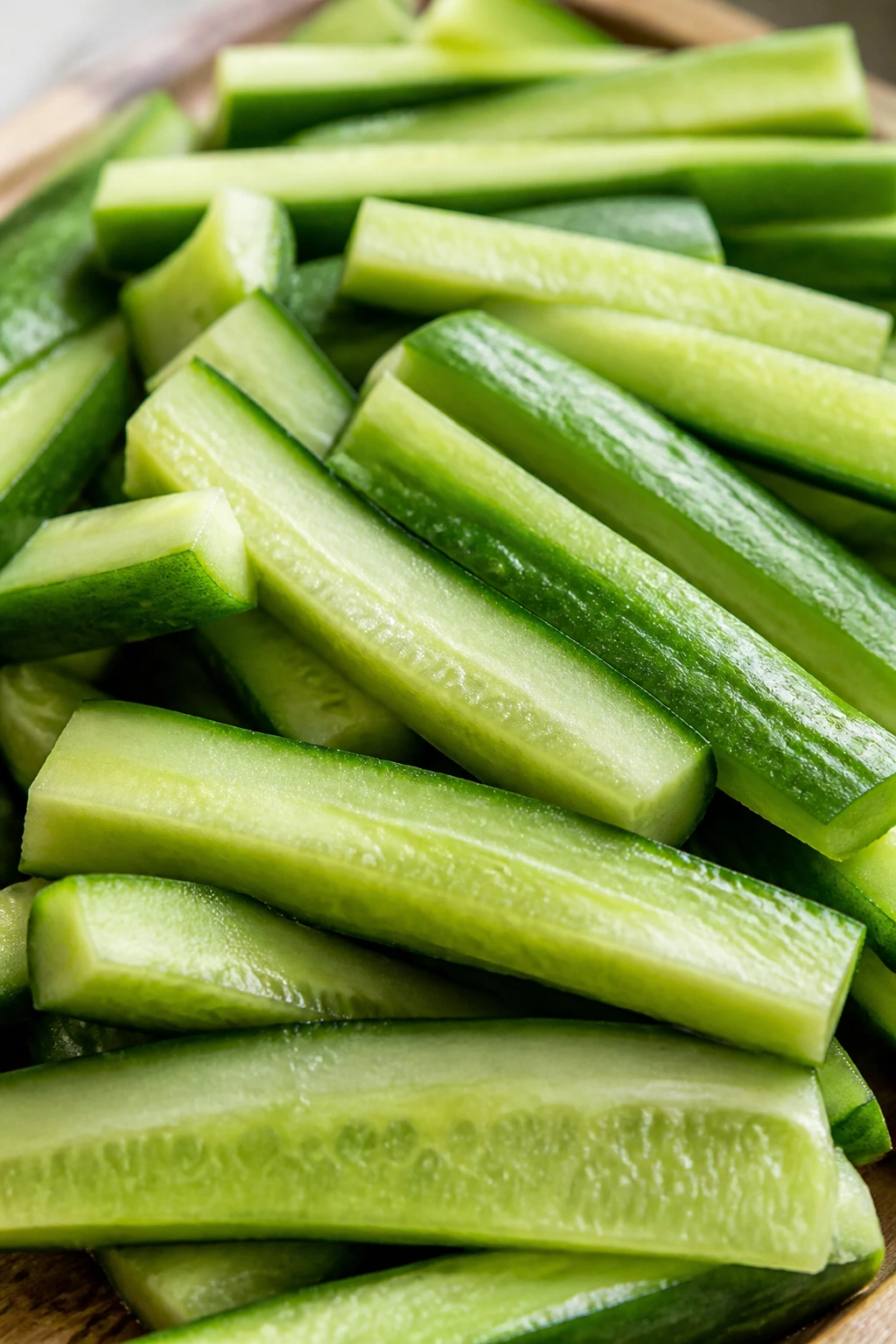
Cucumbers, snap peas, bell peppers, radishes, celery, and jicama are the vegetables I trust most for a picnic. They don’t collapse into mush after an hour in the cooler, and they still feel fresh when you bite into them.
Cucumber slices are particularly useful because they do a lot of visual work for almost no calories. A cup is only around 15 to 20 calories. Same story with bell peppers. They’re sweet enough to feel like food, not filler, and their crunch gives the box a little lift.
Fruit That Travels Without Fuss
Grapes, berries, clementines, apples, pears, peaches, and melon chunks all fit this style of lunch. Grapes are the easiest because they behave like little cold snacks and can double as an ice pack if you freeze them for a short time before packing.
Berries are trickier. Blueberries travel better than raspberries, and strawberries are best kept whole until you’re ready to eat. If you cut fruit too early, the juice starts to pool, and that’s how the inside of your container turns into a sticky mess. Apples and pears are excellent for staying crisp, though they brown if you slice them far ahead. A squeeze of lemon helps.
The Produce Choices That Waste the Fewest Calories
If you want the most visual fullness for the least calorie spend, think water content and structure. A cup of cucumber, a cup of leafy greens, and a cup of berries can fill half a container for fewer calories than a single bakery cookie. That’s not a moral statement. It’s just useful.
I also like produce that can be eaten with one hand. Grapes. Snap peas. Apple slices. Cherry tomatoes, if they’re firm and not watery. A picnic gets annoying fast when everything requires a fork and a lot of cleanup.
Wraps, Boxes, and Lettuce Cups That Stay Under the Line
Some picnic formats are naturally friendlier to calorie control than others. Wraps and boxes are the sweet spot. Layered sandwiches are where portion creep starts.
Wraps That Don’t Turn to Pulp
A good wrap starts with a barrier. Put the driest ingredient against the tortilla first — usually greens, sliced turkey, chicken, or a thin layer of hummus — and keep juicy ingredients like tomatoes or pickles closer to the center. That way the tortilla doesn’t go soft at the seam.
Whole-wheat tortillas are often 110 to 150 calories each, so read the package. One giant tortilla can be the whole budget if you aren’t watching. A smaller tortilla or a high-fiber wrap gives you enough structure without swallowing the lunch whole.
Salad Boxes That Eat Like Lunch, Not Rabbit Food
The best salad boxes have contrast. Crisp greens, sliced protein, one measured fat, and something sweet or tangy. A box of plain lettuce is not a picnic. It’s an apology.
I like to keep dressing in a tiny container and add it right before eating. That keeps the leaves from wilting and gives you control over how much you use. A tablespoon of vinaigrette can be enough if the salad includes juicy fruit or cucumbers. Two tablespoons is often plenty. More than that and the calories climb fast, especially with creamy dressings.
Lettuce Cups and Leaf Boats for a Cleaner, Cooler Lunch
Butter lettuce, romaine hearts, and even sturdy kale leaves can stand in for bread if you want to keep the meal especially light. Fill them with turkey, chicken, tuna, chickpeas, or egg salad made with Greek yogurt instead of heavy mayo.
This is the format I use when I want the picnic to stay bright and crisp. It’s not flashy. It just works. You can set the leaves on a plate, pile on the filling, and finish with herbs or lemon. Everything tastes cleaner when the container isn’t full of bread crumbs and dripping sauce.
How to Lay Out a Picnic Spread That Feels Generous
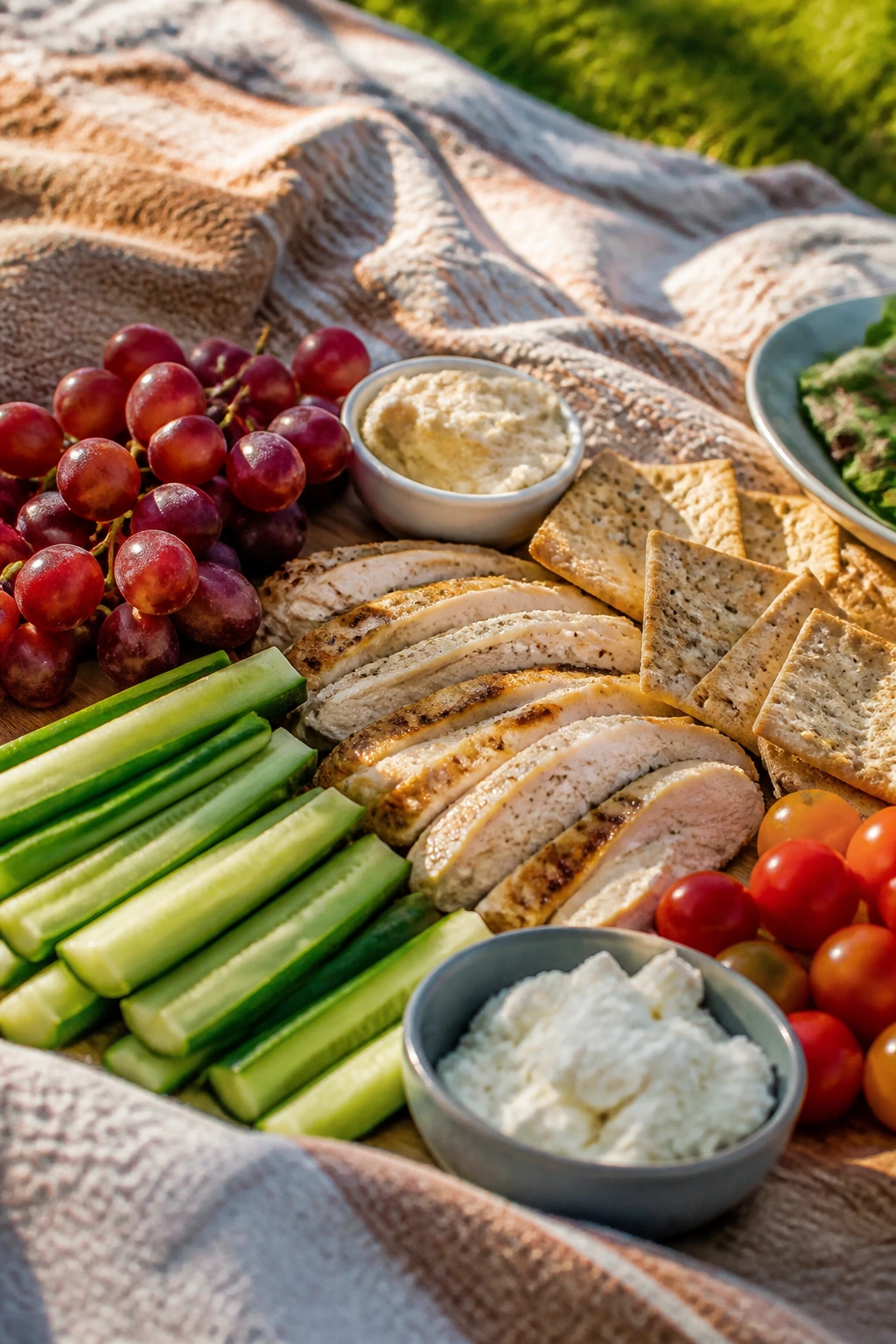
Presentation: Put the most colorful pieces where you can see them first: grapes in one corner, cucumber spears in a neat row, protein in the center, and crackers or pita on the side instead of buried under the greens. A picnic looks more abundant when you separate textures instead of piling everything into one bowl.
Accompaniments: The best companions across a picnic under 500 calories are a crisp salad, a small wrap, whole-grain crackers, fresh fruit, or a simple yogurt dip. If you want one extra item, choose a beverage or a piece of fruit before you choose another starchy side. That keeps the lunch in range without feeling stingy.
Portions: For one person, think 3 to 4 ounces of protein, 1 to 2 cups of produce, and one controlled starch portion — a small pita, half a wrap, or 4 to 6 crackers. If you’re packing for two, double the protein and produce first; that’s where the fullness comes from. Doubling the crackers is how the calorie count slips away.
Beverage Pairing: Sparkling water with lemon is my default because it feels cold and clean without adding sugar. Unsweetened iced tea works too, especially with turkey or chicken. If you want something a little softer, a cucumber-mint water bottle is one of those small things that makes an outdoor lunch feel cared for.
Crunchy Sides and Small Treats That Fit the Budget
A lot of people fail at a light healthy picnic because they remove all the fun pieces. Then they overeat later. That’s not discipline. That’s a setup.
Crunch belongs in the basket. So does a measured treat.
The Crunchy Things I Trust
Whole-grain crackers, air-popped popcorn, roasted chickpeas, baby carrots, snap peas, and apple slices all bring texture without wrecking the calorie count. A cup of air-popped popcorn can sit around 30 to 35 calories if you keep it plain; three loose cups are still under 100 calories. That’s a useful number when you want something snacky.
Roasted chickpeas are one of my favorite picnic foods because they feel hearty. Just don’t fill an entire container with them unless you want to spend your calorie budget on beans. A half-cup portion is a cleaner move.
The Foods That Pretend to Be Small
Nuts, cheese cubes, olives, hummus, avocado, and granola can all be part of a 500-calorie picnic. They can also blow the whole budget if you don’t measure them.
That’s the thing people forget. Healthy foods are not magically low-calorie. A small handful of almonds is around 160 to 170 calories. Two tablespoons of hummus are around 60 to 80. A quarter avocado is about 80. None of those are bad. They just need boundaries.
One Tiny Sweet Finish Goes a Long Way
A square or two of dark chocolate, a couple of dates, or a few spoonfuls of berries with yogurt can scratch the dessert itch without turning the lunch into a sugar meal. I like ending a picnic this way because it feels more complete than stopping at the last carrot stick.
Keep the sweet piece small and deliberate. That’s the whole move. If you pack a giant cookie “just in case,” it usually gets eaten because it’s there, not because anyone truly needed it.
How to Pack It So Nothing Turns Limp
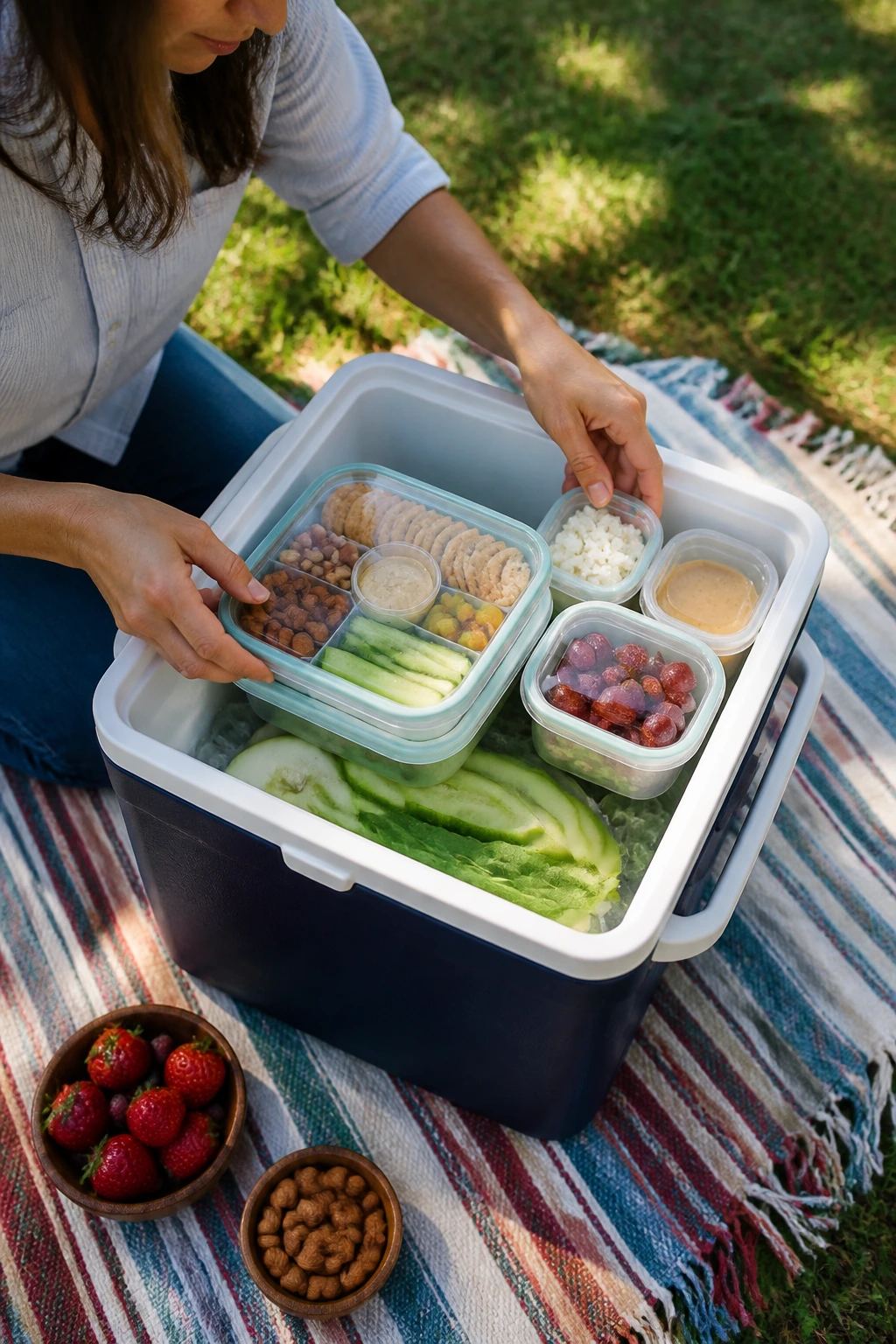
A light picnic lives or dies on texture. The food can be excellent at home and sad on the blanket if you pack it wrong.
Separate the Wet From the Dry
Wet ingredients need their own container. Always. Tomatoes, pickles, dressing, sliced fruit, and anything with yogurt or hummus should be packed apart from bread, greens, and crackers. Even a 20-minute ride can soften a wrap if you let sauce sit against the tortilla.
I usually pack the dry items first into a sealed box, then the wet components in smaller lidded cups, then the coldest items in the cooler with the ice pack. That order sounds fussy, but it saves lunch.
Use the Cooler Like a Stack, Not a Bag of Chaos
Cold air sinks. Put the coldest, heaviest items at the bottom of the cooler, then the produce, then the lighter items on top. Frozen water bottles are useful because they stay cold longer than loose ice and don’t leak into your food.
If you’re bringing drinks, keep them in a separate cooler or at least a separate section. Every time you open the main cooler for a drink, you bleed cold air. That matters when you’re trying to keep chicken, yogurt, or eggs safe and crisp.
Assemble at the Last Possible Minute
A sandwich assembled the night before is almost always sad by lunchtime. A sandwich assembled in the parking lot or on the blanket can still be good. Same with wraps, lettuce cups, and salads.
If you’re packing for a longer outing, bring the parts in separate containers and build the lunch on site. It sounds a touch extra. It is extra. It’s also the difference between a crunchy turkey wrap and a soft, damp one.
Food Safety for Parks, Beaches, and Blanket Lunches
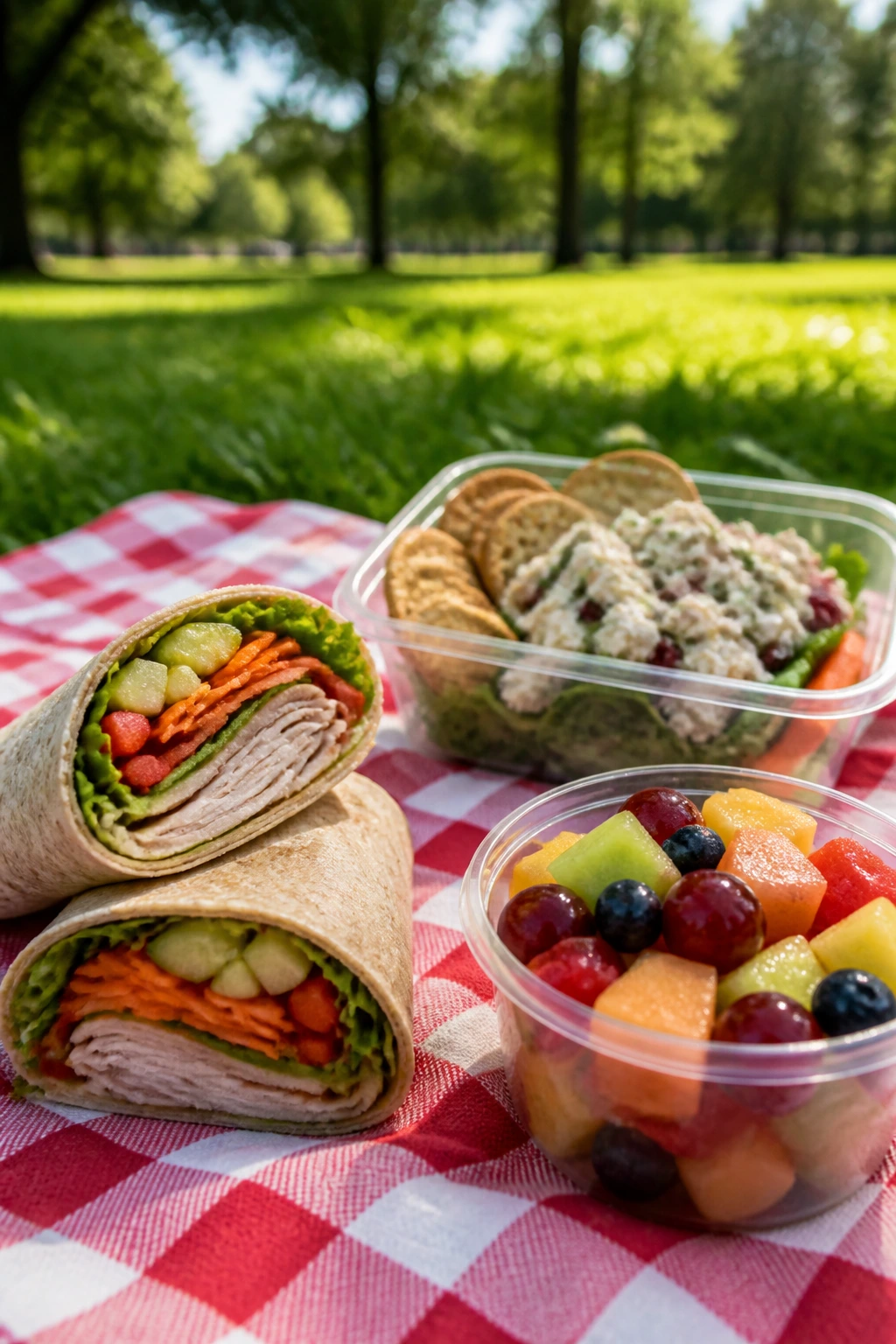
Picnic food safety is not glamorous, but it matters more than whether you used arugula or romaine. Warm chicken and warm yogurt do not care about your calorie goal.
The standard rule I trust is the plain one public health agencies repeat over and over: perishable food should not sit out longer than two hours, and only one hour if the temperature is hot enough that the food warms quickly. That means anything with chicken, turkey, eggs, dairy, tuna, hummus, or mayonnaise needs a real plan.
Keep cold foods at 40°F or lower in the cooler. If you’re heading somewhere with a long walk from the car, bring more cold packs than you think you need. One ice pack under the food and one on top tends to work better than a single block shoved somewhere in the middle. And if the cooler has been sitting in the sun, it is not a cooler anymore. It’s a lunch-shaped oven.
Raw and ready-to-eat foods should stay apart. Don’t put a container of grapes next to a package of raw chicken in the same open tote and call it organized. That’s not organization. That’s a stomachache waiting to happen.
Leftovers matter too. If the egg box or chicken wrap sat on the blanket for more than two hours, pack it up only if you’re comfortable tossing it later. When in doubt, throw it out. I know nobody loves that sentence, but it’s cheaper than getting sick over lunch.
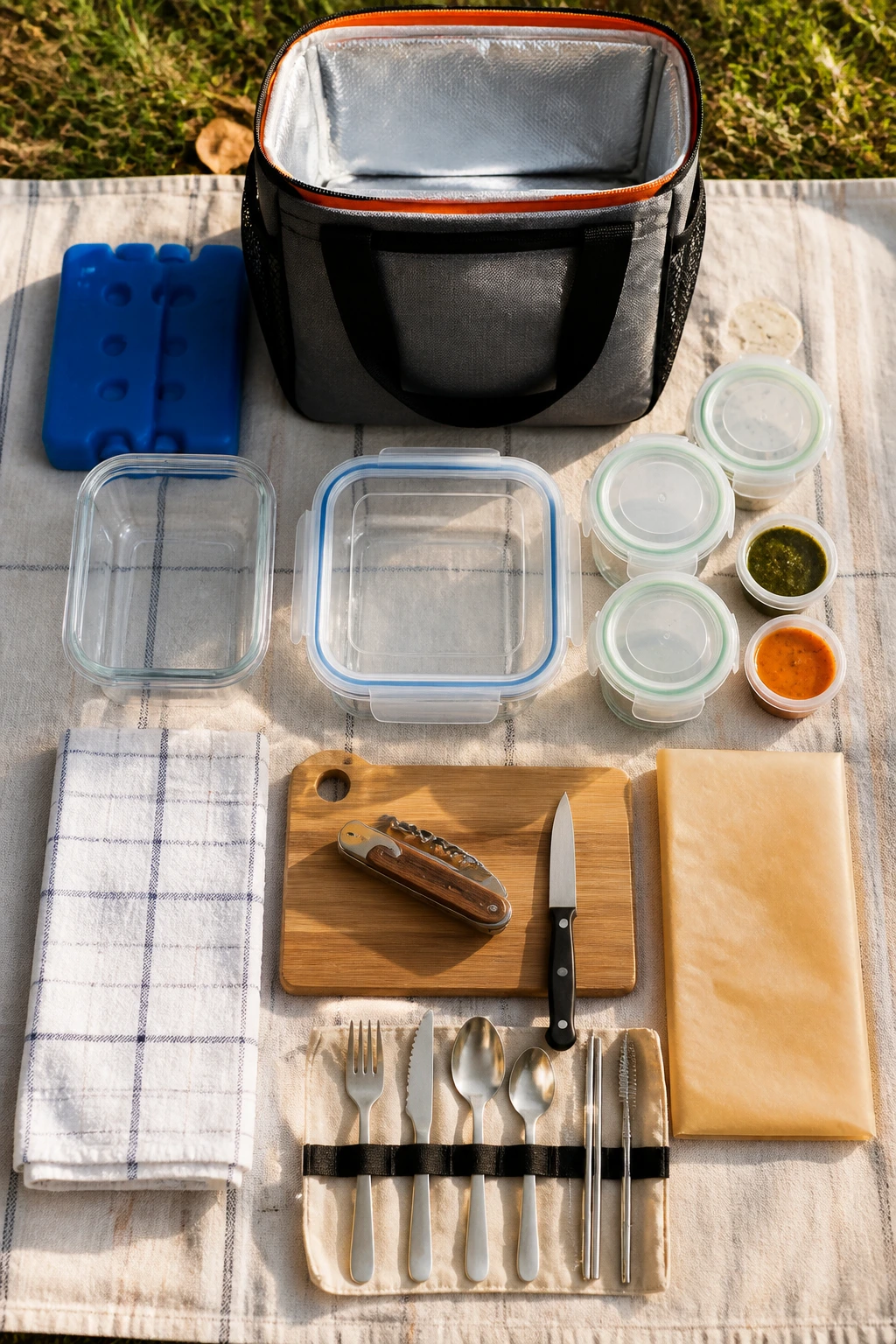
Essential Tools and Packing Gear
-
Insulated cooler or soft-sided cooler: This is the backbone of the whole thing; use a hard cooler for long rides and a soft cooler for short park trips.
-
Two flat ice packs or frozen water bottles: One goes at the bottom, one on top, and the frozen bottle can become your drink later.
-
Leakproof containers with tight lids: Glass works at home, but lightweight plastic or stainless containers are easier to carry across grass and sand.
-
Small condiment cups: These are perfect for dressing, hummus, tzatziki, mustard, or lemon wedges so they don’t drown the main box.
-
Parchment paper or reusable food wraps: Useful for separating sandwiches, lining fruit, or keeping crackers dry.
-
Reusable fork, spoon, and napkin set: A picnic gets much cleaner when you’re not hunting for a paper fork in the bottom of a bag.
-
Small cutting board and pocket knife: Optional, but handy if you want to slice apples, pears, or cucumbers on site for better texture.
-
Clean kitchen towel: A surprisingly useful item for wiping condensation, covering a container, or keeping the board from sliding around.
Small Moves That Make the Basket Taste Better
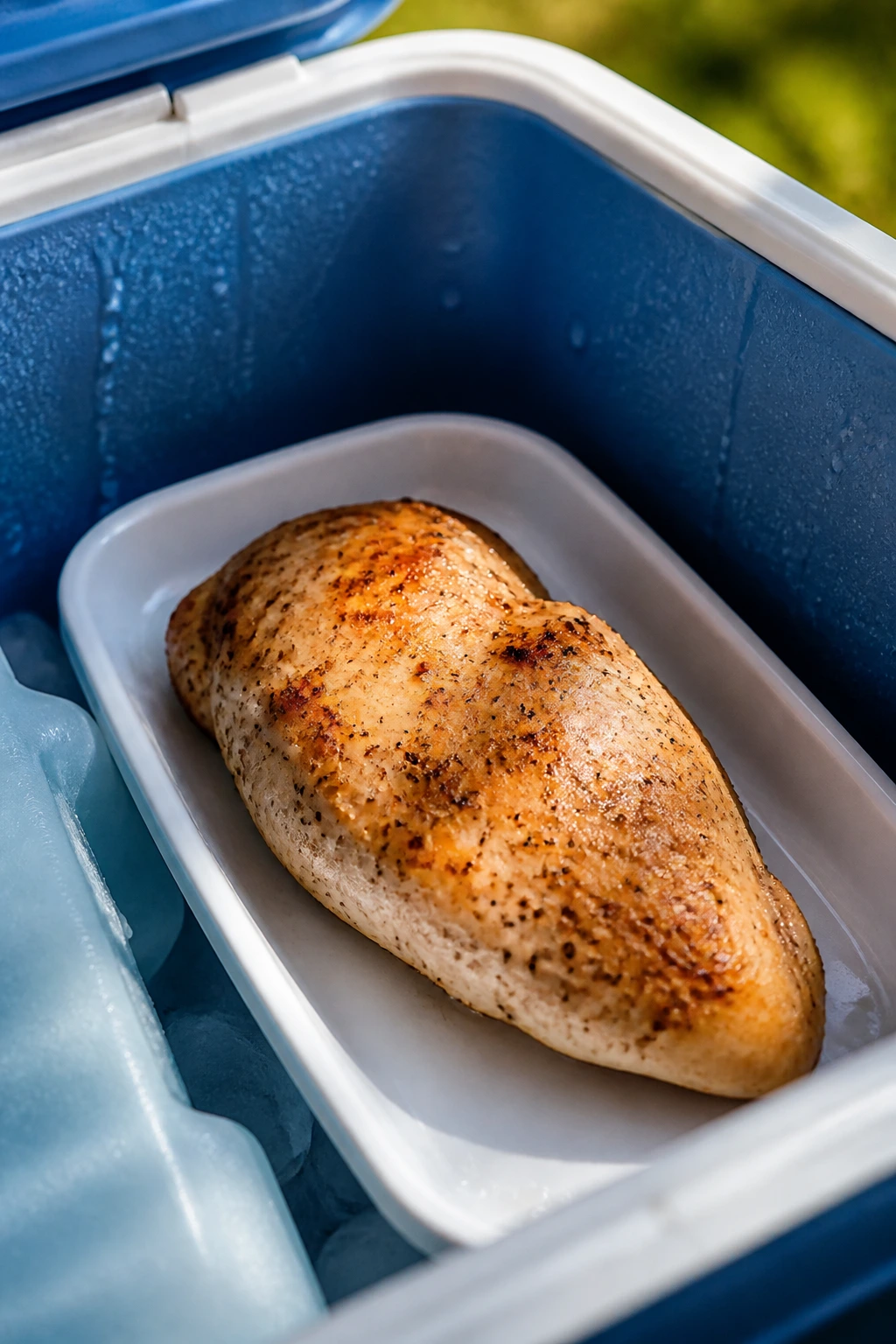
Flavor Enhancement: A squeeze of lemon, a pinch of dill, or a spoonful of pesto can wake up a chicken or turkey box without adding many calories. For tuna or chickpeas, I like black pepper and lemon zest; it keeps the whole meal from tasting flat after an hour in the cooler.
Time-Saver: Wash greens, slice cucumbers, and hard-boil eggs the night before, then pack them in separate containers. Leave tomatoes and dressing for the last minute. Tomatoes are needy. They leak if you breathe on them too hard.
Cost-Saver: Use rotisserie chicken, eggs, chickpeas, and seasonal fruit. Those ingredients are easy to portion, and they usually cost less than pre-made “healthy” snack packs that look tidy but disappear in two bites.
Serving Suggestions: A few herb leaves, a lemon wedge, or a small pinch of flaky salt can make even a plain picnic box feel finished. I especially like fresh dill with eggs, basil with tomato and cucumber, and mint with fruit. Tiny garnish, big payoff.
Make-It-Yours: If you need gluten-free, swap in rice crackers or skip bread entirely and lean on fruit plus protein. If you need dairy-free, use hummus, mustard, or salsa as your flavor base instead of yogurt dressing. If you want higher protein, move the meal toward chicken, turkey, tuna, tofu, or eggs before you reach for another crunchy side.
Common Mistakes That Turn a Light Picnic Heavy
The biggest mistake is portions drifting while you pack. A “small handful” of nuts becomes 300 calories before you notice. A second cracker sleeve disappears because the first one was on the countertop. The fix is boring but effective: pre-portion the calorie-dense foods into tiny containers before the cooler ever comes out.
Another trap is dressing everything too early. Leaves go limp, bread goes soft, and the whole lunch tastes one-note by the time you sit down. Pack dressing separately and add it at the last second. If you’re using a wrap, keep the wet ingredient in the center and the driest ingredient against the tortilla.
People also lean too hard on fruit and vegetables, then wonder why they’re hungry two hours later. A bowl of grapes and cucumber is refreshing, not filling. The fix is protein. Without it, a picnic under 500 calories can feel like a snack parade.
Cold storage gets ignored more often than it should. A lunch that sat on the front seat, then on the blanket, then in the sun is no longer a chilled lunch. Use a cooler, keep it closed, and don’t leave dairy or eggs out while everyone chats.
And then there’s the “healthy extras” problem. Avocado, cheese, hummus, nuts, olive oil, and crackers all seem harmless until they stack. One of those is fine. Three can still fit. Seven is where the budget breaks. Measure the rich items once and you won’t have to guess.
Swaps for Different Diets and Appetites
High-Protein Park Lunch: Add another ounce or two of chicken, turkey, tofu, or eggs and pull back on crackers. This version is the one I’d pack for a long walk or a picnic that turns into a whole afternoon outside. It keeps the meal under 500 calories without leaving you annoyed by 3 p.m.
Vegetarian Garden Box: Build around hummus, chickpeas, boiled eggs, Greek yogurt dip, or tofu, then add cucumber, peppers, and berries. The key here is not to stack all the calorie-dense vegetarian items at once. Chickpeas plus hummus plus avocado plus crackers is how a “light” box quietly stops being light.
Dairy-Free Cooler Spread: Use mustard, salsa, vinaigrette, or lemon herb dressing instead of yogurt-based dips. Pair with chicken, turkey, beans, or tofu and pack more fruit for sweetness. This swap is easy if you keep the sauces simple and bright.
Gluten-Free Blanket Meal: Replace wraps and wheat crackers with rice crackers, corn tortillas, lettuce cups, or a small scoop of quinoa salad. The texture changes, but the structure stays the same: protein, produce, controlled starch, measured sauce.
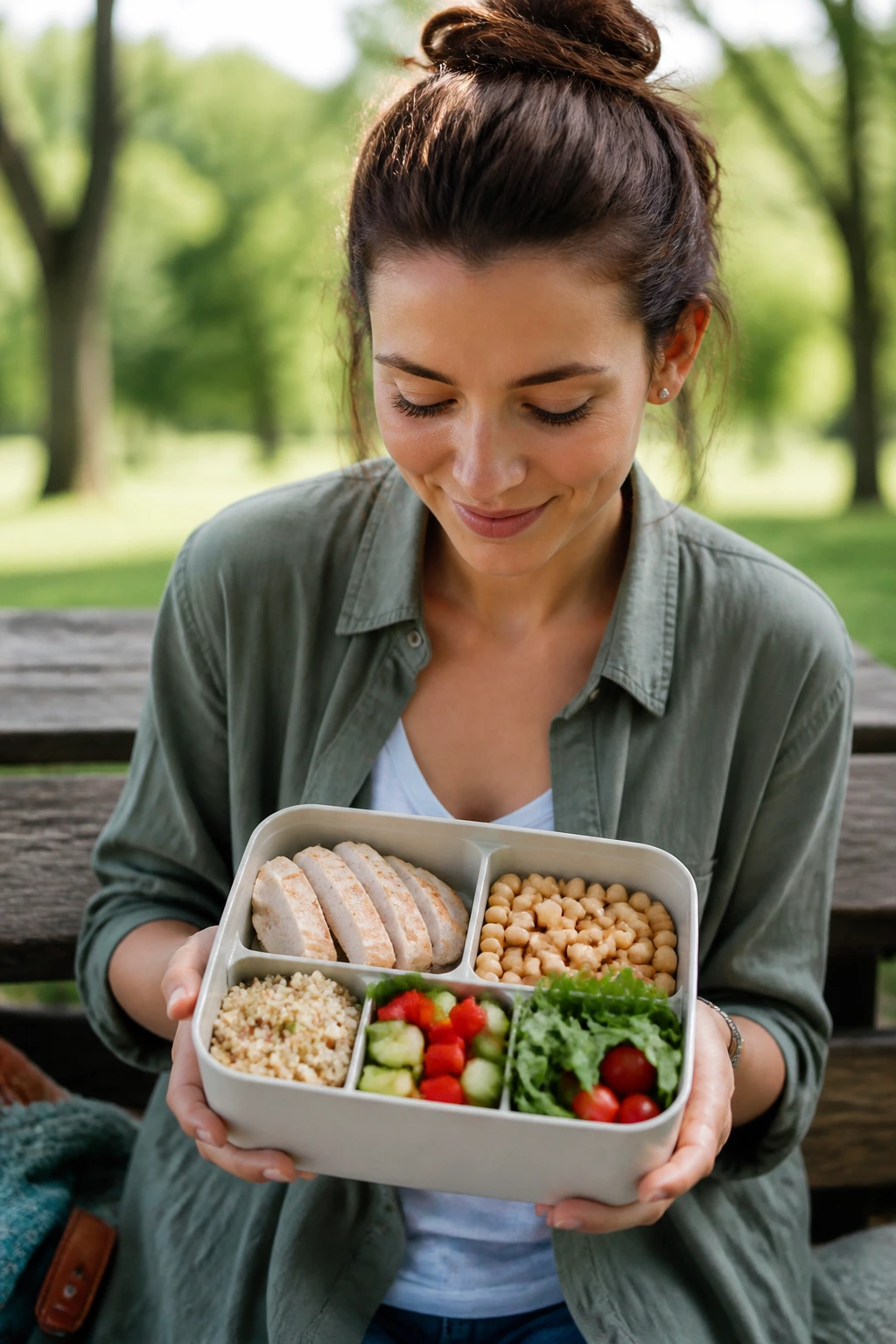
Kid-Friendly Deconstructed Picnic: Pack grapes, sliced cheese, turkey rolls, cucumber coins, and crackers in separate compartments. Kids tend to eat better when the food is not mashed into a salad mystery. It also makes the calorie count easier to manage because the portions are visible.
Make-Ahead, Storage, and Leftovers That Still Taste Good
Most of the components in a picnic under 500 calories can be prepped ahead, but not all of them want the same treatment.
Cooked chicken and turkey usually keep 3 to 4 days in the fridge and up to 2 months in the freezer if wrapped well. Reheat them to steaming or an internal temperature of 165°F if you want them warm, then cool them before repacking for a cold picnic. Cold chicken is often better here, though. It slices cleaner and travels more predictably.
Hard-boiled eggs keep up to 1 week refrigerated. Do not freeze them; the whites turn rubbery and the yolks go mealy. If you’re making eggs ahead, leave the shells on until the day of the picnic. They hold better that way and don’t pick up fridge odors.
Washed greens last 3 to 5 days if they’re dried well and stored with a paper towel in a sealed container. Cut cucumbers and peppers usually keep 2 to 3 days. Berries are more fragile; I try to eat them within 1 to 2 days once washed. Apples and pears hold longer, but once cut they’re best the same day or the next day with a little lemon juice.
Dressed salads are the least forgiving part. They’re best the day you pack them, and grain salads usually hold up better than leafy ones. If you know you’ll be eating later, pack the dressing in a tiny cup and combine at the blanket. That tiny bit of fuss buys you a much better texture.
Leftovers should go back into the fridge within 2 hours of being set out, or 1 hour if the day is hot and the food warms quickly. If you brought a fully chilled picnic home, most of the components can be eaten the next day, though the crackers and greens will be less lively. I’d rather eat a slightly sad cracker than a risky chicken salad, but I won’t pretend it’s ideal.
Questions People Ask Before Packing a Light Picnic
Can a picnic under 500 calories actually keep me full?
Yes, if you build it around protein and fiber instead of only fruit or raw vegetables. A chicken wrap with berries, or eggs with hummus and pita, usually lasts much longer than a snack box made mostly of crackers.
What’s the best protein if I don’t want the picnic to smell strong?
Chicken breast, turkey, tofu, and hard-boiled eggs are the quietest options. Tuna and some cheeses work too, but they’re better when tightly sealed and kept in the coldest part of the cooler.
How do I stop wraps from getting soggy?
Use a dry barrier first. Greens, sliced turkey, or chicken should sit against the tortilla, while tomatoes, pickles, and dressing stay closer to the middle or in a separate cup. Assemble as late as you can.
Are nuts okay in a 500-calorie picnic?
Yes, but measure them. One ounce is usually enough, and that’s smaller than most people think. Tossing a loose handful into the bag is the fastest way to blow a light lunch.
What if I don’t have a cooler?
Keep the menu simple and choose items that can stay safe for a short stretch: fruit, crackers, shelf-stable nut butter packets, whole apples, and sealed protein that you’ll eat quickly. If the picnic will last more than a short walk and sit-down, a cooler is the better answer.
Can I make this vegetarian without getting hungry fast?
You can, as long as you use a real protein anchor like chickpeas, tofu, eggs, Greek yogurt, or edamame. A vegetarian picnic built only from fruit and vegetables tends to leave people hunting for snacks an hour later.
How far ahead can I pack the food?
Protein, cut vegetables, and washed greens can be prepped the night before. Sandwiches and wraps are better assembled the day of, and anything with dressing should stay separate until you’re ready to eat.
Is avocado a good picnic food if I’m watching calories?
Yes, in a measured amount. A quarter avocado adds richness and keeps the meal from feeling dry, but the calories add up fast if you use half or a whole fruit. Thin slices are the safest move.
A Picnic That Still Feels Like a Treat
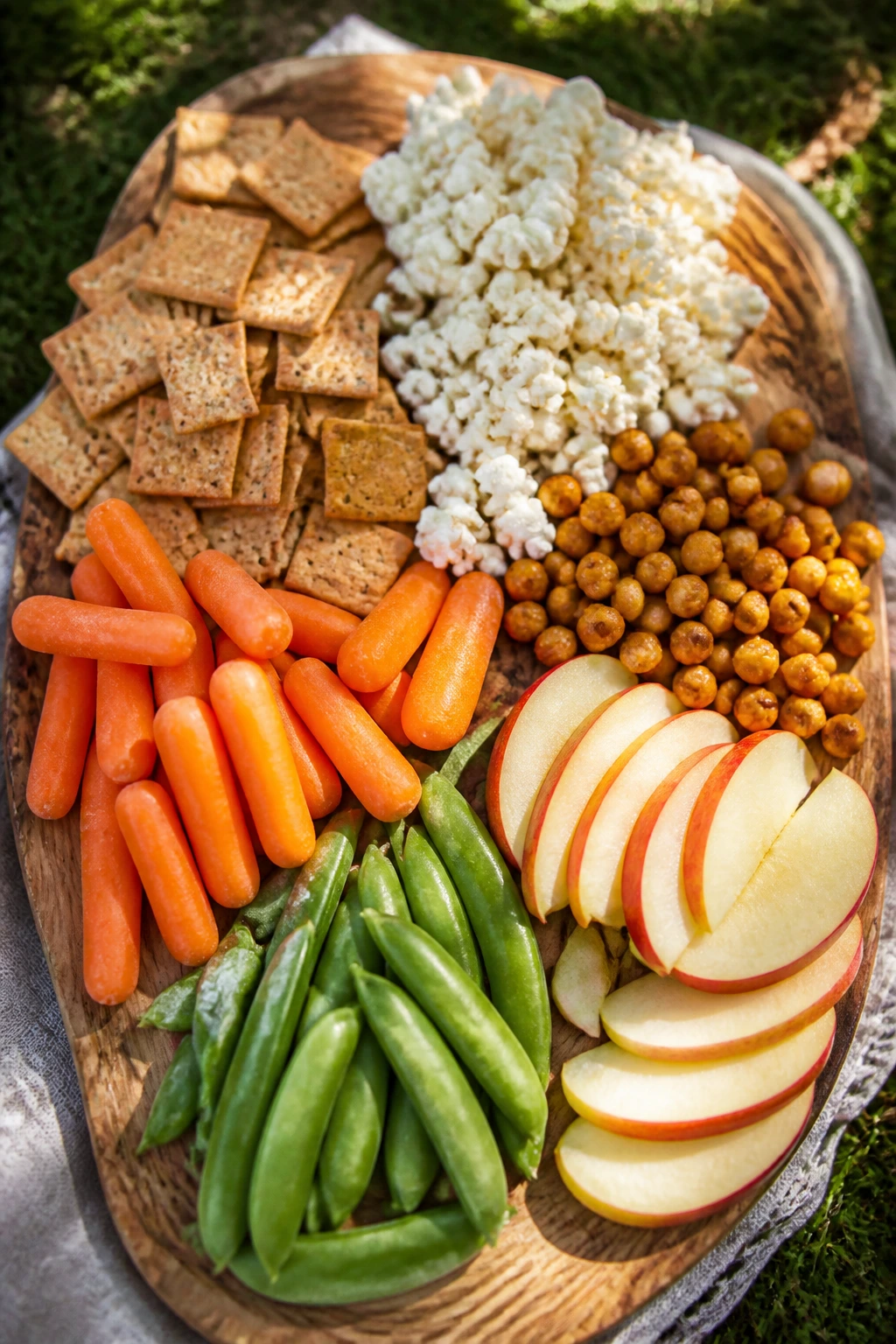
A light healthy picnic under 500 calories works when every item earns its place in the basket. Protein keeps the meal grounded, crisp produce gives it volume, and a measured starch or treat makes it feel like lunch instead of a compromise. That’s the part most people miss. Light doesn’t need to mean bare.
The nicest picnic boxes are the ones that look calm when you open them. A few colors. A little crunch. Something cold and juicy. Something with substance. Pack that way once, and you’ll stop thinking of picnic food as a special case — it just becomes the lunch you reach for when you want to eat well and still have room to enjoy the view.