



A light high protein under 500 calories meal has one job that matters more than all the glossy food photos in the world: it should leave you fed, not hunted by the fridge an hour later. That sounds simple until you’ve actually tried to build one. Lean protein can dry out. “Healthy” sauces can quietly add 200 calories. Salads can turn into a bowl of regret if the only thing in them is lettuce and a few sad tomato quarters.
The sweet spot is narrower than it first looks, but it’s not fussy. Once you understand where the calories hide and where protein earns its keep, the whole thing gets easier. A bowl of shrimp, rice, and vegetables can land under 500 with room to spare. So can Greek yogurt with fruit and whey, a chicken wrap with crunchy veg, or a tofu stir-fry that doesn’t taste like it was assembled in a panic.
What matters is not diet theater. It’s plate architecture. A meal can be light in the mouth, strong on protein, and still feel like actual dinner. Get that balance right, and you stop relying on willpower at 4 p.m., which is usually where most “healthy eating” plans go to die.
Why This Approach Works When You’re Actually Hungry
-
Protein does more heavy lifting per calorie: A serving of chicken breast, shrimp, Greek yogurt, or cottage cheese gives you a lot of protein without spending the whole budget on fat or sugar.
-
500 calories is a useful guardrail, not a trap: It gives you a ceiling that still leaves room for lunch, dinner, or a post-workout meal without forcing you into rabbit-food territory.
-
Volume matters as much as calories: Broccoli, cabbage, mushrooms, cucumber, zucchini, broth, and tomatoes make a plate look generous and eat like a meal instead of a snack.
-
Flavor can stay sharp and bright: Lemon, vinegar, salsa, mustard, herbs, chili flakes, garlic, ginger, and soy sauce keep meals from tasting flat, even when the ingredient list is lean.
-
It’s easier to repeat when the parts are flexible: Swap the protein, change the vegetable, move the carb up or down, and the whole meal still works.
-
Batch prep gets less annoying: The ingredients that fit this style — cooked chicken, chopped vegetables, hard-boiled eggs, Greek yogurt sauces — hold up well for a few days, which saves you from cooking from scratch every time.
Why 500 Calories Is a Useful Ceiling, Not a Law
Five hundred calories is a practical number because it gives you a clear budget without pretending every meal should look the same. A desk lunch at 380 calories can be plenty if the protein is high and the vegetables have crunch. A dinner that lands closer to 500 might make more sense if you’ve been moving all day, lifted weights, or skipped a snack.
The point isn’t to worship the number. It’s to stop the sneaky creep that turns a light meal into a heavy one. A teaspoon too much oil here, a second handful of cheese there, a “small” drizzle of dressing, and suddenly your plate is no longer light at all. That’s the part most people miss. The calorie count doesn’t usually explode because of the chicken or tofu. It climbs because of the extras.
One good way to think about it: 500 calories is the outer fence, not the design brief. Inside that fence, you still have room for texture, color, and actual satisfaction. Outside it, meals start to demand more tradeoffs. You can still eat a bigger, richer plate sometimes. Fine. But for everyday eating, the 500-calorie mark gives you a clean target that is easy to remember and even easier to adjust.
And there’s another reason it works. It fits cleanly into a day. If breakfast runs small, lunch can stretch closer to the top. If lunch was a little larger, dinner can stay lighter and still feel complete. That kind of flexibility matters more than a perfect macro ratio scribbled into a notebook and forgotten by Tuesday.
What “Light” Feels Like on the Plate
“Light” is not the same thing as small. A plate can be low in calories and still feel heavy if it’s greasy, dense, or coated in cream. It can also be right around 500 calories and feel airy if the texture is crisp, the temperature varies, and the flavors are bright.
Think about the difference between grilled chicken with cucumber, tomato, herbs, and yogurt sauce versus chicken buried under melted cheese and a thick mayo dressing. Same protein family. Very different body feeling after you eat it. The first one leaves you able to keep working. The second one leans hard toward nap.
Texture carries a lot of the load here. Crunchy vegetables, broth-based soups, sliced fruit, pickled onions, and lightly seared proteins all read as lighter than mashy, greasy, or heavily breaded food. Even the temperature matters. A cold yogurt bowl with berries feels different from a hot bowl of oats, and a steaming soup feels different from a fried wrap, even when the calories are similar.
Lightness is sensory before it is mathematical. If the fork feels easy, the flavors stay clean, and the last bite doesn’t sit like a brick, you’re probably in the right zone. That’s the kind of meal people can repeat three times a week without getting tired of their own lunchbox.
There’s a reason a lot of high-protein meals under 500 calories lean on citrus, vinegar, herbs, salsa, broth, and vegetables with water in them. They keep the plate lively. They also give your mouth something to do. A meal that requires a little chewing and a little attention tends to feel more satisfying than one built from soft, uniform ingredients that all blur together.
The Protein Target That Keeps Hunger Quiet
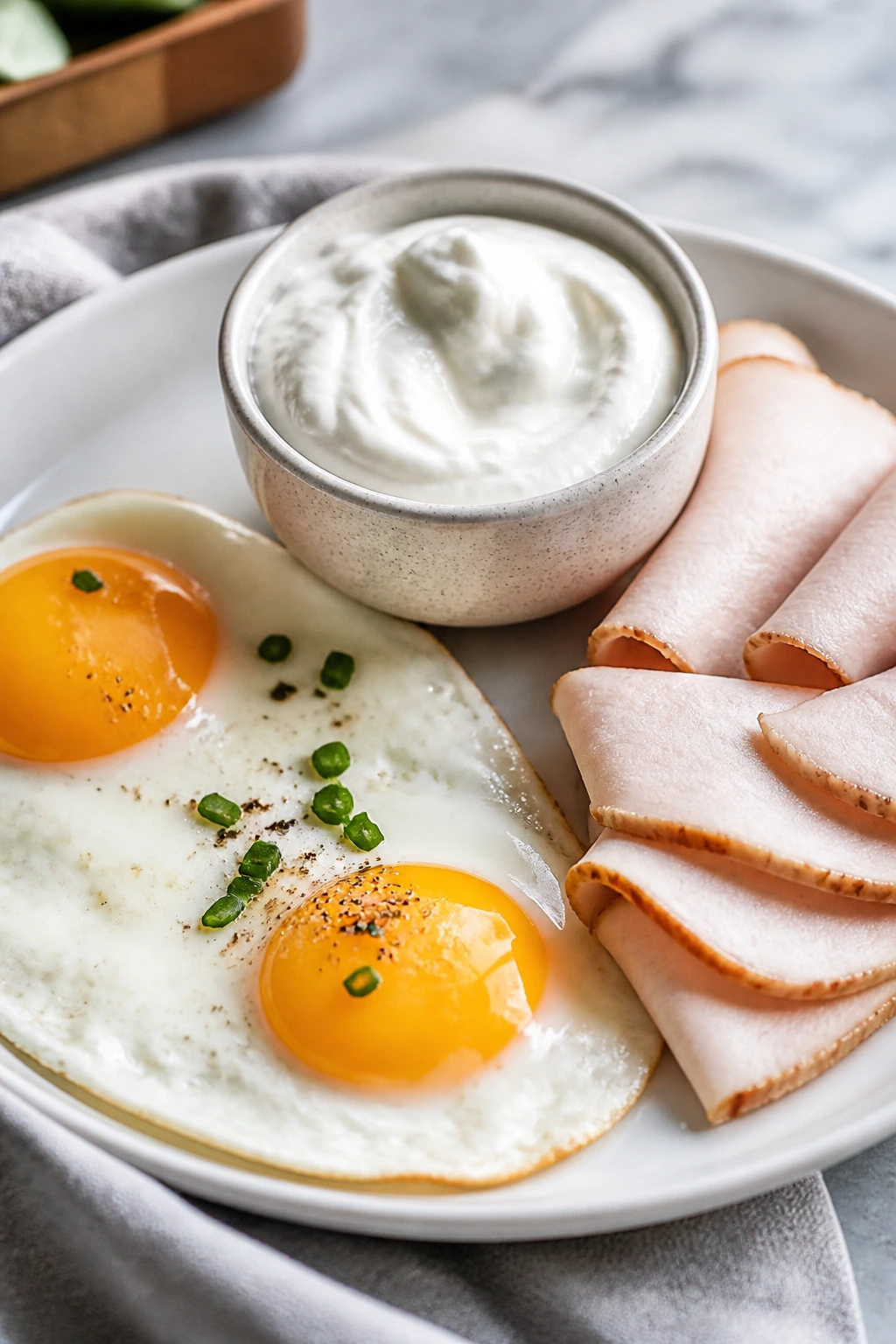
If a meal has 12 grams of protein, it may look disciplined. It may even photograph well, if that matters to you. But in practical terms, 12 grams is often a snack wearing dinner clothes.
For a light high-protein under 500 calories meal, 25 to 40 grams of protein is the zone that usually starts to pay off. Many people do well aiming near 30 grams at lunch or dinner, then adjusting up or down based on appetite and activity. If you train hard, go longer between meals, or just know you get hungry fast, 35 to 45 grams is often the range that keeps the wheels from coming off too early.
Protein matters for a simple reason: it takes more work to digest than refined starch, and it tends to slow the pace at which a meal disappears in your body. That is not magic. It’s just useful biology. A plate with enough protein often feels like it has an anchor in it.
You can feel the difference. Two eggs and toast is nice. Two eggs, egg whites, and a side of Greek yogurt starts behaving like a meal. A wrap with a few slices of turkey is fine. A wrap built with real portions of turkey, vegetables, and a measured sauce feels like lunch that can carry you through the afternoon.
The mistake is thinking “high protein” means “a protein item on the plate.” It doesn’t. The protein has to be the center of gravity. If the rest of the meal crowds it out with oils, cheese, crackers, creamy dressing, or fried bits, the label stops meaning much.
The Best Lean Proteins for This Kind of Meal
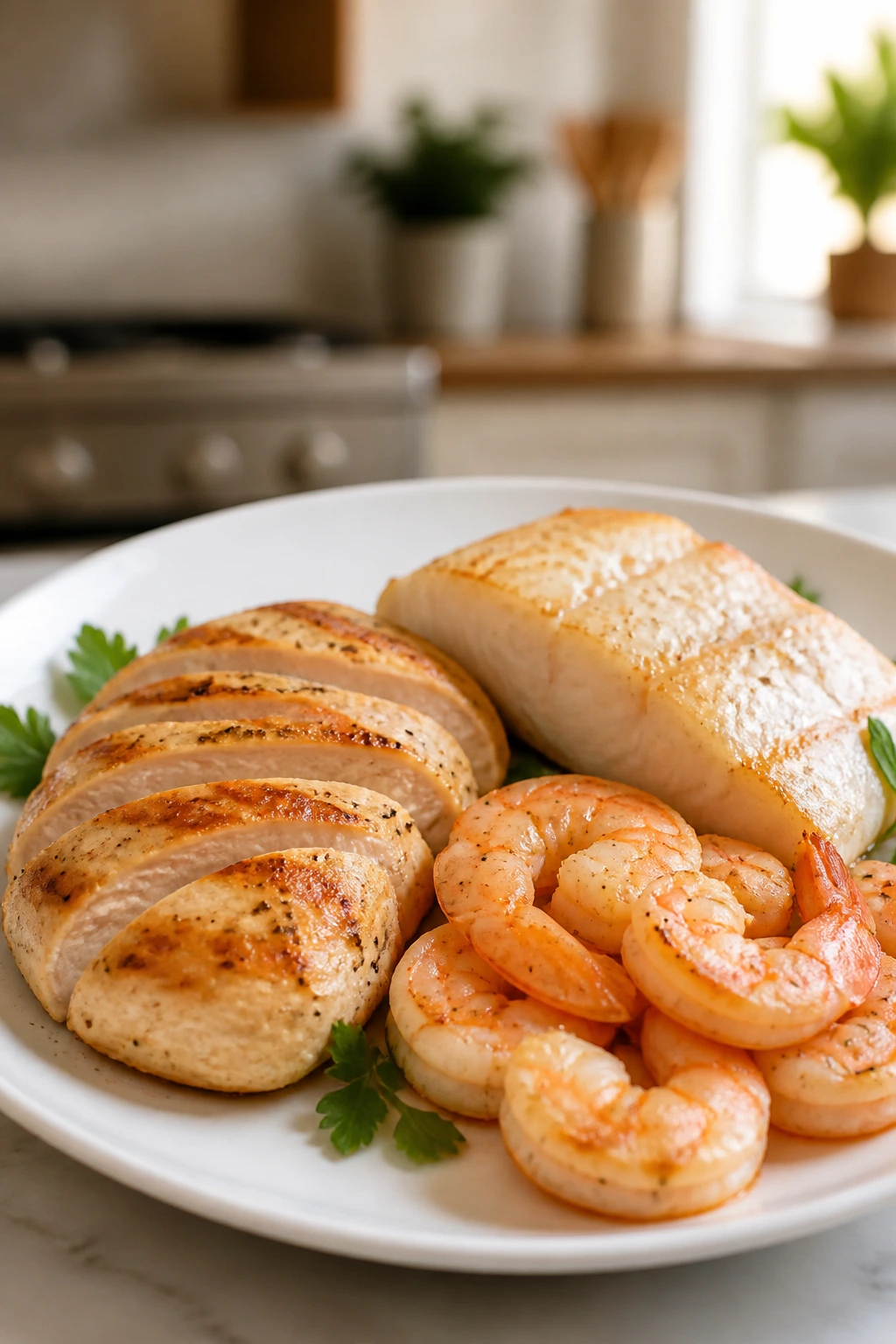
The USDA food database makes one thing painfully obvious: some proteins give you far more return for the calories than others. That’s the sweet spot you want.
Animal Protein That Makes the Math Easy
Chicken breast is the old reliable for a reason. About 4 ounces cooked gives you roughly 25 to 30 grams of protein for around 130 to 170 calories, depending on how it’s cooked. It’s lean, cheap enough to batch, and easy to season in a dozen directions. The only real downside is dryness, which is a cooking problem, not a chicken problem.
Shrimp is one of the cleanest options you can buy. A 3-ounce portion usually lands around 80 to 100 calories with about 18 to 20 grams of protein. It cooks in minutes, which is nice, but it also overcooks in minutes, which is less nice. Keep the heat moderate and pull it the second it turns opaque.
White fish like cod, haddock, and tilapia gives you a lot of protein for very little calorie load. A 4-ounce fillet often sits around 90 to 120 calories and 20 to 25 grams of protein. It’s a good fit when you want dinner to feel light but still warm and comforting.
Turkey breast and very lean ground turkey can be useful when you want a different flavor profile from chicken. Check the label, though. Some ground turkey is far leaner than others, and the calorie difference can be big enough to matter.
Tuna — especially water-packed tuna — is another easy win. It’s shelf-stable, fast, and high in protein, which is why so many no-nonsense lunches use it. Mix it with Greek yogurt, mustard, celery, and herbs, and it stops tasting like the emergency food it kind of is.
Dairy and Eggs That Pull More Than Their Weight
Nonfat Greek yogurt is one of the best quiet tools in the kitchen. A single serving can bring in 15 to 18 grams of protein for around 90 to 130 calories, depending on the brand and size. It can be eaten sweet, savory, or turned into a sauce.
Cottage cheese is not trendy because it’s pretty. It’s useful because it works. Half a cup often gives you 12 to 14 grams of protein for roughly 90 to 110 calories. Blend it smooth with lemon and herbs, and it becomes a sauce base that feels a lot more polished than it has any right to.
Egg whites are the blunt instrument in this category. They’re low in calories, easy to cook, and easy to combine with whole eggs if you want more flavor and texture. A few egg whites can turn breakfast from light into actually filling without pushing the meal over the line.
Plant Proteins That Still Hold the Line
Tofu is underrated because people treat it like a compromise. Firm tofu, pressed and browned properly, can anchor a plate without much calorie load. It takes on flavor well, especially with soy sauce, garlic, ginger, and chili.
Tempeh brings more chew and more calories than tofu, but it still fits if you keep the portion honest. It’s especially useful when you want a meal that feels heartier and a little nuttier.
Edamame is useful in bowls and salads because it contributes protein and texture at the same time. It’s not the highest protein item on the list, but it adds up fast when you mix it with leaner ingredients.
Seitan is one of the strongest options if you eat gluten. It’s dense, chewy, and high in protein for the calories. The only real catch is that it needs seasoning, because plain seitan tastes like it was waiting for a sauce.
Powdered Protein as a Short Cut, Not a Lifestyle
Protein powder earns a place here when time is tight. A scoop of whey or a decent plant blend can add 20 to 25 grams of protein for around 100 to 140 calories. That makes smoothies, yogurt bowls, and oats much easier to balance.
Use it to fill gaps. Don’t build every meal around it. A shake is fine when you need speed, but a real plate of food usually does more for appetite and satisfaction.
The Vegetables and Broths That Add Volume
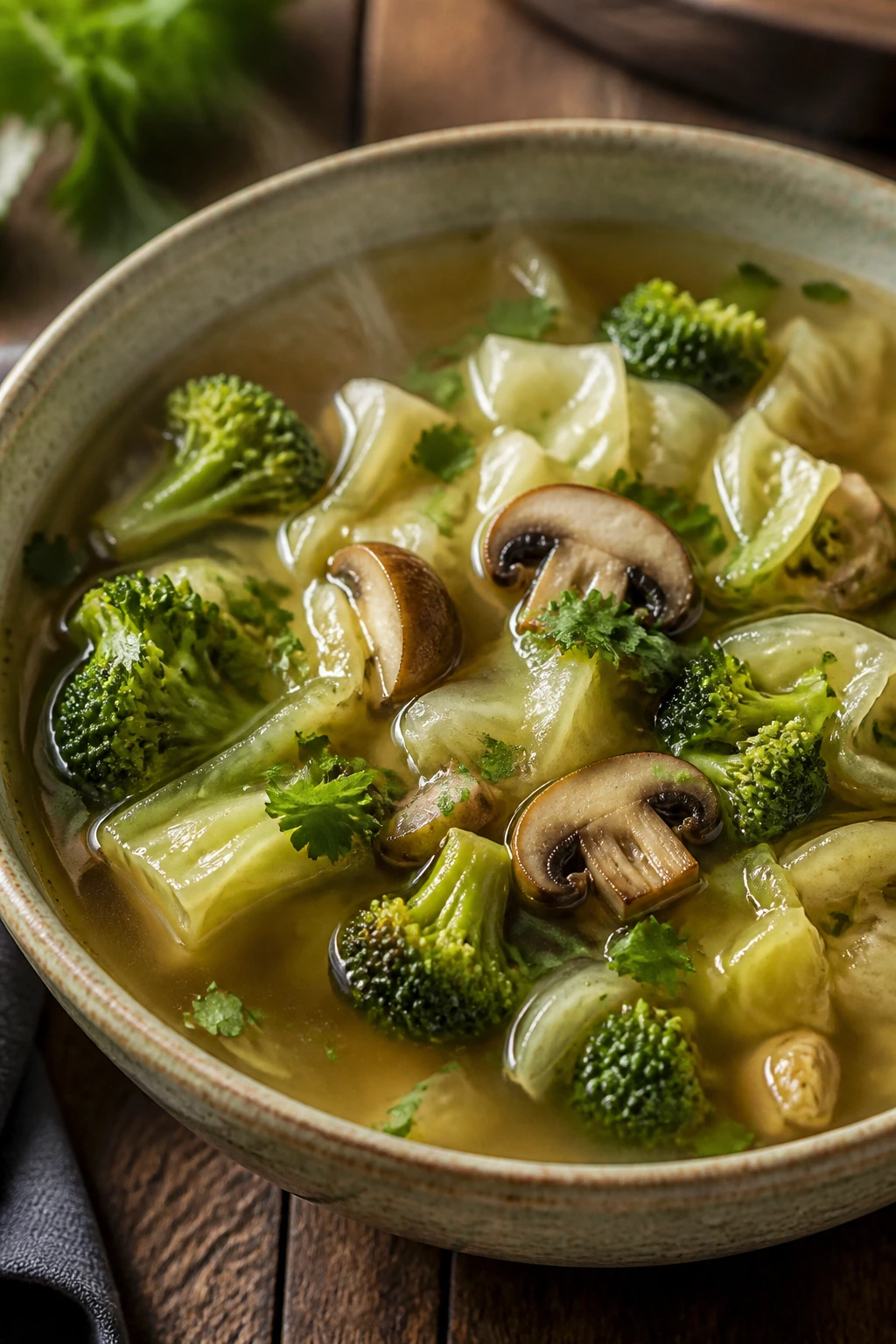
Vegetables are what keep a meal from feeling like a tiny spreadsheet exercise. They add water, crunch, chew, and the visual sense that the plate has actual size. That matters more than people admit.
Cabbage is one of the cheapest volume foods around. Shredded raw, it stays crisp. Cooked, it softens and gets sweet at the edges. Either way, it fills space without eating up calories the way cheese or oil does.
Mushrooms are a cheat code. They brown nicely, shrink as they cook, and bring a meaty texture that makes a lean meal feel deeper. If you’re pairing them with chicken, tofu, or eggs, they usually improve the whole plate.
Broccoli, green beans, cauliflower, zucchini, asparagus, and bell peppers all earn their place because they carry seasoning well. Steam them, roast them, or stir-fry them. Just don’t drown them in oil and call them healthy.
Leafy greens do a different job. Spinach, arugula, romaine, and mixed greens give you freshness and volume, especially in cold bowls and salads. They’re not there to be the main event. They’re there to make every bite feel bigger.
Broth-based soups deserve a mention too. A bowl with chicken, vegetables, herbs, and a clear broth can stay well under 500 calories while still feeling like a full meal. The reason is simple: hot liquid takes up space in your stomach, and it gives the meal a slower pace. You don’t inhale soup the way you inhale crackers.
Frozen vegetables are not second-rate here. They’re practical. Frozen broccoli, cauliflower rice, edamame, peppers, and green beans are often picked at a decent stage of ripeness and can be cooked from frozen with almost no fuss. That makes them one of the easiest ways to keep this style of eating in rotation.
How to Spend Calories on Carbs and Fats Wisely
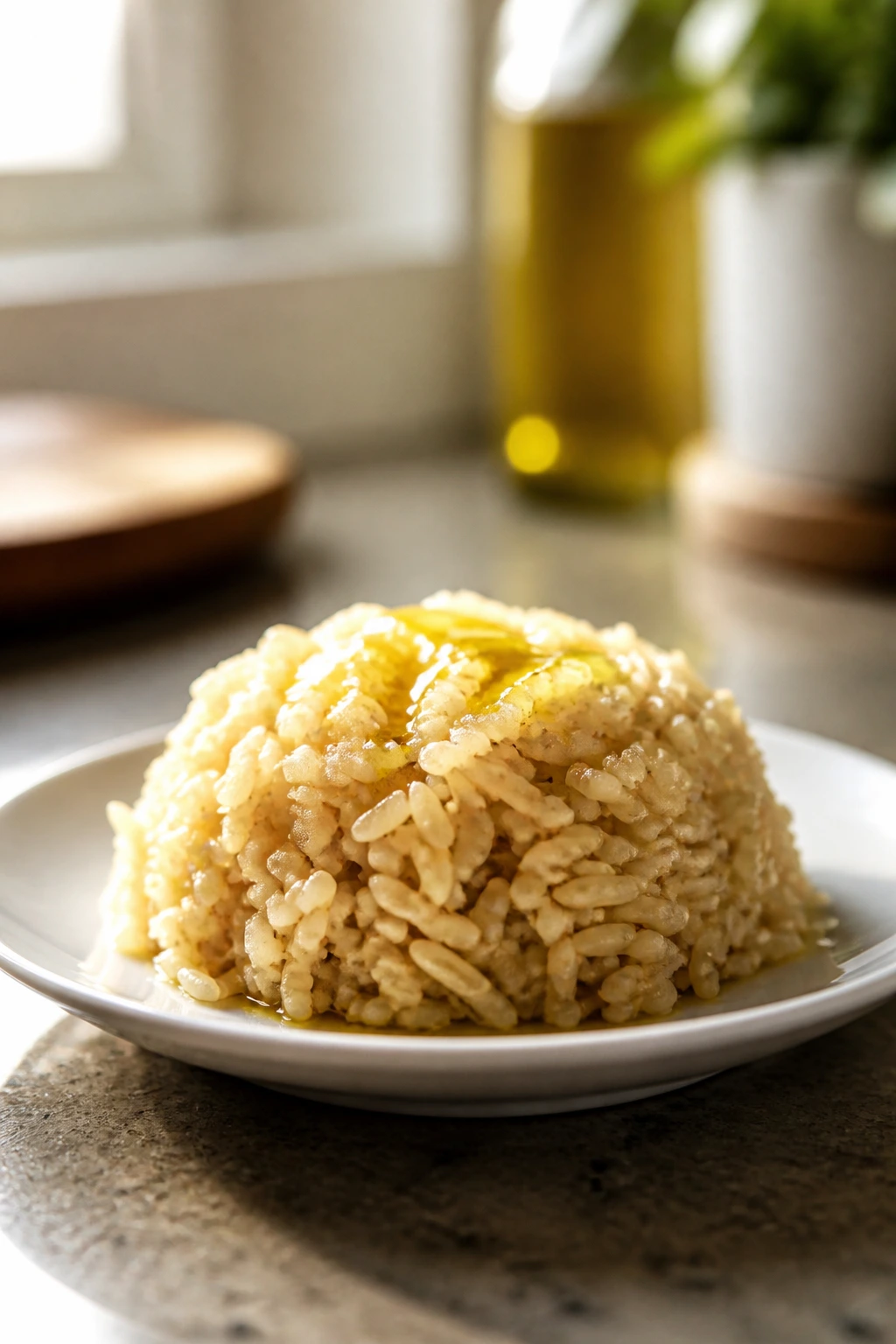
Carbs and fats are not the enemy. They’re the budget items you have to choose on purpose.
If you’re trying to stay under 500 calories, carbs and fats need to earn their spot. A half-cup of rice, a small potato, a whole grain wrap, a slice of bread, or a serving of fruit can make a meal feel complete. A loose pour of oil, a few extra spoonfuls of nuts, or a heavy avocado hand can do the same thing for far more calories.
That doesn’t mean you should strip them out. It means you should use them for a job.
Carbs are useful when you need energy and structure. Rice, potatoes, oats, beans, whole grain wraps, and fruit all bring more staying power than people give them credit for. A small baked potato with Greek yogurt and herbs can be a better satiety move than a bagged salad with an overpoured dressing.
Fats are useful when you need flavor and mouthfeel. A teaspoon of olive oil in a pan, a measured sprinkle of nuts, a bit of tahini, a few slices of avocado, or a tablespoon of pesto can round out a meal fast. The trap is using them absent-mindedly. Oil disappears in a second. Nuts are easy to keep adding. Cheese tends to behave like it has no ceiling.
A simple rule helps: spend calories on the carb or fat that changes the meal the most. If you need crunch and freshness, use a little avocado or a handful of nuts. If you need staying power, choose rice or potatoes. If you need flavor, use a measured sauce instead of free-pouring oil into the pan.
And yes, bread can fit. It just needs to be chosen with purpose, not because it was there on the counter and looked lonely.
Flavor Builders Without Calorie Creep
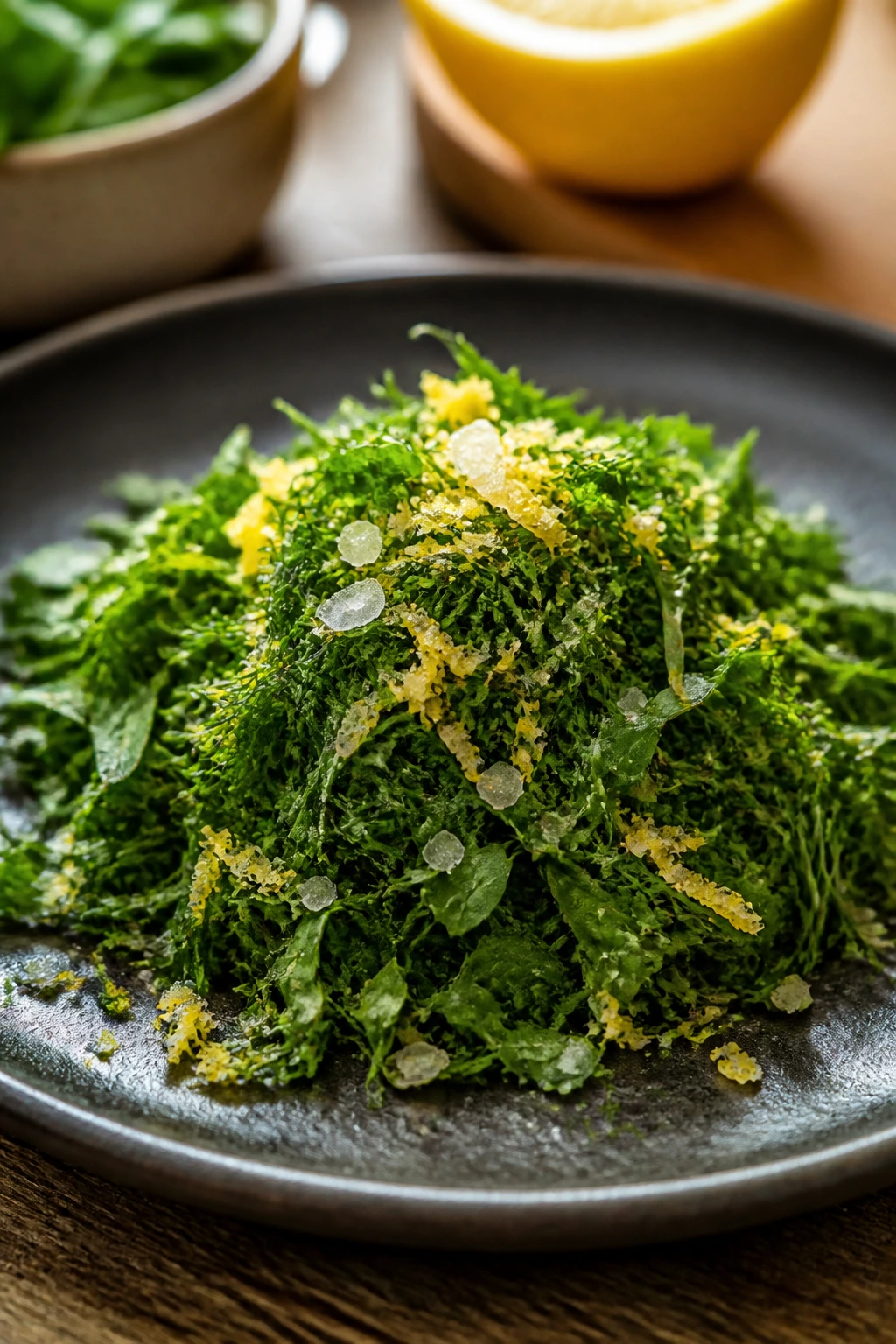
The easiest way to ruin a light high-protein meal is to season it like you’re trying to hide the ingredients. The second-easiest way is to season it like you forgot taste exists.
Good flavor doesn’t have to be expensive in calories. It usually comes from acid, salt, heat, herbs, and umami. That’s the whole game.
Acid wakes up lean food. Lemon juice, lime juice, vinegars, pickled onions, capers, and a little mustard cut through chicken, fish, tofu, and beans. They also make vegetables taste sharper and less monotonous.
Heat keeps the meal from feeling sleepy. Chili flakes, hot sauce, cayenne, smoked paprika, black pepper, ginger, and harissa can do a lot of work with almost no calorie cost. I like keeping at least one hot sauce in the fridge that is more vinegar than sugar.
Umami gives a meal depth. Soy sauce, tamari, miso, nutritional yeast, tomato paste, mushrooms, and Parmesan in measured amounts all pull in that direction. A teaspoon of miso whisked into a dressing does more than most bottled sauces.
Herbs make lean meals feel finished. Parsley, dill, cilantro, basil, mint, and scallions are not decorative. They change the aroma the second the food hits the plate. Use more than you think you need.
Creamy sauces are allowed, but they should be built on something smarter than mayonnaise by the tablespoon. Greek yogurt with lemon, garlic, salt, and herbs. Cottage cheese blended with herbs and pepper. Salsa mixed with yogurt. Tahini thinned with water and lime. These keep the texture rich without lighting your calorie budget on fire.
One blunt rule: if a sauce tastes good from the spoon, measure it. That’s where most “healthy” meals go sideways.
Meal Templates That Actually Work at Breakfast, Lunch, and Dinner
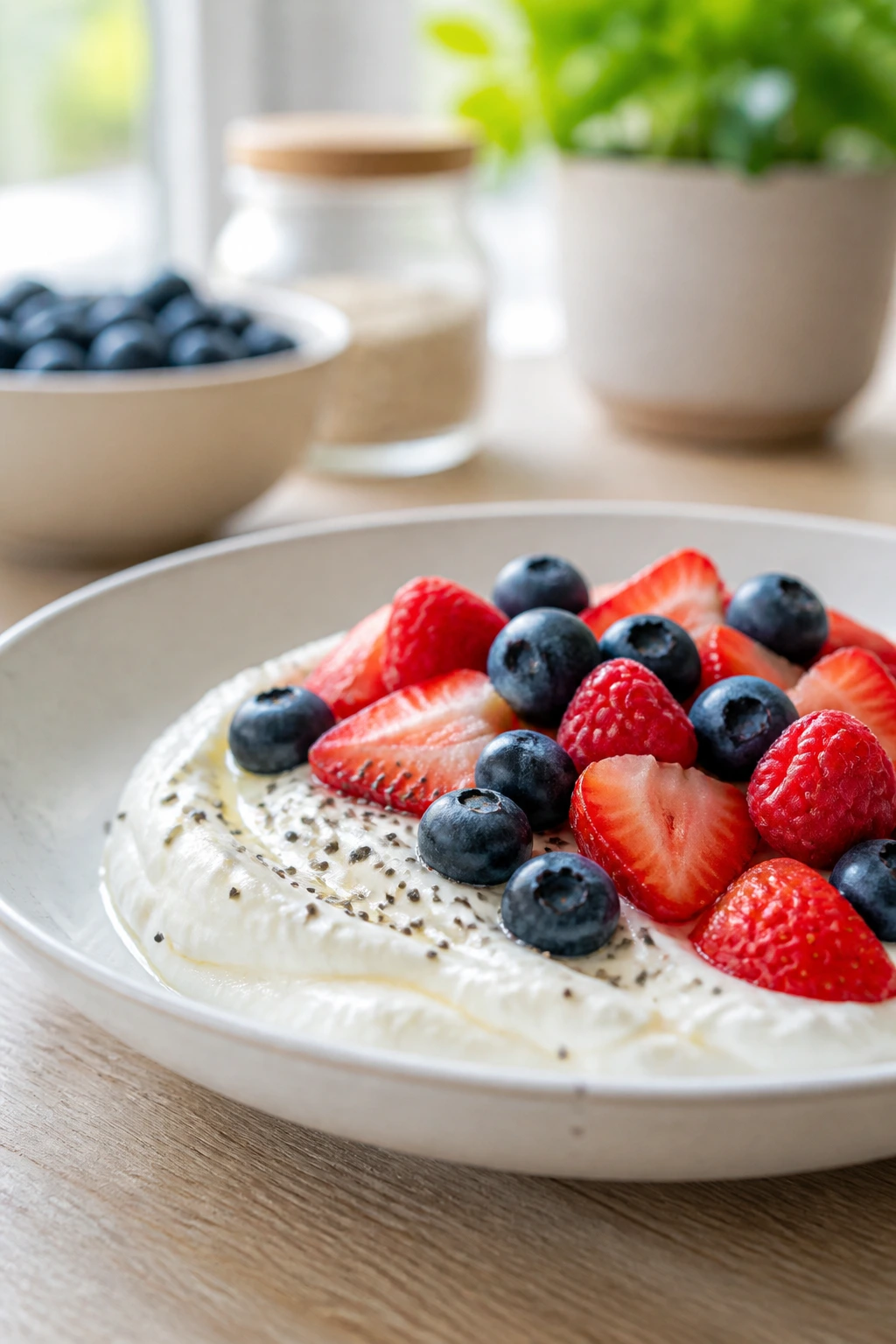
A meal template saves you from rebuilding the whole thing every time you get hungry. It also keeps you honest. If the template works, you can swap ingredients without losing the structure.
Breakfast That Feels Like Food, Not A Chore
A strong breakfast under 500 calories usually needs protein first, then something with texture. Greek yogurt, berries, and a scoop of protein powder is the fastest route. Add chia seeds if you want more body, but keep an eye on the portion because they’re calorie-dense.
Egg-based breakfasts work just as well. Two whole eggs plus egg whites, spinach, mushrooms, and salsa can give you a warm plate that feels like actual breakfast. Add one slice of toast or a small potato if you need more staying power.
Oats can fit too, but they need support. Plain oats alone drift into “good intentions” territory. Stir in whey, egg whites, or a side of cottage cheese, and they become a real high-protein meal.
Lunch That Survives a Desk and Still Tastes Good
Lunch is where most light meals fail, because they’re either too tiny or too wet. You want something that survives sitting in a container for a few hours.
A chicken, turkey, tuna, or tofu bowl works best when it has three parts: protein, vegetables, and a measured carb or sauce. Think chicken, cucumber, tomato, rice, and a yogurt-herb dressing. Think tuna salad on a whole grain wrap with celery and lettuce. Think tofu over cabbage slaw with a sesame-ginger sauce made with a light hand.
Cold lunches do well with crisp textures. Warm lunches do better with grain bowls, soups, or stir-fries. If you know your fridge lunch tends to disappoint you, build for the temperature you actually want to eat.
Dinner That Feels Like a Finish Line
Dinner can be the most forgiving meal of the day, which is nice. That’s where you can use a bit more starch or fat if the rest of the day was lean.
A white fish plate with roasted vegetables and a small potato is hard to beat. So is shrimp with cauliflower rice, peppers, and a little rice on the side. Chicken with broccoli and a measured serving of noodles can stay comfortably under 500 if you keep the oil under control.
If you want dinner to feel more comforting, soup is the easiest path. Broth, lean protein, vegetables, herbs, and a small portion of beans or grain can feel bigger than the calorie count suggests. There’s a reason people come back to soup when they want to eat lighter without feeling deprived.
Post-Workout Meals That Need a Little More Carbohydrate
If you just finished a hard training session, don’t starve yourself with a protein-only plate and call it discipline. Carbs help here.
A post-workout meal can still stay under 500 and include rice, potatoes, oats, fruit, or a wrap. Chicken and rice with vegetables, Greek yogurt with banana and protein powder, or a turkey burrito bowl with beans all fit the brief. The meal should restore energy, not just display a protein total.
How to Order a Light High-Protein Meal When You Eat Out
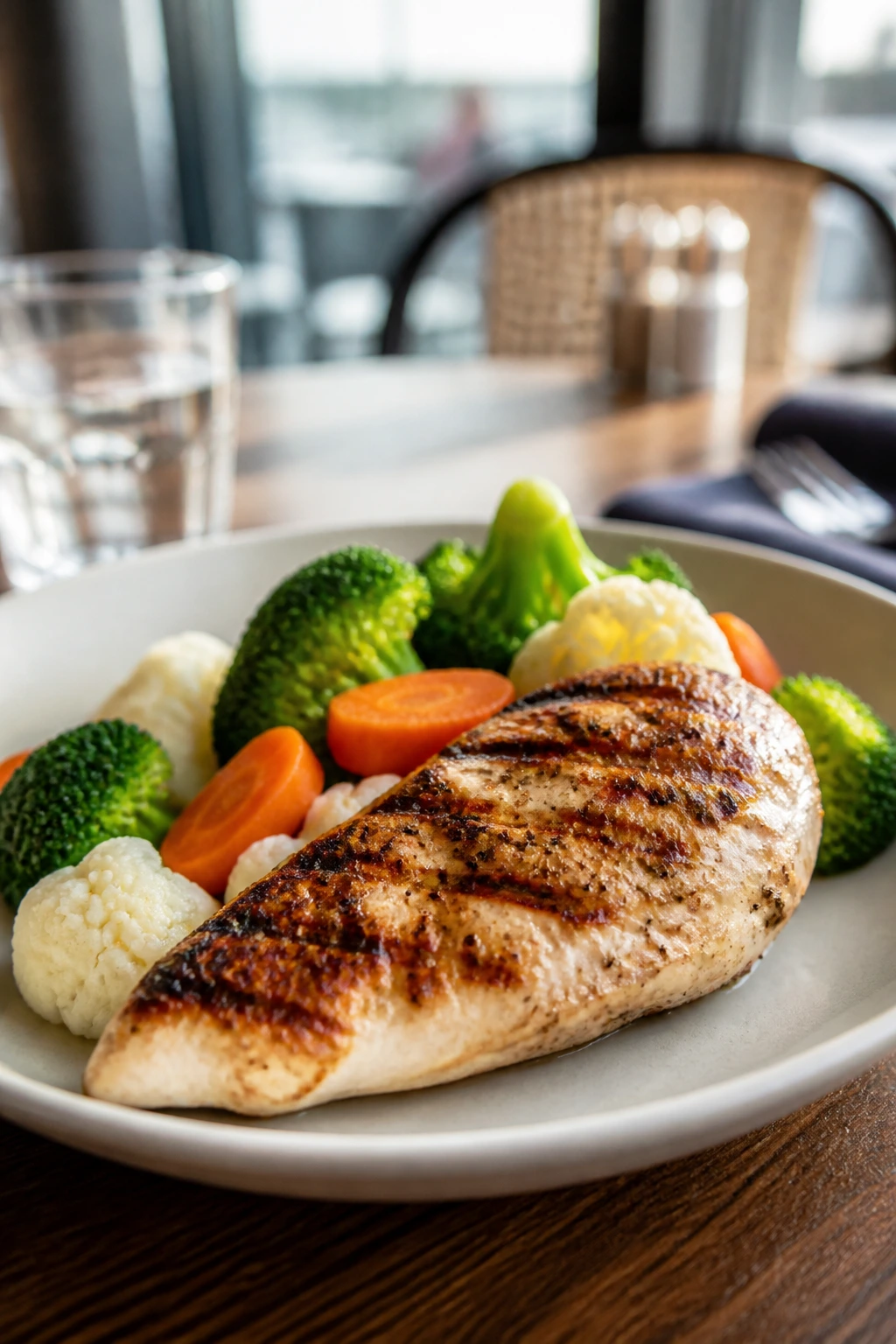
Restaurants are where calorie math gets slippery. A grilled chicken salad can quietly hold more calories than a burger if the dressing is heavy and the toppings pile up. A poke bowl can be a smart choice or a sugar-and-oil trap, depending on the sauces.
The easiest move is to start with the protein and build backward. Ask what is grilled, roasted, steamed, or broiled. Then choose one starch, not three. Then ask for the sauce on the side. That one phrase saves a lot of regret.
Mediterranean spots are usually helpful because you can build around chicken, fish, grilled vegetables, hummus in measured amounts, and salad. Burrito bowls are another decent option if you go easy on cheese, sour cream, and tortilla chips. Sushi can work if you lean toward sashimi, nigiri, cucumber-heavy rolls, and edamame instead of tempura and mayo-heavy sauces.
The hidden calorie bombs are almost always dressings, oils, cheese, fried add-ons, nuts, and creamy sauces. They don’t look dramatic on the menu. They are dramatic in the bowl.
One thing I like doing: ordering the plate with extra vegetables and a simple sauce, then adding my own flavor at the table if needed. A little hot sauce, black pepper, or lemon can rescue a bland restaurant meal without changing the calorie math in any meaningful way.
What to Keep in the Kitchen: Tools and Grocery Staples
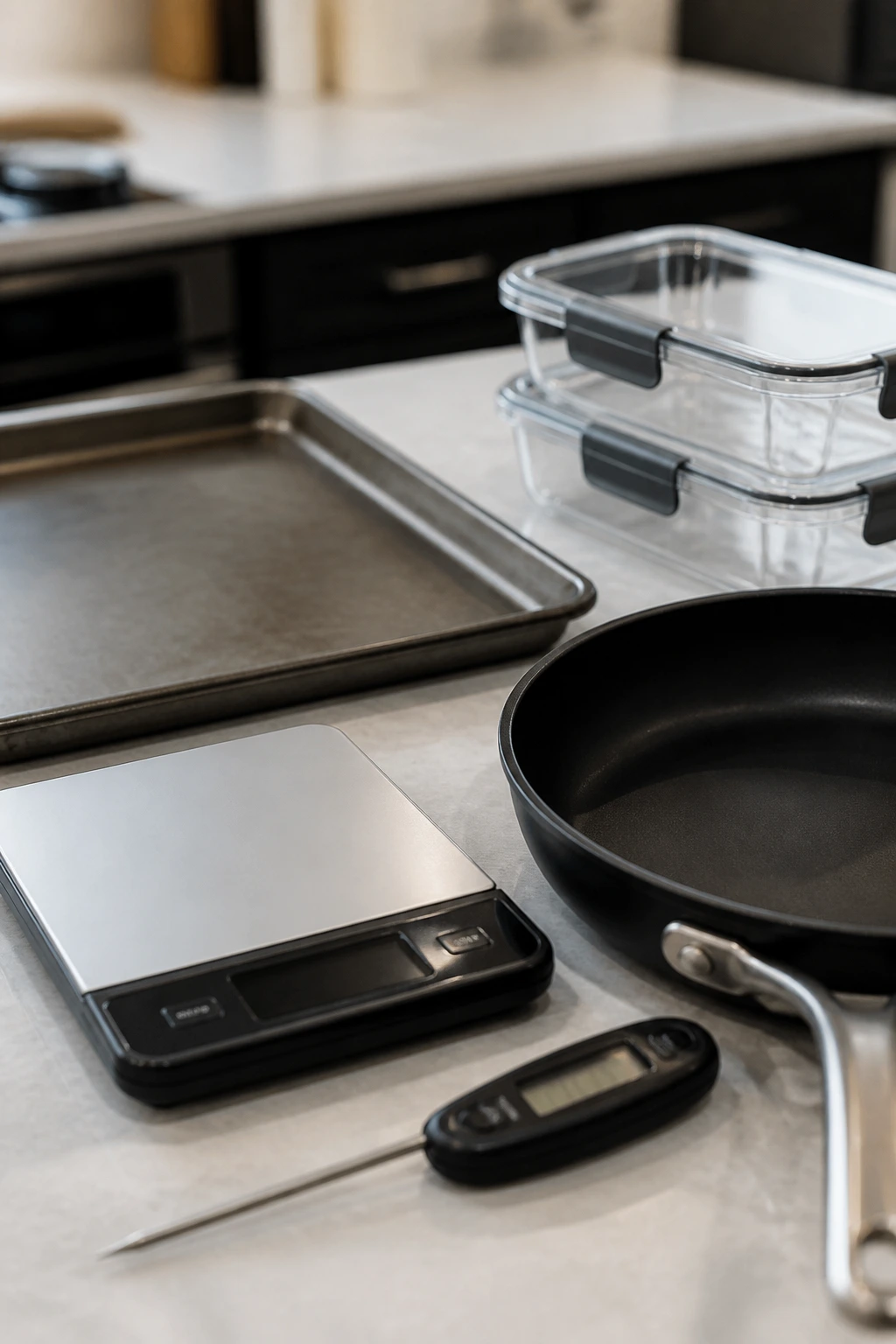
You do not need a restaurant setup to make this style of eating work. You need a small set of tools that make lean food easier to cook and easier to portion.
Tools That Pay for Themselves Quickly
-
Digital food scale: This removes the guessing from chicken, rice, nuts, cheese, and sauces, which is where most calorie creep starts.
-
Digital instant-read thermometer: Lean protein gets dry fast. A thermometer helps you stop at the right point instead of slicing into overcooked chicken and pretending it’s fine.
-
Nonstick skillet or well-seasoned stainless pan: Shrimp, eggs, tofu, and fish all behave better when they don’t glue themselves to the pan.
-
Rimmed sheet pan: Roasting vegetables and lean protein together keeps cleanup sane and gives you browning without babysitting.
-
Meal prep containers with tight lids: Clear containers help you see what you made. That sounds small, but it stops food from disappearing into the back of the fridge.
-
Sharp chef’s knife: Crisp vegetables are easier to use when slicing them doesn’t feel like a chore.
-
Blender or immersion blender: Useful for yogurt sauces, blended cottage cheese, soups, and protein smoothies.
-
Salad spinner: This is optional, but it makes leafy greens less annoying and helps them stay crisp longer.
Grocery Staples That Keep This Easy
Keep a few lean proteins around: chicken breast, shrimp, canned tuna, Greek yogurt, cottage cheese, eggs, tofu, tempeh, and frozen fish. Add frozen vegetables, cabbage, cucumbers, tomatoes, berries, lemons, limes, rice, potatoes, oats, tortillas, beans, broth, mustard, salsa, soy sauce, vinegar, and a couple of herbs. That lineup covers a surprising amount of meal territory.
If the fridge is stocked with those basics, you can build a plate in ten minutes without making a separate “diet meal.” That matters. Meals are easier to repeat when the ingredients feel normal and useful, not like special food that needs a motivational speech.
Practical Tips for Building These Meals Fast
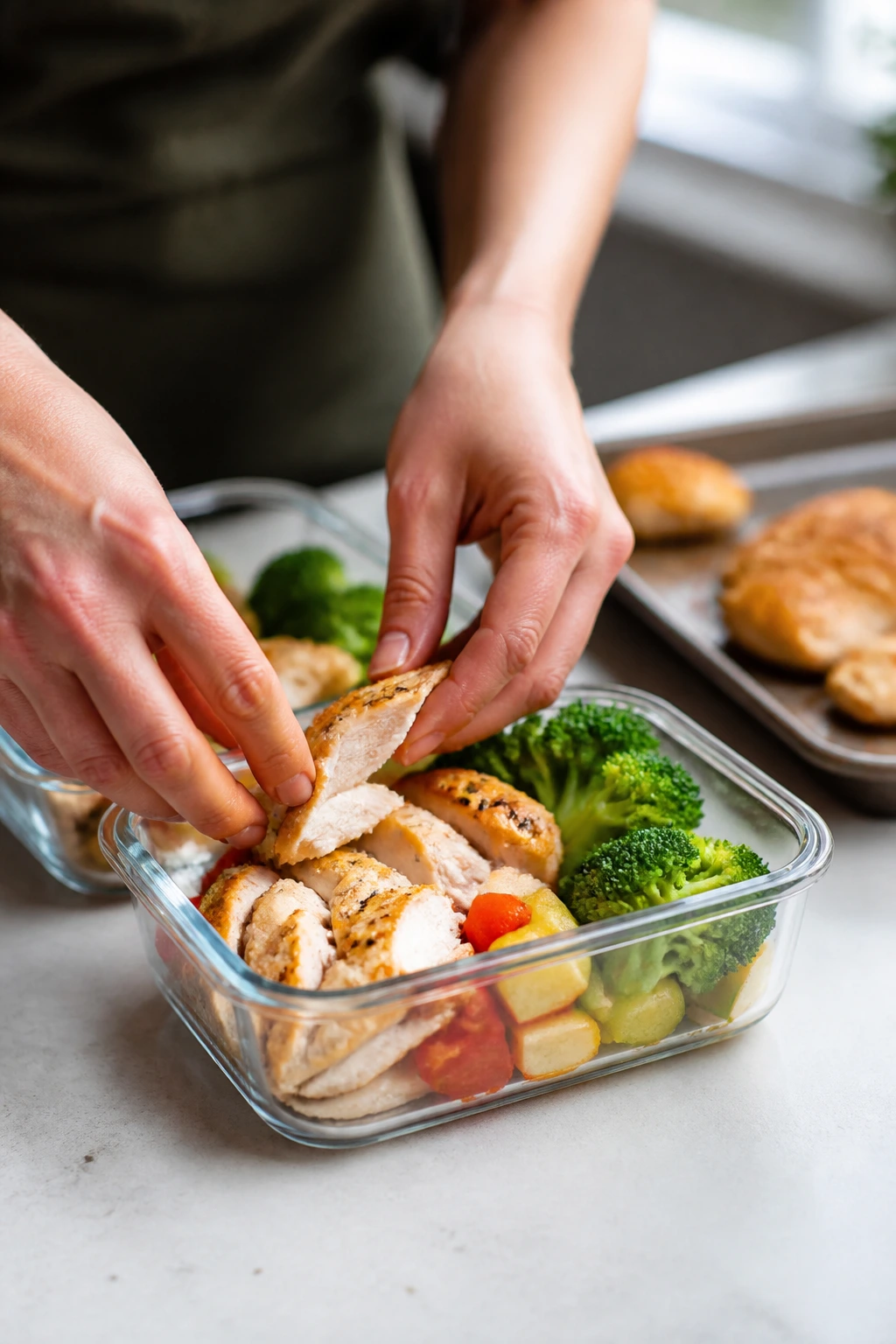
Batch the protein first: Cook 1 to 2 pounds of chicken breast, a tray of shrimp, or a block of tofu early in the week, then slice or portion it once it cools. That gives you the hardest part of the meal ready to go.
Keep one fast sauce in the fridge: Greek yogurt with lemon and dill, salsa mixed with lime, mustard with a splash of vinegar, or tahini thinned with water all turn plain ingredients into dinner. Make enough for two or three meals, not a tiny spoonful that disappears by lunch.
Use frozen vegetables without apologizing for it: Frozen broccoli, cauliflower rice, green beans, and stir-fry mixes cook quickly and don’t spoil on the counter. They’re one of the cheapest ways to keep a meal generous without raising the calorie count.
Spend your calories on the part you’ll remember: If you care most about crunch, use toasted seeds or a few nuts and keep the oil light. If you care most about comfort, spend a few extra calories on potatoes or rice rather than trying to fake fullness with more lettuce.
Salt your lean food earlier than you think: Chicken, fish, tofu, and egg whites all taste better when they’re seasoned before cooking, not after. A dry spice rub or a short marinade makes a bigger difference than another tablespoon of sauce at the end.
Use texture on purpose: A meal with soft protein and soft starch and soft vegetables can taste sleepy. Add cucumber, radish, pickled onions, toasted seeds, chopped herbs, or shredded cabbage to wake it up.
Common Mistakes That Make Healthy Meals Feel Flat
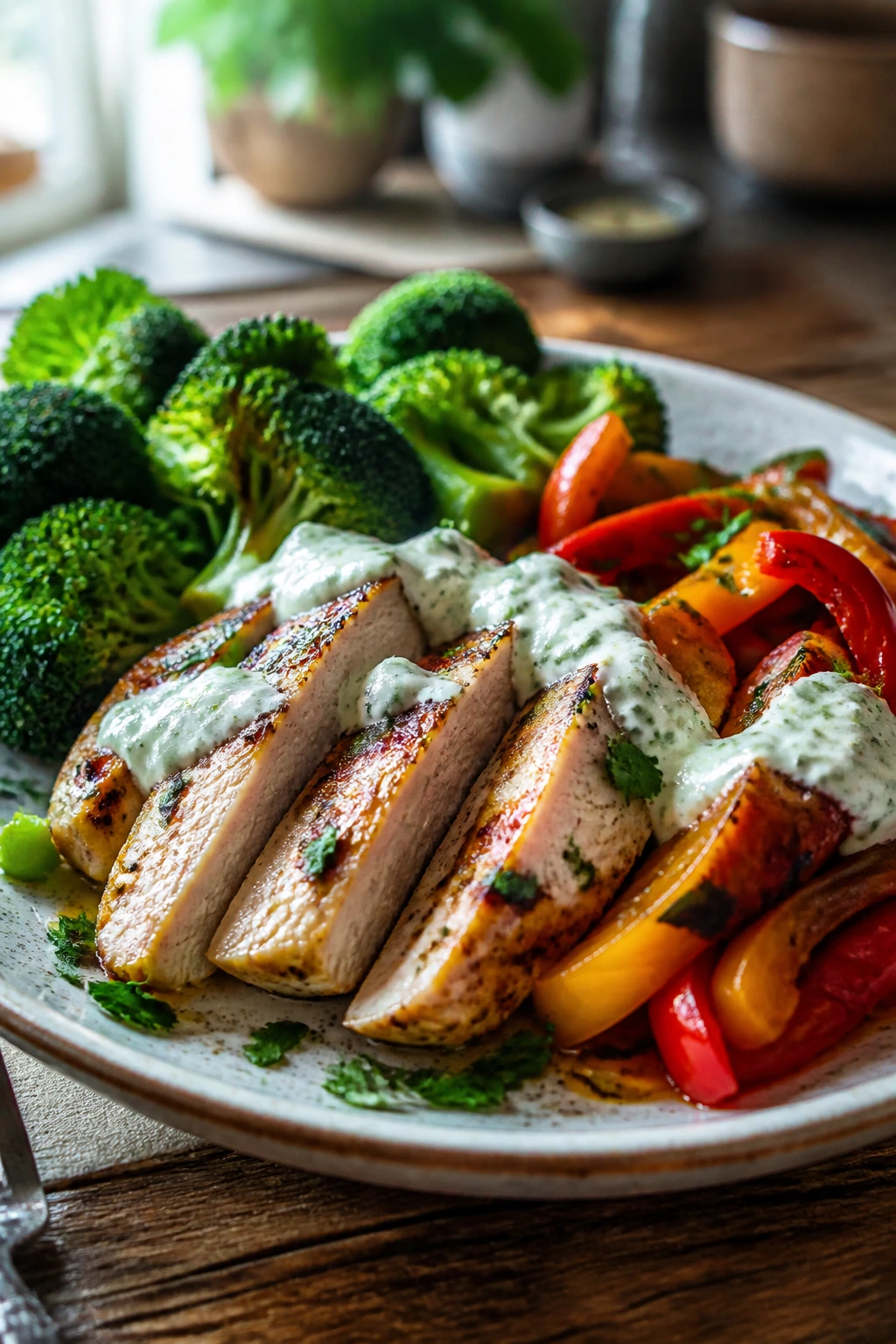
The first mistake is treating “healthy” as a license to under-season. Bland chicken and plain broccoli are not noble. They’re bland chicken and plain broccoli. Salt, acid, garlic, herbs, and chili do not make the meal less healthy. They make it edible.
Another common slip is letting the fat sources run wild. Olive oil is good. Two generous pours of olive oil are not the same thing as “a little cooking fat.” Same with nuts, avocado, cheese, and creamy dressing. They’re all fine in measured amounts. They’re the reason a 420-calorie plate turns into 670 without much warning.
People also build meals that are high in protein but low in texture. That usually means a slab of chicken on a bed of lettuce with no crunch, no sauce, and no temperature contrast. It satisfies the label and misses the point. Add cabbage, cucumber, pickles, roasted veg, or a warm grain and the whole thing wakes up.
Portion confusion is another sneaky one. Raw weight and cooked weight are not the same. A 6-ounce raw chicken breast doesn’t weigh 6 ounces after cooking, and a half-cup of dry rice is not a half-cup cooked. If your tracking gets sloppy here, the numbers drift fast.
Finally, a lot of people try to make every meal a salad. That gets old. Fast. A soup, bowl, wrap, stir-fry, or plate with roasted vegetables gives you the same calorie control with better texture and less burnout.
Variations and Alternative Approaches
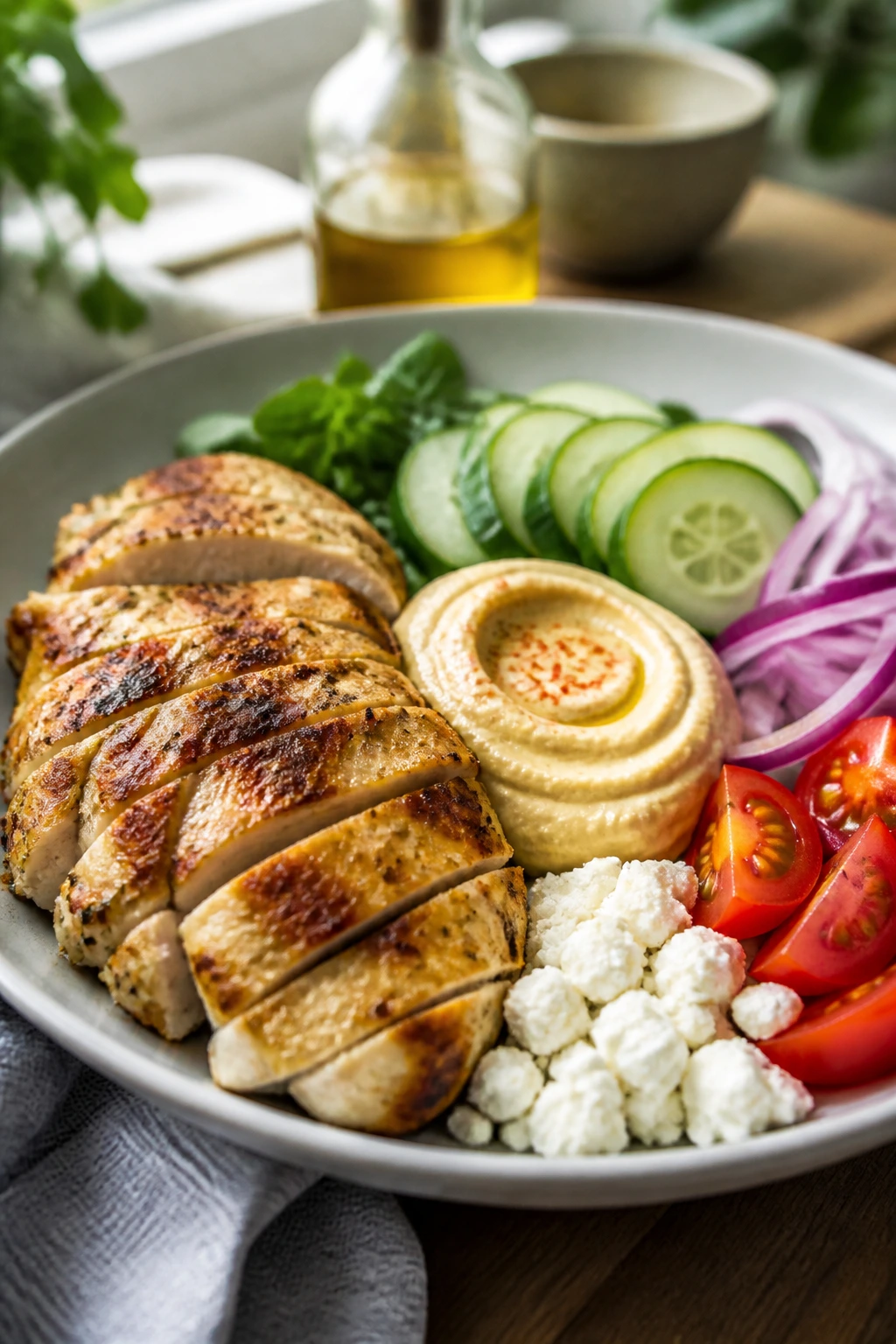
Mediterranean Lean Plate: Grilled chicken or fish, cucumber, tomato, red onion, a measured spoon of hummus, and a little feta. It’s bright, salty, and easy to keep under 500 if you don’t turn the hummus into a second course.
Cozy Soup Bowl: Broth, shredded chicken or tofu, carrots, celery, mushrooms, and a small scoop of beans or rice. This is the version to make when you want warmth and volume without a heavy finish.
Plant-Forward Protein Stack: Tofu or tempeh with edamame, cabbage, peppers, and a ginger-soy or peanut-lime sauce that is measured, not poured. It works well for people who want a meatless meal that still behaves like a protein meal.
Post-Training Recharge: Lean protein plus a clearer carb source, like rice, potatoes, oats, or fruit. This one is a little less strict on carbs and a little more generous on recovery, which is often the right call after hard activity.
Low-Carb Crisp Plate: Chicken, shrimp, tuna, or tofu over greens, cucumber, zucchini, radish, and a yogurt or vinaigrette-style dressing. The trick here is to keep the plate cold, crunchy, and acidic so it doesn’t feel stripped down.
Budget Pantry Version: Canned tuna, eggs, cottage cheese, frozen vegetables, beans, and rice. Nothing fancy. It still works because the protein is high, the ingredients are cheap, and the calories stay under control when you measure the add-ons.
Keeping Leftovers Safe, Fresh, and Worth Reheating
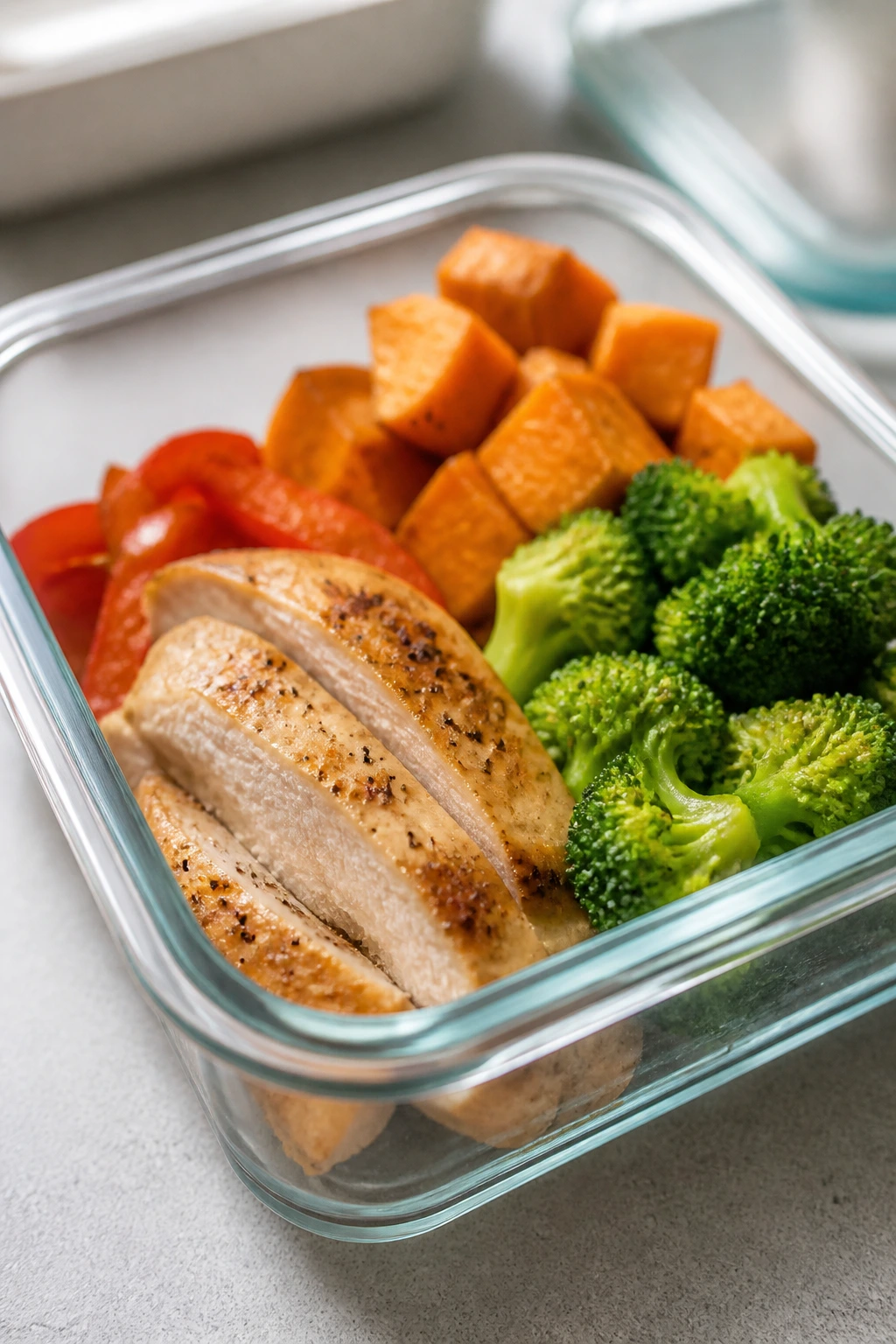
Meal prep only helps if the leftovers still taste like food on day three.
Cooked chicken, turkey, tofu, and most grain-and-veg bowls usually hold in the fridge for 3 to 4 days in airtight containers. Fish and shrimp are fussier; I like to eat those within 1 to 2 days because the texture goes downhill faster. Soups and stews can last 3 to 4 days, and cooked rice or quinoa usually does fine for 4 to 5 days if it’s cooled and refrigerated promptly.
Keep wet and dry components separate when you can. A salad with dressing poured over it turns limp. A wrap with sauce inside can go soggy. Roasted vegetables stay better when they’re not sitting in a puddle of condensation. Even a small container split into two sections helps.
For freezing, lean cooked proteins generally do fine for 2 to 3 months. Shredded chicken freezes better than sliced breast because it reheats more evenly. Soups also freeze well, especially broth-based ones. Yogurt sauces, cucumber salads, and leafy greens do not freeze well, so leave those out.
Reheat chicken, turkey, and rice until steaming hot. If you use a thermometer, poultry should reach 165°F / 74°C. Fish and shrimp are better reheated gently, or not at all if you can eat them cold in a salad or bowl. A splash of water, broth, or lemon juice helps rice and grains loosen up instead of drying into a block.
Make-ahead works best when you prep parts, not full plates. Cook the protein, wash the greens, roast the veg, make one sauce, and keep the carb separate. Then assembly takes minutes, and the meal still tastes fresh instead of pre-chewed.
Frequently Asked Questions
How much protein should a meal have to count as high protein?
A solid target is usually 25 to 40 grams per meal, with many people doing best around 30 grams. Less than that can still be useful, but it often behaves more like a snack or a light breakfast than a real anchor meal.
Can a meal under 500 calories still feel filling?
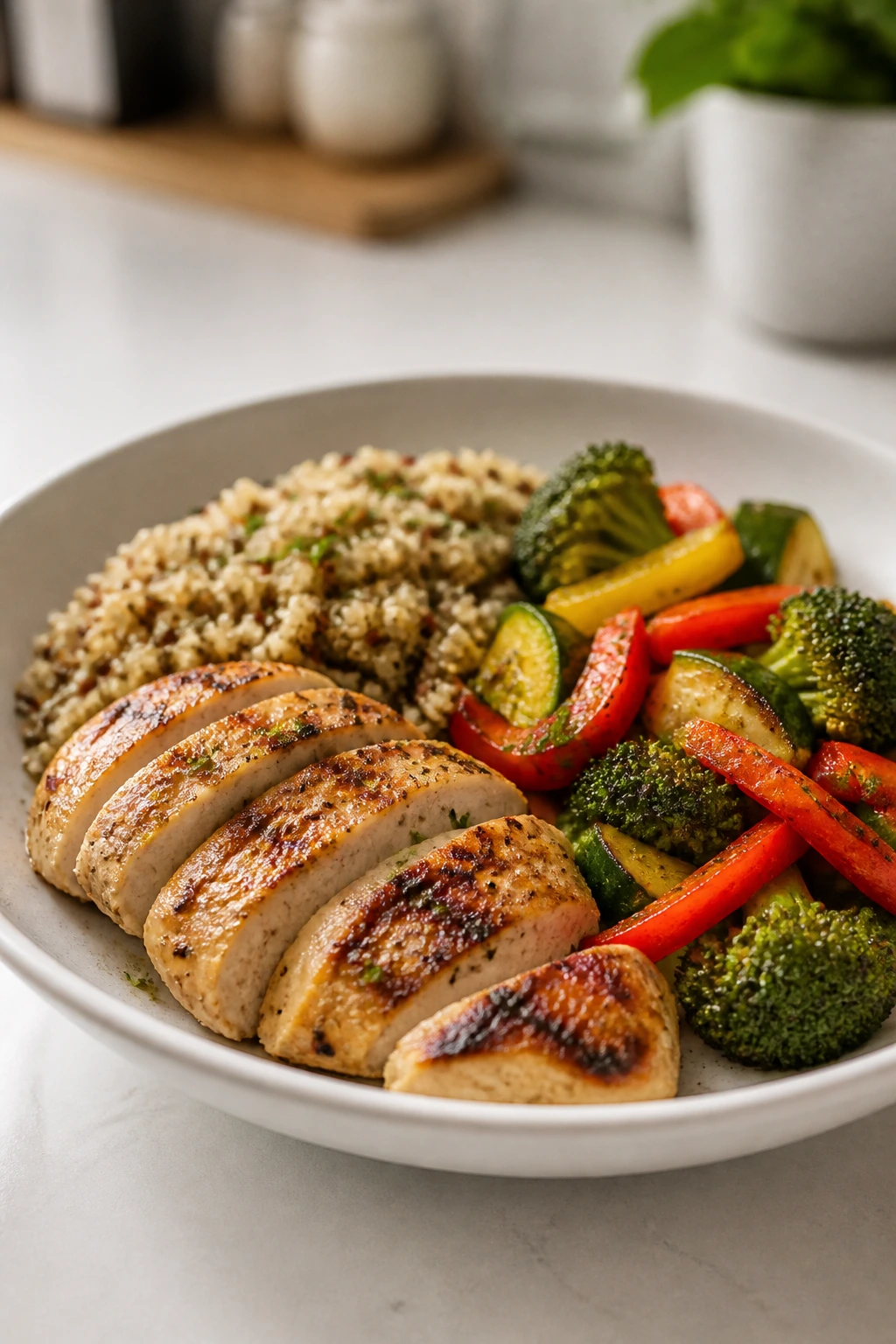
Yes, if the meal is built around protein, vegetables, and enough texture. A plate of grilled chicken, roasted broccoli, and a small potato can feel far more satisfying than a greasy meal with the same calories.
What’s the best protein if I want the most protein for the fewest calories?
Shrimp, chicken breast, white fish, nonfat Greek yogurt, cottage cheese, egg whites, and tuna all do well here. If you want plant-based options, tofu, seitan, and edamame are the easiest places to start.
Do I have to count vegetables carefully?
Not usually, unless you’re roasting them in a lot of oil or pairing them with calorie-heavy toppings. Most non-starchy vegetables are so low in calories that the bigger issue is what you put on them, not the vegetables themselves.
What if my meal goes over 500 calories by a little bit?
That’s not a disaster. The number is a guide, not a moral test. If you land at 530 because you added a bit of avocado or an extra spoon of rice, the meal can still be perfectly reasonable.
Are protein shakes enough for a light high-protein meal?
Sometimes, but they’re better as a bridge than as the whole structure. A shake can help when you’re busy, yet a plate with real texture usually does more for fullness and eating satisfaction.
How do I keep chicken breast from drying out?
Don’t overcook it. Pull it when the thickest part reaches 165°F / 74°C, then let it rest for a few minutes before slicing. Brining, marinating, or even just seasoning well before cooking also helps.
Can vegetarian meals fit this style without getting too many calories from cheese or nuts?
Absolutely. Tofu, tempeh, seitan, edamame, Greek yogurt, cottage cheese, eggs, beans, and protein powder all work. The trick is to use cheese and nuts as accents, not the whole plan.
Keeping It Light Without Cutting the Fun Out of It
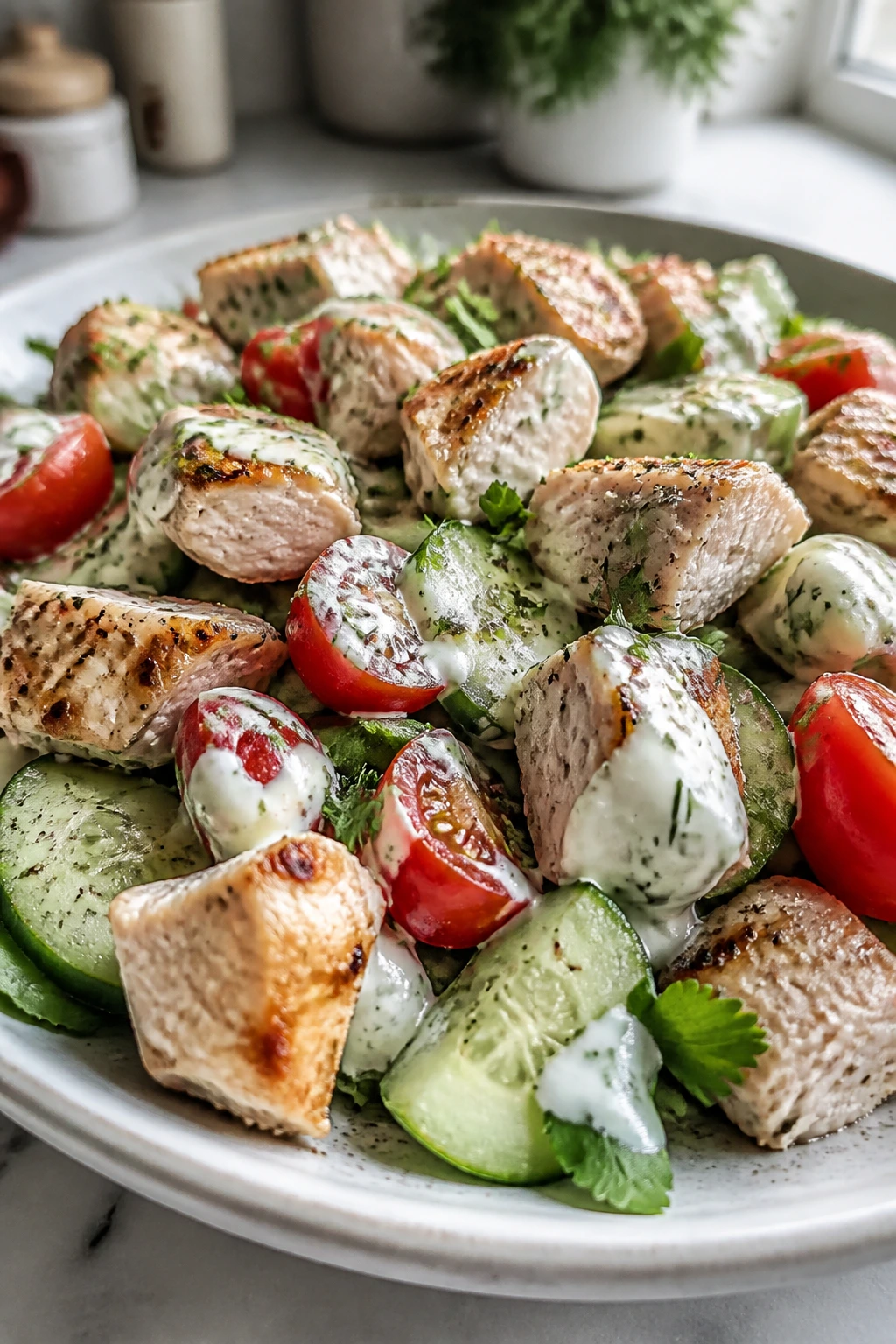
The best light high protein under 500 calories meals are not the ones that feel virtuous. They’re the ones that feel normal enough to repeat. Good chicken, sharp herbs, crisp vegetables, a measured carb, and a sauce with some life in it can carry you a long way.
That’s the part I keep coming back to. Not the calorie cap by itself. Not the protein number by itself. The combination. Once you stop treating “light” and “satisfying” like enemies, the whole style of eating gets easier to live with, and that matters more than any single perfect meal ever could.
If you build from protein first, use vegetables for volume, and spend calories on things that actually change the plate, you can keep meals under control without making them feel like a punishment. That’s the sweet spot worth keeping on repeat.