



The smell that sells a backyard cookout is not smoke alone. It’s marinated kids BBQ party food sliding onto a hot grate, turning glossy at the edges, and giving off that mix of garlic, citrus, and sweet caramelized meat that makes even a distracted child wander back toward the grill.
Kids are brutally honest eaters. They’ll ignore a perfectly cooked steak if it looks fussy, but give them a skewer, a drumstick, or a chunk of pineapple with a little char on one side, and suddenly dinner becomes a game they actually want to play. That’s the whole trick here: not bigger flavor, not louder seasoning, just food that’s easy to hold, easy to chew, and easy to recognize as something made for them.
The part most people miss is that marinating is doing two jobs at once. It seasons the outside of the food and helps the grill do its work without drying everything into sad little edges. The catch is that sugar burns fast, acid can go from helpful to abrasive, and the wrong cut of meat turns a relaxed cookout into a constant rescue mission. Get the balance right, and the food comes off the grill with a sticky sheen, clean grill marks, and no one asking for ketchup as a mask.
Why Marinated Backyard Food Wins with Kids
Bite-size food feels less like dinner homework. When chicken is cut into even chunks, or when drumsticks are laid out on a platter, kids can grab what they want without a fight over forks, knives, or giant slabs of meat.
Mild marinades land better than heavy seasoning. Garlic, lemon, honey, soy, and a little paprika give you enough interest to keep the food from tasting plain, but they do not overwhelm a kid who’s suspicious of anything with visible pepper flakes.
The grill does half the styling for you. A little browning on the edge of a chicken thigh or zucchini strip changes how the food looks on the plate, and that matters more than adults like to admit. Kids eat with their eyes first, too.
Make-ahead marinating calms the whole day down. If the meat is already seasoned and chilling in the fridge, you’re not trying to mix sauce, season protein, and watch a hot fire all at once while somebody asks where the soccer ball went.
Handheld food gets eaten faster. Skewers, drumsticks, and thick vegetable pieces are easier to finish before they cool off, which means fewer half-eaten plates left sitting on the picnic table.
The real win is confidence. A tray of marinated food tells the table there’s a plan, even if the kids are bouncing around with wet feet and one adult is searching for the tongs. That steadiness matters.
And there’s one more reason I keep coming back to this style of cookout: it scales cleanly. You can feed six kids or sixteen without changing the method, only the batch size and the number of trays. That kind of flexibility is rare. Use it.
The Marinade Formula I Reach for When the Grill Is Going
A good kid-friendly marinade does not need to be complicated. In fact, the more ingredients you pile in, the more likely you are to bury the food under something muddy, sticky, or oddly sour. I like to think in four parts: fat, acid, sweetness, and seasoning.
Fat carries flavor and helps the food brown instead of sticking.
Acid wakes everything up, but too much of it can toughen or mush the surface.
Sweetness gives you the glossy finish kids notice first.
Seasoning ties the whole thing together so the food tastes like more than sweet oil.
For every 2 pounds of chicken, pork, tofu, or sturdy vegetables, a reliable starting point looks like this:
- 1/4 cup olive oil or avocado oil
- 3 tablespoons lemon juice, lime juice, apple cider vinegar, or plain yogurt
- 1 to 2 tablespoons honey, maple syrup, or brown sugar
- 1 tablespoon soy sauce or tamari
- 2 cloves garlic, finely minced, or 1 teaspoon garlic powder
- 1 teaspoon kosher salt
- 1 teaspoon paprika, dried oregano, or dried parsley
- 1/2 teaspoon black pepper
That mix is mild enough for most kids and flexible enough to take in different directions. If you want a more savory profile, lean on soy sauce and garlic. If you want something brighter, use lemon or lime and a little honey. If you want a softer, creamier finish on chicken, plain yogurt or buttermilk gives the food a gentle tang that feels familiar rather than sharp.
What to keep in check
Sugar is where people get into trouble. Two tablespoons in a marinade is fine. A heavy hand with honey or maple turns the surface into a lacquer that can burn before the center is done, especially over hot charcoal.
Garlic deserves attention, too. Big bits of garlic burn on the grill and turn bitter fast. Mince it finely or use garlic powder if you want the flavor without the black flecks.
And please, do not treat acid like a magic tenderizer. Lemon juice and vinegar season the surface. They do not fix a tough cut of meat. If the chicken is woody or the pork is stringy, the marinade is not the problem. The cut is.
The flavor base I use most often
My default for kids is olive oil, lemon, honey, garlic, and a little soy sauce. It gives you salt, shine, and a mild sweet-sour edge without drifting into sticky barbecue sauce territory before the food even reaches the grill. That’s the sweet spot.
If you want one rule to tape to the fridge, use this: the raw marinade should taste a little sharp and a little salty. Once it clings to the meat and hits heat, it softens into something balanced. Flat marinade tastes flat later, too.
Chicken Thighs, Drumsticks, Pork, and the Veggies That Hold Up
Not every food belongs at a kids’ cookout. Soft fish flakes apart. Giant steak slabs make the wrong kind of drama. Delicate vegetables can wilt into a sad pile if they sit in acid too long. You want foods that hold shape, cook at a friendly pace, and can survive a table full of little hands.
Chicken thighs and drumsticks
Boneless, skinless chicken thighs are the workhorse here. They stay juicy when the grill is a little too hot, and they take marinade better than breasts because they have enough fat to stay forgiving. Cut them into 1 1/2-inch pieces for skewers, or leave them whole if you want easier plating.
Drumsticks are the handheld option. They look festive, they’re easy to grab, and they keep their moisture better than breast meat. The bone gives them more insulation, which means you have a little extra wiggle room if the cookout gets noisy and you get distracted by a rogue football.
I like thighs for mixed-age crowds and drumsticks for a table where the kids want something they can hold without chasing it around a plate.
Pork tenderloin and mild beef cuts
Pork tenderloin slices into neat medallions or cubes and likes a mild marinade with lemon, garlic, and a little honey. It cooks quickly and stays tender if you do not overdo it on heat. Pork chops can work, too, but I prefer tenderloin because it slices cleanly and does not dry out as fast.
Sirloin cubes are the beef choice if you want a more grown-up edge without making the food harsh. A simple soy-garlic marinade with a touch of brown sugar gives you enough browning to look good on the platter. Keep the pieces evenly sized so some kids are not stuck with chewy corners while others get the soft middle.
Vegetables, fruit, and meatless options
Bell peppers, zucchini, mushrooms, and red onion are the vegetable backbone. They grill fast, they bring color, and they tolerate light marinating without collapsing. Cut zucchini into thick half-moons, not paper-thin coins, or they’ll fall through the grate or go limp in a heartbeat.
Pineapple and peaches can ride the same marinade theme, especially if the marinade is a little citrusy. Short marination and a quick sear work best. Fruit goes from bright to mushy fast, so keep it brief and hot.
Extra-firm tofu is the plant-based option that actually behaves on a grill. Press it first, cut it into thick rectangles, and marinate it long enough to pick up flavor. Halloumi is another smart choice because it holds together beautifully on skewers and browns on the outside before it turns soft in the middle.
One small opinion, since we’re being honest: if you are feeding picky kids, boneless thighs and a single vegetable skewer beat a crowded, overthought platter every time. Simple wins.
How Long Different Foods Should Sit in the Marinade
Marinating time is where a lot of backyard food goes sideways. Too short, and the seasoning never settles in. Too long, and the surface turns papery, mushy, or weirdly salty. The answer is not “overnight for everything.” The answer is to match the food to the marinade.
Chicken needs a tighter range than people think
For boneless chicken thighs, I like 2 to 12 hours in the fridge. Four to six hours is the sweet spot if the marinade includes lemon, lime, or vinegar. Breasts, if you insist on using them, are better at 30 minutes to 4 hours because they dry out faster and can turn stringy with too much acid.
For drumsticks, aim for 4 to 12 hours. The thicker skin and bone make them more forgiving, and the extra time helps the flavor work through the outside before the grill does its thing.
Pork and beef each want their own pace
Pork tenderloin likes 2 to 8 hours. That gives the marinade time to season the surface without softening it too much. If the marinade is yogurt-based, you can stretch that a little, but I still would not push past 12 hours.
Sirloin cubes or thin beef strips usually need 30 minutes to 6 hours. Beef can handle a little more structure than chicken, but don’t leave it sitting in a sharp acidic marinade overnight unless you enjoy a surface that tastes oddly metallic and soft.
Vegetables and tofu are shorter jobs
For zucchini, peppers, mushrooms, and onions, 15 to 45 minutes is usually enough. Mushrooms soak up flavor fast. Zucchini goes the other direction and loses texture if you leave it bathing too long. If the pieces are thin or delicate, err toward the short end.
Extra-firm tofu is the exception. It can sit for 30 minutes to 24 hours because it has the density to absorb flavor without falling apart. Press it first so the marinade has room to move in.
A few blunt safety rules
- Keep everything refrigerated while it marinates.
- Do not reuse raw marinade as a finishing sauce unless you boil it first for at least 1 to 2 minutes.
- If the food starts looking chalky on the edges, the acid has done enough.
- If the marinade contains a lot of sugar, keep the marinating time modest so the grill doesn’t turn it into burnt glue.
That last point matters more than people realize. Sugar loves heat. Heat loves sugar. Kids love sticky food until it tastes burnt.
Heat Zones, Sugar, and the Moment to Move Food Off the Flame
A backyard grill for kids’ food should not be running like a forge. Medium heat gives you control. High heat gives you black edges and a tray of food that looks done outside but still needs time in the middle.
Build a two-zone fire
On a gas grill, I like one side at medium-high and the other at medium or off entirely. On charcoal, pile the coals to one side so you have a hot zone and a cooler zone. That setup lets you sear quickly, then finish gently if the sugar in the marinade starts to darken too fast.
For chicken pieces, aim for a grate temperature around 375°F to 425°F. For drumsticks, you can work a little lower and longer, closer to 350°F to 375°F, because the bone needs more time. Pork tenderloin medallions and small beef cubes need a hot, fast sear, but they still benefit from a cooler zone if flare-ups start.
Use the numbers that actually matter
The USDA safe target for chicken is 165°F in the thickest piece. Pork can come off at 145°F with a 3-minute rest. Beef steaks or cubes can be eaten at 145°F if that’s your preference, but for kids I usually aim a little more done than that because children often chew less carefully and eat slower.
Ground meat, if it shows up on your menu, should reach 160°F, and ground poultry should hit 165°F. A cheap instant-read thermometer is the difference between guessing and knowing. Guessing is how party food gets overcooked.
Save the glaze for the final minutes
Brush on the sticky part late. Very late.
If the marinade has honey, maple, brown sugar, or juice, use it as a finish during the last 2 to 3 minutes of cooking. Or better yet, keep a small separate batch of sauce that never touched raw meat and brush that on near the end. That gives you the shine without the burnt edge.
Watch for these cues
Food that is ready to turn usually releases from the grate with a little nudge. If it sticks hard, give it another minute or two. The surface should look browned, not wet. Chicken should feel firm but still springy when pressed. Pork should be opaque and just barely firm. Vegetables should have dark grill marks and a little bend, not collapse into the tongs.
One more thing. Keep a clean platter for cooked food only. Raw meat juice on a serving tray is the kind of mistake that ruins a relaxed afternoon fast.
What to Buy and How to Prep Before Guests Arrive
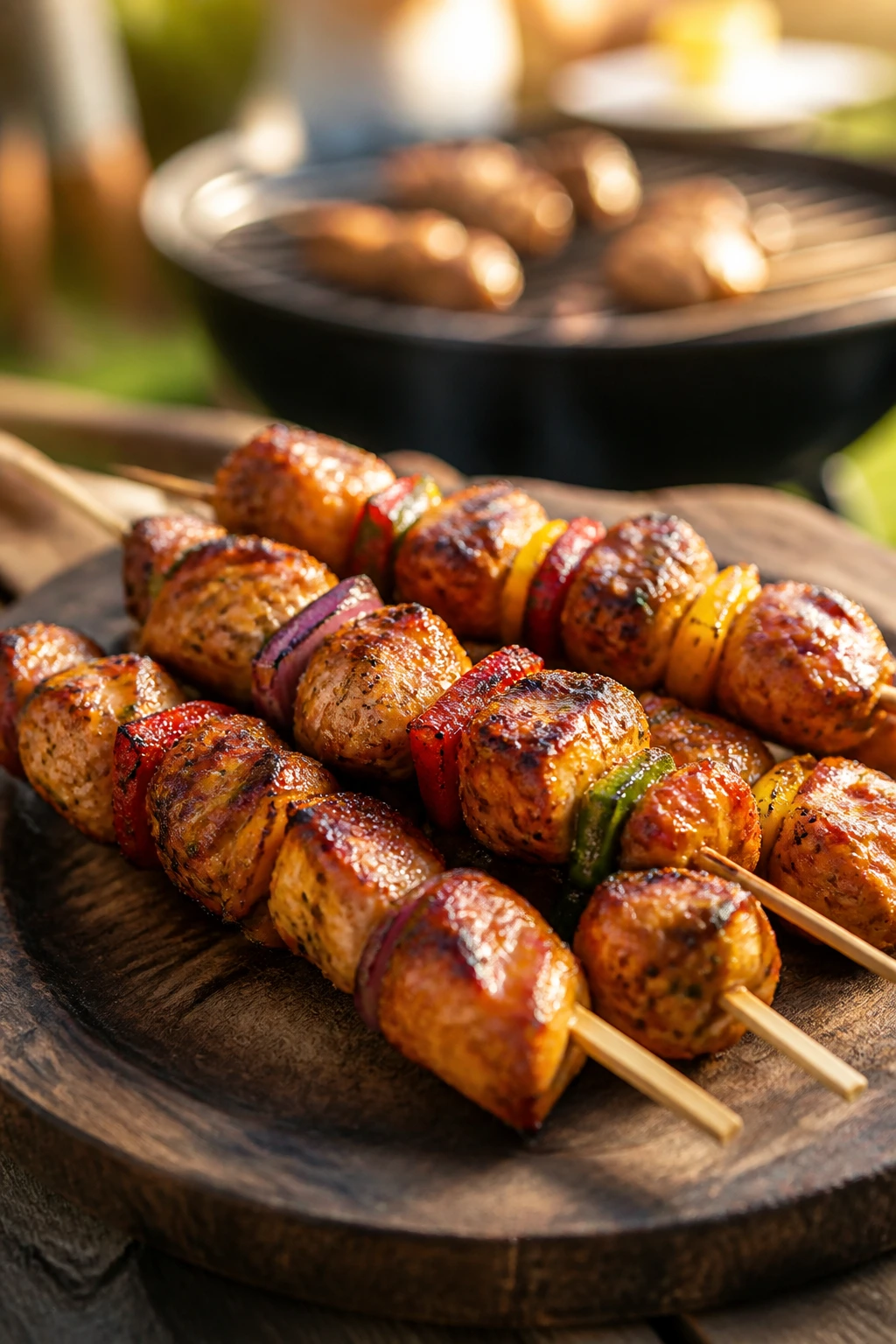
The store is where a lot of cookouts are won or lost. Buy the right cut, and grilling gets easier. Buy the wrong one, and no amount of marinade saves you from uneven cooking or limp texture.
What to look for at the store
For chicken, choose even-thickness thighs or drumsticks. If the package has one giant thigh and three tiny ones, the cook time will be annoying. If you can, buy thighs that are similar in size so they grill at the same speed.
For pork, look for pork tenderloins with a clean, pale pink color and minimal liquid in the package. For beef, go for sirloin or another tender grilling cut that can be cut into cubes without turning fibrous. Skip anything that looks dry around the edges.
Vegetables should feel firm. Zucchini under 7 inches tends to be tighter and less seedy. Bell peppers with flat sides are easier to slice into grill-friendly pieces. Mushrooms should be dry, not slimy. Pineapple should smell sweet at the base and give a little when pressed, not squish.
If you’re buying juice or soy sauce for a marinade, check for 100% juice with no syrupy extras and, if salt matters, a lower-sodium soy sauce or tamari. Regular soy sauce can swing salty once the grill reduces the surface.
How to prep without making a mess
Cut the protein into the size you plan to grill before it hits the marinade. For chicken skewers, that usually means 1 1/2-inch chunks. For vegetables, think in pieces that are large enough not to slip through the grate: pepper squares, thick zucchini half-moons, whole small mushrooms, wedges of onion with the root end intact.
Use one bowl or bag for raw food and a second clean bowl for any sauce you want to serve later. That’s not fussy. That’s how you avoid contaminated brush strokes across the final tray.
If you want to transport the food, pack the marinated protein flat in zipper bags so it chills evenly. A stacked, lumpy bag takes longer to cool and often leaks marinade all over the cooler. Flat bags are cleaner and easier to stack around ice packs.
Set up the table before the grill is hot
Have the serving platter ready. Have the clean tongs ready. Have the thermometer ready. Have the sauce cups ready. If you want the kids to help, let them do the safe jobs: arrange fruit, line up plates, pick which sauce cup gets which dip, or place napkins where small hands can actually reach them.
That tiny bit of order matters. Backyard cookouts go smoother when the first thing you reach for is exactly where it should be.
How to Serve a Cookout Tray Kids Will Actually Pick From
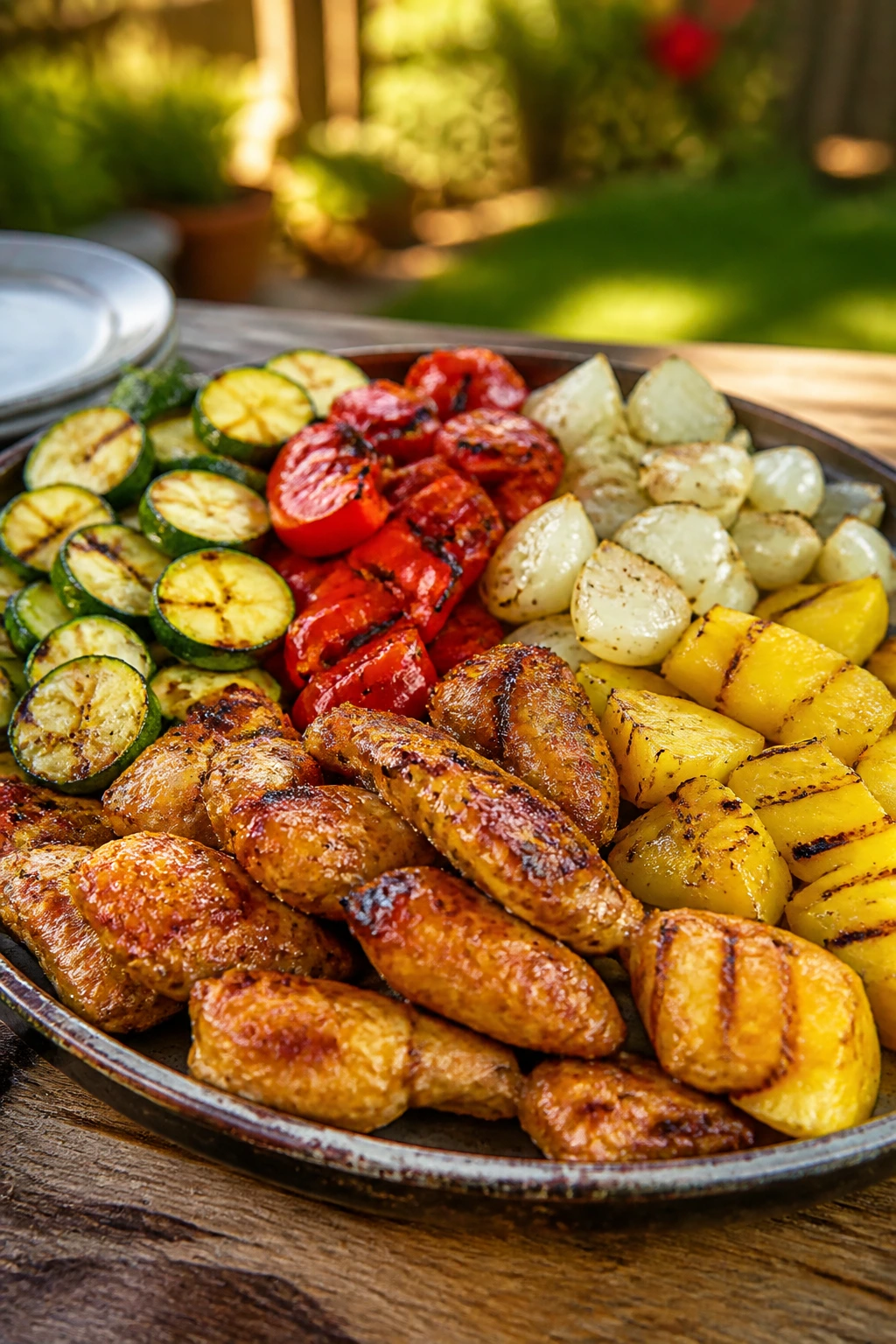
Presentation: Put the food on a wide platter or rimmed sheet pan instead of piling it high in a bowl. Kids can see the colors that way—golden chicken, green zucchini, red peppers, pale onion, maybe a few pineapple pieces with browned edges. If you’re using skewers, lay them in one direction and keep the points tucked away from little hands.
Accompaniments: Serve one creamy side, one crunchy side, and one sweet side. Think potato salad or corn on the cob, cucumber slices or carrot sticks, and watermelon wedges. A basket of soft rolls or slider buns works well if you’ve got boneless chicken pieces or pork. I also like a small bowl of plain yogurt dip or ranch on the side for kids who want something familiar.
Portions: For younger kids, plan on 3 to 4 ounces of cooked protein or one small skewer. Older kids usually eat closer to 5 to 6 ounces, especially if the food is hand-held and lightly sweet. Adults tend to take 6 to 8 ounces, plus sides. If the crowd is mixed and the grill is the main event, I’d rather have too much by a third than hear the platter scraping empty too early.
Beverage Pairing: Lemonade with mint, unsweetened iced tea, or sparkling water with lime keeps the whole spread feeling bright. If you want one cold drink that works for everyone, a lightly sweet peach iced tea does the job without fighting the food.
A good serving tray also solves the sauce problem. Put barbecue sauce, ranch, and any hotter sauce in separate small cups so dipping stays clean and nobody turns the whole platter into a sticky mess.
Small Flavor Moves That Make the Food Better Without More Fuss
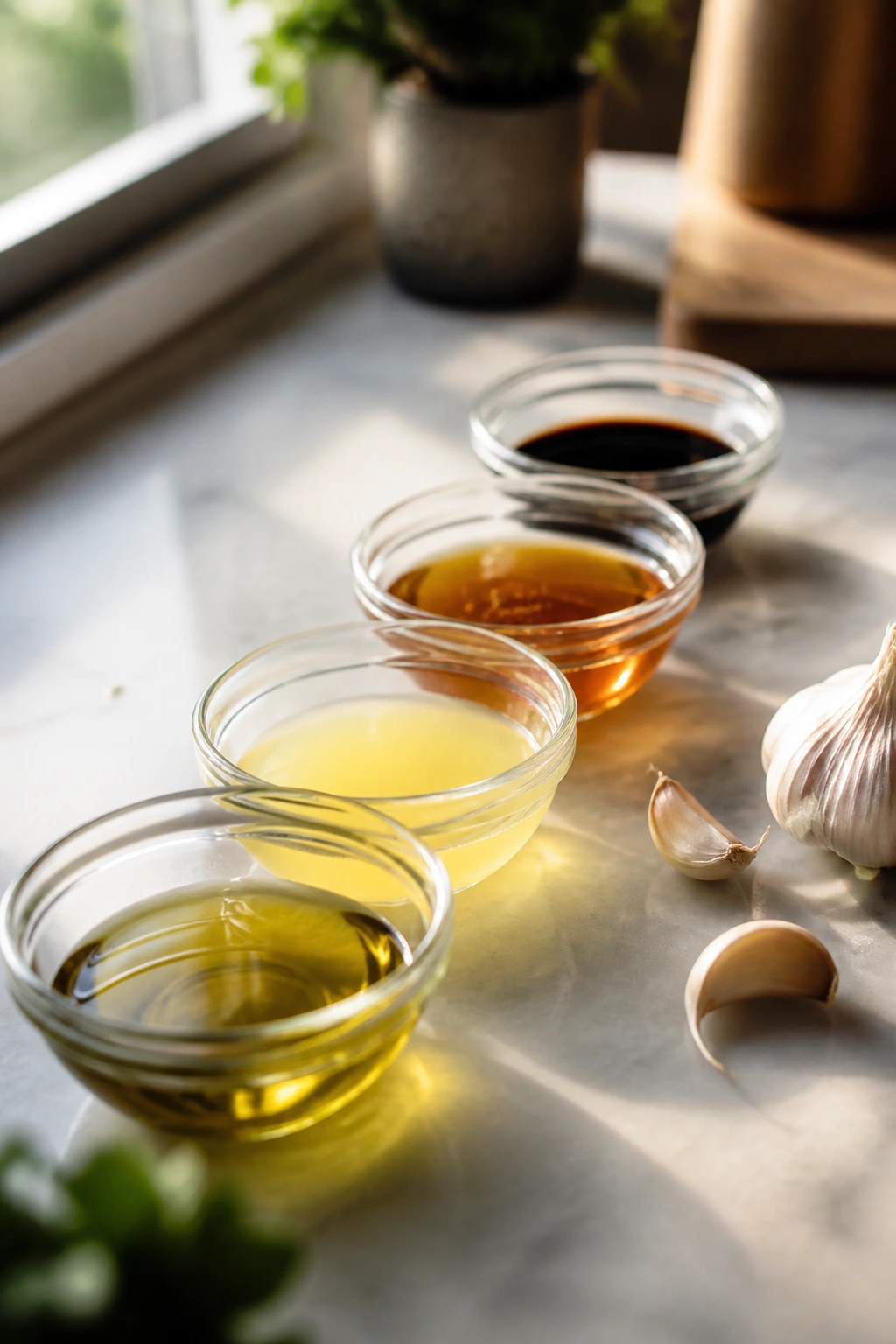
Flavor Enhancement: Finish grilled chicken or pork with a squeeze of fresh lemon or lime the second it comes off the grate. That little hit of acid wakes up the browned edges and makes the marinade taste fresher, not heavier. If you want something richer, brush on a thin layer of butter mixed with garlic and parsley during the last minute on the grill.
Time-Saver: Make one main marinade base, then split it into two bowls before adding raw food. Keep one bowl for chicken or pork and one for vegetables. That lets you season different foods the same way without cross-contamination, and you’re not stuck mixing three different sauces while the grill is already hot.
Pro Move: Use a separate, cooked finishing glaze instead of brushing raw marinade on food near the end. Even a simple mix of honey, lemon juice, and a spoonful of the same seasoning blend can give you shine without the raw-meat risk. Boil it for a minute if it’s been near any raw ingredient.
Cost-Saver: Choose chicken thighs, drumsticks, zucchini, and onions when the budget needs a break. These foods take marinade well, hold up on the grill, and look full on the platter without demanding expensive cuts. If you need to stretch the menu, a tray of grilled pineapple or peaches brings color and sweetness for very little extra cost.
Kid-Helper: Set aside a tiny bowl of plain marinade-free sauce for the kids who want food to taste familiar. A mild dip can keep the table moving, especially with a child who says “I don’t like sauce” and then proceeds to eat six bites with it.
A final practical note: do not over-season the kids’ food just because the adults are hovering nearby with strong opinions. If you want heat, put it in a bowl at the end. The main tray should stay friendly.
Where Backyard BBQs Usually Go Sideways
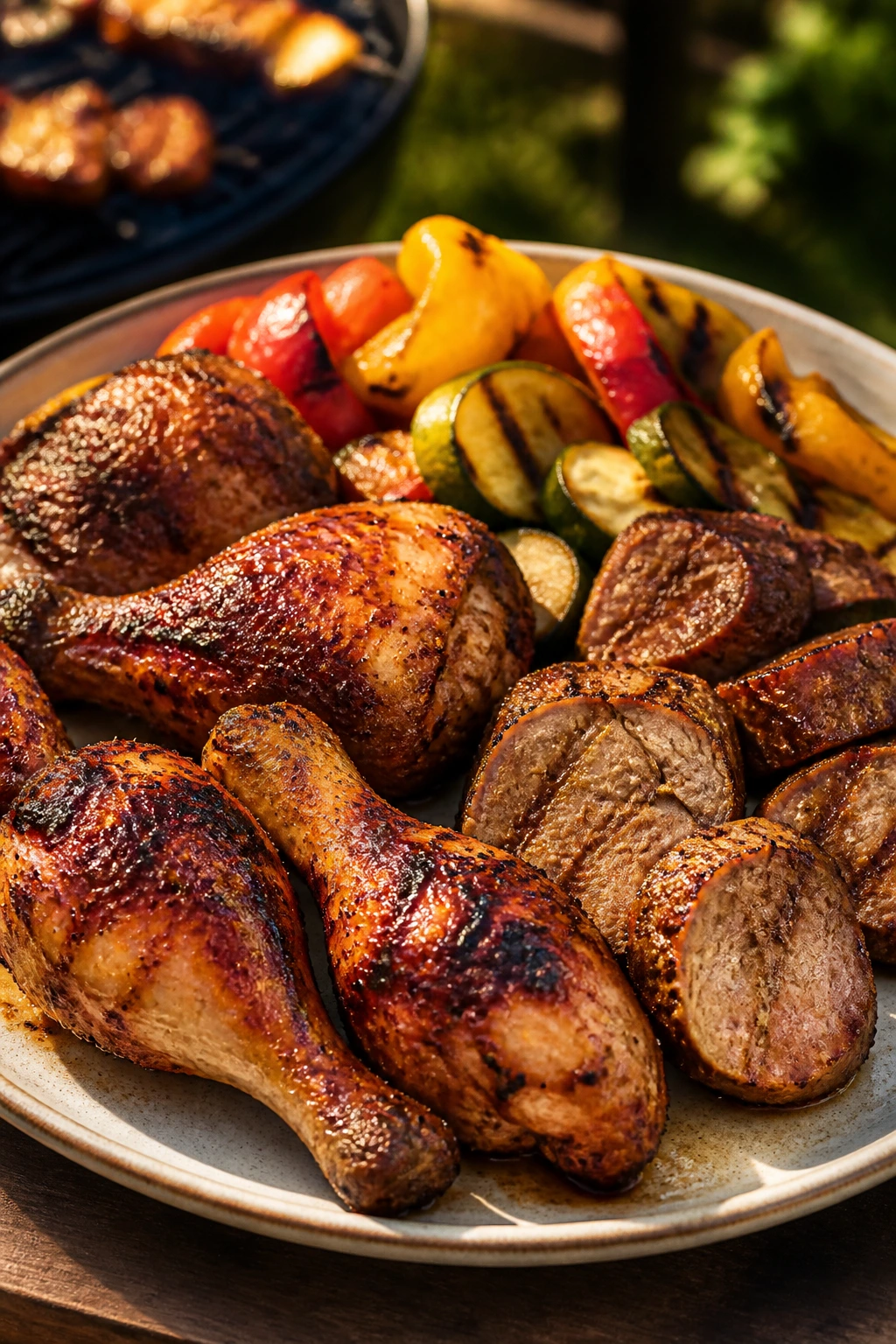
The most common mistake is marinating too long in acid. The food comes out looking a little pale or stringy on the outside, and the first bite feels oddly soft before the inside is even cooked. Fix it by shortening the marinade time and using more oil, less lemon or vinegar, especially on chicken breasts and vegetables.
Another one: glazing too early. The surface starts to darken fast, then turns black before the food is cooked through. If you see sticky drips smoking aggressively, pull the food to the cooler side of the grill and wait until the last couple of minutes to brush on anything sweet.
Uneven cuts create uneven cooking. Big pieces are still cold in the center while small ones are already dry. Cut everything to a consistent size, and if you are using skewers, thread pieces with a little breathing room so heat can move around them.
People also skip the thermometer and guess. That’s how chicken gets sliced open three times and still ends up dry because it stayed on the grill too long. Check the thickest piece once you think you’re close. A thermometer is faster than the old poke-and-pray method.
Then there’s the contamination mistake: using the same brush, platter, or bowl for raw and cooked food. The fix is embarrassingly simple—one clean tray for finished food, one clean brush for finishing sauce, and the raw marinade never comes back in contact with anything served.
Finally, forgetting that kids eat slowly causes a real problem. Food sits, cools, and loses the texture that made it appealing in the first place. Serve in smaller batches if needed. Put half the food on the platter and keep the rest warm, not all of it at once.
Marinade Swaps and Party-Friendly Variations
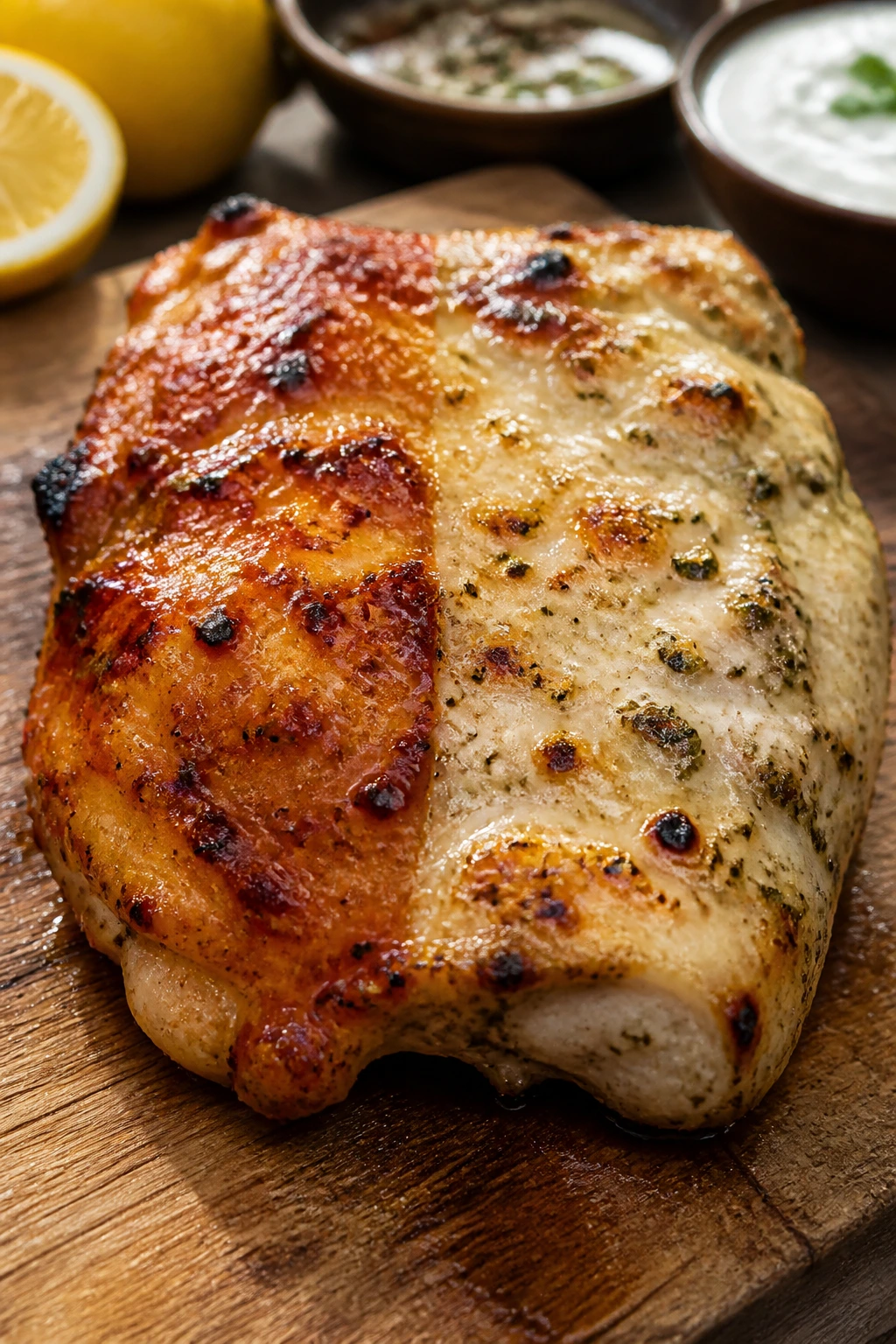
Honey-Garlic Backyard Batch
This is the safest crowd-pleaser if you want one marinade that works on chicken, pork, and tofu. Use olive oil, honey, soy sauce or tamari, garlic powder, and a little lemon juice. It browns nicely, tastes familiar, and stays mild enough that picky kids usually do not protest.
Yogurt-Lemon Tender Chicken
Swap part of the oil for plain yogurt or buttermilk and use lemon zest instead of a big splash of juice. The texture on chicken thighs gets soft and savory, and the grill marks stay cleaner because the surface is less sugary. This version is especially good when you want the food to taste lighter and more tangy.
Smoky Maple-Paprika Mix
Use maple syrup sparingly, then add smoked paprika, garlic, olive oil, and a pinch of salt. This works best on pork tenderloin or beef cubes, where the smoky edge has room to show up without turning spicy. Keep the heat at medium so the maple doesn’t scorch.
Gluten-Free Sesame-Lime Tray
Use tamari instead of soy sauce, add lime juice, sesame oil, garlic, and a tiny bit of honey. It’s sharp, glossy, and a little nutty, which makes it a nice change from the usual barbecue-sauce profile. This version is strong enough to stand up to chicken thighs and mushrooms.
Dairy-Free Herb and Citrus
Olive oil, lemon zest, chopped parsley, oregano, and garlic make a clean, bright marinade that works on chicken, zucchini, and peppers. It’s a good answer when you want a lighter flavor and nothing creamy in the mix. I especially like it when the menu already has rich sides, like potato salad or buttery corn.
Vegetarian Grill Board
Press tofu, marinate it separately, then pair it with peppers, mushrooms, onions, and thick pineapple wedges. Grill each item on its own skewer or in a grill basket so you can pull things off at the right time. Kids who don’t want a lot of meat usually still go after the pineapple first, which tells you something about where the crowd’s attention really is.
What You Need by the Grill
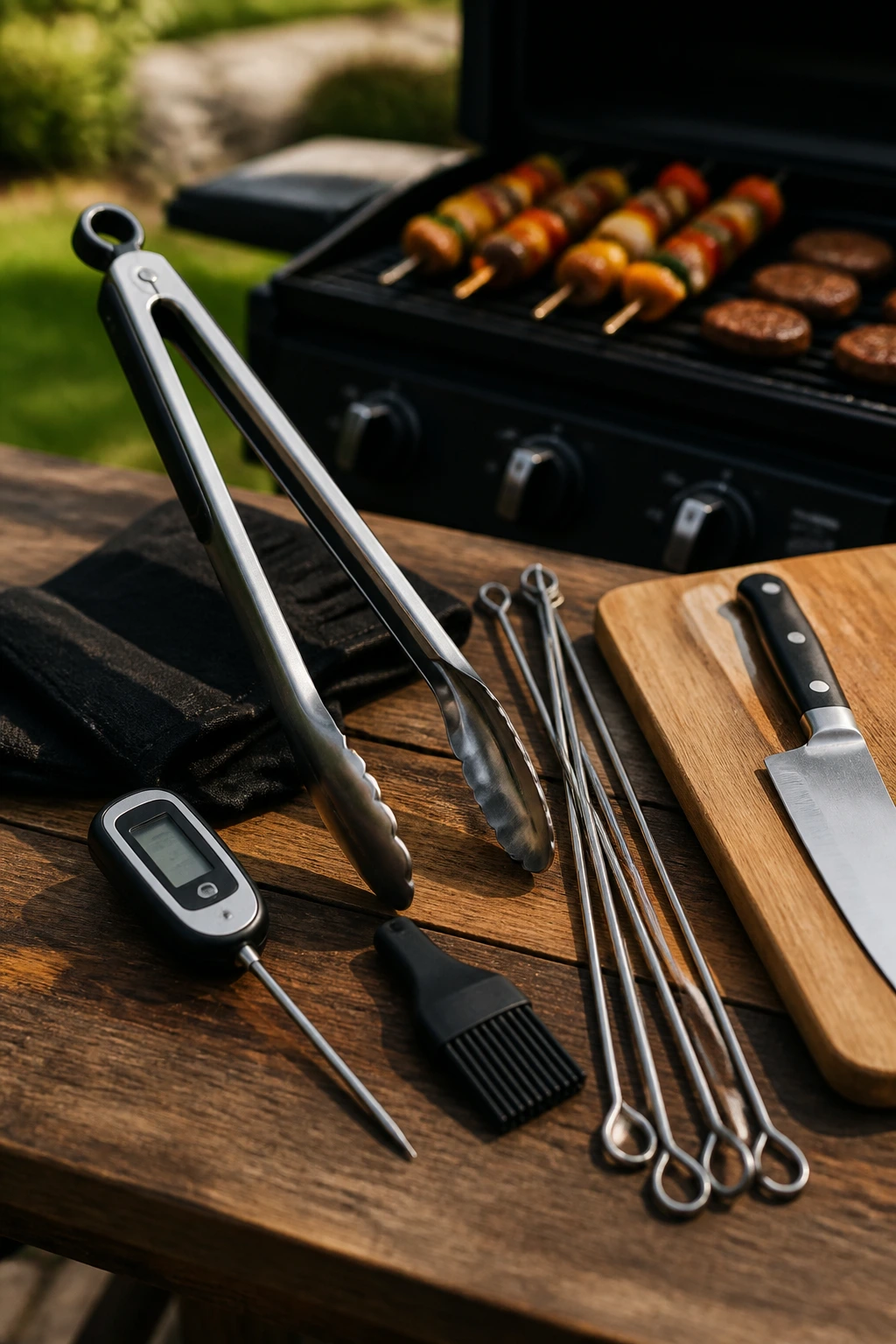
- Gas or charcoal grill — Either works; charcoal gives a deeper smoke note, while gas gives you easier heat control.
- Instant-read thermometer — The fastest way to tell when chicken, pork, or beef is actually ready.
- Mixing bowls or zipper bags — Use bowls for shallow marinating and bags when you want the marinade to coat evenly with less mess.
- Tongs — Long enough to keep your hands away from flare-ups and sticky glaze.
- Silicone basting brush — Handles honey-heavy marinades better than a brush with natural bristles.
- Knife and cutting board — One board for raw protein and a separate clean board for vegetables keeps the job safer.
- Rimmed sheet pans — Useful for staging raw food, carrying cooked food, and keeping skewers from rolling off the table.
- Metal skewers or soaked bamboo skewers — Metal is easiest; bamboo works fine if soaked for about 30 minutes.
- Small bowls or squeeze bottles for finishing sauce — Keeps the final glaze clean and separate from raw marinade.
- Cooler with ice packs — Handy if you’re marinating ahead and moving food between the kitchen and grill area.
A grill basket is optional, but it earns its keep if you’re cooking a lot of zucchini, mushrooms, or smaller vegetable pieces that would otherwise try to escape through the grates.
Make-Ahead, Leftovers, and Food Safety
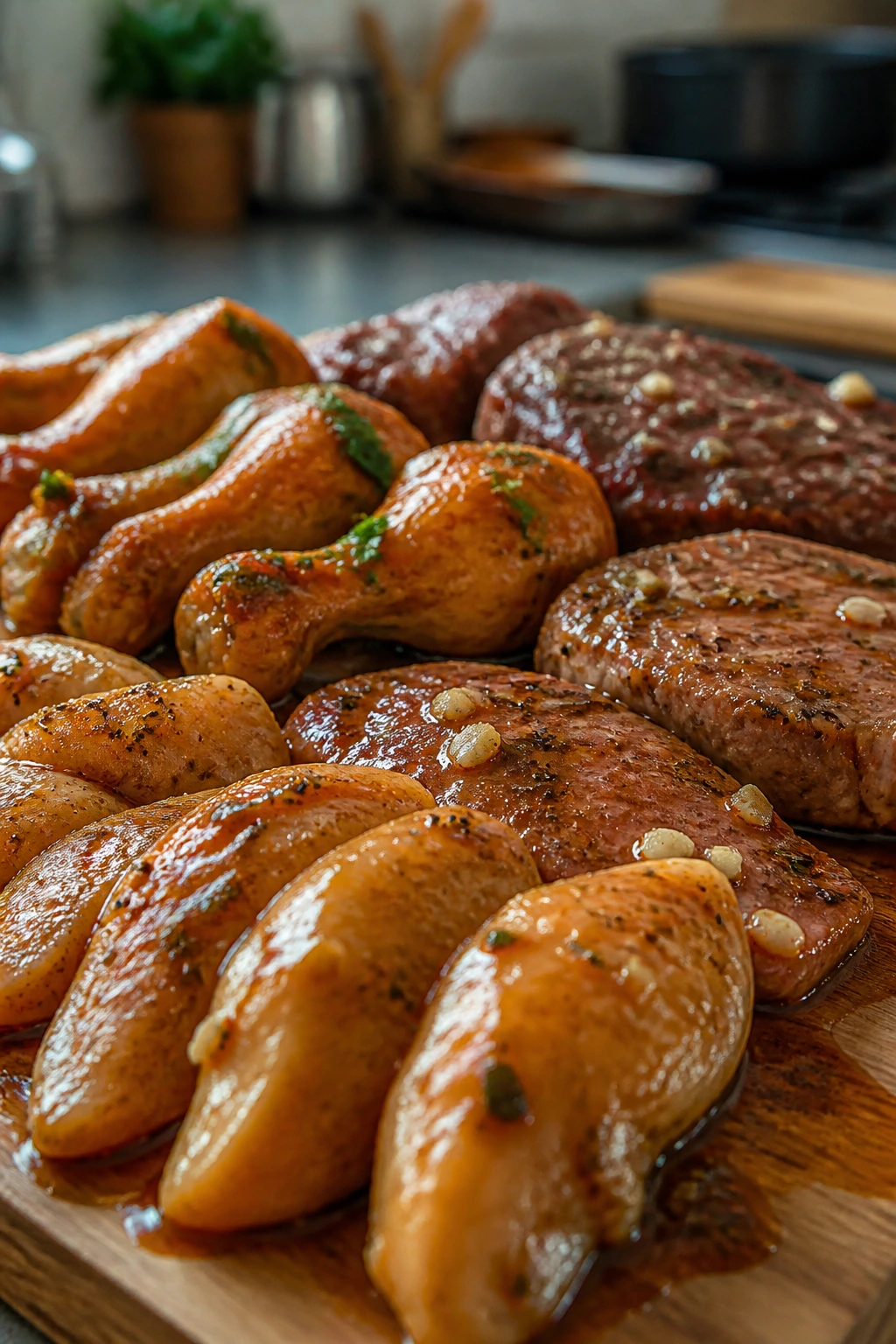
Raw marinated food holds differently depending on what it is. Chicken in marinade is best cooked within 24 hours, and I would not push poultry much past 2 days in the fridge even if the texture still looks fine. Pork and beef can sit a bit longer, but they still taste cleaner if you cook them the next day rather than letting the marinade keep working for too long.
Vegetables are the least forgiving. Marinated zucchini and mushrooms are best within a few hours, not a whole day. Tofu is the one exception that behaves well overnight because it can absorb flavor without turning limp.
If you want to freeze the raw marinated food, that works. Pack it flat in a freezer bag, squeeze out the air, and freeze it for up to 2 months for the best texture. Thaw it in the fridge overnight, never on the counter. That rule matters more than people think when the weather is warm and the grill is already getting attention.
Cooked leftovers should go into the fridge within 2 hours of coming off the grill, or 1 hour if the weather is very hot and the food is sitting out under the sun. Once cooked, marinated chicken, pork, or beef keeps for 3 to 4 days refrigerated in a covered container. Grilled vegetables hold for 2 to 3 days, though they soften a bit after day one.
Reheating is easy if you avoid the microwave trap. A 325°F oven for 10 to 15 minutes, loosely covered with foil, keeps chicken from drying out. A skillet over medium heat with a splash of water or broth works well for smaller pieces. If you have leftover skewers, pull the food off first and warm the pieces separately; the sticks themselves are not helping anything by the second day.
And one more useful habit: store sauce separately from the cooked food. That keeps the leftovers from going soggy, which is the fastest way to make a good cookout taste tired.
Questions People Actually Ask Before the Grill Goes On
Can I marinate chicken overnight for a kids’ cookout?
Yes, but keep the marinade mild and avoid piling on extra citrus if it already has lemon or vinegar. For chicken thighs, overnight is usually fine; for breasts, I’d stay shorter because they dry out faster and can get a soft, almost cured edge if the acid is too strong.
What is the best single marinade if I only want one base?
Use olive oil, lemon juice, honey, garlic, soy sauce or tamari, salt, and paprika. That base works on chicken, pork, tofu, peppers, zucchini, and mushrooms without pushing the flavor so hard that picky kids back away from the platter.
Do I need to pat the food dry before grilling?
A little drying helps. Let the excess marinade drip off, then pat the surface lightly with paper towels if it’s very wet. Too much liquid on the surface can steam the food instead of browning it, and sugary marinades can drip and flare more if they’re left pooling.
How do I keep sweet marinade from burning?
Cook over medium heat, not a roaring hot grate, and save most of the sticky glaze for the last 2 to 3 minutes. If the surface starts to darken too fast, move the food to the cooler side of the grill and finish it there instead of forcing it through flames.
Can I use the same marinade for vegetables and meat?
Only if you split it before the raw meat touches it. Once raw chicken or pork has been in the bowl, that marinade is not safe as a finishing sauce unless you boil it first. Keep one clean batch back for vegetables if you want to brush or dip later.
What if my kids hate smoky flavor?
Pull the food earlier and keep the grill temperature a little lower so you get browning without heavy smoke. A yogurt-lemon marinade or a mild honey-garlic version also leans lighter than a smoky paprika mix, which helps when the kids are suspicious of anything that tastes charred.
Do skewers have to be used?
No, but they do help with serving. Skewers make small pieces easier to grill and easier for kids to hold. If you skip them, use boneless thighs, pork medallions, or wide vegetable pieces and serve them in a way that does not make the child hunt around a crowded plate.
What if I do not have a grill?
A grill pan or broiler can handle the same marinades if you watch the sugar closely. Use a hot pan, cook in batches, and finish under the broiler for a minute or two if you want some color. You will miss a little smoke, but the flavors still work.
How do I know the chicken is done without cutting it open?
Use the thermometer. Chicken needs 165°F in the thickest part, and the juices should run clear rather than pink. If you’re cutting it open to check every time, you’ve probably already cooked it too long.
The Backyard Cookout Rhythm That Makes Next Time Easier
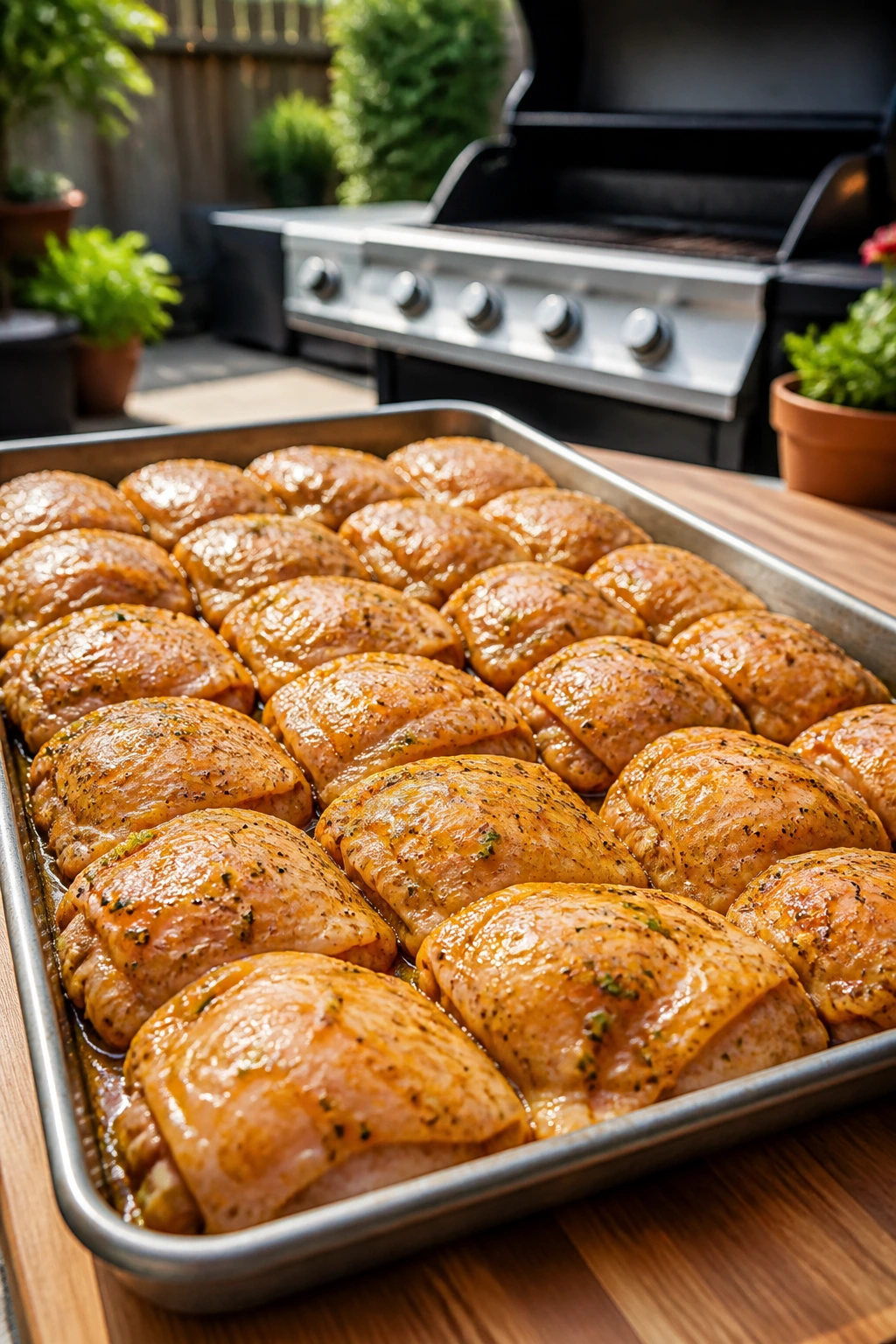
The nicest thing about marinated kids BBQ party food is how repeatable it is. Once you know your go-to cut, your go-to marinade, and the heat level your grill likes, the rest becomes a calm little routine instead of a scramble. That’s worth a lot when the backyard is full of noise and the table needs food that disappears on cue.
Keep the flavors mild, the pieces even, and the sauce separate until the last minute. That one habit fixes most of the usual cookout headaches before they start, and it works just as well for a small family dinner as it does for a bigger crowd with sticky fingers and loud opinions.
The next time you plan a backyard cookout, start with one good marinade and one clean grilling setup. Everything else can change around that, and the food will still land exactly where you want it.