



A charred easy BBQ dinner for backyard cookouts lives or dies on one thing: control. Not perfection. Control. The best plates I’ve had off a grill were never the ones with the longest ingredient list or the most dramatic sauce. They were the ones where the edges went bronzed and a little black, the meat stayed juicy, and the vegetables came off with enough bitterness to keep them interesting.
That smoky, browned flavor doesn’t come from luck. It comes from heat management, a few smart cuts of meat, and the willingness to stop treating the grill like an oven. A grill punishes indecision. Leave chicken over direct flame too long and it dries. Crowd the grate and everything steams. Splash on a sugary glaze too early and you get sticky soot instead of a lacquered crust. Small mistakes, big consequences.
The part people usually miss is that an easy BBQ dinner doesn’t need to be elaborate to feel complete. One forgiving protein. One or two vegetables that can take a char. A cold, crunchy side. A sauce that shows up at the end, not from the start. That’s the rhythm. Get that right and the whole table smells like the good kind of summer night.
Why a Charred BBQ Dinner Works So Well
-
Char does real flavor work: Those browned edges on chicken skin, onion layers, or pepper strips bring a sweet, savory bitterness that a covered oven dinner never gives you.
-
A grill rewards simple food: Thick marinades and fiddly toppings tend to fail over open heat, while salt, smoke, and a little oil give you cleaner flavor and better texture.
-
The meal can be built in parts: You can marinate the protein, prep the vegetables, and chill the sides before the fire is lit, which keeps the actual cooking calm.
-
It handles mixed appetites: A single grill can turn out meat, vegetables, and even fruit with enough variation to satisfy picky eaters and enthusiastic ones at the same table.
-
It scales without drama: Doubling grilled chicken thighs or sausage links is far easier than doubling a stovetop dinner that needs three pans and a timer on every burner.
-
Leftovers stay useful: Grilled meats and charred vegetables keep their shape better than saucy casseroles, so tomorrow’s lunch doesn’t turn into mush.
The Backyard BBQ Dinner Formula That Actually Works
A good cookout dinner follows a shape, even when it looks relaxed on the table. You want a main item that can take direct heat, a vegetable or two that benefits from browning, something cold and crisp to reset the palate, and a starchy side that soaks up sauce without fighting the grill flavor. That’s the whole trick.
I like to think of it as a hot component, a cool component, and a soft landing. Chicken thighs, sausages, or a flank steak do the heavy lifting. Grilled corn, zucchini, peppers, or onions bring sweetness and char. Then you add slaw, potato salad, tomato salad, or a cold cucumber dish to keep the plate from feeling too heavy. The contrast matters more than people think. Char tastes brighter when it sits next to crunch.
What Belongs on the Grate
Some foods love flame because they have enough fat, enough structure, or enough surface area to brown before they dry out. Chicken thighs are the obvious example. So are sausages, salmon with skin, pork tenderloin, shrimp on skewers, thick portobello caps, and halloumi if you want a meatless option that will not disappear into the grates.
Thin chicken breast is the fussy cousin in this group. It can work, but it asks for more attention than I want at a backyard cookout. If you’re cooking for a crowd, choose pieces that forgive you when you get pulled into a conversation halfway through the grill turn.
What Stays Cold
Cookout food needs relief. A cold side doesn’t have to be fancy, but it does need texture. Vinegar slaw, cucumber salad, chopped tomato with herbs, pickled onions, or even a chilled bean salad can cut through the smoke and fat. That fresh bite keeps the meal from feeling one-note.
And yes, a few cool elements on the plate make the char taste better. That’s not a flourish. It’s how the palate works.
How Much to Plan
For adults, I plan on about 6 to 8 ounces of cooked protein per person if the dinner is the main event, plus one generous vegetable side and one starchy side. If you’re feeding people who graze, talk, wander, and come back for seconds after the first round of lemonade, buy a little more than you think you need. Backyard cookouts have a way of producing second helpings.
Choosing Proteins That Stay Juicy Over Open Flame
The best grilled dinner proteins are the ones with enough fat, enough thickness, or enough connective tissue to survive the grill without turning leathery. That’s why I reach for chicken thighs before chicken breasts, and why sausages show up at more cookouts than they get credit for.
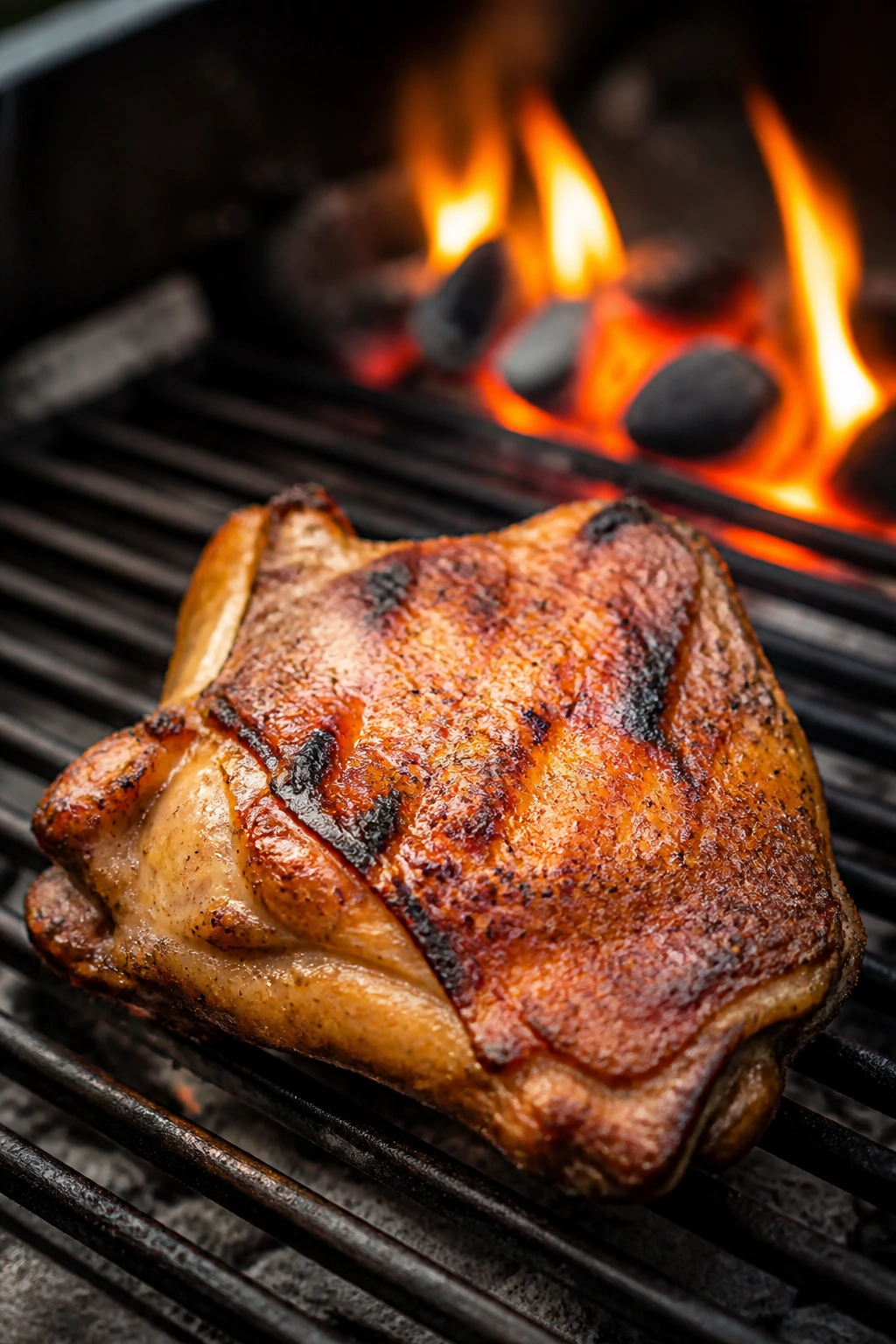
Chicken thighs are the easy winner if you want flavor with less babysitting. Bone-in, skin-on thighs give you crisp skin and juicy meat, and even boneless thighs stay tender at high heat. A 20- to 25-minute cook over a two-zone fire usually gets them where you want them, though the exact time depends on thickness and how hot the grill runs. The USDA safe internal temperature for chicken is 165°F, and that number matters more than the clock.
Sausages are another strong choice because the casing protects them while the inside heats. Start them over indirect heat after an initial browning if they’re thick links. Hot dogs and bratwursts can handle more direct heat, but they still do better with a little patience than with brute force.
Pork tenderloin is leaner, but it behaves nicely when you sear it hard and finish it away from the flame. Pull it around 145°F and let it rest for 3 minutes. It slices cleanly, and the middle stays faintly pink instead of gray and dry. Pork chops can work too, though thick-cut chops are much more forgiving than thin ones.
Beef gives you more room to play. Flank steak and skirt steak love fast, hot cooking and a decent rest afterward. Grill them over high heat for a few minutes per side, then slice thinly against the grain. That last part is not optional. Cut beef the wrong way and it feels tougher than it should.
Fish and shrimp bring speed, but they also punish distraction. Skin-on salmon fillets hold together best. Shrimp need only a minute or two per side, which is great if you’re timing the whole dinner well and terrible if you’re still trying to find the tongs. Fish is done when it flakes and reaches 145°F, though many cooks pull it a touch earlier and let carryover heat finish the job.
If you want a meatless anchor, halloumi and thick portobello caps both char beautifully. Halloumi gets salty and squeaky at the edges. Portobellos soak up marinade and deliver a meaty chew that works surprisingly well on a bun or next to grilled vegetables.
Vegetables That Belong on the Grill, Not in the Dumpster
A lot of grilled vegetables fail because they’re cut too small, tossed in too much oil, or treated like an afterthought. The grill does not forgive flimsy planning. It will either sear a vegetable into something sweet and smoky, or it will burn the outside before the inside has a chance to soften.
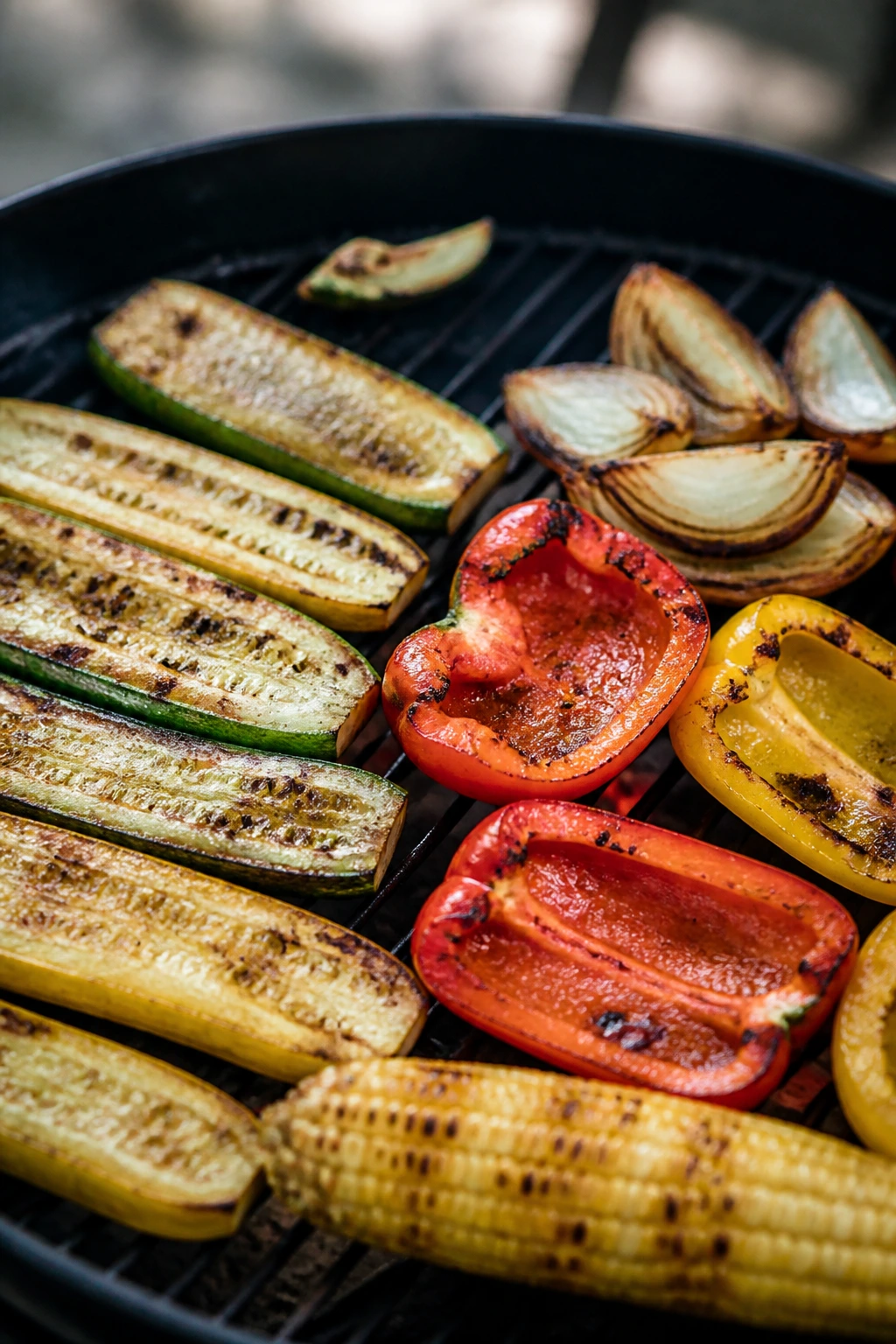
Zucchini and summer squash need width. Slice them lengthwise into planks about 1/2 inch thick. Any thinner and they slump through the grate or go soft before you get color. Peppers work best halved or quartered, with the seeds and membranes removed. Leave enough flesh to hold together. Onion wedges should stay attached at the root end so the layers don’t scatter all over the grates.
Corn is the backyard cookout vegetable that almost feels unfair. You can leave it in the husk for a steamed-grilled effect, or shuck it and get direct char. Husked corn tends to pick up more smoke and visible browning in 10 to 12 minutes, turning it every couple of minutes so the kernels blister evenly. In the husk, it steams first and grills second. Softer, sweeter, less bronzed.
Mushrooms are underrated because they go from firm to floppy at an awkward speed if you forget them. Large cremini, portobellos, and king oyster mushrooms are the safer bets. Give them enough room and a little salt. A splash of oil plus a brief marination works well, but drown them and they turn slippery.
Asparagus is the fast one. Thin spears may be done in 3 to 4 minutes over a hot grate, while thicker stalks need a bit longer. The goal is bendable but still lively. If it droops like overcooked pasta, you went too far.
Cabbage wedges are one of my favorite grill vegetables because they get crisp on the cut sides and sweet in the center. Brush them with oil, season them well, and give them time. They need more patience than people expect, but the payoff is huge: crunchy edges, soft leaves, and a roasted flavor that feels far more complex than the effort suggests.
Fruit deserves a mention here too. Halved peaches, pineapple rings, or plums can finish on the grill with a little sugar in their own flesh. They don’t need much. A minute or two per side is enough to get the marks and deepen the flavor. Serve them alongside pork or chicken and the whole plate wakes up.
Fire Setup: Gas, Charcoal, and the Two-Zone Trick
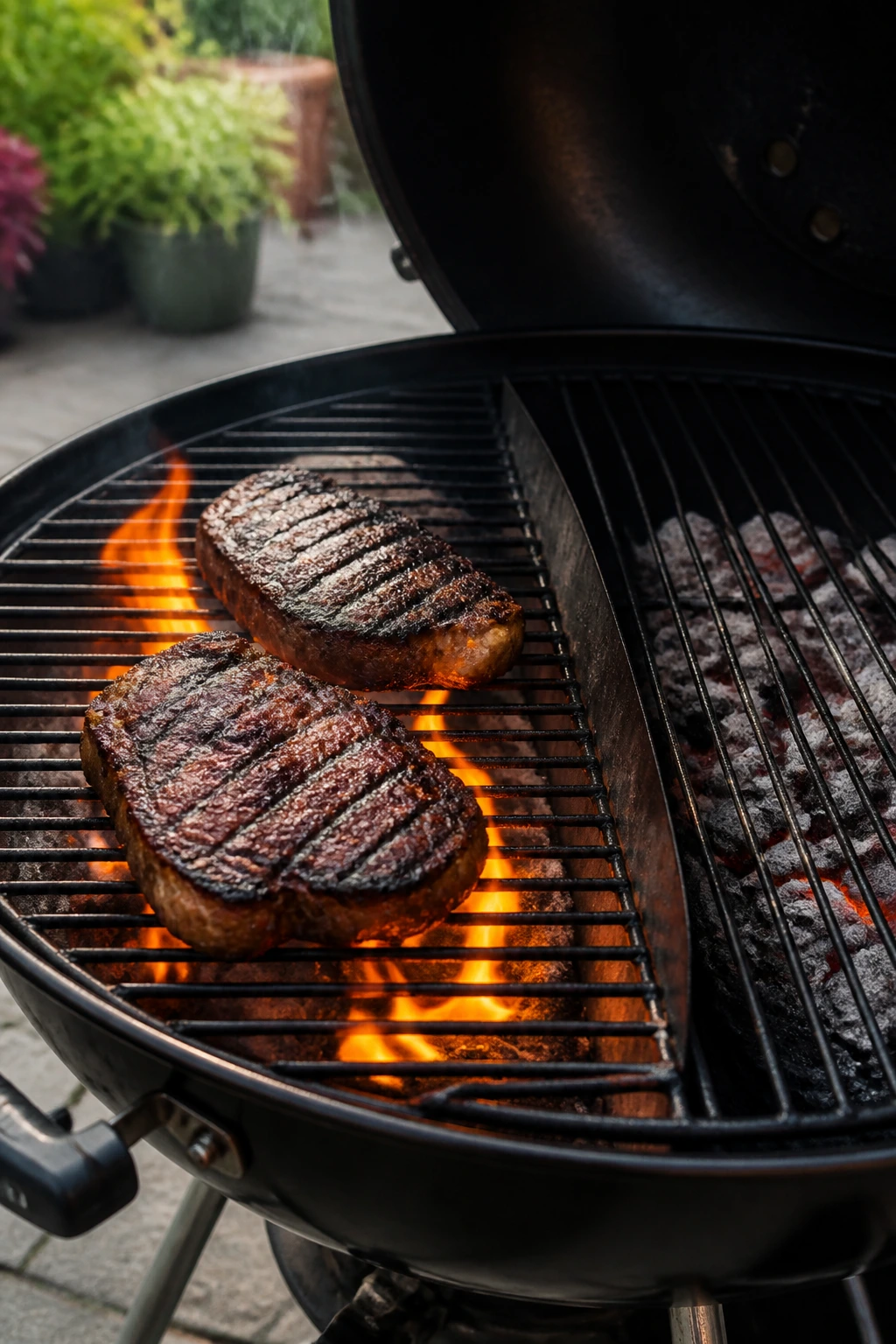
The grill is only as easy as the fire you build under it. A backyard BBQ dinner gets a lot simpler when you stop trying to cook everything at the same temperature. The two-zone setup is the difference between a hot sear and a gentle finish, and once you get used to it, it feels obvious.
Gas Grill Setup
For gas, preheat with the lid closed for 10 to 15 minutes, then scrub the grates while they’re hot. Turn one side of the grill to high and the other side to medium or off. That gives you a direct zone for browning and an indirect zone where thicker cuts can come up to temperature without scorching.
A gas grill is fast and convenient, but it can also produce bland heat if you don’t preheat long enough. Cold grates cause sticking. Weak flames cause pale food. Give the metal time to get hot. Hot metal is what builds char.
Charcoal Grill Setup
Charcoal gives you a deeper, smokier edge, but only if the coals are ready. Wait until they’re covered with a thin layer of gray ash and spread them into one hot side and one cooler side. A chimney starter makes this easier and cleaner. I prefer it because it cuts out lighter fluid smell, which has no business anywhere near chicken skin or peaches.
If you want more control, bank the coals to one side or use a pile at each end with an open gap in the middle. That gives you spots to sear and spots to rescue food that’s threatening to burn.
Why the Lid Matters
People treat the lid like decoration, then wonder why their food cooks unevenly. On a grill, the lid controls airflow and helps create an oven-like environment. Open it for a quick sear. Close it when you need the inside to catch up. If sausages are browning too fast, close the lid and move them indirect. If asparagus is finishing too slowly, give it more direct heat. The lid is part of the fire, not an accessory.
The best part of the two-zone trick is how forgiving it is. A chicken thigh can start over the hot side, move to the cool side, then come off when the internal temp hits 165°F without losing all its juices. A steak can take a fierce sear and then rest off the flame while you finish the vegetables. A bad grill setup makes every food act the same. A good one gives each ingredient the treatment it needs.
Rubs, Marinades, and Glazes That Hold Up to Heat
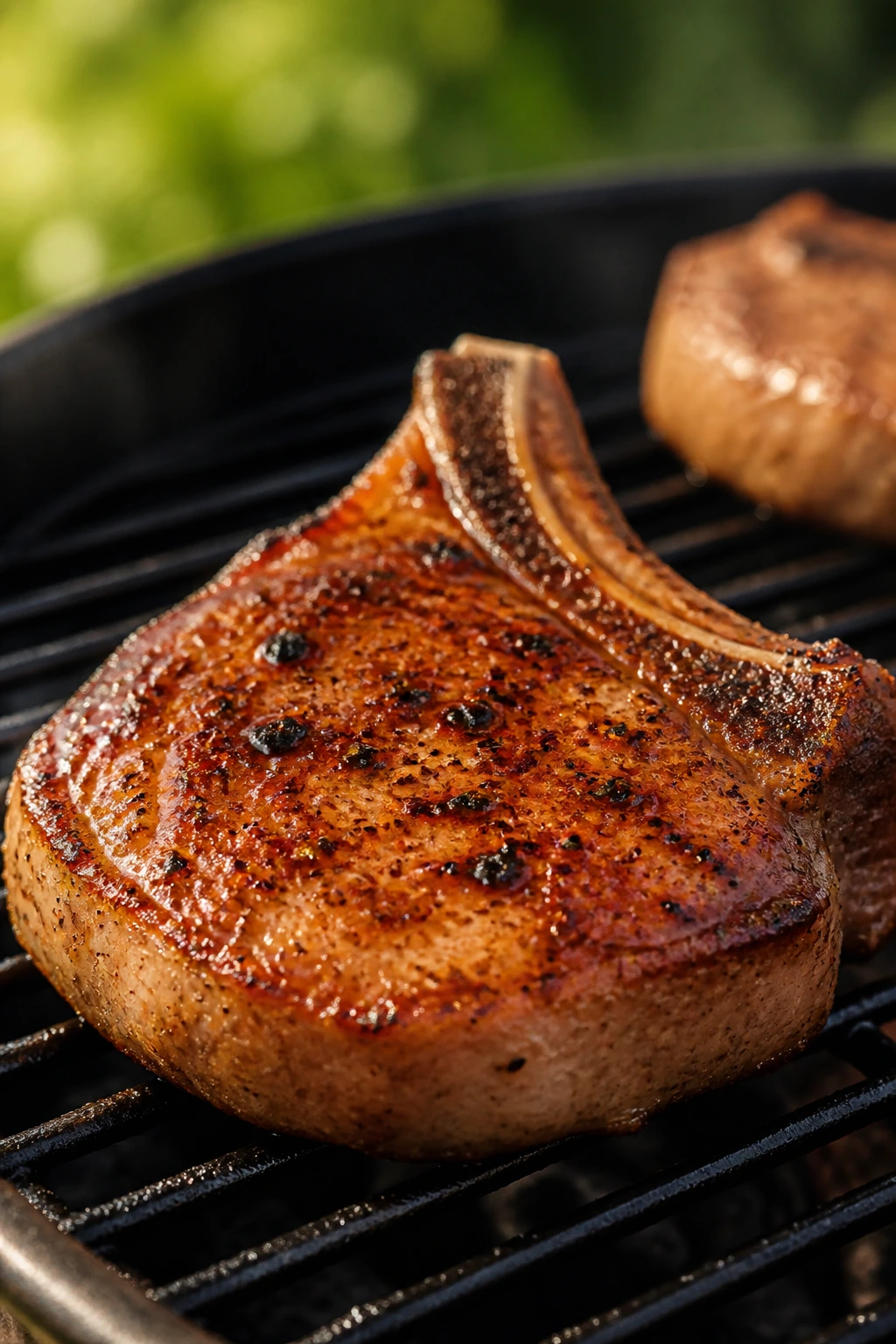
Seasoning on the grill has to do two jobs at once: flavor the food and survive the flame. That means salt, fat, herbs, spices, and sugar all need to be used with some restraint. Too much sugar early on and the surface burns before the middle is ready. Too much acid and you can end up with a mushy exterior that never browns properly.
Dry brines are the most overlooked move in backyard grilling. A simple salt-and-spice mix applied a few hours ahead, or overnight for thicker cuts, pulls moisture toward the surface, then lets it reabsorb. That gives you deeper seasoning and better browning. For chicken thighs, a dry brine with kosher salt, black pepper, garlic powder, and smoked paprika works better than a heavy wet marinade when you want crisp skin.
Wet marinades have their place, especially for pork, seafood, and vegetables. Oil carries fat-soluble flavor. Acid brightens. Herbs bring freshness. Just don’t let acid dominate the whole show. Lemon juice, vinegar, and yogurt can all be useful, but long soaks can soften the texture more than you want. For shrimp, a quick 15- to 30-minute marinade is enough. For pork tenderloin, a few hours is plenty. For steak, seasoning and a short rest often beat a long soak.
Glazes belong near the end. Honey barbecue sauce, molasses-based sauces, and sticky chili glazes should go on in the last 2 to 3 minutes, when the food is nearly done. That’s late enough to set the sauce without turning the sugars into bitter black paste. If you want a lacquered finish, brush lightly, let it set, then brush again. Thick, heavy coats just slide and scorch.
Salt deserves its own mention. Backyard cookouts often underseason because the fire feels dramatic enough on its own. It isn’t. A chicken thigh or zucchini plank needs enough salt to taste awake after the smoke settles. A bland grilled dinner is usually underseasoned, not under-charred.
My favorite flavor pattern for this kind of meal is simple: salt, smoke, something bright, and one sweet note at the end. That can be smoked paprika and lemon. Garlic and vinegar. Chili flakes and a brush of maple at the end. The specifics change, but the structure doesn’t.
How to Time a Backyard BBQ Dinner Without Serving Chaos
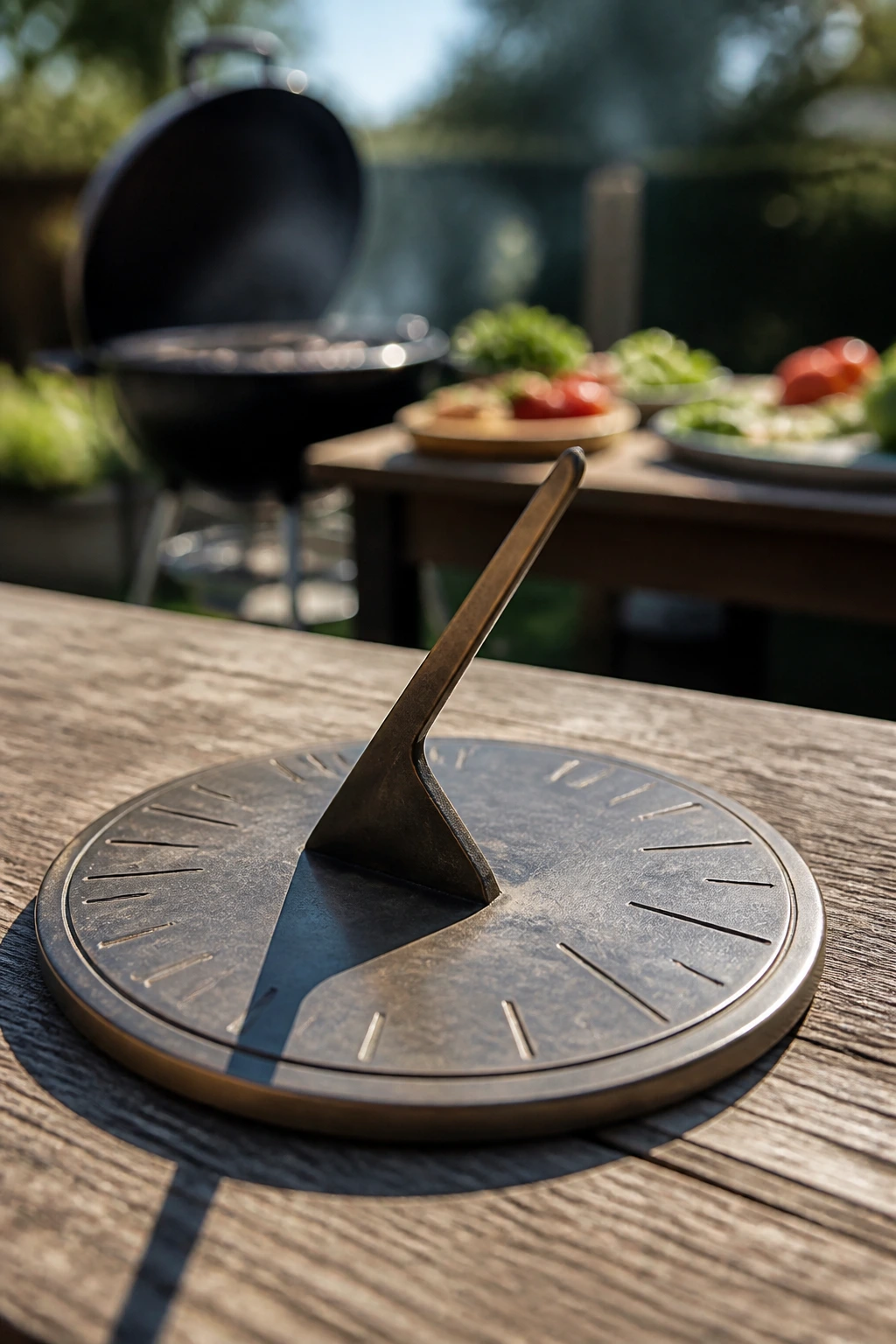
Cookout timing gets messy when everything starts at once. The fire isn’t ready, the potatoes are still warm from the stove, the chicken needs another 8 minutes, and someone is already asking where the napkins went. You can avoid most of that by working backward from the serving time.
Two Hours Before Eating
If you’re using a dry brine or marinade, this is the window to get the main protein seasoned and the vegetables prepped. Cut the vegetables now. Make the sauce now. Chill the slaw, salad, or cucumber side now. If you’re grilling bread, slice it now and butter or oil it lightly so it’s ready to go when the fire is hot.
Thirty to Forty-Five Minutes Before Eating
Start the grill. This is the real runway. A gas grill needs enough preheat time to get the grates hot. Charcoal needs time to ash over. Clean the grates while they heat, and set out your tools before you touch the food. Once the meat hits the fire, you do not want to be hunting for a basting brush.
Fifteen Minutes Before Eating
Move the first food to the grill. If the dinner includes a slow-cooking item like chicken thighs or sausages, they go on first. Vegetables can start a few minutes later, depending on thickness. Shrimp, fish, and quick-cooking items go on near the end. If you’re grilling corn, that can go on early too because it holds.
The Last Ten Minutes
This is when the sequence matters. Glaze the meat only after it’s almost cooked. Pull the vegetables as soon as they have char marks and the texture you want. Let the protein rest on a clean tray, tented loosely if needed. Resting matters because the juices need a minute to settle. Cut too soon and they flood the board.
I like to keep a “ready” tray on the side of the grill and another one in the kitchen for raw food. That sounds almost fussy, but it saves you from the one mistake that ruins a relaxed dinner: mixing cooked food with raw drippings. Backyard heat invites carelessness. A simple system keeps the whole thing moving.
Serving a Backyard BBQ Dinner So It Feels Pulled Together
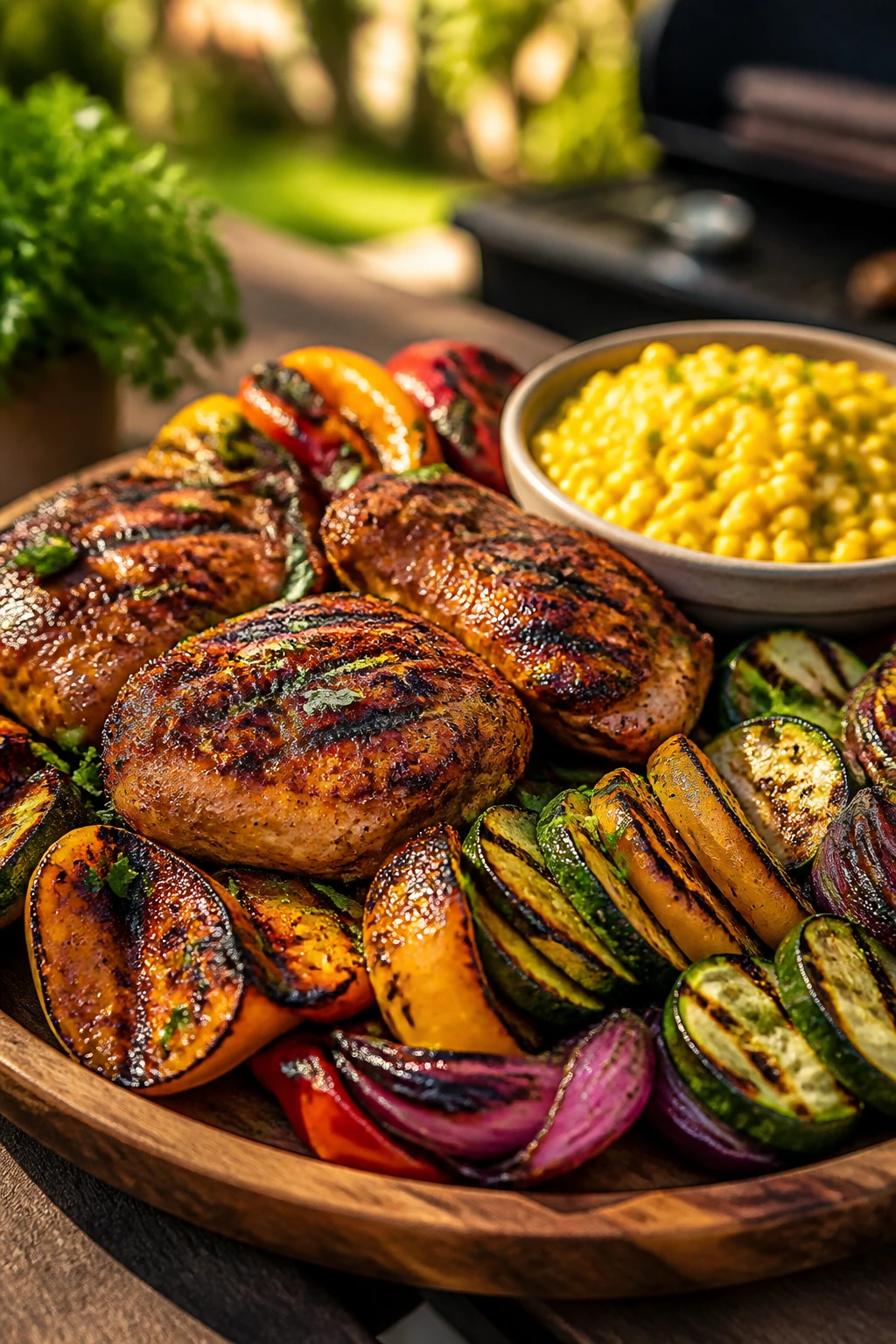
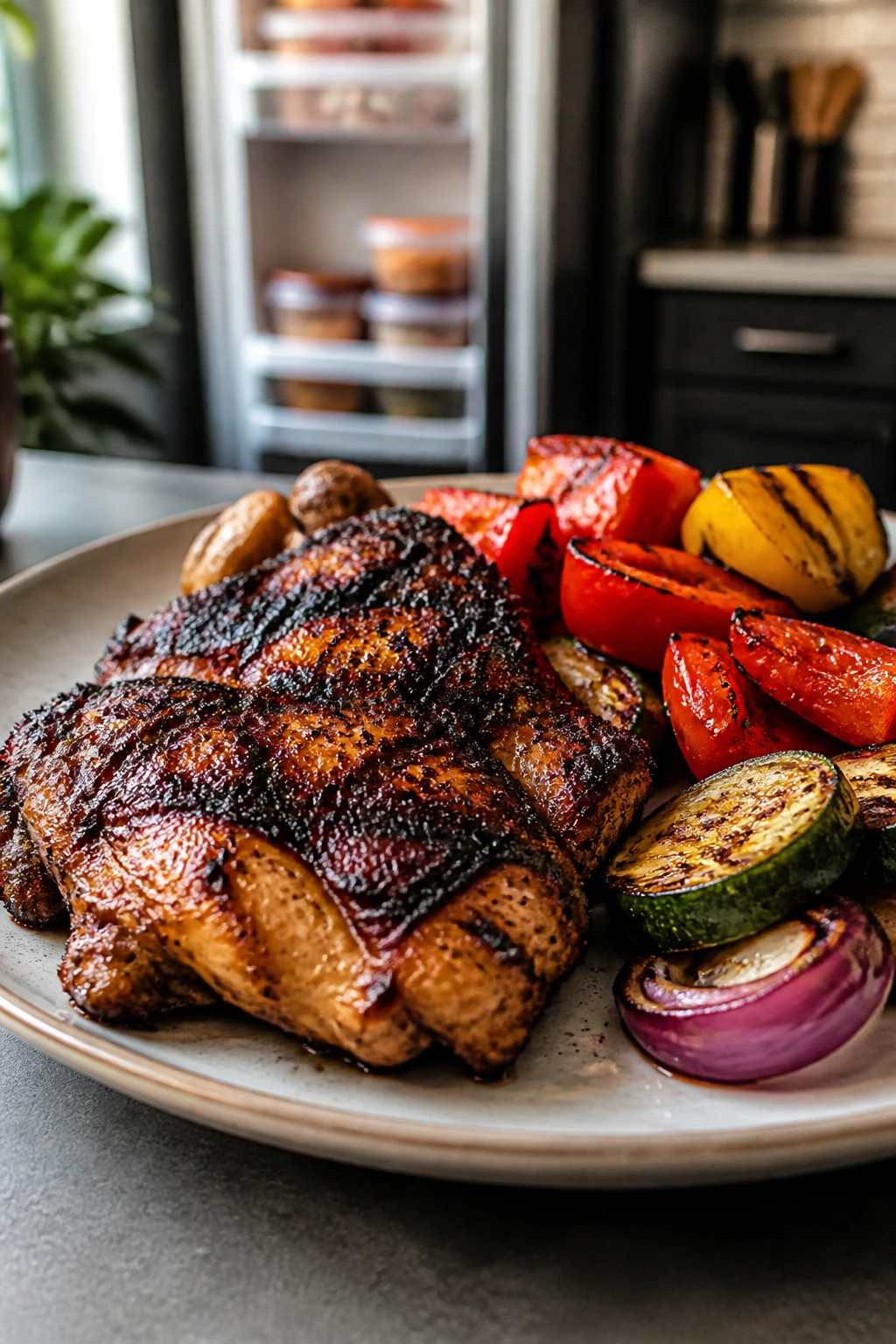
Presentation: Put the grilled protein on a warm platter and let the charred vegetables crowd around it instead of hiding them in separate bowls. A little mess looks good here. A streak of sauce on one side, some herb leaves, and the burnished edges of peppers or onions do more for the plate than a neat restaurant arrangement ever will.
Accompaniments: Pick one cold, crunchy side and one starch. Coleslaw, cucumber salad, potato salad, cornbread, grilled bread, roasted potatoes, or a bean salad all work. If you’re serving chicken or pork, a bright vinegar slaw keeps the plate from feeling heavy. If you’ve got steak, a tomato salad or potato salad does the job better than anything complicated.
Portions: Plan on 6 to 8 ounces of cooked protein per adult if the grill dinner is the main meal. For vegetables, think one to two cups per person when they’re part of the spread. If you’re serving a crowd with mixed appetites, buy more vegetables than meat. People always take another wedge of corn or another slice of grilled zucchini after they say they’re full.
Beverage Pairing: Cold lager is the easy answer because it handles smoke and salt without fighting them. I also like iced tea with lemon, especially if the meal leans sweet or saucy. If you want something nonalcoholic with a little edge, sparkling water with lime and a pinch of salt feels cleaner than plain soda.
Serve the meal family-style if you can. A backyard cookout should look generous, not fussy. The food tastes better when people can reach in, build their own plate, and chase one bite of hot meat with a cool spoonful of slaw.
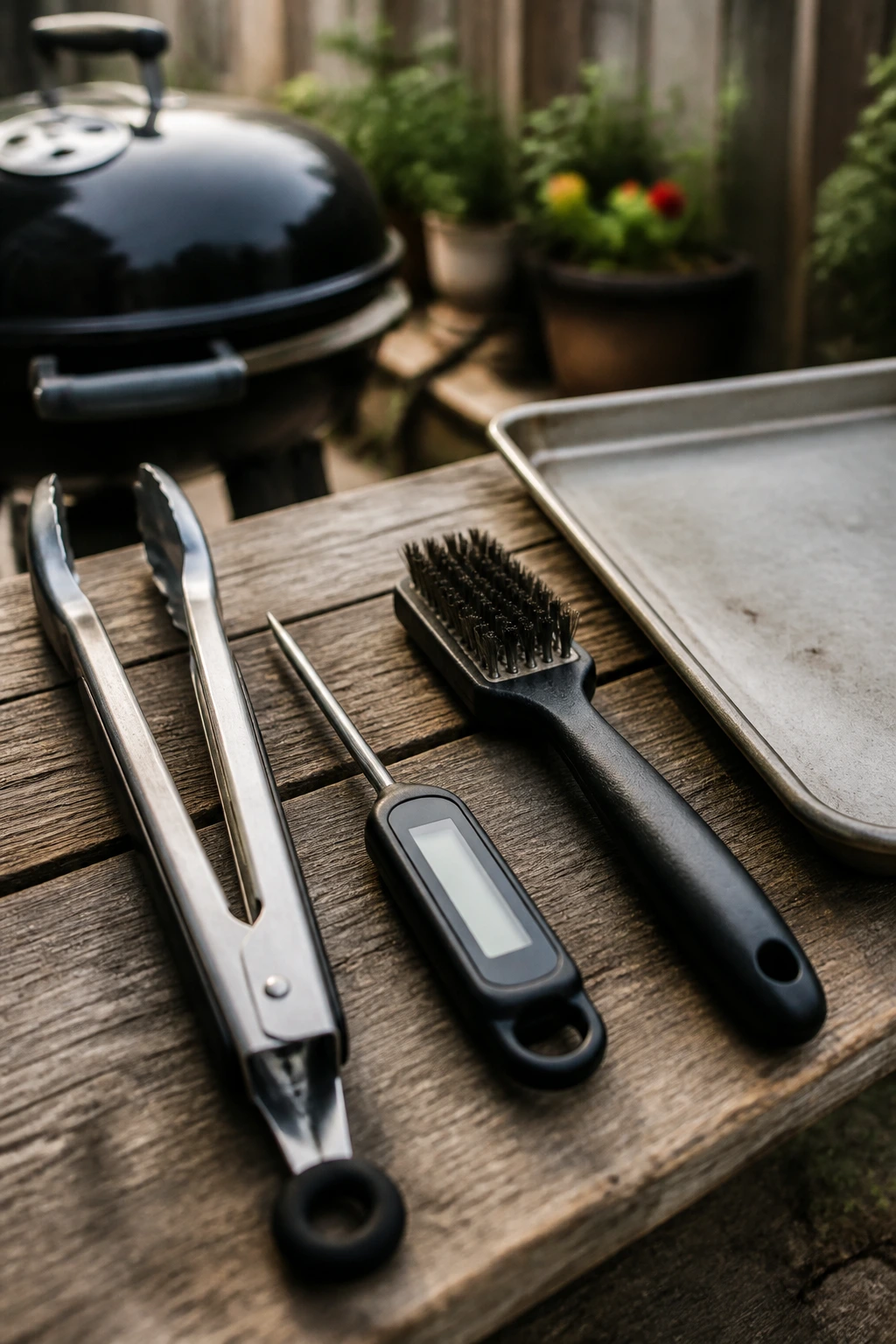
Essential Tools for a Better Grill Night
-
Grill, gas or charcoal: Either works, but you need enough grate space to create a hot zone and a cooler zone.
-
Long-handled tongs: Short tongs put your hand too close to the heat and make it harder to turn food without piercing it.
-
Instant-read thermometer: This is the difference between guessing and knowing, especially for chicken, pork, and fish.
-
Grill brush or scraper: Clean grates stick less and leave cleaner char marks.
-
Sheet pans or rimmed trays: Use one for raw food and one for cooked food so the whole setup stays organized.
-
Basting brush: Handy for late-stage glazing, but don’t use it on raw marinade and then on finished food without washing it.
-
Sharp knife and sturdy cutting board: You’ll need both for trimming, slicing, and carving against the grain.
-
Chimney starter: Optional for charcoal, but worth it if you don’t want to taste lighter fluid on the food.
-
Foil: Useful for tenting rested meat, wrapping delicate vegetables, or creating a quick indirect-heat pouch.
-
Vegetable basket or skewers: Not required, but helpful for small pieces that want to escape through the grates.
Practical Tips for Better Char, Better Smoke, Better Dinner
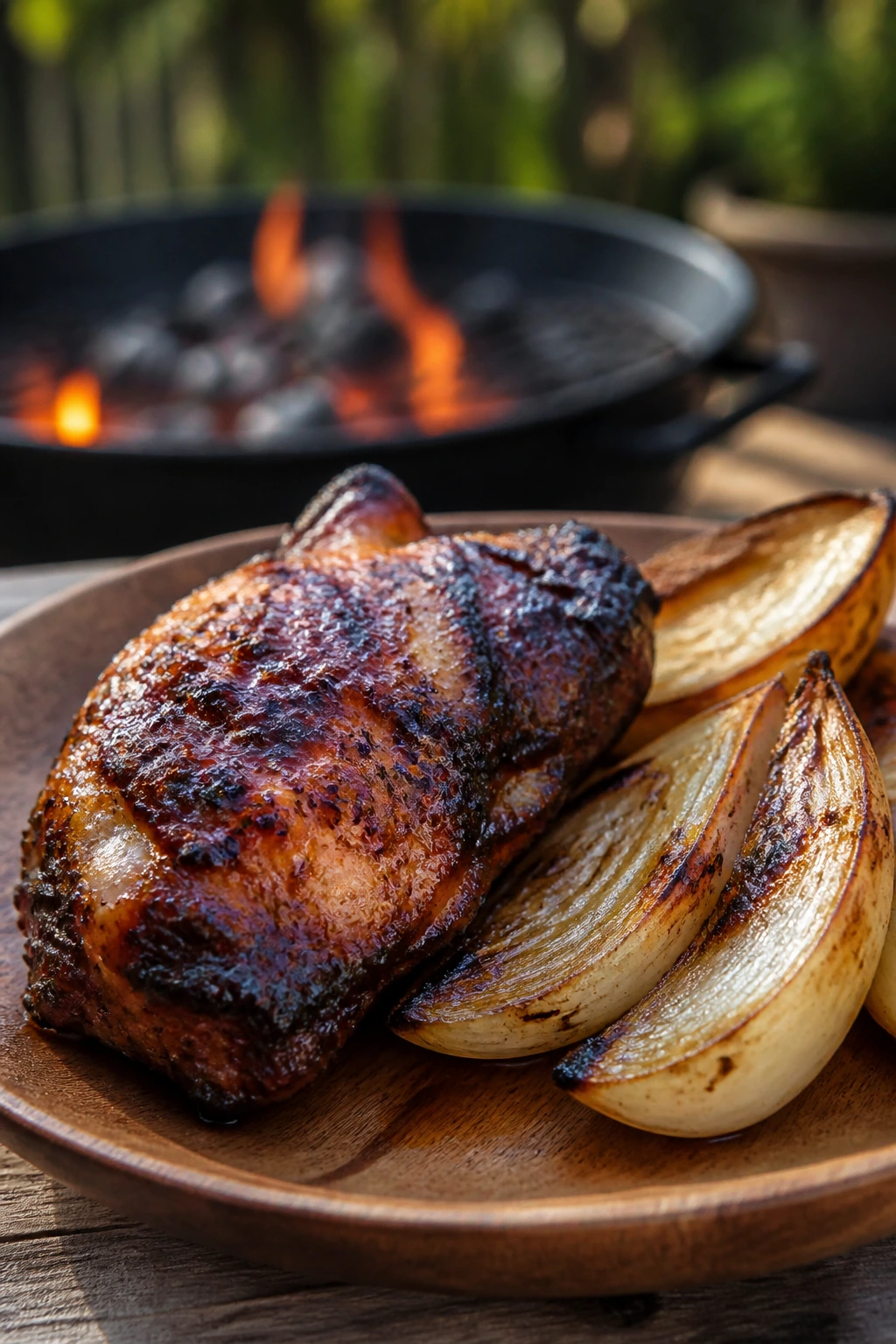
Flavor Enhancement: Brush vegetables with oil, then season them after the oil goes on. Oil first helps the salt and spices cling, and it keeps zucchini or mushrooms from drying out before they brown. A little lemon zest over the finished plate does more than another spoonful of sauce.
Time-Saver: Partially cook dense vegetables like potatoes or thick carrots before they hit the grill. A quick microwave, steam, or parboil cuts the grill time and keeps the rest of the meal from waiting around. Nobody wants to stare at raw potato wedges while the chicken rests.
Pro Move: Let protein come off the grill 5 to 10 degrees before its final target if you’re working with steaks, pork, or thick chicken pieces. Carryover heat does the quiet finishing work while the meat rests. That small gap can be the difference between juicy and dry.
Cost-Saver: Build the meal around one pricier protein and stretch the plate with grilled vegetables, bread, and a cold side. Chicken thighs, sausage, and pork shoulder cuts are usually friendlier to the budget than ribeye or salmon, and they still taste like a proper cookout when you treat them well.
Smoke Control: If the fire starts flaring because fat is dripping, move the food to the indirect side for a minute instead of spraying the flames into a greasy fog. A few seconds of recovery beats a black crust that smells bitter.
Texture Move: Rest grilled meat on a wire rack set over a tray instead of directly on a plate if you want the bottom to stay crisp. Steam trapped under hot meat softens the char fast.
Common Mistakes That Ruin an Easy BBQ Dinner
-
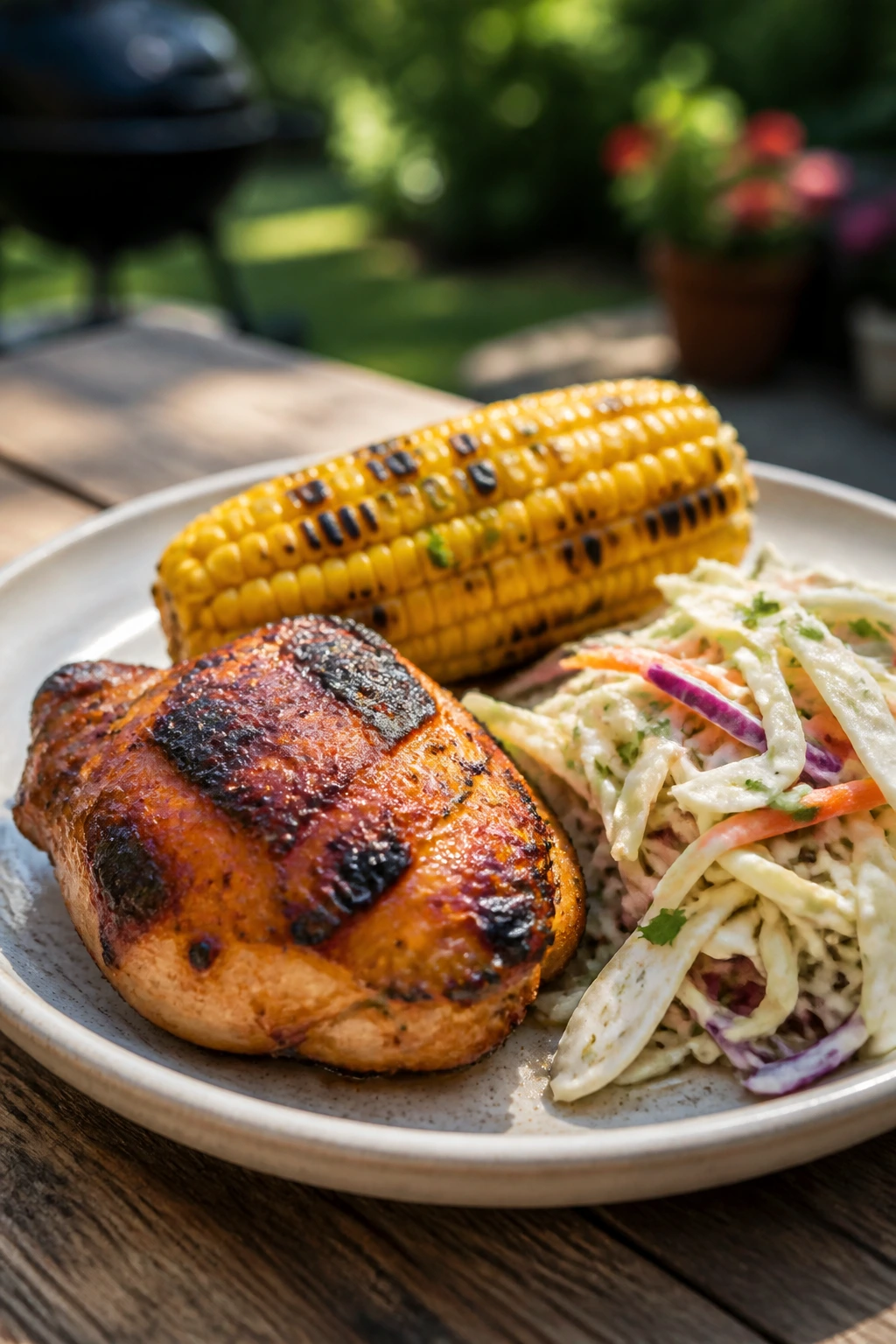
Crowding the grate: When food is packed too tightly, it steams instead of browning. The fix is simple: leave space between pieces and cook in batches if needed. A packed grill makes pale chicken skin and soggy vegetables.
-
Saucing too early: Sugary barbecue sauce burns fast, especially over direct heat. The symptom is a sticky black crust that smells bitter. Brush sauce on during the last few minutes, after the food is basically done.
-
Using one heat level for everything: Thick chicken thighs and thin asparagus should not sit in the same zone for the same length of time. If they do, one burns while the other is still raw. Two-zone cooking gives you a place to sear and a place to finish.
-
Skipping the thermometer: Guessing is how chicken ends up dry or unsafe. The fix is an instant-read thermometer and a habit of checking the thickest part, away from bone. For chicken, 165°F is the line; for pork, 145°F with a short rest is the target; for burgers, 160°F is the food-safety number that matters.
-
Cutting meat too soon: Juice runs onto the board, the slices look sad, and the first bite feels drier than it should. Let steaks, pork, and larger chicken pieces rest 5 to 10 minutes before slicing. Smaller cuts need less, but they still need a pause.
-
Forgetting to oil the food or clean the grates: Sticking tears the skin, rips the fish, and leaves half the dinner welded to the grill. Clean grates and a light oil coating on the food are usually enough to prevent that mess.
Flavor Variations for Different Crowds and Preferences
Smoky Paprika Chicken Night: Use bone-in chicken thighs with a dry rub of smoked paprika, garlic powder, black pepper, and kosher salt, then finish with a thin brush of vinegar-based sauce. It’s the version I reach for when I want crisp skin and a clean, smoky finish without a sugary glaze.
Citrus-Herb Seafood Spread: Swap in salmon or shrimp and season with olive oil, lemon zest, dill, parsley, and garlic. Keep the heat steady and medium-high, not raging hot, so the seafood gets color before it dries out. This version needs less time and more attention.
Sticky Glaze Cookout: Use pork tenderloin or sausages and finish them with a sweet-spicy barbecue glaze during the last 2 or 3 minutes on the grill. A little brown sugar or honey in the sauce is enough. Too much and the glaze burns before it sets.
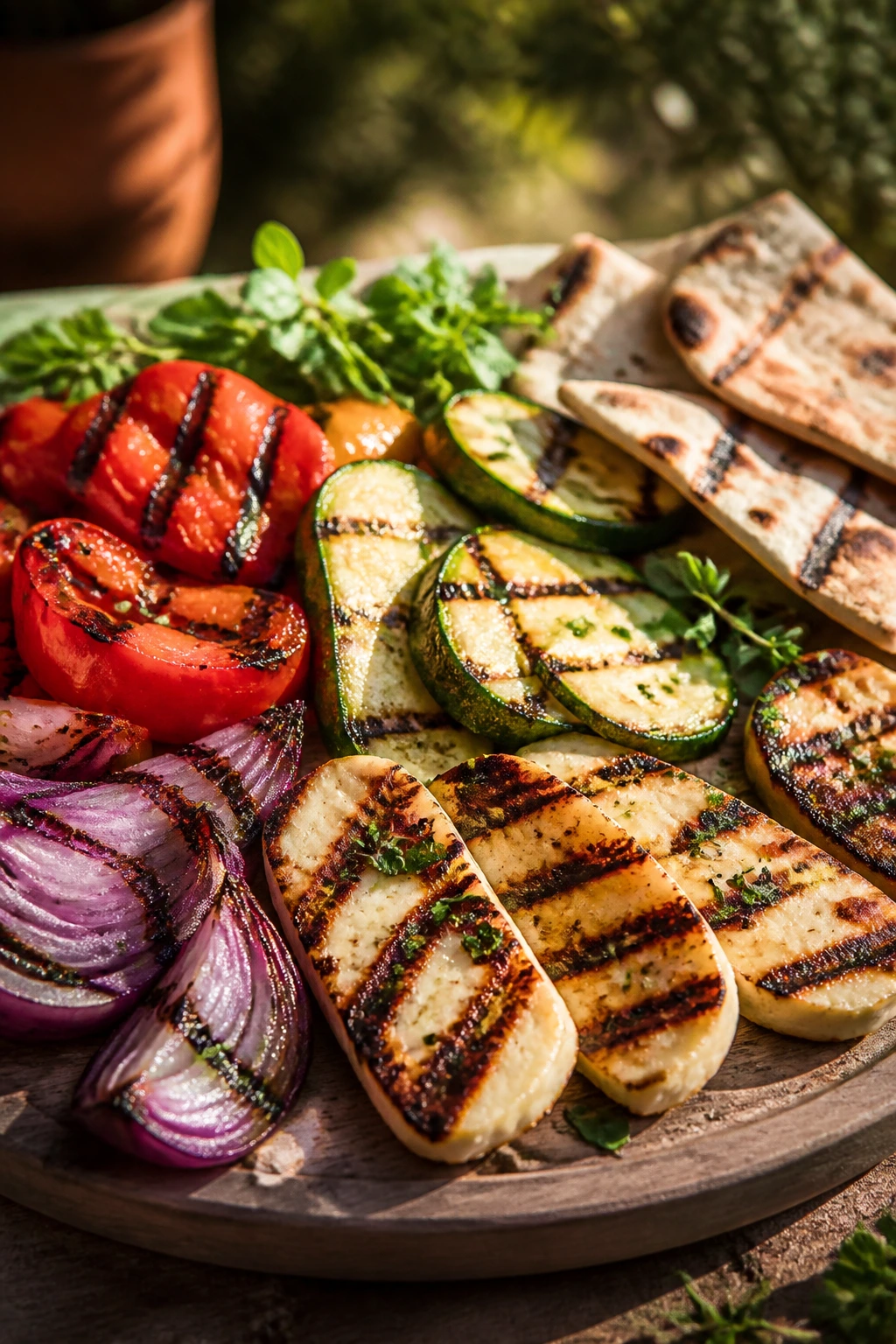
Mediterranean Grill Board: Build the meal around halloumi, peppers, red onion, zucchini, and grilled flatbread, then add a garlic yogurt sauce and chopped herbs. It feels lighter than a classic barbecue plate, but it still carries smoke and char in every bite.
Meatless Char Platter: Load the grill with portobello mushrooms, corn, cabbage wedges, onions, and thick slices of eggplant. A tahini-lemon sauce or chimichurri finishes the plate well, and nobody misses the meat when the vegetables are charred properly.
Make-Ahead, Storage, and Reheating Without Drying Everything Out
Cooked grilled food should go into the fridge within 2 hours, sooner if the plate has been sitting in warm air for a while. That’s the food-safety line that matters most. Once it’s chilled, most grilled meats keep well for 3 to 4 days in the refrigerator. Charred vegetables usually hold for the same window, though softer vegetables like zucchini and mushrooms are best earlier rather than later.
Freezing works best for chicken thighs, pork, sausages, and sliced steak. Wrap them tightly, press out as much air as you can, and freeze for up to 2 months for the best texture. They’ll still be safe beyond that, but the quality starts to drift. Fish can be frozen too, though I’d rather eat grilled fish fresh if I have a choice. Vegetables freeze poorly unless they were meant to be cooked down later.
Reheating needs a gentle hand. For meat, use a 300 to 325°F oven, covered loosely with foil, until warmed through. A splash of water, broth, or leftover sauce helps stop the surface from drying out. Steak slices can also be warmed in a skillet over low heat for a minute or two, just enough to take the chill off. Microwaves work in a pinch, but use low power and short bursts so the edges don’t turn rubbery.
Grilled vegetables reheat best in a dry skillet over medium heat or in a hot oven for a few minutes. Too much moisture turns them limp. Corn on the cob can be wrapped in foil with a little butter and reheated gently. Sauces should always be stored separately if possible, because a sauced piece of meat dries out faster in the fridge and reheats unevenly.
Make-ahead is where backyard cookouts get easier. Dry rubs can go on chicken or pork the night before. Vegetables can be cut and stored in sealed containers. Slaws and vinegar-based salads often taste better after a few hours in the fridge. Even the sauce can be made a day ahead, which saves you from juggling knives while the grill is already hot.
Backyard Cookout Questions People Ask All the Time
What’s the easiest protein for a beginner grill cook?
Chicken thighs or sausages, hands down. They tolerate heat better than chicken breasts, and they give you more time to fix a flare-up or rearrange the fire without ruining dinner.
Can I make a good BBQ dinner with a gas grill?
Absolutely. A gas grill will not give you the same smoky flavor as charcoal, but a clean, hot gas grill still makes excellent char if you preheat well and use a two-zone setup. Good seasoning matters more than fuel type.
How do I keep vegetables from sticking to the grates?
Dry them well, coat them lightly with oil, and make sure the grill is properly preheated before they go on. Soft vegetables stick when the metal is cool or dirty. Thick-cut vegetables also handle the grate better than tiny pieces.
What if the vegetables finish before the meat?
Pull them off and tent them lightly, or move them to the cooler side of the grill while the protein finishes. Most grilled vegetables hold for a few minutes without issue, especially corn, peppers, onions, and zucchini planks.
How do I know when chicken is done without cutting it open?
Use an instant-read thermometer in the thickest part of the thigh or breast, away from bone. Chicken is safe at 165°F. Cutting into it early lets the juices escape and gives you an unreliable read.
Can I use bottled barbecue sauce without burning it?
Yes, as long as you treat it like a finish, not a marinade. Brush it on near the end and keep the food moving if the sauce is thick or sweet. A thin layer sets better than a thick coat.
What sides hold up best outdoors?
Vinegar slaw, potato salad, bean salad, grilled bread, corn salad, and tomato-cucumber salad all do well for a while. Creamy dishes need to stay chilled, and anything with mayonnaise should not sit in the sun all afternoon.
Can I cook the whole dinner indoors if the weather makes grilling impossible?
You can get close. A cast-iron grill pan, a hot broiler, or a screaming-hot oven will brown the food, though you’ll miss some of the smoke. Finish with a little smoked salt or a splash of vinegar if you want the plate to taste more like a cookout.
Firelight and the Last Bite
A good grill dinner isn’t about making the table look polished. It’s about making the food taste like it came from a place where flame, fat, salt, and timing had to get along. Once you learn which proteins forgive you, which vegetables love char, and when to stop throwing sauce at the fire, backyard cooking gets easier fast.
The nicest part is how little ceremony it needs. A hot grate, a cold side, a rested piece of meat, and a plate with some rough edges. That’s enough. The smoke does its part, and if you’ve set things up well, the last bite tastes like the whole night was planned when really it was just handled with care.