



A good glazed ham should not taste like dessert pretending to be dinner. The better ones carry salt, smoke, and a little mustard bite under the shine, so each slice lands with actual flavor instead of a sugar rush. That is the trick with a savory honey glazed ham with brown sugar glaze: the surface looks glossy and festive, but the first bite is still grounded, meaty, and a little sharp around the edges.
What makes this style worth caring about is the way it behaves in the oven. A spiral-cut ham takes on glaze in the seams, which means the sugar, honey, Dijon, vinegar, and black pepper do more than sit on top. They seep in. They cling to the knife. They leave a sticky edge on the cut surface that tastes better than it looks, which is saying something.
Ham is also one of those roasts people mishandle by being too casual. They assume “fully cooked” means “anything goes,” then wonder why the slices dry out or the glaze tastes burnt and bitter. It doesn’t take much to avoid that. A thermometer, a little patience, and a glaze that gets brushed on in layers instead of dumped on all at once make the difference.
Why This Savory Honey-Glazed Ham Belongs on the Table
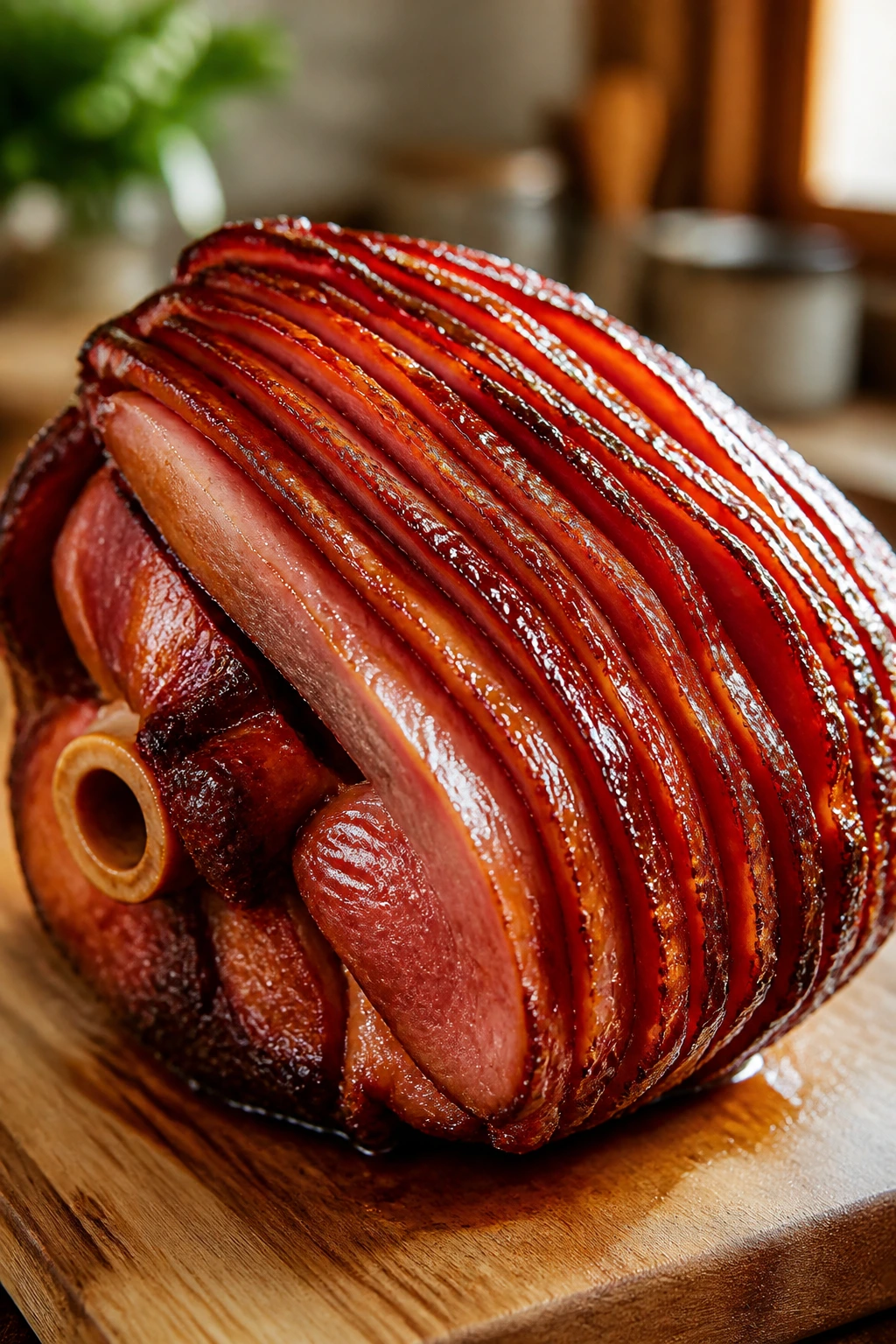
- Sweet, but not candy-sweet: The brown sugar and honey bring gloss and caramel flavor, while Dijon and Worcestershire keep the glaze from reading like syrup.
- The spiral cut does the heavy lifting: The glaze slides between the slices, so the salty center and the sticky crust show up in the same bite.
- Very forgiving once you watch the temperature: A fully cooked ham only needs warming to 140°F, which gives you room to focus on the glaze instead of wrestling with raw meat timing.
- It looks polished without extra work: A few brush strokes turn into a deep mahogany surface in the oven, and that sheen carries the whole platter.
- Leftovers stay useful: Cold slices hold up for sandwiches, diced ham hash, split pea soup, and omelets without turning stringy the next day.
- The glaze can be made ahead: You can cook the glaze days in advance and rewarm it right before brushing, which takes pressure off the final stretch.
Yield: Serves 12 to 14
Prep Time: 20 minutes
Cook Time: 2 hours
Total Time: 2 hours 20 minutes + 15 to 20 minutes resting
Difficulty: Intermediate — the method itself is simple, but the glaze timing and internal temperature matter if you want juicy slices and a clean lacquered finish.
Chill/Rest Time: 15 to 20 minutes after baking
Best Served: Warm, while the glaze is still tacky and the slices are steaming at the center
The Ham, Glaze, and Pan Ingredients
For the Ham
- 1 fully cooked bone-in spiral-cut ham, 8 to 10 pounds
- 1 cup apple cider, apple juice, or water, for the roasting pan
- 8 to 12 whole cloves, optional, for a more traditional finish
For the Brown Sugar Honey Glaze
- 1 cup packed dark brown sugar
- 1/2 cup honey
- 1/4 cup Dijon mustard
- 2 tablespoons unsalted butter
- 2 tablespoons apple cider vinegar
- 1 tablespoon Worcestershire sauce
- 1 teaspoon garlic powder
- 1 teaspoon freshly ground black pepper
- 1/2 teaspoon ground cloves
- 1/2 teaspoon kosher salt
Why Each Ingredient Pulls Its Weight
Main Ham
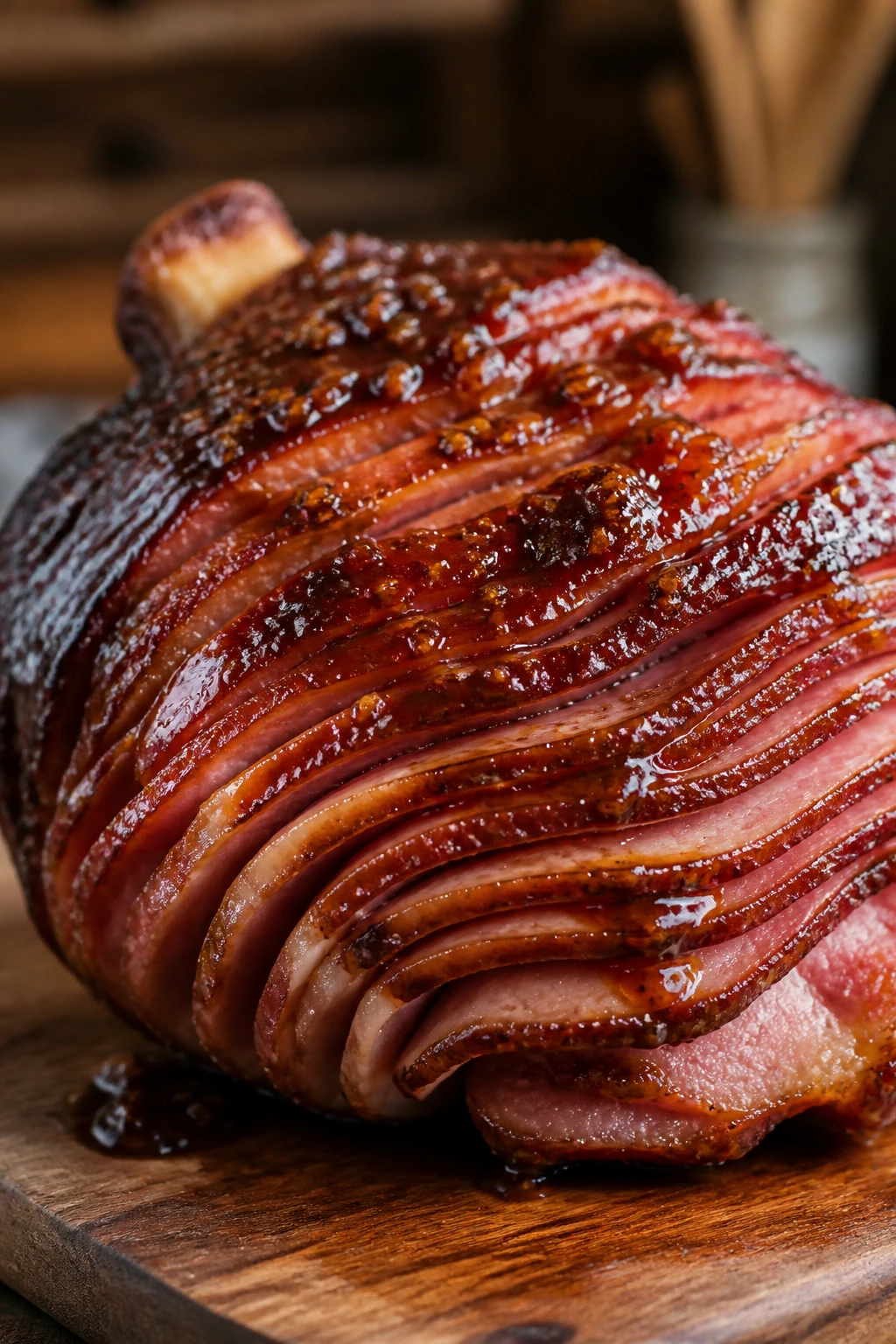
What to use: A fully cooked bone-in spiral-cut ham, 8 to 10 pounds, is the sweet spot for this method. It gives you enough surface area for the glaze to work between the slices, and the bone helps the meat stay juicy while it warms.
Preparation: Remove all packaging, discard any plastic disk on the bone, and pat the surface dry with paper towels. If the ham is not spiral-cut, score the top in shallow 1/4-inch diamonds before baking.
Substitutions: A half bone-in ham works well if you want a smaller roast; a boneless ham is possible, but it won’t catch as much glaze in the creases and tends to taste flatter. If you buy a ham labeled “cook before eating,” use a different roasting schedule.
Tips: Read the label before you leave the store. “Fully cooked” and “cook before eating” are not the same thing, and the difference changes the whole cooking plan. One is a warming-and-glazing job. The other needs a full roast.
Sweeteners
What to use: 1 cup packed dark brown sugar and 1/2 cup honey give the glaze its body, shine, and caramel edge.
Preparation: Pack the brown sugar firmly into the measuring cup so you get the right amount. Warm the honey slightly if it has thickened in the jar; it will blend faster and more smoothly.
Substitutions: Light brown sugar makes a slightly milder glaze, and maple syrup can replace up to half the honey if you want a deeper, woodier flavor. All-honey glaze works too, though it sets a little thinner.
Tips: Dark brown sugar tastes better here than light brown sugar, in my opinion. The molasses note gives the glaze a darker color and stops it from tasting one-dimensional.
Savory Backbone
What to use: 1/4 cup Dijon mustard, 1 tablespoon Worcestershire sauce, 1 teaspoon garlic powder, 1 teaspoon black pepper, and 1/2 teaspoon kosher salt create the savory edge.
Preparation: Whisk these into the warm glaze so the mustard disappears A sticky ham glaze can go wrong in a hurry. Too much sugar, and the crust tastes like burnt candy. Too little salt or mustard, and the whole roast comes off flat, as if somebody painted syrup over deli meat. A savory honey glazed ham with brown sugar glaze works only when the sweetness has somewhere to land.
That balance is why I like a spiral-cut, bone-in ham for this style. The cuts act like little channels for the glaze, and the bone keeps the meat from drying out while the oven does its slow, steady job. The ham does not need a dramatic treatment. It needs a smart one.
Once you know when to brush, when to cover, and when to stop cooking, the whole roast becomes almost old-fashioned in the best way. The slices come off warm and glossy, the pan drippings taste like a built-in sauce, and the leftovers are even better cold on bread the next day. The hard part is not the cooking. It’s leaving the glaze alone long enough to turn deep amber.
Why This Ham Earns Its Spot at the Center of the Table
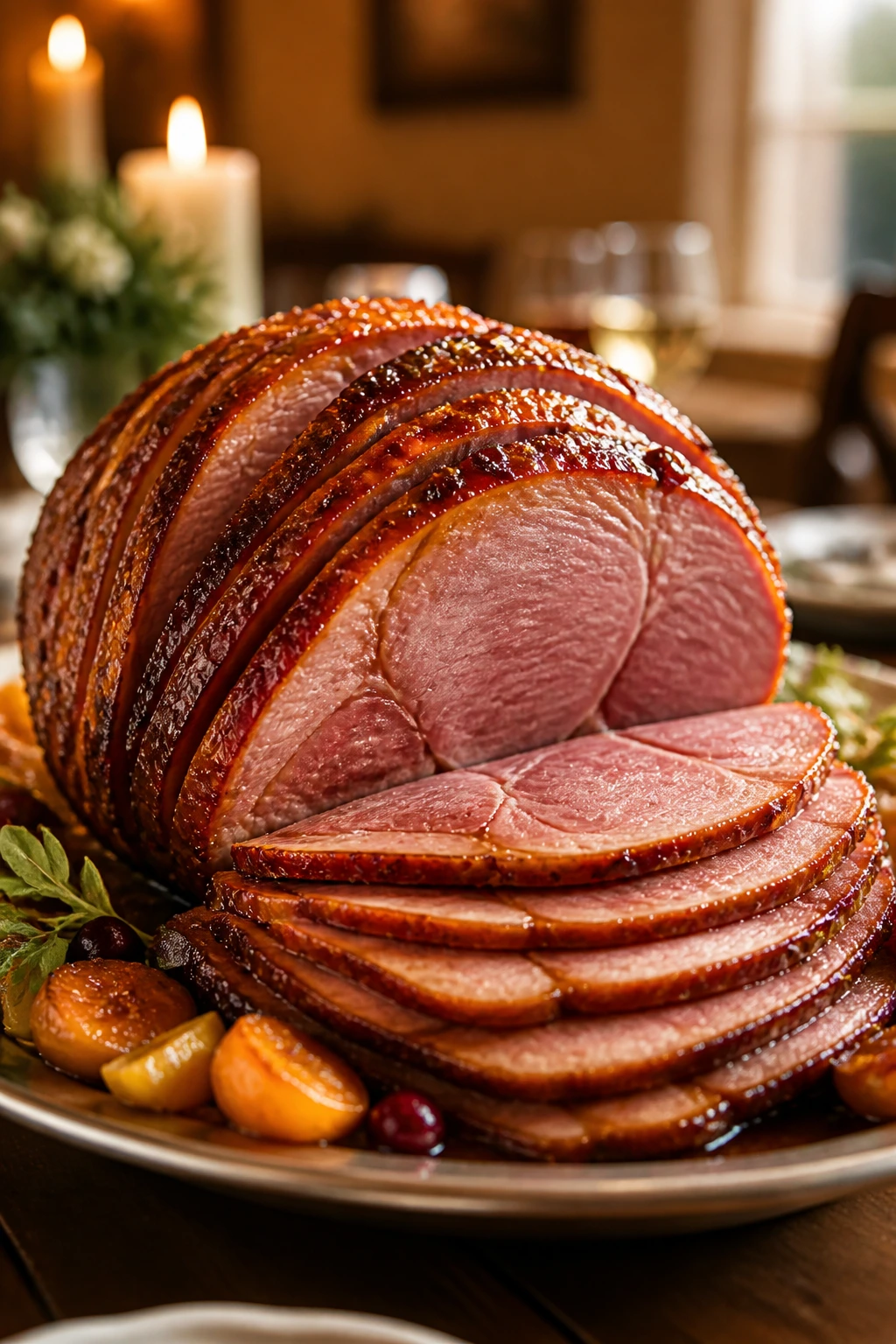
- Sweetness with a spine: The honey and brown sugar make the crust lacquered and shiny, while Dijon, Worcestershire, garlic, and black pepper keep it from tasting syrupy.
- Spiral-cut ham does the sauce work for you: The glaze slips between the slices, so every serving has both the sticky edges and the salty middle.
- The texture stays friendly: A fully cooked ham only needs to be warmed to 140°F, which gives you room to focus on flavor instead of worrying about doneness from scratch.
- The pan drippings matter here: Apple cider in the bottom of the roasting pan steams gently and mixes with the glaze runoff, giving you something better than plain juices.
- Leftovers don’t feel like leftovers: Thin slices keep their shape in sandwiches, and thicker chunks hold up in hash, beans, fried rice, or omelets.
- You can make the glaze ahead: The sauce can be cooked, cooled, and rewarmed before glazing, which makes the whole roast calmer to manage.
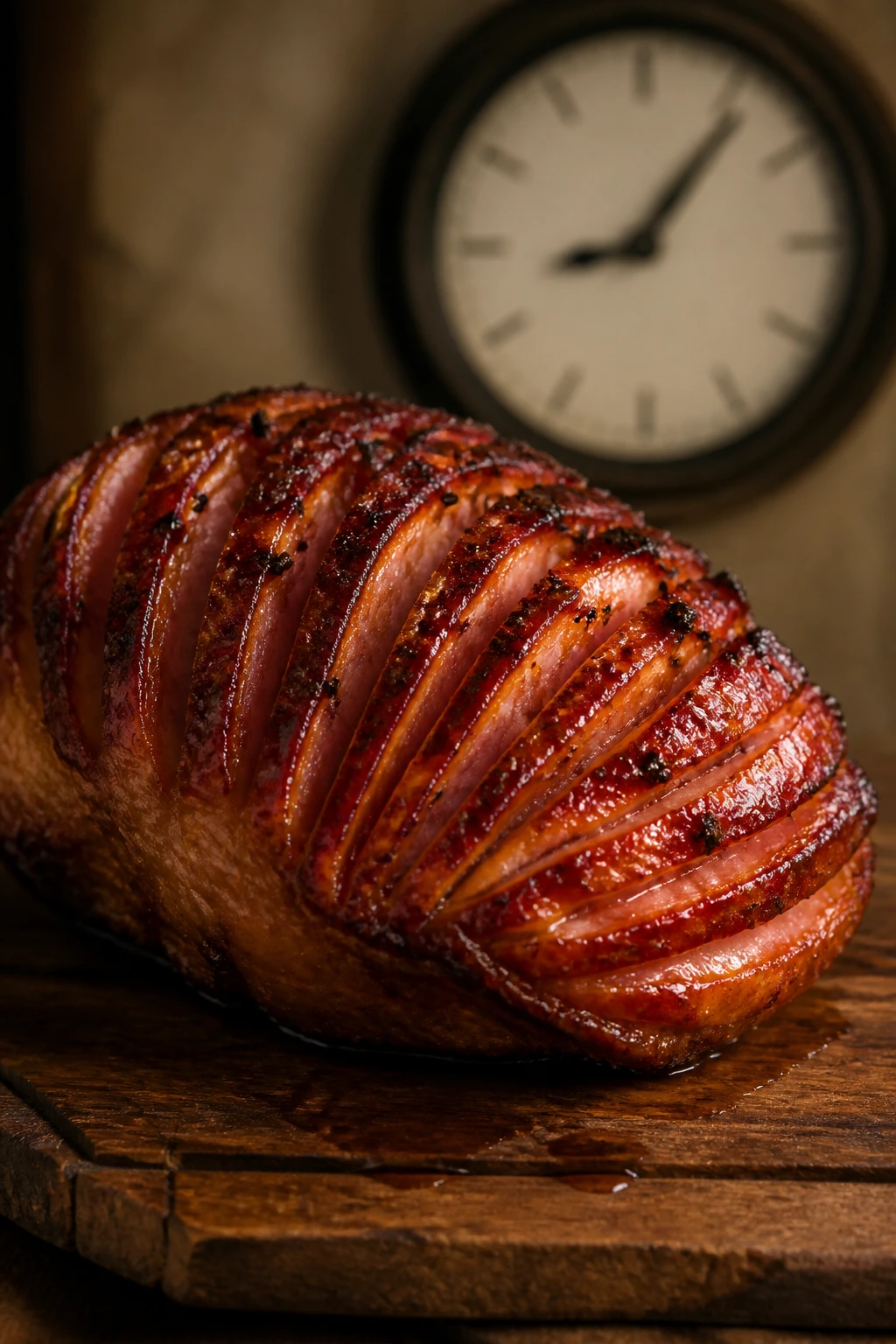
The Ham, the Glaze, and the Clock
Yield: Serves 12 to 14
Prep Time: 20 minutes
Cook Time: 2 hours
Total Time: 2 hours 20 minutes + 15 to 20 minutes resting
Difficulty: Intermediate — the process is straightforward, but the glaze timing and internal temperature matter if you want juicy slices and a dark, shiny finish.
Chill/Rest Time: 15 to 20 minutes after baking
Best Served: Warm, while the glaze is still tacky and the center is steaming
For the Ham
- 1 fully cooked bone-in spiral-cut ham, 8 to 10 pounds
- 1 cup apple cider, apple juice, or water, for the roasting pan
- 8 to 12 whole cloves, optional, for a more traditional look and aroma
For the Brown Sugar Honey Glaze
- 1 cup packed dark brown sugar
- 1/2 cup honey
- 1/4 cup Dijon mustard
- 2 tablespoons unsalted butter
- 2 tablespoons apple cider vinegar
- 1 tablespoon Worcestershire sauce
- 1 teaspoon garlic powder
- 1 teaspoon freshly ground black pepper
- 1/2 teaspoon ground cloves
- 1/2 teaspoon kosher salt
What Each Ingredient Is Really Doing
Main Ham
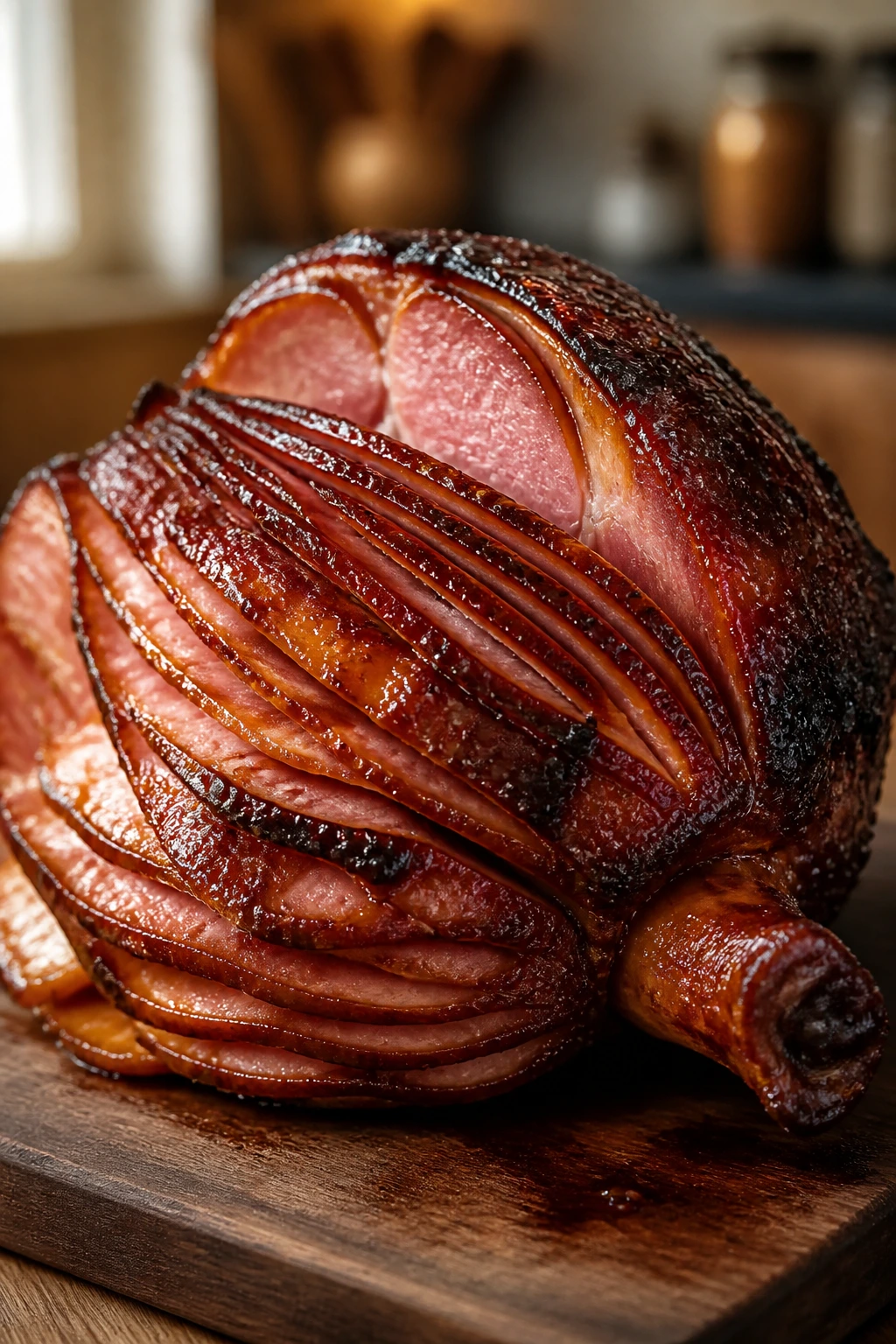
What to use: A fully cooked bone-in spiral-cut ham, 8 to 10 pounds, gives you enough surface area for the glaze to settle into the slices. Bone-in matters here. It helps the meat stay moist and gives the roast a deeper, porkier flavor than a boneless ham usually does.
Preparation: Pull off the packaging, discard any plastic disk around the bone, and pat the ham dry with paper towels. If the ham is not spiral-cut, score the top in shallow 1/4-inch diamonds so the glaze has somewhere to go.
Substitutions: A half ham works if you’re feeding fewer people. Boneless ham can be used, but it will take less glaze and the finished flavor is flatter. If your ham says “cook before eating,” stop and follow that package’s instructions instead of this method.
Tips: Read the label before you do anything else. Fully cooked ham is a warm-through-and-glaze job. A raw or cook-before-eating ham is a different animal entirely, and treating it like a deli-style roast is how people end up with dry meat or undercooked slices.
Sweet Backbone
What to use: 1 cup packed dark brown sugar and 1/2 cup honey build the glossy shell. The dark brown sugar brings molasses depth, which keeps the glaze from tasting one-note.
Preparation: Pack the brown sugar firmly into the measuring cup. Warm the honey for 10 to 15 seconds in the microwave if it’s thick in the jar, so it blends easily with the mustard and butter.
Substitutions: Light brown sugar works if that’s what you have, but the crust will be a little paler. Maple syrup can replace up to half the honey for a rounder, woodier finish. All honey is fine too, though the glaze sets a bit thinner.
Tips: I prefer dark brown sugar here. The molasses note makes the glaze taste less sugary and more roasty, which is exactly what a ham needs.
Savory Balance
What to use: 1/4 cup Dijon mustard, 1 tablespoon Worcestershire sauce, 1 teaspoon garlic powder, 1 teaspoon black pepper, 1/2 teaspoon ground cloves, and 1/2 teaspoon kosher salt make the glaze taste like dinner instead of dessert.
Preparation: Whisk these into the warm sugar-and-honey base until smooth. The mustard should disappear into the glaze; if it looks streaky, keep whisking.
Substitutions: Whole-grain mustard can replace Dijon if you like a seedy finish. A splash of soy sauce can stand in for Worcestershire in a pinch, though the flavor gets a little sharper. If cloves are not your thing, use a small pinch of allspice instead.
Tips: Black pepper and mustard are doing more work than people expect. They keep the sweet glaze from flattening out, especially after the ham has been in the oven for more than an hour.
Pan Liquid and Finish
What to use: 1 cup apple cider, apple juice, or water in the roasting pan keeps the bottom from scorching and gives you flavorful drippings.
Preparation: Pour it into the pan before the ham goes in. If you’re using a cloved ham, press the cloves into the fat cap in a loose pattern, not too close together.
Substitutions: Orange juice can be used for a brighter, sweeter aroma, though it pushes the profile more toward citrus. Water works fine if that’s what you have.
Tips: Do not let the pan dry out. The liquid is there to protect the drippings and soften the heat under the ham, not to poach the roast.
The Pan, the Oven, and the Glazing Setup
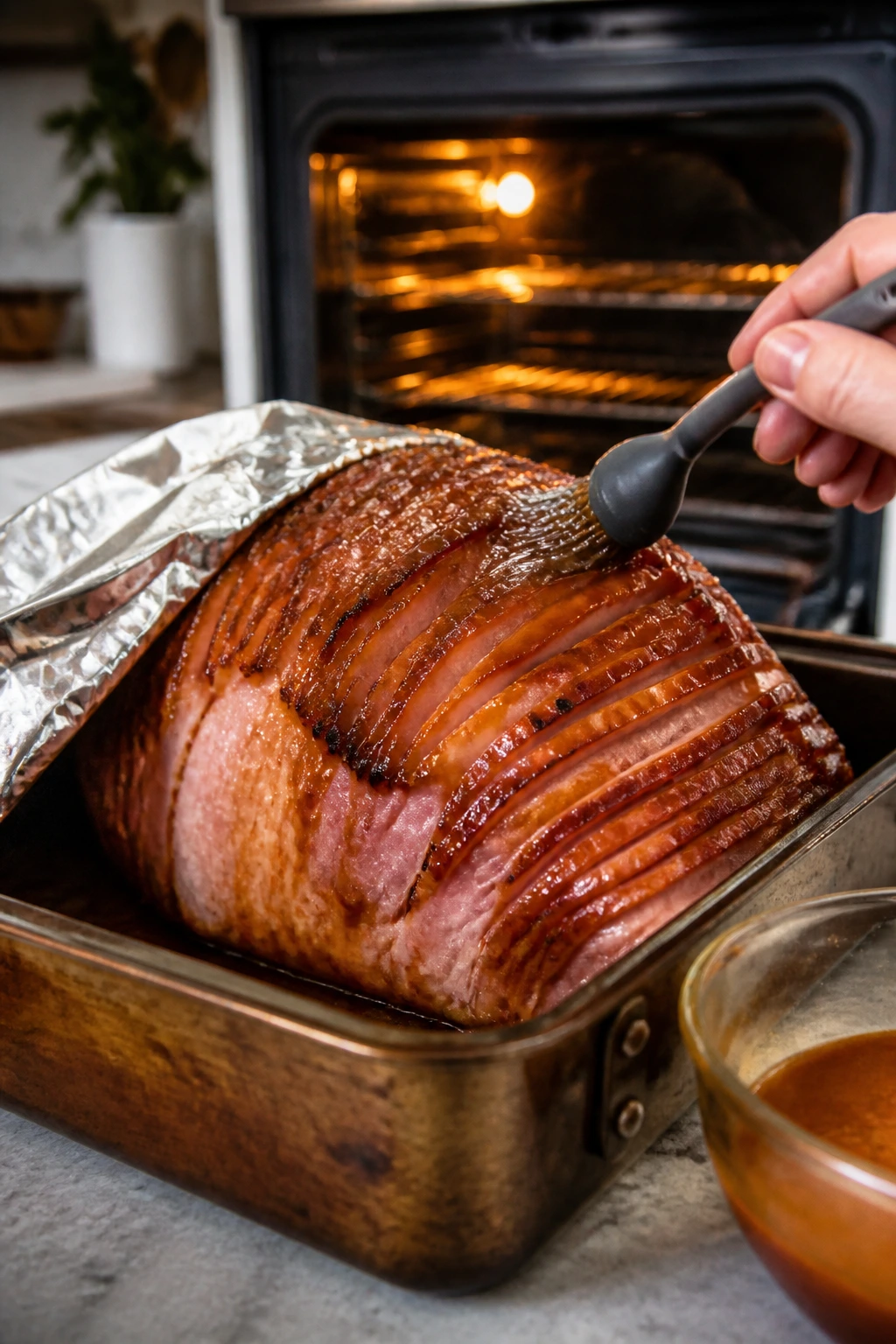
The right setup matters more than people think. A ham is one of those roasts that looks low-maintenance until the sugar starts browning and the clock gets tight. Then every little choice — foil, pan size, where the ham sits in the oven — starts to matter.
I like a sturdy roasting pan that fits the ham with a little breathing room, not a giant pan where the cider spreads too thin and evaporates too fast. If the pan is too small, the glaze and drippings can burn on the edges. If it’s too large, the liquid disappears before the ham has warmed through. Middling is good here. Boring, even. That’s a compliment.
Essential Equipment for This Ham
- Large roasting pan: Needs to hold an 8- to 10-pound ham without crowding the sides.
- Heavy-duty aluminum foil: Use it to cover the ham for the first stretch so the surface warms gently.
- Small saucepan: This is for cooking the glaze until it thickens and turns glossy.
- Pastry brush or heatproof silicone brush: Helps you paint the glaze into the spiral cuts without shredding the slices.
- Instant-read thermometer: Non-negotiable if you want juicy ham instead of guesswork.
- Carving board with a juice groove: Keeps the glaze and ham juices from running all over the counter.
- Tongs or a carving fork: Helpful for lifting slices without pulling the ham apart too early.
A Small Note on Oven Position
Set the rack in the lower-middle position. That keeps the top from browning too fast before the center is hot. If your oven runs hot, place the ham a little lower and watch the glaze during the final 20 minutes like you actually care what it’s doing, because sugar goes from bronzed to bitter in a blink.
Step-by-Step Glazing That Keeps the Ham Juicy
Prepare the Pan and Preheat:
- Preheat the oven to 325°F (165°C) and set a rack in the lower-middle position.
- Line a large roasting pan with foil if you want easier cleanup, then pour 1 cup apple cider, apple juice, or water into the bottom of the pan.
- Place the ham cut side down in the pan. If the ham is spiral-cut, gently fan the slices so some air can move between them, but do not separate them completely.
Make the Glaze: 4. In a small saucepan over medium heat, combine the brown sugar, honey, Dijon mustard, butter, apple cider vinegar, Worcestershire sauce, garlic powder, black pepper, ground cloves, and kosher salt. 5. Stir constantly for 3 to 5 minutes, until the butter melts and the glaze looks smooth and slightly thickened. It should coat the back of a spoon, not run off like warm syrup. 6. Reduce the heat to low and keep the glaze warm while the ham starts roasting. Do not let it boil hard, or the sugar can taste harsh later.
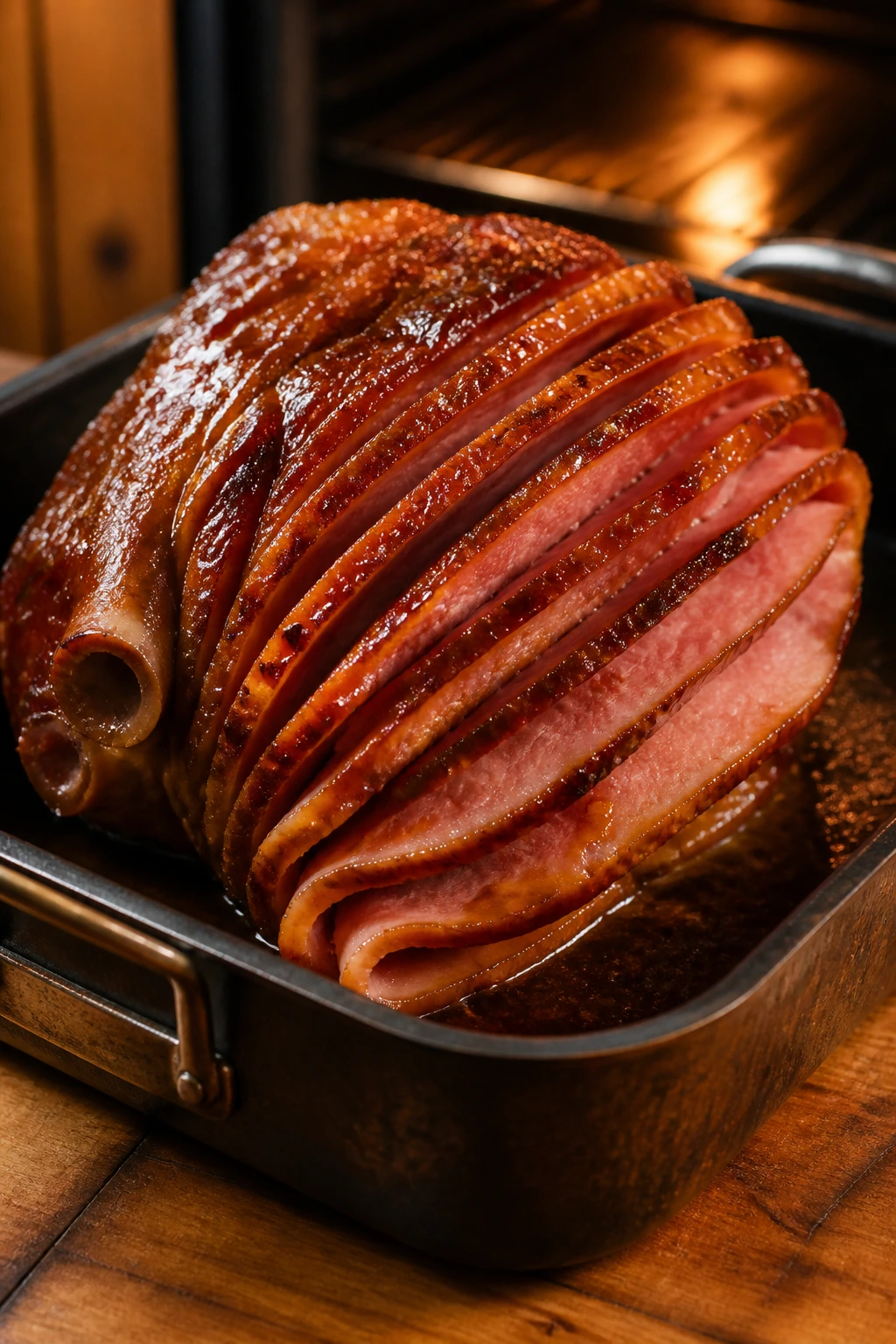
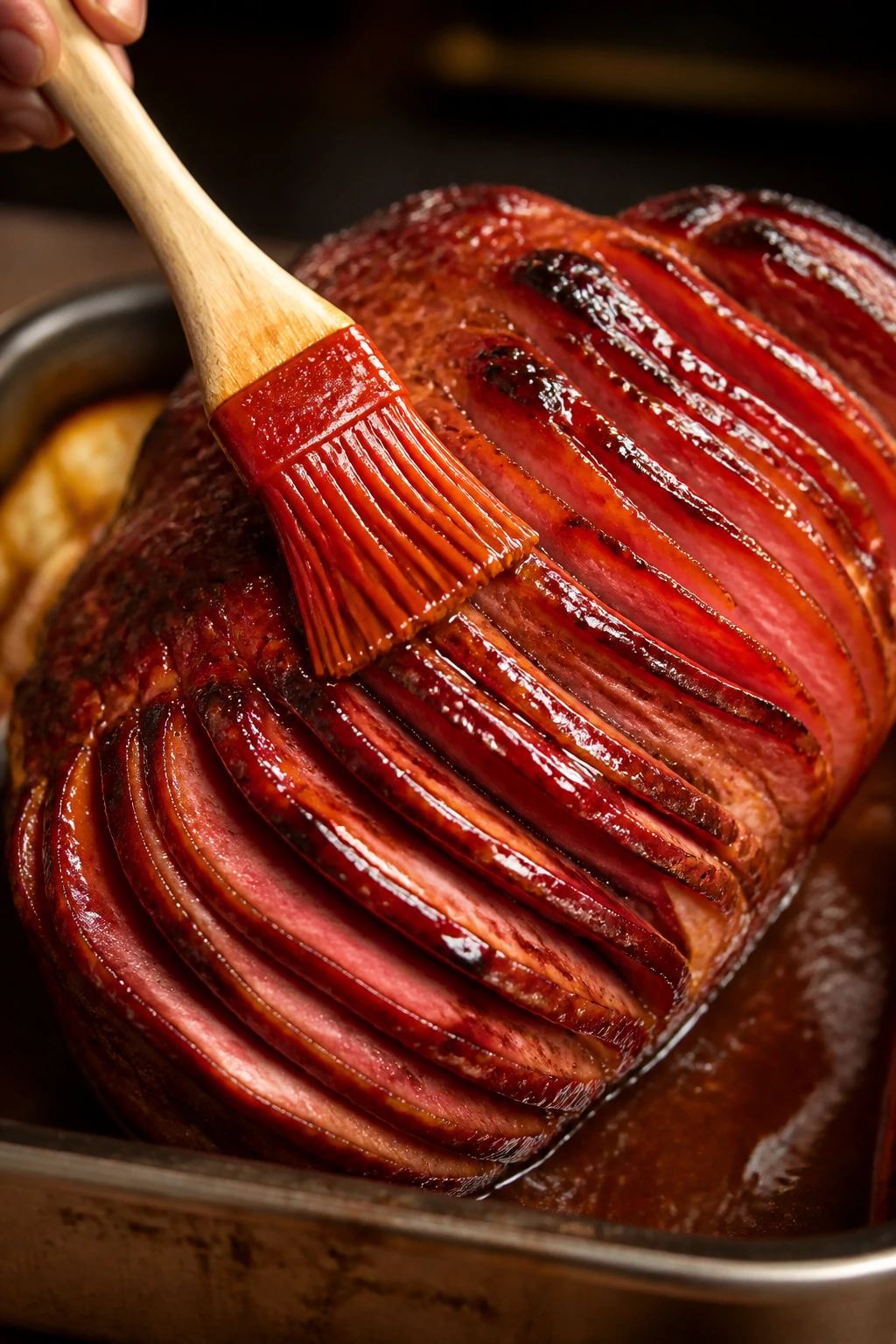
Warm the Ham Gently: 7. Cover the ham loosely with foil and bake for 1 hour 20 minutes to 1 hour 40 minutes, depending on size, until the center is hot and the edges have started to loosen. 8. Remove the foil, brush about one-third of the glaze over the top and into the cut lines, then return the ham to the oven uncovered.
Build the Shine: 9. Bake uncovered for 15 minutes, then brush with more glaze. 10. Repeat once more after another 15 minutes, using the remaining glaze and spooning a little of the pan liquid over any dry-looking spots. The surface should turn deep amber and sticky at the edges. 11. Check the thickest part of the ham with an instant-read thermometer. You want 140°F (60°C) for a fully cooked ham that has been reheated safely and still tastes juicy. 12. If the top starts to darken too quickly before the center reaches temperature, tent it loosely with foil for the last stretch.
Rest and Carve: 13. Move the ham to a cutting board and let it rest for 15 to 20 minutes. The glaze will settle, and the juices will stop racing out onto the board. 14. Carve along the spiral cuts, then slide a spoon under the slices to catch any pan glaze and drizzle it back over the meat before serving.
How to Serve It So the Good Parts Stay Visible
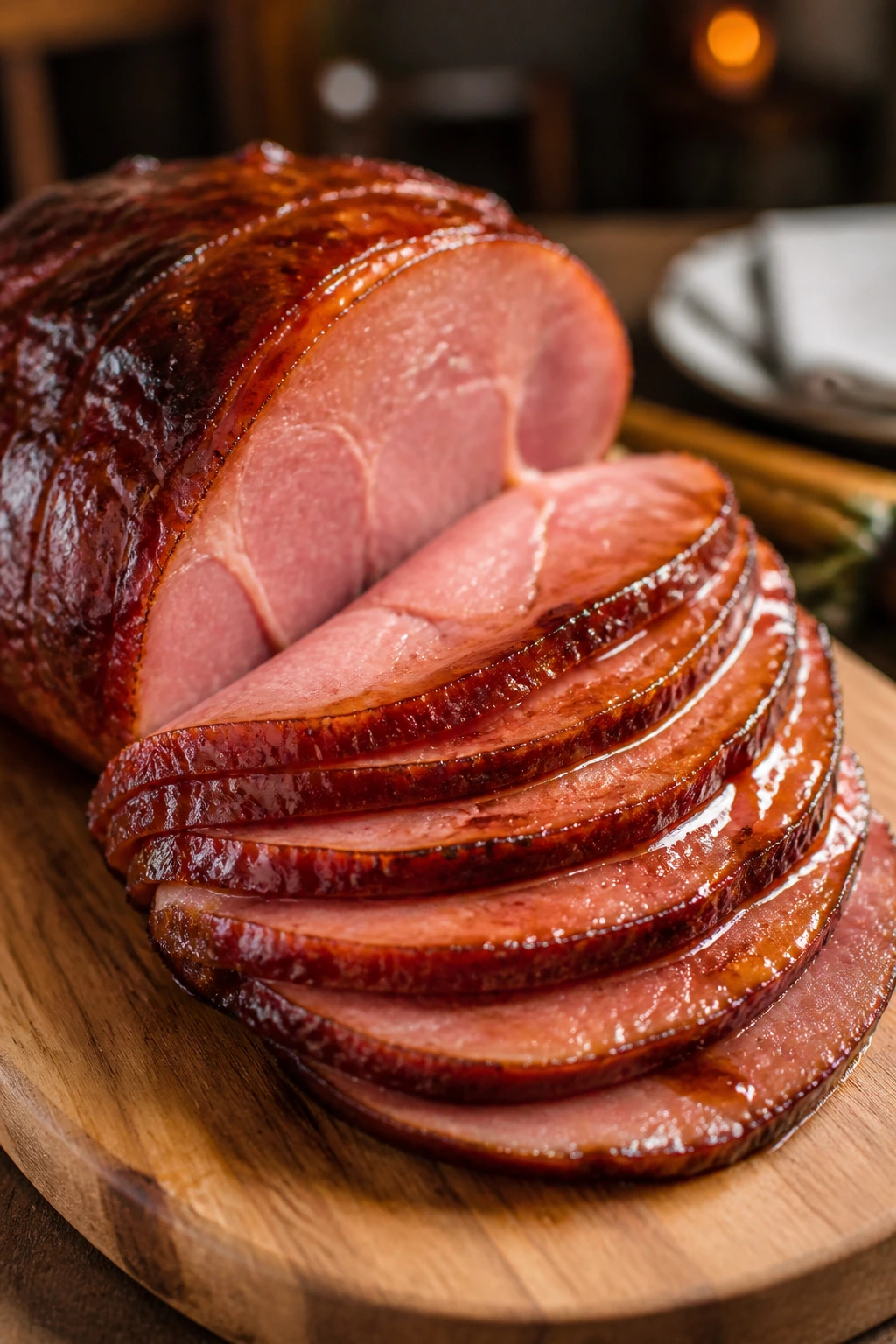
A glazed ham deserves a platter, not a heap. I like to transfer it to a warm serving board or shallow platter, then spoon a little of the thickened pan glaze over the top so the slices glisten before anyone touches them. The contrast between the dark crust and the pink meat is part of the appeal. Don’t bury it under parsley like it needs help.
Presentation: Arrange the sliced ham in a loose fan, keeping the outer slices slightly offset so the glossy edges catch the light. If you’ve got a few browned bits from the roasting pan, spoon them over the top rather than discarding them. Those bits carry the best flavor in the whole tray.
Accompaniments: Creamy mashed potatoes, buttery dinner rolls, roasted carrots, green beans with lemon, and scalloped potatoes all make sense here. If you want one sharp thing on the plate, use something with acid — a vinegar slaw, mustard greens, or pickled onions. Ham likes a little brightness beside it.
Portions: Plan on about 1/2 pound of bone-in ham per person before leftovers, or a little less if the rest of the meal is generous. For smaller groups, a half ham is less fussy than a giant roast. For a crowd, keep extra warmed glaze on the side and let people add more as they eat.
Beverage Pairing: Sparkling cider works well because it cuts the glaze. If you want wine, an off-dry Riesling or a simple Chenin Blanc handles the salt-and-sweet balance without getting lost.
Small Adjustments That Make the Roast Better
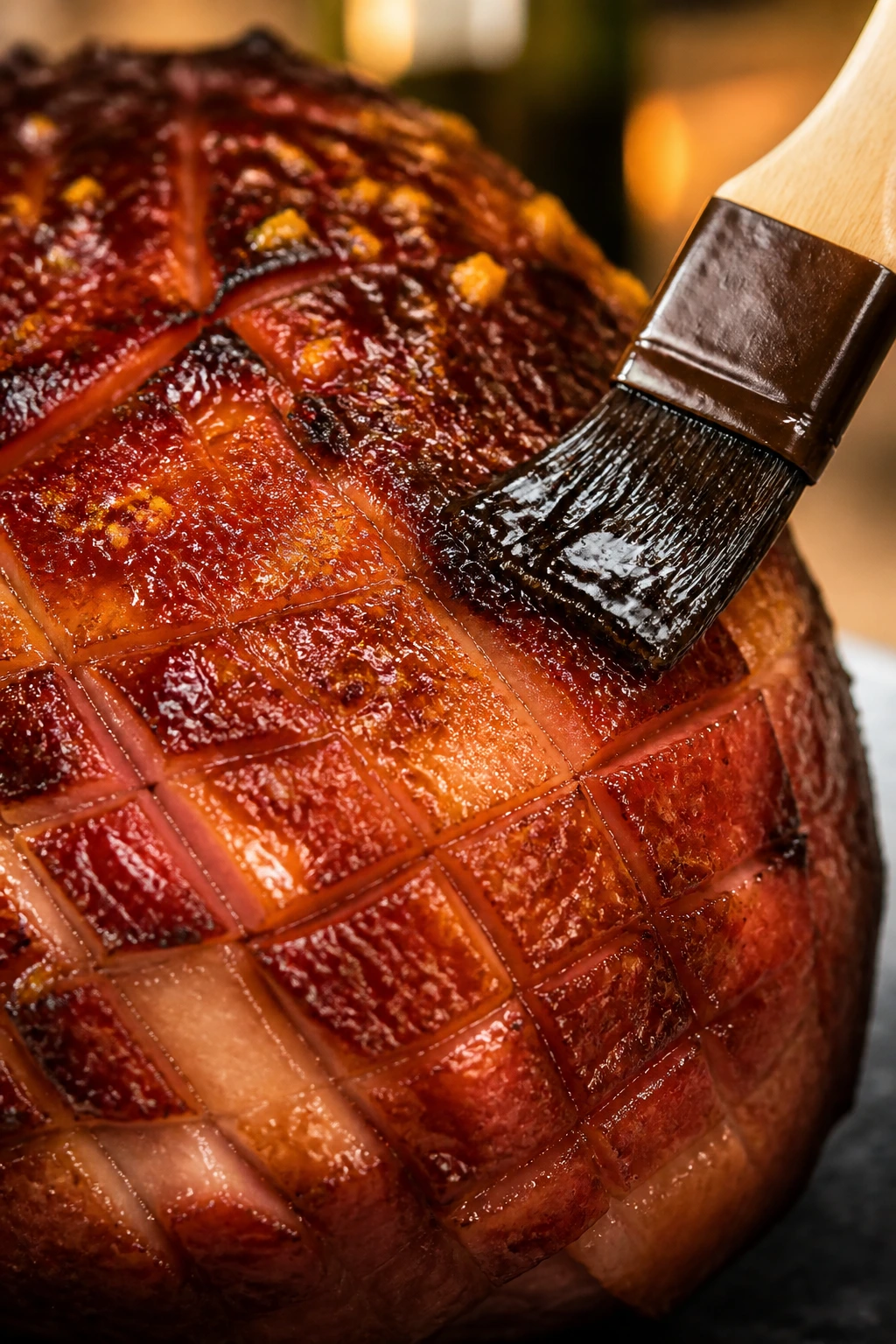
Flavor Enhancement: Stir 1 teaspoon orange zest into the glaze if you want the honey to taste brighter. It doesn’t turn the ham citrusy; it just wakes up the sugar so the finish smells a little fresher. A spoonful of the pan drippings whisked into the sauce at the end also gives it more ham flavor.
Time-Saver: Make the glaze up to 3 days ahead and keep it covered in the fridge. Warm it gently before using so it brushes on without tearing the ham slices. That one move takes a lot of stress out of the final 30 minutes.
Pro Move: If you want a darker crust, brush on the last coat of glaze, then leave the ham in the oven for 5 extra minutes while watching closely. Sugar can burn fast, so this is a stand-at-the-oven job, not a walk-away one.
Cost-Saver: Buy a bone-in half ham if you do not need a huge roast. The bone gives the same flavor depth, and the leftovers still stretch into sandwiches, bean soup, and ham-and-potato hash. Boneless hams are easier to carve, but they usually cost more for what you get.
Serving Suggestions: Keep a small bowl of warm glaze on the table for people who want a little extra shine on their slice. If you’re serving the ham buffet-style, place the carving board near the platter so the slices stay warm while you work.
Where Ham Goes Wrong, and How to Fix It
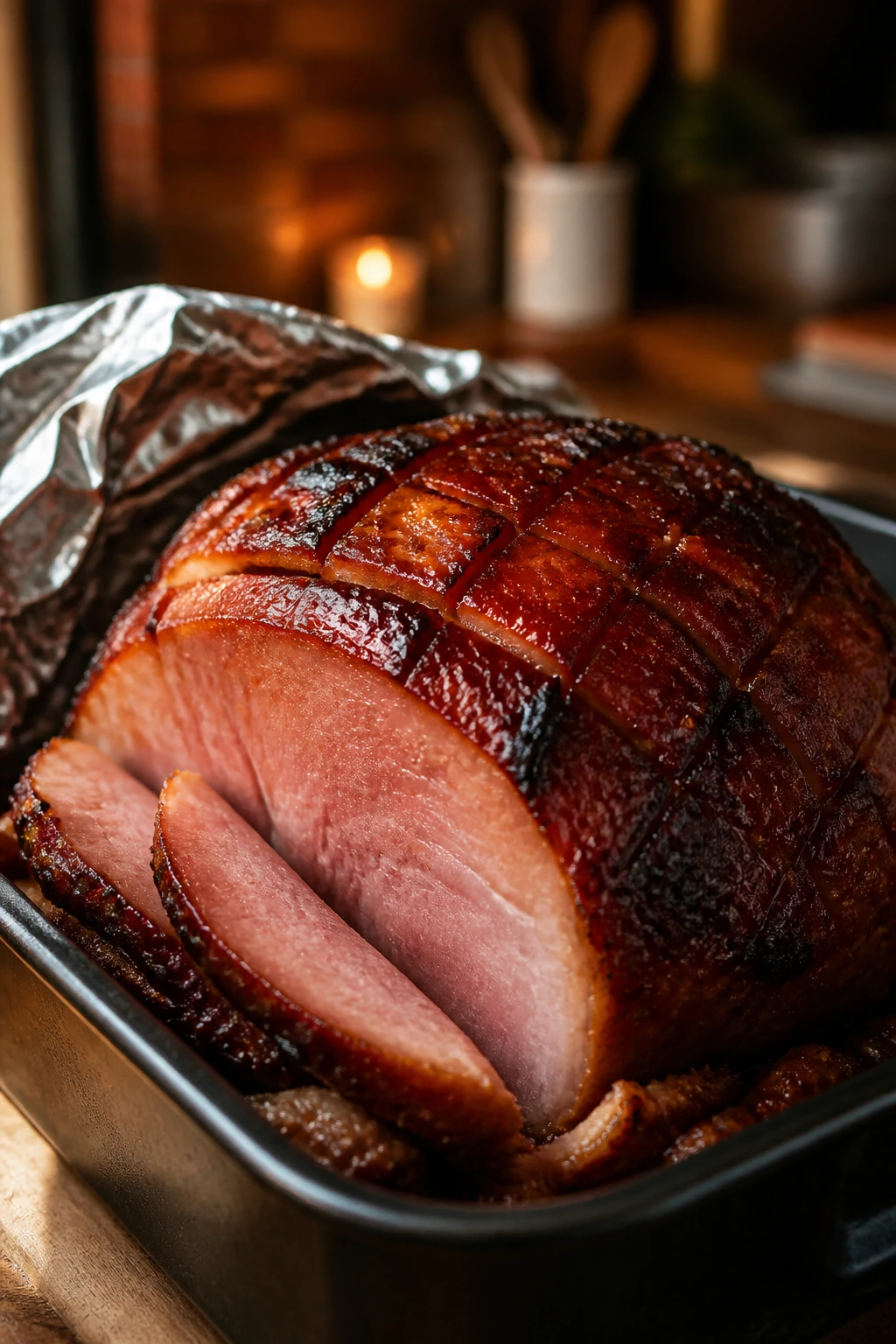
Glazing too early is the easiest mistake to make. If sugar hits the oven too soon, the surface turns dark before the ham has warmed through. The fix is plain: keep the ham covered for most of the cook, then glaze during the final 30 to 40 minutes.
Using too much glaze at once makes a sticky mess. A thick blanket of sauce slides off the ham, burns in the pan, and leaves the top oddly blotchy. Brush it on in layers instead. Thin coats set better and look cleaner.
Skipping the thermometer is where dry ham starts. The ham is already cooked, so the goal is not to “cook it until done” but to warm it to 140°F without pushing it past that point. If you wait until it feels hot by touch, you’ve already waited too long.
Forgetting the resting time wastes the juices. Slice it straight from the oven, and the glaze dribbles off the board while the meat loses moisture. Fifteen minutes sounds small. It isn’t. It’s the difference between neat slices and a mess.
Boiling the glaze too hard can make it taste bitter. Brown sugar and honey don’t like a hard, rolling boil for long. Keep the saucepan at a gentle simmer and stir often. The glaze should smell warm and caramel-like, not sharp or burnt.
Using a pan that’s too shallow creates scorched sugar. The drippings and cider need a little room to pool under the ham. If they evaporate too fast, the bottom of the pan can get sticky and dark in an ugly way. A proper roasting pan saves you here.
Flavor Swaps That Still Behave Like Ham
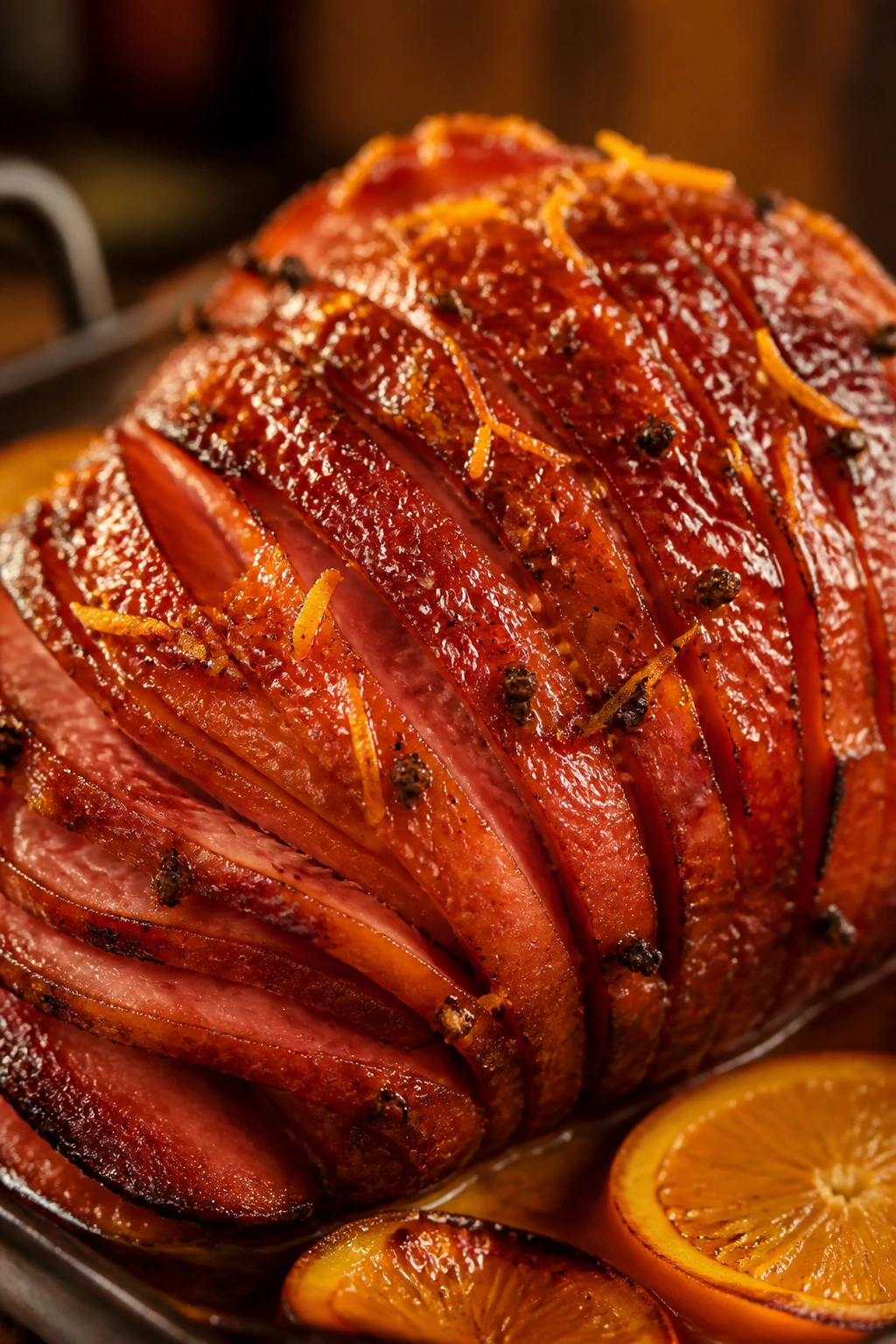
Orange-Clove Finish: Swap the apple cider in the pan for orange juice and add 1 tablespoon orange zest to the glaze. The result is brighter and a little more fragrant, with the cloves reading warmer than usual. I like this when the rest of the meal feels heavy.
Bourbon Pepper Glaze: Replace 2 tablespoons of the honey with bourbon and add an extra 1/2 teaspoon black pepper. The bourbon cooks down fast, so it doesn’t taste boozy — it tastes toasted. Use this if you want a deeper, darker finish that leans less sweet.
Maple-Dijon Ham: Replace half the honey with pure maple syrup and keep the Dijon in place. The glaze turns rounder and more woodsy, which works well with roasted root vegetables. The color also darkens a bit faster, so watch the final 20 minutes.
Hot Honey Ham: Add 1 to 2 teaspoons crushed red pepper flakes or 1/2 teaspoon cayenne to the glaze. The heat creeps in after the sweetness instead of hitting all at once, which is what you want. Too much and it stops tasting balanced, so go easy.
Lower-Sugar, Sharper Glaze: Reduce the brown sugar to 3/4 cup and increase the Dijon to 1/3 cup. The finish will be less sticky and more savory, which suits people who like their ham closer to roast pork than candy-coated slice meat. It’s a good move if you’re serving strong sides like mustard greens or vinegar slaw.
Make-Ahead Notes, Leftovers, and Reheating Without Drying It Out
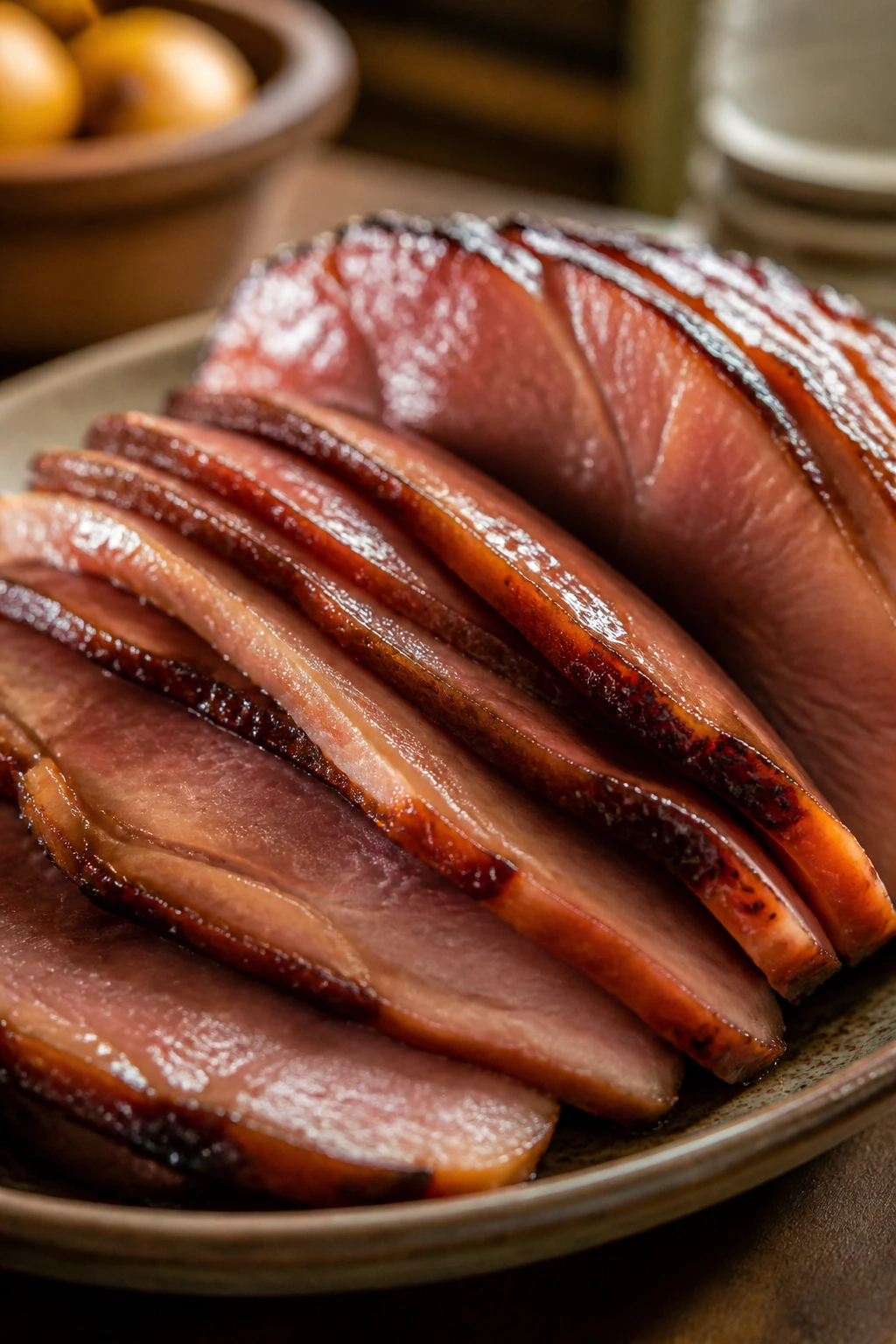
A ham like this keeps its shape better than most roasted meats, which is part of the reason people love it. You can assemble pieces of the job early, and the leftovers stay useful for days if you treat them gently. The only thing ham punishes is heat abuse.
The glaze can be cooked up to 3 days ahead and stored in a sealed container in the fridge. It will thicken as it chills. Warm it over low heat with a spoonful of water if needed, stirring until it loosens enough to brush again. You can also prep the ham itself by patting it dry and setting it in the roasting pan a few hours ahead, covered and chilled, though I’d keep the glaze separate until the last stretch.
Leftover ham keeps 3 to 4 days in the refrigerator when wrapped tightly or stored in an airtight container. If you want to freeze it, slice or chop it first and freeze it for up to 2 months for the best texture. It will still be safe longer than that if kept cold enough, but the meat starts to dry out and lose its clean pork flavor.
For reheating, use the method that protects moisture. In the oven, place slices in a baking dish with 1 to 2 tablespoons water, cider, or broth, cover tightly with foil, and heat at 300°F until warm, about 10 to 15 minutes for slices or longer for larger pieces. In the microwave, use short bursts at 50% power and keep the slices covered with a damp paper towel. That sounds fussy. It isn’t. It stops the edges from turning leathery.
If you’re reheating the whole roast, cover the pan again and warm it at 325°F until the center is hot. Do not keep reheating the same slices over and over. Pull off what you need, re-cover the rest, and leave the platter alone until the next round.
Questions People Actually Ask About Glazed Ham
Can I use a boneless ham instead of bone-in?
You can, and the glaze will still taste good, but boneless ham usually has a tighter texture and less flavor in the center. It’s also easier to overheat. If boneless is what you’ve got, shorten the warming time and watch the thermometer closely.
Do I need to cover the ham the whole time?
No. Cover it for the first stretch so the meat warms without the sugar browning too soon, then uncover it for the last 30 to 40 minutes so the glaze can set. If the top darkens before the center reaches 140°F, tent it loosely with foil.
What if my glaze gets too thick in the saucepan?
Add 1 to 2 teaspoons of water, cider, or vinegar and whisk over low heat until it loosens. The goal is a glossy glaze that brushes on cleanly, not a paste that tears the slices.
Can I make this ham a day ahead?
Yes, but I would stop short of fully glazing it. Bake the ham until warm, cool it, then reheat covered the next day and apply the final coats of glaze toward the end. That keeps the crust from getting sticky and dull overnight.
How do I keep the glaze from burning?
Use a lower oven temperature, keep the ham covered during most of the cook, and do not let the sugar mixture boil hard on the stove. If the surface starts looking too dark, tent it with foil and keep going. Burnt sugar tastes bitter fast.
Can I use pineapple juice instead of apple cider?
Yes, though the flavor moves sweeter and brighter. Pineapple juice brings a sharper fruit note that some people love and some people don’t. Apple cider is the safer choice if you want the glaze to stay in the savory lane.
What do I do if the ham is already sliced so thin that it’s falling apart?
Leave it in the original spiral shape as much as possible and brush the glaze gently between the slices with a pastry brush or spoon. Thinly sliced ham warms fast, so cut the oven time down and check the temperature early. It can go from warm to dry faster than a whole roast.
A Ham That Knows Where It’s Going
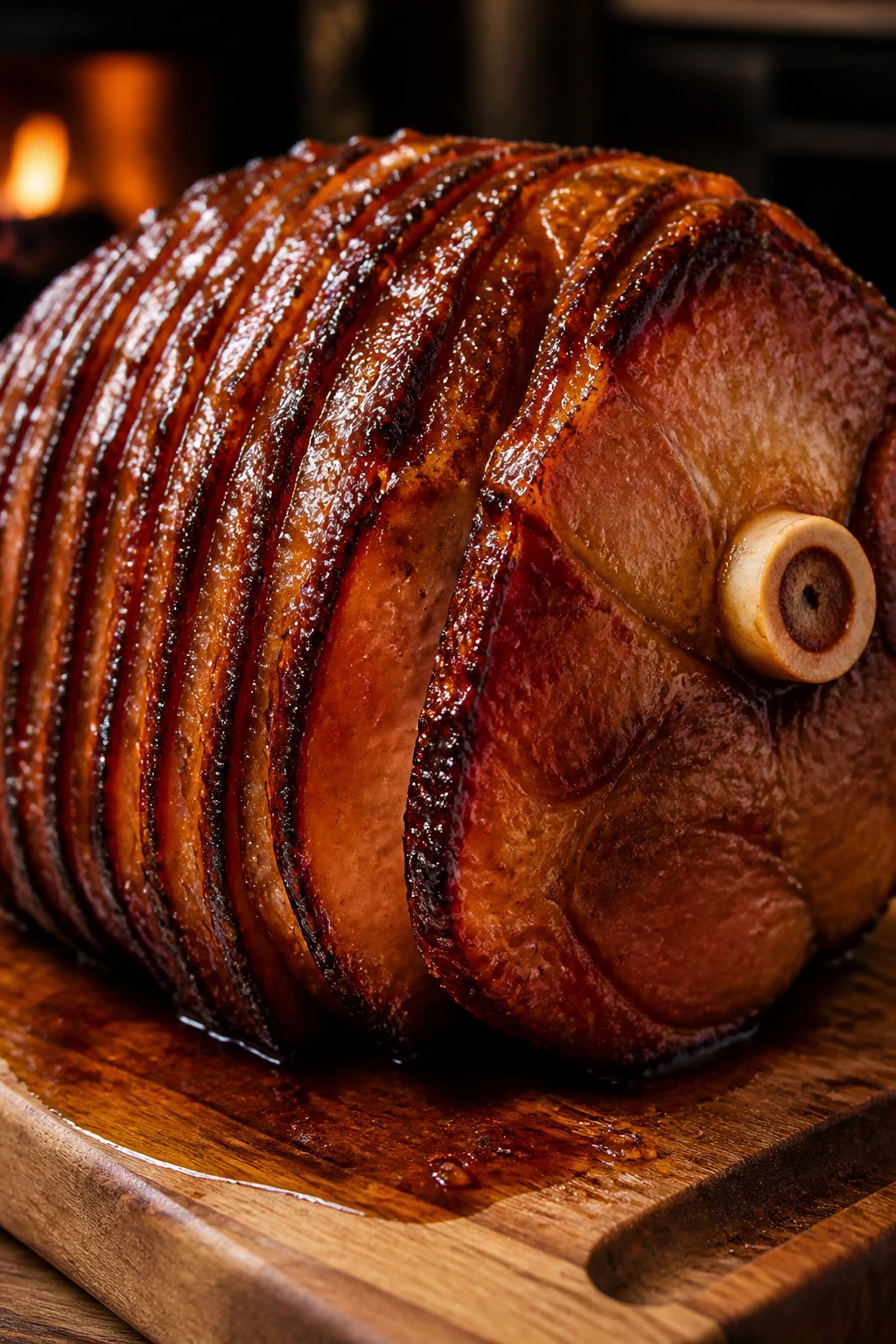
The best thing about this style of glazed ham is that it does not try to be fancy in the wrong way. It knows exactly what it is: salty, glossy, fragrant, and built to feed a room full of people without making you stand in the kitchen all day. That honey-brown sugar finish is there to sharpen the roast, not disguise it.
If you respect the temperature, brush the glaze in layers, and let the ham rest before slicing, the whole platter comes out looking like you spent far more effort than you did. That’s the sweet spot. Not fussy. Not dull. Just a solid roast with a sticky edge and enough flavor to make the leftover sandwiches worth looking forward to.
Savory Honey Glazed Ham with Brown Sugar Glaze — Recipe Card
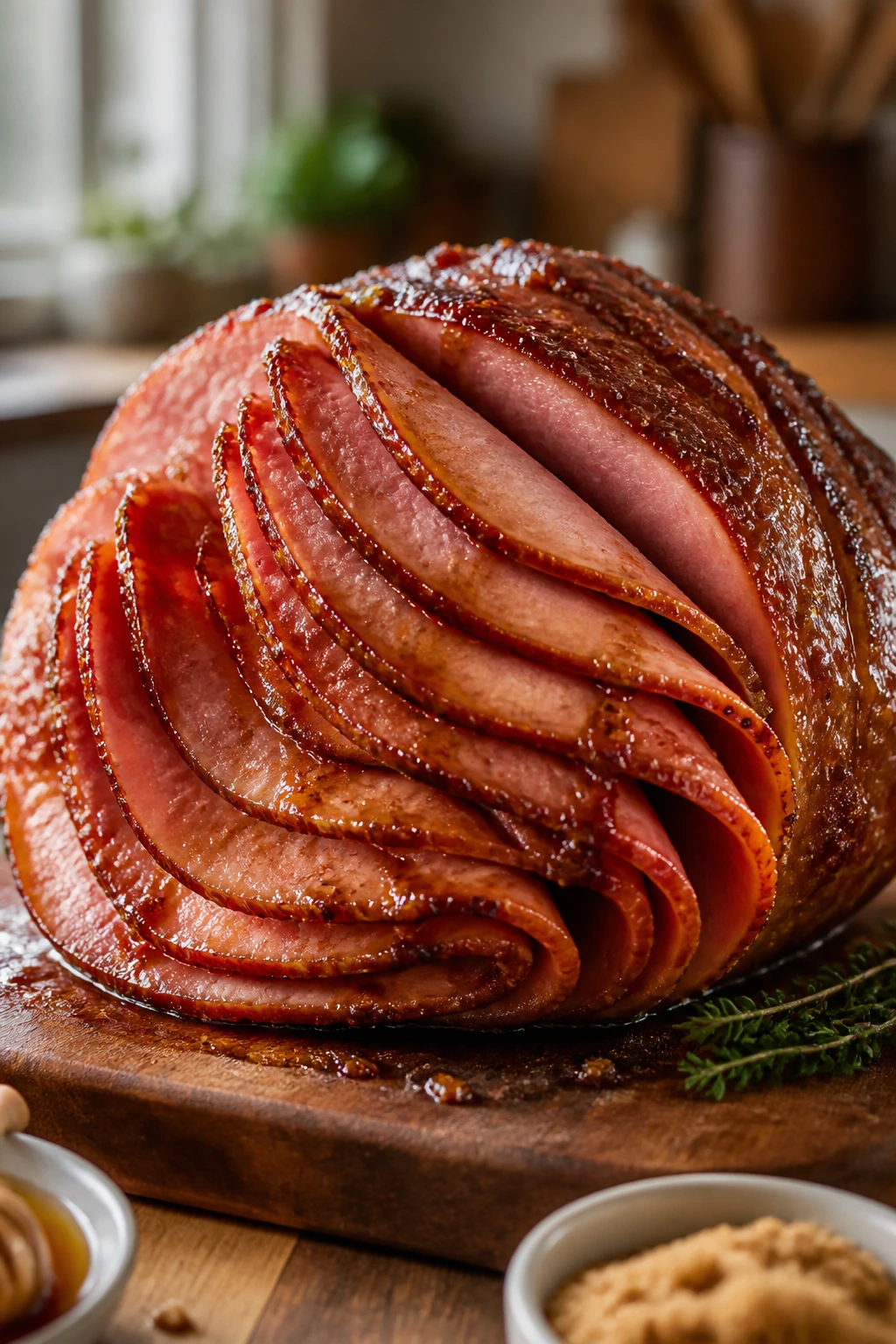
Recipe Name: Savory Honey Glazed Ham with Brown Sugar Glaze
Description: A fully cooked spiral-cut ham brushed with a brown sugar, honey, Dijon, and Worcestershire glaze, then baked until sticky, glossy, and warmed through. The flavor leans savory first, with sweetness there to support the salt and smoke.
Prep Time: 20 minutes
Cook Time: 2 hours
Total Time: 2 hours 20 minutes + 15 to 20 minutes resting
Course: Main Course
Cuisine: American
Servings: 12 to 14 servings
Calories: About 460 kcal per serving
Ingredients
For the Ham:
- 1 fully cooked bone-in spiral-cut ham, 8 to 10 pounds
- 1 cup apple cider, apple juice, or water, for the roasting pan
- 8 to 12 whole cloves, optional
For the Brown Sugar Honey Glaze:
- 1 cup packed dark brown sugar
- 1/2 cup honey
- 1/4 cup Dijon mustard
- 2 tablespoons unsalted butter
- 2 tablespoons apple cider vinegar
- 1 tablespoon Worcestershire sauce
- 1 teaspoon garlic powder
- 1 teaspoon freshly ground black pepper
- 1/2 teaspoon ground cloves
- 1/2 teaspoon kosher salt
Instructions
Prepare the Pan and Oven:
- Preheat the oven to 325°F (165°C) and set a rack in the lower-middle position.
- Place the ham cut side down in a roasting pan and pour 1 cup cider, juice, or water into the bottom of the pan.
Make the Glaze: 3. Combine the brown sugar, honey, Dijon, butter, vinegar, Worcestershire, garlic powder, black pepper, cloves, and salt in a small saucepan. 4. Cook over medium heat for 3 to 5 minutes, stirring until smooth and slightly thickened.
Warm and Glaze the Ham: 5. Cover the ham loosely with foil and bake for 1 hour 20 minutes to 1 hour 40 minutes. 6. Remove the foil, brush the ham with about one-third of the glaze, and bake uncovered for 15 minutes. 7. Brush on more glaze, bake for another 15 minutes, then add the remaining glaze and spoon a little pan liquid over any dry spots. 8. Bake until the center reaches 140°F (60°C). 9. Rest the ham for 15 to 20 minutes before carving.
Notes: Warm the glaze gently if it thickens before brushing. If the top darkens too fast, tent loosely with foil. Leftover ham keeps 3 to 4 days in the fridge and freezes well for up to 2 months.