



A pot of smoky soup has a way of changing the whole mood of a cold night. The kitchen goes from drafty and a little mean to warm, savory, and strangely calm. Bacon fat hitting onions. Smoked paprika blooming in olive oil. Tomato, beans, potatoes, or mushrooms taking on that deep, woodsy edge that makes the first spoonful feel like more than dinner.
Smoke is not a garnish here. It is the backbone.
I reach for smoky soup when the air outside feels sharp enough to sting your nose and the fridge looks uninspiring. A good bowl does not need to shout. It needs depth, a little fat, a little salt, and one smart smoky note that makes the broth taste like it has been simmering longer than it actually has. That is why smoked paprika, chipotle, ham hocks, bacon, charred vegetables, and fire-roasted tomatoes keep showing up in the best winter pots. Each one works differently. None of them are interchangeable, and that’s half the fun.
Smoke can go wrong fast if you treat it like a joke. Too much liquid smoke and the whole pot tastes like a campground table wiped down with lighter fluid. Burned paprika tastes dusty and bitter. Smoke without acid gets heavy. Smoke without enough salt tastes like a rough draft. Get the balance right, though, and you have the kind of bowl that makes a long evening feel shorter.
Why Smoky Soups Earn a Spot on the Stove
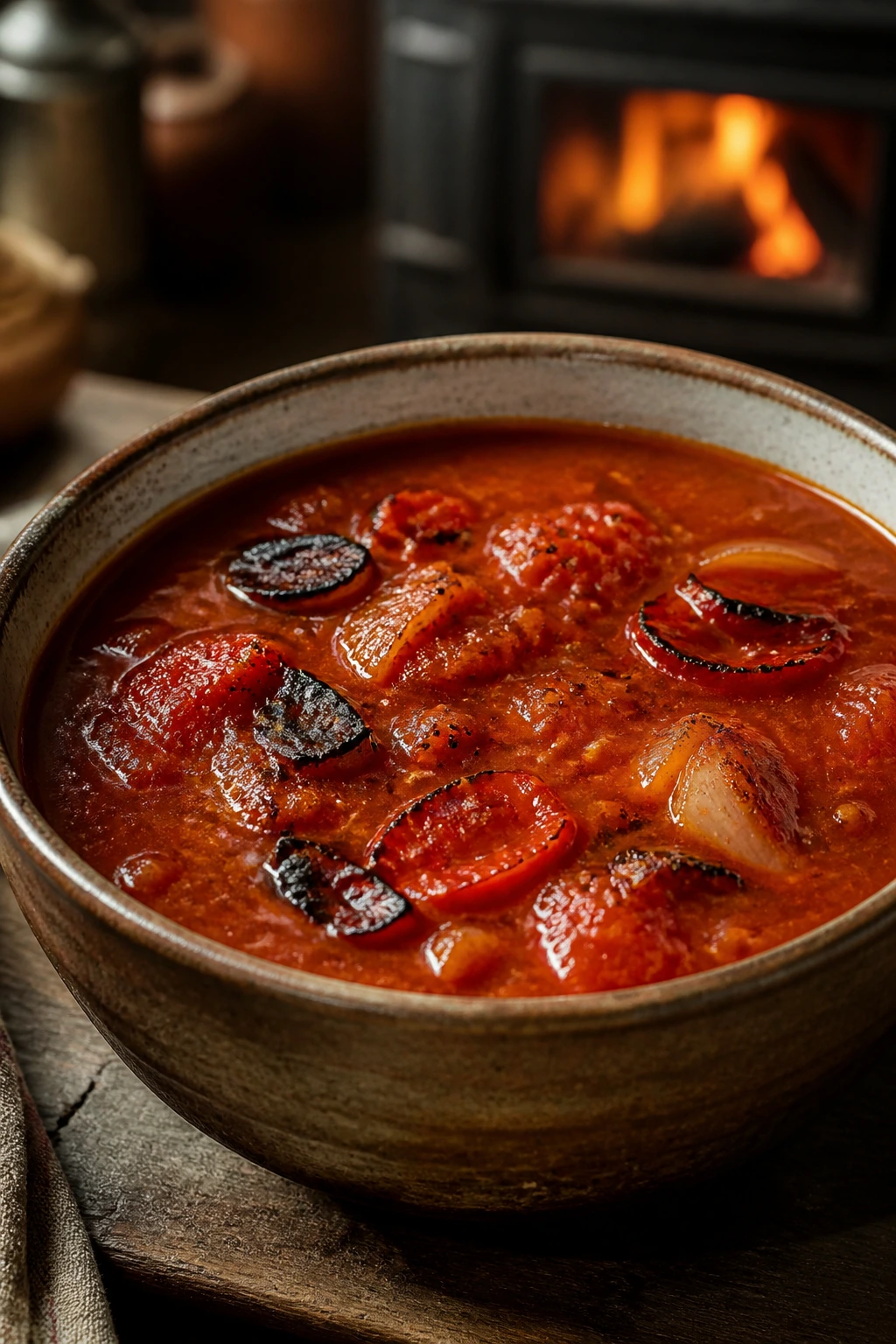
They hold flavor after the first spoonful. A plain broth can taste fine at the stove and forgettable ten minutes later. A smoky soup keeps changing as it cools a little, which is why bean pots, chowders, and tomato soups with smoked paprika stay interesting to the last bite.
They stretch humble ingredients. Canned beans, a few potatoes, a can of fire-roasted tomatoes, or a leftover ham bone can turn into dinner that tastes deliberate. That matters when you want a bowl that feels composed without making a second grocery run.
They do not need a heavy hand to feel complete. A quarter teaspoon of liquid smoke can be too much. A teaspoon of smoked paprika can be enough for a whole pot. The flavor is loud in a small amount, which makes these soups easy to tune once you know the dial.
They play nicely with cold-weather starches. Potatoes, barley, corn, beans, split peas, and bread all sit naturally with smoke. The texture is important here. A smoky soup with body feels warmer in the bowl, and it stays hot longer on the table.
They handle leftovers better than most soups. The smoke settles in overnight. Bean soup tastes rounder the next day. Tomato soup gets smoother. Even a chowder can improve if you reheat it gently and keep the dairy from boiling.
What Makes a Soup Taste Smoky Instead of Burned
Smoke and char are cousins, not twins. That distinction matters more than most home cooks realize. A soup can have a dark roasted edge and still taste clean. Or it can have a sharp, acrid note that clings to the back of your throat and ruins the whole pot.
The best smoky flavor usually comes from one of four places: smoked spices, cured meat, charred vegetables, or tiny amounts of liquid smoke. Each one brings a different kind of depth. Smoked paprika tastes sweet and round. Chipotle brings smoke plus heat. Bacon and ham hock add fat and salt along with the smoke. Roasted onions and tomatoes bring a natural, almost sweet char that reads as smoky even when there is no smoker in sight.
Smoked paprika is the easiest place to start
Sweet smoked paprika, the kind often called pimentón dulce, gives you color and warmth without heat. Hot smoked paprika adds a little sting. Bittersweet versions sit somewhere in the middle. I almost always start with the sweet kind, because it gives a cleaner result in tomato soup, bean soup, and chowder. Heat can come later if you want it.
The trick is to bloom the paprika in fat for 20 to 30 seconds before adding broth. Dump it straight into liquid and it can taste dusty. Let it sizzle gently in butter, bacon fat, olive oil, or rendered pancetta fat and it turns fuller, darker, and much more useful.
Bacon, ham, and pancetta bring smoke plus body
Cured meats do more than flavor a pot. They leave fat in the pan, and fat carries flavor. That is why bacon can make a potato soup feel complete and why a ham hock can turn split pea soup into something that tastes like it had an extra afternoon on the stove.
There is a catch. Salt comes along for the ride. If you season aggressively before the meat has simmered, the soup can tip too salty by the end. Better to go light at first, then adjust after the soup has cooked and rested for ten minutes.
Charred vegetables taste smoky without any actual smoke
Roasted tomatoes, blistered peppers, browned onions, and deeply caramelized mushrooms all push soup toward that woodsy zone. The edges matter. A pale onion does nothing for this style. An onion cooked until brown spots show up on the bottom of the pot? Now you are in business.
That is why fire-roasted canned tomatoes are such a useful shortcut. They do not replace every smoky ingredient, but they give you a head start. Same with roasted red peppers from a jar. They bring sweetness and char in one move.
Liquid smoke is powerful, not decorative
A lot of people overuse liquid smoke because the bottle is tiny and the name sounds harmless. It is not harmless. It is concentrated. Treat it like hot sauce or perfume. One drop too many can flatten a soup in the same way too much soy sauce can flatten a stir-fry.
I use it when I want a smoked note without meat, especially in bean soups or tomato-based pots. I add it at the end, then wait a minute before tasting again. It can take a second to settle. If the broth already smells smoky from bacon, paprika, or chipotle, you may not need liquid smoke at all.
Tomato Soups With a Smoky Edge
A tomato soup with smoke is the easiest winter bowl to love, because tomato already knows how to carry acid, sweetness, and a little bitterness without falling apart. Smoke gives that acidity a darker lane to run in. The result is less ketchup, more depth.
Think beyond the classic smooth red bowl. A smoky tomato soup can be creamy, yes, but it can also be rustic with bits of roasted pepper, garlic, and onion left in the broth. The texture changes the whole thing. Pureed tomato soup feels softer and more familiar. A chunky one with charred vegetables feels heartier, closer to something you want to eat with a spoon and a thick slice of bread.
Fire-roasted tomatoes make this category easier
Canned fire-roasted tomatoes are one of those pantry items that feel almost unfair in the best way. They save time and still taste like someone paid attention. If you are making tomato soup on a weeknight, they do half the work before the pot even starts.
Tomato paste helps too. Cook it in oil or butter until it turns dark brick red and smells sweet instead of metallic. That one step deepens the soup more than an extra cup of stock ever will.
Bacon and tomato need a bright finish
Bacon in tomato soup can go flat if you do not give it a lift at the end. A splash of sherry vinegar, red wine vinegar, or even lemon juice keeps the smoke from turning muddy. I like a small spoonful of crème fraîche or sour cream on top too, because the fat softens the acid and makes the bowl taste polished without trying too hard.
This is also the place where grilled cheese belongs, not because it is trendy, but because tomato soup and melted cheddar are a real combination, and the bread edges can soak up the smoky broth without turning into mush.
Smoky tomato works with beans better than people expect
Add white beans or cannellini beans to smoky tomato soup and you move it from starter to meal. The beans thicken the broth naturally, and their mild flavor gives the smoke more room to show up. A handful of torn kale or spinach at the end works well too, though I would keep the greens from taking over the pot. Tomato soup should still taste like tomato.
One-sentence truth: tomato is the easiest smoke partner in the house.
Bean and Lentil Soups That Hold Smoke Well
Beans and lentils are smoke’s best friends. They have enough starch and earthiness to absorb flavor without dissolving into nothing, and they are forgiving in a way that makes them ideal for long simmering. A smoky bean soup tastes like it meant to be this way from the start.
Black beans, split peas, white beans, brown lentils, green lentils, and even chickpeas all respond well to different smoke sources. The trick is to match the bean to the rest of the pot instead of throwing the same seasoning at everything. Black bean soup likes chipotle, cumin, oregano, and lime. Split pea soup wants ham, thyme, and bay. White bean soup leans gentle and herbal, with rosemary or sage and maybe a little smoked salt at the end.
Black bean soup: smoky, dark, and a little spicy
Black bean soup can take more smoke than most people think. Chipotle in adobo is the usual route, and it works because it brings heat, vinegar, and a dense smoky note all at once. I like to cook onion, garlic, cumin, and a small spoonful of tomato paste before the beans go in. It gives the broth a darker edge and keeps it from tasting one-dimensional.
Finish with lime juice and chopped cilantro. That brightness matters. Without it, black bean soup can feel like it is wearing a heavy coat indoors.
Split pea soup: old-fashioned smoke that still earns dinner
Split pea and ham is one of those combinations that does not need a new angle, only good execution. A ham hock or meaty ham bone simmers into the peas and turns the broth silky. The peas fall apart and thicken the soup on their own, which means you do not need flour or cream to make it feel substantial.
If the ham is very salty, hold back on salt until the peas are soft. A splash of cider vinegar at the end is not traditional in every kitchen, but I like it. It wakes the whole pot up.
Lentil soup: faster, lighter, and easier to shape
Brown and green lentils are my go-to when I want smoky soup without waiting all afternoon. They cook fast, keep their shape better than split peas, and respond well to smoked sausage, smoked paprika, or charred vegetables. Red lentils are softer and more puree-friendly, which works if you want a smoother bowl.
Lentil soup benefits from a little texture on top. Toasted breadcrumbs, crispy shallots, or a spoonful of yogurt with black pepper can keep the bowl from feeling too soft. Smoke plus cream is fine. Smoke plus crunch is better.
White beans and rosemary belong together
White beans with smoked paprika, rosemary, garlic, and olive oil make a quiet, grown-up soup that still feels filling. Add kale if you want some bite. Add sausage if you want more weight. A Parmesan rind simmered in the pot is not smoke, but it adds the same kind of background depth that keeps the broth from tasting thin.
The important thing with bean soup is not to bury the bean flavor. Smoke should sit on top of it, not bury it. If the pot tastes like barbecue sauce, you went too far.
Potato, Corn, and Chowder-Style Bowls
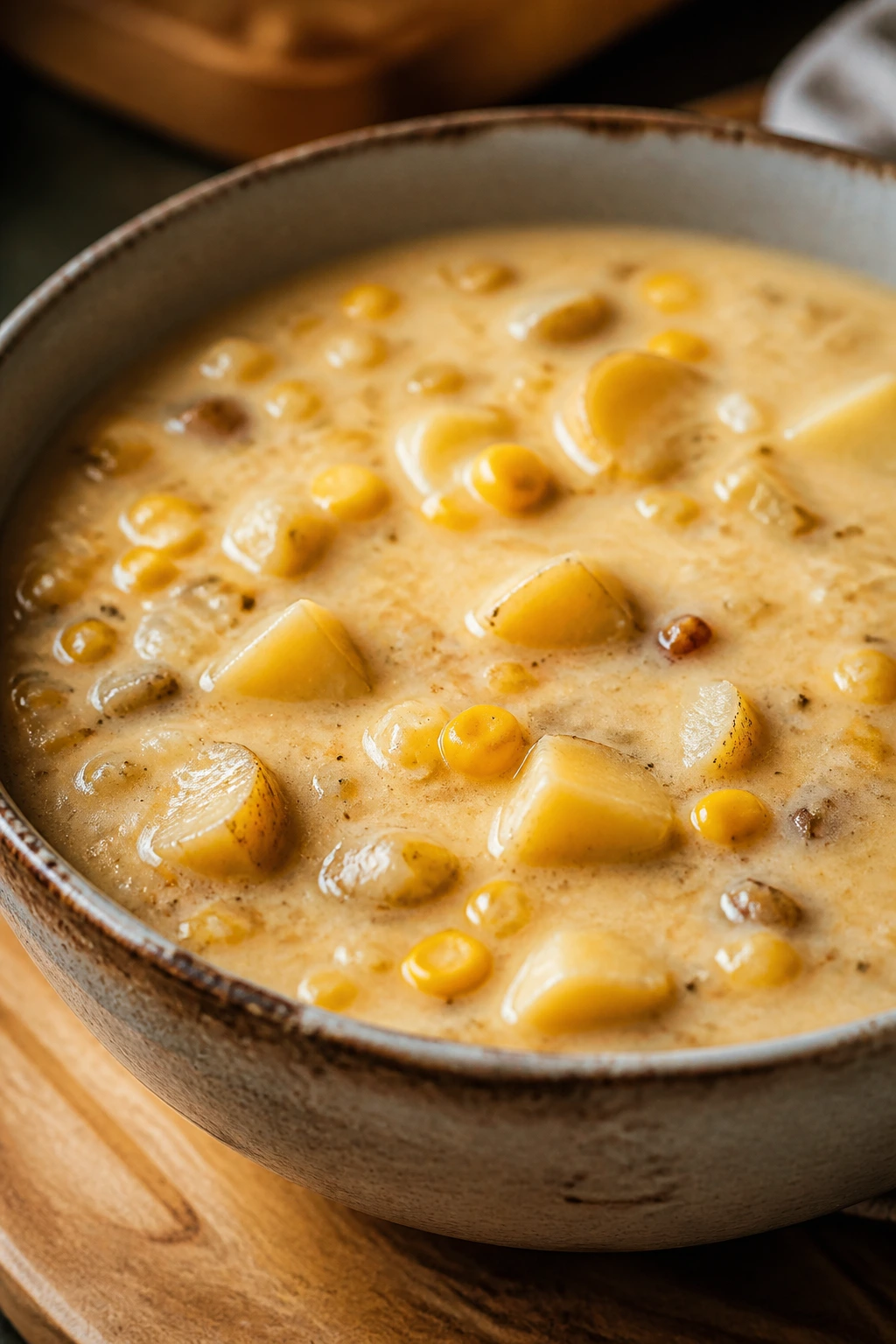
Potatoes are shameless smoke sponges. They soak up bacon fat, smoked cheese, onion, and broth without protesting. That is why chowders and potato soups almost always show up on cold-night tables. They are thick enough to keep their heat and soft enough to feel comforting after a long day.
Corn does something slightly different. It brings sweetness, which smoke can use as a counterweight. That sweet-smoky tension is why corn chowder with bacon works so well. The trick is not to overdo the smoke. Corn is delicate compared with beans or tomatoes, and too much liquid smoke can erase its personality.
Potato soup likes a slow start
If you start bacon in a cold pot and let the fat render slowly, you get a better base than if you blast it over high heat. The bacon goes crisp, the fat stays clean, and the onions that follow pick up flavor without burning. Then the potatoes go in with stock and simmer until a knife slides through them with almost no resistance.
A good potato soup often needs only one smoky element. Bacon is enough. Smoked cheddar is enough. Smoked salt can be enough if everything else is calm. Too many smoke sources and the bowl starts tasting manufactured.
Corn chowder needs sweetness and restraint
Corn chowder works when the smoke supports the corn instead of crowding it. Bacon, pancetta, or a little smoked paprika can do the job. Roasted corn kernels are excellent here, especially if you let them pick up browned spots in a hot skillet before they go into the pot.
I like a small amount of thyme or chives in corn chowder. Not because they are fancy, but because they keep the bowl from turning cloying. Thick soups can go weirdly dull if every flavor sits in the same register.
Smoked cheese is a finishing move, not a base
Smoked cheddar, smoked gouda, and similar cheeses can be lovely on top of potato soup, but they can also seize if you melt them into a boiling pot. Stir them in off the heat, a handful at a time, or sprinkle them over the bowl so they soften from the steam. That keeps the texture smooth and avoids the grainy, split mess that shows up when cheese gets bullied.
If you want the soup to feel richer without drowning it in dairy, use a splash of half-and-half or a dollop of sour cream right before serving. A little goes far.
Brothy Chicken, Turkey, and Tortilla Soups With Smoke
Not every smoky soup has to be thick. Some of the best ones are brothy, especially when the smoke comes from chipotle, roasted chicken skin, or a good homemade stock. These soups feel lighter on the spoon but still satisfy, which is a nice break if you do not want a starch-heavy bowl.
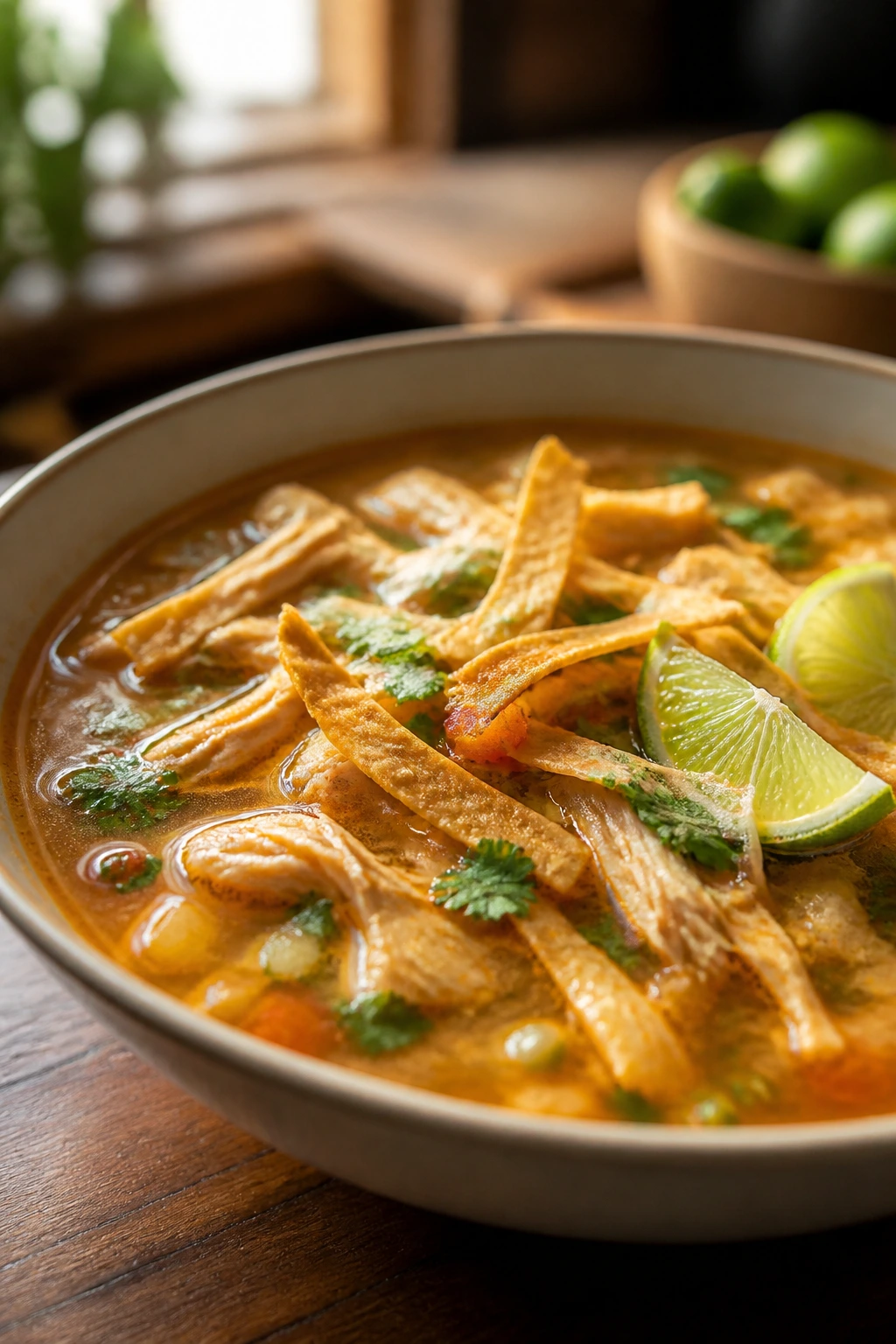
Chicken tortilla soup is the obvious star here, and for good reason. It has a built-in smoke partner in chipotle, plus lime, tomato, cumin, and crispy tortilla strips. Turkey soup can go the same direction after a roast dinner, especially if you save the carcass and simmer the bones into stock. That is not a fussy move. It is just smart cooking.
Chipotle and lime are a sharp pair
Chipotle brings smoke with a little heat and a little sweetness. Lime cuts through the richness and keeps the broth from feeling sleepy. Together they make a soup that tastes energetic instead of heavy. That is why tortilla soup often tastes brighter than bacon-heavy chowder even when both are smoky.
I like to keep the garnish simple: avocado, cilantro, sliced radishes, and crisp tortilla strips. A big pile of shredded cheese can work, but too much mutes the broth. The point is to keep the top lively.
Smoked chicken beats bland chicken every time
If you can find smoked chicken thighs or a smoked rotisserie bird, they bring a deep edge to the broth without needing much help. Regular roast chicken works too, but it wants smoked paprika, a little cumin, and maybe a bay leaf to keep the flavor from feeling plain.
Leftover turkey behaves the same way. It is mild enough that you can steer it almost anywhere. Add barley and mushrooms for a more wintery pot, or go toward tortilla soup with tomato and chipotle if you want something sharper.
Hominy and tortillas add the right kind of body
Hominy gives chicken soup a chewy, almost creamy texture that plays well with smoke. Crisp tortilla strips do something different. They add crunch and soak up the broth in a way that keeps every bite from tasting identical. If you make tortilla strips yourself, bake or fry them until they are deeply golden. Pale strips go limp too quickly.
One sentence that matters: brothy smoky soups need a bright finish or they drag.
Mushroom and Barley Soups With a Woodsy Edge
Mushrooms already taste like the woods after rain, so smoke finds a natural home there. That does not mean every mushroom soup should taste like a campfire. It means the earthy notes can carry smoked paprika, bacon, or smoked salt without collapsing under them.
Barley brings chew and a nutty flavor that stands up to long simmering. Together, mushrooms and barley make one of the most satisfying vegetarian-friendly winter soups around, especially if you sear the mushrooms hard before the broth goes in. Wet mushrooms taste like disappointment. Browned mushrooms taste like dinner.
Dried mushrooms are a shortcut to depth
Dried porcini or shiitake can do more work than a second pound of fresh mushrooms. Soak them in hot water, strain the soaking liquid through a fine sieve or coffee filter if you have one, and use that dark liquid as part of your stock. The flavor is intense and a little forest-like, which means it supports smoke instead of fighting it.
Fresh mushrooms still matter. Cremini, oyster, shiitake, and even chopped portobello all get better if you cook them in batches and let the pan actually brown between additions. If they steam, the soup loses some of its backbone.
Smoked salt and soy sauce can act like seasoning insurance
Mushroom soup often wants more than plain salt. A small splash of soy sauce or tamari deepens the broth without turning it into something Asian or something else entirely. It just gives the savory flavor more shape. Smoked salt can help too, but use it at the end and use it lightly. It is easy to overdo and end up with something that tastes like burnt pretzels.
A little cream or oat milk can make mushroom-barley soup feel rounder. I would not drown it. The best versions still taste dark and earthy, not milky.
This is the soup for people who like quiet flavors
Some bowls hit you fast. Mushroom and barley tends to settle in. It tastes better as you keep eating, which is a useful quality on a long night. The smoke does not announce itself first. It hangs back, then shows up with the mushrooms, the barley, and a little thyme at the end.
How to Build Smoke Without a Smoker
A smoker is nice. A good soup does not need one.
You can build convincing smoke in a regular pot if you layer the right ingredients and avoid the lazy mistake of piling everything in at once. Start with fat. Then add aromatics. Then brown the parts that can brown. Only after that should you bring in the stock, beans, tomatoes, or potatoes. The smoke comes from the sequence as much as from the ingredient list.
Start with the fat, because flavor needs somewhere to live
Butter, olive oil, bacon fat, or rendered pancetta fat all work. Heat it until it shimmers, then add onions, leeks, or celery. Let them soften first, and let some edges color. That is the base. If the foundation tastes thin, the soup will taste thin, no matter how much smoked paprika you sprinkle on top.
Bloom smoked spices before they meet liquid
Smoked paprika, cumin, coriander, and chili powder all wake up in fat. Give them 20 to 30 seconds in the pot, stirring so they do not scorch. That tiny window is where a lot of soups either gain depth or go stale and bitter. The difference is small in time and large in the bowl.
Brown the vegetables that can handle heat
Mushrooms, onions, cauliflower, peppers, and tomatoes can all pick up browned spots if you give them room in the pan. Do not crowd them. Crowding traps steam, and steam keeps you from getting the flavor you want. If you need to, brown in two batches. Boring? Yes. Worth it? Also yes.
Add liquid smoke at the very end, and tiny amounts only
If you use liquid smoke, wait until the soup is basically done. Add a drop or two, stir, and taste after a minute. Then decide whether you need more. It should whisper, not shout. A soup that tastes like liquid smoke first and tomato or bean second has lost the plot.
Finish with acid and fresh herbs
Smoke needs something bright to stand against. Lemon juice, lime, vinegar, pickled onions, cilantro, parsley, dill, or even chopped scallions can do that job. Without a bright finish, the smoke sits there alone and the soup can feel heavy. With it, the whole bowl seems clearer.
How to Serve Smoky Soup So It Stays Bright
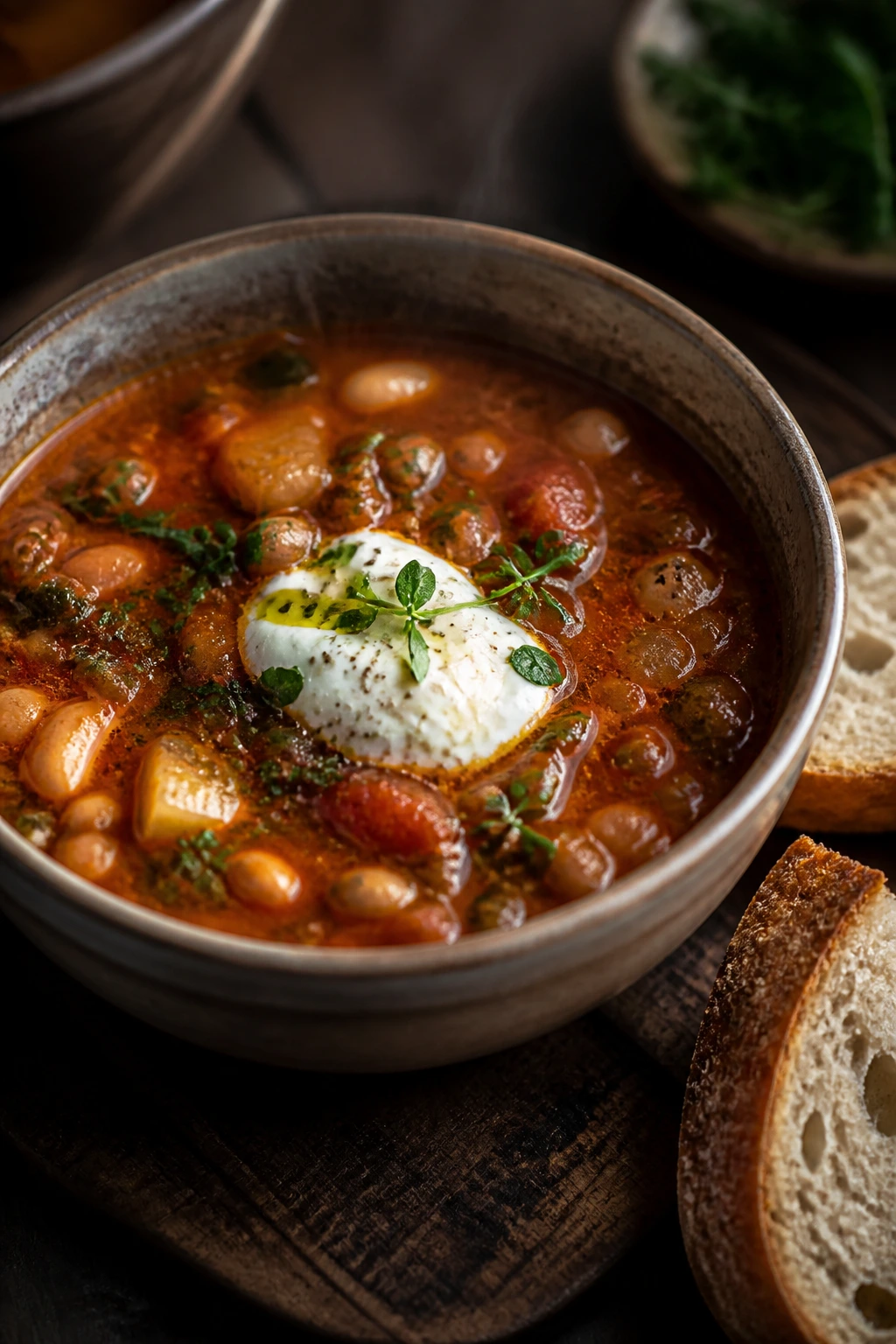
Presentation: Deep bowls are better than wide shallow ones because they hold heat and make the steam carry the aroma right up to your face. A small spoonful of yogurt, sour cream, or crème fraîche in the center looks good and gives the soup a colder, creamier contrast when you dip through it. A few chopped herbs and a crunchy topping — toasted seeds, tortilla strips, crispy bacon, fried shallots — do more for the bowl than a mess of random garnishes.
Accompaniments: Strong bread is your friend here. Sourdough toast, cornbread, crusty rolls, grilled cheese, or a toasted cheese sandwich all work because they can take the smoke and the broth without falling apart. For a lighter plate, add a simple salad with bitter greens and a sharp vinaigrette. Endive, arugula, shaved fennel, and lemon are all good with a smoky bowl.
Portions: Thick soups usually land best at 1½ to 2 cups per person when served with bread or a side salad. Brothier versions can stretch to 2 to 2½ cups if they are the main event. If the soup is especially rich — chowder, split pea, or potato — a smaller bowl can be enough, especially with a heavy garnish on top.
Beverage Pairing: Dry cider is a strong match because its acid cuts smoke without making the meal feel stiff. A malty lager or brown ale works with bacon-heavy soups and chowders. If you want something nonalcoholic, black tea, sparkling water with lemon, or even ginger beer can stand up to the broth without disappearing.
Small Moves That Add More Depth
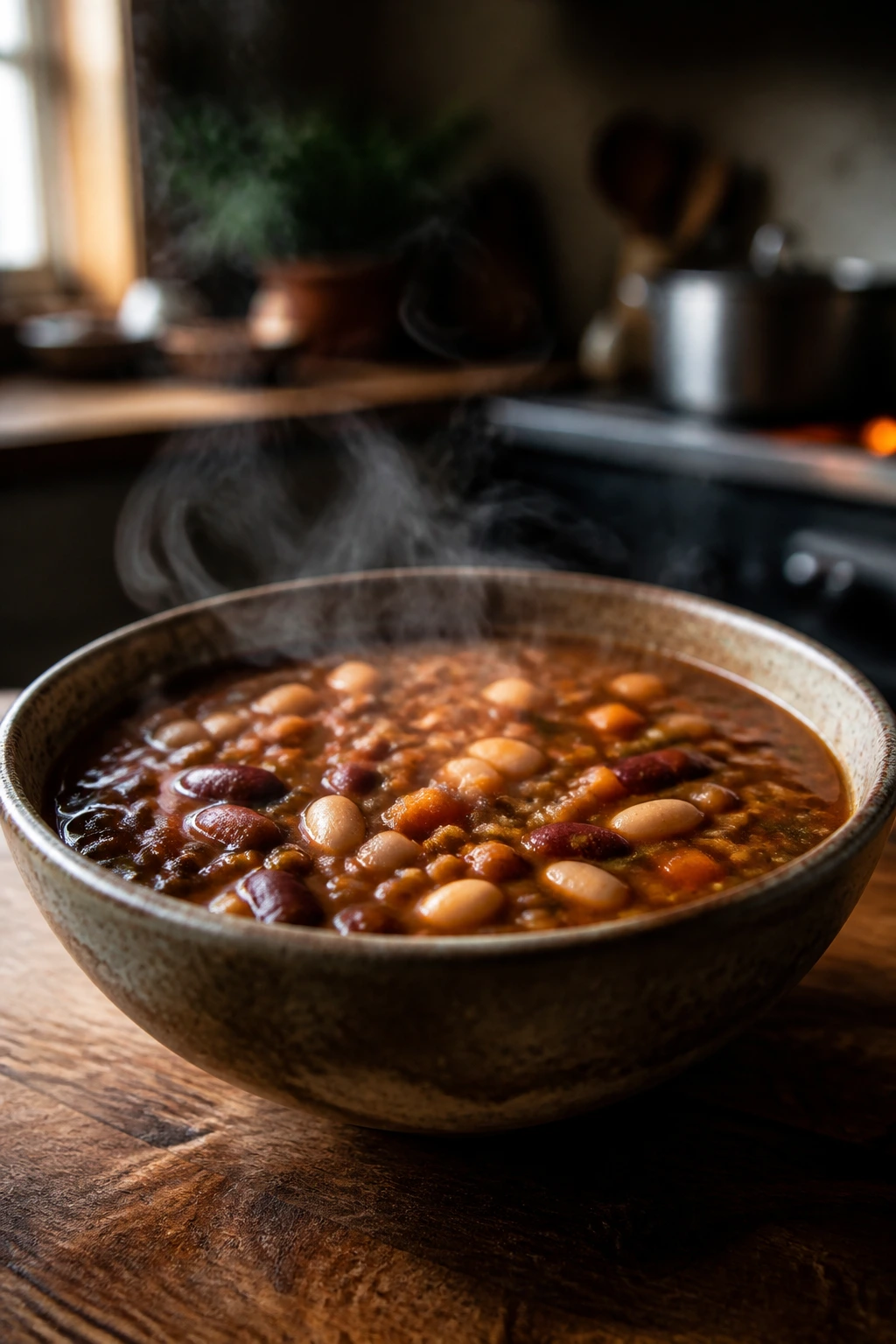
A smoky soup rarely needs a dramatic fix. It usually needs one small, sharp move. That is the part people skip when they are tired and hungry, and it is the reason the soup tastes close but not quite done.
Bloom the spice, don’t bury it. Smoked paprika and chili powder are better when they spend a short time in fat before the stock goes in. That gives them a rounder flavor and keeps the soup from tasting chalky. If the pot is already wet, you can still add the spice, but the flavor will be flatter.
Salt in stages. Bacon, ham, stock, cheese, and even canned beans can all bring salt to the party. Taste near the end, after the soup has simmered and then rested for ten minutes. The flavor often changes more in that pause than it does during the last ten minutes of cooking.
Add one bright thing right before serving. Vinegar, lemon, lime, pickle brine, or a spoonful of yogurt can lift the bowl in a way nothing else can. Smoke loves a little acid. Without it, the soup can land with a thud.
Keep one texture on top. A soup with only soft ingredients can feel mushy, even if the flavor is good. Toasted bread crumbs, crispy onions, tortilla strips, pumpkin seeds, or chopped bacon add a little snap that makes each spoonful feel sharper.
Use leftovers as a correction tool. Smoky soups often taste even better after a day in the fridge, but they also get a little thicker. A splash of broth during reheating and a fresh squeeze of lemon usually bring them back to life. That is a useful habit, not a compromise.
Smoke should feel deep. It should not feel smothered.
Common Mistakes That Make Smoke Taste Harsh or Flat
Using too much liquid smoke. The soup starts smelling like a hardware-store barbecue aisle and the flavor lingers in a bad way. Fix it by starting with a tiny amount — a drop or two in a whole pot — and only adding more after a minute of tasting and waiting.
Burning smoked paprika. The spice turns bitter and dusty if it hits high heat too long. Fix it by blooming it briefly in fat over medium or medium-low heat, then adding liquid right away so it does not scorch.
Skipping acid at the end. The soup feels heavy, even if the salt level is fine. Fix it with lemon, lime, vinegar, or a sharp pickle brine, added just before serving so the brightness stays vivid.
Building smoke from too many sources at once. Bacon, smoked sausage, smoked salt, liquid smoke, smoked paprika, and chipotle can all show up in the same pot, and then nothing has space to breathe. Fix it by choosing one main smoke source and one supporting note. Maybe bacon plus paprika. Maybe chipotle plus fire-roasted tomatoes. Not everything at full volume.
Letting dairy boil hard. Chowders and creamy soups can split or turn grainy if they are left at a rolling boil after the cream goes in. Fix it by lowering the heat to a bare simmer and adding dairy off the heat when possible.
Ignoring the salt in cured meat. Ham hocks, bacon, pancetta, and smoked sausage all season the broth on their own. Fix it by salting lightly at the start, tasting near the end, and adjusting after the pot rests.
Variations and Alternate Smoke Profiles
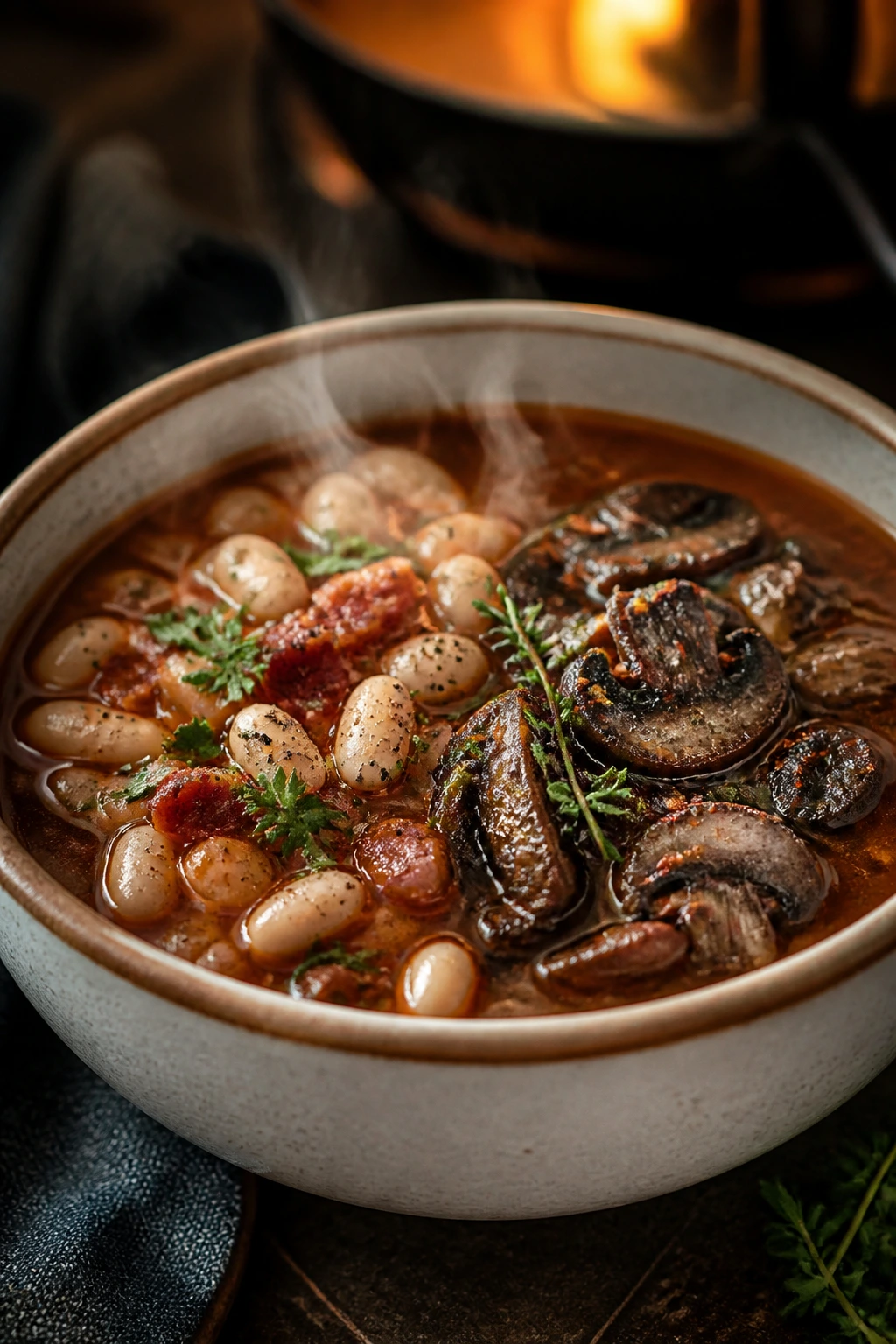
Campfire Tomato and White Bean
This one leans on fire-roasted tomatoes, cannellini beans, garlic, and smoked paprika. It is the cleanest way to get a smoky bowl without any meat, and the beans give it enough body that you do not miss the bacon. A finish of basil or parsley keeps the smoke from getting too heavy.
Ham-Hock Split Pea Classic
If you want old-school winter soup with real backbone, this is the move. Simmer a ham hock until the broth turns silky and the peas fall apart, then finish with black pepper and a tiny splash of vinegar. It tastes even better the next day, which is handy because the texture tightens up beautifully in the fridge.
Chipotle Chicken Lime Soup
Use shredded chicken, onion, garlic, cumin, chipotle in adobo, and broth, then finish with lime juice and cilantro. This version has more heat and less weight than a bacon-based bowl, so it works when you want smoke without cream. Tortilla strips on top are not optional in my kitchen. They make the soup.
Smoked Corn and Bacon Chowder
Corn, potatoes, bacon, leeks, and a little smoked cheddar give you a thick bowl that feels richer than it needs to. Keep the smoke restrained and let the corn sweetness stay visible. This is the one to make when you want a spoonable meal with some chew.
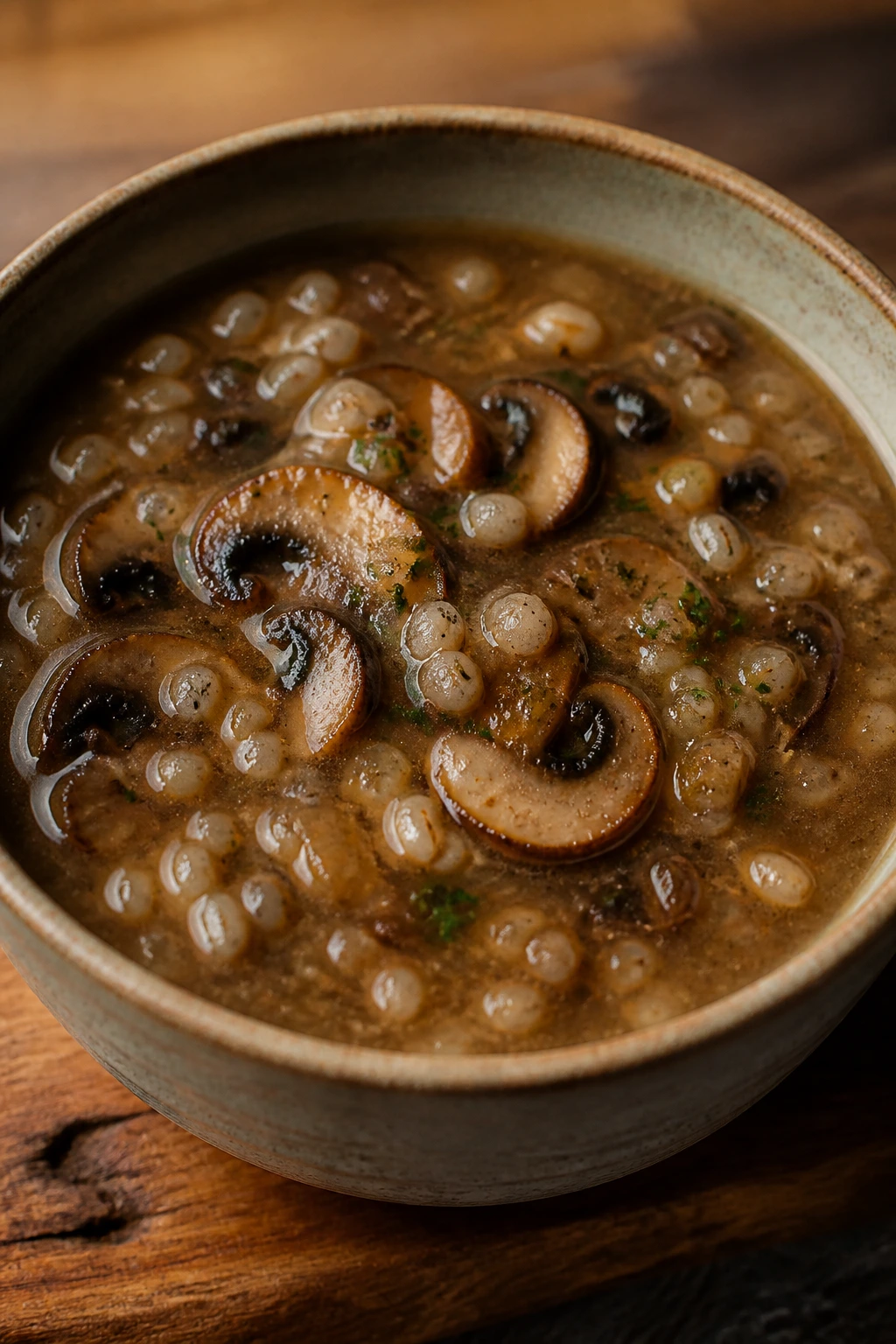
Mushroom-Barley Smoke Bowl
Build this with cremini, shiitake, barley, thyme, a little soy sauce, and either smoked paprika or smoked salt. It is the best vegetarian option for people who want something earthy instead of bright. A spoonful of crème fraîche on top can smooth out the edges without turning it into cream soup.
Tools That Make the Pot Easier
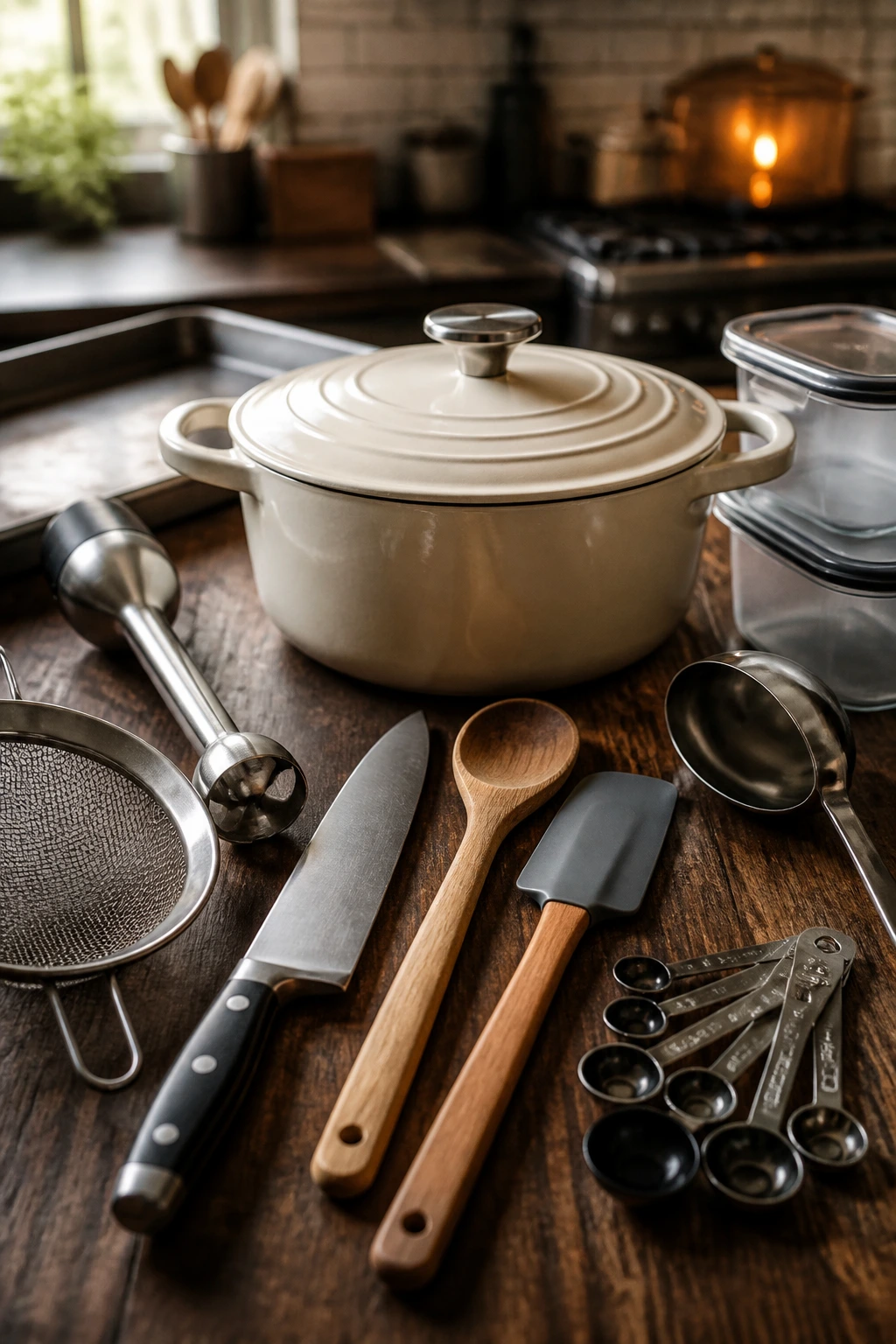
- Heavy-bottomed Dutch oven or soup pot — Better heat control means fewer scorched spices and a cleaner simmer, especially when you are working with smoked paprika or dairy.
- Sharp chef’s knife — Onion, celery, carrots, mushrooms, and roasted vegetables all cook better when they are cut evenly.
- Wooden spoon or silicone spatula — Useful for scraping up browned bits from the bottom of the pot without scratching the surface.
- Measuring spoons — Smoked paprika, chipotle, liquid smoke, and smoked salt all need restraint; guessing can get messy fast.
- Sheet pan — Handy for roasting tomatoes, peppers, onions, mushrooms, or corn before they go into the soup.
- Immersion blender — The easiest way to make tomato soup, bean soup, or chowder smoother without hauling hot liquid across the kitchen.
- Fine-mesh strainer — Worth keeping nearby if you soak dried mushrooms or want a cleaner broth.
- Ladle — Not glamorous, but the right tool for serving thick soup without splashing it everywhere.
- Airtight containers — Needed for make-ahead storage, and shallow containers cool soup faster and more safely than one giant deep pot.
Make-Ahead, Storage, and Reheating
Smoky soup keeps well, but it does not all behave the same way in the fridge or freezer. Bean soups, tomato soups, lentil soups, and broth-based chicken soups are the easiest to store. They usually hold well for 3 to 4 days in the refrigerator and up to 3 months in the freezer if the container seals tightly and the soup has cooled before you pack it away.
Chowders and dairy-heavy soups need a little more care. They are usually fine in the fridge for up to 3 days, but they can turn grainy if frozen with the cream already in them. If you know you are freezing a chowder, freeze the base before adding cream, milk, or cheese. Then stir the dairy in after reheating. That one habit saves a lot of sad, split soup.
Reheat smoky soup gently over medium-low heat, stirring every minute or two so the bottom does not catch. A splash of broth or water often helps after refrigeration because beans, potatoes, and barley keep absorbing liquid as they sit. If the soup tastes a little dull after storage, a squeeze of lemon, a splash of vinegar, or a pinch of fresh herbs usually brings the flavor back faster than more salt.
One thing I like about smoky soup: it often tastes calmer after a night in the fridge. The edges soften. The flavors shake hands. That is especially true for bean soup, split pea soup, and tomato soup. Smoke settles. It doesn’t vanish.
Questions People Ask About Smoky Soup
What is the easiest way to make soup taste smoky without meat?
Smoked paprika is the cleanest place to start. Bloom it in a little oil or butter, then build a tomato, bean, or lentil soup around it. Fire-roasted tomatoes and a tiny pinch of smoked salt can help too, but I would still keep smoked paprika as the main move.
Can I use liquid smoke in any soup?
Technically yes, but that does not mean every soup needs it. It works best in bean soups, tomato soups, and broth-based pots where the flavor can spread out. Creamy dairy soups and delicate vegetable soups need a much lighter hand, if any at all.
How much smoked paprika is too much?
For a 4- to 6-serving pot, 1 to 2 teaspoons is usually enough to make the smoke noticeable without turning the whole soup into paprika soup. If you are using chipotle, bacon, or smoked sausage too, stay on the lower end. Add more only after the soup has simmered and you have tasted it again.
Why does my smoky soup taste bitter?
Usually the spice was burned, the liquid smoke was overdone, or there is not enough acid to balance the pot. Try adding a splash of lemon or vinegar first. If the bitterness came from scorched paprika, the fix may be to dilute the soup with more stock or start over if it is truly harsh.
Can smoky soup be made in a slow cooker?
Yes, and beans, split peas, and ham-hock soups work especially well there. Still, I would brown the onions, bacon, and spices first in a skillet if you have time, because that step gives the soup more depth than dumping everything in raw. A slow cooker handles tenderness. The stovetop handles flavor building.
Does smoky soup get better the next day?
A lot of them do. Bean soups, tomato soups, and split pea soup often taste rounder after a night in the fridge because the smoke, salt, and starch settle into each other. Just remember to reheat gently and brighten the bowl with a finishing acid before serving.
What toppings work best with smoky soup?
You want contrast: something creamy, something crunchy, and something bright. Sour cream, yogurt, or a little cheese gives you creaminess. Toasted breadcrumbs, tortilla strips, croutons, or bacon add crunch. Herbs, lemon, lime, pickled onions, or scallions keep the bowl from feeling heavy.
Can I freeze chowder or potato soup with smoke in it?
Yes, but freeze the base without dairy if you can. Potato soups can get a little grainy after freezing, and cream-based chowders are easier to rescue if you add the milk or cream after reheating. If the soup already has dairy in it, reheat it very slowly and whisk gently to keep the texture as smooth as possible.
The Pot You’ll Want Again
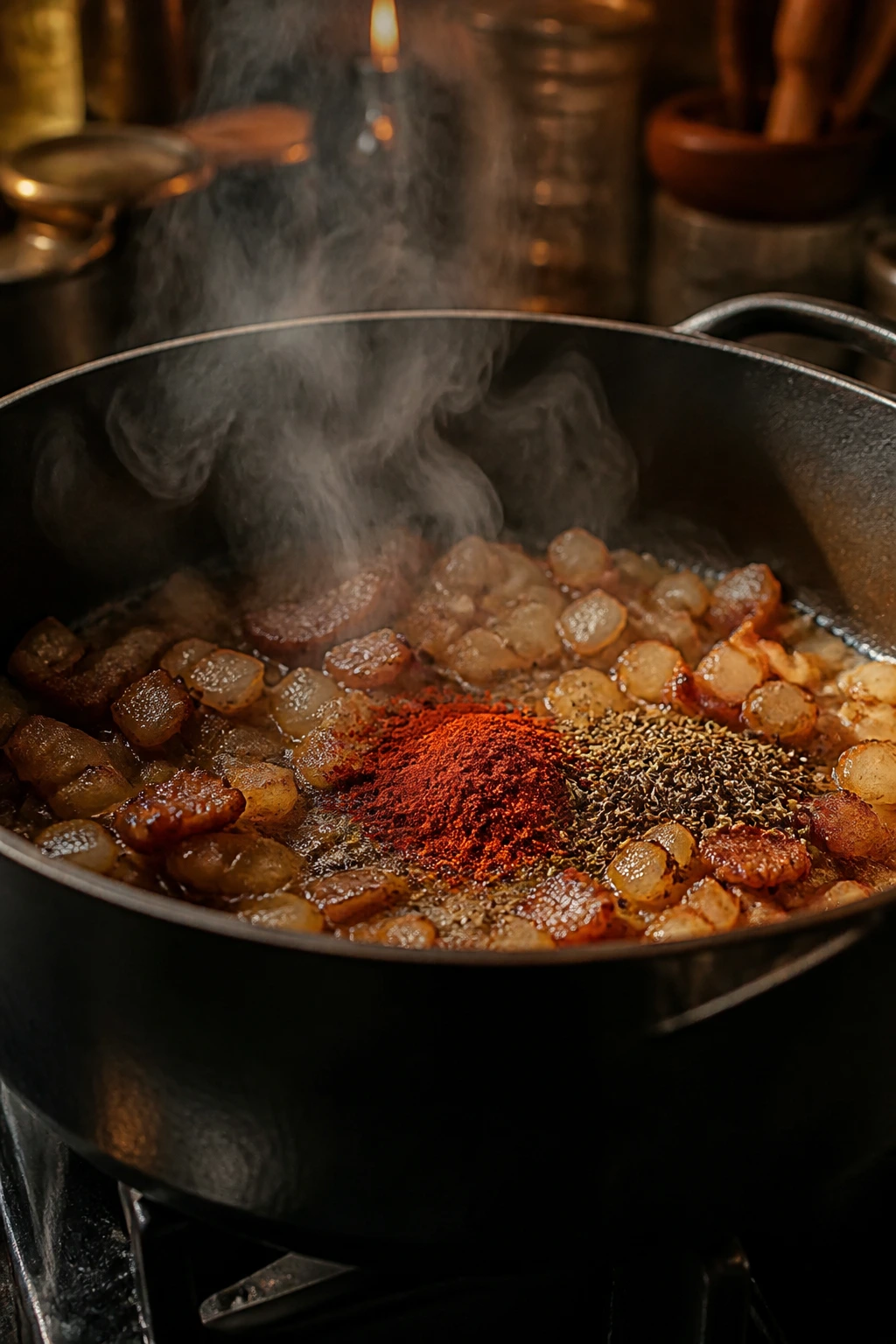
A smoky soup does something plain soup rarely manages: it gives a cold night a shape. Not a fake cozy shape. A real one. The kind built from browned onions, a can of tomatoes, a ham bone, a spoonful of smoked paprika, or a pot of beans that has spent long enough on the stove to turn soft and almost velvet-like.
The best part is how little it takes to get there. One good smoke source, one bright finish, and enough salt to make the broth taste awake. That is the whole trick more often than people want to admit.
Keep a jar of smoked paprika in the cupboard, a can of fire-roasted tomatoes on the shelf, and a plan for using bacon, ham, beans, or mushrooms when the weather turns mean. Then the next cold night stops looking like a problem and starts looking like soup night.