



Chinese food in crockpot form works best when you stop asking it to mimic a wok. The slow cooker is built for a different job: steady heat, long contact, and the kind of gentle braising that turns pork shoulder soft at the edges and chicken thighs into something you can pull apart with a spoon.
That does not mean every Chinese-style dish belongs there. Far from it. Crispy batter, quick-seared greens, and anything that depends on blistering heat will turn limp or muddy if you force the issue. But the saucy, savory, takeout-adjacent dishes? Those are in the slow cooker’s lane. Think gingered chicken, black pepper beef, soy-braised pork, sesame-glazed shredded meat, mushrooms steeped in garlic and five-spice. The texture gets tender. The sauce gets deeper. The whole pot smells like dinner before you’ve done much more than lift the lid.
I keep coming back to this style of cooking because it’s forgiving in the right way. A crockpot doesn’t save bad seasoning, but it does give you a long runway to build flavor without babysitting a skillet. A little soy sauce, some rice vinegar, garlic, ginger, maybe hoisin or oyster sauce, and the right cut of meat are enough to make a dish that tastes like it had a plan.
The part that separates a good pot from a soggy one is restraint. Add the right vegetables at the right time. Thicken at the end, not the beginning. Finish with something bright so the sauce doesn’t land flat. Once those details click, slow cooker Chinese food stops feeling like a compromise and starts feeling like a very practical skill.
Why Slow Cooker Chinese Food Works So Well
Long heat makes tough cuts behave: Chicken thighs, pork shoulder, and chuck roast get better with time because their connective tissue softens instead of seizing up.
Sauces have room to marry: Soy sauce, ginger, garlic, hoisin, and vinegar taste more blended after hours of gentle cooking than they do after a quick sauté.
You can cook around your day: The pot handles the long stretch while you handle everything else, which matters when dinner needs to happen without a standing stovetop shift.
Cheap cuts become worth buying: A cut that looks plain in the package can turn rich and spoon-tender after 6 to 8 hours on low, which is where the value lives.
The method likes braises, not tricks: Braised chicken, shredded pork, saucy beef, and mushroom-heavy vegetarian dishes fit the slow cooker’s personality far better than anything that needs crisp edges.
Late vegetables stay awake: Broccoli, snow peas, baby bok choy, and bell peppers can go in near the end, so they taste like vegetables instead of wallpaper paste.
Which Chinese-Style Dishes Belong in the Crockpot
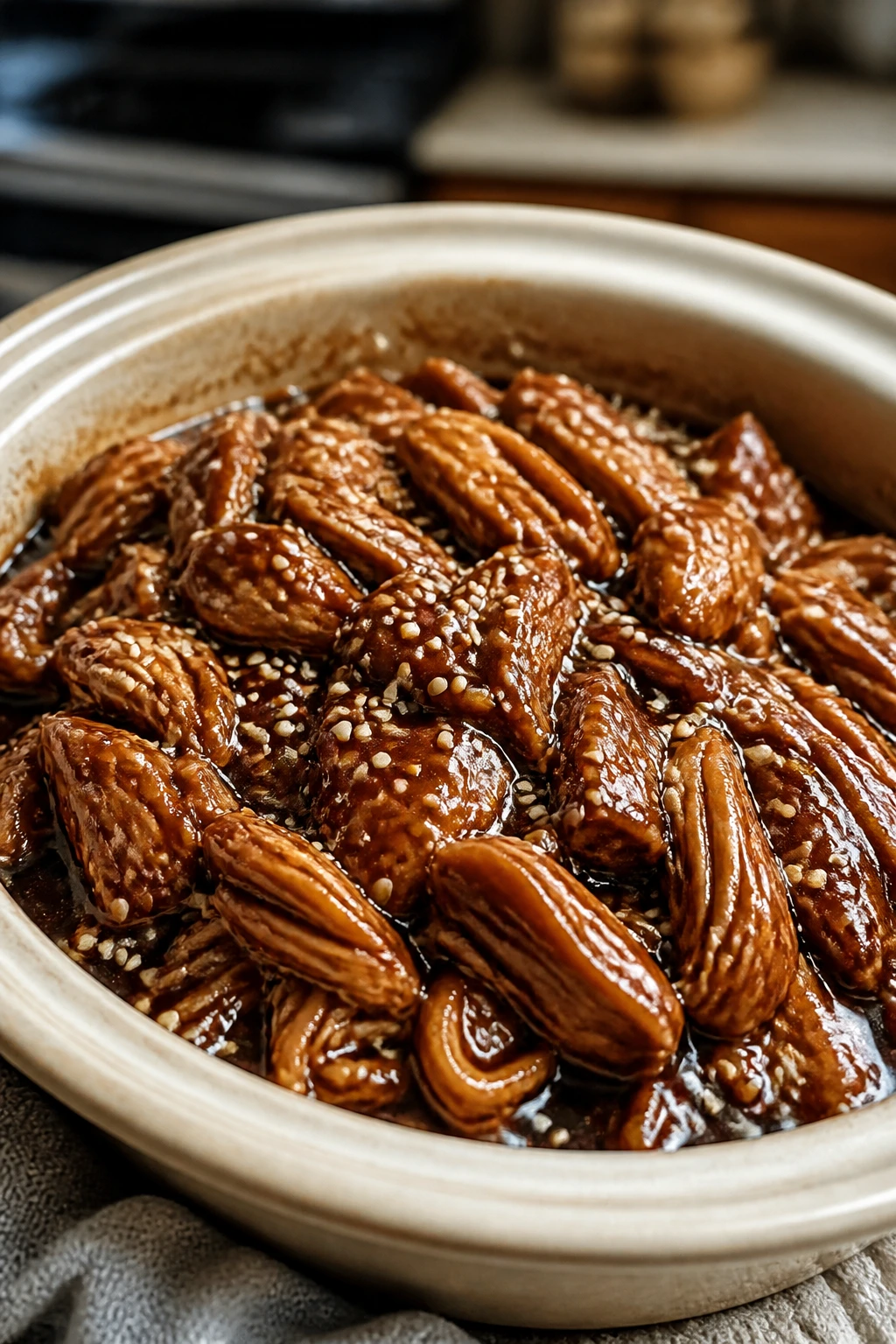
The first hard truth is simple: the slow cooker is good at braises, glazes, and shredded meats. It is not a wok. That sounds obvious, but people keep treating it like a magic box that can do every job. It cannot. It will never make a crunchy shell or a smoky stir-fry char, and that is fine. Use it for the dishes that already lean soft, saucy, and deeply seasoned.
The easiest wins are the ones built around meat that benefits from low heat. Shredded sesame chicken, black pepper beef with onions, hoisin pork shoulder, five-spice short ribs, soy-garlic chicken thighs, and mushroom-heavy tofu braises all belong here. They like a long bath in liquid because the sauce has time to sink into the meat. They also like a little sweetness and acid so the finished bowl tastes rounded instead of salty and flat.
Best Candidates for the Pot
A dish works well in the crockpot if it shares two traits: it starts with a cut that can take hours, and it finishes in a sauce that does not need crispness to feel complete. Braises are the sweet spot. So are shredded fillings for rice bowls, lettuce cups, and steamed buns.
- Chicken thighs with soy, ginger, and garlic become deeply savory without much fuss.
- Pork shoulder with hoisin, five-spice, and rice vinegar gets silky and fragrant.
- Chuck roast with black pepper, scallions, and oyster sauce turns soft enough to pull apart.
- Mushrooms, tofu, and bok choy can make a meatless bowl that still feels hearty.
Those dishes forgive a small mistake or two. They do not forgive bad seasoning, but they forgive a slightly late dinner or a sauce that needs a splash of water at the end.
Dishes Better Left to a Wok
Anything that depends on crisp batter or a blistered surface should stay out of the slow cooker. General Tso’s, orange chicken with a crunchy coating, and anything calling for seared snap peas or choy sum are better finished in a hot pan or under a broiler. Slow heat turns those textures soft. Soft is not the goal there.
Noodle dishes also need caution. If you cook lo mein or chow mein noodles all day in sauce, they soak up too much liquid and go heavy and sticky. Better to cook the noodles separately and toss them with the finished meat and sauce right before serving. That small detour saves the whole bowl.
The Cuts That Turn Tender Instead of Stringy
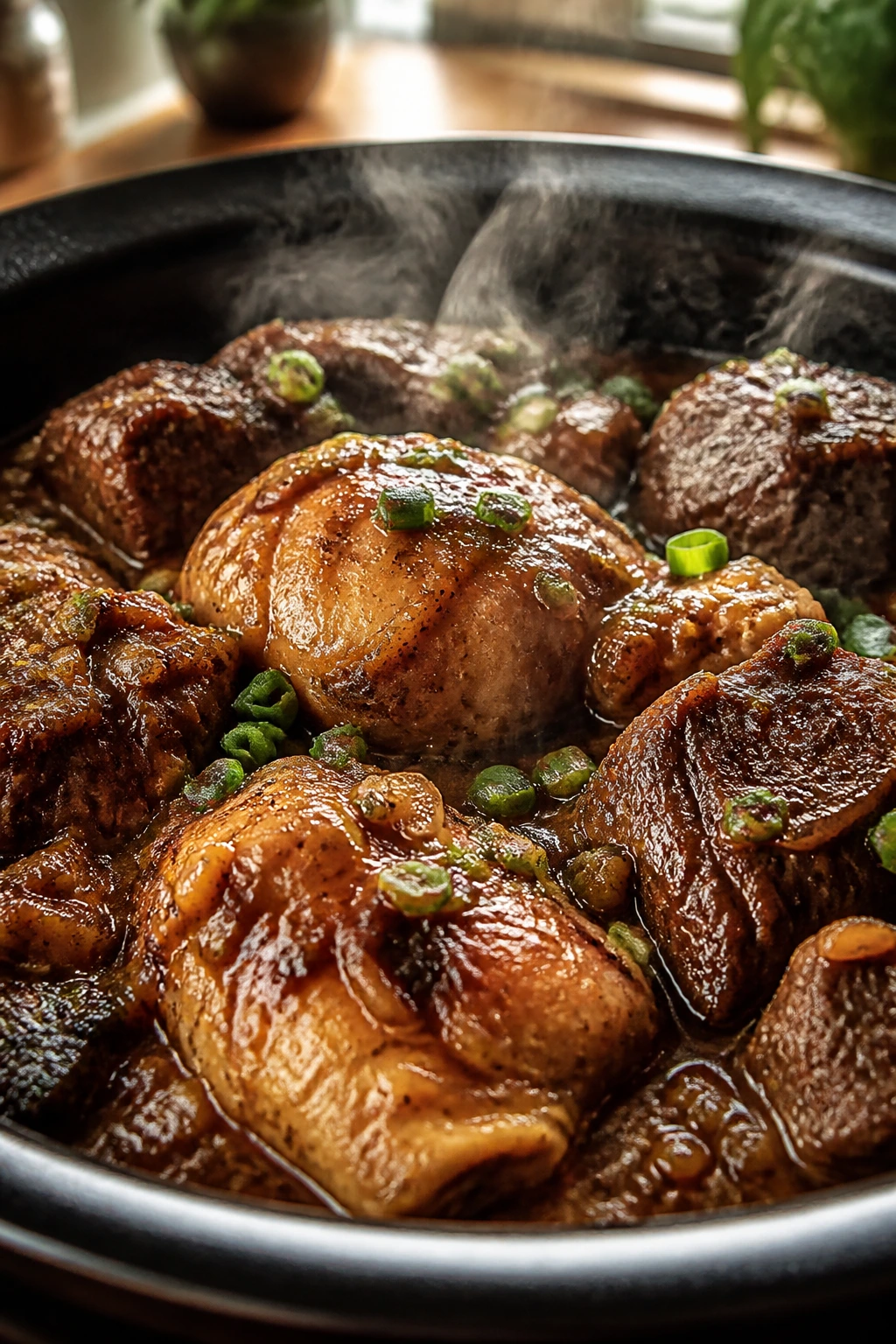
The cut you buy decides whether your slow cooker dinner feels lush or dry. This matters more than the sauce, honestly. A great sauce cannot rescue a lean cut that was asked to spend eight hours doing a job it never wanted. Some meats are built for long heat. Others need a shorter cook and a gentler hand.
Chicken That Stays Juicy
Boneless, skinless chicken thighs are the obvious winner. They have enough fat and connective tissue to stay soft through a long cook, and they shred easily without tasting dry. If you want a silky shredded chicken for rice bowls, thighs are the move. I would rather use those than breast meat almost every time.
Chicken breasts can work, but only if you keep the time tighter and watch the texture closely. In a slow cooker, breast meat dries out fast once it crosses done and keeps going. If you use breasts, aim for a shorter low setting or cut them into larger chunks so they do not turn into cotton.
Beef That Likes a Long Braise
Chuck roast is the workhorse here. It has enough marbling and connective tissue to turn soft after several hours, and it tastes richer the longer it cooks in sauce. Short ribs also do well, though they bring more fat and a slightly heavier finish. Brisket can work too, though it needs enough liquid and time to soften fully.
Flank steak, round steak, and sirloin are trickier. They can work in a crockpot if sliced thin and added with care, but they are not the easiest path. If you use them, do not leave them in forever. They need less time than chuck or they go dry and stringy.
Pork That Falls Apart the Right Way
Pork shoulder, pork butt, and country-style ribs are the best bets for slow cooker Chinese food. They have the fat and collagen that melt into tenderness. That is exactly what you want for hoisin pork, five-spice pork, or shredded pork for steamed buns.
Lean pork loin is the wrong choice for a long cook unless you are extremely careful. It can go from tender to dry without much warning. If pork loin is what you have, cook it in larger pieces and shorten the time.
Plant-Based Options That Still Hold Shape
Extra-firm tofu can work, but it needs help. Press it first, cube it, and treat it gently. Mushrooms do a lot of the heavy lifting here because they absorb sauce and bring a meaty texture of their own. Tempeh is another solid option if you like a firmer bite.
Soft tofu is not the move. It breaks down into a grainy mess. The slow cooker is kind, but it is not that kind.
Building a Sauce With Salt, Sweet, Acid, and Body
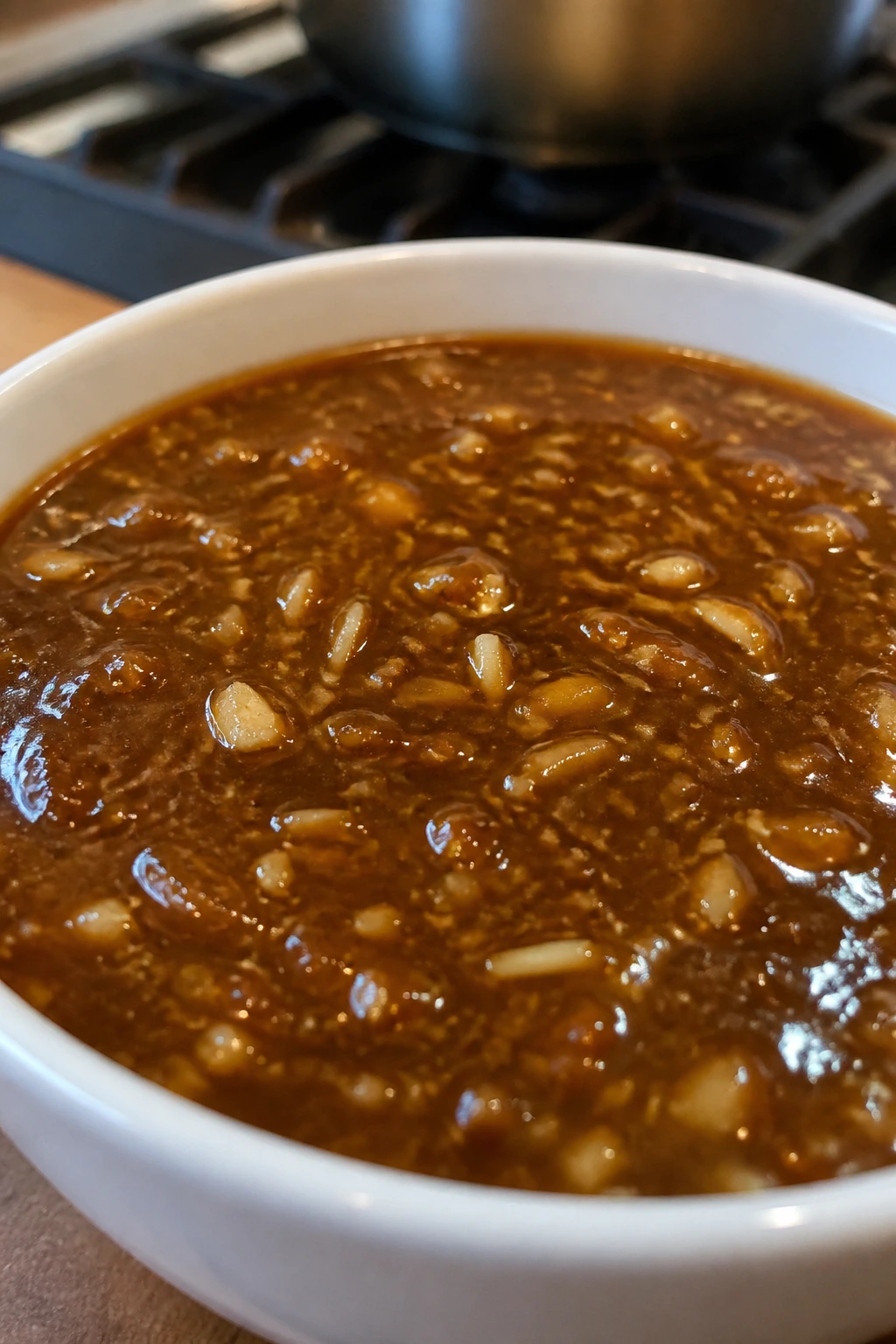
A slow cooker Chinese sauce needs balance more than complexity. That is the part many home cooks miss. They throw in soy sauce, maybe some honey, maybe a bottle of something brown and sweet, and then wonder why the finished pot tastes one-note. The answer is almost always the same: the sauce needs salt, sweetness, acid, aroma, and thickness. All five.
The good news is that the ratios do not need to be fussy. For a family-size batch serving four to six, a strong starting point looks like this:
- 1/2 cup low-sodium soy sauce
- 1/4 cup hoisin sauce
- 2 tablespoons rice vinegar
- 2 tablespoons honey or brown sugar
- 3 cloves garlic, minced
- 1 tablespoon fresh ginger, grated
- 1 cup chicken broth, beef broth, or water
- 1 teaspoon toasted sesame oil
- 1 tablespoon cornstarch mixed with 2 tablespoons cold water at the end
That gives you a base that tastes savory, a little sweet, and just sharp enough to keep the sauce from collapsing into syrup. If you want more depth, a tablespoon of oyster sauce helps chicken and beef dishes. If you want a darker, slightly richer color, a teaspoon of dark soy sauce goes a long way. Do not overdo dark soy. It can bulldoze the whole pot.
What Goes in Early
Garlic, ginger, soy sauce, broth, hoisin, and meat can all go in at the start. They need the long cook. The same is true for black pepper, five-spice powder, and dried chile flakes if you use them. Those flavors soften into the sauce instead of sitting on top of it.
The one thing I would not throw in early is sesame oil. It is fragile and aromatic. Save it for the end. A small drizzle over the finished dish tastes much fresher than oil that has spent hours under heat.
What Belongs at the End
Rice vinegar, black vinegar, a splash of dry sherry or Shaoxing wine, and any fresh scallions should come in near the finish. That last-minute brightness wakes the pot up. Without it, the dish can taste heavy, even if the seasoning is technically correct.
Cornstarch also belongs at the end. Stir it with cold water first, then add it in the last 15 to 20 minutes or after you move the liquid to a skillet. If you dump dry starch straight into the sauce, it clumps. If you add it too early, it can thin back out and lose its clean gloss.
Vegetables That Survive the Long Cook
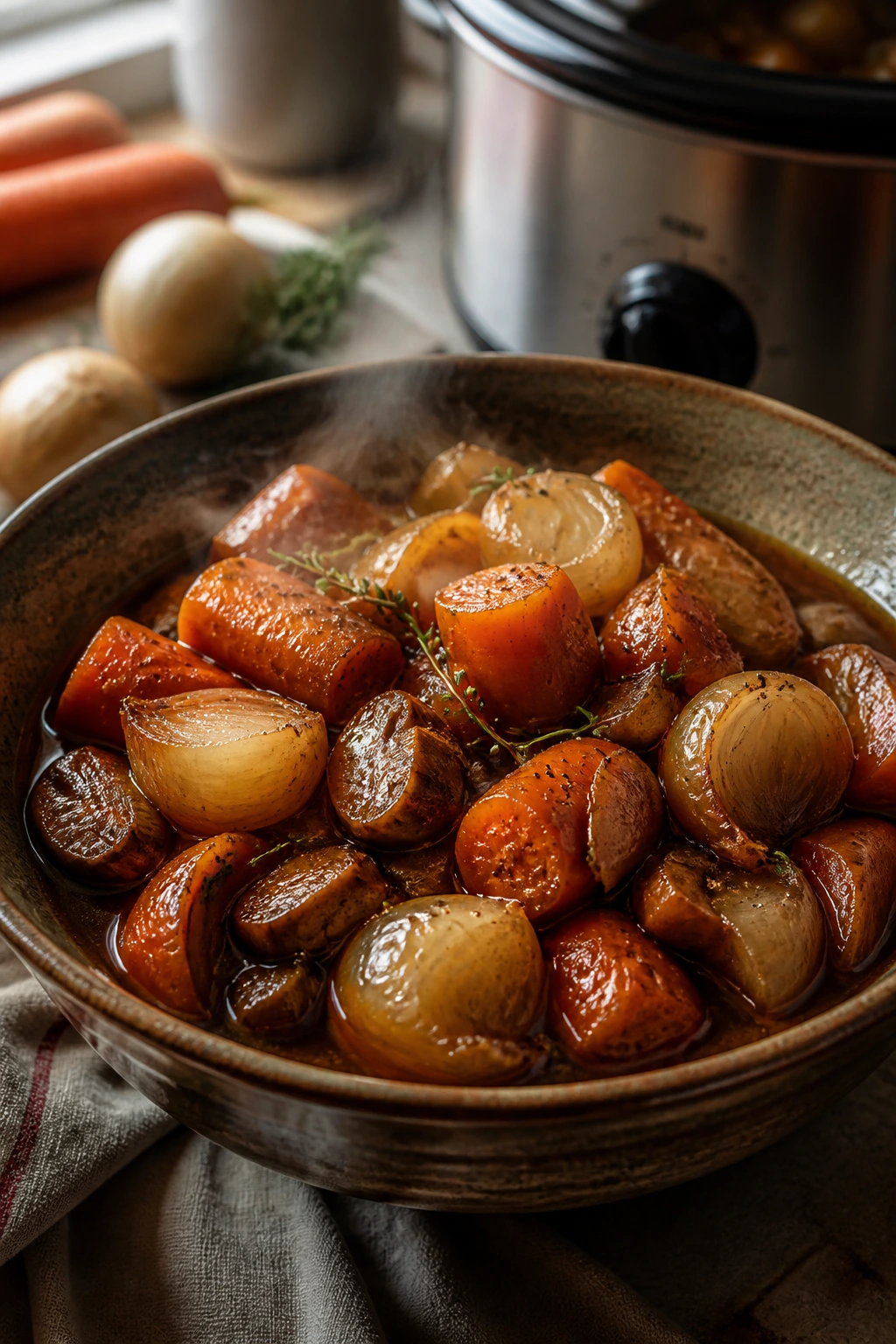
Vegetables are where a lot of slow cooker Chinese food goes wrong. People dump in broccoli, peppers, mushrooms, onions, carrots, and snap peas all at once, then act surprised when the final bowl tastes soft and brown around the edges. The slow cooker is not cruel. It is simply consistent. If you leave a tender vegetable in there for hours, it will surrender.
The fix is timing.
Hard vegetables can go in early. Tender ones need a late entrance. Some vegetables can split the difference if you like them soft but still shaped. That sounds simple, and it is, but it changes everything.
Good Candidates for the Full Cook
Carrots, onions, thick slices of celery, and sturdy mushrooms can handle a long cook without disappearing. They release flavor into the sauce and help build body. Carrots get sweet. Onions collapse in the best way. Mushrooms do that deep, savory thing they do when they are allowed to sit in liquid for a while.
Bamboo shoots and water chestnuts are a little different. They do not need long cooking. They do not exactly benefit from it either. They can go in during the last 20 minutes if you want them to keep their bite.
Vegetables That Need a Late Arrival
Broccoli, snow peas, sugar snap peas, baby bok choy, bell peppers, and Napa cabbage all prefer the final stretch. Add them in the last 10 to 20 minutes so they keep color and a little snap. If you want broccoli with a firmer edge, steam it separately and toss it with the finished sauce right before serving.
That trick matters. A lot.
One-Size Timing Does Not Work
If you are cooking a beef-and-broccoli style dish, the beef can go in early and the broccoli can wait until the very end. If you are making a pork-and-cabbage braise, the cabbage can join later than the pork but earlier than the greens. If you are making a tofu bowl, seared tofu cubes can go in after the sauce has developed and then sit for a short finish instead of taking the full ride.
The point is not memorizing a rigid chart. The point is respecting texture. Once you start thinking in terms of texture, the whole pot gets better.
The Prep Order That Keeps Texture Intact
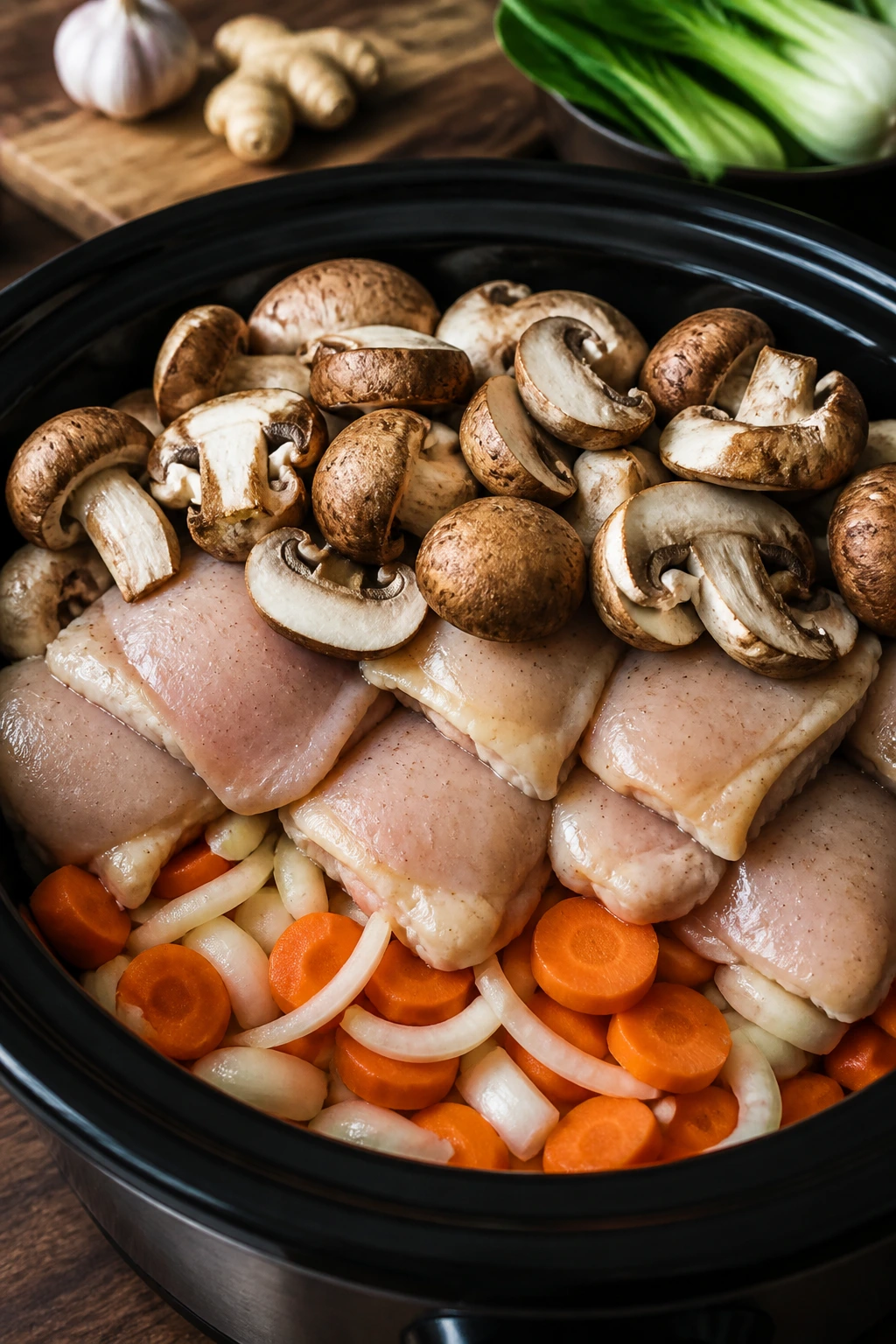
A crockpot meal can be easy and still have a little technique behind it. That is the difference between a pot that tastes dumped together and one that tastes thought through. The method is not complicated, but the order matters. A lot.
Here is the rhythm I like:
- Season the meat first. A light dusting of salt, pepper, and sometimes five-spice or white pepper gives the surface more than one note.
- Sear if you have the time. Two to three minutes per side in a hot skillet is enough to get color on chicken thighs, pork, or beef cubes.
- Mix the sauce in a bowl. Do not build it in the slow cooker one splash at a time. It mixes better in a bowl, and you can taste it before it goes in.
- Layer hard vegetables underneath or around the meat. Carrots, onions, and mushrooms can handle the heat.
- Cook on low unless the recipe really needs high. Low usually gives you the best texture and the least risk of dry edges.
- Add delicate vegetables and thickener near the end. Broccoli, bok choy, snap peas, and cornstarch should show up late, not early.
That is the broad pattern. It seems obvious after you see it written out, but a lot of bad crockpot food comes from skipping exactly one of those steps. Usually the one involving the end.
Searing is optional, not mandatory. I like it because it makes the finished sauce taste deeper and less one-dimensional. But if you are working with a busy morning and no spare skillet, you can skip it and still get a good dinner. The meal will be softer, a little less roasted in flavor, but still worth making. That honesty matters. Not every night has the same amount of patience.
One more thing: do not crowd the pot past comfortable. A very full slow cooker can go watery because the lid traps every bit of steam. If your batch is packed all the way up, the sauce needs a little more thickening at the end and the cooking time may run a touch longer.
Small Moves That Raise the Bowl
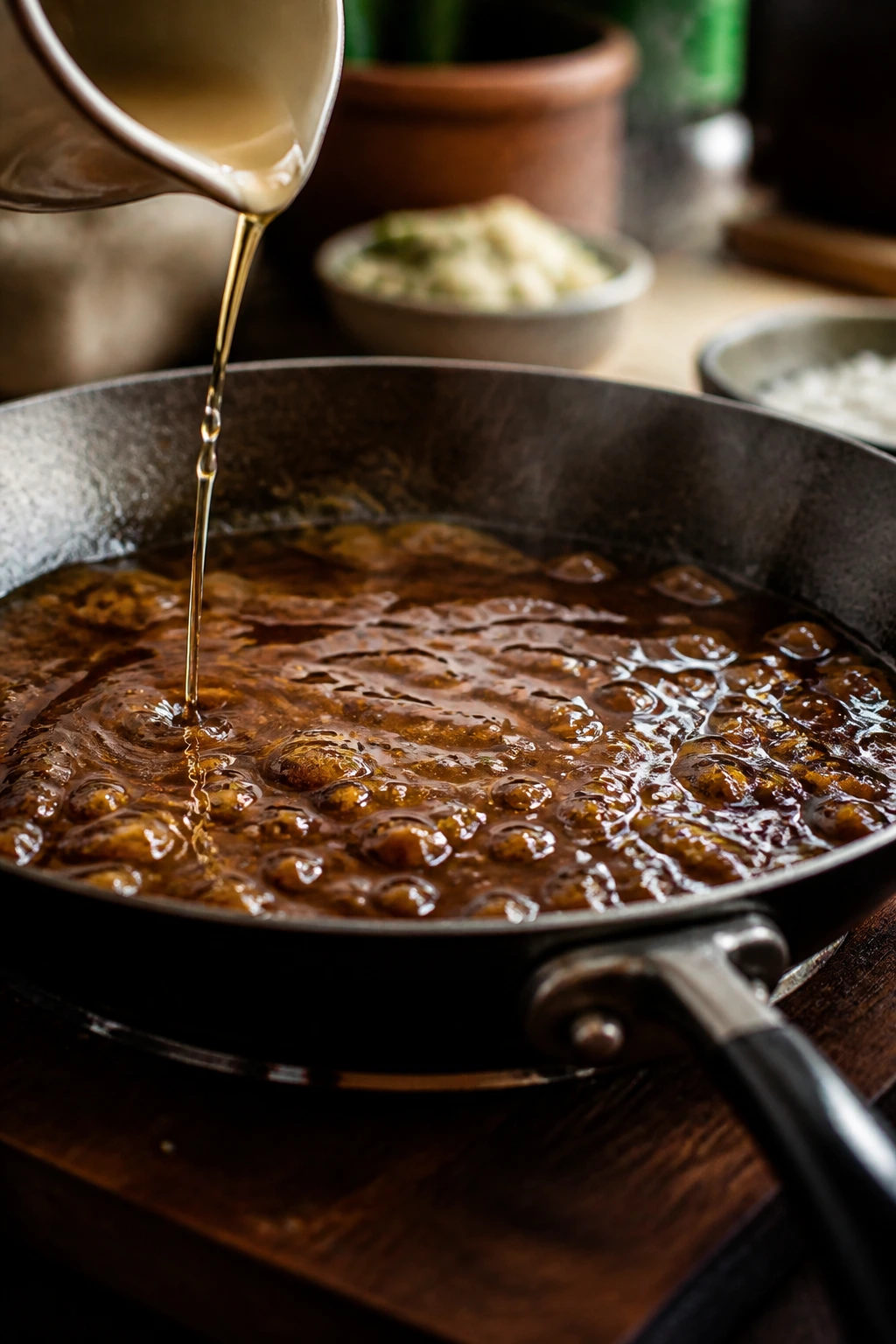
The difference between decent slow cooker Chinese food and the stuff you keep thinking about later is often one tiny finish. Not an overhaul. Not a secret trick. A small, specific move that sharpens the whole bowl.
Use low-sodium soy sauce unless you enjoy salt panic: The slow cooker does not boil off salt the way a skillet does. If you start with regular soy and a salty broth, the finished sauce can feel harsh, especially after the liquid has had hours to concentrate.
Add one bright note at the end: Rice vinegar, black vinegar, or a small splash of dry sherry gives the sauce a cleaner finish. The pot often tastes better after that one tablespoon than after another spoonful of sugar.
Taste before you thicken: A sauce should taste a little stronger than you want in the final bowl because the starch will soften the edges. If it tastes flat before thickening, it will taste flatter after.
Keep a skillet nearby for the last five minutes: If you want the sauce to cling instead of pooling, move it to a pan and simmer it briskly after the meat is tender. That one move gives you a faster reduction and a more lacquered finish.
Finish with texture, not just garnish: Scallions, toasted sesame seeds, crushed roasted peanuts, or sliced chiles do more than decorate. They change the way the dish eats. A bowl with one crunchy or fresh element feels finished in a way a plain glossy sauce does not.
A short version: one finish, one bright note, one textural detail. That is usually enough. More than that can get busy. Less than that can taste like it missed the last step.
Common Mistakes That Turn Tender into Muddy
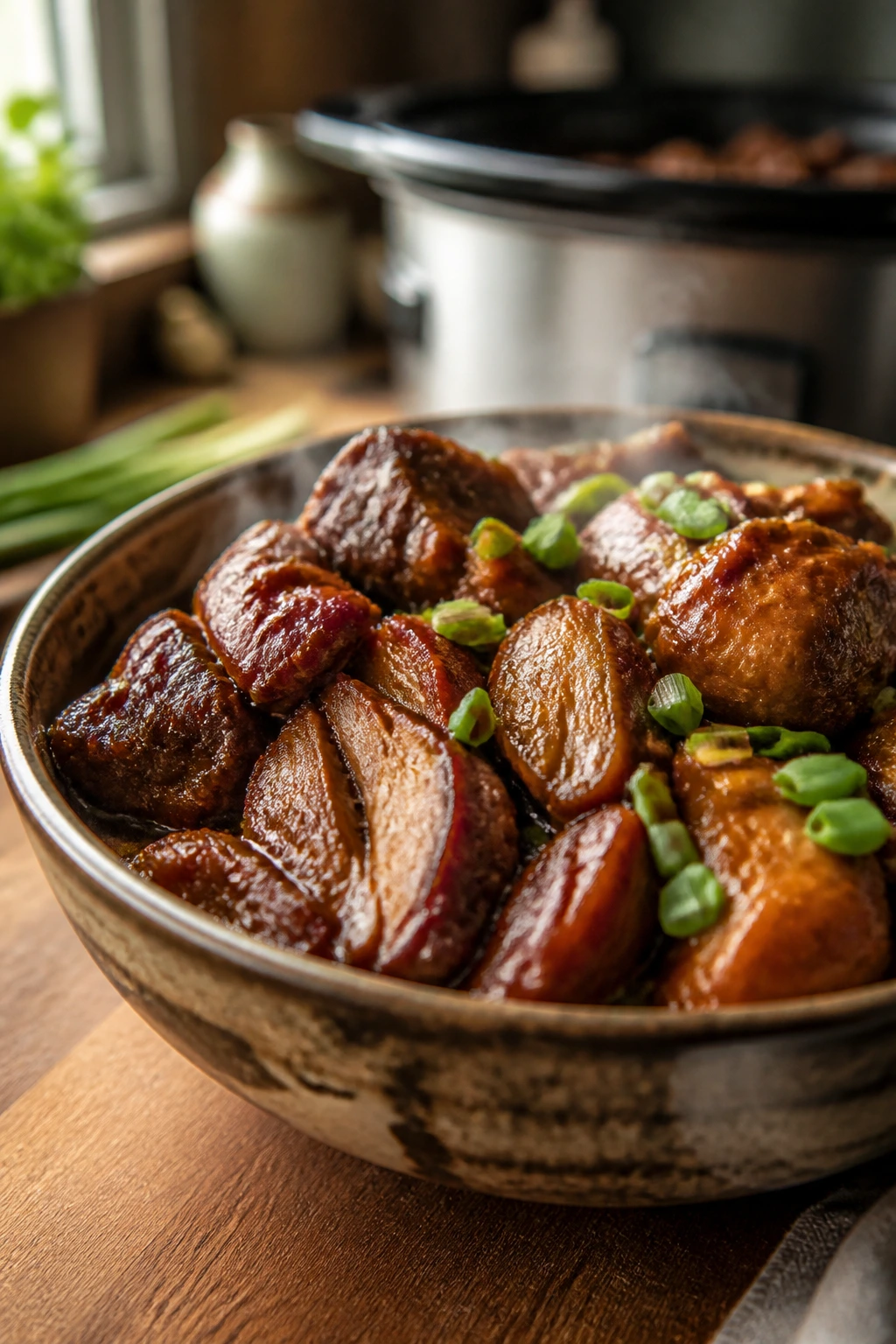
The slow cooker is forgiving, but not infinitely forgiving. There are a few mistakes that keep showing up in Chinese-style crockpot food, and every one of them has a visible symptom.
Too much liquid: If the meat is swimming before it starts cooking, the sauce will taste thin and the vegetables can go limp. The fix is simple: start with less broth than you think you need, because meat and vegetables release their own juices.
Adding broccoli too early: Broccoli that goes in at the start turns olive-green and soft in a way nobody wants. Add it in the final 10 to 15 minutes, or steam it separately and fold it in right before serving.
Using chicken breast for a full-day cook: The symptom is dry, fibrous meat that shreds into string. Chicken thighs are built for the slow cooker. If you insist on breast meat, shorten the cook and check it early.
Thickening at the beginning: Cornstarch can go cloudy and weak if it spends hours in heat. The sauce stays loose, then weirdly glossy in a bad way. Add the slurry at the end, or reduce the liquid in a skillet after the meat is done.
Skipping acid: A sauce made only from soy, sugar, and broth often tastes heavy. Rice vinegar or black vinegar fixes that by cutting through the sweetness and salt. One tablespoon can change the whole bowl.
Lifting the lid over and over: Every peek dumps heat and stretches the cook. The meat may still turn tender, but the schedule gets longer and the texture gets less predictable. Trust the pot. It does not need supervision every twenty minutes.
Those errors are common because they feel harmless. They are not. The good news is that each one is easy to fix once you notice the pattern.
Flavor Variations Worth Repeating
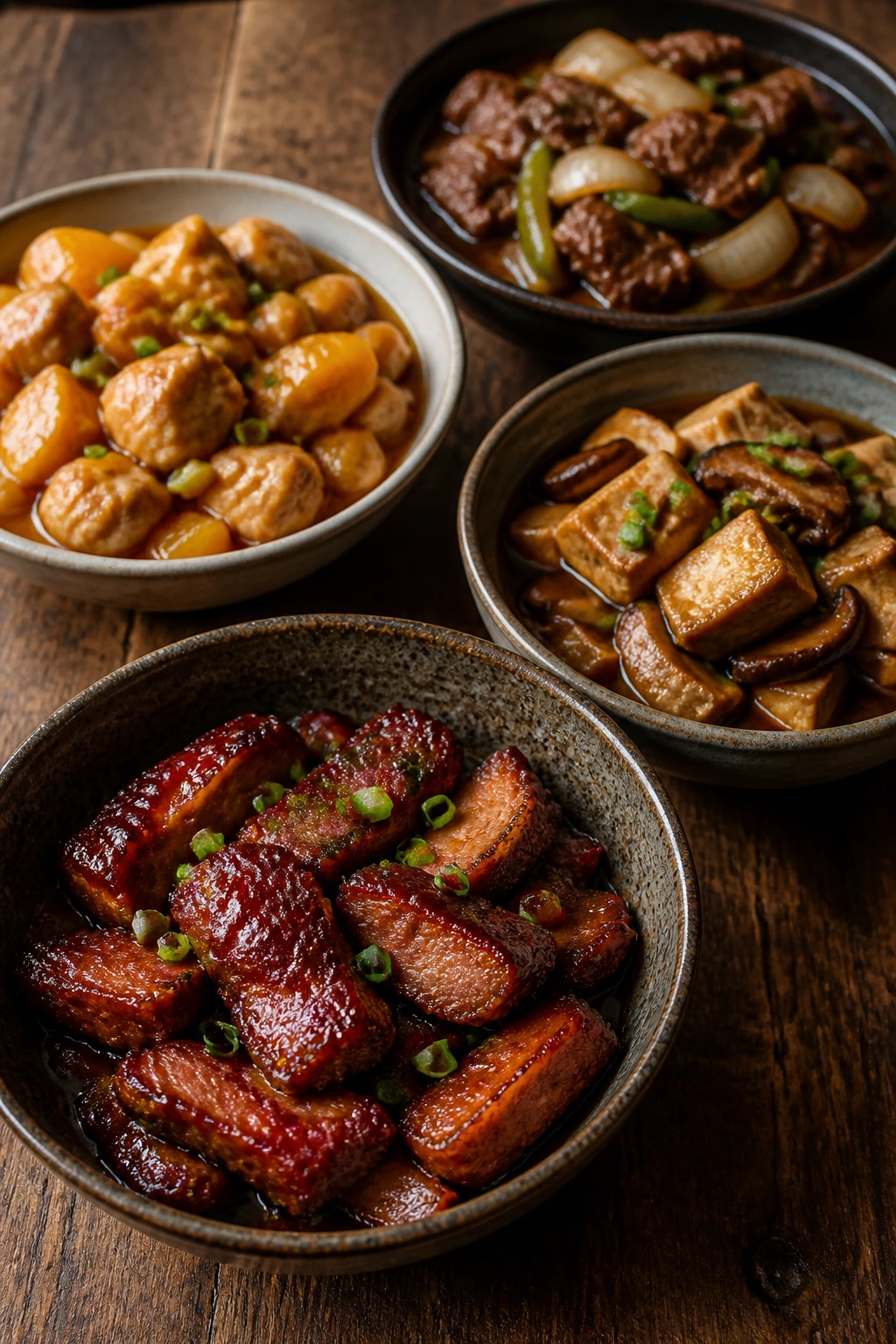
The basic slow cooker Chinese-style formula can go in a few different directions without losing its identity. That is one reason I like it. You do not need a new method every time. You need a clear lane and a few good pivots.
Five-Spice Char Siu Pork
Use pork shoulder, five-spice powder, hoisin, soy sauce, garlic, and a little honey. Finish it under the broiler for a few minutes if you want sticky edges and deeper color. It works especially well for rice bowls and steamed buns.
Orange-Ginger Chicken
Swap part of the broth for orange juice, then add fresh ginger, garlic, soy sauce, and a little rice vinegar. This version wants chicken thighs and a late splash of orange zest. It tastes brighter than the standard savory profile and pairs well with plain jasmine rice.
Black Pepper Beef and Onions
Use chuck roast, extra black pepper, oyster sauce, soy, and thick onion slices. The pepper should be assertive, not timid; a full teaspoon or two makes sense here. Serve it over rice with a handful of scallions for the sharp finish.
Mushroom-Tofu Braise
Press extra-firm tofu, sear it if you can, then slow cook it with mushrooms, garlic, ginger, soy sauce, a little hoisin, and bok choy added late. The mushrooms do a lot of the flavor work here, so do not skimp. This is the version I make when I want something substantial without meat.
Lower-Sodium Sesame Chicken
Cut the soy sauce with more broth, add rice vinegar and a touch more honey, then finish with toasted sesame oil and scallions. The dish still tastes rich, but it does not lean as hard on salt. It is the version most likely to disappear from a dinner table without complaint.
Tools That Make Slow Cooker Chinese Cooking Easier
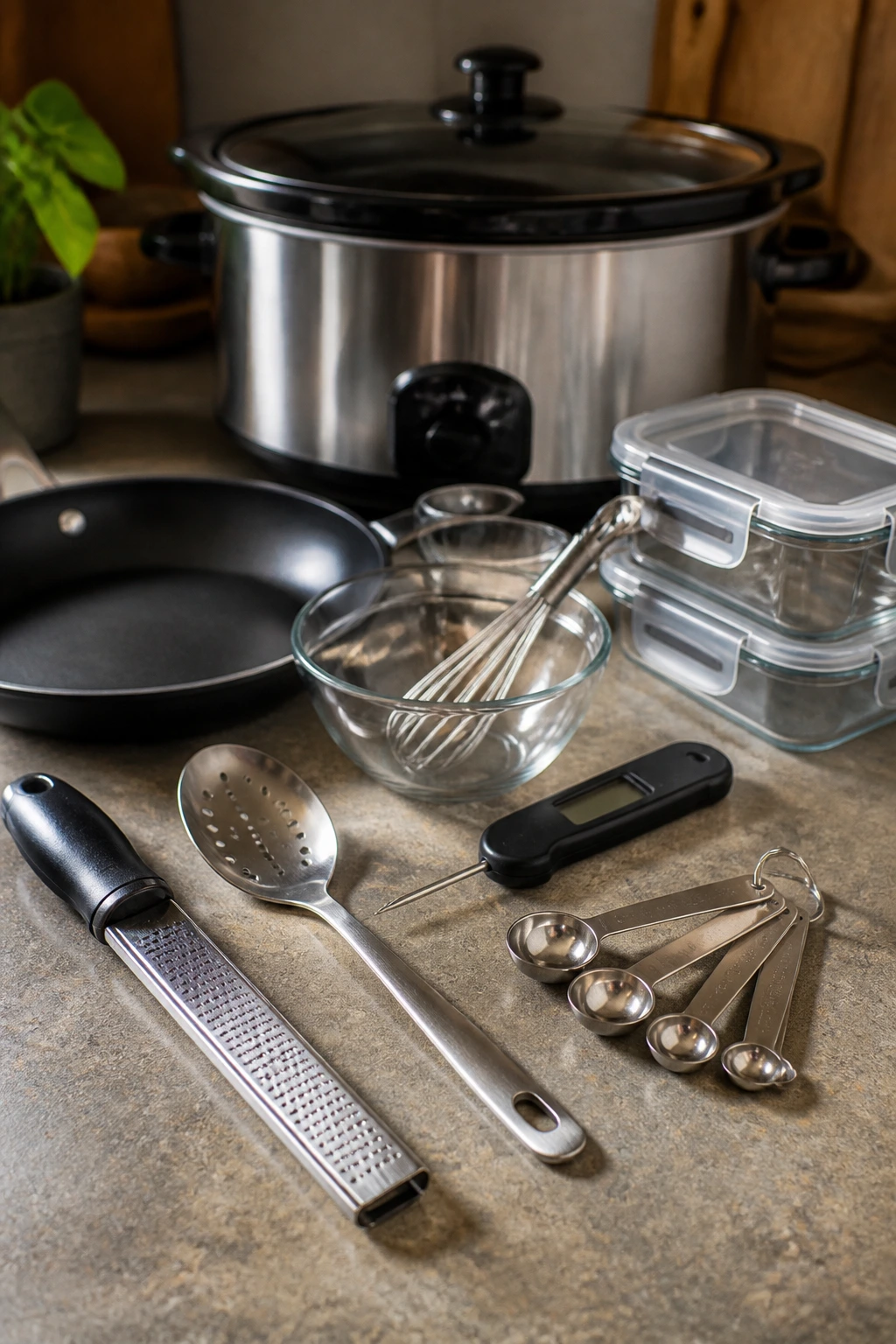
You do not need a crowded drawer of gadgets to make this work. A few basic tools go a long way, and one or two optional ones make the finish cleaner.
- 6-quart slow cooker: The most flexible size for family-style batches and saucy braises. Smaller pots work, but the roomier pot is easier to stir and layer.
- Large skillet or sauté pan: Useful for searing meat and reducing sauce at the end if you want more gloss.
- Instant-read thermometer: The quickest way to check chicken doneness and avoid guesswork.
- Microplane or fine grater: Ginger and garlic paste better when grated finely, and the flavor spreads more evenly.
- Small whisking bowl: A good place for sauces and cornstarch slurry, which is easier than building the sauce in the cooker.
- Slotted spoon or spider strainer: Helps lift meat and vegetables out without dragging too much liquid with them.
- Measuring spoons and cups: Slow cooker sauces reward exactness more than people think, especially with soy, vinegar, and sugar.
- Airtight containers: Leftovers keep their best texture when the sauce and rice are stored separately.
A slow cooker liner can be handy if cleanup is a drag for you, but it is optional. A good wash and a little warm soapy water get the pot clean either way.
Storage, Reheating, and Make-Ahead Timing
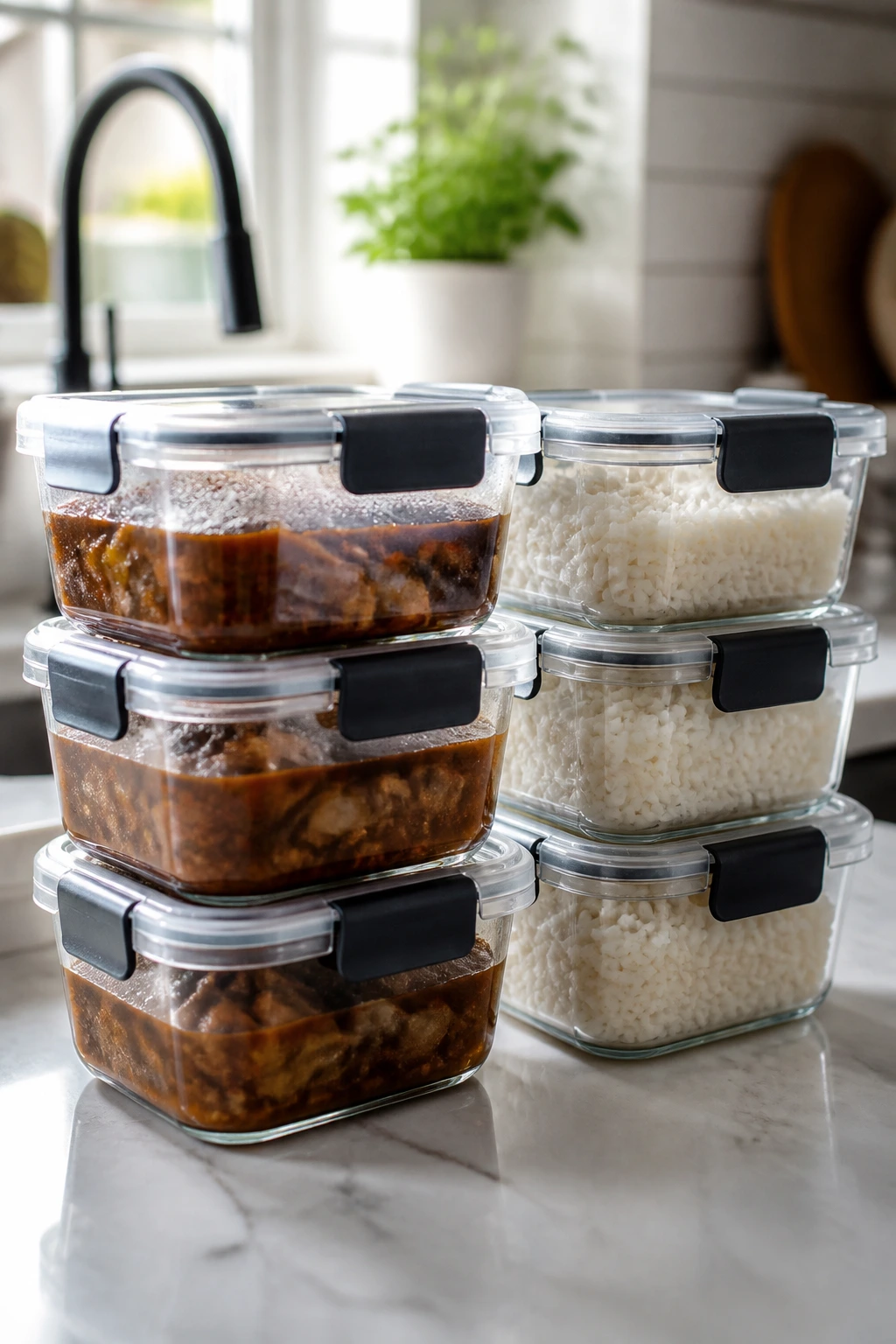
Slow cooker Chinese food keeps well, but only if you treat the leftovers with a little care. The sauce is usually the easiest part. The texture is where you earn your keep.
Let the food cool for no more than 2 hours before you pack it away. That window matters for safety and for texture. Move the meat and sauce into shallow containers so they cool faster. If you can, store rice in a separate container instead of letting it soak under sauce overnight. Rice absorbs liquid fast and can turn gummy by morning.
Refrigerator life: Most meat-based slow cooker Chinese dishes hold up for 3 to 4 days in the fridge. Tofu and vegetable-heavy versions are usually best within 2 to 3 days because the vegetables lose their bite sooner.
Freezer life: Meat and sauce freeze well for up to 2 to 3 months. Pork shoulder and shredded beef freeze especially well because their texture stays forgiving after reheating. Broccoli, bok choy, and snap peas do not freeze as gracefully, so keep them out of the freezer portion if possible.
Reheating: For the best texture, reheat on the stovetop over medium-low heat with a splash of water or broth, stirring until the sauce loosens and the meat warms through. A microwave works too, but cover the dish and use shorter bursts so the edges do not dry out. If the sauce has thickened too much in the fridge, a tablespoon or two of water usually brings it back.
A smart make-ahead move is to cook the meat and sauce base a day ahead, then reheat and add the delicate vegetables just before serving. That gives you the best of both worlds: deep flavor and vegetables that still have color.
Questions People Ask Before They Start

Can I use chicken breasts instead of thighs?
You can, but the texture is less forgiving. Chicken breasts dry out faster in the slow cooker, so keep the cook time shorter and check them early. If thighs are an option, they are the better choice almost every time.
Do I need to brown the meat first?
No, but it helps. Browning adds a darker, more roasted flavor that the slow cooker cannot create on its own. If you skip it, the dish still works; it just tastes a little softer and less layered.
Why is my sauce watery?
Usually because the pot had too much liquid at the start or because you added vegetables that released a lot of moisture. The fix is to remove the lid for the last 20 minutes, stir in a cornstarch slurry, or reduce the sauce in a skillet.
Can I add frozen vegetables?
Yes, but treat them like late arrivals. Frozen broccoli or bell peppers will soften quickly, so add them near the end and do not expect crisp texture. Frozen vegetables are better for convenience than for snap.
Is it safe to cook frozen chicken in a slow cooker?
I would not make that the default. The issue is how long the meat spends warming up before it reaches a safe temperature. Thawed chicken is the safer, more predictable choice.
What if the sauce tastes too salty?
Add a little water, a little more broth, or a small splash of rice vinegar and a touch of sweetness. If the dish is already cooked, tossing in extra vegetables or serving it over plain rice can also soften the salt impact.
Can I cook noodles in the slow cooker?
Not unless you enjoy mush. Most noodles soak up too much liquid and lose their shape. Cook them separately, then toss them with the finished meat and sauce right before serving.
What soy sauce should I buy?
Low-sodium soy sauce is the safest everyday choice because it gives you more control. If you want deeper color, add a small amount of dark soy sauce or a spoonful of oyster sauce rather than starting with a very salty base.
What the Pot Gives Back
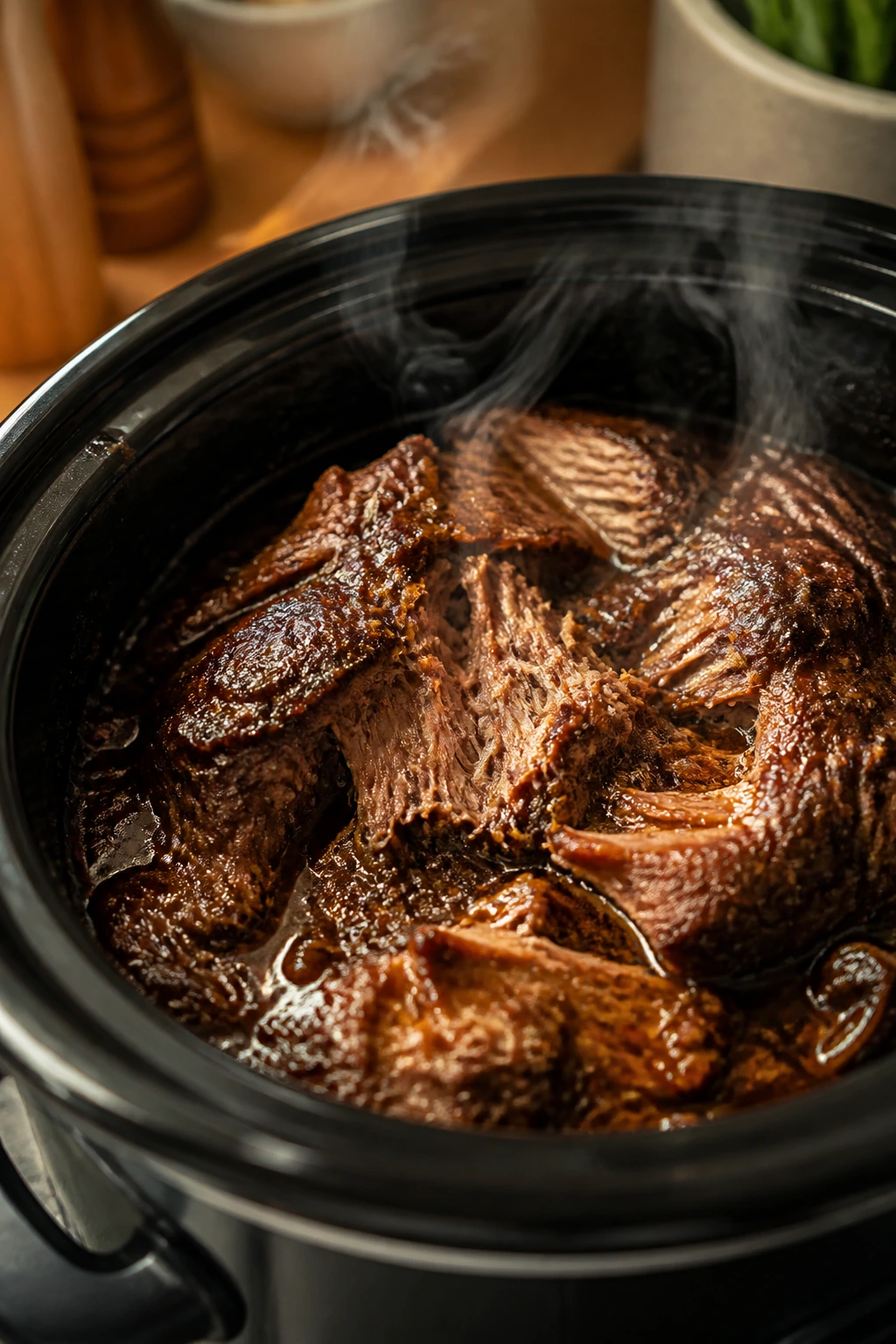
A slow cooker will never be a wok, and that is the point. It has its own strengths: steady heat, deep braising, and the patience to turn plain cuts of meat into something soft enough to shred and rich enough to eat over a bowl of rice without much else.
Once you start treating Chinese-style crockpot cooking as a braise with a finishing step, the whole category opens up. The meat goes in early. The vegetables arrive on schedule. The sauce gets a bright note at the end. That is the rhythm, and it works.
The best part is how repeatable it becomes. After a couple of runs, you stop guessing and start cooking with intent. Chicken thighs, pork shoulder, and chuck roast turn into dinner with almost embarrassing ease, and the pot earns its place on the counter for more than just stew season.