



Some dinners are polite. Cajun dinners are not. They come in hot, smoky, and loud, with enough garlic, pepper, onion, and browned meat to make a kitchen smell like somebody’s been cooking all afternoon. That’s the charm of Cajun food: it tastes like a whole evening, even when it doesn’t take one.
For spicy food lovers, these dinners hit a sweet spot that a lot of “spicy” recipes miss. They bring heat, yes, but they also bring depth — the kind built from the Cajun trinity of onion, celery, and bell pepper, from a good roux, from sausage that’s been smoked until it practically announces itself. Cayenne by itself is one-note. Cajun cooking is a whole chorus.
I’ve always liked Cajun-style dinners because they do something a little sneaky: they make pantry ingredients feel bigger than they are. Rice, stock, chicken thighs, shrimp, sausage, a few vegetables, and a seasoned skillet can turn into something that tastes layered and intentional, not improvised. The key is in the timing. Toast the spices in fat. Brown the meat. Don’t bully the seafood. Let the sauce thicken until it clings. That’s where the flavor lives.
Why These Cajun Dinners Hit the Table So Hard
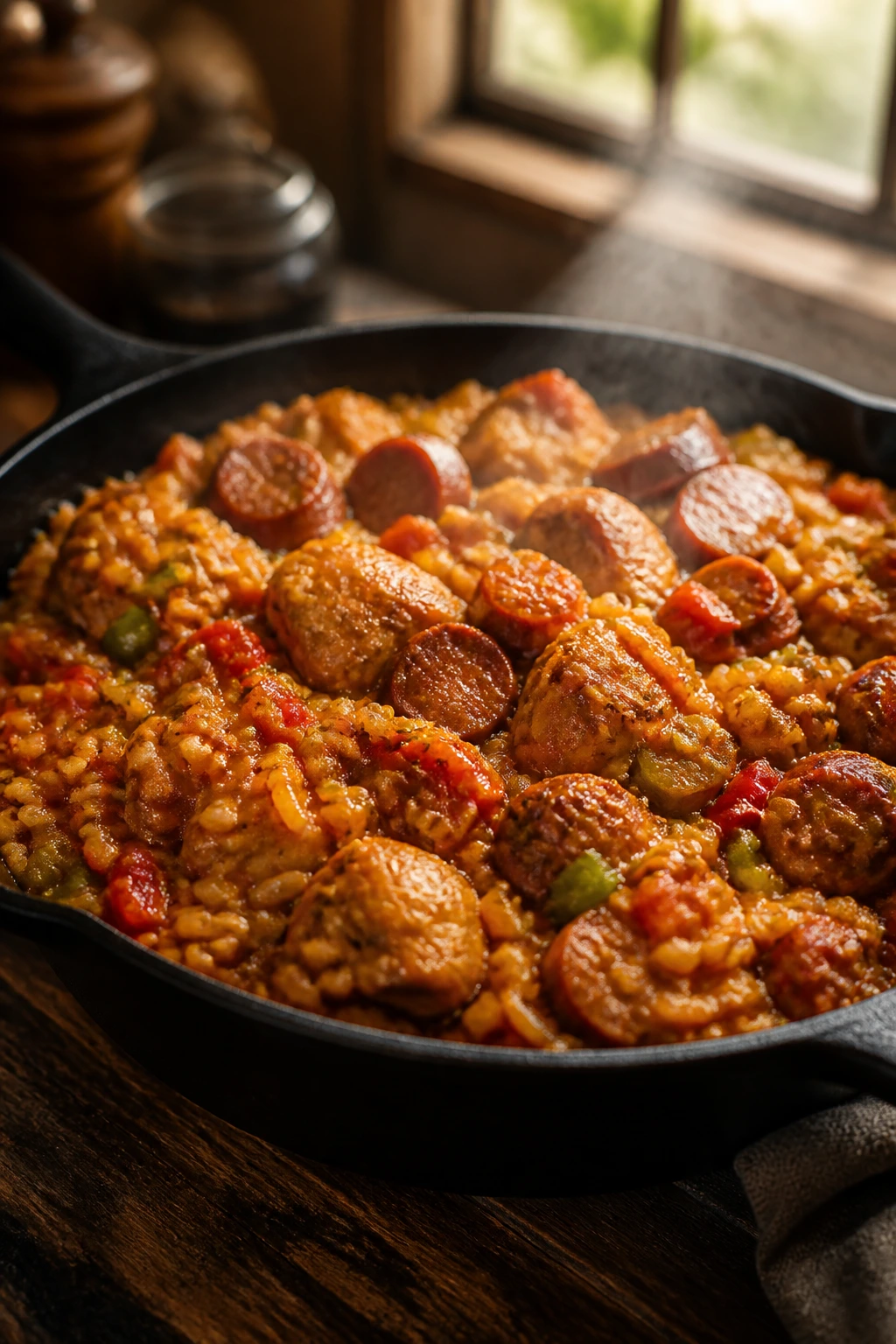
-
Big flavor, sensible ingredients: A lot of these dishes lean on onions, peppers, stock, rice, and one good protein, which means you get a deep-tasting dinner without a grocery list that looks like a receipt from a specialty market.
-
Heat you can steer: Cajun seasoning can be mild, moderate, or downright aggressive depending on the blend and how much cayenne you add, so you get real control instead of a mystery blast of spice.
-
One-pan and one-pot energy: Jambalaya, gumbo, skillet dinners, and creamy pasta all reward the same thing — a heavy pan and a little patience — which makes cleanup less painful than the flavor suggests.
-
Leftovers that keep their character: Rice dishes, bean pots, and saucy chicken dinners often taste even better after a night in the fridge, when the seasoning has had time to settle in.
-
Friendly to swaps: Chicken can become sausage, shrimp can become catfish, and collards can stand in for greens without wrecking the spirit of the meal.
-
Dinner that feels like dinner: These are not tiny, fussy plates. They eat like a real meal should — warm, filling, and a little messy in the best way.
1. Chicken and Andouille Jambalaya
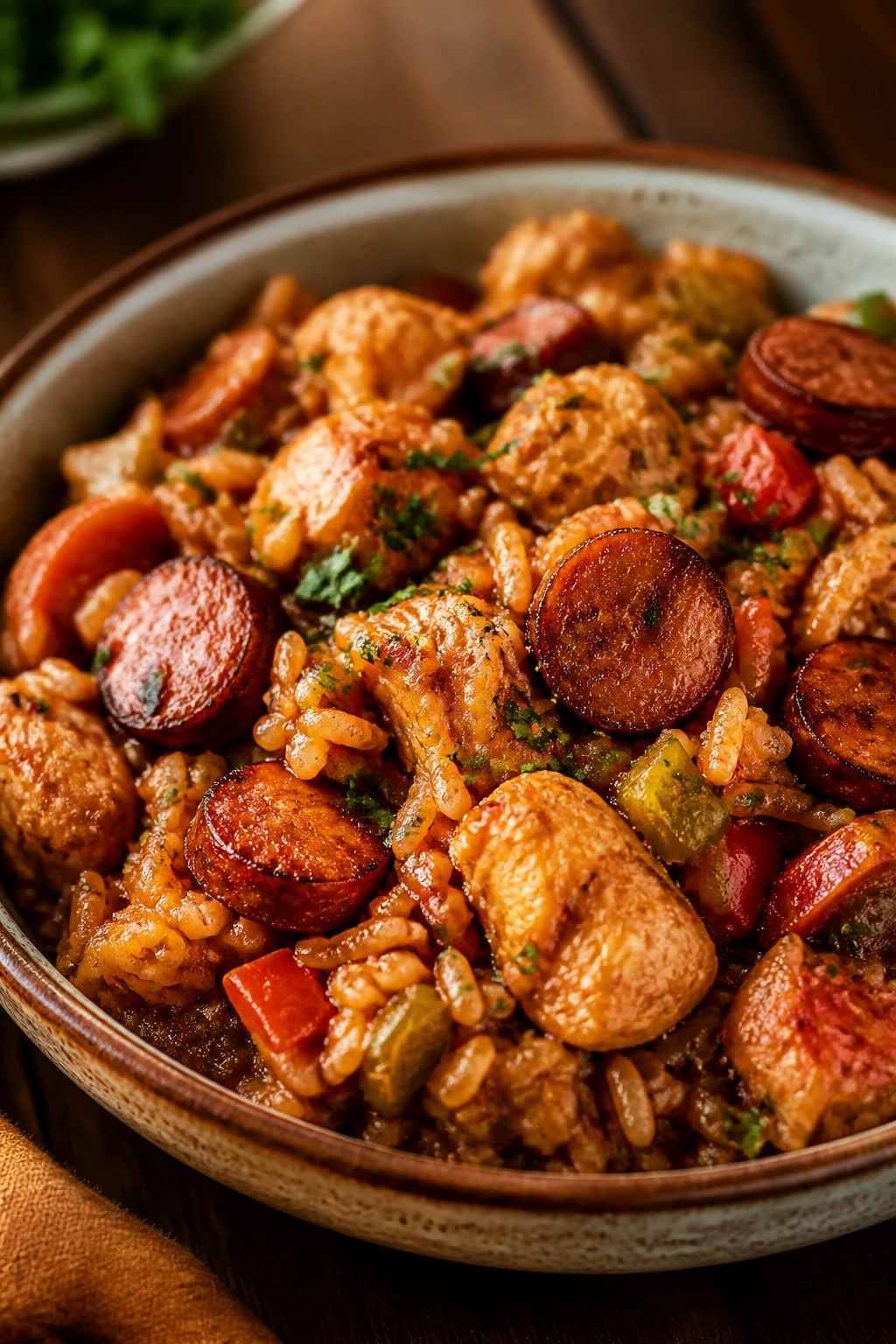
A good jambalaya has a certain confidence to it. It should smell smoky before it ever reaches the table, with rice stained bronze from tomato, stock, paprika, and the fat from the sausage. I like this version because it gives you that deep Louisiana-style comfort without asking for a dozen pans or a whole afternoon of babysitting.
The dish works because every layer matters. The sausage leaves behind enough fat to flavor the vegetables, the chicken brings body, and the rice cooks in the same pot so it absorbs everything instead of sitting there plain. When the liquid is right and the lid stays on, the grains stay separate but tender, not mushy. That detail is doing a lot of heavy lifting.
Why It Works
Jambalaya is one of those Cajun dinners that feels bigger than the sum of its parts. Browning the andouille first gives the whole pot a smoky base, and the chicken takes on that flavor before the rice even goes in. Long-grain rice is the right choice here because it stays loose under pressure; short-grain rice turns sticky and wipes out the texture. If you get the simmer right — low enough that the top barely trembles — the rice finishes in about 20 minutes and stays distinct.
Key Ingredients
- 1 lb boneless, skinless chicken thighs, cut into 1-inch pieces
- 12 oz andouille sausage, sliced into half-moons
- 1 tablespoon neutral oil, only if the pan looks dry
- 1 yellow onion, diced
- 1 green bell pepper, diced
- 2 celery stalks, diced
- 3 garlic cloves, minced
- 1 cup long-grain white rice, rinsed and drained
- 2 cups low-sodium chicken stock
- 1 can (14.5 oz) diced tomatoes, with juices
- 2 tablespoons Cajun seasoning
- 1 bay leaf
- 2 green onions, sliced, for finishing
- 2 tablespoons chopped parsley
Quick Steps
-
Brown the sausage: Heat a heavy pot or Dutch oven over medium-high heat and cook the andouille for 4 to 5 minutes, until the edges are browned and the pan has a little rendered fat.
-
Sear the chicken: Add the chicken thighs and cook for 4 minutes, stirring once or twice, until the outside loses its pink color. The chicken does not need to be fully cooked yet.
-
Build the base: Stir in the onion, bell pepper, and celery with a pinch of salt. Cook for 6 to 7 minutes, until the onion softens and the vegetables smell sweet. Add the garlic and Cajun seasoning and cook for 30 seconds.
-
Add rice and liquid: Stir in the rice, tomatoes, stock, and bay leaf. Scrape the bottom of the pot well so nothing sticks. Bring the pot to a simmer, then reduce the heat to low and cover tightly.
-
Simmer and rest: Cook for 20 to 25 minutes, until the rice is tender and the liquid is absorbed. Turn off the heat and let it sit, covered, for 10 minutes, then fluff with a fork and finish with green onions and parsley.
Tips and Variations
- Heat control: If your Cajun seasoning is salty and hot, start with 1 tablespoon, taste the pot near the end, and add more only if you need it.
- Texture fix: If the rice is still firm but the pot is dry, splash in 1/4 cup stock, cover, and give it 5 more minutes over low heat.
- Serving idea: A spoonful of hot sauce at the table is smarter than over-seasoning the whole pot.
2. Shrimp Étouffée Over Rice
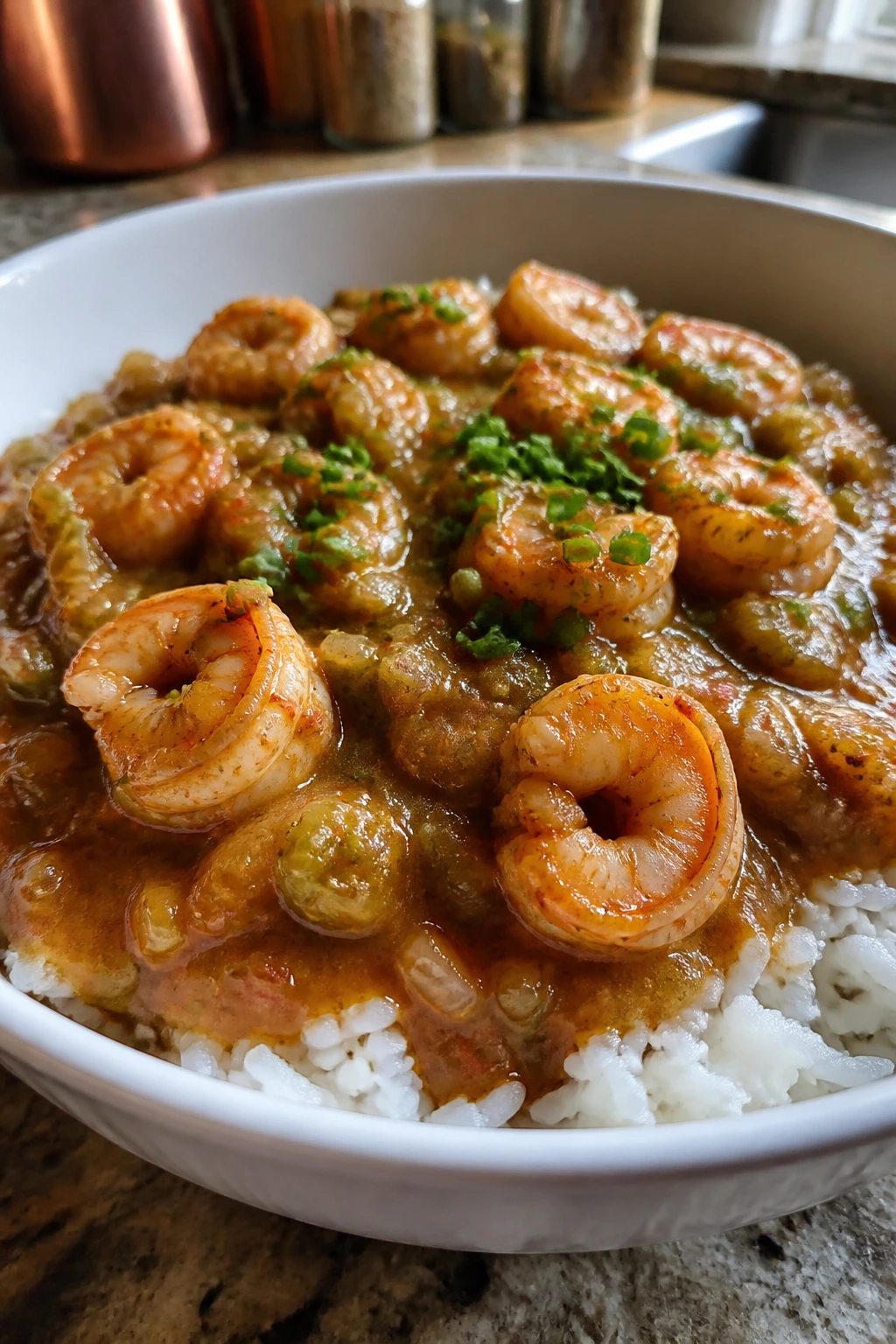
What happens when a silky roux meets sweet shrimp and the Cajun trinity? You get étouffée, which is one of those dishes that looks calm and tastes like it has a lot going on under the surface. It’s rich without being heavy, and the gravy clings to rice in the most satisfying way.
This version leans into the classic shrimp-and-gravy structure. The roux gives the sauce its body, the stock loosens it into something spoonable, and the shrimp go in at the end so they stay tender instead of turning tight and rubbery. That last part is nonnegotiable. Shrimp can go from plush to sad in under a minute if you stop paying attention.
Why It Works
A proper étouffée depends on control, not speed. The roux needs enough time to become the color of peanut butter — not pale, not dark chocolate, just cooked enough to lose the raw flour taste and carry the sauce. Once the vegetables soften, the stock goes in gradually so the sauce stays smooth. Shrimp only need 3 to 4 minutes in the simmering gravy, and if you let them go much longer, they turn bouncy instead of delicate. That tiny window is where the magic sits.
Key Ingredients
- 4 tablespoons unsalted butter
- 1/4 cup all-purpose flour
- 1 small onion, finely diced
- 1 green bell pepper, finely diced
- 2 celery stalks, finely diced
- 3 garlic cloves, minced
- 2 cups seafood stock or low-sodium chicken stock
- 1 tablespoon tomato paste
- 1 pound large shrimp, peeled and deveined
- 1 1/2 tablespoons Cajun seasoning
- 1 teaspoon Worcestershire sauce
- 1 tablespoon lemon juice
- 2 tablespoons chopped green onions
- 2 tablespoons chopped parsley
- 4 cups hot cooked rice, for serving
Quick Steps
-
Make the roux: Melt the butter in a skillet over medium heat. Whisk in the flour and cook for 6 to 8 minutes, stirring almost constantly, until the mixture turns light brown and smells nutty.
-
Cook the vegetables: Add the onion, bell pepper, and celery. Cook for 5 minutes, until soft. Stir in the garlic and tomato paste and cook for 30 seconds more.
-
Build the gravy: Whisk in the stock slowly, a splash at a time, so the sauce stays smooth. Add the Cajun seasoning and Worcestershire sauce, then simmer for 8 to 10 minutes until the gravy thickens enough to coat a spoon.
-
Add the shrimp: Stir in the shrimp and cook for 3 to 4 minutes, just until they turn pink and curl into loose “C” shapes. Do not walk away here.
-
Finish and serve: Stir in the lemon juice, green onions, and parsley. Spoon over rice while the sauce is hot and glossy.
Tips and Variations
- Roux patience: If you rush the roux, the sauce tastes raw and thin. Slow heat is better than high heat every time.
- Seafood swap: Crawfish tails work beautifully here, but they need only a minute or two to warm through.
- Bright finish: A squeeze of lemon at the end keeps the gravy from tasting flat.
3. Creamy Cajun Chicken Pasta
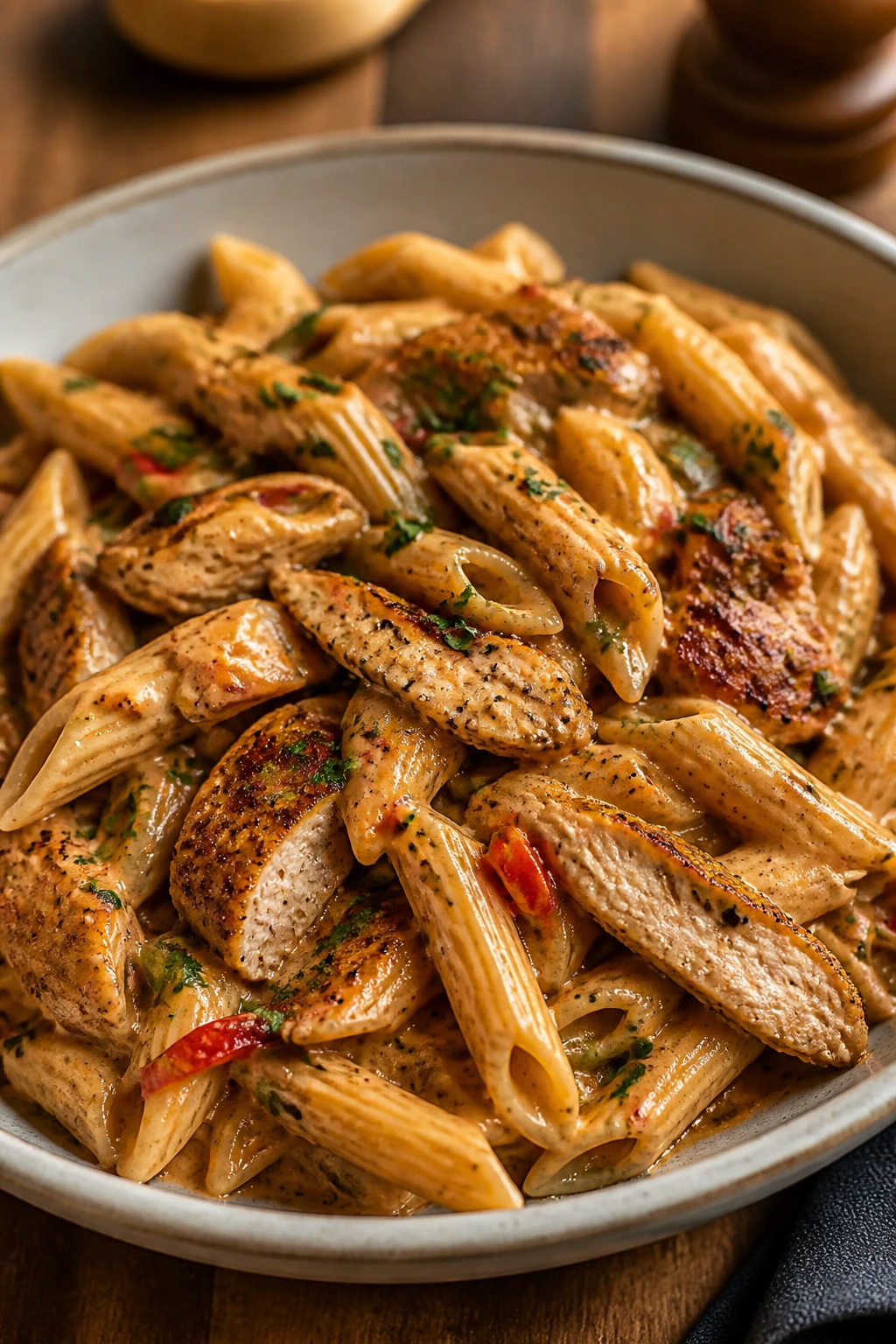
Creamy pasta can be lazy in the wrong way. This one isn’t. The Cajun seasoning hits the chicken first, then the onions and peppers soften in the same pan, and the sauce picks up just enough heat to keep the cream from feeling sleepy. It’s the sort of dinner that lands somewhere between comfort food and a proper craving.
I like this one for weeknights because it has a strong payoff-to-effort ratio. Penne or rigatoni holds the sauce in all those ridges, and the chicken stays juicy if you cut it into strips and sear it quickly instead of steaming it to death under too much heat. The sauce should taste peppery, a little smoky, and rich enough to coat the pasta without puddling at the bottom of the bowl.
Why It Works
The trick is in the order. Season and sear the chicken first so the pan starts with browned bits, then cook the vegetables in those drippings before adding broth and cream. That little bit of fond gives the sauce depth. A spoonful of cream cheese helps the sauce cling, but the real texture comes from reducing it just enough that it thickens without needing a floury roux. Keep the heat at a gentle simmer, not a boil, or the cream can split and turn grainy.
Key Ingredients
- 1 pound penne or rigatoni
- 1 1/2 pounds boneless, skinless chicken breasts or thighs, sliced into strips
- 2 tablespoons Cajun seasoning
- 2 tablespoons olive oil
- 1 medium onion, thinly sliced
- 1 red bell pepper, thinly sliced
- 4 garlic cloves, minced
- 1 cup low-sodium chicken broth
- 1 cup heavy cream
- 4 ounces cream cheese, softened
- 1/2 cup grated Parmesan cheese
- 2 tablespoons chopped parsley
- Salt, only if needed at the end
Quick Steps
-
Cook the pasta: Boil the pasta in salted water until just al dente, then drain and reserve 1 cup of pasta water.
-
Season and sear the chicken: Toss the chicken with 1 tablespoon of Cajun seasoning. Heat the oil in a large skillet over medium-high heat and cook the chicken for 5 to 6 minutes, until browned and cooked through. Transfer it to a plate.
-
Soften the vegetables: Add the onion and bell pepper to the skillet and cook for 4 to 5 minutes. Stir in the garlic and the remaining Cajun seasoning and cook for 30 seconds.
-
Build the sauce: Pour in the broth, scraping up the browned bits. Stir in the cream and cream cheese, then simmer for 3 to 4 minutes until the sauce is smooth and lightly thickened.
-
Toss everything together: Return the chicken and pasta to the skillet. Add Parmesan and a splash of reserved pasta water if needed. Toss until the sauce clings to the noodles.
-
Finish hot: Add parsley and taste before salting. Serve right away while the sauce is still silky.
Tips and Variations
- Sauce rescue: If the sauce gets too thick, loosen it with pasta water, not more cream.
- Veggie add-in: A handful of spinach or sliced mushrooms fits easily here.
- Heat note: This is one of those dishes where cayenne in the seasoning can run away from you. Taste first, then decide if the table needs extra hot sauce.
4. Red Beans and Rice with Smoked Sausage
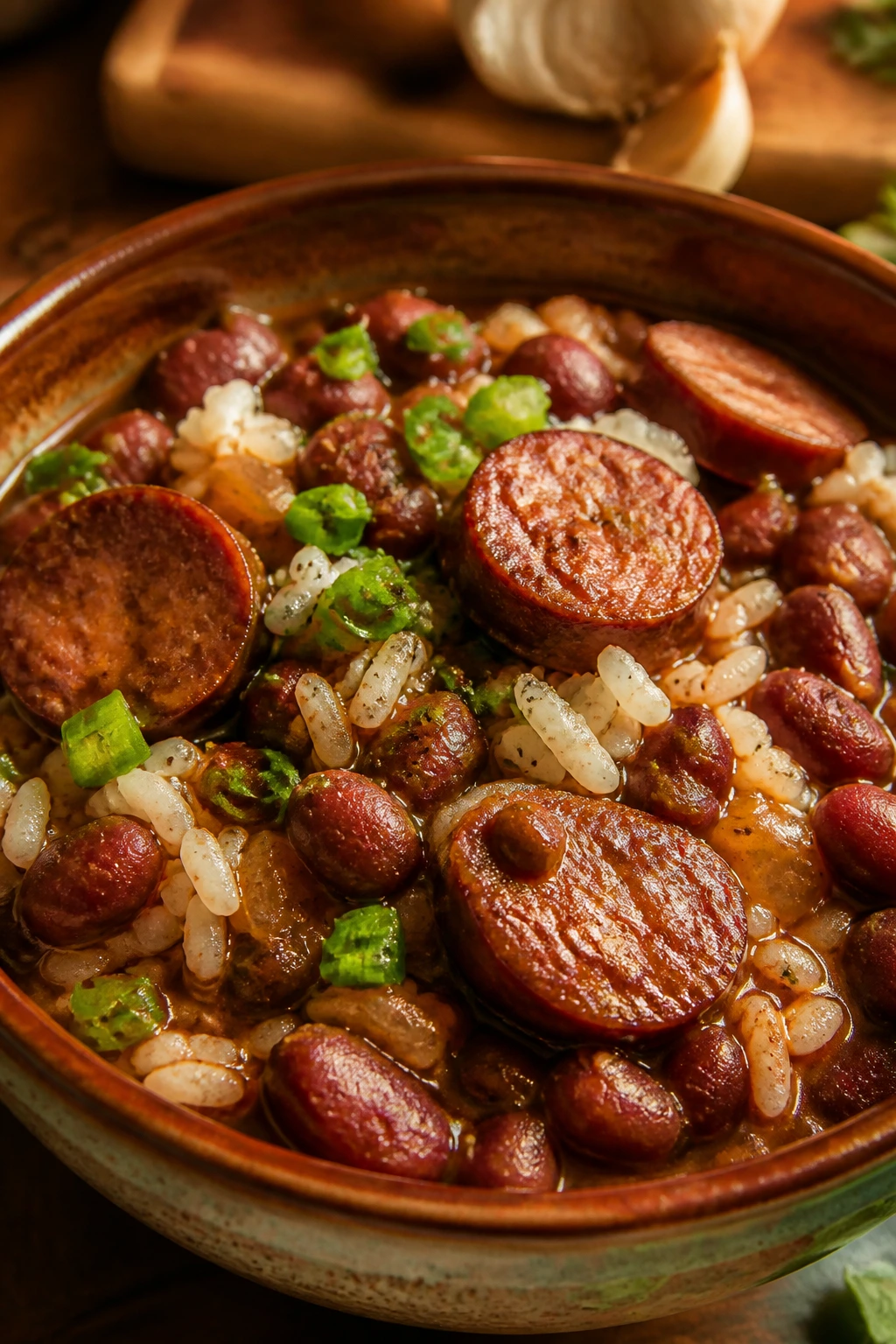
Red beans and rice has a slow-cooked, almost sleepy kind of comfort, but the flavor is anything but quiet. The beans turn creamy, the sausage perfumes the whole pot, and the rice underneath acts like a sponge for every bit of smoky gravy. It’s one of those dinners that makes a kitchen feel occupied in the best way.
I like this recipe because it rewards a little planning without becoming fussy. You can use dried beans for the best texture, or canned beans when time matters and you want dinner to behave itself. Either way, the goal is the same: soft beans, a thick sauce, and enough seasoning that the pot tastes like it’s been cooking longer than it has.
Why It Works
Dried beans bring the best body because they simmer into a creamy, almost stew-like texture without falling apart. Smoked sausage adds salt, fat, and a little garlic-pepper edge, which means the beans don’t need a lot of extra help. If you mash a cup of the beans against the side of the pot near the end, the starch helps thicken everything naturally. That’s the part home cooks miss when they keep the pot too brothy. It should look glossy and dense, not soupy.
Key Ingredients
- 1 pound dried red beans, soaked overnight and drained
- 12 ounces smoked sausage, sliced
- 1 onion, chopped
- 1 green bell pepper, chopped
- 2 celery stalks, chopped
- 4 garlic cloves, minced
- 6 cups low-sodium chicken stock or water
- 2 bay leaves
- 1 teaspoon dried thyme
- 2 tablespoons Cajun seasoning
- 1 smoked turkey leg or ham hock, optional but worth it
- 2 tablespoons chopped parsley
- 4 cups hot cooked white rice
- Hot sauce, for serving
Quick Steps
-
Soak and prep: If you’re using dried beans, soak them overnight in plenty of water, then drain and rinse. If you’re using canned beans, skip to the sautéing step and reduce the simmer time.
-
Brown the sausage: Heat a heavy pot over medium heat and cook the sausage for 4 to 5 minutes, until browned. Remove half of it if you want a more bean-forward pot.
-
Cook the vegetables: Add the onion, bell pepper, and celery to the pot and cook for 6 minutes, until soft. Stir in the garlic, thyme, and Cajun seasoning.
-
Simmer the beans: Add the beans, stock, bay leaves, and turkey leg or ham hock if using. Bring to a boil, then lower the heat and simmer uncovered for 1 1/2 to 2 hours, until the beans are creamy and tender.
-
Thicken and finish: Remove the bay leaves and meat bone, mash some beans against the pot, and stir the meat back in. Taste before salting — the sausage and stock may have done plenty already.
-
Serve over rice: Spoon the beans over hot rice and finish with parsley and hot sauce.
Tips and Variations
- Salt late: Beans can go from underseasoned to too salty fast, especially with smoked sausage and ham hock in the pot.
- Bean shortcut: Canned beans work, but the texture is softer and the simmer is shorter. Use them when time matters.
- Leftover magic: This dish thickens overnight, which is one reason I like it even more the next day.
5. Blackened Salmon with Corn Maque Choux
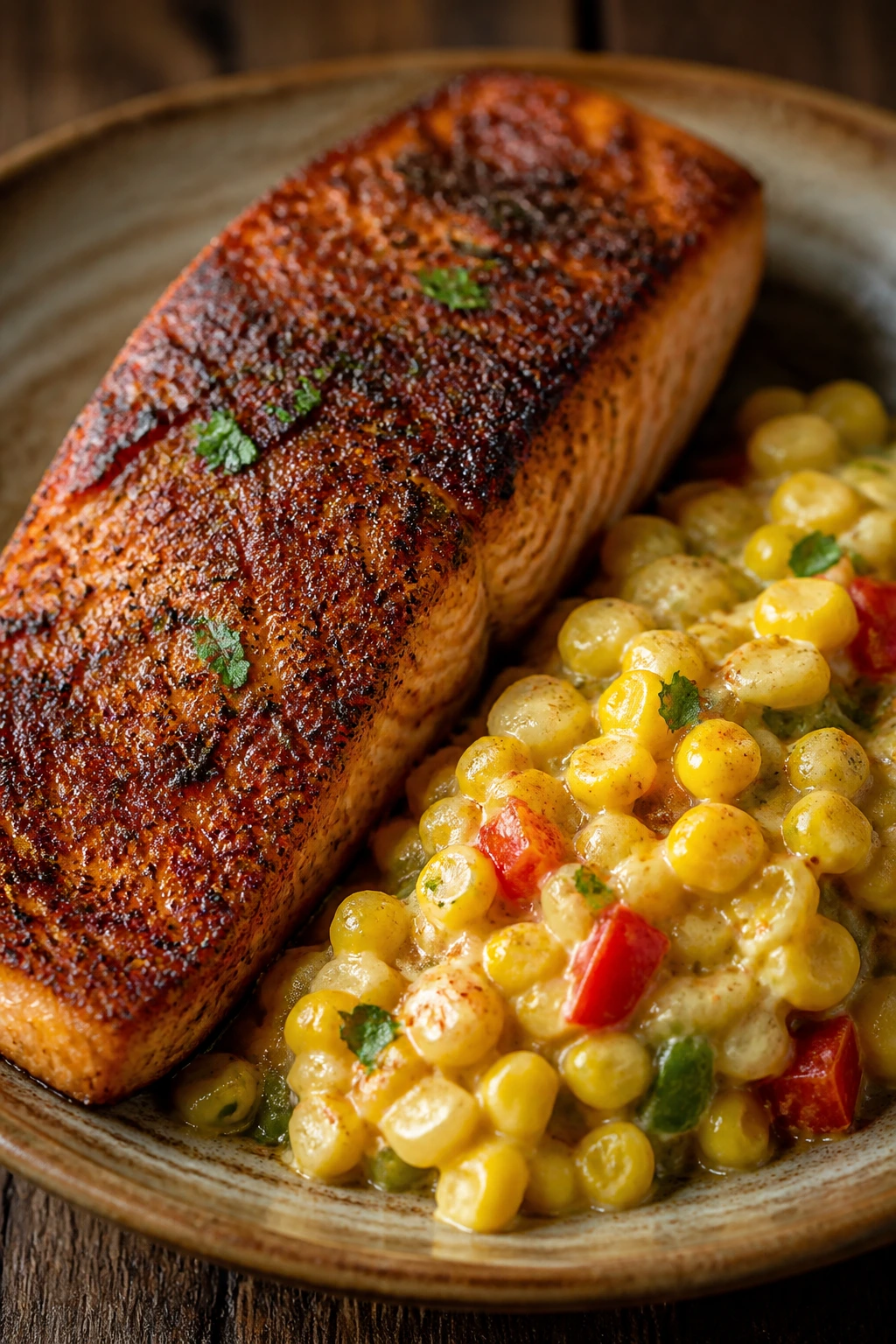
Blackened salmon is the kind of dinner that feels fast without tasting rushed. The crust goes dark and fragrant in the skillet, the fish stays rich and flaky inside, and the sweet corn side cools the heat without flattening it. I’m a fan of pairing spicy fish with something bright and a little creamy, and corn maque choux does exactly that.
The word maque choux sounds fancy, but the dish itself is just a lively corn skillet with pepper, onion, and a little dairy or stock. It belongs here because it gives the salmon a sweet, buttery counterweight. Too many spicy dinners forget contrast. This one doesn’t.
Why It Works
Salmon handles bold spice better than most fish because its fat can carry the blackening spices without drying out. A hot cast-iron pan creates the crust in minutes, and finishing the fillets briefly in the oven gives you a moist center without a raw streak. The corn side cooks in the same general window, which means you can get dinner on the table before the salmon starts losing its shine. That crust is the whole point. If the pan isn’t hot enough, you’ll get spice-colored fish instead of blackened salmon.
Key Ingredients
- 4 salmon fillets, about 6 ounces each, skin on or off
- 2 tablespoons blackening seasoning
- 2 tablespoons neutral oil
- 2 tablespoons butter
- 3 cups fresh or frozen corn kernels
- 1 small onion, diced
- 1 red bell pepper, diced
- 1 cup diced tomatoes
- 1/4 cup chicken stock or cream
- 2 tablespoons sliced scallions
- 1 tablespoon chopped parsley
- 1 lemon, cut into wedges
Quick Steps
-
Start the maque choux: Melt the butter in a skillet over medium heat. Cook the onion and bell pepper for 5 minutes, until soft, then add the corn and tomatoes.
-
Build the side: Stir in the stock or cream and simmer for 6 to 8 minutes, until the corn looks glossy and the mixture thickens slightly. Keep it warm on low.
-
Season the salmon: Pat the fillets dry and coat them on both sides with blackening seasoning.
-
Blacken the fish: Heat the oil in a cast-iron skillet over medium-high heat until it shimmers. Cook the salmon for 3 to 4 minutes on the first side, then flip and cook 2 to 3 minutes more, or transfer to a 400°F oven for 3 minutes if the fillets are thick.
-
Finish and plate: Let the salmon rest for 2 minutes. Spoon the corn maque choux onto plates, set the salmon on top, and finish with scallions and lemon.
Tips and Variations
- Ventilation matters: Blackening makes smoke. Use your hood fan or open a window.
- Doneness cue: Salmon should flake easily and still look a little glossy in the center.
- Add a little acid: Lemon at the end keeps the fish from tasting heavy.
6. Cajun Stuffed Bell Peppers
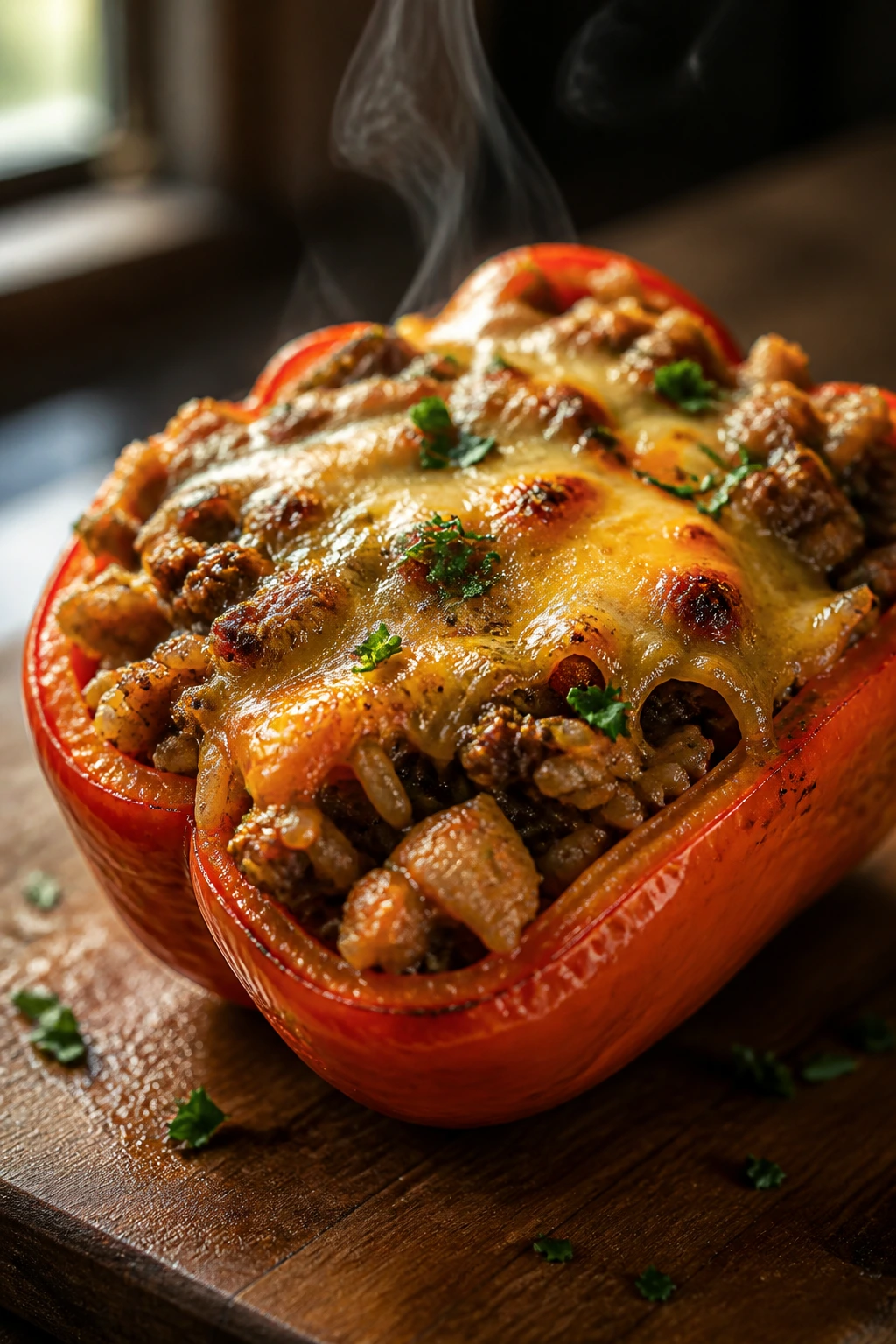
Stuffed peppers can be boring if you let them. These ones are not boring. They bake up with soft edges, a savory rice-and-meat filling, and enough Cajun seasoning to keep every bite interesting. The peppers themselves become sweet in the oven, which is a nice trick when the filling runs spicy.
I like stuffed peppers because they turn dinner into built-in portions. One pepper is a serving, and the filling can lean more meaty, more rice-heavy, or more vegetable-forward depending on what’s in the fridge. If you’re feeding people who like heat but also want something comforting, this dish lands in the sweet spot.
Why It Works
The best stuffed peppers are partially cooked before they’re filled. Raw peppers can stay oddly firm, which is fine if you enjoy crunch, but not if you want the pepper to yield under a fork. Roasting them for 10 minutes first gives them a head start. The filling should be thick enough to mound in the shells without leaking out, and the cheese on top seals in moisture while adding a browned, salty finish.
Key Ingredients
- 6 large bell peppers, tops removed and seeds discarded
- 1 pound ground beef, turkey, or chicken
- 1 tablespoon olive oil
- 1 onion, diced
- 3 garlic cloves, minced
- 2 cups cooked white rice
- 1 can (14.5 oz) diced tomatoes, drained slightly
- 2 tablespoons Cajun seasoning
- 1 teaspoon dried oregano
- 1 cup shredded cheddar or pepper jack cheese
- 2 tablespoons chopped parsley
- Salt and black pepper, to taste
Quick Steps
-
Prep the peppers: Heat the oven to 400°F. Place the peppers cut-side up in a baking dish and roast for 10 minutes to soften slightly.
-
Cook the filling: Brown the meat in a skillet with olive oil over medium heat. Add the onion and cook for 4 minutes, then stir in the garlic and Cajun seasoning.
-
Mix it together: Fold in the rice, tomatoes, oregano, and half the cheese. Taste the filling and adjust salt only if needed.
-
Stuff and bake: Fill each pepper generously, top with the remaining cheese, and bake for 20 to 25 minutes, until the peppers are tender and the cheese is melted and browned at the edges.
-
Finish cleanly: Let the peppers sit for 5 minutes before serving so the filling settles. Sprinkle with parsley.
Tips and Variations
- Make-ahead: The filling can be cooked a day ahead and chilled. Stuff and bake when you’re ready.
- Cheese choice: Pepper jack brings more heat; cheddar gives a sharper, more classic finish.
- Extra moisture: If your filling looks dry, stir in 1/4 cup stock before stuffing.
7. One-Pan Cajun Shrimp and Grits
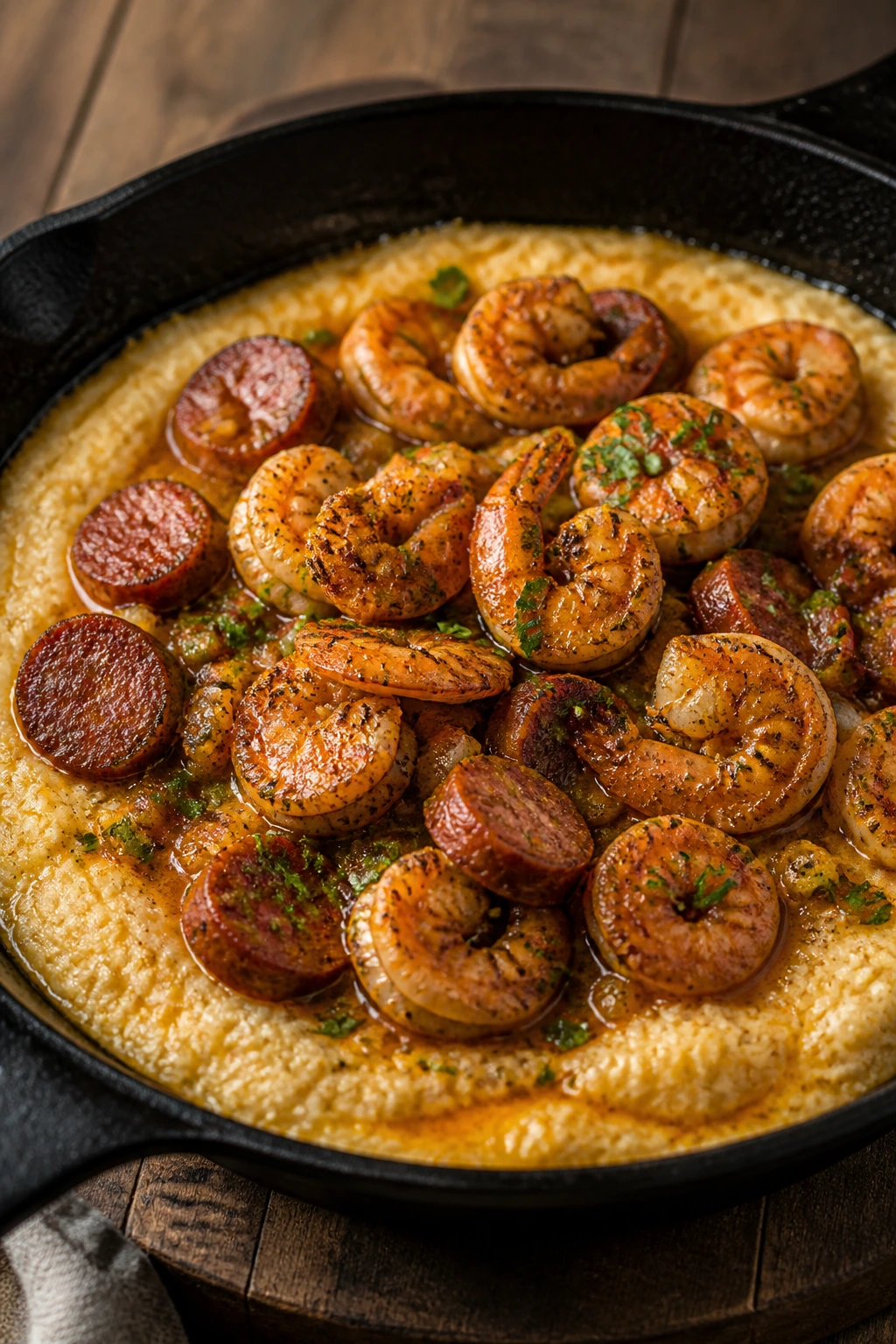
Shrimp and grits should feel a little indulgent. Creamy grits, spicy shrimp, and smoky sausage make a plate that is cozy in a serious way. I like this version because it keeps the grits rich without making them stodgy, and the shrimp stay snappy if you treat them like they’re fragile — because they are.
This is a dinner for people who like contrast. The grits are soft and buttery, the shrimp are sharp and seasoned, and a little sausage or bacon brings the smoky note that keeps the whole thing from tasting one-dimensional. It’s not a shy dish, which is exactly why it belongs here.
Why It Works
Stone-ground grits need time, but they reward you with better texture than instant grits ever will. Stirring in butter and cheese at the end gives them body, and a splash of stock or milk keeps them from turning into glue. The shrimp cook fast in a hot skillet, so you can sear them after the grits are nearly done and plate the whole thing while both components are at their best. If the shrimp are cooked right, they stay plump and curly, not tight.
Key Ingredients
- 1 cup stone-ground grits
- 4 cups water or a mix of water and milk
- 1 teaspoon salt, plus more as needed
- 6 ounces andouille sausage or bacon, sliced
- 1 pound large shrimp, peeled and deveined
- 2 tablespoons Cajun seasoning
- 2 tablespoons butter
- 1 cup shredded sharp cheddar cheese
- 2 garlic cloves, minced
- 2 tablespoons sliced scallions
- Hot sauce, for serving
Quick Steps
-
Cook the grits: Bring the water and salt to a simmer. Whisk in the grits slowly, lower the heat, and cook for 20 to 25 minutes, stirring often, until thick and creamy.
-
Brown the smoky element: While the grits cook, sear the sausage or bacon in a skillet over medium heat until browned. Remove or push to the side.
-
Season the shrimp: Toss the shrimp with Cajun seasoning.
-
Cook the shrimp quickly: Add butter and garlic to the skillet, then cook the shrimp for 2 to 3 minutes per side, just until pink and opaque.
-
Finish the grits: Stir the cheese into the grits. If they’re too thick, loosen with a splash of milk or water.
-
Plate and serve: Spoon the grits into bowls, top with shrimp and sausage, and finish with scallions and hot sauce.
Tips and Variations
- Do not rush the grits: Under-cooked grits taste gritty in the bad way.
- Texture fix: If the grits tighten while sitting, warm them with a little milk and stir hard.
- Heat option: Add cayenne to the shrimp, not the whole pot, if you want more control.
8. Cajun Chicken Thighs with Pan Gravy and Green Beans
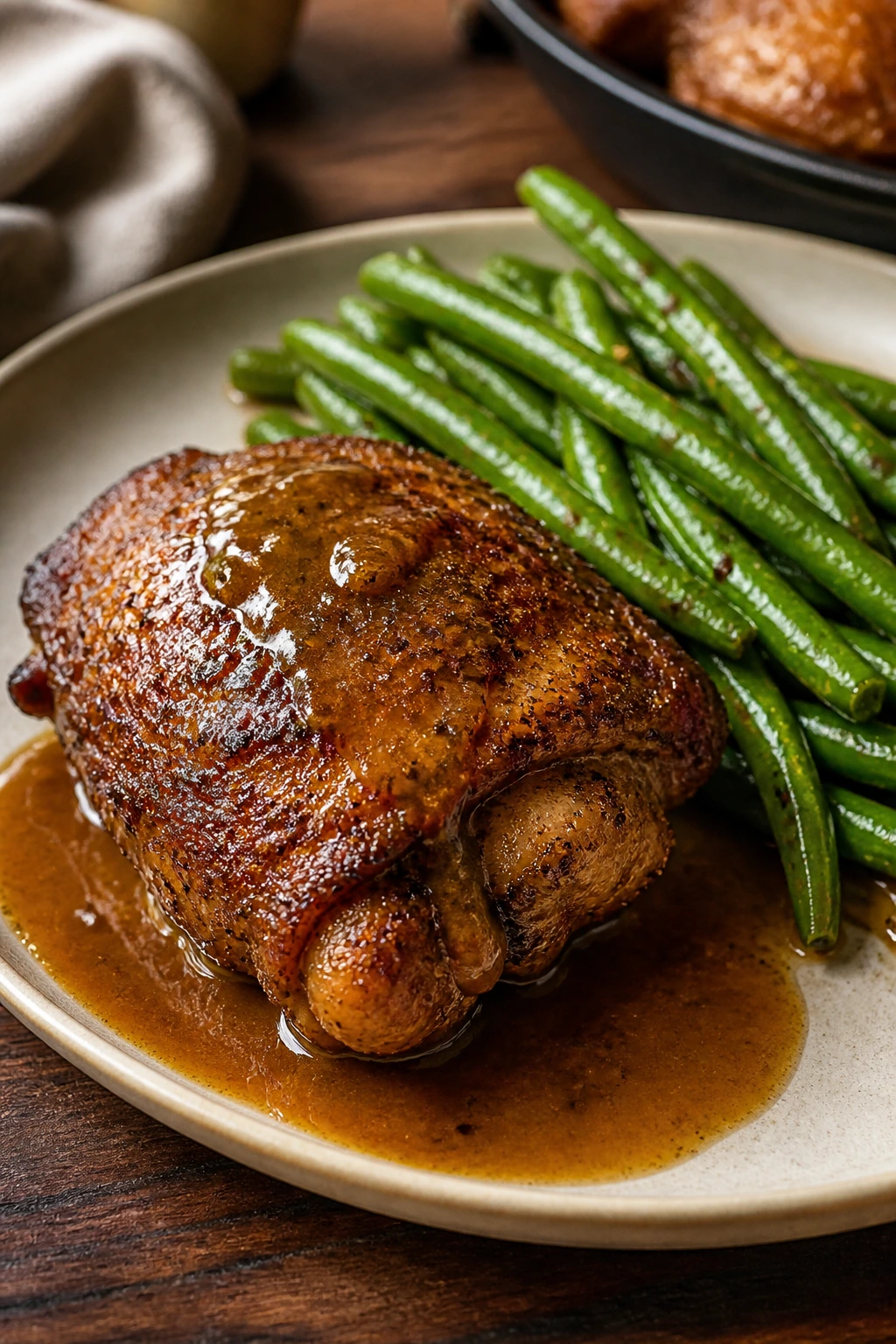
Chicken thighs are the quiet workhorse of spicy dinners. They stay juicy, they brown well, and they don’t punish you for giving them a little extra time. This one turns the pan drippings into a gravy that tastes like it spent hours developing, even though the whole thing comes together in under an hour.
The green beans cook right in the same flavor zone, which is the part I like most. You get a full plate — protein, vegetable, sauce — without turning the stove into a battlefield. The gravy should be savory, peppery, and just thick enough to coat the back of a spoon. Thin gravy is a disappointment. This one should not be thin.
Why It Works
Bone-in, skin-on thighs give you the best browning and the best flavor, because the skin renders fat that can carry the Cajun seasoning and build the gravy. Once the chicken is seared, the pan is full of browned bits, and those bits are dinner’s real backbone. A little flour stirred into the onion and drippings makes the gravy silky without making it taste like paste. Green beans benefit from the same steam-and-simmer treatment, so they keep some bite instead of collapsing.
Key Ingredients
- 6 bone-in, skin-on chicken thighs
- 2 tablespoons Cajun seasoning
- 1 tablespoon oil
- 1 onion, sliced
- 3 garlic cloves, minced
- 2 tablespoons all-purpose flour
- 2 cups low-sodium chicken broth
- 1 pound green beans, trimmed
- 2 tablespoons butter
- 1 teaspoon apple cider vinegar
- Chopped parsley, for serving
Quick Steps
-
Season the chicken: Pat the thighs dry and coat them with Cajun seasoning on both sides.
-
Sear well: Heat oil in a large skillet over medium-high heat. Cook the thighs skin-side down for 6 to 8 minutes, until deeply browned, then flip and cook 3 minutes more. Transfer to a plate.
-
Start the gravy: Lower the heat to medium. Add the onion and cook for 4 minutes, then stir in the garlic and flour. Cook for 1 minute, stirring so the flour loses its raw smell.
-
Add broth and beans: Whisk in the broth, scraping up the browned bits. Add the green beans, butter, and vinegar. Nestle the chicken back in the pan.
-
Finish cooking: Cover and simmer for 20 to 25 minutes, until the chicken reaches 165°F and the green beans are tender but still green. Uncover for the last 3 minutes if you want the gravy thicker.
-
Serve hot: Spoon gravy over the chicken and beans, then finish with parsley.
Tips and Variations
- Skin matters: Dry chicken skin browns better. Pat it dry before seasoning.
- Gravy help: If the sauce is too loose, simmer uncovered for a few minutes more.
- Bright edge: A few drops of vinegar at the end wake up the whole pan.
9. Chicken, Sausage, and Okra Gumbo
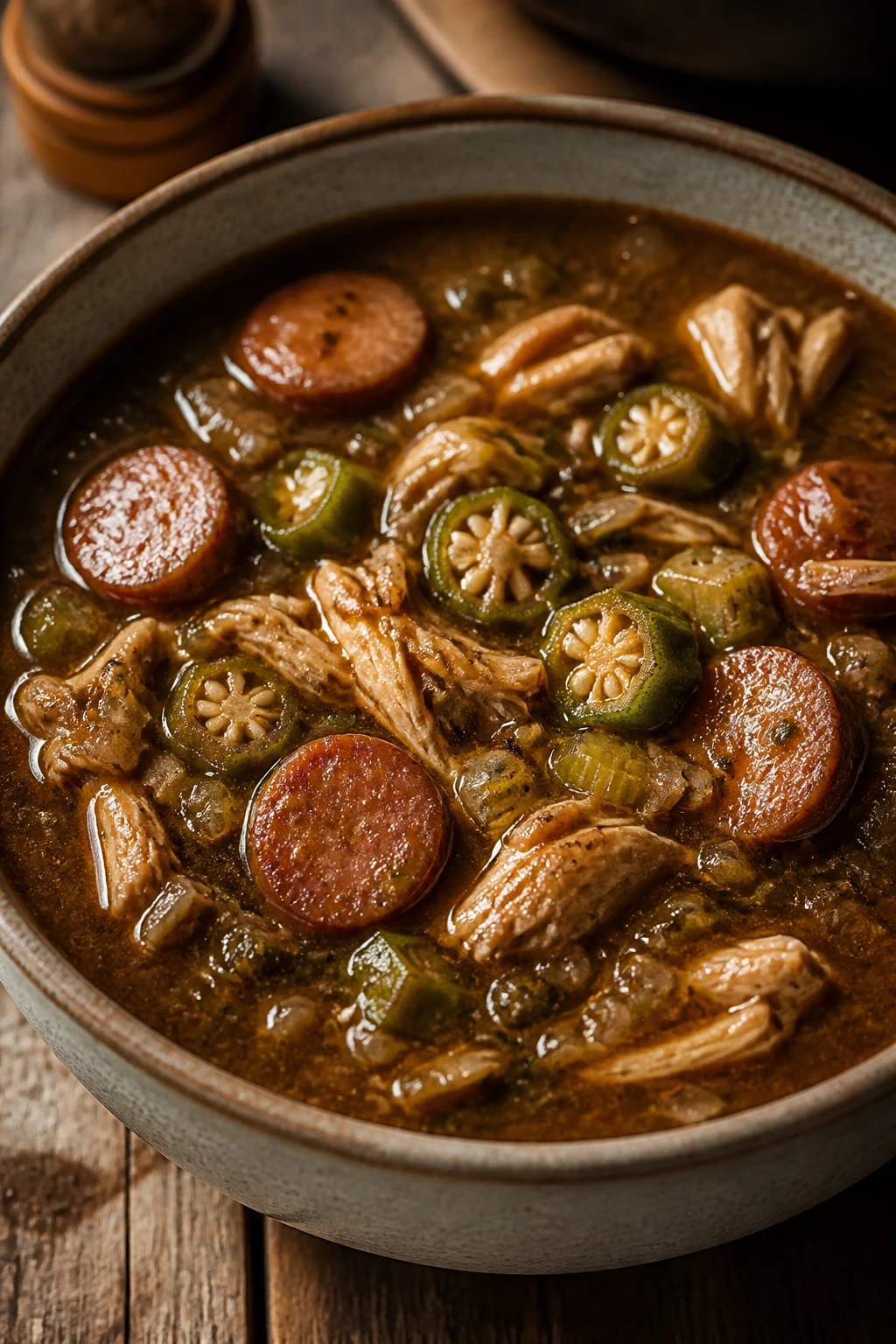
Gumbo takes its time, and that is part of the pleasure. The roux darkens, the kitchen smells nutty and smoky, and the pot slowly turns into something thick enough to cling to rice without being heavy. If you like Cajun dinners with a deeper, slower flavor, this is the one that earns its place.
I’ve always thought gumbo is where patience shows up as taste. The roux sets the tone, the sausage and chicken layer in savory depth, and the okra brings its own thickening power along with a little green, earthy note. It is not a dish to hurry. The pot knows when you’re rushing it.
Why It Works
A dark roux is the heart of good gumbo. It gives the broth color, body, and that toasted flavor that flour alone can’t provide. Once the roux reaches the color of milk chocolate or slightly darker, you can add the trinity and then the stock without breaking the base. Okra helps with thickness, and if you add filé powder at the end, you get another layer of flavor. The catch: filé should not be boiled hard, or it can turn stringy.
Key Ingredients
- 1/2 cup vegetable oil
- 1/2 cup all-purpose flour
- 1 onion, chopped
- 1 green bell pepper, chopped
- 2 celery stalks, chopped
- 4 garlic cloves, minced
- 1 1/2 pounds chicken thighs, cut into pieces
- 12 ounces andouille sausage, sliced
- 8 cups low-sodium chicken stock
- 2 bay leaves
- 1 teaspoon dried thyme
- 2 tablespoons Cajun seasoning
- 1 pound okra, sliced, fresh or frozen
- 1 teaspoon filé powder, optional
- Hot cooked rice, for serving
Quick Steps
-
Make the roux: Whisk the oil and flour in a large Dutch oven over medium heat. Stir often for 20 to 25 minutes, until the roux turns a deep brown and smells toasted, not burnt.
-
Add the vegetables: Stir in the onion, bell pepper, and celery. Cook for 5 to 6 minutes, then add the garlic.
-
Build the gumbo base: Add the chicken, sausage, stock, bay leaves, thyme, and Cajun seasoning. Bring to a gentle boil, then reduce to a low simmer.
-
Simmer patiently: Cook uncovered for 45 minutes, stirring now and then. Add the okra in the last 15 minutes.
-
Finish carefully: If using filé powder, stir it in off the heat. Taste and adjust seasoning, then let the gumbo sit for 10 minutes before serving over rice.
Tips and Variations
- Roux safety: Stay with the pot. A roux can move from perfect to burned fast.
- Frozen okra works: It’s a perfectly decent shortcut here.
- Texture note: Gumbo should pour like a thick stew, not stand up like paste.
10. Cajun Sausage and Potato Skillet
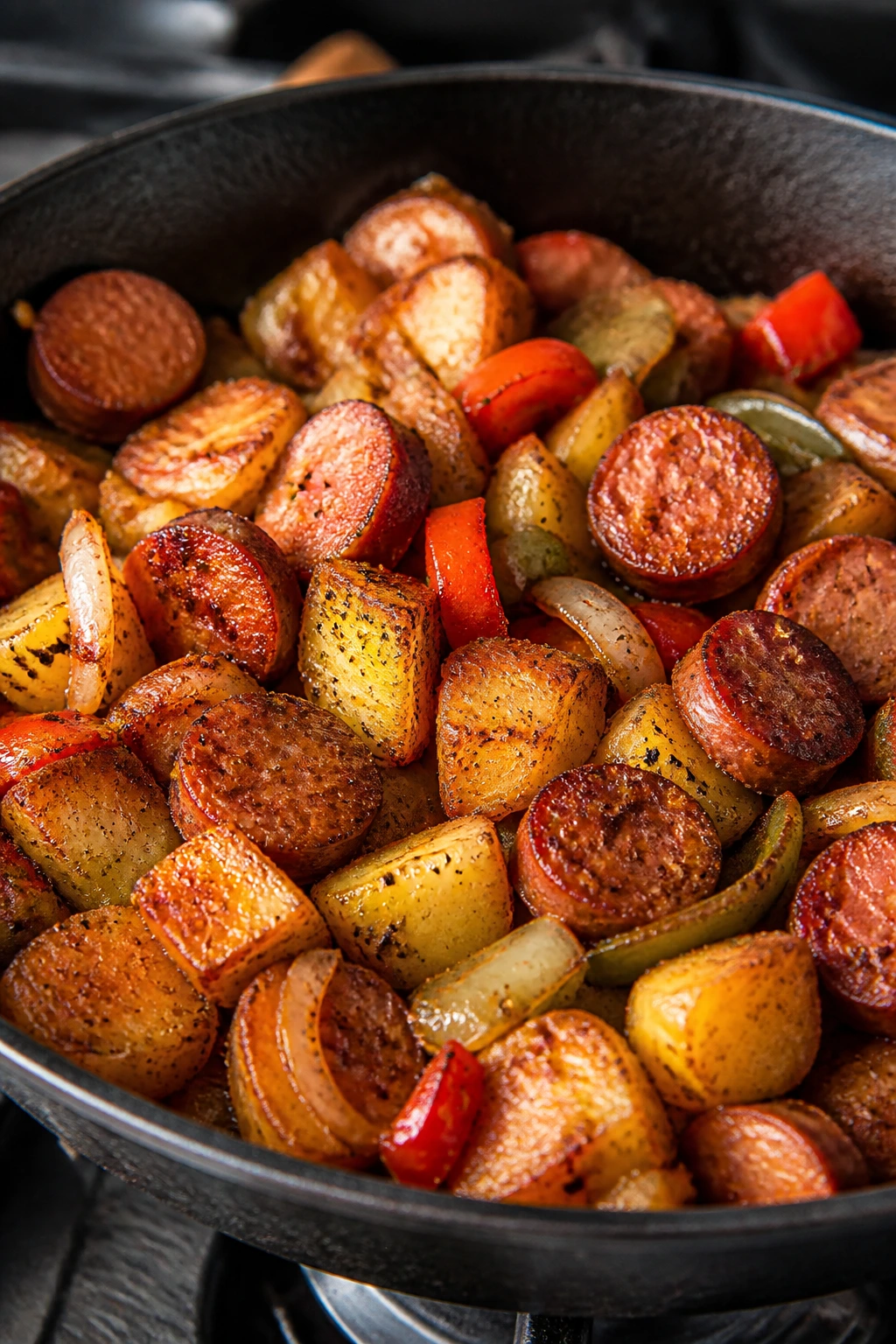
This is the kind of skillet dinner that saves a Wednesday night without pretending to be anything grand. Crispy potatoes, browned sausage, onions, peppers, and a Cajun finish make a meal that is cheap, filling, and hard to stop eating. It has the honest appeal of food that knows exactly what it is.
I like this one because it hits that sweet spot between rustic and fast. If you par-cook the potatoes, they get crisp edges in the skillet instead of sitting there raw in the middle. Sausage does the seasoning work for you, but the Cajun spice keeps it from tasting flat. Add a little butter at the end and the whole pan comes alive.
Why It Works
Potatoes need a head start if you want them browned and tender by the time the sausage is done. A quick parboil or microwave steam softens the centers so the skillet can finish the job without overcooking the outside. Smoked sausage adds fat and salt, while the peppers and onions keep the dish from feeling heavy. The final splash of broth loosens the browned bits on the pan bottom and makes the seasoning grab onto every piece.
Key Ingredients
- 1 pound baby potatoes, halved
- 12 ounces smoked sausage, sliced
- 1 tablespoon oil
- 1 onion, sliced
- 1 red bell pepper, sliced
- 2 garlic cloves, minced
- 1 1/2 tablespoons Cajun seasoning
- 1/2 cup low-sodium chicken broth
- 2 tablespoons butter
- 2 tablespoons sliced green onions
- Black pepper, to taste
Quick Steps
-
Par-cook the potatoes: Boil the potatoes for 8 minutes, or microwave them with a splash of water until just tender. Drain well.
-
Brown the sausage: Heat oil in a large skillet over medium-high heat. Cook the sausage for 4 to 5 minutes until browned.
-
Cook the vegetables: Add the onion and bell pepper and cook for 4 minutes. Stir in the garlic and Cajun seasoning.
-
Crisp the potatoes: Add the potatoes and cook for 6 to 8 minutes, stirring only now and then so they get some color.
-
Finish the pan: Pour in the broth, add the butter, and cook for 2 minutes until the liquid reduces to a glossy glaze.
-
Serve immediately: Top with green onions and black pepper.
Tips and Variations
- Crispier potatoes: Let them sit in the pan long enough to brown before stirring.
- Breakfast-to-dinner twist: A fried egg on top turns this into a very good late-night meal.
- Use what you have: Kielbasa or turkey sausage works if andouille isn’t around.
11. Blackened Catfish with Tomato-Corn Relish
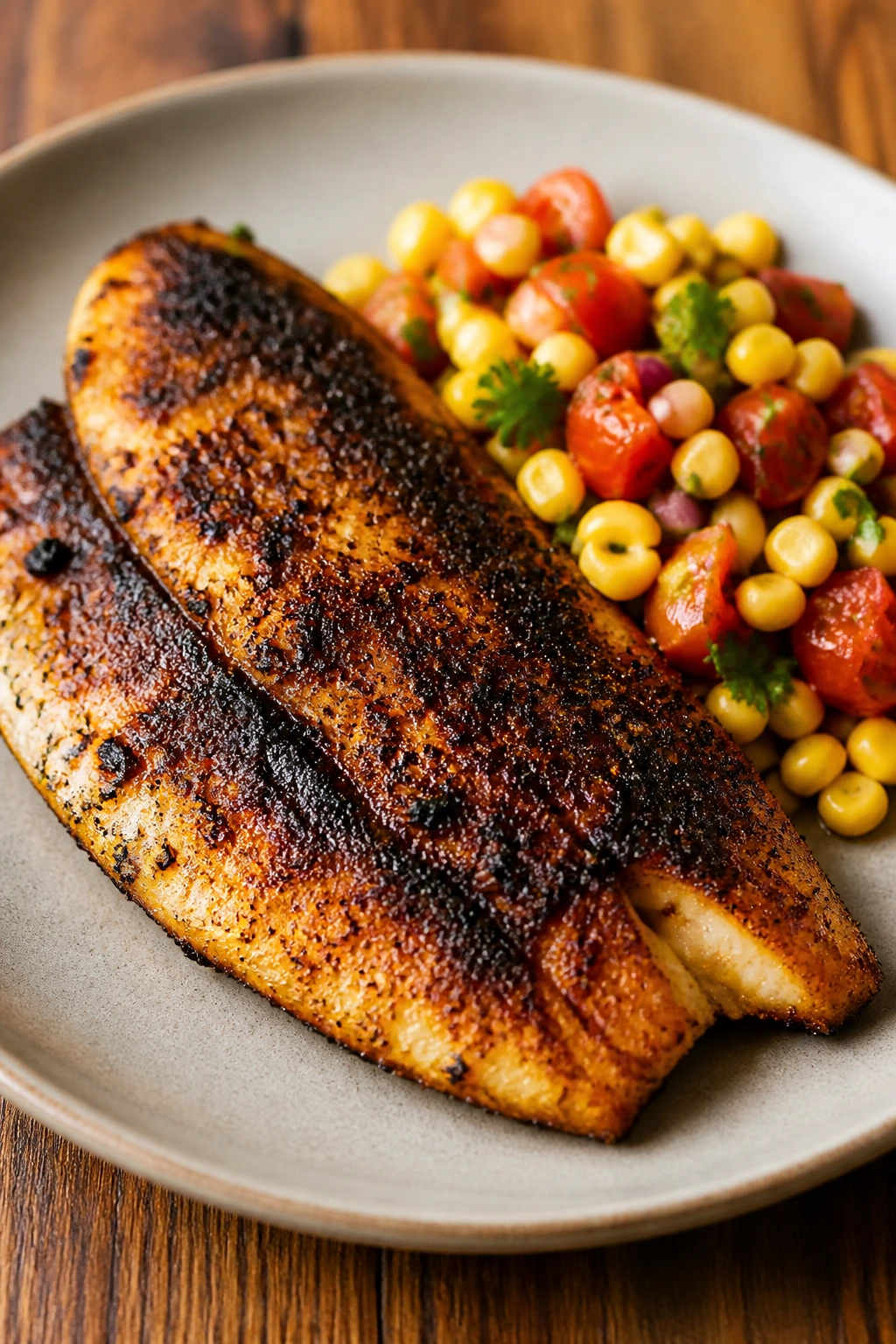
Catfish gets a bad rap from people who’ve only had it fried into submission. Blackened, it’s a different animal: faster, sharper, and more interesting. The crust gets bold and peppery while the flesh stays mild and tender. Pair it with a bright tomato-corn relish and the whole plate stops feeling heavy.
This is one of the cleaner Cajun dinners in the group, which I mean as a compliment. It still brings heat, but the relish adds snap and sweetness instead of more smoke. If you want spicy food without a wall of sauce, this is a smart place to land.
Why It Works
Catfish cooks quickly and hates overcooking. A dry surface and a screaming-hot skillet are the difference between a crisp crust and a soft, muddy one. The blackening seasoning should have paprika, cayenne, garlic, onion, thyme, and black pepper — enough to crust up in the pan without burning on contact. The relish gives you acid and sweetness, which keeps each bite lively rather than just hot.
Key Ingredients
- 4 catfish fillets, about 6 ounces each
- 2 tablespoons blackening seasoning
- 2 tablespoons neutral oil
- 2 tablespoons butter
- 2 cups corn kernels, fresh or frozen
- 1 cup cherry tomatoes, halved
- 1/4 cup red onion, finely diced
- 2 tablespoons chopped parsley
- 1 tablespoon lemon juice
- Salt and black pepper, to taste
Quick Steps
-
Make the relish: Toss the corn, tomatoes, red onion, parsley, lemon juice, and a pinch of salt in a bowl. Set aside so the flavors can mingle.
-
Dry and season the fish: Pat the catfish dry and coat both sides with blackening seasoning.
-
Heat the skillet: Warm the oil and butter in a cast-iron skillet over medium-high heat until the butter foams.
-
Blacken the catfish: Cook the fillets for 3 to 4 minutes per side, depending on thickness, until the crust is dark and the fish flakes easily.
-
Plate with relish: Spoon the tomato-corn relish over the fish and serve immediately.
Tips and Variations
- No cast iron? Use the heaviest skillet you own and keep the heat strong.
- Relish upgrade: A little diced cucumber adds crunch if you want more freshness.
- Watch the edges: Catfish fillets can thin out quickly at the ends, so check early.
12. Cajun Pork Chops with Creamy Pan Sauce and Collard Greens
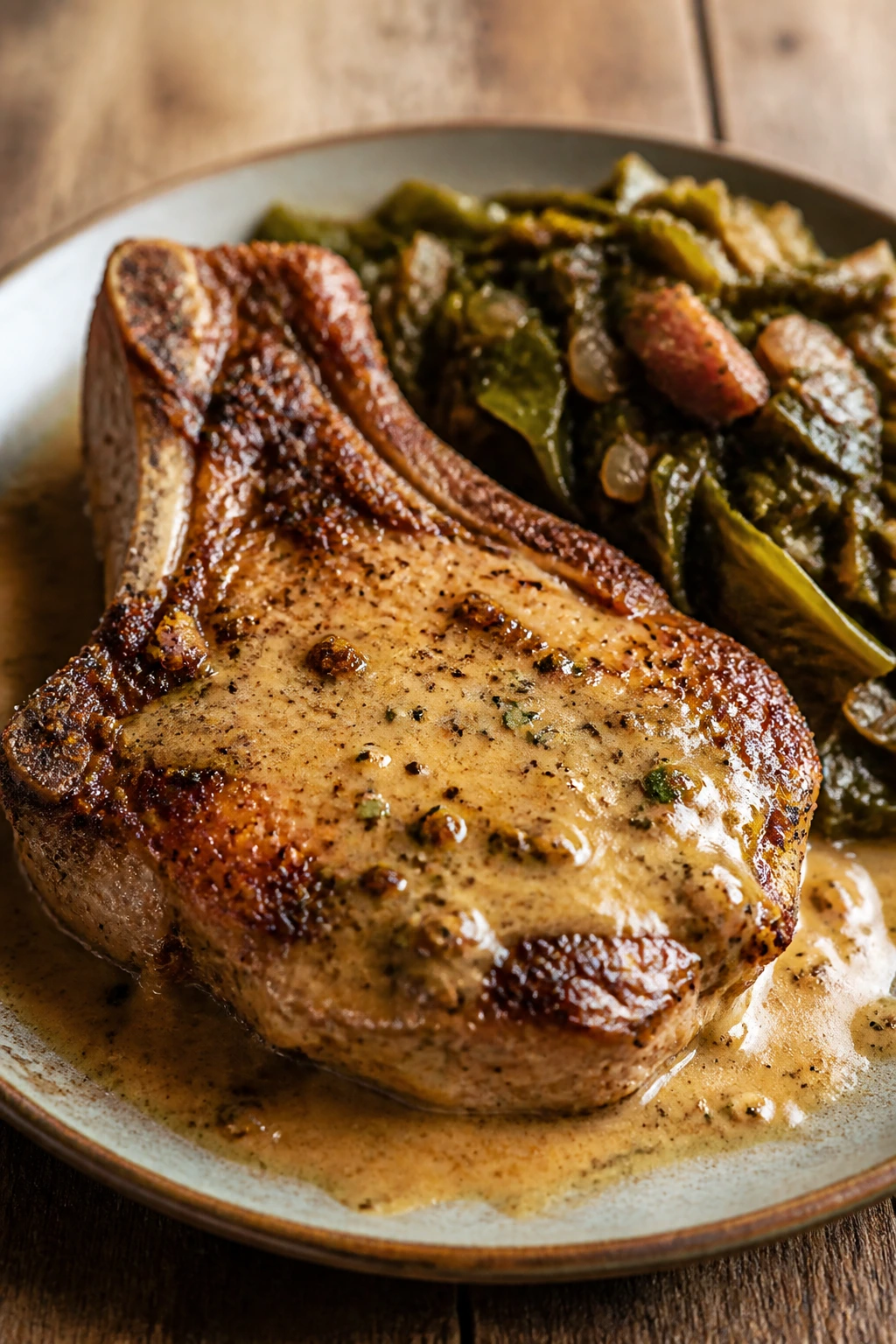
Pork chops deserve better than a dry heat-and-serve treatment. With Cajun seasoning and a quick pan sauce, they turn into something far more interesting: browned edges, juicy centers, and a gravy that picks up all the little bits from the skillet. Collard greens on the side bring a gentle bitterness that the sauce can handle.
This is a dinner that feels sturdy. There’s smoke from the seasoning, richness from the cream, and a green side that keeps the plate from going all beige. I like bone-in chops here because they stay juicier, and I like collards because they take to a little bacon or smoked turkey beautifully. That’s a good partnership.
Why It Works
Pork chops dry out when they’re cooked too hard, too long, or both. Bone-in chops give you a little insurance, and a hot skillet creates a crust before the center overcooks. Once the chops come out, the pan fond turns into sauce when you add broth and cream, which means the gravy tastes built, not mixed. Collards need time to soften, but a splash of vinegar keeps them from tasting dull and heavy.
Key Ingredients
- 4 bone-in pork chops, about 1 inch thick
- 2 tablespoons Cajun seasoning
- 1 tablespoon oil
- 1 onion, thinly sliced
- 2 cups low-sodium chicken broth
- 1/2 cup heavy cream or evaporated milk
- 1 bunch collard greens, stems removed and leaves sliced
- 2 cloves garlic, minced
- 2 tablespoons butter
- 1 teaspoon apple cider vinegar
- Salt and black pepper, to taste
Quick Steps
-
Season the chops: Pat the pork dry and coat both sides with Cajun seasoning.
-
Sear the pork: Heat oil in a skillet over medium-high heat. Cook the chops for 4 to 5 minutes per side, until browned and the internal temperature reaches 145°F. Transfer to a plate.
-
Start the sauce: Lower the heat to medium. Add the onion and cook for 4 minutes, then stir in the garlic.
-
Cook the collards and sauce: Add the collards, broth, butter, and vinegar. Cover and simmer for 12 to 15 minutes until the greens soften. Stir in the cream and let the sauce thicken for 2 to 3 minutes.
-
Return the pork: Nestle the chops back into the pan for 2 minutes so they warm through and pick up the sauce.
-
Serve with plenty of sauce: Spoon the greens and gravy over the chops.
Tips and Variations
- Thermometer wins here: Pork is much better at 145°F than “until it looks done.”
- Cream choice: Evaporated milk gives a lighter sauce that still feels rich.
- Greens shortcut: If collards are too sturdy for your schedule, use chopped kale and cut the simmer time in half.
Why Cajun Cooking Works So Well for Dinner
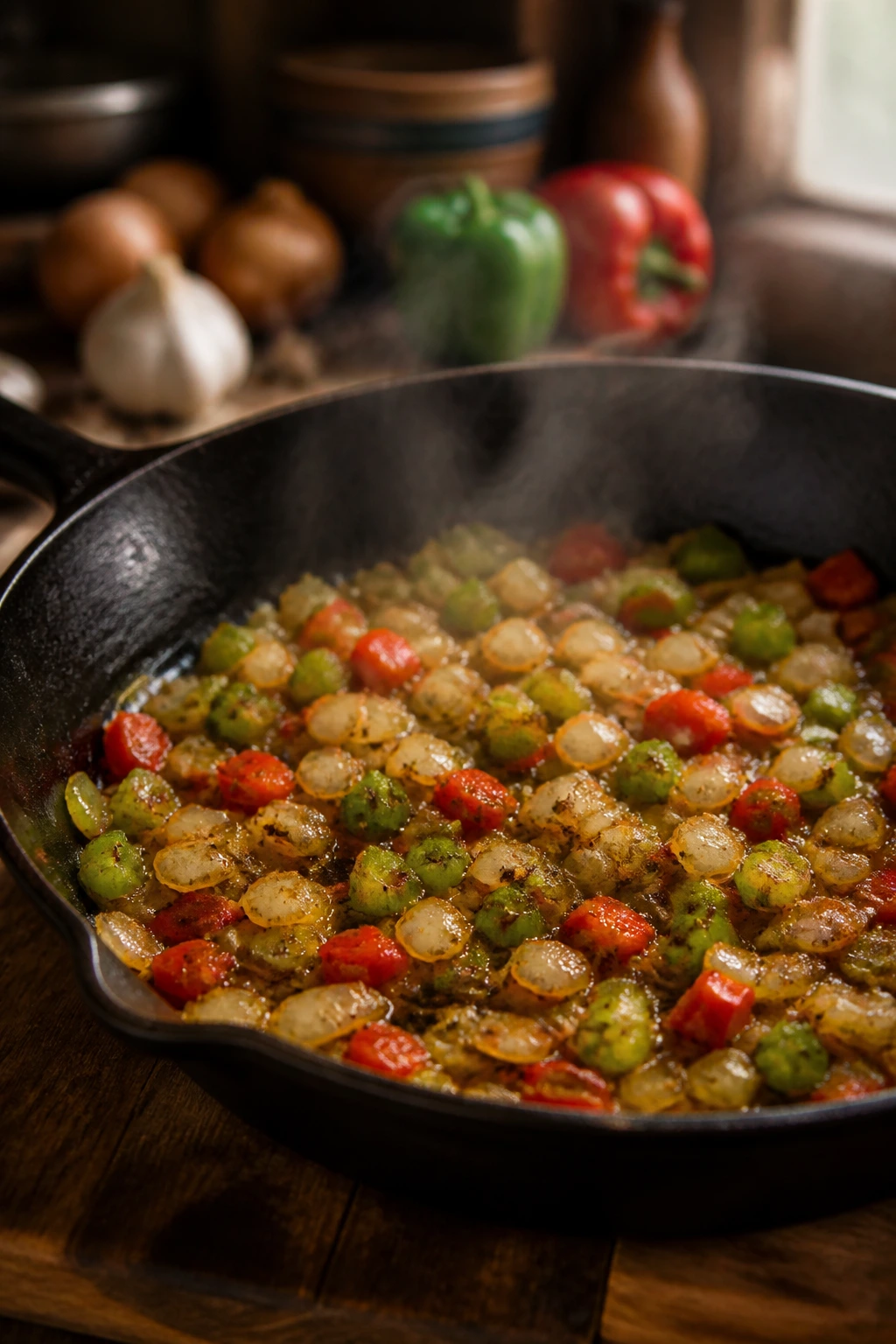
Cajun cooking has a sturdy way of making weeknight food feel less forgettable. It starts with the same building blocks over and over — onion, celery, bell pepper, garlic, stock, rice, sausage, chicken, seafood — but the cooking methods change enough that the meals never feel copied from each other. A jambalaya is not gumbo. Étouffée is not shrimp and grits. They all share a vocabulary, but they speak it in different tones.
The Cajun trinity does a lot of the work. Once you soften those vegetables in fat, they stop tasting like raw aromatics and start tasting sweet, round, and savory. Then the browned bits from sausage or chicken or a roux give the pot something deeper to stand on. That’s why these dinners hit so hard even when they’re built from simple groceries.
There’s also a practical reason they work. Many Cajun dinners are one-pot or one-skillet meals, and even the richer ones usually rely on a single strong base rather than a pile of separate sauces. That means fewer dishes, fewer interruptions, and less chance of one component going cold while you fuss with another. Not glamorous. Very useful.
Essential Equipment for These Recipes
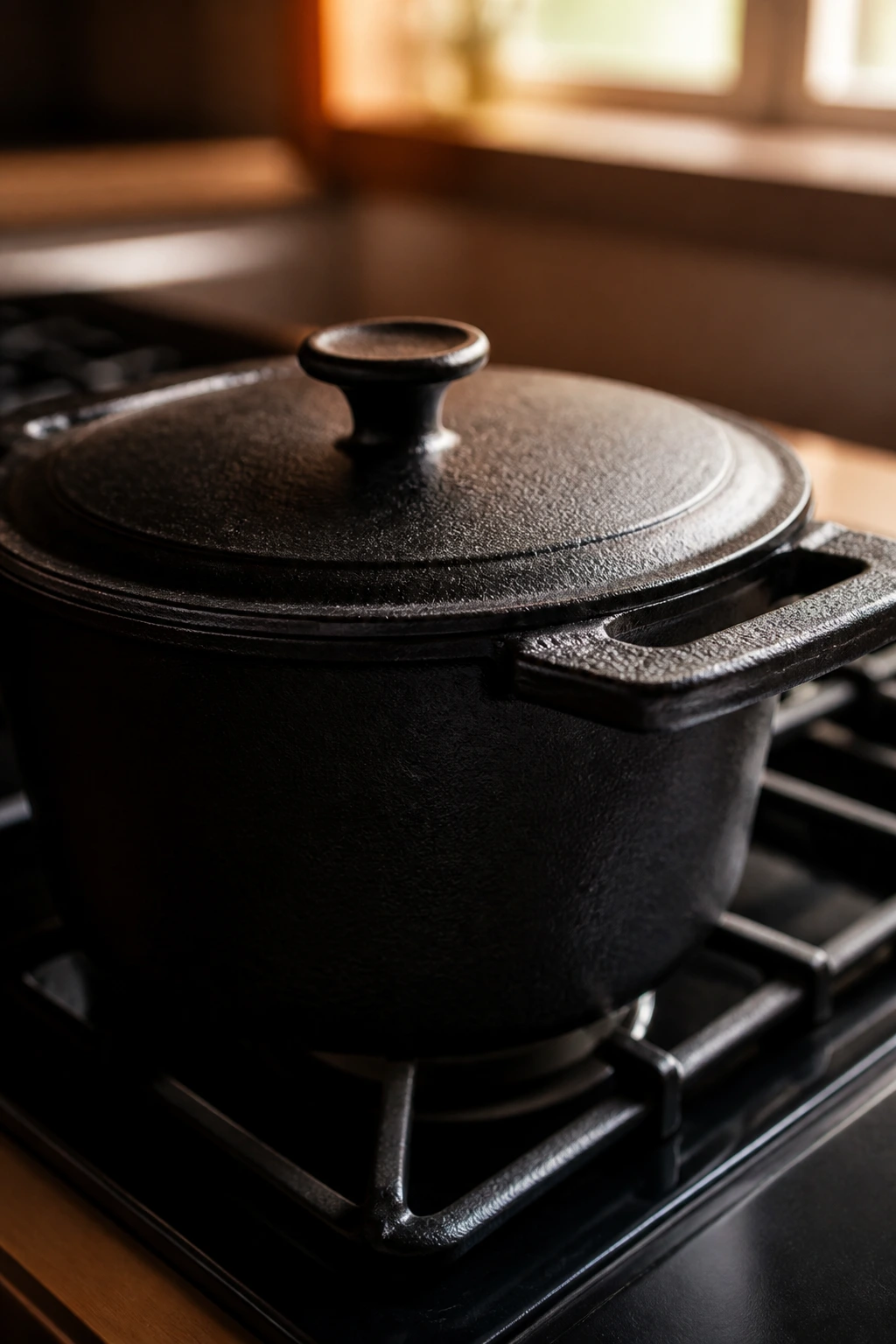
- Heavy Dutch oven: Best for jambalaya, gumbo, red beans, and anything that needs long simmering without scorching.
- Large skillet or cast-iron pan: Ideal for blackening fish, searing chicken, and building pan sauces with good browning.
- Wooden spoon or heat-safe spatula: Useful for stirring roux, scraping fond, and moving ingredients without scraping your pans to death.
- Chef’s knife and cutting board: The Cajun trinity gets chopped in almost every recipe, so a sharp knife saves time and keeps pieces even.
- Measuring cups and spoons: Helpful for seasoning blends, stock, rice, and roux ratios where guesswork can go sideways.
- Instant-read thermometer: Especially handy for chicken, pork chops, and salmon so you can pull them before they overcook.
- Lid that fits your pot or skillet: A snug lid is the difference between tender rice and a pot that dries out early.
- Fine-mesh strainer: Useful if you rinse rice, drain beans, or want a smoother stock-based sauce.
- Tongs: Better than a fork for turning chicken thighs, sausage, salmon, or catfish without tearing them.
- Airtight storage containers: Leftovers from these dinners tend to be worth keeping, and good containers preserve texture better than a covered bowl.
Smart Shopping and Ingredient Tips
Cajun dinners live or die on the quality of a few core ingredients, which is nice because you do not need to buy a mountain of extras. Start with the seasoning blend. A decent Cajun seasoning should taste smoky, peppery, garlicky, and herby, not just salty. If salt is the first thing you taste, use less than the recipe calls for and season the pot at the end instead.
Andouille sausage deserves a little care. Look for a firm sausage with visible smoke and a clean snap, not a soft, bouncy link that tastes like hot dog in disguise. If andouille is hard to find, smoked kielbasa can work in a pinch, though it will be milder and less peppery. For seafood, buy shrimp that smell clean and feel firm, and choose fillets that look glossy rather than dry around the edges.
Rice matters more than people admit. Long-grain white rice is the safest bet for jambalaya and red beans because it stays separate instead of turning sticky. Medium-grain rice can be lovely in some settings, but it tends to clump more. For gumbo, the rice should be a backdrop, not a second stew, so plain steamed white rice is usually the right move.
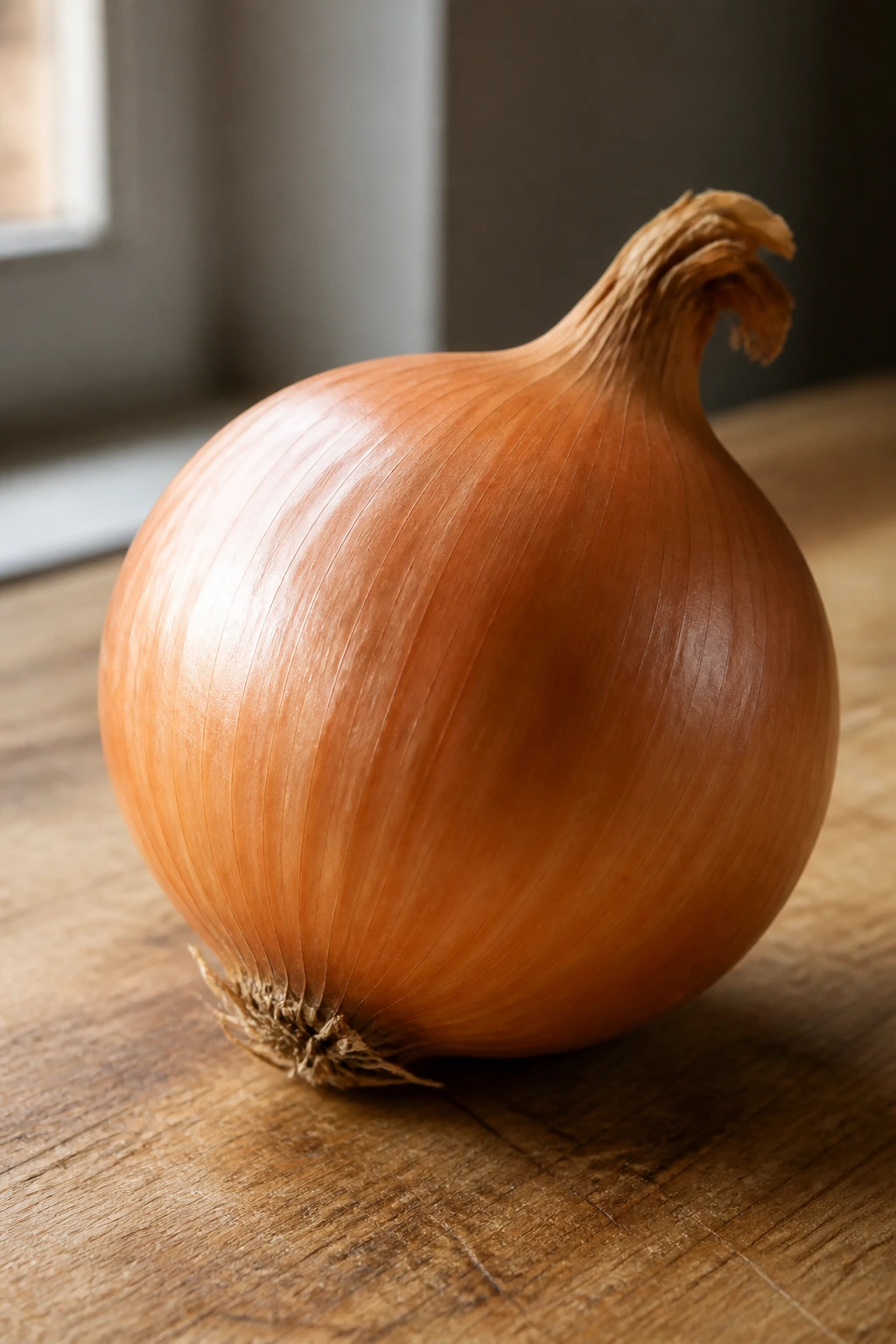
On the produce side, the Cajun trinity should look crisp and fresh, not tired. Bell peppers ought to feel heavy for their size, celery should snap when bent, and onions should be dry-skinned and firm. Frozen okra is fine. Frozen corn is fine too. In fact, there are plenty of nights when frozen vegetables are the smarter call, and pretending otherwise is just recipe-book theater.
How to Serve These Recipes
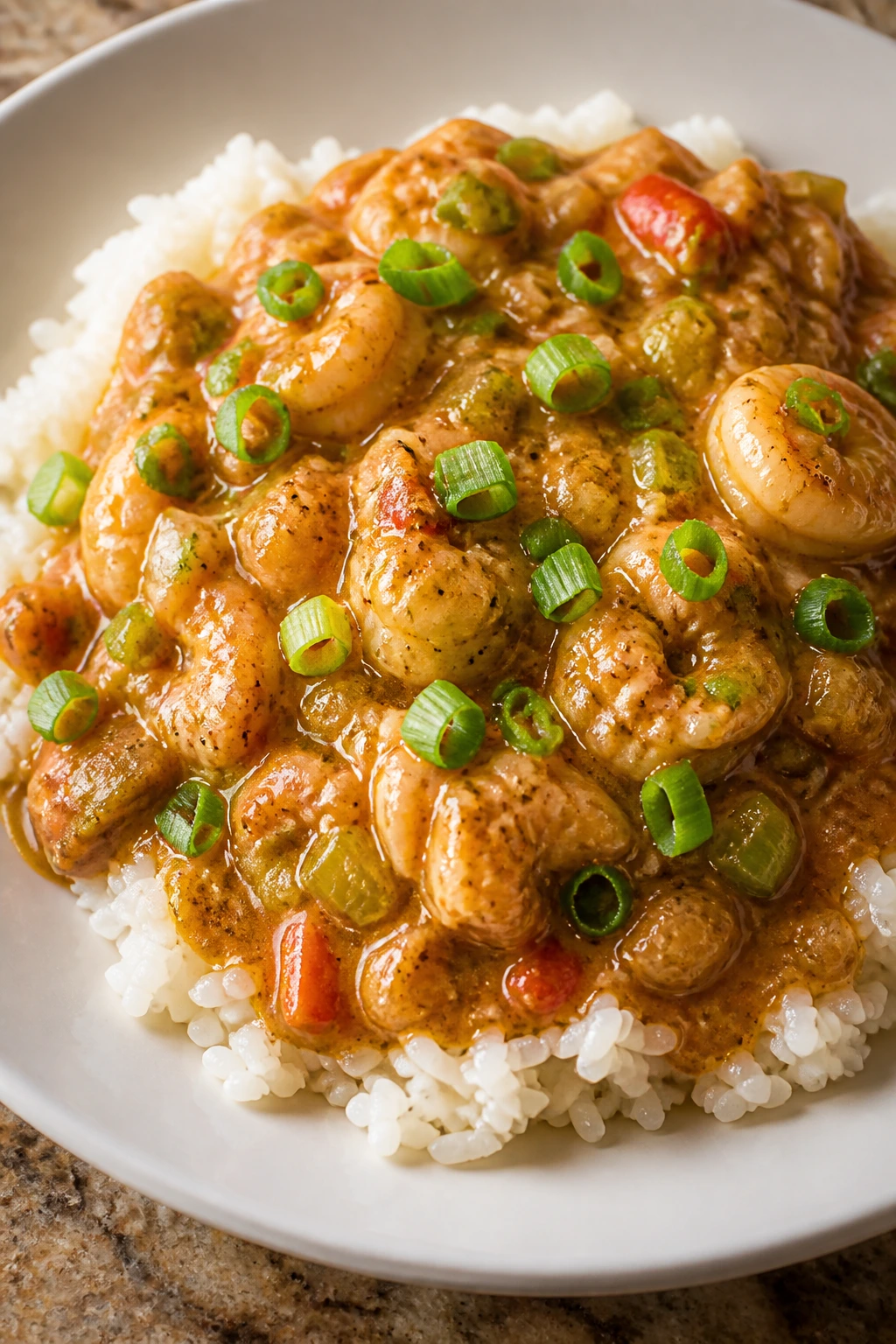
Presentation: Cajun dinners look best when you give them contrast. Spoon saucy dishes like étouffée, gumbo, and red beans over white rice so the color shows, then finish with sliced green onions, chopped parsley, or a few thin lemon wedges. For blackened fish or salmon, use a clean plate and keep the relish or sauce off to one side so the crust stays visible.
Accompaniments: Cornbread is the classic move, but it’s not the only one. A simple green salad with sharp vinaigrette, skillet cornbread, collard greens, buttered green beans, or even roasted broccoli can calm the heat without fighting it. For pasta or skillet dinners, a chunk of crusty bread is useful for the sauce that wants to stay behind in the pan.
Portions: Most of these recipes serve 4 to 6 people, though the rice-and-bean pots can stretch to 8 if you’re feeding bigger appetites or adding sides. If you want to scale up, it’s usually easier to increase the liquid and seasoning in small steps rather than doubling everything blindly. Seafood dishes are the exception; those are better made in smaller batches so the shrimp or fish stay tender.
Beverage Pairing: Sweet tea is a near-perfect match if you want the heat to feel softer. If you prefer something sharper, a crisp lager, a dry hard cider, or sparkling water with lemon keeps the palate clean between bites. For nonalcoholic drinks with more bite, ginger beer works well with the smoky and spicy dinners.
Additional Tips and Flavor Boosters
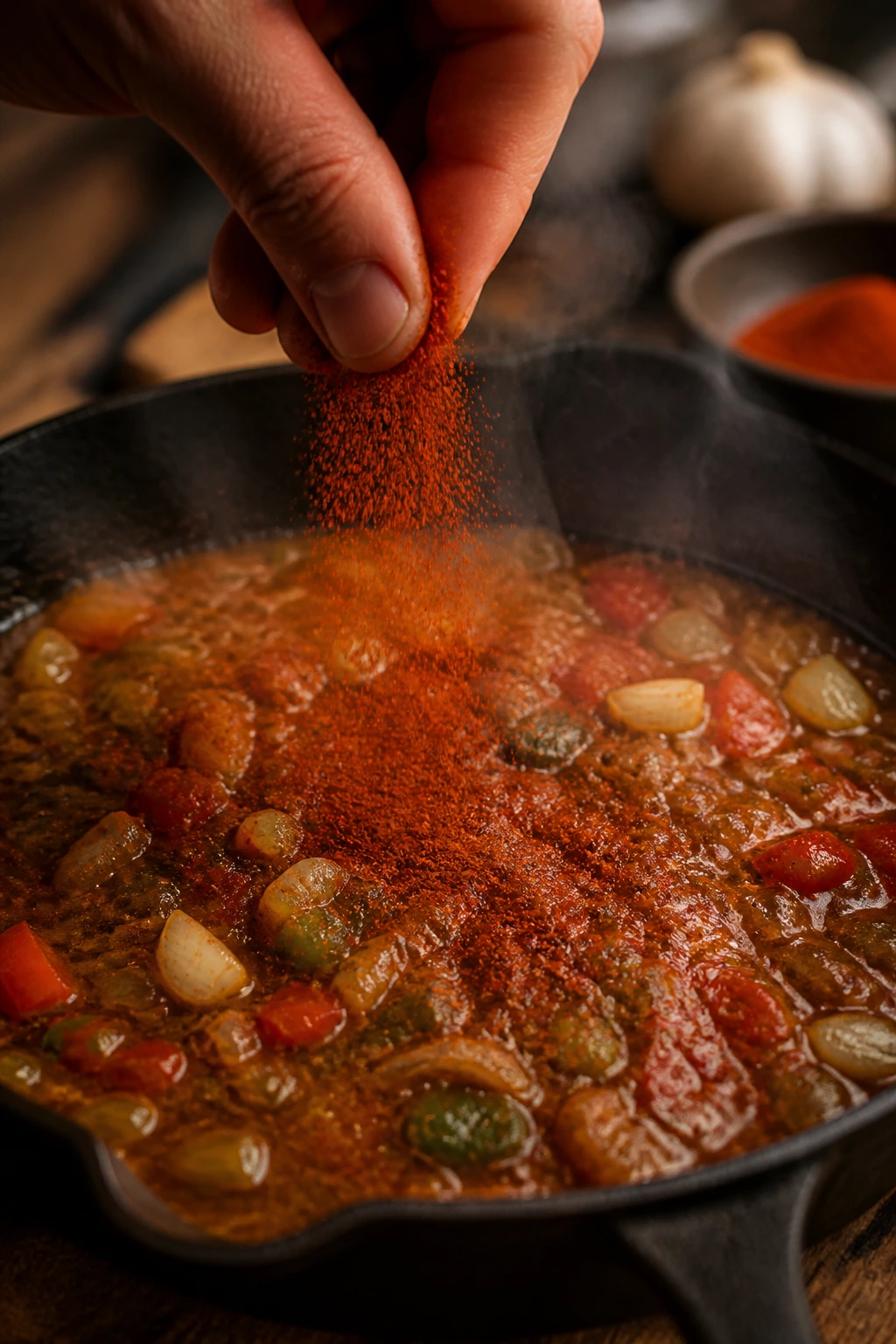
Flavor Enhancement: Toast your Cajun seasoning in fat for 20 to 30 seconds before the liquid goes in. It wakes up the paprika and garlic in a way that dry seasoning on top never will.
Customization: Add extra bell pepper, okra, mushrooms, or spinach if you want more vegetables in the pot. Cajun cooking is forgiving in that department as long as you don’t throw off the liquid balance.
Serving Suggestions: Finish bowls with scallions, parsley, a squeeze of lemon, or a few dashes of vinegar-based hot sauce. That last hit of acid keeps the dish from settling into one heavy note.
Make-It-Yours: If you want less heat, use paprika-heavy seasoning and hold back on cayenne. If you want more smoke, add a little smoked paprika or a touch more andouille instead of piling on more salt.
Make-Ahead, Storage, and Reheating Guidance
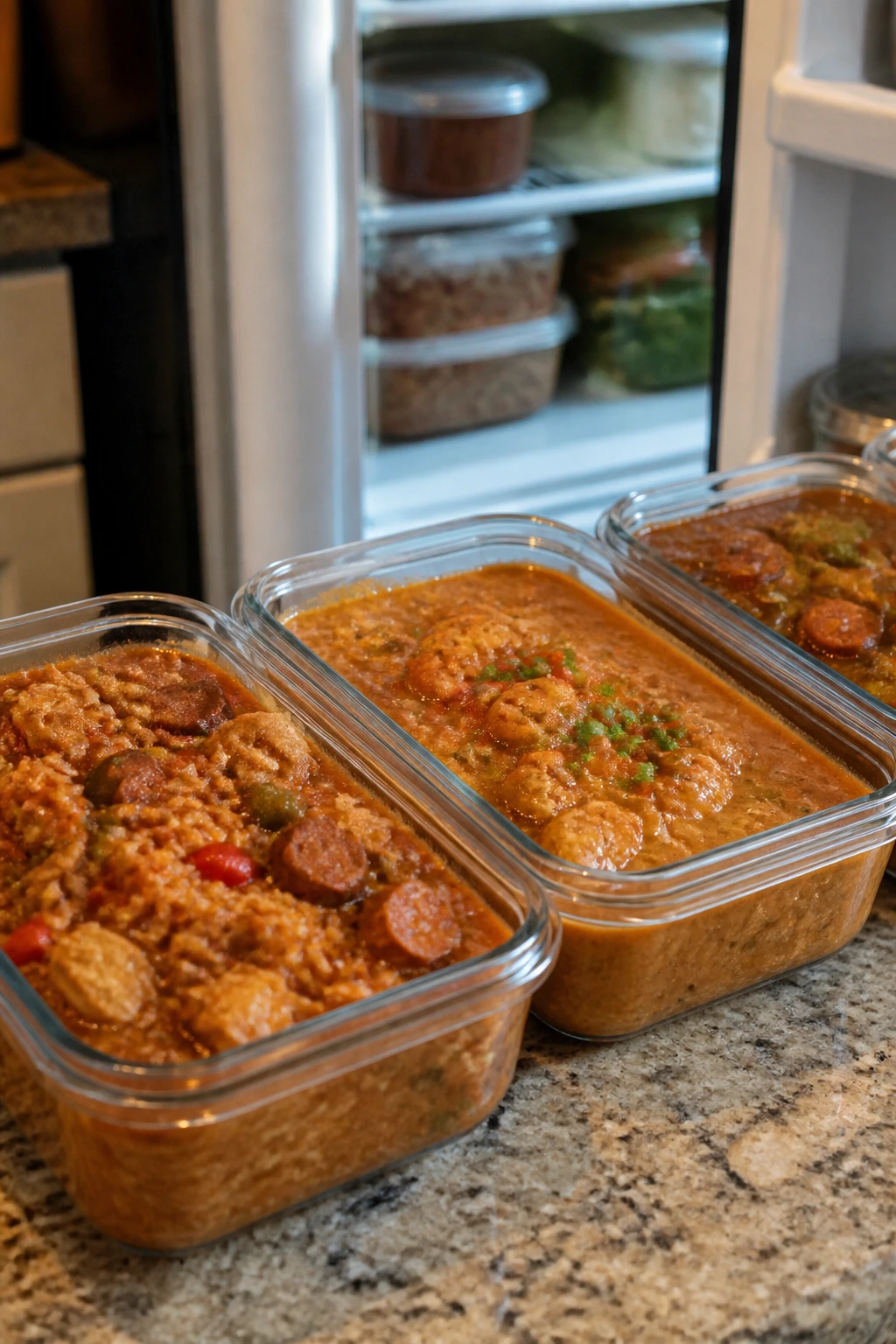
Most of these Cajun dinners keep well, but the way you store them matters. Rice dishes like jambalaya and red beans should be cooled within 2 hours, then stored in airtight containers in the fridge for 3 to 4 days. They freeze well for up to 2 months, though the rice softens a little after thawing. Reheat them with a splash of stock or water over low heat so the grains loosen instead of drying into bricks.
Saucy dishes such as étouffée, gumbo, and pan-gravy chicken actually benefit from a night in the fridge. The flavor deepens, the seasoning settles, and the sauce thickens in a good way. They keep for 3 to 4 days refrigerated, and gumbo freezes especially well for up to 3 months. Reheat gently on the stove over medium-low heat, stirring often and adding a little stock if the pot looks too tight.
Seafood needs a lighter hand. Shrimp, catfish, and salmon are best eaten within 1 to 2 days. They do not love being reheated hard. Warm them in a low oven, about 300°F, or on the stovetop over very low heat just until heated through. If you blast them, they’ll go dry and mealy, and there’s no fixing that with sauce.
For creamy pasta and shrimp and grits, keep the sauce and starch in mind. If possible, store a little extra broth or milk with the leftovers so you can revive them on the stove. Pasta loosens nicely with a splash of cream or broth. Grits need more stirring than anything else; they thicken fast and then settle into a block if you ignore them.
Variations and Adaptations to Try
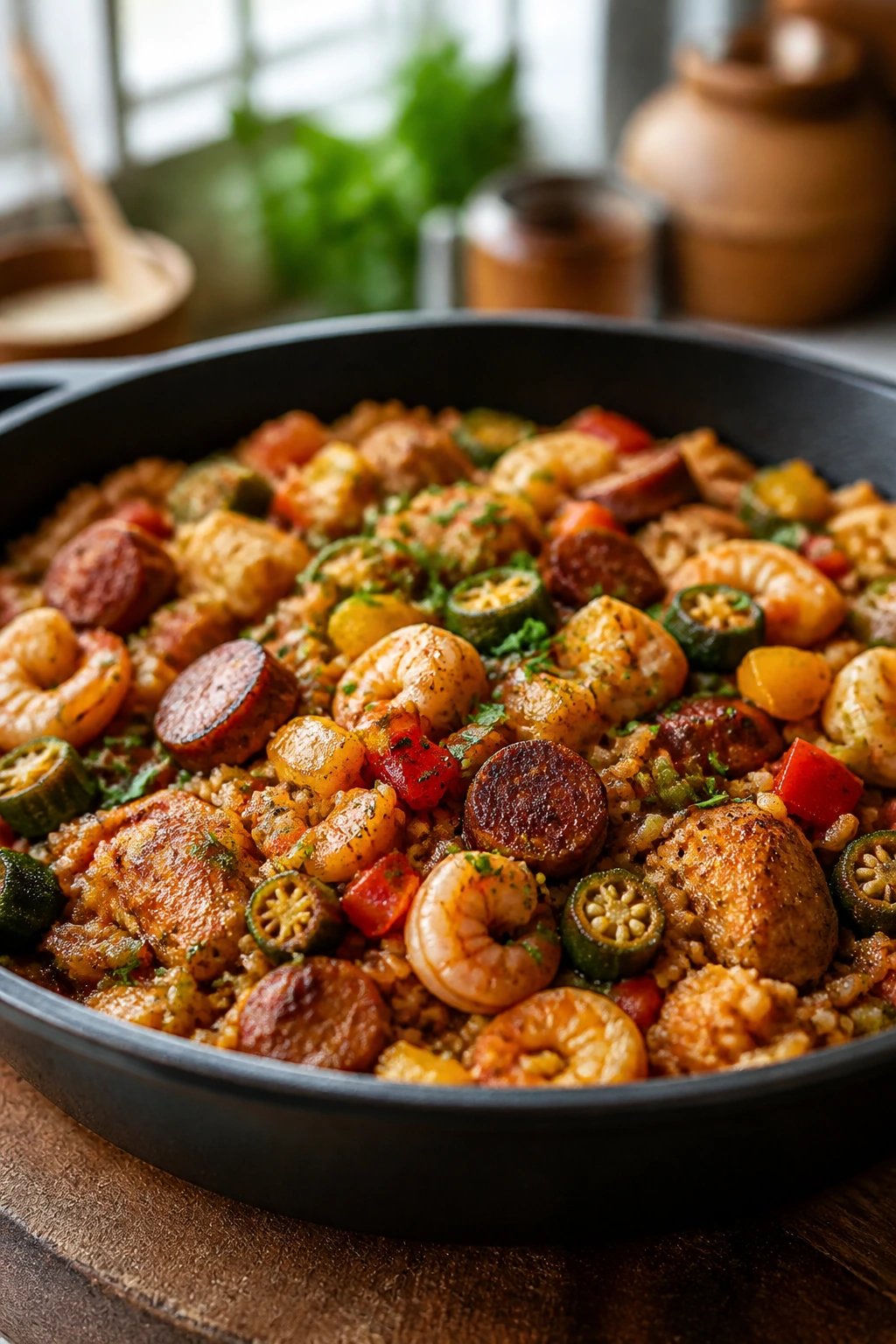
Milder Bayou Night: Cut the Cajun seasoning by a third and use extra paprika plus black pepper instead of more cayenne. You still get smoke and depth, just with less fire in the throat.
Gluten-Free Comfort Pot: Use a gluten-free flour blend or rice flour for roux-based recipes like gumbo and étouffée. Stir a little longer than you think you need to so the flour taste cooks out fully.
Dairy-Free Creaminess: Swap in unsweetened oat cream or coconut cream for the cream in pasta and some skillet sauces. Use a light hand with coconut cream so it doesn’t pull the dish too far from Cajun flavor.
Seafood-First Switch: Turn chicken dishes into shrimp or catfish dinners by shortening the final cook time and seasoning the seafood right before it hits the pan. This works especially well in rice bowls, skillet meals, and pasta.
Extra-Smoked Version: Add smoked paprika, extra andouille, or a small piece of smoked turkey leg to bean pots and gumbo. Smoke can deepen a dish fast, but salt can run away from you, so taste as you go.
Vegetable-Heavy Skillet: Add okra, mushrooms, zucchini, or extra peppers to jambalaya, skillet dinners, and stuffed peppers. The trick is not to drown the pot; keep the meat-to-vegetable ratio balanced so the dish still feels like dinner, not a side dish pretending to be one.
Common Mistakes to Avoid
Using too much salt early: Cajun seasoning, sausage, stock, and cheese can all bring salt to the party. If you salt every layer heavily, the final dish can taste blunt and dry at the same time. Start light, then adjust near the end.
Rushing the roux: A pale roux tastes raw and a burned roux tastes bitter. Stir steadily over moderate heat and watch the color, not the clock. If it smells sharp or acrid, stop and start over — there’s no elegant rescue for a burnt roux.
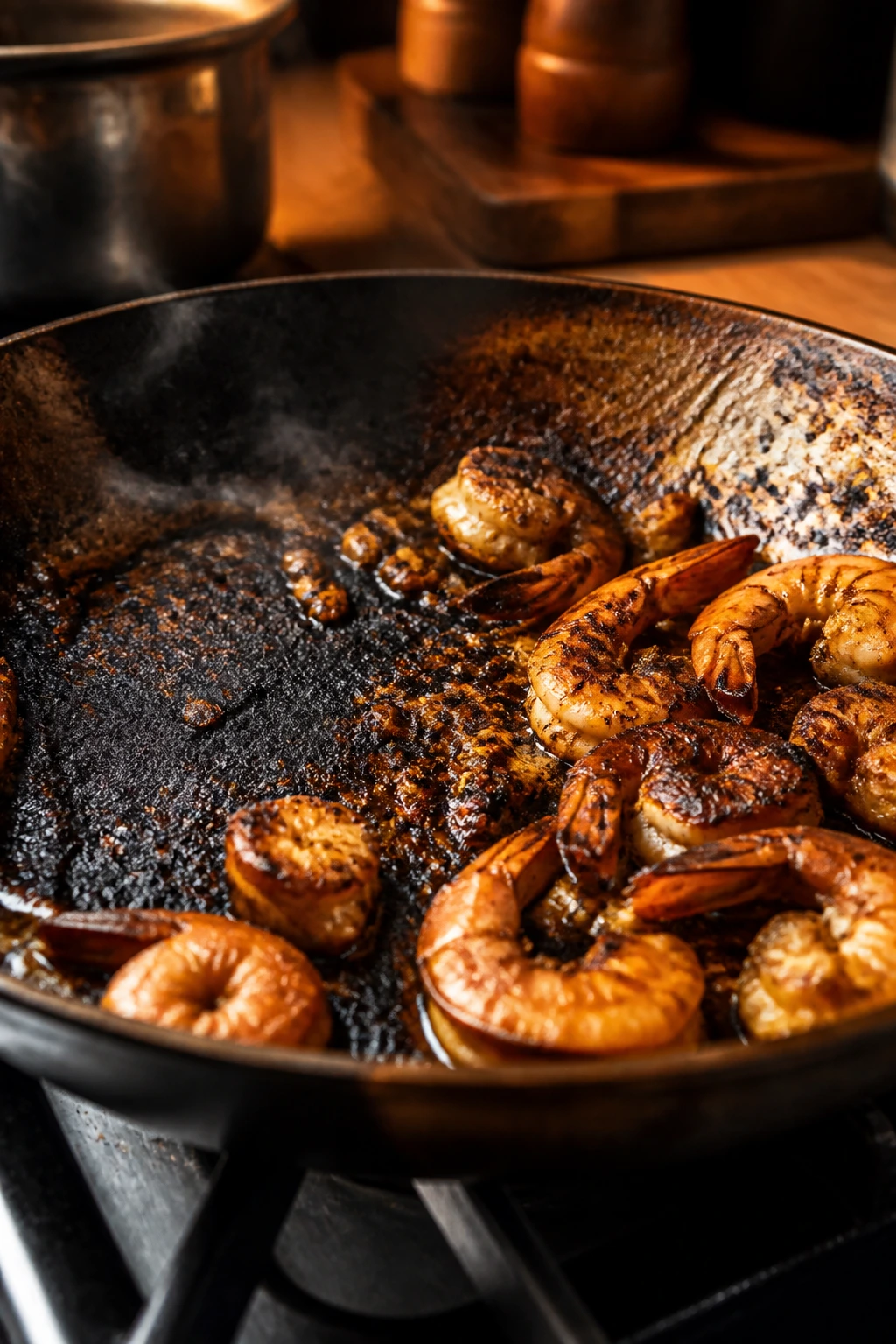
Overcooking seafood: Shrimp and fish need a short, hot cook. If they turn rubbery or flaky in a dry way, they’ve stayed in the pan too long. Pull them as soon as they turn opaque and let carryover heat finish the job.
Crowding the pan: When chicken, sausage, or fish is piled into a crowded skillet, it steams instead of browns. Brown in batches if the pan is small. You want color on the meat before the sauce ever shows up.
Skipping the rest time for rice dishes: Jambalaya and red beans settle into the right texture after a short covered rest. If you dig in immediately, the rice can seem wet on the surface and underdone in the center. Five to ten minutes makes a real difference.
Using weak heat when blackening: Blackened fish and salmon need a hot skillet, not a polite one. If the pan isn’t hot enough, the spice coating darkens without forming that crisp crust everyone wants.
Frequently Asked Questions

What makes Cajun food different from Creole food?
Cajun cooking tends to lean rustic, smoky, and built around one-pot meals, while Creole food often uses a wider range of ingredients and a more urban kitchen style. In practice, the two overlap a lot, but Cajun dinners usually lean harder on the trinity, sausage, roux, and bold seasoning.
Can I make these Cajun dinners less spicy?
Yes. Use less Cajun seasoning, choose a milder sausage, and skip extra cayenne or hot sauce until the end. You’ll still get the smoke, garlic, and paprika that make the food taste like itself.
What rice works best for jambalaya and red beans?
Long-grain white rice is the safest choice because it stays fluffy and separate. If you use shorter-grain rice, expect a softer, stickier texture that can blur the edges of the dish.
Can I use frozen shrimp or fish?
Absolutely, and in some cases it’s the smarter buy. Thaw it fully in the refrigerator, then pat it dry so it sears instead of steaming. Wet seafood is the fastest way to ruin a crust.
What if my roux tastes burnt?
Start over. A burned roux will make gumbo or étouffée bitter, and adding more stock will not hide it. It’s annoying, but it’s less annoying than serving a whole pot you do not want to eat.
Do these dishes get better the next day?
Bean pots, gumbo, and many rice dishes do. The seasoning has time to settle, and the broth thickens a little. Seafood and blackened fish are best fresh, because reheating can push them past their best texture.
Can I use chicken breasts instead of thighs?
You can, though thighs stay juicier and forgive a little extra heat. If you use breasts, cut them into even pieces and shorten the cooking time so they do not dry out.
What should I do if the sauce is too thin?
Let it simmer uncovered for a few more minutes, or mash a few beans or rice grains into the sauce if the dish allows it. For cream sauces, a small knob of cream cheese or a bit more Parmesan can help without turning the dish heavy.
Can I make these dishes ahead for a crowd?
Yes, especially jambalaya, gumbo, red beans, stuffed peppers, and sausage skillet dinners. Cook the base ahead, then reheat gently and finish the seafood or fresh herbs at the end so the whole pot still tastes alive.
A Little Smoke Goes a Long Way
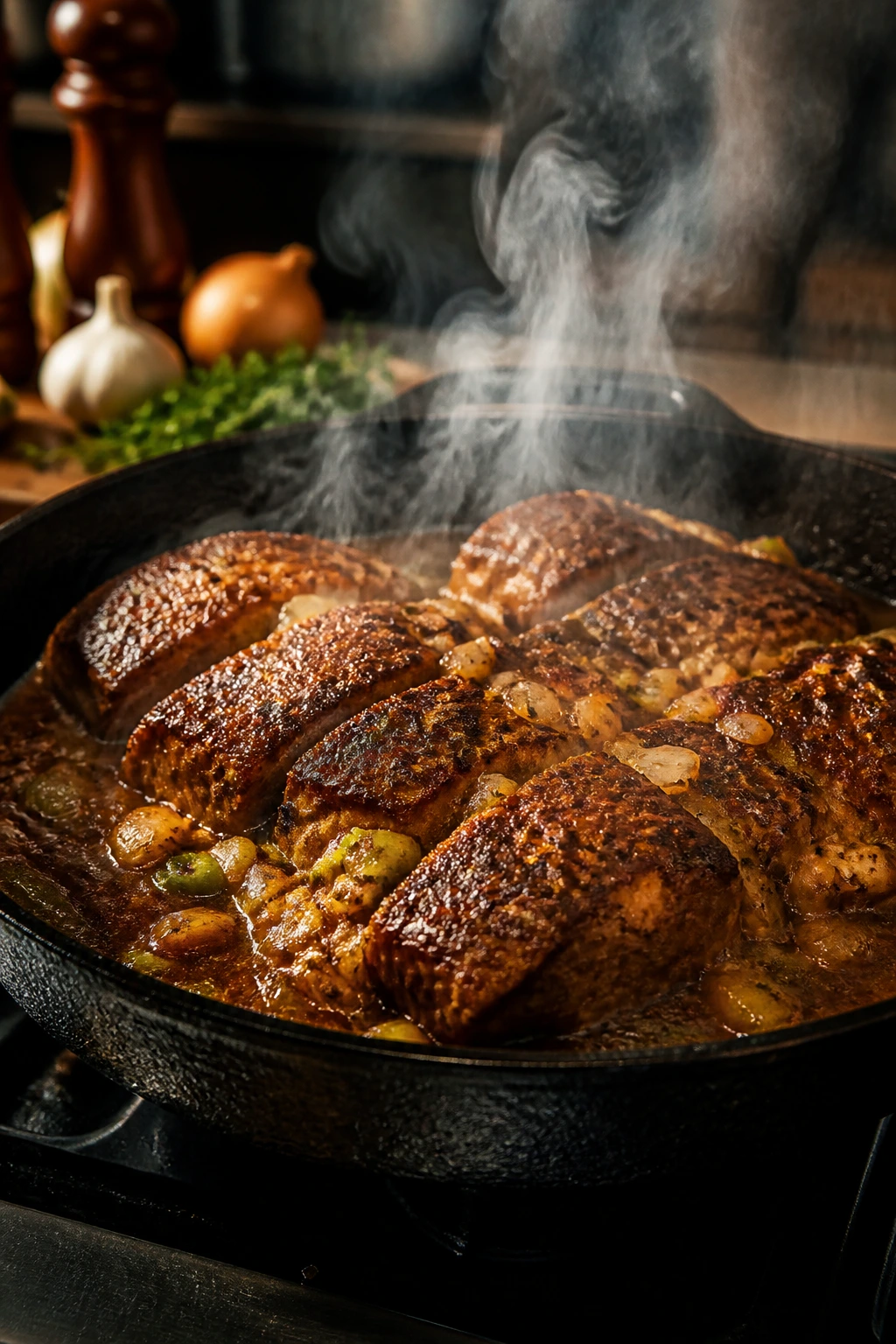
The best Cajun dinners do not ask you to be precious. They want heat, a heavy pan, a little patience, and enough confidence to let the ingredients brown before you rush them. That’s a good deal, honestly. You get meals that feel full, loud, and satisfying without needing a kitchen full of gadgets.
Keep a jar of Cajun seasoning around, chop the trinity when you have a spare ten minutes, and don’t be afraid of dishes that look dark, smoky, and a little rough around the edges. That roughness is often where the flavor is hiding. Once you start cooking this way, plain chicken and rice can feel a little too quiet.