



Cod has a way of winning over picky eaters without making a scene. It’s mild, it flakes in neat little pieces, and it doesn’t hit the table with the strong smell that can send a cautious diner into full negotiation mode. That makes cod dinners for picky eaters a lot more practical than most fish-night ideas people try once, then quietly abandon.
What usually works here is not fancy seasoning. It’s shape, texture, and familiarity. Crispy strips that feel like fish sticks. Buttered rice. Potatoes. Pasta with a little Parmesan. A glossy glaze, a crunchy topping, a creamy dip on the side. Cod behaves well in those settings because it doesn’t try to be the loudest thing in the pan.
And there’s a useful technical detail that matters more than most recipes admit: cod is lean, so it turns dry if you push it too far. Fish should reach 145°F in the thickest part, and the flesh should look opaque and flake easily with a fork. Miss that window and you get the chalky, sad version nobody wants. Hit it, and cod is as friendly as dinner gets.
Why These Mild Cod Dinners Keep Complaints Low
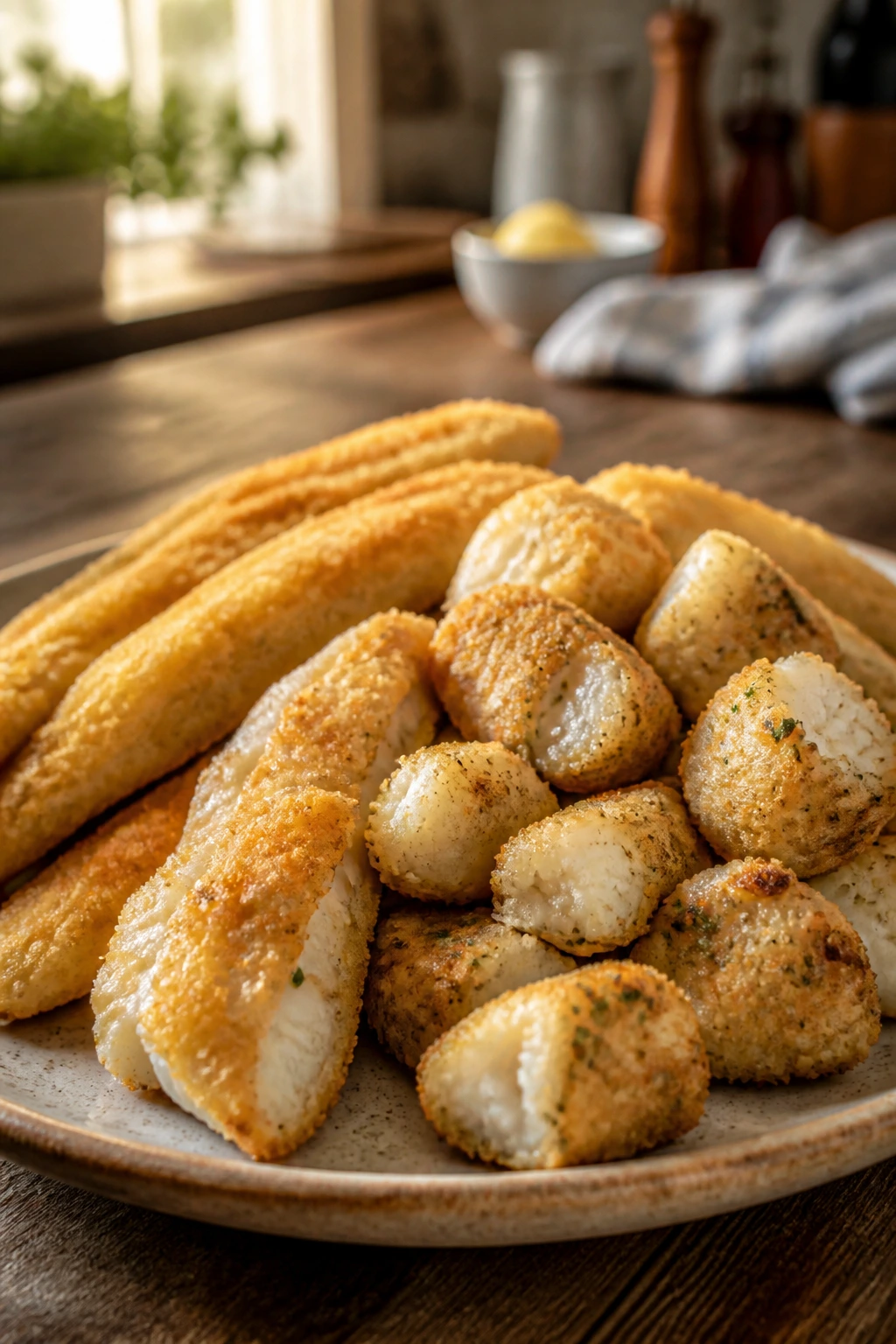
-
Familiar shapes matter: Strips, cakes, bowls, and sheet-pan pieces feel less intimidating than a whole fillet staring back at someone on a plate.
-
The flavors stay gentle: Lemon, butter, Parmesan, rice, potatoes, and a light glaze give cod a soft landing instead of a big, briny hit.
-
Texture does half the work: Crisp panko, creamy chowder, or tender rice bowls make the fish easier to accept, especially for diners who judge food by mouthfeel first.
-
These recipes don’t need much babysitting: Cod cooks fast, and most of these dinners are on the table in about 30 to 45 minutes if you have your sides ready.
-
There’s room to keep things separate: That matters more than people think. Put sauces, toppings, and garnishes on the side, and picky eaters get control without turning dinner into a custom-order mess.
-
Frozen cod actually helps here: A good frozen fillet often tastes cleaner and behaves better than a fish counter piece that’s been sitting around too long.
1. Crispy Baked Cod Tenders with Parmesan Panko
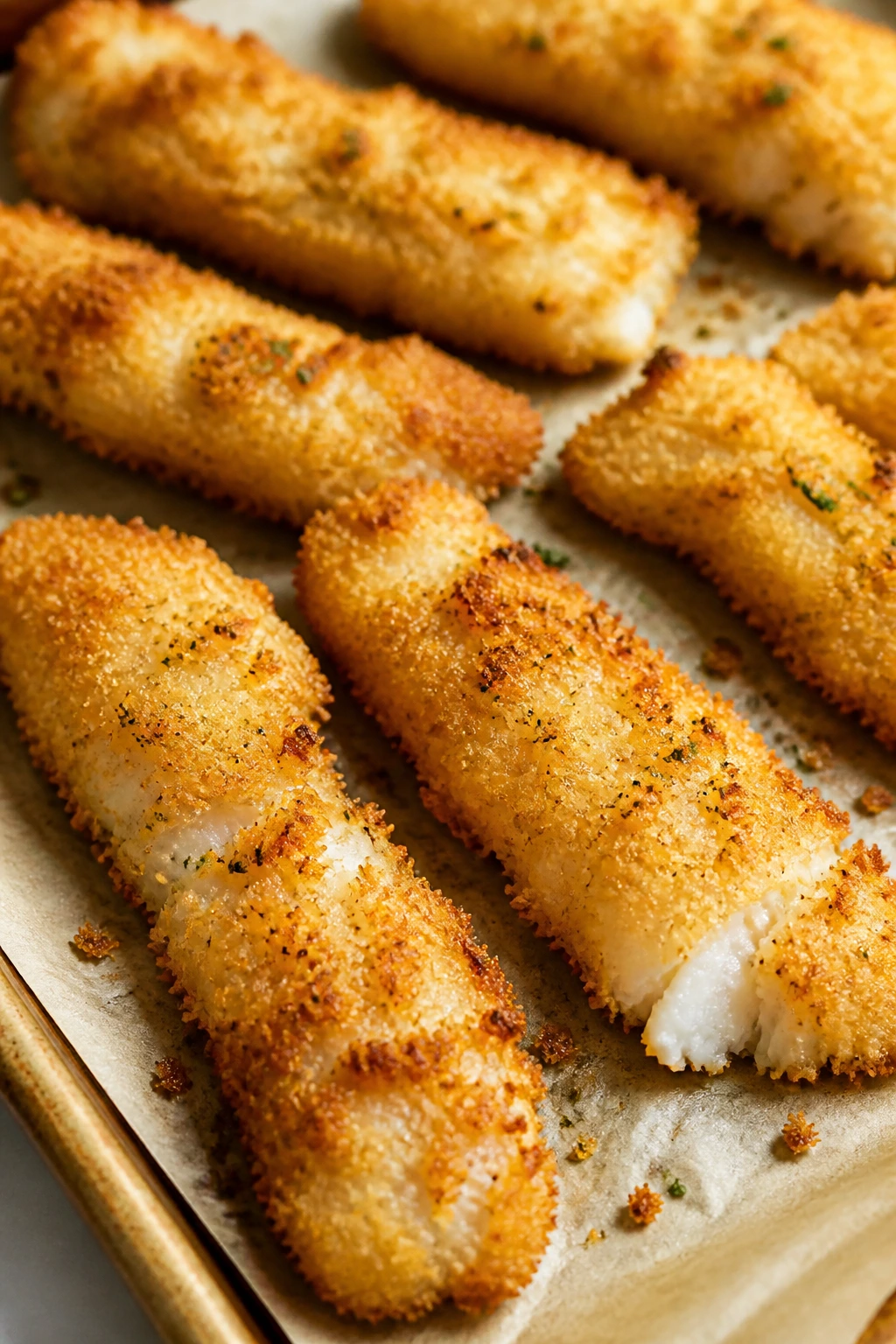
Cod in strip form is a small trick, but it’s a good one. Cut the fillets into tender-size pieces, bread them well, and suddenly you’ve got something that looks more like fish sticks than “fish dinner,” which is exactly the point with cautious eaters. The outside comes out crunchy and golden; the inside stays white, soft, and mild.
A little Parmesan helps the panko brown fast and adds a salty edge without making the coating heavy. I like this version because it gives you the crunch people want from fried food, but the oven does the work. No splattering oil. No greasy finish. Just crisp pieces that disappear faster than you’d expect.
Why It Works
The shape changes the whole experience. Narrow strips cook evenly in 12 to 15 minutes at 425°F, so the fish stays tender instead of turning stringy, and the breading gets time to dry out and crisp. Panko is doing the heavy lifting here; it gives a lighter crunch than fine breadcrumbs, which can turn pasty if they get damp. Parmesan adds flavor and browning power, and the mild cod keeps the whole thing from tasting “fishy.” Serve it with a dip and the meal starts feeling familiar enough for even the most suspicious plate.
Key Ingredients
- 1½ pounds cod fillets, cut into 1-inch strips — Fresh or thawed frozen fillets both work; pat them dry well so the coating sticks.
- 1 cup panko breadcrumbs — Use plain panko for the best crunch.
- ½ cup finely grated Parmesan cheese — Grate it yourself if you can; pre-grated cheese tends to brown less evenly.
- ½ cup all-purpose flour — Helps the egg cling to the fish.
- 2 large eggs — Beat them until smooth.
- 2 tablespoons milk — Loosens the egg wash just enough for a thin, even coat.
- 1 teaspoon garlic powder — Adds a mild savory base.
- 1 teaspoon paprika — Gives color without heat.
- ¾ teaspoon kosher salt — Enough seasoning for the coating.
- ½ teaspoon black pepper — Keep it light for picky eaters.
- 2 tablespoons olive oil or melted butter — Drizzle over the breading so it browns instead of baking pale.
- Lemon wedges, for serving — The acid wakes up the fish without making it sharp.
Quick Steps
- Preheat the oven to 425°F (220°C) and line a large baking sheet with parchment paper or a lightly oiled wire rack.
- Set up three shallow bowls: flour in one, beaten eggs mixed with milk in the second, and panko, Parmesan, garlic powder, paprika, salt, and pepper in the third.
- Dredge each cod strip in flour, shake off the excess, then dip in egg and press into the panko mixture until well coated.
- Arrange the strips on the baking sheet in a single layer, leaving space between them. Drizzle or brush with olive oil or melted butter.
- Bake for 12 to 15 minutes, turning once halfway through if you’re not using a rack, until the coating is golden and the cod flakes easily. Do not overbake; cod dries fast.
- Serve right away with lemon wedges and a mild dip such as tartar sauce, garlic mayo, or plain yogurt mixed with a little lemon.
Tips and Variations
- Make-ahead trick: Bread the strips up to 2 hours ahead and refrigerate them on a lined tray before baking.
- Kid-friendly move: Skip the pepper and paprika if your crowd prefers a blander coating.
- Serving idea: Put a few strips in a soft roll with lettuce and tartar sauce for a fish sandwich that feels less “fish dinner.”
2. Lemon Butter Cod and Orzo Skillet
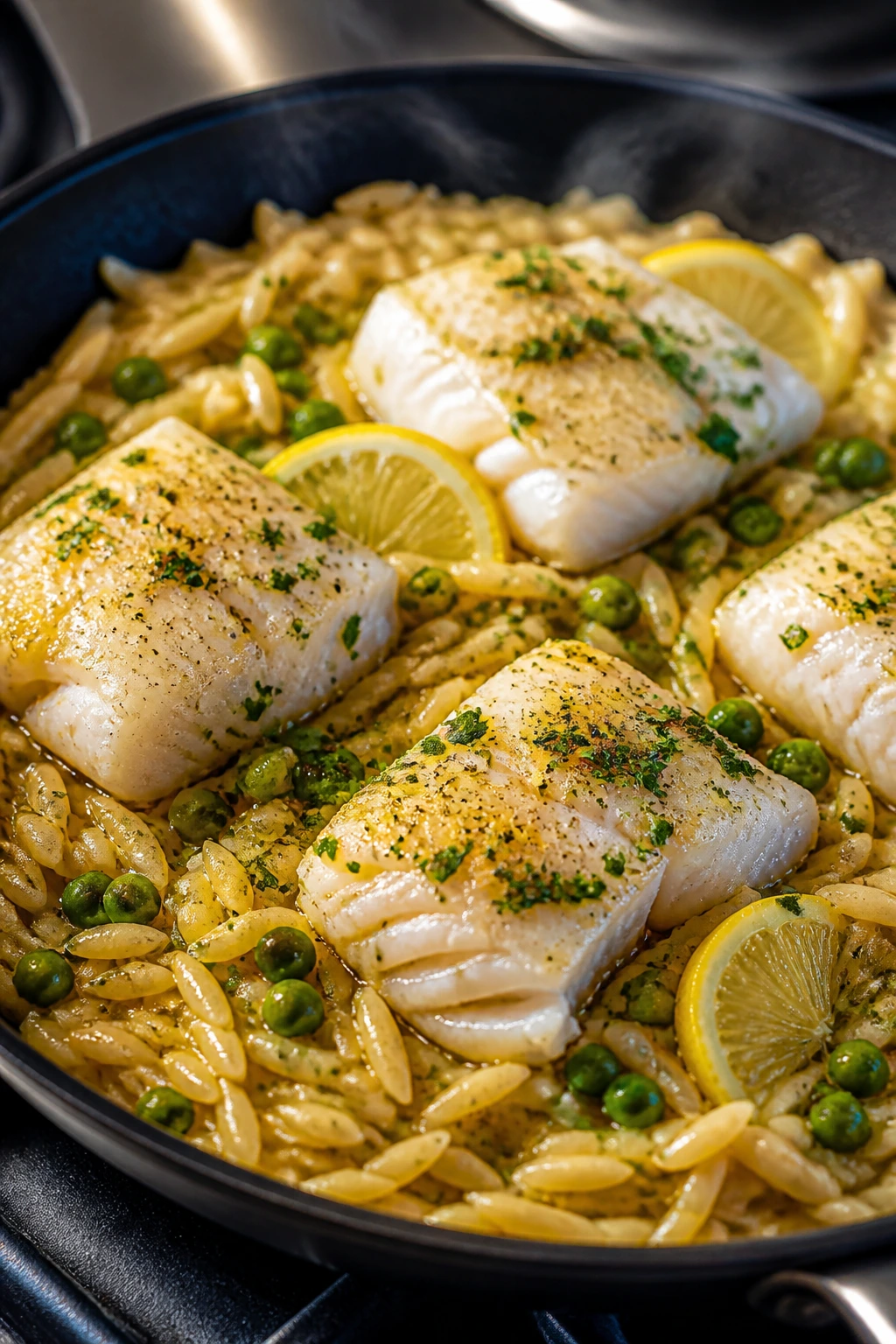
Can cod, butter, and a pan of orzo really calm down a fussy dinner table? Yes, and this one does it with less effort than it looks like it should take. Orzo gives the dish a pasta feel without the tangle, and the cod cooks right on top, where it can steam gently and stay soft.
This is the sort of dinner I reach for when I want something comforting but not heavy. The lemon is there, but it doesn’t shout. The butter rounds everything out. Peas add a little color and sweetness, which matters because picky eaters often accept green things more easily when they’re tucked into something they already like.
Why It Works
Orzo behaves like a cross between rice and pasta, so it gives the dish body without asking much of the cook. It simmers in broth until almost tender, then the cod goes on top and finishes in the steam, which keeps the fish moist. That’s the real trick: you’re not blasting the cod with dry heat for 20 minutes. You’re letting the pan do the work for about 6 to 8 minutes after the orzo has softened, then finishing with butter and lemon. The result is mild, silky, and easy to eat with a spoon. That last part matters more than people admit.
Key Ingredients
- 1½ pounds cod fillets, cut into 3-inch pieces — Thicker pieces hold together better in the skillet.
- 1½ tablespoons olive oil — For the onion and garlic.
- 2 tablespoons unsalted butter — Adds the soft, rounded finish.
- 1 small yellow onion, finely diced — Cook until translucent, not browned.
- 2 cloves garlic, minced — Keep it gentle; cod doesn’t need much.
- 1¼ cups dry orzo — Rinse quickly if it looks dusty.
- 2½ cups low-sodium chicken or vegetable broth — Enough liquid to cook the pasta and keep the dish savory.
- ½ teaspoon kosher salt — Adjust after tasting, since broth can vary.
- ¼ teaspoon black pepper — Mild is the point.
- 1 teaspoon lemon zest — Adds bright flavor without extra acid.
- 2 tablespoons lemon juice — Stir in at the end so it stays fresh.
- 1 cup frozen peas — Sweet, soft, and easy for cautious eaters.
- 2 tablespoons chopped parsley — Optional, but it gives the pan a clean finish.
Quick Steps
- Warm the olive oil and 1 tablespoon of butter in a large skillet over medium heat.
- Cook the onion for 4 to 5 minutes until soft and glossy, then add the garlic and stir for 30 seconds.
- Add the orzo, broth, salt, and pepper. Bring to a gentle simmer and cook for 6 to 7 minutes, stirring now and then so the orzo doesn’t stick.
- Nestle the cod pieces on top of the orzo, cover the skillet, and cook for 6 to 8 minutes over low heat until the fish turns opaque and flakes easily. Keep the heat low so the orzo stays creamy and the cod doesn’t tighten up.
- Stir in the peas, lemon zest, lemon juice, and the remaining tablespoon of butter. Let the peas warm through for 1 minute.
- Finish with parsley and serve straight from the pan.
Tips and Variations
- Texture fix: If the orzo looks dry before the fish is done, splash in 2 to 3 tablespoons of broth.
- Flavor swap: Use dill instead of parsley if your family likes a more classic fish flavor.
- Dinner shortcut: Buy fully thawed cod and pre-chopped onion, and the pan comes together very fast.
3. Cod and Potato Sheet-Pan Dinner
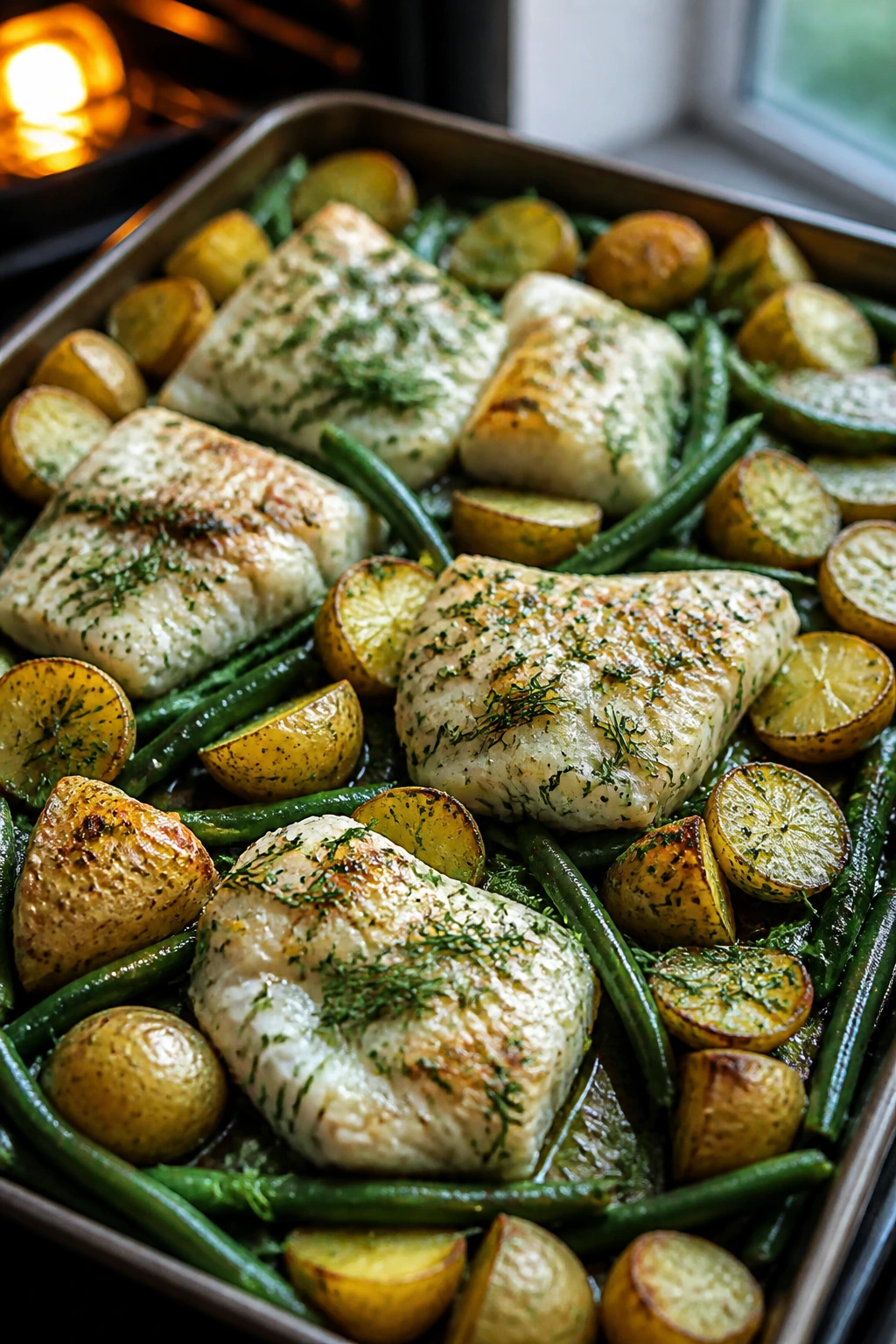
A sheet pan loaded with potatoes and cod solves the “what’s for dinner” problem with almost no drama. The potatoes roast first, so they turn brown and crisp at the edges, and the fish joins later so it stays tender instead of collapsing into flakes before dinner starts. It’s plain in the best way.
Green beans keep the plate from feeling heavy, and the whole pan gets brushed with butter, garlic powder, and dill. Nothing here is loud. That’s the appeal. If a picky eater is suspicious of fish, this dinner looks like a normal roast dinner with one mild protein tucked in among the familiar parts.
Why It Works
Potatoes and cod cook at different speeds, which is exactly why this method works. The potatoes need a head start in a hot oven, about 20 minutes at 425°F, because they’re dense and like a little browning. The cod only needs about 12 minutes more, so it slides onto the pan once the potatoes are already on their way. That timing keeps the fish from drying out and makes the whole tray feel cohesive instead of scattered. A sheet pan also means the flavors stay simple and the cleanup stays mercifully small. That counts on a weeknight.
Key Ingredients
- 1½ pounds baby potatoes, halved — Choose small ones so they cook evenly.
- 2 tablespoons olive oil — Helps the potatoes brown.
- 1 teaspoon kosher salt — Divided between the potatoes and fish.
- ½ teaspoon black pepper — Keep it light.
- 1 teaspoon dried dill — Mild, classic, and friendly with fish.
- 1 pound green beans, trimmed — They roast fast and stay bright.
- 1½ pounds cod fillets — Cut into large pieces if the fillets are thick.
- 2 tablespoons melted butter — For brushing over the fish.
- 1 teaspoon garlic powder — Gives the cod a little backbone.
- Lemon slices or wedges — For finishing, not as a sauce you have to explain.
Quick Steps
- Preheat the oven to 425°F (220°C) and line a rimmed sheet pan with parchment paper.
- Toss the potatoes with olive oil, half the salt, half the pepper, and the dill. Spread them cut-side down on the pan.
- Roast the potatoes for 20 minutes until they start to brown on the edges.
- Move the potatoes to one side of the pan and add the green beans. Brush the cod with melted butter, season with the remaining salt, pepper, and garlic powder, and place it on the open side of the pan.
- Roast for 10 to 12 minutes more, until the cod is opaque and flakes with a fork and the green beans are tender-crisp. If the fish is thin, check it early; thin fillets dry out fast.
- Serve with lemon over the top and a little extra butter if your crowd likes things soft and simple.
Tips and Variations
- Extra-crisp potatoes: Leave the cut sides on the pan and don’t crowd them.
- Vegetable swap: Use broccoli florets instead of green beans if that’s the vegetable your household will actually eat.
- Simple sauce option: A spoonful of tartar sauce on the side makes this feel even more familiar.
4. Mild Cod Tacos with Creamy Slaw
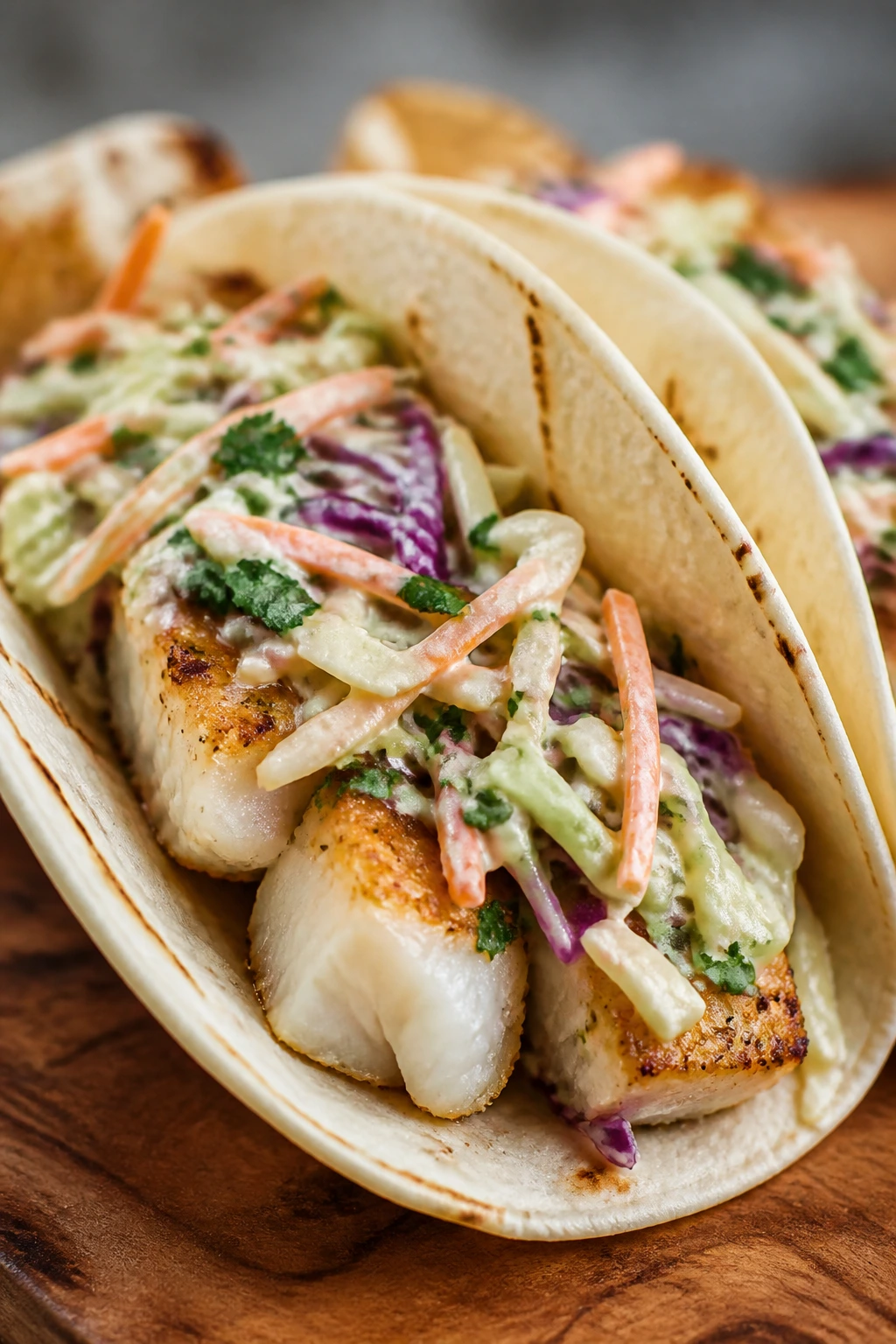
Tacos are not too much for picky eaters if you keep the fillings mild and the fish crisp. That’s the part people get wrong. They pile on salsa, heat, raw onions, and some aggressive green sauce, then wonder why the kids took one bite and fled. This version strips the idea back to something calmer.
The cod gets a light seasoning and bakes fast. The slaw is creamy, not sharp. The tortillas warm up until soft and pliable. If somebody wants cheese, avocado, or a little squeeze of lime, fine. If they want plain cod in a tortilla with nothing else, that works too.
Why It Works
Cod is one of the rare fish that can disappear into a taco without making the whole dish feel “fishy.” A mild spice mix and a fast bake keep it gentle, and the slaw adds cool crunch so the tacos don’t feel mushy. The key is restraint. Keep the heat low, the toppings simple, and the fish in pieces big enough to stay intact. Bake at 425°F for about 10 minutes, then let the tortillas and toppings do the rest. You get a taco that still feels like a taco, not a seafood lecture.
Key Ingredients
- 1½ pounds cod fillets, patted dry and cut into large chunks — Big pieces stay juicy.
- 1 tablespoon olive oil — Helps the seasoning cling.
- 1 teaspoon kosher salt — Use a little less if your tortillas are salty.
- ½ teaspoon paprika — Mild color, not heat.
- ¼ teaspoon cumin — Optional, but it gives just enough taco flavor.
- 8 small flour tortillas — Soft and easier for picky eaters than hard shells.
- 3 cups coleslaw mix — Cabbage and carrot save chopping time.
- ⅓ cup mayonnaise — Builds the creamy slaw.
- 2 tablespoons plain Greek yogurt or sour cream — Lightens the dressing.
- 1 tablespoon lime juice — Freshens the slaw.
- 1 teaspoon honey — Balances the lime.
- ½ teaspoon salt for the slaw — Start here, then taste.
- 1 ripe avocado, sliced — Optional, but it softens the taco nicely.
- ½ cup shredded Monterey Jack or mild cheddar — Good for kids who want a cheese anchor.
Quick Steps
- Preheat the oven to 425°F (220°C) and line a baking sheet with parchment.
- Toss the cod with olive oil, salt, paprika, and cumin, then spread it on the baking sheet in a single layer.
- Bake for 9 to 11 minutes until the fish is opaque and just flakes. Do not leave it in “just in case.” Cod turns from tender to dry fast.
- Mix the coleslaw mix, mayonnaise, yogurt, lime juice, honey, and slaw salt in a bowl until lightly coated.
- Warm the tortillas in a dry skillet for 20 to 30 seconds per side or wrap them in foil and heat them in the oven for a few minutes.
- Assemble the tacos with cod, slaw, avocado, and cheese. Keep extra toppings on the table so people can build their own.
Tips and Variations
- Deconstructed option: Serve the cod, slaw, tortillas, and toppings separately for kids who dislike mixed food.
- Flavor swap: Use sour cream instead of mayo in the slaw if that’s what’s already in the fridge.
- Lighter dinner: Serve the cod over rice instead of in tortillas for a taco bowl that’s easier for tiny hands.
5. Golden Cod Cakes with Dill Yogurt Dip
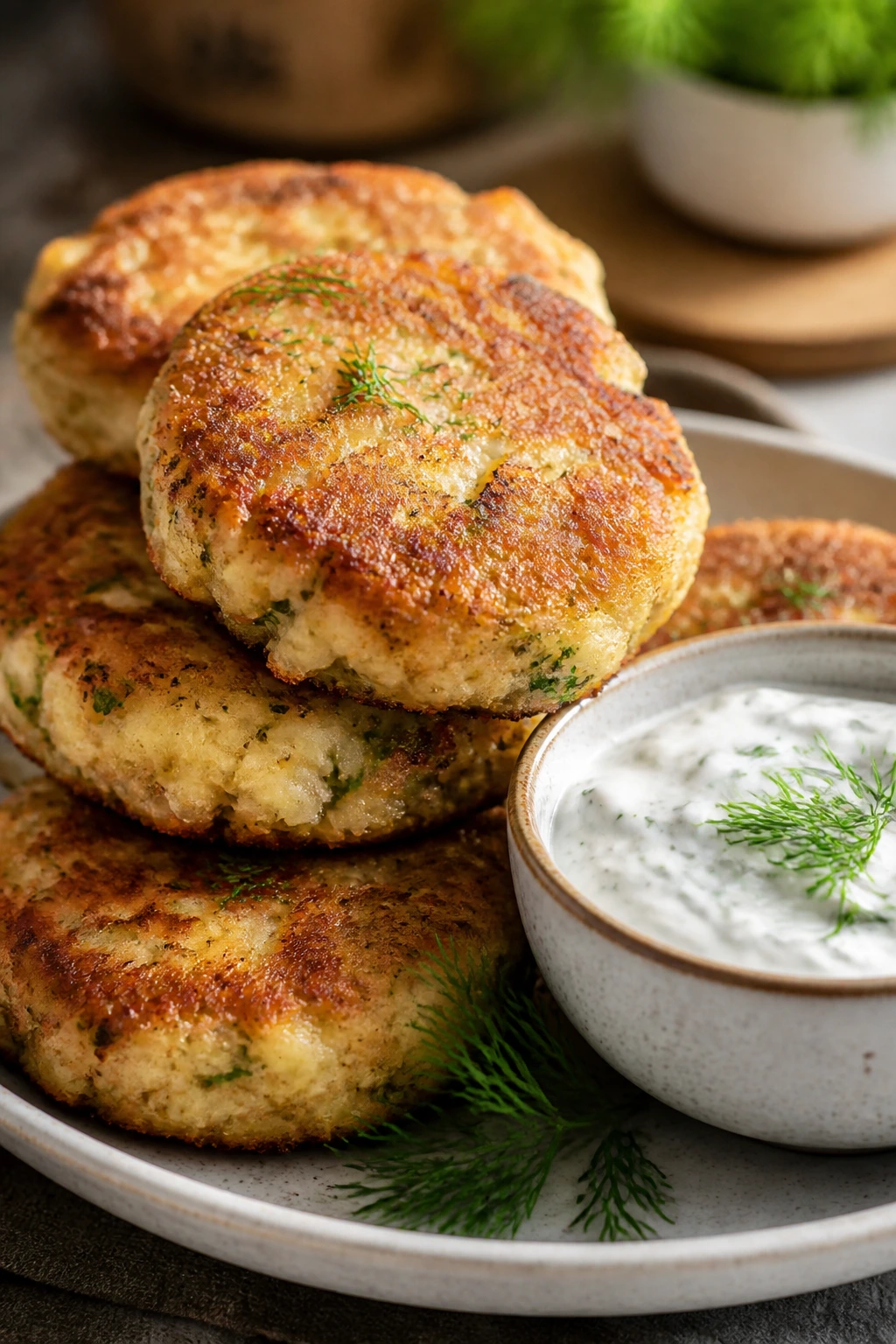
Golden, crisp-edged cod cakes smell like lemon, dill, and warm butter the second they hit the pan. They’re one of those dinners that feels a little special without asking for special effort. If you’ve ever had a child who will eat almost anything that looks like a nugget, you already understand the advantage here.
These cakes are soft inside, browned outside, and mild enough to take well to a dip. I like them because they solve a common fish problem: they make the protein feel like a familiar patty instead of a delicate fillet. That simple shift can change the entire mood at the table.
Why It Works
Cod cakes use texture to do the convincing. Chopped cod, breadcrumbs, egg, and a bit of mayo hold together into patties that crisp in a skillet, so the fish feels closer to a crab cake or chicken patty than a plain piece of seafood. A 10-minute chill before cooking helps them stay intact, and a medium skillet gives them a deep golden crust without burning the outside before the center is hot. The dip matters too. Cool yogurt with dill and lemon keeps the flavor clean and soft, which is a much better fit for cautious eaters than a strong sauce.
Key Ingredients
- 1 pound cod fillets, cut into chunks — Cooked just until opaque, then flaked.
- 1 tablespoon olive oil — For cooking the fish.
- 1 cup panko breadcrumbs — Adds structure and crunch.
- 1 large egg — Holds the cakes together.
- 2 tablespoons mayonnaise — Keeps the cakes moist.
- 2 tablespoons finely chopped chives or parsley — Gentle fresh flavor.
- 1 teaspoon Dijon mustard — Optional, but useful for balance.
- 1 teaspoon lemon zest — Bright without being sharp.
- ½ teaspoon kosher salt — Enough for the mixture.
- ¼ teaspoon black pepper — Lightly seasoned.
- 2 tablespoons butter or neutral oil — For pan-frying.
- ½ cup plain Greek yogurt — Base for the dip.
- 1 tablespoon lemon juice — For the yogurt sauce.
- 1 teaspoon chopped dill — The dip’s main herbal note.
- Pinch of salt — Finish the dip.
Quick Steps
- Cook the cod in a skillet with olive oil over medium heat for 3 to 4 minutes per side until opaque, then cool slightly and flake it into chunks.
- Mix the flaked cod, panko, egg, mayonnaise, chives, Dijon, lemon zest, salt, and pepper in a bowl until the mixture holds together when pressed.
- Form 6 to 8 patties and chill them on a tray for 10 minutes so they firm up.
- Whisk the yogurt, lemon juice, dill, and pinch of salt in a small bowl.
- Heat butter or oil in a large skillet over medium heat and cook the cod cakes for 3 to 4 minutes per side until deep golden and crisp.
- Serve with the dill yogurt dip and a simple side such as roasted potatoes or cucumber slices.
Tips and Variations
- Hold-together trick: If the mix feels loose, add 1 to 2 tablespoons more panko.
- Make-ahead move: Shape the patties earlier in the day and refrigerate them until dinner.
- Serving idea: Slip a cod cake into a bun with lettuce and tartar sauce for a fish sandwich that lands well with kids.
6. Creamy Cod, Corn, and Potato Chowder
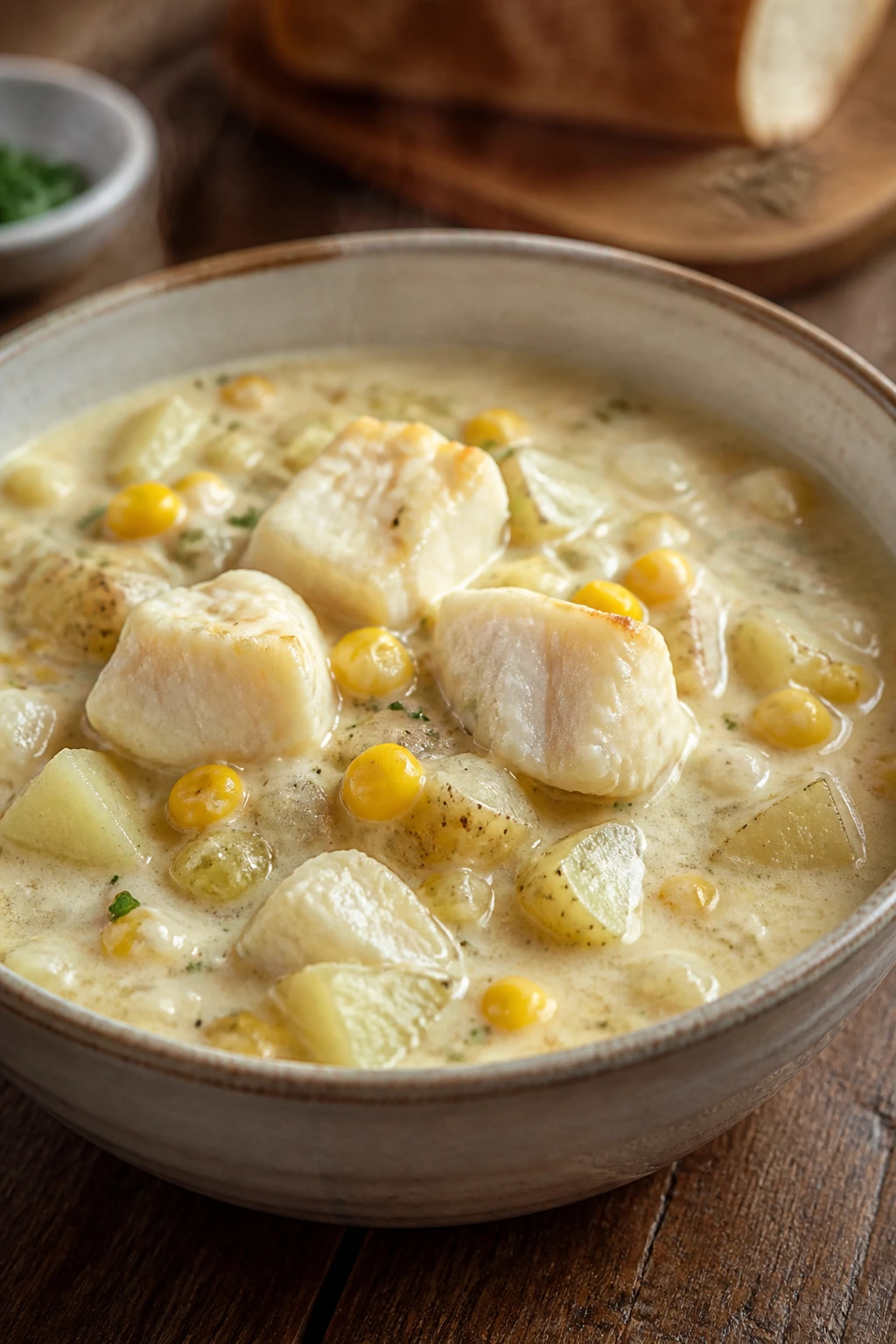
A bowl of chowder can rescue a cold evening. It can also rescue a picky eater who likes food spooned out in soft, familiar bites. Cod, potatoes, and corn are a low-drama combination, and when they’re folded into a creamy broth, the fish feels more like part of the soup than the main event.
This is a good place to be gentle. The broth should taste like butter, onion, and a little sweetness from corn, not like a heavy cream bomb. I prefer this kind of chowder without too much smoke or spice, because the whole point is to keep the dish calm and spoonable.
Why It Works
Chowder hides the fish just enough to make it less intimidating, but not so much that it disappears. Potatoes give body, corn adds sweetness, and cod breaks into tender chunks that stay moist when added near the end. The timing matters. You simmer the potatoes first until they’re almost tender, then add the cod during the last 5 to 7 minutes so it cooks through without falling apart. Keep the heat low once the dairy goes in. Boiling cream soups hard is how they split, and nobody needs that drama.
Key Ingredients
- 4 slices bacon, chopped — Optional, but it adds a familiar smoky note.
- 2 tablespoons butter — Use this if you skip the bacon.
- 1 small onion, diced — Cook until soft.
- 2 celery ribs, diced — Mild background flavor.
- 2 medium Yukon Gold potatoes, peeled and diced — Creamy and tender.
- 2 cups frozen or fresh corn kernels — Sweet and easy.
- 3 cups low-sodium chicken or vegetable broth — The soup base.
- 1½ pounds cod fillets, cut into 1-inch chunks — Add late so they stay tender.
- 2 cups whole milk — Makes the chowder creamy.
- ½ cup heavy cream — Optional, but it gives a richer finish.
- 1 teaspoon kosher salt — Add more only after tasting.
- ½ teaspoon black pepper — Keep the pepper soft.
- 1 bay leaf — Removes easily and deepens flavor.
- 2 tablespoons chopped parsley or chives — For the top.
Quick Steps
- Cook the bacon in a large pot over medium heat until crisp, then remove it. If you skip bacon, melt the butter instead.
- Sauté the onion and celery in the fat or butter for 4 to 5 minutes until soft.
- Add the potatoes, corn, broth, bay leaf, salt, and pepper. Simmer for 12 to 15 minutes until the potatoes are almost tender.
- Stir in the milk and cream, keeping the heat low so the soup does not boil.
- Add the cod chunks and cook for 5 to 7 minutes until they’re opaque and break apart with a spoon. Stir gently so you don’t smash the fish.
- Finish with parsley or chives and the crisp bacon, if using.
Tips and Variations
- Texture note: If you want a thicker chowder, mash a few potato pieces against the side of the pot before adding the fish.
- Freezer warning: Dairy chowders can separate a bit after freezing; if you plan to freeze, leave out the cream and add it after reheating.
- Mildness boost: Skip the bacon and use butter only if you want a softer flavor profile.
7. Buttery Cod Pasta with Peas and Parmesan
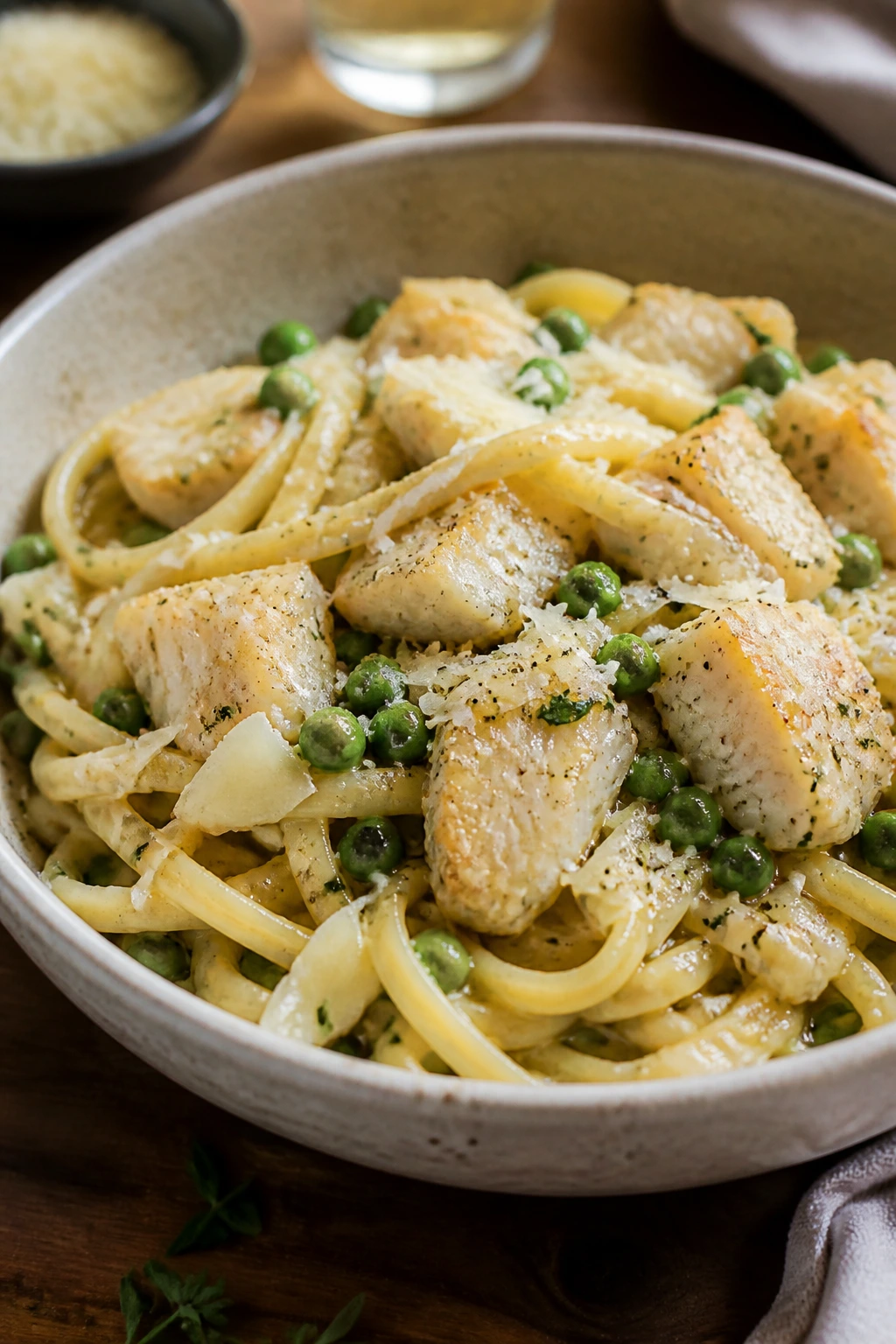
Give pasta a gentle fish update and most kids won’t notice they’re eating cod. That sounds sneaky, but dinner is allowed to be practical. This dish leans on butter, garlic, peas, and Parmesan — all familiar, comforting things — and lets the cod fold into the bowl in soft, bite-size pieces.
I like pasta for picky eaters because it spreads the flavor around. One piece of fish doesn’t dominate the plate. It just becomes part of the sauce, which is a useful trick when you’re trying to keep dinner calm. Keep the seasoning modest and the fish in chunks, and this one tends to disappear fast.
Why It Works
Pasta gives cod a forgiving environment. The noodles catch the butter and cheese, while the fish cooks quickly in the last few minutes so it stays delicate. Peas add sweetness and a little color, and the Parmesan brings a salty note that makes the whole bowl taste complete without a strong seafood edge. The trick is to keep the cod in larger chunks until the very end, then stir carefully once it flakes. A hot skillet and a splash of pasta water help the sauce cling instead of puddling at the bottom of the bowl.
Key Ingredients
- 12 ounces short pasta, such as penne or rotini — Shapes that trap sauce work best.
- 1½ pounds cod fillets, cut into 1½-inch chunks — Big enough to stay intact.
- 2 tablespoons olive oil — For the fish and garlic.
- 3 tablespoons unsalted butter — Builds the sauce.
- 3 cloves garlic, minced — Enough to taste, not enough to take over.
- 1 cup frozen peas — Sweet and easy.
- ½ cup grated Parmesan cheese — Adds salt and body.
- ½ cup reserved pasta water — Helps the sauce coat the noodles.
- 1 teaspoon kosher salt — For the pasta water, adjusted later in the sauce.
- ½ teaspoon black pepper — Light seasoning.
- 1 tablespoon lemon juice — Optional, but it keeps the bowl from feeling flat.
- 2 tablespoons chopped parsley — For freshness.
Quick Steps
- Boil the pasta in well-salted water until al dente. Reserve ½ cup of the cooking water before draining.
- Cook the cod chunks in 1 tablespoon of olive oil over medium heat for 2 to 3 minutes per side until just opaque. Transfer to a plate.
- Melt the butter with the remaining olive oil in the same pan, then add the garlic and cook for 30 seconds.
- Add the peas, drained pasta, Parmesan, and a splash of the reserved pasta water. Toss until the sauce turns glossy.
- Fold the cod back in gently and warm for 1 to 2 minutes until the fish flakes. Do not stir hard or the cod will break into dust.
- Finish with black pepper, lemon juice, and parsley. Serve warm, not scorching hot.
Tips and Variations
- Sauce fix: Add a second splash of pasta water if the noodles look dry.
- Kid move: Use shells instead of penne if your family likes tiny pasta shapes.
- Extra comfort: A little more Parmesan at the table makes the dish feel richer without changing the recipe.
8. Honey-Soy Cod Rice Bowls
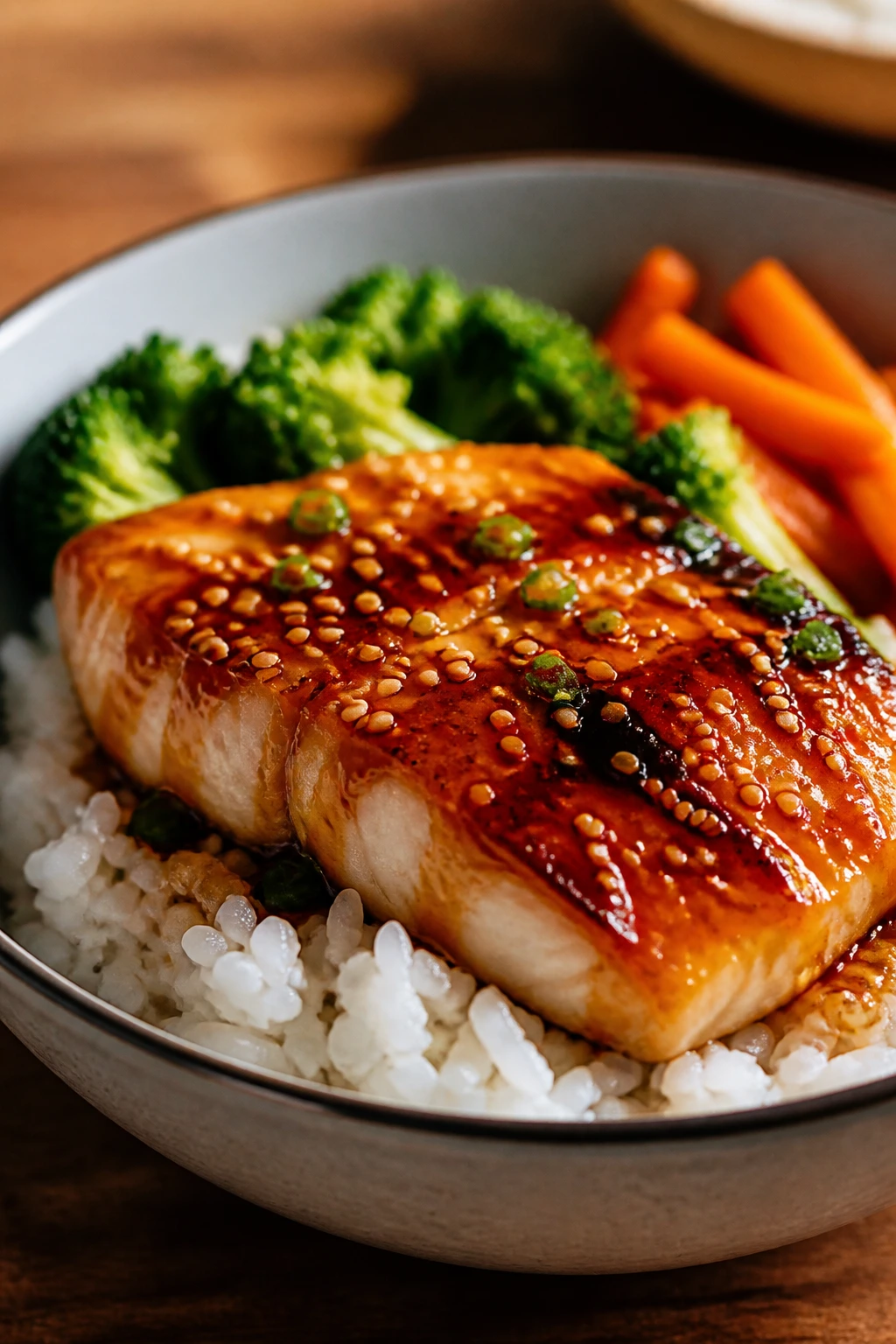
Three things make this bowl work: sticky rice, a sweet glaze, and cod cooked just until it flakes. That’s it. No mystery, no aggressive seasoning, no pile of toppings that can be picked around. If you want a dinner that tastes familiar but not boring, this is a smart place to land.
Sweet soy glaze helps because it gives the fish a glossy finish and a flavor profile that reads more “savory-sweet chicken takeout” than “seafood.” Picky eaters often accept that faster than a plain fillet. Serve it with rice, a soft vegetable, and maybe a few sesame seeds, and the bowl looks complete without feeling busy.
Why It Works
Cod takes on glaze better than stronger fish because its flavor is neutral and its texture is soft. The sauce here is built from honey, soy, ginger, garlic, and a little vinegar, which gives the fish a mild, sticky coating without a sharp bite. Bake the cod for 10 to 12 minutes at 425°F, then spoon the glaze over it while it’s still warm so the surface turns shiny. Rice bowls work well for picky eaters because every component can stay separate. That means no surprise broccoli buried under the fish, no complicated sauce mix, and no one arguing over what touched what.
Key Ingredients
- 1½ pounds cod fillets — Pat dry so the glaze sticks.
- ⅓ cup low-sodium soy sauce — Keeps the bowl from getting too salty.
- 3 tablespoons honey — Adds sweetness and shine.
- 1 tablespoon rice vinegar — Balances the glaze.
- 1 tablespoon grated fresh ginger — Mild warmth.
- 2 cloves garlic, minced — A small amount goes a long way.
- 1 tablespoon sesame oil — Optional, but it adds a nutty finish.
- 2 cups cooked white rice — Short-grain or jasmine both work.
- 2 cups steamed broccoli florets or snap peas — Choose the vegetable your crowd already tolerates.
- 2 teaspoons sesame seeds — For crunch.
- 2 scallions, thinly sliced — Optional garnish.
- 1 teaspoon cornstarch mixed with 1 tablespoon water — For thickening the glaze if you want it clingier.
Quick Steps
- Preheat the oven to 425°F (220°C) and line a baking sheet with parchment.
- Whisk the soy sauce, honey, vinegar, ginger, garlic, sesame oil, and cornstarch slurry in a small bowl.
- Place the cod on the baking sheet and spoon a little of the glaze over each piece.
- Bake for 10 to 12 minutes until the cod is opaque and flakes easily. Spoon more glaze over the fish right after it comes out.
- Divide the rice into bowls, top with the cod, and add broccoli or snap peas on the side.
- Finish with sesame seeds and scallions, or leave them off for a plainer plate.
Tips and Variations
- Milder flavor: Use half the ginger if your eaters prefer the sauce soft and sweet.
- Veggie swap: Steamed carrots or shelled edamame work well here.
- Sauce control: Serve extra glaze at the table instead of soaking the bowl in it.
Why Mild Cod Fits Fussy Appetites So Well
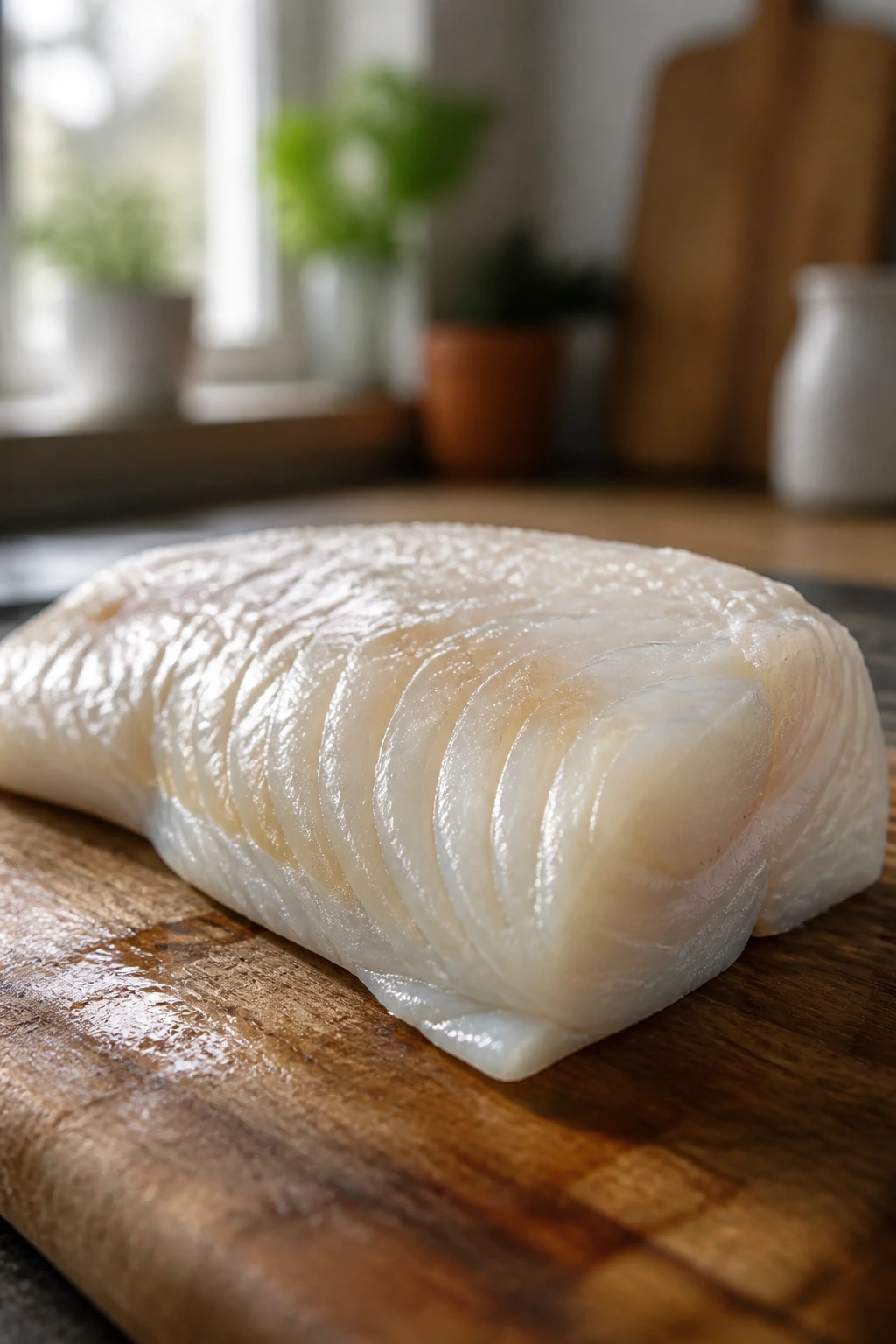
Cod has a lot going for it, and not just because it cooks quickly. The flavor is soft enough to blend into familiar dinners, but the texture still feels like real food, not baby food in disguise. That balance is rare. Most fish are either too strong, too oily, or too delicate to survive a family table with opinions.
I also like that cod gives you room to choose the texture you want. Bread it and bake it, and it leans crunchy. Poach it into chowder, and it turns soothing. Slice it into tacos or bowls, and it behaves like a team player. The same fish can feel like four different dinners, which is one reason I keep buying it even when the rest of the fish case looks louder and shinier.
A useful rule of thumb: buy cod that looks firm and translucent, not mushy or dull, and don’t be shy about frozen fillets. Good frozen cod is often a better buy than fish that has been sitting on ice for too long. The big mistake is assuming “fresh” automatically means better. Sometimes it doesn’t.
Essential Equipment for These Recipes
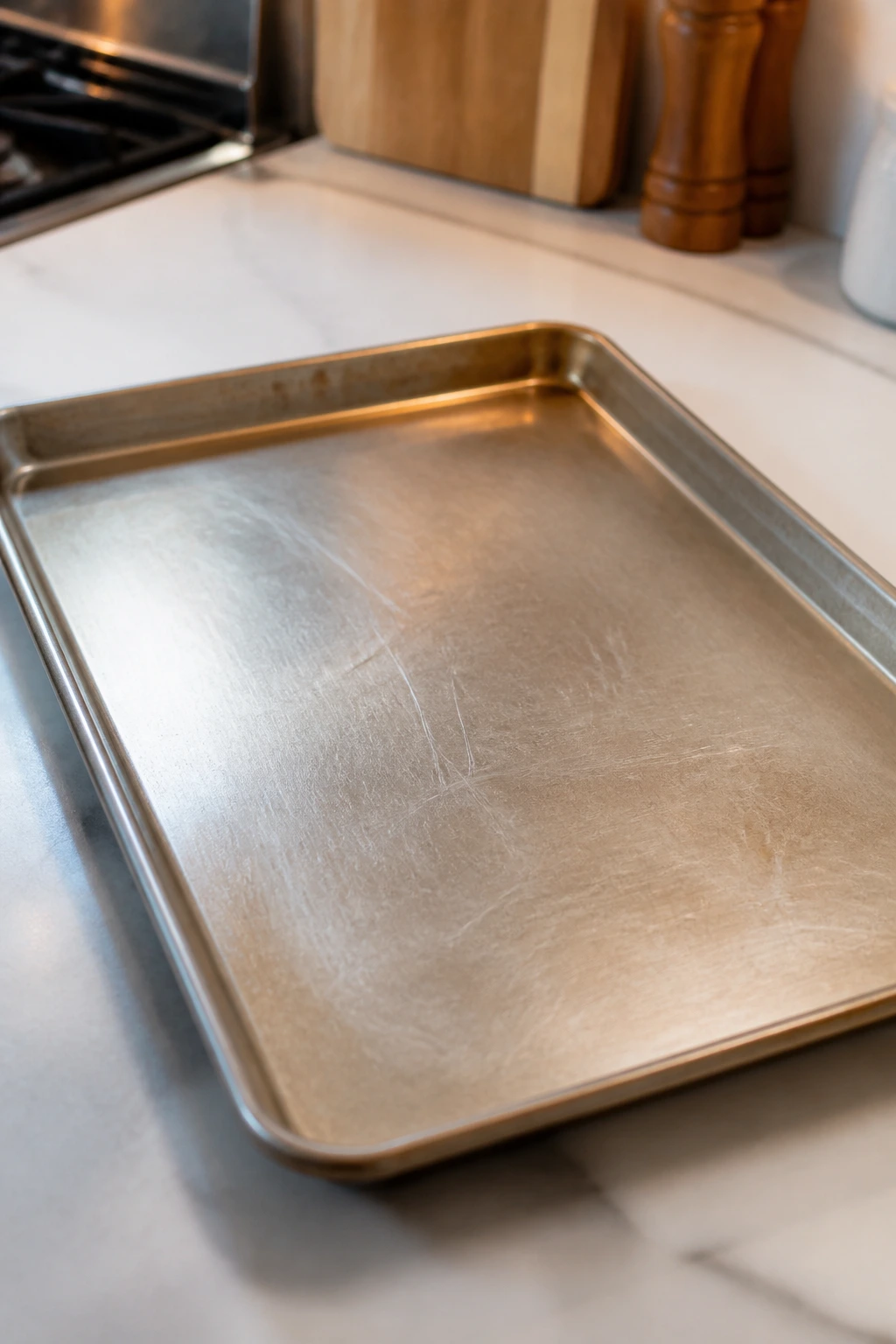
- Rimmed baking sheets — Useful for tenders, tacos, sheet-pan dinners, and glazed cod bowls.
- Parchment paper — Keeps breading from sticking and makes cleanup easier.
- Large nonstick or stainless skillet — Needed for orzo, pasta, cod cakes, and quick pan-searing.
- Large soup pot or Dutch oven — Best for chowder and any recipe that needs steady heat.
- Instant-read thermometer — The easiest way to check for 145°F without guessing.
- Mixing bowls — A set of 2 to 4 bowls makes breading and sauces less chaotic.
- Fish spatula or thin metal spatula — Helps turn cod without tearing it apart.
- Measuring cups and spoons — Especially useful for glazes, dips, and breading.
- Colander — Handy for pasta, orzo, and draining thawed cod if you rinse it.
- Whisk — Good for egg wash, sauces, and chowder base.
- Tongs — Useful for moving fish, tossing pasta, and handling hot tortillas.
- Airtight containers — Important for storing leftovers without drying them out.
Smart Shopping and Ingredient Tips for Cod Dinners
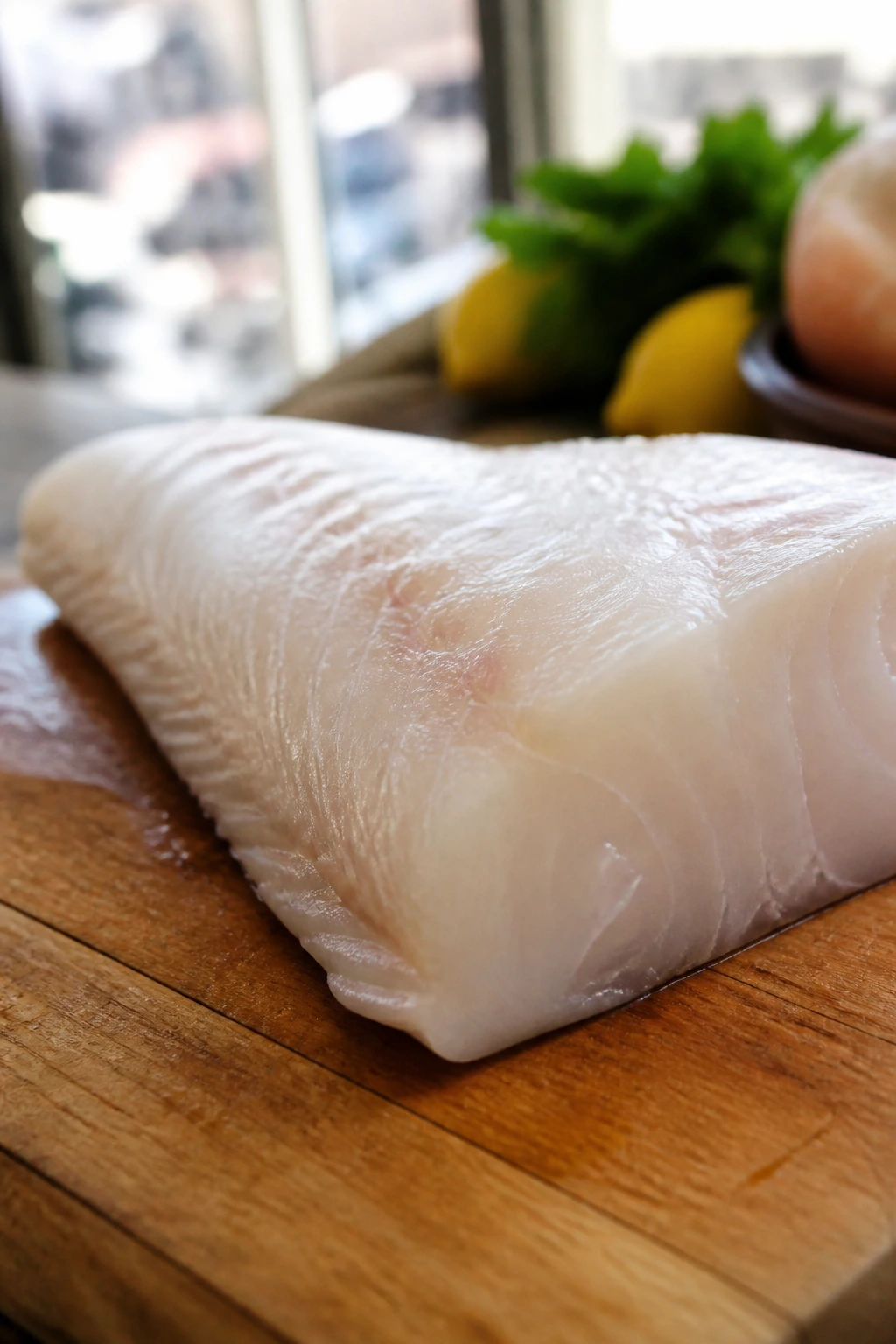
Cod is one of those fish you can buy smart or buy badly, and the difference shows on the plate. Look for fillets that feel firm and hold their shape when you lift them. If the fish smells sharply fishy, leave it alone. A mild ocean smell is fine. Strong odor is not.
Frozen cod deserves more respect than it gets. In a lot of cases, a good frozen fillet is cleaner, firmer, and easier to use than a fresh display piece that’s been sitting out too long. Thaw it in the refrigerator overnight, or seal it in a bag and set that bag in cold water for a faster thaw. Then pat it dry. Really dry. That one step helps breading stick and keeps the fish from steaming.
For the rest of the pantry, buy ingredients that keep the flavor soft. Panko works better than fine breadcrumbs if you want crunch. Low-sodium broth keeps soups and skillet dinners from getting salty before you’ve even added the fish. Real Parmesan, freshly grated, melts and browns more cleanly than the powdery stuff in a green can. And if you’re using lemon, pick one with a heavy feel for its size; that usually means more juice.
I also like to keep one or two “safe” vegetables around for these dinners — peas, green beans, corn, carrots, broccoli. Picky eaters often trust vegetables more when they show up in a familiar shape or texture. Tiny peas in pasta. Green beans on a sheet pan. Corn in chowder. It’s basic, but basic is not a flaw here.
How to Serve These Recipes
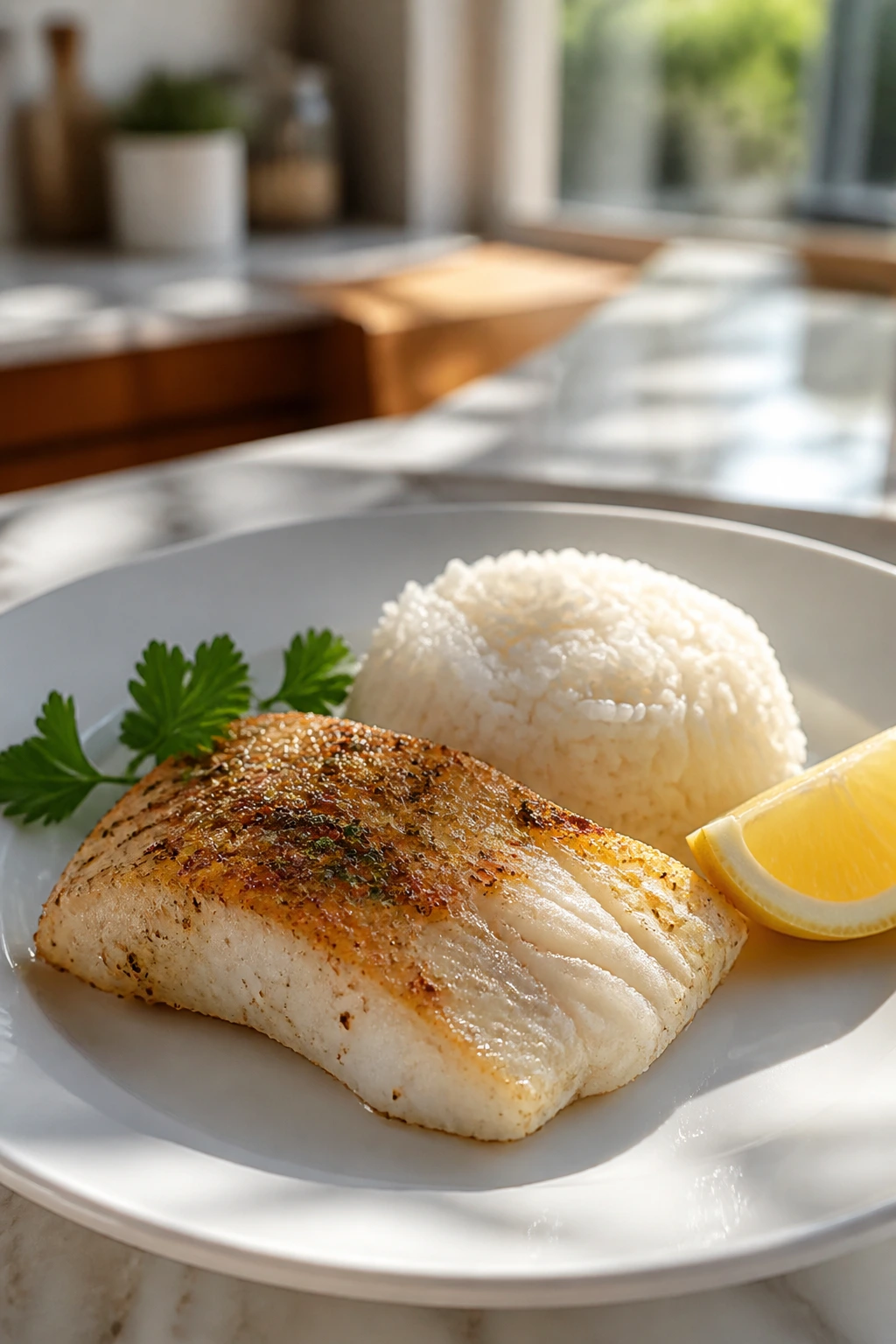
-
Presentation: Keep the plate simple and separate when you can. A neat mound of rice, a few cod pieces on top, and one bright garnish — lemon wedges, parsley, or scallions — looks calmer than a crowded plate.
-
Accompaniments: Roasted potatoes, buttered peas, soft dinner rolls, steamed carrots, or plain rice all work across this collection. If you want one dependable side, make extra rice and use it in two different dinners.
-
Portions: Plan on 4 to 6 ounces of cod per adult and 3 to 4 ounces per child, then build the rest of the plate with starch and vegetables. For heartier eaters, the pasta and chowder stretch farther than the tacos or cakes.
-
Beverage Pairing: Cold sparkling water with lemon keeps everything light, while iced tea or a mild lemonade works well for family dinners. If you want a wine pairing, a crisp white with low oak is the easy choice.
Additional Tips and Flavor Boosters
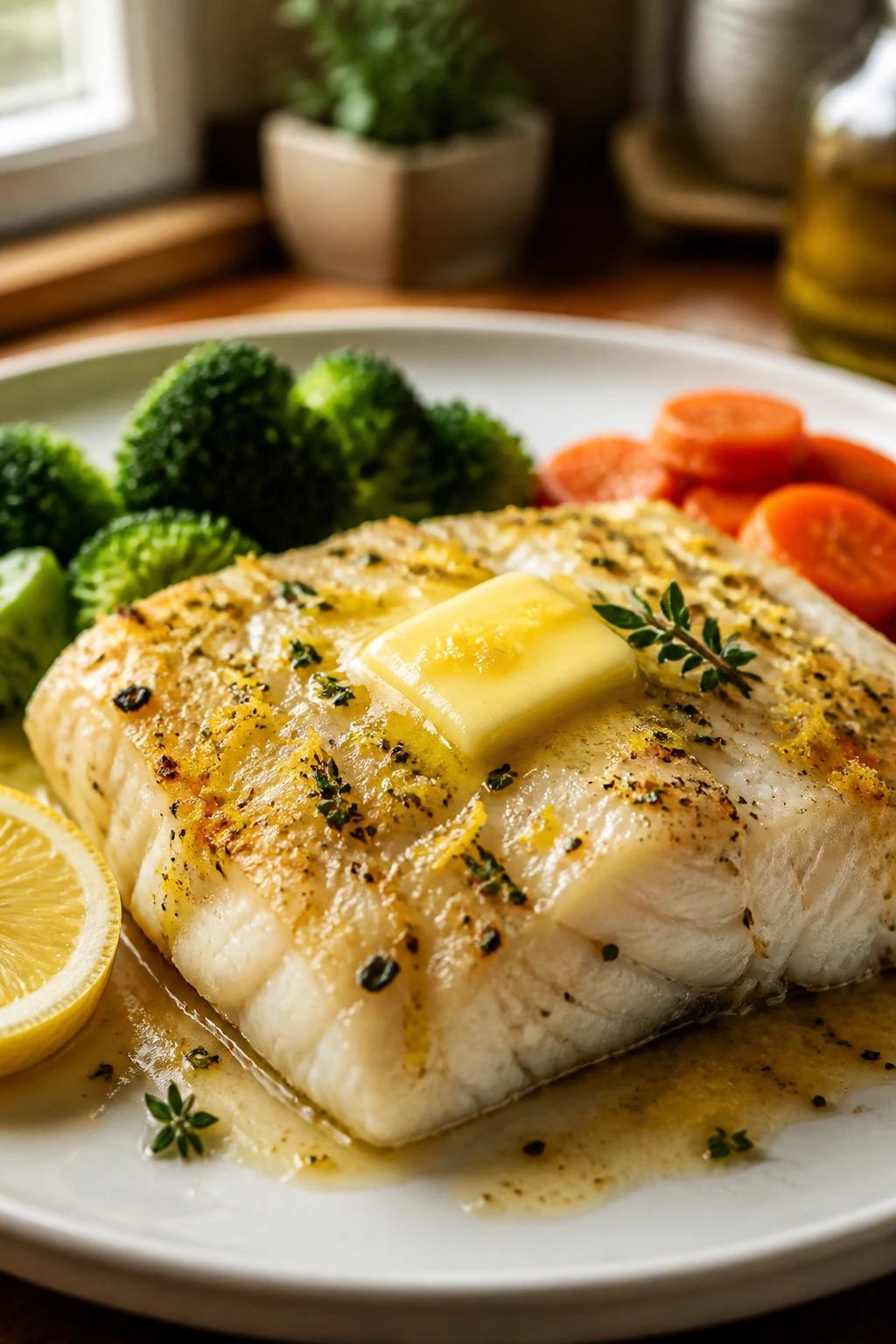
-
Flavor Enhancement: A small finish of butter or olive oil right before serving makes baked cod taste richer without changing the recipe. Lemon zest is another good move; it gives the fish a brighter smell than lemon juice alone.
-
Customization: For very cautious eaters, keep sauces in little bowls on the side and let everyone dip or drizzle on their own. That tiny bit of control often matters more than the seasoning itself.
-
Serving Suggestions: Fresh parsley, dill, chopped scallions, or a spoonful of yogurt sauce can make the plate feel finished. Use them lightly. You’re not building a salad bar.
-
Make-It-Yours: For gluten-free versions, use GF panko, cornstarch instead of flour, and gluten-free pasta or rice. For dairy-free meals, swap butter for olive oil and use a plain dairy-free yogurt in dips.
Make-Ahead, Storage, and Reheating Guidance
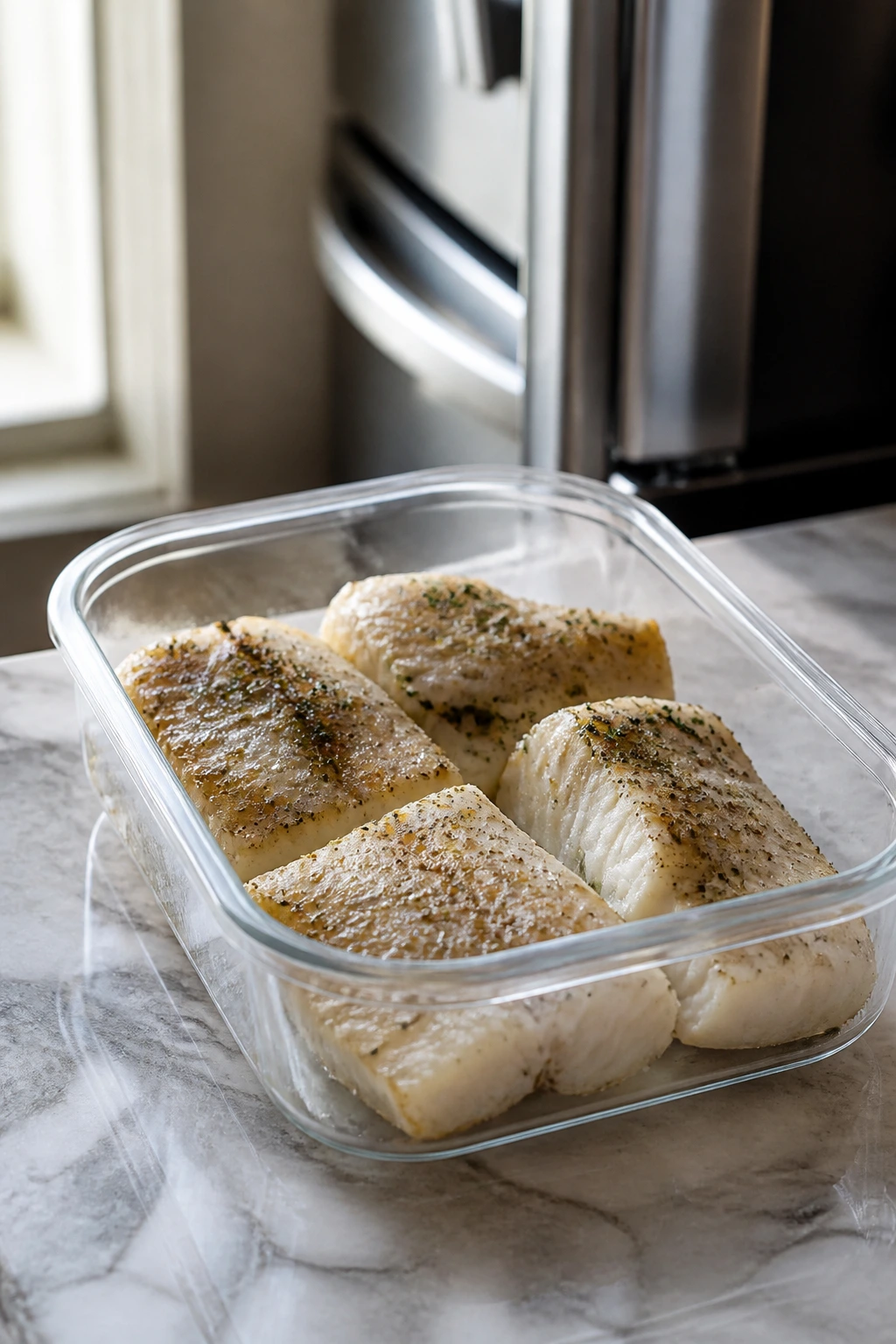
Cooked cod keeps best when it’s cooled quickly and stored in a shallow container. Most of these dinners will hold for 3 days in the refrigerator, though the breaded pieces are best within 1 to 2 days before the coating loses its crunch. If you want to freeze them, plain cod, cod cakes, chowder without dairy, and glazed cod all freeze better than breaded fillets or creamy pasta. A sensible freezer window is up to 2 months for most of the collection.
Reheating takes a gentle hand. For baked cod or cod cakes, use a 275°F oven and cover loosely with foil so the fish warms through without drying out. For skillet dishes and pasta, add a spoonful of water, broth, or milk before reheating over low heat. Chowder needs the lowest heat of all; warm it slowly and stir often so the dairy stays smooth. If you microwave fish, do it in short bursts at half power. Long blasts turn cod rubbery fast.
A few of these recipes are good make-ahead candidates. The slaw for tacos can be mixed a few hours early. The chowder base can be cooked before the cod goes in, then finished at dinnertime. The glaze for the rice bowls can be whisked ahead and kept in the fridge. Breaded cod is the least make-ahead-friendly item here if you care about crunch, so bake it close to serving.
One practical habit helps all of them: portion the leftovers into flat, shallow containers instead of one deep bowl. The food chills faster, and reheating goes more evenly. That matters more than people think.
Variations and Adaptations to Try
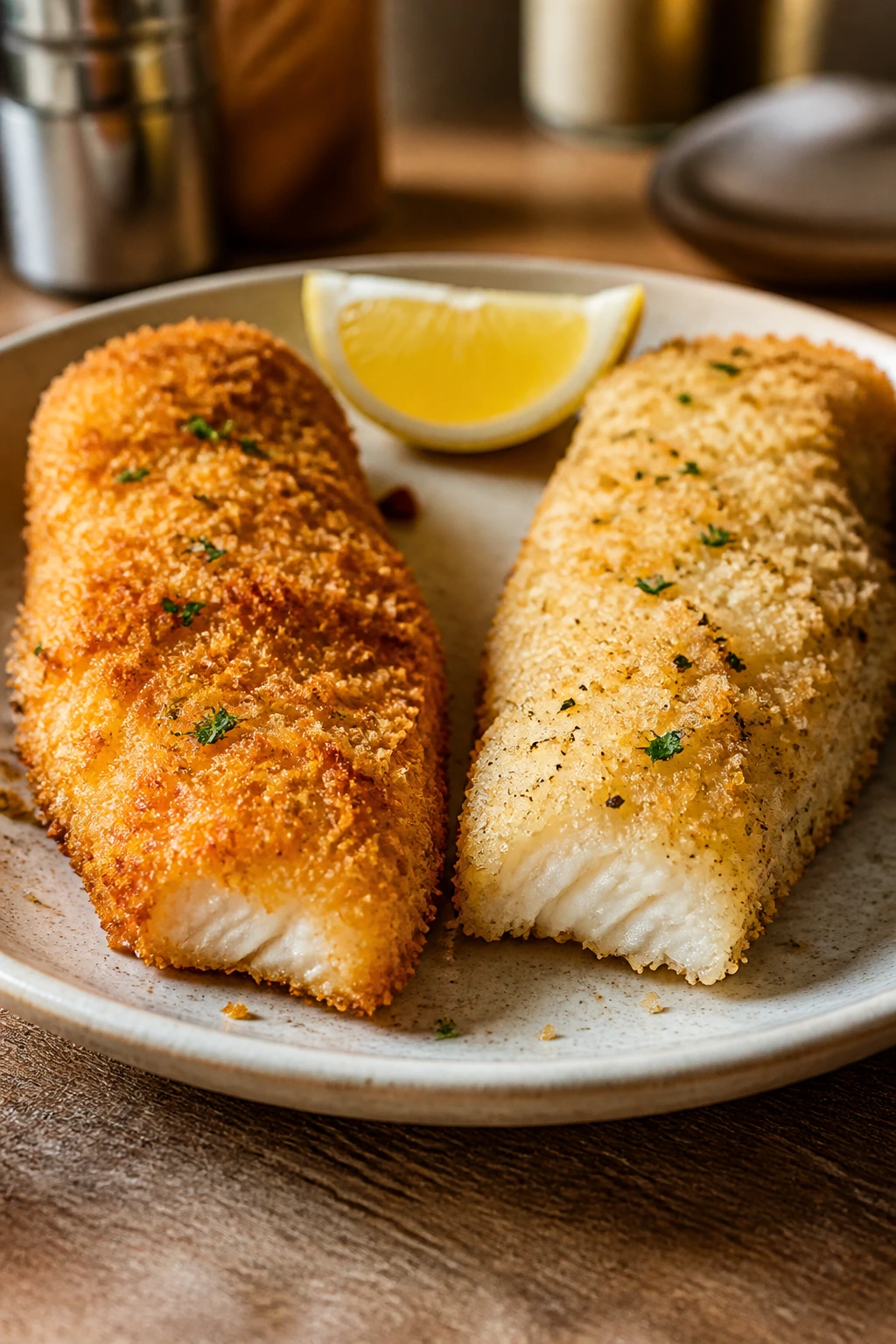
-
Air-Fryer Crunch: Use the same panko-Parmesan coating on the cod tenders, then cook them in a preheated air fryer at 400°F for about 10 minutes, flipping halfway through. They’ll come out extra crisp, which is useful if your household loves crunch more than sauce.
-
Gluten-Free Plate: Swap in gluten-free panko, use cornstarch instead of flour for dredging, and choose rice or gluten-free pasta. The flavor stays the same, and the texture stays close enough that most people won’t care.
-
Dairy-Light Dinner: Replace butter with olive oil, skip the Parmesan where it isn’t essential, and use plain yogurt or a dairy-free yogurt for dips. The food stays mild and clean-tasting, which suits cod nicely.
-
Lower-Salt Version: Choose low-sodium broth and soy sauce, then lean harder on lemon, dill, parsley, and garlic. You’ll notice the fish more and the salt less.
-
Extra-Creamy Comfort: Stir a little cream into the chowder or a spoonful of Greek yogurt into the taco slaw. That softens the edges and makes the whole meal feel more familiar.
-
Plain-Plate Kid Mode: Serve the cod with buttered rice, peas, or potatoes and keep all sauces separate. Boring to some people. Perfect to others.
Common Mistakes to Avoid
-
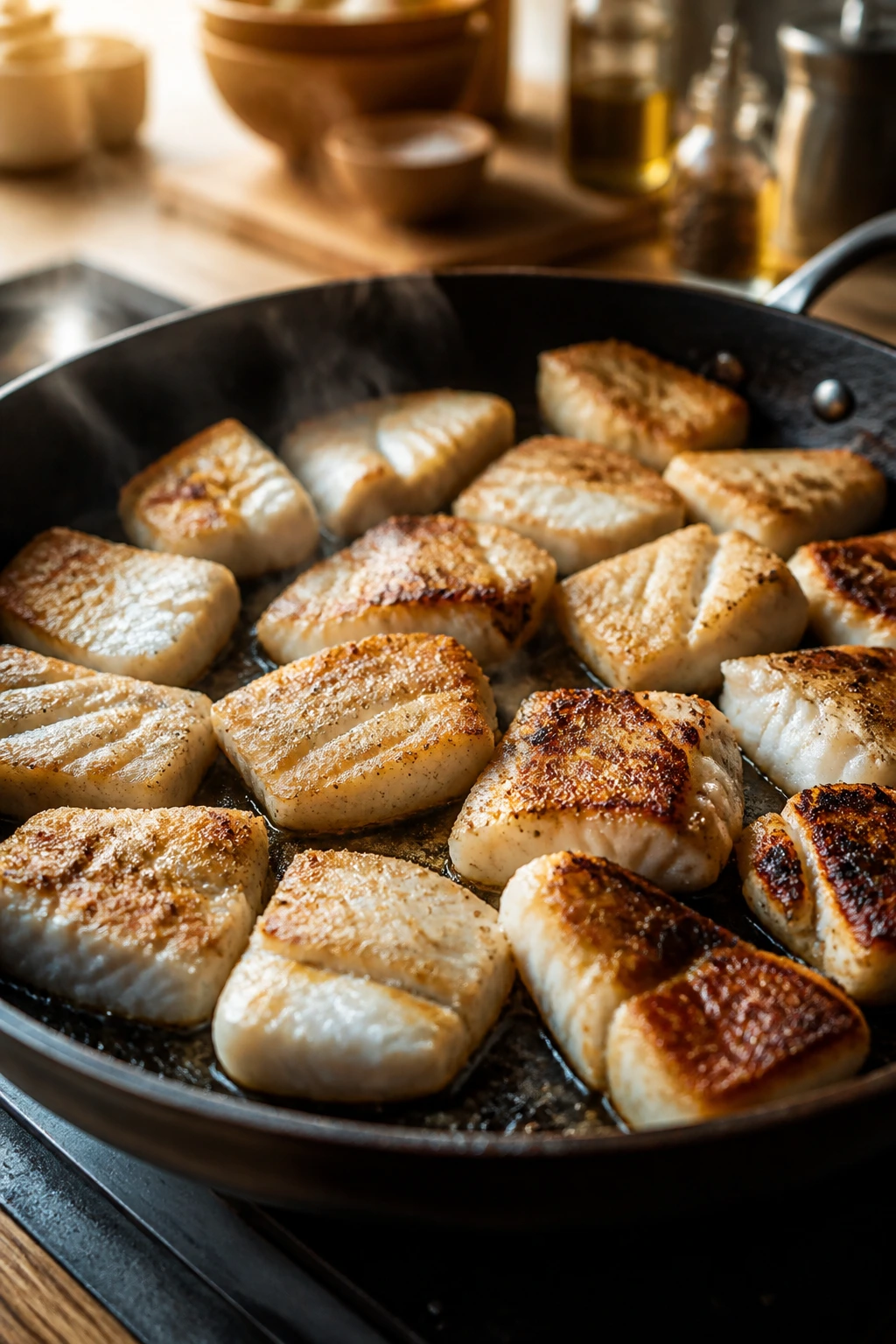
Overcooking the cod: This is the big one. Cod dries out fast, and once it goes past opaque and flaky, it turns chalky. Check it early, especially if the pieces are thin.
-
Using wet fish straight from the package: Excess moisture ruins breading and makes searing weak. Pat the fillets dry with paper towels before seasoning, coating, or glazing.
-
Seasoning too aggressively: Picky eaters usually don’t need chili flakes, heavy cumin, or a blast of garlic. Mild fish dinners do better with butter, lemon, herbs, and a little salt.
-
Crowding the pan: On a sheet pan or skillet, crowded cod steams instead of browns. Leave space so the coating crisps and the fish cooks evenly.
-
Stirring too hard once the fish is cooked: In chowder, pasta, and bowls, cod falls apart fast if you rough it up. Fold it in gently at the end.
-
Skipping a thermometer and hoping for the best: The fish should reach 145°F in the thickest spot. That takes the guesswork out and keeps the texture where you want it.
Frequently Asked Questions
Can I use frozen cod for these dinners?
Yes, and in some cases it’s the better choice. Thaw it in the fridge, pat it dry, and use it the same day if you can. Frozen cod is especially good for breaded strips, bowls, and chowder.
What’s the best cod recipe here for a child who hates fish?
The baked cod tenders are the safest starting point because they look and feel like fish sticks. Pasta with cod is another smart choice, since the fish blends into a familiar bowl of noodles and cheese.
How do I stop cod from tasting fishy?
Buy firm, fresh-smelling fillets, dry them well, and keep the seasoning simple. Lemon, butter, panko, and mild herbs work better than strong spices. Also, don’t overcook it — overcooked fish tastes sharper.
Can I swap in another fish?
Yes. Haddock, pollock, and tilapia can step in for many of these recipes. Just watch the cook time, since thinner fillets can finish faster than cod.
Which recipe is easiest to make on a weeknight?
The sheet-pan dinner and the rice bowls are the fastest once you’ve done a little prep. They both use straightforward ingredients and don’t ask for much attention once they’re in the oven.
Can I make these ahead for lunch the next day?
Absolutely, but use the right dish for the job. Cod cakes, pasta, chowder, and the rice bowls hold up better than breaded tenders. Reheat gently so the fish stays tender.
What if my cod falls apart in the pan?
That usually means it was stirred too hard, cut too small, or cooked a little too long. Use wider pieces, handle them with a fish spatula, and reduce the heat once the cod is nearly done.
Are these recipes good for adults too, or do they lean too kid-like?
Adults usually like them because they’re clean, comforting, and not overloaded with sauce. The trick is that the flavors stay balanced. Mild doesn’t have to mean dull.
A Calmer Way to Put Fish on the Table
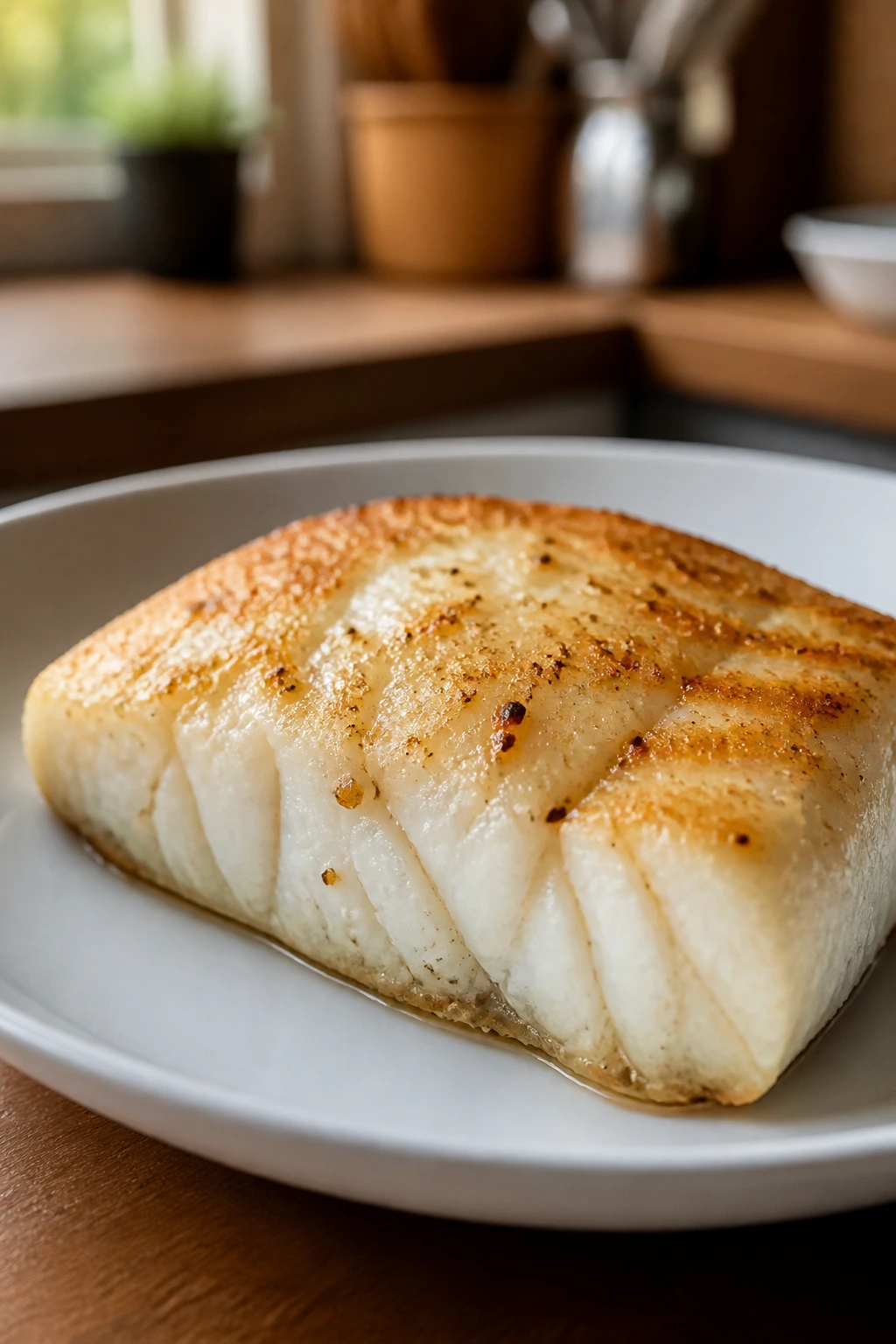
Cod has a rare talent: it can be comforting without being heavy, and flexible without feeling boring. That’s exactly why it belongs in the dinner rotation when you’re cooking for a mixed table full of strong opinions. A crispy strip, a soft chowder, a rice bowl with a sweet glaze — each one gives the same fish a different personality.
If you keep two or three of these recipes on standby, dinner gets easier in a way that matters. You’re not fighting the fish. You’re working with it. And once you know how quickly cod cooks, how gently it likes to be handled, and how much it benefits from familiar flavors, it stops feeling like a gamble.