



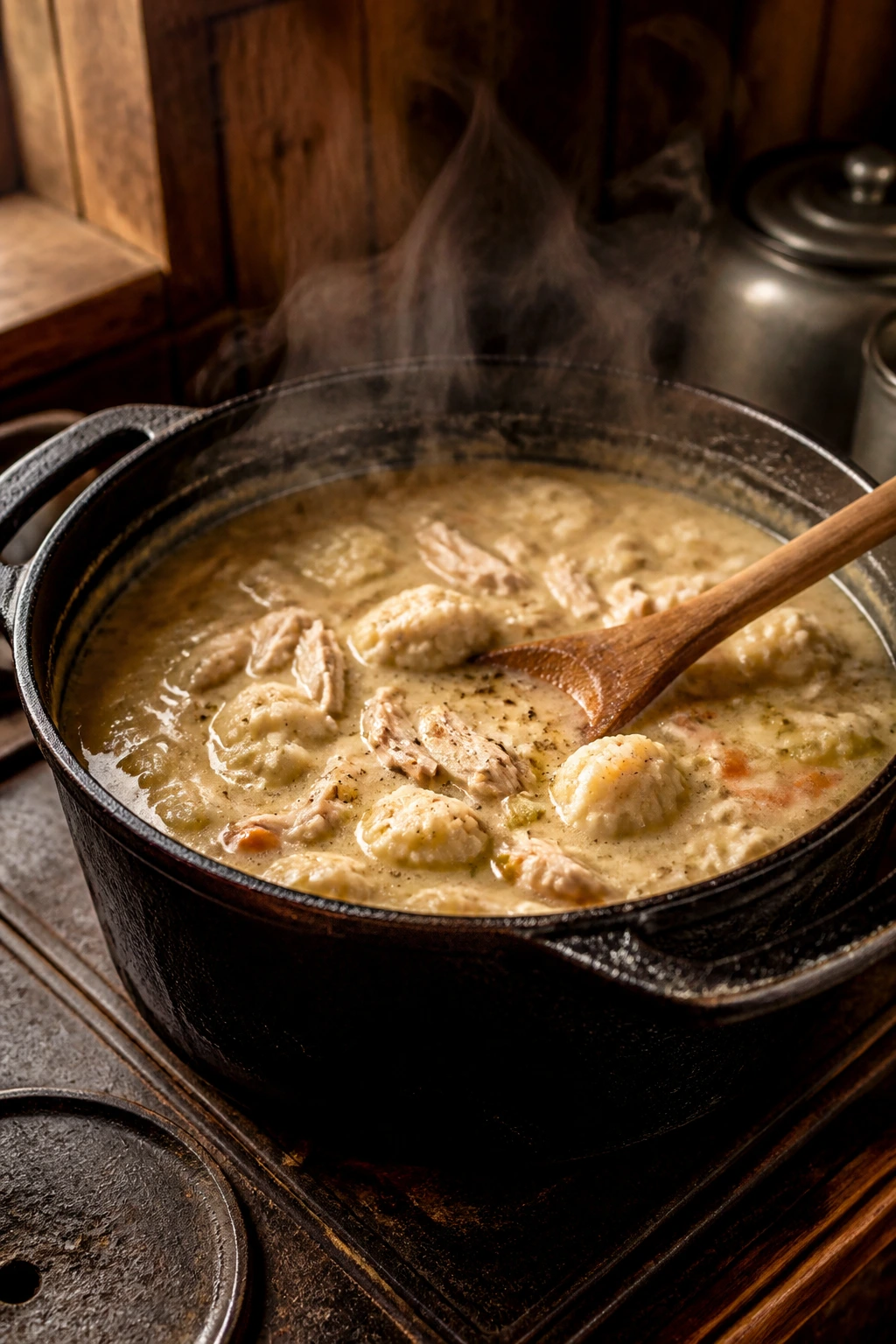
A pot of chicken and dumplings has a way of turning a normal evening into something softer. Steam fogs the kitchen window, the spoon clinks against the pot, and suddenly the room smells like broth, pepper, onions, and butter all working together. That is the pull of Southern dinners for cozy nights: they do not try to impress you with fuss. They settle in.
The best ones lean on slow heat, sturdy ingredients, and a little patience. A good gravy. Rice that soaks up a sauce. Beans that cook until they go creamy at the edges. Fried catfish with a crisp crust, then a hot side of hush puppies that crack when you bite them. These are the kinds of meals that make you want a second helping before you have finished the first plate.
I like Southern comfort food most when it feels practical, not precious. Bone-in chicken. Dried beans. A cast-iron skillet that has seen some things. A dish like that can feed people well and still feel relaxed enough for a Tuesday night, which is really the point. Keep the heat low, keep the seasoning honest, and the rest tends to take care of itself.
Why These Southern Dinners Earn Their Spot on a Quiet Night
- They build flavor the old-fashioned way: Browning, simmering, and gravy-making do more for these dishes than fancy ingredients ever could.
- They feed a hungry table without drama: Most of these recipes stretch well, which matters when you want seconds, not leftovers nobody wants.
- They give you texture as well as comfort: Crisp catfish, silky grits, tender dumplings, and slow-cooked beans keep the plate from feeling flat.
- They welcome pantry staples: Rice, flour, broth, canned tomatoes, dried beans, and onions show up again and again for good reason.
- They get better with a little patience: A stew or bean pot that has time to settle tastes deeper and rounder than anything rushed to the table.
- They work with a real kitchen: You do not need a giant setup. A skillet, a heavy pot, and a baking dish will carry most of this list.
1. Chicken and Dumplings
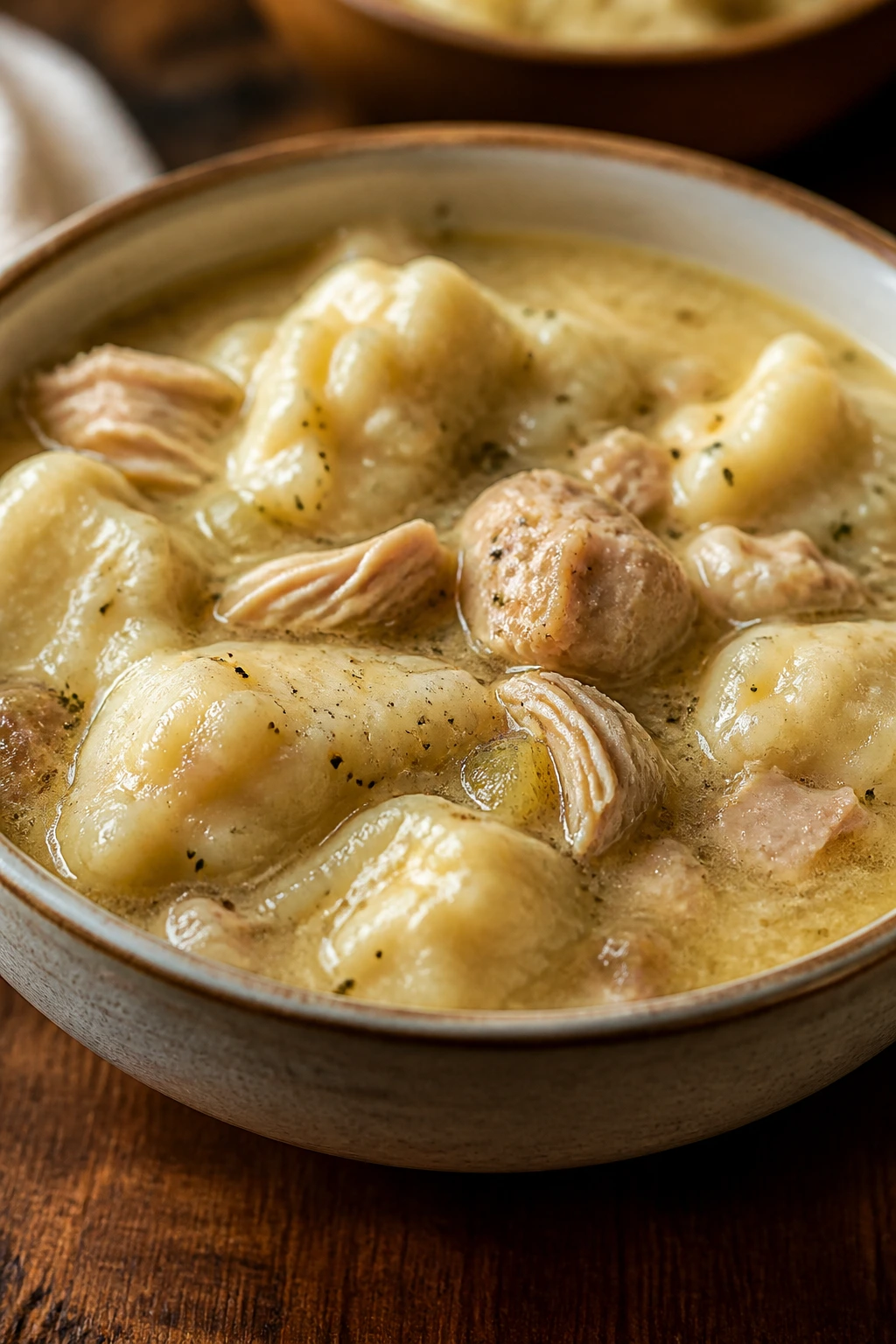
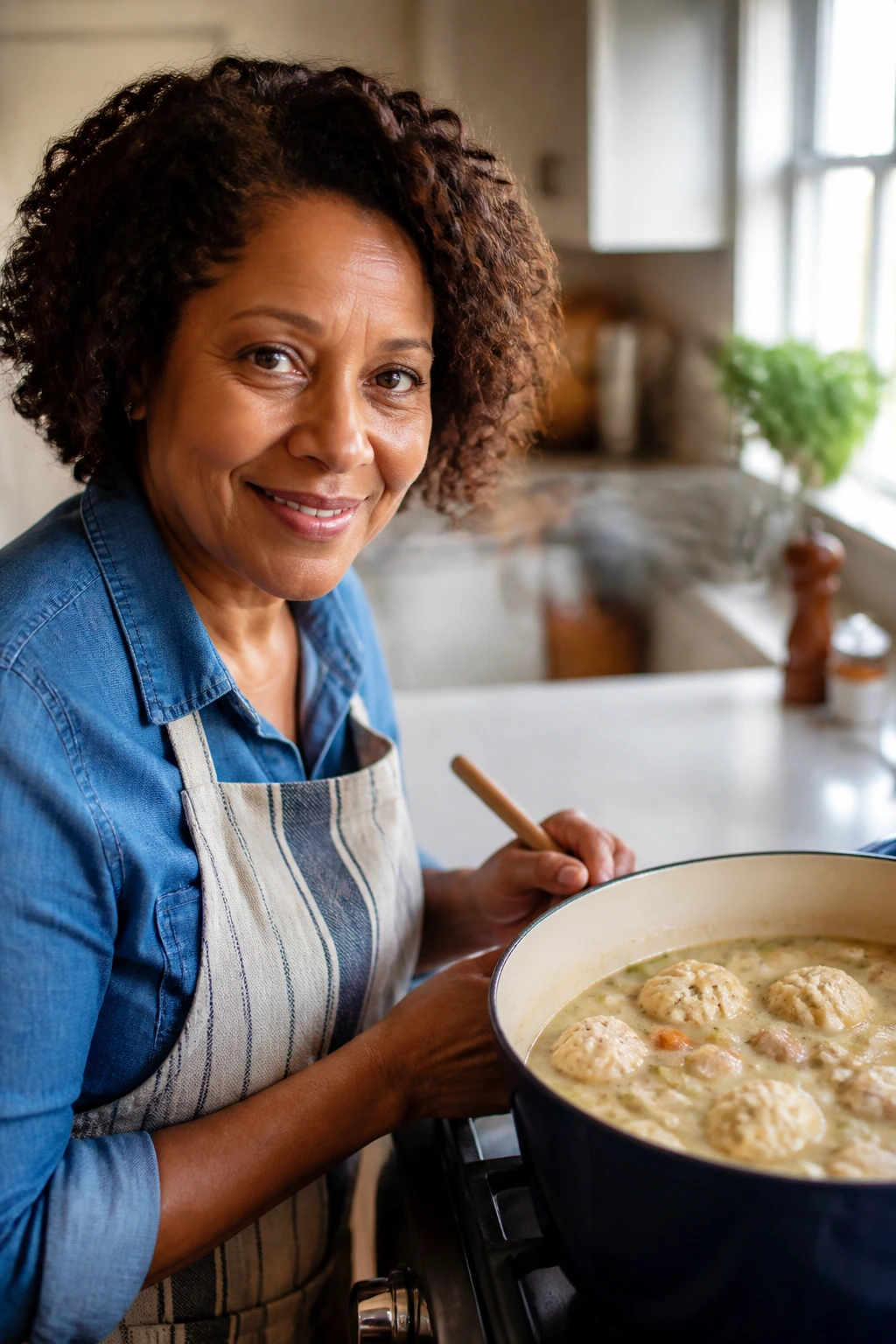
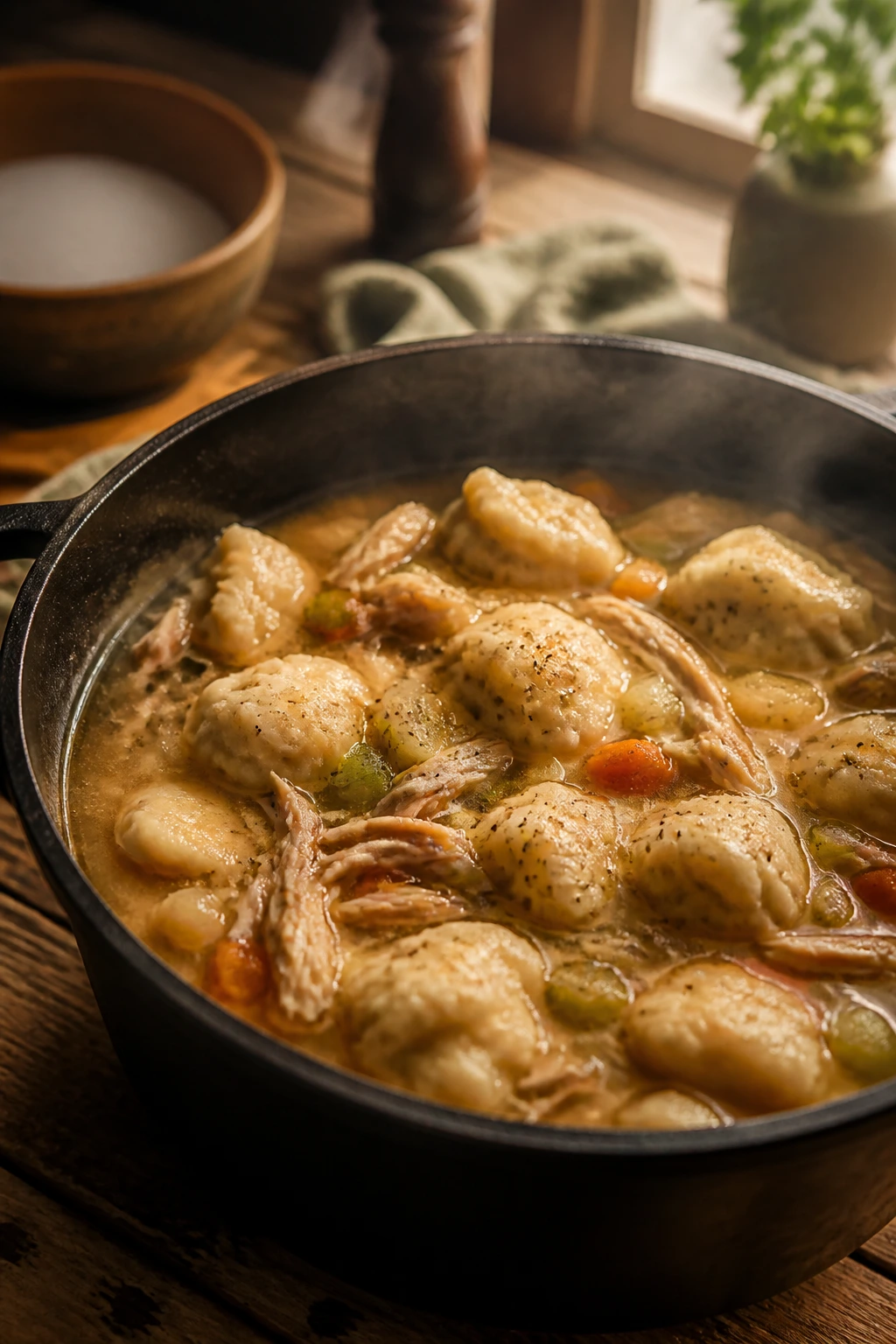
Chicken and dumplings is the bowl I reach for when I want the room to smell like butter, thyme, and something kindly simmering away on the stove. It is thick without being heavy, with tender chicken tucked under soft dumplings that soak up broth like they were made for it. If you grew up around this dish, you already know the feeling. If you did not, the first spoonful tells you everything.
Why It Works
The trick is balance: rich broth, enough fat to taste full, and dumplings that stay plush instead of turning gummy. Bone-in chicken thighs give the broth more body than boneless breasts ever will, and a short simmer with onion, celery, and carrots builds the base without needing a long grocery list. I also like a touch of thyme and black pepper here because they keep the whole pot from tasting one-note.
Key Ingredients
- 2 pounds bone-in, skin-on chicken thighs
- 2 tablespoons unsalted butter
- 1 yellow onion, diced
- 2 celery stalks, diced
- 2 carrots, diced
- 3 garlic cloves, minced
- 8 cups chicken broth
- 1 bay leaf
- 1 teaspoon dried thyme
- 2 cups all-purpose flour
- 1 tablespoon baking powder
- 4 tablespoons cold butter
- 1 cup buttermilk
- 2 tablespoons chopped parsley
- Kosher salt and black pepper, to taste
Quick Steps
- Season and sear the chicken: Pat the thighs dry, season them well with salt and pepper, then brown them in butter in a heavy pot over medium-high heat for 3 to 4 minutes per side.
- Build the broth: Add the onion, celery, and carrots to the pot and cook until the onion turns translucent, about 5 minutes. Stir in the garlic for 30 seconds, then pour in the broth, bay leaf, and thyme.
- Simmer until tender: Lower the heat and cook the chicken gently for 20 to 25 minutes, until it is cooked through and pulls apart easily.
- Make the dumpling dough: Whisk the flour, baking powder, salt, and cold butter together until the mixture looks crumbly. Stir in the buttermilk just until a shaggy dough forms. Do not overmix.
- Drop and steam the dumplings: Shred the chicken, return it to the pot, then drop spoonfuls of dough on top of the simmering broth. Cover tightly and cook 15 minutes without lifting the lid.
- Finish the pot: Uncover, check that the dumplings are cooked through, then sprinkle with parsley and more pepper.
Tips and Variations
- For thicker broth: Stir 1 tablespoon flour into 2 tablespoons softened butter and whisk it into the pot before adding dumplings.
- For a shortcut: Use shredded rotisserie chicken and good store-bought broth. The dumplings still carry the dish.
- For more green freshness: Stir in frozen peas during the last 2 minutes.
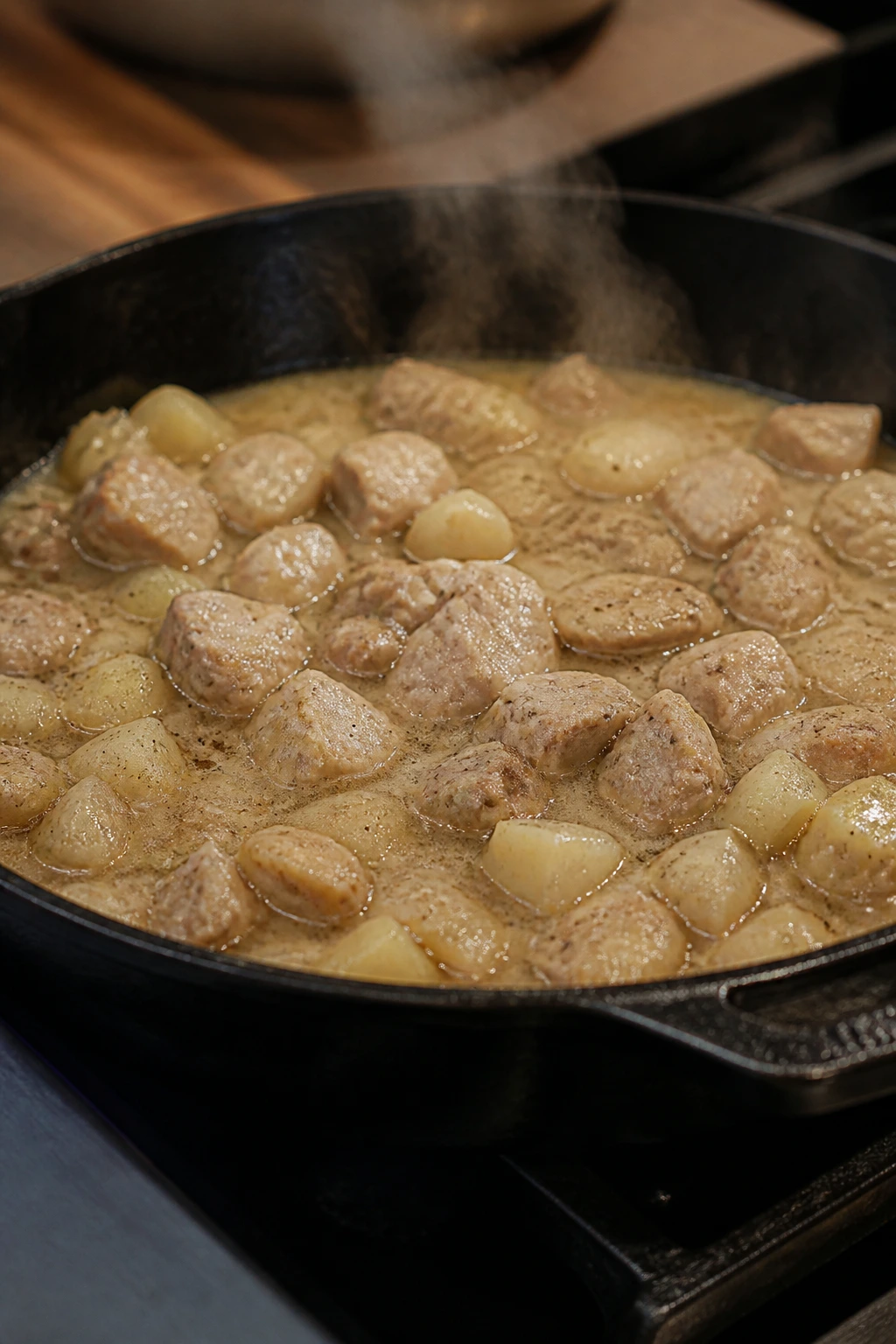
2. Smothered Pork Chops
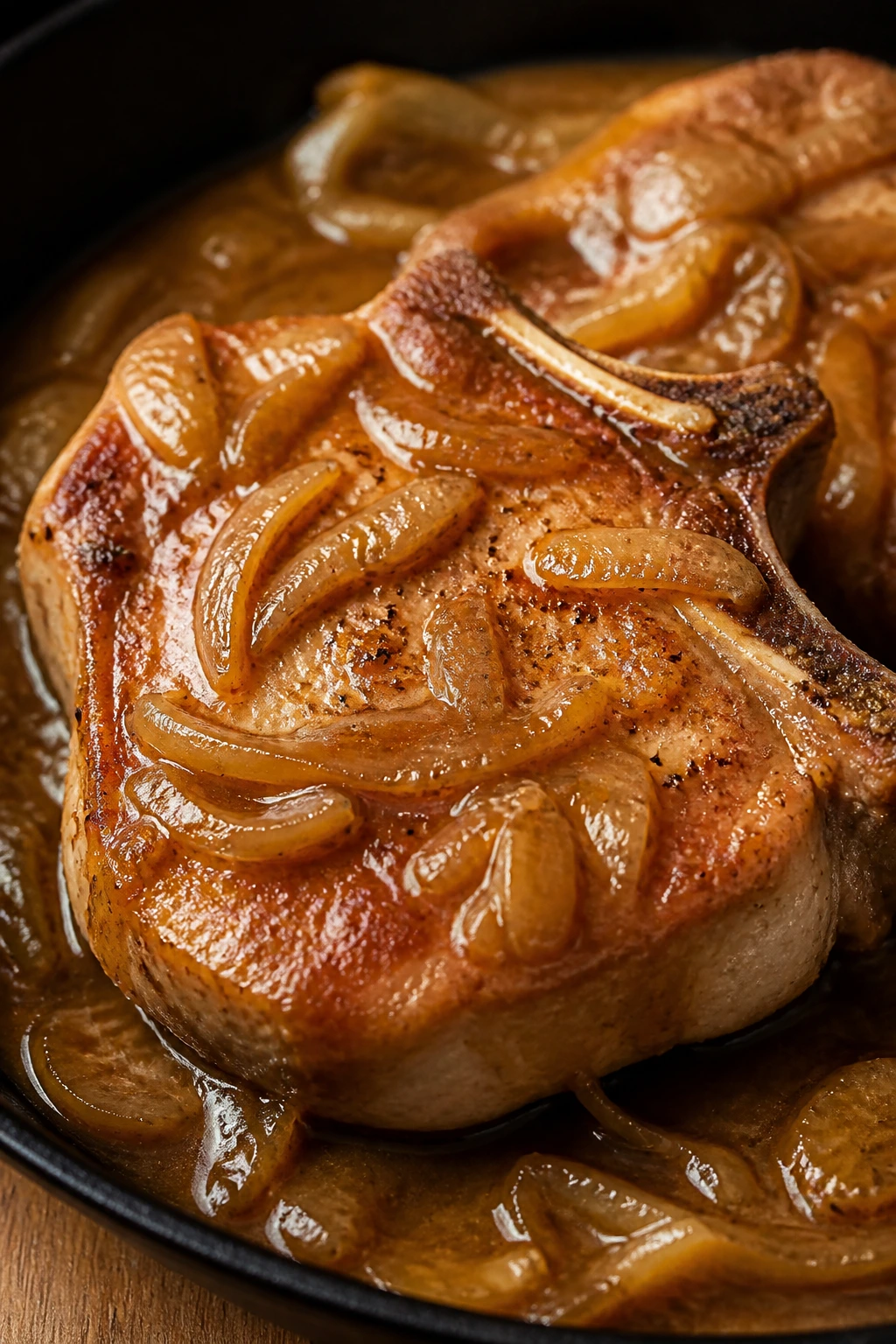
Smothered pork chops are what happens when a plain pork chop gets a long, luxurious bath in onion gravy. The meat turns tender, the sauce goes glossy, and every edge of the pan seems to catch a little extra flavor. I prefer bone-in chops here because they stay juicier and hold their own under a blanket of gravy.
Why It Works
This dish depends on a hard sear first and a gentle braise second. The sear gives you those browned bits that make the gravy taste deep instead of flat, and the low simmer keeps the chops from drying out. Onions carry a lot of the flavor load, so cook them slowly until they soften and take on a little color at the edges.
Key Ingredients
- 4 bone-in pork chops, about 1 inch thick
- 1/2 cup all-purpose flour
- 1 teaspoon paprika
- 1 teaspoon garlic powder
- 1 teaspoon onion powder
- 2 tablespoons oil
- 1 large onion, thinly sliced
- 2 cups chicken broth
- 1/2 cup whole milk or heavy cream
- 1 tablespoon Worcestershire sauce
- 1 teaspoon dried thyme
Quick Steps
- Season and dredge: Mix the flour, paprika, garlic powder, onion powder, salt, and pepper. Coat the pork chops lightly on both sides.
- Sear the chops: Heat the oil in a skillet over medium-high heat and brown the chops for 3 minutes per side. Move them to a plate.
- Cook the onions: Add the sliced onion to the same skillet and cook for 6 to 8 minutes, scraping up the browned bits as they soften.
- Make the gravy: Stir in a spoonful of flour from the dredge, cook for 1 minute, then add the broth, milk, Worcestershire, and thyme. Simmer until the gravy thickens enough to coat a spoon.
- Braise gently: Return the chops to the skillet, cover, and cook over low heat for 20 to 25 minutes, until the pork is tender and the center reaches 145°F.
- Serve hot: Spoon a little extra gravy over each chop before bringing it to the table.
Tips and Variations
- For deeper gravy flavor: Brown the onions longer, even if that takes an extra few minutes.
- For a mushroom version: Add 8 ounces sliced mushrooms with the onions.
- For boneless chops: Use slightly thinner chops and shorten the braising time so they stay juicy.
3. Shrimp and Grits
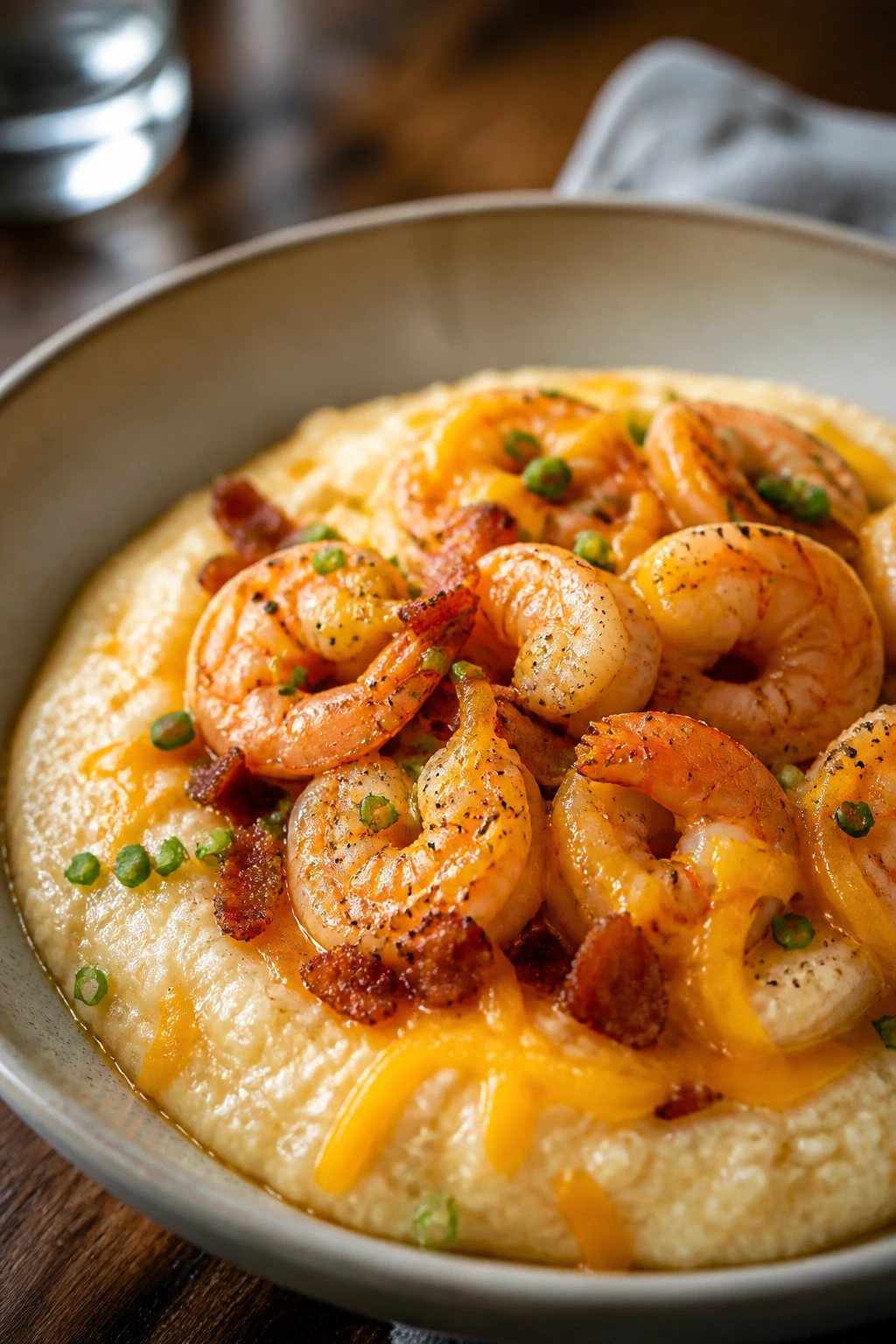
Shrimp and grits can lean fancy in some hands, but the version I love is all comfort: creamy grits, smoky bacon, sweet shrimp, and a little heat to keep things awake. The plate is all contrast. Soft against crisp. Rich against bright. It feels restaurant-worthy without requiring any nonsense.
Why It Works
Grits need enough salt and fat to taste like a dish, not a side that wandered onto the plate by mistake. I like using broth in part of the cooking liquid, then finishing with butter and cheddar for a thicker, silkier bowl. The shrimp cook fast, which is the whole point; if they go rubbery, the dish loses its snap.
Key Ingredients
- 1 cup stone-ground or quick-cooking grits
- 4 cups water or chicken broth
- 2 tablespoons butter
- 1 cup shredded sharp cheddar
- 1 1/2 pounds large shrimp, peeled and deveined
- 4 slices bacon, chopped
- 1 small onion, diced
- 1 bell pepper, diced
- 2 garlic cloves, minced
- 1 teaspoon Cajun seasoning
- 1 tablespoon lemon juice
- 2 scallions, sliced
Quick Steps
- Cook the grits: Bring the water or broth to a boil, stir in the grits, and cook according to the package until thick and creamy.
- Finish the base: Stir in butter and cheddar, then cover and keep warm on very low heat.
- Crisp the bacon: Cook the bacon in a skillet over medium heat until crisp, then spoon off most of the fat.
- Sauté the vegetables: Add the onion and bell pepper to the skillet and cook until softened, about 4 minutes. Stir in the garlic for 30 seconds.
- Cook the shrimp: Add the shrimp and Cajun seasoning, then cook 2 to 3 minutes total until the shrimp turn pink and curl into a loose C shape. Pull them the second they look opaque.
- Finish and plate: Stir in lemon juice, spoon the shrimp over the grits, and top with scallions and bacon.
Tips and Variations
- For creamier grits: Swap part of the water for whole milk.
- For extra smoke: Add sliced andouille sausage with the bacon.
- For a lighter plate: Cut the cheese in half and finish with more lemon.
4. Chicken Fried Steak
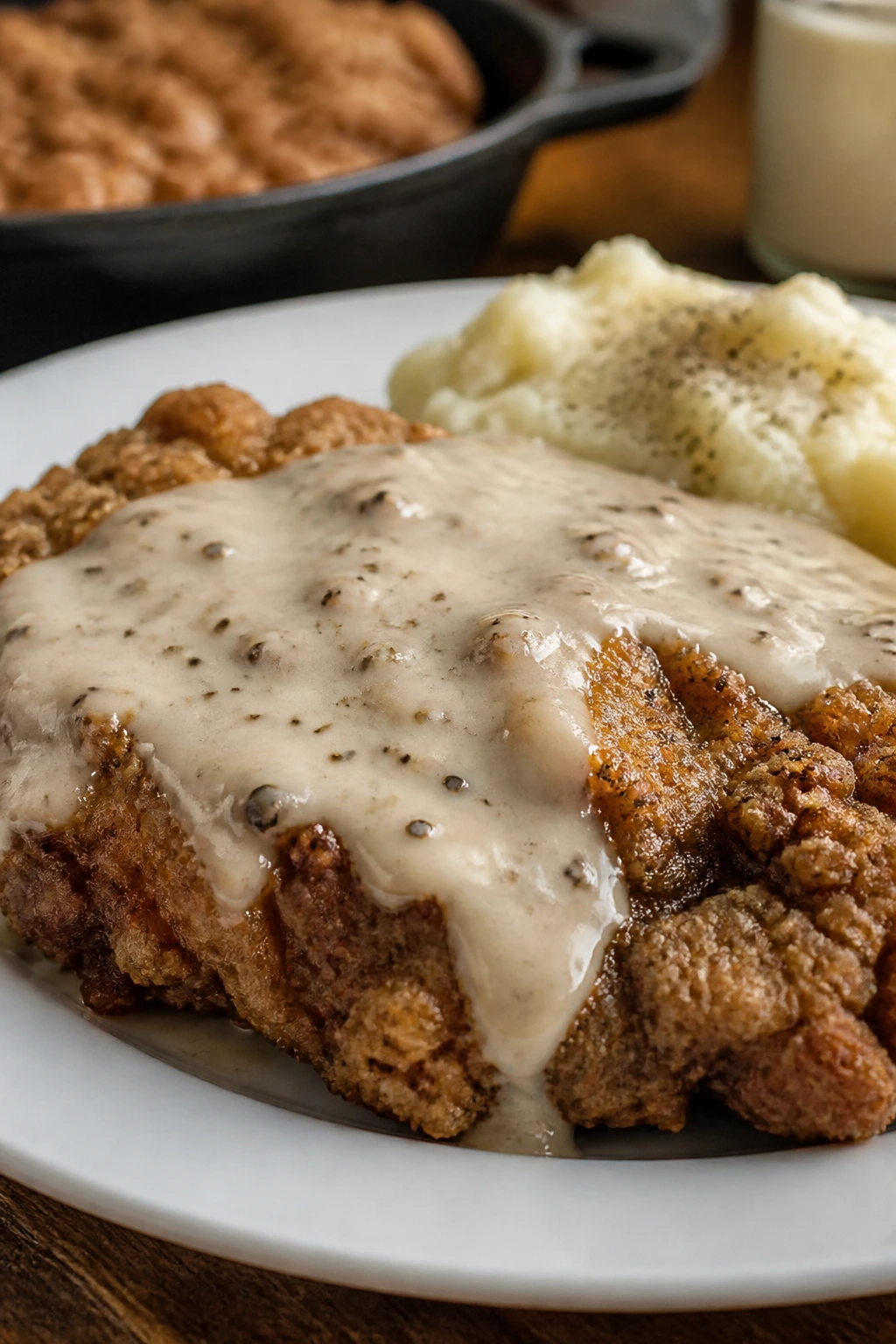
Chicken fried steak is not subtle. It is crispy, peppery, and covered in cream gravy, which is exactly why it works on a cold night. The crust crackles a little under the fork, then gives way to tender beef. I like it with mashed potatoes, though honestly the gravy does most of the heavy lifting.
Why It Works
Cube steak is already tenderized, so the main job is to give it a crust that stays put. A flour-and-buttermilk dredge creates those craggy edges people fight over, and a hot-but-not-smoking pan keeps the coating from burning before the meat is cooked through. The gravy should taste peppery, milky, and a little savory from the browned bits left in the skillet.
Key Ingredients
- 4 cube steaks, about 5 to 6 ounces each
- 1 1/2 cups all-purpose flour
- 2 teaspoons salt
- 1 teaspoon black pepper
- 1 teaspoon paprika
- 1/2 teaspoon garlic powder
- 2 eggs
- 1 cup buttermilk
- 1/2 cup oil or shortening
- 3 tablespoons pan drippings or butter
- 2 cups whole milk
Quick Steps
- Set up the breading: Mix half the flour with the salt, pepper, paprika, and garlic powder. Whisk the eggs with the buttermilk in a shallow bowl.
- Coat the steaks: Dredge each steak in flour, dip in the egg mixture, then back into the flour for a thick, craggy coating.
- Fry the steaks: Heat the oil in a skillet to about 350°F and fry the steaks 3 to 4 minutes per side until deep golden brown.
- Drain briefly: Move the steaks to a wire rack or paper towels while you make the gravy.
- Make the cream gravy: Pour off most of the oil, keep 3 tablespoons of fat in the pan, whisk in the remaining flour, then slowly add the milk. Cook until smooth and thick.
- Season and serve: Add extra black pepper, taste for salt, and spoon the gravy over the steaks right before serving.
Tips and Variations
- For a thicker crust: Let the breaded steaks sit 10 minutes before frying.
- For a little heat: Add cayenne to the flour.
- For easier cleanup: Fry in a cast-iron skillet and wipe out the excess oil while the pan is still warm.
5. Red Beans and Rice
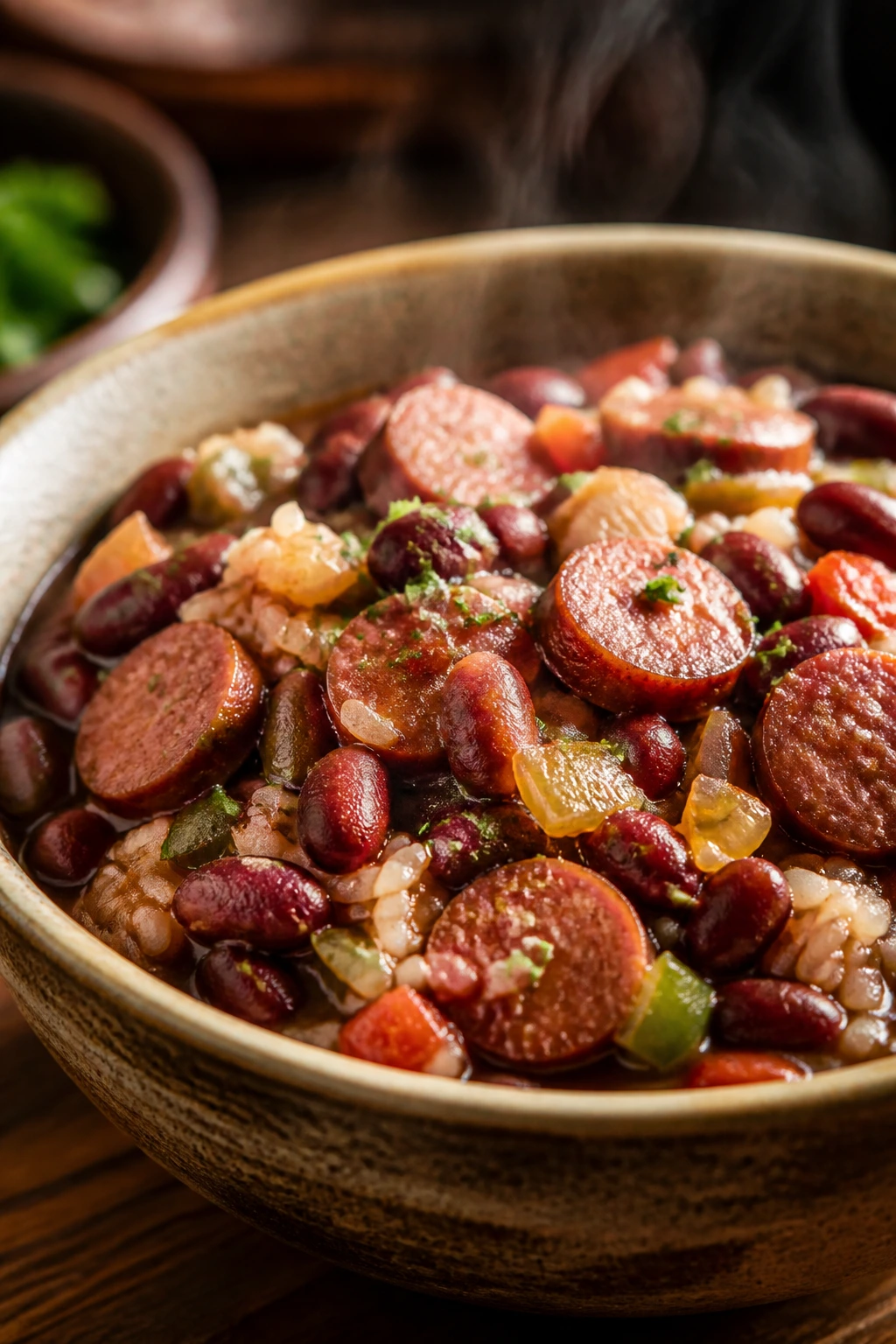
Red beans and rice is the sort of dinner that asks for a long simmer and pays you back with a pot full of smoky, creamy comfort. The beans break down just enough to thicken the broth, the sausage adds salt and smoke, and the rice keeps every spoonful grounded. It is humble food, but it never tastes cheap.
Why It Works
Dried beans make the best version because they hold their shape at first, then slowly release starch as they cook. That gives the pot body without needing cream or flour. Andouille or another smoked sausage brings heat and depth, while onion, celery, and bell pepper build the base that keeps the beans from tasting one-dimensional.
Key Ingredients
- 1 pound dried red kidney beans, soaked if you want to shorten the cook time
- 12 ounces andouille or smoked sausage, sliced
- 1 onion, diced
- 1 bell pepper, diced
- 2 celery stalks, diced
- 4 garlic cloves, minced
- 2 bay leaves
- 1 teaspoon dried thyme
- 1 teaspoon smoked paprika
- Pinch of cayenne
- 6 cups chicken broth or water
- 2 cups cooked long-grain rice
- 2 scallions, sliced
Quick Steps
- Brown the sausage: Cook the sliced sausage in a heavy pot over medium heat until it gets some color.
- Soften the vegetables: Add onion, bell pepper, and celery, then cook until soft, about 6 minutes. Stir in garlic, thyme, paprika, and cayenne.
- Add beans and liquid: Stir in the soaked beans, bay leaves, and broth. Bring to a boil, then drop to a simmer.
- Cook until creamy: Simmer uncovered for 1 1/2 to 2 hours, stirring now and then, until the beans are tender and some have started to break apart.
- Mash a little: Use the back of a spoon to mash a scoop of beans against the side of the pot. That thickens the broth naturally.
- Serve over rice: Spoon the beans over hot rice and finish with scallions.
Tips and Variations
- For a richer pot: Add a ham hock with the beans.
- For faster cooking: Use a quick-soak method or a pressure cooker.
- For a brighter finish: Add a splash of vinegar at the end.
6. Hamburger Steak and Onion Gravy
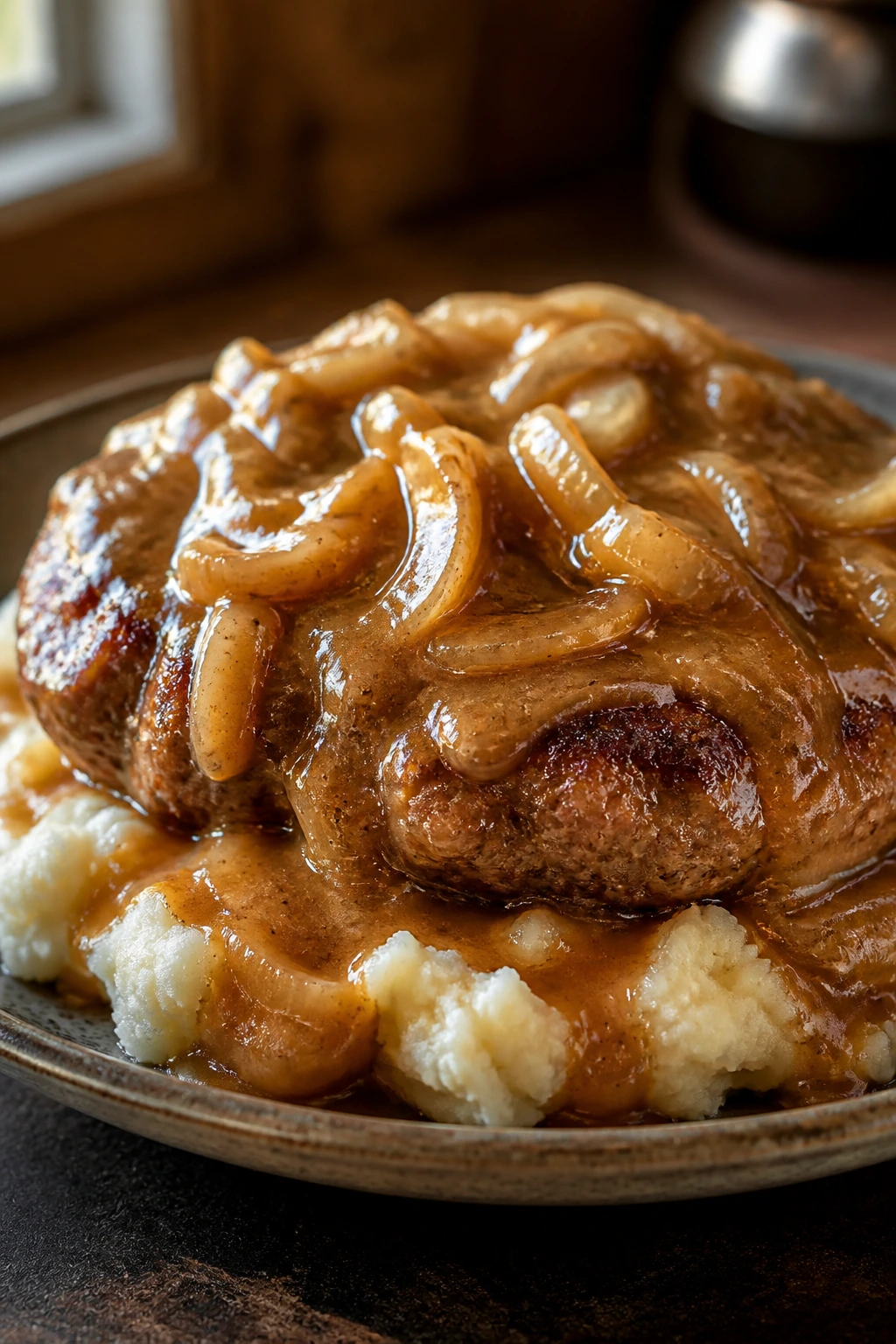
Hamburger steak is diner food at its best: beefy, oniony, and made for a pile of mashed potatoes. The patties are juicy, the gravy clings to them, and the whole dish feels like a weeknight rescue. I like this one because it asks for ordinary ingredients and gives back more than it takes.
Why It Works
Ground beef with enough fat stays tender under heat, and a little breadcrumb plus egg keeps the patties from crumbling in the skillet. The onions do more than flavor the gravy; they soften into the sauce and give it sweetness. If you cook the onions slowly enough, the gravy tastes like it has been working all afternoon.
Key Ingredients
- 2 pounds ground beef, preferably 80/20
- 1 egg
- 1/2 cup breadcrumbs
- 1 tablespoon Worcestershire sauce
- 1 teaspoon garlic powder
- 1 teaspoon onion powder
- 2 teaspoons salt
- 1 teaspoon black pepper
- 2 tablespoons oil
- 2 large onions, thinly sliced
- 2 tablespoons butter
- 2 tablespoons flour
- 2 cups beef broth
Quick Steps
- Mix the patties: Combine the beef, egg, breadcrumbs, Worcestershire, garlic powder, onion powder, salt, and pepper. Shape into 4 to 6 oval patties.
- Sear them well: Heat the oil in a skillet and brown the patties for about 4 minutes per side. Remove to a plate.
- Cook the onions: Add butter and onions to the same skillet. Cook until soft and golden at the edges, about 10 minutes.
- Make the gravy: Stir in flour and cook for 1 minute. Slowly whisk in the broth until the sauce smooths out.
- Return the patties: Nestle the patties back into the gravy and simmer 10 to 12 minutes, until cooked through.
- Serve with plenty of gravy: Spoon extra onion gravy over rice, potatoes, or biscuits.
Tips and Variations
- For a meatier bite: Use half ground beef and half ground pork.
- For mushrooms lovers: Add sliced mushrooms with the onions.
- For leftovers: Slice the patties and tuck them into a sandwich the next day.
7. Brunswick Stew
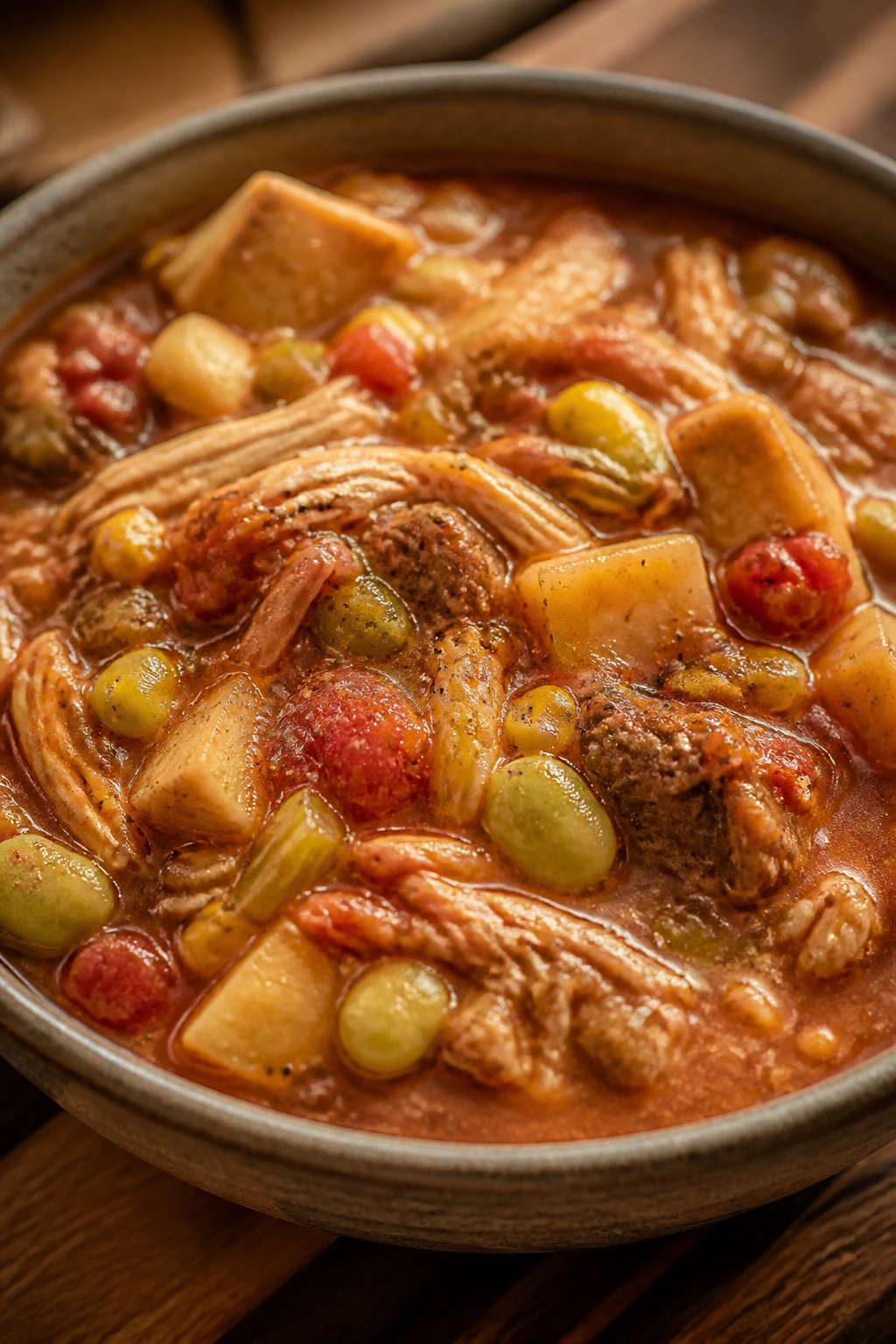
Brunswick stew tastes like leftover barbecue got a promotion. It is smoky, thick, tomato-kissed, and full of shredded meat and vegetables that melt together in the pot. The first spoonful is savory; the second one starts to feel like a memory you can eat.
Why It Works
The stew wants a mix of textures. Shredded chicken gives softness, pulled pork adds richness, lima beans and corn bring body, and tomatoes keep the pot from feeling heavy. A little barbecue sauce is not cheating here; it helps tie the smoke and sweetness together without turning the stew into barbecue soup.
Key Ingredients
- 2 cups shredded cooked chicken
- 2 cups shredded pulled pork
- 4 slices bacon, chopped
- 1 onion, diced
- 2 garlic cloves, minced
- 2 cups diced potatoes
- 1 cup frozen lima beans
- 1 14.5-ounce can crushed tomatoes
- 2 cups chicken broth
- 1/2 cup barbecue sauce
- 1 tablespoon Worcestershire sauce
- 1 teaspoon black pepper
- 1/2 teaspoon cayenne
- 1 cup frozen corn
Quick Steps
- Crisp the bacon: Cook the bacon in a large pot until it gives up some fat.
- Cook the onion: Add the onion and cook until soft, then stir in the garlic.
- Build the stew base: Add potatoes, lima beans, tomatoes, broth, barbecue sauce, Worcestershire, pepper, and cayenne.
- Simmer until the vegetables soften: Cook uncovered for about 20 minutes, stirring now and then.
- Add the meats and corn: Stir in the chicken, pulled pork, and corn. Simmer another 15 to 20 minutes until the stew thickens.
- Taste and adjust: Add salt, pepper, or a splash of vinegar if the stew needs more edge.
Tips and Variations
- For a thicker stew: Mash a few potatoes against the side of the pot.
- For a smokier version: Use leftover smoked turkey or brisket in place of some of the pork.
- For a freezer-friendly batch: Cool quickly and freeze in portions.
8. Baked Mac and Cheese with Ham
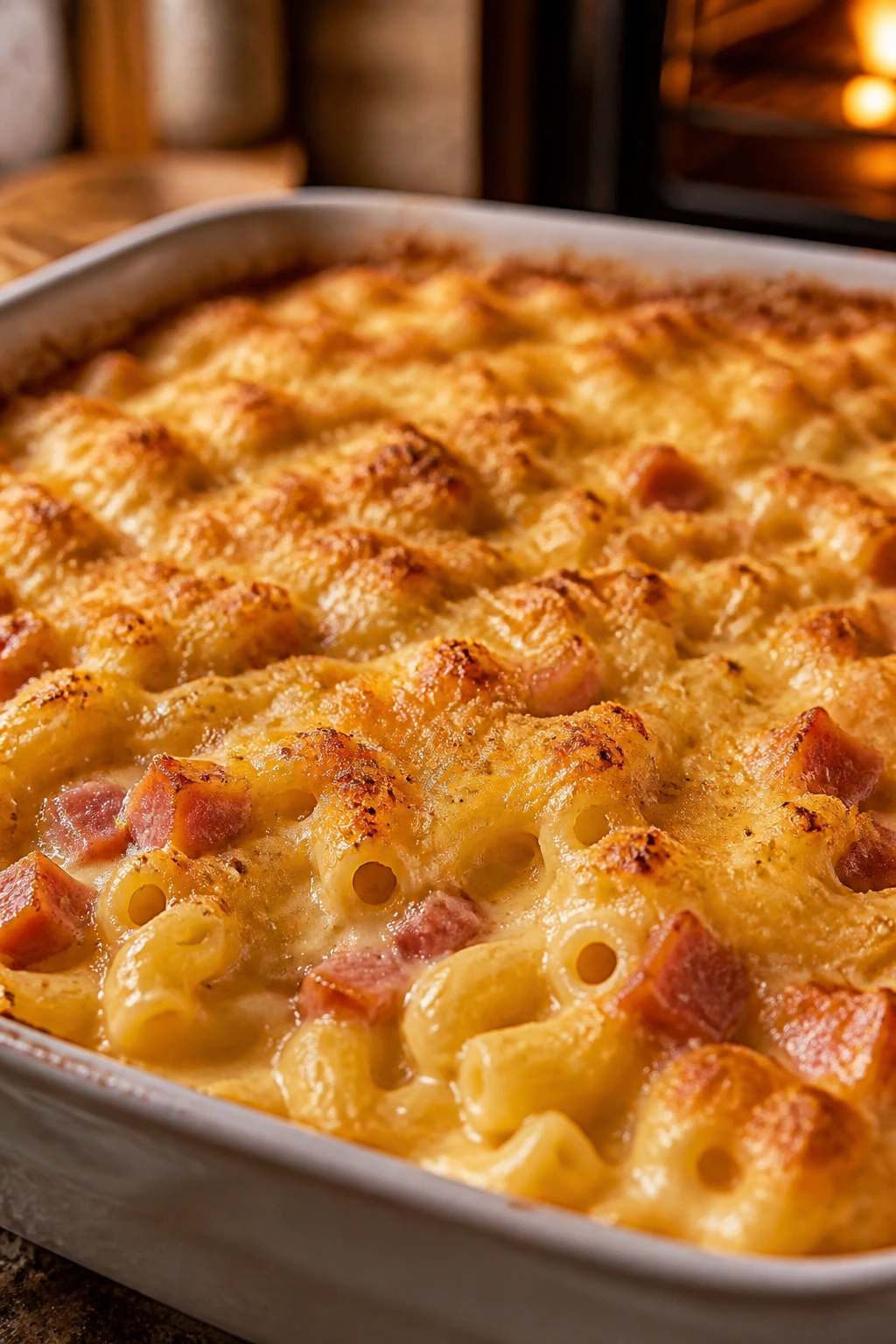
Baked mac and cheese with ham is the casserole that vanishes first at my table. The cheese sauce goes silky, the noodles hold the sauce instead of drowning in it, and the ham turns the whole dish into a one-pan dinner with real staying power. It is rich, yes, but not messy-rich. There is a difference.
Why It Works
The key is layering flavor before the cheese even goes in. Butter and flour make the roux, milk and evaporated milk build a creamy sauce, and sharp cheddar gives the dish a clean bite so it does not taste flat. Ham adds salt and smoke, which means you do not need to overcomplicate the seasoning.
Key Ingredients
- 1 pound elbow macaroni
- 4 tablespoons butter
- 1/4 cup all-purpose flour
- 3 cups whole milk
- 1 can evaporated milk, 12 ounces
- 3 cups shredded sharp cheddar
- 1 cup shredded Monterey Jack
- 2 cups diced cooked ham
- 1 teaspoon mustard powder
- 1/2 teaspoon paprika
- 1 cup breadcrumbs
- 2 tablespoons melted butter
Quick Steps
- Cook the pasta: Boil the macaroni until just shy of al dente, then drain.
- Make the cheese sauce: Melt butter in a saucepan, whisk in flour, and cook for 1 minute. Slowly add the milk and evaporated milk, whisking until smooth and thick.
- Add the cheese and ham: Stir in cheddar, Monterey Jack, mustard powder, paprika, and ham until the sauce is glossy.
- Combine and transfer: Fold in the pasta, then pour everything into a buttered baking dish.
- Top and bake: Mix breadcrumbs with melted butter, sprinkle over the casserole, and bake at 375°F for 25 to 30 minutes until bubbling and browned.
- Rest before serving: Let it sit 10 minutes so the sauce settles.
Tips and Variations
- For a deeper cheese flavor: Swap one cup of cheddar for smoked gouda.
- For a softer topping: Skip the breadcrumbs and bake it plain.
- For a crowd: Double the recipe in a large roasting pan.
9. Collard Greens with Smoked Turkey
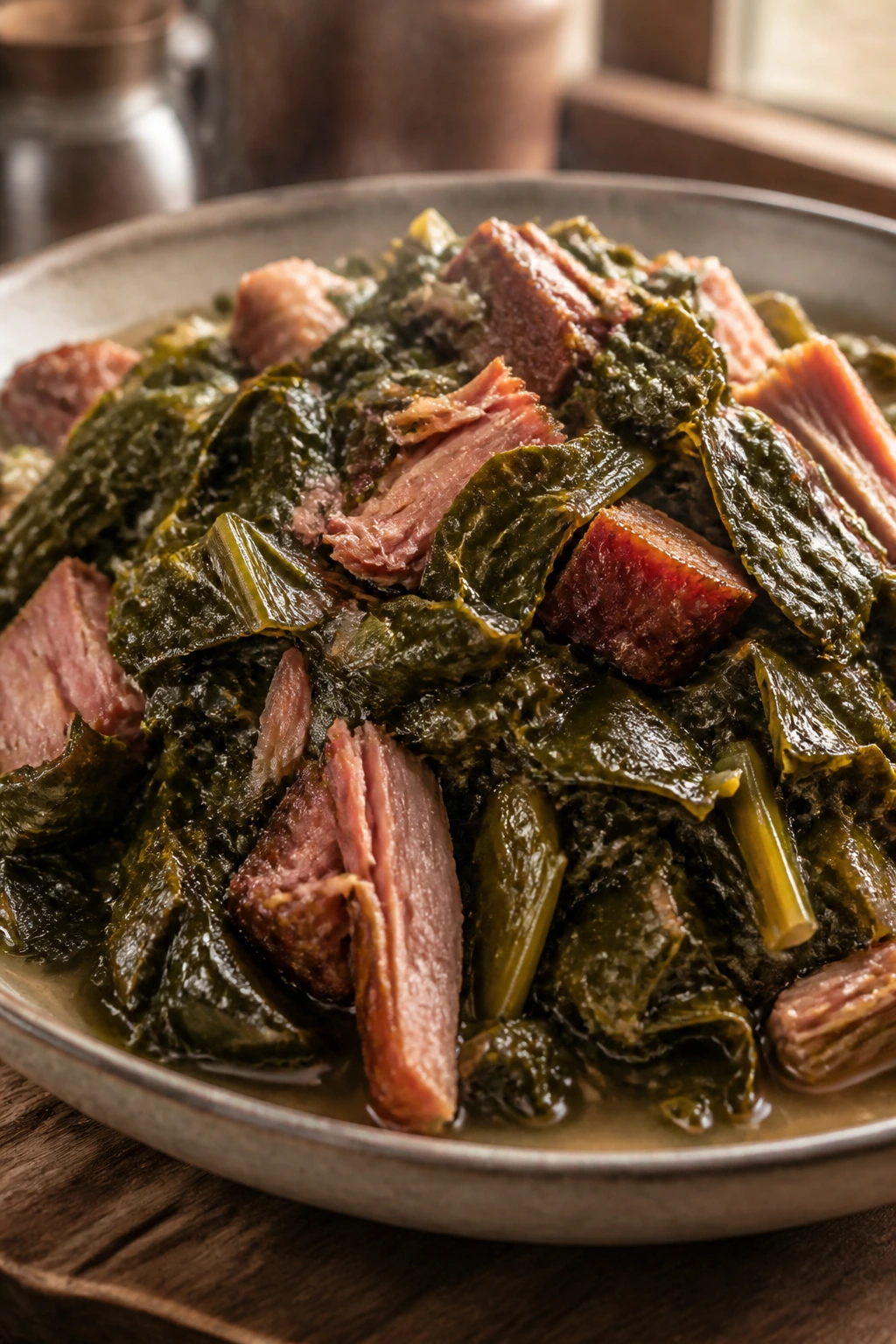
Collard greens need time, and that time is part of the pleasure. They start out tough and a little bitter, then slowly turn tender and savory as they simmer with smoked turkey, onion, and garlic. The pot smells like pepper, smoke, and vinegar when it is right. That smell alone can pull people into the kitchen.
Why It Works
Smoked turkey gives you the meaty backbone you want without the heaviness of some other cured meats. Collards hold their shape during a long simmer, so they can take on broth without collapsing into mush. A splash of vinegar at the end wakes up the greens and keeps the flavor from going dull.
Key Ingredients
- 2 bunches collard greens, stems removed and leaves chopped
- 1 smoked turkey leg or wing, about 1 1/2 pounds
- 1 onion, chopped
- 3 garlic cloves, minced
- 6 cups chicken broth or water
- 2 tablespoons apple cider vinegar
- 1 teaspoon red pepper flakes
- 1 teaspoon black pepper
- Salt, to taste
Quick Steps
- Wash the greens well: Swish the chopped collards in cold water, then lift them out and repeat until no grit remains.
- Start the turkey broth: Place the smoked turkey, onion, garlic, broth, red pepper flakes, and black pepper in a large pot. Bring to a simmer and cook 30 minutes.
- Add the collards: Stir in the greens in batches, letting each handful wilt before adding the next.
- Simmer slowly: Cover and cook for 45 to 60 minutes, until the greens are tender and the turkey is easy to pull apart.
- Finish with vinegar: Stir in the apple cider vinegar and taste for salt.
- Serve with potlikker: Spoon some of the cooking liquid into each bowl.
Tips and Variations
- For more richness: Add a ham hock along with the turkey.
- For a vegetarian version: Use smoked paprika and a splash of liquid smoke instead of meat.
- For a cornbread night: Serve the greens with hot skillet cornbread and a little butter.
10. Crispy Catfish with Hush Puppies
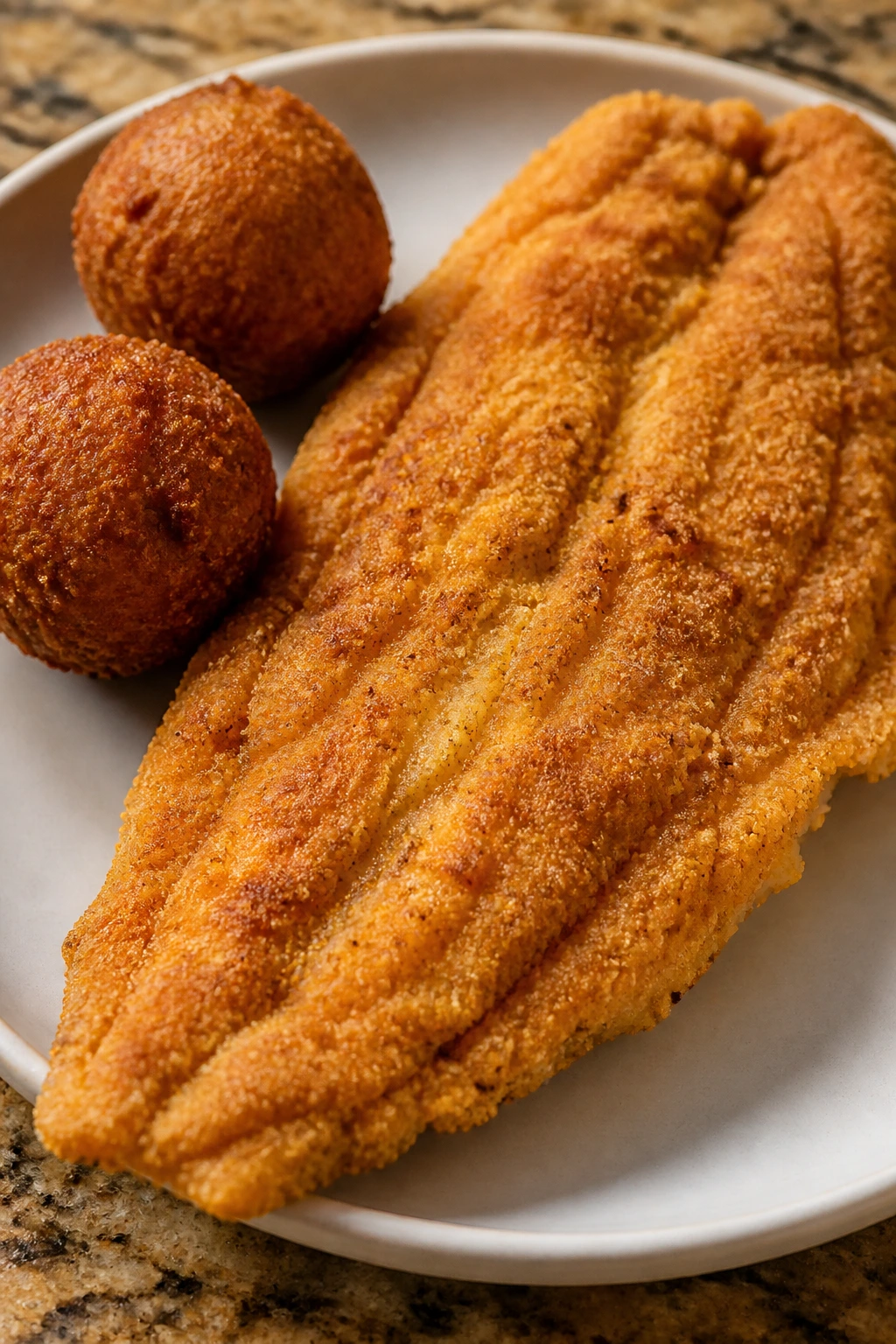
Fried catfish should be crisp, clean-tasting, and hot enough to steam when you cut into it. The coating should crack a little, the fish should flake easily, and the hush puppies should have a sweet cornmeal center with a browned shell. I like a plate like this with slaw on the side and not much else competing for attention.
Why It Works
Catfish has a mild flavor that loves a seasoned cornmeal crust. Buttermilk helps the coating cling, and a hot fry gives you the crunch without drying out the fish. Hush puppies use the same idea in miniature: a quick batter, hot oil, and no overthinking.
Key Ingredients
- 4 catfish fillets, about 6 ounces each
- 1 cup cornmeal
- 1/2 cup all-purpose flour
- 1 teaspoon salt
- 1 teaspoon black pepper
- 1 teaspoon paprika
- 1/2 teaspoon cayenne
- 1 cup buttermilk
- 1 egg
- Oil for frying
For the hush puppies:
- 1 cup cornmeal
- 1/2 cup flour
- 1 teaspoon baking powder
- 1/2 small onion, minced
- 3/4 cup buttermilk
- 1 egg
- Salt, to taste
Quick Steps
- Heat the oil: Fill a heavy skillet or pot with about 1 inch of oil and bring it to 350°F.
- Mix the fish coating: Combine cornmeal, flour, salt, pepper, paprika, and cayenne. Whisk buttermilk and egg in another bowl.
- Coat and fry the catfish: Dip the fillets in the buttermilk mixture, dredge in the cornmeal blend, then fry 3 to 4 minutes per side until golden and crisp.
- Mix the hush puppy batter: Stir together cornmeal, flour, baking powder, onion, buttermilk, egg, and salt until just combined.
- Fry the hush puppies: Drop spoonfuls of batter into the hot oil and fry until deeply golden, about 2 to 3 minutes.
- Drain and serve: Set both on a rack or paper towels and serve right away.
Tips and Variations
- For less grease: Keep the oil at 350°F and do not crowd the pan.
- For extra flavor: Add a teaspoon of Old Bay to the coating.
- For a plated dinner: Serve with coleslaw and lemon wedges.
11. Chicken Bog
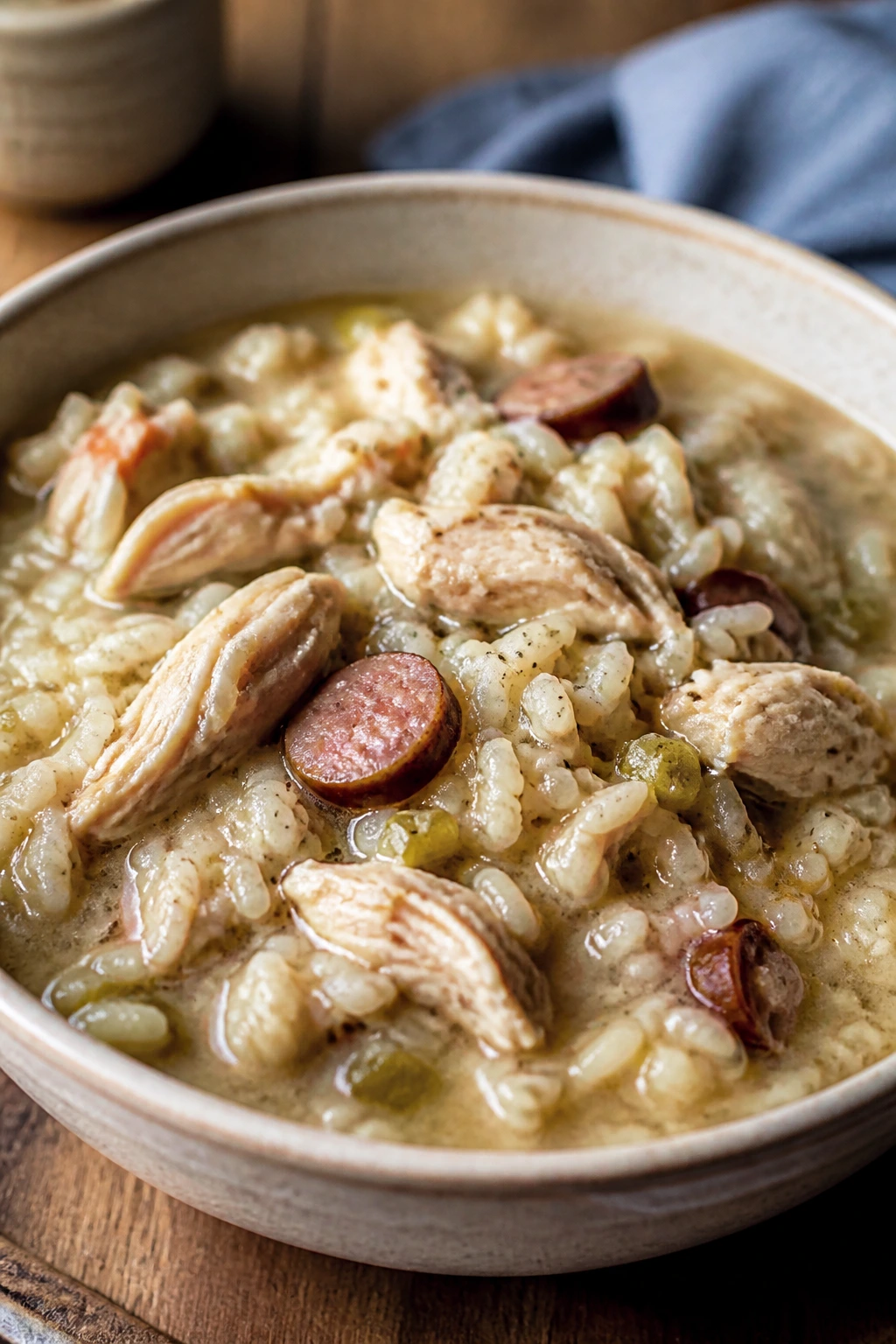
Chicken bog is the rice dish that gets misread all the time. It is not soup, and it is not dry rice either. It lands somewhere in the middle: loose, savory, smoky, and deeply comforting. The rice drinks up chicken broth and sausage drippings until every grain tastes like it belongs there.
Why It Works
This dish depends on using enough broth to cook the rice without turning it mushy. Smoked sausage gives the pot a strong base, while the chicken adds tender pieces that thread through the rice instead of sitting on top like an afterthought. It is one of those recipes where a plain-looking bowl can taste much richer than it looks.
Key Ingredients
- 1 1/2 pounds bone-in chicken thighs
- 12 ounces smoked sausage, sliced
- 1 onion, diced
- 2 celery stalks, diced
- 2 cups long-grain rice
- 5 cups chicken broth
- 2 tablespoons butter
- 1 teaspoon dried thyme
- Salt and black pepper, to taste
- Chopped parsley for serving
Quick Steps
- Simmer the chicken: Place the chicken thighs in a pot with broth and a little salt. Simmer until cooked through, about 25 minutes.
- Brown the sausage: In a separate skillet or the same pot, brown the sausage slices so they pick up color.
- Cook the vegetables: Add onion and celery to the sausage fat and cook until softened.
- Add rice and broth: Stir in the rice, chicken broth, thyme, and butter. Bring to a boil, then cover and reduce to low heat.
- Cook gently: Simmer 18 to 20 minutes, until the rice is tender and the liquid is absorbed.
- Fold in the chicken: Shred or chop the cooked chicken and stir it into the rice with the sausage. Rest 5 minutes before serving.
Tips and Variations
- For more smoke: Use half smoked turkey sausage.
- For a looser texture: Add an extra 1/2 cup broth at the end.
- For a bright finish: Stir in parsley and a splash of hot sauce.
12. White Beans and Ham Hocks
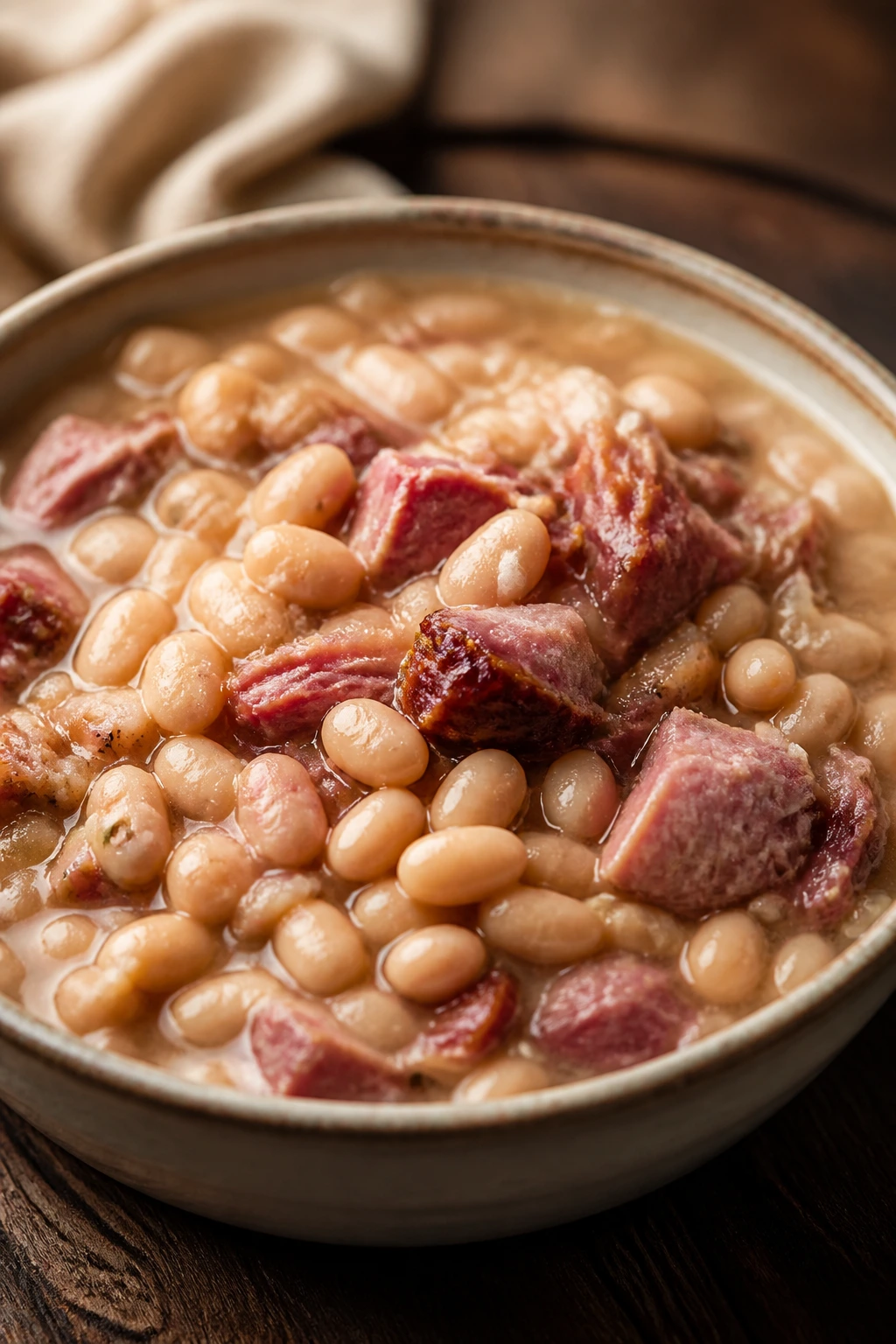
White beans and ham hocks taste like patience in a bowl. The beans turn creamy, the ham hock gives the broth a salty backbone, and the onion, carrot, and celery melt into the pot until there is no hard edge left. It is plain in the way good rural cooking often is. Nothing wasted. Nothing forced.
Why It Works
Ham hocks bring both flavor and gelatin, which means the broth gets fuller as it simmers. White beans soften gradually and break down just enough to thicken the pot naturally. The long cook is not a flaw. It is the whole design.
Key Ingredients
- 1 pound navy beans or Great Northern beans
- 2 ham hocks
- 1 onion, chopped
- 2 carrots, chopped
- 2 celery stalks, chopped
- 4 garlic cloves, minced
- 2 bay leaves
- 6 cups water or chicken broth
- 1 teaspoon black pepper
- 1 tablespoon apple cider vinegar
Quick Steps
- Rinse and soak the beans: Rinse the beans well, then soak them overnight or use a quick-soak method if needed.
- Start the broth: Put the ham hocks, onion, carrots, celery, garlic, bay leaves, and liquid in a heavy pot. Bring to a simmer.
- Add the beans: Stir in the soaked beans and black pepper. Simmer gently for 1 1/2 to 2 hours.
- Check for tenderness: The beans should be creamy, not chalky, and the ham should pull away from the bone.
- Shred and season: Remove the ham hocks, shred the meat, and return it to the pot. Stir in vinegar and taste for salt.
- Serve warm: Spoon into bowls with cornbread or rice.
Tips and Variations
- For a thicker pot: Mash some beans against the side of the pot.
- For a lighter version: Use smoked turkey wings instead of ham hocks.
- For extra flavor: Finish with chopped onion or hot sauce at the table.
13. Slow-Cooker Pulled Pork with Vinegar Sauce
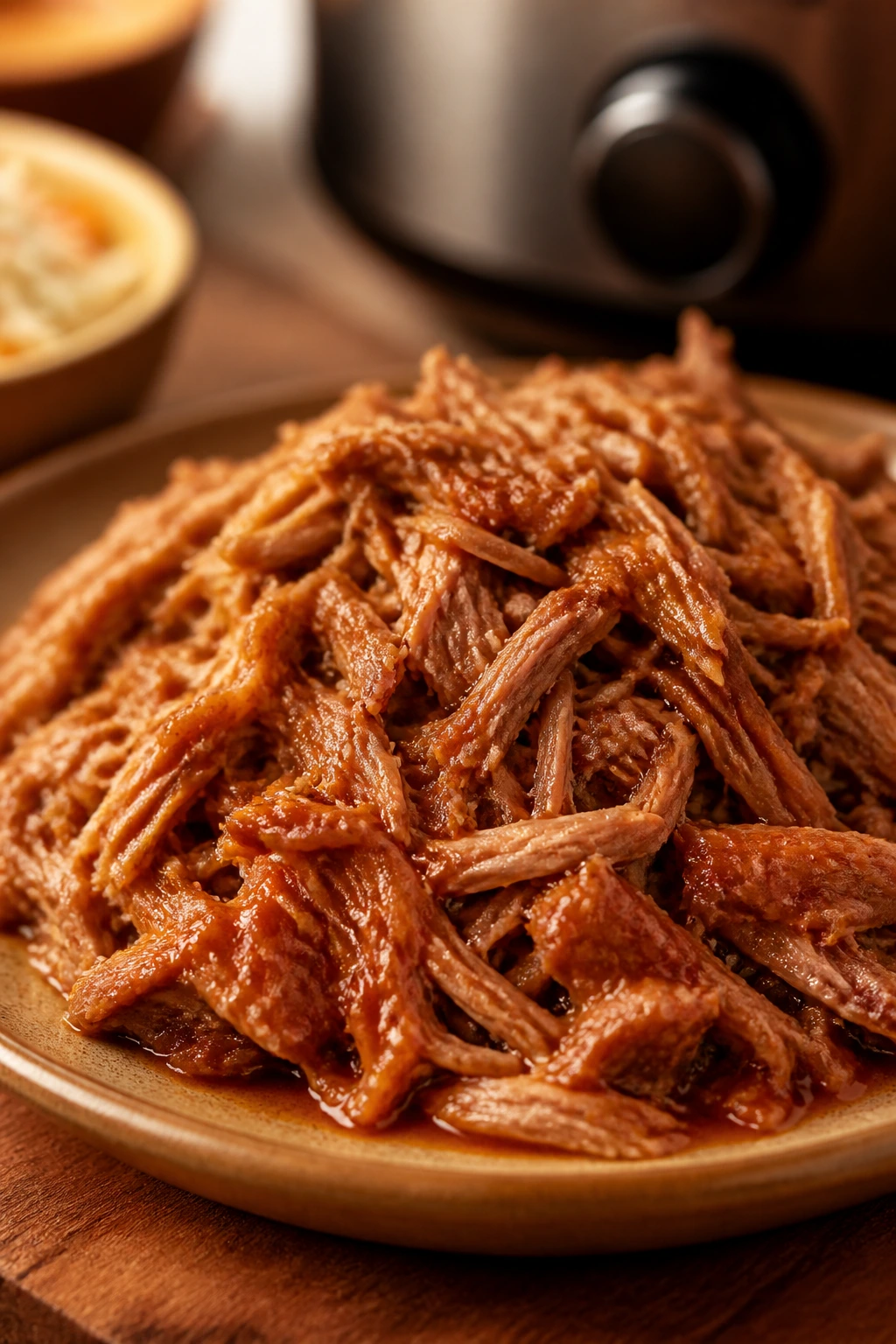
Pulled pork is one of those dishes that does half the work while you are doing something else, which is why it belongs on a cozy-night list. The meat turns shreddable and juicy, the edges take on a little bark, and the vinegar sauce cuts through the richness so the sandwich does not feel sticky. I like mine piled high with slaw. It needs that crunch.
Why It Works
A pork shoulder has enough fat and connective tissue to get tender after a long cook, which is why the slow cooker is such a good fit. Dry seasoning on the outside builds flavor before the heat even starts, and the vinegar in the sauce keeps the finished meat bright. If you only ever make pulled pork with a sweet barbecue sauce, try this version once. It wakes the whole plate up.
Key Ingredients
- 4 to 5 pounds pork shoulder or pork butt
- 2 tablespoons brown sugar
- 1 tablespoon paprika
- 2 teaspoons salt
- 1 teaspoon black pepper
- 1 teaspoon garlic powder
- 1 teaspoon onion powder
- 1 onion, sliced
- 1/2 cup apple cider vinegar
- 1/2 cup chicken broth
- 1 tablespoon Worcestershire sauce
- Buns and coleslaw, for serving
Quick Steps
- Season the pork: Mix brown sugar, paprika, salt, pepper, garlic powder, and onion powder. Rub it all over the pork shoulder.
- Layer the slow cooker: Put the sliced onion in the bottom, set the pork on top, and pour in the broth and half the vinegar.
- Cook low and slow: Cover and cook on low for 8 hours, until the pork shreds with a fork.
- Shred the meat: Transfer the pork to a cutting board and pull it apart, discarding excess fat.
- Make the sauce: Stir the remaining vinegar and Worcestershire into the cooking juices. Spoon some over the pork and toss lightly.
- Build the sandwiches: Pile onto buns and top with slaw.
Tips and Variations
- For a softer sandwich: Use more cooking juices; for a drier pile, drain more of them off.
- For oven cooking: Braise covered at 300°F for about 3 1/2 hours.
- For tacos: Serve the pork with pickled onions and mustard slaw instead of buns.
14. Smothered Chicken and Rice
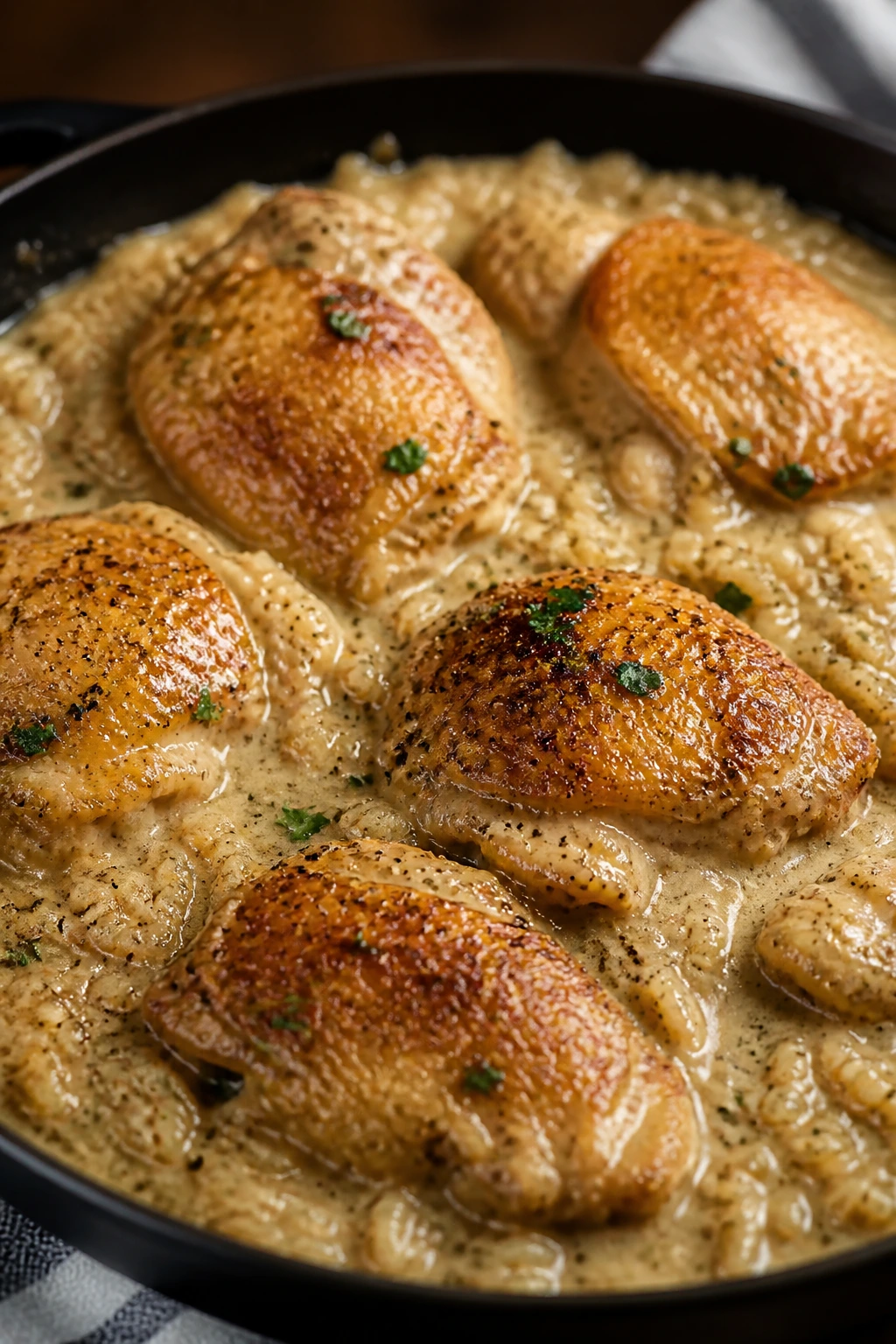
Smothered chicken and rice is gravy-first comfort. The chicken cooks until tender, the rice drinks up the sauce, and the vegetables slide into the background in the best possible way. It is the sort of skillet dinner that smells like you spent more time on it than you did.
Why It Works
Chicken thighs hold up better than breasts in a dish like this, where the heat comes on in stages. Browning the chicken first gives the gravy color, then rice cooks right in the liquid so nothing gets wasted. The final texture should be creamy at the bottom and fluffy on top, with just enough gravy to make each spoonful feel generous.
Key Ingredients
- 2 pounds bone-in chicken thighs
- 1/2 cup flour
- 2 tablespoons oil
- 1 onion, diced
- 1 bell pepper, diced
- 2 celery stalks, diced
- 8 ounces mushrooms, sliced
- 3 cups chicken broth
- 1 cup long-grain rice
- 1/2 cup evaporated milk or cream
- 1 teaspoon thyme
- 1 teaspoon paprika
Quick Steps
- Season and dredge the chicken: Coat the thighs lightly in flour, salt, pepper, thyme, and paprika.
- Brown the chicken: Sear in oil over medium-high heat until golden on both sides, then move to a plate.
- Cook the vegetables: Add onion, bell pepper, celery, and mushrooms to the skillet. Cook until softened and the pan smells sweet and savory.
- Build the gravy: Stir in the remaining flour from the dredge, then whisk in the broth and evaporated milk.
- Add rice and chicken: Stir in rice, nestle the chicken back into the skillet, cover, and bake or simmer until the rice is tender and the chicken is cooked through.
- Rest before serving: Let the dish sit 5 to 10 minutes so the sauce settles.
Tips and Variations
- For a richer gravy: Add a tablespoon of butter at the end.
- For extra vegetables: Stir in peas during the last 5 minutes.
- For a one-dish supper: Use a deep oven-safe skillet so you can take it straight to the table.
15. Black-Eyed Pea Stew
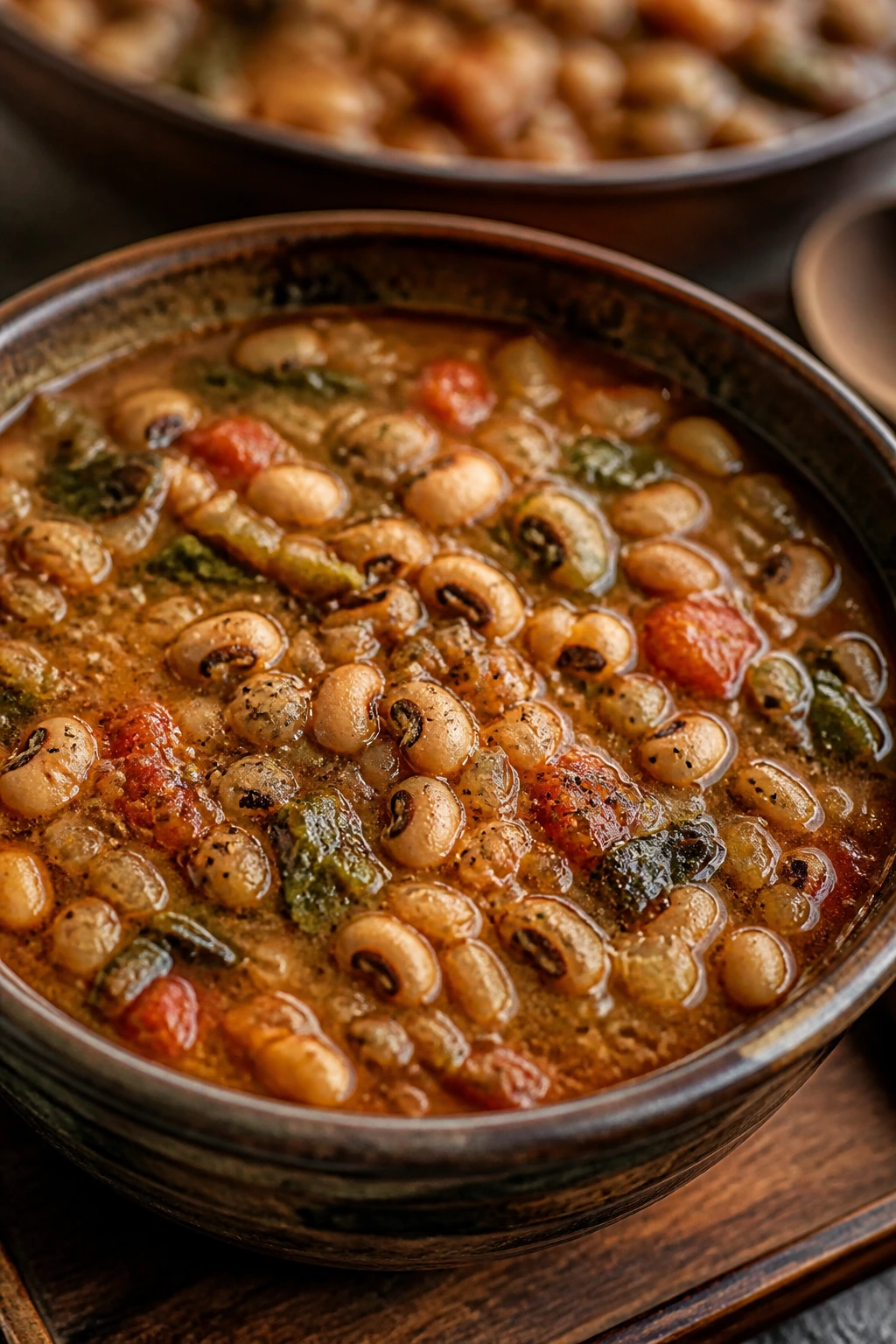
Black-eyed pea stew has a quiet kind of comfort. It is thick, peppery, and full of soft beans, tomato, onion, and greens if you want them. It tastes like a meal that has been around long enough to know what matters. Salt. Smoke. A little acid at the end.
Why It Works
Black-eyed peas cook faster than many dried beans, which makes them useful for a night when you still want a pot of something steady but do not want to wait forever. Smoked ham or paprika gives them depth, while tomatoes and greens keep the stew from feeling heavy. A splash of vinegar right before serving brightens the whole pot.
Key Ingredients
- 1 pound dried black-eyed peas or 4 cans, drained
- 1 onion, diced
- 1 carrot, diced
- 2 celery stalks, diced
- 1 bell pepper, diced
- 3 garlic cloves, minced
- 1 smoked ham hock or 6 ounces diced ham
- 6 cups chicken broth
- 1 can diced tomatoes, 14.5 ounces
- 1 teaspoon smoked paprika
- 1 teaspoon dried thyme
- 3 cups chopped collard greens
- 1 tablespoon apple cider vinegar
Quick Steps
- Start the flavor base: Cook the onion, carrot, celery, and bell pepper in a large pot until softened.
- Add garlic and seasoning: Stir in garlic, smoked paprika, and thyme for 30 seconds.
- Simmer the peas: Add peas, ham hock or ham, broth, and tomatoes. Bring to a boil, then simmer until the peas are tender.
- Add the greens: Stir in the collards and cook until they soften, about 10 to 15 minutes.
- Thicken slightly: Mash a small scoop of peas against the side of the pot.
- Finish with vinegar: Add the vinegar and taste for salt and pepper.
Tips and Variations
- For a vegetarian pot: Leave out the ham and use smoked paprika plus a little soy sauce.
- For more body: Stir in a spoonful of tomato paste with the aromatics.
- For a fuller meal: Serve over rice or with cornbread.
16. Country Meatloaf with Tomato Glaze
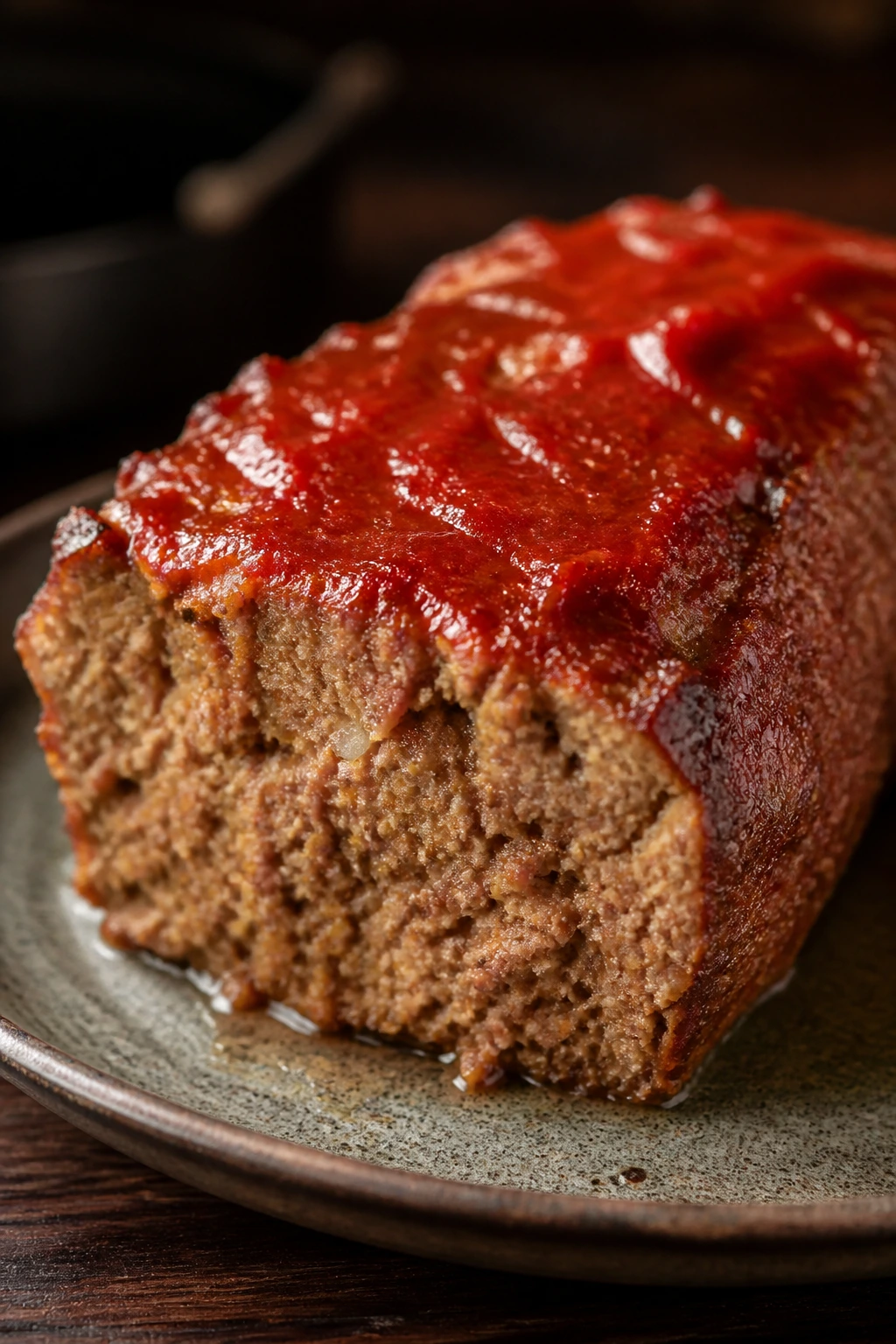
Meatloaf gets mocked until somebody slices into a good one and the knife comes back clean with steam on it. A country-style version should be juicy, savory, and just sweet enough on top to caramelize at the edges. I like it with mashed potatoes and green beans, the kind of dinner plate that does not need explaining.
Why It Works
The mix of beef and a little pork keeps the loaf tender, while breadcrumbs and milk hold the moisture so the slices do not collapse. Grated onion disappears into the meat, which means you get flavor without chunks. The glaze matters more than people think; it creates a sticky top that gives each bite a sweet-savory hit.
Key Ingredients
- 2 pounds ground beef
- 1/2 pound ground pork
- 1 onion, grated
- 2 eggs
- 3/4 cup breadcrumbs
- 1/2 cup milk
- 2 tablespoons Worcestershire sauce
- 2 teaspoons salt
- 1 teaspoon black pepper
For the glaze:
- 1/2 cup ketchup
- 2 tablespoons brown sugar
- 1 tablespoon mustard
- 1 teaspoon apple cider vinegar
Quick Steps
- Mix the loaf: Combine beef, pork, onion, eggs, breadcrumbs, milk, Worcestershire, salt, and pepper in a large bowl. Mix gently.
- Shape it: Form the mixture into a loaf on a lined baking sheet or place it in a loaf pan.
- Stir together the glaze: Whisk ketchup, brown sugar, mustard, and vinegar until smooth.
- Bake partly covered: Bake at 375°F for 35 minutes, then brush on half the glaze.
- Finish baking: Cook another 20 to 25 minutes, brushing on the remaining glaze near the end, until the center reaches 160°F.
- Rest before slicing: Wait 10 minutes so the juices stay in the loaf.
Tips and Variations
- For softer texture: Do not pack the meat mixture too tightly.
- For a smoky note: Add a teaspoon of smoked paprika to the loaf.
- For leftovers: Meatloaf sandwiches are excellent the next day.
17. Country-Style Pork Ribs with Pan Gravy
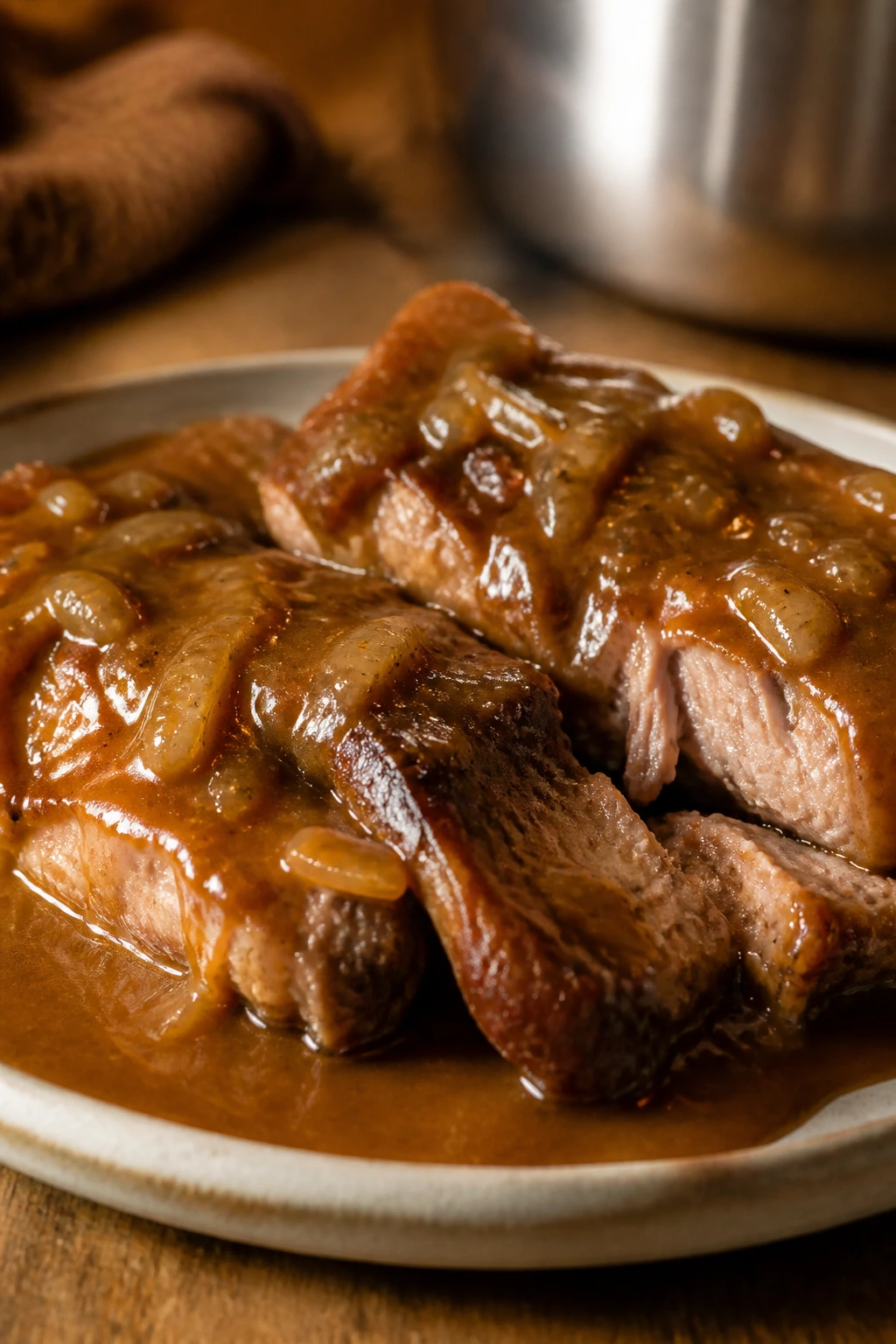
Country-style pork ribs are the cut I pull out when I want braised meat without much trouble. They get tender in the oven, they soak up gravy beautifully, and they leave behind a pan full of flavor that begs for potatoes or rice. This is not dainty food. Good. It should not be.
Why It Works
These ribs have enough marbling to stay moist through a long braise, which is why they work so well with onions and pan gravy. Browning them first creates the base for the sauce, and the oven does the rest of the work slowly. The gravy should taste like the skillet itself: porky, oniony, and a little peppery.
Key Ingredients
- 3 pounds country-style pork ribs
- 2 teaspoons salt
- 1 teaspoon black pepper
- 1 teaspoon paprika
- 1 teaspoon garlic powder
- 2 tablespoons oil
- 1 onion, sliced
- 3 cups chicken broth
- 2 tablespoons flour
- 2 tablespoons butter
- 1 tablespoon Worcestershire sauce
- 1 teaspoon dried thyme
Quick Steps
- Season the ribs: Rub the pork with salt, pepper, paprika, and garlic powder.
- Brown them well: Sear in oil over medium-high heat until browned on both sides.
- Add the onion: Cook the onion in the same pan until soft.
- Make the gravy base: Whisk in butter and flour, then slowly add the broth and Worcestershire.
- Braise in the oven: Return the ribs to the pan, cover, and bake at 325°F for 1 1/2 hours, until fork-tender.
- Finish the sauce: If needed, simmer uncovered for a few minutes to thicken the gravy before serving.
Tips and Variations
- For deeper color: Let the ribs brown a little longer than you think you should.
- For extra vegetables: Add carrots and potatoes to the braise.
- For a sharper gravy: Stir in a spoonful of mustard at the end.
18. Okra, Tomato, and Bacon Skillet
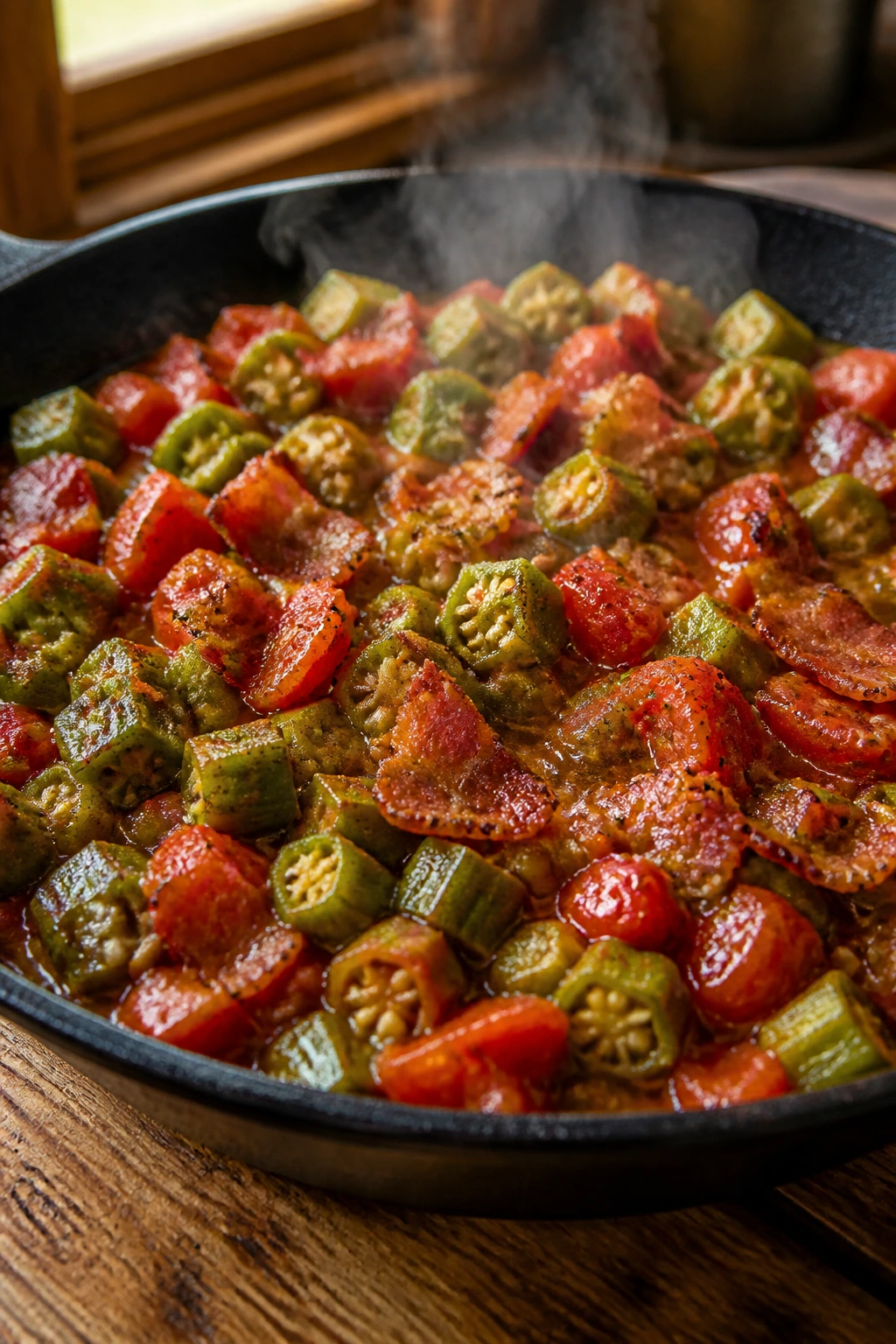
Okra and tomato is a dish that rewards patience. Rush it, and you might get slimy okra. Cook it calmly with bacon and onion, and it turns into a savory skillet full of soft tomatoes, crisp edges, and a little smoky depth. Spoon it over rice and it becomes dinner instead of a side.
Why It Works
Bacon gives the skillet fat and smoke, which is the best thing you can do for okra. The heat should stay at medium, not high, so the okra browns a bit before it softens too much. Tomatoes add acid that keeps the dish bright, and a splash of vinegar at the end sharpens everything.
Key Ingredients
- 6 slices bacon, chopped
- 1 onion, diced
- 1 pound fresh okra, sliced into 1/2-inch pieces
- 2 tomatoes, chopped or 1 can diced tomatoes
- 2 garlic cloves, minced
- 1 teaspoon sugar, optional
- 1 tablespoon apple cider vinegar
- Salt and black pepper, to taste
- 3 cups cooked rice, for serving
Quick Steps
- Cook the bacon: Fry the bacon in a skillet until crisp, then remove it to a plate.
- Soften the onion: Add the onion to the bacon fat and cook until translucent.
- Add the okra: Stir in the sliced okra and cook for 5 to 7 minutes until the edges start to brown.
- Add tomatoes and garlic: Stir in the tomatoes, garlic, and sugar if using. Simmer until the mixture looks glossy, not watery.
- Finish the skillet: Add vinegar, bacon, salt, and pepper. Taste and adjust.
- Serve over rice: Spoon the mixture over hot rice while it is still steamy.
Tips and Variations
- For less slime: Make sure the skillet is hot before the okra goes in.
- For more body: Add corn kernels or diced bell pepper.
- For a meatless version: Skip the bacon and use olive oil plus smoked paprika.
19. Pinto Beans with Ham and Skillet Cornbread
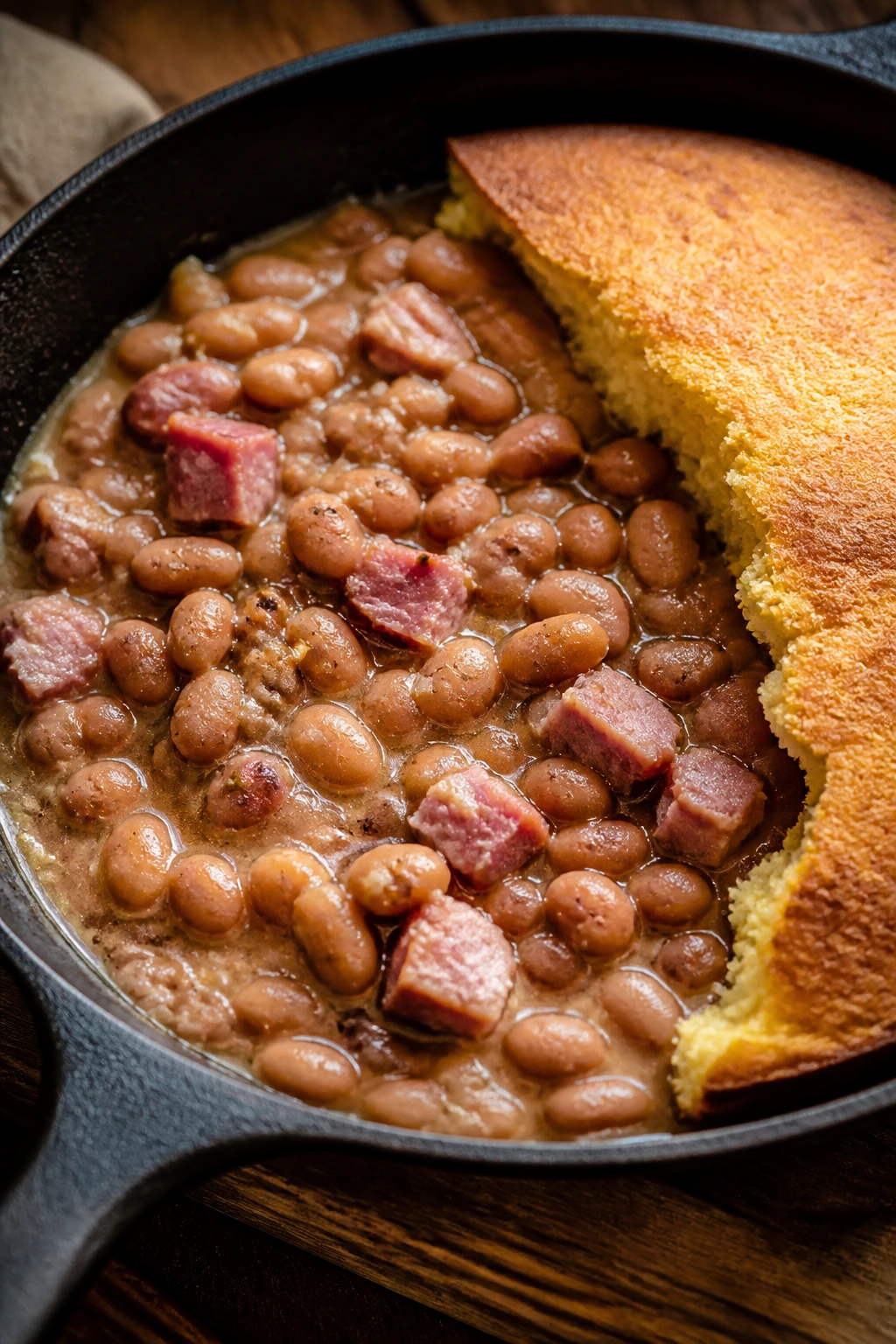
Pinto beans and cornbread is plain food that never feels plain when it is done well. The beans go soft and earthy, the ham seasons the pot from the inside, and the cornbread comes out of the skillet with a browned edge that breaks into the crumb just right. I love this dinner when I want something deeply filling without asking the kitchen to do gymnastics.
Why It Works
Pinto beans make a creamy pot when they simmer long enough, and a ham hock or diced ham gives them the salty background they need. Cornbread on the side is not decoration. It is part of the meal, there to soak up the bean broth and give the table a little crunch. Keep the bean liquid slightly brothy and the whole thing feels balanced.
Key Ingredients
For the beans:
- 1 pound dried pinto beans
- 1 ham hock or 2 cups diced ham
- 1 onion, chopped
- 3 garlic cloves, minced
- 2 bay leaves
- 6 cups water or chicken broth
- 1 teaspoon black pepper
- 1 tablespoon apple cider vinegar
For the skillet cornbread:
- 1 cup yellow cornmeal
- 1 cup all-purpose flour
- 1 tablespoon baking powder
- 1 teaspoon salt
- 1 cup buttermilk
- 1 egg
- 1/4 cup melted butter
Quick Steps
- Start the beans: Rinse the pinto beans and place them in a pot with the ham, onion, garlic, bay leaves, and liquid.
- Simmer slowly: Bring to a boil, then reduce to low and cook until the beans are tender, 1 1/2 to 2 hours.
- Season and thicken: Stir in black pepper and vinegar, then mash a few beans against the side of the pot.
- Heat the oven: Preheat to 425°F and place a cast-iron skillet inside if you want a crisp crust on the cornbread.
- Mix the cornbread batter: Stir together cornmeal, flour, baking powder, salt, buttermilk, egg, and melted butter until just combined.
- Bake until golden: Pour into the hot skillet and bake 20 to 25 minutes, until the top is browned and a toothpick comes out clean.
Tips and Variations
- For a thicker bean pot: Let it simmer uncovered for the last 15 minutes.
- For more tang in the cornbread: Use cultured buttermilk and a spoonful of sour cream.
- For serving: Split the cornbread and spoon beans over the top.
20. Beef Tips over Creamy Grits
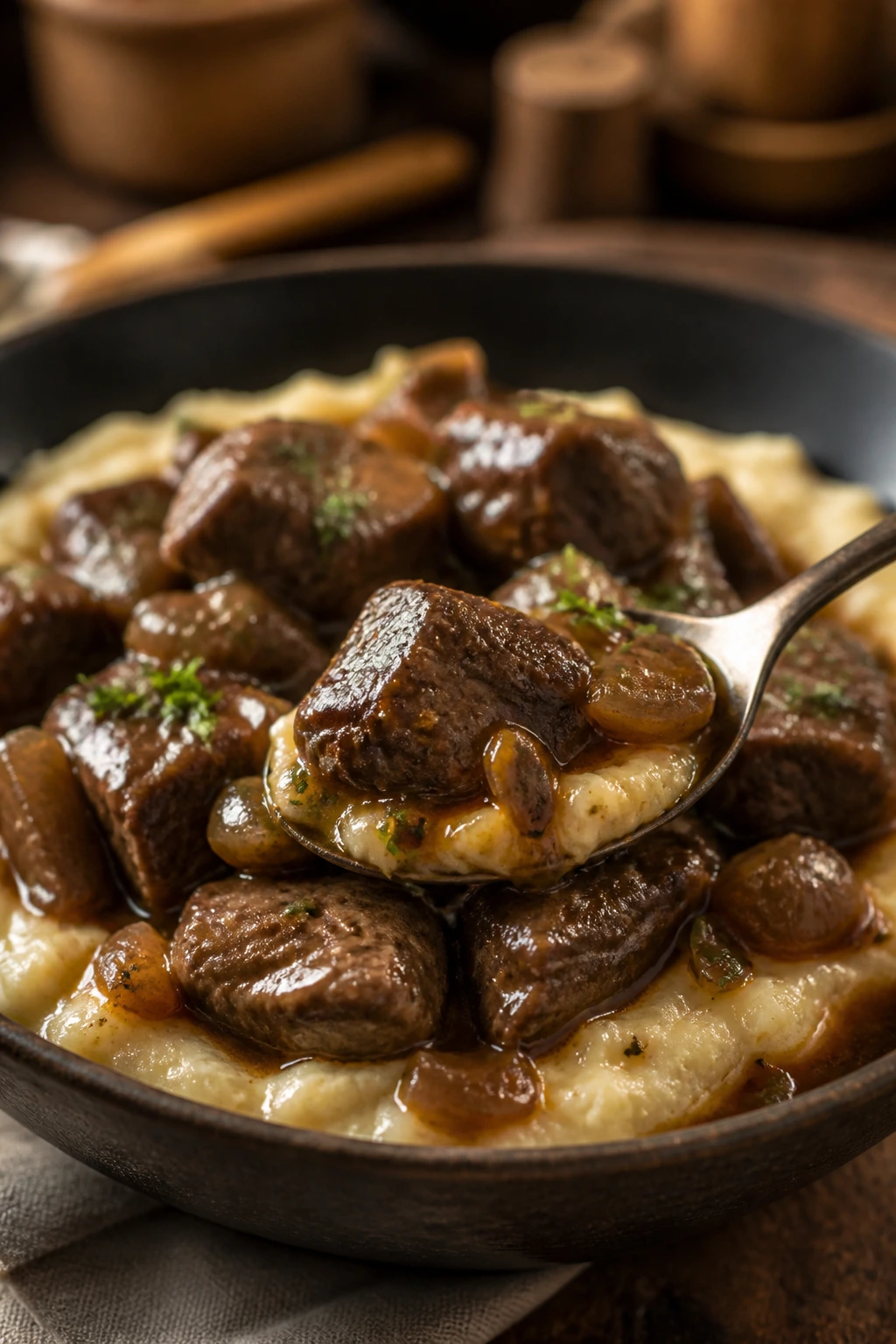
Beef tips over creamy grits is the kind of supper that settles a whole table down. The beef cooks until spoon-tender, the gravy gets dark and glossy, and the grits underneath act like a soft landing pad. I like this dish when I want something a little more substantial than soup but still deeply comforting. It eats like a bowl, which is the best kind of winter-night dinner.
Why It Works
Chuck or stew meat becomes tender when it braises low and slow in gravy. Mushrooms and onions add body, while Worcestershire and broth keep the sauce savory instead of heavy. Creamy grits underneath turn the whole thing into a one-bowl dinner that feels complete without needing much else beside it.
Key Ingredients
- 2 pounds beef chuck or stew meat
- 2 tablespoons flour
- 2 tablespoons oil
- 1 onion, sliced
- 8 ounces mushrooms, sliced
- 3 cups beef broth
- 1 tablespoon Worcestershire sauce
- 1 teaspoon dried thyme
- 2 tablespoons butter
- Salt and black pepper, to taste
For the grits:
- 1 cup stone-ground grits
- 4 cups water or broth
- 1/2 cup milk or cream
- 2 tablespoons butter
- 1/2 cup shredded cheese, optional
Quick Steps
- Brown the beef: Toss the beef with flour, salt, and pepper, then sear it in oil until browned on all sides.
- Cook the onions and mushrooms: Add them to the pot and cook until the onions soften and the mushrooms release their juices.
- Build the gravy: Pour in the broth, Worcestershire, and thyme. Bring to a simmer, cover, and cook until the beef is tender, about 1 hour.
- Make the grits: While the beef cooks, simmer the grits in water or broth until thick and creamy.
- Finish the grits: Stir in milk, butter, and cheese if using.
- Serve together: Spoon the beef tips and gravy over the grits, with black pepper on top.
Tips and Variations
- For a richer gravy: Add a teaspoon of tomato paste with the onions.
- For a faster version: Use sirloin tips and shorten the braise.
- For a sharper plate: Finish with chopped parsley or a splash of hot sauce.
Why These Southern Suppers Feel So Good After Dark
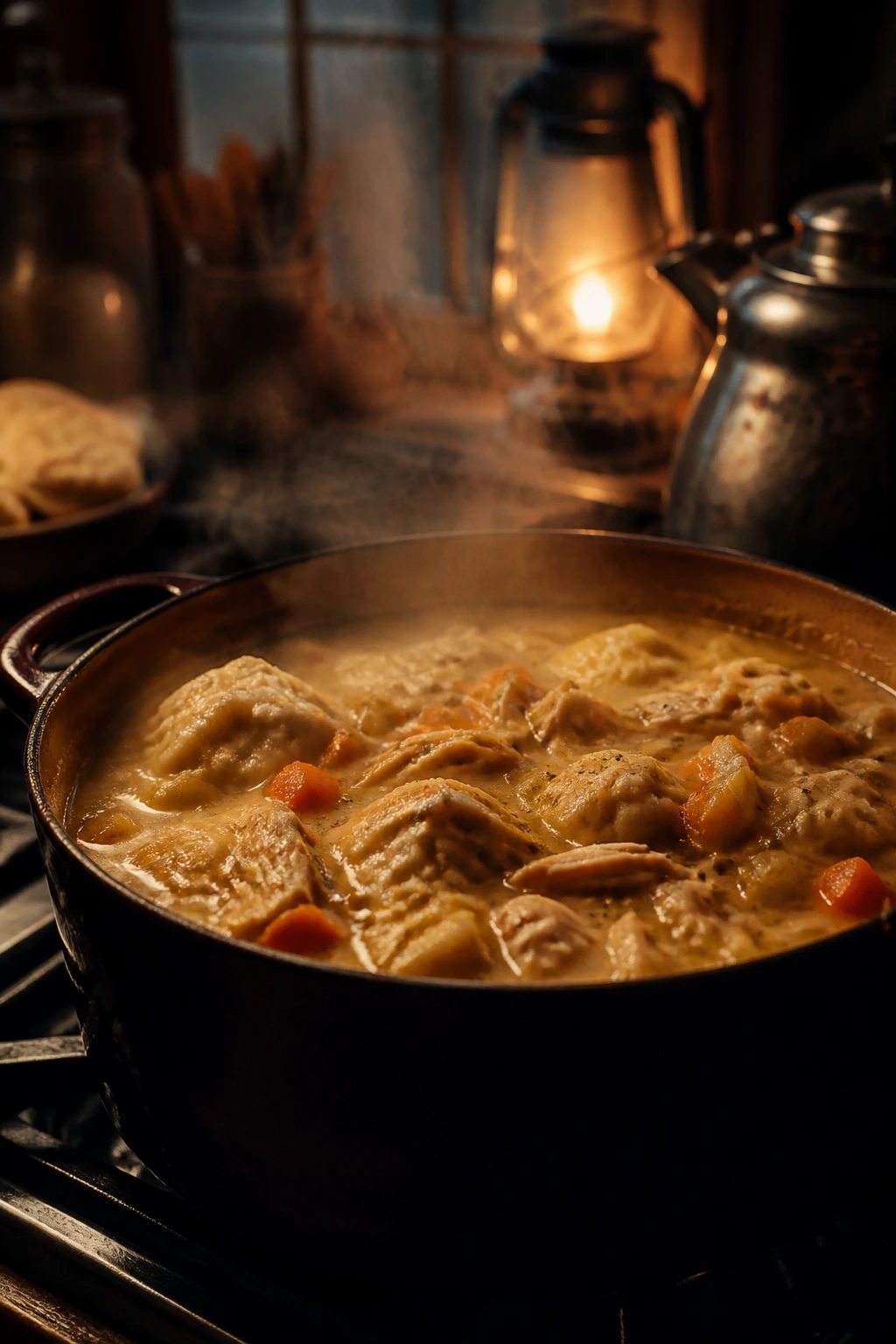
There is a reason these dinners keep showing up on Southern tables when the evening gets quiet. They are built on heat that does not rush. A pot can simmer while you answer a phone call, fold a load of laundry, or stand at the stove with your hands wrapped around a mug. That slow pace changes the food. Gravy thickens. Beans soften. Meat loosens. The kitchen starts to feel more like a place to stay.
The flavor pattern is part of the comfort too. Smoke against acid. Salt against starch. Crisp edges against soft middles. Southern comfort food often seems simple from a distance, but it leans on those contrasts hard. A pot of collards needs vinegar. A pan of pulled pork needs slaw. Fried fish needs a cold, crunchy side. When the plate has those little tensions built in, it never tastes sleepy.
I also think these meals work because they are honest about what they are. Nobody is pretending a bowl of beans is a salad. Nobody is apologizing for the gravy. That kind of clarity is soothing. You sit down, eat, and the dish gives you exactly what it promised.
Essential Gear for a Southern Kitchen
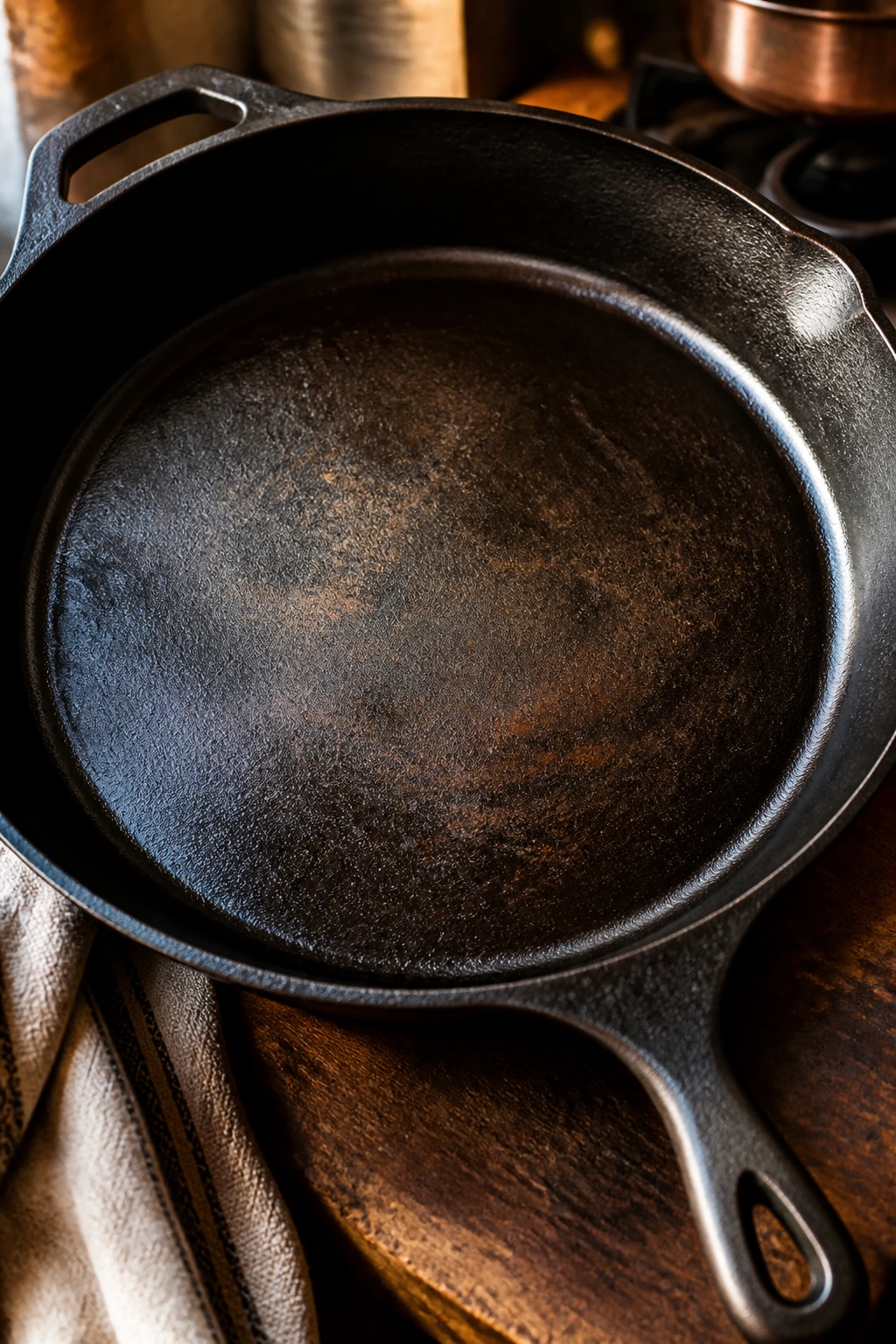
- Cast-iron skillet: Perfect for searing pork chops, frying catfish, and baking cornbread with a proper crust.
- Dutch oven or heavy soup pot: The best vessel for chicken and dumplings, beans, stews, and collards because it holds heat evenly.
- Large saucepan: Handy for grits, gravies, and cheese sauce without scorching the bottom.
- Baking dish or casserole pan: Useful for mac and cheese, meatloaf, and smothered chicken and rice.
- Whisk: Keeps gravy, cheese sauce, and cornbread batter smooth.
- Tongs: Worth having for turning chicken, ribs, fish, and sausage without tearing the crust.
- Wooden spoon or heatproof spatula: Good for scraping up browned bits and stirring bean pots.
- Meat thermometer: The easiest way to keep chicken, pork, and meatloaf from going too far.
- Fine-mesh strainer or colander: Useful for rinsing beans, greens, and rice.
- Wire rack: Helps fried chicken, catfish, and hush puppies stay crisp after cooking.
- Sharp chef’s knife: A dull knife turns onion and collard prep into a chore.
- Lid that fits well: Sounds boring. It matters. A snug lid helps dumplings steam and rice finish properly.
Smart Shopping for the Best Flavor
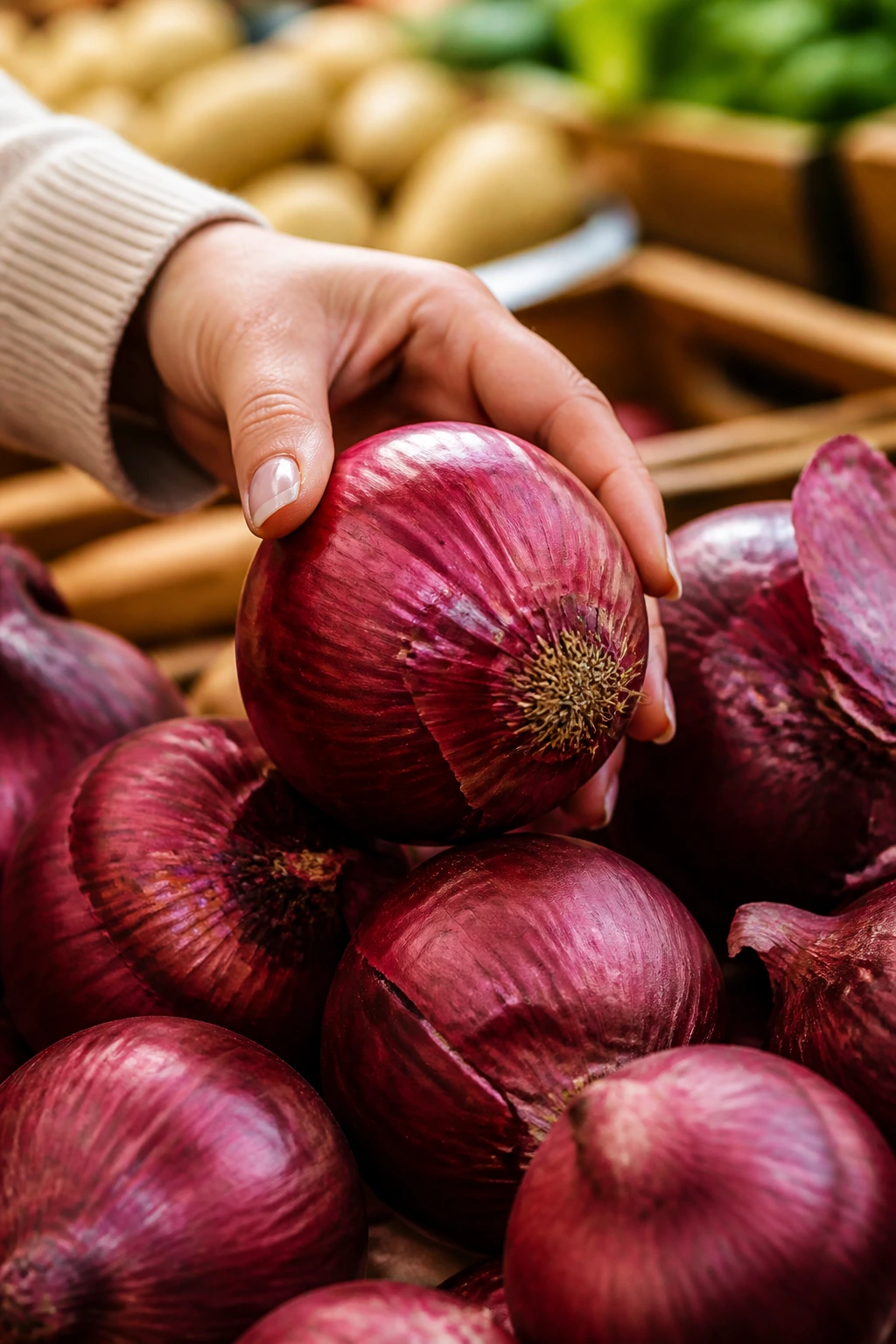
Buy the cut that matches the method. Bone-in chicken thighs, pork chops, and stew meat keep more flavor than lean cuts that dry out under heat. For fried dishes, look for fish fillets that smell clean and mild, not fishy, and shrimp that feel firm instead of mushy. If a recipe depends on a long simmer, meat with a little connective tissue usually wins.
Beans deserve better attention than they get. Dried beans cook up with a cleaner flavor and better texture than many canned versions, though canned beans are fine for a weeknight shortcut. If you use canned, rinse them well unless the recipe relies on that starchy liquid. For grits, stone-ground grits bring more corn flavor and a little bite, while quick grits are fine when speed matters more than texture.
Smoked meats can carry a whole pot, so choose them carefully. Ham hocks, smoked turkey wings, and andouille should smell smoky, not stale or overly salty. With sausage, I like a balanced smoke rather than something so hot it hijacks the dish. For cheese sauces, use a sharp cheddar and grate it yourself if possible. Pre-shredded cheese often brings extra starch that can make the sauce less smooth.
A few pantry items are worth buying better versions of. Broth should taste like something you could actually sip. Vinegar matters more than people think; apple cider vinegar brings a softer edge than plain white vinegar in beans, greens, and pulled pork. And if tomatoes are part of the dish, canned crushed tomatoes with a short ingredient list usually taste cleaner than heavily seasoned ones.
How to Serve These Southern Dinners
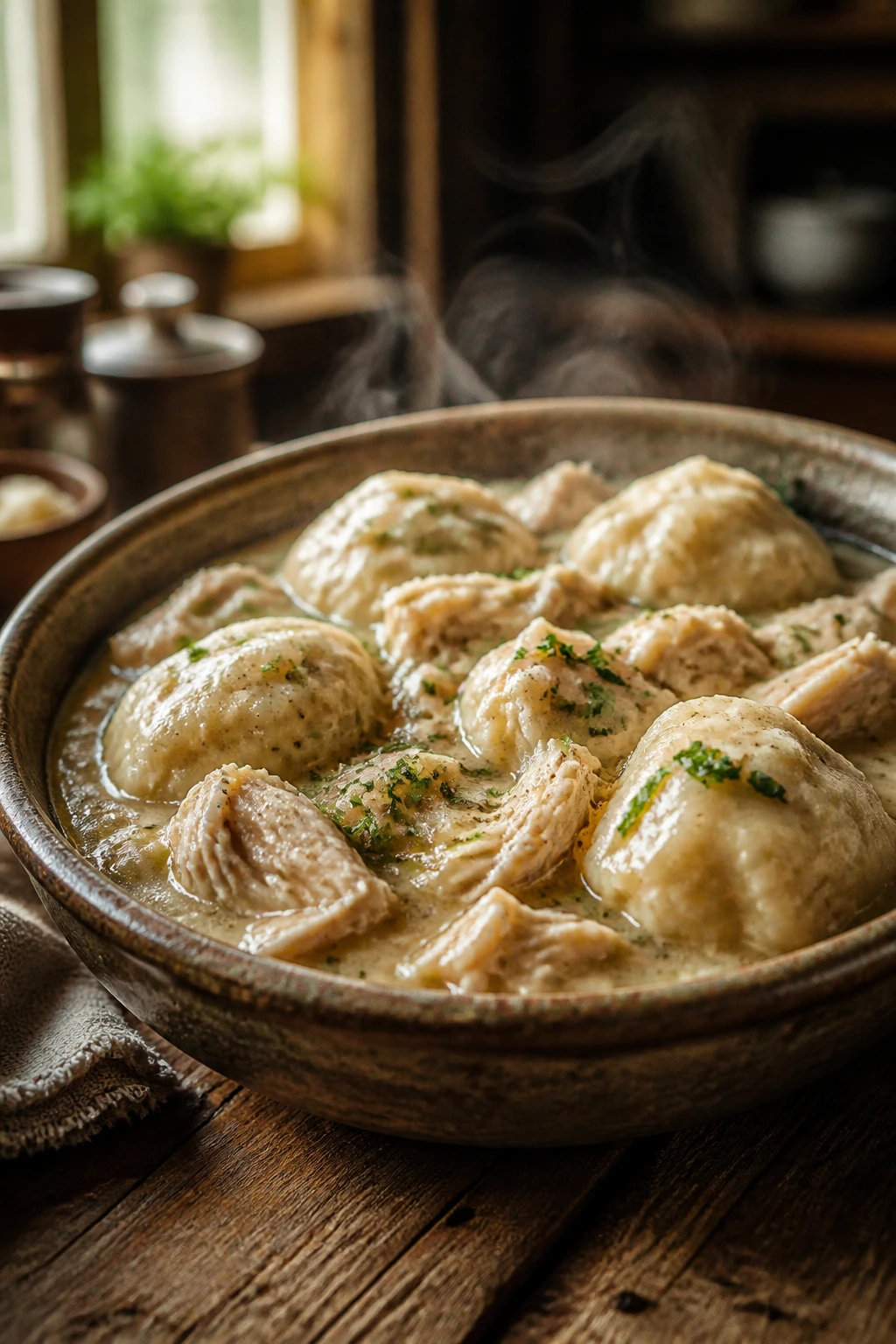
Presentation: Put the saucy dishes in shallow bowls or on wide plates so the gravy has room to show off. Chicken and dumplings, beef tips, and beans look better when they are spooned with a little height instead of spread thin. A sprinkle of chopped parsley, scallions, or black pepper gives the plate a finished look without feeling fussy.
Accompaniments: Skillet cornbread belongs next to beans, greens, and collards. Mashed potatoes love hamburger steak, smothered pork chops, and country ribs. Slaw makes fried fish and pulled pork taste brighter. For something green and simple, serve buttered peas, sliced tomatoes, or a vinegar-dressed cabbage salad.
Portions: Most of these dinners feed 4 to 6 people in a normal home setting, though bean pots, stews, and pulled pork stretch farther than fried fish or steak. If you are scaling up, add volume through sides rather than making every main dish enormous. Southern food is happiest when the plate has a main and one or two sturdy companions, not a mountain.
Beverage Pairing: Sweet tea is the obvious choice, and it works because it cools the salt and smoke without fighting the food. Lemonade, ginger ale, or a sharp iced tea also fit the table well. For a richer meal like mac and cheese or chicken fried steak, a cold lager or a dry cider keeps the plate from feeling too heavy.
Flavor Boosters and Easy Tweaks
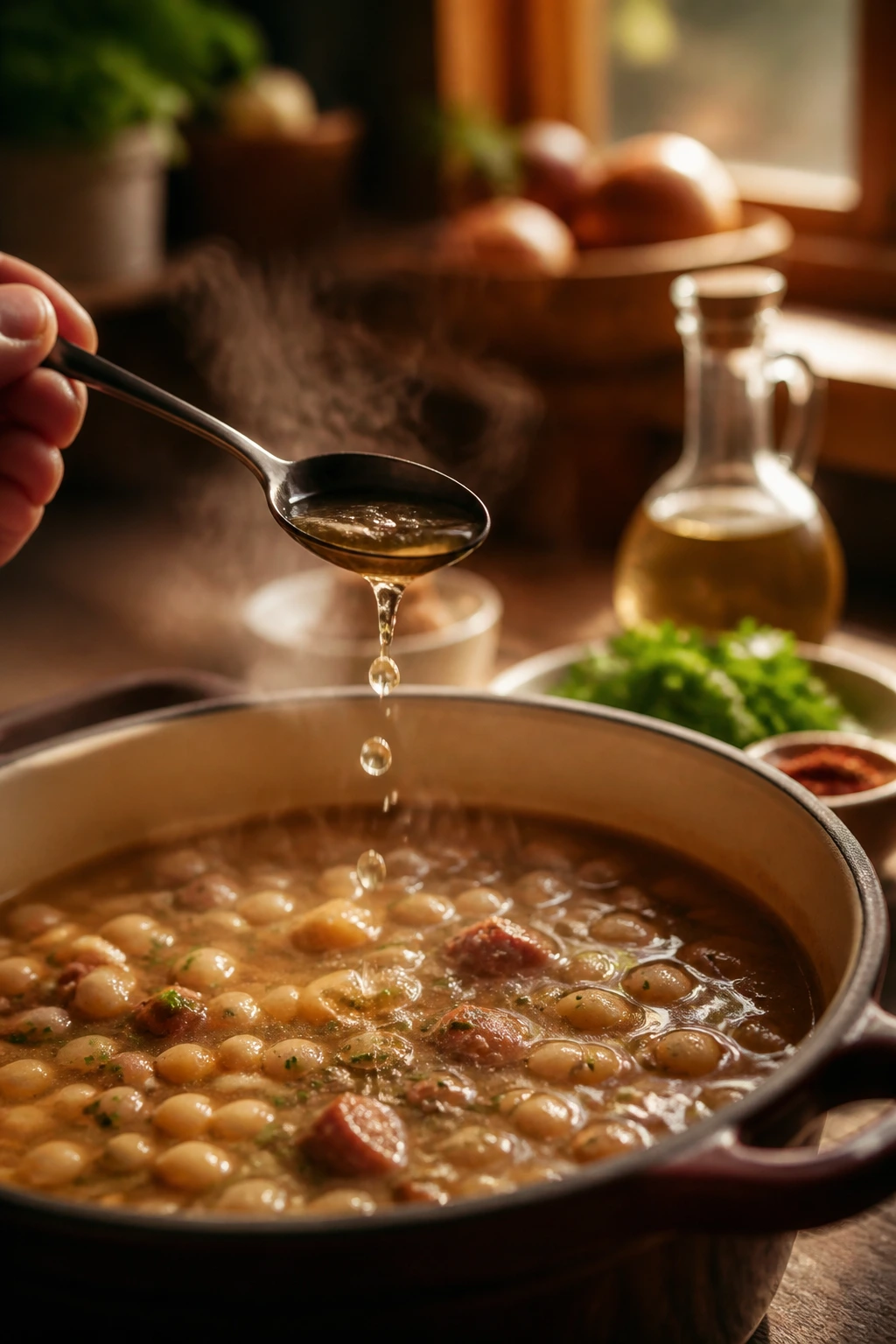
Flavor Enhancement: A splash of vinegar or lemon at the end of a bean pot, stew, or greens dish can wake up the whole bowl. It does not make the food sour; it makes the salt and smoke land harder. I use this trick more often than extra butter, which says a lot.
Customization: Add hot sauce at the table, not always in the pot. That keeps a family dinner flexible. Smoked paprika, cayenne, chopped jalapeños, or a spoon of Dijon can all shift a familiar dish toward your own taste without changing the backbone.
Serving Suggestions: Pickled onions, sliced scallions, chopped parsley, or even a handful of dill pickles on the side can cut through rich food in a useful way. A pat of butter on cornbread, a drizzle of pan gravy over rice, or a dusting of black pepper over grits is enough to make the plate feel cared for.
Make-It-Yours: For dairy-free meals, use oil and broth-based sauces instead of cream where you can. For lower-sodium cooking, rely more on onions, garlic, vinegar, and herbs, then salt at the end. For a little extra comfort, finish braised dishes with a knob of butter. Small move. Big payoff.
Make-Ahead, Storage, and Reheating Guidance
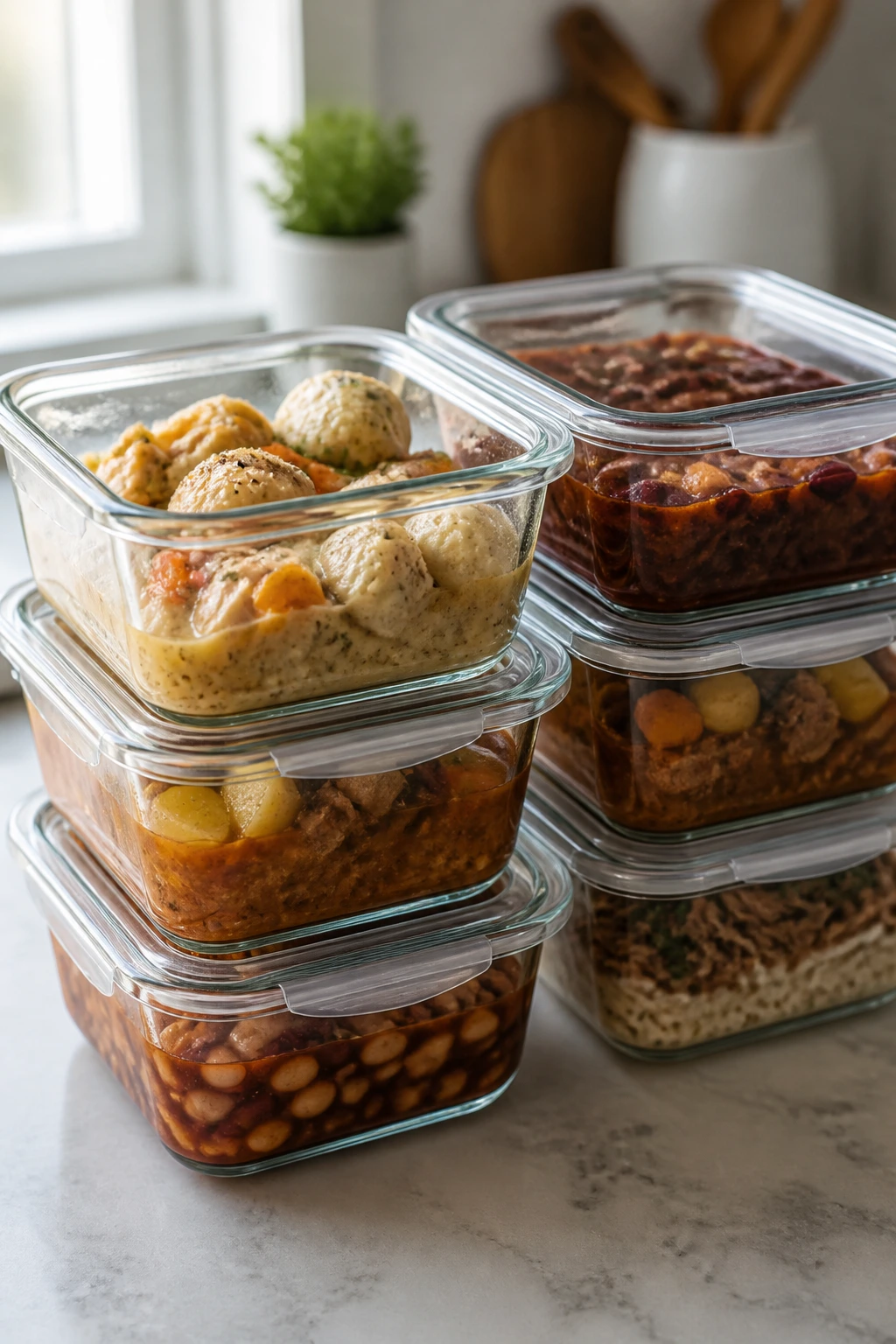
Most of these dishes keep well for 3 to 4 days in the refrigerator, though the fried foods are happiest on day one. Beans, stews, braises, collards, pulled pork, and meatloaf all tend to taste even better the next day because the seasoning settles in. Store them in shallow containers so they cool faster, and keep rice separate when you can; that helps it reheat without turning sticky.
For freezing, the sweet spot is usually up to 2 to 3 months. Stews, beans, pulled pork, and gravy-based dishes freeze better than anything fried or breaded. If a dish has a dairy-heavy sauce, freeze it if needed, but expect to whisk it gently while reheating so it comes back together. Mac and cheese can be frozen in portions, though the texture softens a bit. That is fine for a home supper. Less fine for a dinner party.
Reheat low and slow. On the stovetop, add a splash of broth or water and warm over medium-low heat, stirring now and then so the bottom does not scorch. In the oven, cover casseroles with foil and heat at 325°F until hot in the center. Fried fish and hush puppies reheat best in a 375°F oven or air fryer for a few minutes so the crust can crisp again. Microwave reheating works for beans, stews, and gravy dishes, but use short bursts and stir between them or the edges will overcook before the middle warms.
A few make-ahead shortcuts are worth keeping. Chop onions, celery, bell pepper, and carrots a day ahead and store them in sealed containers. Beans can be soaked overnight. Pulled pork and braised meats can be cooked the day before, chilled, and reheated in their juices. That kind of planning makes a Southern supper feel easy without making it taste planned.
Variations and Adaptations to Try
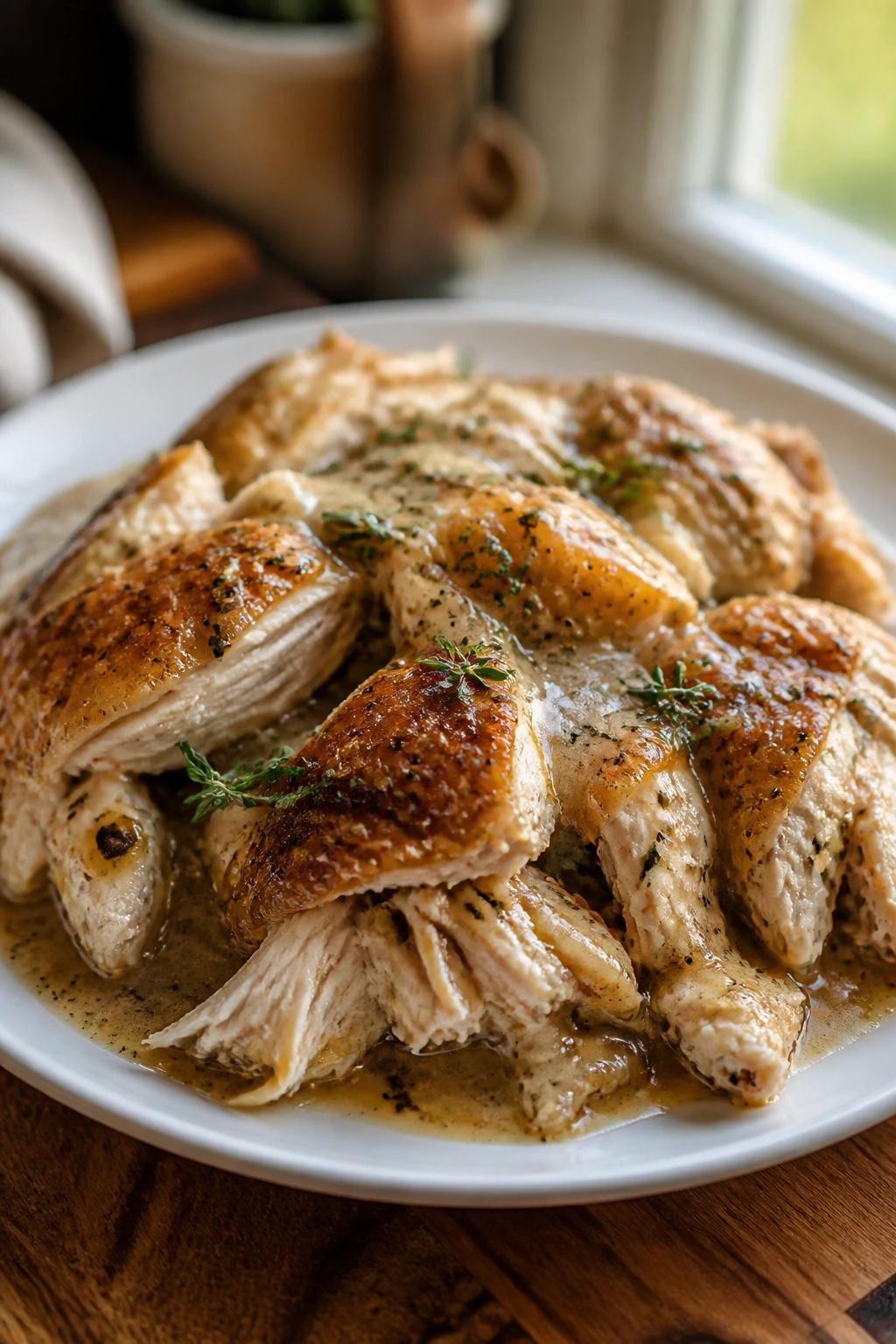
Weeknight Shortcut Plate: Use rotisserie chicken in chicken and dumplings, chicken bog, or Brunswick stew, then lean on good broth and a few extra herbs. Canned beans can stand in for dried beans when the clock is not your friend. The flavor will not be quite as deep, but the meal will still land.
Lighter Southern Table: Bake rather than fry when you can, and use bone-in chicken thighs or pork loin chops in place of richer cuts when a lighter plate makes sense. Swap part of the cream in gravies for broth and finish with black pepper and vinegar. You keep the comfort without making everything feel heavy.
Dairy-Free Porch Dinner: Make gravies with oil or poultry fat and flour, then whisk in unsweetened oat milk or broth instead of cream when the recipe allows it. Skip the cheese in mac and cheese and push flavor with mustard powder, paprika, and a crunchy breadcrumb top if needed. The food still tastes like supper, just with a different kind of richness.
Spice Table Upgrade: Add cayenne, hot sauce, pickled jalapeños, or red pepper flakes to beans, greens, catfish, and pork. I like this especially with shrimp and grits and black-eyed pea stew, where a little heat helps the dish feel awake. Keep it on the side if the table includes kids or spice-shy eaters.
Big Crowd Sunday Version: Double the bean pots, stews, and casseroles, and keep them warm in the oven at low heat until everyone sits down. Use a larger Dutch oven or a pair of baking dishes so the center does not undercook. These are the meals that scale well, which is one reason they have stayed on family tables for so long.
Gluten-Free Comfort Swap: Use cornstarch or a gluten-free flour blend for gravies, choose gluten-free cornmeal for cornbread, and serve rice instead of biscuits where needed. Chicken and dumplings are the one dish here that need a little more care, but a gluten-free dumpling mix can work if you handle it gently and do not overcook it.
Common Mistakes That Flatten Southern Flavor
Underseasoning in layers: A lot of cooks salt only at the end, then wonder why the dish tastes thin. Season the meat, season the broth, and taste again after simmering. Salt is not the whole story, but it is the part that keeps the other flavors from wandering off.
Rushing the browning: Pale chicken, blond onions, and gray beef do not make a deep dinner. Browning gives these recipes their backbone. If the pan looks crowded, cook in batches. It takes a few more minutes and saves the whole dish.
Using heat that is too high: High heat is great for a quick sear, not for finishing dumplings, beans, or gravy. Once the pot is going, keep it at a steady simmer. Hard boiling makes dumplings tough, beans split too early, and dairy sauces break.
Adding dairy too fast: Milk, cream, or cheese can turn grainy if you dump them into a furious boil. Lower the heat first and stir slowly. If a sauce looks on the edge of breaking, pull it off the flame and whisk in a spoonful of cold butter.
Forgetting acid at the end: A lot of Southern dishes need a final sharp note or they taste heavy. Vinegar in collards, lemon on shrimp, or pickles with pulled pork can fix what salt alone cannot. One small bright thing can change the whole plate.
Southern Dinners, Answered
Which of these dinners is best for a first-time cook?
Chicken and dumplings, hamburger steak, and baked mac and cheese are the easiest places to start. They use familiar steps and forgive a small wobble in timing. Beans and stews take longer, but they are also very hard to ruin if you keep the heat gentle.
Can I use chicken breasts instead of thighs?
You can, but I would not choose them first for braises or simmered dishes. Breasts dry out faster and bring less flavor to the pot. If you do use them, shorten the cook time and pull them as soon as they are cooked through.
What can I serve with these if I do not want cornbread every time?
Rice, mashed potatoes, biscuits, buttered noodles, and simple slaw all work well. The point is to give the gravy or stew something to cling to. A crisp green salad can help too, especially with rich dishes like mac and cheese or chicken fried steak.
Which recipes freeze best?
Pulled pork, beans, stews, meatloaf slices, collards, and gravy-based braises freeze well. Fried catfish, hush puppies, and anything with a delicate crust are better made fresh. Mac and cheese freezes fine in portions, though the texture softens a bit after reheating.
How do I keep gravy from getting lumpy?
Whisk the flour into fat first, cook it for a minute, and add liquid slowly while whisking. If lumps still show up, strain the gravy or whisk hard for a minute off the heat. A smooth gravy starts with patience, not brute force.
Are canned beans okay here?
Yes, in stews and fast dinners they are a fine shortcut. Rinse them well and shorten the cooking time so they do not turn to paste. For dishes where the beans are the star, dried beans give you better texture.
What if my collards taste bitter?
They probably need more time, more salt, or a small splash of vinegar at the end. A bit of smoked meat also helps round them out. Bitter greens are not a failure; they are a signal to keep cooking and taste again.
How do I feed a bigger group without doubling every dish?
Choose one braise or bean pot, one starch, and one vegetable. A big pot of red beans, a pan of cornbread, and a bowl of slaw will feed a crowd with less stress than trying to scale three elaborate mains. Southern dinners are generous by design. Use that to your advantage.
A Softer Kind of Supper
The best Southern dinners do not need polish to feel memorable. They need heat, seasoning, and enough time to turn inexpensive ingredients into something that tastes like care. That is a beautiful trade, honestly. A little broth here, a little browning there, and suddenly the table feels steadier.
If you keep a few anchors on hand — beans, rice, grits, broth, onions, a pack of chicken thighs, maybe a hunk of smoked meat — you are never far from a real meal. Not a performance. A meal. The kind people actually sit down for, shoulders dropping, conversation getting slower with every bite.