



The best crockpot dinners for two people feel generous without drowning you in leftovers.
A small slow cooker can turn a pound of chicken thighs into creamy dumplings, a modest chuck roast into spoon-tender stew, or a can of beans into a proper dinner — but only if the ratios are tight. Too much broth and everything tastes thin. Too big a cooker and the sauce can feel more steamed than slow-cooked. The sweet spot is usually a 2- to 4-quart insert, a sensible amount of liquid, and ingredients that hold up to long heat instead of sulking under it.
That’s the whole trick, really. Small-batch slow cooking rewards smart cuts, strong seasoning, and a little restraint. Chicken thighs, pork shoulder, chuck roast, lentils, beans, and sausage all do excellent work here because they bring their own flavor and don’t fall apart when dinner takes its time.
So if you want dinners that are easy to start, comforting to eat, and sized for two without feeling skimpy, this is the right kind of collection. Some are cozy enough for a quiet night in. Some lean bright and punchy. All of them are built to taste finished, not stretched.
1. Creamy Chicken and Dumplings
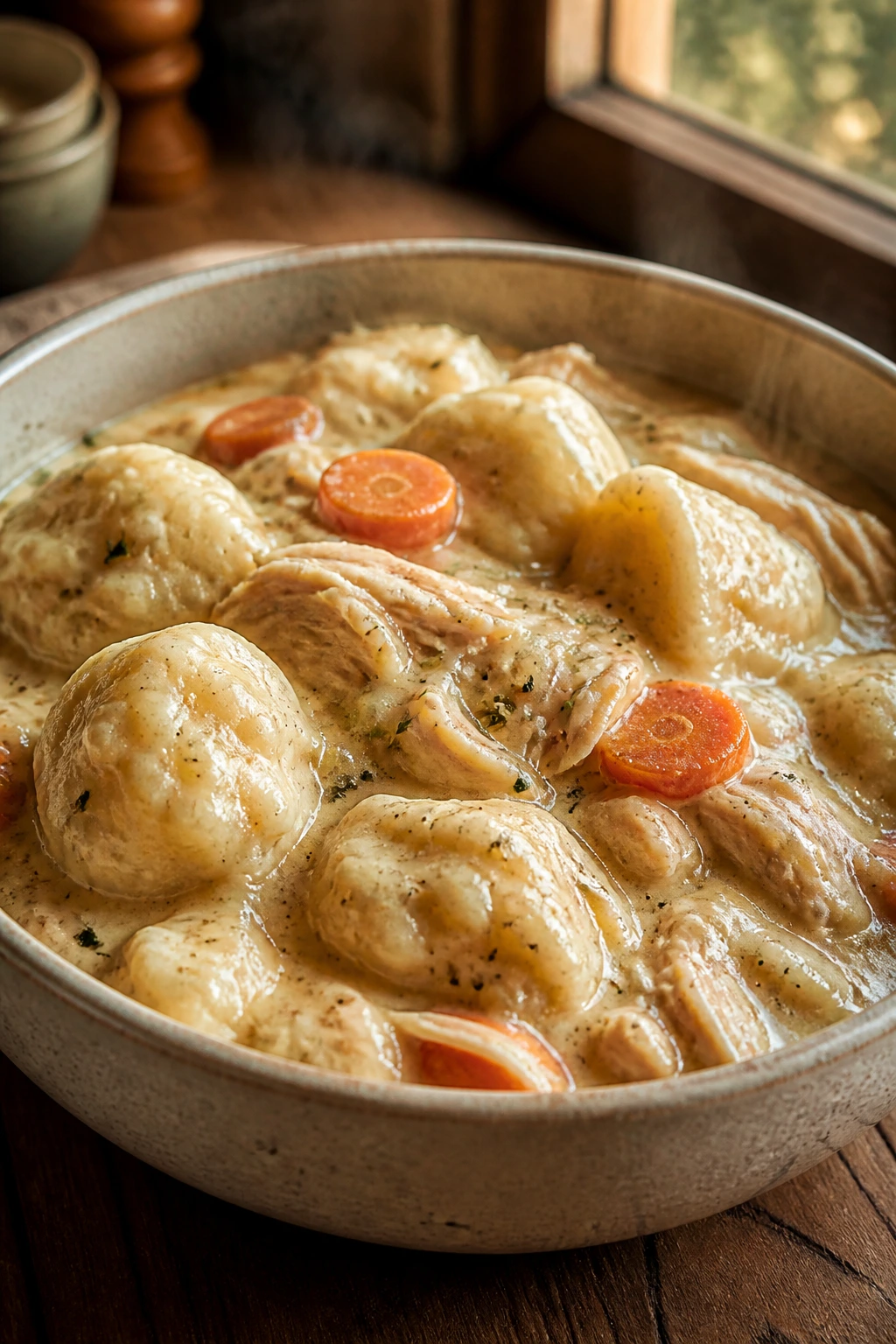
This is the kind of dinner that makes a small slow cooker feel bigger than it is. Tender chicken, soft carrots, and a rich broth give you that old-school chicken and dumplings comfort, but the batch stays tight enough for two people to finish without a week of leftovers.
I like this version because the dumplings go in at the end, which keeps them fluffy instead of mushy. That last step matters. It’s the difference between a bowl that feels homemade and one that feels vaguely like soup with flour balls floating on top.
Why It Works in a Small Crockpot
Chicken thighs hold up better than breasts during a long cook, and they bring enough fat to keep the broth from tasting thin. A 3-quart slow cooker is plenty here; the smaller space helps the liquid stay concentrated instead of turning watery. Drop the dumpling dough on top during the last 30 to 40 minutes, and you get a soft, biscuit-like finish without overcooking the chicken underneath. Use a thermometer if you have one — 165°F is your target for the chicken, and the dumplings should spring back when touched.
Key Ingredients
- 1 tbsp olive oil — a little fat helps the chicken taste fuller.
- 1 lb boneless, skinless chicken thighs — the best choice for long, gentle heat.
- 1 small yellow onion, diced — builds the broth’s base flavor.
- 2 carrots, peeled and sliced into 1/4-inch rounds — sweet, soft, and classic.
- 2 celery stalks, sliced — keeps the broth from tasting flat.
- 2 garlic cloves, minced — enough to notice, not enough to shout.
- 2 cups low-sodium chicken broth — small amount, big payoff.
- 1 tsp kosher salt — start light; you can always add more.
- 1/2 tsp black pepper — gives the broth a little edge.
- 1 tsp dried thyme — the herb that makes this taste old-fashioned in the good way.
- 1 bay leaf — remove it before serving.
- 1/2 cup frozen peas — stir them in near the end so they stay bright.
- 1/2 cup heavy cream — for a silkier broth.
- 1 cup all-purpose flour — the dumpling base.
- 1 1/2 tsp baking powder — helps the dumplings puff.
- 1/2 tsp salt — seasons the dumpling dough itself.
- 1/2 tsp dried parsley — a small green note.
- 2 tbsp cold butter, cubed — gives the dumplings a richer crumb.
- 1/3 cup milk — just enough to bring the dough together.
Quick Steps
-
Add the onion, carrots, celery, garlic, broth, salt, pepper, thyme, bay leaf, and chicken thighs to a 3- to 4-quart slow cooker. Nestle the chicken down into the vegetables so it cooks evenly.
-
Cover and cook on LOW for 5 1/2 to 6 1/2 hours or on HIGH for 3 to 3 1/2 hours, until the chicken reaches 165°F and the carrots are tender at the center.
-
Remove the chicken and shred it with two forks. Return the shredded meat to the pot and stir in the peas and cream.
-
Make the dumpling dough by whisking the flour, baking powder, salt, and parsley in a bowl. Cut in the cold butter with your fingers or a fork until the mixture looks like coarse crumbs, then stir in the milk just until combined. Do not overmix or the dumplings turn dense.
-
Drop spoonfuls of dough over the surface of the hot broth. Cover and cook on HIGH for 30 to 40 minutes, until the dumplings look set and a skewer comes out mostly clean.
-
Remove the bay leaf, taste the broth, and add a pinch more salt if needed. Let the pot sit for 5 minutes before serving so the broth thickens slightly.
Tips and Variations
- If you want a thicker stew, stir 1 tbsp cornstarch with 1 tbsp cold water and add it before the dumplings go in.
- A handful of chopped mushrooms fits nicely here if you want a deeper, earthier broth.
- Leftover biscuits from another meal can be torn over the top in a pinch, though the texture won’t be quite as soft.
2. Beef and Mushroom Stew
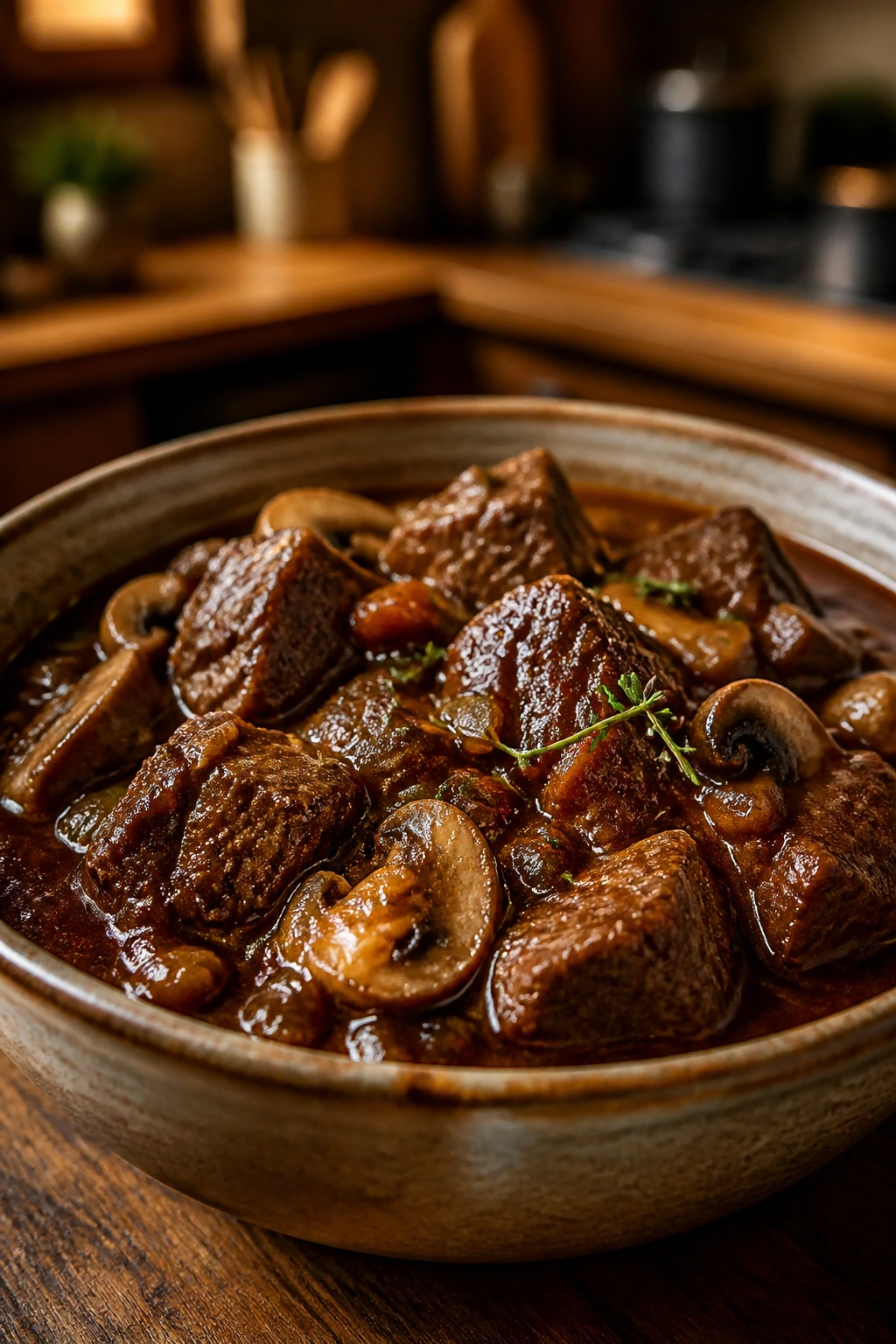
Some beef stews taste thin in a small slow cooker. This one doesn’t. The mushrooms, tomato paste, and a splash of red wine give the broth enough depth that you don’t feel like you’re eating a watered-down version of a larger pot.
It’s also the kind of dinner that tastes like it took more effort than it did. That’s a nice quality on a weeknight. A little searing helps, but the crockpot does the heavy lifting once everything is in place.
What Makes This Stew Deep and Rich
Chuck roast is the right cut here because it has enough connective tissue to turn silky after hours of slow heat. Searing the beef first is worth the dirty pan; those browned bits add a meaty edge you can’t fake later. The mushrooms soak up the broth and make the stew feel fuller, while tomato paste and Worcestershire keep the flavor from drifting into plain brown soup territory. By the time the stew is done, the sauce should coat a spoon lightly, not run off like stock.
Shopping List
- 1 tbsp all-purpose flour — helps coat the beef before searing.
- 1 lb beef chuck, cut into 1-inch cubes — the best small-batch stew meat.
- 1 1/2 tsp kosher salt — season the beef in layers.
- 1/2 tsp black pepper — a little bite keeps the broth lively.
- 1 tbsp olive oil — for browning.
- 1 small yellow onion, chopped — sweetens the base.
- 8 oz cremini mushrooms, halved — their flavor gets richer with time.
- 2 small Yukon Gold potatoes, cut into 1-inch chunks — hold their shape well.
- 1 carrot, sliced — enough for color and sweetness.
- 2 garlic cloves, minced — keep the savory notes moving.
- 1 cup low-sodium beef broth — enough liquid for a small batch.
- 1/2 cup dry red wine or extra broth — wine adds depth; broth keeps it alcohol-free.
- 1 tbsp tomato paste — gives the stew a darker, rounder taste.
- 1 tsp Worcestershire sauce — one of those ingredients you notice when it’s missing.
- 1 tsp fresh thyme or 1/2 tsp dried thyme — earthy and clean.
- 1 small bay leaf — for background flavor.
- 1 tsp cornstarch mixed with 1 tsp water, if needed — for a quick finish.
The Method
-
Toss the beef with flour, salt, and pepper. Heat the olive oil in a skillet over medium-high heat and sear the beef in two batches until browned on at least two sides, about 3 minutes per batch. Do not crowd the pan or the meat will steam.
-
Transfer the beef to the slow cooker. Add the onion, mushrooms, potatoes, carrot, garlic, broth, wine, tomato paste, Worcestershire, thyme, and bay leaf.
-
Cover and cook on LOW for 7 to 8 hours or on HIGH for 4 to 5 hours, until the beef is fork-tender and the potatoes are soft but not falling apart.
-
Remove the bay leaf. If the stew looks thinner than you want, stir in the cornstarch slurry, cover, and cook on HIGH for 10 to 15 minutes until the broth lightly thickens.
-
Taste and adjust the salt. Stews need a little more seasoning at the end than you think.
-
Ladle into bowls and let it sit for 5 minutes before eating. The broth will settle into a better texture as it cools slightly.
Small-Batch Notes
- If your slow cooker runs hot, check the beef at 6 1/2 hours on LOW.
- Pearl onions can replace the chopped onion if you want a more classic stew look.
- This one is excellent with buttered bread, but mashed potatoes underneath it is a very good move too.
3. Salsa Verde Chicken Tacos
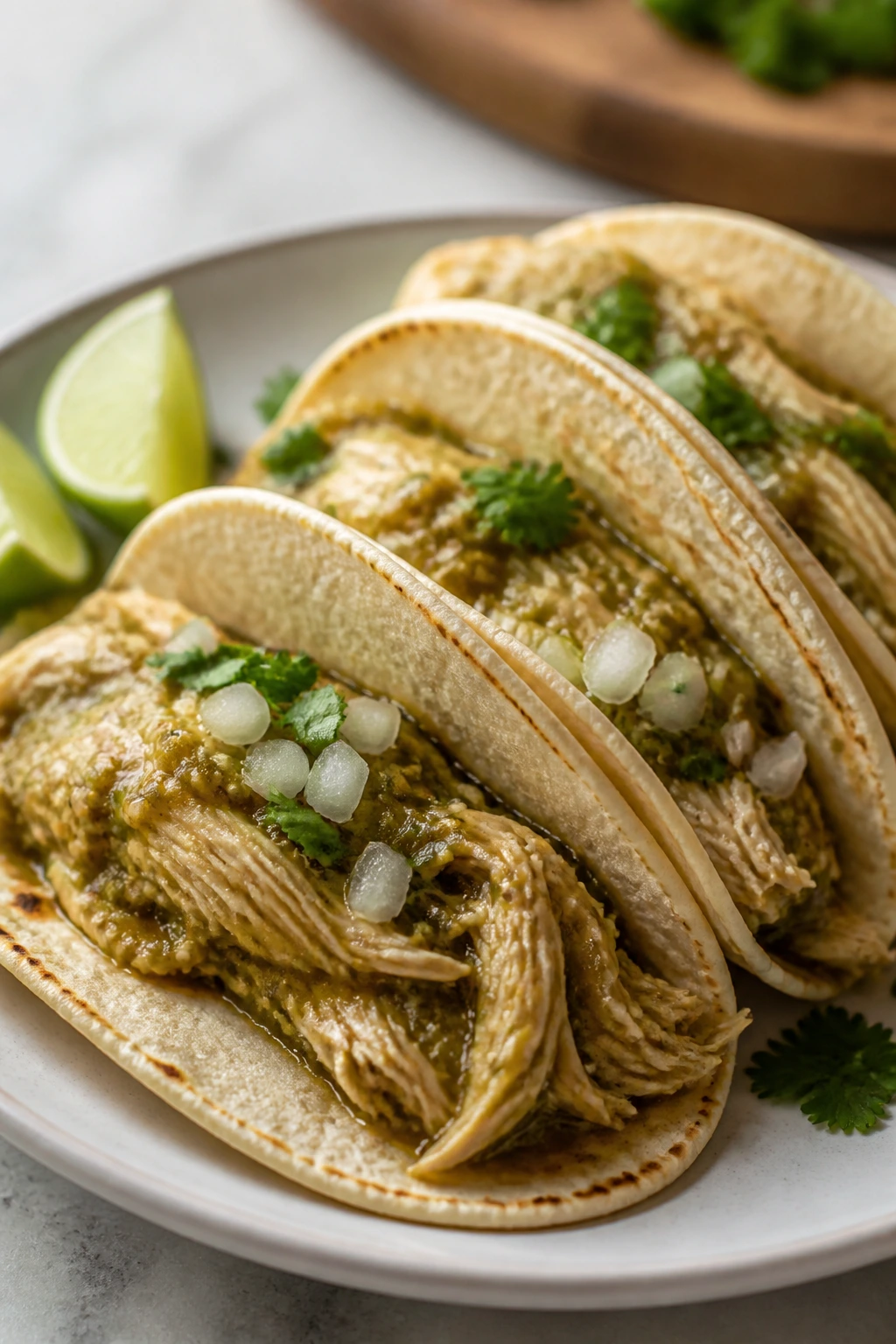
This is the bright, fast-tasting dinner in the group. Salsa verde does more than sauce duty; it seasons the chicken, keeps it moist, and gives the finished tacos enough zip that you don’t need a pile of extras to make them interesting.
The big advantage here is texture. Chicken thighs shred into soft, juicy strands after a few hours, and the cooking liquid reduces enough that the meat tastes coated, not soupy. That matters if you want tacos instead of a wet filling sliding out the tortilla.
Bright, Fast, and Not Heavy
Tacos benefit from a sauce with acid. Salsa verde brings that built in, which is why it works so well in a slow cooker. A little cumin and oregano keep the flavor grounded, but the lime and cilantro at the end keep everything awake. For two people, a 2 1/2- to 3-quart slow cooker is ideal because the chicken stays tucked into the sauce instead of floating around in a big shallow puddle.
Ingredient List
- 1 lb boneless, skinless chicken thighs — shred better than breasts.
- 1 cup salsa verde — choose one with a short ingredient list if possible.
- 1/2 cup low-sodium chicken broth — just enough to keep the sauce moving.
- 1 small white onion, thinly sliced — softens into the sauce.
- 2 garlic cloves, minced — a small amount goes a long way here.
- 1 tsp ground cumin — gives the tacos a warm backbone.
- 1 tsp dried oregano — classic with green salsa.
- 1/2 tsp kosher salt — adjust if your salsa is already salty.
- 8 small corn tortillas — the right size for two people.
- 1 avocado, sliced — creamy balance for the salsa.
- 1 lime, cut into wedges — a squeeze at the end makes a big difference.
- 1/4 cup chopped cilantro — fresh and sharp.
- 1 cup shredded cabbage or lettuce — crunch matters.
- 2 tbsp crumbled cotija or feta — salty finish if you like it.
How to Make It
-
Put the chicken thighs, salsa verde, broth, onion, garlic, cumin, oregano, and salt into the slow cooker. Stir once so the spices are spread out.
-
Cover and cook on LOW for 4 to 5 hours or on HIGH for 2 1/2 to 3 hours, until the chicken reaches 165°F and falls apart when pressed with a fork.
-
Shred the chicken directly in the crockpot and stir it into the sauce. Let it sit for 10 minutes on the warm setting so the meat absorbs more flavor.
-
Warm the tortillas in a dry skillet over medium heat for 20 to 30 seconds per side, or wrap them in foil and heat them in a 300°F oven for about 10 minutes.
-
Fill the tortillas with chicken, cabbage, avocado, cilantro, and cheese. Finish with lime juice.
Toppings and Tweaks
- Add sliced radishes if you want a sharper crunch.
- Black beans make this stretch into a bigger dinner if one of you eats more than the other.
- For bowls instead of tacos, serve the chicken over rice with pickled onions.
4. Honey Garlic Pork Chops with Apples
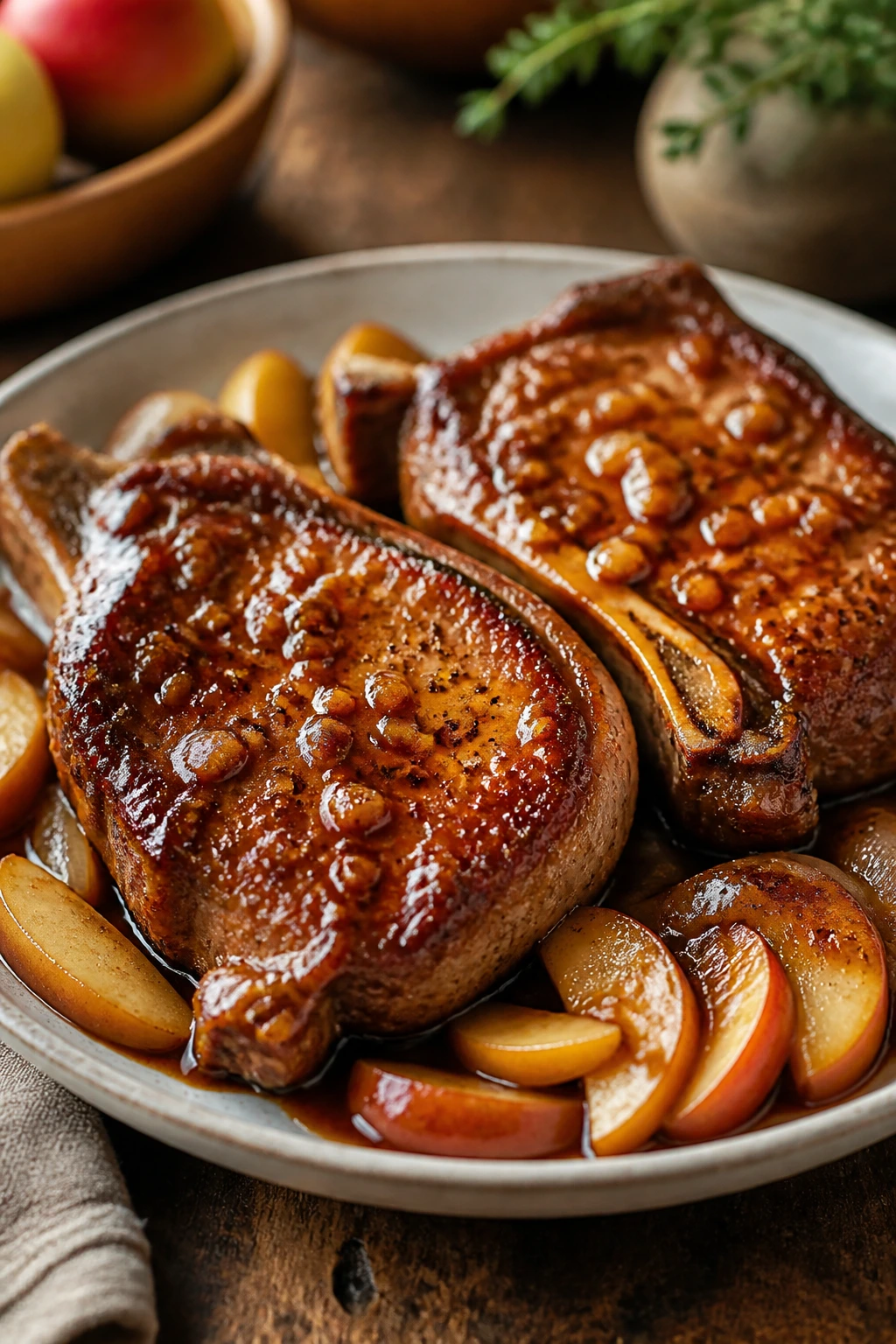
Pork chops in a slow cooker can go dry if you use thin cuts and forget about them. Thick, bone-in chops are a different story. They stay juicier, especially when the pot includes sliced apples and a sauce that leans sweet-salty instead of plain.
This one feels like a cross between a weeknight dinner and a fall supper, but it works any time the fridge has an apple or two hanging around. The apples soften into the sauce and give the pork a little perfume without making it taste like dessert. Good balance. No nonsense.
Why Pork Chops Behave Better Here
Bone-in chops have more forgiveness than boneless ones because the bone slows heat transfer and helps the meat stay moist. The honey, soy sauce, and cider vinegar make a quick glaze that keeps the whole pot from tasting heavy. I also like the apples and onions underneath the pork; they keep the chops from sitting directly on the bottom and they add a little moisture without drowning the sauce. Aim for 145°F in the thickest part, then let the chops rest for a few minutes.
Ingredient List
- 2 bone-in pork chops, about 1 inch thick — thinner chops can overcook fast.
- 1 tbsp olive oil — for a quick sear if you want one.
- 1 small apple, thinly sliced — Granny Smith or Honeycrisp both work.
- 1 small yellow onion, thinly sliced — softens into the sauce.
- 1/2 cup low-sodium chicken broth or apple cider — both fit the flavor.
- 1/4 cup honey — the glaze base.
- 2 tbsp soy sauce — gives the sauce its savory edge.
- 2 garlic cloves, minced — rounds out the sauce.
- 1 tsp Dijon mustard — adds a little sharpness.
- 1 tbsp apple cider vinegar — keeps the sweetness in check.
- 1/2 tsp dried thyme — a small herbal note.
- 1/4 tsp black pepper — enough to notice.
- 1 tsp cornstarch mixed with 1 tsp cold water — for thickening the sauce at the end.
Step-by-Step
-
If you have time, heat the olive oil in a skillet over medium-high heat and sear the pork chops for 1 to 2 minutes per side, just until lightly browned. This is optional, but it gives the meat more flavor.
-
Scatter the sliced apples and onion in the bottom of the slow cooker. Place the pork chops on top.
-
Whisk together the broth or cider, honey, soy sauce, garlic, Dijon, vinegar, thyme, and pepper. Pour over the pork.
-
Cover and cook on LOW for 3 to 4 hours, or until the pork reaches 145°F and feels just firm enough to hold together. Do not keep cooking past that point or the chops can dry out.
-
Move the pork chops to a plate and tent them loosely with foil. Stir the cornstarch slurry into the sauce, cover, and cook on HIGH for 10 minutes until glossy and lightly thickened.
-
Spoon the apples and sauce over the pork and serve right away.
Variations and Notes
- Pears work instead of apples if that’s what you have.
- A spoonful of grainy mustard in the sauce gives it a sharper finish.
- Mashed potatoes make this feel a lot more like a full plate dinner than rice does.
5. Smoky Lentil Chili
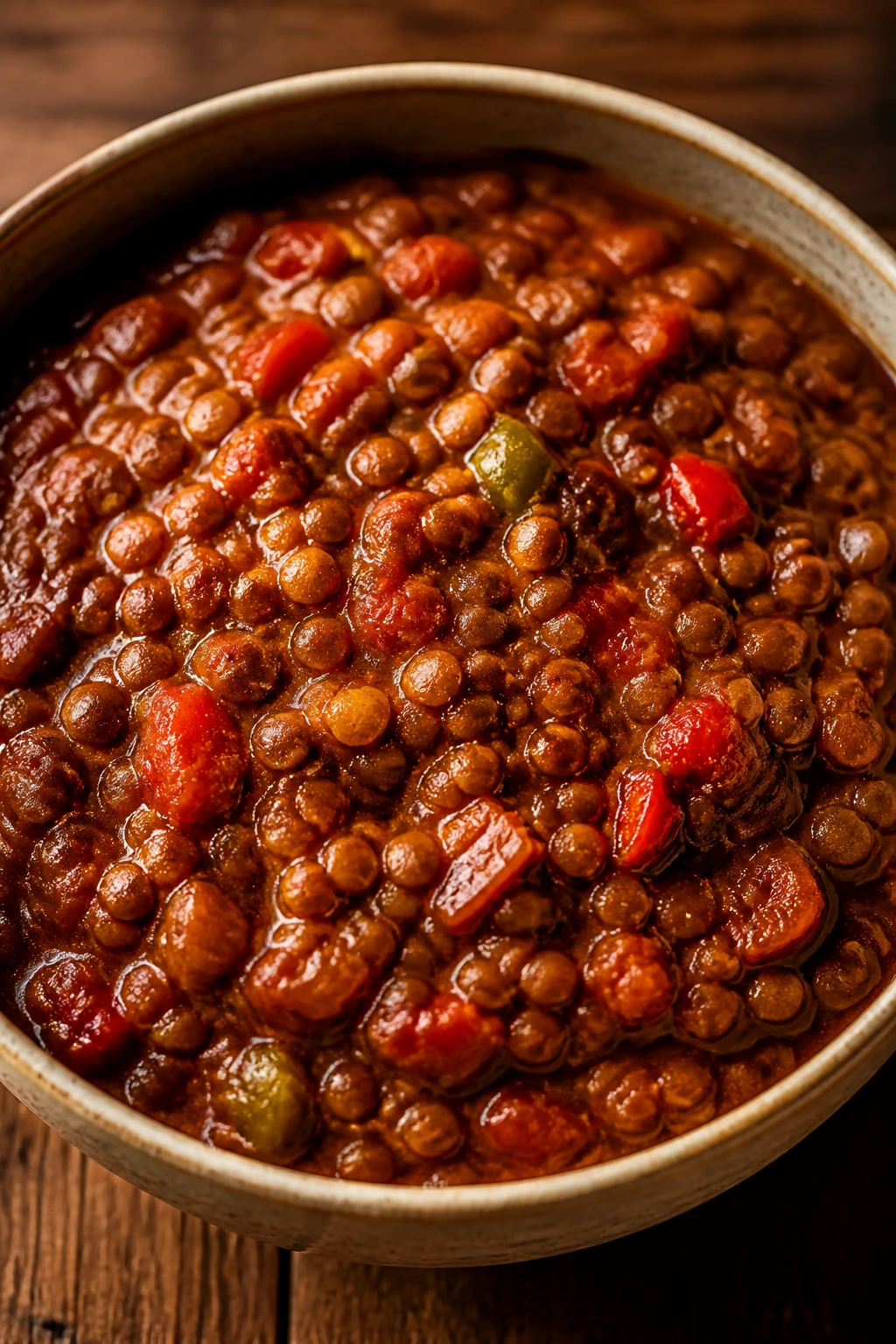
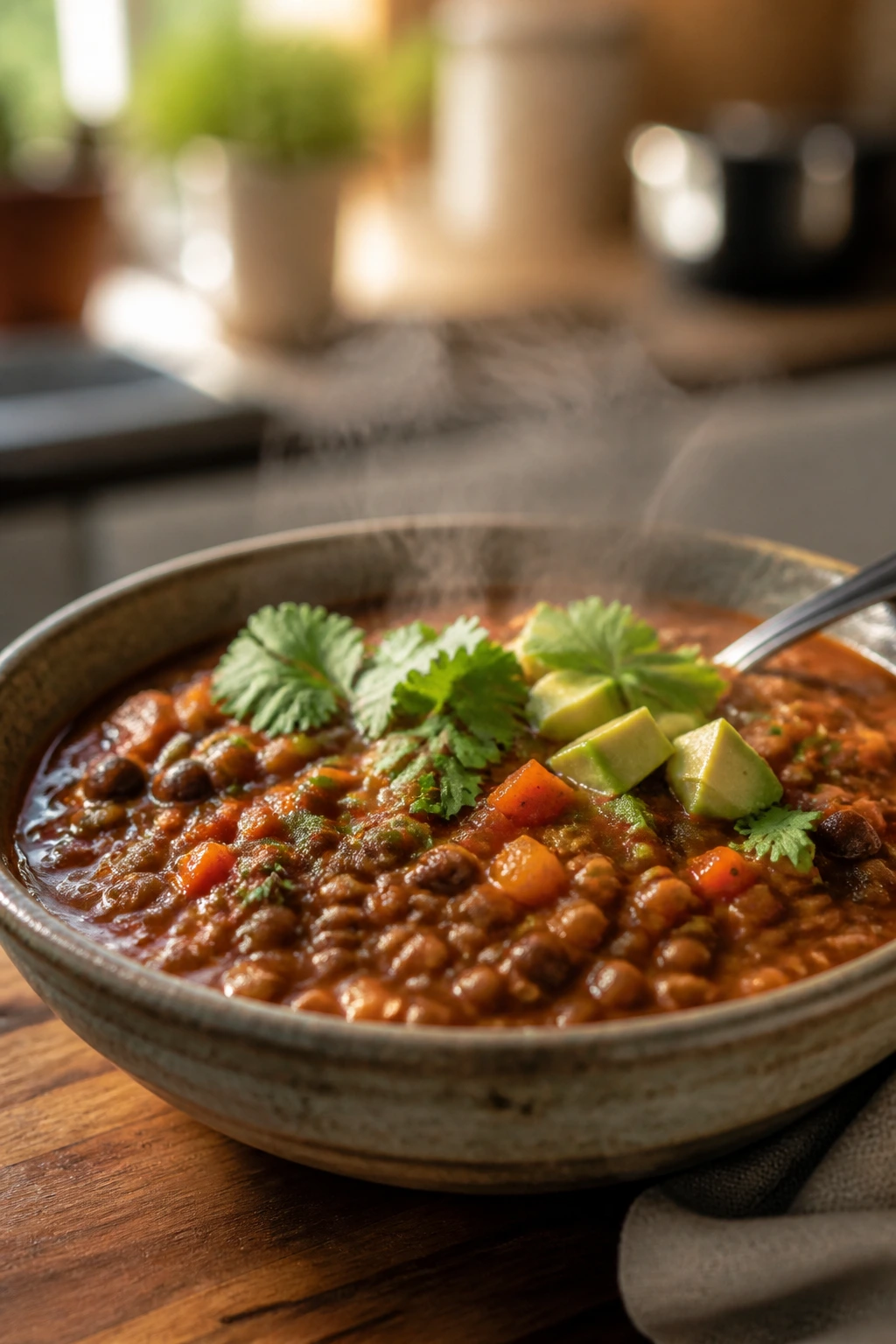
A small crockpot does not need meat to feel like dinner. Lentils carry enough body on their own, and when you season them properly, they taste deep and earthy instead of bland and virtuous.
This is the best kind of low-drama meal. It’s cheap, filling, and the leftovers reheat without complaint. If you like chili that leans thick enough to sit on a spoon, lentils are your friend.
Why Lentils Are the Right Small-Batch Move
Brown or green lentils hold their shape better than red lentils, which means you get a chili texture instead of mush. Beans add creaminess, tomatoes add acidity, and smoked paprika gives the pot the kind of warmth people usually expect from bacon or sausage. Since the batch is small, the spices don’t need to be huge — they need to be balanced. That’s where a little vinegar or lime juice at the end can help the whole bowl taste finished.
Ingredient List
- 1 cup brown or green lentils, rinsed — the base of the chili.
- 1 tbsp olive oil — helps the onion and spices start well.
- 1 small yellow onion, diced — classic chili flavor.
- 1 bell pepper, diced — adds sweetness and a little crunch if you like it less soft.
- 2 garlic cloves, minced — a small amount does the job.
- 1 can (15 oz) diced tomatoes — juice and all.
- 1 can (15 oz) black beans, drained and rinsed — makes the chili feel fuller.
- 2 cups low-sodium vegetable broth — enough to cook the lentils without making soup.
- 2 tbsp chili powder — the main seasoning.
- 1 tsp ground cumin — gives the pot depth.
- 1 tsp smoked paprika — adds the smoky note.
- 1/2 tsp kosher salt — adjust to taste.
- 1/2 cup frozen corn — a little sweetness and texture.
- 1 tbsp apple cider vinegar or lime juice — for the finish.
How to Cook It
-
Add the lentils, onion, bell pepper, garlic, tomatoes, black beans, broth, chili powder, cumin, smoked paprika, and salt to the slow cooker. Stir once to spread the spices around.
-
Cover and cook on LOW for 6 to 7 hours or on HIGH for 3 to 4 hours, until the lentils are tender but still hold their shape.
-
Stir in the corn during the last 20 minutes of cooking so it stays bright.
-
Taste the chili and add the vinegar or lime juice. That last acidic hit makes the whole bowl taste deeper.
-
If the chili seems too thin, remove the lid and cook on HIGH for 10 to 15 minutes more. If it seems too thick, splash in a little extra broth.
Serving Notes
- Top with shredded cheddar, plain yogurt, or sliced scallions.
- Cornbread on the side is never a bad choice.
- If you want more heat, add a chopped chipotle in adobo at the start.
6. Tuscan Chicken and White Beans
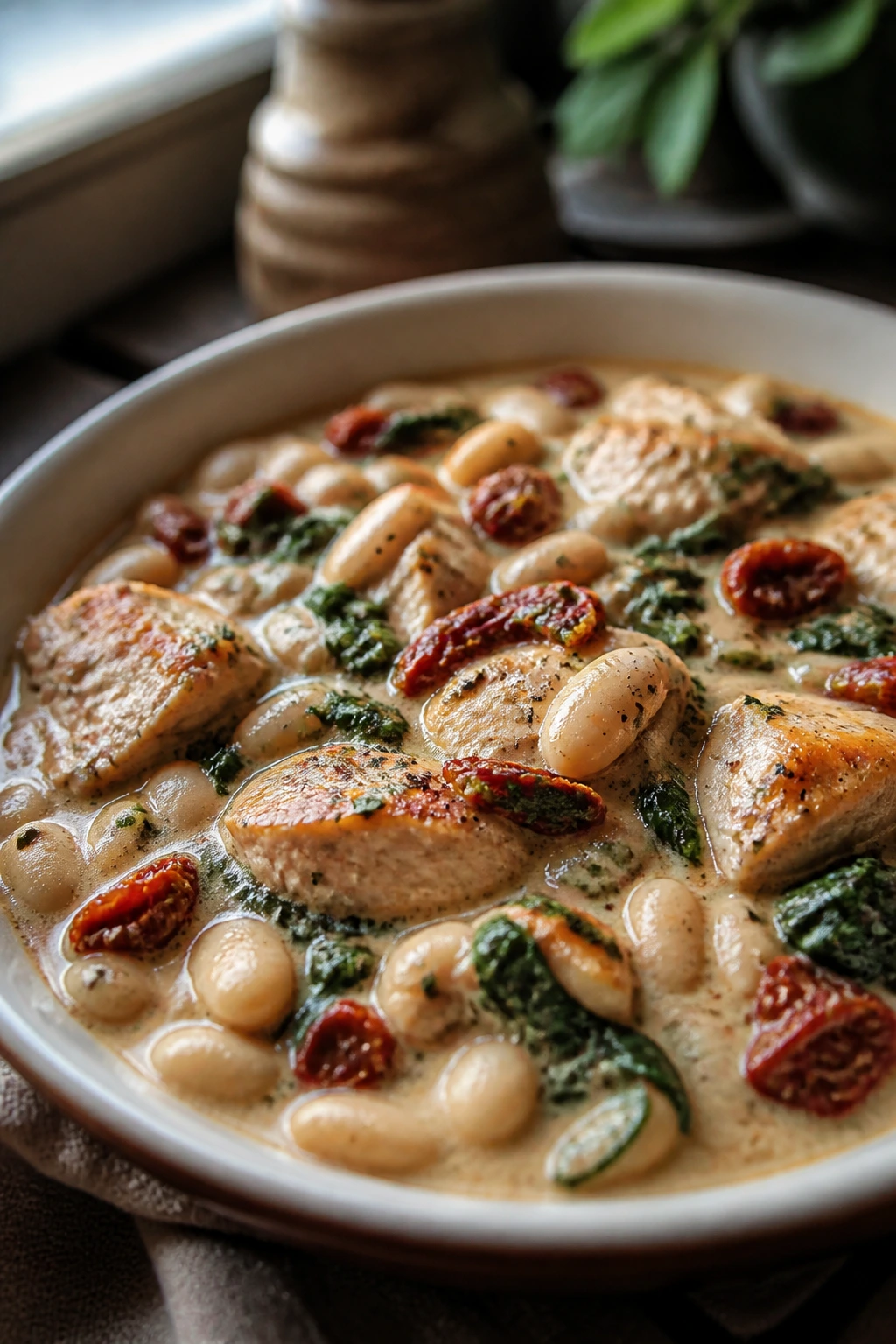
This one lands in that sweet spot between cozy and fresh. You get creamy white beans, spinach, tomatoes, and chicken in a broth that tastes richer than the ingredient list looks.
I’m a fan of recipes like this because they don’t need a lot of work to feel complete. White beans do the thickening, spinach goes in at the end, and a small splash of cream makes the broth feel polished without turning it into a heavy soup.
Why This Tuscan Version Stays Creamy
Cannellini beans are soft enough to break down a little and thicken the sauce, which means you don’t need a separate roux. Sun-dried tomatoes bring concentrated flavor, and a little Parmesan at the end adds salt and body. The biggest mistake people make with dishes like this is adding the spinach too early; if you wait until the very end, it stays green and tender instead of collapsing into swampy ribbons.
Ingredient List
- 1 lb boneless, skinless chicken thighs — the best choice for staying juicy.
- 1 can (15 oz) cannellini beans, drained and rinsed — creamy and mild.
- 1 small yellow onion, diced — the base flavor.
- 2 garlic cloves, minced — enough to notice in the finished broth.
- 1 cup low-sodium chicken broth — just enough liquid for a small batch.
- 1 cup cherry tomatoes, halved, or 1 cup canned diced tomatoes — both work.
- 1/4 cup chopped sun-dried tomatoes — gives the sauce a deeper tomato note.
- 1 tsp Italian seasoning — easy and reliable.
- 1/2 tsp kosher salt — start light if your broth is salty.
- 1/4 tsp black pepper — keeps the broth lively.
- 1/3 cup heavy cream or half-and-half — for a softer finish.
- 2 cups baby spinach — stir in at the end.
- 2 tbsp grated Parmesan — for salt and a little nuttiness.
How It Comes Together
-
Place the chicken thighs, beans, onion, garlic, broth, cherry tomatoes, sun-dried tomatoes, Italian seasoning, salt, and pepper into the slow cooker. Stir gently so the beans aren’t smashed.
-
Cover and cook on LOW for 4 1/2 to 5 1/2 hours or on HIGH for 2 1/2 to 3 hours, until the chicken reaches 165°F and the onions are soft.
-
Remove the chicken and shred it with two forks. Return it to the crockpot.
-
Stir in the cream, spinach, and Parmesan. Cover for 5 to 10 minutes, just until the spinach wilts and the sauce turns glossy.
-
Taste and add a pinch more salt or a squeeze of lemon if the bowl needs brightness.
Tricks and Swaps
- A little lemon zest at the end wakes the whole dish up.
- Great northern beans can replace cannellini if that’s what you have.
- Serve it with crusty bread, or over farro if you want the dinner to feel sturdier.
7. BBQ Pulled Pork Sandwiches
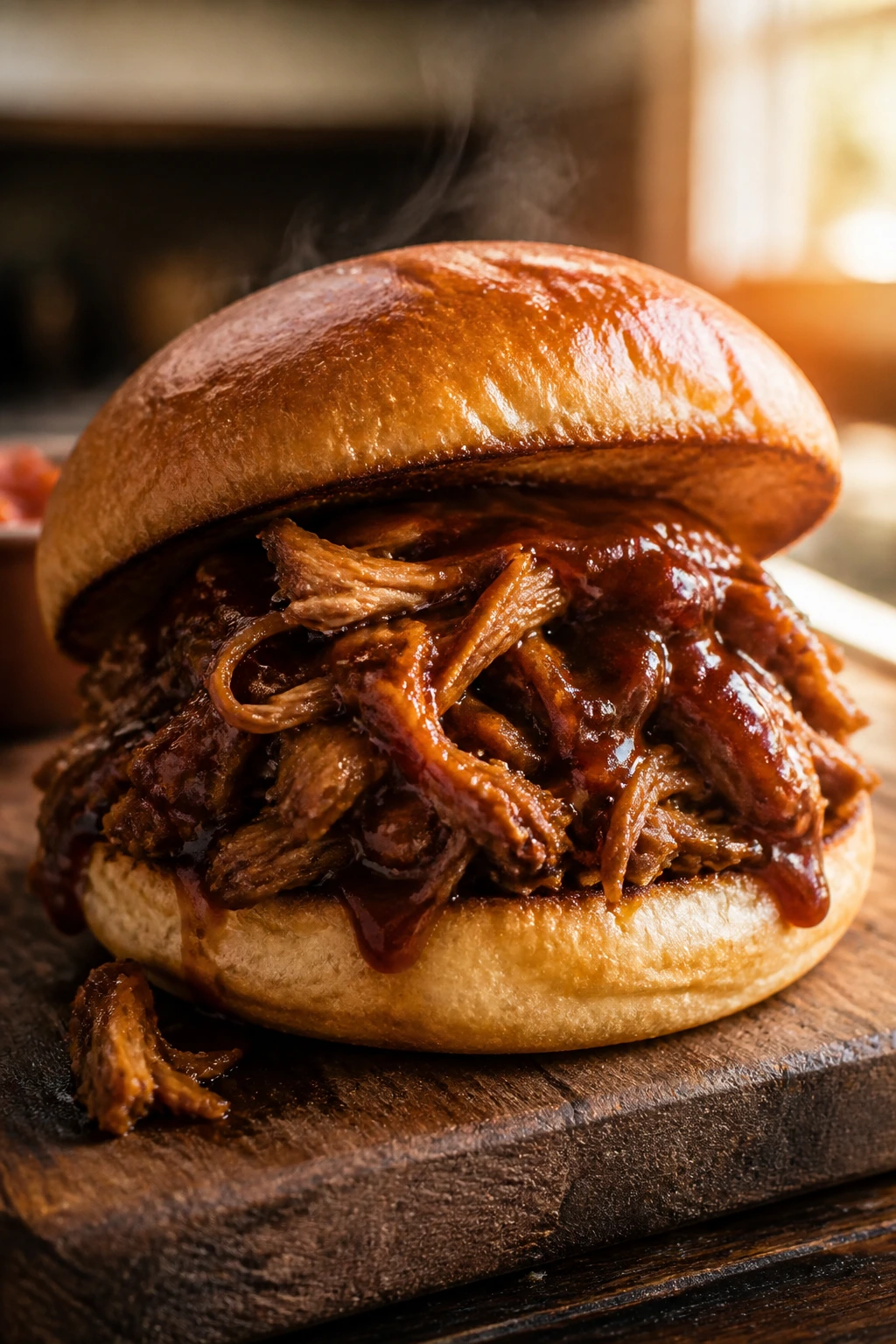
A small pork shoulder gives you a lot of dinner for not much work. That’s why pulled pork belongs on any list of crockpot dinners for two people. It’s forgiving, flavorful, and one of the few meals that seems to get easier the longer it sits in the sauce.
The key here is not to overdo the liquid. Pork shoulder releases a fair bit of juice on its own, and if you flood the pot, the sauce gets dull. Keep it tight, shred the meat when it’s tender, and you’ll get sandwiches that taste like they came from someone paying attention.
Why the Pork Shreds Instead of Drying Out
Pork shoulder has the fat and connective tissue needed for slow cooking. That’s the whole reason it works. A little vinegar sharpens the sauce, brown sugar softens the edges, and barbecue sauce ties everything together at the end instead of getting boiled to death for eight hours. If you can, shred the pork back into the cooking liquid and let it sit for 10 minutes before serving. That short rest makes a noticeable difference.
Ingredient List
- 1 1/2 lb pork shoulder or pork butt — the right cut for shredding.
- 1 tsp kosher salt — seasons the meat from the inside.
- 1/2 tsp black pepper — basic but necessary.
- 1 tsp smoked paprika — gives the pork a deeper color and flavor.
- 1/2 tsp garlic powder — easy background seasoning.
- 1 small onion, sliced — softens under the meat.
- 1/2 cup barbecue sauce — use one you already like.
- 1/4 cup apple cider vinegar — sharpens the sauce.
- 1 tbsp brown sugar — helps the glaze feel rounded.
- 1/2 cup low-sodium chicken broth or water — enough to keep things moving.
- 4 brioche or potato buns — soft enough for pulled pork.
- 1/4 cup pickle chips — the acid cut that sandwich needs.
How to Make It
-
Rub the pork shoulder with salt, pepper, smoked paprika, and garlic powder. If you have time, sear it in a skillet over medium-high heat until browned on two sides.
-
Scatter the onion in the slow cooker and set the pork on top. Pour in the broth, vinegar, brown sugar, and half of the barbecue sauce.
-
Cover and cook on LOW for 7 to 8 hours or on HIGH for 4 1/2 to 5 hours, until the pork shreds easily with a fork.
-
Move the pork to a cutting board and shred it. Throw away any large bits of fat you don’t want.
-
Return the meat to the crockpot and stir in the remaining barbecue sauce. Let it sit on WARM for 10 to 15 minutes so the pork soaks it up.
-
Pile onto buns and top with pickles.
Serving Ideas
- Coleslaw on the sandwich gives you crunch and keeps the pork from feeling too rich.
- Sweet potato wedges fit this meal well.
- Leftover pork freezes well in its sauce, which is useful because this recipe makes a little extra by design.
8. Turkey Meatballs in Marinara
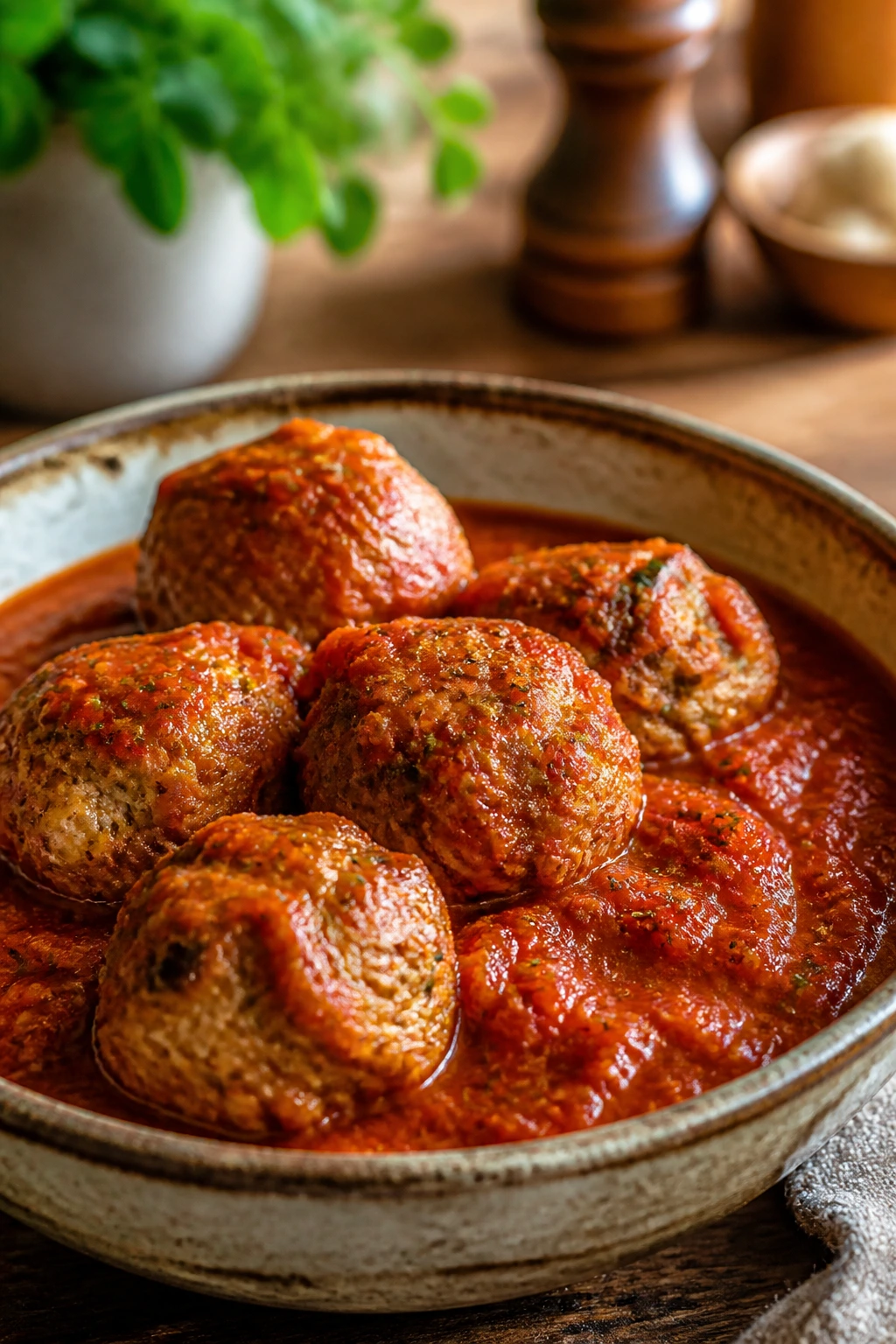
These meatballs are small-batch comfort food with enough structure to hold up in the slow cooker. Ground turkey can turn dry if you’re careless, so the breadcrumb and egg mixture matters. So does browning them first. Skip that part and the texture gets soft in a slightly disappointing way.
The sauce is simple on purpose. Tomato, garlic, onion, a little Italian seasoning, done. Let the meatballs carry the meal.
Why Meatballs Need a Little Structure First
Turkey is lean, which is nice right up until it gets rubbery. A beaten egg, breadcrumbs, and Parmesan keep the meatballs tender, while a quick bake or skillet browning gives them shape before they go into the sauce. That means they finish tender, not crumbling apart. I also like making these on the smaller side — about 1 1/2 inches across — because they cook evenly and feel right for two plates of pasta or polenta.
Ingredient List
For the Meatballs:
- 1 lb ground turkey — choose 93% lean if possible.
- 1 large egg — binds everything together.
- 1/3 cup plain breadcrumbs — keeps the meatballs light.
- 2 tbsp grated Parmesan — adds salt and depth.
- 2 garlic cloves, minced — mixes right into the meat.
- 1 tbsp chopped parsley — freshness in the background.
- 1/2 tsp kosher salt — essential.
- 1/2 tsp black pepper — small but noticeable.
- 1/2 tsp Italian seasoning — easy herb flavor.
For the Sauce:
- 1 tbsp olive oil — for the onion.
- 1 small yellow onion, finely chopped — softens into the sauce.
- 2 garlic cloves, minced — builds the tomato base.
- 1 can (24 oz) crushed tomatoes — the main sauce.
- 1 tbsp tomato paste — thickens the sauce and deepens the flavor.
- 1 tsp sugar — cuts the acidity a little.
- 1 tsp Italian seasoning — keeps the sauce in the right lane.
- 1/2 tsp kosher salt — start light.
- Pinch of red pepper flakes — optional, but nice.
How to Cook Them
-
Mix the ground turkey, egg, breadcrumbs, Parmesan, garlic, parsley, salt, pepper, and Italian seasoning in a bowl until just combined. Do not overwork it or the meatballs turn dense.
-
Shape into 12 small meatballs, about 1 1/2 inches each. Place them on a parchment-lined baking sheet and bake at 425°F for 8 to 10 minutes, just until the outside is set. You want structure, not full cooking.
-
While the meatballs bake, warm the olive oil in a skillet over medium heat. Cook the onion for 4 to 5 minutes until soft, then add the garlic for 30 seconds.
-
Stir in the crushed tomatoes, tomato paste, sugar, seasoning, salt, and red pepper flakes. Pour the sauce into the slow cooker.
-
Add the meatballs to the sauce and cook on LOW for 2 to 3 hours, until the meatballs reach 165°F and the sauce tastes mellow and rich.
-
Serve over spaghetti, polenta, or toasted rolls.
Tips
- These freeze well after baking, before the slow-cooker step.
- If you want more body in the sauce, stir in a tablespoon of butter at the end.
- A little basil on top makes the whole thing taste fresher.
9. Thai Red Curry Chicken
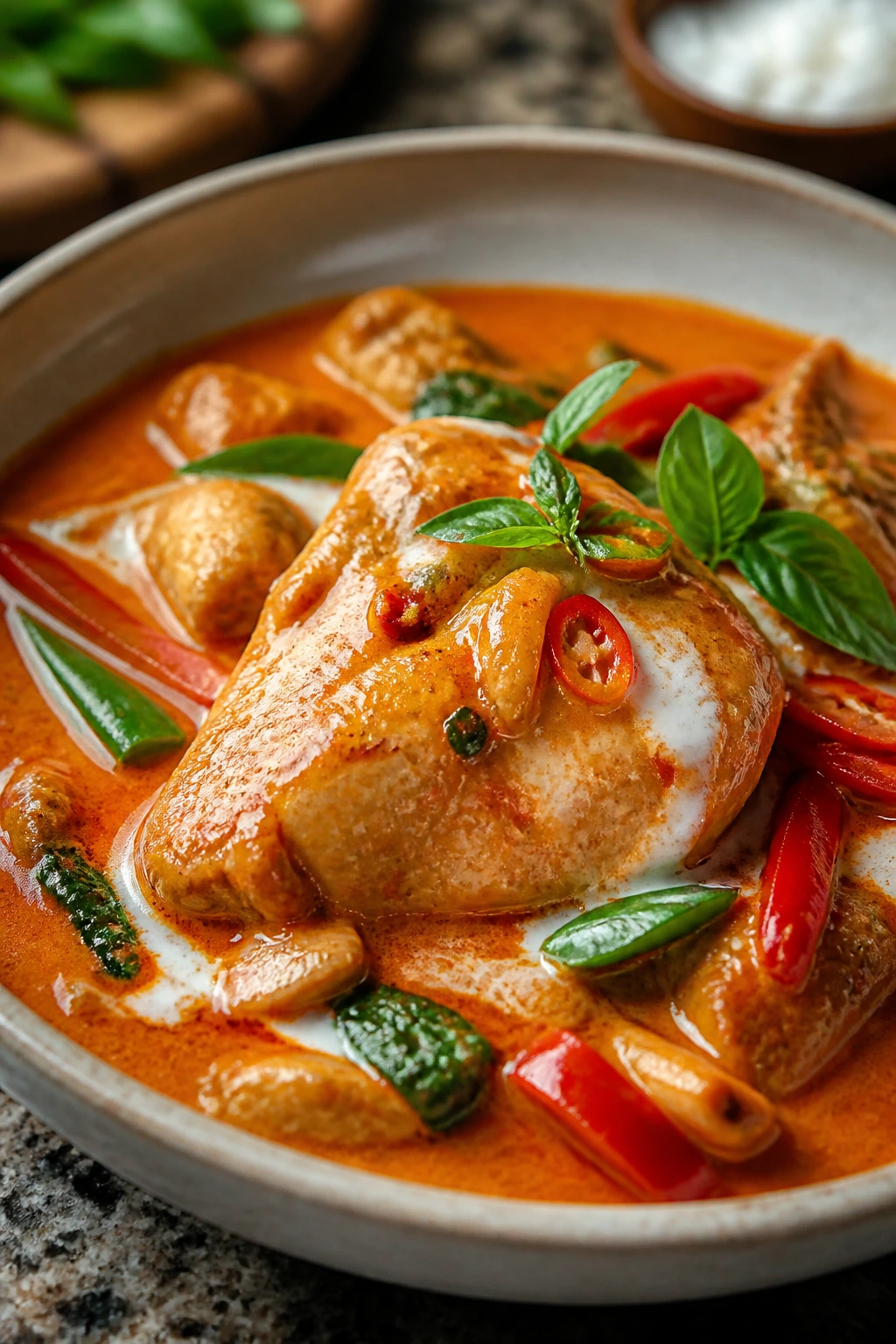
This smells good before it even finishes cooking. Coconut milk, red curry paste, and chicken have that unmistakable comfort-meets-heat thing going on, and the vegetables soak up just enough sauce to make every bite feel complete.
For a two-person crockpot dinner, this is a smart one because it tastes bright without requiring much fiddling. The sauce does the heavy lifting. Your job is mostly to keep the vegetables from overcooking and to add lime at the end so the whole pot doesn’t go sleepy.
Why Coconut Milk Makes This Easy
Coconut milk carries flavor and keeps the sauce silky, which is exactly what you want from a slow cooker curry. Red curry paste can vary a lot in heat and salt, so start with a modest amount and adjust later if needed. The green vegetables go in near the end because snap peas and bell peppers lose their snap fast under long heat. A finish of lime juice and basil gives the curry its sharp edge back.
Ingredient List
- 1 lb boneless, skinless chicken thighs — the safest choice for a slow simmer.
- 1 can (13.5 oz) full-fat coconut milk — keeps the sauce rich.
- 2 tbsp red curry paste — start here, then add more if you want heat.
- 1 tbsp fish sauce or soy sauce — brings salt and umami.
- 1 tbsp brown sugar — softens the spice.
- 1 small onion, sliced — melts into the sauce.
- 1 red bell pepper, sliced — adds sweetness and color.
- 1 cup snap peas or green beans — best added near the end.
- 1/2 cup low-sodium chicken broth — loosens the sauce a little.
- 1 tbsp lime juice — added after cooking.
- 1/4 cup basil or cilantro — fresh finish.
- Cooked jasmine rice, for serving — the right base for the sauce.
How to Make It
-
Whisk the coconut milk, curry paste, fish sauce or soy sauce, brown sugar, and broth together in the slow cooker until the curry paste is mostly dissolved.
-
Add the chicken thighs, onion, and bell pepper. Stir once so the chicken is coated.
-
Cover and cook on LOW for 4 to 5 hours or on HIGH for 2 1/2 to 3 hours, until the chicken reaches 165°F and pulls apart easily.
-
Stir in the snap peas or green beans during the last 20 minutes of cooking so they stay bright and crisp-tender.
-
Shred the chicken if you like, or leave it in larger pieces. Stir in the lime juice and herbs just before serving.
-
Spoon over rice and add more lime if you want sharper flavor.
Fixes and Variations
- If the sauce looks thin, cook uncovered on HIGH for 10 minutes.
- A spoonful of peanut butter gives the curry a softer, richer body.
- Tofu works here too, but add it late so it doesn’t break apart.
10. French Onion Pot Roast
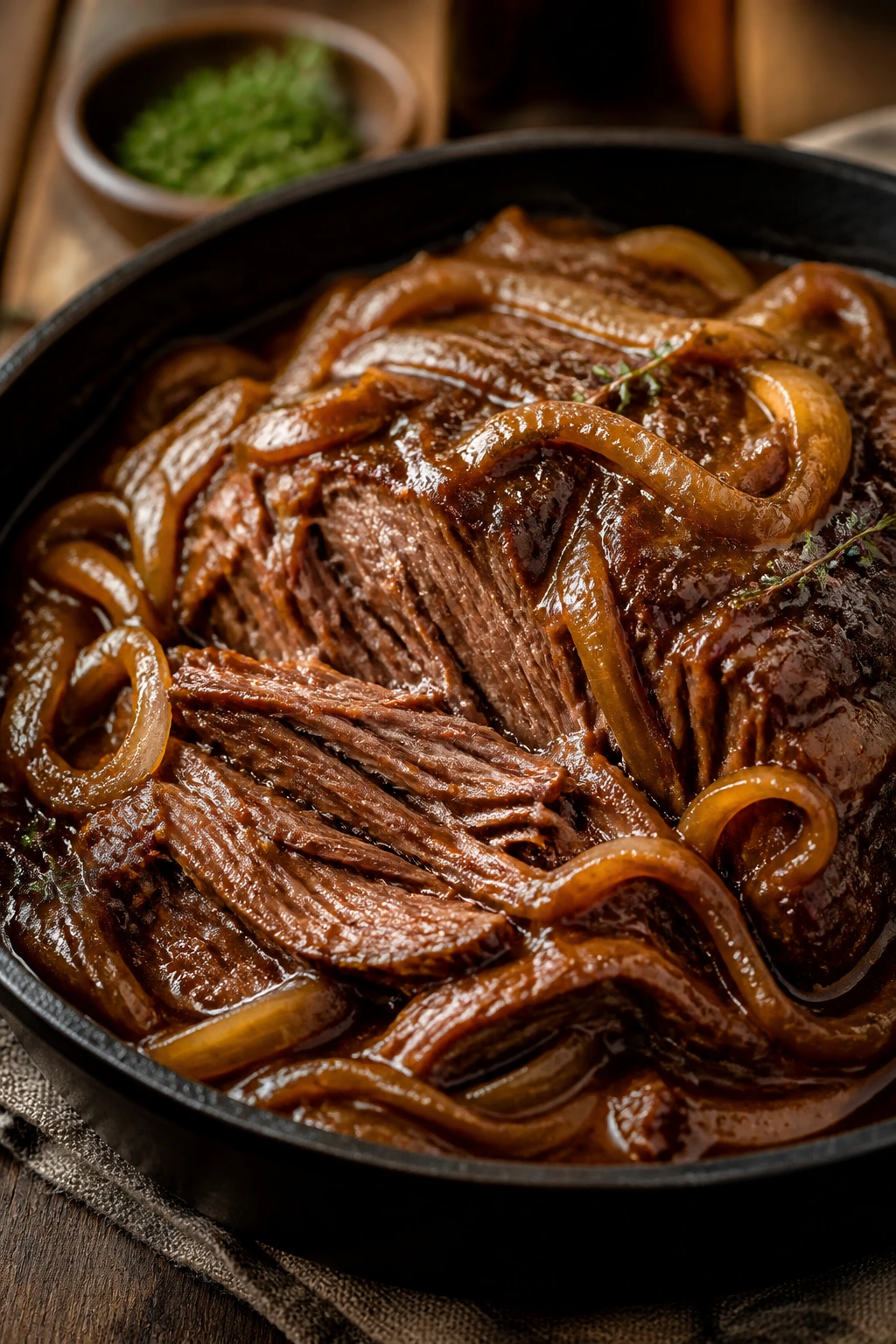
This is a slow cooker meal that tastes a little more dressed up than the others. The onions get sweet and jammy, the beef turns soft enough to pull with a fork, and the broth takes on a deep savory thing that feels almost brothy enough to serve on its own.
It’s also a good reminder that a smaller roast can still feel special. You don’t need a giant slab of beef to make dinner feel like an event. You need good onions, patience, and enough salt to wake the meat up.
Why Onions Carry the Pot Roast
Onions are the backbone here. They melt down during the long cook and turn the broth into something closer to French onion soup than plain roast liquid. A little sherry or red wine adds a dry edge, Worcestershire brings depth, and the beef itself becomes soft enough to slice or shred depending on what you like. If you have 10 extra minutes, softening the onions in butter first gives the finished pot roast a deeper color and sweeter flavor. If not, raw onions still work.
Ingredient List
- 1 1/4 lb chuck roast — enough for two generous servings.
- 1 tsp kosher salt — season the beef well.
- 1/2 tsp black pepper — small but important.
- 1 tbsp flour — helps with browning.
- 1 tbsp olive oil — for the sear.
- 2 large yellow onions, sliced into thin half-moons — the flavor base.
- 1 cup low-sodium beef broth — not too much liquid.
- 2 tbsp dry sherry or red wine — gives the broth a deeper finish.
- 1 tbsp Worcestershire sauce — savory backbone.
- 1 tsp fresh thyme or 1/2 tsp dried thyme — classic with beef and onion.
- 1 bay leaf — remove before serving.
- 1 garlic clove, minced — small but welcome.
- 2 tsp butter — optional, for the onions.
- Crusty bread or mashed potatoes, for serving — both work.
How to Cook It
-
Pat the roast dry and season it with salt and pepper, then dust it lightly with flour.
-
Heat the olive oil in a skillet over medium-high heat and sear the roast for 2 to 3 minutes per side until browned. This step adds flavor; don’t rush it.
-
If you have time, cook the onions in the same skillet with the butter for 5 minutes, just until they start to soften. If not, put them straight into the slow cooker.
-
Place the onions in the bottom of the slow cooker. Set the roast on top and add the broth, sherry or wine, Worcestershire, thyme, bay leaf, and garlic.
-
Cover and cook on LOW for 8 to 9 hours or on HIGH for 4 1/2 to 5 1/2 hours, until the beef is fork-tender.
-
Slice or shred the roast, remove the bay leaf, and spoon the onions and broth over the top.
Pairing Notes
- Mashed potatoes turn this into an especially satisfying plate.
- A green salad is enough on the side if you want to keep things simple.
- A little grated Gruyère melted over toast on the side is indulgent, yes, but also very good.
11. Sausage and Peppers with Soft Buns
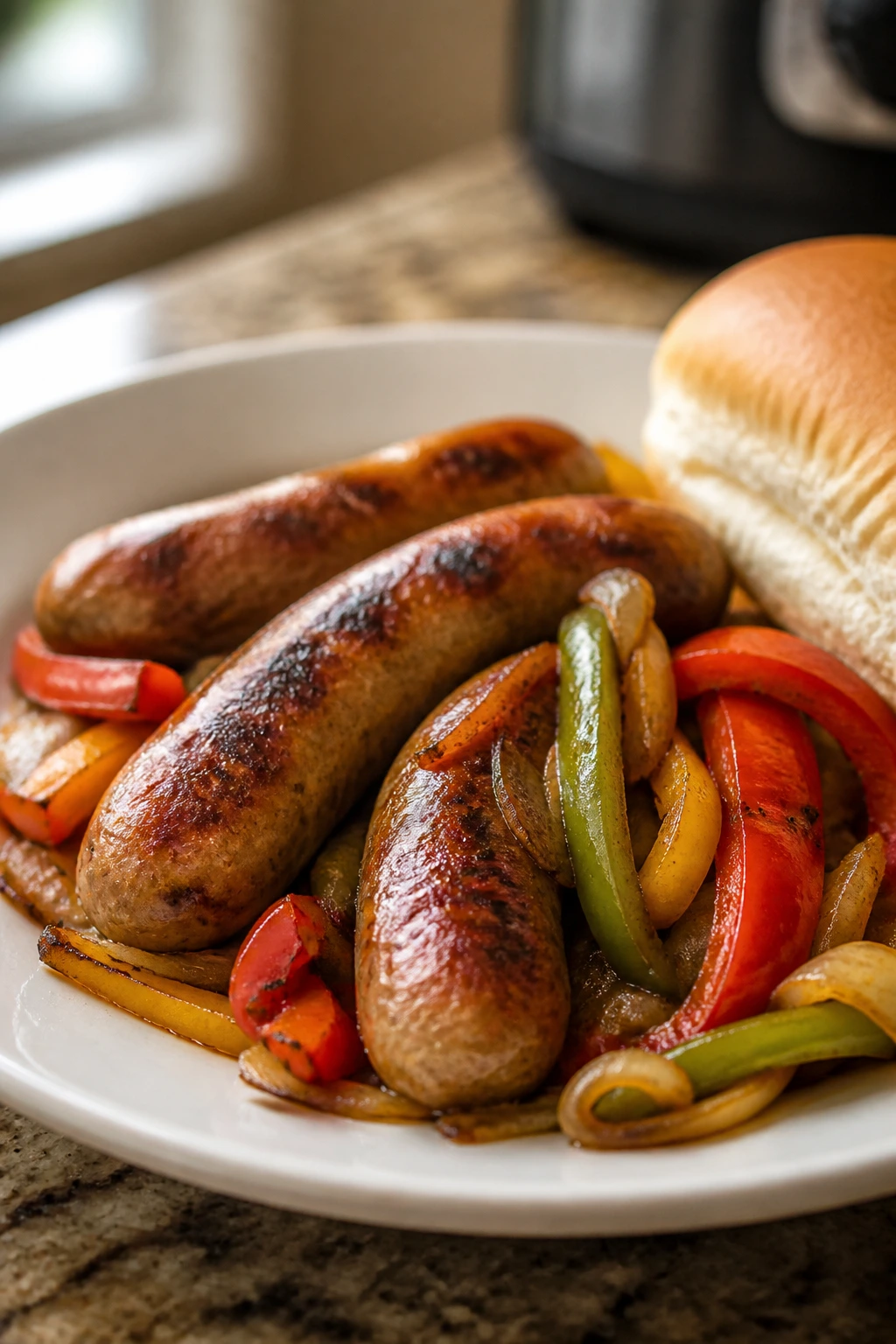
This is one of those dinners that doesn’t try to impress you and then quietly does. Sausage, peppers, onions, and tomatoes simmer together until everything tastes like it belongs on the same plate. For two people, it’s satisfying without being fussy.
The nice part is that you can steer it toward sandwiches or bowls depending on what’s sitting in the kitchen. If you’ve got good buns, use them. If you don’t, spoon the sausage and peppers over rice or polenta and call it done.
Why Sausage and Peppers Work So Well in a Slow Cooker
Sausage already comes seasoned, which makes it ideal for small-batch cooking. The peppers and onions soften into the tomato broth and pick up a little sweetness, while the sausage gives the dish enough fat to feel complete. I like browning the links first because the browned skin adds texture that the slow cooker can’t create on its own. If you’re using chicken sausage, the same idea applies — quick browning gives you a better final bite.
Ingredient List
- 4 Italian sausage links, about 1 lb total — sweet or hot, your call.
- 1 tbsp olive oil — for browning.
- 2 bell peppers, sliced — use different colors if you like the look.
- 1 small yellow onion, sliced — soft and sweet after hours in the pot.
- 2 garlic cloves, minced — the savory base.
- 1 can (14.5 oz) diced tomatoes — brings juice and body.
- 1/2 cup low-sodium chicken broth — just enough liquid.
- 1 tsp Italian seasoning — easy seasoning.
- 1/4 tsp red pepper flakes — optional heat.
- 1/2 tsp kosher salt — keep it modest because sausage is salty.
- 4 soft sandwich rolls or hoagie buns — for serving.
- Sliced provolone or mozzarella, optional — melts well over the top.
How to Make It
-
Heat the olive oil in a skillet over medium heat and brown the sausage links on two sides, about 3 to 4 minutes total. You are not cooking them through yet — just building flavor.
-
Add the peppers, onion, garlic, tomatoes, broth, Italian seasoning, red pepper flakes, and salt to the slow cooker. Stir once.
-
Nestle the sausage into the vegetables and sauce.
-
Cover and cook on LOW for 4 to 5 hours or on HIGH for 2 1/2 to 3 hours, until the sausage reaches 160°F and the peppers are soft.
-
Slice the sausage or leave the links whole. Pile into buns and add cheese if you want it melted on top.
-
If you want a more concentrated sauce, leave the lid off for the last 15 minutes and cook on HIGH.
Small Changes That Help
- A spoonful of balsamic vinegar at the end adds a nice edge.
- Serve it over creamy polenta if you want something softer than bread.
- Leftovers are excellent chopped and folded into scrambled eggs the next morning, which is a little off-script but still useful.
12. Broccoli Cheddar Soup with Ham
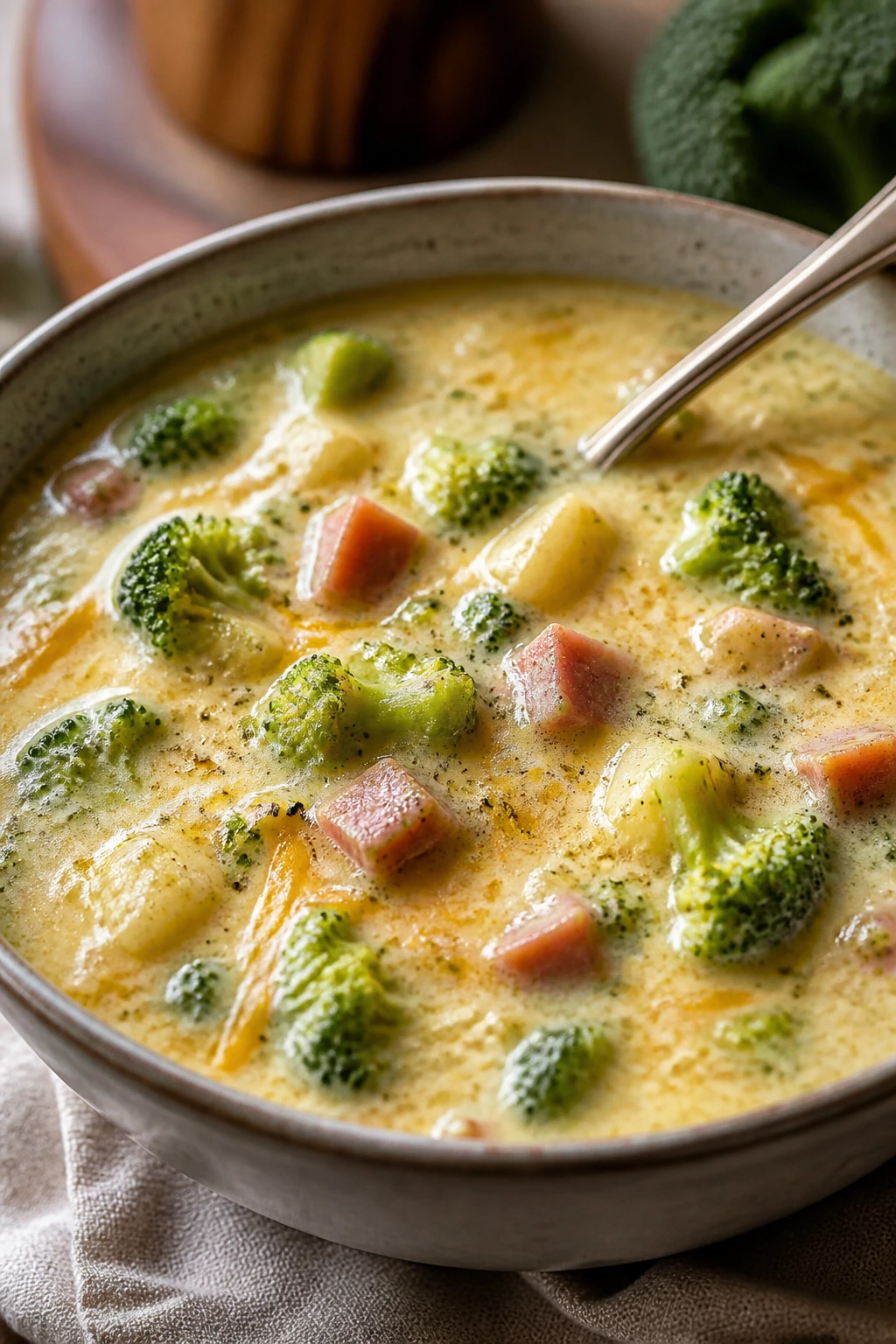
This is dinner that asks for nothing more than bread and a spoon. Broccoli cheddar soup can turn grainy if you rush the cheese, but the slow cooker handles the vegetable part well and lets you finish the dairy at the end, which is exactly how it should be done.
The ham is optional, though I like it because it turns the bowl from snacky soup into a real meal. Small cubes are enough. You don’t need much. The broccoli, potato, and cheese already do most of the work.
Why This Soup Tastes Like More Than the Sum of Its Parts
A potato gives the soup body without needing heavy cream, and a little cornstarch helps the broth thicken just enough. The important part is adding the milk and cheddar at the end, after the vegetables are soft. If cheese goes in too early, it can turn grainy or stringy. Keep the heat gentle, stir slowly, and you’ll get a smooth bowl with that familiar sharp-cheddar bite.
Ingredient List
- 3 cups broccoli florets, chopped into bite-size pieces — some stem is fine if peeled.
- 1 small Yukon Gold potato, peeled and diced — helps thicken the soup.
- 1 small carrot, grated or finely diced — a little sweetness.
- 1 small yellow onion, diced — the base.
- 2 cups low-sodium chicken broth — enough for a small batch.
- 1/2 tsp kosher salt — adjust after the cheese goes in.
- 1/2 tsp black pepper — keeps the soup from tasting flat.
- 1/4 tsp ground nutmeg — optional, but very good with broccoli and cheese.
- 1 tbsp cornstarch mixed with 1 tbsp cold water — helps the broth thicken.
- 1 cup milk or half-and-half — added at the end.
- 1 cup shredded sharp cheddar, packed lightly — use a block and shred it yourself if you can.
- 1/2 cup diced ham — optional, but useful if you want more protein.
- Crusty bread, for serving — not optional in my book.
How to Make It
-
Add the broccoli, potato, carrot, onion, broth, salt, pepper, nutmeg, and ham if using to the slow cooker.
-
Cover and cook on LOW for 4 to 5 hours or on HIGH for 2 to 3 hours, until the vegetables are tender and the potato breaks easily with a fork.
-
Stir in the cornstarch slurry and cook on HIGH for 10 minutes, until the broth looks slightly thicker.
-
Use an immersion blender to blend part of the soup, leaving some broccoli pieces intact. If you don’t have one, mash a few potatoes against the side of the pot with a spoon.
-
Stir in the milk and cheddar a handful at a time on the WARM setting, letting each handful melt before adding the next. Do not boil the soup after the cheese goes in or it can turn grainy.
-
Taste and add more salt if needed. Serve with bread while hot.
Add-Ons
- A few drops of hot sauce wake up the cheese.
- Extra sharp cheddar gives a more obvious cheese flavor than mild cheddar.
- If you want to skip the ham, a spoonful of white beans stirred in early works well too.
Why the Small Slow Cooker Wins on Busy Nights
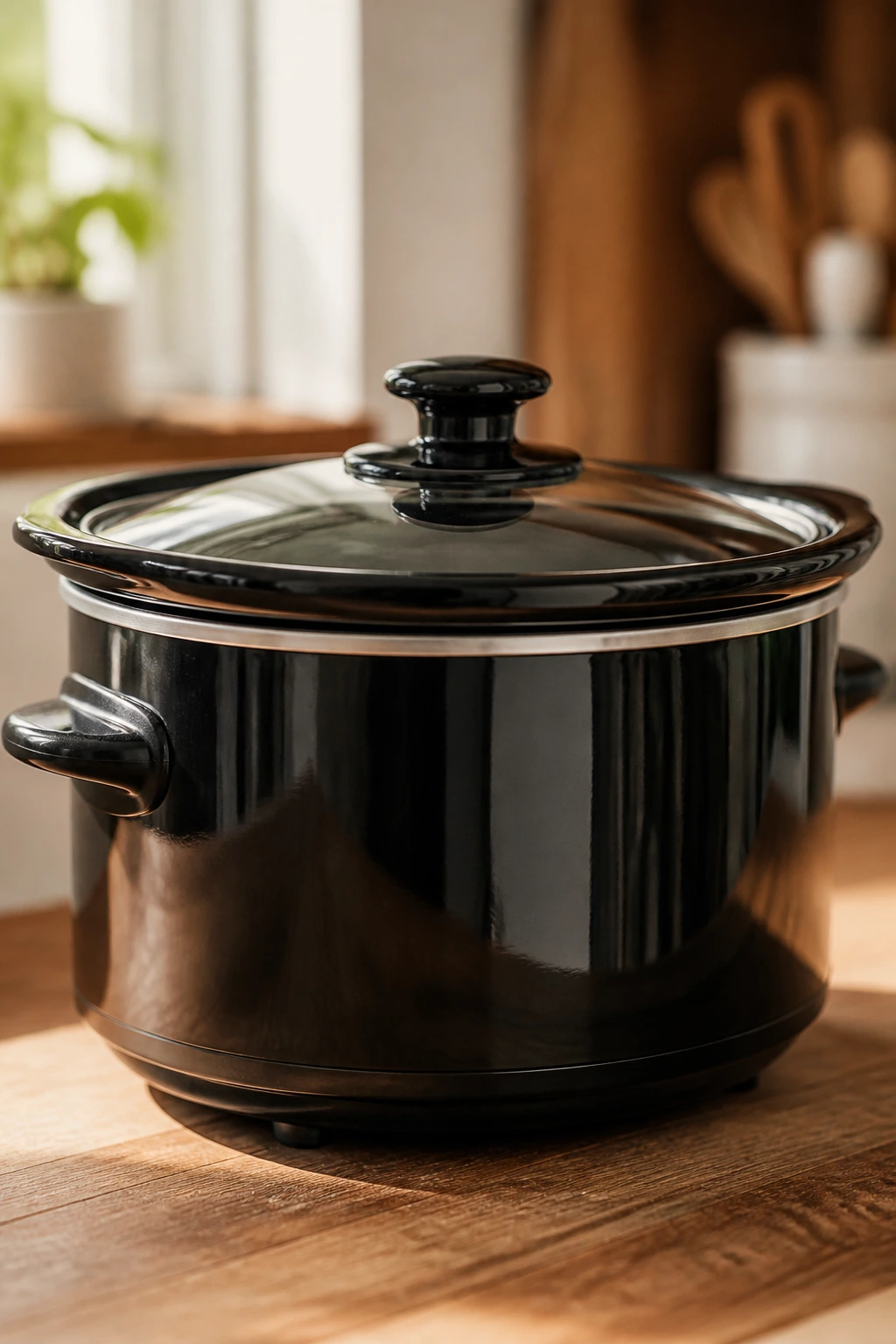
A small slow cooker does one thing better than the giant model on the counter: it keeps dinner concentrated. With only two people at the table, you do not want six cups of broth where three would do, or a roast that swims in its own juices for hours. Less space means more flavor per bite, and that’s the part most people miss.
It also helps with texture. Chicken stays juicy instead of stringy. Beans thicken the sauce instead of getting lost in it. Pork shoulder shreds cleanly, and soups land on the line between spoonable and watery. A 2- to 4-quart crockpot is enough for these meals, and in some cases it’s better than the bigger insert because the ingredients sit closer together and cook more evenly.
There’s a food-safety upside too. Smaller batches cool faster, which matters when you’re planning leftovers. That doesn’t mean you should leave the pot out forever — it just means a well-portioned dinner is easier to manage from start to fridge.
Essential Equipment for These Recipes
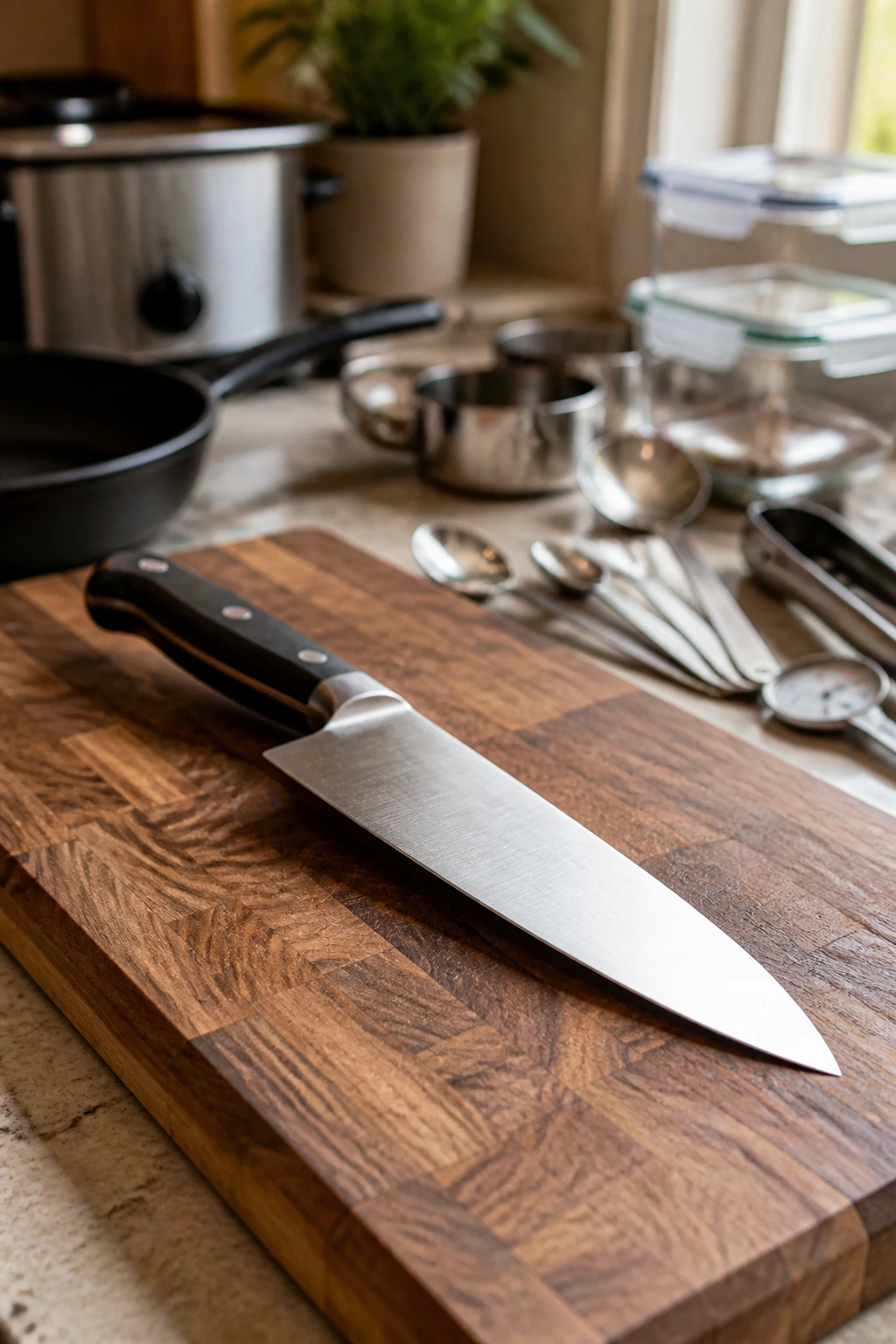
- 2- to 4-quart slow cooker — the best size for most of these dinners.
- Sharp chef’s knife — small batches still need clean, even cuts.
- Cutting board — one for vegetables is enough if you’re not cross-contaminating raw meat.
- Measuring cups and spoons — especially useful for sauces and seasoning.
- Large skillet — for browning meat or softening onions before the crockpot step.
- Wooden spoon or silicone spatula — better for stirring thick sauces than a flimsy spoon.
- Tongs — helpful for turning pork chops, sausage, or beef.
- Instant-read thermometer — the easiest way to know when chicken and pork are done.
- Ladle — for soups, stews, and chili.
- Airtight storage containers — leftovers keep better when they’re packed promptly.
Smart Shopping for Small Crockpot Dinners
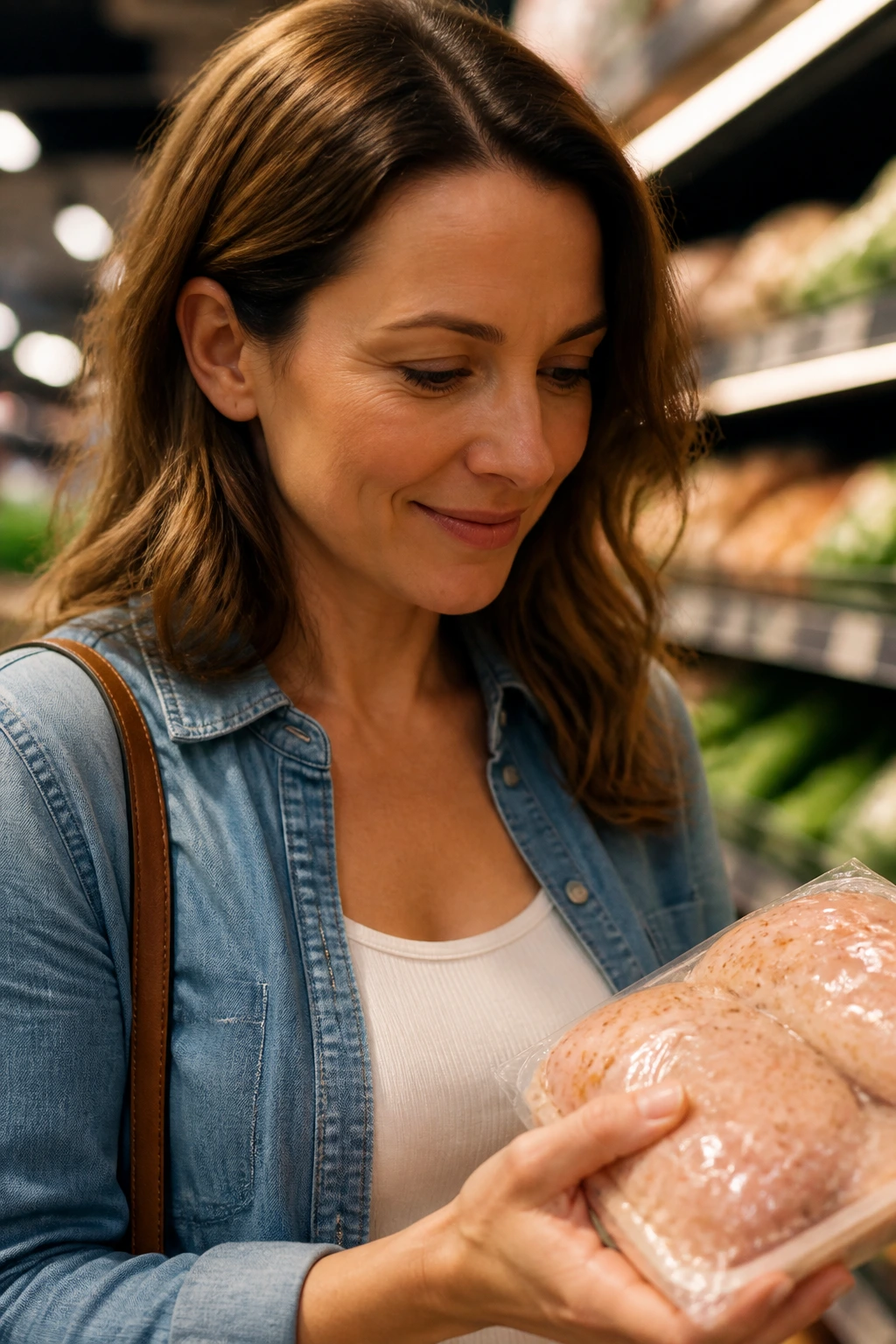
Small-batch slow cooking rewards ingredients that already know how to carry flavor. Chicken thighs beat chicken breasts most of the time because they stay juicy. Chuck roast beats lean stew meat because it breaks down more evenly. Pork shoulder beats pork loin because it doesn’t dry out halfway through the cook. That pattern repeats across the whole collection.
Low-sodium broth is worth buying because it lets you control the salt yourself. Canned tomatoes should taste like tomatoes, not sugar and starch, so check the ingredient list if you’re picky about sauce. For beans, rinse them unless the recipe depends on the canning liquid. Salsa verde, curry paste, barbecue sauce, and marinara all vary a lot in salt and heat, so taste those before you dump in extra seasoning. And if your slow cooker runs hot, lean toward cuts and sauces that can forgive an extra 30 minutes. That little bit of caution saves a lot of dry chicken and overcooked pork.
Make-Ahead, Storage, and Reheating Guidance
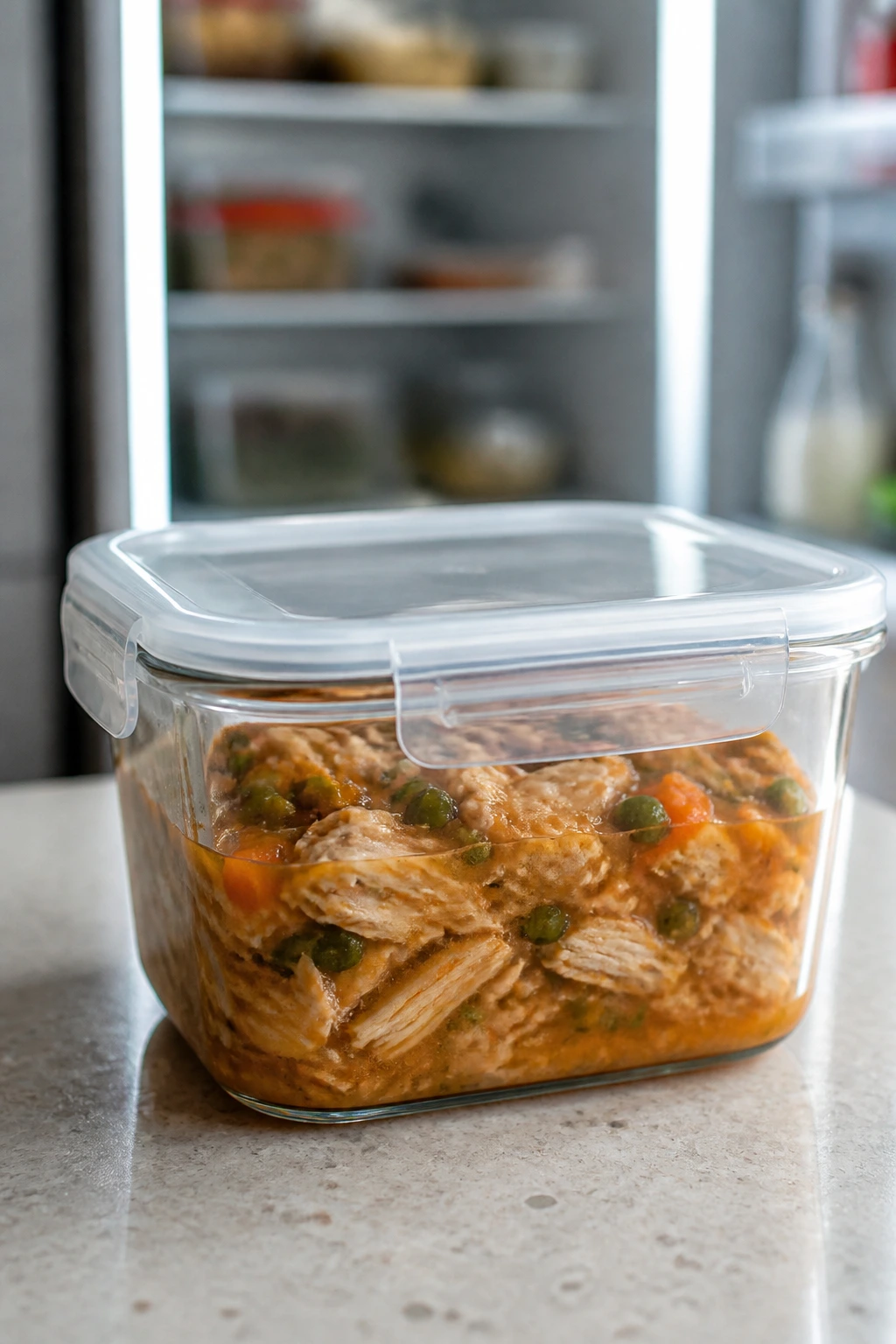
Most of these dinners keep well for 3 to 4 days in the refrigerator if you cool them and pack them in shallow containers. Soups, chili, pulled pork, stew, and meatballs in sauce all freeze nicely for up to 2 to 3 months. Creamy dishes are a little fussier. Chicken and dumplings, broccoli cheddar soup, and Thai curry can still be frozen, but the texture is better if you freeze the base before adding cream, cheese, or dumplings and finish those fresh.
For reheating, use low heat and a little patience. Stovetop reheating is best for stews, chili, soups, and saucy meats because you can stir in a splash of broth or water and stop once everything is hot. Microwaving works too, but do it in short bursts and stir between them so the edges don’t overcook while the center stays cold. Poultry should be reheated to 165°F, and pork should be hot all the way through. If a sauce looks tight after chilling, loosen it with a spoonful or two of broth before you heat it. That tiny adjustment makes leftovers taste freshly made instead of merely warmed up.
Variations and Adaptations to Try
Gluten-Free Swaps
Use cornstarch instead of flour for thickening, and choose corn tortillas, rice, or polenta instead of buns and bread. For the meatballs, swap the breadcrumbs for gluten-free breadcrumbs or crushed rice crackers.
Dairy-Free Finishes
Skip the cream in the chicken and dumplings broth and use extra broth plus a splash of olive oil, or replace the cream in curry with full-fat coconut milk, which already fits the flavor. For broccoli cheddar soup, use unsweetened oat milk and leave the cheese as the main dairy component, or make a fully different dairy-free soup with nutritional yeast and a little cashew cream.
Lower-Sodium Cooking
Use low-sodium broth, rinse canned beans, and choose a barbecue sauce or salsa verde that isn’t heavily salted. Then season in layers and adjust at the end. You get more control that way, which matters a lot in small-batch cooking where a half teaspoon can change the whole pot.
Vegetarian Dinner Swaps
The lentil chili already fits this lane, but the Tuscan chicken can become Tuscan beans and spinach with no trouble, and the curry works well with chickpeas or tofu. Add those proteins later in the cook so they don’t get too soft.
Extra-Comfort Additions
A spoonful of butter in stew, a little shredded cheese on chili, or toasted bread under pot roast can shift these dinners from good to deeply satisfying. Keep the additions small. The point is to sharpen the dish, not bury it.
Common Mistakes to Avoid
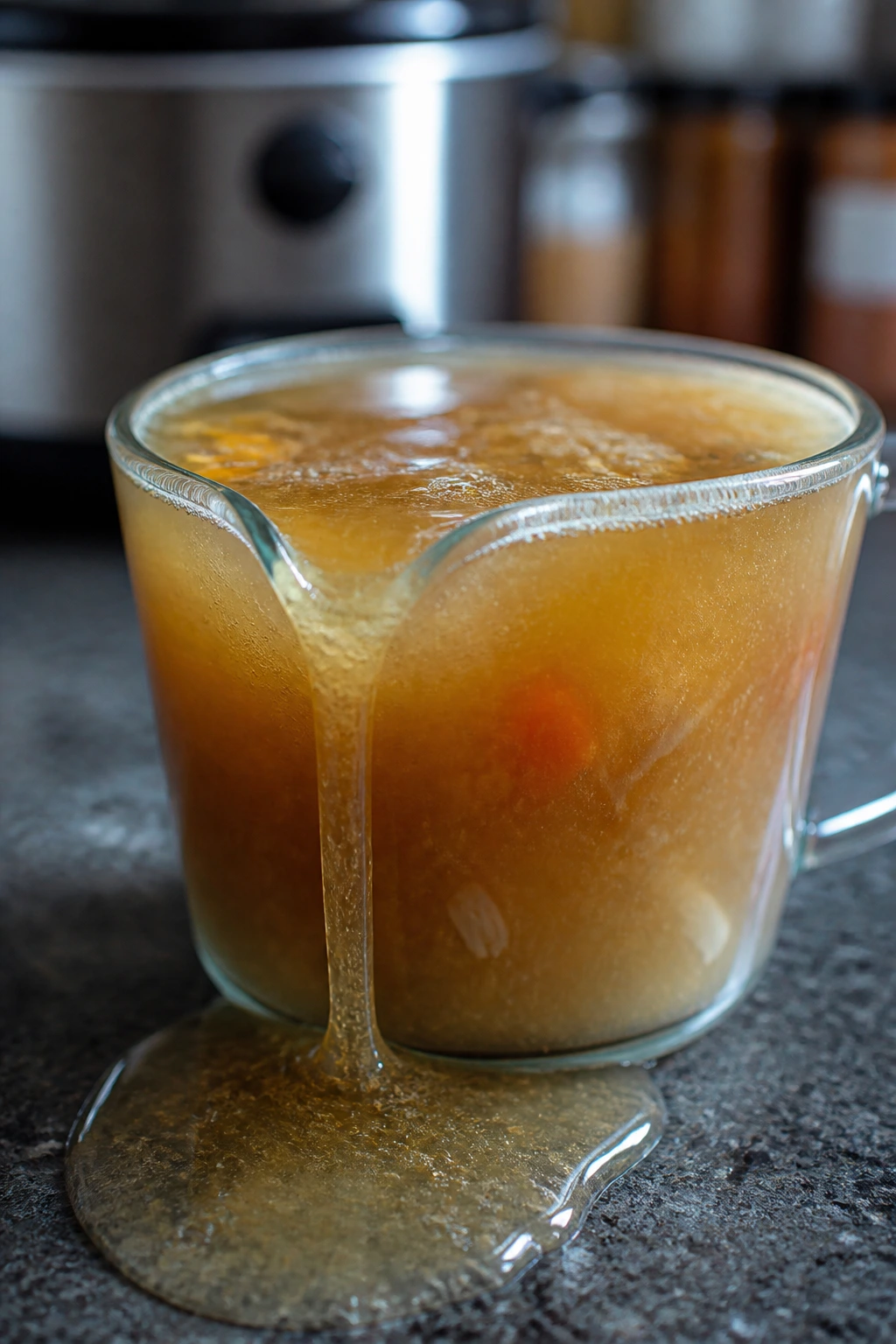
The most common mistake is using too much liquid. Slow cookers trap moisture, so a recipe that looks stingy at the start usually tastes better at the end. If you’re cooking for two, resist the urge to “make it safer” by adding another cup of broth. That extra cup usually becomes weak sauce.
Another problem is choosing the wrong cut of meat. Lean pork loin, thin pork chops, and chicken breasts can all work, but they need tighter timing than their richer cousins. Chicken thighs, chuck roast, and pork shoulder are easier because they forgive a little neglect. That’s the whole point of a crockpot dinner for two people: less babysitting, not more.
People also lift the lid too often. Every peek drops heat and adds time. If the recipe says four hours on HIGH, trust the pot unless something smells off. And please do not add milk, cream, or cheese at the start. Dairy belongs at the end in most of these recipes, when the heat is low and the base is already cooked.
One more thing: don’t overload a small slow cooker. For best results, keep the insert about two-thirds full. Crowding a 2-quart cooker with too much food can make the top dry and the bottom soggy. Awkward combination. Easy fix.
Frequently Asked Questions

What size slow cooker works best for two people?
A 2- to 4-quart slow cooker is usually the sweet spot. Smaller batches sit closer to the heat and cook more evenly, and you won’t be forced into half a week of leftovers.
Can I double these recipes for four people?
Usually, yes, but do not double the cook time. Use a larger insert, keep the ingredients under the fill line, and expect the same temperature target — not twice as long on the clock.
Do I need to brown the meat first?
Not always, but it helps with flavor in beef stew, pot roast, pulled pork, sausage dishes, and meatballs. Chicken and bean-based recipes can skip that step if you’re short on time.
Can I use chicken breasts instead of thighs?
You can, but watch the clock closely. Breasts dry out faster, so check them early and pull them as soon as they reach 165°F. Thighs are more forgiving in almost every slow-cooked recipe here.
Which recipes freeze the best?
Pulled pork, beef stew, chili, lentil chili, sausage and peppers, and meatballs in marinara all freeze well. Creamy soups and dumpling dishes freeze less gracefully, though the base can still be frozen before the dairy or dumplings go in.
What if my sauce is too thin?
Take the lid off for the last 10 to 20 minutes if the recipe can handle it, or stir in a cornstarch slurry and cook a little longer. That’s usually enough to bring the sauce back into line.
Can I make these ahead and leave them on warm?
For a short stretch, yes, but not for hours and hours. Once the food is fully cooked, it can rest on WARM for a bit, yet the better move is to cool it and refrigerate it within about 2 hours if you’re not eating soon.
A Smaller Pot, a Better Supper
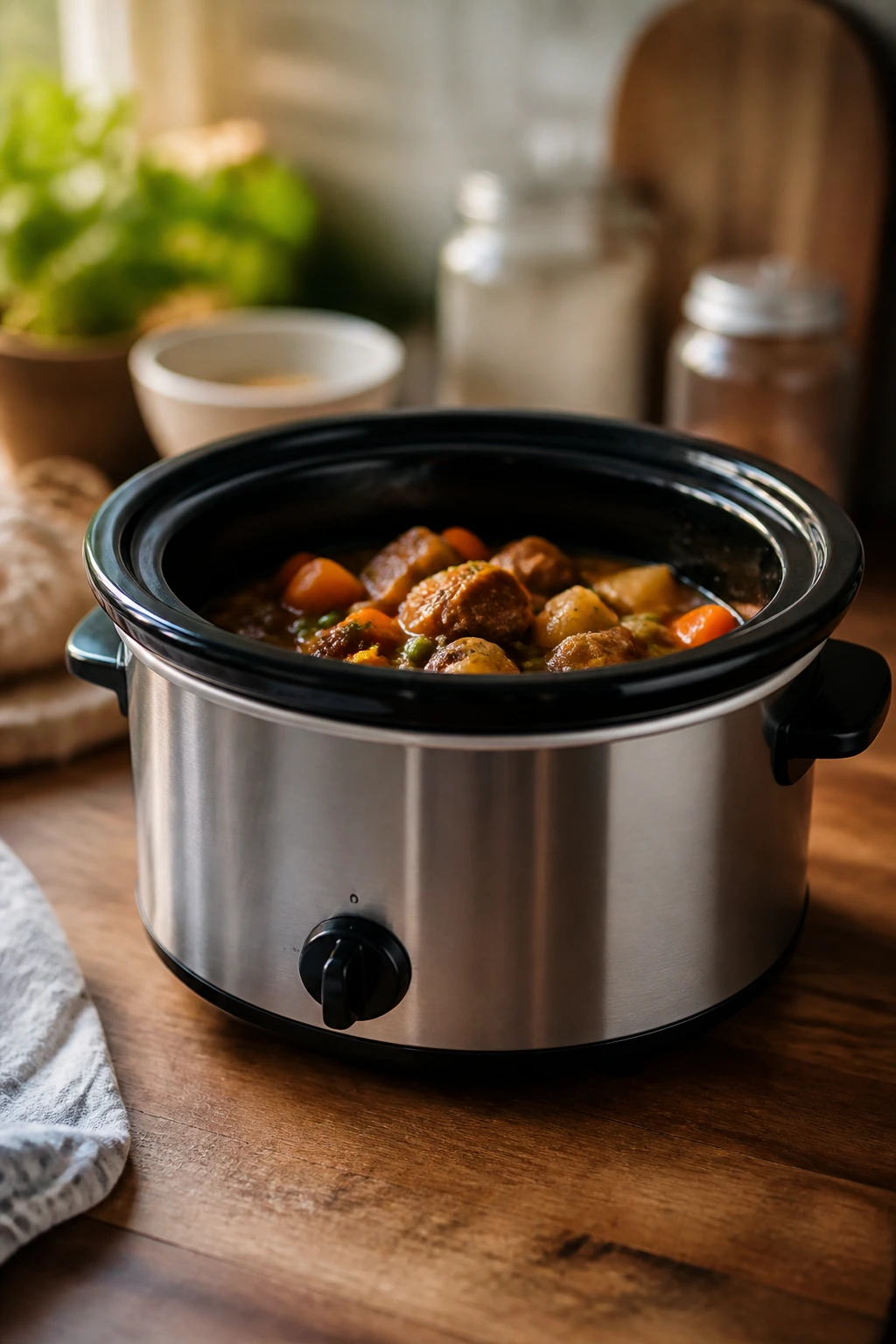
Cooking for two doesn’t have to mean cooking like you’re feeding a crowd. A smaller slow cooker gives you something better than sheer volume: tighter flavor, easier timing, and dinners that land where they should — warm, satisfying, and not buried under leftovers you’ll be tired of by the next afternoon.
That’s why these crockpot dinners for two people work so well. They’re built around ingredients that like long heat, sauces that don’t need a lot of rescue, and portion sizes that actually fit real life. Some nights call for dumplings. Some call for tacos. Some call for a bowl of chili with bread and a plate you can finish without thinking too hard.
Start with one or two that match your pantry and your mood. Once you get the small ratios right, the slow cooker stops feeling like a giant family-size contraption and starts behaving like a very reliable dinner habit.