



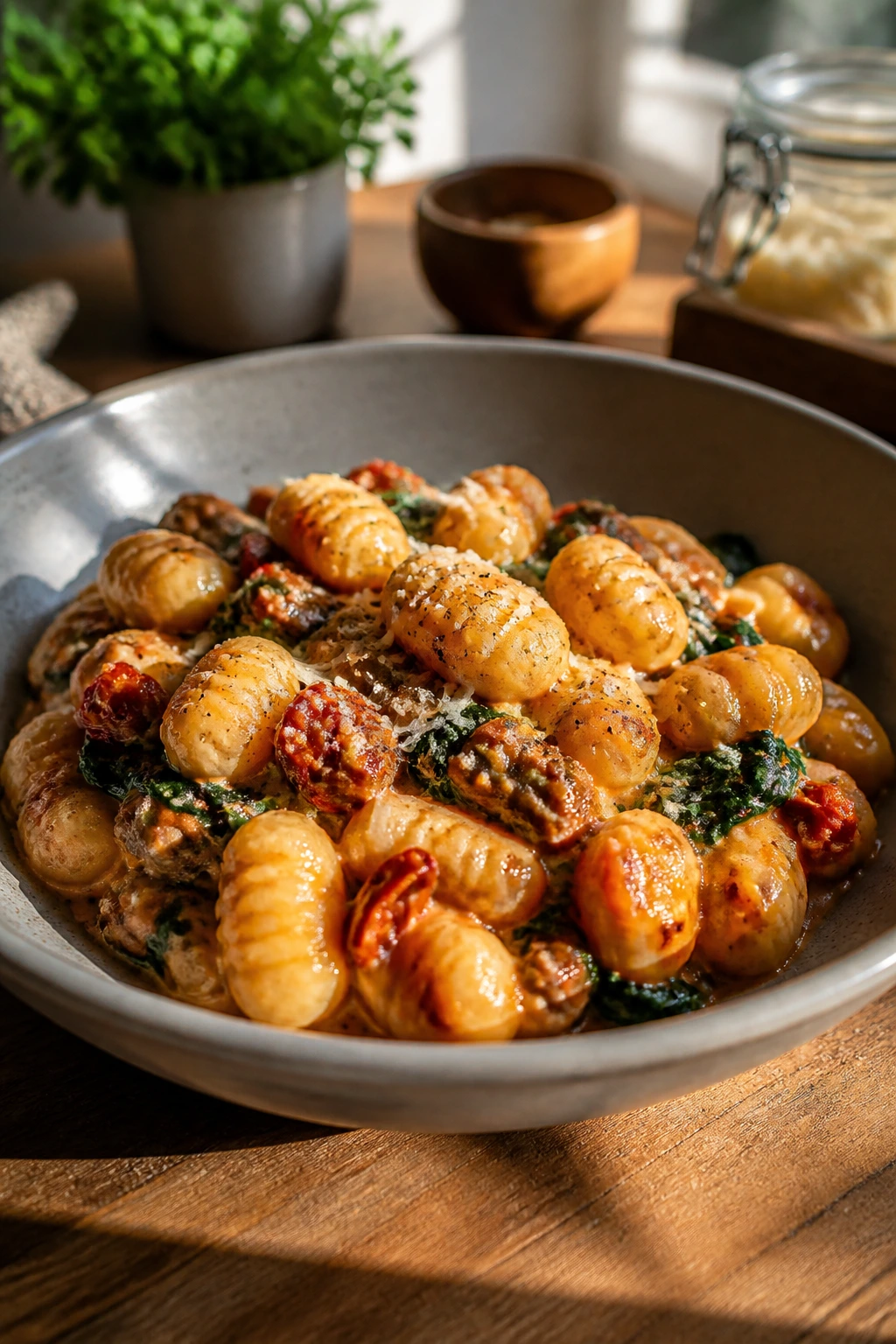
A bowl of gnocchi on a cold evening hits a different nerve than a bowl of pasta. The dumplings are soft and pillowy, but when they hit a hot skillet or sit under a bubbling lid of cheese, they pick up edges, color, and a little bite that makes dinner feel deliberate.
These gnocchi dinners work because the ingredient does half the heavy lifting before you even touch the sauce. Shelf-stable gnocchi cooks in minutes, refrigerated gnocchi turns tender without falling apart, and the potato base grabs onto butter, tomato, cream, pesto, or broth like it was made for that job.
I like gnocchi when the evening feels slow but the clock does not cooperate. A pan of sausage and greens. A tomato bake with cheese blisters at the edge. A lemony shrimp skillet that smells bright enough to pull you out of a slump. Cozy doesn’t have to mean heavy, and these dinners prove it. The first skillet starts with brown butter, because that smell can rescue a tired room.
Why You’ll Love These Gnocchi Dinners
-
Fast without tasting rushed: Most of these meals land in 30 to 40 minutes because gnocchi cooks in minutes and the sauce builds in the same pan.
-
Comfort with texture: Browned gnocchi, crisp sausage, roasted tomatoes, and toasted cheese keep dinner from turning into one soft, beige pile.
-
Flexible ingredients: Chicken, shrimp, beans, sausage, and vegetables all fit the same basic shape, so dinner can follow what is in the fridge.
-
Easy cleanup: Several of these meals stay in one skillet or a baking dish, which matters on a night when the sink already has enough in it.
-
Good leftovers: Tomato, sausage, beef, and squash versions reheat well if you keep the sauce a touch loose and stop short of overcooking the gnocchi.
1. Brown Butter Sage Gnocchi with Pancetta and Peas
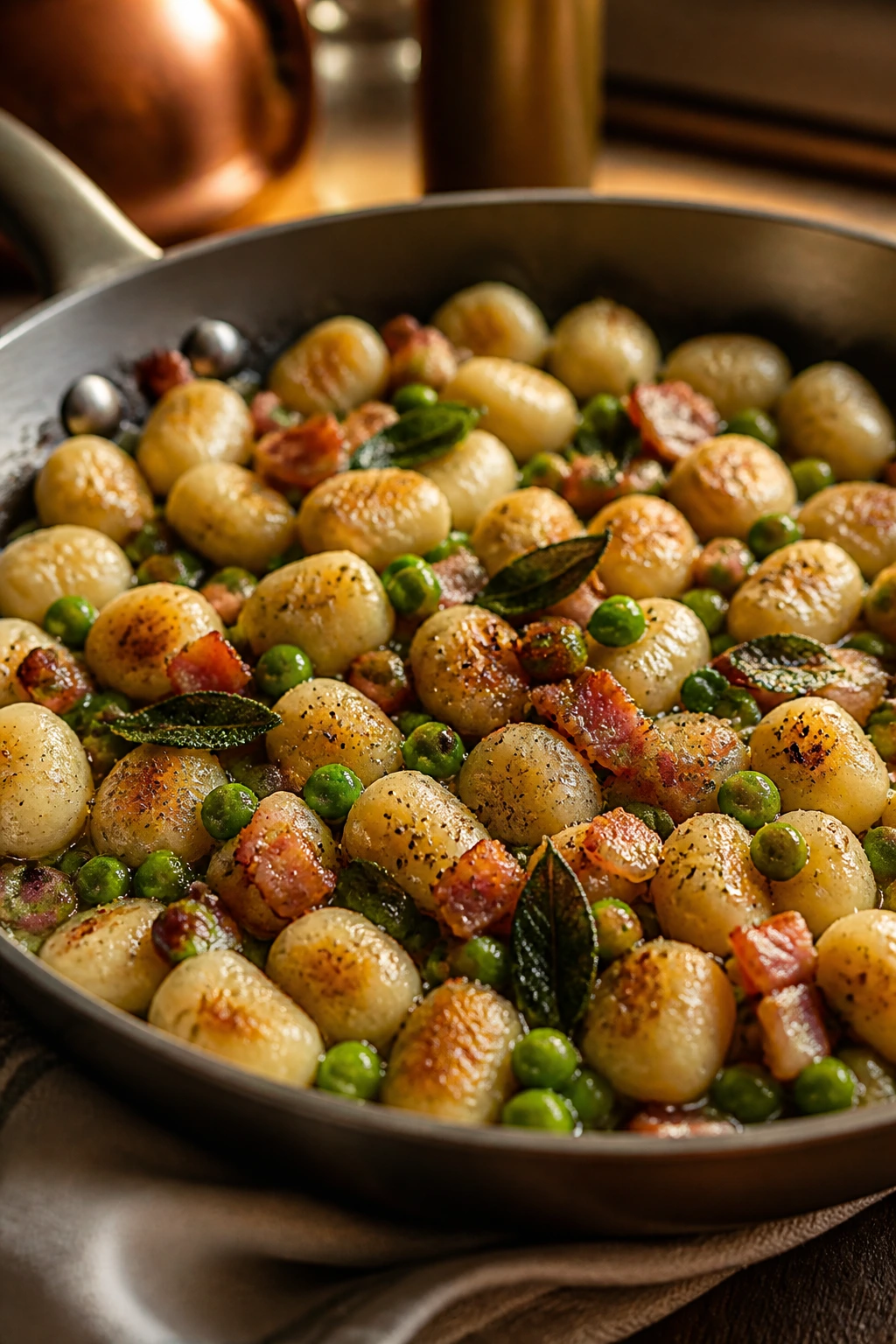
Brown butter has a way of making a modest dinner feel slightly dressed up. It smells nutty within seconds, and once it picks up sage and pancetta, the whole pan tastes like it took longer than it did.
The peas keep this version from leaning too rich. They pop against the salty pancetta and the soft gnocchi, which is the kind of contrast I never get tired of in a one-pan meal.
This is the skillet I make when I want dinner to feel calm, not fussy. The ingredients are short, the method is direct, and the flavor lands in that sweet spot between rustic and polished.
Why It Works
Brown butter gives gnocchi something plain oil never will: depth, aroma, and a toasted edge that sticks to every ridge. Pancetta brings salt and a little crunch, while the sage crackles in the fat and perfumes the whole pan. A splash of reserved gnocchi water ties the butter into a light glaze, so the dish stays glossy instead of greasy. The peas go in late on purpose, because their sweetness keeps the pan from tasting one-note.
Key Ingredients
-
1 lb potato gnocchi — Shelf-stable or refrigerated both work, and either one cooks in minutes.
-
4 oz pancetta, diced — This gives the dish its salty backbone; bacon works if that is what you have.
-
4 tbsp unsalted butter — Browned until nutty, which is where the flavor lives.
-
8 to 10 fresh sage leaves — They crisp in the butter and turn into little savory chips.
-
1 small shallot, finely minced — Milder than onion and better in a quick sauce.
-
1 cup frozen peas, thawed — They bring color and a sweet note that lightens the pan.
-
1/3 cup grated Parmesan — Choose finely grated cheese so it melts fast.
-
1/2 cup reserved gnocchi water — Use a little at a time to loosen the sauce.
-
1 teaspoon lemon zest — Optional, but it brightens the butter without making the dish taste citrusy.
Quick Steps
-
Boil the gnocchi: Bring a large pot of salted water to a boil and cook the gnocchi for 2 to 3 minutes, until they float to the surface. Scoop them out with a slotted spoon and reserve 1/2 cup of the cooking water.
-
Crisp the pancetta: Set a 12-inch skillet over medium heat and cook the pancetta for 4 to 5 minutes, stirring once or twice, until it is browned and the fat has rendered.
-
Brown the butter and sage: Add the butter and sage leaves to the skillet. Cook for 2 to 3 minutes, stirring the butter around the pan, until it smells nutty and turns amber with tiny brown flecks. Watch it closely; browned butter goes from perfect to burned in a breath.
-
Add the shallot: Stir in the minced shallot and cook for 30 to 45 seconds, just until it softens and loses its raw edge.
-
Toss in the gnocchi and peas: Add the gnocchi and peas, then pour in 1/4 cup of the reserved gnocchi water. Toss for 2 to 3 minutes, until the sauce turns glossy and the gnocchi pick up a little color.
-
Finish and serve: Turn off the heat, fold in the Parmesan and lemon zest, and season with black pepper. Taste before salting; pancetta and cheese can bring enough salt on their own.
Tips and Variations
-
Extra Crisp: If you want more texture, pan-sear the boiled gnocchi in the skillet for an extra minute before the butter goes in.
-
No-Pork Swap: Use diced smoked turkey bacon or sautéed mushrooms for a pork-free version that still feels savory.
-
Serving Move: A handful of arugula on top gives the dish a peppery edge and keeps the plate from feeling too rich.
2. Creamy Chicken and Spinach Gnocchi Skillet
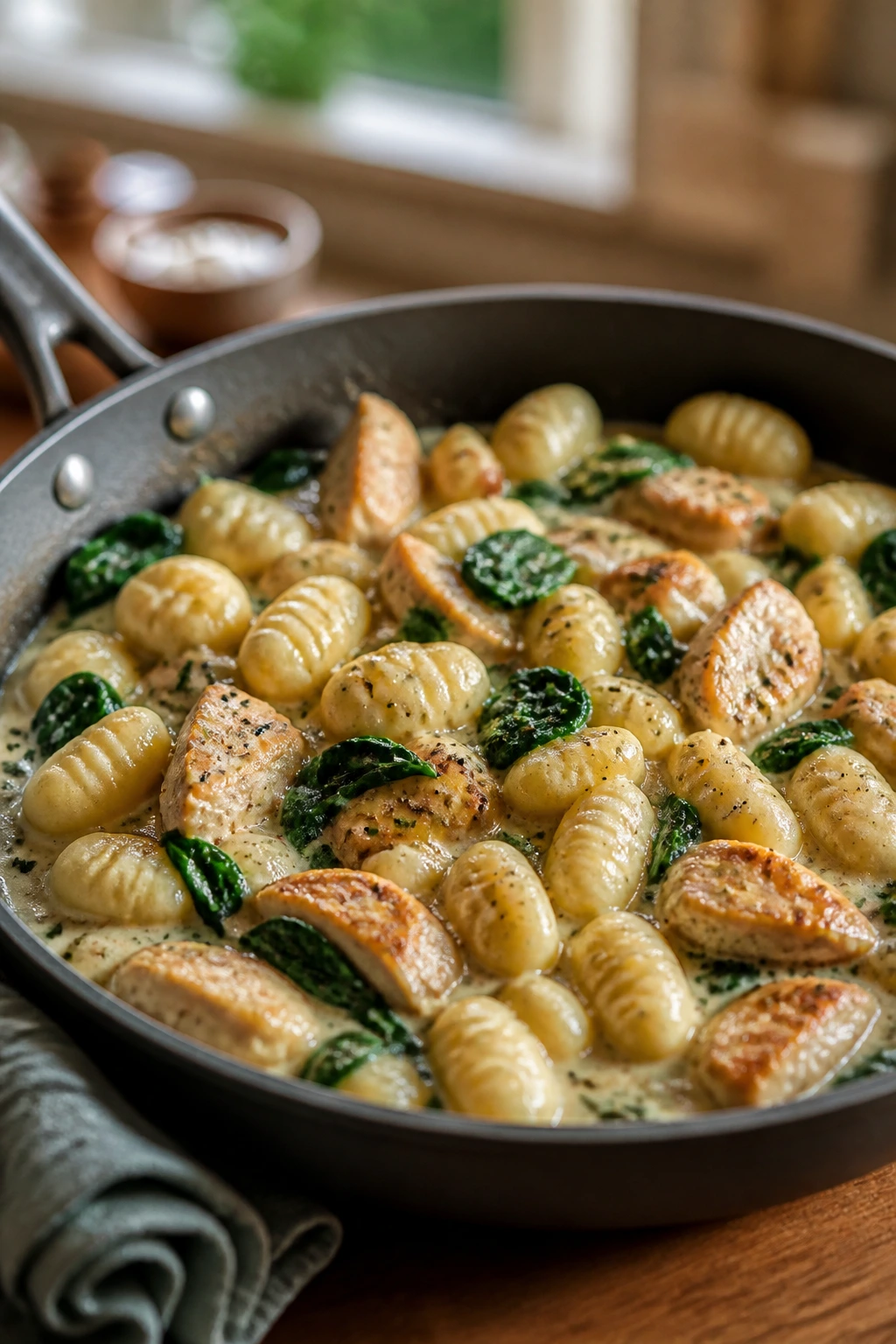
What happens when you want chicken and a creamy sauce without ending up with a heavy, sluggish pan? This is the answer I reach for.
The sauce is silky, but it is not clingy in the wrong way. Spinach folds into the skillet at the end and softens into the cream, so every bite has a little green brightness tucked inside the richness.
This one works because it cooks like a true weeknight skillet dinner. Chicken browns first, the fond stays on the bottom, and the sauce builds from that flavor instead of relying on extra effort.
What Keeps It Creamy
The chicken gives the pan its structure, and the gnocchi takes over once the broth and cream go in. Cooking the dumplings directly in the sauce means they absorb flavor without losing shape, which is a better result than boiling them in plain water and hoping the sauce saves them later. Spinach is added near the end so it stays tender, not murky. A little Parmesan and lemon at the finish keep the sauce from feeling flat.
Key Ingredients
-
1 1/4 lb boneless, skinless chicken thighs — Thighs stay juicier than breasts and handle a simmer better.
-
1 lb potato gnocchi — Their starch helps thicken the sauce as they cook.
-
2 tbsp olive oil — For browning the chicken without burning the pan.
-
1 small shallot, diced — Adds sweetness that sits nicely under the cream.
-
3 cloves garlic, minced — Use fresh garlic, not jarred, if you can.
-
1 cup low-sodium chicken broth — This keeps the sauce from getting too heavy.
-
3/4 cup heavy cream — Enough for silkiness without turning the skillet soupy.
-
5 oz baby spinach — Tossed in late so it barely wilts.
-
1/2 cup grated Parmesan — Helps the sauce thicken and adds salt.
-
1 teaspoon Italian seasoning — A simple seasoning blend keeps this moving.
-
1 tablespoon lemon juice — A squeeze at the end sharpens the whole pan.
Quick Steps
-
Season and sear the chicken: Pat the chicken dry, season it with salt, pepper, and Italian seasoning, and sear it in olive oil over medium-high heat for 4 to 5 minutes per side. The chicken should be golden and read 165°F in the thickest part.
-
Soften the shallot and garlic: Remove the chicken to a plate. Lower the heat to medium and cook the shallot for 1 minute, then add the garlic and cook for 30 seconds, until fragrant.
-
Build the sauce: Pour in the chicken broth and heavy cream, scraping up the browned bits from the bottom of the skillet. Simmer for 2 minutes so the pan starts to look a little thicker.
-
Cook the gnocchi: Stir in the gnocchi and simmer for 4 to 5 minutes, stirring once or twice, until they are tender and the sauce lightly coats the back of a spoon.
-
Add the spinach and cheese: Fold in the spinach and Parmesan. It will look like too much spinach for a moment; it wilts down fast.
-
Return the chicken: Nestle the chicken back into the skillet and cook for 1 to 2 minutes more, just to warm everything through. Finish with lemon juice and more black pepper.
Tips and Variations
-
Best Chicken Cut: Thighs are the safest bet here. If you use breasts, pull them the second they hit 165°F so they stay tender.
-
Sauce Rescue: If the sauce tightens before the gnocchi is tender, add 2 to 4 tablespoons more broth and keep the heat low.
-
Fresh Finish: A little lemon zest at the end makes the cream taste cleaner and keeps the skillet from feeling too rich.
3. Tomato Basil Mozzarella Gnocchi Bake
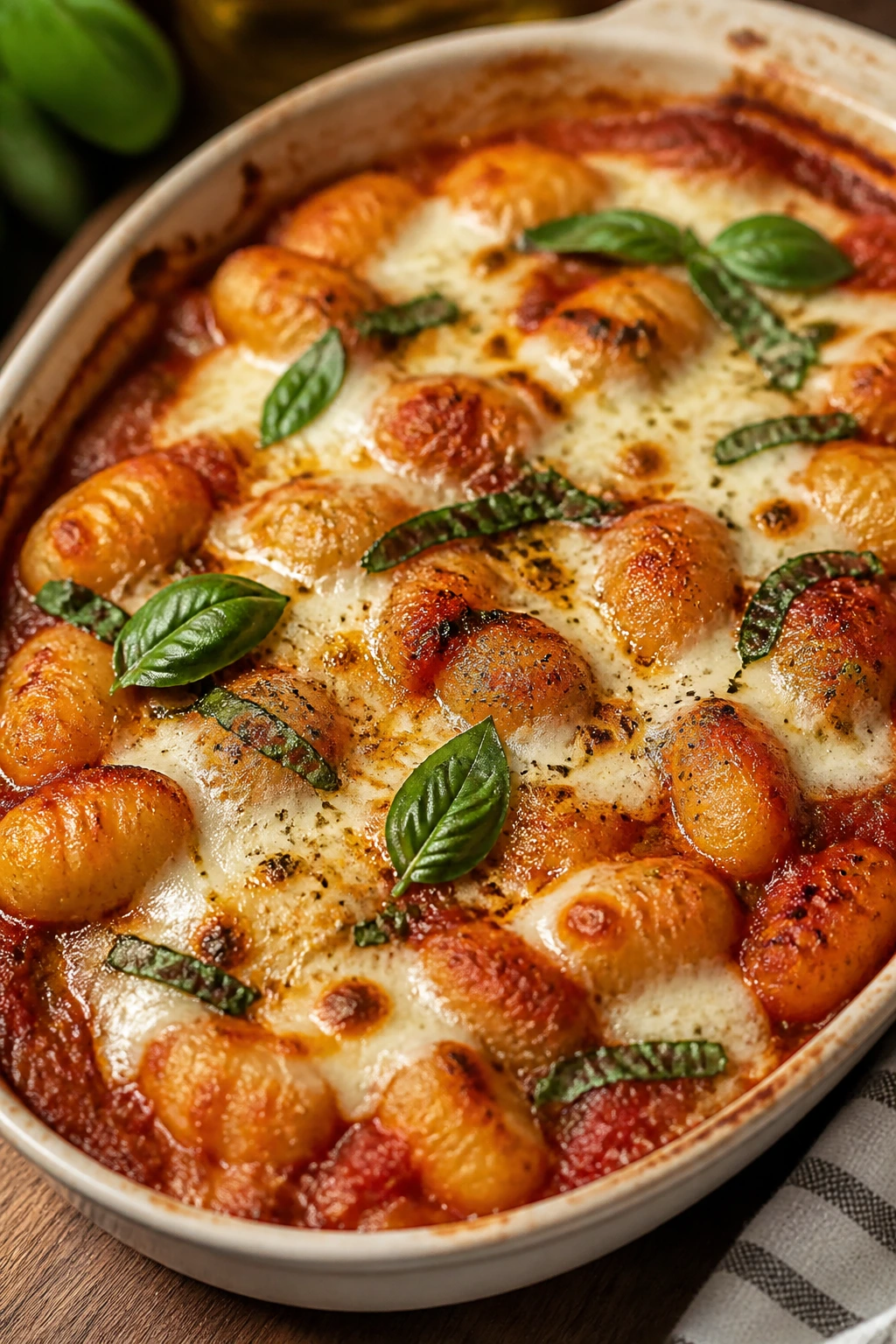
Baked gnocchi has a different personality from skillet gnocchi. It arrives bubbling, browned at the edges, and a little crusty where the cheese met the hot pan.
This is the dish I make when I want dinner to smell like it has been waiting for me in a friendly, slightly dramatic way. The tomato sauce keeps the gnocchi soft, the mozzarella melts into long strands, and the basil at the end cuts through all that warmth.
It is also the easiest one to bring to the table when you want something that looks like more than the work you actually put in. I love that kind of cooking.
Why the Bake Dish Works
The oven gives the sauce time to tighten around the gnocchi, and the top gets those browned cheese spots that a skillet cannot quite fake. Boiling the gnocchi first keeps the texture controlled, so the bake finishes with tender dumplings instead of an over-soft casserole. Cherry tomatoes add pockets of sweetness, while basil and Parmesan keep the whole pan from tasting like plain marinara in disguise. If you like a little crunch, a dusting of panko before baking does the job.
Key Ingredients
-
1 lb potato gnocchi — Boil them briefly first so they hold their shape in the bake.
-
3 cups marinara sauce — Use a sauce you like on its own; the flavor concentrates in the oven.
-
1 1/2 cups cherry tomatoes, halved — They burst and add bright spots of sweetness.
-
1 small yellow onion, finely chopped — Optional, but it gives the sauce more body.
-
3 cloves garlic, minced — A familiar, reliable amount for a tomato bake.
-
8 oz fresh mozzarella, torn into pieces — Fresh mozzarella melts in soft pools rather than a stiff blanket.
-
1/2 cup grated Parmesan — For salt, savoriness, and a little browning.
-
1/4 cup chopped fresh basil — Stir some in after baking and save some for the top.
-
2 tbsp olive oil — Helps the tomatoes and onion soften.
-
1/4 cup panko breadcrumbs — Optional, for a crisp top.
-
1/4 tsp red pepper flakes — Optional, if you like a little heat.
Quick Steps
-
Heat the oven: Preheat to 400°F and grease a 9×13-inch baking dish, or use a 12-inch oven-safe skillet if you like serving from the pan.
-
Par-cook the gnocchi: Boil the gnocchi for 1 to 2 minutes, until they float. Drain them well so the bake does not get watery.
-
Mix the base: In a large bowl, stir together the marinara, cherry tomatoes, onion, garlic, olive oil, red pepper flakes, and gnocchi. Fold in half of the Parmesan.
-
Assemble the bake: Pour the mixture into the prepared dish. Scatter the mozzarella on top, then finish with the remaining Parmesan and panko, if using.
-
Bake until bubbling: Bake for 18 to 22 minutes, until the sauce bubbles around the edges and the cheese melts through. If you want more color, broil for 1 to 2 minutes at the end. Stay close during broiling; cheese can go from golden to scorched in a hurry.
-
Rest and finish: Let the bake sit for 10 minutes before serving. Scatter basil over the top so it stays green and fragrant.
Tips and Variations
-
Make-Ahead Move: Assemble the bake up to 12 hours ahead, cover it, and refrigerate. Add 5 to 7 minutes to the bake time if it goes in cold.
-
Crunch Upgrade: Toss the panko with a teaspoon of olive oil before adding it to the top so it turns crisp rather than dusty.
-
Protein Add-In: Cooked Italian sausage, shredded chicken, or roasted mushrooms slip into this dish without changing the method.
4. Italian Sausage, Broccoli Rabe, and Gnocchi Skillet
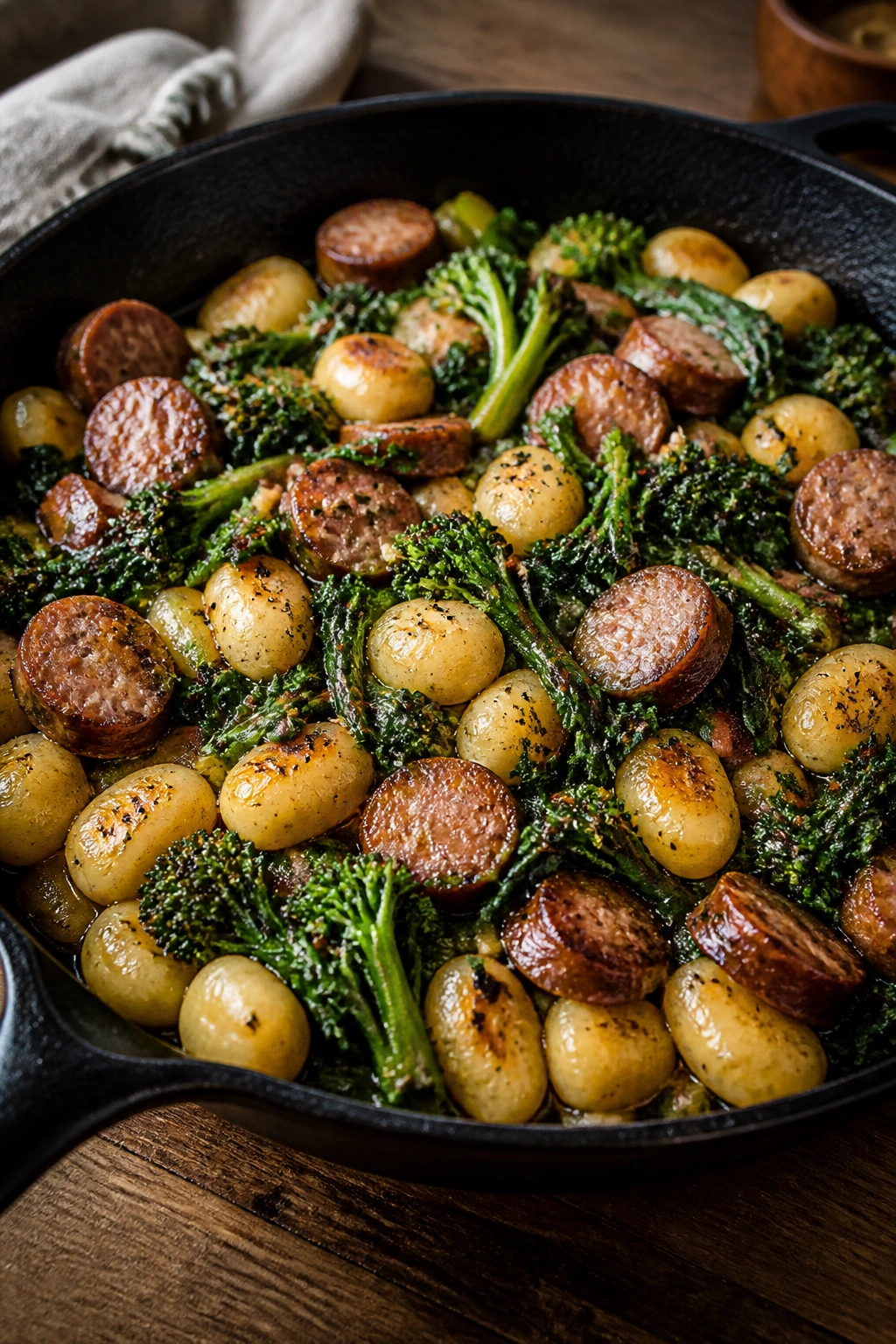
When the night calls for something salty and a little bitter, this is the skillet I reach for. The sausage brings heft, the broccoli rabe brings bite, and the gnocchi catches all of it in the pan.
This dinner tastes like it came from a place that knows how to make vegetables earn their keep. There is no soft, sleepy flavor here. Everything has a purpose.
If you have ever wanted a gnocchi dinner that feels a little more grown-up without becoming precious about it, this is the one. The sausage does the work, and the greens keep it honest.
Why the Skillet Method Wins
Broccoli rabe can taste aggressive if it is cooked badly, but a quick blanch or a short covered sauté softens the bitterness enough to make it interesting instead of harsh. The sausage fat seasons the greens and the gnocchi at the same time, which means the pan tastes richer than the ingredient list looks. A little broth loosens the skillet so the dumplings can finish cooking without sticking. Lemon at the end matters here; it cuts through the sausage and keeps the whole thing lively.
Key Ingredients
-
1 lb Italian sausage, casings removed if using links — Hot or mild both work; choose based on how much heat you want.
-
1 lb potato gnocchi — The dumplings absorb the sausage drippings in a very good way.
-
1 bunch broccoli rabe, trimmed — The stems need a trim; the leaves soften faster than you think.
-
1 small yellow onion, thinly sliced — Brings sweetness into the skillet.
-
3 cloves garlic, minced — A standard amount that keeps the greens tasting savory.
-
1/2 cup low-sodium chicken broth — Helps steam the broccoli rabe and finish the gnocchi.
-
1/4 cup dry white wine — Optional, but useful if you want a sharper sauce.
-
1/3 cup grated Parmesan — For finishing and a little salt.
-
1/4 tsp red pepper flakes — Optional, especially if the sausage is mild.
-
1 lemon — Use both zest and juice for the end.
-
1 tbsp olive oil — Only if the sausage does not render enough fat.
Quick Steps
-
Brown the sausage: Set a large skillet over medium-high heat and cook the sausage for 6 to 8 minutes, breaking it into bite-size pieces, until it is browned and cooked through. Remove it to a plate if you want more control over the greens.
-
Cook the onion and garlic: Lower the heat to medium. Add the onion and cook for 3 to 4 minutes, then stir in the garlic and red pepper flakes for 30 seconds.
-
Soften the broccoli rabe: Add the broccoli rabe and pour in the broth. Cover the skillet for 2 to 3 minutes, until the leaves wilt and the thicker stems turn tender.
-
Add the gnocchi: Stir in the gnocchi and the wine, if using. Cook for 4 to 5 minutes, tossing often, until the gnocchi are tender and the liquid has reduced to a light glaze.
-
Return the sausage: Add the sausage back to the pan and toss everything together until hot.
-
Finish with cheese and lemon: Turn off the heat, add the Parmesan, and finish with lemon zest and juice. Taste before salting; sausage already brings plenty of it.
Tips and Variations
-
Tame the Bitterness: If your broccoli rabe tastes sharp, blanch it in salted boiling water for 1 minute before it goes into the skillet.
-
Greens Swap: Broccolini or Tuscan kale works if broccoli rabe is hard to find.
-
Wine Choice: If you do not want to cook with wine, use a little extra broth and an extra squeeze of lemon at the end.
5. Pesto Gnocchi with Roasted Cherry Tomatoes and White Beans
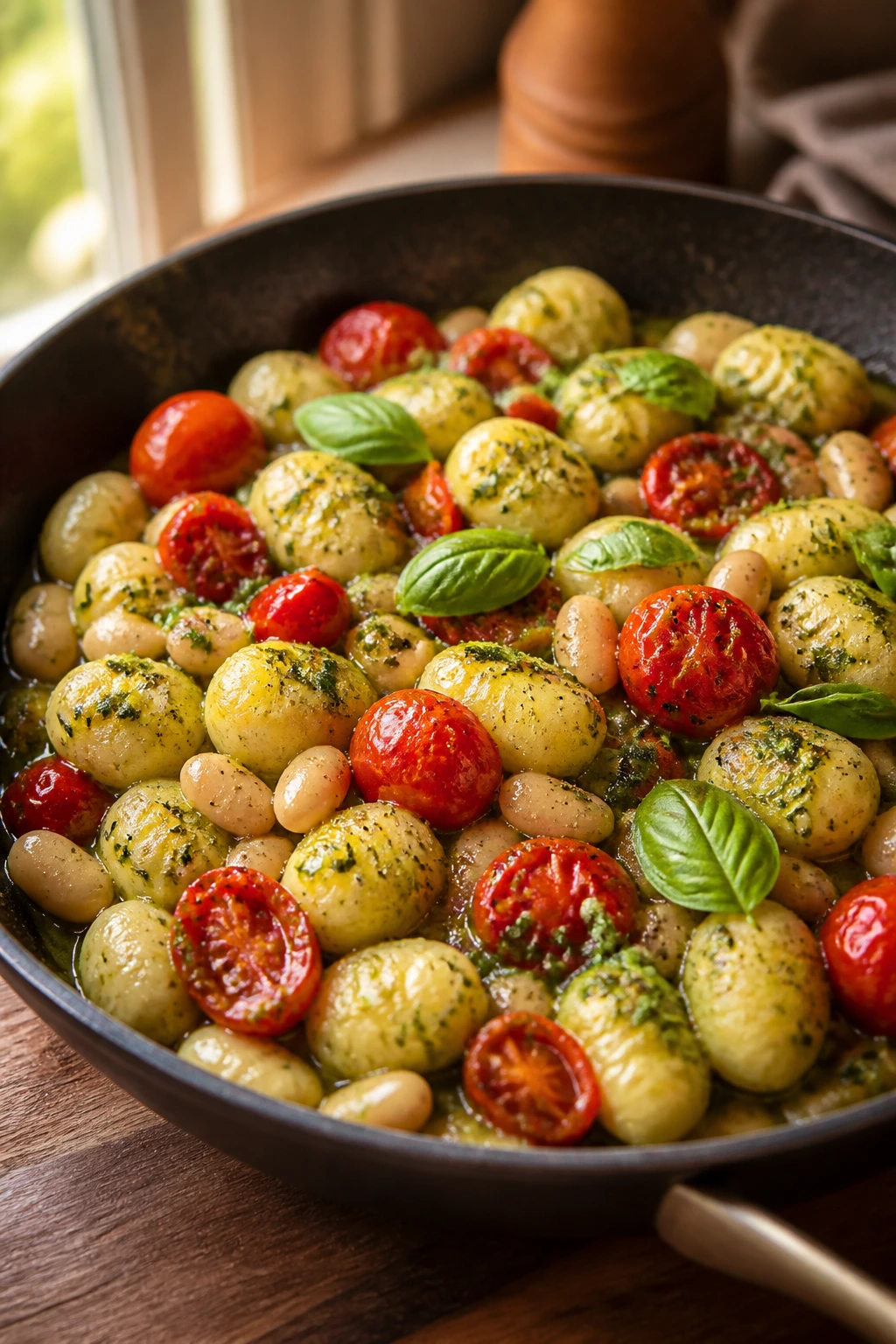
Fresh basil hits the pan first, then warm tomatoes burst and stain everything glossy. That is the mood here.
This is the most green, bright-tasting dinner in the group, but it still feels like comfort food because the gnocchi carries the sauce in a way rice or couscous would not. White beans make the bowl heartier without turning it heavy.
I like this version when I want something that feels clean but still satisfying. The roasted tomatoes do some of the sweet work, and the pesto carries all the herb flavor you need.
What Makes the Pesto Version Shine
Pesto can go flat if it gets cooked too hard, so the trick is to warm it with a splash of cooking liquid after the heat has dropped a little. Roasted tomatoes add caramelized sweetness, and white beans give the dish a little protein and creaminess without dairy overload. The gnocchi can be boiled or pan-seared, but I prefer a quick skillet brown because it gives the dish edges and keeps the texture interesting. A handful of arugula at the end makes the bowl feel fresh without turning it into salad.
Key Ingredients
-
1 lb potato gnocchi — Pan-seared or briefly boiled, depending on how much texture you want.
-
1 pint cherry tomatoes — Roast them until they blister and start to split.
-
2 tbsp olive oil — For roasting and a little sheen in the skillet.
-
1 can (15 oz) cannellini beans, rinsed and drained — They make the dinner more filling.
-
1/2 cup basil pesto — Store-bought works; homemade if you have it.
-
2 cups baby arugula — Tossed in at the end so it barely wilts.
-
1/4 cup pine nuts, toasted — For crunch and a little buttery flavor.
-
1/3 cup grated Parmesan — Adds salt and helps everything cling together.
-
1 garlic clove, minced — A small amount is enough here.
-
1 tsp lemon zest — Keeps the pesto bright and fresh.
-
Salt and black pepper — Use them with a light hand because pesto and Parmesan already carry salt.
Quick Steps
-
Roast the tomatoes: Preheat the oven to 425°F. Toss the cherry tomatoes with olive oil, salt, and black pepper, then roast them for 15 to 18 minutes until they blister and begin to collapse.
-
Cook the gnocchi: Boil the gnocchi for 2 minutes after they float, or sear them in a hot skillet with a little oil for 4 to 5 minutes until they turn golden.
-
Warm the beans: Set a large skillet over medium heat and stir the beans with the garlic and 2 tablespoons of water for 1 minute, just to take the chill off.
-
Stir in the pesto: Turn the heat down low and add the pesto. If the pan looks dry, add another spoonful of water so the sauce turns loose and glossy.
-
Combine everything: Fold in the gnocchi, roasted tomatoes, and arugula. Toss until the greens barely wilt and the tomatoes break open into the sauce.
-
Finish with Parmesan and nuts: Top with Parmesan, toasted pine nuts, and lemon zest. Taste before adding more salt.
Tips and Variations
-
Bean Swap: Chickpeas can stand in for cannellini beans if that is what is in the pantry.
-
Extra Protein: Shredded rotisserie chicken works well here and keeps the cooking time short.
-
Sauce Note: Add the pesto off the heat or over very low heat so the basil stays bright instead of dull.
6. Beef and Mushroom Gnocchi with Red Wine Pan Sauce
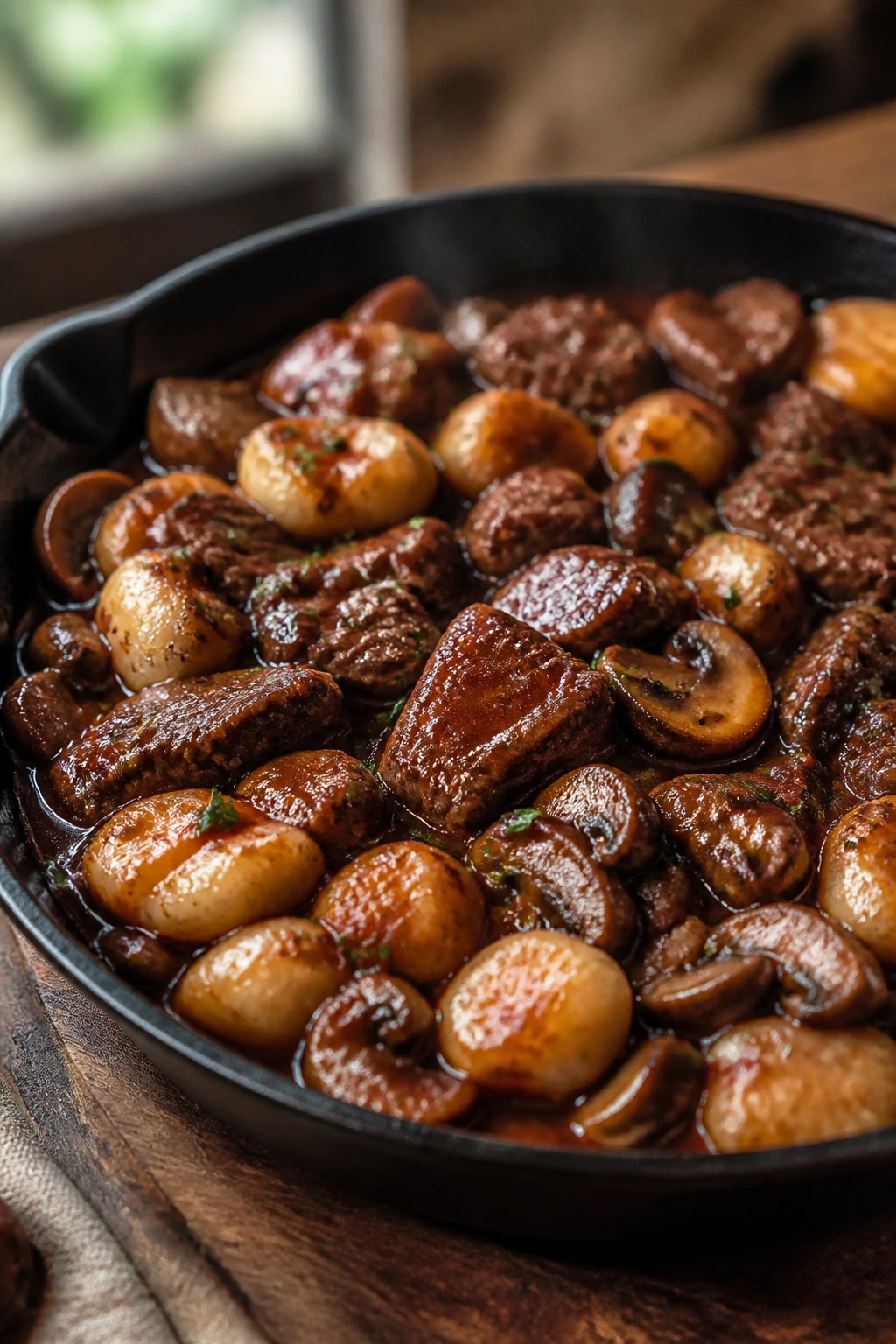
This is the richest skillet in the bunch, and it earns every ounce of it. Beef, mushrooms, tomato paste, and red wine build a sauce that tastes deeper than the ingredient list looks.
The mushrooms do something important here: they soak up the beef drippings and then give them back in a softer, woodsy way. That is the sort of kitchen alchemy that makes a quick dinner feel a little more composed.
If you want gnocchi that eats like a cold-weather main course, this is the one I would hand you first. It is sturdy, savory, and not shy about it.
Why This One Tastes So Deep
Mushrooms and beef both bring umami, but they need a bit of acid to keep the dish from feeling muddy. Tomato paste and red wine do that work, while Worcestershire adds a little sharp, almost smoky backbone. Gnocchi cooks in the sauce for a few minutes and picks up all that flavor, so the finished pan feels more integrated than a bowl of sauce poured over dumplings. A spoonful of sour cream at the end rounds off the edges without making the skillet taste like a stroganoff clone.
Key Ingredients
-
1 lb ground beef, preferably 85/15 — Lean enough to avoid too much grease, rich enough for flavor.
-
8 oz cremini mushrooms, sliced — These bring the earthy note that makes the sauce taste finished.
-
1 small onion, diced — It melts into the pan and sweetens the beef.
-
3 cloves garlic, minced — A familiar savory base.
-
2 tbsp tomato paste — Helps the sauce turn darker and more concentrated.
-
1/2 cup dry red wine — Use broth if you prefer not to cook with wine.
-
1 cup beef broth — Keeps the sauce moving and gives the gnocchi room to simmer.
-
1 tbsp Worcestershire sauce — A small amount goes a long way.
-
1 lb potato gnocchi — Their starch thickens the sauce naturally.
-
1/3 cup sour cream or crème fraîche — Stirred in off the heat for a smooth finish.
-
2 tbsp butter — For richness and to help the mushrooms brown.
-
2 tbsp chopped parsley — For the final fresh note.
Quick Steps
-
Brown the beef: Set a large skillet over medium-high heat and cook the beef for 5 to 6 minutes, breaking it into crumbles and seasoning lightly with salt and pepper. If there is more than about 2 tablespoons of fat in the pan, drain the excess.
-
Cook the mushrooms and onion: Add the mushrooms, onion, and butter. Cook for 6 to 8 minutes, stirring every so often, until the mushrooms shrink and the onion turns soft and translucent.
-
Add the garlic and tomato paste: Stir in the garlic and tomato paste and cook for 1 minute, until the paste darkens a shade and starts to smell sweet.
-
Deglaze the skillet: Pour in the red wine and scrape up the browned bits. Let it reduce for 2 minutes, then add the beef broth and Worcestershire sauce.
-
Simmer the gnocchi: Stir in the gnocchi and simmer for 4 to 5 minutes, until the gnocchi are tender and the sauce clings to the spoon.
-
Finish off the heat: Remove the skillet from the burner and fold in the sour cream and parsley. Taste, then add black pepper or a pinch of salt if the sauce needs it.
Tips and Variations
-
Sour Cream Rule: Once the sour cream goes in, keep the heat low or off. A hard boil can make it split.
-
Cut Choice: Thin strips of sirloin can replace ground beef if you want a more steakhouse feel.
-
Mushroom Mix: A mix of cremini and shiitake makes the sauce taste even deeper, though cremini alone works fine.
7. Butternut Squash Gnocchi with Crispy Prosciutto and Parmesan
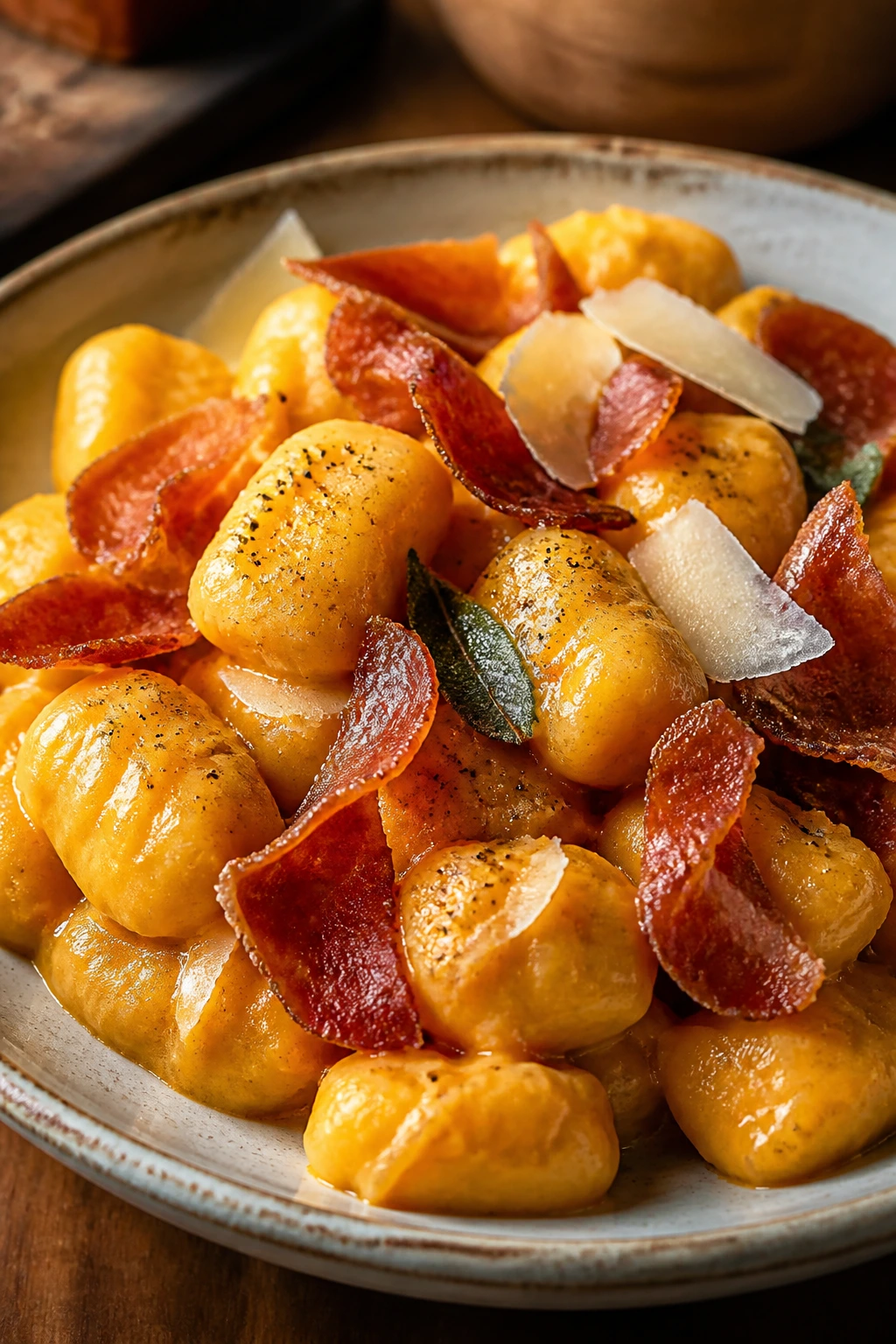
Sweet, nutty, and faintly salty — the combination is almost unfair.
This is the bowl I make when I want the dinner to taste like warm light. The squash sauce is silky and soft, but the prosciutto and Parmesan keep it from getting sugary or one-note.
It also gives you that good contrast of textures that gnocchi needs. Tender dumplings, velvety sauce, crisp salty ribbons on top. That balance matters more than people think.
Why the Sweet-Salty Balance Works
Butternut squash puree makes a naturally creamy sauce, so you do not need much dairy to get the right body. A little butter, broth, and cream smooths it out, while sage and nutmeg pull the flavor toward the savory side. Prosciutto crisps in a few minutes and brings salt and crunch, which stops the dish from feeling soft all the way through. Parmesan helps the sauce finish with a bit of bite.
Key Ingredients
-
1 lb potato gnocchi — Its chewy softness pairs well with the squash sauce.
-
2 cups butternut squash puree — Homemade or canned both work; choose puree, not pie filling.
-
1 cup low-sodium vegetable broth — Loosens the puree into a sauce.
-
1/2 cup heavy cream or half-and-half — Heavy cream gives more body; half-and-half makes it lighter.
-
2 tbsp unsalted butter — Adds richness and helps the sage bloom.
-
4 oz prosciutto, torn into pieces — Crisps quickly and brings salt.
-
1 tsp chopped fresh sage or 8 small leaves — Sage is the natural partner for squash.
-
1/4 tsp ground nutmeg — Use a small amount; it should hover in the background.
-
1/3 cup grated Parmesan — For salt and a savory finish.
-
1 clove garlic, minced — Optional, but it deepens the sauce.
-
Black pepper — A generous finish helps cut the sweetness.
Quick Steps
-
Crisp the prosciutto: Set a large skillet over medium heat and cook the prosciutto for 3 to 4 minutes, until it curls and turns crisp at the edges. Transfer it to a paper towel-lined plate.
-
Bloom the sage: Add the butter to the skillet. When it melts, stir in the sage and garlic and cook for 30 to 60 seconds, until the sage smells fragrant and the garlic softens.
-
Build the sauce: Whisk in the squash puree, broth, and cream. Simmer for 5 minutes, stirring now and then, until the sauce looks silky and slightly thickened.
-
Cook the gnocchi: Boil the gnocchi for 2 to 3 minutes, until they float, then drain well.
-
Combine: Stir the gnocchi into the sauce, add the nutmeg and Parmesan, and toss until every piece looks coated.
-
Finish and top: Season with black pepper, then scatter the crispy prosciutto over the top. If the sauce looks too tight, loosen it with a splash of broth before serving.
Tips and Variations
-
Pumpkin Swap: Pumpkin puree works in a pinch, but add an extra crack of black pepper and a little more Parmesan to keep it savory.
-
Vegetarian Version: Toasted walnuts or pepitas can replace prosciutto and still give the bowl a needed crunch.
-
Best Texture Move: Keep a little broth nearby when reheating; squash sauce thickens fast in the fridge.
8. Garlic Butter Shrimp Gnocchi with Lemon and Arugula
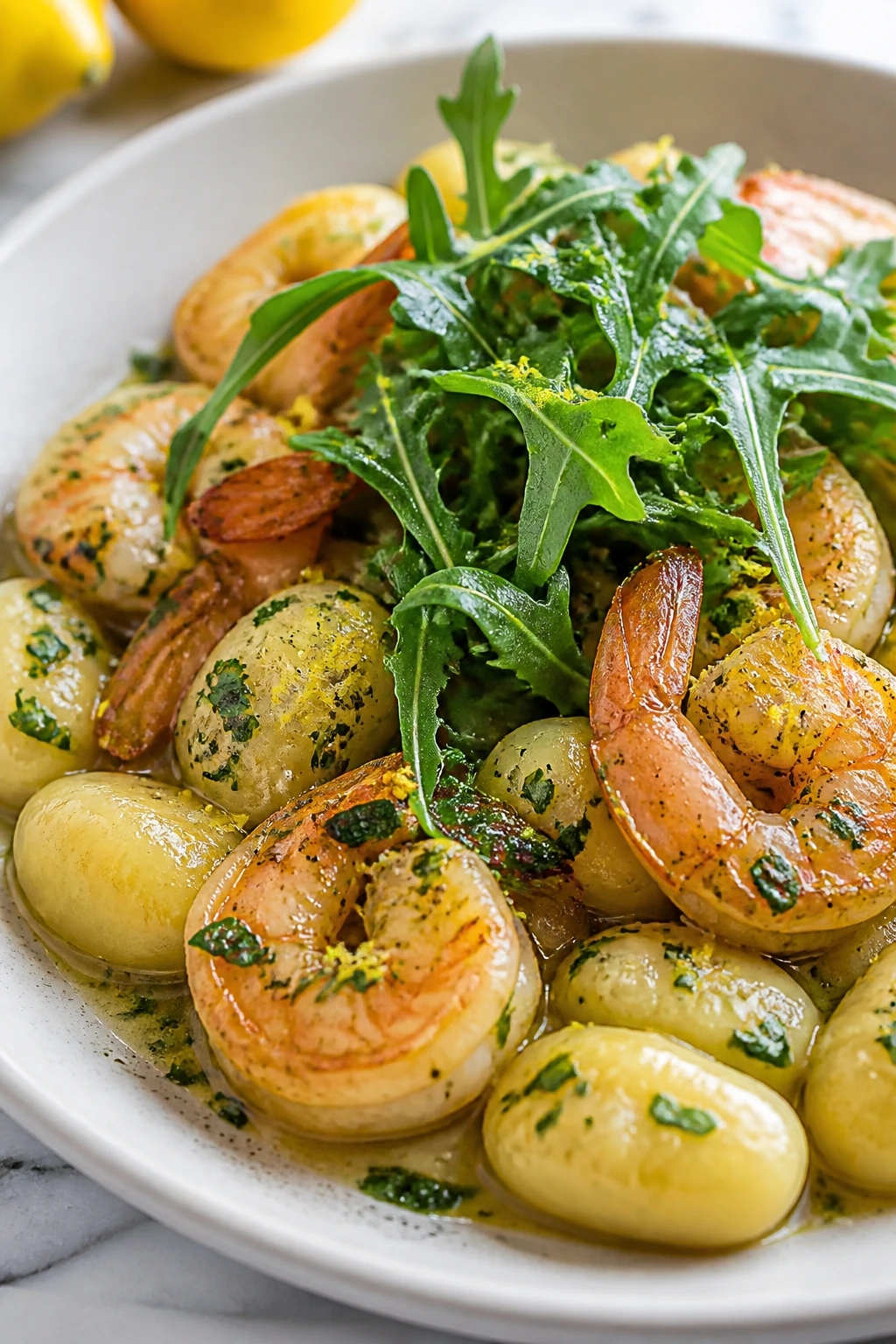
If you want a dinner that feels lighter but still cozy, this is the one. Shrimp cooks so fast that the whole skillet stays energetic, and the lemon keeps the butter from weighing things down.
The arugula is doing more than decoration here. It wilts into the warm garlic butter and leaves behind a peppery edge that makes the shrimp taste brighter and the gnocchi taste richer.
This is the dish I make when I want the table to feel alive. It is fast, fragrant, and a little bit bracing in the best way.
Why It Feels Bright but Cozy
Shrimp only needs a short sear, which means it stays tender if you stop early and pull it from the heat before it tightens up. Gnocchi gives the plate substance, but lemon juice and white wine keep the sauce light enough to let the seafood stay in front. Arugula adds that peppery green finish, and a little Parmesan, if you want it, rounds out the edges without taking over. The trick is to keep the sauce moving and not drown the shrimp in the pan.
Key Ingredients
-
1 lb potato gnocchi — Boiled briefly or pan-seared for a little color.
-
1 lb large shrimp, peeled and deveined — Pat them dry so they sear instead of steam.
-
3 tbsp unsalted butter — The base of the garlic sauce.
-
2 tbsp olive oil — Helps the shrimp brown without burning the butter.
-
4 cloves garlic, minced — Shrimp and garlic need each other.
-
1/2 cup dry white wine or low-sodium broth — Wine gives more lift; broth keeps it alcohol-free.
-
1 lemon, zested and juiced — Use both parts for brightness.
-
3 cups baby arugula — It wilts fast and leaves behind a peppery edge.
-
1/4 tsp red pepper flakes — Optional, but nice if you want a little heat.
-
2 tbsp chopped parsley — Adds freshness at the end.
-
1/4 cup grated Parmesan — Optional, for a salty finish.
Quick Steps
-
Cook the shrimp: Pat the shrimp dry and season lightly with salt and pepper. Heat the olive oil in a large skillet over medium-high heat and cook the shrimp for 1 to 2 minutes per side, until they are pink and opaque. Transfer them to a plate.
-
Cook the gnocchi: Boil the gnocchi for 2 to 3 minutes, until they float, then drain. If you want more color, sear them in the same skillet for 2 minutes after the shrimp come out.
-
Start the sauce: Lower the heat to medium and add the butter and garlic. Cook for 30 seconds, until fragrant but not browned.
-
Deglaze: Pour in the wine or broth and the lemon juice, scraping the bottom of the pan to release the browned bits.
-
Bring it together: Return the gnocchi and shrimp to the skillet. Toss for 1 to 2 minutes, until everything is hot and the sauce lightly coats the dumplings.
-
Wilt the arugula: Fold in the arugula and let it collapse for 20 to 30 seconds. Finish with parsley, red pepper flakes, lemon zest, and Parmesan if you want it.
Tips and Variations
-
Shrimp Timing: The shrimp are done the second they turn opaque and curl into a loose C. Tight little O-shapes mean they stayed in too long.
-
No-Wine Route: Broth works fine here, especially if you add a little extra lemon zest.
-
Extra Green Option: Spinach can replace arugula if you want a milder finish.
What Makes Gnocchi Such a Good Cozy-Night Shortcut
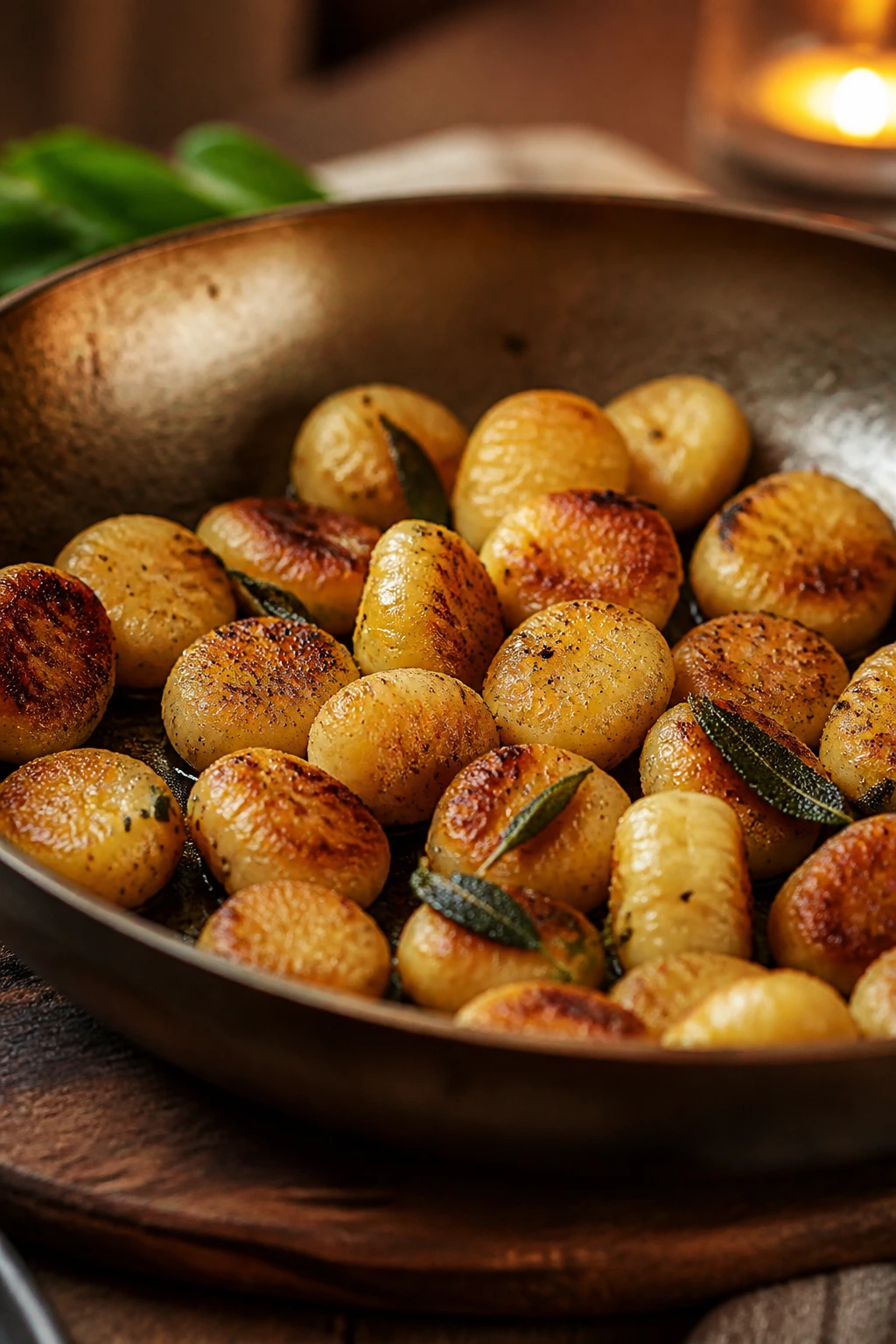
Gnocchi is one of those ingredients that earns its space in the pantry by being more useful than it looks. A bag of shelf-stable gnocchi can turn into a skillet dinner, a baked casserole, or a fast seafood pan without demanding much from you. That matters on a night when you want comfort, but not a sink full of pots.
The dumplings also behave in a way that plain pasta does not. Their starch helps sauces cling, their shape catches browned butter and cheese in little folds, and their soft center gives you a different kind of bite than twirled noodles. If you pan-sear them after boiling, the edges pick up a little crust and the whole dish tastes more finished. If you bake them, they soak up sauce without turning limp. That is the trick: gnocchi can lean creamy, crisp, or saucy without losing its character.
There is one catch, and it is a small one. Gnocchi wants attention for a short time, not a long time. Overcook it and the texture slides from tender to gluey fast. Treat it well, and it rewards you with a dinner that feels warmer than the effort behind it.
The Skillet, the Bake Dish, and the Pot
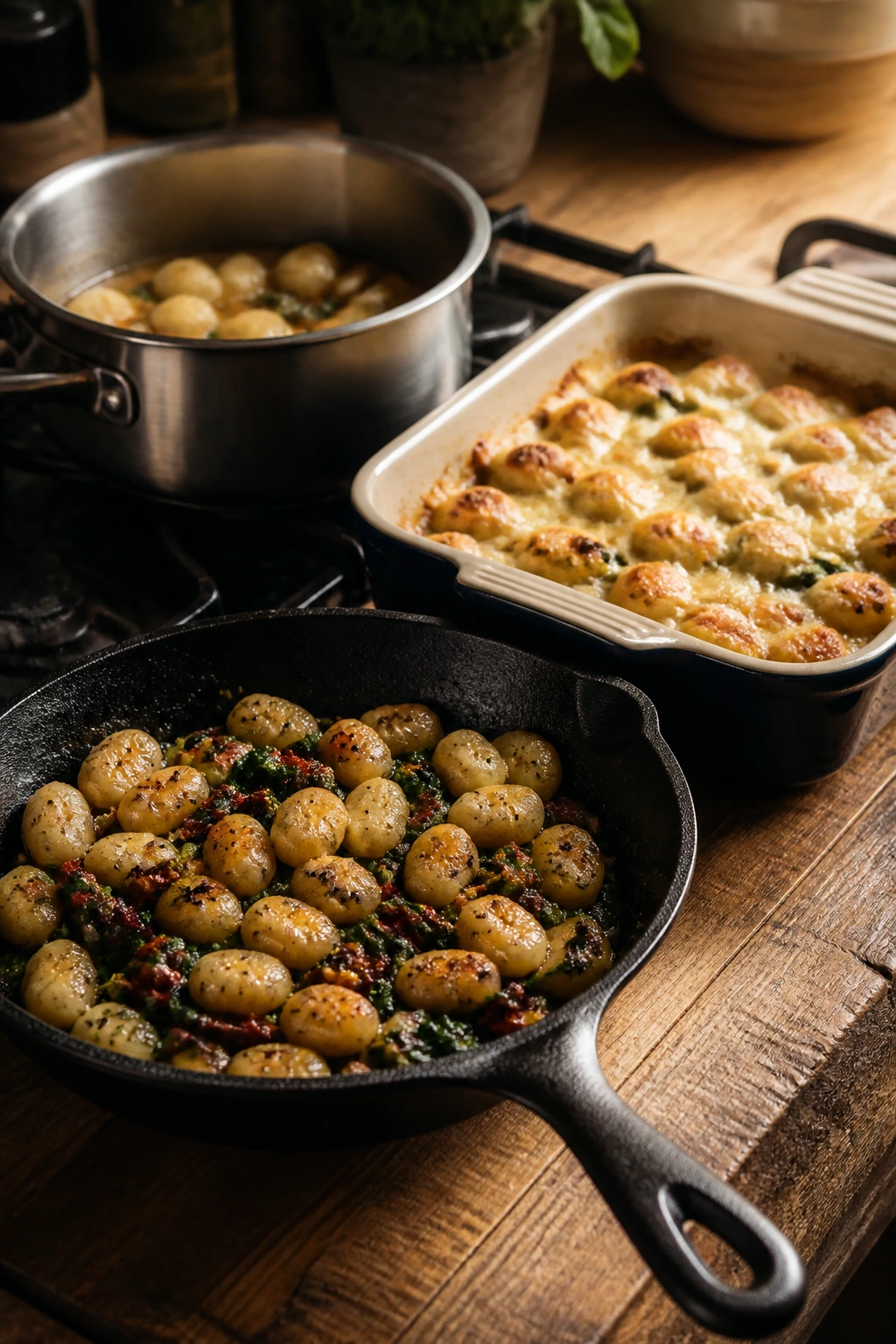
You do not need a kitchen packed with gear to make these dinners work, but a few tools make the whole process smoother.
-
12-inch skillet: The workhorse here. It gives gnocchi room to brown instead of steam.
-
Large pot: Needed for the recipes where boiling the gnocchi first keeps the texture controlled.
-
9×13-inch baking dish: Best for the tomato basil mozzarella bake and any similar oven finish.
-
Slotted spoon or spider strainer: Makes lifting gnocchi out of boiling water fast and clean.
-
Wooden spoon or heatproof spatula: Useful for scraping browned bits and tossing gnocchi without breaking them.
-
Tongs: Handy for sausage, chicken, shrimp, and prosciutto.
-
Microplane or fine grater: Parmesan and lemon zest both turn out better when they are finely grated.
-
Measuring cups and spoons: The sauces here rely on balance, not guesswork.
-
Airtight storage containers: You will want them for leftovers, because several of these dinners reheat better the next day.
Smart Shopping and Ingredient Tips
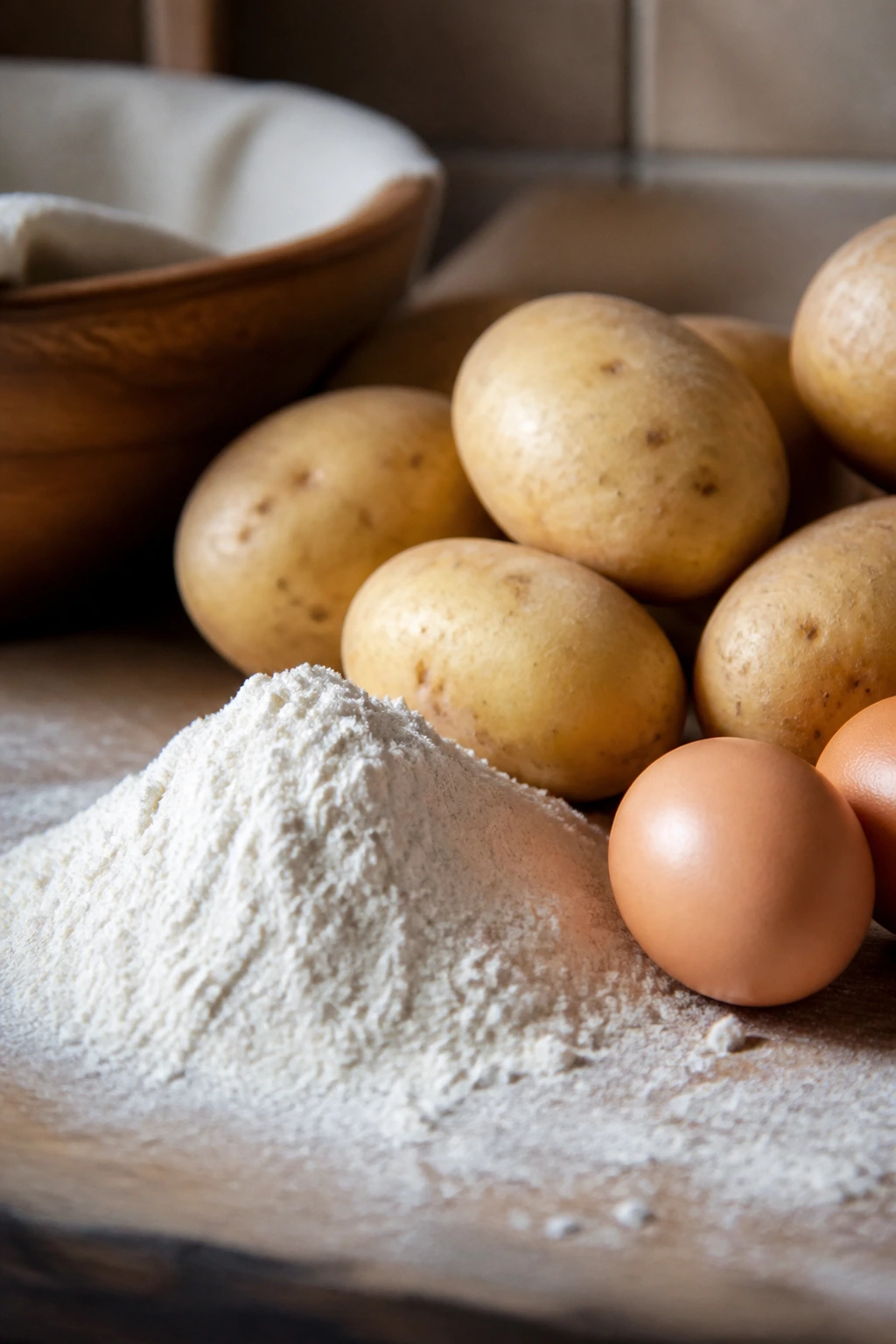
The gnocchi aisle can look boring until you start paying attention to the small details. Shelf-stable gnocchi is usually the easiest to keep on hand, and it works well for skillet meals because it can be boiled briefly or seared straight from the package. Refrigerated gnocchi tends to be a little softer and more delicate, which is lovely in baked dishes or creamy sauces. Frozen gnocchi can work too, though it needs a little more patience and should go straight from freezer to pot.
Look for gnocchi with a short ingredient list. Potatoes, flour, salt, and maybe egg are all you really need. If the package feels heavy with extra starches and gums, the dumplings can turn a bit gummy when cooked. That is not a disaster, but it is not my first choice either.
For proteins, think about fat and texture. Chicken thighs forgive a slow simmer better than breasts. Italian sausage brings built-in seasoning, so you can hold back on extra salt until the end. Shrimp should smell clean, not fishy, and the shells or tails should look intact if you buy them that way. Ground beef for the savory skillet wants a little fat, about 85/15, so the pan does not dry out.
Vegetables matter more than people sometimes admit in a gnocchi dinner. Choose spinach that looks crisp, broccoli rabe with firm stems and deep green leaves, and cherry tomatoes that still feel taut. With squash puree, check the label. You want plain squash, not pie filling or anything sweetened. And with Parmesan, buy a wedge if you can. The flavor is sharper, and it melts far better than the dusty canister version.
How to Serve These Gnocchi Dinners
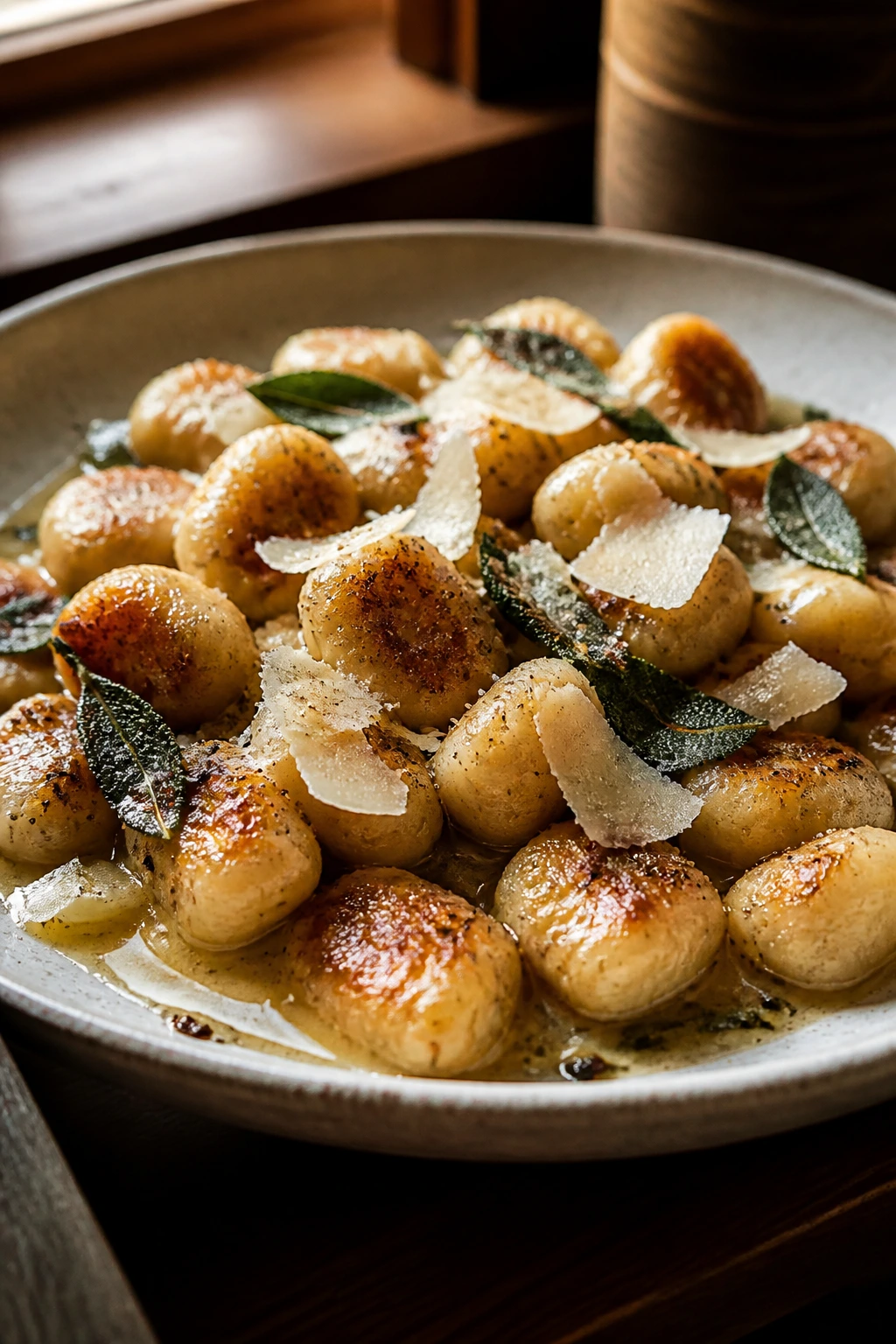
Presentation: Shallow bowls are better than deep ones here. They let the sauce spread out, keep the toppings visible, and make the dish feel like a meal instead of a scoop.
Accompaniments: A bitter green salad, roasted broccoli, garlic bread, or a crusty loaf all make sense alongside gnocchi. For the creamy chicken and squash versions, a simple lemon-dressed salad keeps the plate from feeling too dense. The tomato bake and sausage skillet both like bread for the last scrape of sauce.
Portions: Plan on about 1 pound of gnocchi serving 4 people in a dinner with protein or vegetables. If the recipe is rich, like the beef or cream versions, 4 hearty servings is realistic. If you serve one of the lighter versions with salad and bread, you can stretch it to 5.
Beverage Pairing: A crisp white wine works with the pesto, shrimp, and tomato dishes. A medium red fits the sausage and beef skillets without bulldozing the sauce. If you are skipping alcohol, sparkling water with lemon or a dry cider does the job nicely.
Additional Tips and Flavor Boosters
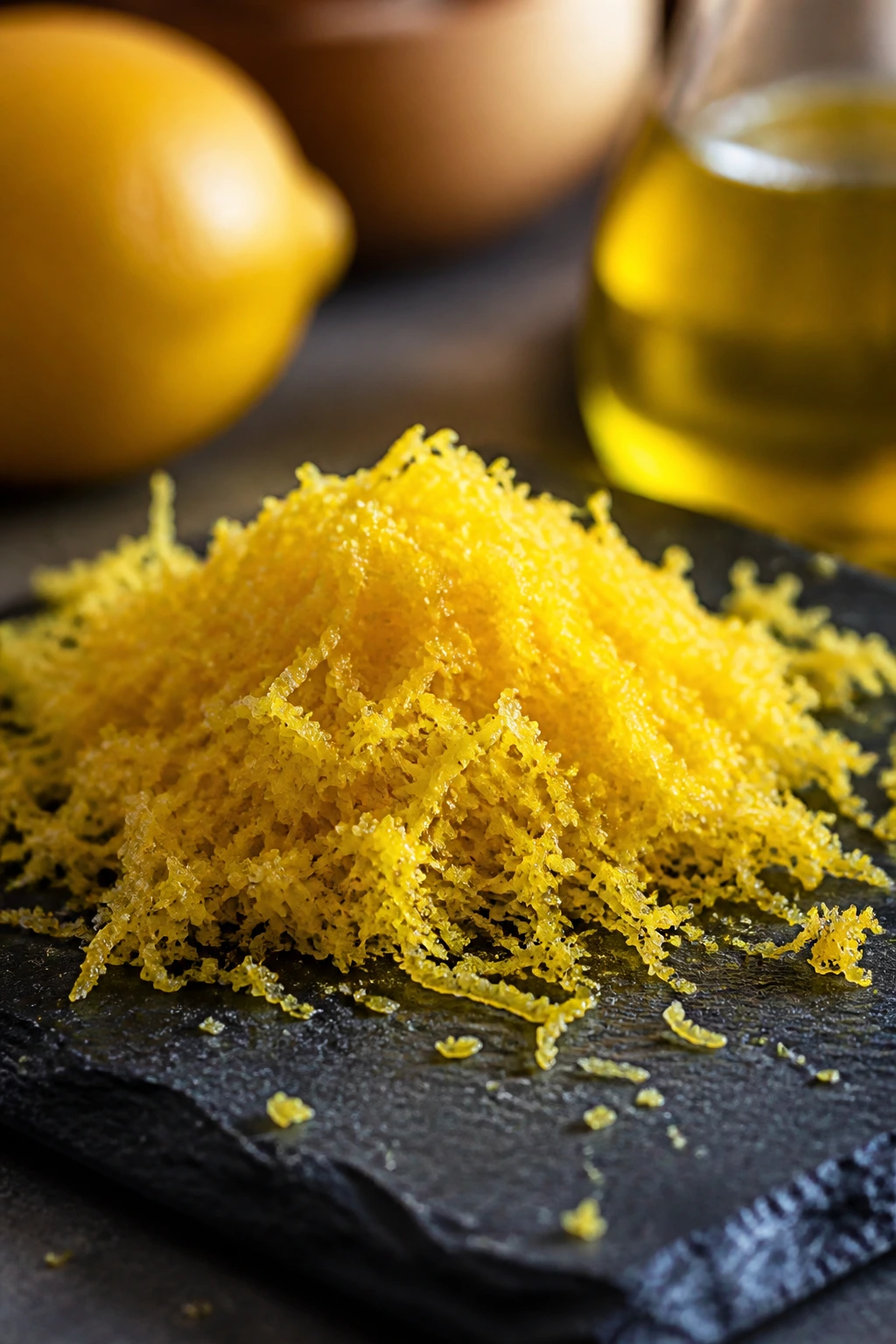
Flavor Enhancement: A little finishing acid changes everything. Lemon zest works on the brown butter, chicken, shrimp, and pesto pans. A small spoonful of red wine vinegar or a squeeze of lemon can wake up the beef and squash versions when they start tasting sleepy.
Customization: Add peas to the chicken skillet, roasted mushrooms to the tomato bake, or extra greens to the pesto version. The structure of gnocchi dinners is forgiving as long as you keep the sauce amount in balance.
Serving Suggestions: Toasted breadcrumbs, fried sage, chopped parsley, and shaved Parmesan all do more than look nice. They create texture, and texture is what keeps a bowl of soft dumplings from feeling too soft.
Make-It-Yours: Use gluten-free gnocchi if needed, and lean on sauces that are naturally thick, like tomato or squash, because they hold up best. For dairy-free cooking, use olive oil in place of butter and a creamy oat product in place of heavy cream. The flavor changes a little, but the shape of the meal stays the same.
Make-Ahead, Storage, and Reheating Guidance
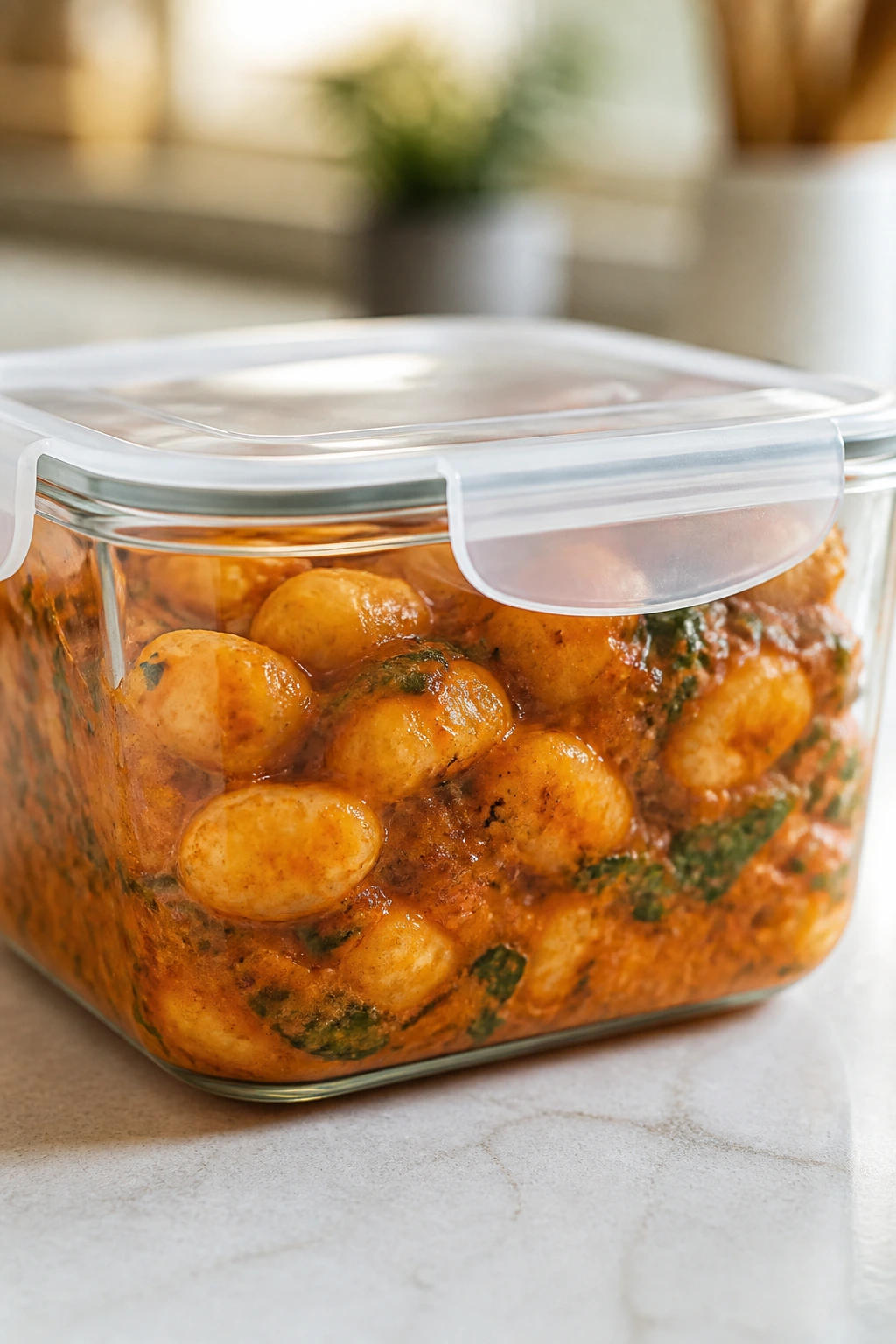
Most of these gnocchi dinners keep well in the refrigerator for 3 to 4 days in airtight containers. The baked tomato version, sausage skillet, and beef skillet hold up the best. Creamy dishes with chicken or shrimp are still fine the next day, but their texture is a little more delicate, so I would aim to eat them sooner.
Freezing is possible, though not every version loves it. Tomato, sausage, beef, and squash-based dishes can be frozen for up to 2 months if you cool them fully first. Cream-heavy sauces may separate a bit after thawing, so they are better left in the fridge unless you do not mind a looser texture. Shrimp is the least freezer-friendly option here; it tends to go rubbery after reheating.
For reheating, low and slow beats aggressive heat. Warm skillet dishes in a covered pan over medium-low heat with 2 to 4 tablespoons of broth or water, stirring once or twice until hot. Bakes do well in a 325°F oven, covered with foil, for 15 to 20 minutes, then uncovered for the last few minutes if you want the top crisp again. If you use a microwave, cover the container loosely and heat in short bursts at 50% power so the gnocchi does not harden at the edges.
Make-ahead planning is easy if you keep the components separate. Sauce can often be cooked a day ahead and chilled on its own. Gnocchi is best cooked right before serving, though the tomato bake can be assembled ahead and baked later with a little extra time added. If you know you will be eating leftovers, hold back a splash of broth or cream and add it when reheating. That tiny extra step keeps the dish from drying out.
Variations and Adaptations to Try
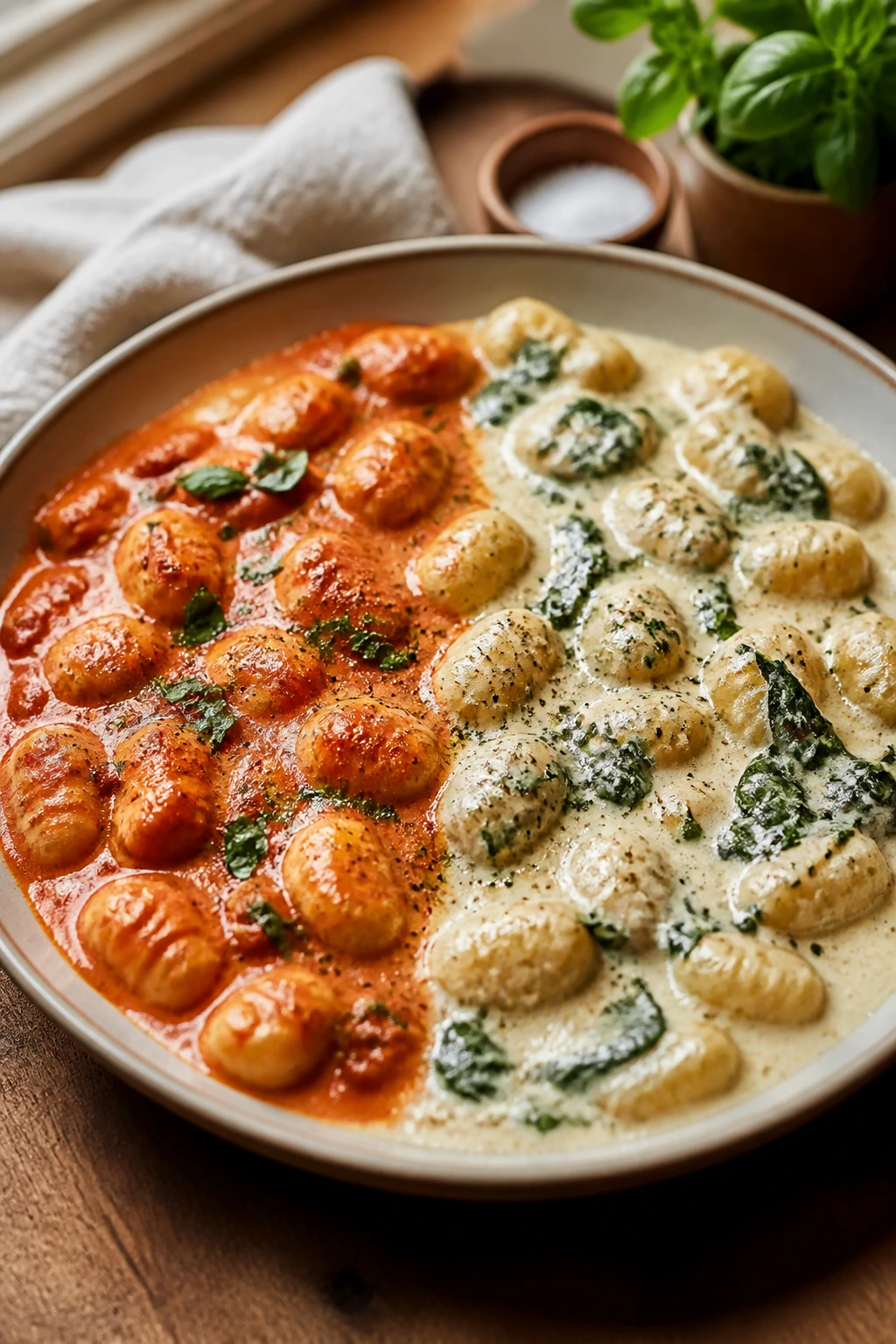
Gluten-Free Pantry Swap: Use certified gluten-free gnocchi and check the labels on broth, sausage, and pesto. The tomato bake and the squash sauce are the easiest starting points because they are already rich enough to carry the gluten-free version without any extra gymnastics.
Dairy-Light Comfort: Replace heavy cream with unsweetened oat cream or half-and-half if that fits your pantry and preferences. Finish with olive oil instead of butter, and use a little extra Parmesan only if you still want some dairy on top. The dish will taste a touch lighter, but it still reads as cozy.
Vegetable-First Night: Double the greens in the chicken or pesto skillet, add mushrooms to the tomato bake, and use white beans in place of some of the meat. Gnocchi handles that sort of loading very well, which is one reason it earns its keep so easily.
Spice-Rack Detour: Stir Calabrian chili paste into the tomato, sausage, or shrimp versions if you like heat with depth. Red pepper flakes work too, though they bring a sharper burn. A spicy version is especially good with the brown butter and squash dishes because the heat cuts through sweetness.
Protein Swap Night: Chicken can stand in for shrimp, mushrooms can stand in for sausage, and white beans can stand in for beef when you want to work with what is already in the kitchen. Keep the sauce type matched to the protein: cream with chicken, tomato with beans, broth and lemon with seafood, and you will be fine.
Common Mistakes to Avoid
-
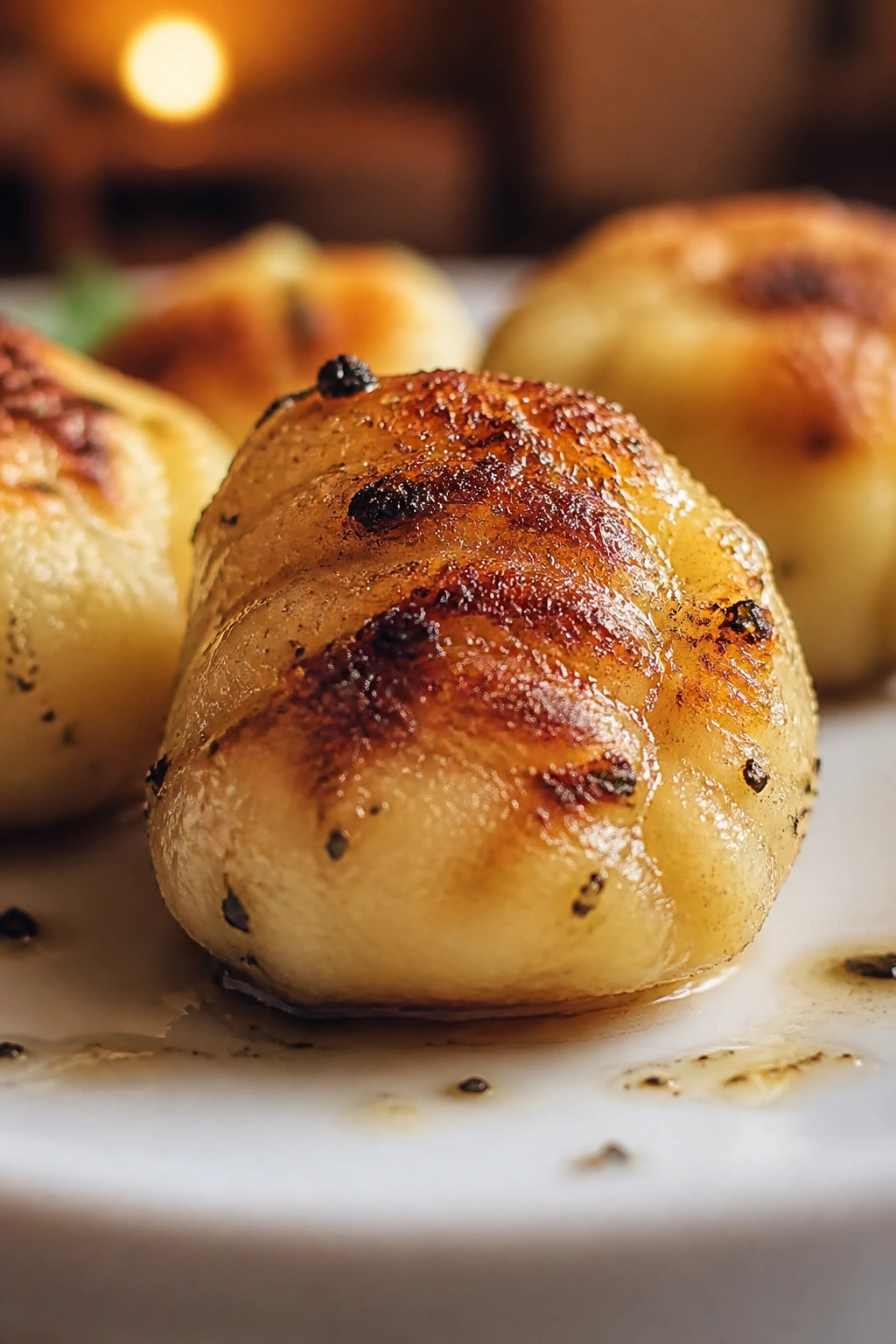
Overcooking the gnocchi: It takes only a minute or two before the dumplings float, and then they are ready. Leave them in too long and they go from tender to gummy. Scoop them out fast and let them finish in the sauce.
-
Crowding the pan: Gnocchi needs space if you want any browning at all. A small skillet makes everything steam, and steaming is the enemy of flavor here. Use a 12-inch pan or split the batch.
-
Salting too early: Pancetta, sausage, Parmesan, broth, and pesto already bring salt. Taste near the end, not at the start, or you will overshoot and have no easy fix.
-
Adding greens too soon: Spinach, arugula, and herbs should go in at the end. If they sit in the hot pan too long, they turn dull and muddy. The last minute is enough.
-
Letting dairy boil hard: Cream, sour cream, and half-and-half do better over a gentle simmer. A hard boil can break the sauce and make it look grainy. Keep the heat moderate and steady.
-
Cooking shrimp like chicken: Shrimp needs a fast hand. Once it turns opaque and pink, pull it. Leaving it in the pan while you fuss with the sauce is how you end up chewing on rubber.
Questions People Actually Ask About Gnocchi Dinners
Can I use shelf-stable gnocchi for all of these recipes?
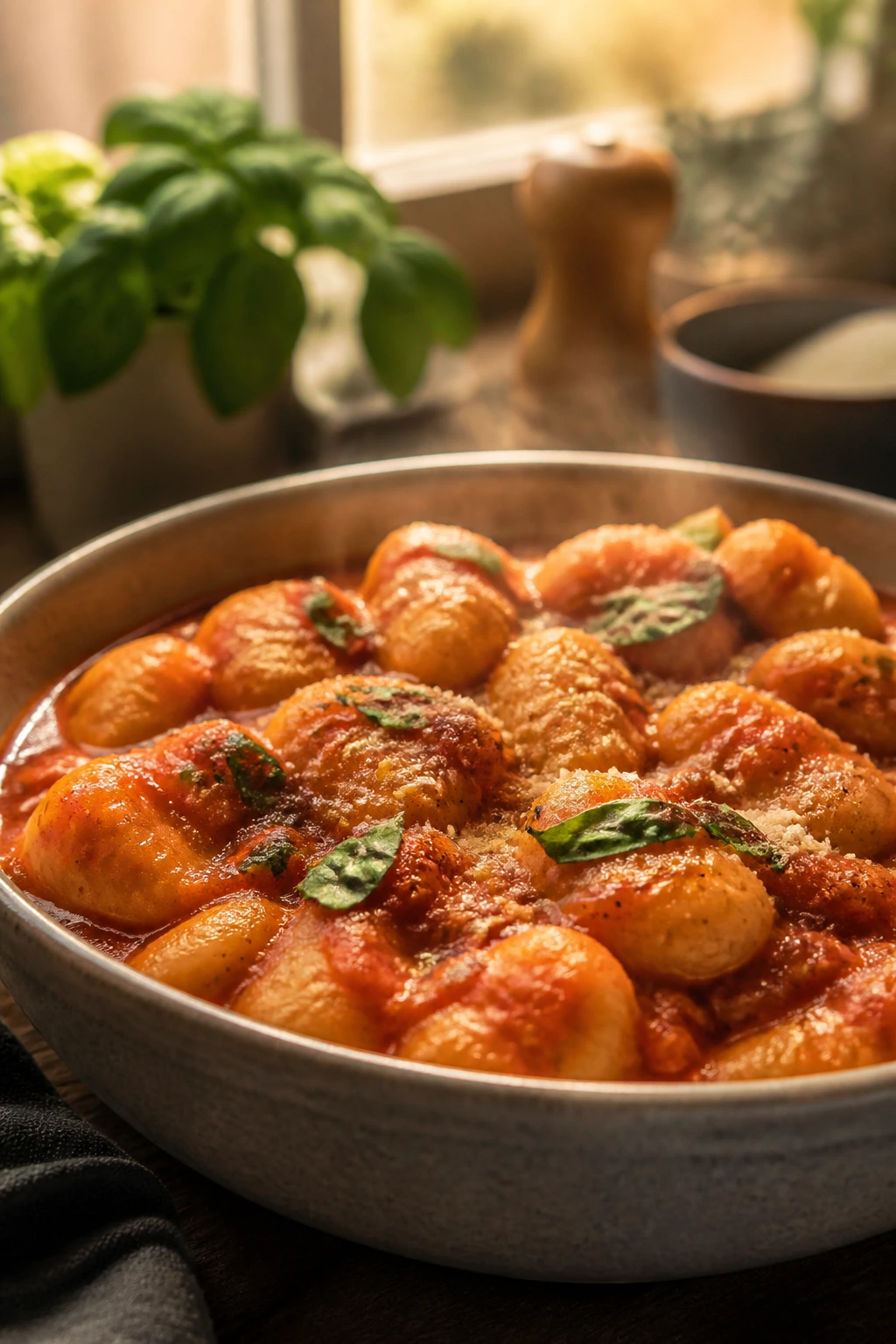
Yes, and it is the easiest choice for most home cooks. Shelf-stable gnocchi holds its shape well, cooks fast, and browns nicely in a skillet if you want more texture.
Do I have to boil gnocchi before baking or pan-simmering it?
Not always. For the baked tomato dish and the creamier skillet dinners, a brief boil keeps the texture predictable. For some skillet meals, you can sear the gnocchi directly from the package if the pan has enough fat and space.
What is the best gnocchi for a crispy edge?
Shelf-stable potato gnocchi is usually the easiest to crisp. Boil it briefly, drain it well, and then give it a hot skillet with enough butter or oil to make contact with the pan.
Can these recipes be made vegetarian?
Yes. Use the tomato bake, pesto bowl, or squash version as your base and swap sausage, chicken, or beef for mushrooms, beans, or extra vegetables. The gnocchi itself is already doing a lot of the work.
How do I keep gnocchi from getting mushy?
Do not overboil it, and do not stir it like crazy once it is in the pan. Gnocchi likes a short cook and a gentle hand. If you are reheating leftovers, add a splash of broth and warm them slowly.
Which of these recipes is best for leftovers?
The tomato bake, sausage skillet, and beef skillet reheat the best because their sauces stay sturdy. The shrimp version is the one I would eat first, since seafood gets less forgiving after sitting in the fridge.
Can I freeze gnocchi dinners?
Yes, especially the tomato, sausage, beef, and squash versions. Freeze them in airtight containers for up to 2 months, and thaw them in the fridge before reheating gently. Creamier dishes may separate a little, but they are still usable.
What if my sauce gets too thick?
Add a splash of broth, pasta water, or even plain water and stir over low heat until it loosens. Gnocchi sauces are meant to coat, not glue themselves to the spoon. A little extra liquid at the end usually fixes the problem fast.
A Bowl Worth Repeating
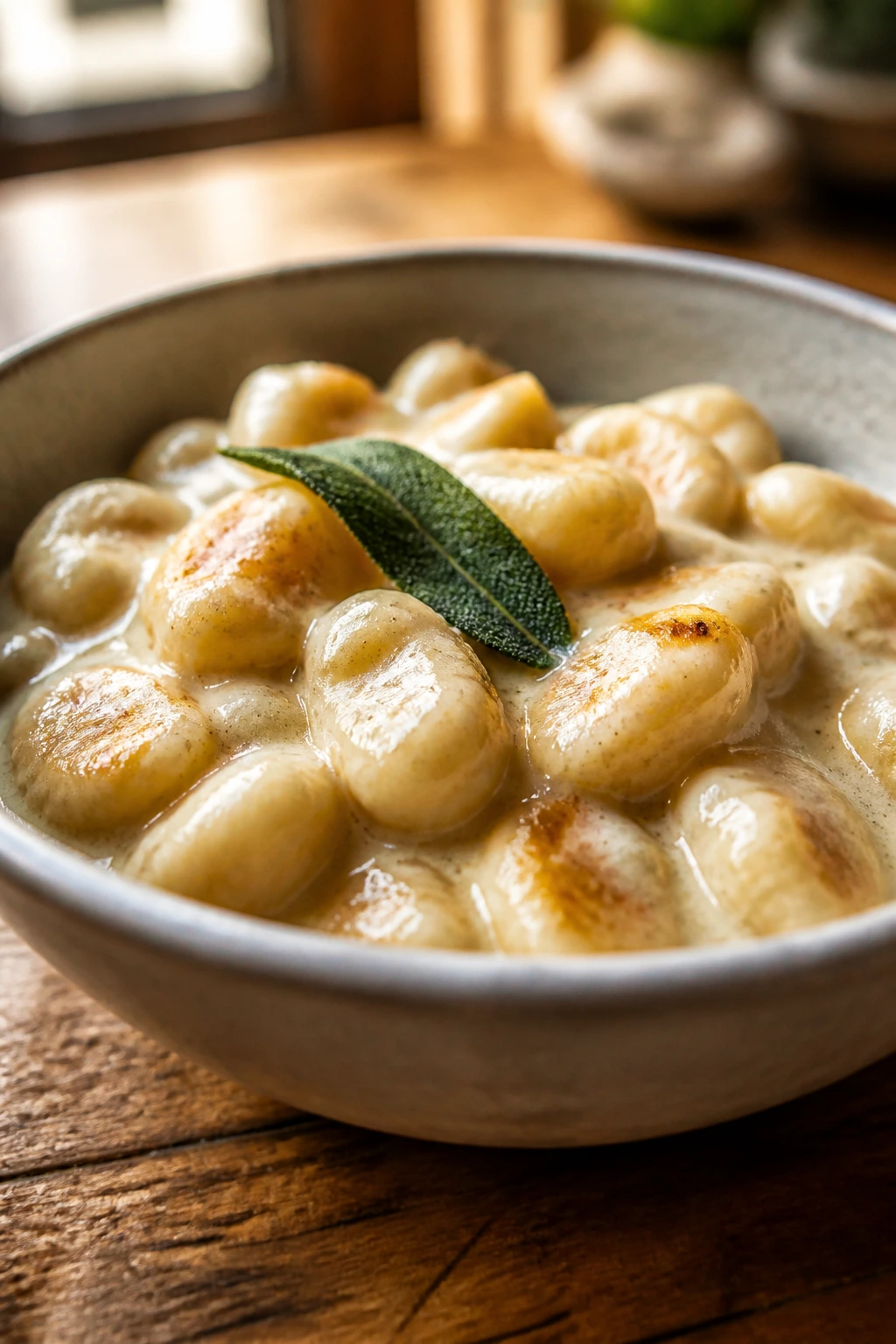
Gnocchi has a quiet kind of usefulness that plain pasta never quite manages. It can lean creamy, bake into bubbles, or sit in a skillet with sausage, greens, and brown butter without losing its shape or its charm. That is why these dinners feel like more than a cute idea; they solve the evening in a practical way.
Keep a bag of gnocchi in the pantry, and dinner stops being such a negotiation. Pick the version that matches your fridge, your mood, and how much cleanup you can tolerate, then make the one that sounds best tonight.
| Recipe | Prep Time | Cook Time | Total Time | Servings | Standout Detail |
|---|---|---|---|---|---|
| Brown Butter Sage Gnocchi with Pancetta and Peas | 15 min | 15 min | 30 min | 4 | nutty butter and crisp sage |
| Creamy Chicken and Spinach Gnocchi Skillet | 15 min | 25 min | 40 min | 4 | one-pan comfort with silky sauce |
| Tomato Basil Mozzarella Gnocchi Bake | 15 min | 25 min | 40 min | 4 to 6 | bubbly cheese top and tomato sweetness |
| Italian Sausage, Broccoli Rabe, and Gnocchi Skillet | 15 min | 20 min | 35 min | 4 | salty sausage with bitter greens |
| Pesto Gnocchi with Roasted Cherry Tomatoes and White Beans | 10 min | 20 min | 30 min | 4 | brightest, herbiest bowl in the lineup |
| Beef and Mushroom Gnocchi with Red Wine Pan Sauce | 15 min | 25 min | 40 min | 4 | deepest savory flavor |
| Butternut Squash Gnocchi with Crispy Prosciutto and Parmesan | 15 min | 20 min | 35 min | 4 | sweet-savory squash sauce |
| Garlic Butter Shrimp Gnocchi with Lemon and Arugula | 15 min | 15 min | 30 min | 4 | fast, lemony, and light on its feet |