



Some nights, dinner needs to be boring in the best possible way: already cooked, already portioned, and waiting in the freezer like a favor your past self did for your future self. That is the whole charm of freezer friendly dinners for meal prep. They do not care whether you had a long meeting, a late errand, or zero interest in chopping onions at 7 p.m.
The trick is choosing meals that can take a second heat cycle without falling apart. Saucy pasta bakes, chilis, braises, casseroles, and thick soups are the heroes here. Dry, delicate, and fussy recipes tend to sulk in the freezer; sturdy ones settle in and get better with a little rest. That’s why the best meal-prep dinners are usually the ones with a little moisture, a little fat, and enough structure to survive a thaw.
I like freezer meals that still taste like dinner. Not emergency food. Not something you eat standing up over the sink. Real food, with edges, texture, and enough flavor that reheating doesn’t feel like a compromise. You’ll find plenty of that here, along with the practical details that keep a freezer full of useful meals instead of sad mystery containers.
Why These Freezer Dinners Earn a Spot in the Rotation
-
Weeknight Insurance: Each recipe is built to move from freezer to table without a fresh start in the kitchen, which makes those 6 p.m. scrambles a whole lot calmer.
-
Texture That Holds Up: These dinners rely on sauces, braises, baked layers, or sturdy legumes, so they survive freezing better than delicate cream sauces or crisp vegetables.
-
Meal-Prep Friendly Portions: Most of them portion cleanly into family pans or single-serve containers, which makes grabbing the right amount fast and easy.
-
Budget-Smart Ingredients: Beans, rice, pasta, ground meat, and seasonal vegetables do most of the heavy lifting, so the grocery list stays sane.
-
Less Waste, More Payoff: Leftover spinach, half a bag of carrots, stray tortillas, and odd bits of cheese all have a place in this lineup.
-
Flexible Reheating: Some work straight from the freezer, some thaw overnight, and some just need a splash of broth or sauce to come back to life.
1. Slow Cooker Beef and Bean Chili
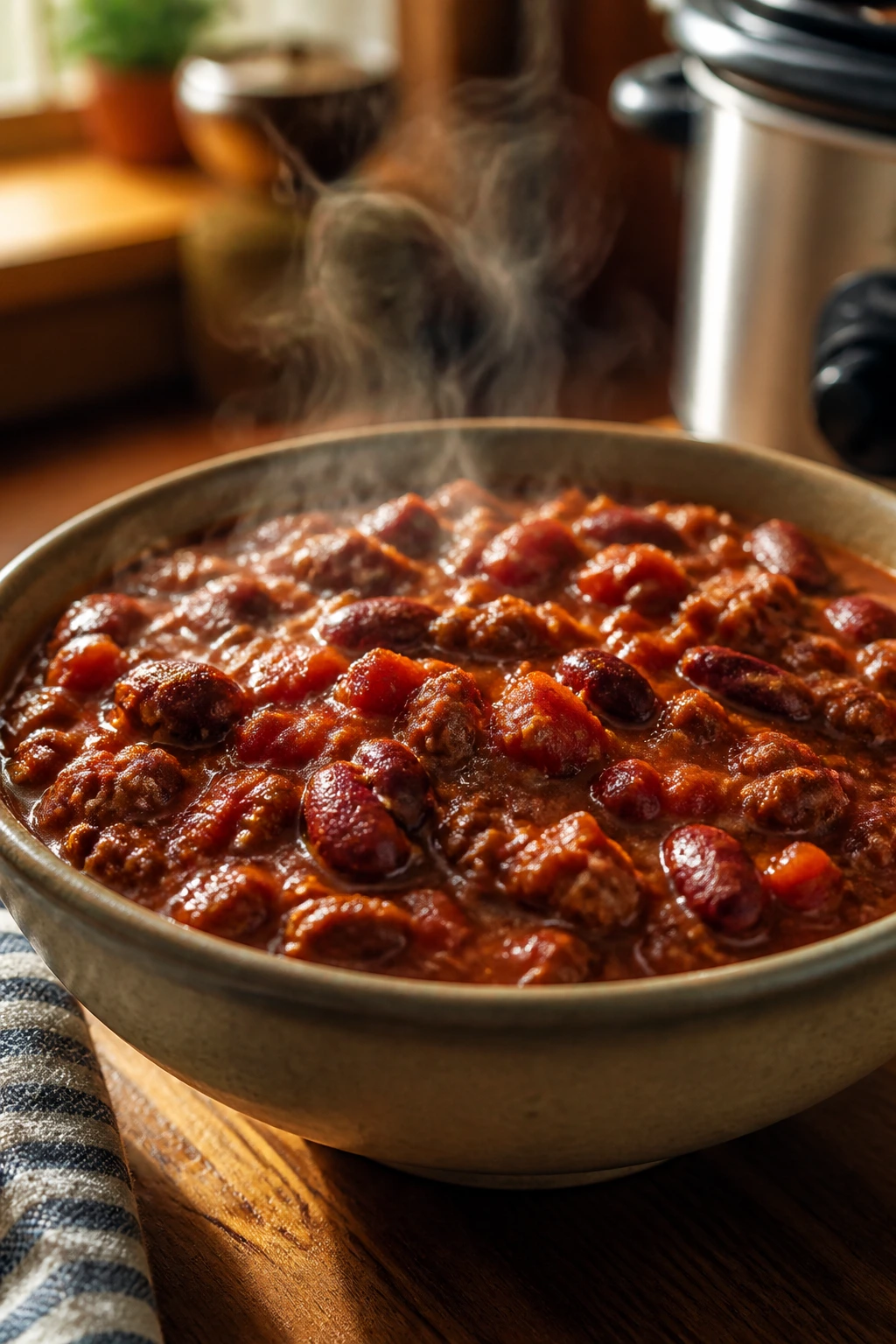
A big pot of chili is one of those meals that seems to improve its own personality after a night in the freezer. The beef gets deeper, the beans stay intact, and the tomatoes pull everything into one thick, spoon-coating bowl. This version leans smoky and savory, with enough body that it reheats without turning watery or sad.
Why It Works: Chili is built for freezing because it has a strong sauce base and no fragile starches to collapse. Ground beef, beans, tomatoes, and spices all handle the cold well, and the broth tightens up once it cools. The flavor actually benefits from a second round of heat, especially if you finish it with a little vinegar or lime to wake up the tomato base.
Key Ingredients:
- 2 pounds ground beef
- 1 large yellow onion, diced
- 4 garlic cloves, minced
- 2 cans kidney beans, drained and rinsed
- 2 cans diced tomatoes, undrained
- 1 can tomato paste
- 2 cups beef broth
- 3 tablespoons chili powder
- 2 teaspoons ground cumin
- 1 teaspoon smoked paprika
- 1 teaspoon kosher salt
- 1 tablespoon apple cider vinegar, for finishing
Quick Steps:
- Brown the ground beef in a large skillet over medium-high heat for 6 to 8 minutes, breaking it up until no pink remains.
- Add the onion and cook for 4 minutes, until softened and glossy.
- Stir in the garlic, chili powder, cumin, paprika, salt, and tomato paste. Cook for 1 minute, until the paste darkens slightly and smells toasty.
- Transfer everything to a slow cooker, then add the beans, diced tomatoes, and beef broth. Stir well.
- Cook on low for 6 to 8 hours or high for 3 to 4 hours, until the chili is thick and the beef is tender.
- Stir in the vinegar right before serving. That last splash matters; it sharpens the flavor instead of letting the chili taste flat.
Tips and Variations:
- Freeze in flat, zipper-top bags for faster thawing and easier stacking.
- Mash about 1 cup of the beans before cooking if you want a thicker chili.
- Swap in ground turkey if you want a lighter version, but add an extra teaspoon of oil so it doesn’t cook dry.
2. Chicken Enchilada Casserole
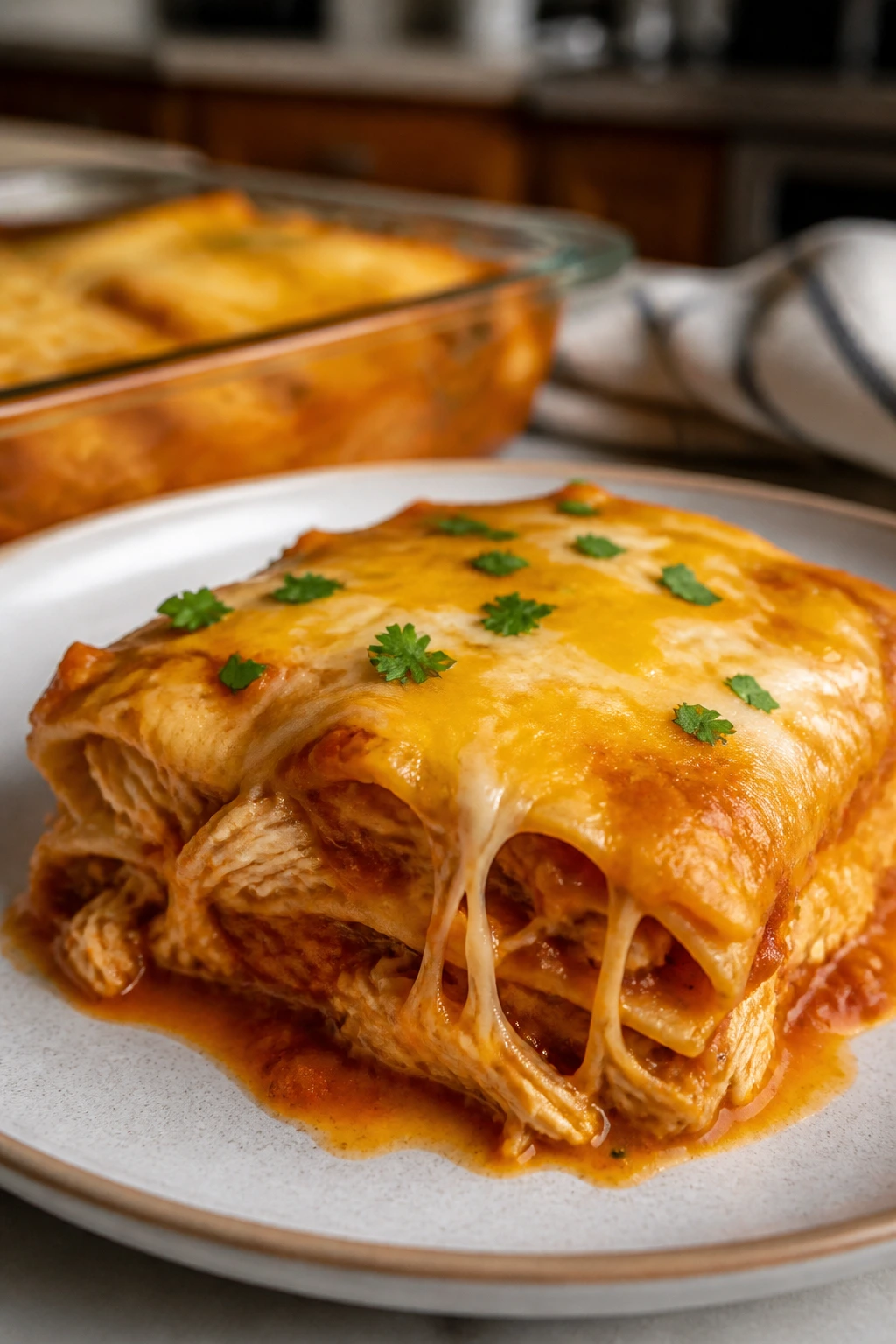
This is what I make when I want enchilada flavor without rolling fourteen tortillas like a patient saint. The layers come out saucy, cheesy, and a little messy in the right way, with the corn tortillas softening into something close to comfort food velvet. It freezes neatly because the sauce does most of the protecting.
Why It Works: Casseroles are freezer gold when they have a saucy core and a sturdy starch. Corn tortillas hold up better than flour tortillas after freezing, and enchilada sauce keeps the layers from drying out. You can freeze this baked or unbaked, but unbaked gives you the cleanest texture after reheating.
Key Ingredients:
- 3 cups shredded cooked chicken
- 2 cups red enchilada sauce
- 8 corn tortillas, cut into strips
- 2 cups shredded Mexican blend cheese
- 1 can black beans, drained and rinsed
- 1 cup corn kernels
- 1 small onion, finely diced
- 1 teaspoon ground cumin
- 1 tablespoon chopped cilantro, for finishing
Quick Steps:
- Heat the oven to 375°F and grease a 9×13-inch baking dish.
- Spread 1/2 cup enchilada sauce over the bottom of the dish.
- Layer half the tortilla strips, half the chicken, half the beans, half the corn, half the onion, and 1 cup cheese.
- Repeat with the remaining tortillas, chicken, beans, corn, onion, and sauce, then finish with the remaining cheese.
- Cover with foil and bake for 25 minutes. Uncover and bake 10 more minutes, until the cheese is bubbling and the edges are lightly browned.
- Rest for 10 minutes before cutting. If you slice too soon, the layers slide apart and you lose the clean square look.
Tips and Variations:
- Freeze before baking for the best tortilla texture.
- Add a layer of sautéed peppers if you want more vegetables without changing the flavor much.
- A spoonful of salsa verde on top after reheating gives the casserole a brighter finish.
3. Turkey Meatballs in Marinara
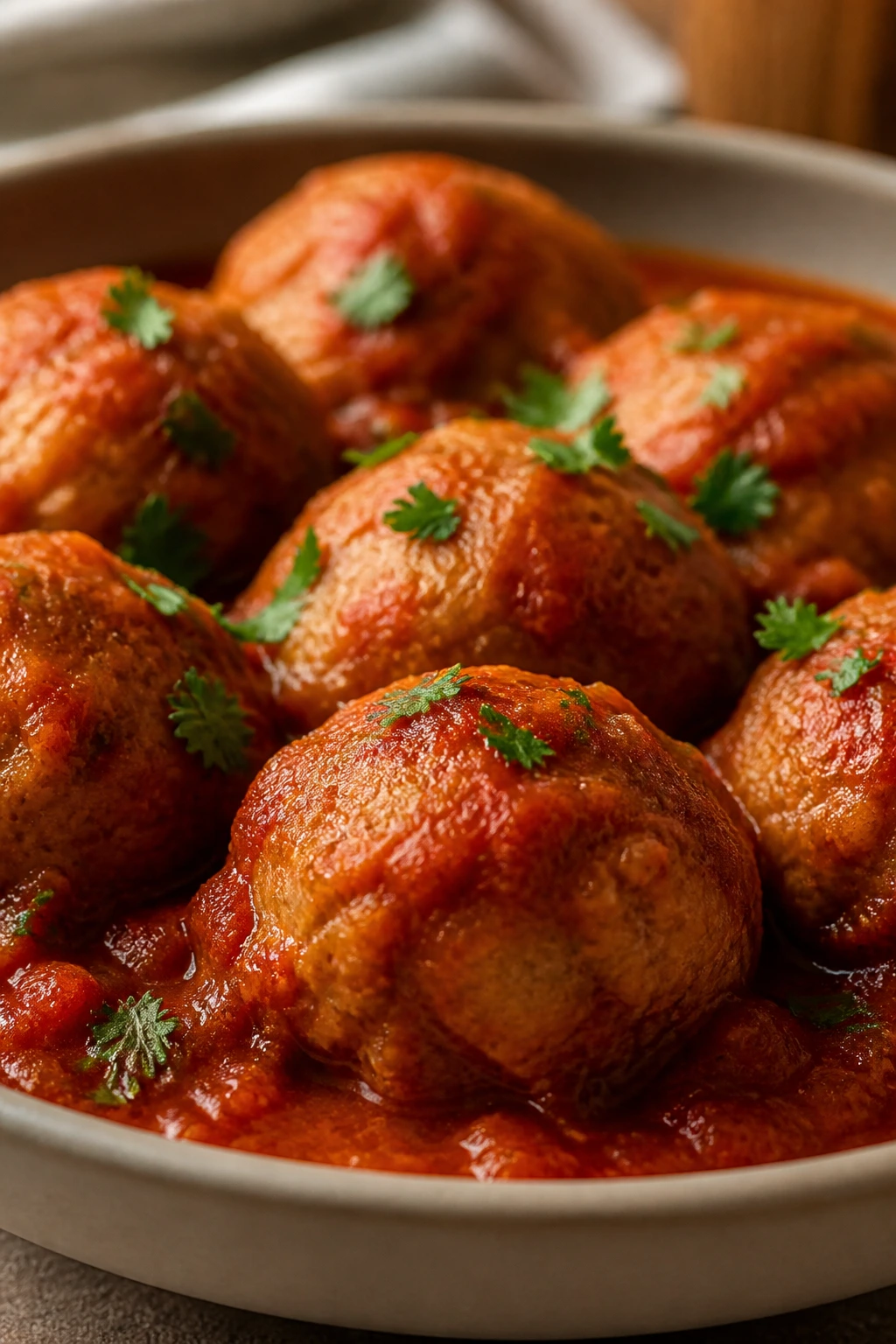
Meatballs are one of the rare foods that seem to enjoy freezer life. They stay tender, the sauce protects them, and they reheat without turning into shreds if you treat them gently. This turkey version is leaner than beef but still rich enough to feel like a real dinner, especially once it’s tucked into a thick marinara.
Why It Works: Baked meatballs freeze better than pan-fried ones because they hold a more even shape and don’t carry extra oil that can go greasy in the freezer. Marinara does the heavy lifting here, keeping the meatballs moist and giving you a ready-made sauce for pasta, polenta, or a toasted roll. Turkey can dry out if overcooked, so pulling it at the right moment is the whole game.
Key Ingredients:
- 1 1/2 pounds ground turkey
- 1/2 cup breadcrumbs
- 1 large egg
- 1/4 cup grated Parmesan
- 2 garlic cloves, minced
- 1 teaspoon Italian seasoning
- 1 teaspoon kosher salt
- 1/2 teaspoon black pepper
- 4 cups marinara sauce
- 2 tablespoons chopped parsley, for finishing
Quick Steps:
- Heat the oven to 400°F and line a baking sheet with parchment.
- Mix the turkey, breadcrumbs, egg, Parmesan, garlic, Italian seasoning, salt, and pepper until just combined. Stop mixing as soon as the ingredients look even; overworking makes the meatballs dense.
- Roll into 1 1/2-inch balls and place them on the sheet.
- Bake for 15 to 18 minutes, until browned and cooked through to 165°F in the center.
- Warm the marinara in a large skillet, then add the meatballs and simmer for 5 to 10 minutes.
- Cool completely before packing. Freeze with sauce in containers or freeze meatballs separately if you want more flexibility.
Tips and Variations:
- If you want a richer flavor, use half turkey and half ground pork.
- Serve over spaghetti, roasted zucchini, or crusty bread.
- A pinch of red pepper flakes in the sauce keeps the whole dish from tasting too soft.
4. Baked Ziti with Ricotta
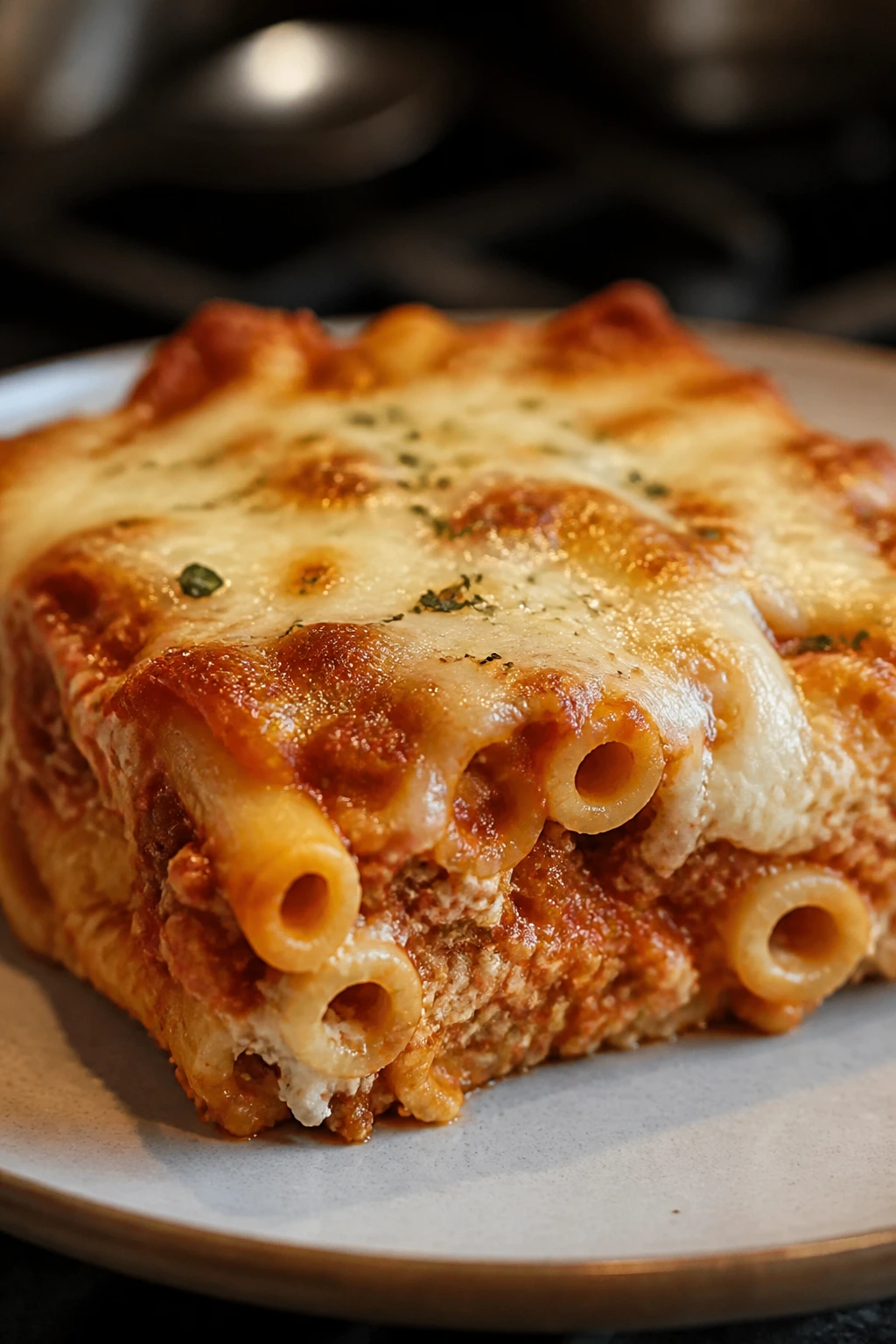
Baked ziti is the casserole I trust when I want something that tastes like I tried harder than I did. The pasta, sauce, and cheese settle into one cohesive, bubbling pan that freezes well because there’s enough sauce to protect the noodles. It’s hearty, familiar, and one of the easiest ways to turn a freezer into a future dinner plan.
Why It Works: Pasta bakes survive freezing when the noodles are cooked a little shy of done and the sauce is generous. Ricotta adds creaminess, mozzarella gives that stretchy top layer, and the whole pan reheats without losing its shape if you let it rest before cutting. This is one of those cases where extra sauce is not optional; it’s insurance.
Key Ingredients:
- 1 pound ziti pasta
- 4 cups marinara sauce
- 15 ounces ricotta
- 2 cups shredded mozzarella
- 1/2 cup grated Parmesan
- 1 large egg
- 2 teaspoons dried basil
- 2 cups baby spinach, chopped
- 1 teaspoon kosher salt
Quick Steps:
- Heat the oven to 375°F. Grease a 9×13-inch baking dish.
- Boil the ziti for 2 minutes less than the package says, then drain well.
- Mix the ricotta, egg, Parmesan, basil, spinach, and salt in a bowl.
- Toss the pasta with 3 cups of marinara. Spread half in the dish, dollop on half the ricotta mixture, and sprinkle with 1 cup mozzarella.
- Repeat with the remaining pasta, ricotta, marinara, and mozzarella.
- Cover with foil and bake for 25 minutes. Uncover and bake 10 to 15 minutes more, until the top is browned at the edges.
- Cool completely before freezing or slicing. Warm ziti turns into a slippery landslide; cool ziti behaves.
Tips and Variations:
- Freeze in foil pans if you want an easy bake-and-go dinner.
- Add cooked Italian sausage if you want a meatier pan.
- If the sauce looks thick, loosen it with 1/4 cup pasta water before assembling.
5. Shepherd’s Pie with Peas and Carrots
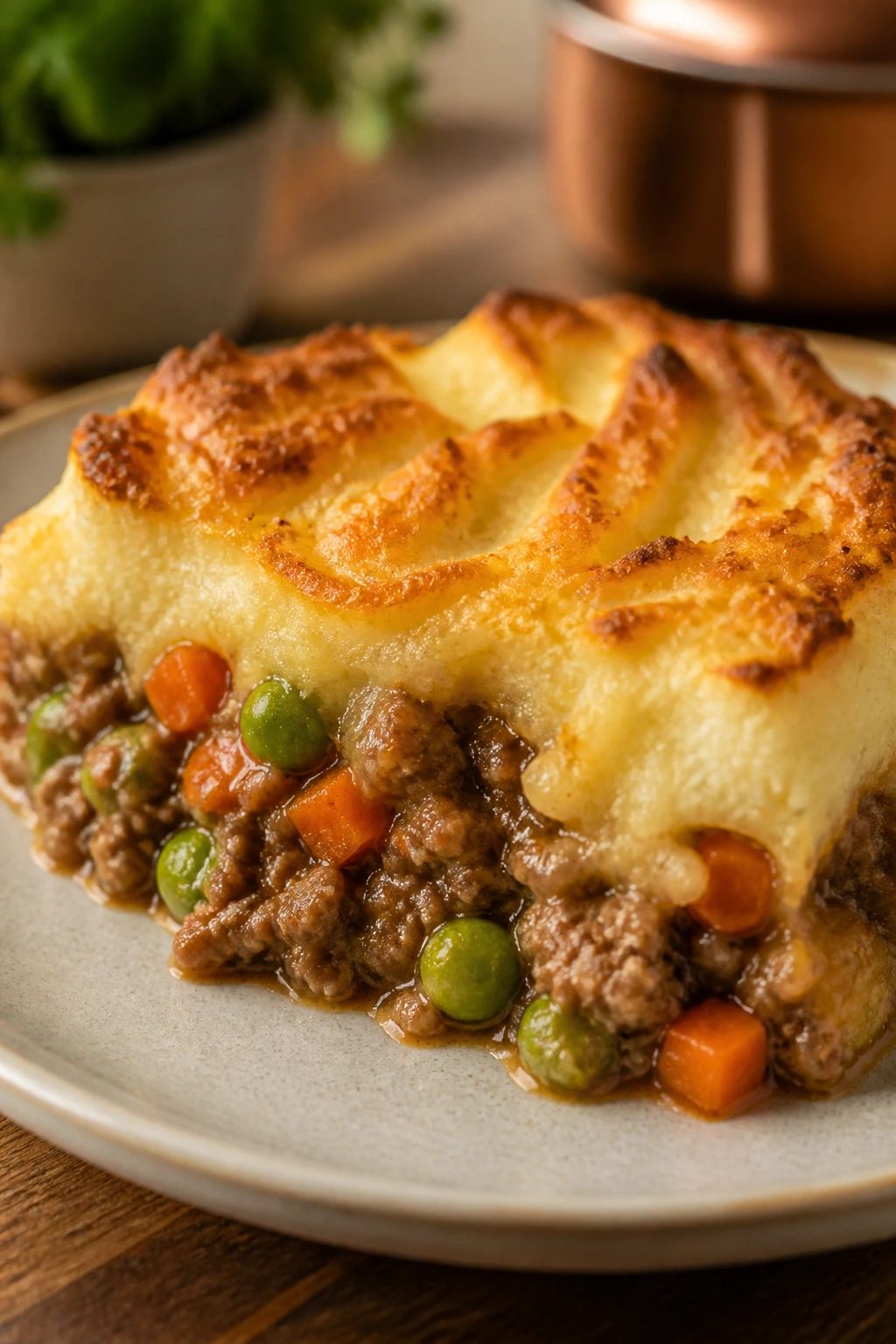
Shepherd’s pie is old-school comfort, and I mean that in the nicest way. You get savory meat and vegetables under a blanket of mashed potatoes that browns into little ridges and peaks. It freezes beautifully because each layer knows its job, and the mashed topping acts like a lid.
Why It Works: Thick fillings freeze better than loose ones, and mashed potatoes are sturdy enough to reheat if they’re made with enough butter and milk. The key is reducing the filling before assembling so it isn’t soupy under the potato layer. If the filling is loose, the whole thing turns into a soft, sliding mess after thawing.
Key Ingredients:
- 1 1/2 pounds ground beef or lamb
- 1 onion, diced
- 2 carrots, diced small
- 1 cup frozen peas
- 2 tablespoons tomato paste
- 1 tablespoon Worcestershire sauce
- 2 tablespoons flour
- 1 cup beef broth
- 3 pounds Yukon Gold potatoes, peeled and chunked
- 4 tablespoons butter
- 1/2 cup milk
- 1 teaspoon salt
Quick Steps:
- Boil the potatoes in salted water until fork-tender, about 15 to 18 minutes.
- Brown the beef with the onion and carrots in a large skillet, cooking until the meat loses its pink color and the vegetables soften.
- Stir in the tomato paste, Worcestershire sauce, and flour. Cook for 1 minute, then add the broth and peas. Simmer until the filling is thick enough to hold a spoon mark.
- Mash the potatoes with butter, milk, and salt until smooth but not gluey.
- Spread the filling in a baking dish, top with the potatoes, and rough up the surface with a fork.
- Bake at 400°F for 25 to 30 minutes, until the top is lightly browned. Broil for 1 to 2 minutes if you want deeper color. Do not broil too long; mashed potatoes go from golden to scorched fast.
Tips and Variations:
- Make it in foil pans for easy freezing and reheating.
- Sweet potatoes work if you want a slightly sweeter top.
- Add a spoonful of gravy to each portion before reheating if the filling seems dry.
6. Creamy Chicken and Wild Rice Soup
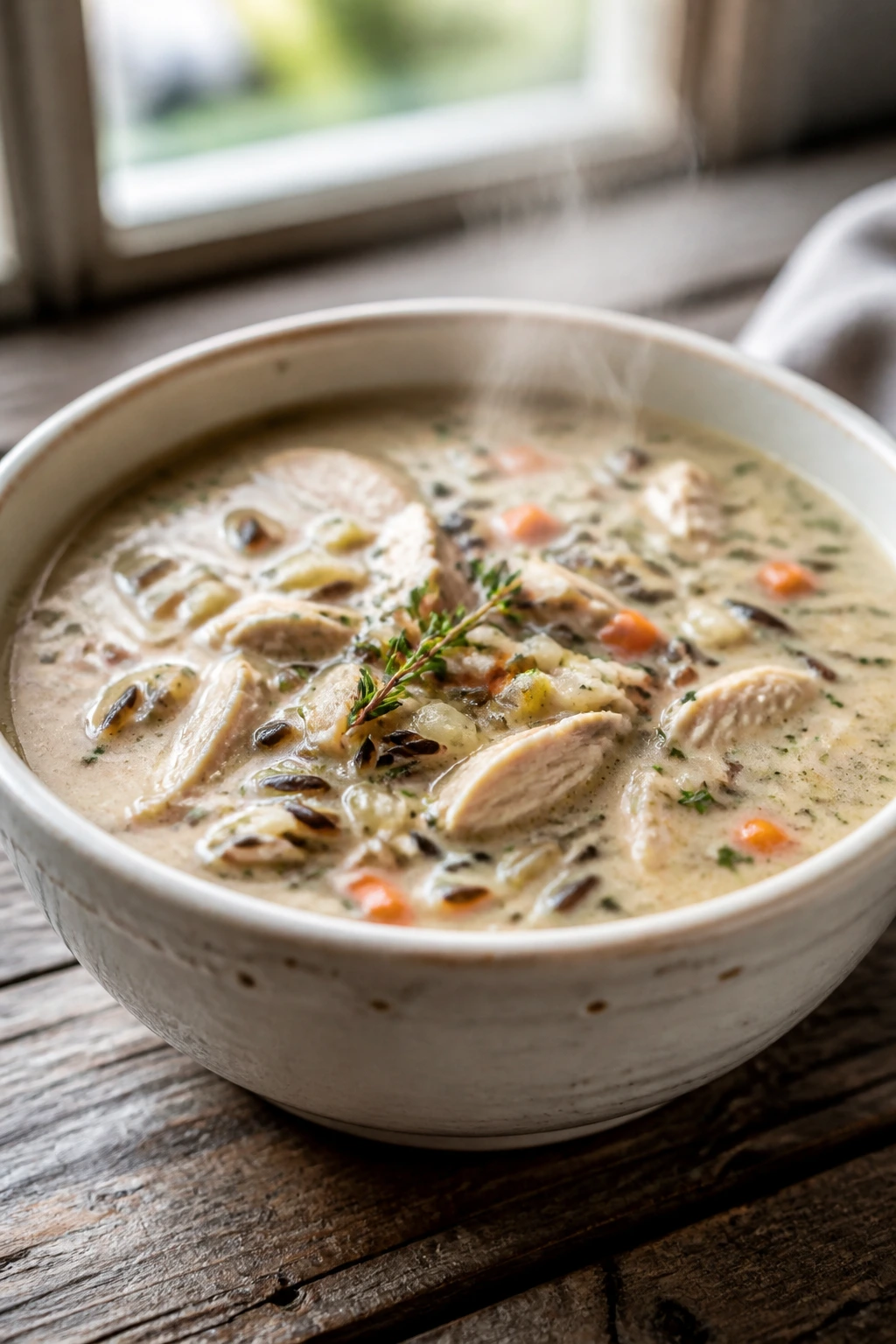
Soup sounds fragile, but this one behaves. The wild rice keeps its bite, the chicken stays tender, and the broth gives you a base that doesn’t mind a long nap in the freezer. I like to keep the dairy light until the very end, which makes the reheated soup taste fresher and less split.
Why It Works: Broth-based soups freeze better than dairy-heavy ones because milk and cream can separate if they’re cooked too hard after thawing. Wild rice has a chewy, nutty texture that holds up better than soft white rice. If you freeze the soup before adding the cream, you get a cleaner reheat and a better final texture.
Key Ingredients:
- 2 pounds boneless, skinless chicken thighs
- 1 cup wild rice blend, rinsed
- 2 carrots, diced
- 2 celery stalks, diced
- 1 onion, diced
- 6 cups chicken broth
- 1 teaspoon dried thyme
- 2 bay leaves
- 1 cup milk or half-and-half, added at the end
- 2 tablespoons butter
- 2 tablespoons flour
- 1 teaspoon salt
Quick Steps:
- Melt the butter in a large pot over medium heat. Add the onion, carrots, and celery, then cook for 5 to 6 minutes.
- Stir in the flour and cook for 1 minute to form a light roux.
- Add the chicken broth, wild rice, thyme, bay leaves, salt, and chicken thighs.
- Bring to a boil, then reduce to a simmer and cook for 45 to 55 minutes, until the rice is tender and the chicken shreds easily.
- Remove the chicken, shred it, and return it to the pot.
- Stir in the milk or half-and-half at the end. If you plan to freeze the soup, hold the dairy and add it after reheating.
Tips and Variations:
- Freeze in meal-size portions so the rice doesn’t sit in the fridge too long after thawing.
- Add mushrooms if you like a deeper, earthier broth.
- A squeeze of lemon after reheating brightens the whole pot.
7. Sausage and Pepper Pasta Bake
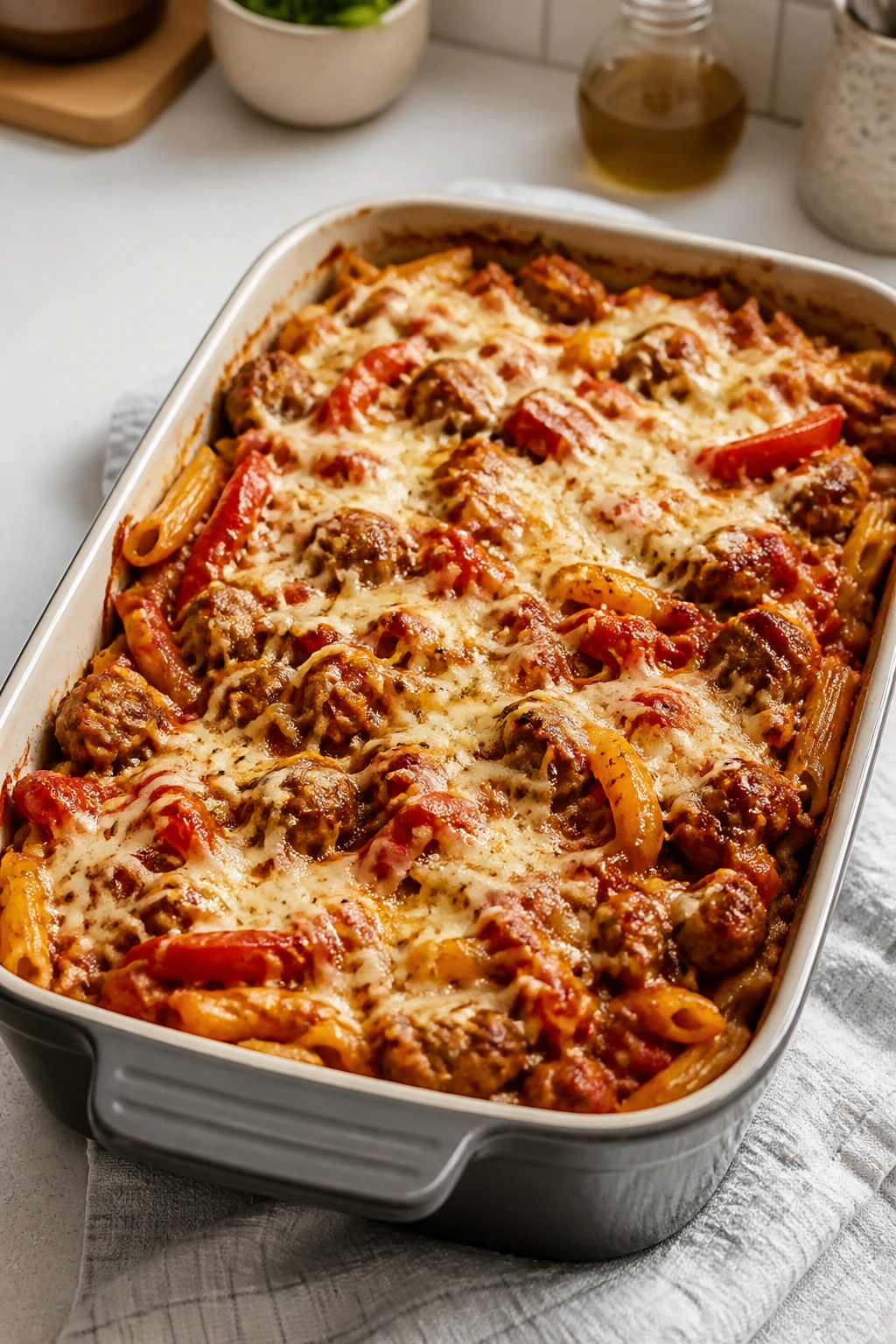
This one tastes like a neighborhood Italian bakery smelled and decided to become dinner. Sweet peppers, savory sausage, and pasta all get tangled together under melted cheese, and the sauce keeps the bake from drying out in the freezer. It’s hearty enough for a hungry crowd and easy to portion for later.
Why It Works: Pasta bakes need enough sauce to keep the noodles from turning leathery after freezing, and sausage brings fat and flavor that survive reheating well. Bell peppers soften into the sauce instead of fighting it, which is exactly what you want here. The combination is sturdy, not delicate, and that matters when a dish is going to be reheated more than once.
Key Ingredients:
- 1 pound short pasta, like penne or rigatoni
- 1 pound Italian sausage, casings removed
- 2 bell peppers, sliced
- 1 onion, sliced
- 3 cups marinara sauce
- 2 cups shredded mozzarella
- 1/2 cup grated Parmesan
- 1 teaspoon dried oregano
- 1/2 teaspoon red pepper flakes, optional
- 1 tablespoon olive oil
Quick Steps:
- Heat the oven to 375°F. Grease a 9×13-inch baking dish.
- Boil the pasta for 2 minutes less than the package says, then drain.
- Brown the sausage in a skillet over medium-high heat. Add the peppers and onion and cook until softened, about 6 minutes.
- Stir in the marinara, oregano, and red pepper flakes.
- Toss the pasta with the sauce mixture and spread it in the baking dish.
- Top with mozzarella and Parmesan, then bake uncovered for 25 to 30 minutes, until bubbling and browned at the edges.
- Cool before freezing. Slightly undercooked pasta is the difference between a good reheated bake and mush.
Tips and Variations:
- Use hot Italian sausage if you want more kick.
- Add sliced mushrooms if you need to stretch the filling a bit.
- Freeze in portions so you can reheat just enough for one or two people.
8. Lentil Bolognese
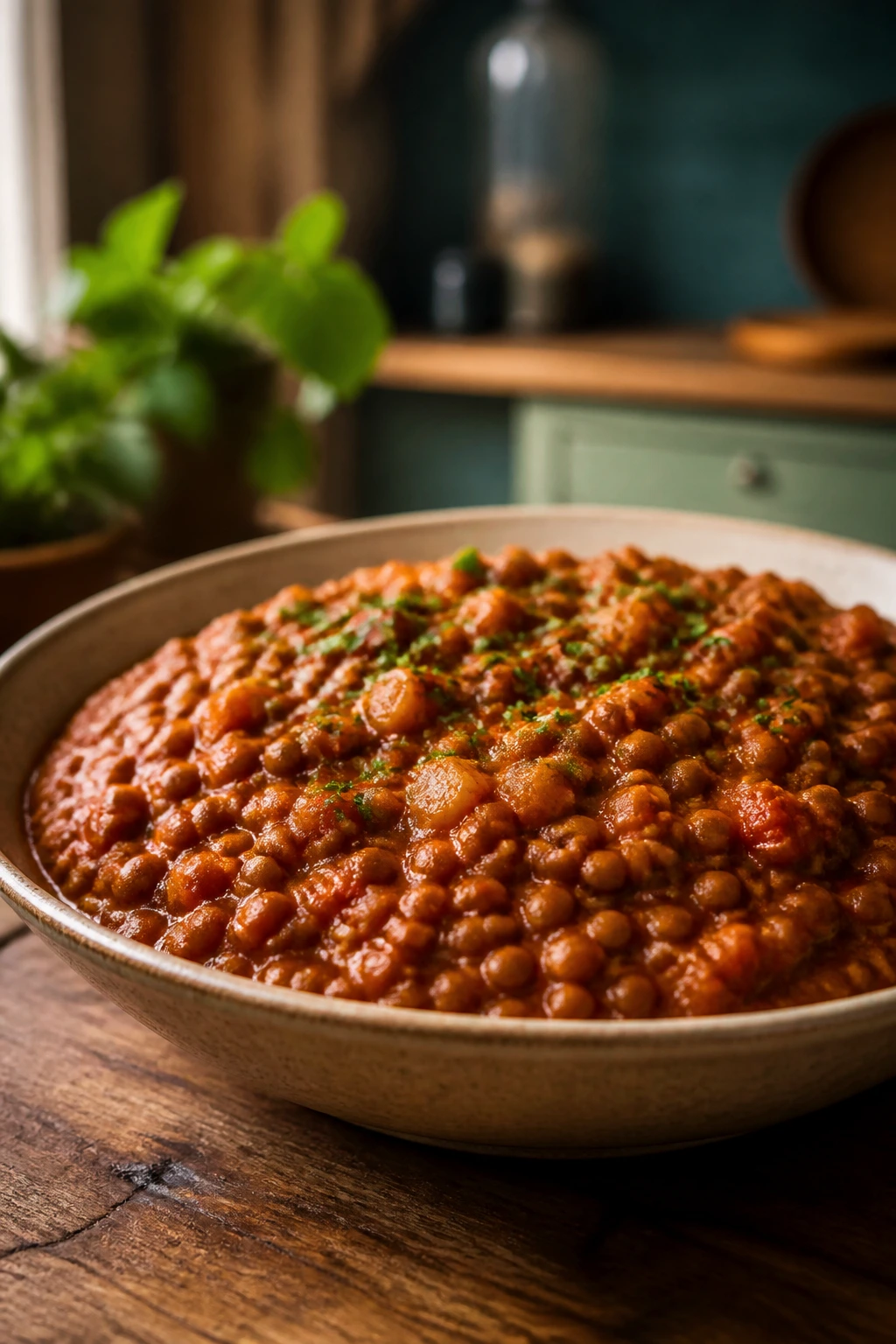
This is the vegetarian dinner that makes meat eaters pause for a second. Lentils give the sauce a thick, earthy body, and once they’ve simmered with tomato and aromatics, the whole pot tastes deep and slow-cooked. It freezes like a dream because the sauce is already built around sturdy ingredients.
Why It Works: Brown or green lentils hold their shape after freezing, which is the main reason I prefer them here over red lentils. The sauce is thick and concentrated, so it does not turn watery when reheated. You can pair it with pasta, polenta, or even roasted vegetables, which makes it one of the most flexible freezer dinners in the group.
Key Ingredients:
- 1 1/2 cups brown or green lentils, rinsed
- 1 onion, diced
- 1 carrot, diced
- 1 celery stalk, diced
- 3 garlic cloves, minced
- 2 tablespoons olive oil
- 2 tablespoons tomato paste
- 1 can crushed tomatoes
- 2 cups vegetable broth
- 1 teaspoon dried oregano
- 1 bay leaf
- 1 teaspoon salt
Quick Steps:
- Warm the olive oil in a pot over medium heat. Add the onion, carrot, and celery and cook for 6 to 8 minutes.
- Stir in the garlic and tomato paste and cook for 1 minute.
- Add the lentils, crushed tomatoes, vegetable broth, oregano, bay leaf, and salt.
- Bring to a simmer, then cook partially covered for 35 to 45 minutes, stirring now and then, until the lentils are tender and the sauce is thick.
- Remove the bay leaf and adjust the seasoning.
- Cool completely before freezing in containers or freezer bags.
- Reheat with a splash of water or broth if it tightens too much. Lentils drink liquid on the way down and on the way back up.
Tips and Variations:
- Serve over pappardelle for a more classic feel.
- Stir in a spoonful of butter at the end if you want a richer sauce.
- A little balsamic vinegar at the finish gives the sauce more lift.
9. Black Bean Burrito Bowls
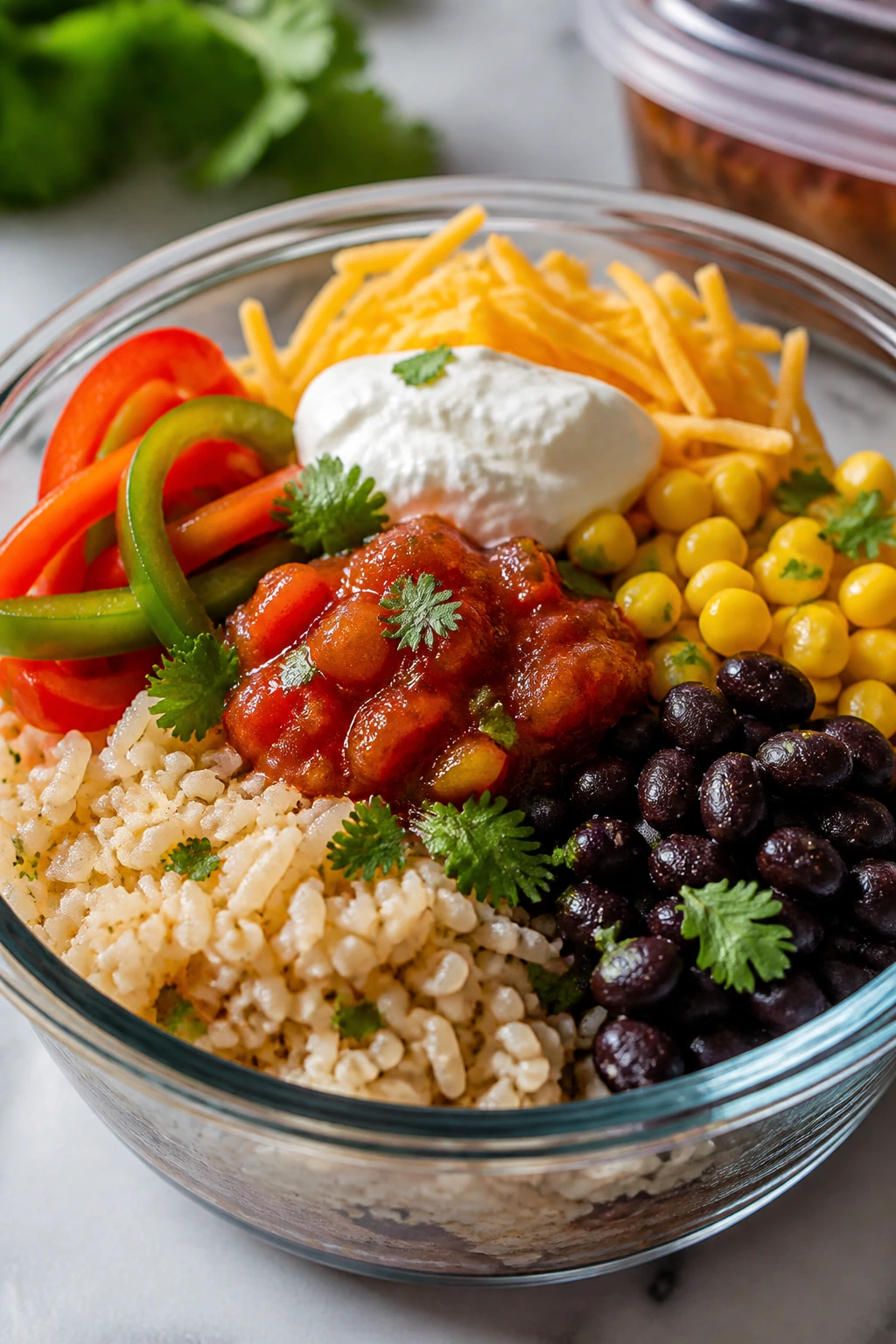
A freezer meal does not have to be a casserole to be useful. Burrito bowls can be portioned into neat containers and pulled out one at a time, which is about as practical as dinner gets. The trick is keeping the rice fluffy, the beans seasoned, and the toppings separated until serving.
Why It Works: Rice, beans, and cooked vegetables freeze well when they’re cooled properly and packed in single servings. Black beans bring protein and enough moisture to keep the bowl from drying out, while salsa adds flavor without needing a separate sauce. Fresh toppings stay fresh if you hold them back until reheating.
Key Ingredients:
- 2 cups cooked brown rice
- 2 cans black beans, drained and rinsed
- 1 cup corn kernels
- 1 bell pepper, diced
- 1 cup salsa
- 1 teaspoon ground cumin
- 1 teaspoon chili powder
- 1 cup shredded cheddar or Monterey Jack
- 1 lime, cut into wedges
- 2 tablespoons chopped cilantro
- Salt to taste
Quick Steps:
- Sauté the bell pepper in a little oil over medium heat for 4 to 5 minutes, until softened.
- Stir in the black beans, corn, salsa, cumin, chili powder, and salt. Warm for 3 to 4 minutes.
- Fold in the cooked rice and mix until everything is coated.
- Portion into freezer-safe containers and let cool fully.
- Freeze with the cheese in a separate small container or add it after reheating.
- Reheat in the microwave with a damp paper towel on top, stirring once halfway through.
- Top with cilantro and a squeeze of lime after reheating. That lime matters; it keeps the bowl from tasting like it came from a long nap.
Tips and Variations:
- Add cooked chicken if you want a higher-protein version.
- Freeze avocado separately only if you enjoy disappointment; it is better added fresh.
- A spoonful of sour cream after reheating makes the bowl feel more complete.
10. Stuffed Bell Pepper Casserole
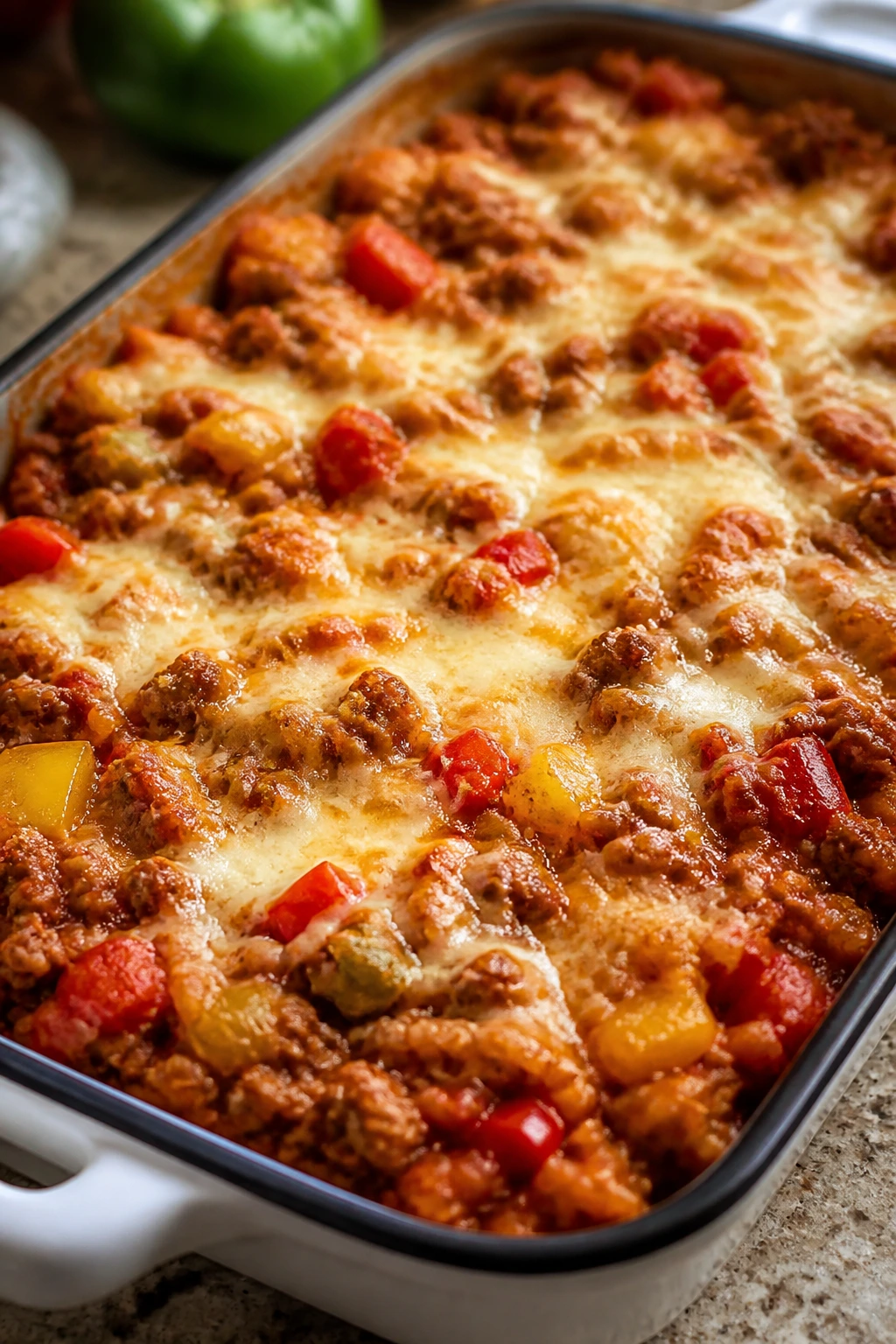
Stuffed peppers are lovely in theory and a little annoying in practice. This casserole version keeps the flavor and dumps the labor, which is my kind of trade. You get the same mix of beef, rice, tomatoes, and peppers, but in a pan that freezes cleanly and reheats without the drama of individual pepper shells.
Why It Works: The casserole format makes the filling more even, which means it cools and reheats more predictably than whole stuffed peppers. Diced peppers melt into the rice and beef instead of becoming floppy little boats. The tomato base keeps the grains moist, so the whole thing is sturdier after freezing than the classic stuffed version.
Key Ingredients:
- 1 pound ground beef or turkey
- 3 bell peppers, diced
- 1 onion, diced
- 3 garlic cloves, minced
- 1 cup uncooked white rice
- 1 can diced tomatoes
- 2 cups beef or chicken broth
- 2 teaspoons Italian seasoning
- 1 teaspoon salt
- 1 cup shredded mozzarella or cheddar
Quick Steps:
- Brown the meat in a large skillet over medium-high heat, then drain excess fat if needed.
- Add the onion, peppers, and garlic. Cook for 5 minutes, until softened.
- Stir in the rice, diced tomatoes, broth, Italian seasoning, and salt.
- Cover and simmer for 18 to 20 minutes, until the rice is tender and the liquid is mostly absorbed.
- Transfer to a baking dish, top with cheese, and bake at 375°F for 10 to 15 minutes, until melted.
- Cool fully before freezing. Hot rice trapped in a container is a steam machine, and steam is the enemy of freezer texture.
Tips and Variations:
- Use brown rice if you do not mind a longer simmer.
- Add a pinch of smoked paprika for a deeper flavor.
- If you like a little heat, stir in chopped pickled jalapeños before baking.
11. Teriyaki Chicken and Broccoli
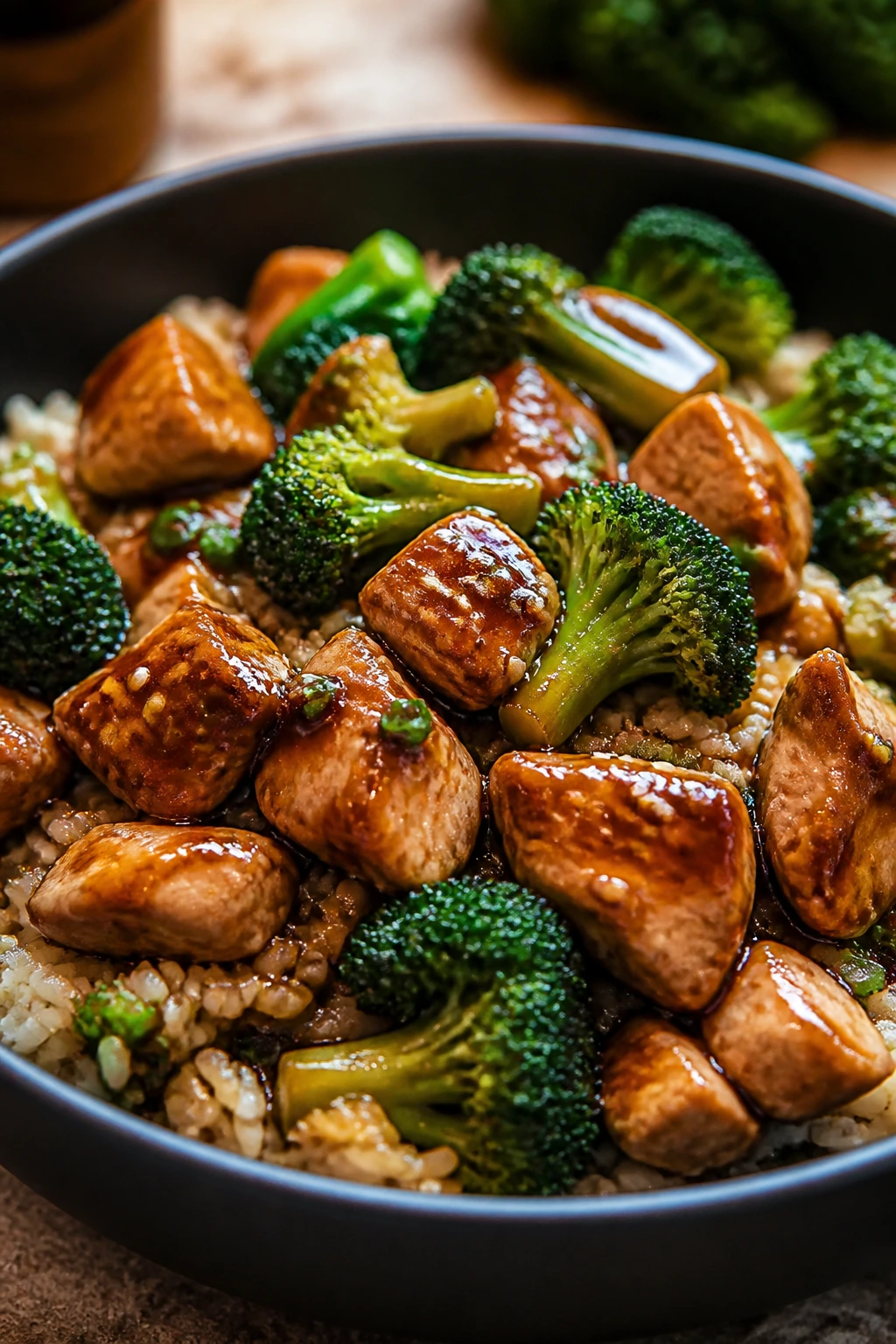
This is the freezer meal I reach for when I want something saucy and a little sweet without opening three bottles of condiments. The chicken picks up the teriyaki glaze, the broccoli stays bright if you treat it kindly, and the whole thing reheats well over rice. It’s weeknight food with a polished edge.
Why It Works: Teriyaki sauce freezes nicely because the sugar, soy, and ginger hold their flavor through reheating. Chicken thighs stay juicier than breasts after a freeze-thaw cycle, which is why I prefer them here. Broccoli can go soft if overcooked, so a quick blanch or a short sauté keeps it from collapsing.
Key Ingredients:
- 2 pounds boneless, skinless chicken thighs, cut into pieces
- 1 pound broccoli florets
- 1/2 cup soy sauce
- 1/4 cup brown sugar
- 2 tablespoons honey
- 2 tablespoons rice vinegar
- 2 teaspoons sesame oil
- 3 garlic cloves, minced
- 1 tablespoon fresh ginger, grated
- 1 tablespoon cornstarch mixed with 2 tablespoons water
- 2 cups cooked rice, for serving
Quick Steps:
- Whisk the soy sauce, brown sugar, honey, rice vinegar, sesame oil, garlic, and ginger in a bowl.
- Cook the chicken in a large skillet over medium-high heat until browned and cooked through, about 8 to 10 minutes.
- Add the sauce and simmer for 3 minutes.
- Stir in the cornstarch slurry and cook until the sauce turns glossy and lightly thickened.
- Blanch the broccoli for 1 minute in boiling water, then shock it in cold water and drain well.
- Combine the chicken and broccoli, cool, and portion over rice or pack separately.
- Reheat gently so the broccoli stays green and the chicken stays tender. Aggressive microwaving is how broccoli turns into swamp material.
Tips and Variations:
- Freeze the sauce separately if you want the brightest texture.
- Swap the rice for noodles if that’s what your freezer shelf needs.
- A few sesame seeds on top after reheating add crunch and make the dish feel finished.
12. Coconut Chickpea Curry
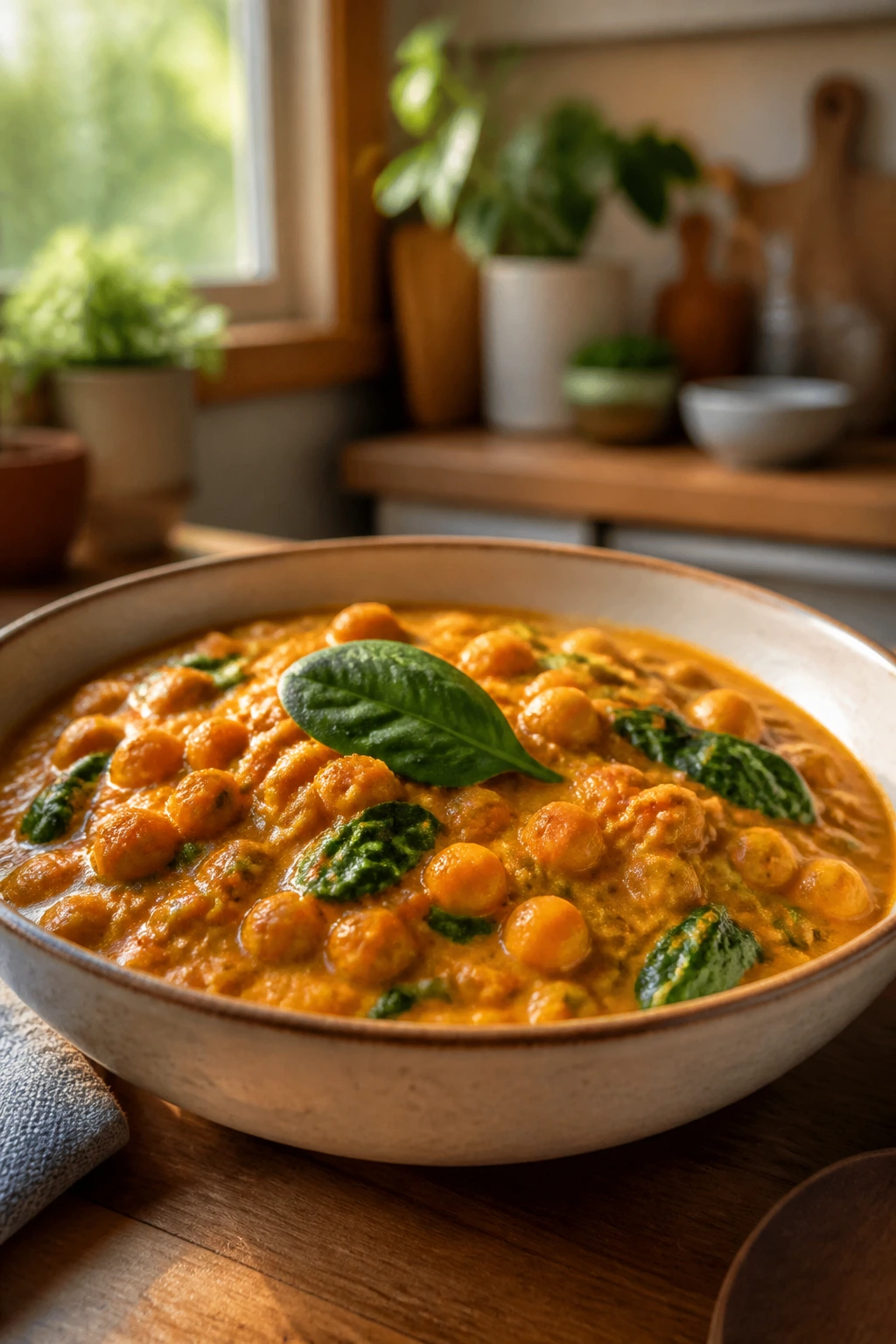
Coconut chickpea curry has that comforting, spoonable texture that makes a freezer feel like a very useful place. It is creamy without being heavy, and the chickpeas stay pleasantly firm after thawing. Spinach folds in at the end, which gives the bowl a little color and keeps the vegetables from going limp in storage.
Why It Works: Coconut milk is one of the few creamy ingredients that handles freezing well because it does not separate as dramatically as dairy milk or cream. Chickpeas are sturdy, the sauce is bold, and the spices get a little rounder after sitting together. If you want the cleanest texture, add the spinach after reheating rather than before freezing.
Key Ingredients:
- 2 cans chickpeas, drained and rinsed
- 1 onion, chopped
- 3 garlic cloves, minced
- 1 tablespoon fresh ginger, grated
- 2 tablespoons curry powder
- 1 can coconut milk
- 1 can crushed tomatoes
- 1 cup vegetable broth
- 4 cups baby spinach
- 1 teaspoon salt
- 1 tablespoon lime juice
Quick Steps:
- Cook the onion in a large pot with a little oil over medium heat for 5 minutes.
- Add the garlic, ginger, and curry powder and stir for 1 minute, until fragrant.
- Pour in the coconut milk, crushed tomatoes, vegetable broth, chickpeas, and salt.
- Simmer for 20 to 25 minutes, until the sauce thickens and the chickpeas taste seasoned through.
- Stir in the spinach until just wilted.
- Finish with lime juice, cool, and freeze in portions.
- Reheat over low heat and serve with rice or naan. The lime at the end keeps the curry from tasting heavy after freezing.
Tips and Variations:
- Add cauliflower florets if you want more vegetables without much extra work.
- A spoonful of peanut butter gives the sauce a deeper, richer body.
- Keep the curry mild for family meals, then add chili oil at the table for the heat-lovers.
13. Meatloaf with Garlic Mashed Potato Topping
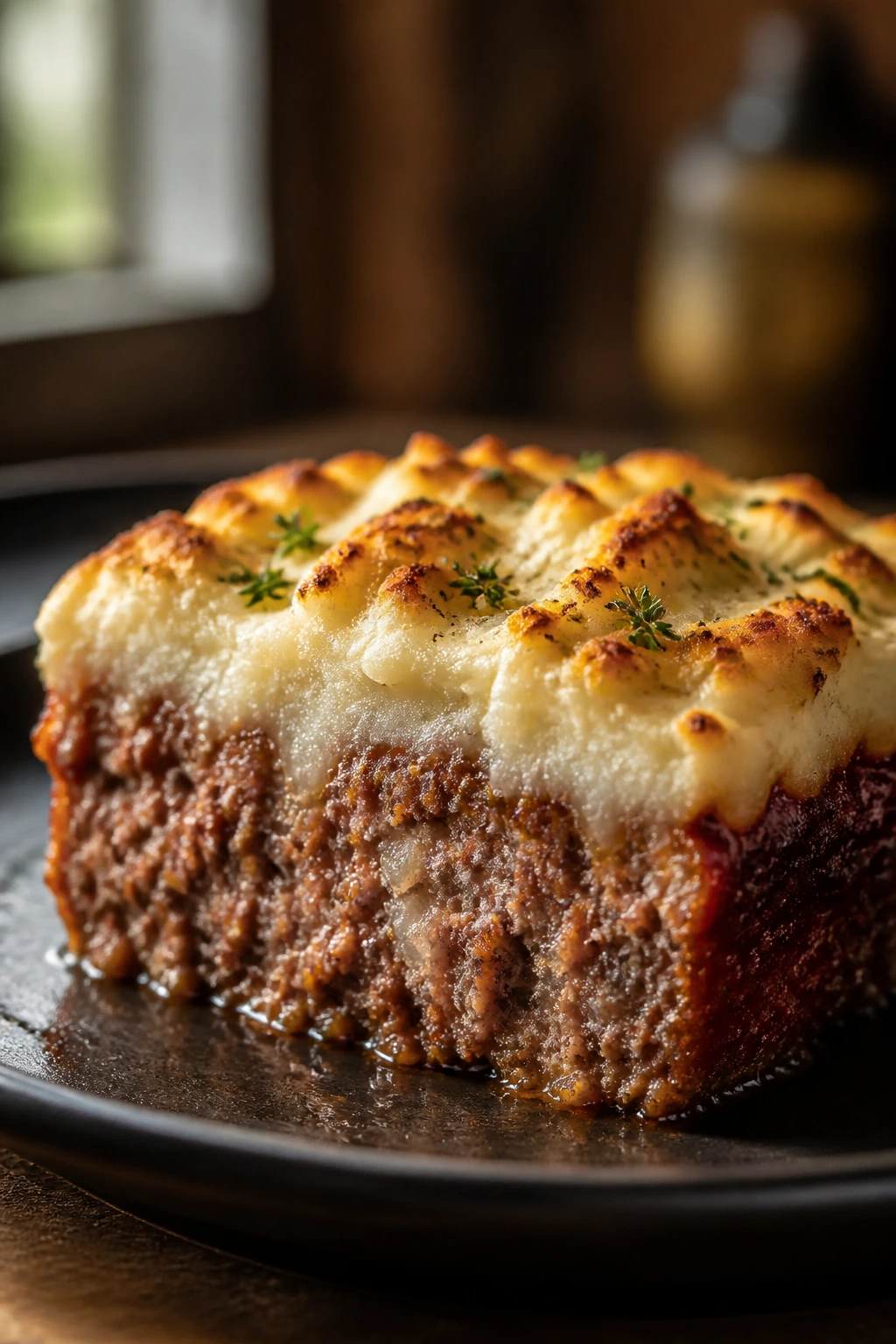
Meatloaf gets a bad rap from too many dry slices and too much ketchup on top. Done right, though, it’s one of the most practical freezer dinners you can make. The mashed potato topping turns it into a full meal in one pan, and it reheats into something that feels closer to a diner special than a leftover.
Why It Works: Meatloaf freezes well because the loaf itself is dense and structured, and the mashed potato topping acts as a protective cap. Butter and milk in the potatoes keep them soft instead of chalky after thawing. The whole pan is satisfying in a way that single-serve meals sometimes aren’t, especially when you want something that feels complete.
Key Ingredients:
- 2 pounds ground beef
- 1 cup breadcrumbs
- 2 large eggs
- 1 small onion, grated
- 1/3 cup ketchup
- 2 tablespoons Worcestershire sauce
- 1 teaspoon salt
- 3 pounds Yukon Gold potatoes
- 4 tablespoons butter
- 1/2 cup milk
- 2 garlic cloves, minced
Quick Steps:
- Heat the oven to 375°F. Line a loaf pan or 9×13-inch baking dish with parchment.
- Mix the ground beef, breadcrumbs, eggs, onion, ketchup, Worcestershire, and salt until just combined.
- Press into the pan and bake for 35 to 40 minutes, until the loaf is mostly set.
- While it bakes, boil the potatoes until tender, then drain and mash with butter, milk, and garlic.
- Spread the mashed potatoes over the meatloaf, then bake 15 to 20 minutes more, until the topping is lightly browned.
- Cool completely before slicing and freezing.
- Reheat covered at 350°F until hot through. If you want neat slices, chill the loaf before freezing and cut it cold.
Tips and Variations:
- A little shredded cheddar in the mash makes the topping richer.
- Swap half the beef for ground turkey if you want a lighter loaf.
- Freeze in single portions if you know the family dinner crowd is unpredictable.
14. White Bean and Spinach Lasagna
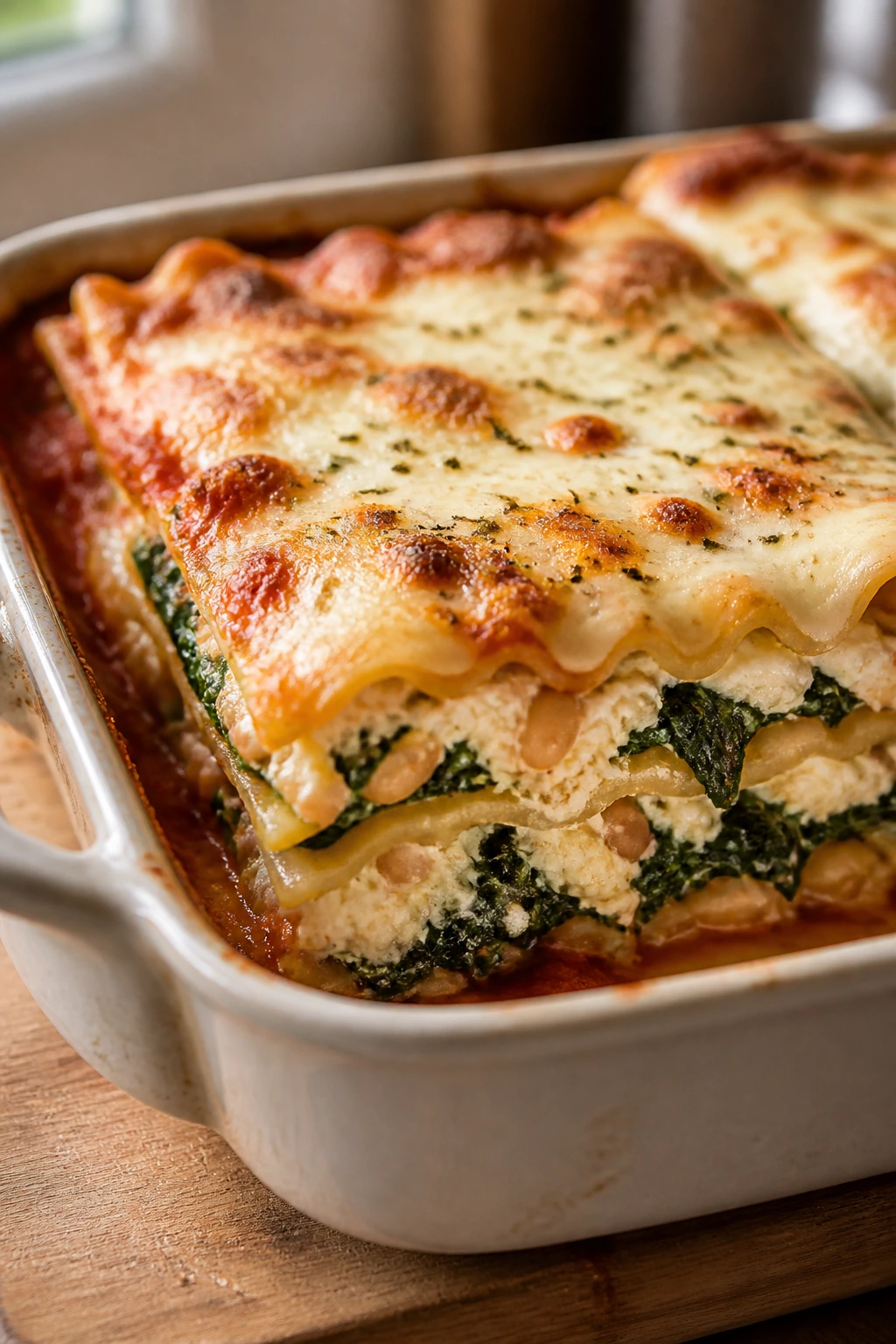
This is the vegetarian lasagna I make when I want something creamy without leaning on meat. White beans bring body, spinach gives the middle some color, and the ricotta keeps each square soft and rich. It freezes in a way that feels almost suspiciously neat for a baked pasta.
Why It Works: Lasagna is one of the strongest freezer meals because the layers protect each other. Beans add protein and a soft, substantial texture, while marinara keeps the noodles from drying out. Spinach helps the filling feel more alive than a plain cheese lasagna, and the whole thing slices well if you let it rest before packing it away.
Key Ingredients:
- 9 lasagna noodles, cooked or no-boil
- 2 cans white beans, drained and lightly mashed
- 10 ounces frozen spinach, thawed and squeezed dry
- 15 ounces ricotta
- 2 cups shredded mozzarella
- 1/2 cup grated Parmesan
- 1 egg
- 3 cups marinara sauce
- 2 garlic cloves, minced
- 1 teaspoon Italian seasoning
- 1 teaspoon salt
Quick Steps:
- Heat the oven to 375°F and grease a 9×13-inch baking dish.
- Mix the white beans, spinach, ricotta, egg, Parmesan, garlic, Italian seasoning, and salt.
- Spread 1 cup marinara in the bottom of the dish.
- Layer noodles, bean filling, sauce, and mozzarella, repeating until you finish with sauce and cheese on top.
- Cover with foil and bake for 35 minutes. Uncover and bake 10 to 15 minutes more, until bubbling.
- Rest for 15 minutes before slicing. That rest is not optional if you want the layers to stay put.
- Freeze in squares or as a whole pan, depending on how you eat during the week.
Tips and Variations:
- No-boil noodles make freezing easier because they absorb sauce during baking.
- Add chopped mushrooms if you want a deeper, earthier filling.
- A little lemon zest in the ricotta wakes up the whole pan.
15. Classic Beef Stew with Potatoes and Carrots
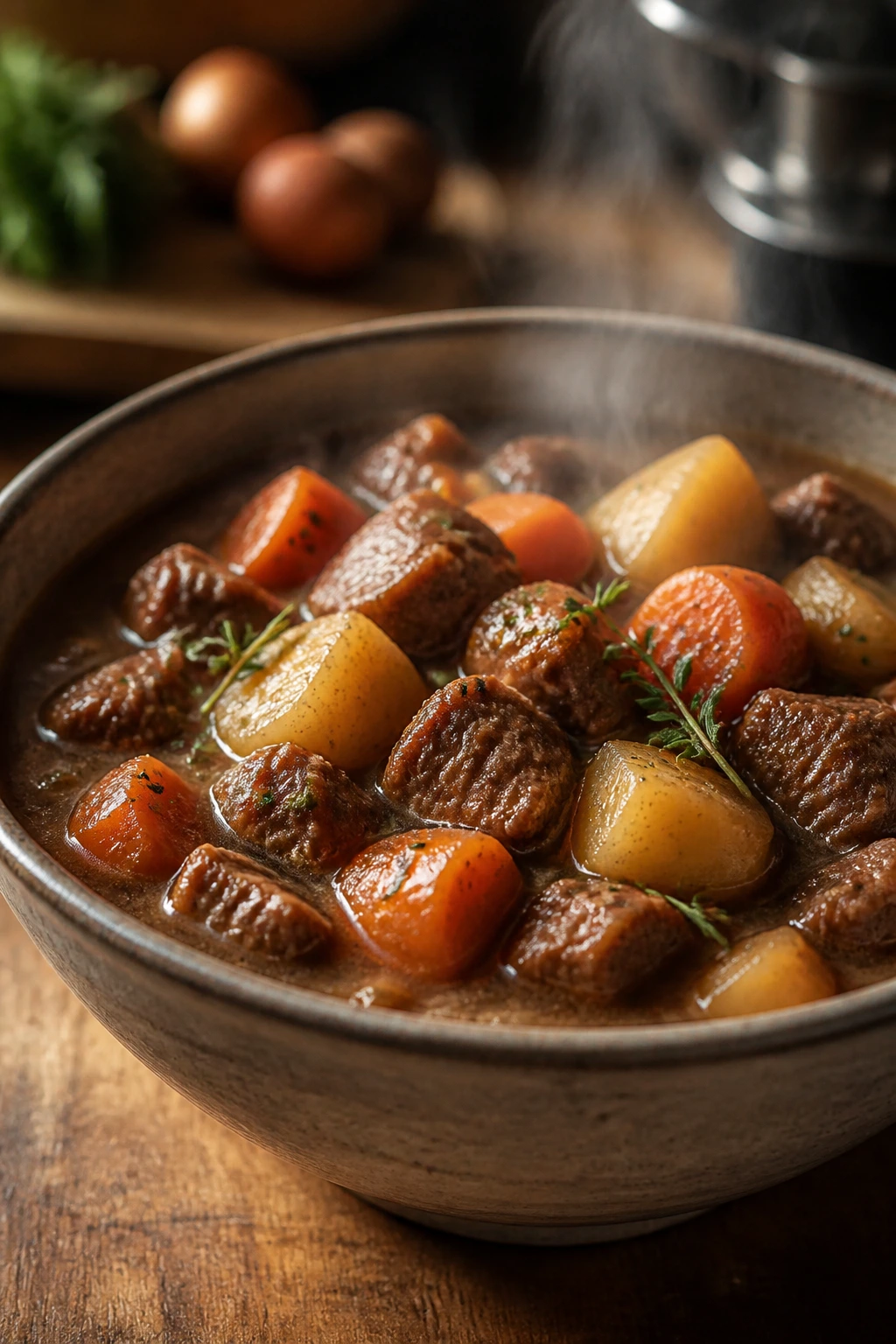
Beef stew is the freezer meal that makes the rest of the freezer feel like it’s trying. It is rich, deep, and built from ingredients that were practically invented to survive a cold night and a slow reheat. The potatoes and carrots soak up the broth, the beef turns tender, and the kitchen smells like the kind of dinner people remember.
Why It Works: Braises are freezer royalty because the long cooking time turns tougher cuts into something soft and spoonable. Chuck roast has enough connective tissue to become tender without drying out, and the broth tightens up nicely after thawing. If you cut the vegetables large enough, they keep their shape instead of dissolving into the sauce.
Key Ingredients:
- 2 pounds chuck roast, cut into 1 1/2-inch pieces
- 3 tablespoons flour
- 1 teaspoon salt
- 1 teaspoon black pepper
- 2 tablespoons olive oil
- 1 onion, chopped
- 3 carrots, cut into thick chunks
- 3 potatoes, cut into chunks
- 2 tablespoons tomato paste
- 4 cups beef broth
- 1 cup dry red wine, optional
- 2 bay leaves
- 1 teaspoon dried thyme
- 1 cup frozen peas
Quick Steps:
- Toss the beef with flour, salt, and pepper.
- Brown the beef in batches in a heavy pot over medium-high heat, about 3 minutes per side.
- Add the onion and cook for 4 minutes, then stir in the tomato paste for 1 minute.
- Pour in the broth and wine, scrape up the browned bits, and add the bay leaves and thyme.
- Simmer covered for 1 hour, then add the carrots and potatoes. Cook 45 minutes more, until the beef is tender and the vegetables are soft but not mushy.
- Stir in the peas for the last 5 minutes.
- Cool completely before freezing. Stew tastes better after it rests, but it needs to cool first or the freezer turns it into one giant block.
Tips and Variations:
- If you want firmer potatoes after reheating, use waxy potatoes and cut them larger.
- A spoonful of mustard stirred in at the end adds a sharp, useful edge.
- Serve with crusty bread or over mashed potatoes if you want to stretch it.
What Makes a Freezer Meal Actually Work
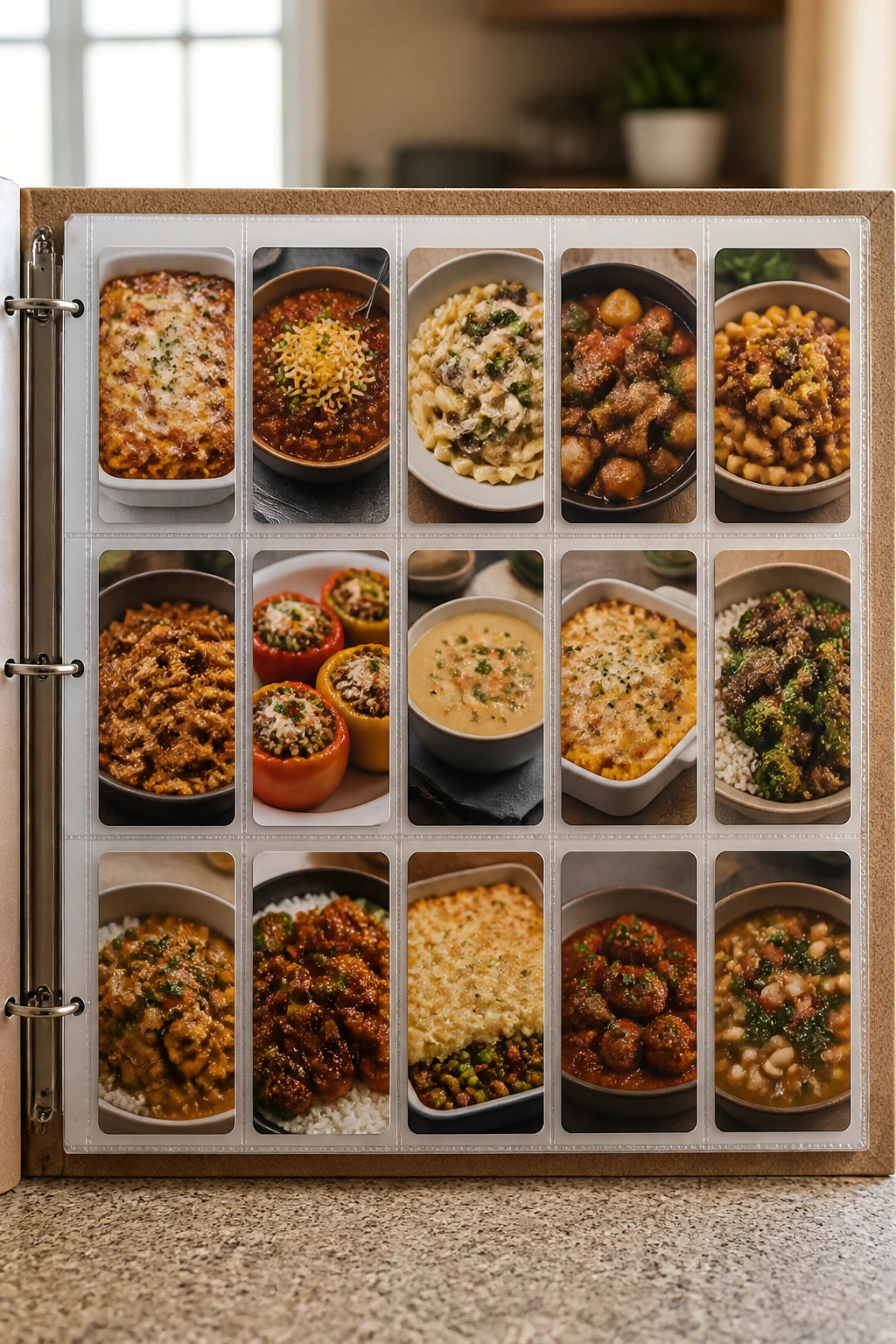
The freezer is not magical. It pauses food quality; it does not rescue bad cooking. The meals that shine here are the ones with some built-in protection: enough sauce to keep starches from drying out, enough fat to carry flavor through reheating, and enough structure that the dish still looks like dinner when it comes back out.
That is why chilis, stews, casseroles, meatballs, and braises keep showing up on real freezer lists. They are forgiving. A tomato base can handle the cold. Beans, lentils, and meatballs keep their shape. Pasta needs extra sauce, but it can work. Rice can work, too, if you cool it quickly and do not crush it into a brick while packing.
I am fond of meals that stay useful in more than one form. A pan of baked ziti can become lunch. Chili can top baked potatoes. Meatballs can go in sandwiches. That kind of flexibility is what makes a freezer worth the space it takes up.
Essential Equipment for These Recipes
- Large skillet or sauté pan: Useful for browning meat, softening vegetables, and reducing sauces before freezing.
- Dutch oven or heavy soup pot: Best for stews, chili, curry, and soup because it holds heat evenly and handles long simmering.
- 9×13-inch baking dish: The workhorse for casseroles, lasagna, baked ziti, and shepherd’s pie.
- Sheet pan: Handy for baking meatballs evenly before they go into sauce or the freezer.
- Mixing bowls: One medium and one large bowl cover most prep jobs without crowding the counter.
- Measuring cups and spoons: Worth using even for familiar recipes; freezer meals are easier to repeat when the ratios stay steady.
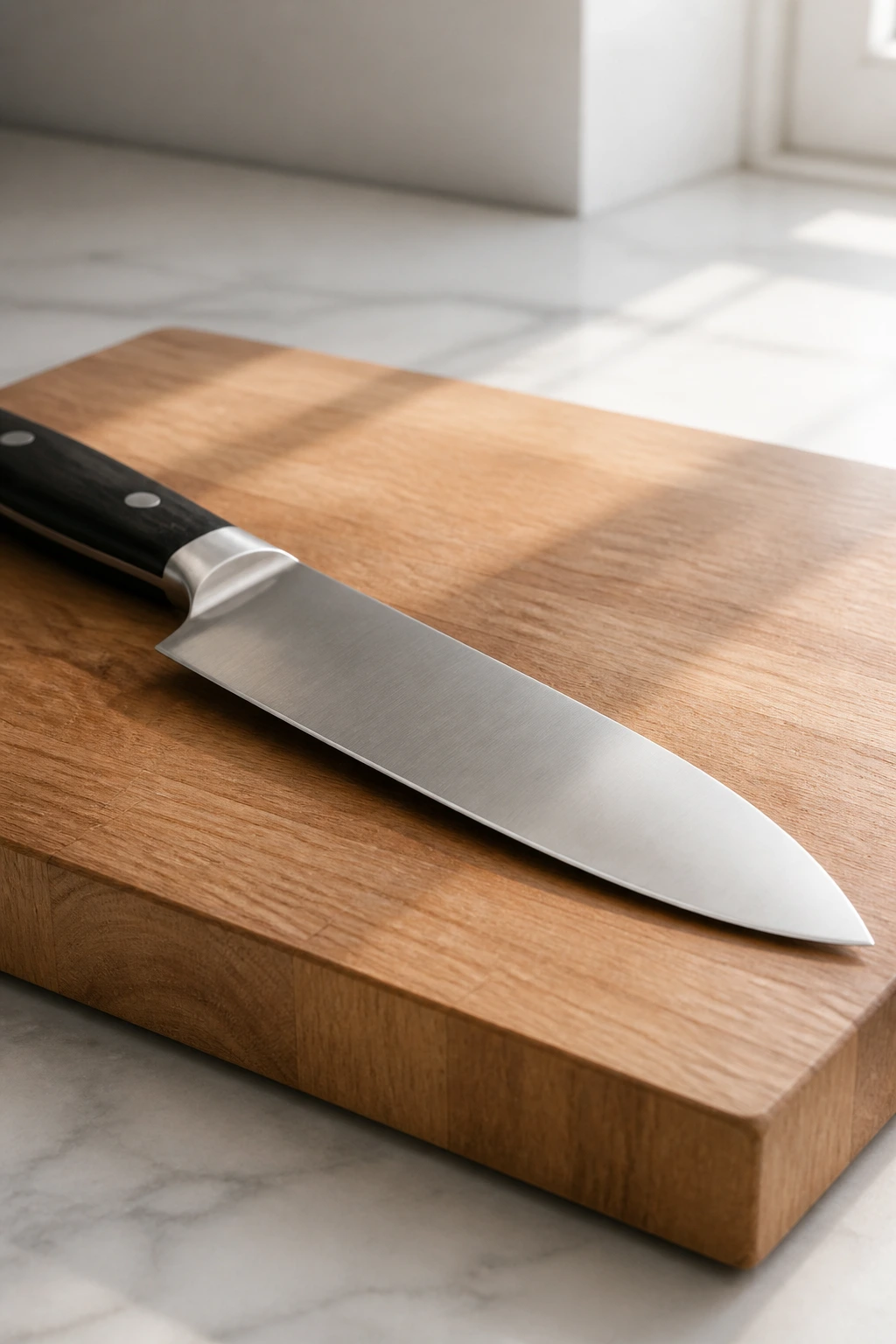
- Sharp chef’s knife and cutting board: Good knife work keeps vegetables cooking at the same pace, which matters in casseroles and soups.
- Foil pans or freezer-safe containers: Foil pans are easy for make-ahead casseroles, while rigid containers work better for soups and stews.
- Freezer bags: Great for chili, curry, and shredded fillings when you want flat, stackable storage.
- Labels and a marker: Write the dish name and date every time. A mystery container is not a plan.
Smart Shopping and Ingredient Tips
The best freezer meals start before the stove turns on. Pick ingredients that already know how to behave under heat and cold. Chuck roast, chicken thighs, ground turkey, and sausage all handle freezing better than lean cuts that dry out fast. For pasta bakes, choose a short shape with ridges or tubes; those edges hold sauce better after reheating. Penne, rigatoni, and ziti are better bets than long noodles if the dish is going into the freezer.
Tomato-based sauces are usually safer territory than cream-heavy ones. Cream can work, but it tends to need gentler reheating and sometimes a little extra whisking after thawing. Coconut milk is easier to trust than dairy in that respect. For soups, freeze the broth base and add cream after reheating if you want the smoothest result.
Fresh vegetables need a bit of judgment. Onions, carrots, celery, peppers, mushrooms, and cooked greens freeze well. Watery vegetables, raw zucchini, and crisp salad greens do not. If you want to include spinach or broccoli, blanching first helps them keep color and texture. And if a recipe uses cheese, buy block cheese and grate it yourself when possible; pre-shredded cheese has anti-caking agents that can change how it melts.
A final note that saves money and food: plan around overlap. A bag of onions can feed chili, stew, pasta sauce, and curry in the same week. One rotation of freezer dinners gets easier when the grocery cart starts behaving like it has memory.
How to Serve These Recipes
Presentation: Serve casseroles and bakes in squares or wide spoonfuls, then finish with something fresh on top — chopped herbs, a dusting of Parmesan, a squeeze of lime, or a little cracked pepper. Soup and chili look better in warm bowls than in deep ones, and a small bowl of sour cream or yogurt on the side gives people a way to customize.
Accompaniments: Garlic bread, simple green salads, roasted broccoli, coleslaw, cornbread, and steamed rice are the most useful supporting players here. Chili wants bread or baked potatoes. Curry wants rice or naan. Lasagna and ziti like salad and something crisp. Stew does best with crusty bread for soaking.
Portions: Most of these recipes feed 4 to 6 adults, but the practical freezer trick is portioning them in 1- or 2-serving containers. That makes leftovers usable instead of awkward. If you’re feeding a bigger household, double the casseroles and stews before you freeze; if you cook for one, divide everything before it ever hits the freezer shelf.
Beverage Pairing: A cold lager works with chili and enchiladas, sparkling water with lime handles almost everything, and unsweetened iced tea sits nicely beside tomato-based dinners. For richer dishes like shepherd’s pie or meatloaf, a dry red wine or a dark nonalcoholic beer fits the mood.
Additional Tips and Flavor Boosters
Flavor Enhancement: A finishing acid changes frozen food more than people expect. Vinegar, lemon juice, lime juice, or even a little pickle brine can make reheated chili, curry, or stew taste alive again instead of muted.
Customization: Build one or two freezer meals with a mild base and add heat later. Chili crisp, hot sauce, sliced jalapeños, and red pepper flakes are easy table-side upgrades that let every eater steer their own bowl.
Serving Suggestions: Keep a small stash of garnish-style add-ons in the fridge or freezer: chopped parsley, cilantro, scallions, grated cheese, and breadcrumbs toasted in butter. They take less than a minute and stop a reheated dinner from feeling flat.
Make-It-Yours: If you cook for someone gluten-free, use cornstarch instead of flour for thickening and choose certified gluten-free pasta or rice. For dairy-free meals, coconut milk, olive oil mashed potatoes, and skipped cheese can work better than trying to force a direct swap in every recipe.
Make-Ahead, Storage, and Reheating Guidance
Most of these dinners keep well in the fridge for 3 to 4 days and in the freezer for about 2 to 3 months with good texture. Hearty stews, chili, and braises can stretch a little longer in quality if they are well wrapped and kept at a steady 0°F (-18°C), but flavor is best in the first few months. Pasta bakes and mashed potato toppings are usually happiest in that shorter window.
Cooling matters more than people think. Let hot food come down until it is no longer steaming hard before freezing, and spread it in shallow containers when you can. Thick soups and sauces freeze faster and reheat more evenly when they are packed in flat bags or shallow tubs. Label every container with the dish name, portion size, and date. That tiny habit saves a ridiculous amount of guesswork later.
For reheating, use the method that fits the shape of the meal. Casseroles and lasagnas do well in a 350°F oven, covered with foil at first so the top does not dry out. Soups, chili, curry, and stew reheat gently on the stovetop over medium-low heat, with a splash of broth or water if needed. Microwave single portions in 1-minute bursts, stirring between rounds so the center does not stay cold while the edges overcook.
A few dishes are better thawed overnight in the fridge, especially pasta bakes and layered casseroles. Others can go from frozen to heated with a little patience. The difference is usually texture, not safety. If a meal looks dry after reheating, add liquid in small spoonfuls. If it looks loose, give it a few more minutes uncovered. That kind of correction is normal.
Variations and Adaptations to Try
Vegetarian Swap Pack: Lentil bolognese, white bean lasagna, coconut chickpea curry, and burrito bowls already give you a strong meatless lineup. If you want more protein, add extra beans or use a meatless ground with enough seasoning to stand up to freezing.
Dairy-Light Freezer Meals: Chili, stew, curry, and teriyaki chicken all work without much dairy at all. For casseroles, use less cheese on top and lean harder on sauce or tomato base so the meal still feels complete after reheating.
Lower-Sodium Pantry Batch: Choose no-salt-added tomatoes and low-sodium broth, then season in layers with garlic, herbs, citrus, and a little vinegar. Freezer meals usually taste better when the salt is adjusted after reheating anyway, because cold dulls flavor.
Spice-Level Control: Build the base mild and let people add heat at the table. That works especially well for enchilada casserole, chili, curry, and teriyaki bowls. A little hot sauce on the side is easier than trying to rescue a pan that got too spicy.
Family-Size to Solo-Serve: Casseroles freeze well in small foil pans, and soups, chili, and curry divide nicely into single portions. If you mostly cook for one, freeze meals flat in 1- or 2-cup amounts and stack them upright once they’re solid.
Gluten-Free Changes: Use rice, potatoes, corn tortillas, or certified gluten-free pasta where needed, and swap flour thickeners for cornstarch or a rice-flour slurry. The flavor rarely suffers. The trick is keeping the sauce generous enough that the alternate starch does not dry out.
Common Mistakes to Avoid
Freezing Food Too Wet: Soupy fillings turn icy, then sloppy. If a casserole, stew, or pasta bake looks loose in the pan, simmer it a little longer before freezing so it thickens properly.
Using the Wrong Pasta Shape: Thin noodles break down fast. Short, ridged pasta holds sauce better and gives you a better reheated texture.
Skipping the Cool-Down: Hot food in a closed container builds steam, and steam becomes ice crystals. That leads to mushy vegetables, broken sauces, and freezer burn on the top layer.
Packing Everything in One Huge Block: Big, dense containers thaw unevenly. Portion meals into smaller containers or flat bags when possible so they chill and reheat at the same pace.
Overcooking During Reheat: This is the fastest way to ruin a good freezer meal. Warm gently, stir when needed, and stop as soon as the center is hot and the edges are bubbling.
Forgetting the Finish: Frozen food often needs a brightener. Lemon juice, vinegar, fresh herbs, a little cheese, or a spoonful of yogurt can make the difference between “fine” and “I should make this again.”
Questions People Ask Before Filling the Freezer
Which freezer dinners hold their texture the best?
Chili, stew, meatballs in sauce, curry, and braises usually come back with the least drama. They have enough moisture and structure to survive thawing without turning grainy or dry.
Can I freeze pasta dishes without them getting mushy?
Yes, but undercook the pasta by 2 minutes and use plenty of sauce. Short pasta like ziti, penne, and rigatoni usually reheats better than long noodles.
Should I freeze meals in glass or plastic containers?
Both work if they are freezer-safe. Glass is nice for reheating and makes it easy to see what’s inside, while plastic tubs and freezer bags are easier for stacking and flat storage.
Do I have to thaw freezer meals before reheating?
Not always. Soups, chili, and curry can reheat from frozen if you give them more time on low heat. Casseroles and lasagnas are usually easier if thawed overnight so the center heats evenly.
How do I keep rice from turning gummy?
Cool it quickly, spread it out before packing, and do not overpack the container. A little splash of water during reheating helps loosen the grains without making them soggy.
Can I freeze meals with dairy in them?
Some can, but dairy-heavy sauces can separate. Coconut milk is more forgiving than cream, and cheese usually behaves better in baked dishes than in loose sauces.
What if my freezer meal tastes bland after reheating?
Add salt in small amounts, then finish with acid. A squeeze of lemon, a splash of vinegar, or a spoonful of salsa can wake up the whole dish fast.
How far ahead can I make these?
For best texture, aim for 2 to 3 months in the freezer. They are still safe beyond that if frozen solid, but the texture and flavor start to fade, especially in pasta and potato dishes.
Stock the Freezer, Save the Week
A freezer stocked with real dinners changes the shape of a week. It does not make every night peaceful, but it cuts out a huge amount of friction. That matters. When dinner is already handled, you get your evening back in small but useful pieces.
The best part is that these meals are not fussy. They lean on sturdy ingredients, honest seasoning, and methods that make sense for batch cooking. A little sauce, a little planning, a little restraint with the freezer bag seal — that’s enough to build a system that actually gets used.
Recipe Collection Quick Reference Table
| Recipe | Prep Time | Cook Time | Total Time | Servings | Standout Detail |
|---|---|---|---|---|---|
| Slow Cooker Beef and Bean Chili | 20 min | 6 hr | 6 hr 20 min | 6 | Deep, smoky flavor after freezing |
| Chicken Enchilada Casserole | 25 min | 35 min | 1 hr | 6 | Layers hold together beautifully |
| Turkey Meatballs in Marinara | 25 min | 25 min | 50 min | 6 | Tender meatballs with a sauce-first freezer plan |
| Baked Ziti with Ricotta | 20 min | 35 min | 55 min | 6 | Extra sauce keeps the pasta soft |
| Shepherd’s Pie with Peas and Carrots | 30 min | 35 min | 1 hr 5 min | 6 | Classic comfort with a sturdy potato cap |
| Creamy Chicken and Wild Rice Soup | 20 min | 55 min | 1 hr 15 min | 6 | Best reheated with dairy added at the end |
| Sausage and Pepper Pasta Bake | 20 min | 30 min | 50 min | 6 | Saucy, hearty, and very freezer-friendly |
| Lentil Bolognese | 15 min | 45 min | 1 hr | 6 | Thick meatless ragù with real staying power |
| Black Bean Burrito Bowls | 25 min | 15 min | 40 min | 4 | Easy single-serve freezer portions |
| Stuffed Bell Pepper Casserole | 20 min | 40 min | 1 hr | 6 | All the flavor, none of the pepper-filling fuss |
| Teriyaki Chicken and Broccoli | 20 min | 25 min | 45 min | 6 | Glossy sauce that reheats well over rice |
| Coconut Chickpea Curry | 15 min | 30 min | 45 min | 6 | Creamy coconut base that freezes well |
| Meatloaf with Garlic Mashed Potato Topping | 30 min | 1 hr | 1 hr 30 min | 6 | A full dinner in one pan |
| White Bean and Spinach Lasagna | 30 min | 55 min | 1 hr 25 min | 8 | Vegetarian layers with a clean slice |
| Classic Beef Stew with Potatoes and Carrots | 25 min | 2 hr 15 min | 2 hr 40 min | 6 | The most reliable freezer braise in the group |