



A pound of ground beef disappears fast if you let it. A hot skillet, a little onion, and the right pantry partners can turn that same pound into a pan of chili, a bubbling casserole, or a soup that eats like a full meal. That’s the difference between dinner that feels thin and dinner that lands with a thud on the table, warm and filling and quietly cheap in the best possible way.
The trick is not to fight the ground beef. Let it be the flavor base, then build around it with beans, rice, pasta, potatoes, cabbage, lentils, or barley. Those ingredients do the heavy lifting. They bring volume, texture, and staying power, while the beef gives the whole dish that savory, browned edge that makes people think you spent more than you did. And because ground beef needs to hit 160°F in the center for food safety, the best versions are built around real browning, a proper simmer, and a little patience.
What I like about these dinners is how ordinary they are. No special shopping trip. No expensive cut of meat pretending to be something fancy. Just honest food that stretches, fills out, and still tastes like a real dinner instead of a compromise. If your fridge holds a pound of ground beef and a few pantry basics, you’re already halfway there.
Why This Collection Earns a Spot in Your Rotation
-
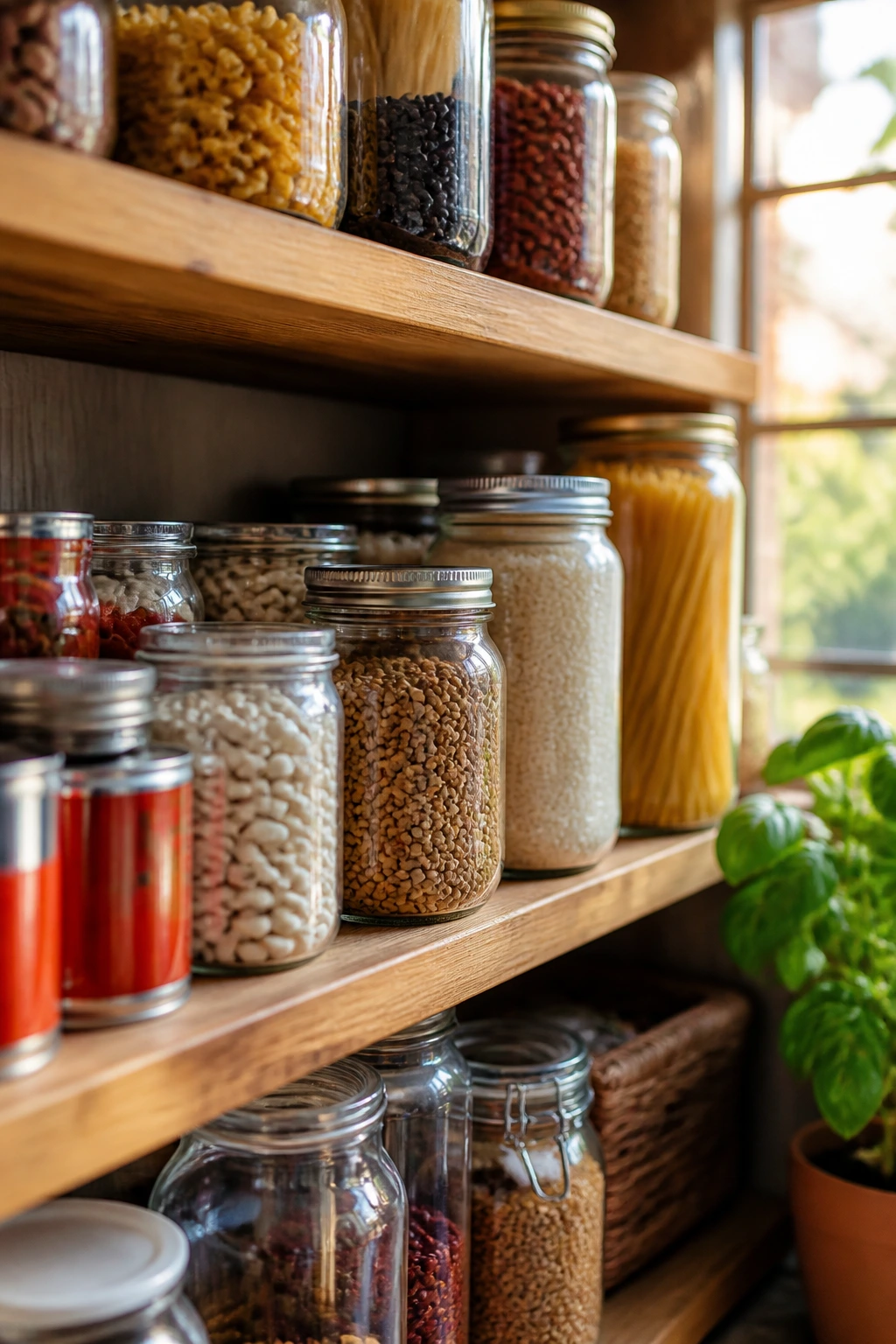
Budget Stretch: Each of these dinners turns 1 pound of ground beef into 4 to 6 generous servings by leaning on beans, grains, potatoes, cabbage, or pasta.
-
Pantry-First Cooking: Canned tomatoes, broth, rice, beans, and dried pasta show up again and again, which means fewer special buys and less waste.
-
Family-Friendly Flavor: The seasoning stays familiar—chili, taco, tomato, mushroom, garlic—so these meals usually land well with kids and adults alike.
-
Leftover Power: Most of these dishes taste even better the next day, especially chili, soup, meat sauce, and cabbage skillet dinners.
-
Flexible by Design: Swap beans, change the grain, skip the cheese, add vegetables, or use what’s already in the house without wrecking the recipe.
-
One Package, Many Paths: A single pound of ground beef can become soup, skillet dinner, casserole, or bowl food depending on what shape your evening needs.
1. Chili That Tastes Bigger Than the Meat
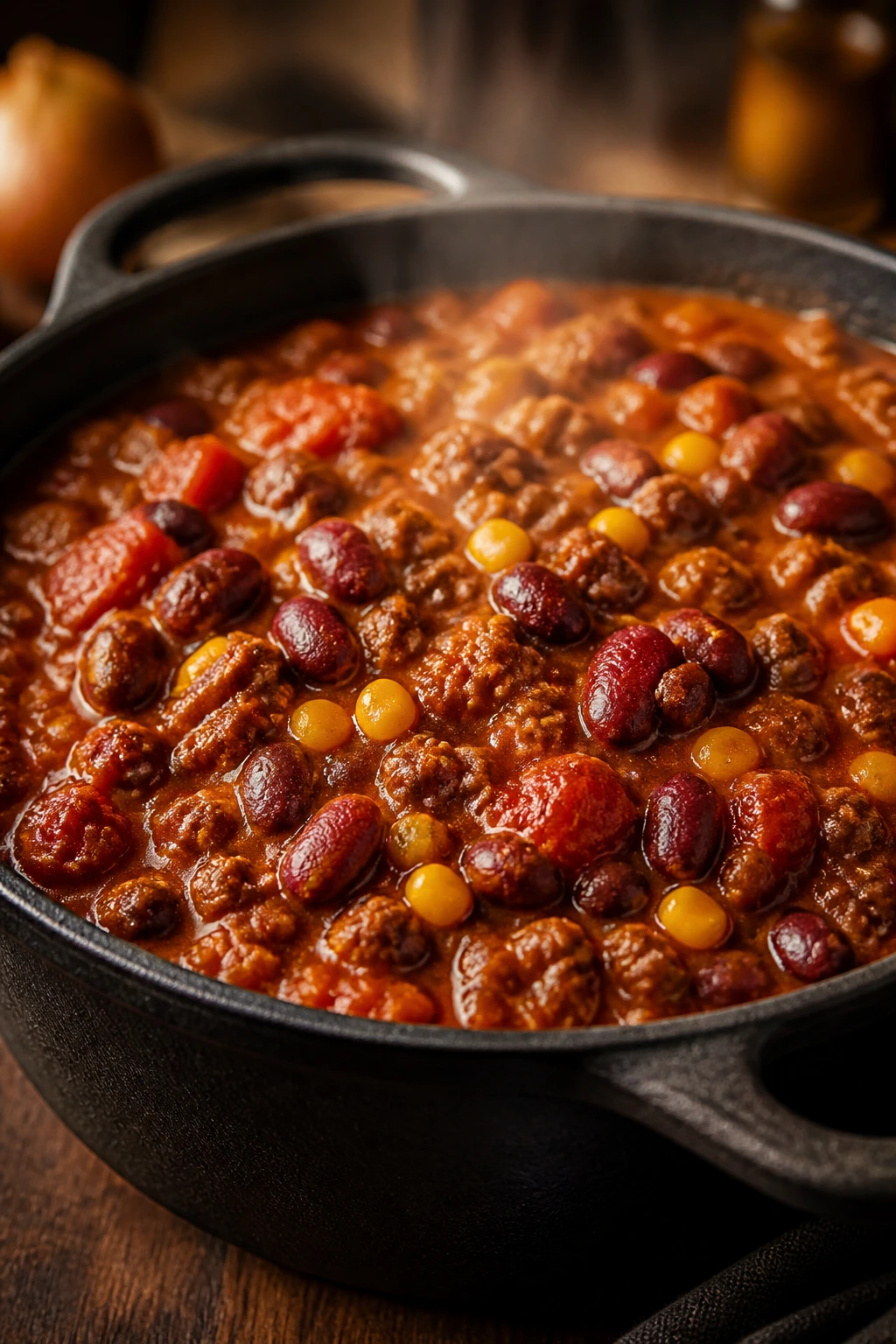
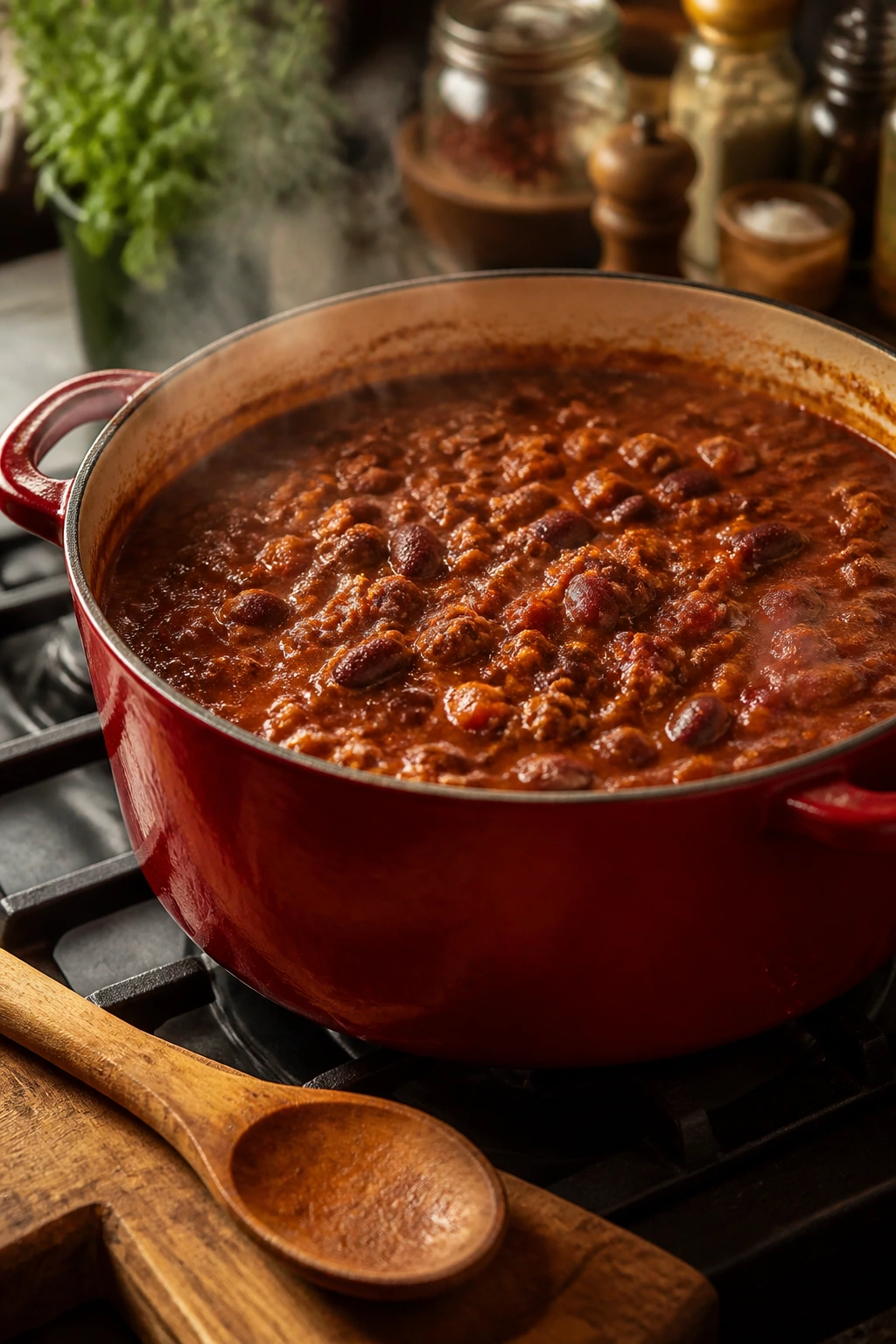
A good pot of chili should look thick enough to hold a spoon upright for a second and smell like smoke, tomato, and toasted spices. This version does that without asking much from your grocery budget. Beans, tomatoes, and a little corn or pepper give the beef room to stretch, and the whole thing settles into that deep, brick-red color that means dinner is about to taste better than it had any right to.
Why It Works
Chili is one of the easiest places to stretch ground beef because the seasoning carries the flavor load. You get enough meat for richness, then the beans bring body and the tomatoes bring acidity, which keeps the dish from tasting heavy. A tablespoon of tomato paste cooked for a minute with the beef makes the whole pot taste darker and fuller. That tiny step matters more than people think.
Key Ingredients
- 1 lb ground beef
- 1 medium yellow onion, diced
- 2 cloves garlic, minced
- 2 tablespoons chili powder
- 1 teaspoon ground cumin
- 1 tablespoon tomato paste
- 1 (28 oz) can crushed tomatoes
- 1 (15 oz) can kidney beans, drained and rinsed
- 1 (15 oz) can black beans, drained and rinsed
- 1 cup beef broth
- 1 cup frozen corn
- Salt and black pepper, to taste
Quick Steps
-
Brown the beef and onion: Heat a large pot over medium-high heat and cook the ground beef with the onion for 6 to 8 minutes, breaking the meat into small crumbles, until the beef is no longer pink and the onions smell sweet.
-
Bloom the spices: Stir in the garlic, chili powder, cumin, and tomato paste. Cook for 1 minute, stirring often, until the tomato paste darkens a shade and the spices smell toasted.
-
Build the pot: Add the crushed tomatoes, beans, broth, and corn. Stir well, scraping up any browned bits from the bottom of the pot.
-
Simmer gently: Bring the chili to a low bubble, then reduce the heat and simmer uncovered for 20 to 25 minutes, stirring now and then, until it thickens and the flavors taste blended.
-
Taste and serve: Season with salt and black pepper. Ladle into bowls and top with shredded cheese, sour cream, or chopped scallions if you want a little extra lift.
Tips and Variations
- Thicker Chili: Simmer it uncovered for the full 25 minutes; the extra evaporation gives you a spoon-coating texture.
- Bean Swap: Pinto beans or chili beans work fine if that’s what’s in the cupboard.
- Serving Idea: Spoon it over rice or baked potatoes when you want the same pot to stretch even farther.
2. A Beef and Rice Skillet That Eats Like Two Dinners
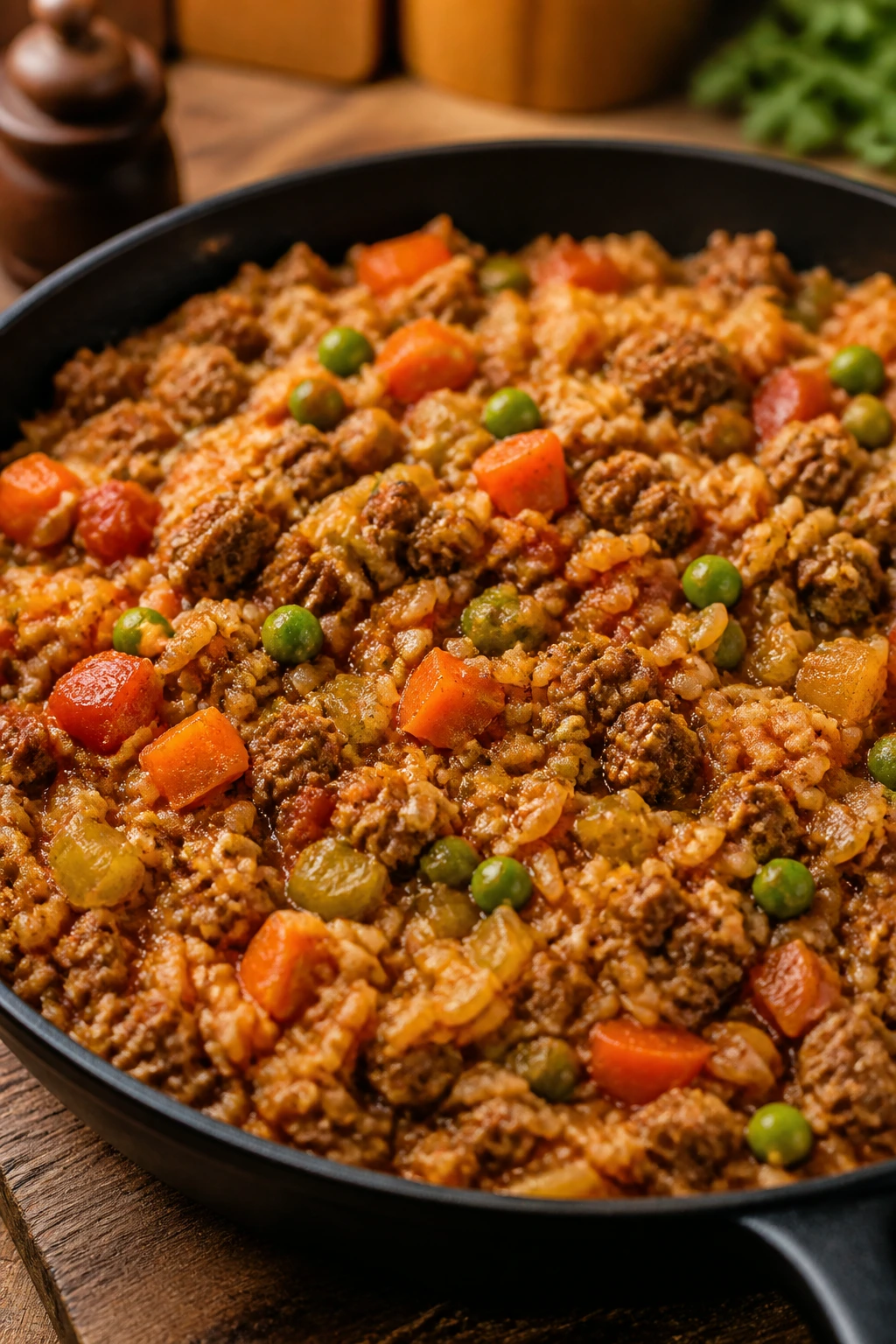
This is the kind of skillet dinner that smells like comfort the moment the rice hits the hot pan. The beef browns, the carrots soften, and the broth disappears into the grains until everything tastes like one unified dish instead of a pile of separate ingredients. It’s humble, filling, and one of my favorite ways to make a pound of ground beef feel like enough for a crowd.
Why It Works
Rice is the quiet hero here. It soaks up every bit of beef drippings, tomato, and broth, which means the flavor gets spread across the whole pan instead of sitting on top. A little celery and carrot add crunch at the beginning and sweetness by the time the rice is done. If you stir in peas at the end, the skillet looks brighter and stretches more without any extra fuss.
Key Ingredients
- 1 lb ground beef
- 1 tablespoon olive oil, if needed
- 1 medium onion, diced
- 1 carrot, diced small
- 1 celery stalk, diced small
- 1 cup long-grain white rice, rinsed
- 1 (14.5 oz) can diced tomatoes
- 2 cups beef broth
- 1 teaspoon paprika
- 1 cup frozen peas
- 2 tablespoons chopped parsley
- Salt and black pepper, to taste
Quick Steps
-
Brown the beef: Warm a deep skillet over medium-high heat and cook the beef for 5 to 7 minutes, breaking it into small pieces, until browned and a little crisp at the edges. Drain excess fat if there’s a lot in the pan.
-
Soften the vegetables: Add the onion, carrot, and celery. Cook for 4 minutes, stirring often, until the onion turns translucent and the carrot starts to lose its raw edge.
-
Toast the rice: Stir in the rinsed rice and paprika, then cook for 30 seconds so the grains get lightly coated with the fat and spices.
-
Add the liquid: Pour in the diced tomatoes and broth. Bring the skillet to a boil, then lower the heat, cover, and simmer for 18 minutes.
-
Finish the texture: Turn off the heat and let the skillet sit, covered, for 5 minutes. Stir in the peas and parsley, then fluff everything with a fork before serving.
Tips and Variations
- Rice Control: Don’t stir constantly once the skillet is covered or the rice can turn gluey on the bottom.
- Veggie Boost: A handful of chopped mushrooms or zucchini disappears nicely into this dish.
- Leftover Move: Add a splash of broth when reheating so the rice loosens back up.
3. Cabbage Roll Skillet with No Fussy Rolling
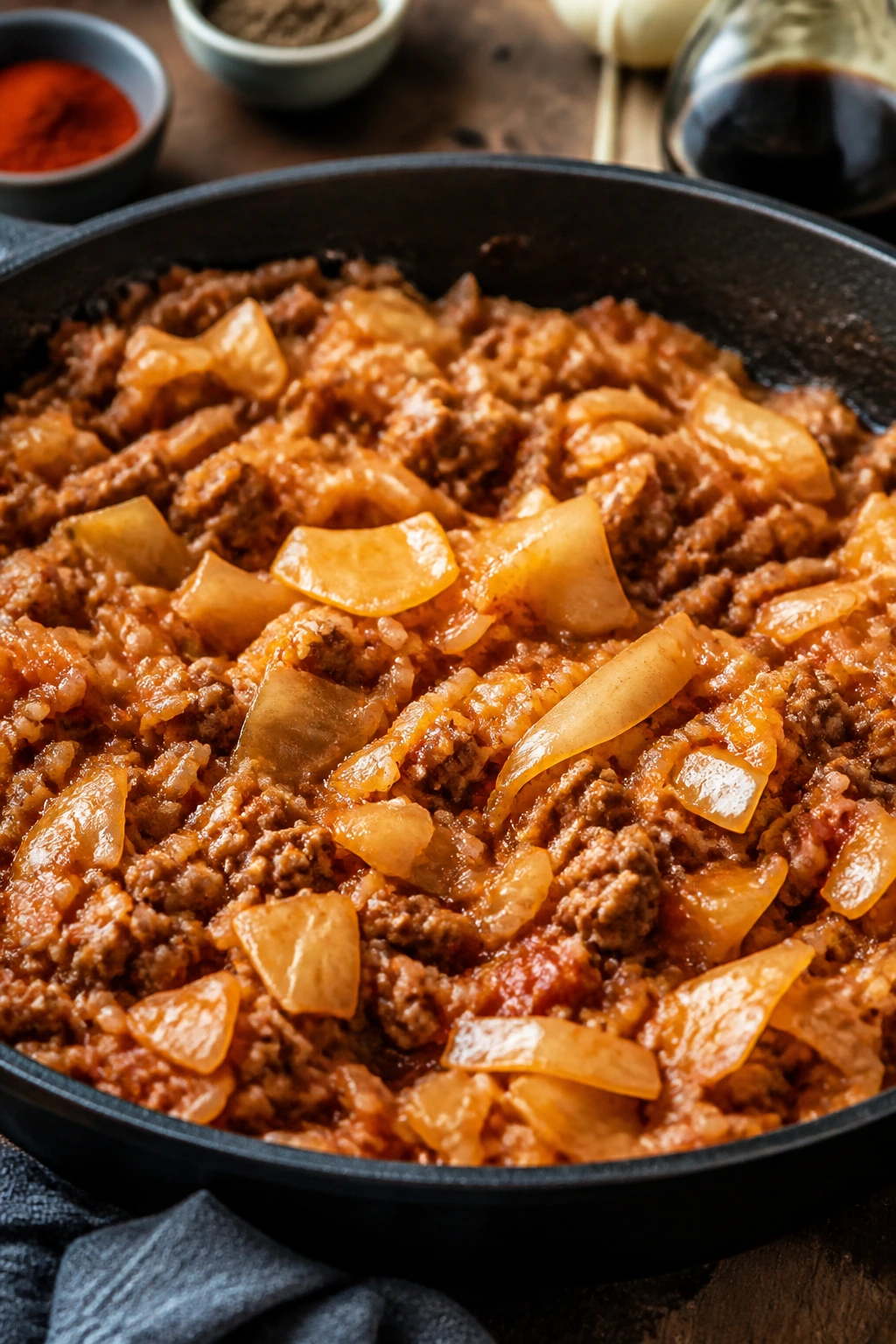
Cabbage rolls taste good, but rolling 12 of them after a long day feels like a joke somebody told in bad faith. This skillet version gives you the same sweet cabbage, tomato, beef, and rice comfort in one pan. The cabbage softens into wide ribbons, the rice takes on the tomato flavor, and the whole thing ends up tasting like old-school supper without the extra work.
Why It Works
Cabbage is cheap, sturdy, and much better at stretching ground beef than most people give it credit for. Once it cooks down, a whole pile shrinks to something silky and tender, and it absorbs the tomato sauce the way rice does. A splash of Worcestershire and a pinch of paprika give the pan that familiar cabbage-roll flavor even though nothing has been rolled, tucked, or fussed over.
Key Ingredients
- 1 lb ground beef
- 1 medium onion, chopped
- 2 cloves garlic, minced
- 1 small head green cabbage, cored and thinly sliced
- 1 cup uncooked long-grain rice
- 1 (15 oz) can tomato sauce
- 1 (14.5 oz) can diced tomatoes
- 2 cups beef broth
- 1 tablespoon Worcestershire sauce
- 1 teaspoon paprika
- Salt and black pepper, to taste
- 2 tablespoons chopped dill or parsley, optional
Quick Steps
-
Cook the beef and onion: Set a large skillet or Dutch oven over medium-high heat and brown the beef with the onion for about 6 minutes until the meat is cooked through and the onion smells sweet.
-
Add garlic and cabbage: Stir in the garlic and sliced cabbage. Cook for 5 to 6 minutes, stirring often, until the cabbage starts to wilt and the edges pick up a little color.
-
Season the pan: Add the rice, tomato sauce, diced tomatoes, broth, Worcestershire, and paprika. Stir well and scrape the bottom of the pan clean.
-
Simmer until tender: Bring everything to a boil, then lower the heat, cover, and cook for 20 minutes. The rice should be tender and the cabbage should collapse into the sauce.
-
Rest and finish: Turn off the heat and let the skillet sit for 5 minutes before fluffing. Taste for salt and finish with dill or parsley if you want a fresher note.
Tips and Variations
- Best Texture: Slice the cabbage thin so it softens at the same pace as the rice.
- Tomato Note: If the sauce tastes sharp, a small pinch of sugar smooths it out.
- Serving Idea: A dollop of sour cream turns this into a creamier, even cozier bowl.
4. Stuffed Pepper Casserole for Busy Nights
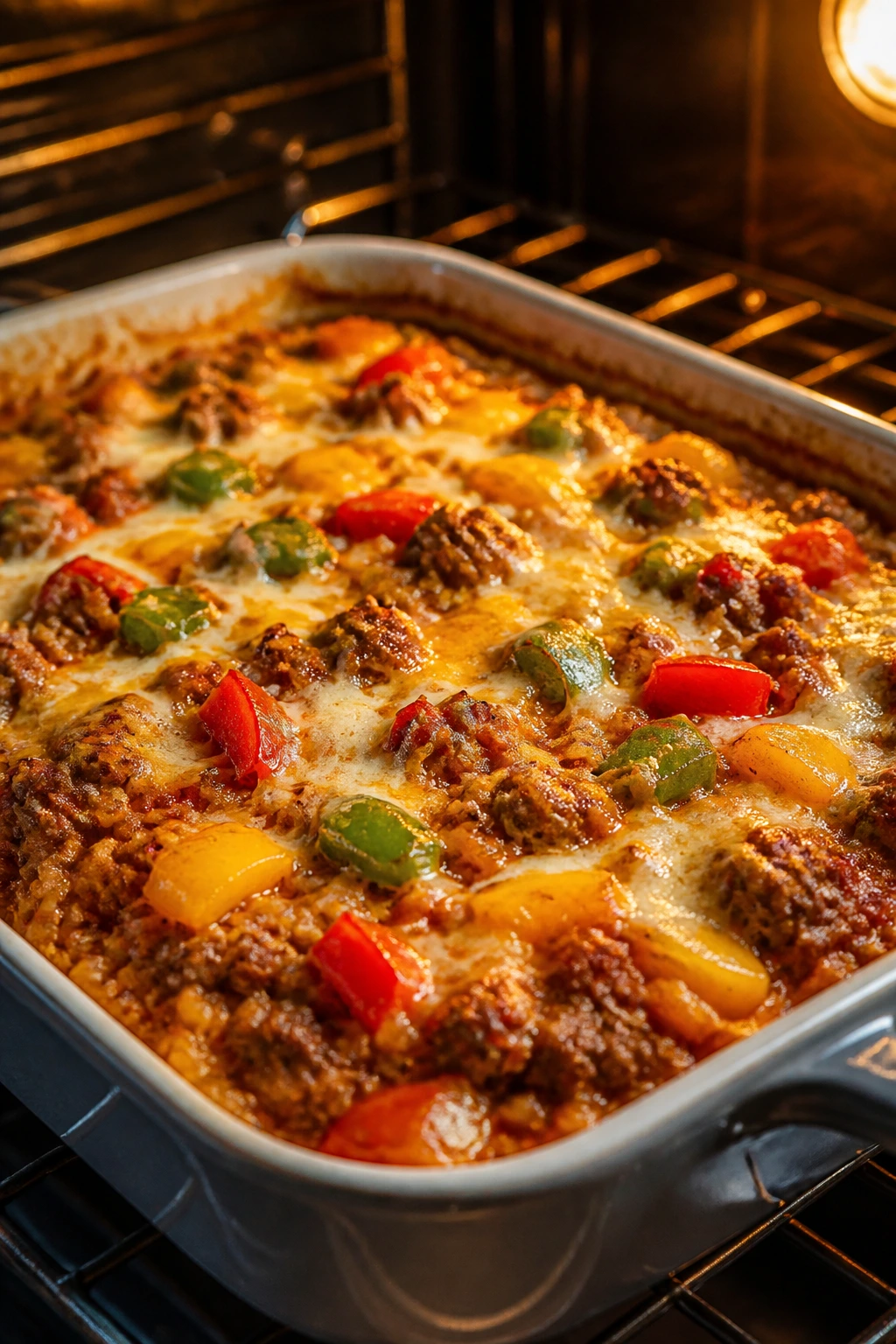
Stuffed peppers can be great, but they ask for a lot of knife work and a lot of patience. This casserole keeps the flavor and drops the drama. You get soft peppers, savory beef, tomato, rice, and melted cheese in neat spoonfuls, with enough substance to feed hungry people without stretching the budget too thin.
Why It Works
Bell peppers are one of the easiest vegetables to use as a built-in extender because they bring sweetness, water, and color without costing much in the grand scheme. When they cook down with beef and rice, the whole casserole feels fuller and more balanced. Baking it covered first lets the rice steam properly, then uncovering it near the end gives the cheese a bronzed top instead of a pale one.
Key Ingredients
- 1 lb ground beef
- 3 bell peppers, diced
- 1 medium onion, diced
- 2 cloves garlic, minced
- 1 cup uncooked white rice
- 1 (15 oz) can diced tomatoes
- 1 (15 oz) can tomato sauce
- 2 cups beef broth
- 1 teaspoon Italian seasoning
- 1½ cups shredded mozzarella or cheddar
- Salt and black pepper, to taste
Quick Steps
-
Brown the beef: Preheat the oven to 375°F and cook the ground beef in a large skillet over medium-high heat for 5 to 7 minutes until browned. Drain off excess fat if needed.
-
Cook the vegetables: Stir in the onion and peppers and cook for 4 minutes until the onion turns translucent and the peppers start to soften. Add the garlic and cook for 30 seconds.
-
Mix the casserole base: Stir in the rice, diced tomatoes, tomato sauce, broth, and Italian seasoning. Season with salt and pepper, then transfer everything to a greased 9×13-inch baking dish.
-
Bake covered: Cover the dish tightly with foil and bake for 35 minutes, until the rice has absorbed most of the liquid.
-
Add the cheese: Remove the foil, sprinkle the cheese over the top, and bake for 8 to 10 minutes more until melted and lightly browned.
-
Rest before serving: Let the casserole sit for 10 minutes so it firms up a little and scoops cleanly.
Tips and Variations
- Pepper Mix: Use any combination of red, yellow, or green peppers; the sweet ones soften a little more.
- Cheese Choice: Cheddar gives a sharper finish, while mozzarella keeps it milder and stretchier.
- Make It Ahead: Assemble the casserole earlier in the day and bake it just before dinner.
5. Sloppy Joe Baked Potatoes with a Crisp Shell
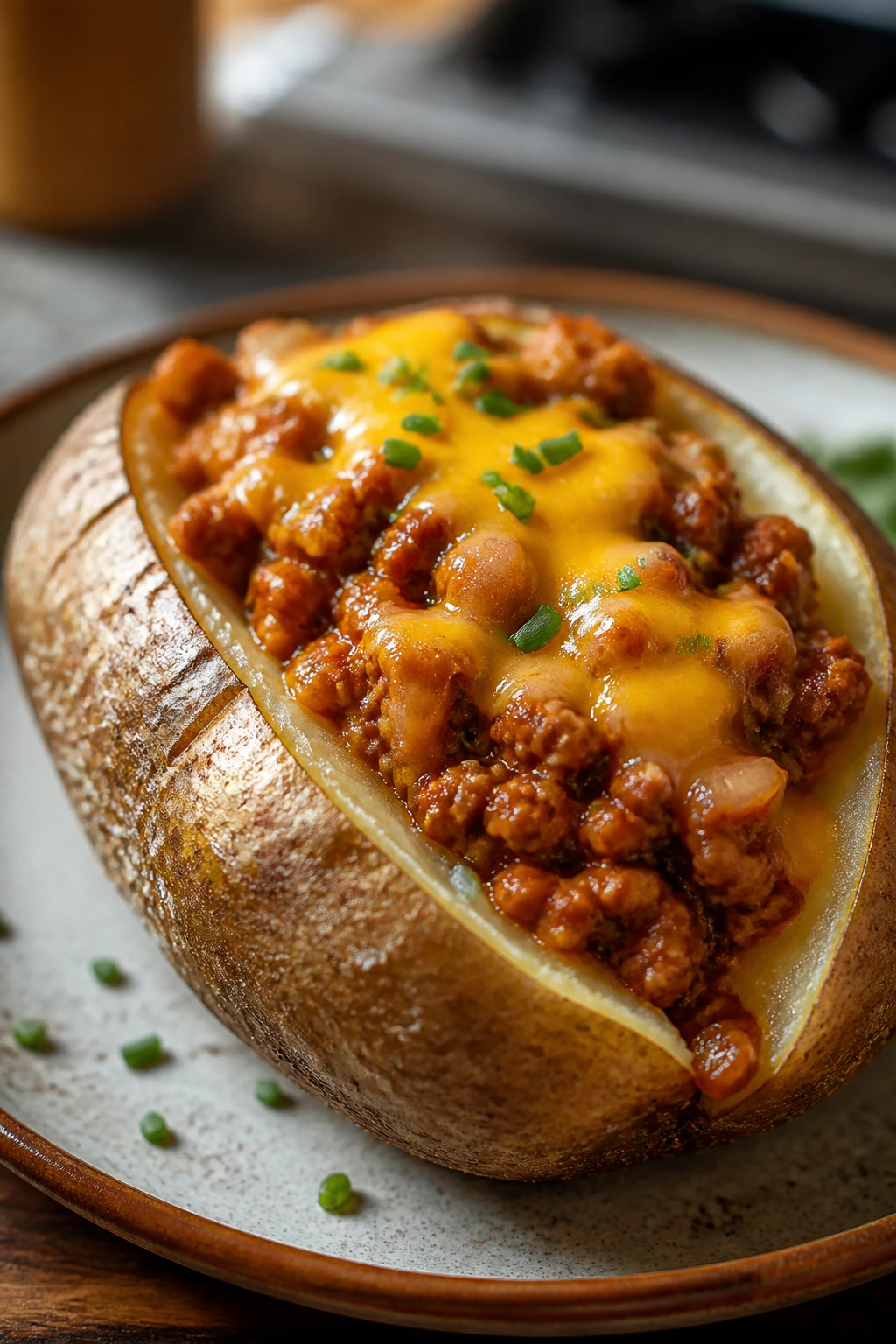
This is the kind of dinner that feels almost unfair to the grocery bill. A baked potato gives you all the bulk you need, and the sloppy joe filling brings the tangy, sweet, tomato-heavy flavor that makes ground beef taste like more than a pound. The skins get crisp, the centers go fluffy, and the whole thing eats like a diner plate with better math.
Why It Works
Potatoes are one of the strongest stretch ingredients around because they don’t fight the beef—they absorb it. The filling only needs to be saucy and bold, while the potato acts as the base. A little Worcestershire, mustard, and tomato paste do a lot of work here, and the contrast between crisp skin and soft potato makes the meal feel fuller than it is.
Key Ingredients
- 4 large russet potatoes, scrubbed
- 1 lb ground beef
- 1 small onion, finely diced
- 2 tablespoons tomato paste
- ½ cup ketchup
- 1 tablespoon yellow mustard
- 1 tablespoon Worcestershire sauce
- 1 teaspoon apple cider vinegar
- 1 teaspoon brown sugar
- Salt and black pepper, to taste
- 1 cup shredded cheddar, optional
- 2 tablespoons chopped chives, optional
Quick Steps
-
Bake the potatoes: Heat the oven to 425°F. Prick the potatoes all over with a fork, rub with a little oil and salt, and bake directly on the rack for 45 to 55 minutes, until the skins are crisp and a knife slides in easily.
-
Cook the beef: While the potatoes bake, brown the ground beef and onion in a skillet over medium-high heat for about 6 minutes, breaking the meat into small crumbles.
-
Build the sauce: Stir in the tomato paste, ketchup, mustard, Worcestershire, vinegar, brown sugar, salt, and pepper. Simmer for 5 to 7 minutes until glossy and thick enough to mound on a spoon.
-
Split the potatoes: Slice each potato open lengthwise and fluff the center with a fork. Season the inside lightly with salt.
-
Top and serve: Spoon the sloppy joe filling over each potato, then add cheese and chives if you like.
Tips and Variations
- Speed Move: Microwave the potatoes for 6 to 8 minutes first, then finish them in the oven to crisp the skins.
- Sauce Balance: If the filling tastes too sweet, a splash more vinegar fixes it fast.
- Extra Stretch: Add a handful of finely chopped celery or shredded carrot to the beef.
6. Spaghetti with a Meat Sauce That Hides Vegetables
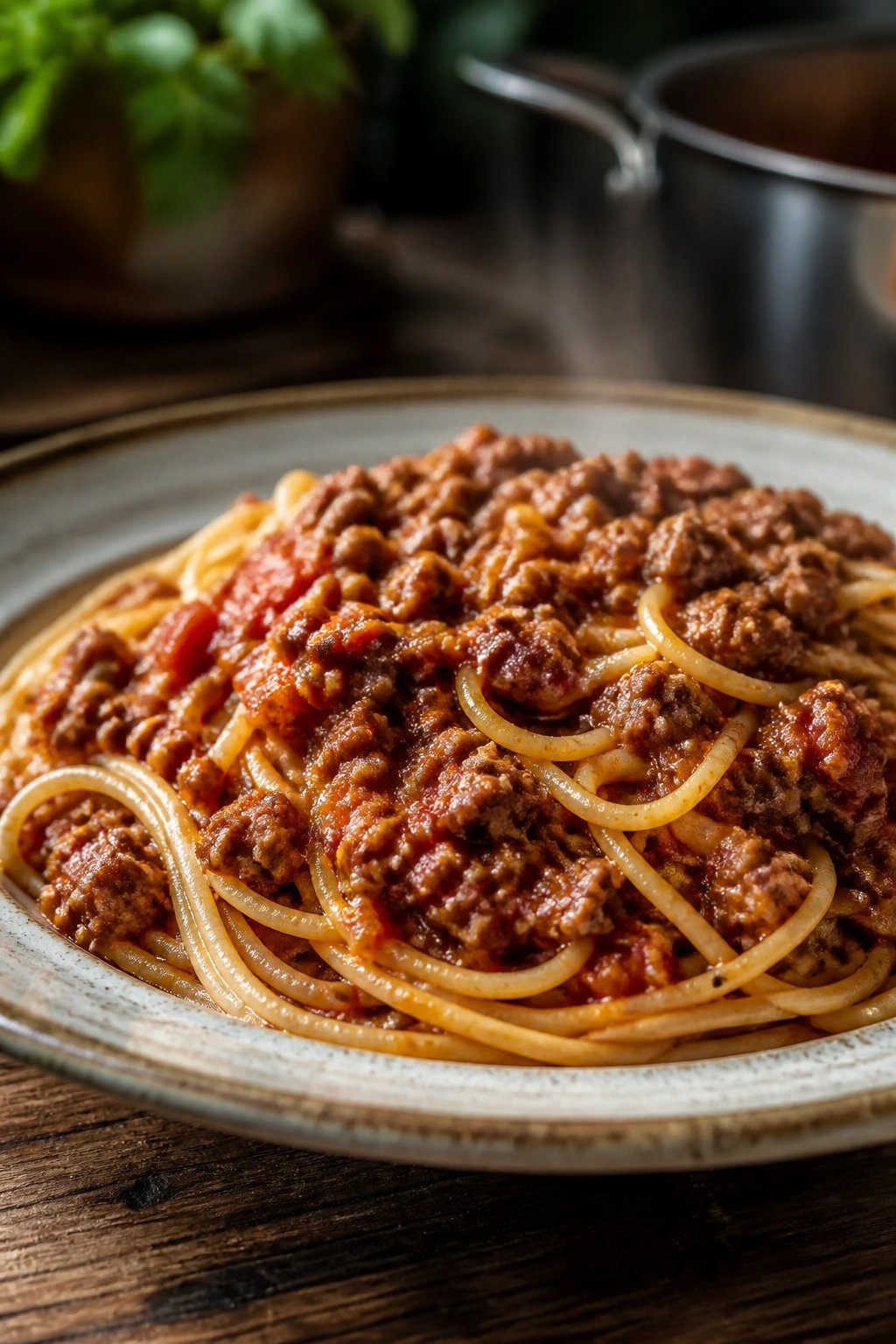
This is the sauce that wins over picky eaters because the vegetables melt into the background instead of standing around announcing themselves. The beef makes it feel substantial, but the carrots, celery, mushrooms, and tomato paste do the real stretching. It’s the sort of pasta dinner that looks simple in the pan and tastes like you fussed over it.
Why It Works
Ground beef plus tomato sauce is already a budget-friendly match, but grating or mincing vegetables into the pan changes the whole feel of the dish. The sauce gets thicker, sweeter, and more layered, which means a pound of beef can coat a full box of spaghetti without looking skimpy. A short simmer is enough to pull everything together; the sauce should turn from bright red to a deeper rust color by the time it’s done.
Key Ingredients
- 1 lb ground beef
- 1 small onion, minced
- 2 carrots, finely diced or grated
- 2 celery stalks, finely diced
- 8 oz mushrooms, finely chopped
- 3 cloves garlic, minced
- 2 tablespoons tomato paste
- 1 (28 oz) can crushed tomatoes
- 1 teaspoon Italian seasoning
- 12 oz spaghetti
- ½ cup reserved pasta water
- ¼ cup grated Parmesan, optional
- Salt and black pepper, to taste
Quick Steps
-
Brown the beef and vegetables: Cook the ground beef, onion, carrots, celery, and mushrooms in a large skillet over medium-high heat for 8 to 10 minutes until the beef browns and the vegetables soften.
-
Add the garlic and tomato paste: Stir in the garlic and tomato paste, then cook for 1 minute until the paste darkens and smells rich.
-
Simmer the sauce: Add the crushed tomatoes, Italian seasoning, salt, and pepper. Lower the heat and simmer uncovered for 15 to 20 minutes, stirring now and then.
-
Cook the spaghetti: While the sauce simmers, boil the pasta in salted water until just shy of al dente. Reserve ½ cup of the pasta water before draining.
-
Bring it together: Toss the spaghetti with the sauce and a splash of reserved pasta water until the sauce clings to the noodles instead of sitting underneath them.
-
Finish: Serve with Parmesan if you want a sharper, saltier top note.
Tips and Variations
- Finely Chopped Matters: The smaller the vegetables, the easier they disappear into the sauce.
- Better Next Day: The flavor deepens overnight, so leftovers are a gift, not an apology.
- Serving Idea: Garlic bread and a simple salad make this feel like a bigger meal without much cost.
7. Cheesy Taco Mac for the Cheap-and-Filling Win
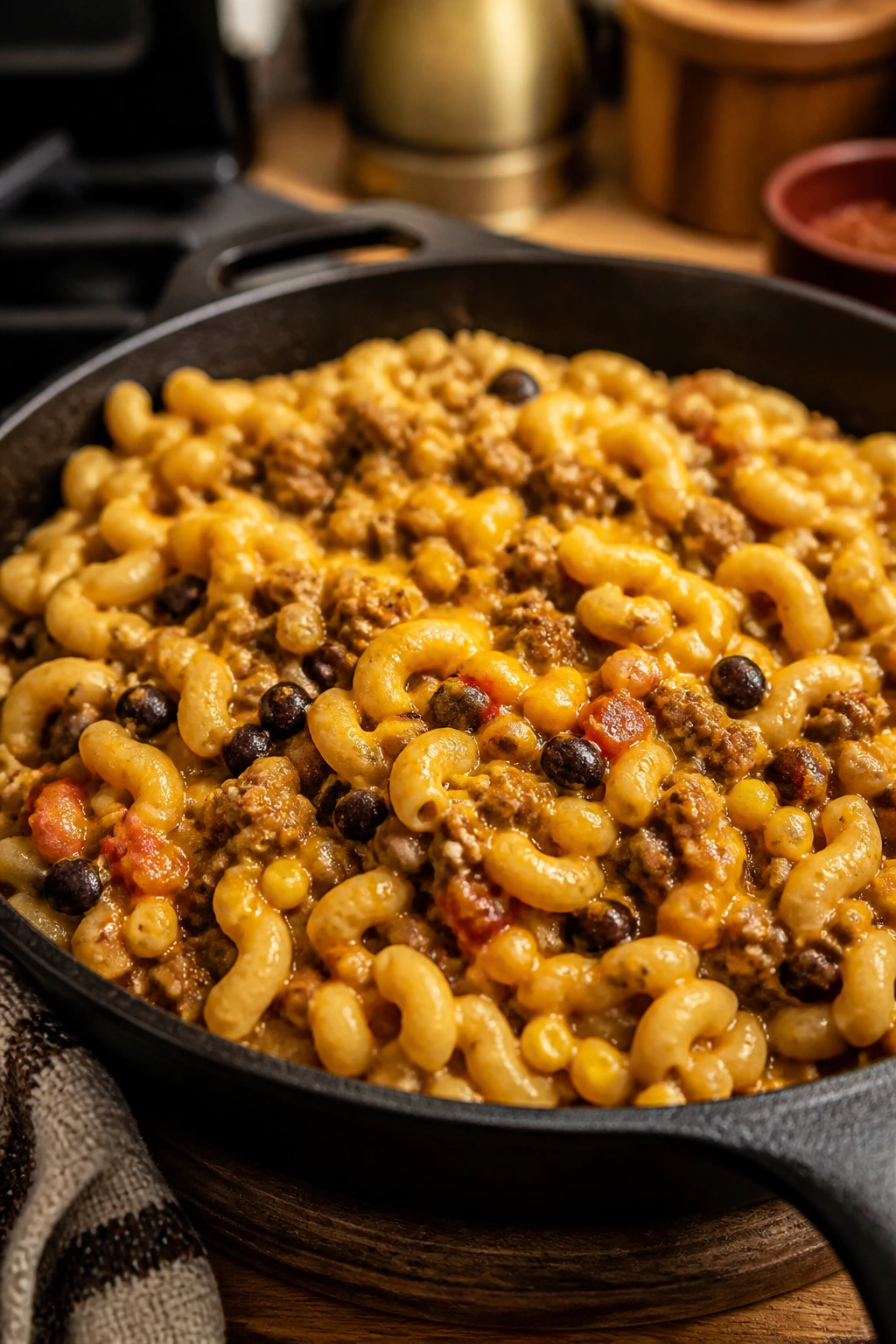
Taco seasoning and elbow macaroni are two budget staples that know how to get along. Put them together with ground beef, beans, and a little cheese, and you get a skillet dinner that lands somewhere between taco night and boxed mac and cheese, only more filling and far less sad. It’s creamy, a little zippy, and loud in exactly the right ways.
Why It Works
Pasta stretches ground beef in a way that feels generous right away, and beans push it even farther. The taco seasoning gives the whole dish a clear identity, so you don’t need a long list of ingredients to make it taste finished. A little salsa or tomato sauce helps the pasta cook in flavor instead of plain water, which matters when you want a cheap meal that still tastes like a real one.
Key Ingredients
- 1 lb ground beef
- 1 small onion, diced
- 2 tablespoons taco seasoning
- 1 cup salsa or tomato sauce
- 2 cups beef broth
- 2 cups elbow macaroni, uncooked
- 1 (15 oz) can black beans, drained and rinsed
- 1 cup frozen corn
- 1½ cups shredded cheddar
- Salt, if needed
Quick Steps
-
Brown the beef: Cook the beef and onion in a deep skillet over medium-high heat for 6 minutes, until the meat is browned and the onion turns soft.
-
Season the pan: Stir in the taco seasoning and cook for 30 seconds so the spices hit the hot fat.
-
Add pasta and liquid: Pour in the salsa and broth, then stir in the macaroni. Bring to a boil, lower the heat, cover, and simmer for 10 minutes, stirring once halfway through.
-
Add the beans and corn: Stir in the beans and corn and cook uncovered for 2 to 3 minutes until the pasta is tender and the liquid has thickened.
-
Melt the cheese: Turn off the heat, sprinkle the cheddar over the top, cover for 1 minute, then stir or leave it in a gooey blanket.
-
Serve right away: Scoop into bowls while it’s still steaming and stretchy.
Tips and Variations
- Heat Level: Use mild salsa for kids and a spicier one for adults.
- Pasta Watch: Keep an eye on the skillet near the end; overcooked elbows go soft fast.
- Top It: A spoonful of sour cream or chopped lettuce gives it a taco-stand feel.
8. Shepherd’s Pie with Lentils Under the Mash
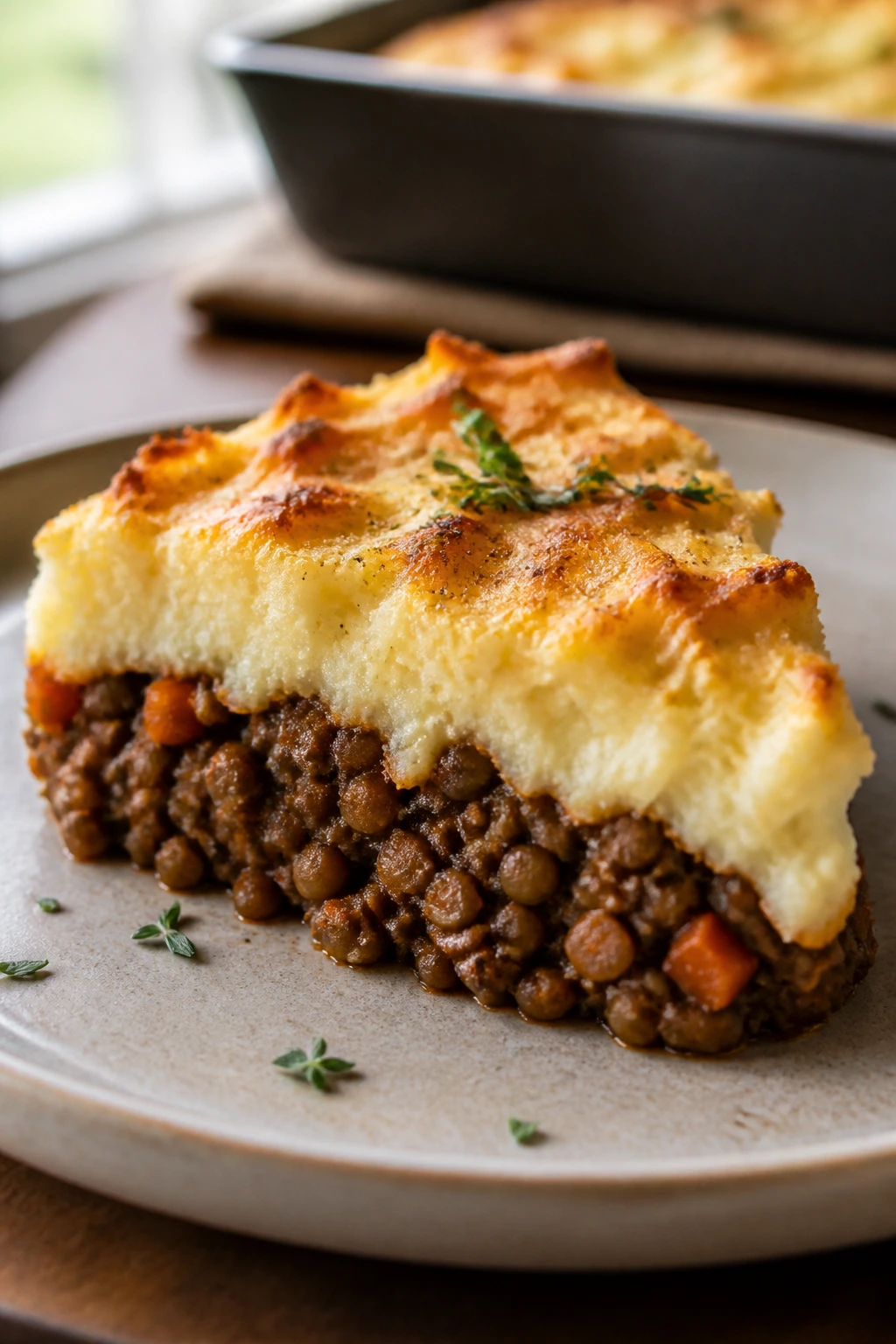
Shepherd’s pie is one of those dinners that looks like a project but behaves like a sensible one once you get the rhythm. The mashed potatoes on top make it feel generous, while the beef and lentils underneath carry the flavor and bulk. I like this version because the lentils don’t read as filler; they read as texture, which is a much better job.
Why It Works
A little ground beef mixed with lentils gives you the savory taste people want from shepherd’s pie without requiring a huge amount of meat. Lentils hold their shape, soak up the gravy, and make the filling feel thick instead of soupy. If you use Yukon Gold potatoes for the mash, the top bakes up creamy with enough structure to brown at the edges.
Key Ingredients
For the filling:
- 1 lb ground beef
- 1 small onion, diced
- 2 carrots, diced small
- 1 cup brown or green lentils, rinsed
- 2 tablespoons tomato paste
- 1 tablespoon Worcestershire sauce
- 2 cups beef broth
- 1 cup frozen peas
- 1 teaspoon dried thyme
- Salt and black pepper, to taste
For the mash:
- 3 lbs Yukon Gold potatoes, peeled and cubed
- 4 tablespoons butter
- ⅓ cup milk
- Salt, to taste
Quick Steps
-
Boil the potatoes: Put the potatoes in salted water and simmer for 15 to 18 minutes, until a fork slides through easily. Drain and mash with butter, milk, and salt until smooth.
-
Cook the filling: Brown the beef in a large skillet over medium-high heat for 5 minutes, then add the onion and carrots and cook for another 4 minutes.
-
Add the lentils and liquids: Stir in the tomato paste, Worcestershire, lentils, broth, thyme, salt, and pepper. Bring to a simmer, cover, and cook for 20 to 25 minutes until the lentils are tender and the mixture is thick.
-
Finish the vegetables: Stir in the peas and cook for 2 minutes more.
-
Assemble: Spread the filling into a baking dish and spoon the mashed potatoes over the top, sealing the edges if you want cleaner layers.
-
Bake: Heat the oven to 400°F and bake for 20 to 25 minutes until the top is lightly browned. Broil for 1 to 2 minutes if you want more color, watching closely.
Tips and Variations
- Cool the Filling: Let it sit a few minutes before topping so the mash doesn’t sink in.
- Mashed Potato Shortcut: Leftover mashed potatoes make this fast on a weeknight.
- Flavor Twist: A little grated cheddar on top turns it richer without much extra cost.
9. Beef and Potato Hash Bake with Crisp Edges
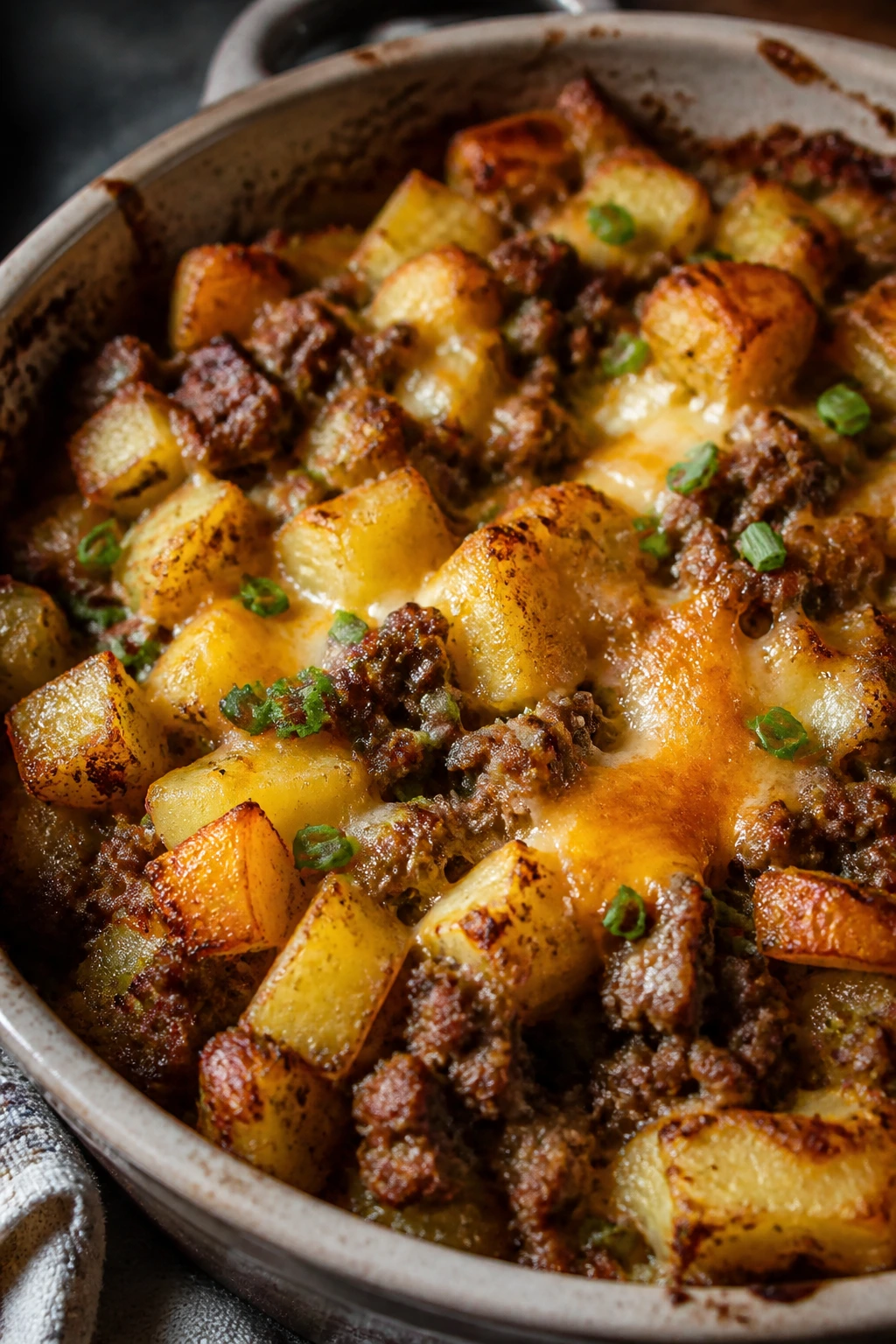
This one feels like the dinner equivalent of putting on a warm sweatshirt. You get browned beef, seasoned potatoes, a little onion, and melted cheese in a pan that smells almost unfairly good when it comes out of the oven. It’s cheap, filling, and hard to mess up if you give the potatoes enough time to get tender and a little crisp.
Why It Works
Potatoes are a budget dinner’s best friend because they can be the base, the filler, and the crispy edge all at once. They also pair well with beef fat, which means the seasoning spreads evenly through the pan. If you dice the potatoes small—about ½-inch cubes—they cook quickly enough to match the beef without turning into mush.
Key Ingredients
- 1 lb ground beef
- 1½ lbs Yukon Gold potatoes, diced into ½-inch cubes
- 1 medium onion, chopped
- 1 bell pepper, chopped
- 2 cloves garlic, minced
- 1 teaspoon smoked paprika
- 1 teaspoon garlic powder
- 1 cup shredded cheddar
- 1 tablespoon olive oil
- 2 tablespoons chopped parsley
- Salt and black pepper, to taste
Quick Steps
-
Par-cook the potatoes: Boil the diced potatoes in salted water for 5 minutes, then drain well. You want them just starting to soften, not falling apart.
-
Brown the beef: Cook the ground beef in a large oven-safe skillet over medium-high heat for 5 to 6 minutes until browned. Remove it to a plate if there’s a lot of fat in the pan.
-
Cook the vegetables: Add the olive oil, onion, bell pepper, and garlic. Cook for 4 minutes until the onion turns translucent and the pepper softens.
-
Combine everything: Stir the beef back in along with the potatoes, paprika, garlic powder, salt, and pepper. Spread the mixture into an even layer.
-
Bake for crisp edges: Place the skillet in a 425°F oven and bake for 15 to 20 minutes until the potato edges brown a little.
-
Finish with cheese: Sprinkle cheddar over the top and bake 3 more minutes until melted. Finish with parsley and serve hot.
Tips and Variations
- Cast Iron Helps: A heavy skillet gives the potatoes better browning.
- Egg Dinner Option: Top each serving with a fried egg if you want breakfast-for-dinner energy.
- Veg Add-In: Frozen green beans or corn fit right in.
10. Burrito Bowls That Let the Beans Carry the Load
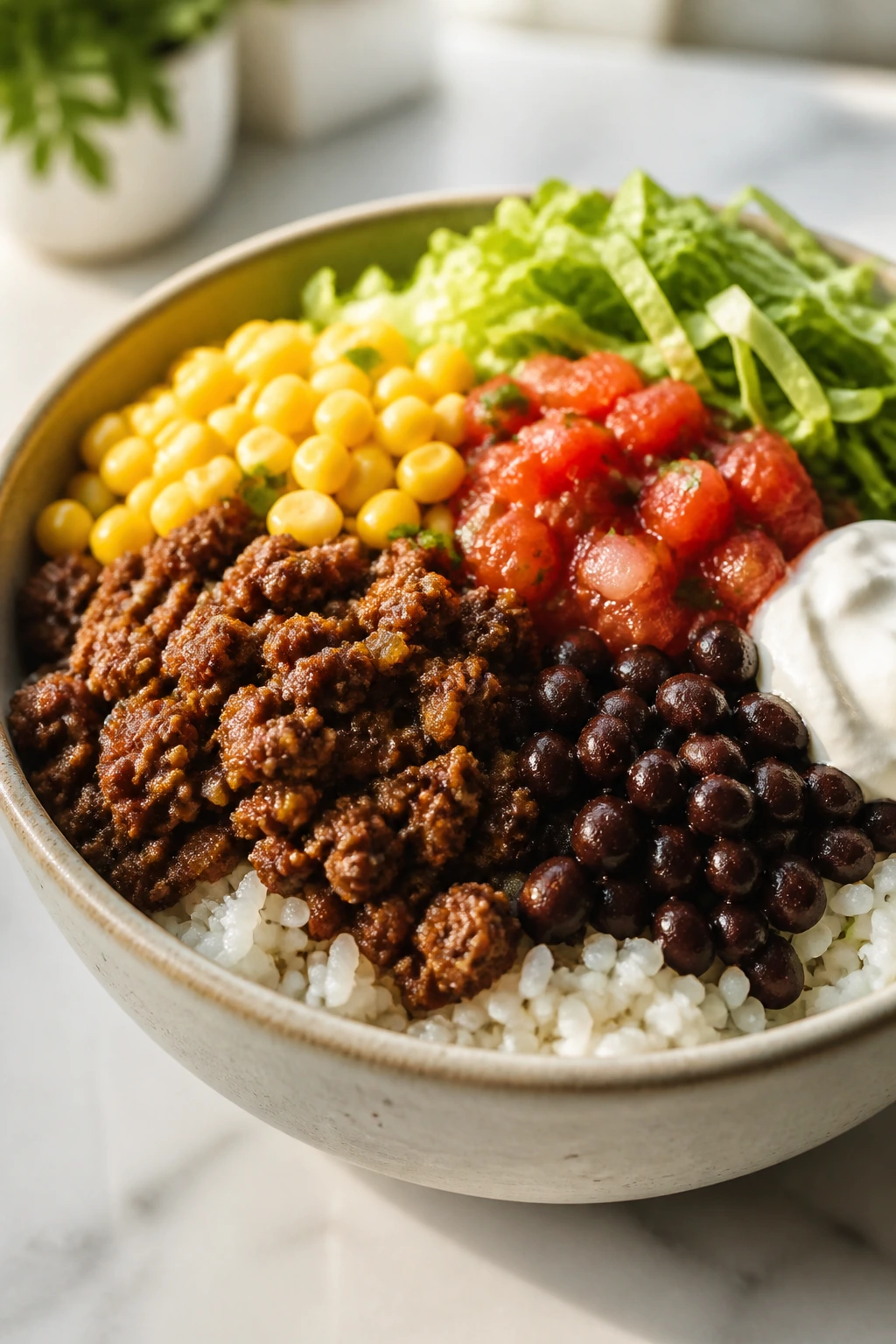
Burrito bowls are the kind of dinner that quietly solves a lot of problems. They’re fast, flexible, and built from cheap ingredients that like each other: rice, beans, beef, corn, salsa, lettuce, cheese, lime. The bowl format also helps because you can stretch the beef across the rice and beans without making anyone feel shorted.
Why It Works
The bowl structure gives you control over the ratio, which is exactly what budget cooking needs. A smaller amount of beef can season the rice and beans, while the toppings make the plate look and taste complete. Salsa does two jobs here: it seasons the meat and keeps the bowl from tasting dry. That’s useful, and it keeps the ingredient list short.
Key Ingredients
- 1 lb ground beef
- 1 tablespoon olive oil
- 1 small onion, diced
- 2 tablespoons taco seasoning
- 1 cup cooked white or brown rice
- 1 (15 oz) can black beans, drained and rinsed
- 1 cup frozen corn
- 1 cup salsa
- 2 cups shredded lettuce
- 1 cup shredded cheddar or Monterey Jack
- 1 lime, cut into wedges
- 2 tablespoons chopped cilantro, optional
Quick Steps
-
Cook the rice: Prepare the rice according to the package directions and keep it warm.
-
Brown the beef: Heat the oil in a skillet over medium-high heat and cook the beef with the onion for 6 minutes until browned.
-
Season it well: Stir in the taco seasoning and salsa, then cook for 2 minutes so the meat turns saucy instead of watery.
-
Warm the beans and corn: Add the beans and corn and cook just until hot, about 2 to 3 minutes.
-
Build the bowls: Spoon rice into each bowl, top with the beef mixture, then add lettuce, cheese, cilantro, and a squeeze of lime.
Tips and Variations
- Rice Shortcut: Leftover rice works fine here and saves time.
- Make It Bigger: Add diced tomatoes, pickled onions, or avocado if the budget allows.
- Meal Prep Friendly: Keep the cold toppings separate so the bowls stay fresh.
11. Ground Beef Stroganoff with Mushrooms and Sour Cream
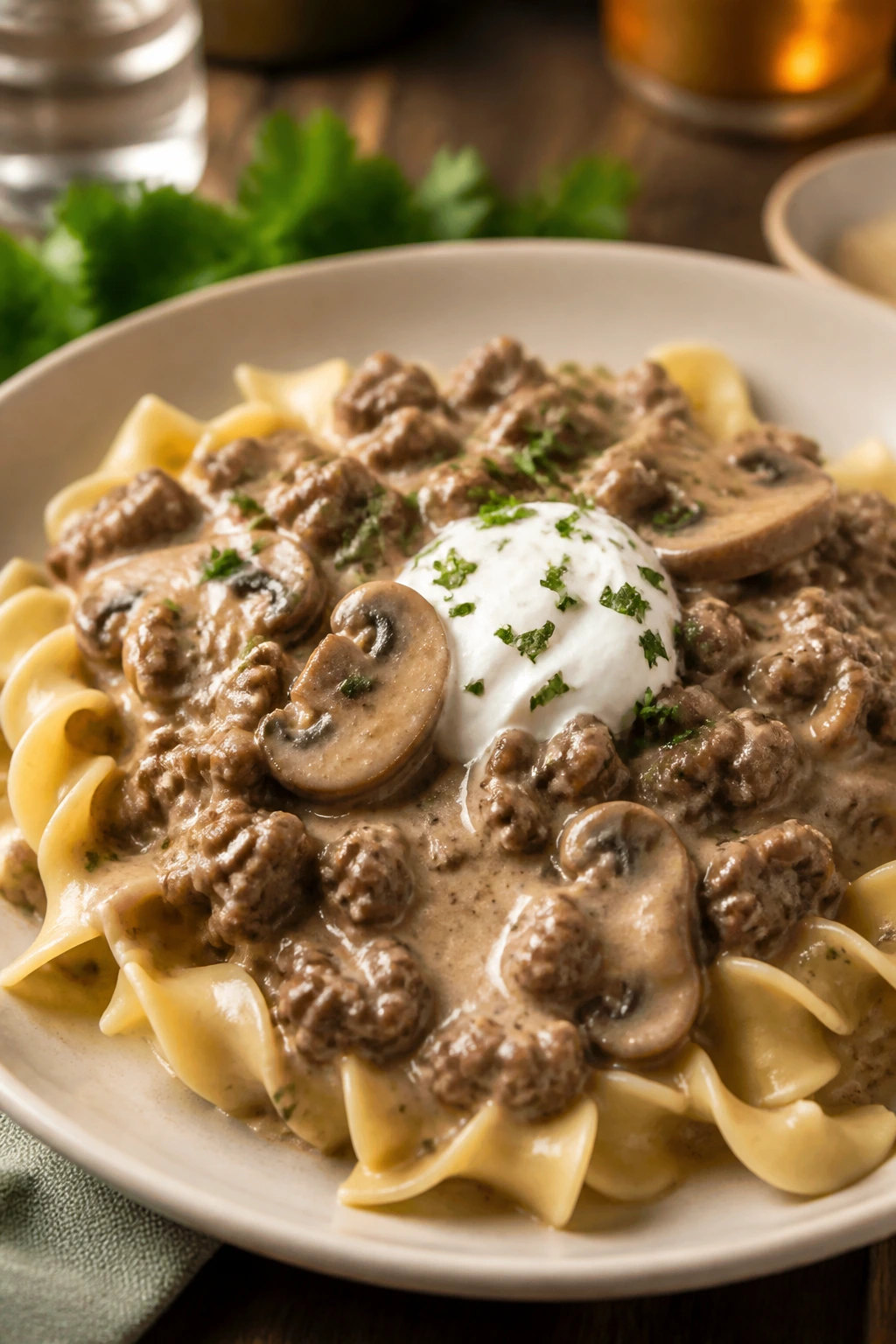
Stroganoff always tastes more expensive than it is, which is probably why it stays such a useful dinner. Mushrooms and onions give the sauce a deep, earthy base, and sour cream turns the whole thing silky without needing a long list of ingredients. Over egg noodles, it feels like a proper supper; over rice, it stretches even farther.
Why It Works
Mushrooms are doing a lot of the budget-friendly heavy lifting here. They add chew and savoriness, so the beef doesn’t have to carry everything. A little flour thickens the broth into a sauce that clings to the noodles, and the sour cream goes in off the heat so it stays smooth instead of splitting. That off-heat step matters. A lot.
Key Ingredients
- 1 lb ground beef
- 8 oz mushrooms, sliced
- 1 medium onion, diced
- 2 cloves garlic, minced
- 1 tablespoon flour
- 2 cups beef broth
- 1 tablespoon Dijon mustard
- 1 tablespoon Worcestershire sauce
- 1 cup sour cream
- 8 oz egg noodles
- 1 tablespoon butter
- Salt and black pepper, to taste
Quick Steps
-
Cook the noodles: Boil the egg noodles in salted water until al dente, then drain and set aside.
-
Brown the beef and mushrooms: Melt the butter in a large skillet over medium-high heat. Add the beef, mushrooms, and onion and cook for 7 to 8 minutes until the beef browns and the mushrooms lose their moisture.
-
Add the garlic and flour: Stir in the garlic and flour and cook for 1 minute, coating everything evenly.
-
Make the sauce: Pour in the broth, Dijon, and Worcestershire. Bring to a simmer and cook for 4 to 5 minutes until the sauce thickens slightly.
-
Finish with sour cream: Turn the heat to low or off, then stir in the sour cream until smooth. Do not boil after adding the sour cream or the sauce can go grainy.
-
Serve over noodles: Toss the noodles with the sauce or spoon the sauce on top and finish with black pepper.
Tips and Variations
- Lean Beef Works: If you use leaner ground beef, keep the butter in the pan for flavor.
- Rice Option: This sauce also works over rice when you want to stretch it with something cheaper than noodles.
- Finish Bright: A little parsley or dill cuts through the richness nicely.
12. Hamburger Soup with Barley and Old-School Comfort
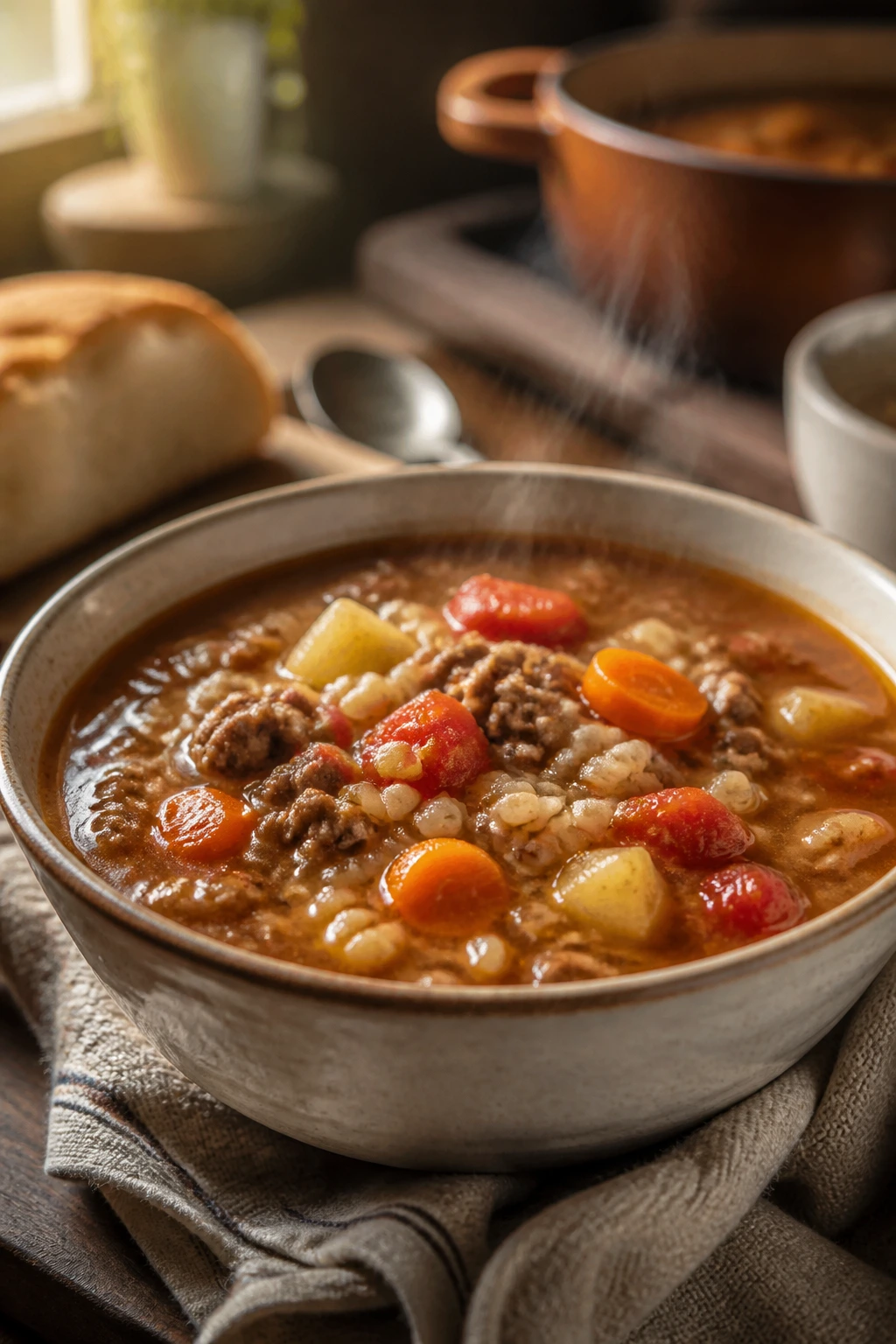
This is the kind of soup that knows how to mind its business and feed a house. Ground beef, barley, carrots, potatoes, and tomato make a broth that tastes like it simmered all afternoon, even if you’ve only been at it for an hour. It’s hearty without feeling heavy, which is a nice line to walk when you want a budget dinner that still feels complete.
Why It Works
Barley is one of those ingredients that deserves more attention than it gets. It adds chew, thickens the broth naturally, and makes a soup feel like a meal instead of a starter. The tomatoes keep the beef from tasting flat, while carrots and celery build the classic soup base everybody recognizes. If you want a pot that goes far, this is a strong candidate.
Key Ingredients
- 1 lb ground beef
- 1 medium onion, diced
- 2 carrots, diced
- 2 celery stalks, diced
- 2 medium potatoes, diced
- 1 cup pearl barley, rinsed
- 1 (14.5 oz) can diced tomatoes
- 6 cups beef broth
- 1 bay leaf
- 1 teaspoon dried thyme
- 1 cup frozen peas
- Salt and black pepper, to taste
Quick Steps
-
Brown the beef: Cook the ground beef in a large soup pot over medium-high heat for 6 minutes until browned. Drain off extra fat if needed.
-
Add the vegetables: Stir in the onion, carrots, and celery. Cook for 4 to 5 minutes until the onion softens and the pot smells sweet and savory.
-
Build the soup: Add the potatoes, barley, tomatoes, broth, bay leaf, thyme, salt, and pepper. Bring to a boil, then reduce to a steady simmer.
-
Cook until tender: Cover partially and simmer for 35 to 40 minutes, stirring now and then, until the barley is tender and the potatoes are cooked through.
-
Finish the peas: Stir in the peas and cook for 2 minutes more. Remove the bay leaf before serving.
Tips and Variations
- Barley Choice: Pearl barley cooks faster than hulled barley and is easier for weeknight soup.
- Texture Watch: If the soup thickens too much as it sits, add more broth when reheating.
- Serving Idea: Buttered toast or a biscuit makes this feel like a full dinner with almost no extra cost.
Why Ground Beef Stretches Best When You Build Around It
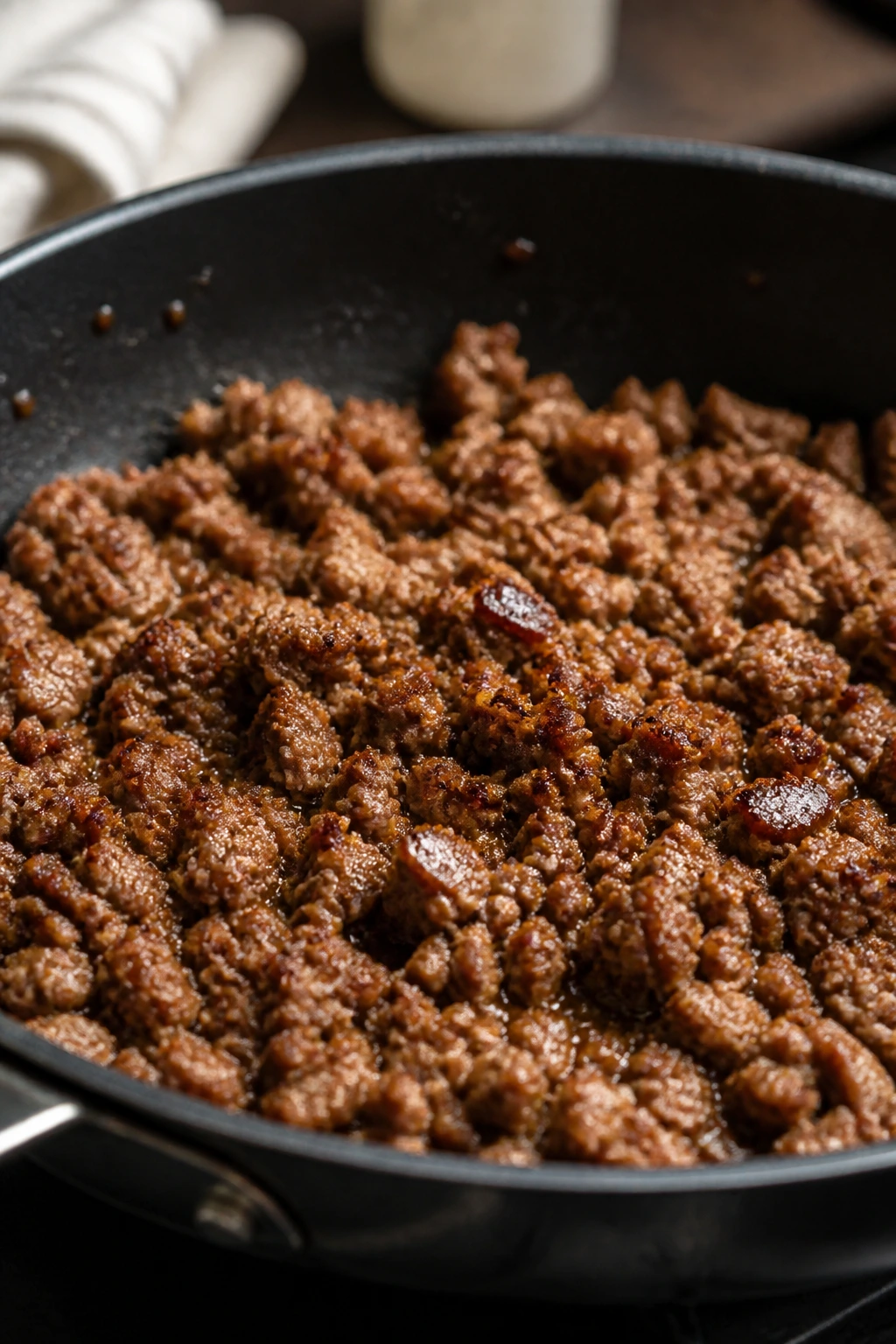
Ground beef is at its best when it’s not trying to be a steak. That sounds blunt, but it’s the truth. A pound of beef gives you flavor, fat, and browning; everything else in the pot is there to carry those things farther. When you brown the meat properly, those little caramelized bits on the bottom of the pan become a free flavor engine. Deglaze with broth, tomato, or even salsa, and you’ve basically turned the skillet into a sauce maker.
Choose the right fat level.
For chili, tacos, casseroles, and skillet dinners, 85/15 is a sweet spot. It has enough fat to taste rich, but not so much that you’re left spooning grease off the top. For soups, a leaner 90/10 can make sense because the broth provides the richness and you don’t need much extra fat floating around.
Use cheap ingredients that bring texture.
Beans, lentils, cabbage, rice, barley, potatoes, and pasta all stretch beef in different ways. Beans and lentils add chew and bulk. Rice and barley soak up flavor. Cabbage collapses into sweetness and takes almost no convincing. Potatoes are the big one: they make a plate feel full fast, which is why hash, soup, and baked potato dinners keep showing up in frugal kitchens.
Let one strong seasoning lead.
Tomato paste, chili powder, taco seasoning, Worcestershire, mustard, Dijon, and Italian herbs can make a pound of beef taste like much more. The trick is layering them: brown the meat first, stir in the seasoning with the fat, then simmer with the liquid. That’s where the flavor deepens.
Essential Equipment for These Recipes
-
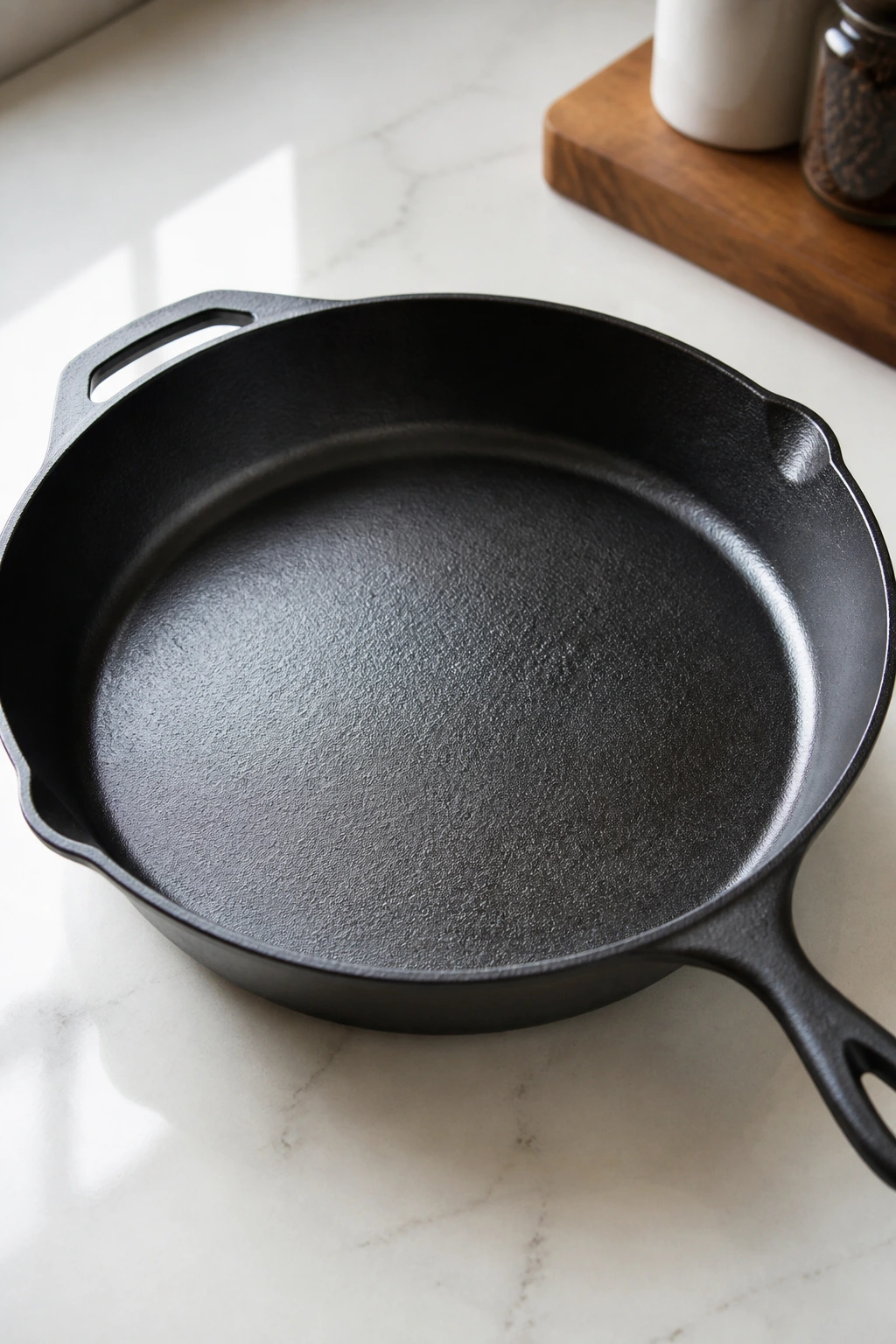
Large skillet or sauté pan, 12 inches or wider — Best for chili, skillet dinners, stroganoff, taco mac, and cabbage skillet meals.
-
Dutch oven or heavy soup pot — The thick sides help with chili, hamburger soup, and any long simmer.
-
9×13-inch baking dish — Needed for casseroles, shepherd’s pie, and baked dinners that finish in the oven.
-
Wooden spoon or sturdy spatula — Useful for breaking up beef, scraping browned bits, and stirring thick sauces.
-
Sharp chef’s knife and cutting board — Diced onion, carrot, pepper, and cabbage work faster when the knife is doing honest work.
-
Colander — Handy for pasta, potatoes, rice rinsing, and draining extra fat or water.
-
Potato masher or fork — Needed for shepherd’s pie and useful for breaking up cooked potatoes in hash-style dinners.
-
Measuring cups and spoons — Especially useful for rice, broth, tomato paste, and seasoning blends.
-
Can opener — Unglamorous, but these recipes lean hard on canned tomatoes and beans.
-
Airtight containers — Make leftovers easy to cool, store, and reheat without drying out.
Smart Shopping and Ingredient Tips
Ground beef is worth buying with a plan. If you see a family pack on sale, portion it into 1-pound flat bags and freeze them that way. Flat packages thaw faster, stack better, and save a silly amount of fridge space. For most of these dinners, 85/15 gives you enough flavor without turning the pan into a grease puddle. If you’re making soup or a casserole with cheese and sauce, leaner beef works just fine.
Canned beans and tomatoes matter more than people think. Low-sodium beans let you control the salt, and crushed tomatoes make chili and soup feel thicker than diced tomatoes do. For casserole-style dinners, diced tomatoes plus tomato sauce is a good combo because one gives body and the other gives smoothness. Tomato paste is one of the cheapest flavor boosters in the store; a spoonful cooked for a minute can make a pan taste rounder and deeper.
Rice, pasta, barley, potatoes, and cabbage are the big stretchers here, and they each pull a different trick. Rice absorbs broth. Pasta turns beef into a coating sauce. Barley thickens soup. Potatoes are filling even in moderate portions. Cabbage is the bargain bin hero that shrinks in the pan and soaks up seasoning like it was built for the job. Frozen vegetables are worth using, too. They’re cheap, they don’t spoil quickly, and they save prep time without making a dish feel lesser.
How to Serve These Recipes
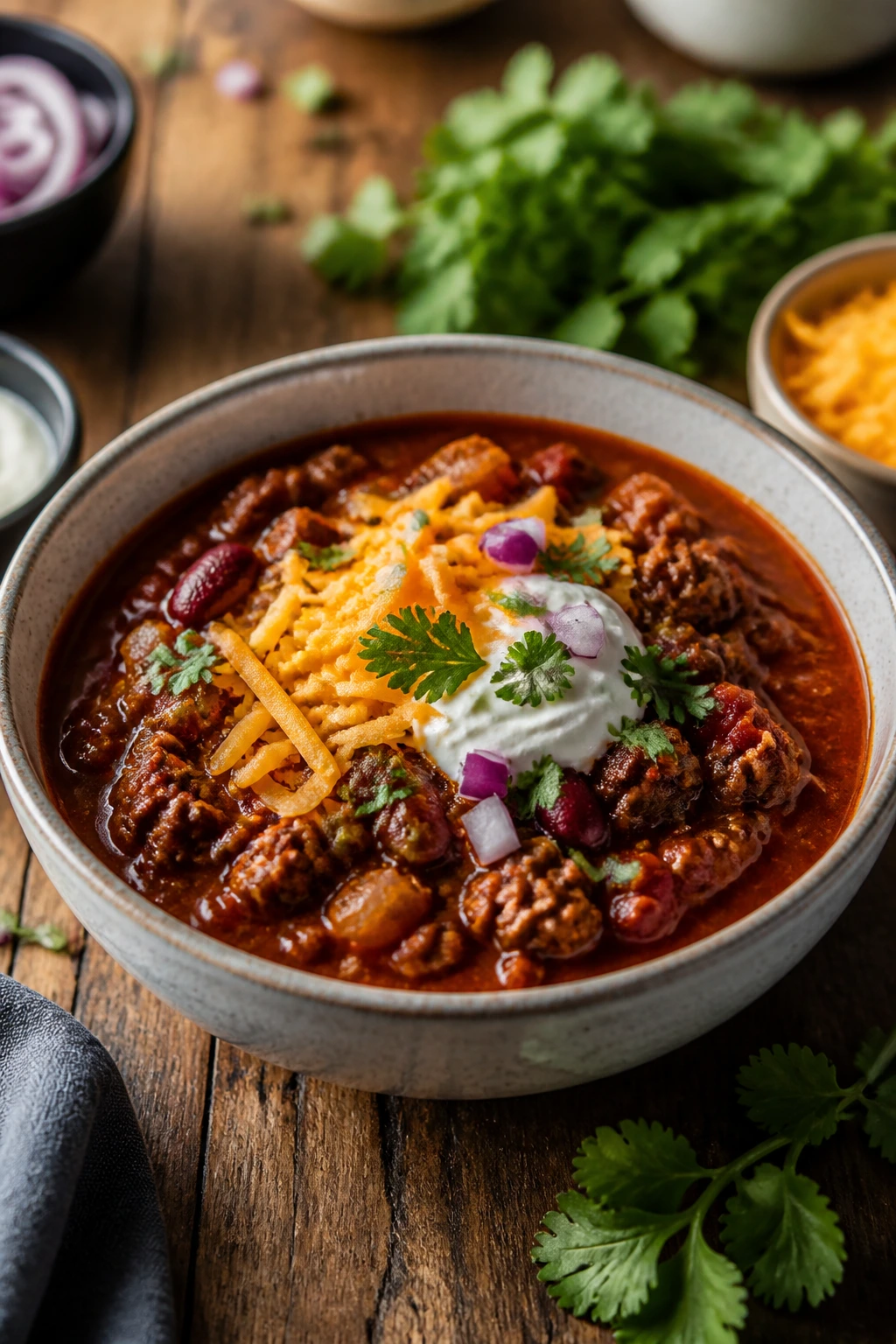
Presentation: Chili and soup look best in wide bowls with a small pile of green on top—scallions, parsley, or chopped cilantro. Casseroles and shepherd’s pie need a brief rest before serving so the portions hold together instead of slumping into a heap. For taco bowls and stroganoff, use shallow bowls so the toppings and sauce show up instead of hiding at the bottom.
Accompaniments: Cornbread, garlic toast, buttered noodles, simple slaw, a green salad, or roasted broccoli work across almost all of these dinners. Baked potatoes and crusty bread are especially good with chili and soup. If you want one cheap side that behaves well with almost everything here, a bagged salad with a simple vinaigrette is hard to beat.
Portions: Most of these recipes feed 4 to 6 people, and a serving is usually about 1 to 1½ cups for skillet dinners, 2 cups for soup, or one loaded potato per adult. If you’ve got very hungry eaters, stretch with bread or a side salad instead of trying to cram more beef into the pan. That usually keeps the budget calmer.
Beverage Pairing: Iced tea with lemon works with nearly every recipe here, as does sparkling water with lime. For a cozy wintery supper, a cold lager or amber beer fits the chili, stroganoff, and sloppy joe dinners without fighting the food.
Additional Tips and Flavor Boosters
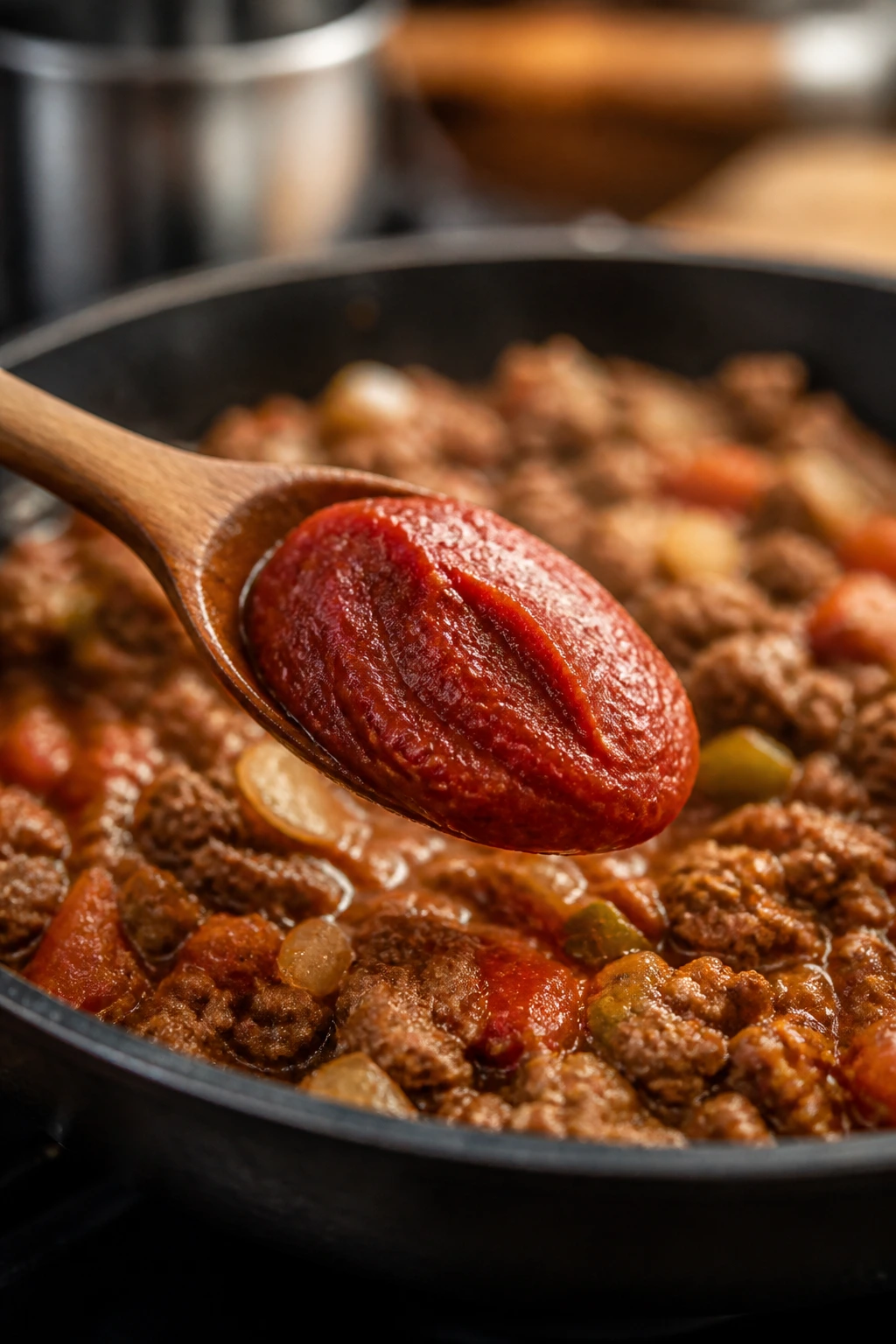
Flavor Enhancement: A spoonful of tomato paste cooked with the beef, or a splash of vinegar at the end of chili and sloppy joe filling, adds a level of depth that tastes like you worked harder than you did. A little acid wakes up a heavy dish fast.
Customization: Stir in frozen corn, chopped mushrooms, grated carrot, or a handful of spinach wherever the pan looks sparse. These dinners welcome extra vegetables because the beef is there to keep the whole thing grounded.
Serving Suggestions: Finish tomato-based dishes with shredded cheddar, chopped parsley, or scallions. Finish creamy dishes with black pepper and dill. A small crunchy topping—fried onions, crushed crackers, or tortilla strips—makes the plate feel more finished.
Make-It-Yours: For a more kid-friendly table, keep the spice gentle and let adults add hot sauce at the end. For dairy-free plates, skip the cheese and sour cream, then use avocado, herbs, or a spoonful of olive oil for richness. For a heartier plate, serve any of these over rice, noodles, or mashed potatoes and let the base absorb the sauce.
Make-Ahead, Storage, and Reheating Guidance
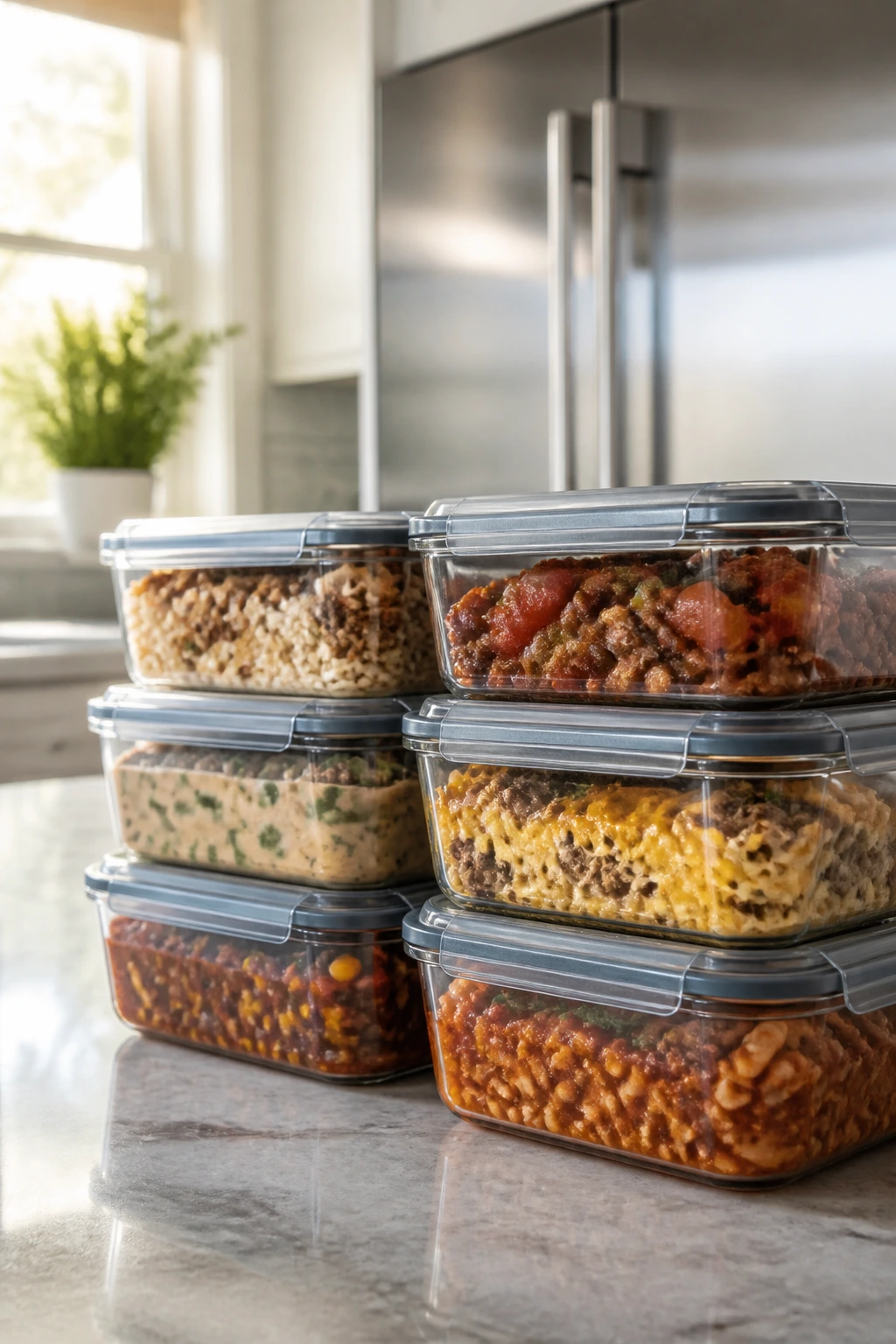
Most of these ground beef dinners hold up well in the fridge for 3 to 4 days when cooled quickly and stored in shallow airtight containers. Chili, hamburger soup, meat sauce, and cabbage skillet dinners are the strongest fridge leftovers because their flavors keep blending together. Casseroles and shepherd’s pie also do well, though the topping may soften a little as it sits. Pasta dishes are good for a couple of days, but they can get a bit softer with time, so keep a small splash of broth or water handy when reheating.
For the freezer, soups, chili, meat sauce, and cabbage-based skillet meals usually keep well for up to 3 months. Casseroles and shepherd’s pie are good for about 2 months before the texture starts to drift. Taco mac and other noodle-heavy dishes can be frozen, but the pasta may go softer after thawing, so I’d treat those as backup freezer meals rather than first choice. Label everything with the dish name and date; it saves you from opening a mystery container six weeks later and shrugging at your own handwriting.
Reheat soups and chili on the stovetop over medium-low heat with a splash of broth or water. Stir often and let the pot come back to a steady simmer, not a hard boil. Casseroles reheat best in a 350°F oven, covered with foil for 20 to 25 minutes, then uncovered for the last few minutes if you want the top to crisp again. Skillet dinners can usually be revived in a covered pan over low heat with a spoonful of water or broth. If the dish contains sour cream or a cream sauce, reheat gently and stop the heat before it starts to boil.
If you want to make ahead, cook the beef filling, chili base, or soup base a day early and keep the starch separate when possible. Rice, pasta, and potatoes behave better when they’re cooked fresh or only partially cooked ahead. That small bit of planning keeps the texture from going soft and tired.
Variations and Adaptations to Try
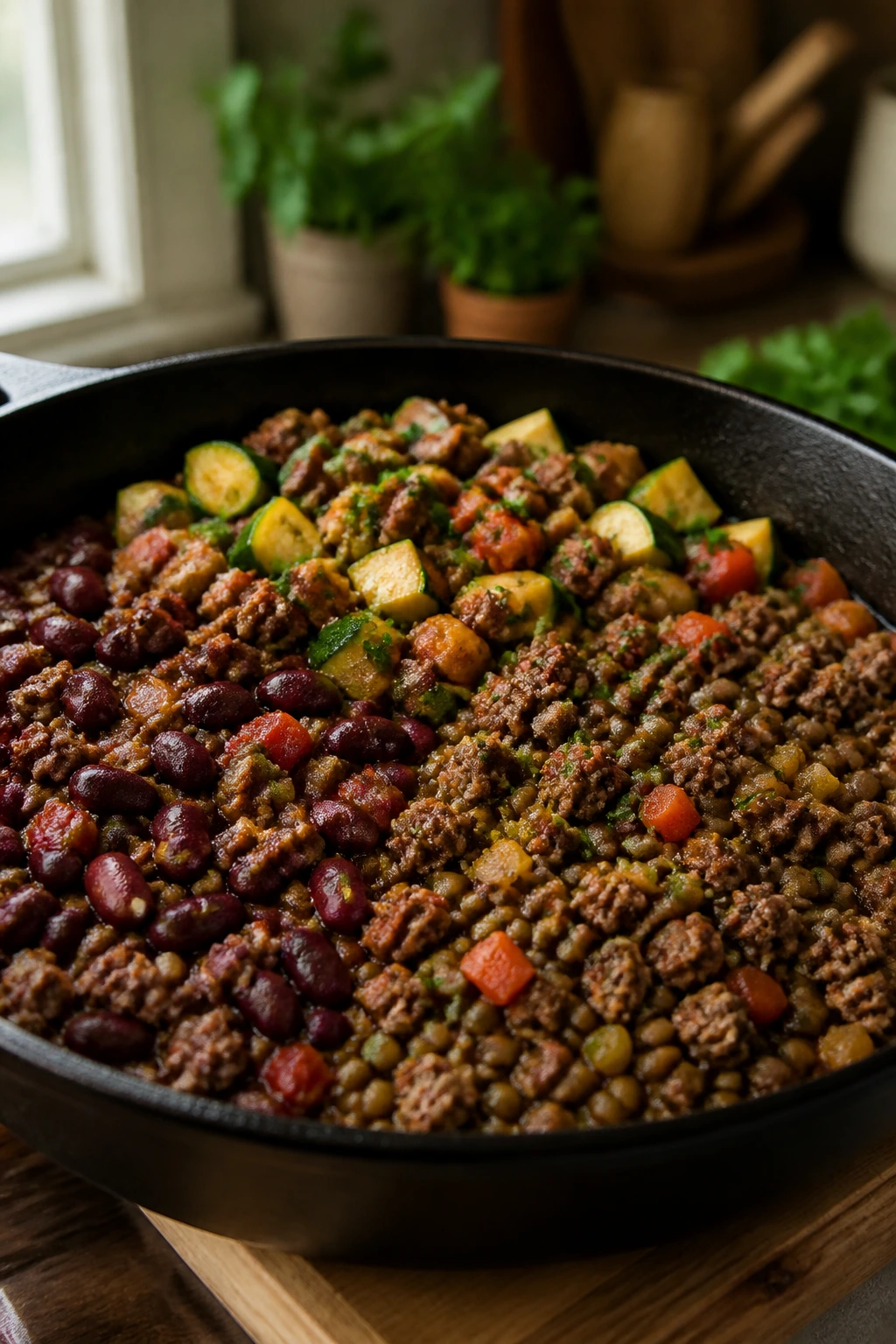
Bean-Heavy Budget Mode: Reduce the ground beef to ¾ pound and add an extra can of beans or a cup of cooked lentils. This works especially well in chili, taco mac, burrito bowls, and soup, where the seasoning already carries the flavor. The dish still eats like a full dinner, but the beef becomes more of a seasoning than a centerpiece.
Gluten-Free Pantry Plate: Use rice, potatoes, corn tortillas, or gluten-free pasta in place of wheat-based starches. Check the broth and Worcestershire sauce if you’re avoiding gluten, since those can be sneaky. Chili, burrito bowls, hash bake, and soup adapt cleanly with almost no fuss.
Dairy-Free Comfort: Skip the cheese and sour cream, then finish with chopped herbs, avocado, or a drizzle of olive oil. Tomato-based dishes barely notice the change, and even stroganoff can still work if you lean on mushrooms and broth for richness. The food won’t feel stripped down if the seasoning is strong enough.
Low-Sodium Pantry Build: Use no-salt-added tomatoes, low-sodium broth, and rinsed beans. Then push flavor with onion, garlic, paprika, cumin, black pepper, and a little acid at the end. This is one of those places where fresh herbs and vinegar do more than extra salt ever could.
Mild-and-Kid-Friendly Version: Cut the chili powder, keep the black pepper gentle, and let adults add heat at the table. Sloppy joe potatoes, taco mac, burrito bowls, and beef rice skillet dinners all work well with a softer spice profile. Serve toppings separately and let everyone build their own plate.
Common Mistakes to Avoid
-
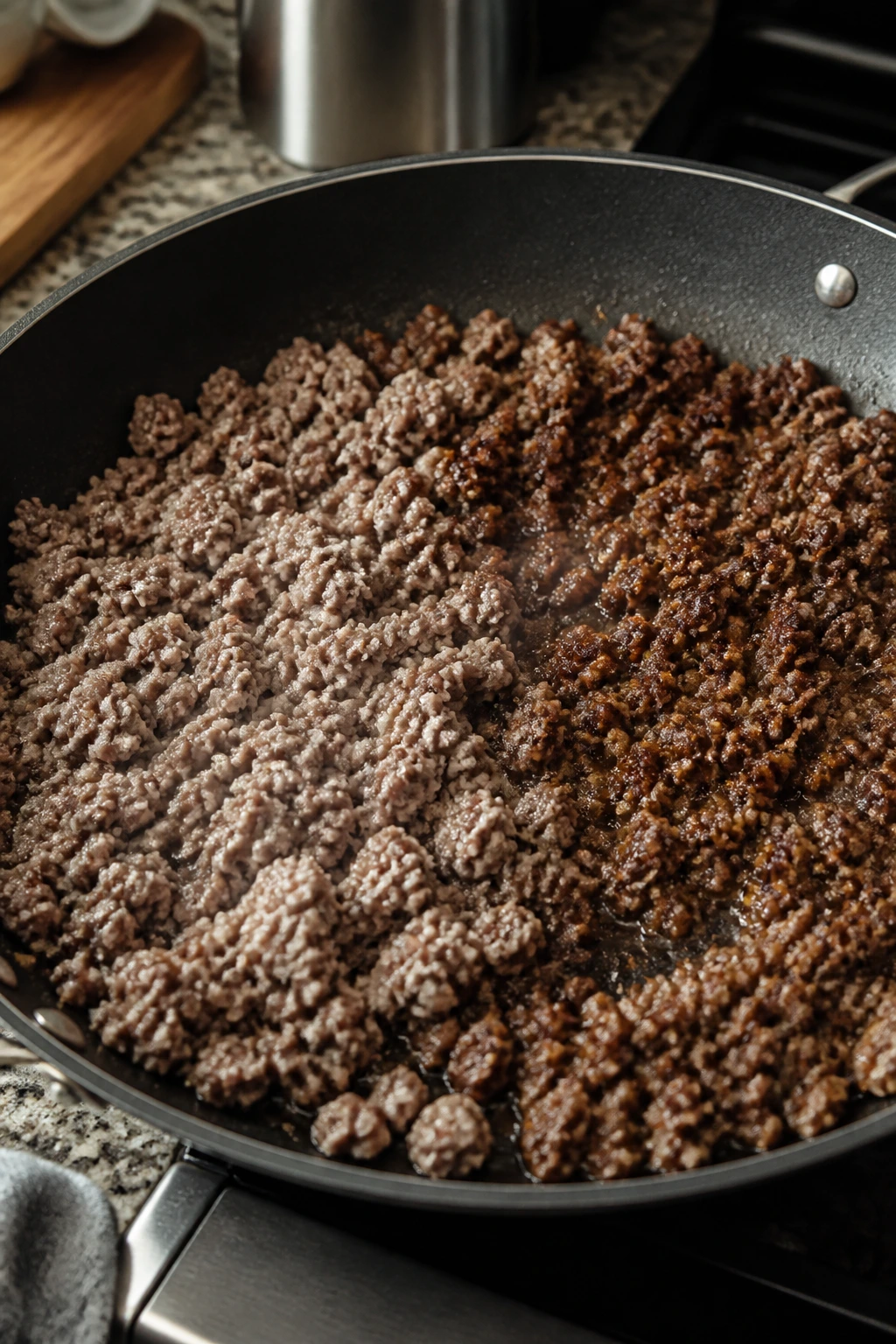
Crowding the Pan: If the beef sits in a thick layer, it steams instead of browning. The fix is simple: use a large skillet and give the meat room so you get browned bits, not gray crumbles.
-
Underseasoning After Adding Starch: Rice, pasta, potatoes, and barley absorb salt and spice fast, so a dish can taste flat even if the beef was seasoned well. Taste at the end and season the whole pot, not just the meat.
-
Adding Too Much Liquid Too Early: A watery skillet dinner never quite recovers. Start with the measured liquid, then add a small splash more only if the rice or pasta needs it near the end.
-
Boiling Cream Sauce After Dairy Goes In: Sour cream and similar dairy can split if the heat is too high. Stir them in off the heat or on the lowest possible flame.
-
Skipping the Rest Time: Casseroles, stuffed pepper bakes, and shepherd’s pie need a few minutes to settle. Cut them too soon and they fall apart on the plate.
-
Forgetting to Drain Grease When Needed: A little fat helps flavor, but too much makes chili, taco mac, and sloppy joe filling taste greasy instead of rich. Drain the excess, then add a spoonful of butter or oil back only if the pan looks dry.
Frequently Asked Questions

How much ground beef do I need to feed four or six people?
For most of these dinners, 1 pound of ground beef feeds 4 moderate eaters or 5 to 6 when beans, rice, potatoes, or pasta do the stretching. If your crowd eats hard, build around the beef with a big side or choose one of the bean-heavy options.
Can I use ground turkey instead of ground beef?
Yes, though you’ll want to boost the flavor a little more because turkey is leaner and milder. Add an extra tablespoon of oil, a stronger seasoning hand, and maybe a bit more tomato paste or Worcestershire to make up the difference.
What’s the best ground beef fat ratio for these dinners?
I like 85/15 for most skillet meals because it tastes rich without being greasy. For soups and casseroles, leaner beef works well too, since broth, sauce, and cheese often cover the flavor gap.
How do I keep rice or pasta from turning mushy?
Measure the liquid carefully, keep the simmer gentle, and stop cooking when the starch is just tender. Let the pan rest off the heat for a few minutes, because carryover cooking is real and it can push soft rice over the edge.
What if my chili or soup tastes flat?
First add salt, then a little acid. A splash of vinegar, squeeze of lime, or spoonful of salsa can wake up a pot that tastes dull without making it taste “different” in a bad way.
Can I freeze these dinners?
Yes, and chili, soup, meat sauce, and cabbage skillet dinners freeze especially well. Casseroles and shepherd’s pie are fine too, but noodle dishes soften a bit after thawing, so I’d freeze those only if needed.
What’s the cheapest recipe in this group?
Usually chili, cabbage roll skillet, hamburger soup, and burrito bowls give you the most servings for the least money because beans, cabbage, barley, rice, and potatoes do so much of the work. Sloppy joe baked potatoes are strong too, since the potatoes are doing the bulk of the filling.
Can I make any of these in a slow cooker?
Some of them, yes. Chili and hamburger soup adapt well to the slow cooker, but pasta and rice dishes usually work better on the stovetop so the starch keeps its shape. If you want to use the slow cooker, brown the beef first for better flavor.
A Few Dollars Further
A pound of ground beef can feel small if you let it sit there alone. Give it beans, rice, cabbage, potatoes, noodles, or barley, and it suddenly becomes the start of a real dinner instead of a short one. That’s the lovely part about these meals: they don’t ask for tricks, just a few smart ingredients and the patience to let each one do its job.
The best budget dinners usually aren’t trying to look cheap. They just make sensible choices. Brown the beef well, season in layers, and let the starch or vegetable beside it carry some of the weight. Do that, and next time a package of ground beef lands on the counter, dinner won’t feel like a question mark.
| Recipe | Prep Time | Cook Time | Total Time | Servings | Standout Detail |
|---|---|---|---|---|---|
| Chili That Tastes Bigger Than the Meat | 15 min | 35 min | 50 min | 6 | Beans do most of the stretching |
| A Beef and Rice Skillet That Eats Like Two Dinners | 15 min | 30 min | 45 min | 4–6 | One-pan supper with fluffy rice |
| Cabbage Roll Skillet with No Fussy Rolling | 20 min | 35 min | 55 min | 6 | All the cabbage-roll flavor, no assembly |
| Stuffed Pepper Casserole for Busy Nights | 20 min | 35 min | 55 min | 6 | Bakes up like stuffed peppers without the work |
| Sloppy Joe Baked Potatoes with a Crisp Shell | 15 min | 50 min | 1 hr 5 min | 4 | Tangy beef on a baked potato base |
| Spaghetti with a Meat Sauce That Hides Vegetables | 20 min | 40 min | 1 hr | 6 | Hidden vegetables make the sauce thicker |
| Cheesy Taco Mac for the Cheap-and-Filling Win | 15 min | 25 min | 40 min | 6 | Pasta and beans stretch the beef fast |
| Shepherd’s Pie with Lentils Under the Mash | 25 min | 35 min | 1 hr | 6 | Lentils make the filling hearty and cheap |
| Beef and Potato Hash Bake with Crisp Edges | 20 min | 35 min | 55 min | 4–6 | Crisp potato edges in every scoop |
| Burrito Bowls That Let the Beans Carry the Load | 20 min | 20 min | 40 min | 4–6 | Mix-and-match toppings keep it flexible |
| Ground Beef Stroganoff with Mushrooms and Sour Cream | 20 min | 25 min | 45 min | 4–6 | Creamy, tangy sauce over noodles |
| Hamburger Soup with Barley and Old-School Comfort | 20 min | 45 min | 1 hr 5 min | 6 | Soup that eats like a full meal |