



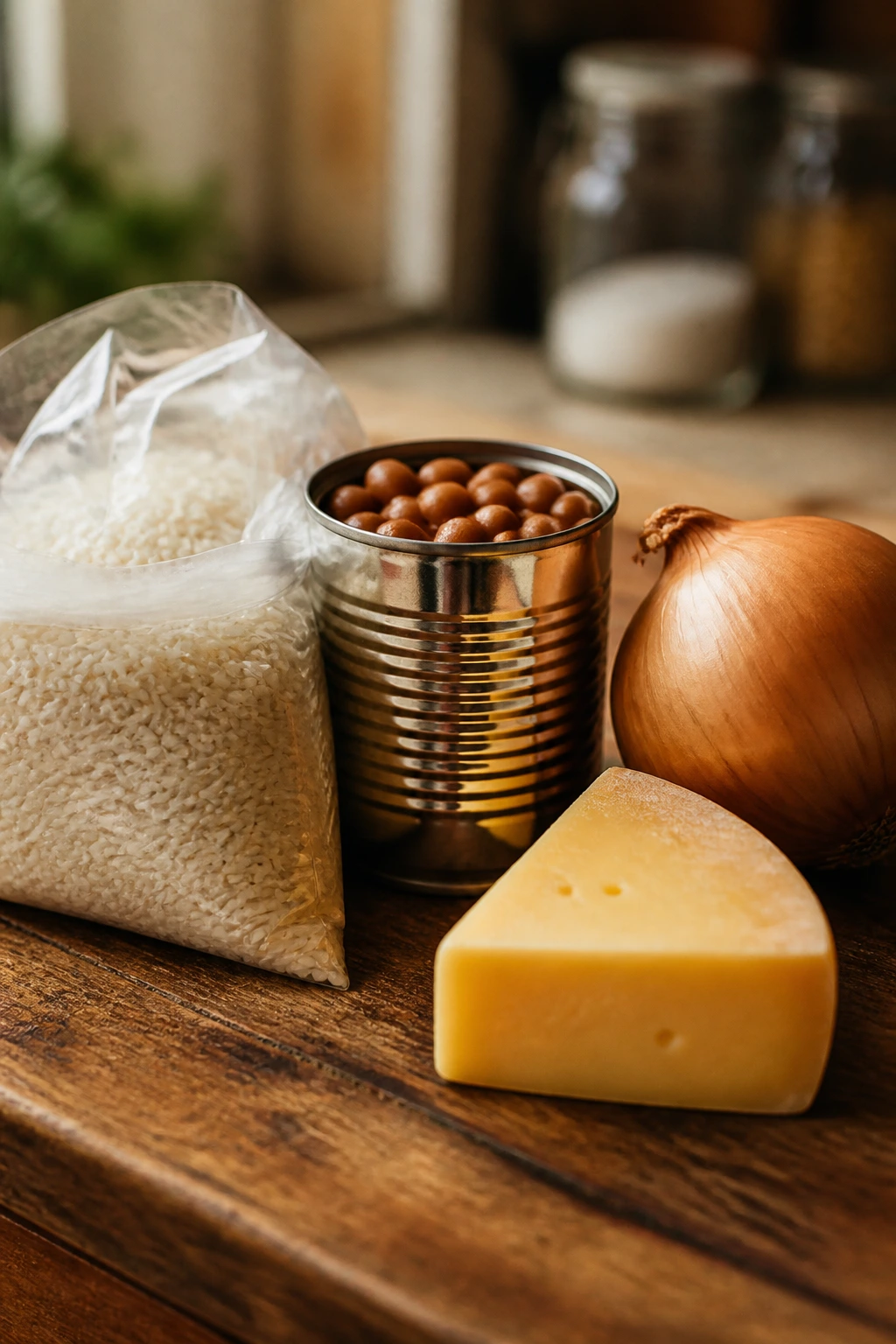
Cheap dinners have a way of exposing exactly what’s left in the kitchen. A few onions. A bag of rice with the corner folded down. Half a block of cheese that’s still doing its best. One lonely can of beans, two eggs, and a jar of something tomato-based that has been ignored for long enough to earn respect.
That’s not a bad place to cook from. It’s actually one of the smartest places to cook from. The best cheap dinners don’t feel stingy; they feel resourceful, warm, and a little triumphant, like you looked at a thin pantry and refused to panic. Rice, pasta, potatoes, cabbage, eggs, beans, canned tomatoes, tuna, tortillas, lentils — those are the workhorses that keep a house fed when the grocery list is short and the budget is doing acrobatics.
End-of-month cooking is really about structure. You need a protein that stretches, a starch that soaks up flavor, and one or two ingredients that make the whole thing taste intentional instead of improvised. Salt matters. Heat matters. A splash of vinegar or lemon at the end matters more than most people think. And if that sounds like the sort of practical cooking that should have been taught years ago, well, yes. It should have.
Why This Collection Earns a Place on the Table
- Pantry-first: Every recipe leans on ingredients that store well, which means fewer emergency grocery runs when the fridge starts looking sparse.
- Stretch-friendly: Beans, rice, pasta, potatoes, and eggs do the heavy lifting here, so small amounts of meat go farther without feeling skimpy.
- Fast enough for real life: Most of these dinners land in the 25- to 45-minute range, which is a relief when the evening already feels crowded.
- Flexible by design: Swap canned for frozen, chicken for beans, or pasta for rice without wrecking the whole dish.
- Filling without being fussy: These meals are built to satisfy a hungry table, not just fill a plate with something cheap-looking.
- Good leftovers matter: Several of these taste even better the next day, which is exactly the kind of quiet advantage that keeps a budget on track.
1. American Goulash with Elbow Macaroni and Cheddar
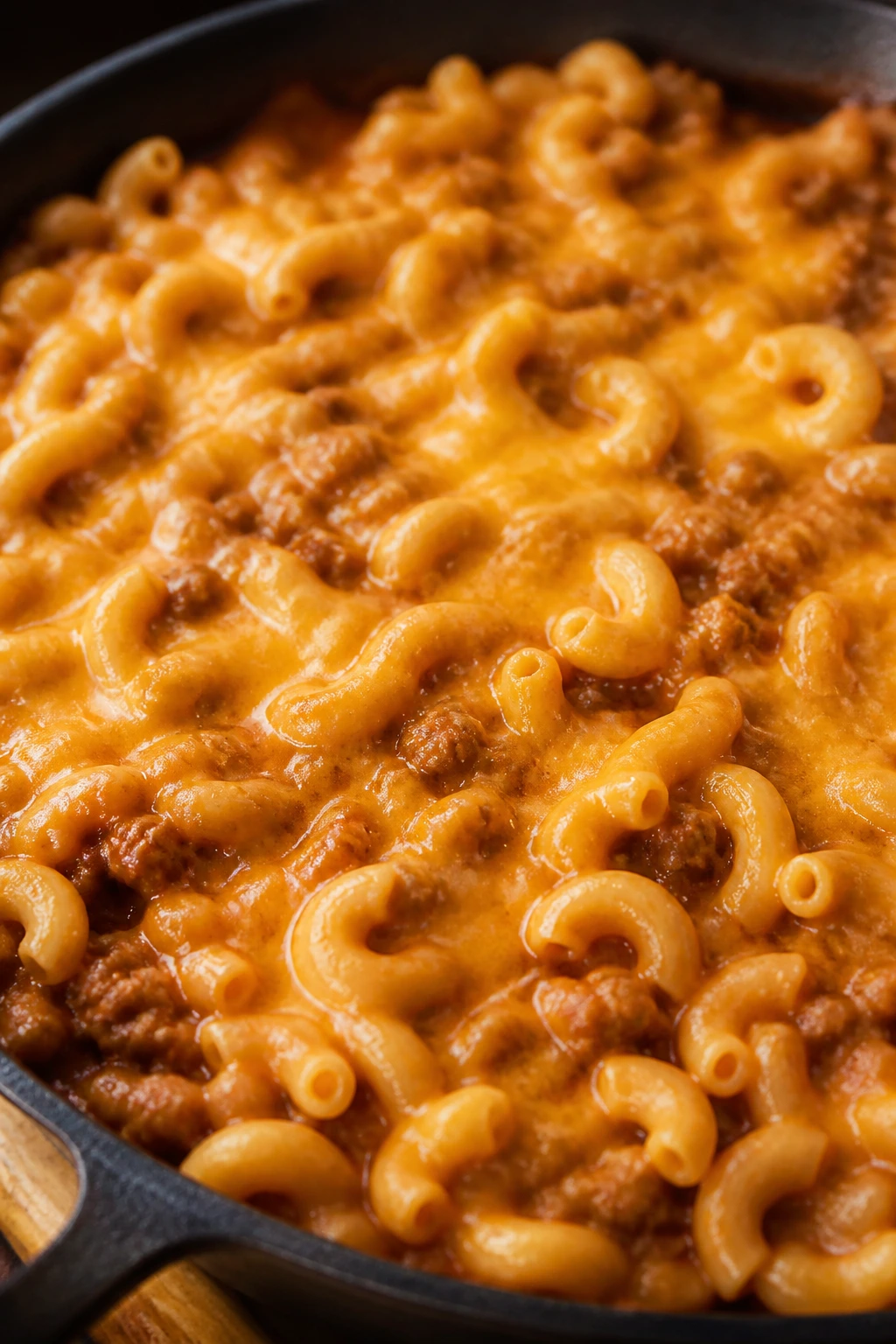
This is the sort of dinner that turns a plain can of tomatoes into comfort food. It tastes like a neighborhood potluck and a weeknight skillet got together and decided to be useful. The sauce goes thick and brick-red, the pasta picks up every bit of it, and the cheddar on top melts into a glossy layer that makes the whole pan look more expensive than it is.
The real charm of American goulash is that it gives you a lot of food without a lot of drama. One pound of ground beef goes a long way once it’s mixed with macaroni, tomato sauce, and broth. The whole thing lands in one pan, and the pasta cooks right in the sauce, which means no separate pot of water and no draining step to babysit.
Why It Works
The macaroni absorbs the tomato broth as it cooks, so every bite tastes seasoned all the way through instead of coated on the outside. A little paprika gives the sauce depth without making it taste smoky in an obvious way, and the beef fat helps the sauce cling to the noodles. It’s a good cheap dinner because the starch and the protein share the load instead of fighting for space.
Key Ingredients
- 1 tablespoon olive oil
- 1 pound ground beef, 85% lean
- 1 medium yellow onion, diced
- 3 garlic cloves, minced
- 2 cups dry elbow macaroni
- 1 can (28 ounces) diced tomatoes
- 1 can (15 ounces) tomato sauce
- 2 cups beef broth
- 2 teaspoons paprika
- 1 teaspoon dried oregano
- 1½ cups shredded cheddar cheese
Quick Steps
- Brown the beef: Heat the oil in a large deep skillet over medium-high heat. Add the ground beef and onion, breaking the meat into small pieces, and cook for 6 to 8 minutes until the beef is no longer pink and the onion looks soft.
- Build the base: Stir in the garlic, paprika, oregano, salt, and pepper. Cook for 30 seconds, just until the garlic smells sweet.
- Add the liquid: Pour in the diced tomatoes, tomato sauce, and broth. Stir well and scrape up any browned bits from the bottom of the pan.
- Cook the pasta: Add the macaroni, bring the pan to a lively simmer, then reduce the heat to medium-low. Cover and cook for 10 to 12 minutes, stirring once or twice, until the pasta is tender and the sauce has thickened.
- Finish with cheese: Turn off the heat, stir in half the cheddar, and scatter the rest over the top. Cover for 2 minutes so the cheese melts into the sauce.
- Serve hot: Spoon into bowls while the sauce is still glossy and thick.
Tips and Variations
- Stretch it farther: Add 1 cup frozen peas or corn in the last 3 minutes for more volume.
- Swap smartly: Ground turkey works, but add 1 extra tablespoon olive oil so the sauce doesn’t taste dry.
- Make it sharper: A teaspoon of Worcestershire sauce deepens the tomato flavor without making the dish taste heavy.
2. Tomato Rice with Crispy Eggs
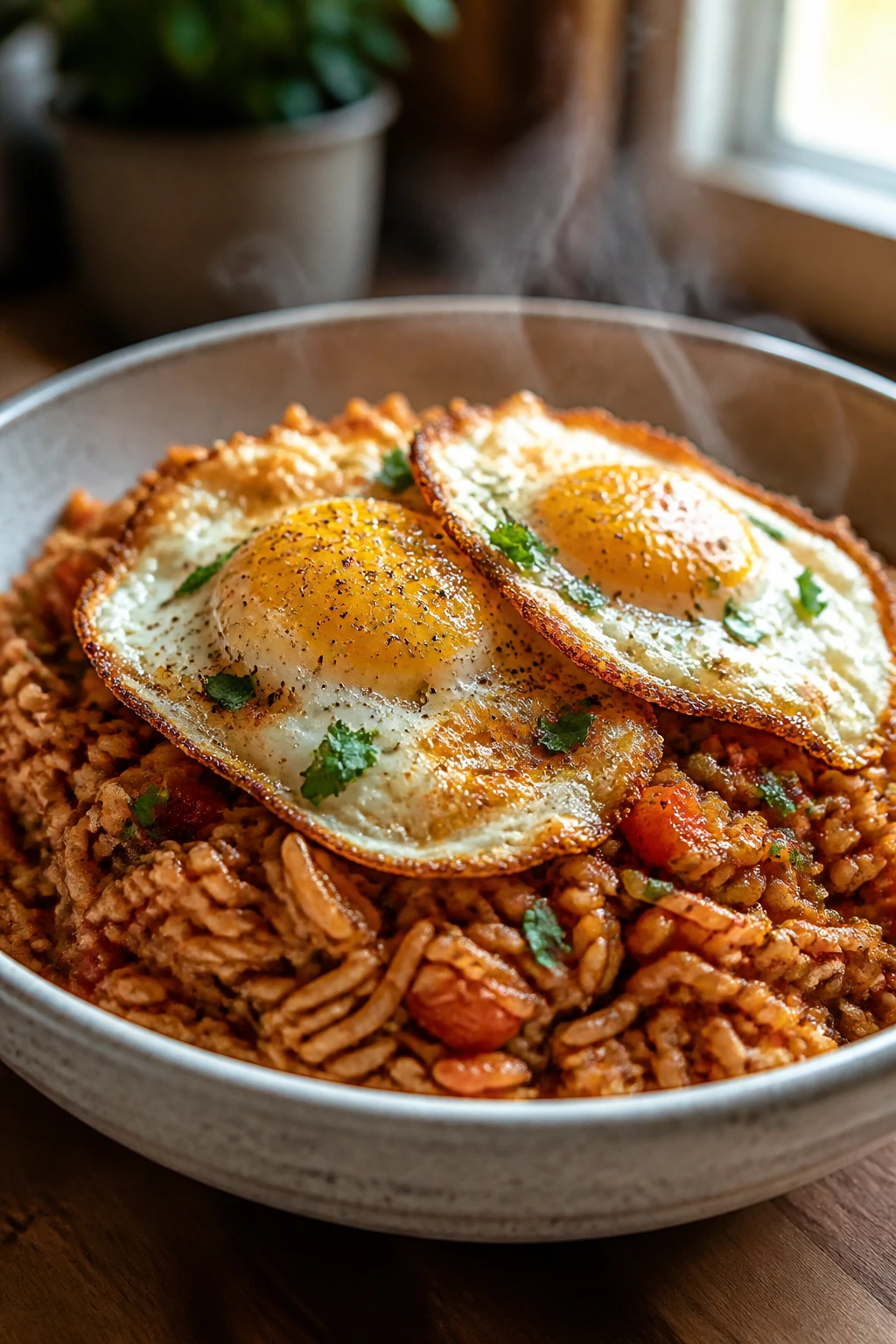
This is the dinner you make when the pantry looks half-empty and still somehow comes through. The rice turns savory and a little tomato-red, the onions melt into the base, and the fried eggs on top bring a rich yolk that runs through the whole bowl. It’s plain in the best way. Honest food. The kind that doesn’t need apologizing for.
If you’ve got a can of tomatoes and a cup of rice, you’re already close. The trick is to cook the rice in seasoned tomato broth instead of plain water. That one move gives the whole dish a deeper, fuller flavor, and the eggs make it feel finished instead of just frugal.
Why It Works
Tomatoes bring acidity, rice brings bulk, and eggs bring fat and protein. That combination is hard to beat when dinner needs to be cheap and filling. A little paprika and butter keep the rice from tasting flat, and the yolk acts like a sauce without costing much at all.
Key Ingredients
- 1 cup long-grain white rice, rinsed
- 1 tablespoon butter or olive oil
- 1 small yellow onion, finely diced
- 2 garlic cloves, minced
- 1 can (14.5 ounces) diced tomatoes
- 2 cups vegetable or chicken broth
- 1 teaspoon paprika
- 4 large eggs
- 2 tablespoons chopped parsley or scallions
- Hot sauce or black pepper, for serving
Quick Steps
- Cook the onion: Melt the butter in a medium saucepan over medium heat. Add the onion and cook for 4 to 5 minutes until softened and translucent.
- Toast the rice: Stir in the garlic and rice, then cook for 1 minute so the grains get glossy and smell nutty.
- Simmer the grains: Add the diced tomatoes, broth, paprika, salt, and pepper. Bring to a boil, reduce to low, cover, and cook for 18 minutes until the liquid is absorbed.
- Rest the pot: Turn off the heat and let the rice sit, covered, for 5 minutes. Fluff with a fork.
- Fry the eggs: Heat a skillet over medium heat and fry the eggs in a little oil until the whites are set and the edges are crisp.
- Assemble: Spoon the tomato rice into bowls, top with eggs, and finish with herbs and hot sauce.
Tips and Variations
- Use leftovers well: Cooked rice works too; just reduce the broth by about 1 cup and heat everything together for 8 to 10 minutes.
- Add greens: Stir in a handful of spinach at the end for color and a little extra body.
- Change the finish: A crumble of feta or a spoonful of plain yogurt gives it a brighter edge.
3. Cheesy Bean Burritos
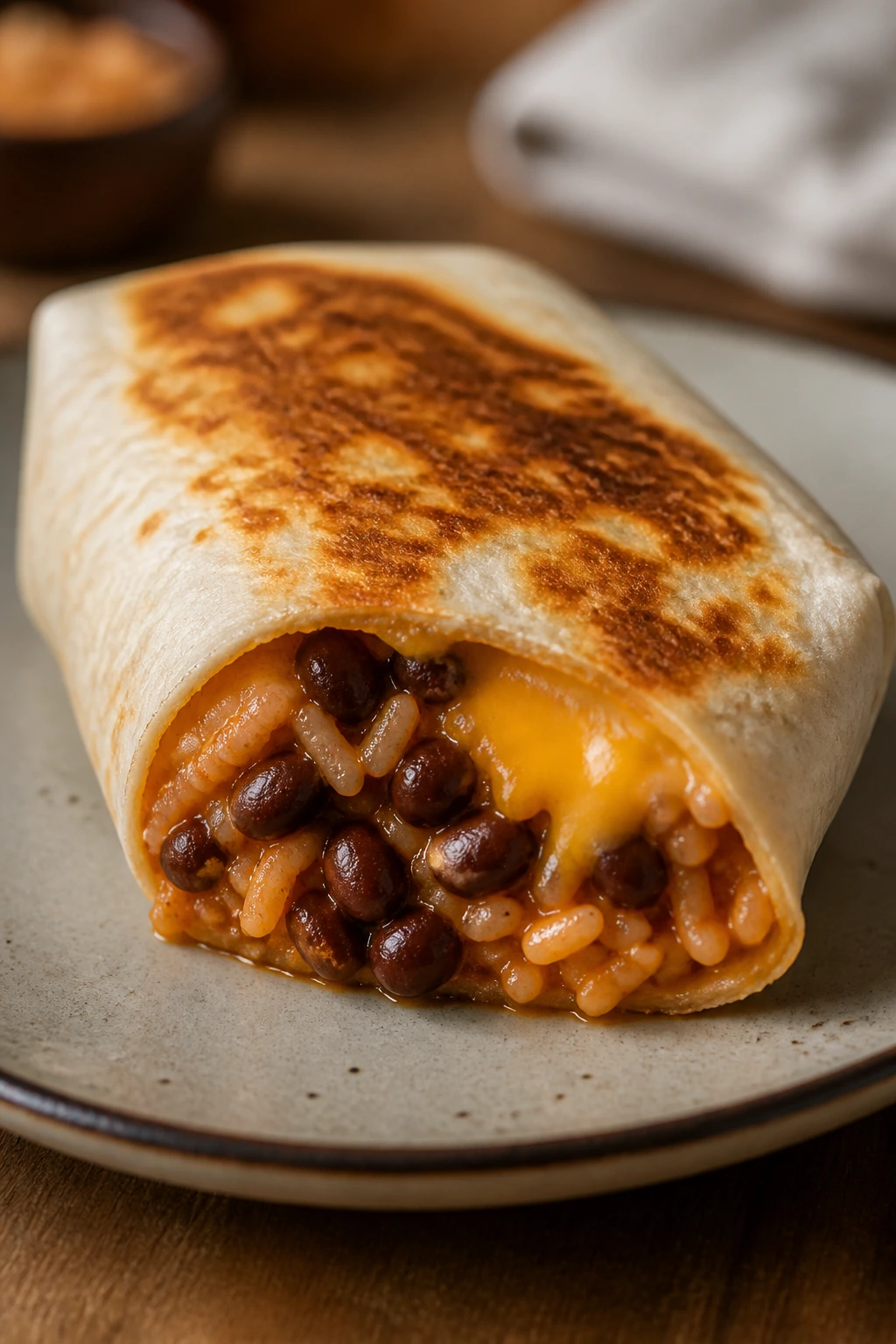
These burritos are built like a budget rescue plan. Warm beans, rice, melted cheese, and salsa tucked into a tortilla feel substantial in a way that a random plate of leftovers never does. They’re soft on the inside, lightly crisped on the outside if you toast them, and forgiving enough to handle whatever the fridge has been hiding.
A good burrito is about balance. Beans bring protein and creaminess, rice stretches the filling, and cheese holds everything together once it hits the pan. This is one of those meals that can feed a family without needing much more than a skillet and a little patience.
Why It Works
The filling is cheap because each ingredient has a job. Beans give bulk and fiber, rice keeps the burritos from being heavy, and salsa provides moisture and seasoning in one shot. Toasting the burritos after rolling them makes the tortilla taste better than plain folded wraps ever do.
Key Ingredients
- 1 can (16 ounces) refried beans
- 1 can (15 ounces) black beans, drained and rinsed
- 1 cup cooked rice
- ½ cup salsa, plus more for serving
- 1 teaspoon ground cumin
- 2 cups shredded Mexican blend cheese
- 4 large flour tortillas
- ½ small onion, finely diced
- 1 tablespoon oil for toasting
- Sour cream or plain yogurt, optional
Quick Steps
- Warm the filling: In a skillet over medium heat, stir together the refried beans, black beans, rice, salsa, cumin, onion, salt, and pepper. Cook for 4 to 5 minutes until hot and thick.
- Soften the tortillas: Warm the tortillas for 15 seconds in the microwave or in a dry skillet so they don’t crack when folded.
- Fill and roll: Spoon the bean mixture and cheese into the center of each tortilla. Fold in the sides, roll tightly, and set seam-side down.
- Toast the burritos: Heat the oil in a skillet over medium heat. Cook the burritos for 2 to 3 minutes per side until the tortillas are golden and lightly crisp.
- Serve immediately: Cut them in half and spoon salsa over the top.
Tips and Variations
- Make-ahead win: Wrap assembled burritos in foil and freeze them; reheat in a 375°F oven for 25 to 30 minutes.
- Add heat carefully: Pickled jalapeños are excellent here, but a few dashes of hot sauce are enough if you want less fire.
- Use what’s there: Pinto beans can stand in for black beans without changing the feel of the meal.
4. Garlic Butter Tuna Pasta
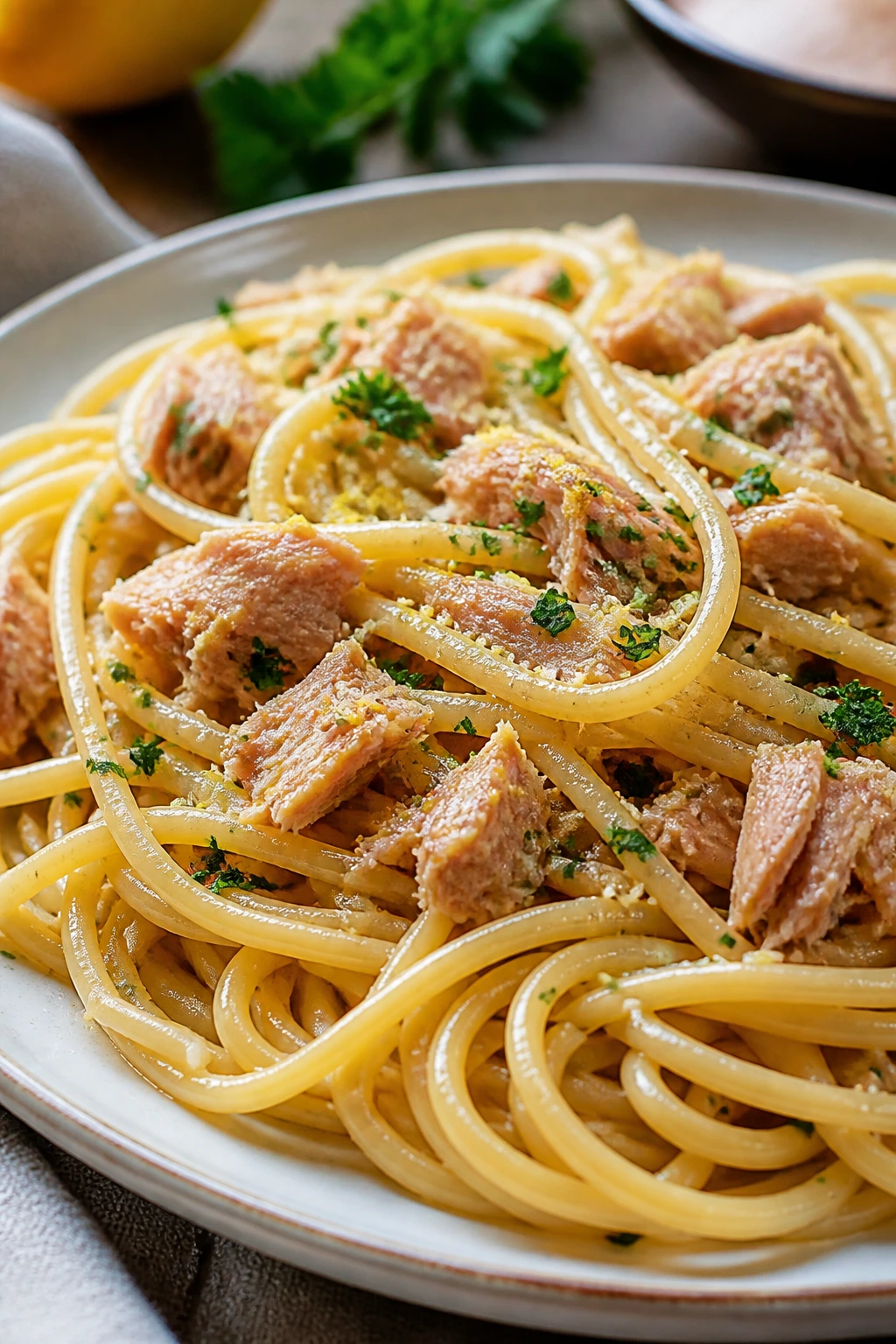
Tuna pasta sounds like a pantry compromise until you taste it with enough butter, garlic, lemon, and pasta water to turn it silky. Then it stops being a fallback and starts acting like a favorite. It’s briny, rich, and clean at the same time, with little green peas popping through the noodles if you toss them in.
This one is about turning cheap ingredients into a dish that feels deliberate. Tuna is one of the best budget proteins because a couple of cans can feed four people when you pair it with pasta. The sauce is barely a sauce, which is exactly why it works: butter, garlic, lemon, and starch from the pasta water do most of the heavy lifting.
Why It Works
Pasta water is the secret weapon. Its starch helps the butter and lemon cling to the noodles, so the dish feels glossy instead of greasy. Tuna brings salt and protein, peas add sweetness, and Parmesan gives the whole thing a little more backbone. No cream needed.
Key Ingredients
- 12 ounces spaghetti or linguine
- 2 cans tuna packed in water or oil, drained
- 3 tablespoons unsalted butter
- 4 garlic cloves, minced
- 1 cup frozen peas
- 1 lemon, zested and juiced
- ½ cup grated Parmesan cheese
- 2 tablespoons chopped parsley
- Crushed red pepper, optional
Quick Steps
- Cook the pasta: Boil the spaghetti in well-salted water until just al dente. Reserve 1 cup of pasta water before draining.
- Start the sauce: Melt the butter in a large skillet over medium heat. Add the garlic and cook for 30 seconds until fragrant, not browned.
- Warm the tuna and peas: Stir in the tuna and peas, breaking the tuna into chunks. Cook for 2 minutes until the peas are hot.
- Bring it together: Add the pasta, lemon juice, zest, Parmesan, and ½ cup pasta water. Toss until the noodles look glossy and the sauce lightly coats them.
- Adjust and serve: Add more pasta water if needed, then finish with parsley and crushed red pepper.
Tips and Variations
- Use oil-packed tuna if you want a richer finish; drain it well so the dish doesn’t go heavy.
- Add capers if you have them. A tablespoon is enough to make the pasta taste brighter.
- Don’t overcook the garlic. Brown garlic gets bitter fast, and this dish depends on a clean, soft garlic flavor.
5. Lentil Soup with Carrots and Potatoes
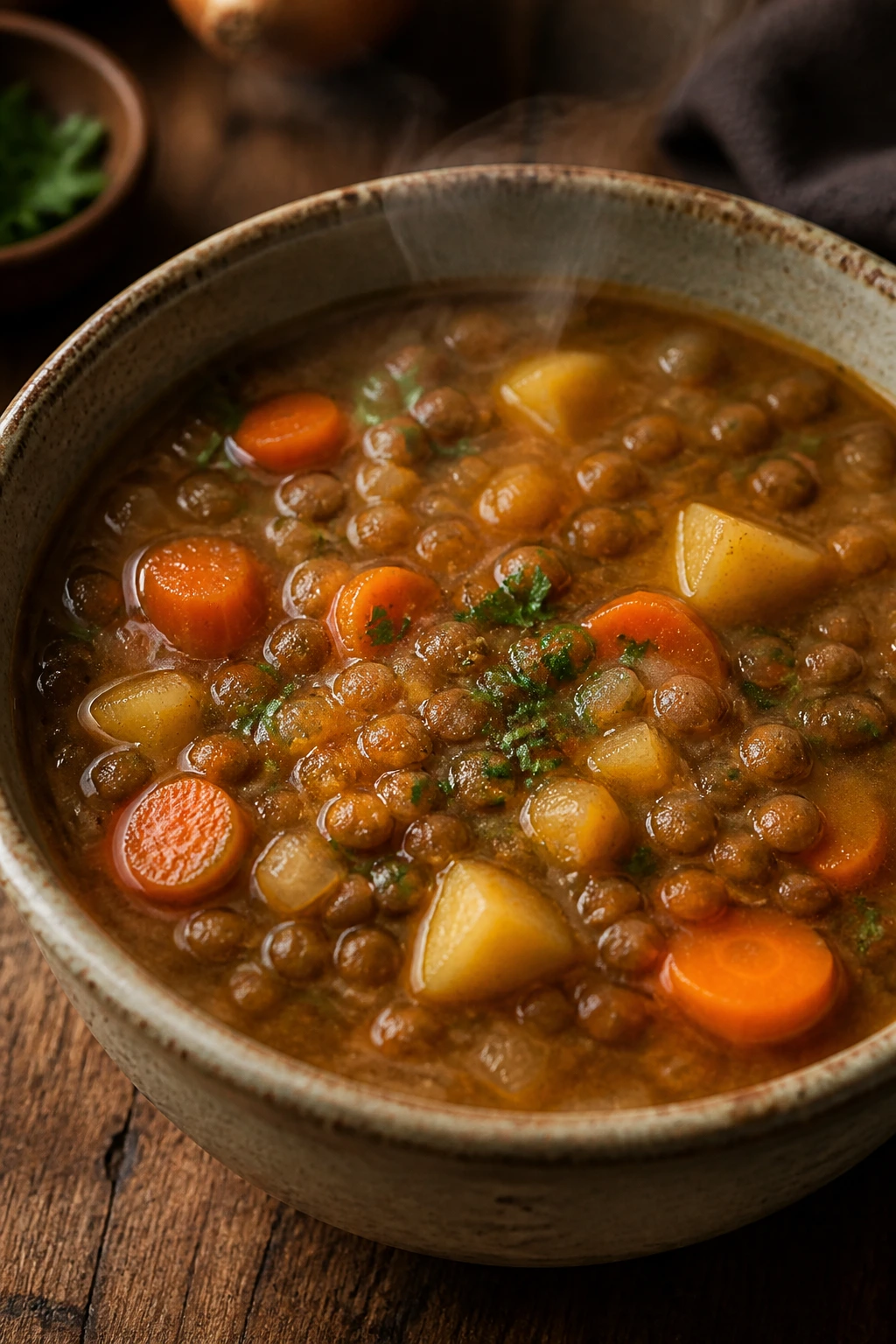
Lentil soup is one of those meals that quietly solves a lot of problems. It is cheap, filling, and sturdy enough to feed you for days. The broth turns earthy and thick, the carrots go sweet, and the potatoes break down just enough to give the whole pot a soft, spoonable body.
Dried lentils are one of the best buys in the kitchen. They cook faster than dried beans, need no soaking, and absorb flavor like they were built for soup. Add onions, carrots, celery, and tomatoes, and you get a pot that tastes bigger than the grocery bill behind it.
Why It Works
Lentils bring protein and body without requiring long cooking. Potatoes thicken the broth naturally, and the carrots and celery give sweetness and depth. A bay leaf and a little thyme make the soup taste slow-cooked even when it isn’t.
Key Ingredients
- 1 tablespoon olive oil
- 1 medium onion, diced
- 2 carrots, peeled and chopped
- 2 celery stalks, chopped
- 3 garlic cloves, minced
- 1 cup brown or green lentils, rinsed
- 2 medium potatoes, peeled and diced
- 1 can (14.5 ounces) diced tomatoes
- 6 cups vegetable broth
- 1 bay leaf
- 1 teaspoon dried thyme
- 1 tablespoon red wine vinegar, for finishing
Quick Steps
- Soften the vegetables: Heat the oil in a large pot over medium heat. Cook the onion, carrots, and celery for 6 to 7 minutes until the onion looks soft and the edges start to color.
- Add the aromatics: Stir in the garlic, thyme, and bay leaf. Cook for 30 seconds.
- Build the soup: Add the lentils, potatoes, tomatoes, and broth. Bring the pot to a boil.
- Simmer gently: Reduce the heat to low and cook uncovered for 30 to 35 minutes until the lentils are tender and the potatoes are easily pierced with a fork.
- Season and brighten: Remove the bay leaf. Stir in salt, pepper, and vinegar. Taste again and adjust.
- Serve hot: Ladle into bowls with bread or crackers.
Tips and Variations
- Use red lentils if you want a softer, thicker soup; they’ll break down more and cook faster.
- Add greens late: A handful of spinach or chopped kale can go in during the last 3 minutes.
- Finish with acid: The vinegar matters. It wakes up the whole pot after the lentils mellow it out.
6. Sausage, Cabbage, and Potatoes Skillet
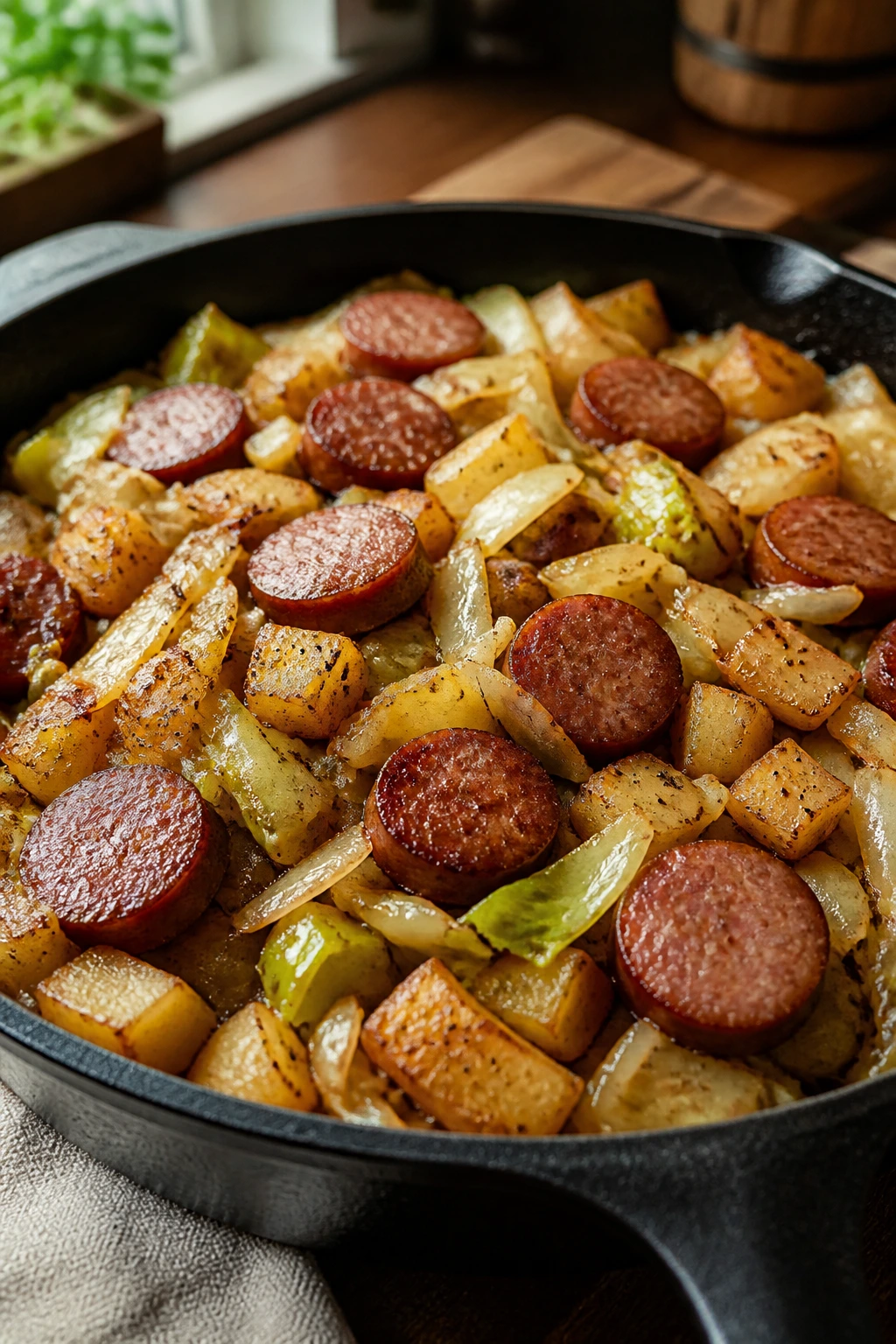
This skillet tastes like it came from a cook who knows exactly how to stretch dinner without making it sad. The sausage gives the pan its salt and smoke, the cabbage softens into silky ribbons, and the potatoes soak up every bit of fat and seasoning. It’s rustic in the good sense, not the “we gave up” sense.
Cabbage is one of the smartest vegetables for tight-budget cooking. It’s cheap per pound, keeps for ages, and turns sweet when it hits heat. Pair it with potatoes and a modest amount of sausage, and you get a dinner that feels generous with almost no extra work.
Why It Works
The pan drippings season everything, so you do not need much else to make the vegetables taste rich. Potatoes provide the bulk, cabbage adds volume and sweetness, and sausage gives the dish enough punch to read as a full meal. A splash of vinegar at the end keeps it from tasting flat.
Key Ingredients
- 12 ounces smoked sausage, sliced into coins
- 1½ pounds Yukon gold or red potatoes, diced small
- ½ head green cabbage, sliced
- 1 medium onion, sliced
- 2 tablespoons olive oil
- 1 teaspoon paprika
- 1 tablespoon apple cider vinegar
- 1 teaspoon Dijon mustard
- Chopped parsley, optional
Quick Steps
- Brown the sausage: Heat 1 tablespoon of the oil in a large skillet over medium-high heat. Cook the sausage for 3 to 4 minutes until lightly browned, then scoop it out.
- Start the potatoes: Add the remaining oil and the potatoes. Cook for 10 minutes, stirring every couple of minutes, until the edges begin to turn golden.
- Add onion and cabbage: Stir in the onion, cabbage, paprika, salt, and pepper. Cook for 8 to 10 minutes until the cabbage is tender and the onion is soft.
- Return the sausage: Put the sausage back in the pan and stir in the vinegar and mustard.
- Finish together: Cook for 2 more minutes until everything is hot and the potatoes are tender.
- Serve right away: Scatter parsley over the top if you have it.
Tips and Variations
- Cut the potatoes small. Big chunks take longer and make the dish feel uneven.
- Use kielbasa or chicken sausage depending on what’s cheaper.
- A spoonful of mustard at the end gives the skillet a sharp, savory edge that plays well with the cabbage.
7. Chickpea Coconut Curry
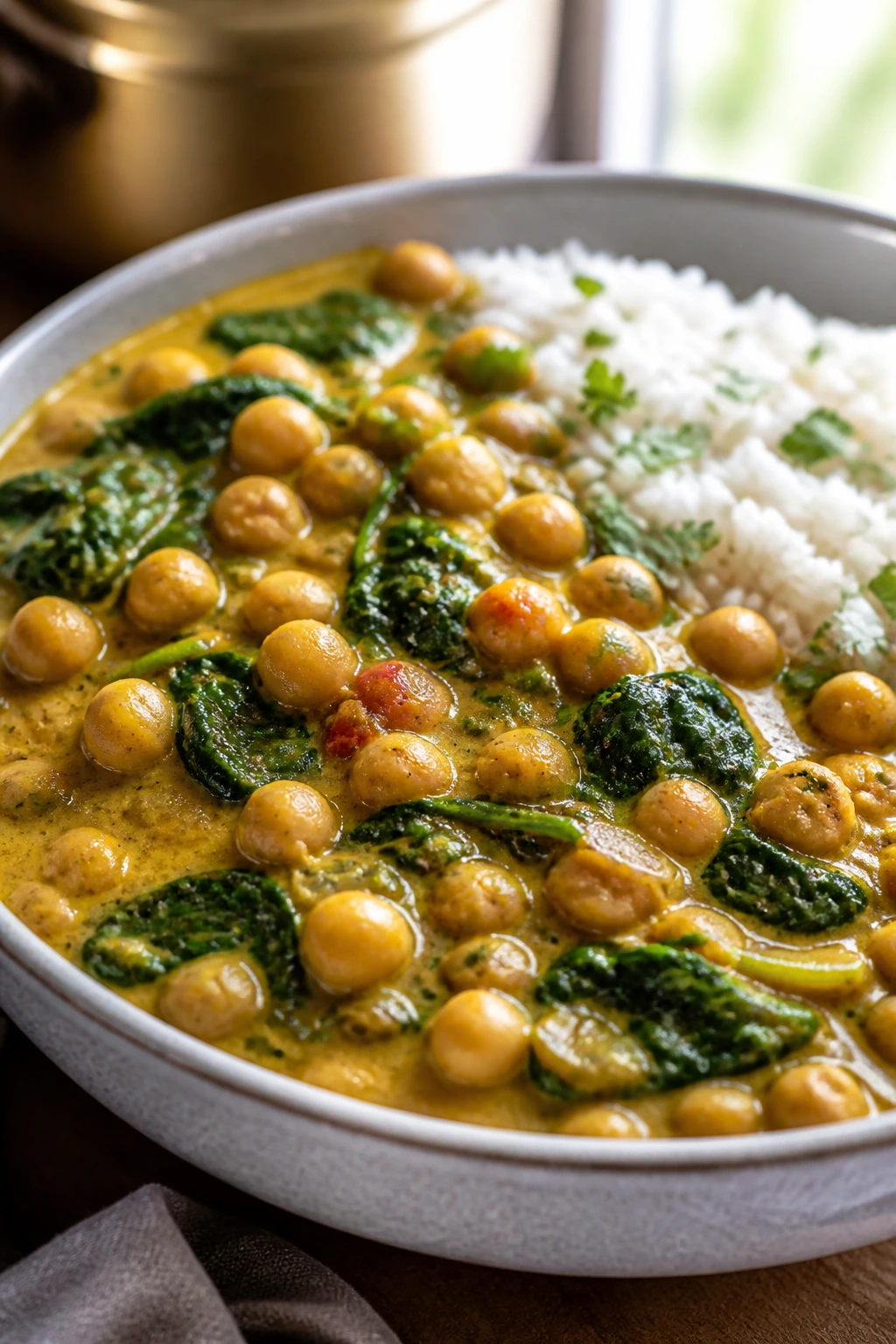
This curry is the kind of dinner that makes a very small pantry feel cooperative. Chickpeas bring protein, coconut milk brings body, and curry powder does the heavy lifting on flavor. The sauce turns creamy and golden, with spinach sinking into it at the end so the bowl looks fuller than the ingredient list suggests.
It is also forgiving, which matters when you’re cooking at the edge of the month. You can build it from canned goods and a few spices, and it still tastes like something you planned. Serve it over rice and it feeds a crowd without any fuss.
Why It Works
Chickpeas are cheap, sturdy, and bland in a useful way. They soak up the curry sauce instead of competing with it. Coconut milk makes the dish feel rich without needing cream, and tomato paste deepens the flavor so it doesn’t taste thin or flat.
Key Ingredients
- 1 tablespoon oil
- 1 medium onion, diced
- 3 garlic cloves, minced
- 1 tablespoon grated fresh ginger, optional
- 2 tablespoons curry powder
- 2 tablespoons tomato paste
- 2 cans chickpeas, drained and rinsed
- 1 can coconut milk
- 1 cup vegetable broth
- 4 cups baby spinach
- Cooked rice, for serving
- Lime wedges, for serving
Quick Steps
- Cook the onion: Heat the oil in a deep skillet or pot over medium heat. Add the onion and cook for 5 minutes until soft.
- Bloom the spices: Stir in the garlic, ginger, curry powder, and tomato paste. Cook for 1 minute until the paste darkens slightly.
- Simmer the curry: Add the chickpeas, coconut milk, and broth. Bring to a simmer and cook for 12 to 15 minutes until the sauce thickens a little.
- Wilt the spinach: Stir in the spinach and cook for 1 to 2 minutes until it collapses into the sauce.
- Taste and adjust: Add salt, pepper, and a squeeze of lime.
- Serve over rice: Spoon the curry into bowls and finish with more lime if you want brightness.
Tips and Variations
- Use frozen spinach if it’s cheaper; squeeze out excess water before adding it.
- Make it hotter with chili flakes or a spoonful of curry paste.
- Skip the rice and serve it with flatbread if that’s what you have on hand.
8. Potato Hash with Fried Eggs
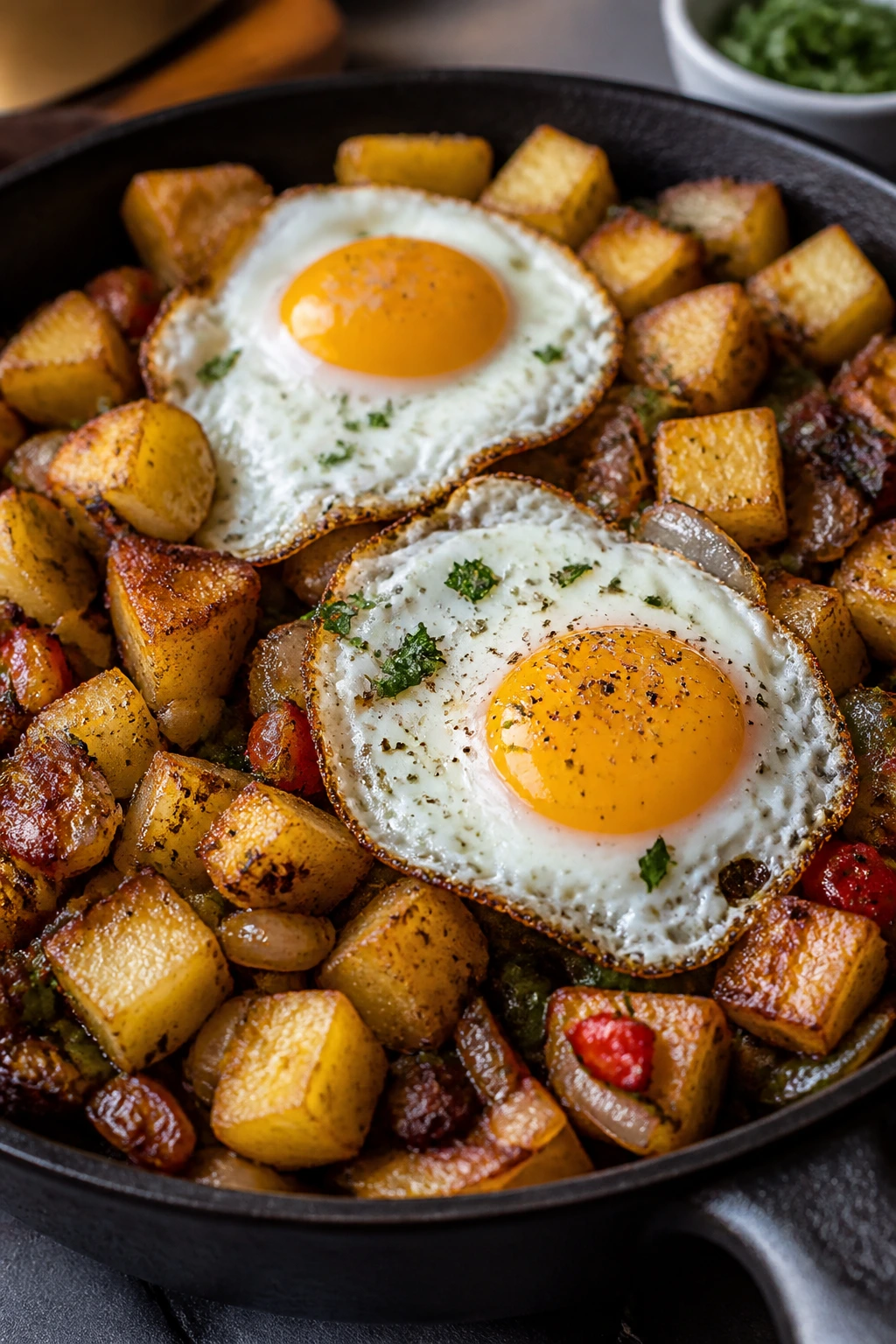
Potato hash is one of those meals that feels almost unfairly cheap. Potatoes are doing a lot of the work, onions add sweetness, and fried eggs on top turn the whole pan into dinner. The edges go crisp, the middle stays tender, and the yolks bring the kind of sauce you don’t have to buy.
This is a strong end-of-month move because it can absorb leftovers. A stray bell pepper, a bit of cheese, a handful of herbs — all of it fits. But even stripped down to potatoes, onions, and eggs, it still tastes like a meal that was meant to happen.
Why It Works
Potatoes have the right mix of starch and structure for a skillet dinner. If you cut them small enough, they cook quickly and develop browned edges before turning mushy. Eggs add protein and richness, and a little smoked paprika keeps the hash from tasting plain.
Key Ingredients
- 1½ pounds russet or Yukon gold potatoes, diced small
- 1 medium onion, diced
- 2 tablespoons oil or butter
- 1 teaspoon smoked paprika
- 4 large eggs
- ¼ cup shredded cheese, optional
- 2 tablespoons chopped chives or parsley
- Hot sauce, for serving
Quick Steps
- Start the potatoes: Heat the oil in a large skillet over medium heat. Add the potatoes and cook for 10 minutes, stirring occasionally, until they start to brown.
- Add the onion: Stir in the onion, paprika, salt, and pepper. Cook for 8 to 10 minutes until the potatoes are tender and the onion is soft.
- Optional shortcut: If the potatoes are taking too long, splash in 2 tablespoons water and cover the pan for 3 minutes.
- Fry the eggs: Push the hash to the sides and crack the eggs into open spaces, or fry them separately in another pan if you want crisp edges.
- Finish the pan: Sprinkle cheese over the hash if using, then cover for 1 minute to melt.
- Serve hot: Top with herbs and hot sauce.
Tips and Variations
- Microwave the diced potatoes for 3 to 4 minutes first if you want the hash to move faster.
- Add leftover meat if you have it, but the dish does not need it.
- Use a cast-iron skillet if possible; it gives the potatoes better browning than a thin pan.
9. Black Bean Quesadillas with Corn
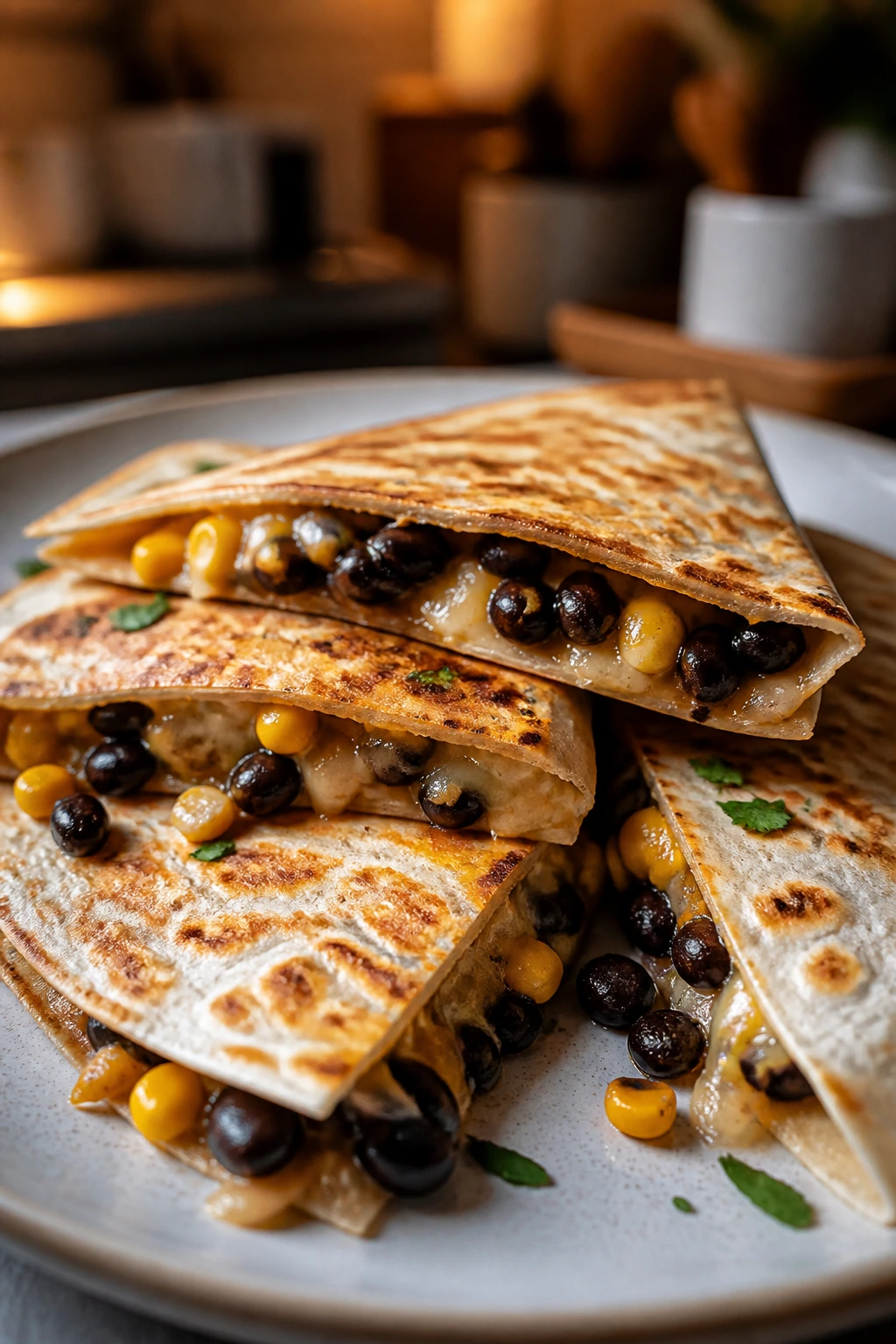
Quesadillas are cheap dinner insurance. Tortillas, beans, cheese, and a little corn or onion become something that feels far more deliberate than the ingredient list would suggest. The outside crisps up, the cheese melts into the beans, and every wedge gets a bite that’s creamy, salty, and a little sweet.
This is also one of the easiest dinners to scale. Two quesadillas feed a couple of people; six feed a crowd. If you keep tortillas and beans around, you’re never far from a meal that can be assembled in minutes and eaten without ceremony.
Why It Works
Black beans bring protein and body, corn adds sweetness, and cheese acts as the glue. Toasting the tortillas in a dry skillet gives you crisp edges without needing much oil. The filling is cheap because the tortilla carries so much of the weight.
Key Ingredients
- 1 can black beans, drained and rinsed
- 1 cup frozen corn, thawed
- 1 teaspoon cumin
- 1 cup shredded cheddar or Monterey Jack
- 4 large flour tortillas
- ½ small onion, finely diced
- 1 tablespoon oil or butter
- Salsa, for serving
- Lime wedges, optional
Quick Steps
- Mix the filling: In a bowl, combine the beans, corn, onion, cumin, salt, and pepper. Mash about a quarter of the beans with a fork so the filling holds together.
- Fill one half: Lay a tortilla in a skillet or on a board and scatter cheese over half of it. Spoon on the bean mixture, then add a little more cheese.
- Fold and toast: Fold the tortilla over and cook in a skillet over medium heat for 2 to 3 minutes per side until golden and crisp.
- Repeat: Work through the remaining tortillas, adding a little oil or butter to the pan as needed.
- Slice and serve: Cut into wedges and serve with salsa and lime.
Tips and Variations
- Don’t overfill the tortilla. Too much filling leaks out and makes the quesadilla hard to flip.
- Add jalapeños if you want more heat without changing the structure of the meal.
- Use leftover rice in the filling if you need to stretch it even farther.
10. Cabbage Roll Skillet
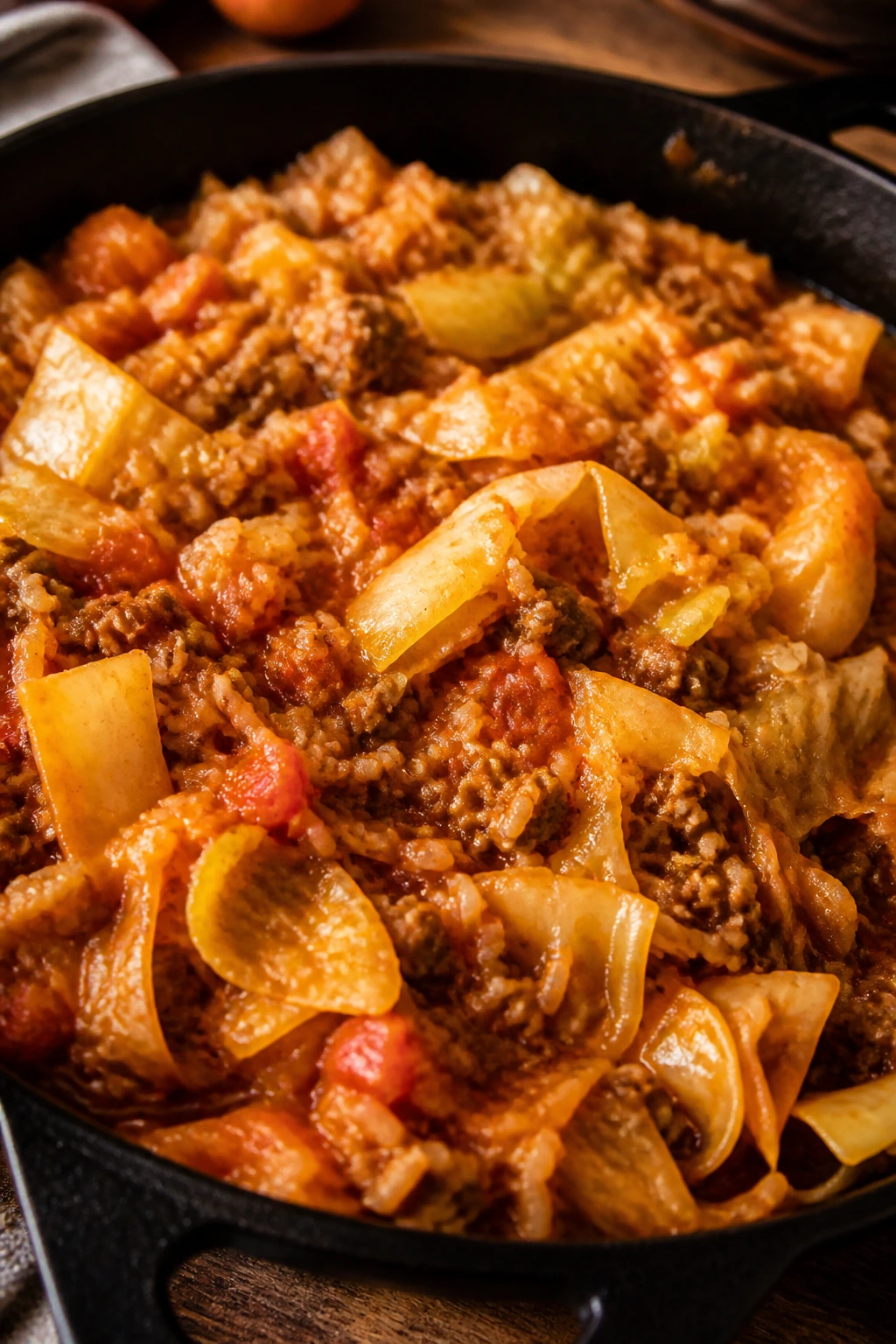
Cabbage rolls without the folding are one of my favorite budget tricks. You get the same cozy flavors — beef, rice, tomato, cabbage, and onion — without standing over a stack of leaves trying to make them behave. Everything cooks together in one pan, and the cabbage melts down into the sauce until it feels like the dish was always meant to be this easy.
This is the kind of meal that makes a pound of ground beef look generous. The rice absorbs the tomato liquid, the cabbage provides volume, and the meat seasons the whole skillet. It’s hearty, practical, and a little old-fashioned in the best way.
Why It Works
Cabbage carries a lot of volume for very little money, which makes it perfect for stretching ground meat. The tomato sauce keeps the rice tender, while paprika and Worcestershire give the dish the savory depth people usually expect from something that took much longer. It tastes like a casserole but cooks like a skillet meal.
Key Ingredients
- 1 tablespoon oil
- 1 pound ground beef or ground turkey
- 1 medium onion, chopped
- 3 garlic cloves, minced
- ½ head green cabbage, chopped
- 1 cup long-grain white rice, rinsed
- 1 can (28 ounces) crushed tomatoes
- 2 cups beef broth
- 1 teaspoon paprika
- 1 tablespoon Worcestershire sauce
Quick Steps
- Brown the meat: Heat the oil in a large deep skillet or Dutch oven over medium-high heat. Cook the beef and onion for 6 to 8 minutes until the meat is browned.
- Add the garlic and cabbage: Stir in the garlic and cabbage. Cook for 4 minutes until the cabbage starts to soften.
- Build the sauce: Add the rice, crushed tomatoes, broth, paprika, Worcestershire sauce, salt, and pepper. Stir well.
- Simmer covered: Bring the pan to a boil, reduce the heat to low, cover, and cook for 18 to 20 minutes until the rice is tender.
- Rest before serving: Turn off the heat and let the skillet sit for 5 minutes so the rice finishes steaming.
- Taste and serve: Fluff gently and add more salt if needed.
Tips and Variations
- Green cabbage is the budget pick. Savoy works too, but it usually costs more.
- Add a spoon of sour cream at the table if you want a little richness.
- Keep the cabbage chopped small so it softens at the same pace as the rice.
11. Peanut Noodles with Shredded Cabbage
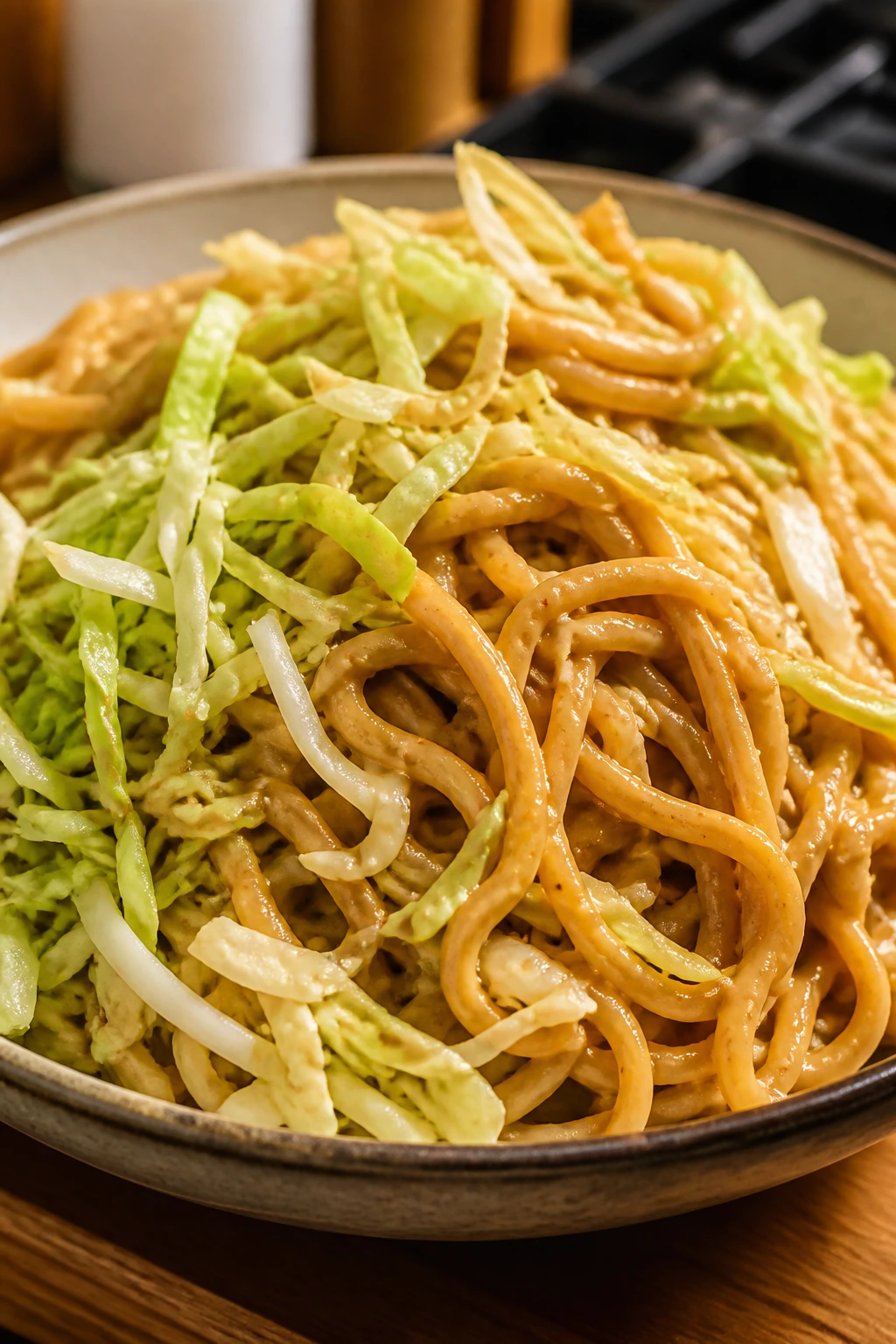
These noodles are fast, cheap, and much more satisfying than they look on paper. The sauce is creamy and salty with a little tang, the cabbage brings crunch, and the noodles soak everything up without going soggy. It’s the sort of dinner that disappears quickly and leaves behind only the smell of garlic and peanut.
This works especially well when the grocery list has gone thin but the cupboard still has pasta and peanut butter. The sauce comes together in the time it takes to boil the noodles. That’s the whole point. There’s no need to overthink it.
Why It Works
Peanut butter gives body and richness, soy sauce brings salt, and vinegar cuts through the fat so the noodles don’t feel heavy. Shredded cabbage stays crisp enough to keep each bite lively, and a little noodle water helps the sauce coat everything smoothly. Cheap ingredients, but they pull in different directions in a good way.
Key Ingredients
- 12 ounces spaghetti or ramen noodles
- ½ cup creamy peanut butter
- 3 tablespoons soy sauce
- 2 tablespoons rice vinegar or lime juice
- 1 tablespoon honey or brown sugar
- 2 garlic cloves, minced
- 3 cups shredded cabbage
- 1 carrot, shredded
- 1 tablespoon chili oil or sriracha, optional
- Chopped peanuts or scallions, optional
Quick Steps
- Cook the noodles: Boil the spaghetti until just tender, then reserve 1 cup of the cooking water and drain.
- Mix the sauce: In a bowl, whisk together the peanut butter, soy sauce, vinegar, honey, garlic, and ½ cup of hot noodle water until smooth.
- Toss the vegetables: Put the cabbage and carrot in a large bowl with a pinch of salt.
- Combine everything: Add the noodles and sauce to the bowl, tossing until the strands are coated and the cabbage softens a little from the heat.
- Adjust the texture: Add more noodle water a tablespoon at a time if the sauce feels thick.
- Serve with toppings: Finish with chili oil, peanuts, or scallions.
Tips and Variations
- Use ramen if that’s what you have. Toss the seasoning packet if it’s too salty and rely on the peanut sauce instead.
- Serve warm or cold. The noodles hold up either way.
- Add leftover chicken or tofu if you want more protein without changing the sauce.
12. Spaghetti with White Beans and Breadcrumbs
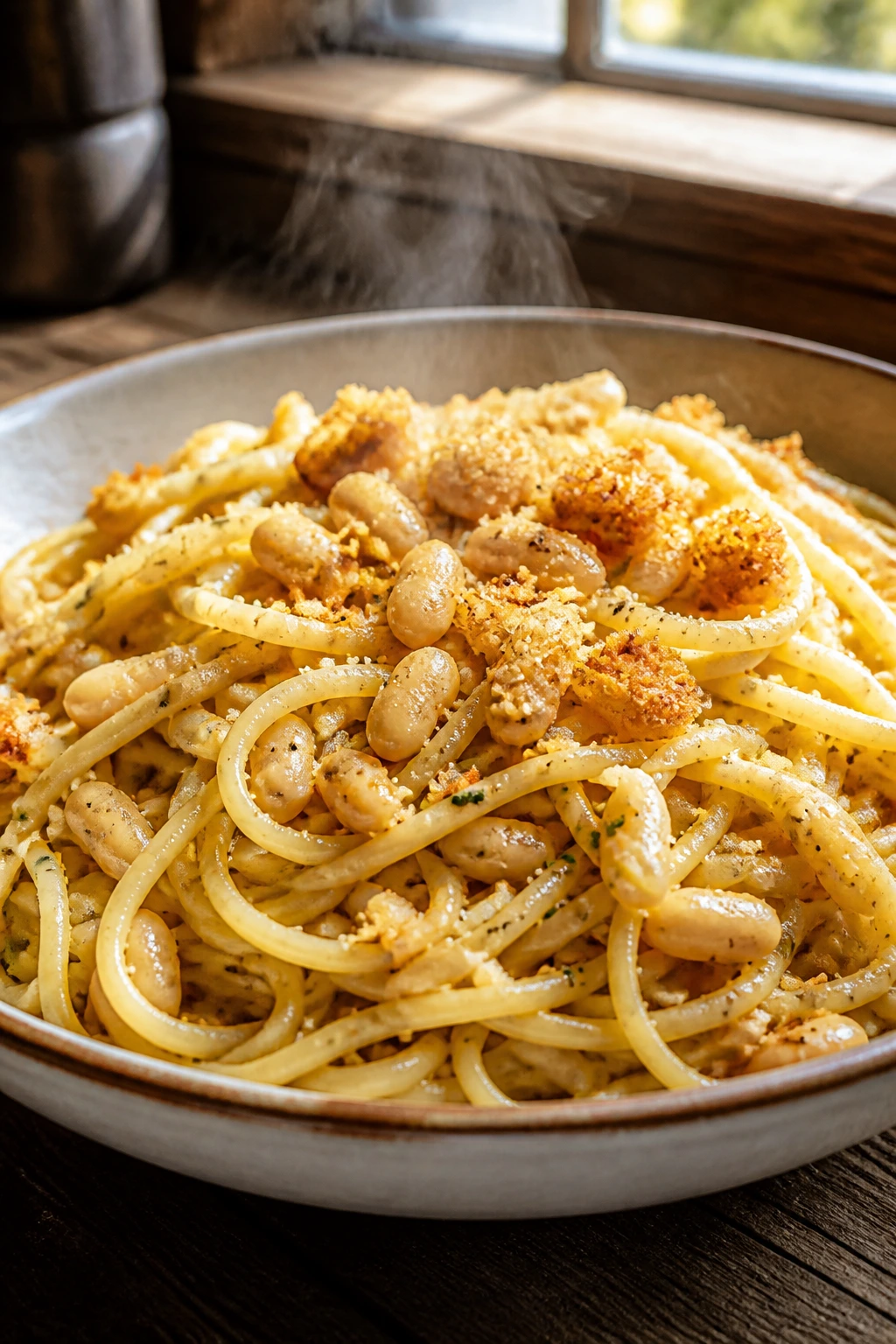
This is what I make when I want dinner to feel clever without being expensive. White beans give the pasta a creamy, almost luxurious feel, and toasted breadcrumbs add crunch where there would otherwise just be noodles. It’s simple, but it has texture, and texture saves a cheap dinner from tasting flat.
The dish belongs to that useful family of pantry meals that lean on olive oil, garlic, and pasta water to make everything feel intentional. Cannellini beans are mild enough to disappear into the sauce but sturdy enough to keep their shape. The breadcrumbs on top make a big difference. Don’t skip them.
Why It Works
Beans replace some of the richness you’d usually get from meat or cream. Garlic and olive oil build the base, pasta water helps the sauce cling, and breadcrumbs give the dish a crisp finish that makes each forkful more interesting. It’s a small trick with a big payoff.
Key Ingredients
- 12 ounces spaghetti
- 2 cans cannellini beans, drained and rinsed
- 3 tablespoons olive oil
- 4 garlic cloves, thinly sliced
- ½ teaspoon crushed red pepper
- ½ cup plain breadcrumbs
- ½ cup grated Parmesan
- 1 teaspoon lemon zest
- 2 tablespoons chopped parsley
Quick Steps
- Toast the breadcrumbs: Heat 1 tablespoon olive oil in a skillet over medium heat. Add the breadcrumbs and cook for 2 to 3 minutes until golden, then set aside.
- Cook the pasta: Boil the spaghetti in salted water until al dente, reserving 1 cup of pasta water.
- Start the bean sauce: In a large skillet, warm the remaining olive oil over medium heat. Add the garlic and crushed red pepper, then cook for 30 seconds.
- Add the beans: Stir in the beans and ½ cup pasta water. Simmer for 3 to 4 minutes, mashing a few beans against the pan so the sauce thickens.
- Toss with pasta: Add the spaghetti, Parmesan, and lemon zest. Toss until the noodles are coated.
- Finish with crunch: Top with breadcrumbs and parsley before serving.
Tips and Variations
- Mash a few beans into the skillet sauce for a creamier texture without using dairy.
- Add spinach in the last minute if you want a greener plate.
- Use panko if that’s what’s in the pantry; it toasts fast, so keep your eye on it.
13. Shakshuka with Chickpeas
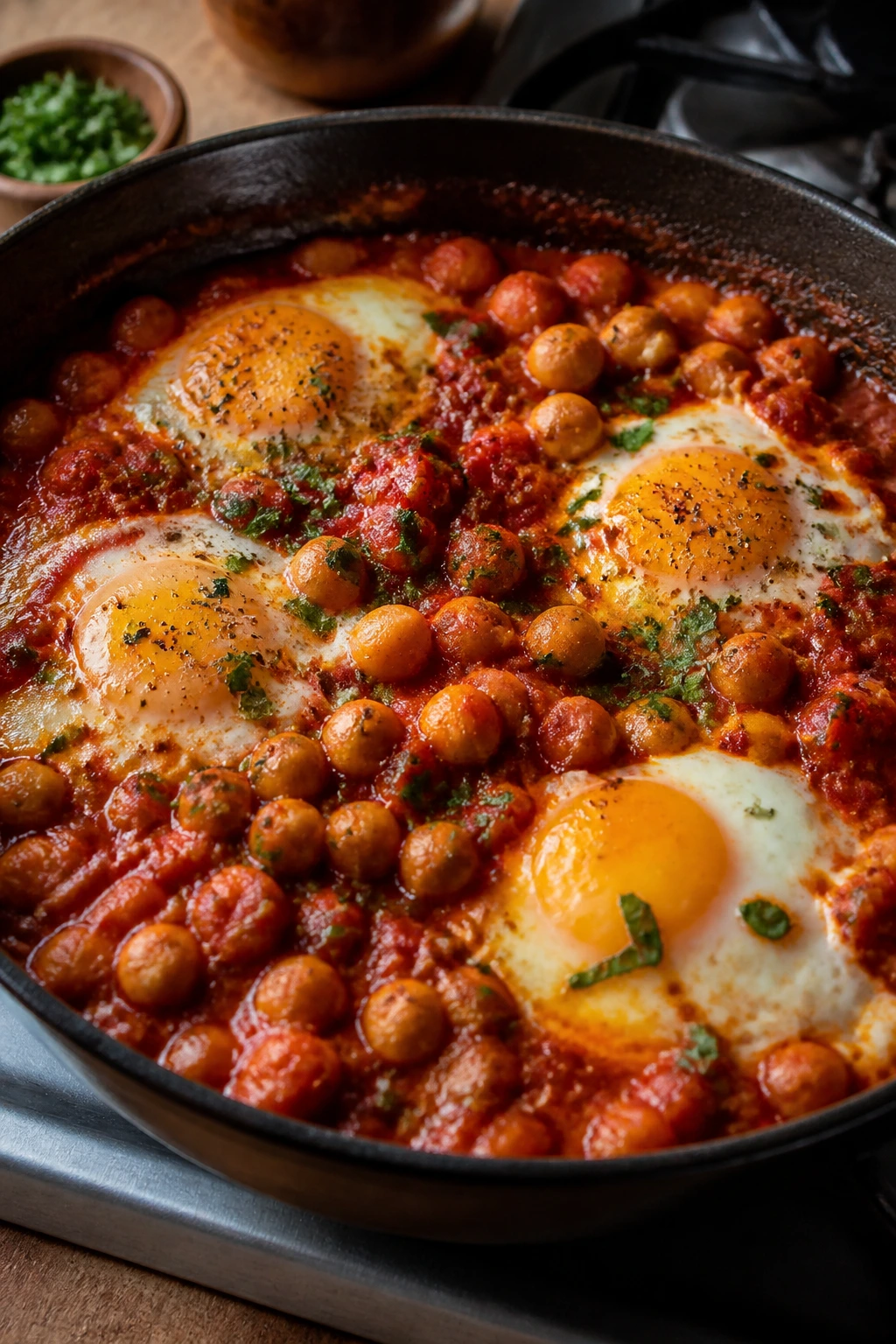
Shakshuka looks like brunch food, but it behaves beautifully as a cheap dinner. The tomato sauce is rich and spiced, the chickpeas give it heft, and the eggs cook right in the pan until the whites set and the yolks stay soft. It’s the kind of meal that makes a crusty piece of bread feel like the correct utensil.
Chickpeas are the quiet hero here. They bulk up the sauce without getting in the way, and they make the pan feel full enough to feed four people without adding meat. If you keep canned tomatoes, onions, and eggs around, you’re already most of the way there.
Why It Works
The sauce needs to be thick before the eggs go in, or the whites will set unevenly and the yolks will overcook while you wait. Chickpeas hold their shape in the tomato base, cumin and paprika give the sauce warmth, and a little feta at the end sharpens everything. The whole dish rides on contrast: soft eggs, thick sauce, chewy beans, crisp bread.
Key Ingredients
- 2 tablespoons olive oil
- 1 medium onion, sliced
- 1 red bell pepper, sliced
- 3 garlic cloves, minced
- 1 teaspoon cumin
- 1 teaspoon paprika
- 1 can (28 ounces) crushed tomatoes
- 1 can chickpeas, drained and rinsed
- 6 large eggs
- ¼ cup crumbled feta, optional
- Chopped parsley, for serving
Quick Steps
- Cook the vegetables: Heat the oil in a wide skillet over medium heat. Add the onion and bell pepper and cook for 8 minutes until softened.
- Add the spices: Stir in the garlic, cumin, and paprika. Cook for 30 seconds.
- Make the sauce: Pour in the tomatoes and chickpeas. Simmer for 10 minutes until the sauce thickens.
- Add the eggs: Make 6 small wells in the sauce and crack an egg into each one.
- Cover and cook: Put a lid on the pan and cook for 6 to 8 minutes until the whites are set but the yolks still wobble.
- Finish and serve: Top with feta and parsley, then bring bread to the table.
Tips and Variations
- Keep the sauce thick. Watery sauce makes the eggs slide around and cook unevenly.
- Add harissa if you want a spicier, deeper version.
- Use pita or toast to scoop, since this dish really wants something sturdy beside it.
14. Baked Potato Bar with Chili Beans
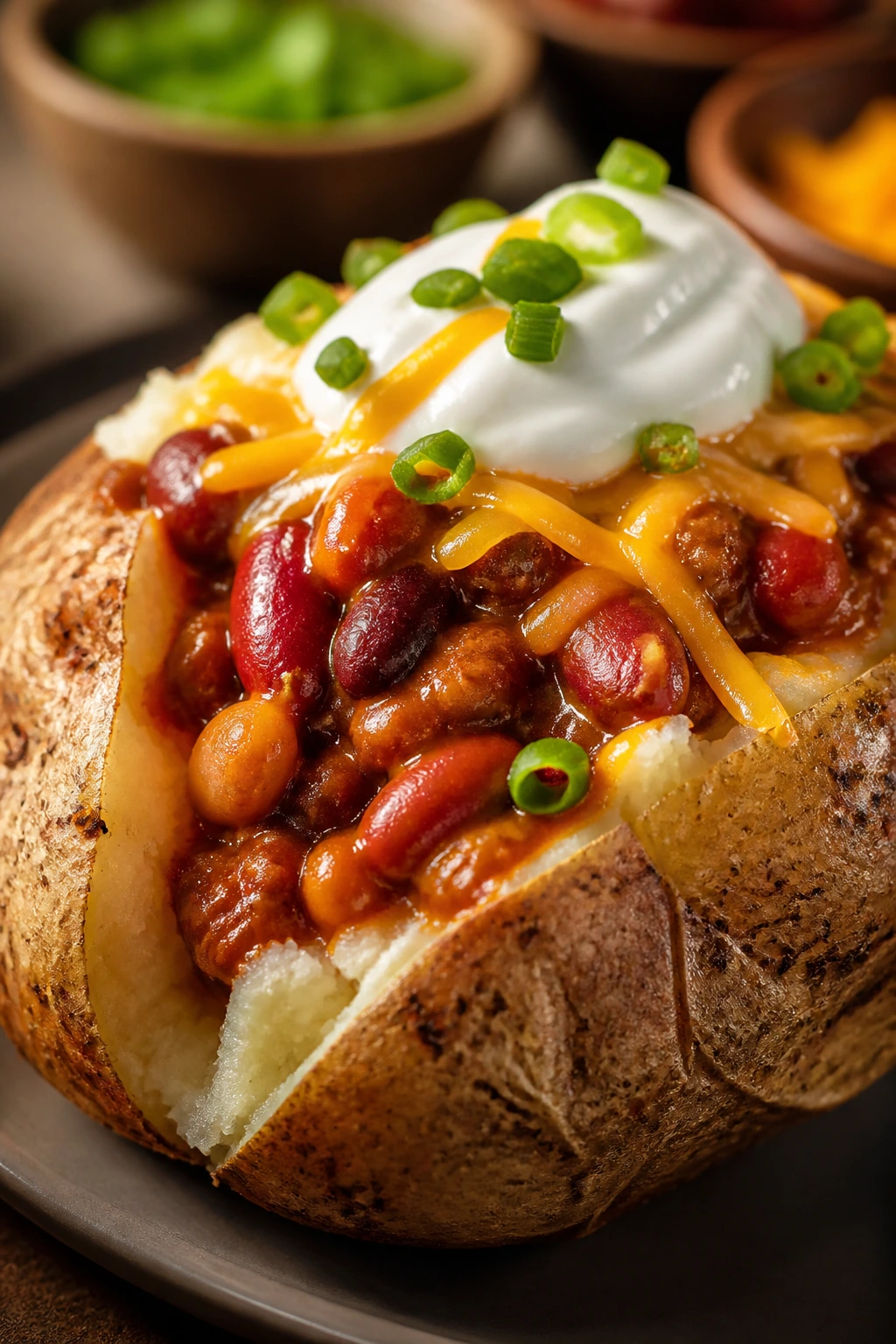
A baked potato bar is one of the easiest ways to make a cheap dinner feel like an event. The potatoes are fluffy and plain on purpose, which gives the toppings all the room they need. Chili beans, cheese, sour cream, salsa, scallions — you can keep it simple or build it into a whole table of choices.
This meal is especially useful when everyone wants something slightly different. One person piles on beans, another wants just butter and cheese, and someone else adds hot sauce and calls it perfect. The base is cheap, filling, and cheerful, which is a rare combination when the fridge is looking tired.
Why It Works
Russet potatoes are inexpensive and dense enough to carry toppings without collapsing. Beans add protein and fiber, and the potato skin gives you something crisp against the soft center. Because the ingredients are separated at the table, the meal feels customizable instead of improvised.
Key Ingredients
- 4 large russet potatoes
- 1 tablespoon oil
- 1 small onion, diced
- 1 can kidney beans, drained and rinsed
- 1 can diced tomatoes
- 1 teaspoon chili powder
- 2 tablespoons butter
- 1 cup shredded cheddar
- ½ cup sour cream
- 2 scallions, sliced
Quick Steps
- Bake the potatoes: Heat the oven to 425°F. Scrub the potatoes, prick them with a fork, rub with oil, and bake directly on the rack for 45 to 55 minutes until tender.
- Make the bean topping: While the potatoes bake, cook the onion in a skillet for 5 minutes. Add the beans, tomatoes, chili powder, salt, and pepper, then simmer for 10 minutes.
- Split the potatoes: Cut each potato open and gently fluff the insides with a fork.
- Load the toppings: Add butter, then spoon on the bean mixture, cheese, sour cream, and scallions.
- Serve hot: Put the potatoes on plates before they cool down and lose that fluffy middle.
Tips and Variations
- Microwave first if the oven time feels long; 8 to 10 minutes in the microwave can cut baking time almost in half.
- Make it smoky with a pinch of cumin or smoked paprika in the beans.
- Use leftover chili if you have it; that turns the bar into an even faster dinner.
15. Sheet Pan Chicken Thighs with Potatoes and Carrots
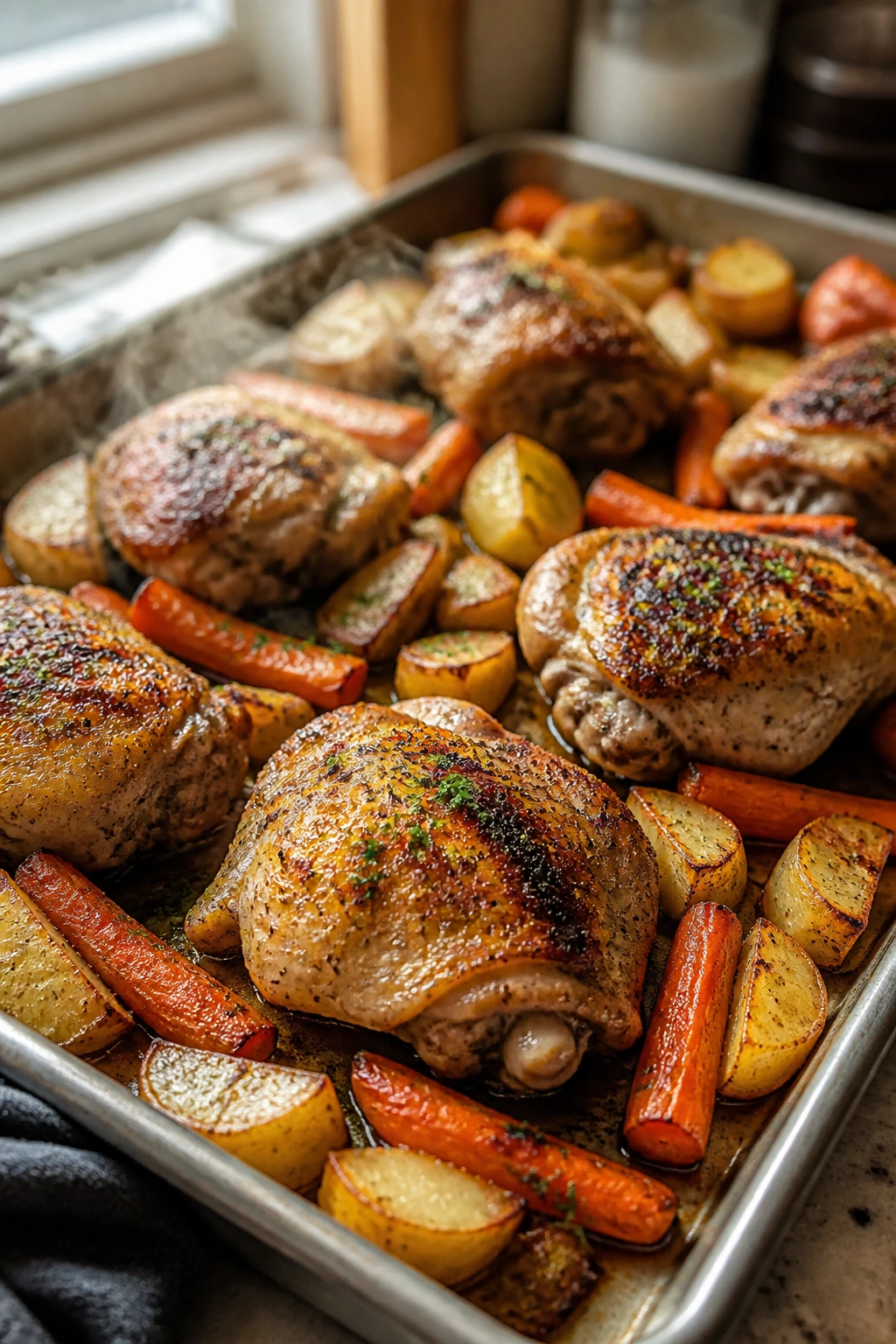
Chicken thighs are one of the few meat buys that still feel friendly to a tight budget. They stay juicy, they roast well, and they make a pan of potatoes and carrots taste richer than the ingredients suggest. The edges caramelize, the vegetables pick up the chicken drippings, and the whole tray smells like dinner has done you a favor.
This is a good one to keep in your back pocket because it doesn’t need much babysitting. Bone-in thighs are usually cheaper than breasts, and they’re much more forgiving in the oven. If you’ve got a sheet pan and some sturdy vegetables, you’re most of the way there.
Why It Works
Dark meat has more fat, which means it stays tender even with a hard roast. Potatoes and carrots like high heat, so they brown instead of turning soggy. A simple seasoning mix of garlic powder, paprika, salt, and pepper is enough because the chicken drippings season the vegetables as they cook.
Key Ingredients
- 6 bone-in, skin-on chicken thighs
- 1½ pounds potatoes, cut into chunks
- 4 carrots, cut into thick sticks
- 1 medium onion, cut into wedges
- 2 tablespoons olive oil
- 1 teaspoon garlic powder
- 1 teaspoon paprika
- 1 lemon, cut into wedges
Quick Steps
- Heat the oven: Set it to 425°F and line a large sheet pan with parchment if you want easy cleanup.
- Season the vegetables: Toss the potatoes, carrots, and onion with 1 tablespoon olive oil, half the garlic powder, half the paprika, salt, and pepper.
- Arrange the chicken: Rub the chicken thighs with the remaining oil and seasonings, then place them skin-side up on top of the vegetables.
- Roast: Cook for 35 to 45 minutes until the chicken reaches 165°F and the skin is deep golden.
- Check the vegetables: If they need more color, roast for another 5 minutes.
- Finish with lemon: Squeeze lemon over the tray right before serving.
Tips and Variations
- Cut the potatoes evenly. Uneven pieces mean some turn mushy while others stay hard.
- Use bone-in thighs rather than boneless if you want the best flavor for the money.
- Add cabbage wedges during the last 20 minutes if you want more vegetables without spending much.
16. Minestrone with Pasta and Beans
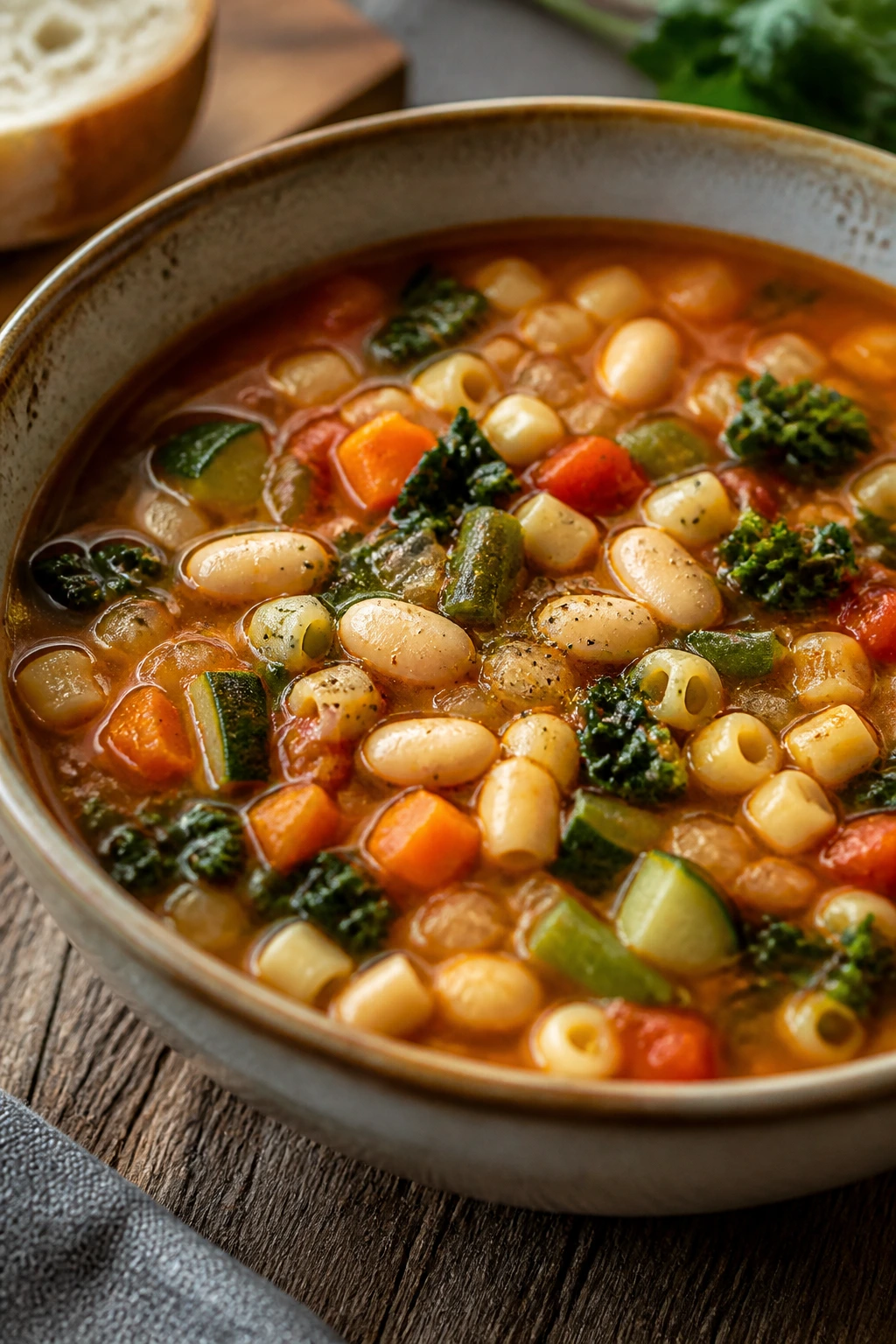
Minestrone is what I make when the vegetables in the crisper drawer start looking like they’re about to file a complaint. It’s flexible by nature, which is exactly why it belongs in a cheap dinner lineup. Beans, pasta, carrots, celery, tomatoes, and greens build a soup that tastes like more than the sum of its parts.
This is the kind of soup that rewards whatever you have. Zucchini, spinach, small bits of leftover green beans, a parmesan rind if you keep one tucked in the freezer — all of it can slide into the pot. The base stays steady, and the soup tastes better after a rest.
Why It Works
Beans and pasta give minestrone its body, while the vegetable base keeps it from tasting like plain bean soup. The tomato broth adds brightness, and a parmesan rind, if you have one, gives the pot a savory backbone that makes the whole thing taste slow-simmered. It’s cheap because the ingredients are humble, not because the soup is thin.
Key Ingredients
- 2 tablespoons olive oil
- 1 medium onion, diced
- 2 carrots, diced
- 2 celery stalks, diced
- 3 garlic cloves, minced
- 1 can diced tomatoes
- 2 cans cannellini or kidney beans, drained and rinsed
- 6 cups vegetable broth
- 1 cup small pasta, such as ditalini
- 2 cups chopped spinach or kale
- 1 parmesan rind, optional
Quick Steps
- Build the base: Heat the oil in a large pot over medium heat. Cook the onion, carrots, and celery for 6 to 7 minutes until softened.
- Add garlic and tomatoes: Stir in the garlic and cook for 30 seconds, then add the tomatoes and simmer for 2 minutes.
- Pour in the broth: Add the beans, broth, parmesan rind if using, and a pinch of salt and pepper. Bring to a boil.
- Add the pasta: Stir in the pasta and cook for 8 to 10 minutes until tender.
- Finish with greens: Add the spinach or kale and cook until wilted, about 2 minutes.
- Taste and serve: Remove the rind, adjust the seasoning, and serve with bread.
Tips and Variations
- Hold the pasta back if you want the soup to freeze well; cook it separately and add it when serving.
- Use frozen vegetables when they’re cheaper or fresher than the produce aisle.
- A splash of vinegar at the end wakes up the broth in a useful way.
17. Tuna Melt Pasta Bake
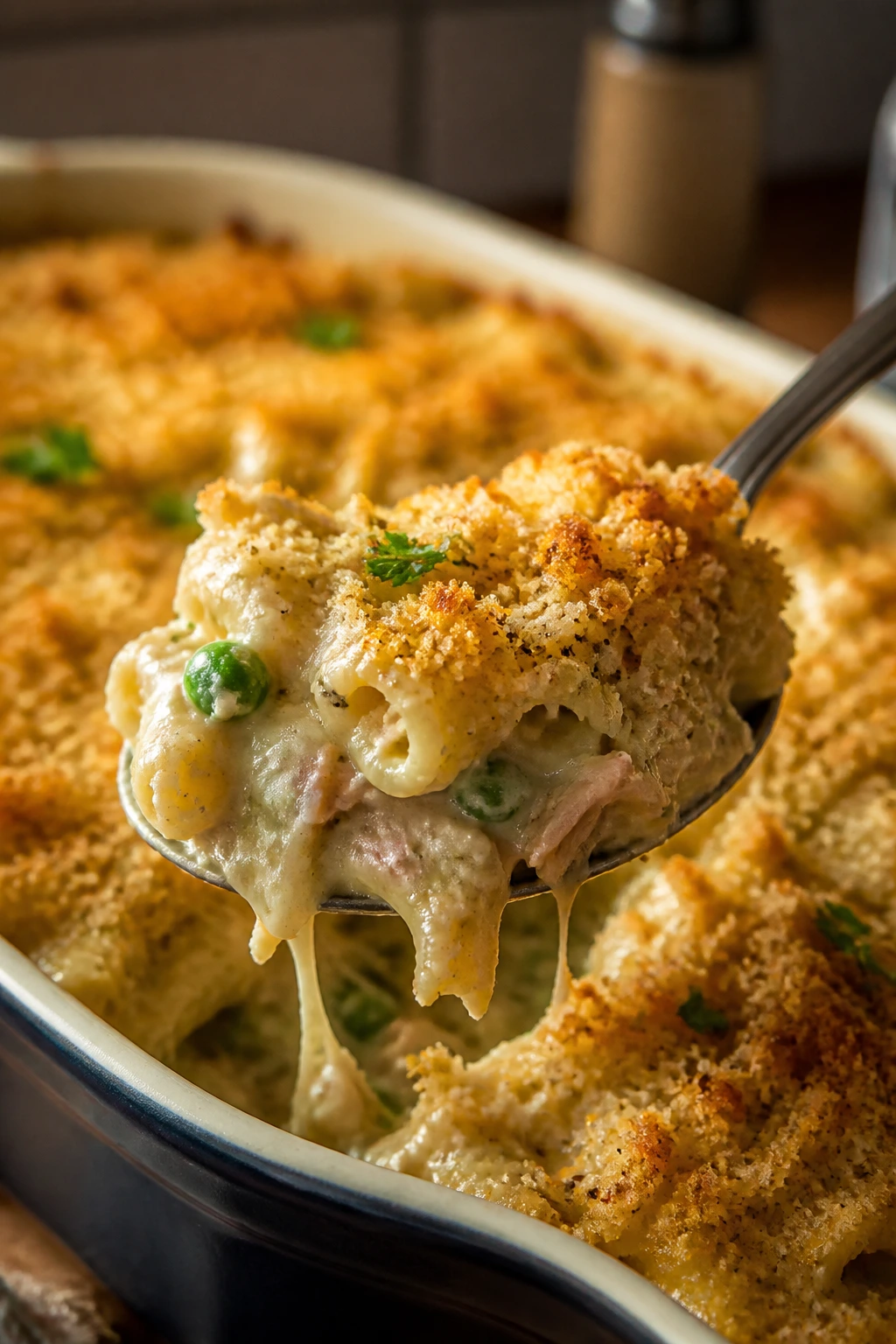
This bake tastes like a tuna melt and a pasta casserole met in the middle and decided to be more useful. It’s creamy, cheesy, and comforting, with peas adding a little sweetness and the breadcrumb topping giving you the crisp lid every good bake deserves. Cheap dinner, yes. Boring dinner, no.
A pasta bake like this earns its keep because it stretches two cans of tuna over six servings without feeling stingy. The sauce is just a simple white sauce, which sounds fancier than it is. Butter, flour, milk, cheese, and a little mustard do the job.
Why It Works
The white sauce coats the pasta so the casserole doesn’t dry out in the oven. Tuna brings salt and protein, peas lighten the whole thing, and breadcrumbs give the top some crunch. It’s also the kind of bake that holds together well for leftovers, which matters when money and time are both tight.
Key Ingredients
- 12 ounces pasta, such as shells or elbows
- 2 cans tuna, drained
- 1 cup frozen peas
- 3 tablespoons butter
- 3 tablespoons flour
- 2½ cups milk
- 1 teaspoon Dijon mustard
- 2 cups shredded cheddar
- ½ cup breadcrumbs
Quick Steps
- Cook the pasta: Boil the pasta until just shy of done, then drain.
- Make the sauce: Melt the butter in a saucepan over medium heat. Whisk in the flour and cook for 1 minute. Slowly whisk in the milk and cook until thick enough to coat a spoon.
- Season the sauce: Stir in the mustard, half the cheddar, salt, and pepper.
- Combine: Fold in the tuna, peas, and pasta, then spread everything into a greased baking dish.
- Top and bake: Sprinkle on the remaining cheese and breadcrumbs. Bake at 400°F for 20 to 25 minutes until bubbling and golden.
- Rest briefly: Let the bake sit for 5 minutes before serving so it holds together.
Tips and Variations
- Use a mix of cheddar and Parmesan if you want a sharper flavor.
- Add celery seed if you like that old-school tuna melt taste.
- Cook the pasta lightly underdone so it doesn’t turn soft in the oven.
18. Migas with Beans and Tortillas
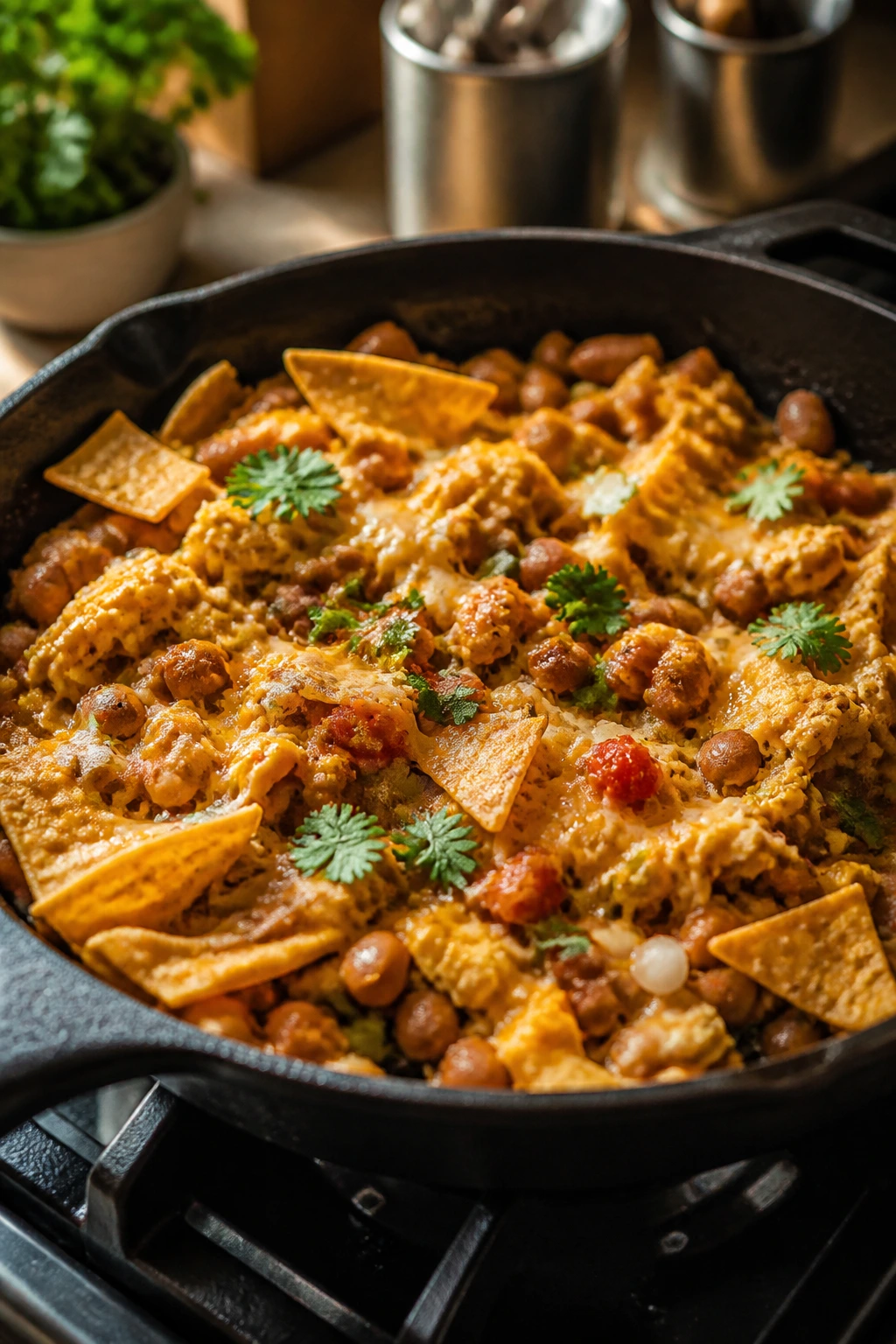
Migas is one of the fastest ways to make eggs feel like a full dinner. Tortilla strips crisp in the pan, onions and tomatoes soften into the eggs, and beans make the plate feel complete. It’s smoky, soft, crunchy, and a little messy in a way that feels right.
This is a strong end-of-month recipe because it uses inexpensive ingredients and cooks quickly enough to rescue a tired evening. If you’ve got eggs, tortillas, and beans, dinner is not a problem. Add salsa and cheese, and it feels like you planned ahead.
Why It Works
Eggs need very little help to become dinner, but they do need texture around them. Tortillas supply that crunch, beans add body, and salsa provides seasoning without needing a long sauce. The skillet stays lively because the eggs are cooked just until set, not pushed into rubbery territory.
Key Ingredients
- 6 large eggs
- 4 corn tortillas, cut into strips
- 1 can pinto beans, drained and rinsed
- 1 small onion, sliced
- 1 medium tomato, chopped
- 1 tablespoon oil
- 1 cup shredded cheese
- ½ cup salsa
- Chopped cilantro, optional
Quick Steps
- Crisp the tortillas: Heat the oil in a large skillet over medium heat. Add the tortilla strips and cook for 2 to 3 minutes until lightly crisp.
- Cook the onion: Stir in the onion and cook for 3 minutes until softened.
- Add the beans and tomato: Stir in the beans and tomato, then cook for 2 minutes until hot.
- Scramble the eggs: Beat the eggs with salt and pepper, pour them into the skillet, and stir gently until just set.
- Finish the pan: Add the cheese and salsa, then cook for 1 minute more.
- Serve immediately: Top with cilantro if you have it.
Tips and Variations
- Use stale tortillas if you have them; they crisp beautifully.
- Add a little chorizo if you want to spend a bit more on flavor.
- Keep the eggs soft. Overcooked migas turn dry fast, and nobody wants that.
Why Pantry Cooking Wins When the Budget Gets Tight
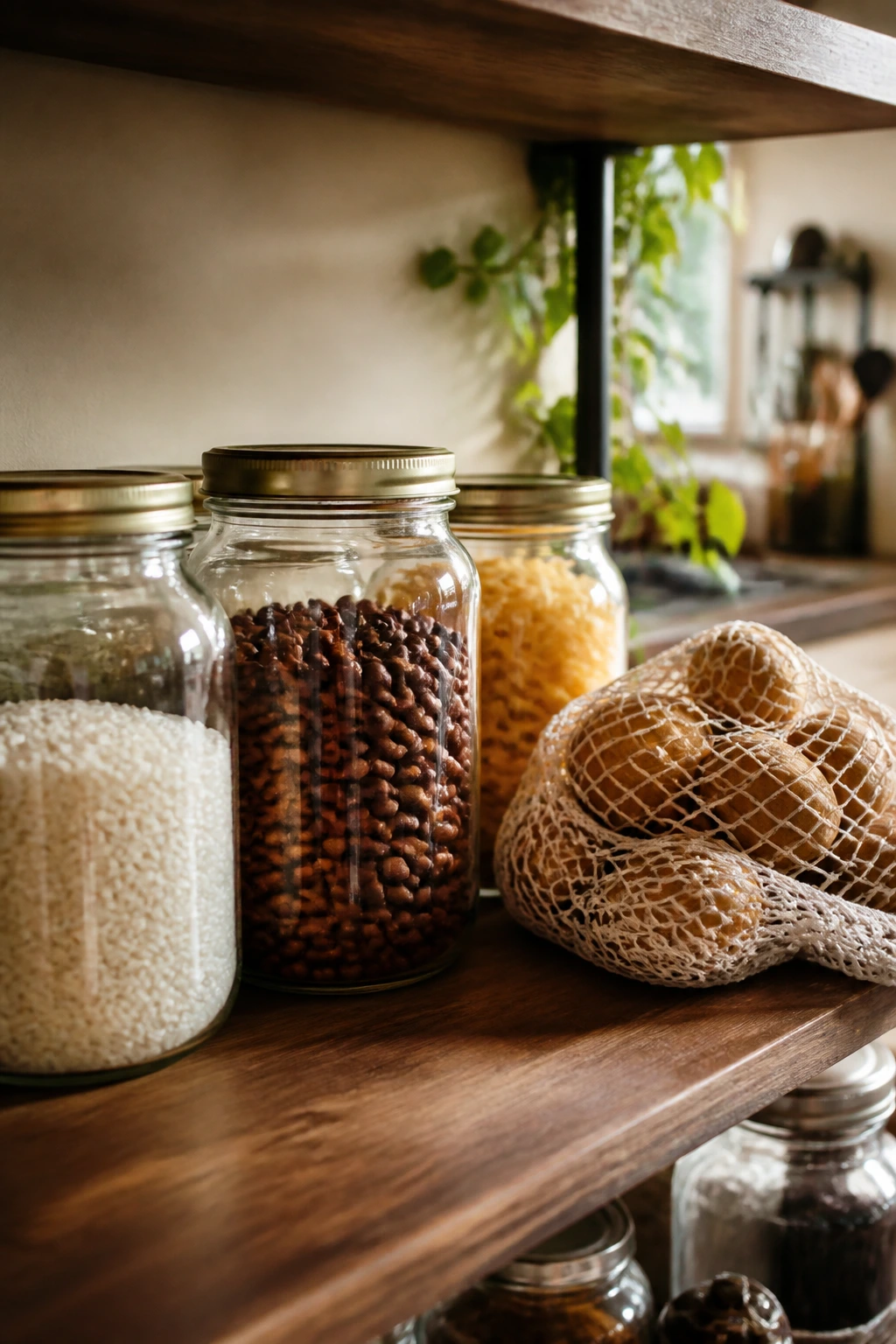
Cheap dinners work best when they stop trying to imitate restaurant food and start acting like smart home cooking. The goal is not to hide the budget. The goal is to make the budget behave. A pot of beans, a pan of potatoes, a bag of rice, a box of pasta, a few eggs — those ingredients are cheap because they store well, fill space, and need only a little help to taste good.
The other quiet advantage is control. When you cook from pantry staples, you decide where the flavor goes. A spoon of vinegar at the end. A handful of cheese over the top. A pinch of smoked paprika in the onions. Those small moves matter more than fancy ingredients because they change the whole mood of the meal.
Stretchy Ingredients Carry the Whole Job
Rice, pasta, potatoes, cabbage, and tortillas don’t ask for much. They absorb sauce, hold seasoning, and make a small amount of meat feel like a complete dinner. That is why they show up so often in the best end-of-month meals.
Flavor Comes From Layering
Onion first. Garlic second. Salt in stages. Acid at the end. That pattern shows up again and again because it works. It keeps the food from tasting like “cheap” and makes it taste like someone paid attention.
Leftovers Are Part of the Plan
The best budget dinners behave well the next day. Soups thicken. Casseroles settle. Rice and bean dishes get more cohesive. If a recipe tastes even better after resting overnight, that is not a bonus — that is a real advantage.
Essential Equipment for These Recipes
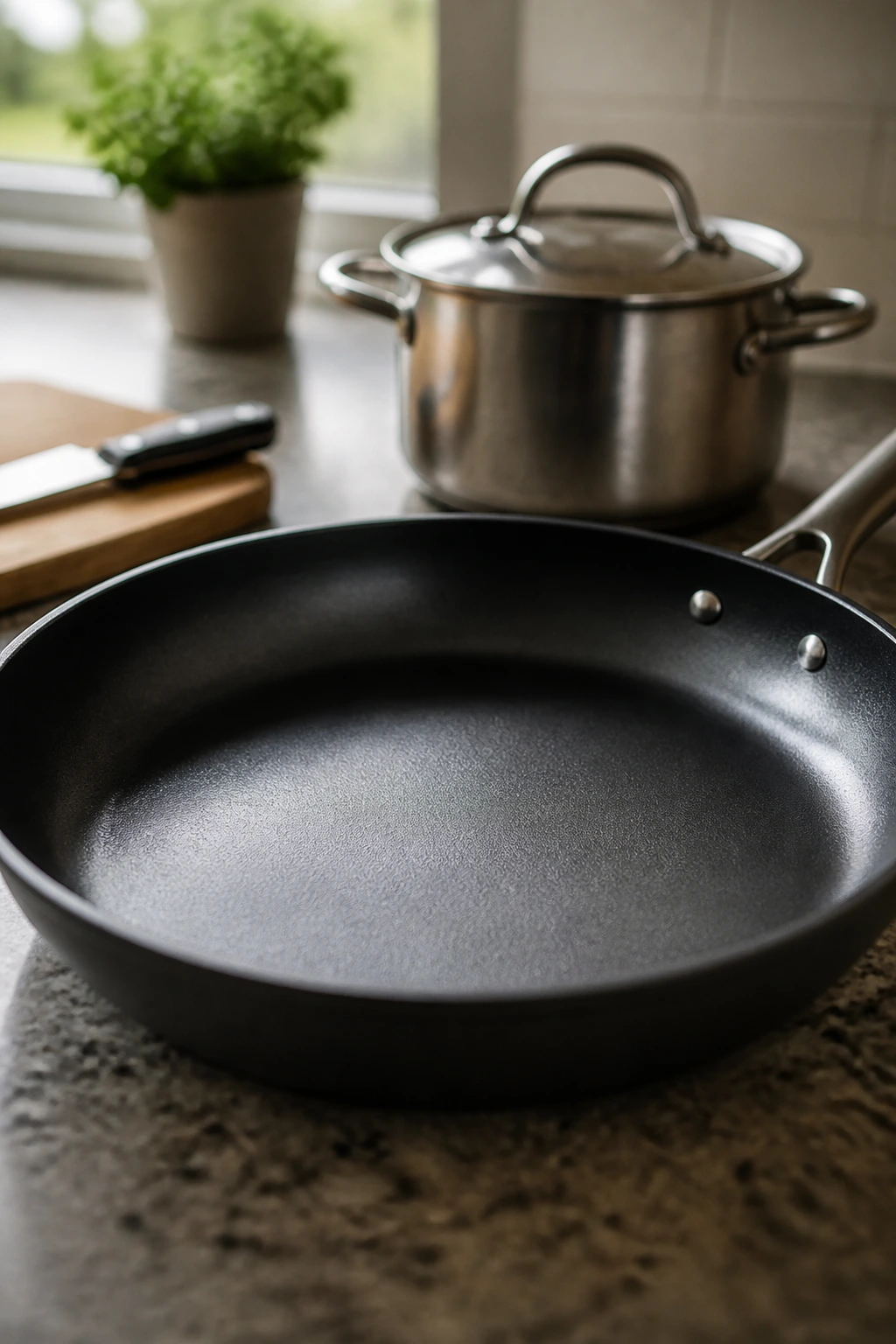
- Large skillet or sauté pan — Needed for goulash, hashes, skillet dinners, and anything that needs browning before simmering.
- Deep pot or Dutch oven — Best for soups, curries, minestrone, and anything that needs room to bubble without spilling.
- Sheet pan — Useful for chicken thighs, baked potatoes, and any tray dinner that should roast instead of steam.
- Medium saucepan — Handy for rice, pasta sauces, and simple white sauces.
- Wooden spoon or heatproof spatula — Good for stirring without scraping up the pan coating.
- Chef’s knife and cutting board — A sharp knife makes cabbage, onions, potatoes, and carrots much easier to handle.
- Measuring cups and spoons — Important for rice, pasta sauce, spices, and keeping the salt in check.
- Colander or strainer — Needed for pasta, beans, and rinsing lentils or rice.
- Mixing bowls — Useful for burrito fillings, sauces, and quick assembly.
- Airtight containers — Important for leftovers, especially rice, soup, and pasta bake portions.
Smart Shopping and Ingredient Tips
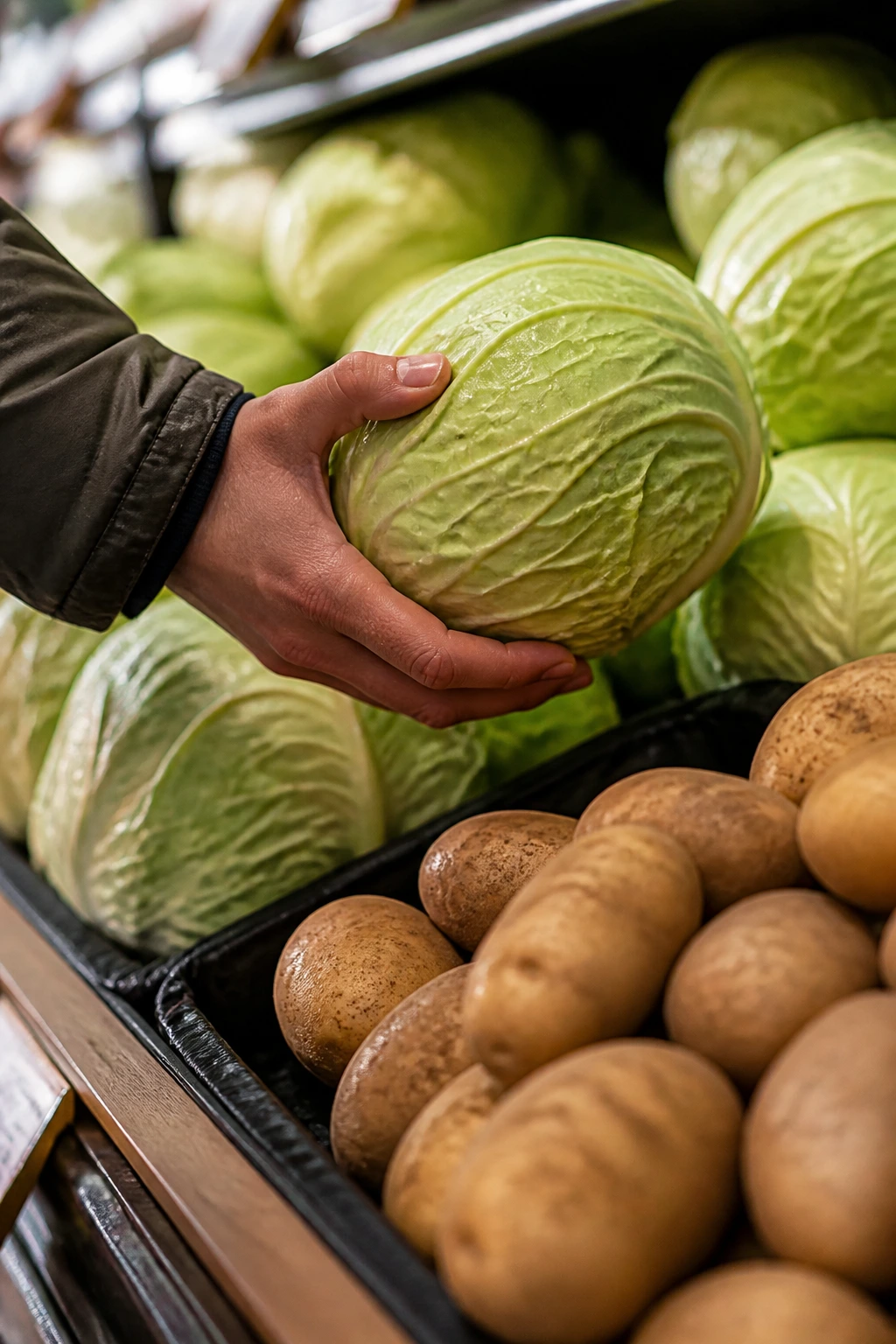
The cheapest dinners usually begin with ingredients that last a long time and do more than one job. Green cabbage is a standout here because it keeps in the fridge for weeks and shrinks beautifully in a skillet or soup. Potatoes are another smart buy; even a plain bag of russets can become hash, soup, baked potatoes, or a side for roasted chicken.
Store-brand canned goods are worth taking seriously. Tomatoes, beans, tuna, and coconut milk are all fine when they come from the plain label on the shelf, and they often cost less without losing anything useful in the pot. If you like to keep dried lentils around, buy brown or green lentils in bulk when possible. They cook fast, need no soaking, and make soup or curry feel much fuller.
Eggs are one of the best dinner bargains in the refrigerator, but they work best when you treat them like a feature, not a garnish. Fried eggs on rice, eggs baked into tomato sauce, eggs scrambled with tortillas — these give a meal structure without adding much cost. Bone-in chicken thighs usually beat breasts on price and flavor, especially when roasted on a sheet pan. They stay juicy even if you run a few minutes long, and that is worth a lot on a weeknight.
Frozen vegetables deserve a place in the cart too. Frozen peas, spinach, corn, and mixed vegetables often cost less than fresh and hold their texture well in casseroles, soups, and skillet meals. They also cut down on waste, which matters when every ingredient has to earn its keep.
How to Serve These Recipes
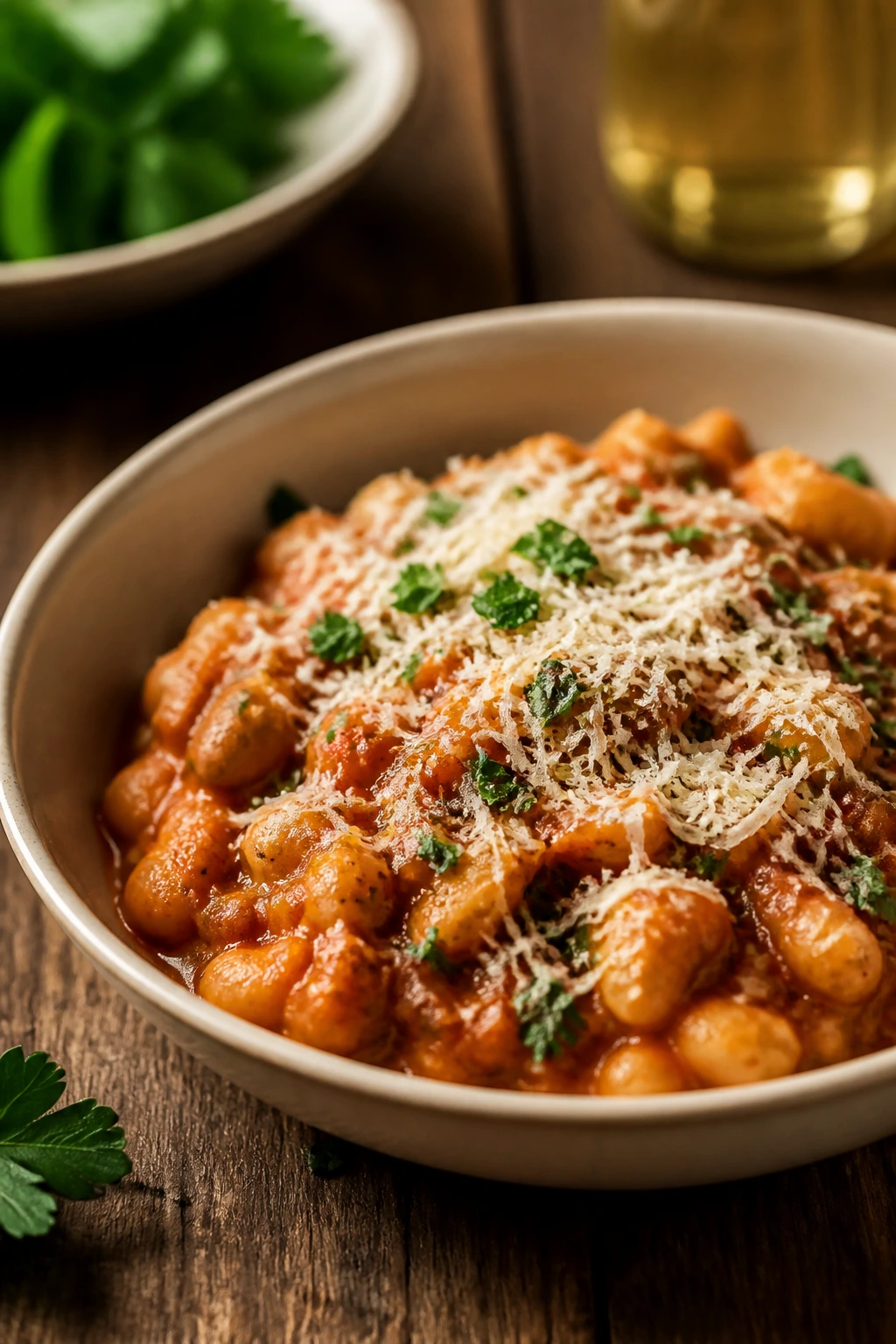
Presentation: Spoon saucy dinners into shallow bowls so the top stays visible, then finish with something sharp or green — parsley, scallions, lemon, lime, or a little grated cheese. Traybakes and baked potatoes look better when you let the toppings pile up high instead of spreading them thin.
Accompaniments: A simple green salad, buttered toast, garlic bread, sliced cucumbers with vinegar, or a quick slaw can make these meals feel complete without adding much cost. Soups and curries almost always benefit from bread or rice beside them. Skillet dinners pair well with something crisp and acidic.
Portions: Most of these recipes feed 4 to 6 people, and the bean-heavy or soup-based dishes stretch the farthest. If you need to feed fewer people, save half the batch before adding cheese or toppings. If you need to feed more, toast extra bread, cook more rice, or add another can of beans.
Beverage Pairing: Iced tea, sparkling water with lemon, a cold lager, or even plain milk work well with these meals. For spicier dishes like shakshuka or migas, a citrusy drink takes the edge off nicely.
Additional Tips and Flavor Boosters
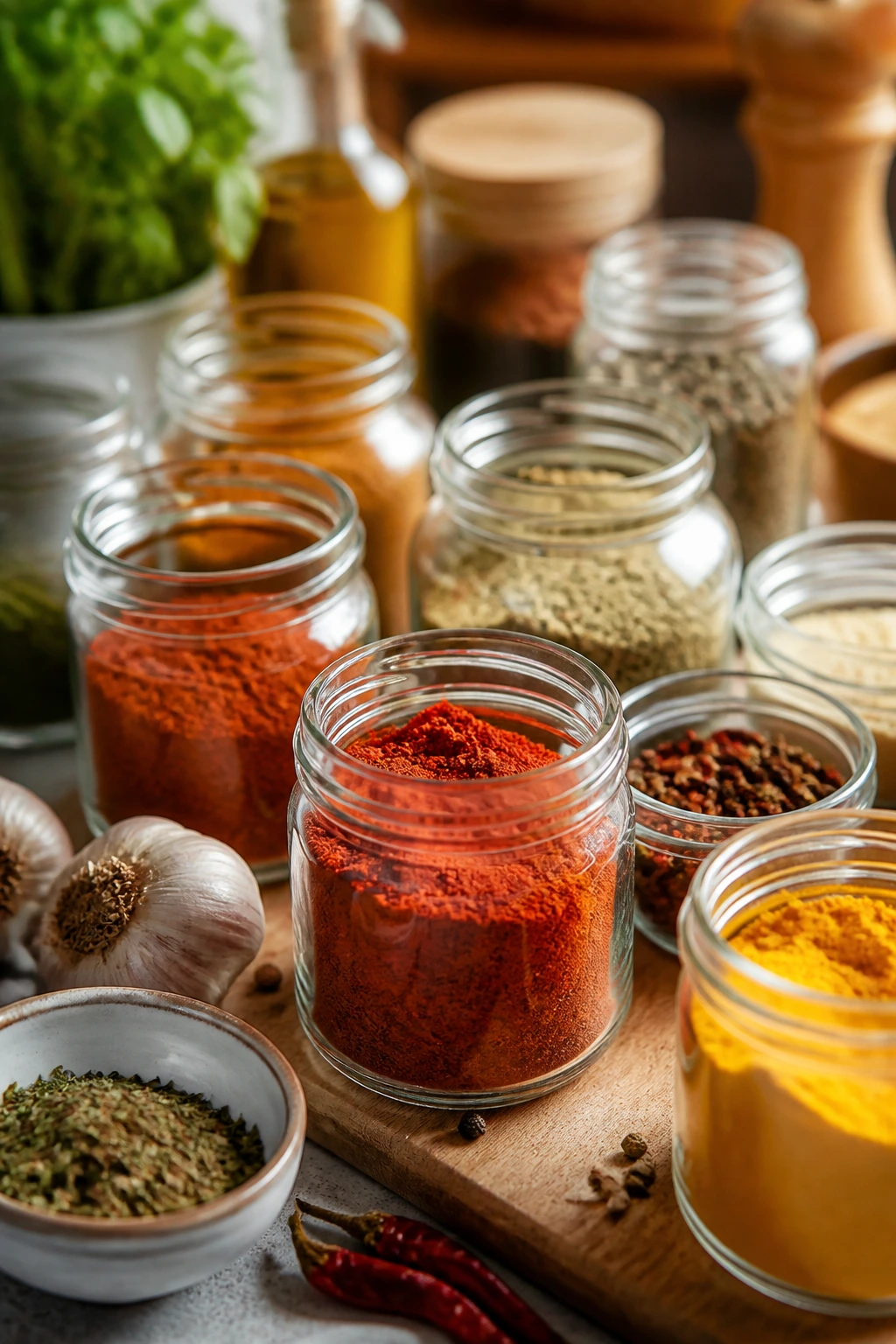
Flavor Enhancement: A small splash of vinegar, lemon juice, or lime juice at the end changes cheap food more than people expect. It makes beans brighter, wakes up rice, and keeps tomato dishes from tasting muddy. A little acid is often the difference between “fine” and “I’ll make this again.”
Customization: Keep a few low-cost extras around: hot sauce, Dijon mustard, chili flakes, cumin, smoked paprika, and soy sauce. Those ingredients slide into almost every recipe here and make the same basic dinner taste different from one night to the next.
Serving Suggestions: Pickled onions, chopped herbs, scallions, toasted breadcrumbs, or crumbled cheese all add texture. Texture matters. A bowl of soft food with no topping can feel heavy, while the same dish with one crunchy finish suddenly feels alive.
Make-It-Yours: If you eat meat, use it where it stretches: sausage in cabbage, chicken thighs with potatoes, tuna in pasta, ground beef in skillet meals. If you prefer vegetarian dinners, lean harder on beans, eggs, lentils, and chickpeas. For dairy-free cooking, olive oil, tahini, or a splash of coconut milk can replace some of the richness without turning the meal into a compromise.
Make-Ahead, Storage, and Reheating Guidance
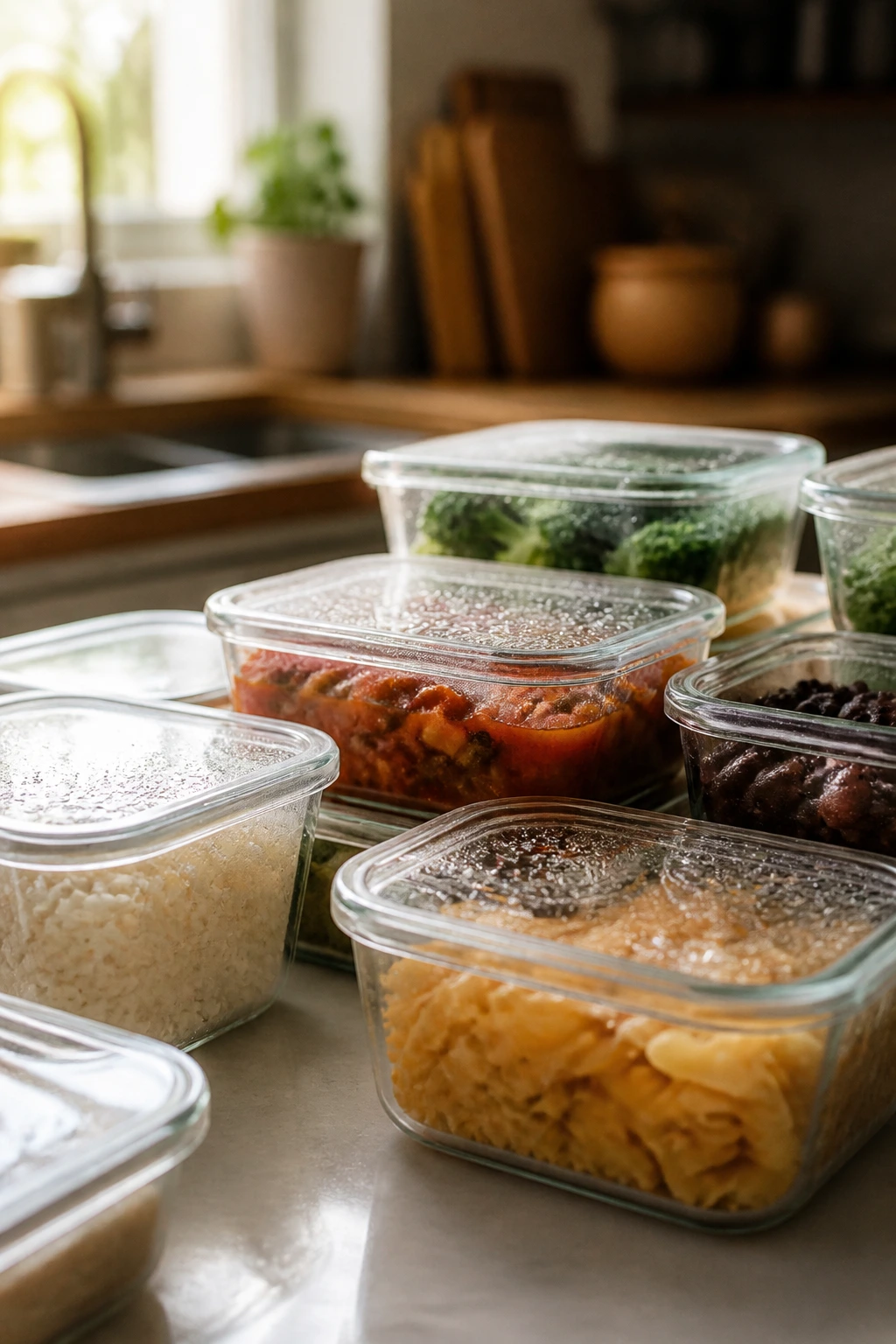
Most of these dishes keep well for 3 to 4 days in the refrigerator, and the soups, curries, and bean-heavy skillet meals can often last 4 to 5 days if they’re cooled fast and stored in shallow containers. Rice and pasta should be chilled within about an hour so they do not sit warm for too long. That matters more than people think.
Freezing works best for tomato-based soups, chili-style dishes, curry, goulash, and cabbage skillet meals. Those usually freeze well for up to 2 to 3 months. Pasta bakes also freeze decently, though the noodles soften a little after thawing. Egg dishes like shakshuka, migas, and fried-egg bowls are usually better fresh, because the texture changes in the freezer and the eggs lose their charm.
For reheating, low and slow is the safe bet. Soups and curries can go back on the stove with a splash of water or broth. Rice dishes need 1 to 2 tablespoons of water and a covered pan or microwave-safe lid so the grains steam back to life. Pasta bakes and goulash reheat best in the oven at 350°F, covered with foil until hot, then uncovered for a few minutes if you want the top to crisp again.
If you’re freezing, leave out fresh herbs, sour cream, and most crunchy toppings until serving day. Those are easy to add later, and they keep the leftovers from turning dull. Burritos can be wrapped individually, foil first and then a freezer bag, which makes them useful on the kind of evening that needs no decisions at all.
Variations and Adaptations to Try
Meatless Stretch Mode: Swap the ground beef, sausage, or chicken in the heavier recipes for extra beans, lentils, or chickpeas. Cabbage roll skillet, goulash, and sheet-pan-style dinners all handle that shift well. Add a little more paprika, cumin, or Worcestershire-style seasoning to keep the flavor from feeling thin.
Dairy-Light Pantry Fix: Use olive oil instead of butter, skip the sour cream, and finish with lemon, herbs, or toasted breadcrumbs. Pasta dishes and soups still feel complete without cheese if you layer the salt and acid properly. Coconut milk also works in curry and some soups when you want body without dairy.
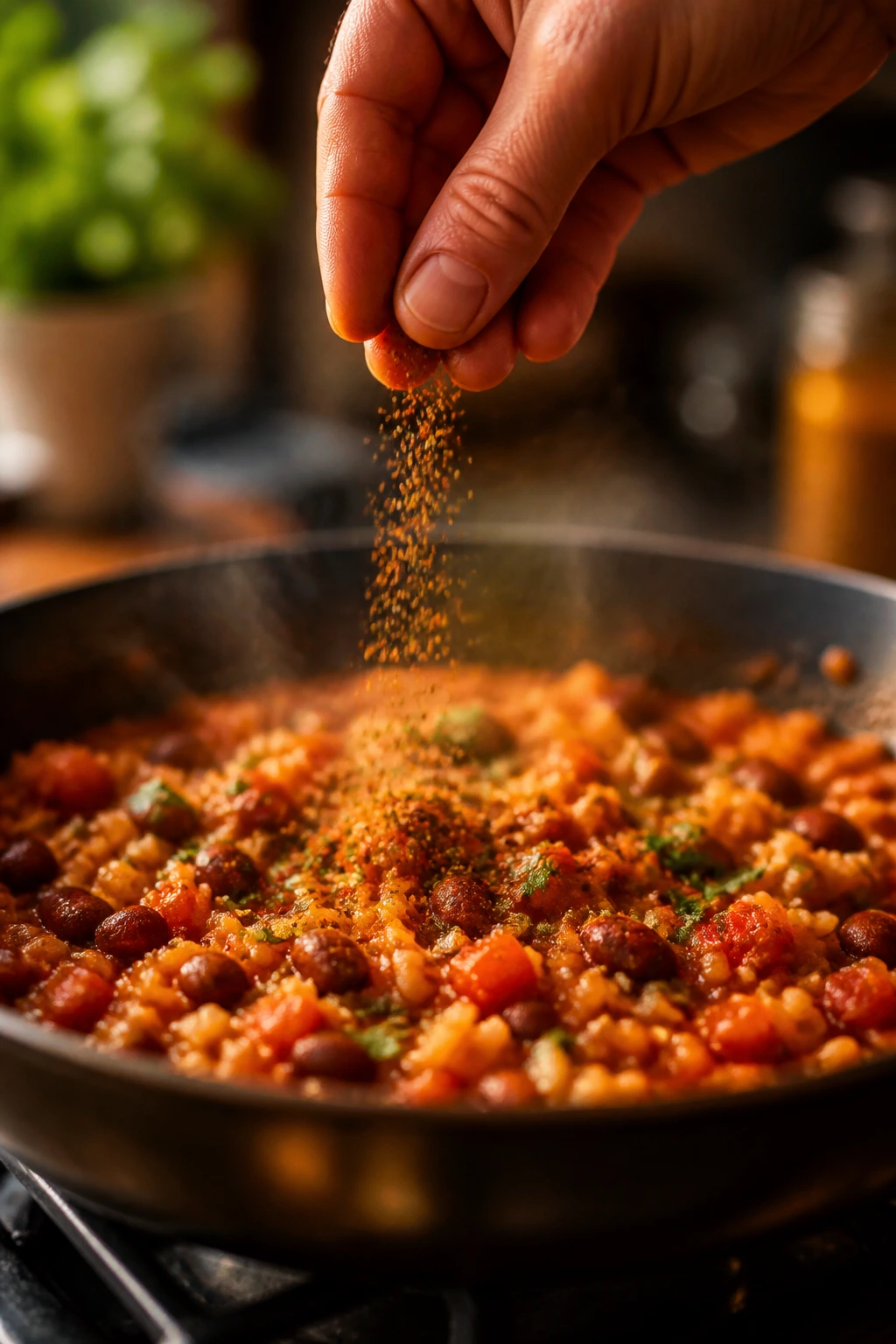
Spice Cabinet Upgrade: One spoonful of curry powder, harissa, chili paste, or smoked paprika can change a basic meal without changing the grocery bill much. Try this on rice bowls, bean skillet dinners, tomato sauces, and soups. The trick is to add the spice early enough to bloom in oil, not dump it in at the end.
Low-Waste Leftover Remix: Turn roasted chicken, cooked vegetables, extra rice, or a half-bag of pasta into one of the skillet or bake recipes. Migas, goulash, tuna pasta bake, and minestrone are all good places to land stray ingredients. The food looks planned, which is half the battle.
Extra-Filling Family Style: Serve these meals with toast, rice, tortillas, or baked potatoes so the starch carries more of the table. A cheap dinner gets even cheaper per serving when a bowl of soup comes with bread or a skillet meal sits on rice. It’s practical, not fancy.
Common Mistakes to Avoid
Under-seasoning the base: Cheap ingredients need salt in layers. If you only salt at the end, beans taste flat, tomatoes taste dull, and rice tastes like it was boiled out of obligation. Season onions, sauce, and finishing touches separately.
Treating every meal like it needs meat: That’s how budgets disappear. Beans, eggs, potatoes, and cabbage already have their own value, and they carry a lot of dinner by themselves. Add meat as an accent, not the entire plot.
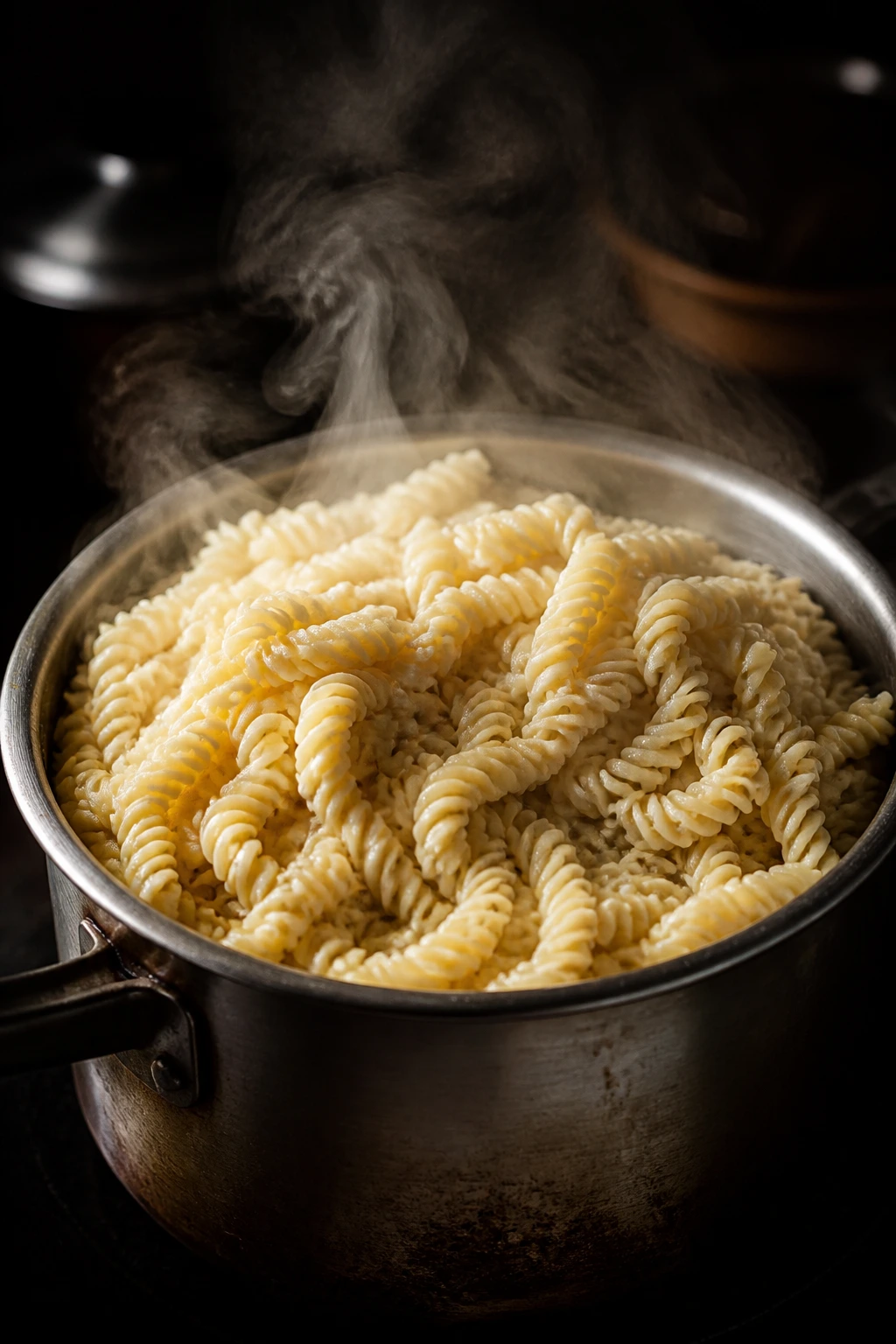
Overcooking pasta or rice: End-of-month dinners often go soft because people leave starch in the pan too long. For pastas cooked in sauce, stop when they’re just tender and let the pan rest. For rice, keep the lid on and let steam do the last bit of work.
Skipping acid at the end: Tomato dishes, bean dishes, and skillet meals can taste muddy without a final sharp note. Vinegar, lemon, lime, or even a spoon of salsa can cut through the heaviness and make the whole plate taste more awake.
Adding too much liquid too soon: Soup is forgiving. Goulash and rice are less forgiving. If the pan looks dry, add a splash, not a flood, because you can always loosen a dish later but you can’t easily pull excess water back out.
Ignoring texture: A bowl of soft food needs a little crunch or contrast. Toasted breadcrumbs, fried tortilla strips, crisp cabbage, scallions, or a fried egg all help. Without that, cheap dinner can taste one-note even when the flavor is solid.
Frequently Asked Questions

What ingredients stretch dinner the farthest?
Rice, pasta, potatoes, cabbage, beans, and eggs do the most work for the least money. They hold sauce, add bulk, and keep a meal satisfying without needing expensive extras. If you keep even three of those on hand, you can improvise more than you might think.
Can I use canned beans instead of dried beans in these recipes?
Yes, and for most of these dinners that is the smarter move. Canned beans save time and still give you protein and body, especially in burritos, curries, soups, and skillet meals. Rinse them well if you want a cleaner flavor and less salt.
How do I make cheap dinners feel more filling?
Add one starch and one protein to the plate, then use a sauce or broth to tie everything together. A baked potato, a scoop of rice, or a slice of toast can make a soup or skillet dinner feel complete. A fried egg or a handful of beans usually does more than adding another small side dish.
Which of these recipes freeze best?
The tomato-based, bean-based, and soup recipes freeze best: goulash, lentil soup, chickpea curry, minestrone, cabbage roll skillet, and tuna pasta bake. Burritos also freeze well when wrapped tightly. Egg-heavy dishes are better fresh, because the texture changes a lot after thawing.
Can I use frozen vegetables instead of fresh?
Absolutely. Frozen peas, corn, spinach, and mixed vegetables are often the smartest buy for budget cooking. Add them near the end so they stay bright and don’t turn soft and watery.
What if I only have one pot or one skillet?
That’s fine. Most of these recipes are built for one pan anyway. If a recipe calls for pasta or rice in a separate pot, you can often cook the starch first, set it aside, and finish the sauce in the same skillet.
How do I keep these dinners from getting bland after a few nights?
Change the finish, not the whole recipe. One night add lemon and parsley, the next night go with hot sauce and cheese, and another night use mustard or pickled onions. The base can stay the same while the top changes enough to feel new.
Can I make these gluten-free without much trouble?
Several of them already are or can be with small swaps. Use rice instead of pasta, corn tortillas instead of flour tortillas, and gluten-free breadcrumbs where needed. For thickening, cornstarch can replace flour in the tuna pasta bake sauce if that recipe needs a change.
A Better Last Week of the Month
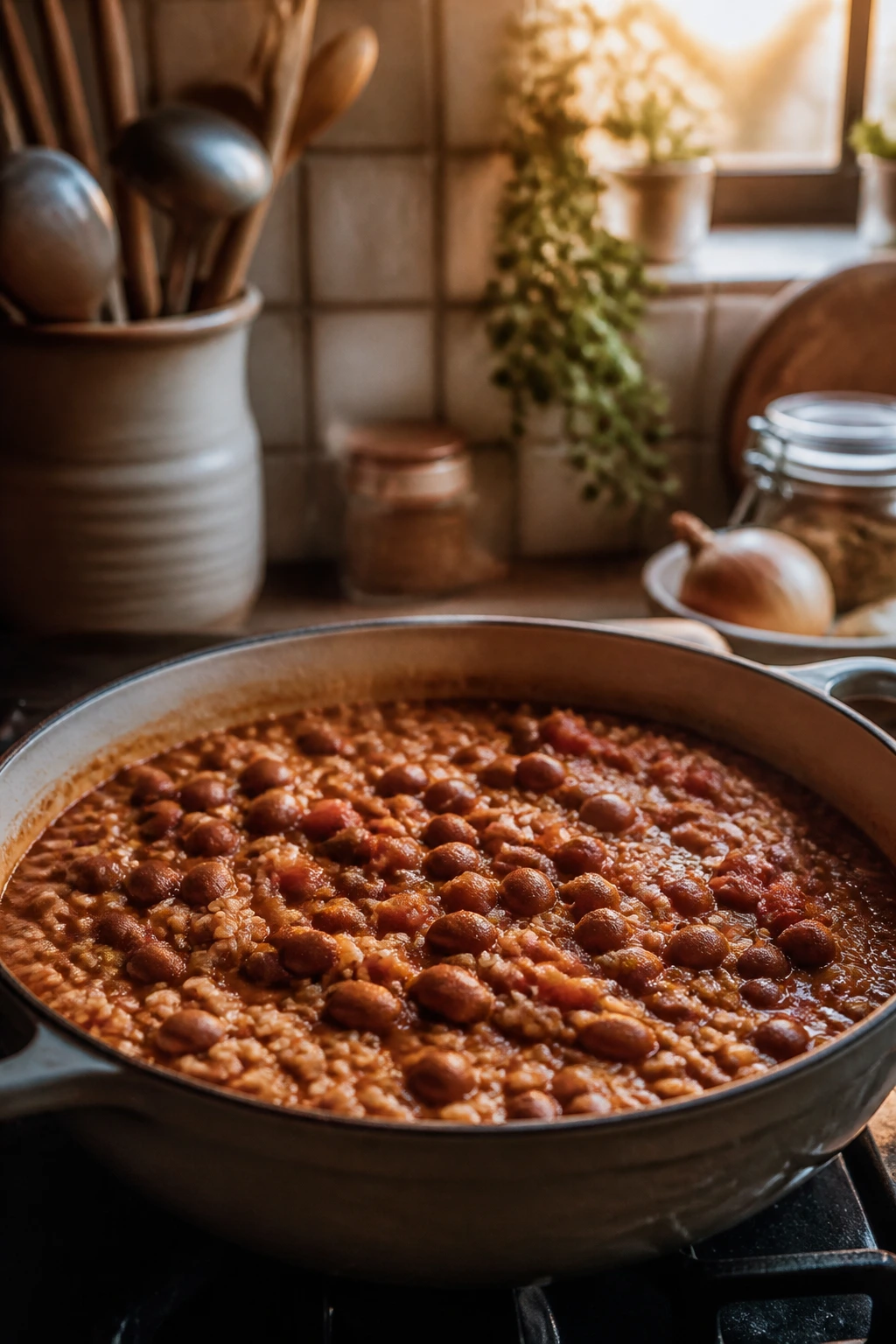
There’s a certain relief that comes from knowing dinner does not have to be expensive to be good. A pan of beans and rice, a tray of chicken thighs, a pot of lentil soup — those are not fallback meals. They’re the habits that keep a kitchen steady when the budget is thin and the calendar still has days left on it.
What I like most about this kind of cooking is how little drama it asks for. A few sturdy ingredients, a little heat, and one or two sharp finishing touches. That’s enough. Keep the pantry stocked with the basics, and the end of the month stops feeling like a problem you need to solve every single night.
Recipe Collection Quick Reference Table

| Recipe | Prep Time | Cook Time | Total Time | Servings | Standout Detail |
|---|---|---|---|---|---|
| American Goulash with Elbow Macaroni and Cheddar | 15 min | 25 min | 40 min | 6 | One-pan pasta that soaks up the tomato sauce |
| Tomato Rice with Crispy Eggs | 10 min | 25 min | 35 min | 4 | Rice cooked in tomato broth for extra flavor |
| Cheesy Bean Burritos | 15 min | 15 min | 30 min | 4 | Fast filling that freezes well |
| Garlic Butter Tuna Pasta | 10 min | 15 min | 25 min | 4 | Silky tuna pasta with lemon and peas |
| Lentil Soup with Carrots and Potatoes | 15 min | 35 min | 50 min | 6 | Thick, filling soup for very little money |
| Sausage, Cabbage, and Potatoes Skillet | 15 min | 25 min | 40 min | 4 | Smoky skillet dinner with crisped sausage |
| Chickpea Coconut Curry | 15 min | 25 min | 40 min | 4 | Creamy pantry curry that feels richer than it is |
| Potato Hash with Fried Eggs | 10 min | 25 min | 35 min | 4 | Crisp potatoes topped with runny eggs |
| Black Bean Quesadillas with Corn | 10 min | 15 min | 25 min | 4 | Crispy tortillas with a cheap, hearty filling |
| Cabbage Roll Skillet | 15 min | 30 min | 45 min | 6 | All the cabbage-roll flavor, none of the folding |
| Peanut Noodles with Shredded Cabbage | 15 min | 10 min | 25 min | 4 | Creamy peanut sauce with a crisp vegetable bite |
| Spaghetti with White Beans and Breadcrumbs | 10 min | 20 min | 30 min | 4 | Beans and crunchy crumbs make plain pasta feel new |
| Shakshuka with Chickpeas | 15 min | 25 min | 40 min | 4 | Eggs baked in spiced tomato sauce |
| Baked Potato Bar with Chili Beans | 15 min | 45 min | 1 hr | 4 | Cheap dinner that feels like a build-your-own meal |
| Sheet Pan Chicken Thighs with Potatoes and Carrots | 15 min | 40 min | 55 min | 4 to 6 | Roasted chicken drips flavor over the vegetables |
| Minestrone with Pasta and Beans | 15 min | 30 min | 45 min | 6 | Flexible soup that uses up leftover vegetables |
| Tuna Melt Pasta Bake | 15 min | 25 min | 40 min | 6 | Creamy casserole with a crisp breadcrumb top |
| Migas with Beans and Tortillas | 10 min | 15 min | 25 min | 4 | Fast eggs-and-tortillas dinner with real crunch |