



Ramen stir-fry dinners are what I make when the pantry looks thin and the clock is rude. A brick of noodles, a little oil, a salty-sweet sauce, and something green or crunchy from the crisper is enough to build a meal that eats like you meant it. The noodles get tossed in a hot skillet, the edges catch a little color, and the sauce clings in that glossy way that makes a cheap packet feel a lot more ambitious than it is.
The trick is to stop treating instant ramen like soup in disguise. Boiled soft in broth, it can taste a little apologetic. Stir-fried, it turns springy and assertive, with a proper chew that holds up to garlic, ginger, sesame oil, chili paste, peanut butter, or whatever else is parked in the cabinet. The seasoning packet has its uses, but it should be a helper, not the whole plan.
That is why these ramen stir-fry dinners work so well from pantry packs: they lean on shelf-stable noodles, a few smart sauces, and ingredients that survive a Tuesday with their dignity intact. A can of beans. Frozen corn. A half jar of kimchi. Peanut butter. Hoisin. Miso. Tomato paste. Nothing precious. Nothing fussy. Just enough structure to make dinner happen without begging for a second grocery run.
Why These Ramen Stir-Fry Dinners Earn Their Keep
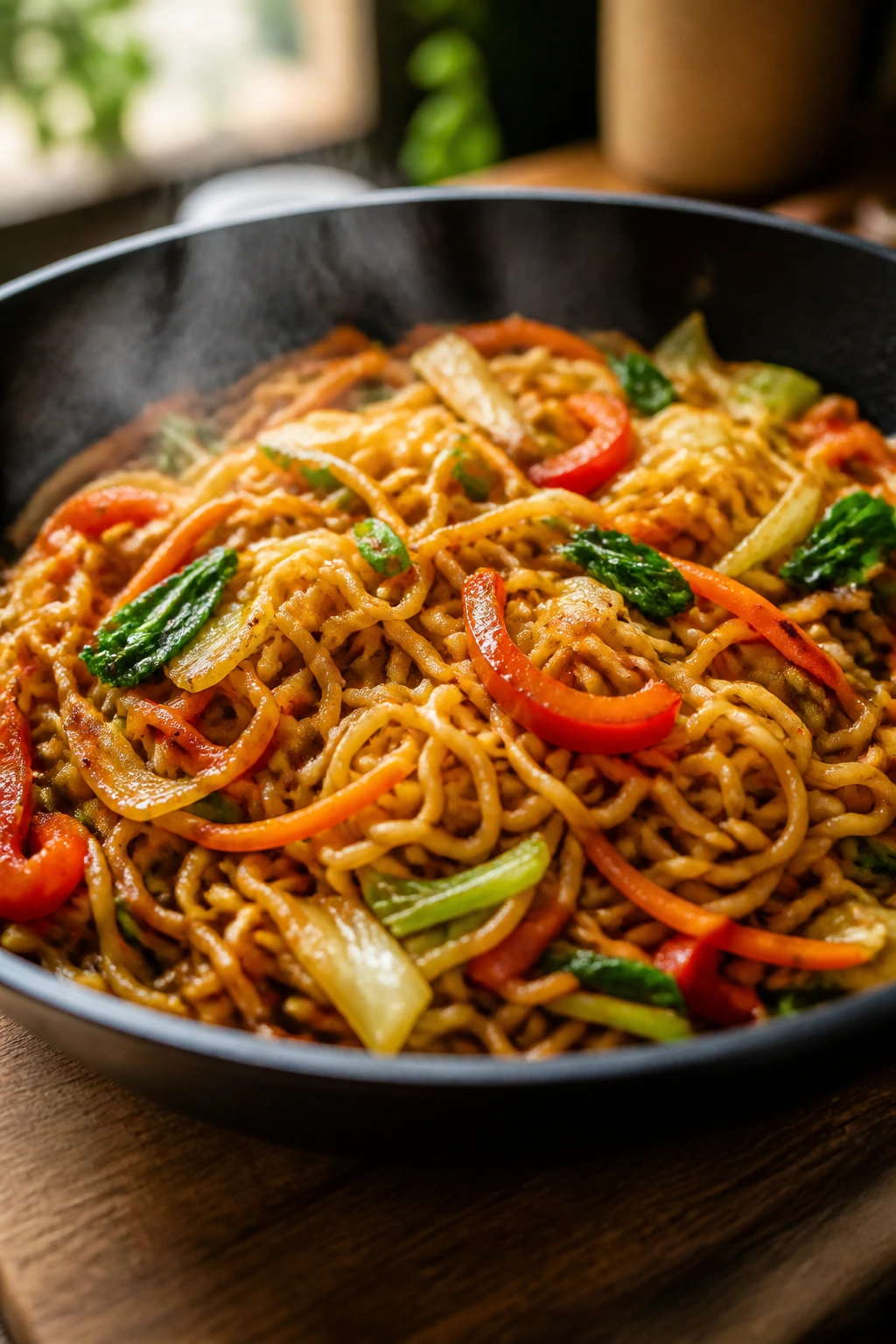
- The noodles cook fast: Ramen bricks go from dry to tender in about 2 to 3 minutes, which means the skillet stays hot and the vegetables keep a little bite instead of collapsing.
- The sauce stretches pantry ingredients: A spoonful of soy sauce, miso, hoisin, peanut butter, or curry paste can carry a whole pan if you loosen it with a splash of water and taste as you go.
- The texture stays interesting: Stir-fried ramen gives you chewy noodles, crisp edges, and whatever seared bits collect at the bottom of the pan. That combination is the whole point.
- The seasoning packet finally makes sense: Used sparingly, it can add salt and background flavor without making the dish taste like the package and nothing else.
- Leftovers can still work: If you keep the noodles just shy of soft, they reheat better than a bowl of sauced spaghetti and hold up for lunch the next day.
- You can build these from scraps: Half a bell pepper, a handful of cabbage, leftover chicken, a can of tuna, frozen peas, or a lonely block of tofu all fit the format without complaint.
1. Soy-Ginger Chicken Ramen Stir-Fry
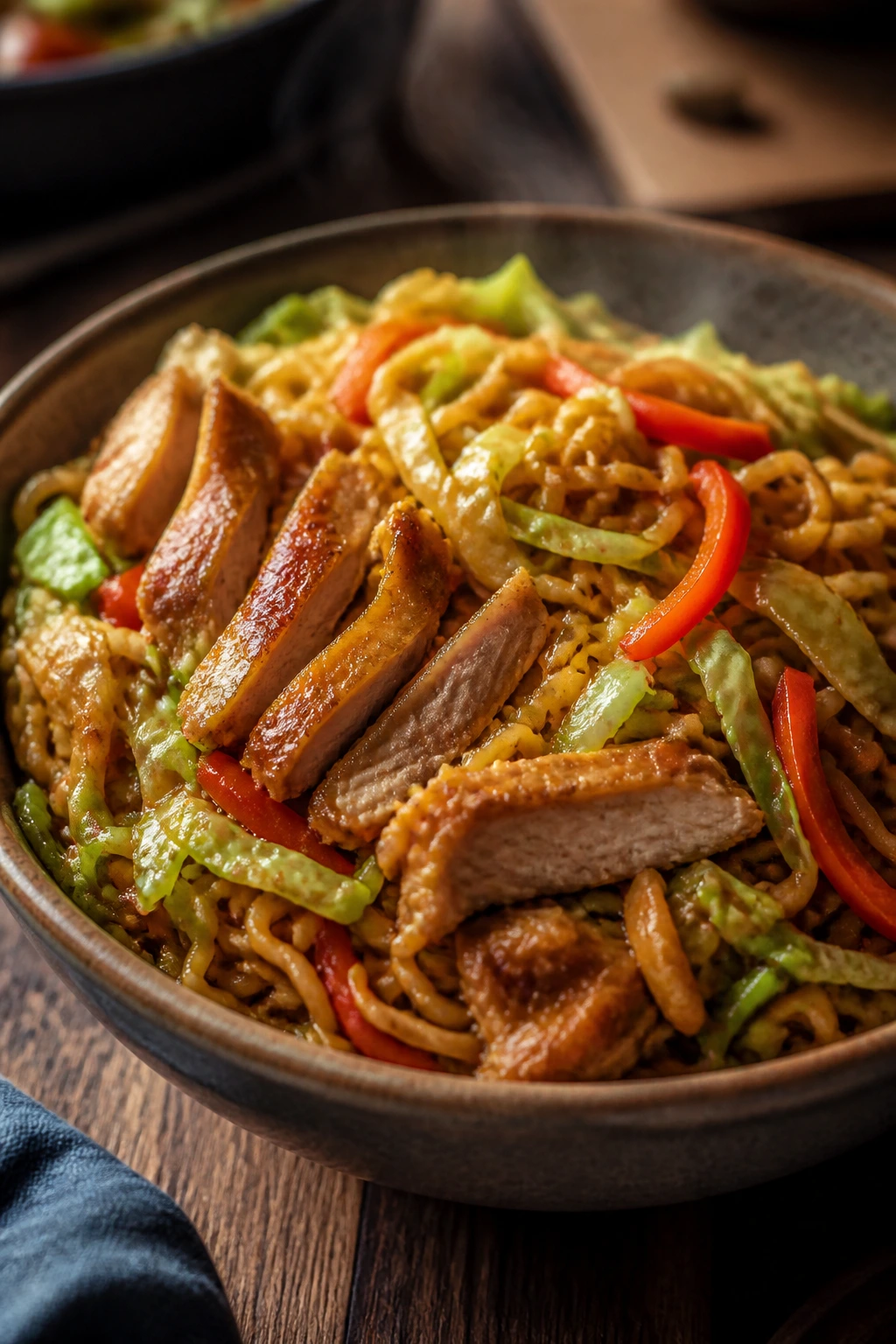
The smell of garlic and ginger hitting hot oil does half the work here. Add sliced chicken thighs, cabbage, and a glossy soy sauce mixture, and the whole pan turns savory in a way that feels much bigger than the ingredients list. This is the ramen stir-fry dinner I make when I want something warm, salty, and a little sharp at the edges.
Why It Works:
Chicken thighs stay juicy even when sliced thin and cooked hard in a skillet, which matters because ramen wants speed. Cabbage softens just enough to catch the sauce without turning swampy, and the ginger keeps the whole dish from tasting flat. A small spoon of oyster sauce gives the pan a deeper, almost smoky backbone. The noodles pick up all of it.
Key Ingredients:
- 2 packs instant ramen noodles, seasoning packets saved for another use or halved
- 1 pound boneless, skinless chicken thighs, sliced thin
- 2 tablespoons neutral oil
- 3 cups shredded green cabbage
- 1 red bell pepper, sliced thin
- 3 cloves garlic, minced
- 1 tablespoon fresh ginger, grated
- 3 tablespoons soy sauce
- 1 tablespoon oyster sauce
- 1 tablespoon rice vinegar
- 2 tablespoons water
- 2 scallions, sliced
- 1 teaspoon sesame seeds
Quick Steps:
- Soften the noodles: Boil the ramen noodles for 2 minutes, just until they loosen. Drain and rinse briefly so they do not clump.
- Mix the sauce: Stir the soy sauce, oyster sauce, rice vinegar, and water in a small bowl.
- Sear the chicken: Heat the oil in a large skillet over medium-high heat. Cook the sliced chicken for 4 to 5 minutes, stirring once or twice, until the pieces lose their pink color and pick up light browning.
- Add the aromatics and vegetables: Stir in the garlic, ginger, cabbage, and bell pepper. Cook for 3 to 4 minutes, until the cabbage softens at the edges but still has a little crunch.
- Toss in the noodles and sauce: Add the drained noodles and the sauce mixture. Toss for 1 to 2 minutes until the noodles look glossy and the sauce clings.
- Finish and serve: Turn off the heat, scatter over scallions and sesame seeds, and serve immediately.
Equipment for This Recipe:
- Large skillet or wok
- Medium pot for the noodles
- Tongs or a spatula
- Small bowl for the sauce
How to Serve This Dish:
Pile it into shallow bowls so the noodles stay loose instead of sinking into a heap. A crisp cucumber salad or plain steamed edamame makes a good side because the ramen is already doing plenty. This serves 3 to 4 depending on appetite, and I like to leave a little extra chicken on top so the first bite has meat before noodles.
Pro Tips for This Recipe:
- Slice the chicken while it is still slightly firm from the fridge; it’s easier to cut thinly.
- Do not overcook the ramen during the boil. It will cook a little more in the skillet.
- If the cabbage starts to brown too fast, add a tablespoon of water and stir. That stops the garlic from burning.
- A tiny splash of toasted sesame oil at the end works better than cooking with it from the start.
Variations on This Dish:
- Mushroom Swap: Replace the chicken with 8 ounces of sliced mushrooms and cook them until their liquid evaporates, then carry on with the same sauce.
- Spicy Ginger Kick: Add 1 to 2 teaspoons of chili crisp with the sauce for a sharper, redder finish.
- Soy-Free Shortcut: Use coconut aminos in place of soy sauce and add an extra pinch of salt at the end.
Common Mistakes to Avoid with This Dish:
- Crowding the chicken: If the skillet is packed, the meat steams and turns pale. Work in two batches if needed.
- Boiling the noodles too long: Soft noodles fall apart when tossed with the sauce. Drain them while they still have a little spine.
- Adding the sauce before the vegetables cook down: The pan can dry out and scorch. Let the cabbage soften first.
2. Garlic Chili Peanut Ramen with Snap Peas
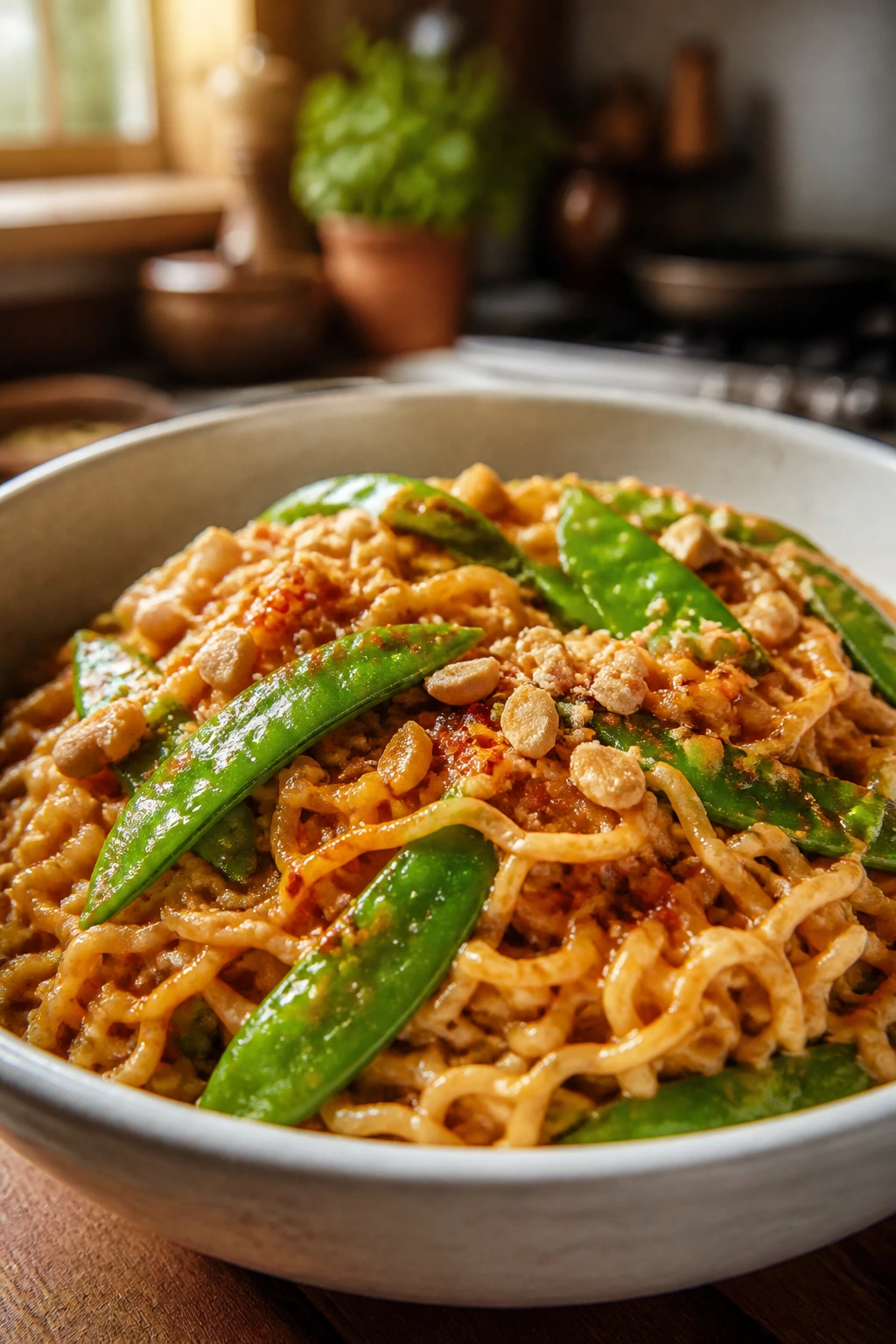
This one is sticky in the best way. The peanut sauce coats every noodle, the garlic gets fragrant fast, and the chili crisp leaves tiny warm spots instead of brute-force heat. Snap peas keep the bowl bright and crisp, which matters because peanut-based ramen can go heavy if you let it.
Why It Works:
Peanut butter brings body without needing cream, and the combination of soy sauce, rice vinegar, and honey keeps it from tasting like one-note satay. Snap peas stay snappy even in a hot skillet, so they give the noodles some contrast. Chili crisp adds texture as well as heat. That little bit of crunch on top makes the dish feel finished.
Key Ingredients:
- 2 packs instant ramen noodles
- 1 tablespoon neutral oil
- 2 cloves garlic, minced
- 8 ounces snap peas, trimmed
- 2 tablespoons creamy peanut butter
- 2 tablespoons soy sauce
- 1 tablespoon chili crisp
- 1 tablespoon rice vinegar
- 1 tablespoon honey
- 3 to 4 tablespoons hot water
- 2 green onions, sliced
- 1 tablespoon crushed peanuts
Quick Steps:
- Cook the noodles briefly: Boil the ramen for 2 minutes, then drain well.
- Whisk the sauce: Mix peanut butter, soy sauce, chili crisp, rice vinegar, honey, and hot water until smooth and pourable.
- Stir-fry the garlic and peas: Heat oil in a skillet over medium-high heat. Add garlic for 20 seconds, then the snap peas. Cook 2 to 3 minutes until they brighten and blister in spots.
- Add the noodles: Toss the drained noodles into the pan.
- Pour in the sauce: Stir everything together for 1 to 2 minutes until the noodles are coated and the sauce clings in thick ribbons.
- Top and serve: Finish with green onions and crushed peanuts.
Equipment for This Recipe:
- Large skillet
- Medium pot
- Whisk or fork
- Small bowl
How to Serve This Dish:
Serve it hot with a squeeze of lime if you have one tucked away; the acid cuts through the peanut sauce cleanly. A pile of shredded cabbage on the side works nicely too, though I usually just eat it from the bowl with chopsticks or a fork, no ceremony. It feeds 2 to 3 people, or 2 hungry ones.
Pro Tips for This Recipe:
- Warm water helps the peanut butter loosen faster than cold water.
- Add the sauce off the highest heat so the peanut butter stays smooth.
- If you want more crunch, save a few snap peas and toss them in at the very end.
- Use chili crisp with bits, not just oil, if you want texture on top.
Variations on This Dish:
- Tahini Peanut-Free Version: Swap peanut butter for tahini and add an extra teaspoon of honey to keep the sauce rounded.
- Sesame-Scallion Finish: Stir in a teaspoon of sesame oil after cooking and scatter extra scallions on top.
- Carrot Ribbon Bowl: Add thin carrot ribbons with the snap peas for color and a little sweetness.
Common Mistakes to Avoid with This Dish:
- Making the sauce too thick at the start: Peanut butter tightens up fast. Add the water gradually.
- Burning the garlic: Twenty seconds is plenty before the peas go in.
- Underseasoning the final bowl: Taste after tossing. A few drops of soy sauce can wake it up if the peanut butter mutes the salt.
3. Beef and Cabbage Sesame Ramen Stir-Fry
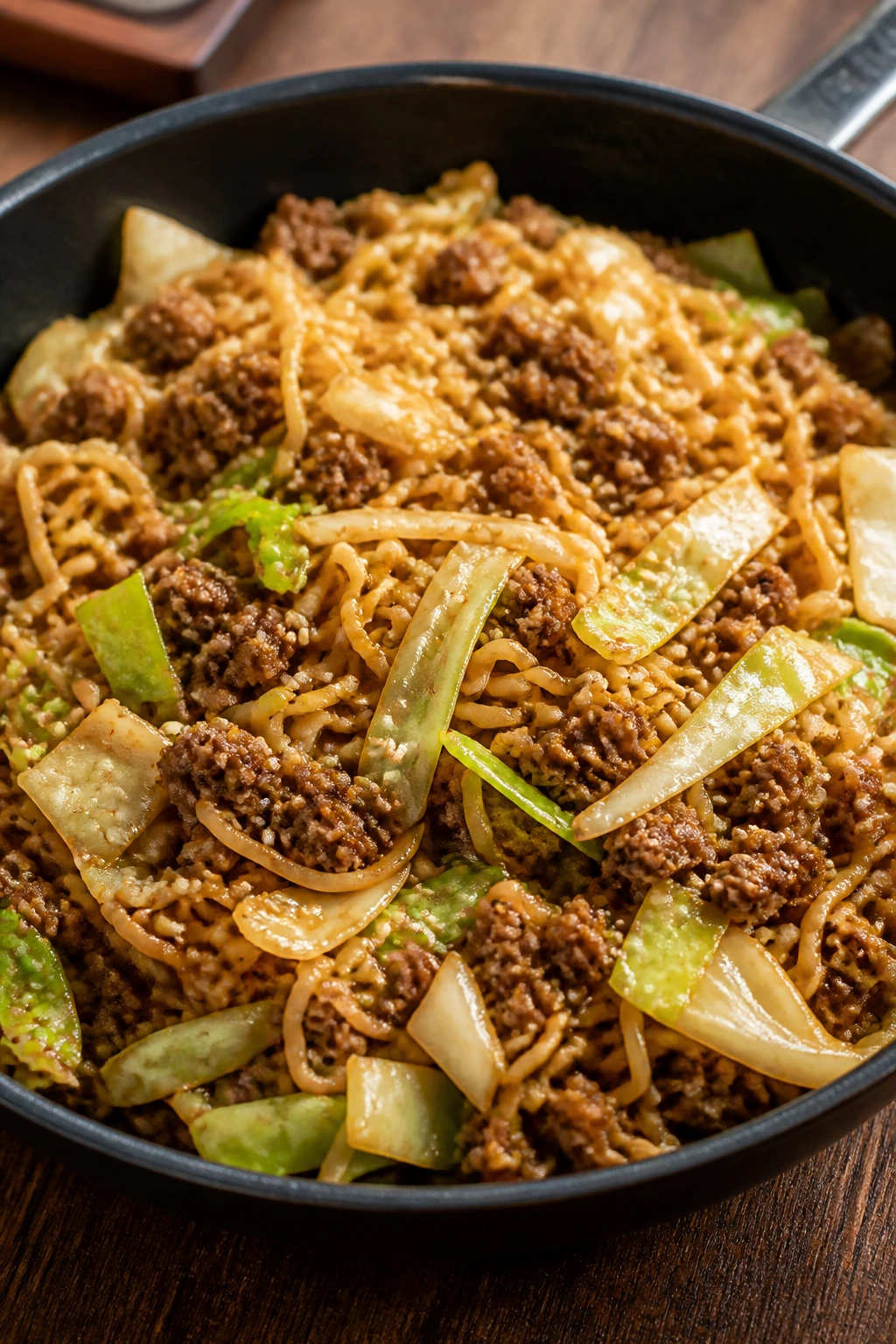
Ground beef and ramen are old friends, and cabbage is the sensible third wheel that makes the whole thing better. The beef turns savory and a little caramelized, the cabbage softens into ribbons, and the sesame oil gives the pan that toasty smell that hangs in the kitchen after dinner is gone.
Why It Works:
Ground beef gives instant browning, which is useful when you want flavor without a long cook. Cabbage is cheap, forgiving, and built for high heat; it shrinks just enough to soak up the sauce but keeps some crunch. Hoisin adds a sweet depth that balances the soy sauce, and a small splash of vinegar keeps the whole thing from tasting muddy. It is a sturdy dinner.
Key Ingredients:
- 2 packs instant ramen noodles
- 1 pound ground beef
- 2 tablespoons neutral oil, if the beef is lean
- 1 small yellow onion, sliced thin
- 4 cups shredded green cabbage
- 2 cloves garlic, minced
- 3 tablespoons soy sauce
- 1 tablespoon hoisin sauce
- 1 tablespoon water
- 1 teaspoon sesame oil
- 1 teaspoon cornstarch mixed with 1 tablespoon water
- Black pepper to taste
- 1 tablespoon sesame seeds
Quick Steps:
- Pre-cook the noodles: Boil the ramen for 2 minutes, drain, and set aside.
- Brown the beef: Heat a skillet over medium-high heat. Cook the beef with the onion for 5 to 6 minutes, breaking up the meat, until the beef has browned and the onion is soft.
- Add garlic and cabbage: Stir in the garlic and cabbage. Cook for 3 minutes until the cabbage starts to wilt.
- Build the sauce: Add soy sauce, hoisin, water, sesame oil, and the cornstarch slurry. Stir for 1 minute until the sauce turns glossy.
- Toss in the noodles: Add the drained ramen and toss until the sauce coats everything.
- Finish: Add black pepper and sesame seeds before serving.
Equipment for This Recipe:
- Large skillet
- Pot for noodles
- Wooden spoon or spatula
- Small bowl
How to Serve This Dish:
This wants a wide bowl and nothing fancy. A few slices of cucumber on the side are enough if you want something cool and crisp to cut the richness. It serves 3 to 4, and the leftovers pack well for lunch if you keep a splash of water nearby when reheating.
Pro Tips for This Recipe:
- If the beef releases a lot of fat, spoon off most of it before adding the cabbage.
- The cornstarch slurry is optional, but I like the sheen it gives the sauce.
- Let the cabbage touch the hot pan directly; that bit of browning is where the flavor lives.
- Taste before adding salt. Hoisin and soy can already be plenty salty.
Variations on This Dish:
- Spicy Beef Bowl: Add 1 tablespoon gochujang with the sauce for a deeper heat.
- Cabbage-Free Backup: Use shredded kale or thinly sliced bok choy if that is what you have.
- Turkey Shortcut: Swap the beef for ground turkey and add an extra teaspoon of oil for browning.
Common Mistakes to Avoid with This Dish:
- Skipping the browning step: Pale beef tastes flat. Let it sit long enough to pick up some color.
- Using too much sesame oil: It can take over. Treat it like a finishing oil, not the main fat.
- Dumping the noodles in dry: The ramen needs to be boiled first, or it stays chalky in the skillet.
4. Miso Mushroom Ramen with Spinach
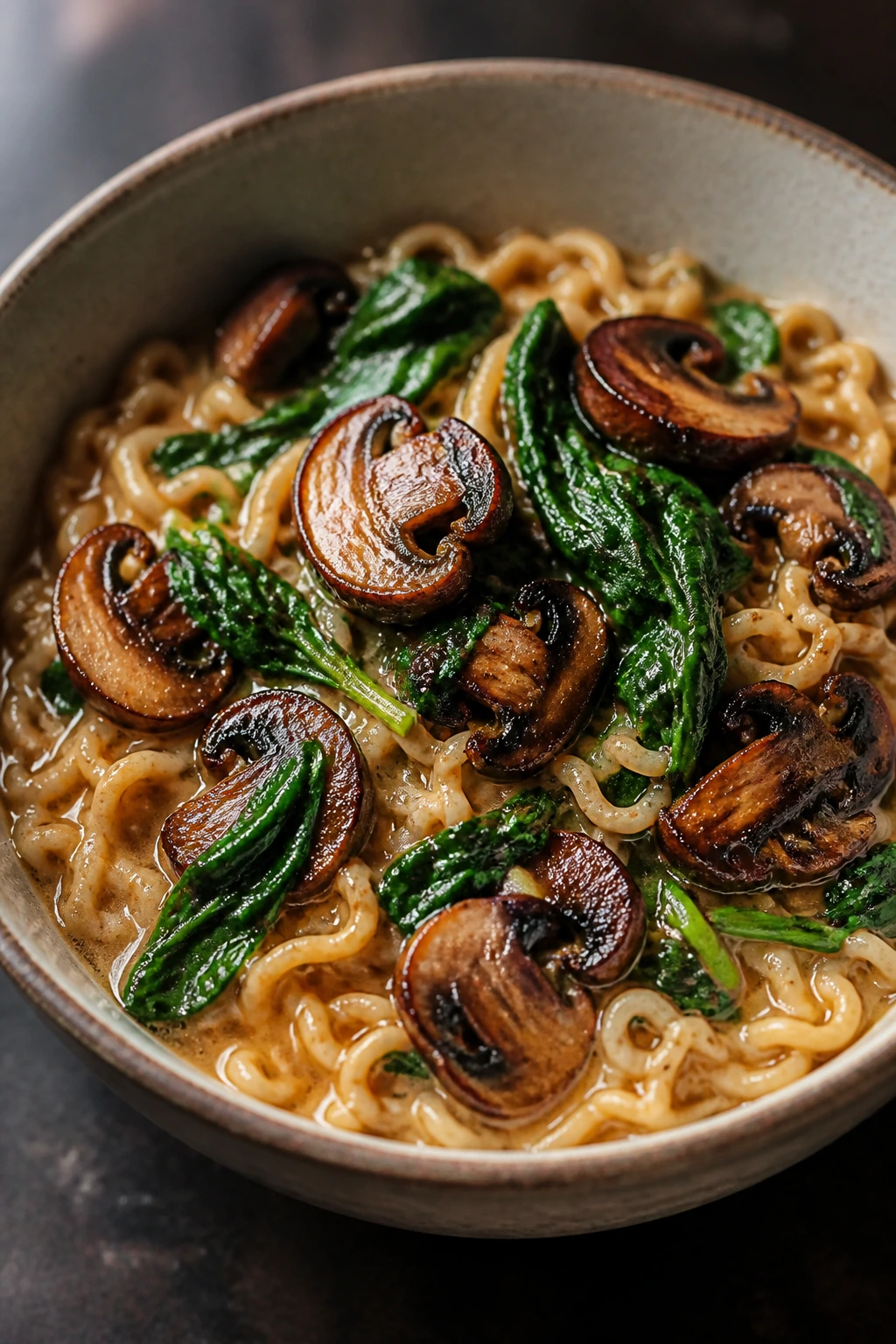
Mushrooms and miso know each other well, and ramen gives them a good stage. The mushrooms go brown and almost meaty, the miso melts into the pan with a salty depth, and spinach disappears into the hot noodles like it was always part of the plan. This is the quiet one in the group, and I mean that as praise.
Why It Works:
White miso brings fermented depth without shouting. Mushrooms absorb fat and salt like little sponges, so once they brown, they carry a lot of flavor per bite. Spinach wilts in seconds, which makes this an efficient way to get green leaves into dinner without turning them to sludge. A spoonful of butter or oil helps the miso spread across the noodles instead of clumping.
Key Ingredients:
- 2 packs instant ramen noodles
- 1 tablespoon butter or neutral oil
- 10 ounces cremini or button mushrooms, sliced
- 2 cloves garlic, minced
- 2 tablespoons white miso
- 1 tablespoon soy sauce
- 1 teaspoon sugar
- 1/2 cup hot water
- 4 cups baby spinach
- 2 scallions, sliced
- 1 teaspoon toasted sesame seeds
Quick Steps:
- Boil the noodles for a short time: Cook the ramen for 2 minutes, then drain.
- Brown the mushrooms: Heat butter or oil in a skillet over medium-high heat. Add the mushrooms and leave them alone for 2 minutes, then stir and cook until browned and fragrant.
- Add garlic: Stir in the garlic for 20 to 30 seconds.
- Make the miso sauce: Whisk miso, soy sauce, sugar, and hot water in a bowl until smooth.
- Combine everything: Pour the sauce into the skillet, add the noodles, and toss for 1 to 2 minutes.
- Wilt the spinach: Add the spinach at the end and stir until just collapsed. Top with scallions and sesame seeds.
Equipment for This Recipe:
- Large skillet
- Small bowl
- Pot for noodles
- Whisk or fork
How to Serve This Dish:
Serve it with a little extra scallion on top and a light hand on the sesame seeds. A fried egg works if you want more richness, but the bowl stands on its own. This makes 2 to 3 servings, and it is one of the better ramen stir-fry dinners for a quiet solo lunch the next day.
Pro Tips for This Recipe:
- Do not crowd the mushrooms. If they pile up, they steam instead of browning.
- Miso clumps when it hits a dry pan, so mix it with water first.
- Spinach goes in last. A minute too long and it loses its shape entirely.
- If the sauce tastes too sharp, add a tiny pinch more sugar rather than more soy.
Variations on This Dish:
- Garlic Butter Finish: Add another teaspoon of butter at the end for a richer bowl.
- Shiitake Upgrade: Swap in shiitakes for a deeper mushroom flavor and firmer texture.
- Chili Miso Version: Stir in 1 teaspoon chili paste if you want heat without changing the base.
Common Mistakes to Avoid with This Dish:
- Using miso like plain salt: It needs water to spread properly.
- Cooking the spinach early: It disappears. Wait until the end.
- Skipping the mushroom browning: That caramelized edge is where the whole dish wakes up.
5. Teriyaki Pork Ramen with Broccoli
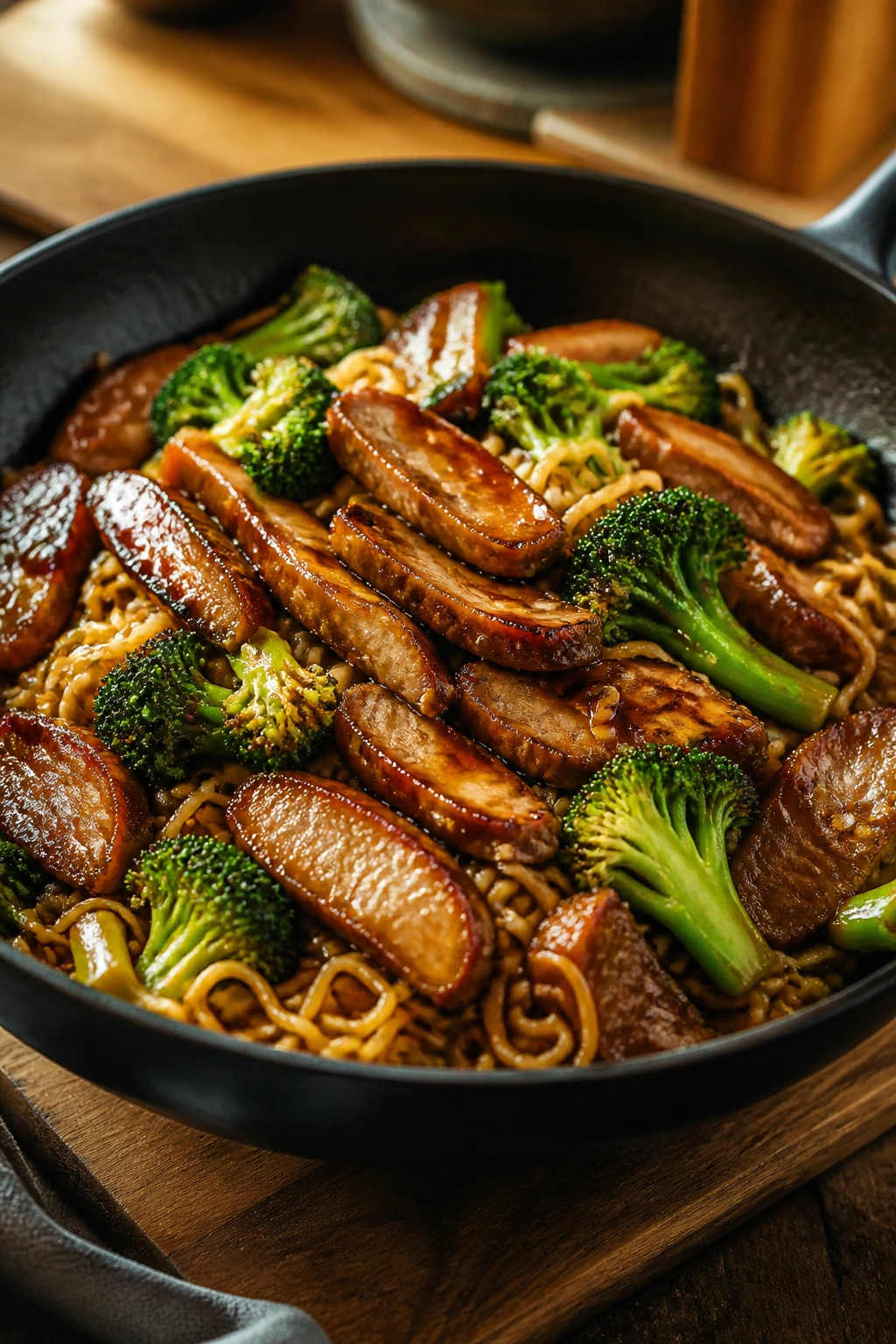
Pork and broccoli are one of those pairings that never really get old, especially when the sauce is sticky and glossy instead of thin. Thin-sliced pork cooks fast, broccoli brings a clean snap, and the ramen takes on a teriyaki sheen that tastes like more effort than it took. I like this one because it lands between takeout and pantry cooking without wobbling too much in either direction.
Why It Works:
Pork tenderloin or thin pork chops stay tender if you cook them quickly and slice them thin. Broccoli florets hold their shape better than a lot of vegetables in a hot skillet, and the high heat gives the tops a little char. Mirin or brown sugar softens the soy sauce into something more lacquered than salty. The noodles mop up the sauce instead of swimming in it.
Key Ingredients:
- 2 packs instant ramen noodles
- 1 pound pork tenderloin, thinly sliced
- 1 tablespoon neutral oil
- 3 cups broccoli florets
- 1 small red onion, sliced
- 2 cloves garlic, minced
- 1 tablespoon grated ginger
- 3 tablespoons soy sauce
- 2 tablespoons mirin or 1 tablespoon brown sugar plus 1 tablespoon water
- 1 tablespoon rice vinegar
- 1 teaspoon sesame oil
- 2 tablespoons water
- 1 teaspoon sesame seeds
Quick Steps:
- Cook the noodles briefly: Boil for 2 minutes, drain, and keep them nearby.
- Sear the pork: Heat oil in a skillet over medium-high heat. Cook the pork for 3 to 4 minutes until it is just done and lightly browned.
- Add broccoli and onion: Stir in the broccoli and onion. Cook for 3 minutes, adding a splash of water if the pan gets dry.
- Mix in the aromatics and sauce: Add garlic, ginger, soy sauce, mirin, rice vinegar, sesame oil, and water. Toss until the sauce turns shiny.
- Finish with noodles: Add the ramen and toss for 1 to 2 minutes until coated.
- Top and serve: Sprinkle on sesame seeds and serve hot.
Equipment for This Recipe:
- Large skillet
- Pot for noodles
- Tongs
- Small bowl
How to Serve This Dish:
This looks best in a shallow bowl with the broccoli pieces sitting on top instead of buried. A few pickled carrots on the side make a bright counterpoint if you have them. It serves 3 to 4, and if you need to stretch it further, add a fried egg or a handful of frozen peas.
Pro Tips for This Recipe:
- Slice the pork against the grain so it stays tender.
- If using brown sugar instead of mirin, dissolve it fully before it hits the pan.
- Broccoli stems are useful too; just peel and slice them thin.
- A splash of water during the stir-fry helps the broccoli steam-cook for a minute without going limp.
Variations on This Dish:
- Charred Broccoli Version: Let some florets sit directly on the hot pan for more browned edges.
- Spicy Teriyaki: Add chili flakes or a spoon of chili garlic sauce to the sauce.
- Chicken Swap: Thinly sliced chicken breast works, but pull it as soon as it turns opaque so it does not dry out.
Common Mistakes to Avoid with This Dish:
- Overcooking the pork: Thin slices need only a few minutes. Tough pork ruins the bowl.
- Using giant broccoli florets: They cook unevenly. Keep them small and bite-sized.
- Letting the sauce burn: Once the sugars hit the skillet, keep the noodles moving.
6. Tuna Corn Egg Ramen Skillet
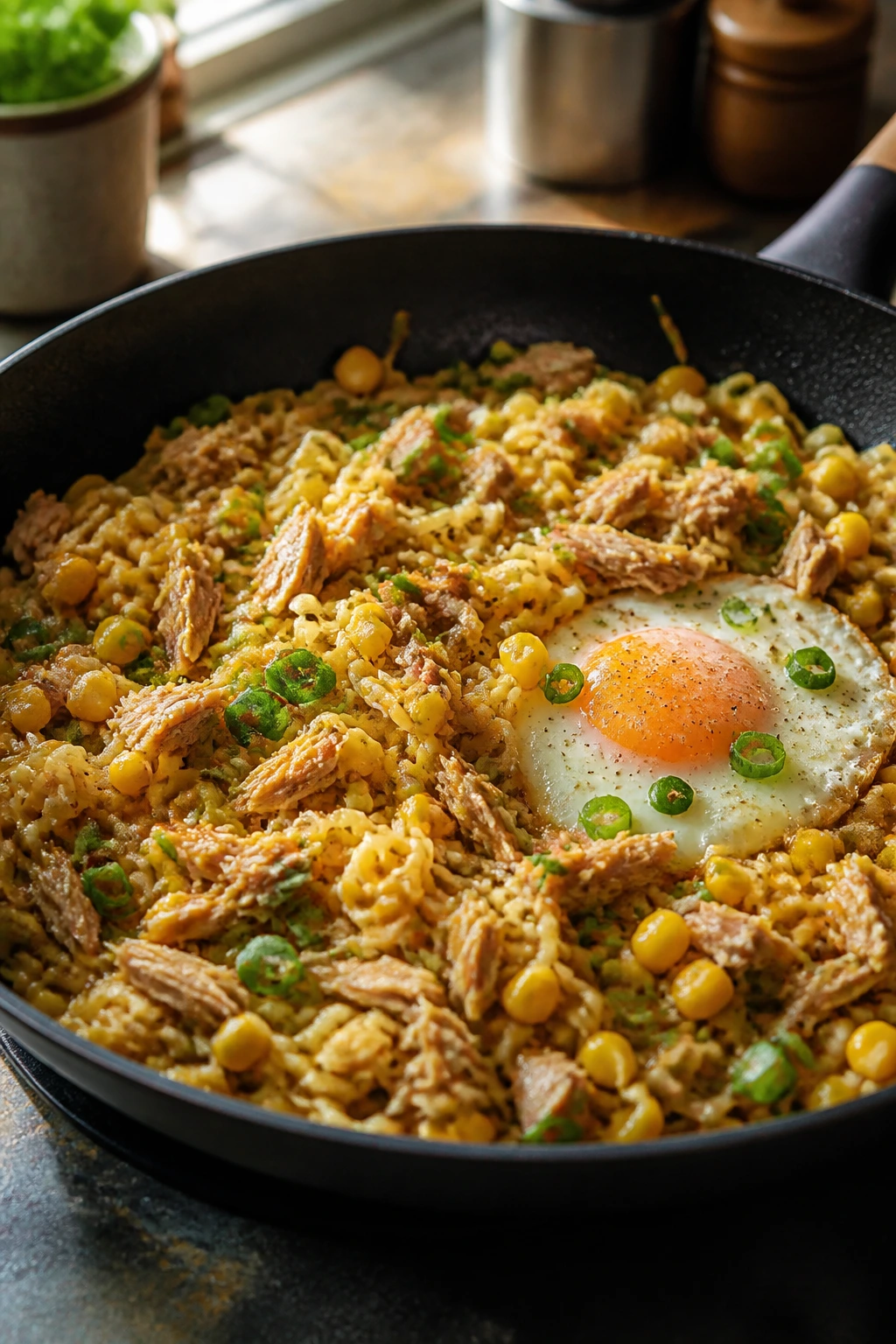
Tuna in ramen sounds odd until you actually make it. Then it just tastes practical: salty noodles, sweet corn, and soft eggs to round out the edges. The whole thing has the rough comfort of pantry cooking on a weeknight when you want dinner fast and do not care if it looks polished.
Why It Works:
Canned tuna brings protein and a briny, savory note that works better than people expect once soy sauce enters the picture. Corn adds sweetness and little pops of texture, and eggs give the dish body without needing a separate sauce. The ramen packet, used lightly, can tie tuna and corn together better than you’d think. It is one of those meals that tastes better than the ingredients sound.
Key Ingredients:
- 2 packs instant ramen noodles
- 2 cans tuna in water or oil, drained
- 1 cup frozen corn
- 2 tablespoons neutral oil or butter
- 2 eggs, lightly beaten
- 2 tablespoons soy sauce
- 1 tablespoon sriracha or chili sauce
- 2 scallions, sliced
- Black pepper to taste
- 1 teaspoon sesame seeds
Quick Steps:
- Boil and drain the noodles: Cook the ramen for 2 minutes, then drain.
- Warm the corn: Heat oil or butter in a skillet over medium heat. Add the corn and cook for 2 minutes until it loses the frozen chill.
- Add tuna: Stir in the tuna and break it up with a spoon.
- Scramble the eggs: Push the tuna mixture to one side of the pan. Pour the eggs into the open space and scramble until just set.
- Toss in noodles and sauce: Add the ramen, soy sauce, and sriracha. Toss until everything is coated and hot.
- Finish: Add scallions, black pepper, and sesame seeds.
Equipment for This Recipe:
- Large skillet
- Medium pot
- Spoon or spatula
- Bowl for eggs
How to Serve This Dish:
Serve it straight from the skillet while the eggs are still tender. A squeeze of lemon or a few drops of vinegar brightens the tuna in a way that plain salt cannot. This feeds 2 to 3 people, and it is one of the best ramen stir-fry dinners for a pantry night when the fridge is nearly empty.
Pro Tips for This Recipe:
- Use tuna packed in oil if you want a richer bowl.
- Keep the eggs soft; they should look barely set when the noodles go in.
- Frozen corn works fine. Let it hit the pan long enough to stop tasting icy.
- If the tuna is very salty, back off on the soy sauce and taste at the end.
Variations on This Dish:
- Mayo-Style Tuna Ramen: Stir in 1 tablespoon of mayonnaise at the end for a creamier finish.
- Green Pea Version: Swap corn for frozen peas if that is what the freezer has.
- Hot Sauce Bowl: Use chili garlic sauce instead of sriracha for a sharper hit.
Common Mistakes to Avoid with This Dish:
- Overcooking the eggs: Dry eggs make the bowl feel dusty. Pull them when they are still soft.
- Forgetting to break up the tuna: Big chunks do not mix well with the noodles.
- Adding too much seasoning packet: Tuna already brings salt. Start small.
7. Thai-Style Shrimp Ramen Stir-Fry
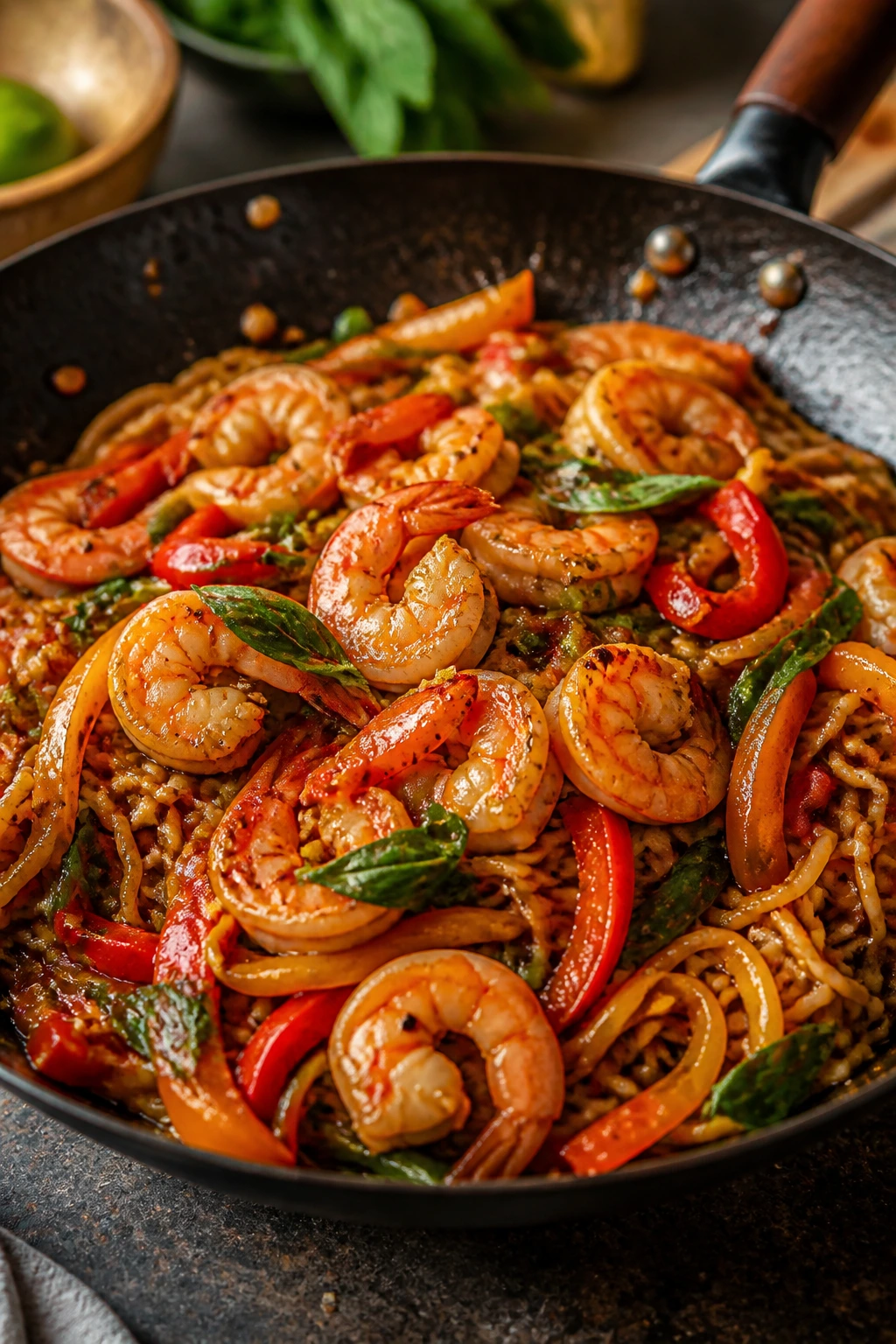
Shrimp cooks in a blink, which makes it perfect for a skillet dinner that needs speed and a little snap. Garlic, chili, lime, and fish sauce give the noodles a bright, briny edge, and the shrimp stay sweet if you pull them the moment they turn opaque. This is the one I reach for when I want something that tastes lively instead of heavy.
Why It Works:
Shrimp has a built-in sweetness that likes salt, acid, and heat. Fish sauce gives depth, soy sauce smooths the edges, and lime at the end keeps the dish from going dull. Bell peppers add crunch without demanding a long cook. The ramen acts like a sponge, taking in the sauce fast.
Key Ingredients:
- 2 packs instant ramen noodles
- 1 pound shrimp, peeled and deveined
- 1 tablespoon neutral oil
- 1 red bell pepper, sliced
- 3 cloves garlic, minced
- 1 teaspoon red pepper flakes or 1 minced chili
- 2 tablespoons soy sauce
- 1 tablespoon fish sauce
- 1 teaspoon sugar
- 2 tablespoons water
- 1 lime, cut into wedges
- 2 tablespoons chopped cilantro or scallions
Quick Steps:
- Boil the noodles: Cook for 2 minutes, drain, and set aside.
- Cook the shrimp: Heat oil in a skillet over medium-high heat. Add shrimp and cook for 1 to 2 minutes per side, until pink and curled. Remove to a plate.
- Stir-fry the pepper: Add bell pepper, garlic, and chili to the skillet. Cook for 2 minutes until fragrant and slightly softened.
- Mix the sauce: Stir soy sauce, fish sauce, sugar, and water in a small bowl.
- Bring it together: Return the shrimp to the pan, add noodles and sauce, and toss for 1 minute until coated.
- Finish with lime: Squeeze lime over the top and scatter cilantro or scallions.
Equipment for This Recipe:
- Large skillet or wok
- Pot for noodles
- Tongs
- Small bowl
How to Serve This Dish:
Serve it right away with extra lime wedges. The noodles should look slick, not soupy, and the shrimp ought to sit on top so people can see what they are getting. It feeds 2 to 3, and I would not push the leftovers past the next day because shrimp texture fades fast.
Pro Tips for This Recipe:
- Pat the shrimp dry before cooking so they sear instead of steaming.
- Pull the shrimp early; carryover heat finishes the job.
- Lime at the end matters. Without it, the dish feels flatter.
- If using frozen shrimp, thaw them fully and drain well.
Variations on This Dish:
- Coconut Lime Version: Add 2 tablespoons coconut milk at the end for a softer sauce.
- Veg-Loaded Bowl: Toss in shredded carrots or snow peas with the peppers.
- Soy-Free Option: Use coconut aminos and a little extra fish sauce if needed.
Common Mistakes to Avoid with This Dish:
- Cooking the shrimp too long: Rubbery shrimp is hard to hide. Two minutes per side is usually enough.
- Skipping acid: Lime keeps the bowl from tasting heavy.
- Adding cilantro too early: The heat bruises it. Toss it on at the end.
8. Black Bean Tofu Ramen with Peppers
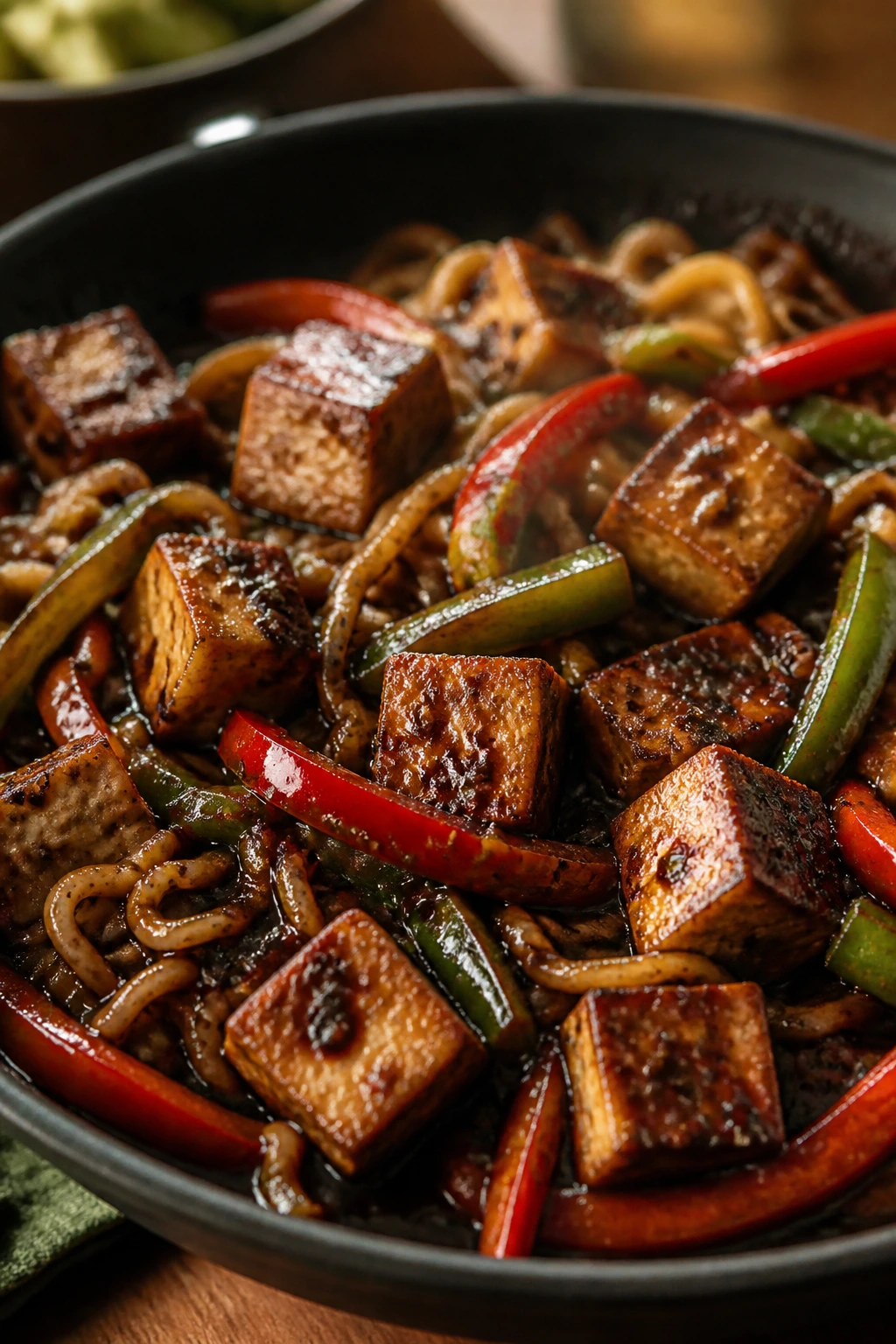
Tofu and black bean sauce make a dish that is salty, sturdy, and a little sticky around the edges. The tofu gets a crisp shell if you give it enough time, the peppers soften without surrendering, and the ramen catches the sauce in a way that makes every bite feel fully dressed. This is a pantry bowl with real backbone.
Why It Works:
Firm tofu takes on a crust when it has been pressed and left alone in a hot pan. Black bean garlic sauce brings fermented depth, garlic, and a little funk that pairs well with sweet peppers. Ramen noodles absorb that sauce fast, which is useful because tofu bowls can go bland if you do not season boldly enough. Lime at the end keeps things awake.
Key Ingredients:
- 2 packs instant ramen noodles
- 1 block firm tofu, pressed and cubed
- 2 tablespoons neutral oil
- 1 red bell pepper, sliced
- 1 green bell pepper, sliced
- 1 can black beans, rinsed and drained
- 2 cloves garlic, minced
- 2 tablespoons black bean garlic sauce
- 1 tablespoon soy sauce
- 1 tablespoon water
- 1 teaspoon sesame oil
- 1 tablespoon lime juice
- 2 scallions, sliced
Quick Steps:
- Cook the noodles and drain them: Boil the ramen for 2 minutes, then set aside.
- Brown the tofu: Heat oil in a skillet over medium-high heat. Add the tofu cubes and cook for 6 to 8 minutes, turning once or twice, until the sides are golden.
- Add peppers and garlic: Stir in the peppers and garlic. Cook for 3 minutes until the peppers start to soften.
- Stir in black beans and sauce: Add the black beans, black bean garlic sauce, soy sauce, water, and sesame oil. Toss gently so the tofu stays intact.
- Fold in noodles: Add the ramen and cook for 1 to 2 minutes until coated.
- Finish: Off the heat, add lime juice and scallions.
Equipment for This Recipe:
- Large skillet
- Pot for noodles
- Spatula
- Paper towels or clean towel for pressing tofu
How to Serve This Dish:
Serve it with the tofu on top so the browned sides stay visible. A spoonful of chili oil or crisp chili flakes at the table is a nice move if someone wants more heat. This makes 3 to 4 servings and works well in lunch containers if you keep the lime separate.
Pro Tips for This Recipe:
- Press the tofu for at least 15 minutes if you can; extra water blocks browning.
- Let tofu sit in the pan before turning it.
- Rinse the black beans well or the whole bowl can taste muddy.
- Use lime at the end, not the beginning. It should taste fresh, not cooked.
Variations on This Dish:
- Crispy Tofu Version: Toss the tofu with 1 teaspoon cornstarch before frying for a more brittle crust.
- Mushroom Addition: Add sliced mushrooms with the peppers for a meatier texture.
- Spicy Bean Bowl: Stir in chili paste with the black bean sauce.
Common Mistakes to Avoid with This Dish:
- Using wet tofu: Water stops browning and makes the pan splutter.
- Stirring the tofu too early: Let it form a crust first.
- Overloading the pan with beans: Too much liquid washes out the sauce.
9. Kimchi Spam Ramen Stir-Fry
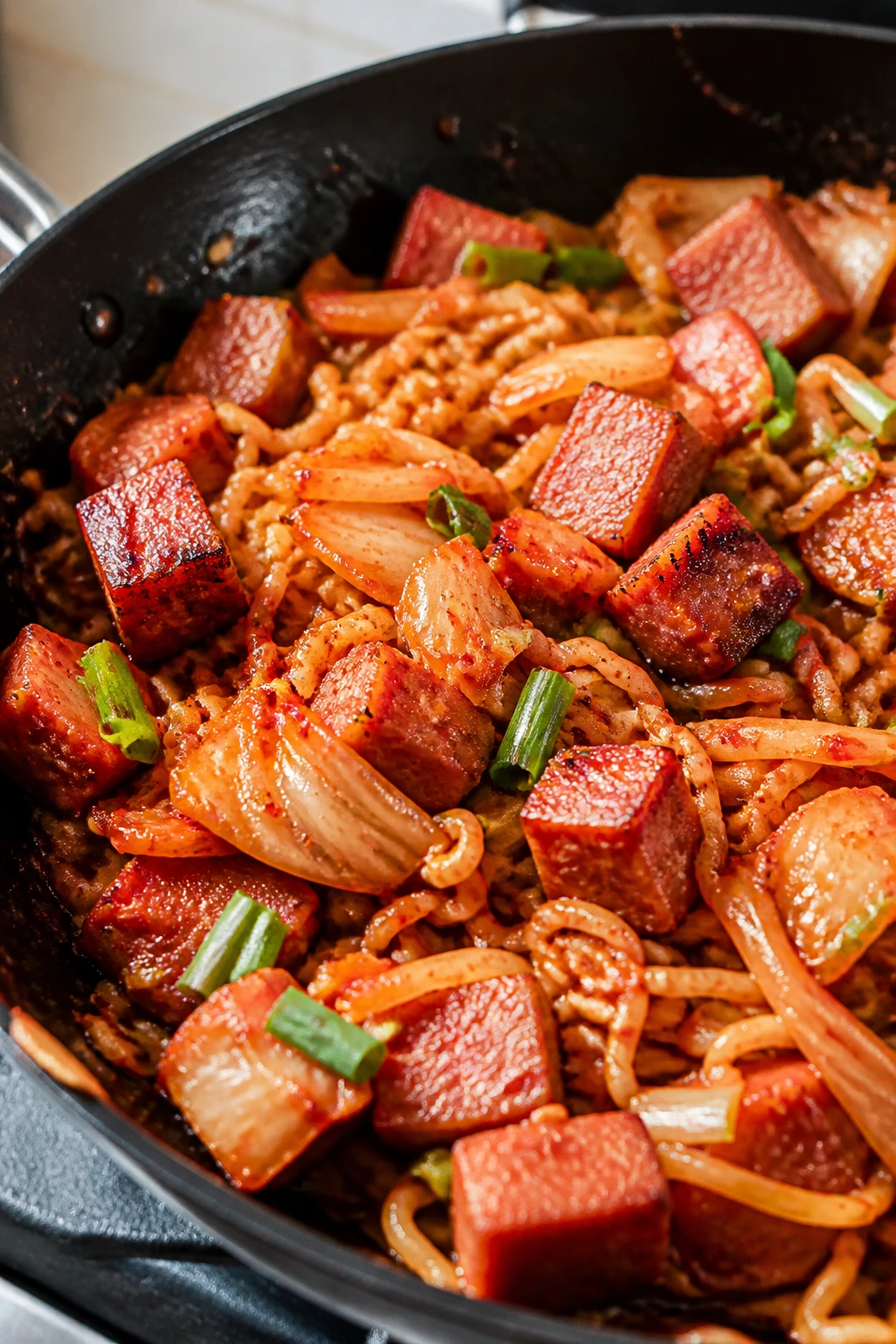
This one is loud, salty, and deeply satisfying in the way only pantry food can be when it refuses to act humble. Spam crisps in the pan, kimchi brings heat and acid, and the ramen takes on the red-gold color that makes the bowl look more complicated than it is. If you keep a can of Spam and a jar of kimchi around, you are never very far from dinner.
Why It Works:
Spam browns quickly and brings fat, salt, and a little chew. Kimchi already contains garlic, chile, and fermented tang, which means the sauce needs less work than most other ramen stir-fries. A spoon of gochujang rounds everything out and makes the noodles clingy in the right way. An egg on top gives the bowl enough softness to keep the salt in check.
Key Ingredients:
- 2 packs instant ramen noodles
- 1 can Spam, diced
- 1 cup kimchi, chopped
- 2 eggs
- 1 tablespoon neutral oil, if needed
- 1 tablespoon gochujang
- 1 tablespoon soy sauce
- 1 teaspoon sugar
- 1 teaspoon sesame oil
- 2 scallions, sliced
- 1 teaspoon sesame seeds
Quick Steps:
- Boil the noodles: Cook for 2 minutes, drain, and set aside.
- Crisp the Spam: Heat a skillet over medium-high heat. Cook the Spam for 4 to 5 minutes until browned on the edges.
- Add kimchi: Stir in the kimchi and cook for 2 minutes until hot and a little caramelized.
- Scramble the eggs: Push the mixture aside, add the eggs, and scramble until just set.
- Sauce and noodles: Stir in gochujang, soy sauce, sugar, sesame oil, and the ramen. Toss until everything is coated.
- Finish: Top with scallions and sesame seeds.
Equipment for This Recipe:
- Large skillet
- Pot for noodles
- Spatula
- Small bowl if you want to mix the sauce first
How to Serve This Dish:
It looks best with the eggs slightly soft and the Spam visible on top, not buried. A side of sliced cucumber or plain rice vinegar carrots cools the salt and heat quickly. It feeds 2 to 3, though a hungry person can clear a bowl with embarrassing speed.
Pro Tips for This Recipe:
- Let the Spam brown before stirring too much. That crust matters.
- Kimchi with some juice is fine, but if it is very wet, drain off a little liquid first.
- Go easy on the soy sauce until you taste the finished bowl.
- If you want more depth, add a teaspoon of the kimchi juice to the sauce.
Variations on This Dish:
- Spam-Free Chicken Version: Use diced cooked chicken or ham instead of Spam.
- Cheesy Fusion Bowl: Top with a small handful of shredded cheddar and let it melt into the hot noodles.
- Extra-Spicy Build: Add sliced fresh chile or more gochujang if you want heat that lingers.
Common Mistakes to Avoid with This Dish:
- Treating kimchi like a garnish: It needs time in the pan or it stays sharp and disconnected.
- Over-salting early: Spam and kimchi already bring a lot.
- Adding the eggs too late: They should cook into the dish, not sit on top like an afterthought.
10. Curry Coconut Veggie Ramen
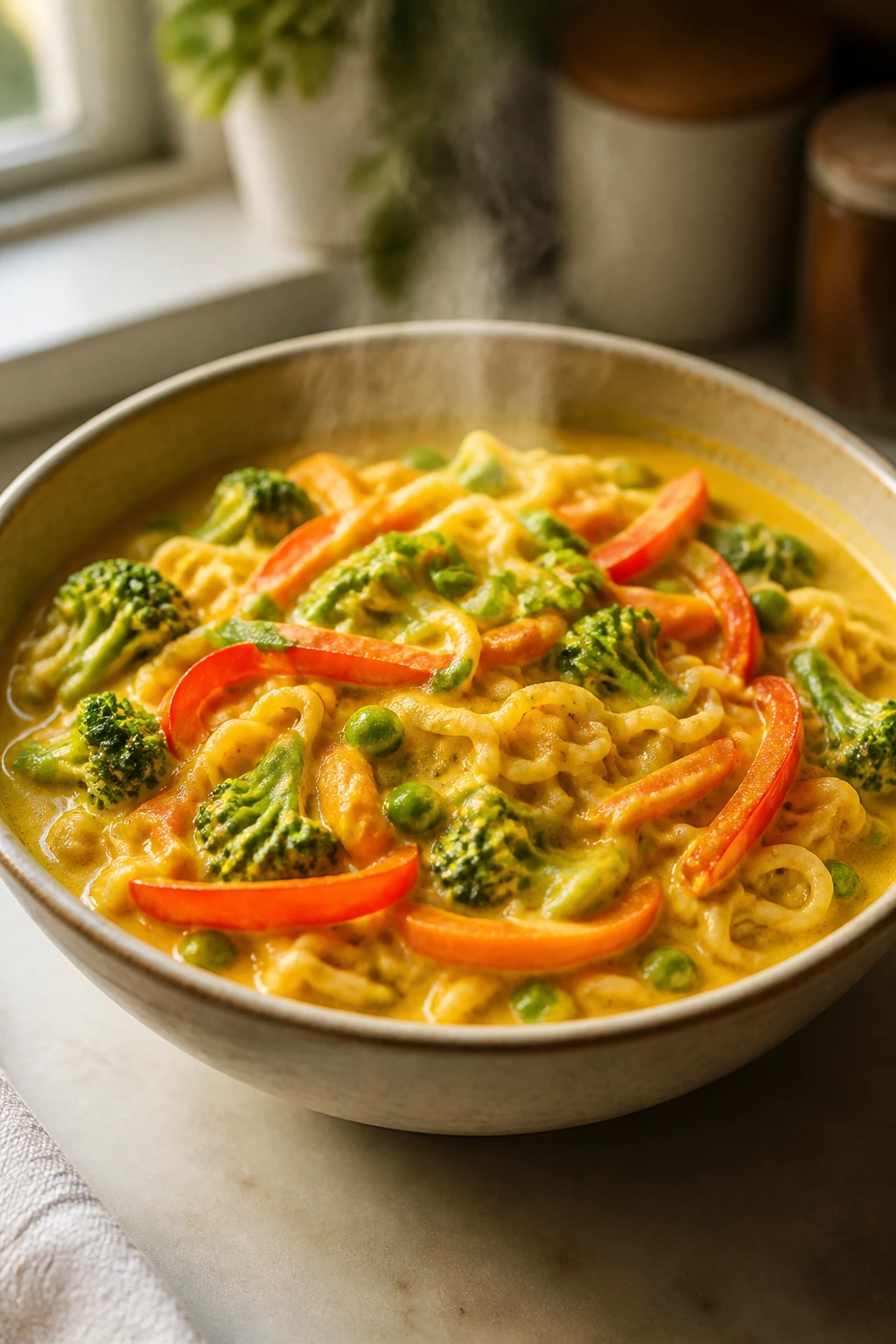
Coconut milk gives ramen a soft, round sauce, and curry powder or paste makes it smell like a proper meal instead of a repair job. Frozen vegetables fit well here because they hold up to the sauce and do not need babysitting. The result is creamy, gently spiced, and a little comforting without tipping into soup.
Why It Works:
Coconut milk carries curry spices better than plain water or broth, and it gives the noodles a silky coating. Mixed vegetables, especially peas, carrots, and green beans, hold their shape in a skillet long enough to stay distinct. A touch of soy sauce keeps the sauce from tasting sweet in the wrong way. Lime at the end cuts the richness.
Key Ingredients:
- 2 packs instant ramen noodles
- 1 tablespoon neutral oil
- 1 small onion, sliced
- 2 cloves garlic, minced
- 2 tablespoons curry powder or 1 tablespoon curry paste
- 1 can coconut milk
- 1 cup frozen mixed vegetables
- 1 tablespoon soy sauce
- 1 teaspoon sugar
- 2 tablespoons water
- 1 lime, cut into wedges
- 2 tablespoons chopped cilantro or scallions
Quick Steps:
- Boil the noodles briefly: Cook for 2 minutes, then drain.
- Cook the onion: Heat oil in a skillet over medium heat. Add onion and cook for 3 minutes until softened.
- Bloom the curry: Stir in garlic and curry powder or paste for 30 seconds until fragrant.
- Add coconut milk and vegetables: Pour in coconut milk, mixed vegetables, soy sauce, sugar, and water. Simmer for 3 to 4 minutes until the vegetables are hot.
- Add noodles: Toss in the ramen and cook for 1 to 2 minutes until coated.
- Finish: Add lime juice and herbs just before serving.
Equipment for This Recipe:
- Large skillet
- Pot for noodles
- Wooden spoon
- Can opener
How to Serve This Dish:
This is nice in a bowl with a little extra sauce left at the bottom, though not enough to turn it into soup. A spoonful of chopped peanuts or fried onions on top adds crunch if the pantry can spare it. It serves 3 to 4, and it makes a decent vegetarian main without acting like a compromise.
Pro Tips for This Recipe:
- Curry powder needs a short toast in oil to wake up.
- Use full-fat coconut milk if you want the sauce to cling better.
- Frozen vegetables should go in straight from the freezer.
- Lime at the end sharpens the coconut milk and keeps it from feeling heavy.
Variations on This Dish:
- Red Curry Version: Use red curry paste and add a few slices of bell pepper.
- Peanut-Curry Bowl: Stir in 1 tablespoon peanut butter for a thicker, nuttier sauce.
- Green Veg Swap: Use frozen broccoli or spinach instead of mixed vegetables.
Common Mistakes to Avoid with This Dish:
- Boiling the coconut milk hard: Gentle heat keeps it smooth.
- Using too much curry powder: The flavor can turn dusty and loud.
- Skipping the acid: Lime makes the bowl taste finished, not flat.
11. Tomato Bacon Ramen with Zucchini
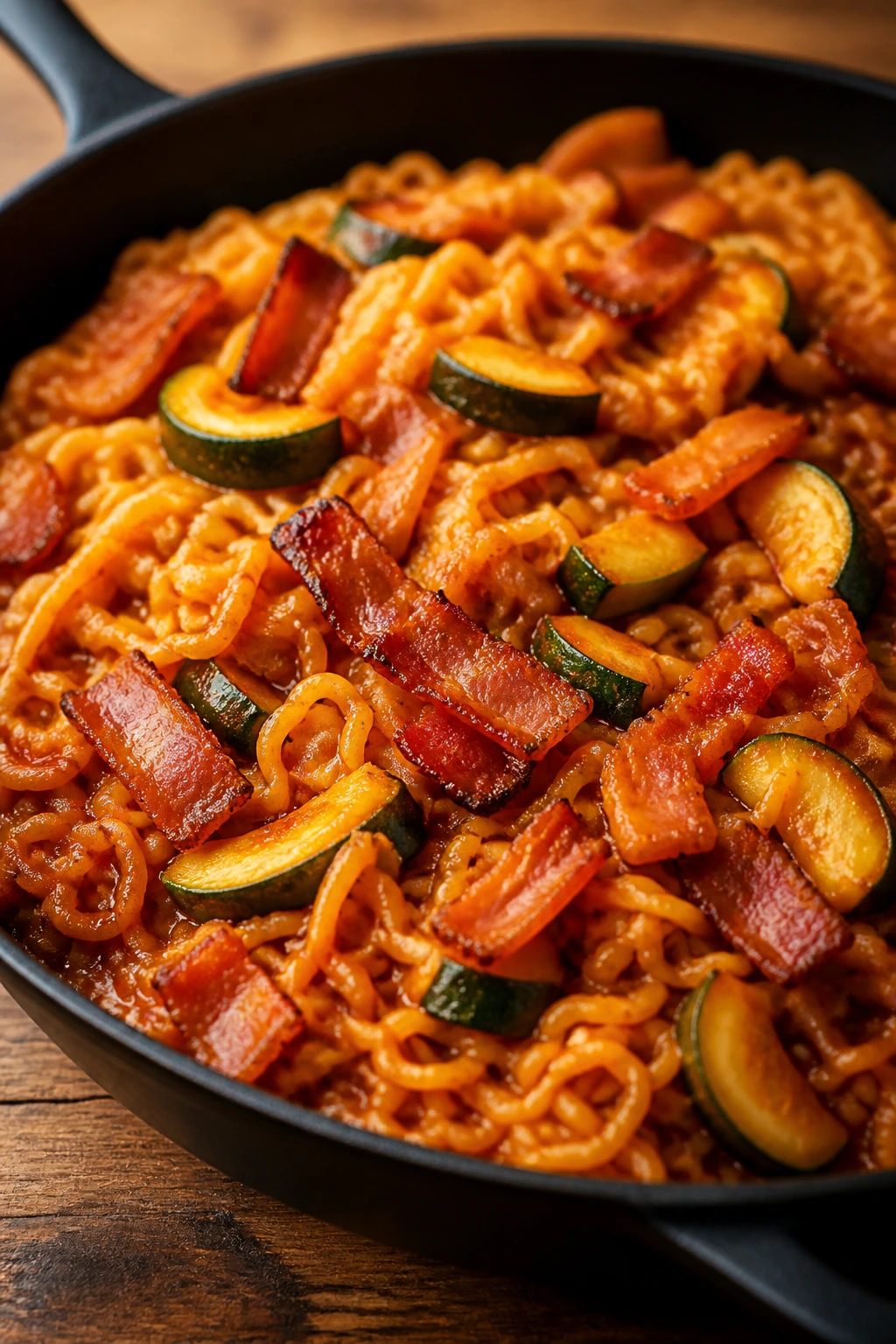
Bacon and tomato are an easy pair, but ramen gives them a rougher, more casual shape that I like. The bacon fat perfumes the noodles, the tomato paste turns the sauce deep and savory, and zucchini softens just enough to sit between the salt and the starch. It tastes like a skillet dinner that knows exactly what it is.
Why It Works:
Tomato paste brings concentrated flavor fast, which is useful when you do not want to simmer sauce forever. Bacon adds smoke and fat, both of which help the ramen absorb the tomato base. Zucchini cooks quickly and gives the dish some green without asking much from you. A pinch of chili flakes keeps the tomato from going sweet.
Key Ingredients:
- 2 packs instant ramen noodles
- 4 slices bacon, chopped
- 1 small onion, diced
- 1 zucchini, halved lengthwise and sliced
- 2 tablespoons tomato paste
- 1/2 cup water
- 1 tablespoon butter
- 1/2 teaspoon chili flakes
- 1 teaspoon soy sauce
- 1 tablespoon grated parmesan or a pinch of salt
- Black pepper to taste
Quick Steps:
- Cook the noodles: Boil for 2 minutes, drain, and set aside.
- Render the bacon: Cook bacon in a skillet over medium heat until crisp, about 5 minutes.
- Add onion and zucchini: Stir in onion and zucchini. Cook for 3 to 4 minutes until softened.
- Build the tomato sauce: Add tomato paste, water, butter, chili flakes, and soy sauce. Stir until the paste loosens and turns brick-red.
- Combine with noodles: Toss in the ramen and cook for 1 to 2 minutes until coated.
- Finish: Add black pepper and parmesan if using.
Equipment for This Recipe:
- Large skillet
- Pot for noodles
- Spoon or spatula
- Paper towel-lined plate for bacon
How to Serve This Dish:
Serve it with the bacon on top so it keeps a little texture. A simple green salad with sharp dressing works better here than bread, since the noodles already cover the starch side of the plate. It feeds 2 to 3 people and gets oddly good the next day if you reheat it with a splash of water.
Pro Tips for This Recipe:
- Cook the bacon until it is crisp enough to keep its shape after stirring.
- Tomato paste needs to cook for a minute or two so it loses the tinny edge.
- If zucchini gives off too much water, let it sit in the hot pan a minute before adding the paste.
- Parmesan is optional, but even a little changes the flavor in a useful way.
Variations on This Dish:
- Smoky Sausage Version: Swap bacon for sliced kielbasa or smoked sausage.
- Garlic Tomato Bowl: Add another clove of garlic with the onion for a sharper sauce.
- No-Bacon Pantry Fix: Use olive oil and a pinch of smoked paprika instead.
Common Mistakes to Avoid with This Dish:
- Leaving the tomato paste raw: It needs heat or the flavor stays harsh.
- Adding parmesan too early: It can melt unevenly and clump.
- Using watery zucchini without cooking it down: The sauce turns thin fast.
12. Hoisin Turkey Ramen with Green Beans
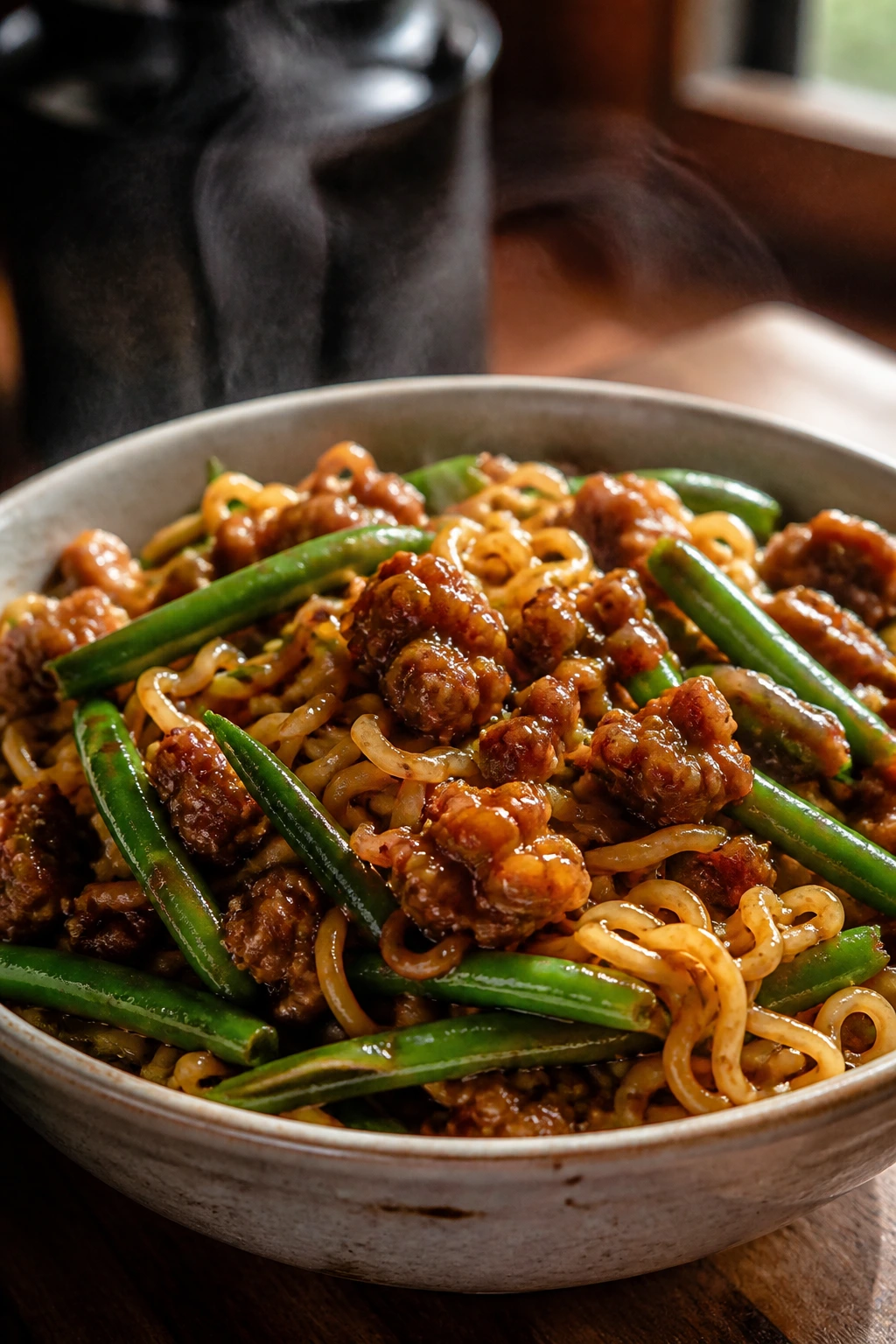
Ground turkey can go dry if you treat it gently in the wrong way, but in a hot skillet with hoisin, soy, and a bit of vinegar, it becomes something far more useful. Green beans stay crisp, the sauce turns glossy, and the ramen carries everything without getting lost. It is a clean, savory finish to the list and one I make when I want dinner to feel tidy.
Why It Works:
Ground turkey needs help, and this sauce gives it exactly that. Hoisin adds sweetness and depth, soy sauce brings salt, and rice vinegar keeps the pan from going sticky in the wrong way. Green beans hold their bite after a few minutes of cooking, which is useful because turkey and ramen both move fast. Sesame oil at the end gives the bowl a toasted finish.
Key Ingredients:
- 2 packs instant ramen noodles
- 1 pound ground turkey
- 1 tablespoon neutral oil, if needed
- 2 cups green beans, trimmed and halved
- 1 carrot, sliced thin
- 2 cloves garlic, minced
- 1 tablespoon grated ginger
- 2 tablespoons hoisin sauce
- 2 tablespoons soy sauce
- 1 tablespoon rice vinegar
- 2 tablespoons water
- 1 teaspoon sesame oil
- 1 teaspoon sesame seeds
Quick Steps:
- Boil the ramen: Cook for 2 minutes, drain, and keep it nearby.
- Brown the turkey: Heat oil in a skillet over medium-high heat. Add turkey and cook for 5 to 6 minutes, breaking it up until no pink remains.
- Add the vegetables: Stir in green beans, carrot, garlic, and ginger. Cook for 3 minutes until the beans brighten and the carrot softens slightly.
- Mix the sauce: Add hoisin, soy sauce, rice vinegar, water, and sesame oil.
- Toss with noodles: Add ramen and stir for 1 to 2 minutes until the sauce coats everything.
- Finish with sesame seeds: Serve hot.
Equipment for This Recipe:
- Large skillet
- Pot for noodles
- Spatula
- Small bowl
How to Serve This Dish:
This works well in a deep bowl with the green beans visible on top, not buried under the turkey. A spoonful of chili crisp is a good add-on if someone at the table likes heat. It serves 3 to 4 and makes respectable leftovers if you keep the noodles a little firm.
Pro Tips for This Recipe:
- Do not stir the turkey constantly at the beginning; a little browning helps.
- Slice the carrot thinly so it cooks in the same window as the beans.
- If the sauce tastes flat, add a small splash more vinegar rather than more soy.
- Ramen keeps soaking up sauce after the pan comes off heat, so serve it fast.
Variations on This Dish:
- Turkey Lettuce Wrap Style: Serve the finished mixture over shredded lettuce instead of noodles if you want a lighter plate.
- Spicy Hoisin Bowl: Add chili garlic sauce to the sauce mix for more kick.
- Cashew Crunch Version: Toss in a small handful of roasted cashews at the end for texture.
Common Mistakes to Avoid with This Dish:
- Stopping the turkey too soon: Underbrowned turkey tastes pale and flat.
- Cutting the green beans too thick: They need to fit the quick cook time.
- Letting the noodles sit too long before serving: They drink up the sauce fast and can turn sticky.
Why Pan-Frying the Noodles Beats Boiling Them to Death
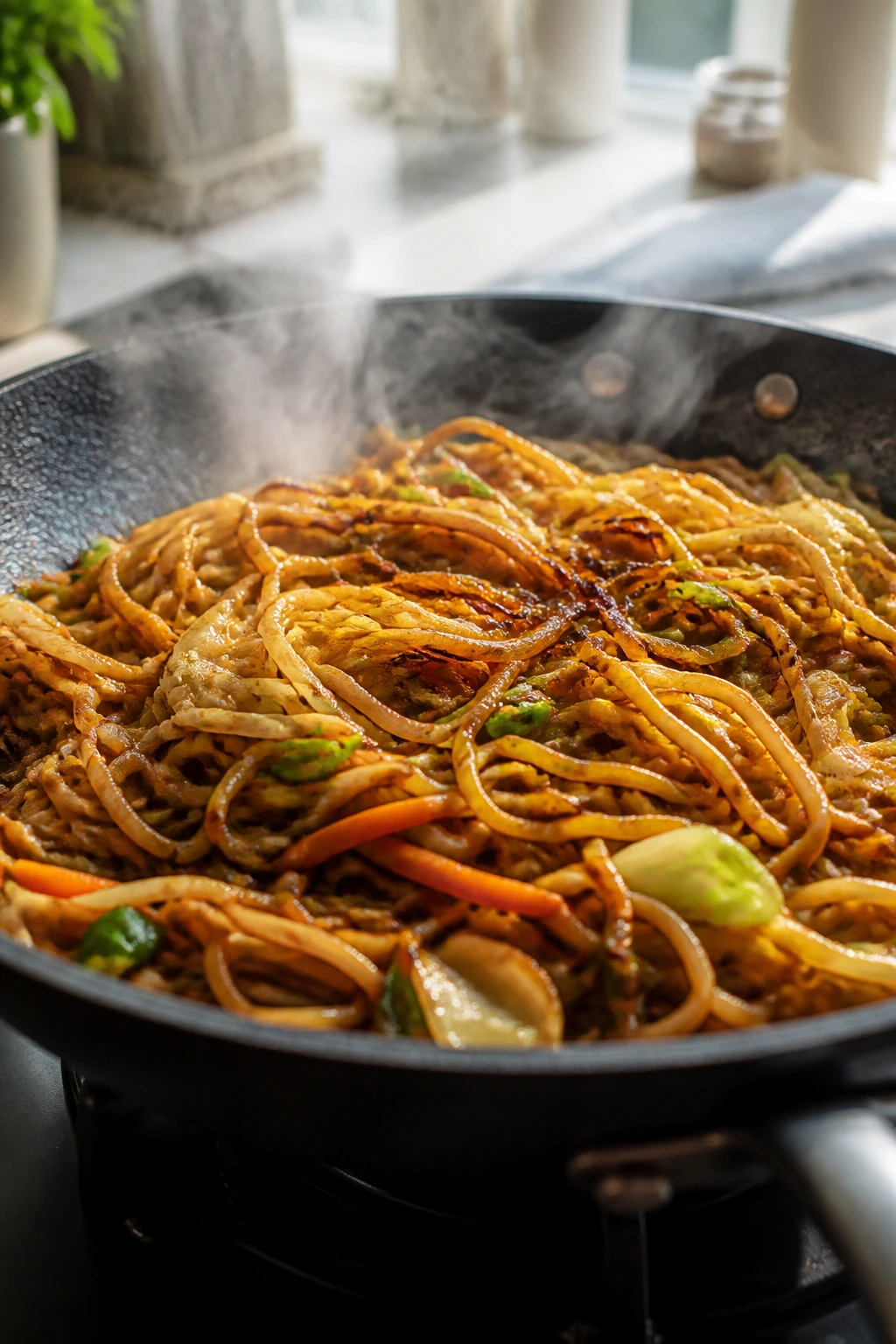
Ramen was built for speed, but speed does not have to mean soup. In a hot skillet, the noodles pick up browned bits from the pan, and those little caramelized patches do a lot of heavy lifting. Boiling them until they are fully soft wastes that advantage. Keep them a touch underdone, then finish them in the sauce. That is the difference between limp noodles and noodles that feel like they belong in the pan.
The other reason this method works is that it lets the sauce reduce around the noodles instead of vanishing into broth. A ramen packet, a spoon of peanut butter, a can of coconut milk, or a splash of hoisin can all stretch farther when they are reduced in direct contact with heat. You taste more of the sauce, less of the water. That matters.
I also like this method because it gives you room to use tiny amounts of vegetables without making them sad. A cup of snap peas, a handful of spinach, half a cabbage, or a few mushrooms can carry a dish when they spend just a few minutes in a screaming-hot skillet. The noodles are not sitting there soaking; they are getting tossed, glazed, and eaten.
Essential Equipment for These Recipes
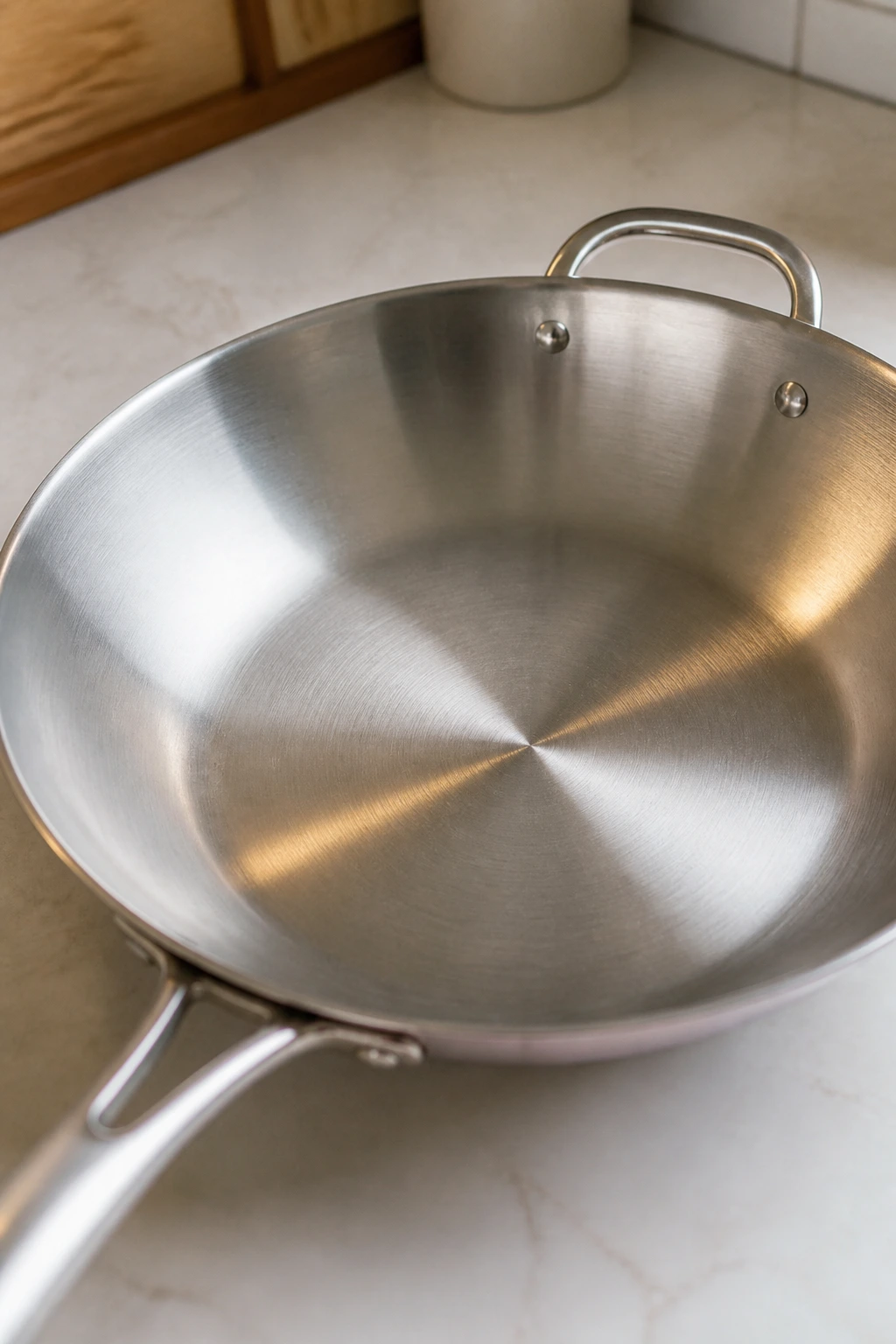
- Large skillet or wok: A 12-inch skillet handles most of these without crowding; a wok works if you like tossing noodles hard.
- Medium pot: Use this for briefly boiling the ramen before it finishes in the skillet.
- Tongs: Handy for lifting noodles, turning chicken, and mixing sauces through the pan.
- Wooden spoon or sturdy spatula: Better than a flimsy spoon when you need to break up meat or scrape up browned bits.
- Small mixing bowl: Useful for sauces so the peanut butter, miso, or hoisin loosens before it hits the heat.
- Knife and cutting board: Thin slicing matters more here than in soup, because the vegetables need to cook fast.
- Colander or spider strainer: Makes draining the ramen quick, which keeps the noodles from overcooking.
- Microplane or fine grater: Worth having for ginger and garlic when you want them to melt into the sauce.
Smart Shopping and Ingredient Tips
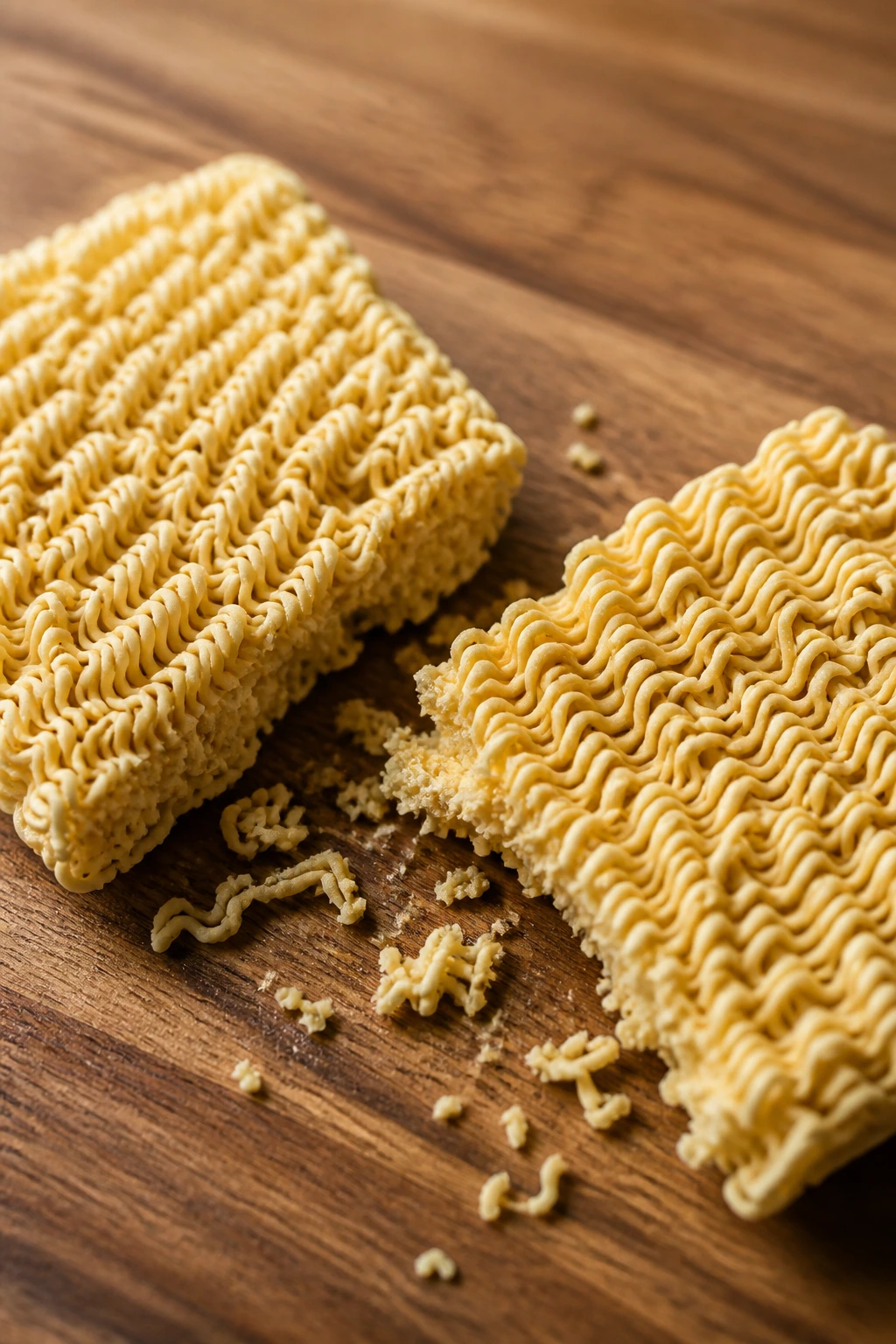
The best ramen stir-fry dinners start with noodles that can take a little abuse. Look for standard instant ramen bricks, not cup noodles if you can help it, because the bricks are easier to separate and drain. The seasoning packets are usable, but salty food needs judgment. I usually start with half a packet or skip it entirely and build flavor with soy sauce, hoisin, miso, or curry paste.
Vegetables should be chosen for fast cooking and some resilience. Cabbage, broccoli, snap peas, peppers, mushrooms, spinach, and green beans all fit the skillet well. Frozen vegetables are not a downgrade here; they are insurance. Frozen corn, peas, broccoli florets, and mixed vegetables can save a dinner that would otherwise become noodles plus sauce and not much else.
For protein, cut speed matters. Thin chicken thighs, shrimp, ground beef, ground turkey, tofu, Spam, canned tuna, or thin pork slices all work because they cook quickly and can absorb sauce. If the protein needs long cooking, it is probably wrong for this format. You want ingredients that can meet the noodles halfway.
Sauces are where pantry packs pay off. Soy sauce, oyster sauce, hoisin, miso, peanut butter, chili crisp, gochujang, fish sauce, curry powder, tomato paste, coconut milk, and rice vinegar are all strong enough to turn plain noodles into dinner. Keep one salty element, one sweet element, one acid, and one fat in mind. That combination keeps the bowl from tasting one-dimensional.
How to Serve These Recipes
Presentation:
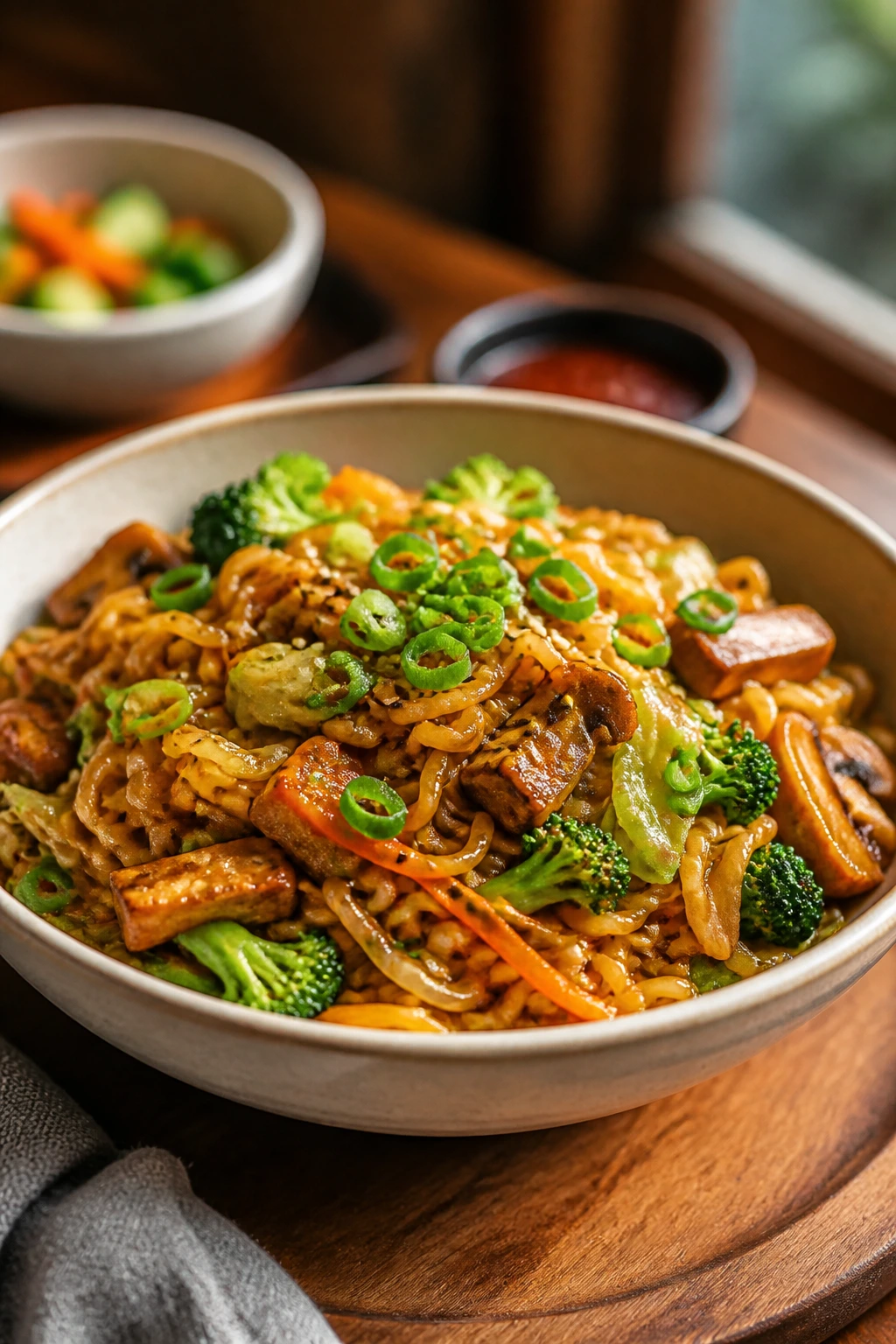
Use shallow bowls when you want the noodles to stay loose and visible, and wide plates when the stir-fry is saucier and needs room to breathe. A scatter of scallions, sesame seeds, or chopped herbs on top makes the bowl look finished without adding much work. If you have a wedge of lime or lemon, leave it on the side where people can see it.
Accompaniments:
These bowls do not need much, but a simple cucumber salad, quick pickles, steamed edamame, or a handful of raw carrot sticks can be enough to reset the palate. If the bowl is rich—peanut, coconut, Spam, or bacon—lean into something sharp and cool next to it. A fried egg on top also counts as an accompaniment in my book.
Portions:
Most of these recipes serve 2 to 4 depending on how much protein and vegetable volume you use. Two ramen bricks usually feed 3 moderate portions or 2 hungry ones. If you want to stretch a skillet further, add an extra cup of vegetables before you add more noodles; that keeps the sauce balance in check.
Beverage Pairing:
Cold beer works with the salty, savory bowls. So does unsweetened iced tea with lemon, especially for the soy-ginger and teriyaki versions. For the spicy bowls, sparkling water with lime keeps your mouth from feeling coated.
Additional Tips and Flavor Boosters

Flavor Enhancement: A teaspoon of toasted sesame oil at the very end goes farther than a tablespoon in the pan. It smells louder when it is not cooked hard, and that tiny perfume can make a basic bowl taste deliberate.
Customization: If a recipe feels too salty, add water in 1-tablespoon splashes and taste again before reaching for more soy sauce. If it feels flat, the answer is often acid—rice vinegar, lime juice, or a few drops of hot sauce—rather than more salt.
Serving Suggestions: Keep crunchy things separate until the end. Crushed peanuts, sesame seeds, fried onions, crispy garlic, or even a handful of tortilla strips can give a soft noodle bowl a bit of lift. I like to add them right before serving so they stay loud.
Make-It-Yours: Gluten-free eaters can use rice noodles or gluten-free ramen and still follow the same skillet logic. For dairy-free bowls, skip butter and parmesan and lean on sesame oil, peanut butter, or coconut milk for body. For extra protein, add a soft egg, canned beans, tofu, or a second handful of meat rather than just piling on more noodles.
Make-Ahead, Storage, and Reheating Guidance
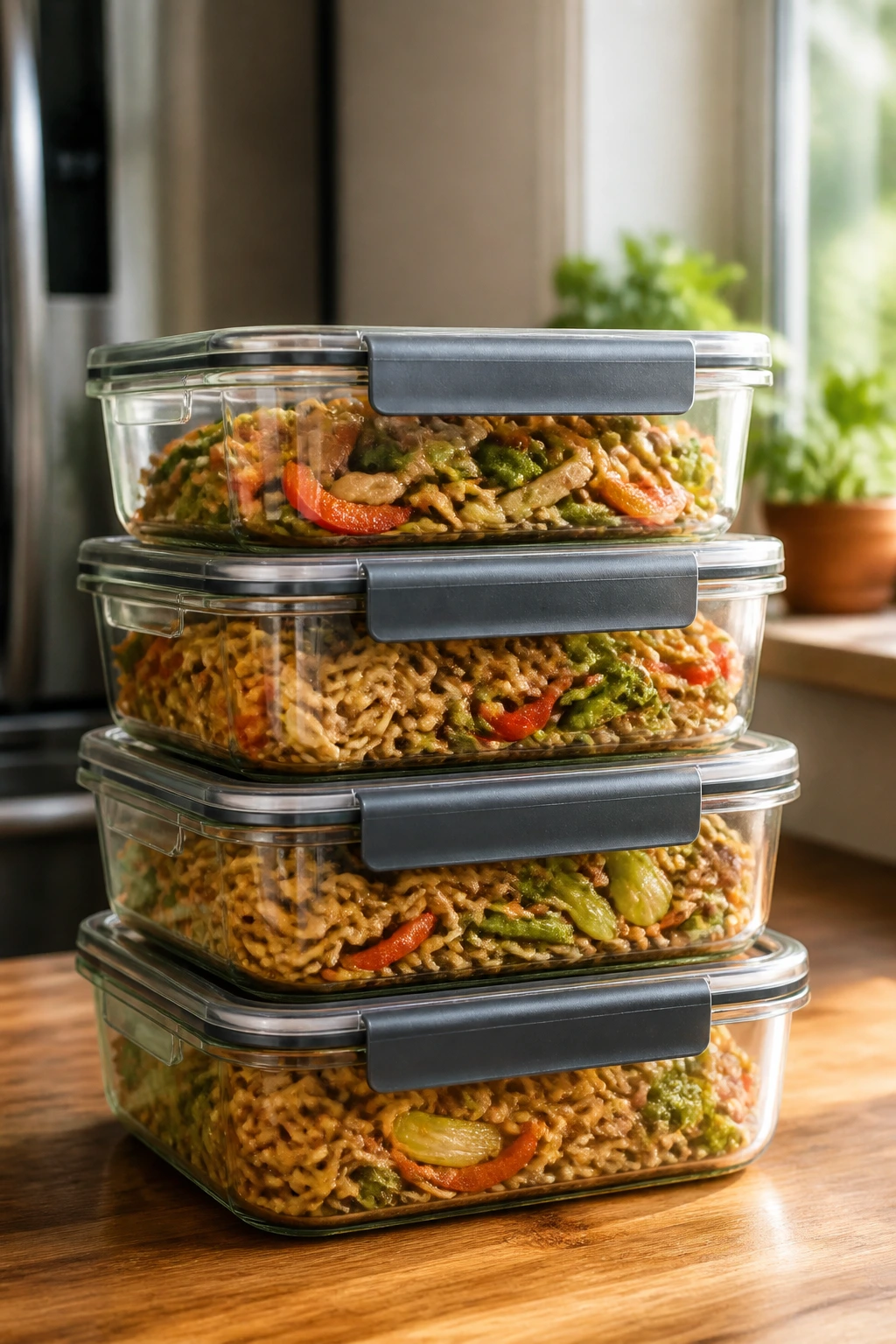
Ramen stir-fry dinners are best the day they are made, while the noodles still have some spring. That said, leftovers can work if you handle them carefully. Cooked stir-fries keep in the refrigerator for 3 to 4 days in a sealed container. Food safety guidance says cooked food should be refrigerated within 2 hours, which matters here because noodles sit in the danger zone faster than a roasted pan of vegetables.
If you want to make ahead, cook the sauce and protein up to 2 days in advance and store them separately from the noodles. Vegetables can be chopped the day before, and hardy ones like cabbage, broccoli, and green beans hold up well. Noodles are the part I would cook last. Once they are sauced, they keep absorbing liquid and go softer by the hour.
For reheating, the skillet is best. Add the leftovers to a pan with 1 to 2 tablespoons of water and warm over medium heat, tossing until the noodles loosen and the sauce turns glossy again. The microwave works too—cover the bowl loosely and heat in 30-second bursts, stirring between each one. If a bowl seems dry, that is normal; the noodles drink sauce after chilling, so a splash of water usually fixes it.
Freezing is mixed. Saucy meat-and-vegetable components freeze fairly well for up to 2 months, but cooked ramen noodles turn soft and odd after thawing. If freezer space is the only plan, freeze the sauce and protein separately, then boil fresh noodles when you are ready to eat.
Variations and Adaptations to Try
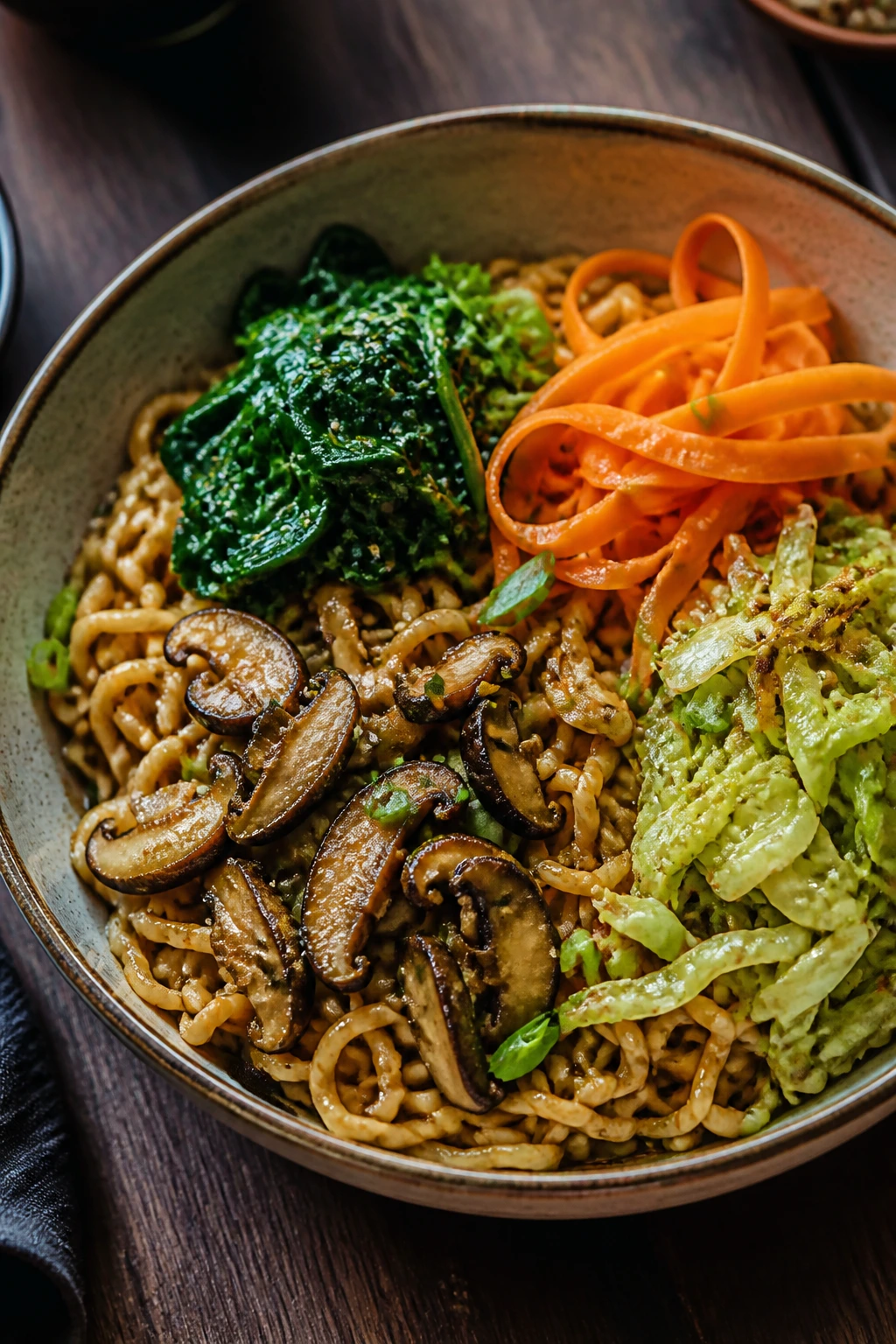
The Pantry Cleanout Bowl: Use any leftover vegetables in the fridge—cabbage, zucchini, mushrooms, carrot, spinach, peas, even the tail end of a bag of slaw mix. The key is to cut everything to a similar size so it cooks in the same window.
The Gluten-Free Skillet: Swap in gluten-free ramen or rice noodles, then use tamari instead of soy sauce. The texture changes a little, but the same sauce formulas still work.
The Dairy-Free Rich Bowl: Skip butter and cheese finishes and use tahini, peanut butter, coconut milk, or sesame oil instead. You get depth without leaning on dairy at all.
The Low-Sodium Route: Cut the soy sauce by a third, then add more ginger, garlic, rice vinegar, lime, and scallions to keep the bowl lively. Unsalted noodles or a lighter hand with the seasoning packet help too.
The Extra-Spicy Build: Add chili crisp, gochujang, sriracha, red pepper flakes, or fresh chilies, but do it in layers. Heat is easier to control when some of it goes into the sauce and some lands on top at the end.
Common Mistakes to Avoid
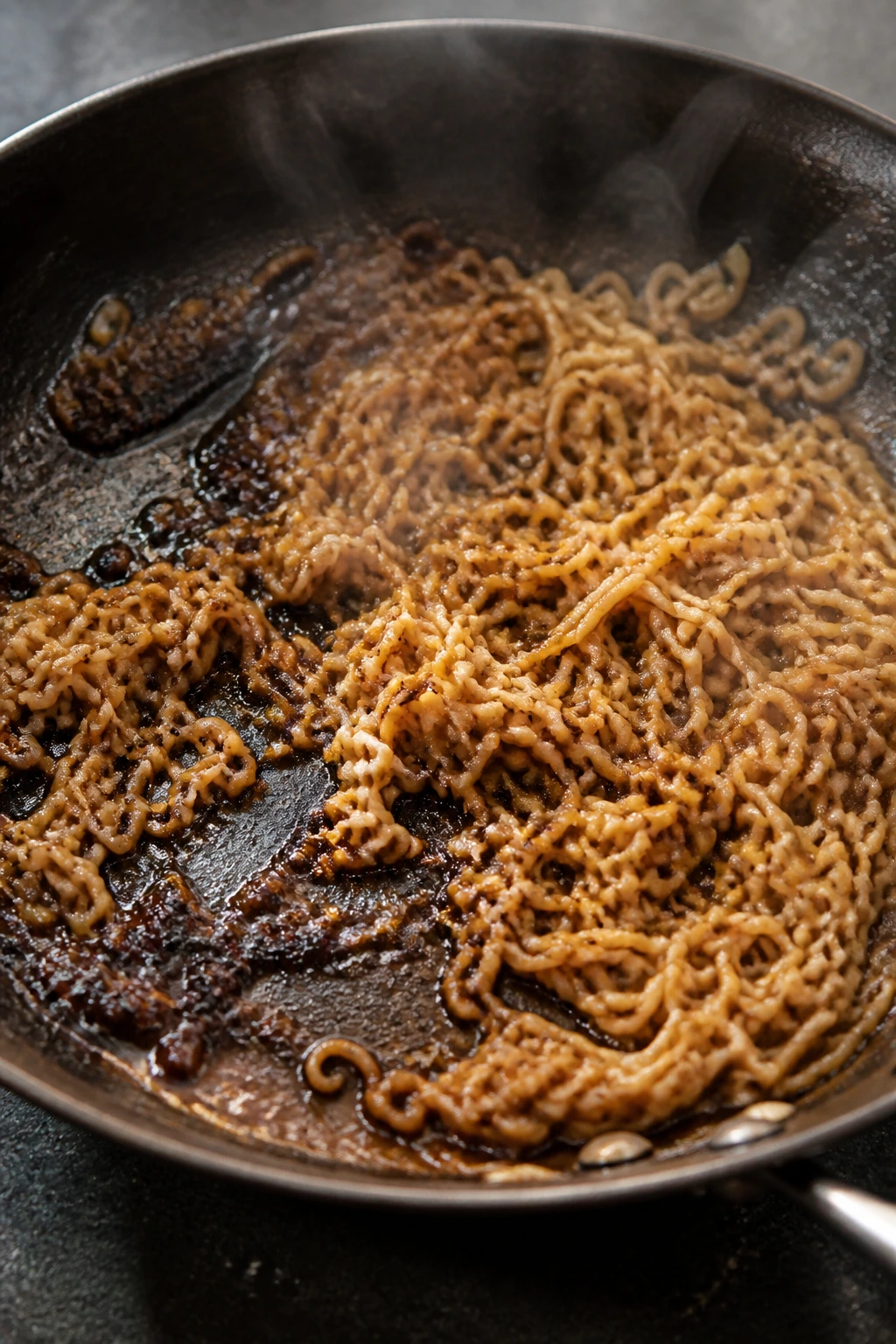
Overcooking the noodles: Instant ramen goes mushy fast. Boil just until the bricks loosen, because they will keep cooking in the skillet.
Dumping in the whole seasoning packet without tasting: Some packets are salty enough to sink the bowl. Start with half, taste, then add more if you need it.
Crowding the pan: A packed skillet drops in temperature and starts steaming food instead of browning it. If your pan looks cramped, cook the protein in batches or split the vegetables.
Adding sauce too early: Acid, sugar, and soy can scorch if they sit on a dry hot pan. Let the vegetables and protein get some color first, then bring the sauce in.
Forgetting to loosen thick sauces: Peanut butter, miso, and hoisin all need water or another thin liquid to spread. If the sauce looks like paste, it is not ready yet.
Using too little heat: Ramen stir-fry works because the pan is hot. If the noodles sit in a lukewarm skillet, they absorb sauce slowly and lose the snappy texture that makes the dish worth making.
Frequently Asked Questions

Can I use the seasoning packet that comes with the ramen?
Yes, but use it like salt, not like the whole sauce. Half a packet often gives enough seasoning, especially if the recipe already includes soy sauce, miso, hoisin, or fish sauce.
Do I need fresh ramen noodles, or do the dry packets work fine?
Dry instant ramen works very well here. In fact, the standard bricks are easier to control because they loosen fast and finish well in the skillet.
What if I only have one ramen pack left?
Build around it instead of forcing it to stretch too far. Add extra vegetables, a can of beans, an egg, or leftover chicken so the bowl still eats like dinner.
How do I keep the noodles from sticking together?
Drain them fast, rinse briefly if needed, and toss them with the sauce while they are still warm. If they sit in a colander too long, they glue themselves into a clump.
Can I make these without soy sauce?
Yes. Tamari, coconut aminos, or a mix of salt plus a little miso or fish sauce can fill the gap. The flavor will shift, but the skillet method still holds.
What is the best vegetable if I only have one thing on hand?
Cabbage is the most forgiving. It lasts, it shrinks in the pan without turning mushy, and it takes on sauce better than most quick-cook vegetables.
Can I make these ahead for lunch?
You can, but keep the noodles slightly underdone and reheat with a splash of water. The texture softens overnight, so the pan version is always better than the container version.
What if my sauce turns out too salty?
Add a splash of water, a little sugar, or a squeeze of lime, depending on the recipe. Salt can be softened, but it usually cannot be erased, so tasting early is your best defense.
A Pantry Pack Worth Reaching For
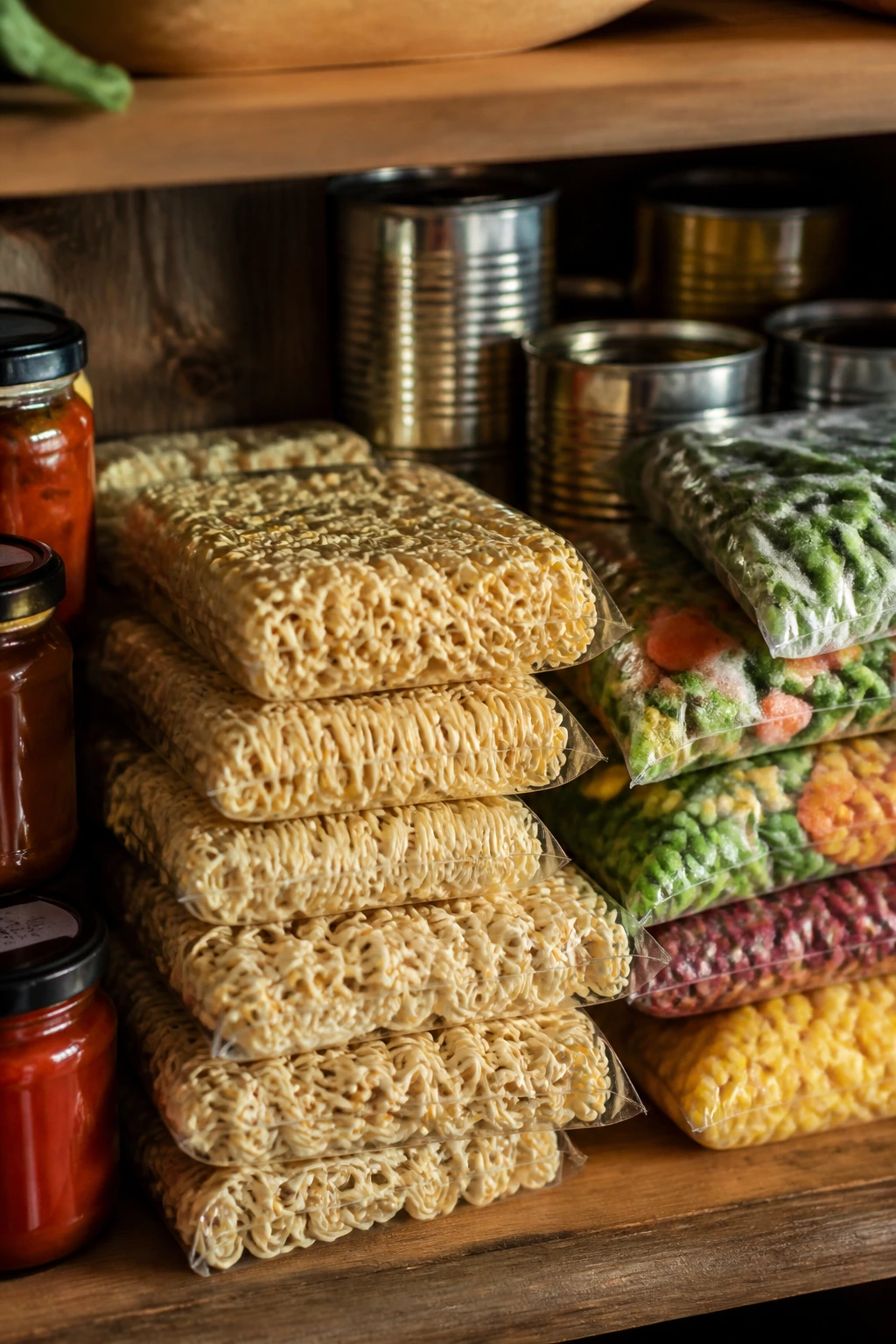
Ramen stir-fry dinners are at their best when they stop pretending to be fancy. They are fast, flexible, and built for the pantry shelves most people actually have: noodles, sauces, a few cans, a bag of frozen vegetables, maybe a lonely protein waiting its turn. That is plenty.
Once you start thinking of ramen as a skillet base instead of a soup shortcut, the whole package changes. It becomes a fast route to dinner that still gives you browning, crunch, gloss, and enough variety to keep the idea from getting old. Keep a few noodle bricks around, and the rest is mostly a matter of what is in the cupboard and how hungry you are.